



The wolf cut has become impossible to ignore in modern hair culture—and for good reason. It’s that perfect intersection of edgy and wearable, where 1980s shag energy meets contemporary mullet aesthetics, creating something that feels both rebellious and refined. The beauty of the wolf cut lies in its versatility: it can look punk rock or polished, casual or intentional, depending on color, texture, and styling choices. If you’re considering this cut but want something distinctly different from what’s already out there, understanding the spectrum of short wolf cut variations is crucial before you book that appointment.
What makes the wolf cut so special is how it plays with proportions. The signature shorter, textured crown gives it attitude and movement, while the longer layers toward the back create dimension and flow. Short wolf cuts specifically eliminate the longer lengths entirely, delivering that modern edge without the commitment of maintaining substantial length. This makes them perfect for people who want the trendy vibe without daily styling requirements or frequent trims. The key to nailing the right short wolf cut for your face shape, hair texture, and personal style is showing your stylist exactly what resonates with you—which is where these twelve distinct interpretations come in.
Each style here represents a different take on the wolf cut formula, from textured chaos to sleek precision, from subtle to statement-making. Think of this as your visual conversation starter with your hairstylist. You’re not just asking for “a wolf cut”—you’re arriving with specific references that communicate your intention. Whether you’re drawn to the tousled, lived-in aesthetic or prefer sharp, geometric lines, there’s a short wolf cut style here that speaks to your vision.
1. Textured Shag Wolf Cut

The textured shag wolf cut is the OG of this category—it leans hard into the 1980s shag DNA while maintaining modern sensibilities. This style features incredibly choppy, piece-y layers throughout, with shorter texturized sections at the crown that create serious movement and dimension. The texture extends all the way down, creating an effortlessly disheveled appearance that actually requires intention to achieve. The back isn’t dramatically longer than the front; instead, it features subtle length with tons of choppy layers that create a shaggy, feathered effect.
How to Request It From Your Stylist
Tell your stylist you want a textured wolf cut with choppy, piece-y layers throughout that create movement and dimension. Ask them to focus on creating texture rather than blunt lines—the layers should feel intentional but organic, not overly constructed. Mention that you want the shorter crown to transition into slightly longer layers below, with emphasis on creating a lived-in, tousled aesthetic. Show reference photos where the hair looks a bit undone but still styled.
Styling and Maintenance
This cut absolutely thrives on texture, so a texturizing spray or dry shampoo becomes your best friend. Apply it to damp roots for lift and to the lengths for grip and dimension. You can style this with fingers and minimal product, or lean into a more deliberate texture cream for definition. The choppy layers mean you’ll need trims every 4-6 weeks to maintain the shagginess—this cut actually gets weaker if it grows out too long between appointments. Low-heat styling or air-drying works beautifully here; this cut looks best when it’s not slicked down.
Who It Suits Best
This works particularly well for people with finer to medium hair textures who want visual thickness, since the choppy layers create the illusion of density. If you have naturally wavy or curly hair, this cut amplifies your texture gorgeously. Straight-haired people can achieve this too, but they’ll need to style in texture or embrace air-drying to get the full effect.
2. Blonde Money Pieces Wolf Cut

Money pieces—those face-framing blonde sections—add a luxe, high-fashion dimension to the wolf cut. This variation combines the short wolf cut structure with strategic blonde highlights positioned specifically around the face. The piece-y layers work in perfect harmony with the lighter color breaks, creating dimension that catches light and draws focus to your features. The rest of the hair can stay darker for contrast, or go fully blonde depending on your preference. This style feels intentional and styled without looking overly done.
The Color Conversation With Your Stylist
Bring photos showing the placement of money pieces relative to the wolf cut structure. Money pieces should frame the face—think cheekbones and jawline—rather than random highlights scattered throughout. Ask your stylist how often you’ll need to touch up the blonde (typically every 6-8 weeks depending on your natural color and how visible the regrowth is). Discuss whether you want the blonde to have a warm, cool, or neutral undertone that complements your skin. The contrast between the darker base and lighter pieces is what creates the high-impact look.
Styling Approach
Money pieces benefit from being deliberately styled and separated. Use a styling cream, light gel, or texturizing spray to emphasize the individual highlighted sections. This isn’t a “wash and go” style—it’s best appreciated when you take 5-10 minutes to piece out the layers and define where the color placement sits. The shorter wolf cut base means you can add a subtle tousle or go more sleek depending on occasion.
Who It Suits Best
This works beautifully on people with deeper natural hair colors where the contrast is visible and striking. If you have very light hair already, the money pieces concept becomes more subtle. This style suits people who enjoy having a “styled” appearance and are committed to color maintenance, since the piece-y placement shows regrowth quickly.
3. Curly Wolf Cut

A curly wolf cut amplifies your natural texture into something sculptural and bold. The shorter, layered structure of a wolf cut actually works with curly hair rather than against it, since the layers help individual curl pattern shine without weight dragging curls down. This version embraces waves, coils, and everything in between, creating a bouncy, voluminous effect that feels both retro and current. The back layers allow for curl separation and definition, while the shorter crown gives lift and shape.
Cutting and Texture Conversations
When discussing this with a curly-hair-savvy stylist, ask them to cut and sculpt using the “curly girl” method or dry-cutting technique so they can see how your curls actually fall and shape when dry, not when wet. This prevents over-cutting and ensures the layers work with your curl pattern rather than fighting it. Ask which layers they’ll remove to reduce bulk while preserving curl definition. Discuss whether they recommend a DevaCut or similar specialized curly-cut technique. The goal is a cut that looks intentional when your curls are fully defined, not one that needs to be straightened to look right.
Styling and Care
Curly wolf cuts need consistent moisture and definition products. A leave-in conditioner, curl cream, and gel layered together typically creates the best definition and hold. Apply to soaking-wet hair, scrunch upward, and either air-dry or diffuse. This cut looks best when curls are fully hydrated and defined—frizz-fighting becomes essential. Regular deep conditioning treatments prevent the layered structure from drying out faster. Refresh curls between washes with a spray bottle and product reapplication.
Who It Suits Best
This is the holy grail for anyone with naturally curly or coily hair who’s tired of fighting their texture. Wavy-haired people will see their waves amplified beautifully. This cut is transformative for people who’ve been straightening their hair for years and want to finally embrace what they naturally have.
4. Choppy Layered Wolf Cut

If you want maximum texture and movement, the choppy layered wolf cut takes the layer concept to the extreme. This version features aggressive, visible layers throughout—you can actually see the individual choppy sections, and nothing flows smoothly. It’s angular, intentional, and demands confident styling. The crown is shorter and textured, while the back sections are choppy and distinct rather than blended. This creates a somewhat jagged silhouette that feels modern and fashion-forward.
Communication With Your Stylist
Describe what you want as a heavily layered wolf cut with visible, distinct choppy sections throughout. Bring reference photos showing the exact angle and choppiness level you’re envisioning. Ask your stylist to cut while your hair is dry so they can see the texture and natural fall. Explain that you want the choppiness to be a visible design feature, not just internal texture. Discuss whether you want the layers to have slightly longer or shorter points—this changes the overall vibe significantly.
The Styling Reality
This cut requires actual styling effort. It looks best when piece-separated with texturizing spray, dry shampoo, or styling cream. A flat iron or curling iron can enhance the choppy pieces, or texture products can make them stand out naturally. This isn’t a “air dry and go” scenario—you’re looking at 10-15 minutes of intentional styling most days. That said, the visual payoff is dramatic; this cut makes a serious statement.
Who It Suits Best
This works on most hair textures but looks particularly striking on straight to wavy hair where the choppiness is really visible. Fine-haired people might find this makes their hair look wispy; thicker-haired people absolutely shine with this cut. This style suits someone with a modern, edgy aesthetic who enjoys spending time on their hair styling.
5. Sleek Modern Wolf Cut

The sleek modern wolf cut strips away the textured chaos and leans into clean lines and geometric precision. This version maintains the wolf cut silhouette—shorter crown, longer back layers—but creates smooth, intentional lines rather than choppy texture. The layers are there, but they’re blended and refined, creating dimension without the tousled feel. The overall impression is contemporary and fashion-conscious, possibly with the slightest undercut or faded sides for maximum polish.
Asking For What You Want
Tell your stylist you want a clean, geometric wolf cut with smooth layering and refined lines—think less shag, more sculpture. Explain that you want the short crown to be sleek, not choppy, and that the longer layers should blend smoothly rather than look piece-y. Ask whether they’d recommend subtle fading or an undercut on the sides to enhance the modern aesthetic. Bring reference images showing wolf cuts that lean sophisticated rather than textured and messy.
Styling Approach
This cut looks best when styled intentionally. A smooth styling cream, light pomade, or gel can emphasize the clean lines. You might blow-dry with a round brush to create smoothness, or use a flat iron to define the layers and create slightly bent angles. This style appreciates being “done” in the conventional sense—it’s not meant to look undone. The sleekness is the whole point.
Who It Suits Best
This works beautifully on all hair types, but especially suits people with straight or naturally sleek hair. It’s the wolf cut for minimalists and people who prefer a more polished, put-together aesthetic. If you like modern, architectural haircuts but want something with more movement than a blunt bob, this is your option.
6. Peachy Toned Wolf Cut

Color can completely transform a wolf cut’s personality, and peachy, warm tones create an incredibly approachable, soft version of this edgy cut. This might be a full peachy-blonde color, a warm brown base with peachy-blonde highlights, or even a subtle peach tint to lighter hair. The warmth of the color makes even a layered wolf cut feel less severe, pairing beautifully with certain skin undertones and creating a cohesive, intentional look. The cut structure remains the same; the color is what shifts the vibe significantly.
Color Strategy Discussion
Ask your colorist whether warm peachy tones would suit your skin undertone before committing. Peachy works beautifully on warm skin undertones and can be stunning on deep skin tones as well, but it can clash with very cool undertones. Discuss whether you want the peachy tone throughout or concentrated in certain sections. Ask about maintenance frequency—peachy tones tend to shift toward orange or fade faster than some other colors, so you’ll likely need touch-ups every 4-6 weeks. Discuss toning treatments to keep the color looking intentional.
Styling and Maintenance
Peachy tones look their best when the cut’s layers are visible and separated. Use texturizing spray, color-safe products, and possibly a light styling cream to enhance dimension. The warmth of the color actually makes this wolf cut look more intentional and cohesive, so even with minimal styling, this cut reads as “styled.” Invest in purple or blue-toning shampoo if your peachy tone starts shifting toward orange between appointments.
Who It Suits Best
Warm skin undertones absolutely glow with peachy hair. Deep skin tones can look stunning with warm peaches that cut through and create beautiful contrast. The peachy tone softens the edginess of a wolf cut, making it feel more approachable and less deliberately rebellious.
7. Dark Mullet Wolf Cut

The dark mullet wolf cut emphasizes the mullet DNA within the wolf cut concept. This version features a noticeable contrast between the shorter front and significantly longer back—it’s not a gradual transition but a more obvious style shift. The overall silhouette reads more “mullet with modern styling” than traditional wolf cut. It works in deep blacks, dark browns, or rich jewel tones that emphasize the contrast. This is a statement cut for people who want to lean into the edgy, boundary-pushing nature of the wolf cut.
Getting the Length Contrast Right
When discussing this with your stylist, show reference photos that clearly show the length difference between front and back. Ask them how short they’ll take the front section and how much length they’re keeping in the back. Discuss whether you want a visible transition line or a more blended gradient. Ask about styling options that emphasize the contrast—some people prefer this cut swept back to show off the difference, while others prefer mixing it up. Be clear about how dramatic you want the effect to be.
Styling for Impact
This cut looks best when the shorter front and longer back are clearly distinguished in styling. You might sweep the front back, style it differently than the back, or create deliberate textural contrast between the two sections. The drama of this cut is actually enhanced by styling choices, so lean into that intentionality. This is an especially fun cut for people who like to switch up their styling approach depending on mood or occasion.
Who It Suits Best
This works on most hair textures but reads most dramatically on straight or wavy hair where the length difference is immediately visible. Curly or coily-haired people can rock this too, though the textural difference might read differently than on straighter hair. This cut suits someone with confidence and a willingness to fully commit to a boundary-pushing style.
8. Underdyed Wolf Cut

An underdyed wolf cut features a contrasting color hidden underneath the top layers. You might have dark hair on top with a vibrant color peeking through underneath, or light hair on top with darker unexpected color beneath. This creates dimension and visual interest without fully committing to an all-over bold color. The wolf cut’s layered structure actually works perfectly with underdye, since the movement reveals the hidden color in dynamic ways depending on how you style it.
Planning the Underdye Effect
Talk to your colorist about where exactly they’ll place the hidden color so it peeks through when layers separate naturally. Ask how obvious or subtle you want the peek-through to be—do you want it visible every time you move, or more of a surprise element? Discuss color combinations that will have striking contrast. Plan a timeline for color maintenance; depending on the colors chosen, you might need touch-ups every 4-8 weeks. Bring reference images showing exactly where and how the hidden color shows.
Revealing Your Hidden Color
Style this cut to deliberately separate layers and move, which reveals the underdye. Use texturizing spray, point-cut styling, or finger-scrunching to create that movement. You can also create intentional styling variations where some days you wear it sleeker (showing less of the hidden color) and other days more tousled (showing more). This gives you styling flexibility and keeps the look fresh.
Who It Suits Best
This works on all hair types and suits someone who likes a secret element to their style. If you want something bold but not that bold—or if your workplace doesn’t allow vibrant hair colors but you want to express yourself—an underdye offers the perfect balance. This also suits people who like their hair to look different depending on styling and lighting.
9. Platinum Short Wolf Cut

A platinum wolf cut is the epitome of modern, high-impact style. Platinum blonde (essentially silver-white) paired with the sharp, textured lines of a short wolf cut creates something distinctly current and fashion-forward. This requires commitment to maintenance and care—platinum toning appointments are essential, and the bleached hair needs intensive conditioning—but the payoff is undeniably striking. The cool tone of platinum contrasts beautifully with the warmer undertones of most skin, creating visual interest.
Platinum Commitment Reality
Before pursuing this, understand that platinum requires significant color maintenance. You’ll need a toner touch-up every 3-4 weeks to maintain that cool silver tone; letting it grow out yellow-brassy ruins the look. The bleaching process necessary to achieve platinum is damaging, so you need to be committed to deep conditioning treatments and possibly protein treatments regularly. Ask your colorist about the state of your hair and whether they recommend waiting or doing some conditioning first. Discuss the maintenance timeline honestly before starting.
Styling Platinum
Platinum pairs beautifully with intentional, polished styling. A smooth styling cream emphasizing clean lines, or a texturizing spray creating piece-y definition, both showcase platinum perfectly. The cool tone reads as contemporary and fashion-conscious, so lean into styled looks rather than undone aesthetic. This color demands to be seen and appreciated, so make sure your styling reflects that.
Who It Suits Best
Platinum works on all skin undertones but reads slightly differently. Cool undertones might prefer pure platinum, while warm undertones might lean slightly warmer (still platinum but with subtle warmth). This cut and color is for someone committed to maintenance and who enjoys a statement-making, high-fashion aesthetic.
10. Volume-Forward Wolf Cut

A volume-forward wolf cut maximizes lift and body, creating a silhouette that’s noticeably rounder and fuller through the crown. This version features textured, choppy layers specifically designed to create maximum height. The shorter crown pieces are deliberately angled upward, and the layers throughout are structured to support volume rather than just provide texture. This is ideal for people with fine hair who want their hair to look thicker, or for anyone who loves the feeling of volume and movement.
Requesting Maximum Volume
Tell your stylist you want a textured wolf cut specifically designed for lift and volume through the crown. Ask them to cut layers that support upward angles rather than laying flat. Discuss whether they recommend shorter, choppier layers (which create more volume) or slightly longer layers (which give volume but with more control). Ask about styling techniques that maximize lift—blow-drying direction, product recommendations, and whether they suggest a volumizing mousse or spray. Bring photos of volume-forward cuts that appeal to you.
Styling for Lift
This cut looks best with intentional volume styling. Blow-dry with a round brush directing layers upward and outward, or use a volumizing mousse on damp roots before air-drying. Texturizing spray adds grip and enhances volume. Avoid heavy products or oils that weigh the hair down; this cut thrives on lightness and lift. You’re looking at regular styling effort to maximize the volume potential this cut offers.
Who It Suits Best
This is transformative for anyone with fine or thin hair who wants their hair to look thicker and fuller. People with naturally straight hair get excellent volume from this cut. Curly-haired people can rock this too, though their natural texture creates volume differently. This suits someone who enjoys having noticeable volume and is willing to style for it.
11. Spiky Textured Wolf Cut
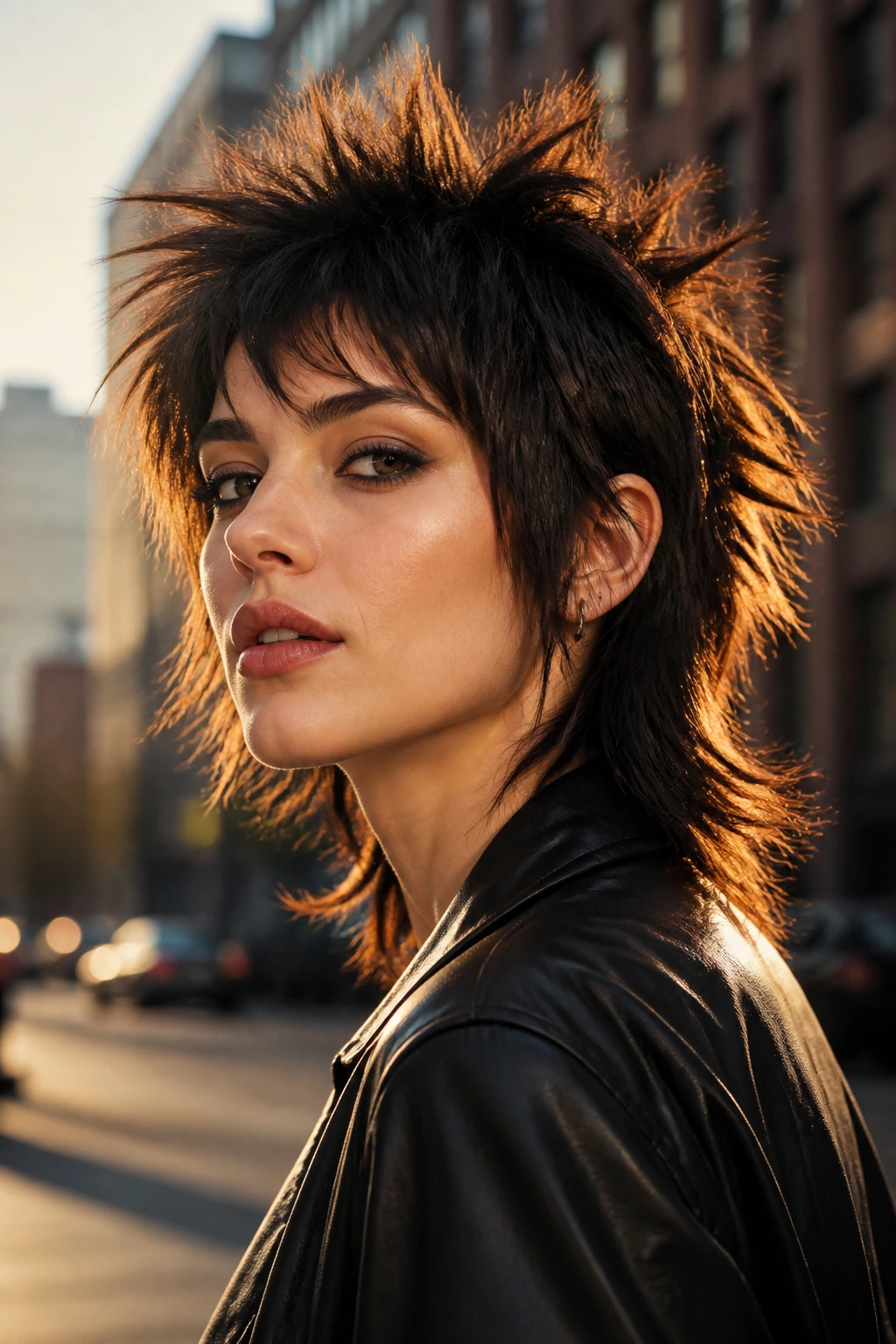
The spiky textured wolf cut takes the choppy layers concept and creates sharp, pointy sections that look almost geometric. This version features very short, spiky pieces at the crown and throughout, creating an angular, edgy silhouette that reads contemporary and fashion-forward. The back layers are spiky too—nothing is soft or rounded. This is a bold, unapologetic cut that demands attitude and intentional styling.
Cutting For Spikiness
Discuss with your stylist that you want a deliberately spiky, geometric wolf cut with sharp points throughout. Ask them to cut pieces at angles that encourage pointing upward or outward rather than laying flat. Mention that you want the spikiness to be a visual design feature, not just incidental texture. This typically works best cut dry so the stylist can see how each piece actually falls. Bring reference photos showing the exact level of spikiness you’re envisioning.
Styling Spiky Texture
This cut needs styling product to really shine. A spiky styling clay, matte texturizing spray, or lightweight gel can make those points stand up intentionally. Apply to damp hair and blow-dry directing each section upward, or apply to dry hair for quick texture enhancement. This is definitely a “styled” cut—it’s not designed to look natural or undone. Embrace the intentionality of it.
Who It Suits Best
This works on most hair textures but reads most dramatically on straight or wavy hair. Fine-haired people might find the spikiness less sustainable throughout the day. Thicker-haired people rock this cut beautifully, and curly-haired people can create spiky definition with the right products. This suits someone with an edgy aesthetic and willingness to style daily.
12. Grown-Out Fringe Wolf Cut

A grown-out fringe wolf cut incorporates a longer front fringe that transitions into the wolf cut structure. Rather than a blunt bangs situation, the fringe is long and shaggy, blending into the rest of the cut as it grows out. This creates a softer, less severe entry to the face while maintaining the edgy wolf cut personality. The fringe works in layers, creating that piece-y, textured quality throughout. This is the wolf cut for people who like bangs-adjacent energy without committing to full bangs.
Designing Your Fringe
Ask your stylist to cut a grown-out fringe that’s longer than traditional bangs but shorter than the rest of the cut, positioned to graze around cheekbone or slightly longer. Ask how they’ll layer it so it blends naturally as it grows out rather than creating an obvious grown-out-bangs phase. Discuss whether the fringe will have choppy texture or smoother lines. Explain that you want it to feel like an intentional part of the cut, not something separate. This is a more complex cut than standard wolf cut, so make sure your stylist has experience with this specific variation.
Styling the Fringe Element
The fringe needs deliberate styling to look intentional. You might part it to the side, sweep it back, or wear it forward depending on mood and occasion. Use texturizing spray to piece out the fringe separately from the rest of the cut. The fringe catches light differently than the back layers, so position it to frame your face in a way that complements your features. Styling this element specifically is part of the appeal—it gives you daily variation options.
Who It Suits Best
This works on most hair types and face shapes, though it suits longer face shapes particularly well since the fringe breaks up vertical lines. People who love the idea of bangs but aren’t fully committed find this perfect—you get fringe-adjacent energy with flexibility. This suits someone who enjoys varied styling options and wants something distinctive without being extremely edgy.
Final Thoughts

The beauty of the short wolf cut is that it’s genuinely customizable. Whether you gravitate toward textured chaos, sleek precision, bold color, or specific structural variations, there’s a wolf cut interpretation that speaks to your aesthetic and personality. The key to a successful appointment is arriving with clarity about which version excites you. That doesn’t mean you need to replicate these styles exactly—your stylist should adapt any of these concepts to suit your hair texture, face shape, and lifestyle. But having specific reference points helps you communicate your vision clearly rather than just saying “I want a wolf cut” and hoping for the best.
Before your appointment, spend time looking at these styles and noticing which elements resonate. Do you love the textured, lived-in aesthetic? Are you drawn to clean, geometric lines? Does color interest you, or do you want the cut alone to do the talking? Are you willing to style daily, or do you want something that works with minimal effort? These answers guide you toward the wolf cut that’ll feel right when you walk out of that salon chair.
The short wolf cut has staying power precisely because it’s versatile enough to express wildly different aesthetics. It works for people with diverse hair textures, face shapes, and personal styles. Bring these references to your stylist, have an honest conversation about maintenance and styling commitment, and trust the process. A well-executed short wolf cut—in whatever variation speaks to you—is a genuinely transformative haircut that delivers movement, dimension, and personality in one sharp, modern package.
