



Thick hair over 50 can feel like a blessing and a curse at the same time. You’ve got all that gorgeous volume and body that many women would kill for, but managing it? That’s another story entirely. The thing is, finding the right haircut becomes absolutely crucial when your hair has that density. The wrong cut can leave you feeling weighed down, overwhelmed by styling, or just plain unflattering. But here’s the good news—there are so many incredible options out there that’ll make your thick hair work for you, not against you.
As we age, our hair naturally changes. It might become coarser, drier, or start showing signs of gray. For women over 50 with thick hair, these changes can make styling feel even more challenging. But that’s exactly why we’ve put together this comprehensive guide. We’re going to walk you through 25 stunning hairstyles specifically designed to flatter thick hair, work with your mature features, and keep you feeling confident and stylish. Whether you’re thinking about going short, staying medium, or keeping some length, you’ll find inspiration here.
Why Thick Hair Over 50 Needs a Strategic Approach

Let’s talk honestly about what changes happen. Your hair density might actually work in your favor once you understand how to harness it. But you need a cut that removes enough bulk to make styling manageable, while still maintaining the fullness that gives your look dimension and youthfulness. The key isn’t fighting your thick hair—it’s working with it.
As hair matures, it often becomes wiry or coarser. This texture can actually benefit from the right cut because it holds shape beautifully. You don’t need as much product or heat styling to achieve movement and volume that women with fine hair struggle to create. Your challenge, honestly, is more about managing weight and keeping things from looking too heavy or severe around your face.
The best cuts for thick hair over 50 incorporate strategic layering, thoughtful face-framing, and texturizing techniques that remove bulk without sacrificing length. Layers aren’t just about reducing weight—they create the illusion of movement and flow, which keeps your style looking younger and fresher. And let’s be real: a good haircut that makes you feel like yourself? That’s worth its weight in gold.
Understanding the Power of Layering and Texture

Layering is honestly your secret weapon. When you have thick hair, blunt one-length cuts can sometimes look heavy or helmet-like. But add some strategic layers? Everything changes. Layers break up the density, create dimension, and make styling faster because your blow-dryer actually has a chance to do its job without fighting against a wall of hair.
Feathering is another game-changer. This technique involves creating soft, wispy layers that gradually blend together. Instead of choppy, obvious layers, feathered cuts feel seamless and romantic. They work beautifully for removing bulk while maintaining a polished look. You get movement without sacrifice.
Texture is equally important. Asking your stylist to add texture throughout your cut—whether through point-cutting, razor work, or texturizing techniques—helps your hair feel lighter. It also makes styling easier at home because you’re working with your hair’s natural texture, not against it. This is especially important for women over 50 who don’t want to spend an hour every morning with a blow-dryer.
The Magic of Face-Framing

Here’s something that absolutely matters: face-framing is your best friend. As we age, we want to draw attention to our eyes and cheekbones. Face-framing pieces do exactly that. They soften your overall look, add movement around your most flattering features, and create a more youthful appearance without looking like you’re trying too hard.
Side-swept bangs are particularly flattering. They’re not as harsh as blunt fringe, yet they still provide that eye-opening effect. They also work if you’re between salon appointments—you can easily sweep them to either side as they grow out. Similarly, longer, face-framing layers that brush your cheekbones create beautiful softness while directing attention upward toward your face.
1. Classic Pixie with Soft Layers

A pixie cut might seem bold, but it’s actually one of the most flattering options for women over 50 with thick hair. When you cut thick hair short, you immediately reduce the weight that can drag your features down. A classic pixie with soft layers (rather than blunt, choppy ones) creates a sophisticated, feminine vibe that feels modern without being harsh.
The beauty of this cut is its versatility. You can style the top with a little texture and movement using a styling cream or light pomade. The sides stay neat and clean, which actually makes the style look polished even on lazy mornings. Ask your stylist for longer pieces around the crown—this gives you some lift and height, which is incredibly flattering on mature faces.
For thick hair specifically, those layers become essential. They prevent the pixie from looking too full or blocky. Your stylist should consider an undercut at the nape and sides to really manage that density. Pair this with highlights or embrace your natural gray, and you’ve got a style that screams confidence. Maintenance-wise, you’ll want a trim every 6 to 8 weeks, but the daily styling is minimal. Apply some texture spray to damp hair, tousle with your fingers, and you’re done.
2. Chin-Length Graduated Bob

The graduated bob is a sophisticated choice that works beautifully for thick hair. This cut is shorter at the nape and gradually gets longer toward the front, creating a subtle angle that’s flattering on most face shapes. The magic here is how the shorter back removes bulk while the longer front creates softness around your face.
What makes a graduated bob so wearable for thick hair is that it’s naturally versatile. You can style it sleek and polished for work or events, or add some texture and waves for a more relaxed weekend vibe. The layers built into the cut add dimension without making it look choppy. It works on straight hair, wavy hair, and even slightly curly hair when you’ve got thickness to work with.
Your stylist should blend the layers subtly so everything flows together seamlessly. You’re not looking for obvious, choppy layers here—instead, you want soft transitions that create shape and movement. This cut pairs beautifully with color work too. Highlights or a balayage can really emphasize the layers and add dimension that makes your hair look lighter. Styling is straightforward: blow-dry with a round brush for polish, or let it air-dry with some sea salt spray for texture.
3. Feathered Lob with Face-Framing

A lob (long bob) that hits around shoulder length is ideal for women who want to keep some length but still manage thick hair effectively. When you add feathered layers throughout, you create this incredibly soft, romantic look that doesn’t feel heavy. The feathering technique removes weight strategically while maintaining your desired length.
The real star of this cut is the face-framing. Ask your stylist for longer pieces that graze your cheekbones. These pieces immediately soften your look and draw attention to your best features. They also help if you’re experiencing any thinning around your hairline—they create the illusion of fullness there. The rest of your hair can have subtle layers throughout that blend beautifully into the length.
This is a wonderfully low-maintenance style once you get it cut right. You can wear it straight for a sleek, polished look, or add waves for something more relaxed. The length is perfect for ponytails on days when you want your hair off your face, but it still frames beautifully when worn down. For styling, use a round brush and blow-dryer to create subtle movement, or try using a large barrel curling iron on damp hair and let those waves set naturally. With thick hair, you won’t need to add much product—your natural texture does most of the work.
4. Stacked Bob with Undercut

If you want something with real dimension and modern edge, a stacked bob with an undercut is your answer. This cut features shorter layers stacked at the back, creating height and fullness at the crown, while the sides and nape are tapered shorter or undercut. For thick hair, this is absolutely genius because it removes serious bulk where you need it most.
The undercut is particularly important for women with very thick hair. By taking the sides and back quite short, your stylist creates negative space that prevents that blocky, helmet-like appearance. Your hair sits closer to your head, which actually makes you look more polished and intentional in your styling. The stacked layers at the crown give you lift and height, which is universally flattering.
This cut does require some styling commitment. You’ll want to blow-dry it to get the most out of those stacked layers. Use a round brush or even velcro rollers to create volume at the crown. The side and nape areas need to stay neat, so you might use a flat iron or blow-dry cream to keep everything smooth. Maintenance is important too—you’ll want a trim every 6 weeks to keep those undercut lines sharp. But the payoff is a seriously chic, modern look that turns heads.
5. Textured Shag Haircut

Shag cuts have made a major comeback, and honestly, they’re perfect for thick hair over 50. A textured shag incorporates choppy, layered pieces throughout, creating movement and a playful vibe. The beauty is that it works on hair of any length—you can do a short shag, a medium shag, or a longer one depending on your preference.
For thick hair specifically, a shag removes bulk intelligently through all those choppy layers while maintaining personality and movement. The textured, piece-y quality means your hair doesn’t need to be perfect—in fact, it looks better when it’s slightly tousled and undone. This is perfect if you want a low-maintenance style that still looks intentional and stylish. Add some soft bangs (feathered, not blunt) and you’ve got a look that’s both modern and flattering.
Styling a shag is easier than you’d think. Use a texturizing spray on damp or dry hair, scrunch it up, and you’re basically done. You can also blow-dry it for more volume, or add some waves with a curling iron if you’re feeling fancy. The choppy layers mean your hair won’t look flat even if you skip styling some days. This cut pairs beautifully with color work too—highlights or a balayage really emphasize all those layers and movement.
6. Side-Swept Layered Pixie

Here’s a feminine take on the pixie that softens it considerably. A side-swept layered pixie keeps the short length that’s so flattering on mature faces, but adds longer pieces on top and a side-swept element that creates softness and movement. It’s bold without being severe, which is the perfect balance for women over 50.
The side-swept element is key here. Instead of all your hair sitting straight up or close to your head, longer pieces sweep across and frame one side of your face. This creates instant flattery—it draws attention to your eyes, softens your jawline, and adds a touch of femininity. The layers throughout keep the style from looking too heavy, even with thick hair. You get all that youthful boldness of a pixie without sacrificing the softness that makes a style wearable at our age.
Styling this cut is straightforward. Use a texture spray and blow-dryer to create some movement in the top layers. You can sweep them to the side (obviously), or actually style them more toward the back for different days. This versatility is wonderful—you don’t get bored with the same look every single day. The sides stay short and neat, which keeps everything looking polished even if you’re not an expert stylist.
7. Rounded Bob with Subtle Layers

A rounded bob is beautifully feminine and works especially well if you have a round or square face shape. The rounded curve at the back creates softness that counteracts strong facial angles. When you add subtle layers throughout, you break up the density of thick hair while maintaining that soft, rounded silhouette.
The key with this cut is keeping the layers subtle and blended. You’re not going for obvious choppy layers—instead, you want soft, integrated layers that create movement and dimension without changing the overall rounded shape. Your stylist might use point-cutting or blunt techniques to create texture within the layers. The goal is a cohesive, polished look that still has dimension and movement.
This cut works beautifully worn straight for a sleek, sophisticated look, or with gentle waves for something softer. Blow-dry with a round brush for polish, focusing on curling the ends slightly inward to enhance that rounded shape. You can also create waves by braiding damp hair overnight and releasing them in the morning. With thick hair, you don’t need much product—a little smoothing serum or light hairspray is all you need. The rounded bob is wonderfully low-maintenance while still looking intentional and put-together.
8. Tousled Shoulder-Length Waves

If you want to keep length but make it wearable with thick hair, tousled shoulder-length waves are your answer. This style falls right at your shoulders, giving you enough length to feel feminine and versatile, but not so much that the weight becomes overwhelming. The tousled, wavy quality adds movement and dimension that makes thick hair look intentional rather than simply heavy.
The secret to making this work is strategic layering combined with your natural or created waves. Ask your stylist for longer, softer layers throughout—not choppy ones, but layers that blend beautifully. These layers should be longer on the perimeter and shorter toward the crown to create that tousled quality. When you add waves to this cut, everything looks effortless and modern.
Styling is actually quite forgiving. Apply a texturizing spray or sea salt spray to damp hair, scrunch it up, and either air-dry or blow-dry. You can also use a curling iron on damp hair, creating loose waves through the mid-lengths and ends. The beauty is that it doesn’t need to be perfect—a slightly messy, tousled wave is exactly what you’re going for. Your thick hair naturally holds this texture beautifully, so you don’t need tons of product or heat styling to make it work.
9. Angled Bob with Movement

An angled bob is shorter in the back and longer in the front, creating a dynamic line that’s incredibly flattering. This cut works beautifully for thick hair because the angle naturally removes bulk from the back while the longer front pieces create softness around your face. It’s modern, versatile, and incredibly wearable.
What makes an angled bob so special is that it flatters almost every face shape. The angle directs attention toward your face rather than away from it. The longer front pieces frame your cheekbones and draw attention to your eyes. For thick hair, your stylist should blend the layers so the angle is smooth rather than obviously choppy. Point-cutting throughout creates movement without sacrificing the overall shape.
You can style this cut in multiple ways depending on your mood. Blow-dry straight with a round brush for a sleek, polished look. Add waves with a curling iron for something softer. Or tousle with texture spray for a more relaxed vibe. The angled shape means it looks good even when you’re between salon appointments—it grows out gracefully. Maintenance is simple: a trim every 6 to 8 weeks keeps the angle sharp and the style looking intentional.
10. Long Layers with Soft Waves

For women who aren’t ready to go shorter, long layers with soft waves can be absolutely stunning with thick hair. The key is keeping the layers longer—think shoulder-length at the shortest. These longer layers remove bulk without sacrificing the length that makes you feel feminine and versatile. Pair them with soft, romantic waves and you’ve got a seriously gorgeous style.
The layering should be strategic. You want shorter layers around your face to create softness and frame your features, but longer layers throughout the rest of your hair so you can still wear it up in a ponytail. Your stylist might use point-cutting or razor techniques to create soft transitions between layers rather than obvious choppy pieces. This creates movement and dimension without the harsh, choppy appearance.
Styling longer, layered hair with waves is wonderfully forgiving. Use a large barrel curling iron on damp hair, wrapping sections around to create loose waves. Alternatively, braid damp hair overnight and release in the morning for effortless waves. The beauty of this style is that it works with your thick hair’s natural texture rather than against it. You might use a light texturizing spray or sea salt spray to enhance movement, but heavy products will weigh you down.
11. Choppy Pixie Bob

A choppy pixie bob is essentially a hybrid between a pixie and a bob—it’s slightly longer than a true pixie but shorter than a traditional bob. The “choppy” element means intentional texture throughout, created by razor cutting or point-cutting. This cut removes bulk brilliantly while maintaining enough length to feel feminine.
For thick hair, the choppy texture is essential. Those intentional choppy pieces prevent the cut from looking too solid or heavy. Instead, they create movement and lightness even though you’re working with density. Your stylist should focus on creating texture all over—not just obvious choppy layers, but textured pieces throughout that work together to create the overall shape. The result is a cut that looks intentional, modern, and effortlessly cool.
Styling this cut is actually quite easy. Use a styling cream or texture spray on damp hair, tousle with your fingers, and blow-dry. The choppy texture means you don’t need everything to be perfect—in fact, a slightly messy, textured look is exactly what you’re going for. This style works beautifully with color too. Highlights or dimensional color emphasize all that texture and movement, making your hair look even lighter and more dynamic.
12. Feathered Pixie Cut


A feathered pixie takes the classic short cut and softens it with feathering techniques. Instead of blunt layers or severe texture, feathering creates soft, wispy pieces that blend beautifully together. It’s still short and manageable, but infinitely more feminine and flattering than a blunt pixie.
The feathering technique involves cutting layers at angles so they literally “feather” or blend together seamlessly. This creates softness and movement without making the cut look choppy or severe. For thick hair, feathering is absolutely ideal because it removes bulk while creating a polished, intentional look. The short length means styling is minimal—just some texture spray and finger-combing, and you’re ready to go.
This cut works beautifully on all face shapes, though it’s particularly flattering if you have high cheekbones or a longer face. The feathering around your face creates softness that’s immediately flattering. You might add some subtle highlights or embrace your natural gray—both look stunning with this cut. Maintenance is simple: trim every 6 to 8 weeks to keep the feathered layers fresh and the overall shape intact.
13. Modern Shag with Choppy Layers

A modern shag is different from those 1970s versions—it’s updated, refined, and absolutely gorgeous on thick hair. This cut incorporates choppy layers throughout, creating that textured, piece-y quality that’s so on-trend right now. It works on any length, from short to shoulder-grazing to longer.
What makes a modern shag so perfect for thick hair is that all those choppy layers remove bulk intelligently while creating movement and personality. The layers should vary in length to create that shaggy quality—shorter pieces mixed with longer ones. Face-framing is essential too. Ask your stylist for longer pieces that frame your face, maybe even some soft bangs that blend into the layers.
Styling a modern shag is wonderfully low-maintenance. Use texture spray on damp or dry hair, scrunch it up, and you’re basically done. You can also blow-dry for more volume, or add waves if you want to dress it up. The choppy, textured quality means your hair looks intentional even when you’re not trying hard. This cut pairs beautifully with color work—highlights really emphasize all that movement and texture, making your hair look lighter and more dimensional.
14. Blunt Bob with Side Bangs

A blunt bob is bold and sophisticated—the one-length cut creates a clean, polished line. When you add side bangs, you introduce softness and face-framing without compromising that sleek aesthetic. For thick hair, the key is ensuring your stylist blends the layers subtly so the blunt line is maintained while removing bulk.
The blunt edges actually help thick hair look fuller and healthier. They create a crisp line that feels intentional. Side bangs add a touch of femininity and draw attention to your eyes without the severity of blunt fringe. The bangs should be longer and swept to one side, blending into the rest of your hair as they grow out. This gives you flexibility—you can sweep them either direction depending on your mood.
Styling this cut requires a blow-dryer and round brush to achieve that polished blunt effect. Blow-dry smoothly, focusing on keeping everything sleek. You might use a smoothing serum or light hairspray to tame any flyaways. The blunt bob looks best when it’s polished and neat, so this isn’t the lowest-maintenance option. But if you have 15 minutes and a blow-dryer, you can absolutely make it work. Maintenance is important—trim every 4 to 6 weeks to keep those blunt edges sharp.
15. Textured Crop with Volume

A textured crop is essentially a very short haircut with intentional texture throughout. It’s like a pixie’s edgier cousin. The texture is created through layering and point-cutting, giving you movement and dimension rather than a severe, blunt look. For thick hair, this cut is absolutely liberating—you get all the ease of short hair with personality and style.
The volume of a textured crop comes from the layers and how your stylist cuts them. Longer pieces on top can be styled up and away from your head for height. The sides and back stay much shorter, which prevents the blocky appearance that thick hair can sometimes get. Ask your stylist to create texture throughout—this prevents any one area from looking too heavy or full.
Styling is minimal. Use a styling cream or pomade on damp hair, tousle with your fingers, and blow-dry for texture and volume. You can create different looks by styling the top pieces differently—swept back one day, more tousled another day. This cut works beautifully with color too. Highlights really emphasize all that texture and movement. Maintenance is necessary—trim every 6 weeks to keep everything looking fresh and sharp.
16. Face-Framing Medium Bob

A medium bob—chin-length or slightly longer—with strategic face-framing is endlessly flattering. This length is long enough to feel feminine and versatile, but short enough to manage with thick hair. The face-framing pieces are the star here, creating softness and drawing attention to your best features.
Ask your stylist for longer pieces that frame your face, ideally grazing your cheekbones. These pieces should blend beautifully into the rest of your cut. The rest of your hair can have subtle layers throughout that add dimension and movement. This isn’t a choppy cut—it’s refined and polished with just enough texture to be interesting. For thick hair, your stylist should consider an undercut at the nape to remove bulk while maintaining the overall shape.
This cut is wonderfully versatile. Blow-dry straight for polish, add waves for softness, or tousle with texture spray for something more casual. The medium length means you can wear it up or down depending on your mood and needs. It grows out gracefully too, which means you have more time between trims. For styling, a round brush and blow-dryer create a polished look, while texture spray and finger-combing create something more relaxed.
17. Curly Pixie Cut

If you have naturally curly or wavy hair, a curly pixie cut is absolutely liberating. You finally get to work with your texture instead of fighting it. A good curly pixie is cut with shorter pieces throughout that are designed to work with your curl pattern, creating shape and movement rather than puffiness.
For thick, curly hair specifically, your stylist needs expertise in cutting curly hair (this is important—not all stylists understand curly cuts). The cut should enhance your curl pattern rather than fight it. Shorter layers throughout create shape and movement. The result is a cut that looks effortless and beautiful when you embrace your curls. Depending on your curl pattern, your hair might look quite full—which is why that expert cut is so important.
Styling is beautifully simple. Apply a curl-enhancing product to damp hair, scrunch to encourage curls, and either air-dry or diffuse with your blow-dryer. No blow-dryer manipulation needed—you’re letting your curls do their thing. The short length makes it quick to dry and style. This cut is incredibly liberating if you’ve spent years fighting your natural texture. Embrace it, and you’ll feel amazing.
18. Layered Bob with Highlights

A layered bob with dimensional color is absolutely stunning and works beautifully with thick hair. The layers remove bulk and create movement, while strategically placed highlights add dimension that makes your hair look lighter and more dynamic. This is a great option if you want to embrace some gray or blend it beautifully.
Ask your stylist for layers that blend subtly throughout your cut. The layers should create movement and texture without looking choppy. Then work with your colorist to add highlights—face-framing highlights around your face, and dimensional color throughout. This combination removes visual weight and makes thick hair look more interesting and textured. Your stylist might use balayage, babylights, or traditional highlights depending on the look you’re going for.
Styling is straightforward. Blow-dry with a round brush for polish, or add waves with a curling iron for softness. The highlights emphasize the layers beautifully, so don’t hide them under heavy product. Use a light texturizing spray or sea salt spray to enhance movement. This cut requires some maintenance—you’ll want a trim every 6 to 8 weeks to keep the layers fresh, and your color will need touch-ups depending on your technique.
19. Straight Lob with Bangs

A straight lob (long bob) with bangs is incredibly versatile and flattering. The lob length—typically hitting around shoulder—is perfect for keeping some length while managing thick hair. Bangs add face-framing and softness. Together, they create a sophisticated, modern look that’s utterly wearable.
The key with this cut is ensuring your stylist blends the layers subtly so the overall shape is smooth and polished. You might have slightly longer layers around your face, but the rest should blend beautifully. The bangs should be soft and layered rather than blunt—this creates softness and allows flexibility as they grow out. For thick hair, your stylist should consider creating some texture throughout so nothing looks too heavy or solid.
Styling this cut is wonderfully forgiving. Blow-dry straight with a round brush for polish, or add waves for something softer. The length is perfect for ponytails on days when you want your hair off your face. Bangs require a little attention—you might blow-dry them separately to ensure they fall correctly, or tuck them to the side if you want a different look. The lob grows out gracefully, so you have time between trims.
20. Wispy Layered Bob

A wispy layered bob is the epitome of feminine, effortless style. “Wispy” refers to soft, light layers that literally look wispy and romantic. For thick hair, this is a brilliant choice because those wispy layers remove bulk while maintaining a soft, polished appearance. Everything feels light and ethereal rather than heavy.
Ask your stylist for soft, wispy layers throughout your bob. These should be created through feathering techniques, point-cutting, or razor work—whatever creates that soft, blended quality. The layers should vary slightly in length, but the overall effect should be seamless and romantic. Your stylist might incorporate face-framing pieces, but the whole cut should feel cohesive and soft.
Styling is quite easy. Use a texturizing spray on damp hair, scrunch it up, and either air-dry or blow-dry. The wispy layers mean you don’t need everything perfect—a slightly tousled, undone quality is exactly right. You can also add waves with a curling iron for a dressier look. The beauty of this cut is that it works with your thick hair’s natural texture, creating something that looks intentional and effortless.
21. Textured Waves with Bangs

Textured waves with bangs is a combination that’s incredibly flattering and versatile. The textured waves add movement and dimension, while bangs frame your face and add youthfulness. For thick hair, this style leverages your density to create volume and movement that thinner hair struggles to achieve.
Ask your stylist for layers that create texture and movement throughout your cut. The texture can be created through layering, point-cutting, or the right styling technique. Bangs should be soft and layered—maybe longer curtain bangs or feathered side bangs—rather than blunt fringe. They should blend into your layers, not look separate. For thick hair, you have the luxury of creating serious wave and texture.
Styling involves creating waves—either with a curling iron on damp hair, through braiding overnight, or using salt spray on naturally wavy hair. The textured layers enhance those waves beautifully. Bangs might need a little separate attention to ensure they fall correctly, but overall styling is quite doable. This style works beautifully with color too—highlights emphasize the texture and movement, making your hair look lighter and more dynamic.
22. Short Tapered Pixie

A short tapered pixie features a gradual taper from longer pieces on top to much shorter pieces at the sides and back. It’s like a pixie with intentional structure. For thick hair, the taper is essential—it removes bulk from the areas where thick hair tends to be heaviest while maintaining length on top for styling and softness.
The taper should be smooth rather than obvious or harsh. Your stylist uses clippers or scissors to create a gradual transition. The top stays longer so you can style it up and away from your head, creating height and dimension. The sides and back are significantly shorter, which prevents any blocky or helmet-like appearance. This cut requires some maintenance—you’ll want trims every 6 weeks or so to keep the taper looking sharp.
Styling involves blow-drying the top for texture and volume. Use a styling cream or pomade to enhance texture and hold. The tapered sides and back stay neat without much styling required. This cut is modern, chic, and incredibly flattering on mature faces. It works beautifully with color too—embrace your gray or add strategic highlights.
23. Voluminous Shag with Layers

A voluminous shag celebrates the fullness of thick hair rather than fighting it. This cut incorporates choppy layers throughout, creating intentional texture and movement. The word “voluminous” is key—you’re not trying to minimize your hair’s volume, you’re channeling it into something gorgeous and intentional.
This style works best with longer hair or medium-length cuts. The layers should vary significantly in length—shorter pieces mixed with longer ones—to create that shaggy quality. Face-framing is important too. You might add some soft bangs (feathered, not blunt) that blend into your layers. The overall effect should be textured, piece-y, and effortlessly cool.
Styling is wonderfully low-maintenance. Use texture spray on damp or dry hair, scrunch it, and you’re done. You can also blow-dry for more volume. The shag is designed to look slightly undone—perfection isn’t the goal here. This cut is fantastic if you want something that celebrates your hair rather than fights it. Color-wise, highlights really emphasize all that movement and texture.
24. Sleek Bob with Texture

A sleek bob combines the polished quality of a smooth bob with subtle texture throughout. This is the sophisticated option if you want something refined and put-together but still interesting and dimensional. For thick hair, the texture is essential to prevent the cut from looking too solid.
Ask your stylist for a bob that’s generally sleek and smooth with subtle layers and point-cutting throughout. The overall effect should be polished, but with enough dimension to be interesting. Face-framing pieces are optional but can add softness. For thick hair, your stylist should consider subtle layering or feathering throughout that maintains the sleek effect while removing bulk.
Styling requires a blow-dryer and round brush to achieve that polished finish. You might use a smoothing serum or light hairspray to tame flyaways and enhance shine. The sleek bob looks best when it’s polished and neat. This isn’t the lowest-maintenance option, but if you enjoy blow-drying and creating a polished look, it’s absolutely worth it. Maintenance matters—trim every 4 to 6 weeks to keep the shape crisp.
25. Feathered Medium Cut
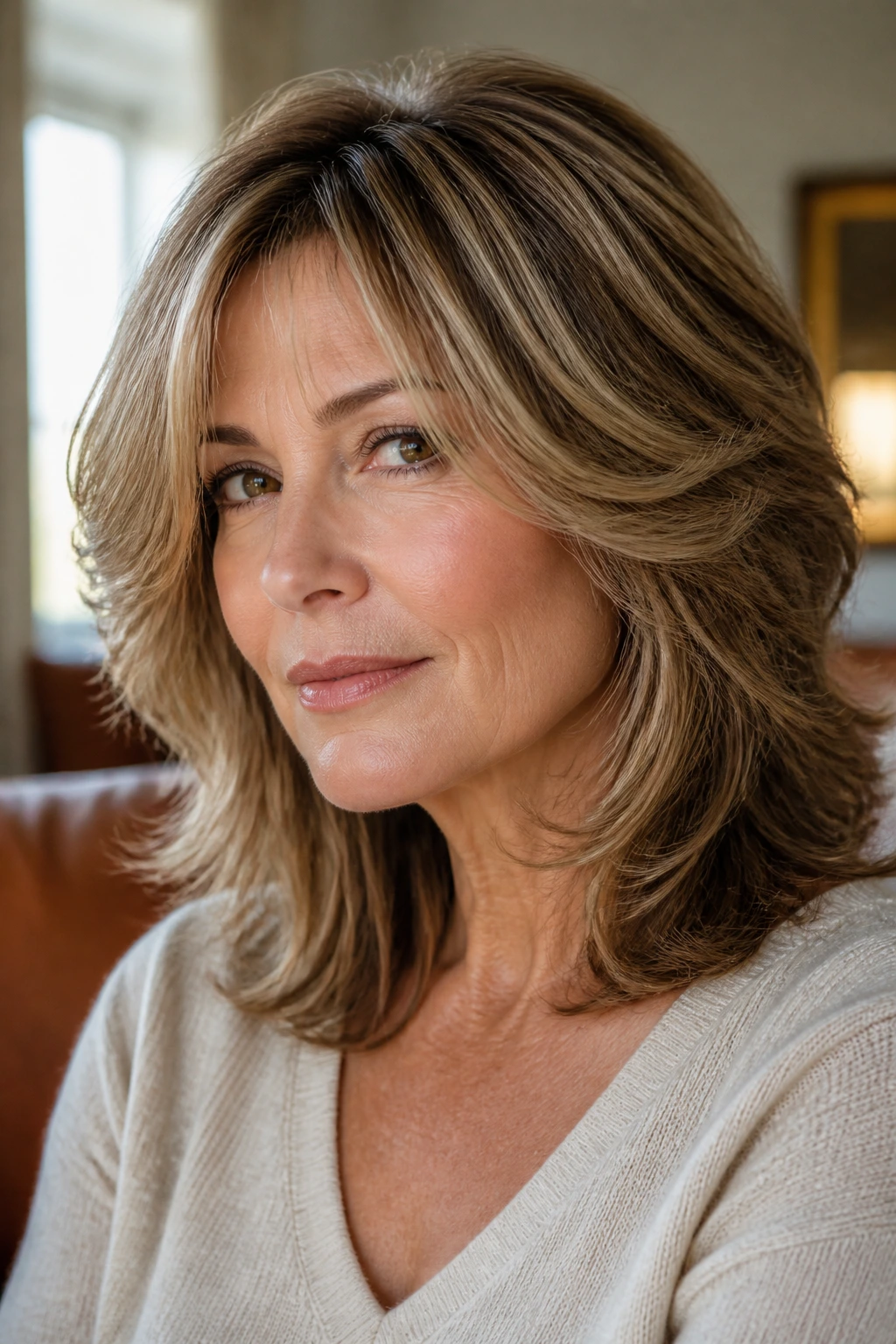
A feathered medium cut incorporates feathering techniques throughout a shoulder-length or slightly shorter style. Feathering creates soft, wispy layers that blend beautifully together, removing bulk while maintaining softness. For thick hair, feathering is brilliant because it removes weight without creating harsh choppy layers.
The feathering should happen throughout the cut, creating movement and dimension. Your stylist might incorporate face-framing pieces that are longer than the rest. The overall effect should be soft and romantic rather than choppy or severe. This length is perfect for ponytails on days when you want your hair off your face, but it frames beautifully when worn down.
Styling can be minimal or more involved depending on your preference. Air-dry with texture spray for a soft, effortless look. Or blow-dry with a round brush and add waves with a curling iron for something more polished. The feathered layers work with your thick hair’s natural texture, creating something that looks intentional without requiring tons of product or heat styling.
Essential Care Tips for Thick Hair Over 50

Now that you’ve found (or are planning to find) your perfect cut, let’s talk about keeping it looking fabulous. Thick hair over 50 needs thoughtful care to maintain softness, shine, and manageability.
Product selection matters tremendously. Look for volumizing shampoos and conditioners formulated for your hair type. If you have gray or white hair, consider purple or blue-toning shampoos to keep your color looking fresh. Deep conditioning treatments are your friend—thick hair can sometimes feel dry even though you have so much of it. Use a hair mask or oil treatment once a week to keep everything soft and manageable.
Styling products should be lightweight. Heavy creams and oils can weigh down thick hair, making it look flat rather than voluminous. Instead, look for texture sprays, lightweight mousses, and volumizing sprays. These products enhance your hair’s natural texture without the weight.
Maintenance appointments are essential. Most of the cuts we’ve discussed work beautifully because of their layering and texture. To keep that shape and texture looking intentional, you’ll want regular trims. Typically every 6 to 8 weeks is ideal, though some cuts (like pixies or blunt bobs) need trimming every 4 to 6 weeks. Regular trims also prevent split ends, which can make thick hair feel dry and ropey.
Heat protection is non-negotiable if you blow-dry or use hot tools. Apply a heat protectant spray to damp hair before blow-drying, and again before using curling irons or flat irons. This creates a barrier that prevents heat damage and keeps your hair healthier and shinier.
Finally, embrace your gray or work with a colorist you trust. Many of the most stunning styles for women over 50 look absolutely gorgeous with natural gray or white hair. If you choose to color, work with a professional who understands how to blend gray beautifully. Balayage, babylights, or dimensional color techniques often look more natural and age-appropriate than one-dimensional color.
Final Thoughts

Finding the right hairstyle for thick hair over 50 is about working with your hair rather than against it. Your thickness is actually an asset when you have the right cut. Layering, texture, and strategic face-framing transform that density into volume, movement, and dimension that many women would love to have.
Don’t be afraid to have a detailed consultation with your stylist before getting cut. Talk about your daily routine—how much time are you willing to spend styling? Discuss your face shape, your hair’s natural texture, and what makes you feel confident. The best haircut is one that works for your life while making you feel like the best version of yourself.
Remember, these 25 styles are starting points and inspiration. Your stylist can (and should) customize any of these ideas to suit your unique face shape, hair texture, and personal style. Life’s too short to wear a hairstyle that doesn’t make you feel amazing. Find your cut, maintain it regularly, care for your hair thoughtfully, and enjoy the confidence that comes from looking your absolute best.
