



An inverted bob is one of those deceptively simple-looking haircuts that can completely transform your appearance—especially if you’re looking to add volume where you need it most. Unlike a blunt, traditional bob that falls straight down, an inverted bob is strategically shorter in the back and longer toward the front, creating an angular, flattering shape that works with your head’s natural contours. The magic happens in how the layers and length distribution can literally lift your hair at the crown, add dimension to flat or thin hair, and frame your face in ways that feel modern and intentional.
The thing that makes inverted bobs so universally appealing is their flexibility. Whether your hair is straight and sleek, naturally textured, or somewhere in between, there’s a variation of the inverted bob that’ll work for you. The cut’s inherent shape means you can wear it multiple ways—polished and sharp one day, tousled and textured the next—without it falling flat or losing that signature volume. It’s a cut that actually works with your hair’s natural properties instead of fighting against them, which means less heat styling and more confidence in how you look on a daily basis.
What surprised me most when researching these cuts is how much the specific degree of the angle, the length of the front pieces, and where the layers sit can completely change the vibe. A subtle, barely-there angle reads completely different from a dramatic, almost shaggy-in-the-front inverted bob. That means you’re not locked into one version—you can find the inverted bob style that matches your face shape, your hair texture, your lifestyle, and honestly, your personality. Let’s look at ten specific approaches to the inverted bob that nail the volume-and-shape promise.
1. The Blunt Angled Inverted Bob
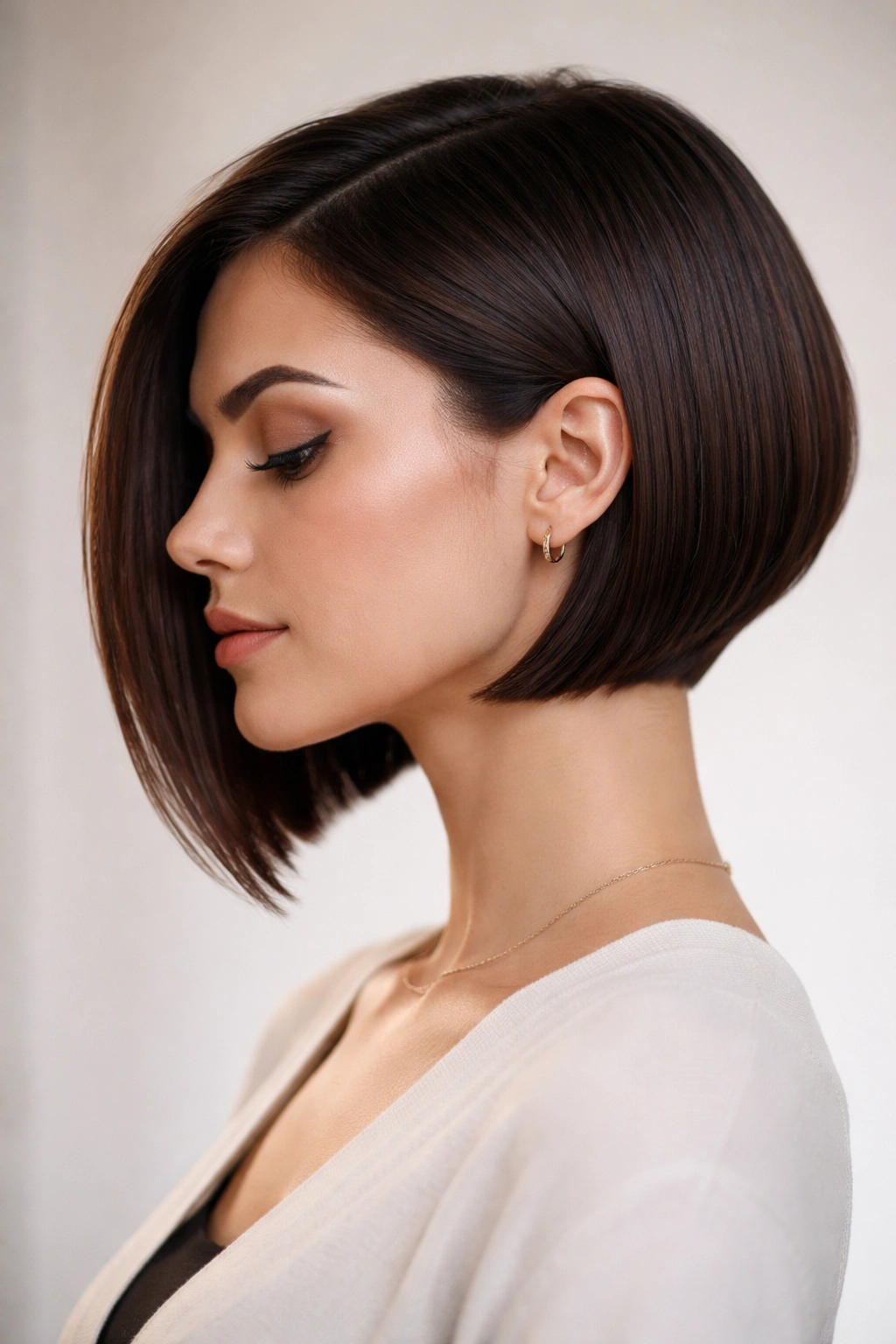
This is the classic inverted bob that probably comes to mind when you picture the cut—short and sharp in the back, with a dramatic front-to-back length difference that creates clean, almost graphic lines. The back sits just above the ear or jawline, while the front extends down to the collarbone, sometimes even longer. Because it’s blunt (meaning the ends are cut straight across rather than layered), the weight and density of the hair at the front really do the heavy lifting to create that full, voluminous effect.
Why It Works for Volume
The blunt edges actually concentrate the hair’s weight at the perimeter, which sounds counterintuitive, but it means the front pieces have enough heaviness to catch the light and look undeniably full. The angle of the cut naturally encourages your hair to flip slightly outward as it grows, which adds movement and dimension without needing to style it aggressively.
Who It Flatters Best and How to Style It
- Works beautifully on straight or slightly wavy hair—the blunt lines really shine when the ends are clean and precise
- Flatters oval and square face shapes especially well, since the longer front pieces soften angular jawlines
- Requires a blow-dry to really emphasize the shape, but when you do, it looks polished and intentional
- Touch up every 4-6 weeks to maintain those sharp, blunt edges—this cut reads best when it’s freshly cut
- Pair it with side-swept styling for a sleeker vibe, or wear it parted in the middle for a bolder, more modern look
Pro tip: Ask your stylist to create a slightly longer face-framing layer in the very front—just a subtle one—so you have options for tucking or styling without the front feeling too bulky.
2. The Textured, Choppy Inverted Bob
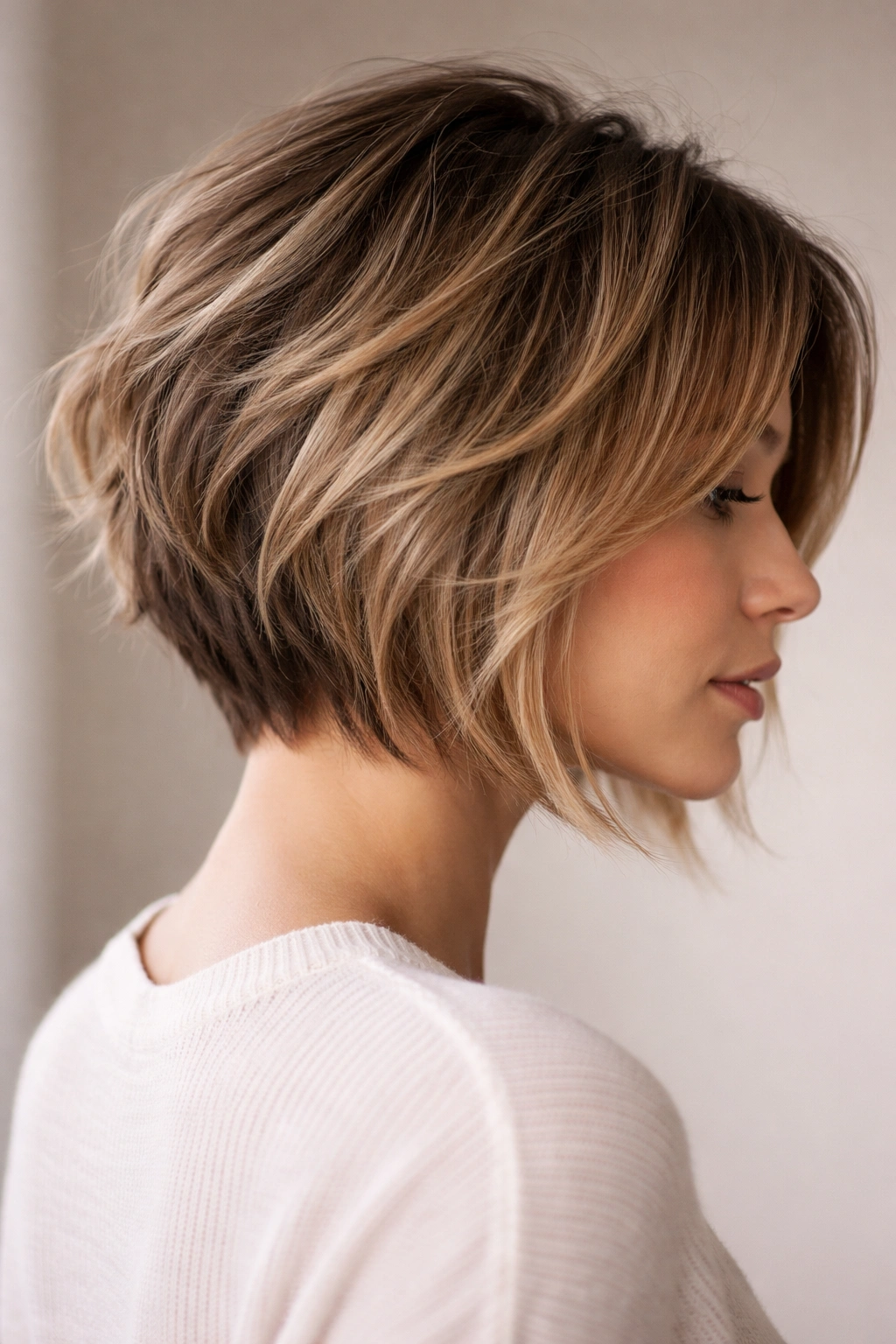
If you want all the volume of an inverted bob but hate the super-polished aesthetic, this heavily layered version is your answer. Instead of blunt edges throughout, this cut uses choppy layers and texture throughout, especially in the back, which creates the illusion of maximum fullness even if your hair is naturally fine. The shorter back section is cut with deep, choppy layers, while the front maintains more length but still has textured, piece-y ends.
Why It Adds Serious Volume
The choppy texture removes weight strategically, which might seem backwards, but it actually creates movement and prevents the hair from lying flat. Each layer catches light independently, which makes even thinner hair appear thicker and fuller. The shorter, heavily-layered back sits away from your head instead of clinging to it, which is exactly the kind of lift you want for volume.
Styling and Maintenance Insights
- This cut looks intentionally cool with a tousled, undone vibe—blow-dry with a texturizing spray and finger-comb for best results
- Works on wavy and curly hair especially well, since the texture complements the choppy layers
- Requires styling products like sea salt spray, texturizing spray, or dry shampoo to really shine—the movement is intentional and product-assisted
- Needs a trim every 4-5 weeks to keep the choppy edges looking sharp and not frayed
- Pairs beautifully with subtle color work like highlights or balayage, which emphasize the textured layers even more
Insider note: This style is more forgiving with daily styling inconsistency than a blunt bob—some days it looks perfectly textured, other days it’s gloriously disheveled, and both look intentional.
3. The Feathered Inverted Bob
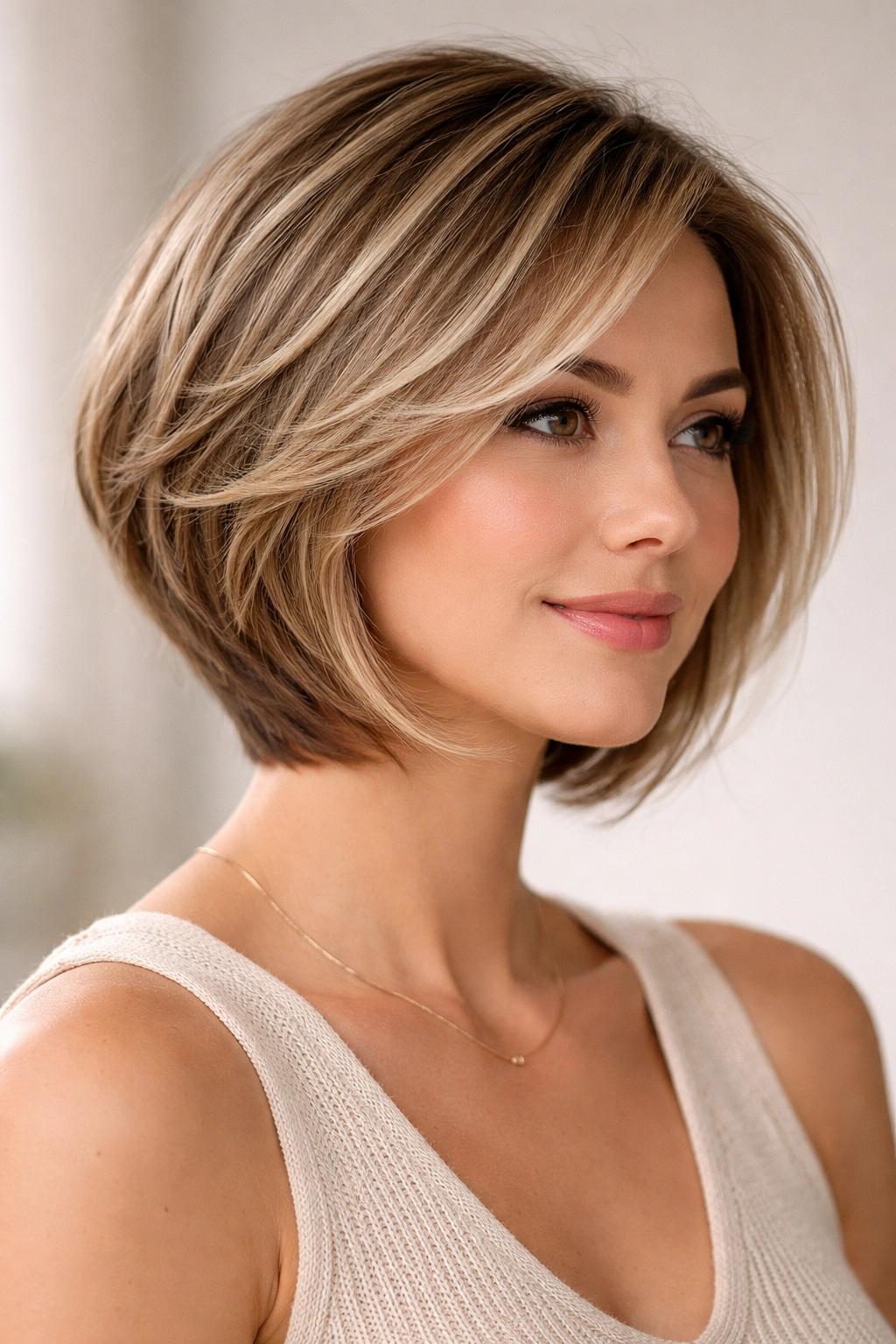
This variation uses feathering techniques—soft, subtle layers that curve inward gently—to create a very flattering, almost face-framing effect. The back is still shorter for volume, but the feathering throughout (especially around the face) creates a softer, less severe angle than a purely blunt inverted bob. The shorter layers in the back are feathered upward and outward, which creates incredible lift without removing so much length that it looks dramatic.
The Science of Feathering for Shape
Feathered layers work because they direct your hair’s movement outward and upward, which naturally makes your head look rounder and fuller. For anyone with a longer or narrower face shape, this creates the flattering proportion you’re after. The gradual transition from short to long also means there’s no harsh line—it flows, which most people find more wearable in real life than a super-blunt angle.
Best For and How to Work With It
- Incredibly flattering on fine, straight hair—the feathering prevents that dreaded flat look on thin-haired clients
- Works on rectangular and long face shapes because it adds width where you need it
- Can be worn with minimal styling—air-dry or blow-dry straight, and it maintains its shape naturally
- The feathering does soften slightly as it grows, so trims every 5-6 weeks keep it looking intentional rather than shaggy
- Pairs well with natural hair color or subtle, blended highlights that don’t fight the cut’s soft lines
Worth knowing: Feathered bobs are underrated for people with naturally curly or wavy hair—the layers work with your texture instead of against it.
4. The Textured Micro Bangs Inverted Bob
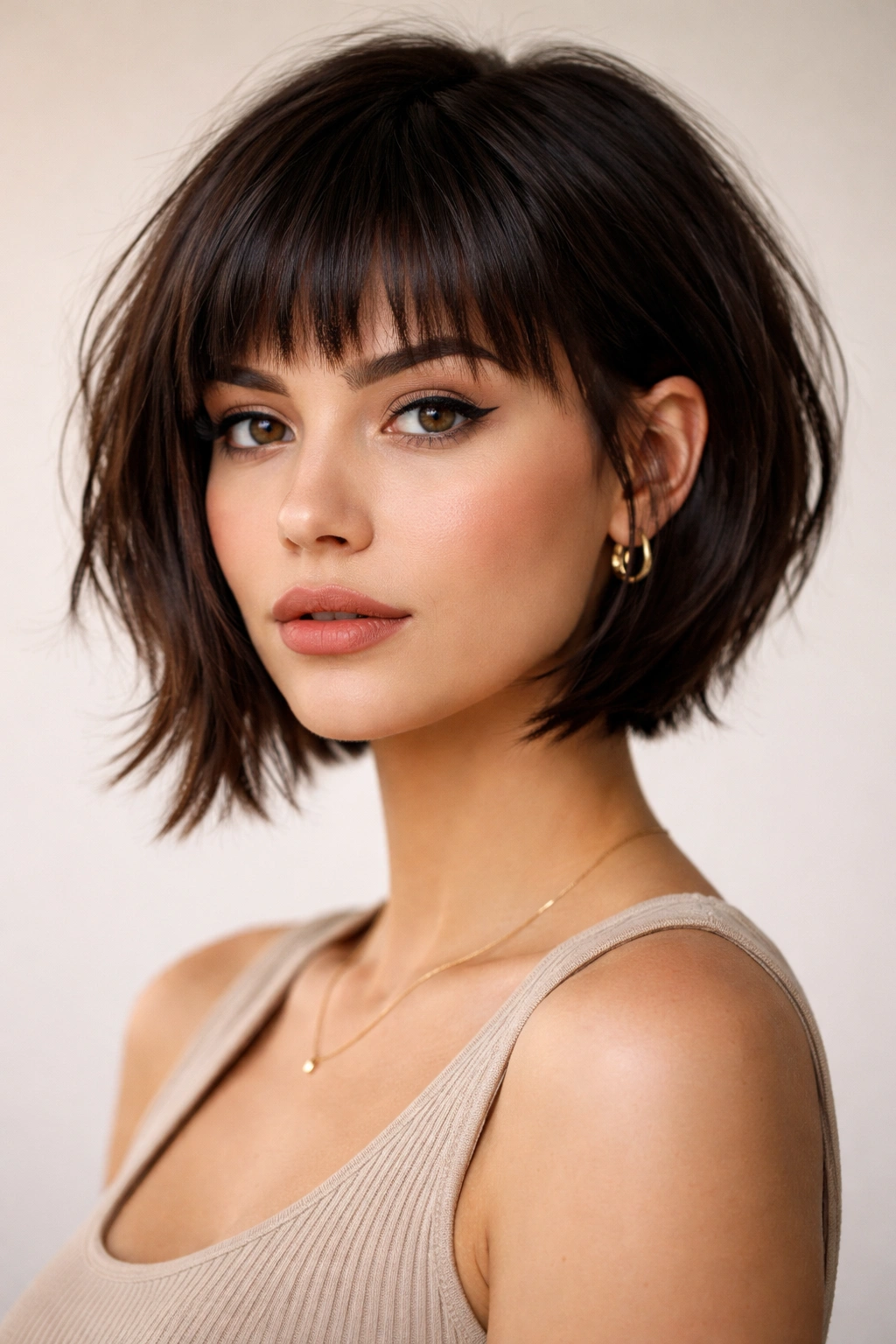
Here’s where modern edge meets classic shape: an inverted bob paired with short, textured bangs that hit right around the eyebrow. The bangs are cut with choppy, deliberate texture rather than sitting blunt—they look like a collection of intentional pieces rather than a uniform fringe. The rest of the bob follows the inverted formula: short and layered in the back for volume, longer in front, but the whole cut is more heavily textured and modern.
Why the Bangs Change Everything
Textured micro bangs completely change the vibe from classic to contemporary—they add personality and an almost punk-influenced edge. They also frame the upper face and eyes in a way that feels fresh and intentional, and they work with the inverted shape to create multiple visual lines that add dimension and interest. The key is that the bangs are not blunt—they have texture and movement.
Perfect For and Styling Reality
- Creates a bold, fashion-forward statement—this isn’t a subtle, safe haircut, and that’s the whole point
- Flatters smaller face shapes and those with naturally prominent eyes—the bangs draw attention upward
- Works on straight to slightly wavy hair; the texture needs to be visible, which shows best without tight curls
- Requires more frequent trims (every 3-4 weeks) because the bangs grow quickly and will cover your eyes
- Styling is key: you’ll want to blow-dry with some texture and movement—the pieces need to read as intentional, not messy
- Pairs well with bold colors, cuts, or a overall modern aesthetic
Pro tip: If you’re nervous about committing to micro bangs, ask your stylist for a slightly longer version first—they can always go shorter at your next appointment.
5. The Long Inverted Bob With Subtle Layers
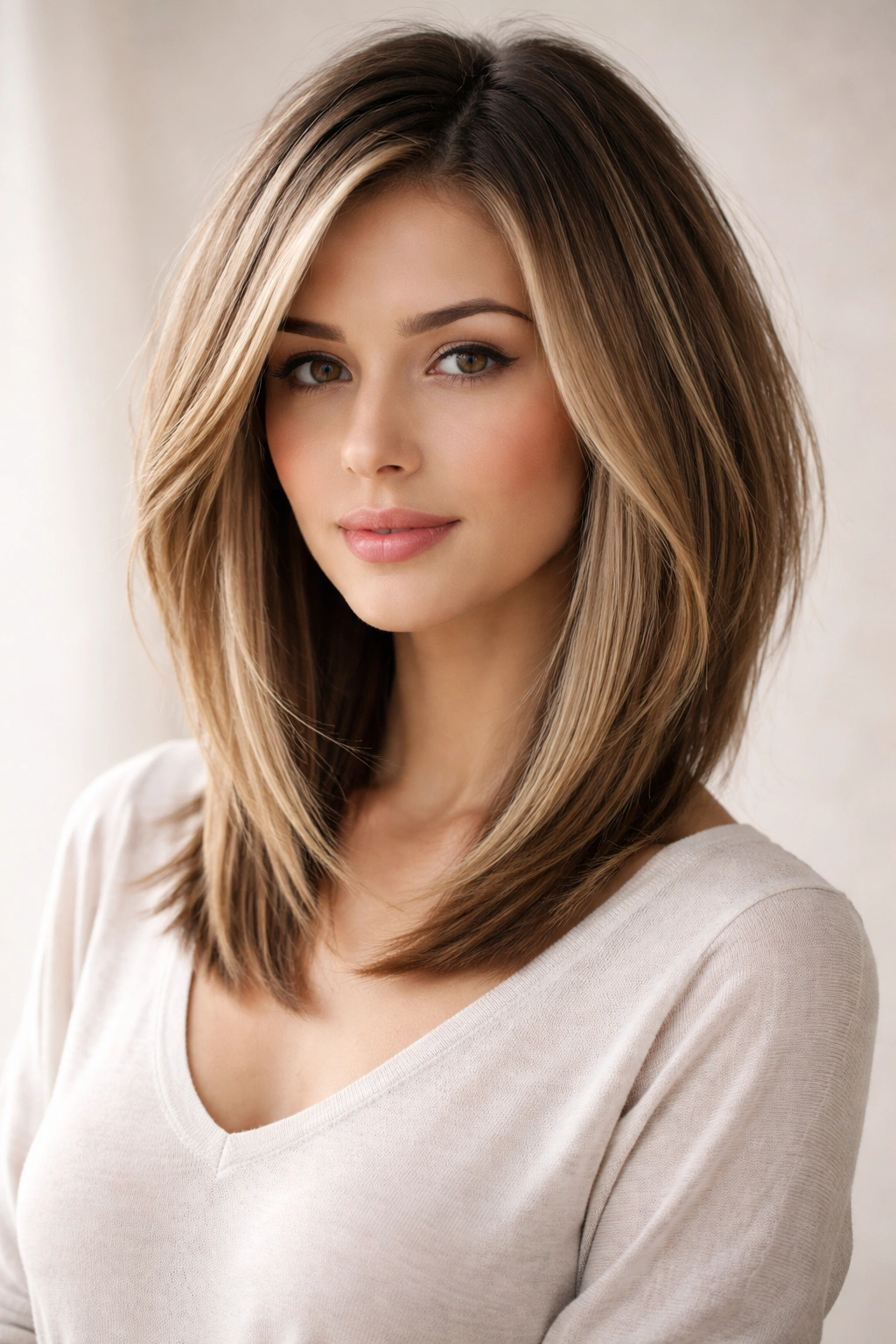
For anyone who loves the inverted shape but wants it to feel less blunt and more wearable, this version extends the front length (sometimes all the way to the shoulders or beyond) while keeping the back significantly shorter. The overall cut has soft, subtle layers throughout rather than one dramatic angle—the layers are understated, creating shape and movement without that angular, almost geometric feeling.
The Advantage of Length With Texture
A longer front with subtle layers gives you so much versatility in styling. You can tuck one side behind your ear for a half-up moment. You can wear it all down for a dramatic, longer vibe. The subtle layers prevent the long front pieces from looking heavy or flat, while the shorter, layered back maintains that critical volume at the crown. This is a “best of both worlds” cut for people who can’t quite commit to shorter hair.
Wearability and Daily Styling
- This is possibly the most universally wearable inverted bob because it reads modern but still feels classic
- Works on nearly every hair texture and face shape—the subtle layering is forgiving
- Can be styled multiple ways: sleek and straight, wavy and romantic, or tousled and modern
- The longer front pieces are long enough to reach the collarbone, giving you something to work with if you want to experiment with styling
- Trims every 6-8 weeks maintain the shape, but it’s more forgiving than blunt-edged variations
- Pairs beautifully with face-framing highlights or lived-in color because the layers show off dimension
Worth knowing: This cut actually looks better and feels easier to style as it grows slightly between appointments—you get an in-between phase that feels intentional.
6. The Sharp, Geometric Inverted Bob
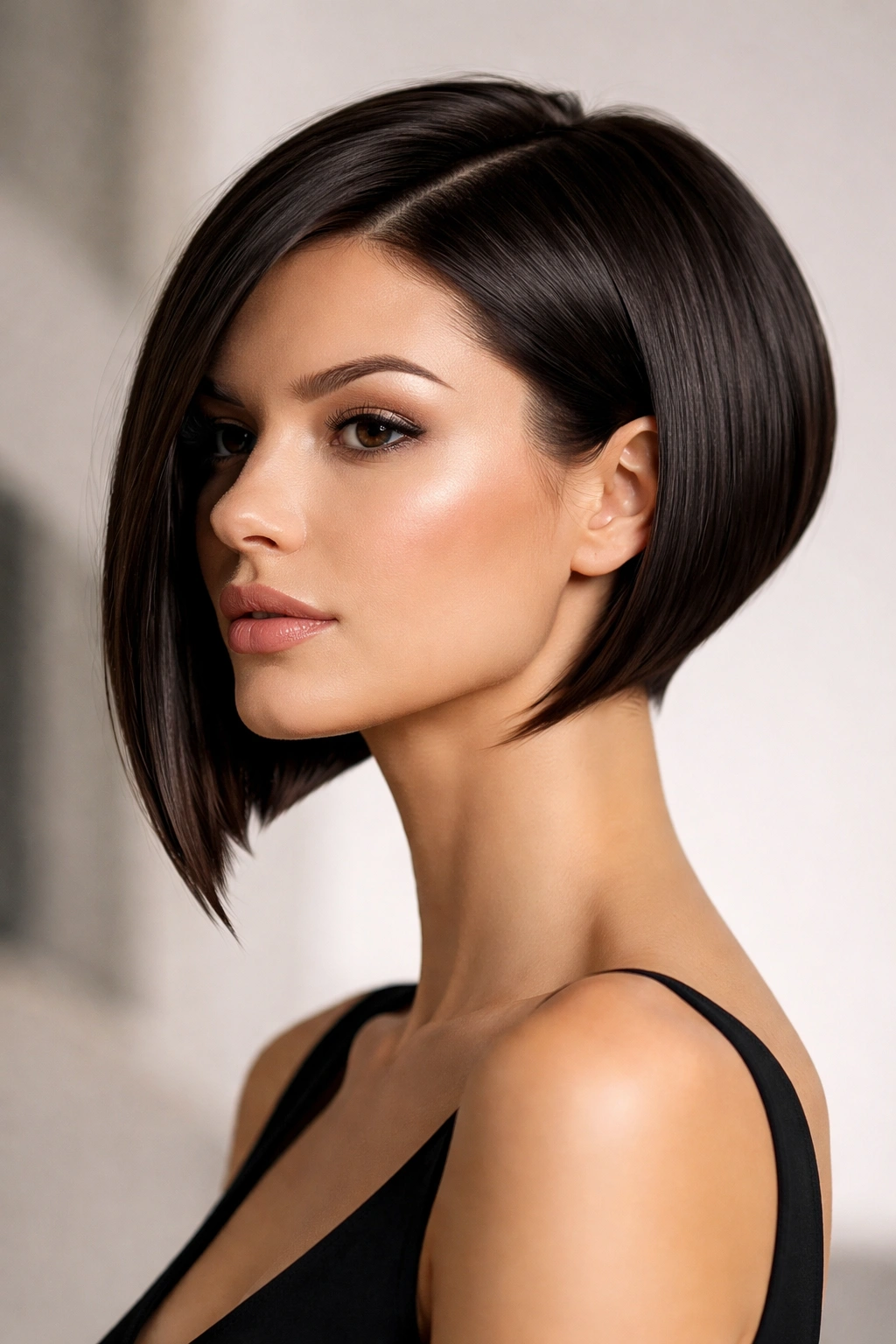
This is the most architectural, almost sculptural take on the inverted bob—think sharp angles, precise lines, and an almost architectural quality to the shape. The back is cut very short and sits away from the head in a clean, defined way. The front is significantly longer, often jaw-length or beyond. There’s minimal layering (the cut is mostly one angle), which creates that graphic, modern silhouette. It’s bold, it’s intentional, and it makes a statement.
Precision as Design
The geometric inverted bob works because of how precisely it’s cut. This isn’t a cut you can grow out and make work passably—it needs to be cut with exacting detail to maintain its sharp shape. The angle drives the entire aesthetic, and that angle only reads correctly when it’s freshly cut or within a week or two of a trim. Every line matters.
Who Should Commit and What to Expect
- Best for those with straight hair or those willing to blow-dry and straighten regularly—the precision requires clean lines
- Flatters confident people who want a bold, modern statement—this isn’t a subtle cut
- Requires a very skilled stylist who understands precision angles and can execute them consistently
- Trims every 4 weeks are essential to keep the shape looking intentional rather than overgrown
- Styling is important: blow-dry smooth, or use a flat iron to emphasize the sharp lines
- Pairs with bold color—solid, saturated colors or striking color work look incredible with the geometric lines
- If you love minimal, modern aesthetics, this cut is your visual statement
Pro tip: If you’re considering this cut, save pictures of exactly what you want and discuss them in detail with your stylist—the execution matters enormously.
7. The Textured, Shoulder-Length Inverted Bob
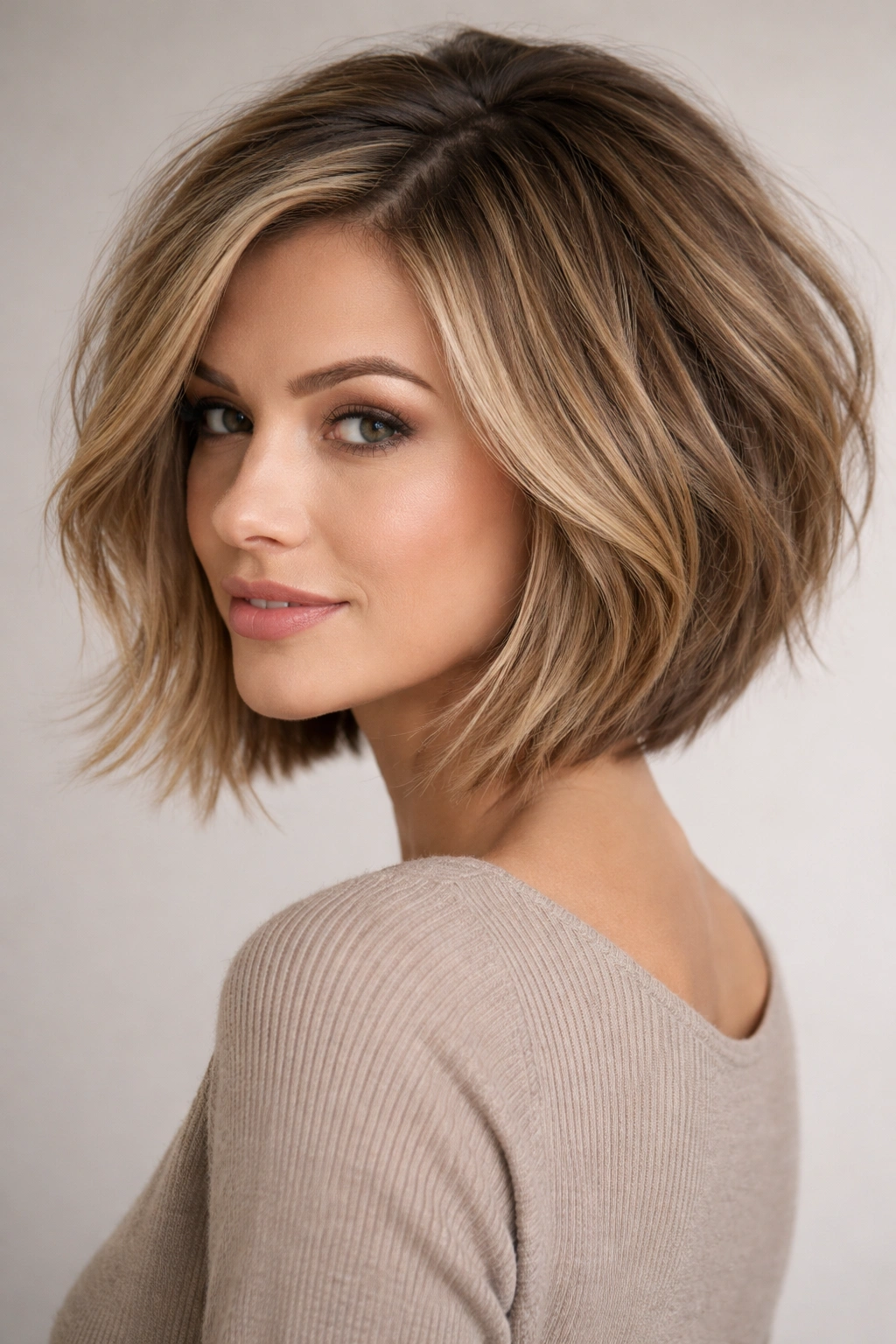
This longer, more relaxed version of the inverted bob extends nearly to the shoulders while maintaining the signature shorter back and longer front. The entire cut is threaded with soft, textured layers that create movement and prevent any single-weight, heavy feeling. It’s the inverted bob for people who want edge and shape but also want the option to wear their hair down without it feeling severe or short.
Why Length Doesn’t Eliminate Volume
You might think that a longer inverted bob wouldn’t feel as voluminous as a shorter version, but the texture and layering change everything. The layers remove weight in strategic places, encouraging the hair to sit away from your head rather than clinging to it. The texture at the ends prevents bluntness and heaviness, creating an almost shaggy quality that reads modern and lived-in.
Styling Flexibility and Best Results
- This cut looks amazing with a tousled, wavy styling approach—blow-dry with some texture or use a wave spray
- Works beautifully on wavy and curly hair since the texture complements the layers
- Can be worn sleek and straight for a completely different vibe than your casual textured look
- The shoulder-length front allows you to style hair half-up or tucked behind an ear if you want to feel like you have “short” hair sometimes
- Trims every 5-6 weeks maintain the shape without requiring as much precision as a blunt bob
- Pairs wonderfully with balayage or lived-in color that emphasizes the textured layers
Insider note: This is the inverted bob cut for people who love how a shag feels but want something that reads a bit more polished for professional settings.
8. The Sleek, Straight Inverted Bob
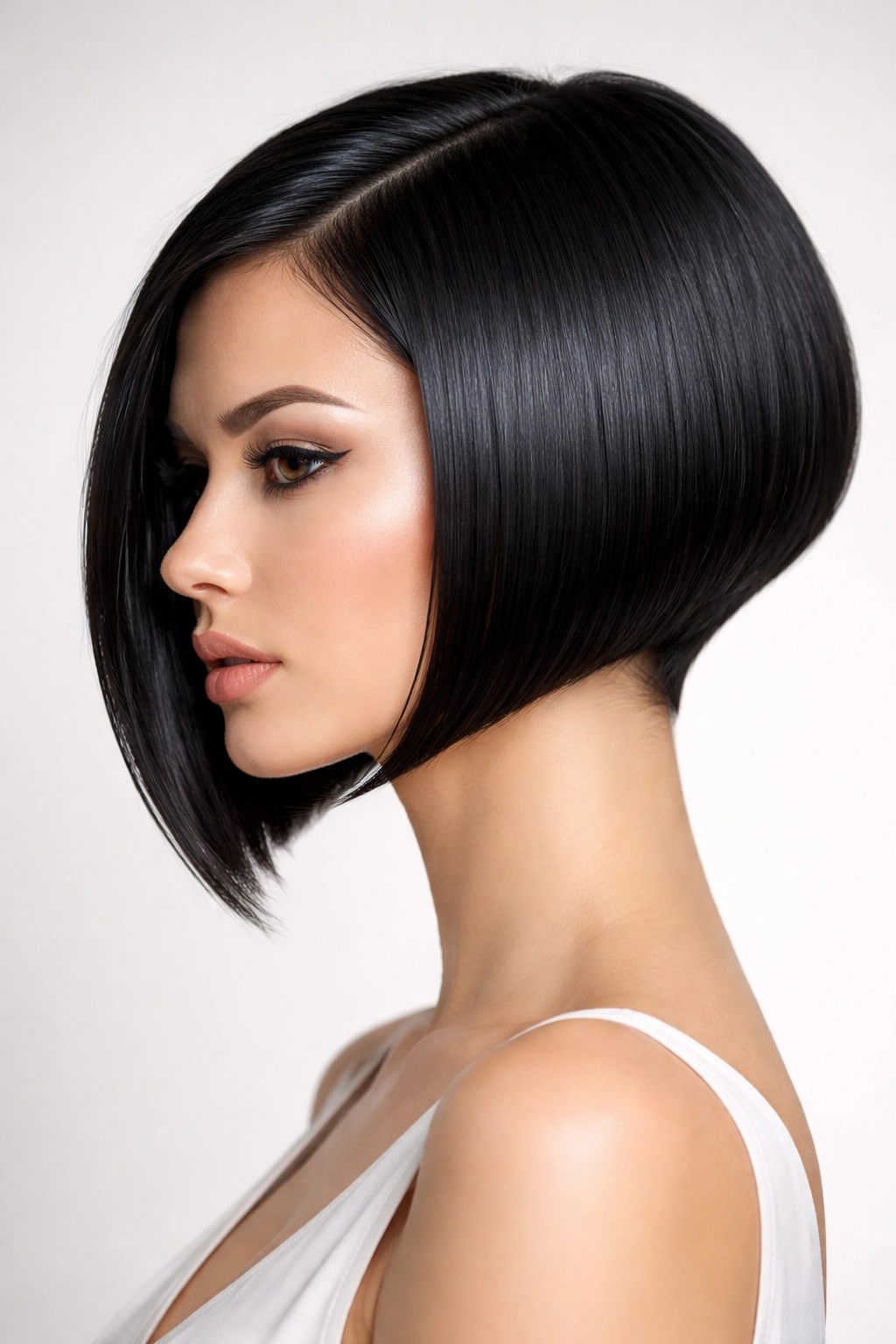
This is the most minimalist, almost austere version of the inverted bob—think sharp angles, perfectly smooth hair, zero texture, and absolute precision. The back is cut very short (sometimes just a couple inches), while the front extends significantly longer, and the transition between them is a clean, uninterrupted diagonal line. It’s styled sleek and straight, often with a side part, emphasizing the geometric quality of the cut. There’s nothing soft or romantic about this version—it’s pure shape and line.
The Power of Simplicity
The sleek, straight inverted bob makes a statement through its sheer architectural simplicity. There are no layers, no texture, no softening—just clean lines and precise angles. This cut works because it’s so confident in its shape that it doesn’t need anything else. It’s a cut that reads as intentional precisely because it’s so unadorned.
Execution and Maintenance Reality
- Requires perfectly straight hair, which means blow-drying with a brush and probably a flat iron—curly or wavy hair won’t read as this cut intends
- Works best on oval and square face shapes; the sharp lines can feel severe on round faces
- This is a cut for people who have a strong sense of personal style and want to make a statement
- Requires trims every 3-4 weeks to maintain those sharp lines—this is not a forgiving cut
- Styling is non-negotiable: you need smooth, straight hair for this to look intentional rather than just flat
- Pairs with bold, saturated color or striking, ash-toned neutrals that emphasize the clean lines
- Works beautifully with minimal jewelry and a refined aesthetic
Worth knowing: This cut looks less like “short hair” and more like intentional design—that’s why it reads so modern and confident.
9. The Choppy, Piece-y Inverted Shag
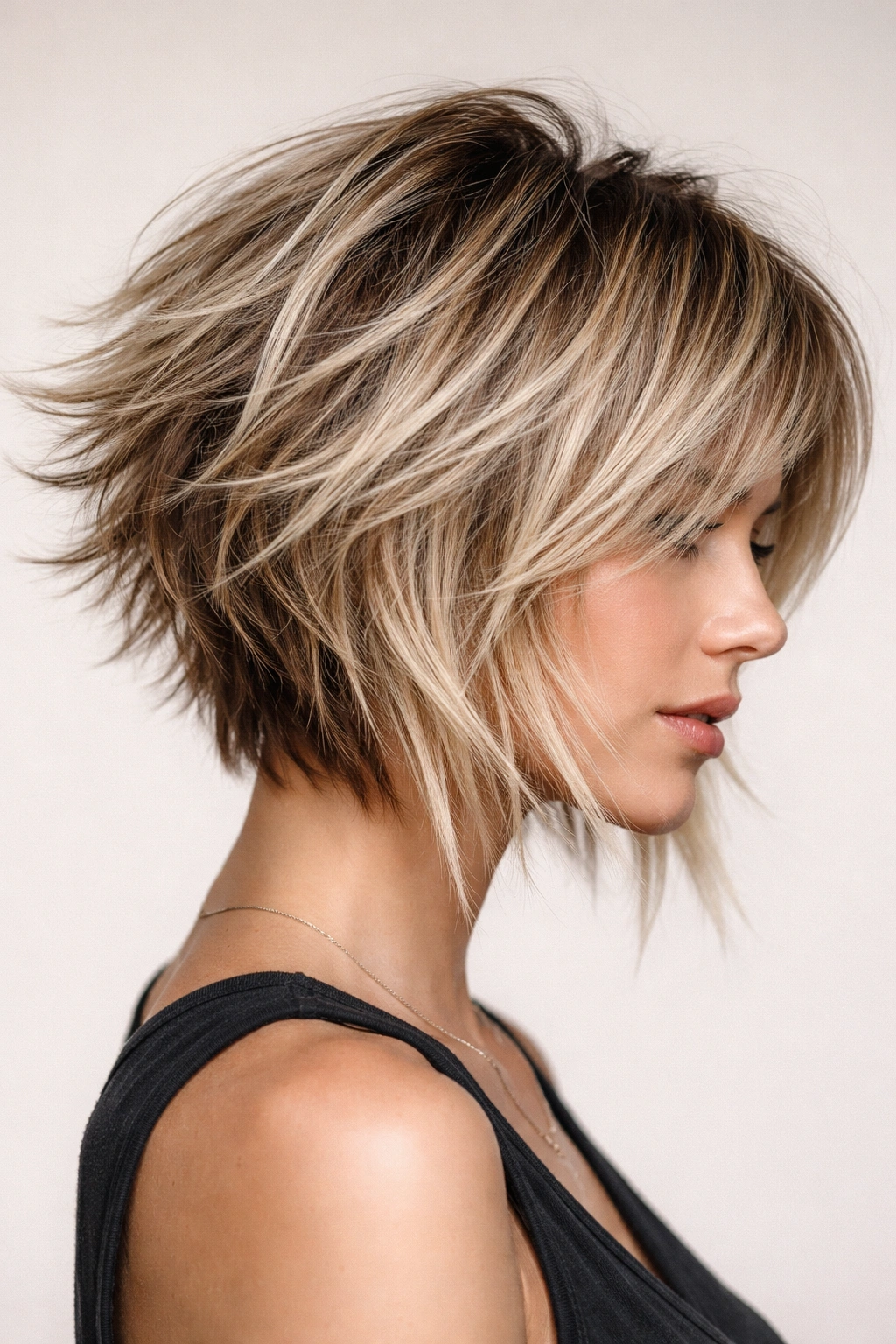
This is the inverted bob for people who want to embrace movement, texture, and a slightly rebellious vibe. It combines the short back and longer front of an inverted bob with the layered, piece-y approach of a shag—lots of choppy, disconnected layers throughout that create wild, textured movement. It’s not a smooth bob; it’s a deliberately piece-y, almost 70s-inspired take on the inverted shape.
Why Chaos Reads as Intentional
The choppy, piece-y inverted shag works because all those layers and chops create visual interest and movement in every direction. The back sits away from your head in textured chunks rather than a cohesive shape. The front pieces have length but also significant choppy layers, creating that face-framing effect. It’s maximalist in approach—texture and movement over clean lines.
How to Wear This Cut Confidently
- This cut needs movement and texture to look right—blow-dry with texture, use texturizing spray, or lean into your natural wave or curl
- Works wonderfully on wavy and curly hair since the texture is literally the point
- Embraces an alternative, artistic, slightly edgy aesthetic—this isn’t a corporate cut
- Requires styling products and intentionality; this isn’t a wash-and-go situation (though some people make it one anyway)
- Trims every 4-5 weeks prevent it from looking overgrown rather than intentionally choppy
- Pairs well with cool-toned colors, bold colors, or a mix of natural and fashion colors
- Works best on people comfortable with their hair having personality and texture
Pro tip: If you love this look but are nervous about the styling commitment, start with a less aggressive version and see how much texture you actually want.
10. The Blunt Inverted Bob With Dramatic Side Part
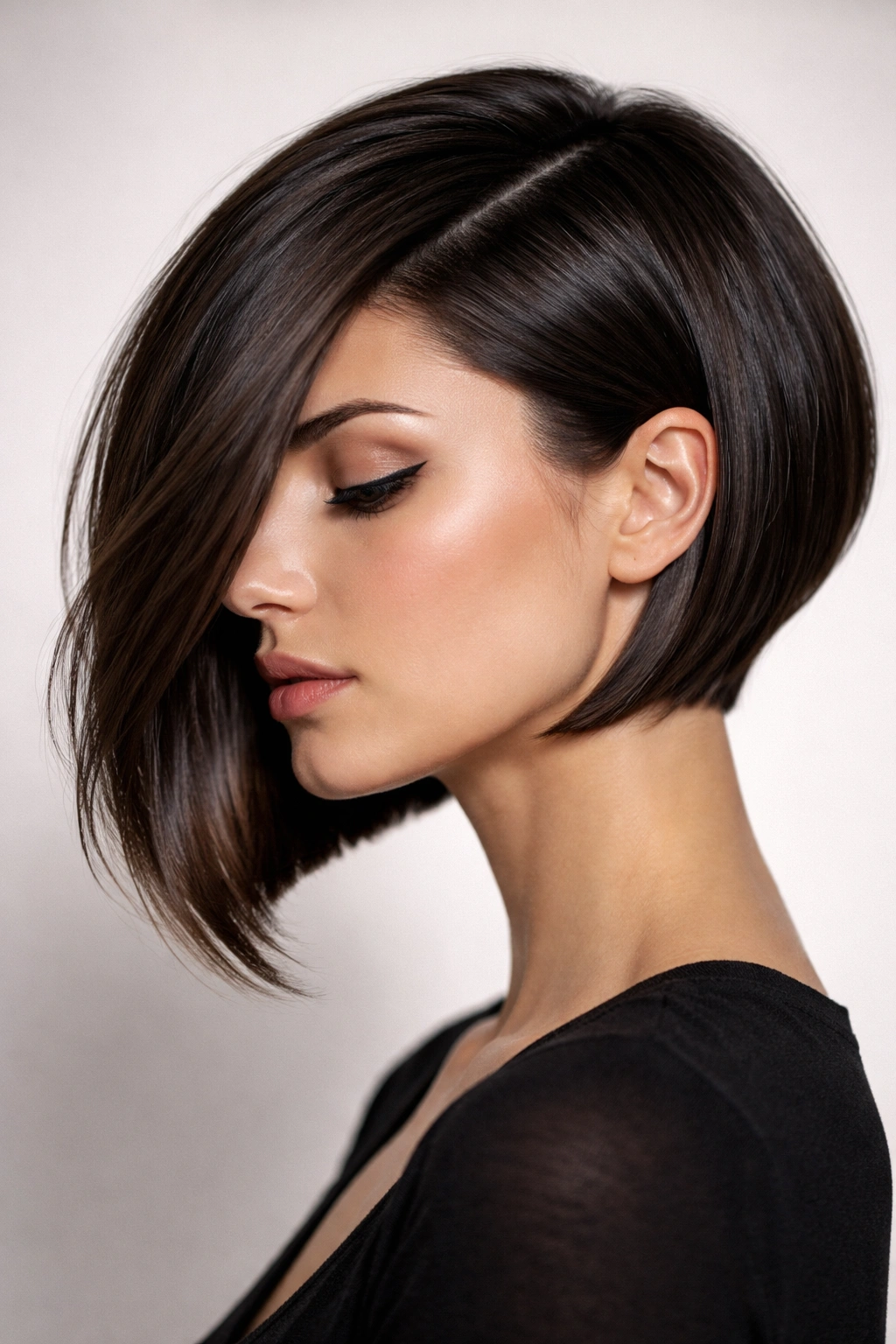
This is the sharply edited version of the classic blunt inverted bob, styled with a very dramatic side part that extends almost to the side of your head. The cut itself is relatively simple—short and blunt in the back, longer and blunt in the front—but the styling is what makes it iconic. One side of your hair falls long across your face and collarbone, while the other side is tucked behind your ear, exposing that sharply cut back.
The Drama of a Strong Side Part
The dramatic side part completely changes the visual impact of an inverted bob. Instead of feeling balanced and symmetrical, it feels asymmetrical and bold. The longer side sweeps across your face, creating a flattering line, while the shorter side is fully exposed. This is a styling approach that makes the haircut feel like a complete, considered look rather than just a shape.
Styling and Face Shape Considerations
- This style works beautifully for nearly every face shape, since the sweeping long side is incredibly flattering and faces the camera
- Works best on straight or slightly wavy hair—the side part and sweep really show off clean lines
- Requires intentional styling: you’ll likely blow-dry with a brush to create the dramatic sweep and volume at the crown
- The side part needs to be maintained—it won’t naturally fall that way without encouragement
- Trims every 4-6 weeks keep the shape sharp and the lines clean
- Pairs well with bold colors or dimensional highlights that emphasize the side-swept styling
- Creates an effortlessly polished vibe that reads modern and sophisticated
Worth knowing: This styling approach actually makes the cut feel less severe and more wearable than wearing the same blunt inverted bob with a center part—the asymmetry softens the geometry.
Final Thoughts
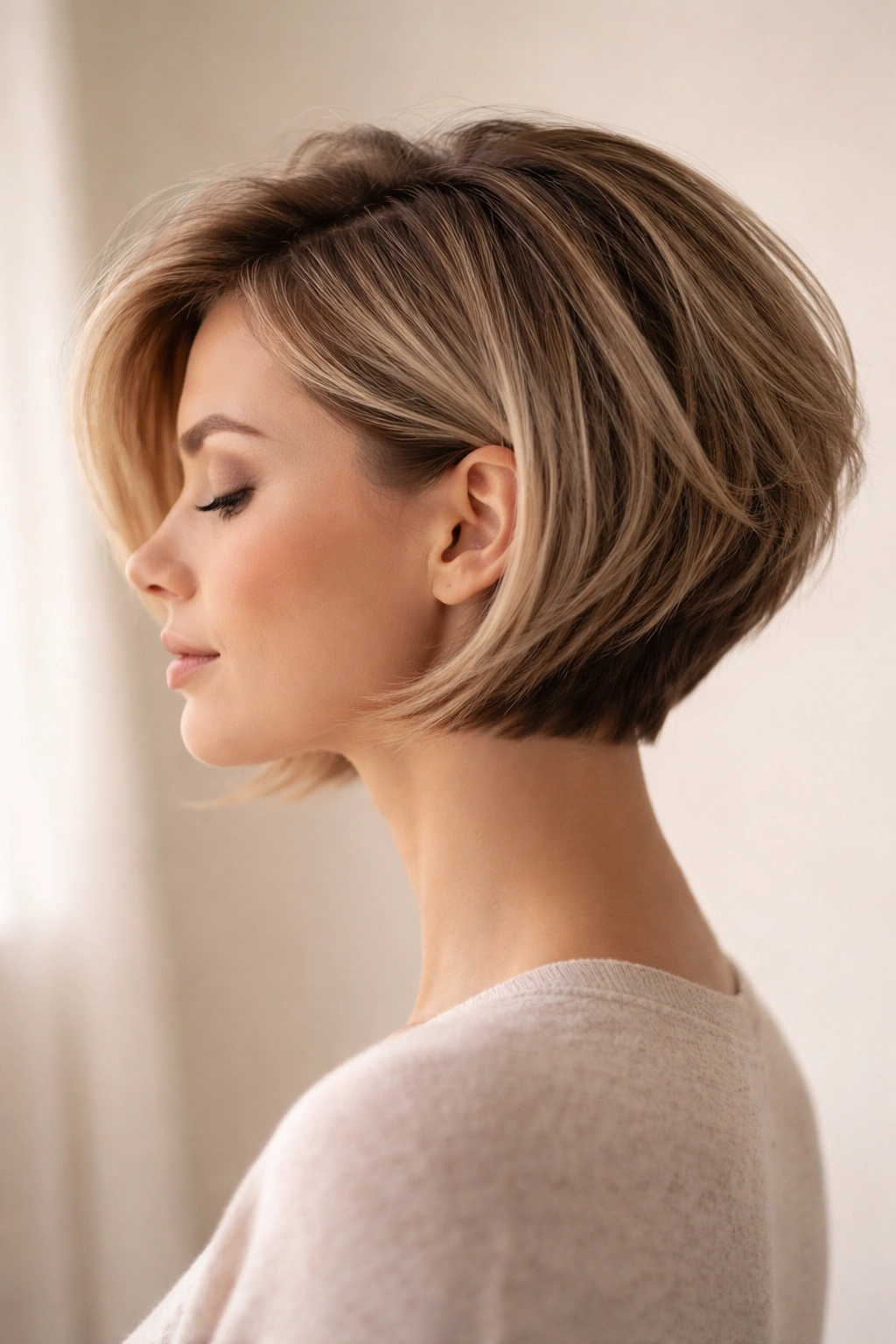
The inverted bob’s staying power in the world of modern haircuts comes down to one simple truth: it actually delivers on the promise of volume and shape. Whether you’re working with naturally thin hair, a face shape that needs softening, or you just want a cut that looks intentional and styled without requiring constant effort, there’s an inverted bob variation that fits. The choices range from architectural and bold to textured and soft, from blunt and graphic to choppy and lived-in.
The version that works best for you depends on three things: your hair’s natural texture and thickness, your willingness to style and maintain the cut, and honestly, what kind of person you want to feel like when you look in the mirror. A sleek, geometric inverted bob sends a completely different message than a textured, choppy one—not better or worse, just different. Your stylist can help you figure out which angle and texture approach aligns with your life and your vision.
One last thing worth mentioning: inverted bobs age beautifully. As your hair grows between appointments, you get a gradual transition phase where the cut softens slightly and becomes easier to wear. It’s not like a blunt bob that looks either perfect or overgrown—an inverted bob has a grace period where it still looks intentional. That said, trims every 4-6 weeks keep the volume and shape sharp. Get the cut right, maintain it consistently, and you’ll have a haircut that genuinely lives up to the hype.
