



There’s something undeniably satisfying about a clean, well-executed short haircut—especially when those layers are strategically placed to catch light and create movement without sacrificing the polished simplicity that makes straight styles so appealing. A layered straight short cut walks a fine line between geometric precision and textured dimension, and when done right, it’s the kind of hairstyle that looks effortlessly put-together whether you’ve just left the salon or styled it yourself at home.
The beauty of layered straight cuts is that they work across face shapes, hair textures, and personal styles in ways that blunt bobs simply cannot. Layers add breathability to straight hair, prevent that heavy, one-dimensional appearance, and create the illusion of movement and volume without requiring you to blow out your hair into waves or curls. Whether you’re drawn to the minimalist aesthetic, the professional polish, or the ability to style it a dozen different ways, there’s a layered straight short cut waiting to become your signature look.
What makes these cuts genuinely clean is the precision. Every layer is intentional, every angle serves a purpose, and the overall shape is cohesive rather than choppy or disjointed. A skilled stylist will tailor the depth and placement of layers to complement your face shape while maintaining the inherent sleekness of straight hair. Let’s explore ten of the most striking layered straight short haircuts that balance structure with versatility.
1. The Sharp Textured Pixie Bob
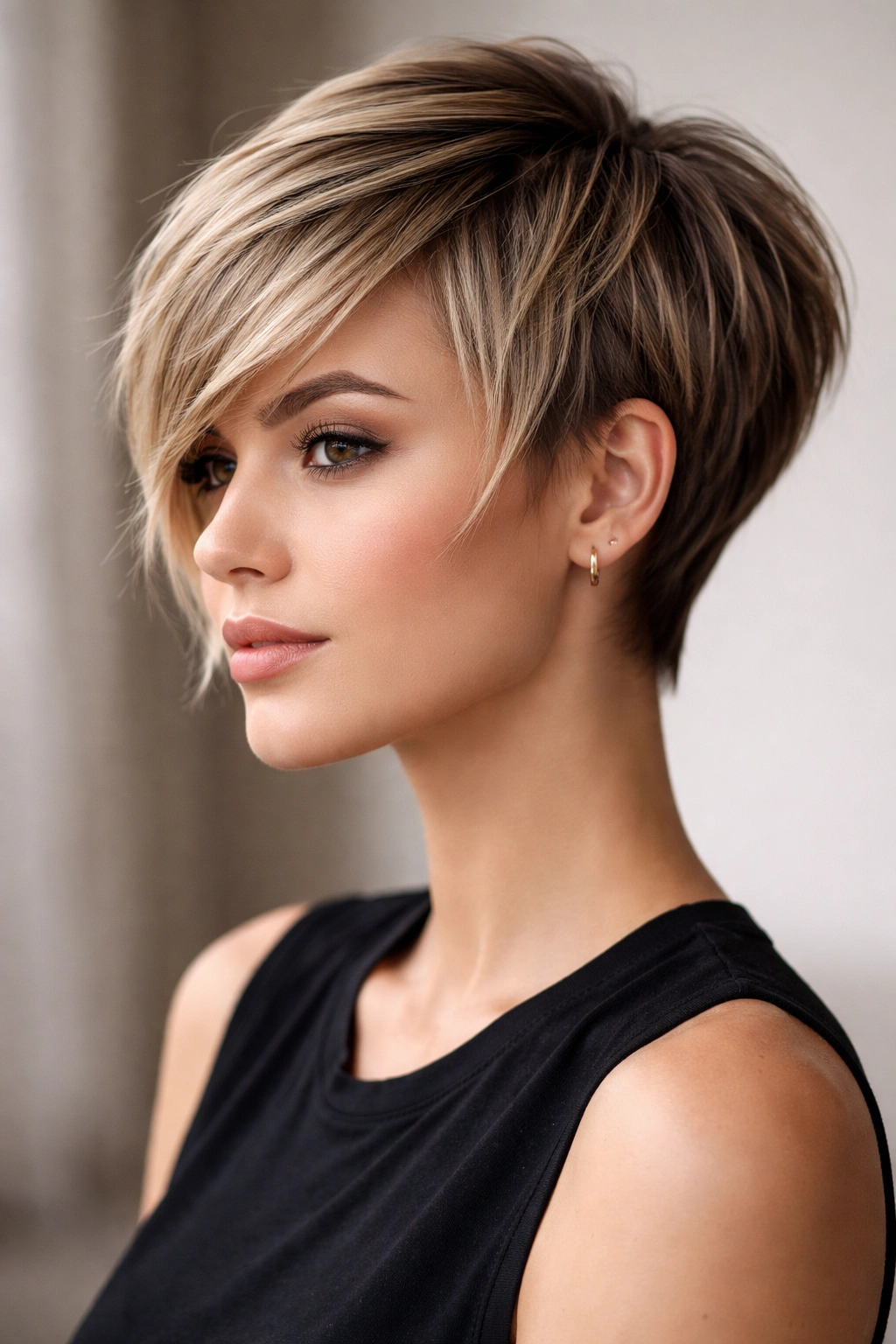
This style sits somewhere between a pixie and a bob, typically landing just below the ear with a subtle side-swept front and layers that taper shorter toward the back. The texture comes from strategically placed choppy layers throughout, creating definition without making the cut look unkempt. It’s an intentionally modern take on the classic short cut, offering enough length to work with while maintaining that decisive, no-nonsense edge that straight styles deliver.
Why This Cut Works So Well
The textured pixie bob thrives because it combines the low-maintenance appeal of a pixie with enough length to style multiple ways. Layers prevent the style from feeling heavy or severe, while straight hair keeps each individual layer visible and crisp. This cut photographs beautifully and looks polished in professional settings while still feeling contemporary and fashion-forward. The side-swept front is especially flattering on oval and heart-shaped faces, as it softens the angles without adding bulk.
What You Need to Know About This Style
- Styling flexibility: Wear it sleek and smooth with a flat iron, textured with a bit of product, or even slightly tousled for a more relaxed vibe—it works all three ways
- Maintenance frequency: Plan for trims every 4-5 weeks to keep layers sharp and the shape from growing out shapeless
- Hair texture requirements: Works beautifully on straight to slightly wavy hair; very curly hair will obscure the layer definition
- Styling product: A lightweight texturizing spray or matte finish pomade brings out dimension without weighing it down
- Best face shapes: Oval, heart, and rectangular faces see the most flattering results, though the versatile nature of this cut makes it adaptable
Pro tip: If you’re new to very short hair, ask your stylist to leave slightly more length in the front than you think you want—hair always feels shorter and more vulnerable when you first walk out of the salon, and you can always trim back further at your next appointment if you love it.
2. The Angled Lob with Disconnected Layers
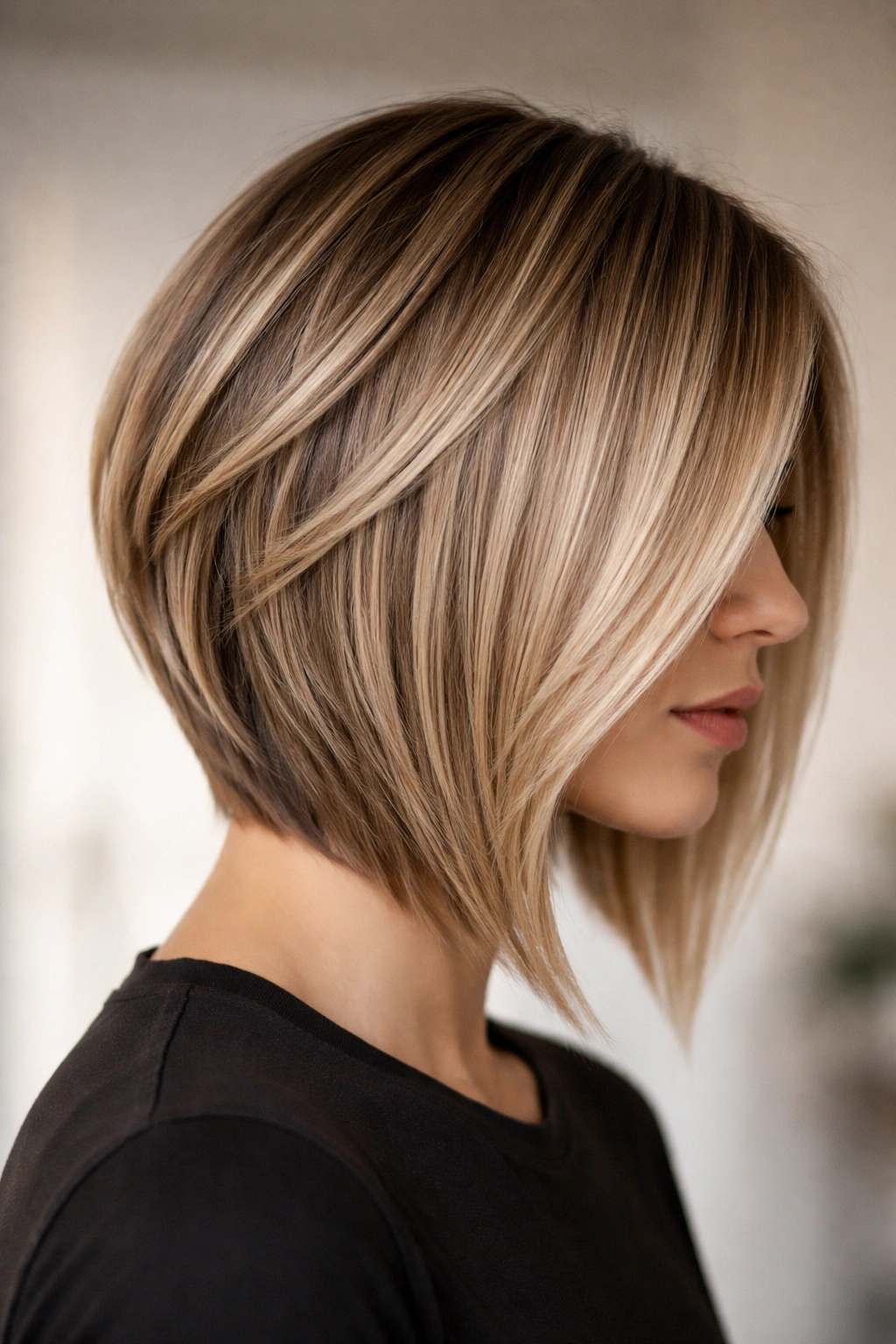
An angled lob (longer pixie or short bob) with deliberately disconnected layers creates visual interest without relying on blunt density. The front pieces angle forward and down toward the chin, while layers throughout the crown and back create movement and the illusion of fuller hair. Disconnected simply means the layers don’t blend smoothly—instead, there’s visible separation between each section, emphasizing the crafted, intentional nature of the cut.
Why This Cut Deserves Your Attention
Disconnected layers are having a real moment in high-fashion cutting because they photograph incredibly well and translate beautifully to straight hair. The angled front flatters nearly every face shape by framing the cheekbones and jawline, while back layers keep the style from feeling heavy or dated. This cut reads as current and sophisticated without being trendy in a way that will feel tired next year. It’s the kind of haircut that makes people ask who your stylist is.
Key Styling and Maintenance Details
- Length: Typically hits between the jaw and collarbone, making it versatile enough to tuck behind ears or wear down
- Styling time: Requires a bit more work than a simple pixie—expect 10-15 minutes with a flat iron and some product for the polished version
- Product needs: A smoothing serum or anti-frizz cream is essential for keeping layers looking intentional rather than flyaway
- Trim schedule: Every 5-6 weeks to maintain the angle and prevent layers from blending back together
- Straight hair requirement: This cut truly shines on naturally straight hair or hair that takes a flat iron well; waves and curls will blur the layer definition
Worth knowing: The disconnected style requires confidence in your stylist’s skill—this is not the time to book an appointment with someone you haven’t worked with before. Ask to see photos of their disconnected layer work and trust your gut about whether their vision aligns with yours.
3. The Sleek Graduated Bob
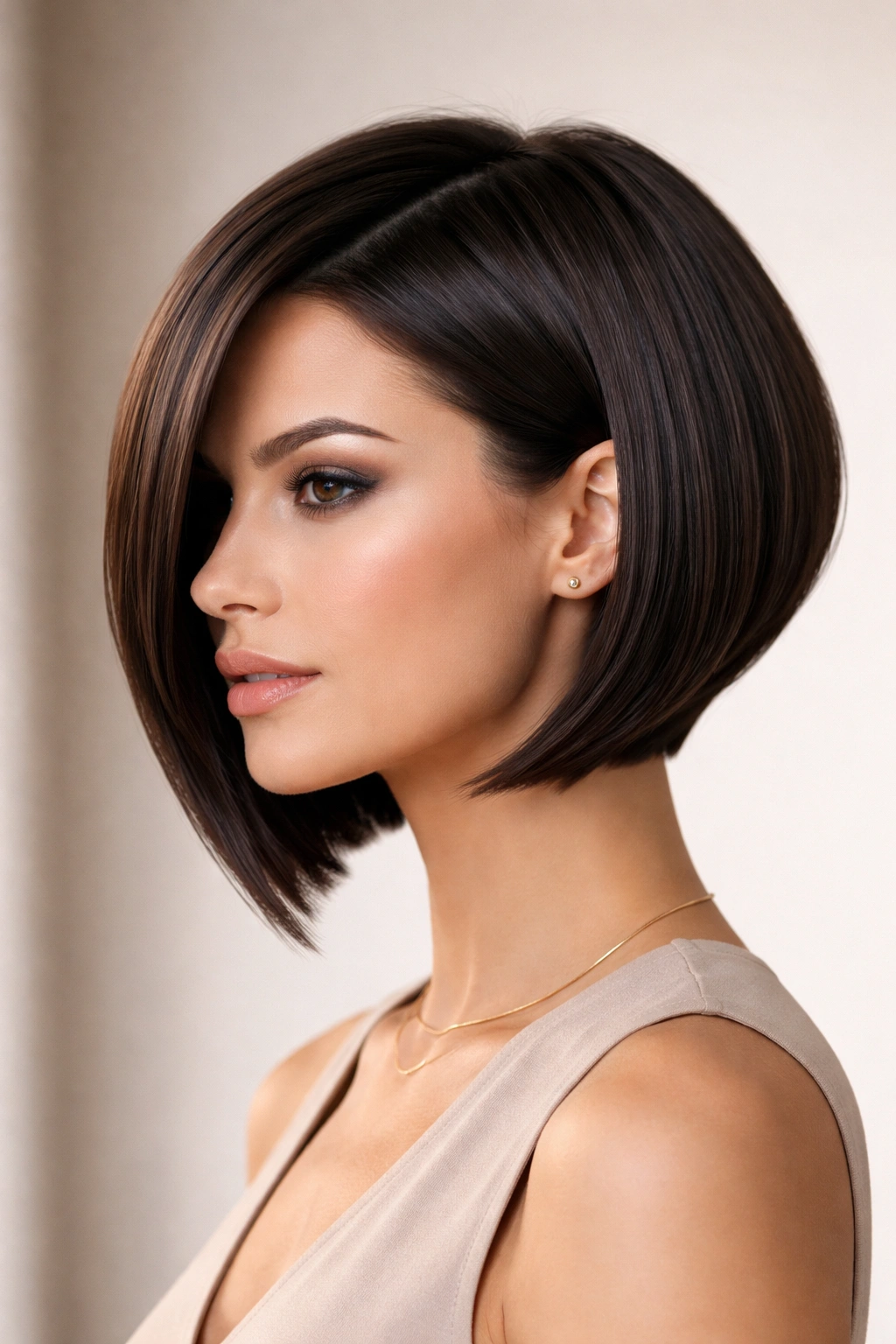
A graduated bob is shorter in the back, longer in the front, with layers that progress in length rather than sitting at the same level. When executed in straight hair with clean, intentional layers, it creates a shape that’s both geometric and feminine. The graduated silhouette is naturally flattering because it creates the illusion of dimension and movement without relying on texture or waves to achieve that effect.
What Makes the Graduated Bob So Effective
This cut flatters more face shapes than nearly any other short style. The graduated shape elongates round faces, softens angles on square faces, and creates definition without harshness on rectangular faces. Straight hair allows the graduated shape to be perfectly visible from every angle—there’s no guesswork about where the cut ends and styling begins. The versatility is also exceptional: wear the front tucked behind your ears for a more formal appearance, or let it sweep across your face for something softer.
Styling and Care Information
- Front length options: Can range from jaw-length (more dramatic angle) to chin-length or below (subtler graduation)
- Texture integration: Subtle layers throughout prevent the style from feeling blunt while maintaining clean lines
- Best for fine hair: The graduated shape makes fine, thin hair appear fuller because shorter pieces in back create density at the crown
- Styling ease: Can be worn smooth and polished or with texture—it’s genuinely flexible
- Investment in the cut: Graduated bobs require skilled execution, so expect to pay more than you would for a blunt cut, but the investment pays off in how versatile the style is
Quick note: If you have a wider face or prominent cheekbones, ask your stylist to keep the front pieces slightly longer to avoid emphasizing width—the front line should land at a point that draws eyes down rather than across.
4. The Chic Choppy Crop
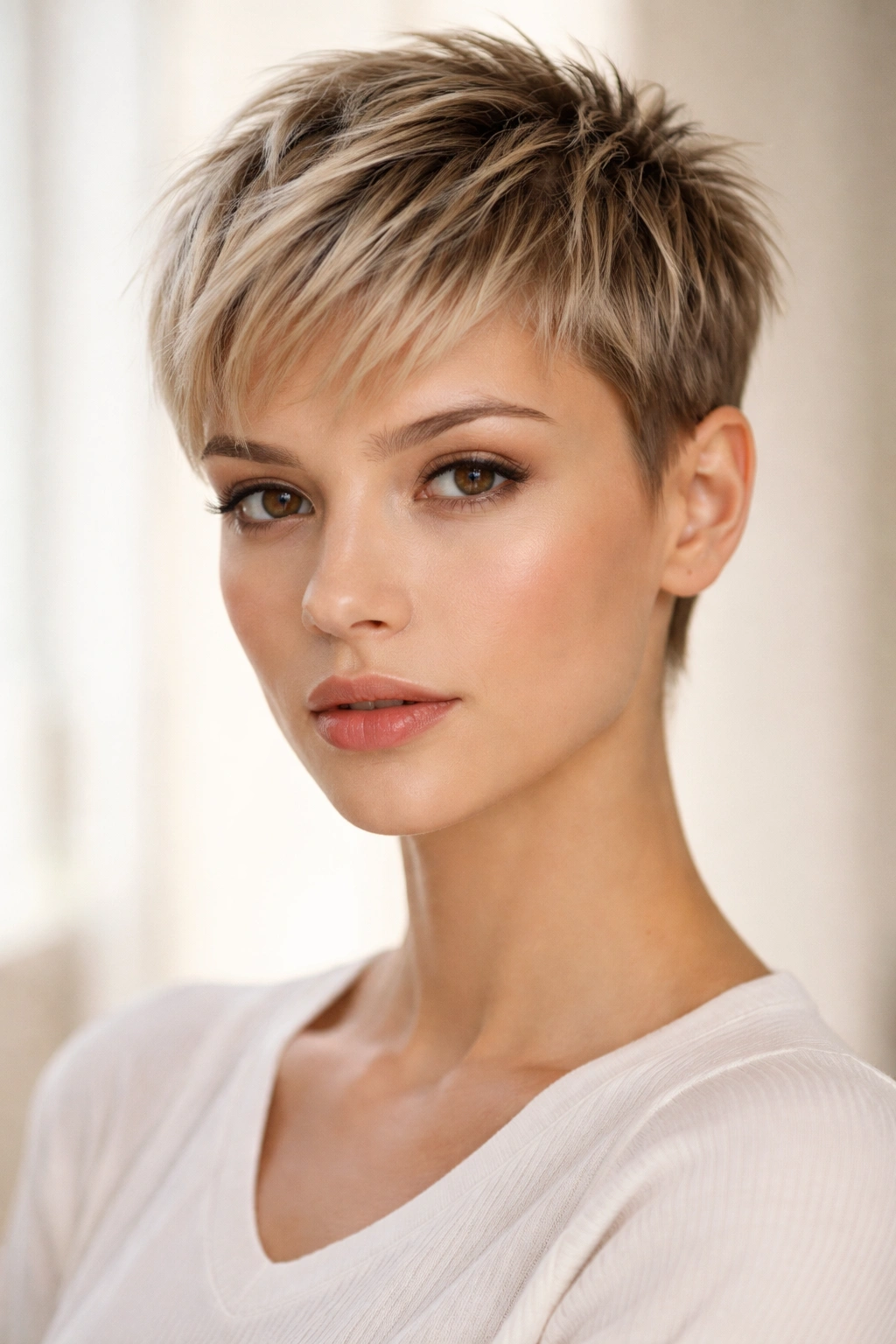
A choppy crop is basically a very short haircut (typically 1-3 inches all over) with intentional, visible layers that create texture and movement. It sits high on the head, often with slightly more length on top and shorter sides, giving it a deliberately undone quality that somehow reads as extremely polished. The choppy element comes from layers that are deliberately uneven in length rather than blended smoothly together.
Why the Choppy Crop Is Having a Moment
This cut is having resurgence among people who want something bold and different without committing to an undercut or shaved sides. It’s androgynous without being aggressively masculine, modern without being edgy, and surprisingly low-maintenance despite its crafted appearance. Straight hair makes a choppy crop look intentional rather than just grown out haphazardly—each choppy layer reads as a deliberate design choice. It’s the rare short cut that looks just as good on someone with refined, classic style as it does on someone with avant-garde taste.
Everything You Should Know Before Going This Short
- Styling approach: Can be worn completely smooth with a flat iron and serum, or tousled with texture paste for movement
- Commitment level: This is a real commitment—you’ll need cuts every 3-4 weeks to maintain the shape, and there’s no transitional phase if you decide you want longer hair
- Hair texture: Thrives on straight hair; even slight waves or curls will obscure the choppy layer definition
- Head shape: Works well on most head shapes, but people with very round faces may want slightly more length on top to create vertical interest
- Color opportunities: A choppy crop is a blank canvas for creative color work—balayage, highlights, or solid color all look stunning with this cut
Real talk: A choppy crop is not a good choice if you have very fine or thinning hair, as the short length will make any sparseness more visible. If you’re considering this cut and concerned about hair density, talk to your stylist about whether your hair is thick enough to pull it off.
5. The Minimalist One-Length Straight Bob with Subtle Layers
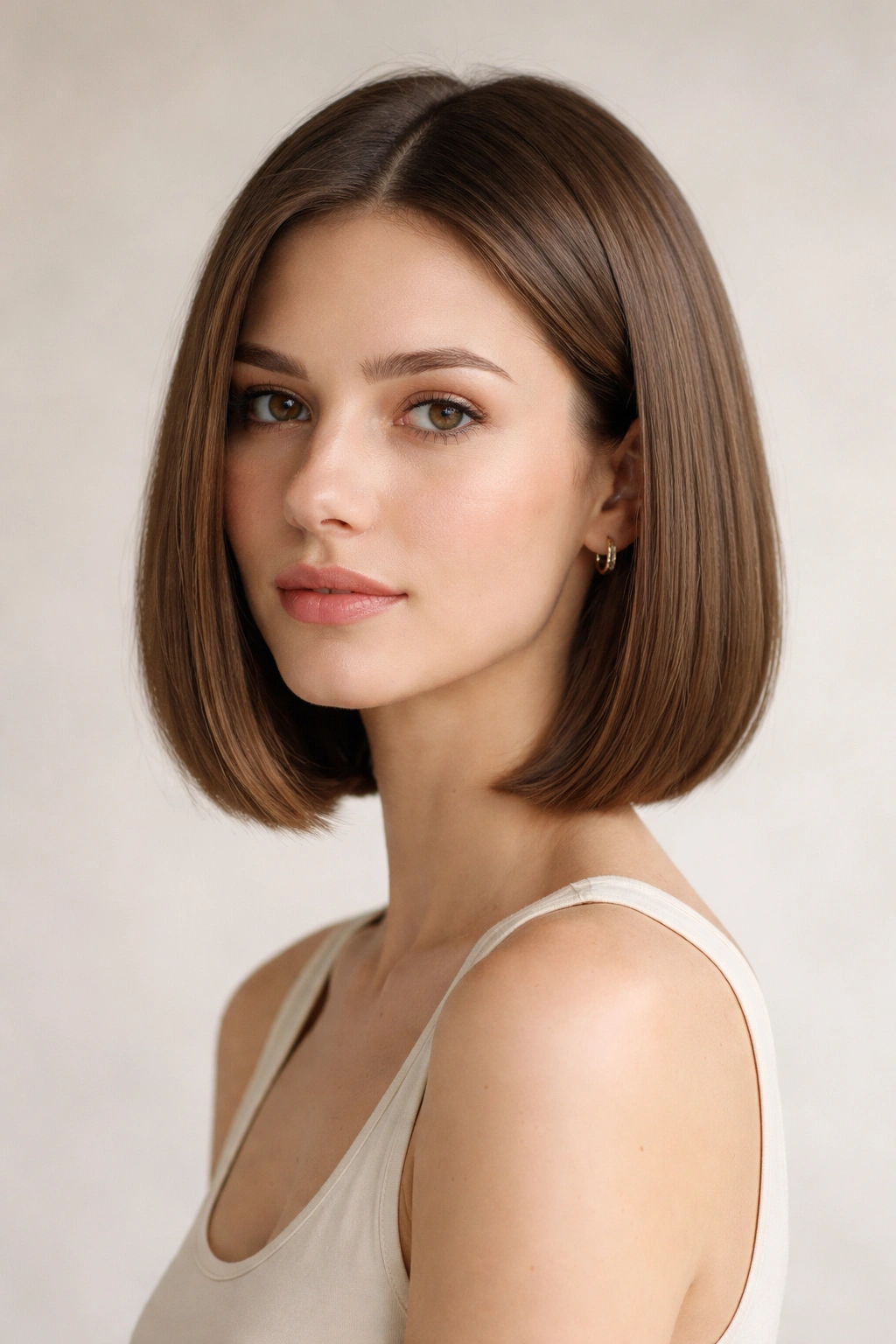
This is a deceptively simple style that looks like a straight bob at first glance, but closer inspection reveals subtle layers that prevent it from feeling blunt or heavy. The overall shape is one length, but strategic layers within that shape create movement and reduce bulk without making the cut look choppy. It’s minimalism elevated—clean and controlled while still having sophistication and depth.
The Appeal of Strategic Subtlety
This cut is perfect for people who love the idea of straight hair and clean lines but worry that a completely blunt bob might feel too severe or heavy. The layers are invisible unless you know to look for them, which means the cut maintains that polished minimalist aesthetic while offering the practical benefits of layered cuts—less weight, easier styling, more movement. It’s a cut that looks equally good in person and in photographs, and it translates across different settings without modification.
Technical Details and Care Requirements
- Layer depth: Very subtle—layers might only be 1-2 inches shorter than the perimeter length, creating movement without obvious separation
- Styling requirements: Can be worn completely smooth, or with a bit of texture for a slightly more relaxed appearance
- Maintenance: Trims every 6-8 weeks to keep the one-length effect clean and prevent layers from becoming too pronounced
- Hair type: Ideal for straight hair or hair that blow-dries straight; any wave pattern will disrupt the clean line
- Face shape compatibility: This understated approach works across all face shapes—the simplicity is universally flattering
Pro tip: If you love this style, invest in a good smoothing serum and a quality flat iron—these subtle layers only shine when hair is completely straight and smooth, so the styling tools and products matter more than they would with a more textured cut.
6. The Shaggy Modern Mullet
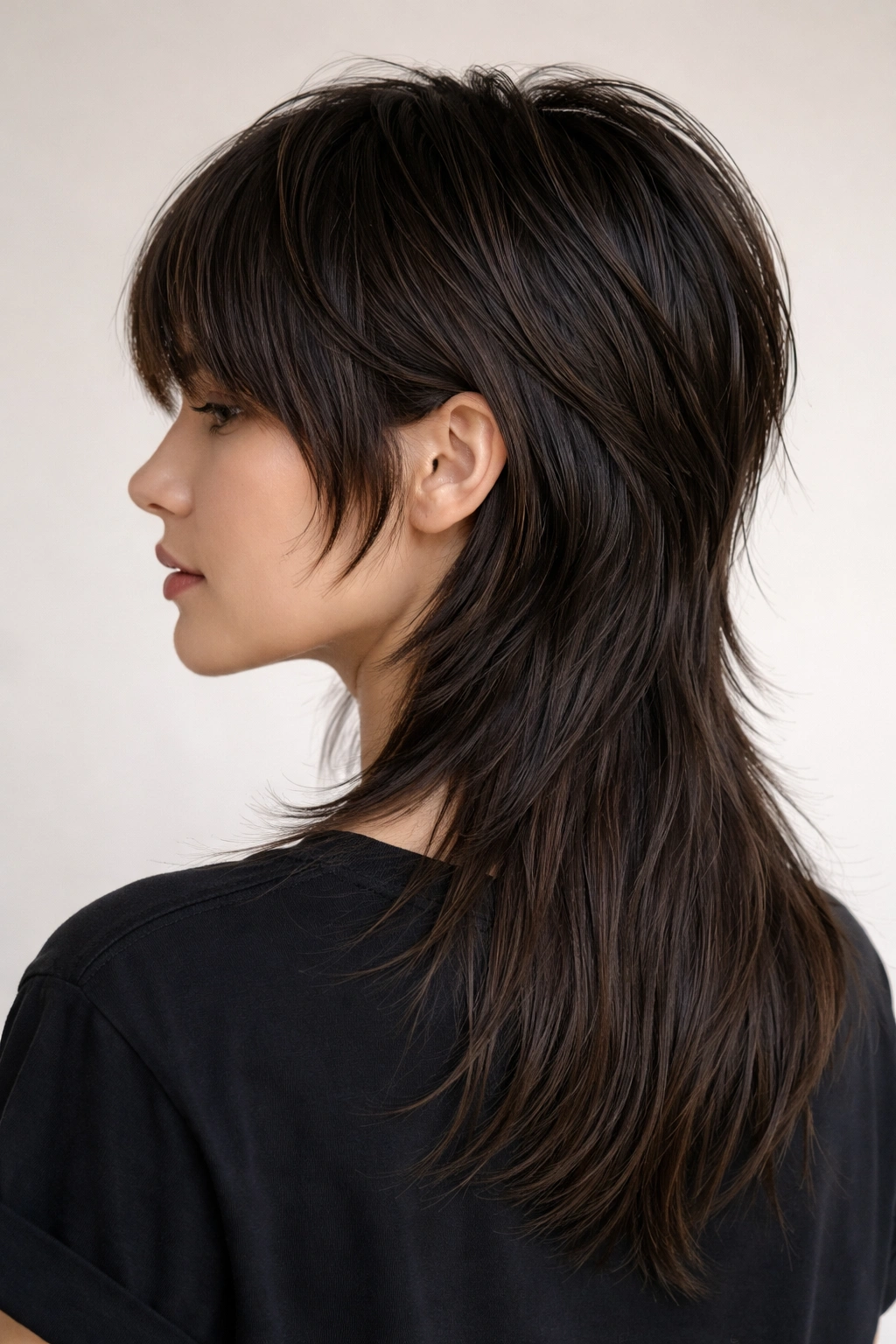
A modern shaggy mullet is not your 1980s reference point—this is a contemporary take that features shorter, choppy layers on top and gradually longer lengths toward the back, with an overall straight aesthetic maintained throughout. The term “shaggy” refers to the layered texture rather than an unkempt appearance. When done well on straight hair, it creates a sophisticated, artistic look that reads as intentionally crafted rather than nostalgic.
Why This Contemporary Version Works
The modern mullet is appealing because it’s bold without being costume-like, fashion-forward without requiring you to be a trendsetter, and incredibly versatile in how you can style it. Straight hair keeps each layer visible and clean, preventing the shag from looking messy. The longer back creates an elegant elongated line while the shorter layers on top are easy to style and manage. It’s a cut that looks equally good on someone with an edgy personal style and someone with more classic taste—it just reads differently depending on how you accessorize and style it.
Important Style and Maintenance Information
- Top length: Usually 2-4 inches, with choppy layers built in for movement
- Back length: Typically shoulder-length or longer, creating a clear contrast with the shorter top
- Styling versatility: Wear the top tousled and textured for a relaxed vibe, or smooth it down for something sleeker
- Product needs: Texture paste or sea salt spray on top, with a smoothing serum on the longer back sections
- Trim frequency: Every 4-6 weeks to maintain the layered texture on top and prevent the overall shape from getting muddled
- Confidence factor: This cut makes a statement, so make sure you genuinely like how it looks before committing
Important note: Ask your stylist to show you photos of mullets they’ve actually cut on real clients, not just inspiration photos from Instagram or Pinterest. The difference between a well-executed modern mullet and one that reads as outdated or costume-like comes down to professional skill and understanding current proportions.
7. The Sharp Textured Wolf Cut
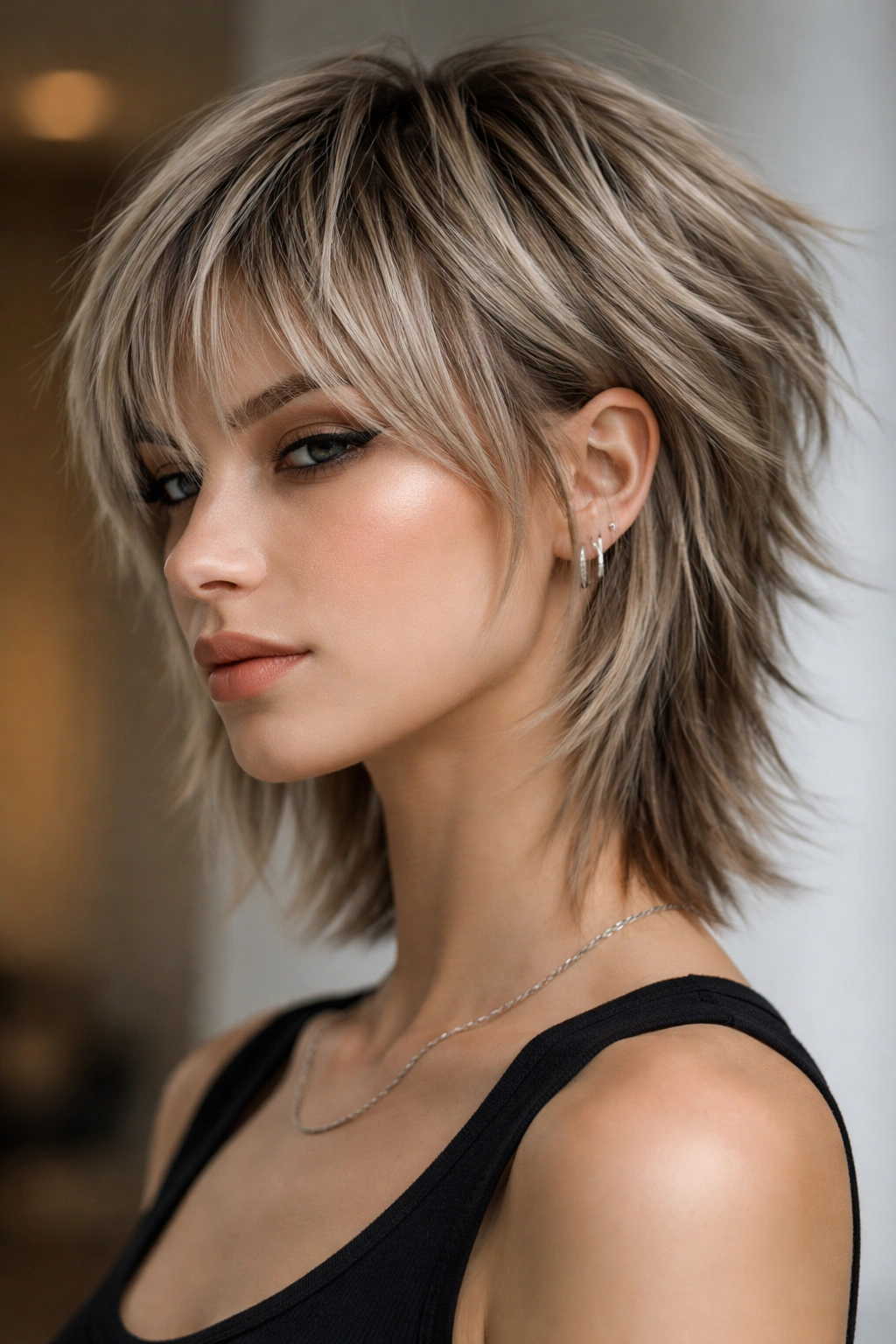
A wolf cut is essentially a blend between a shag and a mullet, featuring choppy, textured layers throughout with shorter, piece-y layers on top and longer lengths in the back. The name references the wild, predatory nature of the silhouette. On straight hair, a wolf cut creates a striking aesthetic—each layer is visible and defined, creating a cut that’s simultaneously sleek and textured, which sounds contradictory but absolutely works in execution.
What Makes the Wolf Cut So Striking
The wolf cut is appealing because it’s dramatic without requiring you to shave or dramatically alter your appearance—you can grow out of it gradually if you decide it’s not for you. Straight hair makes a wolf cut look intentional and high-fashion rather than just shaggy, and the layers create movement and visual interest that many people find more interesting than a simple layered bob. It’s a cut that definitely makes a statement, and it photographs beautifully. The wolf cut works especially well for people who want something edgy and unconventional but still wearable in professional or formal settings.
Detailed Care and Styling Guide
- Overall silhouette: Shorter and choppy on top (typically 3-5 inches), gradually lengthening toward the back (often shoulder-length or longer)
- Layer density: Significant layering throughout creates a multidimensional, textured appearance
- Styling time: Requires 10-15 minutes with a flat iron or curling iron to style properly
- Best styling approach: Tousled and textured on top, with smooth, straight longer pieces underneath—the contrast is part of the appeal
- Texture products: Sea salt spray, texture paste, or light pomade on top sections; smoothing serum on longer back pieces
- Trim schedule: Every 4-6 weeks to maintain the choppy layer texture and prevent the cut from blending into an undifferentiated shag
- Hair thickness: Works best on straight hair with medium to thick density; very fine hair may look wispy and thin with this much layering
Real talk: If you have extremely straight, shiny hair that doesn’t hold texture, a wolf cut might look too severe—you’ll need texture products and styling effort to make it look intentional rather than just choppy. If you have naturally textured or wavy hair, this cut is actually harder to manage because waves will disrupt the clean layer lines.
8. The Feathered Pixie Layers
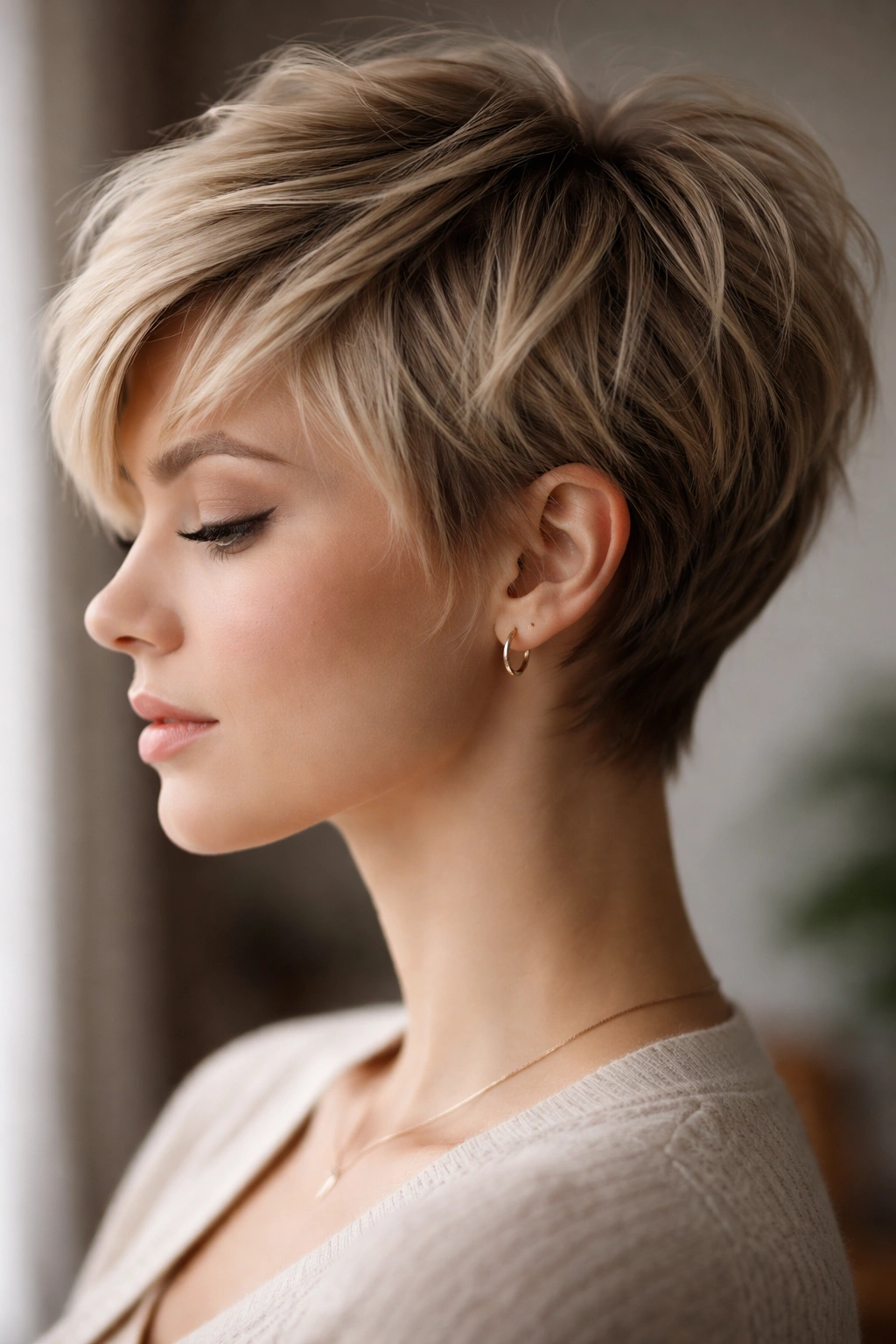
Feathered layers are shorter, tapering layers that sweep back away from the face, creating soft movement and a feminine silhouette even in a very short cut. A feathered pixie combines the very short length of a pixie with layering that creates soft, wispy movement rather than blunt density. On straight hair, feathered layers create a delicate, ethereal quality while still maintaining the modern polish that makes short cuts feel contemporary rather than babyish.
The Unique Appeal of Feathered Layers
Feathering is an old technique that’s experiencing resurgence because it offers a genuinely softer alternative to choppy or textured layers while still creating movement and reducing bulk. Feathered layers catch light beautifully, making hair appear fuller and glossier. This cut is particularly flattering on people with delicate facial features, fine bone structure, or those who prefer a more romantic aesthetic even within a short haircut. It reads as effortlessly feminine without being frilly or overly sweet.
Styling and Maintenance Details You Need
- Length: Usually 1.5-3 inches all over, with layers that taper toward the edges
- Feather direction: Layers should brush away from the face and toward the back, creating a continuous flow
- Styling approach: Can be worn sleek and smooth, or with a touch of texture for movement
- Best styling product: A lightweight texturizing spray or volumizing mousse to enhance the feathered layers without creating harshness
- Maintenance: Trims every 4-5 weeks to keep the feathered shape intact and prevent hair from growing out into a blob
- Face shapes it flatters: Works beautifully on most face shapes, but especially flattering on angular or longer faces where the feathered softness balances strong lines
- Straight hair advantage: The feathered look is most visible and elegant on straight hair; curly or wavy hair will obscure the delicate layer definition
Worth noting: Feathered pixies were huge in the 1980s and 90s, so some people associate this style with that era. The key to making a feathered pixie feel contemporary rather than retro is keeping the overall cut modern—think refined and minimal rather than fluffy and teased.
9. The Blunt Fringe with Layered Crown
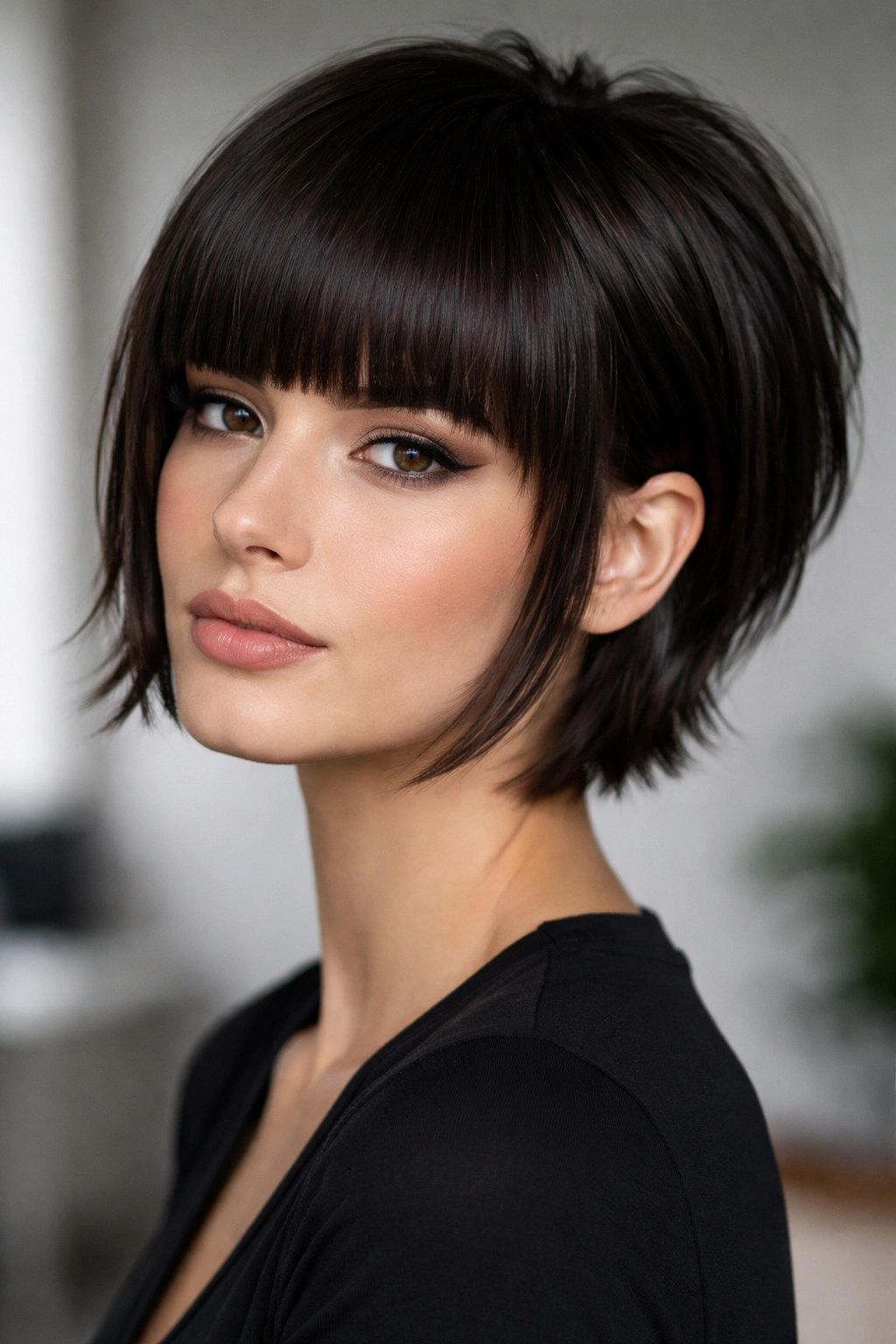
This style features a bold, blunt fringe (bangs) cut straight across the forehead with layered texture behind and above it. The contrast between the severe blunt front and the soft layers throughout the crown creates a striking, high-fashion aesthetic. The longer pieces on top blend into shorter layers as they progress back and down, creating dimension without chaos. It’s a cut that demands confidence and the right face shape, but when it works, it’s absolutely stunning.
Why This Statement-Making Cut Works So Well
The blunt fringe with layered crown is having a serious fashion moment because it photographs beautifully and reads as extremely current. The blunt front immediately marks the wearer as someone with bold personal style, while the layered crown prevents the cut from feeling too severe or costume-like. Straight hair is essential for this cut—the blunt fringe only works if it’s truly blunt and sharp, and layers need to be visible and clean. This is a cut for people who enjoy making a visual statement and aren’t afraid of drawing attention.
Critical Information Before You Commit
- Fringe length and angle: Can range from very short (just below the eyebrow) to slightly longer (to the eyebrows), and can be cut straight across or with a slight angle
- Crown layers: Typically 2-4 inches at the shortest point, gradually lengthening toward the back
- Face shape requirements: Works best on oval, heart-shaped, and rectangular faces; can overwhelm very round faces
- Styling: Requires a flat iron to keep the fringe sharp and blunt; any wave will ruin the effect
- Maintenance: Fringe needs trimming every 3-4 weeks to stay sharp; crown layers need trimming every 5-6 weeks
- Styling products: Smoothing serum and a strong-hold hairspray to keep the fringe in place and looking intentional
- Commitment: This is a bold statement cut—make sure you genuinely love how blunt fringes look before committing
Pro tip: If you’re uncertain about committing to a blunt fringe, ask your stylist for a slightly softer version with the tiniest bit of angle or texture at the ends—it’s a way to get the high-fashion vibe without the full commitment.
10. The Undercut Layered Straight
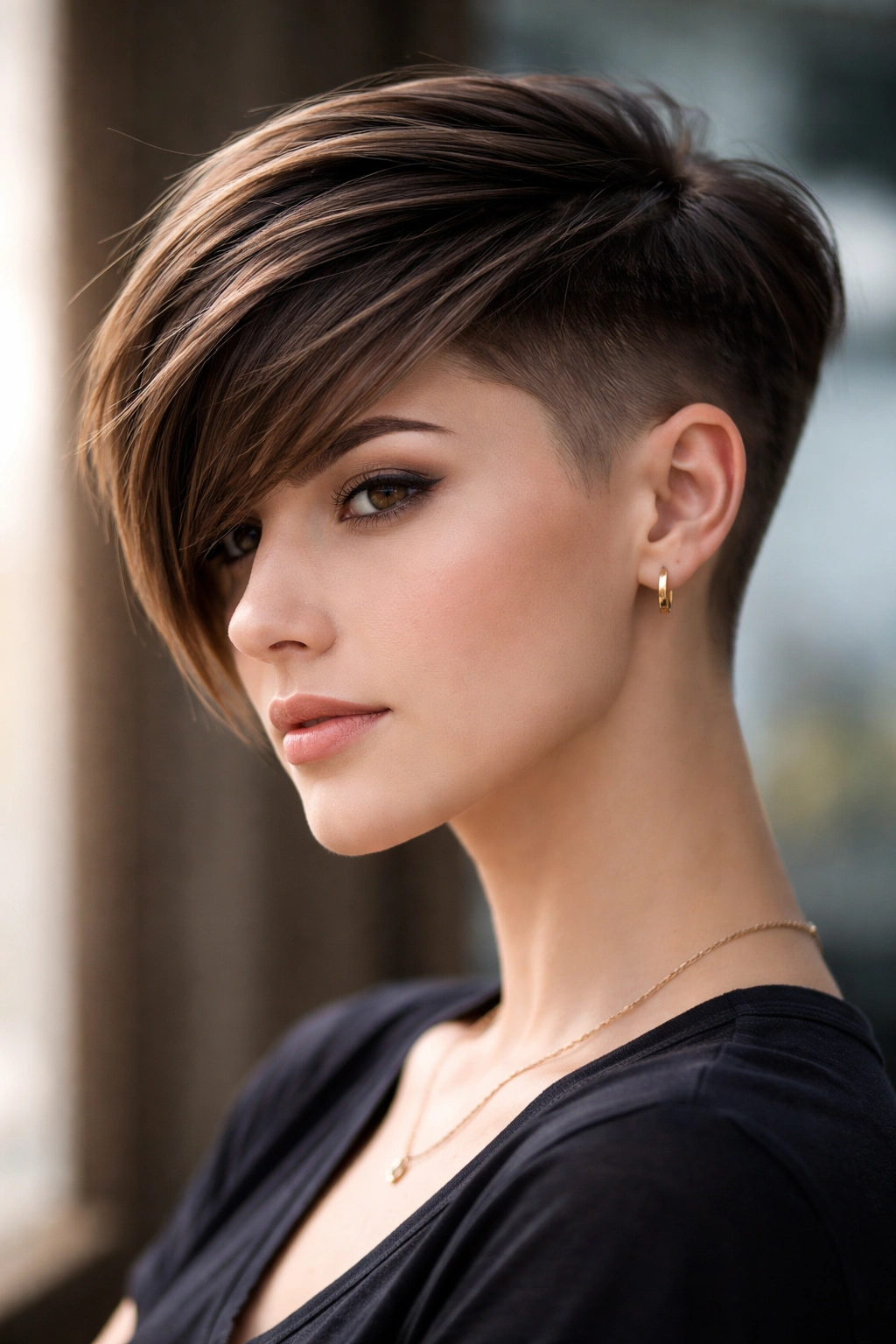
An undercut means shorter, tapered sides and back with significantly longer hair on top, creating stark contrast and a visually striking silhouette. When the top is kept straight with intentional layers, the undercut style becomes even more dramatic—each layer on top is emphasized against the clean, short sides. The layering on top creates movement and interest that prevents the cut from feeling top-heavy, while the undercut adds edge and modernity.
The Bold Appeal of Undercut Sophistication
An undercut with layered top is one of the most versatile bold cuts available because you can style it dramatically or tone it down depending on how you position your hair. Wear it swept over to cover the undercut for a more professional appearance, or sweep it back to fully reveal the contrast. Straight hair on top makes each layer crisp and intentional, while the undercut sides create a perfect frame for that straight, textured top. It’s a cut that reads as seriously fashion-forward without being costume-like.
Everything You Need to Know About This Cut
- Side length: Typically 0.5-1.5 inches, faded or blended into longer top
- Top length: Usually 3-5 inches at the longest, with layers built throughout
- Top layer styling: Works beautifully textured or smooth—incredibly versatile
- Undercut visibility: You can choose how visible you want it to be by adjusting fade gradient
- Styling time: 10-15 minutes with product and styling tools if you want the full effect; can be worn more casual with less effort
- Maintenance: Undercut sides need trimming every 2-3 weeks to maintain clean lines; top layers every 4-6 weeks
- Product needs: Texture paste or pomade on top layers; clippers or trimmers for maintaining the undercut
- Hair type: Works beautifully on straight hair; wavy or curly hair on top is actually a great contrast option if you want to fully embrace the dramatic contrast
Important consideration: An undercut is a commitment—it requires regular maintenance to look polished and intentional. If you travel frequently or aren’t committed to the upkeep, this might not be the right choice. That said, if you love the edgy aesthetic and are willing to maintain it, an undercut with layered straight top is one of the most striking cuts available.
Final Thoughts
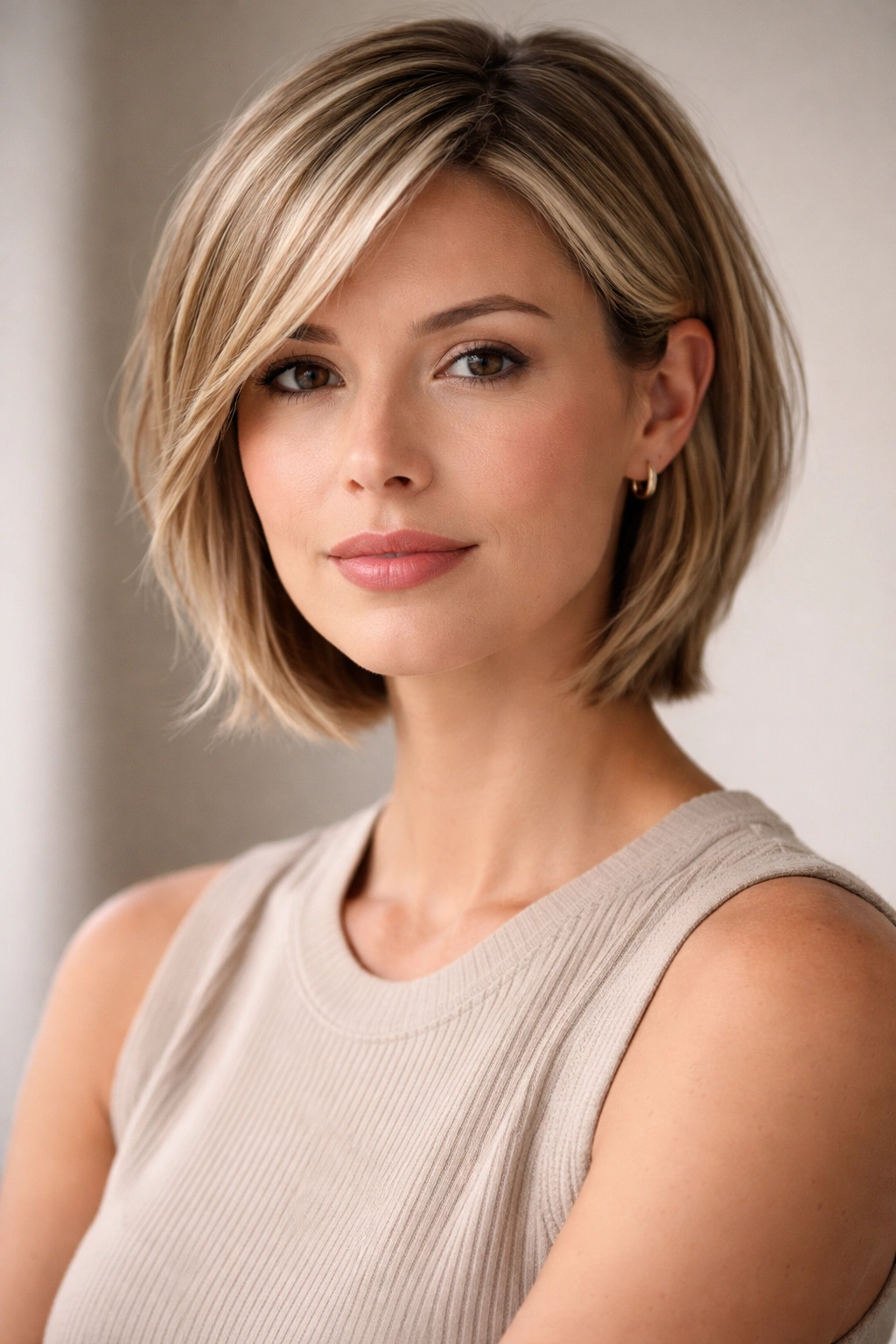
Choosing a layered straight short cut comes down to understanding your face shape, your lifestyle, your styling commitment, and honestly, how bold you want to go. Each of these ten styles offers something different—from the subtle sophistication of minimalist layers to the dramatic statement of an undercut with layered top. The unifying factor across all of them is precision: a skilled stylist’s ability to place each layer intentionally and cut clean, straight lines that translate beautifully whether you’re wearing your hair smooth and polished or textured and tousled.
The magic of straight hair is that every cut detail becomes visible—there’s nowhere for mistakes to hide, but there’s also nowhere for your stylist’s skill and artistry to hide either. Book a consultation with a stylist whose work you genuinely admire, bring specific reference photos of cuts that resonate with you, and have an honest conversation about your maintenance tolerance and styling habits. The best haircut in the world won’t make you happy if it requires 30 minutes of styling every morning and trims every three weeks when you prefer minimal fuss.
Short layered straight cuts have this wonderful quality of looking effortlessly polished while requiring intentional precision to achieve that effect. That combination is exactly why they’re so appealing—they signal that you care about your appearance and have a clear sense of personal style, all without requiring you to spend an hour getting ready every morning. Find the cut that speaks to you, commit to the maintenance schedule, and enjoy the confidence that comes with a truly excellent haircut.
