



The shaved bob is having a major moment, and for good reason. It’s the perfect collision of edgy and wearable—a cut that demands confidence but rewards it with an undeniably cool factor that softer bobs simply can’t match. What makes the shaved bob so compelling is that it works across wildly different aesthetics. Whether you’re drawn to minimalist elegance, punk-inspired attitude, or something in between, there’s a shaved bob variation that speaks to your personal style.
The beauty of incorporating shaved sections into a bob lies in the contrast it creates. The clean lines of a fade or undercut against longer lengths on top give you dimension without fussiness, texture without needing product, and presence without trying too hard. It’s the kind of cut that looks intentional the moment you walk in a room, but feels effortless when you’re living in it day-to-day. For many people, that balance between “looks great” and “requires minimal effort” is exactly what they’re searching for.
What you’ll notice across all these styles is how adaptable the shaved bob concept truly is. The length of the longer section, the height of the fade, the angle of the cut, and the placement of the shave all shift to create entirely different moods. Some read polished and professional; others lean deliberately rebellious. Some suit oval faces better, while others are engineered for rounder or angular features. The good news? There’s genuine variety here, which means you’re likely to find at least one—probably several—that feels like it was designed for you.
1. The Sharp Angled Bob with Undercut
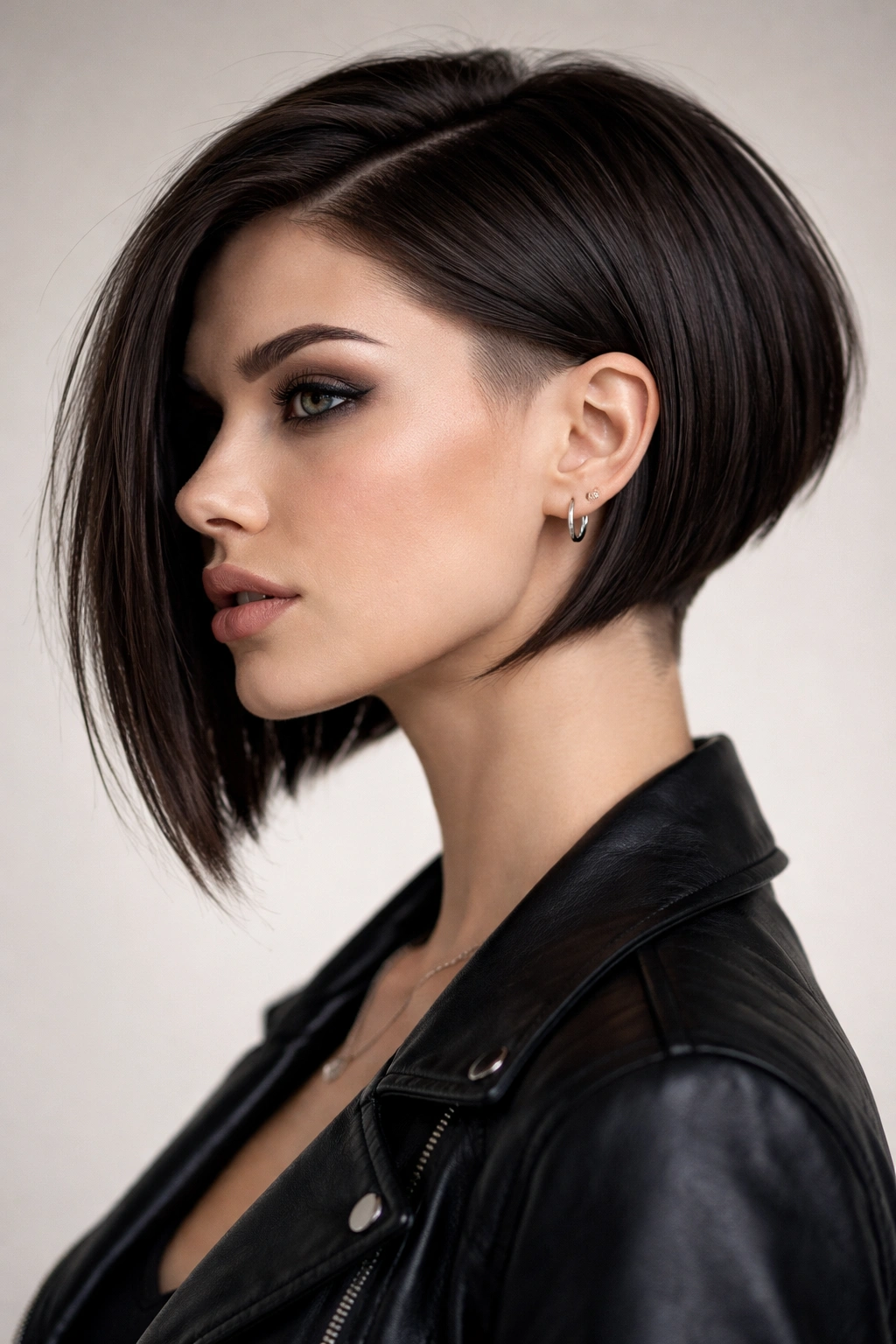
This iteration pairs a dramatically angled bob (longer in front, shorter in back) with a clean undercut that runs from ear to ear along the lower nape. The angle of the top section creates forward momentum, while the shaved section underneath provides structure and reveals the natural shape of your head beautifully. It’s fashion-forward without looking costume-y, and the contrast between the longer front pieces and the exposed nape is genuinely striking.
The Visual Impact You’re Getting
The sharp angle naturally frames the face, drawing focus toward your cheekbones and jawline. When you pull your hair back or tuck it behind your ears, the undercut becomes a design element in itself—not something you’re hiding. People with strong facial features often find this style exceptionally flattering because it doesn’t compete with your face; instead, it enhances the geometry you already have.
How to Style It Day-to-Day
- Wear it down and let the angle do the work—minimal styling required
- Tuck the longer front pieces back and show off the undercut for a sleeker look
- The undercut stays clean and sharp for 4-6 weeks before needing a touch-up trim
- This cut pairs beautifully with textured waves on top for contrast against the smooth shaved sections
2. The Textured Shag Bob with Temple Fades
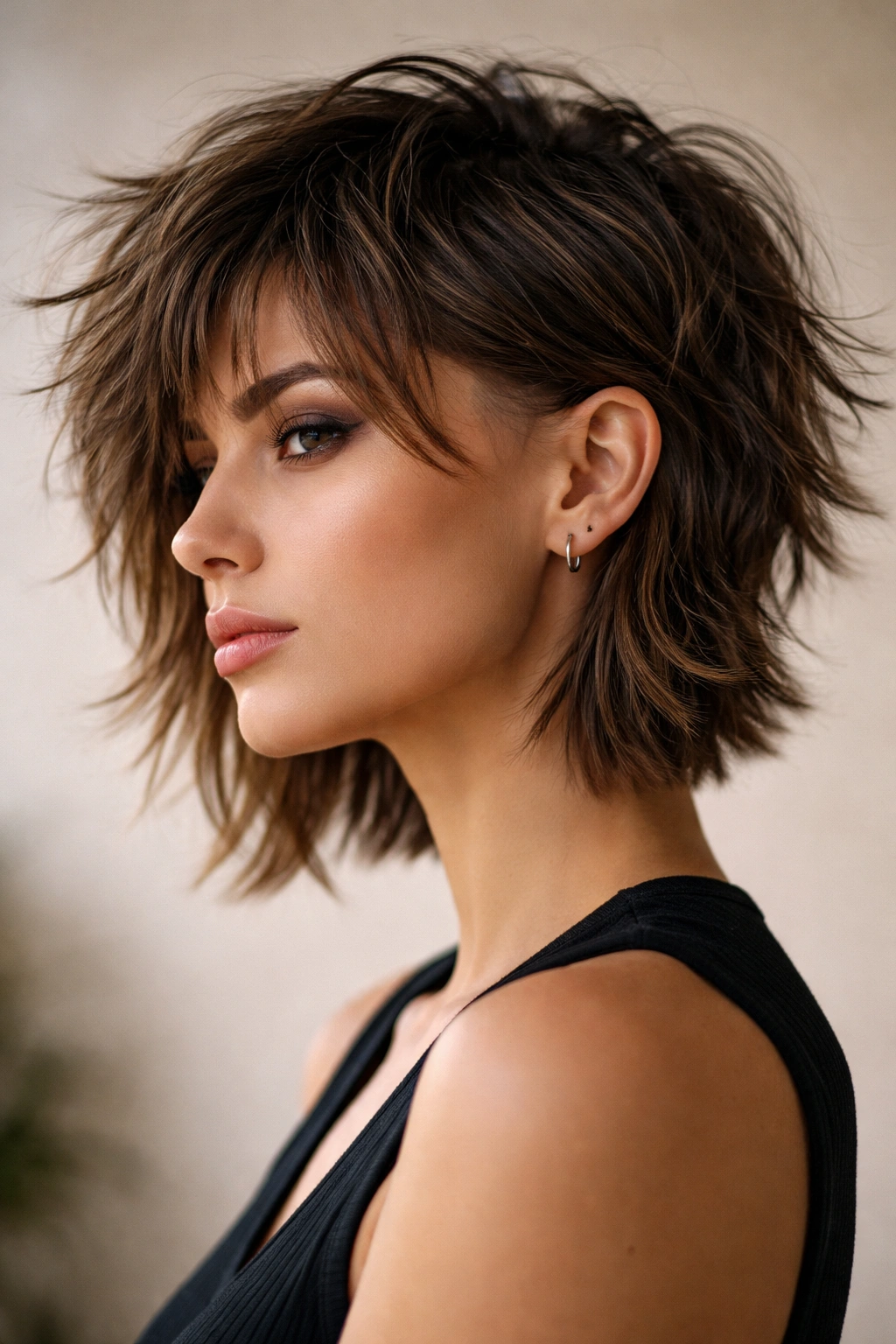
Imagine a modern shag—all choppy layers and movement on top—meeting strategically placed fades that start just above the temples and taper toward the nape. This style keeps maximum length and texture where you need movement, while the fades provide clean definition and an unexpectedly artistic element. It’s the perfect middle ground for anyone who wants edginess without committing to a full undercut.
Why the Temple Placement Works
Temple fades are genius because they’re relatively easy to hide if you want to (your hair can cover them), but they’re incredibly visible and stylish when your hair is pulled back. This placement also works well with most face shapes because it doesn’t remove length from the sides in the way a full undercut might. The fades emphasize cheekbones without being harsh.
Maintenance and Daily Styling
- Fades at the temples need retouching every 3-4 weeks for crisp definition
- The textured layers on top benefit from a sea salt spray or lightweight texturizing product
- You can wear this cut sleek or textured depending on your mood
- This style naturally looks good even when your hair grows out slightly between cuts
3. The Blunt Graduated Bob with Nape Shave
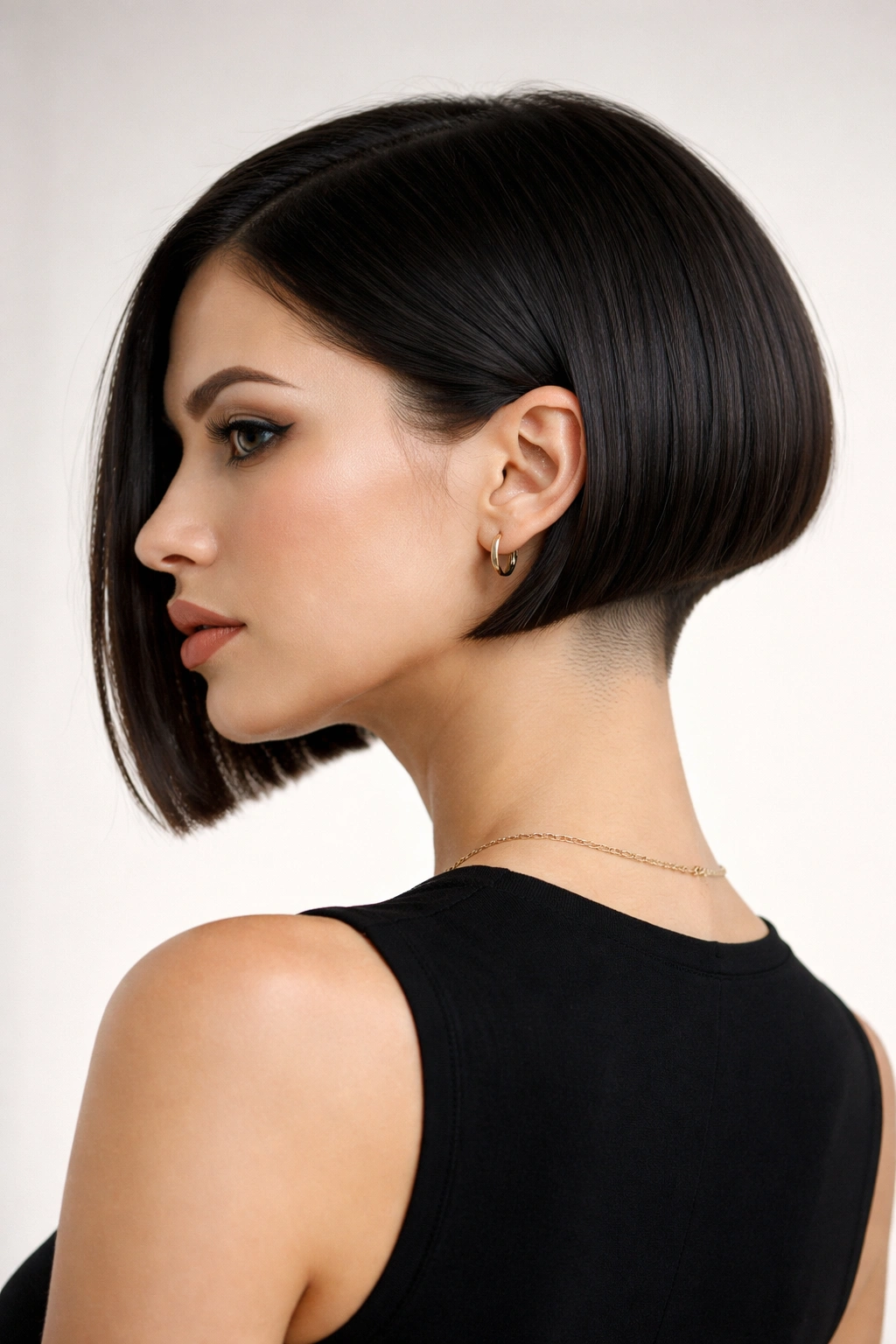
This is architectural geometry meets edge. A blunt, graduated bob (same length all around, or with minimal variation) pairs with a high shave that runs across the nape and slightly up the back of the head. The blunt lines of the longer section are so clean and precise that they make the shaved section read as even more deliberate. The result is a cut that photographs incredibly well and feels very intentional.
The Precision Factor
Blunt bobs require exceptional cutting skill, so finding the right stylist matters more with this style than with others. The blunt lines are what make this cut special, so any imprecision becomes glaringly obvious. Once you find someone who can cut truly blunt lines, though, this is a style that looks polished from every angle and photographs beautifully.
Styling Expectations
- This cut is gorgeous with a middle or side part—both change the entire energy
- The blunt lines look best when hair is relatively straight or gently waved, not heavily textured
- Shaved napes stay clean for 4-6 weeks before needing a refresh
- This style suits people who love a polished, designer-aesthetic approach to their look
4. The Choppy Layered Bob with Full Undercut
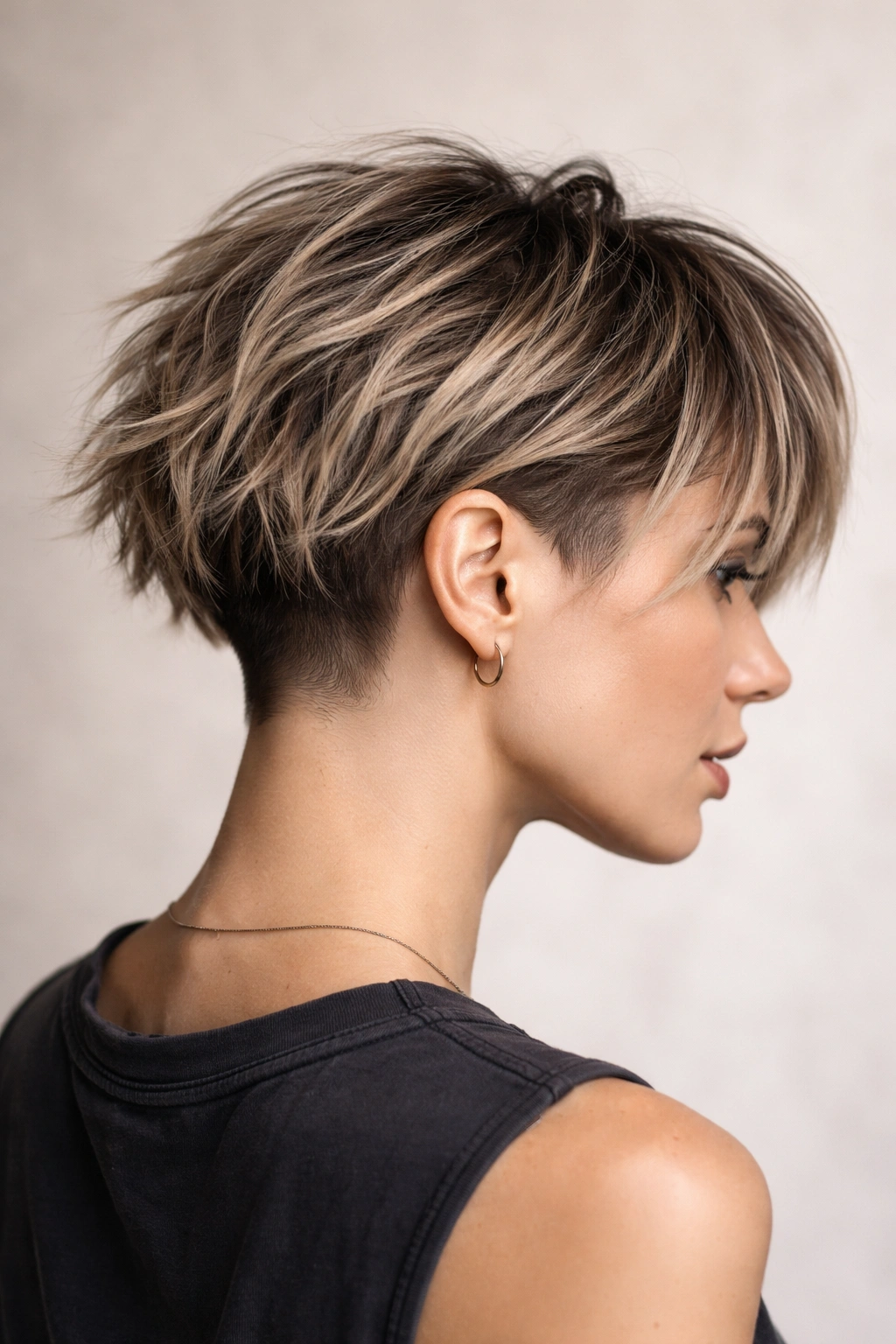
Maximum movement and dimension on top meets a complete undercut that removes all hair below the longer layers. This version gives you the most contrast and the strongest visual statement. The choppy layers create tons of texture and the ability to style the hair multiple ways, while the full undercut ensures it never looks accidental or soft—this is decidedly intentional.
The Styling Versatility You Get
- Heavily textured and piece-y when you work in some styling product
- Sleek and geometric when you flat-iron it smooth
- Tucked back to show off the undercut, or worn down for full movement
- The shaved section reads as a design element rather than just an undercut
Who This Works Best For
- People with finer hair who want the appearance of more density through layering
- Anyone comfortable being noticed; this cut demands attention
- Those who enjoy playing with their hair and don’t mind a quick styling routine with product
- Individuals with oval or angular face shapes, as the choppy layers add softness
5. The Sleek Side-Swept Bob with Asymmetrical Fade
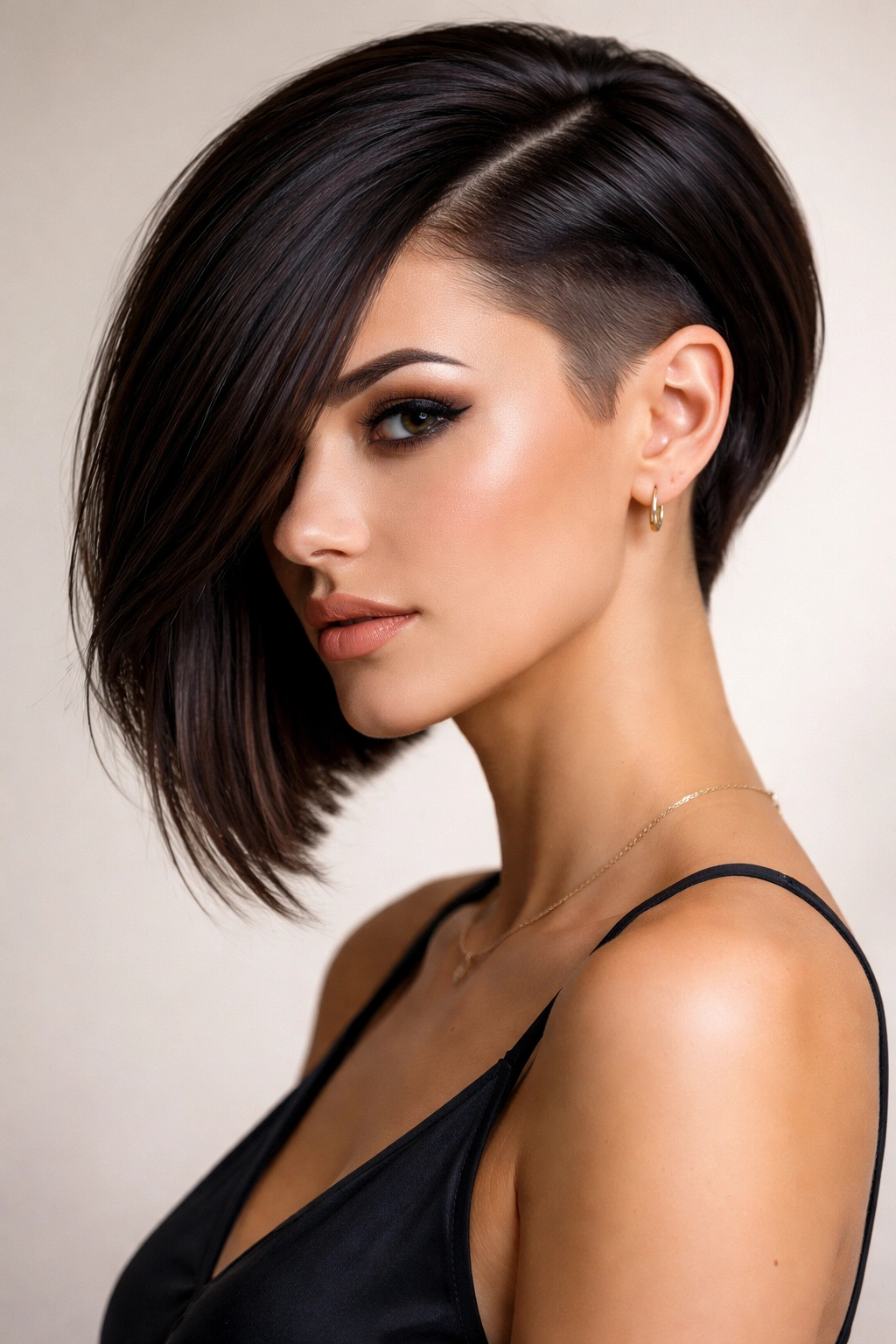
One side sweeps longer across the face while the other side is much shorter, paired with an asymmetrical fade that’s more pronounced on the shorter side. This creates a dramatic directional silhouette that’s actually quite flattering because the longer side can frame the face while the shorter side reveals it. It’s edgy without being severe, and extremely modern.
The Face-Framing Advantage
Asymmetrical cuts are secretly genius for balancing face shape. If you have a rounder face, the length on one side provides vertical interest. If you have an angular face, the shaved section on the shorter side softens it. The asymmetry means this style actually works well across different face shapes because you’re creating intentional imbalance.
Making It Work Every Day
- The longer side requires slightly more styling attention to maintain the sweep
- A texturizing spray or light pomade helps keep the swooping shape through the day
- This cut looks striking with dark hair and even more dramatic with lighter shades
- The fade side needs touching up every 4-5 weeks for maximum definition
6. The Pixie-Bob Hybrid with Undercut
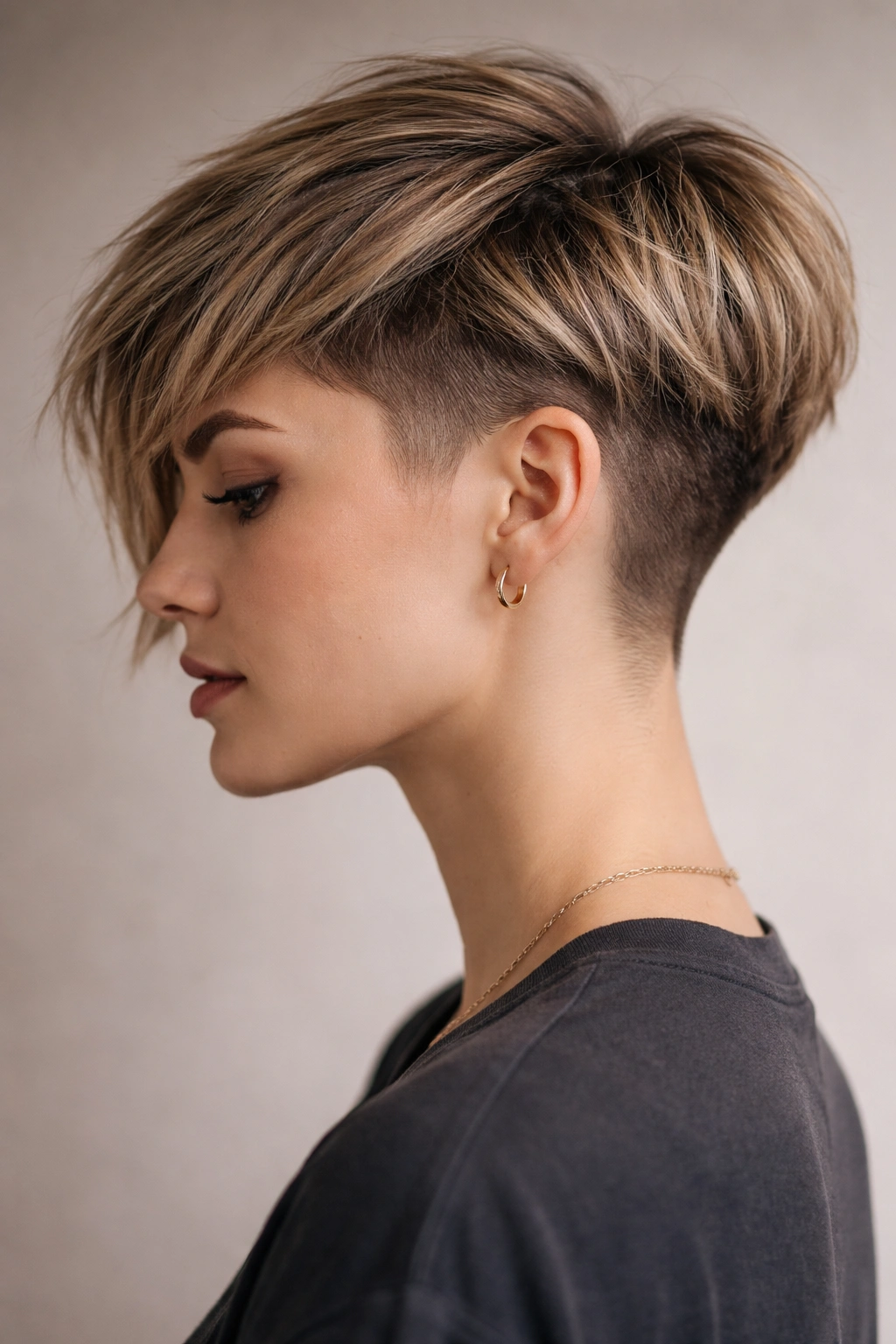
This sits at the intersection of a pixie cut and a bob—shorter overall than a traditional bob, with choppy layers throughout and an undercut for definition. It’s perfect for people who love the ease of very short hair but want slightly more length than a true pixie offers. The undercut is what stops it from reading as a standard short cut; it becomes a design statement instead.
Why This Hybrid Works
The magic here is that you get the wash-and-wear ease of short hair but the style flexibility of a bob. You can add texture with product, slick it back, or leave it slightly messy. The undercut ensures even very short hair reads as intentional rather than just “short.” It’s genuinely low-maintenance while still looking polished.
Styling Time and Commitment
- This cut requires the least daily styling of any option here
- 5 minutes with some texture spray and you’re good
- Fades need touching up every 3-4 weeks
- Best suited for people who have straight to wavy hair texture; very curly hair can look less sharp
7. The Textured Messy Bob with Partial Temple Undercut
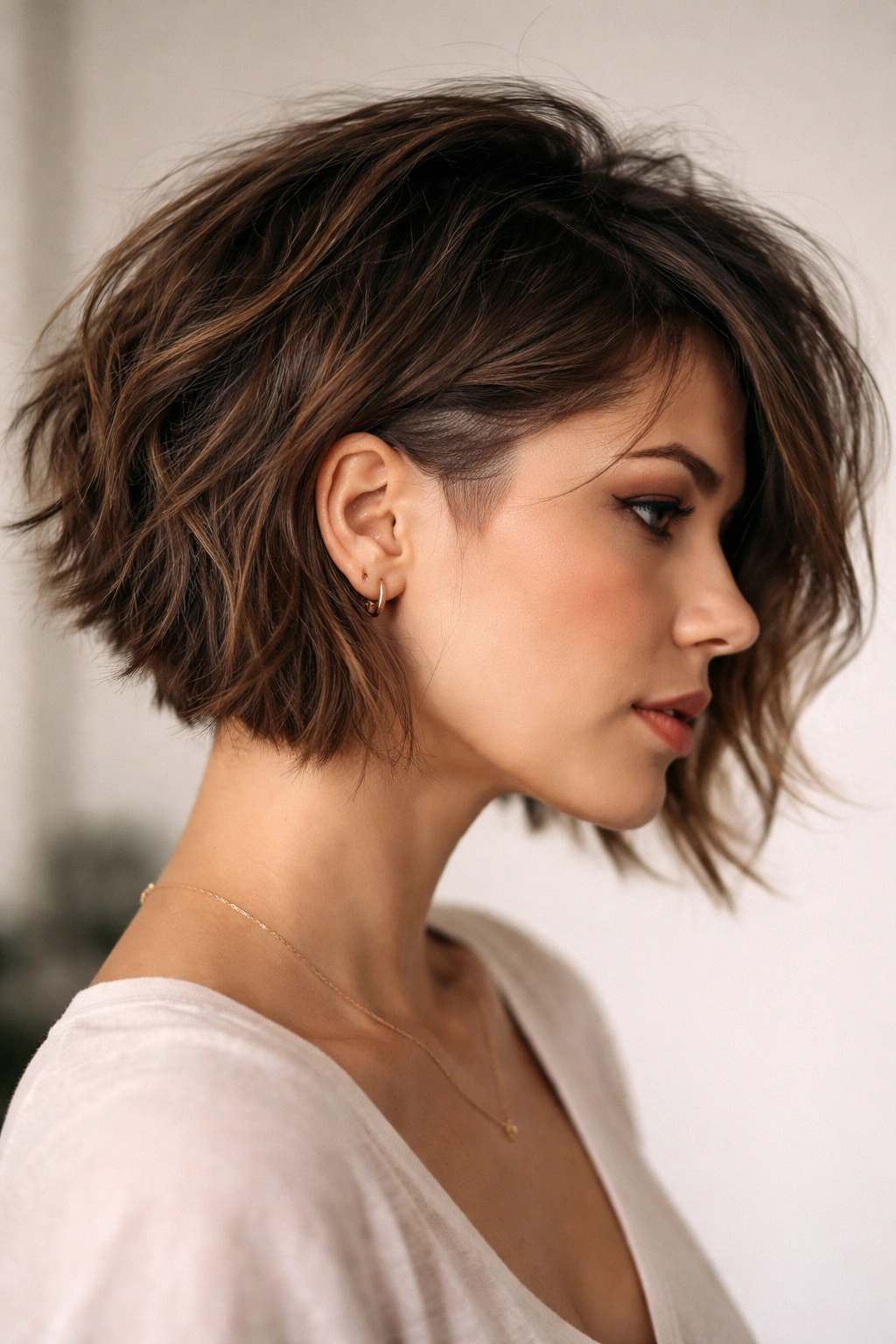
Rather than a traditional undercut running the full back, this style features subtle fades just at the temples that blend into the rest of the bob. The overall cut is textured and deliberately imperfect—lots of shorter layers throughout that create movement without requiring precision. It’s the perfect balance for someone who wants the edge of a shave without committing to a full undercut.
The “Imperfect” Perfection
This cut actually looks better when it’s slightly grown out and a bit undone. The layers create natural texture, and the temple fades provide definition without dominating the overall silhouette. It reads as effortless, even though the cut itself requires skilled layering. This is genuinely the “effortless edge” at its most authentic.
Styling Reality
- Works with minimal styling on wavy or textured hair
- Becomes incredibly cool when you add in some deliberate piece-work with a texturizing product
- Temple fades need refreshing every 4-5 weeks, but they’re small enough that you can go a bit longer without them looking too grown out
- This style is forgiving in terms of maintenance, which makes it excellent for people with less patience for frequent salon visits
8. The Rounded Bob with Back Undercut
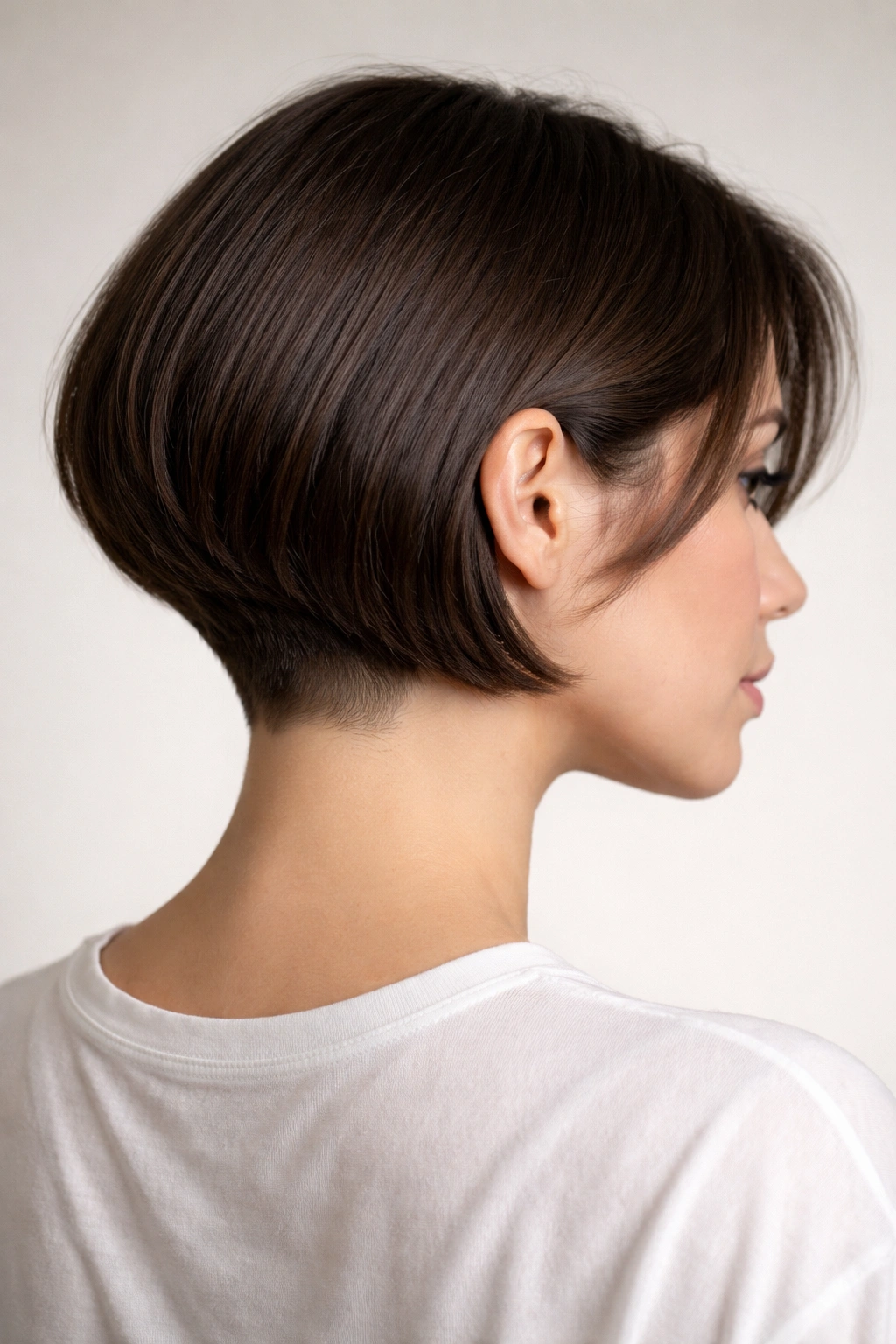
A soft, rounded bob (think 1960s silhouette) meets a clean undercut that runs from behind the ears all the way across the nape. This juxtaposition is what makes it interesting—the sweetness of the rounded shape paired with the edge of the shaved section creates an unexpected contrast. It’s sophisticated and modern, with just enough attitude to keep it from feeling costume-y.
The Sophisticated Appeal
This cut works beautifully on people who want a polished, put-together look but don’t want to sacrifice edge or personality. It reads as intentionally styled rather than accidentally elegant. The undercut is only revealed when you move certain ways or pull your hair back, so you control how much edge you’re showing.
Best for Specific Hair Types
- Straight to slightly wavy hair shows the rounded shape most clearly
- Very thick hair can make this cut feel heavy, so a good stylist should thin strategically
- Fine hair can actually work well here if the stylist creates texture through layering rather than relying on density
- The undercut looks sharpest on straight or nearly straight hair
9. The Disconnected Bob with High Fade
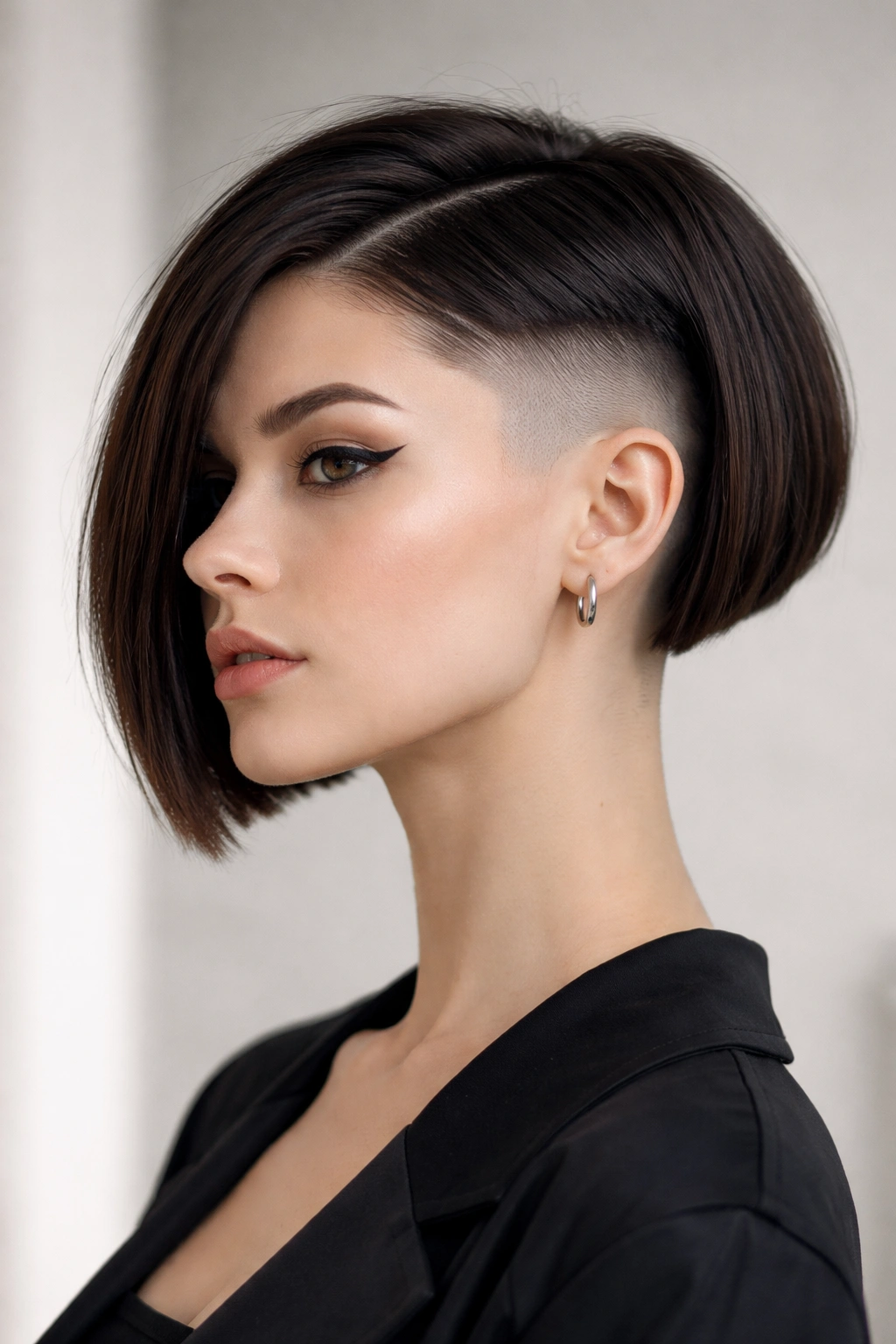
This style features very intentional separation between the longer bob section and the faded sides—you can see exactly where the longer hair ends and the fade begins. It’s an architectural cut that celebrates the contrast rather than blending everything smoothly. The fade rises higher than in some other versions, creating even more visual drama. It’s fashion-forward and bold.
The Visual Drama
The “disconnected” element is key—there’s actual space and definition between the longer and shorter sections rather than a gradual blend. This reads as extremely modern and intentional. It’s the choice for someone who loves fashion, who follows hair trends, and who isn’t worried about being noticed.
Styling and Maintenance Needs
- This cut requires a skilled stylist who understands fade technique
- The sharp line between sections needs touching up every 3-4 weeks
- Styling is straightforward—the disconnection does most of the visual work for you
- Works best with straight to wavy hair; very curly hair can make the line less defined
10. The Soft Tousled Bob with Subtle Nape Shave
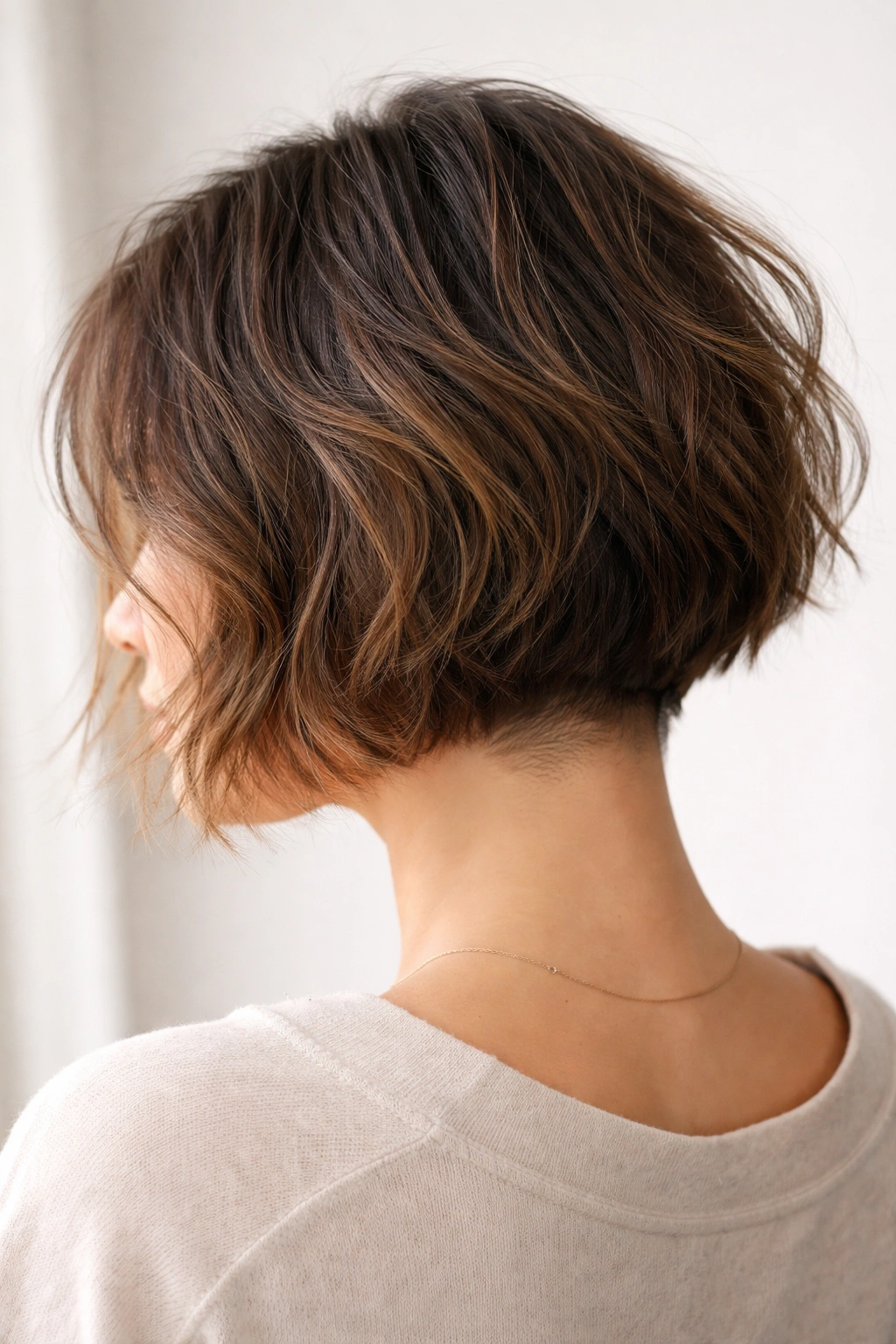
For people who want edge without drama, this delivers perfectly. It’s a textured, shoulder-length bob with a subtle shave just at the nape—so minimal and soft that it’s almost understated, but absolutely there if you know to look for it. The overall vibe is effortless, tousled, and cool in a very modern, unforced way.
The Restraint Factor
Sometimes the most stylish choice is the one that holds back. This cut is genuinely beautiful because it doesn’t announce itself. It whispers rather than shouts. The shaved nape adds definition and prevents the overall look from feeling too soft or safe, but it’s not the dominant feature. It’s the perfect choice for someone who wants their hair to feel like an accessory to their life, not the main event.
Real-World Wearability
- This cut works beautifully with natural hair texture, whether straight, wavy, or curly
- The tousled texture means it looks intentional even when it’s a bit messy
- The subtle nape shave is easy to maintain and still needs refreshing only every 6-8 weeks
- This is genuinely the lowest-key, most versatile option on this list
Getting the Right Cut: Finding Your Stylist

Not every stylist has the expertise to execute shaved bobs well, and that’s an important thing to acknowledge upfront. A true shaved bob requires understanding how fades work, how to taper hair properly, and how different shave placements interact with face shape and hair texture. You’re not looking for a stylist who can do shaved bobs; you’re looking for a stylist who specializes in them or has a genuine portfolio of excellent work.
When you’re researching stylists, look for portfolios that show variety. Do they understand how a fade should blend? Can they execute clean lines? Have they worked with different hair types and face shapes? Ask directly about their experience with shaved bobs specifically. A stylist who’s confident in their skills will be happy to talk through exactly how they’d approach your hair and face shape.
Bring photos to your consultation—multiple photos, from different angles, showing the exact placement of the shave or fade and how the longer sections interact with it. Sit down and talk through which version appeals to you and why. A good stylist will listen to what you love about the style and potentially suggest variations that might work even better for your specific features.
Maintenance Between Salon Visits
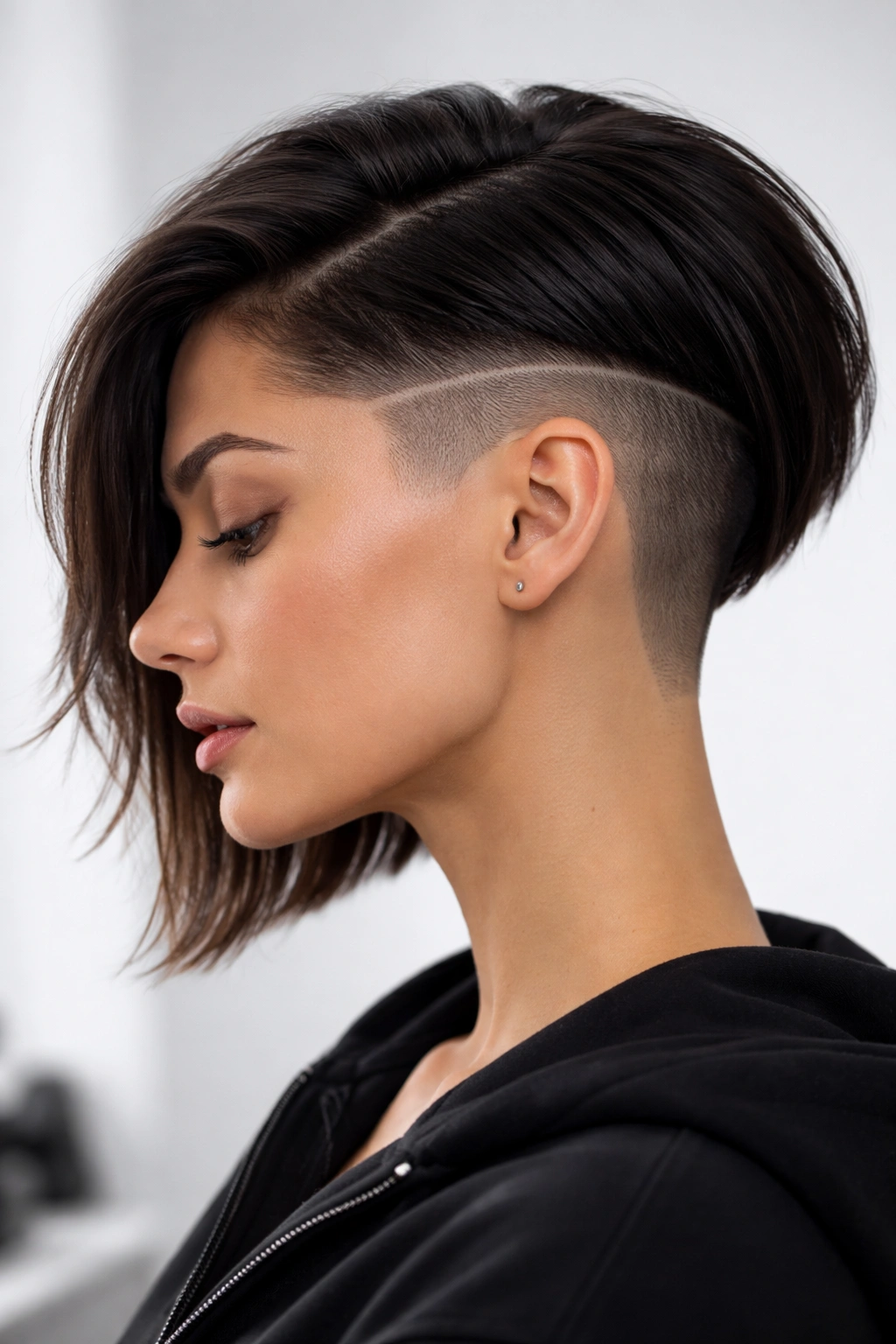
Most shaved or faded elements last about 4-6 weeks before they start looking noticeably grown out, depending on how fast your hair grows and how sharp you want the definition to remain. Plan for salon visits roughly every four to six weeks if you want the look to stay crisp. For some styles, you can go slightly longer—a textured cut with a subtle fade is more forgiving than a sharp geometric cut with a high fade.
At home, keeping your shaved sections clean is straightforward. Wash and condition as usual; the shaved areas will dry quickly and don’t require any special product. If you notice ingrown hairs developing (which can happen with frequent shaving), a gentle exfoliating scrub a few times a week will help prevent them. Some people find that an electric razor touch-up at home between salon visits helps maintain the fade, but be cautious if you’re not experienced with clippers—it’s easy to accidentally take off too much.
The longer sections of your bob will benefit from whatever you’d normally use on your hair: conditioner, leave-in treatments, styling products. The contrast between the maintenance-light shaved sections and the regular-maintenance longer sections is actually part of what makes this style so practical. You’re not adding complexity to your routine; you’re just maintaining what you already would.
Styling Products That Actually Matter
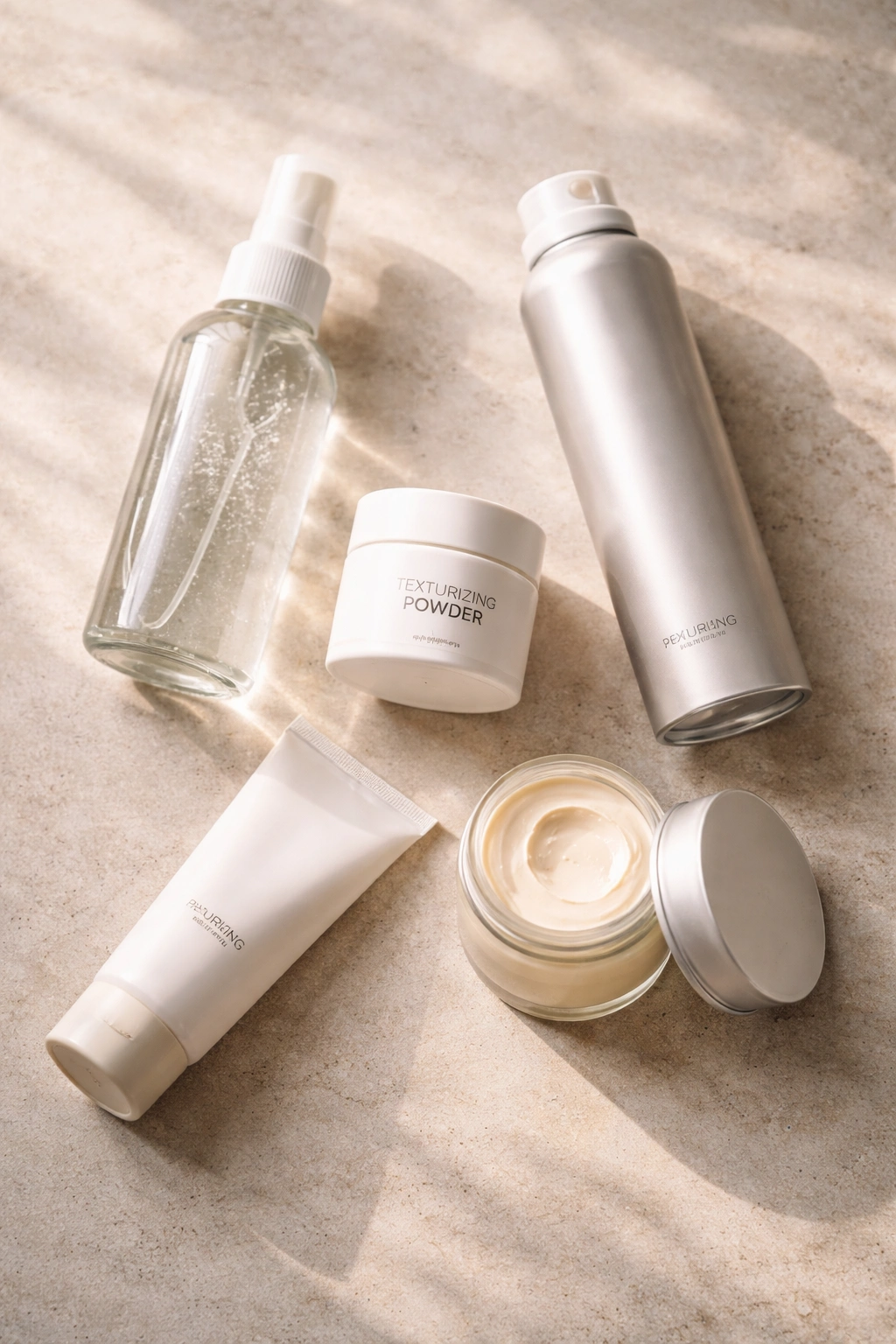
For most shaved bob styles, you won’t need heavy-duty products, but having the right lightweight options makes a real difference. A sea salt spray adds texture and grip to layers without weighing anything down. A texturizing powder or dry shampoo creates volume and piece-work definition with minimal effort. If you want to style your bob more intentionally, a light pomade or styling cream (not gel, which can look stiff) helps define layers and create movement.
The key is restraint. Most shaved bobs look better slightly undone than perfectly polished, so you’re looking for products that enhance natural texture rather than create artificial shine or rigidity. A tiny bit of product goes a long way on a well-cut shaved bob. The cut is doing the heavy lifting; the product is just adding a bit of dimension or hold to what’s already there.
Deciding If a Shaved Bob Is Right for You
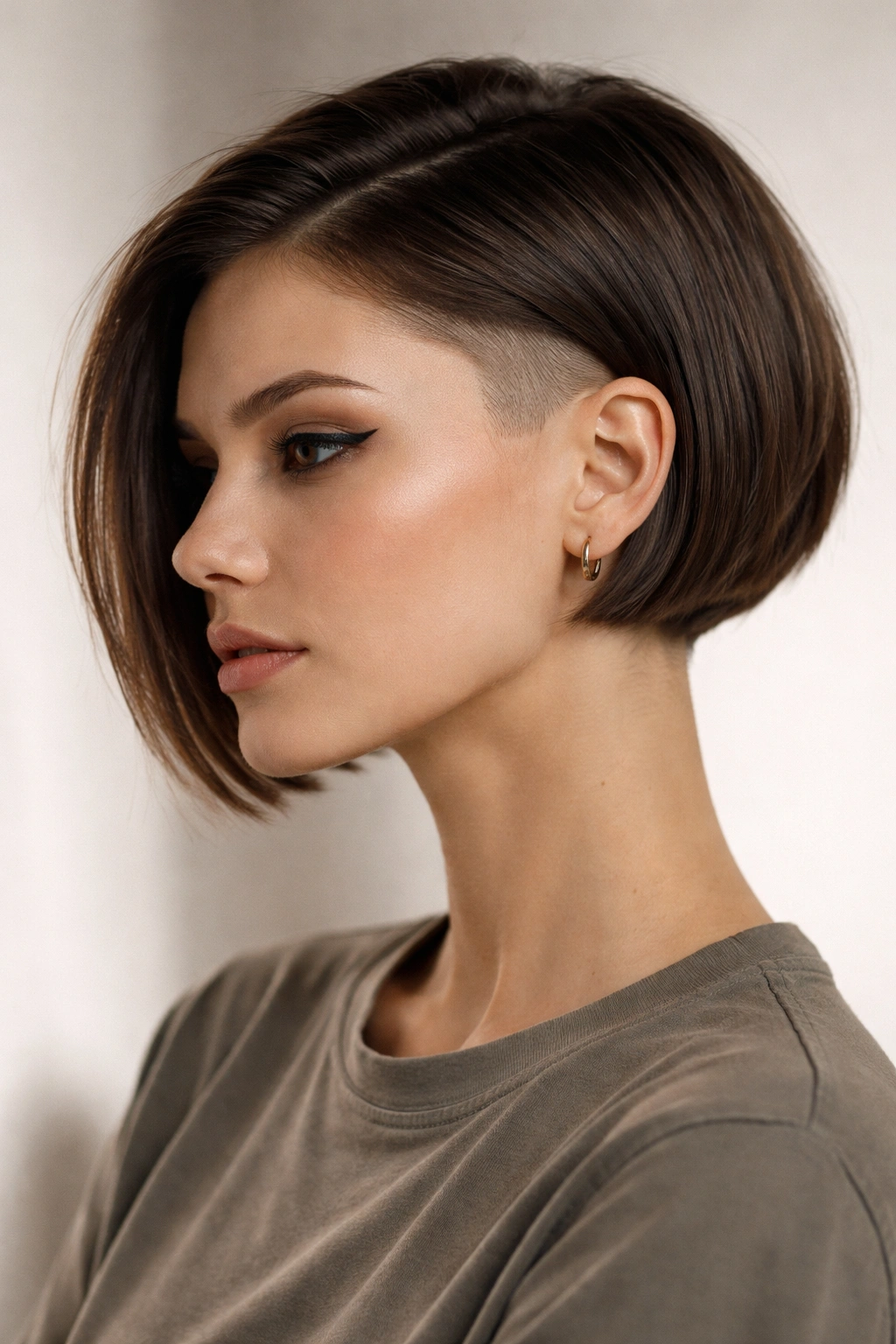
Not every style works for every person, and shaved bobs are definitely a commitment in terms of styling intention—even if the maintenance is low. They work best for people who are comfortable with attention, who understand that a visible haircut reads as a style choice rather than just “having short hair,” and who have a stylist they trust.
If you have very curly or coily hair, some shaved bob styles will work beautifully while others might feel less impactful. The softer, more textured versions (the tousled bob, the shag bob with temple fades) often work particularly well with curly hair because the natural texture adds movement without requiring any product. The extremely geometric, sharp-lined versions can work too, but they’re more effective on straighter hair where the lines are crystal clear.
Consider also whether you’re someone who enjoys a low-maintenance hair routine or someone who actually likes playing with styling options. A shaved bob gives you both—you can wake up and go with minimal effort, or you can spend ten minutes with some texture spray and create a totally different vibe. That flexibility is part of what makes these cuts so genuinely useful for real life.
The Confidence Element
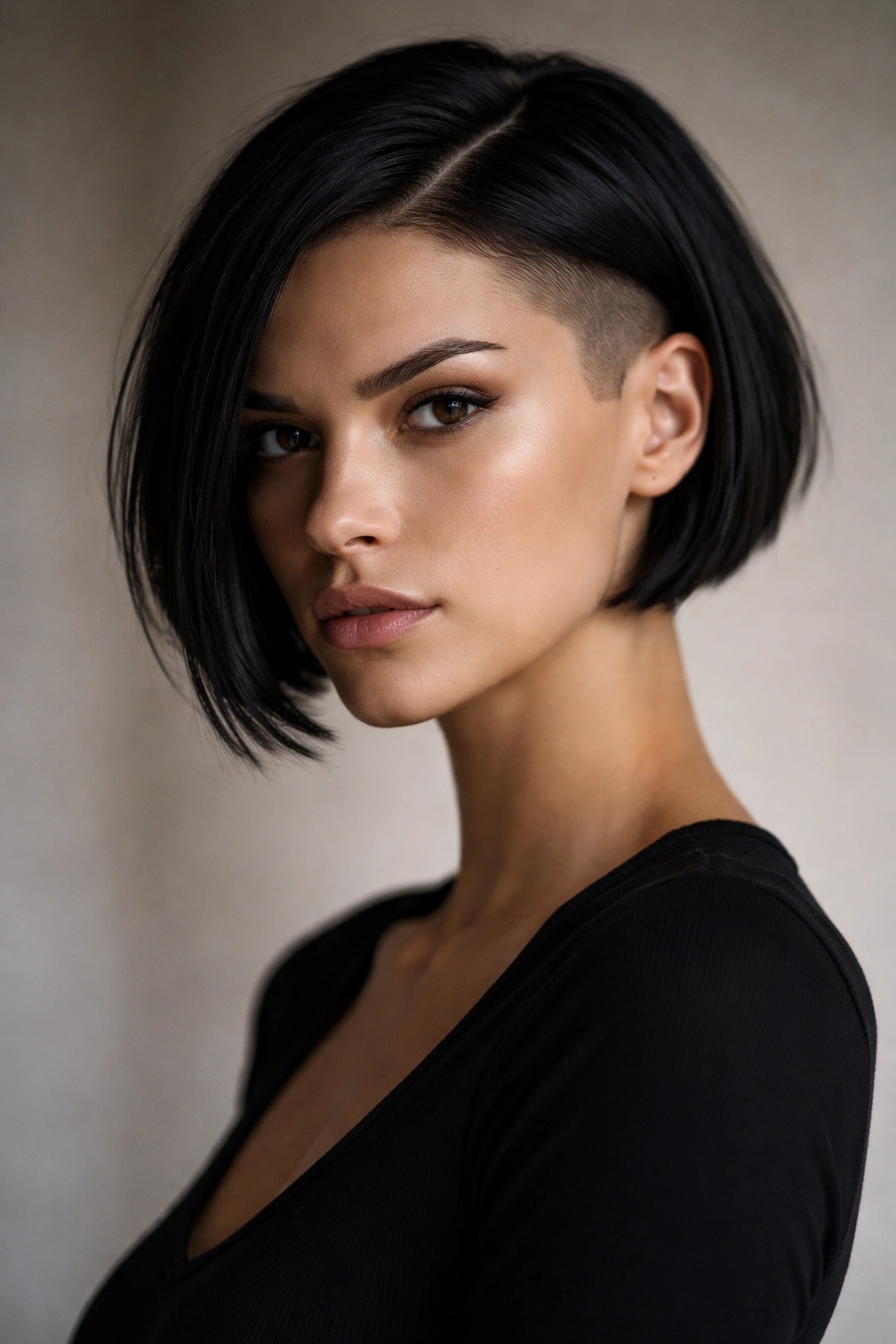
Here’s the honest truth: shaved bobs require comfort being seen. These aren’t subtle, quiet haircuts. They’re cuts that say “I made a choice about my appearance.” For most people, that’s an absolute positive—there’s something great about hair that demonstrates intention. But if you’re someone who prefers to fade into the background or who gets uncomfortable with attention, a very geometric, high-fade shaved bob might not be your best choice.
That said, some of the softer versions on this list (the tousled bob with subtle nape shave, for instance) are quiet enough that you can commit to a shaved element without it dominating your entire presence. The edge is there, but it’s whispered rather than shouted. Find the volume level of “edge” that matches your comfort zone, and you’ll have a style that feels authentically like you.
Final Thoughts
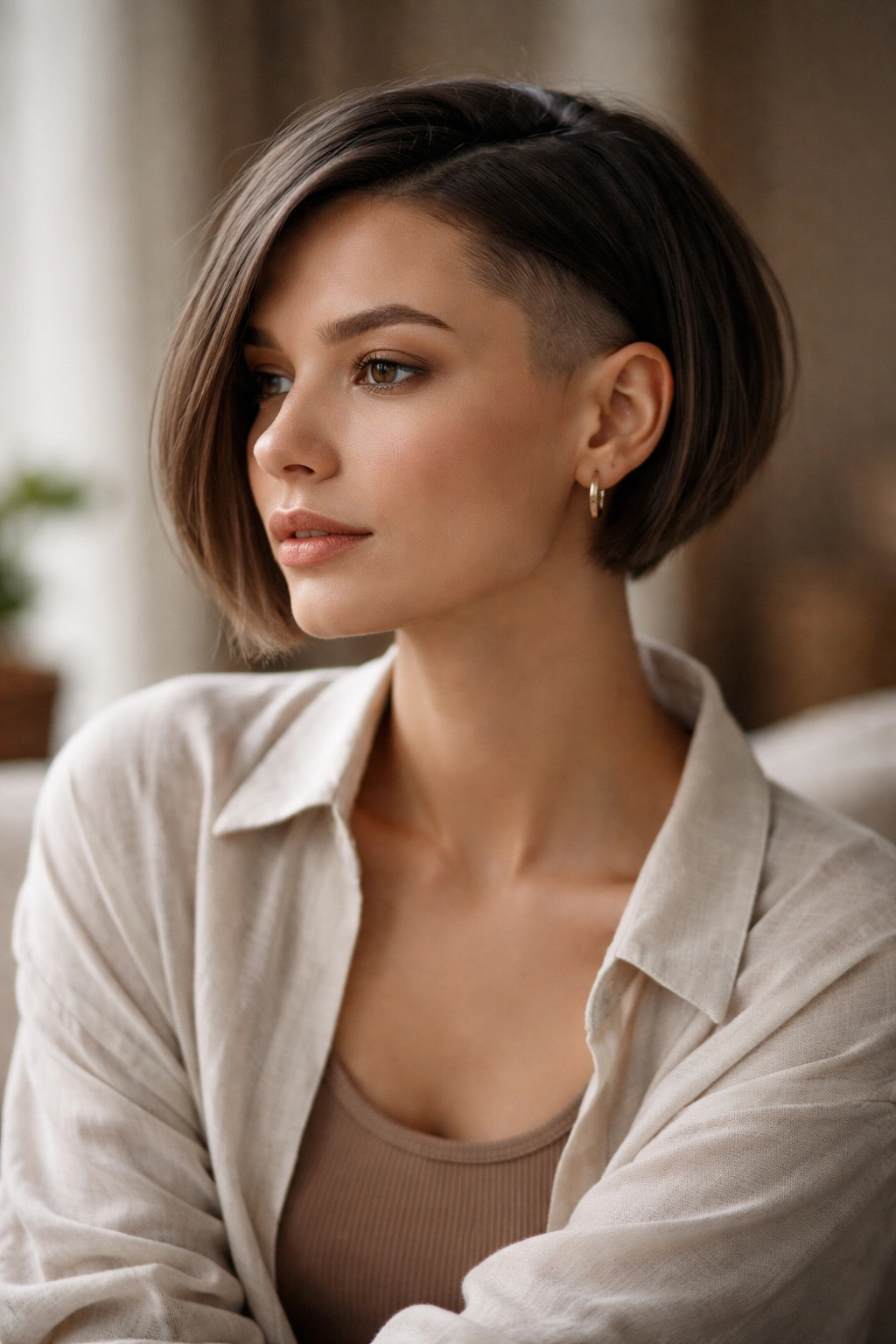
The shaved bob in all its variations is hands-down one of the most versatile, flattering, and genuinely practical haircuts available right now. Whether you’re drawn to the geometric precision of a disconnected fade, the soft drama of a rounded bob with undercut, or the effortless cool of a tousled cut with a subtle nape shave, there’s absolutely a version that’s waiting for you.
The real magic is in how individual these cuts become once they land on your specific head, with your specific face shape and hair texture. What reads as edgy on one person might read as sophisticated on another. What looks perfectly balanced on oval features might need adjustment for angular or round faces. Work with a stylist who understands that individuality, bring photos that speak to you, and be honest about your lifestyle and maintenance comfort level.
You don’t need to commit to the sharpest, most dramatic version to get the impact and style of a shaved bob. There’s genuinely something here for everyone, and that’s precisely why this cut has staying power. It’s not a trend that’s here for a season and then vanishing—it’s a foundational cut that transforms based on how you style it, who’s cutting it, and what your individual needs are. That’s the hallmark of a great haircut.
