



Short hair is having a real moment for women over 50, and it’s particularly flattering for those with Asian features. The truth is, a well-chosen short cut can completely transform your look — adding movement, texture, and sophistication while actually becoming easier to style and maintain than longer lengths. Asian hair tends to be naturally thick and straight, which means it holds a shape beautifully and works with virtually any short style, from sleek and polished to textured and playful.
The challenge isn’t whether short hair will work for you — it’s choosing the right cut that complements your face shape, hair texture, lifestyle, and personal style. Some cuts emphasize cheekbones and eyes (which become more striking as we age), while others add volume at the crown or frame the face with softening layers. The good news is that you have plenty of genuinely flattering options to explore, and many of them require surprisingly minimal styling effort once you understand how to work with them.
What matters most is finding a cut that feels like you — something you’ll actually look forward to styling rather than fighting with every morning. Over the next sections, we’ll walk through specific haircuts that work exceptionally well for Asian women over 50, along with details about texture, styling, and maintenance so you can make an informed choice with confidence.
1. The Pixie Cut with Textured Layers
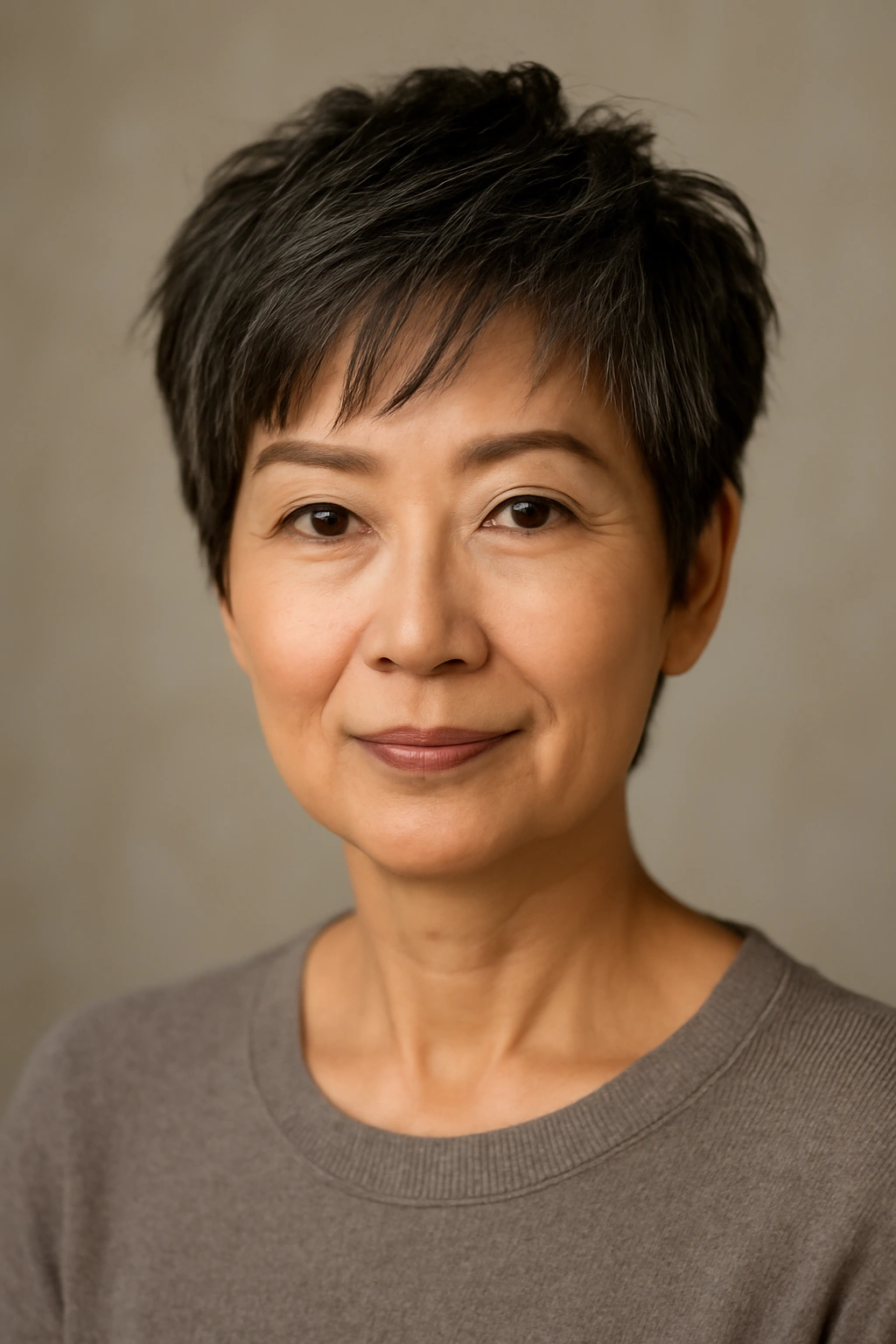
A well-executed pixie cut is one of the most transformative options available, and it works beautifully on Asian features. This isn’t the severe, ultra-short pixie of decades past — modern versions add texture through choppy layers that create movement and visual interest while still keeping everything short and manageable.
Why This Works at 50+
The pixie cut draws immediate attention to your face, which is exactly what you want after 50. It highlights your eyes, cheekbones, and the natural contours of your face without anything competing for visual space. Because Asian hair is typically dense, those choppy layers create dimension and softness that prevents the cut from feeling harsh or severe. The style also photographs beautifully and photographs well on video, so if you’re someone who attends social gatherings or participates in group photos, this cut is undeniably striking.
Styling and Maintenance
Style this cut by applying a lightweight texturizing cream or wax to damp hair, then finger-combing it into place as it dries. The beauty of a textured pixie is that it doesn’t require precision styling — the more undone it looks, the more modern it feels. You’ll need a trim every 4-6 weeks to maintain the shape and keep the layered texture looking intentional rather than simply grown out. The cut typically takes 15-20 minutes to style each morning, and many women find it actually saves time compared to their previous longer styles.
Real-World Considerations
Ask your stylist for layers that fall away from your face — this prevents the cut from looking too severe and creates a subtle lift toward the crown. If your hair is very straight, ask for slightly longer layers on top so they have somewhere to move and fall. Consider your hair color; a pixie cut shows off gray hair beautifully if you’ve embraced going silver, but it also benefits from a fresh, dimensional color if you prefer to color-treat your hair.
2. The Blunt Asymmetrical Bob
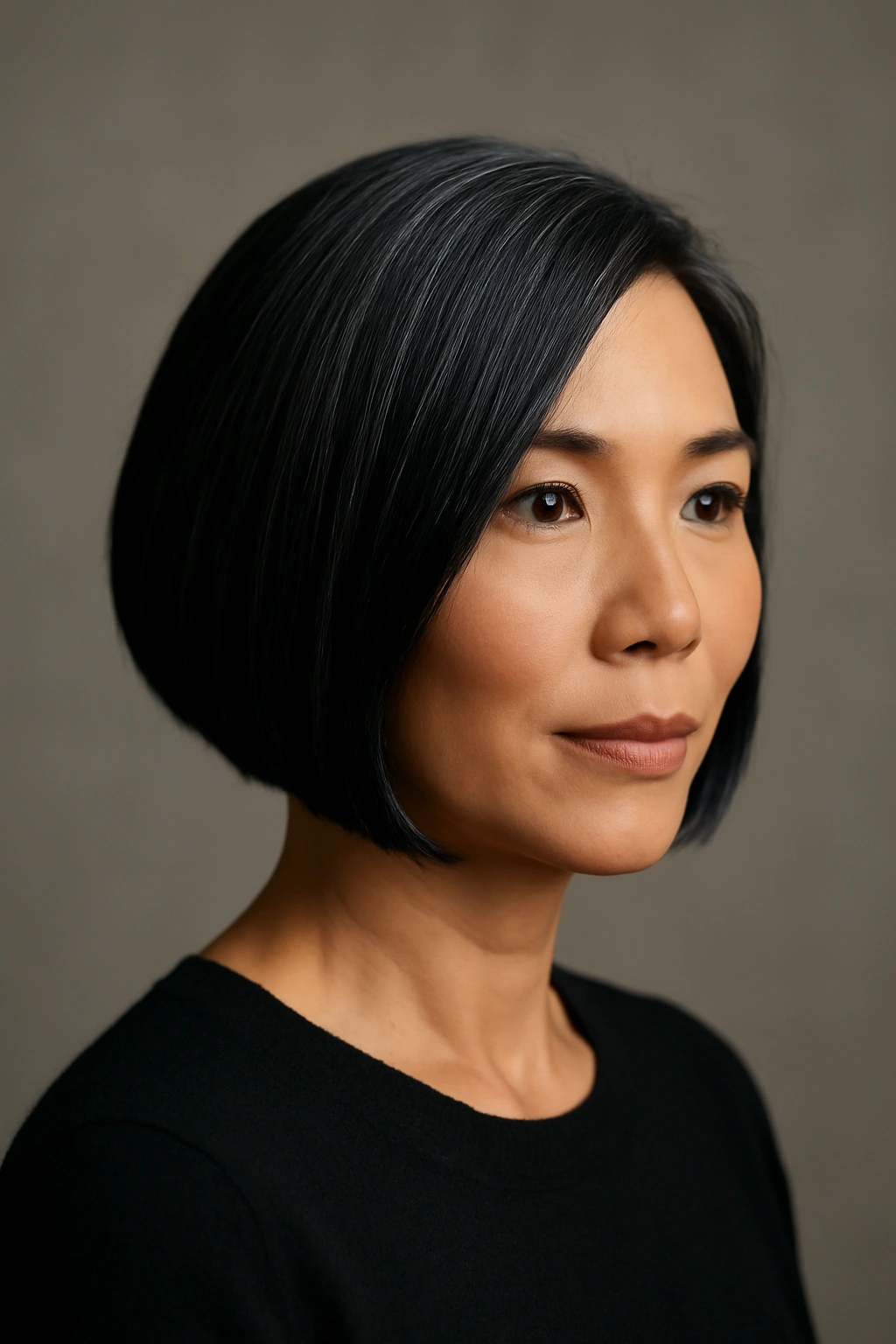
An asymmetrical bob — where one side is noticeably shorter than the other — is a sophisticated choice that makes a quiet, confident statement. This cut works particularly well on Asian features because it plays beautifully with the natural straight texture and density of Asian hair while creating an elongated line that can be incredibly flattering.
The Visual Effect
Asymmetrical bobs create an optical illusion of length even though the hair is still quite short. The longer side can fall to the chin or just past it, while the shorter side sits above the ear or at the jaw. This contrast makes the style look intentional and fashion-forward, never accidental. The cut naturally draws the eye along the longer line, which can help elongate the face and emphasize cheekbones.
Styling Requirements
This cut requires slightly more intentional styling than a pixie. You’ll typically blow-dry the longer side to create a smooth, polished finish, and the shorter side usually sits closer to the head naturally. Some asymmetrical bobs can be styled with texture and movement, while others look best slicked back and sleek — discuss this with your stylist based on your morning routine and style preference. Maintenance trims happen every 6-8 weeks to preserve the asymmetrical shape and keep the cut looking deliberate.
Color and Texture Enhancements
An asymmetrical bob pairs beautifully with dimensional color. Consider asking your stylist about face-framing highlights or a richer base color that adds depth. If you have some natural wave or texture in your hair (less common but certainly possible), you can emphasize it with the right cut — ask your stylist to add layers that encourage movement rather than requesting a blunt, one-length cut.
3. The Textured Shag with Side-Swept Bangs
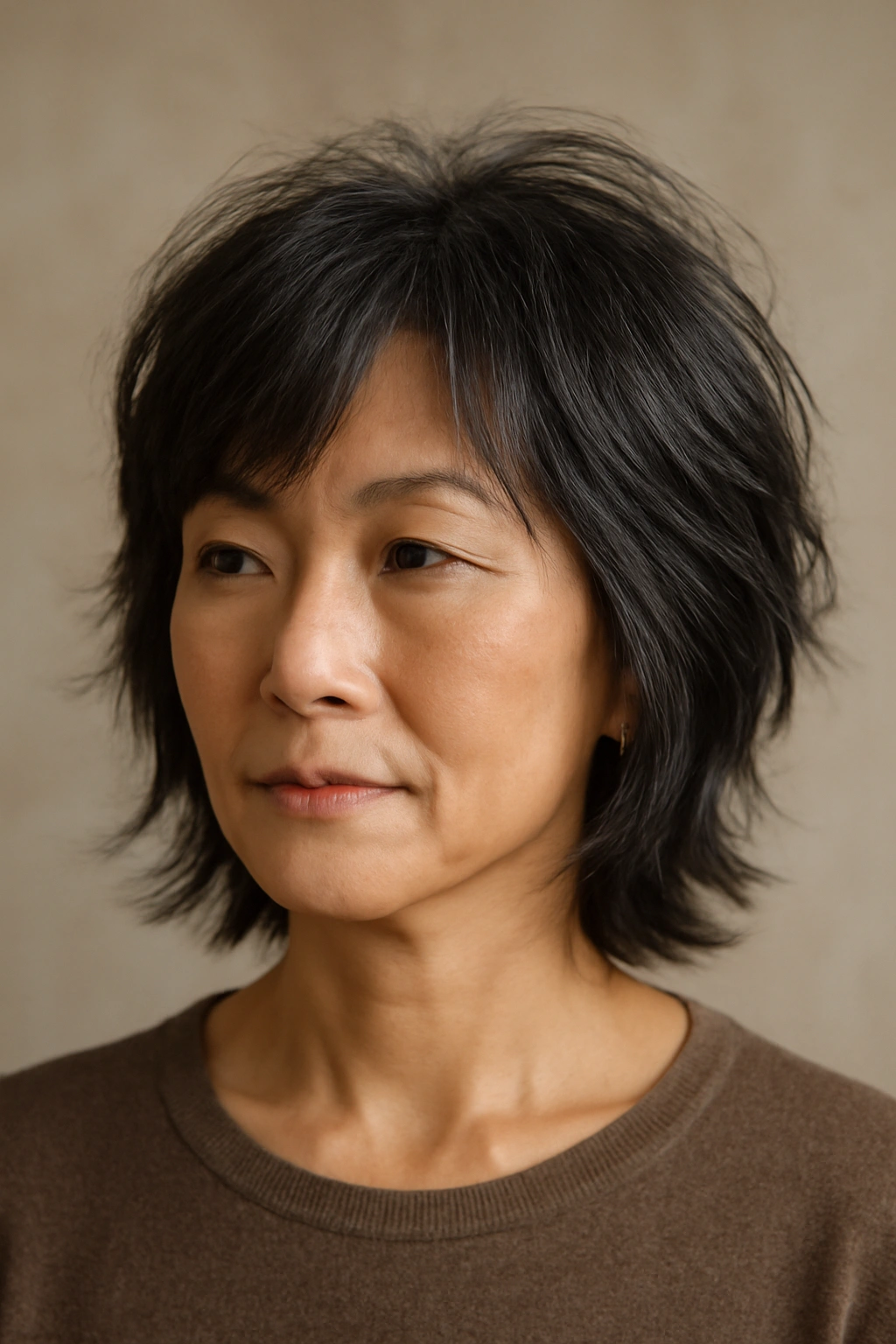
The shag haircut — those choppy, layered, rock-and-roll vibes that never completely go away — has evolved into something genuinely sophisticated and very wearable for women over 50. A modern shag adds texture throughout without looking costumey or overdone, especially when paired with side-swept bangs that soften the face.
Why Shags Work Now
A textured shag creates incredible movement and fullness throughout your hair, which is exactly what many women want as they age. The layering means it’s less reliant on precision shape and more forgiving if you can’t get to the salon exactly on schedule. The cut also works beautifully on Asian hair because the natural density means the layers have something to work with — they don’t collapse or disappear.
The Bangs Component
The side-swept bangs are where this cut gets softening magic. They fall across the forehead and can cover forehead lines while drawing attention upward and toward the eyes. These aren’t blunt bangs — they’re longer and choppy, blending seamlessly into the rest of the layers. They should be styled to sweep to the side, not fall straight down. Many women find this detail alone is worth the cut because it’s such an effective face-framing technique.
Maintenance and Styling
A textured shag needs to be embraced as textured and undone-looking, not fight against its nature with heavy styling products. Apply a lightweight texturizing spray or cream to damp hair, then either blow-dry with your fingers or let it air-dry naturally. The cut actually looks better with a bit of tousled movement than when it’s perfectly smooth. Trims every 6-8 weeks keep the layers looking intentional, and the shag is forgiving enough that you can go a couple weeks longer if needed without the cut falling apart.
4. The Modern Choppy Layers
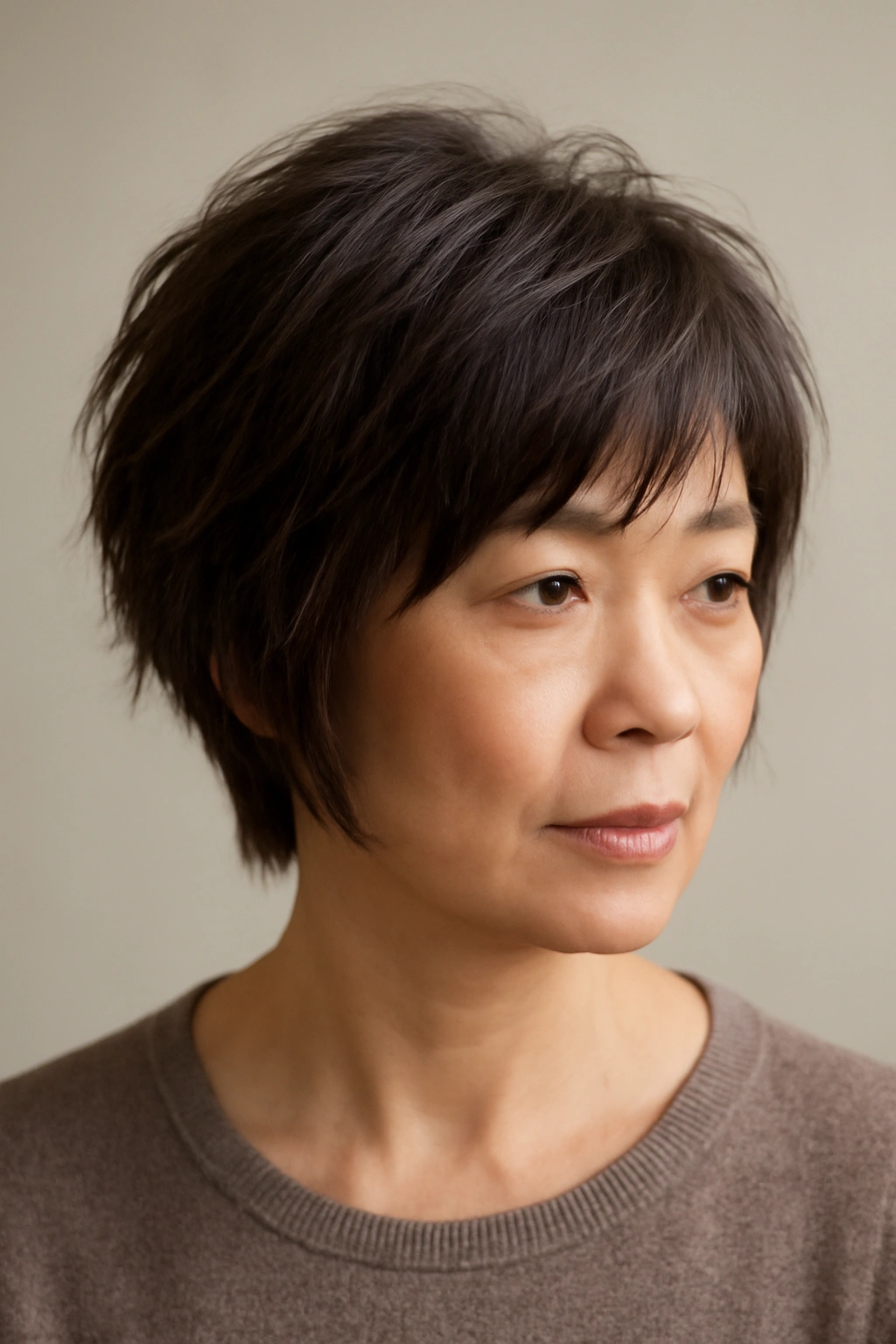
Choppy layers are specifically designed to add movement, texture, and visual interest to short hair. This is distinct from a shag in that the choppy effect is more controlled and structured, but it shares the goal of creating dimension and breaking up a straight, flat silhouette.
Construction and Visual Impact
Modern choppy layers are cut so that they sit at slightly different lengths throughout the head, creating a stacked, textured effect that looks intentional and contemporary. The layers typically start around the crown and gradually get longer as they move down, with variations around the face. This construction means the cut has built-in movement — it doesn’t need to be teased or styled heavily to look full and textured.
How to Request This at Your Salon
When you consult with your stylist, show them photos of choppy-layered cuts you like, but also discuss the length you want overall. Some choppy-layer cuts are quite short (2-3 inches on top), while others maintain length to the chin or jaw. The “choppiness” refers to the technique, not necessarily how short the cut is overall. Ask your stylist to focus the layers where you want fullness — at the crown for lift, around the face for softness, and throughout for movement.
Color Works Beautifully Here
Choppy layers are one of the best cuts for showing off dimensional color. A single rich color looks great, but layers also showcase highlights, lowlights, or a blended gray beautifully. The light hits each layer differently, making color appear more dimensional than it would on a blunt, one-length cut.
Maintenance Reality
Plan for a trim every 5-7 weeks to keep the choppy layers looking intentional rather than simply grown out. The upside is that between cuts, choppy layers are quite forgiving — they don’t show regrowth obviously or require you to style them into submission.
5. The Sleek Graduated Bob
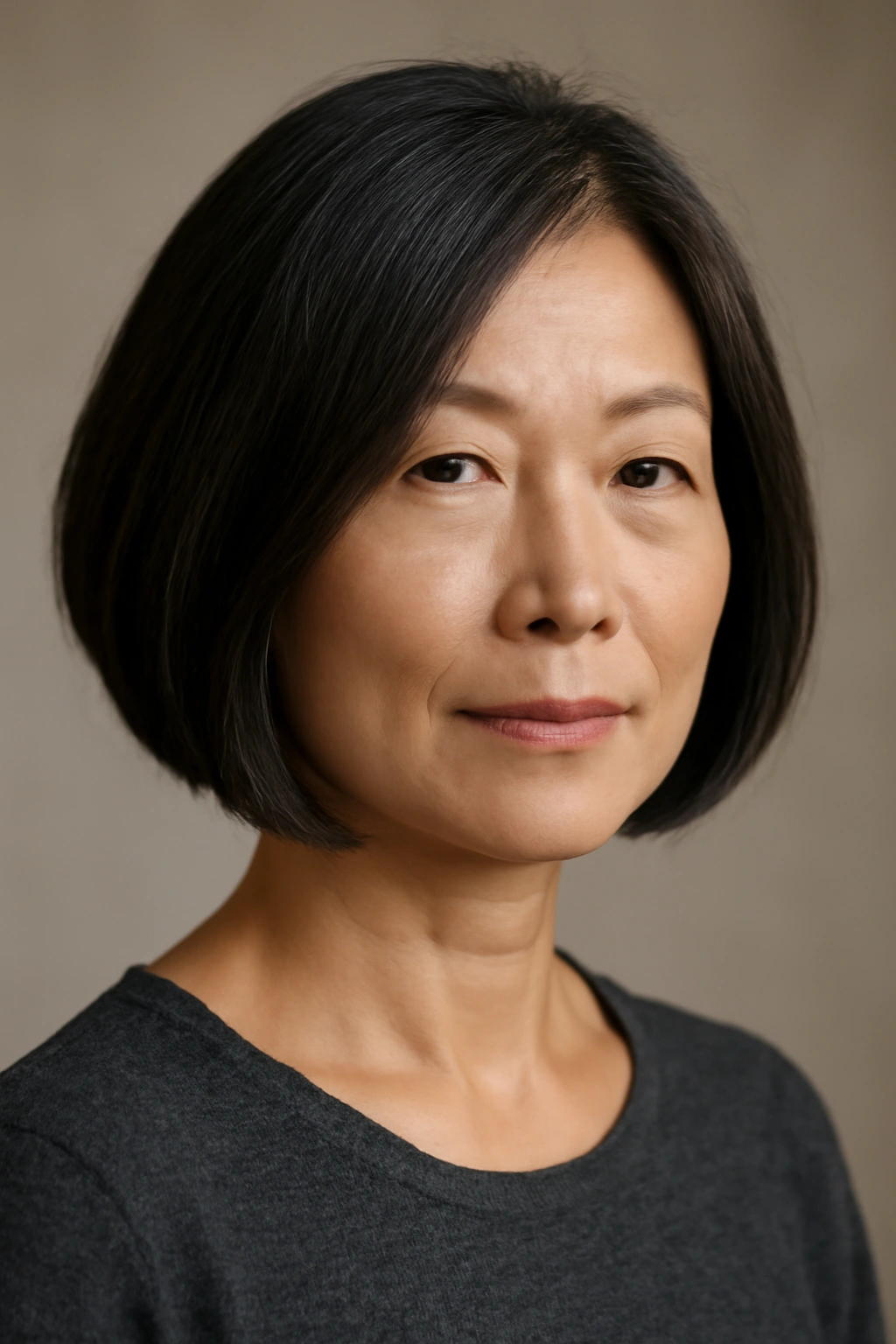
A graduated bob is slightly longer in the front and progressively shorter toward the back, creating an overall rounded shape when viewed from the side. This is one of the most universally flattering cuts available, and it works beautifully on Asian women because it accentuates bone structure without fuss.
The Shape and Balance
The graduated construction means the cut is naturally full around the face and ears, then tapers toward the back of the head. This creates a balanced, sophisticated silhouette that suits most face shapes. The longer front layers can frame your face, emphasize your cheekbones, and create visual interest without requiring choppy texture.
Styling for Polished Looks
A sleek graduated bob can be styled multiple ways. Blow-dry it smooth and straight for an elegant, professional look. Or apply texturizing product and rough-dry it for a more undone aesthetic. Many women find this cut is low-effort because it naturally falls into a flattering shape when blow-dried with just a round brush. You don’t need elaborate styling techniques — gravity and a good hairdryer usually get you 80% of the way there.
Face Shape Considerations
Graduated bobs work beautifully on oval, heart, and square face shapes. If you have a round face, ask your stylist to add subtle layers or texture to avoid the shape looking too boxy. The key adjustment is making sure the front stays longer than the back — this vertical line elongates the face.
Length Parameters
When you consult about a graduated bob, specify where you want the front to hit — chin length is classic and flattering, but some women prefer jaw length for a shorter overall look, or even slightly past the chin for a longer graduated effect. The back can sit anywhere from a tapered pixie length to mid-ear, depending on how dramatic you want the graduation to be.
6. The Feathered Pixie Bob Hybrid
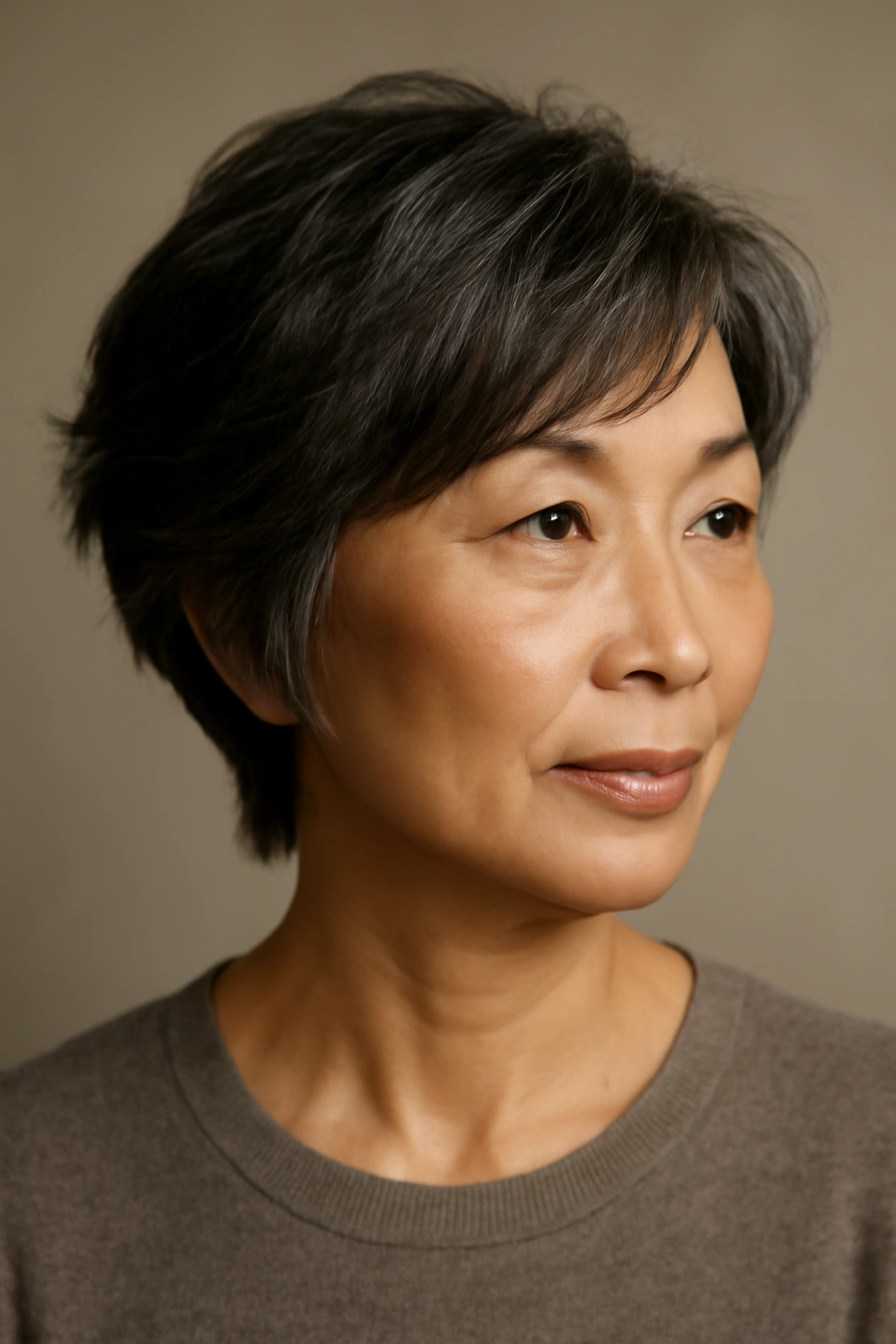
This cut splits the difference between a pixie and a bob — it’s longer on the sides and slightly longer in front, but the crown remains short with feathered layers. It’s one of the most versatile short cuts available because you can style it casually textured or smooth and polished depending on your mood and occasion.
Why This Hybrid Works
The feathered pixie-bob gives you the best of both worlds. The short crown keeps the cut from feeling like a traditional bob, maintaining that modern, edgy energy. But the slightly longer sides and front prevent the cut from being quite as spare or exposed as a true pixie. Many women find this middle ground lets them look contemporary without feeling too vulnerable or exposed.
Styling Flexibility
This is genuinely one of the most flexible cuts to style. On days you want ease, apply some texturizing cream to damp hair and let it dry naturally — the feathered layers do the work. On days you want polish, blow-dry with a round brush to smooth everything out. You can also pin or style the longer side back for a completely different look. That versatility is genuinely valuable when you’re choosing a cut you’ll live with for months.
How Your Stylist Cuts It
Ask for feathered layers throughout the crown and top, then slightly longer lengths on the sides and front. The feathering technique (cutting at angles rather than straight across) is what creates the soft, piece-y texture. Make sure to specify how long you want the longest pieces to be — this significantly affects how the cut looks overall.
Maintenance
Trims every 6-8 weeks keep the feathering looking intentional. Between trims, this cut is very forgiving because the layers blend and the slightly longer sides cover any unevenness from growing out.
7. The Chin-Length Layered Cut
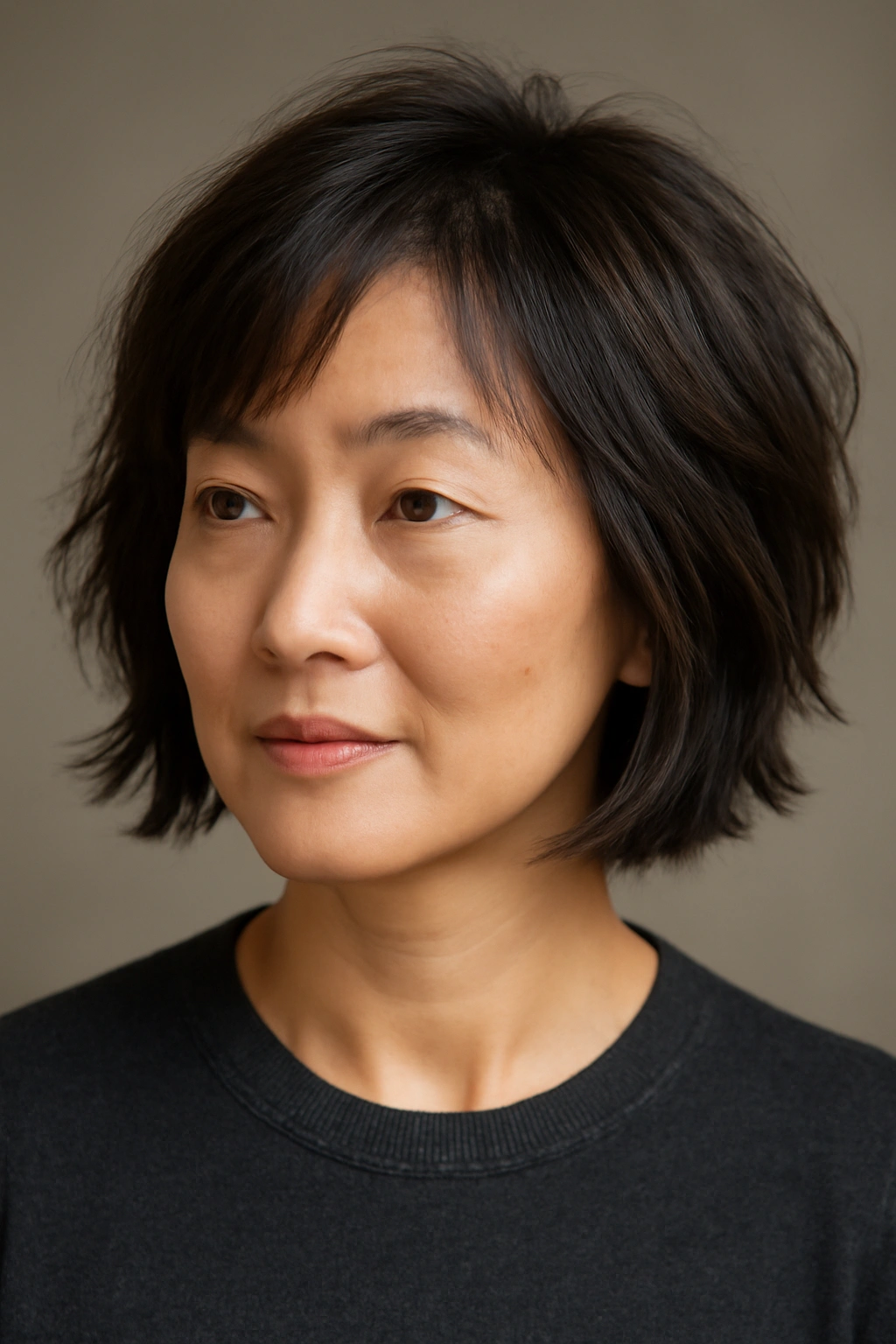
If you’re not quite ready for a very short pixie or bob, a chin-length layered cut offers the benefits of short hair while maintaining a bit more length. The layers are key — they prevent the cut from feeling blunt or heavy while adding movement and texture.
Why Length Matters Psychologically
For some women, moving to short hair is a big step. A chin-length cut gives you that short-hair sophistication and ease while feeling like a slightly smaller leap from longer hair. Many women find that once they’ve had a chin-length cut for a few months, they’re actually ready to go shorter — but this length is a perfect entry point.
Layering for Movement
The layers in a chin-length cut should be choppy and piece-y rather than blunt. Ask your stylist to add layers throughout so the cut has movement and texture rather than sitting like a solid block. Layers also create the illusion of lighter hair and more volume, which is often very flattering around age 50 and beyond.
Face-Framing Options
Request slightly longer layers around your face to create a subtle frame. These should blend smoothly into the shorter layers at the crown and back. The front-to-back graduation should be subtle — nothing as dramatic as an asymmetrical bob, but enough to give the cut shape and prevent it from looking boxy.
Versatile Styling
A chin-length layered cut works well blow-dried smooth or textured. You can also curl it gently for a completely different aesthetic. Many women find this length offers real styling versatility, which means you don’t get bored with the look even though you’re living with it for 8+ weeks between cuts.
8. The Tapered Side-Parted Style
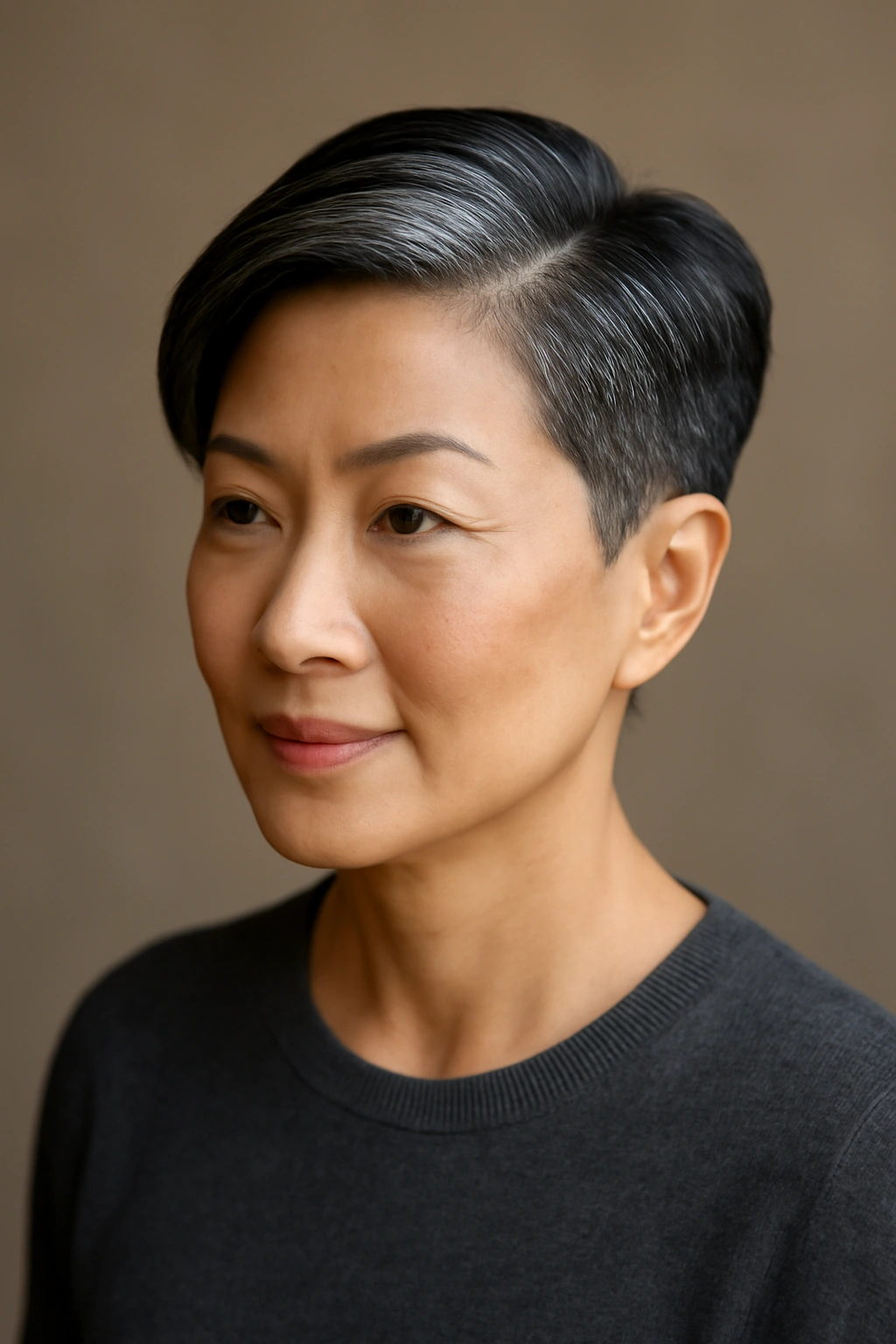
This cut combines short length with a clean, side-parted line that creates an elegant, put-together aesthetic. It’s particularly flattering if you prefer more polished styling and want a cut that looks intentional and structured rather than tousled and undone.
The Side Part as Design Element
A sharp side part is the key detail here. It creates an asymmetrical line that’s subtly flattering and creates visual interest without the drama of a full asymmetrical bob. The longer side sweeps back from the part, while the shorter side tapers close to the head. This creates an elongating effect and emphasizes the eyes.
Tapering for Sophistication
The taper — where the hair gradually gets shorter from the crown toward the nape and sides — is what prevents this cut from feeling too severe. A gradual, well-executed taper looks polished and intentional, never choppy or unfinished. It’s a technique that requires skill, so find a stylist who specializes in precise, structured cuts.
Styling Commitment
This cut requires more intentional daily styling than some other options. You’ll typically blow-dry with a round brush to create shape, style the side part clearly, and possibly use a smoothing serum or light hairspray to maintain polish. If you enjoy the grooming and styling process and want a very polished result, this is an excellent choice. If you prefer low-effort, tousled styling, you might find this cut frustrating.
Professional Appropriateness
This style photographs beautifully and looks great in professional or formal settings. If you’re someone who attends networking events, business meetings, or formal social occasions, this cut creates a sophisticated impression immediately.
9. The Soft Curled Pixie Cut
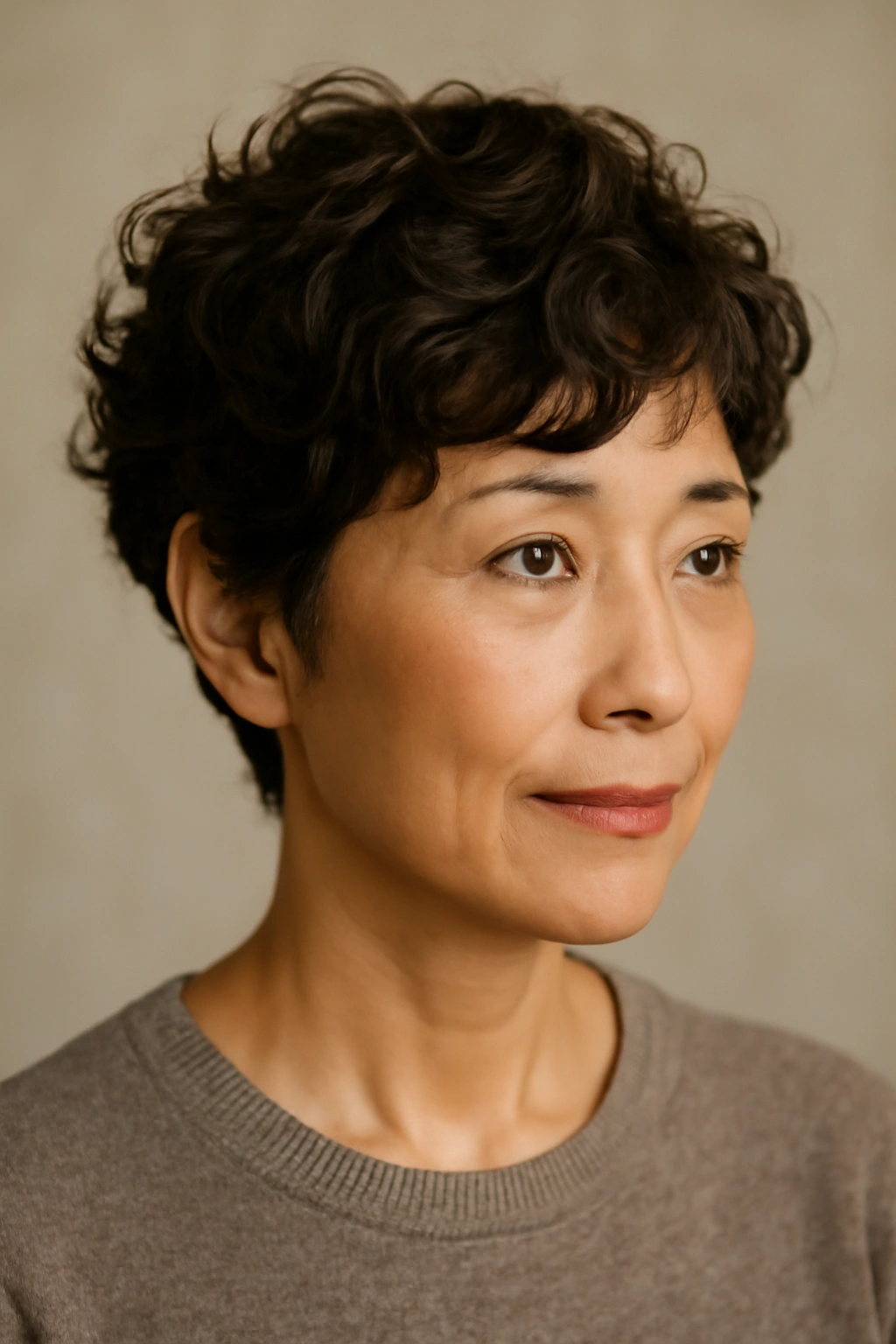
If your hair naturally has some wave or curl, a pixie cut can be styled to emphasize that texture, creating a soft, romantic version of the typically edgy pixie. Even if your hair is naturally straight, a bit of styling product and blow-dry styling can create soft waves for a more gentle aesthetic.
Working with Natural Texture
If you have naturally wavy or curly hair, a pixie cut actually becomes easier to manage because the layers work with your natural pattern instead of against it. The cut itself is often slightly longer throughout to give the curls room to express themselves. Ask your stylist to cut your hair dry (or very close to dry) if you have natural texture — this lets them see how the cut will actually look when your hair’s in its natural state.
Styling Soft Curls
Apply a curl-enhancing cream or gel to damp hair, then either scrunch and air-dry or use a diffuser attachment on your blow-dryer. The pixie layers mean you don’t need to define every curl — the cut does a lot of the work. You can also create waves in straight hair using a blow-dryer with a diffuser attachment or by braiding damp hair and letting it dry.
Maintenance Considerations
A soft-curled pixie needs slightly less frequent trims than some other short cuts because the curl gives the impression of fullness even if the shape is growing out slightly. Still aim for a trim every 5-6 weeks to keep the cut looking intentional.
When This Shines
This style is particularly effective if you’ve embraced gray hair or have beautiful natural color. The soft texture makes the cut feel approachable and modern rather than severe, which many women find is exactly what they want in their short-hair transformation.
10. The Styled-Back Undercut
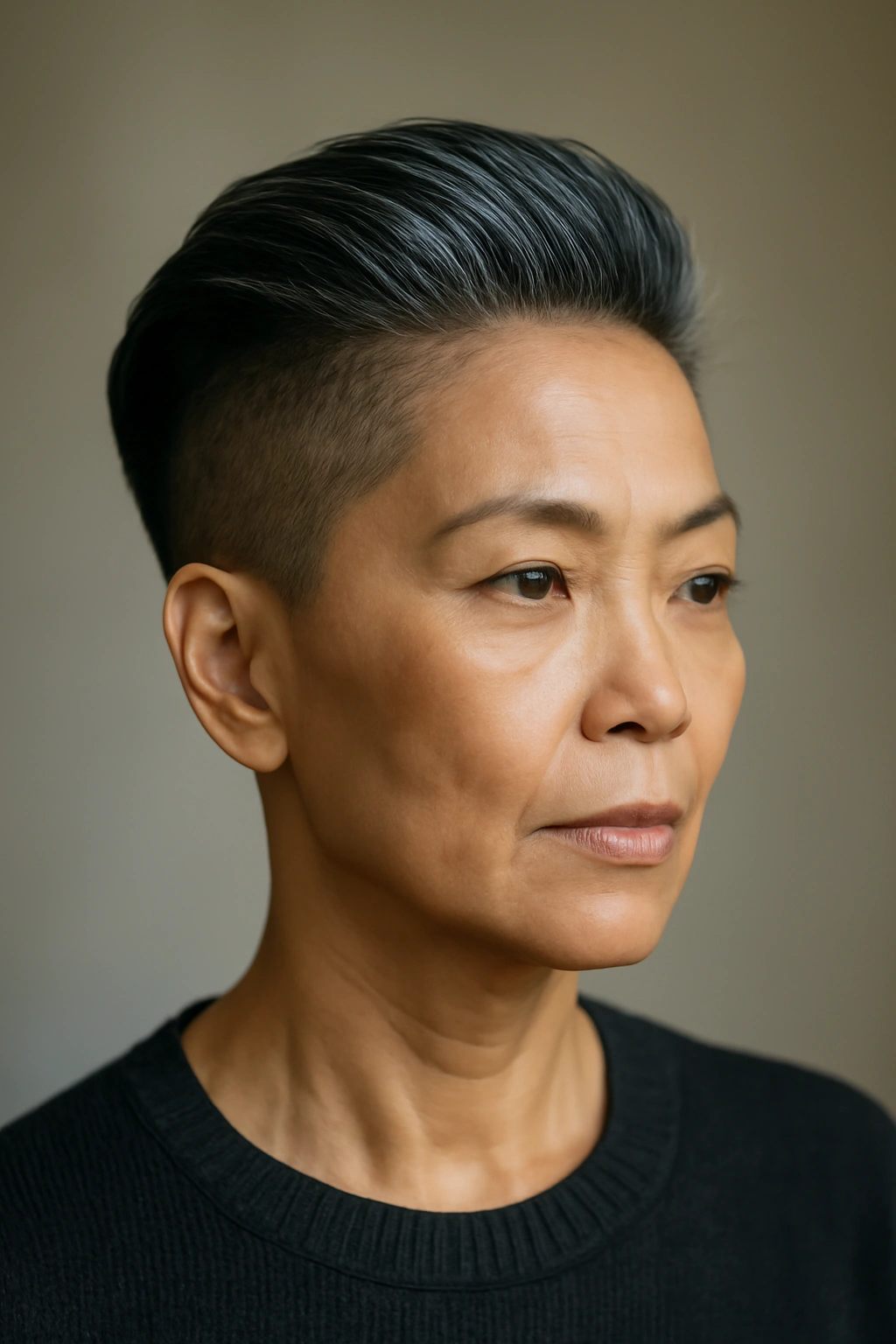
An undercut is where the sides and back are cut very short while the top and crown maintain noticeably longer length. This dramatic contrast is then styled by sweeping the longer top back, creating a chic, contemporary silhouette. It’s bold and fashion-forward while remaining wearable for everyday.
The Drama and Versatility
An undercut makes a statement. The contrast between the short sides and longer top is visually striking and very current. The beauty of this cut is that by styling the longer top back and to the side, you can cover the undercut sides and look like you’re wearing a completely different cut. Tie it back for a ponytail and the undercut shows. Wear it down and styled, and it looks like a sleek, tapered cut with hidden textural interest.
Styling Options
Blow-dry the longer top smooth and back, using pomade or wax to keep it sleekly in place. The undercut sides should sit smooth and neat against your head. Alternatively, mess up the top with texturizing cream for a more undone aesthetic — the undercut underneath still creates visual interest even if the top is less polished.
Who Should Consider This
This cut requires some styling commitment and a bit of styling product. It also requires that you’re comfortable with a bold, contemporary aesthetic. If you’ve been wearing short hair for years and are looking for your next evolution, or if you simply love fashion-forward styling, this cut is genuinely exciting. If you prefer subtler, more classic looks, an undercut might feel like too much.
Maintenance and Healing Time
The undercut sides will need a trim every 4-6 weeks to stay sharp and neat. Ask your stylist to fade the sides gradually rather than cutting them blunt — a gradual fade looks more modern than a sharp line. Between cuts, the sides remain very neat and clean, which is part of the appeal.
Choosing the Right Short Cut for Your Face Shape
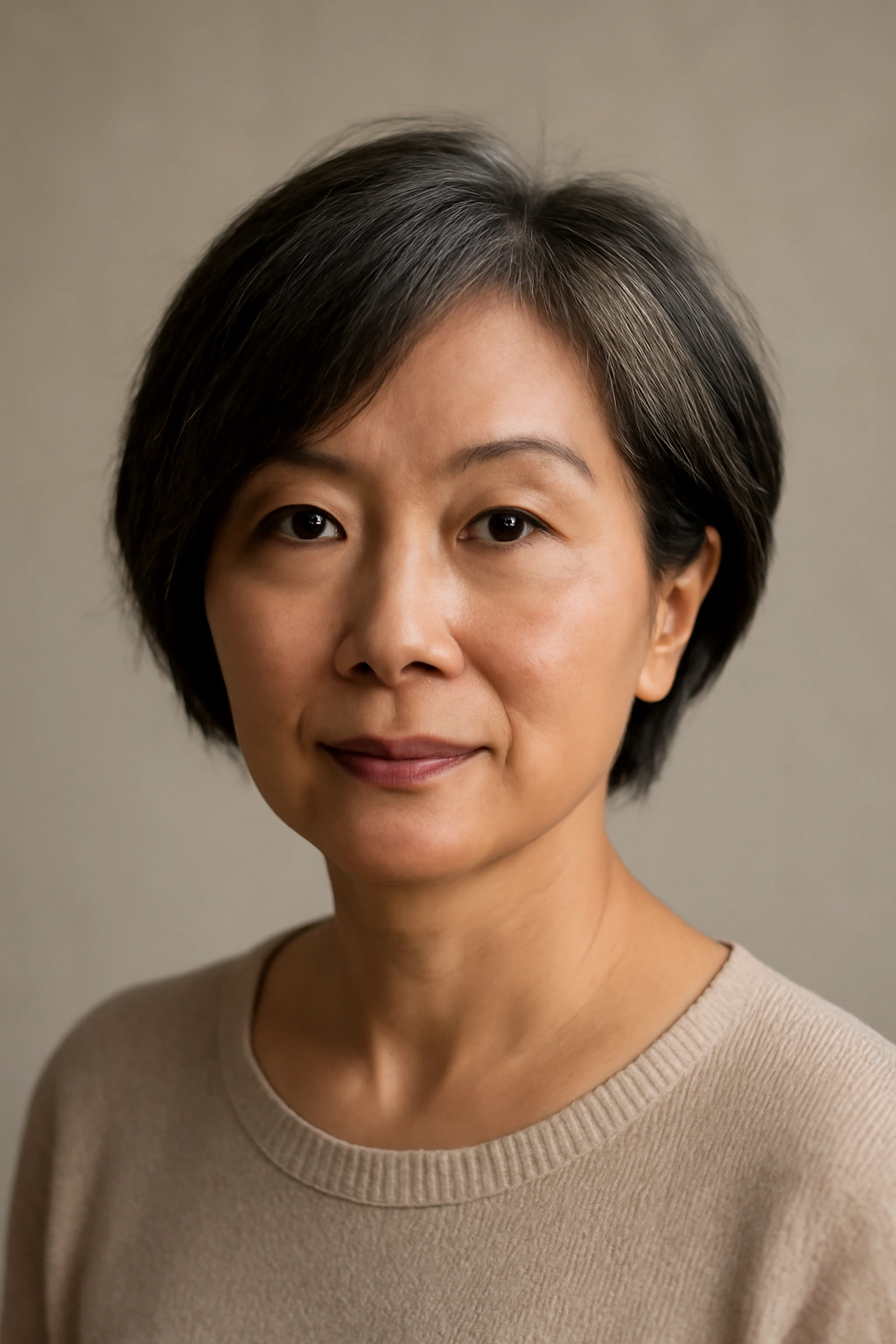
Not all short haircuts work equally well on all face shapes. Understanding your face shape is genuinely helpful when you’re deciding between these options, and it’s something a skilled stylist should discuss with you during your consultation.
Oval and Oblong Faces
If you have an oval face (balanced width and length with gently rounded features), you can honestly wear almost any short cut successfully. Your face shape is forgiving, so focus on choosing a style that matches your personality and lifestyle rather than worrying about balance. Oblong faces benefit slightly from cuts that add width rather than emphasizing length — a blunt bob or a pixie with fuller sides creates a more balanced proportion.
Round Faces
Round faces benefit from cuts that create vertical lines or emphasis at the crown. A pixie with height at the crown, an asymmetrical bob with a longer side, or tapered styles that draw the eye upward are all flattering options. Avoid very blunt, one-length bobs that sit right at the widest part of your face without adding height or creating vertical interest. A graduated or layered cut creates movement that prevents the round shape from feeling emphasized.
Square and Angular Faces
Square faces have strong jawlines and wider foreheads — they benefit from softer styling and cuts with movement rather than sharp lines. A textured pixie, a feathered shag, or a soft-curled pixie all work beautifully because they soften the angular features. A sleek, blunt bob can look too severe on a square face unless you add layers or texture to break up the lines.
Heart-Shaped Faces
Heart-shaped faces are wider at the forehead and narrower at the chin. Cuts that add fullness to the jaw and chin (like a chin-length layered cut, a graduated bob with slightly longer front pieces, or a textured shag with side-swept bangs) help create balance. Pixie cuts work too, but ask your stylist to focus softness and length around the lower face.
Understanding Hair Texture and How It Affects Your Cut
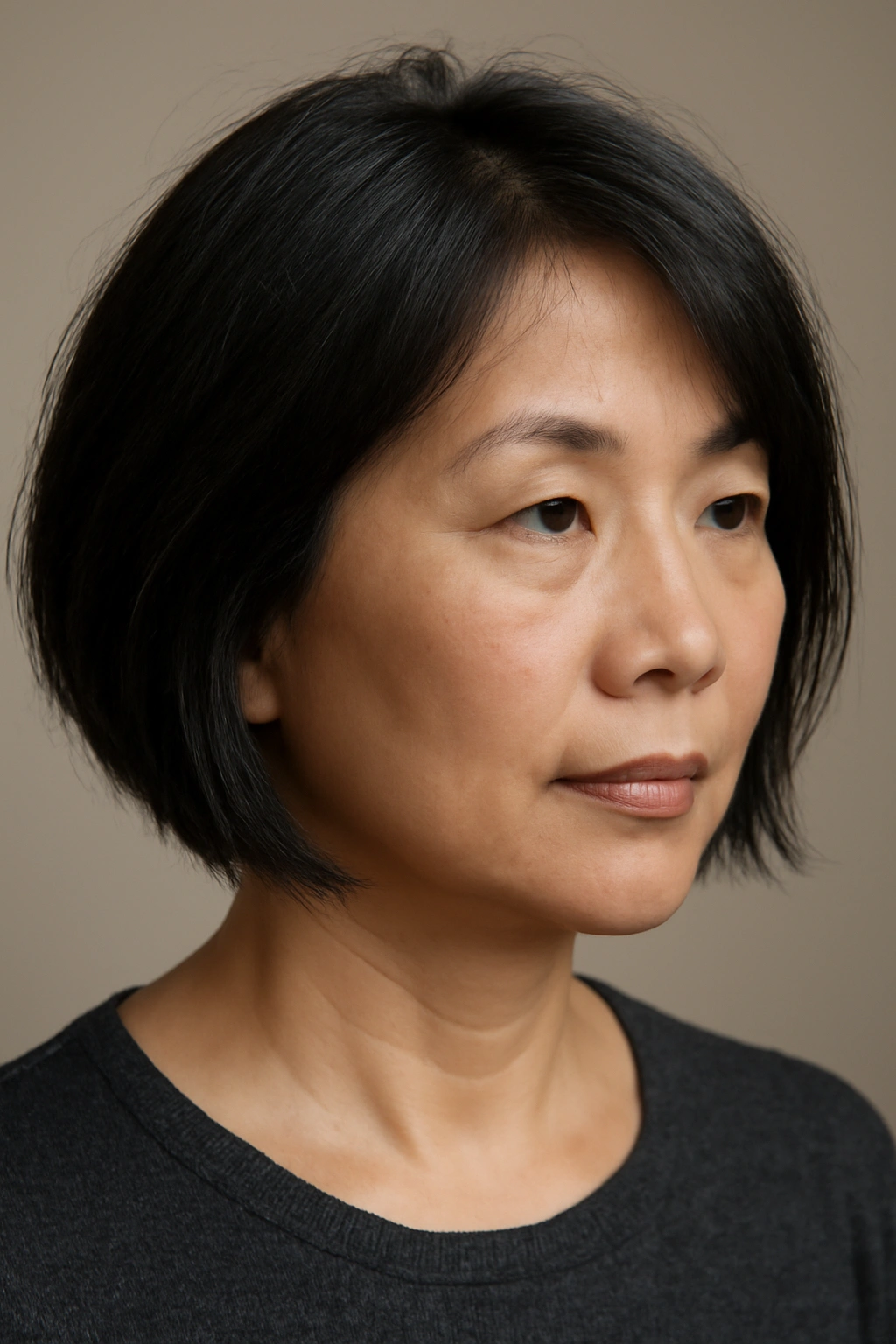
Asian hair tends to have specific characteristics — typically straight, dense, and with a straighter hair diameter. Understanding how your specific hair texture interacts with different cuts is important when making your choice.
Straight Hair Advantages and Considerations
Straight hair holds a shape beautifully and works with virtually any cut. The density of Asian hair means that even short lengths appear full and healthy. The downside is that straight hair can look blunt or severe if the cut isn’t thoughtfully layered, and flat if the crown doesn’t have enough height. Choppy layers, texturizing cuts, and feathered styles all help add movement to straight hair rather than letting it sit completely flat.
Adding Texture and Movement
If your hair is very straight and you want movement, ask your stylist about texturizing products you can apply to damp hair before blow-drying. Light texturizing creams, salt sprays, and paste-like styling products all add grip and texture to straight hair without making it look artificially styled. You can also ask your stylist to recommend blow-drying techniques that create lift at the crown.
Color and Texture Interaction
Short hair benefits from dimensional color because the layers show off highlights and lowlights beautifully. If you’re considering coloring your hair, a short cut actually makes color maintenance slightly easier because you’re getting regular trims anyway, which means root touchups fade naturally into the cut rather than becoming obvious demarcation lines.
Preparing for Your Appointment and Communicating Your Vision

How you prepare for and approach your haircut appointment significantly affects your satisfaction with the results. Taking time to prepare means your stylist understands your vision and can deliver a cut you’ll actually love.
Finding the Right Stylist
Search for a stylist who specializes in short hair and ideally has experience working with Asian hair texture. Look at their portfolio — do you like the short cuts they show? Read reviews specifically mentioning short hair. A stylist who’s skilled at long layers might not have the experience to execute a really polished pixie or asymmetrical bob.
Showing Photos and Describing Your Vision
Bring 3-5 photos of short cuts you love. Don’t just say “I like this cut” — point out specific elements you’re attracted to. Is it the texture? The length? The styling? The face-framing? The asymmetry? This specificity helps your stylist understand what actually appeals to you. Discuss your lifestyle too — how much time do you want to spend styling? How often do you want to get trims? What’s your comfort level with styling products?
The Consultation Conversation
Before the cutting starts, ask your stylist about the specific cut you’re getting. How will they approach the layers? Where will the longest pieces hit? How will the crown be cut for lift? What products do they recommend for styling? What’s the maintenance plan? A good stylist will answer these questions in detail and make adjustments if something doesn’t align with your vision.
Managing Expectations About First Styling
Your stylist will style your hair beautifully on the day of your cut, often using professional products and techniques you might not use at home. Your hair might look slightly different when you style it yourself — that’s normal. Ask your stylist for a quick styling tutorial right before you leave, and consider scheduling a return visit in a week or two if you’re struggling to recreate the style at home.
Styling, Maintenance, and Daily Routine
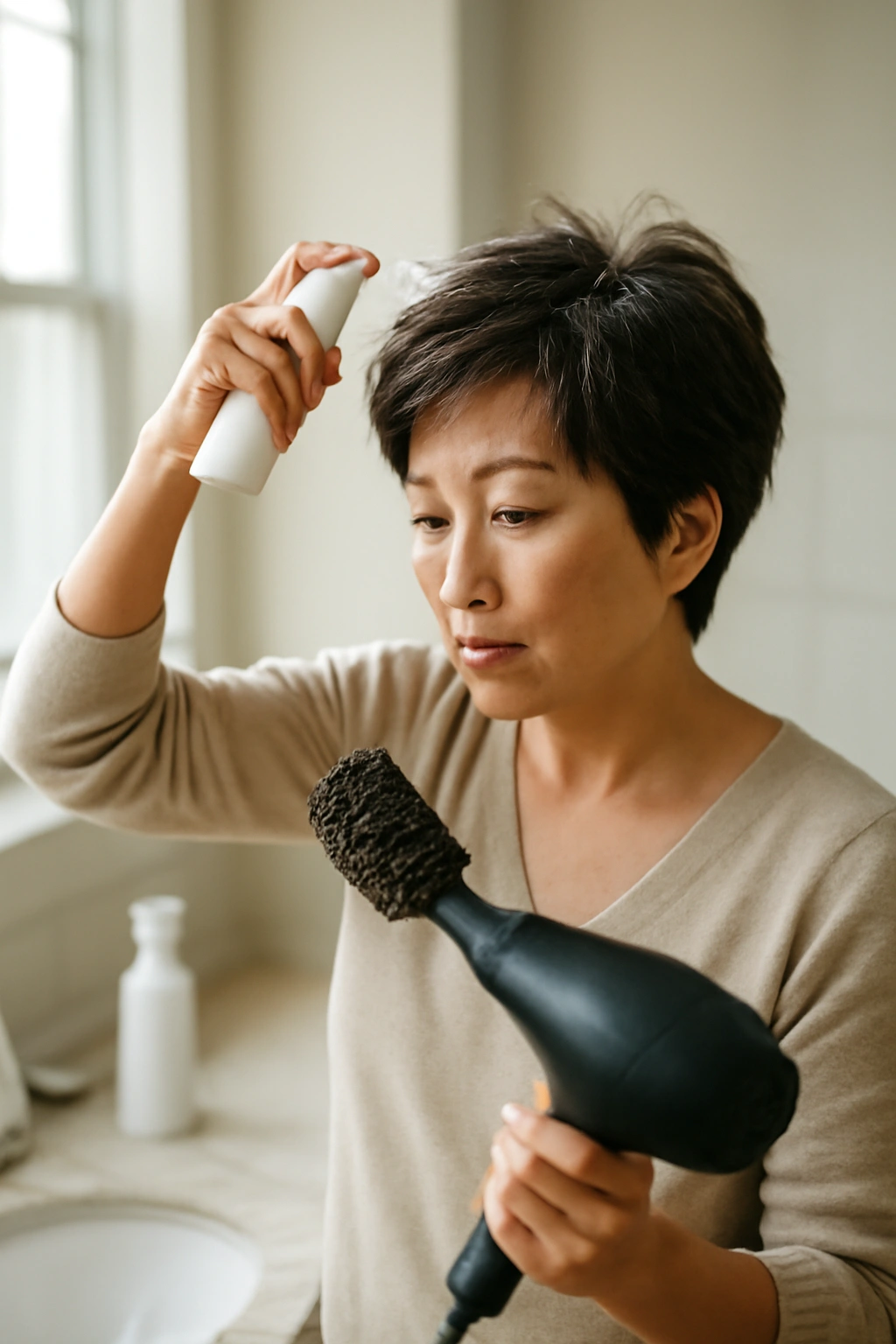
Once you’ve chosen and gotten your cut, understanding how to style and maintain it is key to loving it long-term.
Daily Styling Essentials
Most short cuts need at least a quick blow-dry to look their best. Invest in a quality blow-dryer with heat and speed settings you can control — a good dryer makes a real difference. A round brush helps create shape, and a small paddle brush or comb helps direct your hair where you want it to go. For textured or pixie cuts, a texturizing product (cream, paste, or spray) adds grip and makes styling easier.
Quick Morning Routine
A basic routine might look like this: shower, towel-dry your hair until it’s damp but not dripping wet, apply a small amount of texturizing product or styling cream, blow-dry with your fingers or a brush depending on your cut, and you’re done. Most women find this takes 5-10 minutes once they’ve done it a few times.
Deep Conditioning and Hair Care
Short hair doesn’t need frequent deep conditioning because you’re getting regular trims that remove damaged ends. Monthly deep conditioning treatments or weekly conditioning masks keep your hair healthy and shiny. Ask your stylist for specific product recommendations that work well with your cut and styling routine.
Styling Product Investment
Quality styling products genuinely make a difference. You don’t need many — a good texturizing cream or wax, a smoothing serum if you’re blow-drying, and maybe a light hairspray are plenty. Buy products specifically designed for your hair type and desired aesthetic (matte finish, shine, texture, polish, etc.).
Between-Appointment Care
Between trims, you can extend the life of your cut by getting a quick shape-up (not a full cut) at the 4-week mark if you prefer more frequent appointments. Or stretch to 8-10 weeks if your cut is forgiving enough to handle growing out. Many short cuts look better if you’re consistent with maintenance, so commit to a trim schedule that works for you and stick with it.
When You’re Ready to Transition to Short Hair
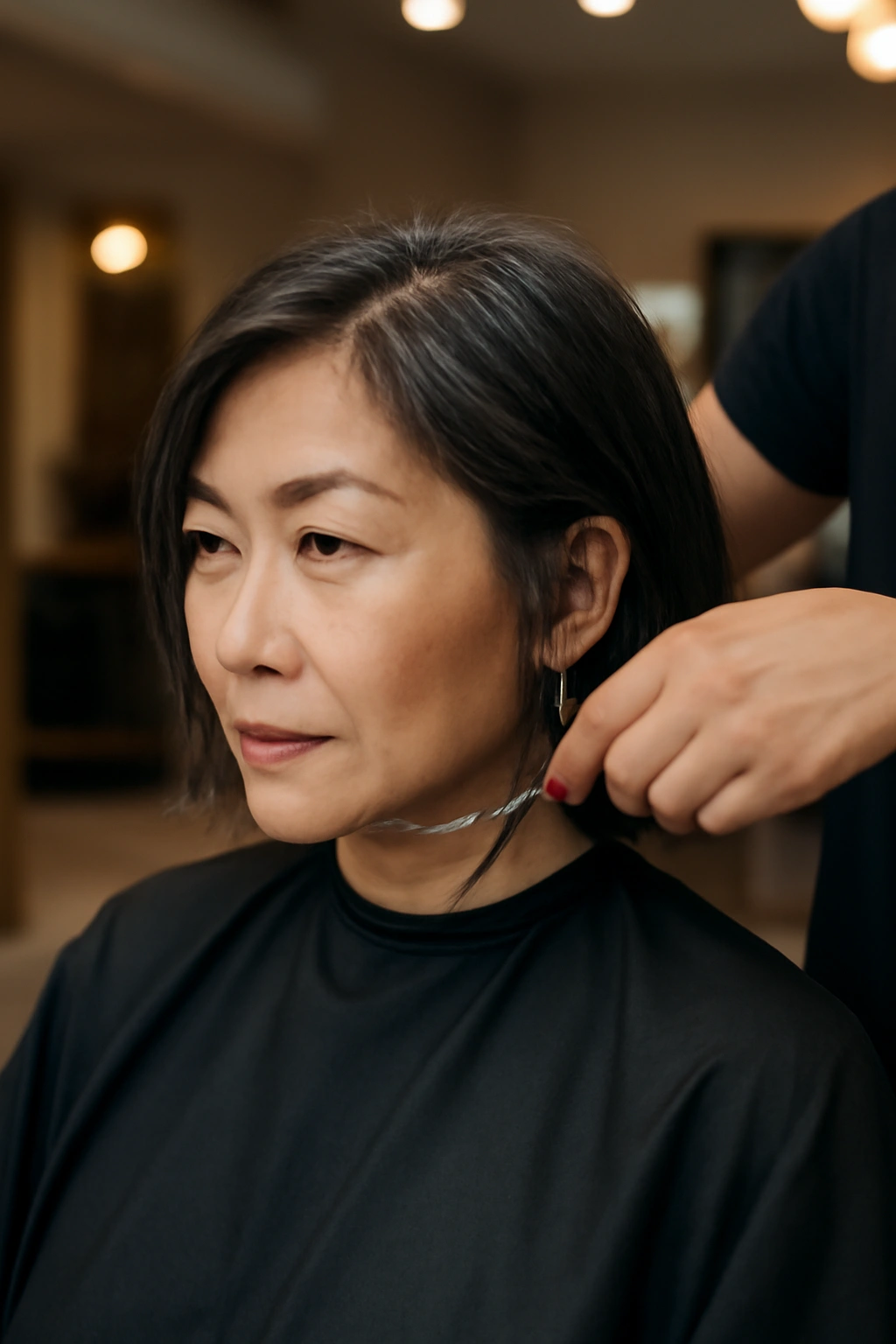
Moving from longer hair to short hair is a bigger decision than just getting a trim. It helps to approach it thoughtfully and give yourself permission to adjust.
Starting Shorter Than You Think You Want
Many women find it helps to go slightly shorter than they think they actually want. You can always grow it out slightly or ask your stylist to add length at the next appointment. Going too long on your first short-hair cut means you might not get the full benefit of the cut, or you might end up with an awkward in-between length before your next trim.
The Two-Week Adjustment
Most women need about two weeks to adjust to seeing themselves with short hair. You might feel exposed or unsure at first — that’s completely normal. By week two, you’ve usually styled it enough times to feel more comfortable with the look, and you’ve gotten used to seeing yourself differently.
Building Confidence Through Styling
Experimenting with different styling options during that first two weeks actually helps build confidence. Try your cut textured, smooth, side-parted, slicked back, with different products — see how versatile it can be. You’ll likely find angles and styles you really love, which makes you feel more confident and invested in the cut.
Permission to Change Your Mind
If you genuinely hate your cut after two weeks, talk to your stylist about modifications. A good stylist will listen and make adjustments. Sometimes it’s as simple as adding texture, changing the part, or adjusting the length slightly. You don’t have to live with a cut you’re unhappy with.
Final Thoughts
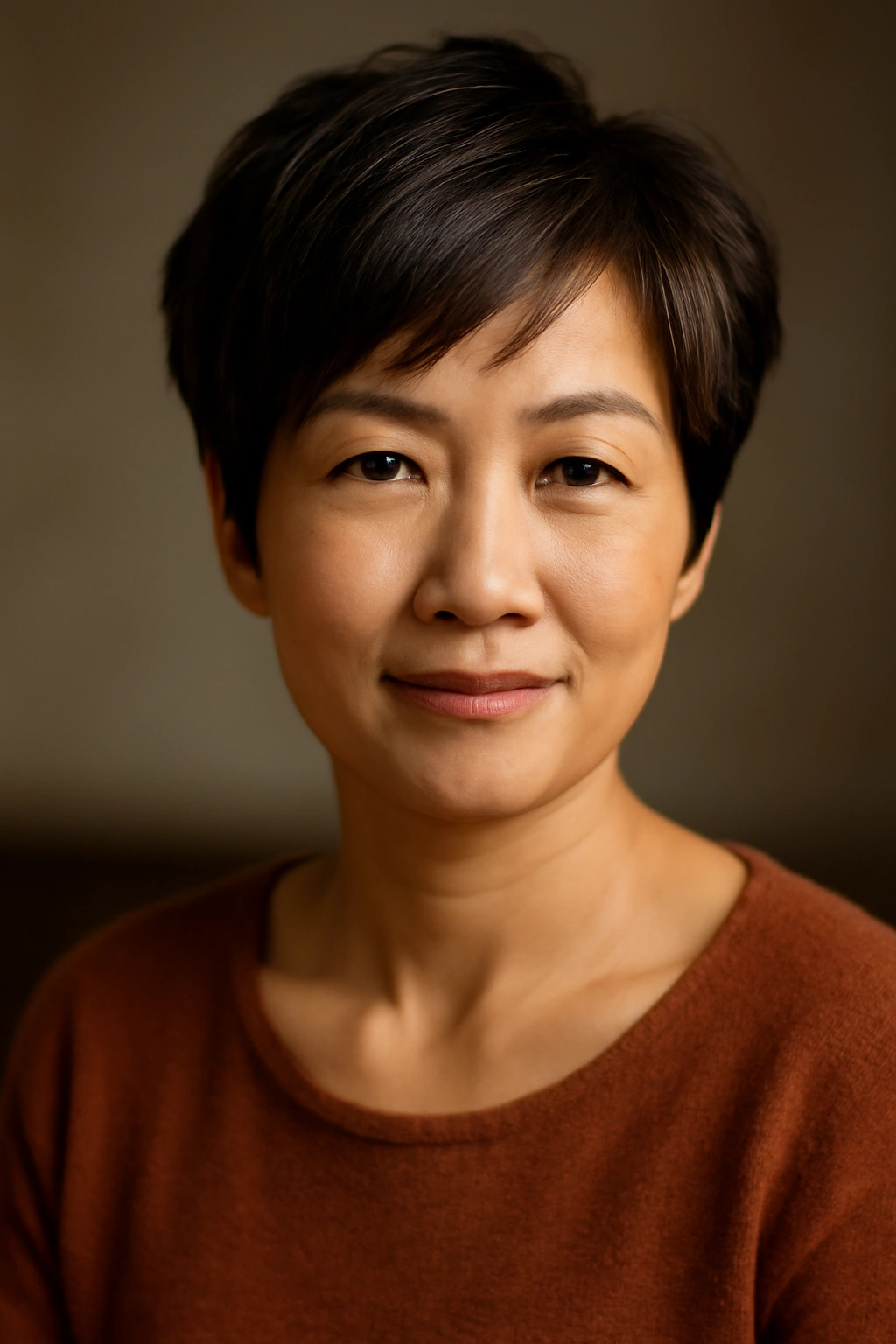
Choosing a short haircut at any age is personal, but there’s something particularly powerful about choosing short hair as you move through your 50s and beyond. The right cut can actually make you look and feel younger because it shows off your face, bone structure, and eyes without distraction. It also tends to be easier to maintain, faster to style, and genuinely less fussy than longer hair — which means you get to spend less time managing your hair and more time on everything else that matters.
The cuts covered here represent genuinely flattering, contemporary options that work beautifully on Asian features and hair texture. Each one works best with your specific lifestyle, styling preferences, and comfort level with maintenance. The key is finding a skilled stylist who understands your vision, listens during the consultation, and has experience executing short cuts beautifully.
When you find the right cut and stylist, and when you give yourself a couple weeks to adjust, most women find that going short is a decision they never regret. The confidence boost alone is worth it — and the extra 10-15 minutes you save each morning because you’re not dealing with long-hair styling is a genuine quality-of-life improvement. You’re not just getting a haircut; you’re potentially changing how you see yourself and how you move through the world.
