



Short weaves have become a statement—a powerful way to express confidence, style, and individuality. They’re low-maintenance without sacrificing impact, versatile enough to dress up or down, and they work beautifully with Black hair textures when installed and maintained properly. Whether you’re looking for something edgy and bold or soft and romantic, the short weave options available now go far beyond the basic cut.
The beauty of wearing a short weave is the freedom it gives you. You get the protection that weaves offer while keeping things fresh, lightweight, and incredibly chic. These styles work for professionals in corporate settings, creatives pushing fashion boundaries, and everyone in between. Plus, short weaves typically require less hair, which means they’re lighter on your edges and more comfortable for all-day wear.
If you’ve been considering the short weave leap or you’re just looking to refresh your current look, this guide covers the styles that are genuinely making waves right now. Each one has its own personality and maintenance rhythm, so you’ll find exactly what matches your lifestyle and aesthetic.
1. The Textured Pixie Cut
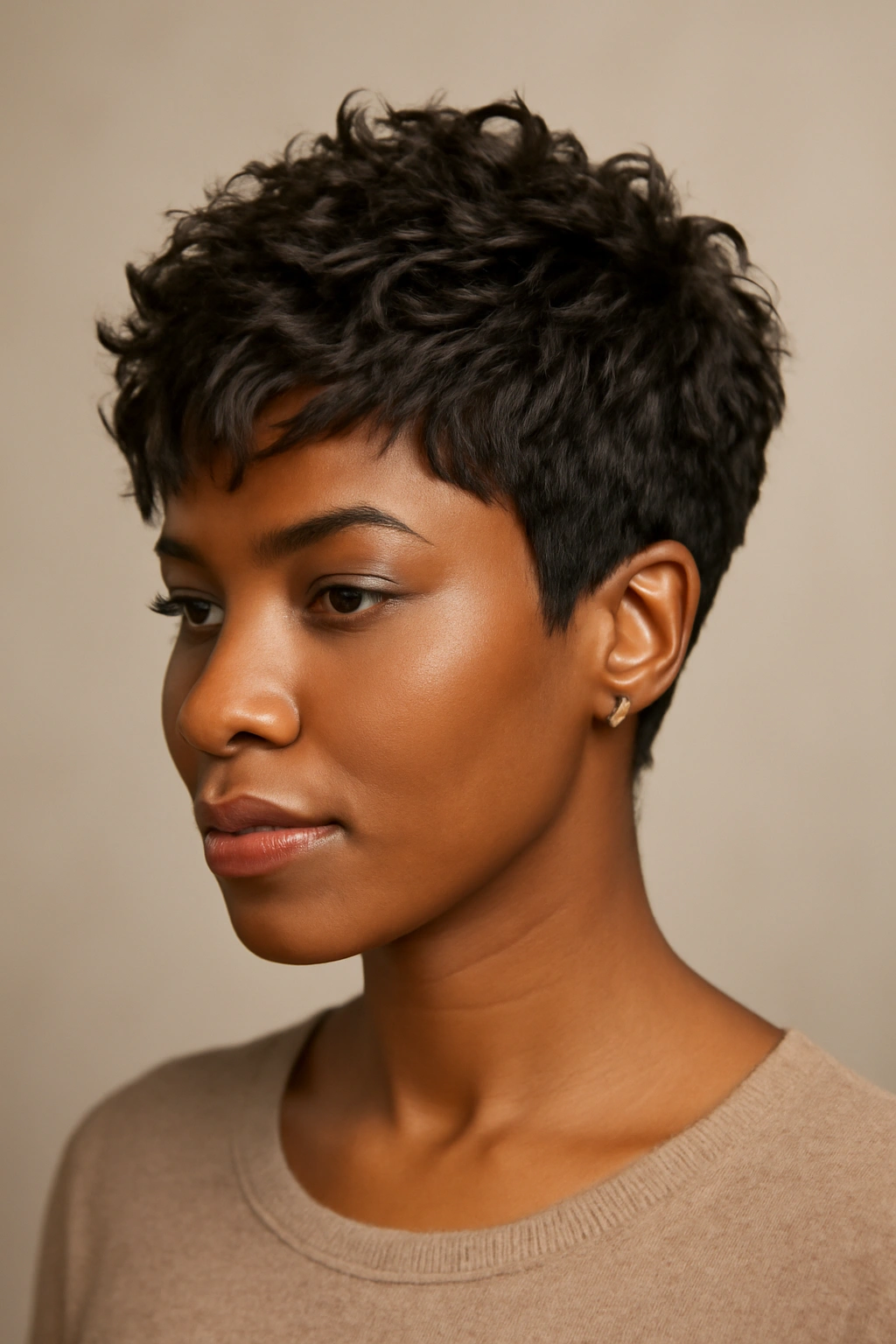
The textured pixie cut brings that effortlessly cool energy while celebrating natural texture. This style works by layering shorter lengths throughout the top and keeping the sides tapered or faded, creating movement and dimension that makes the cut feel alive. The beauty of this particular weave is how it showcases the intricacy of the knots when installed properly—you want a stylist who understands how to blend the hairline seamlessly.
Why This Cut Stands Out
This pixie variant is different from the straight versions because it actually works with textured hair rather than against it. The layering creates natural-looking volume that doesn’t require constant styling. You get that magazine-worthy tousled look just by running your fingers through it. The texture also helps disguise the weave knots if they’re visible, making the overall installation look more intentional and polished.
What You Need to Know
- The cut works best when installed with a secure lace closure or HD frontal for a seamless hairline effect
- Texturized weave hair (not straight) is essential for this style to read authentically
- You can refresh this cut every 4-6 weeks, making it sustainable for long-term wear
- Styling takes seconds—finger comb in the morning and you’re ready to go
- Works beautifully with shorter lace, which means less maintenance and fewer edge concerns
Pro tip: Ask your stylist to layer the front slightly longer than the back for an extra dimension that photographs beautifully and frames the face more interestingly.
2. The Sleek Blonde Bob
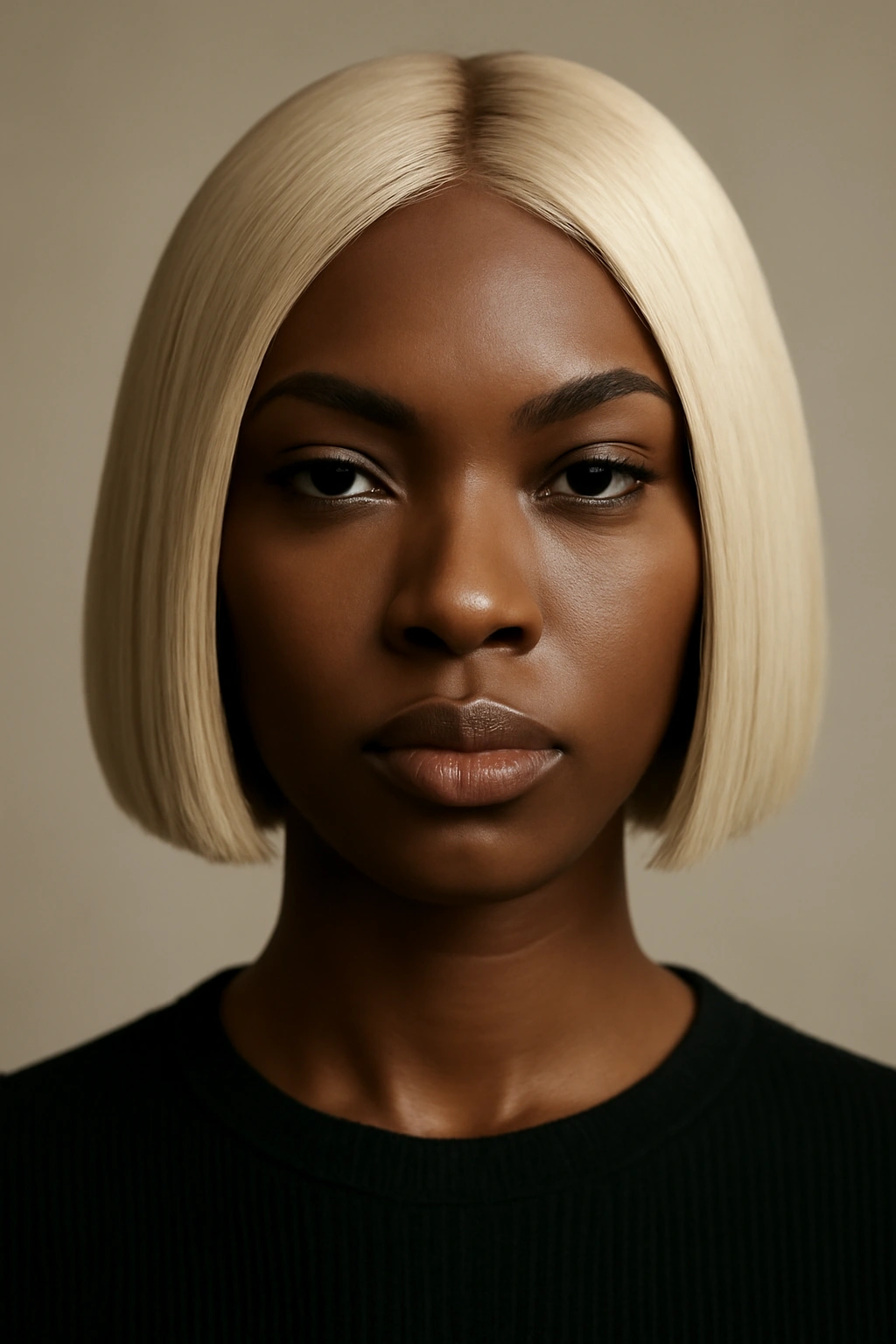
There’s something undeniably striking about a precisely cut bob in a lighter shade against darker skin tones. The sleek blonde bob is sharp, intentional, and gives off major confidence. This style depends entirely on the cut being absolutely perfect—we’re talking clean lines, a sharp angle, and either a blunt or strategically textured edge. When done right, it reads expensive and editorial instantly.
What Makes It Captivating
The contrast between dark skin and blonde hair creates a visual punch that feels bold without being loud. This bob sits right at the jaw or slightly shorter, which means it frames your face in a way that actually highlights your features rather than hiding them. The sleekness requires maintaining a tight install with a quality lace closure, but once you’ve got it, you’re turning heads. The lightweight blonde fiber also sits more naturally than darker shades sometimes do, giving you that “I woke up like this” vibe.
Installation and Maintenance Details
- Requires a 13×4, 13×6, or full lace closure for that seamless, expensive finish
- Blonde weave hair shows dirt and product buildup faster, so you’ll need to refresh your lace every 2-3 weeks
- Weekly deep conditioning of the weave prevents dryness and keeps the blonde looking vibrant
- Works best with a tight, secure installation so the blunt edges stay sharp
- Scalp care becomes extra important since the style is so minimal and any irritation shows
Worth knowing: The lighter color naturally highlights any texture in the weave, so investing in high-quality hair makes a visible difference here.
3. The Textured Lob With Undercut
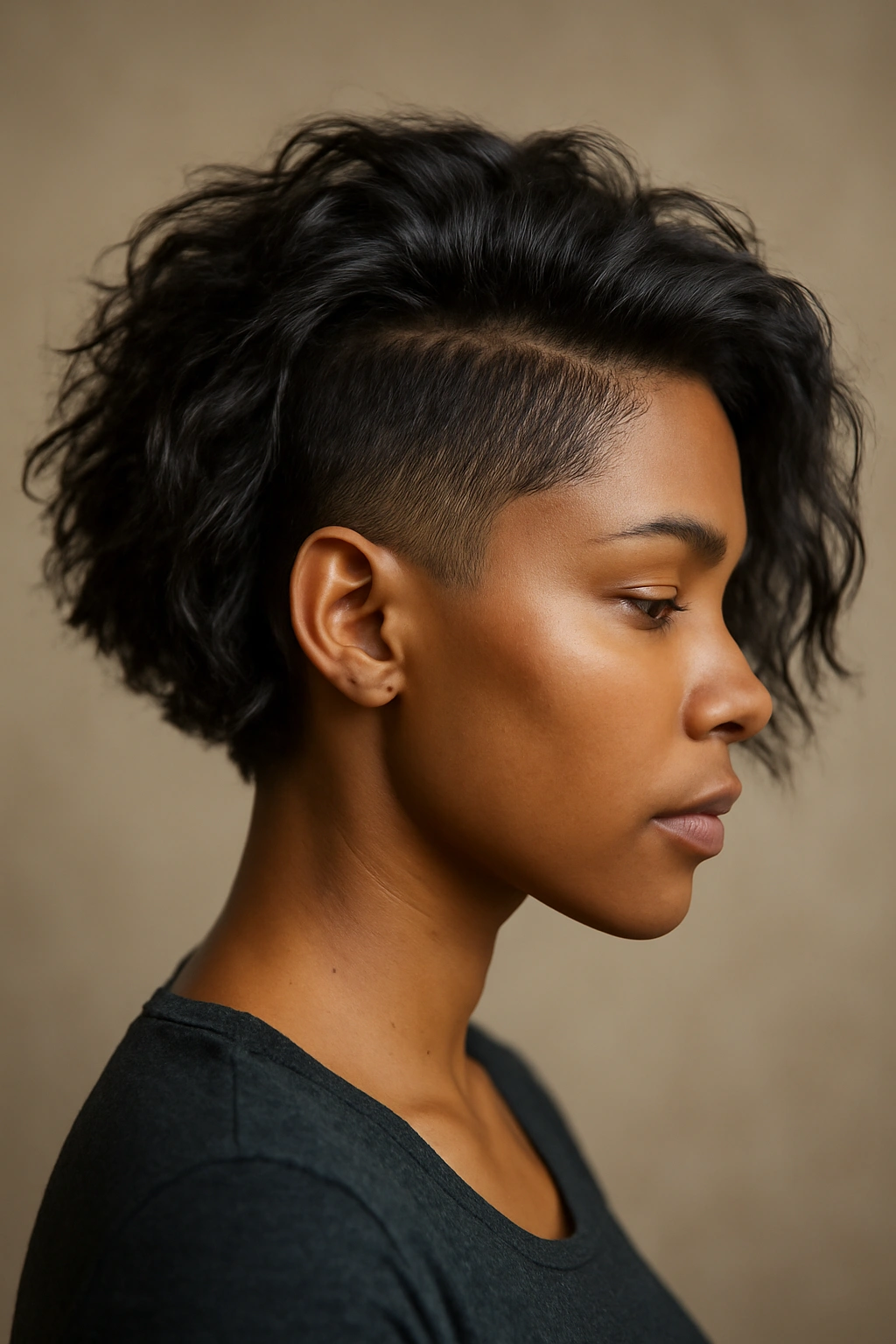
A lob (that’s longer-than-a-pixie, shorter-than-a-traditional-bob length) with an undercut gives you options. The top can be textured, crimped, or wavy while the undercut stays clean and precise, creating visual interest and dimension. This style appeals to people who want a short weave but aren’t ready to go full pixie—it’s the bridge between bold and wearable.
Why This Style Works
The undercut doesn’t have to be fade-level dramatic; even a subtle undercut where the sides are just slightly shorter creates incredible dimension. You get the playfulness of a lob with the sharpness of a more structured cut. Textured tops pair beautifully with clean sides, and the contrast makes both elements more noticeable. This is the style for someone who wants people to know they chose this look deliberately.
Styling and Upkeep
- The textured top can be left natural (if using textured weave hair) or styled with a light mousse for definition
- Undercut sides stay sharpest when trimmed every 4-5 weeks
- You can switch up the top texture—straighten it one week, wear it textured the next, crimped the week after
- This cut photographs exceptionally well from the side, showing off the dimension
- Works with or without a closure, depending on how far back your undercut goes
Pro tip: Use lightweight edge control only on the sides to keep them sleek; too much product on an undercut makes it look unkempt rather than intentional.
4. The Slicked-Back Micro Bob
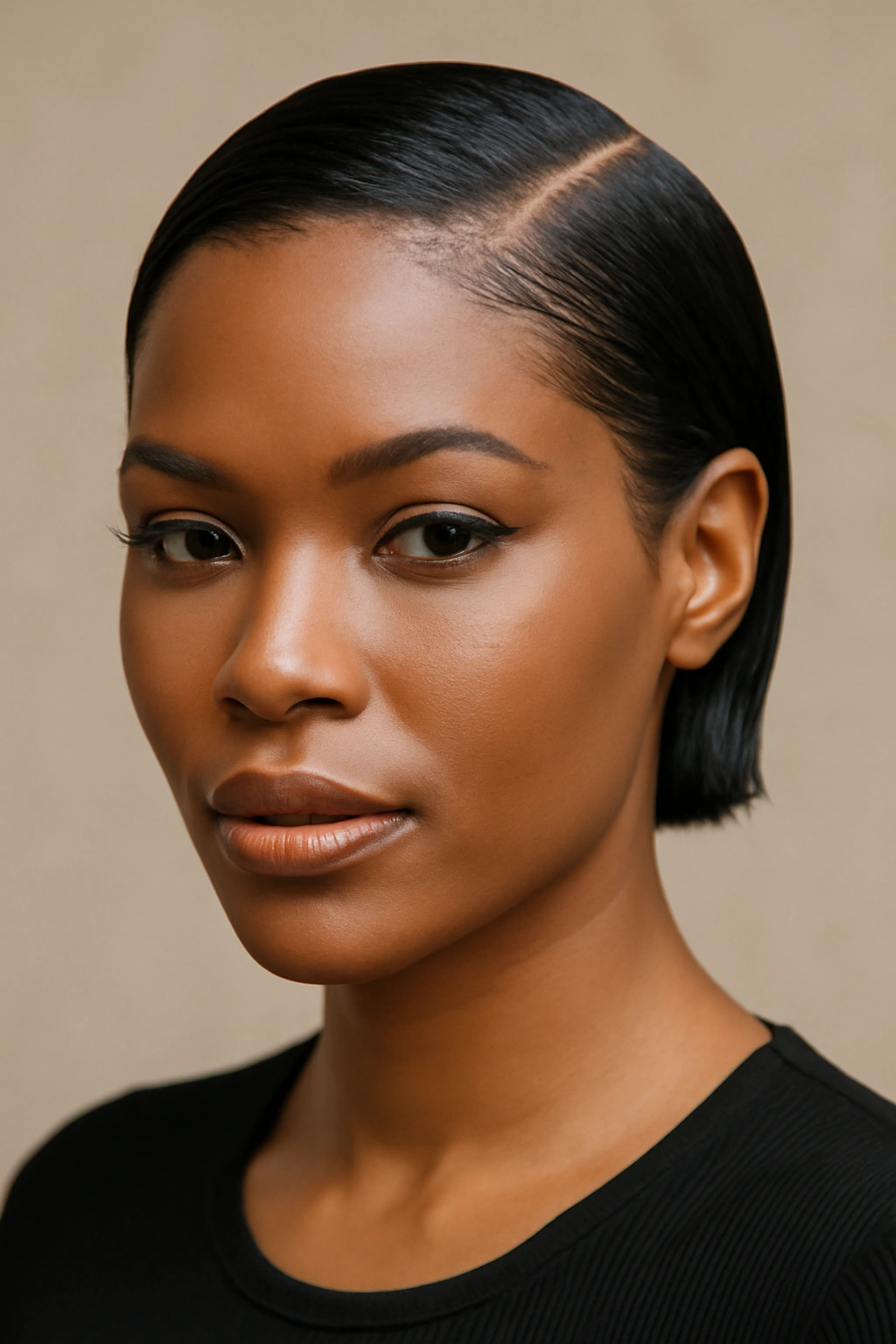
Sometimes the shortest option is the most powerful. A micro bob—think two inches or less all over—installed slicked back with a gel, oil, or mousse reads incredibly sophisticated. This isn’t a style you can hide in; it’s one you own. The micro bob is having a major moment because it’s bold, it’s protective, and it forces you to lean into your features and presence rather than relying on hair length for appeal.
The Appeal Behind This Cut
A slicked micro bob shows your face, your neck, and your bone structure in a way longer hair never can. There’s nowhere for styling to hide; everything is intentional. The style works because of the installation quality and edge work, not despite it. When your edges are laid and your lace is seamless, a micro bob becomes a canvas for showing off your best beauty work. It’s worn by women who are confident, who understand that less can be infinitely more.
Care and Installation Specifics
- Requires either a very carefully installed lace closure or a full wig-style installation for the most polished look
- Edge maintenance is visible and important—your edges literally frame the entire style
- You’re looking at product touch-ups every few days to maintain the slicked-back effect
- The weave texture doesn’t matter as much because everything is smoothed down, so you can use any quality hair
- This cut actually extends the life of your install because there’s minimal daily manipulation
Real talk: This style demands that your scalp be healthy. With such a short install, any scalp irritation or buildup becomes immediately obvious, so consistent cleansing and moisturizing are non-negotiable.
5. The Wavy Side-Swept Bob
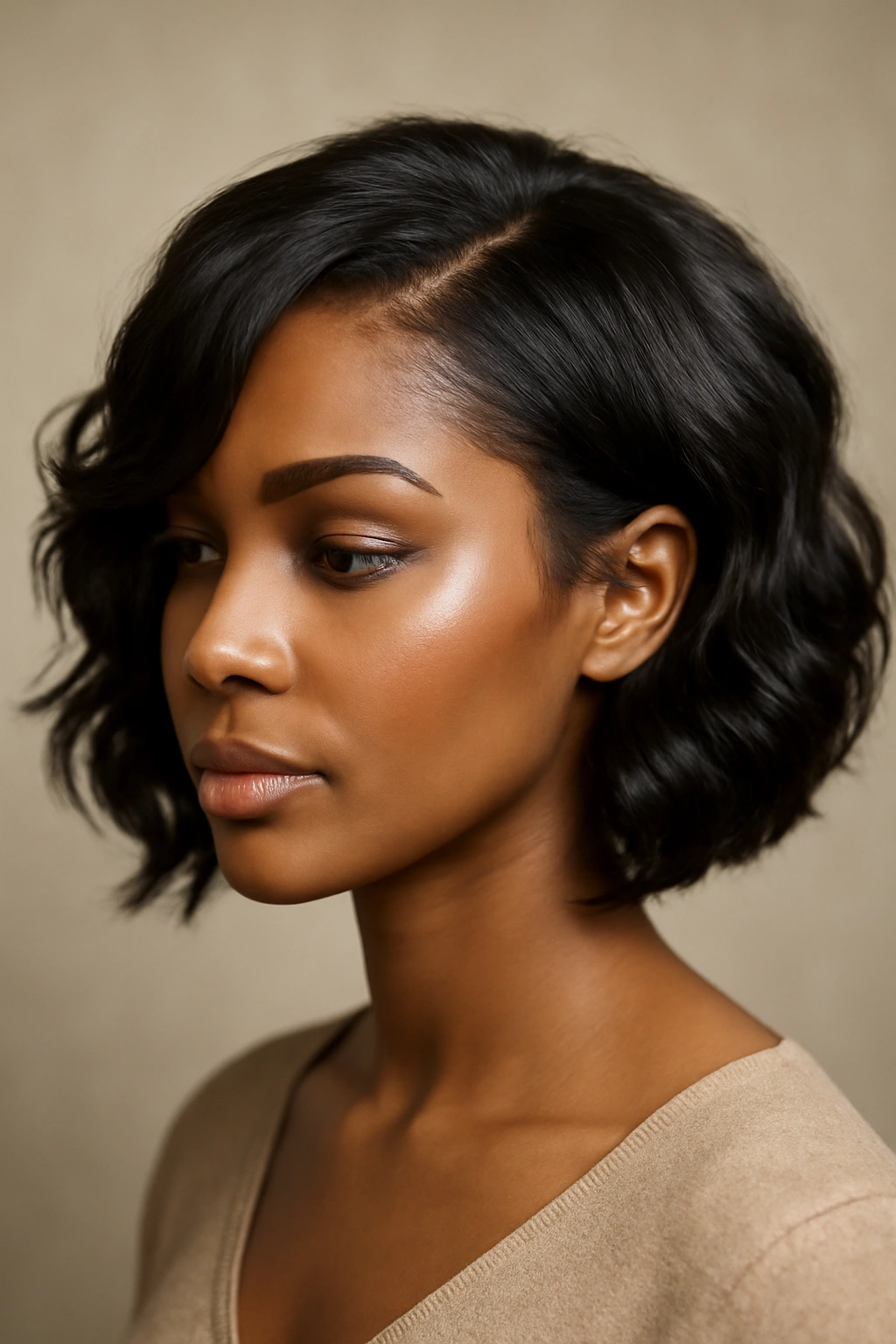
A bob with gentle waves that sweep to one side is romantic, polished, and easier to maintain than you’d think. The sides are typically longer in front and shorter in back (a slight stacked effect), and the waves are either hot-tool set or created with textured weave hair. This style captures that effortlessly chic energy—put-together but not trying too hard.
Why This Works for Weaves
Wave patterns in weave hair look more intentional than they do in some other applications because the consistent texture reads as a choice rather than a happy accident. The side sweep creates asymmetry, which makes even a shorter length feel less severe and more wearable. You get the low-maintenance benefits of a short weave while having enough length to tuck behind an ear or pin to the side if you want to change the vibe. It’s versatile without being complicated.
Styling Requirements
- Waves hold better in textured or pre-wavy weave hair; straight hair requires daily heat-setting
- A light curl cream or wave mousse refreshes waves between styling sessions
- The longer front pieces require slightly more careful manipulation to prevent tangling
- This cut looks fresher longer between touch-ups because the asymmetry camouflages roots
- Pin curls or a bonnet at night keeps waves set without daily heat
Insider note: The side sweep is directional, so you’re basically committing to wearing it on that side—but that’s part of why it looks so intentional and styled.
6. The Textured Fade With Length on Top
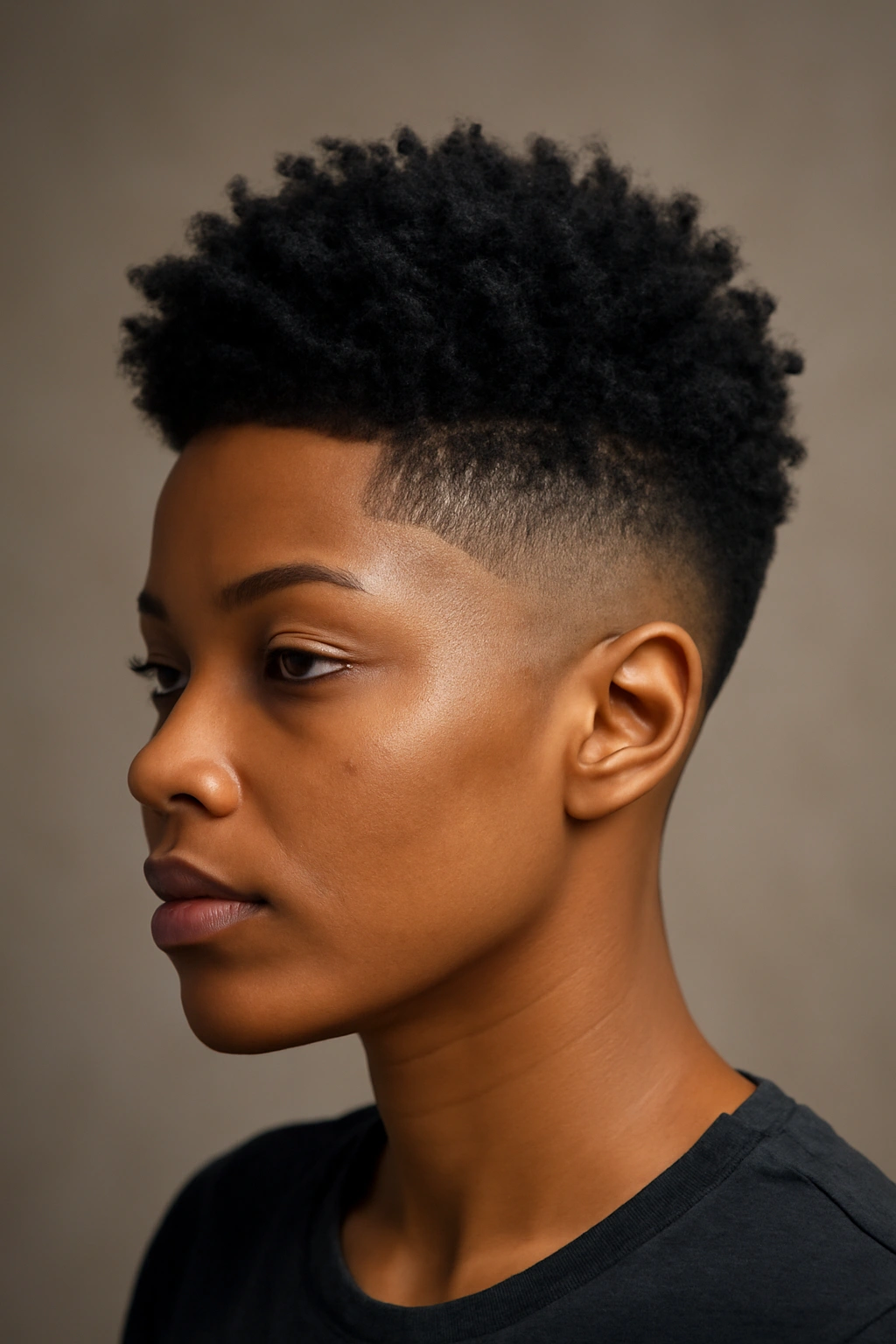
A fade is structured on the sides and back while the top stays longer (usually 2-3 inches), creating dramatic contrast. When that top length is textured—whether coily, kinky, or wavy—the style becomes celebration rather than just geometry. This cut is incredibly popular right now because it’s undeniably chic, it works with Black textures authentically, and it’s wearable for basically any setting.
Why This Cut is Having a Moment
The fade respects Black hair in a way some other cuts don’t. Texture on top looks intentional and beautiful instead of being something to minimize. The contrast between clean faded sides and textured volume on top is striking without being extreme. You get the protective benefits of shorter weave while having enough length to style—you can wear it textured naturally, straighten it, crimps it, or add waves. The versatility is genuinely built into the cut itself.
Maintenance and Installation
- Fades require trimming every 3-4 weeks to stay sharp; they look sloppy fast if you let them grow out
- The textured top doesn’t need daily styling; it naturally creates volume and movement
- You can use textured weave that’s wavy, coily, or kinky depending on the vibe you want
- Lace closures work well here, or you can install with a part in the textured section
- Scalp access between the faded sides is easier with this cut, making maintenance simpler
Worth knowing: Your barber or stylist’s fade skills matter enormously here. A bad fade ruins the whole aesthetic, while a clean, precise fade elevates everything.
7. The Sleek Curved Pixie
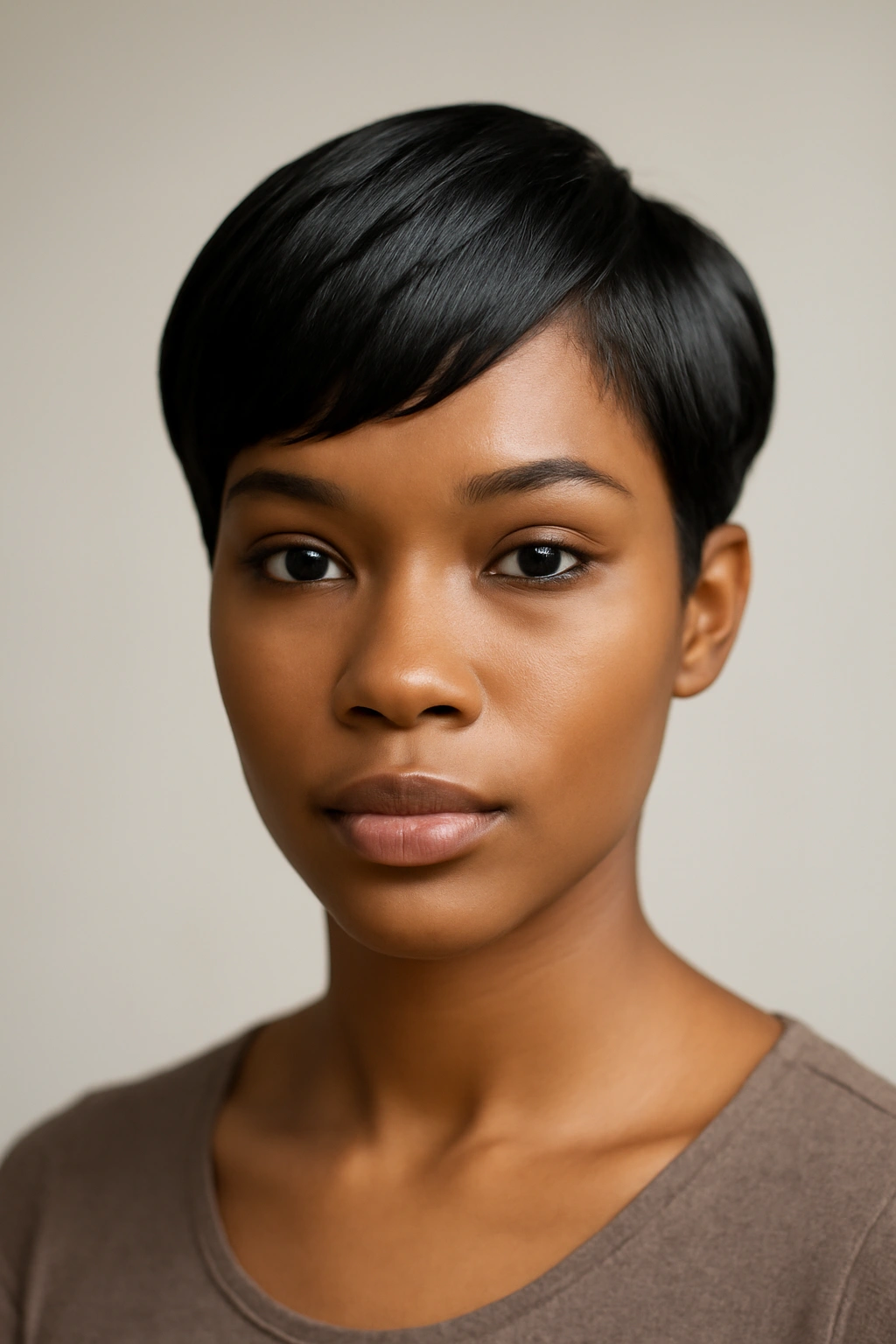
Unlike the straight-edged pixie, a curved pixie has soft, rounded lines that follow the shape of your head. The sides are still short and tapered, but instead of sharp angles, you get curves. This style is feminine, modern, and incredibly flattering for most face shapes because the rounded edges soften rather than angularize.
What Makes This Different
The curved pixie celebrates the natural shape of your head and face rather than imposing strict geometry on them. This makes it feel less severe than angular pixies while still being undeniably short and statement-making. The curves also make the style feel more accessible to people who worry a pixie might be too bold. Curved lines are inherently softer, which somehow makes the whole look less intimidating while being just as chic.
Styling and Appearance
- Curved lines photograph beautifully from all angles; you don’t need to position yourself perfectly for the cut to look good
- Styling is incredibly minimal—just run your fingers through textured hair or lightly comb straight hair
- The curves work with or without a closure; the rounded lines create a naturally finished look either way
- Less dramatic than angular cuts but still clearly intentional and styled
- Works beautifully with colors—the softer lines make blonde, brunette, or any shade feel sophisticated
Pro tip: Curved lines are more forgiving of slight unevenness, so touch-ups can be stretched to every 6-8 weeks instead of every 4-5.
8. The Braided Crown Detail Bob
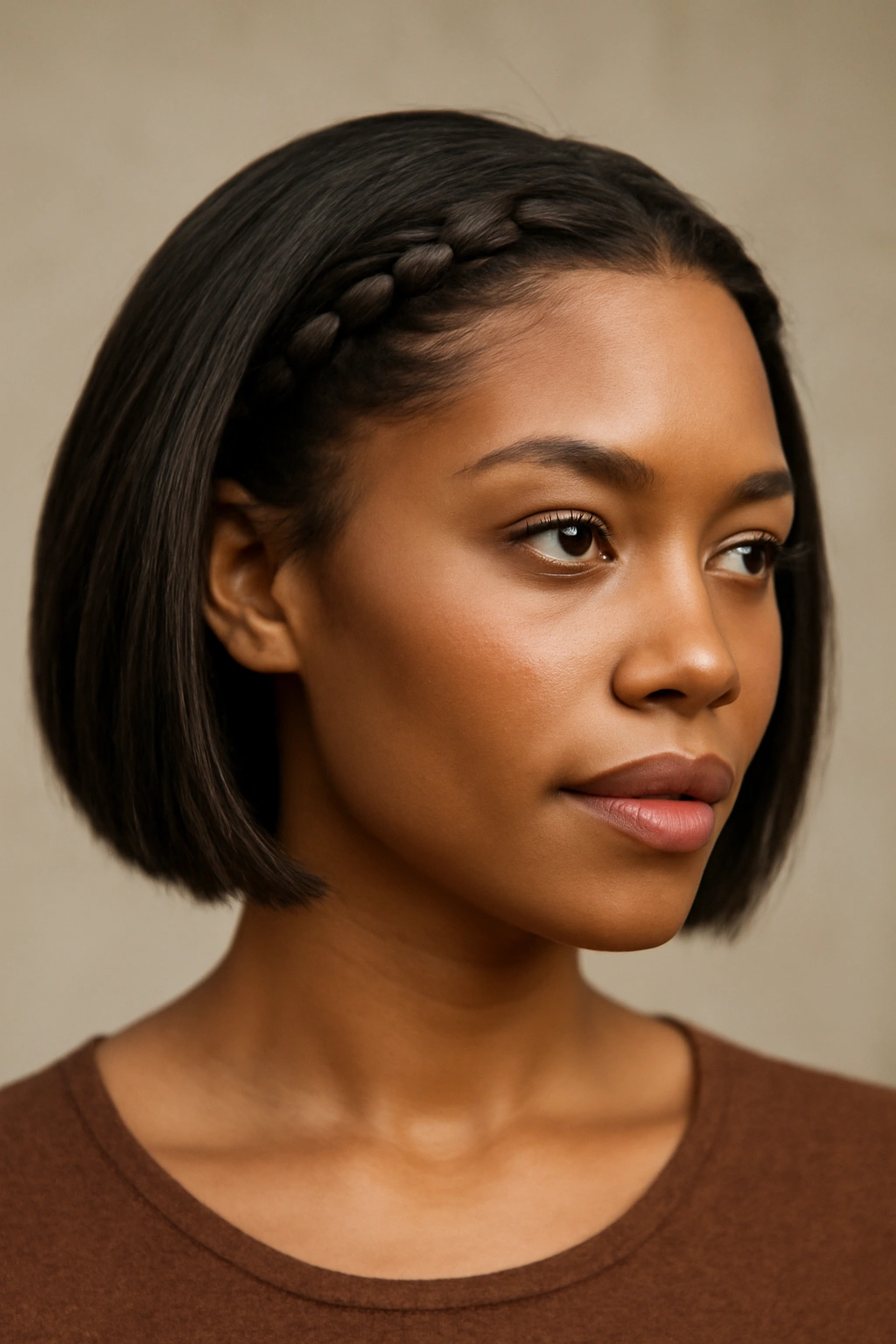
This bob has clean, simple lines, but the magic is in a subtle braided detail that runs along the crown or around the perimeter. It might be just one small braid, or a few delicate ones integrated into the hairline design. This style elevates a basic bob into something special—it’s decorated without being overdone.
The Appeal of Subtle Details
A braided detail gives you a reason to keep your hands off your hair (the braids stay put, so you’re not constantly reacting to the weave) while adding a visual element that catches light and attention. The braids can match your hair color for a subtle, woven-in look, or contrast for more drama. This is how you make a simple bob feel like you spent real time creating it, when honestly, once the braids are in, you just let them be.
Practical Considerations
- Braids should be installed by someone skilled; sloppy braids look unfinished rather than decorative
- The braids protect those sections of hair from daily manipulation, actually extending the life of the install
- You can have braids installed just on the front for a surprise detail, or around the entire crown
- Braids hold their shape beautifully, so this detail stays fresh for the entire life of your install
- The style works with any texture of weave; the braids themselves provide the visual interest
Real talk: The braids make this look high-maintenance even though it’s actually low-maintenance. People will think you spend hours on your hair, but you’re just letting the detail do the work.
9. The Asymmetrical Shag
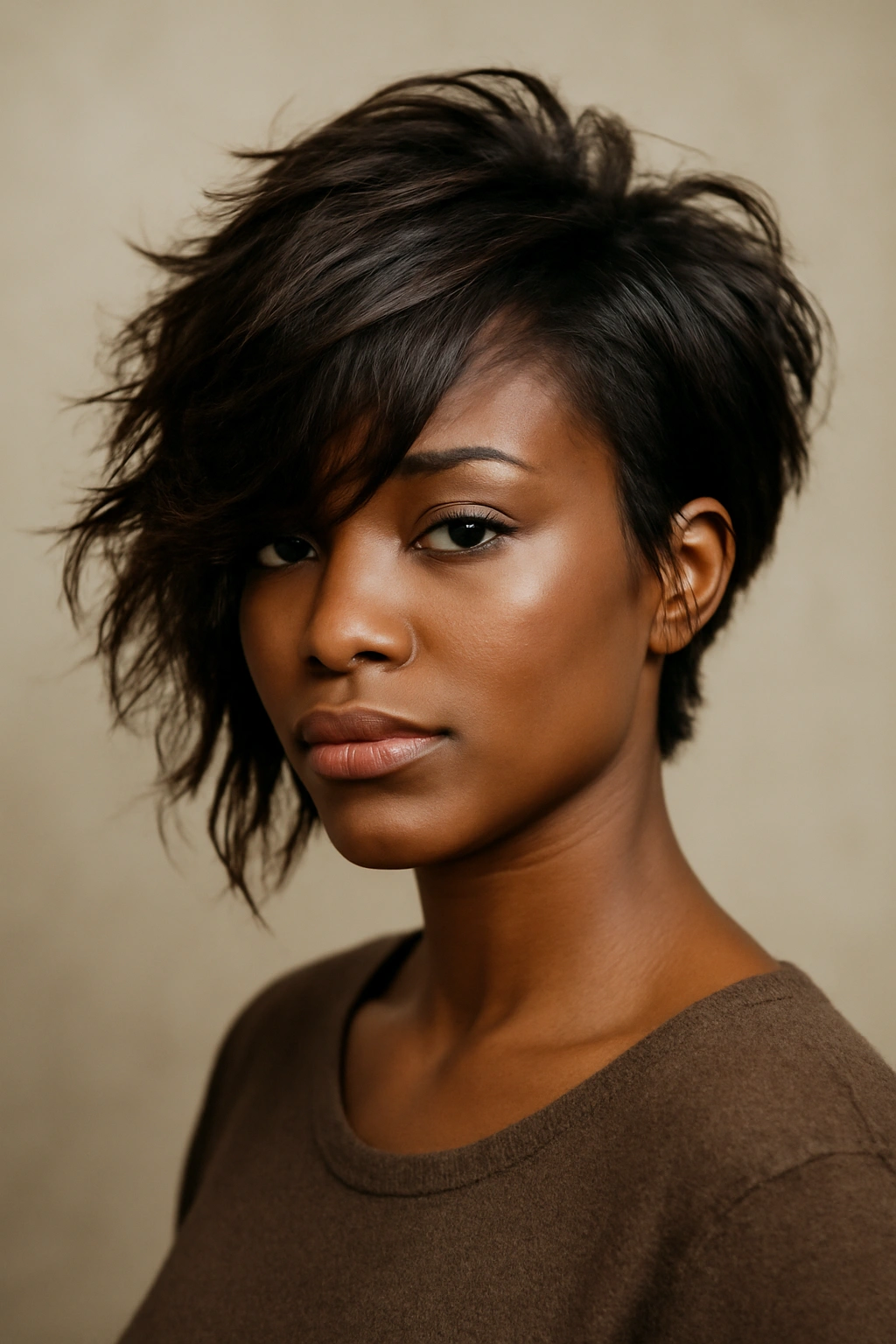
A shag is all about layered, choppy texture throughout, and when it’s asymmetrical (longer on one side), it becomes modern and editorial. This cut celebrates movement and bounce; every layer creates a separate piece that catches light differently. It’s playful without being childish, layered without being messy.
Why Shags Are Back
The beauty of a shag weave is that the texture and layers look intentional and styled without requiring heat tools every single day. The cut itself creates volume and dimension, so your styling is more about refreshing the pieces than creating them from scratch. An asymmetrical shag also feels more special than a symmetrical one—it’s not a standard cut, so it signals that you’re making a specific style choice.
Styling and Maintenance
- Layers work best with textured weave hair; straight hair can read as just thin rather than intentionally choppy
- Refreshing a shag is about separating and directing the layers with your fingers and a light product
- Asymmetry means you’re committing to wearing it as designed; you can’t just flip it to the other side
- The multiple layers mean there are more places for product buildup, so weekly cleansing is important
- Trims every 5-6 weeks keep the layers sharp; otherwise they start to blend together and lose definition
Insider note: Shags photograph better in motion than in stills because the layers need movement to show their full appeal.
10. The High-Fade Mohawk Bob
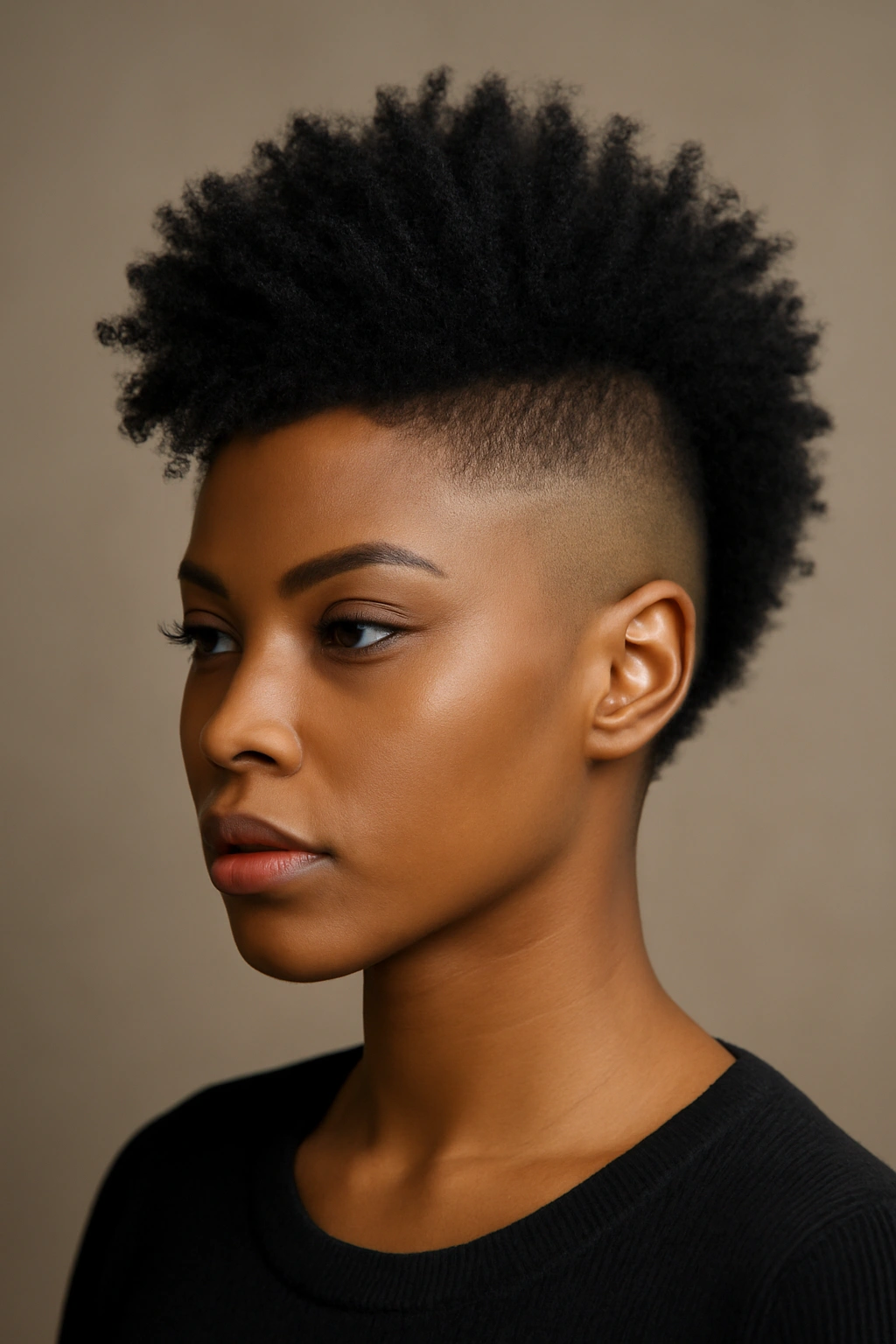
This is a bob with a fade on both sides that’s so dramatic it creates a mohawk-like silhouette—the sides are cut extremely short while the top stays fuller and longer. It’s bold, it’s architectural, and it’s for someone who wants their short weave to make a statement that can be heard from across the room.
The Power of This Cut
A high-fade mohawk bob says confidence without hesitation. There’s no ambiguity in the statement; you’re declaring that you’re bold, you understand fashion, and you’re not interested in blending in. The extreme contrast between faded sides and fuller top creates optical impact. The sides are so clean that you’re essentially showing off your edge work and lace installation, which means quality matters intensely with this cut.
Installation and Upkeep
- Requires absolute precision in the fade; any unevenness looks unfinished
- The faded sides require trimming every 3 weeks to maintain the sharp line
- You need excellent edge control and edge maintenance for this to read polished rather than rough
- The fuller top should be textured to create actual volume, not just length
- This cut is genuinely best shown off with edges laid to perfection; it’s the focal point
Worth knowing: This cut absolutely demands that you own it. If you’re wearing it tentatively or apologetically, it reads as trying too hard. If you wear it with confidence, it reads as effortlessly chic.
11. The Curly Fringe Bob
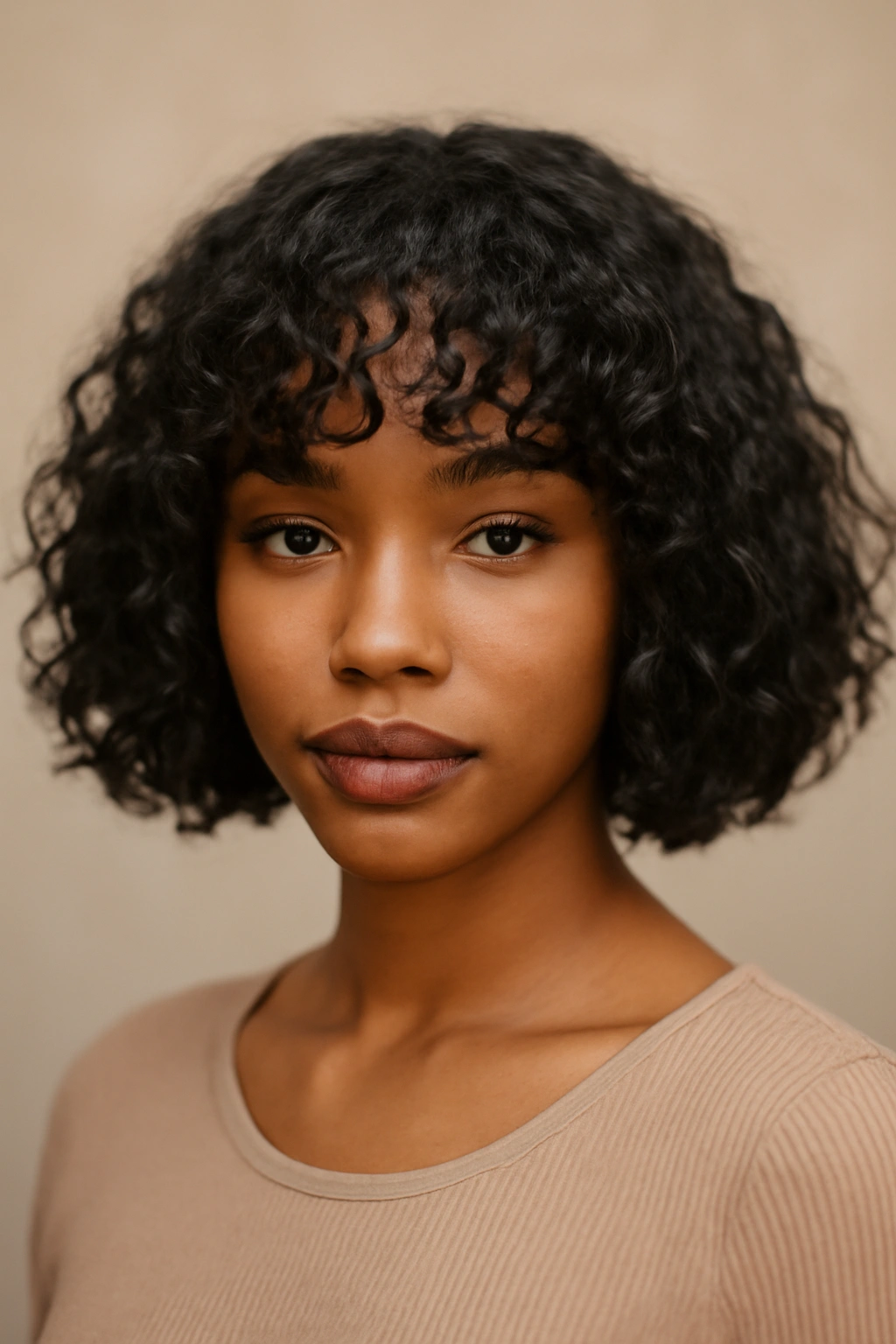
A bob with a curly fringe (bangs) combines structure with playfulness. The bulk of the bob is a clean, defined length, but the front has those bouncy curls that frame the face. This style works because it’s practical (the curly fringe distracts from any lace visibility) and it’s adorable—the curls create movement and softness.
The Charm of This Style
Curly bangs make you look approachable and fun while still being clearly styled and intentional. The contrast between the structured bob and the bouncy fringe creates visual interest without the cut being complicated. Curly fringes photograph beautifully because the curls catch light, and they’re incredibly photogenic from different angles. This is the short weave for someone who wants to be chic but also wants people to smile when they see the style.
Styling Details
- The fringe curls should be textured weave or pre-curled hair for the most natural look
- Refreshing fringe curls is about fluffing them with your fingers and a curl cream; no heat required
- The structured bob portion can be any texture—straight, wavy, or textured—depending on your vibe
- Curly fringes work beautifully with minimal edge work since the curls are the focal point
- The curls soften any harshness from the bob, making the overall look more approachable
Pro tip: The fringe grows out (curls stretch and become longer), so you’ll trim it every 4-5 weeks to keep that bouncy, face-framing effect fresh.
12. The Textured Fade With Sculpted Edges
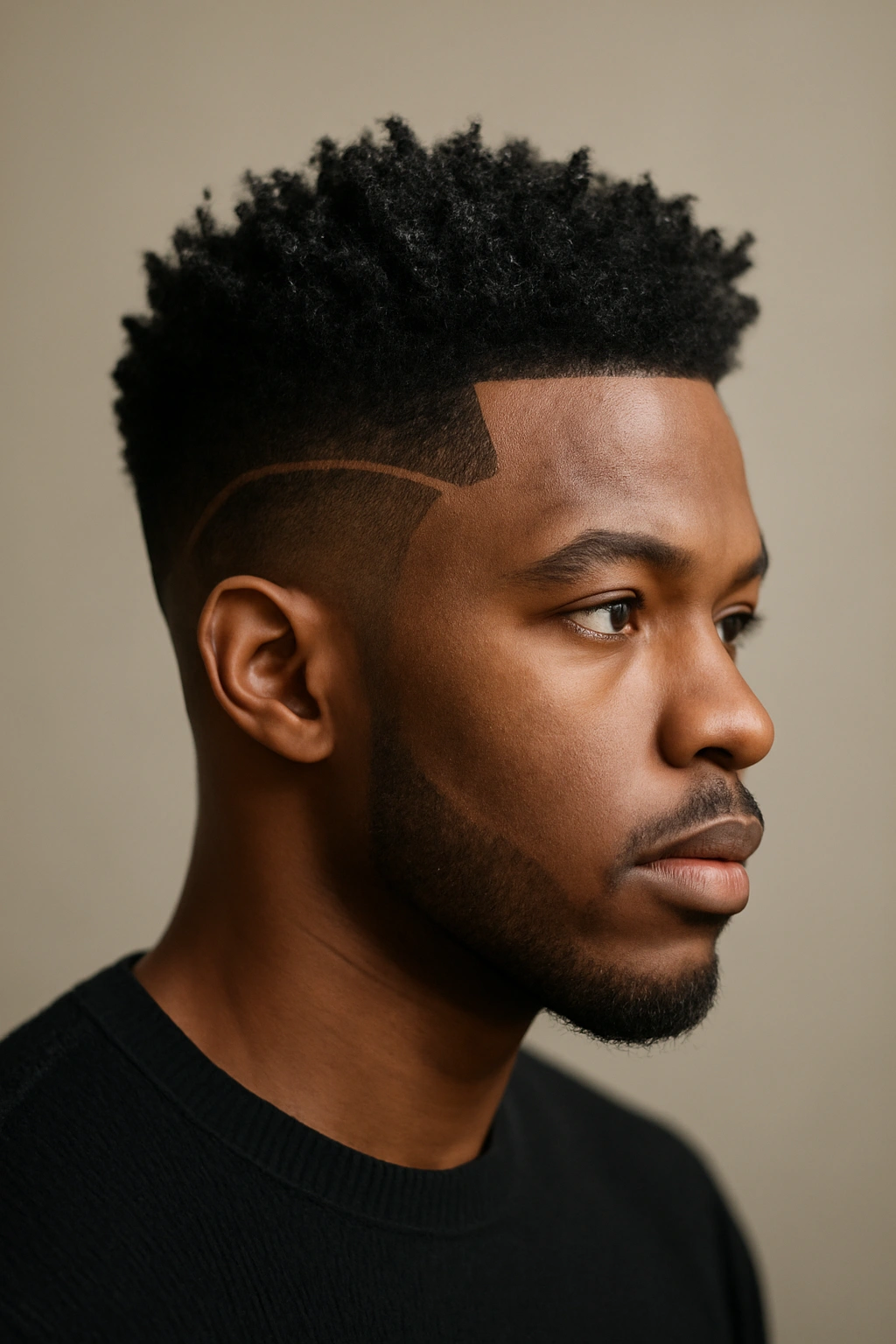
This is a fade with sharp, sculpted edges—think detailed designs or clean geometric lines carved into the sides or back. The fade itself creates the structure, but the sculpted details elevate it into wearable art. The top stays textured for contrast, and everything about this cut says intention and precision.
Why This Read as Premium
Sculpted edges require serious skill; you can’t get them at just any salon. The level of detail and precision signals that you’re working with someone who actually knows what they’re doing. The textured top combined with sculpted faded sides creates balance—detail on the sides, texture on top, everything working together. This isn’t just a haircut; it’s a demonstration of artistry.
Technical Considerations
- Sculpted designs require touch-ups every 2-3 weeks as they grow out
- The designs should be clean and sharp; fuzzy lines look unintentional
- Textured tops work best with this style, allowing the designs to be the focal point rather than competing for attention
- Edge control is important to show off the sculpted work; you want those lines to be visible
- This cut works better on some head shapes than others, so discuss proportions with your stylist before committing
Real talk: You need a stylist who understands both barbering (for the fade and design work) and styling (for the textured top). Finding this person is worth the hunt.
Final Thoughts
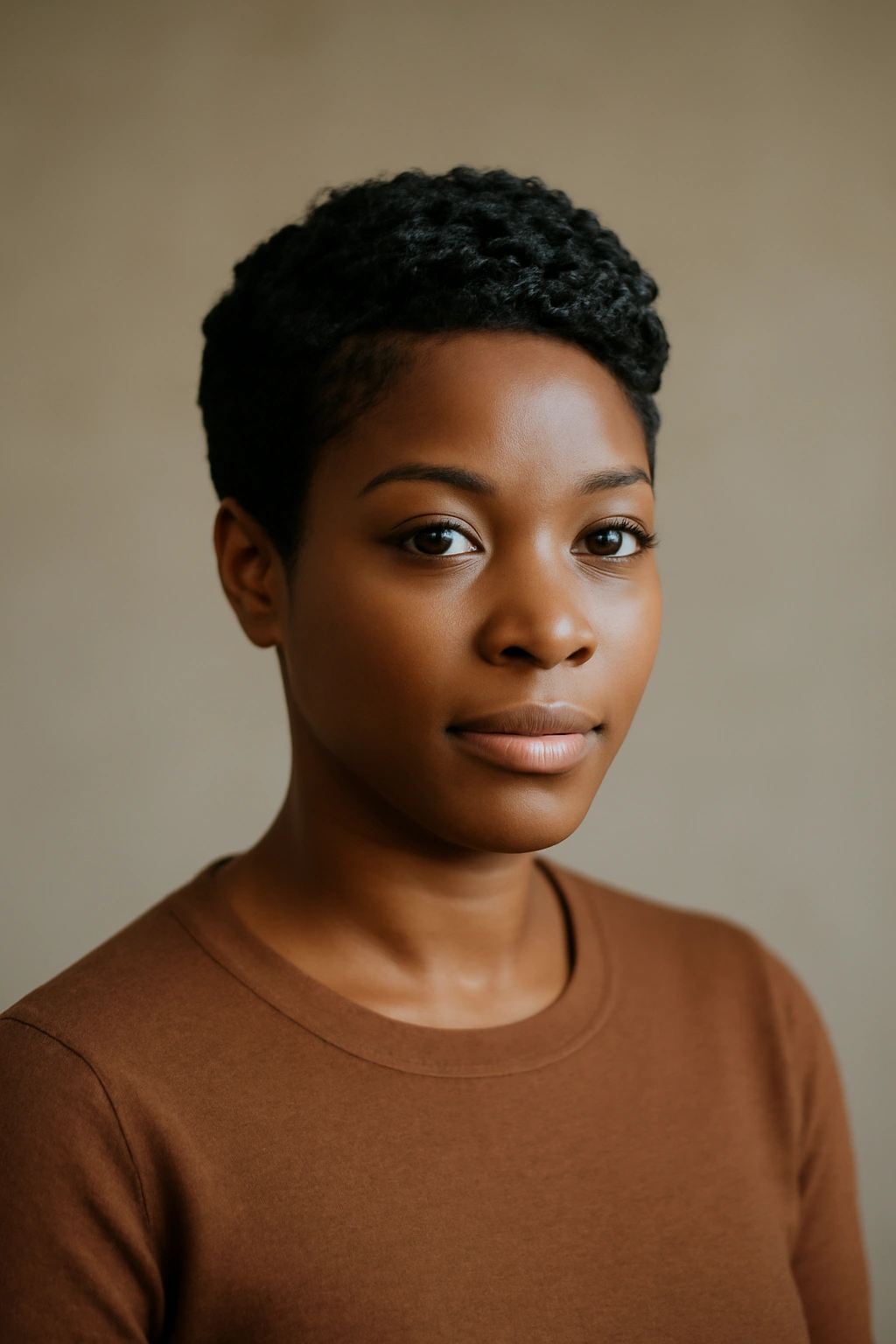
The short weave styles that are resonating with Black women right now all have something in common: they’re confident, they respect Black textures and beauty, and they’re actually wearable for everyday life. Whether you’re drawn to the boldness of a high-fade, the romance of waves, the playfulness of curly bangs, or the editorial sophistication of a sleek bob, there’s a short weave that matches exactly who you are.
The key to loving your short weave is finding a stylist who understands both the technical side (how to install, blend, and maintain) and the creative side (how to cut and shape weave hair in ways that actually enhance your features). A great short weave isn’t just hair—it’s a statement that shows up before you even open your mouth.
Maintenance does matter, but here’s the beautiful part: short weaves typically require less daily styling than longer styles. You’re trading frequent wash days and lengthy styling sessions for regular trims and consistent edge work. Most of these styles actually improve over the first week or two as the styling sets in, and they hold their shape beautifully for 6-8 weeks with proper care. That’s the trade-off that makes short weaves so appealing—lower daily time investment, higher impact result.
