



The French cut has become synonymous with effortless elegance—that seemingly undone-but-perfectly-polished aesthetic that makes people wonder if you just rolled out of bed in Paris or spent hours perfecting your look. The truth? It’s somewhere in between. This iconic approach to hair focuses on movement, texture, and a certain nonchalant confidence that works across face shapes, hair types, and personal styles. What makes a French cut so universally appealing is that it doesn’t feel overdone or fussy; instead, it celebrates your hair’s natural texture while strategic layers and subtle styling create dimension and flow that seems to happen on its own.
The beauty of French cut hairstyles lies in their versatility. Whether you’re working with fine, straight hair or thick, wavy strands, there’s a French-inspired cut that will enhance your features and require minimal styling effort. These styles prioritize lived-in texture over perfection, meaning a little tousle or undone wave actually improves the overall look rather than detracting from it. The cuts work because they’re built on foundational principles—face-framing layers, considered length, and attention to how hair naturally falls—rather than relying on a single rigid formula.
Below, you’ll find twelve distinct French cut hairstyles, each with its own personality and styling approach. Some lean romantic and soft; others feel edgy and modern. All of them embody that coveted French sensibility: chic without trying too hard, polished without looking overdone, and effortlessly beautiful without demanding hours of styling time each morning.
1. The Lob with Textured Layers
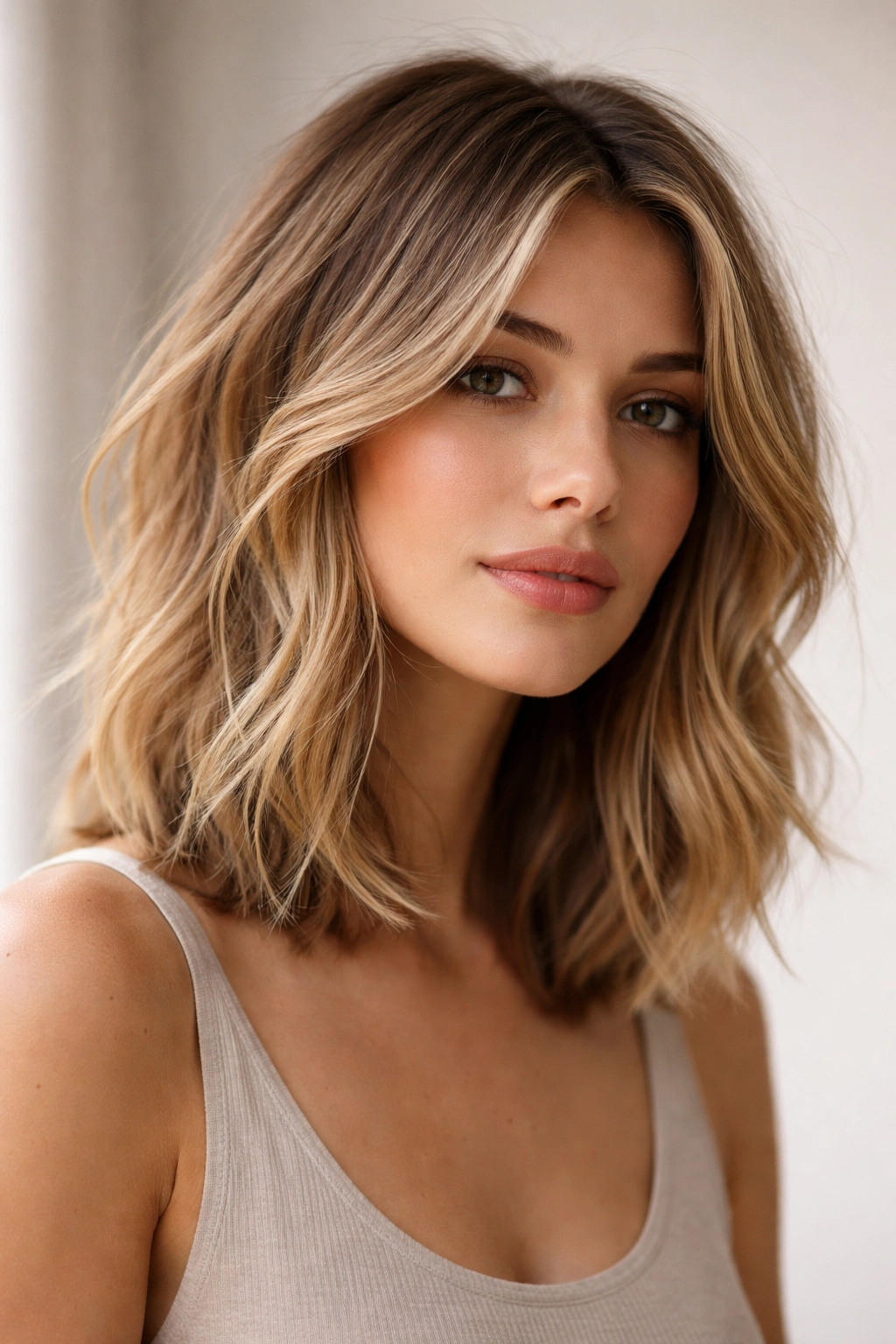
The French lob sits right at the shoulder line, giving you enough length for movement without the weight that can drag hair flat. What elevates this style beyond a simple blunt cut are the texturized layers throughout—not obvious, chunky layers, but rather subtle choppy bits that create dimension and catch light beautifully. The front pieces are slightly longer than the back, creating a piece-y frame around your face that feels intentional but natural.
Why It Looks Effortlessly Chic
The lob with textured layers works because it plays with light and shadow across your hair rather than relying on one solid form. These layers create movement even when your hair is down and relaxed, so the style reads as intentional and polished whether you’ve styled it or not. The textured sections create tiny pockets of volume and flow that give the impression of movement and softness without needing to be blown out perfectly straight or curled into waves.
How to Style and Maintain
- Apply a texturizing spray or salt spray to damp roots to encourage the lived-in texture the cut is designed for
- Blow dry with your head tilted forward to create natural movement from the layers
- Finish with a dry shampoo at the roots for grip and volume that lasts through the day
- Use a light oil or serum on the ends to prevent the layers from feeling wispy or frayed
- Schedule trims every 6-8 weeks to keep the textured layers sharp and prevent blunt ends from dulling the style
The lob works particularly well for people with medium-thick hair or even slightly wavy natural texture, as the layers enhance rather than fight what your hair naturally wants to do.
2. The Choppy Pixie-Bob Hybrid
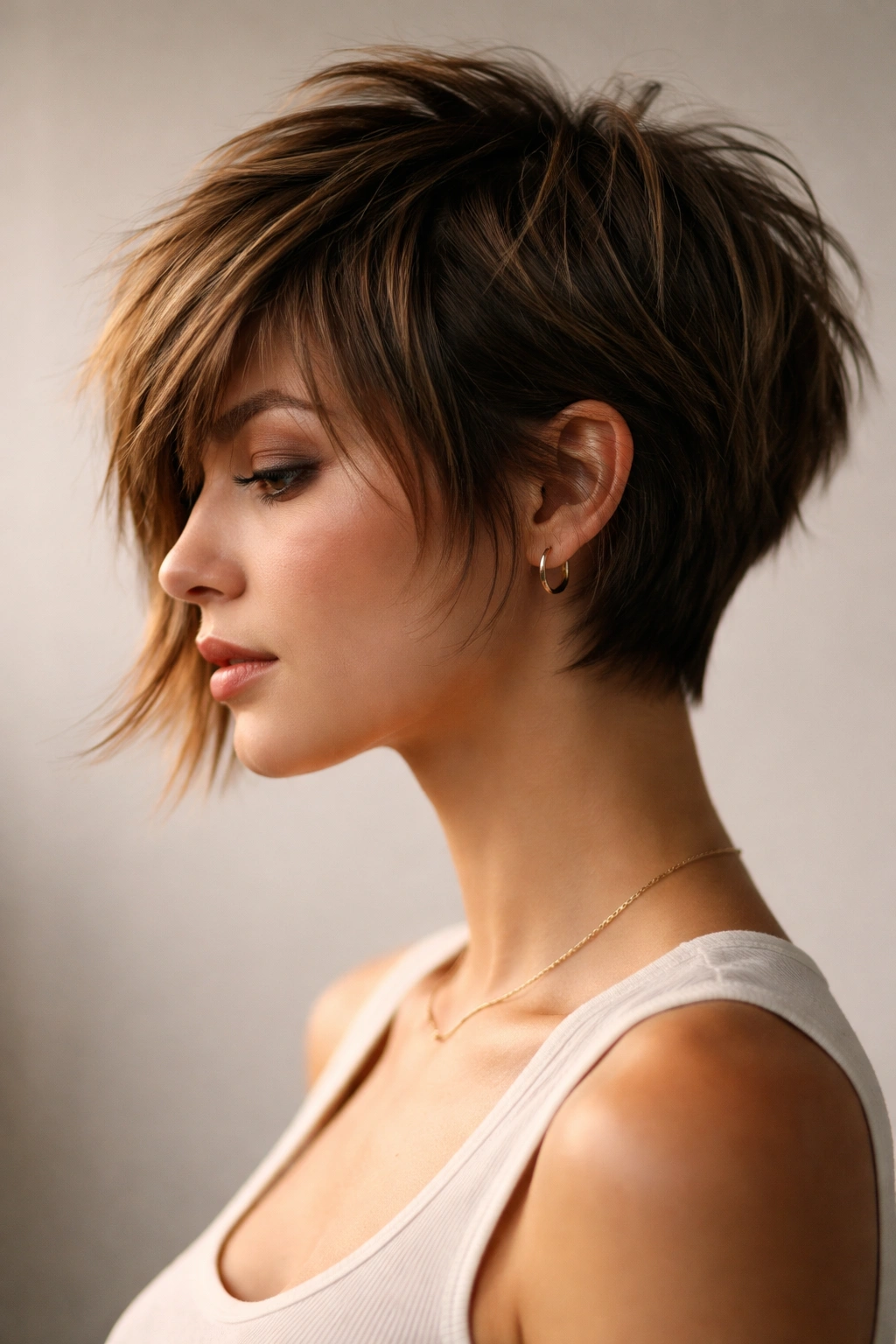
This style merges pixie-cut attitude with bob-length practicality, creating something that’s undeniably French in its cool-girl sensibility. The cut is short and choppy through the crown and sides, with enough length in front to graze the chin or sit just below, creating a playful asymmetry. The choppiness is deliberate and textured—this isn’t a sleek, geometric bob, but rather one that celebrates intentional irregularity.
What Makes It Feel Modern and Daring
The hybrid pixie-bob reads as fashion-forward and slightly edgy precisely because it refuses to be perfect. The choppy layers and asymmetrical proportions give it movement and personality that a traditional bob doesn’t have. This cut broadcasts confidence—it says you’re not interested in blending in or playing it safe. The style works beautifully with both straight and wavy hair, and the shorter length makes styling genuinely quick compared to longer cuts.
Styling Tips for Maximum Impact
- Embrace a bit of texture spray on damp hair before blow drying for a piece-y, separated look
- Blow dry with a round brush, lifting at the roots to add subtle volume
- Finish with a matte cream or wax through the choppy layers to enhance separation without looking greasy
- The cut looks great tousled and slightly undone, which is actually easier to achieve than trying to make it perfectly smooth
- Air-drying with a texturizing product can create an almost effortless morning look
This style particularly suits people with shorter face shapes or those who want to make a bolder statement with their hair.
3. The Shoulder-Length Shag
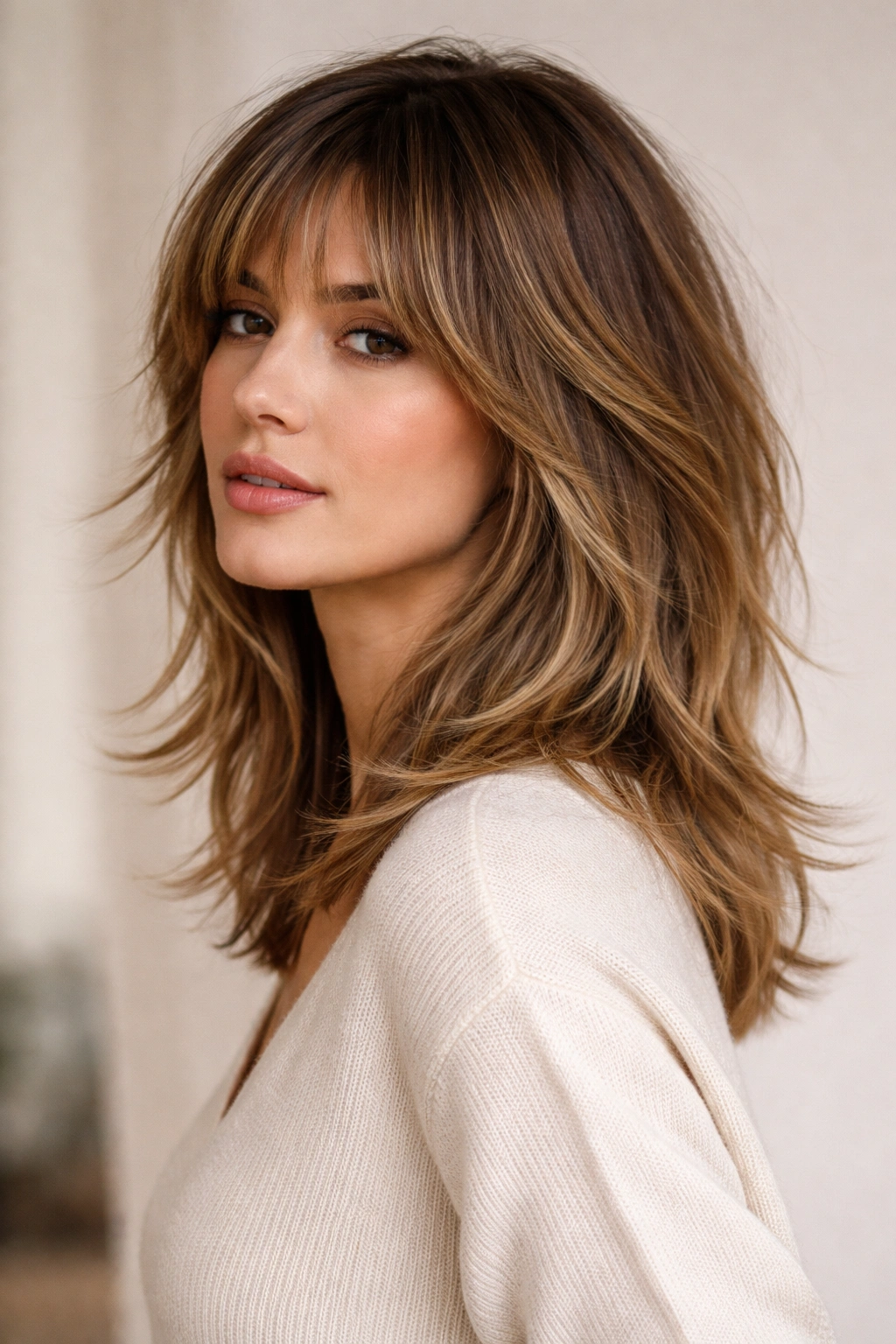
The shag is experiencing a major resurgence, and the French interpretation is lighter and more refined than the heavy versions of decades past. Think of it as a modern shag with purpose: longer layers throughout create a feathered, cascading effect that moves beautifully with your head’s natural motion. The crown stays slightly fuller while the rest flows outward and downward, creating that signature shag movement.
Why the French Shag Feels Current, Not Retro
The key difference between a dated shag and a contemporary one is restraint and proportion. The modern French shag uses longer, subtler layers that create flow rather than obvious bulkiness. It works with your hair’s natural texture instead of fighting it, and the overall silhouette is sleeker and more refined. The layers are blended rather than stacked, so you get movement without the need for extreme styling effort.
Achieving the Lived-In Shag Texture
- Blow dry with a medium round brush, wrapping sections away from your face and letting them cool in the brush
- Use a texturizing spray mid-way through styling to encourage the feathered, separated look layers create
- A very light pomade or texture cream through the mid-lengths and ends prevents the layers from feeling too wispy
- Curling with a 1.5-inch barrel iron on lower sections creates beautiful movement through the shag without needing to style all your hair
- This cut actually improves with slightly undone styling—perfectly smooth hair defeats the purpose of the layers
The shag works beautifully for people with straight to wavy hair who want visible texture and movement.
4. The Blunt Lob with Micro-Bangs
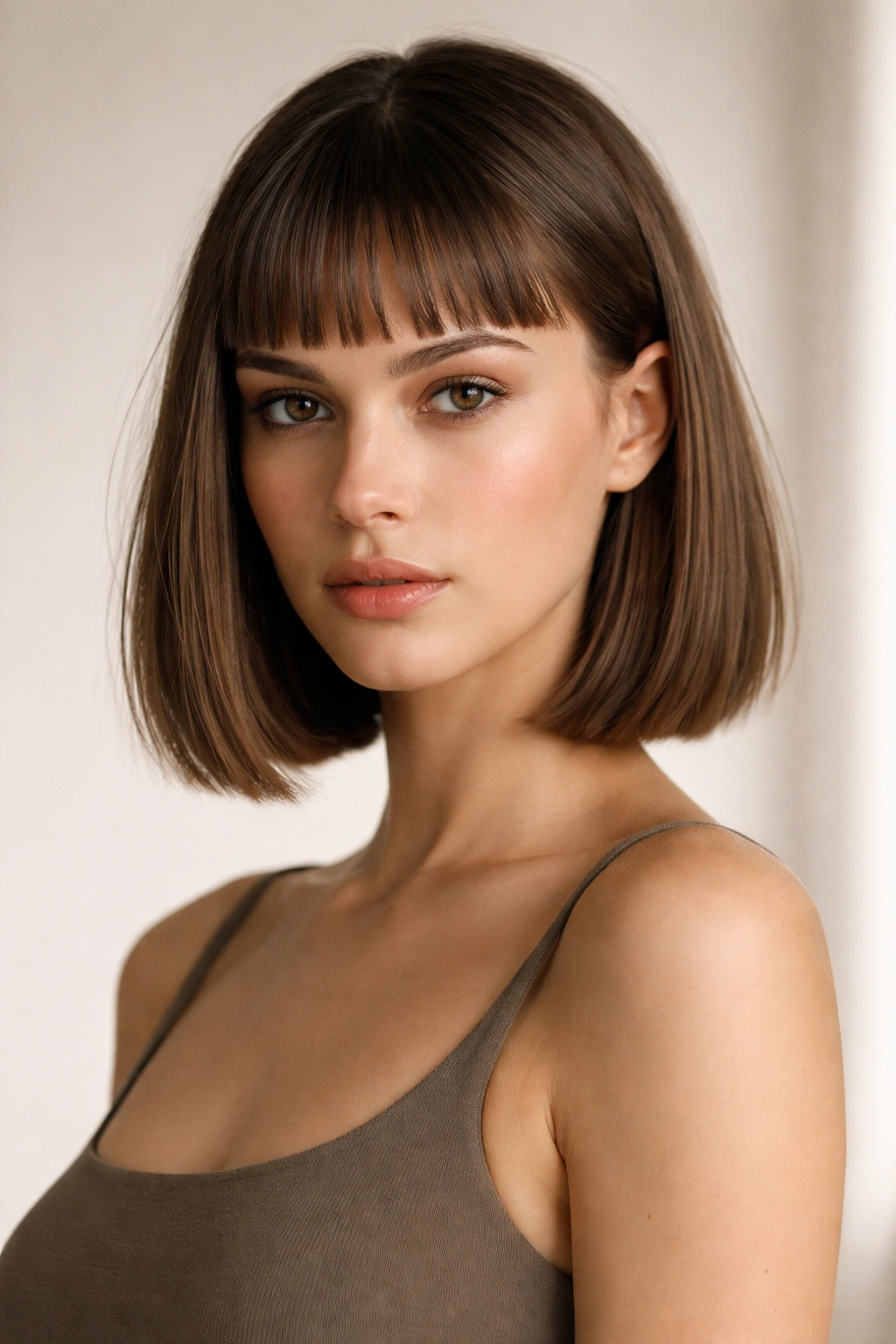
French minimalism meets strategic framing in this sophisticated cut that combines a blunt, one-length lob with delicate micro-bangs (very thin, short bangs that barely skim your eyebrows). The bluntness of the cut creates a clean, modern silhouette, while the micro-bangs add a playful, slightly editorial edge. This combination feels intentional and considered without being overdone.
The Geometric Appeal and Face-Framing Power
The blunt lob gives you clean lines and a sharp silhouette that reads as polished and intentional. The addition of micro-bangs frames your eyes without the visual weight of traditional bangs, and they add a youthful, fashion-forward quality. Together, these elements create a cut that feels both minimal and complete—it’s confident in its simplicity. The blunt ends catch light beautifully, creating the impression of thickness and health even if your hair is fine.
Styling and Maintenance Essentials
- A blunt lob needs regular trims (every 4-6 weeks) to keep the ends sharp and healthy-looking
- Blow dry with tension to emphasize the clean lines—rough, undone drying will make this cut look accidentally messy rather than intentionally textured
- Micro-bangs benefit from a gentle sweep across the forehead; they don’t need to be blown perfectly straight, but they should look intentional
- A light hair oil on the ends prevents the bluntness from looking dry or damaged
- This cut looks excellent with sleek, straight styling or with subtle waves through the lengths
This style suits people with stronger facial features or those who want their hair to make a clear geometric statement.
5. The Layered Wolf Cut
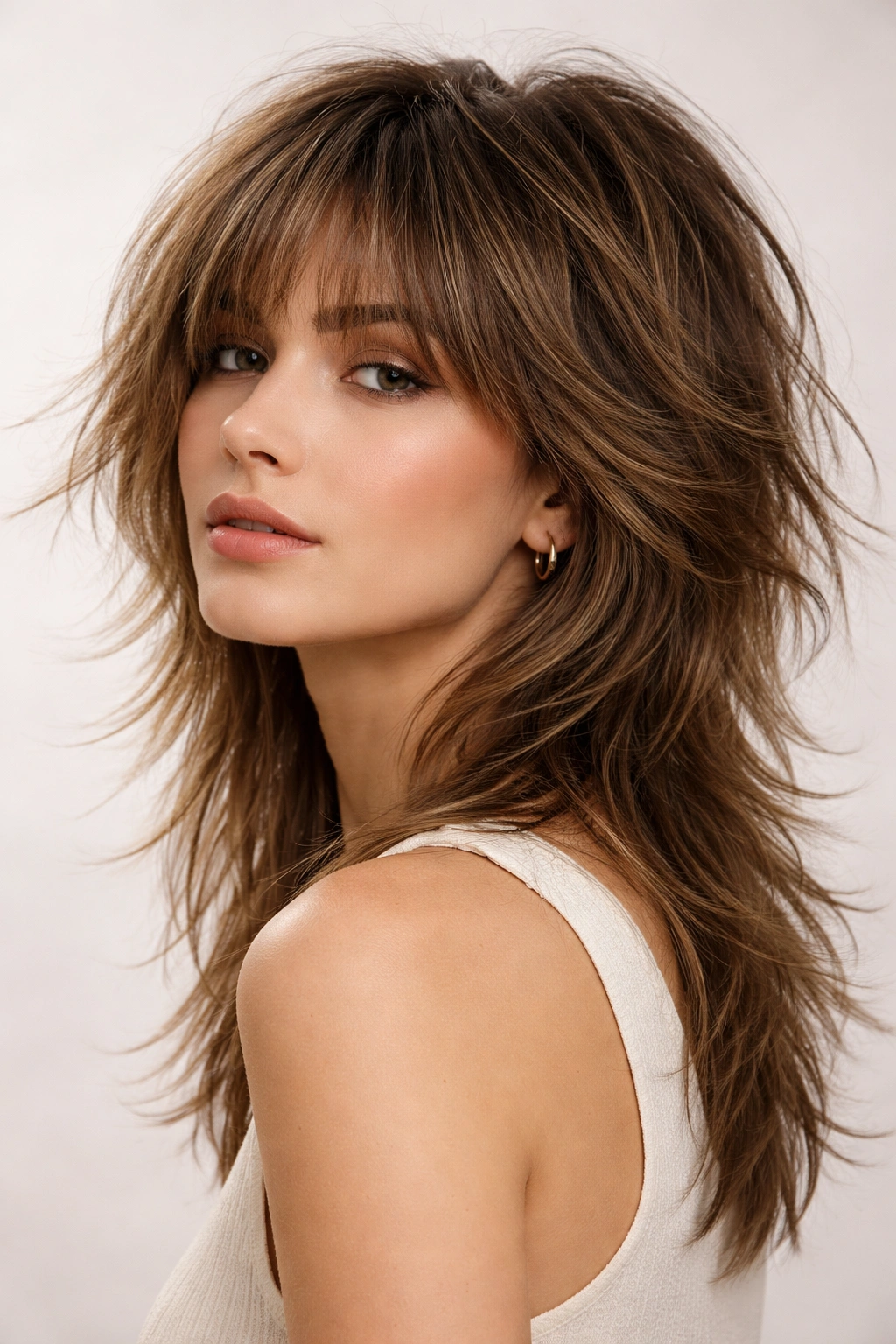
The wolf cut is where the shag meets the mullet—longer through the front and crown, shorter and textured through the back, with intentional layers throughout creating a wild, edgy aesthetic. The “wolf” movement has evolved far beyond its initial shock value; the French interpretation is refined and wearable, with layers that create movement and texture without feeling costume-like or overly dramatic.
Why the Wolf Cut Feels Bold Yet Wearable
The wolf cut’s power lies in its movement and the way layers catch light from multiple angles. The longer front softens the shorter back, creating visual balance and femininity even though the overall silhouette is edgy. The layers are the real trick—they’re dense enough to create texture and shape without making your hair feel thin or wispy. The style celebrates individuality and refuses conventionality, which is inherently very French.
Making the Wolf Cut Work for Your Hair Type
- Textured or wavy hair is actually ideal for a wolf cut, as the natural movement enhances the style’s edgy appeal
- Blow dry with a volumizing product at the roots and texturizing spray through mid-lengths to emphasize the layers
- For straighter hair, consider subtle waves through the longer front sections using a large barrel curling iron
- The back can be slightly tousled or deliberately piece-y depending on your preference
- Regular trims (every 6-8 weeks) keep the shorter back shaped and the layers crisp
The wolf cut works for people confident enough to embrace asymmetry and who want their hair to be a conversation piece.
6. The Bixie Cut (Bob Plus Pixie)
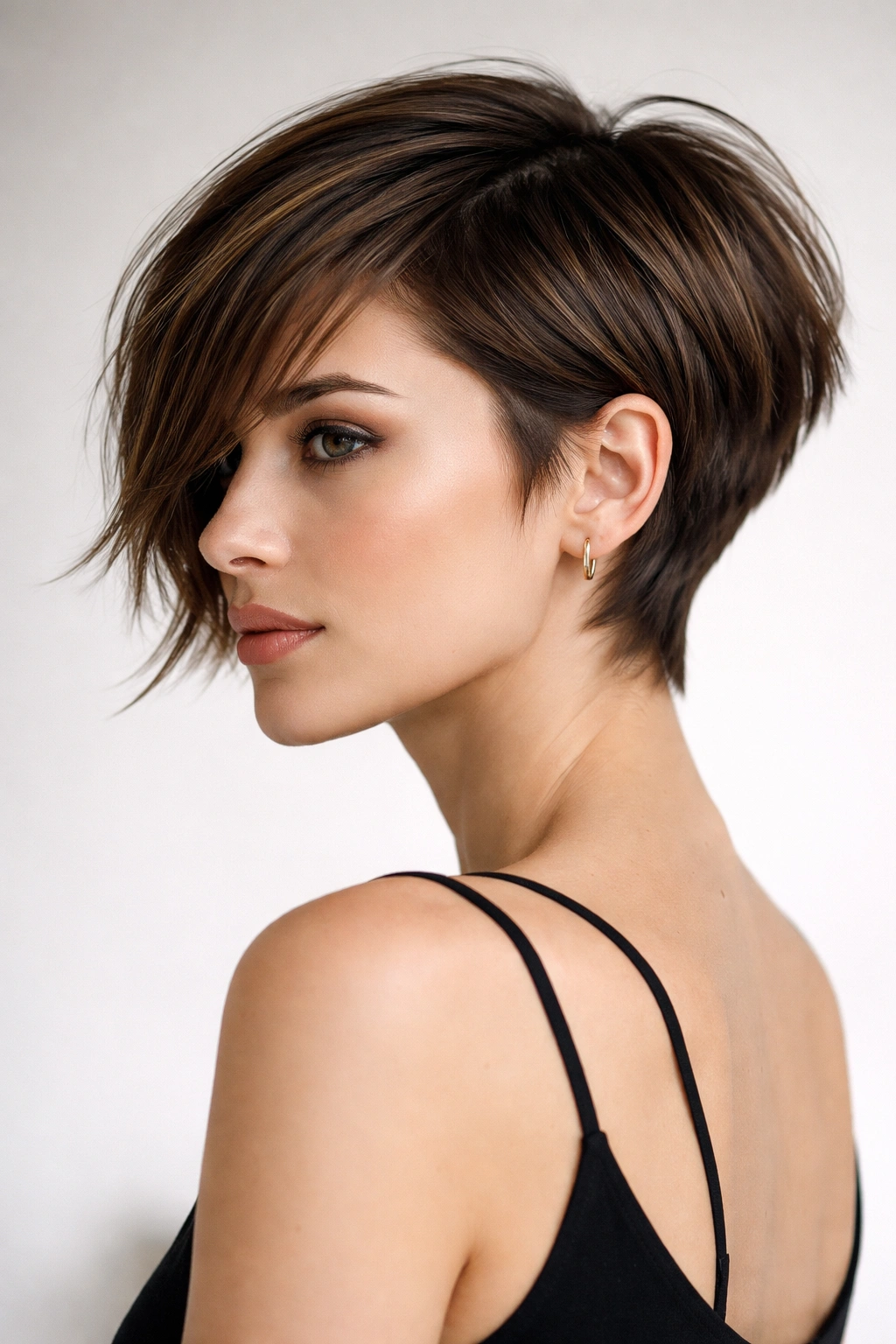
The bixie is the playful sibling of the choppy pixie-bob, but with more defined length in front and a sharper geometric quality. Think of it as a structured bob with one side shorter or a pixie with extra length where it matters. The cut combines the sophistication of a bob with the attitude of a pixie, and the French version emphasizes clean lines and deliberate asymmetry over softness.
The Architectural Beauty of Asymmetrical Structure
The bixie works because the human eye is drawn to asymmetry—we find it interesting and modern. The cut creates visual interest and movement through proportion rather than relying on layers or texture. It’s a bold choice that reads as editorial and fashion-forward, signaling that you’re someone who thinks deliberately about style rather than defaulting to conventional choices.
Styling Strategies for Different Face Shapes
- Oval and square faces can pull off either a longer front or longer back, depending on which features you want to emphasize
- Round faces often benefit from more length in front to elongate, with a shorter back for dimension
- Heart-shaped faces look great with volume at the back or sides to balance a narrower jaw
- Blow dry with intention, using a round brush to shape whichever side is longer
- For a sleeker look, straighten; for more texture, add waves or encourage natural texture with a texturizing product
The bixie requires confidence and regular salon visits to maintain the architectural integrity of the cut.
7. The Soft Layers with Face-Framing
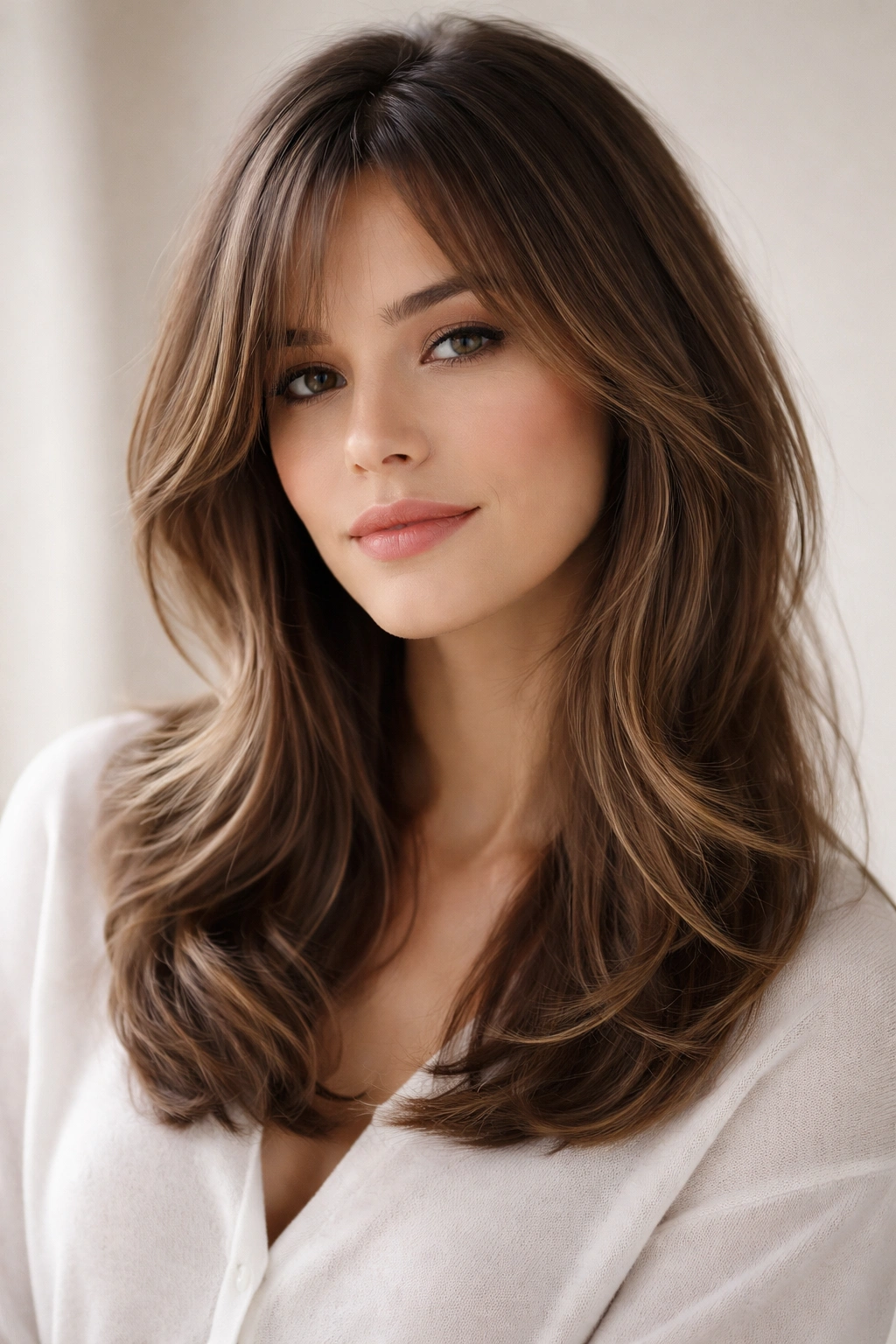
Sometimes the most effortlessly chic French hairstyle is simply good layers placed with intention. This style uses soft, subtle layers throughout shoulder-length or longer hair, with slightly more prominent layers framing the face and creating a gentle frame for your features. The layers blend seamlessly rather than appearing chunky or dramatic, creating movement and dimension that’s sophisticated rather than obvious.
The Invisible Architecture of Good Layering
The magic of this style is that it looks like you’ve done nothing while actually being quite strategically cut. The face-framing layers are cut to follow the natural curve of your face, angling slightly forward to frame cheekbones and eyes. The layers throughout encourage movement and prevent the heavy, solid feeling of blunt, one-length hair. Because the layers are soft and blended, they enhance whatever texture you naturally have without creating an overly dramatic effect.
Maintaining Soft Layers Without Constant Salon Visits
- Blow dry with a medium round brush, rolling sections away from your face to encourage the layers to fall correctly
- Use a volumizing mousse on damp roots before blow drying for natural lift that lasts
- A texturizing spray applied to damp or dry hair helps the layers separate and show their movement
- Trim every 8-10 weeks to keep the face-framing pieces sharp and prevent the overall style from looking flat
- This cut is very forgiving of undone styling—imperfection actually enhances the look
This style works beautifully on nearly every hair type and face shape, which is why it remains enduringly popular in French salons.
8. The Textured Straight Bob with Choppy Ends
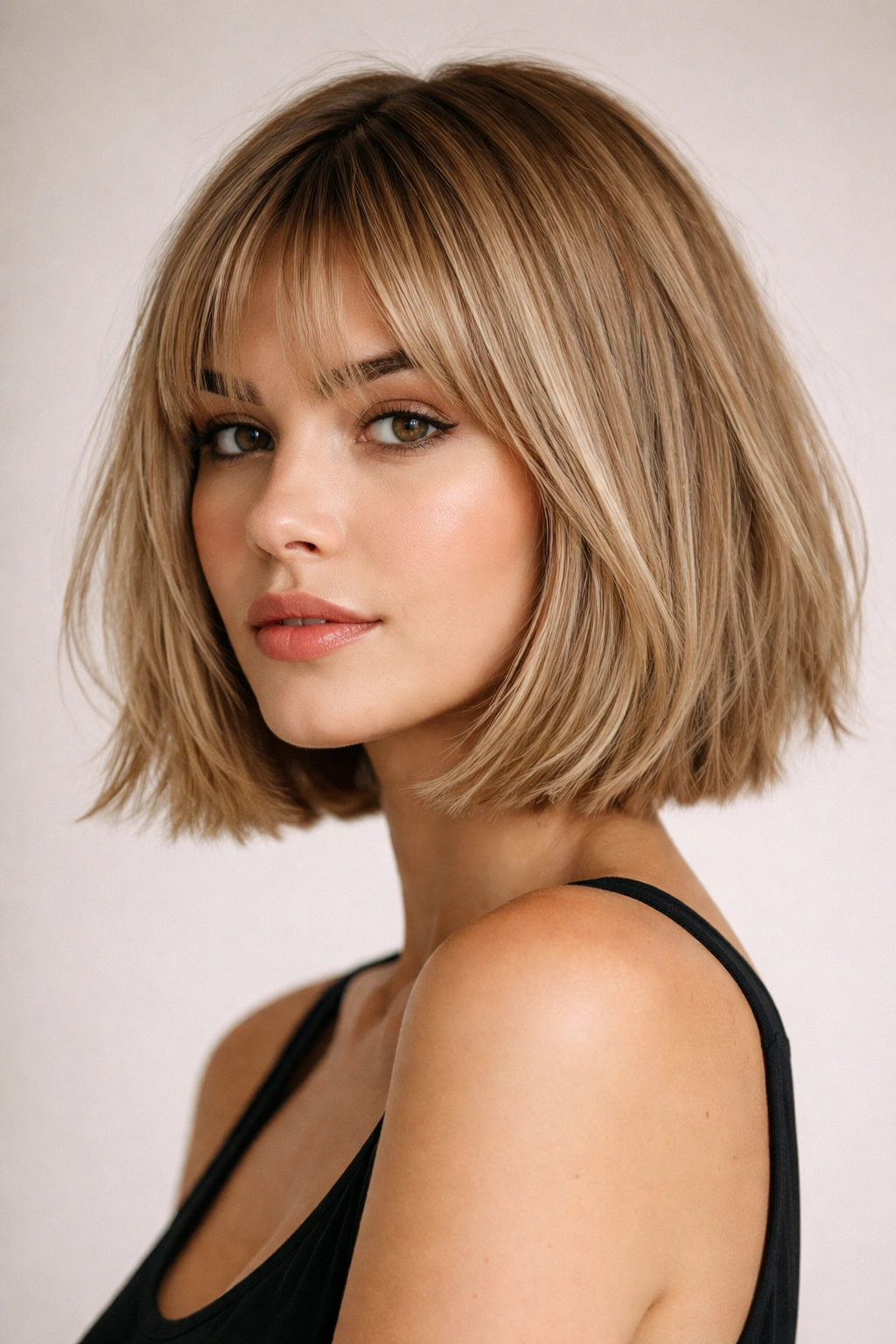
A variation on the classic bob, this cut combines the clean sophistication of a blunt, shoulder-grazing length with strategic choppy texture through the ends. The overall silhouette is smooth and modern, but the texture in the ends creates movement and prevents the bob from feeling heavy or overly formal. It’s a perfect balance between structure and soft movement.
How Choppy Texture Transforms a Simple Bob
Where a blunt bob can feel severe or one-dimensional, choppy texture throughout the ends creates visual interest and movement without sacrificing the clean lines. The choppiness catches light, making the hair appear thicker and healthier. This textured quality also makes the cut feel more wearable—it doesn’t demand perfect blow-drying and sleek styling; it actually looks better slightly undone.
Blow-Drying and Styling the Textured Bob
- Blow dry with a medium barrel brush, turning each section away from your face as it dries
- A root-lifting volumizer helps the bob maintain shape and prevents it from looking flat against your head
- Apply texturizing paste through the choppy ends while hair is still slightly damp, then finish drying
- For extra texture, use a flat iron to create subtle texture by twisting slightly as you move down each section
- The cut looks great air-dried with a texturizing product, which creates an undone, effortless appearance
This style works particularly well for people with straight to wavy hair who want clean, defined shape with an edge of texture.
9. The Long Layers with Wispy Ends
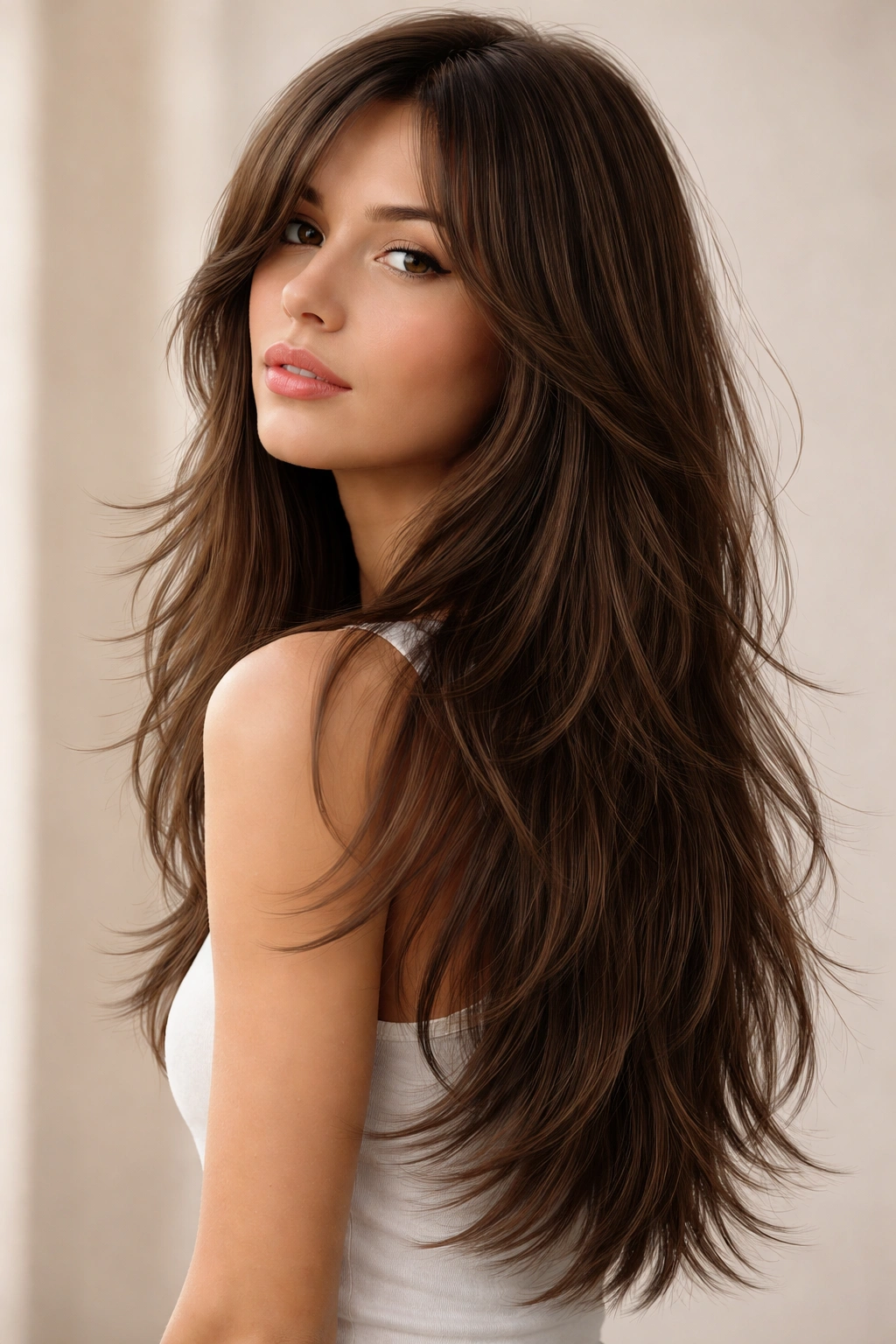
For those who prefer longer hair but want it to feel modern and textured rather than heavy and blunt, long layers with strategically wispy ends deliver. This cut maintains your desired length while removing weight through feathered layers that begin around mid-length and continue to the ends. The wispy, textured ends create movement and softness that prevents the overall look from feeling plain or boring.
Why Length with Layers Still Feels Contemporary
Long hair can easily read as dated or unhip, but layering is the secret to making it feel current. The layers create shape and movement that prevent long hair from looking like a flat, featureless sheet. The wispy ends add a romantic, slightly ethereal quality without sacrificing modern sophistication. This cut celebrates movement and texture over bluntness or perfection.
Styling Long Layers for Effortless Movement
- Blow dry with a large barrel brush, focusing on creating volume at the roots while letting the layered ends fall naturally
- A root-lifting spray applied to damp roots before blow-drying helps long layers maintain shape all day
- Light texturizing spray through the mid-lengths and ends enhances the layers without weighing hair down
- Minimal product on the ends—you want them to feel light and move freely, not stiff or crunchy
- This style looks beautiful with loose waves created by a curling iron, or air-dried with natural texture
This cut works wonderfully for people with wavy or naturally textured hair, as the layers enhance movement you likely already have.
10. The Slicked-Back Bob with Undercut
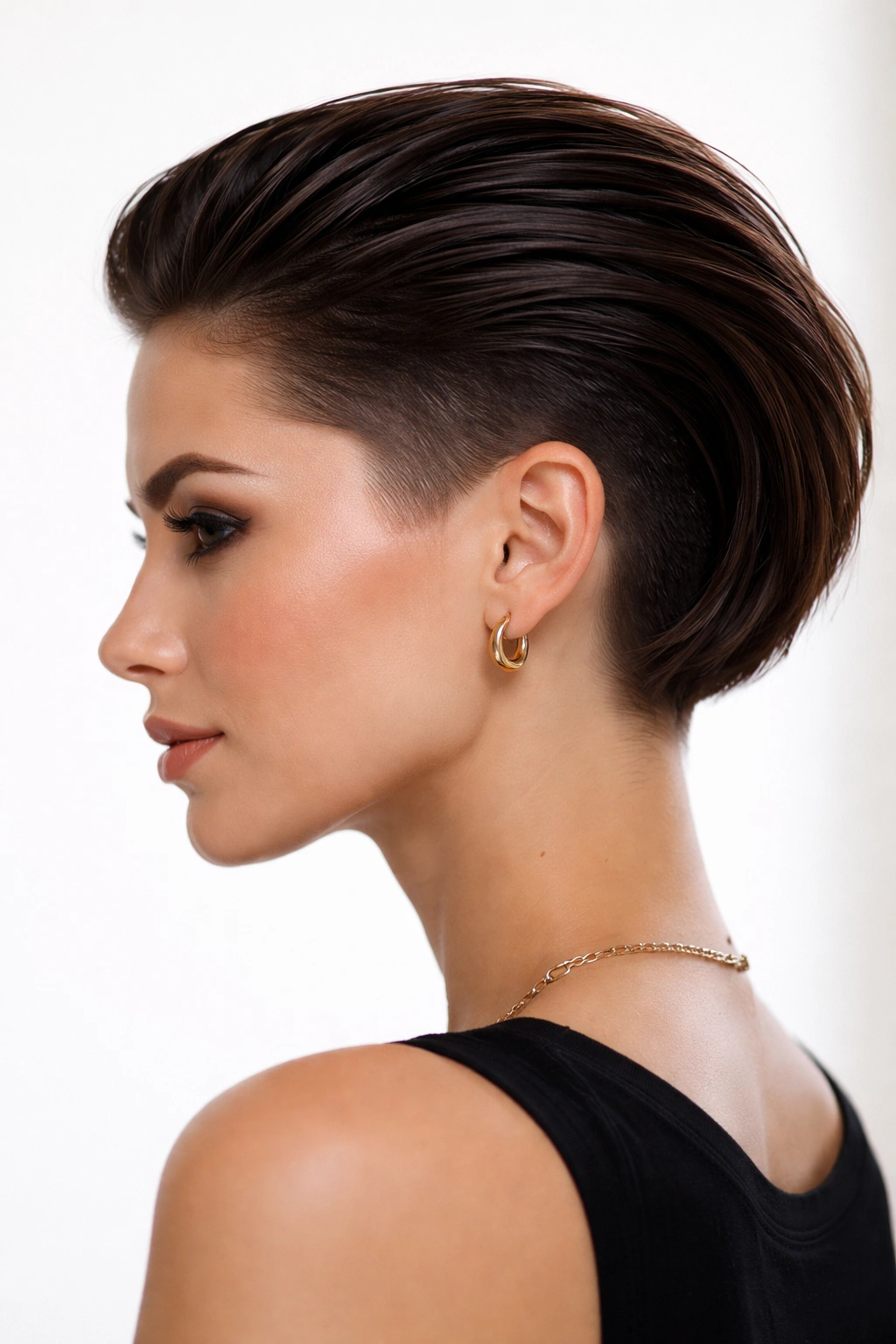
This edgy, fashion-forward cut combines a sleek, chin-length bob on top with a subtle or dramatic undercut on the sides or back. When the top is blown back smoothly and the undercut is visible (clipped short), it’s undeniably bold. But the French approach allows for softness—the top can be textured and tousled while the undercut remains a hidden surprise. It’s a style that works whether you want to make a statement or keep a secret.
The Confidence Factor of an Unexpected Detail
The power of an undercut is that it completely changes how you feel about your hair—and that confidence is visible to others. The undercut gives you options: sleek and edgy on days you want to make a statement, or hidden and soft on days you prefer subtlety. The top section can be styled endlessly without the undercut limiting your options. This cut is for people who want an element of surprise and individuality in their style.
Maintaining and Styling the Undercut Bob
- The undercut area needs trims every 3-4 weeks to maintain clean edges and prevent the look from looking unkempt
- Blow dry the top section with a round brush for softness and volume
- Use a texturizing product to create piece-y, modern separation through the top
- For a sleek look, flat-iron the top section smoothly back and away from your face
- An undercut pair of clippers at home between salon visits can touch up the back and sides affordably
This style requires maintenance and commitment, but the payoff is a truly individual, memorable look.
11. The Shaggy Curtains with Middle Part
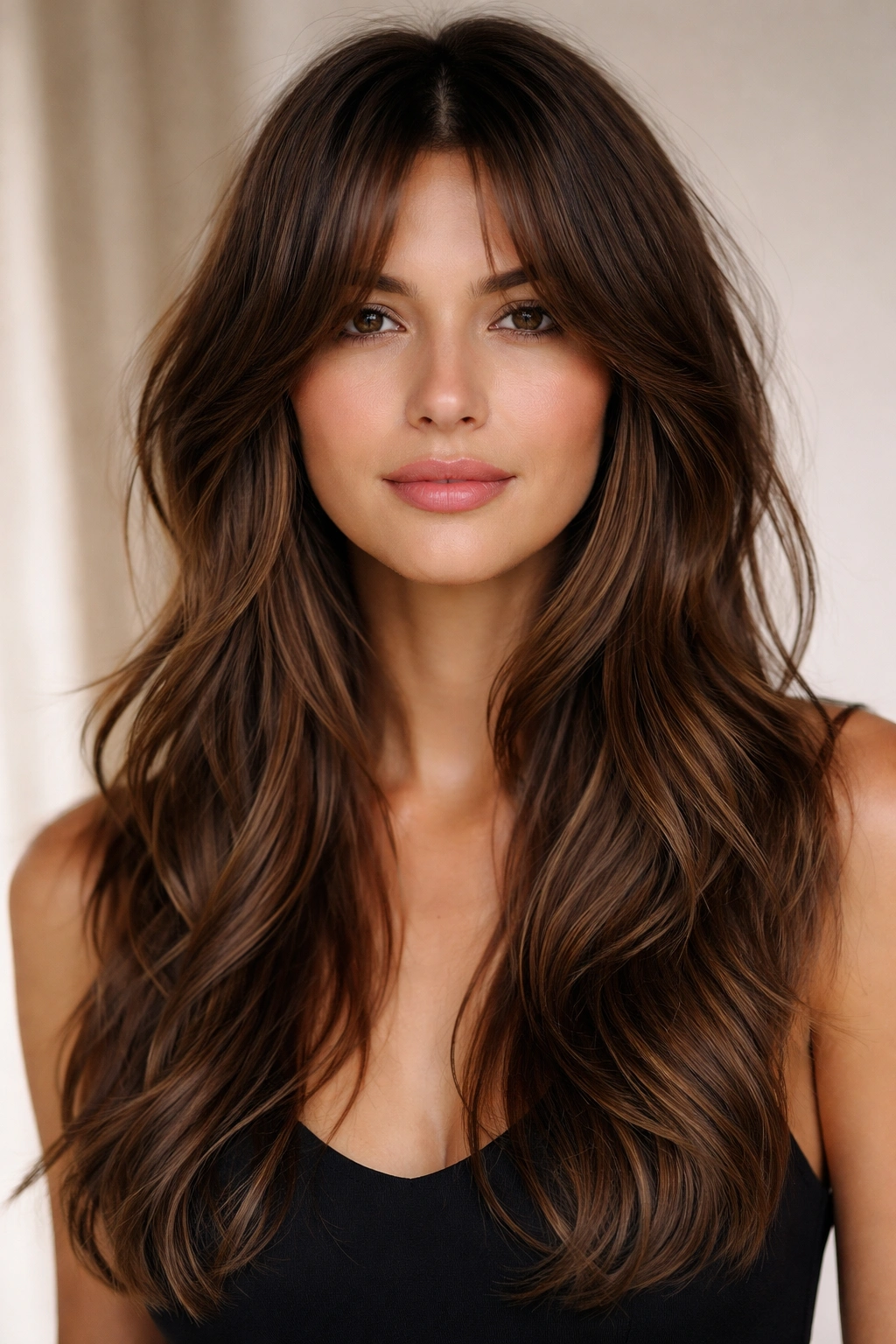
Curtain bangs and shag layers meet soft, face-framing movement in this romantic yet modern style. The hair is longer overall, with layers that create a feathered, curtain effect when parted down the middle. The longer face-framing layers sweep away from the face, creating a soft opening that flatters most features. The overall effect is dreamy and effortless while still being thoroughly current.
The Effortless Elegance of Parted, Layered Hair
The middle part and layers create natural movement away from your face, which is flattering for nearly every face shape. The “curtain” effect—where longer layers frame your face from both sides—creates a soft, feminine aesthetic that feels intentional without being overdone. This style works because it plays to the strengths of layered hair: movement, texture, and the way light falls through various lengths.
Creating the Curtain Effect Every Morning
- Blow dry your hair with your head tilted forward to create natural volume through the crown
- Use a round brush on sections of the longer layers, curling them slightly away from your face
- A texturizing spray applied to damp hair helps the layers separate and creates the feathered curtain appearance
- Your natural hair texture is an asset here—wavy or curly hair needs minimal styling to achieve the effect
- For straight hair, consider using a large barrel curling iron on the face-framing layers to encourage them to fall away from your face
This romantic style suits people who prefer longer hair and want a style that works with natural texture rather than against it.
12. The Modern Mullet with Soft Layers
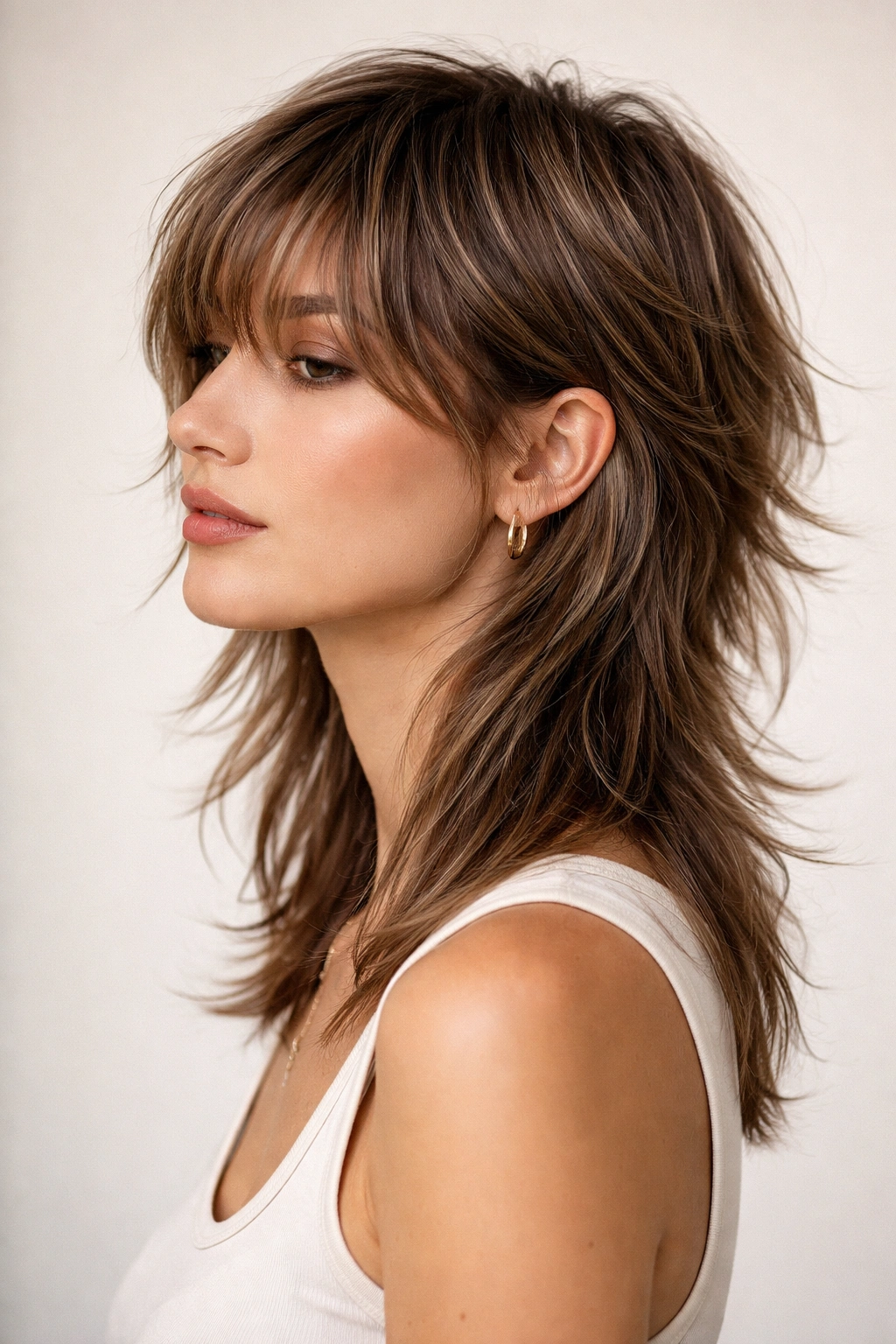
The mullet’s resurgence in contemporary styling comes with a French refinement: the back is shorter but textured and feathered rather than blunt and severe, the sides blend smoothly into the longer front, and the overall effect is modern and wearable rather than costume-like. Soft layers throughout create movement and texture that prevent the mullet from feeling harsh or dated.
Why the Modern Mullet Is Having a Moment
The mullet’s appeal lies in its refusal to follow rules, and that’s deeply French in philosophy. The style is undeniably attention-getting, but the softened, layered version feels editorial and intentional rather than retro-costume. The textured, feathered approach makes it wearable in professional settings, and the longer front gives you options for styling and movement.
Making the Soft Mullet Work Practically
- Longer front sections can be styled with waves, left straight, or swept to one side—the shorter back remains the constant
- Blow dry the back section upward and outward to create texture and volume rather than a flat, severe look
- Use texturizing spray throughout to enhance the feathered quality and prevent the style from looking blocky
- The longer front sections benefit from layers that allow them to move and flow rather than looking like one solid piece
- Schedule trims every 6-8 weeks to keep the proportions balanced and the shorter back shaped
This style requires genuine confidence and a willingness to stand out, but the reward is a truly memorable, individual look.
Final Thoughts
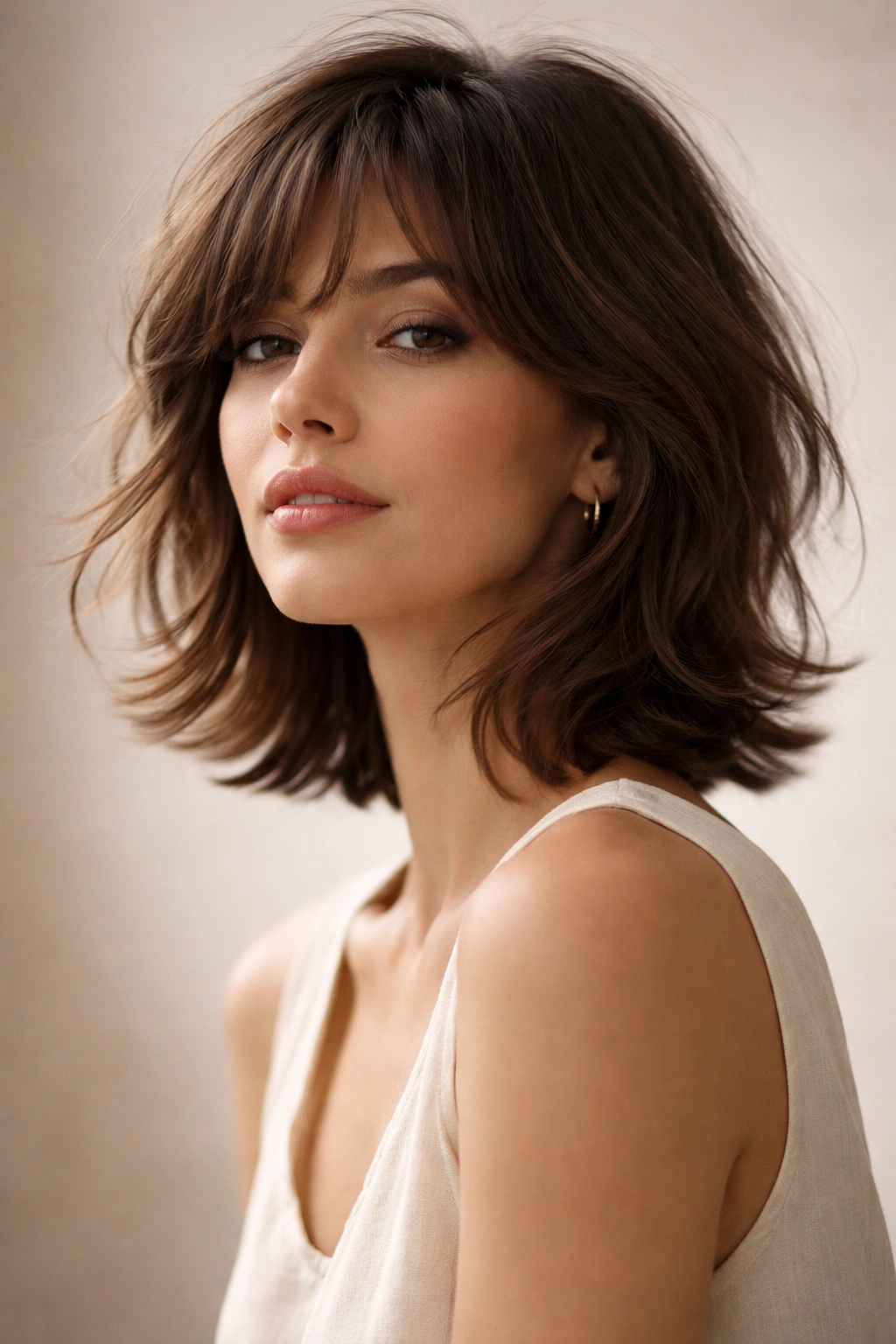
French cut hairstyles succeed because they prioritize movement, texture, and personal confidence over rigid perfection. Each of the twelve styles above shares that essential philosophy: work with your hair’s natural qualities rather than against them, embrace subtle texture and intentional asymmetry, and remember that the most effortlessly chic looks are often the ones that don’t announce how much effort they took.
The beauty of these cuts is their accessibility. You don’t need to live in Paris to pull off French-girl hair, and you don’t need an hour every morning with a blow-dryer and styling products. These styles are built on good foundational cuts that do much of the work for you—layers that create movement, proportions that flatter, strategic texture that adds dimension. The styling is secondary; the cut is primary.
When choosing which French cut to explore, consider your hair’s natural texture, how much time you realistically want to spend styling, and which silhouette makes you feel most like yourself. A choppy pixie-bob demands confidence and frequent trims but requires minimal daily styling. A long-layered style with soft ends takes more time to style but works with natural wavy texture beautifully. A textured lob offers a middle ground—elegant and manageable. The right choice is the one that aligns with your lifestyle and your sense of style, not the one that looks most impressive on someone else with different hair entirely. Once you’ve found your French cut, the effortless chicness follows naturally.
