



The butterfly haircut has made an undeniable comeback, and for good reason. This layered, feathered style flatters virtually every face shape and hair type while delivering that effortlessly chic, movement-filled look that has captivated everyone from celebrities to everyday hair enthusiasts. The beauty of the butterfly cut lies in its versatility — the way layers sculpt closer to the face while longer pieces flow and dance at the ends creates dimension, bounce, and the kind of texture that makes hair look fuller and more intentional.
What makes this cut special isn’t just the layering technique. It’s the thoughtfulness behind how each layer interacts with the ones around it, creating pockets of movement and volume that catch light differently as you move. Whether you have thick, fine, curly, or straight hair, a butterfly cut can be customized to work with your natural texture rather than against it. The layers that frame your face can be subtle or bold, the overall length can be tailored to your lifestyle and preferences, and the styling options range from “barely-there-effort” to full glam.
The challenge for many people is translating the idea of a butterfly cut into a style that actually feels like their butterfly cut. This is where understanding the specific variations matters. Each approach to layering, each way of shaping the ends, and each technique for creating movement produces a distinctly different final result. Let me walk you through 15 distinct butterfly haircut interpretations, each with its own personality, maintenance profile, and styling approach. Whether you’re drawn to shaggy volume, polished softness, textured movement, or dramatic dimension, you’ll find a version here that resonates with your aesthetic.
1. Shaggy Butterfly Cut with Maximum Texture
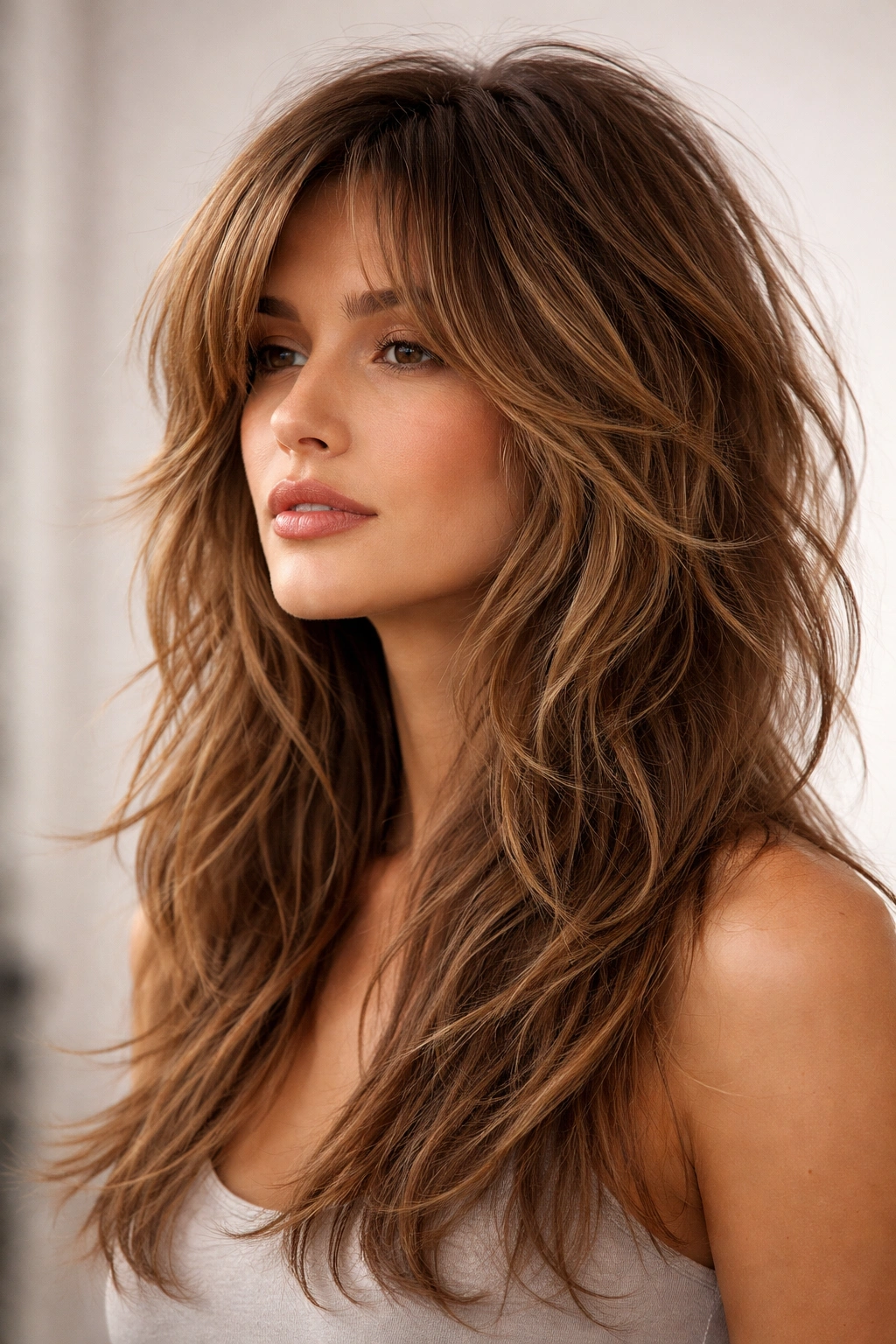
The shaggy butterfly cut takes the concept of layers and cranks the texture dial all the way up. This version features closely spaced layers throughout the entire length, creating a deliberately choppy, lived-in vibe that practically begs you to tousle it with your fingers. The layers start closer to the scalp in the crown area to build height and volume, then gradually lengthen as they move down, with the shortest layers typically hitting around chin length and the longest flowing well past the shoulders.
Why This Version Stands Out
This cut thrives on imperfection. Where a more refined butterfly cut might look too polished in certain contexts, the shaggy version embraces a more casual, rock-and-roll aesthetic that works beautifully with undone styling. The layers are cut at sharper angles, sometimes with point-cutting techniques that create texture right into the ends of the hair. This makes the cut work especially well for people with naturally wavy or curly hair because the texture of the hair itself enhances the texture of the cut — they work together rather than competing.
How to Style and Maintain It
- Use a curl-enhancing product or sea salt spray to define the layers and encourage movement
- Blow-dry with your head flipped upside down for maximum volume at the roots
- Embrace second-day hair; this cut actually looks better when it’s had time to settle and gain texture
- Get trims every 5-6 weeks to maintain the shag’s intentional choppy shape
- Use a texturizing powder or dry shampoo between washes to enhance the layered effect
Pro tip: The shaggy butterfly cut is exceptionally forgiving of growth, which means you can stretch longer between salon visits without it looking awkward or dated.
2. Blunt-Ended Butterfly Layers with Sharp Definition
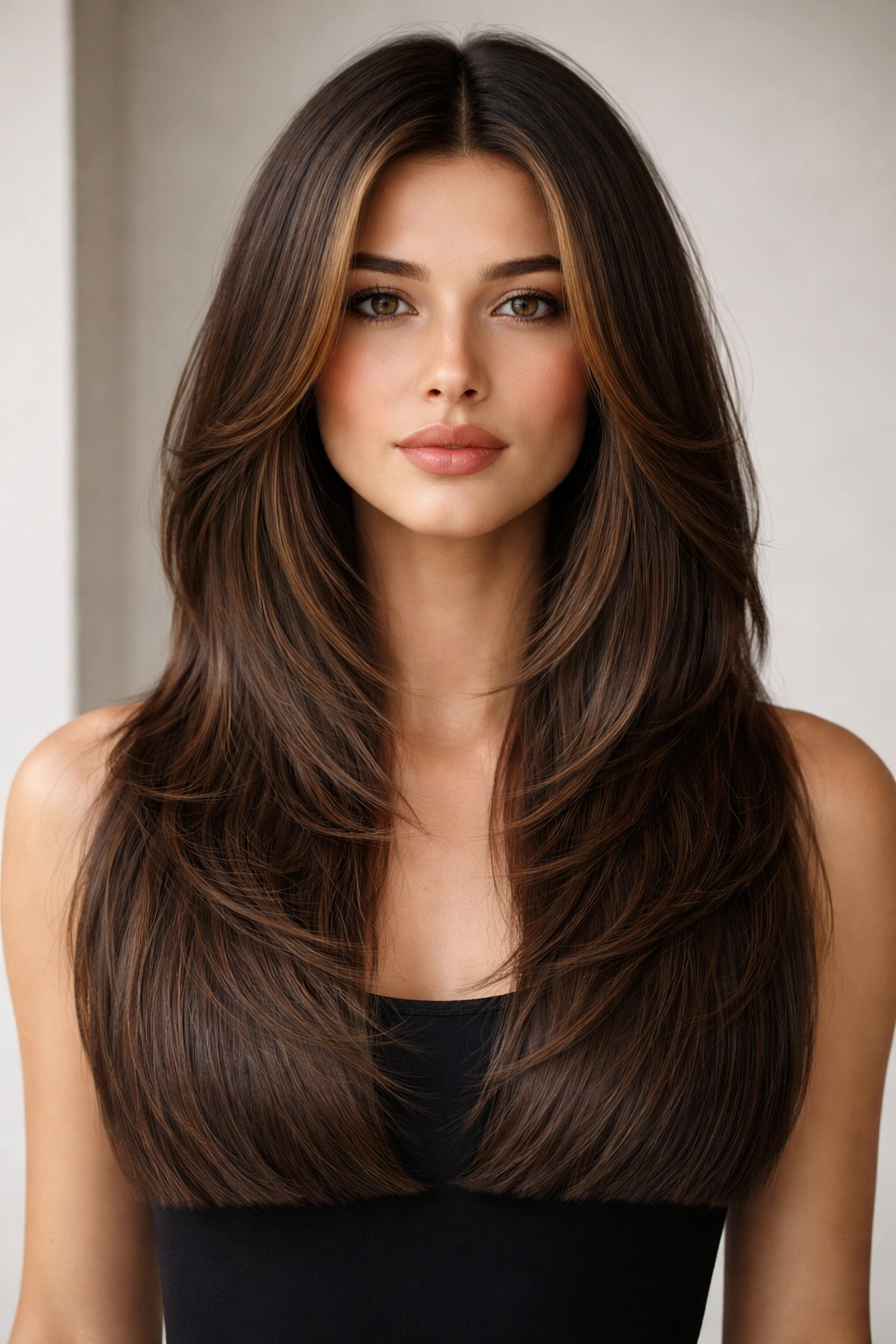
This variation takes the flowing, soft concept of a butterfly cut and anchors it with clean, blunt line around the perimeter. The layers throughout the interior create movement and dimension, but the bottom edge is cut straight across, either chin-length or longer, creating a striking visual contrast between the texture within and the defined ending. This approach works particularly well for sleek, straight hair because the blunt edge has maximum visual impact.
Why This Version Stands Out
The blunt ending gives this cut a modern, architectural quality that feels both polished and dynamic. Rather than tapering to a point like some butterfly variations, this cut says “I’m intentional about my style” through its clean geometry. The layers inside create softness and movement, but they’re contained within a framework that feels controlled and chic. This is the butterfly cut for people who like structure alongside softness.
Key Styling Tips
- Flat-iron or blow-dry straight to emphasize the clean line at the ends
- Use a lightweight serum to add shine without weighing down the layers
- The blunt line shows every split end, so invest in good trims every 6-8 weeks
- This cut photographs beautifully and works well for professional settings
- Straightening doesn’t have to be perfect — slightly undone texture within the layers maintains the modern vibe
Worth knowing: If you have naturally curly hair and want the blunt-end butterfly, ask your stylist to cut it dry so they can see exactly how the layers will sit when your hair is in its natural state.
3. Feathered Face-Framing Butterfly Layers
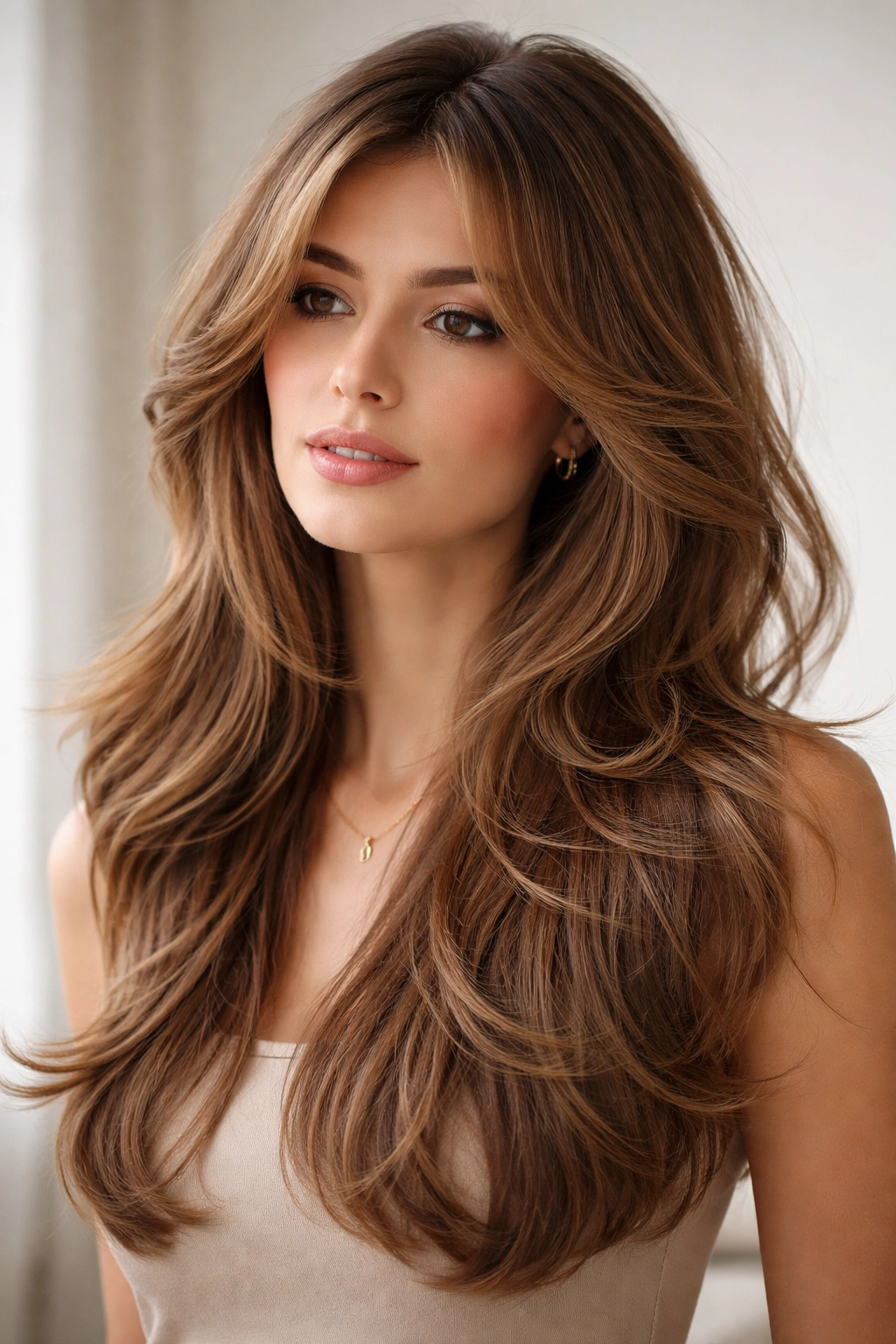
This version prioritizes softness around the face by using feathering techniques to create layers that are lighter and more delicate as they get closer to your cheekbones and jaw. The feathered layers blend seamlessly from your face outward, creating a flattering frame that draws attention upward and softens facial features. The longer layers in the back maintain length and flow, while the front pieces angle slightly forward and feature more pronounced feathering.
Why This Version Stands Out
Feathering is a specific cutting technique where the stylist uses shears in a particular way to create tapered, wispy ends rather than blunt edges. This makes the layers feel more organic and allows them to blend together rather than sitting as distinct, separate pieces. The effect is romantic and feminine without being overly soft or delicate. This cut works beautifully across all hair types because the feathering adapts to your hair’s natural texture.
Maintenance and Styling
- Feathered layers need regular trims to maintain their shape; every 6-8 weeks is ideal
- Blow-dry with a round brush for soft waves, or use a flat iron for sleek styling
- The feathering naturally encourages your layers to curve inward, which is easy to maintain
- This cut works with both straight and wavy hair without any adjustments needed
- Use a smoothing cream or light texturizing spray to keep feathered ends from looking scraggly
Insider note: Ask your stylist to feather slightly longer at the front and shorter at the back for a face-flattering effect that works on almost everyone.
4. Choppy Textured Butterfly Layers with Micro-Cutting
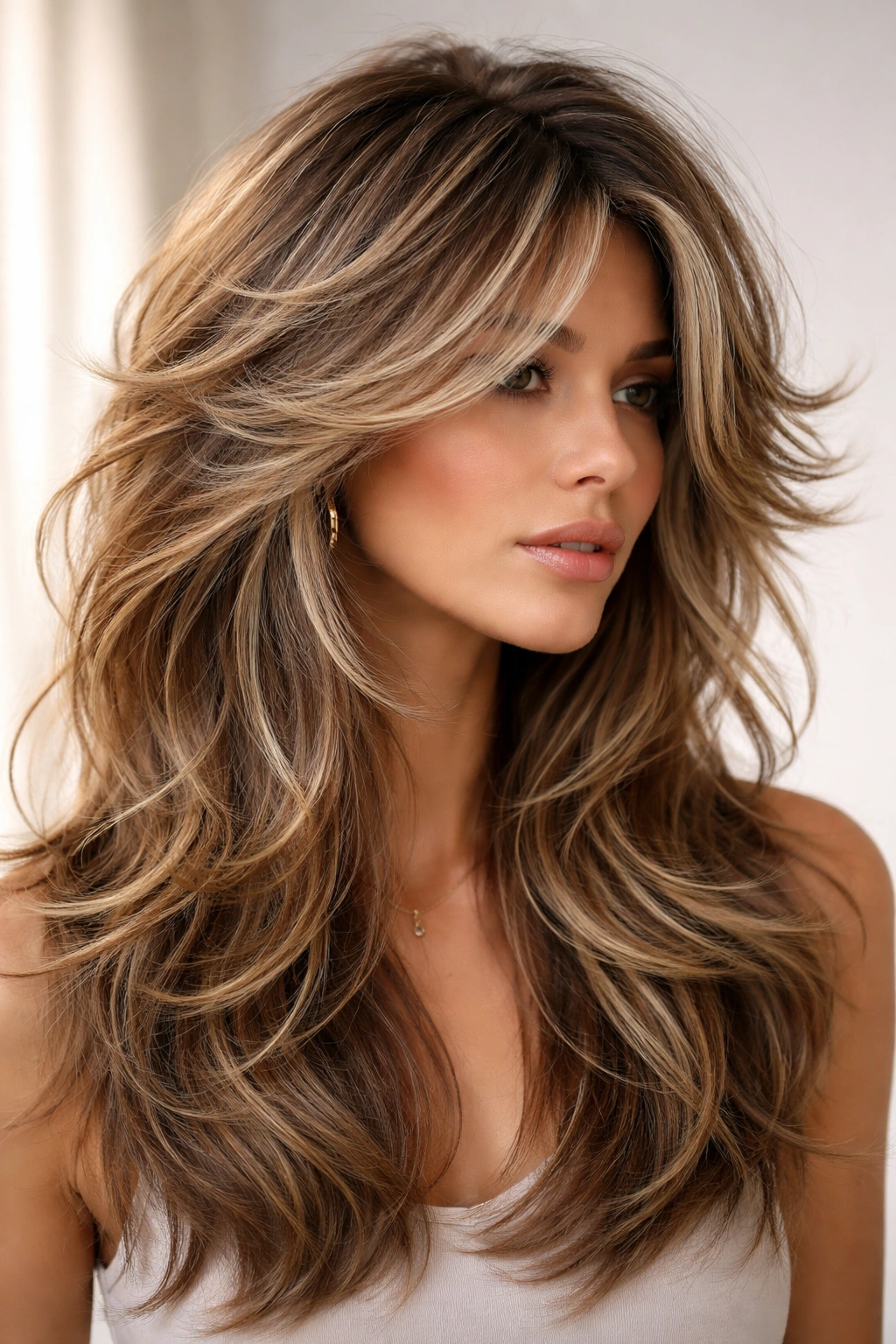
This version uses micro-cutting techniques — very short, closely spaced cutting lines — to create pronounced texture throughout all the layers. The result looks almost as if your stylist used a razor or specialized texturizing shears across every inch of the cut. This approach creates movement in every direction and makes fine or thin hair appear fuller because the texture creates the illusion of density.
Why This Version Stands Out
Micro-cutting is labor-intensive, which means this version typically costs more than standard butterfly cuts, but the payoff is undeniable texture and movement that most other cuts simply can’t achieve. The hair moves differently, catches light differently, and responds to styling differently. This is the butterfly cut for people who want visible, obvious dimension rather than subtle layering.
How to Get the Look Right
- Communicate clearly with your stylist about your desired level of texture; micro-cutting can range from subtle to very aggressive
- This cut can make thick hair look thinner if taken too far, so it’s particularly good for people with dense hair
- Blow-dry with a tousling motion to encourage the texture, or scrunch with product for more definition
- Use products designed for textured or curly hair even if your hair is straight, because they enhance the cut’s movement
- Plan for regular trims every 4-6 weeks because the texture becomes less defined as hair grows out
Real talk: This cut requires at least some effort to style — if you blow-dry with a regular round brush without any texturizing product, it may flatten out more than you’d like.
5. Soft Long Layers with Minimal Face-Framing
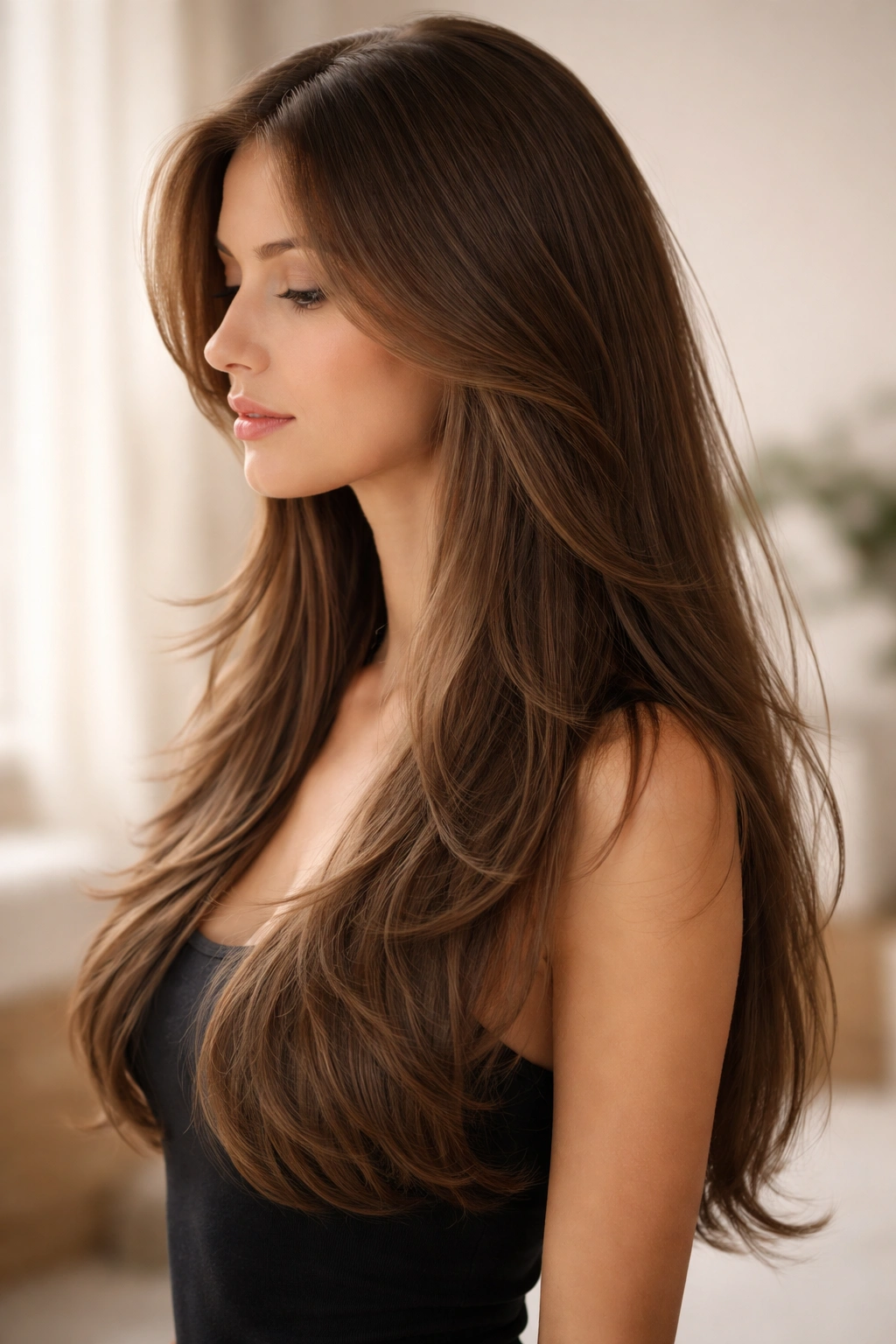
For those who love the butterfly cut concept but prefer a more subtle approach, this version features gentle, widely-spaced layers that create movement without dramatic texture. The face-framing is minimal, with just slightly shorter pieces around the jawline rather than the pronounced layers that frame the face in more dramatic versions. The back maintains beautiful length, and most of the layering happens below shoulder-level.
Why This Version Stands Out
This cut is the sweet spot for people who want dimension without commitment. It looks good in lots of situations — dressed up or down, styled or undone — because the changes are gradual rather than stark. The layers blend together seamlessly, creating flow without announcing “I have layers.” This approach works exceptionally well for people with fine hair because subtle layers add movement without removing too much hair and making the style look thin.
Styling and Upkeep
- This cut looks beautiful with minimal styling; a quick blow-dry is often enough
- Layers blend so well that growth happens gracefully, allowing longer stretches between trims
- Works beautifully with straightening, curling, or leaving hair natural
- A light texturizing spray enhances the subtle layers without requiring a lot of product
- This style is perfect for people who prefer a more conservative or professional look
Quick tip: Ask your stylist to keep the layers subtle in the crown to maintain a full, rounded shape that doesn’t flatten the way some layered cuts can.
6. Ombre Butterfly Layers with Color Dimension
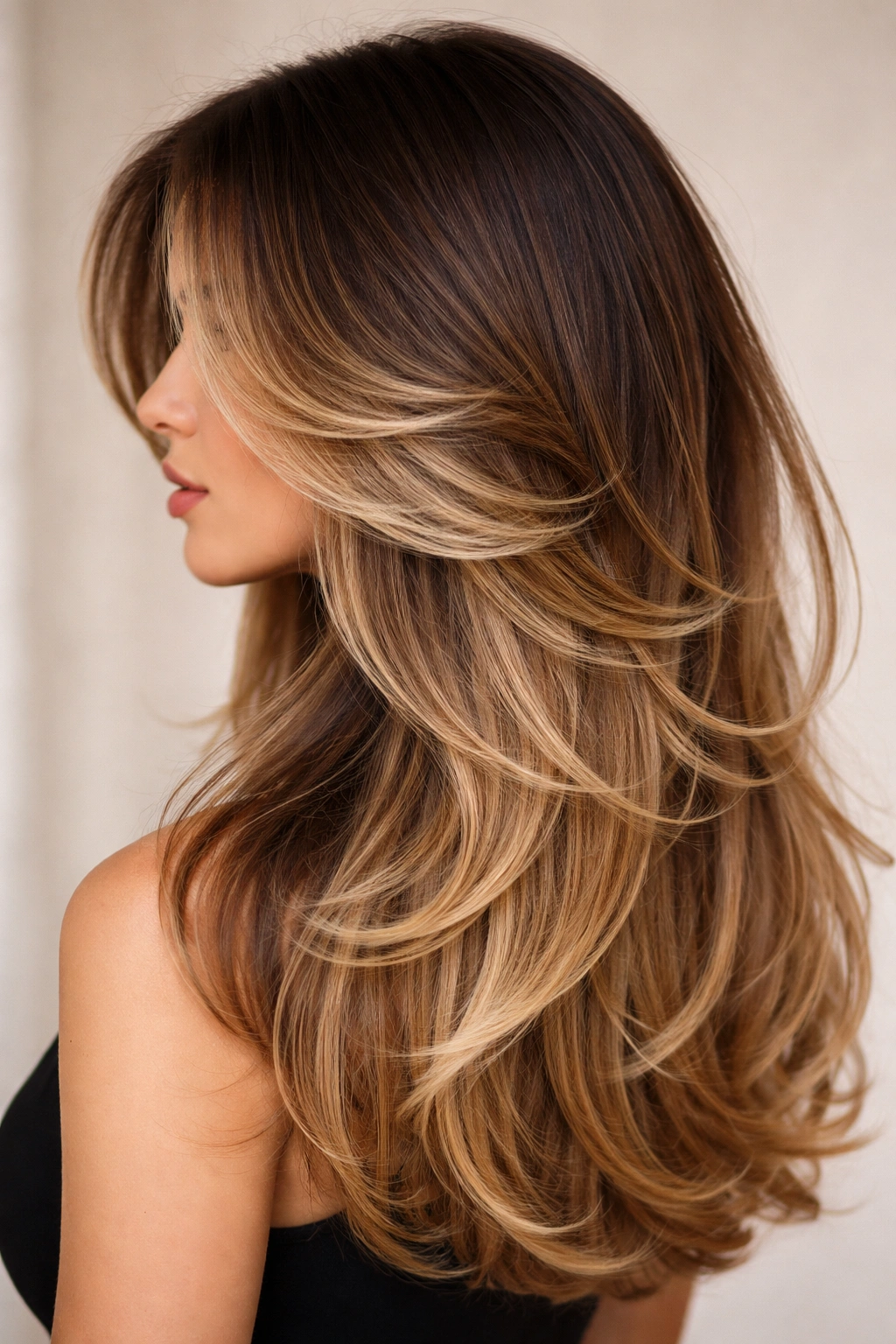
This approach combines the cutting technique of a butterfly cut with strategic color placement, using lighter shades on the layers — especially toward the ends — to create visual dimension even when the hair is down. The cut itself features classic butterfly layering, but the color work transforms it into something more dramatic. Typically, the roots remain darker, the mid-lengths transition, and the ends of the layers are noticeably lighter.
Why This Version Stands Out
Color adds a completely different dimension to how a butterfly cut reads. Layers that might be subtle in a single color become obvious and striking when the lighter pieces on the layered ends contrast against the darker base. This creates depth and movement that the cut alone might not provide. The color work also means the style looks intentional and current, even when the cut is growing out slightly.
Color Maintenance and Styling
- Plan for color touch-ups every 4-6 weeks depending on your natural regrowth and desired contrast
- Use color-safe shampoo and conditioner to keep both the cut and the color looking fresh
- The color makes layers stand out, so keep them well-trimmed to avoid overly blended or brassy ends
- Styling is flexible; the color creates dimension whether hair is worn straight, wavy, or curly
- Consider toning treatments every few weeks to keep blonde or lighter ends from going yellow or brassy
Important note: If you have dark hair and want significant lightness on the ends, be prepared for regular color maintenance and potentially having your stylist use balayage or hand-painting techniques rather than traditional highlights for a more natural, blended appearance.
7. Thick Blunt Ends with Thin, Wispy Layers Inside
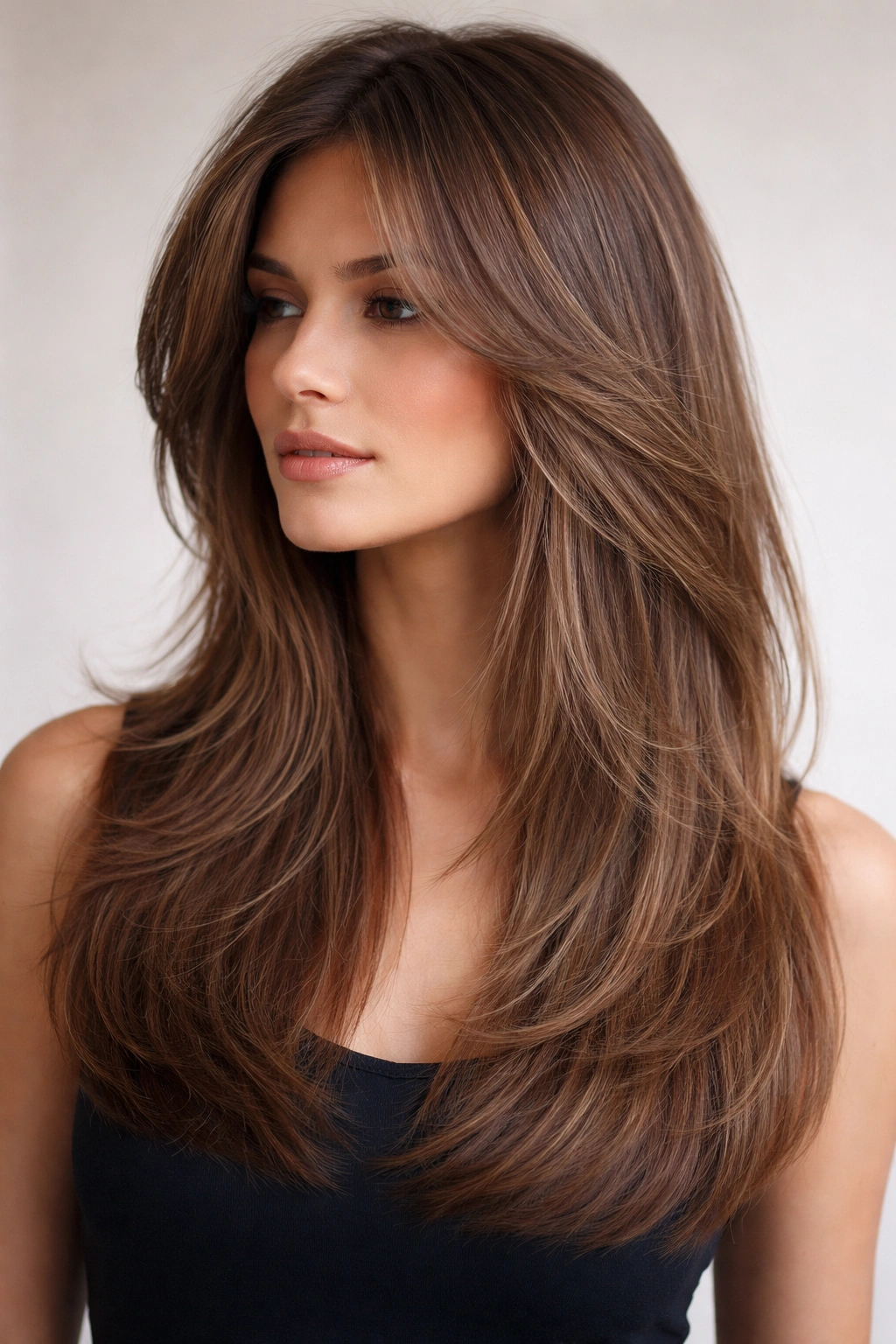
This version creates extreme contrast by maintaining density and thickness at the perimeter while creating very thin, wispy layers throughout the interior. The effect is almost like looking through a sheer curtain — texture and softness visible inside, but a solid frame around the outside. The bottom edge may be blunt or slightly textured, but it’s definitely thicker than the pieces that layer throughout the interior.
Why This Version Stands Out
This cut works beautifully on people with very thick or dense hair because it removes weight strategically without sacrificing overall length or frame. The wispy interior layers can be blown dry smooth or left to dry naturally, creating completely different looks depending on styling choice. The contrast between the thick perimeter and thin interior creates a very modern, intentional aesthetic.
How to Work With This Cut
- This cut is especially good for thick hair, but not ideal for very fine hair
- Styling options range from sleek and straight (maximizing the thick perimeter) to textured and tousled (emphasizing the wispy interior)
- Blow-dry with sections; focus on smoothing the outer perimeter while encouraging texture in the layers
- Trims every 6-8 weeks maintain the contrast; let it grow too long and the perimeter becomes overwhelming
- Use volumizing products on the interior layers and smoothing products on the perimeter
Pro tip: This cut actually gets easier to manage as your hair grows because the weight of length naturally encourages flow in the wispy layers.
8. Side-Swept Butterfly Layers with Diagonal Movement
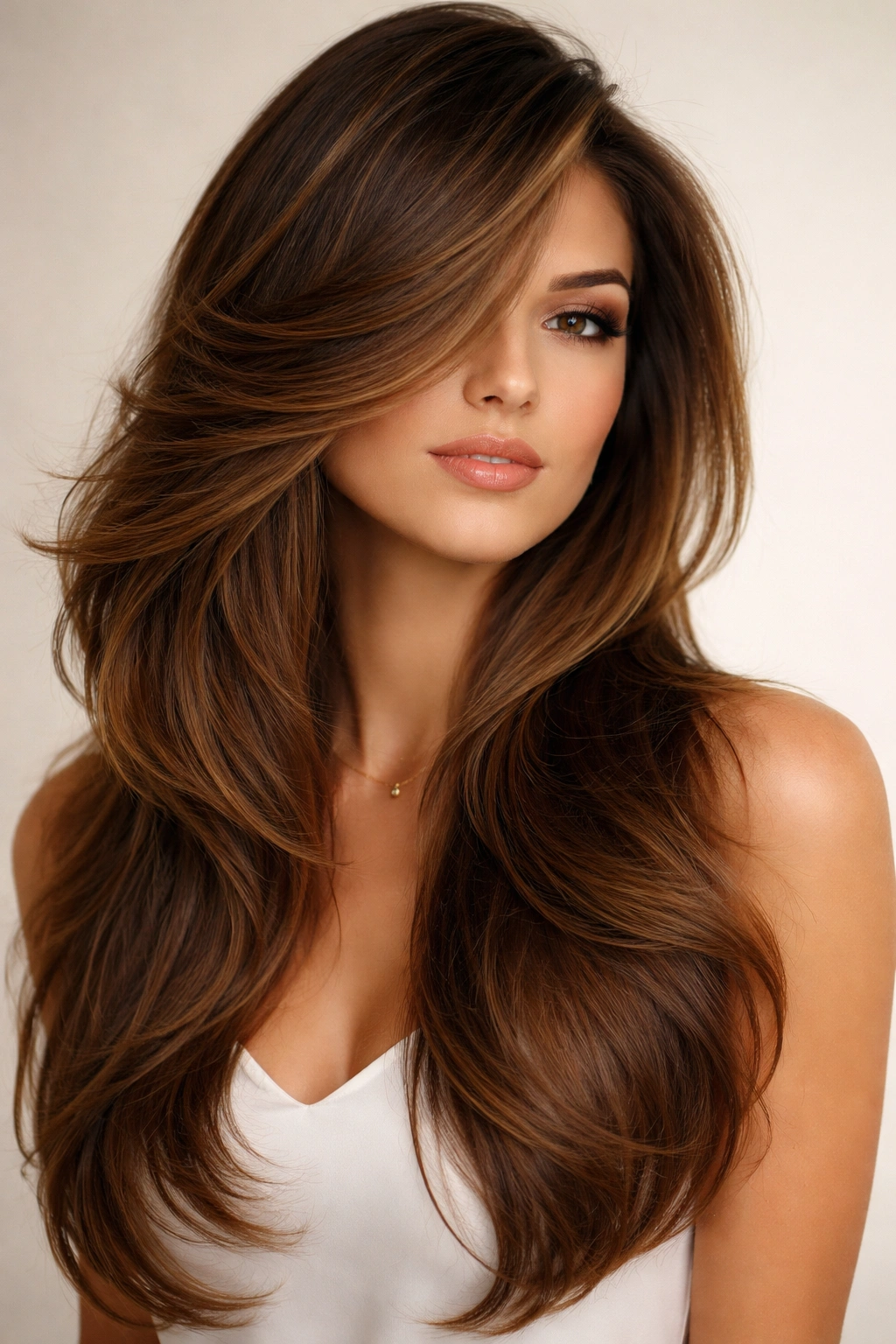
This variation angles the layers dramatically from one side to the other, creating a side-part that’s actually built into the cut itself. One side features shorter, layered pieces that sweep across, while the other side maintains more length. The overall effect is one of movement and asymmetry that feels dynamic and modern, especially when styled to emphasize the sweep.
Why This Version Stands Out
The side-swept approach brings an extra dimension of movement that center-parted variations simply don’t have. It’s flattering for oblong face shapes, and it offers built-in styling direction that many people appreciate. Because one side is shorter and layered, this cut also works well for people with fine hair or who want a slimmer-looking profile on one side.
Styling Strategy
- Blow-dry with the direction of the sweep built into the cut for a polished look
- Use a texturizing product or sea salt spray to enhance the movement and prevent flatness
- The shorter side needs regular styling to maintain the swept shape, or it will flop the other direction
- This cut can look playful and casual or sleek and intentional depending on styling choice
- Layers on the shorter side blend beautifully with the longer side, creating a graduated effect
Worth knowing: If you tend to change which side you part your hair on frequently, this cut might frustrate you because it’s designed to work with a specific part direction.
9. Voluminous Crown Layers with Tapered Ends
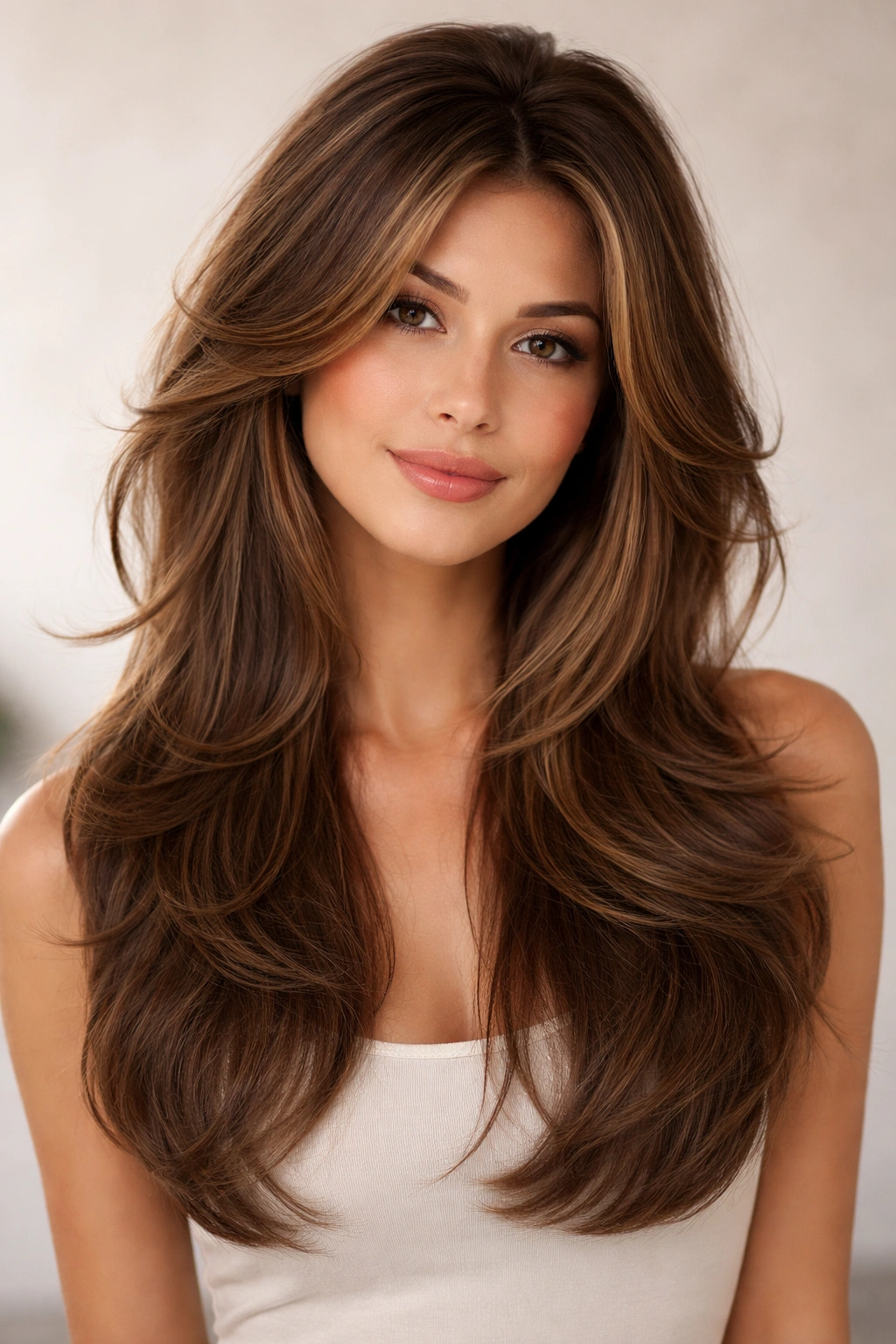
This version concentrates layers primarily in the crown and upper portion of the head to build height and volume exactly where people typically want it. The layers gradually become less pronounced as they move down, with the bottom portion featuring fewer, more widely-spaced layers that taper to a point or slightly textured edge. The effect is maximum volume at the crown with graceful flow through the length.
Why This Version Stands Out
This cut is a game-changer for people with fine hair or anyone seeking to add perceived volume. By concentrating layers where they’ll have the most impact — at the crown — the cut creates a lifted, fuller appearance without removing hair from the areas that need density. The tapered ends create a refined silhouette while still delivering the movement and dimension that butterfly cuts are known for.
Building and Maintaining Volume
- Blow-dry with a round brush, lifting the crown as you dry to maximize volume
- Use volumizing mousse or texturizing spray at the roots to enhance the cut’s built-in lift
- The tapered ends need regular trims to maintain their clean appearance; every 6-8 weeks is ideal
- Sleep on a silk pillowcase to preserve volume from one day to the next
- Avoid heavy conditioners that can weigh down the crown; focus conditioning on mid-lengths and ends
Quick fact: The science of why tapered ends look fuller is that they appear less heavy to the eye than blunt ends do, which creates the optical illusion of more volume even if the hair density is identical.
10. Curtain-Style Butterfly Layers with Center Part
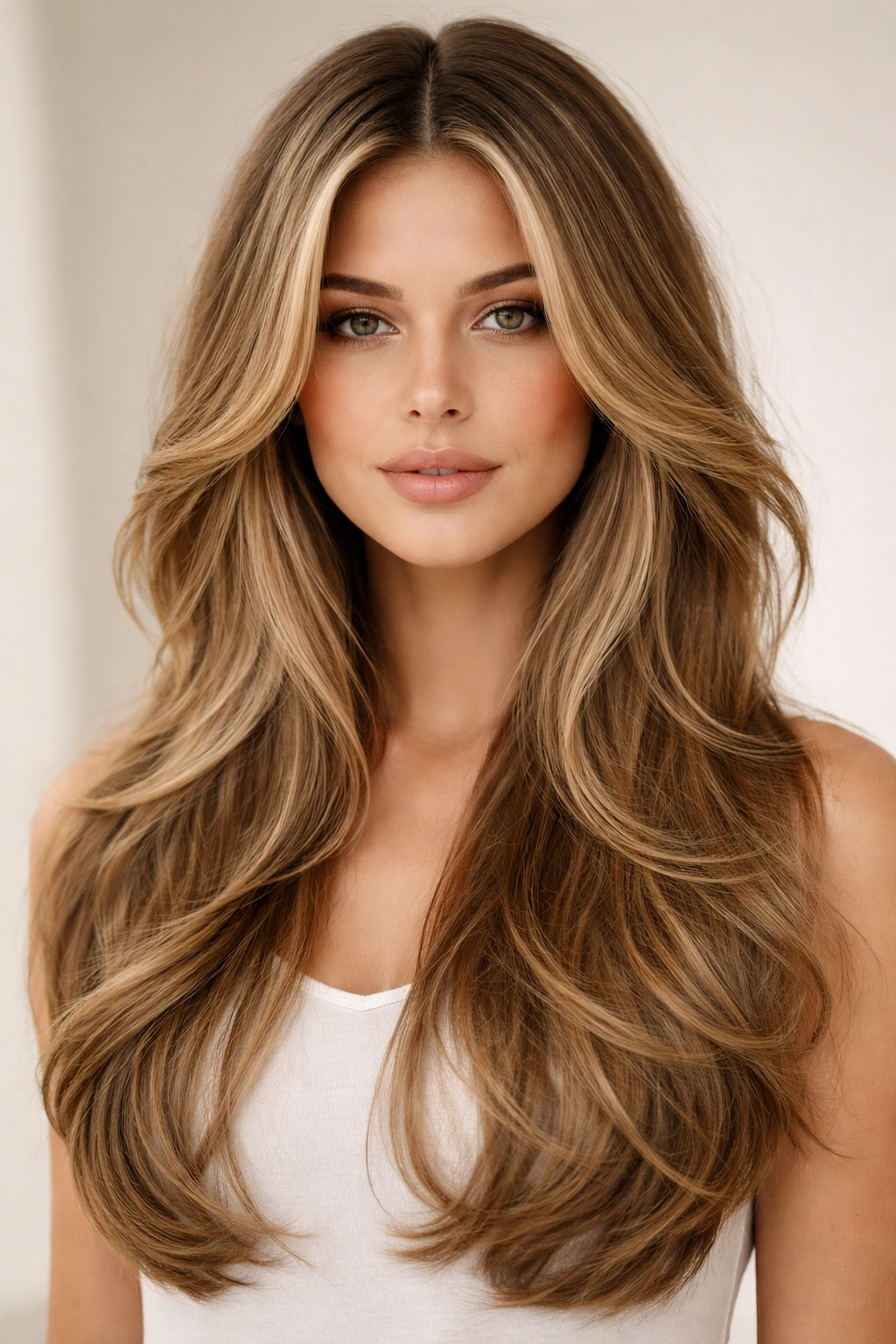
This variation places shorter layers closest to a center part, creating pieces that frame the face like curtains. As the layers move away from center toward the sides and back, they gradually lengthen, and the back remains at full length. The effect is theatrical and flattering for most face shapes, especially round faces, because the layers draw the eye vertically.
Why This Version Stands Out
The curtain style has a romantic, nostalgic quality that feels effortlessly chic. It’s easier to style than some variations because the built-in center part means minimal styling work is required to look intentional. The face-framing layers work beautifully with bangs if you’re interested in adding them, or alone for a softer, less dramatic approach.
Styling the Curtain Effect
- A center part is built into this cut, but you can still style it with a side part if you prefer; it simply takes more effort to make look intentional
- Blow-dry with a blow-dryer and round brush, curving the front pieces outward to enhance the curtain effect
- The shorter front pieces should hit around cheekbone or jaw level for maximum face-framing impact
- Use a light texturizing spray to encourage the layers to separate and frame the face distinctly
- This style works beautifully with both straight and wavy hair; the movement of waves naturally enhances the curtain effect
Insider note: This is an excellent cut if you’re growing out bangs or transitioning from a fringe, because the layered front pieces can blend seamlessly with longer pieces as the bangs grow out.
11. Asymmetrical Butterfly Layers with Uneven Depth
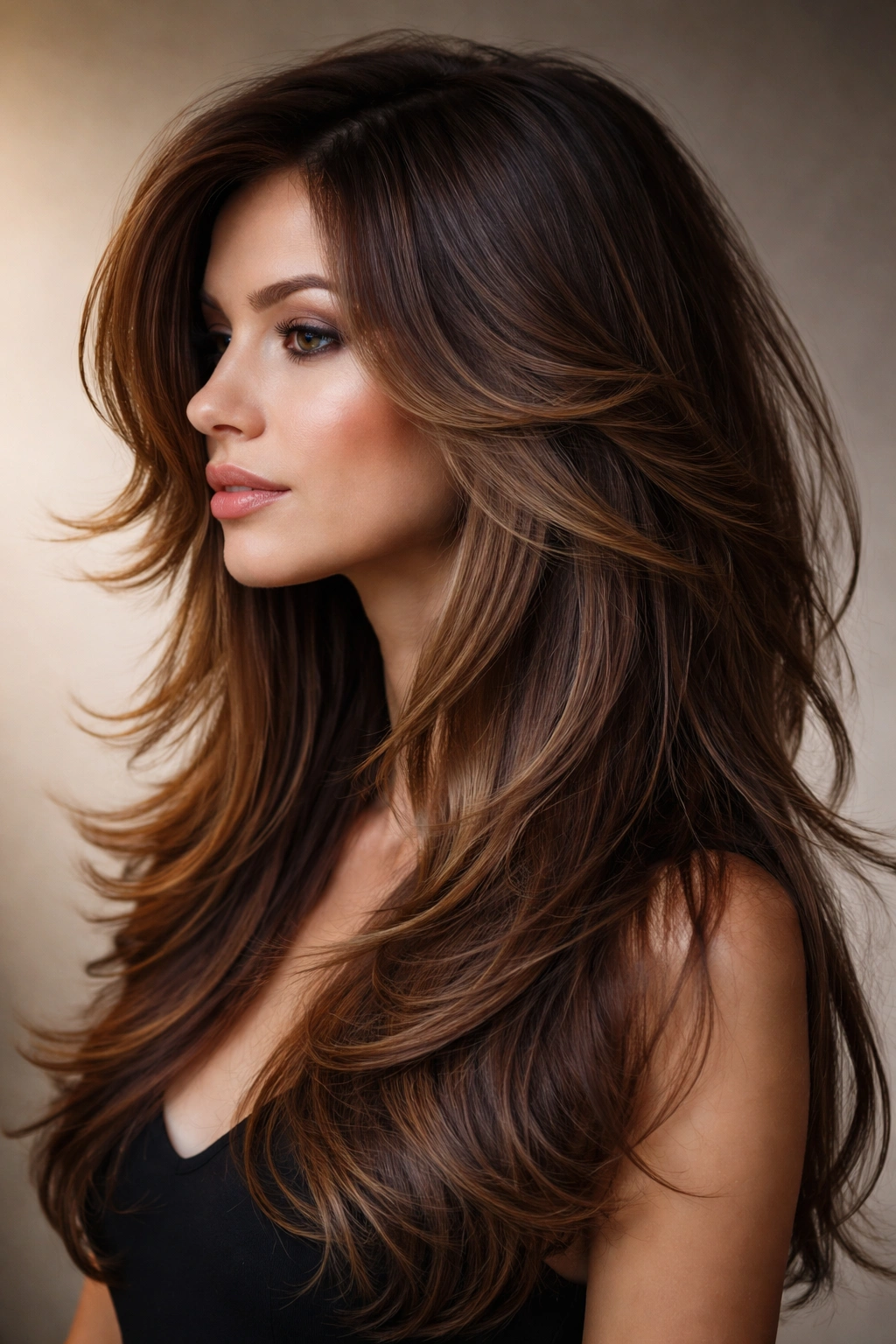
This modern take on the butterfly cut features deliberately uneven layering, with different depths and lengths on each side. One side might feature shorter, more pronounced layers, while the other side has fewer, longer layers. The cut looks intentional and artistic rather than like a mistake, creating a truly unique silhouette that photographs beautifully.
Why This Version Stands Out
Asymmetrical cuts appeal to people who want to stand out and aren’t interested in a traditional, symmetrical approach to styling. This cut says something about your personality and aesthetic choices. The uneven layering creates multiple sightlines and angles, which is particularly striking for fine, delicate features or interesting face shapes. This is the butterfly cut for people who like being noticed.
Making Asymmetry Work
- This cut requires specific styling to look intentional; it’s not as forgiving as symmetric variations
- Blow-dry with attention to the direction and shape, using a round brush to encourage desired curves
- The asymmetry creates visual interest, so this cut works beautifully with minimal makeup or when you want the focus on your hair
- Uneven layering can make thick hair look thinner, so it’s ideal for people with dense hair who want a lighter appearance
- Plan regular trims every 4-6 weeks to maintain the intentional asymmetry as hair grows
Real talk: If you go asymmetrical, embrace it. Trying to make it look symmetric defeats the entire purpose of the cut.
12. Tousled Beachy Butterfly Layers with Wave-Friendly Cuts
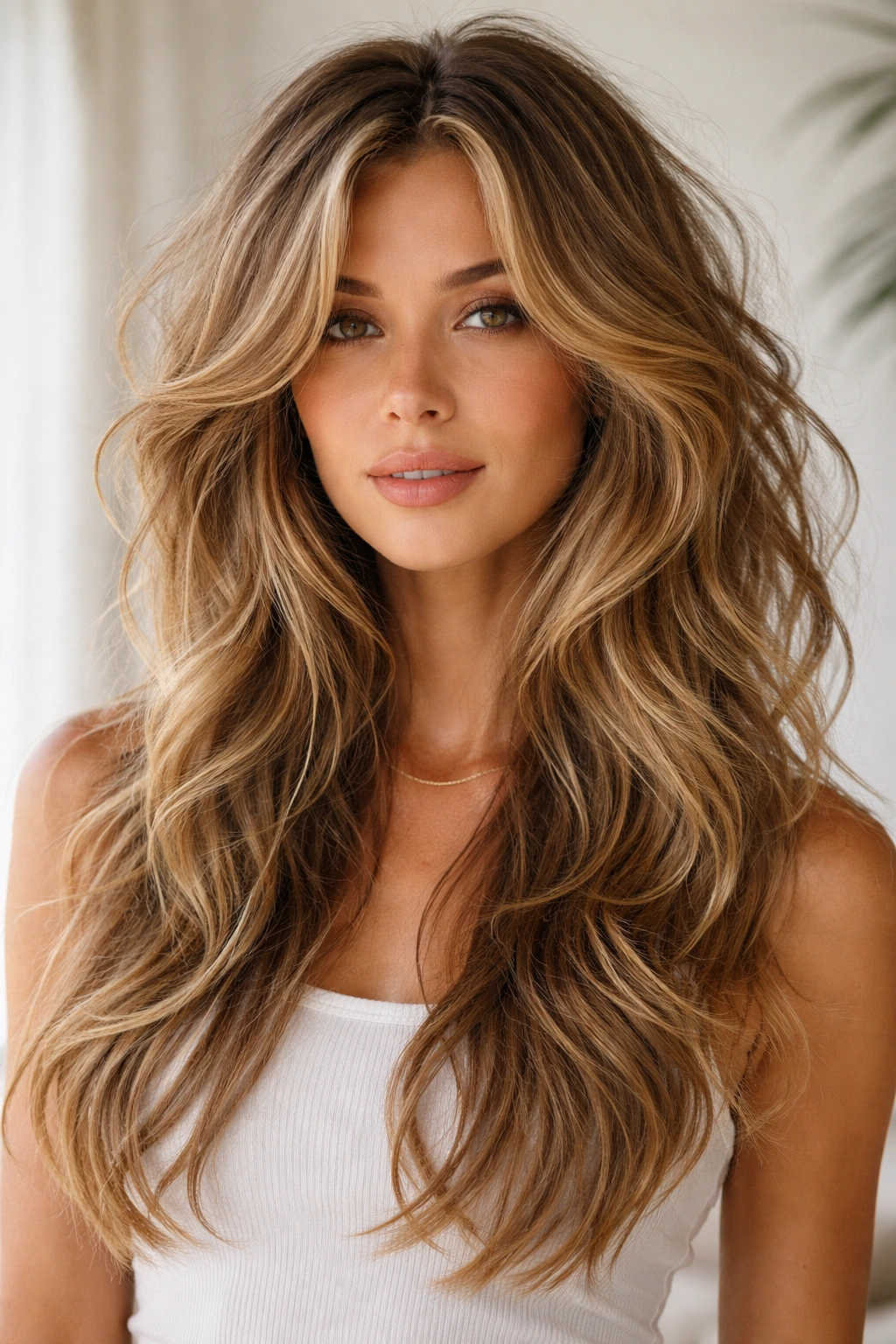
This version is designed specifically to work with or create waves and curls, rather than working against your natural texture. The layers are cut in a way that encourages natural wave patterns to enhance the layering, and the length is distributed in a way that works beautifully with saltwater, texture, or loose waves. The result is an effortlessly undone, beachy aesthetic that looks equally good messy or styled.
Why This Version Stands Out
This is the butterfly cut for people who love a relaxed, coastal vibe or who don’t want to commit to daily styling. The cut works with your hair’s natural texture rather than requiring styling techniques to look intentional. If you have natural waves or curls, this version will make your life significantly easier because your hair’s natural movement and the cut’s design reinforce each other.
Styling the Beachy Look
- Embrace imperfection; the more undone this cut looks, the better it typically works
- Use sea salt spray or texturizing spray to enhance waves and create separation between layers
- Blow-dry with your hands or a diffuser rather than a round brush to maintain texture
- Sleep on a silk pillowcase to preserve waves from one day to the next
- Scrunch products into damp hair rather than brushing or combing through
Pro tip: Get a salt spray in your regular rotation and apply it to damp hair before bed; wake up with perfectly tousled layers without any morning styling effort.
13. Micro-Layered Butterfly Cut with Razor Precision
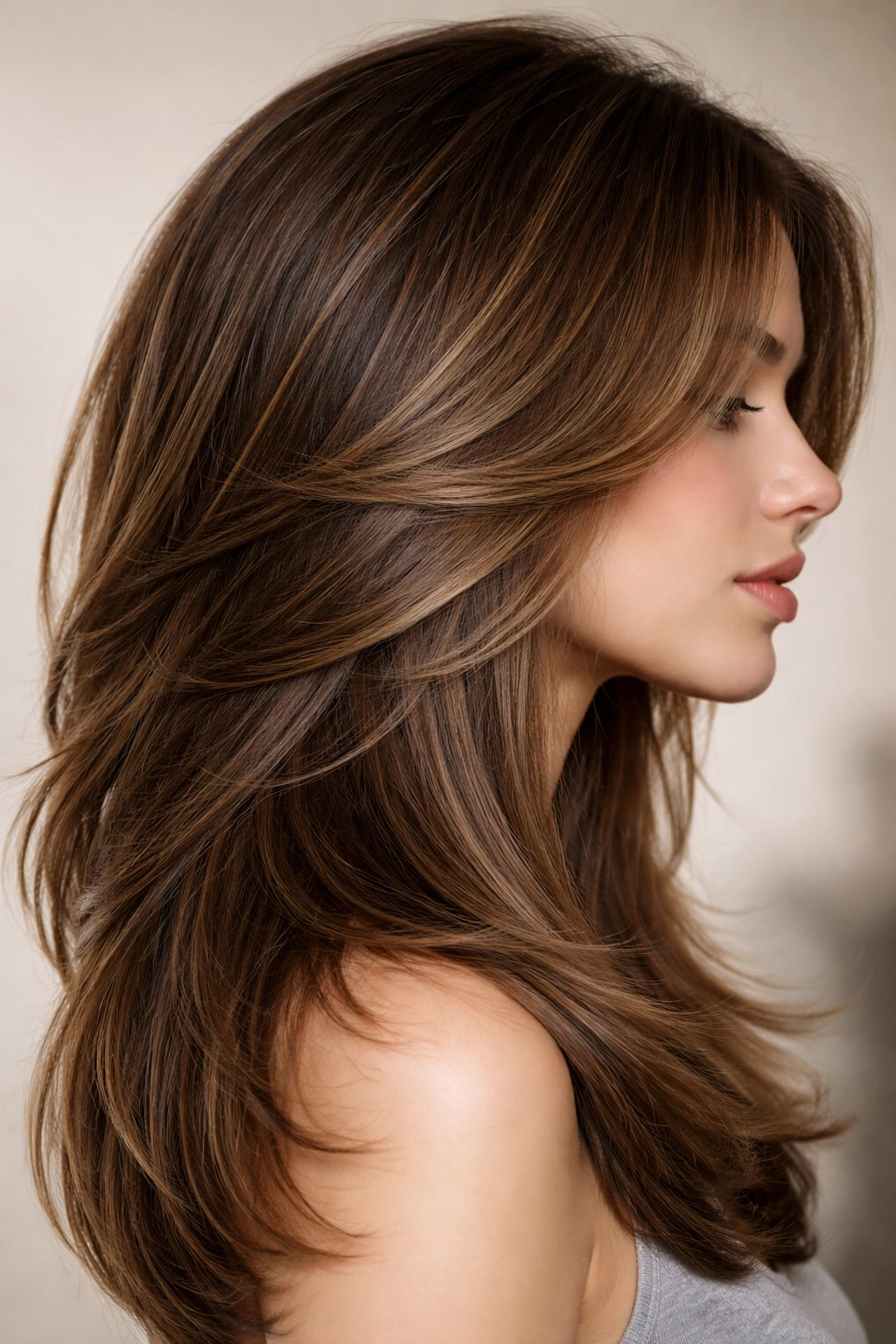
This variation uses razor-cutting techniques throughout the entire cut to create extremely fine, precise layers that blend seamlessly. The effect is different from point-cutting or texturizing techniques — it creates smooth, almost feathered transitions rather than choppy texture. Razor work creates the most refined, graduated appearance possible in a layered cut.
Why This Version Stands Out
Razor-cut layers are a hallmark of high-end, professional haircuts. They require significant skill and precision from your stylist, which is why this version typically costs more than standard butterfly cuts. The payoff is a cut that looks polished, intentional, and expertly executed. The layers blend so smoothly that the cut often looks simpler than it actually is, which is the mark of excellent technique.
Caring for a Razor-Cut Butterfly
- Razor-cut hair requires slightly more maintenance than scissor-cut hair because razor work can be more drying
- Use a smoothing serum or hair oil regularly to keep ends from looking scraggly
- Regular deep conditioning treatments keep hair hydrated and the cut looking polished
- Trims every 6-8 weeks maintain the precision; razor cuts can look blunt and unfinished if they grow out too far
- Blow-dry smooth rather than tousled to show off the refined layers
Worth noting: If your stylist uses a straight razor rather than a regular razor, be aware that straight razor cutting creates an even sharper, more precise effect than standard razors and requires a very skilled hand.
14. Layered Butterfly Cut with Textured or Wispy Bangs
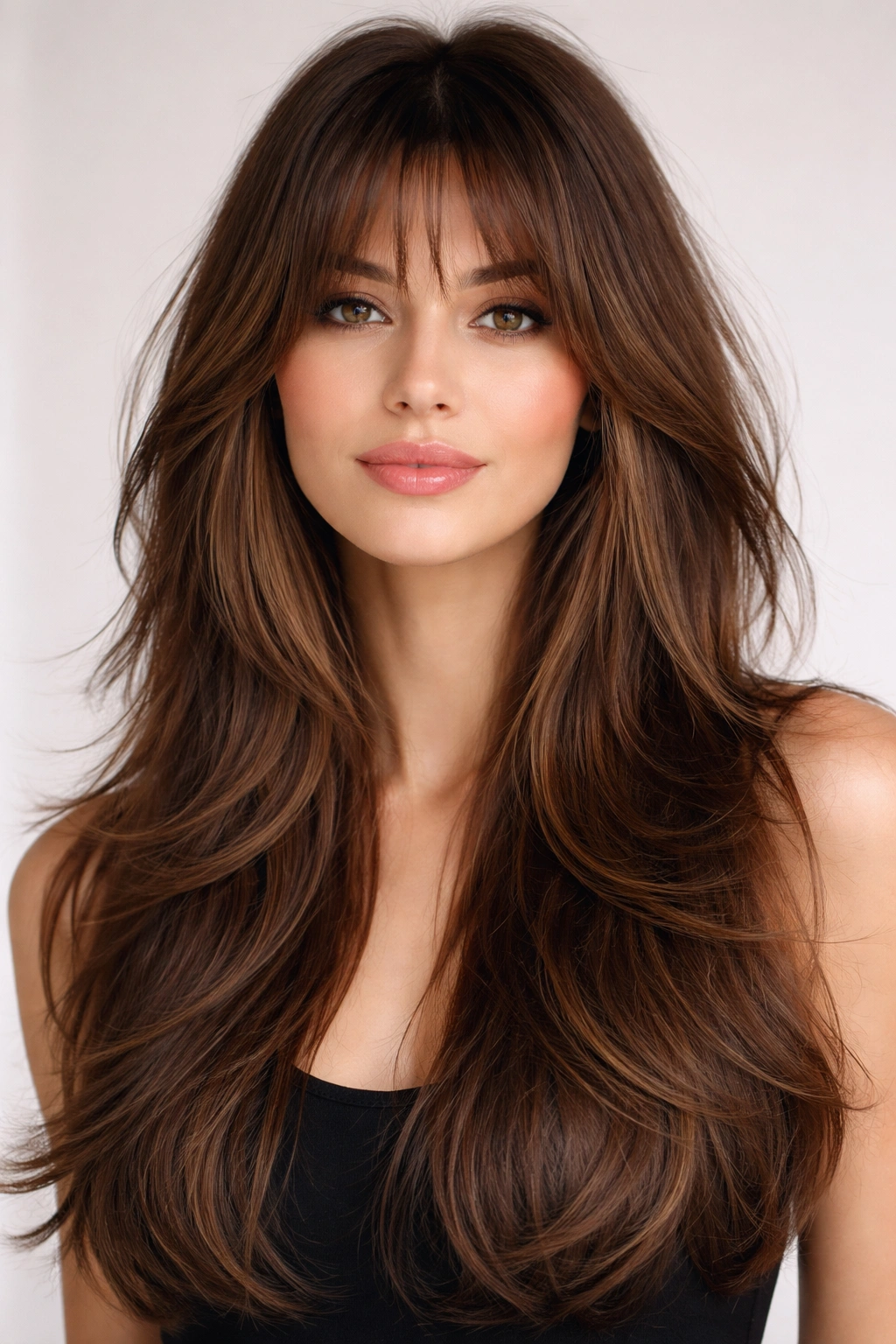
This version combines a full butterfly cut with bangs that are themselves layered or textured, creating additional face-framing and visual interest in the front. The bangs might be wispy and feathered, chin-length and choppy, or somewhere in between, and they work in concert with the layering throughout the rest of the cut to create a cohesive, layered aesthetic.
Why This Version Stands Out
Bangs add an entirely different dimension to a haircut, and pairing them with a butterfly cut creates extra softness and face-framing in the front. This approach is particularly flattering for rectangular or long face shapes because the horizontal line of bangs balances vertical length. Textured or wispy bangs blend beautifully with layered hair rather than looking like a separate element.
Styling Bangs With Your Butterfly Cut
- Textured bangs need regular trims to maintain their shape; typically every 3-4 weeks
- Blow-dry bangs first, before the rest of your hair, so they set properly and fall the way you want them
- Bangs create an extra styling step, so commit to this approach only if you’re willing to include bangs in your daily routine
- Bangs can be styled sleek and straight or tousled and textured depending on your desired aesthetic
- On humid days, textured bangs may need a little product and a quick blow-dry to maintain shape
Quick tip: Ask your stylist to cut your bangs slightly shorter than you think you want them, because they’ll grow faster than the rest of your hair and you’ll want them to maintain a flattering length.
15. Long Flowing Butterfly Layers with Minimal Styling Required
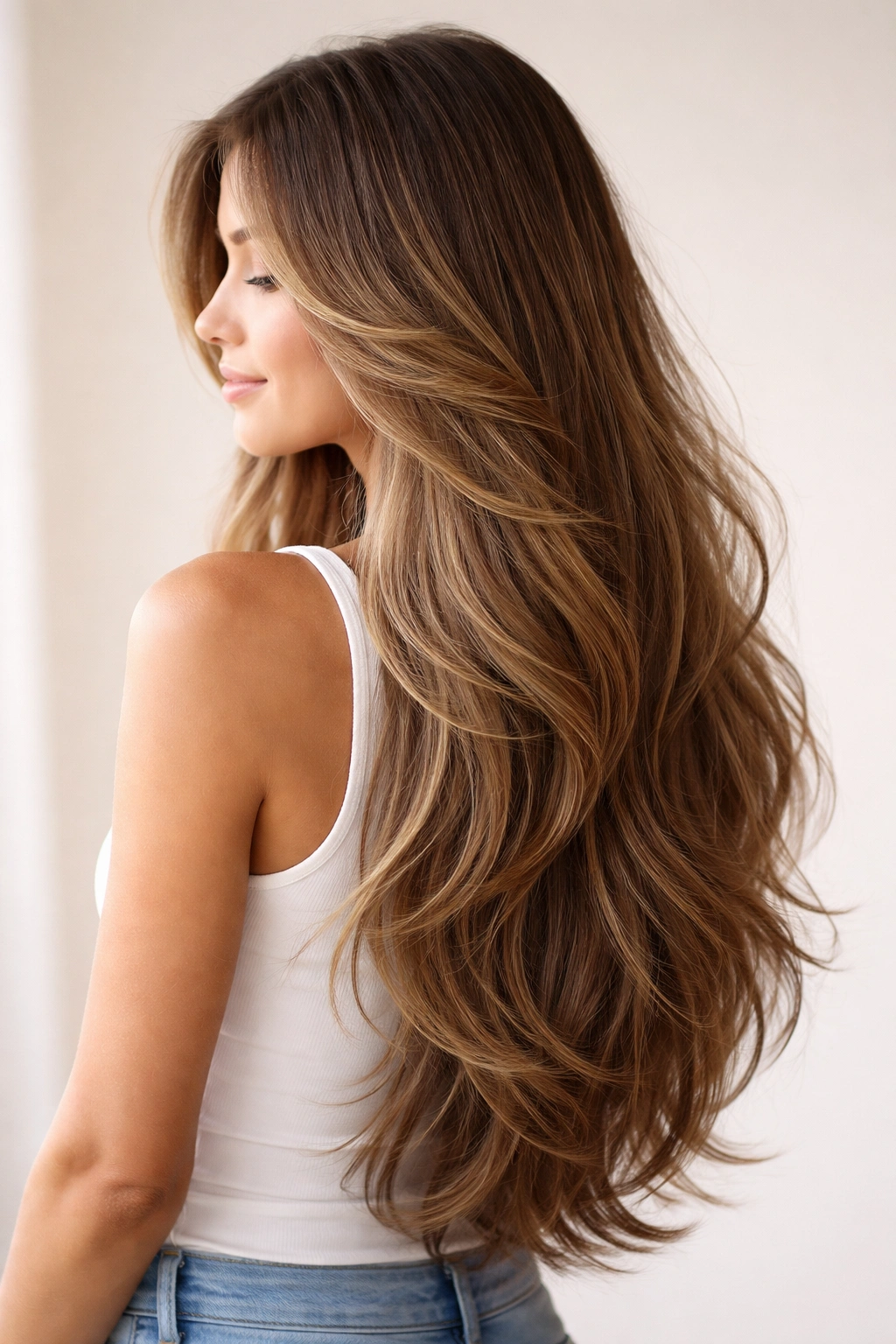
For the final variation, this is the butterfly cut designed for minimal maintenance and styling commitment. It features gentle, subtle layers that create movement and dimension without obvious texture or drama. The layers blend seamlessly, the length flows naturally, and the cut looks intentional and attractive even when it’s thrown up in a ponytail or barely touched after air-drying.
Why This Version Stands Out
This cut is perfect for people who love the idea of a butterfly cut but prioritize practicality over high-maintenance styling. It works beautifully across all hair types and looks good in numerous situations without requiring special products, techniques, or daily effort. The layers are there, providing movement and dimension, but they’re subtle enough that the cut feels effortless.
Living With This Low-Maintenance Cut
- Air-dry or blow-dry without any particular styling technique; it looks good either way
- Minimal product is required; a simple smoothing serum or lightweight spray is often enough
- The subtle layers mean the cut grows gracefully; you can stretch trims to every 8-10 weeks comfortably
- Works beautifully with straightening, curling, or leaving hair in its natural state
- This cut is forgiving of imperfect blowouts and looks better the less you fuss with it
Real talk: This low-maintenance version still requires you to get it cut at a salon rather than trying to maintain layers yourself at home, because the layers need to be precise and blended to achieve the effortless effect.
Final Thoughts
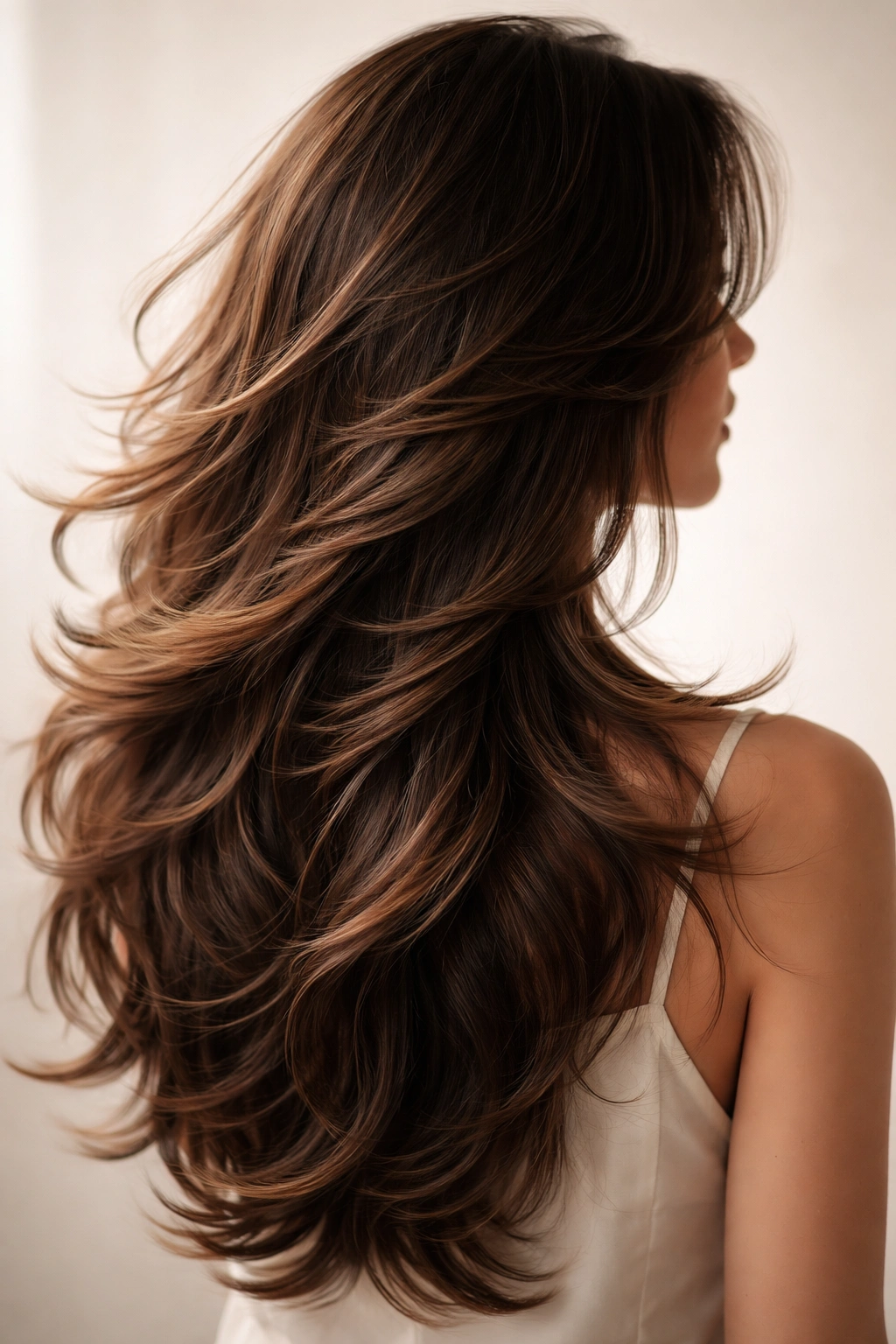
The butterfly cut in all its iterations is fundamentally about creating movement, dimension, and softness that flatters your face and works with your lifestyle. Whether you choose a shaggy, textured version that demands tousling and product, a polished, refined cut that looks intentional and sleek, or something in between, the key is finding the specific variation that aligns with your aesthetic, hair type, and styling commitment level.
Before booking your appointment, study which version resonates with you and bring photos to your consultation. Be specific with your stylist about the level of texture you want, the shortest point you’re comfortable with having layers hit, and whether you prefer a center part, side part, or parted-according-to-the-cut. Communicate whether you want the cut to work with your natural texture or require styling to achieve the full effect.
Remember that butterfly cuts typically require trims more frequently than blunt, one-length styles — usually every 6-8 weeks for most variations — because layers become less defined as hair grows. That said, the movement, dimension, and versatility offered by a well-executed butterfly cut make it one of the most flattering, practical cuts available. Find your version, commit to regular maintenance, and enjoy the effortless elegance that comes with beautiful, flowing layers.
