



Fine hair often feels impossibly flat, limp, and unwilling to hold any style with substance. You wash it, blow it out, and by mid-afternoon it’s clinging to your scalp as if gravity has it in a personal vendetta. The frustration is real — especially when you watch people with thicker hair styles their way into effortless volume while you’re left hunting for products that don’t weigh everything down further.
Here’s the secret that hairstylists have known for years: a properly cut shag is actually the ideal haircut for fine hair. Unlike blunt bobs that flatten your hair from root to tip, or long, heavy styles that drag every strand straight down, a shag works with your hair’s natural texture instead of against it. The layering creates movement and removes weight at strategic points, while the choppy texture gives an illusion of fullness that fine-haired people desperately crave.
The key isn’t just getting a shag — it’s getting the right shag for your specific hair type, face shape, and lifestyle. A shag that works brilliantly for someone with wavy texture might fall completely flat on someone with stick-straight fine hair. The styling demands, maintenance requirements, and even which length works best vary significantly from one version to another.
This guide walks you through 15 distinct shag variations, each with specific reasons why it works for fine hair and exactly how to style and maintain it so it actually delivers the volume you’re looking for.
1. The Modern Textured Shag
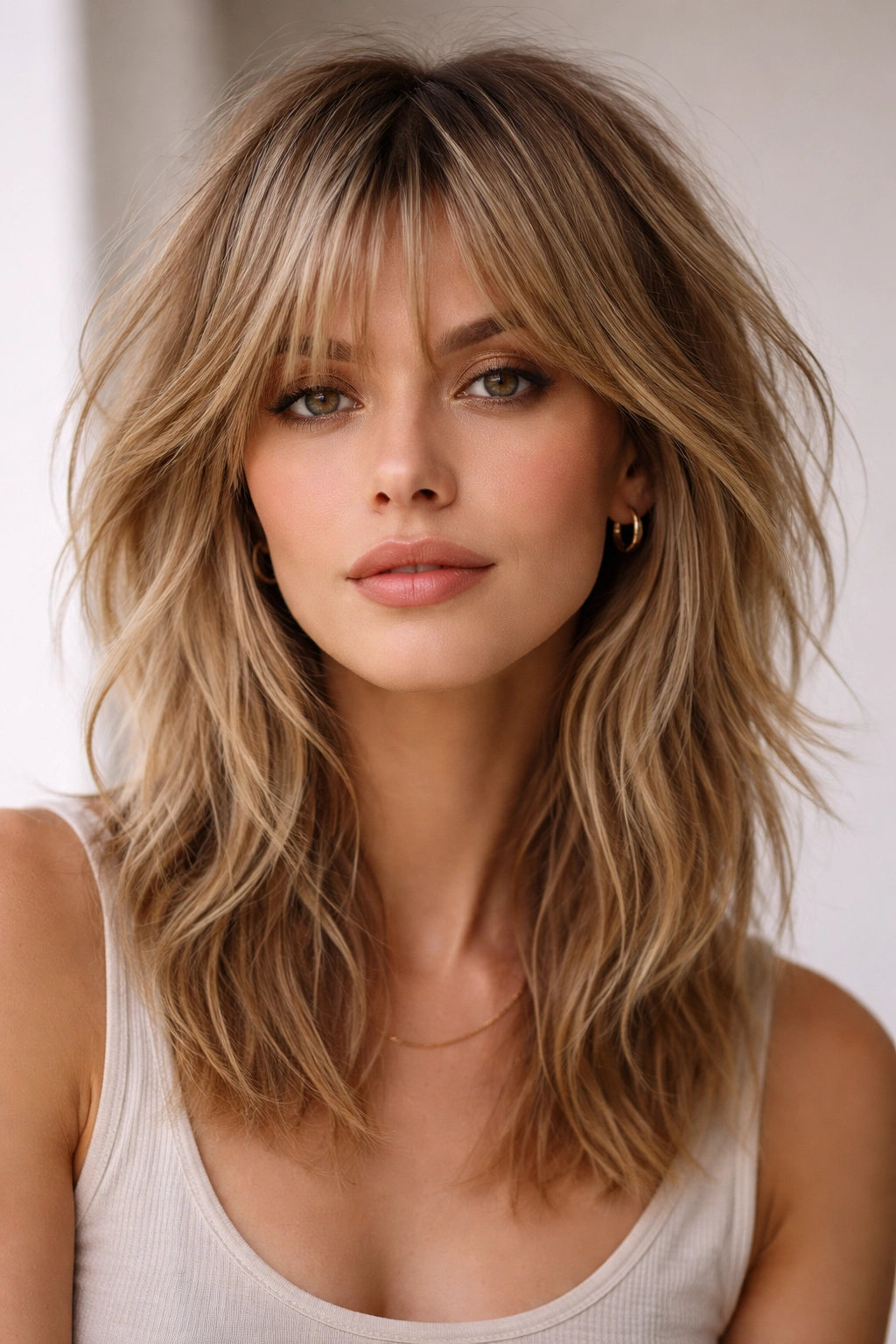
The modern textured shag is what happens when a classic ’70s shag gets a 2024 update — sharper layers, more deliberate choppy texture, and an overall cleaner vibe. It’s cut shorter on top with longer layers that graze the collarbone or shoulders, and the real magic happens in the way the layers connect and overlap to create built-in movement.
Why It Works for Fine Hair
Choppy layers create an illusion of density because they break up the line of your hair and create visual texture. When each layer sits slightly forward of the one beneath it, your hair reads as fuller and bouncier even if the total density hasn’t changed. The texture also means that even if individual strands are fine, they catch light differently and look more substantial as a group.
How to Style and Maintain It
- Air-dry with a texturizing spray applied to damp roots for extra grip and separation
- Use a round brush on the underside while blow-drying to create volume at the roots
- A light pomade or dry texture product scrunched through the ends prevents the layers from looking scraggly
- Trim every 6-8 weeks so the layers stay intentional and don’t just become a shaggy mess
- The style works best with some wave or texture — work with a stylist who understands how to cut for your natural texture, not against it
2. The Wispy Shoulder-Length Shag
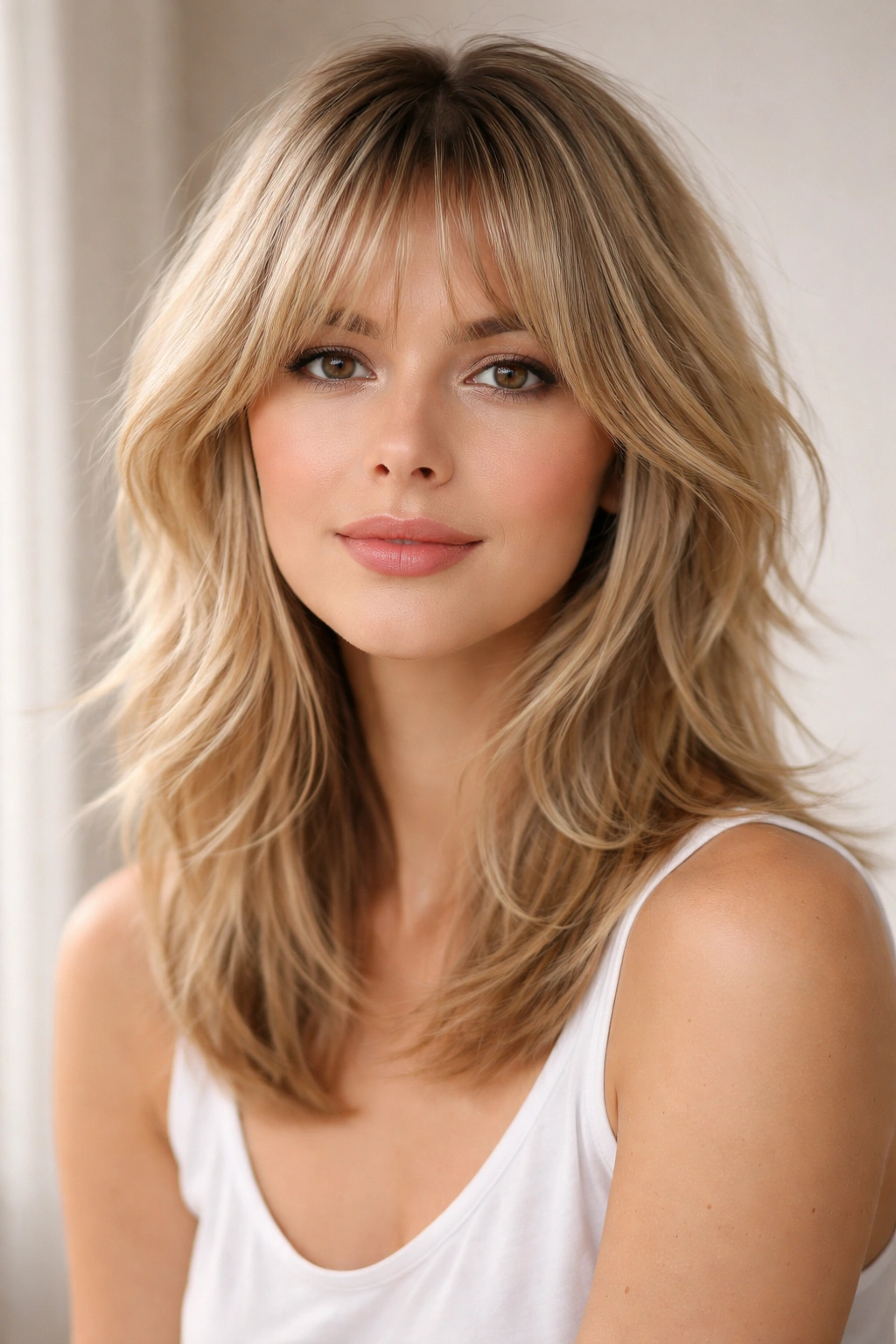
This shag hits right at the shoulders with feathered, wispy layers throughout that create movement without bulk. The top is kept relatively close to the head with gradual layers that get progressively longer as you move down, creating a soft, cloud-like silhouette that’s feminine without being fragile.
Why It Works for Fine Hair
Wispy layers are thinner than blunt layers, which means they don’t create a heavy line at the bottom of your hair. The feathering effect makes fine strands look intentionally soft rather than thin. The shoulder-length placement is perfect for fine hair because it’s long enough to show dimension but short enough that gravity doesn’t completely eliminate your volume before mid-afternoon.
How to Style and Maintain It
- This style actually looks better slightly undone — piece-y and organic rather than perfectly smooth
- A light mousse applied to damp roots and then blow-dried with your fingers gives natural texture
- Use a flat iron on the underneath layers only to create subtle movement and prevent the style from looking limp
- Lightweight sea salt spray is your friend here — it adds texture without product weight
- Schedule trims every 5-6 weeks to keep the wispy layers fresh and prevent them from looking thin and stringy
3. The Choppy Textured Bob Shag
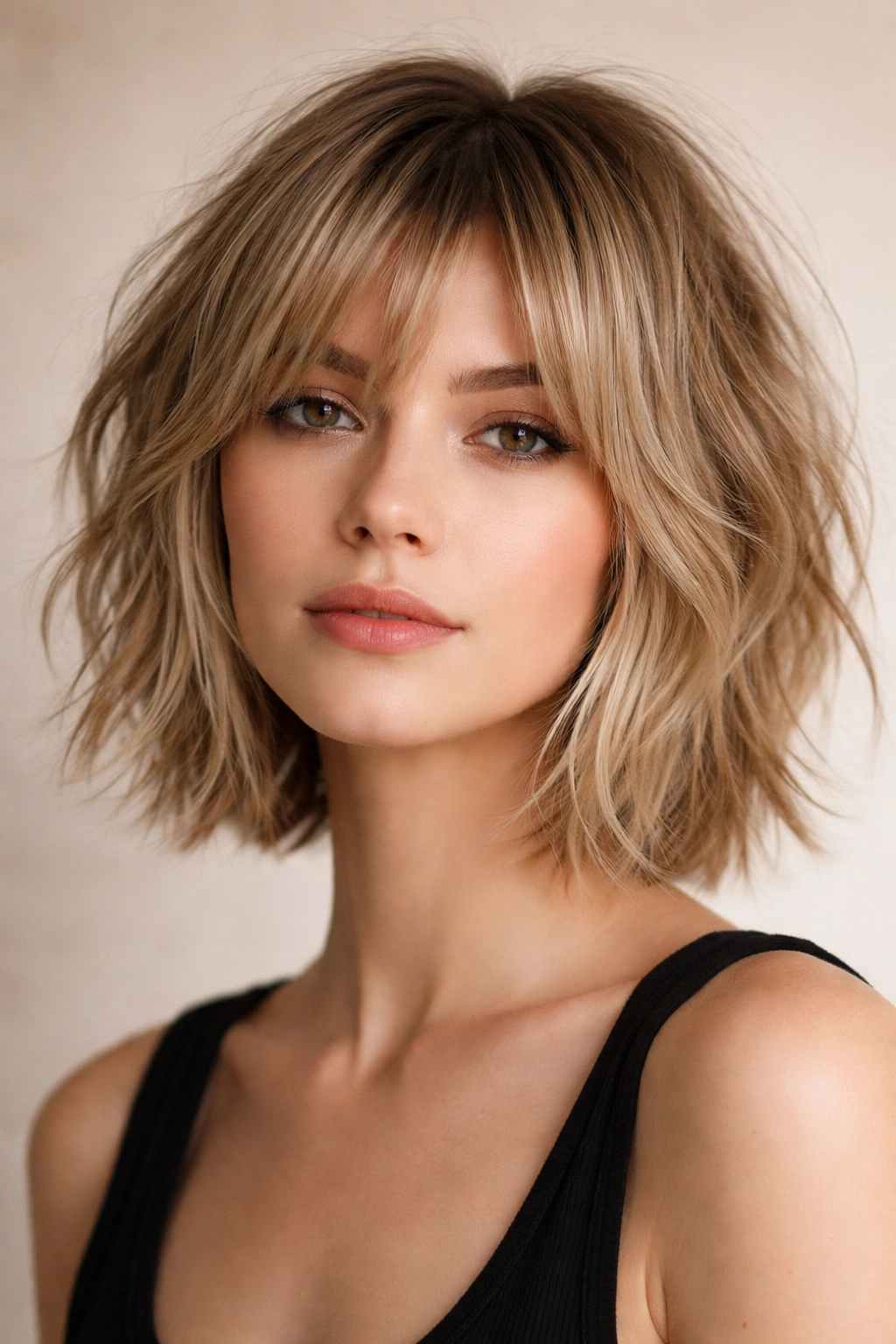
This is a shag that sits closer to the traditional bob silhouette — shorter overall, usually chin-length or slightly longer — but with choppy, intentional layers throughout rather than the blunt structure of a traditional bob. The layers are cut with a razor to create separation and texture, and the overall effect is edgy and modern without being severe.
Why It Works for Fine Hair
The shorter length means your hair doesn’t have far to fall before looking flat. The choppy texture throughout — not just the ends, but through the entire head — means that even fine hair has built-in dimension and movement. There’s nowhere to hide, which sounds daunting, but actually works in your favor because a well-cut choppy bob looks intentionally textured rather than just thin.
How to Style and Maintain It
- This style demands regular styling — it won’t work if you just wash and go
- A volumizing dry shampoo is essential here; spray it throughout your hair the night before and let it sit overnight for maximum lift
- Blow-dry with your head upside down, piece by piece, to create maximum root lift
- A light cream pomade or texturizing paste through the ends separates the layers and adds visual thickness
- Trims every 4-5 weeks keep the choppy texture looking intentional rather than just messy
- Shorter styles need more frequent attention, but they’re also easier to style quickly once you develop the routine
4. The Long Shag with Barely-There Layers
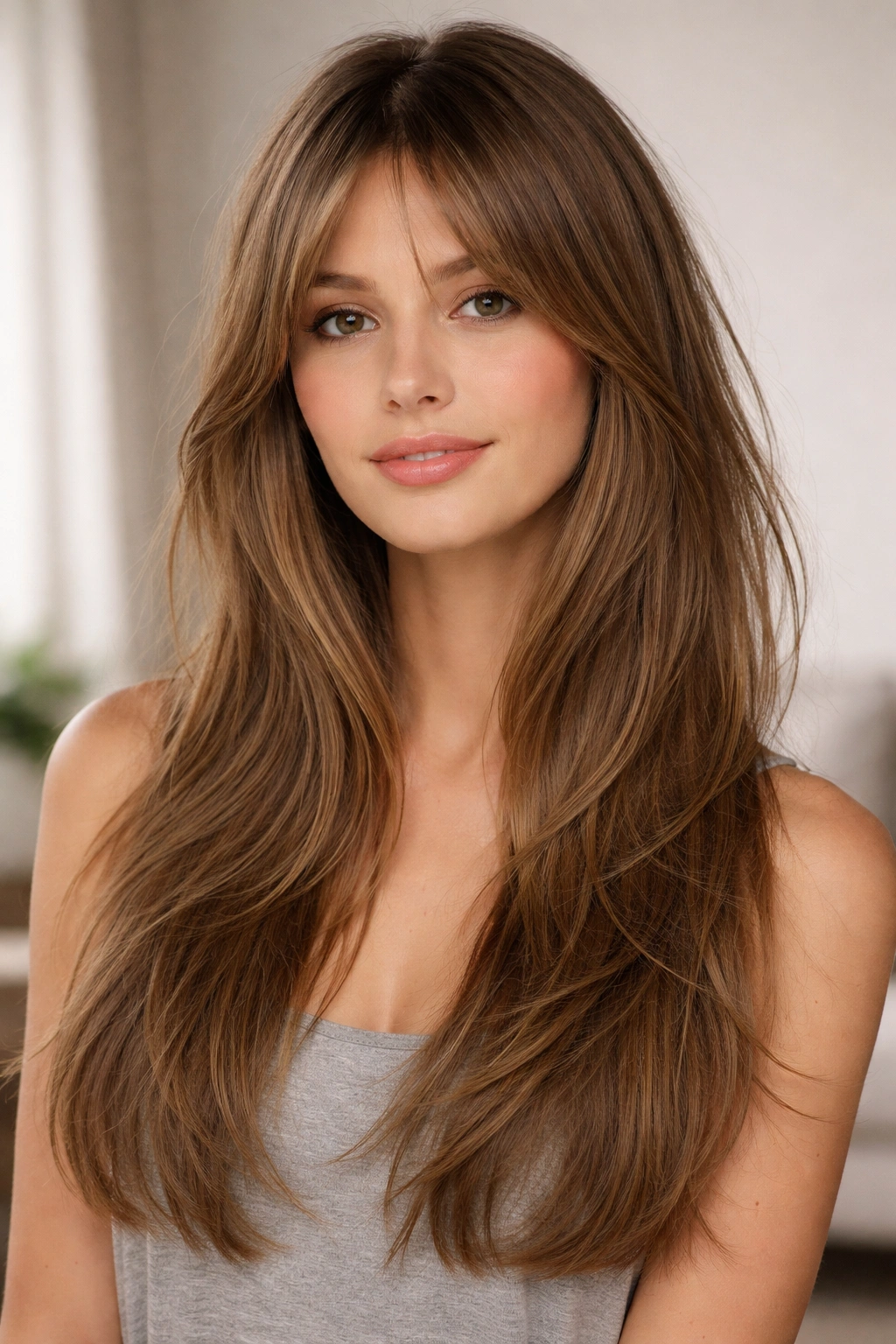
For anyone terrified of losing length, the long shag with subtle layering is the perfect compromise. The overall length extends well past the shoulders — sometimes to the mid-back — but the layers are gradual and understated rather than dramatic. The layering is there, but you have to know where to look for it.
Why It Works for Fine Hair
Long hair without any layers becomes one heavy column that flattens fine hair immediately. Long hair with subtle, well-placed layers maintains length while strategically removing weight at key points. The layers don’t create a choppy look (which can actually emphasize thinness if done wrong) but instead create soft movement and prevent the style from being completely one-dimensional.
How to Style and Maintain It
- This style looks best with some wave — straight fine hair can look limp even with layers
- A wave cream or curl-defining product applied to damp hair and then air-dried or diffused creates subtle texture that makes fine hair read as fuller
- If blow-drying, use a large barrel round brush to create soft waves rather than volume
- Sea salt spray or texturizing spray between shampoos adds grip and texture
- Layers blend seamlessly into the longer length, so trims every 8-10 weeks keep them looking intentional without constant maintenance
- Night braiding or using velcro rollers creates easy waves that add perceived volume
5. The Short Shag with Extra Texture on Top
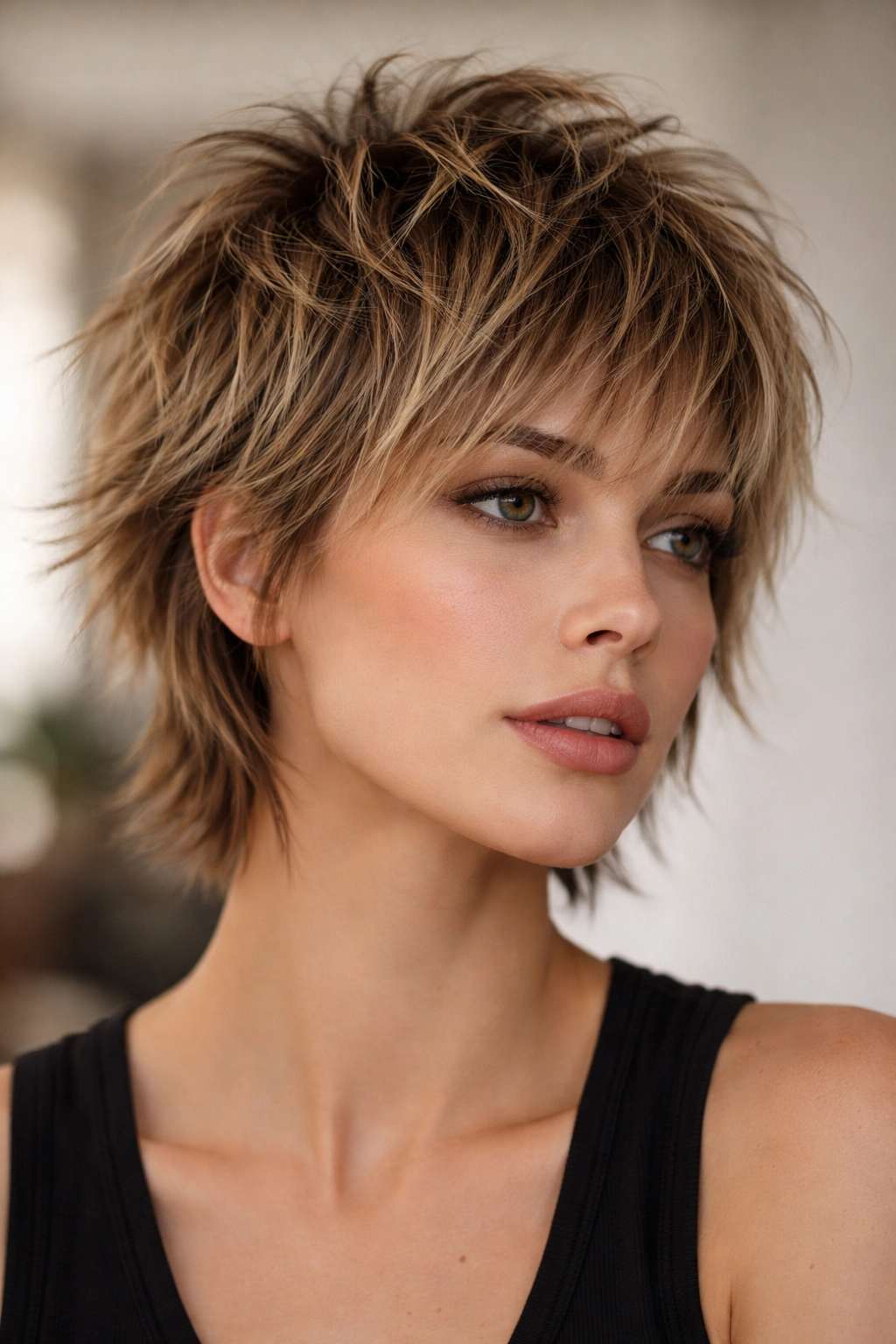
This shag is cut very short overall — similar to a pixie length — with extra choppy, textured layers built into the crown and top. The sides and back are kept cleaner and less choppy, while the top has maximum dimension and movement. It’s bold and requires confidence, but it’s undeniably full-looking.
Why It Works for Fine Hair
Short hair with significant texture looks full because the choppy layers catch light and create visual density. There’s no long hair weighing things down, and the texture is built in at the cut. For fine hair, short shags actually solve the gravity problem entirely — your hair literally cannot fall flat because it’s too short.
How to Style and Maintain It
- This style requires styling — it’s not wash-and-go
- A texturizing clay or paste applied to damp hair and then tousled dry creates intentional texture
- You can blow-dry with your fingers for a more relaxed look, or use a round brush if you want slightly more polish
- A very light hairspray keeps the texture intact throughout the day without creating stiffness
- Trims every 3-4 weeks are essential; short shags grow out quickly and can look shaggy (not in a good way) if you let them go too long
- This cut requires a skilled stylist who understands how to create texture without making fine hair look sparse
6. The Mullet Shag Hybrid
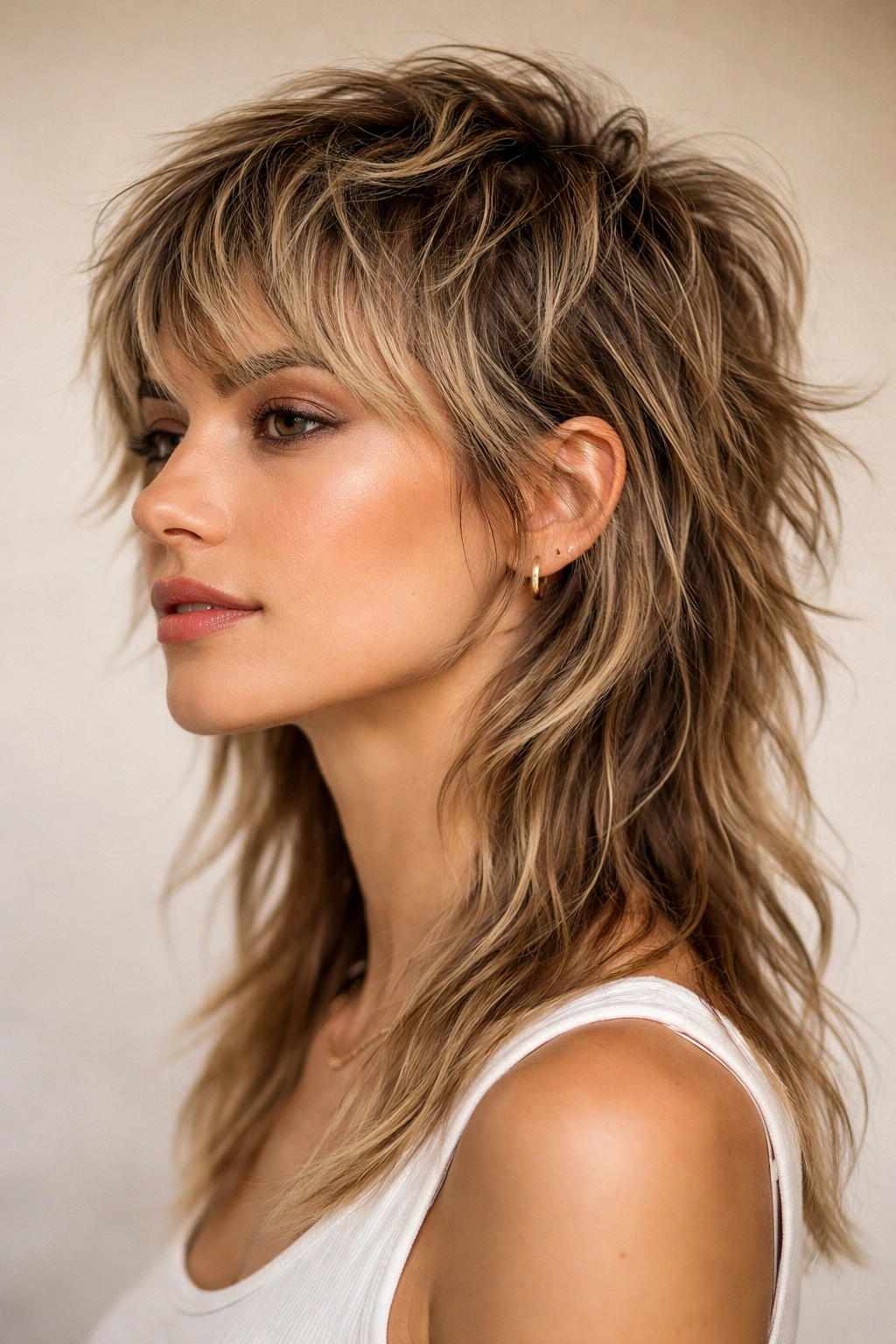
The mullet shag is exactly what it sounds like: it takes the dramatic length differential of a mullet and applies it with the choppy, textured sensibility of a shag. Short, choppy, textured layers on top and sides, with longer length in the back. It’s trendy and undeniably eye-catching, but it works for fine hair because the contrast between the short, textured top and longer back creates maximum visual impact.
Why It Works for Fine Hair
Fine hair in a standard mullet can look skeletal in the back. But fine hair in a mullet shag works because the choppy layers throughout (rather than sleek, blunt lines) add texture and movement at every level. The contrast between the textured short side and the longer length makes your hair read as more substantial overall because you’re not comparing thin long hair to thick short hair — you’re comparing textured on textured.
How to Style and Maintain It
- The front and top require styling with texturizing products to maintain their choppy shape
- The back can be air-dried with a wave product for an intentionally undone look, or blow-dried smooth for contrast
- Apply volumizing mousse or dry shampoo to the crown and roots to maintain separation
- The mullet aspect means you’re committed to a specific aesthetic — it’s not a subtle haircut
- Trims every 6 weeks keep the choppy short sections looking intentional
- Styling is necessary — this cut doesn’t work if left unstyled
7. The Shag with Strategic Face-Framing Layers
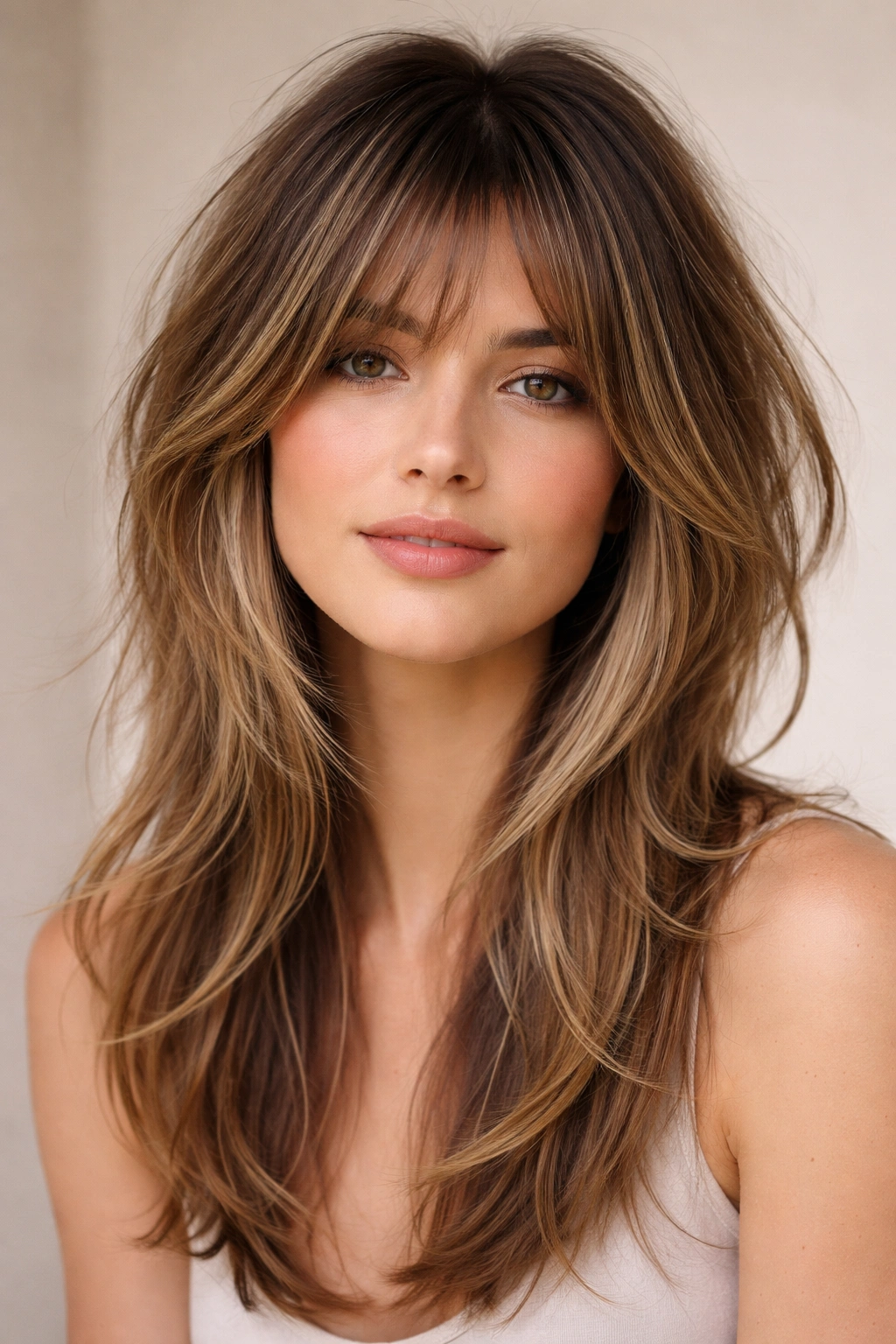
This shag focuses on maximum face-framing with longer layers specifically designed to fall around your face and create softness and movement at that critical point. The rest of the head has supporting layers, but the money layers are the ones that frame your cheekbones and jaw. It’s flattering, softening, and works especially well for people concerned about their fine hair looking harsh or severe.
Why It Works for Fine Hair
Face-framing layers create visual fullness where it matters most — right around your face. Even if the back and sides have normal density, the movement and texture happening right by your cheeks and jaw reads as full and youthful. The layers also soften any severity from your face shape, making the overall effect appear more balanced.
How to Style and Maintain It
- The face-framing layers need product and intentional styling to look their best
- A curl-defining cream or mousse applied to just the face-framing sections creates waves that show off the layers
- Blow-dry the face-framing layers specifically, curling them under or outward depending on your face shape and desired look
- The rest of your hair can be more casual — the face-framing is doing the heavy lifting visually
- Trims every 6-8 weeks keep the face-framing layers fresh and in the right position to actually frame your face
- This cut requires a stylist who understands face-shape analysis and knows how to place layers strategically
8. The Shag with Subtle Waves Built In
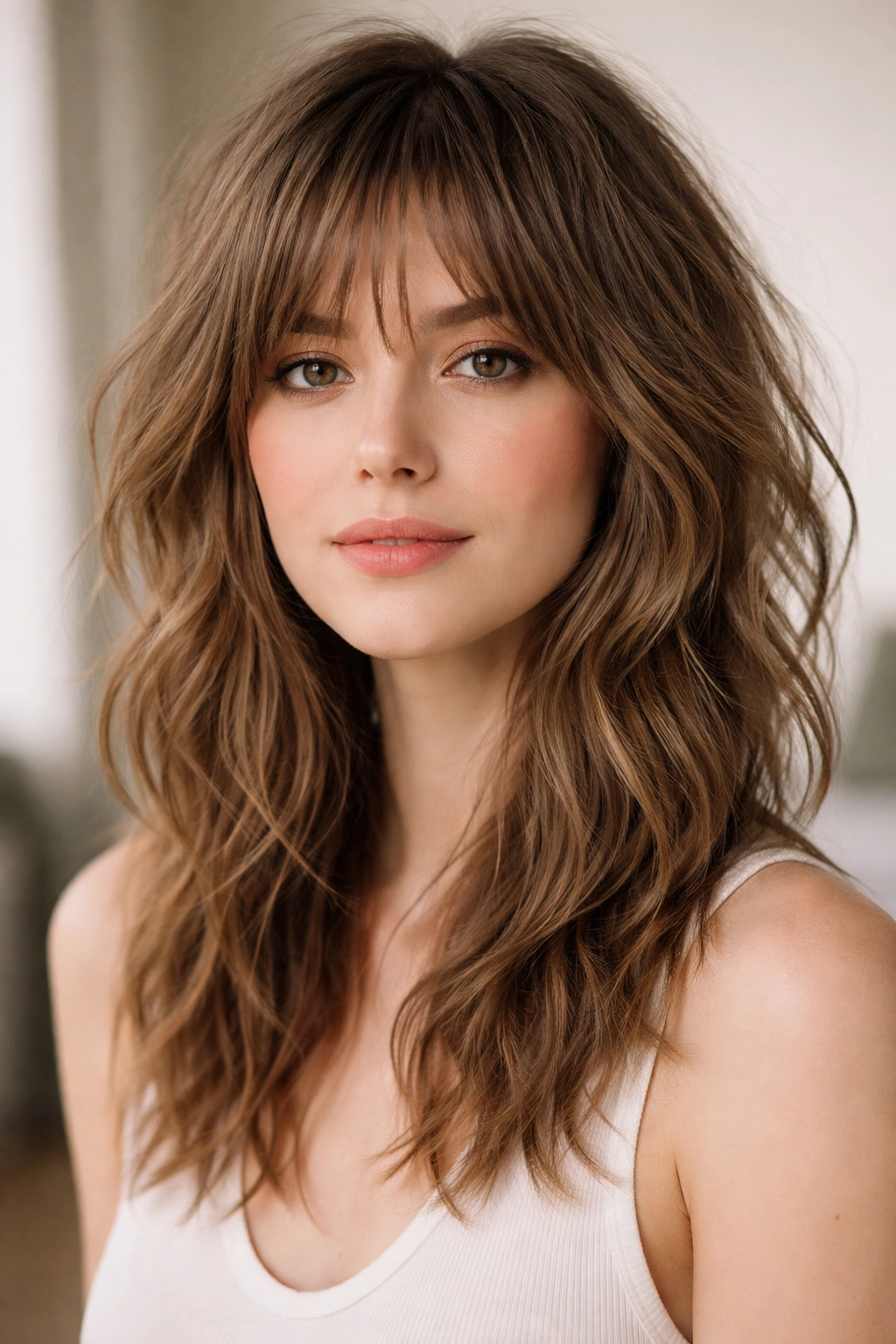
Rather than cutting in dramatic layers, some shags are cut to work specifically with natural wave or curl. The layers are present but more subtle, and the real magic happens in how they interact with your hair’s natural texture. The cut itself creates a foundation, and then your waves do the work of creating volume and movement.
Why It Works for Fine Hair
Waves create visual volume and texture. A shag that’s cut with your wave pattern in mind means that even fine hair, when it’s wavy, reads as full and substantial. You’re not fighting your natural texture with a straightening routine; instead, you’re making your wave pattern do more of the heavy lifting. This works brilliantly for people with naturally wavy or curly fine hair.
How to Style and Maintain It
- Define your waves with a wave cream or curl-defining mousse applied to soaking-wet hair
- Air-dry or diffuse rather than blow-dry to preserve the wave pattern and avoid frizz
- A light sea salt spray through the waves adds texture and grip
- Plopping (wrapping your wet hair in a t-shirt) helps the waves form and prevents them from being disrupted while they dry
- Refresh waves between shampoos with a spray bottle of water and a quick re-application of wave product
- Trims every 8-10 weeks maintain the layers without disrupting your wave pattern
- This style requires embracing your natural texture rather than fighting it
9. The Shag with Longer Bangs
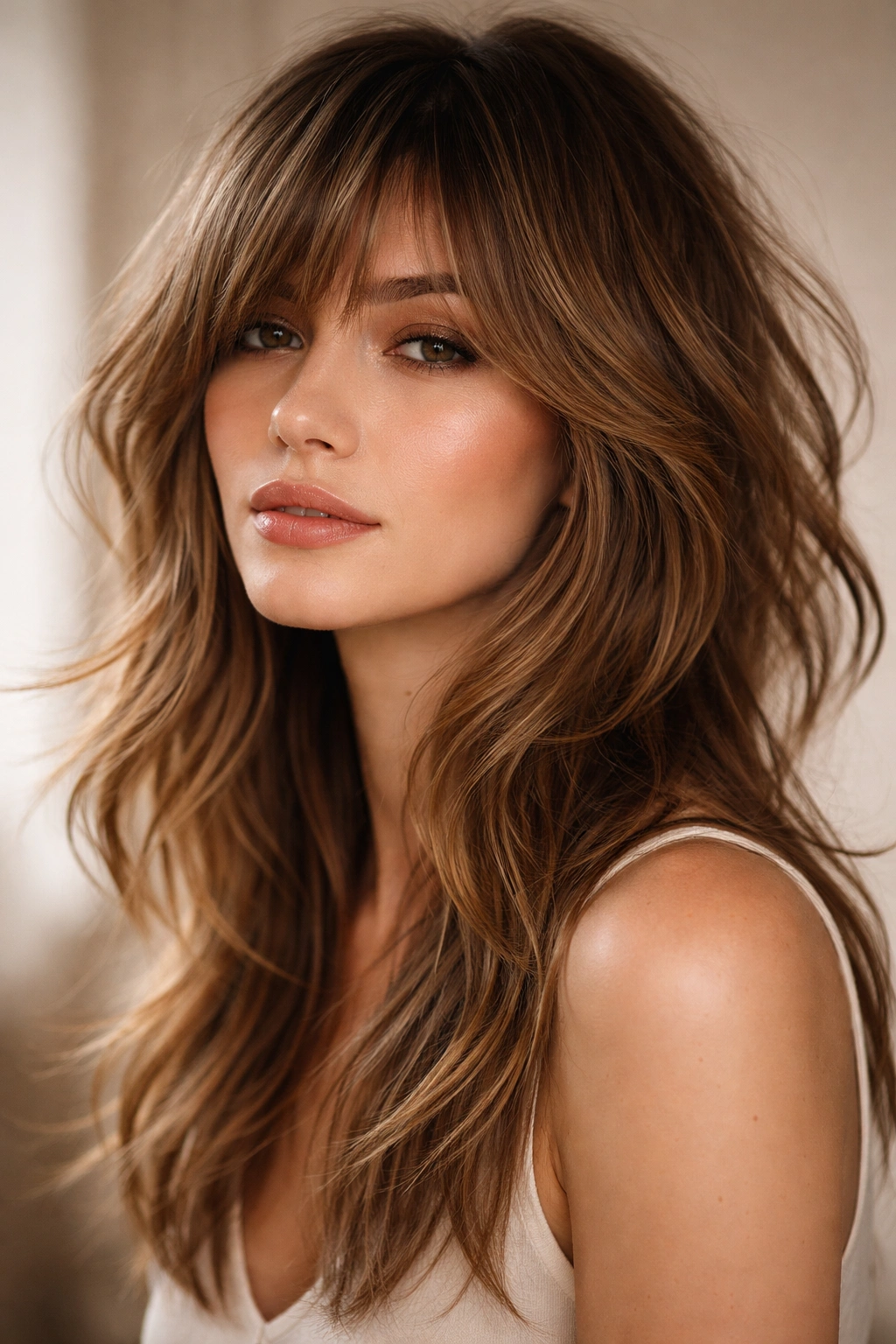
A shag with longer bangs — often called “sweeped bangs” or “side-swept bangs” — that blend into the layers rather than creating a separate bang line. The bangs are substantial enough to frame the face but long enough that they’re technically part of the longer layers rather than a distinct piece. This creates a very soft, romantic silhouette.
Why It Works for Fine Hair
Bangs can emphasize thinness if they’re not cut right. But longer, blended bangs create movement and frame the face without being heavy. The bangs themselves are textured and layered so they don’t create a solid line, and they blend seamlessly into the rest of the shag. This softens the entire look and creates movement from the moment someone looks at you.
How to Style and Maintain It
- The bangs need daily styling — they’re not wash-and-wear
- Apply a volumizing mousse or texturizing spray to damp bangs before blow-drying
- Use a small round brush to blow-dry bangs away from your face, creating curve and lift
- Alternatively, a light wave product creates soft waves through the bangs
- Side-swept bangs can be styled to sweep dramatically to one side or split more evenly depending on your preference
- Trims every 4-5 weeks keep the bangs from becoming too long and falling flat into your eyes
- Maintain the blend between the bangs and the rest of the layers so the bangs look intentional rather than like an afterthought
10. The Shag with Razor-Sharp Edges
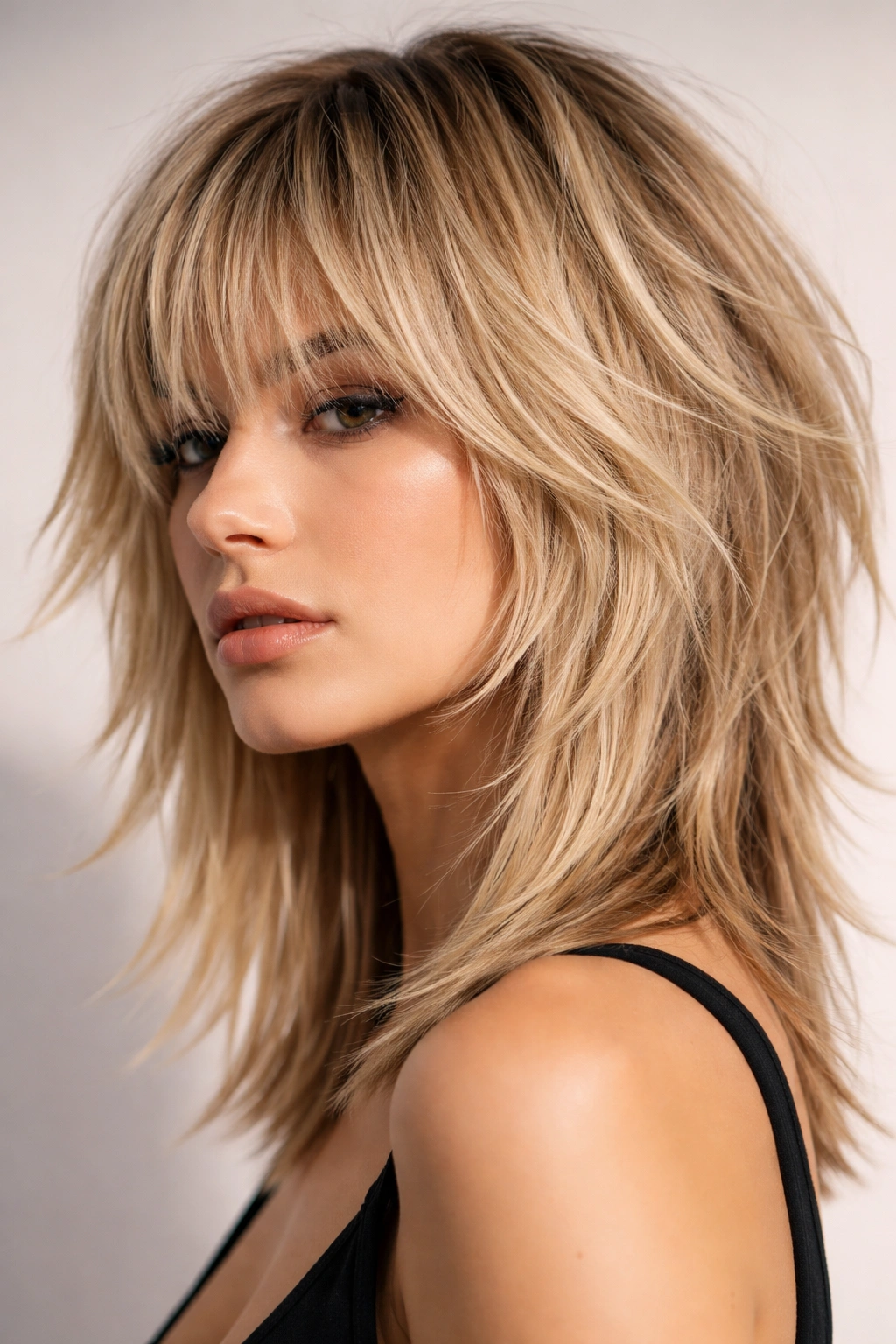
A shag cut with intentionally sharp, clean edges — particularly around the perimeter — creates a more structured, modern look. The layers are still there and the texture is still present, but the overall shape has definition. The contrast between the choppy layers inside and the clean perimeter creates visual interest and polish.
Why It Works for Fine Hair
Clean edges create a sense of intentionality and control, which makes the textured layers read as a design choice rather than just thinness. The sharp perimeter contains the style and prevents it from looking undone or wispy. For fine hair, this structured approach prevents the shag from looking shapeless or like you just need a haircut.
How to Style and Maintain It
- Blow-drying with precision matters more with this cut — the clean edges need to be visible
- Use a flat iron on the perimeter (especially the longer lengths) to maintain the clean edge
- Texturize the interior with product and technique, but keep the perimeter relatively smooth
- A light hairspray or styling cream helps the sharp edges maintain their definition
- Trims every 5-6 weeks keep the perimeter sharp — as it grows out, it loses that crisp edge
- This cut requires more styling attention than a softer, all-over-choppy shag, but the polished result is worth it
11. The Layered Shag with Curtain Framing
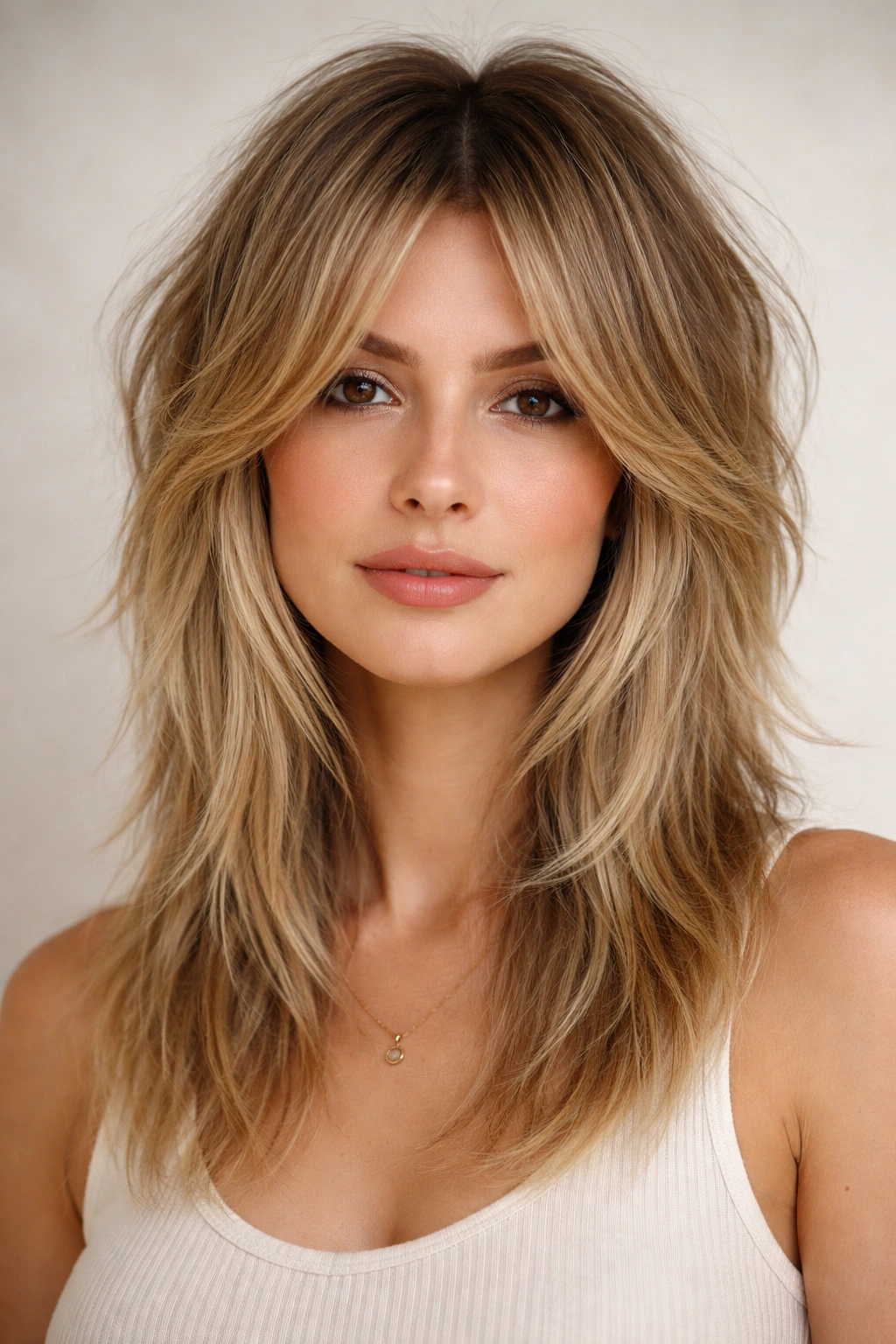
This shag is inspired by the ’70s “curtain” hairstyle but executed with modern choppy layers. The hair is parted down the middle with longer layers that fall like curtains on either side of the face, while the crown has shorter, textured layers that create volume. It’s retro but updated, flattering and easy to style.
Why It Works for Fine Hair
The central part doesn’t expose your scalp (which can be unflattering for fine hair) because the texture and layers throughout the crown prevent the hair from lying flat. The curtain framing creates movement toward your face, which creates dimension and softness. The overall effect is much fuller than the actual density because of the strategic placement of layers and the part.
How to Style and Maintain It
- This style works best with some texture — straight hair can look thin when parted down the middle
- Apply a volumizing mousse to damp hair, blow-dry your roots at the part for lift, then use a round brush to create waves in the curtain sections
- A curl cream applied to damp hair and air-dried creates soft waves without heat styling
- The curtain sections benefit from light layering product to separate the layers
- You can also use velcro rollers while blow-drying to create soft waves that fall into place naturally
- Trims every 8 weeks maintain the layers and keep the curtain framing in the right position
- This cut feels effortless when styled correctly but does require intentional styling
12. The Shag with Piecy, Separatist Layers
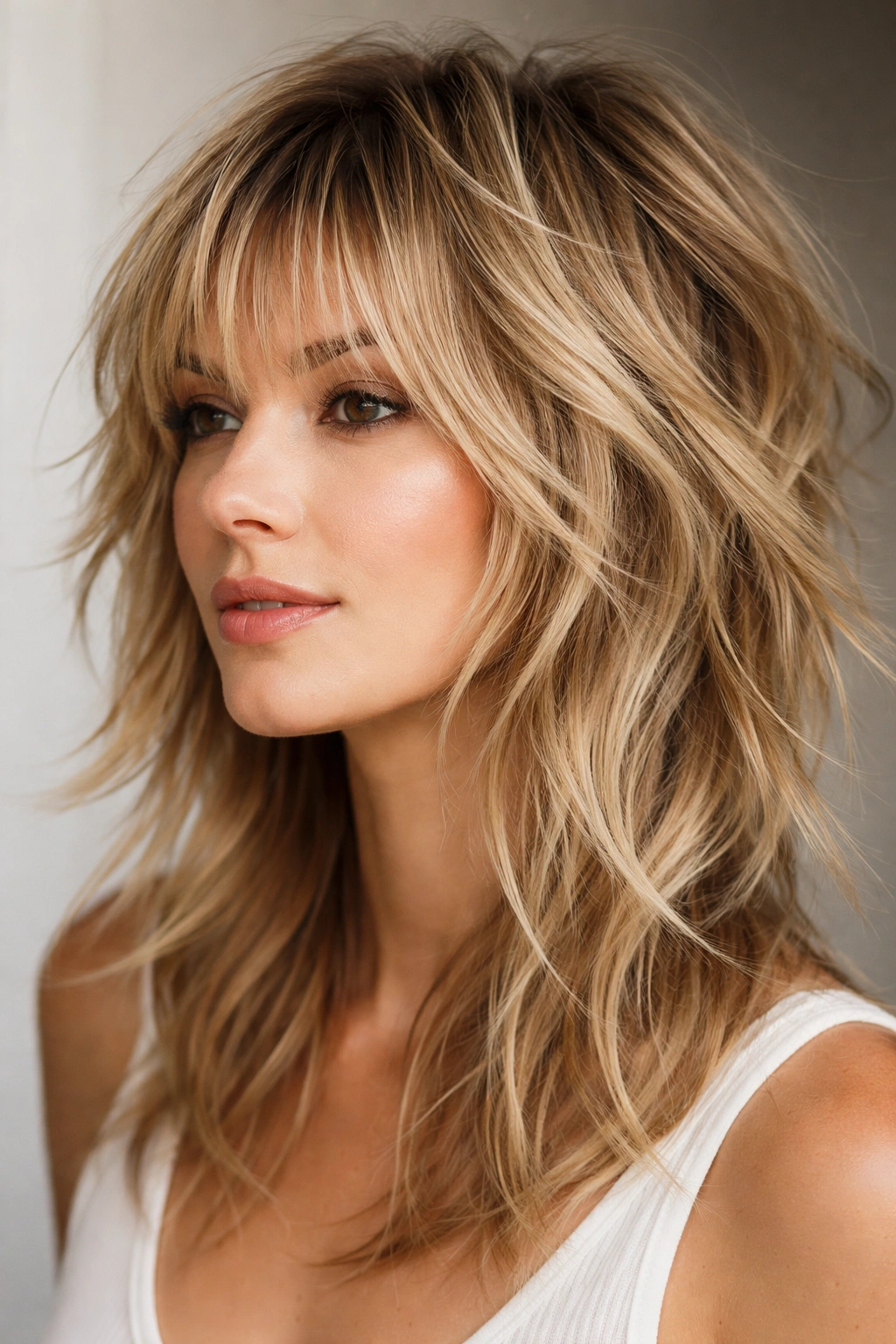
A shag where the layers are cut with separation in mind — each layer sits independently and doesn’t blend smoothly into the one beneath it. The result is a very piecey, almost spiky texture throughout. It’s edgier and more modern than softer shags, and the separated layers create maximum visual texture and movement.
Why It Works for Fine Hair
Separated, piecey layers create the optical illusion of volume because each piece is distinct and visible. If your fine hair is blended into smooth layers, it can look thin because the blending emphasizes the lack of density. But piecey layers where each section is separate reads as fuller and more textured. The technique is also forgiving — fine hair doesn’t need to be perfectly blended.
How to Style and Maintain It
- This style requires product — styling cream, texturizing paste, or pomade applied to the ends
- Work the product through your dry hair, separating and lifting the pieces as you go
- A bit of sea salt spray adds grip and texture
- You can blow-dry with your fingers and product for a more casual look, or use a round brush for slightly more polish
- The piecey texture means the cut actually looks better a few days post-shampoo when you have a bit of natural oil and texture
- Trims every 5-6 weeks keep the pieces from becoming too blunt or overdone
- This is genuinely easier to style than softer shags because imperfection is built into the design
13. The Shag with Volume-Boosting Undercut
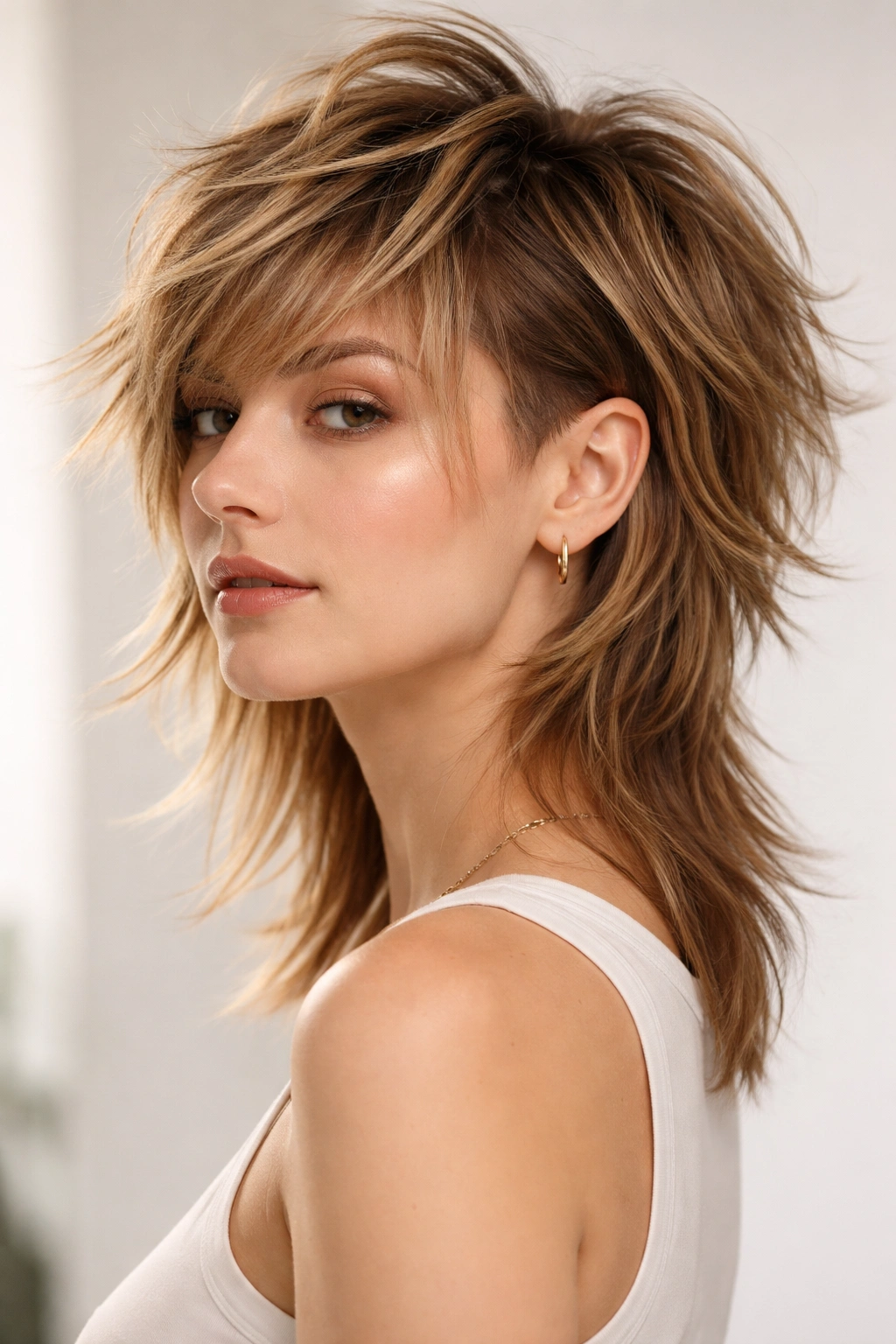
An undercut integrated into the shag design — usually close-cropped sections underneath with longer layers on top. The undercut removes weight from the base of your hair while the longer top layers create visible volume and movement. It’s modern, striking, and surprisingly practical for fine hair management.
Why It Works for Fine Hair
An undercut removes the weight that’s dragging your fine hair down. Without that weight at the base, your top layers can actually lift and move. You’re not just cutting layers; you’re strategically removing density from specific areas so the remaining hair has room to breathe and move. This is honestly one of the most effective solutions for fine hair that feels perpetually flat.
How to Style and Maintain It
- The undercut requires regular maintenance — the close-cropped sections grow out quickly and look unkempt fast
- Trim the undercut every 2-3 weeks if you want to maintain that crisp look
- The longer top can be styled with texturizing products and blow-dried for volume
- The contrast between the undercut and the longer top is striking, so commit to the look — it’s not subtle
- A good stylist can blend the undercut into the longer layers so it looks intentional rather than accidental
- This cut definitely requires confidence and a willingness to style regularly, but it genuinely solves the fine-hair-flatness problem
14. The Textured Shag with Balayage or Highlights
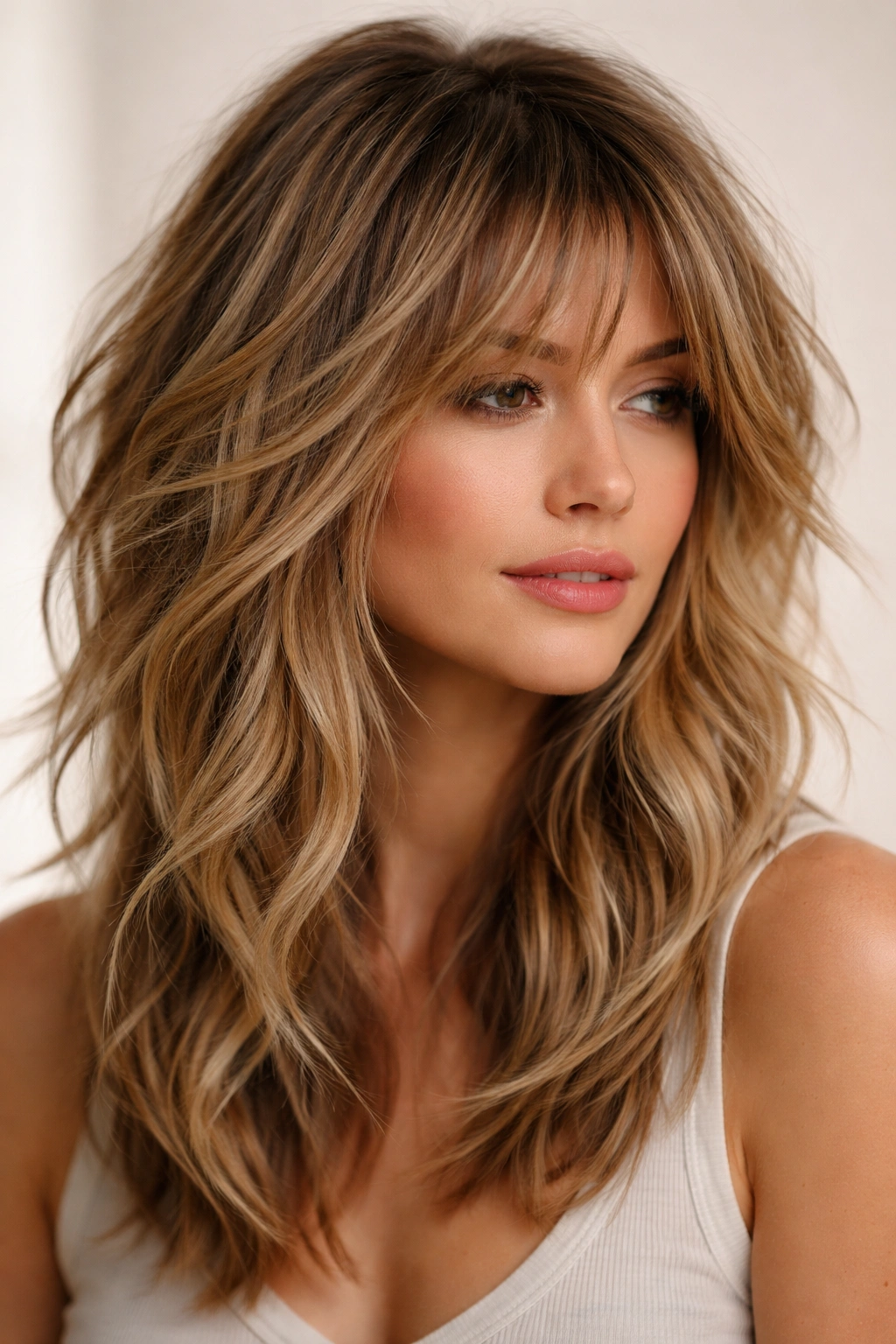
The cut itself is a classic choppy shag with good layers for movement and volume, but the dimension is amplified by strategic color placement. Balayage or dimensional highlights create visual depth and texture that makes even fine hair read as fuller. The color literally creates the illusion of density that the cut supports.
Why It Works for Fine Hair
Color dimension adds perceived volume. Highlights that are placed strategically throughout create texture and depth that a single-dimension color cannot achieve. For fine hair, this is honestly a game-changer — the combination of textured layers plus dimensional color creates substantial-looking hair even when the actual density is limited. Lighter pieces throughout create airiness and movement, while slightly darker pieces create depth.
How to Style and Maintain It
- Maintain color every 6-8 weeks depending on your grow-out tolerance
- Use color-safe shampoo and conditioner to keep the dimension vibrant
- Violet or ash toner helps keep lighter pieces from going too brassy
- The textured cut requires the same styling as any choppy shag, but the dimensional color means you get bonus visual volume
- Styling with texturizing products shows off the color dimension — use a mousse or cream that adds shine and separation
- This is a worthwhile investment for fine hair because the color actually solves part of the volume problem, not just the cut
15. The Shag With Minimal Styling Needs
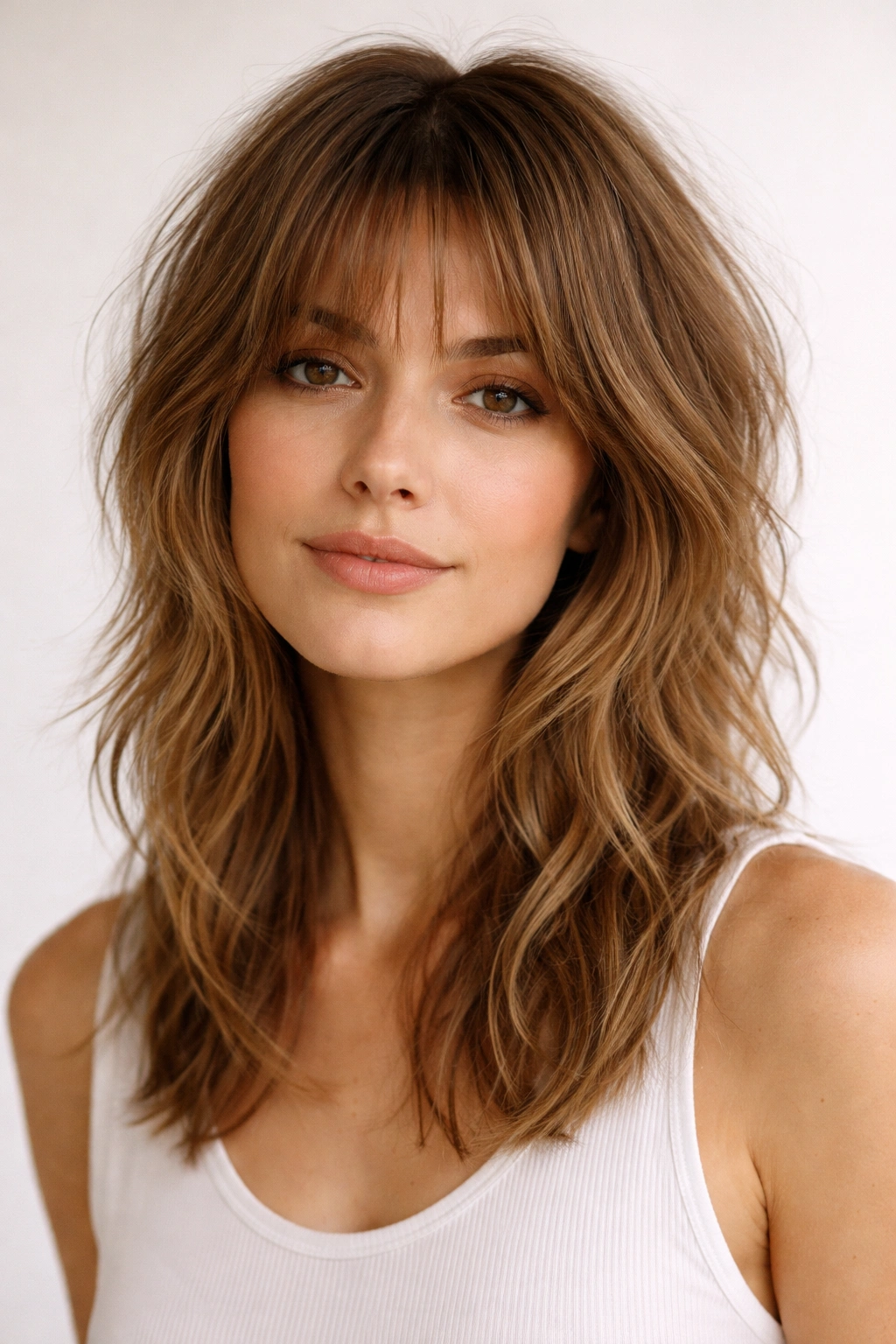
A strategically cut shag that works with your hair’s natural texture and actually looks better with minimal styling. The layers are placed in a way that creates movement naturally, and the overall shape is forgiving enough that it doesn’t require daily blow-drying or heavy product. It’s the thinking person’s low-maintenance shag.
Why It Works for Fine Hair
Fine hair + high-maintenance styling = a recipe for frustration. This shag acknowledges that and works with it. The layers are cut to enhance your natural texture rather than fighting it. The length, texture, and overall shape mean that even wash-and-wear styling looks intentional. You’re not forcing your hair into submission every morning; instead, you’re working with what you naturally have.
How to Style and Maintain It
- Define your natural texture with a leave-in conditioner or wave cream applied to damp hair
- Air-dry or use a diffuser for a more relaxed, natural look
- Dry shampoo refreshes the style between shampoos and adds natural texture
- Minimal product keeps fine hair from looking weighed down
- Trims every 8-10 weeks maintain the layers without requiring frequent attention
- This cut works best for people with some natural wave or texture — it’s hard to make a truly straight-haired shag look intentional without styling
- The trade-off is that you need a skilled stylist who understands your hair’s natural texture deeply
Final Thoughts

The right shag doesn’t just give fine hair the appearance of volume — it actually changes how your hair behaves. By strategically removing weight, creating texture, and building movement into the cut itself, you’re not fighting your hair’s nature anymore. You’re designing a cut that works with your fine hair instead of against it.
The key is finding which shag variation matches both your hair’s natural texture and your realistic styling commitment. If you love styled, polished looks, the textured choppy shag or the razor-sharp-edge version is your answer. If you prefer minimal fuss, the undercut shag or the minimal-styling version removes obstacles and works harder for you. If you’re somewhere in the middle, the shoulder-length wispy shag or the long shag with subtle layers gives you movement and dimension without demanding hours at the styling station.
When you sit down with your stylist, bring photos of the shag variation that speaks to you, but also have an honest conversation about your styling reality. A shag that’s perfectly cut for your hair type but takes 30 minutes and three products to look right won’t work if you don’t have that time or patience. The best haircut is always the one you’ll actually maintain and style, not the one that theoretically looks perfect. A shag that works for your life — your hair’s natural texture, your styling commitment, your maintenance tolerance — is the one that will finally give you the volume, movement, and confidence that fine hair deserves.
