



Finding the perfect short haircut is about more than just scissors and styling products — it’s about discovering a look that works with your hair texture, suits your face shape, and fits seamlessly into your lifestyle. A great short haircut can transform how you feel about yourself, offering low-maintenance styling, an instant fresh look, and the kind of confidence that comes from knowing you’ve made a bold, intentional choice. The beauty of short hair is its versatility: whether you’re drawn to polished and professional, edgy and modern, or soft and romantic, there’s a short haircut designed to deliver exactly what you’re looking for.
Walking into a stylist’s appointment with clear references makes an enormous difference in getting results you actually love. Rather than describing an idea in vague terms — “something short but not too short” or “just something different” — showing your stylist exactly what you envision eliminates miscommunication and gives them the visual roadmap they need to execute your vision with precision. The styles in this guide represent the full spectrum of short haircut possibilities, from classic cuts that have stood the test of time to contemporary interpretations that feel fresh and current. Each one is detailed enough that you can save an image and bring it to your appointment, and each is adaptable to your specific hair type, texture, and styling preferences.
Whether this is your first time going short or you’re looking to refresh a cut you’ve loved before, use this collection as inspiration. Your stylist can adjust length, layers, texture, and styling techniques to customize any of these ideas to your unique features. The right short haircut isn’t just about the hair — it’s about creating a style you wake up excited to wear.
1. Classic Pixie Cut

The pixie cut is the timeless short hairstyle that defined boldness and low-maintenance elegance decades ago and continues to be one of the most requested cuts today. This ultra-short style typically features cropped length on the sides and back with slightly more length on top, creating dimension and allowing for styling versatility. The pixie works beautifully on most face shapes when proportioned correctly by a skilled stylist.
Why It Remains a Gold-Standard Choice
The pixie cut’s enduring popularity stems from its remarkable practicality combined with its inherent sophistication. You can style it sleek and polished for professional settings, tousle it for an effortless everyday look, or add texture and movement for a more edgy aesthetic. The cut requires regular trims every 4-6 weeks to maintain its shape, but daily styling is minimal — most pixie cuts look great with just a bit of product and finger-styling.
Key Details to Discuss With Your Stylist
- Side length: Request specific measurements (typically 1-2 inches on sides, shorter at nape)
- Top length and texture: Longer, textured top works better for most face shapes than a severely cropped dome
- Undercut or faded nape: Specify whether you want sharp, geometric precision or softer blended lines
- Styling product recommendation: Mention your preference for cream, pomade, or paste textures
Pro tip: Bring a photo showing the specific texture and length ratio you love. Pixies vary dramatically — a choppy, textured pixie reads completely differently from a sleek, blunt-edged pixie.
2. Textured Pixie With Longer Crown

This modern take on the pixie cut keeps the short, close-cropped sides and back while extending the length significantly on top, creating a playful height and volume. The longer crown can be styled up and off the face or swept to one side, offering styling flexibility that a traditional pixie sometimes lacks. This version suits people who love the low-maintenance aspect of pixies but want more styling options.
What Makes This Version Stand Out
The extended crown gives you the freedom to add texture, movement, and personality while still maintaining the practical short sides that keep the look feeling contemporary and sharp. Stylists can add choppy layers throughout the crown to enhance natural texture or create the illusion of fullness if your hair is finer. This cut is especially flattering on oval, heart, and square face shapes.
Key Details to Discuss With Your Stylist
- Crown length: Typically 2-4 inches, longer than a traditional pixie but still proportional
- Layer placement: Discuss whether you want layers concentrated at the crown or distributed throughout for movement
- Side fade or undercut: Choose between a sharp geometric fade or softer blended lines
- Styling expectations: Clarify how you’ll style the top — will you use product, blow-dry, or wear it natural?
Worth knowing: This cut works wonderfully with a bit of styling product — a texturizing cream or lightweight pomade will enhance the choppy layers and add definition.
3. Blunt Pixie With Bangs

A blunt, geometric pixie takes the cut to a sharper, more architectural place with clean lines and minimal texture, then adds full bangs for a playful, fashion-forward statement. This style reads modern and intentional, perfect for people who love precise, geometric shapes and aren’t afraid to make a style statement. The blunt edge requires regular maintenance to keep the lines crisp.
Why This Cut Commands Attention
The combination of a severely blunt pixie with full, straight-across bangs creates an instantly memorable silhouette with serious editorial appeal. The blunt texture emphasizes the precise architectural nature of the cut, while the bangs draw focus to your eyes and create a youthful, approachable quality despite the severity of the cut. This style suits people with confidence and a clear sense of personal style.
Key Details to Discuss With Your Stylist
- Bangs length: Request specific measurements — typically at the eyebrow or just below for this style
- Bang width: Discuss whether you want full face coverage or bangs that start slightly back from the hairline
- Side and back length: Specify how short you’re comfortable going (typically 0.5-1 inch)
- Bluntness level: Some stylists can achieve a perfectly sharp blunt edge; others prefer a slightly softer variation that’s easier to maintain
Pro tip: This cut requires a trim every 3-4 weeks to keep the blunt edges from becoming wispy and soft — factor maintenance into your decision.
4. Undercut Pixie

An undercut pixie shaves or fades the sides and back very short — sometimes down to skin-level — while keeping meaningful length on the crown and potentially side-swept bangs. This edgy, sculptural cut creates dramatic contrast and instantly signals a bold, unconventional aesthetic. The undercut pixie is popular among people who embrace alternative style and want a cut that reflects that identity.
What Makes This Version Visually Striking
The extreme contrast between the shaved or faded sides and the longer crown creates visual interest and an almost architectural quality to the cut. You can style the crown sleek and serious, tousled and playful, or even swept completely to one side for maximum drama. The undercut removes bulk from the sides, making this cut particularly flattering on round or square face shapes.
Key Details to Discuss With Your Stylist
- Undercut length: Request specific clipper guard numbers (typically 0, 0.5, or 1 for maximum drama; 1.5-2 for a slightly softer fade)
- Line placement: Decide whether the undercut extends all the way around or just on sides
- Crown styling: Do you want maximum length on top for styling versatility, or a more proportional pixie with emphasis on the contrast?
- Fade style: Choose between a sharp, geometric line or a soft, blended fade from the undercut to the longer crown
Insider note: Plan to visit a stylist experienced with undercuts — the execution, line precision, and fade quality make or break this look.
5. Grown-Out Pixie (The Shag Pixie Hybrid)

This intentionally undone pixie is styled with considerable texture and movement, allowing the cut to grow out in a more interesting way than a tightly maintained pixie. Layers throughout create movement and softness, and the cut is less about precision and more about lived-in texture. This style suits people who love the short-hair aesthetic but want a more relaxed, less manicured vibe.
Why This Version Feels So Current
The grown-out pixie embraces imperfection and texture in a way that feels deeply modern and effortless. Rather than fighting against grow-out phases, this cut works with them, becoming more interesting and dimensional as it grows. It’s perfect for people who love short hair but don’t want to commit to the frequent trims that extremely short styles require.
Key Details to Discuss With Your Stylist
- Initial length: Start shorter than you think you might want, knowing it will grow and look fuller quickly
- Layer placement: Request choppy, disconnected layers throughout for maximum movement and texture
- Styling direction: Discuss how you’ll style it — this cut looks best with a bit of tousling and product, not sleek and flat
- Texture type: Mention whether you want choppy and razor-textured or softer, blended layers
Pro tip: This cut looks best when you embrace a slightly messy, finger-combed aesthetic — perfect if you don’t want to blow-dry daily.
6. Tapered Cut With Volume on Top

A tapered cut gradually gets shorter from the crown down toward the nape and sides, creating a silhouette that’s full and voluminous at the crown and smoothly tapered toward the neck. This classic men’s-inspired cut has become increasingly popular for people of all genders and works beautifully on virtually every face shape. The taper can be combined with various crown lengths and textures to create looks ranging from polished to textured.
What Makes This Cut So Universally Flattering
The taper creates excellent proportion by emphasizing the crown and moving away from the face, making this cut visually flattering on round, square, and longer face shapes. The longer crown allows styling flexibility — you can create volume, add texture, sweep it to one side, or style it sleek and smooth. Regular trims every 4-6 weeks keep the taper looking sharp and intentional.
Key Details to Discuss With Your Stylist
- Crown length: Specify how much length you want on top (typically 1.5-3 inches for maximum styling flexibility)
- Taper starting point: Discuss where the taper begins — at the ears, below, or a gradual transition across the entire back and sides
- Fade style: Choose between a sharp fade line, a soft blended fade, or a gradual taper that’s less sculptural
- Texture on crown: Specify whether you want choppy layers for movement or a smoother, cleaner look
Worth knowing: This cut genuinely improves the longer you grow it, as the layers create dimension and the taper begins to blend more naturally.
7. Sleek, Blunt Bob With Texture

A blunt short bob creates a polished silhouette with a precise, jaw-length or ear-length cut that feels intentional and refined. Adding subtle or pronounced texture through layering allows for styling variation — you can wear it sleek and smooth or tousled and textured depending on your mood and occasion. This cut bridges the gap between a pixie and longer styles.
Why This Cut Feels Both Modern and Timeless
The short bob has proven itself endlessly adaptable, working beautifully across decades and with countless styling variations. A blunt edge reads sharp and intentional, while strategic layering ensures the cut never feels heavy or static. This style works on most face shapes, especially when a stylist customizes the length to your proportions.
Key Details to Discuss With Your Stylist
- Bob length: Request specific measurements (ear-length, jaw-length, or chin-length — all qualify as “short bobs”)
- Bluntness level: Specify whether you want a severely blunt, perfectly straight-edged cut or a slightly softer variation
- Layer placement: Discuss where layers should be concentrated — throughout for maximum texture, or just at the ends for subtle movement
- Styling requirements: Mention whether you blow-dry daily or prefer wash-and-go styling
Pro tip: This cut looks exceptional with a bit of blow-drying and a smoothing serum or cream — the polished quality is part of what makes it special.
8. Asymmetrical Short Cut

An asymmetrical cut features one side significantly longer than the other, creating a bold, directional statement that reads edgy and fashion-forward. The longer side can extend to the jaw or chin while the other side remains very short, or the difference can be more subtle depending on your comfort level. This dramatic cut suits people who embrace unconventional style and aren’t afraid to stand out.
What Makes This Look So Visually Interesting
The inherent asymmetry creates visual movement and interest that a symmetrical cut simply can’t achieve. You can style the longer side swept across the face or pinned back, changing the look’s entire personality depending on how you wear it. This cut is particularly striking with texture and layers throughout.
Key Details to Discuss With Your Stylist
- Length difference: Specify exactly how much contrast you want — is one side significantly shorter than the other, or is the difference more subtle?
- Longer side styling: Discuss where the longer side should fall when styled naturally (ear, jaw, chin?)
- Shorter side length: Specify measurements or show reference photos of exactly how short you want the short side
- Layers and texture: Request layers throughout to enhance the cut’s directional nature and movement
Insider note: This cut requires regular trims to maintain the asymmetry as it grows, so factor maintenance into your decision.
9. Wolf Cut (Modern Shag Interpretation)

The wolf cut is a contemporary interpretation of the classic 1970s shag, featuring short, choppy layers throughout with a distinctive wolf-like silhouette — longer and fuller at the crown and sides with tapered, texturized length overall. This cut embraces texture, movement, and an undone aesthetic while maintaining intentional dimension and styling possibility. The wolf cut has become increasingly popular as people seek styles that feel both edgy and wearable.
Why This Cut Feels So Contemporary and Textured
The wolf cut delivers maximum movement and texture through its layering strategy while maintaining enough shape that it never looks like you just woke up and didn’t brush your hair. The shorter layers at the crown create lift and volume, while longer pieces around the face and at the ends provide softness and movement. This cut works beautifully with natural texture and is especially striking on wavy or curly hair.
Key Details to Discuss With Your Stylist
- Overall length: Typically ranges from 1.5-3 inches at the shortest point to longer, textured ends
- Layer placement: Request choppy, disconnected layers throughout, concentrated near the crown for maximum volume
- Face-framing pieces: Discuss whether you want longer, sweeping pieces around the face or a more uniform layer distribution
- Styling approach: Clarify how you’ll style it — this cut shines with a bit of texture product and finger-styling
Pro tip: Bring photos of the specific layering and texture level you love — wolf cuts vary dramatically depending on how choppy the layers are.
10. Textured Crop With Fade

A textured crop features choppy, disconnected layers throughout the crown with a faded or tapered sides and back, creating a style that’s fuller and more dimensional than a simple crop. The texture is key here — blunt, choppy layers throughout prevent the cut from feeling flat or severe. This cut works beautifully on people with naturally wavy or curly hair and is becoming increasingly popular for straight hair as well.
What Makes This Cut Visually Dynamic
The combination of texture on top and clean fades or tapers on the sides creates excellent proportion and visual interest. You can style the textured crown tousled and casual or smooth it into a more refined look depending on occasion and mood. The fade keeps the overall silhouette clean and contemporary despite the textured crown.
Key Details to Discuss With Your Stylist
- Texture type: Request choppy, razor-textured layers — specify how disconnected or blended you want them to be
- Fade style: Choose between a sharp fade line, a soft blended fade, or a gradual taper
- Crown length: Typically 1.5-3 inches at the top to show off the texture and layers
- Texture pattern: Discuss whether you want uniform choppy layers throughout or concentration at specific points (crown, sides, etc.)
Worth knowing: This cut genuinely works better with some styling effort — a texturizing cream or pomade will make the layers and texture shine.
11. Sleek Undercut With Long Bangs

This sophisticated cut combines a closely faded or undercut sides and back with meaningful length on top, crowned with long, side-swept bangs that reach toward the chin or jaw. The long bangs create softness and femininity that contrasts beautifully with the sharp undercut. This style reads elegant and intentional while maintaining the edginess that undercuts provide.
Why This Combination Works So Well Together
The length on top and the sweep of the bangs soften what could otherwise feel harsh or severe, creating a cut that’s visually interesting without being uncomfortable to wear. The undercut keeps the overall volume and weight manageable while the bangs draw attention upward to the face. This cut is particularly flattering on heart-shaped and oval faces.
Key Details to Discuss With Your Stylist
- Undercut specifics: Request fade length and placement (sides only, or extending around the back as well?)
- Top length: Specify how much length you want on the crown — typically 2-4 inches to allow styling the bangs back
- Bang length and style: Request exact measurements for where the bangs should fall; discuss whether you want them perfectly straight or textured
- Styling intention: Clarify how you’ll typically wear the bangs — swept to one side, parted down the middle, pinned back?
Pro tip: This cut is absolutely stunning with a bit of styling effort — blow-drying the bangs and adding a smoothing serum creates polish.
12. Choppy Layers Throughout (The Shag Evolution)

A modern shag features choppy, disconnected layers distributed throughout the entire cut, creating maximum movement, texture, and volume with minimal bluntness or severe lines. The layers are cut at varying lengths to create a lived-in, intentional texture rather than a uniform shape. This cut works beautifully with natural wave or curl and is visually striking on straight hair as well.
What Makes This Layering Approach So Visually Dynamic
The choppy layer technique creates dimension and movement that flows naturally with your head’s shape and your natural hair texture. No two pieces of hair are quite the same length, which creates visual interest and prevents the cut from ever feeling static or dull. This cut becomes more interesting as it grows out and the layers interact with your natural texture.
Key Details to Discuss With Your Stylist
- Layer distribution: Request choppy layers throughout rather than concentrated in one area
- Layer disconnection: Discuss how disconnected or blended you want the layers — are they distinct and separate or more blended?
- Overall length: Typically ranges from 1 inch at the shortest to 3-4 inches at the longest points
- Styling approach: Mention whether you prefer a tousled, textured look or occasionally smooth styling
Insider note: This cut is designed to work with your natural hair texture — if you have straight hair and blow-dry it smooth, the cut will read differently than if you wear it textured and tousled.
13. Side-Swept Pixie With Longer Sides

This variation on the pixie keeps the short, cropped back and one side while extending significantly more length on the other side, which can be swept across the face or tucked behind the ear. The side-swept element adds softness and femininity while the short opposite side maintains the sharp, edgy quality of a pixie. This cut offers styling flexibility and a fashion-forward aesthetic.
Why This Asymmetrical Approach Works So Well
The longer side-swept piece frames the face beautifully and creates a romantic, directional quality that a standard pixie lacks. You can style it sleek and sculptural or add texture for movement. The shorter opposite side keeps the overall silhouette clean and prevents the cut from feeling shapeless or overgrown.
Key Details to Discuss With Your Stylist
- Short side length: Specify exact measurements for how short the cropped side should be
- Long side length: Request specific measurements for where the longer, swept side should fall (ear, jaw, or somewhere in between)
- Connection between sides: Discuss whether you want a gradual taper connecting the two lengths or a more dramatic transition
- Bangs option: Decide whether the longer side functions as bangs or whether you want actual bangs as well
Pro tip: This cut works beautifully with a tiny bit of styling cream or pomade to keep the swept side in place and create shine and definition.
14. Textured Crop With Length Variation

A textured crop takes the concept of cropped length and adds dimension through intentional length variation and choppy layering throughout. Rather than a uniform, tight crop, this version has longer pieces mixed throughout for texture and movement. The result feels effortlessly styled and has a modern, editorial quality.
What Makes This Variation So Interesting
The combination of cropped length and texture creates a cut that’s low-maintenance while still feeling intentional and stylish. The varying lengths prevent monotony and create visual interest that a standard, uniform crop might lack. This cut works beautifully with natural texture and is striking on straight hair as well.
Key Details to Discuss With Your Stylist
- Shortest points: Request specific measurements for where the shortest pieces of hair should be (typically 0.5-1 inch)
- Longest points: Specify where the longer pieces should fall (typically around the face or at the crown for softness)
- Layer type: Request choppy, disconnected layers with clear texture rather than blended, uniform length
- Overall vibe: Clarify whether you want an effortless, undone feeling or a more intentionally styled look
Worth knowing: This cut genuinely looks better with a texturizing product — a cream, paste, or pomade will make the texture and layers stand out.
15. Blunt Fringe With Tapered Sides

This sophisticated cut features a blunt, straight-across fringe that reaches the eyebrows while the rest of the hair is tapered short on the sides and back. The contrast between the statement fringe and the tapered sides creates visual interest and polish. This style reads intentional and fashion-forward while remaining wearable for professional settings.
Why This Combination Is So Striking
The blunt fringe immediately draws attention to your eyes and face while the tapered back keeps the overall silhouette clean and contemporary. The fringe can be styled sleek and blunt or textured and choppy, allowing styling flexibility. This cut is particularly flattering on oval and heart-shaped faces.
Key Details to Discuss With Your Stylist
- Fringe length: Request specific measurements from your eyebrow line — slightly below, at, or just above?
- Fringe width: Discuss whether the fringe spans the full width of your face or starts slightly inset from the temples
- Fringe texture: Specify whether you want a severely blunt edge or slightly softer, textured fringe
- Side/back taper: Request specific fade length and style (sharp fade, soft blend, or gradual taper)
Pro tip: A blunt fringe requires regular trims every 2-3 weeks to maintain its clean edge, so factor that maintenance commitment into your decision.
16. Modern Mullet

The modern mullet is a contemporary interpretation of the classic 1980s cut, featuring shorter, textured length on the crown and sides with considerably longer pieces at the back and nape. This cut has been reimagined in a sophisticated, fashion-forward way that reads intentional rather than nostalgic. The modern mullet works beautifully as a statement piece for people who embrace unconventional style.
What Makes This Version Totally Wearable and Contemporary
The key to a wearable modern mullet is the texture and disconnection throughout — rather than the severe geometric contrast of the original mullet, the contemporary version features choppy layers that blend and transition more naturally. The longer back creates movement and dimension while the shorter front and crown create shape and proportion. You can style it multiple ways depending on mood and occasion.
Key Details to Discuss With Your Stylist
- Front and crown length: Typically 1-2 inches, textured with choppy layers
- Back length: Request specific measurements for how long the back should be (typically 3-5 inches or more)
- Connection between sections: Discuss how the short front/crown should transition to the longer back — do you want a distinct line or a more gradual transition?
- Texture throughout: Request choppy, disconnected layers throughout for a contemporary rather than geometric feel
Insider note: This cut is a genuine statement piece — wear it with confidence and styling intention, not as an ironic nod to the past.
17. Textured Pixie With Deep Side Part

A textured pixie styled with a deep side part creates dimension and movement while maintaining the practical, low-maintenance length of a pixie. The side part draws focus to one side of the face and creates an asymmetrical vibe that feels more sophisticated than a center-parted pixie. The texture prevents the cut from feeling severe despite the short length.
Why This Styling Approach Changes Everything
A deep side part transforms how a pixie reads — suddenly it feels more directional, elegant, and less severe. The part creates a styling option that gives you flexibility and lets you change the cut’s personality without actually changing the cut itself. This approach works beautifully with choppy layers that enhance the movement created by the part.
Key Details to Discuss With Your Stylist
- Pixie length: Request specific measurements, typically 1-2 inches at the longest points
- Layer placement: Request choppy layers on the longer side of the part to enhance movement and dimension
- Shorter side length: Specify how short you want the side that will be tucked away behind the part
- Styling intention: Clarify that you’ll be styling this with a deep side part regularly — this affects how the stylist approaches the cut
Pro tip: Style the side-parted pixie with a smoothing serum or lightweight pomade to enhance shine and the movement created by the part.
18. Cropped Curly Cut (Enhanced Curl Definition)

This cut is specifically designed to work with natural curly or coily hair, featuring short, textured layers that enhance and define your natural curl pattern rather than fight against it. The layers are cut dry or with your hair in its natural state so the stylist can see exactly how the cut will look when you wear it naturally. This approach honors your hair’s texture while creating shape and intentionality.
Why Cutting Curly Hair Dry Makes All the Difference
Cutting curly hair while it’s dry ensures the cut works beautifully with your natural texture rather than creating a cut that requires extensive blow-drying or manipulation to look good. A skilled stylist trained in cutting curly hair understands how layers, length, and shape interact with curl pattern. The result is a cut that looks better the less you do to it.
Key Details to Discuss With Your Stylist
- Curl type: Specify your curl pattern (loose wave, defined curl, coily, etc.) so the stylist can adjust the cutting technique accordingly
- Texture preference: Discuss whether you want maximum definition and separation or softer, more blended texture
- Styling products: Mention what products you typically use so the stylist can cut accordingly
- Maintenance expectations: Clarify how often you can get trims and whether you’re willing to use styling products daily
Worth knowing: A curly-hair-specific stylist will cut your hair differently than a general stylist — the investment in finding the right specialist is absolutely worthwhile.
19. Blunt Short Bob With Graphic Undercut

This bold cut combines a blunt, precisely cut short bob with an undercut or fade on the sides and back, creating a striking contrast between the textured, fuller front and the closely faded back. The graphic undercut makes a serious statement while the blunt bob front remains accessible and wearable. This style reads fashion-forward and intentional.
What Makes This Contrast So Visually Powerful
The extreme difference between the full front and the closely faded back creates visual interest and structural interest that a uniform bob cannot achieve. The cut reads bold without feeling costumey or difficult to integrate into daily life. You can style the front bob multiple ways — sleek and smooth, textured and tousled, or even swept to one side.
Key Details to Discuss With Your Stylist
- Bob length and bluntness: Specify exact measurements and whether you want a severely blunt edge or slightly softer variation
- Undercut specifics: Request precise fade length and line placement — does it extend all the way around or just on the sides?
- Connection between sections: Discuss how the blunt bob should transition to the faded back
- Styling intention: Clarify whether you’ll wear the bob sleek and smooth or textured
Pro tip: This cut is stunning with a smoothing serum or lightweight pomade that emphasizes the sharp lines and creates shine.
20. Feathered Pixie With Soft Layers


A feathered pixie takes the short length of a pixie but softens it dramatically through gentle, feathered layers that create movement and flow without the choppy disconnection of some other textured cuts. The feathering technique creates soft, delicate texture throughout. This cut works beautifully on people who want short hair but aren’t drawn to edgy, choppy styles.
Why This Approach Feels So Soft and Approachable
Feathering creates texture through gentle, blended layers that follow the natural shape of your head and create movement without severity. The result feels romantic and soft rather than sharp or edgy. This cut is particularly flattering on people with oval and round face shapes.
Key Details to Discuss With Your Stylist
- Pixie length: Request specific measurements, typically 1-2 inches
- Feathering technique: Clarify that you want soft, feathered layers rather than choppy, disconnected ones
- Layer placement: Discuss whether you want feathering throughout or concentrated in specific areas (crown, face-framing)
- Styling approach: Mention whether you’ll blow-dry with a round brush to enhance movement or style more casually
Insider note: Feathering requires a stylist trained specifically in that technique — the execution is what makes this cut beautiful rather than just choppy.
21. Textured Crop With Shaved Designs

A textured crop gets an extra edge through shaved designs, patterns, or lines incorporated into the faded or undercut areas. These designs can be simple geometric patterns or more elaborate designs depending on your comfort level and aesthetic. This cut is for people who embrace bold, unconventional style and see their hair as a canvas for creative expression.
Why This Approach Feels So Edgy and Personal
The shaved designs transform the cut into a personalized statement piece that reflects your individual style and creativity. Whether simple or elaborate, these designs add visual interest and ensure your cut turns heads. This approach works beautifully on people with undercuts, fades, or shaved sections where the designs can be clearly visible.
Key Details to Discuss With Your Stylist
- Design concept: Bring reference photos or sketches of exactly what you envision
- Design placement: Discuss where the design(s) should be located — behind the ear, at the nape, along the sides, or elsewhere
- Design complexity: Clarify whether you want a simple pattern or elaborate artwork
- Line sharpness: Request either crisp, geometric precision or softer, more organic lines depending on your design
Pro tip: Take a good photo of your design once it’s fresh so you can show your stylist on future visits for maintenance.
22. Ear-Length Bob With Choppy Texture

An ear-length bob is precisely cut to align with your ears when hair falls naturally, creating a neat, proportional silhouette. Adding choppy texture throughout prevents the cut from feeling blunt or severe. This length is the sweet spot between a pixie and longer styles — short enough for practical styling but long enough to offer more styling versatility than ultra-short cuts.
Why This Length Is So Universally Flattering
The ear-length placement works beautifully on virtually every face shape, especially when a stylist customizes the exact length to your proportions. The choppy texture adds movement and dimension that prevents the cut from feeling static or heavy. This length is also gentle enough to work on most hair types and textures.
Key Details to Discuss With Your Stylist
- Exact length: Request measurements to align with your ears or sit just slightly above or below depending on face shape
- Texture placement: Discuss whether you want choppy layers throughout or concentrated around the face
- Face-framing pieces: Request slightly longer, feathered pieces around the face for softness
- Styling versatility: Clarify whether you want styling options (sleek or textured) or a specific look
Worth knowing: This length is forgiving as it grows out — you can go 6-8 weeks between trims and the cut will still look intentional.
23. Sharp Geometric Pixie

A sharp, geometric pixie emphasizes precise, clean lines and severe angles rather than texture or softness. This cut features blunt edges throughout and a clearly defined shape. The geometric approach reads architectural and modern, perfect for people drawn to sharp, intentional aesthetics.
What Makes This Cut Feel So Contemporary and Intentional
The geometric precision makes an immediate statement — there’s nothing soft or accidental about this cut. Every line is deliberate and sharp. The blunt edges require regular maintenance, but the clean geometric shape is worth it for people who appreciate architectural beauty and precision. This cut reads exceptionally well in professional settings despite its boldness.
Key Details to Discuss With Your Stylist
- Bluntness requirement: Request severely blunt, sharp lines throughout
- Shape definition: Specify exactly what geometric shape you want — do you prefer a rounded pixie dome, a more squared-off shape, or something else?
- Edge sharpness: Discuss how sharp you want every edge to be — this affects maintenance requirements
- Styling approach: Clarify whether you’ll style this sleek and smooth or add texture through product
Pro tip: A sharp geometric pixie requires professional styling with product to look its absolute best — plan to blow-dry and apply pomade or cream regularly.
24. Longer Pixie With Swept Bangs

This variation on the pixie extends the length throughout the cut to approximately 2-3 inches while featuring swept bangs that have more length and movement than a standard pixie. The longer overall length gives the cut more versatility and softness than an ultra-short pixie. The swept bangs create a directional, elegant quality.
Why This Extended Approach Offers More Flexibility
The longer pixie length allows for multiple styling options — you can tousle it casual, smooth it polished, or create specific shapes through styling. The swept bangs add a romantic, elegant quality that contrasts beautifully with the short-hair aesthetic. This cut works on more face shapes than an ultra-short pixie because it allows more customization of proportions.
Key Details to Discuss With Your Stylist
- Crown and side length: Request specific measurements — typically 2-3 inches, longer than a traditional pixie
- Bang length and sweep: Specify where the bangs should fall when styled and how pronounced the sweep should be
- Layer placement: Request layers that enhance movement while maintaining enough shape for the cut to feel intentional
- Styling intention: Clarify how you’ll typically style the bangs and whether you’ll blow-dry regularly
Insider note: This longer pixie is much easier to style than an ultra-short pixie — it genuinely works if you run your fingers through it while it’s drying.
25. Tousled Textured Crop

A tousled textured crop features short, textured length throughout with choppy, disconnected layers that create an effortlessly undone appearance. The cut is designed to look best when styled with some texture product and finger-combing rather than blow-drying smooth. This style reads modern, casual, and approachable.
Why This Undone Aesthetic Feels So Current
The intentionally tousled look celebrates natural texture and movement rather than fighting against it or polishing it into submission. The choppy layers enhance this effortless quality and prevent the cut from ever looking too neat or manicured. This cut works beautifully with natural wave and is striking on straight hair as well.
Key Details to Discuss With Your Stylist
- Texture approach: Request choppy, disconnected layers throughout — specify how much separation you want between layers
- Overall length: Typically ranges from 1-2.5 inches, with variation throughout for texture
- Shortest/longest points: Discuss where you want the most definition and where you want more softness
- Styling product type: Mention what products you’re willing to use — texturizing creams, pastes, and pomades all create different effects
Pro tip: This cut looks better with less styling effort — embrace the tousled, finger-combed aesthetic rather than trying to blow-dry it perfect.
26. Blunt Bob With Sharp Undercut

A blunt bob gains edge and contemporary flair through a sharp undercut underneath — the undercut isn’t visible unless hair is styled up or back, but it’s there, removing weight and creating a secret edginess. The blunt bob front reads classic and polished while the hidden undercut adds modern edge. This cut offers the best of both worlds: wearability and statement-making.
What Makes This Combination So Clever
The hidden undercut removes bulk and weight while allowing you to maintain a classic, polished appearance when hair falls naturally. Style it up or back and suddenly the cut reveals its edgy nature. This approach works beautifully for people in conservative professional settings who want their personal style to show when they’re off the clock.
Key Details to Discuss With Your Stylist
- Bob length: Request specific measurements for the blunt bob portion (ear-length, jaw-length, or chin-length)
- Undercut specifics: Request precise fade length and placement — typically on sides and back where it won’t be visible in everyday styling
- Bluntness level: Specify whether you want a severe geometric blunt or a slightly softer variation
- Styling intention: Clarify how you’ll typically wear it (down and natural, or styled up to show the undercut sometimes)
Worth knowing: This cut is genuinely clever if you work in a setting where you want flexibility between professional and personal style expression.
27. Curly Defined Cut With Undercut

A curly-specific cut designed to enhance and define natural curls is combined with an undercut or fade on the sides and back, removing bulk while celebrating the curls on top. This cut works beautifully with coily and curly textures and honors the natural pattern rather than fighting against it. The undercut keeps the overall volume manageable while allowing the curls to shine.
Why This Combination Works So Well With Texture
The undercut removes weight from the sides without removing any curl definition, and it creates a really interesting contrast between the closely faded sides and the voluminous, defined curls on top. This cut celebrates and enhances natural texture while creating modern, editorial proportion. You can style the curls out and full or slightly defined depending on mood.
Key Details to Discuss With Your Stylist
- Curl type and pattern: Describe your curls so the stylist can cut accordingly (cut should be done dry on curly hair)
- Undercut length: Request specific fade measurements and placement
- Curl definition approach: Discuss whether you want maximum separation and definition or softer, more blended texture
- Styling products and approach: Mention what you typically use and how you style your curls daily
Pro tip: Working with a stylist trained specifically in cutting curly and coily hair is essential for this cut to work beautifully.
28. Side-Parted Textured Crop

A textured crop styled with a deliberate side part creates visual interest and asymmetry that adds sophistication to an otherwise straightforward short cut. The side part draws focus and creates the illusion of more length on the longer side. The texture prevents the cut from feeling severe despite the short length.
Why This Styling Approach Elevates the Cut
A side part transforms a crop from simply utilitarian to intentionally styled and directional. The part creates an asymmetrical quality that reads more sophisticated than a center or no-part approach. You can switch where you part your hair on different days, changing the look’s personality without changing the actual cut.
Key Details to Discuss With Your Stylist
- Crop length: Request specific measurements for the shortest and longest points
- Texture type: Request choppy, disconnected layers that enhance the side-parted styling approach
- Partial placement: Discuss where your natural part line is or where you prefer to place a deliberate part
- Styling approach: Clarify that you’ll be using styling products to enhance shine and texture along with the part
Insider note: A side-parted textured crop works best with a bit of styling product — a texturizing cream or pomade will enhance both the layers and the part.
29. Face-Framing Pixie With Length

This pixie maintains short, cropped length on the back and one side but features considerably longer, face-framing pieces that extend past the jaw or chin. These longer pieces create softness and femininity that a standard pixie lacks. The cut offers styling flexibility and is particularly flattering on square and angular face shapes.
What Makes These Face-Framing Pieces So Transformative
The longer pieces soften the angular quality of a pixie and frame the face beautifully, creating a romantic, elegant quality. You can style these longer pieces sleek and smooth, tousled and textured, or even tuck them back for a different look entirely. The longer pieces also make the cut easier to style on days when you don’t have time for a full styling routine.
Key Details to Discuss With Your Stylist
- Short section length: Specify how short the cropped portions should be
- Face-framing piece length: Request exact measurements for where the longer pieces should fall (jaw, chin, or lower)
- Face-framing piece texture: Discuss whether you want soft, feathered pieces or more choppy, textured ones
- Connection between sections: Discuss how the short and long sections should transition — subtle or more dramatic?
Pro tip: Style the face-framing pieces with a smoothing serum or lightweight pomade to enhance shine and movement.
30. Textured Undercut Pixie

An undercut pixie combines an extremely short, closely faded or undercut sides and back with textured length on top, creating a striking contrast and maximum visual interest. The texture on top prevents the cut from feeling severe despite the extremely short undercut. This cut is bold and requires confidence and styling intention.
Why This Extreme Contrast Is So Visually Striking
The dramatic difference between the shaved sides and the textured crown creates visual interest and makes an unmistakable statement. The texture on top gives you styling options despite the extreme shortness of the undercut. You can create volume and movement on top or smooth the texture for a sleeker look.
Key Details to Discuss With Your Stylist
- Undercut length: Request precise measurements for how short the undercut should be (sometimes down to skin level)
- Top texture: Request choppy, disconnected layers on top that maximize texture and styling possibility
- Top length: Typically 2-3 inches at the longest to show off the contrast with the undercut
- Fade style: Discuss whether you want a sharp, geometric fade or a softer, blended transition
Worth knowing: This cut requires a skilled stylist experienced with undercuts — the execution is crucial to how striking the final result is.
31. Graduated Bob With Layers
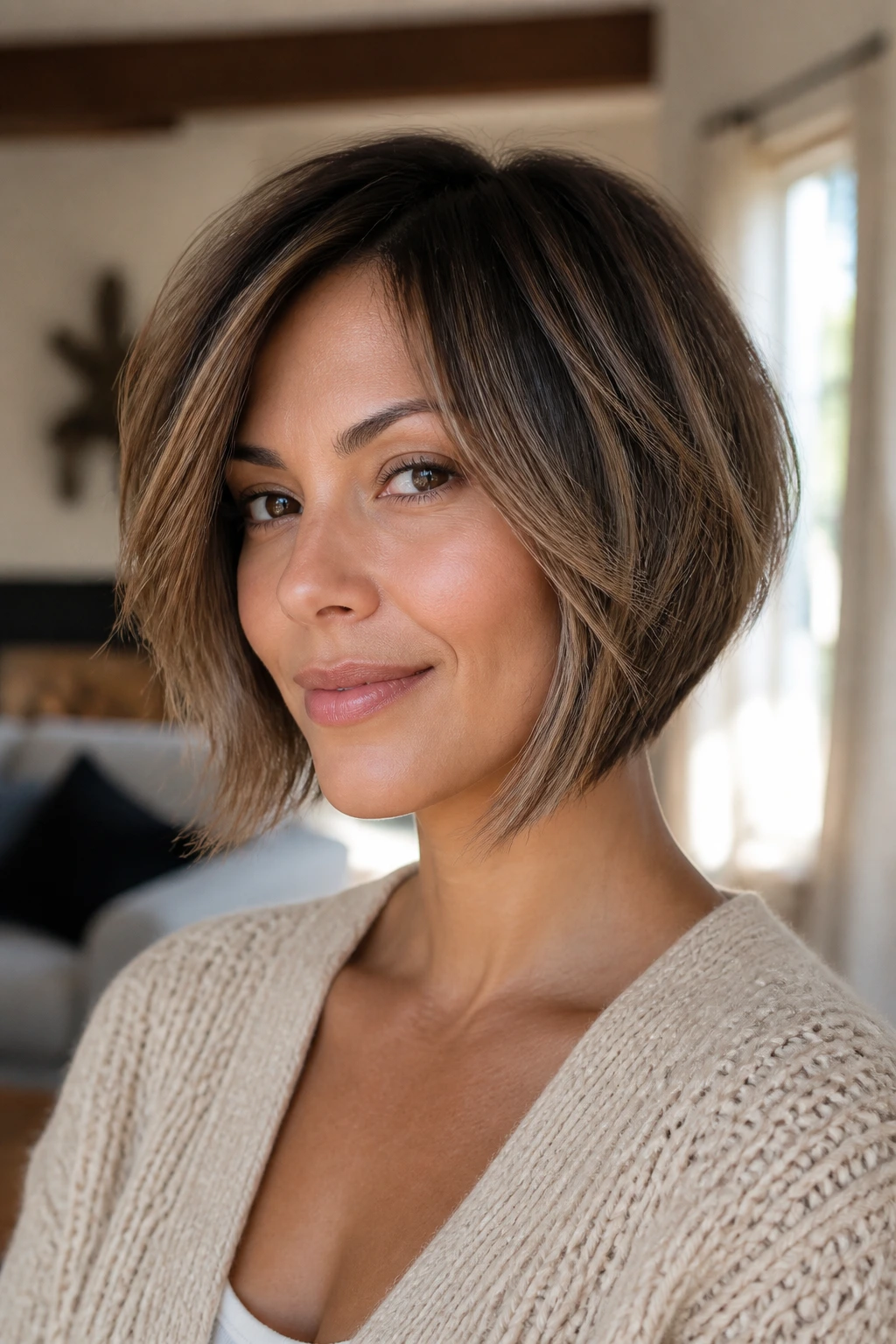
A graduated bob is slightly longer in the front than the back, creating a subtle direction and shape. Adding choppy layers throughout creates dimension and texture that enhances this graduated silhouette. This cut is flattering and offers more styling versatility than a blunt bob.
Why This Shape Is So Flattering and Wearable
The graduated length creates natural movement and flow that a blunt bob sometimes lacks, and the front-to-back graduation is subtle enough that the cut still reads as neat and intentional. Choppy layers enhance the graduated shape and prevent the cut from feeling heavy. This cut works on most face shapes and hair types.
Key Details to Discuss With Your Stylist
- Length difference: Specify exactly how much longer the front should be than the back (can range from subtle to dramatic)
- Layer placement: Request choppy layers that enhance the graduated shape without removing too much length
- Face-framing pieces: Request slightly longer, feathered pieces around the face
- Styling versatility: Discuss whether you want options (sleek or textured) or a specific look
Pro tip: Graduated bobs are very forgiving as they grow out — the longer front pieces accommodate growth beautifully.
32. Statement Blunt Fringe Pixie
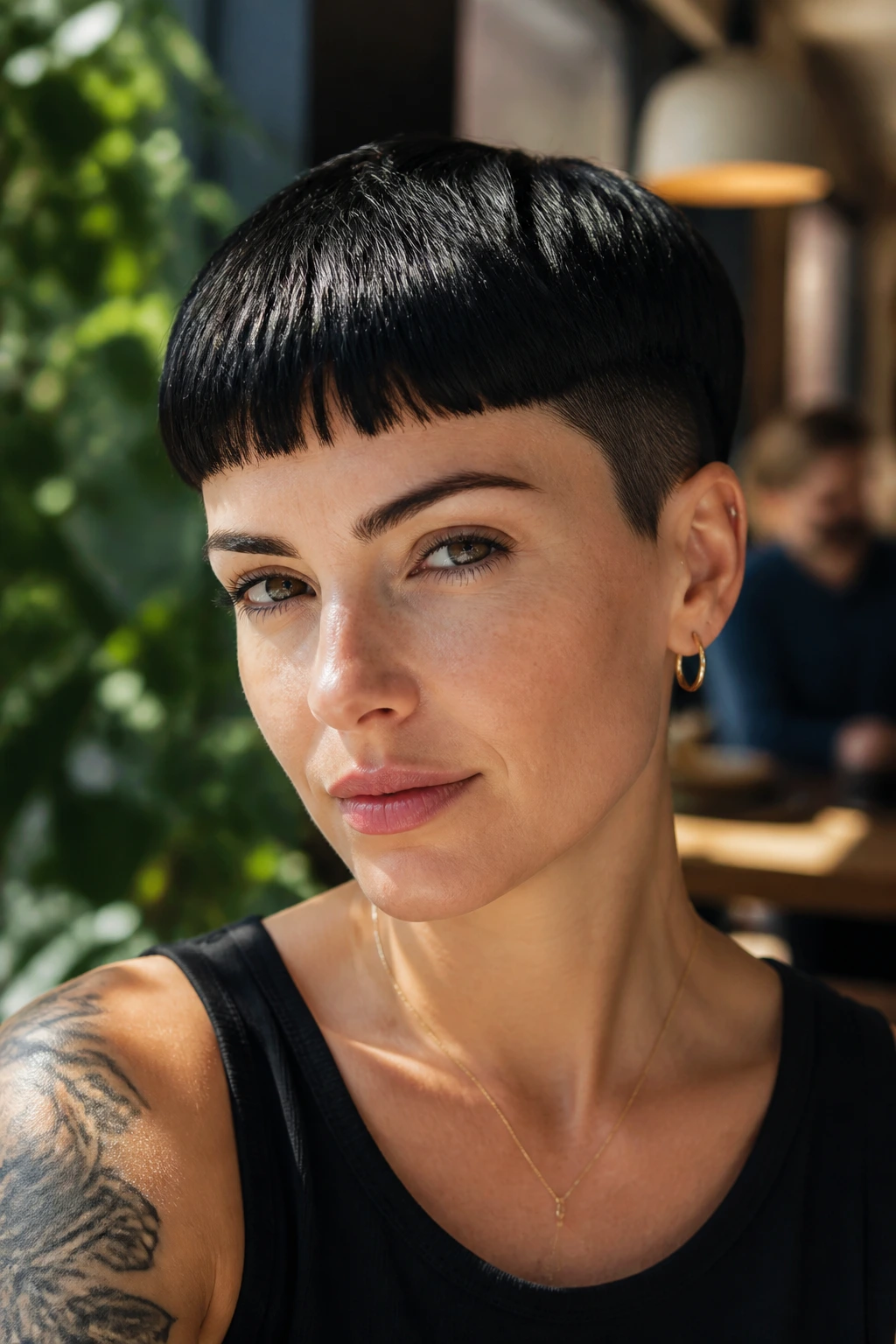
This bold cut combines an extremely blunt, straight-across fringe with a closely cropped pixie on the rest of the head, creating a dramatic contrast and immediately drawing attention to the eyes and fringe. The blunt fringe is a genuine statement piece. This cut reads fashion-forward and requires styling intention and confidence.
What Makes This Fringe-Forward Approach So Striking
The blunt fringe immediately becomes the focal point of the entire look, drawing attention directly to your eyes and face. The closely cropped pixie keeps the overall silhouette clean and contemporary while the fringe does all the talking. This cut is particularly striking with straight hair and reads best when the fringe is styled sleek and blunt.
Key Details to Discuss With Your Stylist
- Fringe length: Request exact measurements for where the blunt fringe should hit (typically at or slightly above eyebrow)
- Fringe width: Specify whether you want full-face coverage or fringe that starts slightly inset from the temples
- Fringe texture: Request a severely blunt, sharp edge with no softness or texture
- Pixie length: Typically closely cropped, allowing the fringe to be the clear focal point
- Maintenance commitment: Acknowledge that the fringe requires trims every 2-3 weeks to maintain its blunt edge
Insider note: This cut requires regular maintenance to keep the fringe looking sharp — factor that commitment into your decision.
33. Modern Fauxhawk
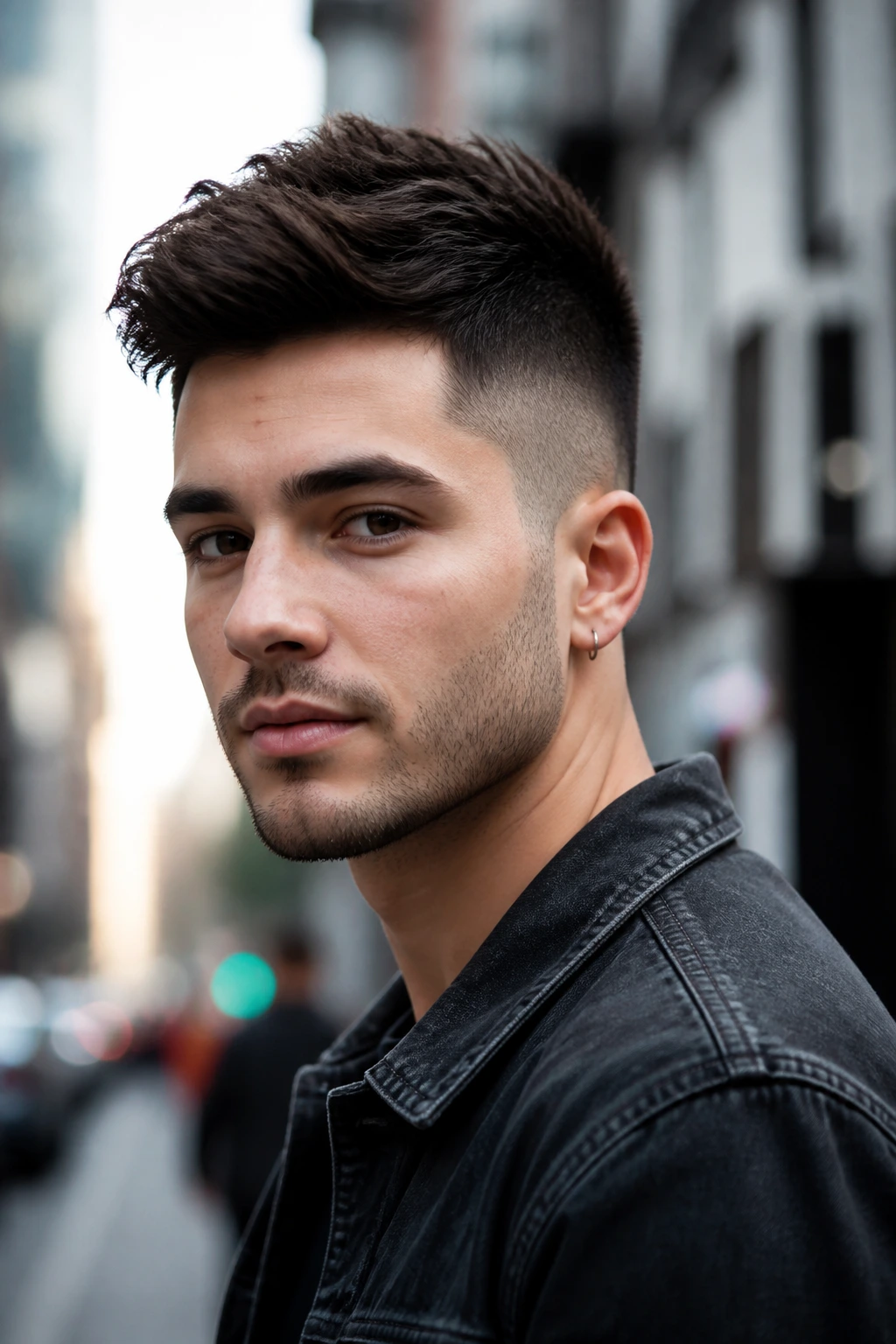
A modern fauxhawk features longer, textured length on top with closely faded or undercut sides, creating the visual impression of a mohawk when you style it with product, but appearing much more subtle and everyday when styled without product. This cut offers styling flexibility and works for people who want an edgy cut with versatility.
Why This Approach Offers Surprising Versatility
The modern fauxhawk can look completely different depending on how you style it — use product and styling for an intentionally edgy moment, or style it natural and casual for everyday wearability. The longer top gives you genuine styling options despite the short undercut. This cut works beautifully with natural texture and is striking on straight hair as well.
Key Details to Discuss With Your Stylist
- Top length: Request specific measurements for how long the crown should be (typically 2-4 inches)
- Undercut specifics: Request fade length and placement — sides, back, or both?
- Top texture: Discuss whether you want choppy, textured layers throughout or a smoother, cleaner top
- Styling product type: Mention what products you’ll use to create the fauxhawk effect
Pro tip: This cut genuinely looks better with some styling product and effort — embrace the styling aspect rather than expecting it to work as a wash-and-go cut.
34. Jaw-Length Bob With Soft Layers
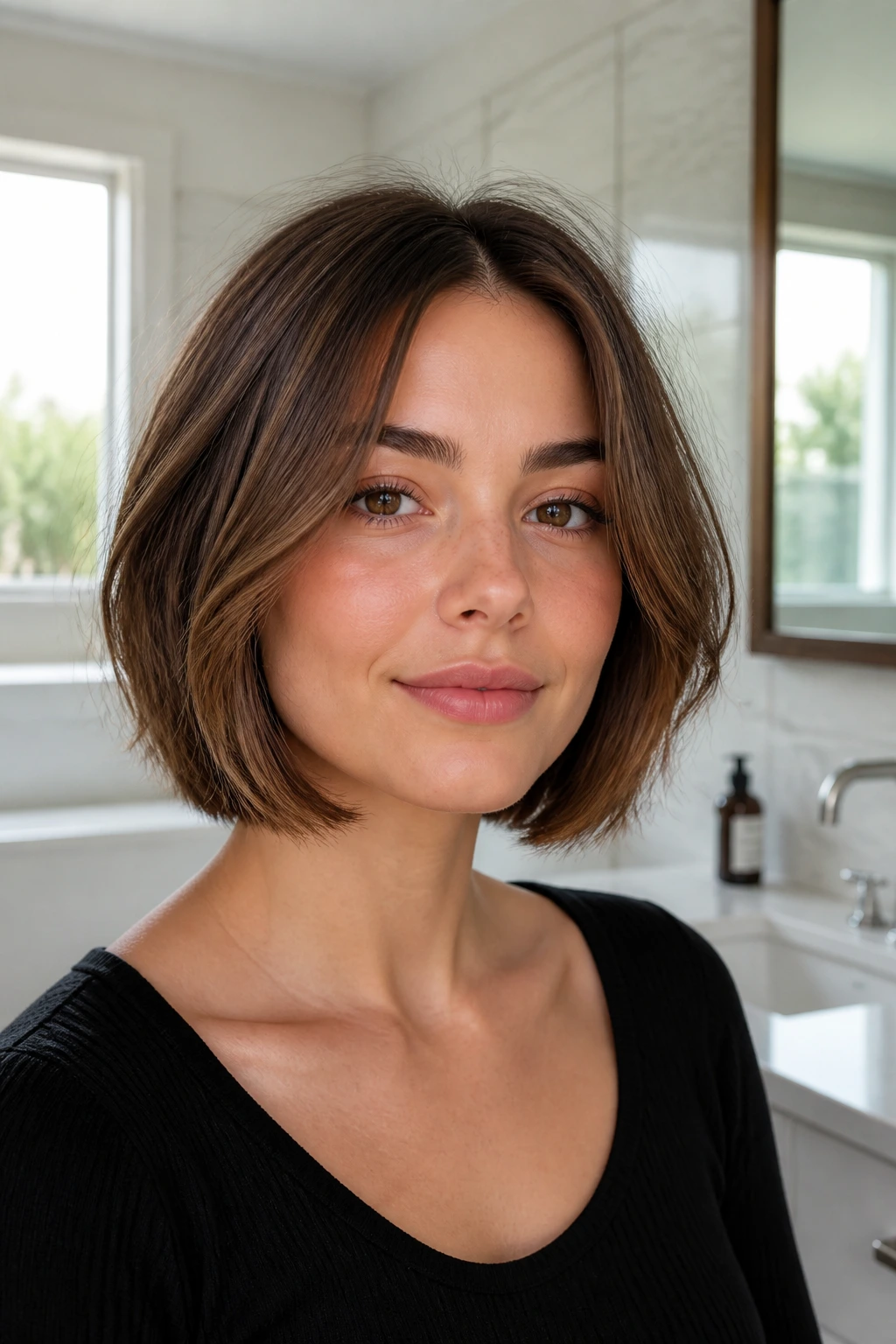
A jaw-length bob sits right at your jawline when hair falls naturally, creating a neat, proportional silhouette. Soft, feathered layers throughout prevent the cut from feeling blunt or heavy. This length offers the perfect balance between short and longer styles — versatile enough for multiple styling options while still being genuinely short and practical.
Why This Length Is Such a Sweet Spot
The jaw-length placement works beautifully on most face shapes and is long enough to offer real styling versatility — you can wear it sleek and smooth, tousled and textured, or swept to one side. The soft layers enhance natural movement and flow. This length is gentle enough to work on fine hair but substantial enough to look good on thicker hair as well.
Key Details to Discuss With Your Stylist
- Exact length: Request measurements to align with your jawline or sit just slightly above or below based on face shape
- Layer type: Request soft, feathered layers rather than choppy, disconnected ones
- Face-framing pieces: Request slightly longer, softer pieces around the face
- Styling intention: Clarify how you’ll typically style it and whether you want multiple options or a specific look
Worth knowing: This length is versatile enough to work for multiple life contexts — professional, casual, and everything in between.
35. Choppy Cropped Cut With Shaved Nape
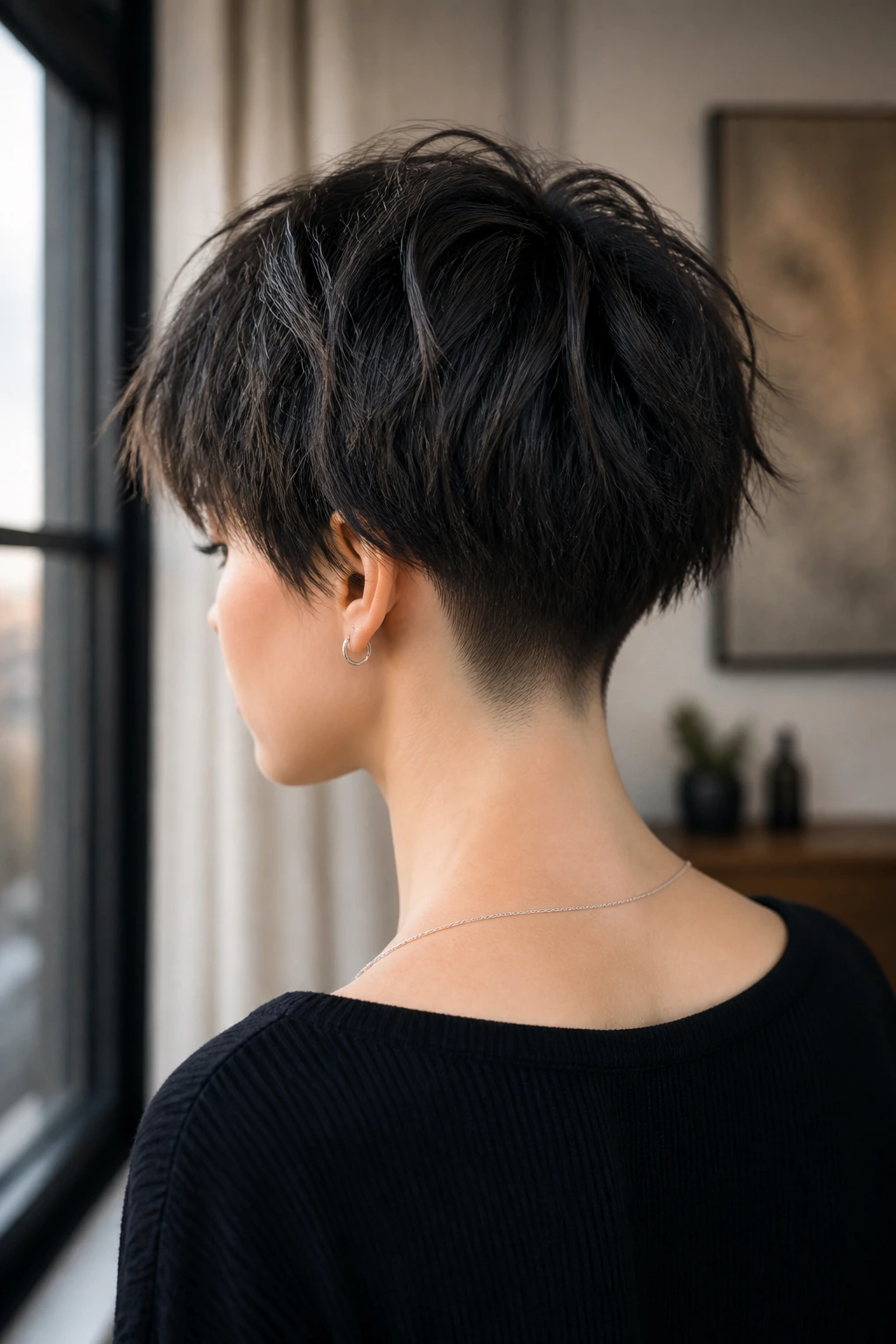
A choppy, textured crop gets an extra edge through a cleanly shaved nape that’s visible when hair is worn up or in certain styling. The shaved nape adds edginess and visual interest while the choppy crown remains textured and approachable. This cut offers the combination of edginess and wearability.
What Makes The Shaved Nape Such a Clever Detail
The shaved nape adds visual interest and definition without being immediately obvious in everyday styling — it’s a hidden detail that shows itself depending on how you style your hair and what the occasion calls for. The choppy crown prevents the cut from feeling severe despite the shaved nape. This approach works beautifully for people who want edge with wearability.
Key Details to Discuss With Your Stylist
- Nape shave width: Specify how wide the shaved section should be (can range from very narrow to several inches wide)
- Nape line design: Discuss whether you want a clean straight line, a curved design, or something more complex
- Crop length and texture: Request choppy, textured length throughout with adequate coverage of the shaved nape when hair is styled down
- Styling intention: Clarify how often you’ll wear hair up to show the shaved nape
Pro tip: Take good photos of your shaved nape design so you can show your stylist on future visits for maintenance.
36. Textured Crop With Blonde Balayage
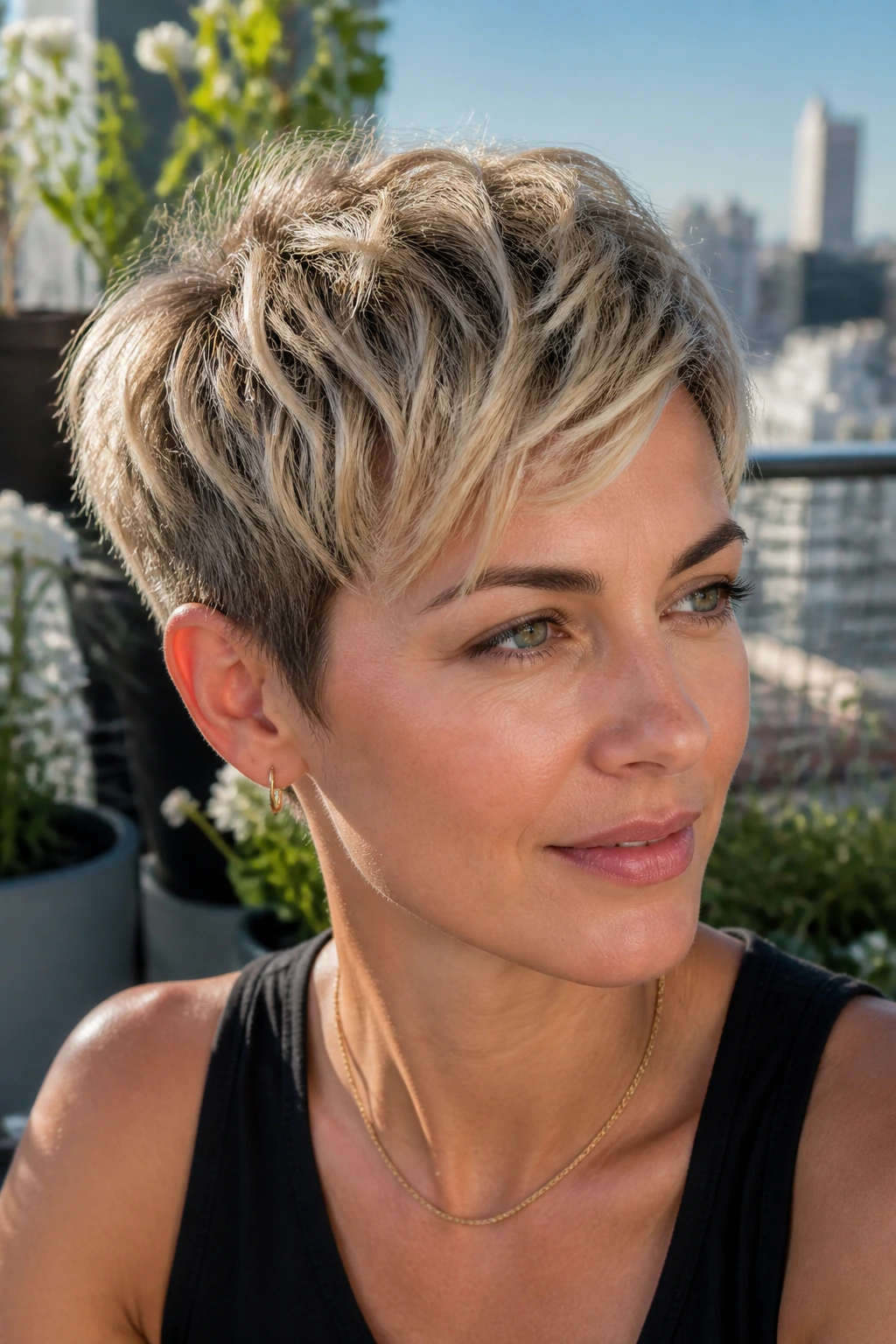
A textured crop in a lighter shade or with blonde balayage adds dimension through color while the choppy texture adds dimension through cut. The combination of textured cut and dimensional color creates a visually interesting, contemporary look. This style reads modern and editorial.
Why The Combination Of Texture And Color Is So Dynamic
The textured cut and dimensional color work together to create visual interest and dimension that neither alone could achieve. The lighter tones bring out the texture and movement in the cut, while the choppy layers enhance the color dimension. This combination works beautifully on all hair types and is particularly striking on shorter lengths.
Key Details to Discuss With Your Stylist
- Cut specifics: Request choppy, textured layers throughout with length variation for maximum dimension
- Color approach: Discuss whether you want overall lightness, balayage, highlights, or another dimensional color technique
- Tone selection: Discuss what undertones work with your skin tone and what you can maintain at home
- Styling approach: Mention how you’ll style the cut — this affects how the color and texture work together
Worth knowing: This combination requires maintenance for both cut and color — factor in regular trims and color refreshes.
37. Asymmetrical Textured Pixie
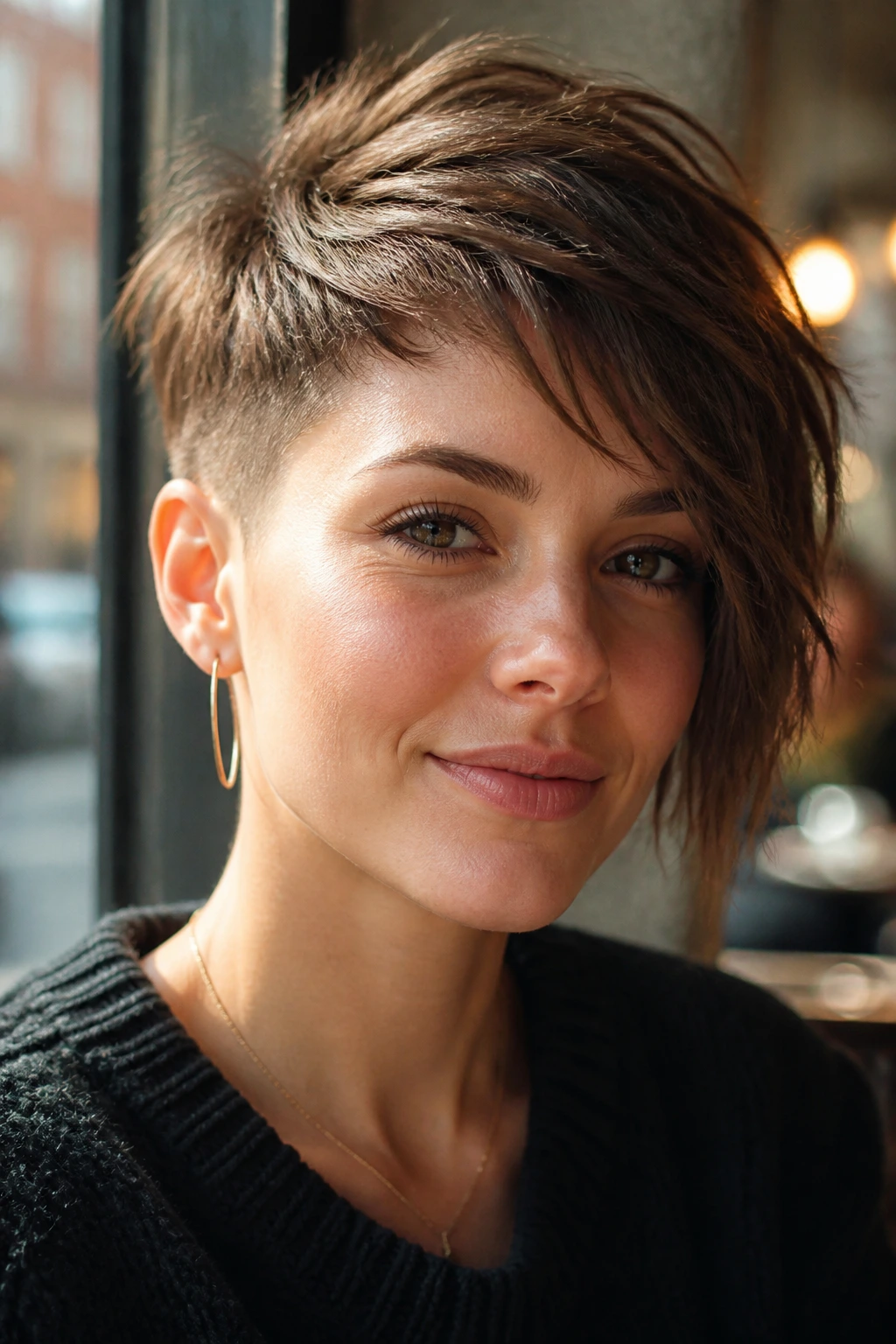
An asymmetrical pixie features one side significantly shorter than the other, with texture throughout creating movement and interest. The asymmetry prevents the cut from feeling static or severe despite the short length. This cut reads fashion-forward and offers styling flexibility.
Why Asymmetry Makes Such A Difference In Pixie Cuts
The inherent asymmetry creates visual movement and prevents the cut from ever feeling blunt or boring. You can style the longer side swept across or tucked back, changing the look’s personality depending on the day’s mood. The texture enhances this sense of movement and intentionality.
Key Details to Discuss With Your Stylist
- Short side length: Request specific measurements for how short the cropped side should be
- Long side length: Specify where the longer, asymmetrical side should fall (ear, jaw, somewhere in between)
- Texture throughout: Request choppy, disconnected layers that enhance the asymmetry
- Connection between sides: Discuss whether you want a gradual transition or more dramatic contrast
Insider note: This cut requires regular trims to maintain the asymmetry as it grows, so factor maintenance into your decision.
38. Blunt Crop With Soft Crown
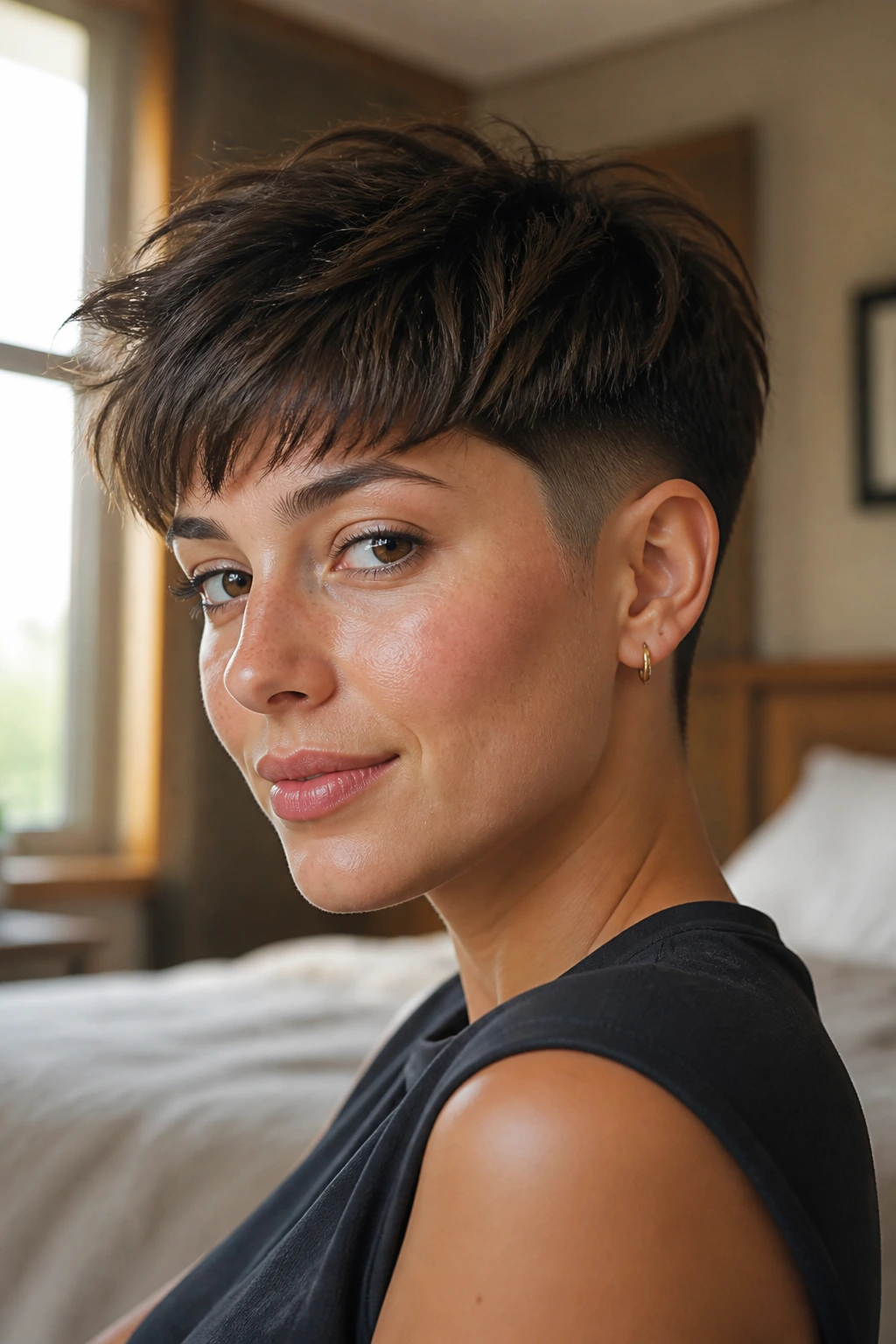
A blunt, geometric crop on the sides and back is balanced by a softer, textured crown with slightly longer length that creates a contrast between precision and texture. The soft crown prevents the cut from reading severe despite the blunt sides. This approach offers visual interest and balance.
What Makes This Contrast So Visually Interesting
The combination of blunt geometric precision on the sides with soft, textured movement on top creates a cut that reads both edgy and approachable. The longer, softer crown allows styling flexibility despite the short, blunt sides. This cut works beautifully as a statement piece that’s still wearable.
Key Details to Discuss With Your Stylist
- Crop length: Request specific measurements for how short the geometric sides and back should be
- Crown length: Specify how much longer the crown should be compared to the sides (typically 2-3 inches)
- Crown texture: Request choppy, feathered layers throughout the crown for softness
- Side/back bluntness: Request severe geometric precision with sharp, clean lines
- Styling intention: Clarify whether you’ll style the crown with product or more naturally
Pro tip: This cut looks best with some styling attention on the crown — use a texturizing product to enhance the texture and movement.
39. Extended Pixie With Wispy Layers
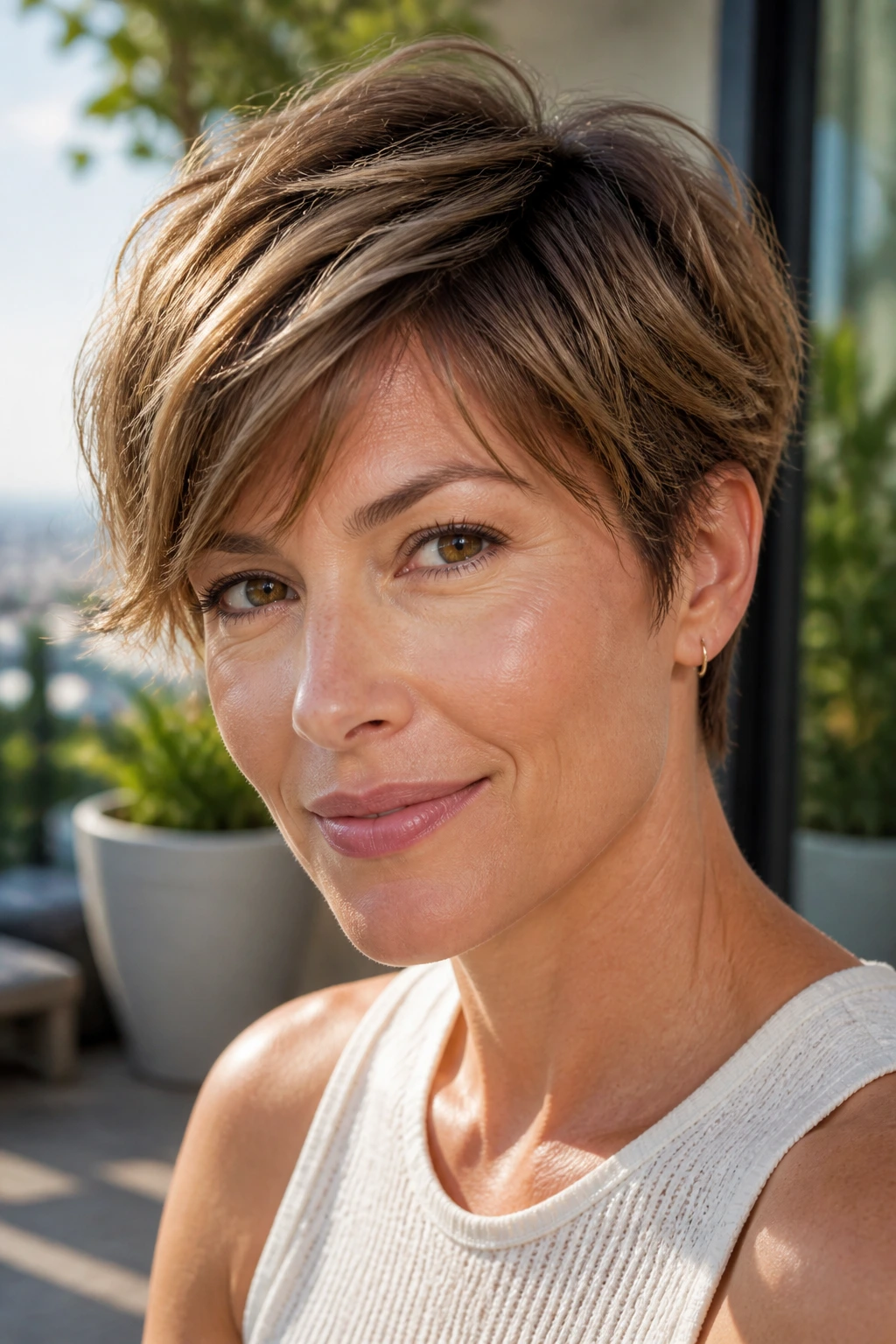
An extended pixie maintains the short-hair aesthetic while extending the overall length to 2-3 inches and incorporating wispy, feathered layers throughout for softness and movement. The extended length offers more styling versatility than an ultra-short pixie while the wispy layers prevent the cut from feeling blunt. This cut balances edge with approachability.
Why Extended Length Changes The Vibe So Much
The extended length moves the cut away from the edgy, bold territory and into more approachable, romantic territory while still maintaining the practical benefits of short hair. The wispy layers enhance this softer quality and create movement and dimension. This cut works beautifully on more face shapes than an ultra-short pixie.
Key Details to Discuss With Your Stylist
- Overall length: Request 2-3 inches at the longest points, with shorter pieces throughout
- Layer type: Request wispy, feathered layers rather than choppy, disconnected ones
- Layer placement: Discuss whether you want layers concentrated at the crown or distributed throughout
- Styling intention: Clarify how you’ll style it — blow-dry with a round brush, finger-comb, or with styling product
Worth knowing: This slightly longer pixie is much easier to style casually than an ultra-short pixie — it works beautifully with just your fingers and minimal product.
40. Precision Geometric Short Cut
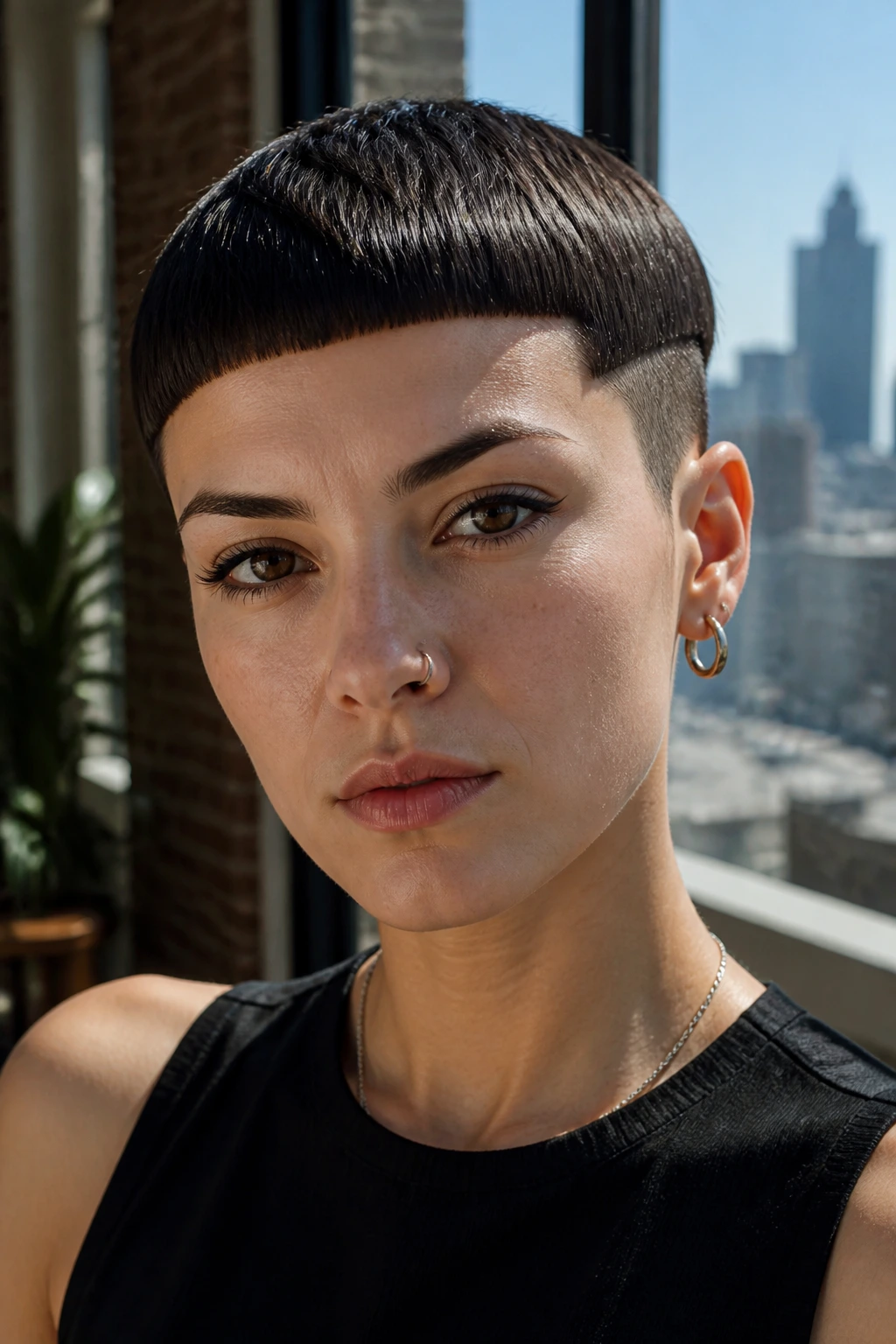
A precision geometric cut emphasizes clean lines, sharp angles, and intentional shape throughout, creating a cut that reads architectural and modern. Every line is precise and deliberate. This cut is for people who appreciate geometric beauty and don’t mind the regular maintenance required to keep lines sharp.
Why Precision And Geometry Make Such A Strong Statement
A precisely executed geometric cut reads utterly intentional and makes an immediate visual statement through its architectural quality. The sharp lines require regular maintenance but the polished, editorial result is worth it. This cut reads exceptionally well in professional settings despite its boldness.
Key Details to Discuss With Your Stylist
- Shape preference: Specify what geometric shape appeals to you — rounded dome, squared-off, angled, etc.
- Line sharpness: Request severity and precision throughout
- Blunt edge requirement: Specify whether every edge should be severely blunt or if you’ll allow minimal softness
- Maintenance commitment: Acknowledge that maintaining sharp lines requires trims every 3-4 weeks
- Styling approach: Discuss whether you’ll style this sleek and smooth with product or rely on the cut’s geometric precision
Pro tip: Schedule regular trims every 3-4 weeks and plan to blow-dry and apply product to maintain the polished, geometric aesthetic.
Final Thoughts
The short haircut that feels perfect for you is out there — your job is to find the style that resonates with your aesthetic, works with your hair texture, and fits into your lifestyle and styling preferences. Bringing reference photos to your stylist appointment is genuinely one of the most important things you can do to ensure you walk out with a cut you love, because it eliminates the guesswork and communication gaps that can lead to disappointment.
Remember that your hair texture, face shape, and personal style all play roles in determining which cuts will work best for you. What looks stunning on someone else might not translate the same way on you, and that’s completely okay — a skilled stylist can adapt and customize any of these ideas to work beautifully with your unique features. Don’t hesitate to have an honest conversation with your stylist about maintenance requirements, styling frequency, and how much time you’re willing to invest in daily styling.
The most important thing is that you choose a cut that makes you feel confident, excited to style, and genuinely like yourself when you catch your reflection. Short hair is bold, practical, and full of possibility — take your time selecting the style that truly speaks to you, then trust your stylist to bring that vision to life.
