



The bob is one of those rare hairstyles that never truly goes out of fashion—it just keeps reinventing itself. Whether you’re in your twenties discovering your personal style or in your sixties refining what works best for you, there’s a version of the bob that fits perfectly into your life. The beauty of this cut lies in its adaptability: it can be edgy or elegant, playful or professional, low-maintenance or statement-making depending on which variation you choose and how you style it.
What makes certain bob styles truly timeless is that they transcend age demographics entirely. A well-executed bob doesn’t announce your age—it announces your confidence. The cut works across different hair types, face shapes, and lifestyle preferences because it’s fundamentally about proportion, movement, and how hair frames the face. The trick is finding which specific bob variation complements your features, suits your daily routine, and aligns with the image you want to project.
The styles in this guide aren’t trendy flash-in-the-pan cuts that will feel dated in a couple of years. These are the bob variations that have proven their staying power over decades, adapted by everyone from A-list actors to everyday people who just want a flattering, manageable cut. Each style has earned its place through real versatility—you’ll see them looking equally at home in a corporate office, at a weekend brunch, or running errands. Let’s explore the ten classic bob cuts that truly deliver across every life stage.
1. Blunt Bob
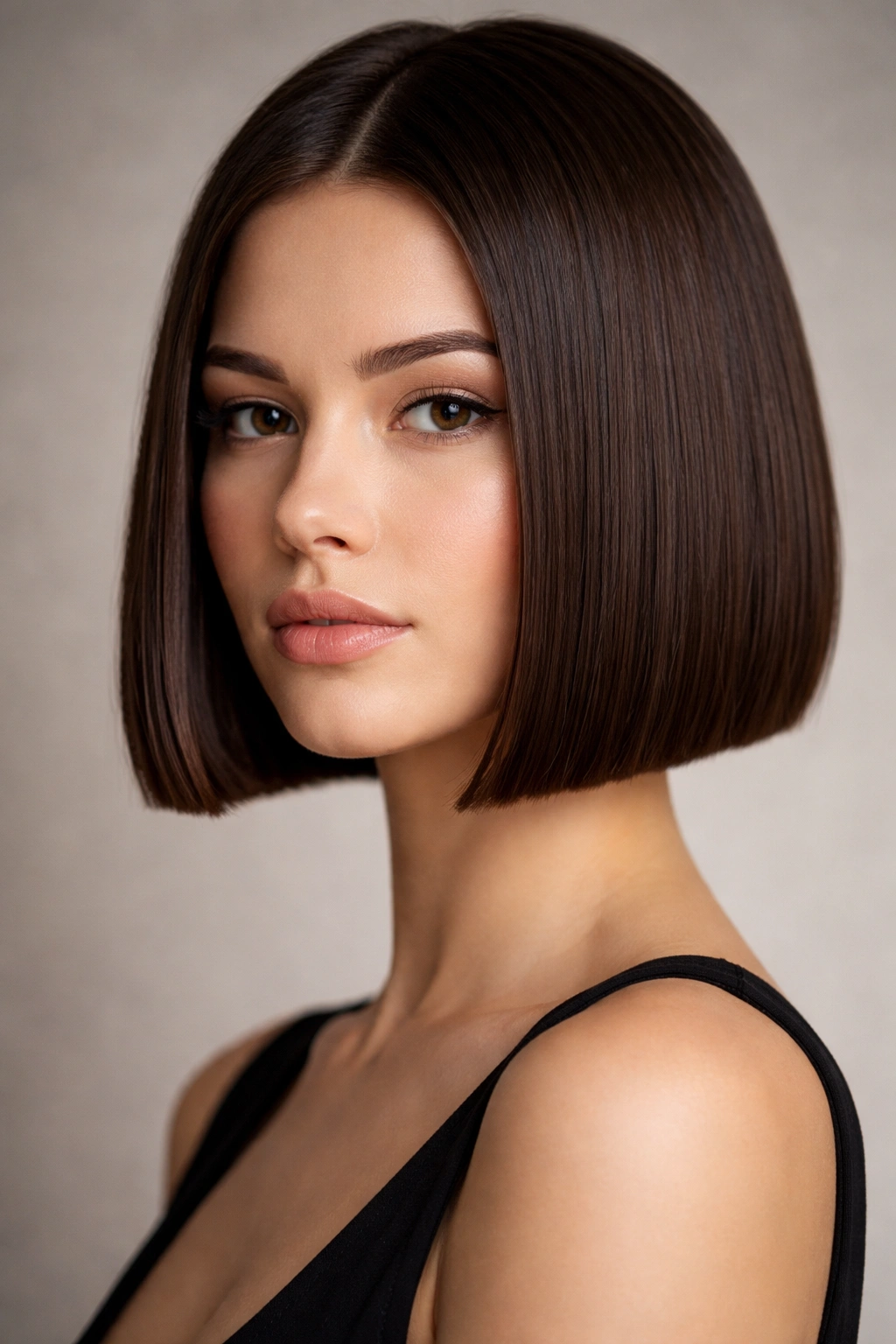
The blunt bob is the most decisive version of this classic cut. It features hair cut straight across at a uniform length, typically hitting right at the jaw or chin with a sharp, intentional line. This is the option for people who want their haircut to make a statement and who appreciate geometric precision. There’s something inherently chic about a blunt bob—it reads as modern and confident regardless of whether you’re twenty-five or seventy-five.
Why It Works Across Ages
The blunt bob’s appeal lies in its sheer clarity. The straight line gives the face an instant lift and creates a strong visual frame that actually makes bone structure look more defined. Younger wearers get an edgy, contemporary look that photographs beautifully. Mature wearers gain the sophistication of a structured cut that looks intentional and polished. The uniformity of the cut means it’s easy to style—you’re not fighting against competing lengths or layers. This is a cut that looks good whether your hair is freshly blown out or air-dried.
Key Characteristics and Best For
- Length variation: Hits at or just below the jaw; some versions sit at the chin
- Texture: Works beautifully with straight or wavy hair; requires more effort with curly hair
- Styling needs: Low-maintenance if you’re willing to style straight; requires regular blowouts for polish
- Face shape fit: Particularly flattering for longer, oval, or rectangular face shapes; can add width to narrow faces
- Hair density: Better suited to thicker or medium-textured hair; fine hair might look sparse with this blunt line
Pro tip: The blunt bob is your best friend if you want a cut that requires minimal styling but regular maintenance—plan for trims every 4-6 weeks to keep that sharp line crisp.
2. Textured and Choppy Bob
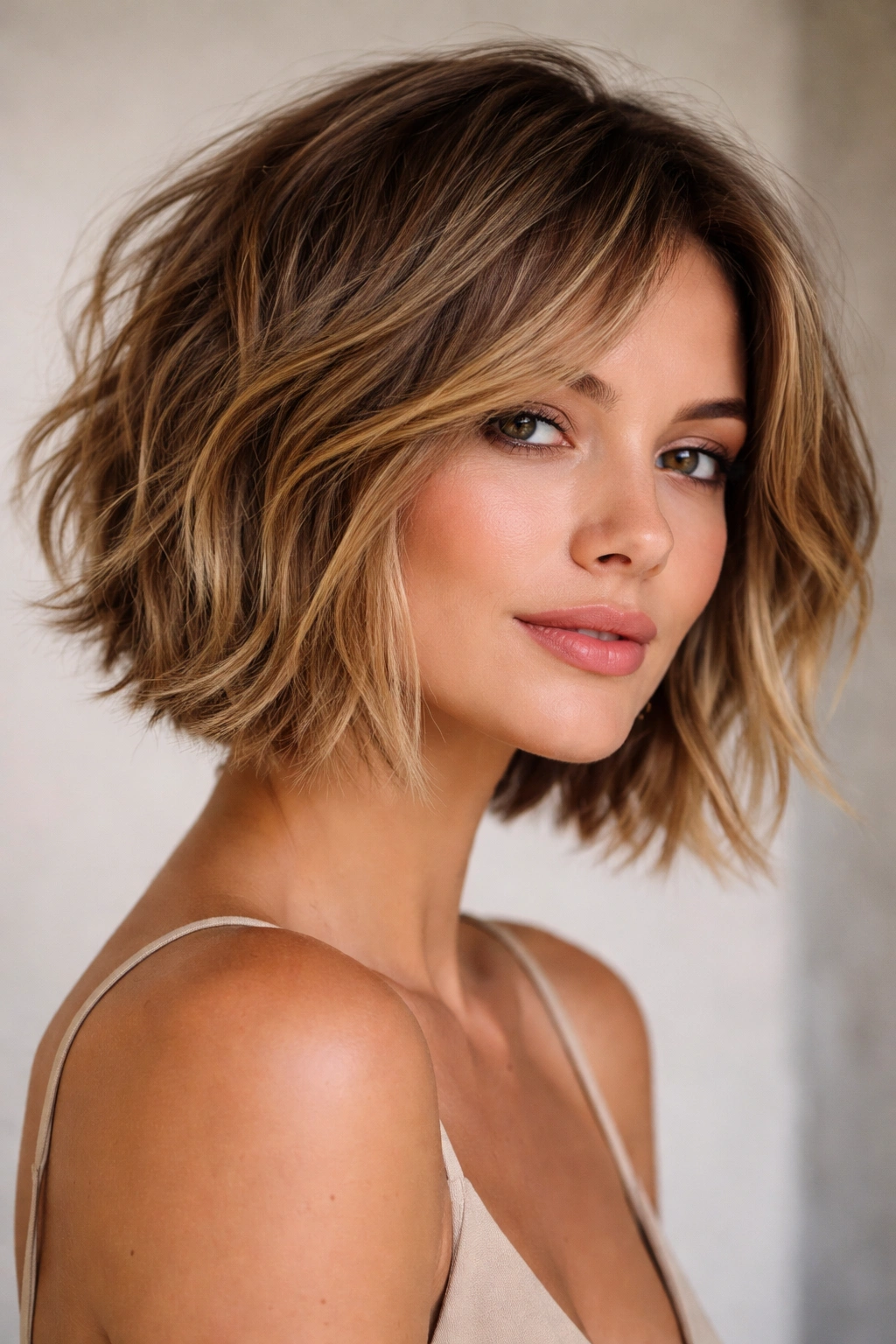
The textured bob embraces movement through deliberately choppy layers that create a piecey, lived-in look. Rather than the uniformity of a blunt cut, this bob has varying lengths throughout, with shorter pieces interspersed among longer sections. The choppy texture can be subtle and refined or more pronounced and edgy depending on how you style it. This version feels modern and approachable—it’s the cut that says “I’m stylish but I don’t take myself too seriously.”
Why It Works Across Ages
The texture in this cut creates visual interest and movement that flatters faces in different ways depending on how you wear it. Younger people can lean into the more deliberately messy, undone aesthetic. Middle-aged wearers get the visual benefit of movement and dimension that can make finer hair look fuller. Mature wearers appreciate that texture actually camouflages any grey regrowth better than a blunt line does, and the soft, choppy edges feel gentler around the face. The textured bob also gives you more styling flexibility—you can wear it sleek one day and tousled the next, and it looks intentional either way.
Key Characteristics and Best For
- Length variation: Usually chin-length or slightly shorter, with choppy layers throughout
- Texture: Ideal for wavy or naturally textured hair; works with straight hair when styled with texture
- Styling needs: More forgiving than a blunt bob; works beautifully with texturizing products and sea salt spray
- Face shape fit: Works across most face shapes; the texture adds dimension that flatters round or square faces
- Hair density: Excellent for fine hair because the choppy layers prevent the hair from looking thin
Worth knowing: This cut requires confidence in your styling routine. It looks best when you’re actively working texture into it, either with a blow dryer and texturizing spray or by embracing your natural wave pattern.
3. Layered Bob
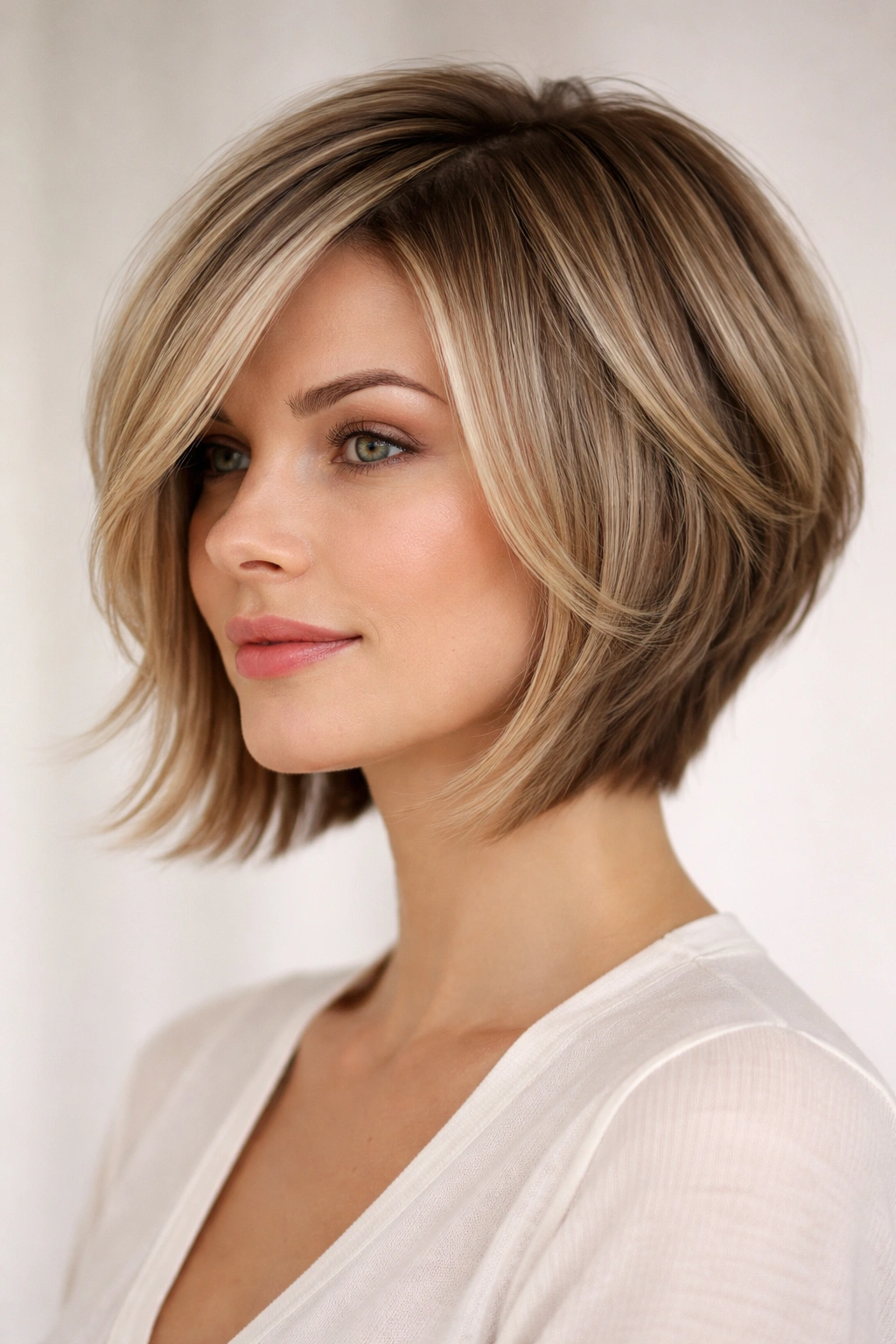
The layered bob creates movement and body through strategically placed layers that are longer in front and progressively shorter toward the back, or layered throughout for volume. The layers can be subtle and refined or more pronounced depending on your preference. This is the bob for people who want movement without the choppy, piecey texture of a more fashion-forward cut. The layered bob is timeless because it’s endlessly customizable.
Why It Works Across Ages
Layers are the universal solution for adding dimension and vitality to hair without making a drastic change. Younger wearers get a youthful, dynamic cut that’s flattering in motion. Thirty and forty-something wearers appreciate that layers make even fine hair look fuller and thicker. Mature wearers benefit from the way layers soften the face and create movement that feels less severe than a blunt or uniform bob. The longer pieces that frame the face (especially if you ask your stylist to keep them longer in front) can actually minimize certain features and draw attention upward toward the eyes.
Key Characteristics and Best For
- Length variation: Typically longer in front, with layers graduating shorter toward the back
- Texture: Works across all hair types; particularly stunning on wavy or naturally textured hair
- Styling needs: More forgiving than blunt; doesn’t need blowouts to look good but benefits from them
- Face shape fit: Nearly universal; layers automatically adjust the visual frame depending on where they fall
- Hair density: Excellent for fine hair; the layers prevent bulk while creating the illusion of fullness
Insider note: Ask your stylist to cut layers at your jawline and cheekbones specifically. Those strategically placed layers create the most flattering frame for the face and require the least effort to style.
4. Long Bob (Lob)

The lob is essentially a bob that extends to shoulder length or just slightly shorter. It’s the bridge between a true bob and shoulder-length hair, offering more length and movement than a traditional chin-length bob while still maintaining the structural simplicity of the cut. The lob has become increasingly popular because it offers the best of both worlds: the shape and intention of a cut with the length and versatility of longer hair. This is often the choice for people who love the idea of a bob but worry they’ll miss their longer hair.
Why It Works Across Ages
The lob’s extended length makes it inherently youthful and modern-looking, which appeals across age groups. Younger wearers get a flattering, easy-to-style cut that works for everything from casual to dressy. People in their thirties and forties get the sophistication of a clearly intentional cut with the practical benefit of length they can pull back or style multiple ways. Mature wearers find that the length actually feels less severe around the face than a shorter bob, while the cut still provides the streamlining and shape that a longer, layerless style wouldn’t. The lob also photographs exceptionally well, which matters if you care about how you look in pictures.
Key Characteristics and Best For
- Length variation: Shoulder-length or slightly shorter; sometimes with subtle layers, sometimes completely blunt
- Texture: Works across all hair types; particularly lovely with straight or slightly wavy hair
- Styling needs: Can be worn completely unstyled and still look intentional; also works beautifully blown out
- Face shape fit: Nearly universal; the length keeps hair from appearing too heavy on the face
- Hair density: Excellent for all hair densities; the weight of the length distributes fuller hair evenly
Pro tip: A lob is your cut if you want something that looks polished but doesn’t require you to blow dry your hair every morning. It’s forgiving enough to air dry and still look like you tried.
5. Side-Swept Bob
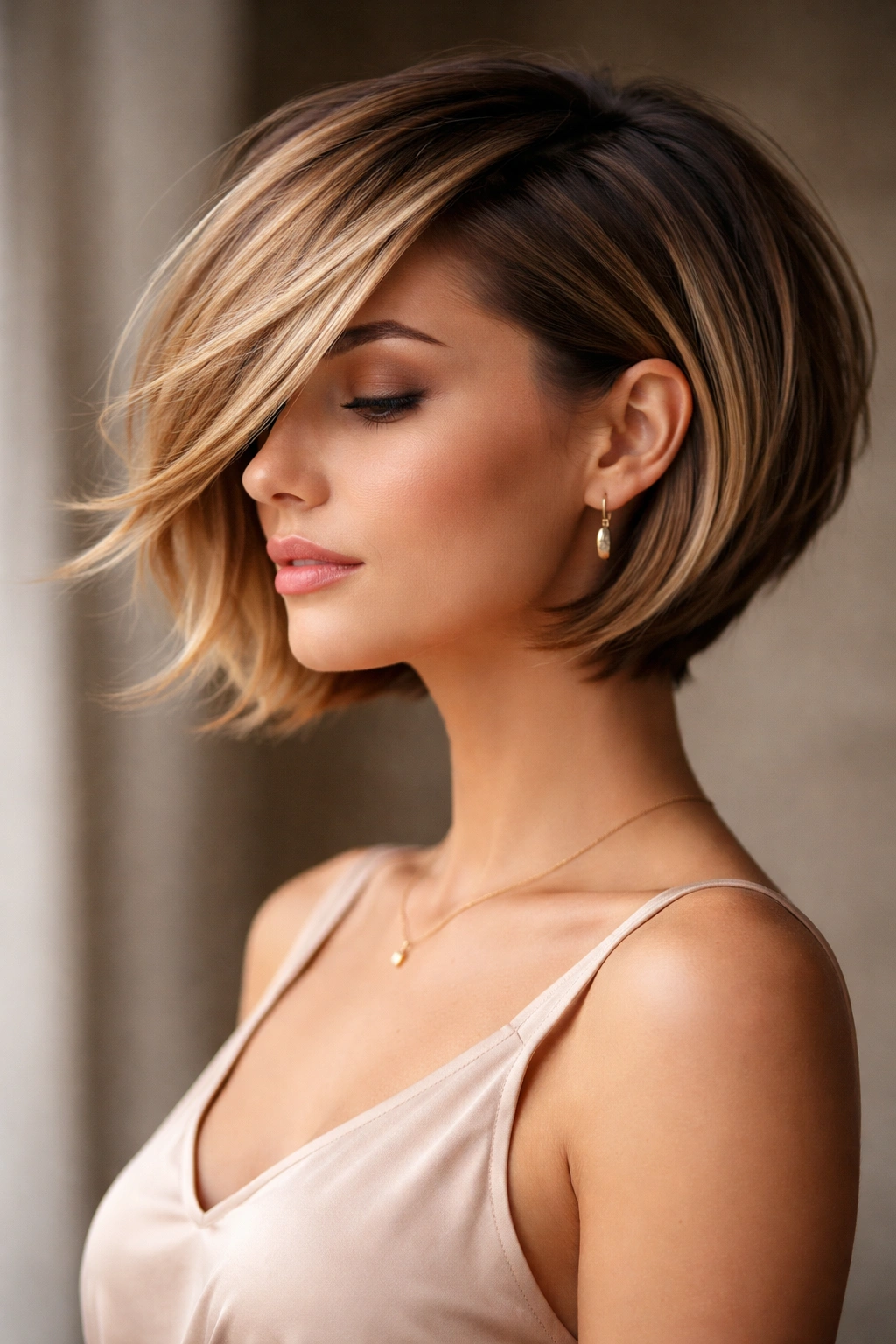
The side-swept bob features longer hair on one side of the face and shorter on the other, creating an asymmetrical silhouette with dramatic movement and visual interest. The longer side can dramatically sweep across the face or tuck behind the ear depending on how you style it. This cut is about deliberate asymmetry—it’s not a blunt bob where one side happens to be longer; it’s engineered that way. The side-swept bob makes a statement while remaining wearable across different ages and lifestyles.
Why It Works Across Ages
The side-swept bob’s asymmetry is actually quite strategic for flattering the face. The longer side can conceal areas someone might want to downplay, while the shorter side creates lift and visual interest. Younger wearers get an edgy, fashion-forward look that feels contemporary and cool. Middle-aged wearers appreciate that the asymmetry adds personality and dimension to the face, and the longer side offers styling options—you can part it deeper, sweep it all to one side, or tuck it behind your ear. Mature wearers find that the asymmetry is surprisingly flattering because it creates movement that can be more softening than a symmetrical cut. The side-swept bob also reads as intentional and curated regardless of your age.
Key Characteristics and Best For
- Length variation: One side chin-length or shorter, the other extending toward shoulder length
- Texture: Works beautifully with straight, wavy, or slightly curly hair
- Styling needs: Requires some styling to look intentional; benefits from blow-drying and styling products
- Face shape fit: Excellent for round or square faces; the asymmetry breaks up geometric face shapes
- Hair density: Works across all densities; the variation in length distributes bulk evenly
Worth knowing: This cut requires you to have a signature way of styling it. Decide whether you’ll consistently sweep the longer side back or let it fall across your face, and style accordingly. The cut looks best when it’s styled intentionally, not accidentally disheveled.
6. Straight and Sleek Bob
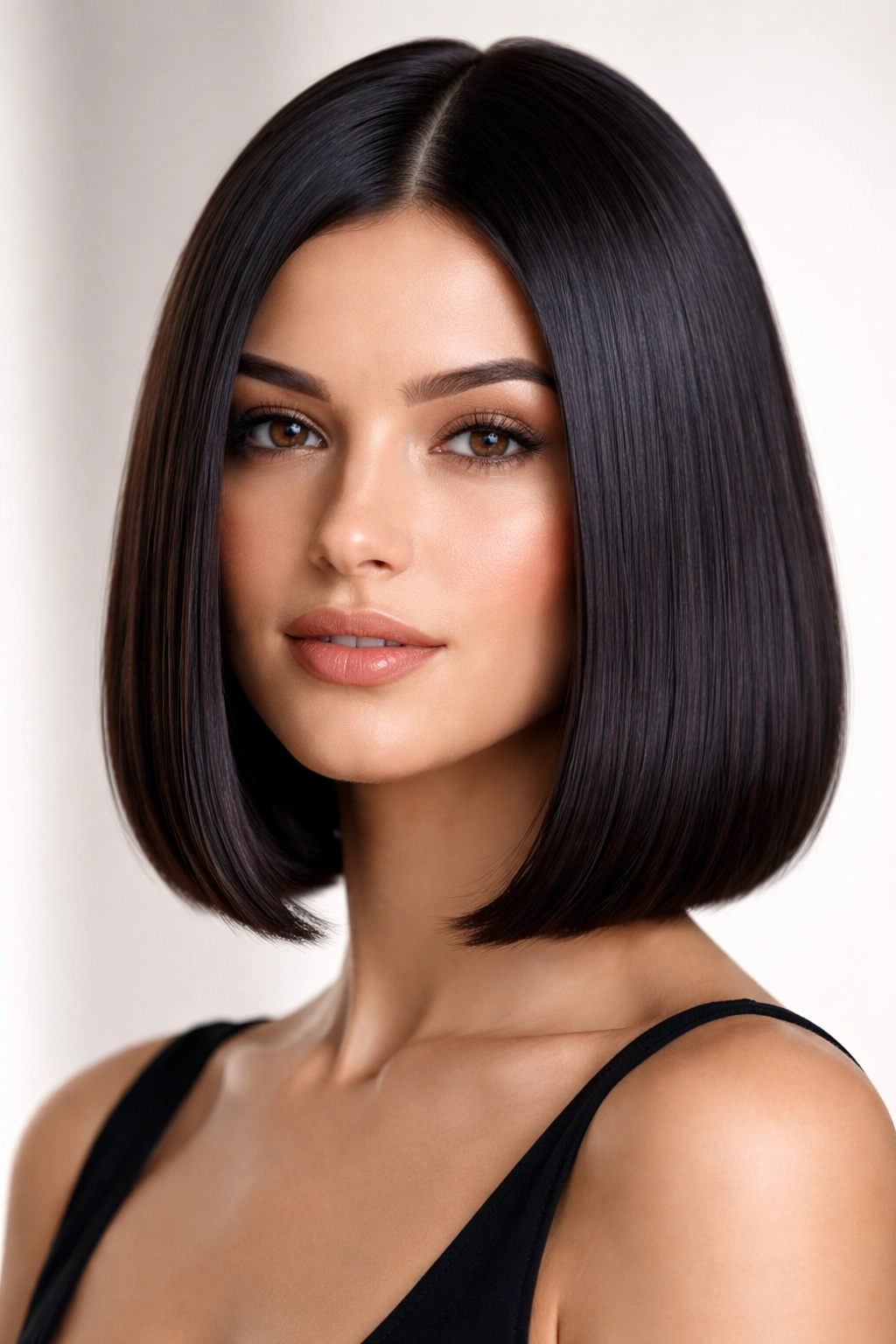
The straight and sleek bob is the epitome of polish and refinement. This cut combines the geometric precision of a blunt bob with perfectly smooth, shiny hair that’s been blow-dried straight or pressed straight. There’s no texture, no waves, no undone aesthetic—this is pure elegance. It’s the bob worn by people who value pristine grooming and who have the styling discipline to maintain it. This cut never looks casual; it always reads as intentional and well-maintained.
Why It Works Across Ages
The straight and sleek bob is essentially a power move across any age group. Younger wearers appear sophisticated and polished. People in their middle years get the visual lift and definition that a perfectly straight bob provides—there’s something very slimming about the clean line. Mature wearers benefit from how sleekness automatically reads as contemporary and current; there’s nothing dated about a perfectly groomed straight bob. The cut also has the advantage of being extremely forgiving regarding the length—it can be quite short and still look elegant, or shoulder-length and still read as intentional. The shine and smoothness are key; a dull, frizzy straight bob reads as neglected, while a glossy one reads as impeccable.
Key Characteristics and Best For
- Length variation: Can be quite short or extend to shoulder length; the precision matters more than the exact length
- Texture: Requires very straight hair naturally or a significant styling commitment; not ideal for curly or very textured hair
- Styling needs: High-maintenance in terms of styling; you’re committing to blow-drying and possibly using a flat iron regularly
- Face shape fit: Works beautifully for oval, rectangular, and oblong faces; can overwhelm very round faces
- Hair density: Works across all densities, though finer hair will show texture more easily
Pro tip: If you don’t naturally have straight hair and you commit to this cut, invest in a good blow dryer and a smoothing serum or oil. The payoff is a look that reads as expensive and intentional every single day.
7. Tousled and Wavy Bob
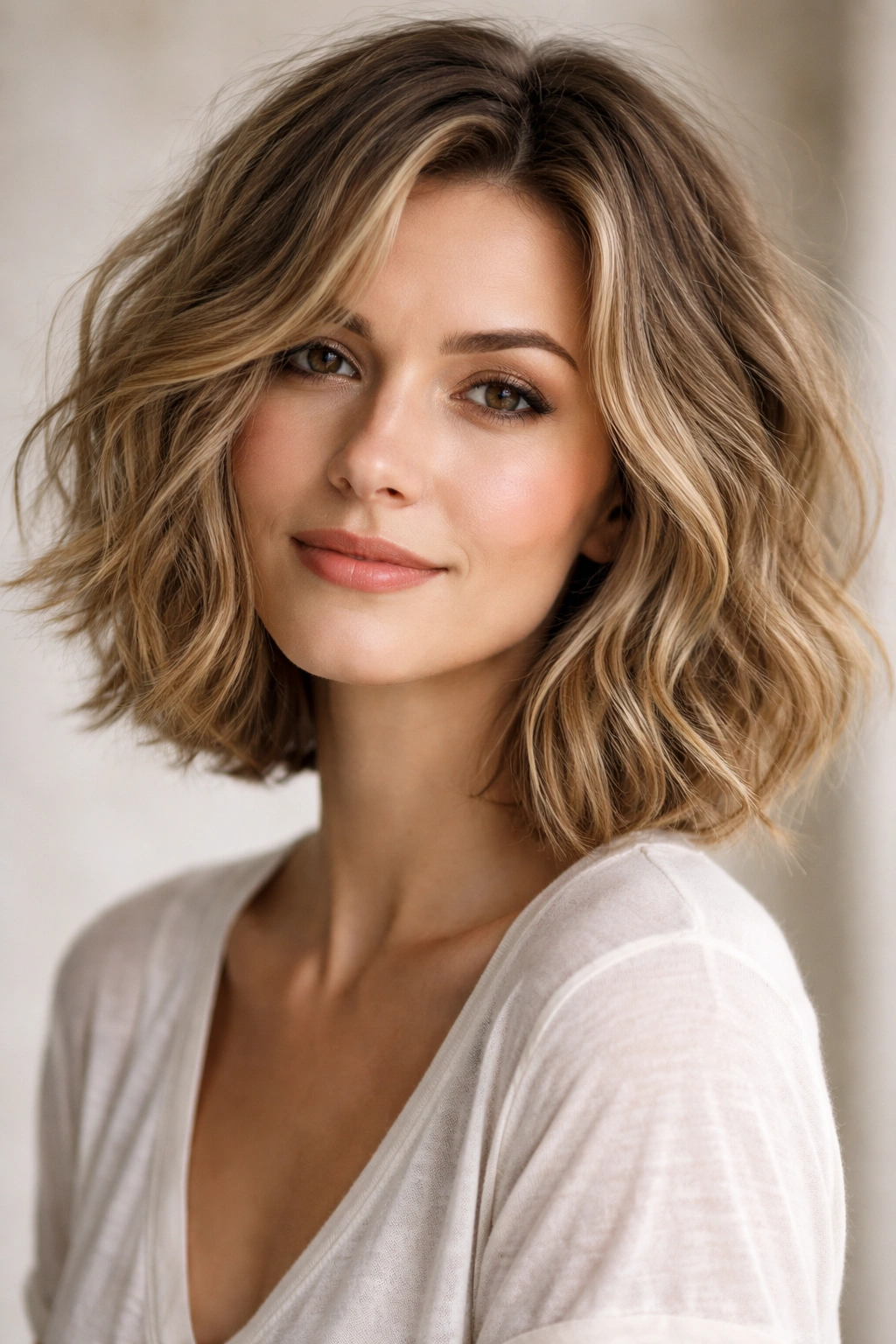
The tousled and wavy bob celebrates natural texture and movement. This cut features soft waves or curls throughout, styled with a relaxed, slightly undone aesthetic that reads as effortlessly elegant. This is the bob for people who either have natural wave or curl patterns and want to work with their hair rather than against it, or for those willing to create waves with styling tools. The tousled bob feels modern and approachable—it’s got edge without being severe, and polish without being pretentious.
Why It Works Across Ages
The tousled bob is deeply flattering across age groups because texture and movement soften the face and create visual interest. Younger wearers get a modern, fashion-forward look that feels confident and current. People in their thirties and forties appreciate how movement and texture actually disguise fine lines better than a completely smooth surface does. Mature wearers find that the texture and wave create a youthful quality while still reading as intentional and styled. The tousled bob also has a major advantage: it’s the most forgiving bob in terms of styling. You can air-dry it (especially if you have naturally wavy hair) and it still looks good. You don’t need perfectly blown-out hair or a flat iron for this one to work.
Key Characteristics and Best For
- Length variation: Chin-length to shoulder length; can be cut blunt or with subtle layers
- Texture: Ideal for wavy or naturally textured hair; can be created on straight hair with styling
- Styling needs: Low to medium maintenance; air-drying works beautifully, especially with a texturizing product
- Face shape fit: Works across most face shapes; the texture automatically softens and flatters
- Hair density: Excellent for all hair types; texture makes fine hair appear fuller
Worth knowing: The key to this cut looking good is using the right products—a light texturizing spray, a sea salt spray, or a mousse designed for wave enhancement. These products are what make the difference between bedhead and intentional tousle.
8. Shaggy Bob
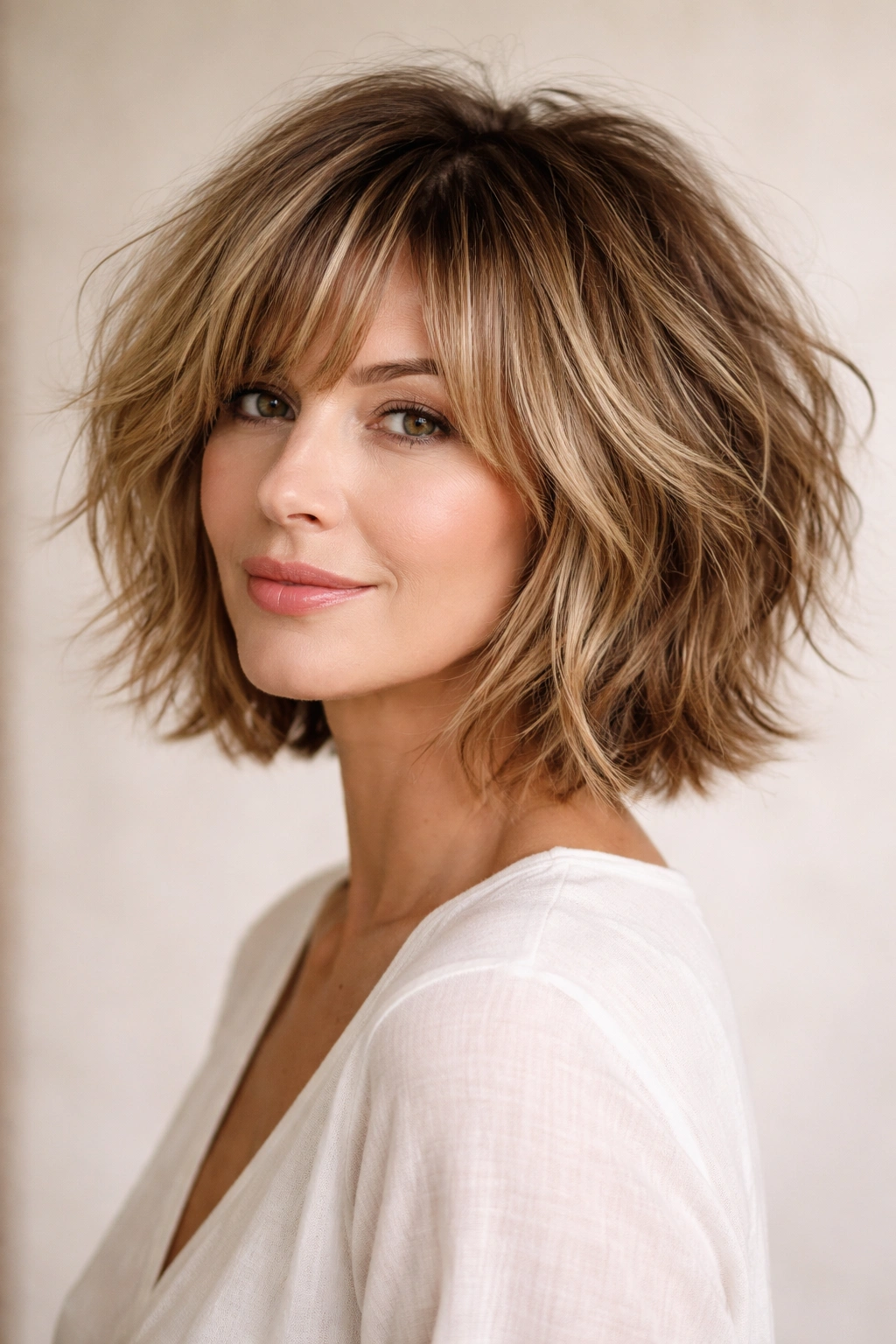
The shaggy bob takes inspiration from seventies aesthetics but makes it work for contemporary styling. This cut features a shorter, fuller crown with longer layers throughout, creating a distinctive silhouette with movement and personality. The shag has pronounced layers with texture, usually shorter at the crown and longer toward the bottom. Unlike the choppy bob, the shag has a specific structure and history. It’s a cut that reads as deliberately retro but feels completely current when styled right.
Why It Works Across Ages
The shag is having a major moment because it actually flatters a wide range of face shapes and ages. Younger wearers get a trendy, fashion-forward cut that reads as intentional and cool. People in their forties and beyond find that the volume at the crown can actually counteract hair thinning, and the layers create movement that softens the face. The shag is also forgiving in terms of styling—you can work with your natural texture or create the shape with a blow dryer. The cut has inherent movement, so it doesn’t require perfection to look good. What works about the shag for every age is that it has personality; you’re not trying to blend in, you’re making a style statement.
Key Characteristics and Best For
- Length variation: Shorter, voluminous crown with longer layers extending downward
- Texture: Works beautifully with wavy or textured hair; can be created on straight hair with blow-drying
- Styling needs: Moderate maintenance; benefits from texturizing products but doesn’t require blow-drying
- Face shape fit: Particularly flattering for round, square, or oblong faces; the layers soften angles
- Hair density: Excellent for medium to fine hair; the shorter crown adds volume
Insider note: The shag’s success depends heavily on where your stylist places the shortest layers. They should hit at or above your cheekbones to frame the face properly and create the intended silhouette. Ask to see photos of different shag variations before your appointment.
9. Pixie Bob
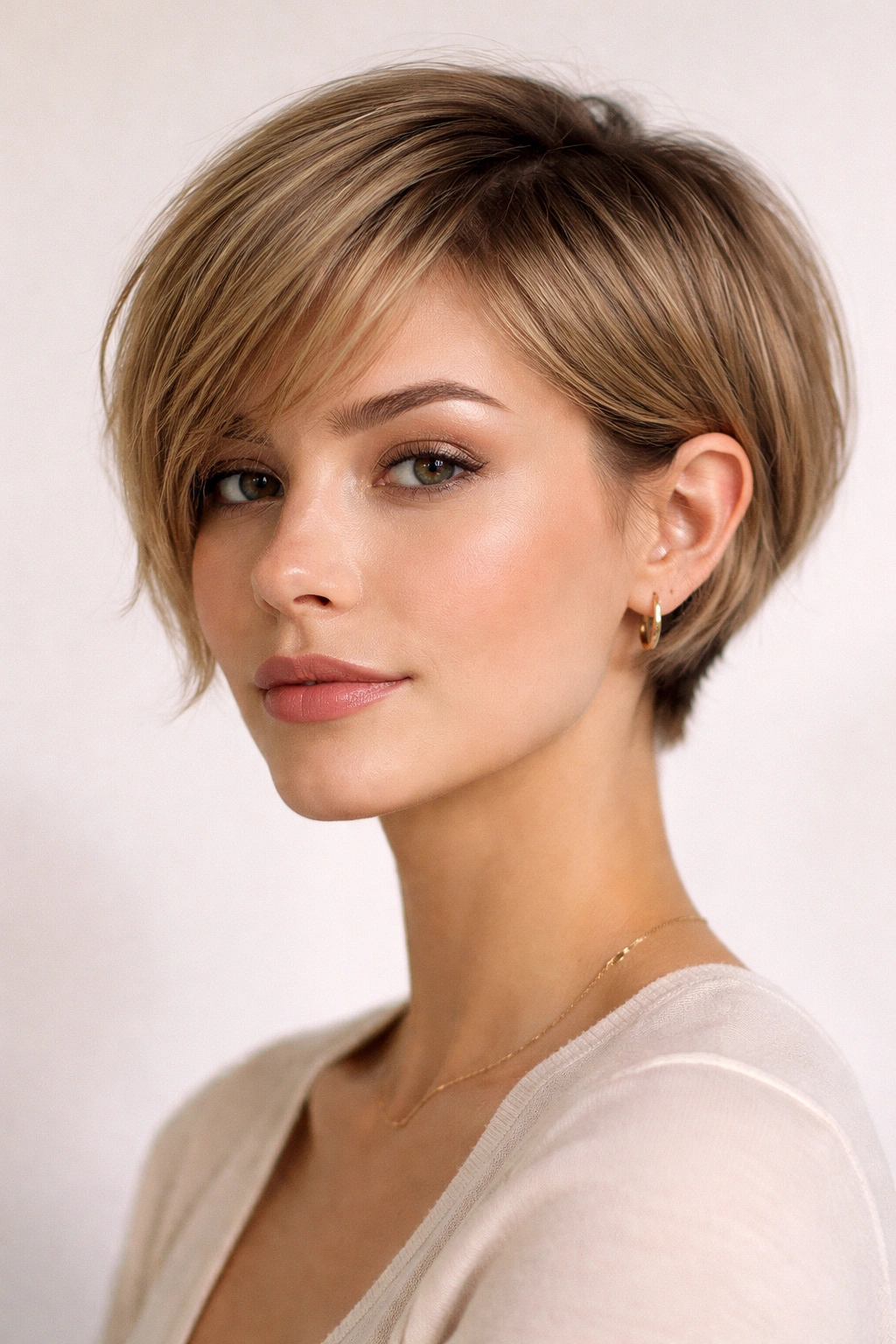
The pixie bob is essentially a very short bob that hovers around ear-length or slightly shorter. It’s the cut for people who want maximum ease and minimum styling while still maintaining the intentional shape of a bob. The pixie bob is bold—it requires confidence and facial bone structure that you’re willing to show. This is the cut for people who’ve decided that hair length is not a factor in femininity or style, and they’re willing to embrace something dramatically different. It’s also practical for anyone who spends their days in active pursuits where longer hair gets in the way.
Why It Works Across Ages
The pixie bob’s appeal is distinct at different life stages. Very young wearers can pull off an almost androgynous aesthetic. People in their middle years often find that a pixie bob is incredibly liberating—it’s so easy to maintain that it becomes almost meditative in its simplicity. Mature wearers often report that a pixie bob feels like the most authentic version of themselves; with stronger bone structure visible and no hair to hide behind, there’s nowhere to go but confidence. The pixie bob also has a practical advantage: it requires virtually no styling. A quick tousle and you’re done. For anyone with a busy life or who travels frequently, this cut is transformative in how much time and energy it saves.
Key Characteristics and Best For
- Length variation: Ear-length or slightly shorter throughout; can have subtle layers for texture
- Texture: Works across all hair types; actually looks best with some natural texture or wave
- Styling needs: Minimal; requires only a bit of texturizing product or a quick tousle
- Face shape fit: Requires good bone structure and facial balance; best for oval, rectangular, or heart-shaped faces
- Hair density: Works for all densities; fine hair can actually look fuller with shorter length
Pro tip: Before committing to a pixie bob, grow into it gradually. Cut to an ear-length bob first, live with it for a few weeks, and then go shorter if you’re certain. This prevents regret and gives you time to experiment with the styling and aesthetic.
10. Asymmetrical Bob
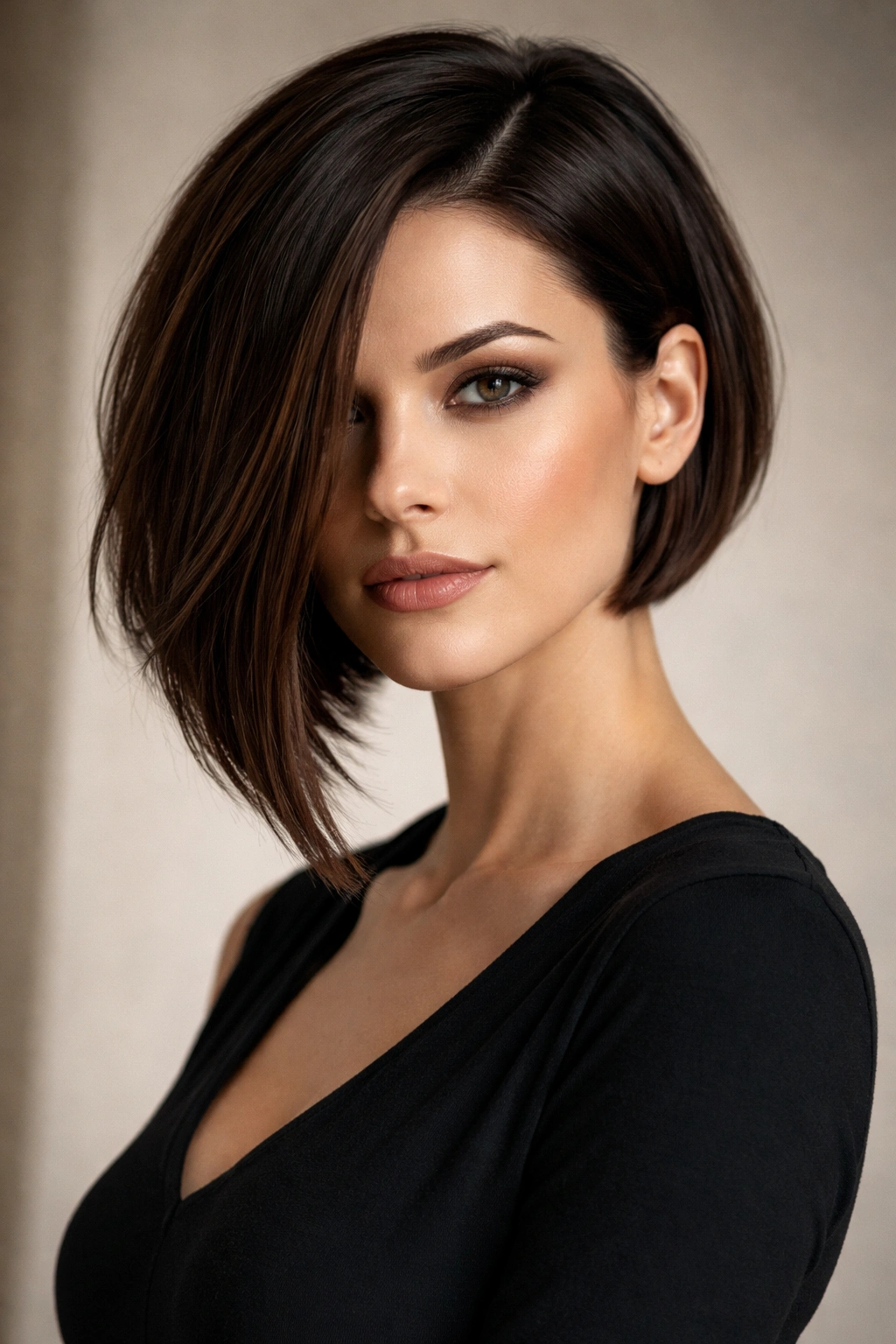
The asymmetrical bob differs from the side-swept version in that the asymmetry is more pronounced and permanent. One side is significantly shorter—sometimes dramatically so, like a pixie cut on one side—while the other extends longer. This is a bold, fashion-forward cut that makes an unmistakable statement. It’s for people who want their hairstyle to announce something about their personality: that they’re creative, confident, willing to take risks, and not interested in blending in. The asymmetrical bob is the opposite of conservative, but it works because of its sheer architectural interest.
Why It Works Across Ages
The asymmetrical bob’s appeal is less about universal flattery and more about personal empowerment. Younger wearers get a cutting-edge, creative look that signals confidence and willingness to experiment. Middle-aged wearers often find that an asymmetrical bob feels like a concrete declaration of independence and personal style; the cut is too distinctive to be accidental. Mature wearers sometimes discover that an asymmetrical bob feels authentically “them” in a way that more traditional styles never did. The cut works because it’s so deliberately unconventional that it reads as intentional across any age. There’s nothing apologetic about it. You’re either fully committed to the asymmetry or you’re not—and if you are, the cut automatically confers a sense of style authority.
Key Characteristics and Best For
- Length variation: Dramatic asymmetry; one side quite short, the other significantly longer
- Texture: Works beautifully with straight or wavy hair; can be styled blunt or with texture
- Styling needs: Medium to high maintenance; the balance of the cut depends on how you style each side
- Face shape fit: Works for confident wearers of any face shape; the asymmetry draws attention by design
- Hair density: Works across all densities; the variation distributes weight interestingly
Worth knowing: This cut requires a stylist who truly understands proportion and who can explain why the specific lengths work for your face. It’s not a DIY cut, and it’s not the time to go to someone new. Find a stylist with experience doing asymmetrical cuts and bring multiple reference photos.
Final Thoughts
The ten bob styles covered here represent the genuine classics—cuts with staying power that transcend trends and age boundaries. The key to finding your bob isn’t picking the most fashionable version or the one you see most often on social media. It’s matching the cut to your daily lifestyle, your hair’s natural texture, your face shape, and honestly, how much time you’re willing to spend styling. An elaborate blowout every morning is a different commitment than air-drying, and both are valid—but you want your cut to work with your actual life, not against it.
Remember that no bob style is inherently more mature or youthful than another. A sleek, polished bob can look incredibly contemporary on someone in their sixties because of how it’s styled and maintained. A choppy, textured bob can look mature and sophisticated on someone in their twenties because of the confidence with which it’s worn. Your age and your cut are separate variables. What matters is the proportion of the cut to your face, how the length and texture work with your hair’s natural patterns, and whether you’re willing to do the styling work required to keep it looking intentional.
If you’re considering a bob, bring photos of multiple styles to your consultation—not just one. Discuss your daily styling routine honestly. Show your stylist your face from multiple angles. Ask questions about maintenance, growth patterns, and how the cut will look as it grows out. A great bob is an investment in a cut that you’ll wear regularly, so it deserves real thought. Whether you choose something classic and blunt or more adventurous and asymmetrical, a well-executed bob is the kind of haircut that serves you beautifully across years and life changes.
