



Feathered layers have made a major comeback, and for good reason—they’re the secret to creating movement, dimension, and texture in short hair without committing to anything too extreme. If you’ve been searching for a fresh cut that feels effortlessly chic and genuinely flattering, feathered short haircuts with soft, wispy layers might be exactly what your hair is asking for.
The beauty of feathered layers lies in their versatility. Whether your hair is naturally straight, wavy, or curly, these cuts work with your texture rather than against it. The layering technique creates the illusion of fuller hair while reducing bulk, making feathered cuts especially popular with fine or thin hair textures. More importantly, feathered layers photograph beautifully and look polished whether you style them sleek or tousled, making them Instagram-friendly without being high-maintenance.
A truly feathered short haircut isn’t just about having layers scattered throughout—it’s about the way those layers are cut and shaped. Professional feathering uses a specific scissor technique that creates soft, pointed ends that blend seamlessly into each other. This creates that signature feathery, almost weightless quality that separates a genuinely good layered cut from an amateur hack job. The key difference is that each layer should be slightly longer than the one beneath it, creating a subtle, cascading effect rather than choppy disconnection.
What makes a feathered cut truly transformative is how it interacts with your face shape, hair type, and personal style. The right feathered short haircut doesn’t just sit on your head—it becomes part of how you present yourself to the world. It’s the kind of cut that makes you feel more confident the moment you leave the salon.
1. The Modern Pixie Crop with Feathered Texture
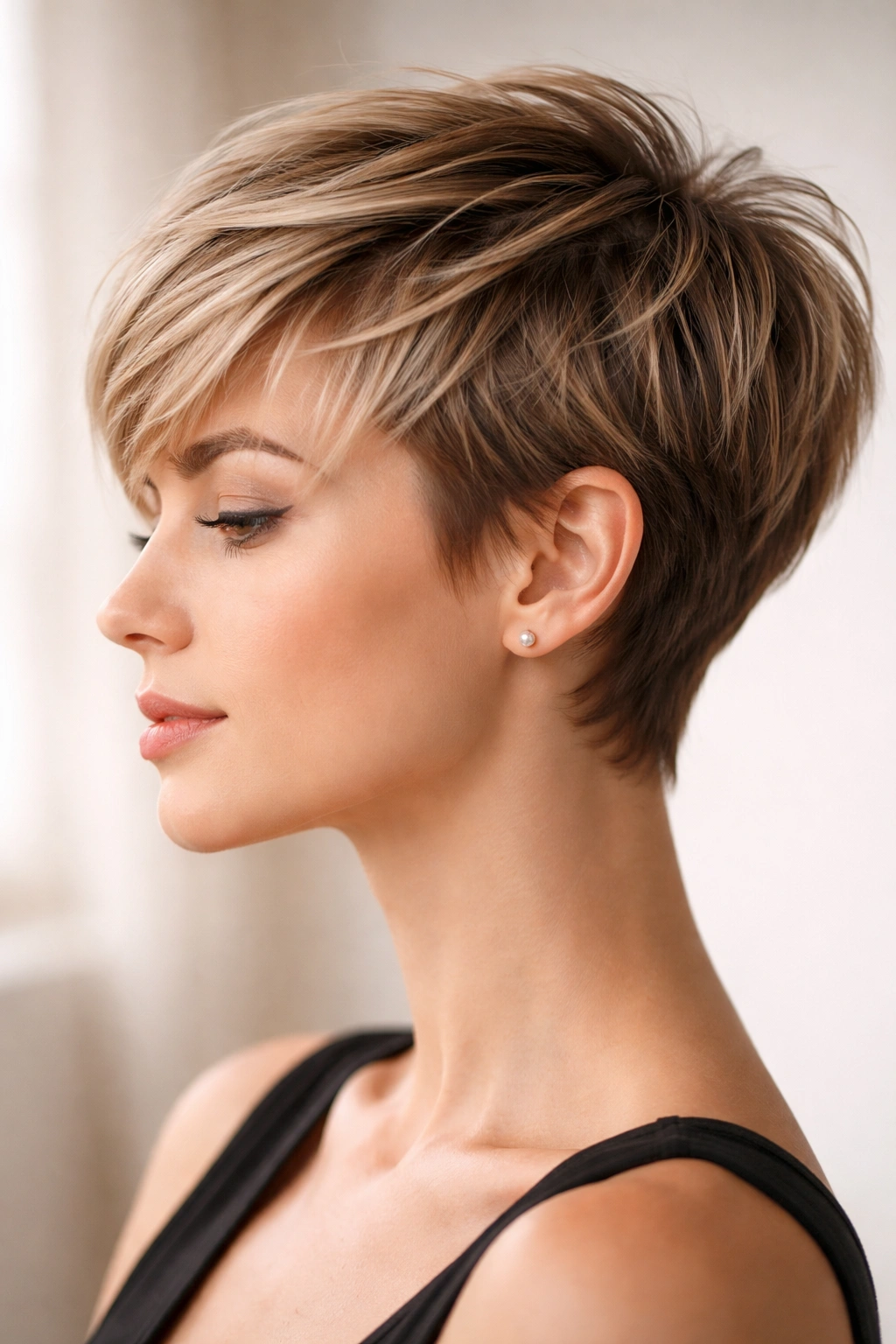
This is the no-fuss evolution of the classic pixie, featuring longer feathered layers throughout that soften the look while maintaining the clean, chic simplicity pixies are known for. The crown has more height and movement, while the sides blend in smooth, wispy layers that frame the face beautifully without feeling sparse or choppy.
Why This Works for So Many People
The feathered pixie crop bridges the gap between extremely short and short-but-not-too-short, giving you the low-maintenance benefits of a pixie without the severe, geometric look. Feathering adds texture and dimension that makes fine hair look fuller and makes thick hair appear less blunt. You get the ease of washing and drying in minutes while still having enough hair to style and shape, which is why this cut has become a favorite among busy professionals and parents who value their time.
Who It Suits Best
- Anyone with a round or square face shape, since the vertical movement draws the eye upward
- Fine or thin hair textures that benefit from the appearance of fullness through layering
- People with naturally wavy or curly hair who embrace their texture
- Those who want low-maintenance styling but don’t want to sacrifice style
- Anyone transitioning from longer hair who still wants something wearable on day one
Styling tip: This cut comes alive with a lightweight texturizing spray or sea salt spray applied to damp hair, scrunched in for movement. Blow-dry with your fingers for a tousled effect, or use a round brush for a more polished look.
2. The Shag with Soft, Piecey Layers
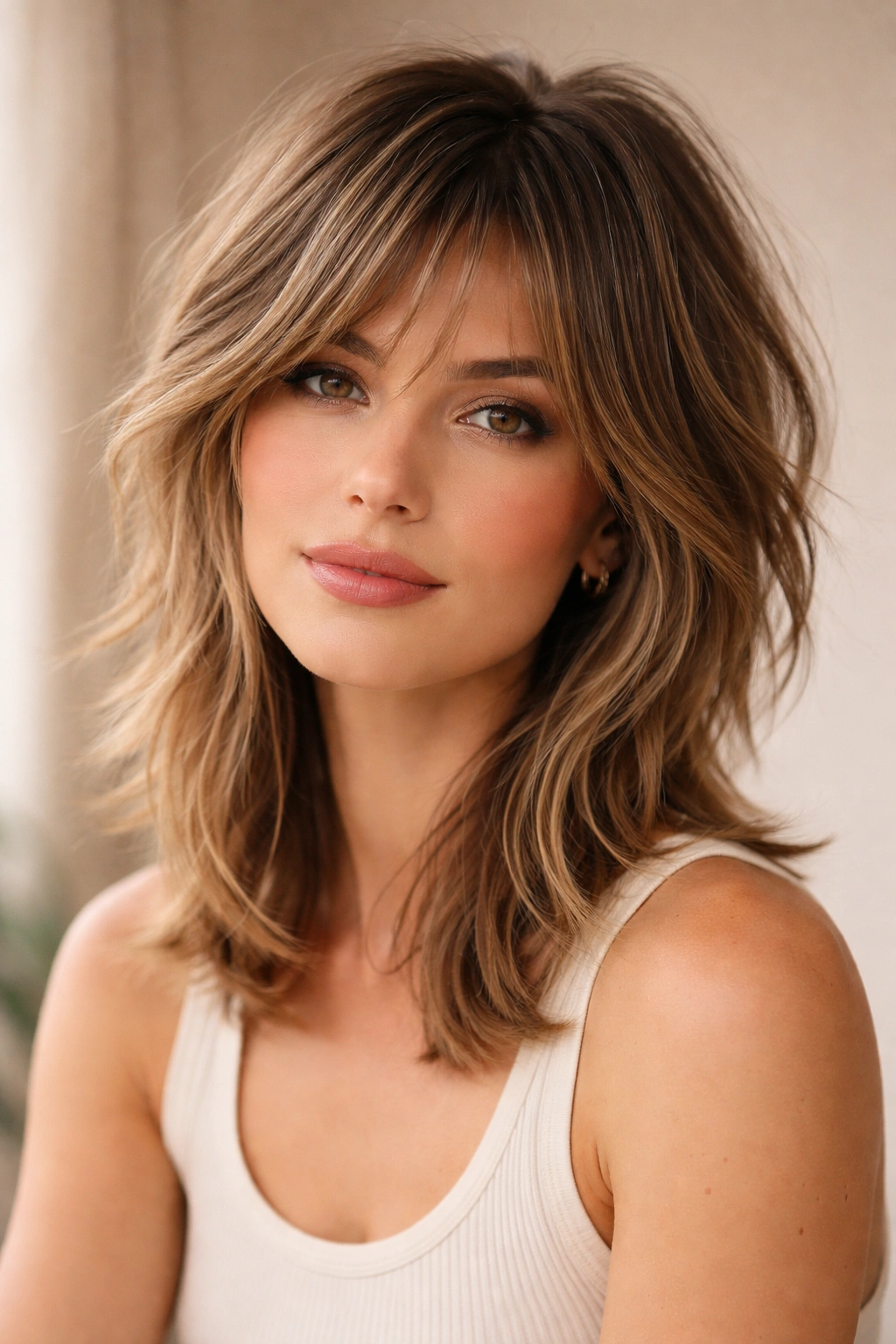
The shag has evolved from its 1970s reputation into something far more refined and wearable. The modern soft shag features gentle feathering throughout, with longer layers at the crown and face-framing pieces that create movement without looking unkempt or rock-and-roll extreme.
What Makes the Modern Shag Different
The original shag was bold and theatrical—lots of disconnected layers, choppy texture, and intentional wildness. Today’s version is all about soft feathering and subtle dimension. Instead of extreme choppiness, you’re getting layers that blend and work together to create an overall shaggy silhouette while maintaining polish and structure. The feathering means each layer has soft, piece-y ends that catch light beautifully, creating movement even when your hair is lying still.
Key Features of a Great Shag Cut
- Longer crown with significant volume and height
- Medium-length feathered layers that blend throughout the back and sides
- Intentional face-framing pieces that are slightly longer and feathered
- Soft, undone styling that looks effortless (even though the cut takes skill to execute)
- Works beautifully on both straight and textured hair
Pro tip: Shags love texture—whether natural or created through styling. Use a diffuser attachment on your blow dryer if you have natural waves, or apply mousse to damp hair and let it air dry for that signature shag movement.
3. The Butterfly-Wing Cut with Wispy Face-Framers
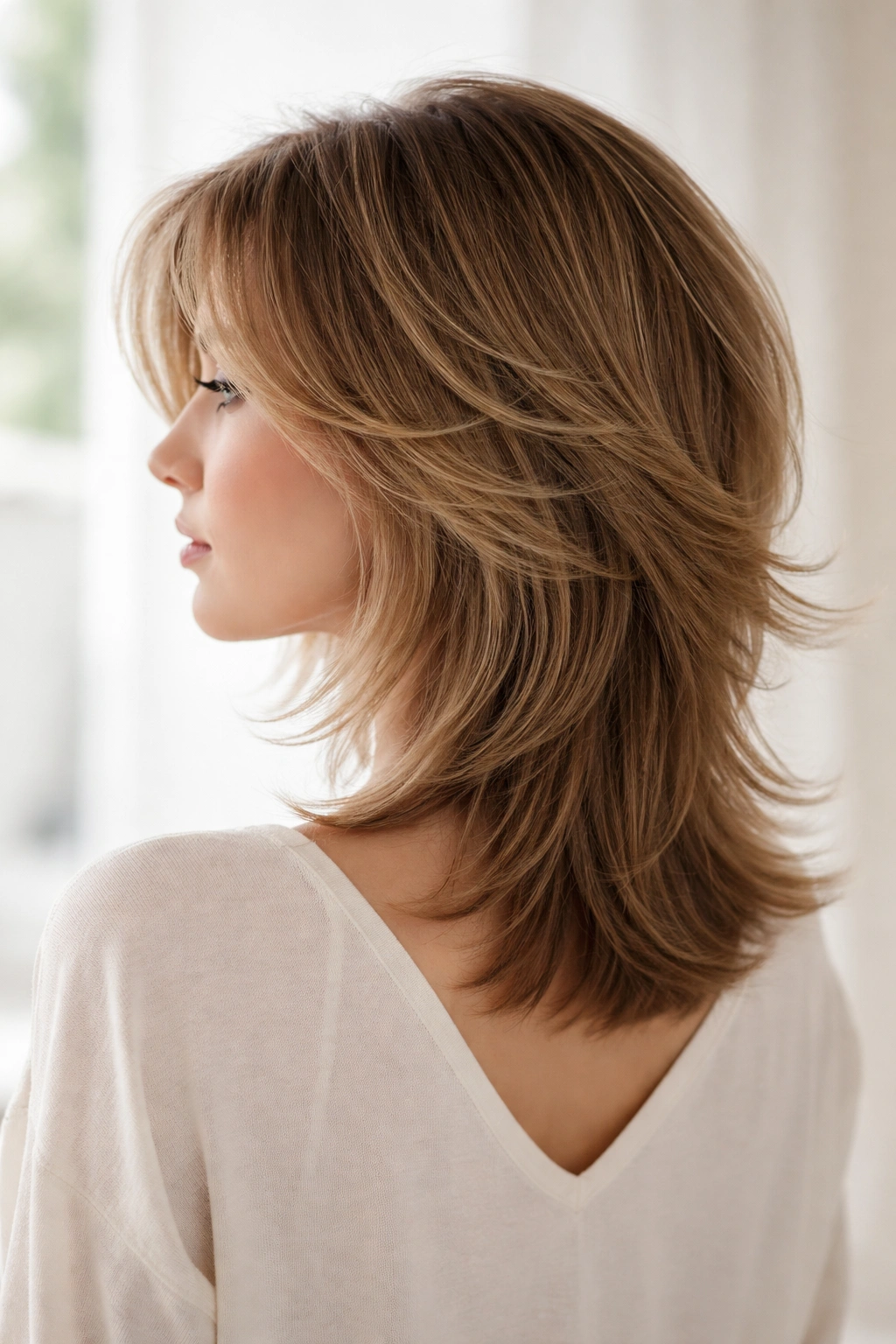
This contemporary cut features shorter layers at the sides that gradually lengthen toward the back, creating a shape reminiscent of butterfly wings when viewed from above. Wispy, feathered face-framing pieces delicately define the cheekbones and soften the overall look.
The Architecture Behind the Cut
The butterfly-wing cut is all about proportion and angle. The sides are cut shorter with significant feathering, creating movement that hugs the face. As you move toward the back, the layers gradually become longer, building a subtle volume that’s noticeable but not extreme. The face-framing pieces are the real star—they’re feathered specifically to move outward and downward, creating a flattering effect that works across nearly all face shapes.
Perfect For
- Heart-shaped or angular faces that benefit from softening near the cheekbones
- People wanting a youthful, contemporary look without extreme shortness
- Anyone with fine hair who wants the illusion of fullness through smart layering
- Those who enjoy a bit of movement and texture but prefer a more polished look than a shag
- Styling flexibility—can be worn sleek or tousled depending on the occasion
Worth knowing: This cut requires more styling investment than some other short cuts. You’ll likely want to blow-dry it to really see the shape and movement, though it can look great tousled and undone if that’s your preference.
4. The Feathered Crop with Disconnected Layers
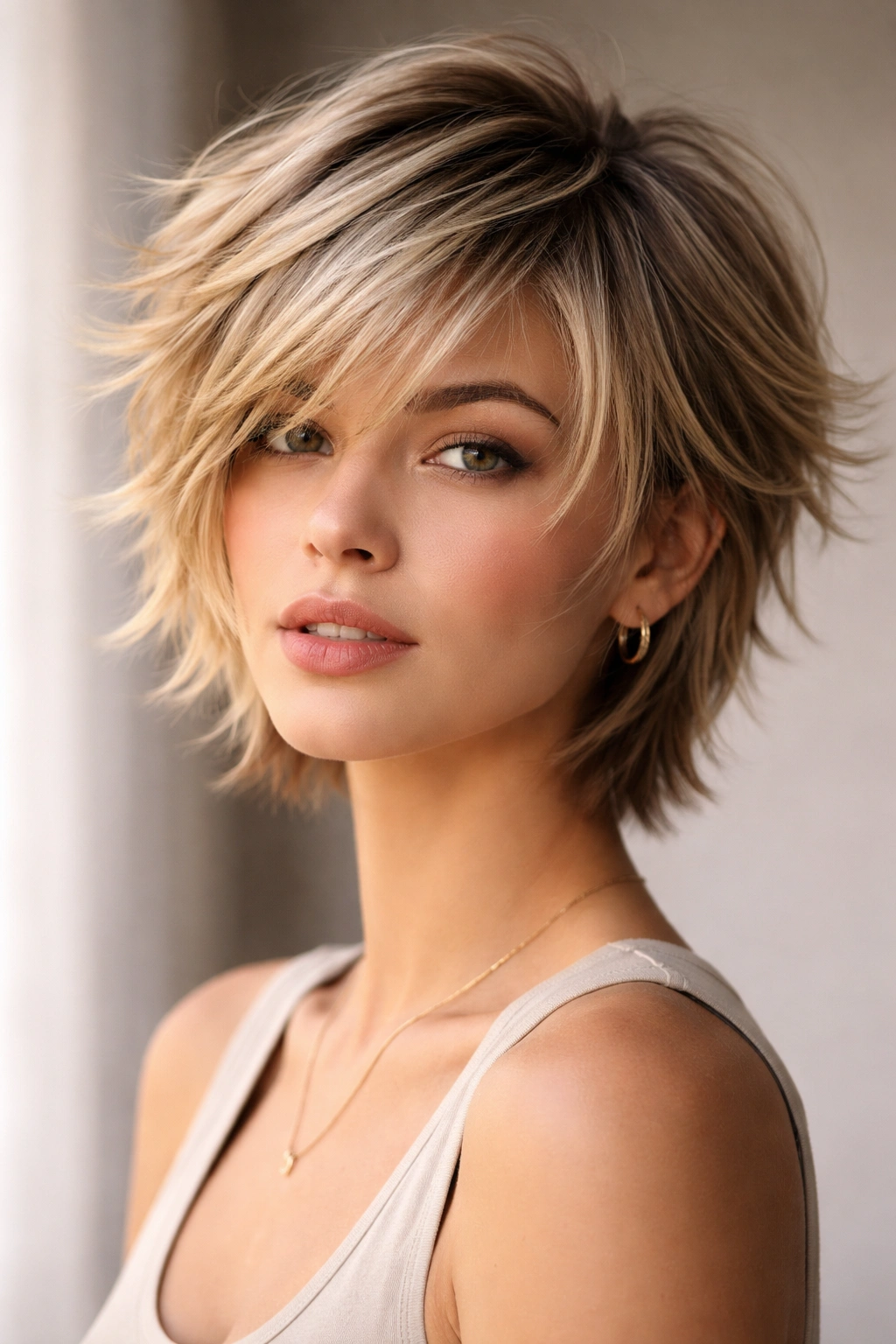
This cut sits somewhere between a crop and a pixie, with intentionally disconnected feathered layers that create visual texture and movement. Rather than seamless blending, each layer is distinct and visible, creating a modern, almost architectural look.
Why Disconnected Layers Read as Contemporary
Disconnected layering became trendy among hair professionals specifically because it feels fresh and intentional rather than accidental. With soft feathering on the ends, those disconnected layers don’t look choppy or unfinished—they look deliberately modern. The layers catch light differently, creating visual movement and dimension that makes even fine hair appear thicker and more textured.
Design Elements
- Slightly longer crown with deliberate layering for height
- Intentionally separated layers throughout the sides and back
- Soft feathering on all layer ends for a non-blunt finish
- Often paired with side-swept styling or a slightly tousled everyday look
- Works especially well on straight to wavy hair textures
Maintenance note: Disconnected layers show growth more readily than seamless styles, so plan for a trim every 4-6 weeks to maintain the cut’s shape and intentionality.
5. The Curly Girl Feathered Crop
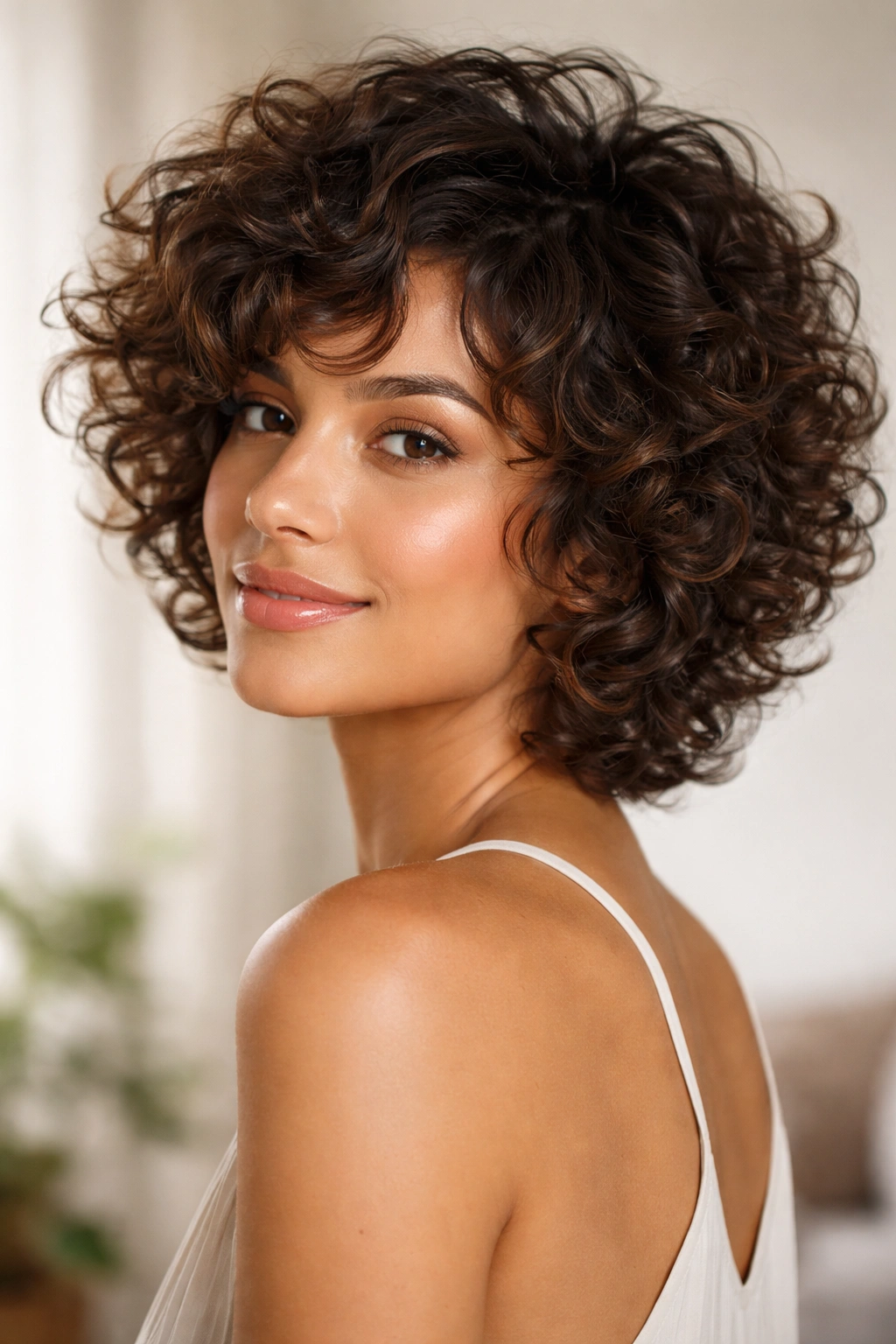
Specifically designed for naturally curly and coily hair, this cut works with your curl pattern rather than against it. Feathered layers are cut at different angles to encourage curl definition and bounce, with shorter layers at the crown for volume and longer feathered pieces throughout that frame the face.
How Feathering Changes for Curly Hair
When cutting curly hair, a professional stylist accounts for shrinkage and texture. Feathering in curly hair is cut more dramatically because curls compress upward—what looks longer when wet will be significantly shorter when dry. The feathering technique is adjusted so that each layer lands exactly where it should once your curls are fully dried and set. This is why it’s crucial to have curly hair cut by someone who truly understands curl patterns.
Making This Cut Work
- Get cut with curly hair soaking wet or freshly washed and shaped
- Never get a curly cut on dry hair; shrinkage will throw off the proportions
- Use curl-specific products like creams or gels to define layers and reduce frizz
- Allow curls to air dry or use a diffuser; regular blow drying disrupts curl formation
- Embrace your natural texture rather than fighting it with heat styling
Real talk: This cut is a game-changer for curly-haired people, but it requires finding a stylist who specializes in curly cuts. Generic stylists who cut mostly straight hair often don’t account for how curly hair shrinks and shapes, leading to disappointing results.
6. The Textured Crown with Feathered Sides
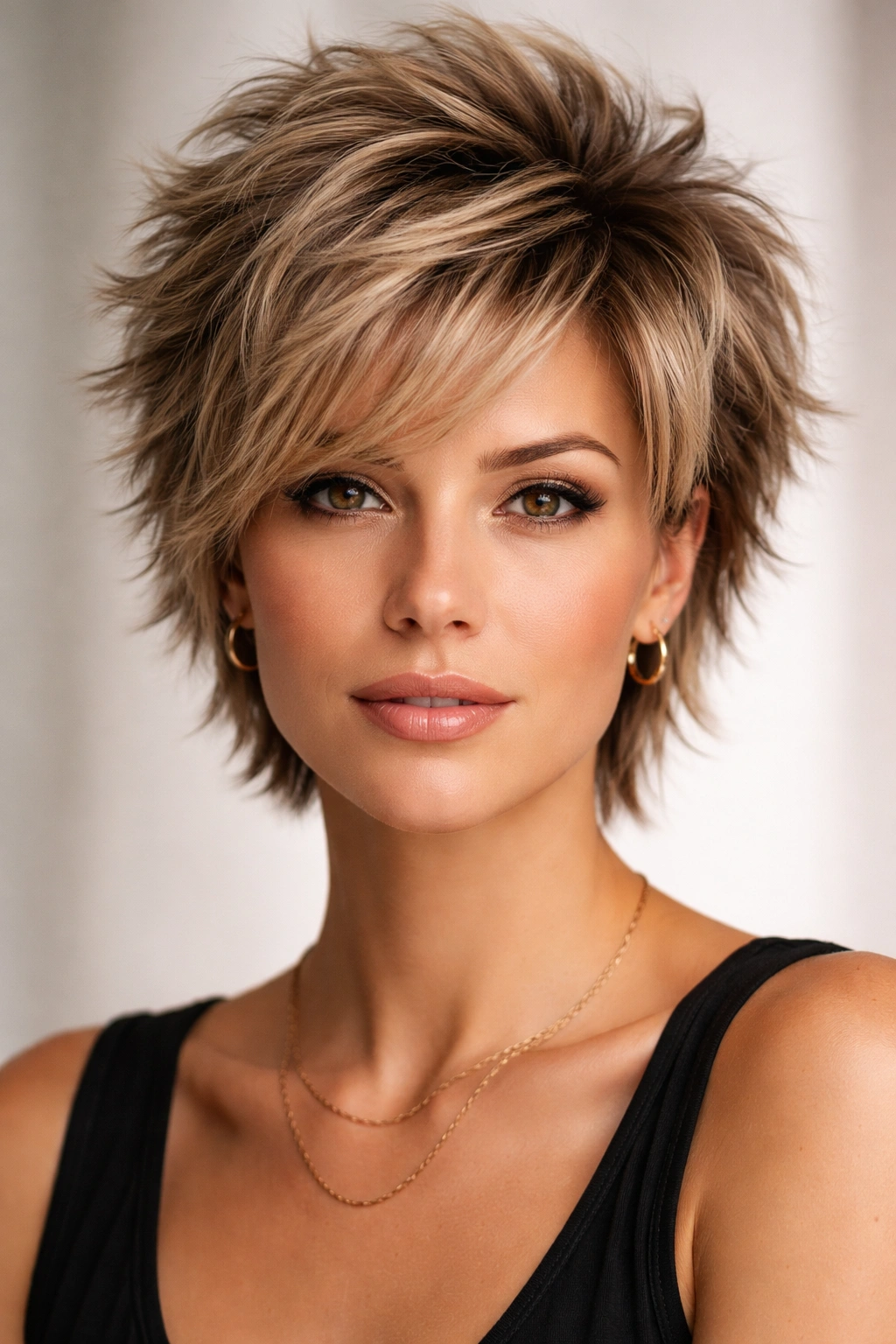
This cut prioritizes volume at the crown with significant feathering and texture, while the sides remain slightly shorter with soft, feathered layers that taper and blend. It’s a bold, modern look that makes a statement while remaining wearable.
Building Height Strategically
The textured crown cut uses layering specifically to create lift and movement at the top of the head. This makes it especially flattering for people with longer face shapes or those who want to add fullness to fine hair. The feathering creates the illusion that you have more hair than you actually do, since each layer catches light independently and creates visual texture.
What to Expect
- Significant volume and height at the crown
- Soft feathering throughout that creates movement and light reflection
- Shorter, tapered sides that don’t blend seamlessly but rather step down deliberately
- A modern, slightly edgy aesthetic that feels contemporary and intentional
- Styling best with texture products and some blow-drying
Styling essential: A good texturizing cream or dry texture spray is crucial for this cut. Apply to damp or dry hair and work through with your fingers to separate and define the feathered layers.
7. The Soft Androgynous Bob with Feathered Layers
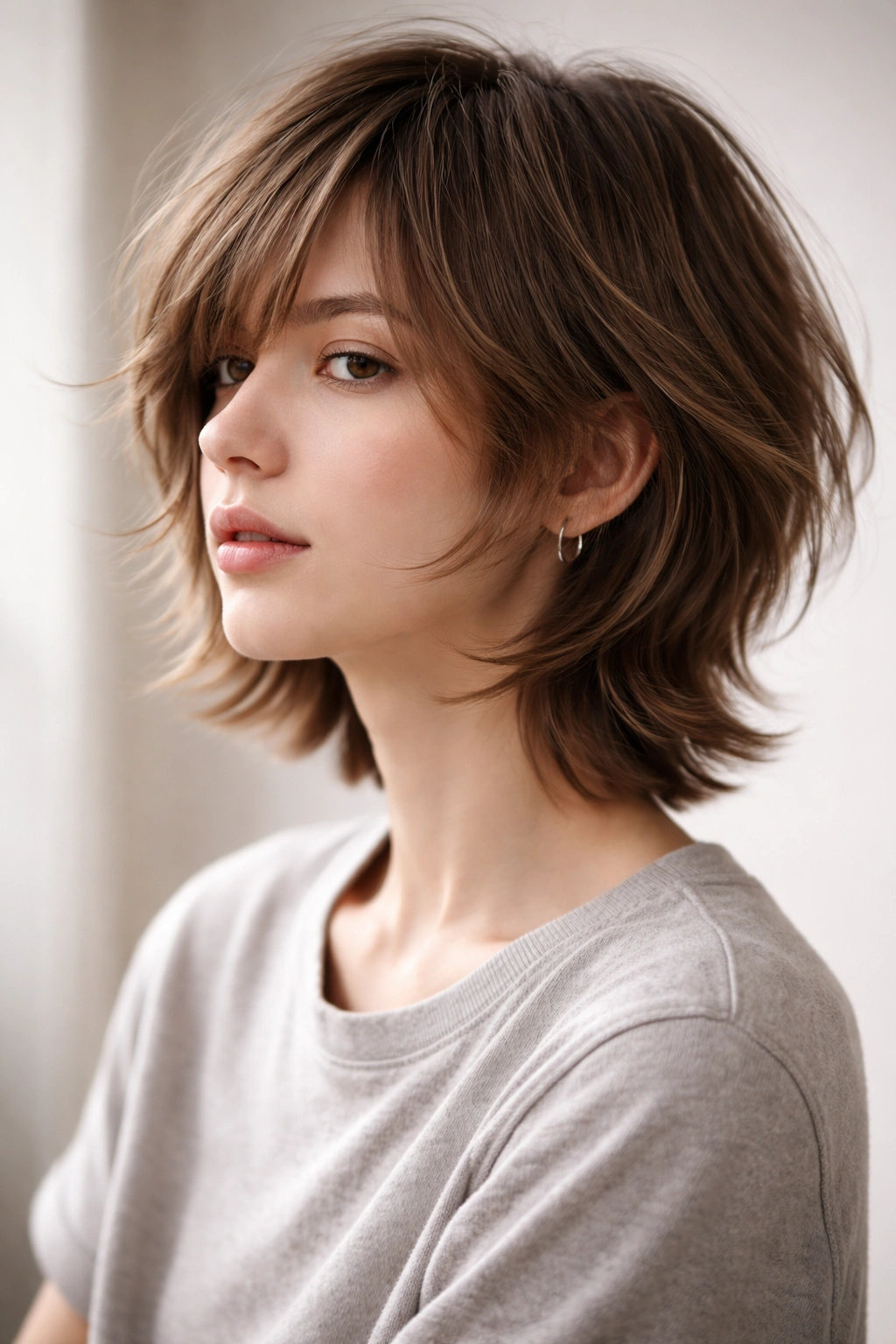
Sometimes “short” doesn’t mean pixie or crop—it can mean a collar-length bob with feathered layers throughout. This cut sits in an androgynous sweet spot, flattering all gender presentations while remaining undeniably feminine through its soft, feathered construction.
The Modern Androgynous Aesthetic
This is a Bob without bluntness, with enough length to have movement but short enough to maintain that modern, forward-thinking vibe. Feathering throughout softens what could otherwise feel severe, while still maintaining the clean lines and polish a bob is known for. The result is a cut that feels contemporary, slightly edgy, and completely wearable.
Why This Length Works
- More styling flexibility than a pixie but low-maintenance compared to longer bobs
- Face-framing feathered layers that soften angular features
- Works across different hair types and textures when cut correctly
- Can be styled sleek and polished or tousled and undone
- Looks equally at home in a corporate office or creative industry
Insider note: The key to this cut looking intentionally androgynous rather than just “shorter than usual” is in the feathering technique and the angle of the layers. A skilled stylist will create soft, directional layers that feel modern and considered.
8. The Feathered Mullet (Modern Version)
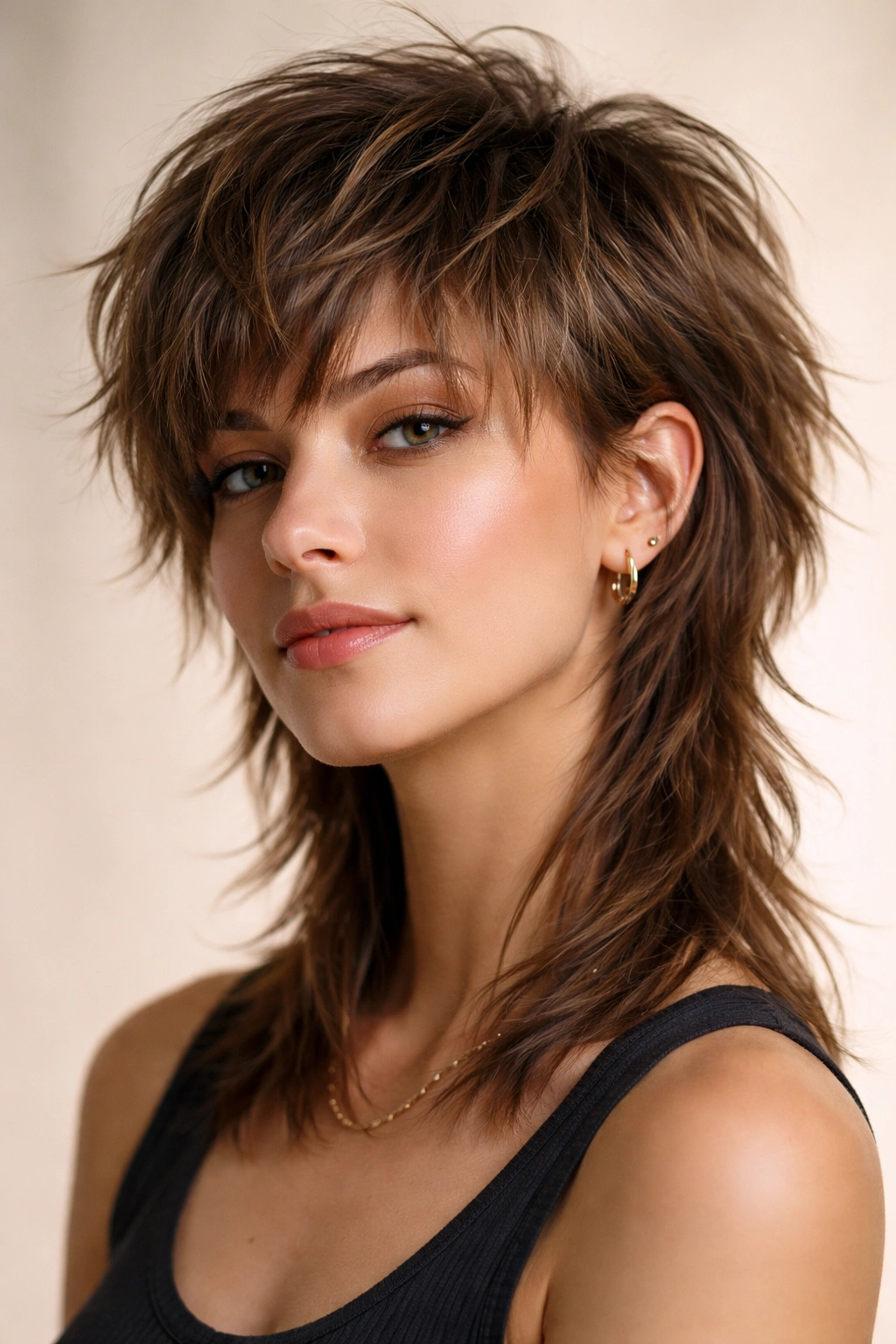
Before you skip this one—hear me out. The contemporary feathered mullet isn’t your 1980s reference point. It’s a sophisticated cut with longer feathered layers at the crown and back, while the sides and front are considerably shorter with wispy feathering. It’s surprisingly wearable and absolutely on-trend.
Why the Modern Mullet Works
The feathered mullet takes a genuinely retro silhouette and updates it through soft layering and contemporary styling. Instead of the blunt, heavily teased mullets of decades past, today’s version is textured, intentional, and refined. The feathering creates movement rather than stiffness, and the length differential is less dramatic, making it feel like a choice rather than a costume.
The Right Proportions
- Very short feathered sides and front (think pixie-length or shorter)
- Significantly longer, fully feathered back section
- Textured layers throughout that create movement
- Can be styled sleek, tousled, or anywhere in between
- Makes a bold statement that signals confidence and style awareness
Styling reality: This cut requires some intentional styling to look its best. You’ll likely blow-dry regularly and use texture products to emphasize the layered, feathered quality. It’s not a wash-and-go cut, but it’s worth it if you love the look.
9. The Feathered Pixie Fade with Longer Top
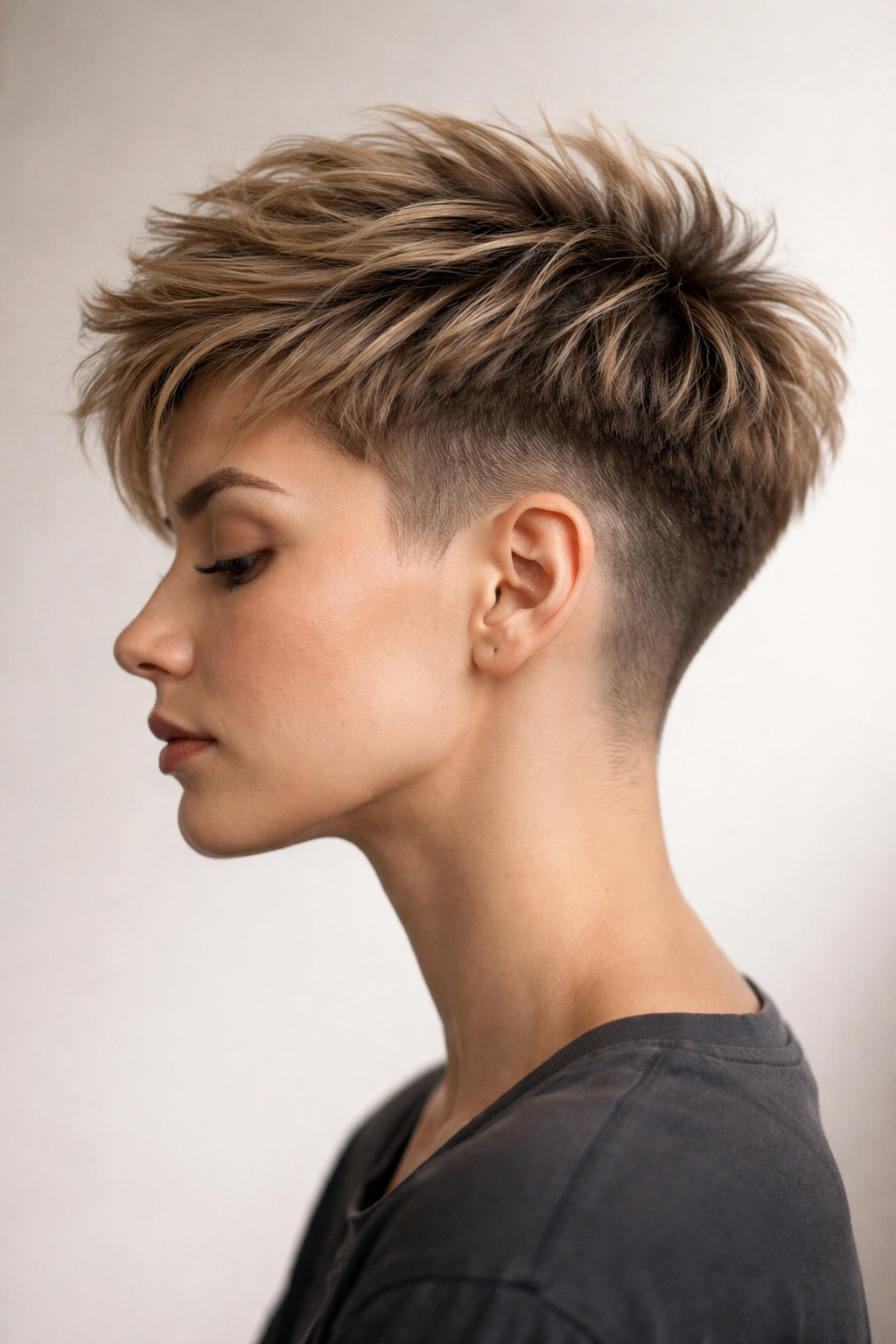
This cut combines the clean, faded precision of a barbershop fade with the movement and dimension of feathered layers on top. The sides fade very short (or to skin) while the crown is left longer with substantial feathering and texture.
The Precision of a Fade with Softness of Feathering
What makes this cut unique is the contrast between the clean, geometric lines of the fade and the soft, organic feathering on top. The fade provides structure and definition, while the feathered top layers add movement and personality. It’s contemporary, cool, and works across gender presentations and personal styles.
Technical Details
- Faded sides that taper from slightly longer at the top to very short at the ears and nape
- Longer crown left for maximum feathering and texture
- Feathered layers throughout the top section for movement and dimension
- Can showcase skin tone beautifully while maintaining some hair volume
- Extremely versatile styling-wise
Maintenance requirement: Fades show regrowth quite obviously, so plan for a trim every 2-3 weeks to maintain the crisp look. The feathered top can go longer between cuts since feathering hides growth naturally.
10. The Choppy-Feathered Shag with Undone Energy
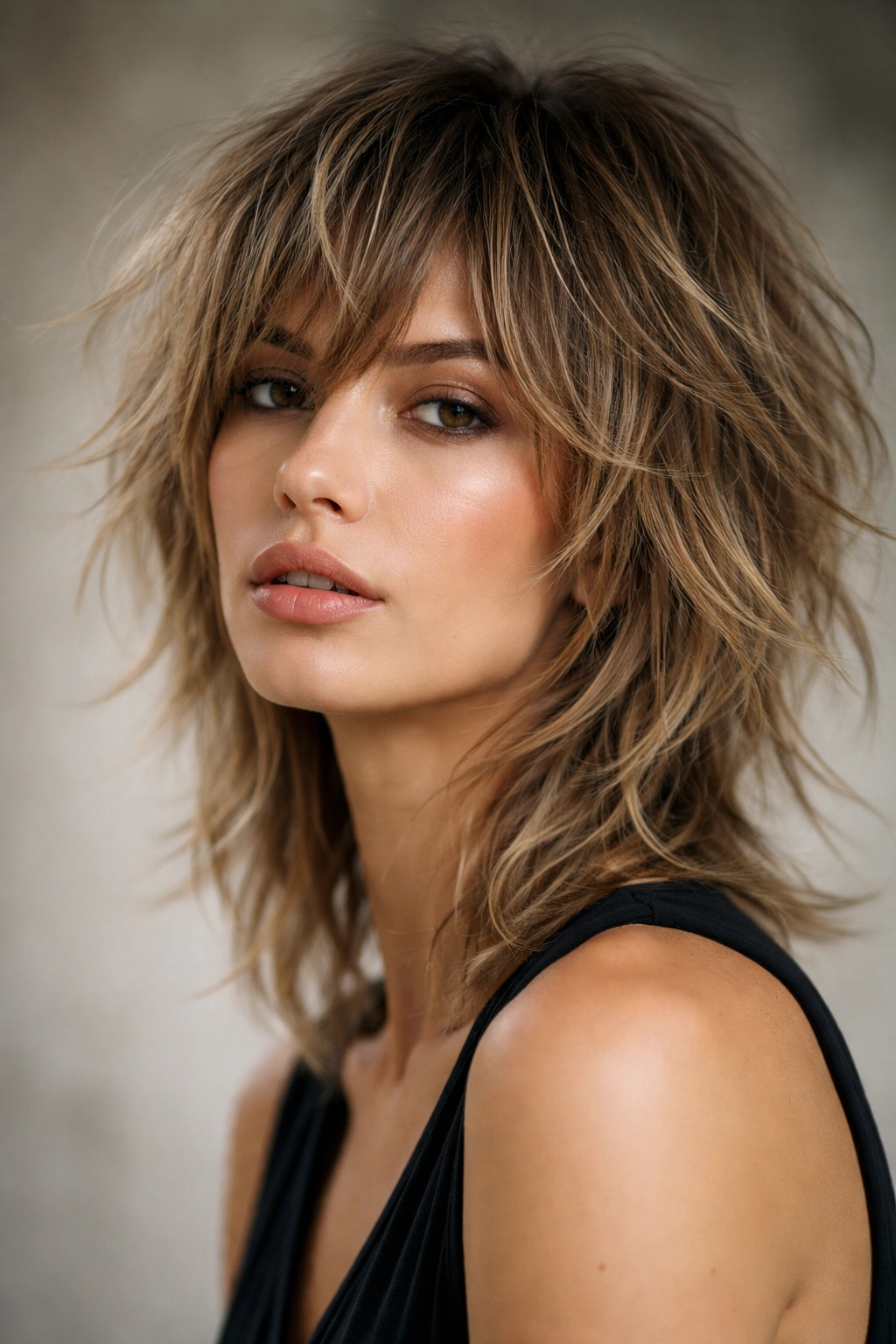
This is the ultimate lived-in, effortlessly cool haircut. It combines choppy, disconnected layers with soft feathering throughout, creating a cut that looks artfully tousled and undone even when you’ve just left the salon. It’s perfect for people who want their hair to make a statement without looking overly styled or manicured.
The Art of Controlled Chaos
The choppy-feathered shag looks like you just rolled out of bed and happened to be that cool, but it actually requires skilled execution. The key is balancing choppiness with soft feathering so that you get texture and movement without the cut feeling sloppy or damaged. Each choppy section is feathered to create softness at the ends, and the overall effect is editorial and intentional rather than accidental.
Embracing the Texture
- Disconnected, choppy layers throughout
- Soft feathering on all cut ends to prevent harshness
- Longer pieces interspersed with shorter layers for movement
- Best worn slightly undone and tousled
- Works beautifully on textured, wavy, or naturally curly hair
- Looks equally good on straight hair when styled with texture products
Important note: This cut absolutely requires a stylist who understands how choppy layers, feathering, and overall shape work together. A mediocre execution will look unkempt rather than intentionally cool, so invest in a skilled professional.
Why Professional Feathering Makes All the Difference
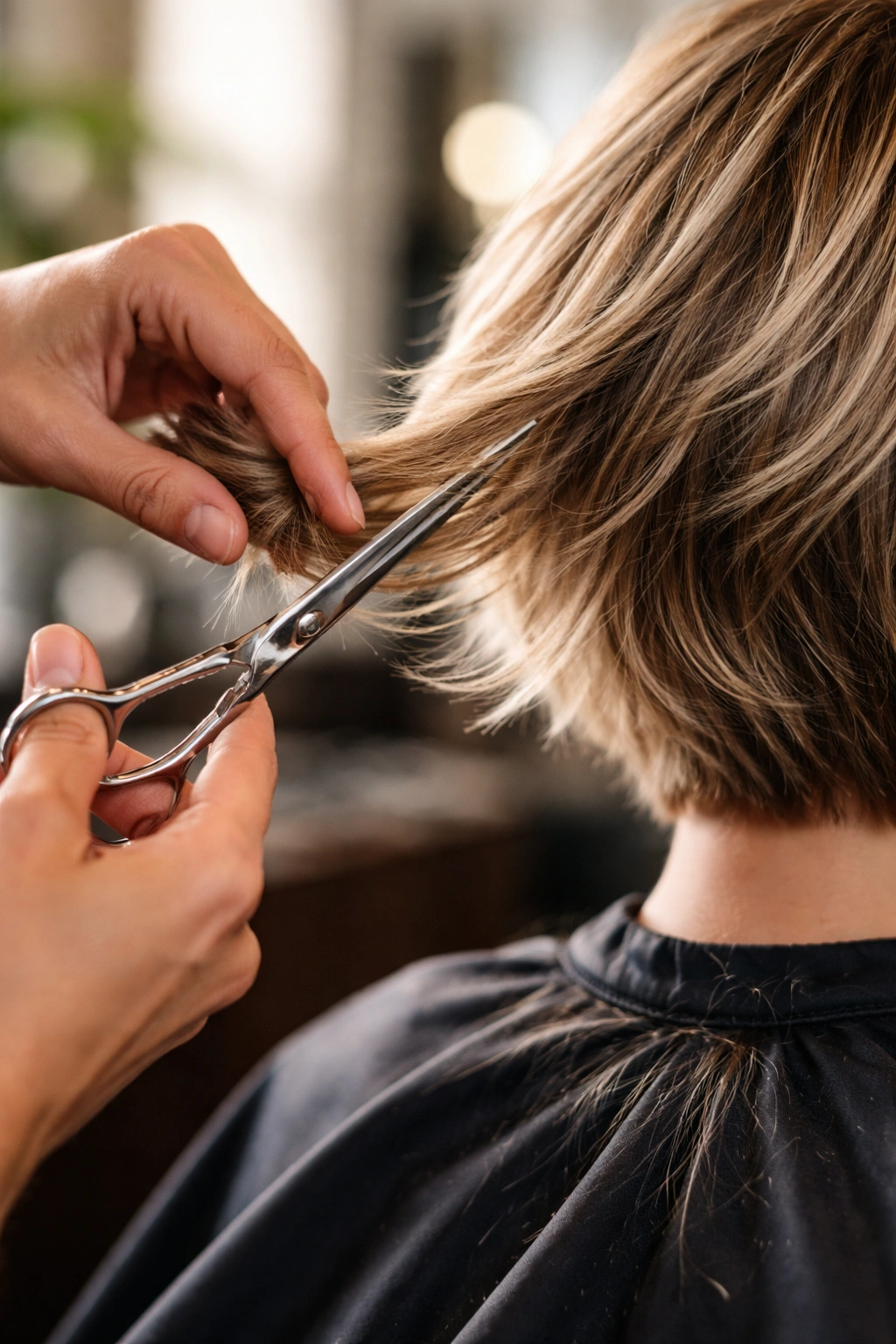
You might think feathering is just… layers. But there’s a genuine technical difference between a stylist who understands feathering and one who doesn’t. Proper feathering uses specific scissor techniques and angles that create soft, pointed ends that blend subtly into the surrounding layers. When done well, feathering creates movement and texture. When done poorly, it creates bluntness and an unfinished appearance.
A skilled feathering cut takes more time and precision than a basic layered cut. Your stylist should be thoughtfully considering your face shape, hair texture, lifestyle, and styling preferences while creating each layer. If you find a stylist who gets this right, hold onto them—they’re worth the investment.
Styling Your Feathered Short Haircut
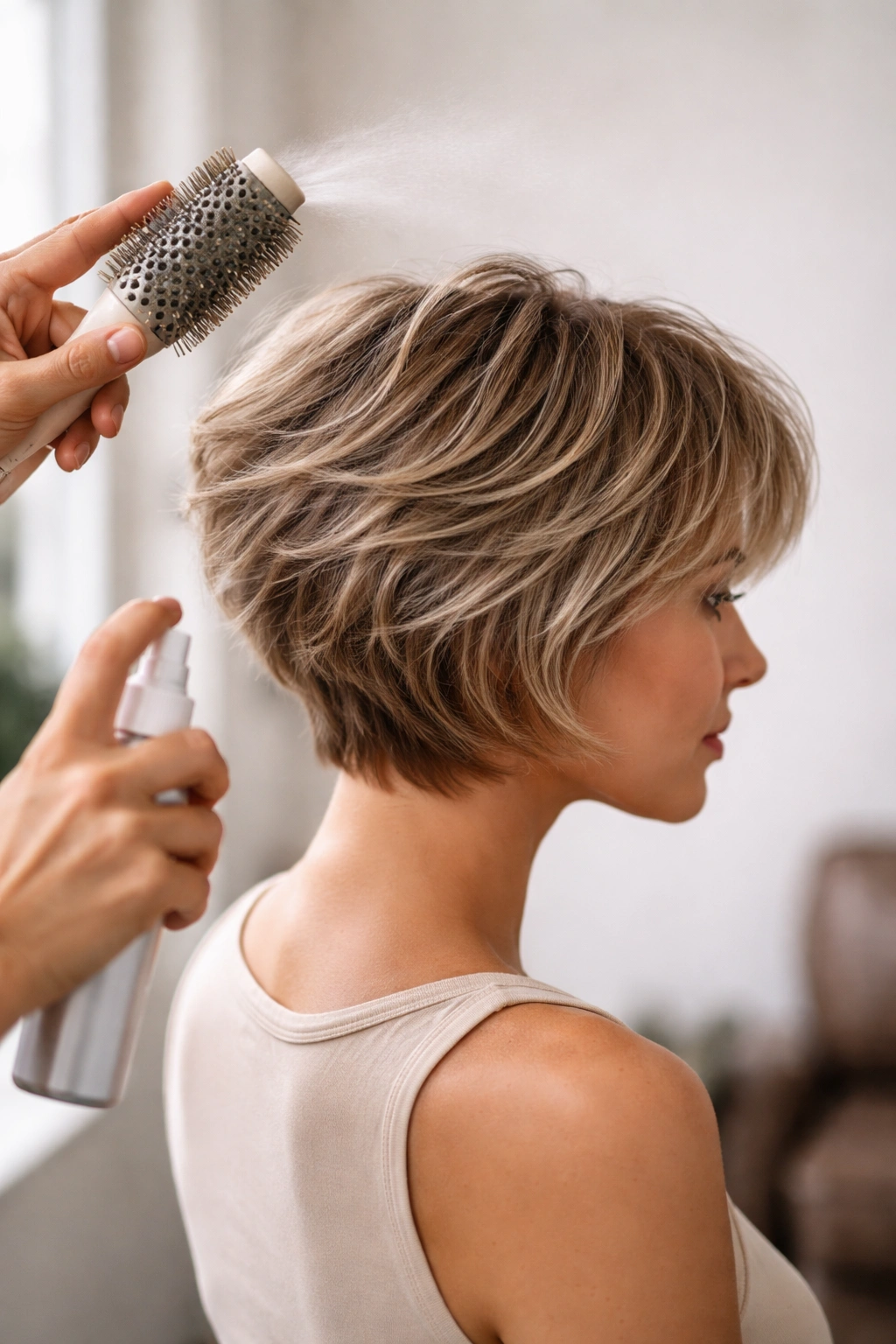
The easiest feathered cuts still require some styling to truly shine. Most benefit from a light blow-dry with a round brush or your fingers for texture and movement. Texture sprays, sea salt sprays, dry shampoo, and texturizing creams are your friends when it comes to feathered hair—they enhance the layers and create movement that makes the cut look intentional rather than flat.
That said, feathered cuts are genuinely more forgiving than blunt cuts when it comes to growing out or styling undone. The soft, pointed ends don’t create harsh lines as they grow, and the layers naturally encourage movement even with minimal styling. If you’re someone who sometimes doesn’t blow-dry your hair, feathering is more forgiving than you might expect.
Maintenance and Growth Timeline
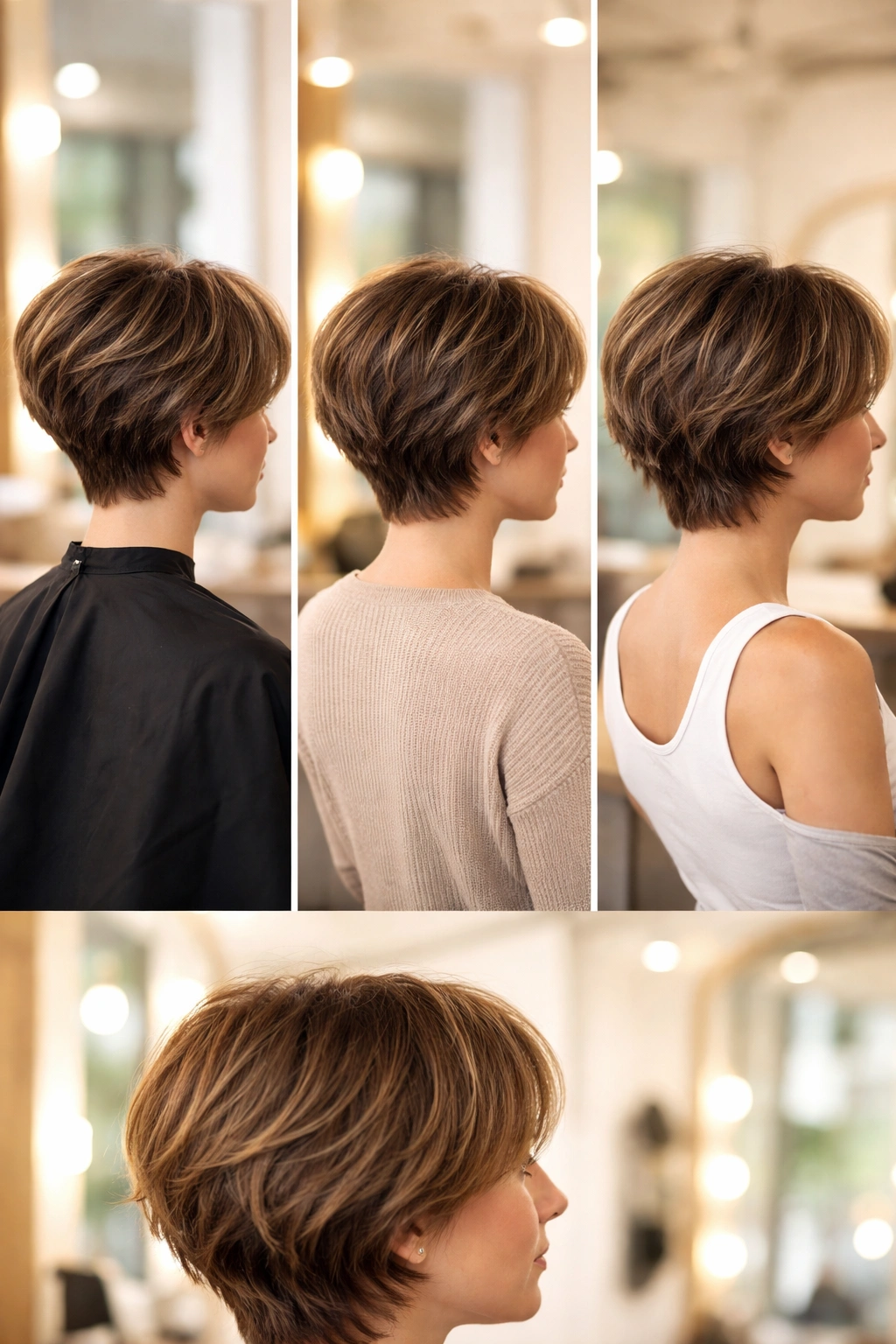
Most feathered short haircuts need a trim every 4-6 weeks to maintain their shape and prevent the soft feathered ends from becoming wispy and stringy. This might seem frequent, but it’s worth it to keep your cut looking intentional and polished. Between cuts, layers naturally blend together as your hair grows, gradually transitioning from a shaped, feathered cut to something closer to a tousled, textured bob.
If you’re growing out a feathered short cut intentionally, embrace the in-between phase. With the right styling and products, that awkward stage can actually look quite cool and undone—sometimes better than the initial cut itself.
Final Thoughts
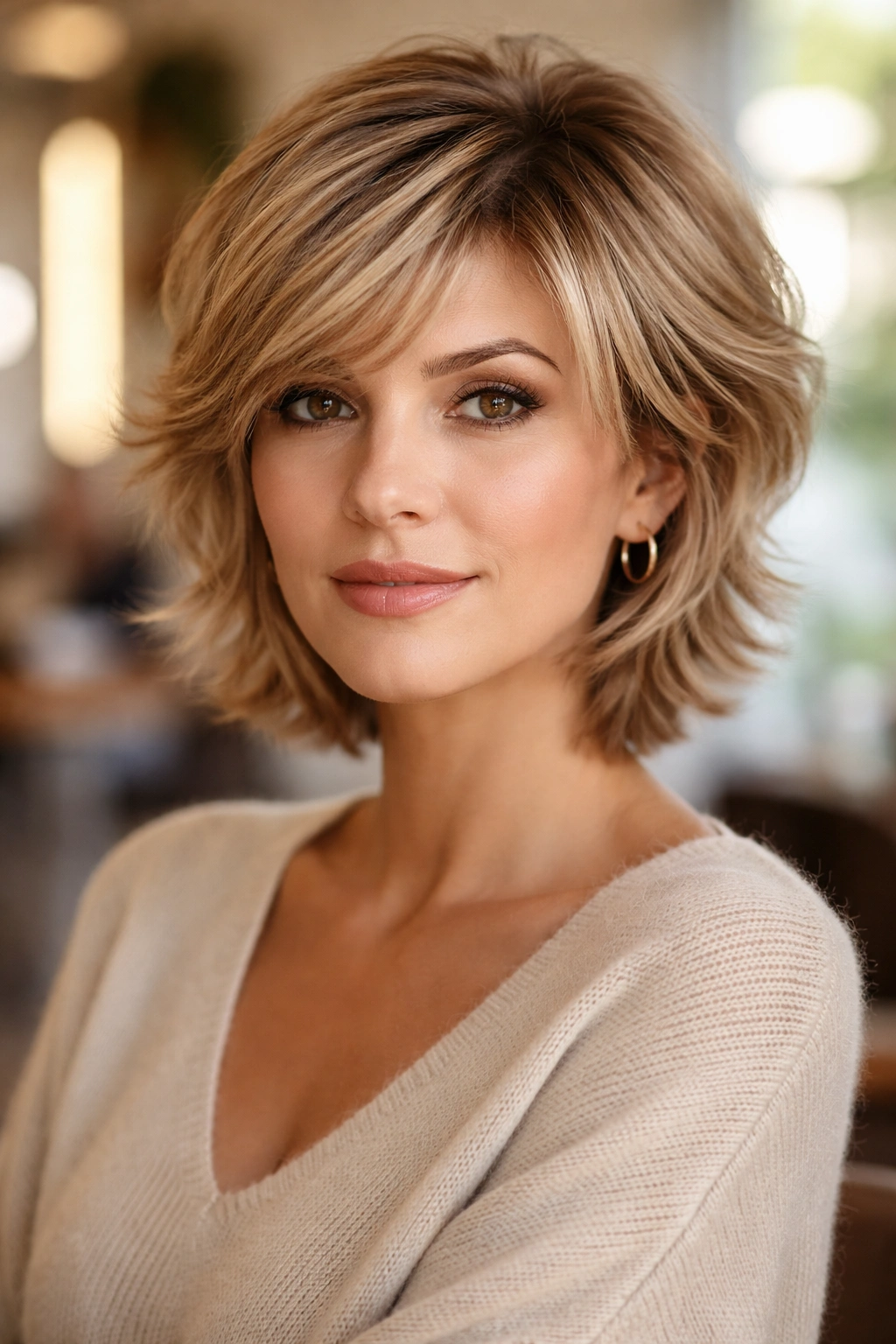
A feathered short haircut is more than just a practical, low-maintenance style. It’s a choice to embrace movement, dimension, and personality. Whether you go for a soft, wearable feathered pixie or something bolder like a contemporary mullet, the right feathered cut makes you feel more like yourself the moment you walk out of the salon chair.
The key is finding a stylist who truly understands feathering—someone who sees your face shape, understands your hair texture, and knows exactly how to position each layer so it works with your hair rather than against it. That professional guidance transforms a simple haircut into something that genuinely enhances how you look and feel. Once you find your perfect feathered cut, you’ll understand why so many people come back to this style again and again.
