



The mullet has made a powerful comeback, and it’s proving to be one of the most versatile and flattering cuts available — especially for plus-size women who want a style that commands attention without overwhelming their frame. Unlike the harsh, choppy versions of the 80s, modern mullets are sophisticated, textured, and deeply customizable to suit different face shapes, hair textures, and personal aesthetics.
What makes a mullet work beautifully for plus-size figures is its inherent balance. The voluminous front and sides create width where you want it — framing your face with softness and dimension — while the textured, often shorter back adds movement and prevents the heaviness that can come from all-over length. The cut naturally draws the eye upward toward your face and creates a focal point that makes the entire silhouette feel more intentional and styled, rather than defaulting to safe, predictable lengths.
The key to finding a flattering mullet isn’t just about the cut itself; it’s about adapting the proportions, texture, and styling approach to your specific features. A mullet that works for a round face requires different layering and length ratios than one designed for a square or heart-shaped face. Similarly, the texture and density matter enormously — a sleek, blunt mullet reads completely differently than a choppy, piece-y one, and that distinction can make or break whether a style feels current versus dated.
Here are ten of the most flattering mullet variations designed specifically with plus-size women in mind — each chosen for how it creates dimension, balances proportions, and brings out the best in your features.
1. The Textured Shag Mullet
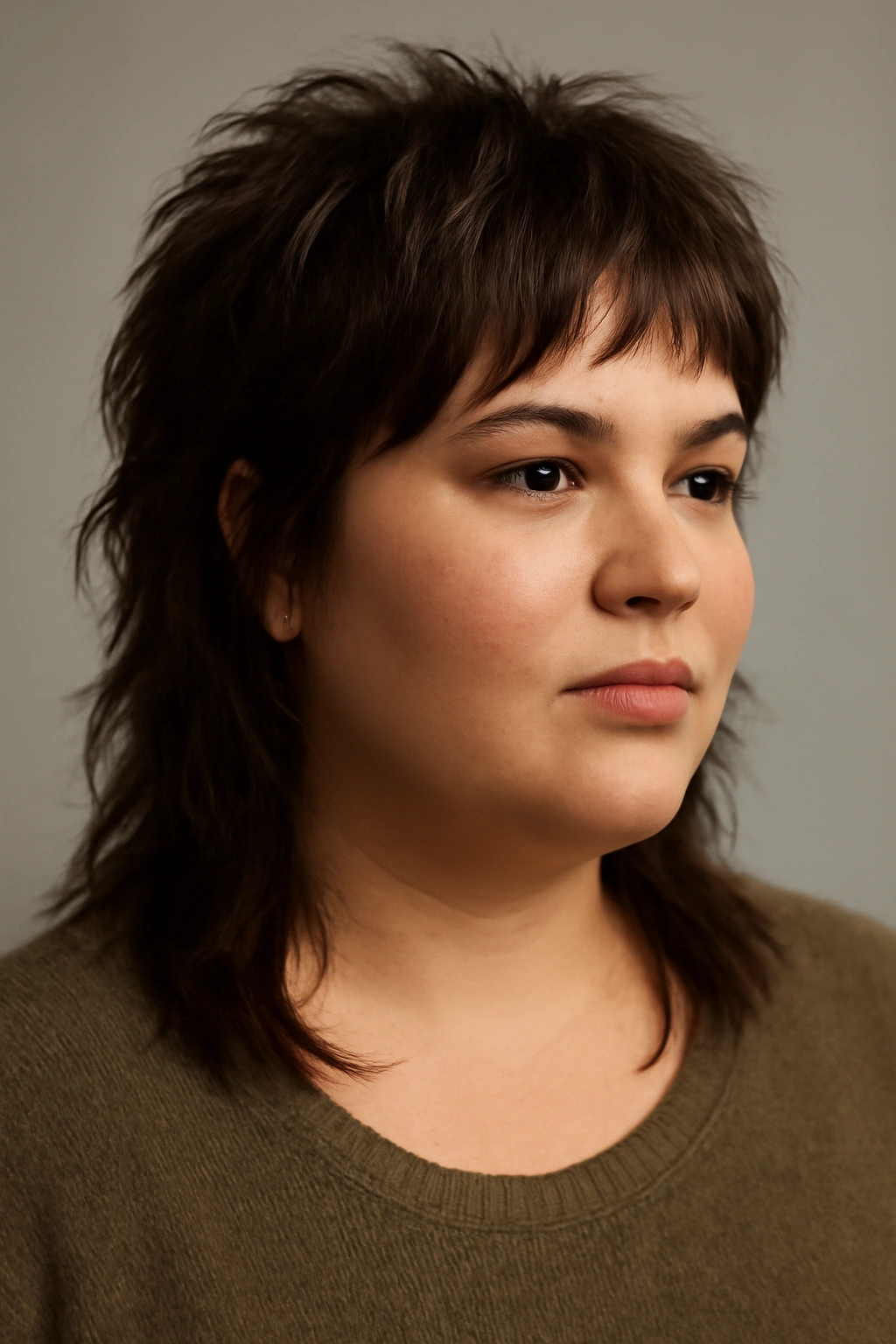
The textured shag mullet is the softest, most wearable interpretation of the trend, and it’s exceptionally flattering on almost every face shape. This version features choppy, piece-y layers throughout the crown and sides that create movement and visual lightness, while the back tapers into a subtle kick without being aggressively short or dramatic.
Why It’s So Flattering
This cut works because the layers throughout prevent any heavy, block-like appearance around the face. The texture catches light in multiple directions, which creates the illusion of dimension and doesn’t cling to your face the way a sleeker mullet might. The gradual transition from longer to shorter keeps the overall look polished rather than theatrical, making it feel like an intentional, modern choice rather than a costume.
How to Style It
- Blow dry with a round brush, lifting at the roots for volume in the crown
- Use a texturizing spray or salt spray to emphasize the choppy layers and create a lived-in, undone feel
- Sweep the front layers back and to the side for an elongated face appearance
- Works beautifully air-dried with minimal product for a more relaxed vibe
Pro tip: Ask your stylist to point-cut rather than razor-cut the layers if your hair is fine or prone to frizz — the cleaner edges last longer between trims.
2. The Blunt Mullet with Disconnected Sides
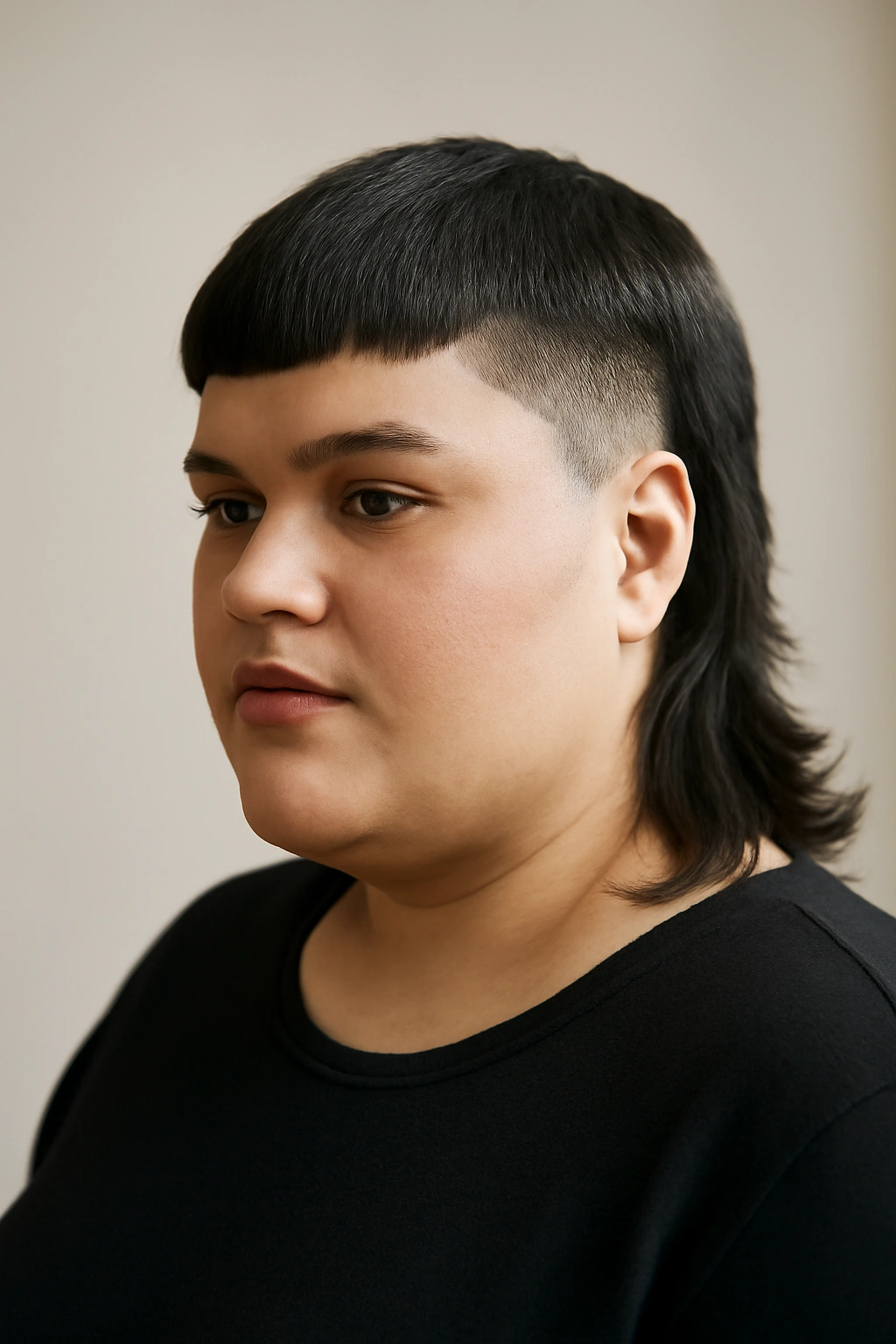
For a more dramatic, editorial take on the trend, the blunt mullet features clean, sharp lines throughout the front and sides with minimal layers, while the back is distinctly shorter and textured. This creates a bold statement without being overwhelming.
The Visual Impact
The disconnect between the sleek front and the textured back creates a striking contrast that immediately reads as intentional and fashion-forward. The blunt lines are actually incredibly flattering because they create definition around the face — they don’t soften or blur your features, they celebrate them. This cut is ideal if you have strong cheekbones or a defined jawline you want to highlight.
Styling for Maximum Impact
- Keep the front sections blow-dried smooth and polished
- Allow the back to be tousled and textured for an interesting contrast
- Use a smoothing serum on the front to emphasize the bluntness
- The back can be styled with sea salt spray for a piecey, movement-heavy look
Worth knowing: This cut requires a skilled stylist who understands proportion and can execute precise lines. It’s worth investing in a more experienced cut.
3. The Face-Framing Mullet with Side-Swept Bangs
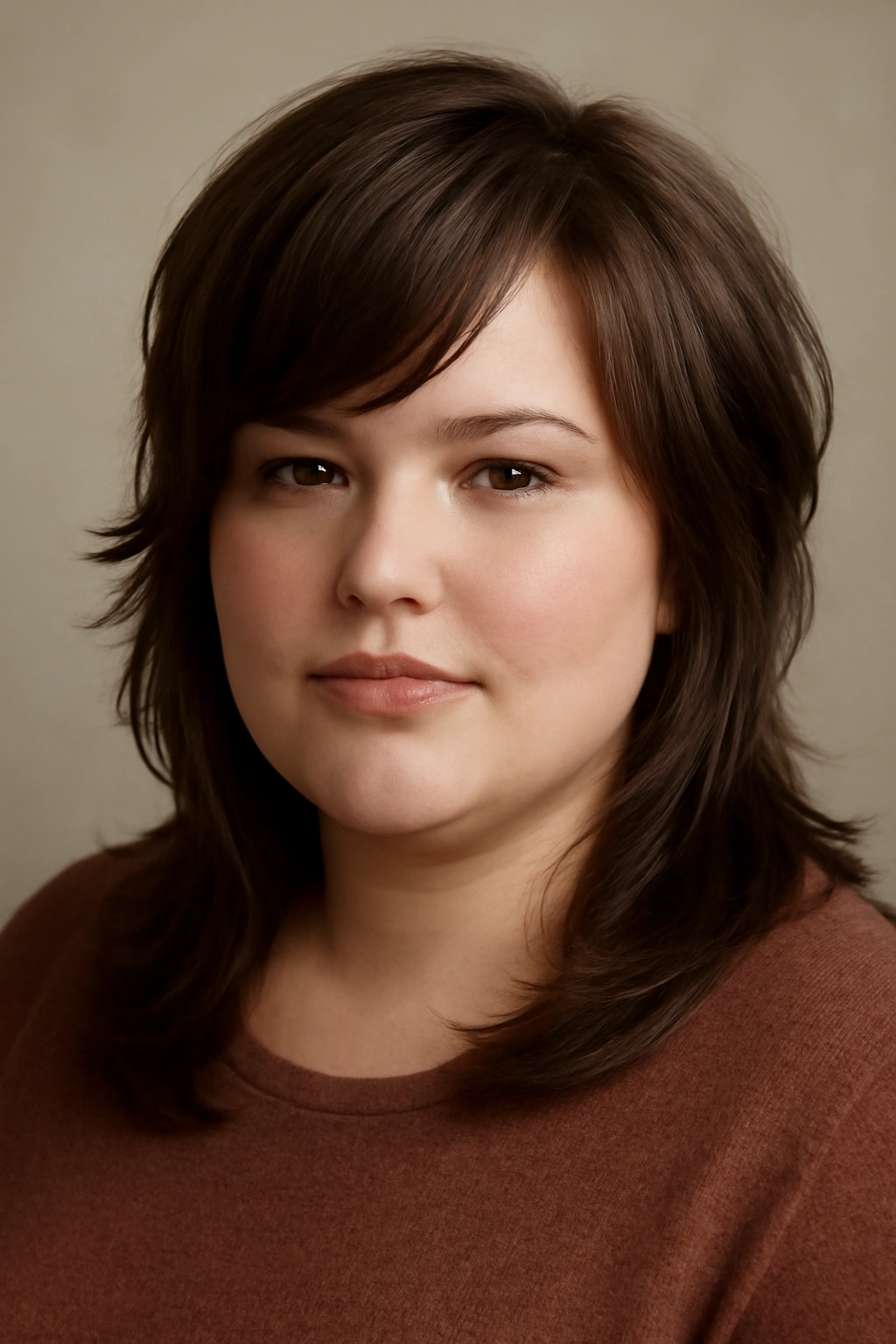
This variation prioritizes your face by building in longer, side-swept bangs that gently frame your features while the rest of the cut tapers into a mullet silhouette. The front sections are longer than a typical blunt mullet, creating a more wearable everyday option.
Why the Bangs Matter
Side-swept bangs do remarkable work for plus-size faces because they create a vertical line that elongates your features without requiring super-long overall length. The angle of the sweep draws attention upward and inward, naturally lifting the eye and creating a subtle facelift effect. This is especially effective if you have a rounder face or want to add definition to your cheekbones.
How to Maintain the Bangs
- Blow dry the bangs with the direction of the sweep, not against it
- Keep a round brush handy for a quick style fix throughout the day
- Trim the bangs every 4-6 weeks as they’ll grow out faster than the rest of the cut
- Use a lightweight volumizing powder if the bangs start to look limp
Real talk: If you have naturally curly or textured hair, this style requires daily styling commitment. Consider this carefully before committing to side-swept bangs.
4. The Layered Mullet with Feathered Ends
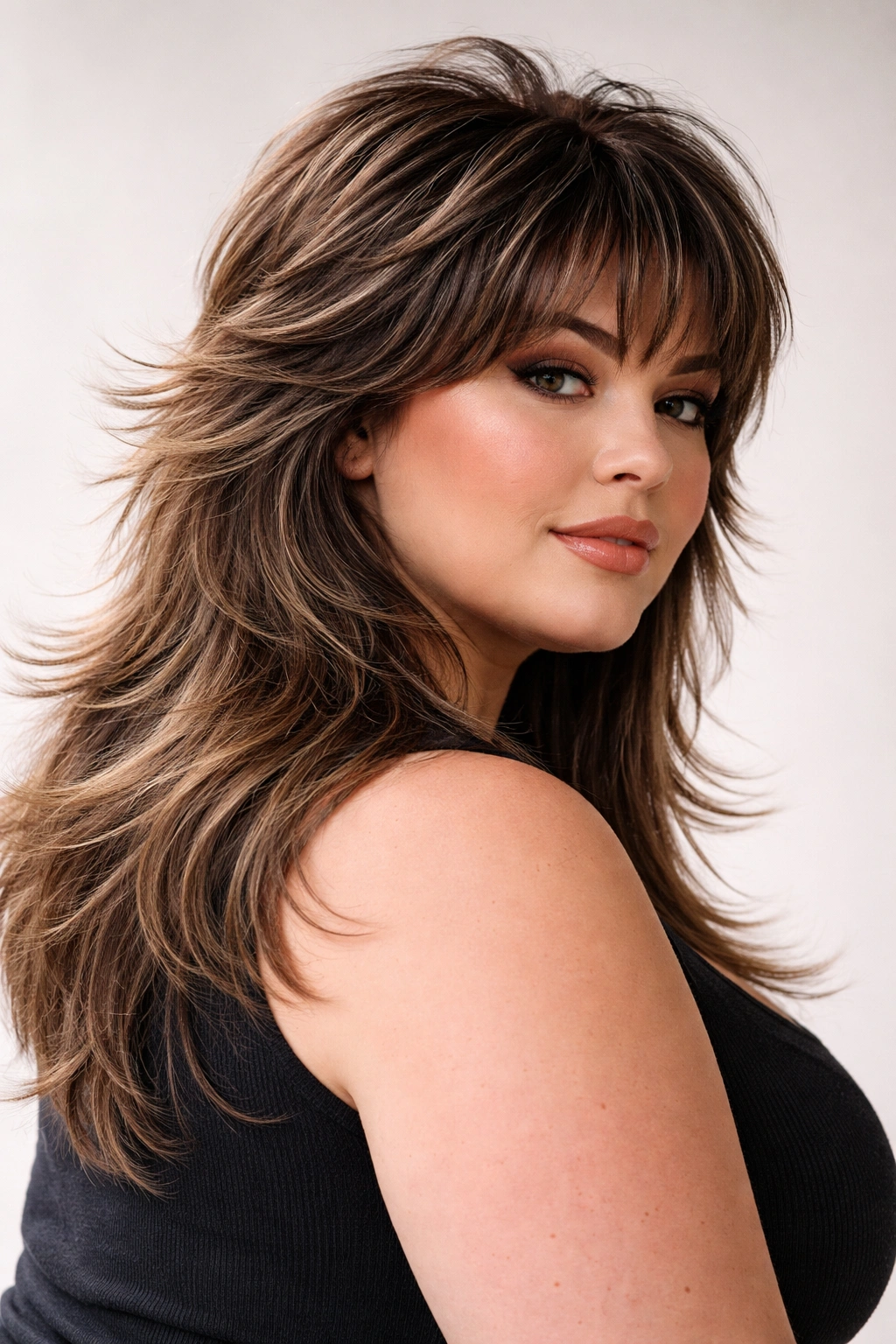
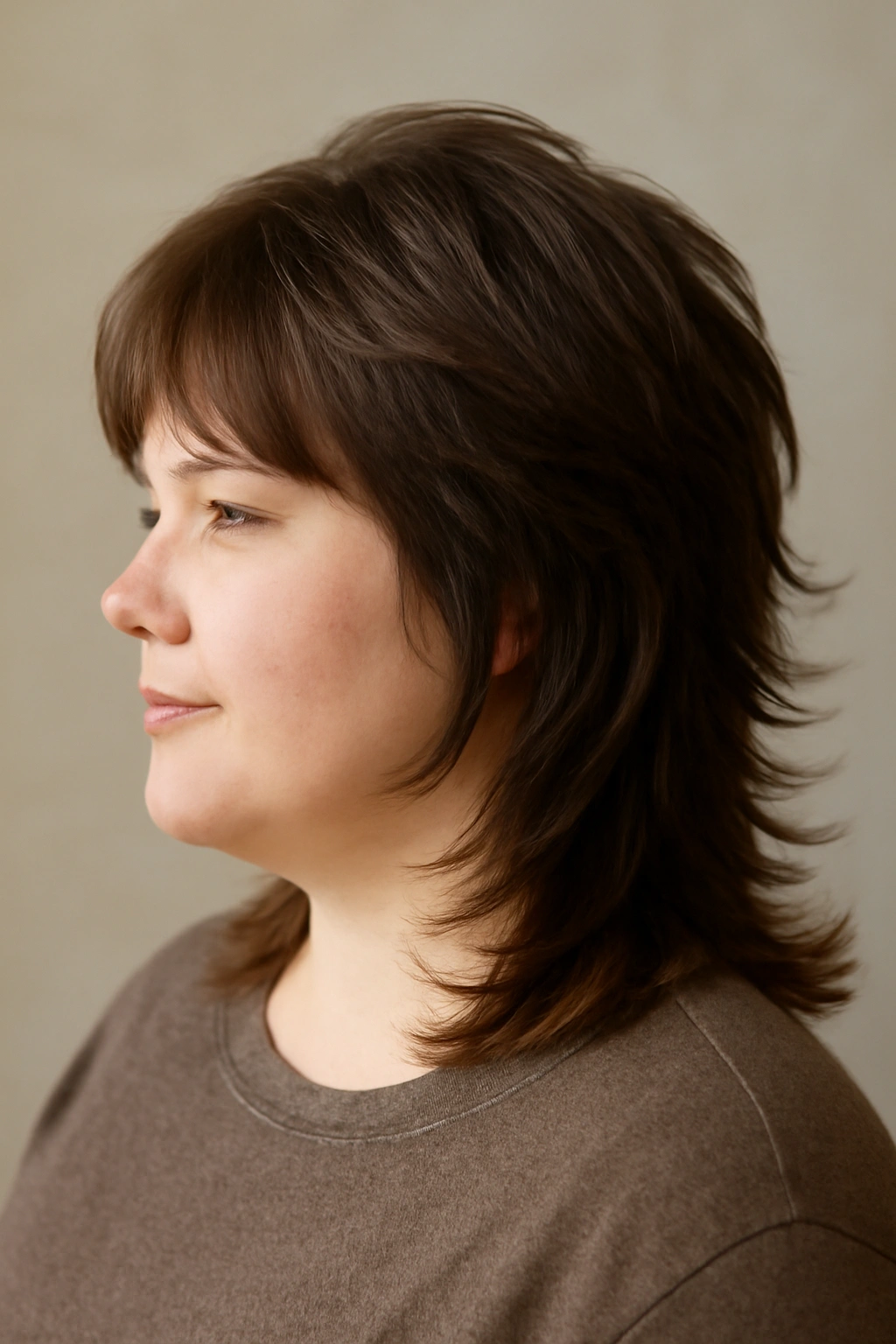
Feathering creates soft, movement-heavy layers throughout the entire cut — front, sides, and back — making this one of the most texture-focused mullet variations. Rather than choppy, blunt sections, feathering creates subtle graduated layers that flip outward.
The Movement Factor
Feathering is deceptively flattering because it creates motion that makes the overall silhouette feel lighter and less bulky. The softness of feathered ends also works beautifully if you want a mullet that feels less edgy or alternative and more approachable and wearable. The subtle flipping outward at the ends creates a frame around your face rather than a harsh line.
Styling for the Feathered Look
- Blow dry with a round brush, directing the feathers away from your face
- Use a lightweight styling cream or mousse rather than heavier product
- The natural texture of feathered ends means you can air dry and still look intentional
- Finish with a light hairspray rather than heavy hold products
Pro tip: Feathered ends can look a bit dated if they become too pronounced or fluffy — ask your stylist for a modern, subtle feather rather than the dramatic 70s version.
5. The Asymmetrical Mullet
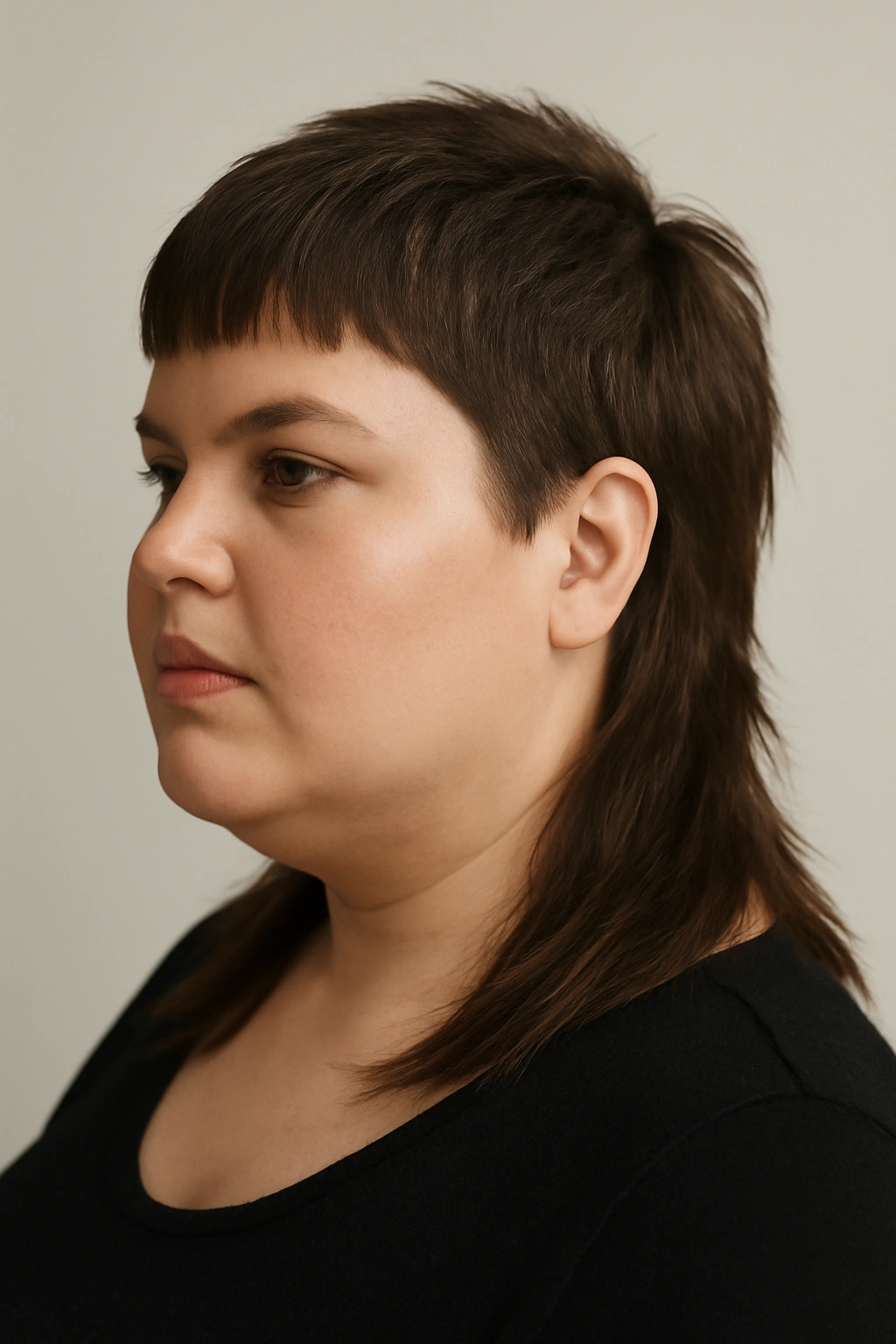
The asymmetrical mullet breaks the traditional mullet rules by making one side longer than the other, creating a modern, slightly edgy silhouette that’s incredibly flattering on square or angular faces.
Visual Asymmetry Benefits
Asymmetry works because our brains perceive asymmetrical designs as more interesting and fashion-forward than perfectly balanced ones. If you have a broader jaw or a more angular face shape, the asymmetrical cut allows you to build more length on one side to balance your proportions. The eye follows the longer side, which can create the illusion of narrower proportions overall.
How to Wear It
- Blow dry with the longer side swept back, emphasizing the asymmetry
- The shorter side can be styled close to your head or flipped back
- Works beautifully styled slicked back on the longer side for an ultra-modern look
- Can also be styled with the longer side falling forward to frame one side of your face
Worth knowing: Asymmetrical cuts require more maintenance because the two sides need different styling approaches. If you love low-maintenance styles, this might not be the one.
6. The Curly Mullet with Volume
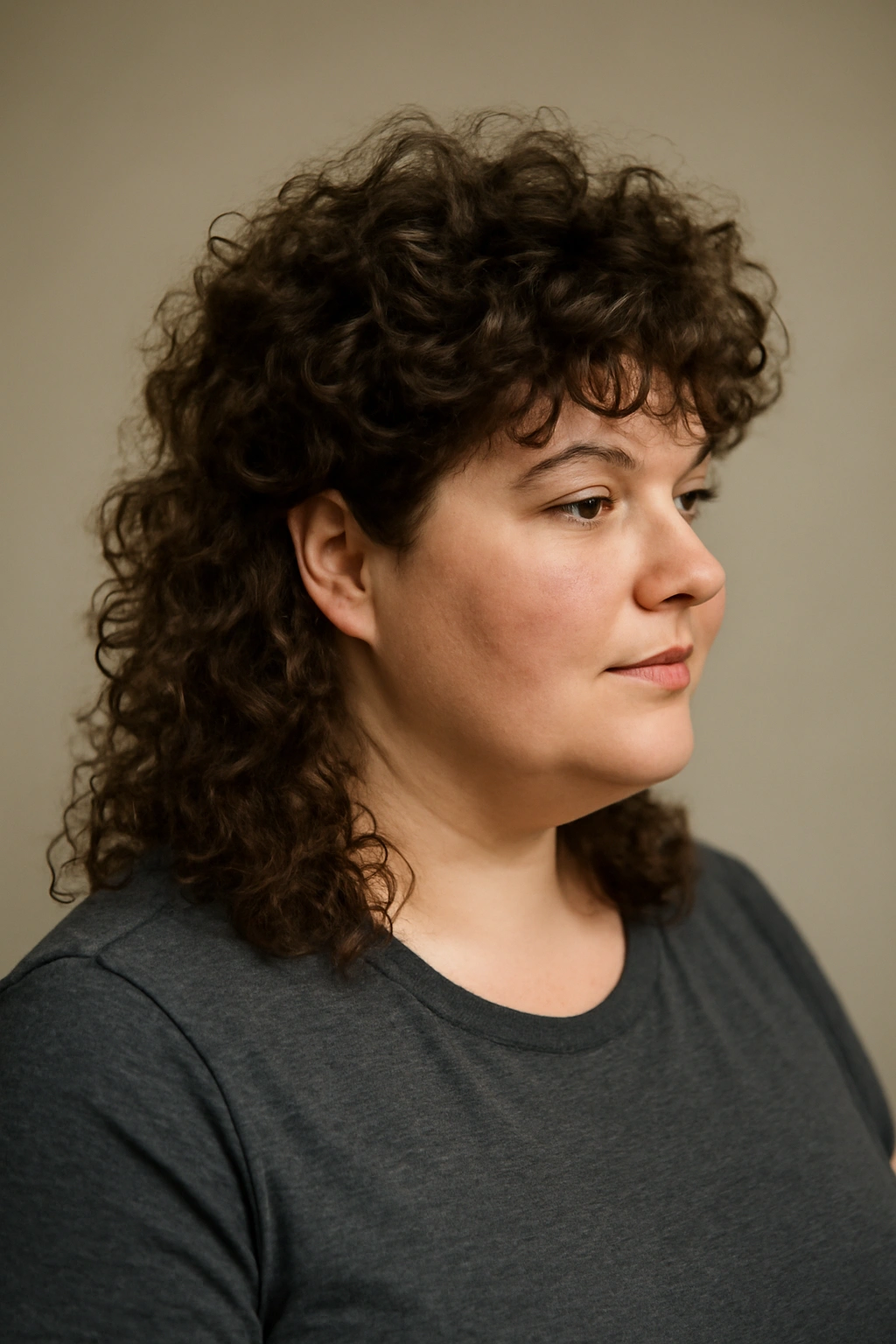
If you have naturally curly or coily hair, a mullet designed specifically for curl patterns is a game-changer. This cut features shorter, layered sections through the crown to manage volume and density while maintaining length in the back, creating a distinct mullet silhouette without requiring constant heat styling.
Working with Your Natural Texture
The beauty of a curly mullet is that it honors your hair’s natural texture while creating the mullet shape. Instead of fighting your curls or relying on straightening tools, the cut works with your curl pattern. Shorter, textured layers prevent the heavy, weighed-down appearance that long curls can create, while the back length maintains the playful, textured feel.
Maintenance and Styling
- Use a curl cream or leave-in conditioner applied to wet hair
- Plop or air-dry your curls rather than blow drying (unless you have a diffuser and strong arms)
- Refresh curls between washes with a spray bottle and curl cream
- Get trims every 6-8 weeks to maintain shape and prevent heavy, triangular proportions
Real talk: Curly mullets require commitment to a curl-focused routine. If you’re used to straightening your hair, this style will require rethinking your entire approach.
7. The Modern Shag with Longer Layers
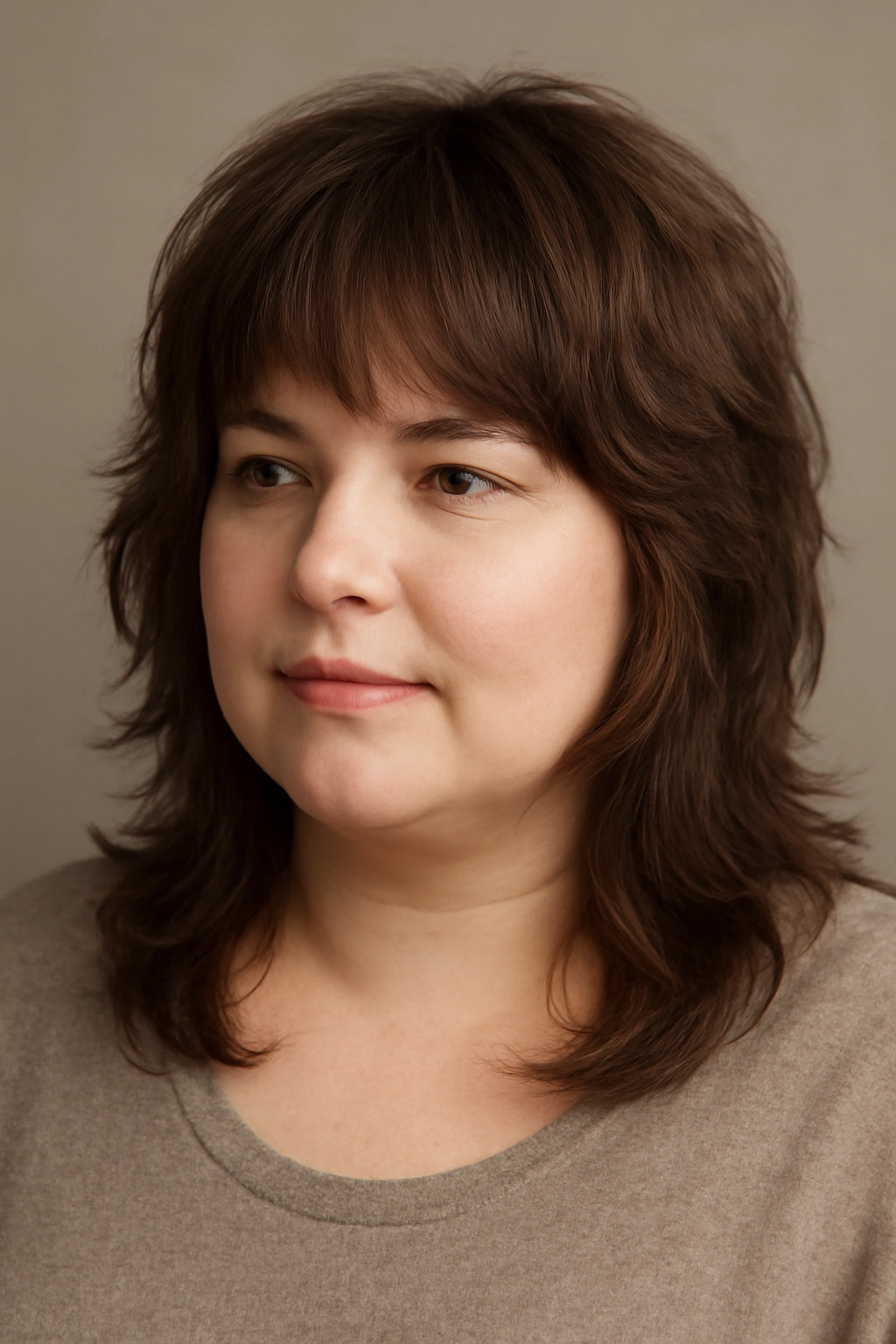
The modern shag is closely related to the textured shag mullet but emphasizes length more, keeping the front sections fairly long while the back is noticeably shorter. This creates a mullet shape that’s less dramatic and more wearable for everyday wear.
Why Length in Front Works
Having longer front sections means you can style the mullet multiple ways — you can wear it down and flowing for a softer appearance, or clip it back to show off the contrast between the front and back. The longer front also gives you options if you’re deciding whether you truly want to commit to the mullet aesthetic; you can ease into it gradually.
Versatile Styling Options
- Wear the front layers down for a more traditional, softer look
- Pin or clip the front back to emphasize the mullet silhouette
- Braid the front sections for a bohemian twist
- Works beautifully pulled into a high ponytail (the back becomes almost invisible)
Pro tip: Request that your stylist blend the transition between the longer front and shorter back rather than creating a distinct disconnected line. This makes the style feel more nuanced.
8. The Sleek Mullet with Undercut
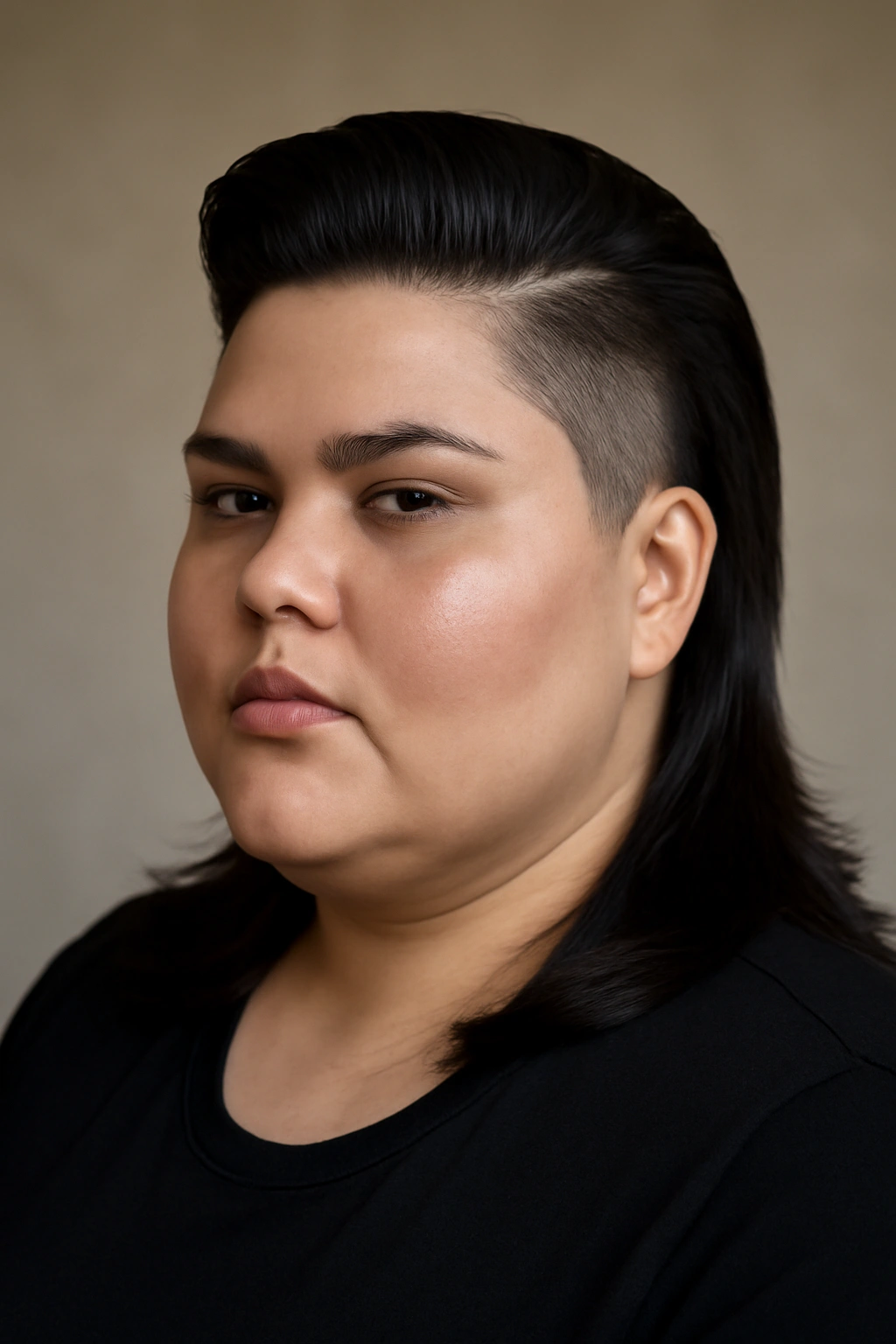
For a bold, fashion-forward statement, the sleek mullet with an undercut features smooth, polished front sections with extremely defined shorter sides and back. The sides are often faded or significantly shorter than traditional mullets, creating a dramatic contrast.
The Edge Factor
An undercut mullet reads as intentional and trend-aware. It’s ideal if you want a style that immediately signals you’re engaged with fashion and not afraid to take risks. The undercut also creates excellent face-framing because the defined, close-to-the-head sides emphasize your face shape rather than hiding it.
Styling and Maintenance
- The front sections should be blow-dried smooth and sleek
- Keep styling cream or serum handy for polish and shine
- The undercut sides will require regular trims every 3-4 weeks to maintain the fade or close cut
- The back can be either sleek and smooth or textured and tousled
Worth knowing: Undercut styles make a statement, which means they draw attention. Make sure you’re comfortable with that level of visibility before committing.
9. The Tapered Mullet with Textured Crown
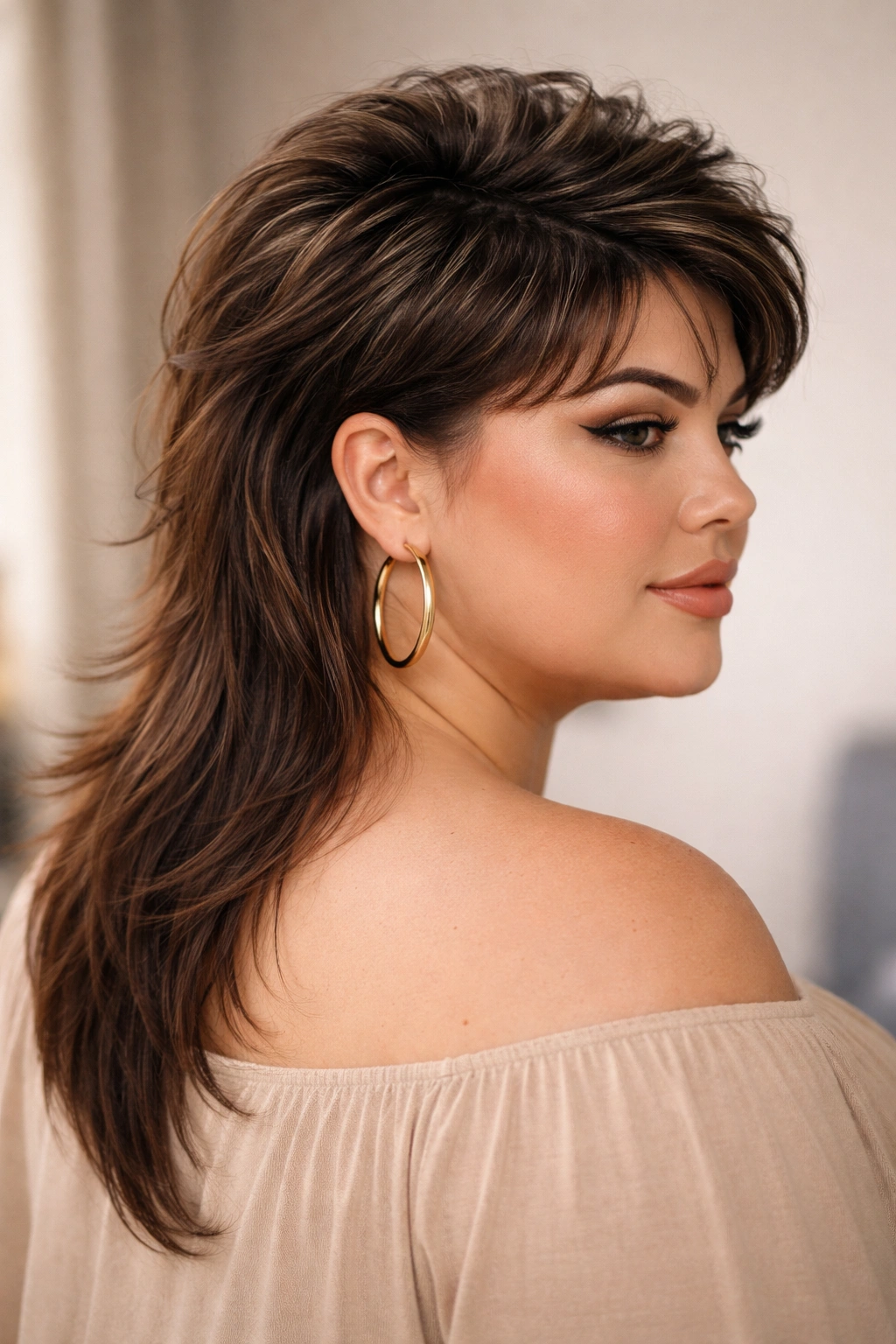
This version emphasizes texture and dimension at the crown while the sides taper smoothly into the mullet, creating a style that’s textured where it adds volume and definition where it matters for balance.
Crown Texture Benefits
The textured crown creates the illusion of fuller, thicker hair — especially valuable if your hair is naturally fine or if you’re experiencing any thinning. The texture catches light and creates visual density without requiring you to keep your entire head cropped short. The smooth taper on the sides balances the crown texture, preventing an overly wild or unkempt appearance.
How to Achieve the Look
- Ask your stylist for choppy, piece-y layers specifically in the crown area
- Keep the sides smoother and less layered for contrast
- Blow dry the crown with lifting at the roots
- Use a texturizing spray to define the layers and create separation
Real talk: Texture requires regular maintenance — you’ll need haircuts every 6-8 weeks to keep the layers from growing out and looking blunt.
10. The Romantic Mullet with Soft Waves
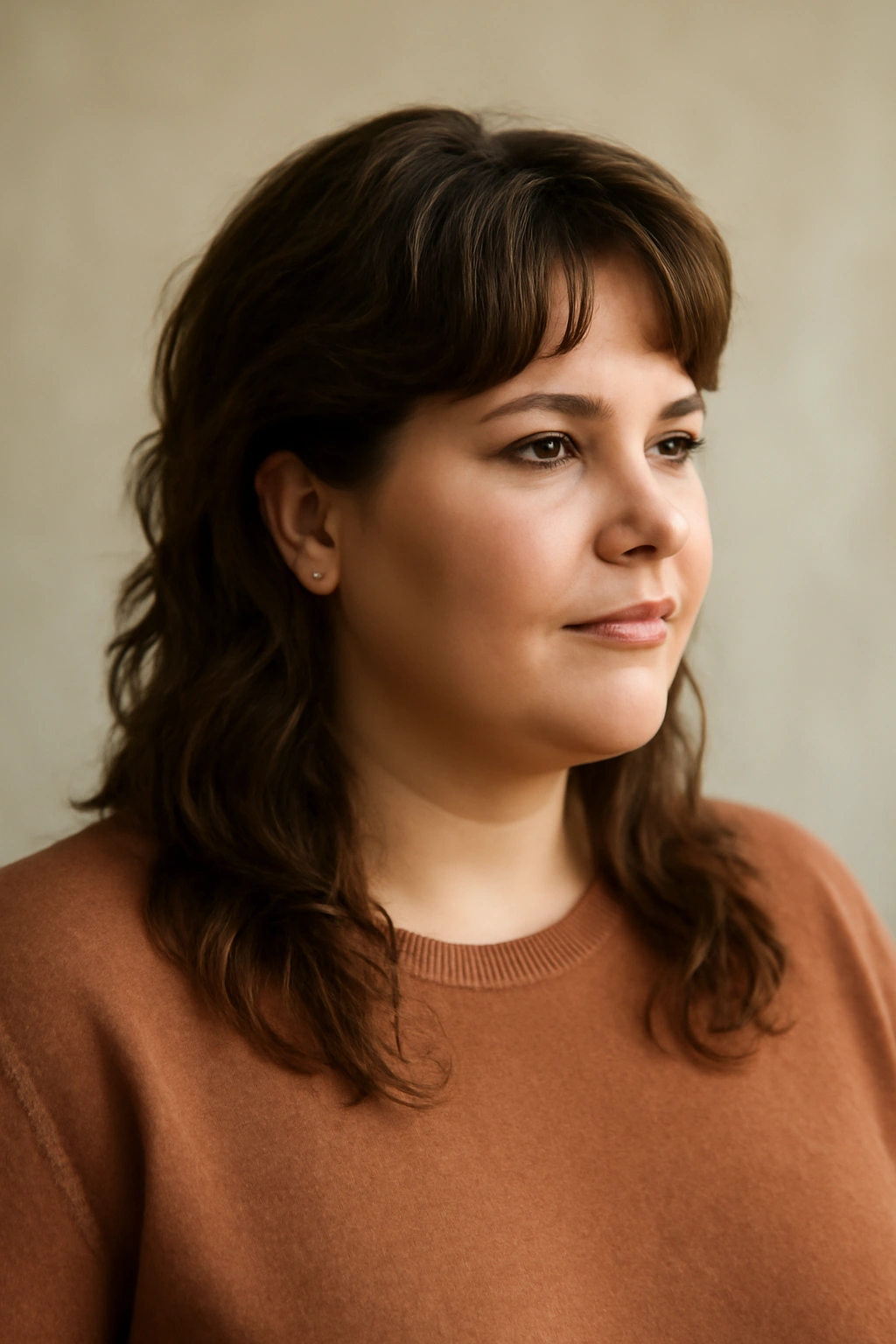
For a feminine take on the trend, the romantic mullet combines the mullet shape with soft, touchable waves throughout. The front and sides are wavy and romantic while the back is shorter and also textured, creating a look that’s both trend-aware and undeniably feminine.
Softness and Femininity
This variation proves that mullets don’t have to be edgy or aggressive — they can be soft, approachable, and romantic. The waves create movement that’s incredibly flattering on most face shapes, and the overall aesthetic feels intentional and polished without being harsh. This is an excellent option if you want to try the mullet trend but want it to feel more traditionally feminine.
Achieving Soft Waves
- Use a curling iron or wand to create loose, romantic waves throughout the entire cut
- Apply a heat protectant before styling
- Use a lightweight hairspray to hold waves without crunchiness
- Refresh waves between washings with a curling iron or wave spray
Pro tip: Waves show off length beautifully, so consider this style if you want to keep your front sections relatively long while still achieving the mullet silhouette.
Final Thoughts
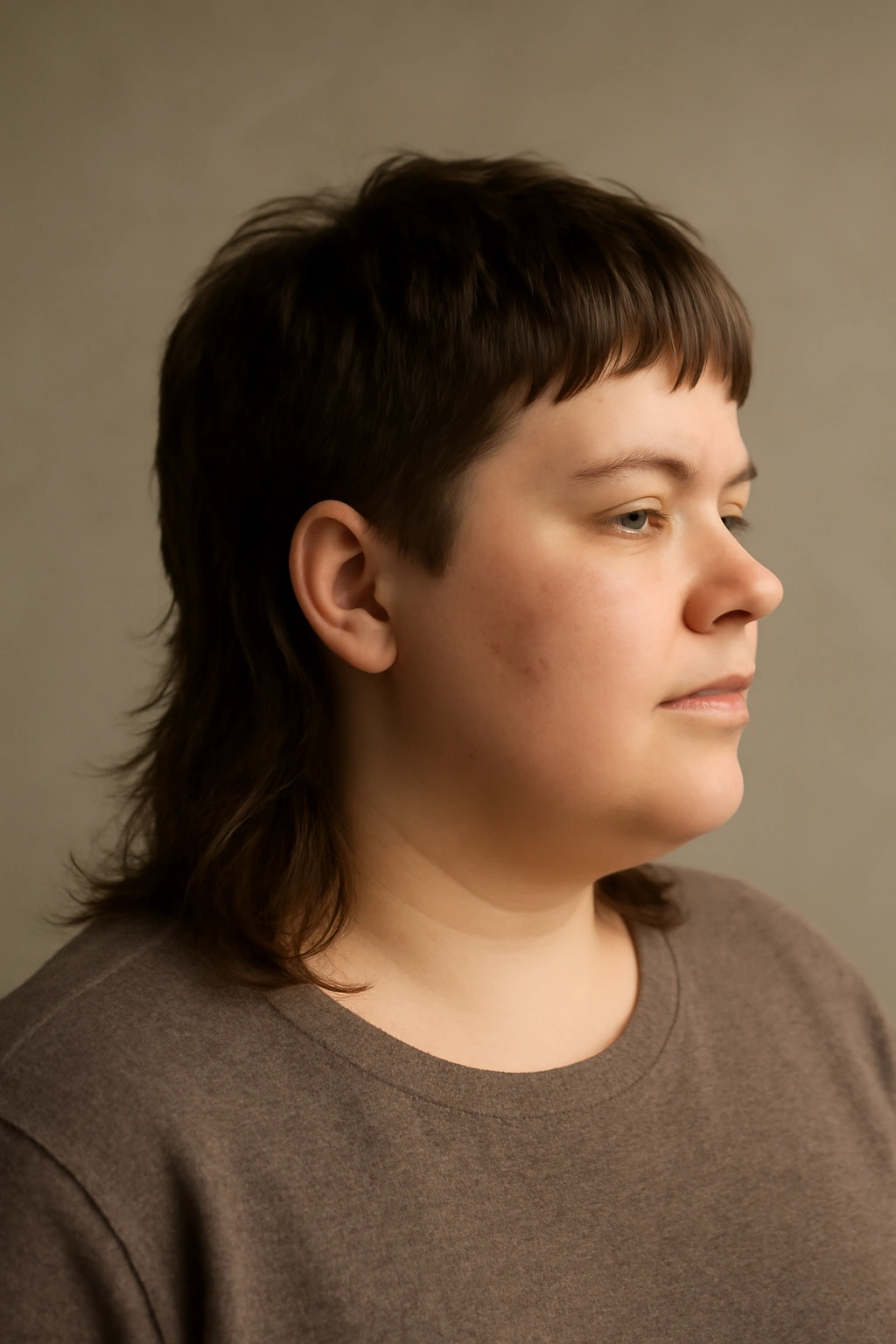
The modern mullet is far more than a nostalgic throwback — it’s a sophisticated, highly customizable cut that offers something for every aesthetic and face shape. For plus-size women, the mullet’s natural balance and proportion-conscious design create a style that feels intentional, flattering, and deeply personal.
The key to finding your perfect mullet is communicating clearly with your stylist about what you want to emphasize — whether that’s elongating your face, creating dimension, adding volume, or simply making a bold style statement. Bring inspiration photos that show the specific texture, length proportions, and overall vibe you’re drawn to. Your stylist can then adapt those references to work specifically for your face shape, hair texture, and lifestyle.
Remember that the best haircut is one you’ll actually maintain. If you love the idea of a textured, choppy mullet but hate frequent trims, a smoother, blunter version might be more realistic. If you adore waves but don’t want daily styling, discuss with your stylist how to create a version that works with your natural texture. A mullet is an investment in your appearance and confidence — choosing one that’s sustainable for your real life is just as important as choosing one that photographs beautifully.
