



10 Messy Medium Shags You Can Air Dry Easily
The shag is back—not the version from the ’70s (though we love the reference), but a modern, low-maintenance interpretation that actually works with your daily routine. If you’ve been scrolling through hair inspiration and wondering whether you can pull off a shag without spending thirty minutes blow-drying and styling it every single morning, the answer is absolutely yes. The secret isn’t complicated: the right shag cut, combined with the natural texture of your hair, does most of the work for you.
Medium-length shags sit right in that sweet spot where you get serious movement, volume, and personality without the commitment of longer hair or the styling demands of shorter styles. They’re textured, slightly undone, and genuinely better when they look like you haven’t tried too hard. This is where air-drying becomes your best friend—because the messier and more relaxed a shag looks, the more intentional it appears.
The challenge isn’t whether shags can be air-dried; it’s finding the right cut for your hair type and understanding the styling techniques that make the texture work in your favor. A poorly executed shag with thick, choppy layers might tangle and frizz when air-dried. A well-designed shag with strategic layering, proper blending, and cut in the right direction can look effortlessly polished without heat styling. We’re covering ten medium shag styles that genuinely work when you air-dry them—styles that have been proven to fall into shape naturally, hold their movement, and actually look better the less you fuss with them.
1. Choppy Face-Framing Layers Shag
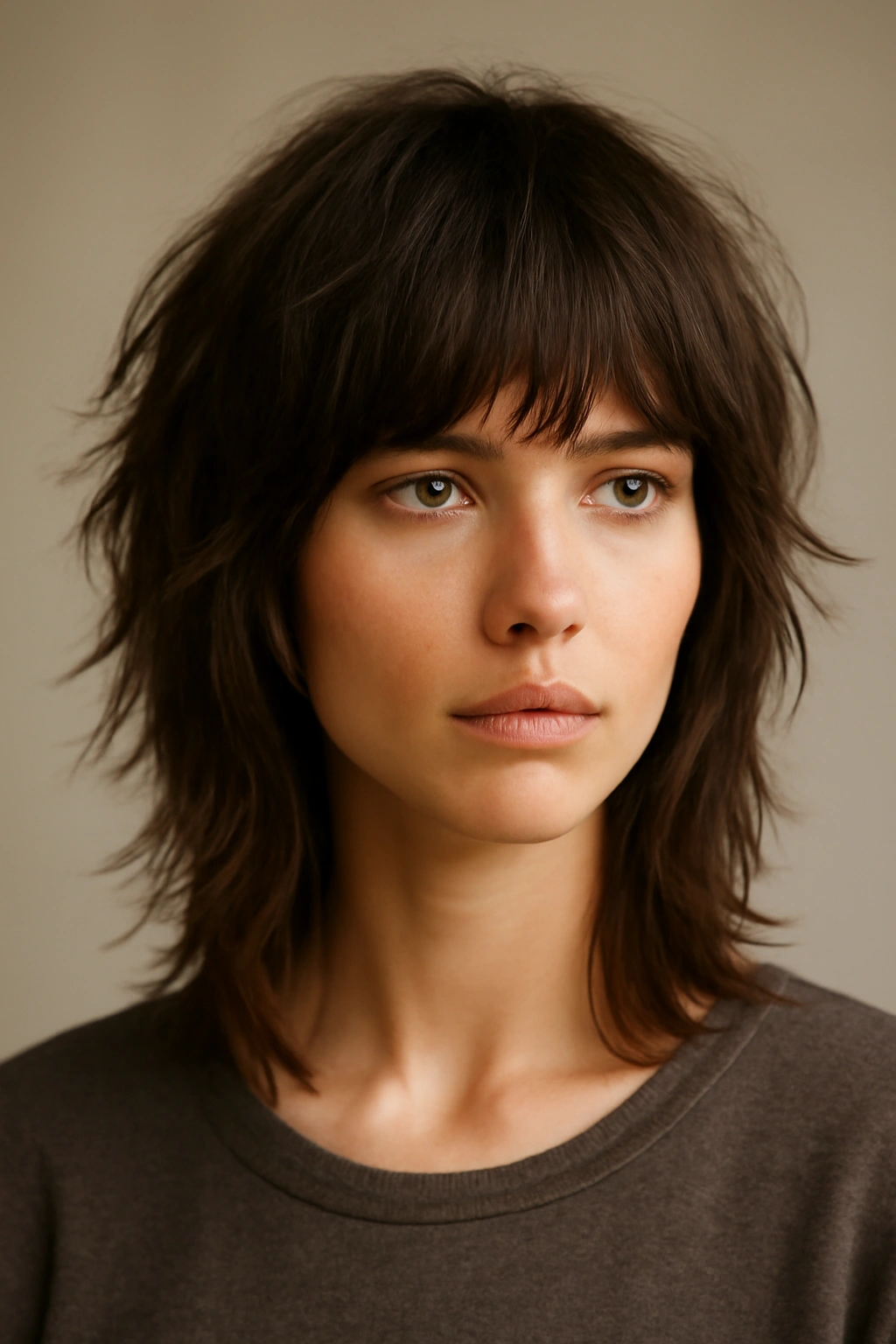
This is the shag that makes the biggest impact with the least amount of effort. Choppy, disconnected layers frame the face with movement that flows outward and downward, creating dimension from every angle. The key is that the layers aren’t blended—they sit slightly separate from one another, which creates that signature shag texture and prevents the style from looking too polished or overdone. The cut typically starts around ear length at the shortest points and extends to mid-collarbone, with the choppy layers stacked throughout the crown for natural volume.
Why It Works So Well for Air-Drying
The disconnected layers create natural separation, which means water dries faster and texture forms in multiple directions rather than all falling one way. When you let this cut air-dry, the choppy layers catch air and dry independently, creating movement without any styling effort. The face-framing pieces are typically shorter and drier first, which gives the style its shape before the longer underneath layers finish drying. This sequence works in your favor—the frame is already set before the bulk of the hair is done.
How to Air-Dry This Cut
Shower and let your hair drip-dry for the first 10-15 minutes while you do other things. Gently scrunch damp hair upward and toward your scalp every few minutes to encourage the layers to separate and curl slightly. You don’t need to use mousse or product—the scrunch technique alone activates natural texture. Once your hair is about 70% dry, tousle it with your fingers one more time to make sure no pieces are sticking flat. The final 30% of drying happens naturally, and by then the layers are already doing their job.
Best Hair Types
Thick, wavy, or naturally curly hair thrives with this cut because the existing texture enhances the choppy layers. Fine or straight hair can work, but benefits from a bit of texturizing spray or mousse applied to damp hair to help the layers hold their separation. If your hair is very fine and straight, ask your stylist to cut the layers with more motion rather than blunt chops—this keeps the style from looking thin or wispy.
Pro Tip
The choppiness in this style means individual pieces dry at slightly different rates, which is actually what creates the lived-in, textured look. Don’t try to make it look uniform—the variation is intentional and what makes the air-dry look so effortless.
2. Textured Feathered Shag
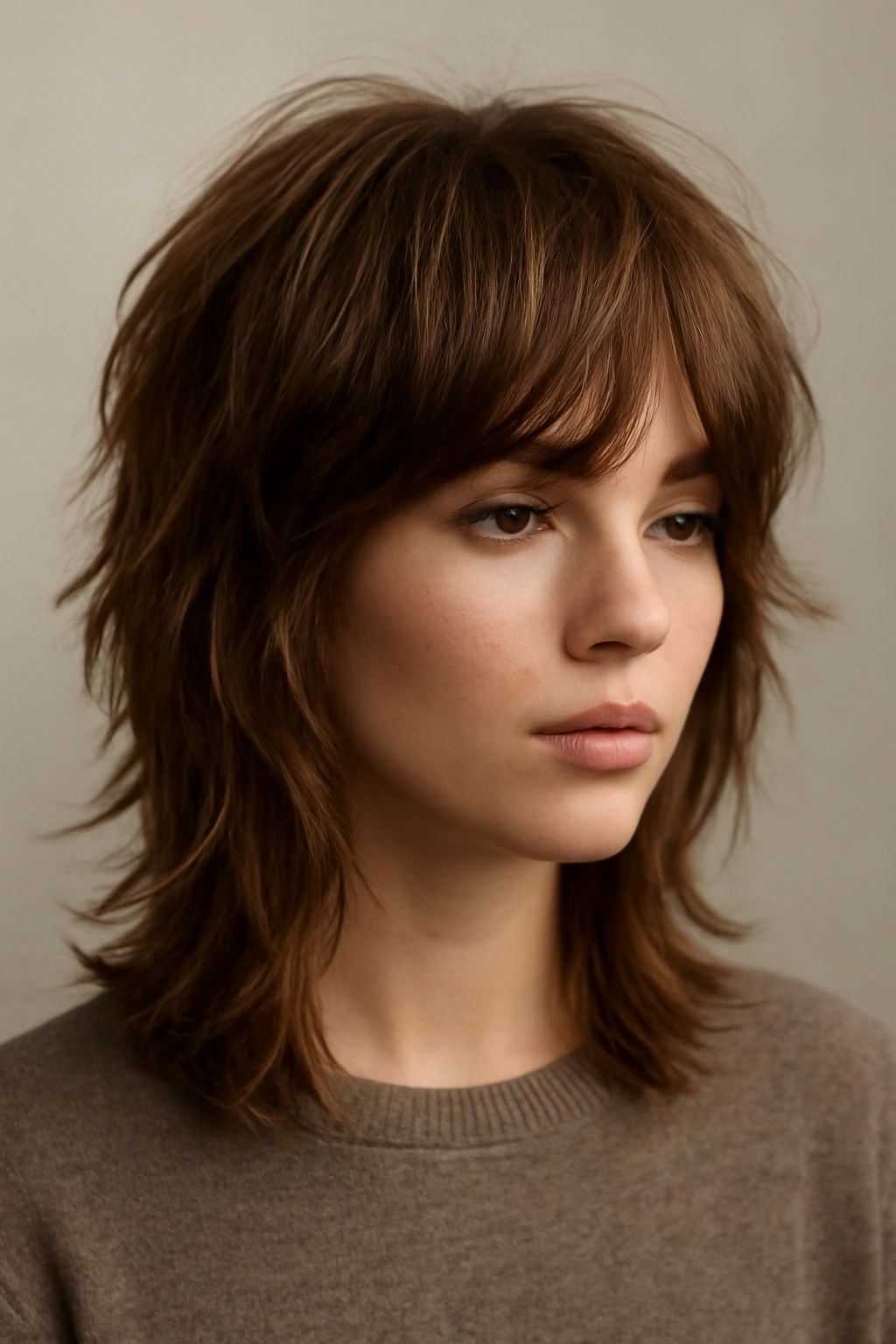
Feathered shags feel softer and more refined than choppy shags, even though they’re equally low-maintenance. The difference is in how the layers are cut and blended. Instead of disconnected choppy layers, feathered layers follow the natural curve of your head and blend into one another like feathers—each layer slightly overlaps the next, creating a gentle, flowing silhouette rather than visible separation. This style sits mid-length, typically touching the shoulders or just grazing collarbone, with the feathering heaviest around the crown and face.
Why It Works So Well for Air-Drying
The feathered technique creates lightweight layers that dry quickly and curl gently rather than forming sharp texture. The overlapping layers don’t trap moisture the way blunt-cut hair does, so water evaporates faster and more evenly throughout the style. The feathering also means that as the hair dries, each layer follows a natural curve—you’re not fighting against the direction the cut was designed to fall.
How to Air-Dry This Cut
After your shower, gently flip your head upside down and tousle your hair to remove excess water and encourage roots to dry with volume. Flip back up and finger-comb through while your hair is still damp to distribute the moisture evenly. The feathering does most of the work from here—just let it air-dry naturally, occasionally running your fingers through the ends to keep them soft and separated. No scrunching needed like you’d do with a choppier cut. By the time your hair is dry, the feathering has already created the shape.
Best Hair Types
This works beautifully for fine, straight, or lightly wavy hair because the soft blending prevents the style from looking thin. Thicker or curlier hair can wear feathered shags too, but the feathering might be less visible when the natural texture is strong—which isn’t a problem, just a different aesthetic.
Pro Tip
Apply a lightweight texturizing spray or sea salt spray while your hair is still damp, then air-dry. The product helps the feathering hold its shape and prevents the layers from sticking together, but the spray should feel barely-there when dry—not crunchy or visible.
3. Tousled Collarbone-Length Shag

This is the Goldilocks of shag lengths—not too short, not too long, just right for maximum wearability. Cut to land just around collarbone height with layers that start around cheekbones, this shag creates a soft, rounded silhouette that flatters most face shapes. The “tousled” element comes from cut-in texture rather than styling—the layers are cut with movement and the ends have slight point-cuts to encourage pieciness rather than bluntness. You’re not actually aiming for a messy, undone look through styling; you’re aiming for it through the cut itself.
Why It Works So Well for Air-Drying
The collarbone length means the style isn’t fighting the weight of its own hair. The layers are numerous enough to create texture but not so many that you get tangling or frizz. The point-cut technique at the ends means each piece can separate and air-dry individually, naturally creating that tousled effect. There’s no need for heat or aggressive styling because the cut literally air-dries into the intended shape.
How to Air-Dry This Cut
Let your hair air-dry about 80% of the way without touching it. Seriously—the less you interfere, the better this works. Once it’s nearly dry, run your fingers through the layers gently to separate any pieces that might be sticking together. The point-cuts already built into the style create the pieciness; you’re just revealing it. You can add a tiny bit of texture spray on the ends for extra separation, but it’s entirely optional.
Best Hair Types
Straight to wavy hair absolutely thrives with this cut because the natural texture plays nicely with the point-cuts. Very thick curly hair might need more frequent trims to keep the layers looking intentional rather than overgrown, but it can work. Fine hair looks best when there’s good density, as the collarbone length shows any thinness more clearly than a shorter shag would.
Pro Tip
The real magic of this style is that it actually improves with a couple days of wear. The more you touch it, move it, sleep on it, and re-dry it, the better the texture develops. Embrace the fact that it looks slightly messier on day two or three—that’s the whole point.
4. Shaggy Wavy Lob
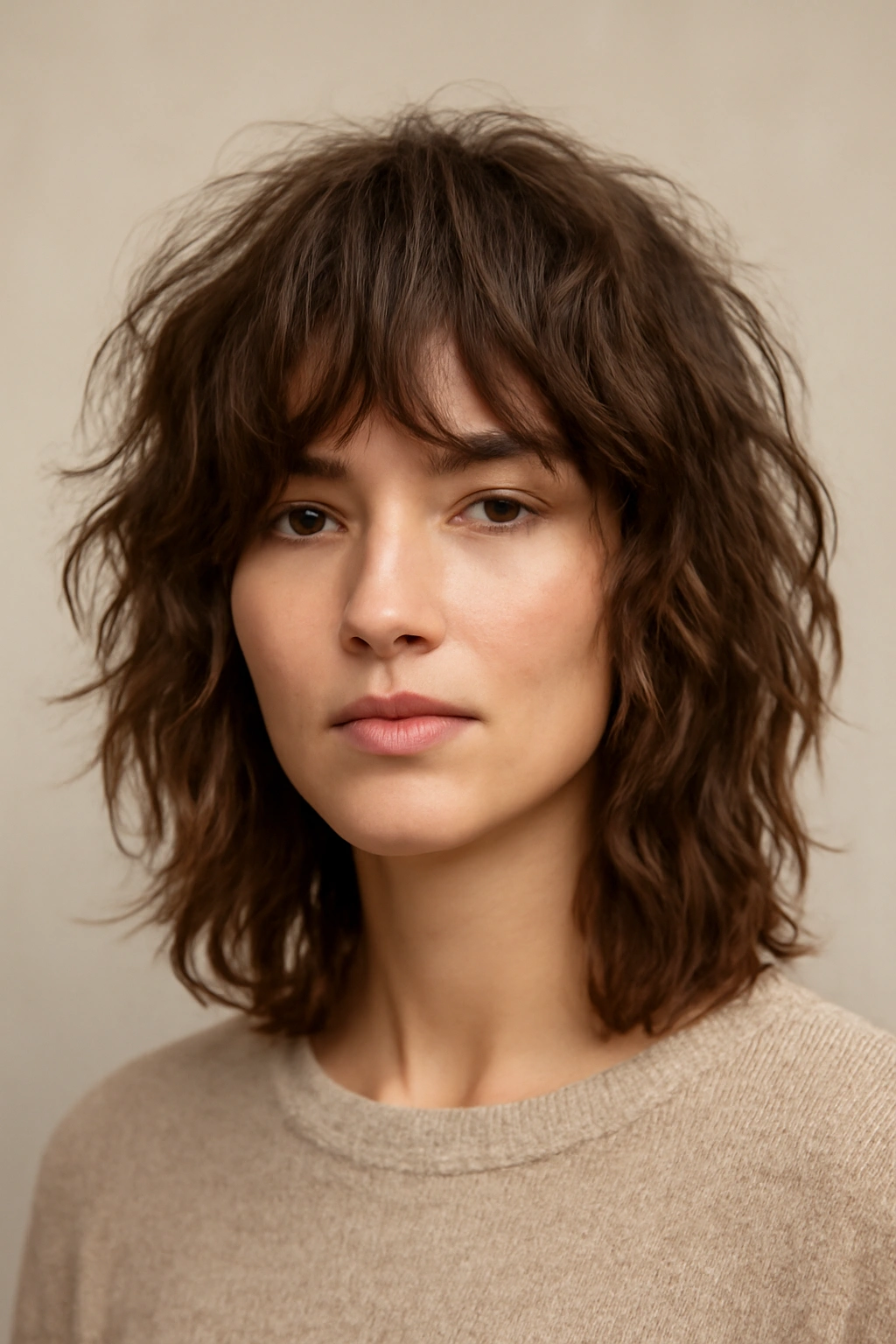
A lob (long bob) with shag elements hits different than a true shag. It maintains the longer length of a lob but incorporates the textured, layered movement of a shag, creating something that feels both modern and versatile. The cut typically skims mid-shoulder to mid-collarbone, with choppy layers starting at cheekbone height and tapering slightly shorter at the collarbone. The overall shape is still relatively blunt and structured (the lob influence), but movement and texture are built in (the shag influence). It’s the perfect bridge for people who love the idea of a shag but want slightly more length.
Why It Works So Well for Air-Drying
The lob structure gives you a naturally flattering shape even if the layers air-dry slightly imperfect. The shag elements add texture and movement that fill in any awkward flat spots. Because the length is still mid-shoulder or longer, the weight of the hair actually helps everything settle into place as it dries, rather than creating wispy, hard-to-control pieces. You get movement and texture without the fragility of a shorter shag.
How to Air-Dry This Cut
Apply a lightweight mousse or sea salt spray to damp hair, working it through from mid-length to ends. Tousle gently while your hair air-dries, occasionally flipping your head upside down to encourage the layers to lift. The longer length means this style actually benefits from a tiny bit of finger-combing to keep the layers defined and separated. Once fully dry, you can add a few face-framing waves with a 1.5-inch curling iron if you want extra polish, but it’s not necessary—the cut already has movement built in.
Best Hair Types
This is probably the most forgiving cut for all hair types. Fine, straight hair looks fuller because of the texture. Thick, curly hair looks more controlled because of the structured lob shape. Wavy hair looks like it was made for this style—all the movement is already there to work with.
Pro Tip
A quick dry with a diffuser attachment (if you have 5 minutes) on your blow dryer can enhance the movement without requiring actual styling. Just use the diffuser on low heat to enhance the natural texture—you’re not creating curls, just amping up the texture that’s already there.
5. Rock-and-Roll Textured Shag
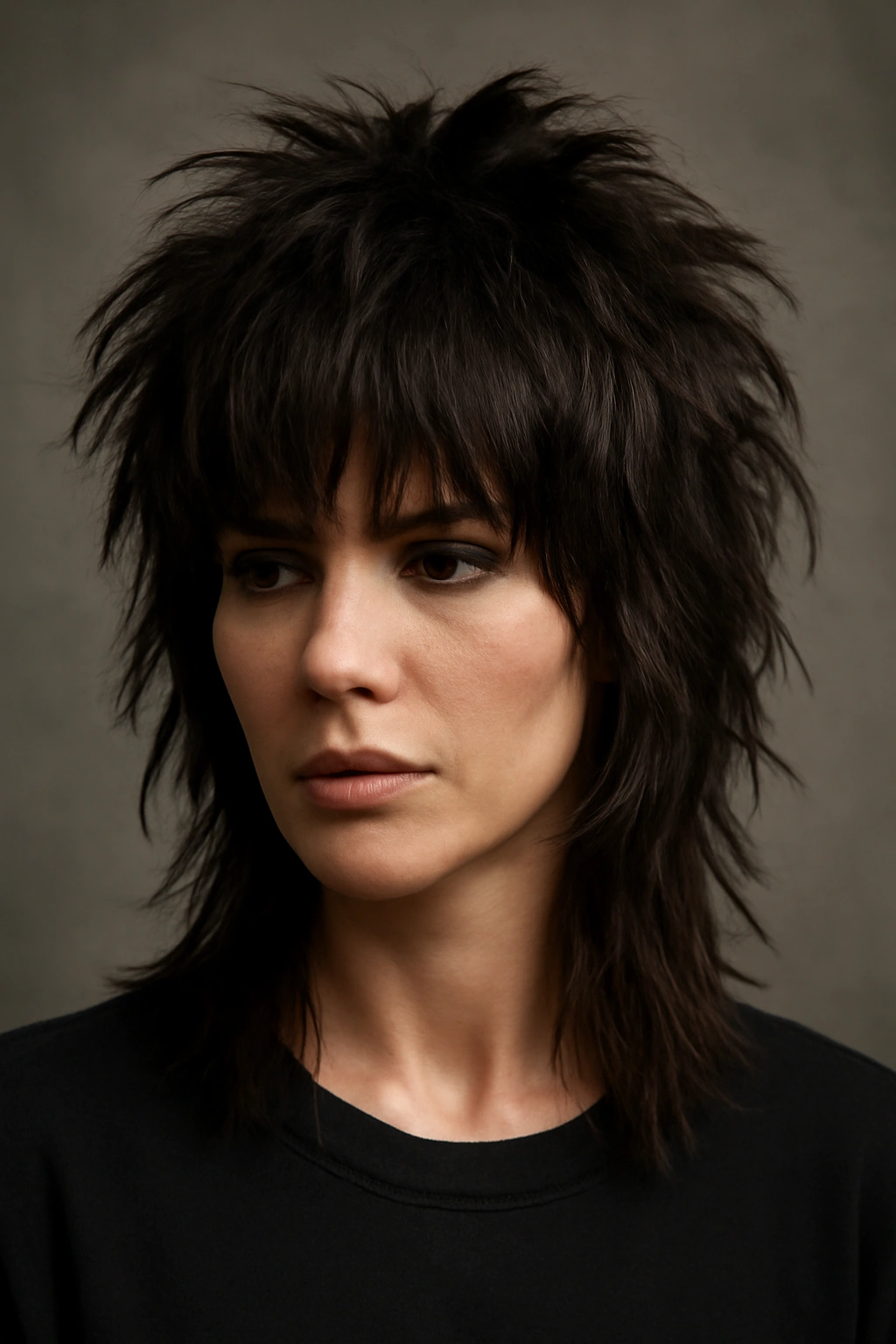
This is the shag for people who want drama and edge. Sharp, heavily choppy layers, often with pronounced disconnection, create visible texture and movement throughout. The layers are cut more aggressively and blended less than other shag styles, which means you see individual pieces moving and separating. The cut is usually shorter in the crown (for volume) and longer underneath, often landing somewhere between ear-length and shoulder-length at the longest points. It’s bold and intentionally statement-making.
Why It Works So Well for Air-Drying
The sharp layers dry incredibly fast because so much surface area is exposed. The disconnection between layers means texture forms everywhere—you don’t need a uniform wave or specific shape because the cut is already creating movement in multiple directions. As the hair dries, each choppy piece curls slightly, creating that signature rock-and-roll texture. You’re essentially getting frizz, but the frizz is intentional and what makes the style work.
How to Air-Dry This Cut
This is one of the few shags where you actually want to work with your hair while it’s drying. Blow-dry on medium heat with a diffuser for about 30 seconds at a time, scrunching your hair and tousling the layers while the diffuser works. This encourages the choppy pieces to separate and curl in different directions. You’re not trying to smooth anything or create uniformity—you’re amplifying the natural texture and separation that the cut has built in. Once the hair is about 60% dry, let it air-dry the rest of the way for that undone, textured finish.
Best Hair Types
Thick, wavy, or curly hair is ideal for this cut because the natural texture already provides the movement and volume the style needs. Fine or straight hair can wear this cut, but benefits from texturizing spray or mousse applied to damp hair to help the choppy layers hold their shape and separation.
Pro Tip
Embrace the frizz and flyaways in this style—they’re not mistakes, they’re features. A tiny amount of lightweight serum or frizz-control serum applied to dry hair can tame excessive flyaways without flattening the texture. Think of it as defining the shape, not smoothing it out.
6. Blunt-Bangs Shag
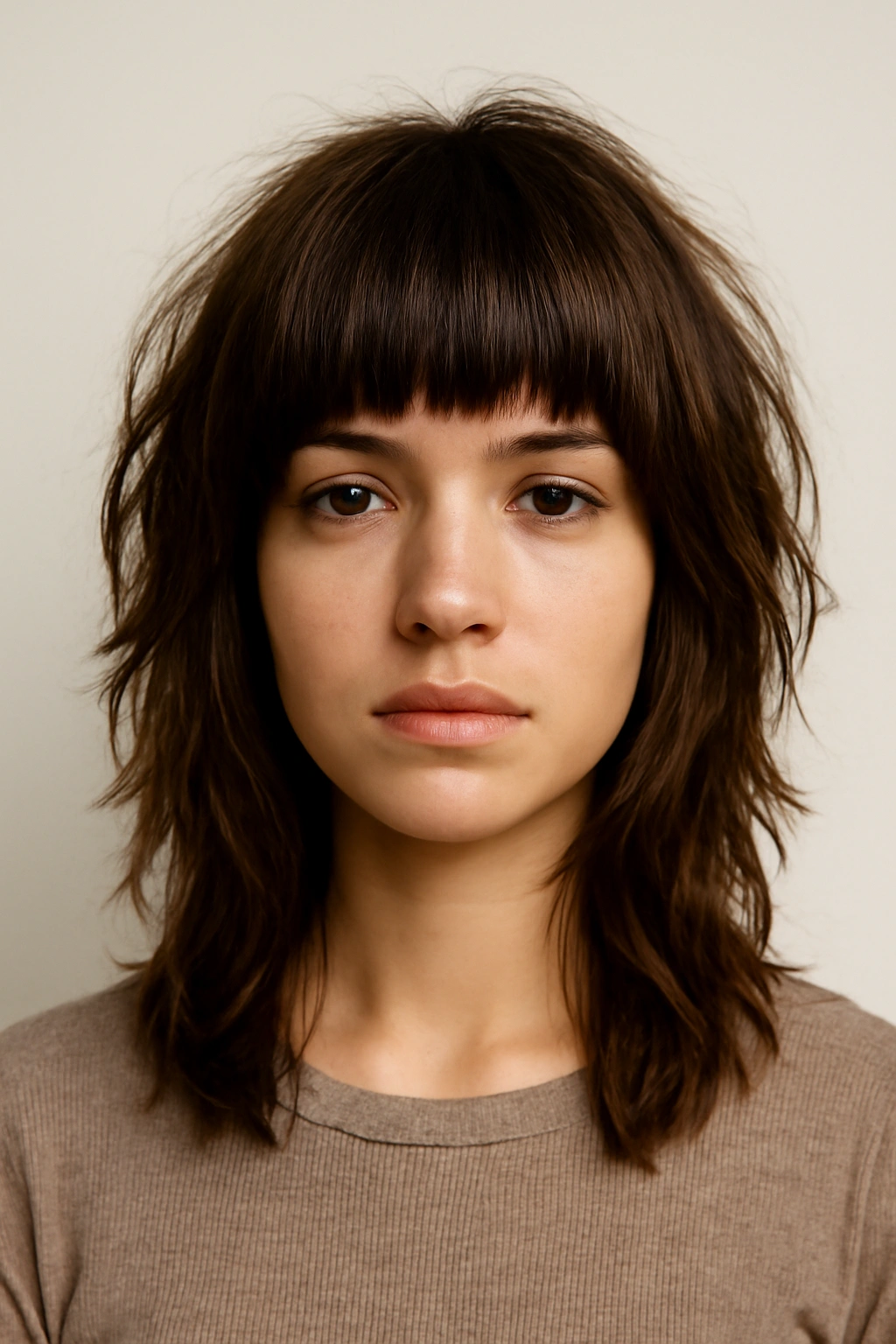
Blunt bangs completely change the personality of a shag. Paired with a textured, layered shag cut below, blunt bangs create a bold contrast—clean and geometric above, soft and choppy below. The bangs typically hit at eyebrow level or just below, and they’re cut completely blunt (not feathered or tapered). The shag portion of the cut extends to mid-shoulder or collarbone with the usual choppy texture and layering. This combination is striking and adds an element of intentional styling even when you’re air-drying everything.
Why It Works So Well for Air-Drying
The blunt bangs create the “frame” of the style, so even if the choppy layers below air-dry slightly messy or imperfect, the bangs anchor the look and give it intention. The bluntness of the bangs also means they dry quickly and hold their shape naturally. The shaggy texture below the bangs feels more bohemian and less severe because of the softness contrast, which means you need less product and less styling to make the overall look work.
How to Air-Dry This Cut
Let your bangs air-dry naturally—they’ll fall right into place without any intervention. For the shaggy portions below, use the same scrunch-and-tousle method you’d use for any choppy shag. The bangs actually dry first, which means they’re already set and looking intentional by the time you’re paying attention to the rest of your hair. Once everything is fully dry, you might need to gentle-comb your bangs one time to make sure they’re not sticking, but they should fall smoothly without much help.
Best Hair Types
This style works across all hair types, but the blunt bangs look sharpest on straight to wavy hair. Curly hair can wear blunt bangs, but they might look slightly shorter than intended as the hair dries and the natural curl shows up. If you have curly hair and want blunt bangs, ask your stylist to cut them slightly longer than your ideal dry length to account for curl shrinkage.
Pro Tip
The blunt bangs in this style are a commitment—they’ll need trims every 3-4 weeks to stay blunt and sharp. If you’re not ready for that maintenance level, ask your stylist to cut the bangs slightly tapered or feathered at the ends instead, which extends the time between trims to 6 weeks.
7. Long Wispy Shag
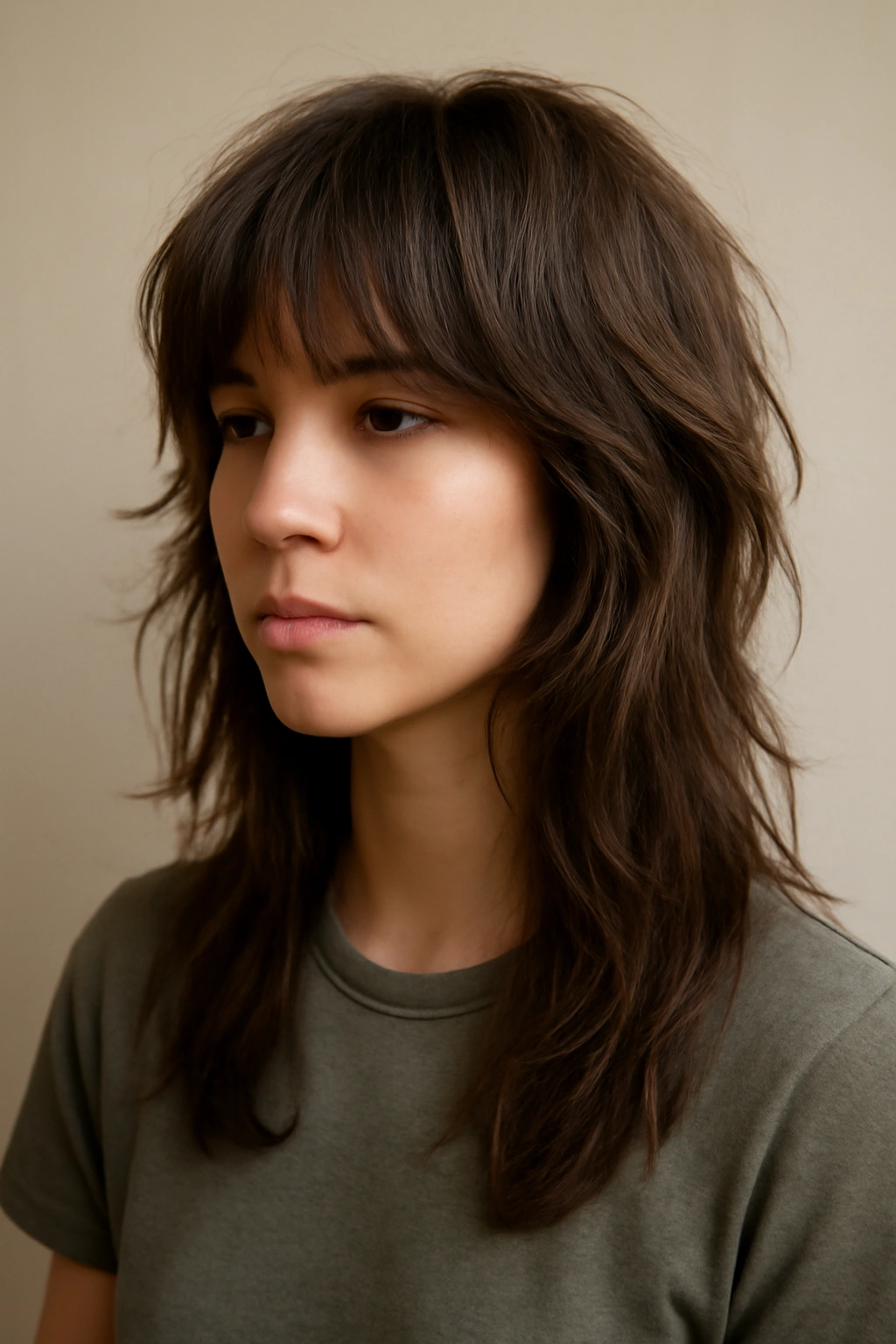
If you’re not ready to cut off all your length, a long wispy shag gives you shag movement and texture without sacrificing length. Typically falling past shoulder-length, sometimes to mid-back, this style uses the weight of the longer hair to anchor the look while shag elements add movement and prevent it from looking heavy. The layers are more subtle than choppy shags—they’re often feathered or softly cut rather than dramatically disconnected—and they’re concentrated around the face and crown rather than throughout. This creates movement where you want it without making the whole style feel fragmented.
Why It Works So Well for Air-Drying
The length provides natural weight that helps the style fall into place without needing much styling. The layers are lighter and move more easily than the blunt ends of long, uncut hair would. The wispy quality means the hair dries quickly despite the length, because the layers provide so much surface area for air to reach. You’re getting the movement benefits of a shag without the drying time of truly long, thick hair.
How to Air-Dry This Cut
Let your hair air-dry about 80% of the way without interfering. Once it’s mostly dry, run your fingers through the wispy layers to separate them and create slight texture. You can add a small amount of lightweight serum or shine spray to the ends if they feel dry or wispy-frizzy, but the goal is to keep them looking feathery and light, not smooth and blunt. The longer length means this style actually looks better with minimal handling—the more you brush and style, the more uniform it becomes, and you want to maintain that wispy separation.
Best Hair Types
Straight to lightly wavy hair is ideal because the length shows the hair’s natural texture without the layers looking too thin. Thick, curly hair can wear this cut, but the natural curl might create more volume and texture than intended—which isn’t necessarily bad, just a different aesthetic. Fine hair might struggle with this length if it’s very fine, because longer hair can show thinness more clearly, but fine hair with good density works beautifully.
Pro Tip
Sleep on this with a silk or satin pillowcase or a loose braid to minimize breakage and frizz. The length makes the hair more vulnerable to damage while you sleep, and a protective sleeping method extends your style and keeps your hair healthier.
8. Modern Mullet Shag
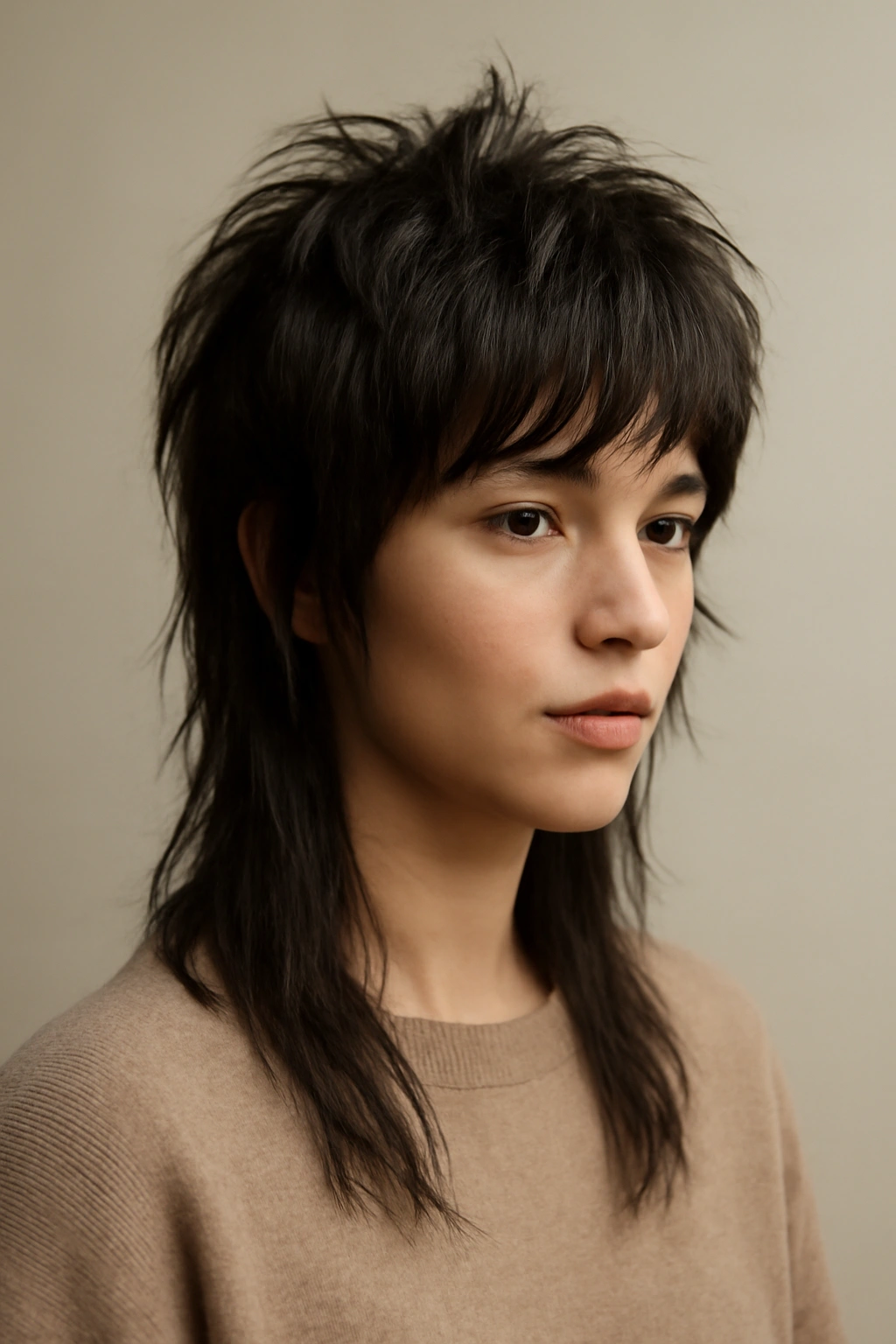
The mullet is having a genuine moment, and a shag interpretation is decidedly modern—not the ’80s perm-based version. A modern mullet shag is typically short and choppy on top (providing volume and movement at the crown) and longer and smoother underneath (falling to mid-shoulder or collarbone). The contrast between the textured top and the longer bottom creates a bold silhouette that reads contemporary rather than retro. The front pieces are usually cut to frame the face and sit around cheekbone-length.
Why It Works So Well for Air-Drying
The shorter, choppy top dries almost instantly, which means it’s already holding its shape before you’re halfway done air-drying. The longer, smoother underneath layer dries more slowly but benefits from the weight helping it settle. The contrast in texture between the two sections is intentional, so if the top looks shaggy and textured while the bottom looks smoother, you’ve actually nailed the style. You don’t need uniformity here—the variation is the whole point.
How to Air-Dry This Cut
Flip your head upside down while your hair is still quite damp and tousle the shorter, choppy sections to encourage them to dry with volume and separation. Flip back up and let the underneath layers air-dry more or less naturally—the weight takes care of the shape. Once about 70% dry, finger-comb the longer underneath section and then tousle the top one more time to make sure the choppy texture is visible and separated.
Best Hair Types
Thick, wavy, or curly hair is ideal because the natural texture already provides the movement and volume the top section needs. Fine hair can wear this cut too, but the shorter, choppy top section should be cut with less aggressive chopiness to avoid looking too thin—ask your stylist for blended layers rather than disconnected chops.
Pro Tip
The sides of this cut are usually quite short, so you’ll need a trim every 4-5 weeks if you want to maintain the contrast. If you’re not into frequent trims, talk to your stylist about growing out the mullet gradually to a more traditional shag as it gets longer—sometimes the modern mullet is a stepping stone, not a permanent commitment.
9. Choppy Pixie Shag Hybrid
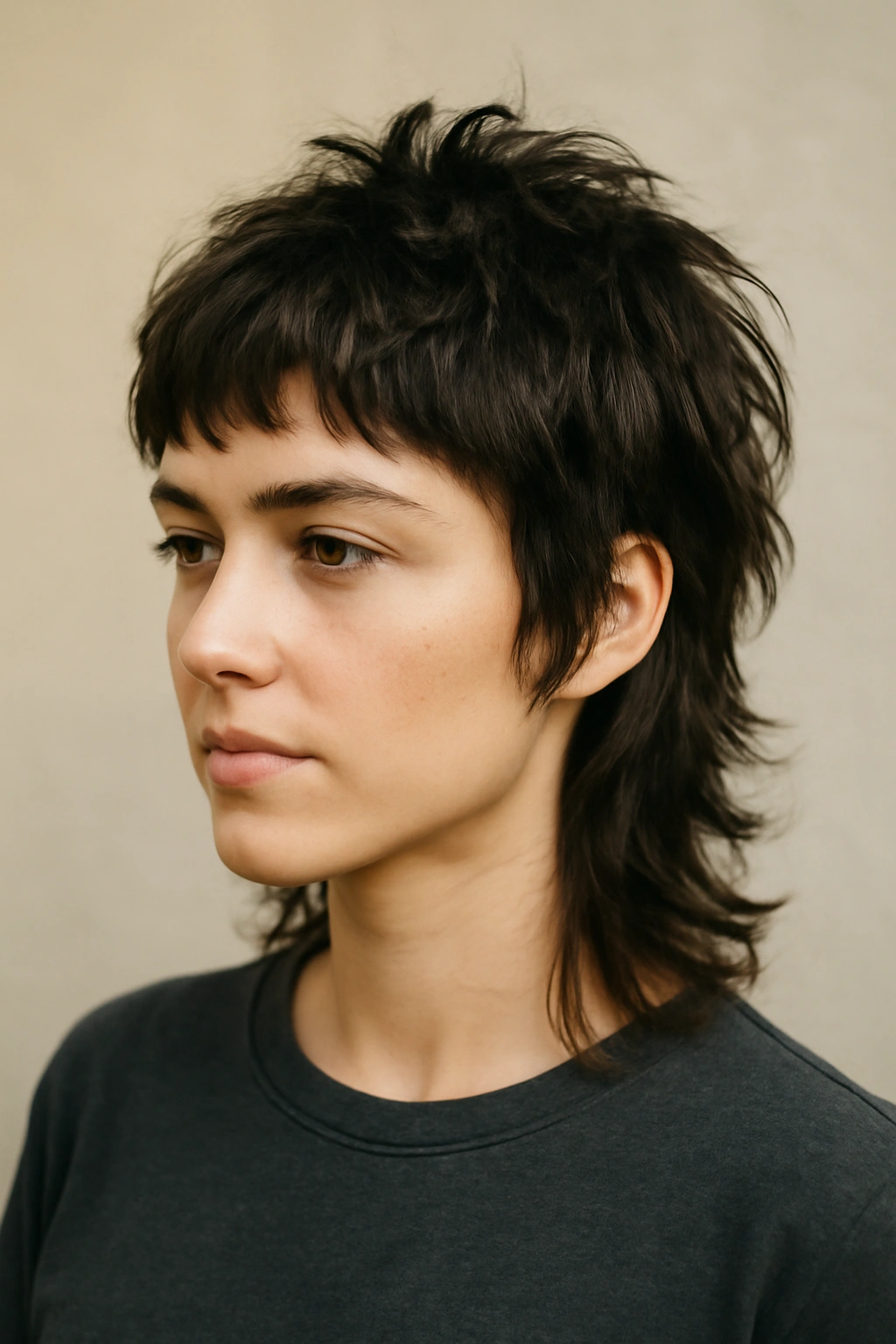
This is the shag for people who usually wear pixies but want a bit more movement and length. The top and sides are short and choppy like a pixie, but the back is longer and shag-like, often extending to mid-ear or collarbone. The longer back sections blend into the short sides with choppy, textured layers throughout. It’s edgy, modern, and surprisingly wearable—short enough to feel spunky and low-maintenance, long enough to have real shag movement and the ability to style it different ways as it grows.
Why It Works So Well for Air-Drying
The short sections air-dry almost instantly, which anchors the style immediately. The longer back air-dries a bit slower but actually benefits from the shorter sides already being done—it gives you a frame while the longer sections finish. The choppy layers throughout the entire cut mean texture dries in everywhere, and the variation in length means you’re not fighting one single texture throughout—different sections do different things, and that’s what makes it work.
How to Air-Dry This Cut
Tousle everything while it’s still damp to encourage the choppy layers to separate and dry in different directions. The short sections will be dry within minutes, which is great—they’re already holding their shape. Keep tousling the longer back sections every few minutes until they’re mostly dry. This is a style that genuinely looks better the less you try to control it—embrace the choppy texture and let different pieces stick up and out at slightly different angles.
Best Hair Types
All hair types work with this cut, but thick, wavy, or curly hair is ideal because the natural texture plays beautifully with the choppy layers. Fine or straight hair benefits from a texturizing product applied to damp hair to help the choppy sections hold their separation, but it still works without it.
Pro Tip
This cut continues to look good as it grows, which is helpful if you’re on the fence about committing to a longer style. In 2-3 months, it shifts into a more traditional shag. If you love how it looks at whatever length you hit, just let your stylist know and they can maintain that length—you don’t have to keep growing.
10. Tousled Shoulder-Length Shag

The classic shag that works for almost everyone. Shoulder-length with choppy, tousled layers that frame the face and add movement throughout, this is the “if you’re going to try a shag, start here” cut. The layers typically start around cheekbone height and taper slightly toward shoulder-length, with a fair amount of disconnection to create that signature shag texture. It’s balanced—not so short that it requires constant fussy styling, not so long that weight pulls the texture flat, not so choppy that you get tangling, not so blended that you lose movement.
Why It Works So Well for Air-Drying
Shoulder-length is the sweet spot for weight distribution. The hair is heavy enough to help the cut fall into its intended shape but light enough that the layers can still move and create texture as they dry. The choppy-but-not-disconnected layers dry quickly without trapping moisture. As the hair dries, the layers naturally separate because of how they’re cut, meaning you get texture formation without needing to do much beyond basic tousling. This is the length and style combination that is most forgiving for air-drying across different hair types.
How to Air-Dry This Cut
After your shower, gently squeeze out excess water (don’t twist or wring). Apply a texturizing spray or mousse if you want—optional, but helpful. Tousle your hair while it’s damp, scrunching the layers upward to encourage them to curl slightly as they dry. Let it air-dry naturally, occasionally running your fingers through the layers to keep them separated. That’s genuinely it. This is the shag that actually requires the least amount of intervention, which is exactly why it’s the most popular version.
Best Hair Types
This works across all hair types, which is part of why it’s become the standard shag everyone recognizes. Fine hair looks fuller because of the texture. Thick hair looks lighter because of the layers and movement. Straight hair gets instant movement. Wavy or curly hair gets a more defined, intentional shape.
Pro Tip
This cut is extremely forgiving to grow out. If you’re undecided about committing to a shag, trying this length and texture is a low-risk way to test it out. In 2-3 months, as it grows, you can either maintain the length (with regular trims) or let it become longer—it transitions beautifully into a longer shag or even a shaggy lob.
Final Thoughts
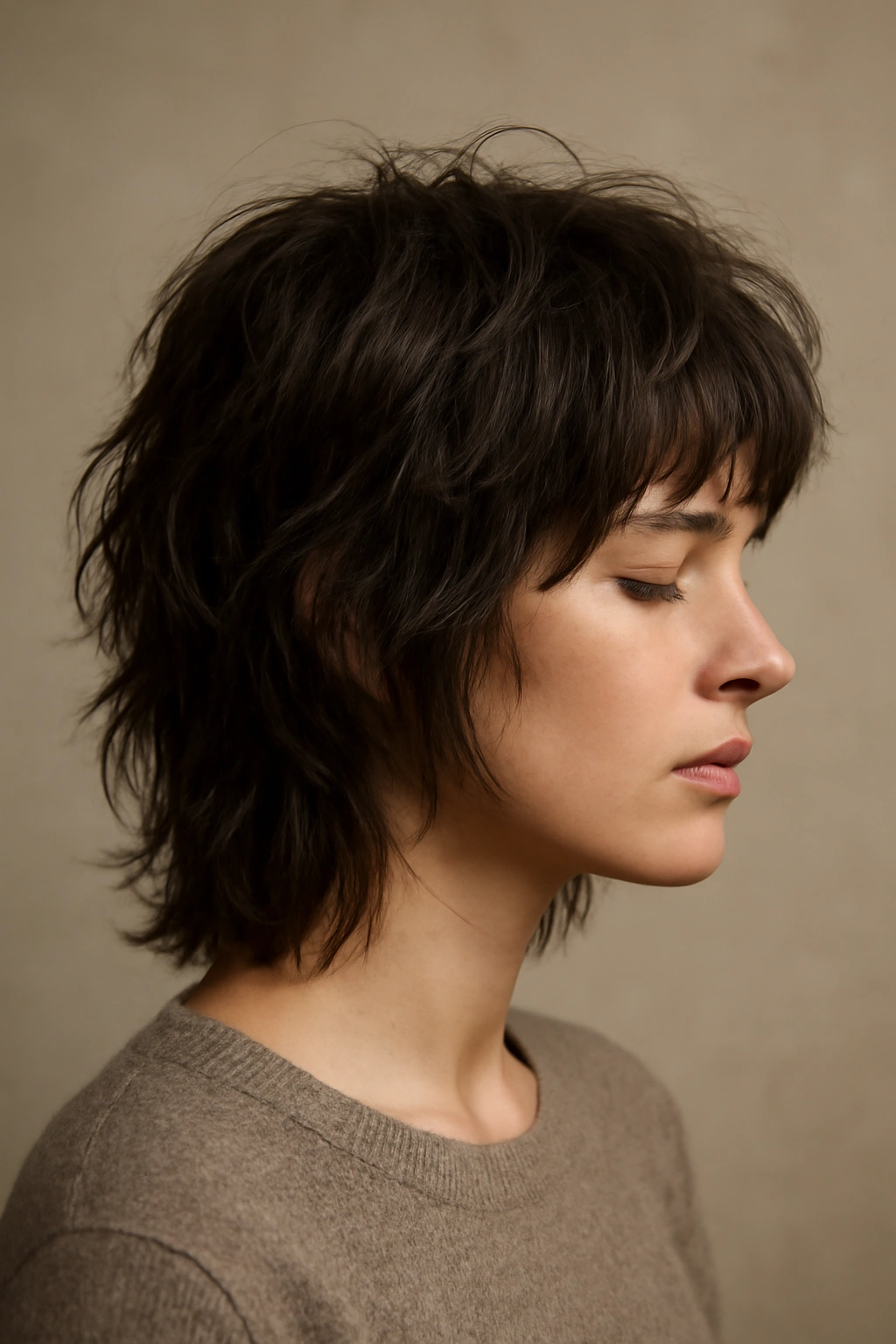
The shag is such a reliable cut because it leverages your hair’s natural texture instead of fighting against it. Every single one of these styles works with air-drying not because of fancy techniques or specialized products, but because the cut itself is designed to dry into its intended shape. You’re not trying to create texture against your hair’s natural grain—the layers, chops, and feathering already built into the cut create that for you.
The real skill in pulling off an air-dried shag isn’t in the styling; it’s in finding the right stylist who understands your hair type and can cut a shag that works with your specific texture, density, and lifestyle. A shag that works beautifully on thick, wavy hair might need product and effort on fine, straight hair—or it might need a completely different cutting approach. When you’re ready to get a shag, bring photos of styles you love and have a real conversation with your stylist about how much time and effort you actually want to spend on your hair daily.
Once you have the right cut, the maintenance is surprisingly minimal. Most shags look better slightly messy anyway, which means you’re not fighting against the style trying to make it look more polished—you’re actually aiming for that tousled, lived-in texture. Embrace the shag’s whole ethos: it’s supposed to look like you didn’t try hard, and that’s what makes it work.
