



Short haircuts have always been a statement of confidence and style, but when you add the sophisticated touch of soft gray highlights, you create something truly striking. This combination works because gray isn’t just a color—it’s a textural dimension that adds depth, movement, and modern polish to any cut. Whether you’re embracing your natural grays or choosing them as a deliberate design choice, soft gray accents elevate a short cut from simple to jaw-dropping.
The beauty of pairing short lengths with subtle gray highlights lies in their complementary nature. Short hair shows off color work with incredible clarity, meaning every placement matters and every strand gets noticed. Gray highlights, in particular, create that coveted multidimensional effect without requiring bold contrasts. They whisper rather than shout, which is exactly why this combination has become the go-to choice for people who want edge without drama.
What makes this trend so appealing across different ages and styles is its adaptability. A textured pixie with frosted tips reads entirely different from a sleek cropped cut with gradient grays, yet both deliver serious style impact. The soft gray works as beautifully on warm undertones as it does on cool ones—it’s all about the placement and how the highlights interact with your specific cut and base color. Throughout this guide, you’ll discover ten distinct short haircut styles, each enhanced by thoughtfully placed soft gray accents, plus everything you need to know about choosing, styling, and maintaining this look.
1. The Textured Pixie with Strategic Highlights
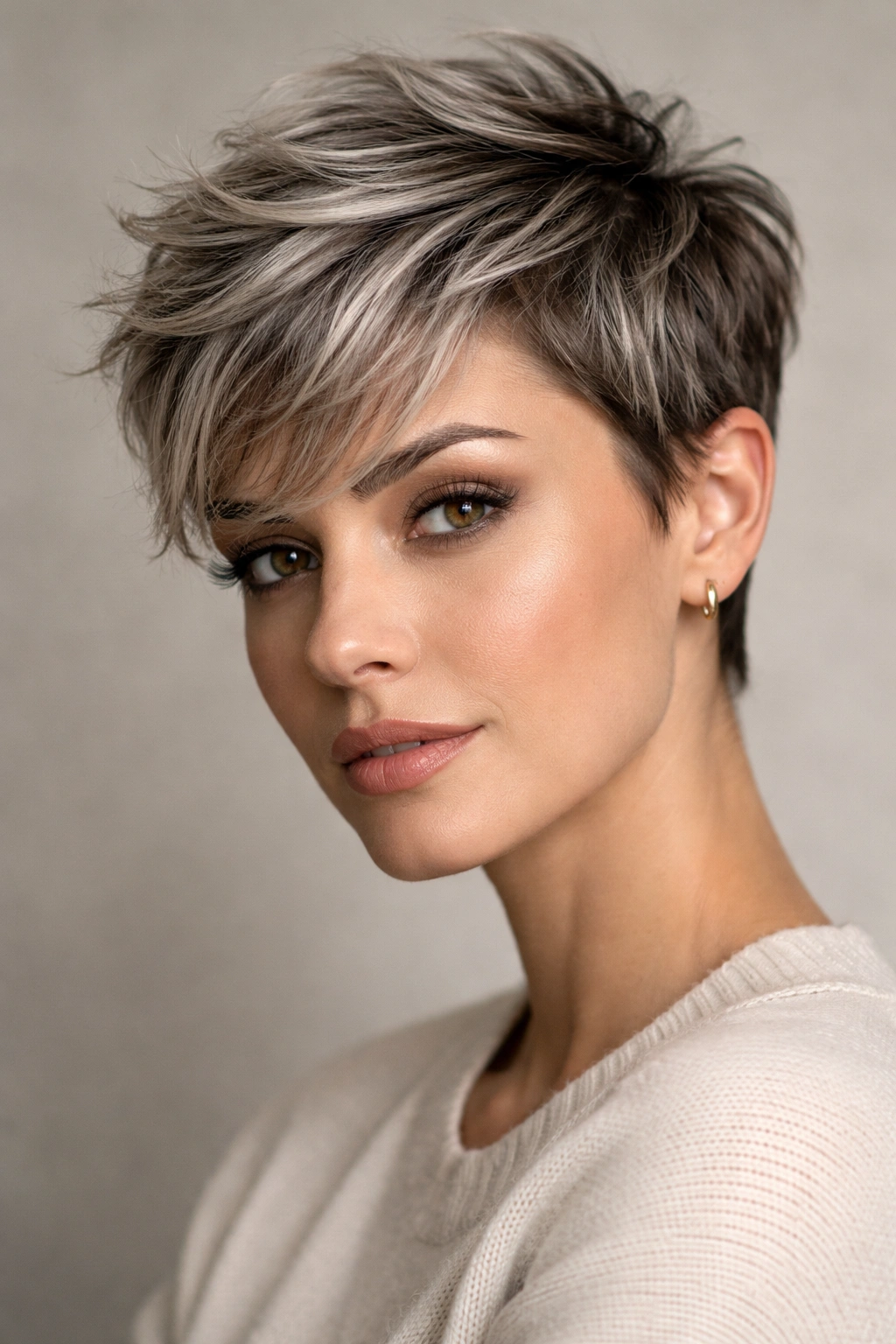
The textured pixie is the quintessential short cut, and soft gray highlights transform it from casual to editorial. This cut features longer pieces through the crown that can be styled up or tousled down, with shorter tapered sides and back. The key to making gray work here is strategic placement—highlighting the longer strands on top and around the face while keeping the sides clean creates beautiful depth without overwhelming the cut.
Why This Style Commands Attention
The textured pixie’s appeal lies in how it showcases movement and shape. When you layer in soft gray highlights across the top section, you’re creating a natural-looking dimension that makes the cut appear fuller and more dynamic. The gray acts as a luminizing agent, drawing attention upward and brightening the face. This works particularly well for people with angular or sculpted bone structure, as the highlights emphasize your natural contours.
How to Wear and Style It
- Use a texturizing spray or lightweight cream to enhance movement throughout the crown
- Finger-comb the longer pieces upward and slightly back for a tousled, intentional look
- Pair with metallic jewelry or bold makeup to amplify the modern edge
- The cut requires regular trims every 4-6 weeks to maintain its shape and prevent looking overgrown
- This style suits both office settings and casual environments depending on how you finish it
Pro tip: Ask your stylist to undercut the sides slightly steeper than traditional pixie cuts—this creates a more dramatic silhouette that makes gray highlights pop even more visibly against the darker sides.
2. The Modern Bob with Soft Gray Accents
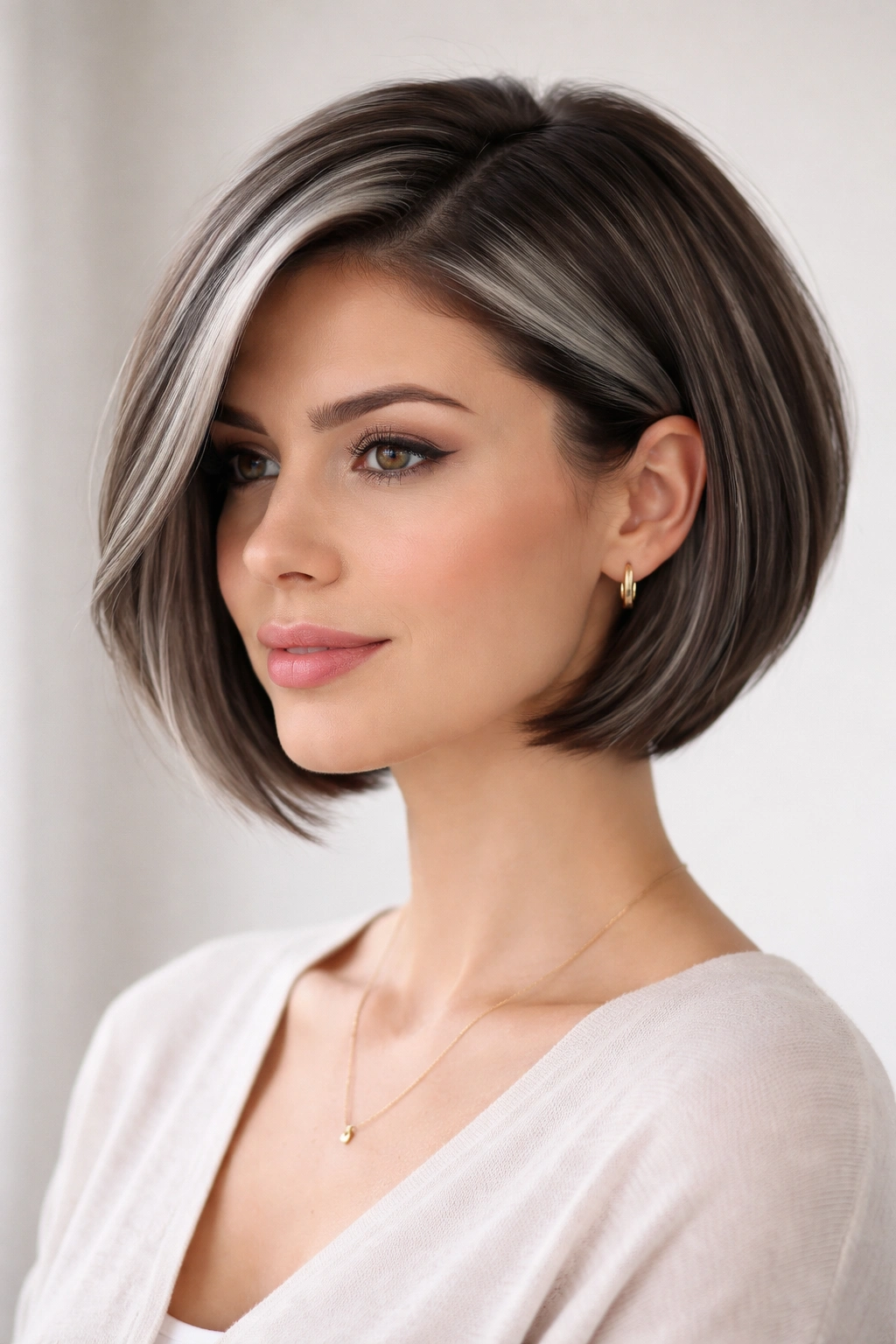
A short bob sits right at or just below the jaw, creating clean lines and a polished silhouette. When you add soft gray highlights—whether as scattered pieces, a face-framing accent, or a subtle all-over dimension—the bob transforms from classic to contemporary. The straight-line structure of the bob makes gray highlights read as deliberate and sophisticated rather than accidental.
Why Bobs Pair Beautifully with Gray Highlights
Bobs are all about precision, and gray highlights should match that intentionality. Placing highlights strategically around the face creates a flattering frame that draws attention to your eyes and cheekbones. The blunt or slightly textured ends of a short bob interact with gray highlights in a way that emphasizes movement and light—every time you turn your head, the dimensional color shifts and catches differently.
Styling Considerations for Short Bobs with Gray
- A round brush and blow dryer create smooth, sleek finishes that showcase the highlights
- Texture powder or dry shampoo adds grip and makes the cut hold its shape longer between washes
- This style works for both straight and wavy hair types; adjust your styling approach accordingly
- Frequent trims every 4 weeks keep the bob’s signature sharp lines intact
- Gray highlights on a bob can be subtle or bold depending on how much coverage you choose
Worth knowing: Short bobs with gray highlights often photograph better than longer hair with the same treatment—the clean lines and dimensional color translate beautifully in both natural light and photos.
3. The Choppy Shag with Gray Dimension
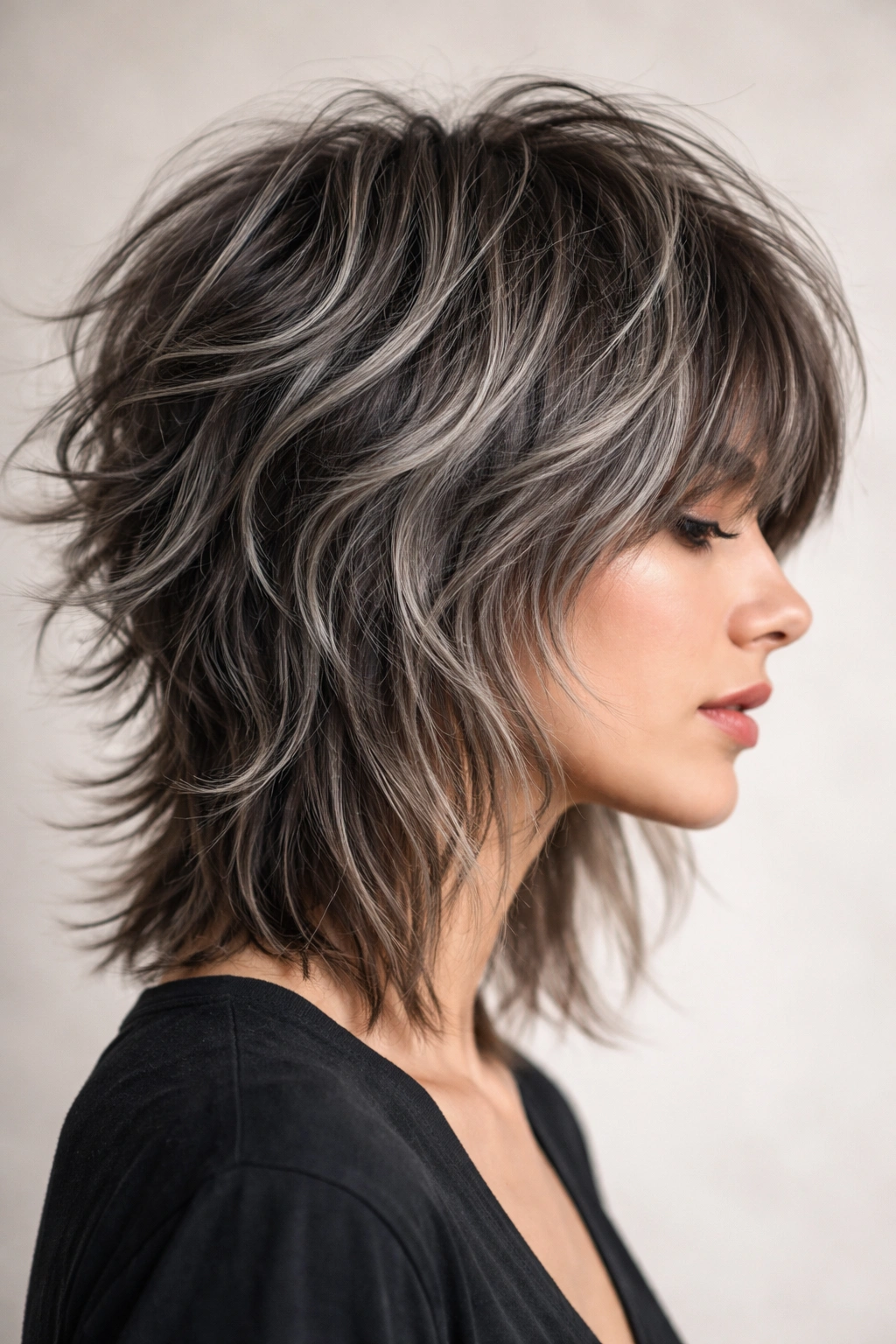
The choppy shag brings texture and movement to short hair through intentional layers of varying lengths. Unlike a standard layered cut, a shag leans into the textured, slightly undone aesthetic. Soft gray highlights woven throughout the choppy layers create the illusion of even more dimension and movement—the gray highlights in the shorter layers read differently than those in the longer pieces, creating visual complexity.
What Makes a Shag Different from Other Layered Cuts
A true shag doesn’t just have layers; it has personality. The cut is designed to move and shift, creating a piece-y texture that looks intentionally tousled rather than neat. When you add soft gray highlights, you’re amplifying this textural quality. The gray acts almost like shadow and light, making some layers appear to recede while others come forward, enhancing the three-dimensional quality of the cut itself.
Styling a Short Shag with Gray Highlights
- Embrace texture rather than fighting it; use salt spray or texture paste to enhance the choppy layers
- Rough-dry your hair with your fingers rather than a brush for maximum movement
- The layers naturally create volume, so this style works well for fine hair that needs visual fullness
- Refresh the cut every 6-8 weeks to maintain the choppy integrity as hair grows
- Gray highlights show best when the cut is freshly done, as they’ll remain visible even as your hair grows
Insider note: Shags with gray highlights hit different depending on your base color. On darker bases, gray creates a striking contrast. On lighter bases, gray blends more subtly. Both approaches work—it’s about what vibe you’re going for.
4. The Sleek Cropped Cut with Metallic Touches
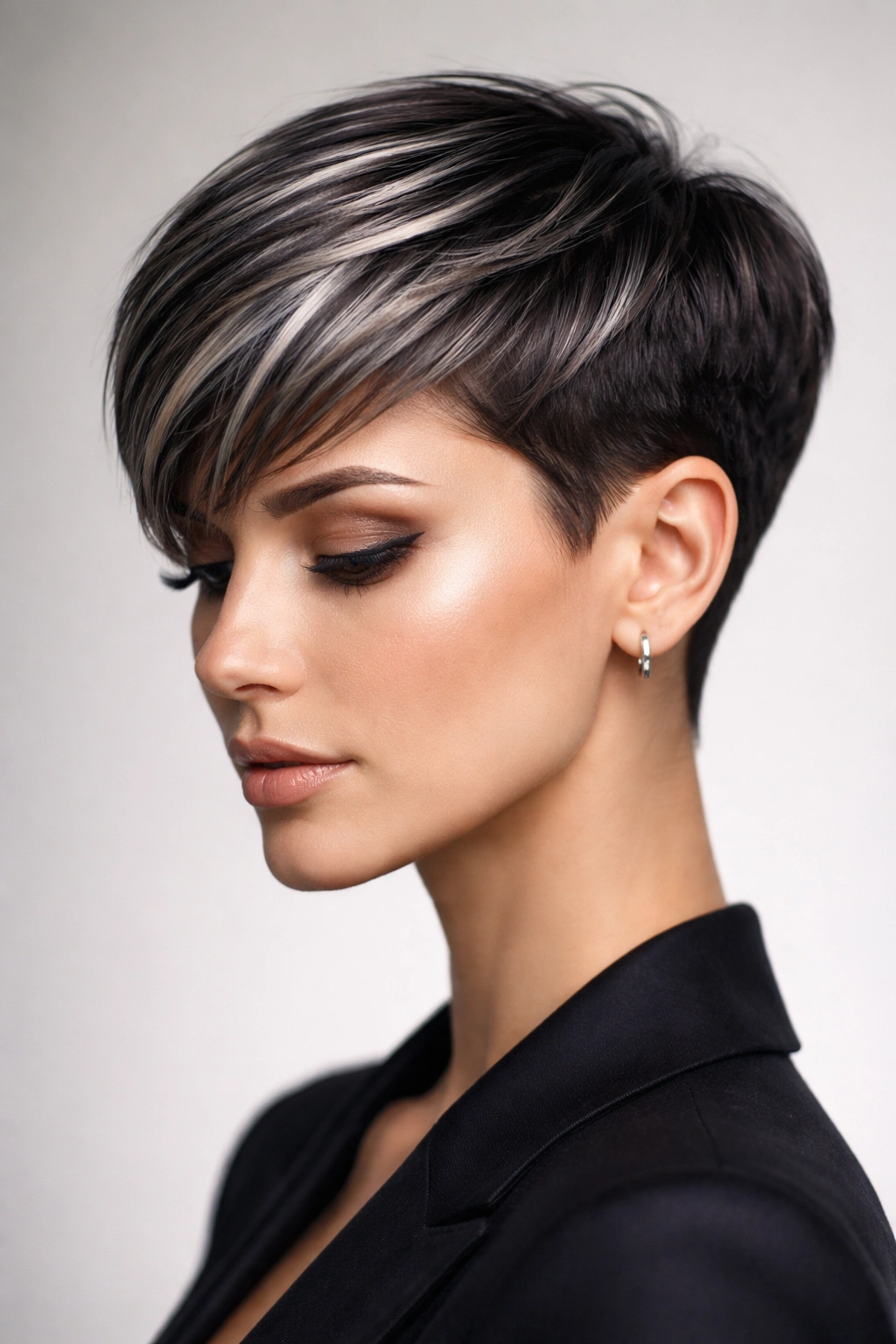
A sleek cropped cut is all about clean lines, minimal length, and maximum definition. Hair sits close to the head with precise edges, creating a sculptural effect. When you add soft gray highlights—sometimes with a slightly more metallic or silvery tone—you’re adding an unexpected luxe element to an otherwise minimalist style. The result feels both architectural and refined.
The Sophistication Factor of Sleek Crops with Gray
Sleek cropped cuts with gray highlights read as intentionally sophisticated. There’s no pretense here—every element is visible and deliberate. The gray highlights become a design choice rather than an accident of aging, which shifts the entire perception of the look. This style particularly appeals to people who value minimalism in their aesthetic and want their hair to reflect that same precision.
Maintaining the Sleek Look with Highlights
- Blow-dry with a paddle brush to keep everything smooth and polished
- A smoothing serum or lightweight oil adds shine without weighing down the short length
- Keep trims very frequent (every 3-4 weeks) to maintain the exact lines of the cut
- Gray highlights on a sleek crop show wear and grown-out roots more visibly than textured cuts
- Consider going in every 6-8 weeks for touch-ups if you want the highlights to remain crisp
5. The Layered Crop with Blended Gray Streaks
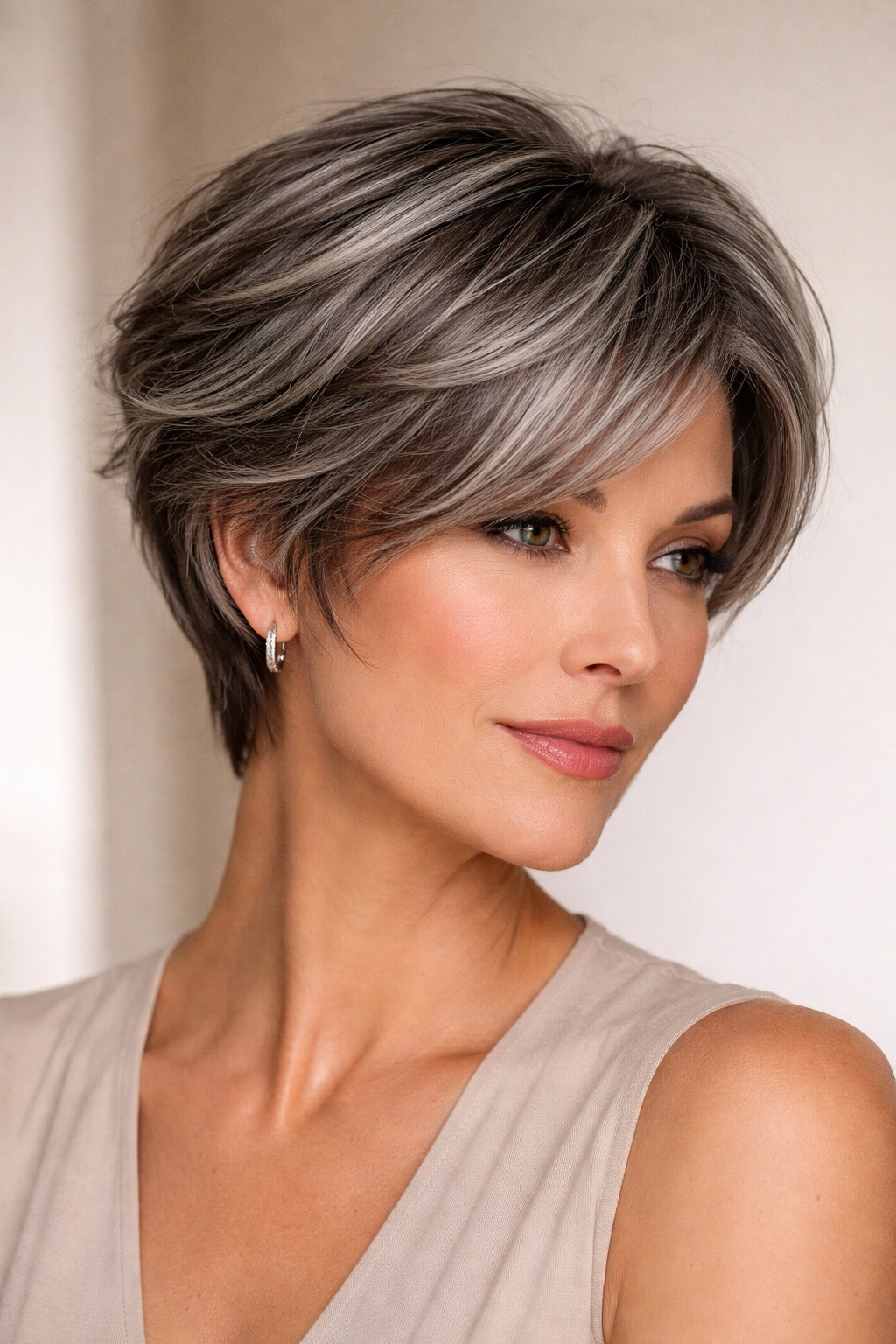
A layered crop combines the short length of a cropped cut with strategic internal layering that creates movement and texture. Unlike a shag, a layered crop maintains cleaner lines while still offering dimension. Blended gray streaks throughout—rather than bold chunks—create a softer, more nuanced dimensional effect that feels modern and expensive.
How Blended Gray Differs from Chunky Highlights
Blended gray streaks are placed to mimic how light naturally hits your hair. The placement follows the shape of the cut and your hair’s natural movement patterns, creating highlights that look like they could almost be natural dimension rather than obvious color work. This approach suits people who want a sophisticated enhancement rather than a dramatic statement. The gray blends seamlessly with your base color, creating depth without obvious demarcation lines.
The Styling Advantage of Layered Crops
- Layers create natural texture that requires less styling product or effort to look intentional
- Blow-dry with a round brush to shape and direct the layers toward your face for maximum dimension
- Gray streaks read more visibly when hair has movement, so prioritize styling for dimension over sleekness
- Trims every 5-6 weeks keep the layers sharp and maintain the cut’s intended shape
- This style works well for people transitioning into gray because it looks intentional from the start
6. The Undercut with Gray Highlights
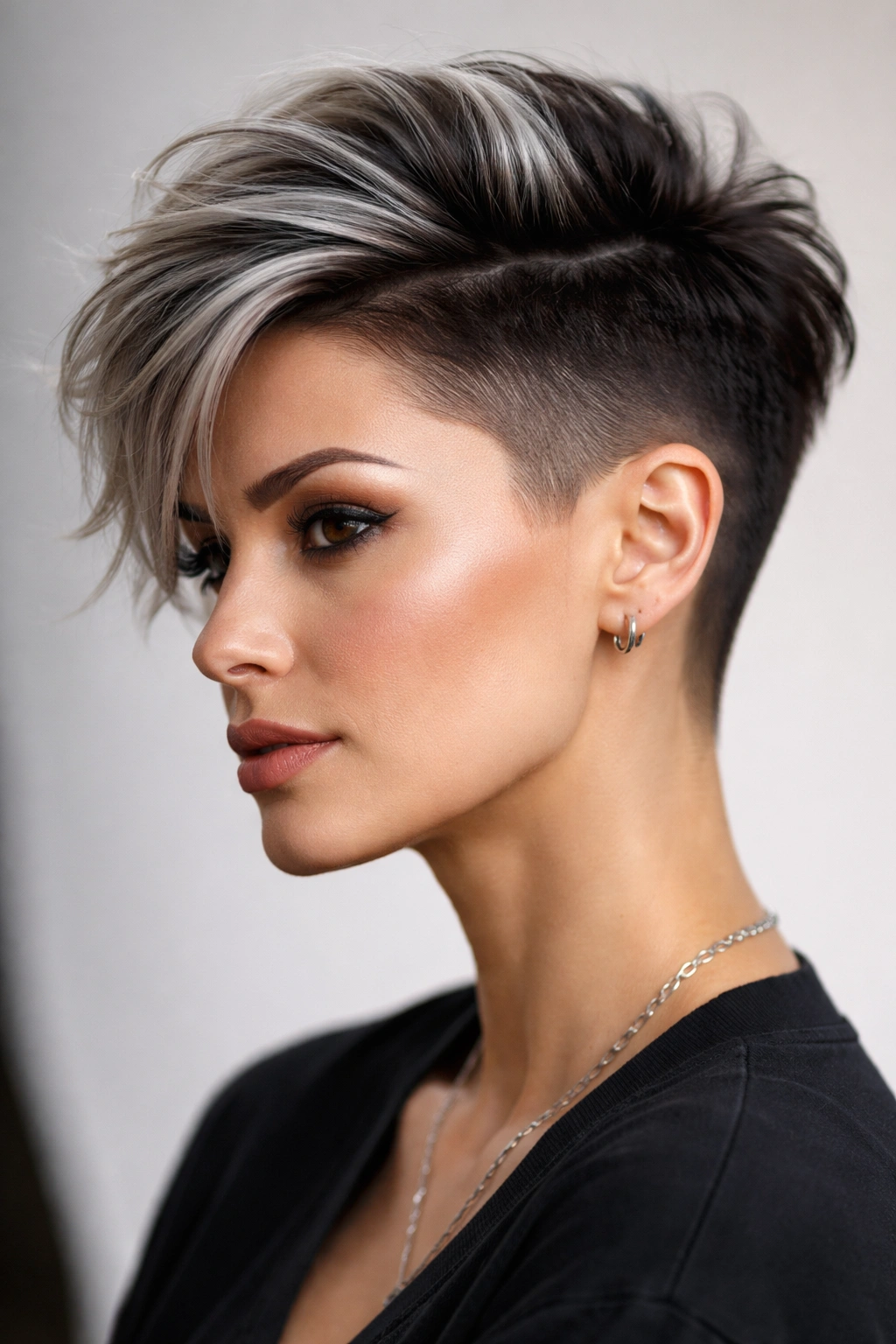
An undercut takes the shaved or very closely trimmed sides of an undercut and pairs them with longer hair on top. The dramatic contrast between short sides and longer crown creates visual interest. When you add soft gray highlights to the longer top section while keeping the undercut sides clean, you create a look that’s simultaneously edgy and refined. The gray highlights are framed by the clean undercut, making them appear more intentional and striking.
Why Undercuts Showcase Highlights Spectacularly
The shaved or trimmed sides act as a neutral canvas that makes any color work on top appear more vibrant and dimensional. The stark contrast between the highlighted longer hair and the clean sides creates a visual separation that prevents the look from feeling messy or undone. Gray highlights on an undercut read as a deliberate design choice rather than an accident, which elevates the entire aesthetic.
Styling and Maintenance Considerations
- The longer top section can be styled slicked back, tousled, or even brushed forward depending on mood
- Gray highlights show best when the top section has volume and movement
- Undercut sides require trimming every 2-3 weeks to maintain the clean, sharp definition
- The top can go longer between cuts if you don’t mind more growth, giving you flexibility in styling options
- This look suits bold personalities and people confident in standing out
Real talk: Undercuts with gray highlights require commitment. If you’re not willing to maintain frequent trims on the sides, the look loses its impact quickly.
7. The Tapered Fade with Silver Accents
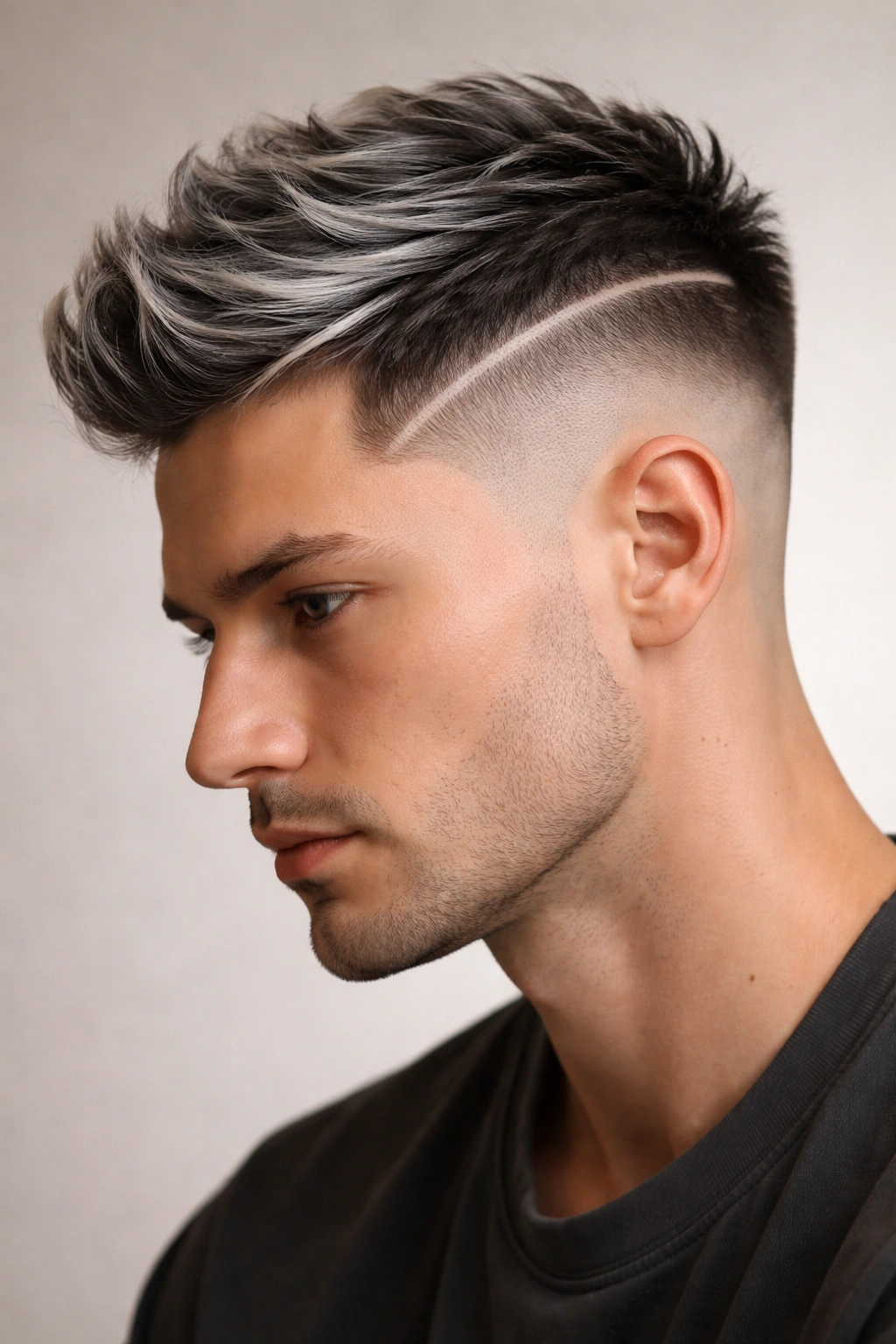
A tapered fade gradually shortens hair from longer at the top to nearly buzzed at the nape and sides, creating seamless transition lines rather than the stark contrast of an undercut. Adding silver accents through the longer top section creates a refined, high-fashion appearance. The taper allows you to wear your hair longer on top while maintaining clean, geometric lines—the perfect canvas for strategic gray highlights.
The Precision Required for Tapered Fades
Tapered fades are all about mathematical precision. The stylist creates invisible transition lines that flow seamlessly from one length to another. When you add gray highlights, these should follow the natural lines of the fade, enhancing rather than fighting the cut’s structure. Silver or slightly cooler-toned grays work beautifully with tapered fades because they echo the precision and geometry of the cut itself.
How to Maximize Your Tapered Fade
- Regular trims every 3-4 weeks maintain the fade’s integrity and prevent an overgrown appearance
- The longer top section has room for more creative styling—try slicked back, textured, or side-swept
- Gray highlights show best with movement, so prioritize styling the top section intentionally
- This cut works beautifully on all hair types but requires slightly more styling commitment for wavy or curly hair
- Silver accents pair especially well with men’s grooming aesthetics, though anyone can wear this style
8. The Tousled Pixie Crop with Frosted Tips
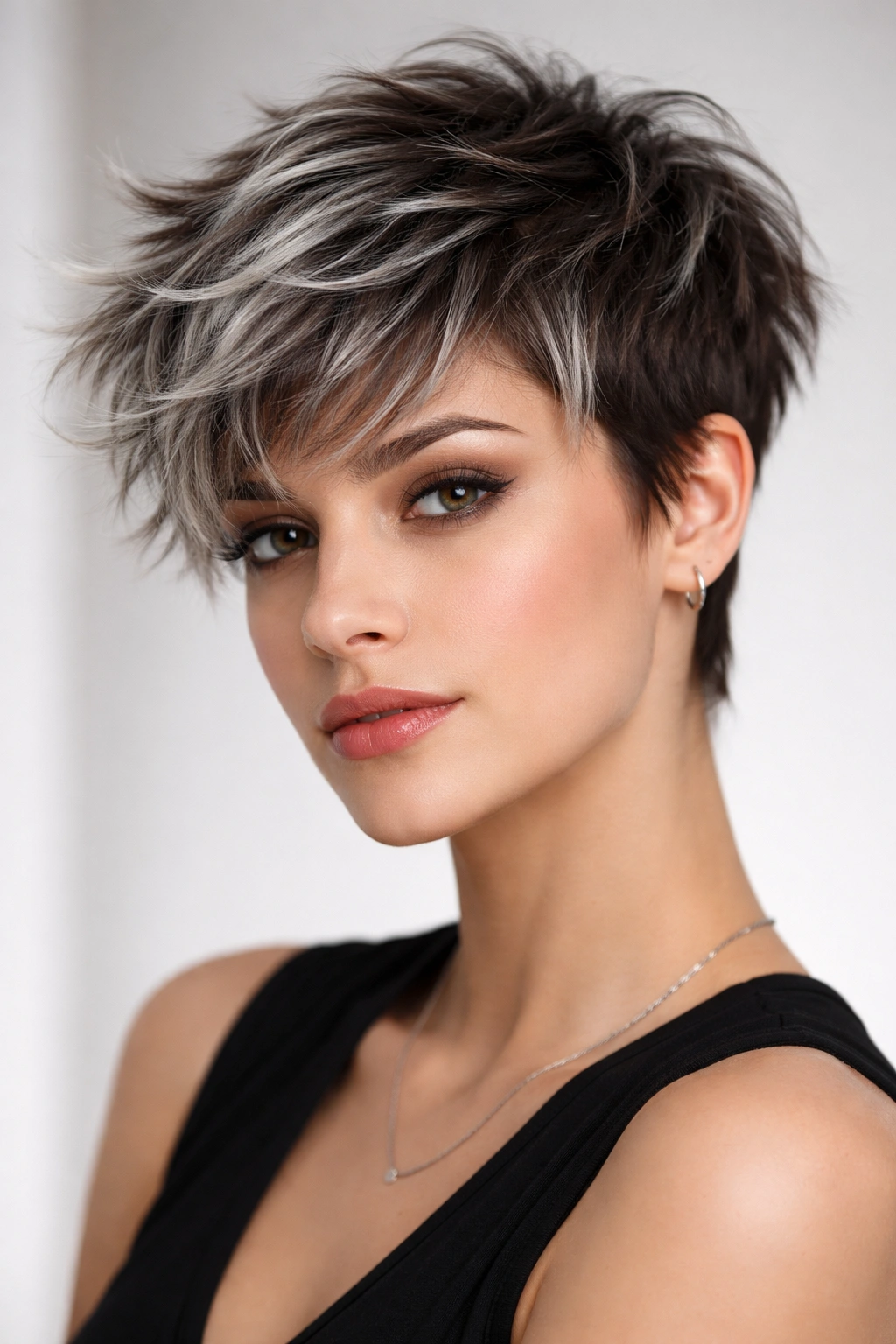
A tousled pixie crop is similar to a textured pixie but leans even more heavily into the undone, effortlessly cool aesthetic. The entire cut—not just the crown—features shorter, choppy layers that create visible texture. When you add frosted gray tips, you’re creating a style that looks both intentionally crafted and naturally undone. The frosted effect concentrates gray on the ends of the layers, creating a striking visual impact.
Why Frosted Tips Create Drama
Frosted tips are when gray highlights concentrate on the ends of hair, creating a two-toned effect. On a short pixie crop, this creates immediate visual impact and reads as fashion-forward. The frosted effect is particularly striking because it’s concentrated rather than diffused—every layer shows that gray tip, creating abundant dimension. This approach works beautifully for people who want noticeable color work without requiring frequent root touch-ups.
Maintaining Frosted Pixie Crops
- Texture paste or cream brings out the frosted effect and makes each layer visible
- Finger-comb or tousle rather than using a brush, which would smooth out the intentional texture
- Trims every 4-5 weeks prevent the frosted tips from becoming wispy or stringy as they grow out
- The frosted effect photographs beautifully and creates the most dramatic transformation in person
- This style suits adventurous people who embrace bold styling choices
Pro tip: Ask your colorist to frost the tips slightly more heavily than they might for other highlight placements. On short hair, the frosted effect can fade faster because the tips get the most friction and damage.
9. The Short Mullet with Soft Gray Layers
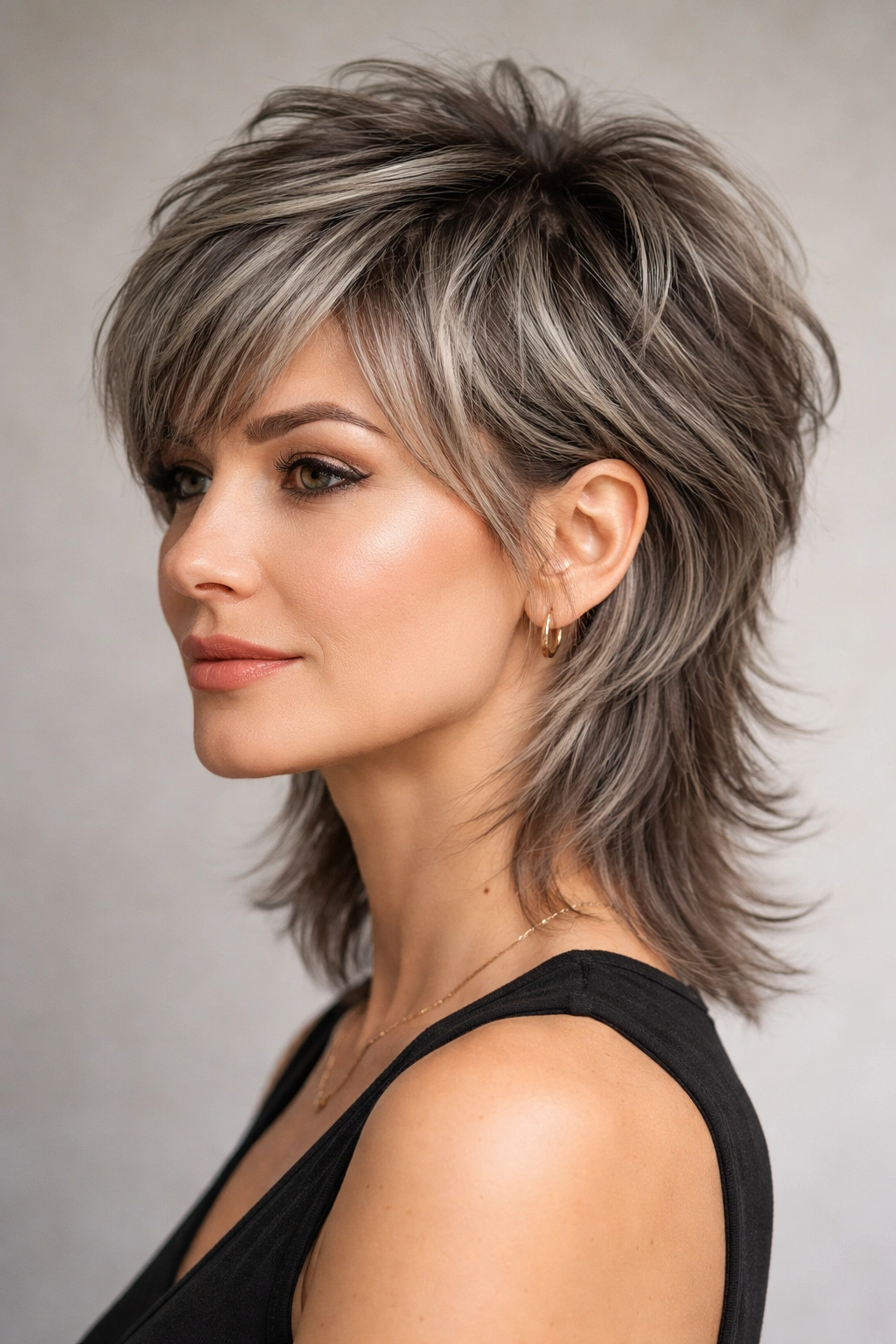
The modern short mullet has returned, but it’s nothing like the mullets of the 80s. The contemporary version features shorter, textured layers through the crown and sides with slightly longer pieces in the back. It’s playful, fashion-forward, and unexpected. Adding soft gray highlights throughout creates dimension while softening the mullet’s inherent edginess. The gray works as a visual bridge between the shorter top and longer back sections.
Understanding the Modern Mullet Aesthetic
The modern mullet is intentionally ironic and fun. It breaks conventional rules while maintaining precision. When you add soft gray highlights, you’re adding sophistication to something inherently playful. The gray grounds the style, preventing it from reading as pure novelty while still letting the cut’s personality shine through. This is a style for confident people who want to make a statement.
Styling Your Short Mullet with Gray
- The top section can be textured and tousled for contrast with the longer, smoother back
- Style the back section sleek or with loose waves depending on your mood and the occasion
- Gray highlights show best when the cut’s different sections have contrasting textures
- Trims every 5-6 weeks maintain the shape and prevent the back from becoming too shaggy
- This style photographs incredibly well because the dimension reads clearly in images
Worth knowing: Short mullets with gray highlights are polarizing—people either love them or don’t. If you’re considering this style, make sure you’re doing it because it genuinely appeals to you, not because you’re chasing trends.
10. The Rounded Crop with Gradient Gray
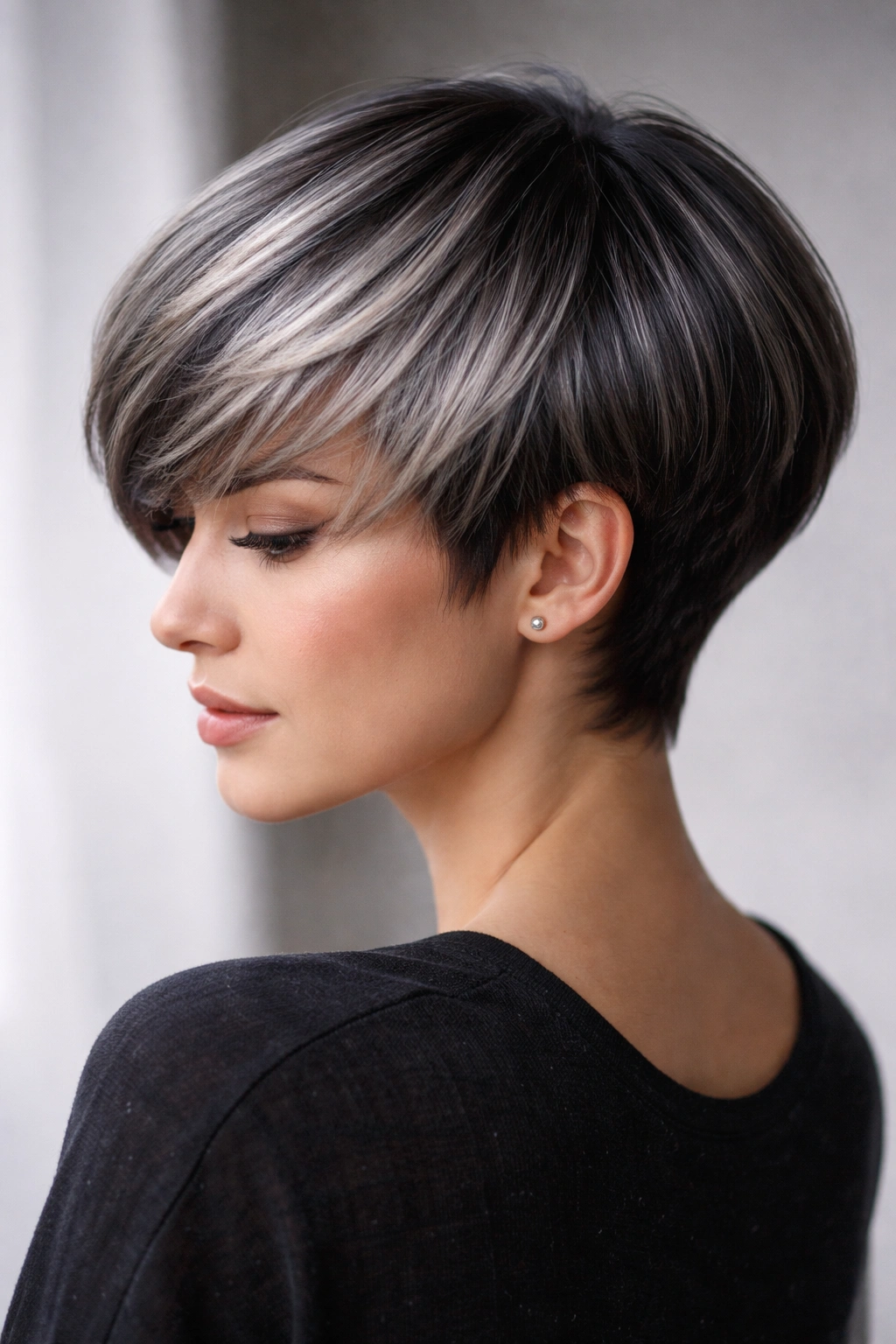
A rounded crop features slightly longer hair that curves gently around the head, creating soft lines rather than sharp angles. It’s approachable and less severe than cropped cuts with geometric lines. Adding gradient gray—where highlights gradually shift from lighter to darker or vice versa—creates a sophisticated, almost three-dimensional effect. The gradient works with the rounded shape of the cut, enhancing its soft, refined aesthetic.
Why Gradient Gray Feels Luxe
Gradient highlighting is more complex than standard placement—it requires precise application to create the illusion of light and shadow across the hair. On a rounded crop, this creates the impression that light is naturally hitting different sections of your hair differently. The result looks expensive, intentional, and thoughtfully considered. Gradient gray works particularly well on hair with natural wave or texture because it plays beautifully with how light interacts with the hair’s movement.
Achieving and Maintaining Gradient Effects
- Regular color maintenance every 6-8 weeks keeps the gradient looking intentional and blended
- The rounded shape of the cut means gray highlights show from every angle, so placement matters tremendously
- Styling with texture or movement enhances the gradient effect; sleek styling can flatten it
- This technique works best with a skilled colorist who understands dimension and placement
- Gray gradients photograph beautifully in natural light but may read differently under artificial lighting
How to Choose the Right Style for Your Face Shape
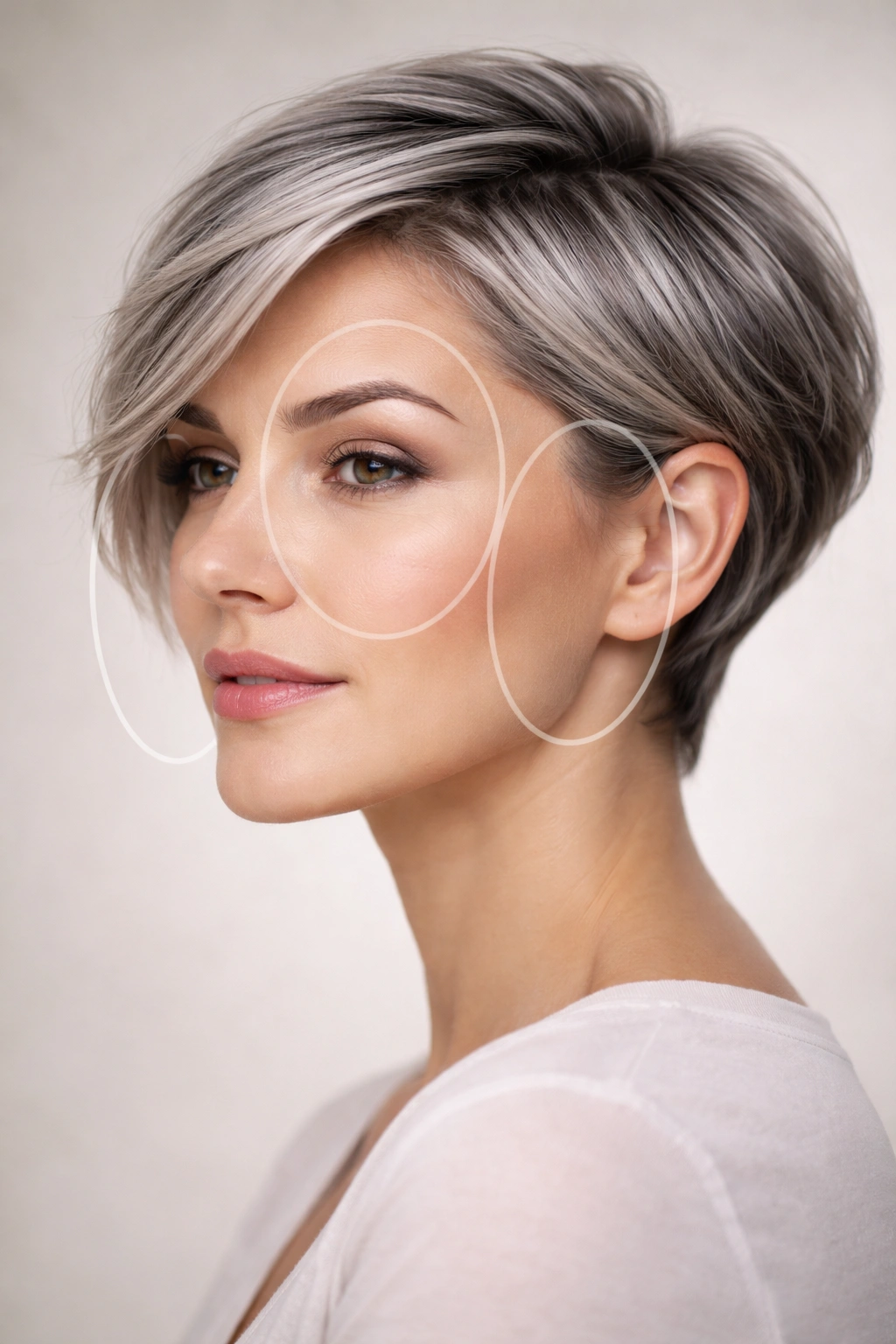
Not every short haircut with soft gray highlights suits every face shape, and that’s completely okay. The goal is finding a style that enhances your natural features while matching your personality and lifestyle. Different face shapes benefit from different cut structures and highlight placements, so taking a moment to assess your face shape before committing to a style is genuinely worthwhile.
Oval faces are the most versatile, working with nearly every style on this list. You have the luxury of choosing based purely on what resonates with you aesthetically and what fits your lifestyle. Consider what vibe you’re going for—do you want something edgy or refined, dramatic or subtle?
Round faces benefit from styles with height and texture at the crown, which create the illusion of length. Undercuts, tapered fades, and textured pixie crops work beautifully because they direct attention upward. Gray highlights placed at the crown and around the face create dimension that enhances cheekbones. Avoid styles that sit flat against the head or add width at the sides.
Square faces shine with styles that soften the jawline. Tapered fades, rounded crops, and choppy shags work wonderfully because their texture and movement soften angular features. Gray highlights placed around the face and through the sides create a soft frame. Sleek crops and undercuts can work too, but lean toward slightly textured versions rather than perfectly smooth finishes.
Heart-shaped faces benefit from volume at the sides and chin to balance a wider forehead. Layered crops, choppy shags, and textured pixies work well. Gray highlights placed at the sides and lower crown create balance. Undercuts and tapered fades can work if you add texture or style the top section away from your face.
Rectangular faces need styles that add width. Rounded crops, shorter bobs, and textured styles that sit away from the face work beautifully. Gray highlights should be distributed throughout the cut rather than concentrated at the crown. Avoid styles with extreme height, which will elongate your face further.
Take time to examine your face shape honestly—looking at photos from the front, side, and at angles helps you see your features clearly. Once you’ve identified your face shape, review the ten styles above and consider which ones align with both your face shape and your personal style. Don’t feel bound by these guidelines if a style genuinely calls to you—confidence in your choice matters more than perfect geometric alignment.
The Best Color Placement Techniques for Soft Gray Highlights
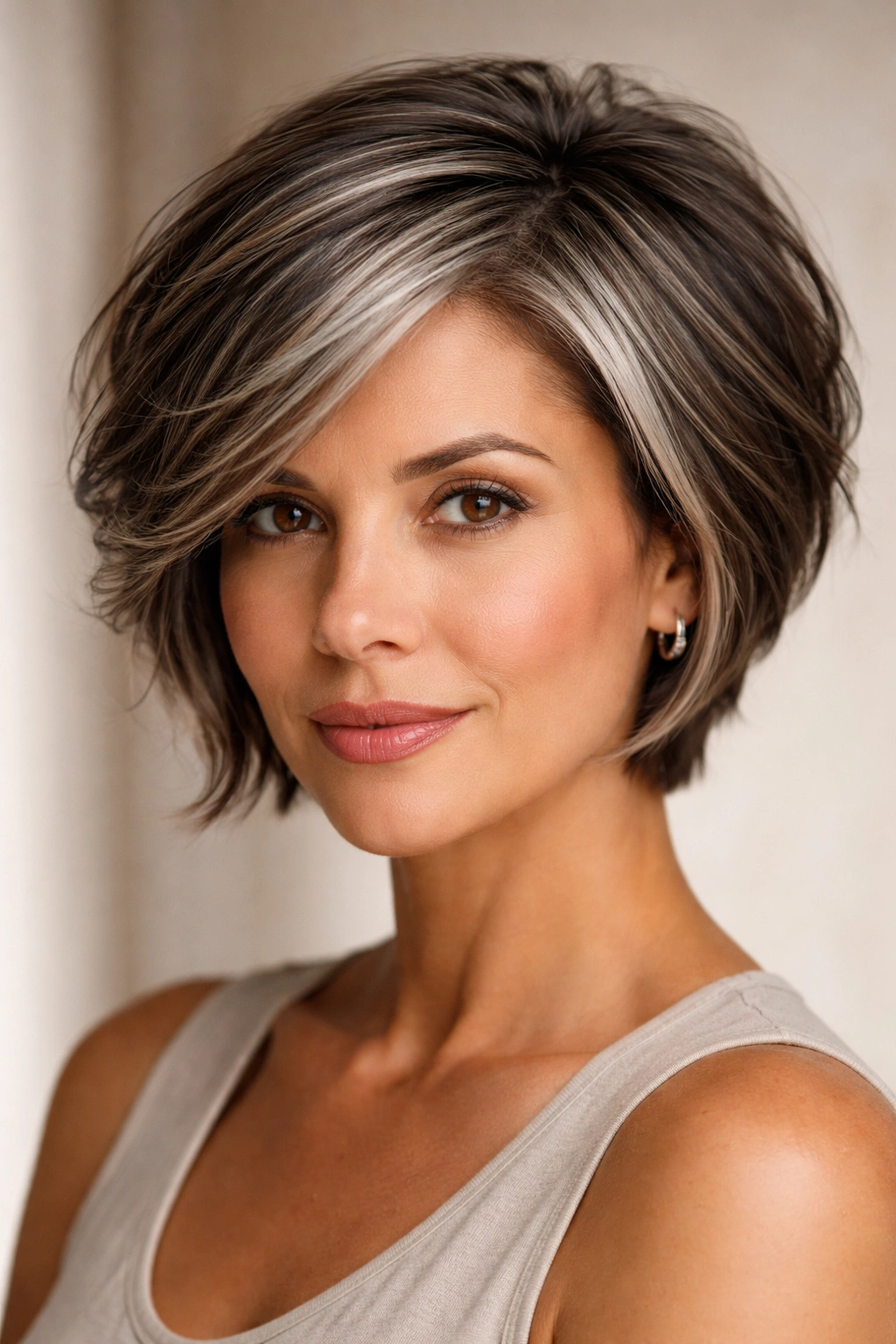
Understanding how colorists strategically place soft gray highlights helps you have a more productive conversation with your stylist and set realistic expectations for what the finished look will actually look like. Soft gray isn’t one specific placement technique—it’s a philosophy of highlighting that prioritizes blend, dimension, and subtlety over dramatic contrast.
Face-framing placement involves placing gray highlights around the perimeter of your face, particularly at the temples and along the front sections. This technique is flattering because it brings light to your face, brightens your complexion, and draws attention to your features. Face-framing placement works on nearly every cut and face shape, making it the most universally flattering approach. The gray near your face creates dimension that makes your features appear more sculpted and defined.
Scattered or woven placement distributes gray highlights throughout the entire head rather than concentrating them in one area. Think of it like painting a canvas—you’re placing highlights wherever light would naturally hit hair if you were in bright sunlight. This approach creates the most dimensional look because gray appears from every angle. Scattered placement requires skilled application because it’s easy to under-place highlights (leaving them too sparse to create visible dimension) or over-place them (making the look feel busy or striped rather than dimensional).
Root shadow with highlights is a technique where darker color remains at the roots while gray highlights concentrate through the mid-lengths and ends. This creates the illusion of dimension while minimizing the appearance of roots as they grow out. Root shadow is practical and strategic—it’s beautiful and requires less frequent color maintenance. This technique particularly suits people who want to reduce the commitment of frequent salon visits.
Money pieces placement focuses highlights primarily on the longer pieces at the front of the cut—sometimes called money pieces because they frame your face and are the first thing people notice. Money pieces with soft gray create a face-frame effect without requiring full highlights throughout the entire head. This placement is less dramatic than full head highlights while still creating noticeable dimension around your face.
Tonal blending uses multiple shades of gray—some softer and warmer, others cooler and more silvery—to create dimension that appears more natural and less obviously highlighted. Instead of a stark contrast between your base color and gray, tonal blending creates a spectrum of shades that transition smoothly. This approach requires skillful color matching and application, but the result looks expensive and sophisticated.
Styling Products and Tools for Short Haircuts with Highlights
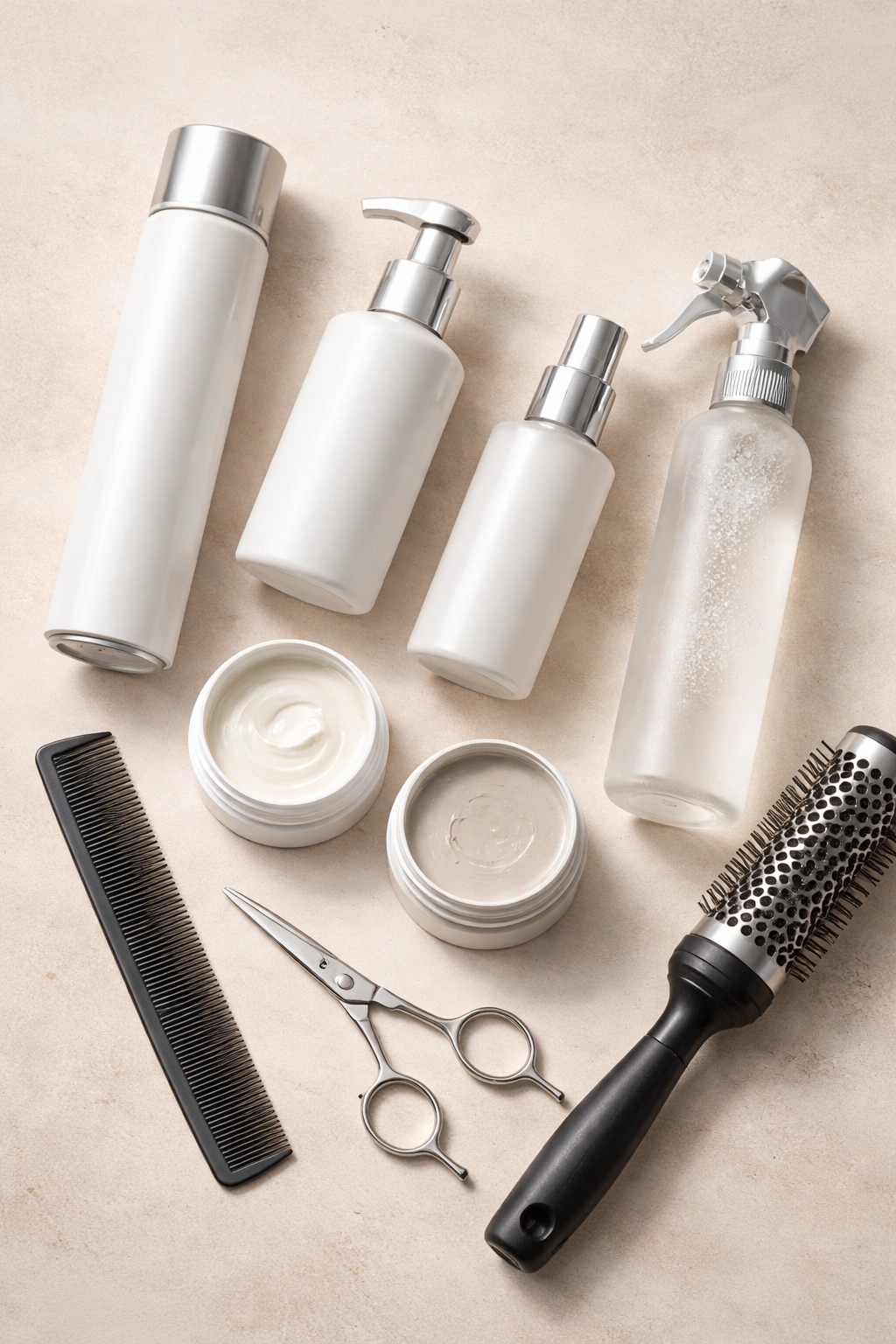
The right styling products can make the difference between a good look and a genuinely striking one. Short hair with gray highlights requires specific tools and products that enhance dimension, create texture, and make color work visible.
Texture sprays and sea salt sprays are essential for short cuts with highlights. These products add grip and create piece-y texture that makes gray highlights read more clearly. Spray directly on damp roots and dry with your fingers, scrunching to create movement. Texture spray works on all hair types and is particularly valuable for fine hair that lacks natural texture.
Styling creams and paste add definition and texture without the crunch of spray. These work beautifully on short cuts, creating intentional texture that makes highlights visible. Rub a small amount between your palms and work through your hair with your fingers for a tousled, intentional look. Cream is gentler on hair than spray and works well for daily styling.
Dry shampoo and volumizing spray add texture and absorb oils, making hair appear fuller and more dimensional. Spray at the roots for lift and throughout the hair for texture. Dry shampoo also extends the time between washes, which helps gray highlights remain vibrant longer. Use a light hand—too much dry shampoo can look chalky or dull.
Blow dryer with a concentrator nozzle directs airflow and creates shape. Use the concentrator nozzle with a round brush to add volume and direct hair intentionally. The concentrator nozzle helps you create precise shapes and define layers, which makes highlights show more clearly than diffuse airflow would.
Round brush and paddle brush shape and define your hair during blow-drying. A round brush creates volume and direction; a paddle brush smooths and polishes. Choose based on the vibe you’re going for—tousled and textured versus polished and sleek.
Shine-enhancing products make gray highlights read as luminous rather than dull. A lightweight shine serum or glossing spray adds dimension and polish. Apply sparingly to damp or dry hair, focusing on the mid-lengths and ends. Shine products also protect hair from environmental damage and UV rays.
Clarifying shampoo keeps highlights from becoming brassy or dull. Gray highlights can absorb colors from the environment—chlorine, pollution, or pigment from products can shift them slightly. Use clarifying shampoo once weekly or as needed to keep your grays true. Always follow with a deep conditioning treatment because clarifying shampoo is strong.
Maintenance and Care for Gray-Highlighted Short Hair
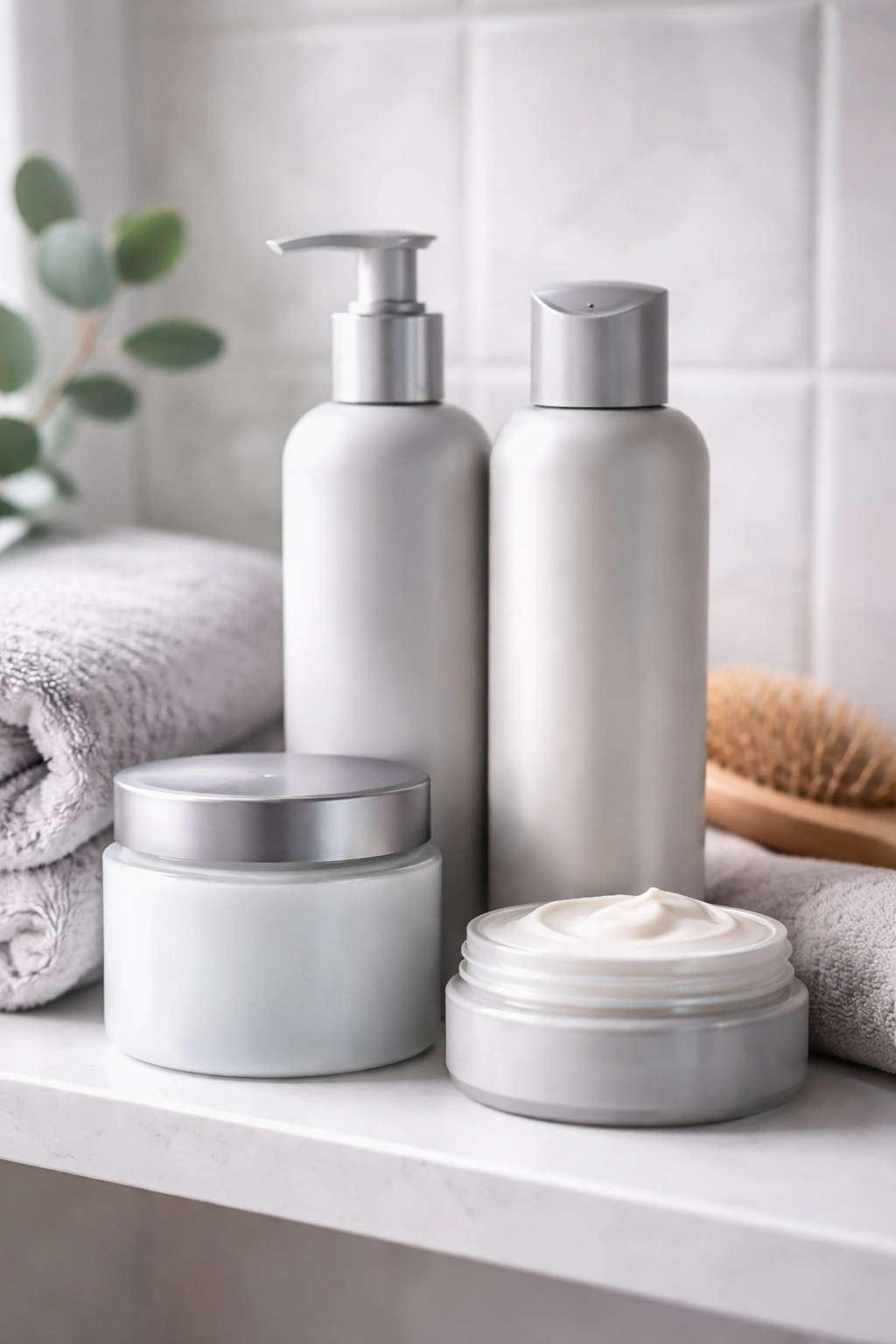
Gray highlights are beautiful, but they require thoughtful maintenance to stay vibrant and dimensional. The good news is that short hair requires fewer products and less styling time than longer hair—maintenance is straightforward if you stay consistent.
Color maintenance appointments should happen every 6-8 weeks for optimal results. Gray highlights can fade with time and sun exposure, and your hair grows continuously, creating the need for root touch-ups. More frequent appointments every 4-6 weeks keep highlights looking freshly done. Discuss with your colorist what maintenance schedule makes sense for your specific highlight placement and commitment level.
Sulfate-free shampoo and conditioner protect highlights from fading. Sulfates strip color faster than gentler formulas. Use color-safe products specifically designed to protect highlighted hair. Wash in lukewarm or cool water—hot water opens the hair cuticle and allows color to escape more easily. Rinse with cool water as a final step to seal the cuticle and lock in color.
Deep conditioning treatments keep gray-highlighted hair healthy and lustrous. Highlights can be drying because the coloring process opens the hair cuticle. Use a deep conditioning mask once weekly or biweekly. Leave it on for the recommended time—usually 10-20 minutes—to allow moisture to penetrate the hair shaft fully. Healthy, hydrated hair shows color more vibrantly than dry, damaged hair.
UV protection prevents sun damage and color fading. UV rays can shift gray highlights and make them appear dull or brassy. Use leave-in conditioners with UV filters, or wear a hat when you’ll be in intense sun for extended periods. This is particularly important during the first few weeks after getting highlights, when color is most vulnerable.
Minimize heat styling when possible to prevent damage and color fading. If you blow-dry, use a heat protectant spray before applying heat. Allow your hair to air-dry occasionally to reduce cumulative heat damage. Short hair can often look great with minimal styling, so lean into texture and movement rather than forcing sleekness that requires heavy heat use.
Trim regularly every 4-6 weeks to remove damaged ends and keep your cut looking sharp. Regular trims prevent split ends from traveling up the hair shaft and causing damage. They also keep your cut looking intentional rather than grown out and messy. Discuss with your stylist whether you need trims more frequently during the first few months after getting highlights, when your hair might be slightly compromised from the coloring process.
Protect hair while sleeping by using a silk or satin pillowcase instead of cotton. Cotton causes friction that damages hair and fades color. Silk pillowcases reduce breakage and help your hair—and your highlights—stay in better condition. This simple change makes a noticeable difference over time.
Who Should Consider This Look
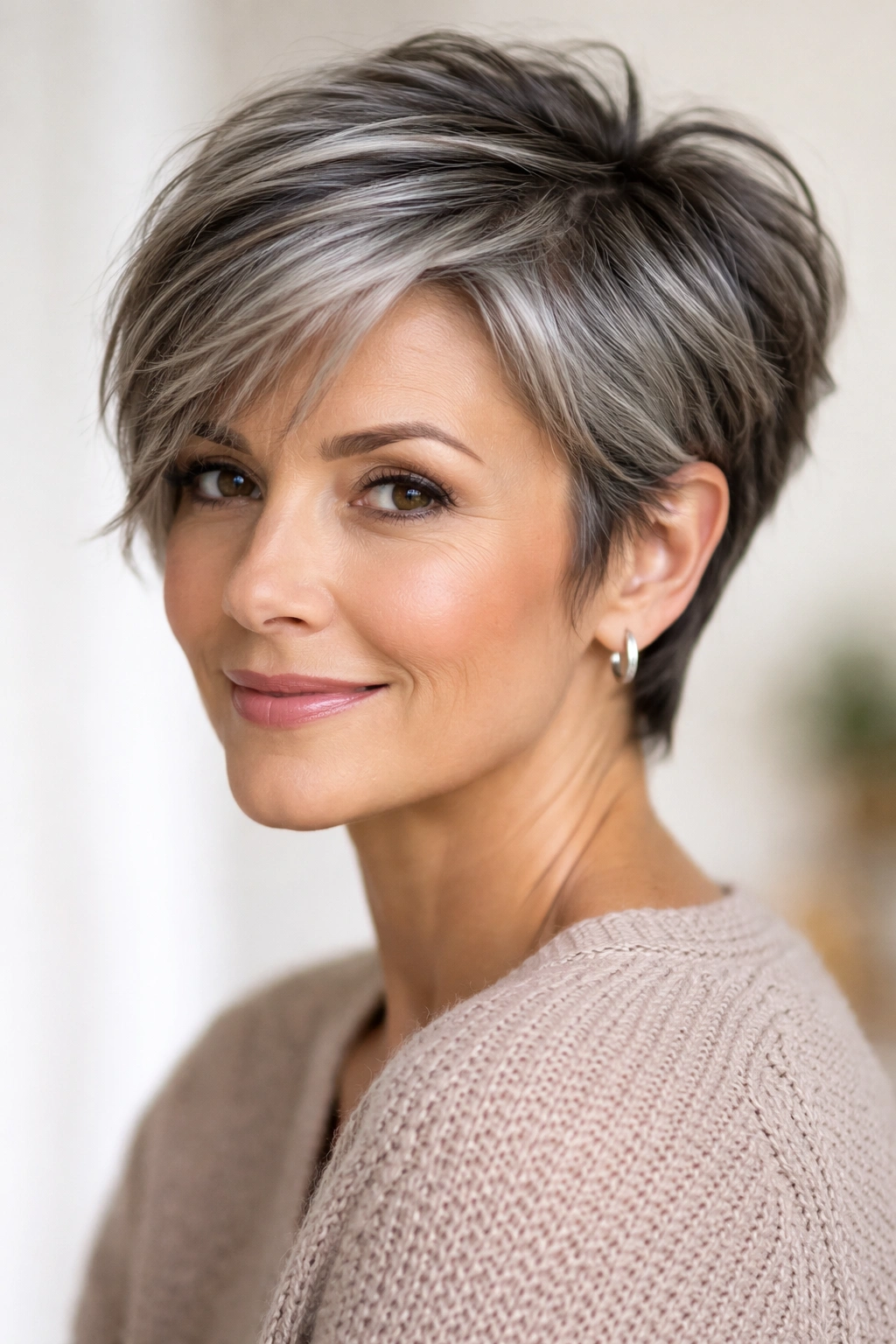
Soft gray highlights on short hair suit a wider range of people than you might expect, but certain characteristics make this look particularly striking and low-maintenance on specific individuals.
If you have naturally fine or thin hair, short cuts with gray highlights create the illusion of fullness and dimension. The highlights add visual texture that makes your hair appear thicker and more substantial than it actually is. Shorter lengths also reduce the weight that fine hair carries, allowing it to have more natural volume and bounce.
If you’re embracing your natural gray hair, soft gray highlights aligned with your gray growth create an intentional, fashionable appearance rather than an “I’m going gray” appearance. This bridges the gap beautifully between fully colored hair and fully gray hair, giving you options as you transition.
If you value low-maintenance hair, short cuts require less daily styling time and less frequent washing. Add gray highlights that coordinate with your natural color, and you reduce how often you need color touch-ups. This combination creates a genuinely low-maintenance style that still looks intentional and polished.
If you have strong facial features or high cheekbones, short hair with gray highlights puts all the focus on your face. There’s no length to draw attention away from your features, so your face becomes the centerpiece. Gray highlights enhance this by creating dimension that draws the eye to your bone structure and natural beauty.
If you’re willing to commit to regular trims, short hair demands more frequent salon visits than longer hair. Every 4-6 weeks your cut starts losing its shape and definition. If you enjoy salon visits and view them as self-care rather than a chore, short hair is genuinely rewarding.
If you enjoy styling and experimenting, short hair offers flexibility. The same cut can look entirely different depending on how you style it—sleek and polished, tousled and textured, swept to the side, or finger-combed forward. Gray highlights work beautifully with all these variations, creating different moods depending on styling choices.
If you’re starting a new chapter or want a visible change, short hair with gray highlights creates dramatic transformation. The combination reads as intentional rather than accidental, signaling confidence and choice rather than circumstance.
Final Thoughts
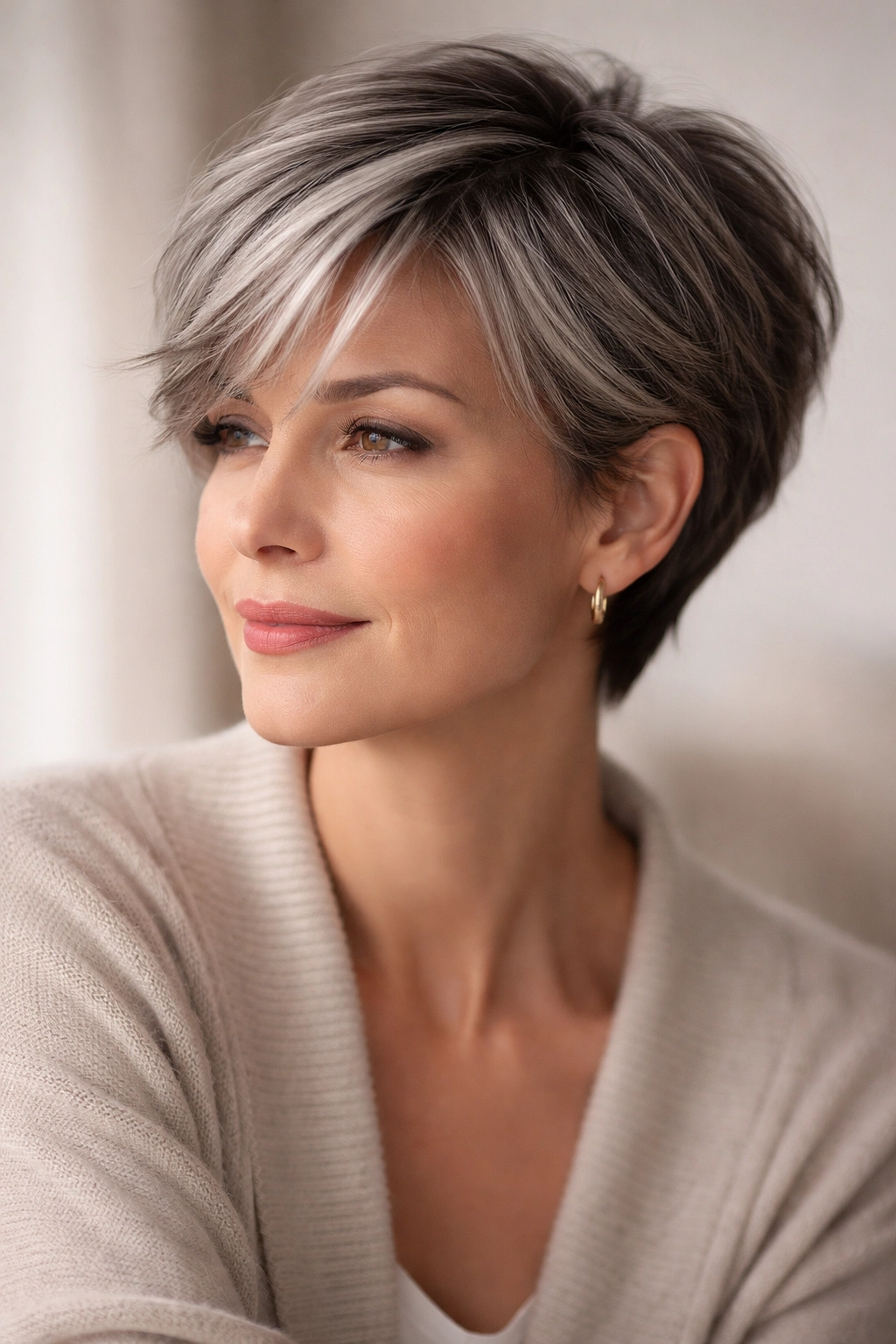
Short haircuts with soft gray highlights represent a perfect intersection of sophistication, practicality, and self-expression. This combination works because each element serves the other—short hair showcases color work with clarity and precision, while gray highlights add dimension that makes even the simplest cuts feel polished and intentional. You’re not just choosing a hairstyle; you’re making a statement about how you want to present yourself to the world.
The ten styles covered here offer genuine variety, from edgy undercuts to refined rounded crops, from playful mullets to classic bobs. Each one demonstrates how soft gray accents elevate short hair in different ways, creating looks that suit different personalities, face shapes, and lifestyle commitments. The key is finding the intersection of what genuinely appeals to you aesthetically, what suits your face shape and features, and what you’re realistically willing to maintain.
Moving forward, remember that short hair with gray highlights requires partnership with a skilled colorist and stylist. Come to your consultation with specific inspiration photos, honest conversation about your maintenance commitment level, and clear communication about what you’re hoping to achieve. The difference between a good result and a stunning one often comes down to whether your stylist truly understands your vision.
Most importantly, embrace the confidence this look demands. Short hair with soft gray highlights isn’t subtle—it’s a choice, and that choice should feel authentic to who you are. Whether you’re going fully gray, adding strategic highlights, or exploring this trend for the first time, own the decision completely. The most striking version of this look is always the one worn with genuine confidence and joy.
