



There’s something about a textured bob that just works. Unlike blunt, geometric bobs that demand perfect salon appointments every six weeks, a textured bob with natural movement gives you effortless dimension, built-in body, and that coveted “I just rolled out of bed like this” vibe—even when you absolutely did not. The right cut transforms your hair into something that moves with you, catches light differently from every angle, and works with your natural hair texture instead of against it.
The textured bob has become the go-to for anyone who wants a shorter style without sacrificing personality or movement. What makes these cuts special isn’t just the length—it’s the layering, the choppy angles, the strategically placed razoring that creates that lived-in, undone quality. Whether your hair is naturally straight, wavy, or curly, there’s a textured bob variation designed to maximize your hair’s unique movement patterns and work with your daily styling routine.
The beauty of this category is versatility. You can go short and bold, medium and bouncy, or longer and flowing. You can lean into the texture with specific styling techniques or let it work naturally with minimal effort. The cuts here range from dramatically choppy and fashion-forward to subtly layered and universally flattering. Each approach brings something different to the table, and the right one depends on your hair type, lifestyle, and how much styling time you’re willing to invest.
Let’s explore ten textured bob haircuts that deliver serious movement and personality. These aren’t theoretical ideas—these are cuts you can walk into your salon with photos of and trust will suit your hair and your lifestyle.
1. Messy Shag Bob
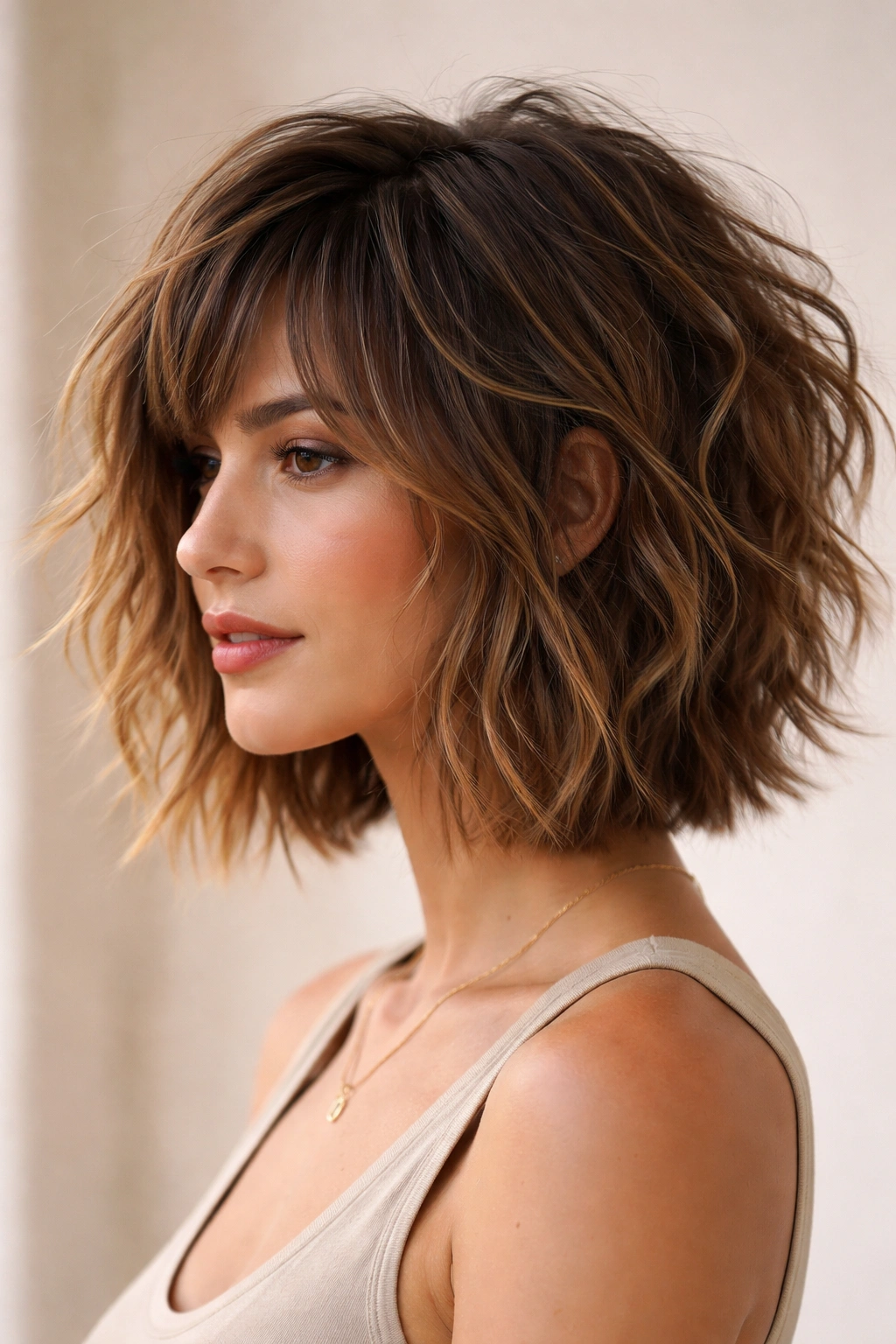
The shag bob combines the shorter length of a classic bob with the layered, tousled texture of a ’70s-inspired shag. This cut features choppy layers throughout, with shorter pieces around the crown creating lift and longer pieces in the back that graze the collarbone. The result is inherently textured—almost deliberately undone—and it works beautifully on straight, wavy, and curly hair types.
Why It Works for Movement
The shag bob’s secret is its intentional layer depth. Multiple lengths create a natural texture that moves independently, so when you walk, each section catches air and shifts slightly. You don’t need poker-straight hair for this to look intentional; in fact, some texture or wave enhances it. The choppy layers prevent the hair from falling flat, and even without styling product, the cut creates dimension and bounce just from its structure alone.
Key Features to Discuss with Your Stylist
- Ask for choppy, disconnected layers rather than blended ones for maximum texture and movement
- Shorter pieces around the crown and sides create flattering frame lines and lift at the roots
- Longer back layers (usually chin-length or slightly longer) provide a sense of length without sacrificing the bob silhouette
- Piece-y texture throughout prevents a heavy appearance even on thicker hair types
Pro tip: The shag bob looks best when styled with a bit of texture spray or texturizing cream scrunched through damp hair. The product grabs onto those choppy layers and emphasizes the intentional shaggy texture without weighing anything down.
2. Choppy Textured Bob

A true choppy textured bob leans into fragmented, disconnected layers that create sharp angles and deliberate irregularity. This cut works especially well on straight to slightly wavy hair because the choppiness becomes even more pronounced when the hair isn’t curved. Layers are shorter at the crown, graduating longer toward the back, with some pieces deliberately jagged rather than seamlessly blended.
What Makes It Stand Out
Choppy bobs have edge. They’re modern, slightly rebellious, and they photograph beautifully because they create visual interest from every angle. The disconnected layers mean some pieces sit shorter, some sit longer, creating a three-dimensional silhouette that adds height and movement without excess bulk. This isn’t a subtle, grown-out cut—it’s intentional and bold.
Styling and Maintenance Considerations
- Requires trims every 4-6 weeks to maintain sharp layer definition and intentional choppiness
- Works best on straight to lightly wavy hair; heavily curly hair may blur the choppy lines
- Style with dry texture spray, sea salt spray, or styling cream for emphasis on the pieces
- Can look polished or tousled depending on how you manipulate and direct the layers
Worth knowing: This cut requires commitment to maintenance. The choppiness softens as it grows out, so if you want to keep that sharp, geometric edge, you’ll need regular appointments. However, if you’re willing to grow it out slightly between cuts, it transitions beautifully into a messier, more relaxed texture.
3. Tousled Beach Waves Bob
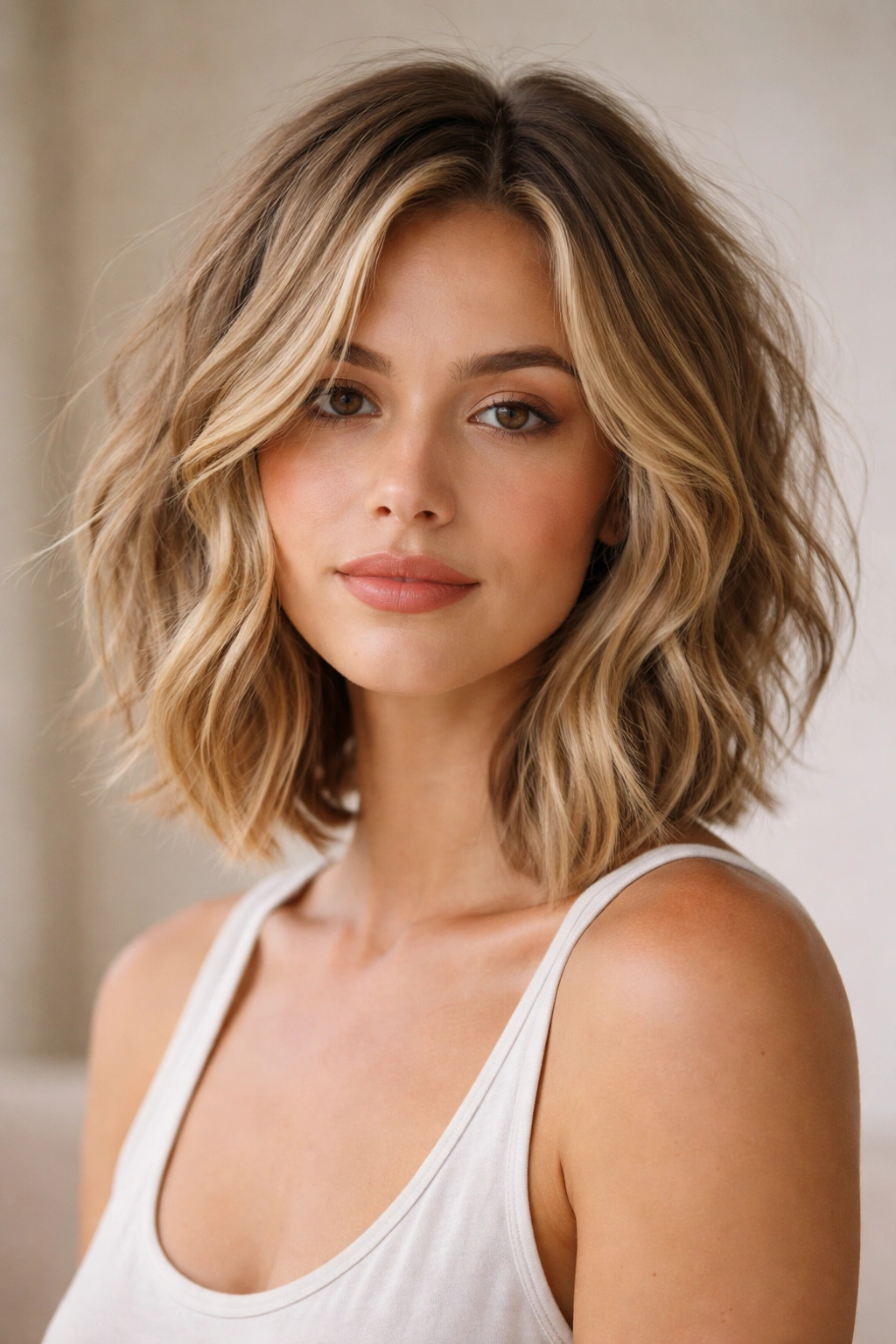
This textured bob focuses on creating movement through waves and curve rather than sharp layers. The cut is typically shoulder-length or slightly shorter, with subtle layers placed strategically to enhance natural or styled waves. The ends may be slightly choppy, but the overall effect is soft, undone, and effortlessly beautiful—like you’ve just come from the beach.
How the Cut Creates Natural Movement
The tousled beach waves bob works because the layers are placed to break up the density of the hair and allow waves to move independently rather than falling as one heavy mass. Longer layers in the front create face-framing movement, while shorter layers underneath add lift and prevent flatness. The cut works with wave patterns rather than fighting them, so if you have naturally wavy hair, this cut will make styling significantly easier.
Styling Tips for Maximum Effect
- Blow-dry waves using a round brush or curling iron to amplify the movement the cut creates
- Apply sea salt spray, texture spray, or beach waves cream to damp hair before blow-drying for enhanced wave hold
- Finish with a light hairspray to set the waves without making them look rigid or stiff
- Tousle and finger-comb through waves to break them up and create that effortless, just-back-from-vacation appearance
The tousled beach waves bob genuinely improves with a little wave styling. Even if your hair doesn’t naturally wave, adding waves with a styling tool becomes much easier when you have textured layers working with you rather than against you.
4. Layered Wolf Cut Bob
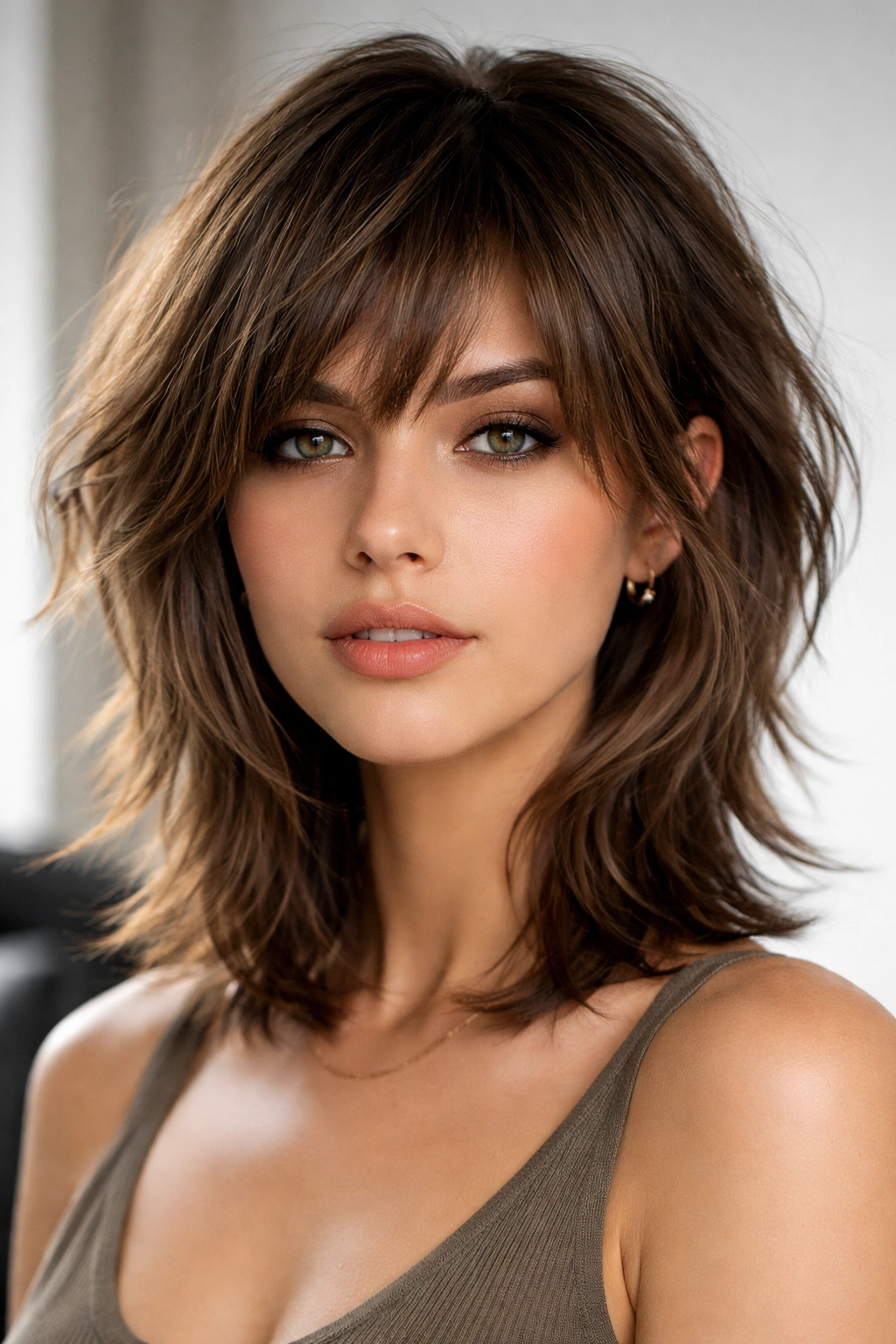
The wolf cut has evolved from its original mullet-inspired form into something far more wearable and sophisticated—especially in bob length. A layered wolf cut bob features shorter, choppy layers on top for volume and texture, with longer, often wavy or curled layers underneath. It’s strategic contrast: short and textured up top, longer and flowing below.
Why This Hybrid Cut Commands Attention
The wolf cut bob appeals to people who want multiple things at once: volume and movement, edge and softness, short and long. The top layers create lift and modern attitude, while the underneath layers provide length and flow. It’s the best of both worlds in one cut. The textured, choppy top layer means you can style the hair different ways depending on your mood—tousle it for casual movement or smooth it out for a more refined look.
Making the Most of This Cut
- The wolf cut works best on straight to wavy hair; very curly hair may blur the distinction between short and long layers
- Ask your stylist for textured, piece-y layers on top rather than blended ones—this maintains the intentional wolf-cut contrast
- Longer underneath layers work beautifully with waves, so consider styling the bottom with a curling iron or wand
- The cut can be styled multiple ways: tousled and undone, sleek and structured, or anywhere in between
Real-world advantage: Unlike more uniform cuts, the wolf cut bob adapts to how you style it. On a day when you want volume and texture, you can emphasize the choppy top layer. On a polished day, you can smooth everything and let the longer underlying layers show.
5. Razor-Cut Choppy Bob with Disconnected Ends
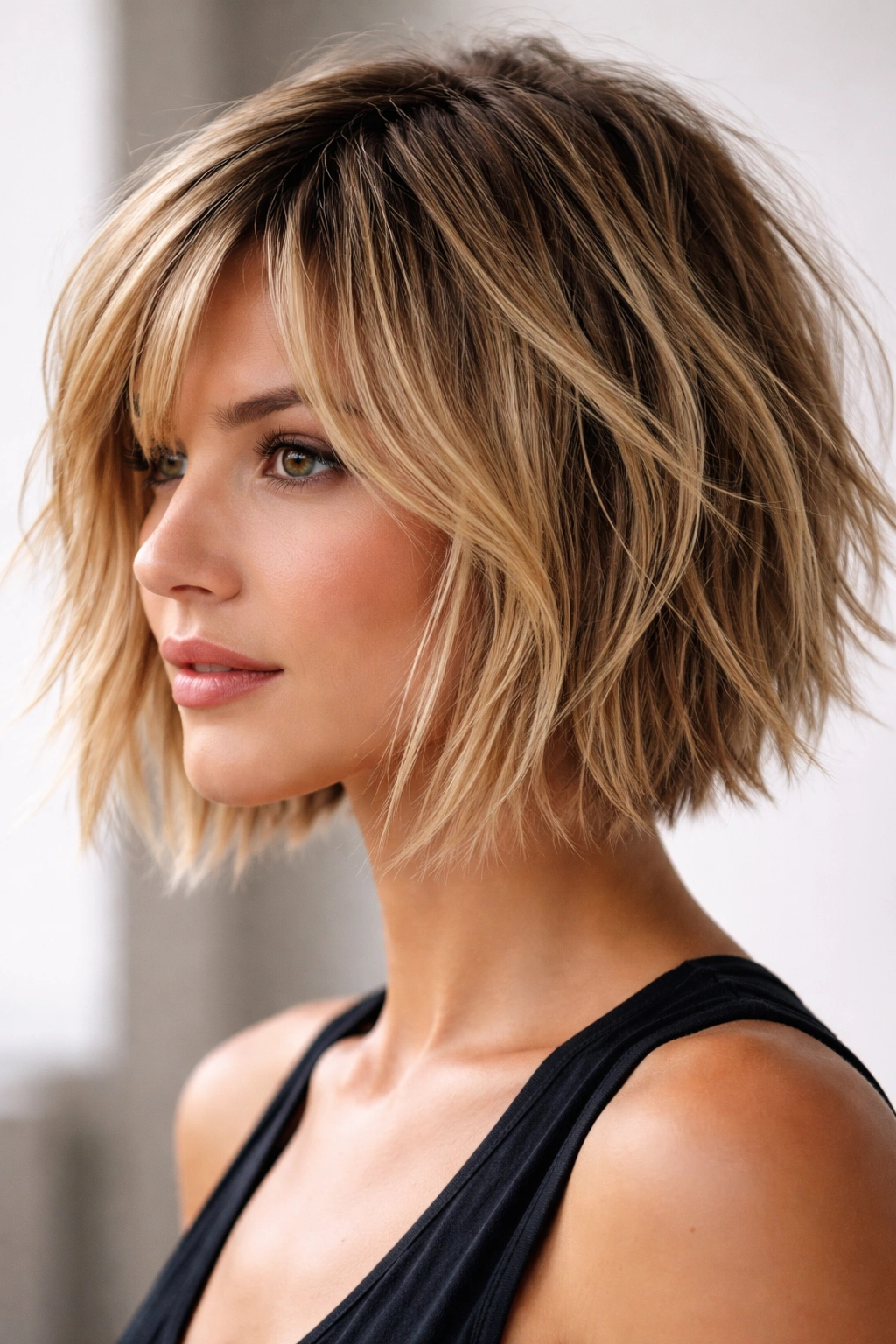
A razor-cut creates sharper, more dramatic texture than scissors alone because the blade creates a sliced effect rather than a blunt edge. When combined with choppy layering and deliberately disconnected ends, razor-cutting produces a cut with serious movement and visual texture. This cut features jagged, sharp-looking pieces throughout that catch light and create immediate dimension.
Understanding Razor-Cut Texture
Razor-cutting creates a different texture quality than scissor work. The blade produces thinner, more fragmented ends that blur together and move more independently. This means the cut has more apparent texture and bounce even without styling. Razor-cuts can look edgier and more rock-and-roll than scissor cuts, which makes them ideal for people wanting that bold, fashion-forward textured bob look.
Important Considerations Before Choosing This Cut
- Razor-cutting creates more texture, which means the cut can look intentionally messy rather than polished
- Works best on straight to slightly wavy hair; on very curly or coily hair, the razor texture may create frizz
- Requires regular maintenance every 4-6 weeks to keep the cut defined and prevent the edges from looking grown-out and raggedy
- Style with texture spray, dry shampoo, or styling cream to emphasize the sharp, piece-y quality
Pro consideration: Razor-cut texture is more visible on some hair types than others. If you have fine or delicate hair, razor-cutting creates even more texture (which looks great). If you have thick, dense hair, razor-cutting helps break up weight and prevent the bob from feeling heavy. Test this cut with a stylist who has specific experience with razor-work on your hair type.
6. Textured Lob with Layers
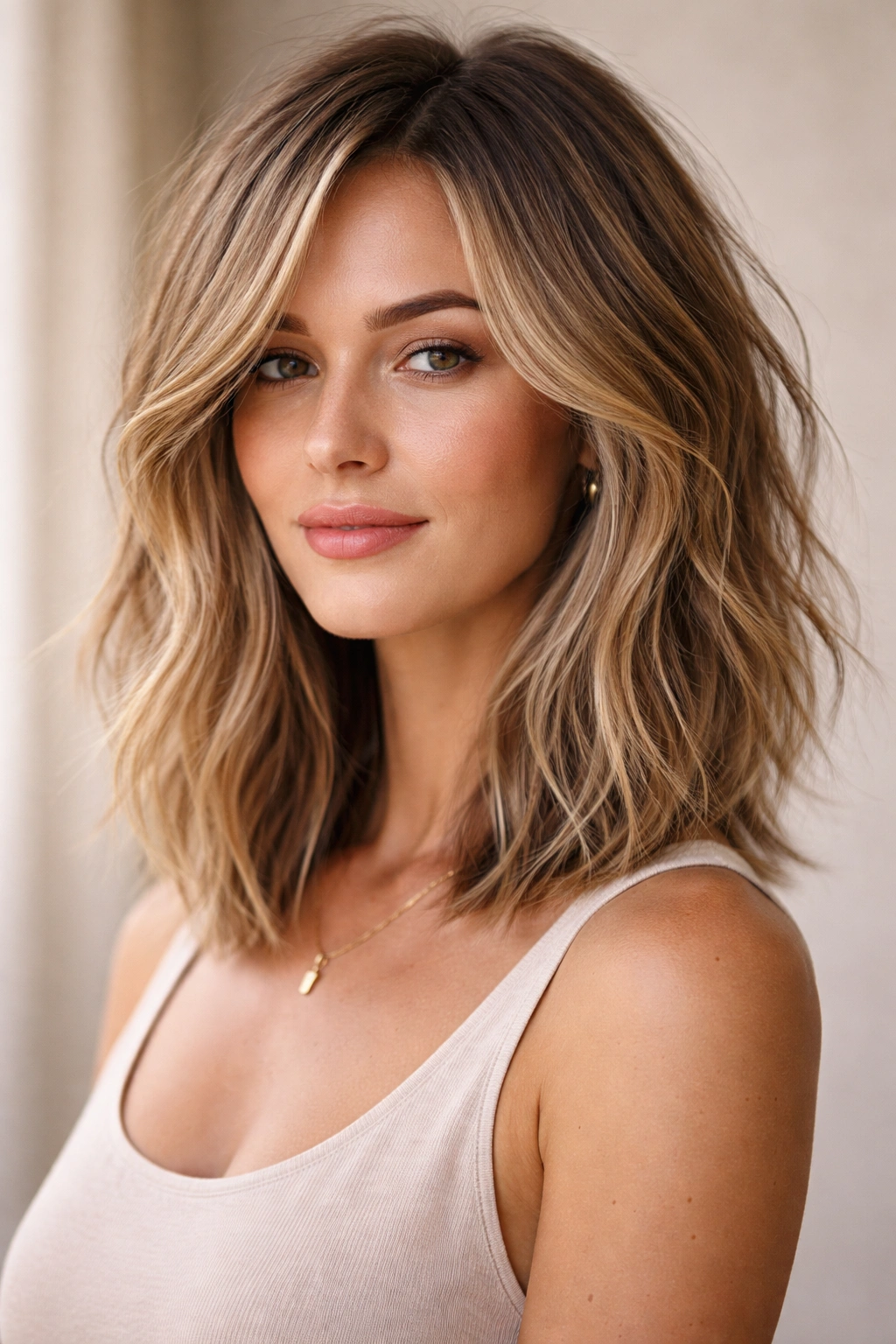
A textured lob (long bob) sits somewhere between a short bob and medium-length hair, typically grazing the shoulders or hitting just below. What makes a lob feel textured rather than simply long is the layering strategy—shorter pieces around the crown, textured ends, and piece-y movement throughout. A textured lob gives you the sophistication of longer hair with the manageability and movement of a textured cut.
Why Lobs Are the Sweet Spot
A textured lob appeals to people who aren’t ready to commit to very short hair but want more movement, texture, and ease than a blunt, single-length cut provides. The added length means you have styling versatility—you can wear it down and textured, blow-dry it smooth, or style it half-up. The layers prevent it from looking heavy or one-note, and the texture catches light in a way that single-length hair simply can’t.
Layering Strategy for Maximum Movement
- Shorter layers starting around the ears or cheekbones create face-framing movement and lift
- Choppy texture and piece-y ends throughout prevent the lob from looking blunt or severe
- Longer layers in the back maintain the lob length while allowing for internal movement and texture
- Ask your stylist to cut piece-y bangs or a textured front section for additional face-framing if that suits your face shape
The textured lob works beautifully on all hair types. On straight hair, it creates visible texture and movement without requiring excessive styling. On wavy or curly hair, it works with your natural pattern instead of fighting it, making daily styling simpler.
7. Piece-y Disconnected Bob with Fragmented Layers
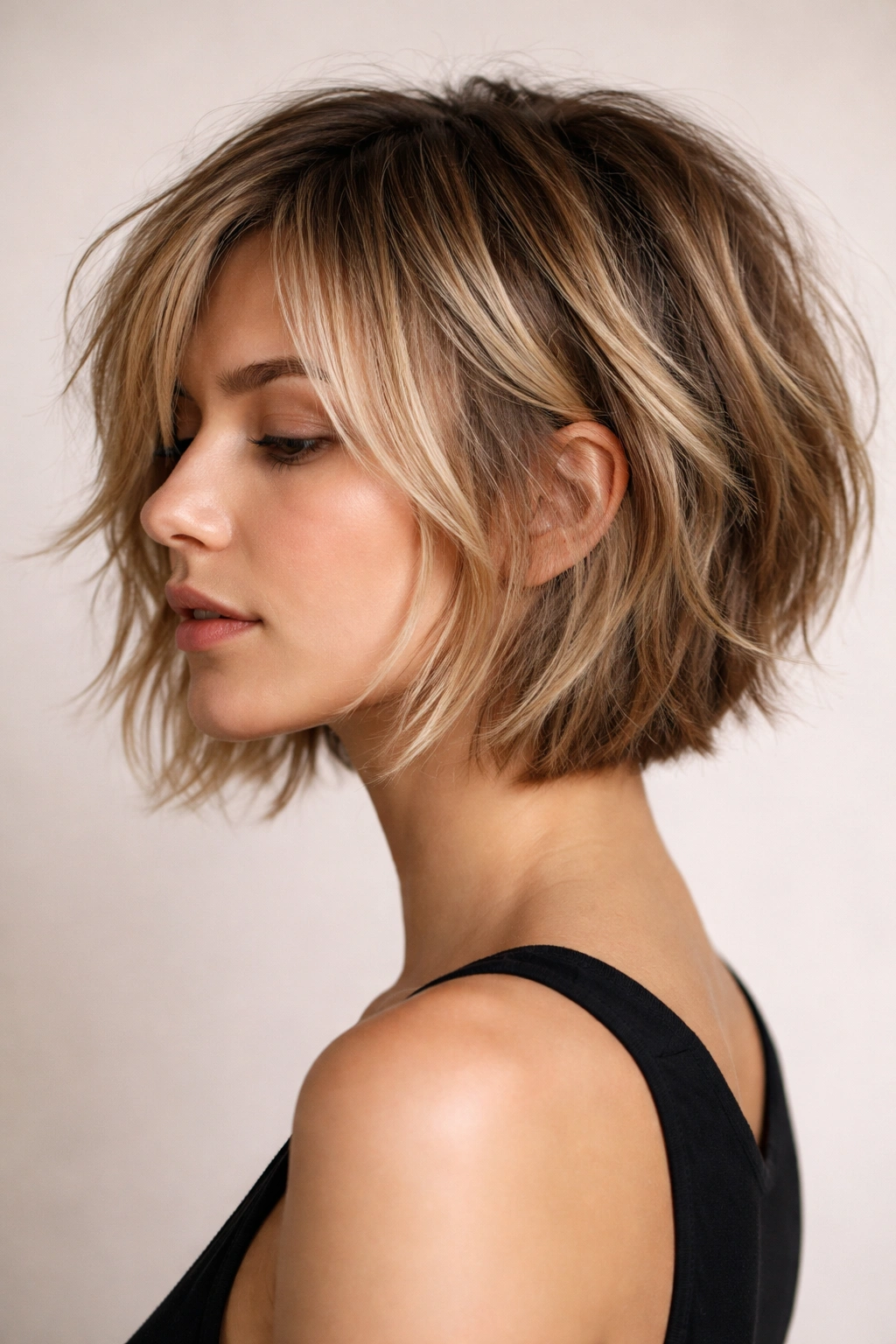
This cut takes disconnection to an intentional extreme. Rather than blending layers or creating a cohesive shape, a piece-y disconnected bob embraces fragmentation. Short pieces, medium pieces, and slightly longer pieces sit independently throughout the cut, creating the impression that each section can move and shift on its own. It’s modern, fashion-forward, and inherently textured.
What Creates That Intentionally Fragmented Look
A piece-y disconnected bob works by abandoning the traditional idea of a unified shape. Instead of thinking about one flowing form, think about individual sections that work together but aren’t bound to each other. The stylist cuts pieces at slightly different lengths and angles, creating visual texture and movement that comes entirely from the cut structure. You don’t need waves or styling—the cut itself is the texture.
Styling Approach and Versatility
- This cut looks best when styled to emphasize the individual pieces; use dry texture spray or sea salt spray to separate them
- Can be styled sleek and smooth for a more polished look, or tousled and textured for a casual vibe
- Works on straight hair primarily; on very curly hair, this fragmentation may create unwanted frizz
- Requires regular trims (every 4-6 weeks) to maintain the intentional piece-y quality
Insider note: The piece-y disconnected bob is a “do what you want” cut in terms of styling. You can create whatever mood you’re going for by how you manipulate and direct those pieces. Tousle them for edge, smooth them for polish, or go half-and-half for a balanced look.
8. Textured Curly Bob with Defined Layers
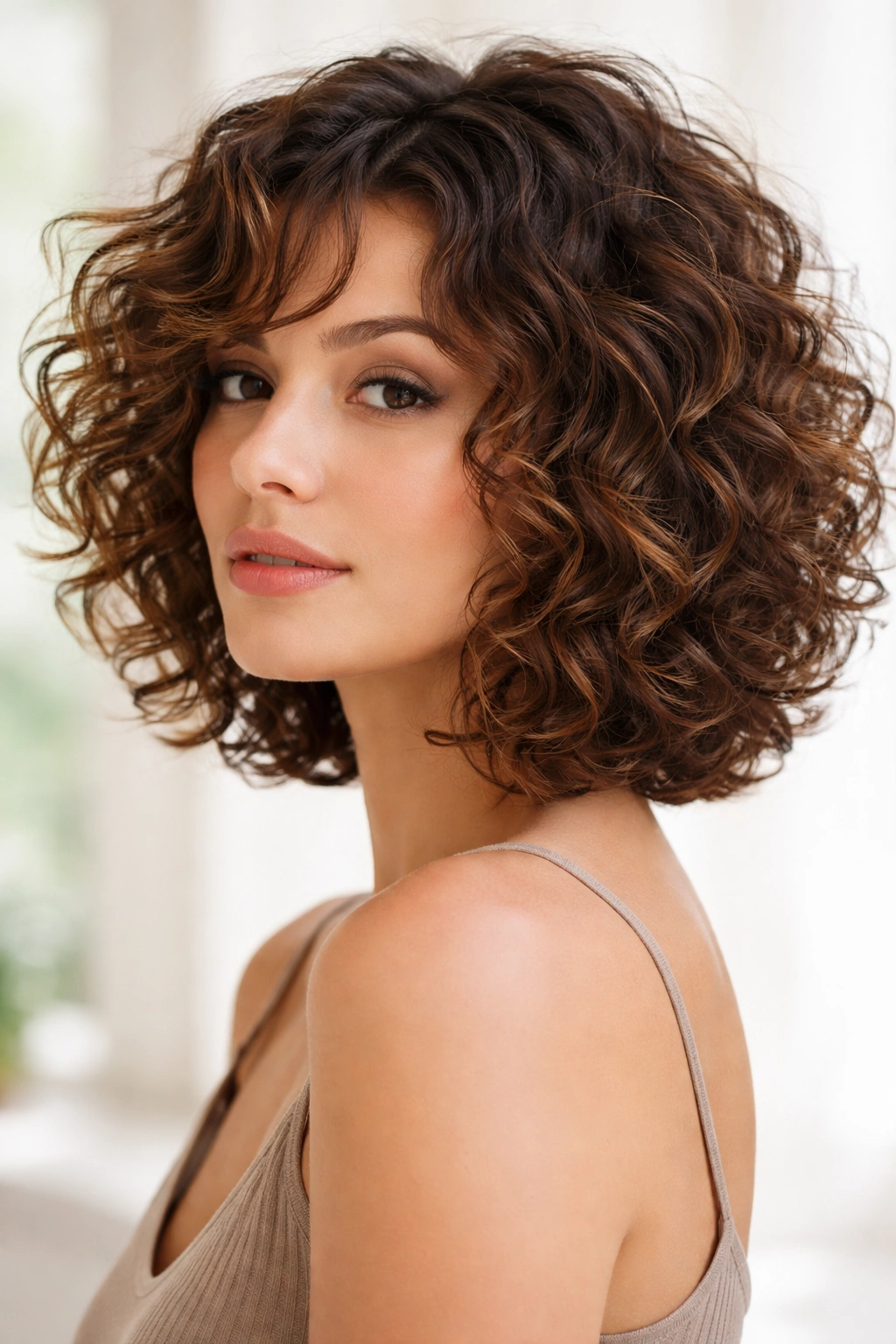
For naturally curly or coily hair, a textured curly bob celebrates your curl pattern rather than fighting it. This cut features strategic layers that enhance curl definition and movement, with shorter pieces around the crown and layering throughout that prevents the bob from becoming one dense, immobile mass. The cut works with your natural texture, making styling easier and the curls more pronounced.
Designing Layers for Curly Hair Movement
Curly hair requires a different layering approach than straight hair because curls have their own structure and movement pattern. A good textured curly bob features layers that stack and overlap, creating height without creating bulk. Shorter layers at the crown provide lift, while longer layers underneath allow curls to hang and move independently. The cut should embrace the curl rather than try to tame or straighten it.
Styling Your Textured Curly Bob
- Apply styling products (curl cream, gel, mousse) to soaking-wet hair before air-drying or diffuser-drying
- Layers enhance curl clumping, so you may find your curls form larger, more defined clumps with less frizz
- Regular hydrating treatments and deep conditioning are essential because shorter hair can feel drier
- Get trims every 4-6 weeks to maintain shape and prevent the curls from becoming shapeless or fuzzy
Worth knowing: A textured curly bob is genuinely transformative if you have curly hair that’s been previously styled straight. You’ll suddenly see how much your curls can move and how much personality they have when the cut supports them rather than working against them.
9. Feathered Textured Bob
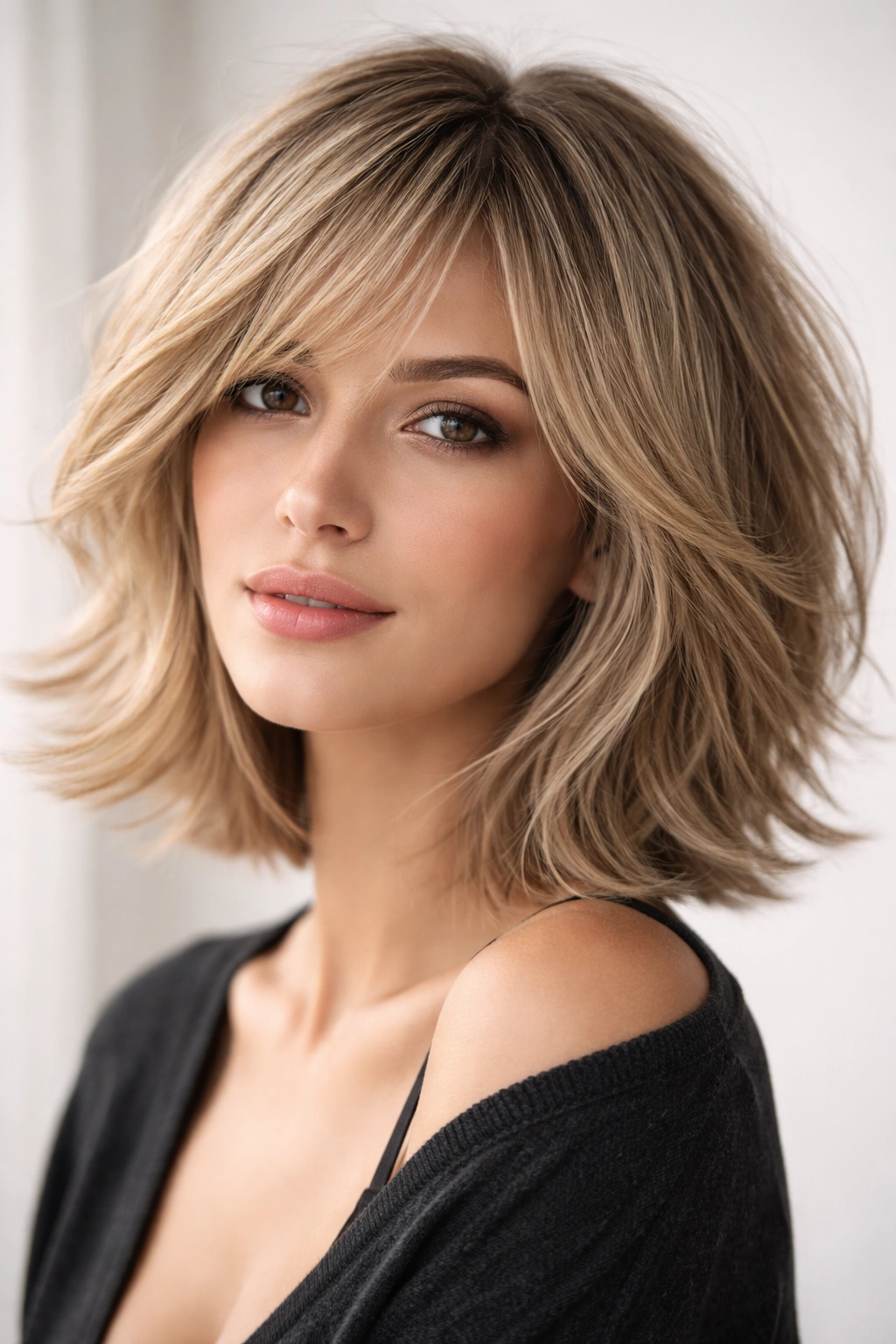
Feathering creates soft, flowing texture by undercutting layers so they flip and curve away from the face. A feathered bob combines this soft-movement technique with the shorter length of a bob. The result is a cut that has shape and texture, with pieces that naturally feather outward and away from your head, creating volume and movement without bulk.
How Feathering Creates Movement Without Weight
Feathering works by removing weight from under the layers while keeping the top smooth. This creates a floating, feathered effect where pieces seem to shift and move on their own. A feathered textured bob is especially flattering because the outward-moving layers create the illusion of width and volume around the face. The cut looks good on all face shapes and creates instant softness and movement.
Styling a Feathered Textured Bob
- Blow-dry with a round brush, directing the layers to feather outward and away from your face
- Apply a light texture spray to enhance the feathered effect and add movement
- Feathering works beautifully with waves; consider curling some pieces under and others outward for a playful, romantic look
- The cut requires maintenance every 5-7 weeks to keep the feathered shape defined
The feathered textured bob is ideal if you want texture and movement that doesn’t look dramatic or harsh. It’s softer and more romantic than choppy cuts, while still providing genuine volume and movement.
10. Undercut Textured Bob with Shaved Sides
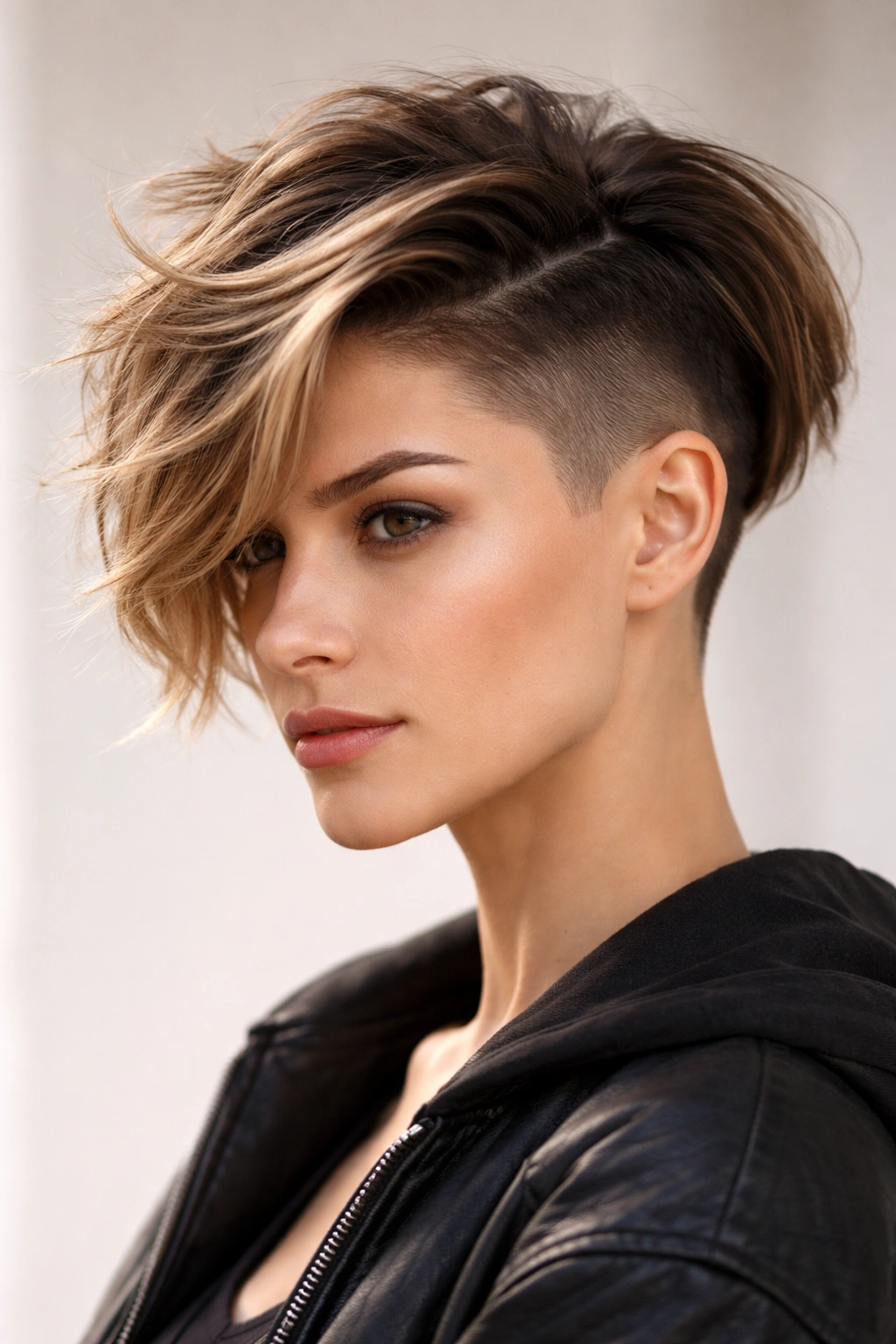
For a truly bold statement, an undercut textured bob pairs textured layers on top with closely shaved or faded sides and back. The contrast between the textured, longer top and the clean, short sides creates dramatic visual interest and emphasizes the texture of the top layers. This cut is fashion-forward, undeniably bold, and incredibly striking.
Why Undercuts Amplify Texture and Movement
An undercut works because removing all the hair from the sides and back draws all attention to the textured top section. The longer pieces on top sit unsupported, so they move more freely and dramatically. The contrast also makes any texture or choppiness in the top layers even more pronounced. This cut is for people who want everyone to know they’re making a style statement.
Making an Undercut Work for Your Life
- Requires regular upkeep on the undercut sides (every 2-3 weeks) to keep them clean and sharp
- Can be styled textured and tousled on top, or sleeker and more controlled depending on your mood
- Works best on straight to slightly wavy hair; on very curly hair, the contrast may feel too dramatic
- Consider your workplace and comfort level—this cut attracts attention and makes a clear style statement
Real talk: An undercut textured bob is not subtle. It’s a commitment to a bold, fashion-forward look. But if you’re ready to make that commitment, the result is undeniably striking and unique. The textured top layers paired with the clean undercut create a look that’s equal parts edgy and refined.
Final Thoughts
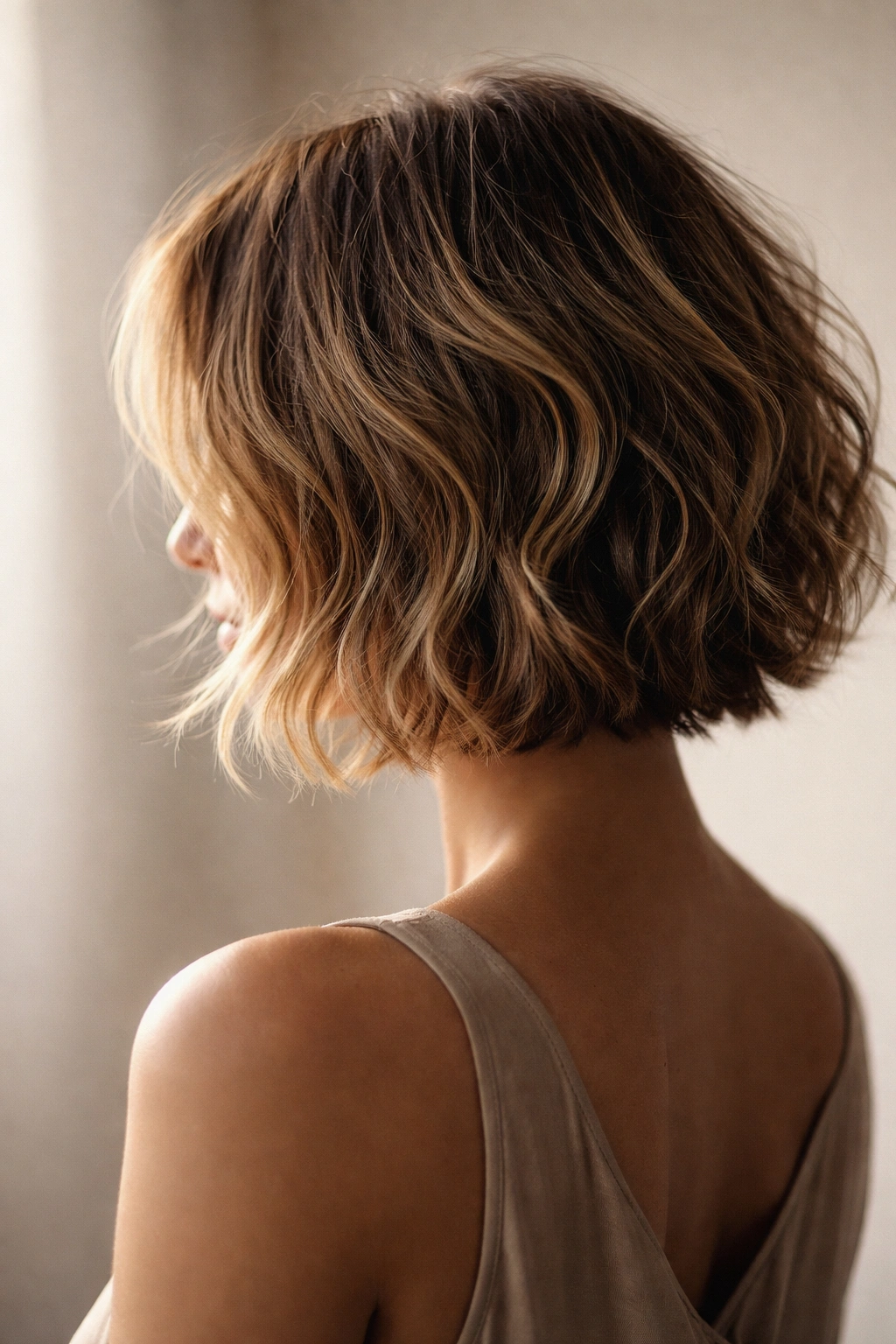
A textured bob with natural movement works because it combines length and shape with the kind of texture and dimension that make hair feel alive. Whether you go for a choppy shag, a piece-y disconnected cut, a feathered softness, or something bold like an undercut, the right textured bob should make you feel more confident stepping out the door.
The key to choosing your textured bob is honest self-assessment: How much time are you willing to spend styling? What’s your natural hair texture and pattern? Do you want a subtle, versatile texture or something that makes a bold statement? Do you prefer a cut that looks effortlessly undone, or one that photographs beautifully when styled?
Once you answer those questions, bring reference photos to your consultation and have a detailed conversation with your stylist about what you’re hoping to achieve. A great textured bob isn’t just about length—it’s about choosing a cut that works with your hair, your lifestyle, and your personal style. The right cut will make you feel like you got a professional blowout without actually having to do much work. That’s the real magic of textured bobs with natural movement.
