



When you’re ready to start locs or you’re already on your locking journey, the length and style you choose can completely transform how you present yourself to the world. Dreadlocks aren’t just a hairstyle—they’re a form of self-expression, a commitment to a particular aesthetic, and honestly, a practical way to manage hair texture while looking intentional and fierce. The beautiful part about locs is that your options don’t stay static; as your hair grows, you unlock entirely new styling possibilities, protective techniques, and creative directions you couldn’t achieve when you first started.
The journey from fresh, short locs to floor-length strands is packed with different style opportunities, and knowing what’s possible at each length can help you decide what direction resonates most with you. Whether you’re drawn to the youthful energy of starter locs, the polished look of medium-length styled locs, or the dramatic impact of extra-long locs, there’s a route that fits your lifestyle, maintenance preferences, and personal aesthetic. Some people rotate through different styles at the same length simply for variety; others choose locs specifically because they’re eyeing a particular long-term look they’ve seen and fallen in love with.
Let’s walk through the full spectrum of dreadlock styles, organized by length so you can see exactly what’s achievable at each stage of your locking journey.
1. Starter Locs (Just Beginning)
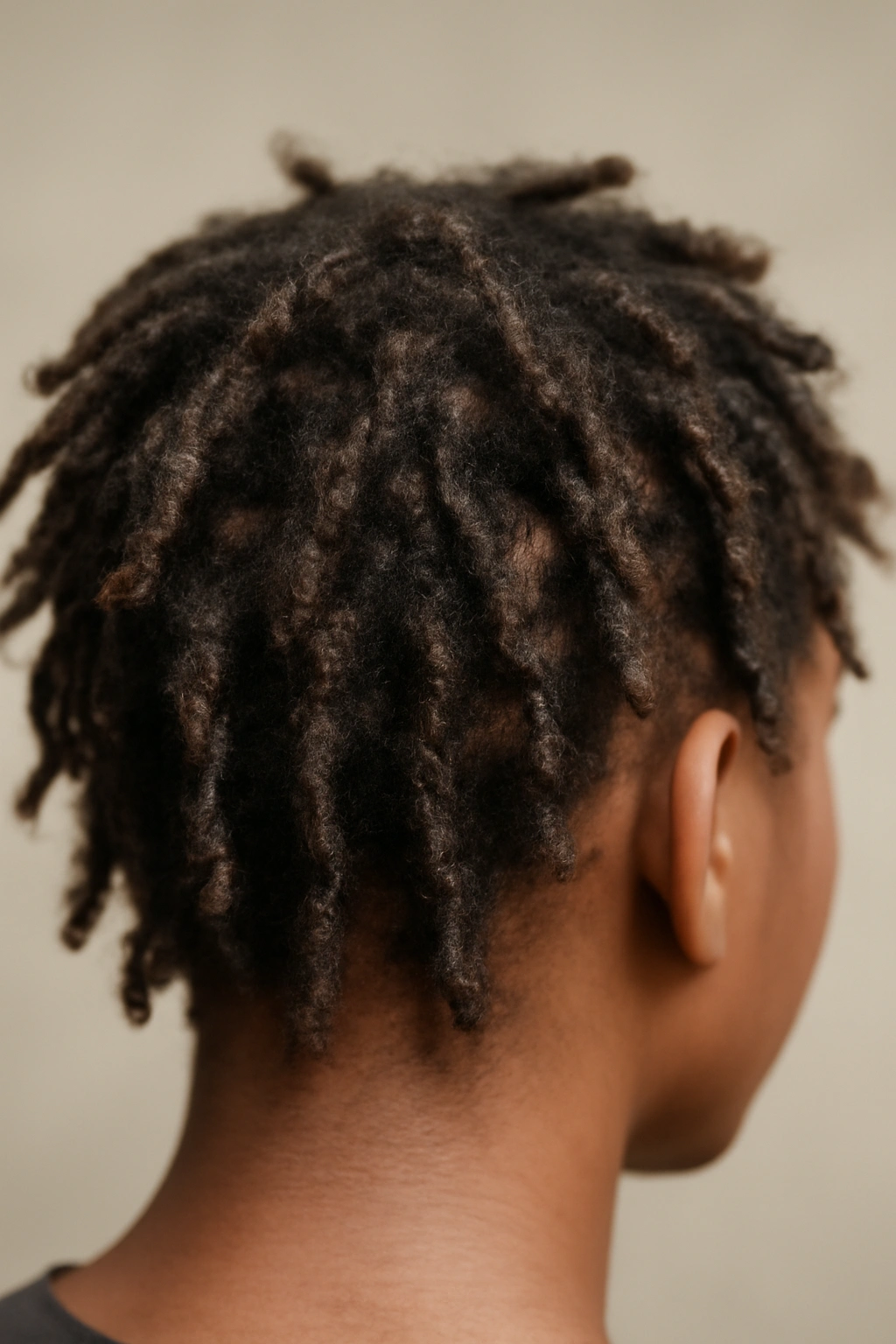
Starter locs are what you’ve got in the first week to month after you begin your locking journey, and they’re pure potential wrapped up in fresh, inexperienced hair. At this stage, your locs are typically 2-4 inches long, still relatively loose in texture, and very much finding their form as the hair begins to knot and bind together. They look more like thick braids or twisted sections than true locs, and that’s completely normal—this is the awkward but necessary phase where everything is still technically separate strands in the process of becoming one unified strand.
Why This Phase Matters for Your Locs
This is actually the foundation for everything that comes next, and getting it right during the first month makes a massive difference in how your locs mature. Starter locs require consistent, gentle maintenance—you’ll be palm-rolling regularly (usually weekly), keeping them clean without disturbing the formation, and resisting the urge to manipulate them too much. The way you treat them now determines whether they lock quickly and evenly or whether you’ll battle frizz and loose strands for months.
Care Tips for Fresh Starter Locs
- Palm-roll every 5-7 days to encourage the locking process and maintain consistent shape
- Wash with a residue-free shampoo and let them air-dry completely to prevent mildew and moisture issues
- Avoid touching, playing with, or retwisting them constantly—patience is genuinely your best friend right now
- Sleep in a bonnet or on a silk pillowcase to reduce friction and prevent unnecessary loosening
- Keep them secure at the base with a light holding product if needed, but skip heavy waxes that trap moisture
Pro tip: Take photos from day one. You’ll love looking back at how much they’ve changed, and it actually helps you track which locs are locking faster versus slower, which informs your maintenance strategy going forward.
2. Two-Strand Twist Locs (1-3 Months In)
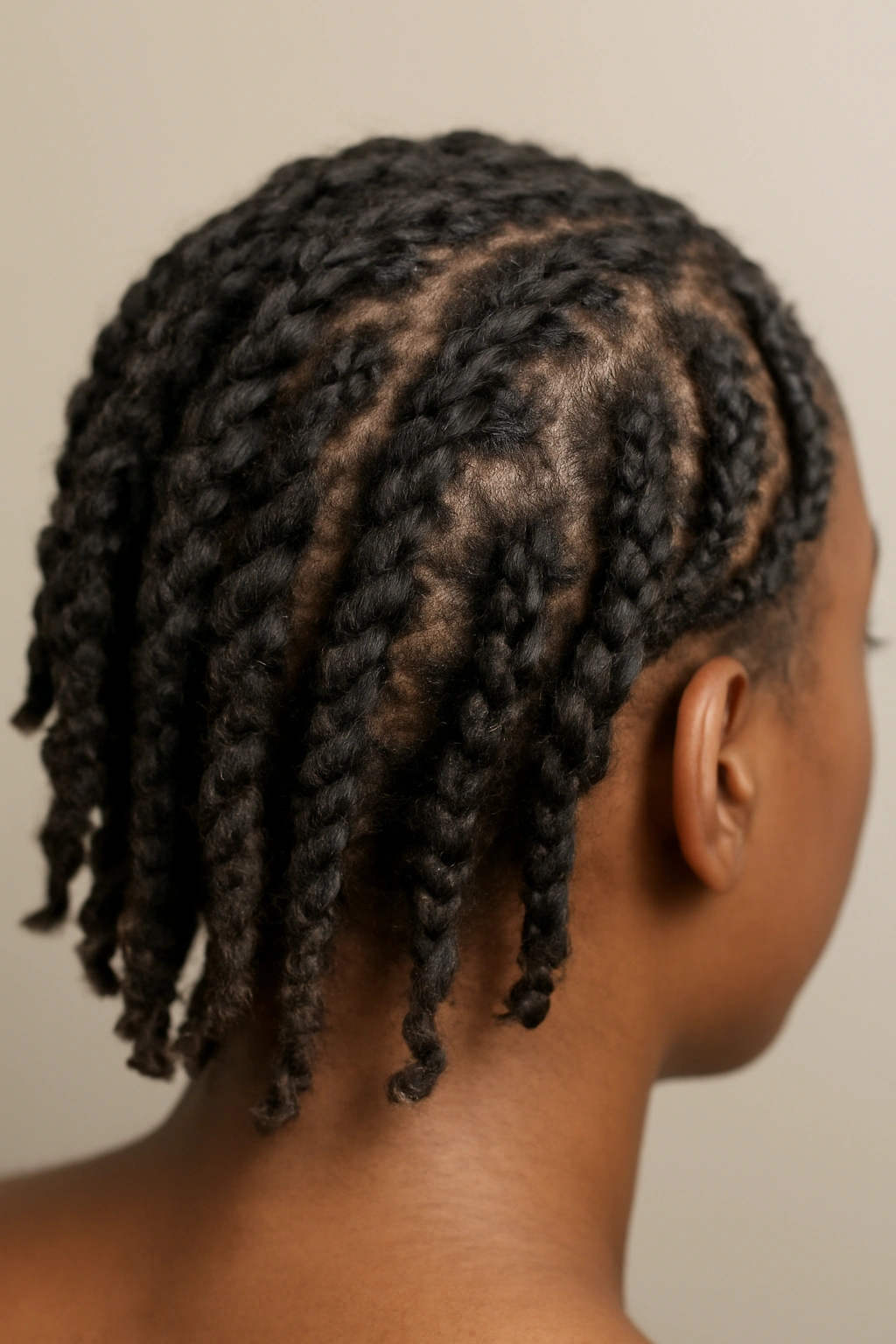
Two-strand twist locs are created by dividing a section of hair into two strands and twisting them around each other from root to tip, then allowing those twists to naturally lock and coil over time. At 3-6 inches long, this style has a distinct spiral pattern that’s visually striking—it’s more defined and intentional-looking than free-form starter locs, and the twisted aesthetic persists even as the locs fully mature. Many people choose the two-strand twist method specifically because they love how it looks at every stage.
How Two-Strand Twists Mature Over Time
The magic of this method is that the pattern doesn’t disappear once your locs are locked—those spirals become permanent structural features of your hair. This means you get both the visual interest of twisted locs and all the benefits of locked, low-maintenance hair. The twists naturally tighten as your locs mature, which actually helps them hold their shape better than some other methods.
Why People Love This Starting Method
- The spiral pattern looks intentional and designed, not accidental or chaotic
- Retwisting is straightforward and takes less skill than some other methods
- The defined pattern makes it easy to see which sections are locking versus which still need work
- Works beautifully at every length, from short to extremely long
- Less reliant on products compared to some other locking methods
Worth knowing: Two-strand twists do require regular retwisting every 4-6 weeks during the locking phase, which is more frequent than some methods but actually helps them lock faster and more evenly.
3. Crochet Locs (Instant Length Effect)
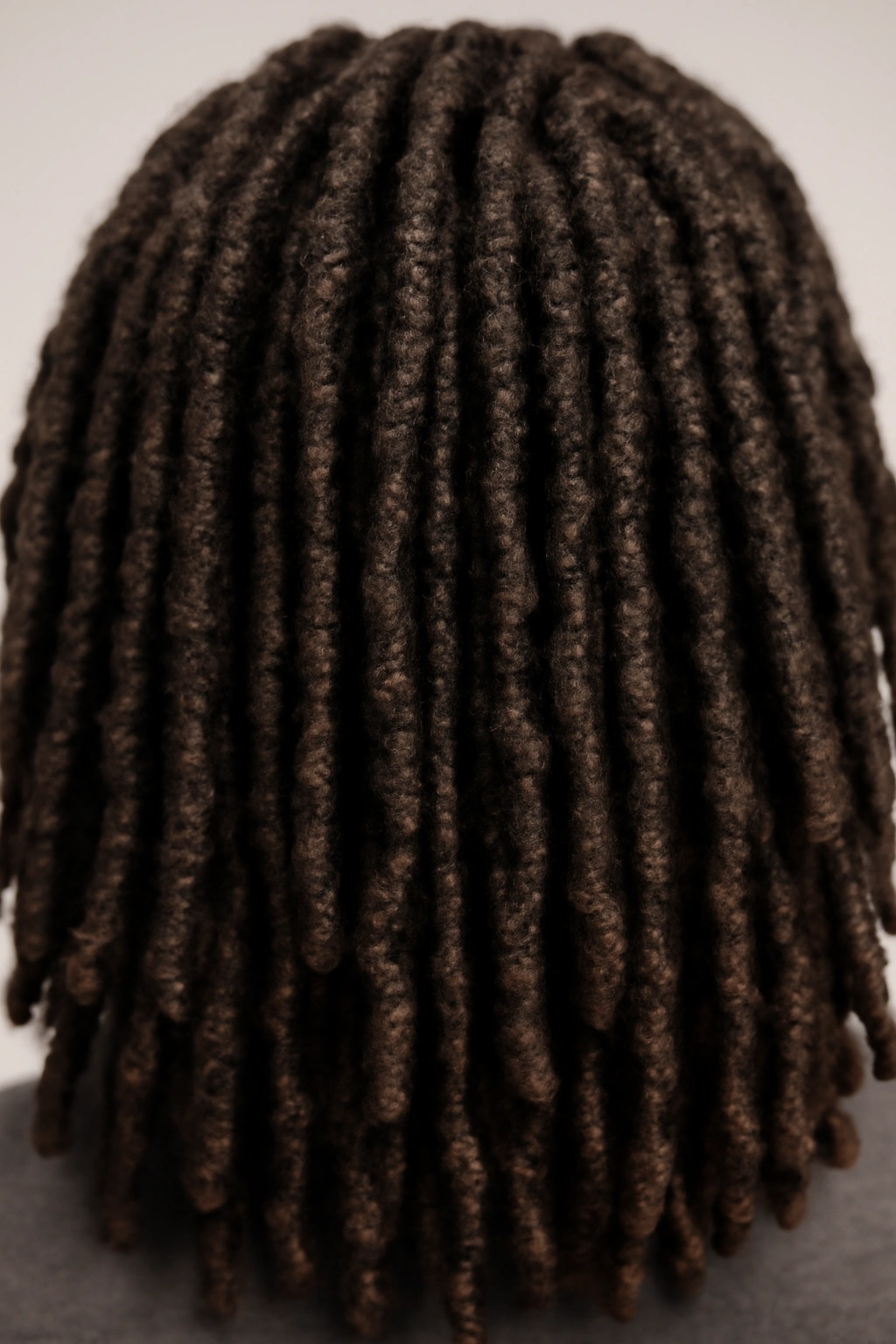
Crochet locs are created by using a crochet hook to pull loose hair up through a starter loc base, essentially tightening and securing sections rapidly in one appointment. If you start with crochet locs, you get immediate definition and thickness—they look more “done” after your first install than locs created by other methods, which honestly is part of their appeal. At 4-8 inches, they appear fuller and more mature-looking than other starter methods, even though the hair is still locking internally.
The Installation Process for Crochet Locs
A stylist sections your hair, creates twisted or braided bases, then uses a small crochet hook to pull loose hair through these bases, creating tight, compact locs that feel secure and look uniform. The process is faster than freeform or two-strand twists, and you leave the salon with locs that look polished from day one. The tradeoff is that the process is more labor-intensive and precise, so finding a skilled loctician matters.
Crochet Loc Maintenance and Care
- They lock faster than most other methods because the tightness accelerates the matting process
- Retwist appointments are needed every 4-6 weeks to maintain tightness and uniformity
- Installation cost is typically higher than other methods, but the time saved is substantial
- They’re less prone to frizz during the locking phase because of how tightly they’re secured
- Perfect for people who want locs to look “finished” from the start and don’t mind regular maintenance appointments
4. Faux Locs (The Temporary Option)
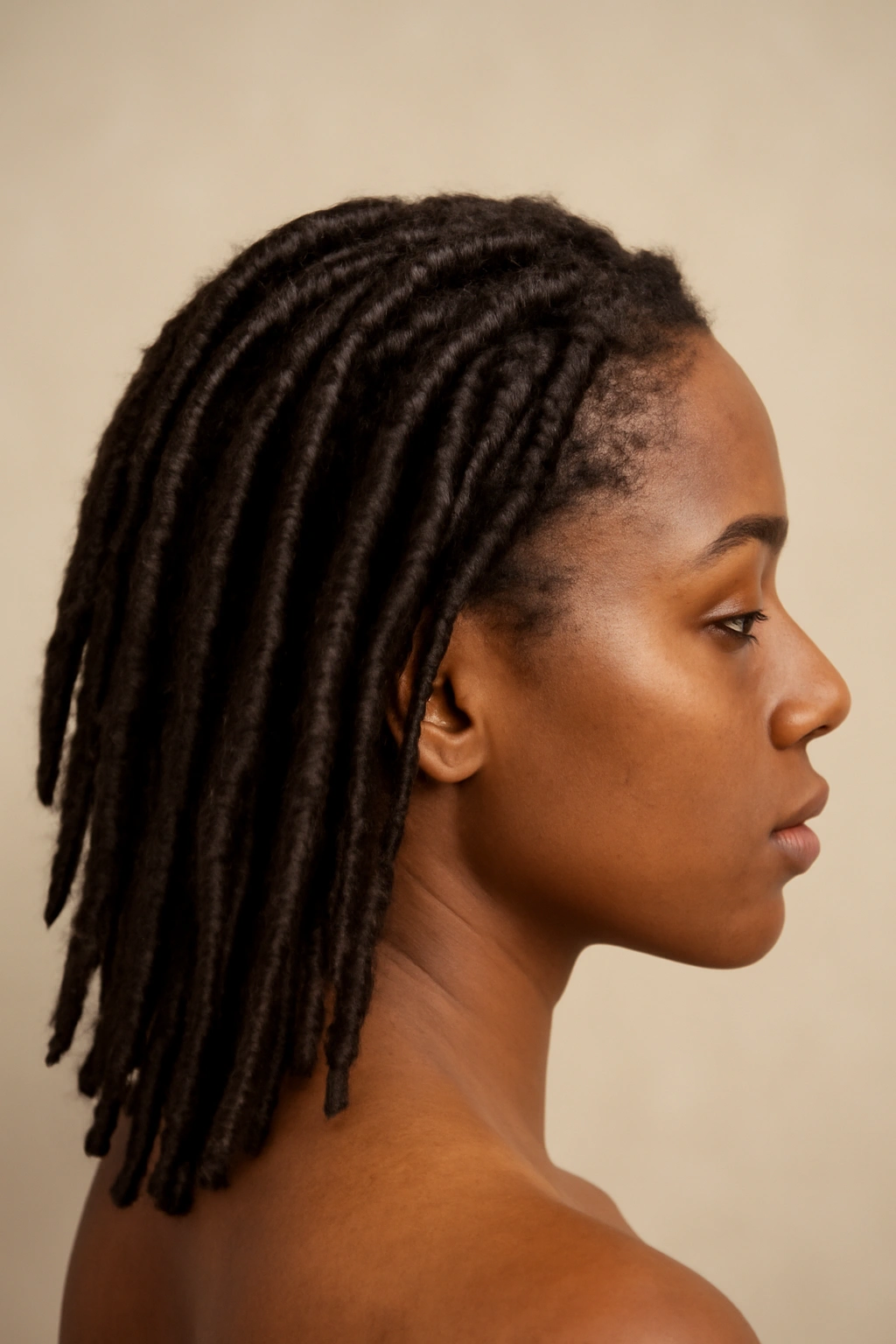
Faux locs are individually braided or twisted sections of hair that look exactly like real locs but are temporary—they’re typically removed after 6-12 weeks, and your actual hair underneath remains intact and unlockededed. Created by braiding your natural hair with synthetic hair extensions, faux locs give you the full loc aesthetic at shorter lengths (4-8 inches) without the permanent commitment. They’re ideal if you’re trying out the look, protecting natural hair during a growing phase, or simply wanting the style without the long-term locking process.
Why People Choose Faux Locs
Faux locs let you test the loc lifestyle without actually locking your hair—you can see how the style looks on your face shape, how it feels in daily life, and whether you genuinely want to commit to real locs. They’re also protective in the sense that they shield your actual hair from manipulation and environmental damage. Plus, you can change colors, lengths, and styles with extensions in ways that aren’t possible with real locs.
Styling and Maintenance for Faux Locs
- Wash gently every 7-10 days using the loc-friendly method (no harsh rubbing or twisting)
- Sleep in a bonnet or on silk to reduce friction between locs and pillowcase
- Retwist the roots every 2-3 weeks to keep them looking tight and fresh
- Can be styled into buns, wrapped, braided, or adorned without damaging real locs underneath
- Last about 6-8 weeks before needing removal and reinstallation
5. Free-Form Locs (Organic Growth)
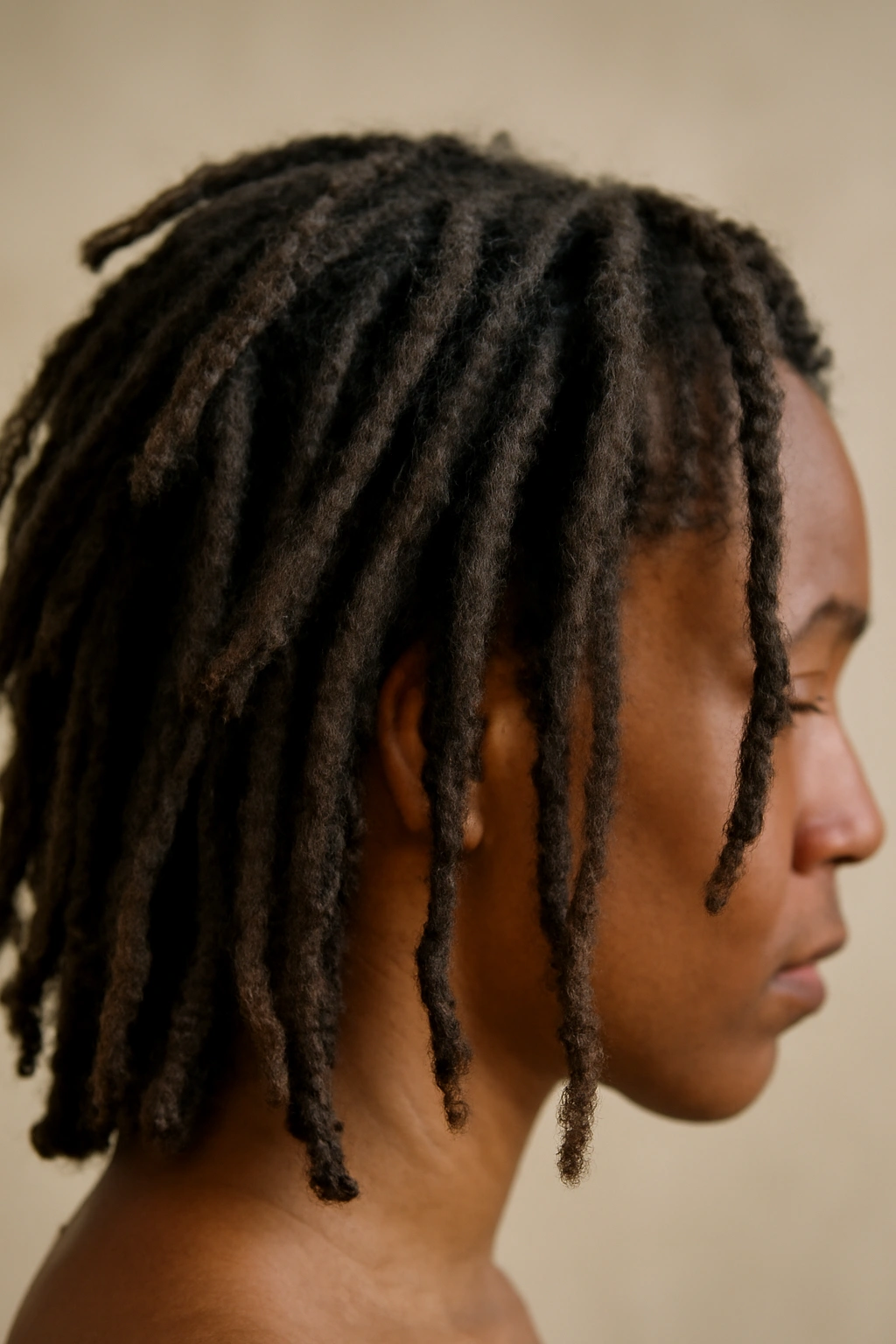
Free-form locs are created by essentially letting your hair lock naturally with minimal manipulation—no twisting, no retwisting, just allowing the hair to knot and mat on its own schedule. At 6-10 inches, free-form locs have an organic, intentional-looking chaos that appeals to people who want a “naturally locked” aesthetic without strict structure. Each loc develops its own unique size, shape, and character, giving you a highly individualized hairstyle.
The Philosophy Behind Free-Form Locs
This method embraces the idea that your hair knows how to lock itself and doesn’t need constant intervention to look good. You wash, you dry, you leave them alone, and nature handles the rest. It requires genuine patience because the locking process is slower without retwisting, and you need to accept that not every loc will be the same size or shape—and that’s actually the point.
Free-Form Maintenance Is Genuinely Low-Effort
- Wash every 1-2 weeks with minimal manipulation—just let the water and shampoo do the work
- Air-dry completely to prevent moisture issues and allow locs to harden
- No retwisting appointments or scheduled maintenance visits required
- Less expensive long-term because you’re not paying for regular services
- Perfect for people who want locs but have limited time, budget, or desire for appointments
- The irregular sizes give a distinctive, authentic appearance that many people find visually compelling
Pro tip: Even with free-form locs, a monthly separation (gently pulling locs apart at the roots so they don’t grow together) keeps them distinct and prevents them from matting into one large mass.
6. Micro Locs (Ultra-Thin, Intricate)
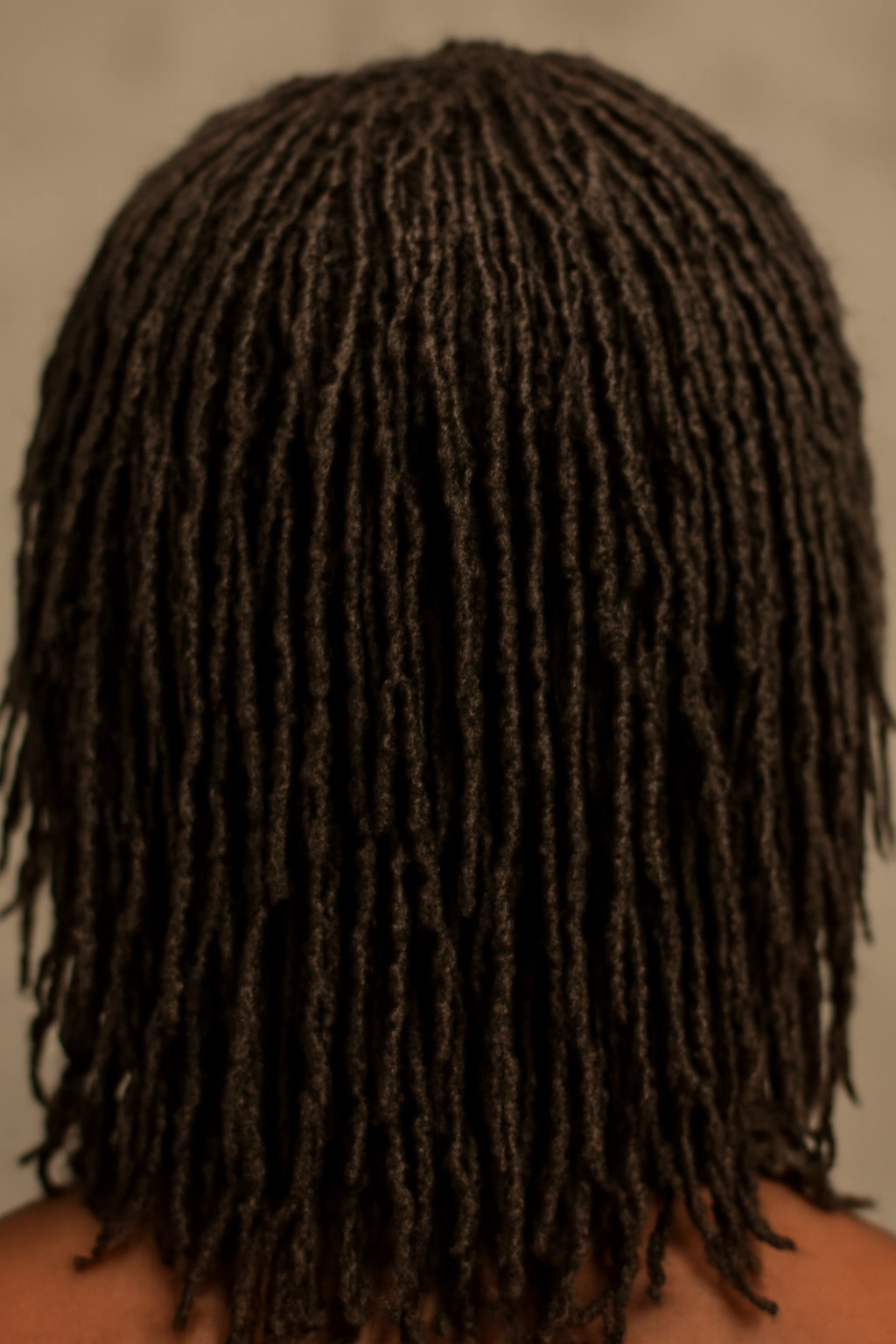
Micro locs are exactly what they sound like—extremely thin, delicate locs that create a fine, intricate pattern across your head. Even at 8-12 inches, micro locs appear more delicate and detailed than standard locs because there are simply more of them covering your head, each one thinner. They require more hair sections (sometimes 100+ depending on hair density), which means the installation is more time-consuming and typically more expensive, but the finished aesthetic is undeniably striking.
Why Micro Locs Require Specific Hair Conditions
Micro locs work best on hair with enough density to support that many thin sections, and they’re genuinely not ideal for very fine or sparse hair because each loc might not lock as securely or become as defined. They also require meticulous maintenance because there are simply more of them to care for and retwist. That said, if your hair density allows, micro locs create an incredibly detailed, refined look that no other locking method quite achieves.
The Visual Appeal of Micro Locs
- Each individual loc is visible and defined, creating a detailed, intricate appearance
- More styling possibilities because thinner locs can be woven, wrapped, and shaped in more ways
- They show color changes and patterns beautifully because each loc is thin enough to reveal nuance
- Perfect for people who want locs but prefer a refined, detailed aesthetic over bold, thick ones
- Retwisting takes longer per session but the result is polished and precise
7. Interlocked Locs (Maximum Security)
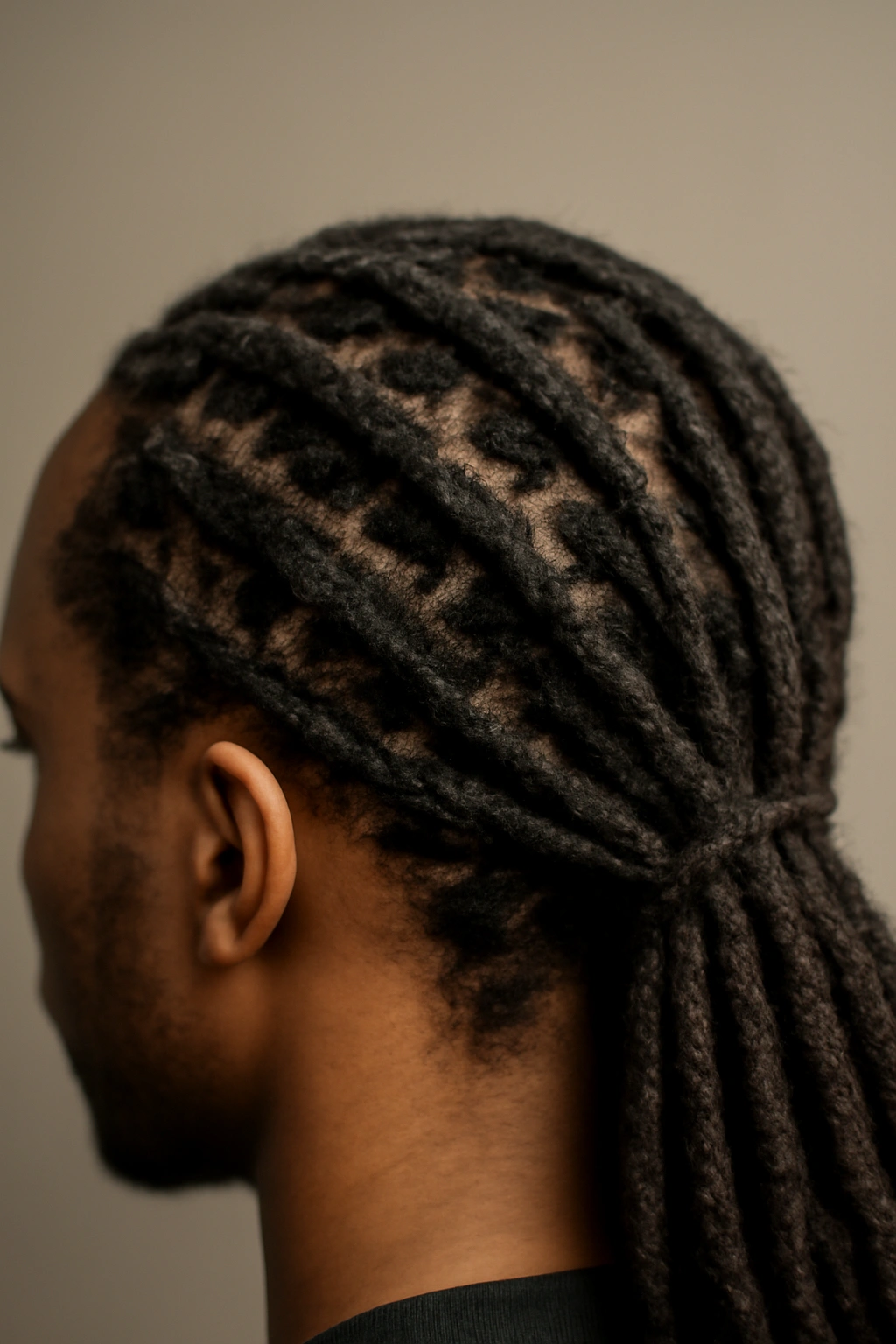
Interlocked locs are created using a specific technique where a loctician uses a locking hook to pull the root of a loc back through itself, creating an interlocking pattern that secures the loc from the inside. This method creates incredibly tight, durable locs that resist unraveling and loosening—they’re essentially locked twice, at the root and throughout the shaft. At 10-14 inches, interlocked locs look firm, defined, and exceptionally neat because the interlocking prevents the fuzzy, frizzed appearance that can happen with other methods.
How Interlocking Works and Why It Matters
The interlocking hook pulls each loc back through its own base, creating a knot that prevents the roots from loosening during washing, styling, or daily manipulation. This is genuinely a game-changer if you have looser hair texture or if you’re just naturally someone who can’t help but play with your hair. The tradeoff is that interlocking requires more skill from your loctician, it can be slightly uncomfortable during installation if not done carefully, and some people find they lose a tiny bit of hair volume because the interlocking process is so efficient at removing loose strands.
Interlocked Loc Maintenance
- Roots stay locked tight and resist loosening, meaning longer intervals between retwists
- Can go 6-8 weeks between retwist appointments instead of the typical 4-6
- Washing is gentler because the locs won’t loosen or separate, even with thorough cleansing
- They’re durable enough to withstand more manipulation, playing, and styling without damage
- The security comes with minimal tradeoff in appearance—they look just as good as other locking methods
8. Palm-Rolled Locs (Clean and Polished)
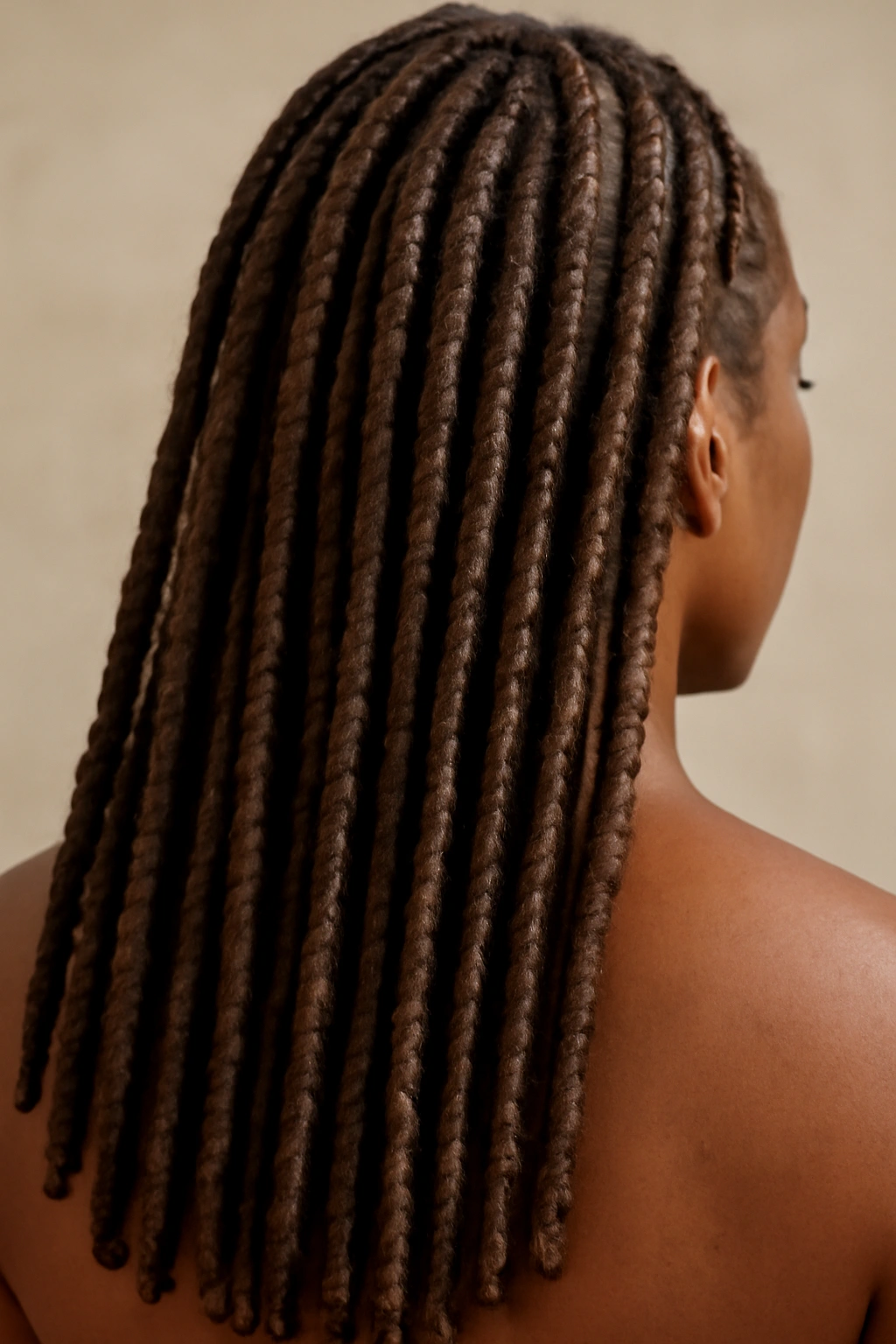
Palm-rolled locs are created by twisting each section between your palms in a rolling motion, creating a smooth, uniform, cylindrical shape that looks intentional and polished. Typically started by a professional or skilled friend, palm-rolling can be maintained at home, and at 12-16 inches, palm-rolled locs have a clean, groomed appearance that works beautifully in professional settings. The rolling creates a distinctive ridged pattern around each loc that’s visually striking and relatively easy to maintain.
The Aesthetic Appeal of Palm-Rolling
This method produces locs that look deliberately styled rather than naturally occurring, which appeals to people who want locs to look intentional and fashion-forward. The ridges created by the palm-rolling technique are permanent and actually strengthen the loc structure as they grow. Many people find the rhythmic motion of palm-rolling meditative, so maintaining them at home feels less like a chore and more like self-care.
Maintaining Your Palm-Rolled Appearance
- Retwist every 4-6 weeks to maintain the ridged, rolled appearance and prevent new growth from flattening
- Can be done at home once you learn the technique, saving money on salon visits
- The rolling motion actually helps tighten locs faster than some other maintenance methods
- Works beautifully at every length because the technique remains consistent
- Requires less product than some other methods—your palm oil or a light conditioning spray is usually enough
Pro tip: When palm-rolling at home, damp (not soaking wet) hair rolls better and holds the shape longer. Let your locs air-dry completely after rolling before styling or sleeping.
9. Sisterlocs (Microscopic and Lightweight)
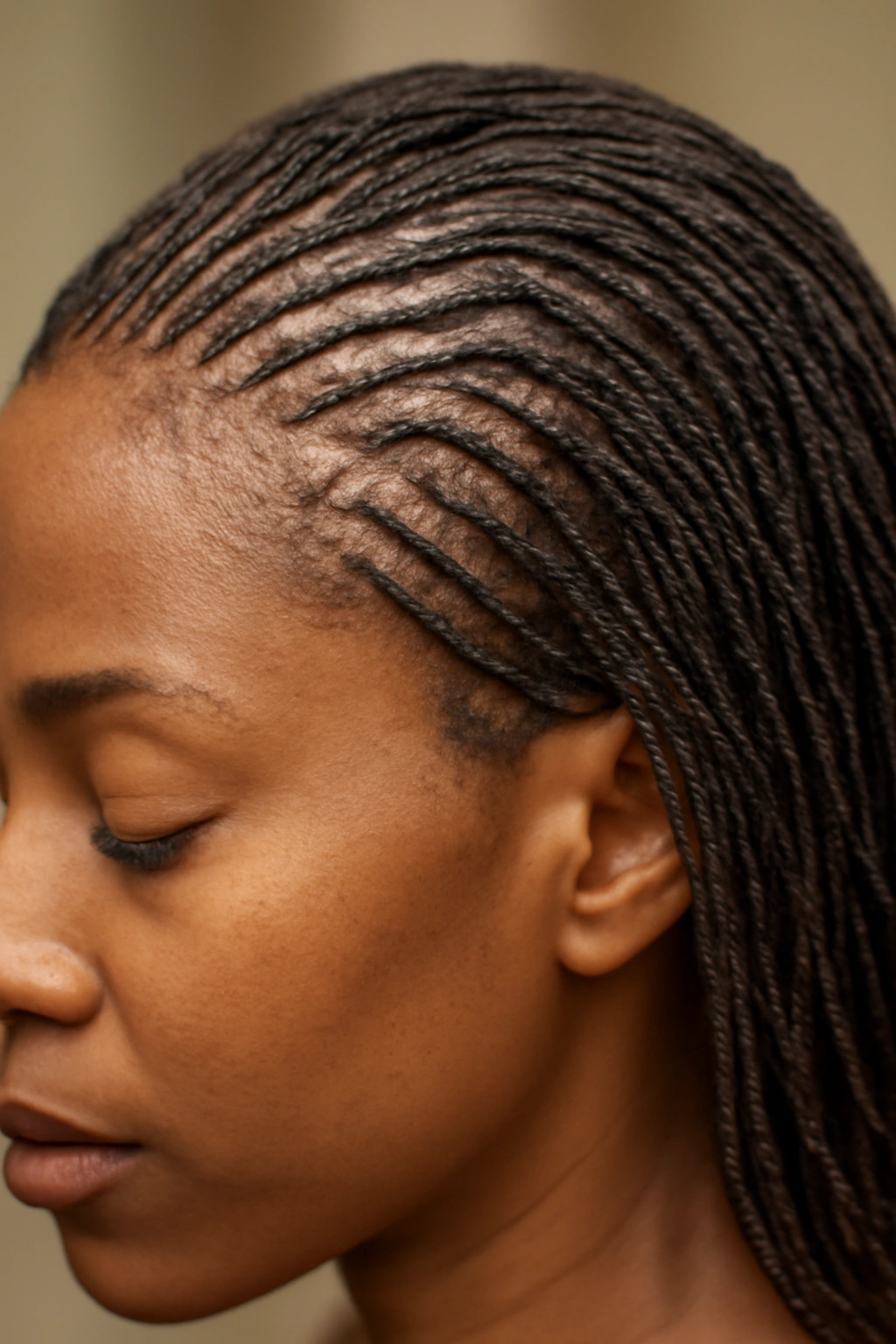
Sisterlocs are a branded, proprietary locking system that creates extremely fine, uniform micro locs using a specific installation process and locking technique. Trademarked and patented, Sisterlocs require certification to install correctly, which means finding a trained loctician is essential. At 14-18 inches, Sisterlocs have a refined, elegant appearance—they’re lighter than standard micro locs because they’re even smaller, and they move more freely, giving a graceful, flowing effect even with substantial length.
Why Sisterlocs Are Different From DIY Micro Locs
Sisterlocs use proprietary tools and a specific interlocking method that creates uniformity, longevity, and a particular aesthetic that DIY micro locs can’t necessarily replicate. They’re installed in a grid pattern with precise spacing, meaning every loc is the same size and space throughout your entire head. This uniformity creates a sophisticated, refined look that appeals to professionals and people who want their locs to appear deliberately designed rather than naturally matted.
The Sisterloc Difference
- Extremely uniform size and spacing across your entire head creates a refined, polished appearance
- Lighter weight than standard locs despite being very long because they’re so fine
- Officially maintained by certified locticians trained in the Sisterloc method
- Retwisting is slightly different from other locking methods and requires someone trained in the system
- More expensive initially due to the specialized installation, but last longer and require less frequent maintenance
- Move more gracefully because individual locs are lighter and thinner
10. Bohemian Locs (Loose and Layered)
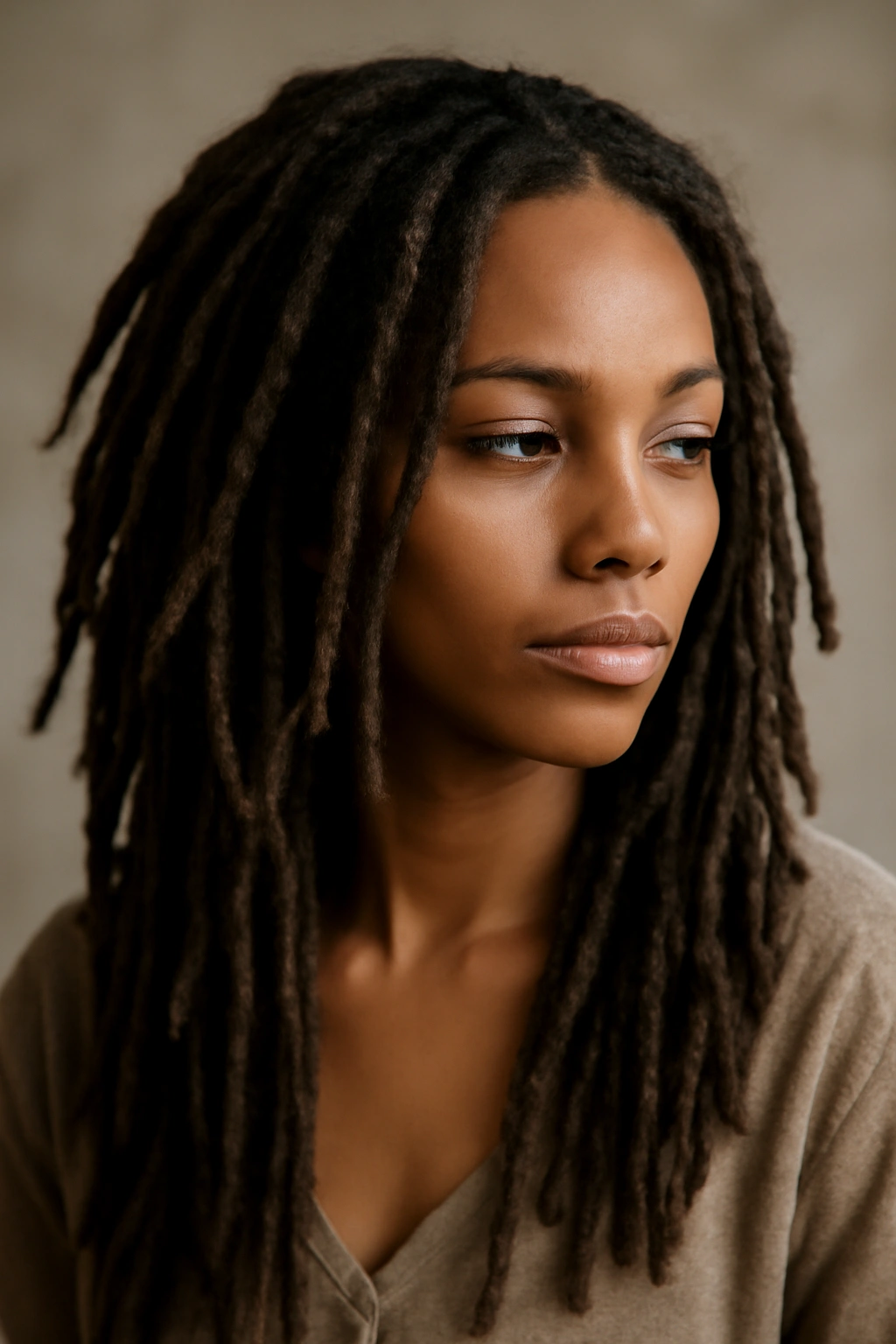
Bohemian locs blend the structure of locs with a looser, more relaxed aesthetic—they’re styled to look somewhat undone while still being properly locked, often with varying lengths and a tousled, carefree appearance. At 16-20 inches, bohemian locs have layers, sometimes show loose strands or wrapping, and prioritize a free-spirited vibe over strict uniformity. This style appeals to people who want locs but don’t want them to look overly controlled or pristine.
Creating That Deliberately Undone Aesthetic
Bohemian locs often incorporate free-form sections alongside more structured ones, wrapping or beads in strategic places, and sometimes intentional loose ends. The visual effect is romantic, artistic, and intentionally imperfect in a way that reads as intentional rather than neglected. Some people achieve this by combining different locking methods—some sections palm-rolled, others free-form, some wrapped—to create visual texture and variety.
Styling Bohemian Locs
- Mix and match styling techniques—some locs wrapped, others loose, some with beads or ornaments
- Works beautifully with layered lengths where some locs are shorter than others
- Add wraps, scarves, or fiber around specific locs to change the aesthetic without relocking
- Pairs well with earth-toned clothing, jewelry, and alternative fashion aesthetics
- Less rigid maintenance schedule—this style actually looks better when it’s a little tousled and imperfect
11. Goddess Locs (Thicker, Braided Style)
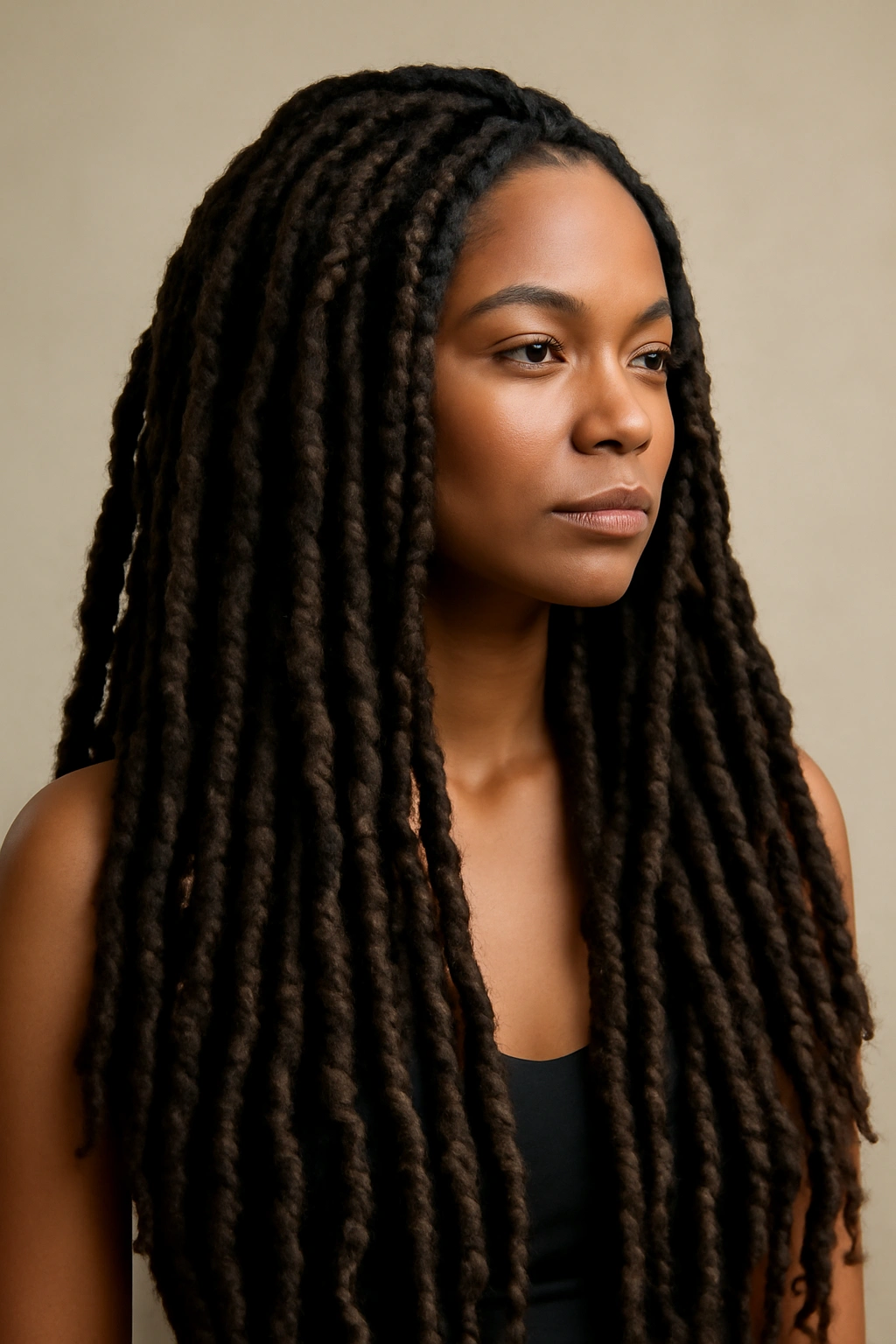
Goddess locs are a thicker, braided style where sections of hair are braided down the length, creating defined, chunky locs with a braided appearance throughout. Using synthetic hair blended with your natural hair, goddess locs typically reach 18-24 inches and create an immediately voluminous, textured appearance. The braiding creates a distinctive pattern that’s visually bold and works beautifully for protective styling.
Why Goddess Locs Look So Striking
The thicker diameter and braided texture create a dramatic visual effect that’s immediately eye-catching. Because synthetic hair is blended with your natural hair, you get length and volume that would take significantly longer to achieve with real locs alone. The braiding pattern remains consistent throughout, creating a uniform, polished look even though the locs are temporary.
Styling Goddess Locs
- Install with synthetic hair for length and volume without waiting years for natural growth
- The braiding creates visual texture that’s beautiful on camera and in person
- Can be styled into elaborate updo designs, wrapped, or adorned without damaging natural locs
- Last 6-8 weeks before needing removal, so perfect for seasonal changes or events
- Require root maintenance every 2-3 weeks as natural hair grows out at the base
Worth knowing: Goddess locs are heavier than natural locs of the same length because of the synthetic hair content, which means they require careful styling and sleeping arrangements to avoid tension on your scalp and hairline.
12. Wrapped Locs (Woven Fiber Detail)
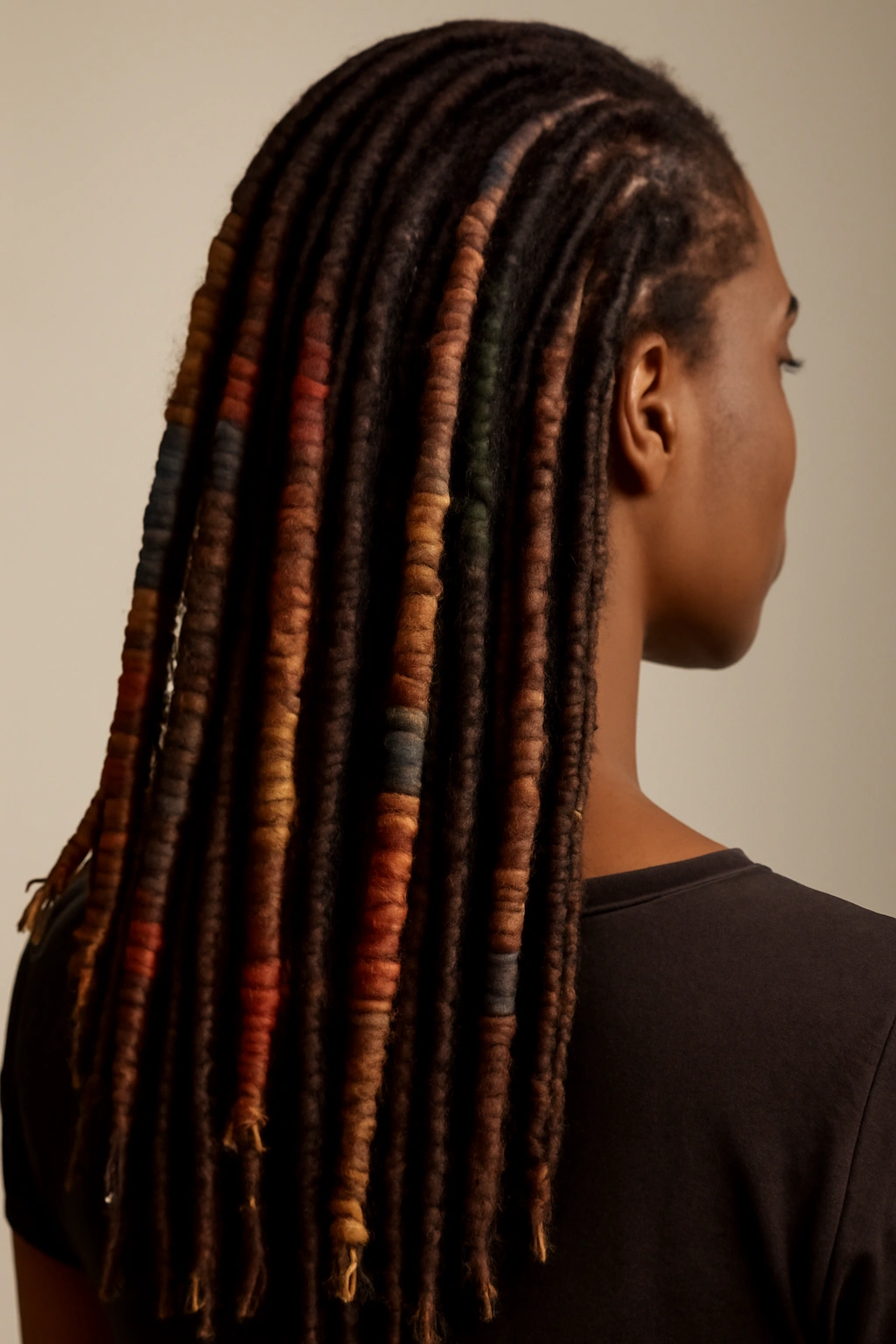
Wrapped locs are standard locs with fiber, yarn, thread, or other material wound tightly around sections or the entire length of each loc, creating visual pattern and texture. At 20-26 inches, wrapped locs can be customized infinitely—you can wrap the top 3 inches, the entire length, strategic sections, or create geometric patterns using different colored wrapping materials. This technique instantly transforms the appearance of your locs without changing the locs themselves.
The Visual Customization Possibilities
Wrapping lets you change your entire look without actually retwisting or reinstalling locs—you can wrap with gold thread for an elegant vibe, colorful yarn for playfulness, or metallic fiber for drama. The wrapping can be temporary (lasting a few weeks or a few months depending on how tightly you wrap and what material you use) or permanent (using synthetic or specialty threads that essentially become part of the loc). This flexibility makes wrapped locs endlessly customizable.
How to Wrap Your Locs
- Use embroidery thread, yarn, leather cord, or specialty locking thread
- Wrap starting at the base (or wherever you want the wrapped section to begin) and wind the material tightly around the loc in either a spiral or consistent pattern
- Secure the end by weaving it back through the wrapped section or tying it off tightly
- Can wrap as much or as little as you want—the entire length, just the crown, just the ends, or scattered sections
- Wraps can be removed and redone whenever you want a different look
13. Braided Locs with Beads (Adornments and Details)
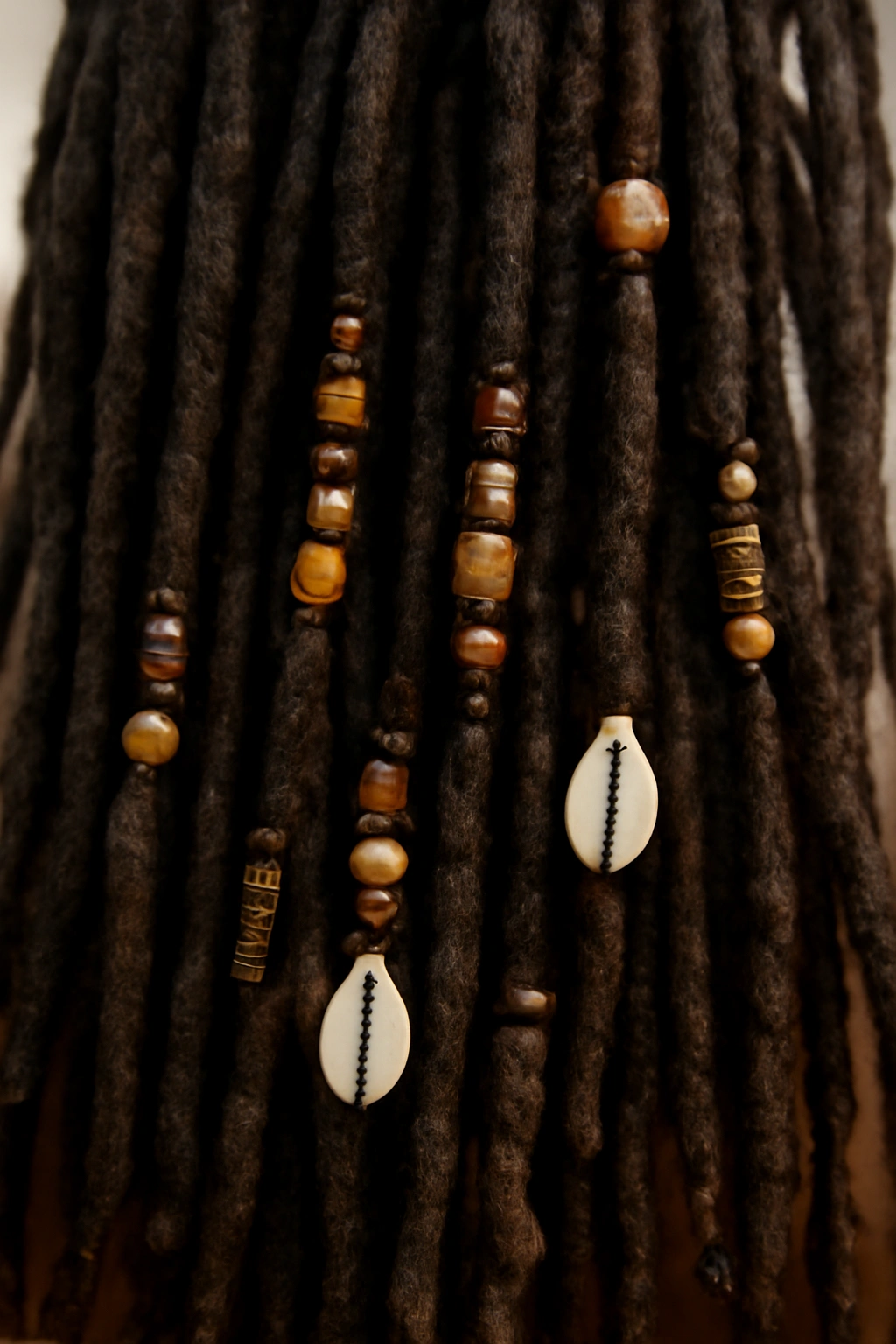
Braided locs incorporate actual braiding within or around locked sections, often adorned with beads, shells, or other decorative elements that create visual interest and cultural authenticity. At 22-28 inches, braided locs with beads represent a highly personalized approach to locking—each loc can have completely different ornamentation, telling a visual story about your identity and style preferences.
The Cultural and Personal Significance
Beads and braiding within locs carry cultural significance for many communities and create opportunities for personal expression. Metal beads can create an elegant, minimalist look; wooden beads feel natural and organic; colorful glass beads create playfulness; and larger ornamental pieces make bold statements. The placement and selection of beads is entirely personal—some people prefer symmetry, others embrace randomness.
Adding and Changing Beads and Braids
- Beads can slide directly onto locs for a temporary aesthetic change that takes minutes
- Larger beads can be sewn or tied onto locs if you want them to stay permanently in one location
- Thin braids can be incorporated by adding synthetic hair and braiding it through sections of your locs
- These additions don’t damage locs and can be removed or changed whenever you want
- Works beautifully for special events, cultural celebrations, or whenever you want to shift your aesthetic
14. Classic Long Locs (Fully Mature Beauty)
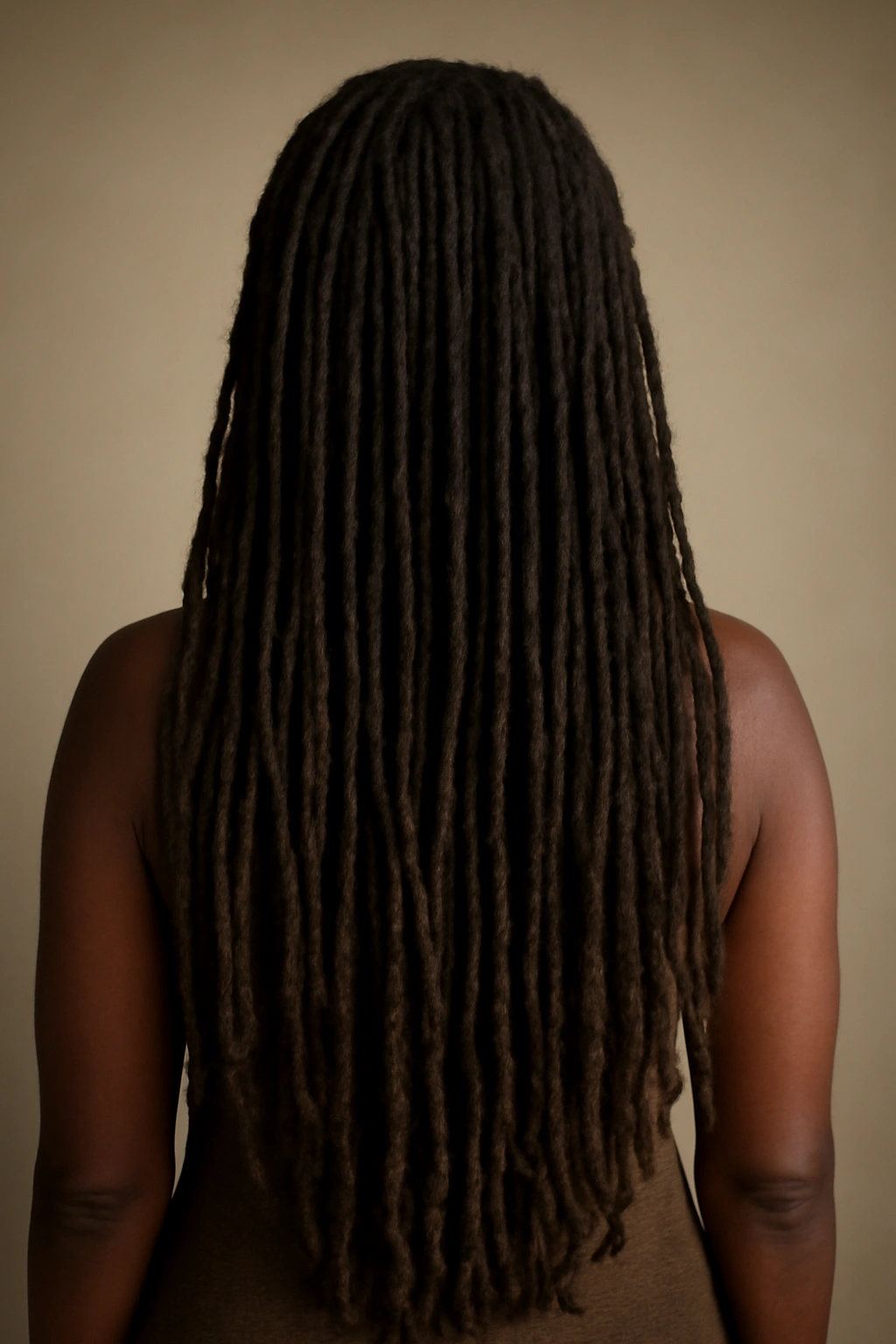
Classic long locs are simply your naturally grown, maintained locs that have reached substantial length—typically 28-36 inches and beyond—without extra styling tricks or additions. These are standard locs in their full, mature form, neither wrapped nor adorned nor styled in any particular way, just beautifully, authentically long. They represent years of dedication to the locking journey and showcase the simplicity and power of commitment to one style.
The Journey to Classic Long Locs
Getting to classic long locs length takes genuine time—typically 2-4 years depending on hair growth rate, starting method, and maintenance consistency. The payoff is locs that have fully matured, hardened, and developed their true color, texture, and weight. At this length, locs have their own natural movement and flow, swinging and moving with your body in ways that shorter locs simply can’t achieve.
The Low-Maintenance Reality of Mature Locs
- Your locs no longer need retwisting because they’re so thoroughly locked and established
- Maintenance shifts to basic washing and air-drying—genuinely low-key care
- The weight of your locs actually helps keep them locked and prevents new looseness
- Styling possibilities expand because your locs have weight and movement
- You’re finally at the point where your locs feel effortless rather than requiring regular appointments
15. Loc Buns and Upstyles (Versatility and Elevation)
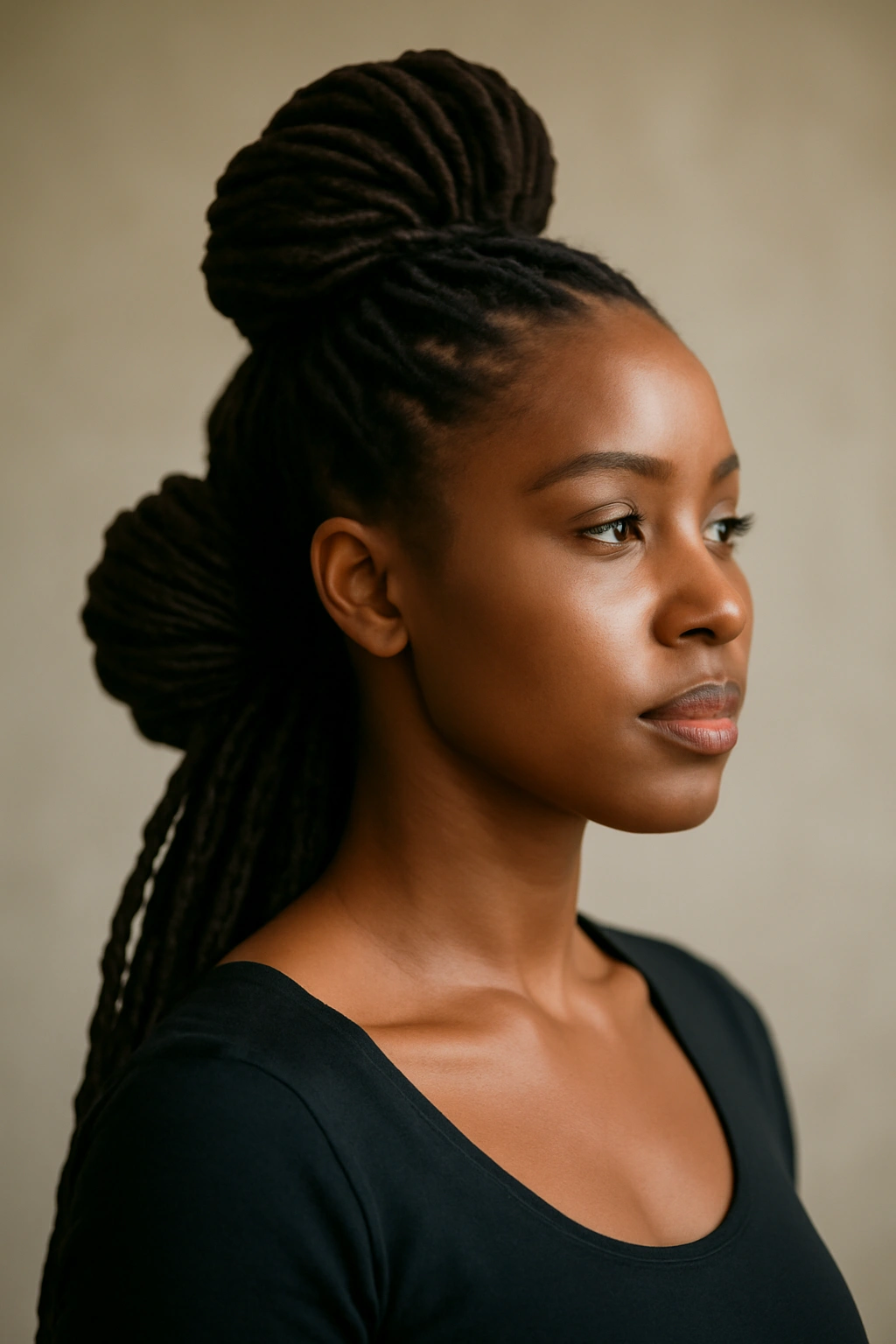
At 28-36 inches, your locs have enough length to create sculptural buns, updos, and high-style arrangements that completely transform your appearance while protecting the ends of your locs. Loc buns can be sleek and minimal, ornate and elaborate, or somewhere in between, depending on how you arrange and secure them. This style demonstrates that long locs aren’t a one-look hairstyle—they offer genuine versatility for different occasions, moods, and dress codes.
Creating Structured Loc Buns
A simple low bun takes minutes and protects your locs while creating a polished look suitable for work or formal events. Higher buns can be positioned at the crown, side, or back, and you can wrap your locs around themselves multiple times to create dimension and height. Adding decorative hairpins, clips, or wrapping the bun with fabric transforms it from casual to elegant in seconds.
High-Impact Upstyles Possibilities
- Low bun at the nape of the neck looks professional and minimalist
- High crown bun creates a statement look for evening or events
- Side bun or half-up style balances coverage with ease
- Twisted or wrapped bun adds visual texture and dimension
- Multiple small buns or sections create a playful, artistic aesthetic
- Half-up crown-style arrangement shows off length while keeping hair off your face
16. Ombre and Colored Locs (Chromatic Expression)
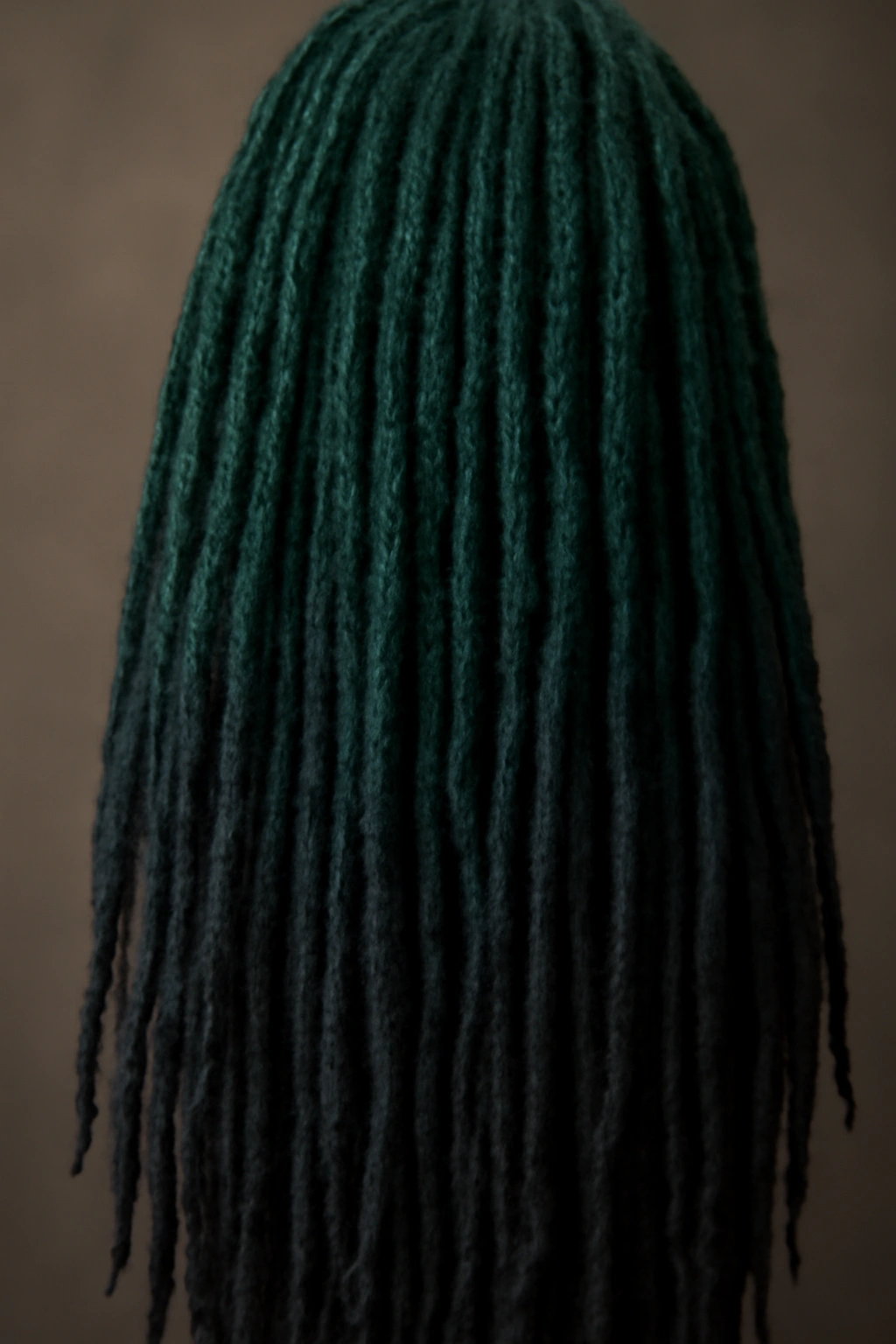
Colored locs—whether dyed naturally or enhanced with temporary color, colored yarn wrapping, or colored synthetic hair—add chromatic dimension to locs at any length but look particularly striking at 30-36+ inches where the color gradient and length create dramatic visual impact. Ombre effects (gradual color transitions from root to tip), highlights, highlights through strategic sections, or full color transformations let you express personality through your locs in ways that feel edgy, artistic, or celebratory depending on your color choices.
Methods for Coloring Locs
Natural locs can be dyed using loc-friendly dyes (darker locs can be lightened with proper care, and color can be deposited on pre-lightened locs). Temporary color can be added using washable hair chalk or temporary dye that fades. Semi-permanent dyes work on locs but require careful application and can be unpredictable because locs are more porous than loose hair. Many people prefer adding color through wrapping yarn, synthetic additions, or beads rather than permanent dyeing.
Color Ideas and Their Visual Impact
- Jewel tones (emerald, sapphire, amethyst) create richness and luxury
- Warm metallics (gold, bronze, copper) add sophistication and earthiness
- Pastel and neon colors create playful, artistic, avant-garde vibes
- Ombre from dark to light creates dimension and visual movement
- Color concentrated in certain locs or the crown creates highlight effects
- Metallic or iridescent yarn wrapping catches light beautifully
17. Extra-Long Tribal Locs (Maximum Length Expression)
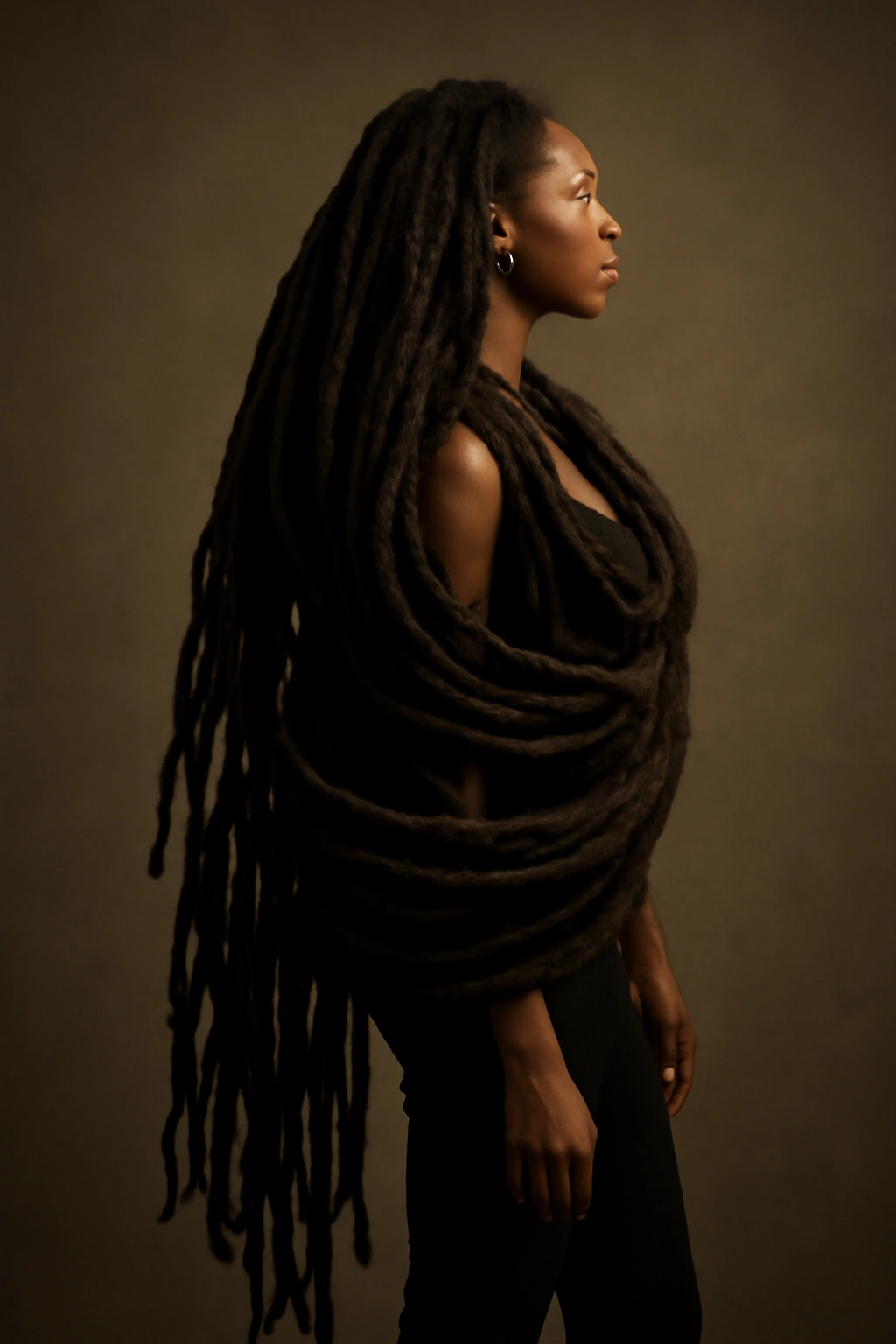
Extra-long tribal locs reaching 40+ inches represent the ultimate commitment to the locking journey and showcase locs as a powerful statement of identity, culture, and personal style. “Tribal” refers to styling approaches that often incorporate beads, wraps, ornamental pieces, and arrangements inspired by cultural practices and traditional adornment. At this length, your locs have genuine weight, movement, and presence—they’re a significant, undeniable part of your physical presence.
Styling Extra-Long Locs at Maximum Length
At 40+ inches, your locs are long enough to create elaborate arrangements—multiple high buns, crown braids using your actual locs, wrapped sections, beaded sections that hang at different heights, and styles that feel genuinely sculptural. The weight and movement of your locs at this length become part of your aesthetic, affecting how you move, how you carry yourself, and how others perceive you.
Maintaining Extra-Long Locs
- Weight management becomes important—regular scalp massages and exercises prevent tension headaches
- Protective nighttime care (sleeping on silk, using a bonnet, tying locs loosely) prevents breakage
- Regular end-sealing (crocheting loose ends or burning synthetic edges if applicable) maintains neatness
- Separation of roots remains important even in mature locs to prevent matting together
- The length requires genuine commitment—you can’t suddenly switch styles without significant time investment
Pro tip: At extreme lengths, consider creating loc scarves using lightweight fabric wrapped around your locs—this protects them while creating an entirely new aesthetic and showing off the sheer length of your hair.
18. Loc Extensions and Specialty Additions (Extended Possibilities)
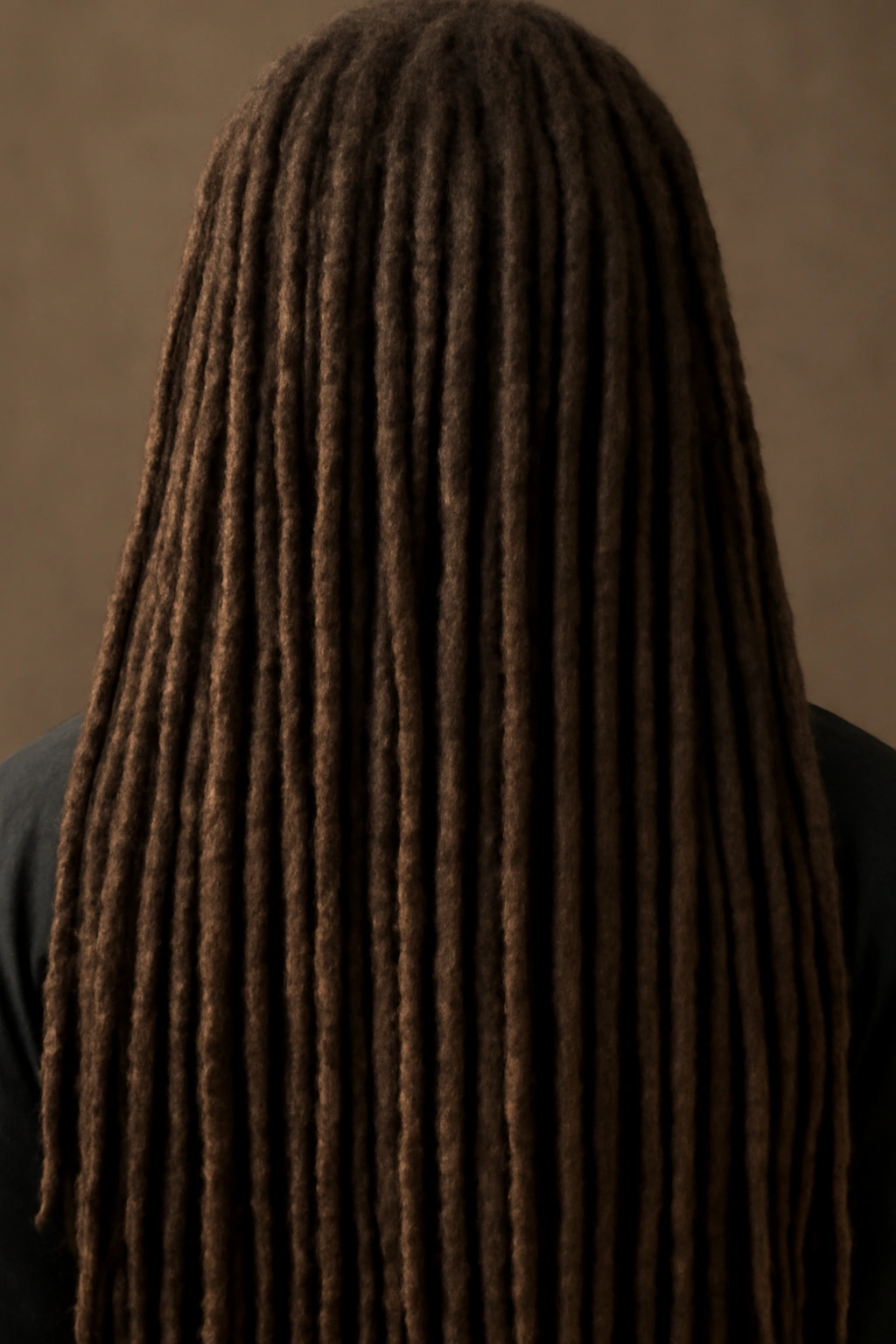
Loc extensions allow you to achieve the appearance of extremely long locs—potentially 48+ inches—in a single appointment by adding synthetic hair to your natural locs. Using specially selected synthetic locs or by crocheting hair onto your existing locs, extensions let you skip years of natural growth while still maintaining the full loc aesthetic. This works beautifully if you want maximum length for a specific event, prefer dramatic change, or want to experiment with extra-long locs before committing to years of growth.
How Loc Extensions Work
Synthetic locs can be sewn, crocheted, or tied directly onto your natural locs, creating seamless transitions between your natural locs and the added length. The synthetic hair should match your natural locs’ thickness, color (or create an intentional color change), and texture as closely as possible for a cohesive appearance. Professional installation ensures the extensions are secure and that the weight is distributed in a way that doesn’t create tension on your scalp.
Extension Benefits and Considerations
- Instant access to extra-long loc styles without waiting years for growth
- Removable and changeable—try different lengths and colors without permanent commitment
- Can be installed with different synthetic hair qualities; higher quality lasts longer and looks more natural
- Create dramatic visual impact immediately, perfect for events, performances, or major style changes
- Require regular maintenance (keeping the attachment point secure, checking for slipping)
- Weight can create temporary tension if you’re not accustomed to the length
Final Thoughts

The journey through different dreadlock lengths and styles is genuinely a personal journey—there’s no “best” style or “right” length, only what aligns with your lifestyle, maintenance preferences, cultural values, and aesthetic vision. The beautiful aspect of locs is that they’re not a static style you choose once and stick with forever; as your locs grow and mature, you unlock new possibilities and styling opportunities that weren’t available before.
Whether you’re attracted to the youthful energy of starter locs, the intricate detail of micro or Sisterlocs, the protective nature of faux locs, the artistic freedom of bohemian or tribal styling, or the dramatic power of extreme length, there’s a locking path that genuinely fits you. Many people rotate through different maintenance methods and styling approaches at the same length simply for the joy of change and experimentation—your locs can be adorned, wrapped, braided, beaded, colored, or left beautifully natural depending on your mood and circumstances.
The length you choose matters less than your commitment to caring for your locs with intention, respect, and genuine love for the style. Take your time deciding what resonates with you, find a skilled loctician you trust if you need professional installation or maintenance, and give yourself grace during those early phases when everything feels awkward and unfinished. The growth from starter locs to long, mature, fully realized locs represents time, patience, and a visible manifestation of your commitment to an aesthetic that speaks to something true about how you want to move through the world.
