



Short locs are having a major moment, and honestly, it’s not hard to see why. There’s something undeniably powerful about the combination of intentional length with endless styling versatility — you get the strength and beauty of locs without the commitment of managing longer hair. Whether you’re considering the transition to short locs or already rocking them and looking for fresh inspiration, the creative possibilities are genuinely stunning. From sleek updos to playful crown designs, short locs offer a freedom of expression that feels both bold and beautifully low-maintenance once you nail your preferred styling routine.
The beauty of wearing short locs lies in how they sit right at that sweet spot between manageable and statement-making. You can style them up in seconds for a polished look, or wear them down for a natural, textured vibe that turns heads. The scalp visibility, the ease of maintenance, and the visual impact are all game-changers for people looking to transform their hair story.
1. The High-Top Knot Locs
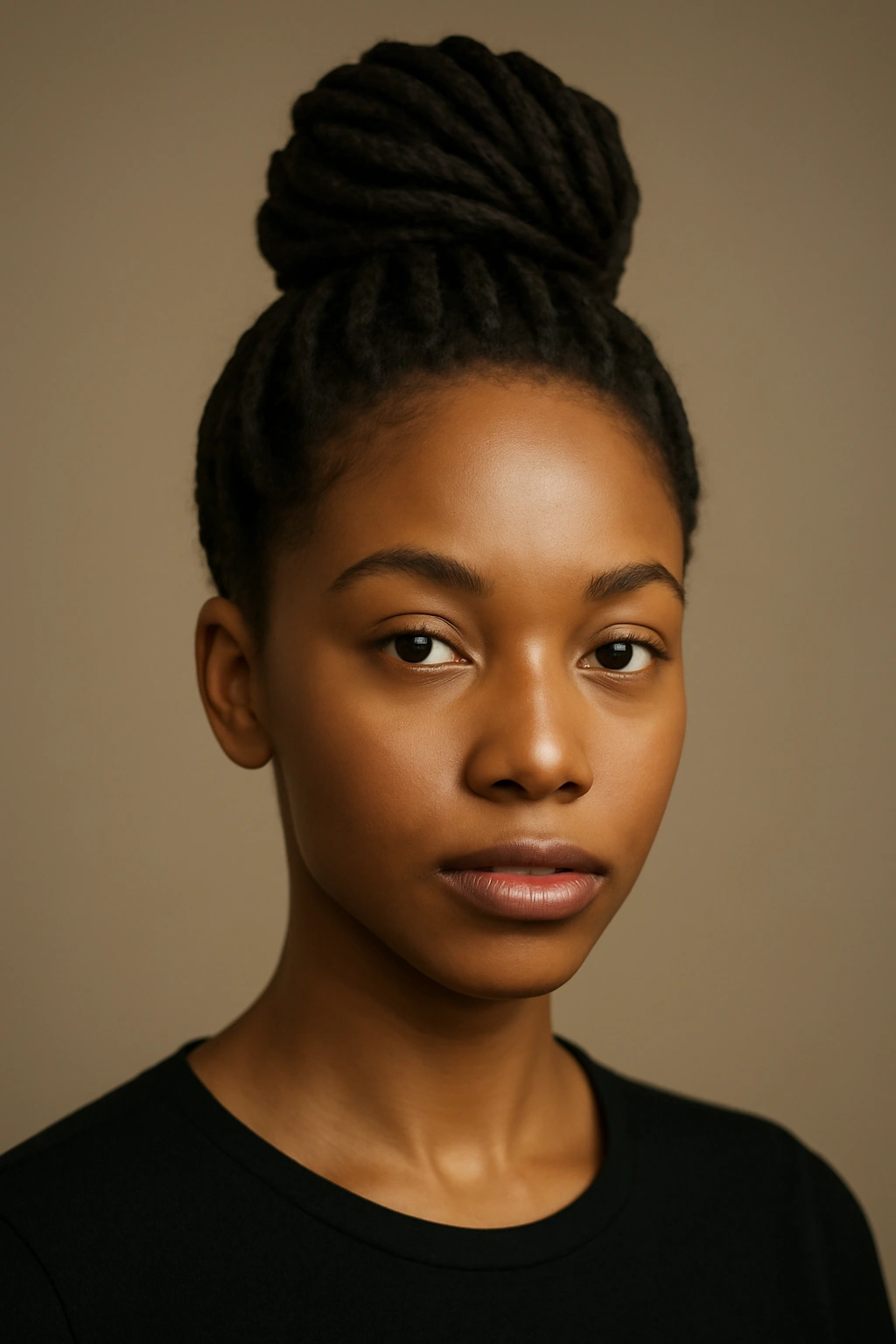
The high-top knot is where playfulness meets sophistication, and it’s absolutely thriving in the short-loc community. This style elevates your locs straight up and secures them at the crown, creating visual height that elongates your face and draws attention upward. It’s the kind of style that works equally well for a casual day running errands or a night out with intention.
What Makes This Style Stand Out
The high-top knot works beautifully because it combines clean lines with effortless cool. You’re gathering your locs at the very top of your head, then twisting or wrapping them around themselves to create a knot that sits like a crown. The edges around your face and neck remain exposed and touchable, giving you that fresh, unencumbered feeling. Unlike styles that pull hair tightly away from the face, a well-executed high-top knot has a gentle gathering quality that feels modern and intentional rather than harsh.
How to Style and Maintain It
Start with locs that are at least three to four inches in length for manageability. Section your hair into the size knot you want — typically 2-3 inches in diameter — and gently twist those locs together while moving upward. Secure with a seamless elastic that matches your hair color, then wrap one or two remaining locs around the base of the knot to conceal the elastic. This finishing wrap step is what separates an amateur knot from a polished one that looks intentional and considered.
Pro tip: Apply a small amount of loc gel or edge control just before securing to ensure your knot stays compact and defined throughout the day. The key is using barely enough product so you don’t weigh down your locs — you’re looking for hold, not heaviness.
2. The Side-Swept Loc Crown
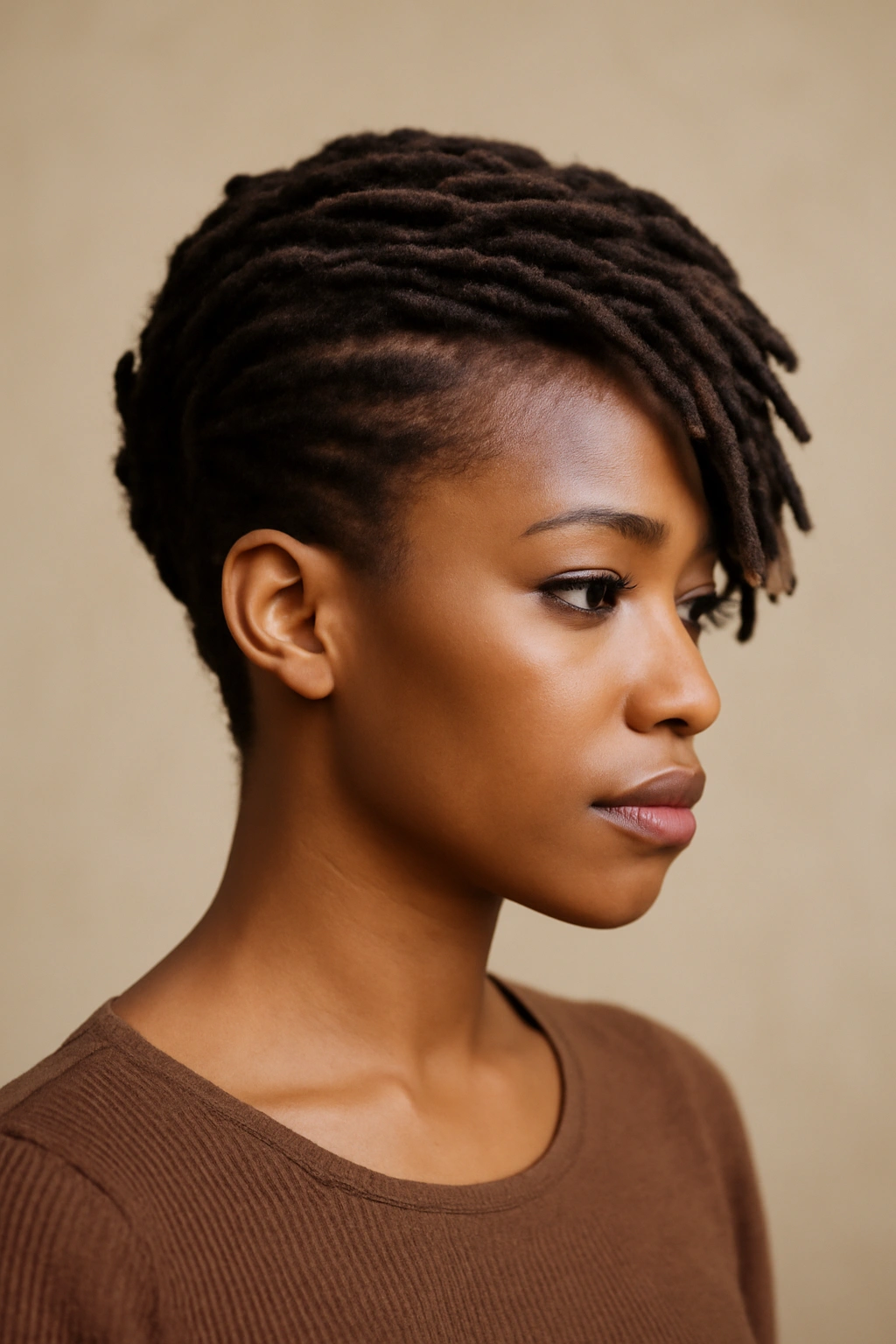
Imagine your locs gracefully curved across one side of your head, gathered into a crown that sits slightly off-center. That’s the magic of the side-swept loc crown, a style that instantly adds dimension and intrigue to your profile. This isn’t just about function — it’s about making a visual statement that says you understand proportion and balance.
Why This Style Commands Attention
The side-swept crown works because it creates an asymmetrical beauty that actually draws more attention than symmetrical styling. By gathering your locs to one side and creating a curved, gathered shape, you’re literally directing the eye to your strongest features. The side you choose matters too — if you have a side profile you love, sweep toward it. This style also gives your face more breathing room on the opposite side, creating a beautiful openness that feels modern.
Techniques for Creating This Look
You’ll want locs that are flexible enough to bend without snapping — this is where the quality of your loc work really shows. Start by creating a part that runs from your temple to just behind your ear on the side you want to sweep toward. Gather the locs from that side smoothly, twisting them gently as you move toward the back and top of your head. Secure with a small elastic tucked into the gathered locs, then wrap a single loc around the base to hide it. The remaining locs on the opposite side fall freely, creating that signature asymmetrical vibe.
What to Avoid
Pulling too tightly on the gathered side can create tension alopecia over time — you want your styling to feel secure but never painful. The locs should rest gently against your scalp, not strain it.
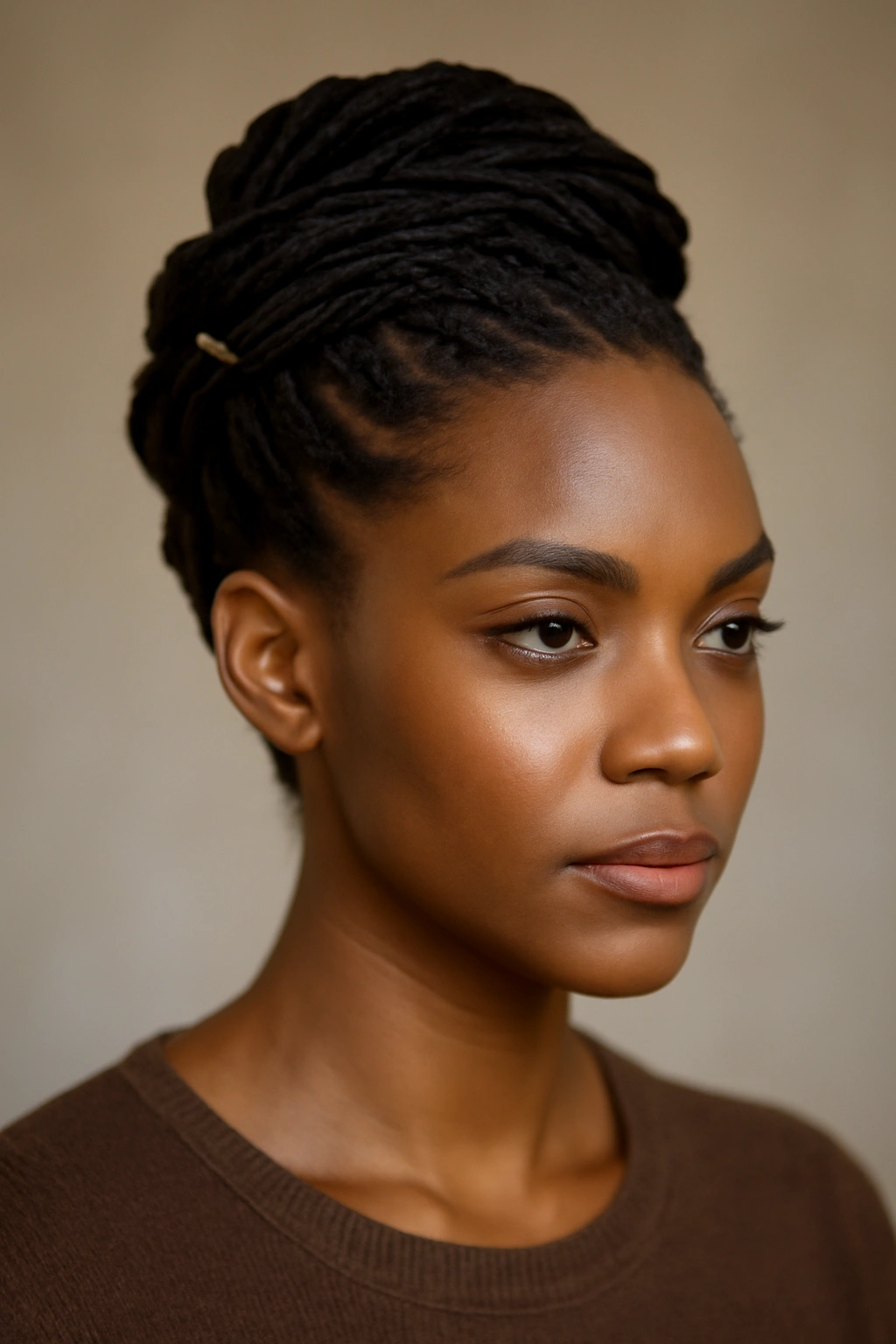
3. The Twisted Loc Updo
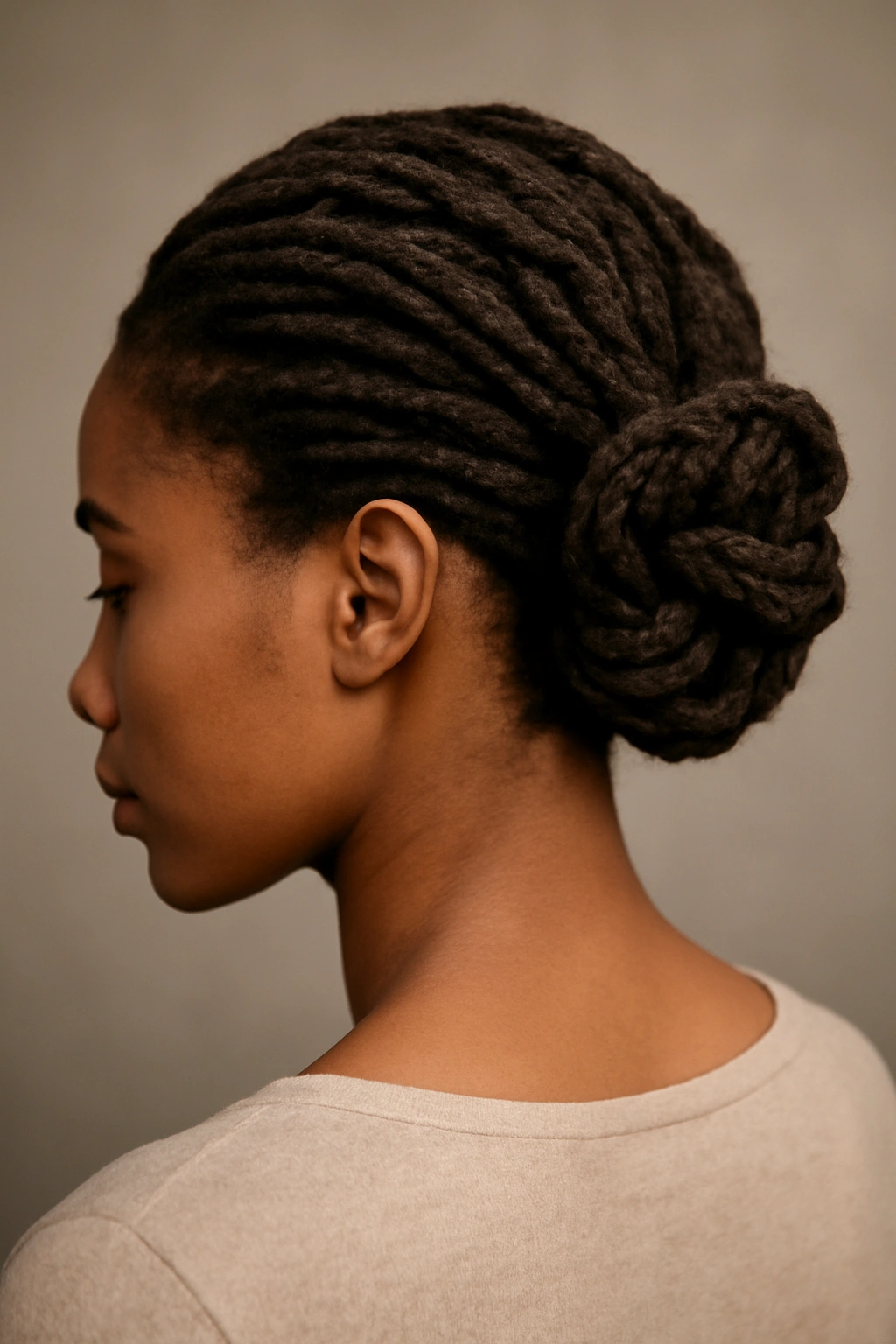
An updo with short locs is a complete game-changer for occasions where you need elevated polish. The twisted loc updo combines all your hair into a compact, intricate-looking arrangement that honestly takes maybe five minutes once you’ve done it a few times. It’s the style that makes people ask “how did you even do that?” when the answer is surprisingly simple.
Building the Foundation
Start by sectioning your locs into two or three main groups depending on how full and thick your locs are. Twist each section loosely as you move upward and backward, wrapping the twisted sections around each other in a spiral motion toward the back of your head. The spiral doesn’t need to be geometric — organic, flowing spirals actually look more refined. Secure as you go with small bobby pins tucked into the twists so they’re invisible.
The Refined Finish
Once all your locs are gathered and twisted upward, you have choices. Some people prefer to leave the ends loose so a few locs fall around the nape of the neck for softness. Others tuck everything away for a completely clean silhouette. Either direction works — it’s about what feels right for the occasion and what makes you feel confident. Add a delicate hair comb or stick if you want to enhance the styling, or keep it completely minimal for understated elegance.
Worth knowing: Short locs actually hold updos better than longer lengths because they’re closer to your scalp and have less weight pulling everything down. You might find your updos stay intact longer than you’d expect, even with movement and activity.
4. The Space Buns with Short Locs
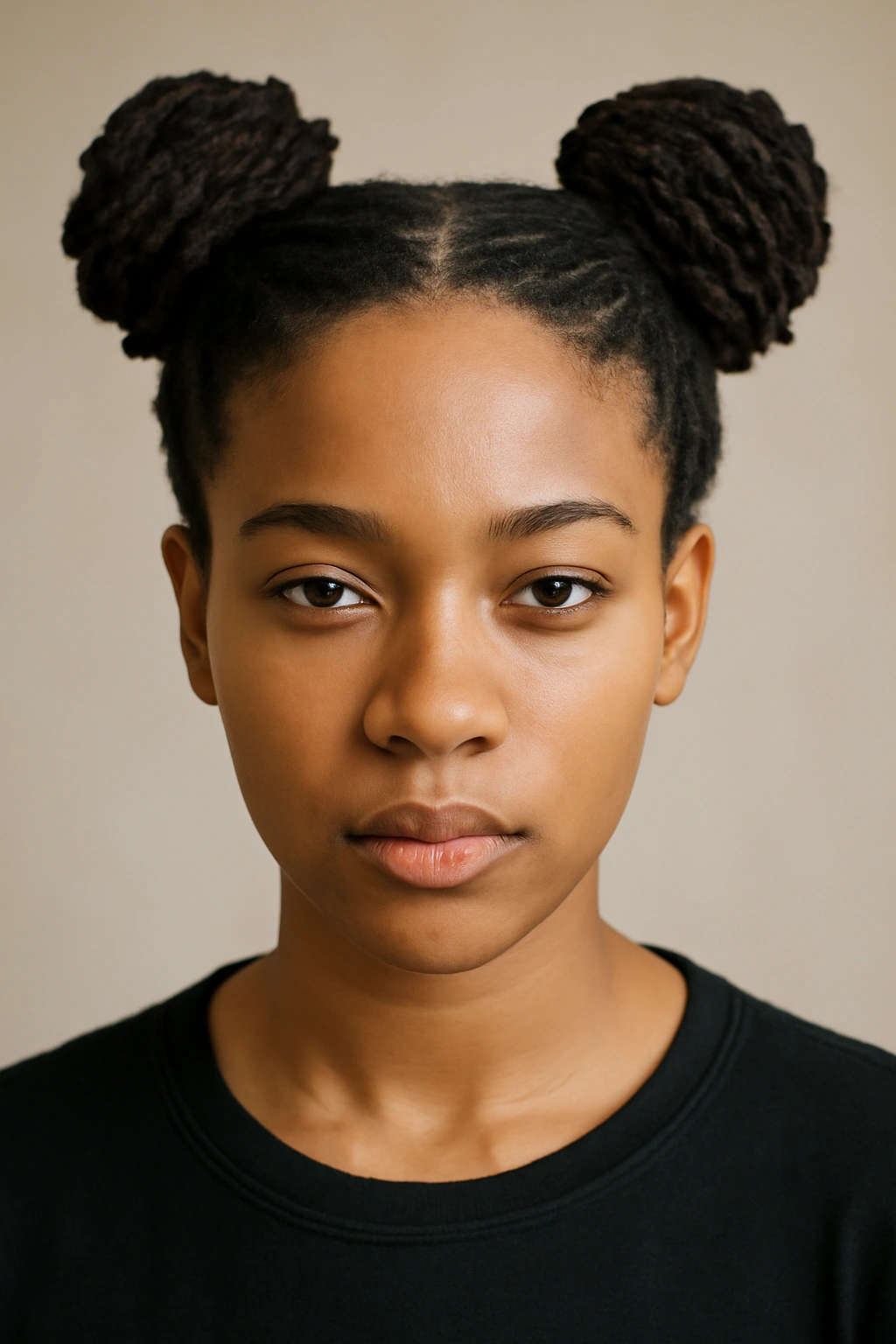
Space buns are nostalgic, playful, and absolutely electric when you’re working with locs. This style splits your hair into two high buns secured on opposite sides of your head, and the personality is immediately evident. It’s the kind of look that makes you feel instantly younger, more creative, and ready for anything.
Creating the Double-Bun Architecture
Create a part down the middle of your head from your forehead to the nape of your neck. Gather half your locs to one side and secure them into a knot at the very top of your head, wrapping a loose loc around the base. Repeat on the other side. The key to making space buns look intentional rather than accidental is ensuring they’re positioned at exactly the same height and sit equidistant from center. If one bun sits higher than the other, the whole effect reads as unplanned rather than styled.
Styling Variations
You can smooth your locs completely for a geometric, minimalist look. Or you can leave them slightly textured and loose for a softer, more organic feel. Some people wrap a thin loc around each bun’s base twice for added definition and visual interest. Others add small accessories — hair sticks, gold cuffs, or beads — to elevate the playfulness into intentional artistry.
When to Wear This Look
Space buns work beautifully for music festivals, creative events, or literally any time you want to signal that you don’t take yourself too seriously. That said, there’s a confidence and intentionality required to wear them well — they demand that you own the playfulness completely.
5. The Tapered Short Locs with Fade
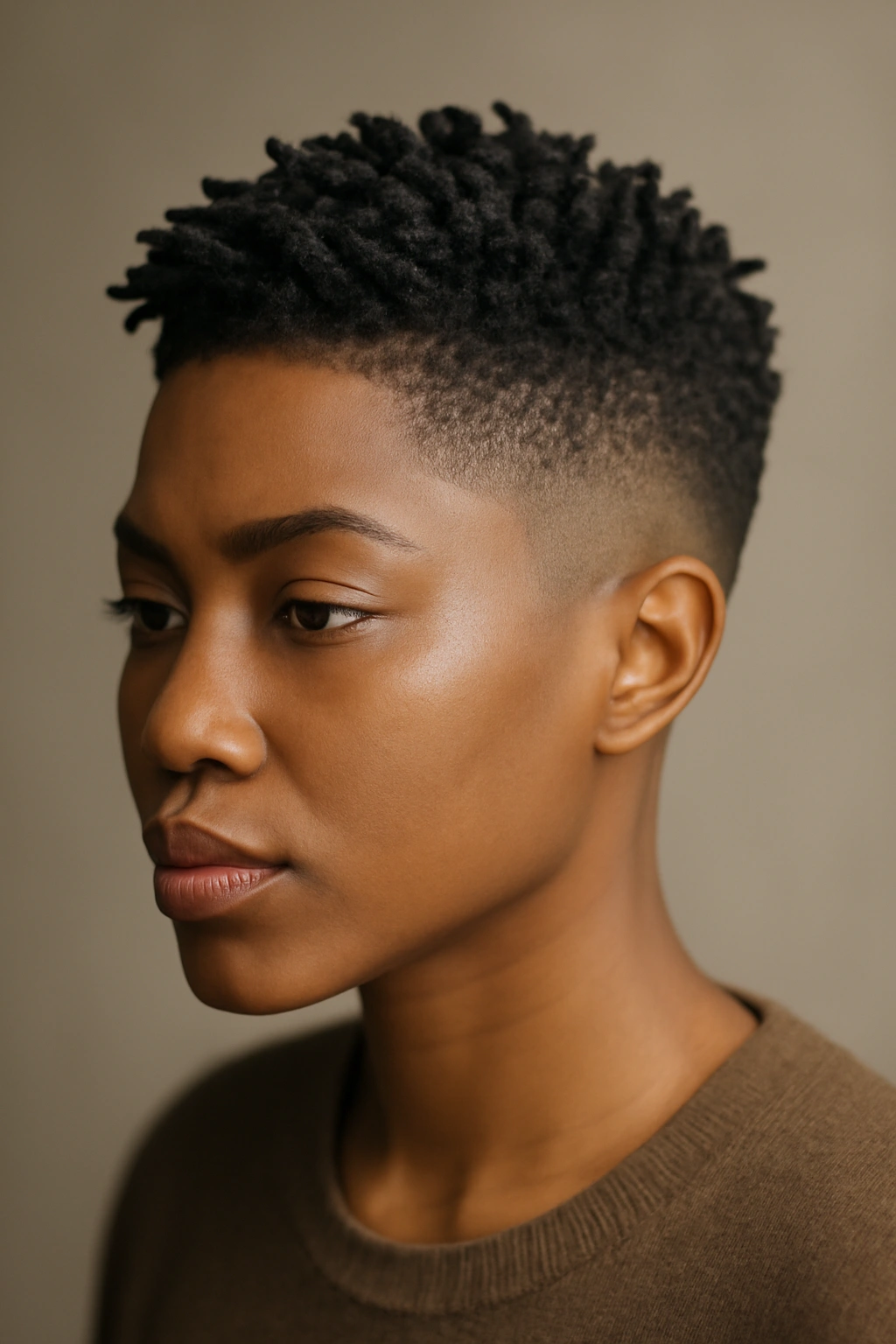
The taper fade is a styling philosophy rather than a specific arrangement. You’re intentionally cutting or maintaining your locs so they gradually decrease in diameter from root to tip, creating a refined silhouette that reads as intentionally crafted. Pair this with a fade on your sides and undercut area, and you have a look that’s undeniably sharp.
The Visual Impact of Tapering
When your locs taper cleanly, they sit differently on your head. There’s a sculpted quality that makes even a wash-and-go feel polished. The taper also makes styling easier because there’s less bulk at the ends — your locs naturally fall in the direction you want them to go rather than resisting movement. This is especially noticeable when you’re styling locs into updos or twist patterns where the points need to tuck neatly.
Maintaining the Taper
Tapering happens at the root through careful maintenance and retwisting. If you work with a loctician, communicate your taper vision clearly — show pictures of the exact thickness progression you’re after. Between appointments, you can maintain tapering by carefully twisting the roots slightly thinner each time you retwist. The key word is carefully — you’re not trying to shrink your locs, just gradually refine them.
The Fade Integration
A fade on the sides and back creates contrast that makes your locs stand out even more prominently. A full fade down to skin, a medium fade with some texture remaining, or a subtle fade that just creates shape — choose based on how bold you want the contrast to feel. The fade also makes your locs feel more contemporary and intentionally styled rather than simply grown out.
6. The Half-Up Loc Gather
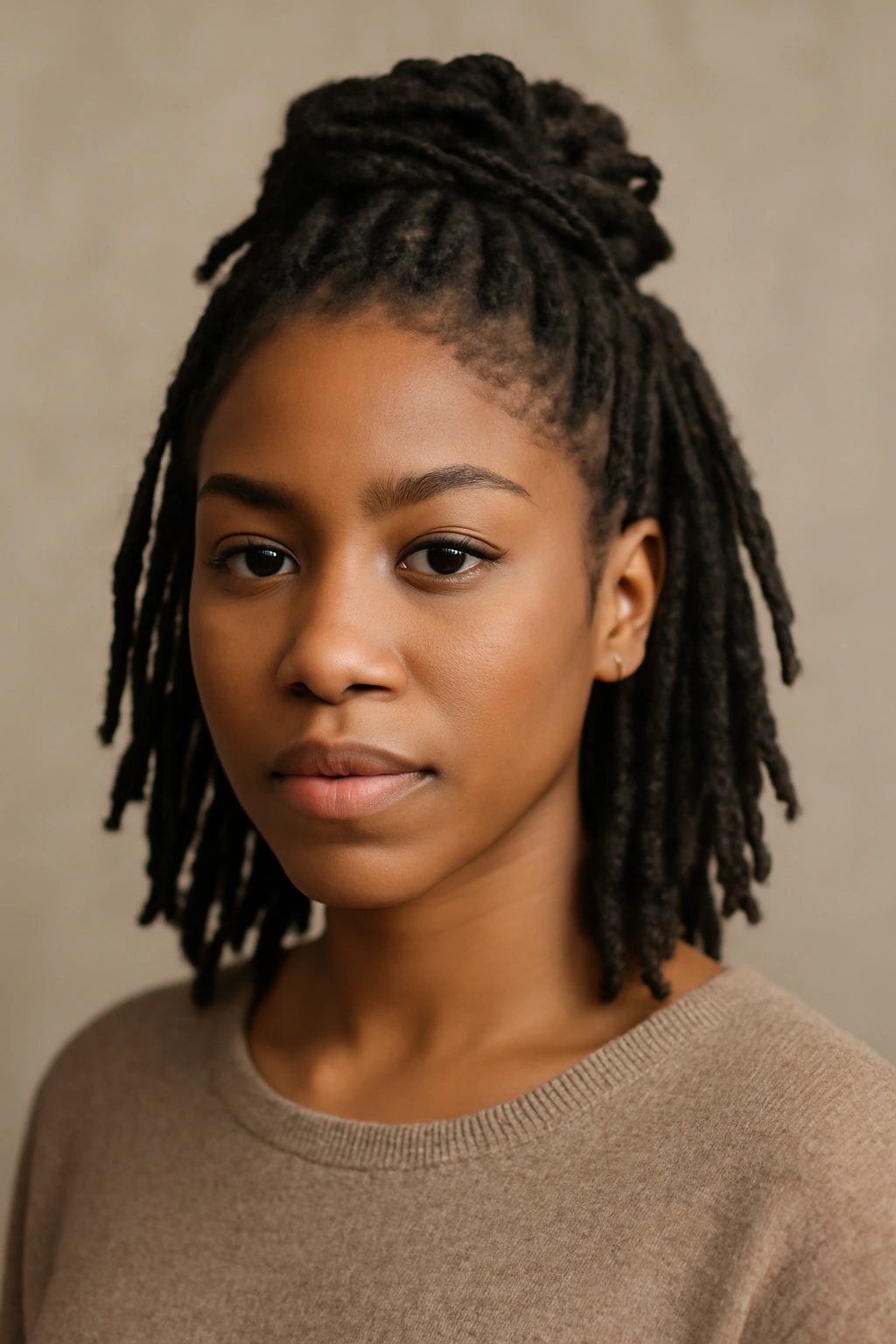
The half-up gather takes about half your locs and secures them away from your face while leaving the remaining locs loose and free. This style balances restriction and freedom perfectly — you get the clean-face feeling of an updo without committing your entire hair to a contained look. It’s versatile enough for work, casual, or evening, depending on how you execute it.
Building a Half-Up That Actually Holds
The secret to a half-up that doesn’t gradually slip down throughout the day is choosing the right locs to gather. Select locs from the front-upper portion of your head and from just behind your temples. These locs are naturally positioned higher and closer to your scalp, so they hold gathered styles better than locs from lower on your head. Gather them smoothly and secure with a matched elastic, then wrap a single loc around the base to conceal it.
Styling Variables
You can gather locs straight back for a sleek, pulled-back feeling. You can twist them as you gather for added visual interest and texture. You can even create a small braid with your gathered locs before securing them. The remaining loose locs fall naturally, and this combination — part controlled, part free — creates an approachable, dynamic look.
Pro tip: This style works beautifully with face-framing locs. If you maintain a few slightly shorter locs around your temples and cheekbones, they frame your face gorgeously while the rest of your locs are gathered back. It’s like getting an instant face-framing effect without actually having different lengths.
7. The Zigzag Part Locs
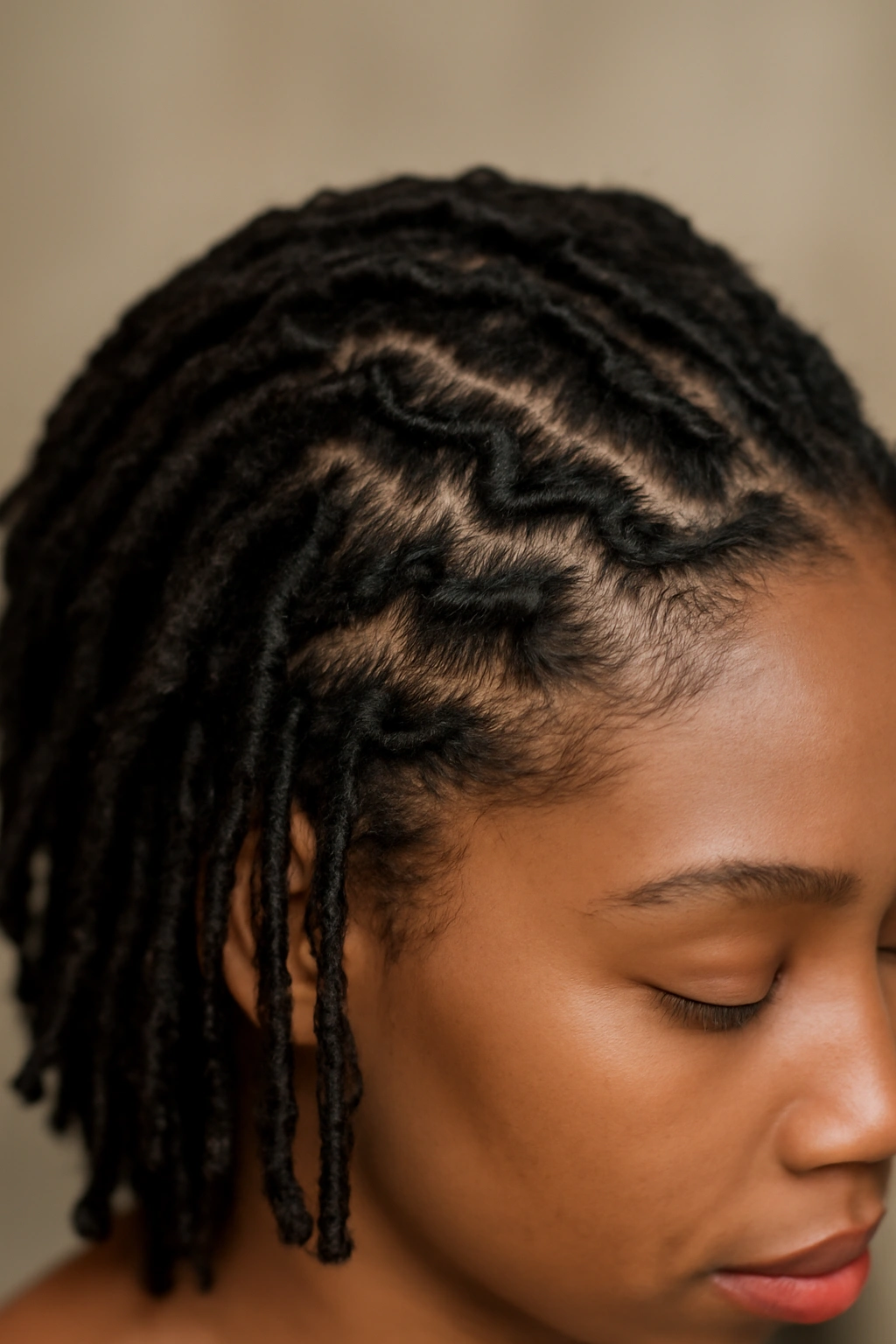
The zigzag part is where styling becomes art. Instead of creating a straight part down the middle or to the side, you’re intentionally weaving a zigzag pattern across your scalp. This creates visual texture and movement even when your locs are worn completely down, and it signals thoughtfulness and creative energy.
Creating the Zigzag Pattern
Using a rattail comb, part your locs in a deliberate zigzag pattern from the front of your head toward the back. The zigzag doesn’t need to be perfectly geometric — actually, slightly organic zigzags often look more intentional and beautiful. Some people make sharp angular turns in their zigzag; others create gentle waves. Your personal style determines how pronounced you make the pattern.
Why This Pattern Works
The zigzag part essentially choreographs how your locs fall and interact with each other. It breaks up the visual flatness of your hair and adds dimensionality even when everything is loose. The pattern also remains visible even when your locs move throughout the day, so you get styling that works hard for you. This is especially striking if you have a bit of scalp visibility or if your locs vary slightly in color or thickness.
Styling Integration
You can wear the zigzag part alone for a completely natural look with just intentional styling. Or you can style your locs into updos and the zigzag part remains visible underneath, creating layers of visual interest. It also looks beautiful combined with accessories — hair sticks, clips, or beads placed strategically along the zigzag lines enhance the intentional artistry.
8. The Braided Loc Combination Updo
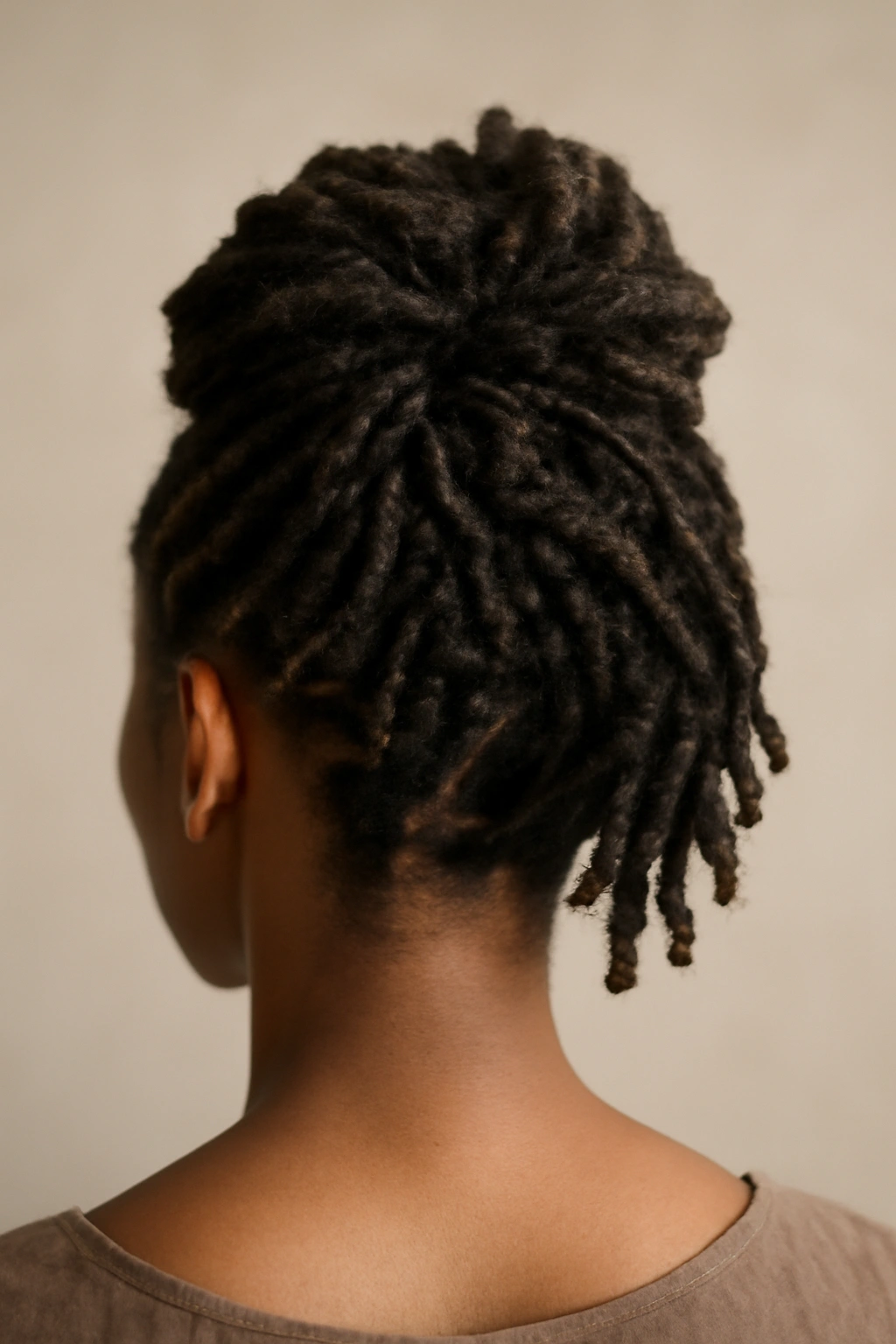
Combining braiding with your locs creates a textural complexity that honestly elevates the entire look. You might braid some of your locs while leaving others twisted or left completely loose, then gather everything into an updo that feels multidimensional and deeply considered. This is the look that screams “I know exactly what I’m doing with my hair.”
Mixing Textures Intentionally
Start by deciding which locs you want to braid — typically you might braid 50-75% of your hair and leave the rest free. Braid each section using your loc as the base — you’re essentially creating a three-strand braid where one strand is your loc and the other strands are constructed by weaving additional locs into the braid. Braid loosely; tight braiding can stress your locs at the root.
Gathering into the Updo
Once you have some braided sections and some twisted or loose sections, gather everything toward the back and top of your head. Let the braided sections create visual texture within the gathered style. Some braids can spiral outward for maximum visual impact, while others tuck inward for a more subtle, refined effect. The key is intentional placement — every element visible in the updo should feel like it’s meant to be there.
The Confidence Factor
This style demands that you commit to its complexity. Half-hearted braided updos can look muddled, but fully committed, intentionally executed ones read as stunning. Take your time with the styling, step back to look at it from different angles, and adjust until it feels balanced and beautiful to you.
9. The Crown-Wrapped Locs
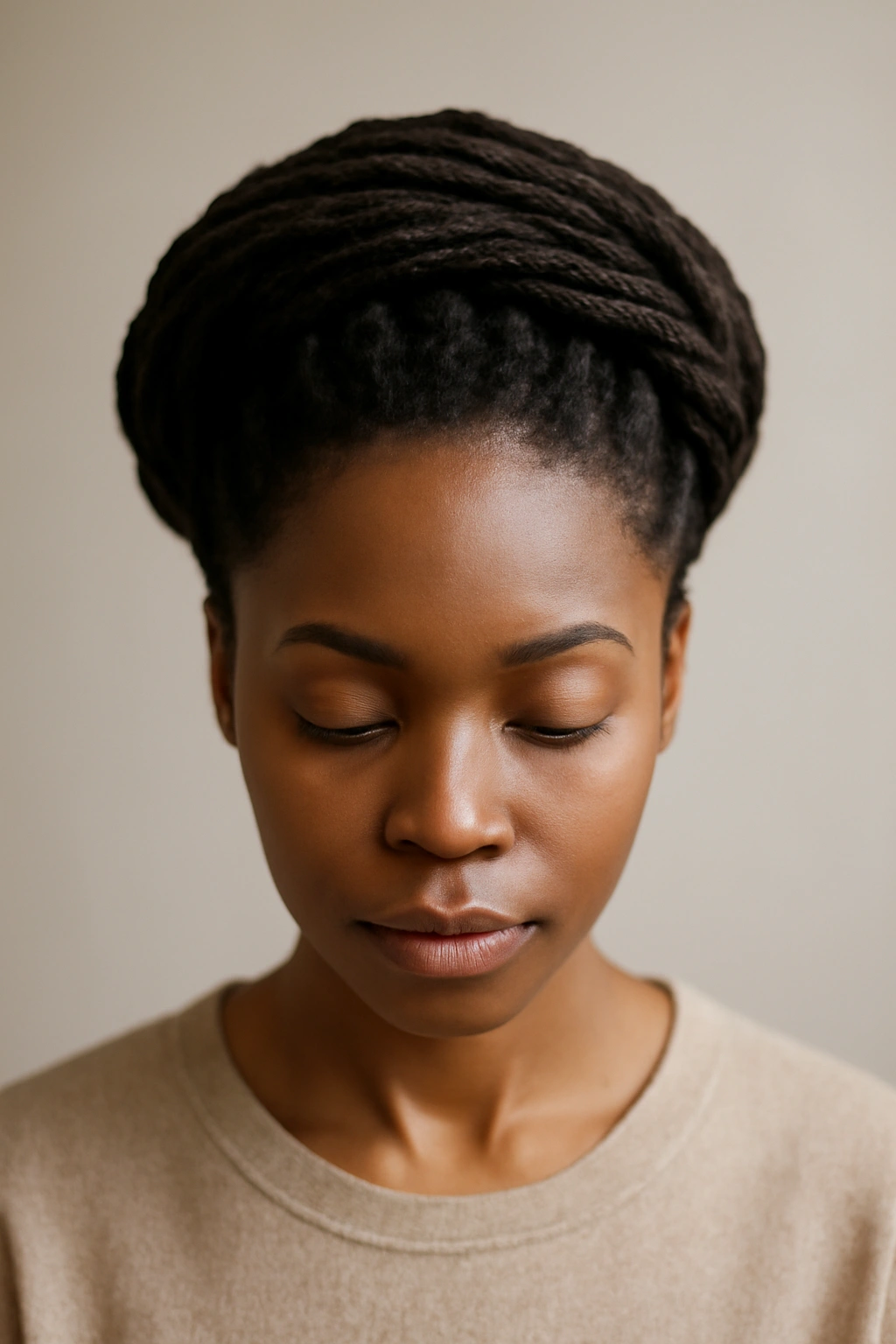
The crown wrap is pure elegance. You’re wrapping your locs around your head like a halo, creating a contained, romantic look that works for both special occasions and elevated everyday styling. This style is actually simpler than it looks, and the visual payoff is seriously disproportionate to the effort required.
Executing the Wrap
Start with locs that are at least four inches in length for flexibility. Beginning at one temple, take a section of locs and gently curve them around the top of your head as if you’re creating a headband. Secure this first wrap layer with bobby pins that match your hair color, placed discreetly beneath the locs. Then wrap a second layer directly above or below the first, creating a thicker wrapped crown effect. Secure this layer too.
Fine-Tuning the Look
Smooth your wrapped locs gently as you secure them so they lay neatly against your head and blend seamlessly with the locs beneath. You can leave the back completely open (making this a crown wrap for the front half of your head) or continue wrapping around to create a complete halo effect. Both versions work beautifully — it’s about what feels right for your face shape and styling needs.
Worth knowing: This style holds surprisingly well because the weight of your hair naturally wants to curve around your head anyway. Gravity actually works in your favor here, which means once it’s secured, it tends to stay put throughout the day.
10. The Textured Bangs with Short Locs
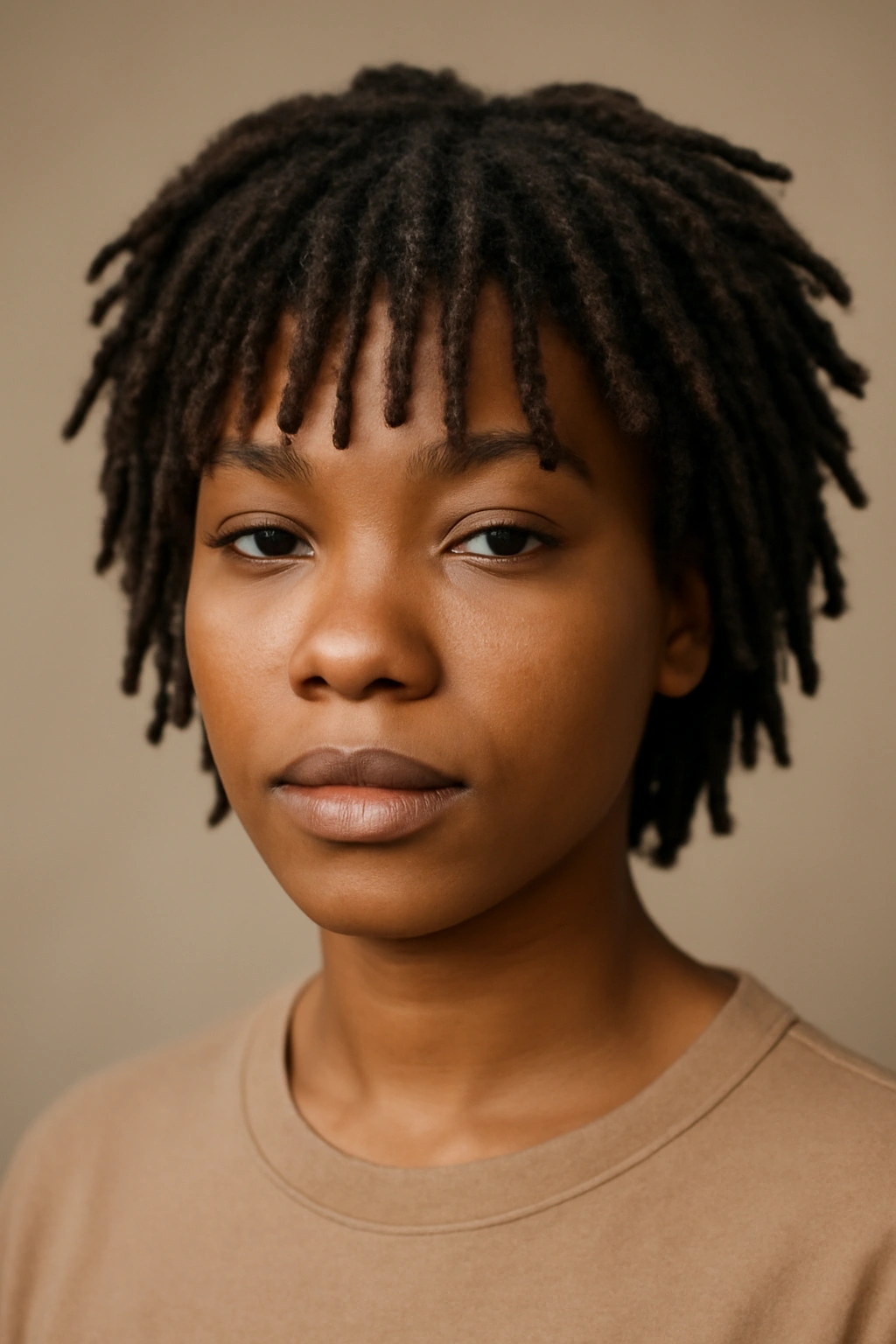
Short locs give you the opportunity to create textured bangs — locs that fall across your forehead at slightly different lengths, creating movement and visual interest without the commitment of traditional bangs. These bangs can frame your face beautifully while your remaining locs are styled however you prefer.
Creating Intentional Bang Locs
Identify which locs naturally fall at your forehead when you wear your hair down. Decide if you want them all at the same length (creating a blunt-bangs effect) or varying lengths (creating a shaggy, textured effect). If you’re going for varying lengths, you might trim just one or two locs to mid-forehead, leave a few at eyebrow length, and let others fall to your cheekbones. This variation creates movement and prevents the bangs from looking too heavy or severe.
Styling Flexibility
The beauty of loc bangs is that you can change how they work with a simple styling choice. Pull them to the side for a swept-bang look. Pin them up to reveal your full forehead. Weave them into a braid. These locs remain versatile even though they’re specifically positioned to frame your face. You get the instant-style benefit of bangs without losing the versatility of locs.
Maintenance Considerations
Locs that fall across your forehead touch your face more frequently, which means they may accumulate more oil and need slightly more frequent washing. But they also tend to feel fresher and more intentional than locs positioned further back, so many people find the tradeoff worthwhile.
11. The Undercut Loc Design
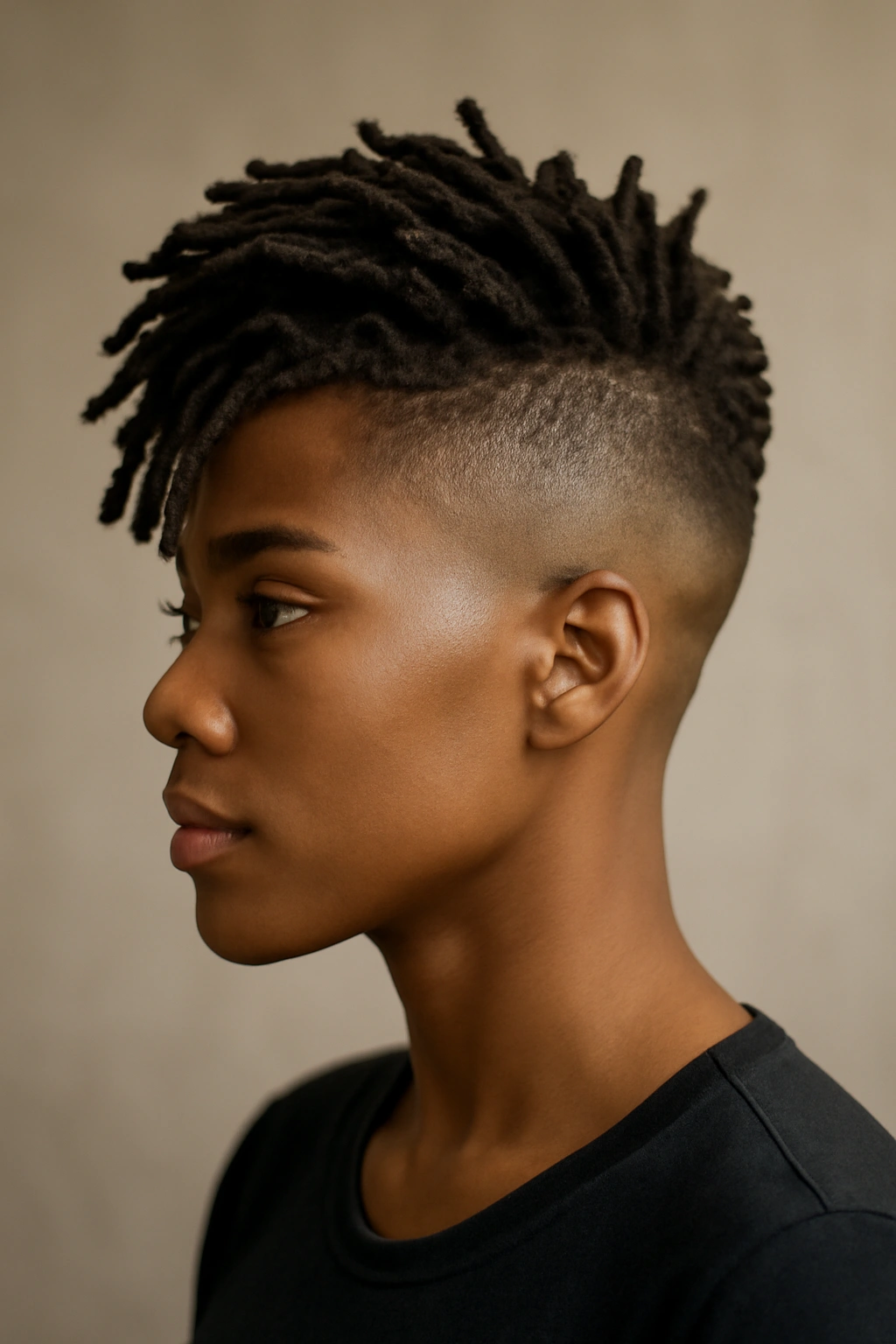
An undercut — where the hair on the sides and back is cut very short or faded while the top is kept longer — creates dramatic contrast when combined with locs. Your locs become the focal point, sitting prominently on top while the undercut emphasizes the delicate structure of your skull and creates visual lightness overall.
Design Considerations
You can go minimalist with a subtle fade that’s barely noticeable, creating an almost-undercut effect. Or you can go bold with a sharp line where your locs begin and the faded sides are clearly demarcated. Some people add designs or patterns into the faded area — geometric lines, curves, or artistic designs that create additional visual interest. Others keep the faded areas completely smooth for maximum contrast with the texture of the locs above.
Visual Impact
The undercut is powerful because it breaks up the visual mass of locs and creates a silhouette that photographs beautifully. Your face feels more spacious and defined. The undercut also makes your locs appear fuller and more prominent by contrast, even if you have fewer total locs than someone without an undercut.
Maintenance Rhythm
Plan for regular touch-ups — an undercut fades in and looks intentional for a few weeks, then gradually grows out and softens. Many people get their undercut maintained every 4-6 weeks to keep that crisp contrast feeling fresh. The maintenance rhythm adds to the styling flexibility because you’re essentially resetting your look every few weeks.
12. The Wrapped and Beaded Locs
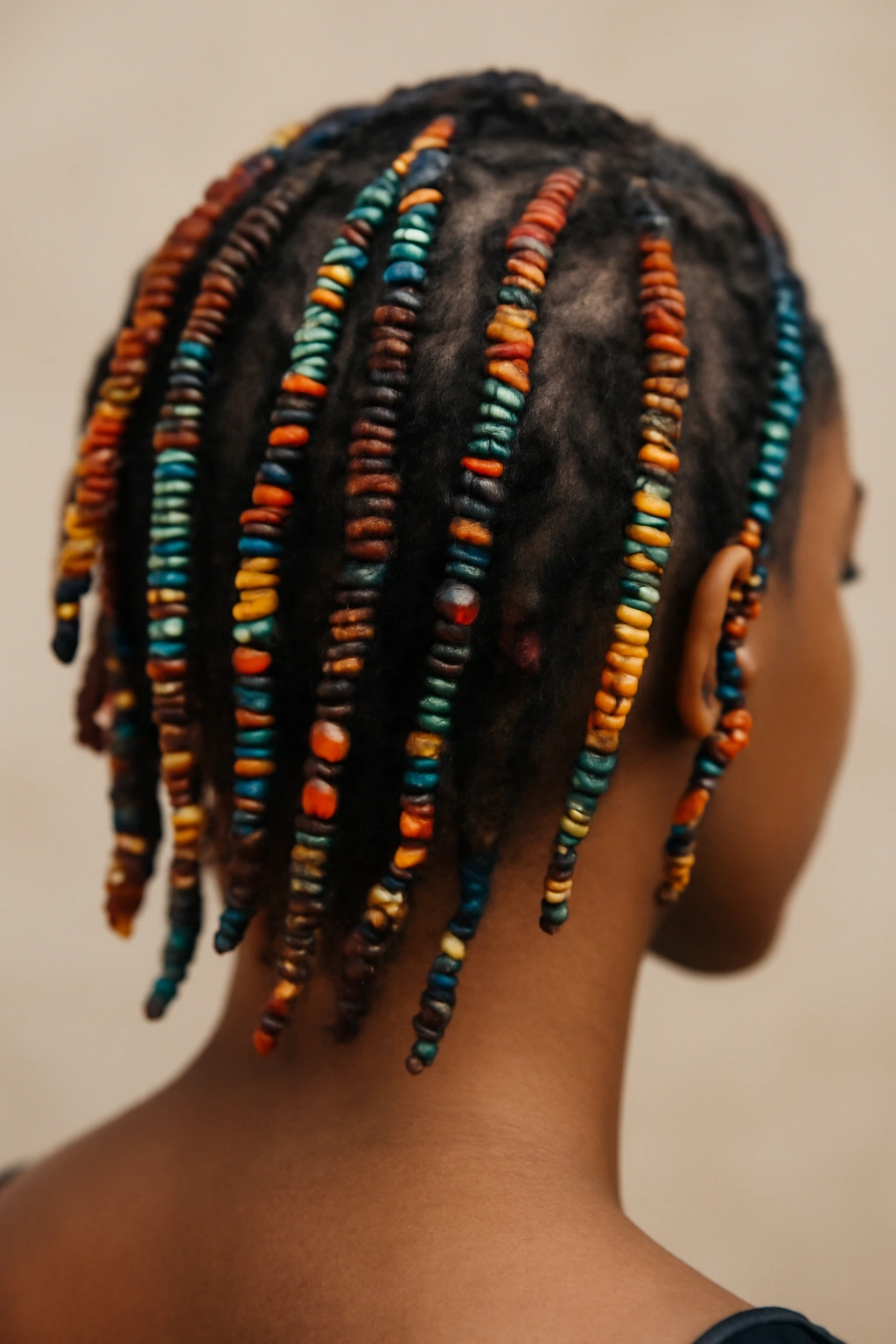
Wrapping your locs with colorful thread, thin cord, or wire creates another dimension of customization and artistry. Combine this with strategic beading — placing individual beads throughout your locs or clustering them in sections — and you have a look that’s uniquely, personally yours in a way that extends beyond just the locs themselves.
Wrapping Techniques and Materials
Thin thread or embroidery floss wrapped tightly around sections of your locs creates clean lines of color. Some people wrap entire locs from root to tip; others wrap just the bottom third or create striped patterns with multiple colors. Metallic thread, neon colors, metallic cord, or traditional earth tones — your choices here are genuinely endless. Secure the wrapping at the beginning and end with a tiny knot tucked into the locs so it stays hidden.
Beading Placement Strategy
Beads aren’t just random — they’re intentionally placed to create visual rhythm and interest. You might place beads along the lower third of your locs for a dangling effect. You might cluster them at the ends for weight and movement. You might place them in geometric patterns that reference your part lines or styling choices. Larger wooden beads have a different visual impact than tiny seed beads; metallic beads read differently than matte ones. Consider how each material choice changes the overall energy of your look.
Making It Your Own
This is genuinely where your personality comes into play. The base look of short locs is beautiful on its own, but adding wrapping and beading transforms it into a personalized expression of your creativity and style. Many people change their wrapping and beading seasonally or even monthly, giving themselves a completely new look while maintaining the same locs underneath.
Final Thoughts
Short locs are genuinely one of the most versatile, beautiful, and empowering hair choices available. What makes them so special is that they’re equally at home worn completely loose and natural, styled into intricate updos, or accessorized with wrapping and beads. You can transform your entire look without damaging your hair or starting over — just a few bobby pins, some thoughtful styling, or a new wrapping style and you’re ready for whatever comes next.
The styles covered here are starting points and inspiration rather than rigid rules. Once you understand the foundational techniques — how to gather and secure, how to twist and wrap, how to layer patterns and textures — you can remix them endlessly. Your short locs might become a high-top knot one day, a crown wrap the next, and an intricate braided updo the day after that. That freedom, combined with the beauty and power of the locs themselves, is what makes this hair journey so profoundly satisfying for so many people.
