



The asymmetrical bob has become one of the most versatile and flattering cuts in modern hairstyling, and for good reason. Unlike traditional bobs that sit evenly on both sides of the head, an asymmetrical bob features one side noticeably shorter or longer than the other—creating instant movement, dimension, and personality. What makes this cut so appealing is its incredible range: you can go barely-there subtle with just a quarter-inch difference, or make a bold architectural statement with one side grazing your collarbone while the other hits mid-cheek.
The beauty of an asymmetrical bob lies in its ability to flatter nearly every face shape and hair type while requiring genuine styling intention. This isn’t a “wash and go” cut for most people—it’s a cut that says you’ve thought about your look. Whether you’re drawn to edgy, modern vibes or prefer something softer and more romantic, there’s an asymmetrical bob variation that will make you feel like the best version of yourself.
1. The Barely-There Asymmetrical Bob
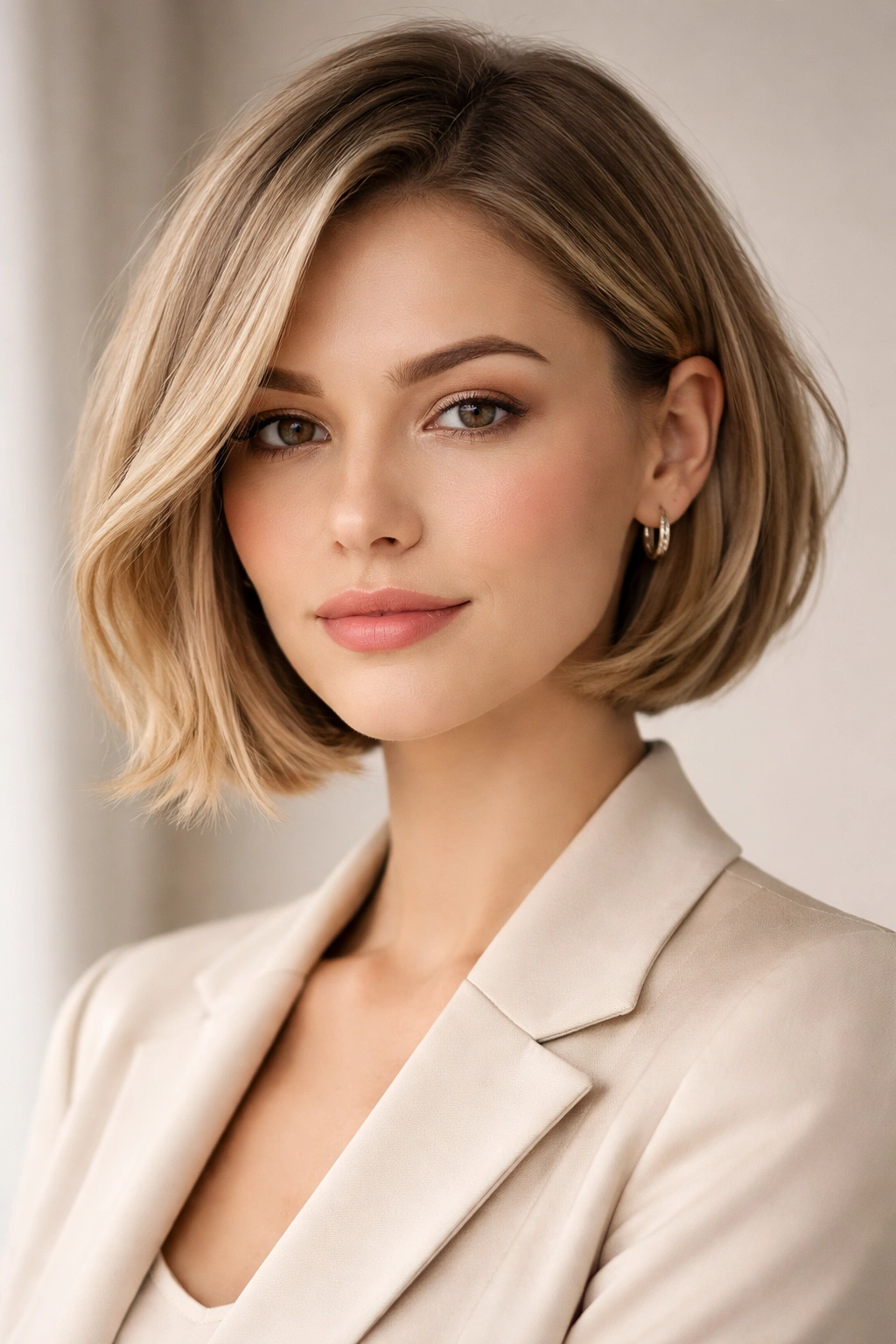
This is asymmetry for the cautious, the traditionalist, or anyone who wants to dip their toes into an unconventional cut without diving in headfirst. The barely-there asymmetrical bob typically features a difference of just half an inch to an inch between sides—enough to create subtle movement and visual interest, but not so extreme that it reads as intentionally edgy.
Why This Works for Every Lifestyle
The barely-there version is perfect if you have a professional environment where you need to look polished and conventional, but you still want a hint of contemporary style. This cut works beautifully with natural hair texture because the minimal length difference means you’re not fighting gravity or creating heavy weight on one side. The subtlety also means that if you grow it out, the asymmetry gradually disappears rather than creating an awkward in-between phase.
How to Style It Best
- Works best with side-parted styling that emphasizes the asymmetry without overdoing it
- Soft waves or your natural texture showcase the cut’s dimension better than a blunt, straight finish
- Tuck one side behind your ear occasionally to reveal the cut’s structure
- Pairs beautifully with longer bangs that follow the asymmetrical line
- Requires a trim every 4-5 weeks to maintain the precise length difference
Styling pro tip: This cut actually looks better slightly grown out—when the longer side hits chin length and the shorter side reaches ear level, the asymmetry becomes more visually interesting without looking unkempt.
2. The Textured Shag-Inspired Asymmetrical Bob
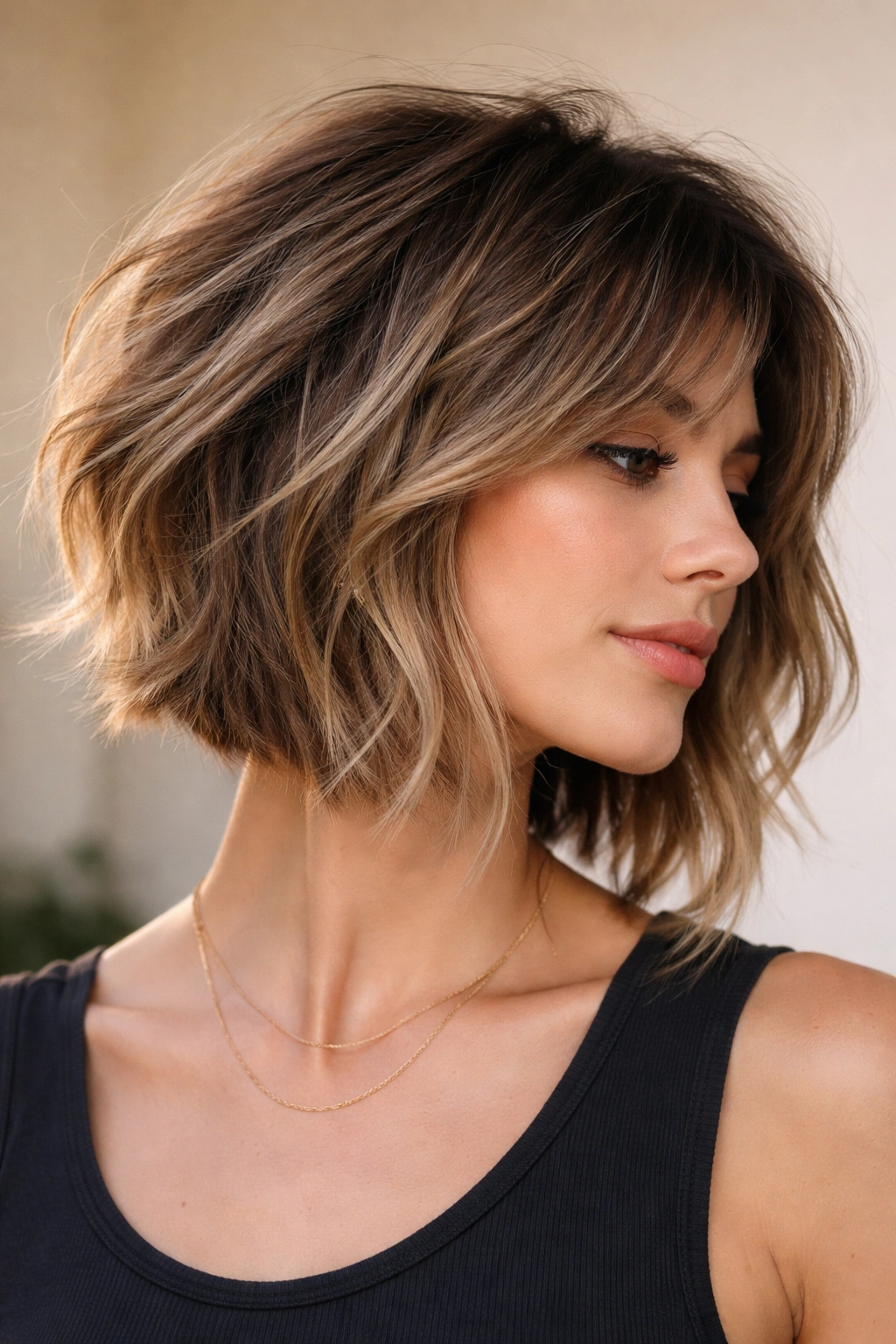
If you want movement, personality, and a retro-modern vibe, this is your cut. The textured shag-inspired asymmetrical bob adds choppy, razored layers throughout the length, combined with a noticeable but not extreme length difference between sides. One side might hit mid-shoulder while the other lands at the ear.
The Modern Shag Evolution
This version borrows the carefree texture of 70s-inspired shag cuts but refines it with precision layering and the asymmetrical structure that feels current. The choppy layers catch light, create movement with every turn of your head, and instantly make your hair look fuller and more voluminous—even if your natural hair is fine or thin. The asymmetry adds contemporary edge that prevents the cut from looking like pure retro nostalgia.
Texture, Products, and Maintenance
- Thrives on movement and texture, not sleekness—curling your hair or encouraging natural waves is part of the design
- Requires the right styling products: a texturizing spray, dry shampoo, or sea salt spray brings out the intentional messiness
- Blow-dry with your fingers or a diffuser to create lift at the roots rather than smoothing everything down
- Trim every 4-6 weeks because the layered ends are more visible and will look wispy quickly
- Works with wavy and curly hair that naturally separates into pieces
Insider note: This cut photographs beautifully and translates well to updos and half-up styles because the layers create interesting texture even when hair is pulled back.
3. The Blunt Geometric Asymmetrical Bob
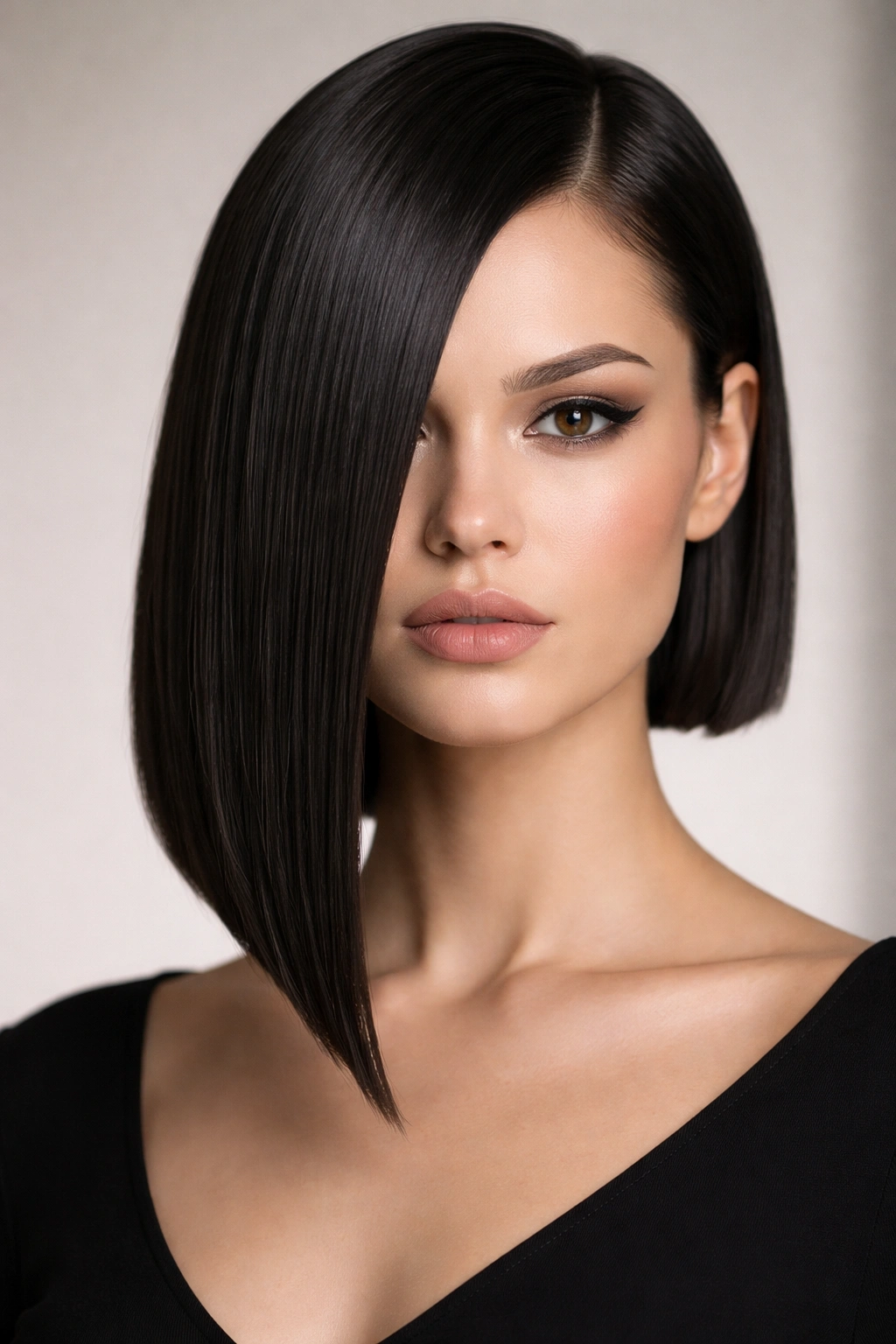
This is asymmetry with attitude. The blunt geometric asymmetrical bob features sharp, clean lines with one side cut significantly shorter than the other—sometimes dramatically, like one side at ear length and the other at chin or shoulder. The edges are blunt and intentional, never wispy or feathered.
Why Sharp Lines Command Attention
The blunt geometric style makes a statement precisely because it refuses to apologize for being different. Both sides are cut with precision and intention, but the asymmetry is impossible to ignore. This cut works particularly well with straight or naturally sleek hair that shows off clean lines. It’s the choice of people who want their hair to look modern, artistic, and carefully considered.
Face Shape Considerations and Styling
- Best on oval, square, or angular face shapes that can handle the architectural boldness
- Works wonderfully with a dramatic side part that plays up the length difference
- Styling is straightforward: blow-dry straight for maximum sharpness, or add subtle waves for softness
- The bluntness means you’ll see every growth and need trims every 3-4 weeks to maintain crispness
- Pairs beautifully with minimalist fashion and clean beauty aesthetics
Worth knowing: This cut shows every texture, so if you have frizz-prone hair or significant wave pattern, you may need smoothing treatments or regular blow-outs to achieve the intended effect.
4. The Soft Angled Asymmetrical Bob with Longer Bangs
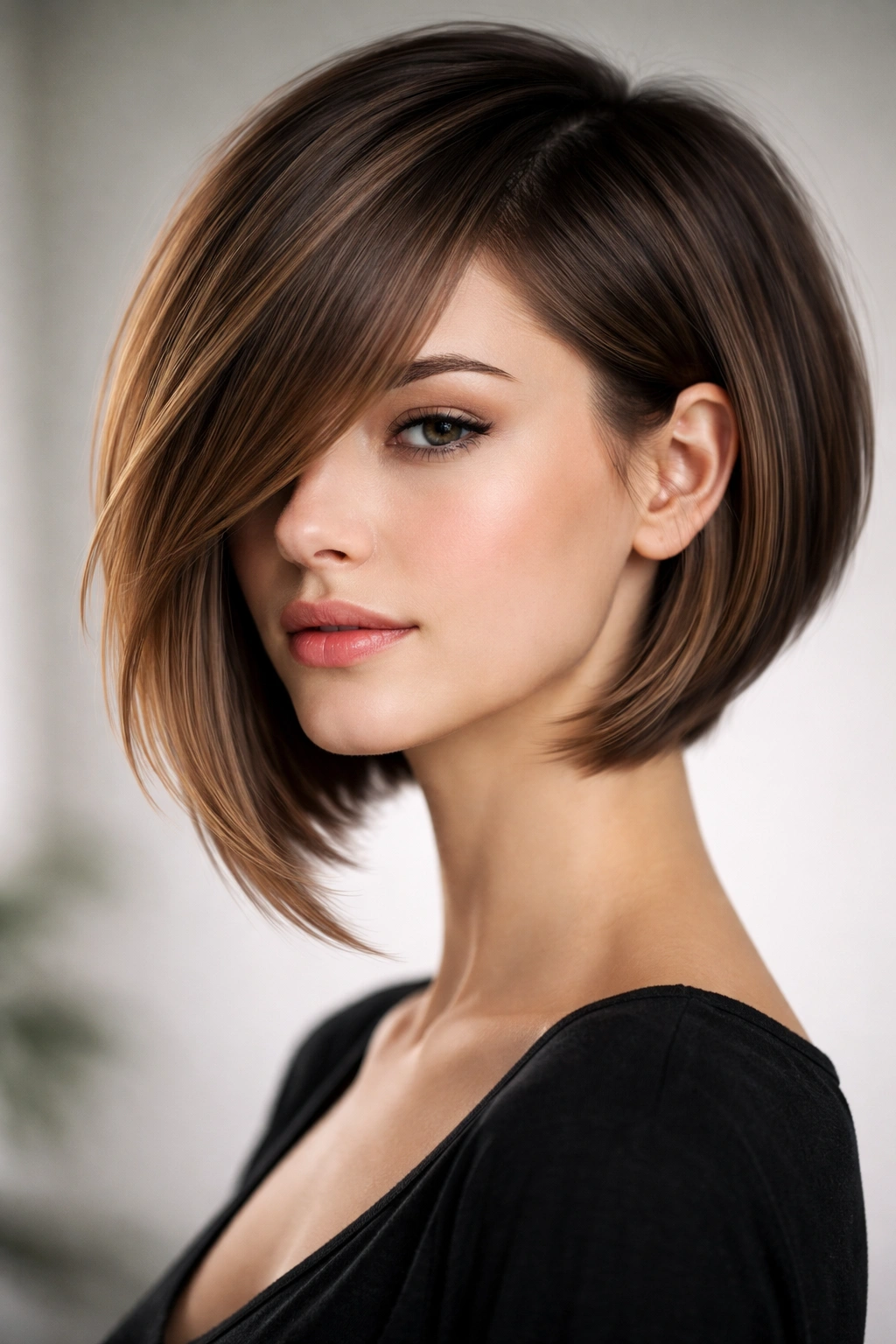
For those who want asymmetry but softness too, this version combines a gently angled cut with longer, face-framing bangs that follow the asymmetrical line. One side might be significantly longer, but the overall shape is rounded and forgiving rather than sharp.
Creating Softness Through Angles
Instead of blunt edges, this cut features rounded angles where the layers melt into each other. The longer bangs (often extending to cheekbone or chin length) frame the face beautifully and draw attention upward. The asymmetry lives in the overall silhouette—one side visibly longer than the other—but the texture and shape feel softer, more romantic, and less aggressively modern.
Styling for Maximum Flattery
- Works beautifully with all face shapes because the bangs create a flattering frame
- Soft waves or curls enhance the rounded aesthetic and add romantic movement
- The bangs can be styled to one side, straight across, or parted in the middle depending on your mood
- Requires trims every 5-6 weeks because the bangs need maintenance as they grow
- Straightening is optional—this cut looks equally good with natural texture
Pro tip: This cut is incredibly forgiving if you grow it out gradually; the longer bangs transition beautifully into longer layers as everything lengthens.
5. The High-Low Asymmetrical Bob with Undercut
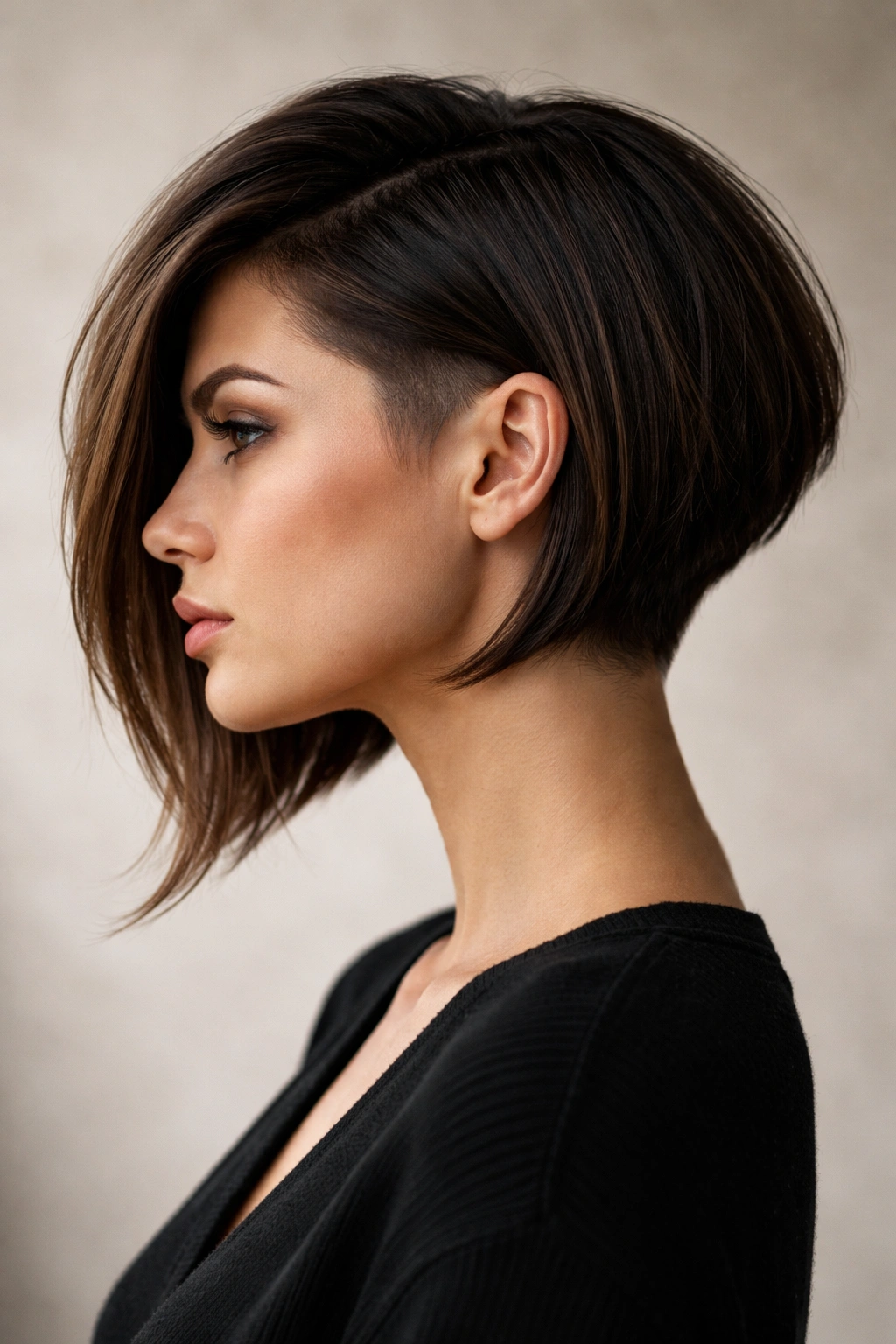
This is asymmetry with hidden depth—one side is longer and full-bodied, while the other side features an undercut (shorter layers underneath that are partially hidden when hair is down). The contrast is dramatic, but the undercut adds visual intrigue without screaming for attention.
Strategic Layering Creates Dimension
The undercut works on the “hidden structure” principle: when your hair is down, people see one side noticeably longer than the other, but the cut’s real genius is in those undercut layers that give the fuller side surprising movement and prevent it from looking heavy. This is perfect for people with thick hair who want the volume on one side but need the undercut to prevent bulk.
Best Hair Types and Styling Options
- Ideal for thick, coarse, or naturally curly hair that needs internal structure
- The undercut side can be tucked behind your ear to reveal the architectural detail
- Works with both straight styling and texture—the undercut adds movement either way
- Requires precise trimming every 5-6 weeks to maintain the undercut’s sharpness
- Creates endless styling possibilities: tuck, flip, or leave down for different effects
Real-talk insight: This cut requires a stylist who understands asymmetry and undercuts—not all barbers or stylists can execute this properly, so find someone experienced.
6. The Curtain-Banged Asymmetrical Bob
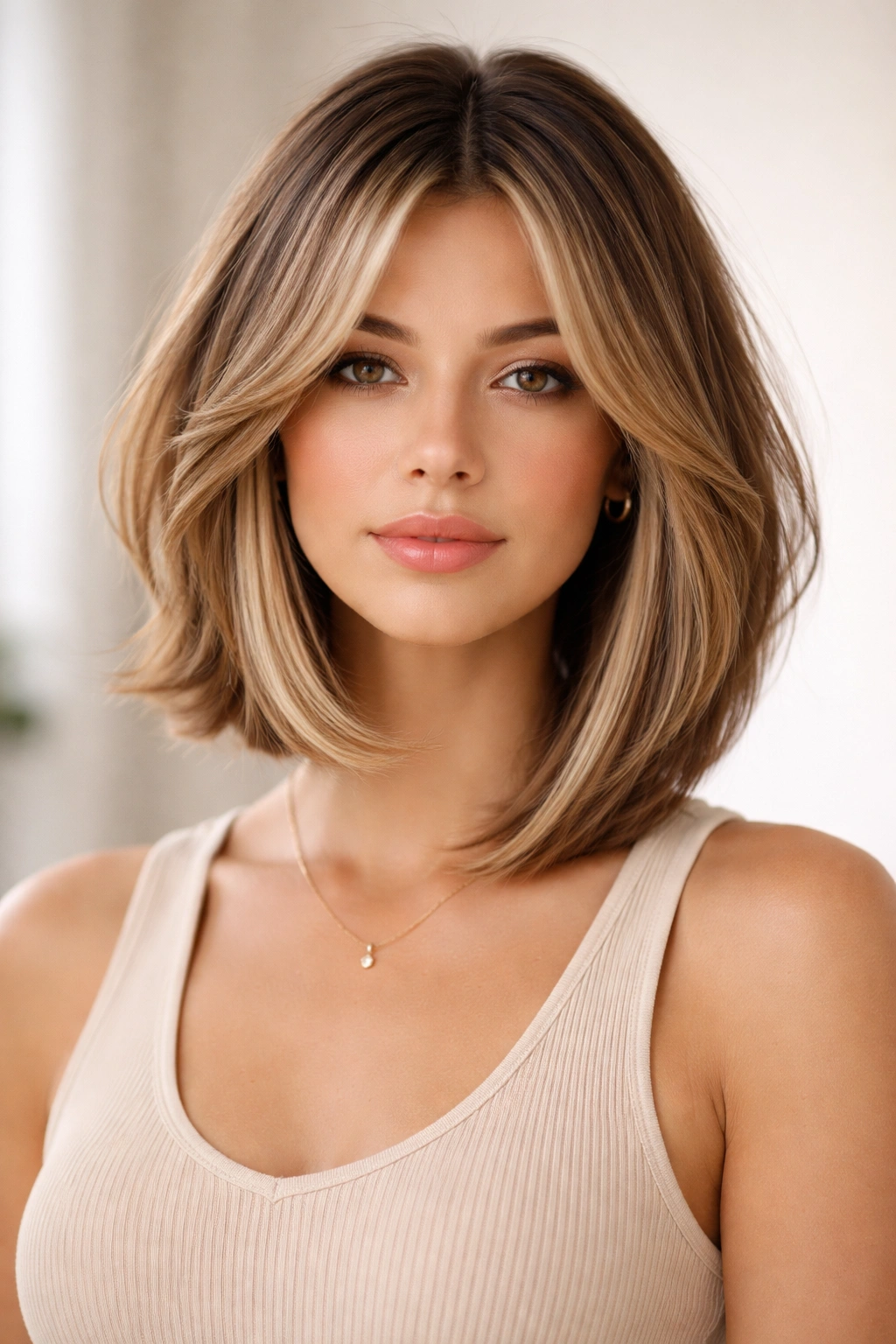
This modern take on 90s-inspired curtain bangs meets contemporary asymmetry. Both sides part down the middle with face-framing bangs that curve gently away, but one side of the main cut is noticeably longer than the other. The bangs soften the asymmetry while the length difference keeps it modern.
The Charm of Parted Bangs
Curtain bangs have a unique ability to make almost anyone look good—they frame the face without covering it, and they work with multiple styling options. When paired with asymmetry, they create a look that’s both trendy and wearable. The parted center allows the bangs to move naturally away from the face, which many people find less constraining than blunt bangs.
Maintenance and Styling Flexibility
- Curtain bangs need trimming every 3-4 weeks because the movement becomes obvious as they grow
- Works beautifully with wavy and curly hair—the curtains naturally fall into a flattering shape
- Can be styled with a blow dryer for a polished finish or dried naturally for a more casual vibe
- The asymmetry in the main cut becomes more or less visible depending on how you part your hair
- Pairs wonderfully with minimalist or vintage-inspired fashion
Styling secret: If your curtain bangs feel flat or limp, blow-dry them while using a large round brush to create subtle volume at the roots—this makes them look fuller and more intentional.
7. The Sharp Pixie-Bob Asymmetrical Hybrid
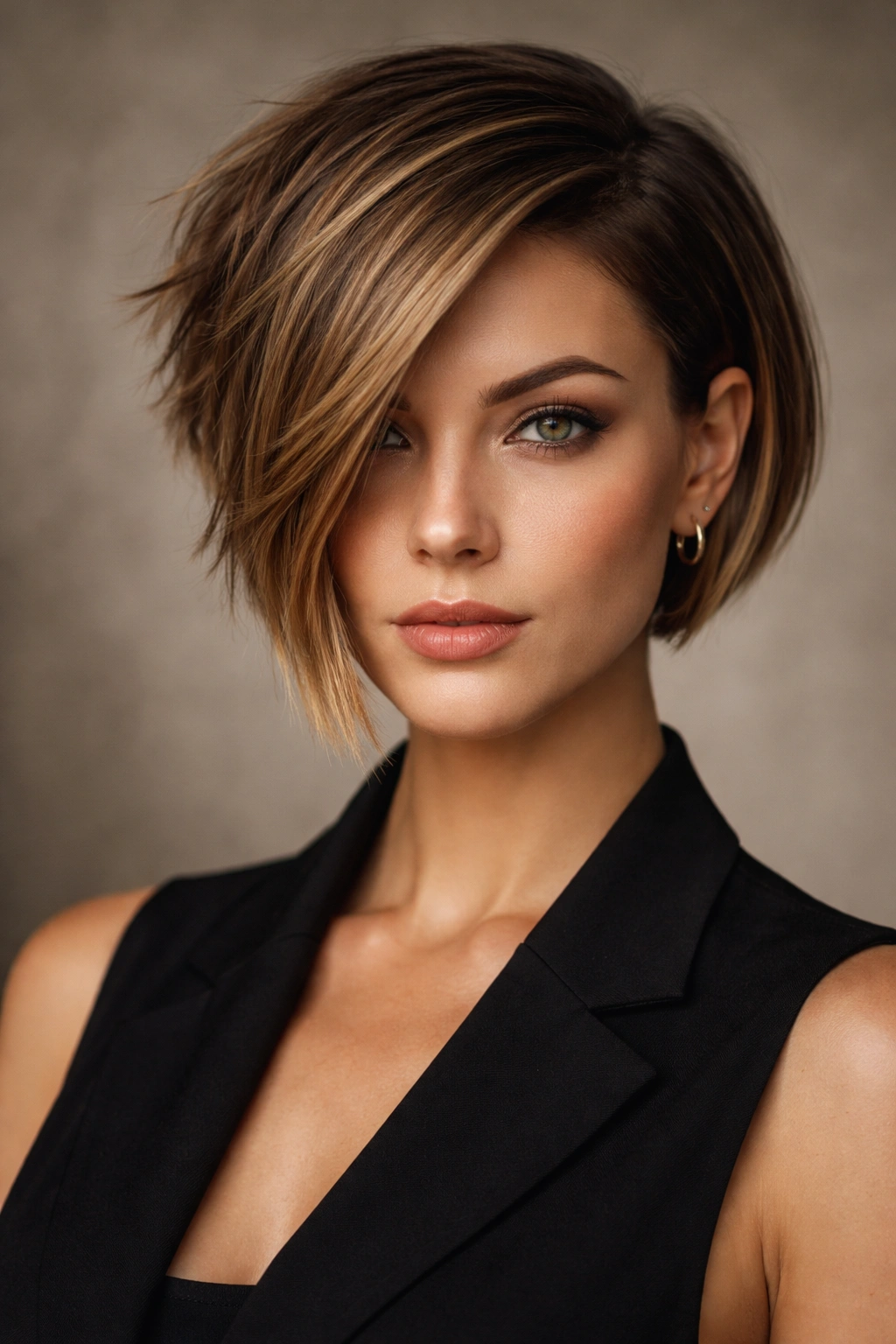
For the genuinely bold, this cut merges a short pixie on one side with a chin-length bob on the other. It’s not for the faint of heart, but it’s undeniably striking and requires confidence to pull off. One side might be an inch or two long with minimal layers, while the other is cropped close to the head with texture throughout.
Embracing Radical Asymmetry
This hybrid works because both sides are intentional and beautifully executed—it’s not accident, it’s architecture. The short pixie side makes a statement about confidence and style philosophy, while the longer bob side provides just enough length for those days you want to style more conventionally. Some people alternate which side they emphasize depending on their mood or the occasion.
Who Can Wear This and How to Style It
- Requires a strong sense of personal style and confidence in your appearance
- Works best with fine to medium hair; thick hair can look too heavy on the longer side
- Styling is minimal: the short side needs occasional trimming, the longer side benefits from subtle waves
- This cut demands a skilled stylist—the balance between sides is crucial
- Looks stunning with bold makeup and fashion-forward styling
Important note: This is a commitment that requires frequent trims (every 3-4 weeks) to maintain the contrast and prevent the short side from growing into an awkward in-between length.
8. The Layered Asymmetrical Shag with Side Bangs
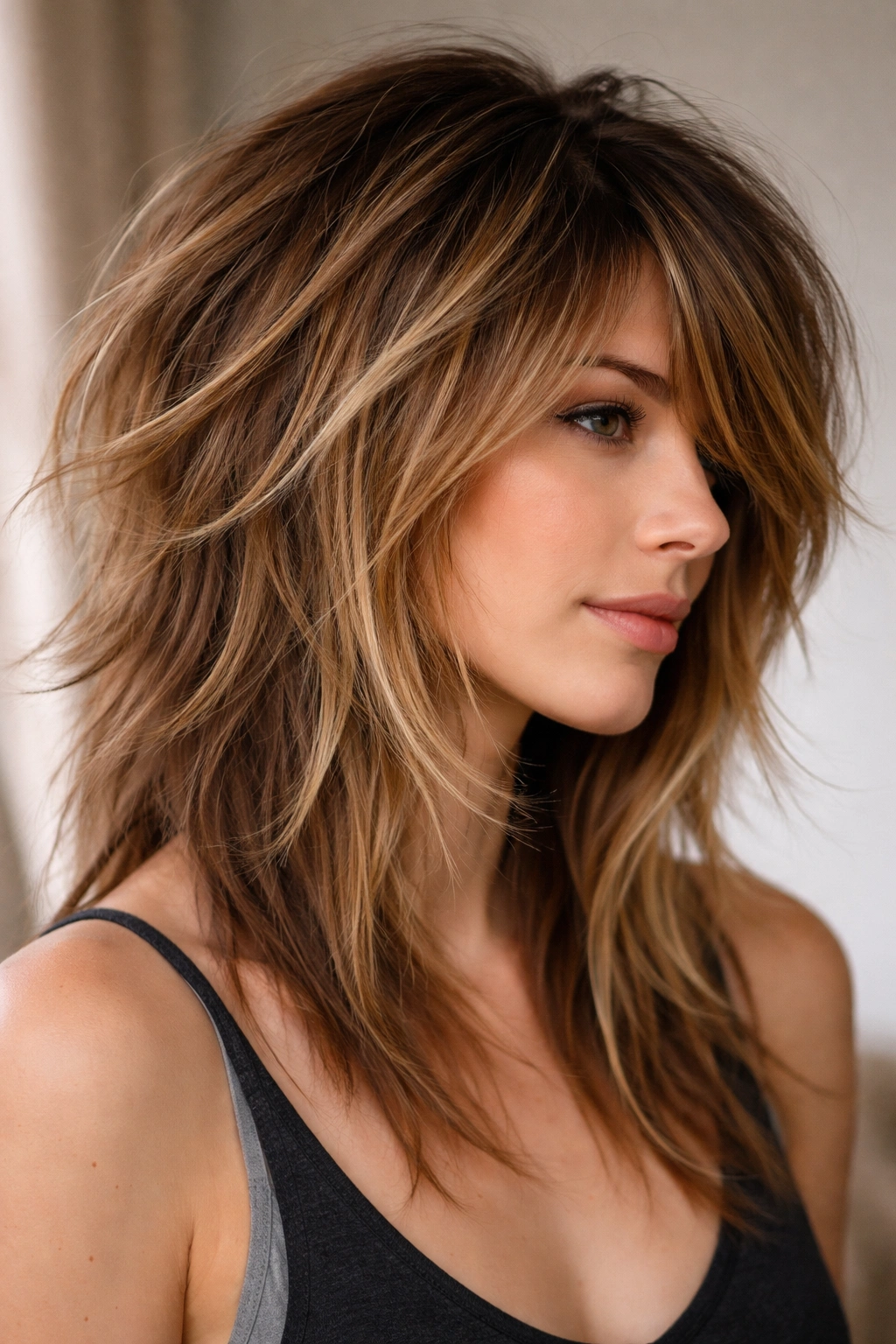
This version combines choppy internal layering throughout the entire cut with a noticeable length difference between sides, plus asymmetrical side bangs that fall at different lengths. The overall effect is textured, movement-forward, and distinctly modern-bohemian.
Layers Create Movement and Texture
Every layer in this cut is deliberate—they’re not accidental or feathered, but purposefully choppy to create separation and movement. The asymmetrical side bangs echo the length difference in the main cut, creating visual harmony through repetition. This cut is particularly effective for creating the illusion of fuller hair, and it works beautifully with naturally textured and curly hair.
Styling Products and Techniques
- Requires the right products: texturizing spray, sea salt spray, or dry shampoo to enhance the natural texture
- Works best with natural wave or curl pattern; blow-drying to complete smoothness undermines the design
- Plopping or scrunching with a microfiber towel helps define the layers and enhance texture
- Trim every 5-6 weeks because the layered ends become visible quickly as they grow out
- Looks intentional slightly messy—this isn’t a cut that requires perfection
Insider wisdom: Sleeping in braids and using texturizing spray the next morning gives you effortless-looking waves that perfectly complement this cut’s movement-forward design.
9. The Sleek Asymmetrical Bob with Hidden Layers
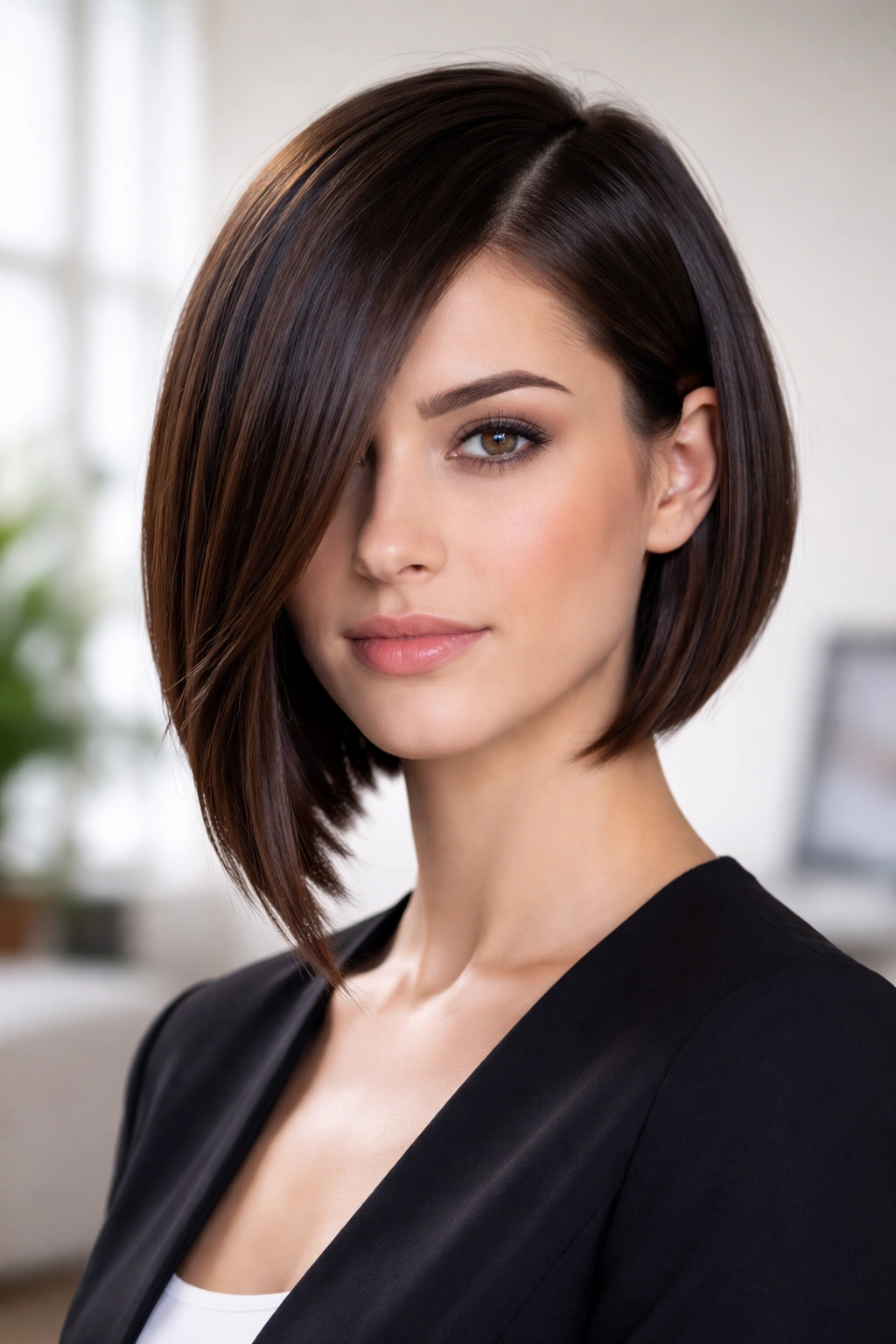
This is asymmetry disguised as polish. From the front and sides, it looks like a sleek, structured cut with one side clearly longer than the other—but when you move, you discover hidden choppy layers inside that create surprising movement and prevent the cut from feeling heavy.
The Hidden Structure Approach
This cut appeals to people who want a professional, polished appearance but also want the movement and dimension that comes from texture. The hidden layers sit inside the longer side, so while the silhouette appears smooth and structured, the hair moves beautifully and catches light. It’s sophisticated and sneaky at the same time.
Styling for Maximum Impact
- Works best with straight or wavy hair; curly hair will reveal the layers more obviously
- Blow-drying straight with a paddle brush creates the sleek, polished effect
- The hidden layers mean you can also style with texture if you choose—the cut accommodates both
- Trims every 4-5 weeks keep the sleek perimeter looking sharp
- Pairs beautifully with professional and polished styling
Pro insight: Ask your stylist to make the hidden layers quite choppy so they create real movement, but keep the exterior outline smooth—this maximizes the surprise factor when you move.
10. The Curly Asymmetrical Bob with Defined Texture
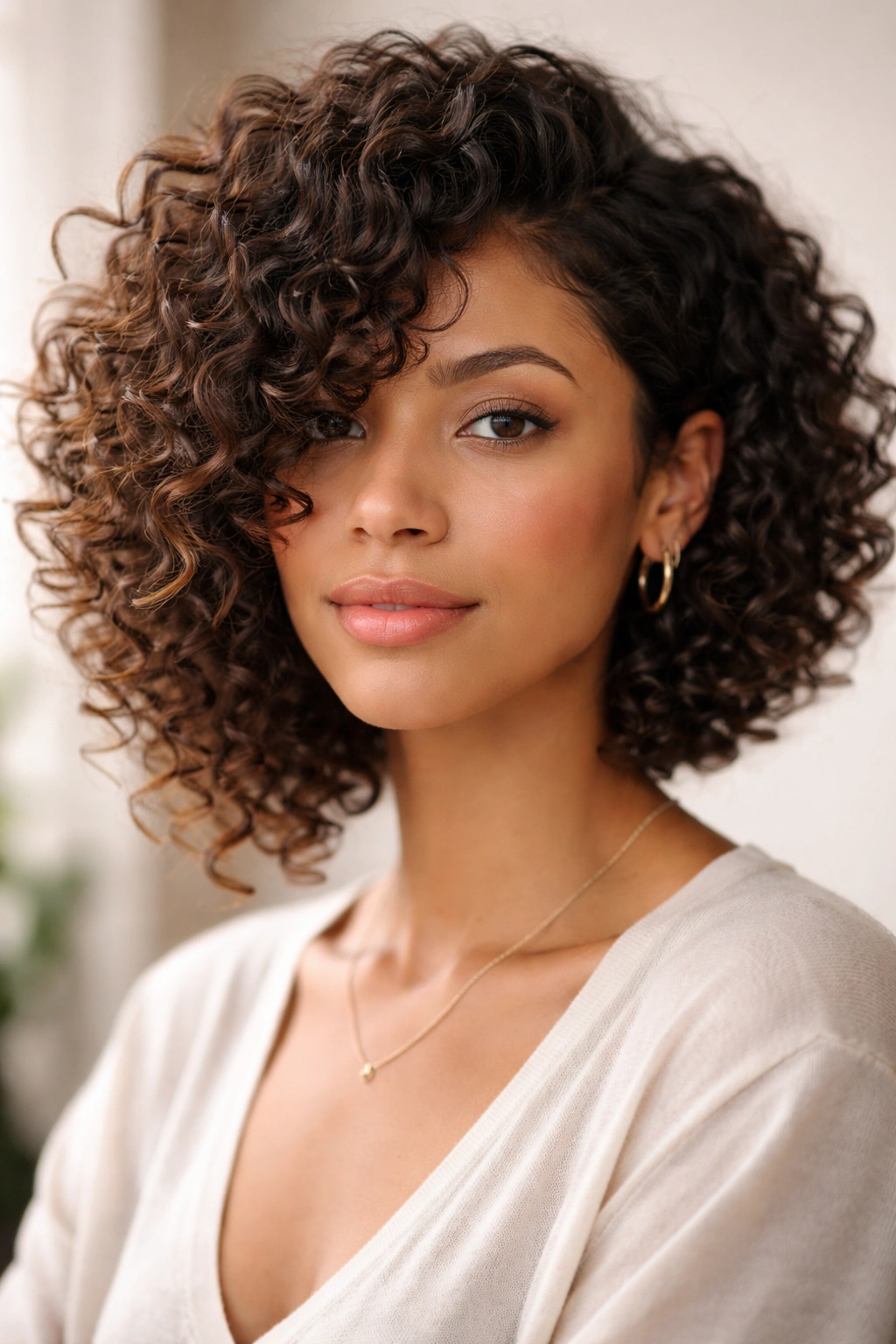
If you have natural curls or coils, an asymmetrical bob can be absolutely transformative. This version features one side noticeably longer than the other, with the cut designed around your curl pattern to encourage definition and shape rather than fight against it.
Working With Natural Texture
Curly hair changes dramatically when cut, and this cut takes advantage of that shrinkage and natural movement. One side might reach your collarbone when wet and dry to mid-back when curly, while the shorter side dries to ear length. The asymmetry becomes more pronounced in curly hair, and the movement is inherent rather than something you have to create with styling.
Care, Products, and Maintenance
- Requires a stylist who understands curly hair and can cut it properly (dry or with specific techniques)
- Works best with a consistent curl-care routine: cleansing conditioner, deep conditioning, leave-in products
- Styling is usually hands-off: apply products to soaking wet hair and let curls dry naturally
- Trims every 6-8 weeks to maintain shape and remove any single-strand knots from the ends
- The asymmetry creates beautiful visual interest within the natural curl pattern
Curly hair secret: Get a cut specifically for curly hair, not a straight-hair cut applied to curls. The curl pattern should inform the cut design, not the other way around.
11. The Mullet-Inspired Asymmetrical Bob
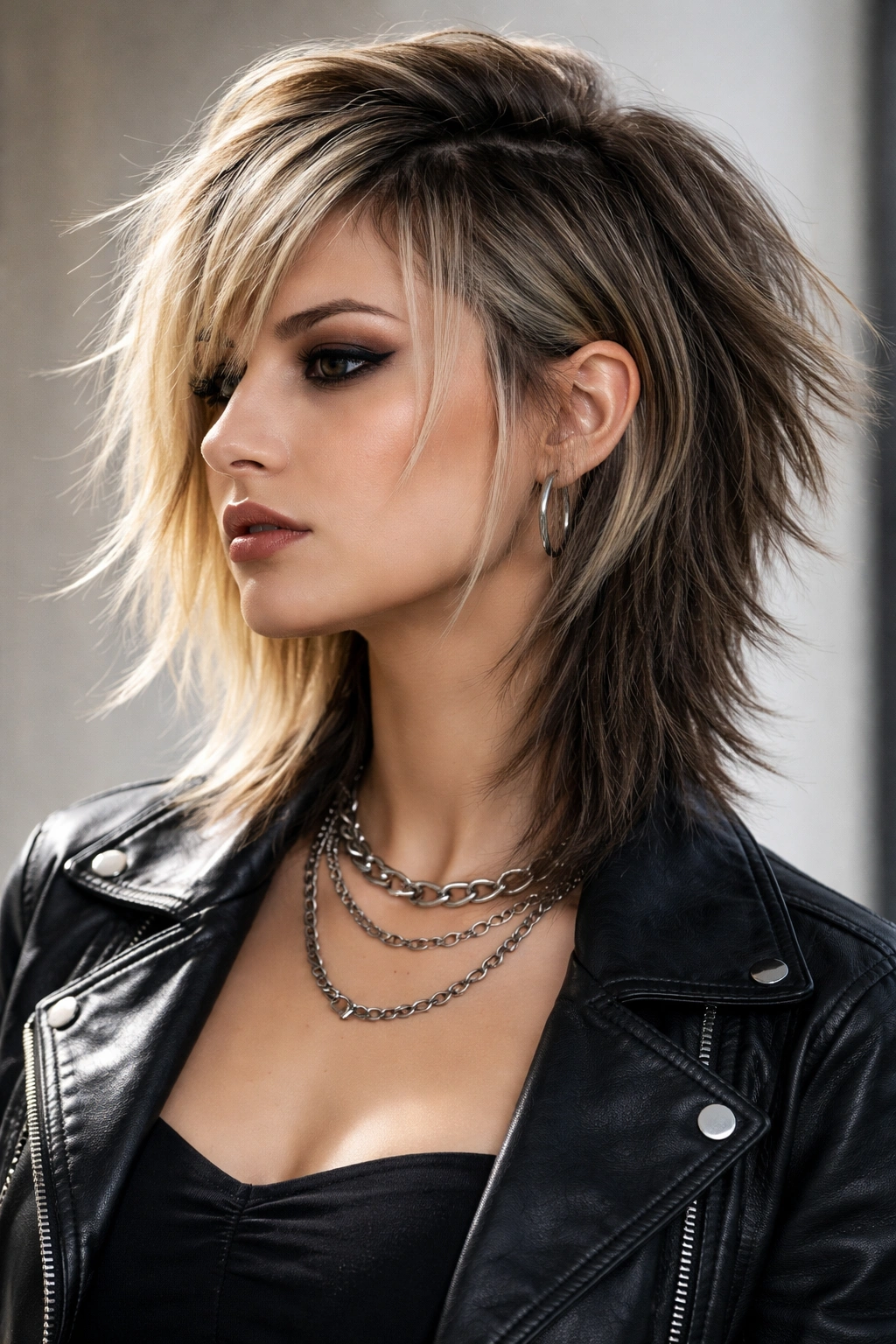
This modern take on a classic (controversial) silhouette combines business in the front with a playful longer length in the back, all with an asymmetrical twist. One front side is shorter and more structured, while the back layers are longer and choppier.
Reinventing the Mullet for Modern Times
The contemporary mullet has shed its 80s reputation and become a legitimate fashion statement. This asymmetrical version plays with the traditional short-front, long-back concept by adding asymmetry to the front sections and texture throughout. It’s bold, it’s current, and it’s definitely a conversation starter.
Who Should Consider This and How to Style It
- Works best on people who are genuinely interested in fashion and personal style
- Requires someone confident enough to pull off something unconventional
- Styling flexibility: the short front can be sleek or textured, the back can be curled or straight
- Trims every 4-6 weeks to maintain the structured front and prevent the back from looking scraggly
- Pairs beautifully with bold fashion choices and distinctive personal aesthetics
Real talk: This cut reads as intentional and artistic. If you’re worried about seeming too unconventional, this isn’t the cut for you—but if you love the idea of making a style statement, it’s incredible.
12. The Blended Asymmetrical Bob with Movement

This is the Goldilocks of asymmetrical bobs: not too subtle, not too extreme, but with enough movement and dimension to feel special. One side is noticeably longer—perhaps hitting mid-ear, while the other reaches chin length or slightly beyond. The cut features soft layers that blend seamlessly, creating a shape that’s both modern and wearable.
Why This Works for Most People
This version bridges the gap between conservative and bold. The length difference is obvious enough that people notice you’ve done something interesting with your hair, but not so dramatic that it reads as edgy or requires constant intention in styling. The soft layers throughout add movement and volume without the choppy texture of a shag.
Versatility in Styling
- Works with all hair types: straight, wavy, curly, or coily
- Can be styled sleek for professional settings or with texture for casual days
- The blended layers look good slightly grown out, giving you more time between trims
- Works beautifully with highlights or balayage that play up the movement and dimension
- Pairs with any aesthetic, from minimalist to bohemian to edgy
Final styling note: This cut gives you incredible versatility—you can tuck the longer side behind your ear for a completely different shape, or let it fall for maximum asymmetrical impact. The choice is yours depending on the occasion.
Final Thoughts
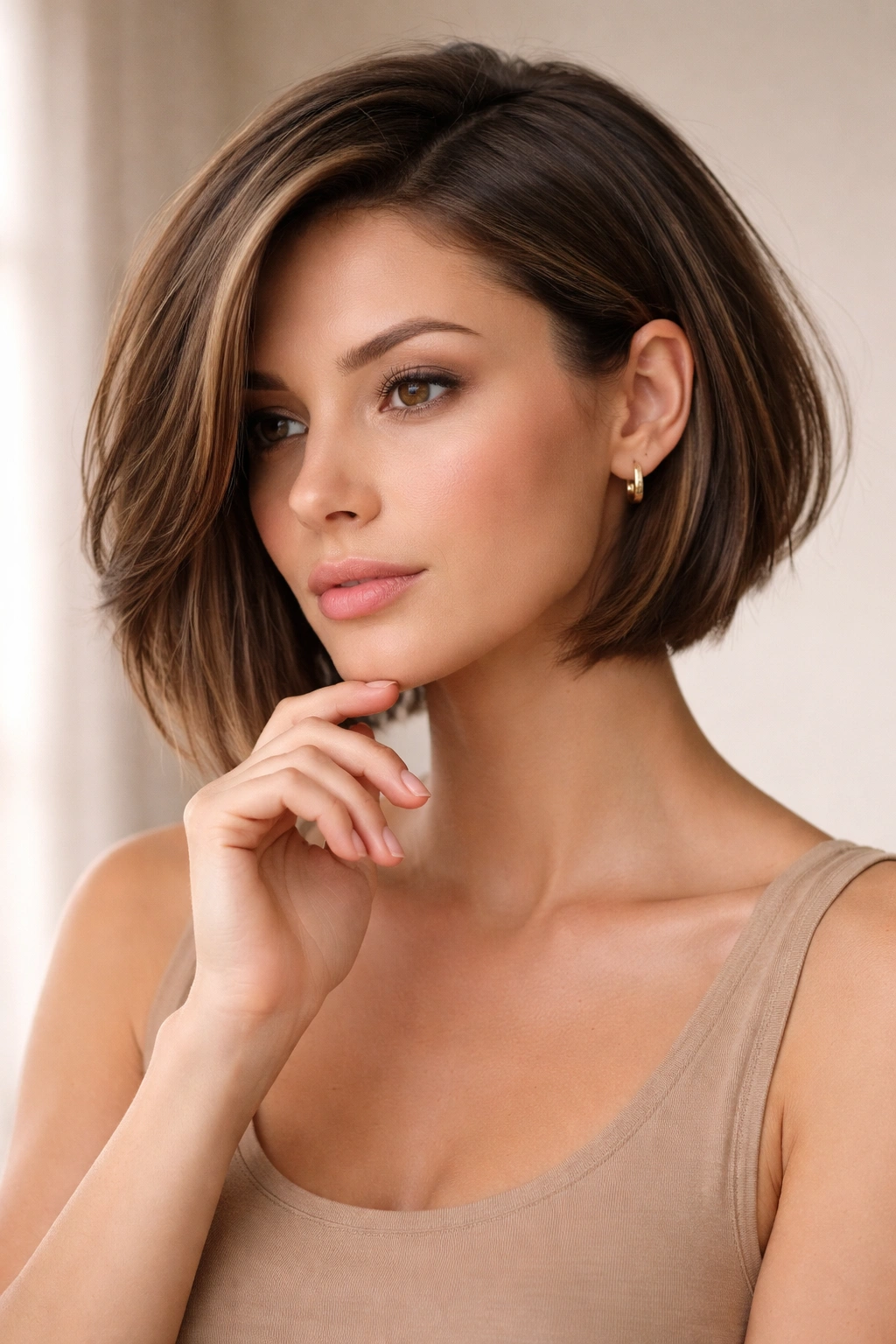
Choosing an asymmetrical bob really comes down to understanding what you want your hair to communicate about you. Are you looking for a subtle nod to modern style, or do you want to make a genuine statement? Do you have the styling patience and product access to maintain texture, or do you prefer something streamlined? Is your lifestyle more professional-conservative or creative-expressive?
The magic of the asymmetrical bob is that there’s genuinely a version for everyone. Start by identifying your comfort level with asymmetry—that barely-there quarter-inch difference hits differently than a dramatic pixie-to-bob hybrid—and then consider your hair type, styling commitment, and personal style. Bring reference photos to your stylist, discuss trims and maintenance expectations, and don’t be afraid to ask questions about how each version will work with your daily life.
Remember that the right asymmetrical bob isn’t the one that looks best in photos of other people—it’s the one that makes you feel like yourself, just with a little more intention and edge. That’s when a great cut becomes genuinely transformative.
