



12 Butterfly Haircuts for Medium Length Layers
Butterfly haircuts have become one of the most requested styles at salons, and there’s a good reason—they blend movement, texture, and dimension in a way that flatters almost every face shape and hair type. The signature feature of a butterfly cut is the way the layers frame the face and create volume throughout, designed to mimic the elegant spread of butterfly wings. If you’ve ever scrolled through hairstyle inspiration and felt drawn to something soft yet structured, textured yet polished, there’s likely a butterfly-inspired cut waiting for you.
The beauty of butterfly cuts lies in their versatility. Whether your hair is straight, wavy, curly, or somewhere in between, these layered styles adapt to your natural texture and can be customized to suit your personal aesthetic. Medium-length hair—typically sitting between the collarbone and mid-back—is the sweet spot for butterfly cuts because you get enough length to showcase the flow and movement, while the layers prevent that heavy, shapeless feeling that longer hair sometimes carries. The face-framing layers create immediate dimension and can help balance broader cheekbones, add fullness to rounder faces, or elongate heart-shaped faces depending on how they’re positioned.
What makes these cuts different from regular layered styles is the intentional placement and angle of each layer. Rather than cutting layers uniformly throughout, butterfly cuts concentrate shorter, choppy layers around the face and crown to create that signature “winged” effect, while maintaining more length at the back. This creates a natural lift and movement that works with your hair’s texture rather than against it. The cut is especially forgiving because it’s designed to look good whether you blow-dry it smooth or let your natural wave or curl take center stage.
Ready to explore twelve stunning variations of the butterfly haircut? Each one below offers a different approach to this transformative style, whether you’re looking for something bold and choppy, soft and romantic, or somewhere in between.
1. Classic Choppy Butterfly Cut with Feathered Layers
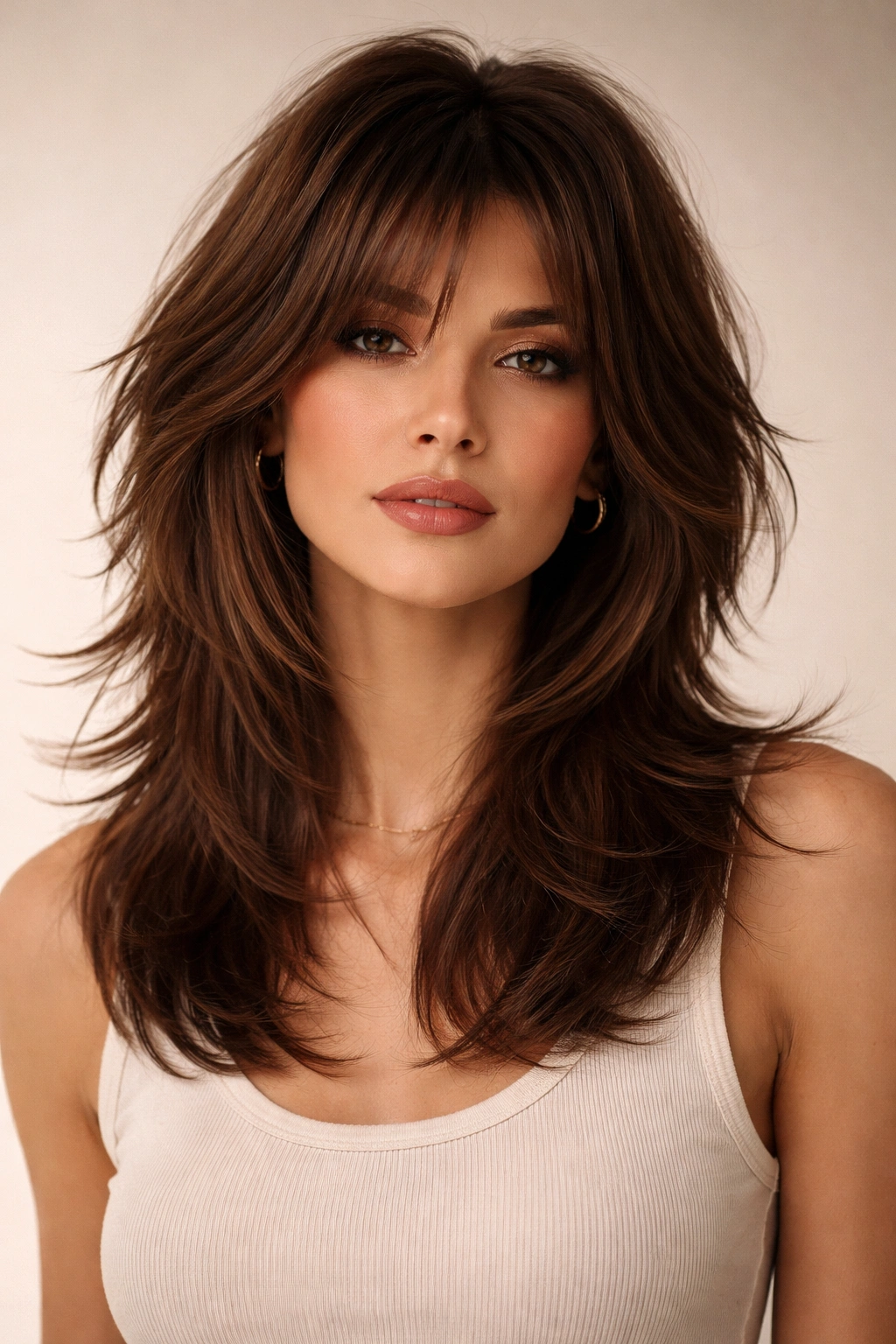
The classic choppy butterfly cut is where this style originated, and it remains the most striking interpretation. This version features heavily textured, choppy layers that start at the cheekbones and progress shorter as you move toward the crown, creating pronounced peaks and movement. The layers are cut with a blunt edge rather than tapered, which gives them definition and makes the individual strands visible. This look demands movement—you can’t achieve it without some styling effort, but that effort pays off with incredible dimension.
Why This Style Stands Out
The choppy texture in this cut works against your face to create an optical lift effect. When the layers are cut with blunt, separated ends, they catch light differently at each angle, which amplifies the sense of volume and creates a more dramatic visual impact than you’d get from softer, blended layers. This style is particularly effective for people with fine or thin hair because the choppy texture creates the illusion of fullness even if your hair density is modest. The face-framing aspect of the cut is also pronounced here—the shortest layers around your cheekbones can be strategically angled to work with your face shape rather than against it.
How to Style and Maintain
- Use a texturizing spray or sea salt spray on damp hair before blow-drying to enhance the choppy texture and separation
- Blow-dry with a round brush, lifting at the roots and turning the ends outward for that signature flipped effect
- Apply a texturizing paste or light pomade to the ends of layers once fully dry for lasting definition
- This cut requires trims every 5-6 weeks to maintain the clean, choppy edges as they grow and soften
- Works beautifully with straight, wavy, or even slightly curly hair textures
Insider note: Ask your stylist to cut the shortest layers slightly shorter than you think you want them—they’ll grow out and soften within 3 weeks, hitting the perfect length by week 2 or 3.
2. Soft Butterfly Cut with Blended Feathering
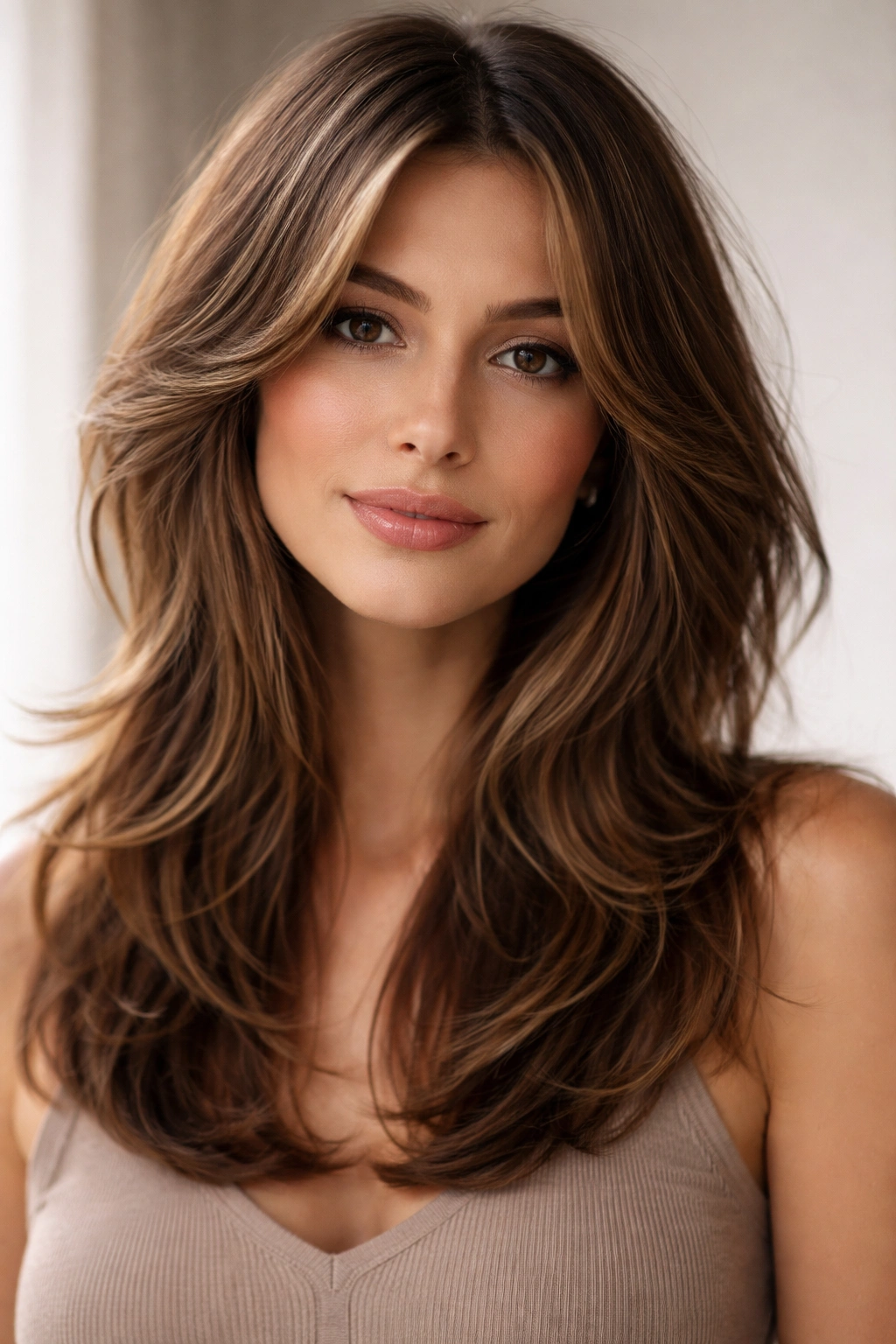
If choppy feels too bold, the soft butterfly cut brings all the movement and face-framing without the drama. This version uses feathered, tapered layers that blend seamlessly into each other, creating a more romantic, tousled aesthetic. The layers are cut at gradual angles so they meld together rather than creating separated chunks, which gives you that coveted “undone” look that still feels polished and intentional. This is the butterfly cut for people who want transformation without commitment to heavy daily styling.
What Makes It Different
The blended feathering approach creates flow rather than texture. Each layer tapers into the one below it, which means the cut works with movement instead of demanding it. You can style this with a flat iron for a sleek finish, blow-dry it smooth, or let it air-dry into soft waves—it adapts to whatever texture you bring to it. The softer approach also means the cut photographs beautifully and looks flattering in varied lighting conditions because there aren’t harsh, separated lines to catch light in unflattering ways. This version is also more forgiving as it grows out—the softness means there’s no hard edge to become scraggly between trims.
Styling and Maintenance Tips
- This cut looks stunning with just a round brush and blow-dryer; no texturizing products required (though you can add them for extra grip)
- Blow-dry in sections, following the direction you want each layer to fall, for a naturally polished finish
- A light hairspray mist once dry holds the shape without crunchiness or visible product buildup
- Requires trims every 8-10 weeks since the softer layers don’t look as dated as they grow out
- Pairs beautifully with subtle highlights or balayage, which accentuate the movement of the layers
- Works especially well on straight-to-wavy hair; on very curly hair, this softer version may read as less defined
Pro tip: Sleep on slightly damp hair or use a silk pillowcase to enhance the natural wave pattern that emerges from this cut overnight.
3. Shaggy Butterfly Cut with Textured Peek-Through Layers
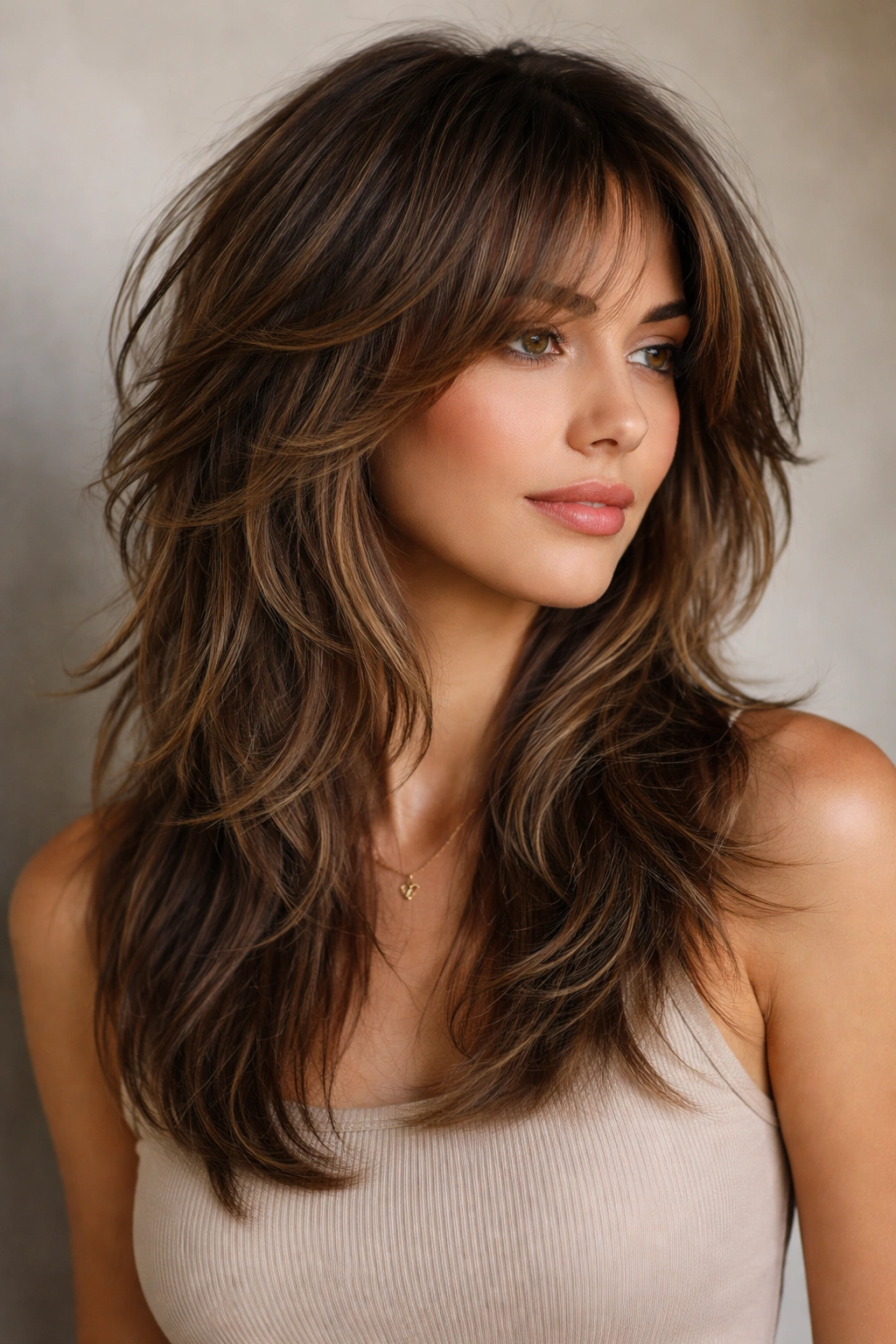
The shaggy butterfly combines the signature face-framing aspect with a looser, more lived-in texture throughout. This version has longer layers at the back that maintain length and movement, but the front and crown feature much shorter, choppy layers that peek through the longer lengths. When you move or flip your head, you catch glimpses of those shorter layers underneath, creating depth that evolves as you move. It’s a cut that feels casual and cool while still being undeniably intentional.
Why This Works for Medium Length Hair
A true shag can feel overwhelming on shorter hair, but medium length allows the longer base layers to anchor the style while the shorter pieces add texture and personality. The juxtaposition between the longer back lengths and the choppy face-framing creates a silhouette that naturally attracts attention and looks flattering on most face shapes. Because the shorter layers are somewhat hidden by the longer ones, this version feels less severe than a choppy butterfly while still delivering serious texture and movement.
Styling and Care Instructions
- Embrace texture products: sea salt spray, texturizing paste, or light pomade become your best friends with this cut
- A diffuser attachment on your blow-dryer enhances the shaggy, piece-y texture
- You can style this straight for a sleek look or let your waves and curls do the work for a more relaxed finish
- The longer back layers need regular trims (every 8 weeks) but the shorter front layers hide grows-out phases well
- This cut genuinely benefits from having some texture in your hair—perfectly straight hair can look wispy rather than intentional
Worth knowing: This cut pairs beautifully with darker roots and lighter ends, as the color contrast emphasizes the textured layers.
4. Polished Butterfly Cut with Long Face-Framing Layers
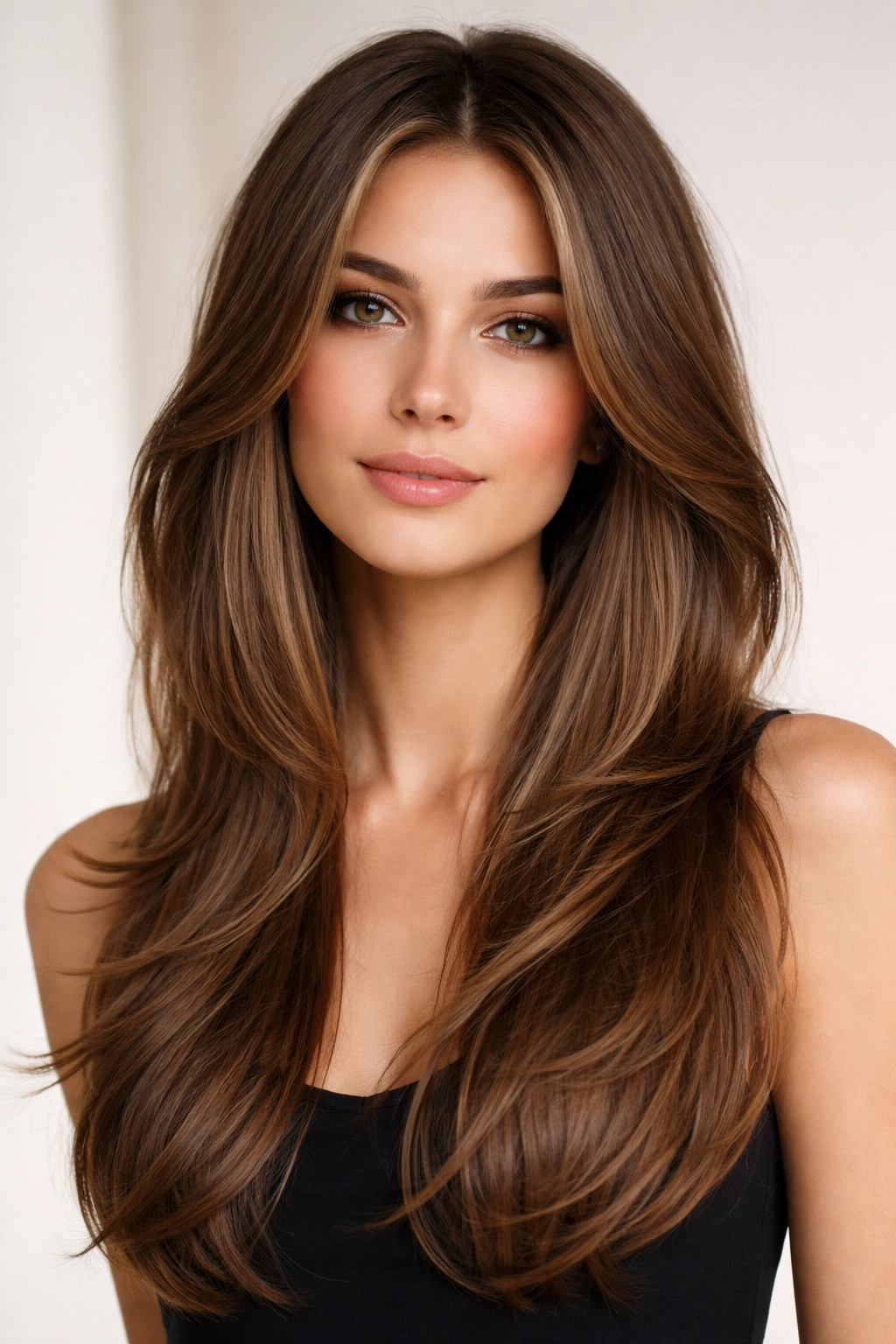
This version prioritizes elegance and sophistication by extending the face-framing layers longer than you’d see in a classic butterfly. The shortest layers start at the jawline or slightly below, and they’re angled to fall forward subtly rather than flip outward. This creates a framing effect that feels tailored and intentional while still delivering movement and dimension. The overall silhouette is more cohesive and less choppy, making it ideal if you prefer understated refinement over dramatic texture.
The Styling Advantage
Because the face-framing layers are longer, you have flexibility in how you style them. You can tuck them behind your ears for a more polished look, leave them down for softness around the face, or do a half-up style that shows off both the face-framing and the shape. The longer front layers also create a more elongated effect on the face, which flatters rounder face shapes or anyone who wants a subtle lengthening effect. This version works beautifully with straight hair, loose waves, or even subtle curls, and it requires less blow-drying styling to look intentional.
Maintenance and Styling Routine
- This cut looks polished with just a simple round brush and blow-dryer; minimal product needed
- A light mousse applied to damp roots before blow-drying gives volume without appearing product-heavy
- The longer face-framing layers mean you can achieve a sleek, professional finish or a softer, wavy one with the same cut
- Trim every 10-12 weeks to maintain the shape, as the longer layers don’t show grew-out phases as quickly
- Pairs beautifully with any color technique, from solid tones to dimension
- Works on fine, medium, or thick hair with equal effectiveness
Key insight: Ask your stylist to angle the face-framing layers forward slightly rather than straight down or back—this creates a subtle jawline-shortening effect that flatters most faces.
5. Curly Butterfly Cut with Enhanced Texture Definition
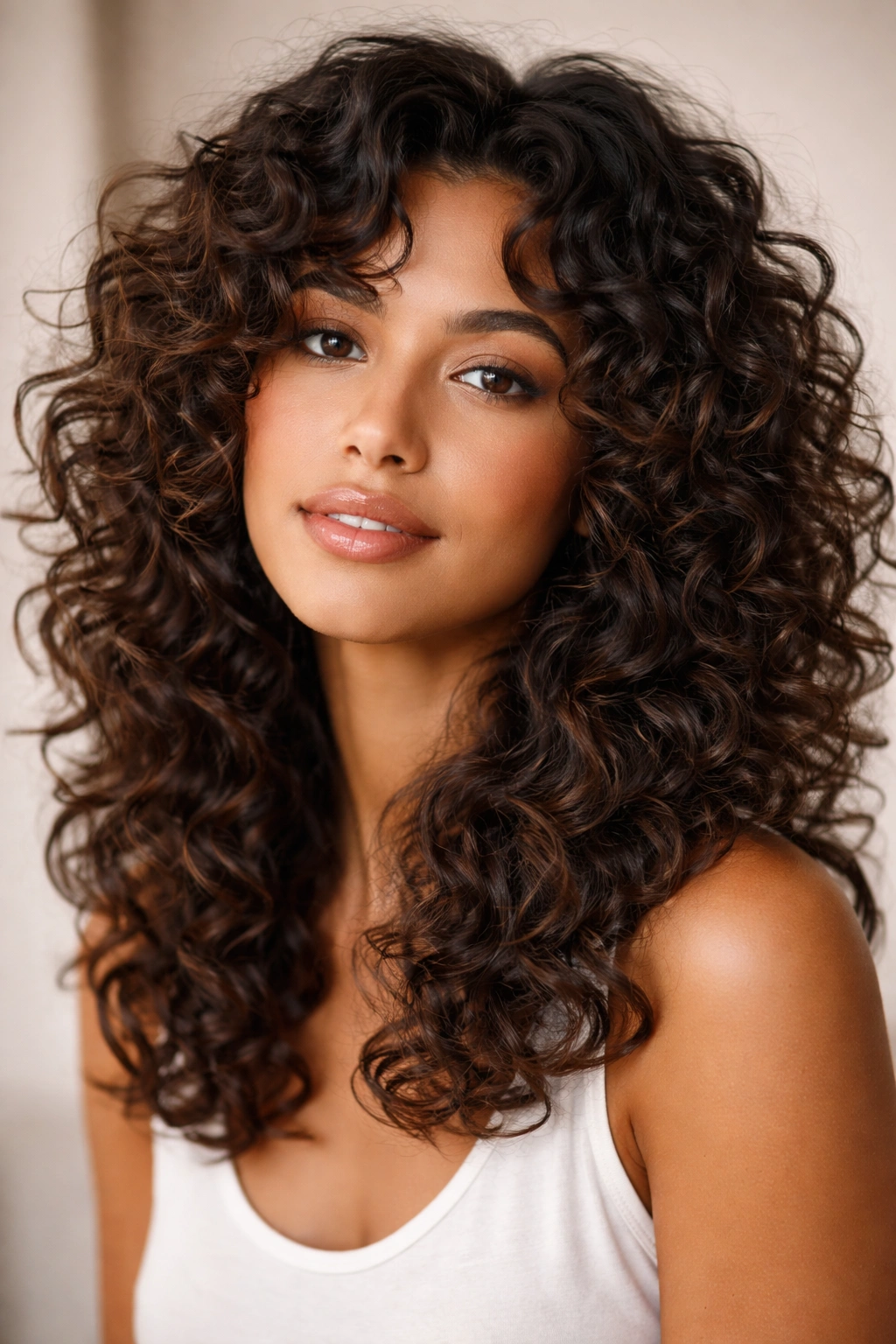
For those with naturally curly or textured hair, the butterfly cut can be adapted specifically to work with your curl pattern rather than fighting it. In this version, layers are placed to enhance your natural curl texture and create shape without the weight that longer lengths can sometimes create. The shorter layers at the crown and face encourage curl definition, while strategic longer layers at the back maintain length and movement. You don’t need to blow-dry this version—your curls do the work once you understand how to care for them.
How It Works With Your Curls
Curly hair benefits from layers because weight can stretch curls into a frizzy, shapeless mass, while the right layers create lift and allow each curl to bounce independently. A butterfly cut for curls is typically cut with more vertical angles (rather than the horizontal angles used on straight hair) so the curls can form their own natural shape. The face-framing layers create curl definition right where you want it, and because your curls shrink when they dry, strategically placed layers ensure the right amount of curl shows around your face rather than hiding under weight.
Curly-Specific Care and Styling
- Apply products to soaking wet hair in the shower: curl cream, leave-in conditioner, gel in that order
- Use a microfiber towel or t-shirt to scrunch upward and encourage curl formation
- Air-dry or use a diffuser on low heat with your blow-dryer, scrunching as you go
- Apply a light anti-frizz serum or curl-defining cream once completely dry if needed
- Refresh curls between washes with a spray bottle of water and a bit of curl cream, scrunching to reactivate the pattern
- Trim every 6-8 weeks because curly hair texture degrades faster at the ends
Real talk: This cut requires a stylist who understands curly hair. A stylist trained in dry-cutting curls (cutting them in their natural state) will give you better results than someone cutting wet curls.
6. Straight-Haired Butterfly Cut with Sleek Precision
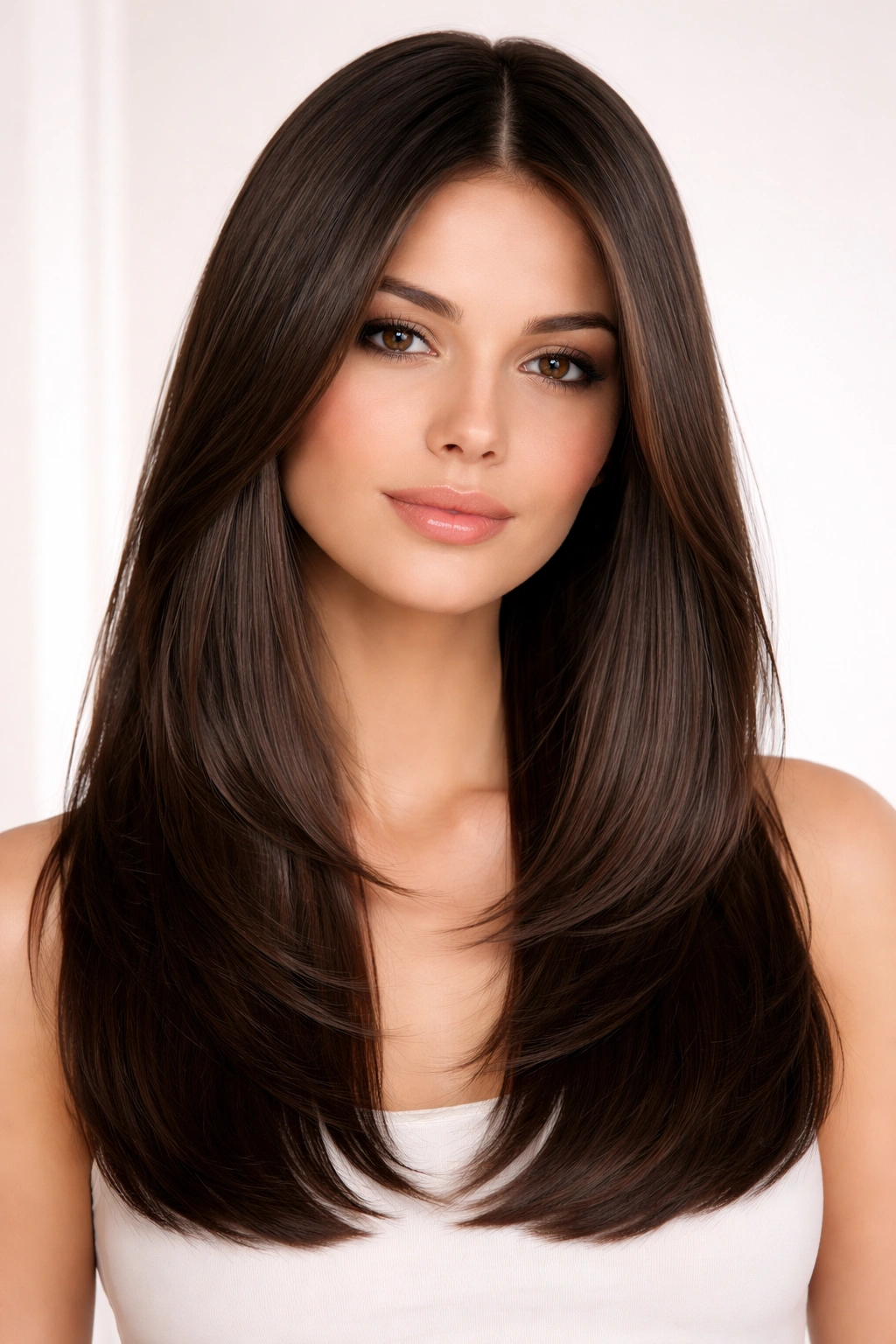
When you have naturally straight hair or prefer a sleek aesthetic, the butterfly cut can be tailored for precision and shine. This version features clean, sharp layers cut to exact angles, creating definite lines and geometric interest. The layers are cut in straight hair or at least blow-dried completely straight during the cut so your stylist can see exactly where each layer will fall. The result is a polished, modern silhouette with movement created through line rather than texture.
Why Straight Hair Shows Off This Cut Particularly Well
Straight hair makes every line in a haircut visible and intentional. You can’t hide imperfect layers or inconsistent angles like you can with texture or waves. But this also means when the cut is done well, it looks absolutely flawless. The face-framing layers catch light beautifully and create definition, and the overall silhouette is sleek and contemporary. This version photographs beautifully and works equally well for professional settings and casual occasions.
Styling and Maintenance
- Blow-dry with a paddle brush for maximum smoothness and shine
- A light smoothing serum or shine spray applied to the mid-lengths and ends enhances the straight aesthetic
- This cut looks good even when slightly undone, though it shows hair texture and waves if your hair starts to bend
- Trims every 8 weeks keep the clean lines sharp and intentional looking
- Consider incorporating highlights in dimensional tones—the precision of this cut really showcases color placement
- Works beautifully with flat-ironing if you have wavy hair and want to channel this particular version
Insider tip: The cleaner and sharper you keep this cut with regular trims, the more modern and high-fashion it looks. Letting it grow out too long between cuts makes it feel dated.
7. Wispy Butterfly Cut with Delicate Face-Framing
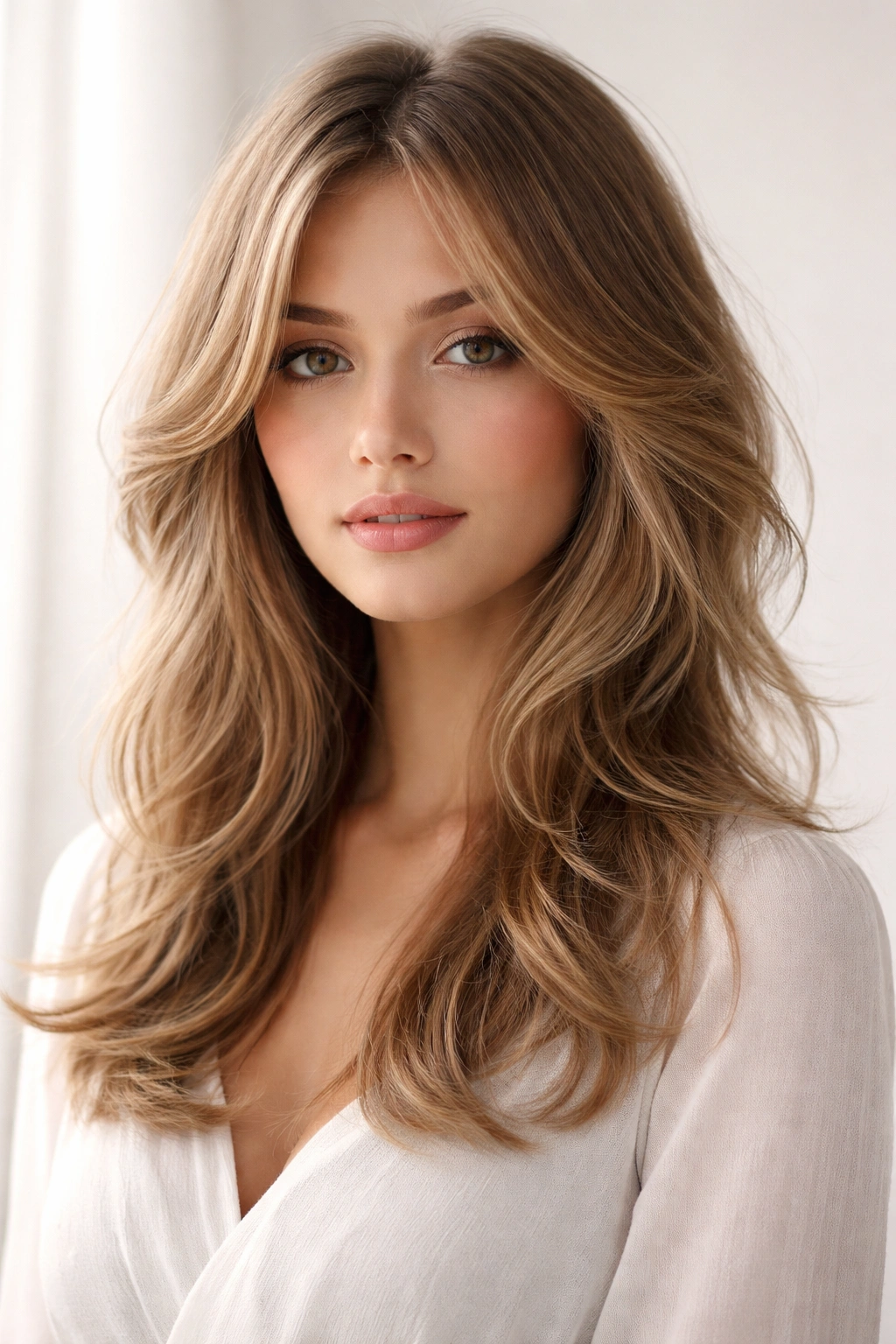
This lighter, more delicate interpretation of the butterfly cut is perfect if you prefer softness and femininity. The layers are thinner and more numerous than in other versions, creating wispy pieces around the face rather than chunky texture. Individual strands seem to float around your face and shoulders, creating an ethereal, romantic effect. The cut is designed to catch light and create movement with minimal styling effort—your hair does most of the work.
The Romantic Appeal
Wispy layers have a distinctly romantic quality that suits people seeking softness without sacrificing movement or style. The numerous thin layers also mean there’s more surface area catching light, which creates a luminous quality especially beautiful in natural lighting. This version works beautifully for people with fine hair who want the butterfly cut aesthetic but worry that thicker layers might overpower their hair texture.
How to Achieve and Maintain This Look
- Blow-dry with a round brush, lifting at the roots and directing the wispy pieces forward around your face
- Apply a volumizing mousse to roots for a fuller appearance
- Use a light texturizing spray on the ends of the wispy layers to enhance separation and movement
- A light hairspray mist holds the shape without weighing down the delicate layers
- Trims every 6-7 weeks maintain the wispy aesthetic as the layers soften and grow
- Works beautifully with waves or curls that enhance the wispy effect
Pro tip: This cut looks stunning with a balayage in complementary tones, as the numerous thin layers display color variation beautifully.
8. Blunt Butterfly Cut with Defined Contrasting Layers
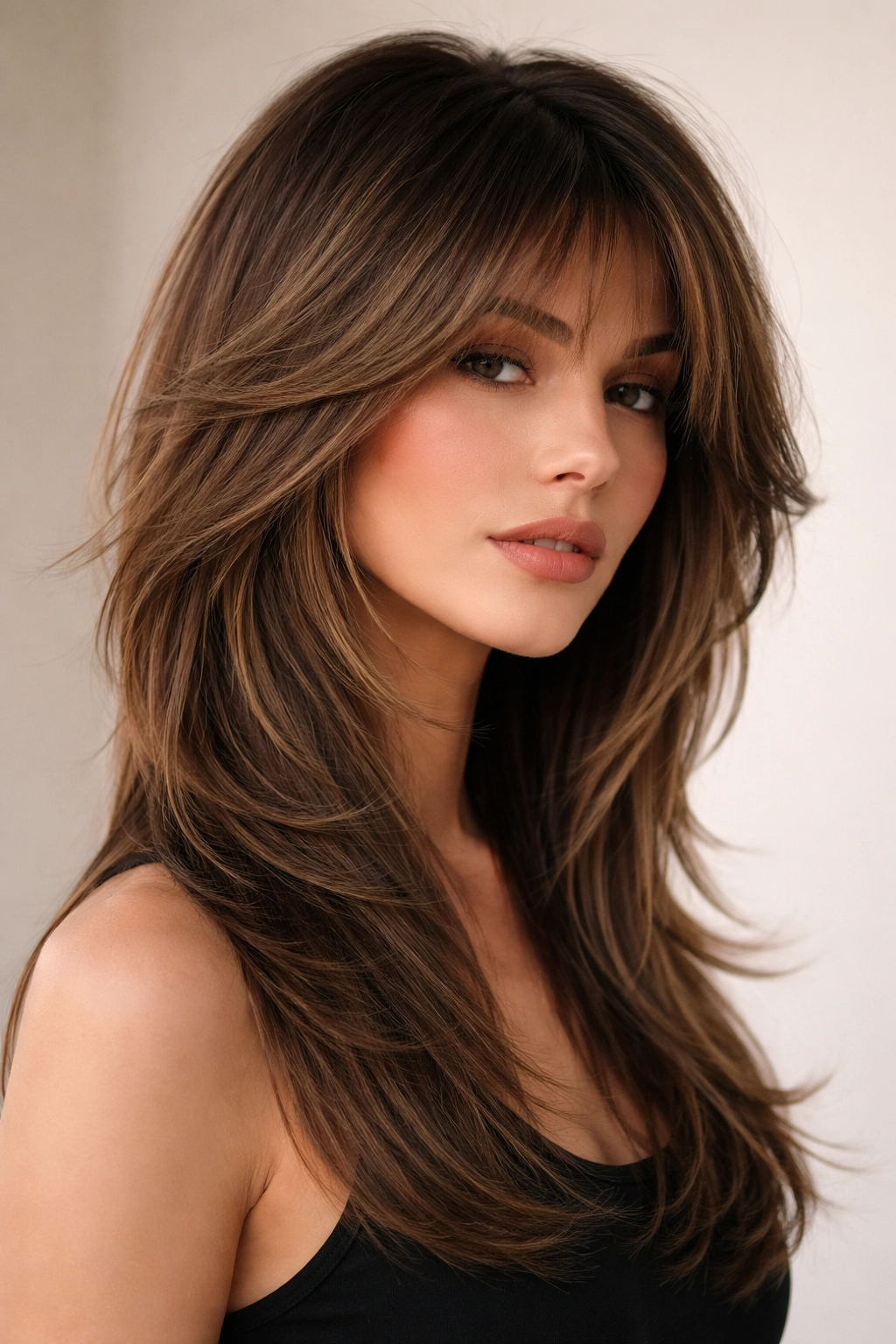
For a more modern, editorial take on the butterfly cut, this version pairs long lengths with very short, blunt upper layers. Rather than a gradual progression from short to long, there’s a more noticeable contrast between the cropped face-framing layers and the longer back lengths. This creates a more contemporary, fashion-forward silhouette that feels intentional and bold. It’s a cut for people who aren’t afraid of statement-making hair.
Modern Styling Aesthetics
The contrast between short and long lengths creates visual interest and prevents the style from reading as “one length with layers.” This version has a distinct high-fashion edge and works beautifully for people with strong personal style. The defined short layers don’t blend softly—they’re meant to make a statement. This cut photographs beautifully and reads well in both professional and creative settings, depending on how you style it.
Styling and Product Recommendations
- Texturizing products become essential—sea salt spray, dry shampoo, or texturizing paste on the roots and short layers
- You can style the short layers forward for an edgy look or flip them up and back for a sleeker aesthetic
- The contrast between short and long means the back lengths need to be blown dry smooth or curled intentionally; they won’t look right tousled
- Trims every 6-8 weeks keep the blunt contrast sharp and intentional
- This cut works on straight, wavy, or curly hair, but works best when you commit to regular styling
Worth noting: This version requires a stylist who feels confident with shorter haircuts and contrasting lengths. It’s worth seeking out a specialist if you have a stylist whose regular work doesn’t include shorter cuts.
9. Romantic Wavy Butterfly Cut with Tousled Movement
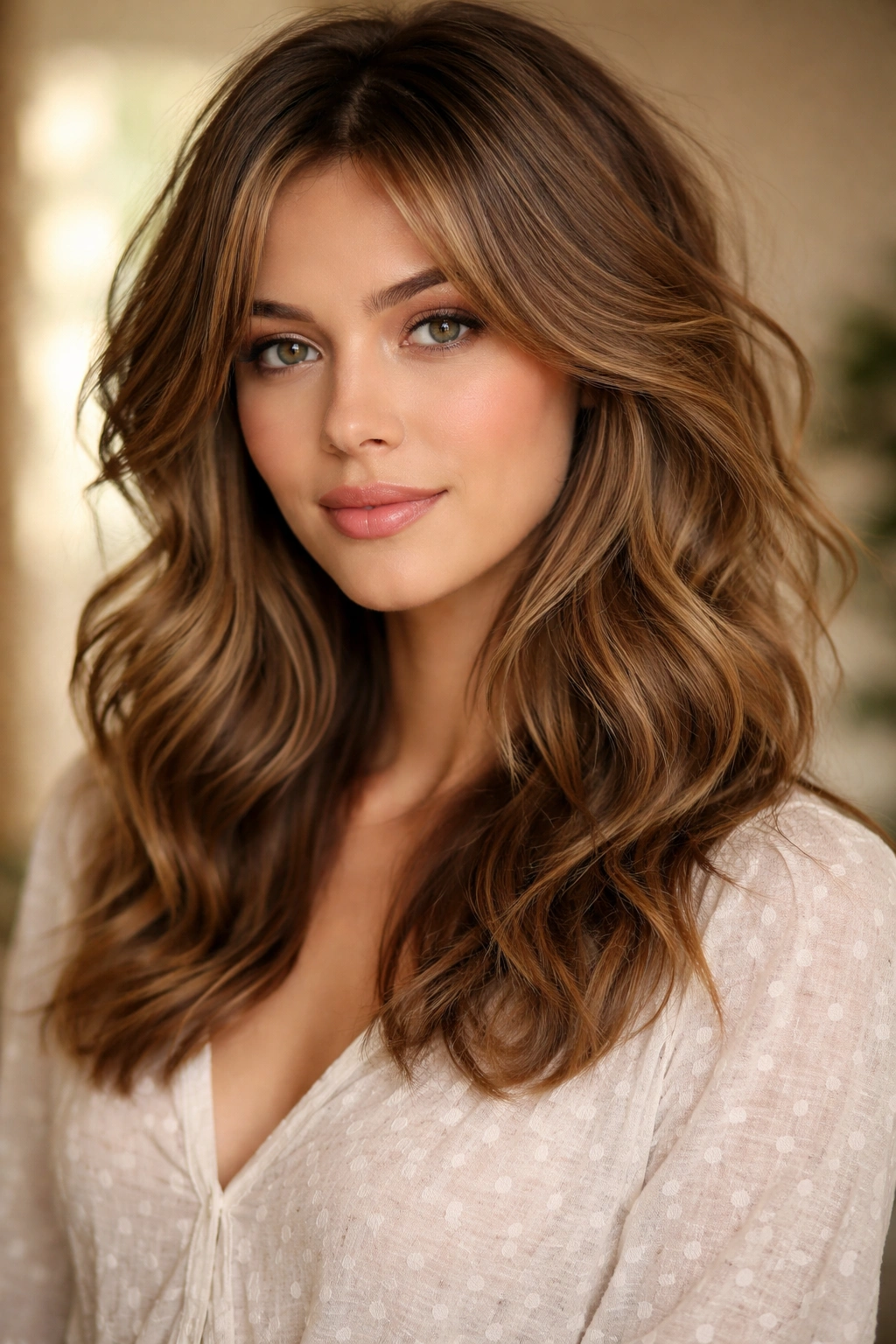
This interpretation is specifically designed to enhance and work with naturally wavy hair or hair that’s been curled. The layers are placed to encourage wave formation and create shape that works with your hair’s natural bend. Unlike cuts designed for straight hair that can look limp when your waves emerge, this version celebrates and enhances waves. The result is a bohemian, romantic aesthetic with effortless-looking movement and dimension.
Embracing Your Waves
If you naturally have waves or you regularly style your hair with waves, a butterfly cut designed specifically for that texture will transform how easy it is to achieve the look you want. Instead of fighting your hair’s natural tendencies, the cut works with them. The layers sit perfectly when your hair is in its natural wavy state, and the face-framing aspect creates an immediate softness around your features.
Care and Styling for Wave-Prone Hair
- Apply styling products to damp hair before blow-drying: curl cream, mousse, or a wave-enhancing spray
- Blow-dry with a round brush, creating loose waves as you go
- You can air-dry this cut with products applied and get beautiful waves without heat
- Use a sea salt spray for enhanced wave texture and dimension
- Sleep on the waves to enhance them overnight, or refresh with a spray bottle and curl cream in the morning
- Trims every 8-10 weeks prevent the wavy layers from getting stringy at the ends
Styling secret: This cut works beautifully curled with a 1.25-inch curling iron or waved with a flat iron—both methods show off the layers gorgeously.
10. Asymmetrical Butterfly Cut with One Side Shorter
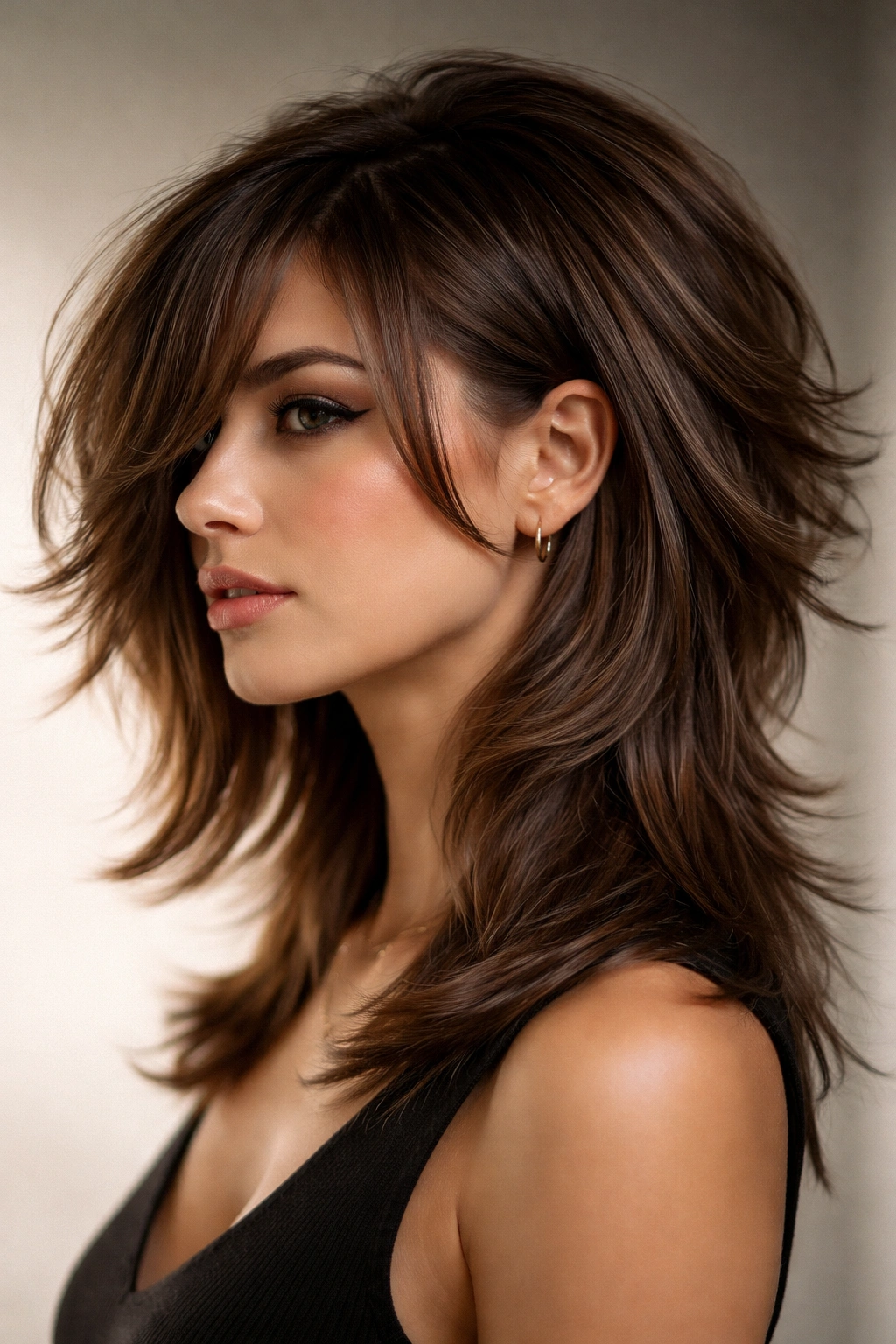
For those seeking a more fashion-forward, architectural approach, the asymmetrical butterfly cut features one side noticeably shorter than the other. The short side gets a dramatic face-framing layer while the longer side maintains more length, creating an unbalanced but intentional silhouette. This version requires confidence and a strong personal style—it’s a statement-making cut that reads as creative and bold.
Why Asymmetry Works
Asymmetrical haircuts break the rules of traditional balance, which means they attract attention and read as intentional rather than accidental. This version of the butterfly cut takes the movement and face-framing concept and pushes it further into editorial territory. It works beautifully for people with distinctive personal style who don’t mind standing out. The asymmetry also means the cut photographs well from certain angles—you can position the shorter side forward or back depending on the angle.
Styling Asymmetrical Layers
- Styling direction becomes important—you might style the shorter side forward and the longer side back, or do the reverse
- Texturizing products help emphasize the asymmetry and create intentional-looking movement
- You can part in different places to change how the asymmetry reads—centering the part makes it more balanced, siding the part emphasizes the asymmetry
- This cut requires commitment to styling; it won’t look effortlessly put-together without some effort
- Trims every 5-6 weeks keep the geometric precision sharp
- Works beautifully with dimensional color that emphasizes the different sides
Real talk: You need a stylist who feels confident with architectural cuts and understands how shape works on your specific face. This isn’t a cut to book with just anyone.
11. Grown-Out Butterfly Cut with Maintained Movement
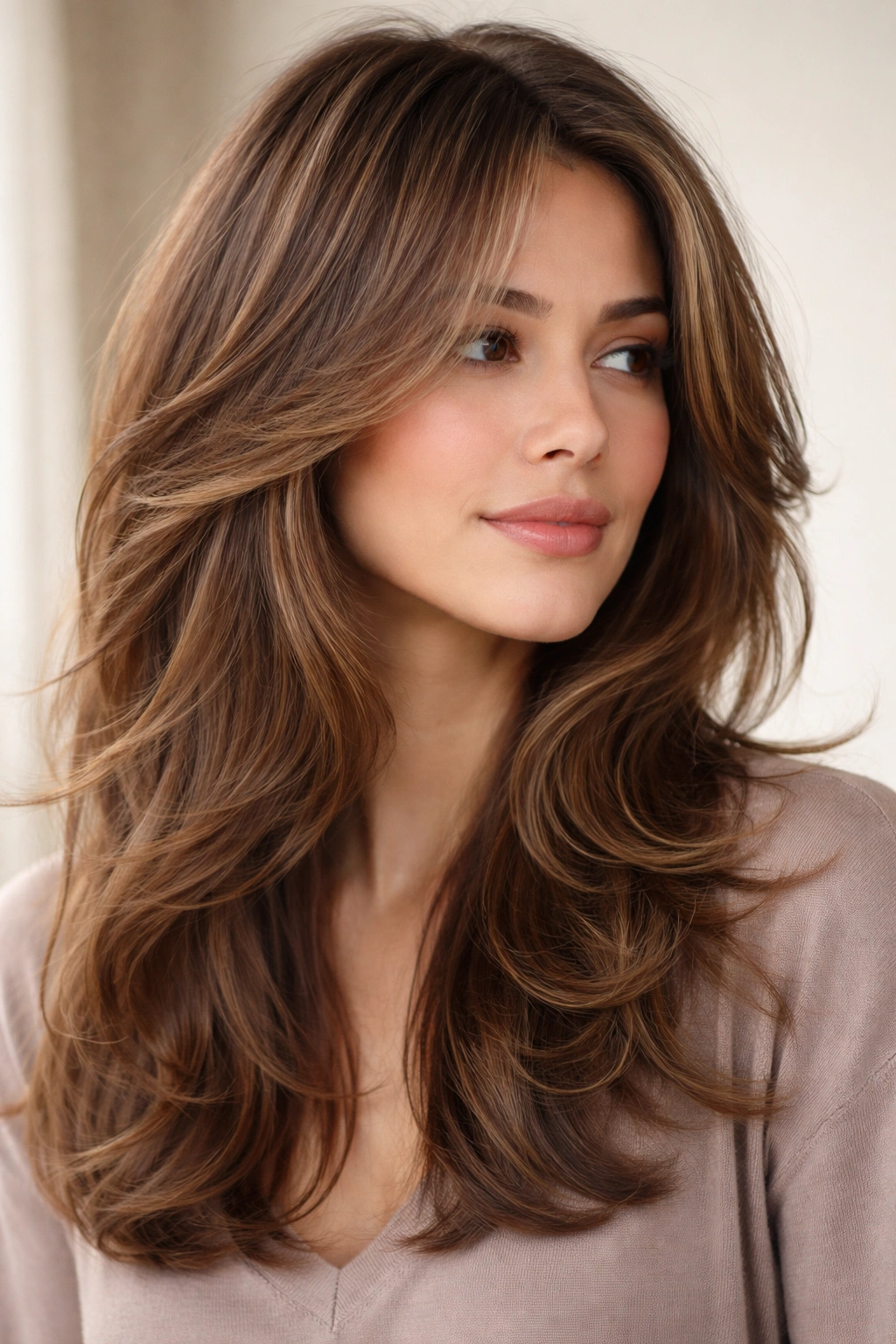
If you love the butterfly cut but prefer not to commit to frequent trims, this version is designed to look good as it grows out. Rather than choppy or sharply defined layers, this version uses softer, more gradual layers that blend as they grow. The cut still has movement and face-framing, but the layers are placed and angled so that as they grow—which they will—they integrate more seamlessly rather than becoming scraggly or looking unmaintained.
Low-Maintenance Approach
This version is perfect for people who prefer fewer salon visits or who want a cut that’s forgiving as it grows. The softer angles mean there’s no harsh line between layers, and the way they blend as they grow means the cut still looks intentional 12-14 weeks after you’ve had it done. You’ll eventually want a trim to refresh the shape, but you have more flexibility about when that happens.
Styling and Growth Management
- Works beautifully with just a simple blow-dry routine; no heavy texturizing products required
- As the hair grows, the natural wave or texture in your hair helps integrate the layers
- Using a volumizing mousse at the roots supports the shape as the hair gets longer
- Can go 12-14 weeks between trims, though you’ll get the best results with a refresh at 10-12 weeks
- Pairs beautifully with lived-in color (like balayage) that hides any growth
- Works on straight, wavy, or curly hair
Insider knowledge: Ask your stylist to cut this with slightly longer layers than your ideal length, knowing you’ll trim more frequently to maintain but wanting flexibility. You’ll land at your preferred length faster.
12. High-Volume Butterfly Cut for Fine or Thin Hair
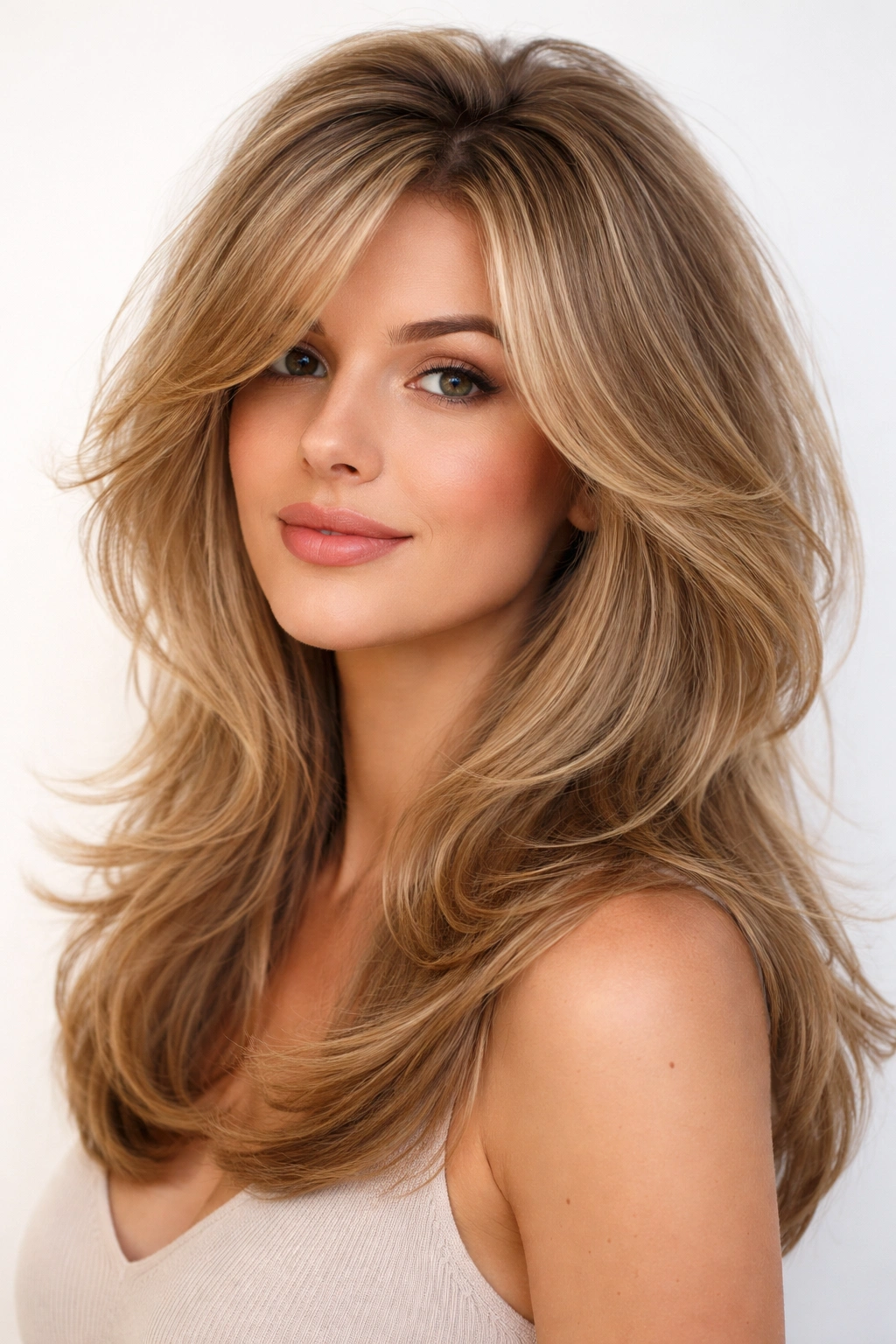
Specifically designed for people with fine, thin, or sparse hair, this butterfly cut maximizes volume and creates the illusion of fullness. The layers are strategically placed to create lift at the crown and roots, and the face-framing layers are angled to create width and movement. The overall effect is that your hair looks thicker and fuller than it might otherwise appear. Every layer placement is designed with volume in mind.
Creating Fullness Through Cutting
Fine hair needs smart layering because too many layers can make the hair look thinner and wispy, while too few can create weight. This version finds the sweet spot—enough layers to create movement and prevent heaviness, but strategically placed so they build on each other rather than creating gaps. The crown is typically the priority here, with slightly shorter layers that create lift and the visual impression of more fullness at the top.
Styling for Maximum Volume
- Apply volumizing mousse or volumizing spray to damp roots before blow-drying
- Blow-dry your hair upside down or section by section, using a round brush to create lift at the roots
- A light texturizing spray on the ends creates separation without weighing the hair down
- Avoid heavy serums or oils that can flatten fine hair; opt for lightweight styling products
- Trims every 8 weeks maintain the shape and prevent split ends that make fine hair look even thinner
- Sleep with your hair in a loose braid to maintain volume overnight
Pro tip: Ask your stylist to cut this while your hair is dry, so they can see exactly how your fine hair sits and falls naturally, rather than how it behaves when wet.
Final Thoughts
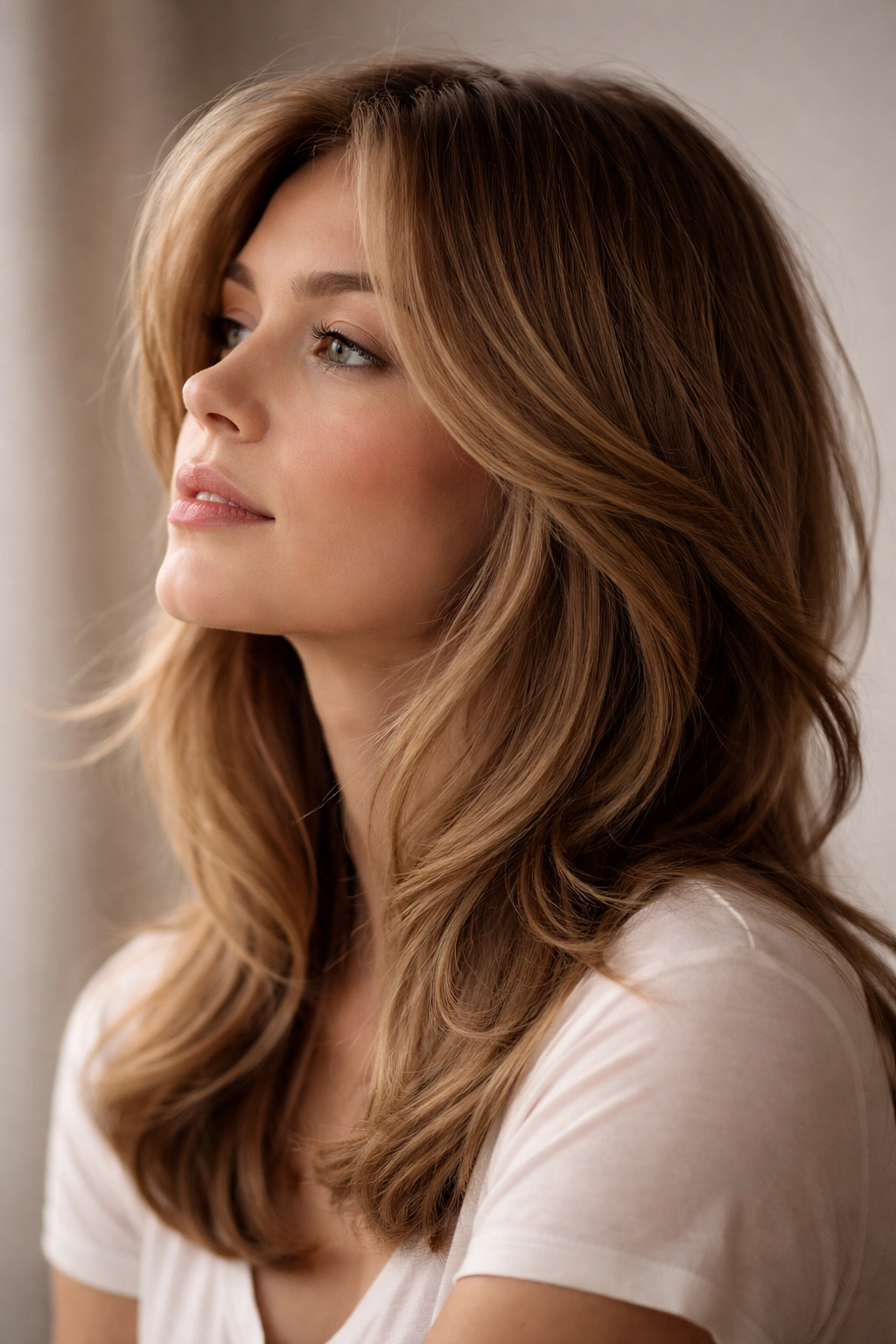
The butterfly haircut has earned its popularity because it genuinely works—it combines movement, dimension, and face-framing in a way that flatters diverse face shapes, hair types, and personal styles. Whether you’re drawn to dramatic choppy texture or soft, romantic waves, there’s a butterfly variation that matches your aesthetic and lifestyle. The key to finding the right version is being honest with yourself about how much styling effort you’re willing to commit to, what your hair naturally does, and whether you prefer softness or definition.
Before you book, spend time with your stylist discussing which of these variations resonates most. Bring specific photos of the face-framing you like, the amount of texture you want, and details about your styling routine and hair history. A stylist who understands butterfly cut variations can customize the cut to work specifically with your hair and your life, which makes all the difference between a gorgeous haircut and one that looks amazing in the salon but disappointing at home.
The best part about choosing a butterfly cut? You’re not locked into one look. These cuts work with waves, curls, and straight blowouts equally well, so your styling flexibility actually increases once you commit to the cut. You can wake up, let your natural texture shine, or spend time blow-drying for a sleek finish—the cut supports both options beautifully. That versatility, combined with the movement and dimension these cuts deliver, is why they’ve become such a beloved staple in modern hairstyling.
