



If you’re tired of spending 30 minutes styling your hair every morning, it’s time to rethink your cut. Short haircuts that air dry beautifully are a game-changer for busy people who want to look polished without the effort. The secret isn’t magic—it’s choosing a style that works with your hair’s natural texture and growth patterns instead of against them.
A good air-dry short cut relies on smart layering, the right length, and texture that blends with your hair type. You don’t need to sacrifice style for convenience. Some of the most flattering, modern haircuts on the market are specifically designed to look intentional and chic with minimal intervention. Whether you’ve got straight hair, waves, or curls, there’s a low-maintenance cut waiting for you that will make you feel effortlessly put-together.
The best part? These cuts give you flexibility. On days you have five extra minutes, you can add a bit of texture paste or run your fingers through with some product. On rushed mornings, you can genuinely just shower, let it dry, and walk out the door. That’s the real luxury of a great low-maintenance haircut.
1. The Textured Pixie
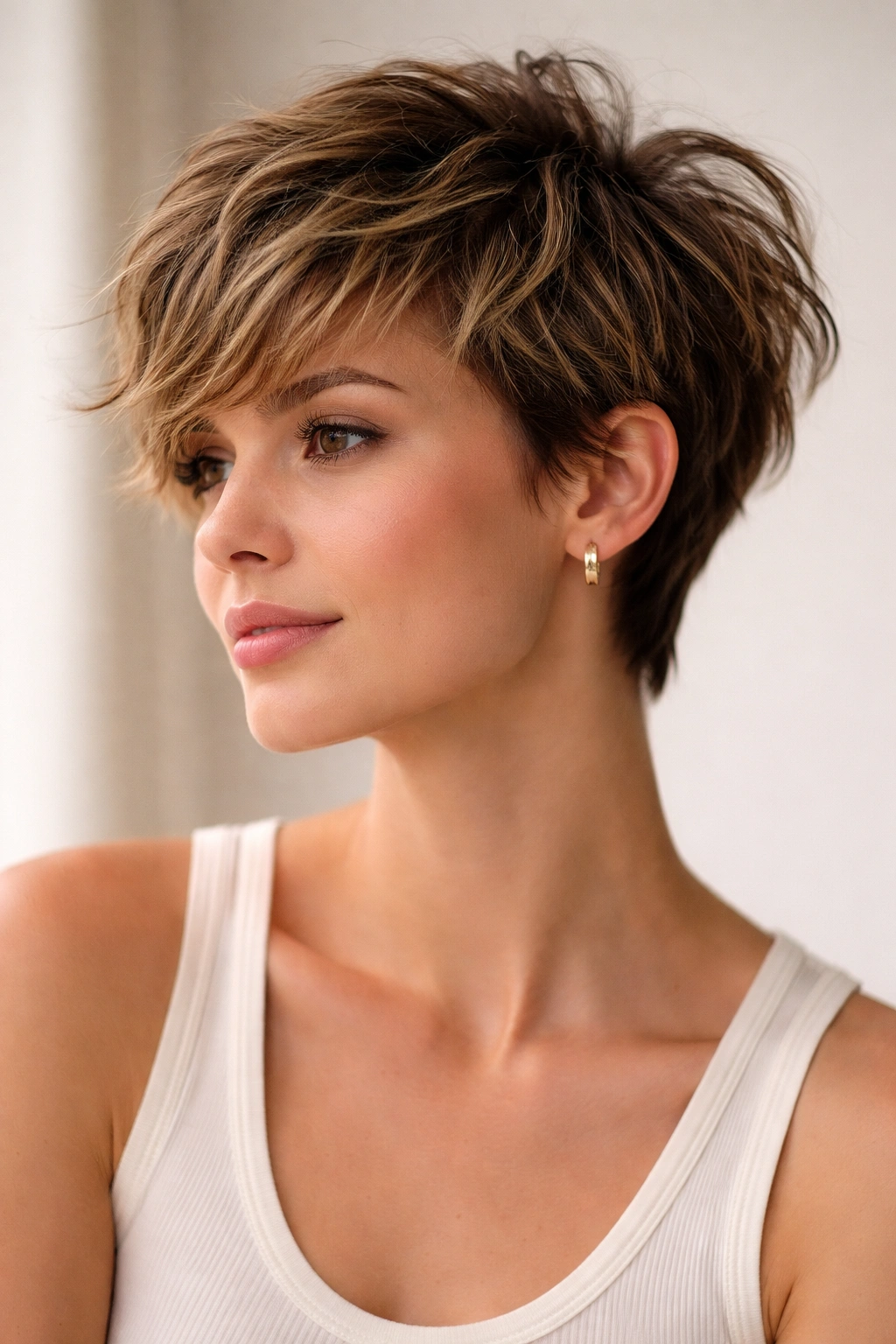
A textured pixie is the ultimate no-fuss cut if you’re ready to go short. This isn’t the severe, blunt pixie of decades past—it’s choppy, layered, and intentionally piece-y. The layers create natural movement that dries into a tousled, effortless look without any styling required.
Why It’s Perfect for Air Drying
The key to the textured pixie’s air-dry success is the layering system. Shorter layers throughout the crown and sides create breakup that prevents the hair from matting flat against your scalp. The texture means every single piece dries independently, so you get dimension automatically. Even if your hair sits a bit oddly while drying, the choppy cut absorbs any weird directional creases. You literally cannot style this wrong because the cut itself does the heavy lifting.
What You Need to Know
- Styling takes zero effort: Finger-comb it as it dries, and you’re done. No blow dryer, no products, no thinking.
- Grow-out time is fast: Pixies need a trim every 4-6 weeks to maintain shape, but you can stretch it longer if you like a slightly shaggier vibe.
- Works best with: Straight to wavy hair; curly hair can look too fluffy and disconnected with a pixie unless it’s very short all over.
- Product optional: A tiny bit of light wax or texture paste can add definition on days you want more intentionality, but it’s genuinely optional.
Pro tip: Ask your stylist to cut slightly longer on top and keep the sides close—this gives you the movement of a pixie but makes it easier to style in multiple directions as it grows out.
2. The Wolf Cut
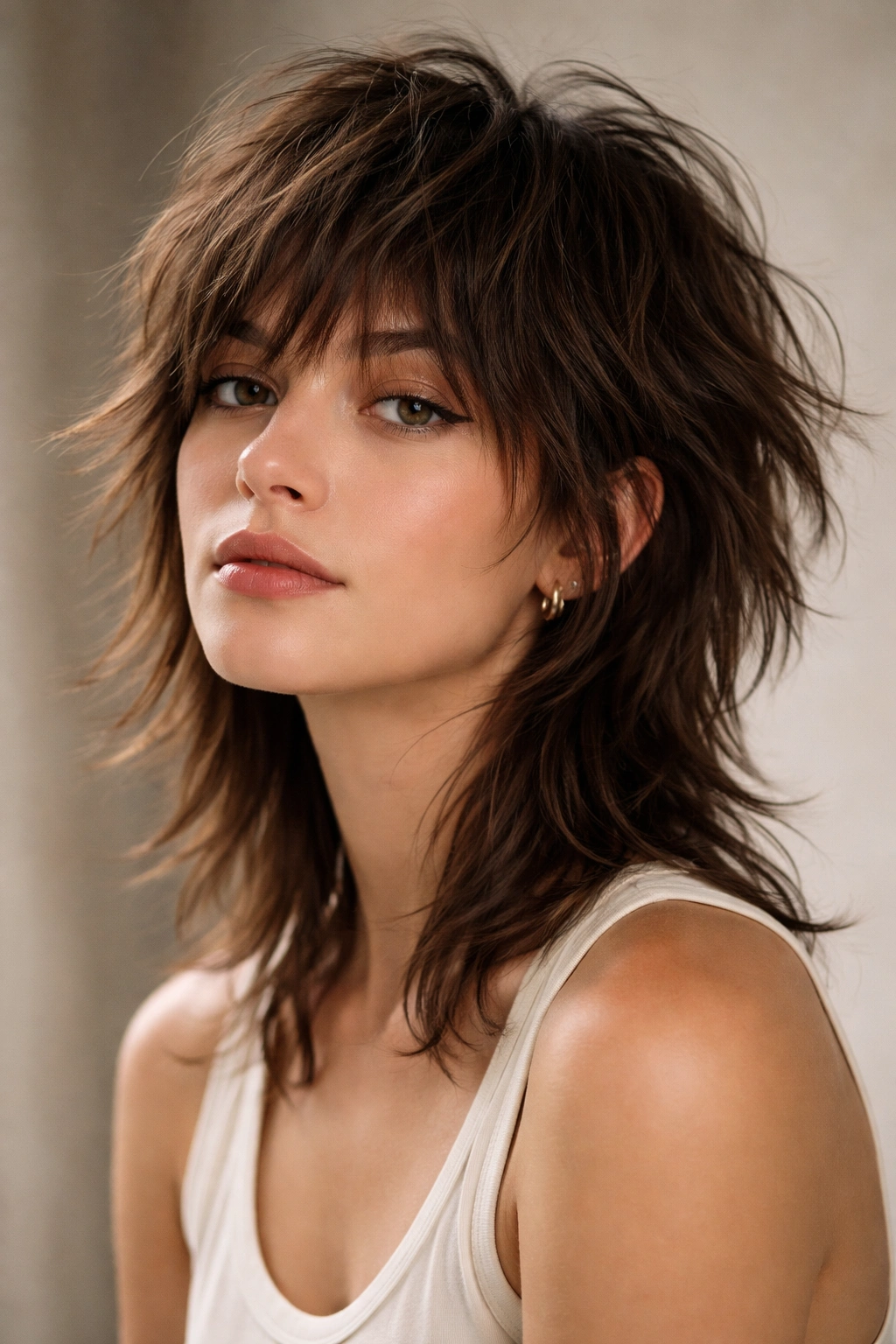
The wolf cut blends the best of a mullet’s edge with a shag’s layered movement. It’s longer on top and gradually shorter as you move down, with plenty of choppy layers throughout. When it air dries, those layers separate and create a wild, deliberately undone texture that looks intentional and modern.
Why It Works Without Styling
Wolf cuts thrive on texture and movement rather than precision. The longer pieces on top have layers that break up any clumping, while the shorter sides dry quickly and add shape to your face. Because every section has choppy layers, the cut forgives imperfect drying. Hair that dries in slightly different directions actually enhances the shaggy, textured look rather than ruining it.
The Details You’ll Want
- Length variation is key: You need at least 2-3 inches of length difference between the shortest and longest pieces for the wolf cut to work.
- Maintenance intervals: Trim every 6-8 weeks to keep the shape, but wolf cuts actually improve as they grow out slightly—they get shaggier and more interesting.
- Texture is your friend: Wavy and curly hair are ideal for wolf cuts because the natural texture enhances the layered effect without any effort.
- Styling options: Wear it tousled and undone every day, or add a texture spray on occasion for extra definition and hold.
Worth knowing: Wolf cuts can look sloppy if the layers aren’t cut with enough precision. Find a stylist experienced with this cut specifically—it’s become popular enough that good practitioners are easier to find now.
3. The Choppy Bob

A choppy bob is a chin-length cut with intentional, uneven layers throughout that create separation and movement. Unlike a blunt bob that requires precision blowouts, the choppy version actually looks better when it’s tousled and slightly undone—which means air drying is genuinely your best option.
The Air-Dry Advantage
Choppy layers mean multiple hair lengths drying at slightly different rates, which naturally creates texture. The uneven hemline stops the bob from looking flat or matronly. When you air dry, the shorter layers can flip outward while the longer pieces stay smoother, creating a naturally dimensional look. The cut is deliberately designed to work without a blow dryer.
Make It Work for You
- Best on: Straight to wavy hair; curly hair can get too poofy unless cut very short and blunt underneath.
- Daily routine: Shower, let it air dry while you do other things, maybe run your fingers through it or add a texture product if you want more separation.
- Trims needed: Every 6-8 weeks to keep the choppy edges defined and prevent the cut from looking overgrown.
- Styling versatility: You can wear it sleek and tucked behind your ears, or messy and tousled—the cut handles both directions.
Quick note: Ask your stylist to cut the layers shorter toward the front and longer in the back for a shape that frames your face and gives you options for styling.
4. The Shag
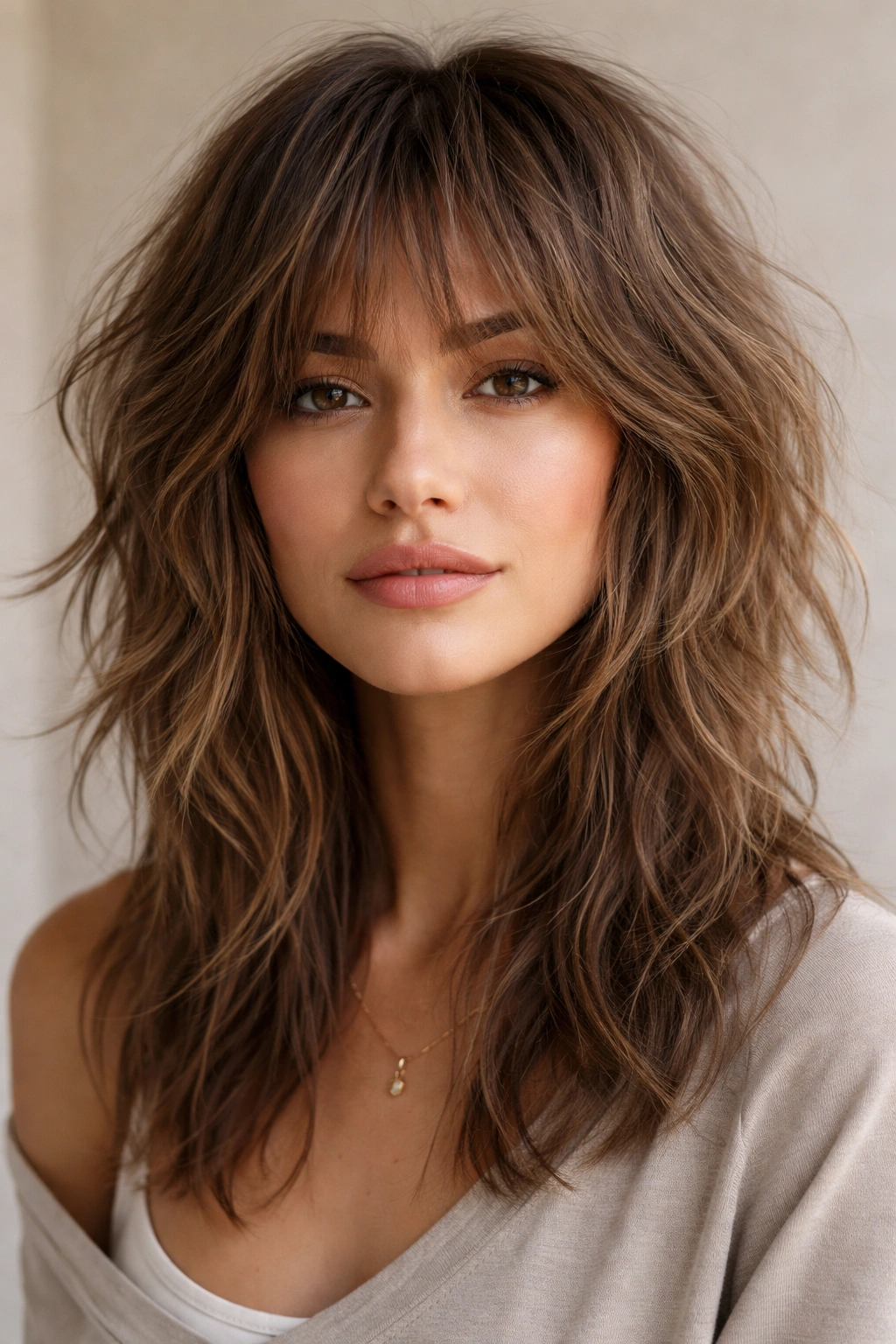
A shag is a timeless, layered cut that works across nearly every hair type. Think lots of choppy, face-framing layers, shorter on top and gradually longer as you move down. When it air dries, the layers move independently, creating volume and texture that looks intentionally cool without any work.
Why Shags Are Effortless
The shag’s strength is its reliance on layers and movement rather than precision. Because every section is chopped into different lengths, there’s no “right” or “wrong” way for it to dry. A piece that dries oddly just becomes part of the shaggy texture. The cut celebrates movement, so your hair’s natural air-drying behavior is actually the desired outcome.
Everything You Should Consider
- Volume and texture: Shags create tons of movement and dimension naturally—they’re perfect if you want a fuller look without styling.
- Hair type compatibility: Works beautifully on straight, wavy, curly, and coily hair. The cut adapts to different textures gracefully.
- Maintenance: Trim every 6-8 weeks. The shag actually looks better when it’s slightly grown out and shaggier.
- Styling flexibility: Wear it as-is when air-dried, or add texture spray, sea salt spray, or product for extra definition on days you want more intentionality.
Insider detail: Make sure your stylist cuts layers throughout the entire head, not just the top. Layers confined to the crown can look thin and unbalanced—you want movement from scalp to ends.
5. The Tousled Undercut
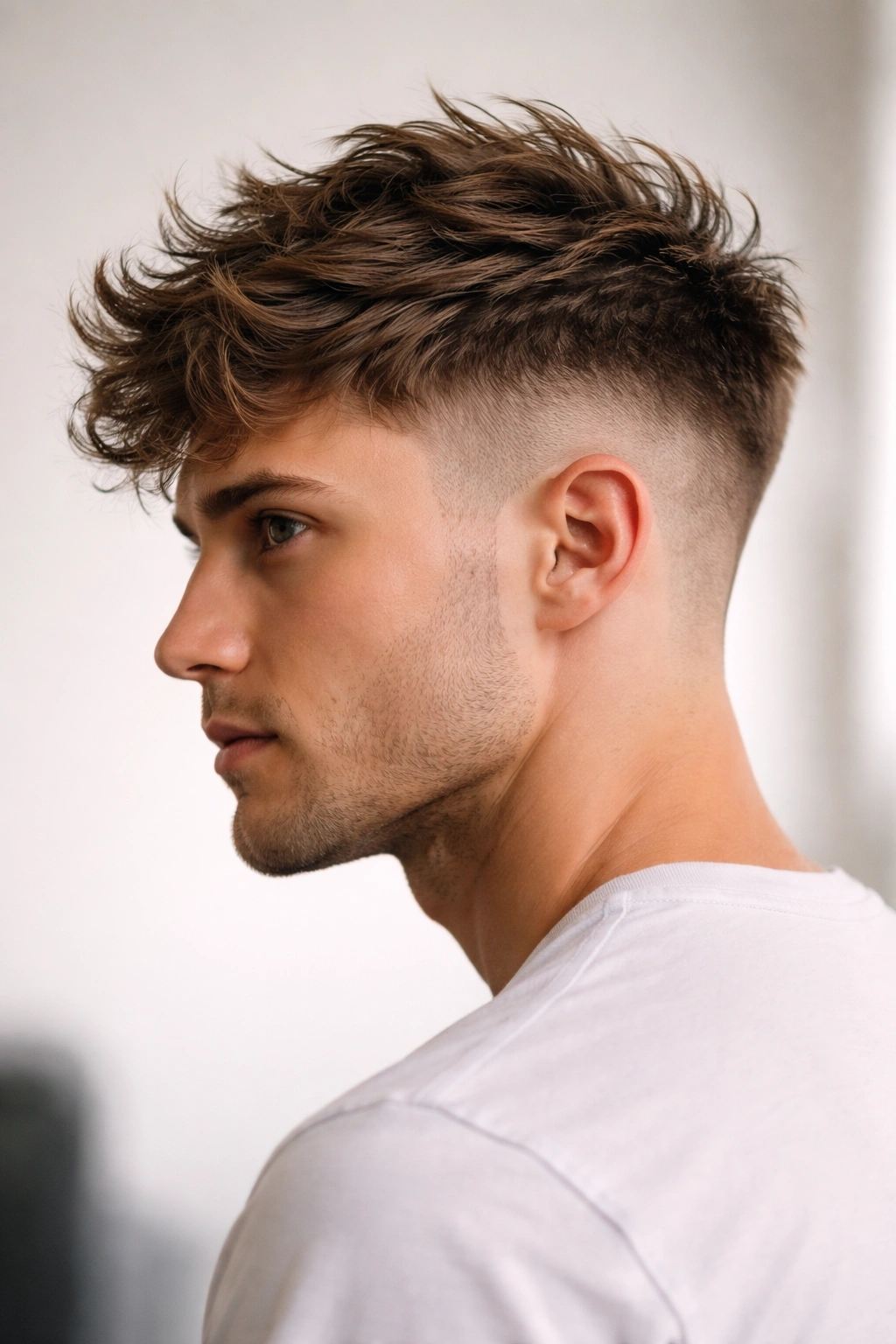
An undercut is a cut where the sides and back are clipped very short while the top is left longer, creating a stark contrast. The “tousled” version adds choppy layers to the longer top section so it doesn’t sit too heavy or sleek. This combination means the short sides dry instantly and the textured top dries into a naturally messy, intentional look.
The Air-Dry Magic
Because the back and sides are so short, they dry in seconds and hold their shape without any help. The longer, layered top dries into whatever shape feels natural, and because it’s choppy, that natural drying looks deliberately tousled rather than messy. You get the sculptural contrast of an undercut with the low-maintenance benefit of choppy layers.
What to Know Before You Go Short
- Maintenance commitment: The short sides need a trim every 3-4 weeks to keep the undercut sharp and prevent awkward stubble growth.
- Hair growth patterns matter: If your hair grows in specific directions, talk to your stylist about how the cut will look as it grows out between trims.
- Styling the top: Air dry and go, or add a light pomade or clay for a piece-y texture. The short sides eliminate any fluff.
- Who it suits: Works on straight and wavy hair beautifully; very curly hair can look disconnected with the stark contrast.
Real talk: Undercuts are a commitment because you need frequent trims. If you can’t commit to every 3-4 weeks, consider a softer fade instead of a sharp undercut—it grows out more gracefully.
6. The Layered Lob
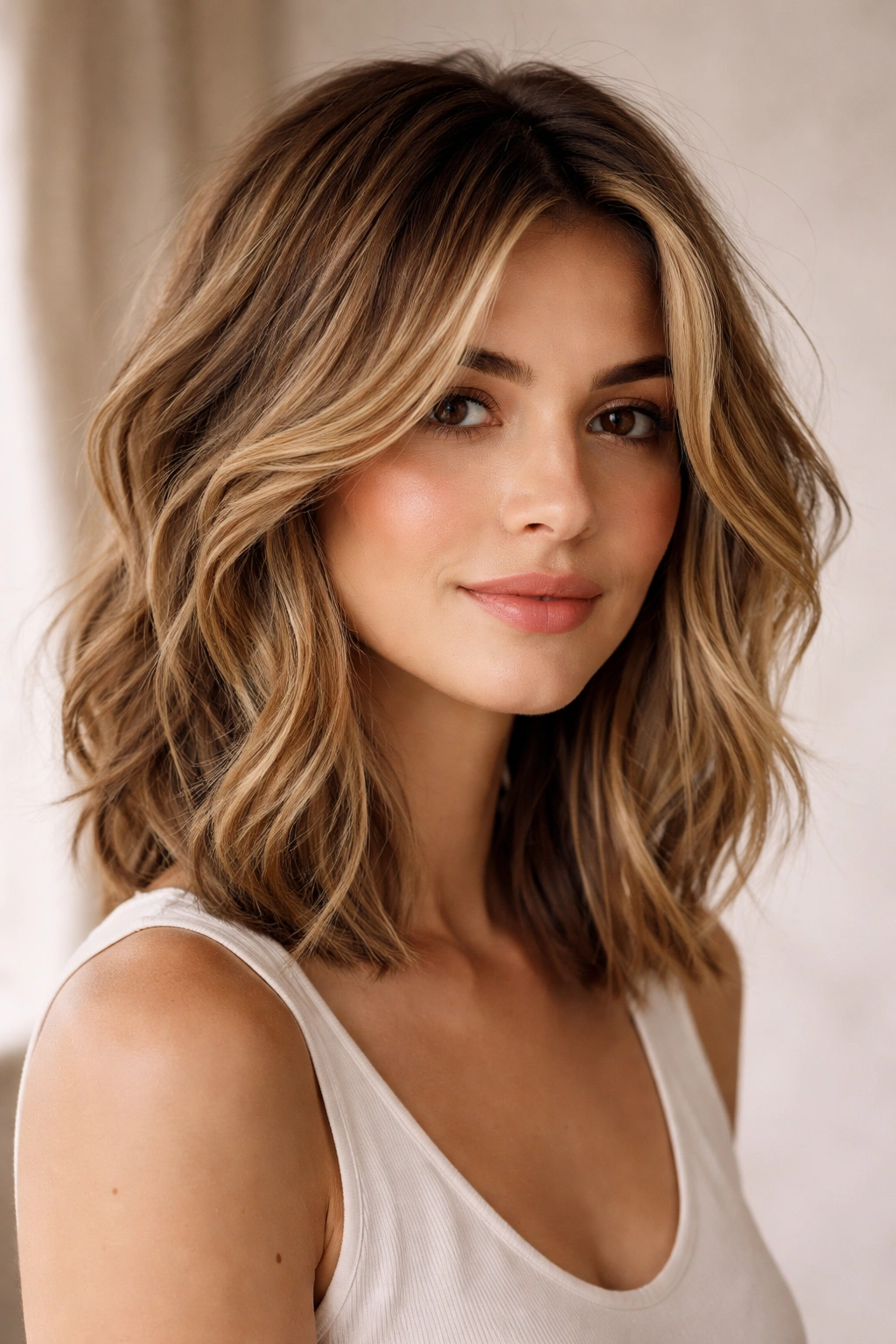
A lob (long bob) that’s heavily layered can absolutely air dry beautifully if you choose the right cut. The layers are choppy and intentional, distributed throughout so the hair dries with natural volume and movement rather than hanging flat. It’s longer than a traditional bob—usually hitting around shoulder-length or slightly shorter—but with enough texture to look effortless.
Why Layers Transform a Lob
Without layers, a lob can hang heavy and flat when air-dried. But a well-executed choppy lob has short layers throughout that create separation and allow the cut to dry with shape. The longer length gives you the styling versatility of longer hair while the layers ensure it doesn’t look dull or lifeless when you’re not blow-drying it.
The Practical Details
- Layer density matters: You need consistent layering throughout, not just at the ends. Layers only on the bottom won’t create enough movement to air-dry well.
- Texture spray is optional: You can absolutely wear this with nothing but air-drying, or add a light texture spray for extra grip and definition.
- Maintenance schedule: Trim every 6-8 weeks to keep the layers defined and prevent the ends from looking wispy.
- Face-framing: Ask for shorter layers around the face for dimension that flatters your features and frames your face shape.
Pro tip: If your hair is prone to getting tangled, layers are your friend because they prevent the hair from matting together. Dry time actually becomes faster because the hair isn’t dense.
7. The Textured Crop
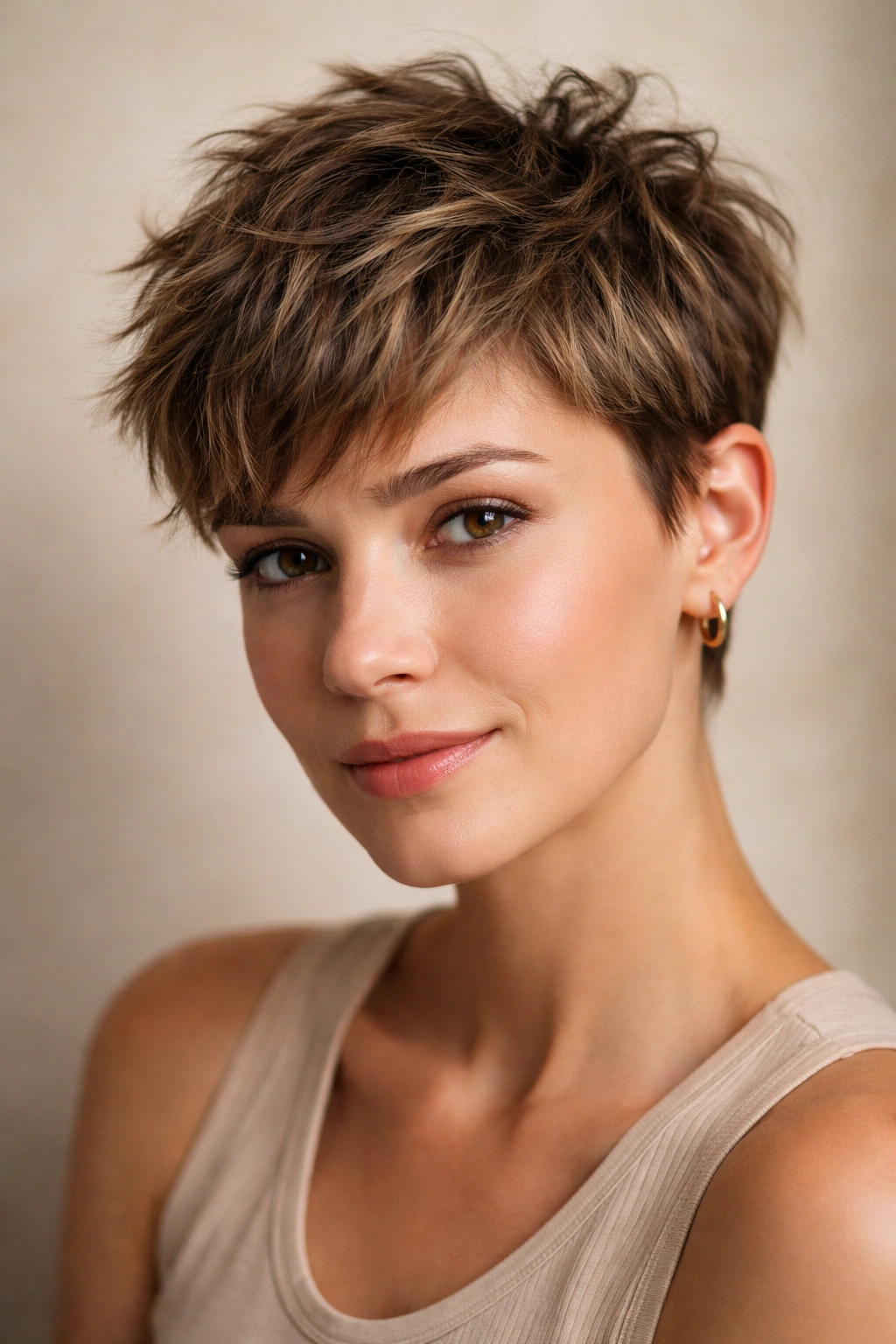
A textured crop is a short cut—usually 1-3 inches on top—with choppy layers creating deliberate texture and separation. The sides are close but not brutally short. When it air dries, the texture creates natural volume and a tousled, piece-y look that’s incredibly modern and effortless.
The Simplicity Factor
A textured crop is arguably the lowest-maintenance cut you can get. The entire cut is so short that drying time is measured in minutes. The choppy layers mean there’s no “right” direction for it to dry—texture and piece-y separation are the goal, and that’s exactly what happens when you air dry. You literally cannot mess this up.
Key Information
- Daily routine: Shower and let it dry while you brush your teeth and get ready. Genuinely that simple.
- Hair type: Works beautifully on straight and wavy hair. Very curly hair can look slightly fluffy, but it still looks intentional with the right cut.
- Trim frequency: Every 4-6 weeks to maintain the shape and keep the texture defined.
- Styling options: Wear it completely natural, or add a tiny bit of pomade or wax for extra shine and definition on days you feel like it.
Worth noting: A textured crop requires a really good stylist because there’s nowhere to hide. Every section of the cut is visible, so precision matters more than with longer styles. Find someone experienced with short cuts.
8. The Wavy Shag with Face-Framing Layers
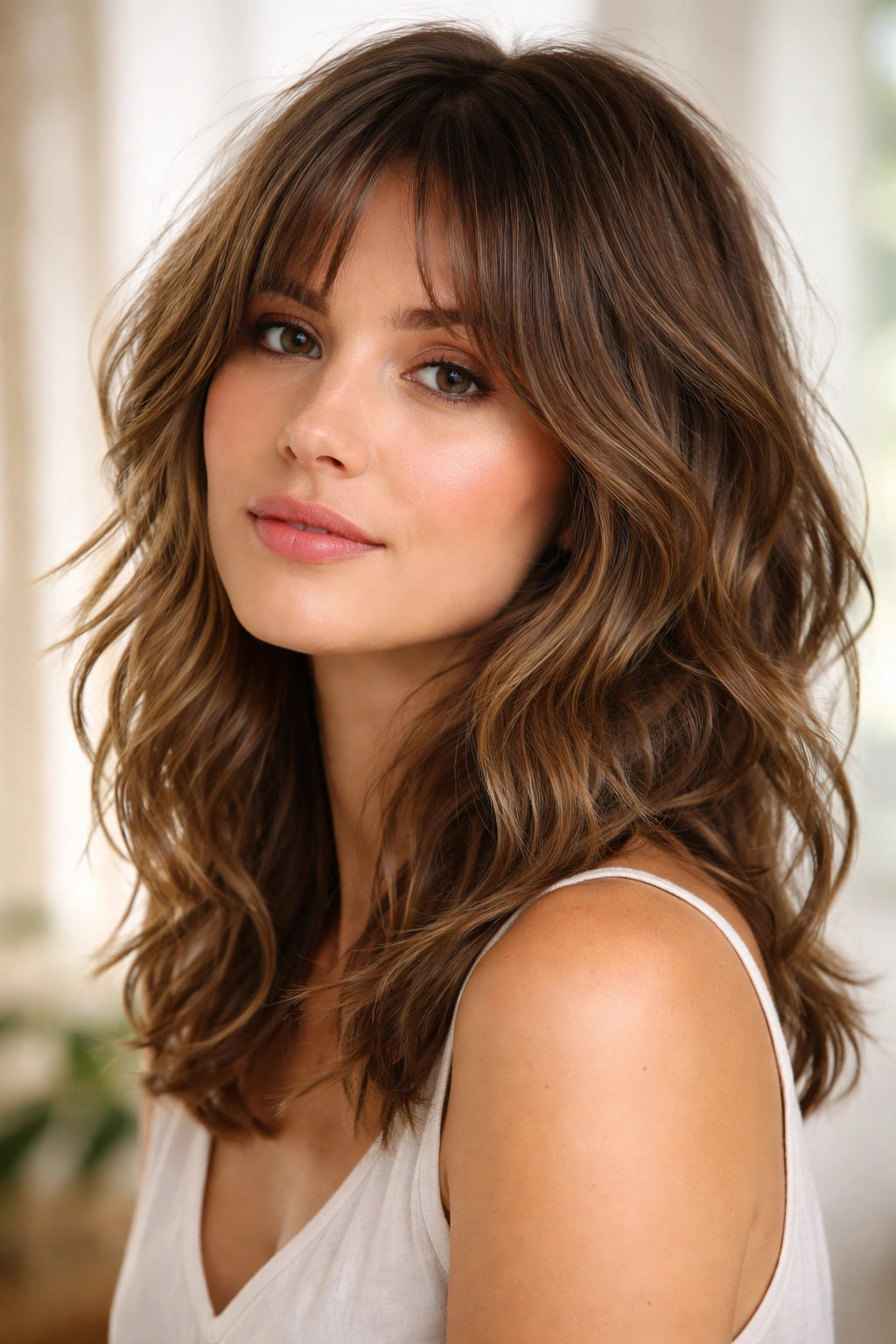
This is a shag cut specifically optimized for people with natural wave or texture in their hair. It relies on the existing wave pattern and adds strategic layers that work with that texture rather than against it. When it air dries, your natural waves are enhanced by the layers, creating a soft, romantic, intentionally textured look.
Why Waves Change Everything
If you’ve got natural waves, a standard straight-hair cut will often look limp or flat when air-dried. But a shag designed for wavy hair uses your texture as an asset. The layers are positioned to enhance your wave pattern, and the cut length prevents the weight of longer hair from crushing the waves. You air dry and automatically get a voluminous, textured, intentional look.
The Specifics
- Curl pattern matters: This works best on loose waves to tighter waves; if you have very straight hair, this particular cut won’t activate the movement you’re hoping for.
- Styling: minimal to none: Air dry completely and your waves will follow their natural pattern. A light curl cream or wave spray can enhance definition if desired.
- Maintenance: Trim every 8-10 weeks. Wavy hair can grow out beautifully in a shag—it gets shaggier and more textured.
- Frizz management: The layers mean less dense hair mass, which often translates to less frizz. Your natural texture is more visible, which looks intentional.
Practical insight: Get a cut specifically designed for your wave pattern. A stylist who understands how layers interact with waves will position them to enhance your specific curl shape rather than fight it.
9. The Disconnected Undercut with Messy Top
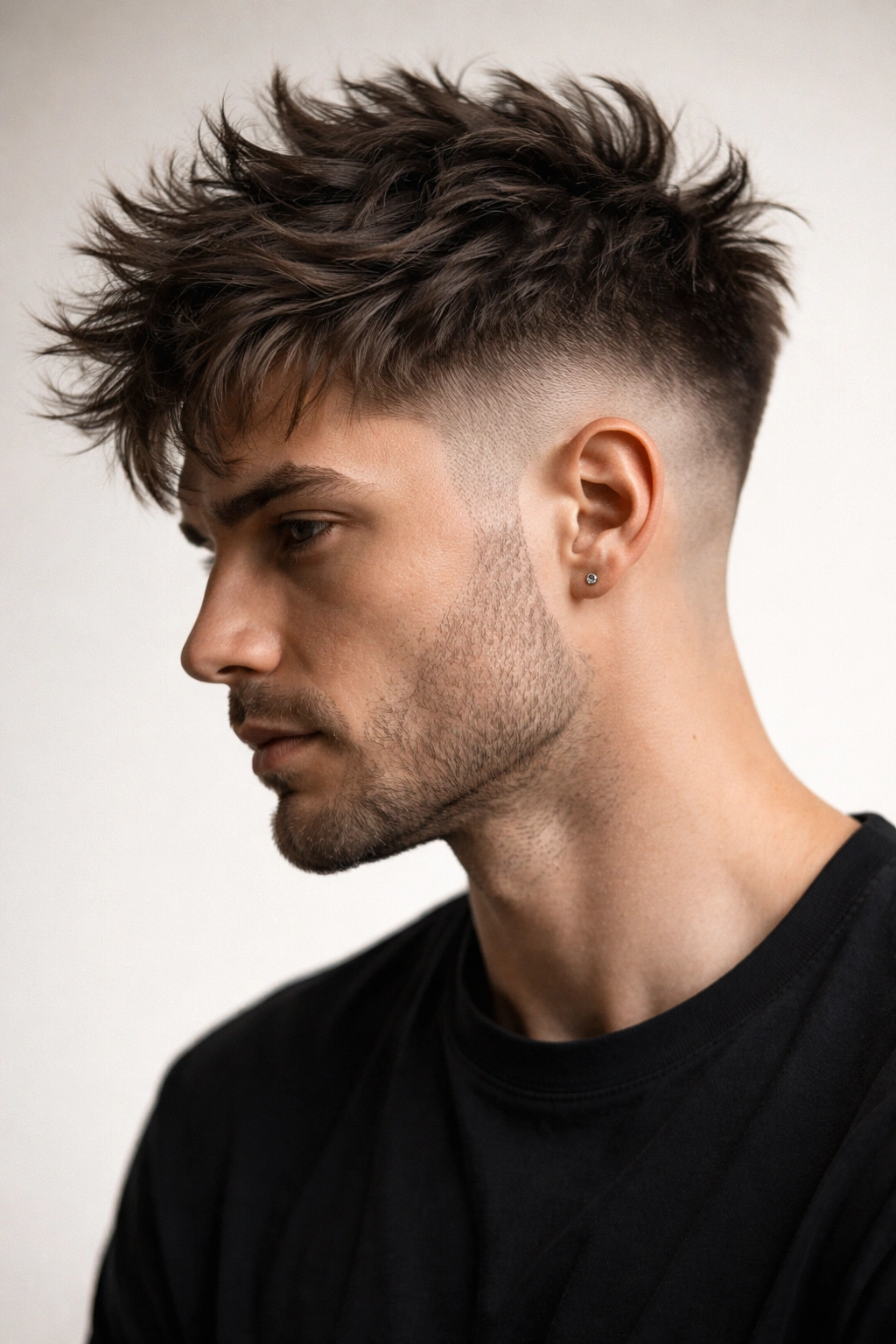
Similar to the tousled undercut, this version leans even harder into the “messy” aesthetic. The sides and back are very short and sharp, while the top is longer with lots of choppy, textured layers. The contrast is dramatic and intentional—it’s a cut that’s designed to look deliberately undone and effortless.
The Intentional Undone Look
This cut celebrates imperfection. The messier it looks, the better it works. When you air dry, if your hair dries in slightly different directions and creates texture and separation, that’s exactly the goal. There’s no “right” way to style this—the whole point is that it looks best when it looks casual and piece-y.
Things to Keep in Mind
- The short sides need maintenance: Plan for a trim every 3-4 weeks to keep the undercut sharp and prevent the sides from growing out awkwardly.
- Product is optional: You can wear this completely natural, or add a texture clay or pomade to enhance the piece-y look on days you want more intentionality.
- Works on: Straight to wavy hair. Curly hair can work but the contrast becomes very stark and the curls can look disconnected from the short sides.
- Styling flexibility: The beauty of this cut is that it looks good messy or slightly more polished—you’ve got range.
Real consideration: If you don’t like frequent trims or seeing visible regrowth on your undercut, this isn’t the cut for you. The sharp contrast means regrowth is visible faster than with other cuts.
10. The Curved Pixie
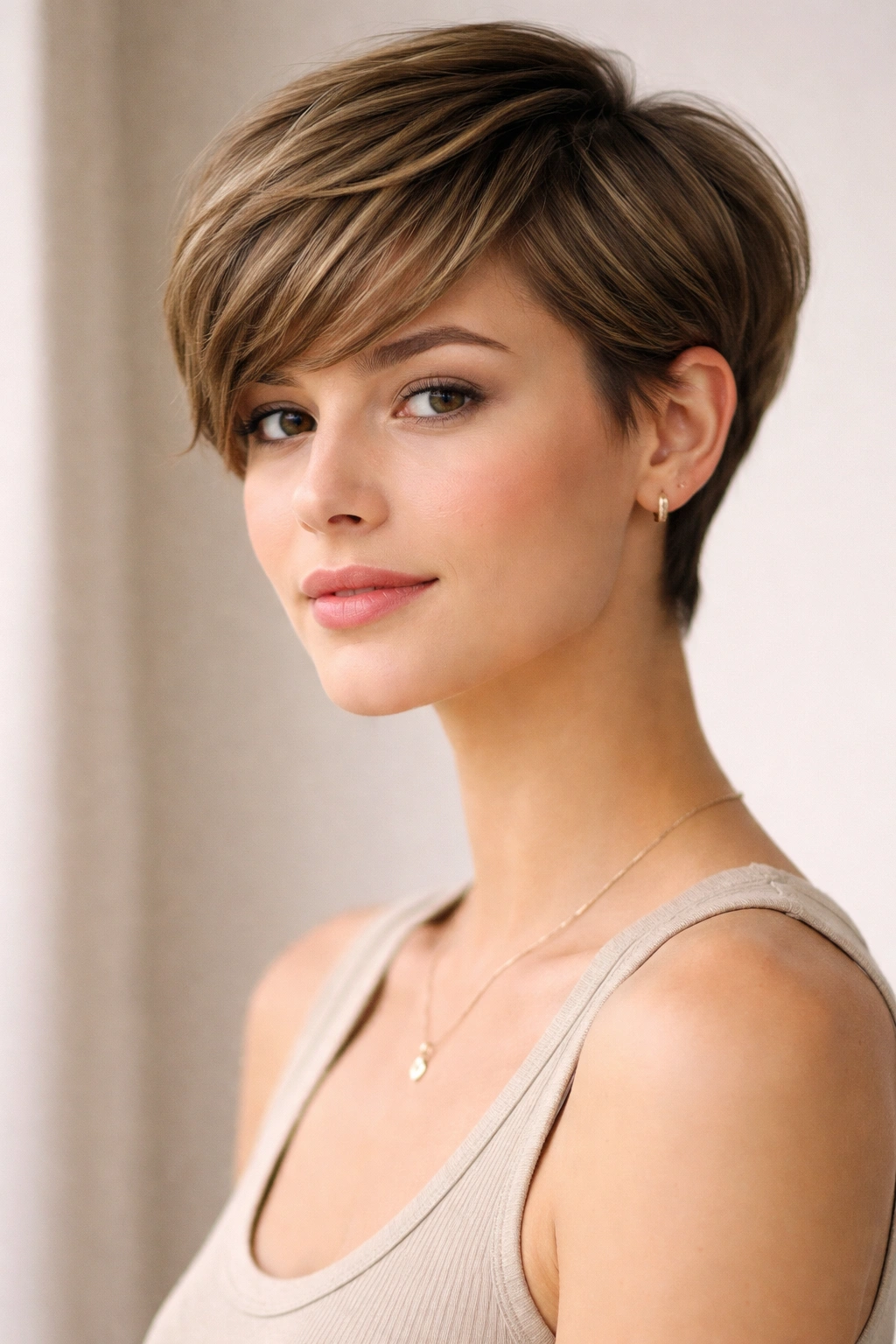
A curved pixie is a pixie cut where the layers are positioned to follow the curve of your head and face rather than being choppy and angular. It’s softer than a traditional choppy pixie but still textured enough to air dry beautifully. The result is a feminine, romantic short cut that looks intentionally styled without any effort.
The Softness Factor
Where a textured pixie leans into choppy, piece-y texture, a curved pixie emphasizes the natural shape of your head. The layers are still present but positioned to create soft, flowing movement rather than jagged separation. When it air dries, you get a polished, shape-conscious look that’s still incredibly low-maintenance.
Everything You Should Know
- Hair type: straight to wavy works best: Curved pixies on very curly hair can look too fluffy and lose the soft, intentional shape.
- Styling: minimal: Air dry and it naturally falls into place. You might smooth it down a bit with your hands, but no tools or products needed.
- Trims needed: Every 4-6 weeks to maintain the curved shape and prevent the cut from looking scraggly.
- Face-framing: Curved pixies are excellent at flattering face shapes because the layers follow your facial contours—ask your stylist to customize the placement for your features.
Stylist tip: Make sure your stylist understands the difference between a curved and choppy pixie before you sit down. A curved pixie is more about shape and flow; a choppy one is more about texture and disconnection. Different cutting techniques create different results.
11. The Fringe with Layered Bob

A bob with a blunt fringe and choppy layers throughout is a style that absolutely thrives on air drying. The fringe gives you a statement-making focal point, while the layered bob below it dries with natural movement and texture. Together, they create a chic, modern look that looks intentional and polished without styling.
Why the Fringe Works
A blunt fringe without layers can look severe and requires blow-drying and straightening to look good. But pair it with a layered bob, and the layers beneath the fringe soften the overall look. The fringe itself can air dry straight or with a slight wave, and because there are layers underneath creating texture, the whole cut looks deliberately effortless rather than incomplete.
Important Details
- Fringe styling: The fringe can air dry straight (on straight hair) or with a slight wave (on wavy hair). A tiny bit of product can keep it smooth if needed, but usually air drying works fine.
- Maintenance: Trim every 5-6 weeks for the bob layers, plus every 2-3 weeks for the fringe (fringes grow noticeably fast and can affect your whole look).
- Hair type: Works beautifully on straight and wavy hair. Curly hair can work but the fringe becomes harder to manage without styling.
- Face-framing: The fringe and surrounding layers should be cut to flatter your face shape and forehead. This is worth discussing specifically with your stylist.
Worth knowing: If you’ve never had a fringe, start with one that’s slightly longer than you think you want—you can always cut it shorter, but you can’t instantly make it longer. A slightly longer fringe is more forgiving.
12. The Taper Fade with Textured Top
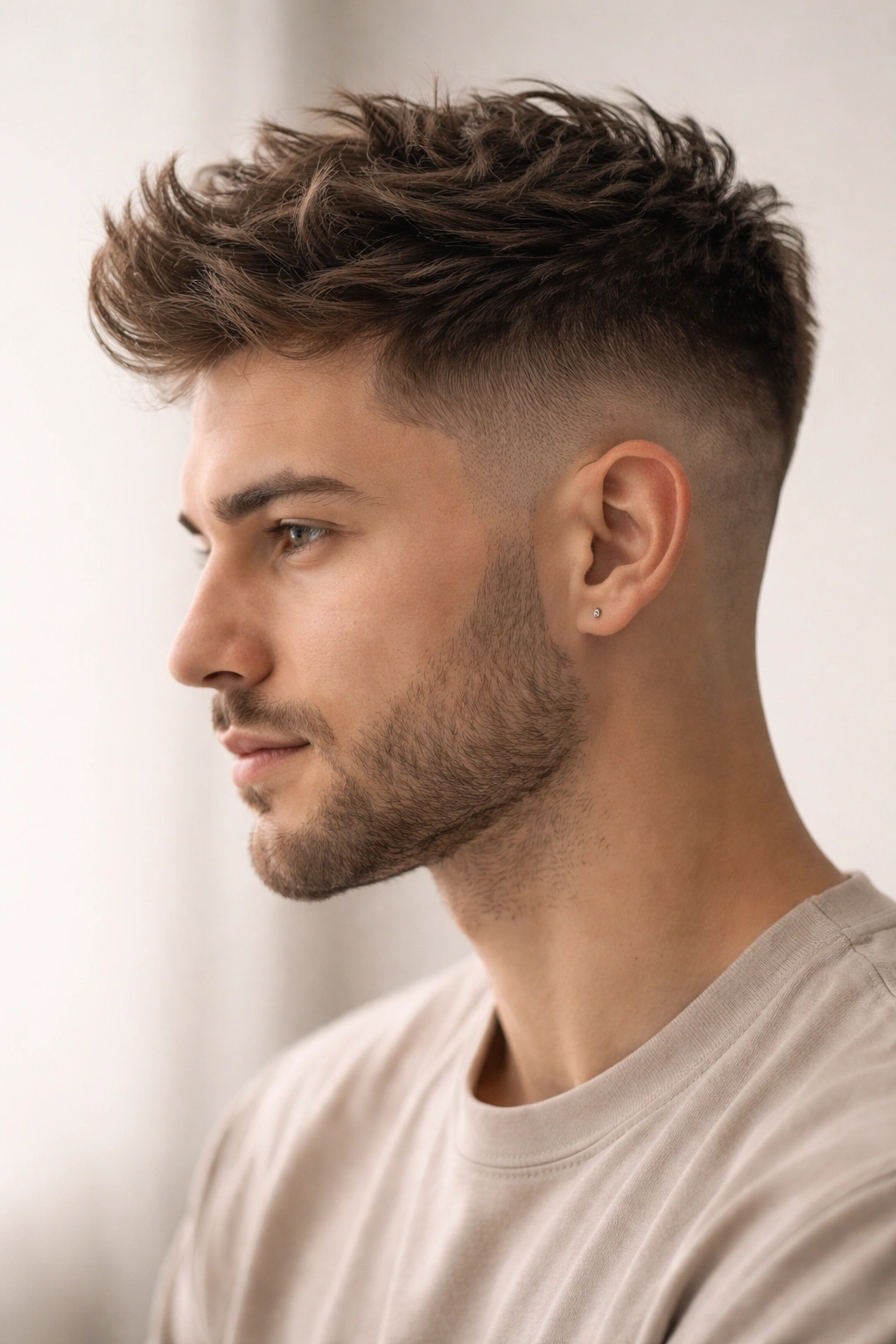
A taper fade gradually gets shorter as it moves from the top down the back and sides, rather than having the dramatic contrast of an undercut. The top is left longer and choppy, so it dries with natural texture. This gives you all the benefits of a short, low-maintenance cut without the commitment of frequent sharp-line touch-ups.
The Grown-Out Grace
The magic of a taper fade compared to a sharp undercut is that it grows out beautifully. You don’t get a harsh stubble line that looks awkward between trims. Instead, the fade gradually gets longer, and the cut still looks intentional for several weeks. Combined with a textured top, this is one of the most forgiving short cuts.
The Real-World Breakdown
- Trim frequency: Every 6-8 weeks to keep the fade looking shaped, but you have flexibility because regrowth doesn’t look as awkward as a sharp undercut.
- Styling the top: Air dry for a naturally tousled look, or add a light product for definition. The texture means it looks good either way.
- Hair type: Works beautifully on straight and wavy hair. Can work on curly hair if the top is cut short enough to prevent the hair from looking too separated from the faded sides.
- Versatility: You can style the top sleek or messy. The faded sides give the cut enough structure that you’ve got styling range.
Practical advantage: If you travel frequently or hate sitting in a salon chair, a taper fade grows out more gracefully than an undercut. You can extend time between trims without the whole thing falling apart.
Final Thoughts

Choosing a low-maintenance short cut that air dries well is one of the smartest style investments you can make. The time you save every morning adds up over months and years. More importantly, you’ll actually enjoy your hair instead of feeling frustrated by a cut that requires blow-drying, straightening, or extensive styling to look acceptable.
The key to finding your perfect cut is being honest about your hair’s natural texture and growth patterns. Straight hair, wavy hair, and curly hair all have different options that play to their strengths. A great stylist will help you identify what actually works for your hair rather than forcing you into a cut that requires fighting your natural texture.
Once you’ve found the right cut, maintenance becomes simple. Regular trims—usually every 4-8 weeks depending on the specific style—keep the shape defined and prevent the cut from looking overgrown. Between trims, you’re genuinely just showering and letting it dry. On days you want a bit more polish, a texture spray or light product takes 30 seconds to apply. But the beauty of these cuts is that you don’t need any of that. You can walk out the door with just air-dried hair and look intentional and put-together. That’s the real luxury of a great low-maintenance cut.
