



Short hair on straight textures is a beautiful canvas. There’s something inherently chic about the way straight strands showcase clean lines, geometric precision, and minimal bulk—qualities that make certain short cuts absolutely sing when they hit your hair with intention. But not all short haircuts are created equal, especially when you’re working with the particular advantages and challenges that come with straight hair.
The real magic happens when you choose a cut that complements your hair’s natural texture rather than fighting against it. Straight hair reflects light differently, holds shape crisply, and can show off angles and layers in ways that wavy or curly hair simply cannot. This is your superpower—and it means certain cuts are exponentially more flattering on you than they might be on someone with a different texture.
If you’ve been considering a dramatic change or you’re looking to refresh what you’ve already got going on, this guide walks you through 15 short cuts that genuinely work best on straight hair. Each one plays to the strengths of your texture and accounts for the specific styling, maintenance, and customization that will keep you looking sharp between salon visits. Let’s find the one that fits your face shape, your lifestyle, and your personal style.
1. The Sleek Pixie Cut
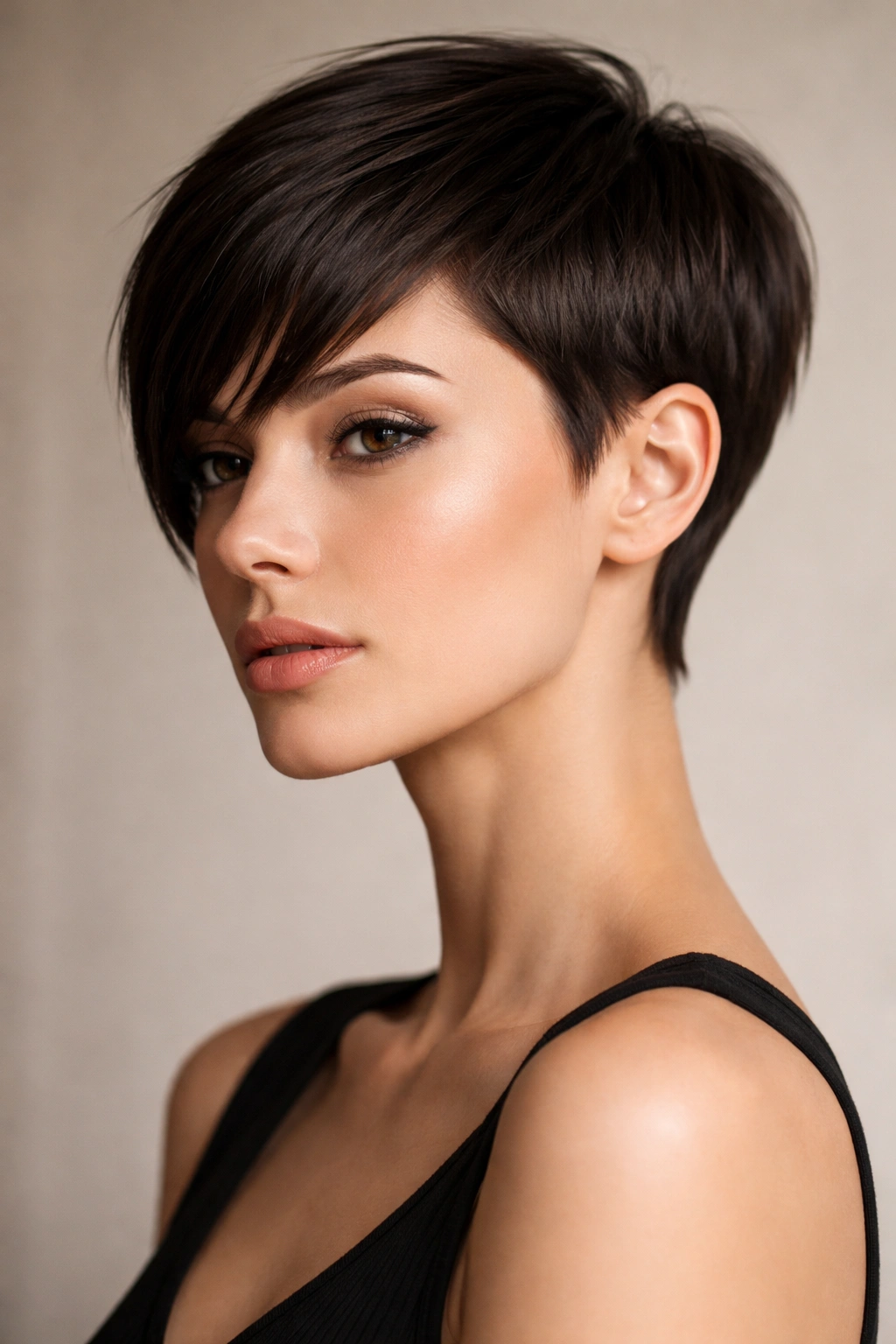
A pixie cut on straight hair is essentially architectural—clean, geometric, and undeniably bold. The magic of this cut lies in how the straight texture allows every angle and line to show exactly as your stylist intended, with no curl or wave to soften or blur the edges. The longer pieces around the face (usually around 2 to 3 inches) can graze your cheekbones or jaw, while the back and sides are clipped short enough to show your scalp in some areas. This contrast creates instant visual interest and an edgy, confident vibe.
Why It’s Perfect for Straight Hair
Straight hair gives a pixie cut the clean, deliberate appearance it’s designed to have. There’s no frizz to manage and no unpredictable texture popping up where you don’t want it. The cut’s geometric lines remain crisp and visible, which is exactly the point. You get maximum style impact with minimal styling effort—most mornings just require a bit of texture cream or pomade and you’re done. The straight texture also means the cut holds its shape between salon visits without the sides getting wispy or uneven the way they might on textured hair.
What You Need to Know
- Expect to visit the salon every 4 to 6 weeks to maintain the precision. Short cuts show regrowth faster, and pixies especially need regular shaping to keep those clean lines intact.
- Invest in a lightweight styling product—sea salt spray, matte pomade, or a texturizing cream. Straight hair can look slicked down without some product to add grip and movement.
- A pixie cut demands confidence and a willingness to show your face and facial features without the softness of longer hair to hide behind.
- Consider your face shape: pixies look stunning on oval, heart, and square faces. Round faces can wear them too with longer top pieces that create vertical interest.
2. The Modern Bob with Textured Layers
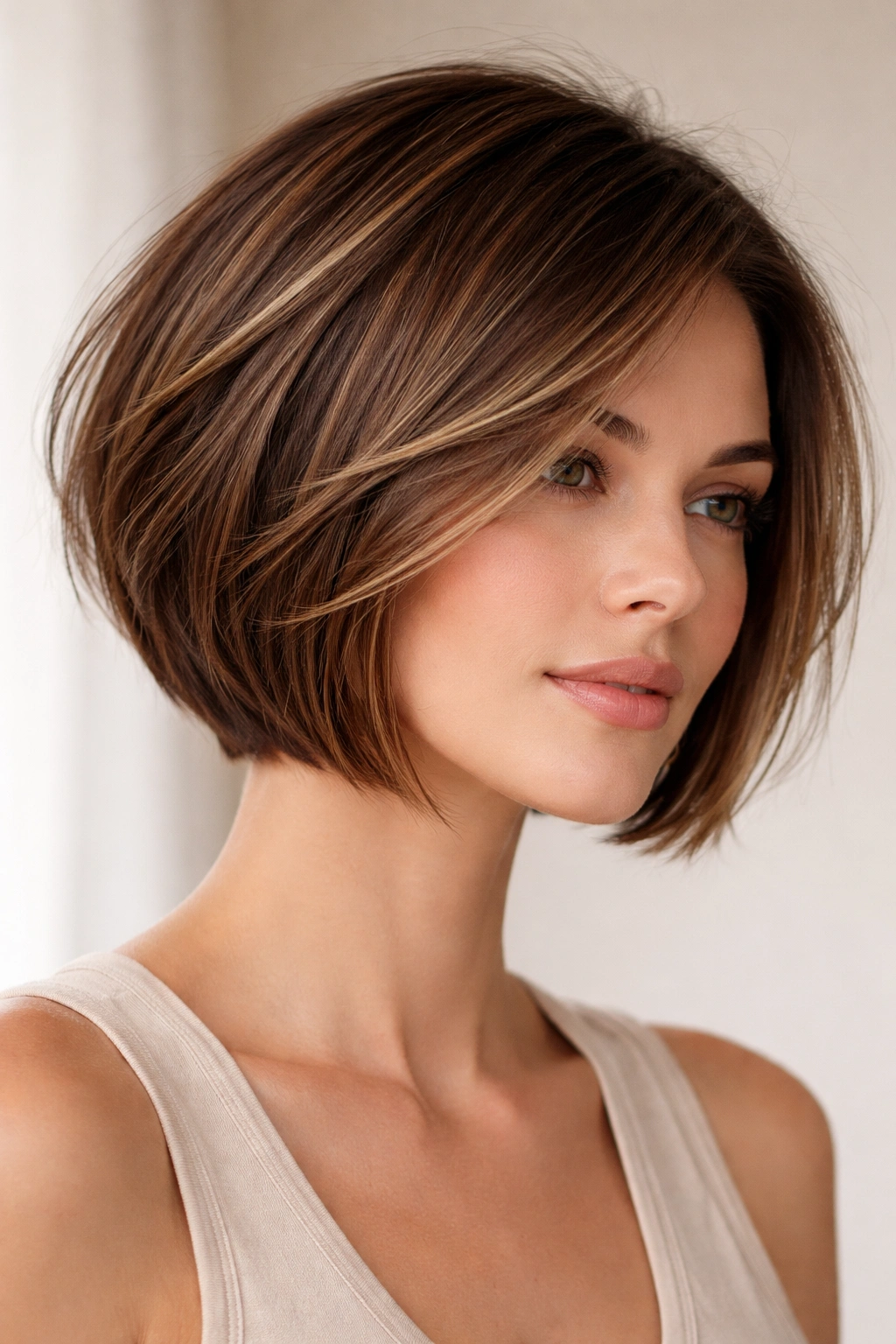
A layered bob sits somewhere between polished and playful—short enough to feel fresh and modern, but structured enough to work for professional settings or casual days. On straight hair, a layered bob creates movement and dimension without requiring heat styling or products to work properly. The layers are typically shorter on top and gradually extend toward the front, creating a subtle graduation that catches light beautifully.
Why Straight Hair Makes This Cut Shine
Layers on straight hair create genuine dimension because they aren’t obscured by natural waves or curls. Each layer is clearly visible, and the way they overlap and move shows the intentional design of the cut. Straight hair also means the layers maintain their shape without the weight of longer hair pulling them down. The cut photographs well, looks polished in person, and requires only a basic blow-dry and some light product to look intentional.
Styling and Maintenance Tips
- This cut typically requires a weekly or bi-weekly trim (every 4 weeks at the salon, plus home touch-ups) because the layers can start looking choppy as they grow.
- Blow-dry with a paddle brush and round brush to add volume and enhance the layered effect. Straight hair can lie flat without some intentional styling.
- A light smoothing serum or shine spray helps the layers catch light and look deliberately styled rather than accidental.
- The length sits somewhere between chin and shoulder, making it incredibly versatile for both casual and formal occasions.
3. The Blunt Fringe with Short Sides
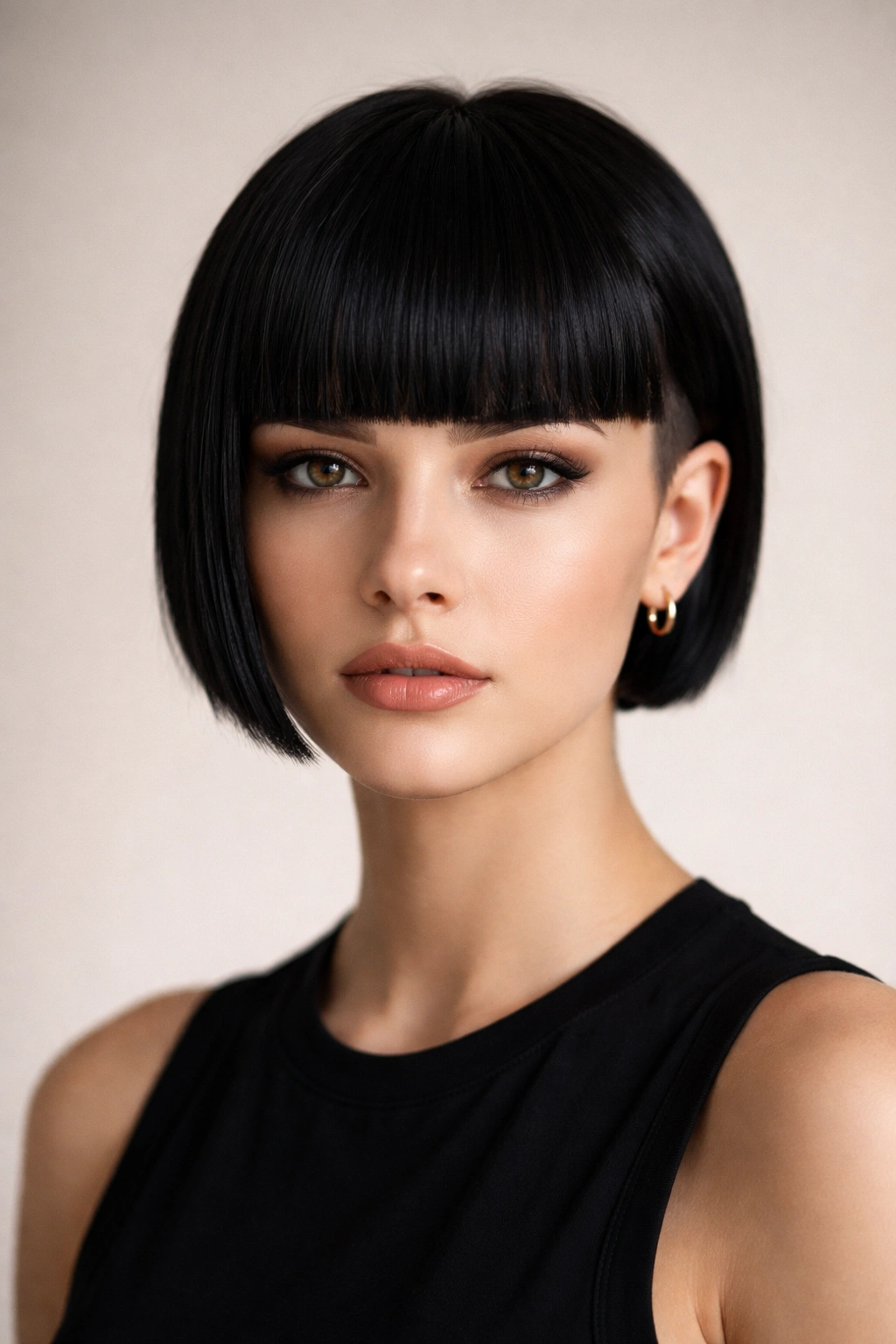
This cut pairs a sharp, blunt-cut fringe (bangs) with closely cropped sides and back—essentially a modern variation on the French crop or undercut. The fringe typically covers the eyebrows slightly and sits at the thickest part of the front hairline, while the sides fade down to very short (sometimes buzzed). On straight hair, this creates a striking frame for the face with maximum visual impact.
Why Straight Hair Is Ideal for This Look
The blunt fringe only works flawlessly on straight hair. Any wave or curl will cause the fringe to separate, curl up, or look uneven—it’s specifically designed for hair that hangs in a perfectly straight line. The contrast between the longer fringe and the close-cropped sides is crisp and intentional on straight texture. You get a fashion-forward, slightly edgy look without requiring any special styling magic.
Important Styling Considerations
- Bangs require the most maintenance of any short cut element. Plan to visit the salon every 3 to 4 weeks just to keep the fringe blunt and at the right length.
- Home maintenance between salon visits matters. You can carefully trim the fringe yourself with the right technique, but it’s easy to overcorrect. Many stylists recommend letting them grow slightly and coming in for a full reset every 6 to 8 weeks.
- This cut works best on faces that can accommodate a full, forward-facing fringe. Wider foreheads, rectangular face shapes, and heart-shaped faces typically look best with this style.
- The fringe requires a quick blow-dry each morning—straight down first with a paddle brush, then slightly flicked to the side if you want a softer version.
4. The Textured Crop
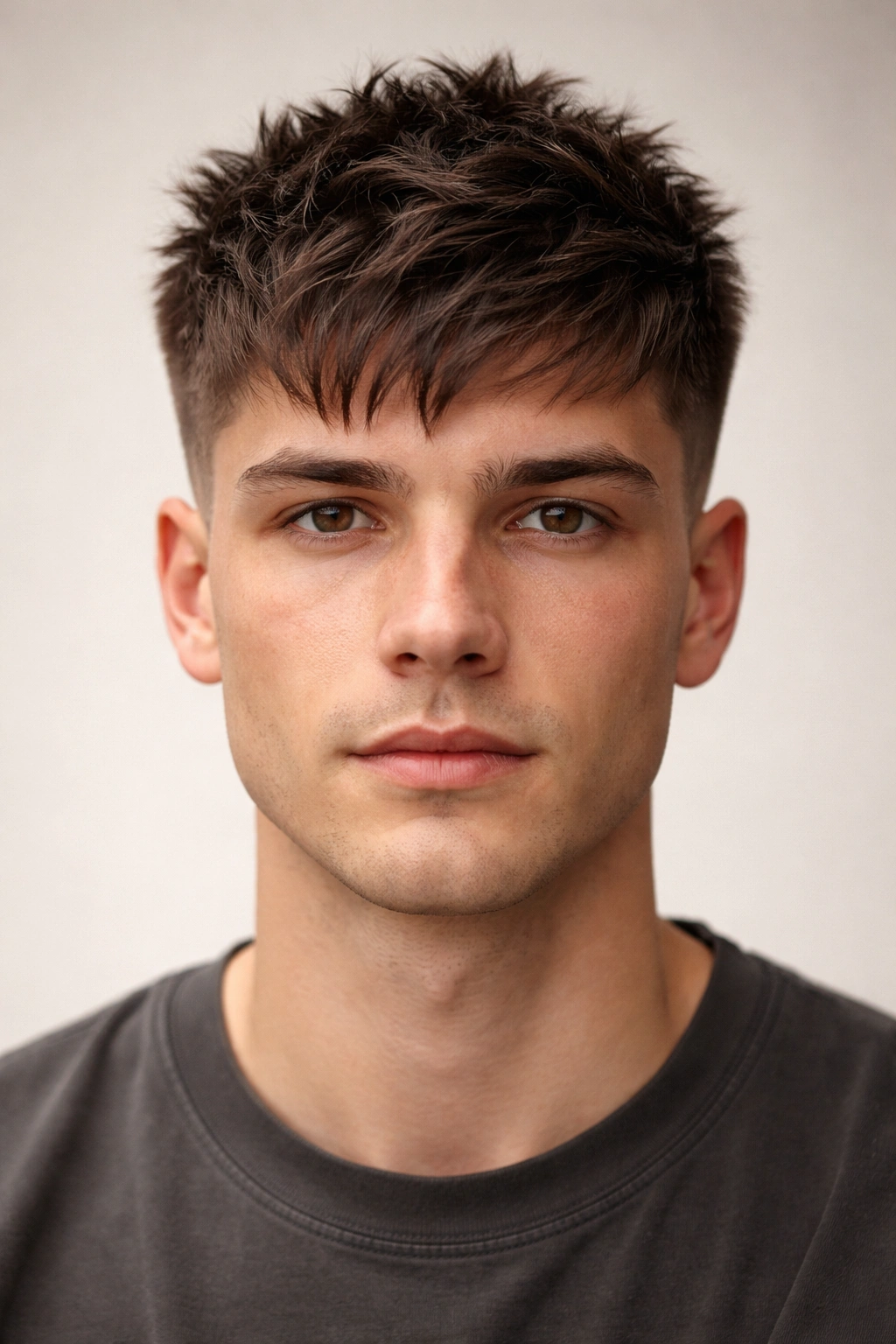
A textured crop is a short, piece-y cut that’s grown out enough that the hair doesn’t lie completely flat, but short enough that it still reads as a very short style. Think 1 to 2 inches on top, faded shorter on the sides, with intentional choppy texture throughout. It’s the bridge between a clean, military-style crop and a longer, shaggier cut. On straight hair, you get a modern, effortless appearance that reads as intentionally undone.
Why It Works on Straight Hair
Straight hair tends to lack natural texture, so adding intentional choppy layers creates the illusion of fuller hair and more dimension. The cut itself is designed to embrace that “textured” look even though your hair is naturally smooth. A good stylist will add enough texture through the cut itself that your straight hair reads as deliberately piece-y rather than just short and flat. It’s a style that plays to the natural advantages of straight texture while adding visual interest.
Styling Requirements
- A texturizing product is essential—sea salt spray, matte clay, or a texture paste applied to damp roots will make this cut look intentional rather than boring.
- Most styling involves running your fingers through the hair after you apply product, creating those piece-y, separated looks.
- This cut requires a trim every 4 to 6 weeks to maintain the textured, choppy appearance. As it grows, it loses the intentional texture and starts looking shaggy or unkempt.
- Works well on most face shapes, but especially complements angular or square faces because it adds softness without being overly feminine.
5. The Angled Lob
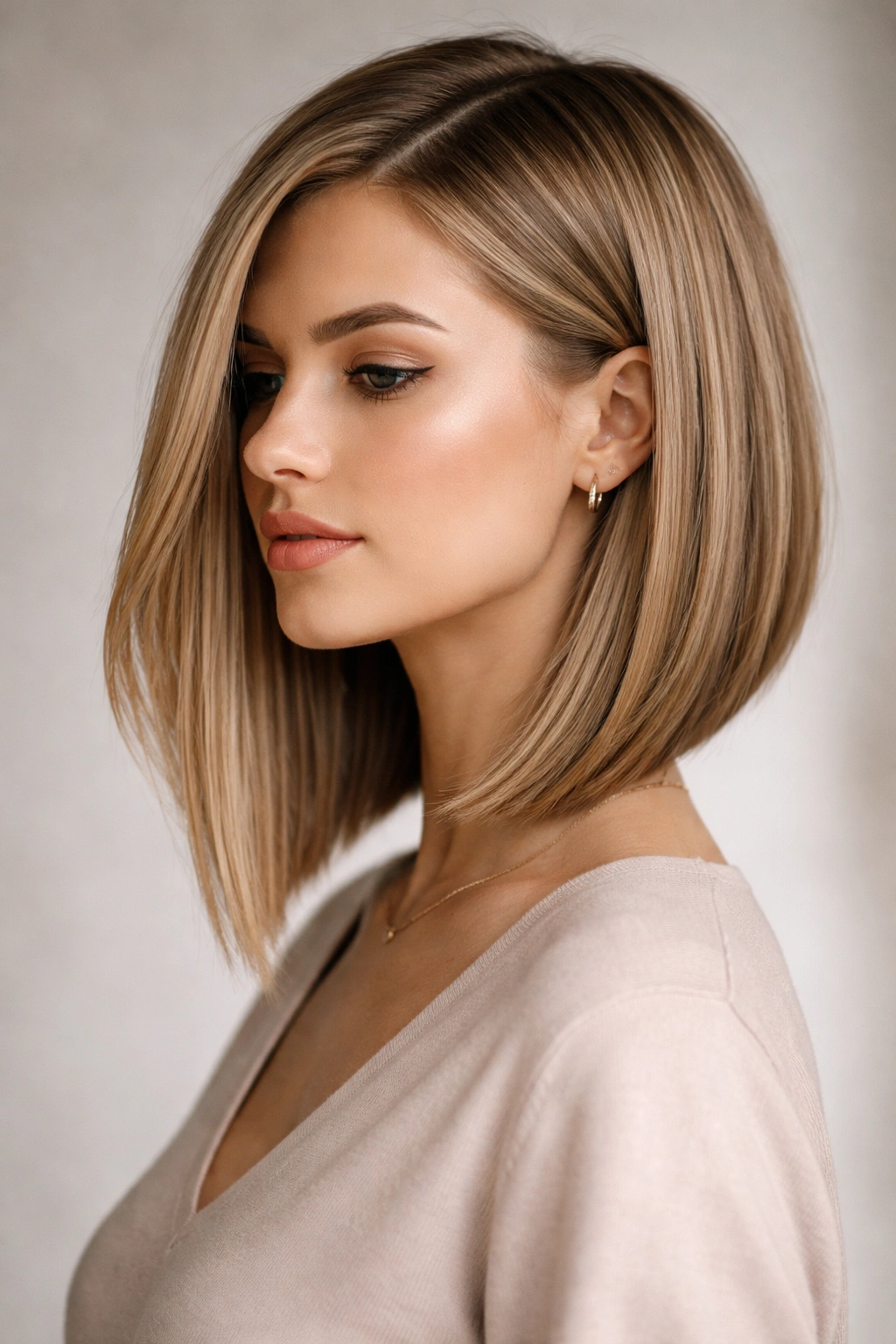
An angled lob (long bob) is longer in the front and shorter in the back, creating a diagonal line that skims the collarbone or shorter depending on your preference. The angle is usually quite pronounced, sometimes as much as 3 to 4 inches of difference between the back and front pieces. On straight hair, this creates a sleek, directional look with movement and dimension.
Why Straight Hair Shows This Cut at Its Best
The angle in an angled lob is only as effective as the hair texture allows. Straight hair holds the line precisely, which means the cut’s geometry is clear and intentional. There’s no wave or curl softening or obscuring the angle—it reads exactly as designed. The front pieces frame the face with clean lines, and the shorter back pieces create volume without bulk. It’s a cut that’s professional enough for work but modern enough for creative settings.
Maintenance and Styling
- Aim for a trim every 6 to 8 weeks to keep the angle sharp and prevent the back from growing out too much.
- Blow-dry with a round brush to enhance the angle and add subtle wave or bend to the front pieces if you want movement.
- A smoothing serum or anti-frizz product helps the hair reflect light and shows off the precision of the cut.
- This length works beautifully for people who want something noticeably shorter but aren’t ready to commit to a true short cut.
- Face shapes that benefit most: oval, oblong, and heart shapes. The angle can also soften square jawlines.
6. The Shag Cut
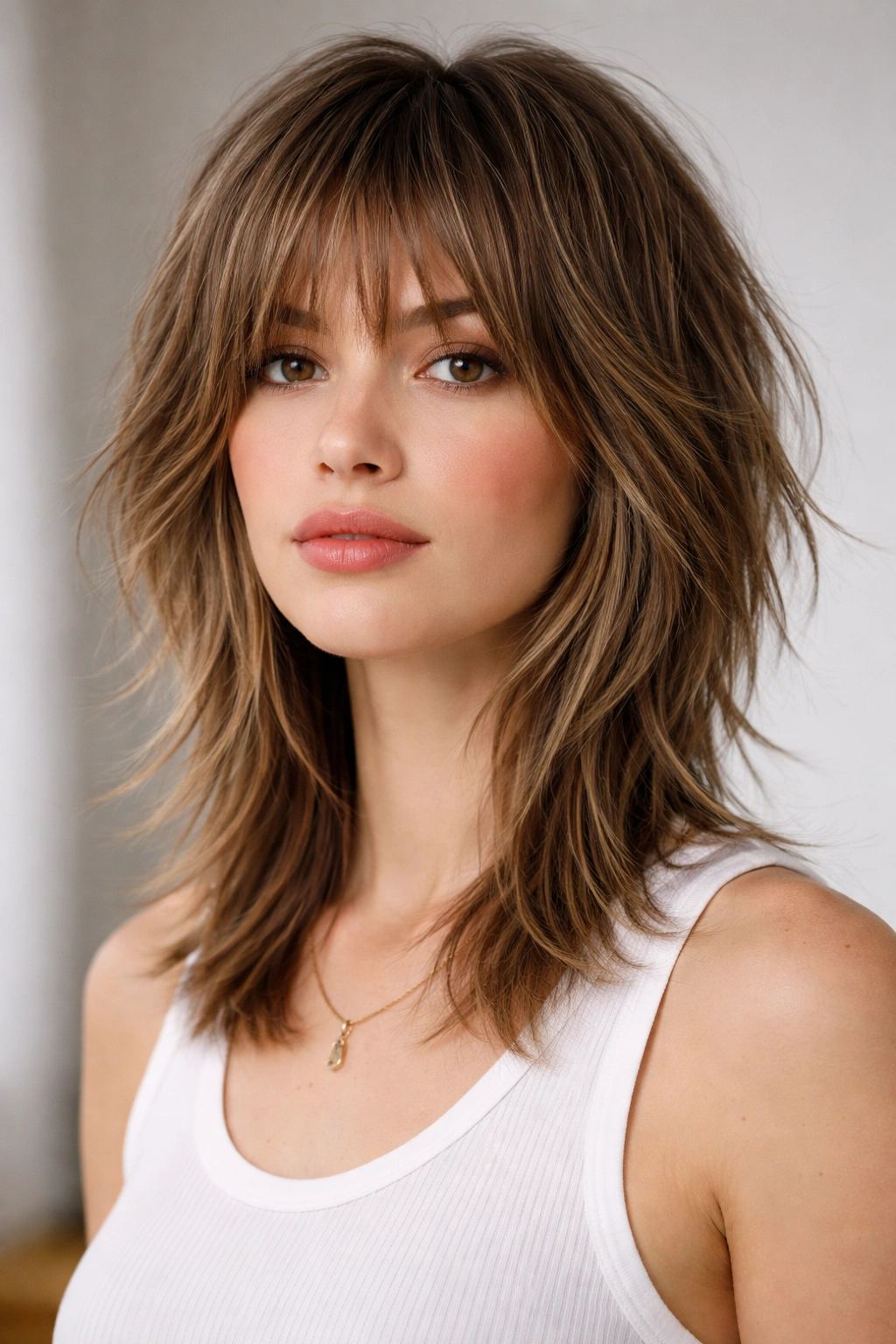
A modern shag is all about layered texture and movement—think 1970s inspiration but executed with precision and contemporary styling. The cut is shorter throughout, with multiple layers at varying lengths that create a tousled, lived-in appearance. On straight hair, a shag cut creates intentional separation and dimension that would normally require curling or styling to achieve on other textures.
Why Shags Work Beautifully on Straight Hair
Straight hair is often the ideal texture for a shag because the layers are completely visible and defined. There’s no natural wave to blur the lines or create accidental texture. A skilled stylist will cut the layers in a way that plays with your hair’s natural fall and movement, creating a piece-y look that feels modern and intentional. Straight hair also means you can see the exact shape and structure of the cut, which is what makes a shag visually interesting rather than just a messy accident.
Styling and Upkeep
- A shag requires a trim every 4 to 6 weeks to maintain the layered shape and prevent it from growing into an undefined mullet-like situation.
- Styling is straightforward: blow-dry with your fingers for a tousled look, or use a round brush for more control and bounce.
- A texturizing spray or sea salt spray is your friend for emphasizing the layers and creating intentional separation between the sections.
- This cut suits most face shapes, but it’s particularly flattering on heart-shaped and oblong faces where the layers can add width.
- Shags sit somewhere between trendy and timeless—it’s a cut that’s always coming back around, so invest in it if you love the vibe.
7. The Geometric Buzz Cut Fade
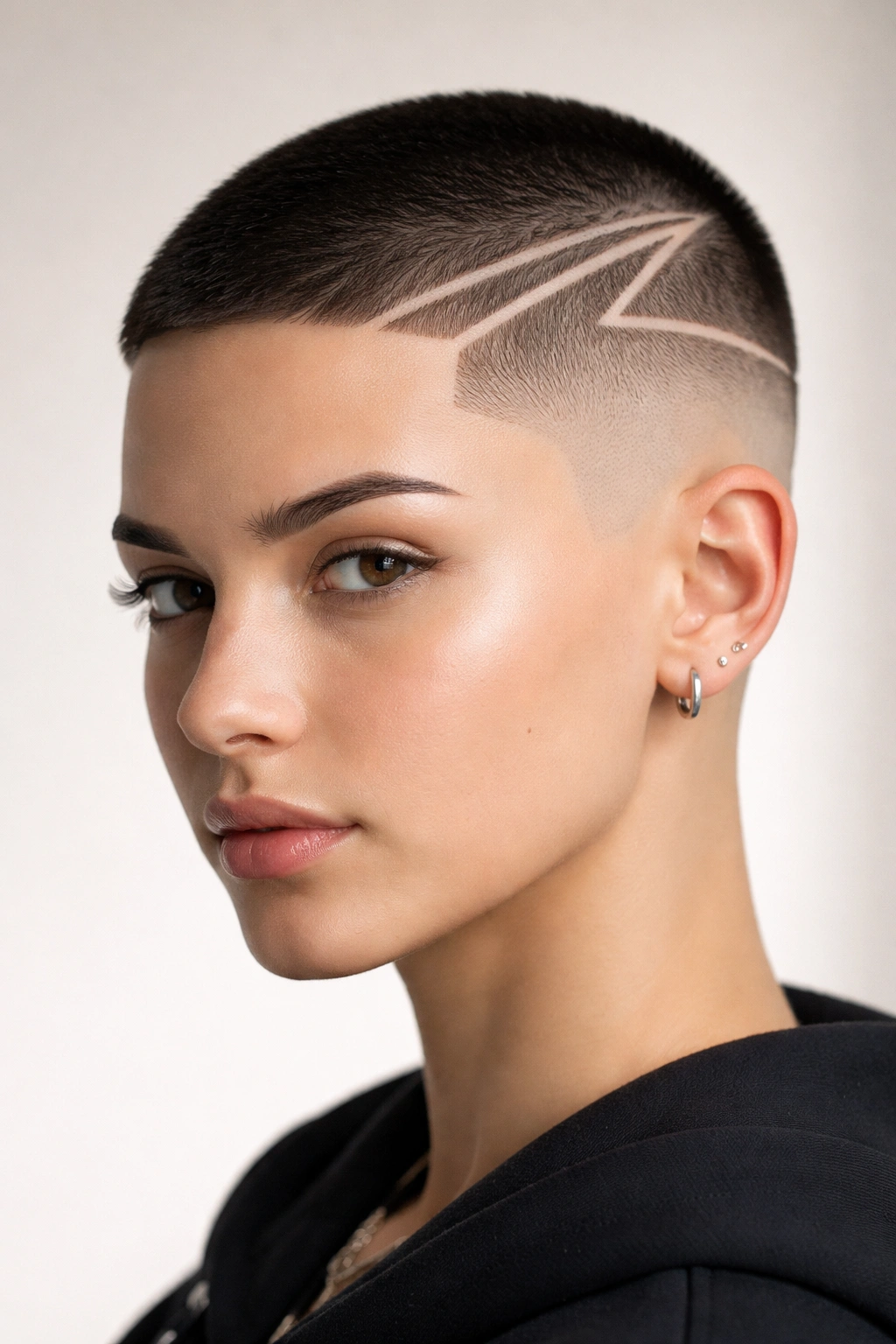
A geometric buzz cut or fade is essentially a very short, uniform cut on top (usually kept with clippers at a specific guard size—1/2 inch, 3/4 inch, or 1 inch) with sides and back faded down to very short or nearly buzzed. The result is clean, geometric, and undeniably bold. On straight hair, every contour of your scalp and facial structure becomes visible, which is both the appeal and the commitment of this style.
Why Straight Hair Is Ideal
A buzz cut or fade demands the precision that straight hair naturally provides. There’s no curl or wave to create uneven texture or visual distraction. The cut is clean, sharp, and exactly as intended from day one. Straight hair also means minimal styling is required—literally just keep it clean and let it grow until your next trim. For anyone looking to embrace their natural hair texture or wanting a completely low-maintenance style, this is the ultimate expression.
Real Talk About Commitment
- This is a style that works best on people confident enough to show their face, scalp, and head shape completely. There’s nowhere to hide, which is part of the appeal.
- Maintenance involves a trim every 2 to 3 weeks to keep the fade clean and the top at the desired length.
- Styling requires zero products or effort, which is genuinely freeing if that’s what you’re after.
- Face shapes that look best: most faces work, but angular and strong features tend to look especially striking with this cut.
- This cut is timeless and professional in most settings, though creative fields embrace it more readily.
8. The Choppy Pixie
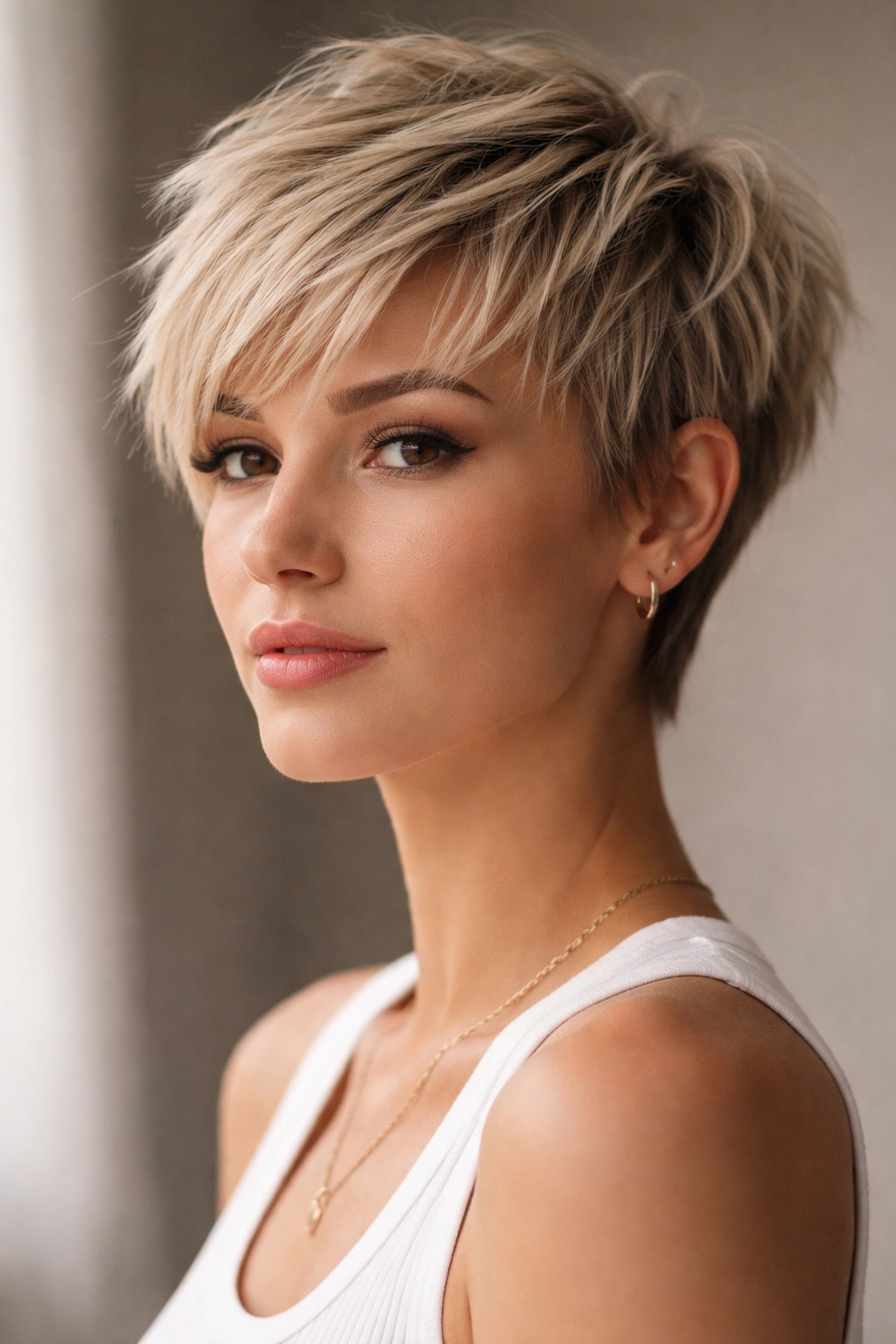
A choppy pixie is a pixie cut with intentional, uneven layers throughout—sometimes called a “shaggy pixie.” The layers are shorter and choppier than a traditional pixie, creating a piece-y, tousled appearance. The idea is to have a style that reads as short and fashion-forward while also having enough texture and movement to feel playful and less severe.
Why It Works on Straight Hair
Adding intentional chop and layers to a pixie cut creates dimension on straight hair that would otherwise be completely flat. The layers catch light differently, and the shorter pieces create depth and movement. Straight hair shows these layers clearly without any wave or curl interfering with the design. It’s a style that feels effortless while actually being precisely cut, which is the sweet spot for modern short hair.
Styling and Maintenance Details
- Texture cream or matte pomade is essential for styling a choppy pixie. Without product, the layers can look separated in a way that reads as choppy rather than intentionally textured.
- A trim every 4 to 6 weeks keeps the layers defined and prevents the style from growing into an undefined shag situation.
- Blow-dry with your fingers and texture product for a tousled look, or use a comb for more structure.
- This cut works well on most face shapes, especially angular ones where the soft, choppy texture can add a bit of balance.
- It’s a style that works for both casual and professional settings, depending on how you style it and where you work.
9. The Sleek Undercut Bob
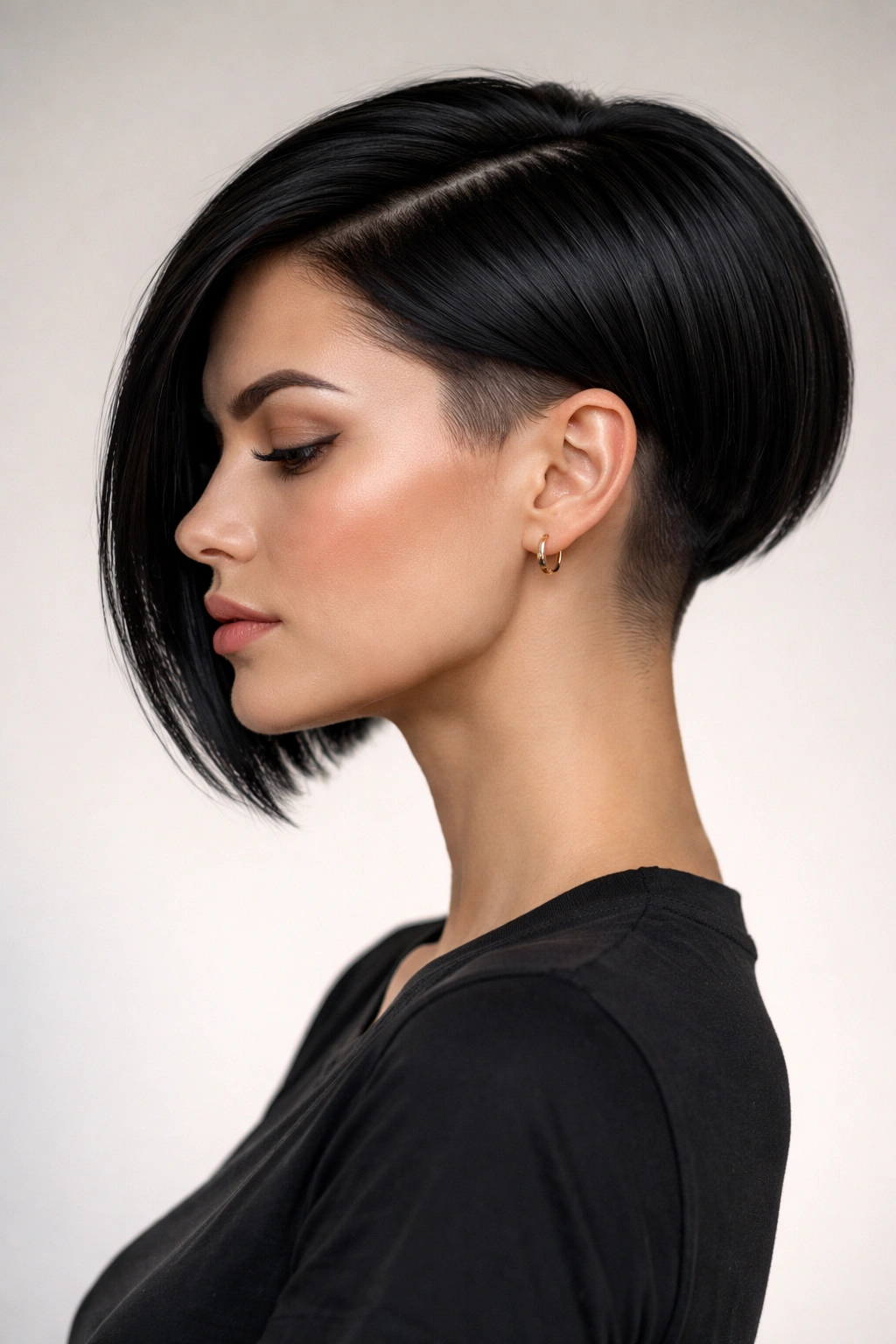
An undercut bob combines the polished appearance of a classic bob with an undercut on the sides or back—meaning the underneath layers are significantly shorter, sometimes faded or buzzed, while the top layer is left longer and full. The result is a style that reads as short and modern on the sides while maintaining more length on top. On straight hair, the contrast between the short undercut and the longer top is striking.
Why Straight Hair Makes This Cut Pop
The visual contrast in an undercut bob relies heavily on clean lines and precise fading, which is easiest to achieve and maintain on straight hair. Wavy or curly hair can obscure the undercut section, but straight hair shows it off completely. You get a style that looks super modern and fashion-forward from certain angles, with the security of more length on top that can be styled multiple ways depending on your mood.
Styling and Upkeep Requirements
- The undercut section requires a trim every 3 to 4 weeks to maintain the faded, clean appearance. This is non-negotiable for this style to look intentional.
- The top can be styled sleek and straight, blown out with volume, or even gently waved for contrast with the undercut.
- Straight hair makes it easy to show off the undercut—it’s visible without any curl getting in the way.
- A good undercut fade can be maintained by a professional barber or a stylist with fade experience. Not all stylists are confident with this technique.
- Face shapes that benefit most: works well on most faces, but particularly flattering on oblong and square faces where the undercut adds width.
10. The Side-Swept Short Cut
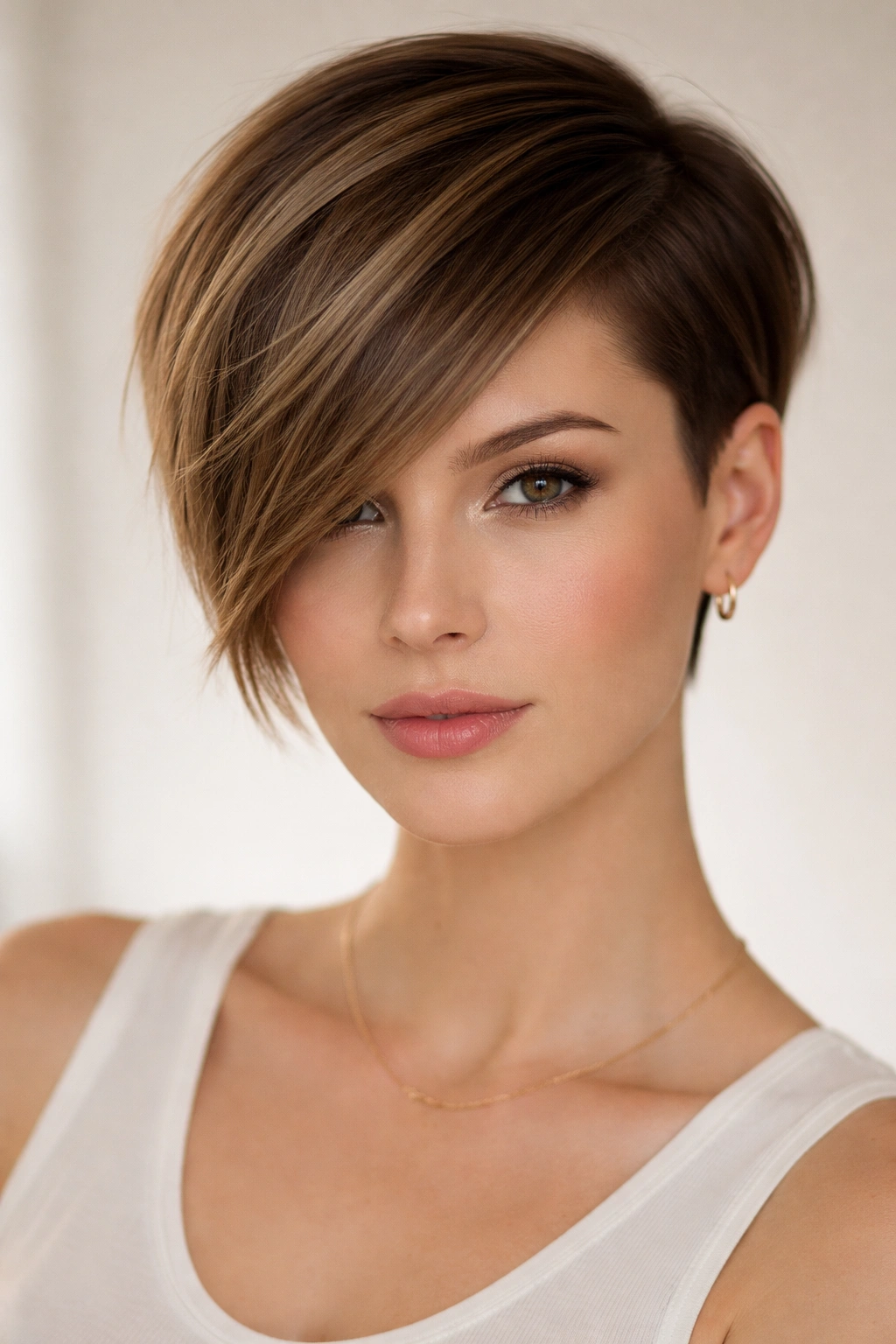
A side-swept short cut is characterized by longer pieces on one side (typically 2 to 4 inches, sometimes longer) that sweep across the face or are tucked behind one ear, with shorter pieces on the opposite side. The result is an asymmetrical style that feels edgy and modern. On straight hair, the side sweep is clean and dramatic, with none of the curl that might disrupt the line on other textures.
Why Straight Hair Showcases This Style
Straight hair creates a clean, uninterrupted line from the longer side to the shorter side. The side-swept pieces fall exactly where they’re intended to, without curl or frizz causing them to separate or bunch up. This is a style that’s all about the line and the cut’s geometry, which means straight hair is the perfect texture to show it off. The asymmetry reads as intentionally edgy and fashion-forward rather than accidental.
Practical Considerations
- The longer side requires regular trims (every 4 to 6 weeks) to maintain the sweep and prevent it from becoming too long or unwieldy.
- Styling depends on how you want to wear it—you can smooth it completely to one side, tuck the longer pieces behind your ear, or add some texture with product.
- This style works best on faces that can handle asymmetry, including heart-shaped, oblong, and square faces.
- Side-swept styles can work in professional settings if styled conservatively, or in creative settings if you lean into the edgier vibe.
- Consider your face shape’s proportions: if one side is significantly wider or narrower, you can use the asymmetry to create visual balance.
11. The Graduated Pixie
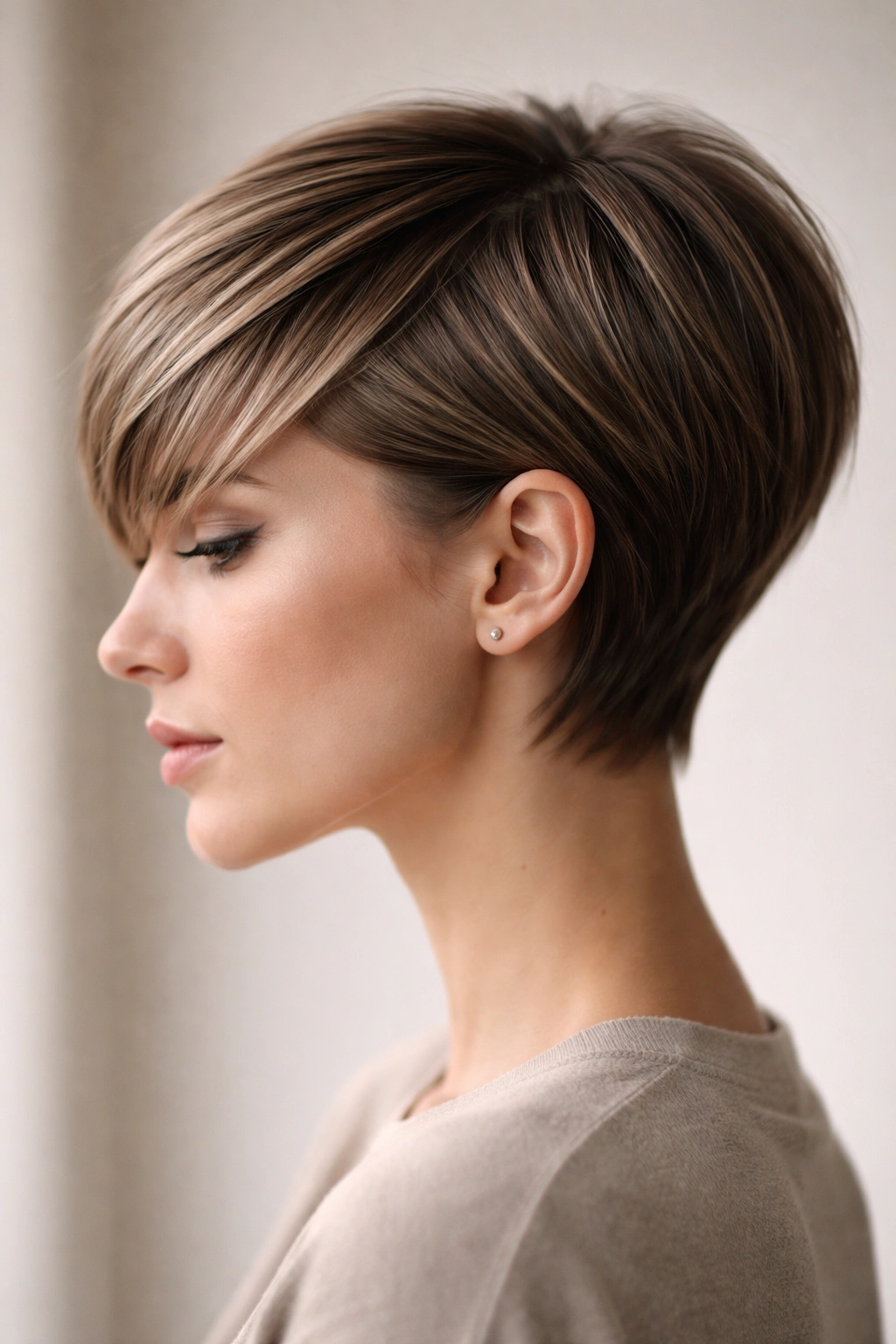
A graduated pixie is similar to a traditional pixie but with longer, more pronounced layers throughout that create a gradually increasing length from the back and sides to the front and top. Instead of the super-short, flat appearance of a standard pixie, a graduated pixie has more volume and dimension. On straight hair, this creates a sophisticated, textured look that’s still undeniably short and modern.
Why It’s Ideal for Straight Hair
Graduating the lengths allows your stylist to create dimension and movement on straight hair without requiring heat styling or extensive products. Each layer sits slightly over the one beneath it, creating depth and shadow. Straight hair shows these layers clearly, so the cut’s sophistication is immediately visible. It’s a style that feels polished and intentional while still being very short and low-maintenance.
Maintenance and Styling Tips
- Plan for a trim every 4 to 6 weeks to maintain the graduated shape and prevent the layers from growing out unevenly.
- Blow-dry with a round brush to enhance the volume on top and showcase the layers.
- A lightweight texturizing spray can add grip and make the layers more pronounced if your hair naturally lies flat.
- This cut works beautifully for people who want short hair but aren’t ready for the extreme boldness of a full pixie cut.
- Face shapes that look best: oval, oblong, and heart shapes. The graduated length can add softness to angular features.
12. The Blunt Crop with Bangs
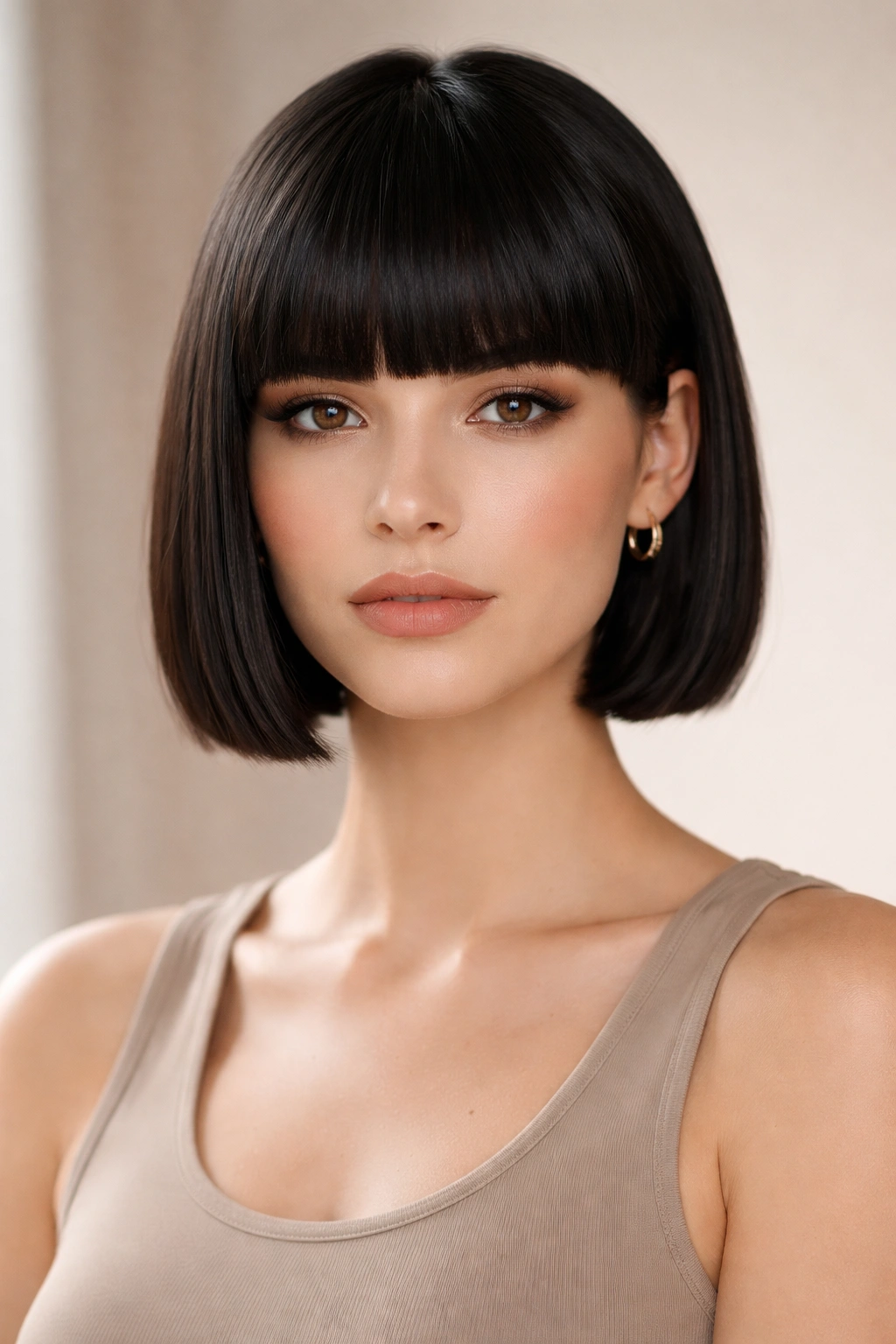
A blunt crop with bangs combines a very short, uniform crop (usually around 1 inch or less on top) with a blunt, heavy fringe across the forehead. The result is a bold, sometimes androgynous style that makes a definite statement. On straight hair, both the crop and the bangs are crisp, precise, and visually striking.
Why This Works Best on Straight Hair
Blunt bangs only look truly blunt on straight hair. Any wave will cause them to separate and lose the powerful line that makes this style work. Straight hair also means the crop sits uniformly without any variation in texture or uneven growth patterns showing. The overall effect is clean, bold, and modern—a style that reads as intentionally fashion-forward rather than accidental.
What You Should Know
- Bangs require maintenance every 2 to 4 weeks to stay blunt and at the right length. The crop itself can go 4 to 6 weeks, but the bangs are the star of this style and they need attention.
- This style requires confidence and a willingness to make a statement. It’s not a subtle choice, and that’s part of the appeal.
- Works best on face shapes with good forehead proportion and features confident enough to carry off a bold look—heart-shaped, square, and oblong faces often look striking.
- Styling is minimal—just a quick blow-dry to set the bangs in the morning.
- This is a trendy style that comes and goes, so consider whether you’re comfortable committing to it for a year or more before jumping in.
13. The Textured Fringe
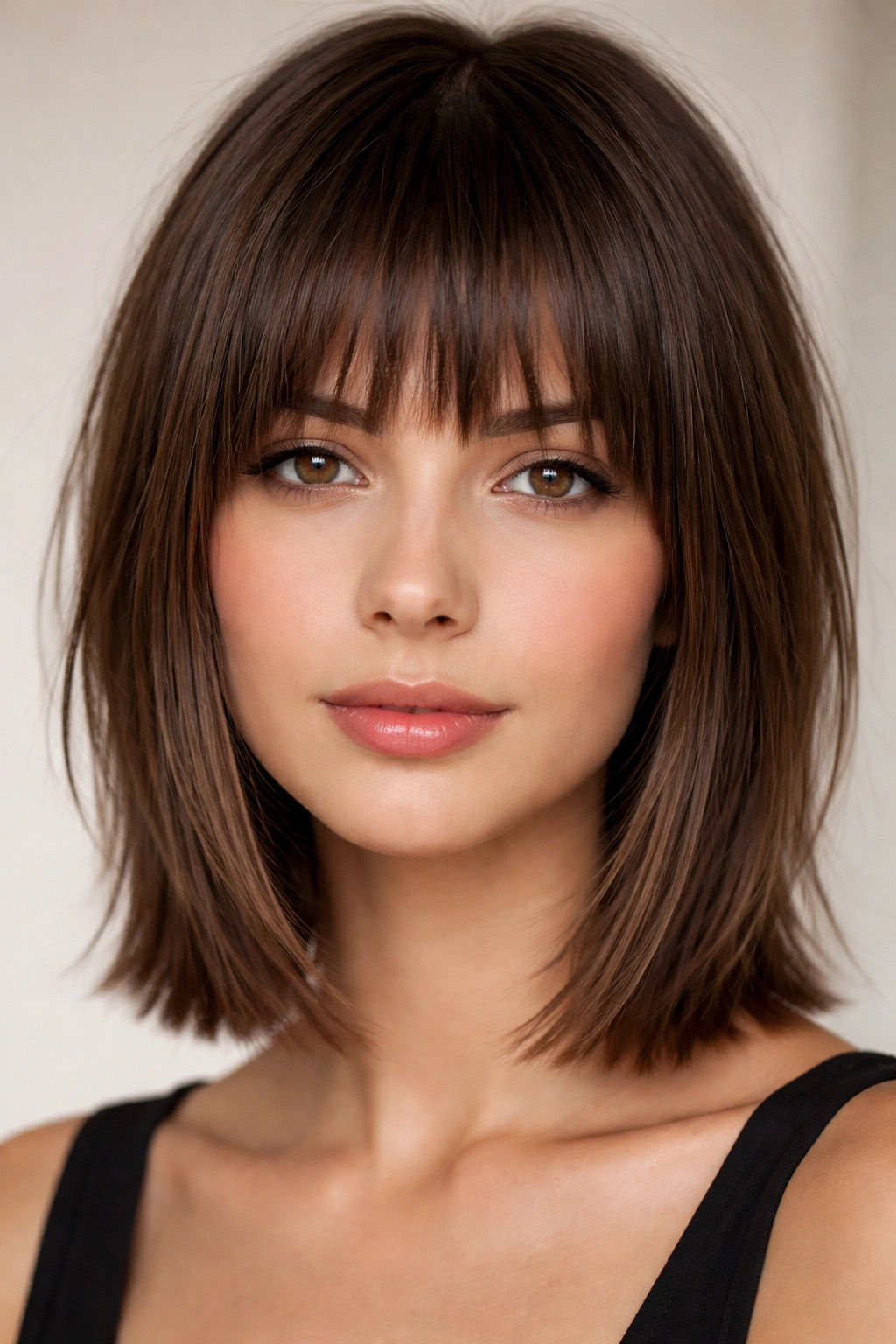
A textured fringe combines layered, choppy bangs with longer sides and back—think of it as a shaggy, modern take on traditional bangs. The fringe is shorter (typically eyebrow-length or slightly longer) but chopped and textured rather than blunt, and the rest of the hair is cut to frame the face while maintaining more overall length. On straight hair, the textured fringe creates intentional separation and movement.
Why Straight Hair Makes This Cut Shine
Straight hair shows off textured layers beautifully, especially in the fringe area where the chop is most noticeable. Without natural curl to soften or blur the layers, each piece of the fringe reads as intentionally placed. The contrast between the structured fringe and the longer sides creates a modern, balanced look that feels current without being overly trendy.
Styling and Maintenance
- The textured fringe requires attention every 3 to 4 weeks to maintain the choppy, layered appearance as it grows out.
- Styling involves a bit more effort than blunt bangs—you want to texturize and separate the fringe pieces rather than laying them flat.
- A sea salt spray or texturizing cream applied to damp fringe and tousled with your fingers creates the intended lived-in vibe.
- This style suits most face shapes, especially those that benefit from framing around the eyes and forehead.
- It’s a style that feels modern and slightly playful—great for creative fields or anyone wanting a softer, more textured edge than a blunt fringe.
14. The Rounded Crop
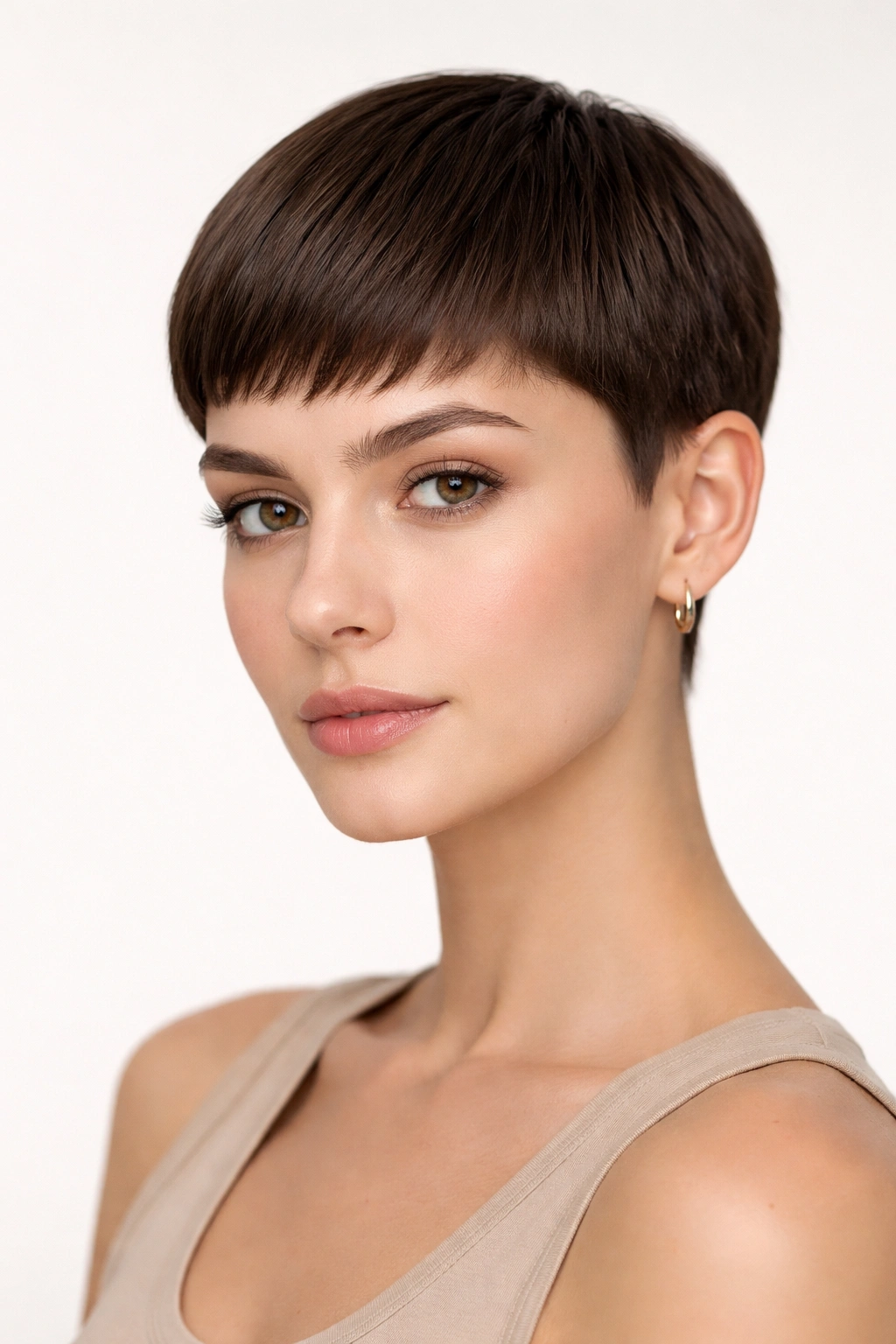
A rounded crop is a very short cut with a gently curved silhouette rather than a geometric or angular shape. The hair is kept short all over (usually 1 to 1.5 inches), but instead of fading down to nearly nothing on the sides, it maintains relatively even length throughout—just shorter in the back and sides than on top. The result is a soft, rounded shape that hugs the head rather than showing a stark contrast.
Why It Works on Straight Hair
A rounded crop relies on precise, even cutting all over the head to create its soft silhouette. Straight hair makes this possible because there’s no variation in natural texture to create uneven density or appearance. The overall shape is clean and intentional, reading as both contemporary and somewhat classic. It’s a style that feels substantial without being overly short or severe.
Practical Styling Notes
- This cut suits most hair types and face shapes, though it looks particularly striking on people with well-proportioned features that can carry the rounded shape.
- Maintenance involves a trim every 4 to 6 weeks to maintain the rounded silhouette as the hair grows.
- Styling is minimal—a quick blow-dry and optional lightweight product to add texture or shine.
- This style works in virtually any setting, from conservative workplaces to creative industries.
- It reads as both more polished than a textured crop and less severe than a geometric buzz cut—a nice middle ground.
15. The Sharp, Graduated Lob
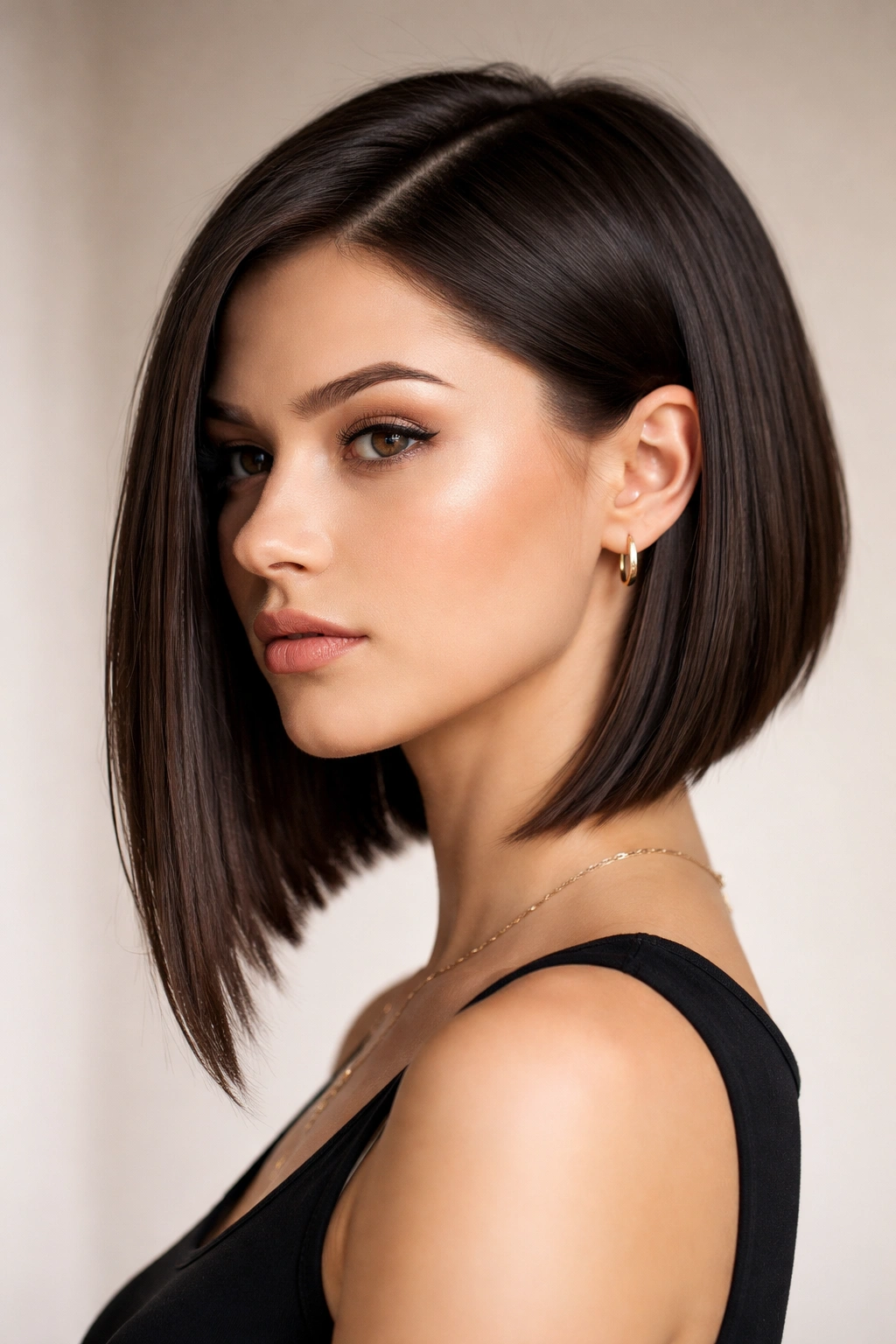
A sharp, graduated lob is the longer end of the short hair spectrum—typically hitting somewhere between the chin and shoulder with significant graduation that’s longer in the front and shorter in the back (sometimes extremely short, just an inch or two). The emphasis is on sharp lines and visible graduation rather than soft, blended layers. On straight hair, this creates a contemporary, architectural look with serious visual impact.
Why Straight Hair Shows This Cut at Its Best
The gradient from short back to long front is only as crisp and intentional as the hair texture allows. Straight hair means every angle of the cut is visible and precise—no wave or curl softening the line. The shorter back pieces can be quite short without looking wispy or uneven, creating maximum visual contrast with the longer front. It’s a cut that looks deliberately modern and fashion-conscious because of its clean geometry.
Maintenance and Styling Considerations
- Plan for a trim every 6 to 8 weeks to keep the graduation sharp and prevent the back from growing out too much and losing the dramatic angle.
- Straight hair might benefit from a slight blow-dry wave in the longer front pieces to add movement and softness to balance the sharpness of the back.
- A smoothing serum or lightweight styling cream helps the cut catch light and shows off the precision.
- This length works for virtually any face shape, but it’s particularly flattering on faces that can handle a bit of volume and texture.
- It’s a cut that reads as confident and fashion-forward in creative settings, and polished and intentional in professional environments.
Final Thoughts

Short hair on straight texture is genuinely one of the easiest, most versatile canvases you can work with if you choose a cut that plays to your hair’s natural strengths. The lack of curl or frizz means clean lines last longer, geometric cuts hold their shape between salon visits, and the precision of your stylist’s work is immediately visible and impactful.
The real key is picking a cut that aligns with your lifestyle and how much maintenance you’re willing to commit to. A pixie or crop requires salon visits every 4 to 6 weeks without compromise, while an angled lob or graduated bob might stretch to 8 weeks if you’re flexible. Your daily styling routine matters too—some styles need product and a blow-dry every morning, while others can legitimately be woken-up-and-ready.
Your straight hair is an advantage, not a limitation. Lean into what it does best: hold crisp shapes, reflect light clearly, show off the precision of professional cutting, and require minimal styling effort to look intentional and polished. Find a stylist who understands straight hair’s unique potential, have a clear conversation about your lifestyle and styling commitment, and then trust their expertise to guide you toward the cut that’ll make you feel genuinely confident every time you look in the mirror.
