



Fine wavy hair presents a unique styling challenge—it’s got movement and texture that begs for shape, yet it lacks the density to hold structure without the right cut. The struggle is real: you want definition and bounce, but most haircuts either fall flat or frizz out by day two. The truth is that not all haircuts work equally well for fine, wavy strands. You need something that respects your hair’s natural texture while actually holding its form throughout the day, even in humidity.
The secret isn’t just finding any trendy cut—it’s finding a cut that’s engineered for your specific hair type. A style that works beautifully on thick, straight hair might collapse on you, while a cut designed for coarse curls could leave you looking wispy and shapeless. What you’re looking for are haircuts that use strategic layering, deliberate length placement, and cut angles that work with your wave pattern instead of against it. The goal is a cut that gives the illusion of density, adds movement, and actually holds its shape from wash day through day three without requiring three rounds of styling products.
Over the years, hairstylists have developed specific techniques that transform fine wavy hair. We’re talking about cuts that create texture without bulk, angles that encourage waves to form crisply, and lengths that let your natural movement shine. These aren’t one-size-fits-all cuts—they’re strategic designs that account for how fine strands behave differently than thicker ones. When you get the cut right, you’ll notice something remarkable: your hair holds its shape better, looks fuller and more voluminous, requires less blow-drying effort, and actually looks better the second or third day after washing.
1. The Textured Shag
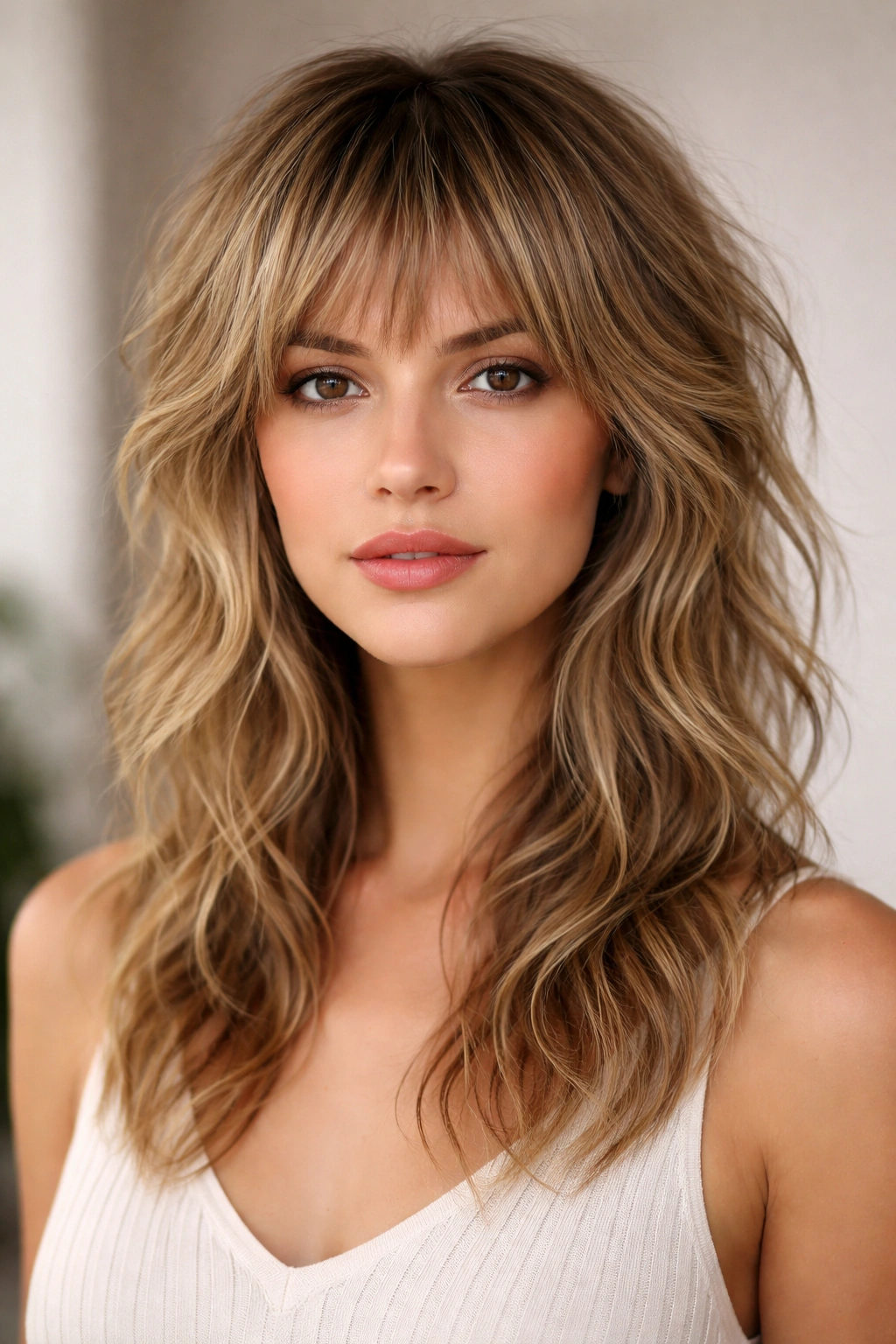
A modern textured shag is one of the best-kept secrets for fine wavy hair. Unlike the dramatic 1970s version, today’s shag is refined and intentional—shorter on top with longer layers throughout that create movement without weightiness. The magic here is that the multiple layers at varying lengths break up the hair in a way that makes even fine strands look fuller and more textured. When styled, each layer catches light differently, creating dimension that reads as volume.
Why It Works for Fine Wavy Hair
The shag’s layered structure is specifically designed to enhance natural texture. Because you’re removing weight strategically rather than leaving a blunt line, your waves have room to form and breathe. The choppy layers encourage your hair’s natural bend to become more pronounced, and the shorter layers on top give lift at the crown where fine hair often struggles. Unlike a blunt cut that sits heavy and flat, a textured shag celebrates movement.
Styling and Maintenance
This cut requires minimal effort to look good. A quick tousle with your fingers after blow-drying, and you’ve got shape. Because the layers are built in, you don’t need precision styling—the cut does most of the work for you. The key is getting regular trims every 6 to 8 weeks to keep the layers sharp and defined. As those layers grow out, they lose their ability to create texture, and you’ll notice your hair starting to look limp again.
Pro Tips for Best Results
- Avoid using heavy styling products that weigh down fine hair; instead, use a lightweight texturizing spray or sea salt spray
- Ask your stylist for shorter layers at the crown and longer, subtler layers underneath for maximum shape retention
- The shag works best with some wave or curl pattern already present—if your waves are very subtle, you may need to enhance them with a curling iron or wave products
2. The Choppy Lob
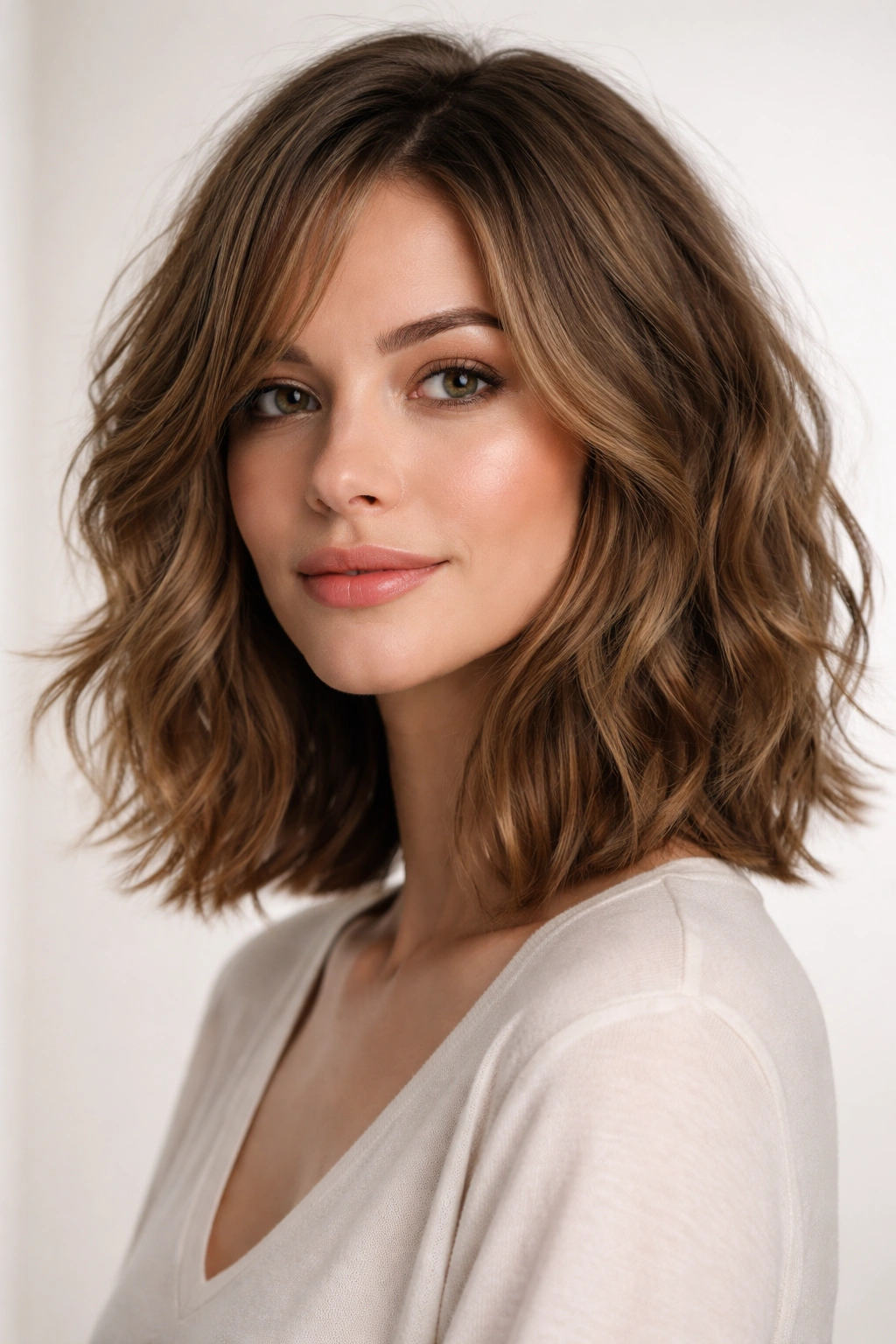
A choppy lob (that’s a long bob, typically hitting between chin and shoulder) is a powerhouse for fine wavy hair because it’s long enough to avoid looking too severe, yet short enough to hold shape. The choppy texture breaks up the length and prevents the dreaded “straight, limp” look you get with blunt ends. This cut gives you the best of both worlds: enough length to feel feminine, with enough texture to look intentional and full.
Why It Works for Fine Wavy Hair
A choppy lob removes enough weight that your waves can actually form, but keeps enough length that you don’t lose the sophistication of longer hair. The chopped, textured ends create the optical illusion of density—instead of seeing straight strands going down, the eye reads broken-up texture and perceives fullness. The cut also works beautifully with your natural wave pattern; you’re not fighting the texture, you’re enhancing it.
How to Cut and Layer It
The best choppy lobs for fine wavy hair feature shorter, choppier layers around the face and gradually longer layers toward the back. This creates face-framing movement without making your face look wider or heavier. The shortest pieces shouldn’t be so short that they stick out awkwardly; they should blend seamlessly while still creating that textured effect. Ask your stylist for a “choppy blunt” technique rather than razor-cutting, which tends to create too much texture and potential for frizz on fine hair.
Daily Styling Approach
You can wear this cut several ways: tousled and textured for a casual day, smoothed with a round brush for something more polished, or air-dried if your waves cooperate. The versatility is part of its appeal. A light texturizing spray applied to damp hair before blow-drying will help enhance your natural wave and keep the shape locked in through the day.
3. The Curtain Cut
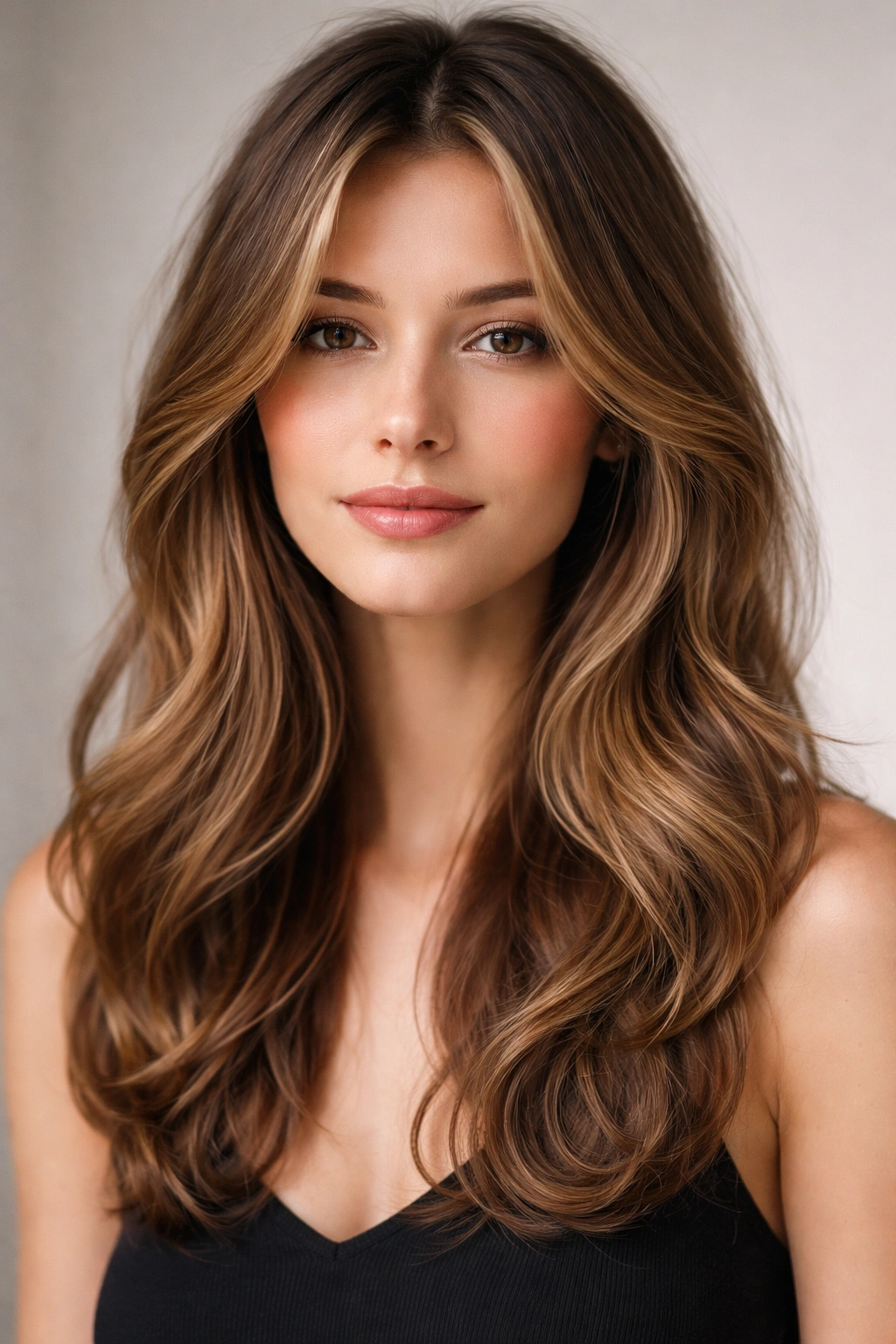
The curtain cut—which features longer layers that frame the face and part naturally down the center—has become increasingly popular for fine wavy hair, and for good reason. This cut works with your hair’s natural tendencies rather than fighting them. The center part sits naturally with wavy hair, and the way the layers fall creates shape around the face without requiring precision styling.
Why It Works for Fine Wavy Hair
The curtain cut is genius for fine hair because the layers fall at different angles, creating the appearance of density. Each layer catches light differently, and the face-framing pieces draw attention to where you want it (your face) rather than to lack of fullness elsewhere. The longer length means your hair has more to work with structurally, and the natural center part works harmoniously with how waves naturally want to fall.
The Styling Sweet Spot
One of the best things about a curtain cut is that it looks intentional whether you’ve styled it or not. On day one after blow-drying, you get sleek waves framing your face. By day two or three, it gets even better—the waves relax into softer, more romantic bends that actually look more intentional than freshly styled hair. This is one of the few cuts where “undone” actually looks better than “overdone.”
Customization for Maximum Hold
Ask your stylist to add slightly shorter layers through the crown and longer layers at the underneath to create a subtle shag effect. This helps with lift at the roots while maintaining the curtain’s elegant face-frame. The length should hit somewhere between shoulder and collarbone for optimal shape-holding; anything longer and the weight starts to pull the layers down.
4. The Wolf Cut
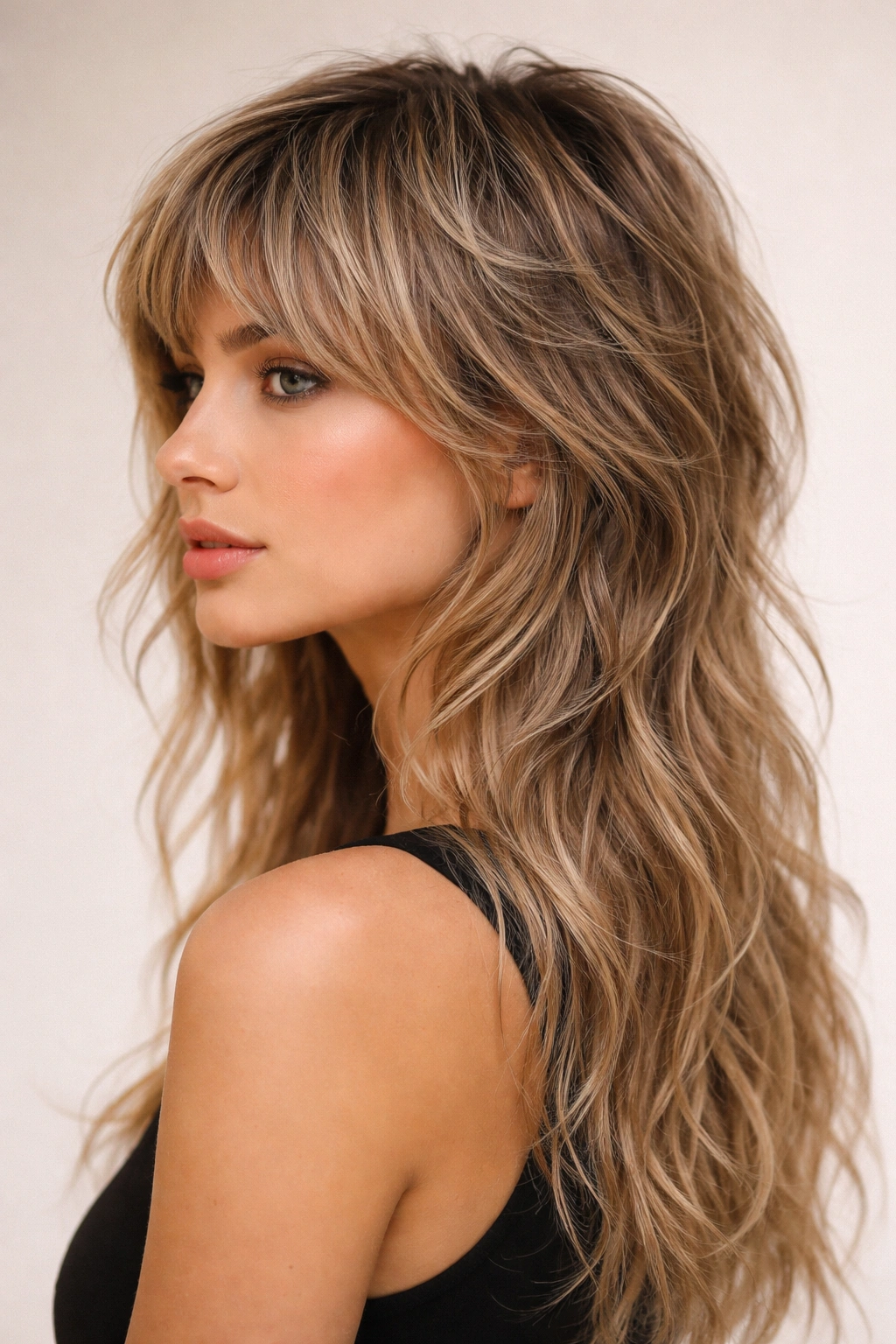
The wolf cut is a hybrid between a shag and a mullet—business (shorter, layered) on top, party (longer, flowing) in the back. For fine wavy hair, this cut is a game-changer because the shorter, textured top layers create lift and volume at the crown, while the longer back section maintains length and femininity. It’s edgy without being too extreme, and it absolutely holds shape.
Why It Works for Fine Wavy Hair
Fine hair often struggles with lift at the crown because longer hair weighs it down. The wolf cut solves this problem by keeping the top short and heavily layered, which means those shorter pieces naturally point upward and outward, creating volume where you need it most. Meanwhile, the longer back layers let you maintain that luxurious length appeal without sacrificing shape. The contrast between the two lengths is what makes this cut so visually interesting and shape-holding.
Styling the Wolf Cut
This cut genuinely looks better on the second or third day after washing. Fresh out of the shower with a blow-dry, you get defined waves and texture throughout. As you move through the week, the texture relaxes slightly and becomes softer, which actually looks intentional with this cut. You’re not fighting the natural progression of your style; you’re embracing it.
Building in the Right Texture
The key to a wolf cut on fine hair is ensuring the layers throughout are choppy and textured rather than blunt. You want clear separation between pieces so each individual strand feels intentional. Avoid having your stylist razor-cut too aggressively—that can create too much movement and frizz on fine strands. Instead, ask for precision scissors work that creates texture through thoughtful layering rather than through fragmented ends.
5. The Textured Pixie Crop
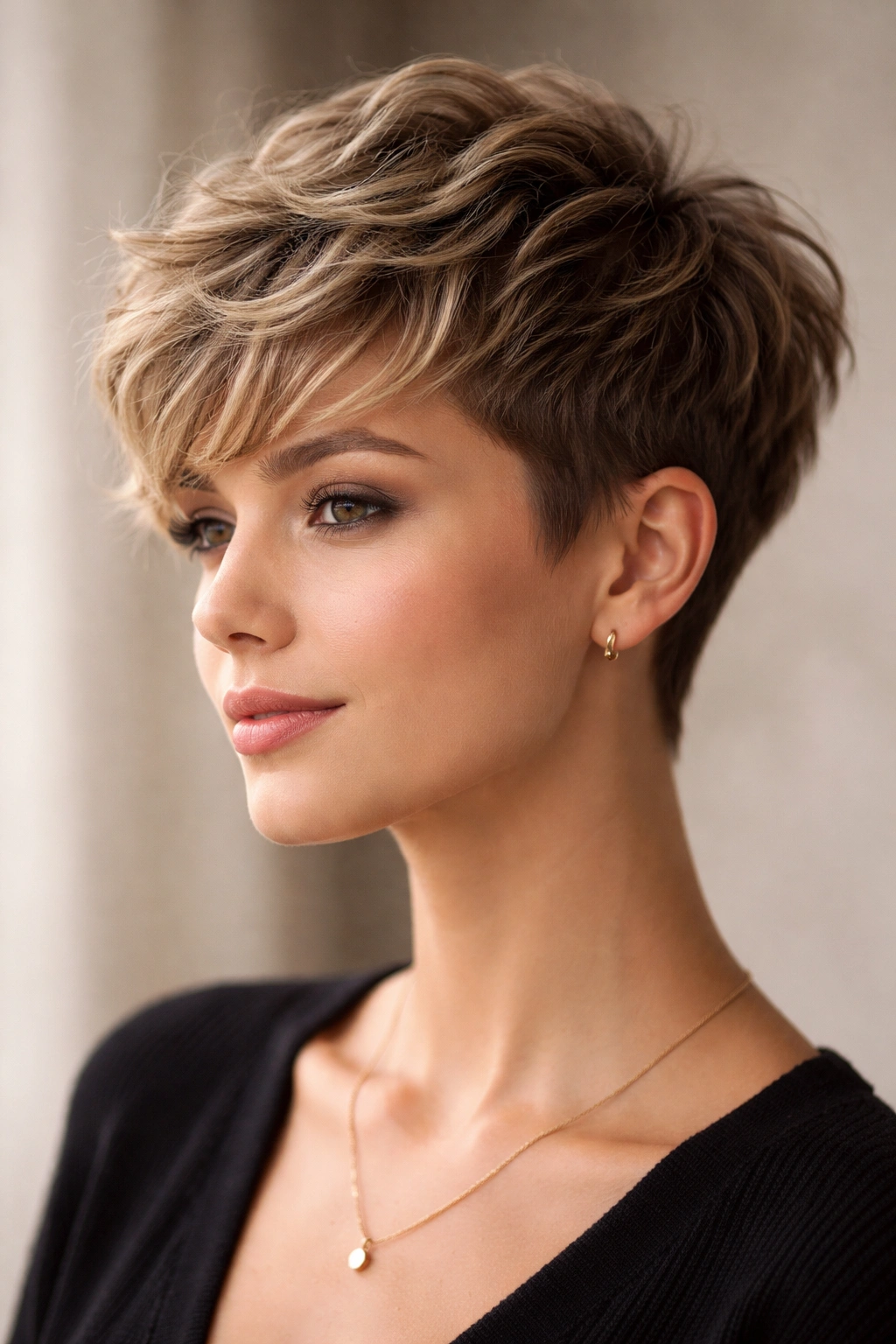
Don’t dismiss the idea of going short just because you have fine hair. A textured pixie crop—with slightly longer, tousled layers on top and very short sides and back—can actually look fuller on fine hair than longer styles do. The lack of length means zero weight, so every strand can stand up on its own. Combined with texture and movement, a pixie crop becomes a statement of confidence and style.
Why It Works for Fine Wavy Hair
This is counterintuitive, but hear it out: the less hair you have total, the denser it appears. A well-executed textured pixie means no flat spots or limp areas because there simply isn’t enough hair length to fall flat. Your natural wave pattern becomes an asset rather than a liability—those waves create visible texture that reads as intentional styling. If you’ve ever felt self-conscious about fine hair with longer styles, a pixie might be the liberation you didn’t know you needed.
The Texture and Length Balance
The perfect pixie for fine wavy hair has longer pieces on top (roughly 1.5 to 2 inches) that can be tousled and textured, while the sides and back are clipped quite short. This creates contrast and movement without any weight. The longer top pieces have enough length to form gentle waves or curls, especially if you’re using products or a styling tool, while still remaining lightweight.
Daily Styling and Maintenance
A textured pixie is refreshingly low-maintenance. A quick finger-comb through with some texturizing spray is often all you need. Trims are necessary every 4 to 5 weeks to maintain the shape, but each trim is quick and inexpensive. Many people find that this cut actually saves them time in the morning, which is a huge bonus if you’ve been spending time trying to add volume to longer fine hair.
6. The Layered Bob with Face-Framing
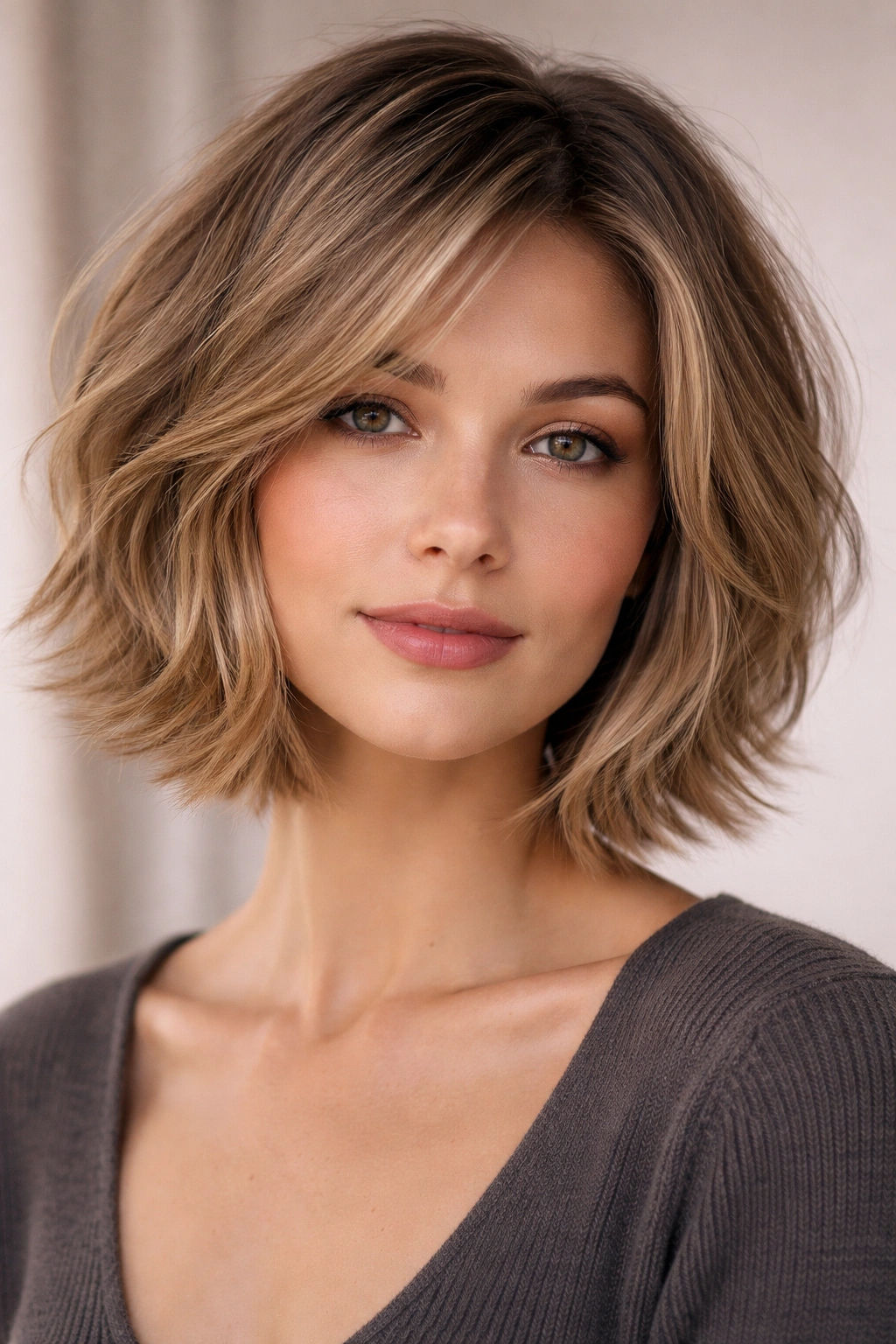
A layered bob that hits right at chin level, with shorter, deliberately face-framing layers, is a classic choice for a reason. This cut combines sophistication with practicality, and it genuinely holds shape on fine wavy hair. The layers create movement and texture, while the chin-length makes it look intentionally crafted rather than accidental or underdone.
Why It Works for Fine Wavy Hair
The chin-length bob is at the sweet spot where your hair has enough structure to hold shape but not so much length that it gets weighed down. The face-framing layers are crucial—they lift away from your face and create dimension, which creates the appearance of volume and fullness. These shorter pieces also dry faster and style more easily because there’s less weight for the wave to fight against. They look intentional on both fresh-from-the-blowout day and on second or third day when they’ve relaxed into softer waves.
Layering Strategy for Maximum Shape
The most flattering approach is to have your stylist create layers that are progressively shorter as you move toward your face. The back can be the longest layer at chin length, while the front face-framing pieces might be 1 to 2 inches shorter. This creates a subtle movement toward your face rather than away from it, which feels flattering. The layers should be choppy enough to create texture but not so extreme that they look unruly.
Styling and Product Recommendations
A simple blow-dry with a round brush to encourage the waves, plus a lightweight texturizing spray, keeps this cut looking sharp. Avoid heavy serums or oils that weigh down fine hair; instead, use a dry texturizing spray or light styling cream. The beauty of this cut is that you can dress it up or down, and it consistently reads as polished and intentional.
7. The Shaggy Shoulder-Length Cut
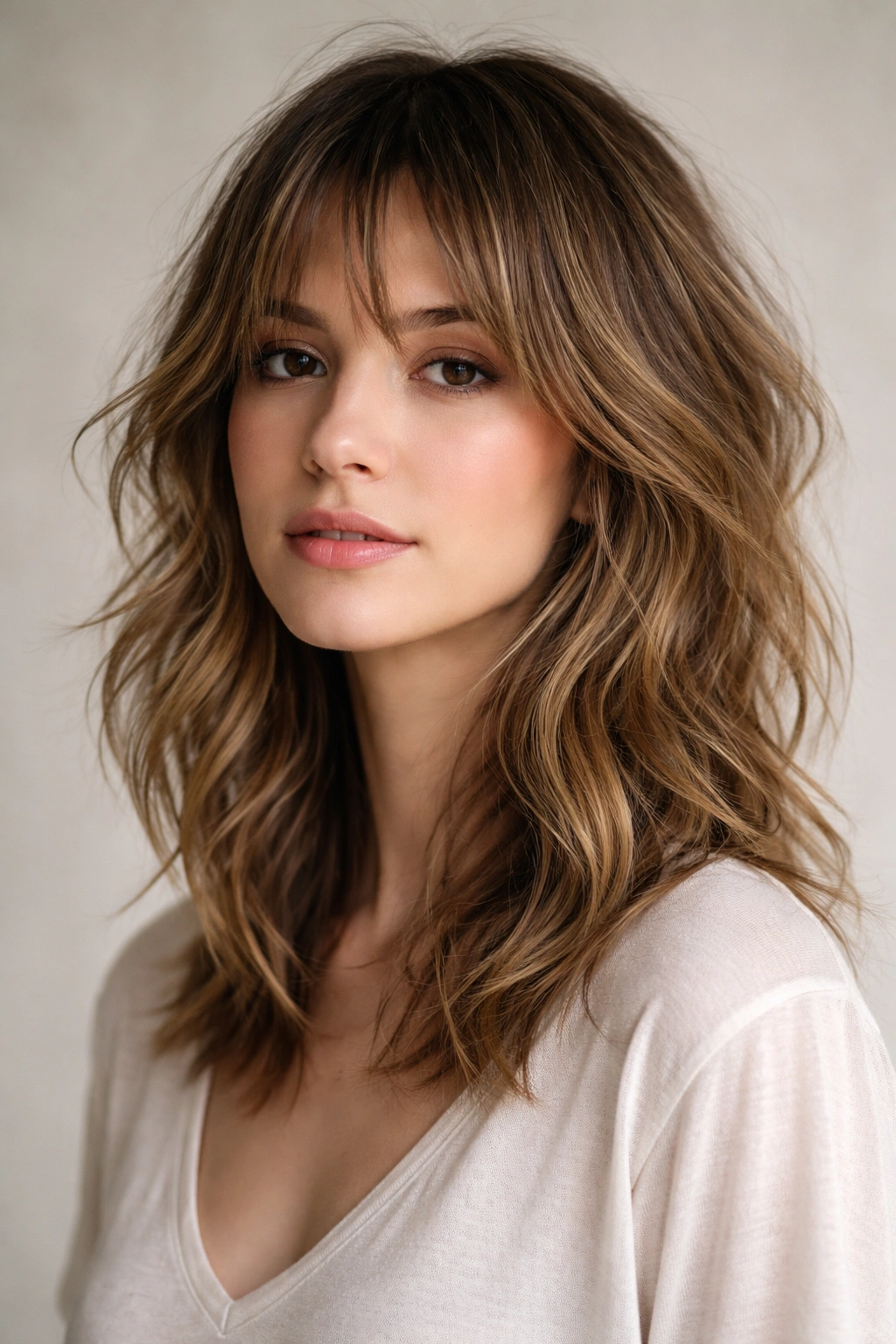
A shoulder-length cut with shaggy, choppy layers throughout is like the textured shag’s sophisticated older sibling. This version keeps more length—making it feel feminine and versatile—while maintaining the texture-creating layers that make fine hair look full. It’s longer than a bob, which appeals to people who aren’t ready to go short, yet it holds shape dramatically better than a long, straight cut.
Why It Works for Fine Wavy Hair
Shoulder-length is often the “Goldilocks zone” for fine wavy hair—it’s long enough to feel luxurious and offer styling versatility, but short enough that weight doesn’t pull out all your natural texture and movement. The shaggy layers distributed throughout the cut break up the visual weight and create multiple texture lines. When light hits your hair, it’s hitting layers at different angles, which creates the optical illusion of density and fullness.
The Layer Pattern That Works Best
Ask your stylist for textured layers starting roughly at the chin and continuing down through the length. These layers should be choppy and distinct, not subtle or feathered. The goal is visible separation between pieces so your hair reads as textured and intentional rather than shapeless. Shorter layers at the crown and longer layers underneath help with lift, and face-framing pieces that angle slightly forward create movement toward your face.
Maintenance and Styling
This cut is remarkably low-maintenance for the sophistication it offers. A tousle with your fingers after blow-drying, and you’ve achieved the look. As it grows out, the layers gradually blend, which is actually fine—you can go 8 to 10 weeks between cuts without the style falling apart completely. When you do get a trim, it brings back that sharp texture quickly.
8. The Sleek Layered Lob with Minimal Texture
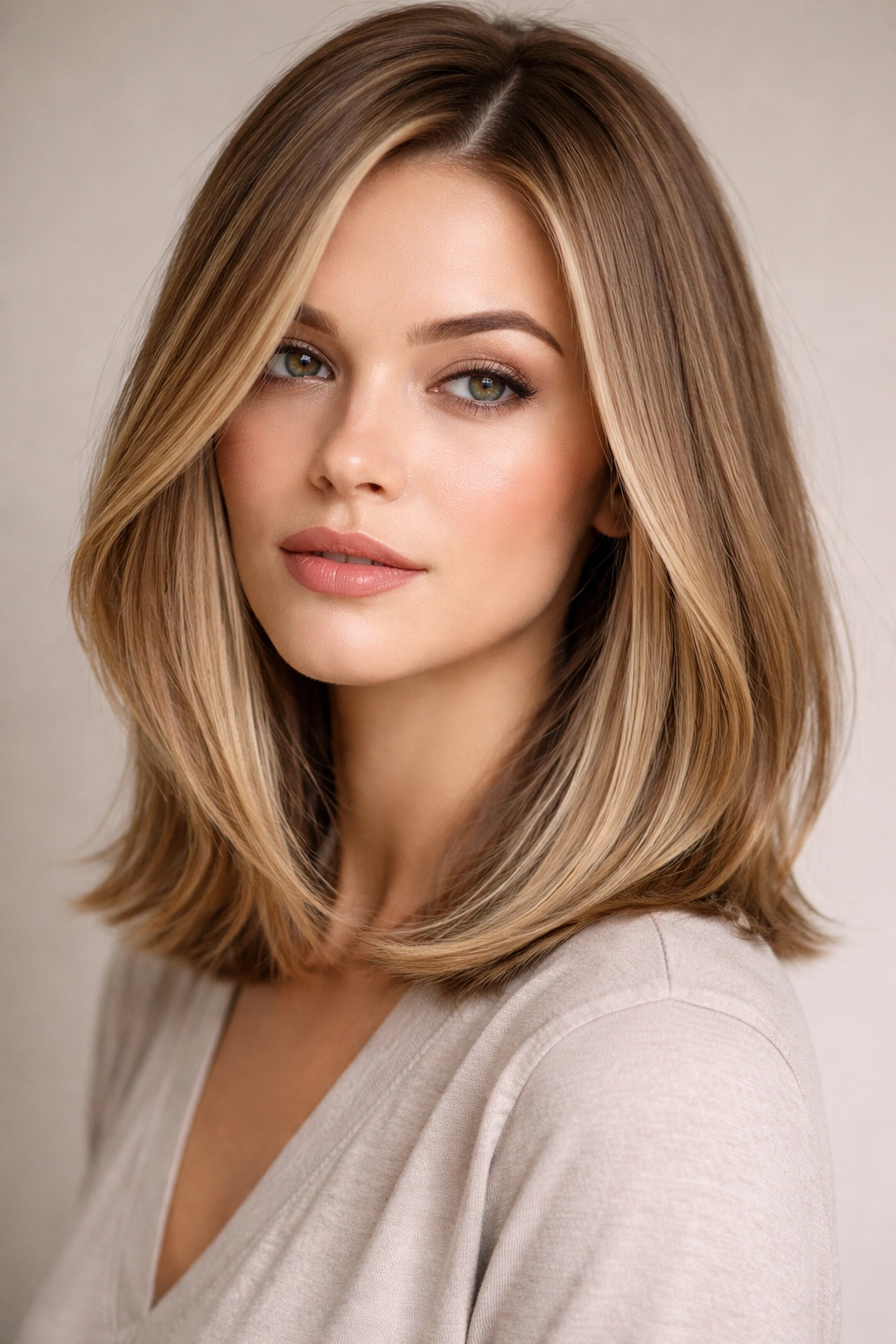
Sometimes “textured” cuts feel too casual, and you want something with shape that reads more polished and sophisticated. A sleek, layered lob with minimal choppy texture—instead relying on smooth, clean layers—offers exactly that. This cut has structure and holds shape beautifully, but looks more refined than a choppy cut would.
Why It Works for Fine Wavy Hair
This version works by using longer layers that create line and movement without relying on choppy texture for visual interest. The layers are precise and clean, which appeals to people who prefer a more polished aesthetic. For fine wavy hair, this works because the layers encourage your natural waves to form into longer, elegant bends rather than short, frazzled pieces. You get shape and definition without the “artfully disheveled” vibe.
Cut Technique and Styling
The key here is precision. Your stylist should use clean scissors work to create layers that are smooth at the ends rather than textured. The layers themselves create movement and flow, and your natural wave pattern does the rest. A round brush blow-dry that follows the direction of your waves will set this cut in perfectly. The result is sophisticated, polished, and absolutely shape-holding.
Best Worn and Maintained
This cut looks best when blow-dried smoothly rather than air-dried or left undone. Once styled, it holds beautifully throughout the day and even into the next day. Trims every 8 weeks keep the layers sharp and the ends healthy-looking. This is the cut to choose if you want something that reads as intentionally styled rather than naturally textured.
9. The Asymmetrical Pixie with Longer Waves
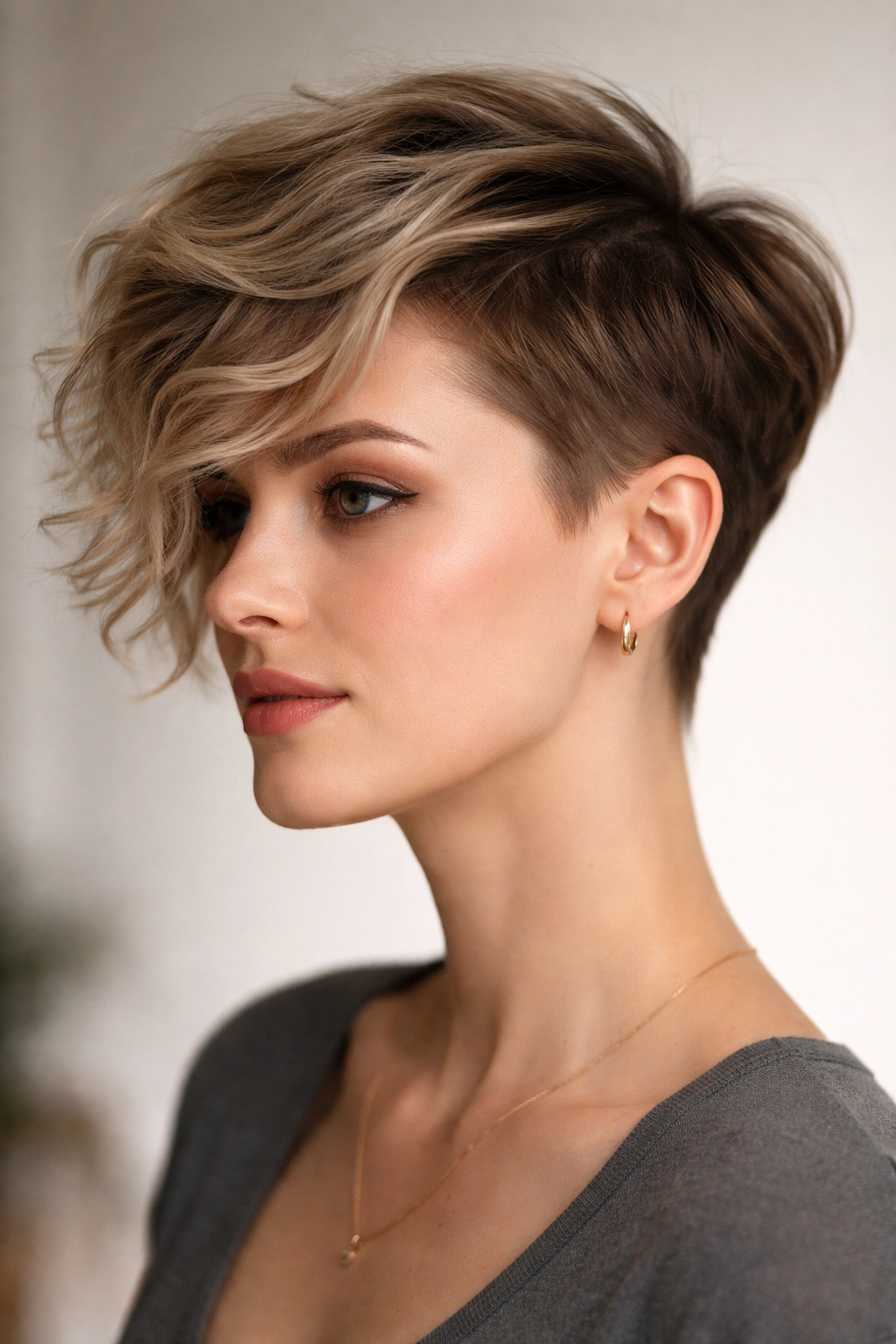
For the adventurous, an asymmetrical pixie—where one side is cut very short while the other side is left longer—creates visual interest while still holding shape. This cut is bold, and it works surprisingly well on fine wavy hair because the contrast between the short and long sides creates the impression of texture and dimension. It’s not a cut for everyone, but for those who pull it off, it’s liberating.
Why It Works for Fine Wavy Hair
The asymmetrical cut uses visual contrast to create interest where fine hair might otherwise look flat. The shorter side shows off your face and bone structure while requiring zero styling, while the longer side can showcase gentle waves and texture. The contrast between the two tells a story—you’re intentionally creating something interesting rather than trying to hide thinness with length. Many people who wear this cut report feeling more confident precisely because it’s so deliberate.
Styling and Confidence
This cut requires a willingness to own your styling choices. The longer side will show your wave pattern beautifully, especially if you enhance it with a light texturizing product. The short side needs to be trimmed every 3 to 4 weeks to maintain its sharpness. Some days you can tuck the longer side behind your ear for a sleek look, and other days you can let it fall around your face. The versatility is surprising.
Is This Cut Right for You
An asymmetrical pixie is an excellent choice if you love fashion, you’re willing to get trims frequently, and you want a cut that makes a statement. If you prefer a more understated look or you’re not interested in styling, this probably isn’t the one. But if it speaks to you, this cut delivers on both hold and visual interest like few others can.
10. The Blunt Textured Bangs with Layers
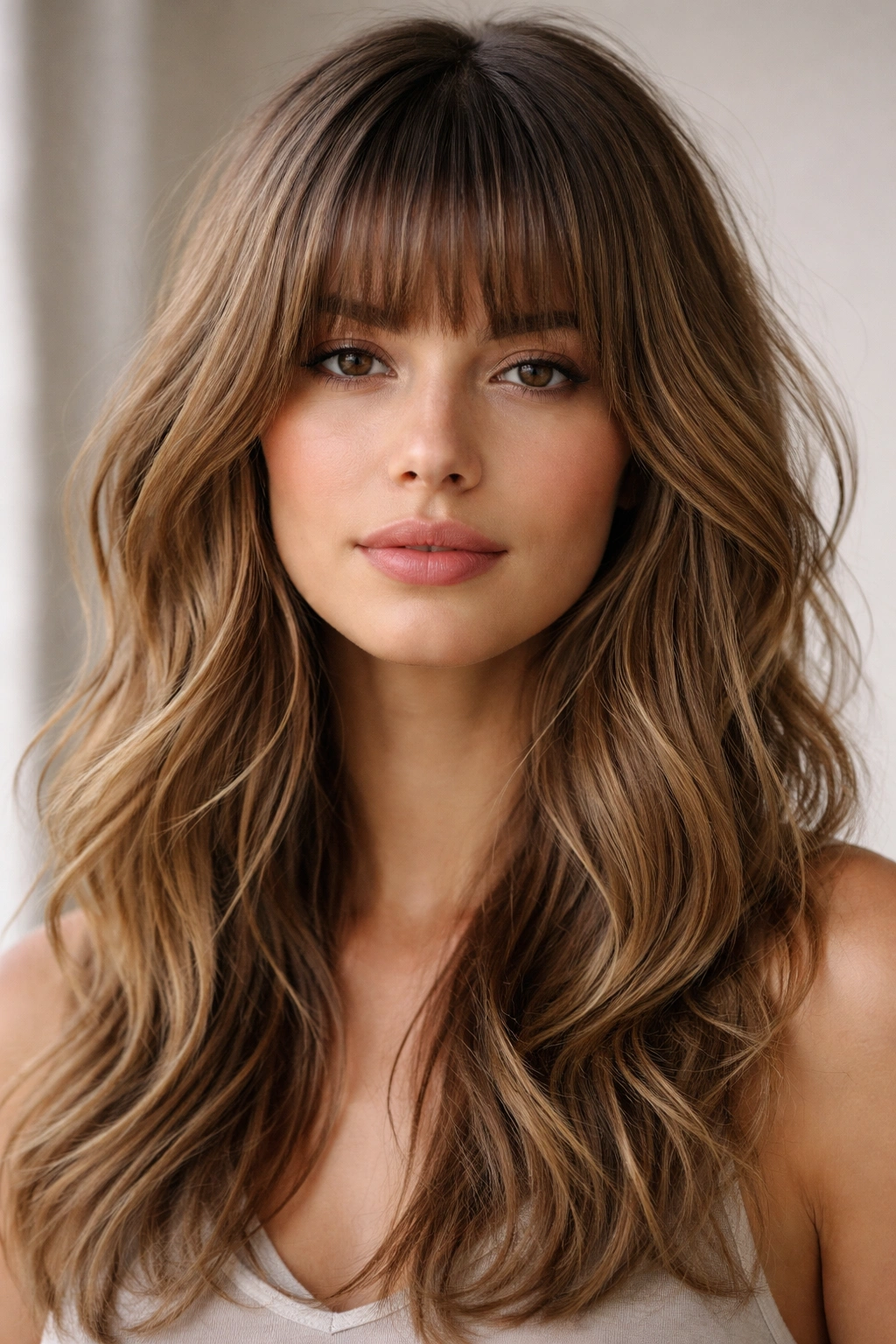
Sometimes the secret to holding shape and creating fullness isn’t about the overall length—it’s about strategic bangs. A blunt, textured bang paired with layered length throughout can transform how your face looks and how your whole hairstyle reads. Textured bangs (as opposed to blunt-straight) work specifically well on fine wavy hair because they embrace texture rather than fight it.
Why It Works for Fine Wavy Hair
Bangs create instant face-framing impact, which draws attention toward your features rather than toward any perceived lack of fullness in your hair. Textured, choppy bangs especially work on fine hair because they don’t require perfect bluntness—a little movement and variation actually looks intentional and modern. They also break up the visual line of your hair, creating texture and interest that makes your whole head of hair read as fuller. Combined with layered lengths below, bangs become a powerful tool for shape-holding.
Bang Style and Maintenance
Textured bangs work best when they’re slightly longer (falling just below the eyebrow or to the eyebrow) and choppy rather than dead-blunt. They should graze your hair in different spots rather than creating one perfectly straight line. This works beautifully with fine waves because slight variation reads as intentional texture rather than as damage or frizz. You’ll need trims every 3 to 4 weeks to keep them shaped, which is more frequent than the rest of your hair requires.
Pairing Bangs with the Right Length
Textured bangs look best paired with layers throughout your length. Whether you choose shoulder length or chin length, the layered structure supports the bang’s impact. Together, they create the frame and shape that keeps fine wavy hair looking intentional and full from every angle. This combination is surprisingly forgiving—it looks good on fresh-from-the-blowout day and improves by day two when the texture relaxes into softer waves.
Final Thoughts

Finding the right haircut for fine wavy hair is genuinely transformative. The difference between a cut that works and one that doesn’t isn’t about hair length or trendiness—it’s about working with your hair’s natural characteristics rather than against them. All of these cuts share one crucial element: they use strategic layering, texture, or length placement to create the appearance of fullness while respecting the reality of fine strands.
The best cut for you depends on your lifestyle, your styling willingness, and your personal aesthetic. If you hate blow-drying, a textured shag or choppy pixie requires minimal heat styling. If you love polishing yourself up in the morning, a sleek layered lob delivers that sophisticated finished look. If you want something that improves as the week goes on, a wolf cut or shaggy shoulder-length style rewards you with better texture on day three than on day one.
Remember that a good cut is only half the battle—how you care for and style fine wavy hair matters tremendously. Lightweight products, regular trims (every 6 to 8 weeks, even more frequently for very short cuts), and a drying technique that encourages your natural wave pattern all play roles in how well your cut holds shape. When you combine the right cut with the right care routine, you’ll stop fighting your hair and start celebrating the movement and texture it naturally offers.
