



Finding the right haircut when you have a fuller face can feel like navigating a minefield of unflattering options. You want something that feels authentically you while also creating the visual effect of a more sculpted, refined face shape. The good news? The right cut can absolutely deliver both — it’s not about hiding who you are, but about understanding how line, length, texture, and movement work with your face’s natural proportions.
The key to slimming haircuts lies in a few core principles that hairstylists have been using for decades. Vertical lines draw the eye up and down rather than across, creating a lengthening illusion. Darker colors at the roots and lighter tones through the mid-lengths and ends add dimension that breaks up face width. Texture and movement catch light differently than blunt, flat strands, which means the cut itself becomes more forgiving and flattering. Strategic layering removes bulk from the sides while maintaining shape and volume where it matters most — at the crown and ends.
What makes a cut truly work isn’t just the style itself, but how it’s tailored to your specific face shape, hair texture, lifestyle, and how you actually want to style your hair every day. A cut that requires 20 minutes of styling and products you don’t enjoy won’t serve you, no matter how flattering it looks in a salon chair. The cuts below span different lengths, textures, and styling approaches — so you’ll find multiple options that genuinely fit your life while creating that subtle, sophisticated slimming effect.
1. The Textured Lob with Longer Layers
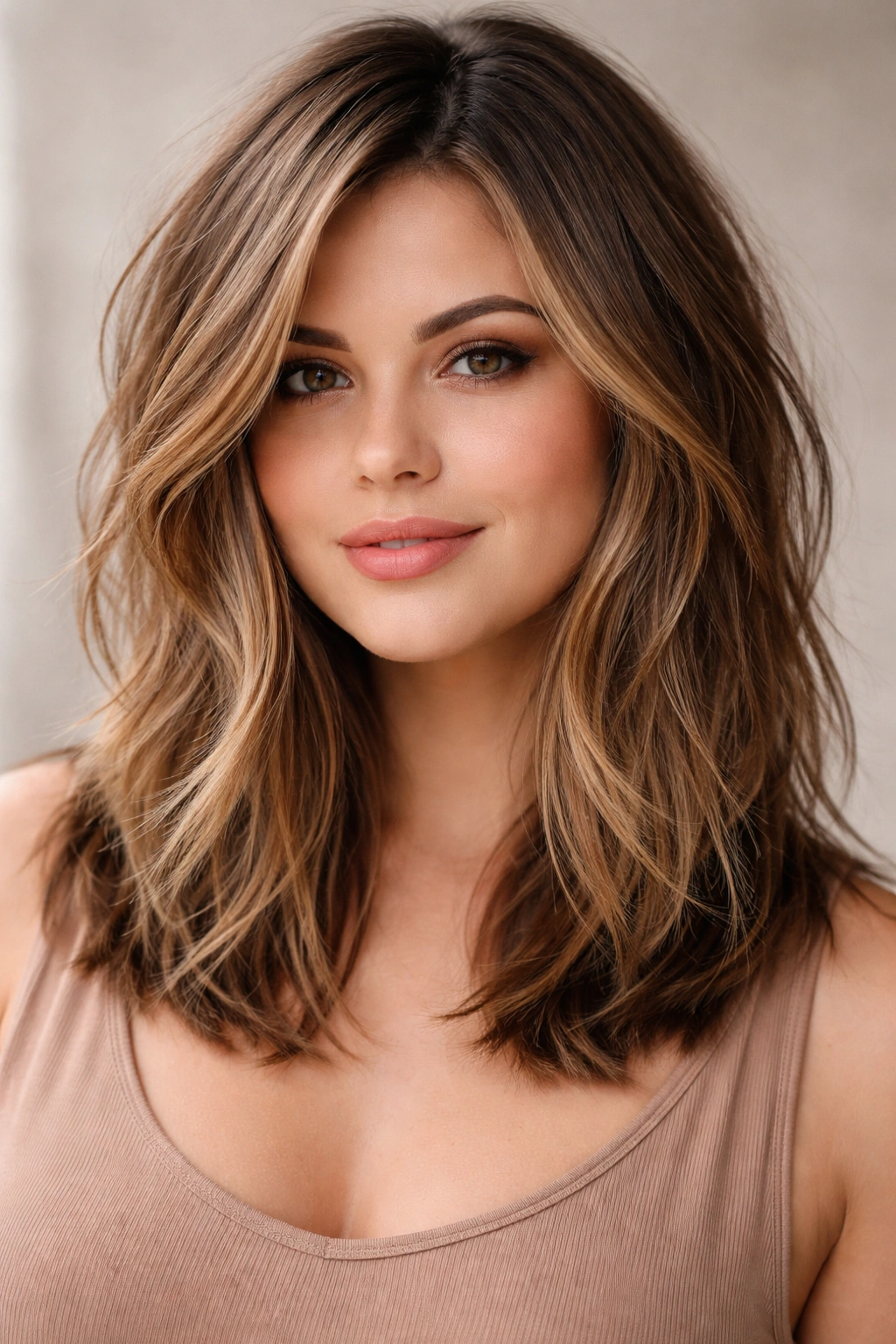
A textured lob — falling somewhere between shoulder and collarbone length — becomes a secret weapon for fuller faces when the layers are cut with intention. Rather than a blunt, straight line that hugs the widest part of your face, this cut incorporates choppy, undone layers that disrupt horizontal lines and create vertical movement. The key is keeping the back slightly shorter and fuller for support while letting longer face-framing pieces fall forward.
Why Layers Create Instant Definition
Layered lobs work because they eliminate the heaviness that comes with one-length hair. When strands are all the same length, they create a continuous horizontal line right at the jawline — often the widest part of a fuller face. Layers interrupt that line, catching light at different angles and creating the illusion of more dimension and structure. The movement also adds texture, which visually breaks up solid mass and makes the face feel less boxy.
How to Style and Maintain It
- Blow dry with a round brush, focusing on creating volume at the crown and subtle waves rather than flatness
- Use a sea salt spray or texturizing product to enhance the layered effect without needing heat tools daily
- Ask your stylist for longer pieces around the face that can be tucked behind the ears or styled forward depending on your mood
- Trim every 6-8 weeks to maintain the choppy texture and prevent that stringy, grown-out look that can actually widen the face
The textured lob works beautifully with almost any hair texture — it just needs to be cut by someone who understands how layers should sit and move rather than how to create a trendy, choppy mess.
2. The Side-Parted Curtain Cut
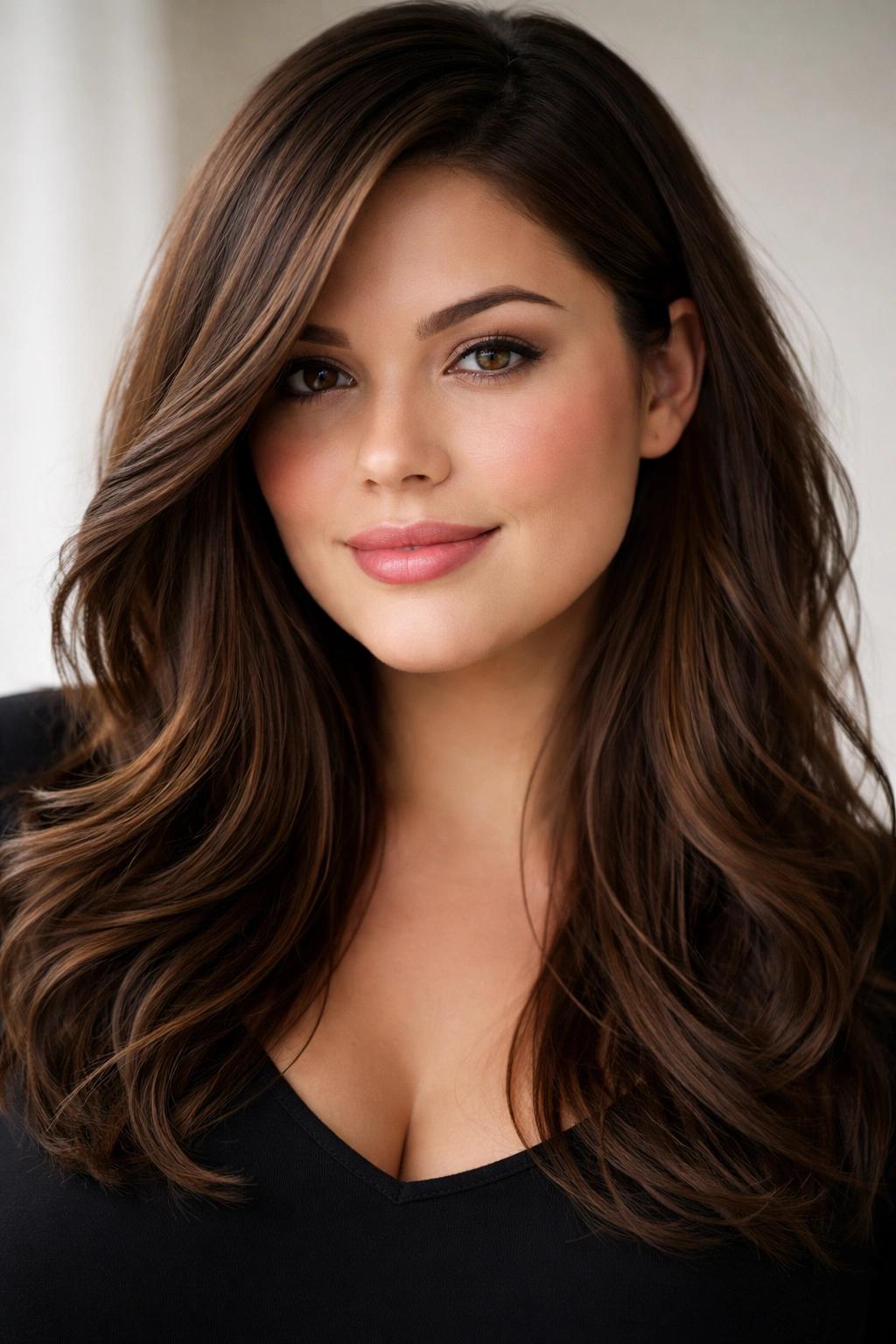
This cut is experiencing a serious revival, and for good reason — it’s incredibly flattering on rounder and fuller face shapes. The curtain cut features longer strands that frame the face, parted down the middle or dramatically to the side, creating an elongating effect. The sides blend smoothly into a slightly fuller back, and the key is keeping those face-framing pieces long enough to create vertical lines rather than highlighting face width.
The Vertical Line Advantage
A side-part naturally creates a diagonal or vertical line down the face, which is exactly what you want when aiming to visually lengthen. The longer front pieces can be styled to curve inward slightly, which subtly contours the appearance of the face. This cut works especially well if you have some wave or curl naturally — the movement automatically adds dimension that breaks up fuller cheeks and jawlines.
Styling Tips for Maximum Effect
- Blow dry those front pieces away from your face initially, then flip and curve them back in for a soft, sculpted look
- Use a flat iron or large barrel curling iron to add gentle waves that flip inward toward the face for a subtle contouring effect
- A deep side part is non-negotiable — a center part can sometimes emphasize face width, so commit to parting on one side consistently
- Use dry shampoo or texturizing spray to add grip and movement, preventing the front pieces from lying flat against the face
The curtain cut pairs beautifully with subtle highlights or balayage that add depth to those face-framing pieces, enhancing the slimming effect through color as well as cut.
3. The Angled Bob with Sharp Cheekbone Layers
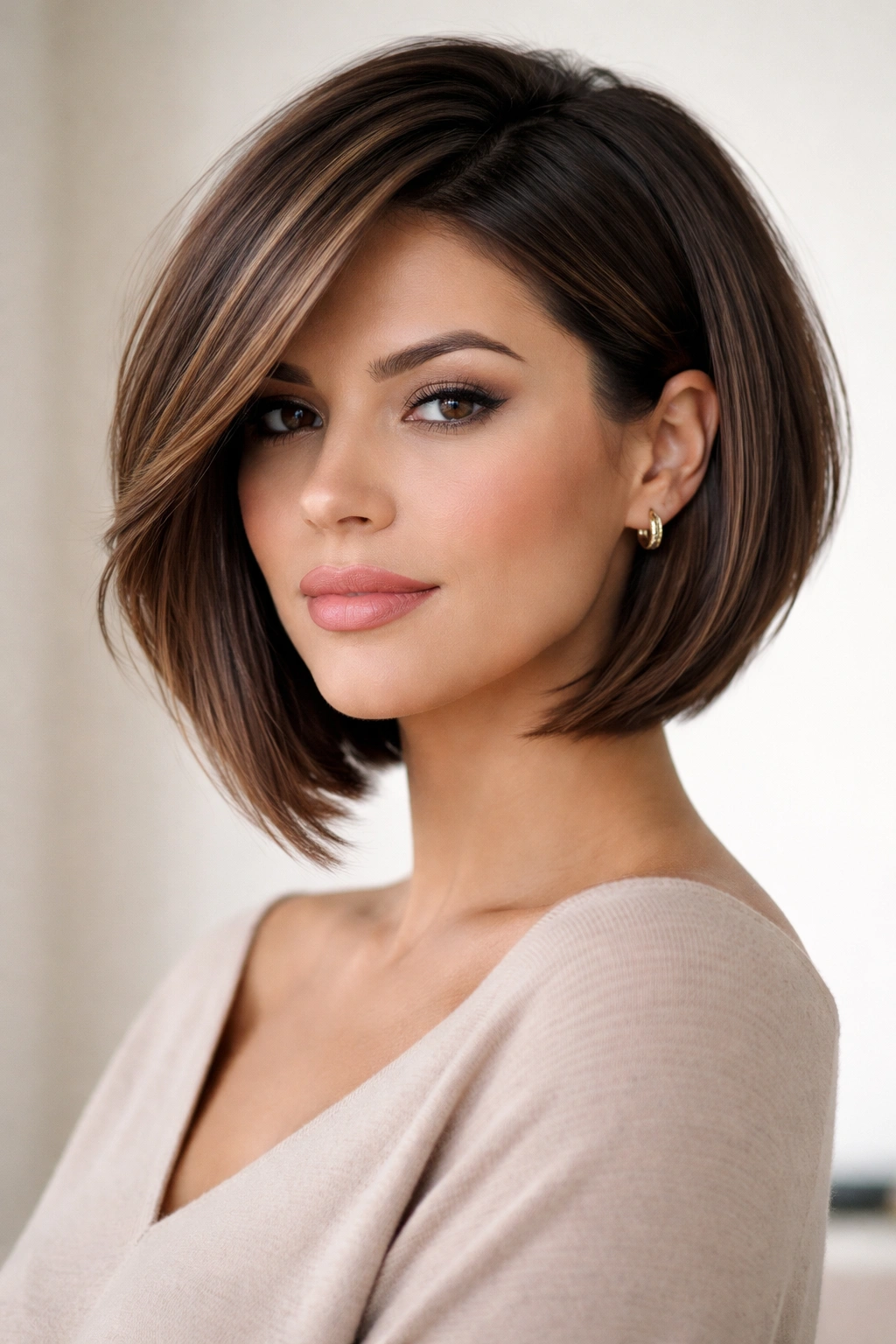
An angled bob — shorter in the back and gradually longer toward the front — combined with strategically placed layers around the cheekbones creates immediate visual slimming. This is a more structured, polished option than a textured lob, and the geometric lines actually work with rounder face shapes when cut correctly. The sharp angles and movement interrupt horizontal lines while the longer front pieces elongate.
How Angles Direct the Eye
Angled bobs naturally encourage the eye to follow the line downward and forward, rather than lingering on the widest parts of the face. When there are also layers cut to frame the cheekbones, you’re creating multiple points of visual interest that break up solid face mass. The back of the cut is fuller and textured, giving you volume and shape without weight pulling down on the face itself.
Maintenance and Styling Requirements
- This cut requires commitment to styling — it looks best with some texture and movement, not pin-straight
- Blow dry with products that add texture; a volumizing mousse or sea salt spray makes the layers pop
- Visit your stylist every 4-6 weeks because the angle and shape are structural — once it grows out, the effect is lost
- Consider asking for longer side pieces that can frame your face rather than a super-short, blunt cut
An angled bob photographs beautifully and feels incredibly polished, making it a favorite for people who want a more refined, intentional look.
4. The Long Straight Cut with Strategic Bangs
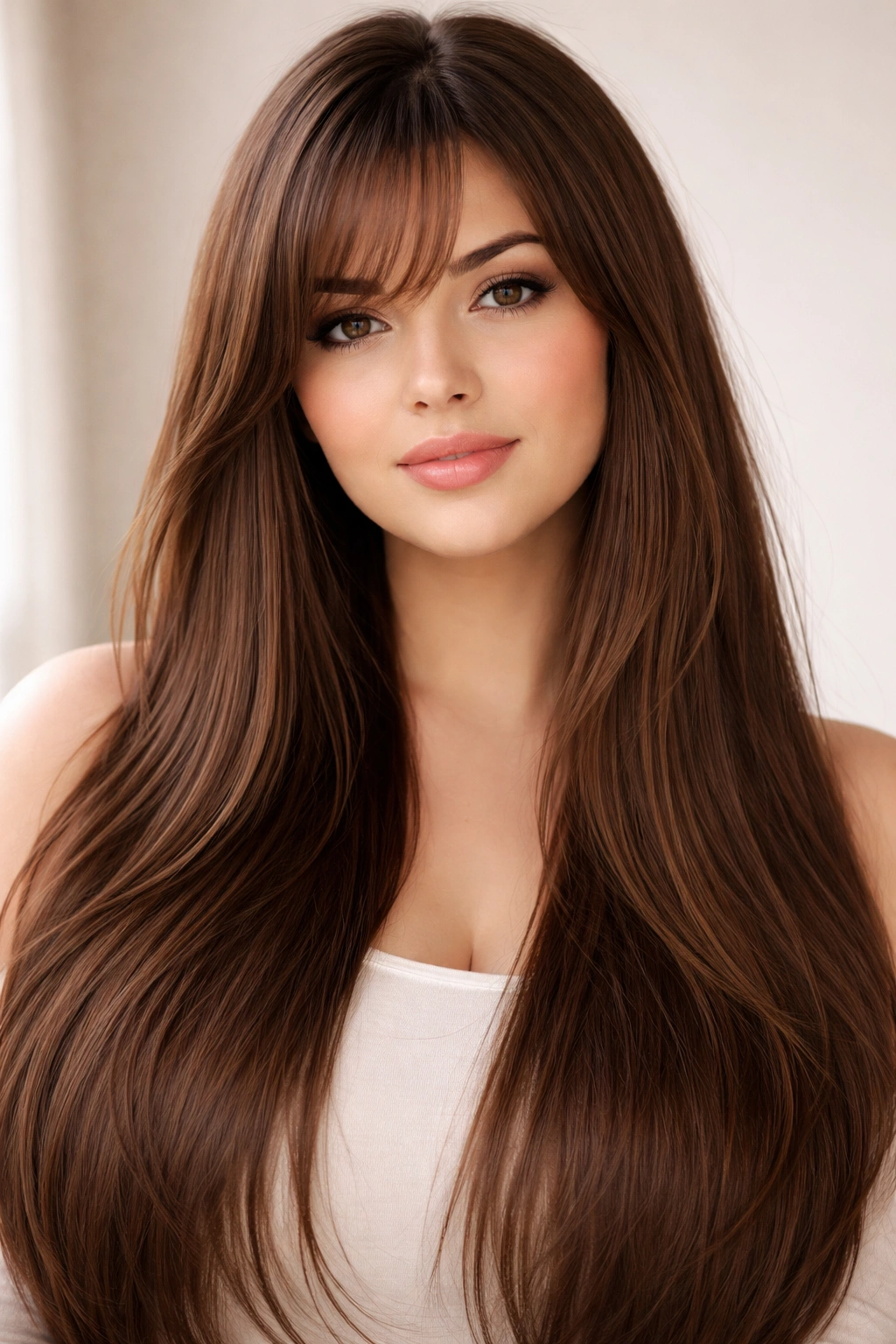
Sometimes the simplest cuts are the most flattering. Long, straight hair might seem risky for a fuller face, but when paired with the right bangs, it becomes transformative. The length alone creates vertical lines that elongate, and the right bangs can actually contour the face by directing attention upward toward the eyes and forehead rather than down to the widest parts of the face.
Why Bangs Change the Game
Bangs are essentially a shortcut to face contouring through hair. A long, side-swept bang or a longer, wispy fringe (not blunt) draws the eye upward and creates a slimming frame around the upper face. The key is avoiding super-blunt, heavy bangs that can make a fuller face feel heavier — you want something wispy, long, and intentionally textured so it doesn’t feel like a solid line across the forehead.
Styling and Color Considerations
- Keep the bangs long enough that they can be styled to the side rather than straight across — this maintains the vertical-line advantage
- Use a large barrel curling iron or round brush to add a slight wave or flip to the bangs, preventing them from lying flat
- Consider adding subtle highlights to the bangs themselves, creating dimension that catches light
- Trim bangs every 3-4 weeks to maintain the perfect length and texture; overgrown bangs quickly lose their slimming effect
This cut works especially well if you have naturally straight hair or are willing to blow dry and style regularly. Paired with long, sleek layers, it feels modern and incredibly flattering.
5. The Tousled Shag with Modern Movement
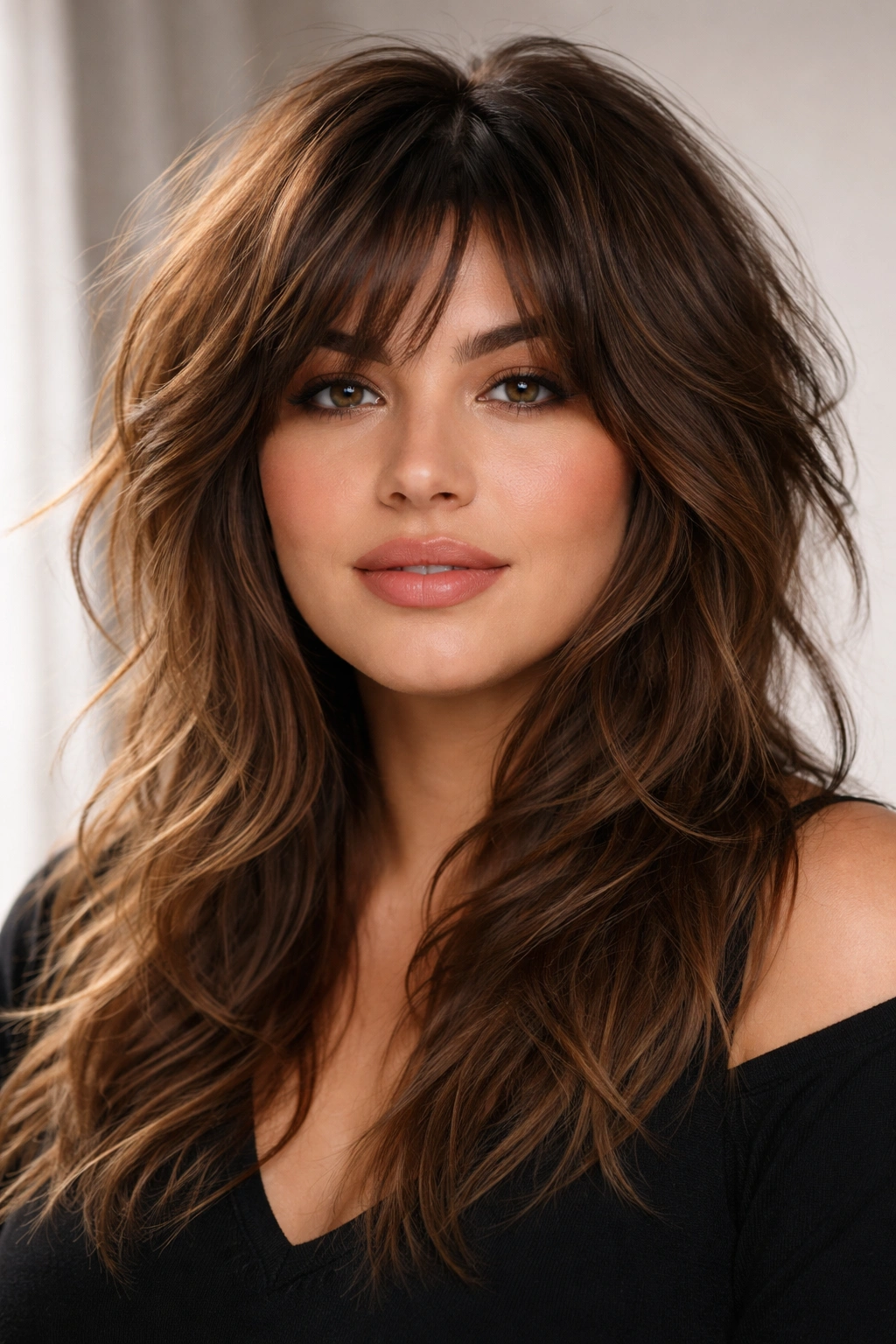
The shag is back, and it’s nothing like the 1970s version your parents had. A modern shag features longer layers throughout, textured and tousled rather than geometric, creating tons of movement and dimension. On a fuller face, the multitude of layers and the tousled texture break up mass while the length creates the elongating effect you’re after. This cut feels effortless and works with most hair textures.
The Power of Texture Over Length
A shag works so well on fuller faces because the texture is doing the heavy lifting. Instead of relying on a specific cut line or angle, you’re using movement and dimension to create visual slimming. The layers are choppy and varied, which means the eye doesn’t follow one continuous line — it bounces around the face, landing on different textures and angles instead of staying on width.
Making a Shag Work for Your Daily Life
- This cut is actually easier to style than you might think — embrace the tousled, undone aesthetic rather than fighting it
- Use texturizing products and dry shampoo to enhance the natural choppy layers; a bit of bedhead is the point
- A curling iron or wand can add more defined waves if you prefer a polished version of the shag
- Ask your stylist to cut shorter layers around the crown for volume and longer layers around the face and back for movement
- Trim every 8 weeks to maintain the choppy texture; shags can look stringy and unflattering when overgrown
The modern shag feels youthful, creative, and genuinely flattering on so many face shapes — it’s a cut that works with you rather than requiring rigid styling.
6. The Sleek High Ponytail with Face-Framing Pieces
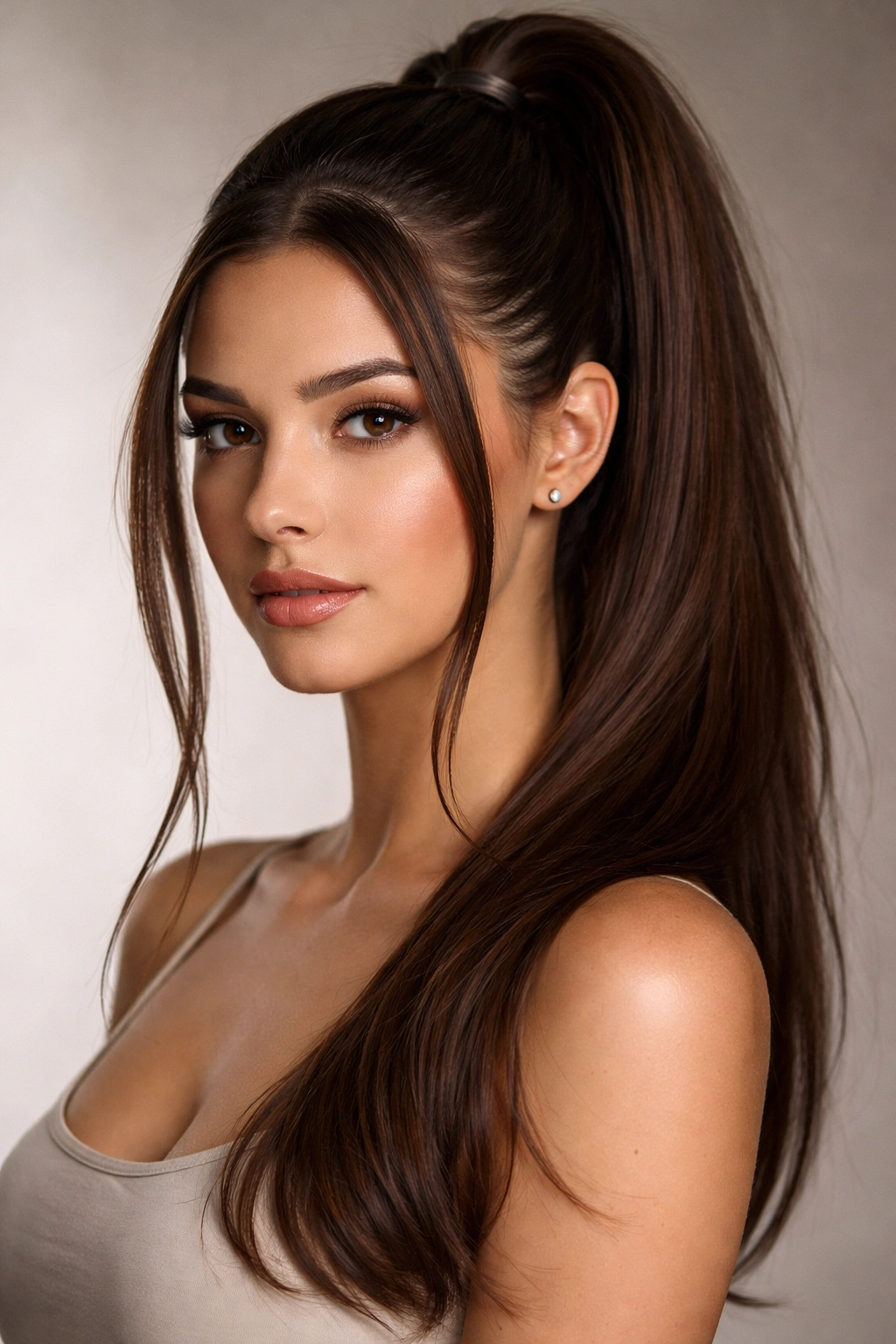
While technically a styling technique rather than a cut, the way your hair is cut and layered dramatically affects how flattering a high ponytail can be. A cut designed for high ponytails should have longer layers and specific pieces around the face that can be left out to frame and soften. This works beautifully on fuller faces because pulling hair back elongates the face, and strategic face-framing pieces prevent you from looking severe or overly exposed.
Strategic Face-Framing Design
The magic here is in the cut — you need longer pieces around the temples and cheekbones that can be left out of the ponytail to soften the look. These pieces should be long enough to fall to about the cheekbone or jaw when left out, creating a subtle frame that adds dimension. When you clip the back into a high, sleek ponytail, the effect is elongating and polished, but those front pieces keep it from feeling harsh.
Styling Techniques for the Most Flattering Effect
- Leave out face-framing pieces on both sides, starting from about ear-level; these should curl slightly inward toward the face
- Use a smoothing serum or gel to keep the back sleek without looking wet or greasy
- Tease gently at the crown before securing your ponytail to create lift and additional elongation
- Curl those face-framing pieces with a curling iron for a soft, pretty effect rather than leaving them straight
- Consider a small braid or twist incorporated into the base of the ponytail for added texture and visual interest
This approach works for everything from casual everyday ponytails to polished, formal updos — the key is that cut that sets you up for success.
7. The Choppy Pixie-Bob Hybrid
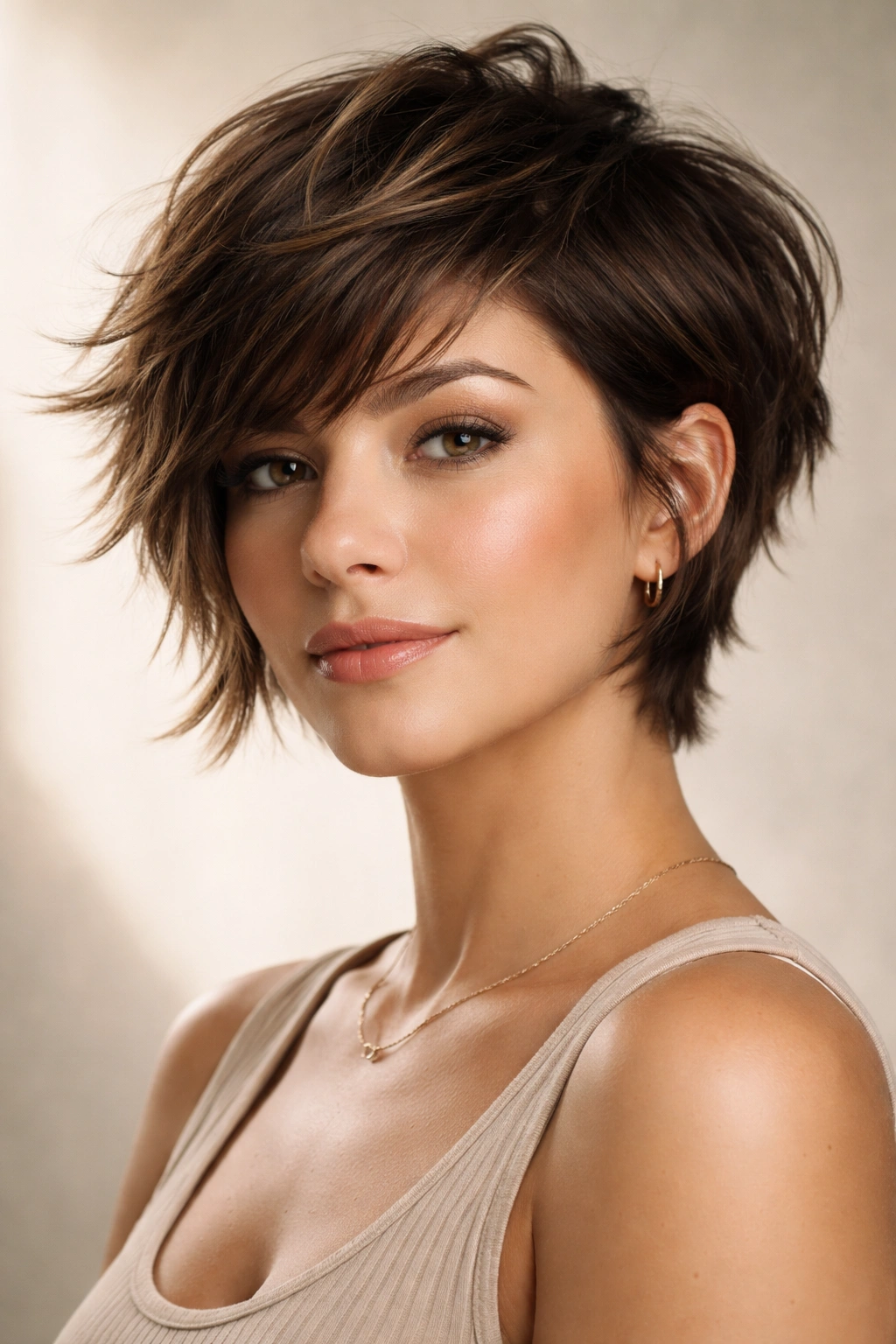
If you’re ready for something shorter but don’t want to fully commit to a pixie cut, the pixie-bob hybrid offers the best of both worlds. This cut is longer and fuller in the back (often touching or passing the ears), but much shorter and choppier on top and around the face. The short layers around the face and crown create tons of dimension, while the length in the back prevents you from looking too exposed. It’s edgy, modern, and surprisingly flattering on rounder faces when cut with the right proportions.
How Short Pieces Create Definition
Short, choppy layers around the face work like highlighting with a paintbrush — they break up mass and add dimension right where you need it. Because the back is longer and fuller, the overall silhouette still has length and shape, but all that texture around the face prevents the face itself from feeling heavy. The eye lands on the texture and movement rather than on face width.
Maintenance and Confidence Factor
- This cut requires regular trims — every 4-6 weeks — to maintain the choppy texture and prevent it from looking messy or grown-out
- Styling is surprisingly easy; blow dry with texture-enhancing products and let the layers do the work
- You need to be okay with a bit of an edgy, fashion-forward vibe — this isn’t a conservative cut, and that’s part of its appeal
- Consider adding subtle highlights or a darker root with lighter ends to enhance the dimension created by the layers
- This cut works best on people who have some personality and aren’t afraid to be noticed; it’s a statement cut
The pixie-bob hybrid feels young, creative, and genuinely flattering — it’s for people who want to lean into the texture and movement rather than fighting it.
8. The Blunt Bob with Subtle Undercut
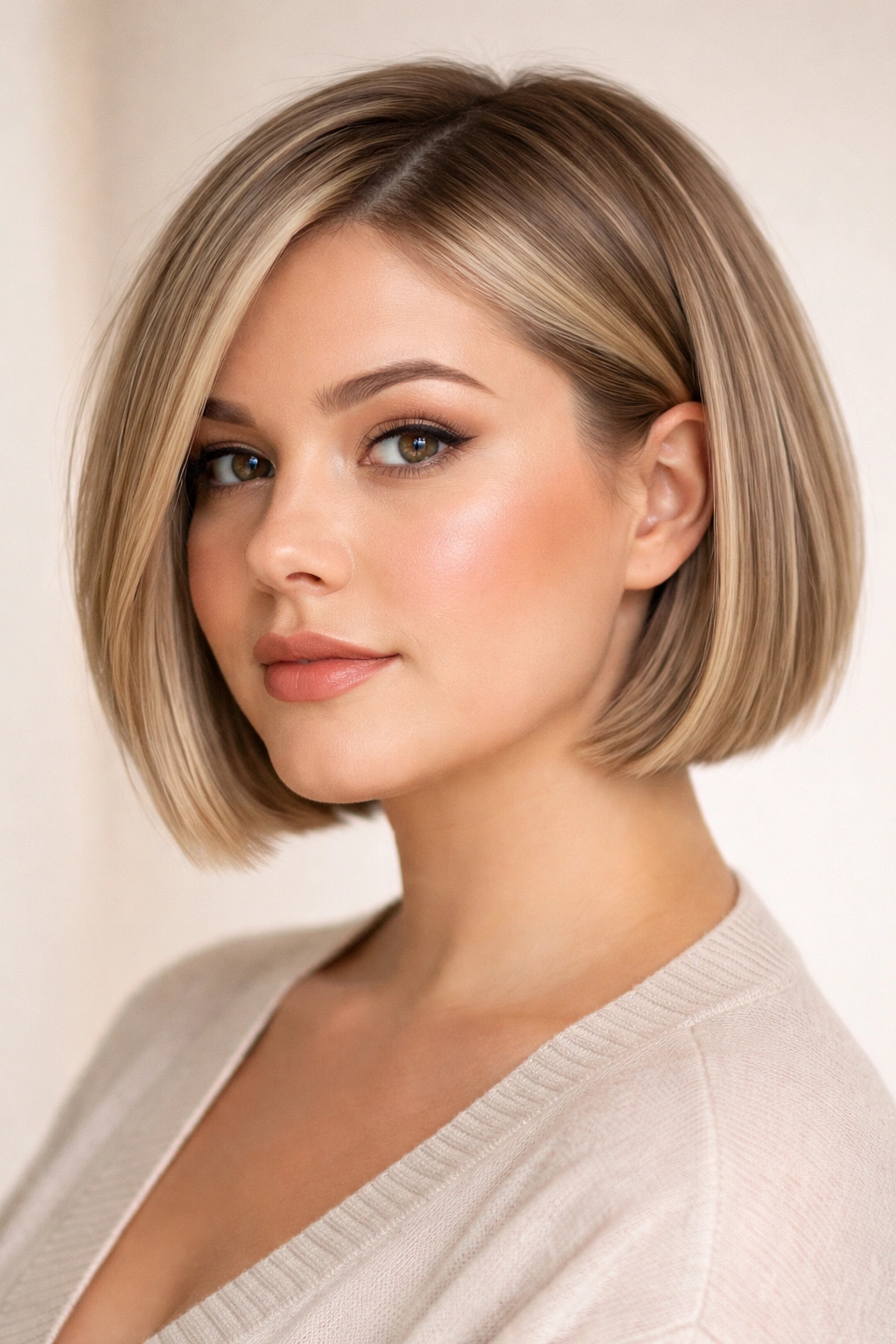
A blunt bob walks a fine line on a fuller face — it can either be incredibly flattering or completely unflattering depending on the execution. The key is adding an undercut (shorter layers hidden underneath) while keeping the top longer and textured. This creates movement and dimension without the weight of a truly blunt, one-length cut. The precision of the blunt line combined with the hidden texture creates an interesting visual effect that works beautifully on rounded face shapes.
Why the Undercut Changes Everything
An undercut adds movement and prevents the blunt bob from sitting flat against the face, which would emphasize width. When the underneath is shorter and more textured, the top layers can flip and move, creating dimension. This also means the cut is easier to style — the layers naturally create texture even if you don’t blow dry perfectly. The visible blunt line still creates the polished, intentional look, but it’s not harsh because of what’s happening underneath.
Execution and Styling
- Ask your stylist to do subtle, not extreme, undercut layers — you want movement, not a reverse mullet
- The blunt line should hit around the jawline or just below, creating a flattering frame for the face
- Blow dry with a round brush to encourage the layers to flip outward and create volume
- Use a flat iron or curling iron to add gentle waves that enhance the movement created by the undercut
- This cut pairs beautifully with a darker root and lighter ends, which adds visual dimension and breaks up the solidity of the blunt line
A blunt bob with an undercut feels modern and architectural while actually being quite flattering and wearable.
9. The Long Layers with Heavy Bangs
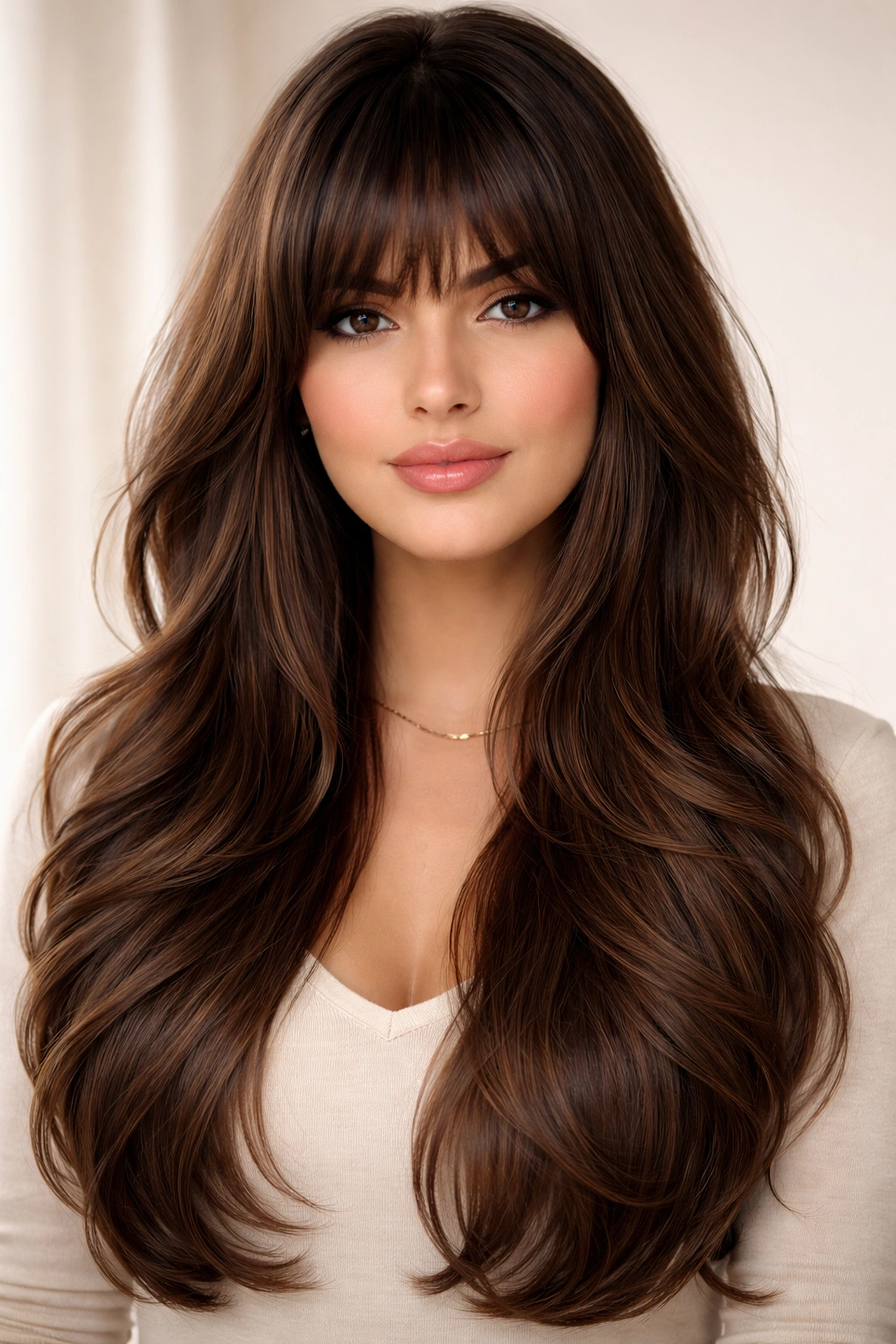
This is a classic approach that never really goes out of style because it’s genuinely flattering. Long hair with multiple layers throughout provides the elongating vertical lines, and heavier bangs (not blunt, but full and textured) create a frame around the upper face and forehead. The bangs draw attention upward, away from the widest parts of the face, while the long layers create length and movement.
The Psychology of Bangs in Face Framing
Bangs are a powerful tool because they quite literally change the proportions of the face as the viewer perceives it. When you have bangs, even wispy or textured ones, the eye focuses on the upper third of the face and forehead. This is especially slimming on fuller faces because it shifts attention away from cheeks and jawline. The key is keeping bangs long and textured so they don’t feel heavy or blunt, which would be less flattering.
Daily Styling for Best Results
- Blow dry bangs with a round brush, directing them slightly to the side or with a subtle flip for movement
- Use a curling iron or wand to add gentle waves throughout the layers, encouraging movement and texture
- Keep bangs trimmed every 3-4 weeks to maintain the perfect length and texture
- Consider getting the bangs slightly longer on the sides so they can be styled to the side if you want to change things up
- A texturizing spray or dry shampoo helps bangs look intentionally tousled rather than grown-out and straggly
This combination of long layers and statement bangs works on almost any face shape and hair texture, making it a genuinely timeless choice.
10. The Wavy Shoulder-Length Cut with Disconnected Layers
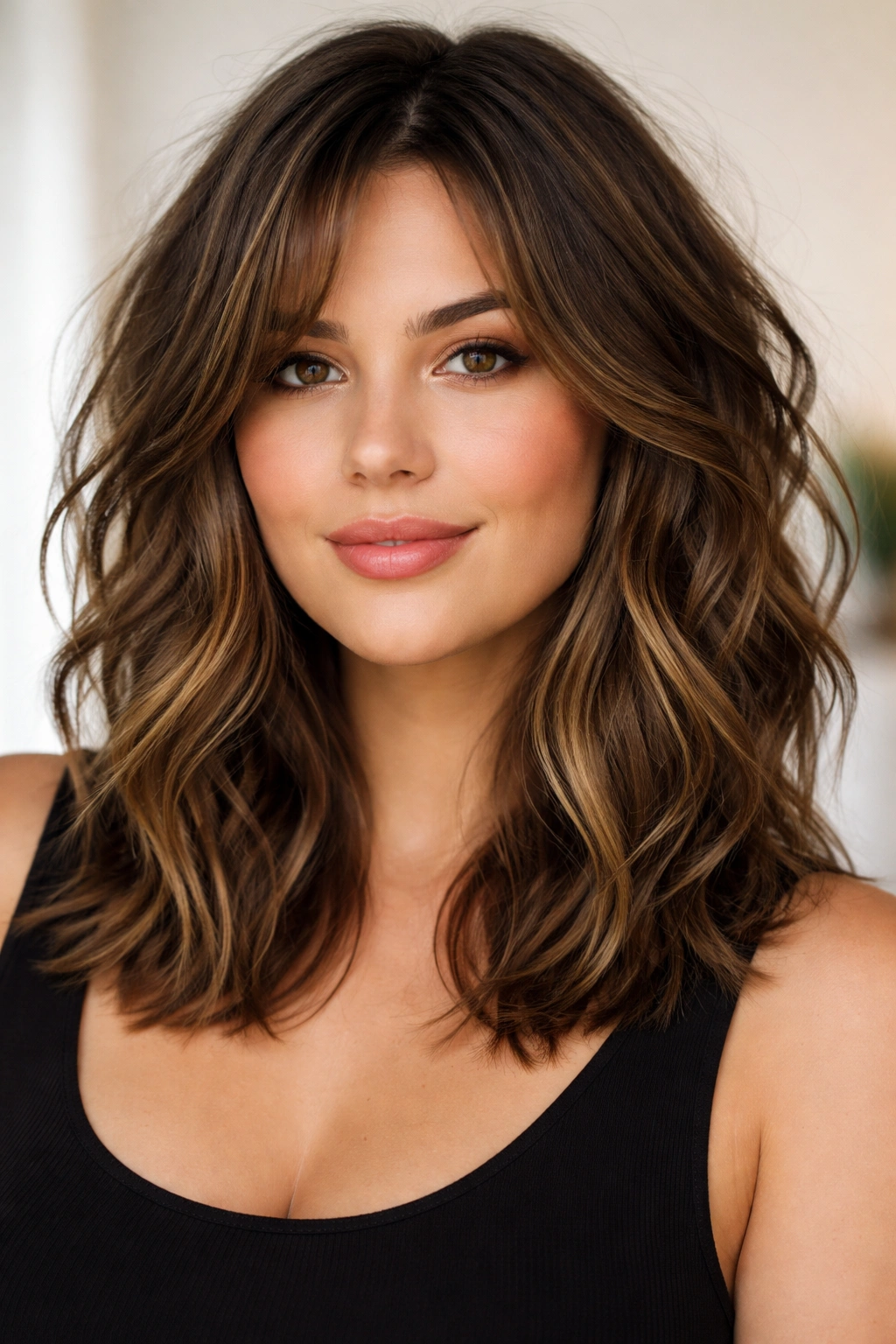
A shoulder-length cut with wavy texture and disconnected layers (meaning the layers don’t blend smoothly but have distinct, choppy separation) creates tons of dimension and movement. The length is long enough to create vertical lines, but the texture and layers break up any horizontal mass. This cut works beautifully with natural wave or curl patterns, but can also be styled with heat tools if you have straight hair.
Why Disconnected Layers Add Movement
Disconnected layers feel more modern and interesting than blended layers because they create actual texture rather than just subtle length variation. Each choppy piece catches light differently, and when those pieces have different lengths and move independently, the eye bounces around instead of following one line. On a fuller face, this visual bouncing is exactly what you want — it prevents the face from feeling like a solid, heavy shape.
Working with Your Hair’s Natural Texture
- If you have natural wave or curl, ask your stylist to cut the layers with your natural pattern in mind, not fighting it
- Dry your hair naturally or with a diffuser attachment to encourage that wave and texture
- Use a curl-enhancing cream or mousse to define the waves and add dimension
- If you have straight hair, you’ll need to style with heat tools — a large barrel wand works beautifully for this cut
- Sea salt spray and texturizing products help maintain that intentional, choppy look
This cut feels effortless and genuinely flattering — it works with your hair’s natural behavior rather than against it.
11. The Side-Swept Long Layers with Root Lift
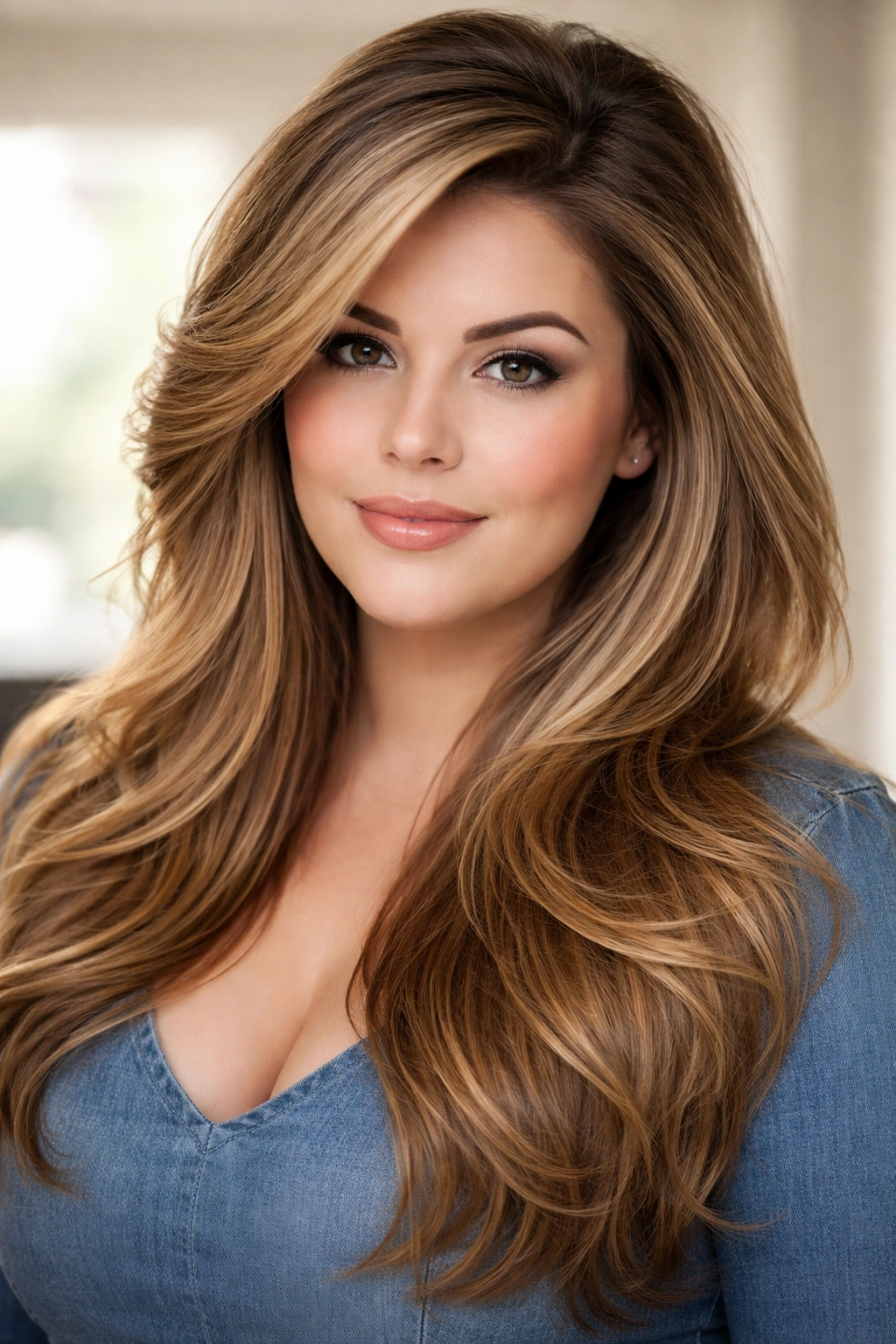
Sometimes the simplest approach is the most effective. Long layers with a deep side sweep and added volume at the crown creates a slimming effect through pure geometry. The layers provide length and movement, while the side-swept styling creates diagonal lines that elongate the face. Root lift at the crown adds height, which changes the overall proportions of the face and makes it appear less wide.
The Power of Volume Placement
Where your volume sits matters tremendously on a fuller face. Volume at the crown creates the impression of a longer face and draws the eye upward. When combined with layers that fall away from the face rather than hugging it, you get a silhouette that’s immediately more flattering. The side sweep is crucial because a center part can sometimes emphasize face width, while a dramatic side part creates a slimming diagonal line.
Styling for Maximum Crown Lift
- Blow dry with your head flipped upside down to build natural root lift, then flip back and shape with a round brush
- Use a volumizing mousse or texturizing spray applied to damp roots before blow drying
- Consider a subtle perm or digital perm if you want that root lift to last longer without daily styling
- A teasing brush at the crown, gently smoothed over for a polished look, adds lift that lasts through the day
- Style your deep side part consistently; commit to one side for the most flattering effect
This approach works beautifully with almost any hair texture and color, making it endlessly adaptable.
12. The Shiny Blunt Lob with Face-Framing Highlights
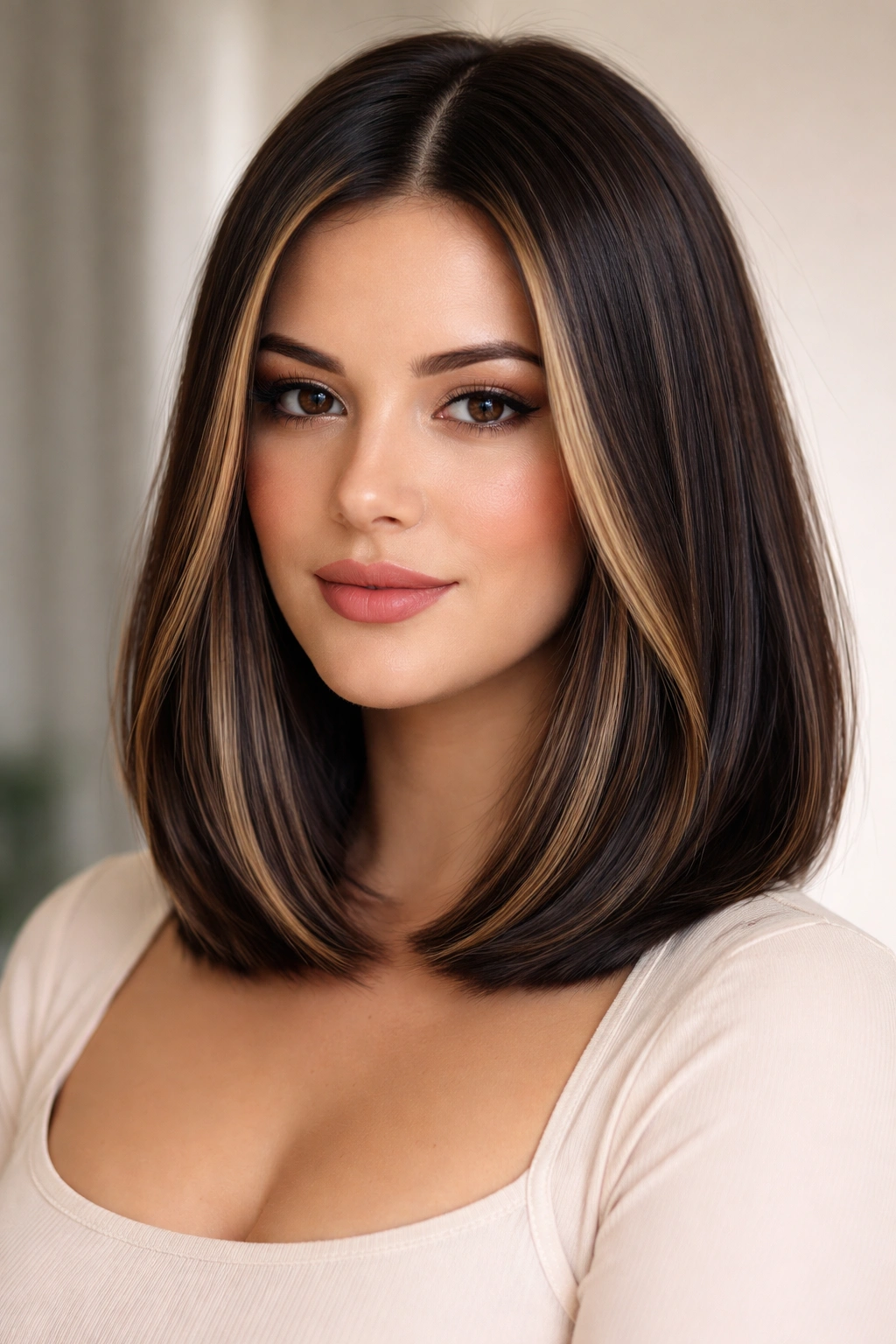
A sleek, blunt lob (between shoulder and collarbone) with glossy, healthy-looking hair and subtle face-framing highlights combines cut and color for a slimming effect. The blunt line is short enough to feel modern and intentional, while the length still creates vertical lines. Face-framing highlights add dimension that breaks up solid color and draws attention to the brightest parts of the hair rather than the face itself.
Color’s Role in Visual Slimming
While this article focuses on cuts, color plays a huge role in how flattering a haircut actually is. Subtle highlights around the face — a shade or two lighter than your base — add dimension that catches light and creates the illusion of more structure and definition. The eye is drawn to the lighter pieces, which often frame the face, creating a brightening and potentially slimming effect. A glossy finish, achieved through good haircare and treatments, adds shine that inherently flatters most face shapes.
Combining Cut and Color for Maximum Effect
- Ask for longer pieces around the face that get highlighted — these should be a few shades lighter than your base
- Keep the overall length at shoulder or just below for the most flattering proportion on a fuller face
- Maintain a blunt line at the ends for a polished, intentional look
- Use glossing treatments and quality products to keep your hair shiny; shine inherently makes hair look thicker and healthier
- Trim every 6-8 weeks to maintain the blunt line and keep everything looking fresh
This is a more polished, put-together approach that works beautifully in professional settings while still being flattering.
13. The Textured Crop with Longer Back Layers
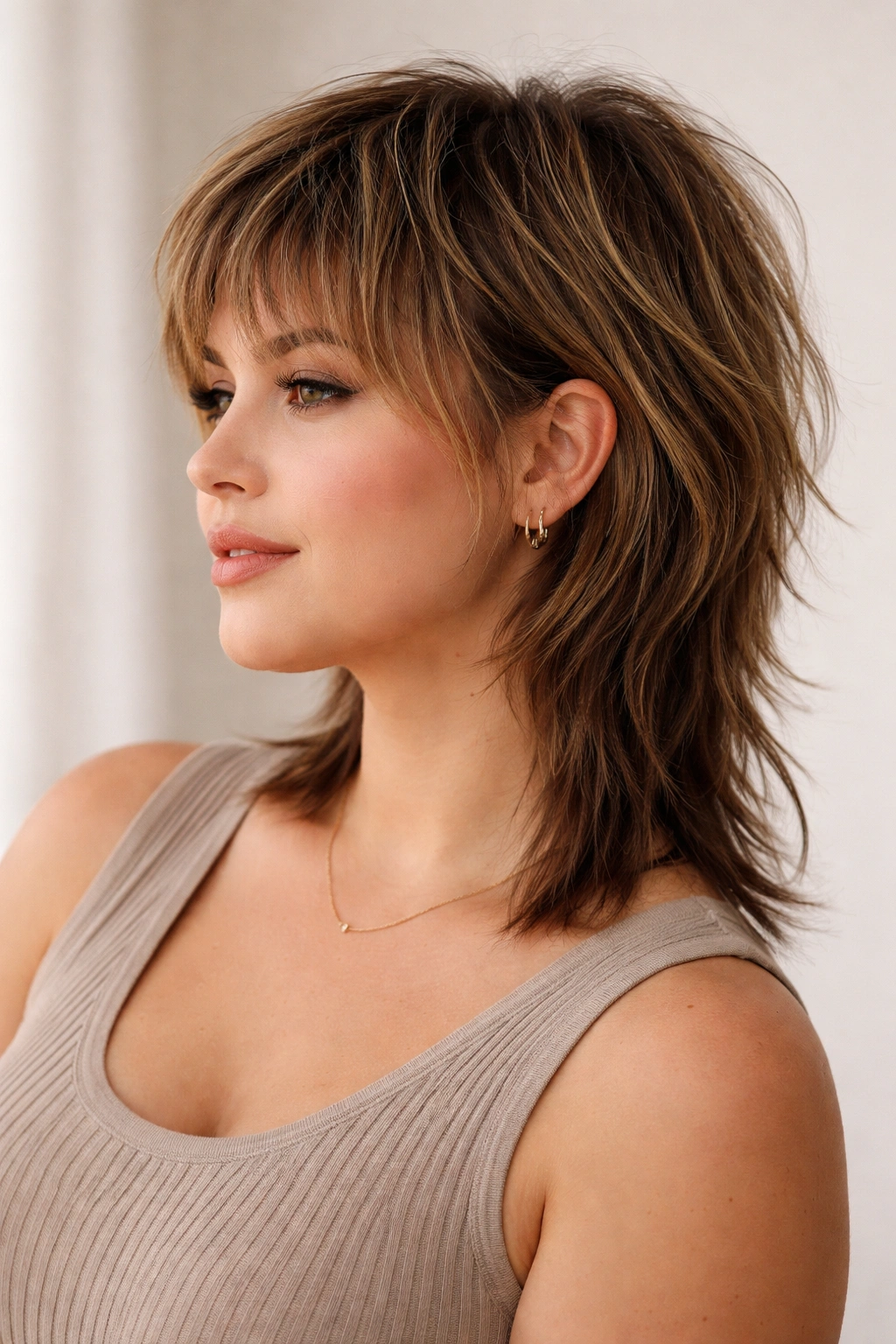
For people who love shorter hair, a textured crop with longer layers in the back offers the style of a short cut while still creating some of that length and movement. The back layers fall to the shoulders or just below, providing vertical lines, while the front and top are much shorter and choppy. This creates a modern, fashion-forward look that’s actually quite flattering on fuller faces because of all that texture and movement.
Texture as a Slimming Tool
A textured crop works on fuller faces because the texture is doing most of the heavy lifting. Choppy, varied-length layers create visual interest and dimension that breaks up face width. The back layers provide length, which is slimming, while the shorter, textured front keeps you from looking overly long-haired in a way that might feel unflattering. The overall effect is edgy, modern, and genuinely flattering when executed well.
Styling and Maintenance Commitment
- This cut requires regular trims — every 4-6 weeks — to maintain the textured, choppy effect
- Blow dry with texture-enhancing products; a volumizing mousse or texturizing spray helps create the right vibe
- You can style this sleek with product and a blow dryer, or tousled and undone, depending on your mood
- Consider adding subtle highlights to enhance the dimension created by the choppy layers
- This cut is best for people who enjoy experimenting with styling and aren’t afraid of a more fashion-forward look
A textured crop feels young, confident, and genuinely modern — it’s for people who want to make a statement.
14. The Soft Wave Lob with Middle Part
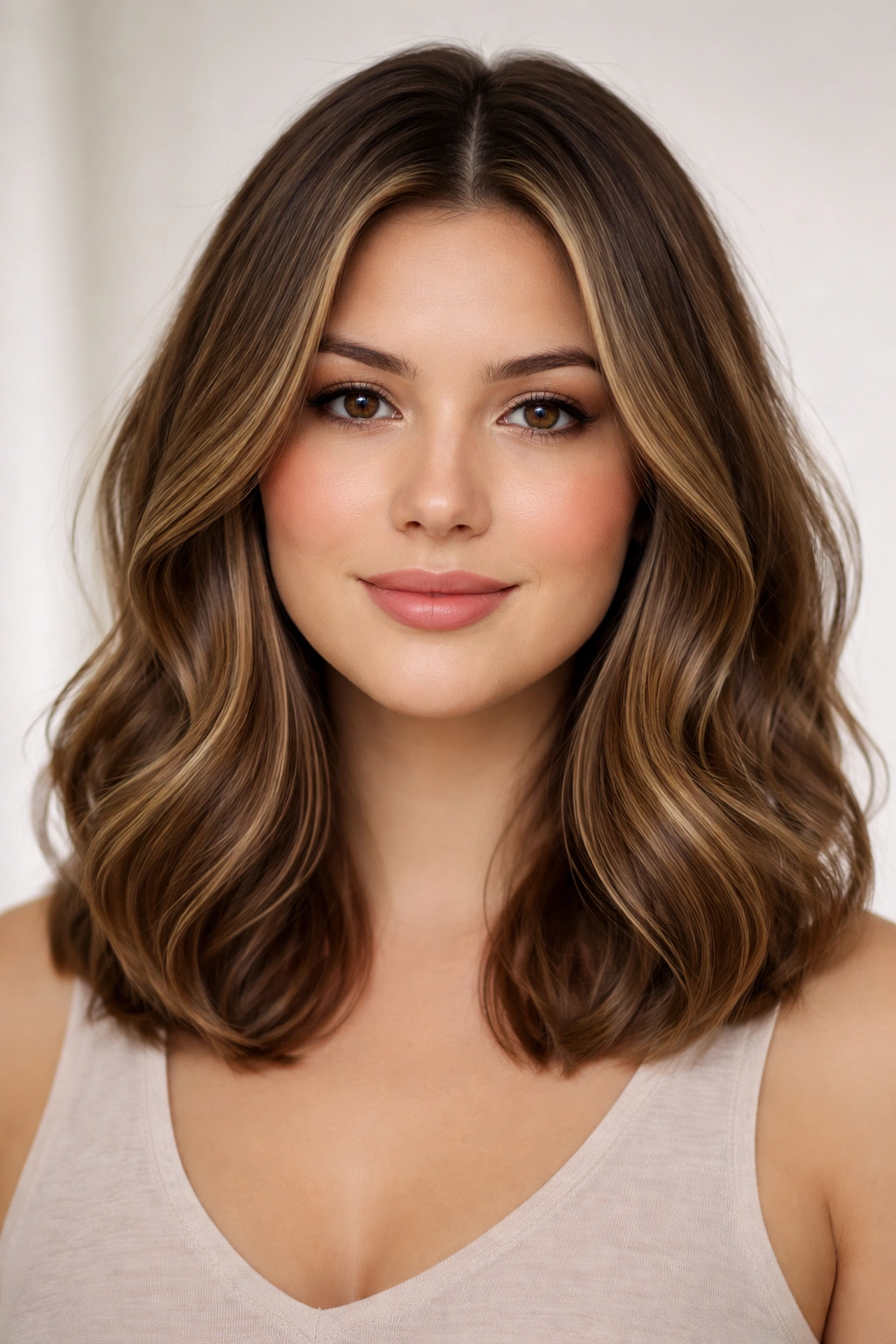
A lob with soft waves and a middle part might sound like it goes against the “vertical lines” rule, but executed correctly, it’s incredibly flattering. The key is that the waves need to flip inward toward the face rather than falling straight down, and the middle part creates symmetry that actually flatters rounder face shapes when paired with movement and texture. The soft waves catch light and create dimension that breaks up solid mass.
Why Inward-Flipping Waves Matter
When waves flip inward toward the face rather than away from it, they create a subtle contouring effect. The movement toward the face makes the face appear slightly narrower, especially when those waves are styled consistently. A middle part with inward-flipping waves creates a frame that’s both symmetric and softly contouring. The texture of the waves means the hair catches light at different angles, breaking up any heaviness that might come from a one-length lob.
Creating and Maintaining Soft Waves
- Use a large barrel curling iron or wand to create loose, flowing waves rather than tight spirals
- Direct the curls inward as you style, so they wrap around your face rather than away from it
- Use a texturizing spray or light hairspray to help the waves hold their shape and direction throughout the day
- Get regular trims every 6-8 weeks to maintain the lob length and keep everything looking fresh
- A glossing treatment or subtle highlights enhance the dimension created by the waves
This approach feels effortlessly pretty and is flattering on most face shapes and hair textures.
15. The Layered Shaggy Pixie-Lob Blend
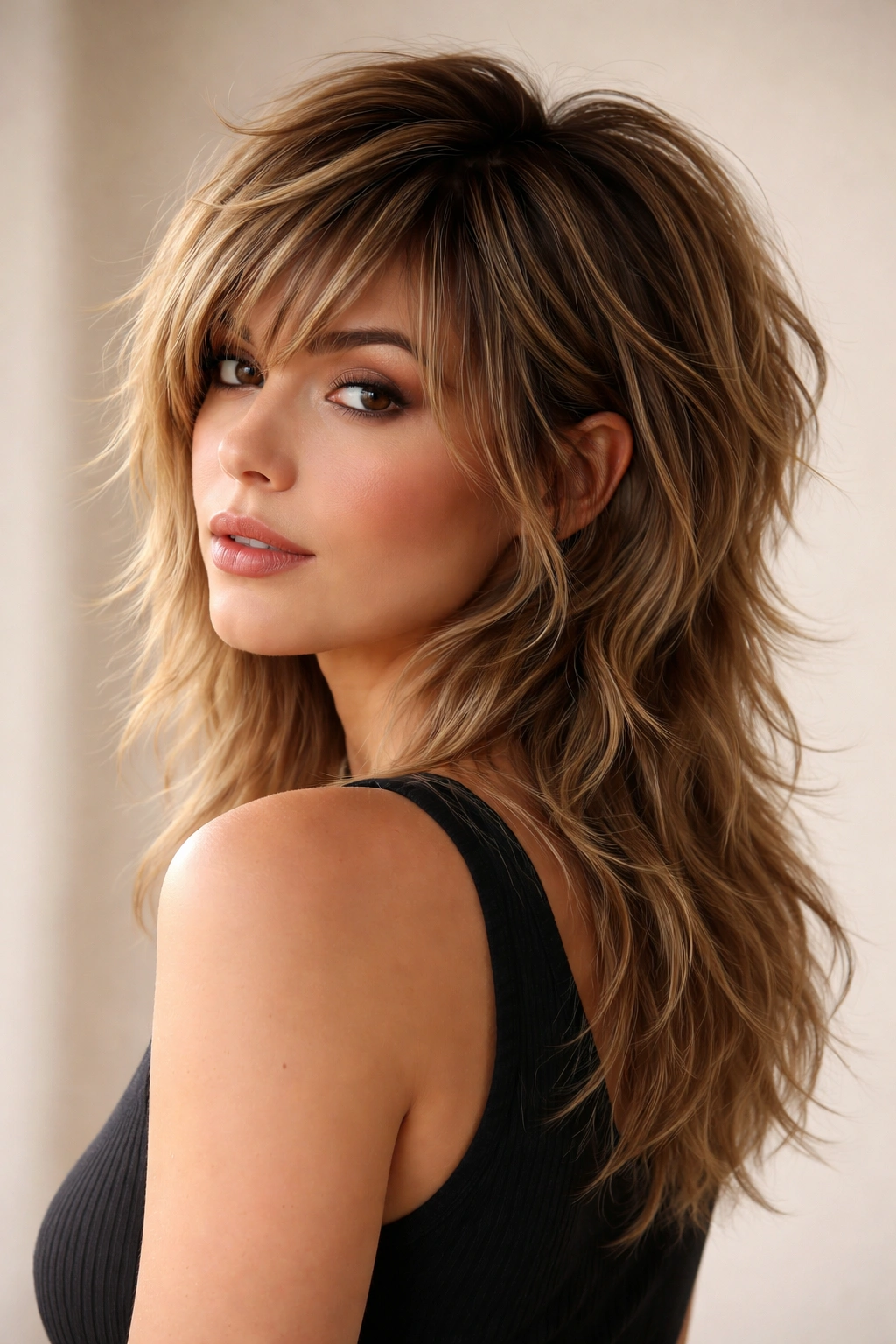
For people who want something in between short and long, a layered shaggy pixie-lob blend offers incredible versatility. The back is longer (falling past the shoulders), while the front and top are much shorter with choppy, shaggy layers. This creates a modern, edgy silhouette that’s packed with movement and texture. The length in the back provides the vertical lines for slimming, while the choppy layers throughout prevent any heaviness.
Maximum Texture, Maximum Flattery
This cut is all about texture creating the slimming effect. With multiple layers of varying lengths throughout, there are tons of points where light is caught and reflected. The eye bounces around the texture rather than landing on face width. The shaggy, undone aesthetic embraces movement and dimension, which is incredibly flattering on fuller face shapes. This cut works best with some natural wave or curl, or if you’re willing to style with heat tools regularly.
Styling Flexibility and Maintenance
- This cut can be styled in multiple ways — tousled and undone, more polished and defined, or somewhere in between
- Use texturizing products and dry shampoo to enhance the shaggy layers
- A curling iron adds more defined waves if you want a polished version of the style
- Trim every 6 weeks to maintain the choppy texture and prevent the cut from looking overgrown
- Embrace the fashion-forward, statement-cut vibe — this is not a conservative style, and that’s its appeal
This blend works beautifully for people who want lots of styling options and aren’t afraid of a more dramatic, textured haircut.
Final Thoughts
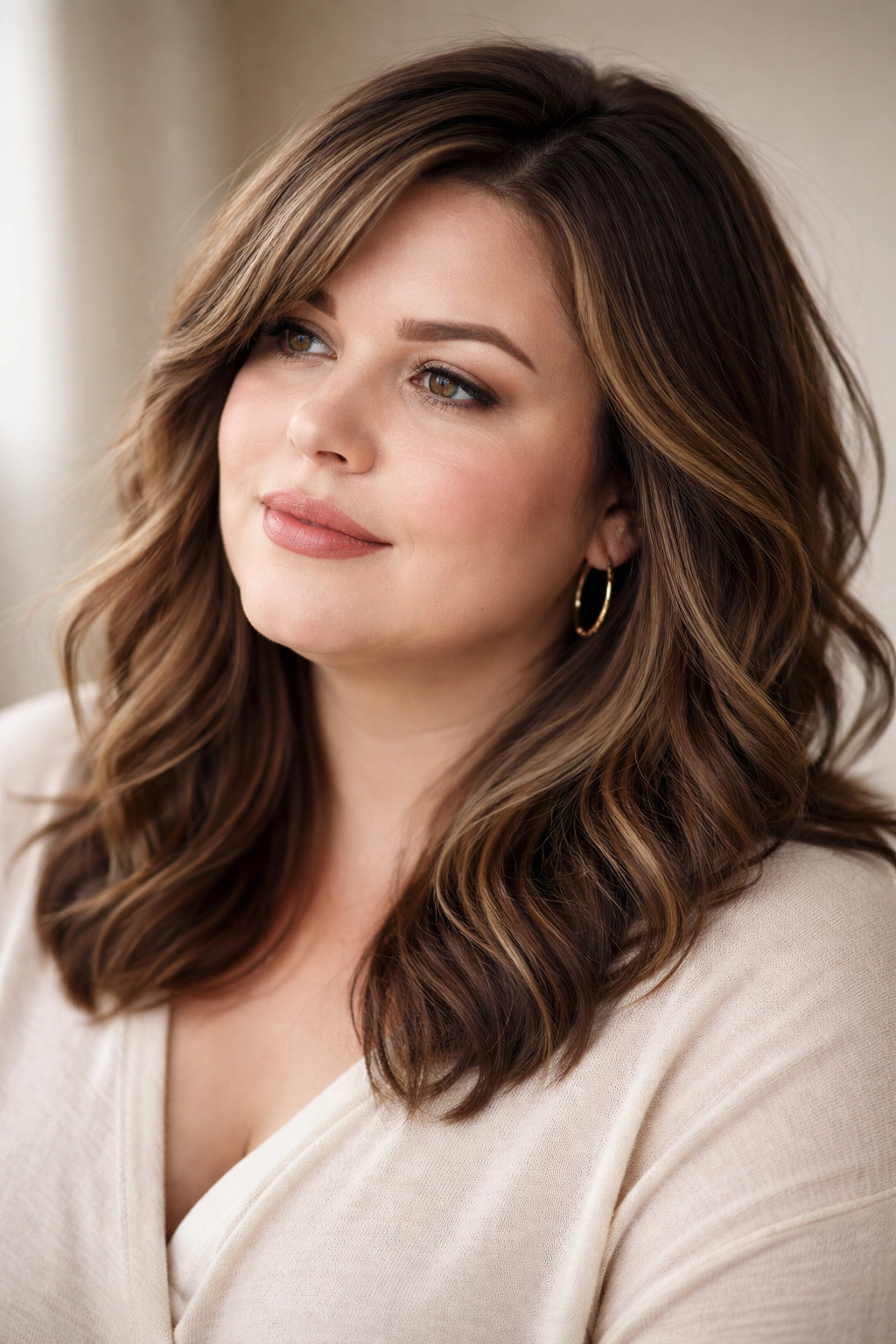
The most flattering haircut isn’t about following rules blindly — it’s about understanding why certain cuts work on certain face shapes, then finding the specific version that fits your lifestyle and how you actually want to style your hair every day. Every single one of these cuts works beautifully on fuller faces because they incorporate the core principles: length that creates vertical lines, texture and movement that break up width, strategic layering that removes bulk from the sides, and intentional styling that works with you rather than against you.
When you’re consulting with a stylist, bring photos of cuts you love, but more importantly, have a real conversation about your daily routine. Do you have 15 minutes to style, or 45? Do you love your natural texture, or do you want something that requires blow-drying and products? Are you comfortable committing to regular trims, or do you need something more forgiving as it grows out? The answers to these questions matter far more than the trend du jour.
Your face shape is just one piece of the puzzle. Your hair texture, your personal style, your daily reality, and what makes you feel genuinely confident all matter tremendously. The perfect haircut is the one that makes you feel like yourself while also making you feel beautiful — and that looks different for every single person.
