



There’s something liberating about a haircut that looks intentional without requiring a blowdryer, flat iron, or thirty minutes of styling every morning. If you’re tired of spending half your day fighting your hair into submission, a wash and go cut might be exactly what you need. These haircuts work with your natural texture instead of against it, meaning you can literally wash your hair, apply a lightweight product, and step out the door looking polished.
The beauty of wash and go cuts is that they’re not limited to any one hair type or length. Whether you’ve got tight curls, loose waves, straight hair, or anything in between, there’s a cut designed to enhance what you already have. The key is finding a style that matches your specific texture, daily routine, and the amount of effort you’re actually willing to invest—even if that effort is minimal.
What makes these cuts different from traditional styles is that they’re built on the principle of intention. Every layer, angle, and length is strategically placed so that your hair falls into a flattering shape when it’s wet and air-dries naturally. No fighting gravity, no counterintuitive styling directions, just texture that does what it’s supposed to do. Let’s explore fifteen cuts that have earned their reputation for being genuinely low-maintenance.
1. The Textured Pixie
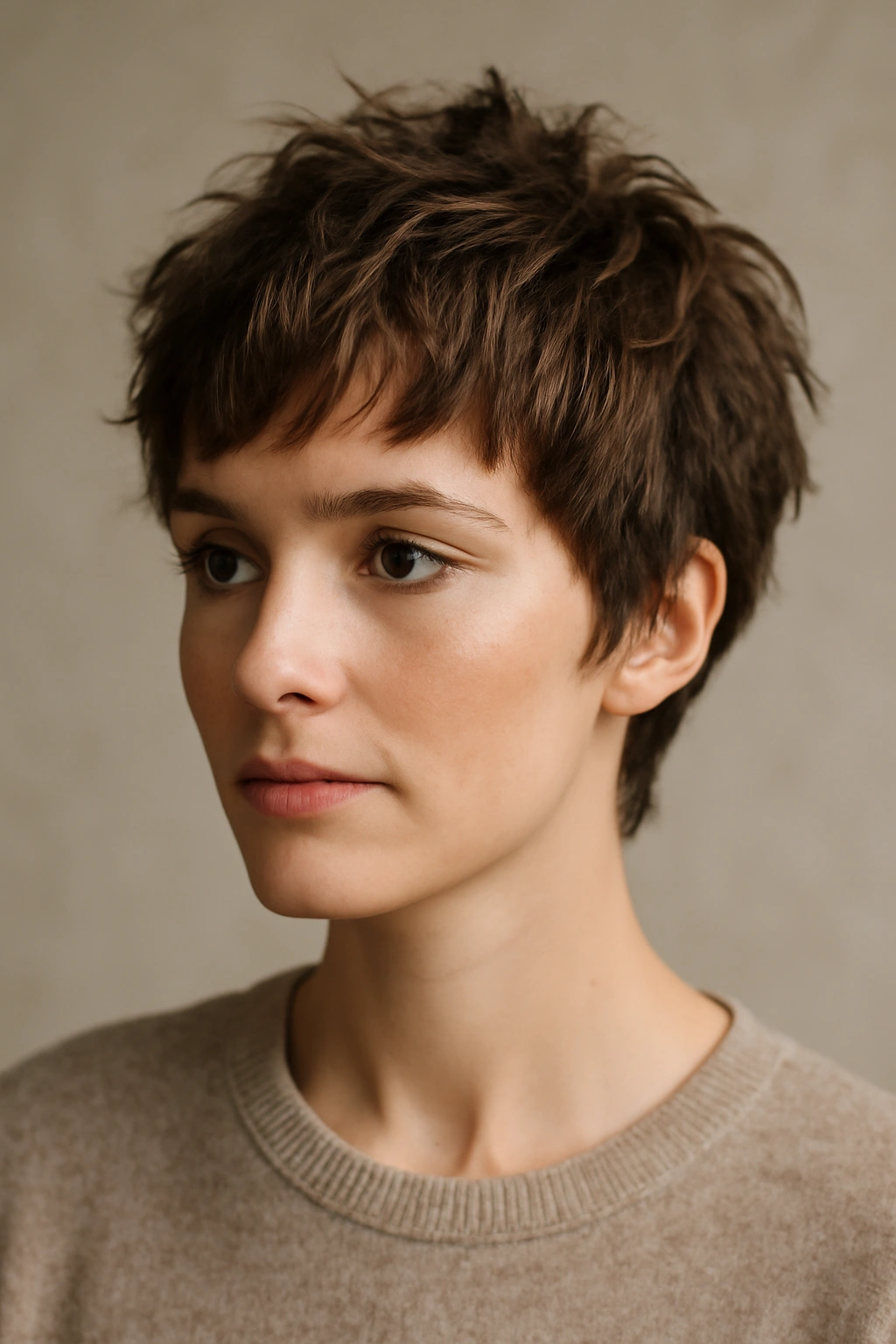
A textured pixie takes the classic short cut and adds choppy layers throughout for movement and dimension. This cut works beautifully on straight and wavy hair, creating a piece-y, deliberately undone look that actually requires zero styling to achieve. The layers prevent the hair from lying flat, which means even if you just air-dry it, you get volume and texture.
Why It Works So Well
The pixie’s short length means there’s minimal hair to dry and style, and the choppy texture means any small movement or air-drying pattern reads as intentional. You’re literally working with the physics of how your hair naturally wants to move. The cut is short enough that it won’t take more than five minutes to air-dry, even if you have thicker hair. Because there are no long sections that need to be smoothed or directed, your natural hair texture becomes the feature rather than something to fight against.
What You Need to Know
- Works best on hair with at least some natural texture or wave
- Requires a trim every 4-6 weeks to maintain the intentional choppy shape
- Apply a lightweight texturizing spray or pomade to damp hair for extra hold and definition
- Pairs beautifully with glasses, bold earrings, or statement necklaces since your face is fully visible
- Creates the illusion of thicker hair because of all the choppy layers
Pro tip: Let your stylist know you want the layers to be choppy and piece-y, not blended smoothly—that distinction is what makes this cut wash-and-go friendly rather than requiring blow-drying.
2. The Tousled Bob
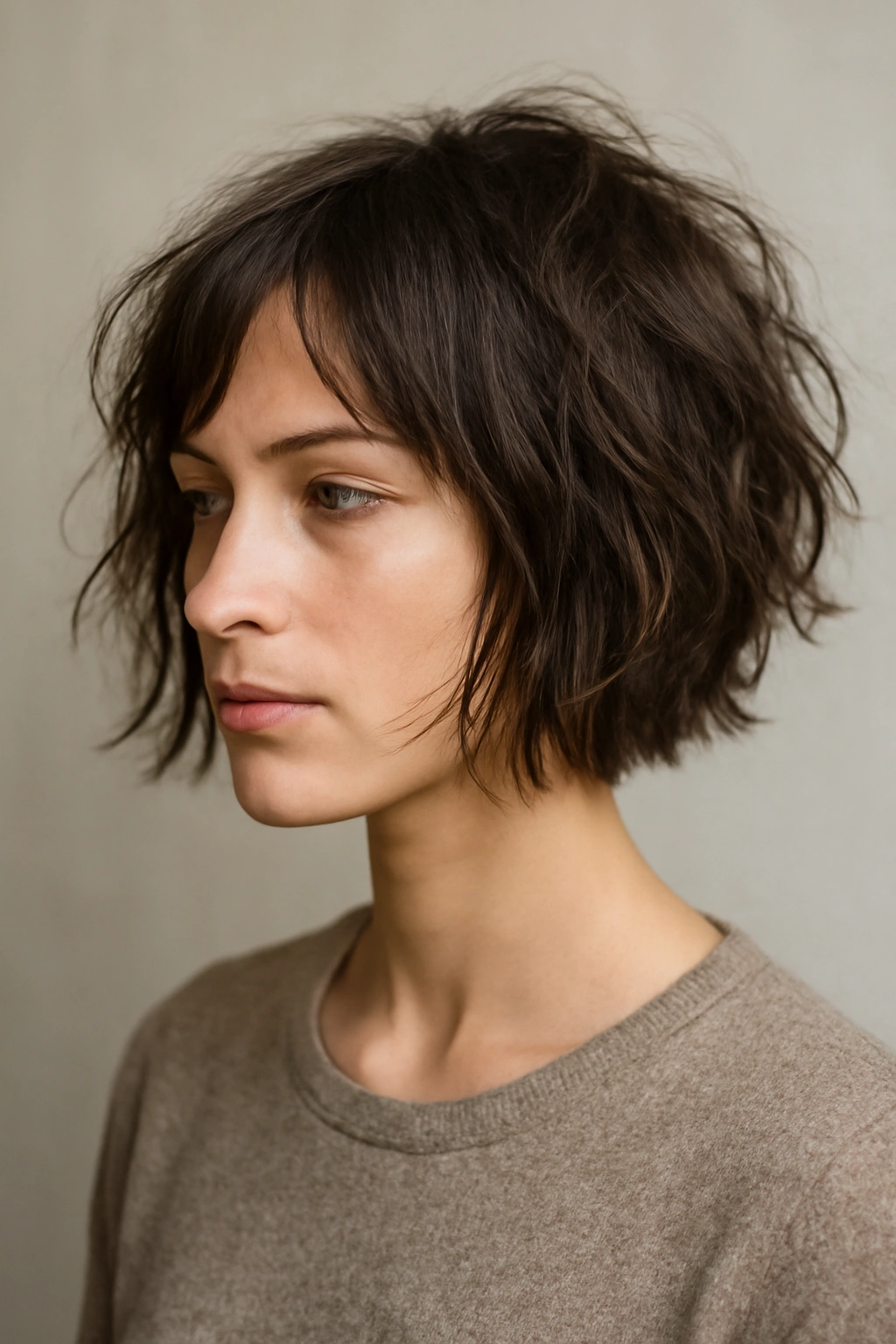
A tousled bob sits around chin length and features disconnected layers that create a deliberately messy, lived-in vibe. This cut is the antithesis of the sleek, blowout-dependent bob—instead, it celebrates texture and imperfection. It works on straight hair that’s styled with texturizing spray, and it’s absolutely magical on naturally wavy or curly hair.
Why It Stands Out
The tousled bob relies on the appearance of effortlessness, which means it’s designed to look good even when your hair isn’t perfectly styled. The disconnected layers mean that some sections dry faster than others, creating natural volume and shape without requiring you to position sections strategically. The choppy texture throughout means frizz and flyaways actually read as intentional rather than as evidence that you haven’t styled your hair properly.
How to Style It
- Wash your hair and squeeze out excess water with a microfiber towel
- Apply a curl-defining cream or texturizing mousse to damp hair
- Air-dry completely or use a diffuser attachment on low heat for 10-15 minutes
- Once dry, scrunch and tousle the layers with your fingers to enhance the piece-y texture
- A light mist of texture spray adds hold without making it look stiff
Insider note: This cut looks better on days two and three after washing, when the natural oils have added some grip to the texture. Your lazy hair days are actually your best hair days.
3. The Shag
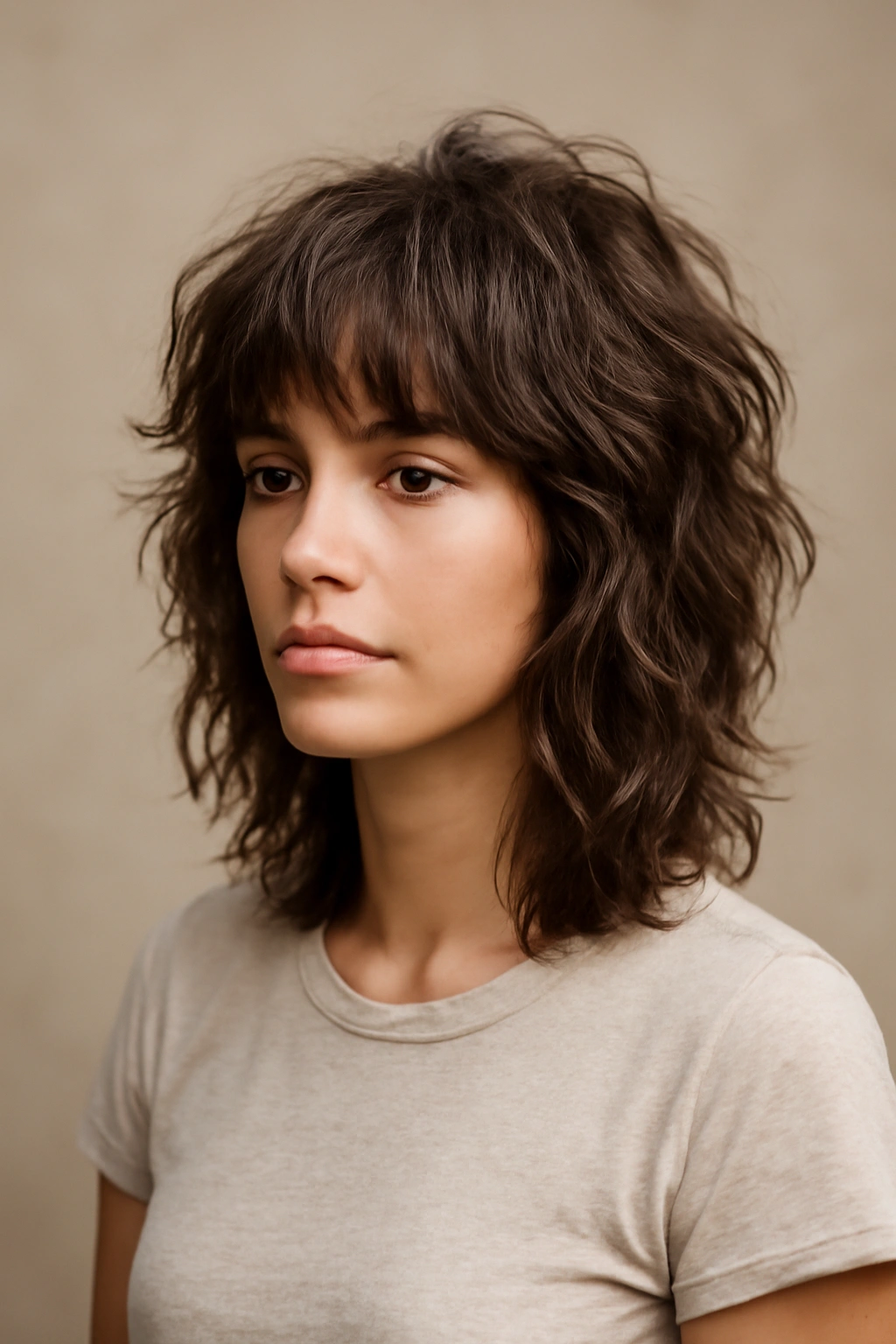
The shag is having a well-deserved comeback, and for good reason—it’s possibly the most low-maintenance versatile cut available. It features multiple layers that start higher up on the head, creating lots of movement throughout while maintaining length. The shape works whether your hair is straight, wavy, or curly, and it looks equally good tousled or more polished depending on your mood.
What Makes It Different
A modern shag is all about creating movement without requiring you to blow-dry and round-brush each section into submission. The layering is strategically placed so that the hair naturally separates and creates shape as it dries. Because the layers start at the crown rather than just the ends, there’s volume throughout rather than only at the bottom. This means you get a flattering silhouette that doesn’t depend on your styling technique.
Key Details to Know
- Looks good on most face shapes because the layers can be customized to your face length
- Works on all hair types, though the effect is slightly different depending on your texture
- Requires trims every 6-8 weeks to maintain the layer definition and movement
- Apply a texturizing spray or volumizing mousse to damp hair for best results
- Pairs well with face-framing details like a subtle side part or center part
Worth knowing: A shag cut is a commitment to embracing your hair’s natural texture. If you’re someone who usually blow-dries and straightens, this cut might feel a bit too “messy” until you adjust your mindset about what polished actually looks like.
4. The Crop
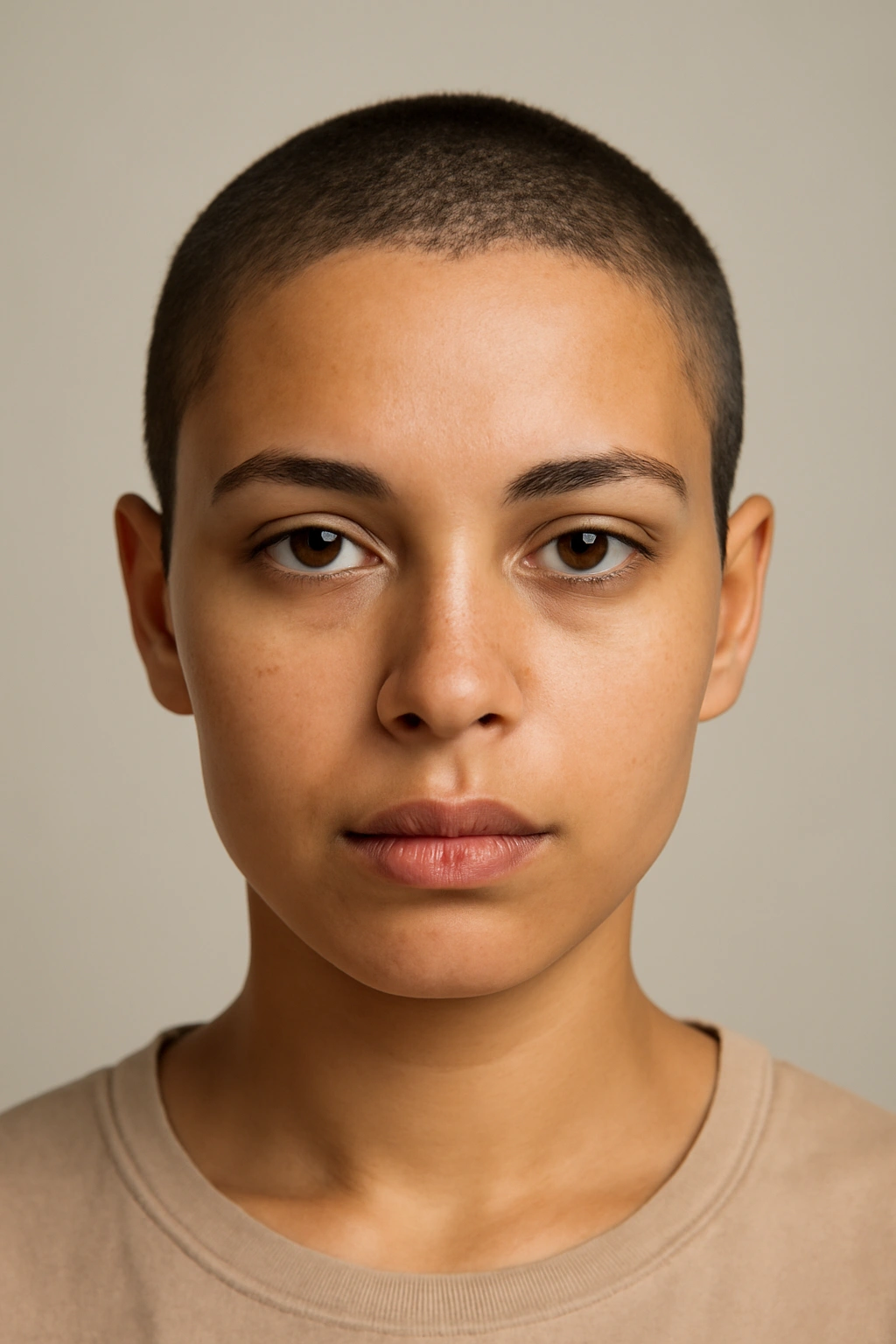
A modern crop sits shorter than a pixie but longer than a buzz cut—usually somewhere between a quarter and half inch of length. It’s utterly minimal in terms of styling, though it does require embracing a very short silhouette. Crops work beautifully on straight hair and are increasingly popular on textured and curly hair too.
Why It Works
A crop is the ultimate low-maintenance cut because there’s essentially nothing to style. Wash your hair, let it air-dry for two minutes, maybe run your fingers through it, and you’re done. There’s no way for the hair to fall “wrong” because there simply isn’t enough length for things to go sideways. The shape is flattering on people with strong bone structure and confidence—it puts your face front and center.
Quick Facts About Crops
- Requires trims every 3-4 weeks to maintain the clean shape
- Shows off the texture and natural color of your hair very clearly
- Works on all hair types but creates different visual effects (straighter hair looks sleeker, curly hair looks fuller)
- Pairs excellently with minimal makeup and bold jewelry
- Temperature and humidity have almost zero effect on how it looks
Pro tip: If you’re nervous about going full crop, ask your stylist for a slightly longer version first—maybe a quarter inch instead of an eighth inch—and see how you feel living with it before committing to the ultra-short version.
5. The Curly Bob
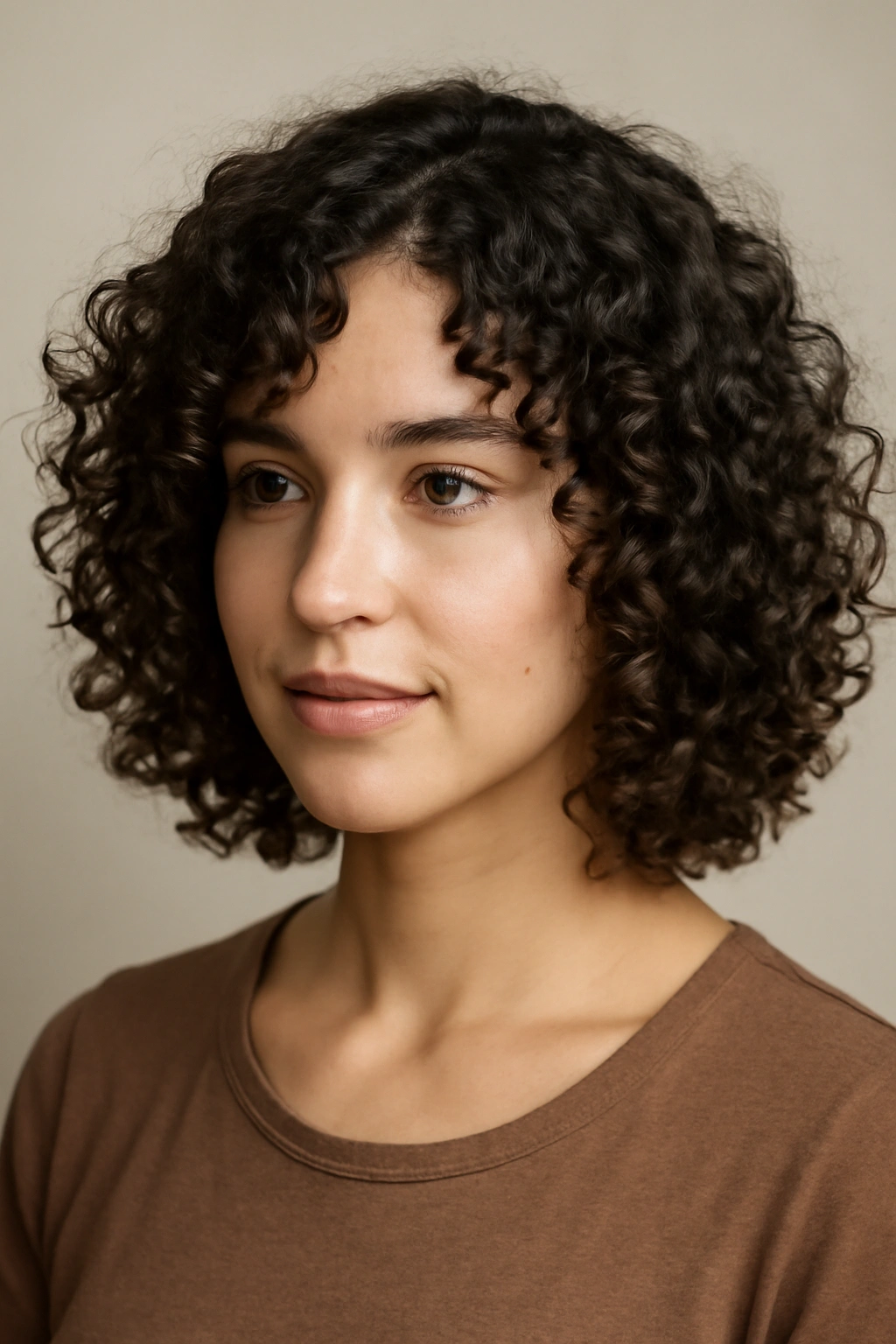
A curly bob is specifically cut to work with curly and coily hair, with length typically sitting somewhere between chin-length and shoulder-length. The cut removes bulk rather than creating it, allowing the natural curl pattern to shine without any need for heat styling or chemical treatments. When cut by someone who understands curly hair, this is genuinely one of the most wash-and-go friendly cuts available.
What Makes It Stand Out
A curly bob works because the cut accounts for shrinkage—your curls shrink significantly when they dry, so a stylist who knows curly hair cuts the wet hair longer to compensate. The layering is strategic and sparse, removing weight without creating the appearance of thinness. Once you discover the right cut, you can literally wash your hair, apply your curl cream, and let it air-dry into a perfect shape.
How to Care for It
- Use a leave-in conditioner or curl cream on soaking wet hair before air-drying
- Apply your styling products while the hair is very wet—this is when they’ll distribute most evenly
- Use a microfiber towel or t-shirt to gently squeeze out water; avoid regular towels that create frizz
- Air-dry completely before touching your curls to avoid disrupting the formation
- Sleep on a silk or satin pillowcase to protect the curl shape overnight
Insider note: Finding a stylist who actually knows how to cut curly hair is more important than the cut itself. Bring photos of curly bobs you love and ask specifically about their experience with your hair type.
6. The Wolf Cut
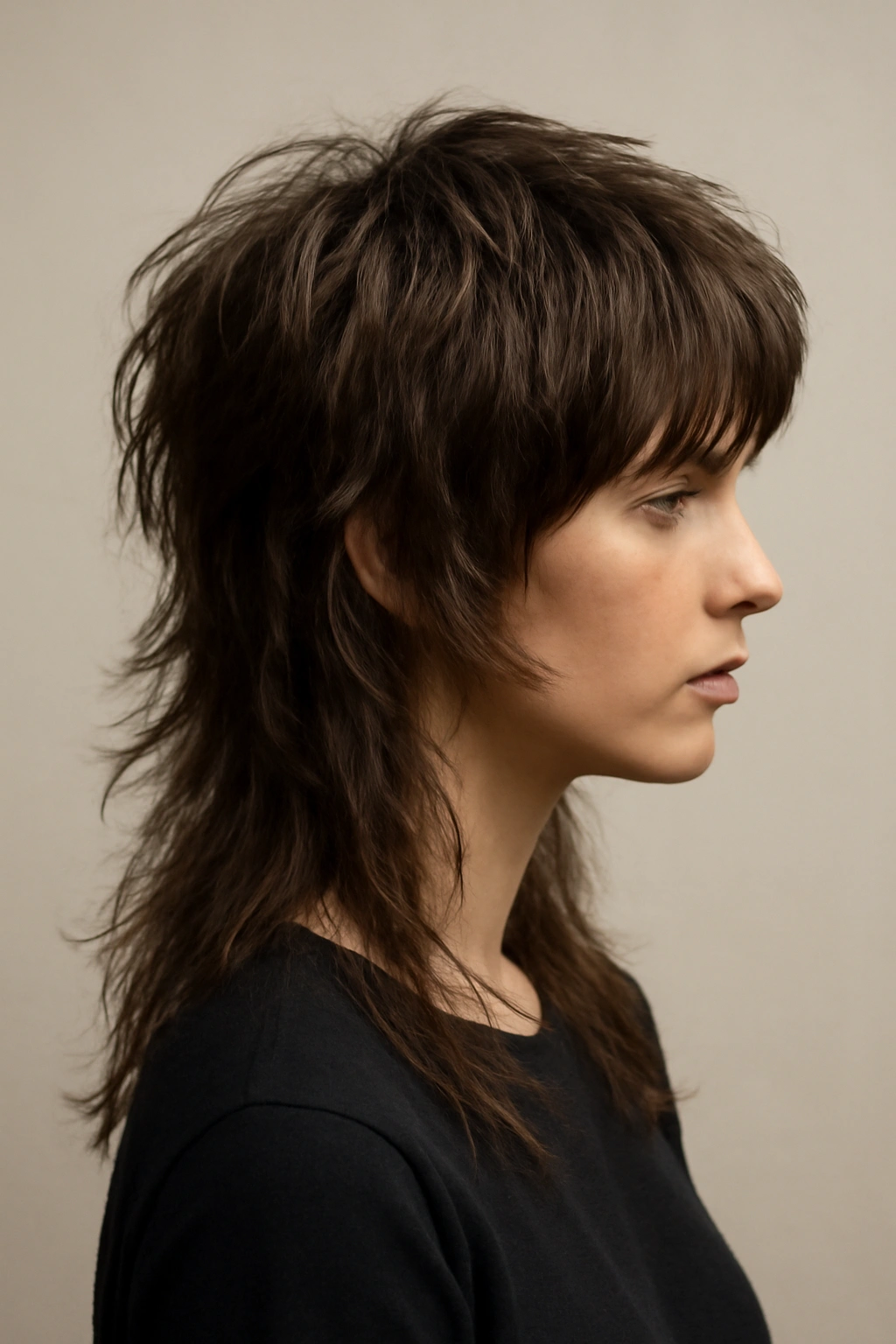
A wolf cut is essentially a hybrid between a shag and a mullet, featuring layers throughout but maintaining more length at the back. It’s edgy and textured while still being surprisingly easy to style. The wolf cut works on wavy, curly, and straight hair, adapting to whatever texture you bring to the chair.
Why It’s Effortlessly Cool
The wolf cut uses the same principle as other layered cuts—movement throughout means you don’t need to blow-dry and sculpt specific sections. The length at the back adds substance and weight, while the layers at the crown and sides create dimension and volume. Because the effect is intentionally a bit undone, tousled and piece-y hair is the whole point rather than a styling failure.
What to Know Before You Go
- Works on most face shapes, though a good stylist will customize the face-framing layers
- Requires regular trims every 6-8 weeks to maintain the layered texture
- Apply a texturizing spray or curl cream to damp hair for definition
- The back length means it’s less visible from behind, which some people prefer to super short cuts
- Can be worn with a center part or side part depending on the effect you want
Worth knowing: A wolf cut requires more product than some other wash-and-go styles, so factor in the cost of your favorite texturizer or cream spray into your maintenance expectations.
7. The Tapered Fade
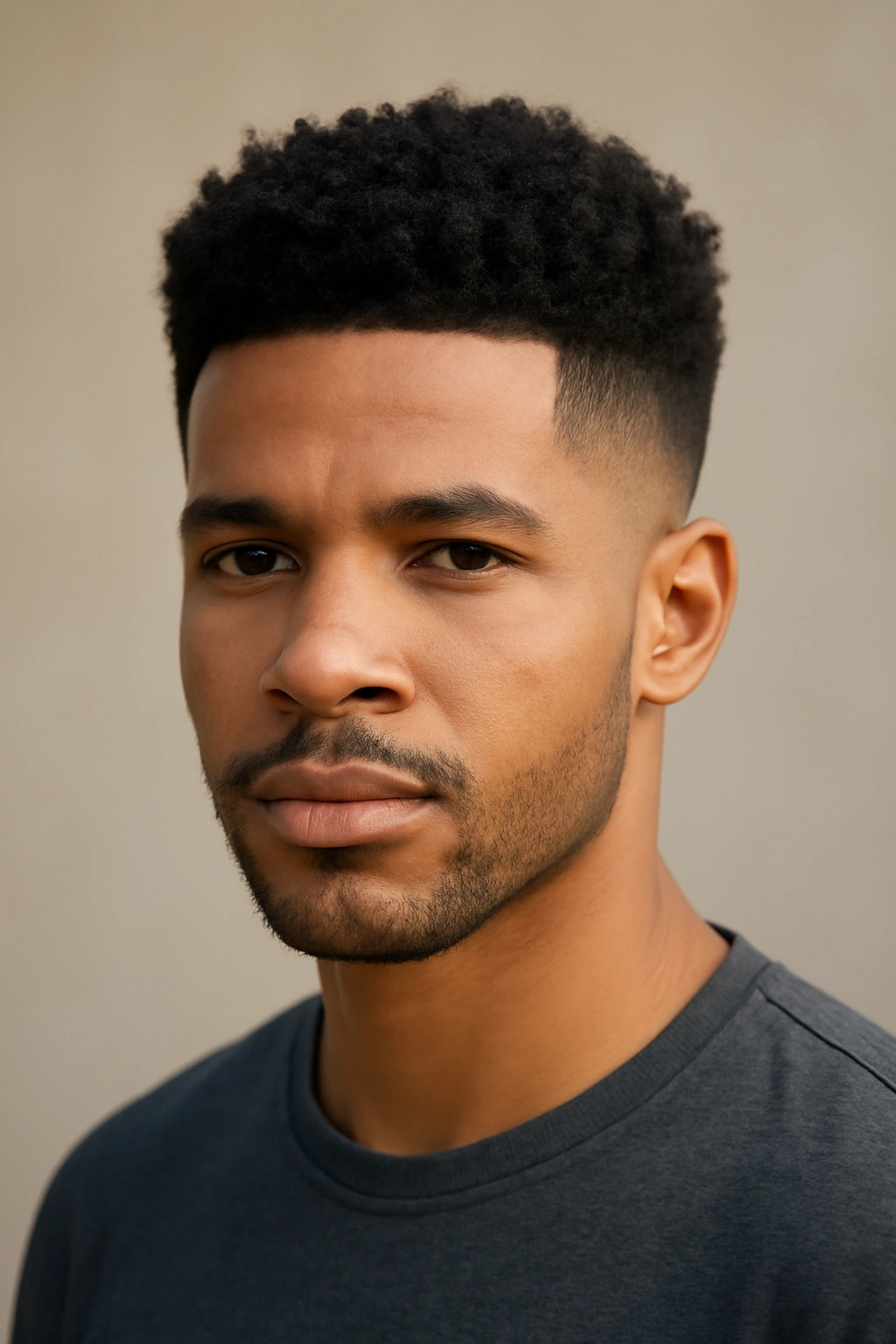
A tapered fade features longer hair on top that gradually gets shorter toward the sides and back, creating clean lines and an intentional shape. It’s a cut that works beautifully on all hair types, though the effect varies. On curly hair, a fade creates dramatic contrast and really shows off the curl pattern. On straight hair, it’s sleek and sculptural.
Why It’s a Great Low-Maintenance Choice
A fade is inherently low-maintenance because the shape is built into the cut itself—the hair falls into the right silhouette without requiring you to blow-dry or position anything. The clean lines look intentional and polished even if you literally just washed and air-dried. Because the sides are faded rather than blunt, there’s no awkward growing-out phase; as the hair grows, it naturally transitions into the length on top.
Key Details
- Requires a trim every 3-4 weeks to maintain the clean fade line
- Works on all hair types and textures
- Apply a light pomade or defining cream to the top section if you want extra hold or definition
- Pairs well with minimal styling and lets the cut do all the work
- The fade creates the illusion of a stronger jawline and more defined facial structure
Pro tip: Ask your stylist for a fade that starts higher or lower depending on your head shape and hair thickness—a customized fade looks way better than a standard one-size-fits-all approach.
8. The Choppy Layers
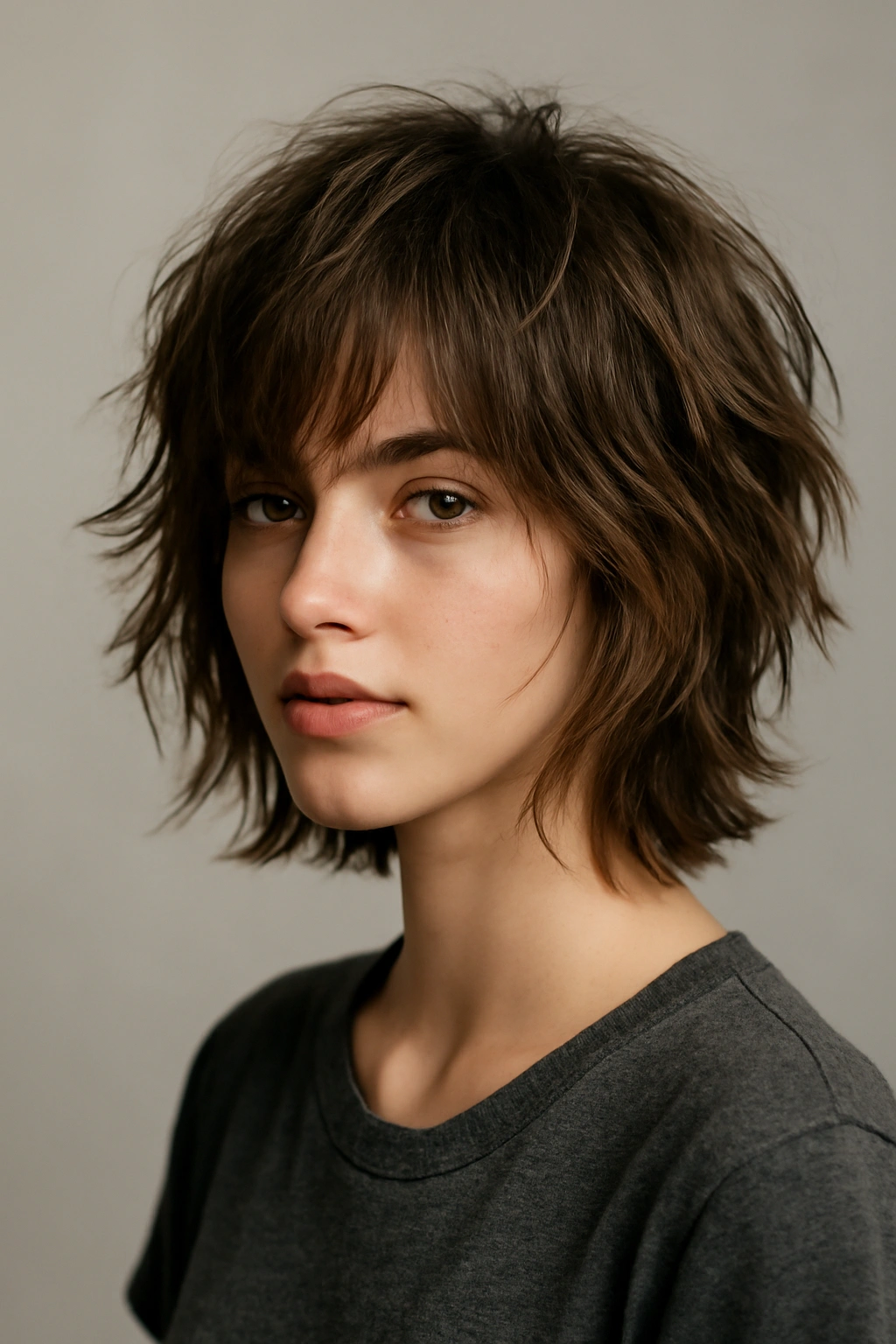
Choppy layers mean disconnected, piece-y layers throughout your hair that create tons of movement and dimension. Unlike blended layers that require blow-drying to look right, choppy layers look intentionally textured whether your hair is freshly dried or slightly damp. This cut works on straight, wavy, and curly hair, creating different visual effects depending on your texture.
What Makes Choppy Layers Work
The key to choppy layers being truly wash-and-go is that they’re cut intentionally short and disconnected, which means the natural way your hair dries is exactly how it’s supposed to look. There’s no “you’re not styling it right” moment because there’s no correct styling method—the texture is the whole point. This cut celebrates imperfection and movement rather than fighting against it.
How to Wear It
- Wash your hair and squeeze out excess water
- Apply a texturizing spray, mousse, or curl cream depending on your hair type
- Air-dry or use a diffuser on low heat, scrunching occasionally as it dries
- Once dry, tousle with your fingers to enhance the piece-y texture
- A light misting of texture spray at the end adds hold without making it stiff
Insider note: Choppy layers look increasingly better over days two through four after washing, when natural oils add grip and definition to the texture. Your fresh-wash hair might look a bit chaotic, but patience pays off.
9. The Textured Lob
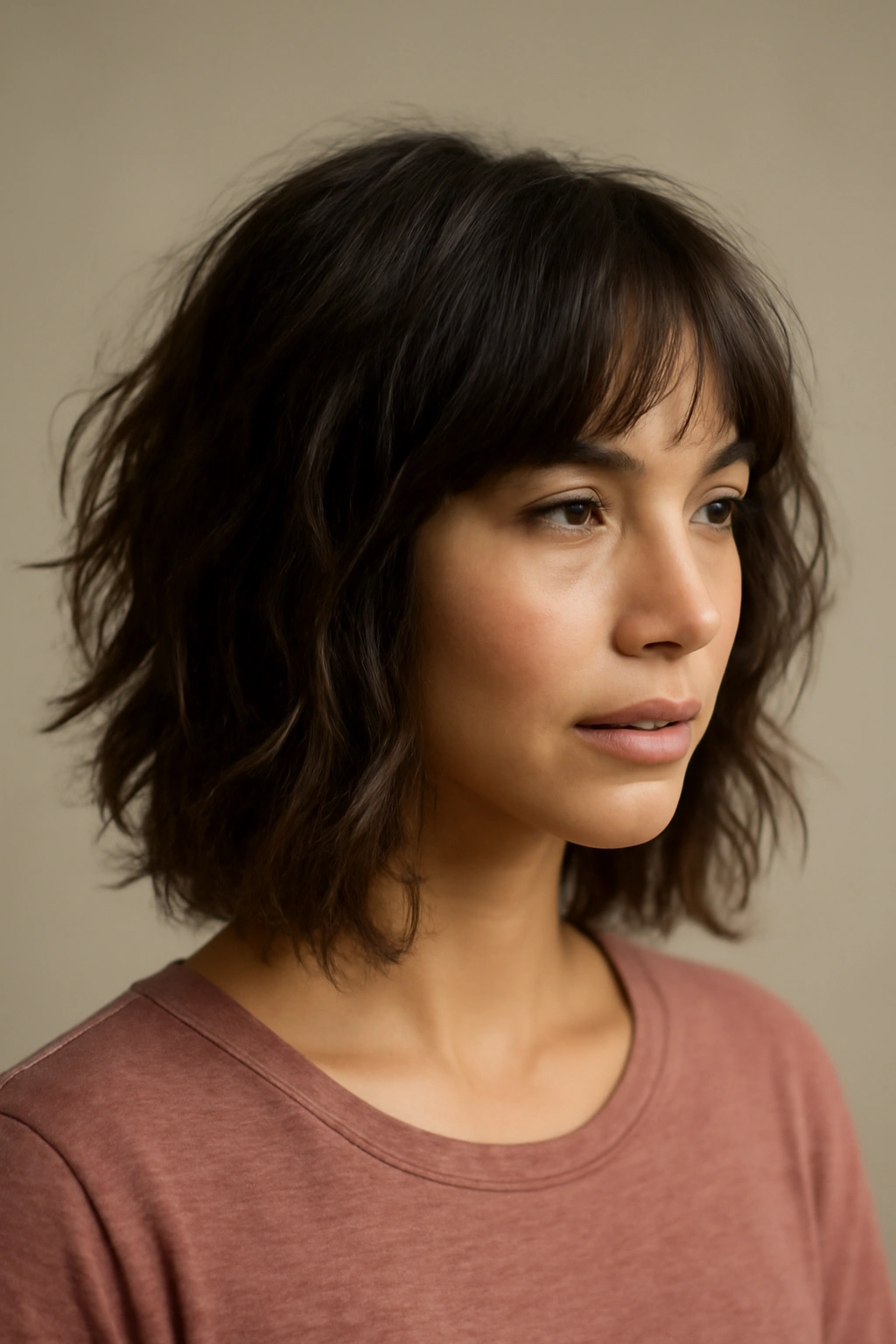
A lob (long bob) sits somewhere between chin-length and shoulder-length, and when it’s cut with choppy texture, it’s genuinely low-maintenance. The length is long enough to pull back if you want, but the layers create enough movement that it doesn’t look limp or require a blowout to look intentional.
Why It Stands Out
A textured lob gives you versatility without extra effort. On days when you want it styled, you can blow-dry and create polish. On days when you don’t have time, you can air-dry and it still looks deliberate and put-together. The choppy layers mean that even if your hair dries unevenly, uneven is the whole aesthetic. You’re not fighting your hair’s natural drying patterns; you’re working with them.
What You Need to Know
- Works best on straight and wavy hair; very curly hair might need different layering
- Requires trims every 6-8 weeks to maintain the texture and shape
- Apply a texturizing spray or lightweight mousse to damp hair for best results
- Can be worn down, tucked behind one ear, or in a half-up style depending on your mood
- The length at the back means more hair at your shoulders and neck, which some people find annoying in warm weather
Worth knowing: A textured lob is that Goldilocks length—long enough to look feminine and versatile, but short enough that you’re not dealing with thin ends and breakage. It’s the length that works for the most people.
10. The Feathered Cut
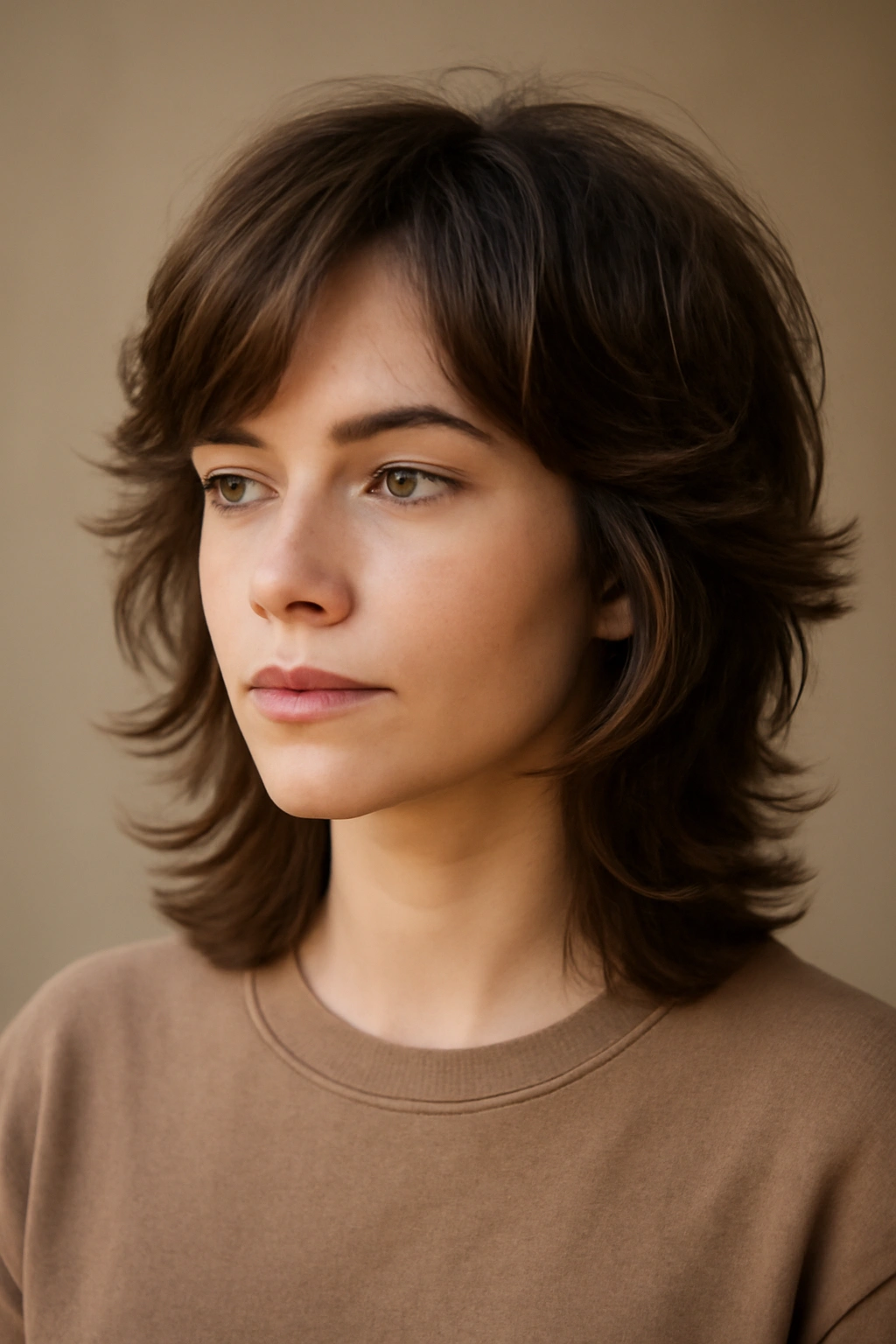
A feathered cut features shorter layers on top that gradually increase in length toward the bottom, creating a shape that moves outward and upward. This cut was hugely popular decades ago and is making a comeback because it’s genuinely flattering and low-maintenance when done well. Feathering works on wavy and curly hair especially well, though it can work on straight hair too.
What Makes It Different
Unlike some layered cuts that require blow-drying to look right, a feathered cut is designed to work with your hair’s natural direction and movement. The shorter layers on top create lift and volume, while the longer layers underneath add weight and shape. The overall effect is flattering and soft without being fussy. When you air-dry a feathered cut, the natural flow of your hair creates the shape that was cut into it.
How to Style It
- Wash your hair and gently squeeze out excess water
- Apply a curl cream or texturizing mousse while hair is very wet
- Air-dry or use a diffuser attachment for wave definition
- Once dry, run your fingers through to separate the layers
- A light texture spray adds definition without making it look crunchy
Pro tip: A feathered cut looks best when your hair is clean and healthy—if the ends are damaged, the feathering won’t look sharp. Schedule a trim every 6-8 weeks to keep the layers clean and intentional.
11. The Undercut
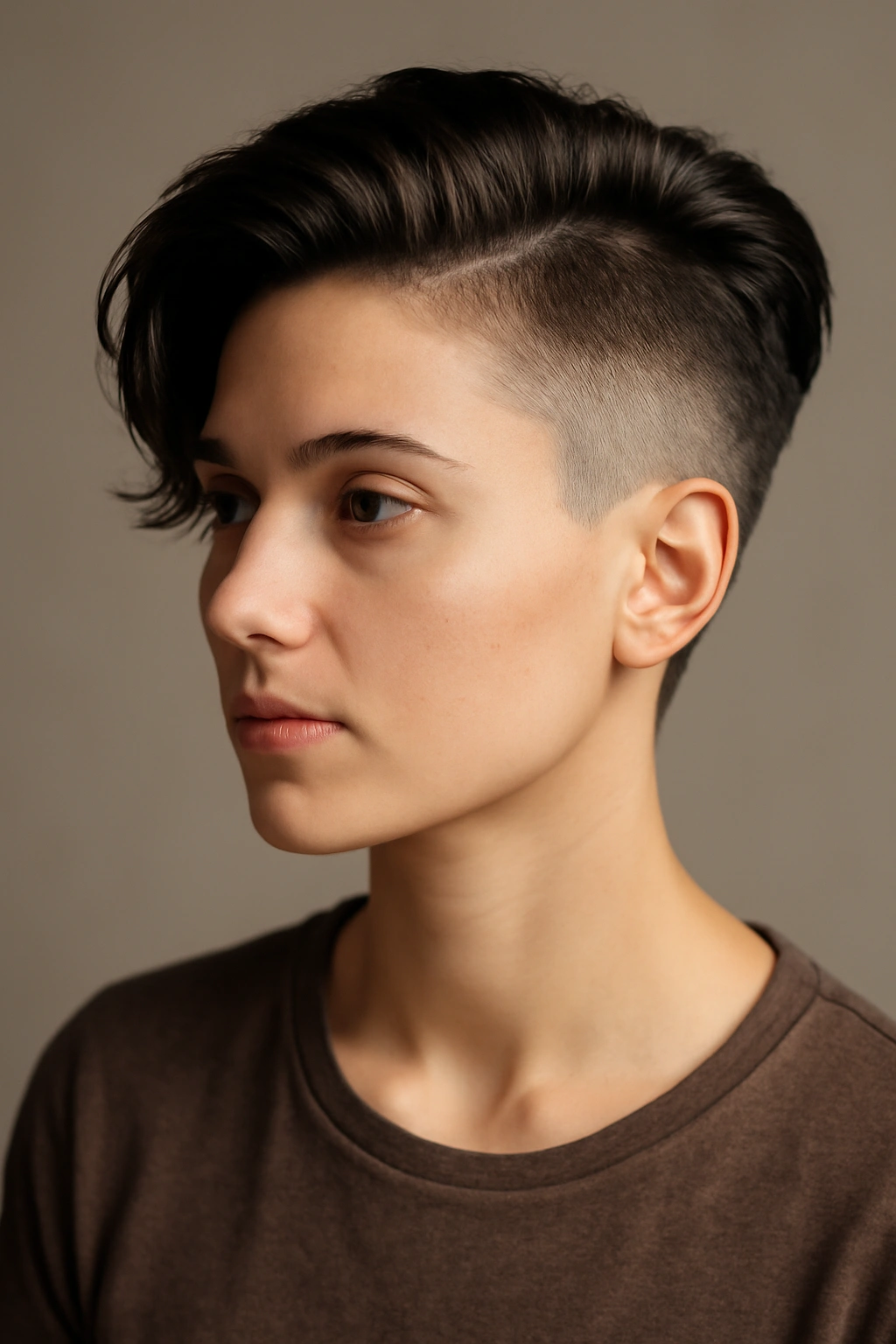
An undercut features longer hair on top and dramatically shorter hair underneath, creating contrast and an edgy vibe. The longer top can be styled in multiple ways while the undercut creates a strong visual statement. This cut works on all hair types and textures, though it’s especially striking on straight or wavy hair where the contrast is really visible.
Why It’s So Low-Maintenance
An undercut is low-maintenance because the top section is what you actually interact with daily, and that can be styled however you want. The underneath is hidden most of the time, so you don’t need to style it at all. The contrast created by the two different lengths is intentional and built into the cut, meaning you get a sophisticated look without needing to blow-dry or use multiple products.
What You Need to Know
- The undercut portion requires trims every 3-4 weeks to maintain the clean, defined edge
- The top can be styled up, back, or to the side depending on your preference
- Works on all hair types but creates different effects based on your texture
- Requires a skilled stylist who understands how to balance the proportions
- Pairs well with bold jewelry, glasses, and other statement accessories
Insider note: An undercut is a commitment to regular maintenance because the contrast becomes obvious pretty quickly as the hair grows. If you’re not up for monthly trims, this might not be the cut for you.
12. The Messy Fringe
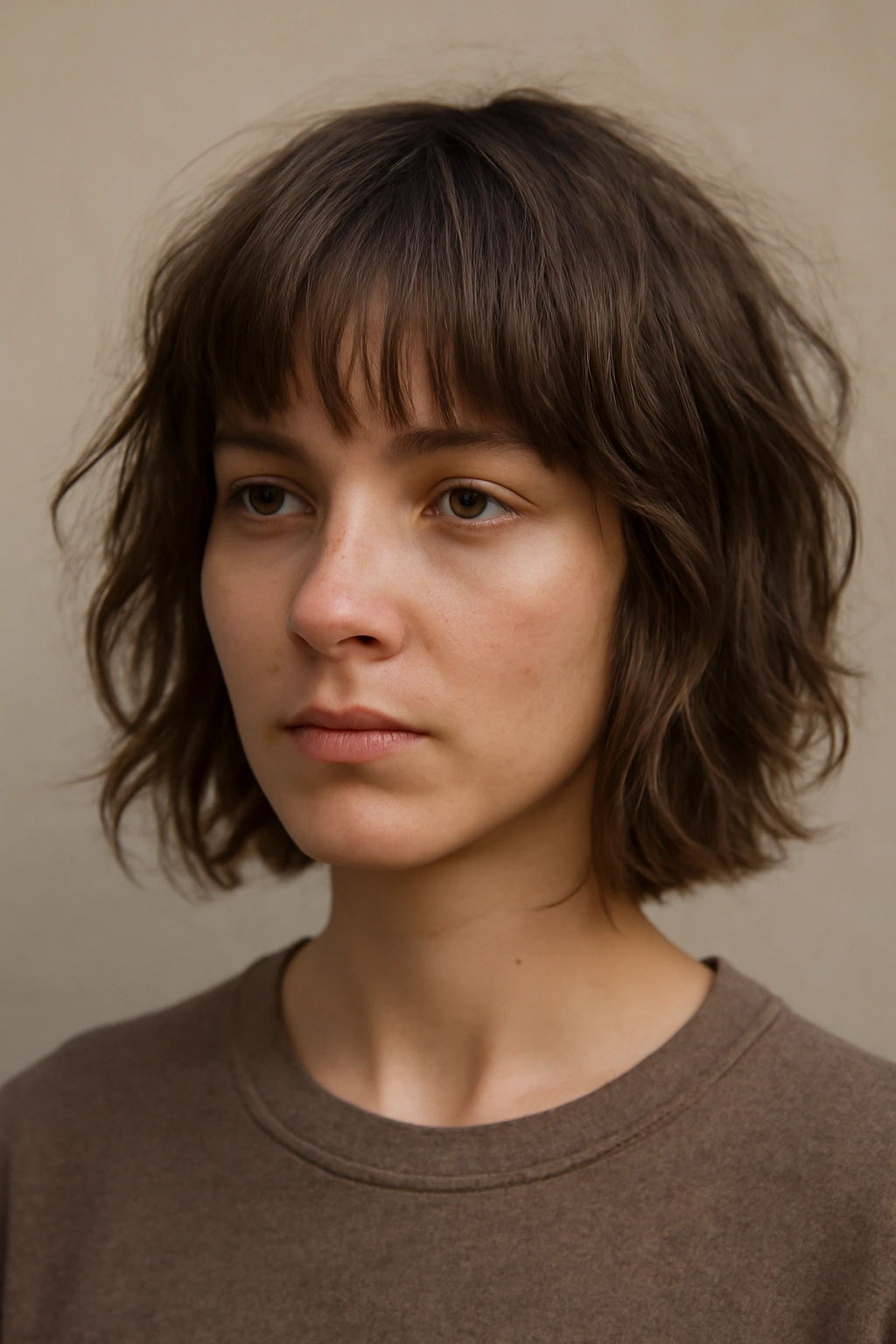
A messy fringe is a longer, textured bangs style that sits right at the eyebrow or slightly longer, paired with layers throughout the rest of the hair. The fringe is deliberately choppy and piece-y rather than blunt, which means it works with your hair’s natural texture instead of against it. This cut works beautifully on wavy and curly hair and can work on straight hair if you apply enough texture.
What Makes It Stand Out
A messy fringe creates face-framing movement without requiring you to blow-dry the bangs into a specific shape. Because the fringe is textured and choppy, it looks intentional even if the layers aren’t perfectly even or if some pieces have dried slightly differently than others. The fringe adds personality and visual interest while still being completely achievable with air-drying.
How to Care for It
- Wash your hair and apply your styling product while very wet
- Air-dry completely before touching the fringe—this prevents you from disrupting the formation
- The fringe will dry faster than the rest of your hair, so let it set first
- Once fully dry, tousle gently to separate the individual pieces
- A very light texture spray keeps the definition without making it look stiff
Worth knowing: A messy fringe requires a trim every 4-6 weeks to maintain the length, so factor that into your maintenance plan. Growing out a fringe is not particularly fun, so commit to the trims.
13. The Buzz Cut
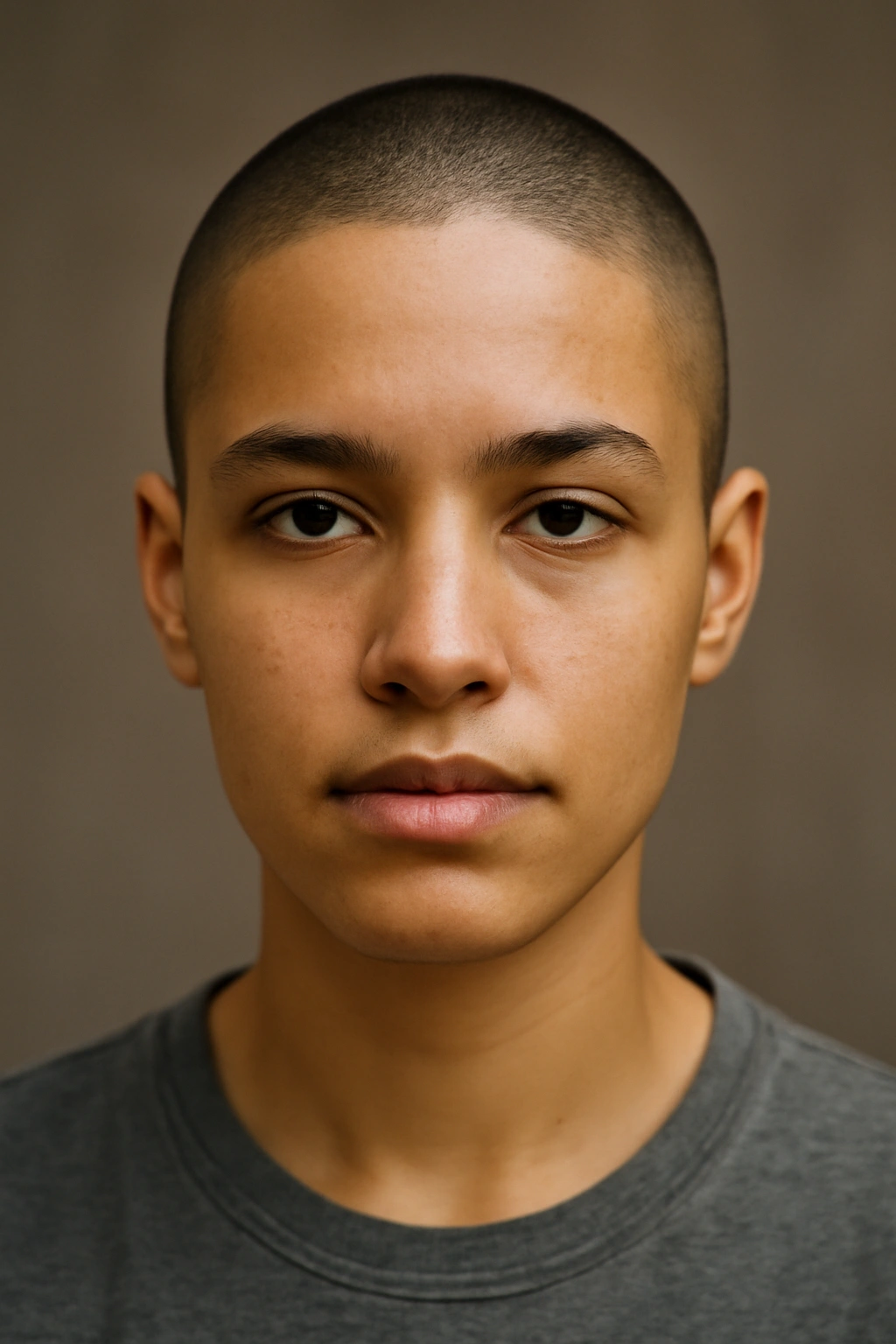
A buzz cut is the ultimate low-maintenance option, featuring even length throughout (usually between an eighth and a quarter inch). It’s the least amount of hair you can have while still technically having styled hair. Buzz cuts work on all hair types and textures, and they require literally zero styling.
Why It’s the Ultimate Low-Maintenance Choice
A buzz cut is genuinely the easiest haircut to maintain because you can literally just let it air-dry without touching it at all. There’s no way for it to look wrong because there’s not enough length for anything to go sideways. You wash your hair, it dries in about 30 seconds, and you’re done. This cut is for people who truly don’t want to think about their hair at all.
Quick Facts
- Requires a trim every 2-3 weeks to maintain the clean, even length
- Shows off the shape of your head and facial features very clearly
- Works on all hair types, skin tones, and face shapes
- Zero product needed unless you want a slight shine or hold
- Extremely practical for exercise, sports, swimming, and outdoor activities
Pro tip: If you’re considering a buzz cut but aren’t sure about committing, start with a slightly longer version (a quarter inch instead of an eighth inch) and see how you feel. You can always go shorter next time.
14. The Layered Pixie
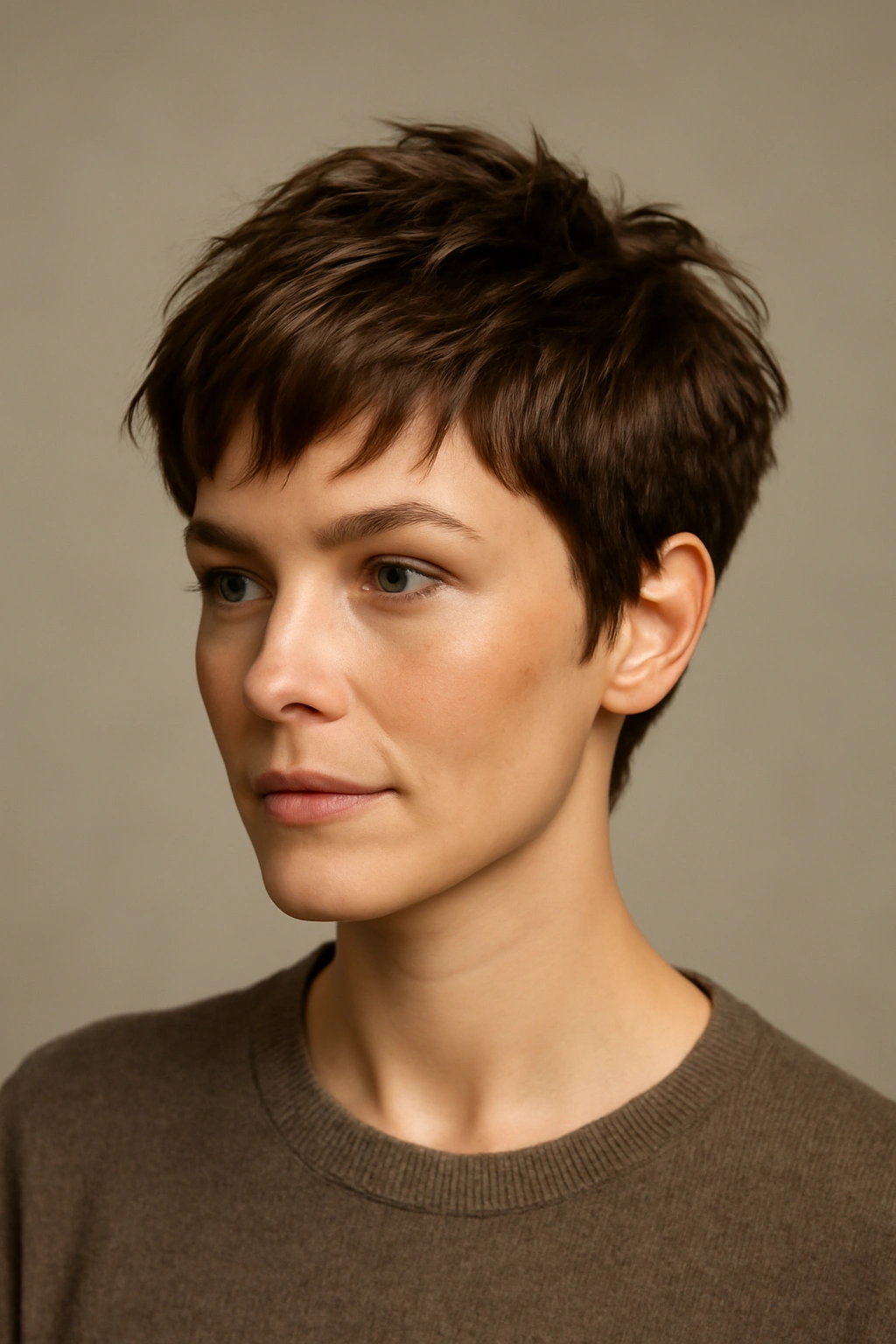
A layered pixie is longer than a classic pixie (maybe two inches on top) but still features plenty of texture and layers throughout. The extra length gives you a bit more styling flexibility while still maintaining the wash-and-go ease of a very short cut. This works beautifully on all hair types, creating different visual effects depending on your texture.
Why It Works So Well
A layered pixie splits the difference between a full pixie and a crop, giving you just enough length to have some movement and texture while still being incredibly low-maintenance. The layers throughout mean the hair naturally falls into an intentional shape without requiring you to blow-dry or sculpt anything. You get the ease of a very short cut with a bit more softness and femininity.
What to Know
- Requires trims every 4-6 weeks to maintain the layer definition and shape
- Works on all hair types and textures
- Apply a texturizing spray or pomade to damp hair for extra definition
- Can be styled sleek by blow-drying it straight, or tousled by air-drying and scrunching
- Shows off your facial features and bone structure very clearly
Insider note: A layered pixie is a great gateway cut if you’re nervous about going super short. You get most of the benefits of a pixie with slightly more styling flexibility.
15. The Textured Curtain Cut
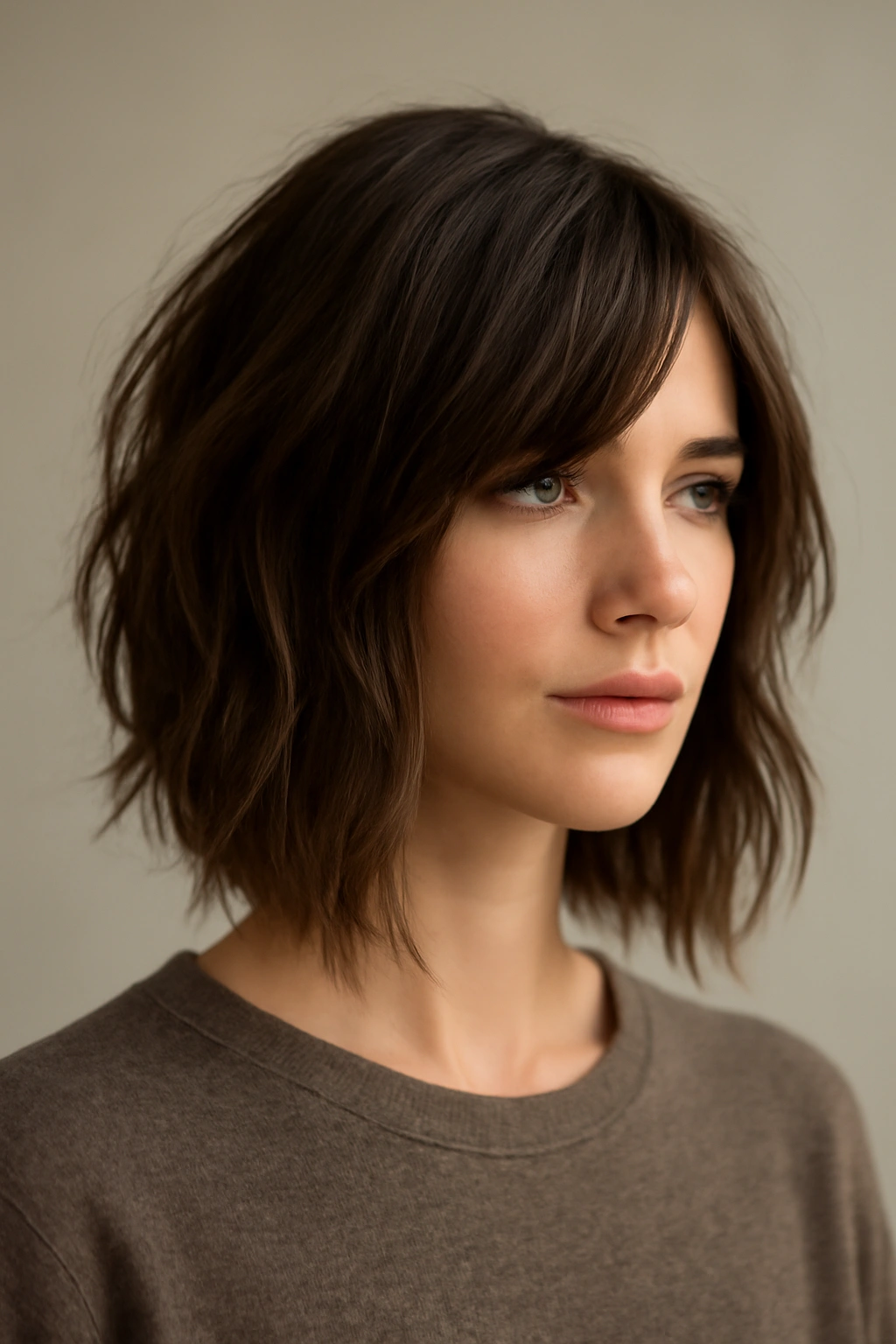
A textured curtain cut features longer, choppy layers that fall from a deeper part, creating the effect of curtains framing the face. The layers throughout are disconnected and piece-y, creating movement and texture. This cut works on wavy and curly hair especially well, though it can work on straight hair when styled with product.
What Makes It Different
A textured curtain cut is flattering because the layers fall in a way that’s naturally complementary to most face shapes. The deeper part and longer layers create a soft, face-framing effect without requiring you to blow-dry and round-brush specific sections. The texture and choppiness mean that even if your hair dries unevenly, uneven is the whole point.
How to Wear It
- Wash your hair and apply your styling product while very wet
- Air-dry or use a diffuser attachment, scrunching occasionally for texture
- Once dry, scrunch and tousle to enhance the piece-y layers
- A light texture spray keeps everything defined without making it stiff
- The deeper part naturally falls into place as your hair dries
Worth knowing: A textured curtain cut looks increasingly better as your hair gets a couple days past freshly washed, when natural oils add grip and definition. Your best hair days might actually be days two or three.
Final Thoughts
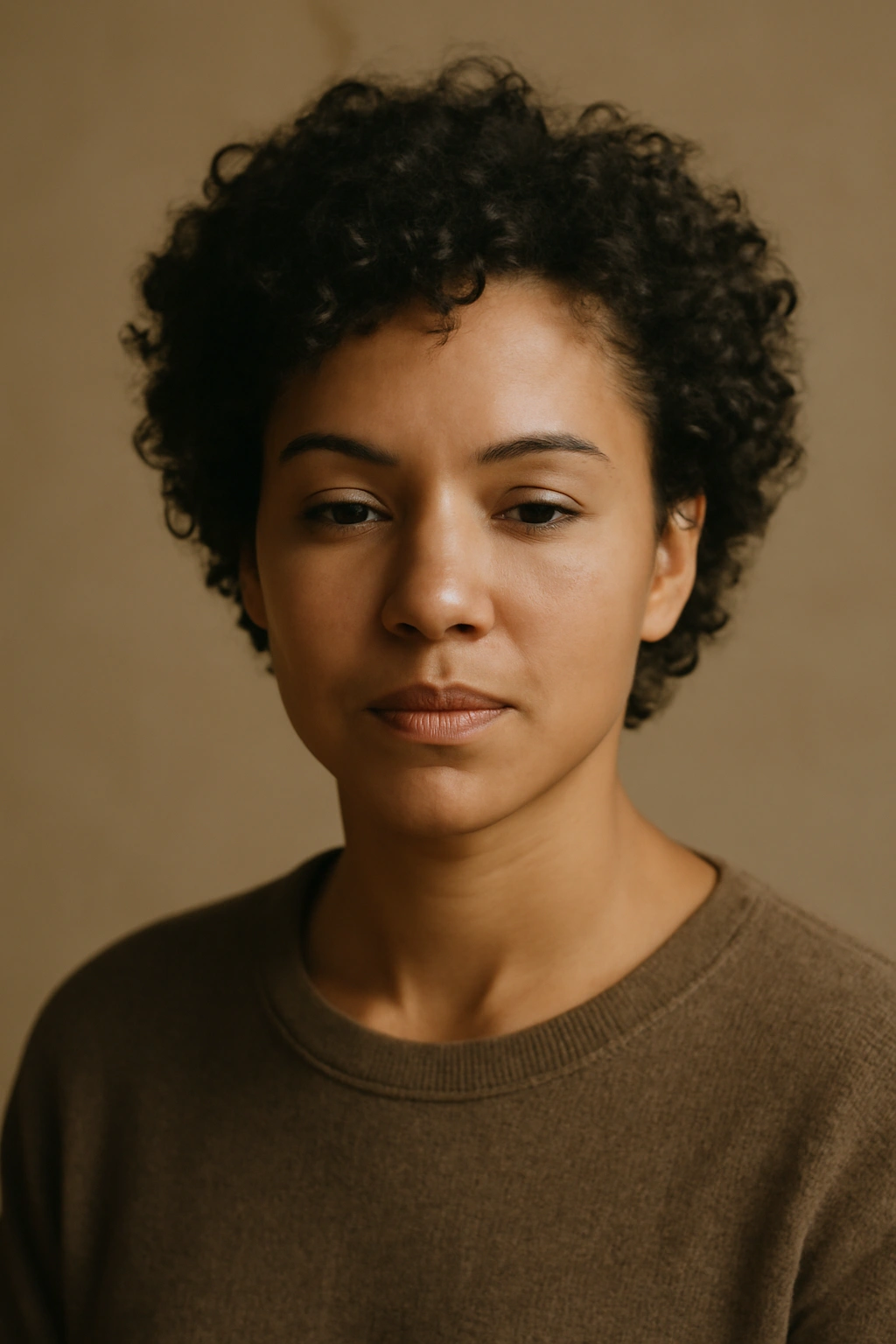
The right wash-and-go haircut isn’t about finding some magical cut that requires zero effort—it’s about finding a cut that aligns with your natural texture and the amount of effort you’re actually willing to put in. Whether that’s a 30-second air-dry buzz cut or a five-minute routine with texturizing spray, the point is that it works with your life rather than adding stress to it.
The cuts listed here all share one principle: they’re designed so that your natural hair texture becomes the feature rather than something to fight against. Once you find the right cut for your specific hair type and face shape, you’ll be amazed at how much time you reclaim every single day. That extra twenty minutes in the morning? You get to spend it actually living your life instead of battling your hair into submission.
Start by looking at photos of cuts you love and scheduling a consultation with a stylist who specializes in low-maintenance cuts. Be honest about your hair type, your routine, and how much styling you’re actually willing to do. A good stylist will help you find the cut that’s genuinely right for you—not the one that looks amazing in photos but requires tools and products you’ll never actually use.
