



Mornings are chaotic, and your hair shouldn’t add to that stress. If you’ve ever stood in front of the mirror wishing you could just wash your hair, maybe apply a quick product, and walk out the door looking put-together, then a wash-and-wear haircut is exactly what you need. These cuts are engineered to work with your natural texture rather than against it, eliminating the need for blow dryers, flat irons, or elaborate styling routines.
The beauty of wash-and-wear styles is that they’re built on the principle of movement and texture. Instead of relying on blow-dry precision or heat styling to look good, these cuts use strategic layering, length variation, and intentional choppy elements to create dimension and shape that air-dry beautifully. You wash, maybe apply a leave-in conditioner or texturizing spray if you want, and the cut does the heavy lifting. Your natural hair texture becomes an asset instead of something you need to fight against.
The right wash-and-wear cut can genuinely transform your mornings. You’ll save 15 to 30 minutes every single day, reduce heat damage to your hair, and spend less time thinking about styling. But not every short cut or layered style qualifies as truly wash-and-wear. The best ones are designed with specific techniques—point-cutting, texturizing, strategic undercuts, and intentional angle-work—that create shape and visual interest without requiring styling tools. The cut itself is the style.
1. The Textured Crop
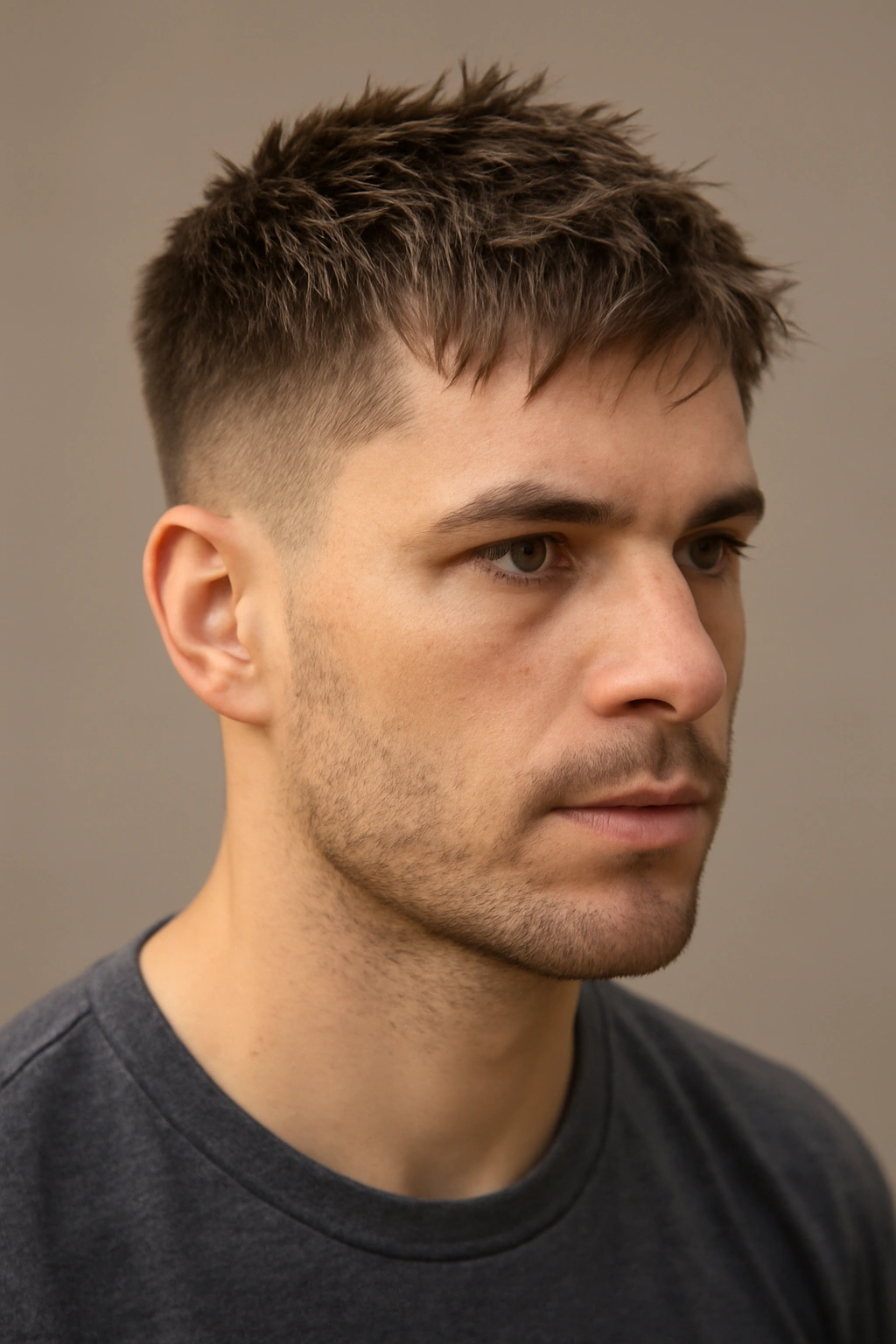
The textured crop has become a go-to for anyone who wants masculine-leaning style without fuss. This cut sits short on the sides and back, with slightly more length on top that creates movement and visual texture. Instead of a slicked-back look, the texture cut uses choppy layers and point-cutting through the crown to create a naturally tousled, piecey effect. Air-dry it, maybe run your fingers through it with a light styling cream, and you’re done.
Why This Cut Works for Minimal Styling
The textured crop thrives because the shorter length means water drains quickly and natural movement emerges without any effort. The strategically cut layers throughout the top third catch light and create dimension, so the cut reads as intentional and complete even when nothing is styled. The fade on the sides and back is clean enough to look polished but requires zero daily maintenance—it’s shape-built-in.
How to Keep It Looking Fresh
- Get a trim every three to four weeks to maintain the layers and texture definition
- Use a lightweight texturizing paste or clay if you want added definition, but it’s optional
- Wash with your fingers rather than roughly rubbing to avoid disrupting the layers
- Air-dry or use a quick pass with a diffuser attachment to enhance texture
- Pair with beard maintenance if you’re growing one out—the crop looks sharp with intentional facial hair
Pro tip: The product of choice here isn’t heavy pomade or gel, but a matte texturizing cream or clay. It adds hold without the shine, working with your hair’s natural movement rather than controlling it.
2. The Tousled Bob
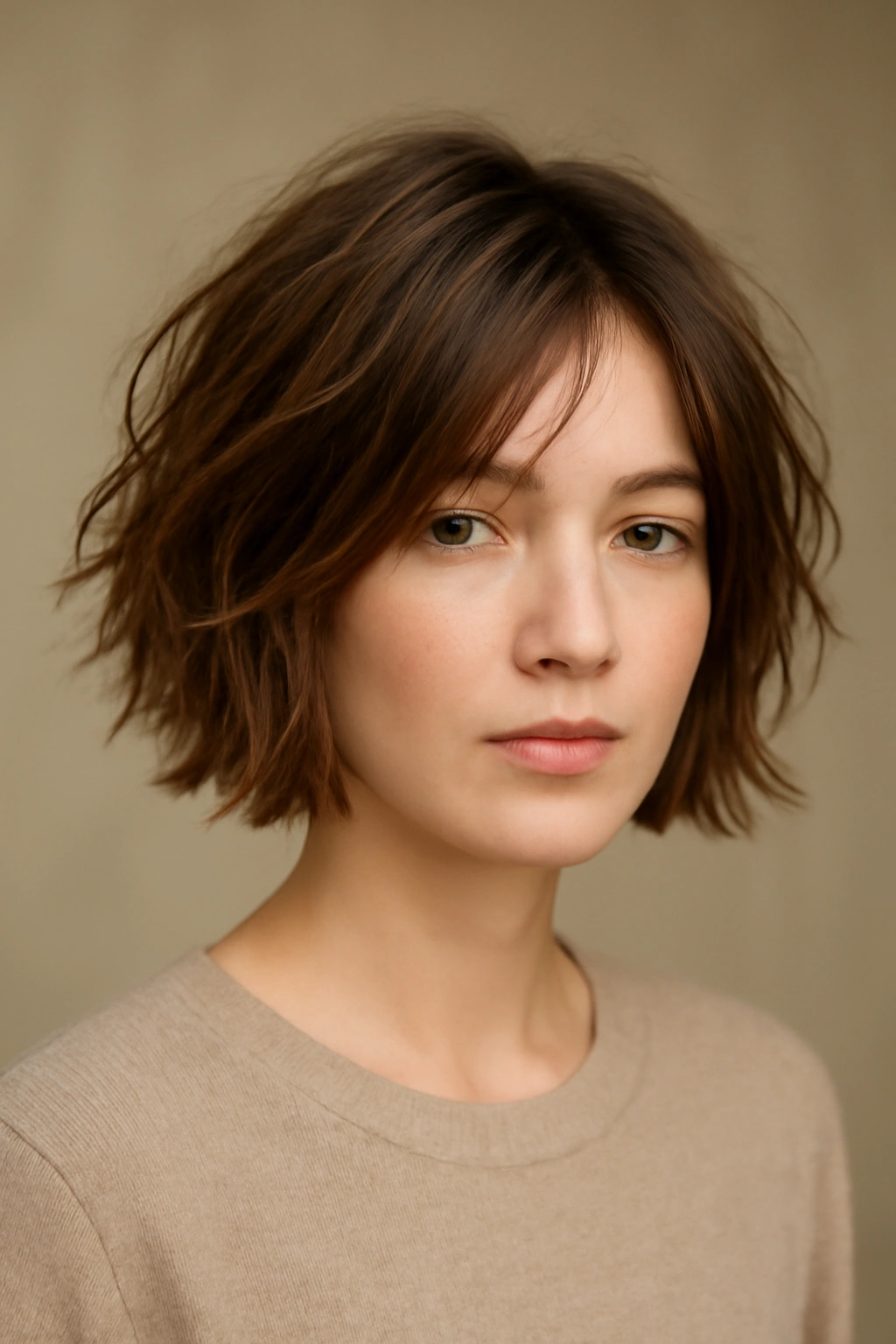
The tousled bob is cut specifically to look effortlessly undone, with choppy layers throughout that create movement and texture instead of a blunt, structured line. The layers are shorter near the face and gradually build length toward the back, creating a shape that literally air-dries into place. This isn’t the sleek, one-length bob of a decade ago—it’s a modern version built on movement.
What Makes This Bob Different from Others
This version uses point-cutting and choppy texture throughout the entire length rather than relying on blunt-cutting and heat styling. The layers are internal and external, creating visual texture and dimension that reads as styled even when you’ve done nothing. The slight tousle in the name is key—the cut embraces slightly unpolished movement as its actual finished look, not a side effect.
Daily Routine for the Tousled Bob
- Wash and gently scrunch the towel around your hair rather than wrapping it tight
- Apply a lightweight leave-in conditioner or anti-frizz serum while hair is still damp
- Let hair air-dry completely, tousling it with your fingers occasionally as it dries
- For extra texture on days you want it, use a sea salt spray or texturizing spray on damp hair
- Run your fingers through once it’s dry to break up any clumps and enhance the piecey layers
Worth knowing: This cut does shed water and product quickly, so you may need less product than you’d expect. Lightweight is key—anything heavy will weigh the layers down and make the cut look limp.
3. The Layered Pixie
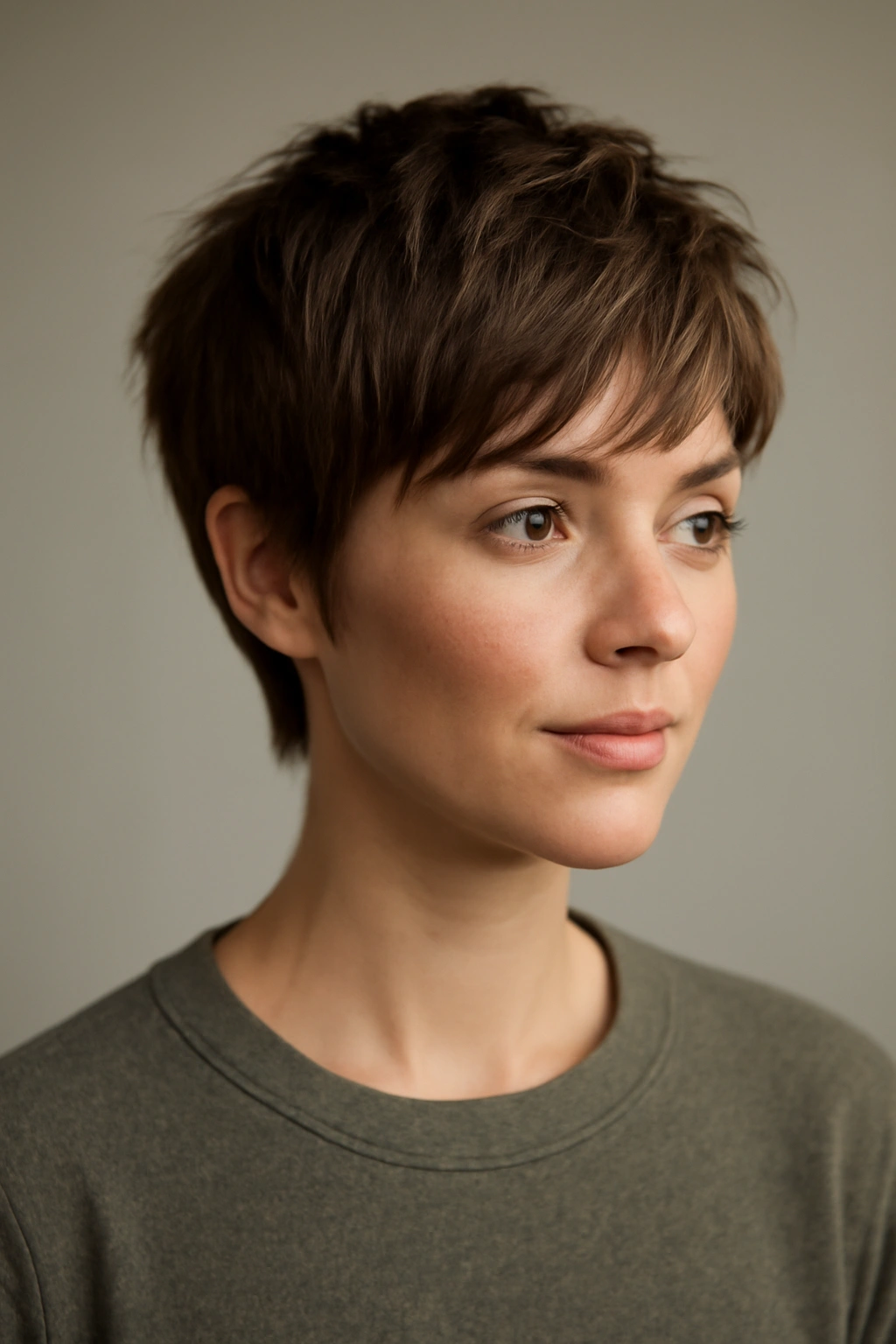
A pixie cut gets a wash-and-wear advantage over longer styles because water dries fast and the shape is pre-built into the cut itself. The layered pixie version adds choppy texture throughout so it has visible movement and dimension instead of being slicked-back and neat. You’re looking for a cut with shorter layers near the crown for lift, slightly longer textured layers toward the face, and a tapered back.
Why Pixies Deserve a Second Chance
Pixies got a reputation for being high-maintenance because a blunt, one-length pixie does require constant styling. But a textured, layered pixie is different—the layers create the shape, not your blow dryer. The short length means product use is minimal, drying time is seconds, and you still get that confidence-boosting short-hair energy. It’s the ultimate wash-and-wear option for people willing to go short.
Making Your Pixie Work Without Styling
- Wash with warm water and just your hands—don’t scrub vigorously
- Apply a light texturizing product or matte pomade while still damp if you want definition
- Let it air-dry, or pat gently with a towel
- Trim every two to three weeks to keep the layers sharp and prevent the cut from looking overgrown
- Embrace the natural direction your hair wants to go instead of fighting it
Insider note: Pixies actually look better slightly tousled and undone than they do perfectly groomed. You’re not aiming for neat—you’re aiming for confident and textured.
4. The Modern Shag
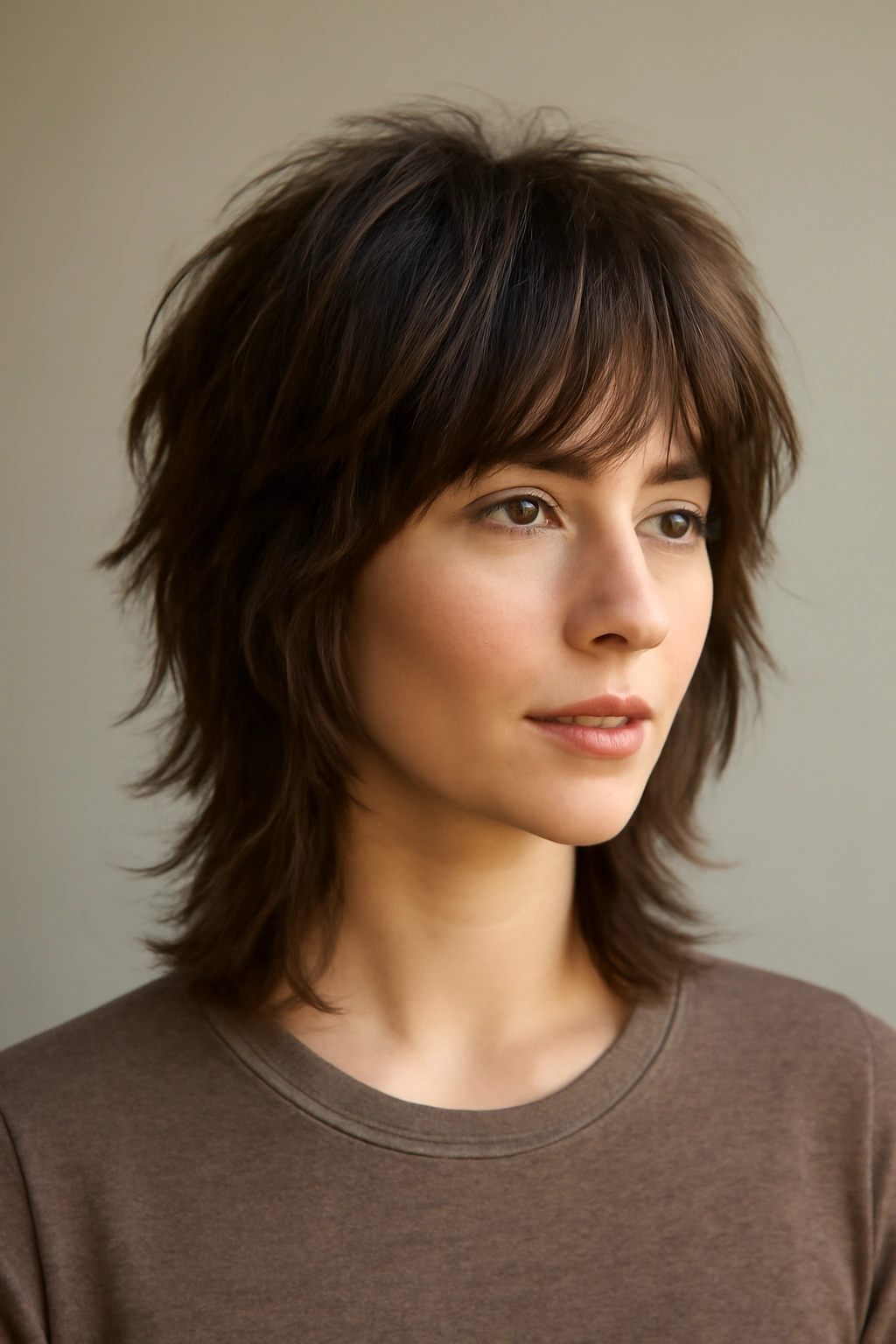
The shag cut has been reimagined as an intentionally layered, choppy style that embraces texture and movement. Modern shags use internal layering and point-cutting to create a literally shaggy texture rather than relying on 1970s scraggly aesthetics. The result is a cut that looks cool and contemporary while air-drying into natural, lived-in waves and texture.
The Architecture Behind a Good Shag
A proper modern shag has layers throughout the entire length, but especially concentrated near the face for movement and around the crown for lift. The key is that the layers are cut into the hair in a way that creates shape even when completely dry and unstyled. It’s not a longer mullet—it’s a strategic texture cut that works with shoulder-length or longer hair to create effortless dimension.
Keeping Your Shag Looking Intentional
- Wash and apply leave-in conditioner or lightweight texturizing spray to damp hair
- Scrunch or tousle gently as it air-dries to encourage the wave pattern created by the layers
- You can air-dry completely or use a diffuser for 30 seconds if you want extra texture
- Trim every six to eight weeks to keep the layers from becoming too blended and dull
- On second-day hair, light texturizing spray refreshes the piece-y layers without rewashing
Real talk: Modern shags look best when they’re not over-styled. The charm is in the slightly undone, textured movement. If you find yourself obsessing over making every layer perfect, you’ve missed the point of the cut.
5. The Undercut Fade
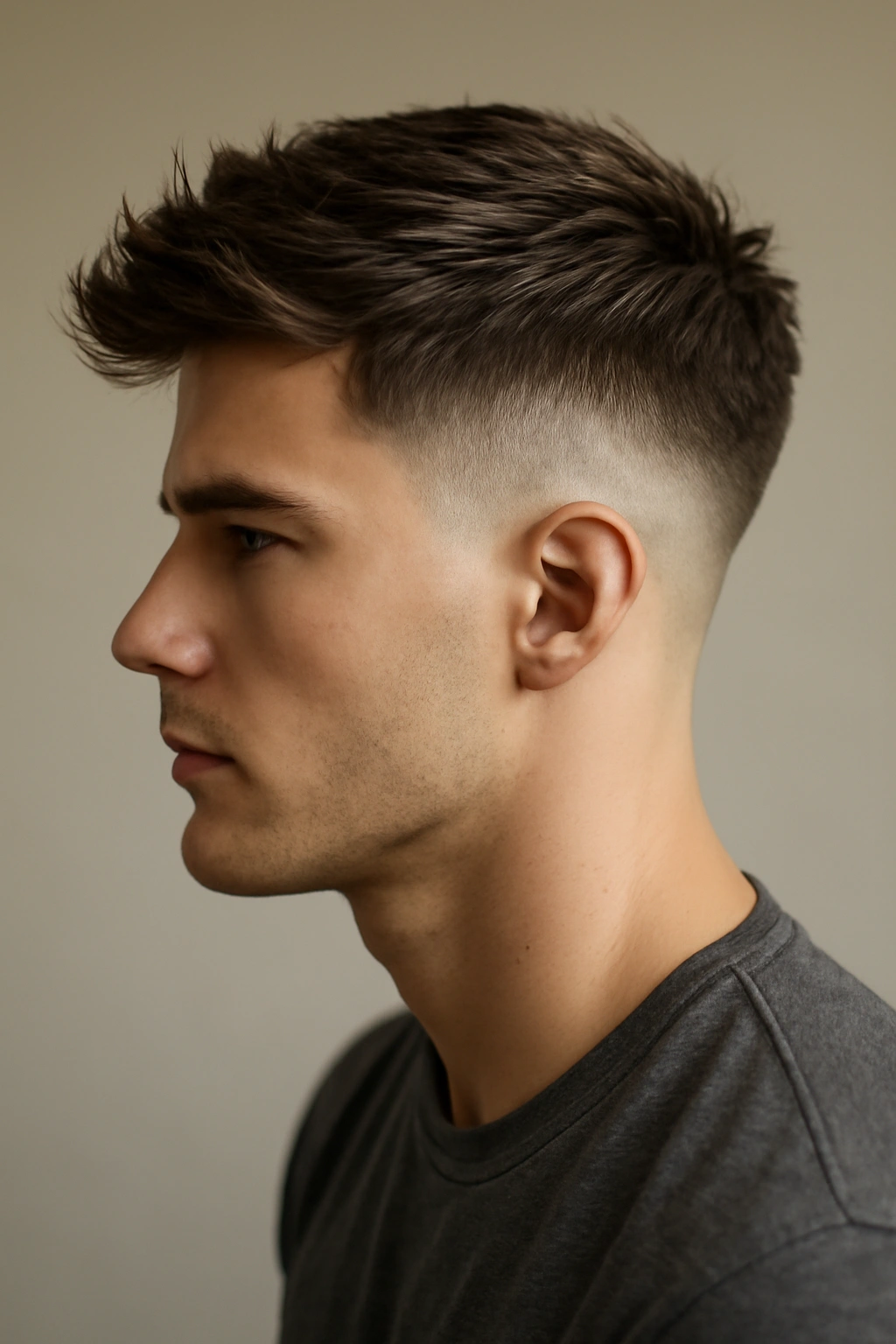
An undercut fade is a longer-on-top style with a sharp fade on the sides that creates maximum contrast and visual interest without requiring styling. The top is textured and layered enough to air-dry with movement, while the fade on the sides and back is clean and maintained through trims. The length on top—typically 2 to 4 inches—gives you flexibility in how you wear it, from tousled to swept back.
Why the Contrast Makes This Work
The sharp contrast between the short fade and the longer, textured top is what makes this cut read as intentional even when completely air-dried and unstyled. The fade doesn’t need daily maintenance or touch-ups; it’s a technical cut done well during your regular trim. The longer top is where texture and layering do the work, creating shape and dimension that needs nothing more than a quick finger-tousle.
Low-Maintenance Styling for Undercut Fades
- Wash your hair, shake out excess water, and let it air-dry or diffuse quickly
- You can apply a texturizing cream, clay, or lightweight pomade to damp hair for definition
- Run your fingers through the top to direct it however feels natural—forward, swept back, or tousled to the side
- The fade requires a fresh trim every three to four weeks to stay sharp, but the styling itself is zero effort
- This cut works well wet-look or matte, depending on product choice and personal preference
Pro tip: The undercut fade is one of the few wash-and-wear cuts that looks good in multiple directions. You can style it wet-look slick one day and completely tousled the next without it looking wrong—that’s built-in flexibility.
6. The French Crop

The French crop is a short, textured cut that works beautifully for straight, wavy, or curly hair types. It features short, even length on the sides and back with slightly more length and texture on top, plus a blunt or slightly textured fringe across the forehead. The entire cut uses choppy layers and texturizing to avoid any blunt, helmet-like appearance.
What Sets the French Crop Apart
This cut is distinctly different from a textured crop or a standard crop because of the fringe element—it adds instant personality and visual interest. The fringe isn’t a heavy, straight line but rather a choppy, textured edge that works with your natural hair rather than against it. It’s a cut with built-in style that doesn’t rely on blow-drying or precise styling to look intentional.
Styling Your French Crop for Daily Wear
- Wash and air-dry, letting the fringe fall naturally across your forehead
- A light texturizing product through the top adds definition but isn’t necessary
- The fringe may fall slightly differently each day depending on how you slept—this is normal and part of the charm
- Trim every three to four weeks to keep the fringe from growing into your eyes and maintain the texture definition
- The fringe may need a light brushing or finger-tousle in the morning if you slept on it heavily
Worth knowing: The fringe is the most noticeable element, so you’ll want a stylist who understands how to cut a textured fringe that frames your face rather than a blunt line that feels heavy.
7. The Lob with Layers
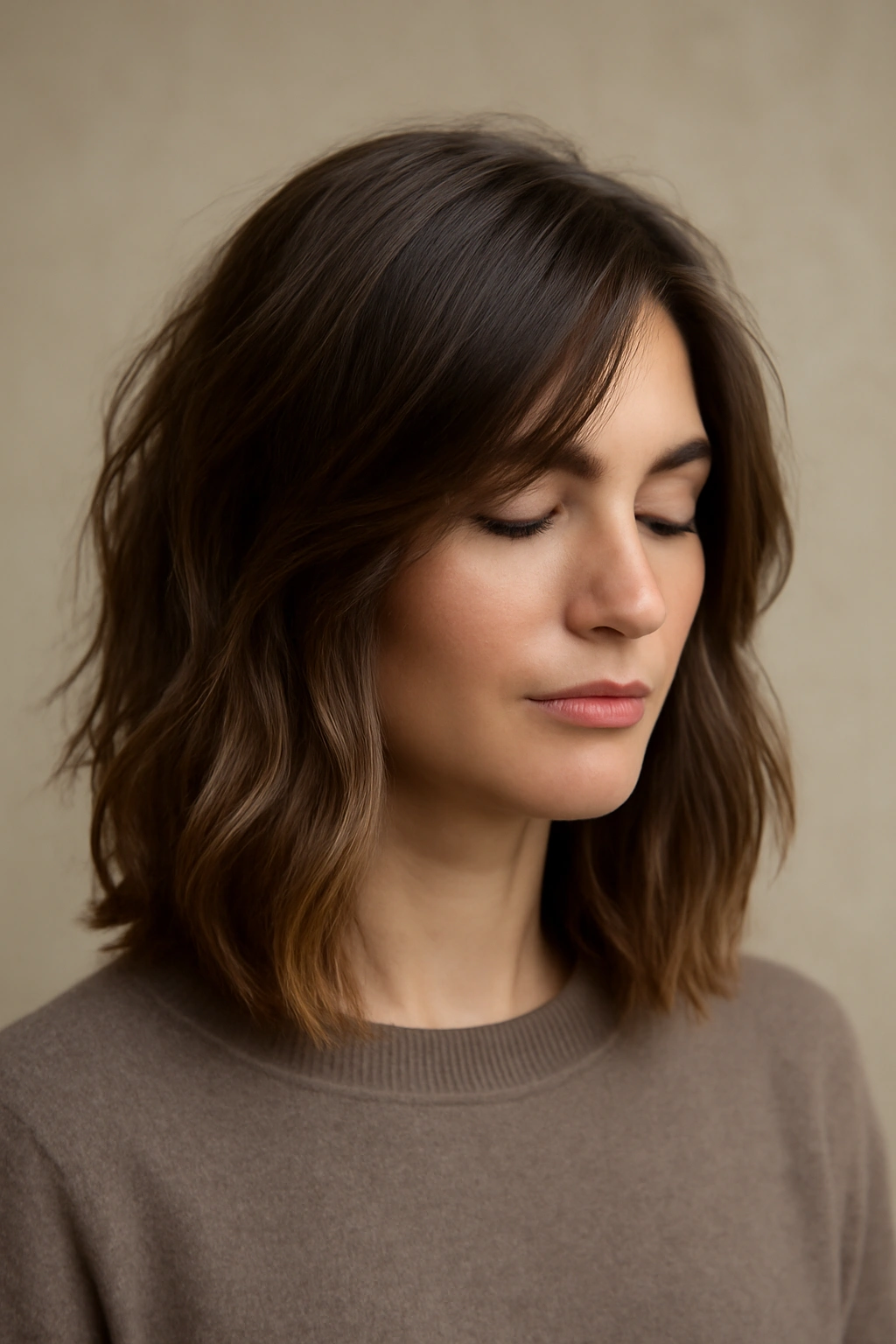
A lob—that’s a long bob sitting somewhere around the shoulders or slightly shorter—is a wash-and-wear option when it’s cut with plenty of internal and external layering. The layers create movement and prevent the style from looking flat or one-dimensional, and they allow the lob to air-dry into natural waves rather than requiring a blow-dryer. The length sits long enough to have versatility but short enough that the cut shape is obvious.
Why Layering Transforms a Lob
A blunt-cut lob can look severe and requires constant styling to look intentional. A layered lob, by contrast, has movement built into the cut itself. The layers move and separate as they dry, creating texture and dimension that catches light and reads as deliberately styled even when it’s completely air-dried. The choppy elements around the face add framing and movement too.
Making Your Lob Work Without Heat Tools
- Wash and apply leave-in conditioner or texturizing spray to damp hair
- Gently scrunch or tousle the layers as your hair air-dries to encourage the wave pattern
- You can let it fully air-dry or use a diffuser for 20 to 30 seconds to speed things up
- On second-day hair, refreshing spray or dry shampoo revives the texture without rewashing
- Trim every eight weeks to keep the layers from blending into shapelessness
Pro tip: The layers work best when they’re cut into the hair at slightly different angles, creating natural-looking waves rather than uniform, stripey layers. Ask your stylist about their cutting technique—point-cutting and texturizing will give you way better results than blunt-cutting layers.
8. The Curly Tapered Cut
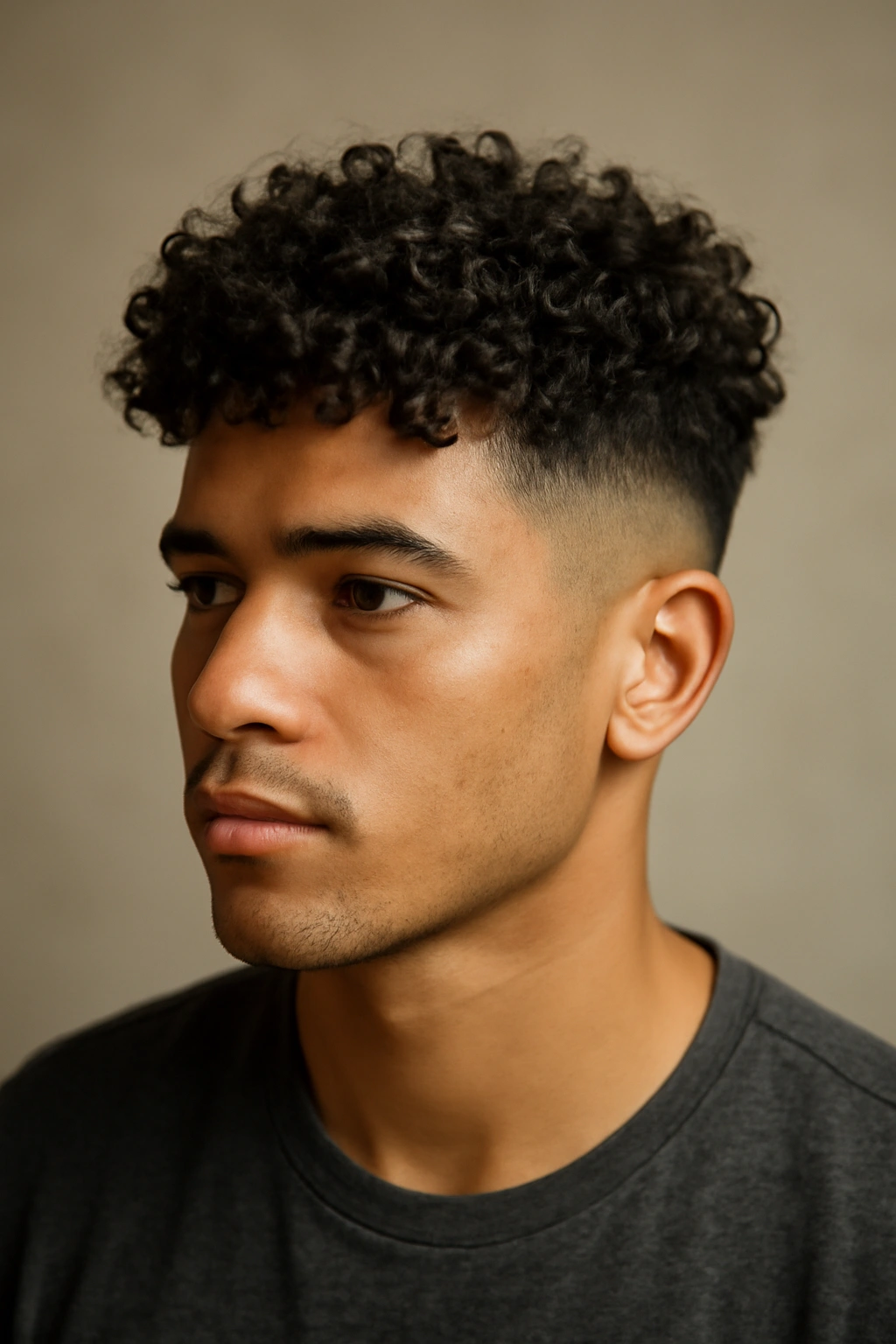
For naturally curly hair, a tapered cut—shorter on the sides and back, with length and texture on top—is a wash-and-wear dream. The taper creates a flattering silhouette while the longer, textured top celebrates your curl pattern instead of fighting it. The cut uses point-cutting through the curls to remove weight while maintaining curl definition, resulting in a style that literally air-dries into shape.
How Tapering Works with Curl Patterns
A tapered cut removes bulk on the sides without destroying your curls through harsh layering or texturizing. Instead, the cut respects your curl pattern and works to enhance it. The taper creates clean lines and a polished look, while the curly top has room to bounce and move. This is specifically different from cutting curly hair uniformly short all over—the strategic length variation is what makes it work.
Daily Routine for Curly Hair
- Co-wash or use a curl-specific cleanser, avoiding harsh scrubbing that disrupts curl formation
- Apply curl cream or gel to soaking-wet hair and scrunch gently to encourage curl clumping
- Plop with a microfiber towel or t-shirt rather than rough-drying, or use a diffuser attachment on low speed
- Air-dry completely, and once dry, gently scrunch out any crunchiness if you used gel
- Trim every six to eight weeks with a curl-specialist stylist who cuts dry hair to see your true curl pattern
Real talk: Curly hair requires its own care system, and the cut is only part of that equation. A great tapered cut won’t save you if you’re using the wrong products or drying method—investment in the right routine is essential.
9. The Messy Beach Waves Cut
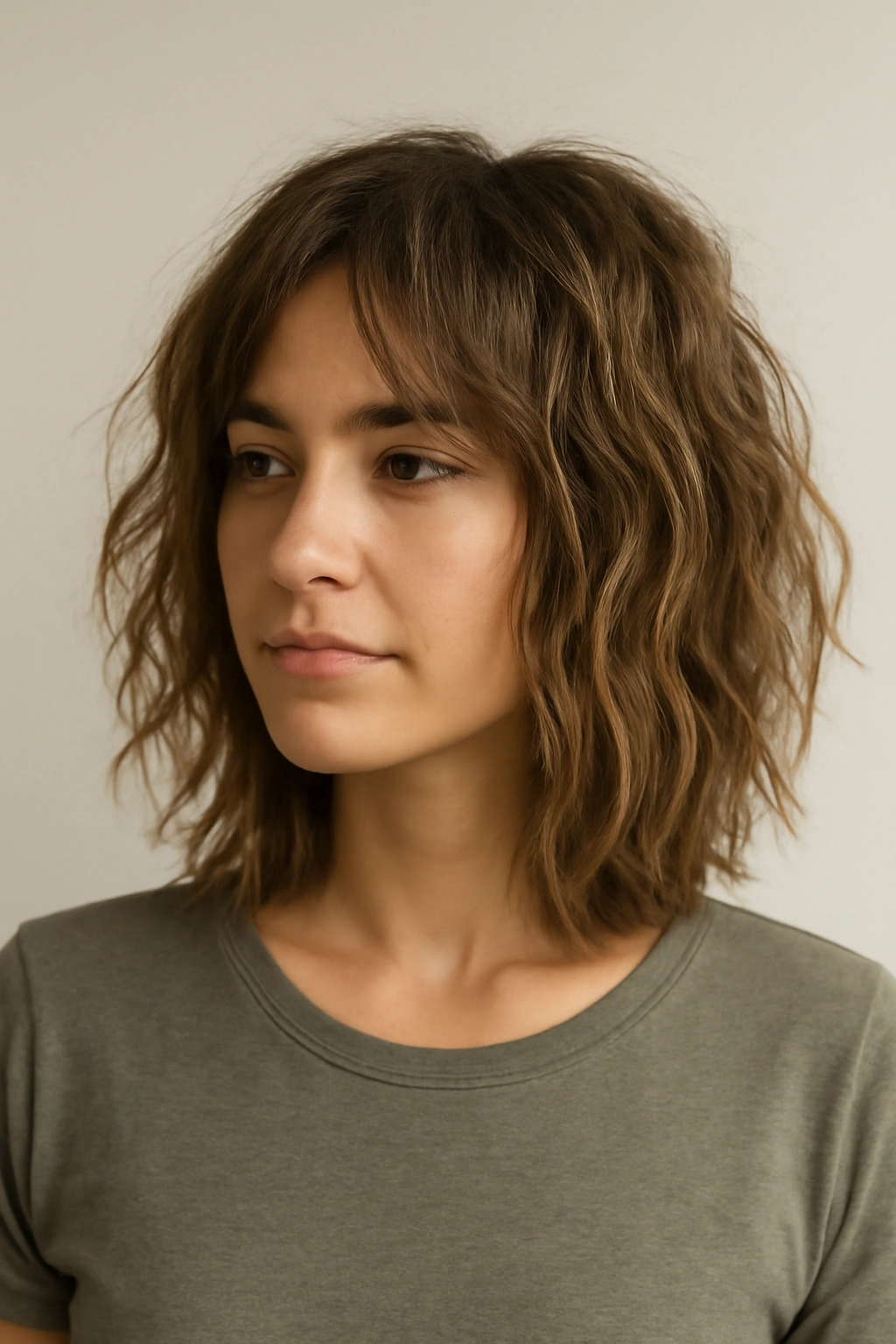
This style uses choppy, textured layers throughout the length to create a naturally beachy, wave-like texture even without heat styling or sea salt spray. The layers are cut at varying lengths and angles to create movement and visual interest, and the cut is designed to work specifically with your hair’s natural wave pattern. The result is a cut that literally air-dries into effortless-looking waves.
The Technique Behind Beach Wave Texture
The beach waves cut uses point-cutting and choppy layering rather than blunt-cutting to create movement. The layers are distributed throughout rather than concentrated in one area, so you get dimension from your roots to your ends. This technique works best on hair that’s at least shoulder-length, with enough volume to show off the layers and waves without looking scraggly.
Getting Beach Waves Without the Tools
- Wash with hydrating shampoo and conditioner—frizzy or dry hair won’t create defined waves
- Apply leave-in conditioner or texturizing spray to damp hair for extra hold and texture
- Tousle and scrunch as you air-dry, encouraging the layers to separate and wave
- You can air-dry completely or use a diffuser for added texture and faster drying
- Refresh on day two with texturizing spray, ocean salt spray, or even a light dry shampoo for extra grit
Insider note: The “messy” in the name is real—this cut thrives when it’s slightly undone and tousled. Trying to make every wave perfect will actually make it look worse. The beauty is in the texture and movement, not precision.
10. The Blunt Bangs Blunt Bob
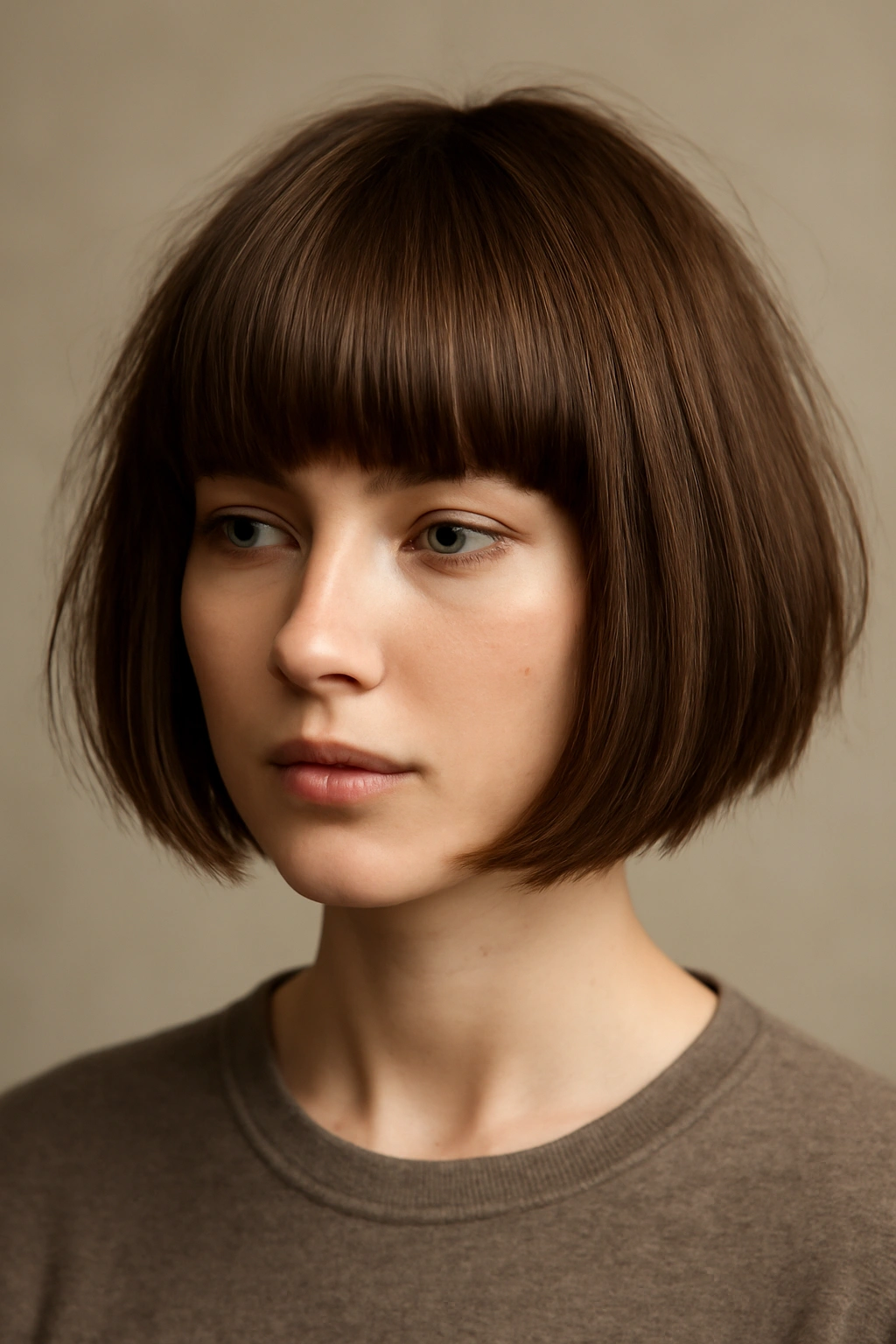
This is a bold, modern take on the bob: a shorter, blunt-cut bob with choppy, textured layering throughout and a heavy, blunt fringe. The bluntness of the cut—both the fringe and the overall length—is paired with choppy texture to prevent it from looking severe. The result is a style with personality and edge that air-dries into place without styling.
Balancing Bluntness with Texture
A purely blunt bob can feel harsh and requires constant styling to look intentional. This version uses the bluntness as a design element but softens it with internal and external choppy layers that create movement. The fringe is blunt enough to make a statement but textured enough that it doesn’t feel heavy or overly structured. It’s a style with confidence and attitude.
Daily Care for a Blunt Bob with Texture
- Wash and apply a lightweight leave-in conditioner to prevent the bluntness from feeling dry
- Air-dry or diffuse, tousling gently to encourage the choppy layers to separate
- The fringe may need a light brushing or finger-tousle to fall correctly, especially after sleeping
- Trim every five to six weeks to maintain the bluntness—a dull or grown-out edge looks messy rather than intentional
- The choppy layers work best when they’re cut every refresh so they stay sharp and separated
Worth knowing: This cut requires a confident stylist who understands how to balance bluntness with texture. A poorly executed version can look either too severe (all blunt, no texture) or too scraggly (all texture, no shape). Find someone who gets the concept.
11. The Choppy Layers with Movement
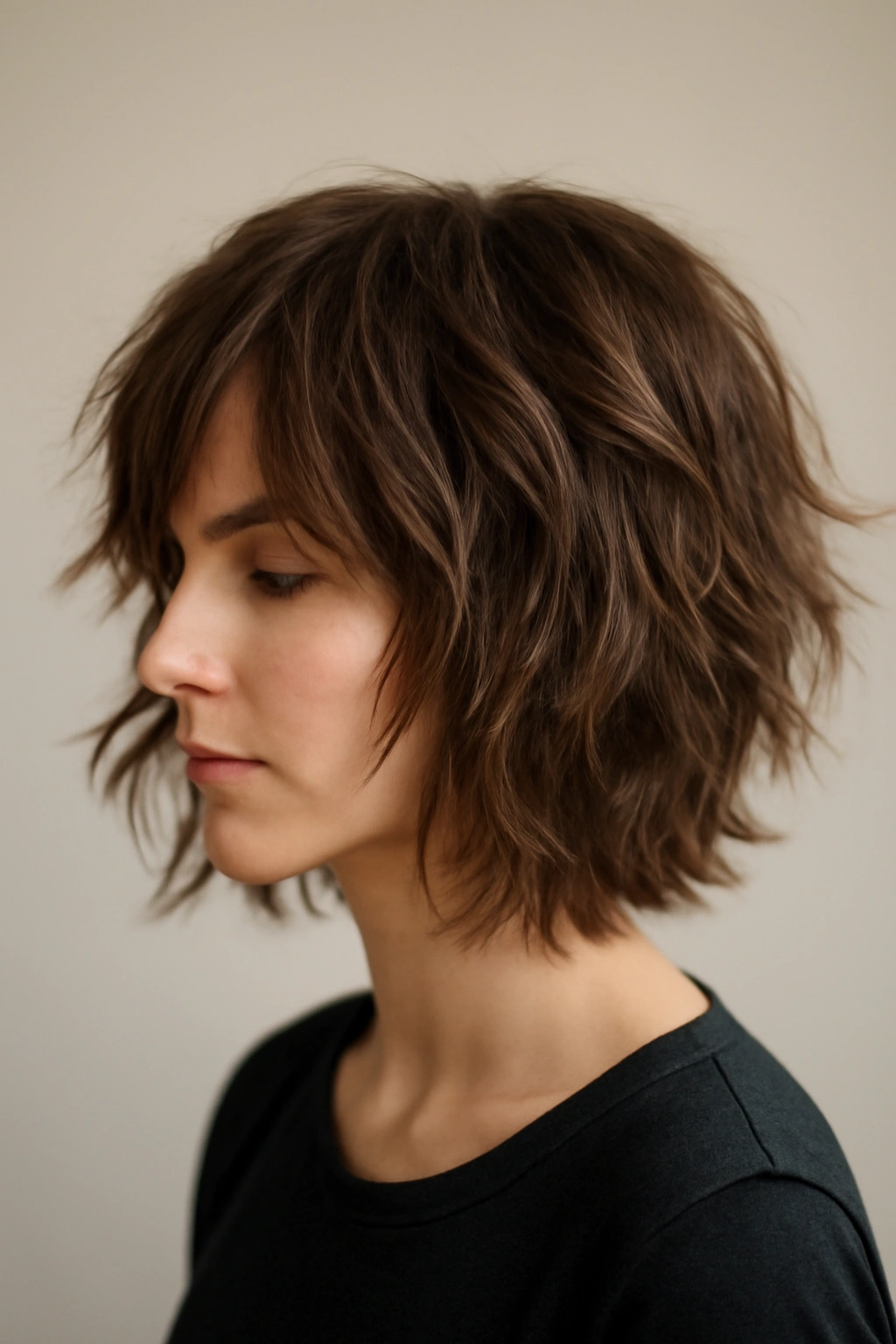
This is the ultimate texture cut for medium-length hair—choppy, irregular layers throughout that create movement and visual interest without any need for styling. The layers are cut at different lengths throughout the entire head, creating a dynamic, multidimensional look. It’s a cut that embraces movement and texture as the entire point, not as a side effect.
What Makes Choppy Layers Actually Work
Choppy, layered cuts fail when the layers are too uniform or too blended—they look matted and dull. They succeed when the layers are intentional, at different lengths, and created with point-cutting or texturizing that keeps each layer distinct. The goal is visual texture and movement, not hair that looks damaged or scraggly. Good choppy layers read as intentional style, not poor maintenance.
Styling Choppy Layers for Zero-Effort Mornings
- Wash and apply texturizing spray or leave-in conditioner to damp hair for extra grip
- Tousle and scrunch as you air-dry to encourage the layers to separate and move
- You can use a diffuser or air-dry completely—both work well
- The layers create shape even when completely unstyled, so product is optional
- Trim every six to eight weeks to keep the layers sharp and prevent them from blending together
Pro tip: Choppy layers look best on hair with at least some natural wave or texture. If you have bone-straight hair, the layers may fall flat—talk to your stylist about whether this style will actually work for your hair type.
12. The Disconnected Undercut
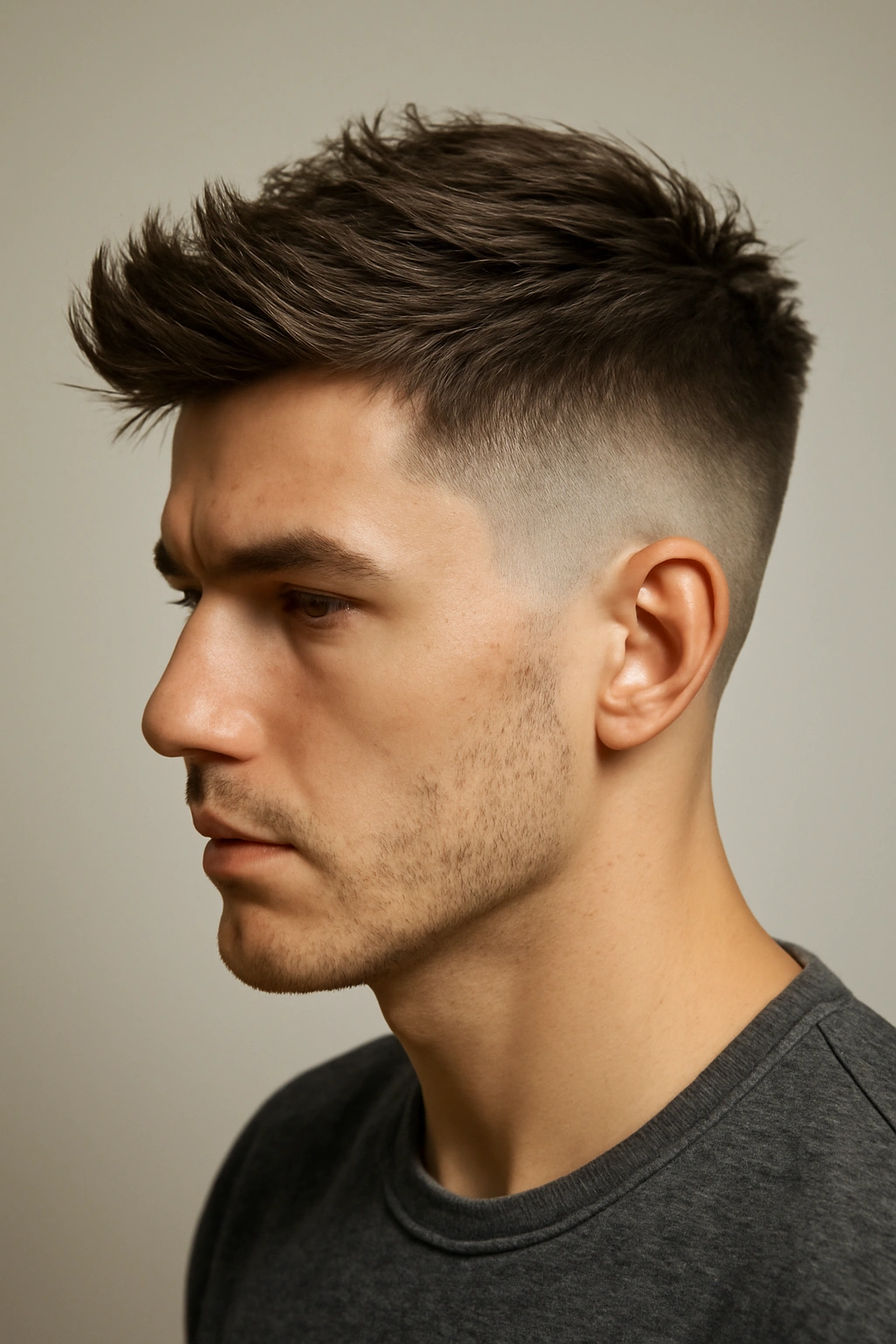
This is an edgier, more dramatic take on the undercut fade: a sharp, intentional disconnect between the short sides and the longer, textured top. The sides and back are cut very short—almost buzzed—while the top has significant length and choppy texture. The contrast is dramatic and the style is unquestionably intentional, even when completely air-dried.
Why the Disconnect Creates Low-Maintenance Style
The disconnected undercut is striking precisely because of its contrast and intentionality. It doesn’t need careful styling because the cut itself is the statement—the sides are clipped and maintained, and the top does its own thing with texture and movement. You can wear the top swept to the side, tousled forward, or brushed straight back, and it still reads as intentionally styled because the disconnect is so obvious.
Keeping Your Disconnected Undercut Looking Sharp
- Wash and shake out excess water—you can air-dry or diffuse the top quickly
- Apply texturizing cream or clay to the top if you want definition, but it’s optional
- Style the top however feels natural—the disconnect makes any direction look intentional
- Trim the sides every two to three weeks to maintain the sharp disconnect and prevent blur
- The top should be trimmed every four to six weeks to keep the choppy layers distinct
Real talk: This cut requires real commitment to the disconnect trim schedule. Letting the sides grow out, even slightly, blurs the whole effect. If you’re not willing to get a trim every few weeks, skip this one—the maintenance defeats the wash-and-wear purpose.
Final Thoughts
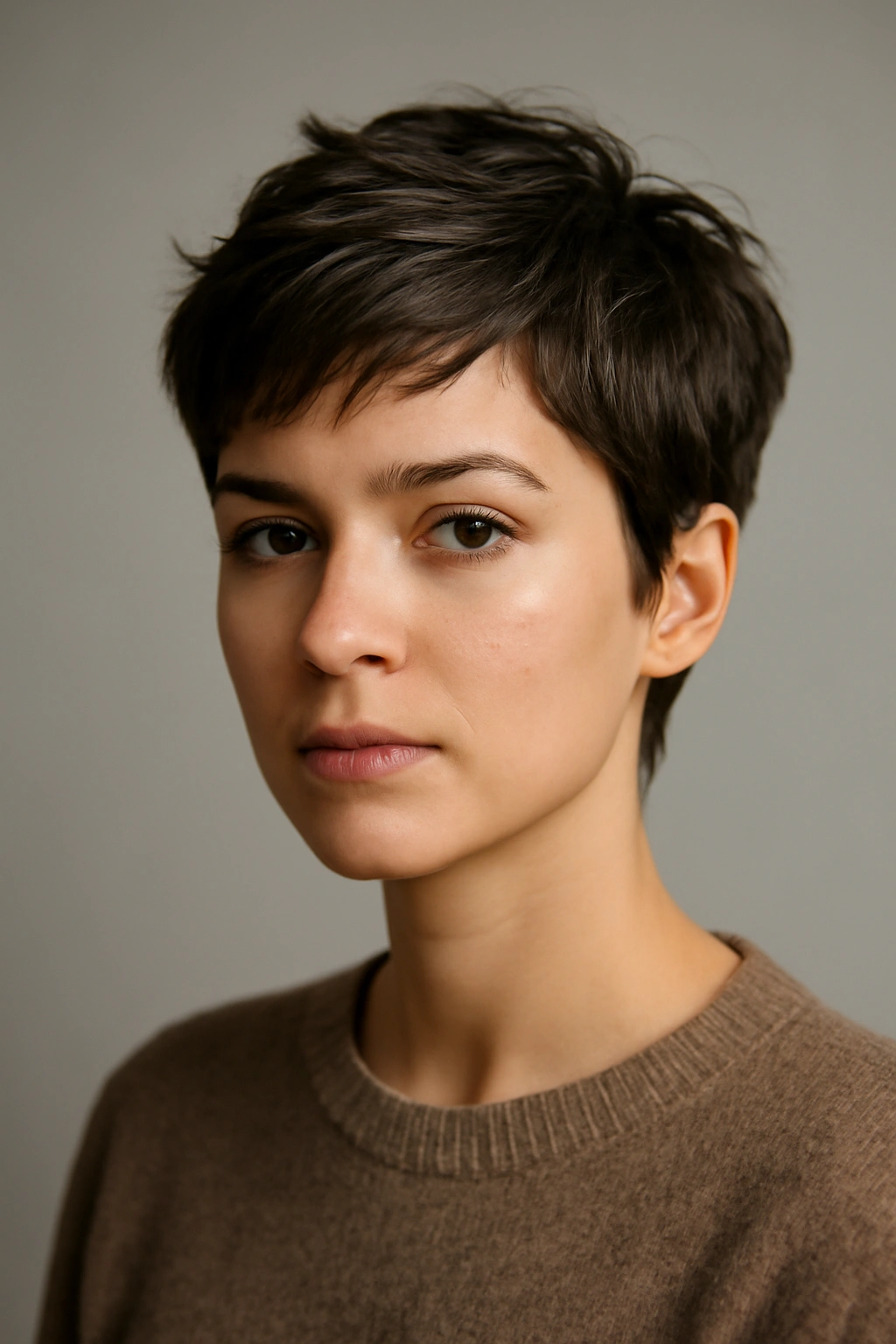
Finding the right wash-and-wear cut is genuinely transformative. You’re not just saving time in the morning—you’re choosing a style that works with your hair instead of forcing your hair into something it’s not. The best wash-and-wear cuts are built on texture, layering, and intentional choppy elements that create shape and movement on their own, no tools required.
The cut you choose depends on your hair type, how much length you’re willing to commit to, and what style actually makes you feel confident. A pixie and a shag are both wash-and-wear options, but they’re completely different commitments. Take time to find a stylist who understands that wash-and-wear isn’t code for “minimal effort”—it’s actually a specific technical approach to cutting that requires expertise to execute well.
Once you have the right cut, the maintenance is real but manageable. Most wash-and-wear styles need a trim every four to eight weeks to keep the layers sharp and the texture defined. That’s less styling time daily, but slightly more frequent salon visits. For most people, that’s a trade worth making. Invest in the right cut, find a stylist you trust, and enjoy your mornings without the blow dryer.
