



The right hairstyle has an almost magical ability to make you feel like yourself again. If you’re over 60 and wondering whether you’re limited to the same styles you’ve worn for decades, the answer is a definitive no. The truth is that this phase of life offers tremendous freedom—you get to choose styles based purely on what makes you feel confident and beautiful, without worrying about fitting into anyone else’s expectations.
The key to finding a youthful hairstyle at this stage isn’t about chasing what younger women are wearing. Instead, it’s about understanding how to work with your hair’s natural texture, your face shape, and what makes you feel genuinely energized when you catch your reflection. Whether your hair has changed texture, thinned slightly, or taken on new curl patterns over the years, there’s a cut that can enhance rather than fight those changes.
What makes a hairstyle look youthful on mature skin isn’t mystery—it comes down to movement, dimension, strategic layering, and a cut that works with your lifestyle rather than demanding an hour of styling each morning. The styles that follow have all been chosen because they deliver that effortless-but-polished look that reads as both age-appropriate and undeniably current. Each one adapts beautifully to different hair textures, face shapes, and styling preferences.
1. Textured Pixie Cut
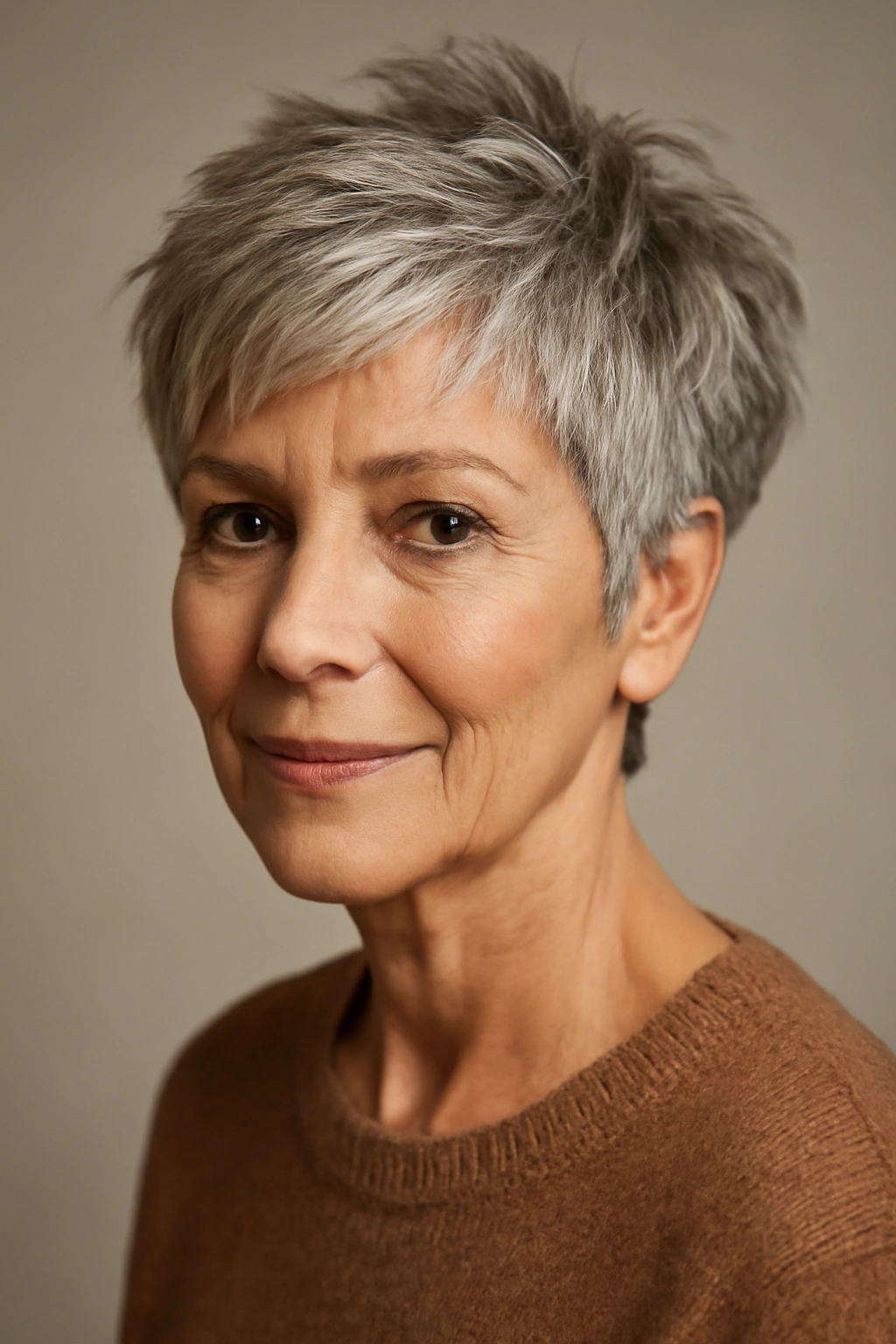
A pixie cut at 60+ is a bold statement that says you’re confident enough to let your face be the focal point. This isn’t the severe pixie of decades past—the modern version uses texture, length variation, and movement to create softness around the face while keeping everything manageable and fresh-looking. The cut typically sits short on the sides and back but leaves enough length on top to style with texture and movement, rather than lying flat.
Why This Works at Any Age
The pixie demands nothing from your morning routine, which becomes genuinely valuable when you’d rather spend that time on other things. It instantly updates your appearance because it’s a cut that requires confidence to wear—and confidence itself is inherently youthful. The style also works beautifully if you’ve developed fine or thinning hair, since short hair creates the illusion of fuller density. Plus, with less hair to style, you can invest in better styling products and tools that actually make a difference in how the cut looks day to day.
How to Make It Work for You
- Texture is everything—ask your stylist for choppy layers and point-cutting throughout rather than blunt edges
- Longer length on top (2-3 inches) gives you styling flexibility; shorter sides (half an inch) keeps it neat
- This cut looks fresher with a little texture or wave, so consider asking about styling techniques that work with your natural hair pattern rather than against it
- Bring reference photos of pixies with softer, textured styling rather than slicked-back versions
Worth knowing: Pixies require a trim every 4-6 weeks to maintain their shape, so factor in regular salon visits. The investment is worth it—a well-maintained pixie always looks intentional and polished.
2. Layered Bob with Texture
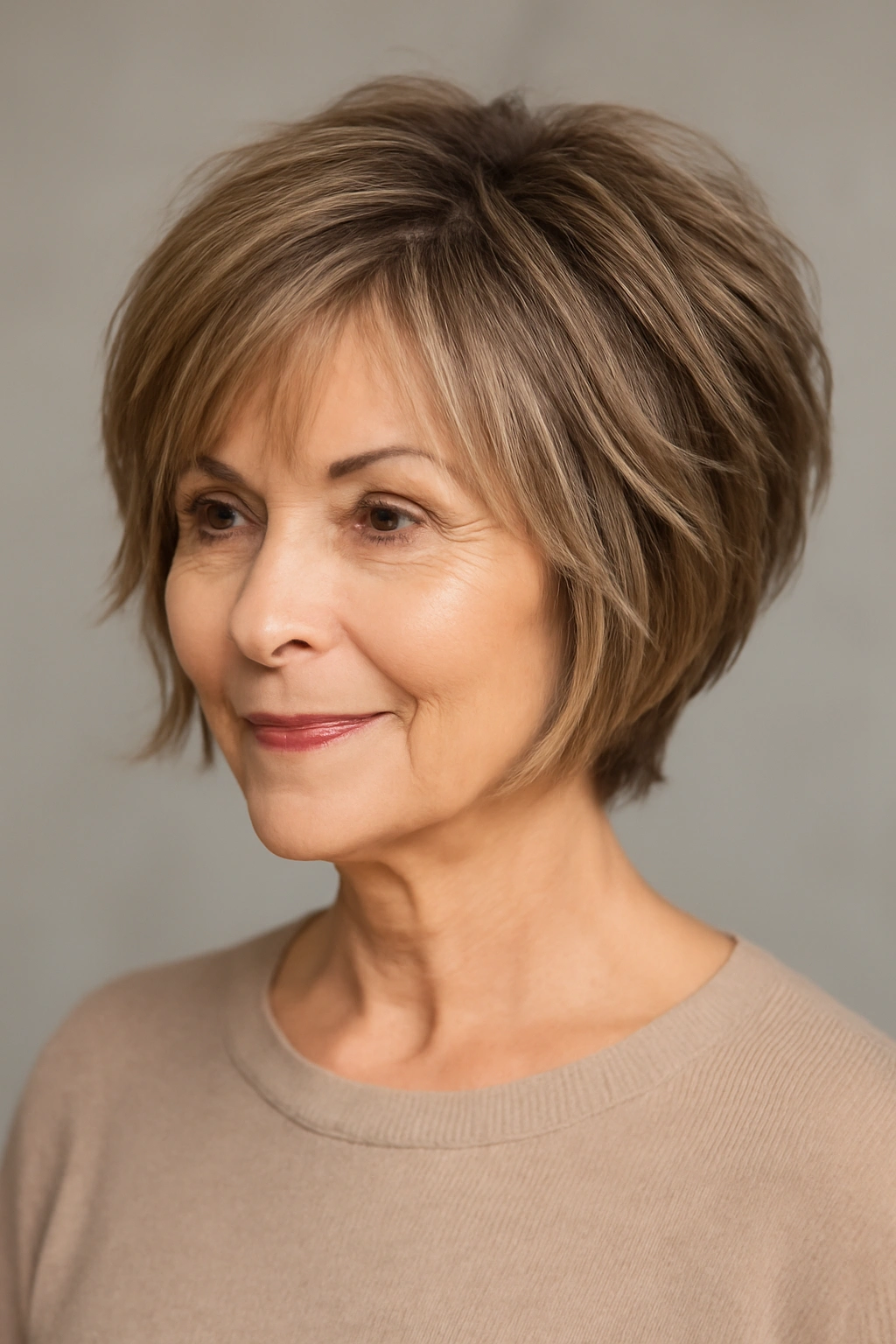
The layered bob is the hairstyle that keeps reinventing itself because it’s fundamentally flattering on almost everyone. For women over 60, the modern approach emphasizes texture and movement over the blunt, heavy bobs of the past. This version sits somewhere between chin and shoulder, with strategic layers throughout that create lift at the crown and movement around the face.
What Makes This Cut So Versatile
A textured, layered bob works with your hair’s natural patterns rather than demanding that you fight them into submission. If your hair has developed wave or curl over the years, this cut celebrates that. If your hair is straight, the layers create the illusion of more volume and movement. The style is genuinely low-maintenance—you can air-dry it with a bit of texture cream and let the layers do the work, or blow it out sleek depending on your mood.
Making It Your Own
- Ask for longer layers around the face (face-framing) that are at least 2-3 inches shorter than the back; this creates a flattering frame
- The shortest layers should start at the crown to create lift and volume where you likely need it most
- Consider asking for point-cutting or razor-cutting for texture rather than blunt scissor cuts
- This cut shines with dimensional color—honey tones, caramel, or face-framing highlights make the texture even more visible
Pro tip: This cut works well even when you’re between colorist appointments because the texture and dimension help hide root growth and make everything feel intentionally styled rather than overdue for a trim.
3. Shoulder-Length Waves
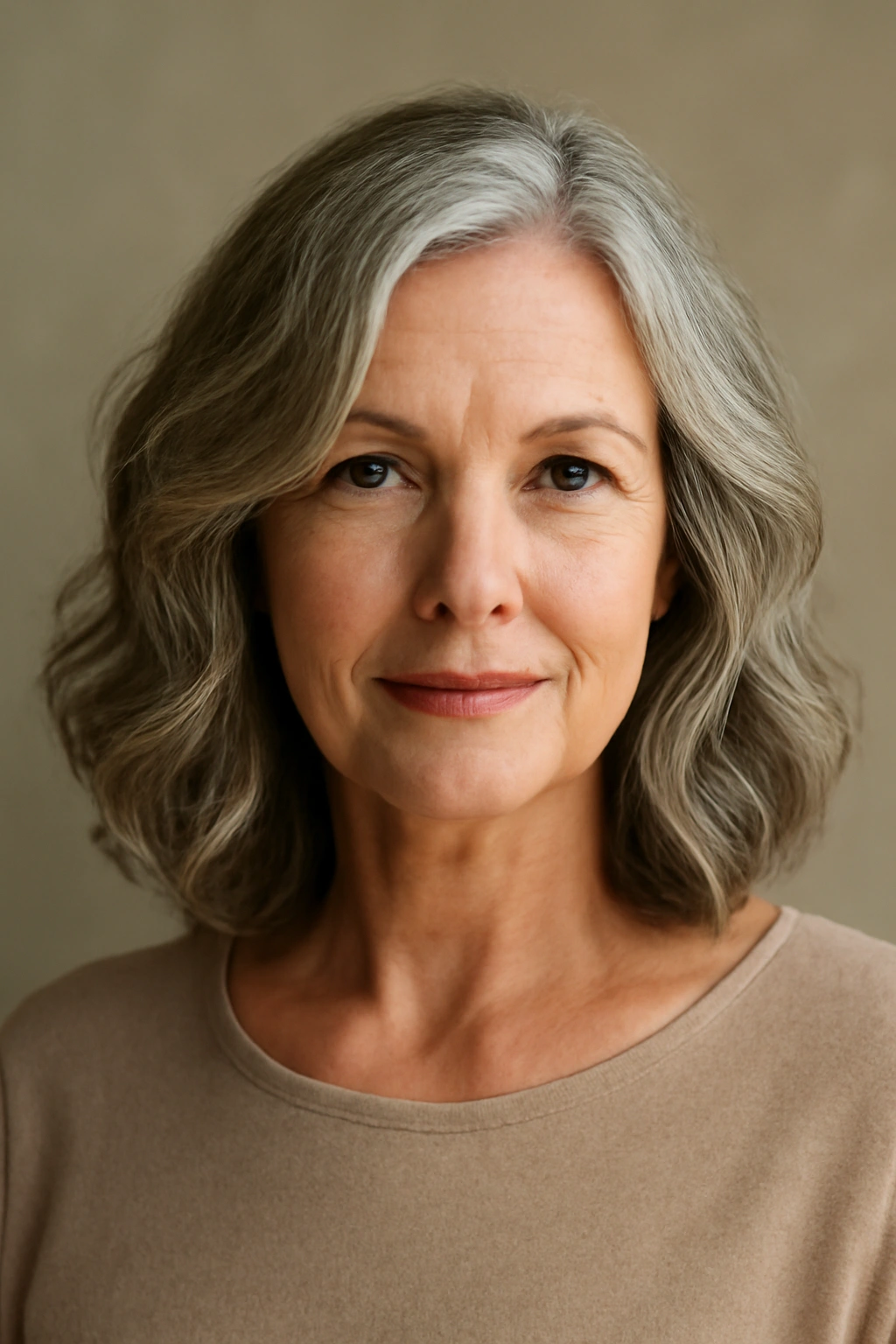
Sometimes simplicity is the most sophisticated choice. Shoulder-length hair with soft waves offers a gentle, feminine look that doesn’t require constant styling but delivers undeniable polish. This length is the sweet spot—it’s long enough to feel like you still have hair, but short enough to be genuinely manageable and not weigh you down.
The Psychology of This Length
There’s something about shoulder-length hair that feels inherently youthful without trying too hard. It’s long enough to be styled multiple ways—up in a ponytail on busy days, down and wavy for occasions, twisted into a half-up style in seconds. The softness of waves rather than curls or straight hair creates an approachable, warm feeling that photographs beautifully and feels comfortable every single day.
Styling and Maintenance
- Waves look best with some texture throughout, so ask for subtle layers rather than blunt-cut ends
- This length is perfect for a root-lifting perm if you want waves that last weeks between styling sessions
- If your hair is naturally straight, you can achieve this look with a blow-dryer and a large barrel brush, or with a 1.25-inch curling iron
- Waves improve with texture products—sea salt spray, wave creams, or curl-defining products make this look better with less effort
Worth knowing: This length and wave pattern age beautifully—it doesn’t look too youthful but creates movement and softness that’s incredibly flattering on mature skin.
4. Modern Shag
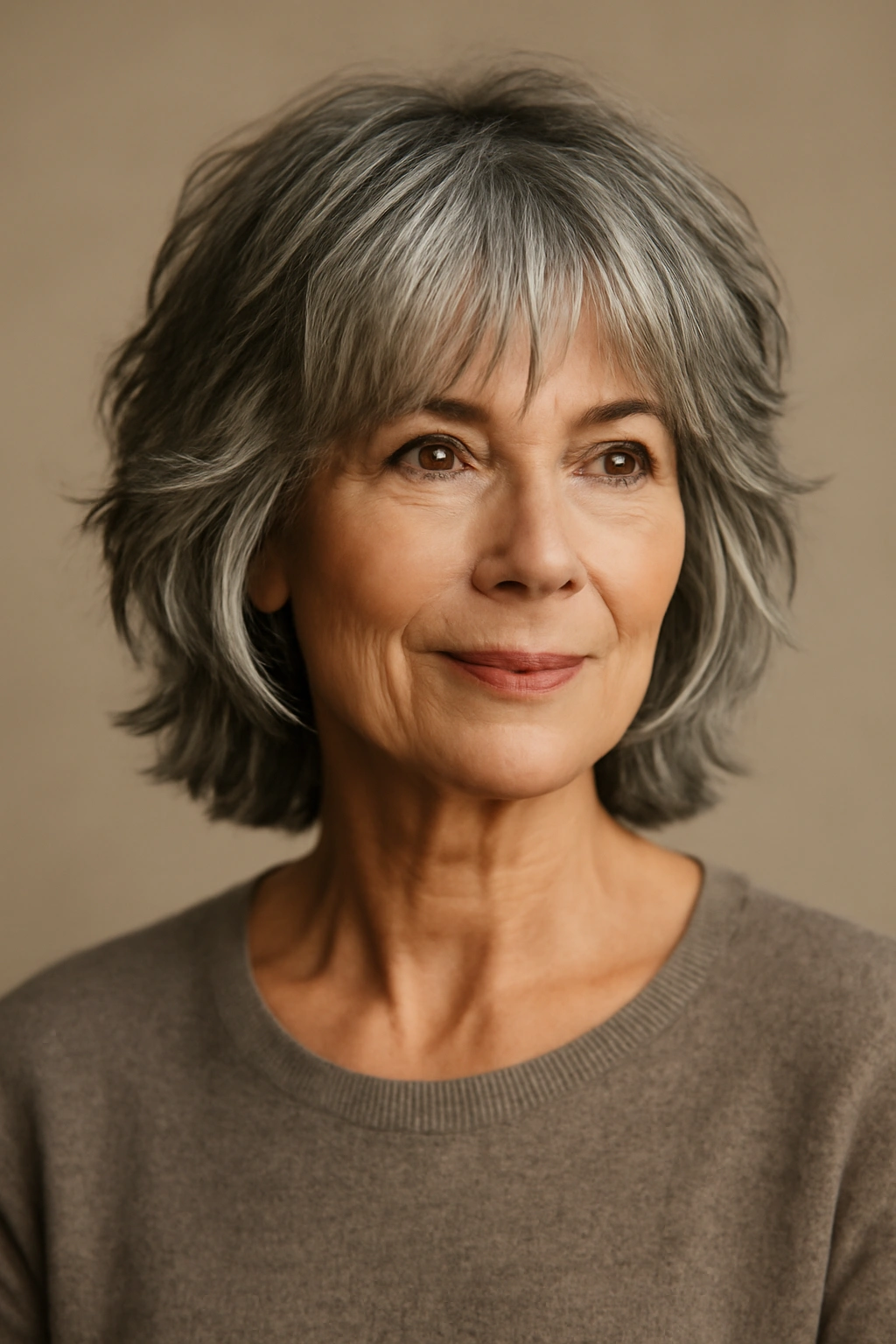
The shag has returned, and it’s nothing like the 1970s version your mother might have worn. The contemporary shag is precision-cut with strategic layering that creates movement and texture without looking disheveled. It’s edgy enough to feel current but flattering enough to work on women at any life stage.
Why Shag Works Now
A well-executed modern shag sits somewhere between rebellious and refined. The cut creates instant volume and movement, which is genuinely valuable if your hair has thinned or lost some density over the years. Shags work beautifully with gray hair—the texture and layers make gray feel intentional and sophisticated rather than just “not coloring.” The style also adapts to your styling mood—you can dry it tousled and textured for a casual day, or smooth and shaped for dressier occasions.
Getting the Cut Right
- Layers should be choppy but intentional, not scattered randomly throughout
- Ask for longer layers at the front (face-framing) and shorter, choppier layers at the crown for volume
- The cut works with different lengths, but shoulder-length to collarbone is usually the sweet spot
- Texture and point-cutting are essential—blunt shags look 1970s and dated
Pro tip: The shag is arguably the best hairstyle for embracing your gray. The texture and movement make white and silver hair look sophisticated and intentional, especially if you’re ready to make that transition.
5. Textured Lob
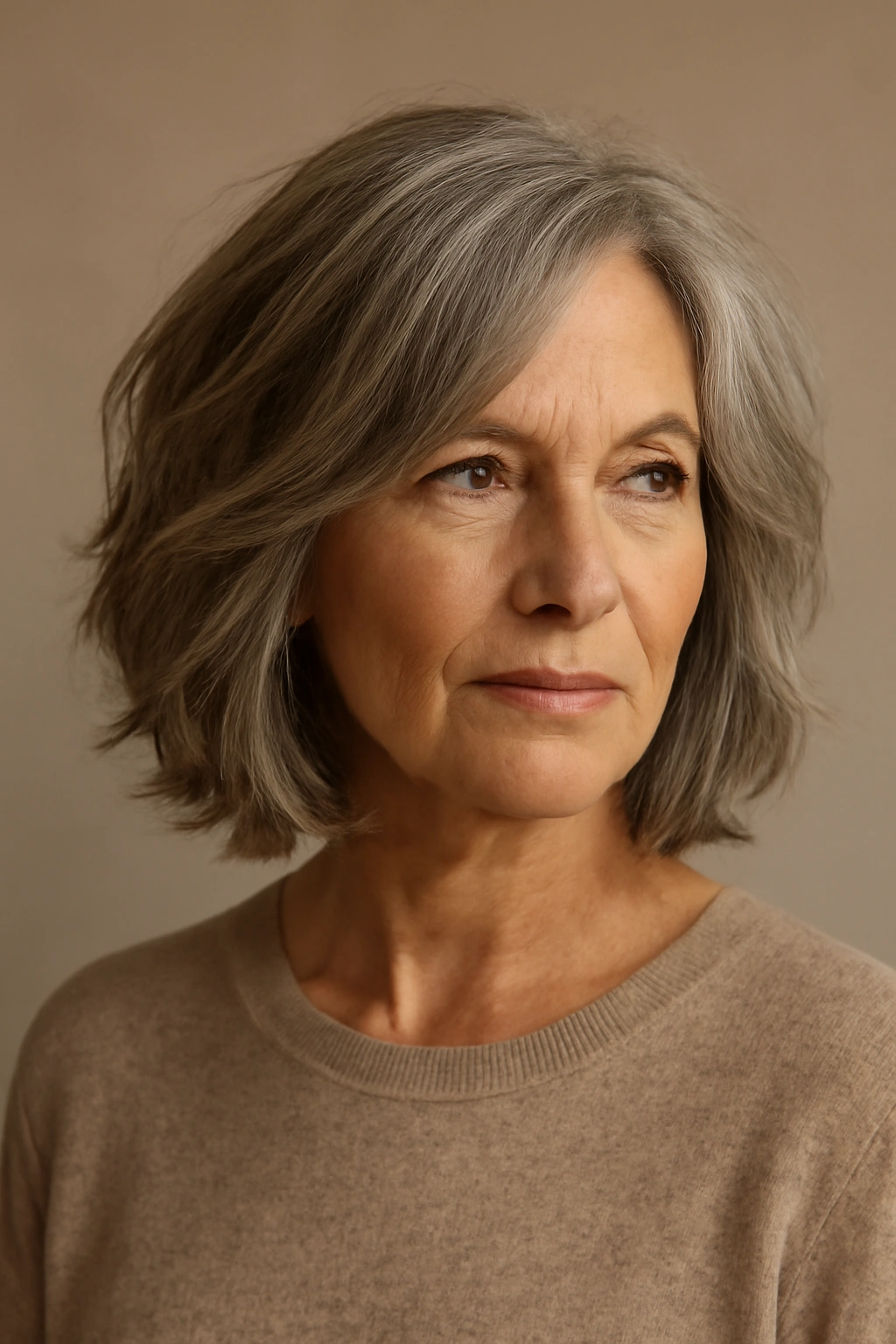
A lob (long bob) sits between shoulder and chest length, offering the softness of longer hair with more manageability than truly long hair. The textured version adds layers and dimension that make it look lived-in and intentional rather than just “long hair someone hasn’t cut.”
Why Length Still Works
There’s a misconception that women over 60 should have short hair. The truth is that well-maintained length—especially with smart layering—can be incredibly youthful and flattering. A textured lob with longer layers creates movement and shape that a blunt, solid long style simply can’t achieve. The layers also mean less weight pulling at your scalp and face, which is actually easier on your hair and makes everything feel lighter and fresher.
The Details That Matter
- Layers should be longer and more subtle than in a pixie or short bob—you’re creating texture, not choppy choppiness
- Ask for longer face-framing pieces (at least 3-4 inches shorter than the back) that create a soft frame
- The back should be slightly longer than the front, creating subtle movement and dimension
- This length works beautifully with both straight and wavy textures
Worth knowing: A lob requires styling intention—air drying usually results in a straggly look, while blow-drying with round-brush techniques creates the polished waves the cut is designed for.
6. Side-Swept Layers
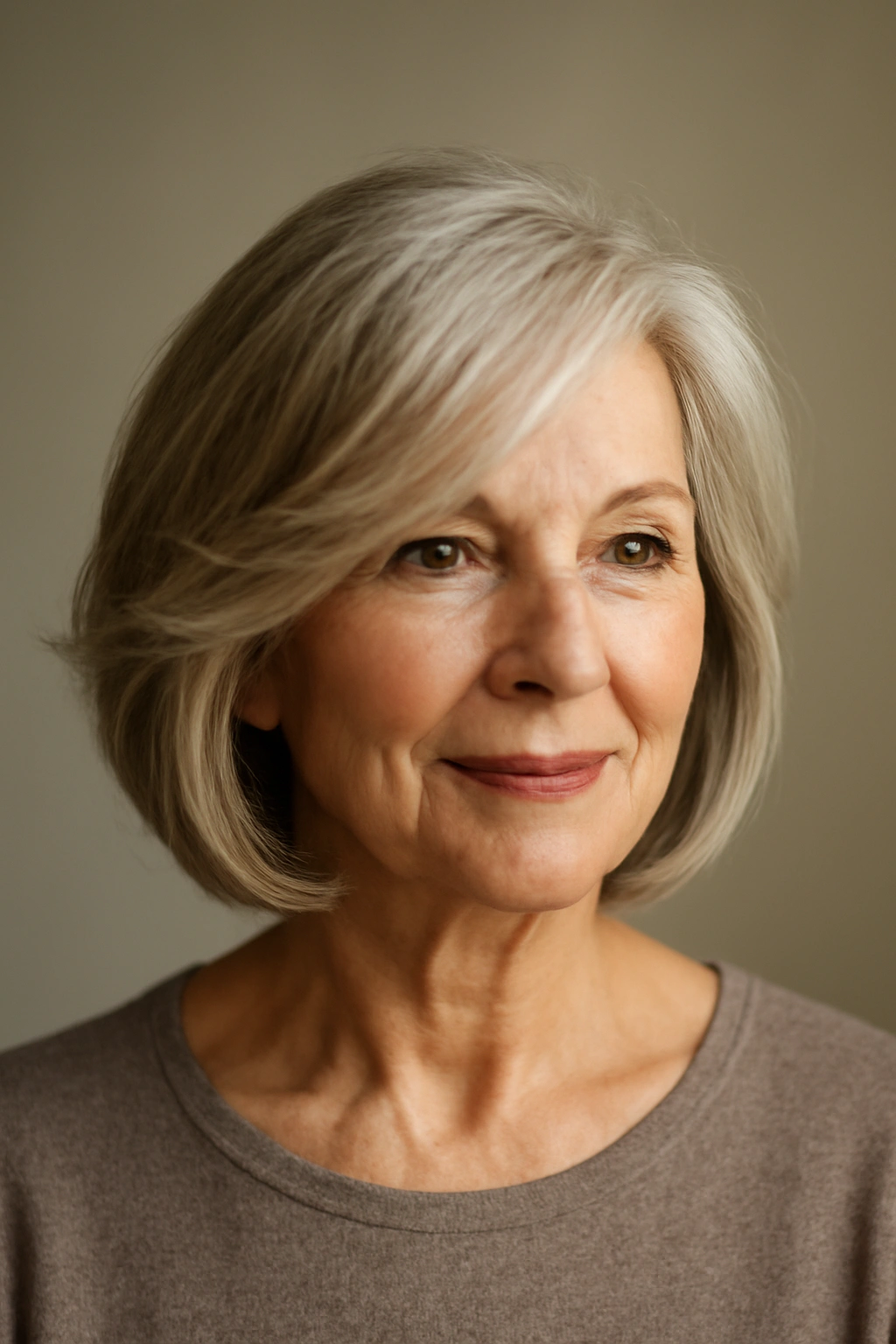
Side-swept layering creates visual interest and movement while keeping hair off your face in a flattering way. This approach works on hair of any length and is fundamentally about how the layers are distributed and how they fall when dry—not about a specific cut but a strategic styling approach.
Creating Flattering Angles
Side-swept layers create a diagonal line across the face that’s inherently flattering because it’s not perfectly symmetrical. This visual trick makes the face appear more defined and adds a sophisticated, intentional-looking element to your style. The sweeping angle also helps hide any areas of hair loss or thinning by directing attention upward and across rather than straight down.
How to Ask for This
- Tell your stylist you want longer pieces on one side and shorter on the other, with a subtle gradient rather than a dramatic difference
- Layers throughout should all follow that sweeping angle so they work together rather than against each other
- This works beautifully with both bob and shoulder-length cuts as the foundation
- The styling intention is important—you’ll want to blow-dry with the sweep in mind to make this look intentional
Pro tip: Side-swept layers work especially well for women who feel like one side of their face is stronger or more defined—you can sweep hair toward the side you want to emphasize.
7. Cropped Layers with Volume
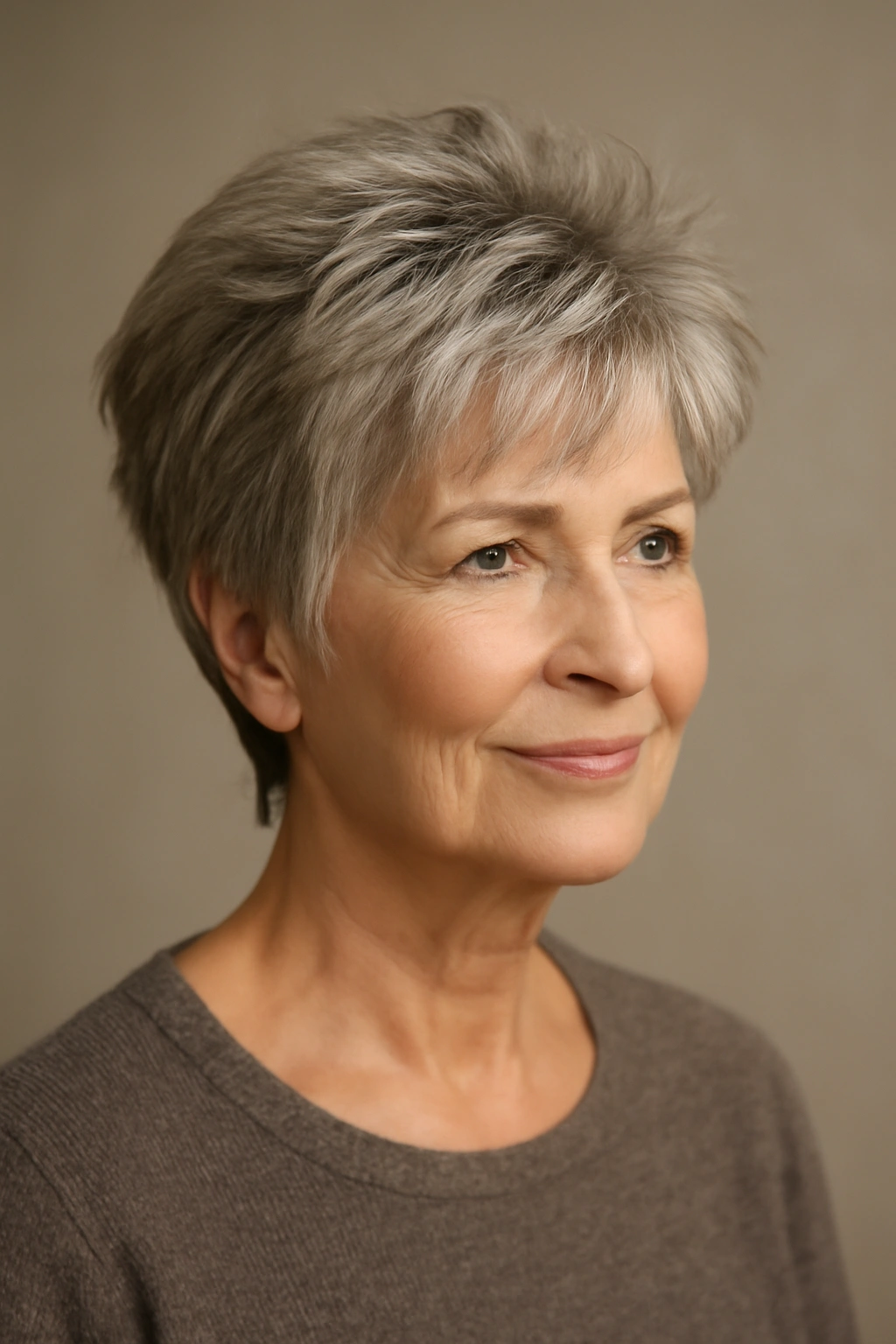
A cropped cut with strategic layers throughout creates lift and movement that makes fine or thinning hair look fuller and bouncier. This cut sits very short overall but uses layering technique to create texture and shape rather than lying flat against your head.
The Confidence Factor
Short, cropped cuts require a certain confidence, but they deliver undeniable polish and sophistication. There’s something inherently refined about a woman over 60 who wears her short hair with obvious intention and care. This cut says you’ve moved past worrying about hair length and are focused purely on what looks good and feels good.
Getting Maximum Volume
- Layers should create texture throughout, especially at the crown where you need lift
- Ask your stylist about texturizing or point-cutting rather than blunt scissors
- Consider asking about styling options like using a volumizing mousse or texture product
- This cut benefits from slightly longer lengths on top (2-3 inches) and very short sides
Worth knowing: This cut is transformative if your hair has thinned with age—the strategic layering creates the illusion of much fuller hair and requires less product and styling time than you’d expect.
8. Voluminous Curls
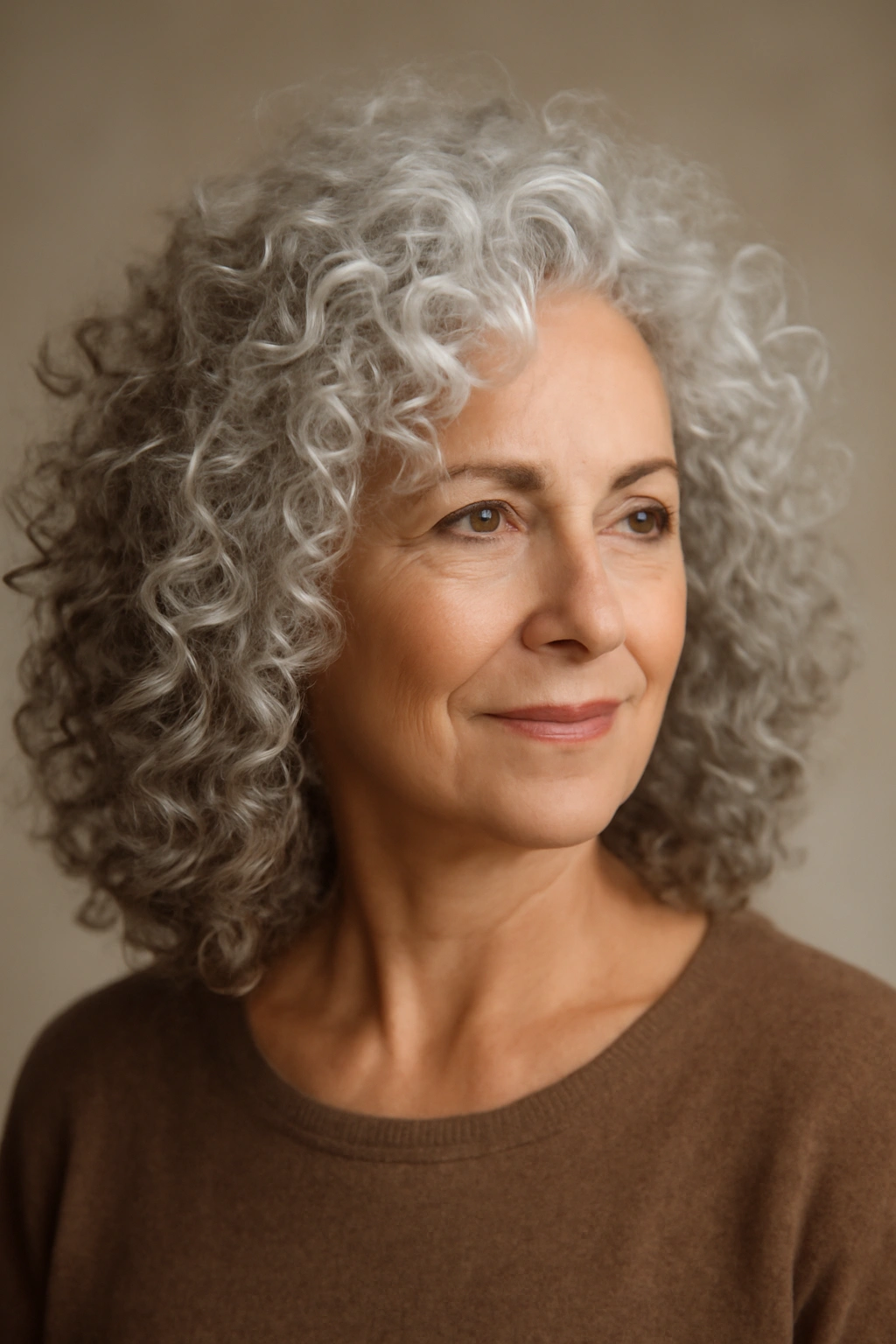
If your hair has naturally curly or wavy texture, embracing and enhancing those curls creates an undeniably youthful, energetic look. Rather than fighting your curl pattern, a cut designed specifically for curly hair allows you to work with your natural texture and celebrate it.
Working With Your Natural Pattern
Curly hair deserves a cut specifically designed for curls, which means your stylist should understand how curls shrink when dry, how weight affects curl definition, and how to cut for movement rather than against it. A good curly-hair cut creates shape and definition when dry rather than requiring you to style it into shape. The result is textured, dimensional, and inherently youthful-looking.
Curl Care Essentials
- Shorter, textured layers work better than long, heavy curls that can look matted
- Ask your stylist about dry-cutting techniques where they can see how your curls actually fall
- Invest in curl-specific products—leave-in conditioner, curl cream, and anti-frizz serums make a genuine difference
- Consider a root-lifting perm if your curls have loosened with age; it restores definition and bounce
Pro tip: Curly hair naturally creates an energetic, youthful impression—it’s forgiving of imperfect styling and photographs beautifully because the texture adds dimension that makes everything look intentional.
9. Sleek Straight Bob
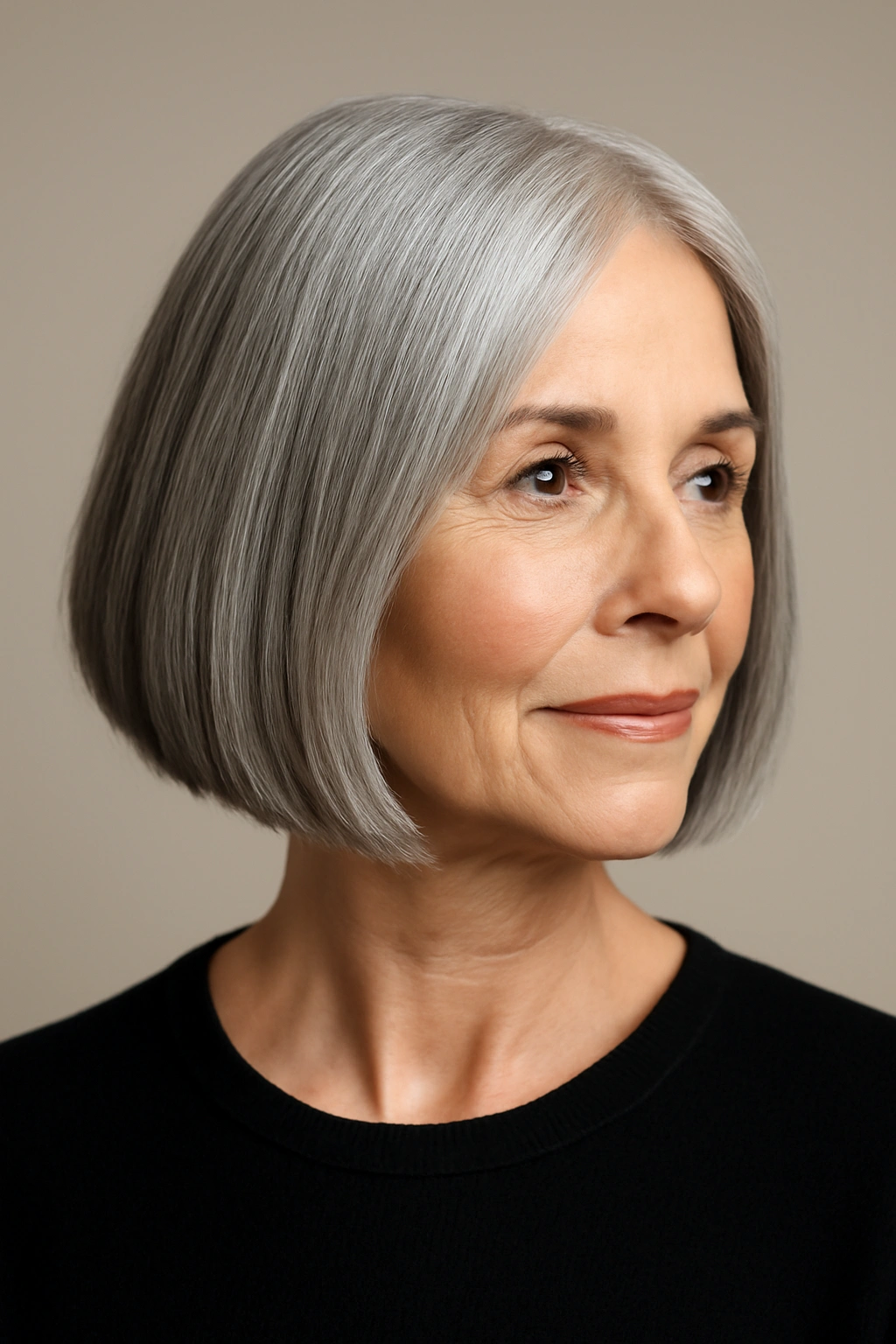
There’s a reason the straight bob never goes out of style—it’s fundamentally chic and flattering when executed with precision. A modern version sits chin-length or slightly shorter, with blunt or slightly textured ends and excellent weight distribution that creates shape without fuss.
The Power of Simplicity
A sleek, straight bob is pure sophistication. It doesn’t try too hard, which paradoxically makes it feel very current. This cut works beautifully with gray hair—the simplicity of the style lets your coloring (whether gray or colored) be the focus. It’s also incredibly versatile: you can blow-dry it sleek and polished for professional settings, or tousle it slightly for a more casual vibe.
Maintaining the Shape
- This cut needs to be precise, which means regular trims every 4-6 weeks to maintain the line
- Blow-drying is essential to this look—air-drying usually results in a blunt, flat appearance
- The cut looks best with some shine product or smoothing serum applied to damp hair before blow-drying
- Strategic point-cutting at the ends creates subtle texture without sacrificing the clean line
Worth knowing: A straight bob is one of the few cuts that actually requires consistent styling dedication, but the payoff is undeniable polish and sophistication.
10. Tousled Short Layers
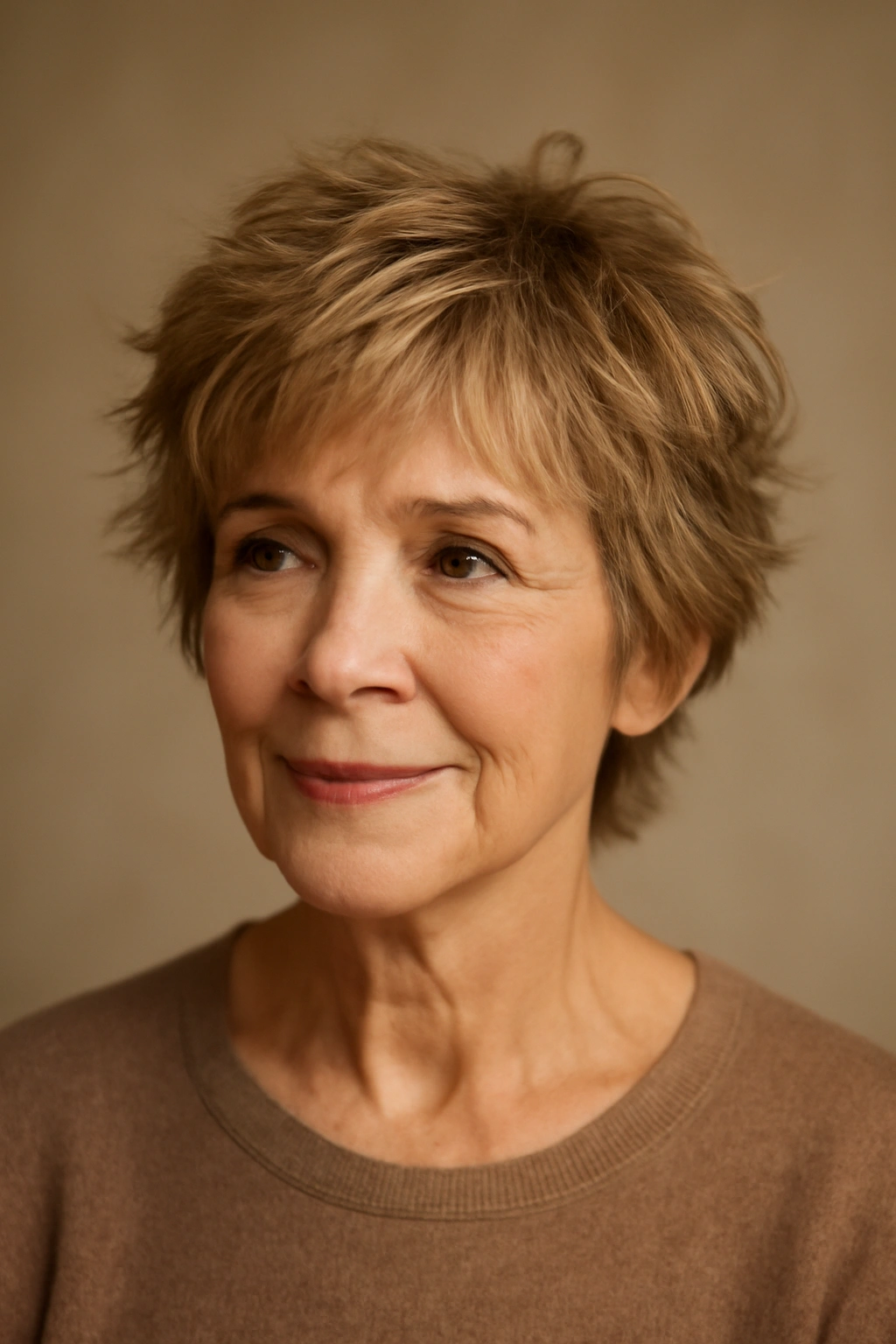
Tousled short layers create the impression of effortless style—hair that looks good even when you haven’t spent hours on it. The cut uses short, choppy layers throughout that work with your natural texture rather than fighting it, resulting in a piece-y, lived-in look.
The Effortless Aesthetic
There’s something freeing about a cut that looks good without requiring precision styling. Tousled layers sit somewhere between polished and deliberately undone—current without trying too hard. This approach works beautifully if your hair has developed wave or curl over the years, or if you’re tired of the daily commitment that some styles demand.
Styling This Cut
- Texture products are your friend—sea salt spray, texture cream, or dry shampoo add the piece-y definition the cut is designed for
- You can air-dry this cut and still look intentional, though blow-drying with a diffuser adds more definition
- Layers should vary in length throughout, creating movement rather than a uniform short shape
- This cut works with your hair’s natural movement, not against it
Pro tip: This cut is perfect if you’ve stopped coloring your hair—the texture and movement make gray hair look intentionally styled rather than just “natural gray.”
11. Feathered Layers
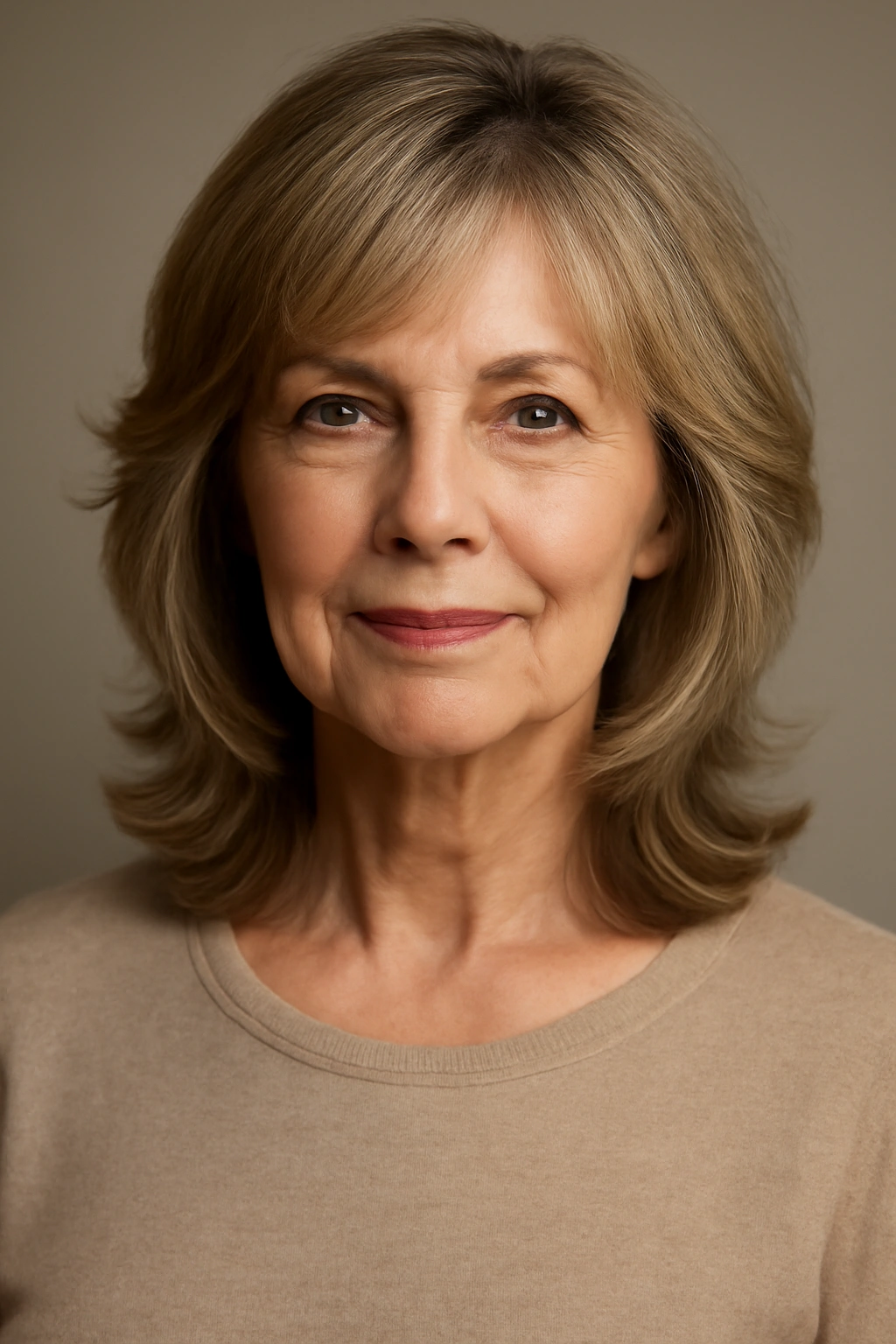
Feathered layers are an all-time classic that works beautifully on mature women because the technique is inherently flattering and adaptable to different hair types. Rather than creating choppy, disconnected texture, feathering creates a smooth graduation where each layer blends into the next.
Why Feathering Flatters
The gradual, feathered approach to layering creates subtle movement and texture without looking dramatic or trendy. It’s a timeless technique that’s been updated for modern sensibilities. Feathered layers also create the optical illusion of fuller hair and work well whether your hair is straight, wavy, or curly.
Getting the Technique Right
- Ask your stylist specifically for feathering rather than just “layers”—it’s a particular technique that creates seamless blending
- Feathered layers should create movement toward the ends without creating choppy, disconnected pieces
- This technique works beautifully on shoulder-length or longer hair
- The result should be subtle texture and movement, not an obvious layered appearance
Worth knowing: Feathered layers age beautifully because they’re a timeless technique rather than a trendy cut—you can wear this style for years without it ever feeling dated.
12. Textured Crop with Strategic Volume
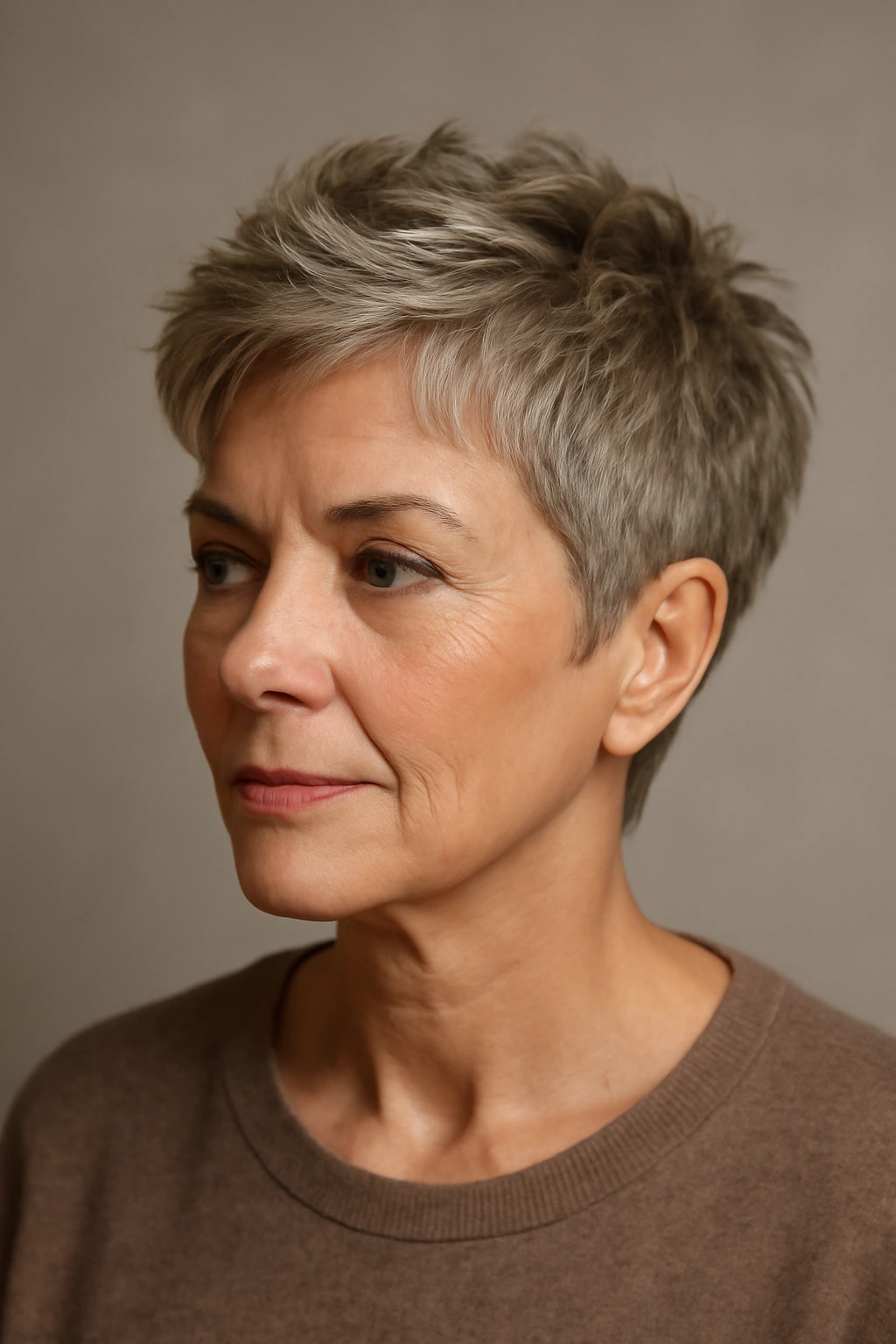
A textured crop takes the cropped-cut concept and adds intentional texture throughout specifically designed to create lift where you need it most. This is an especially smart choice if you’ve experienced some hair thinning at the crown or throughout, as the texture and layering create fullness.
Creating the Illusion of Density
Strategic layering throughout a short, cropped cut creates visual density that makes thin hair look noticeably fuller. The technique involves shorter layers at the crown (creating lift) and slightly longer pieces around the face. The overall effect is textured and dimensional rather than flat.
The Styling Advantage
- This cut looks good even air-dried with a bit of texture product
- Blow-drying with a round brush amplifies the volume and texture
- Shorter overall length means less weight pulling your hair down
- Layers throughout work with your natural growth pattern rather than creating awkward regrowth lines
Pro tip: If you’ve experienced significant thinning, ask your stylist about the most flattering layer placement for your specific hair loss pattern—they can create a cut that disguises thinning while looking completely intentional.
13. Subtle Tapered Cut with Softness
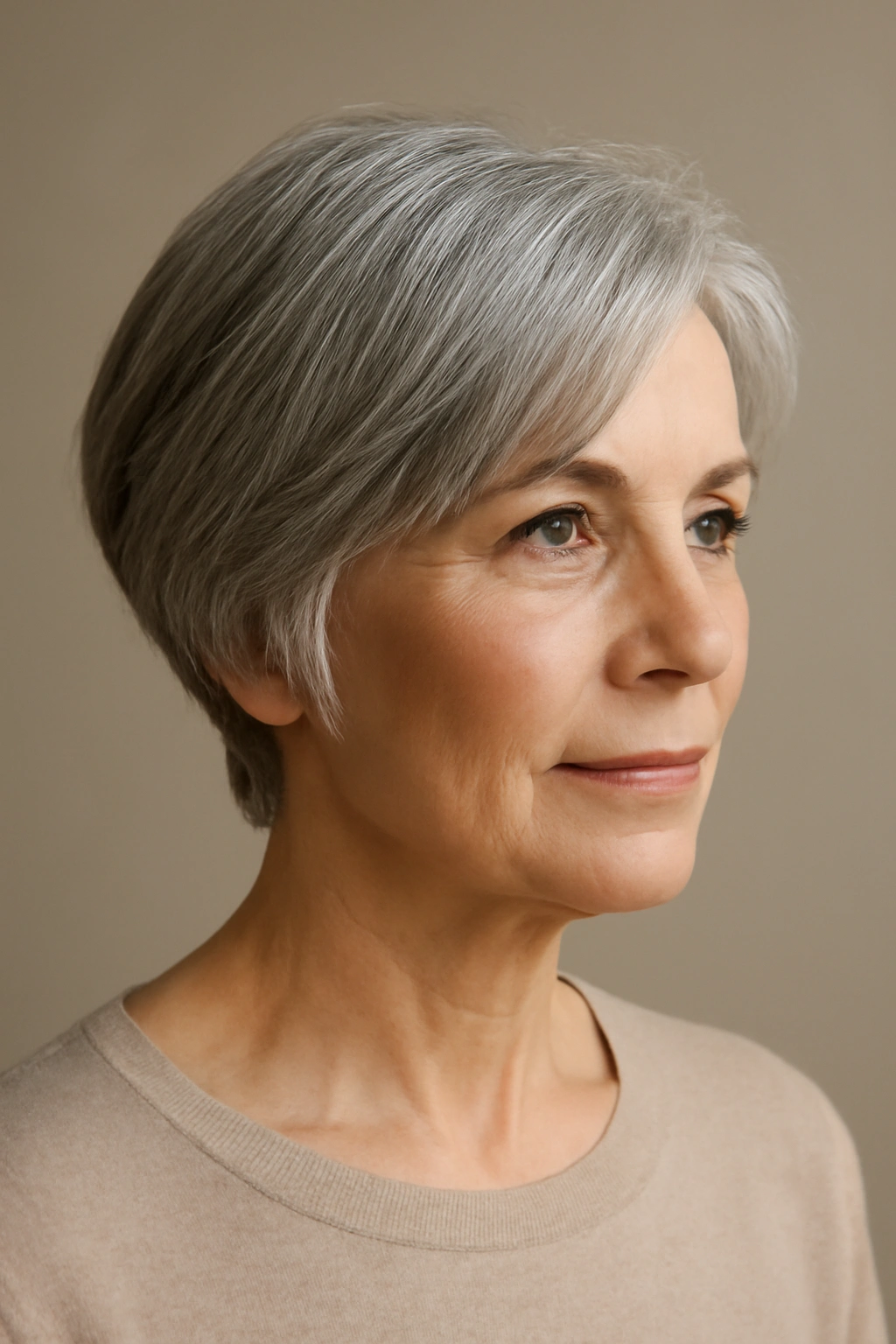
A tapered cut gradually shortens from longer lengths at the front to shorter lengths at the nape and sides. When done subtly rather than dramatically, this creates lovely shape and movement while keeping the overall look soft and wearable rather than edgy.
Flattering Shape Without Severity
A subtle taper creates visual lift and shape without the severity of a pixie or very short crop. The longer front-to-back graduation is especially flattering on women with mature faces because it provides softness around the face while still being undeniably contemporary. The shape is sophisticated without looking austere.
How to Wear It
- Ask for a gradual taper rather than a dramatic one—the transition should be smooth rather than obvious
- Keep length at the front (at least chin-length) for softness and face-framing
- The back and sides can be much shorter, creating the tapered shape
- This cut works beautifully with gray hair and minimal styling
Worth knowing: A subtle taper is the perfect bridge between traditional “short hair” and more dramatic cuts—it gives you modern shape while maintaining femininity and softness.
14. Curled Beach Waves
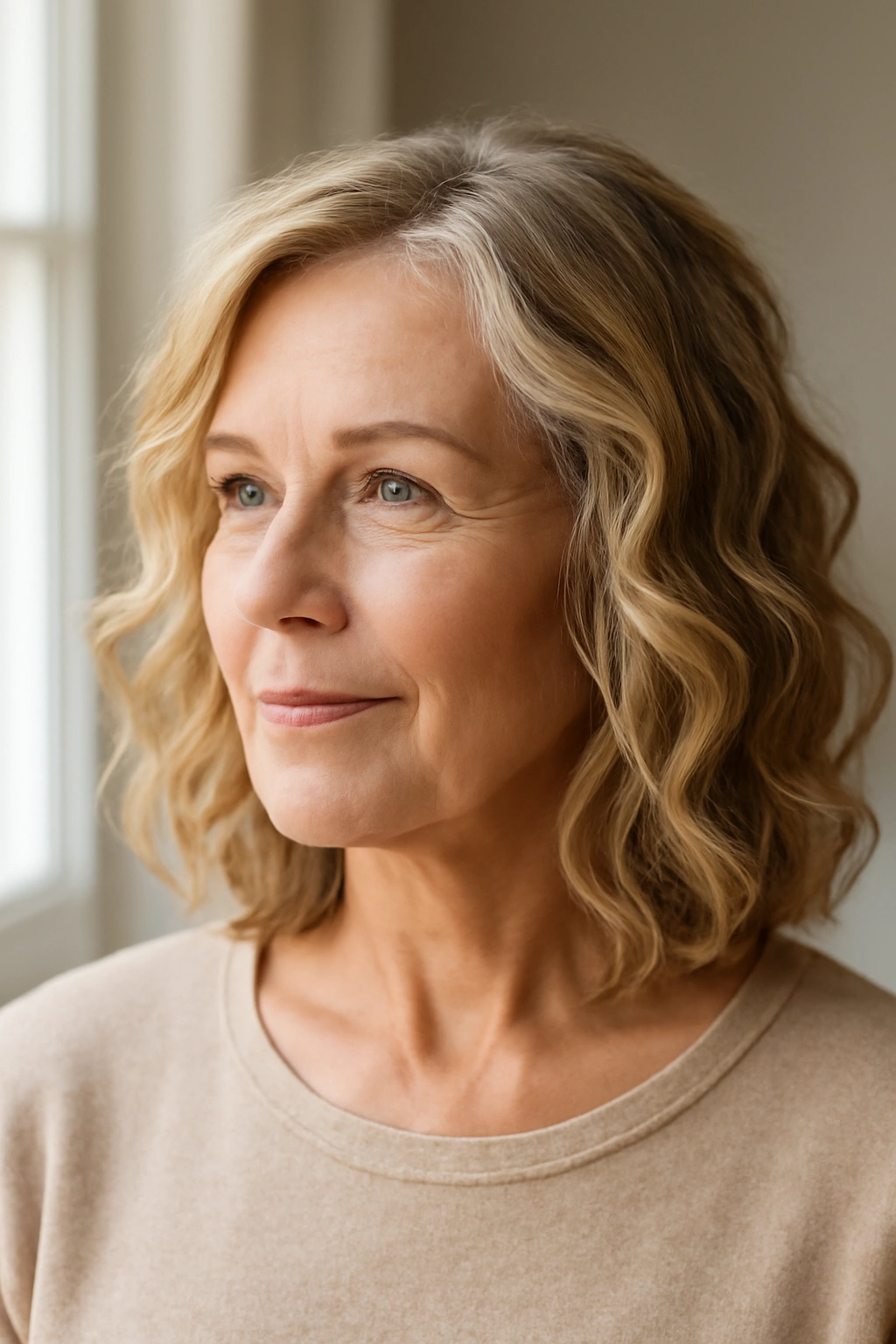
Beach waves created through styling rather than natural curl pattern offer the movement and texture of longer curly hair without the weight or daily maintenance demands of actual curls. This approach works beautifully on straight or slightly wavy hair.
The Relaxed Sophistication
Beach waves read as effortlessly elegant—they suggest you’re comfortable enough in your own skin not to take yourself too seriously. The soft, organic curl pattern is inherently forgiving and photographs beautifully. This styling approach works on hair of most lengths but is especially flattering on shoulder-length or lob-length cuts.
Creating and Maintaining Waves
- A 1.25-inch or 1.5-inch curling iron is your best tool for creating waves that look natural rather than tightly curled
- Curl sections away from your face for waves that frame rather than overwhelm
- Sea salt spray applied before styling helps waves hold longer and look more organic
- The waves should be looser and less defined than a traditional curl
Pro tip: Beach waves photograph beautifully and work for both casual days and dressy occasions—the same styling works everywhere from the grocery store to evening events.
15. Short Graduated Layers
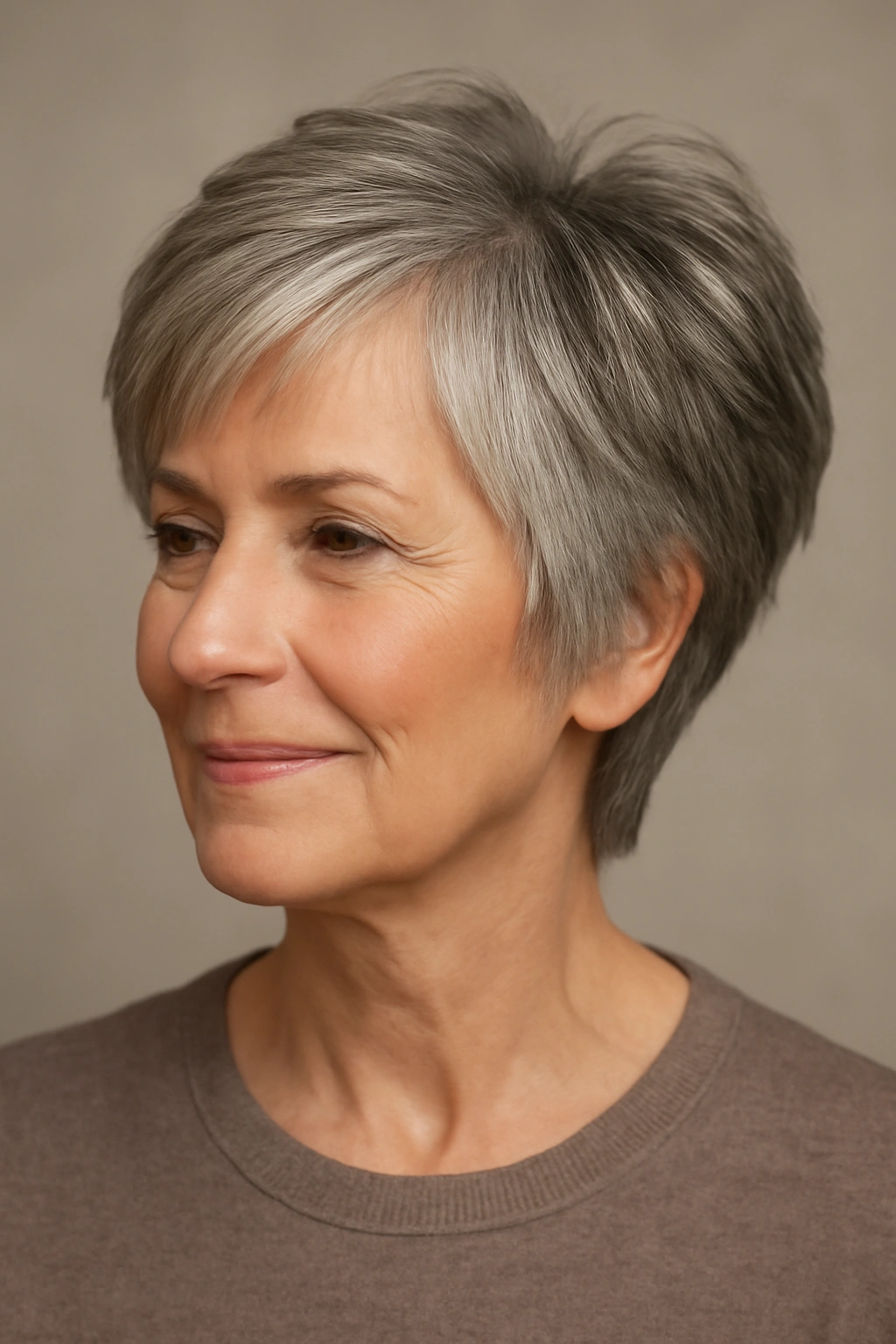
A graduated cut creates subtle shape and movement through strategic layering that gradually builds from shorter lengths at the crown to slightly longer lengths toward the bottom. This is a technique-driven cut rather than a specific length, and it’s endlessly flattering.
Why Graduation Works
Graduated layers create shape and movement while looking polished and intentional. The technique is especially useful for creating lift at the crown and around the face, addressing the areas where hair tends to thin or lose volume with age. The graduated approach also means there are no blunt lines or severe transitions—everything blends smoothly.
Perfect Execution
- Layers should graduate smoothly, creating a subtle shape rather than obvious disconnected pieces
- Shorter at the crown (for lift) and gradually longer toward the bottom
- Face-framing pieces should be at least 2-3 inches shorter than the back length
- This technique works on any hair length from short crops to shoulder-length bobs
Worth knowing: A well-executed graduated cut is the foundation of many flattering mature hairstyles—it’s a technique your stylist can apply to create your perfect custom shape rather than forcing you into a standard cut.
Final Thoughts
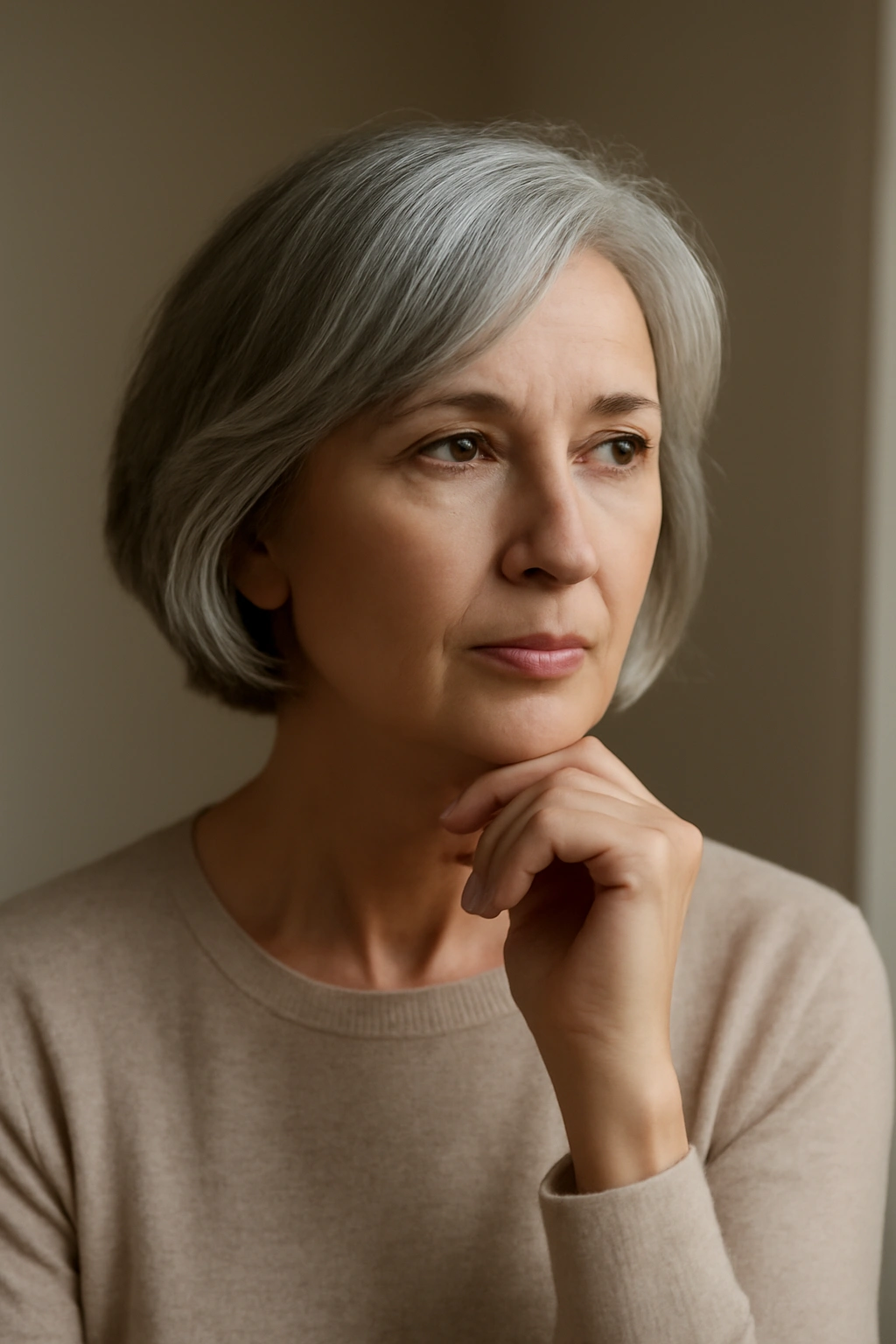
The best hairstyle for you isn’t determined by your age—it’s determined by your face shape, hair texture, lifestyle, and what makes you feel genuinely confident. What’s shifted isn’t what’s possible at 60 and beyond; it’s that you finally get to choose based purely on what you love rather than what you think you should wear.
The cuts highlighted above share certain qualities: they work with your natural hair rather than demanding constant fighting, they create movement and dimension that’s flattering on mature skin, and they don’t require salon visits every two weeks to maintain their shape. More importantly, each one is current enough to feel alive without being trendy in a way that will feel dated next year.
Your next haircut is an opportunity to reassess what actually serves you. Be honest with yourself about how much styling time you’re willing to invest daily. Bring reference photos of the exact cut and styling you want, not just “short hair” or “layers.” Find a stylist who specifically understands cutting for mature hair and texture—it’s genuinely different from cutting for younger clients. And remember: a great cut is something you’ll want to maintain regularly, but it should make you feel like yourself every single time you see your reflection.
