



The layered bob isn’t just a haircut—it’s a philosophy about how hair should move. Unlike blunt, stationary bobs that sit like a structured shell around your face, a well-executed layered bob gives your hair permission to flow, bounce, and respond to the natural movement of your body. The difference is visceral. You’ll notice it the moment you walk, when your hair swings instead of staying locked in place, or when you turn your head and the layers catch light at different angles, creating dimension that reads as expensive and intentional.
What makes these cuts special is the architecture underneath. Strategic layers reduce bulk without sacrificing length, removing weight from underneath while preserving enough length on top to frame your face. The result is hair that doesn’t need styling to look good—it looks effortlessly chic whether you’ve spent ten minutes with a blow dryer or you’re letting it air dry. That’s the real magic. The cut does the work for you, not the other way around.
The layered bob has evolved beyond the choppy, edge-heavy styles of the 2000s. Modern versions are sophisticated and nuanced, with varying degrees of layering that suit different hair textures, face shapes, and personal style preferences. Whether you’re drawn to subtle, barely-there layers or dramatic, movement-focused chunks, there’s a version built for how your specific hair wants to move. These eighteen styles showcase the range—from delicate and romantic to bold and textured.
1. The Soft-Textured Shag Bob
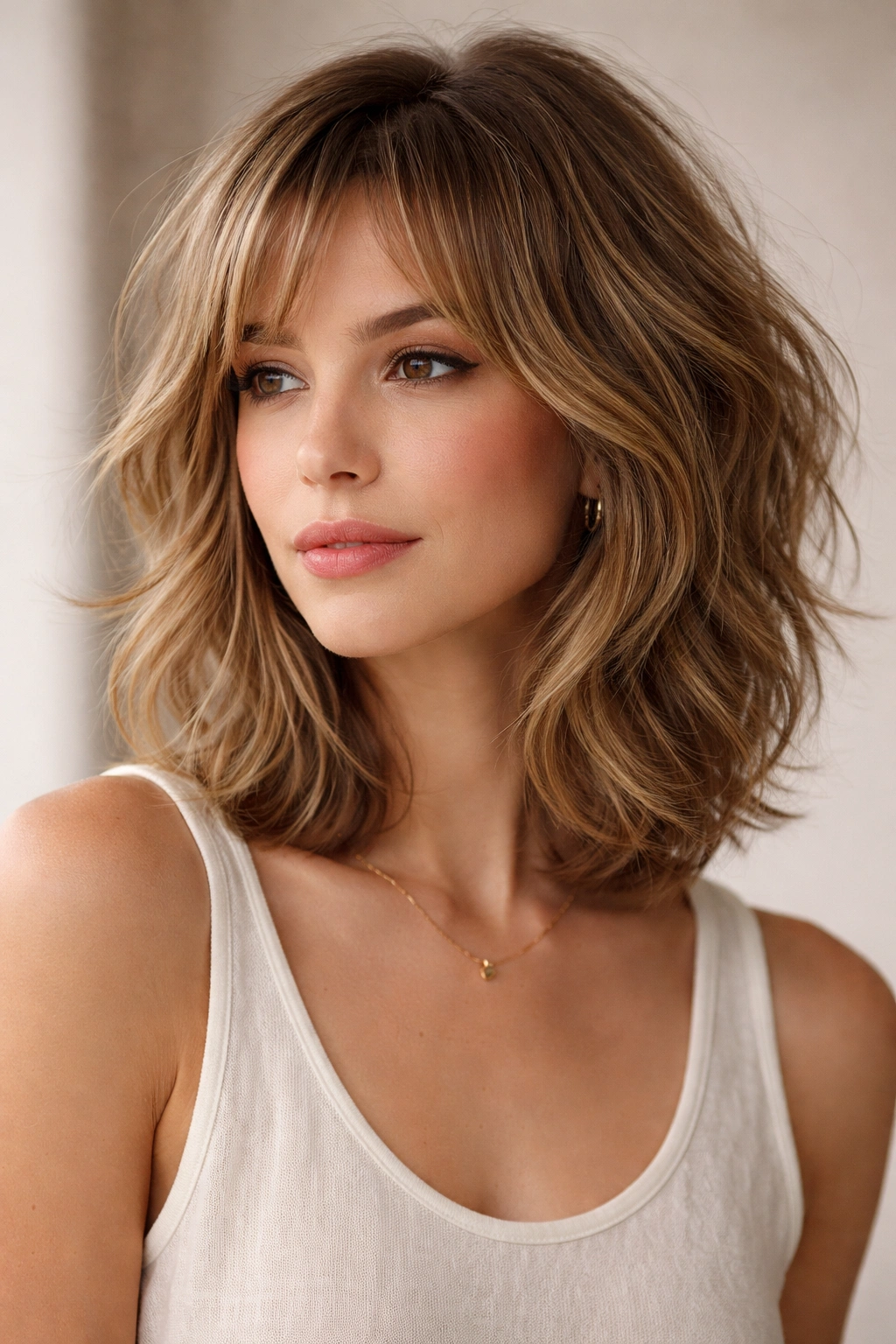
This cut combines the romantic softness of a traditional bob with the movement-focused architecture of a shag. The layers start further down the hair, creating a fuller silhouette at the crown while gradually releasing length toward the ends. The overall effect is voluminous without feeling heavy, with enough texture throughout that the cut looks intentional even when you’ve just stepped out of the shower.
Why This Cut Creates Natural Movement
The strategic placement of layers allows each section of hair to move independently instead of as one solid mass. This is especially valuable for fine or thin hair, where you need the illusion of volume without the bulk that comes from blunt edges. The shag influence means the layers are more gradual than choppy, creating a cohesive shape rather than disconnected pieces.
What Makes It Work
- Best for: Fine to medium hair textures that need movement without appearing wispy
- Face shapes: Works beautifully on oval, oblong, and heart-shaped faces; the width through the sides balances narrower jawlines
- Styling ease: Blow-dry with a round brush pointed downward for volume, or scrunch with a diffuser for textured waves
- Length consideration: Typically sits at chin length or slightly shorter for maximum movement and shape definition
- Maintenance: Requires trims every 4-6 weeks to maintain the shag shape as layers grow out
Pro tip: Ask your stylist to point-cut the ends rather than blunt them—this creates softer movement and prevents that “choppy” feeling that can look dated.
2. The Micro-Layered Pixie-Bob Hybrid
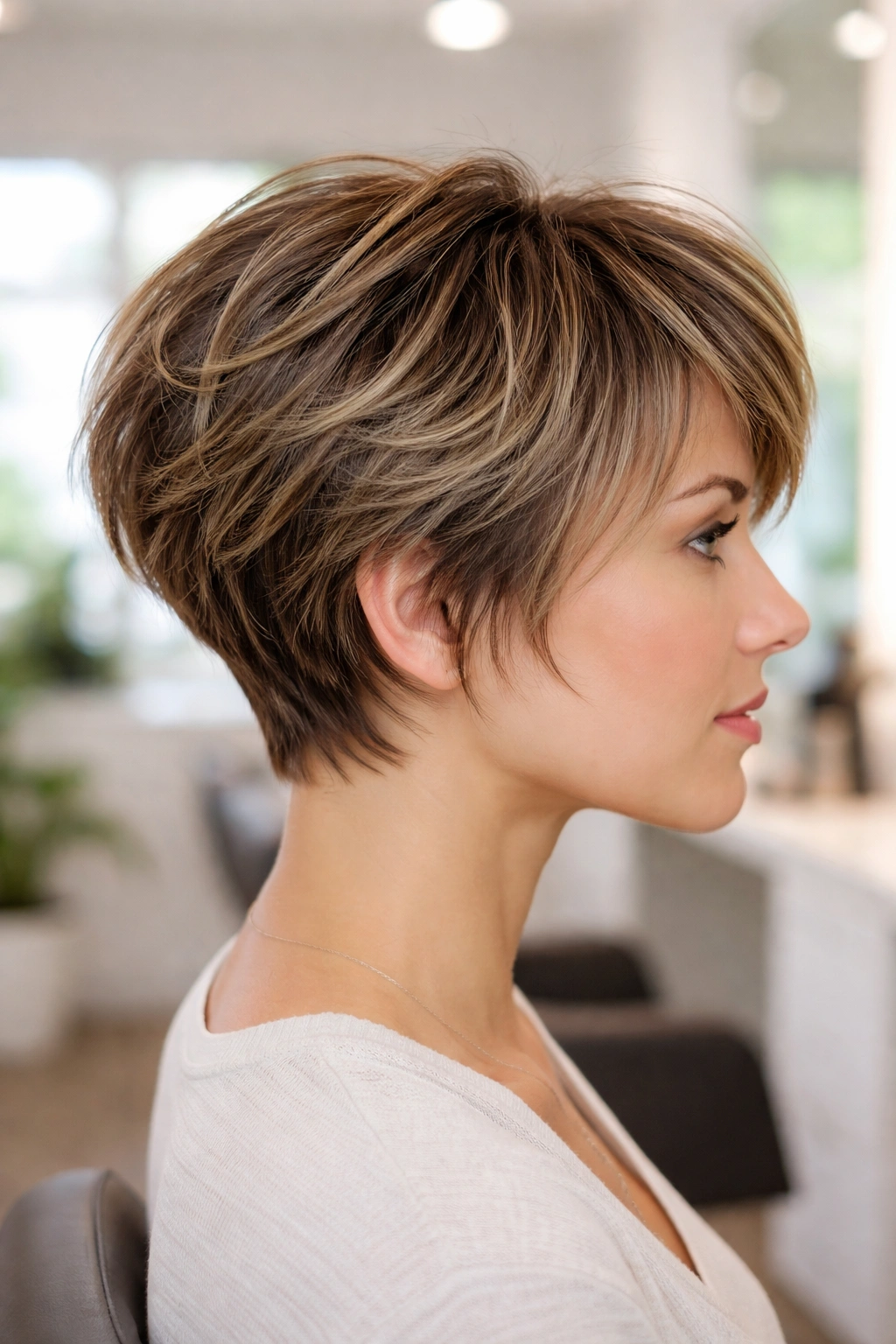
This is a sophisticated, shorter take on the layered bob—usually 2-3 inches shorter than a traditional bob, sometimes grazing the ears or upper neck. Despite the shorter length, the micro-layers throughout create surprising movement and texture. The cut works from multiple angles, with the crown slightly elevated and the back slightly longer for dimension.
Why Shorter Doesn’t Mean Less Movement
Shorter hair actually benefits from more frequent, closer-together layers because there’s less distance for movement to travel. The micro-layers mean every strand has a chance to catch light and move independently, creating visual texture that reads as fuller and more dynamic than you’d expect from such a short cut.
What Makes It Work
- Best for: People with thick, naturally textured, or curly hair who want a polished but low-maintenance cut
- Face shapes: Stunning on round and square faces; the layers add softness without excess length dragging features downward
- Styling ease: Wash and go potential with the right hair type; minimal blow-drying needed
- Length consideration: 2-3 inches shorter than a traditional chin-length bob creates a modern, cropped feeling
- Personality: Reads as confident and bold rather than romantic or soft
3. The Choppy Textured Bob with Longer Lengths
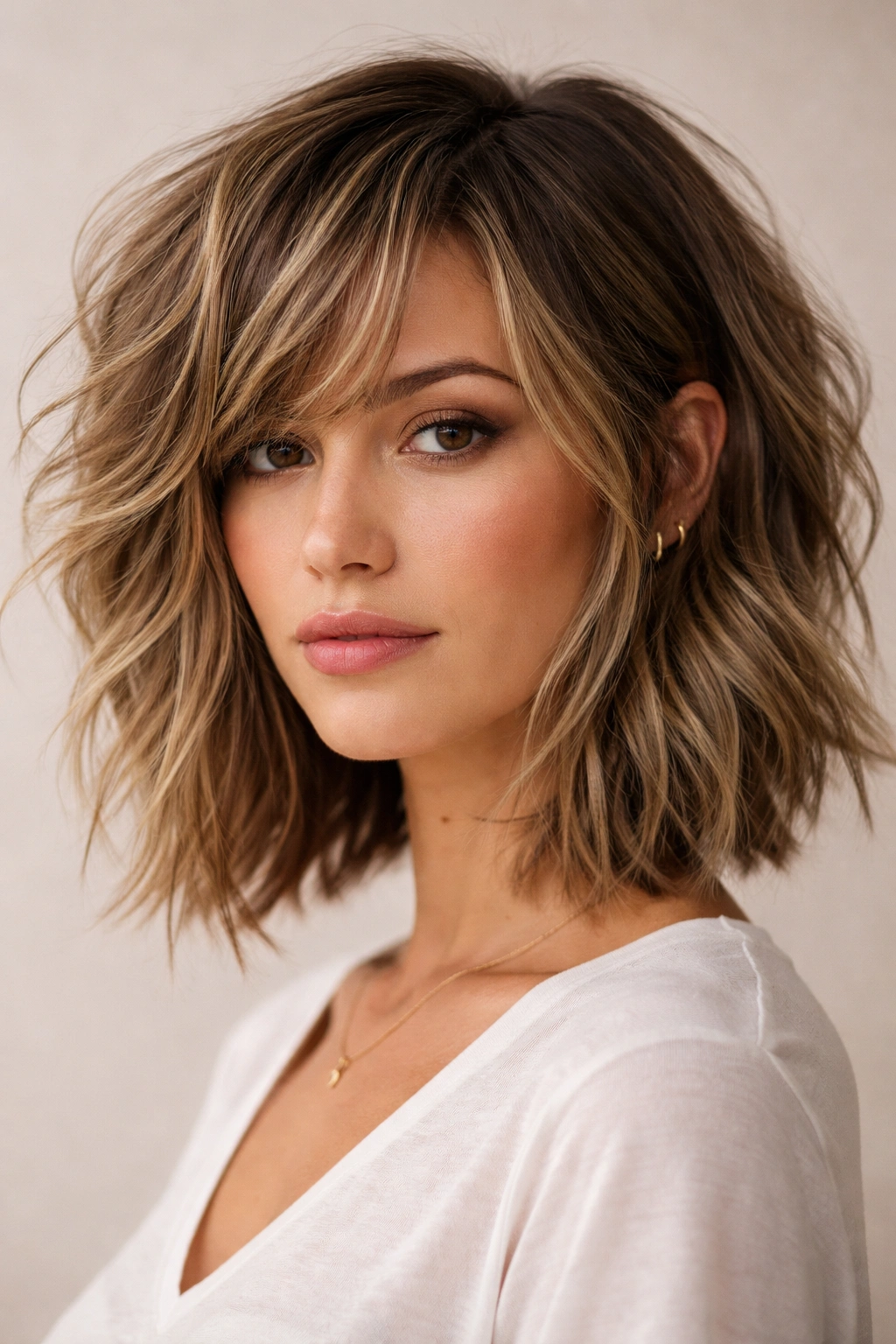
This version embraces visible, dramatic texture through varying layer depths—some sections are significantly shorter while others maintain nearly full length. The choppy layers are intentional and visible from every angle, especially when hair moves. This cut suits people who want their haircut to be a statement rather than subtle.
The Science Behind Visible Texture
Choppy layers work because they create multiple breaking points where light hits the hair from different angles. When you add movement, those breaking points shift constantly, creating visual depth and making the cut feel alive rather than static. This is especially powerful in hair with natural wave or curl.
What Makes It Work
- Best for: Medium to thick hair with natural texture or waves; straight hair looks better with subtle layers
- Face shapes: Oval and oblong faces wear this best; the varied lengths create interesting visual lines rather than one flat plane
- Styling ease: These cuts often look best with some texture, so a salt spray or texturizing cream enhances the intentional choppiness
- Confidence level: This cut makes a visual statement—it’s not for people who want to blend in
- Color synergy: Choppy layers look especially striking with subtle highlights or balayage that emphasizes the texture
4. The Undercutting Technique Bob
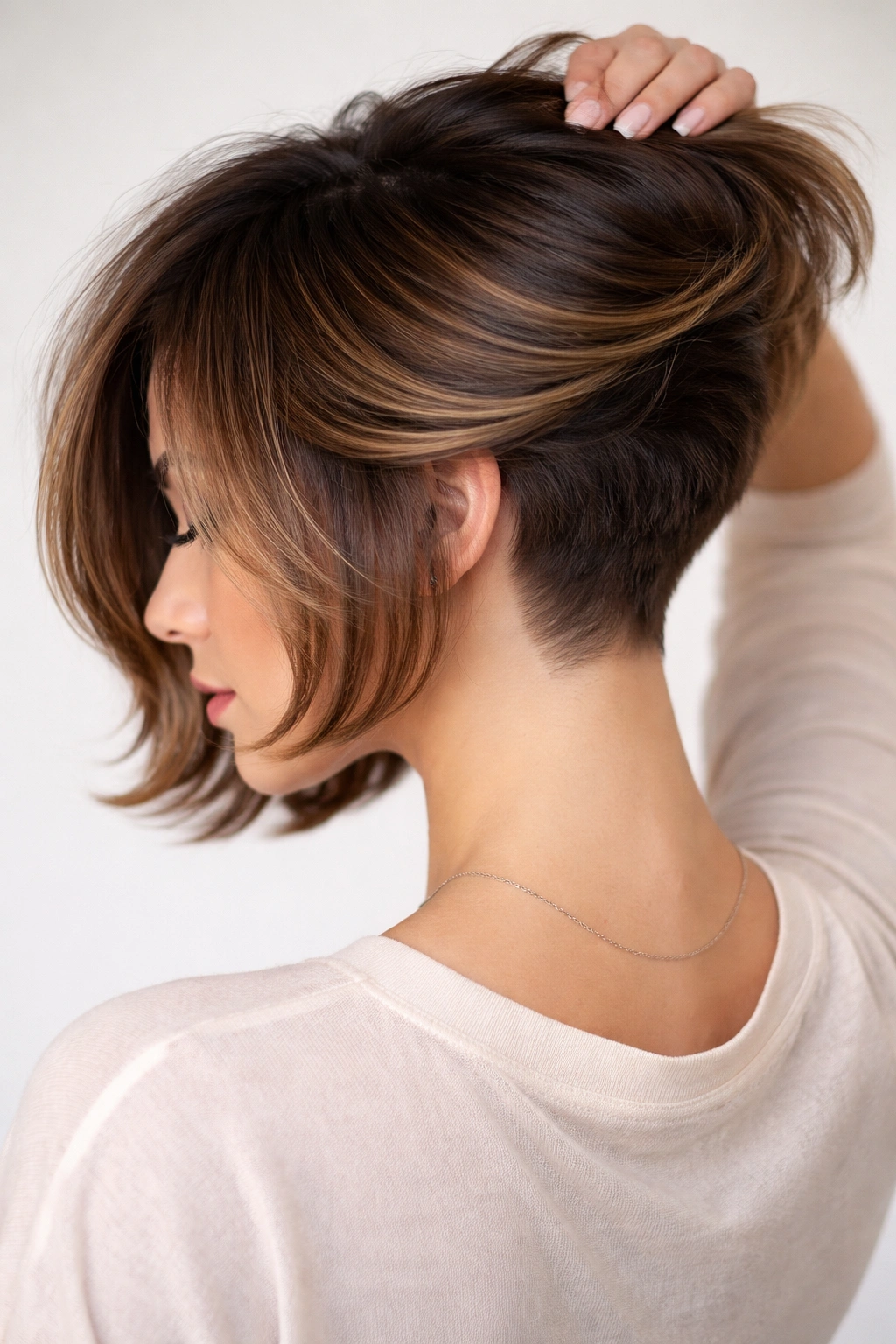
This cut uses undercutting—shorter layers underneath that aren’t visible when the hair is down—to reduce bulk while maintaining the appearance of a fuller, longer bob on top. It’s the secret weapon for people with thick hair who want movement without the weight. Only when you flip your hair or tuck it behind your ears do you see the architectural work underneath.
How Undercutting Creates Illusion and Function
By removing weight selectively from underneath, the cut reduces the overall density without sacrificing the visual fullness from the front and sides. This means the hair moves more easily, dries faster, and requires less styling product to look good. It’s simultaneously clever and functional.
What Makes It Work
- Best for: Thick, dense hair that needs weight reduction without looking intentionally layered
- Face shapes: All face shapes benefit because the full-looking exterior is flattering while the functional interior prevents heaviness
- Styling ease: These cuts often dry into shape naturally because the undercutting reduces the volume pulling the shape down
- Maintenance: You might need touch-up appointments more frequently because the contrast between undercut and top layers becomes visible as hair grows
- Hair health: Reduces strain on your scalp and roots by eliminating unnecessary weight
Insider note: Undercutting is often invisible in photos, making this the perfect choice if you want a dramatic functional difference without a dramatic visual difference.
5. The Soft-Rounded Bob with Gentle Layers
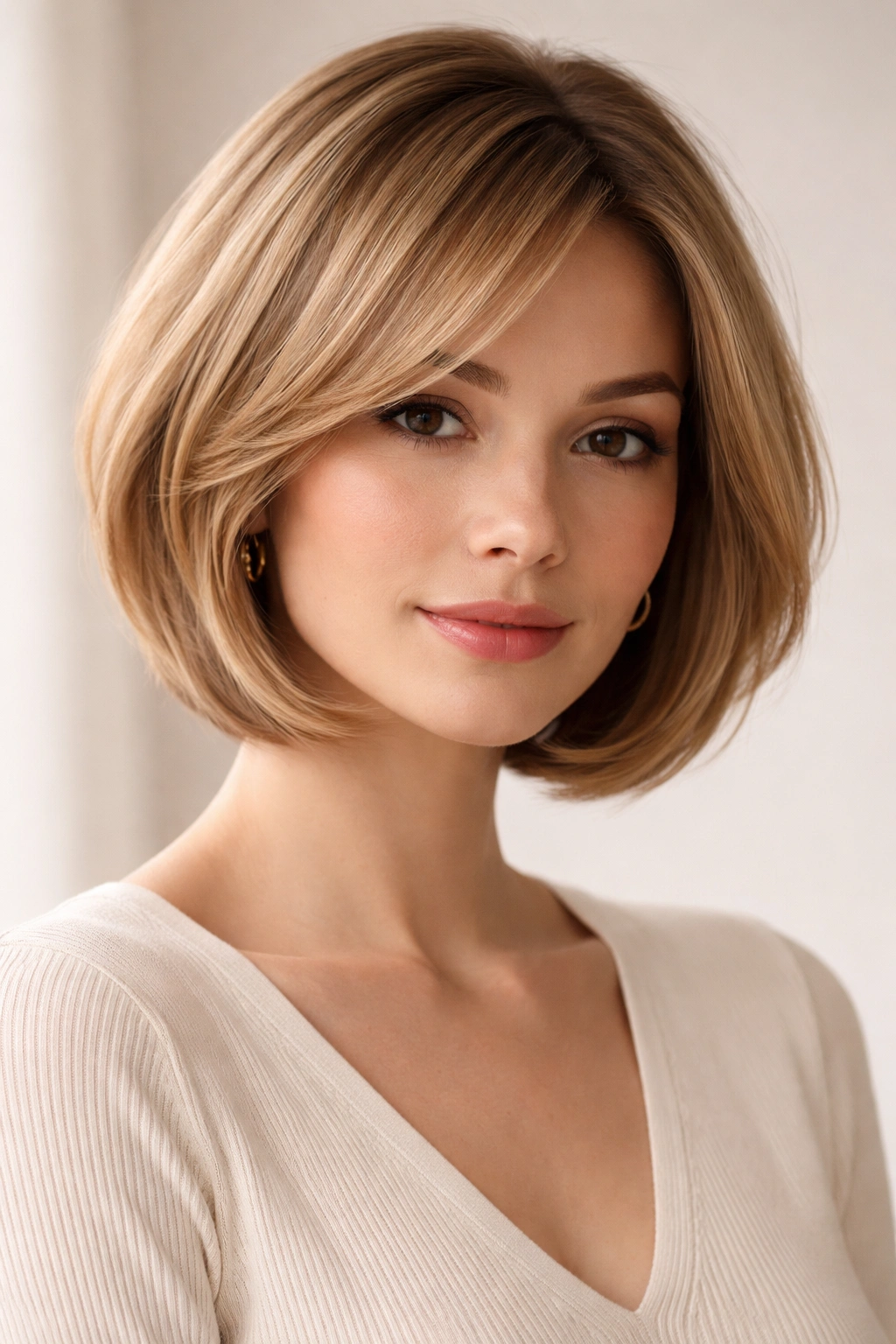
This cut prioritizes softness and roundness through layers that are subtle enough to maintain a cohesive shape. Rather than choppy or dramatic, the layers are integrated smoothly into the overall curve of the bob. It’s romantic and polished without being trendy.
Why Gentle Layers Feel Timeless
The key is that the layers are placed to enhance the natural shape of the head rather than fight against it. This creates a cut that looks good on people who haven’t quite figured out their ideal shape yet—because the shape is defined by how the layers fall, not by an aggressive silhouette.
What Makes It Work
- Best for: All hair textures, but especially effective on wavy or curly hair that benefits from graduated length
- Face shapes: Particularly flattering on round and square faces because the rounded shape softens angular features
- Styling ease: These cuts look polished blow-dried but also beautiful air-dried if your hair has any natural texture
- Maintenance timeline: Every 6-8 weeks to keep the rounded shape defined as layers grow out
- Personality vibe: Approachable, sophisticated, and classically pretty
6. The Textured Curtain Bob with Center Part
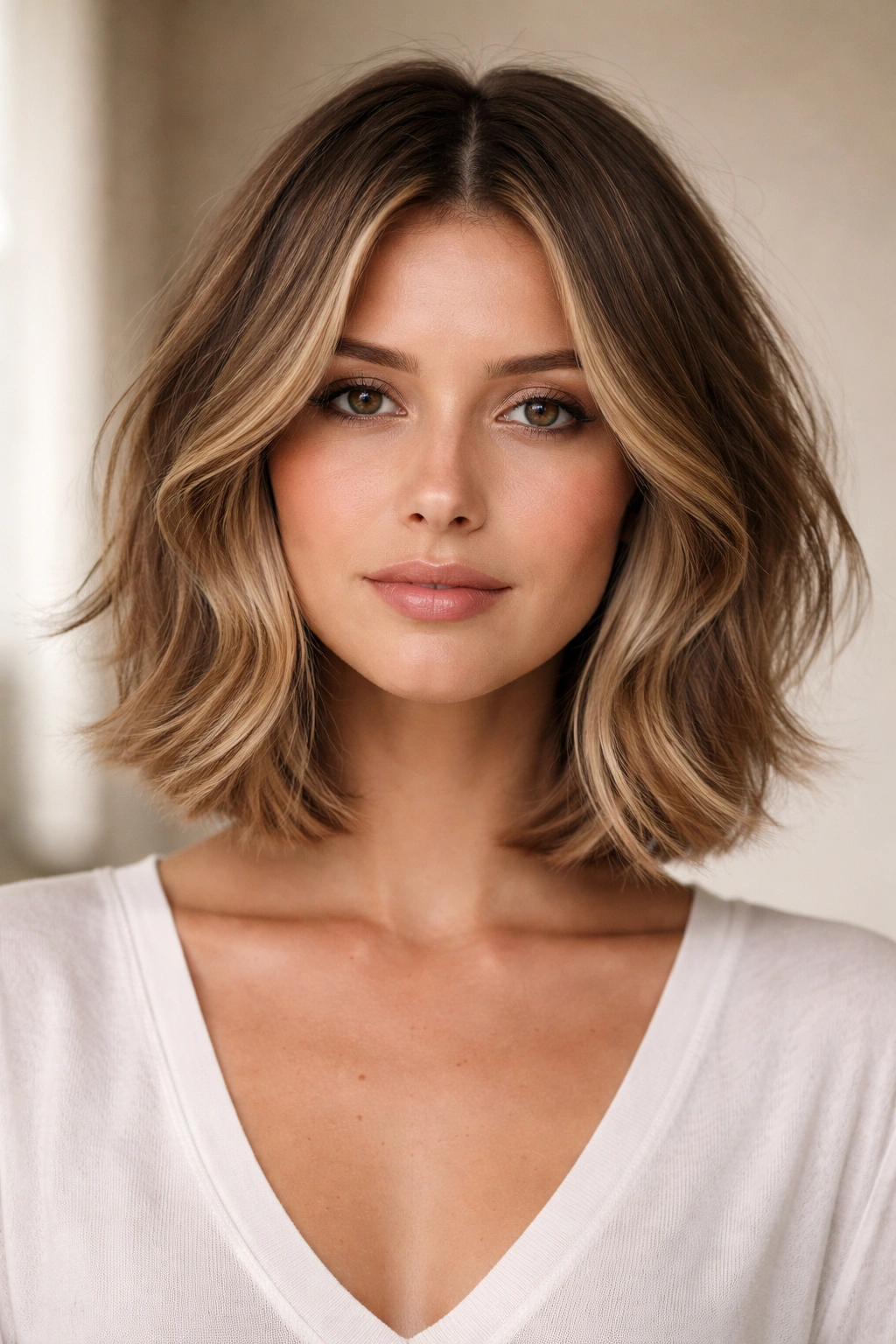
This cut brings back the curtain moment while maintaining the movement benefits of a layered bob. The center part creates symmetry, while the layers underneath allow the front sections to frame the face with movement rather than falling flat. The sides gradually taper from longer to shorter, creating a subtle graduated effect.
Why Center Parts Work with Layers
A center part can look severe or boring on a blunt bob, but layering changes everything. The layers allow the front sections to move independently, creating softness and dimension instead of severity. The cut reads as intentional and styled even when you haven’t done anything to it.
What Makes It Work
- Best for: All hair types; this cut is unusually versatile across textures
- Face shapes: Heart-shaped, oblong, and oval faces benefit most from the width the center part and curtain layers create
- Styling ease: Blow-dry with your fingers separating the layers at the crown for texture, or let it air dry for a more relaxed curtain
- Maintenance: Every 5-6 weeks to keep the layers from growing into a blunt line across the front
- Modern twist: Works beautifully with subtle face-framing highlights that emphasize the layers
7. The Disconnected Textured Bob
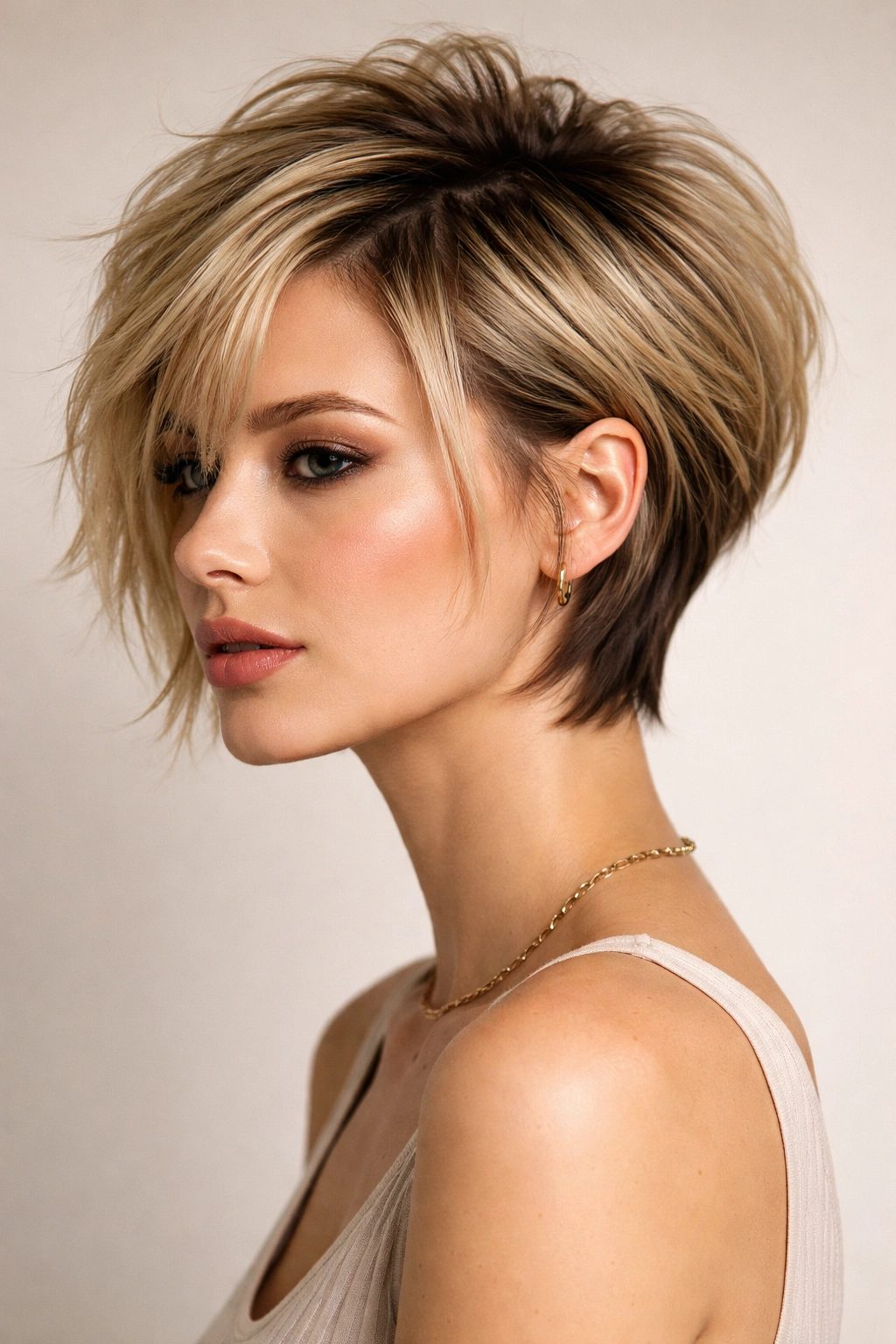
This cut embraces intentional disconnect between the shorter crown and longer sides, creating a modern, sharp silhouette. The layers are more pronounced at the top, creating height and texture, while the sides maintain more length. It’s a high-contrast cut that reads as confident and fashion-forward.
The Visual Impact of Disconnect
Disconnect creates drama through contrast. The eye reads the difference between short and longer as intentional and editorial rather than accidental. This works especially well when styled deliberately—the texture at the crown shouldn’t blend seamlessly into the longer sides, but rather sit distinctly on top of them.
What Makes It Work
- Best for: Medium to thick hair with texture or natural waves; requires enough density to maintain shape
- Face shapes: Oval and oblong faces wear this beautifully; it can overwhelm round or square faces unless styled with side-swept texture
- Styling confidence: This cut requires commitment to its editorial vibe—it looks best when you lean into the intentional disconnect rather than trying to blend it
- Color synergy: A subtle undercut (darker shade beneath) or gradient color emphasizes the disconnect beautifully
- Personality: Bold, modern, aware of current trends but executed with sophistication
8. The Feathered Layers Bob
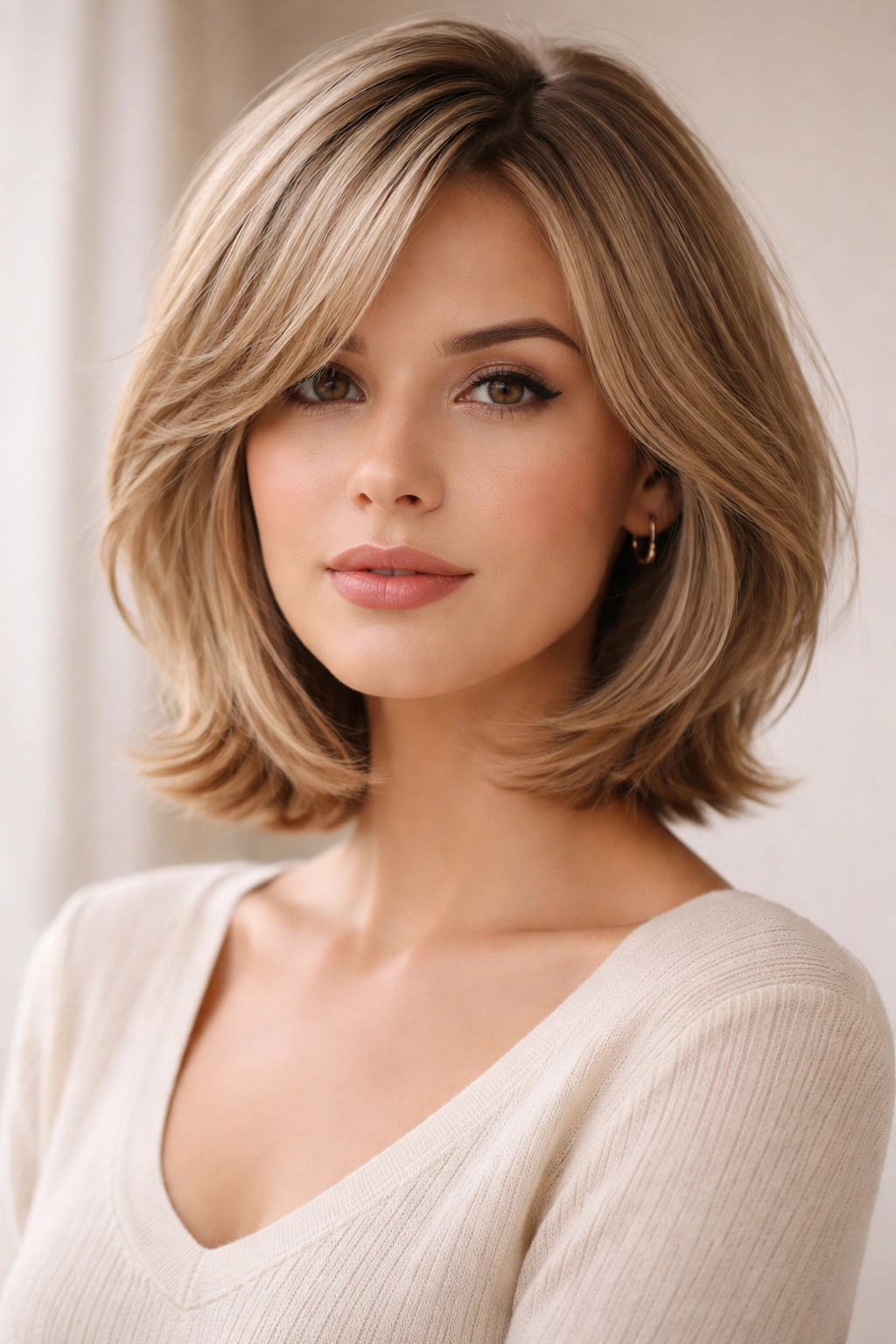
Feathering—creating soft, tapering layers that curve inward at the ends—creates movement that feels airy and ethereal. Unlike choppy layers that create visible texture lines, feathered layers blend together while still allowing movement. The cut is especially effective on straight or slightly wavy hair.
How Feathering Differs from Choppy Layering
Feathered layers are shorter toward the ends and gradually lengthen as you move toward the roots, creating a curved line rather than a blunt edge. This gradient creates movement without visible separation, which is why feathering reads as softer and more romantic than choppy styles.
What Makes It Work
- Best for: Straight to slightly wavy hair that can show the feathered shape clearly; works on fine to medium density
- Face shapes: All face shapes benefit; feathering has an inherent softness that flatters rather than challenges features
- Styling ease: These cuts look best with blow-drying to enhance the feathered curve; they look less intentional when completely air-dried
- Historical context: Feathering was huge in the 1970s and continues to cycle back as people rediscover its elegance
- Modern update: Ask for feathering that’s more subtle than vintage versions—modern feathered bobs feel contemporary rather than nostalgic
9. The Shaggy Textured Bob with Lots of Movement
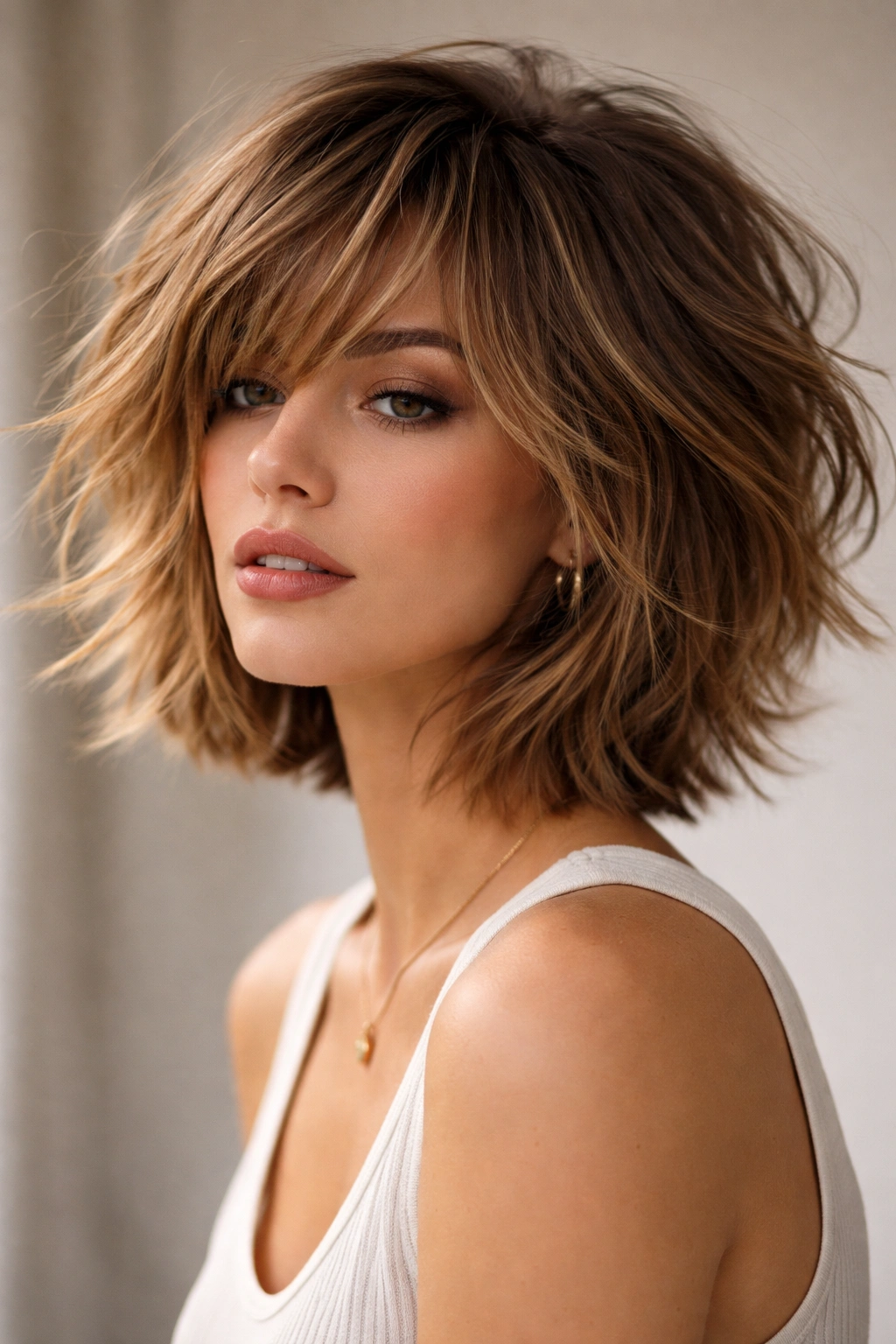
This cut takes shag influence to a textured extreme, with lots of layers throughout and a deliberately unstructured vibe. It’s the opposite of a polished, geometric bob—instead, it’s built to move, shift, and look different depending on how you style it or how the wind hits it.
Why Shag Energy Demands Movement
A shaggy textured bob isn’t trying to hold a static shape. The cut is designed to have enough layers that movement becomes inevitable. You can’t control this cut into stillness, which is exactly why people love it—it feels rebellious and effortless.
What Makes It Work
- Best for: Wavy, curly, or naturally textured hair; straight hair can wear this but requires more intentional styling
- Face shapes: Heart-shaped and oblong faces benefit from the softness and width the shaggy texture creates
- Styling approach: Scrunch with a diffuser and texturizing spray, or let it air dry for maximum texture; polish it too much and you lose the vibe
- Attitude: This cut suits people who embrace movement and texture rather than fighting against their hair’s nature
- Maintenance: Every 4-6 weeks to keep the shag shape fresh as layers grow out
Worth knowing: This cut looks especially good tousled, which means you might find yourself liking your hair more on days you don’t try to style it.
10. The Blunt-Bangs Layered Bob Combo
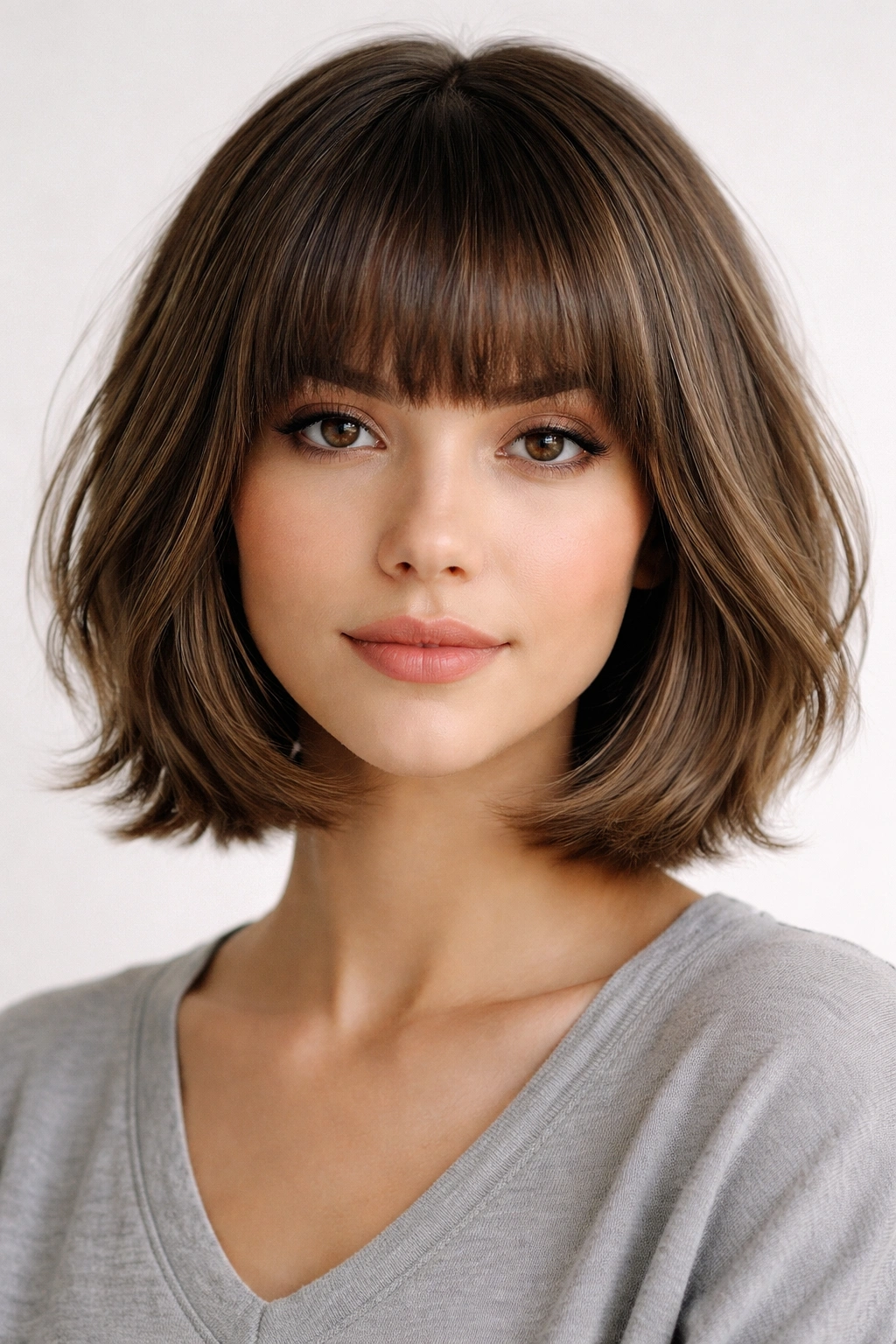
This cut pairs a slightly layered, chin-length or slightly shorter bob with soft, blunt bangs. The bangs are the anchor point—blunt and decisive—while the layers underneath provide movement and dimension. It’s a graphic, modern combination that reads as intentional styling.
Why Bangs Amplify Layered Bob Movement
Bangs create a horizontal line across the forehead, which makes the movement of the layered sections below more noticeable by contrast. The stillness of the bangs emphasizes the flow of the layers, creating dynamic visual interest.
What Makes It Work
- Best for: Medium to thick hair that can support both blunt bangs and layers without appearing wispy
- Face shapes: Works best on oval, oblong, and heart-shaped faces; round faces need strategically placed layers to avoid the bangs adding heaviness
- Styling commitment: Bangs require regular trims (every 3-4 weeks) and intentional styling to sit correctly
- Modern versus vintage: Modern versions keep bangs shorter and slightly wispy rather than full and heavy
- Color opportunity: A subtle highlight through the bangs or a darker shadow root emphasizes the contrast between bangs and layers
11. The Textured Lob with Choppy Underlayers
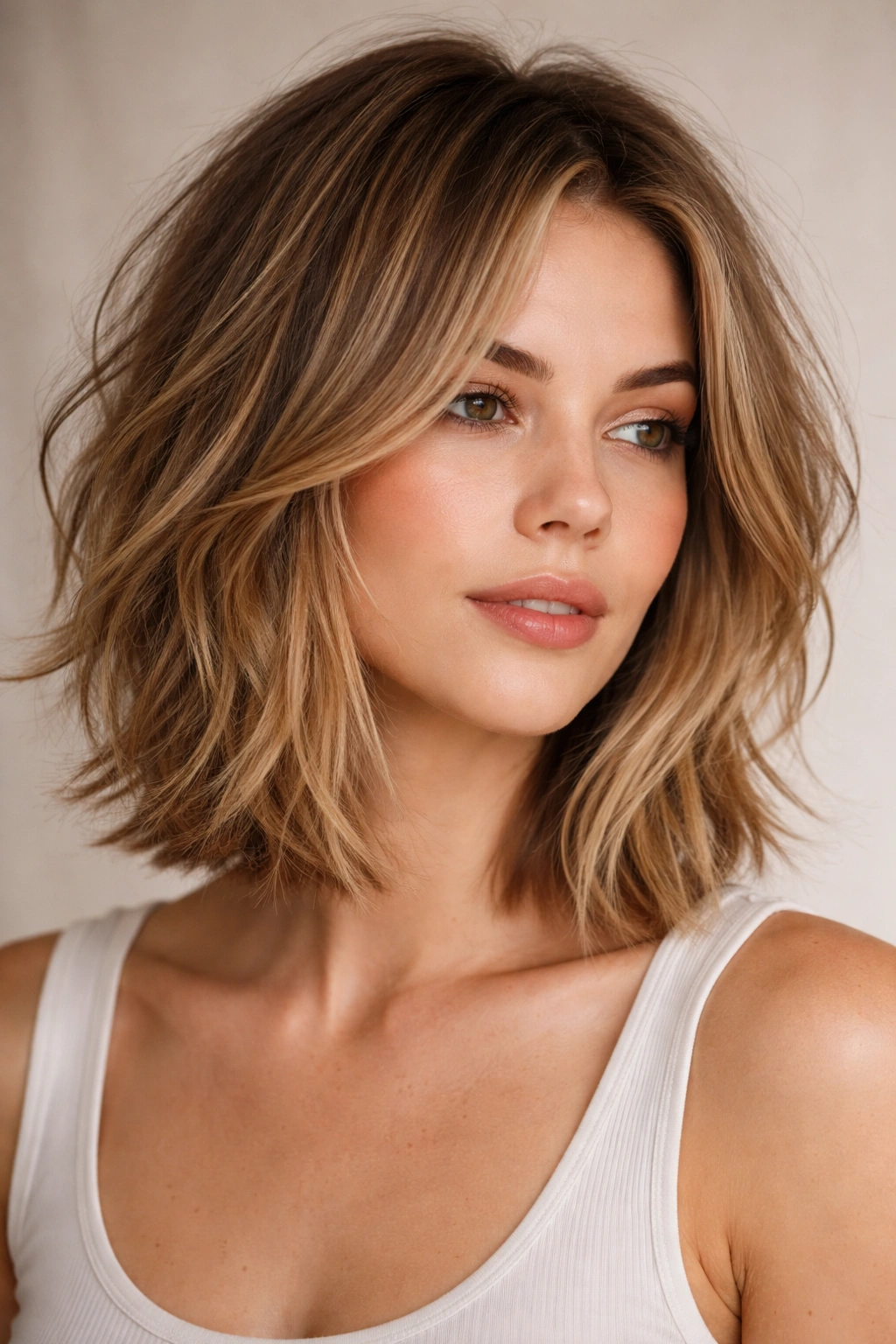
A lob (long bob) that sits between shoulder and collar bone length benefits from choppy underlayers that create movement despite the increased length. The layers work overtime at this length—without them, a lob can feel heavy and unmovable. The choppy underlayers specifically are visible especially when you move.
Why Length Changes Everything About Layering
Longer hair has more weight, so layers need to be more pronounced and strategically placed to actually create movement rather than just visual texture. A choppy, textured underlayer is essential at lob length to prevent the cut from looking flat and heavy.
What Makes It Work
- Best for: Medium to thick hair that can hold shape with layering; fine hair tends to look wispy at lob length
- Face shapes: All face shapes work, but oblong faces especially benefit from the width and movement a textured lob creates
- Styling options: Can be sleek and straight with some texturizing spray, or tousled and wavy with a diffuser
- Length consideration: Sits between chin and collar bone, which means enough length to tie back but short enough to still feel current
- Versatility: One of the most adaptable cuts—you can style it multiple ways depending on your mood
12. The Asymmetrical Layered Bob
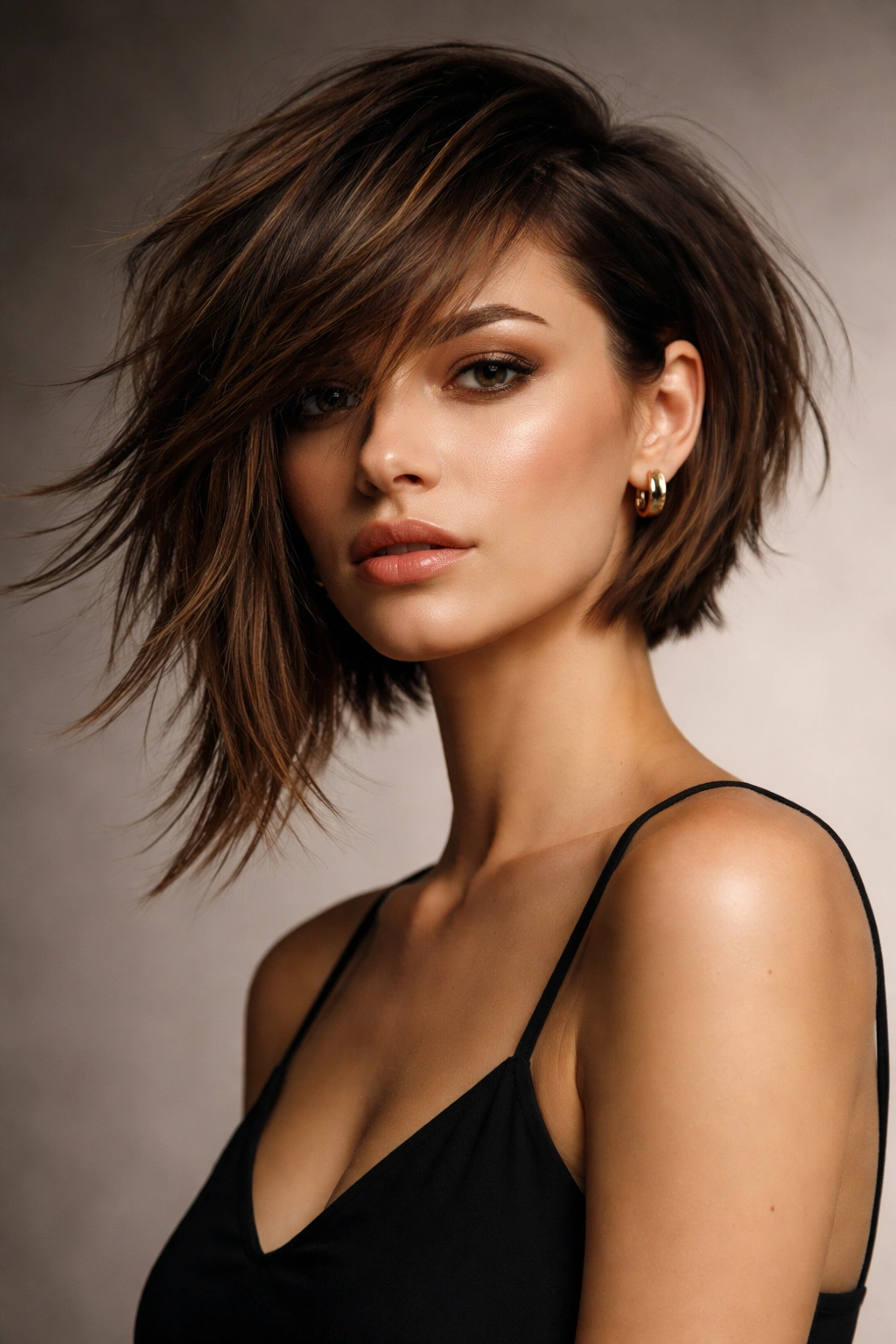
This cut features one side notably longer than the other, paired with choppy, textured layers throughout. The asymmetry creates a modern, fashion-forward vibe, and the layers ensure the cut still has movement despite the dramatic length difference.
The Confidence Required for Asymmetry
Asymmetrical cuts are inherently editorial and noticeable. The cut doesn’t disappear into “a nice haircut”—it announces itself. This is perfect for people who view their hair as a styling statement rather than a background element.
What Makes It Work
- Best for: Medium to thick hair with natural texture or waves; straight hair needs deliberate styling to look intentional
- Face shapes: Oblong and oval faces wear asymmetry best; round and square faces can wear this but need careful placement of longer side
- Styling approach: Let the longer side fall across one side of your face, or tuck both sides back for a different moment
- Personality: This cut suits adventurous people comfortable with being noticed for their hair choices
- Maintenance: Asymmetrical cuts can look grown-out and sloppy if not maintained regularly—plan for every 4-5 weeks
13. The Soft Waves and Subtle Layers Bob
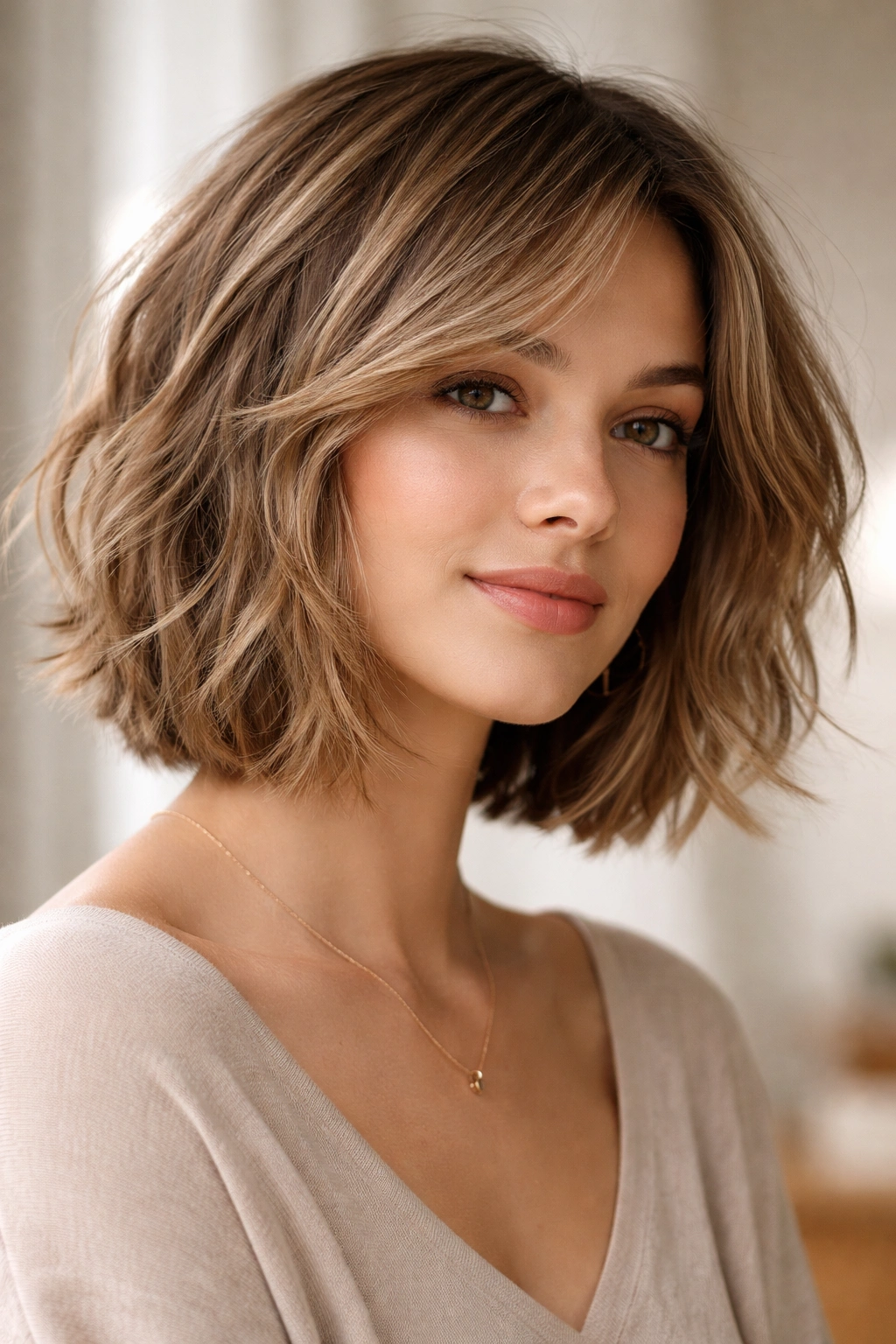
This cut uses barely-there layers—so subtle you might not notice them—but placed strategically to enhance natural waves and create movement. It’s the secret weapon for people who have naturally wavy hair and want to work with that texture rather than fight it.
How Subtle Layers Amplify Existing Texture
If your hair naturally waves or curls, the issue often isn’t lack of movement—it’s bulk. Subtle layers reduce that bulk while preserving the wave pattern, allowing your hair’s natural texture to create the movement rather than forcing it with aggressive layers. It’s working smarter, not harder.
What Makes It Work
- Best for: Wavy to curly hair; people with natural texture who want to embrace rather than fight it
- Face shapes: All face shapes benefit; the subtle layers and natural waves create inherent softness
- Styling ease: This cut legitimately looks better with less styling—your natural texture is the feature
- Blow-dry approach: Use a diffuser on low to medium heat, scrunching upward to encourage waves
- Product recommendation: A light texturizing spray or curl-defining cream enhances the movement without adding weight
14. The Razored Texture Bob
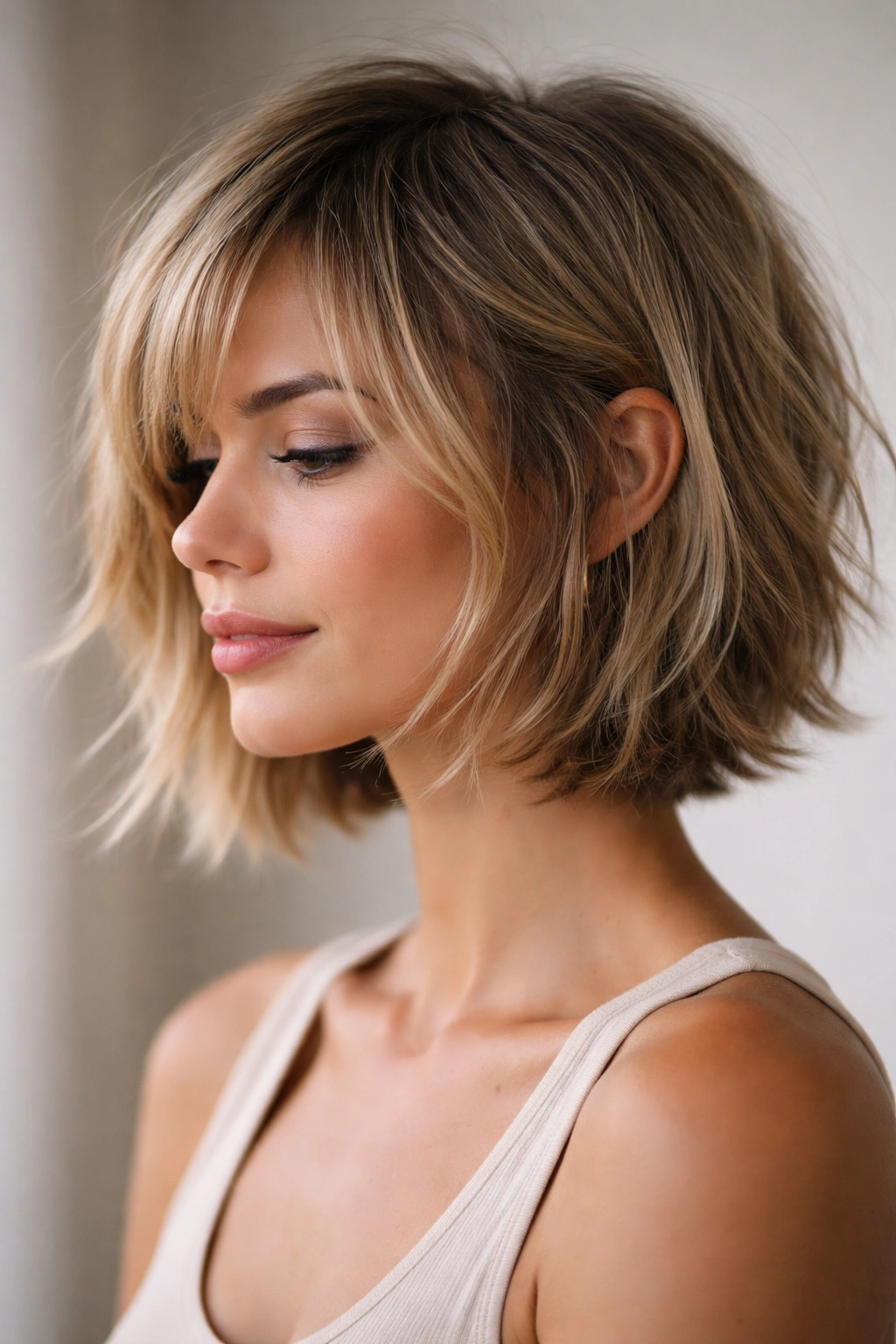
This cut uses a razor instead of scissors to create finer, more delicate texture throughout. Razor cuts create a softer line than blunt cuts, with gradual texture that looks more organic. The entire bob reads as lived-in and textured rather than precisely cut.
The Technical Difference Razors Make
A razor blade glides through hair at an angle, creating a tapered, feathered edge rather than a blunt edge. This means every layer has soft, moveable ends rather than blunt, heavy ends. Razored bobs have an inherent movement quality even before you style them.
What Makes It Work
- Best for: Straight to wavy hair that shows the razored texture clearly; extremely curly hair can look frizzy if razored
- Face shapes: All face shapes; the soft texture is universally flattering
- Styling ease: These cuts look good straight, wavy, or textured because the razor-created texture is already built in
- Maintenance: Razored edges dull faster than blunt-cut edges, so you might need trims every 5-6 weeks rather than 6-8
- Color synergy: Subtle dimensional color (balayage, highlights) looks especially dimensional on razored texture
15. The Volume-at-Crown Bob with Tapered Sides
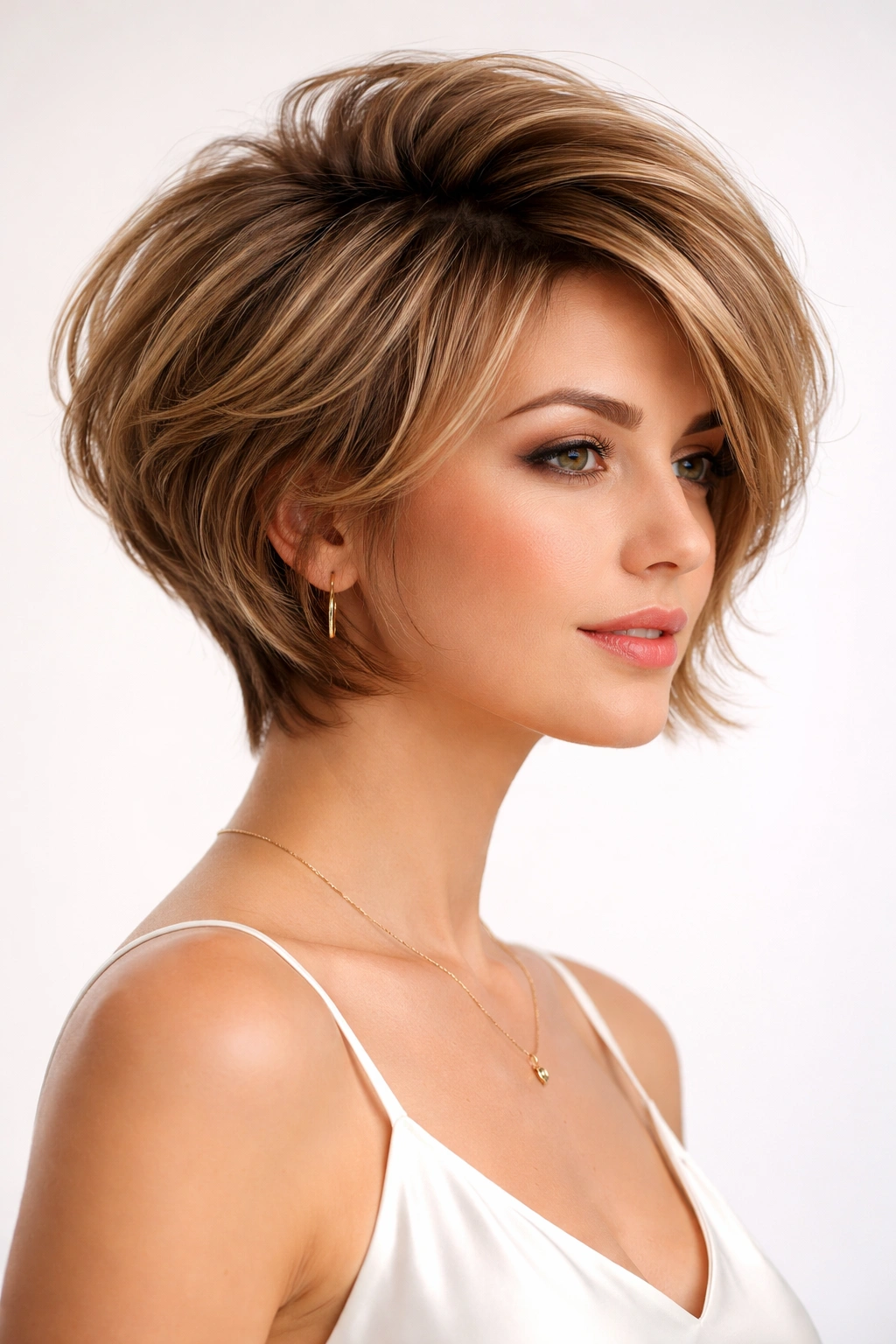
This cut prioritizes height and movement at the crown through strategically placed shorter layers, while the sides taper gradually longer. The overall effect is a cut that’s more voluminous on top and narrower toward the bottom—the opposite of the popular blunt, boxy bob.
Why Crown Volume Changes Your Entire Silhouette
When layers create volume at the crown, you naturally appear taller and thinner. The silhouette is more flattering than a boxy shape for most face shapes, because you’re creating height rather than width across the face and neck.
What Makes It Work
- Best for: Fine to medium hair that needs an optical illusion of volume; people with round or square faces
- Face shapes: Round, square, and wide faces benefit from the narrower silhouette; the crown volume adds height to balance width
- Styling approach: Blow-dry against your hair’s natural fall direction to maximize crown volume, or use volumizing mousse at the roots
- Maintenance: Every 5-6 weeks to keep the crown layers creating height as they grow out
- Professional insight: Ask your stylist to cut with your natural hair growth pattern at the crown—working with the whorl creates more lasting volume
16. The Textured Bob with Face-Framing Layers
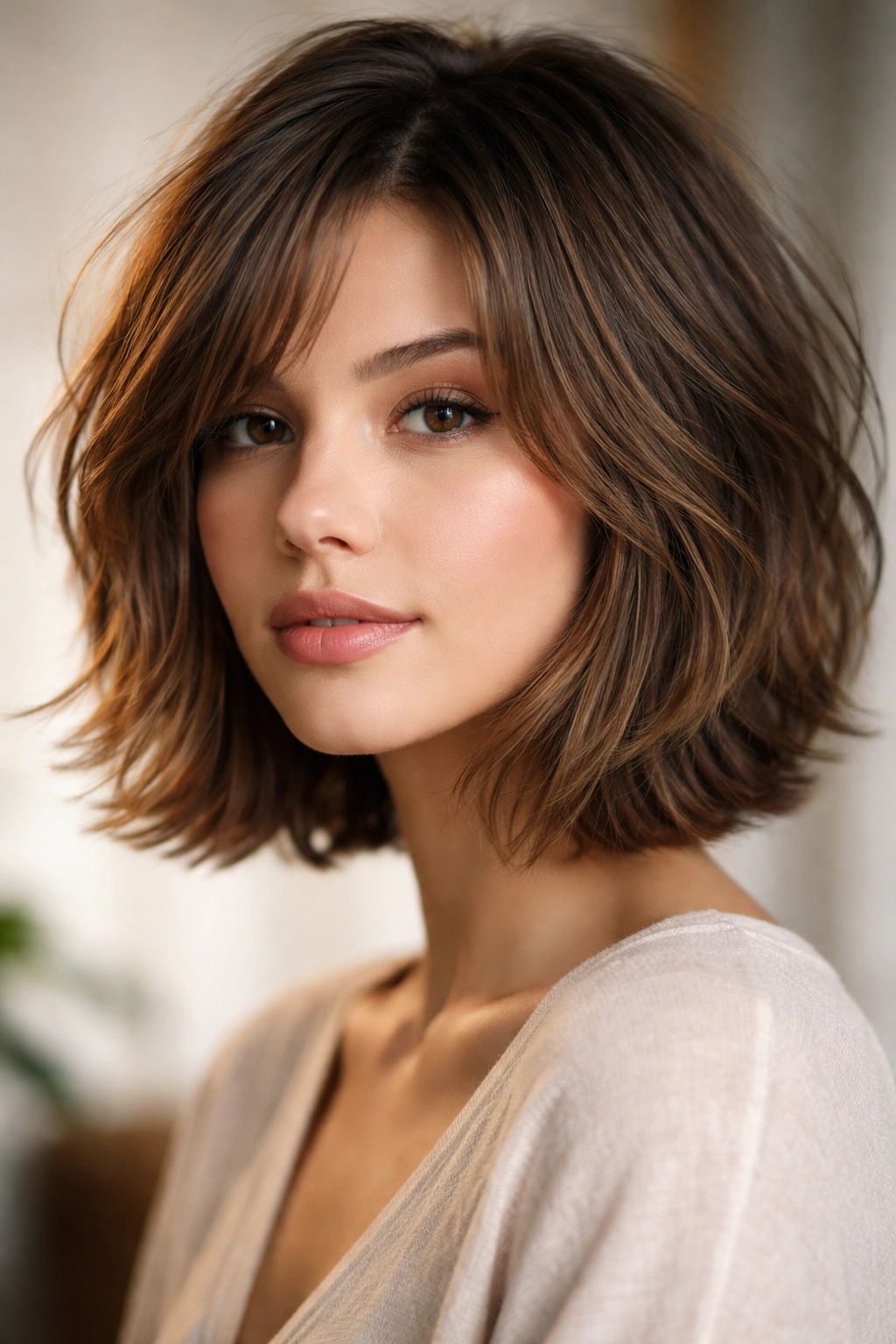
This cut specifically emphasizes shorter, choppier layers around the face, creating a framing effect while keeping the back fuller and longer. The face-framing layers create movement right where it impacts how your face looks, while the back maintains some length and stability.
Why Face-Framing Layers Matter Strategically
Layers around the face create movement and dimension right where people look at you. This is why this strategy is so effective—the movement happens exactly where it catches light and frames your expression. It’s the most visible layering in any cut.
What Makes It Work
- Best for: All hair textures; this strategy is universally flattering across density and pattern
- Face shapes: Heart-shaped and oblong faces benefit most from softening and framing around the cheeks and jawline
- Styling ease: Even without deliberate styling, the face-framing layers catch light and create the appearance of movement
- Length consideration: The face-framing layers are noticeably shorter (sometimes several inches shorter) than the back
- Dimension opportunity: Face-framing highlights make the lighter texture even more noticeable and dimensional
17. The Textured Grunge Bob
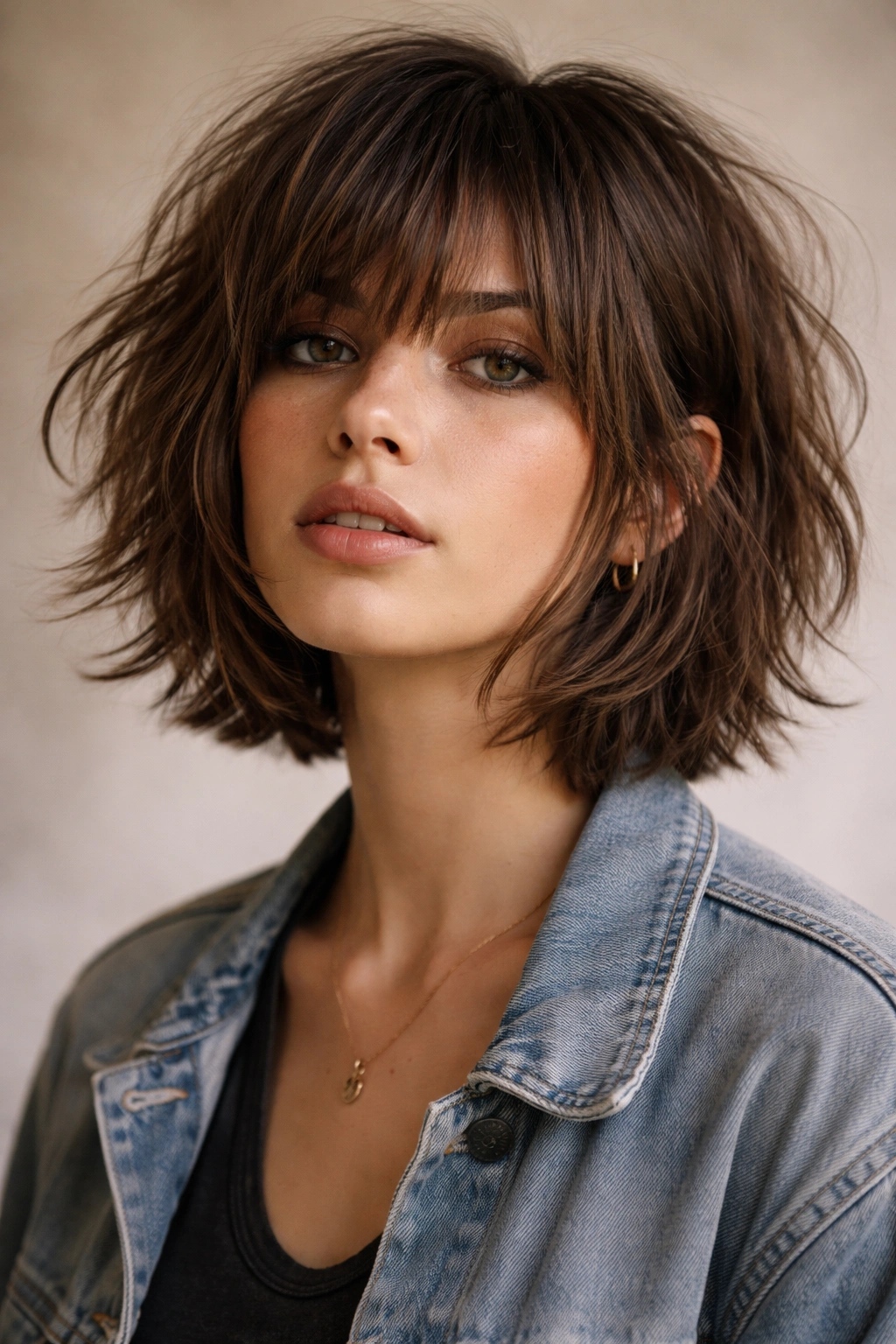
This cut embraces an intentionally undone, grunge-influenced vibe with choppy, uneven layers and a deliberately unstructured shape. It’s the cut you’d get if you wanted your hair to look like it was cut in a basement in 1992, but executed with modern sophistication.
The Paradox of Intentional Messiness
Grunge bobs look effortless, but they require intention and technique to actually look good. The layers need to be choppy enough to look undone, but placed strategically enough that the cut flatters your face rather than just looking like a mistake.
What Makes It Work
- Best for: Medium to thick hair with texture or waves; straight hair needs product to maintain the grunge vibe
- Face shapes: Oval, oblong, and heart-shaped faces wear this best; the choppy, edgy texture adds personality
- Styling approach: Use texturizing spray, salt spray, or dry shampoo to enhance the undone texture; overstyling defeats the purpose
- Attitude: This cut suits people who have a strong sense of personal style and aren’t afraid to look deliberately undone
- Color synergy: Darker roots with lighter midtones and ends (shadow root, balayage) enhance the grunge aesthetic
18. The Polished Textured Bob with Internal Layers
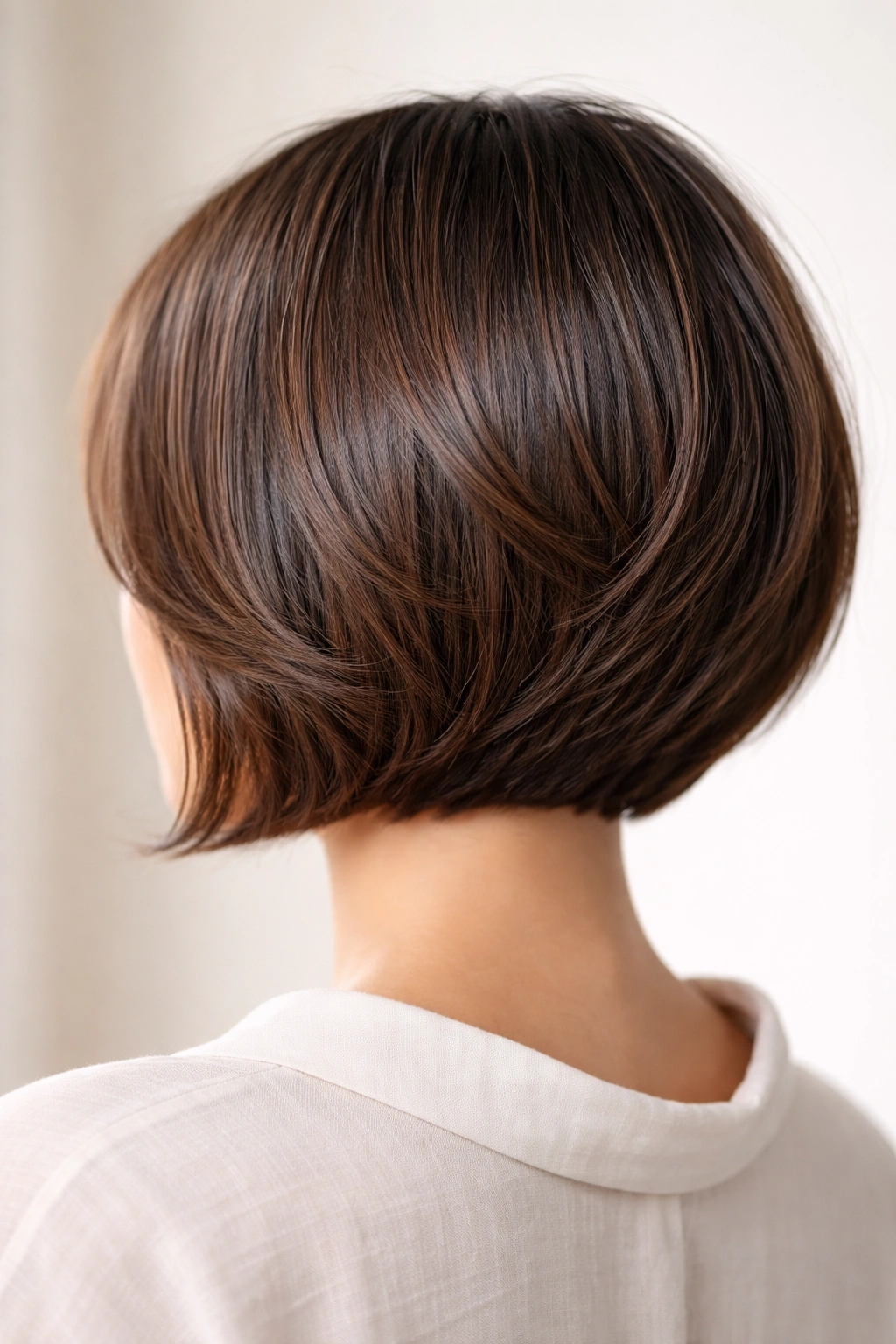
This final version balances sophistication with movement through internal layers that create texture visible from certain angles but don’t interrupt the overall polished shape. The cut reads as refined and intentional, not trendy or editorial.
How Internal Layers Create Sophistication
Internal layering (cutting shorter layers underneath fuller external layers) creates texture and movement without visual chop. The cut maintains a cohesive silhouette from the front and sides, but when you move or feel the hair, you notice the texture and movement underneath. It’s layering for people who prefer subtlety.
What Makes It Work
- Best for: All hair textures; this approach is endlessly adaptable
- Face shapes: All face shapes benefit from the polished silhouette and movement combination
- Styling options: Works equally well blow-dried straight, textured with a diffuser, or air-dried depending on your hair’s natural pattern
- Maintenance: Every 6-8 weeks to maintain the polished shape as layers grow out
- Professional investment: This cut requires a skilled stylist who understands subtle layering—it’s worth paying a bit more for precision
- Longevity: This is a cut you can wear for years if you maintain it regularly, because it never feels dated
Final Thoughts
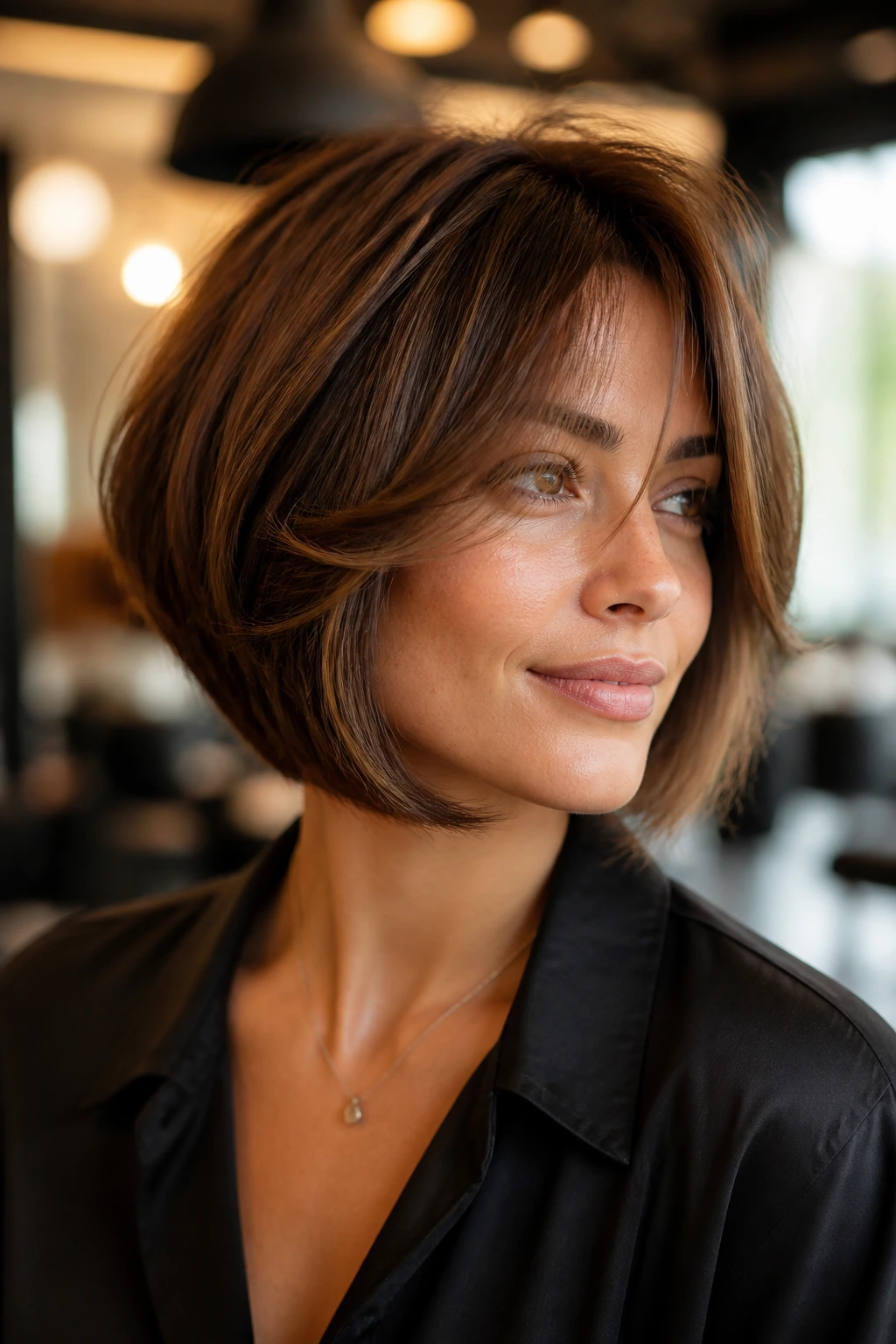
The magic of a layered bob is that it works with your hair rather than against it. The right layers—placed correctly for your specific hair texture, face shape, and how you actually want to style your hair—transform a haircut from something you have to manage into something that creates movement and dimension effortlessly. You’re not fighting against gravity or weight or your hair’s natural pattern. You’re harnessing those forces to create something that looks alive and dimensional the moment you move.
The range of possibilities within layered bobs means you can find a version that matches your personality and needs. If you prefer a soft, romantic vibe, subtle layers and feathering deliver that. If you want something bold and modern, choppy texture and disconnect create exactly that. If you want sophistication without obvious trendiness, polished internal layers and refined shapes are your answer.
The most important thing isn’t which specific version you choose—it’s finding a skilled stylist who understands how layers actually create movement. The difference between a layered bob that moves beautifully and a choppy disaster is execution. Talk to your stylist about your hair’s natural texture, how much time you want to spend styling, and whether you prefer subtle or visible texture. Show them photos of texture and movement you love, not just overall shapes. A talented stylist will translate that into a cut that becomes part of your everyday confidence rather than another thing to worry about managing.
