



Black women’s hair is beautifully diverse—ranging from loose waves to tight coils, from fine strands to thick textures. But finding hairstyles that actually work with your specific hair texture rather than against it can feel overwhelming when you’re scrolling through endless inspiration posts. The truth is, what looks stunning on someone with 3C curls might not translate the same way on 4B hair, and that’s not a limitation—it’s just the reality of hair texture variation.
The best hairstyles are the ones that celebrate your natural texture while offering the protection, longevity, and ease of styling you need. Whether you’re rocking coils, waves, locs, or anything in between, there’s a whole universe of styles specifically designed to work with how your hair naturally behaves. Some styles require different preparation methods, hold differently based on texture, and last varying lengths of time depending on your curl pattern and hair density.
This is where understanding your texture category becomes genuinely useful. Black hair typically falls into a few broad texture categories—from straighter relaxed textures through wavy, curly, coily, and kinky patterns—and each category has signature styles that perform beautifully on that texture. When you choose a style matched to your actual hair texture, you’re not fighting your hair; you’re working with it. That means better hold, less breakage, more longevity, and honestly, styles that just look better because they’re designed for how your hair actually behaves.
1. Box Braids
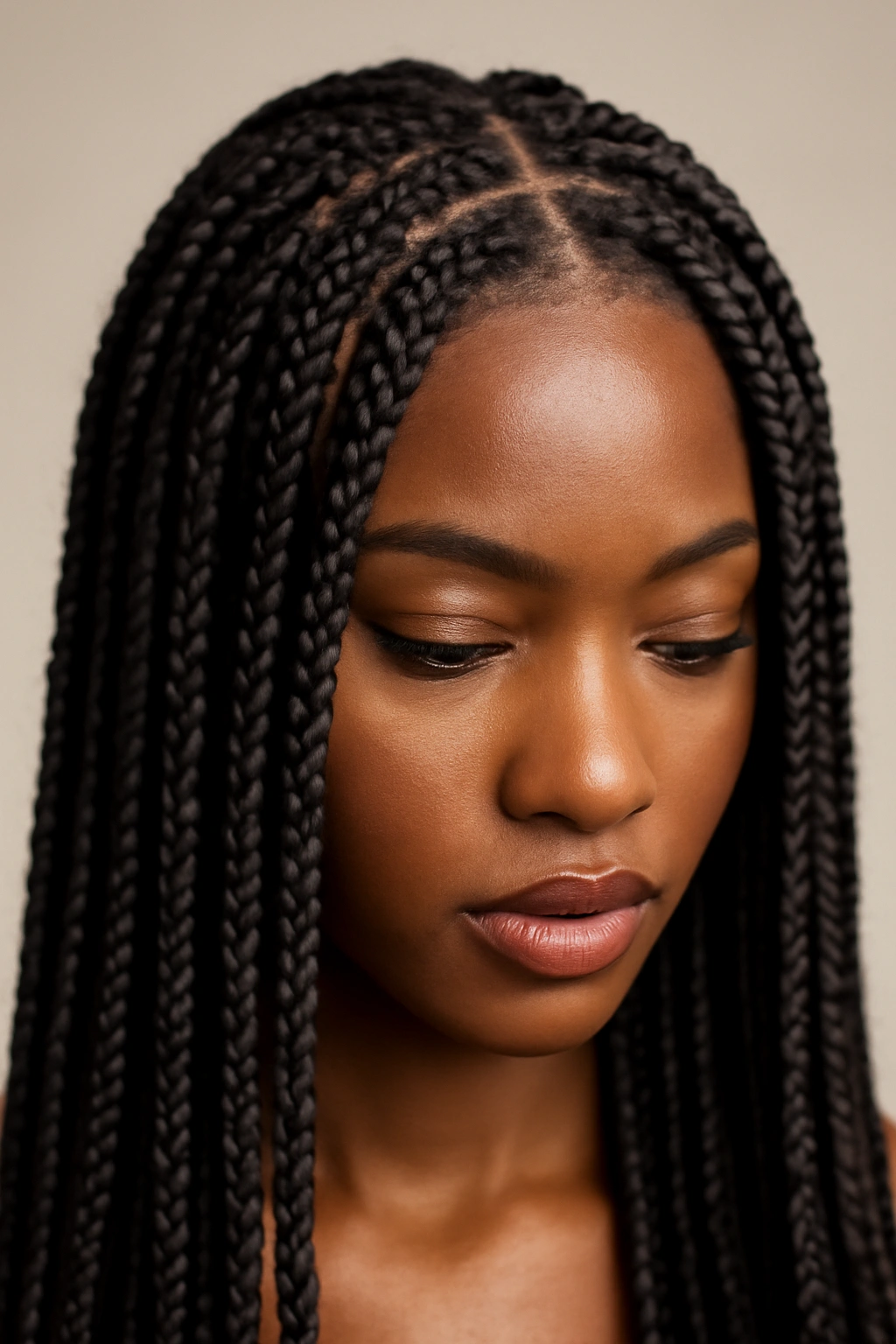
Box braids are one of the most iconic protective styles for textured hair, and they work beautifully across most Black hair textures, particularly coily and kinky types. The style involves dividing hair into square-shaped sections and braiding each section from root to tip, often with extensions added for length, volume, or color variation. What makes box braids so reliable is their versatility—they can be worn long or short, thin or thick, with or without added color, and they protect your natural hair while giving you a completely different aesthetic.
Why They Work for Multiple Textures
Box braids hold beautifully on coily, kinky, and densely textured hair because the braid tension works with your natural texture rather than fighting it. The texture actually helps the braids grip and stay neat longer. They also work on wavy and curly textures, though you might notice they unravel slightly faster on looser waves since there’s less friction to hold the braid in place. Most stylists will add extensions to create defined boxes and add weight, which helps the braids maintain their shape throughout their wear time.
Maintenance and Duration
Box braids typically last 6 to 8 weeks depending on how tightly they’re done, your hair growth rate, and how well you maintain them. The key to longevity is sleeping on a silk or satin pillowcase, using lightweight oils on your scalp (not on the braids themselves, which can loosen them), and occasionally rebraiding loose sections. Many people find that the highest-maintenance period is actually around week 5 when natural hair growth starts showing at the roots and edges can feel fuzzy—a quick re-tightening at the salon can extend their life another 2-3 weeks.
Pro tip: Wash your hair thoroughly before your braiding appointment and consider scalp treatments the week before; your scalp will be inaccessible for several weeks, so starting clean and healthy makes a huge difference in comfort and scalp health.
2. Passion Twists
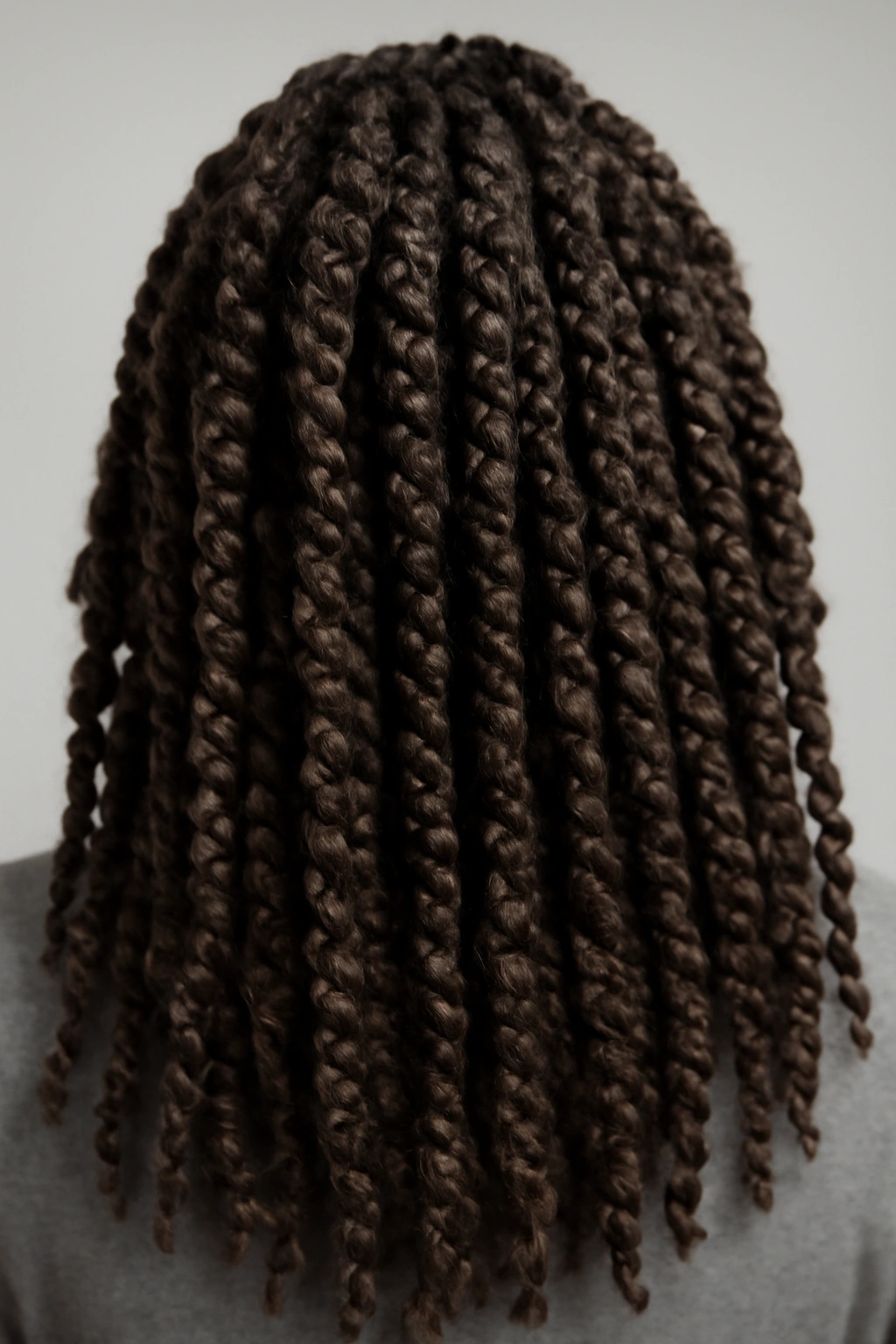
Passion twists are a newer protective style that’s become increasingly popular, especially for those looking for a softer, more fluid alternative to box braids. They’re created by twisting your natural hair with extension hair, resulting in a style that’s somewhere between a twist and a braid—bouncier and more textured than traditional braids. The twists wrap around each other in a way that creates a delicate, almost vine-like appearance.
Best for Coily and Kinky Textures
Passion twists perform exceptionally well on tightly coiled and kinky hair textures because the natural texture grips the extensions beautifully and the twists stay defined throughout their wear time. On looser wave patterns, passion twists can feel a bit loose and may need tighter installation to maintain definition—they’re not impossible on wavy hair, but they’ll look slightly different and might unravel sooner. The style has a softer, more romantic feel than box braids, making it a great choice if you want protection without the more geometric, structured look.
Installation and Feel
Installation typically takes 4 to 6 hours depending on the number and thickness of twists you’re getting, and they’re gentler on the scalp than box braids since there’s slightly less tension involved. Many people find them more comfortable for sleeping than braids and report less scalp soreness. The twists usually last 4 to 6 weeks, slightly shorter than box braids, partly because the twisting mechanism allows them to loosen gradually as your hair grows.
Worth knowing: The extensions used for passion twists are usually softer and more textured than box braid extensions, which gives them that distinctive fluffy, almost feathery appearance. If that softness appeals to you, ask your stylist for textured extensions rather than standard box braid hair.
3. Senegalese Twists
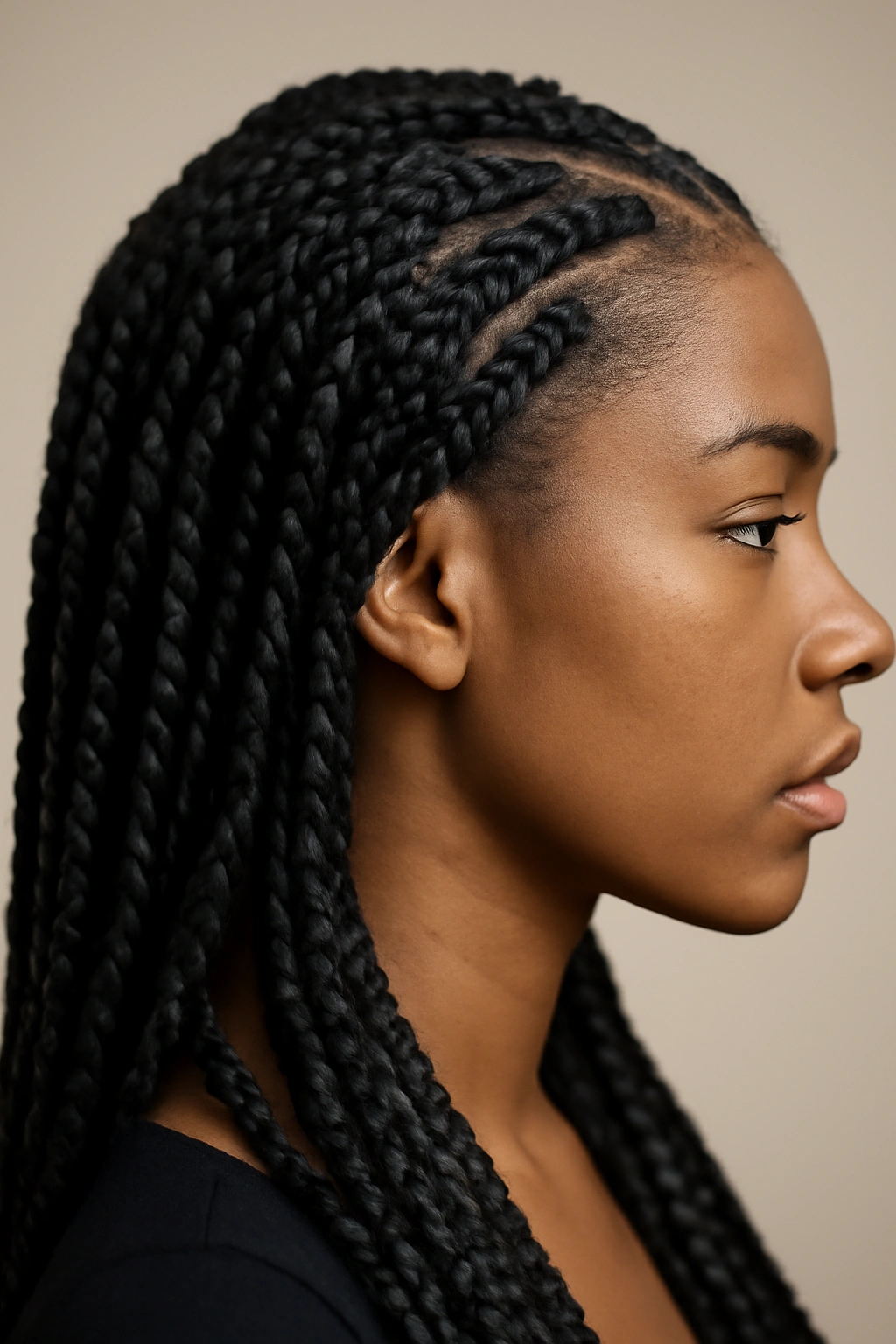
Senegalese twists are tighter, more uniform twists than passion twists, and they’re created by twisting two strands of hair (your natural hair plus extension hair) around each other repeatedly from root to tip. The result is a cleaner, more polished look than passion twists—each twist is distinct and geometric. They’re named after the West African country where they originated and have remained a staple protective style across the African diaspora for generations.
Performance on Different Textures
Senegalese twists work wonderfully on coily, kinky, and densely textured hair where the natural texture helps the twists stay tight and defined. They also work on wavy hair, though tighter installation is needed to keep them looking sharp as your hair grows. The twists have a more formal, structured appearance than passion twists, making them a good choice if you want a refined, polished protective style. They’re also lighter than box braids, which some people prefer for reduced stress on the scalp.
Styling Versatility
One major advantage of Senegalese twists is how many ways you can style them once they’re installed. You can wear them down, gather them into ponytails, twist them up into buns, or wrap them around your head—the options feel almost endless. This styling flexibility makes them practical for situations where you need different looks throughout your wear period. They typically last 4 to 8 weeks, with longevity depending on hair texture, how tightly they’re installed, and your maintenance routine.
Insider note: Senegalese twists look especially striking when you alternate the direction of the twists (some going right, some going left) or when you leave small sections of twists loose and flat-twist other sections—it adds visual interest and texture variation that prevents the style from feeling monotonous.
4. Locs (Dreads)
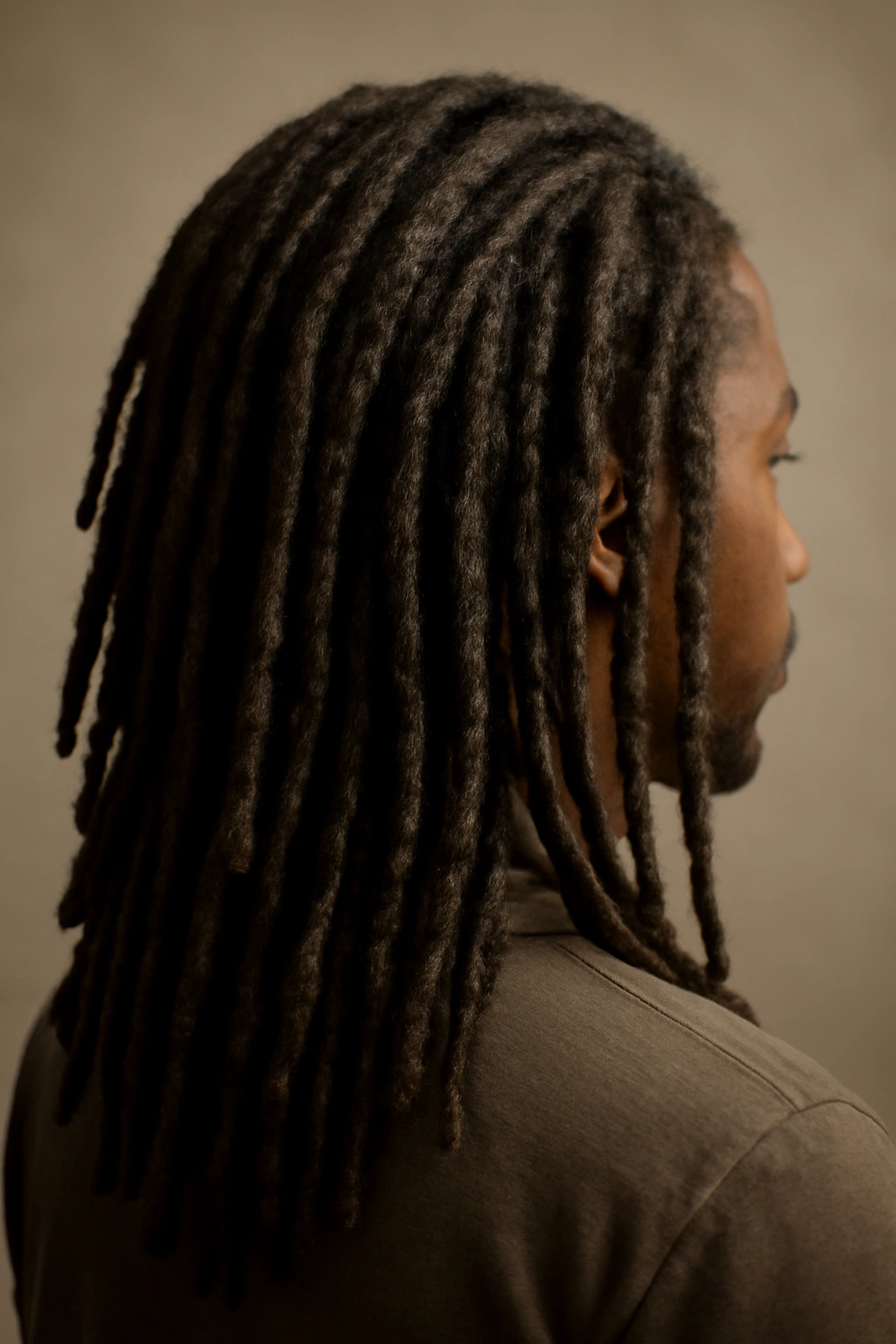
Locs are a commitment—they’re a long-term protective style and lifestyle choice where hair is intentionally matted and allowed to lock together, creating rope-like strands. Locs range from pencil-thin to thick, can be worn long or short, and can last years with proper maintenance. They represent cultural significance for many, spiritual intention for others, and for everyone who wears them, they’re a statement of embracing natural hair in its most intentional form.
Texture Considerations
Locs work best on naturally coily, kinky, and very curly hair textures where the hair’s natural pattern helps the locking process. Looser wave patterns can form locs too, but it takes longer (sometimes several months) for them to truly lock since there’s less inherent texture to grip. Starter locs can be created through several methods: palm rolling (rolled by hand), crochet hooking (using a hook to lock sections), or twisting and allowing them to naturally lock over time. The method you choose influences how quickly your locs mature and how they look during the early stages.
The Maturation Timeline
New locs go through distinct phases: the starter phase (first few weeks to months where they look somewhat loose), the baby loc phase (3 to 6 months where they’re still developing), and the mature phase (usually 6 months to 2+ years, depending on method and hair type, where they look settled and defined). Many people find the waiting period challenging—baby locs require more frequent maintenance, can look somewhat unkempt, and demand patience. But once they mature, locs require minimal manipulation, which many people find liberating.
Real talk: Locs are a long-term commitment, and while they’re protective, they require consistent maintenance—regular palm rolling or crochet work to keep new growth locked, periodic deep cleaning, and patience through growth cycles. They’re not a “set it and forget it” style, but many people find the time investment worthwhile for the ease and cultural significance they offer.
5. Faux Locs
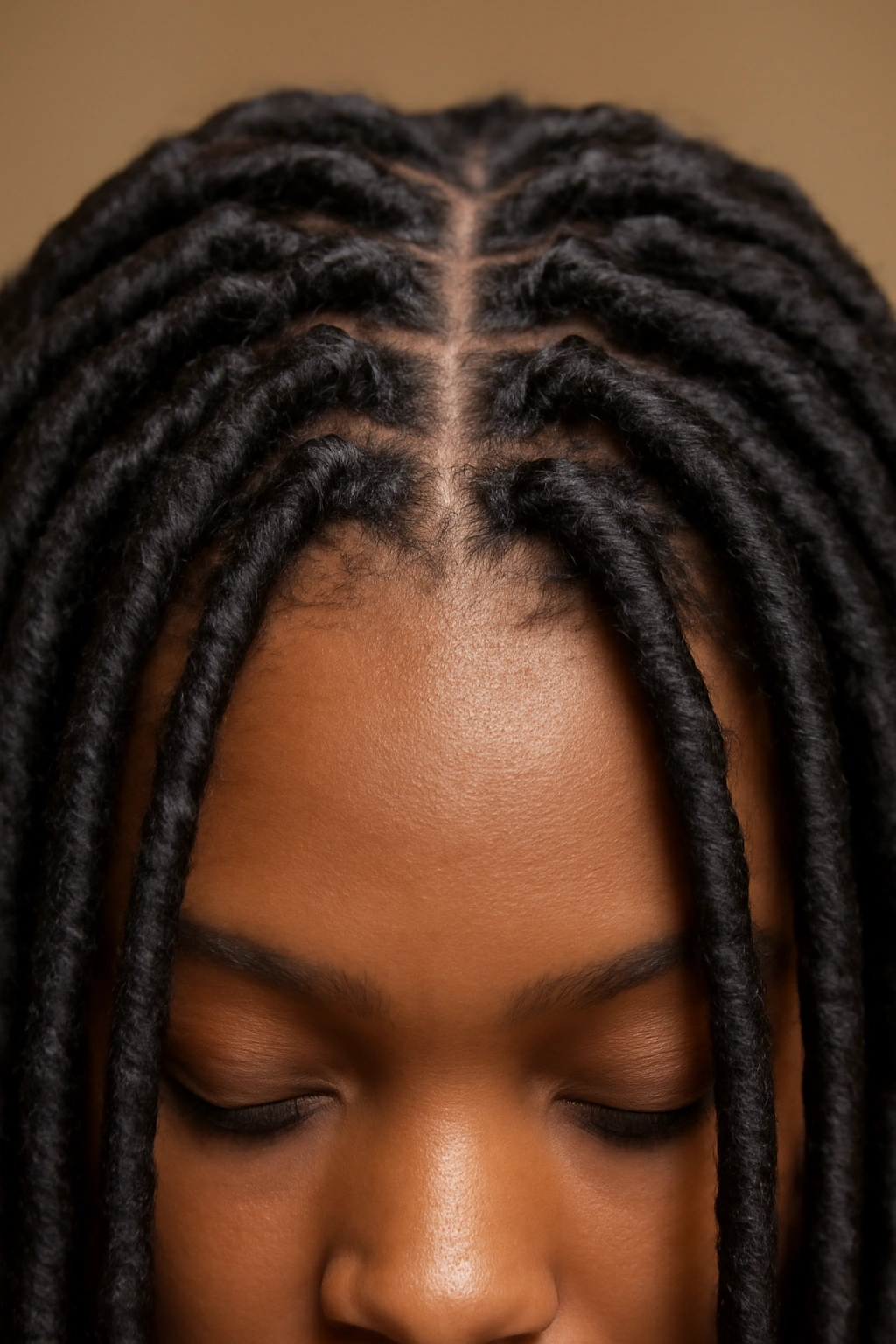
Faux locs offer the aesthetic of real locs without the years-long commitment. They’re created by twisting or braiding hair with extensions, creating the appearance of locs that can be removed after a few weeks, leaving your natural hair intact underneath. Faux locs typically last 4 to 6 weeks and give you the chance to explore the loc aesthetic without permanent commitment.
Which Textures Wear Them Best
Faux locs work across a wider range of textures than real locs because the extensions provide structure. They perform beautifully on kinky, coily, and curly hair where the natural texture holds the faux locs securely. On wavy or looser textures, they can feel slightly loose and might require tighter installation, but they’re absolutely doable. The extensions used for faux locs are usually soft, textured locs themselves, which means the installed style looks quite realistic and authentic.
Installation and Removal
Installation typically takes 3 to 5 hours, and removal is straightforward—your stylist simply unravels or carefully cuts out the extensions without damaging your natural hair underneath. Many people use faux locs as a seasonal protective style or as a way to test the waters before committing to real locs. They’re lighter than box braids and require minimal daily maintenance beyond the basics: sleeping on silk or satin, keeping your scalp clean, and avoiding excessive moisture on the extensions themselves.
Pro tip: Faux locs photograph beautifully and give you dramatic length and volume instantly, which makes them popular for special occasions, travel, or whenever you want a significant aesthetic change without permanent commitment. Just ensure your stylist removes them gently to protect your natural hair underneath.
6. Crochet Braids
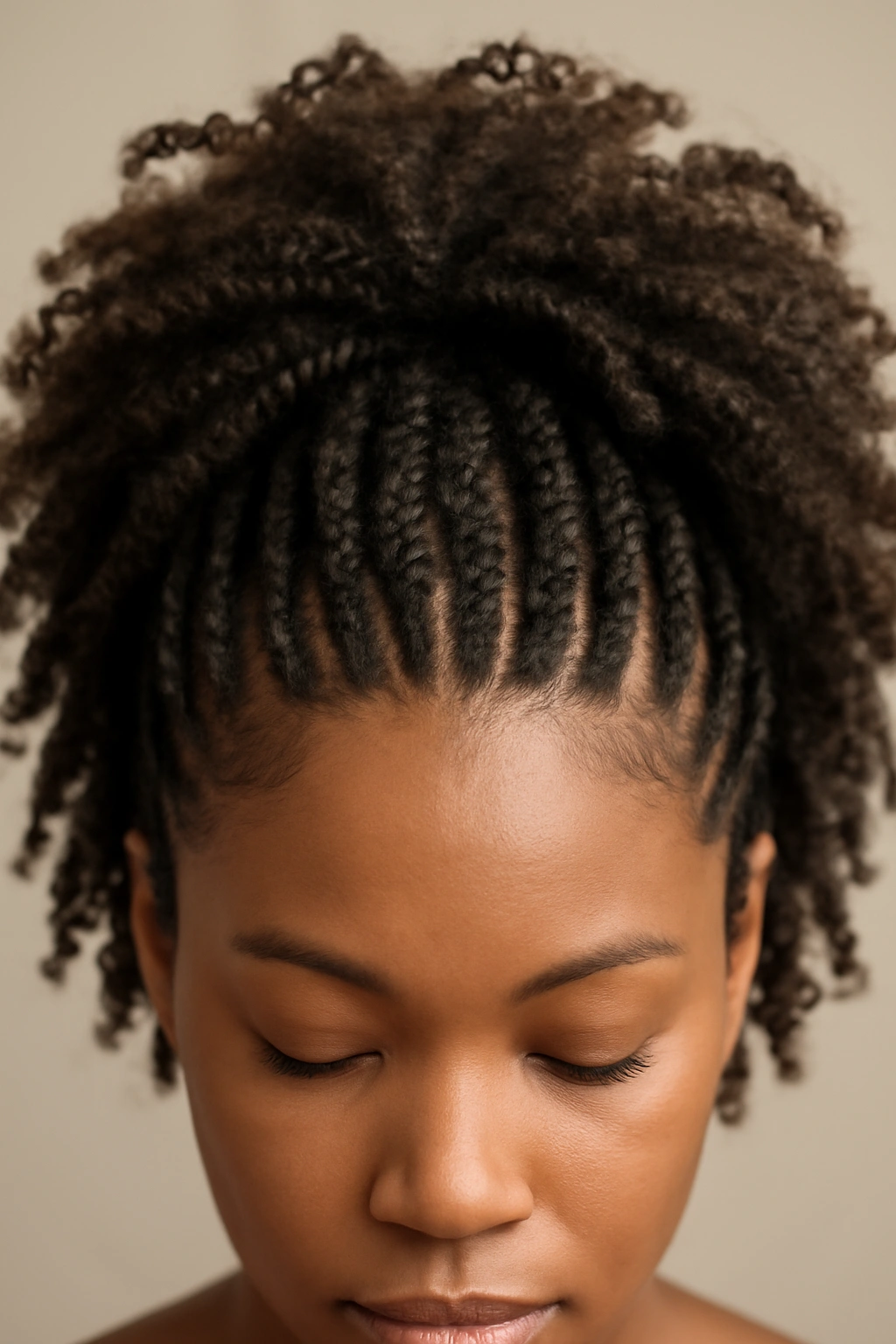
Crochet braids are created by cornrowing your natural hair in straight lines and then using a crochet hook to pull extension hair through each cornrow, creating braids that sit on top of your cornrowed base. The result is a protective style that offers volume, length, and varied texture, all while fully protecting your natural hair underneath the cornrow base. Crochet braids are lightweight, require less tension than traditional braids, and offer incredible versatility in texture and length.
Works Well on All Textures
Crochet braids are genuinely texture-inclusive because the cornrow base does most of the holding work—the extensions simply get looped through. They work beautifully on coily, kinky, curly, wavy, and even looser texture hair. The key is creating a clean cornrow base that sits comfortably on your scalp. Because there’s no braiding tension on your natural hair itself, crochet braids tend to be gentler on hairlines and edges compared to traditional protective styles, which many people appreciate.
Customization Options
The beauty of crochet braids is that you can choose any texture of extension hair and create virtually any look. Want loose, wavy braids? Grab textured wavy extensions. Want tight, defined twists? Use textured twist extensions. Want curly braids? Use curly extensions. You can also mix textures—combining straight, wavy, and curly extensions in one style for a dynamic look. This customization makes crochet braids endlessly adaptable to your mood and aesthetic.
Longevity and Maintenance
Crochet braids typically last 6 to 8 weeks, and because the tension is minimal, they’re usually comfortable throughout their entire wear period. Maintenance involves keeping your cornrow base clean (you can wash your entire head), moisturizing the extensions with lightweight oils, and ensuring your hairline stays healthy. Many people find crochet braids the most forgiving protective style in terms of long-term scalp health.
7. Cornrows
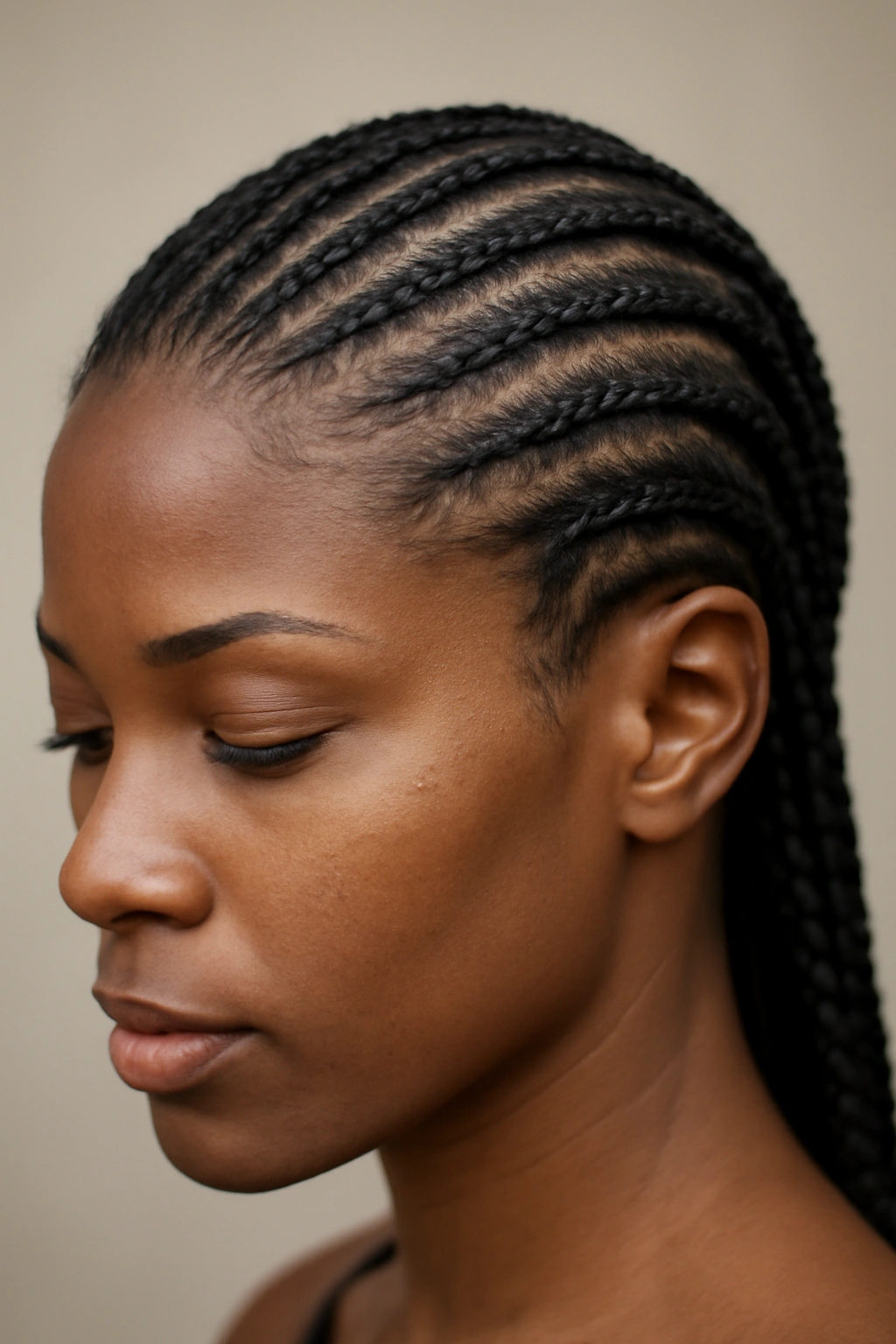
Cornrows are one of the oldest and most fundamental Black hairstyles, created by braiding hair close to the scalp in straight lines, curved lines, or geometric patterns. They’re both a protective style and an everyday style—you can rock cornrows casually or dress them up with beads, gold cuffs, or thread wrapping. Cornrows work on virtually every Black hair texture and are the foundation for many other protective styles.
Texture-Specific Styling
On tightly coiled and kinky hair, cornrows stay incredibly neat and defined with minimal manipulation—they can last 4 to 6 weeks looking fresh. On curly and wavy textures, you might notice them loosening slightly as your natural curl pattern pushes against the braid structure, but they still look great and typically last 3 to 4 weeks. The tighter your natural curl pattern, the longer cornrows maintain their crispness. Cornrows can be done with or without extensions; adding extensions increases their longevity and allows you to create longer, fuller-looking cornrows.
Styling and Patterning
Cornrows can be worn in simple straight lines down the back of the head, or they can be patterned in intricate designs—spirals, curves, diamond shapes, geometric patterns that cover the entire scalp. This patterning is both an art form and a form of cultural expression. Feed-in cornrows (where extensions are gradually introduced into the braid as you braid, creating a seamless flow) are a popular variation that looks refined and works beautifully for people wanting a protective style that looks intentional and styled.
Worth knowing: Cornrows are incredibly low-maintenance once they’re installed—you can wash your hair regularly, sleep however you want, and they require minimal daily care. This makes them practical for active people, athletes, or anyone who wants a protective style that doesn’t demand constant attention.
8. Flat Twists
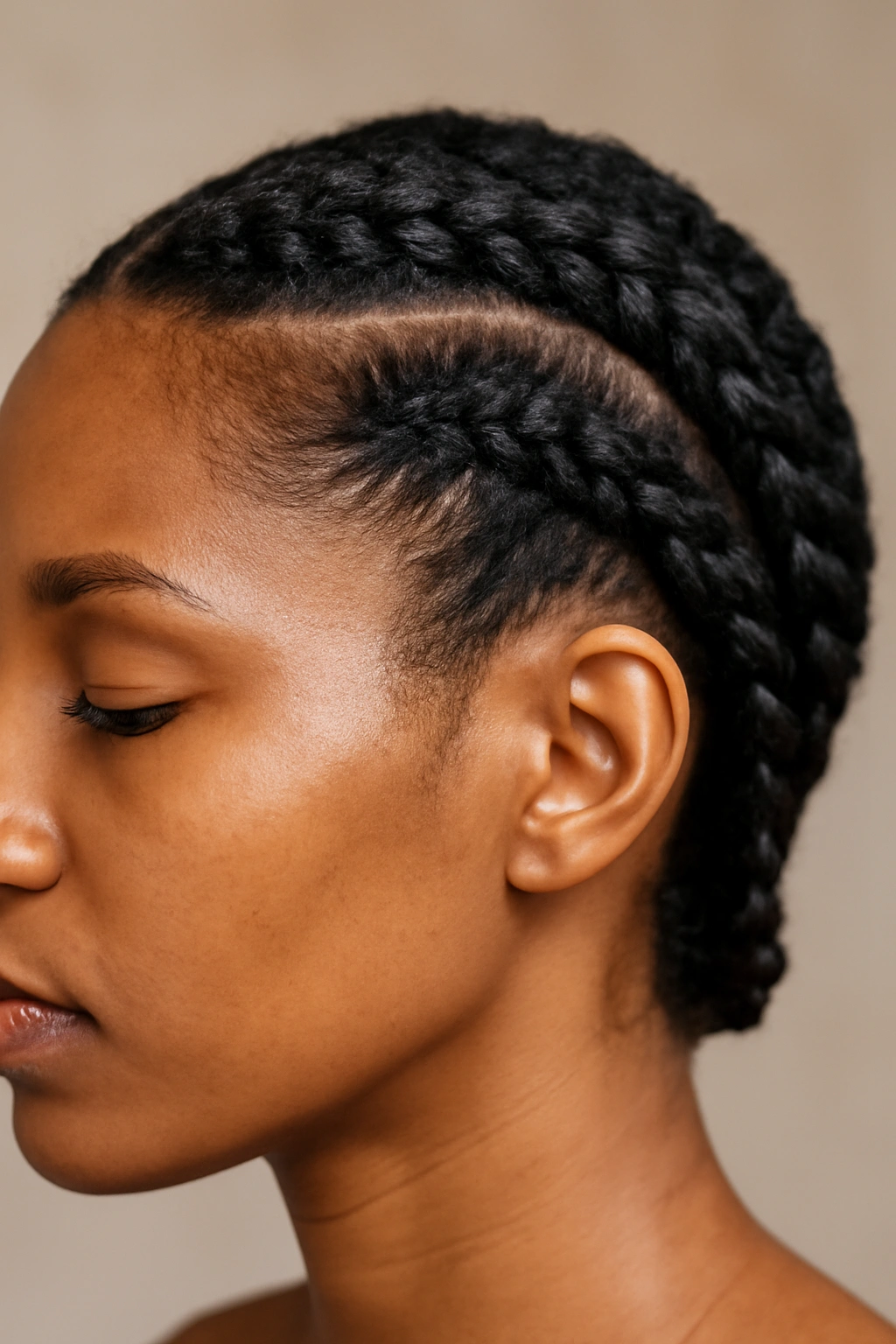
Flat twists are similar to cornrows but created by twisting two strands together close to the scalp rather than braiding three strands. They create a beautiful, fluid aesthetic that’s slightly softer and more dimensional than cornrows. Flat twists can be worn alone or combined with loose twists hanging down, creating a hybrid style with both protective elements and free-hanging texture.
Performance Across Hair Types
Flat twists perform beautifully on coily and kinky hair textures where they stay tight and defined. On curly and wavy textures, they maintain their shape well but might loosen slightly over time. The key to flat twists on any texture is tension during installation—done correctly, they should feel snug but not painful. Flat twists typically last 3 to 5 weeks depending on texture and how tightly they’re installed, making them a shorter-wear protective style than box braids or cornrows.
Styling Possibilities
You can wear flat twists pinned up into updos, left loose to hang down the back, wrapped around the head in a crown shape, or combined with loose twists for a half-protective, half-free style. This versatility makes them popular for people who want multiple styling options from one protective installation. Many people also add subtle colors to flat twists—either colorful thread wrapped around the twists or extensions in a different color—for visual interest.
Pro tip: If you have very textured hair, flat twists can be faster to install than cornrows since twisting is quicker than braiding, making them a good choice if you want a protective style on a tighter timeline.
9. Two-Strand Twists
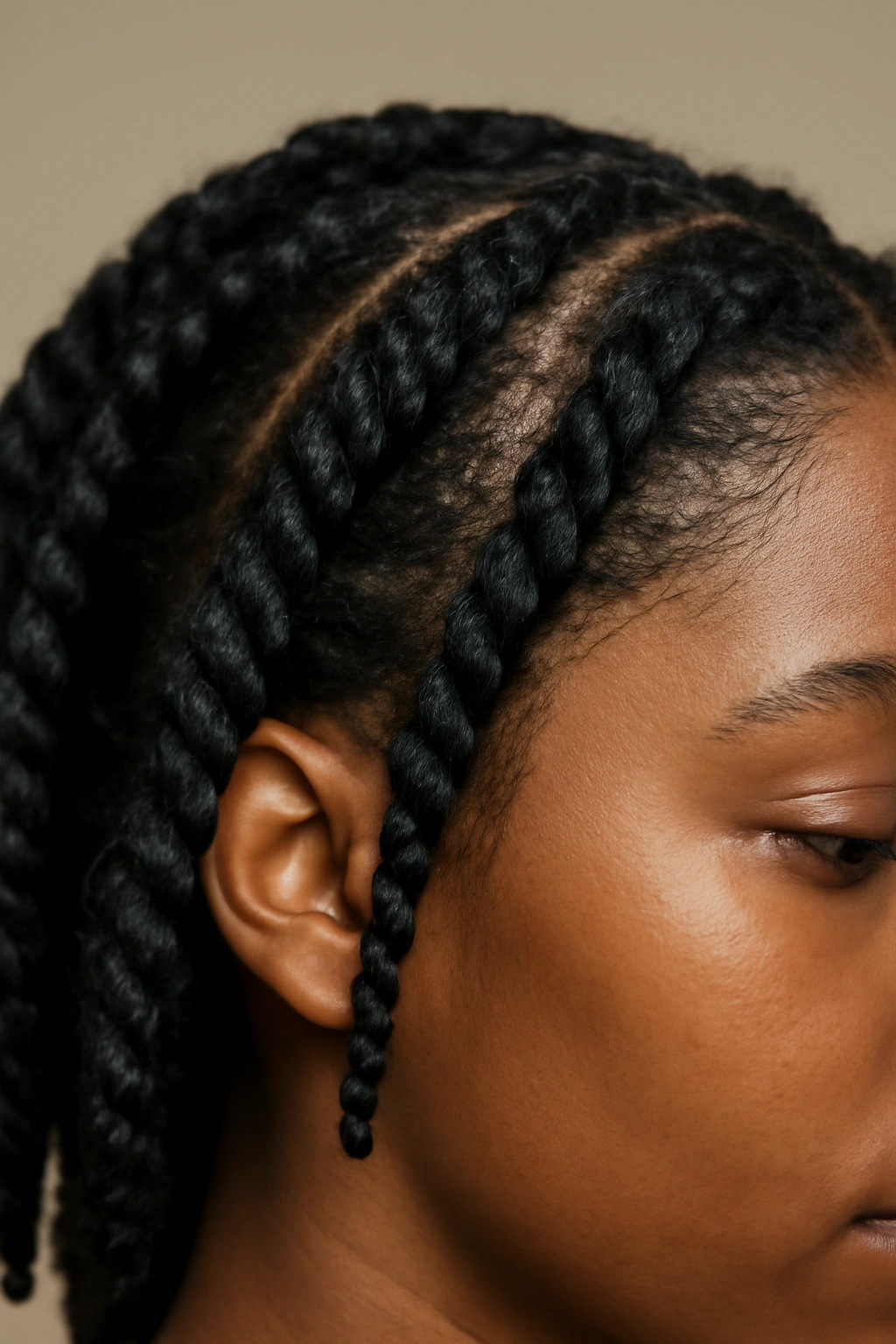
Two-strand twists are a foundational natural hair style created by simply twisting two sections of hair around each other repeatedly from root to tip. They’re one of the most straightforward protective styles you can do, and they work across all Black hair textures. Two-strand twists can be worn loose and fluffy or combined in an updo, and they’re simple enough that many people twists their own hair at home.
How Texture Affects Hold and Appearance
On tightly coiled and kinky hair, two-strand twists stay beautifully defined and can last 4 to 6 weeks with minimal maintenance. On curly hair, they maintain good definition and usually last 3 to 4 weeks. On wavy hair, two-strand twists can feel looser and might unravel more quickly—usually lasting 2 to 3 weeks—but they’re still a gorgeous temporary protective style. If you want twists to last longer on looser textures, adding lightweight extensions or twisting your hair into slightly tighter tension can help.
Styling Options
Two-strand twists can be worn down for a textured, natural look, gathered into ponytails, twisted up into buns, or partially pinned for an updo. Many people love that two-strand twists feel lightweight and flexible compared to braided styles. They’re also easier to take down and redo than braids or cornrows, so if you like changing your style frequently, two-strand twists offer that option.
The DIY Factor
Many people feel comfortable doing their own two-strand twists, especially if you’re twisting your own hair without extensions. This makes them one of the most accessible protective styles—no expensive salon appointment required. If you do add extensions for length or longevity, having a stylist install them is ideal, but maintenance twisting can often be done at home.
10. Twist-Out
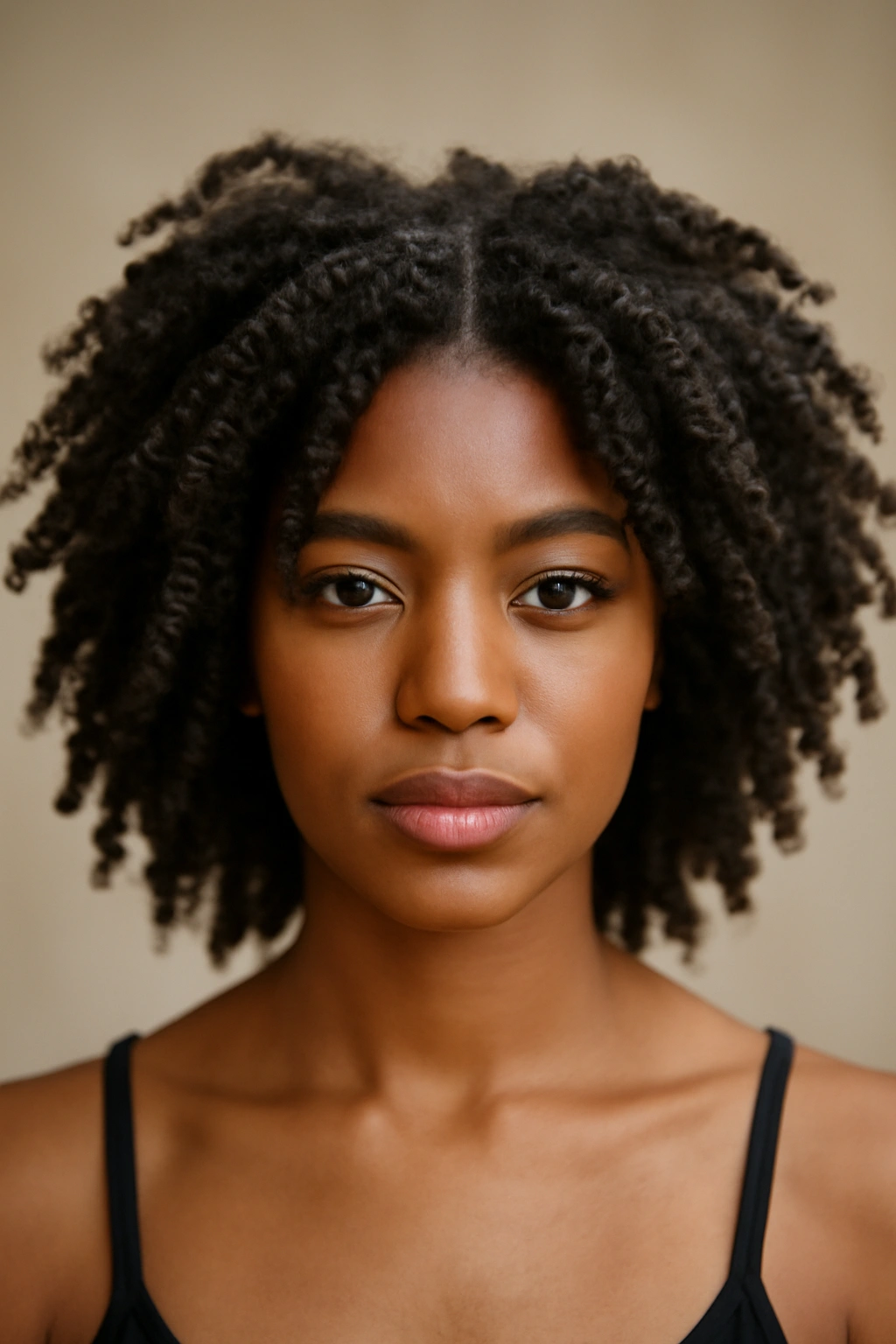
A twist-out is a styling technique where you install two-strand twists (or flat twists) and then unravel them to create a fluffy, textured look with defined curls and waves. The result is soft, voluminous, and beautifully textured hair that takes on the pattern created by the twists. Twist-outs are most popular on naturally curly and coily hair textures where they produce gorgeous definition and bounce.
Texture-Specific Results
On coily and kinky hair, twist-outs produce beautiful, defined curls with lots of texture and volume—the tighter your natural curl pattern, the more defined your twist-out will be. On curly hair, you get lovely wavy texture with good definition. On looser wave patterns, twist-outs create softer waves and looser texture. The tighter you twist and the longer you leave the twists in place (ideally overnight), the more defined your twist-out will be regardless of texture.
Installation and Timing
You can install twists in the evening and unravel them the next morning for a quick twist-out, or leave them in for several days for a deeper, more defined set. Many people use twist-outs as a transitional style between wash days—you twist damp or slightly damp hair, allow it to set overnight, then unravel in the morning for a fully styled look that lasts several days. Twist-outs are also technically protective since you’re not manipulating your hair daily.
Making Them Last
To extend the life of a twist-out beyond the first day, sleep on a silk or satin pillowcase to prevent friction-induced frizz, refresh the style in the morning with a light mist of water or lightweight styling cream, and avoid excessive touching throughout the day. A well-executed twist-out on coily or kinky hair can look great for 3 to 5 days if you’re careful with maintenance.
11. Bantu Knots
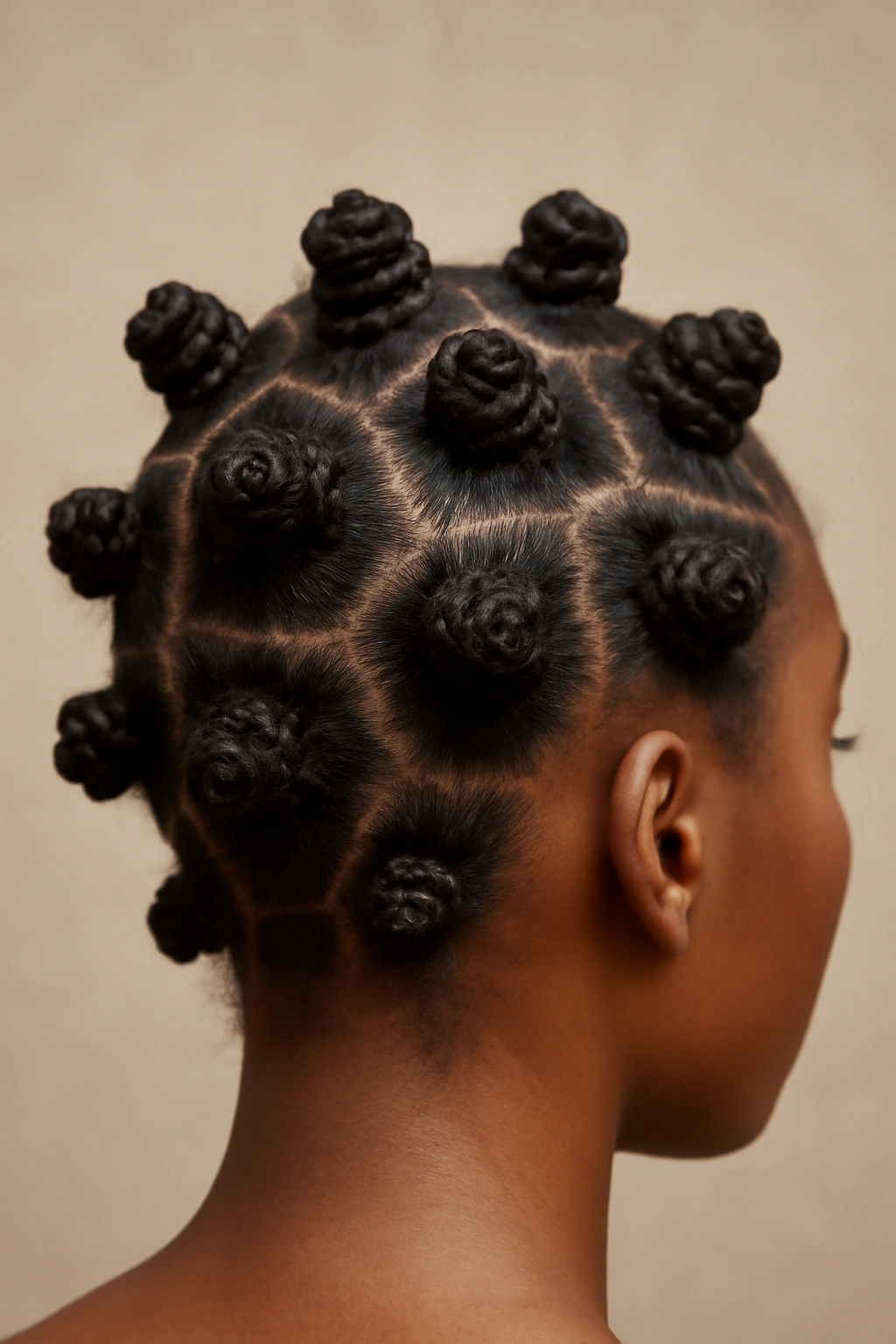
Bantu knots are a protective style and setting method created by twisting or braiding sections of hair and wrapping them around themselves into small, knot-like coils close to the scalp. They’re both a standalone protective style (you can wear them as visible knots on your head) and a setting technique (you create them, let them dry, then unravel them for a patterned, curly style). Bantu knots have deep cultural significance, originating with the Zulu people in southern Africa.
How Different Textures Benefit
Bantu knots work beautifully on all natural hair textures but produce different results depending on your texture. On tightly coiled and kinky hair, you get gorgeous, defined curls when you unravel them. On curly hair, you get lovely waves and texture. On wavy or looser-texture hair, Bantu knots create more subtle texture and softer waves. The key is leaving the knots in long enough (ideally overnight or 24+ hours) for your hair to fully set into the pattern.
Wearing Them Two Ways
You can rock Bantu knots as a statement style—leaving the actual knots visible on your head for an intentional, eye-catching look (this is especially striking when you color or bead the knots). Or you can create them as a setting method, leaving them in overnight and then unraveling them the next morning for a fully textured, patterned style. Some people do this before special occasions to get bouncy, defined curls without heat.
Longevity and Care
If you’re wearing Bantu knots as a protective style, they typically last 2 to 3 weeks before they start loosening. If you’re using them as a temporary setting method, you unravel them after 24 hours. Either way, they’re relatively gentle on your hair and edges since there’s no pulling or tension applied to your scalp—the knots just sit there, doing their thing.
12. Braided Crown
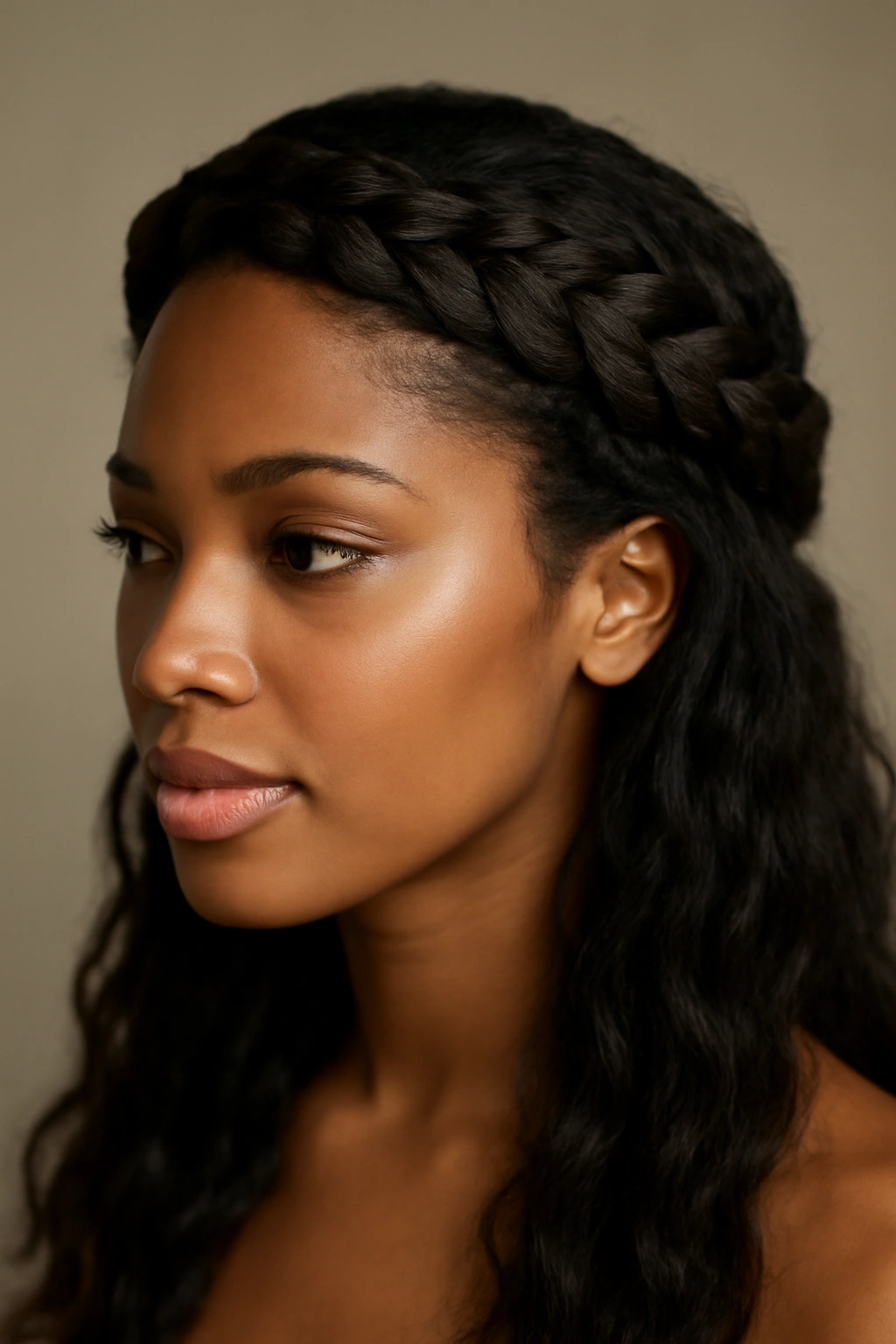
A braided crown is an elegant protective style (or everyday style) where one or more braids curve around your head like a crown, usually with loose hair hanging down. The crown can be a single thick braid, multiple thinner braids, cornrows, or even a combination of different braid types. This style works beautifully for formal occasions, everyday wear, or any time you want your hair styled up and off your face while still showing off your natural texture or braids.
Texture Versatility
Braided crowns work across all hair textures, though they look slightly different depending on what you’re working with. On coily and kinky hair, the crown creates strong, defined lines and looks especially striking. On curly and wavy hair, the braids have softer edges and blend beautifully with free-hanging hair. You can add extensions to create fuller, more dramatic crowns or stick with your natural hair for a more understated version.
Practical Styling
The beauty of a braided crown is that it keeps hair off your face and neck while still allowing free-hanging texture to frame your face or flow down your back. You can do a braided crown with your hair down, with a high ponytail, or with loose curls piled on top—all of which change the overall aesthetic. It’s equally appropriate for work, casual daily wear, or special events depending on how you style it.
Worth knowing: A braided crown is perfect if you have a strong hairline you want to showcase or if you prefer keeping hair off your face while still maintaining a styled, intentional look. It’s also a good option for active days since the crown keeps your hair in place without fully containing it.
13. Goddess Braids
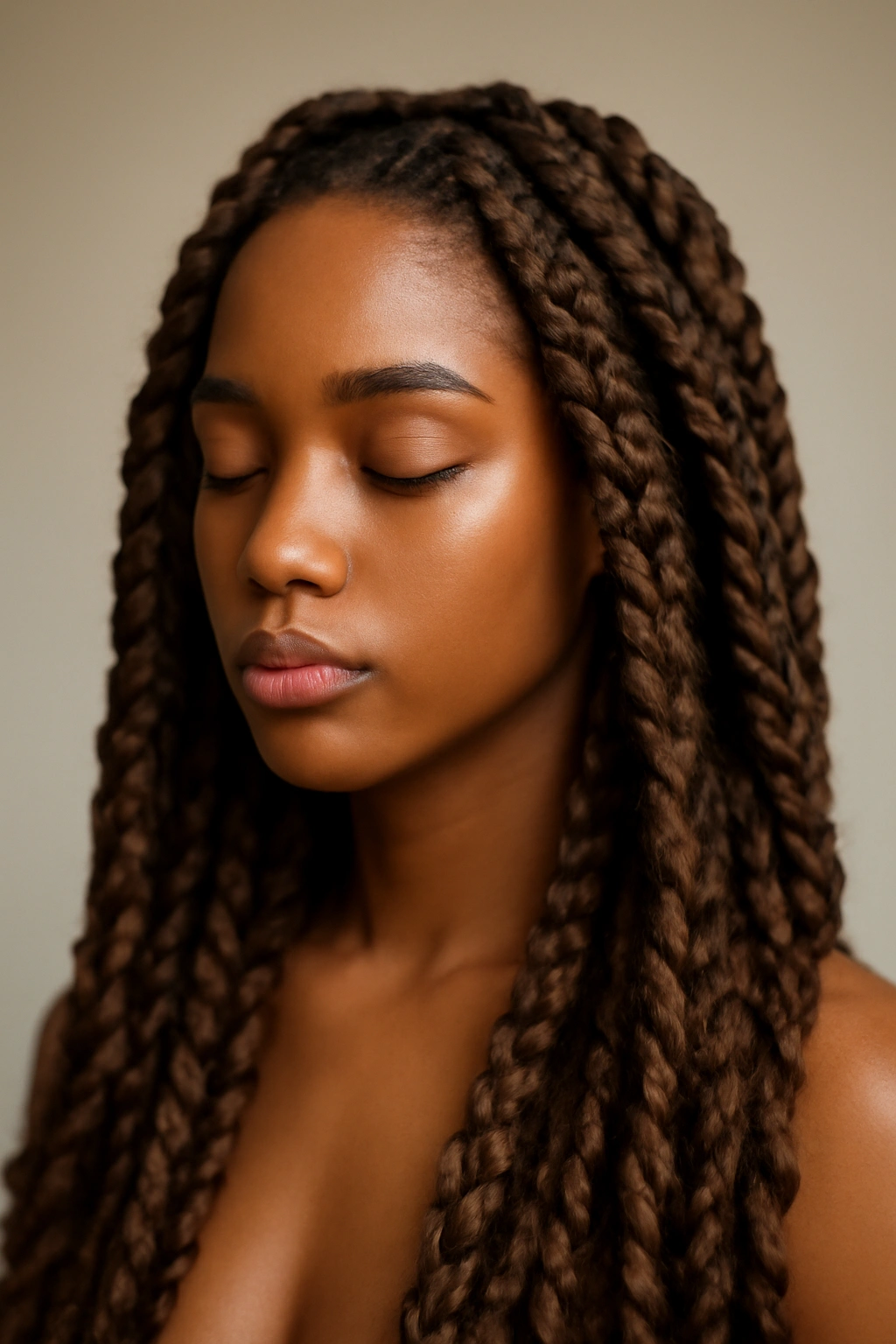
Goddess braids are chunky, statement-making braids that are loosely woven and usually quite thick, often incorporating extensions for volume and length. They’re thicker and usually more loosely woven than traditional box braids, giving them a softer, more relaxed appearance. Goddess braids are also sometimes called “Greek braids” and often have an ethereal, beachy, undone quality despite requiring careful installation.
Best Texture Performance
Goddess braids look spectacular on all hair textures, though they perform best on coily and kinky hair where the natural texture helps grip the loose weaving and the braids stay defined. On curly and wavy textures, goddess braids still look beautiful but might feel slightly looser—tighter installation can help maintain definition. The loose weaving style makes goddess braids feel lighter and more comfortable than traditional box braids, and many people report less scalp tension.
Styling and Longevity
Goddess braids typically last 4 to 8 weeks depending on how tightly they’re woven and how well you maintain them. You can style them down for a bohemian, undone look, gather them into an updo, or wrap them around your head—the chunky texture makes them work beautifully in varied styling. Many people love that goddess braids photograph beautifully and give an effortless-looking aesthetic despite requiring skilled installation.
Pro tip: The loose weaving of goddess braids means you can style them more flexibly than tighter braid styles, but it also means they require slightly more frequent touch-ups around week 4 or 5 when they start loosening. Some stylists offer maintenance appointments that re-tighten just the loose sections, extending the style’s life.
14. Marley Twists
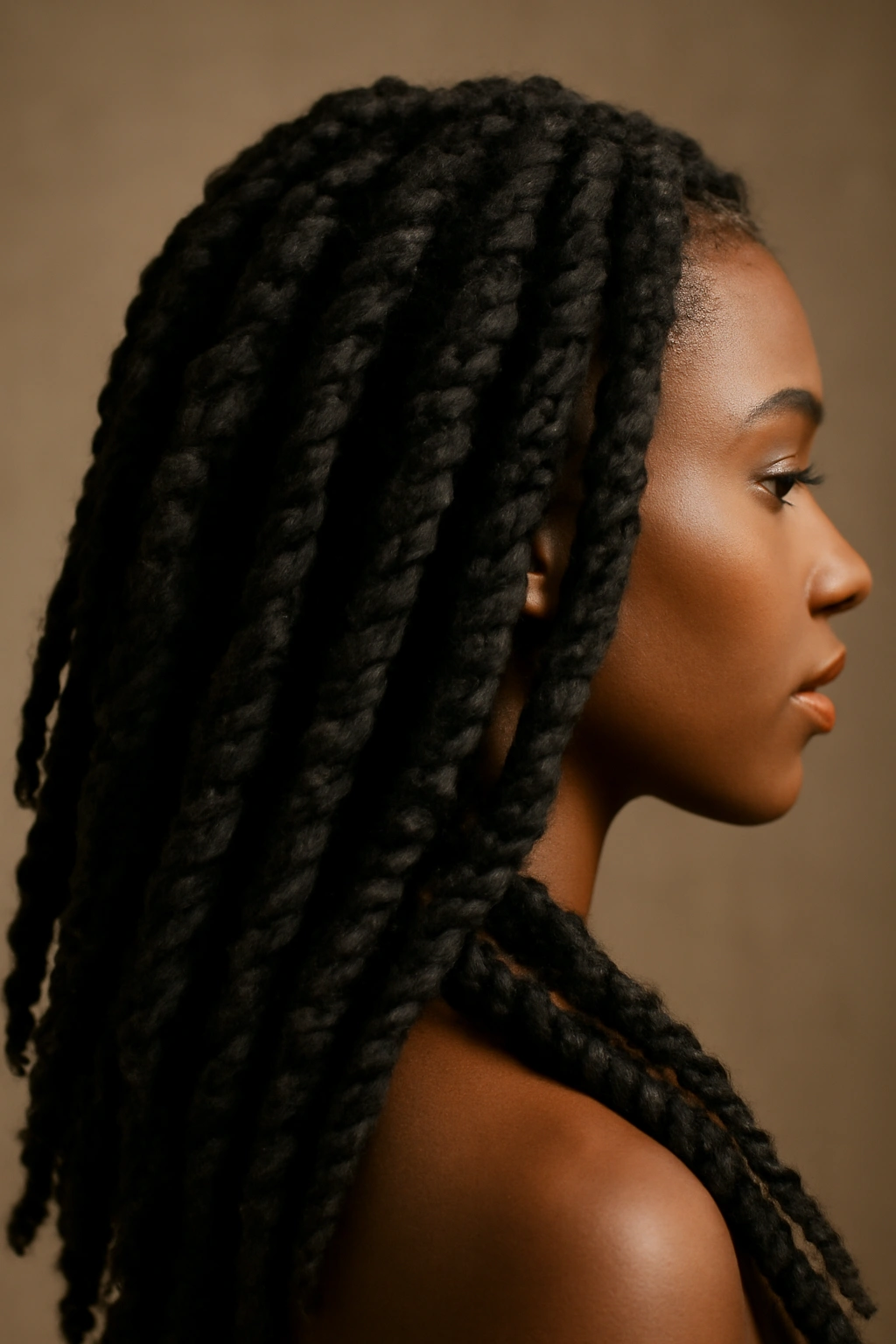
Marley twists are a protective style created by twisting natural hair with thick, textured extensions that have a fluffy, ropey quality. The extensions used for Marley twists are specially designed to have a pre-twisted, textured appearance, which creates a distinct, bold aesthetic. Marley twists are chunkier than traditional two-strand twists and have a more sculptural, artistic quality.
Texture Compatibility
Marley twists work beautifully on coily, kinky, and curly hair textures where they look bold and intentional. On wavy hair, they’re still an option but might feel looser and less defined. The thick texture of Marley twists means they’re quite visible and sculptural—they’re a statement style rather than a subtle protective option. This makes them especially popular for people who want their protective styling to be a visible part of their aesthetic.
Installation and Feel
Marley twists typically take 2 to 4 hours to install, depending on how many you’re getting and how thick they are. They’re relatively lightweight despite their chunky appearance, and many people find them comfortable to wear long-term. Installation tension is usually moderate—not as tight as box braids—so they’re gentler on the scalp. Marley twists typically last 4 to 6 weeks with proper maintenance.
Styling Options
Marley twists look dramatic and bold worn down, but they also style beautifully into updos, high ponytails, and gathered styles. Many people add color to their Marley twists for additional visual impact, either through colored extensions or thread wrapping. They photograph beautifully and make a strong style statement.
15. Braid-Out
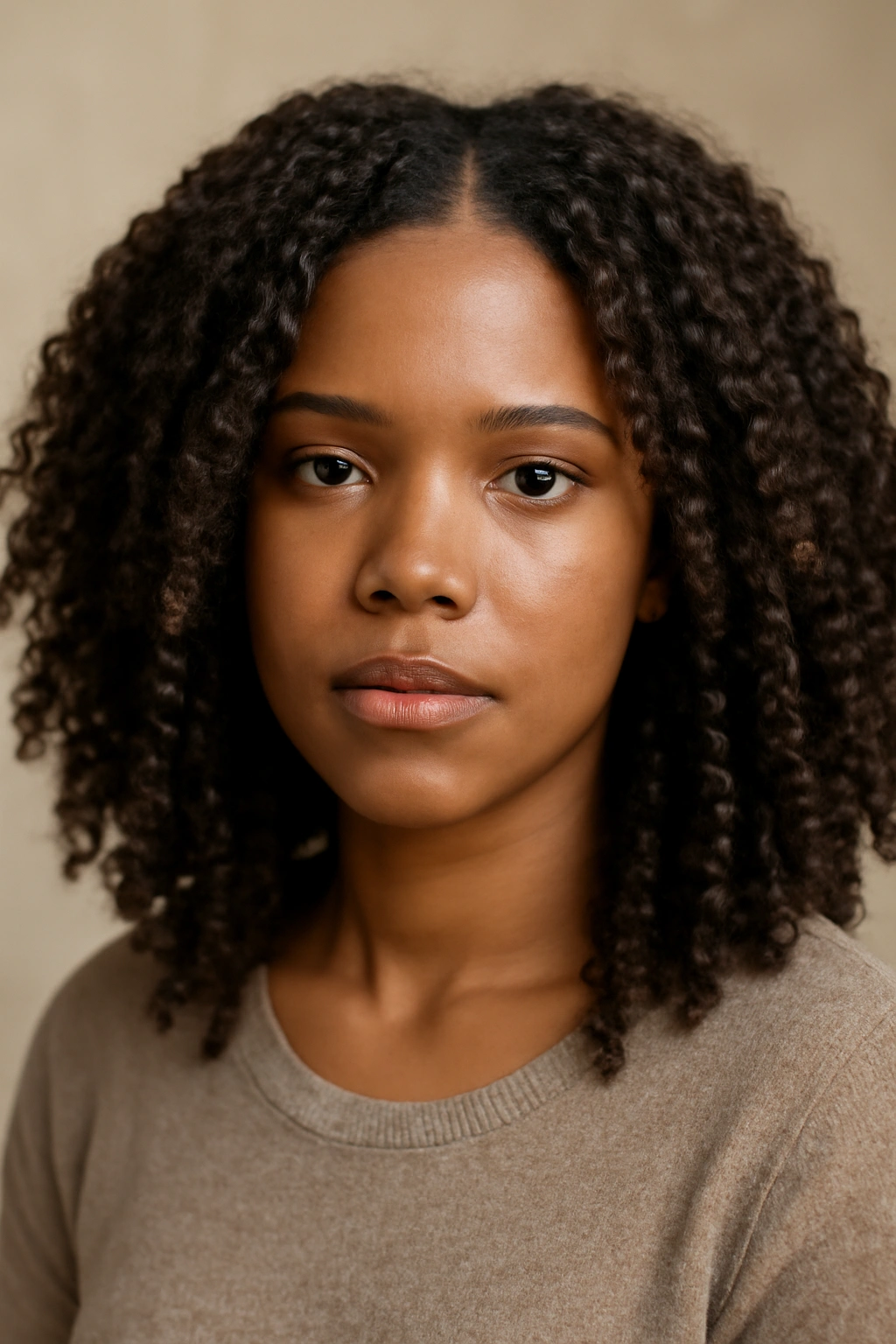
A braid-out is a styling technique where you install braids (usually box braids, cornrows, or other braid styles) and then unravel or remove them to create a full, textured, patterned style with defined waves and curls. The indentation pattern created by the braids becomes a beautiful texture in your hair. Braid-outs are popular on curly, coily, and kinky hair textures where they produce gorgeous definition without heat.
Texture-Specific Results
On tightly coiled and kinky hair, a braid-out creates beautiful, defined curls with amazing volume and texture. On curly hair, you get lovely waves and dimension with great definition. On wavy hair, a braid-out creates softer waves and looser texture. The size of your braids determines your curl pattern—small braids create tighter curls, thick braids create looser waves. If you want specific texture results, you can choose your braid size accordingly.
Installation and Timing
You install braids in damp or dry hair and leave them in for 24 hours to several days—the longer they set, the more defined your pattern will be. Many people install braids the night before an important event, then remove them in the morning for a fully textured style. Braid-outs are technically protective since you’re not manipulating your hair daily while the braids are in.
Making Them Last
To extend a braid-out’s life beyond the first day, sleep on a silk or satin pillowcase, use a light styling cream or gel to hold definition, and avoid excessive touching. A good braid-out on coily or kinky hair can look beautiful for 5 to 7 days with careful maintenance, making it an efficient styling method that lasts longer than expected.
16. Sleek Ponytail
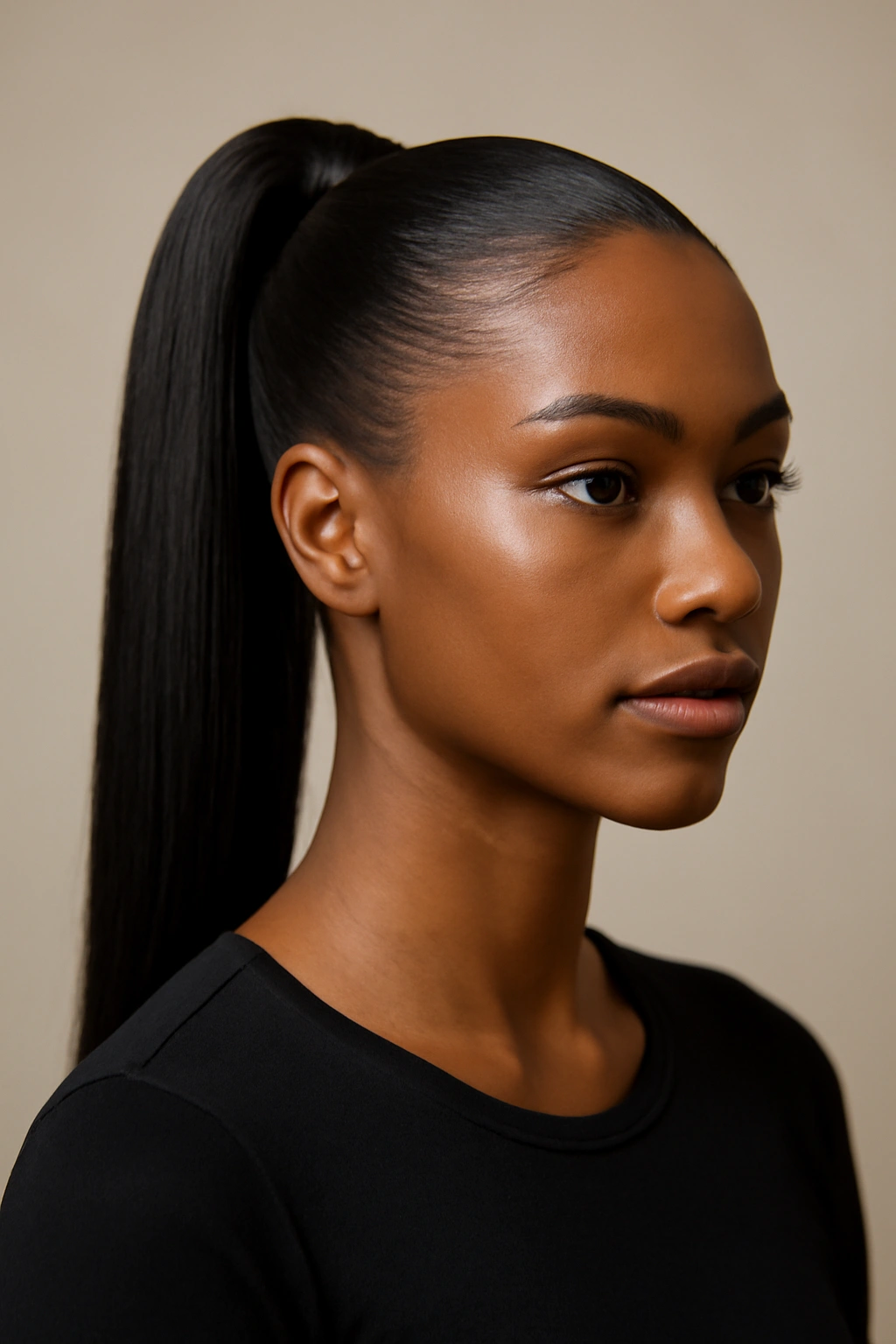
A sleek ponytail is a high-shine, smooth ponytail typically created using a smoothing edge control, gel, or similar styling product to make your hair as smooth and polished as possible, then gathering it into a low or high ponytail. This style works on all hair textures but produces different aesthetics depending on your texture—on naturally straight or relaxed hair, it’s literally sleek and smooth; on textured natural hair, it can have more subtle texture while still being polished and refined.
Texture Variations
On relaxed or straightened hair, a sleek ponytail is the classic smooth, shiny style you see in professional settings. On natural, textured hair, a sleek ponytail can mean smooth-banded with the texture showing below the elastic, or it can mean the entire ponytail is smoothed with product for a polished but textured look. You can also create a sleek ponytail with your natural coils or curls intact, just smoothed with styling cream, for a refined but textured aesthetic.
When to Wear It
Sleek ponytails are versatile—appropriate for work, casual wear, athletic activities, or any time you want a clean, polished style. They’re quick to create compared to protective styles and work for people with any hair texture. The key is choosing the right products for your texture—heavy smoothing creams for coily textures, lighter gels for wavy textures, etc.
Insider note: A sleek ponytail is a great transitional style between wash days, and it’s gentle on your hair since there’s minimal manipulation beyond the initial styling. Add some face-framing pieces or a statement hair clip, and you can dress it up significantly.
17. Half-Up, Half-Down with Curls
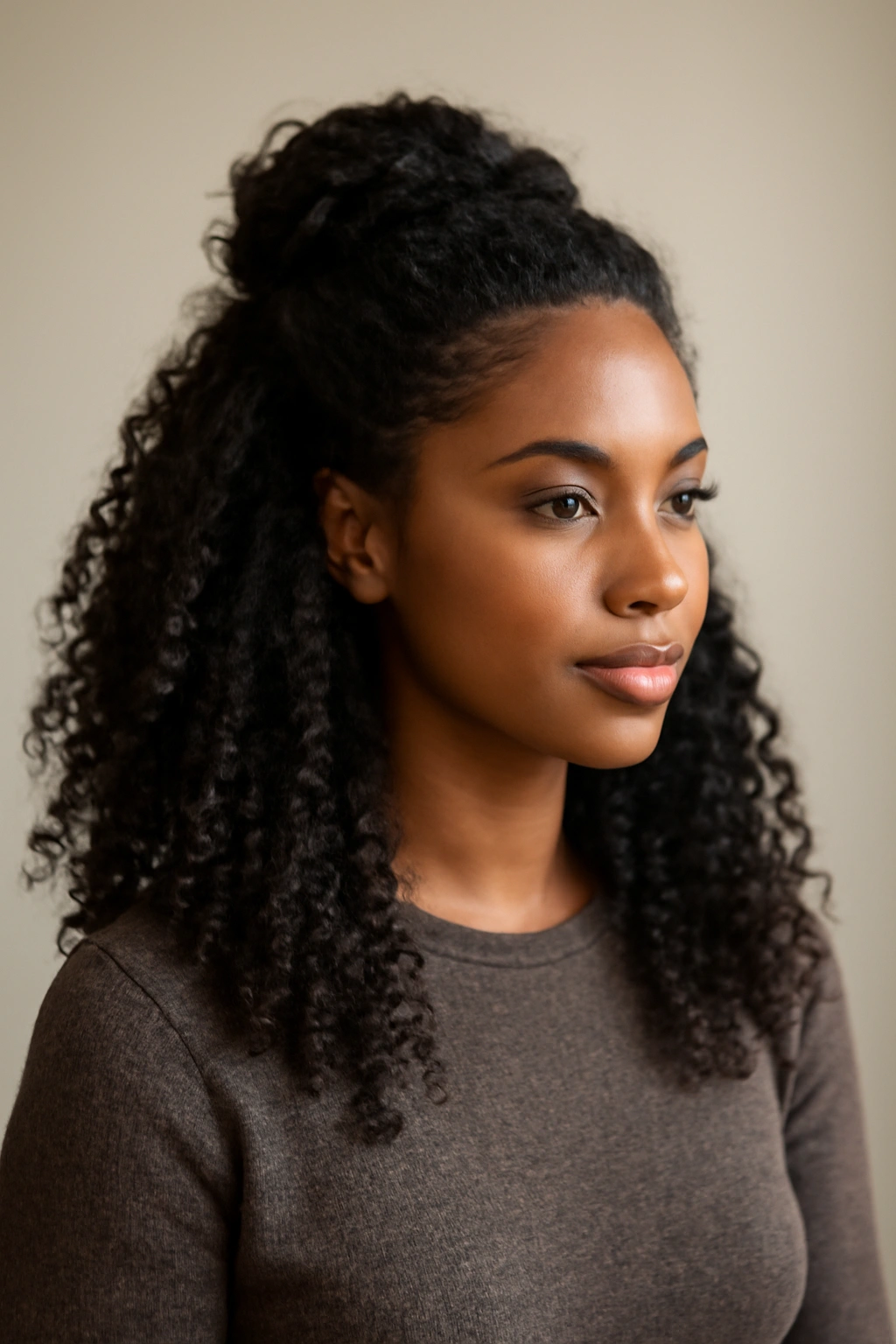
A half-up, half-down style with curls is exactly what it sounds like—your hair is partially pulled back into a clip, bun, or braid while the rest hangs down showing off your natural curls or waves. This style works beautifully on all curly and coily hair textures and is a way to style your hair while still showcasing your natural texture. It keeps hair partially off your face without fully containing it.
Creating It on Different Textures
On tightly coiled and kinky hair, the down portion shows off gorgeous, defined coils in their full texture—it’s a beautiful way to showcase natural hair without manipulation. On curly hair, you get lovely volume and dimension. On wavy hair, you get pretty waves framing your face. The pulled-back portion can be a simple ponytail, a bun, cornrows, twists, or braids—the styling options are endless.
Versatility and Occasion
Half-up, half-down works for casual daily wear, professional settings (depending on how polished you make it), athletic activities, or date night. You can dress it up by adding decorative clips, beads, or threading, or keep it casual and understated. It’s also practical—it keeps hair out of your face and neck while still letting you show off your texture.
Maintenance
This style is quick to create and requires minimal maintenance throughout the day beyond the standard care for your curls. You can refresh it in the morning with water or a light styling spray, and it typically looks fresh for several days.
18. Space Buns
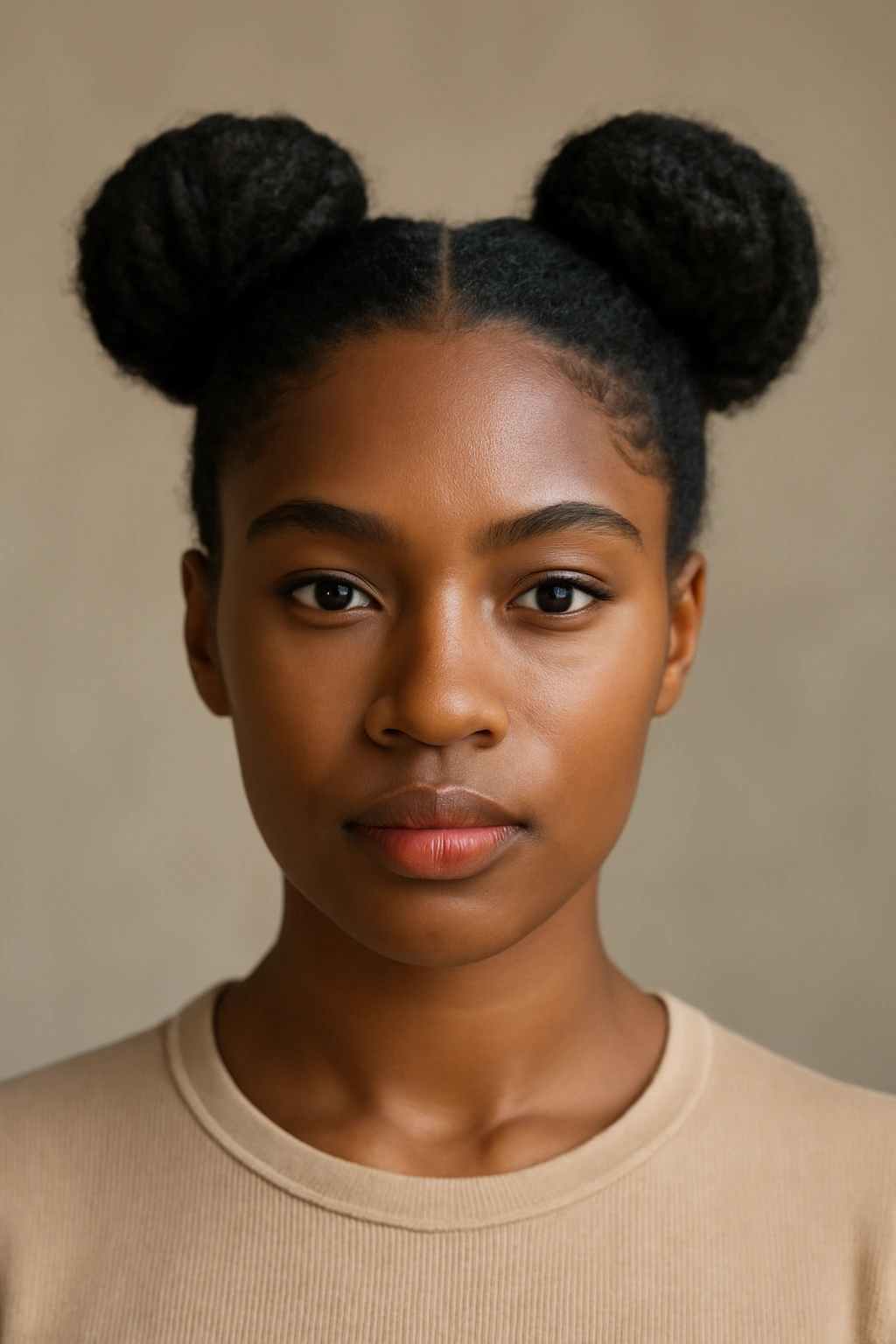
Space buns are two round buns positioned on the top of your head, creating a playful, youthful, artistic aesthetic. They work on all hair textures and can be created with natural hair alone or with added extensions for extra volume and height. Space buns can look sweet and playful or edgy and artistic depending on how you style them, what size you make them, and what accessories you add.
Texture Adaptability
On coily and kinky hair, space buns look bold and sculptural with beautiful texture visible. On curly and wavy hair, you get softer buns with visible texture and movement. The texture of your hair actually contributes to the aesthetic—tighter textures create more defined buns, while looser textures create softer, more romantic buns. You can braid your hair into the buns for added security and texture, or twist it, or simply coil it.
Styling Personality
Space buns are statement styles—they’re fun, artistic, and unapologetically playful. They photograph beautifully, work for creative people and artists, and are perfect for any time you want your style to reflect personality. They’re also surprisingly functional for active days since they keep hair fully off your face and neck.
Longevity and Maintenance
Space buns don’t require a huge time investment to create and typically last a full day of wear. You can refresh them with a light misting of water or styling spray if they loosen slightly throughout the day. They’re best for people who enjoy changing their style frequently since they’re relatively quick to create and take down.
19. Heatless Waves (Using Braids, Twists, or Rods)
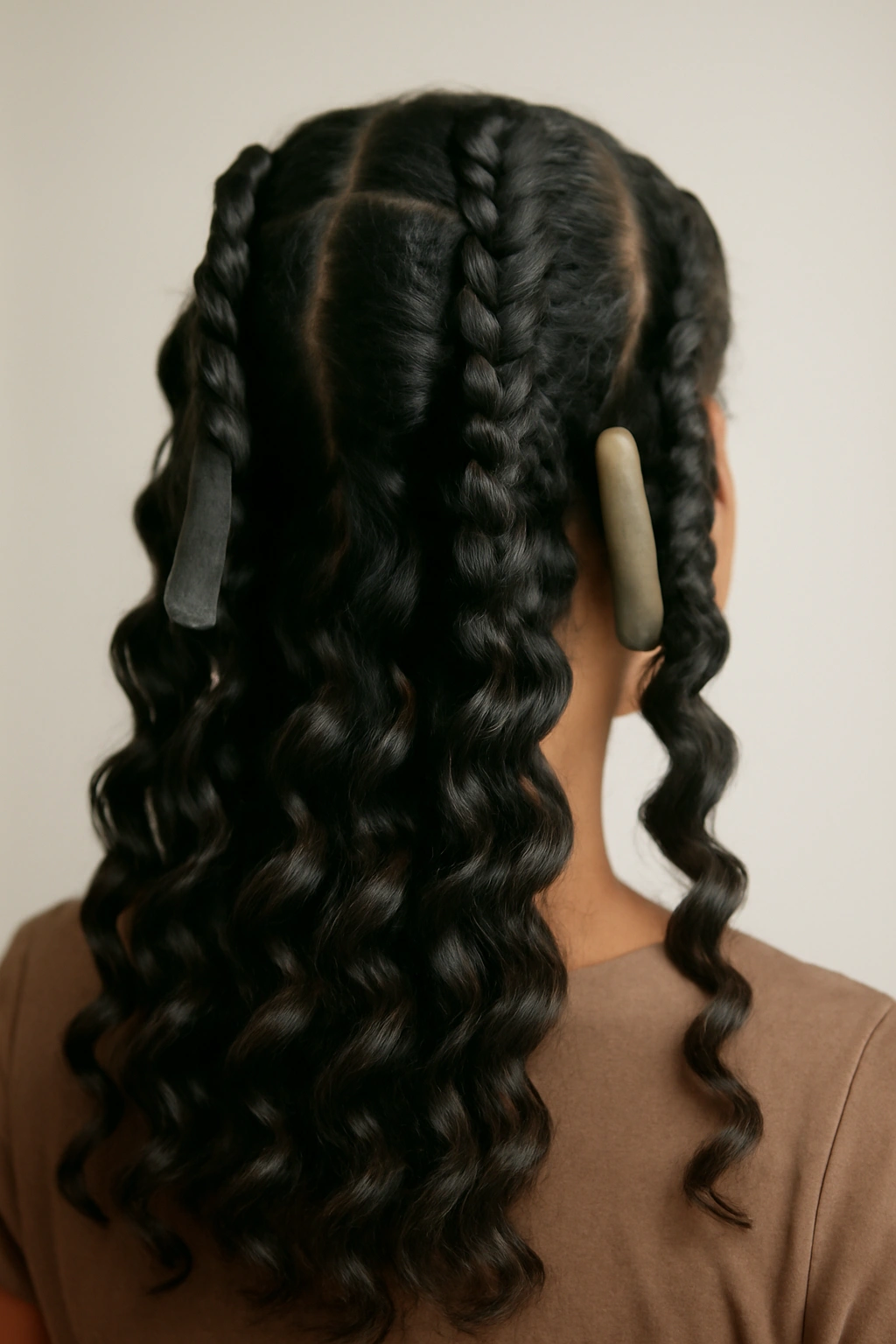
Heatless waves are a heat-free styling method where you create curls or waves using braids, twists, or foam or magnetic rods, leave them in place (usually overnight), then remove them for a wavy or curly style. This method protects your hair from heat damage while still giving you beautiful waves and dimension. Heatless waves work on all hair textures but produce different results depending on your starting texture.
Texture-Specific Results
On naturally coily and kinky hair, heatless waves create even tighter coils or curls—you’re essentially setting your natural pattern. On curly hair, you enhance your natural curl pattern with additional definition. On wavy hair, you create more pronounced waves and can influence the curl size by choosing your method (tighter braids = tighter waves, loose braids = looser waves). The great advantage of heatless waves is that you’re not fighting your hair’s natural texture—you’re working with it.
Different Heatless Methods
You can use regular braids or twists (two-strand or three-strand), you can wrap hair around magnetic rods, you can use foam rods, or you can even use fabric strips or pin curls. Each method creates slightly different results. Tight braids create tighter waves, while loose braids create softer waves. Rods generally create rounder, more uniform waves.
Duration and Maintenance
Heatless waves typically set overnight and last 3 to 5 days depending on how tightly you set them and how much styling product you use. This is an economical, protective, heat-free way to achieve styled hair regularly. It’s also flexible—you can experiment with different rod sizes or braid sizes to figure out exactly what curl pattern appeals to you.
20. Protective High Bun
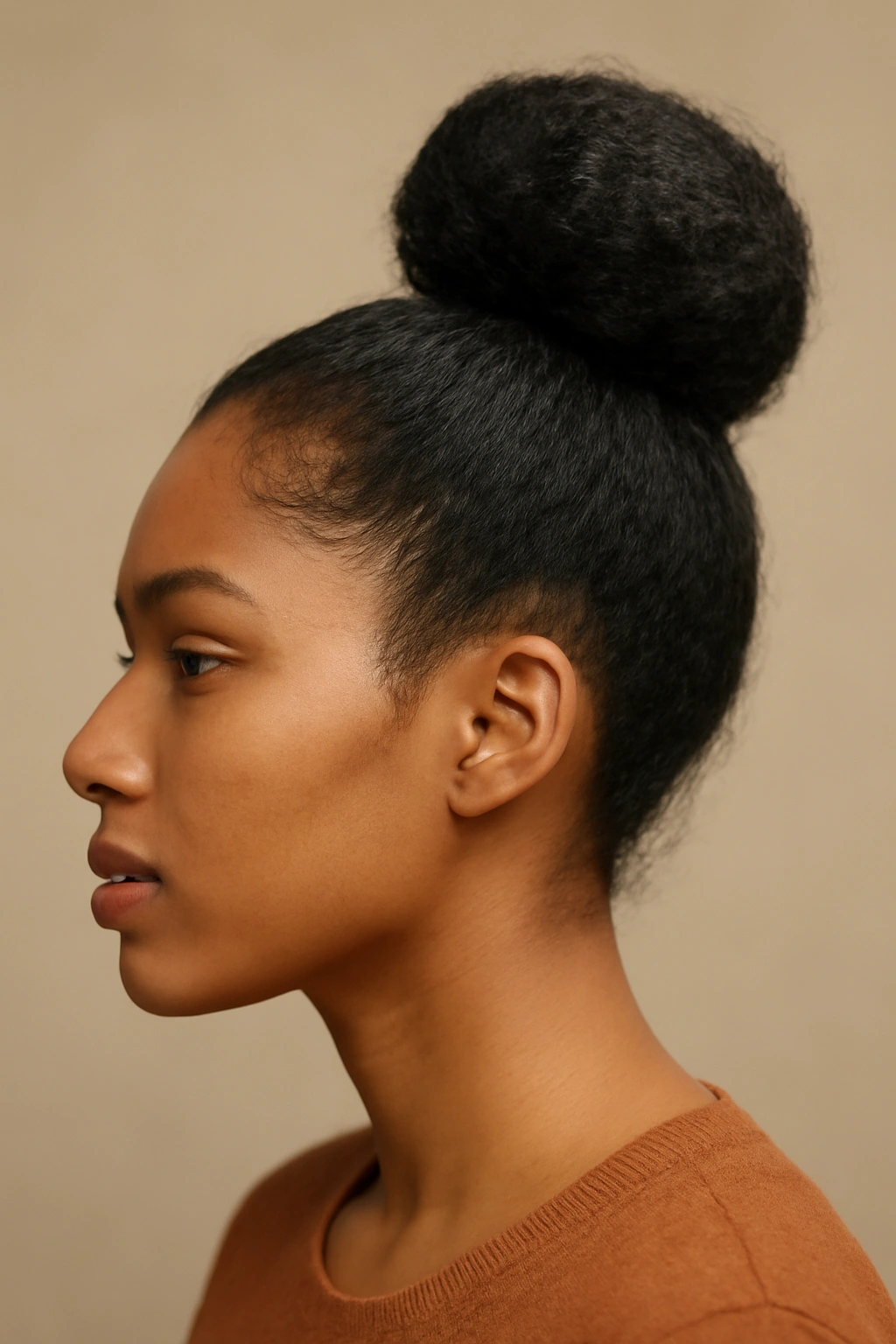
A protective high bun is a simple, classic style where your natural hair is gathered into a high ponytail and then twisted, braided, or coiled into a bun positioned on the crown of your head. This style protects your hair by minimizing daily manipulation and keeping the ends tucked away. It works on all hair textures and can be styled in multiple ways—tight and neat, soft and romantic, slicked and polished, or textured and natural.
Texture-Specific Styling
On coily and kinky hair, a protective high bun can showcase your natural texture if you coil your hair into the bun, or you can smooth it with products for a sleeker appearance. On curly and wavy hair, the bun can be textured or smoothed depending on your preference. You can also braid your hair into the bun for added security and texture, or twist it for a different aesthetic.
Protection and Practicality
The beauty of a protective high bun is that it fully encloses your hair ends, protecting them from friction and environmental damage. It’s also incredibly practical—quick to create, appropriate for work or casual wear, and comfortable for all-day wear. It keeps hair completely off your face and neck, which is perfect for athletic activities, work, or any time you want your hair secured.
Longevity and Variety
A high bun typically lasts as long as you style it—you can wear it for one day or multiple days if you sleep gently and maintain it properly. You can vary the aesthetic significantly: use a silk or satin scrunchie for a softer look, add a decorative clip or cuff, do a high bun with face-framing pieces, or go full protective with nothing loose. This versatility makes high buns endlessly adaptable to different moods and occasions.
Worth knowing: Protective high buns are especially great for people in transition between wash days who want a fully protective style that requires no products or additional styling beyond the initial creation.
Final Thoughts
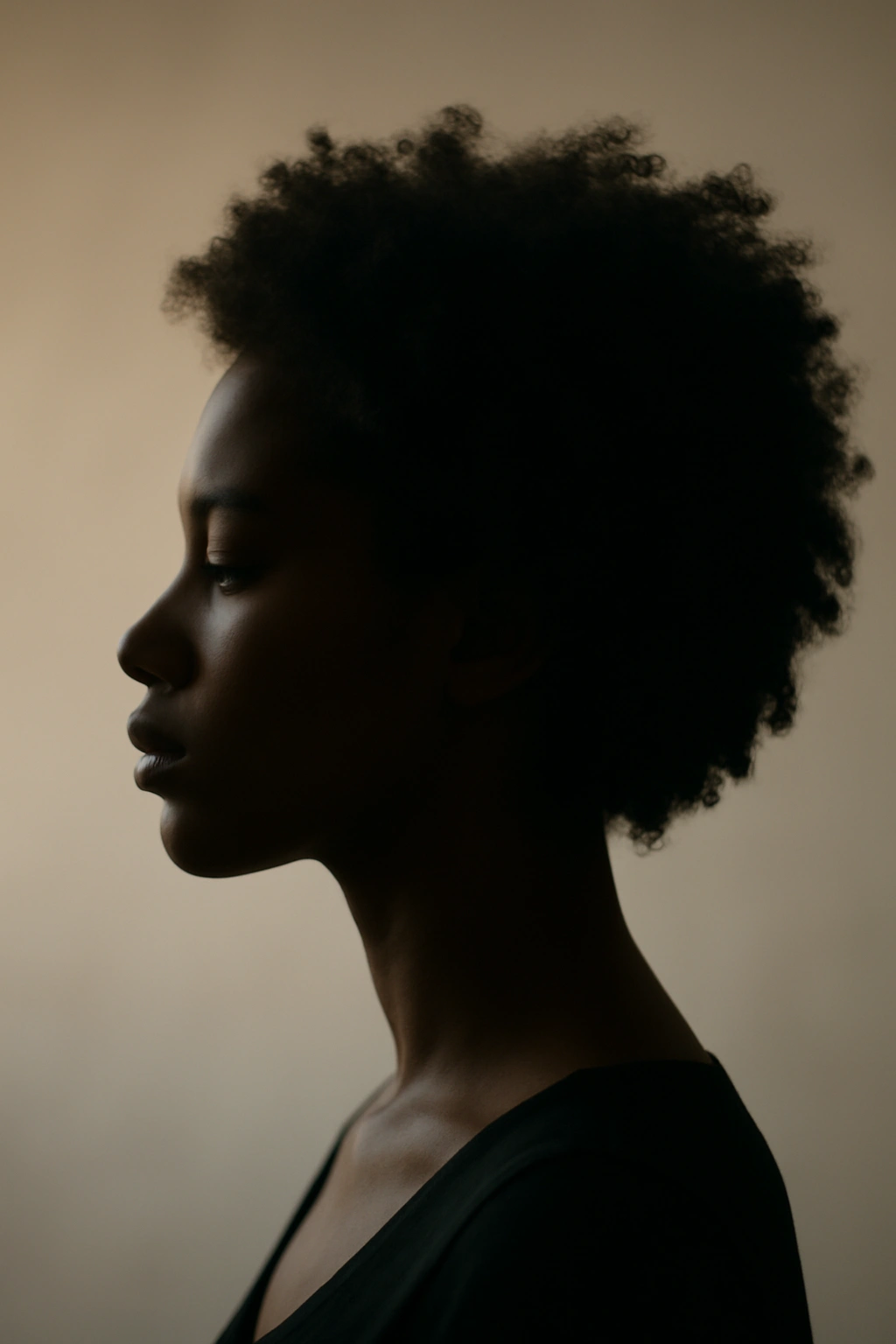
The beauty of Black hair is that it comes in such a gorgeous range of textures, and each texture deserves styling options specifically designed to work with it rather than against it. The 20 styles covered here represent a spectrum of protective styles, heat-free styling methods, and everyday looks that work across different texture categories. What works beautifully on coily hair might need slight modification for wavy hair, but the core styles—braids, twists, buns, and texture-setting techniques—are universally adaptable.
The real key to finding your signature style is understanding how your specific texture behaves, what longevity you need, and what aesthetic speaks to you. A stylist who understands your texture and listens to what you’re looking for can help you adapt any of these styles to work specifically for you. Some styles offer more protection, some prioritize aesthetic, and some hit both—finding that balance is deeply personal.
Most importantly, your hair texture isn’t a limitation; it’s a feature that allows you to wear styles other textures can’t pull off quite the same way. Coily, kinky hair holds intricate braids and locks with beautiful definition. Curly hair creates gorgeous, bouncy texture-setting styles. Wavy hair can shift between sleek and textured looks with ease. Every texture is a blank canvas for beautiful, intentional styling that celebrates who you are and how your hair naturally behaves.
