



Finding a haircut that flatters a longer face shape takes more than just picking whatever’s trending. The wrong cut can actually elongate your face further, making it appear even narrower and more angular than you’d like. The right cut, though? It adds width, breaks up vertical lines, and creates visual balance that makes your entire face feel more proportionate and harmonious.
Women with longer face shapes are constantly requesting cuts that add dimension, texture, and strategic layering—anything that disrupts that vertical line without requiring you to go short. The good news is that there’s incredible variety available to you. Whether you’re drawn to face-framing pieces, blunt bobs that add width at the jaw, or textured layers that create movement and volume where you need it most, there’s a cut designed specifically to work with your face shape, not against it.
This isn’t about following rules blindly. It’s about understanding how different haircut techniques interact with the unique proportions of a longer face, then choosing the cut that matches your personal style, hair texture, and lifestyle. Let’s walk through the twenty most-requested cuts that consistently deliver results for this face shape.
1. Blunt Chin-Length Bob
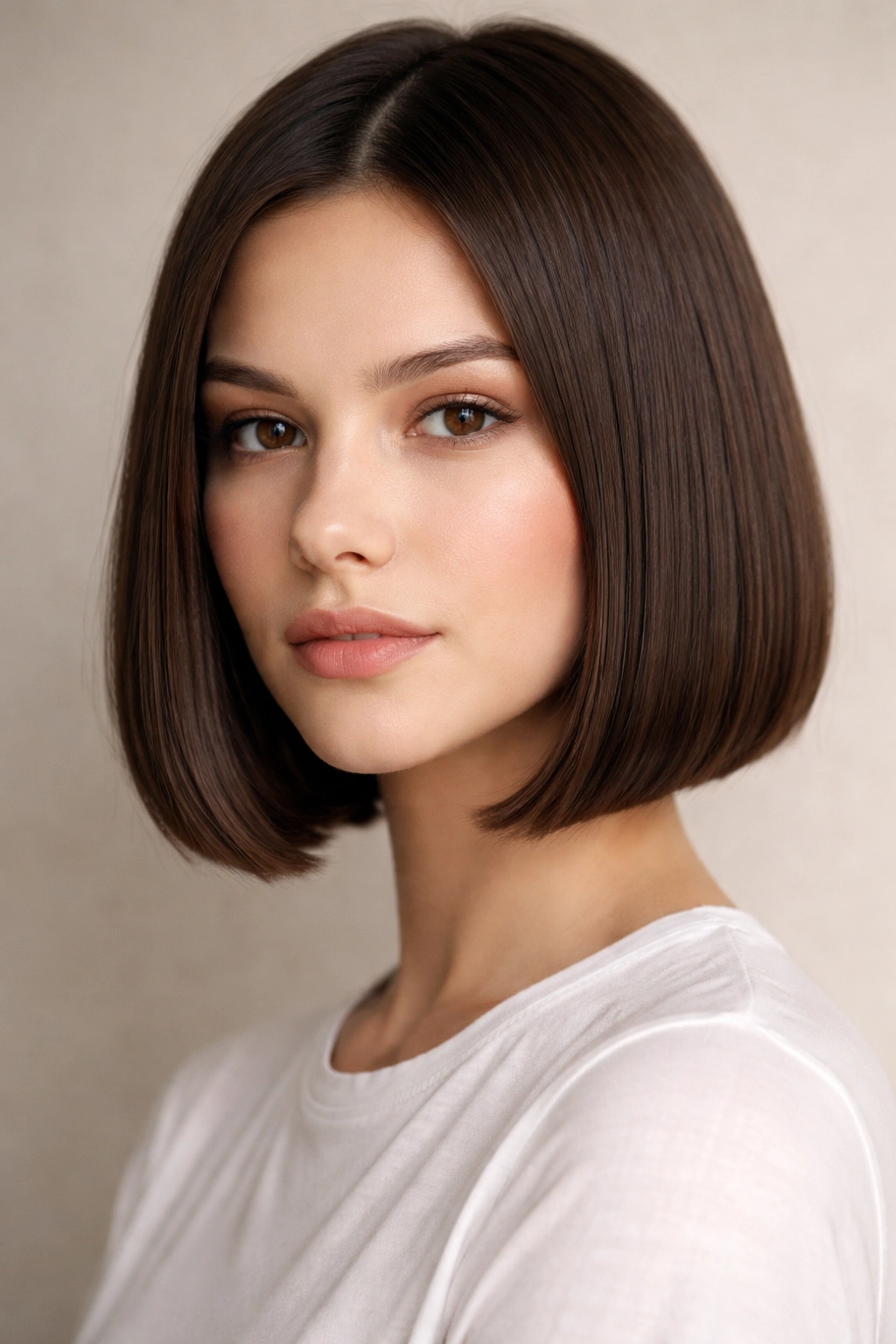
A blunt bob that hits right at the jawline creates an instant horizontal line that counteracts facial length. This cut works best when it’s truly blunt—not layered or wispy—because that solid line of weight is what catches the eye and makes your face appear wider. The key is having your stylist cut it perfectly straight across the bottom, ideally with a slight internal curve that follows your natural jaw.
Why It Works for Long Faces
Blunt lines work against vertical length because they interrupt the eye’s natural downward movement. A blunt bob forces the viewer’s gaze to pause at chin level, making your face appear shorter and rounder than it actually is. The weight and density of the blunt ends also add visual substance to the lower face, which is exactly what a longer face shape needs.
How to Style and Maintain This Cut
- Requires a silk or satin pillowcase to prevent creasing and breakage along the blunt line
- Blow-dry with a round brush to create a slight curve inward at the ends, which enhances the widening effect
- Visit your stylist every 6-8 weeks to keep the blunt line crisp and defined
- Works beautifully with a side part or center part depending on your preference
- Styling note: Avoid tucking this cut behind your ears, as it defeats the purpose of the horizontal line at the jaw
Pro tip: Ask your stylist to angle the back slightly longer than the front for a subtle modern twist that still gives you that chin-length horizontal break.
2. Shaggy Layered Cut with Bangs
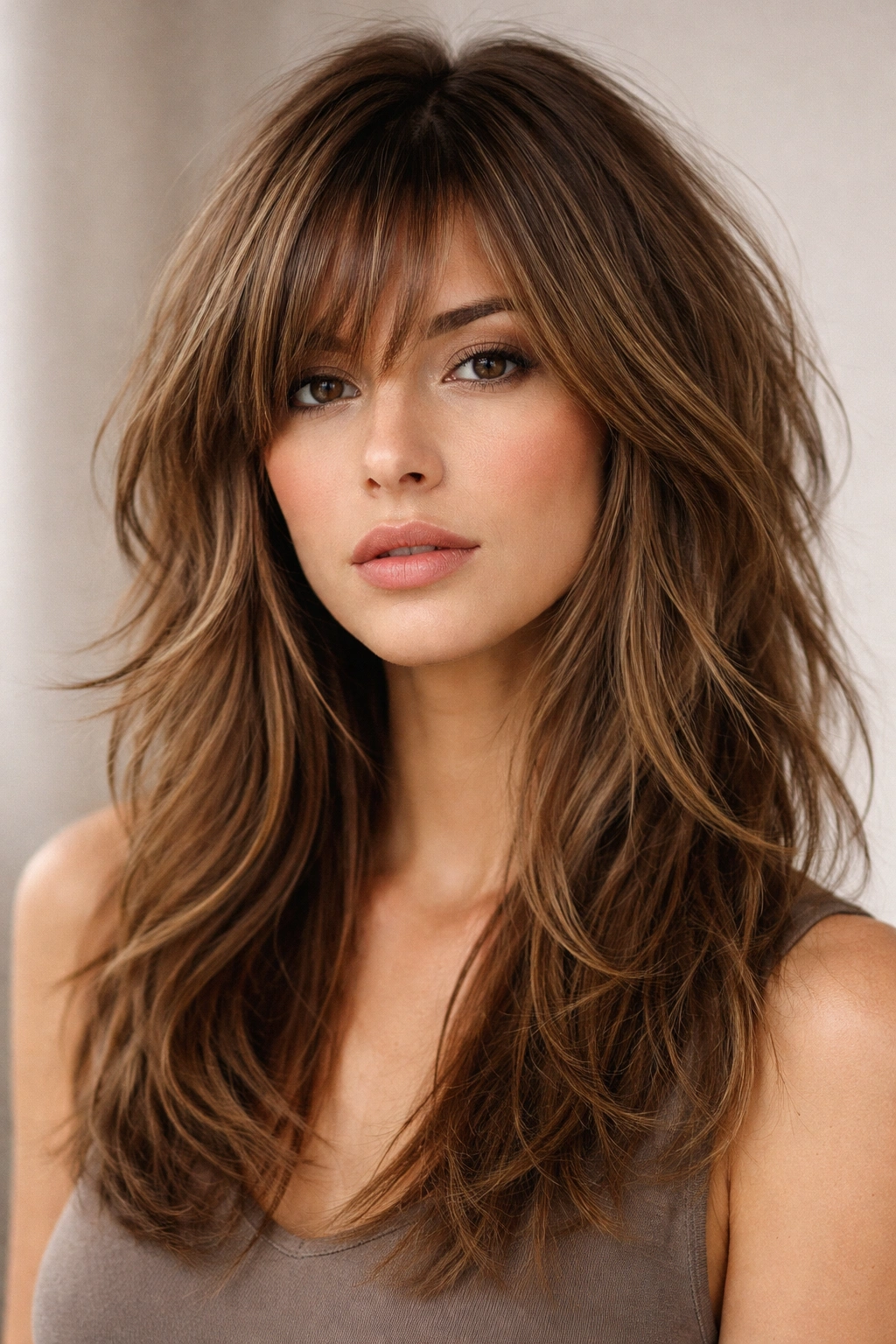
Shaggy layers create movement and texture that break up vertical space throughout your entire head. Adding bangs—especially longer, side-swept bangs that graze your eyebrows—immediately shortens the apparent distance from your hairline to your jaw. This combination gives you multiple visual stopping points instead of one uninterrupted line from root to tip.
Why It Works for Long Faces
Layers reduce the visual weight of length by creating gaps and negative space throughout your hair. Bangs specifically address the upper third of your face, which is crucial for longer face shapes where the forehead and upper face make up a significant portion of overall facial length. The texture and movement also add volume on the sides, creating width right at cheekbone level.
Styling Requirements for Maximum Effect
- Layers work best with some natural texture or slight wave—blow-drying with a round brush or using a diffuser attachment keeps them from looking flat
- Side-swept bangs should be longer and feathered rather than blunt, grazing the cheekbone rather than sitting heavy across the forehead
- Requires styling time to achieve that intentionally textured, “lived-in” look
- Regular trims every 4-6 weeks prevent the layers from looking stringy or overgrown
- Works with most hair types but requires more maintenance if you have fine or straight hair
Pro tip: Ask your stylist to add choppy layers throughout rather than a uniform graduation—choppy layers create more texture and dimension than standard layered cuts.
3. Blunt Bangs with Long Hair
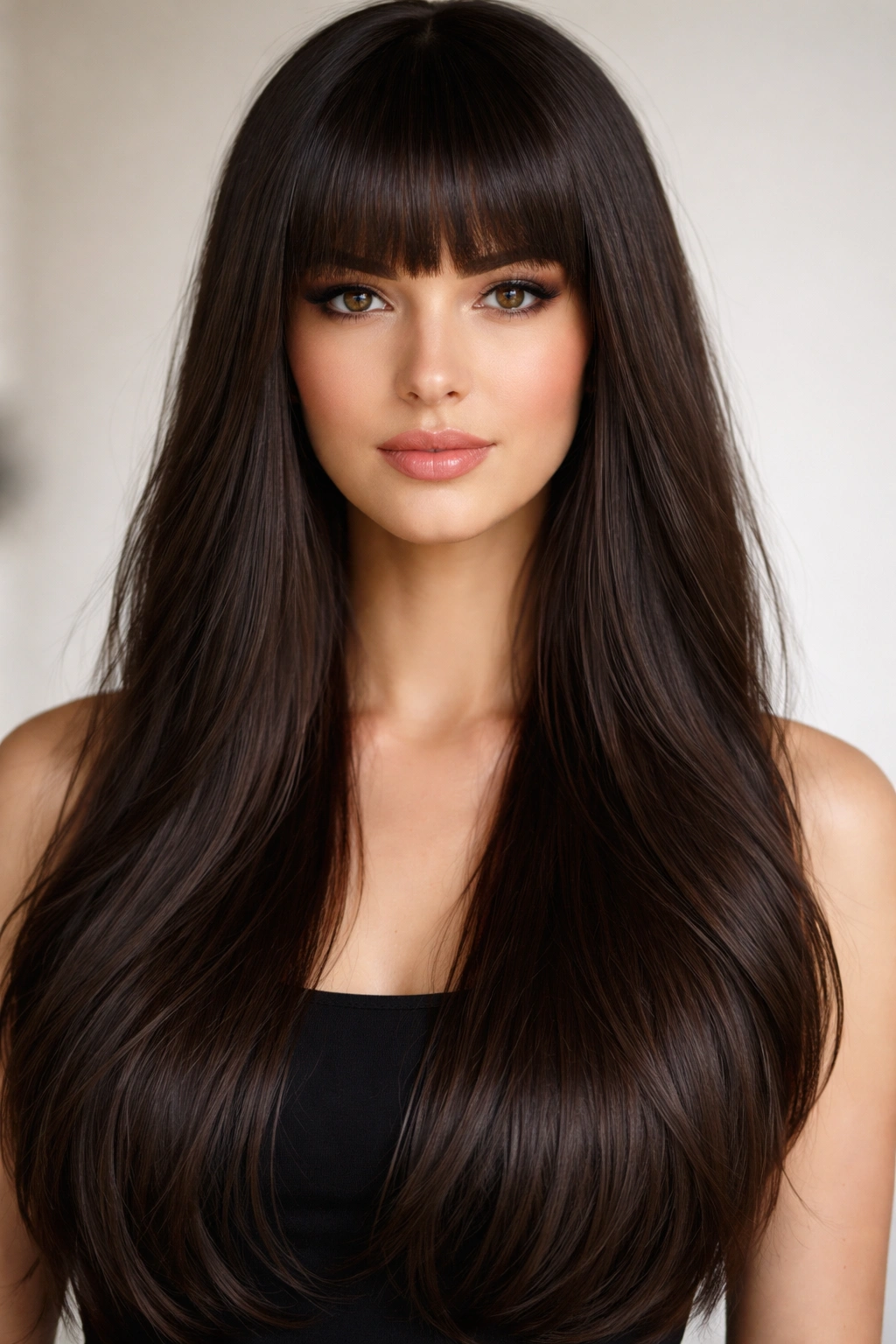
Keeping your hair long but adding a blunt fringe completely transforms how your face shape is perceived. The bangs create a strong horizontal line across the forehead and brow bones, instantly making your face appear shorter. You keep the length and fluidity of long hair while gaining the width-creating benefits of a strategic cut up top.
Why It Works for Long Faces
Bangs are one of the fastest ways to reduce perceived facial length because they visually shorten the distance from your hairline to your eyes. A blunt style—not wispy or tapered—creates that essential horizontal line. Combined with long hair that adds volume on the sides (especially around the shoulders and jawline), you get a balanced shape that doesn’t emphasize vertical length.
How to Wear and Maintain Blunt Bangs
- Blunt bangs should graze your eyebrows or sit just above them—too long and they lose the cut’s effect, too short and they feel severe
- Blow-dry your bangs straight down with a paddle brush, or use a flat iron for a sleeker finish
- They require weekly trims to maintain their blunt line as they grow out
- Side-sweeping them occasionally changes up your look while keeping them fresh
- Avoid pinning them back frequently, as this negates their face-shortening effect
Pro tip: If you’re nervous about committing to bangs, ask your stylist to create longer, heavier side bangs that can be swept back on days when you want a different look.
4. Textured Lob (Long Bob)
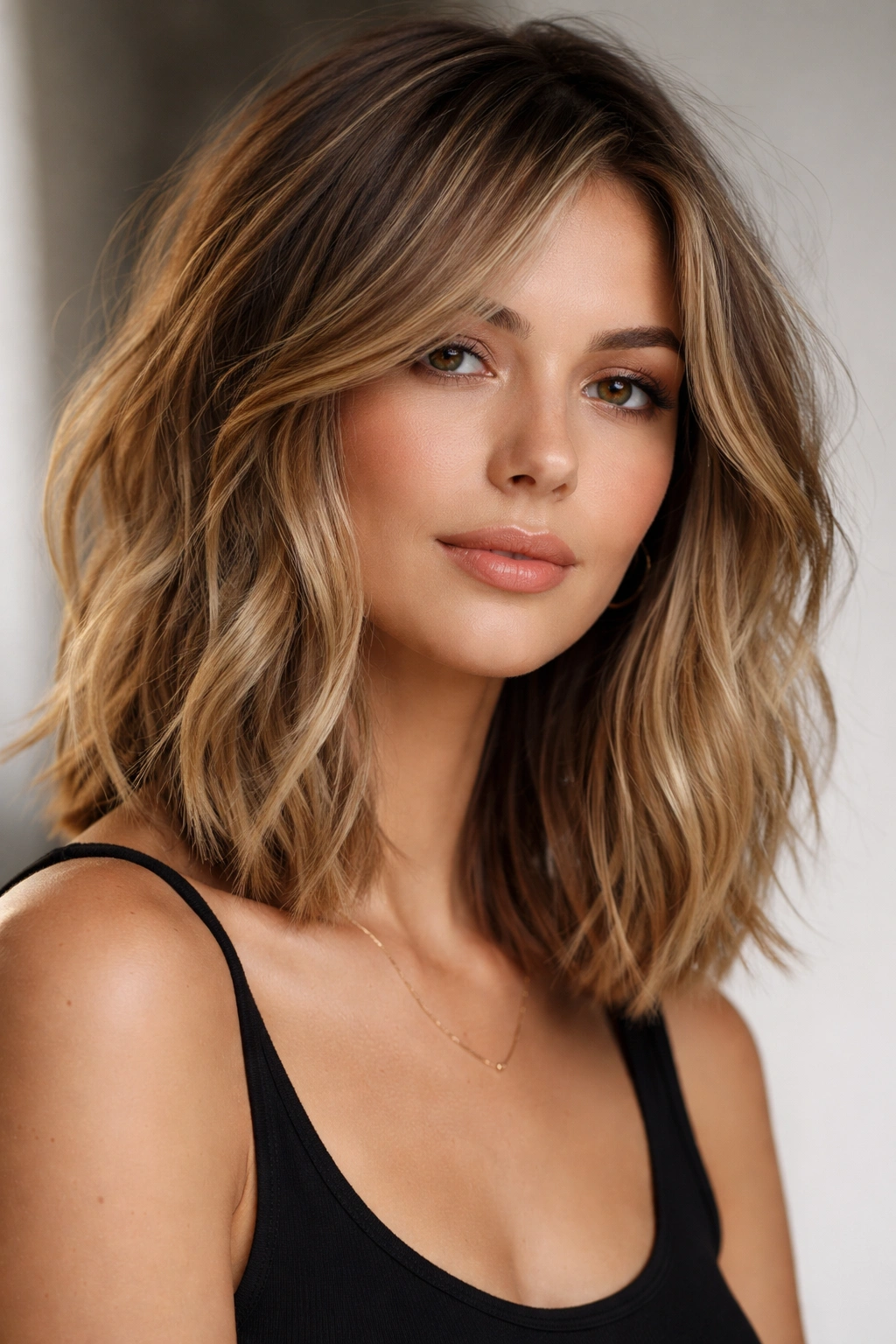
A lob—a haircut that falls somewhere between a chin-length bob and shoulder-length hair—works beautifully for long faces when it’s cut with lots of texture and layers. The length provides the sophistication of longer hair while the texture adds dimension that breaks up vertical lines. Aim for a lob that hits right around collarbone level or slightly shorter.
Why It Works for Long Faces
A textured lob gives you visual pause points because of its layers, but the strategic length means it also creates volume around the shoulders and jawline. This added width is crucial for balancing a longer face. The texture prevents the cut from looking stringy or overly long, which would actually emphasize facial length.
Building the Right Texture for Your Lob
- Ask your stylist for choppy, textured layers rather than straight, uniform layers
- Layers should be concentrated around the face (framing the cheekbones) and throughout the length rather than just at the ends
- Blow-dry with a round brush to encourage texture and movement away from the face
- Styling cream or sea salt spray enhances the texture and makes layers more visible
- Works across all hair types but delivers more visual impact on hair with natural wave or texture
Pro tip: Add some subtle highlights or lowlights throughout your textured lob—dimension in color amplifies the dimension created by layering and adds even more visual interest.
5. Rounded Bob with Subtle Layers
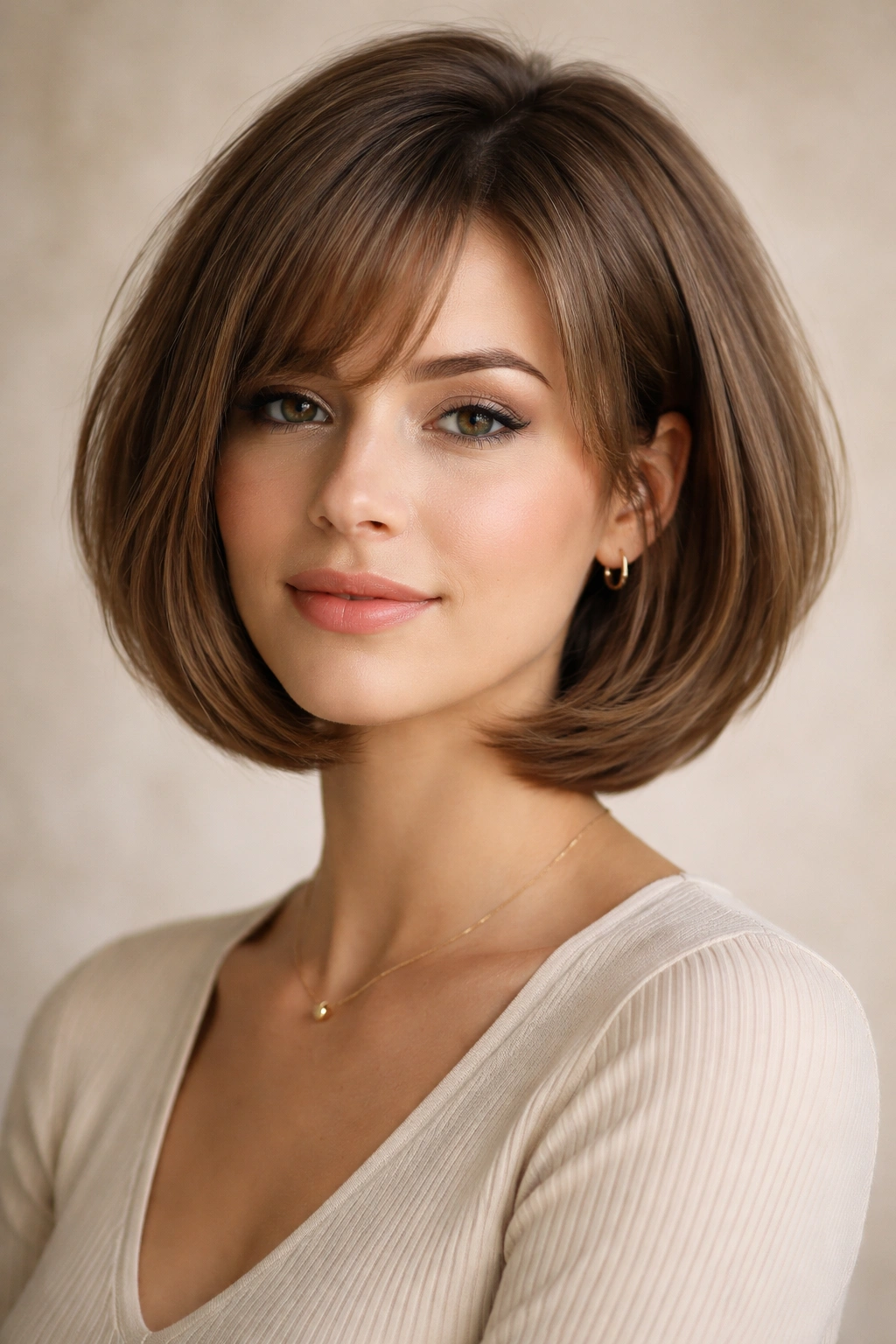
A rounded or curved bob follows the shape of your head rather than sitting perfectly straight, creating natural volume at the crown and sides. Adding subtle (not heavy) layers throughout prevents it from looking too blunt while still maintaining enough weight to create that all-important horizontal line at jaw level.
Why It Works for Long Faces
The rounded shape creates volume in the right places—at the crown and through the sides—which counteracts the narrow appearance of a longer face. Subtle layers keep it from feeling heavy while maintaining enough structure to create that jaw-level stopping point. The curved silhouette is inherently flattering because it mimics rounded, balanced features.
Getting the Shape Right
- The bob should curve gently inward at the ends rather than sitting completely straight
- Layers should be internal and subtle—visible when you move but not creating obvious texture lines
- Blow-dry with a round brush using a downward motion at the ends to enhance the curve
- This cut looks best with either a deep side part or a center part
- Requires trims every 6-8 weeks to maintain the rounded shape as it grows
Pro tip: Ask your stylist to keep the back slightly shorter than the front for a modern, flattering silhouette that still creates that horizontal width.
6. Face-Framing Layers with a Longer Length
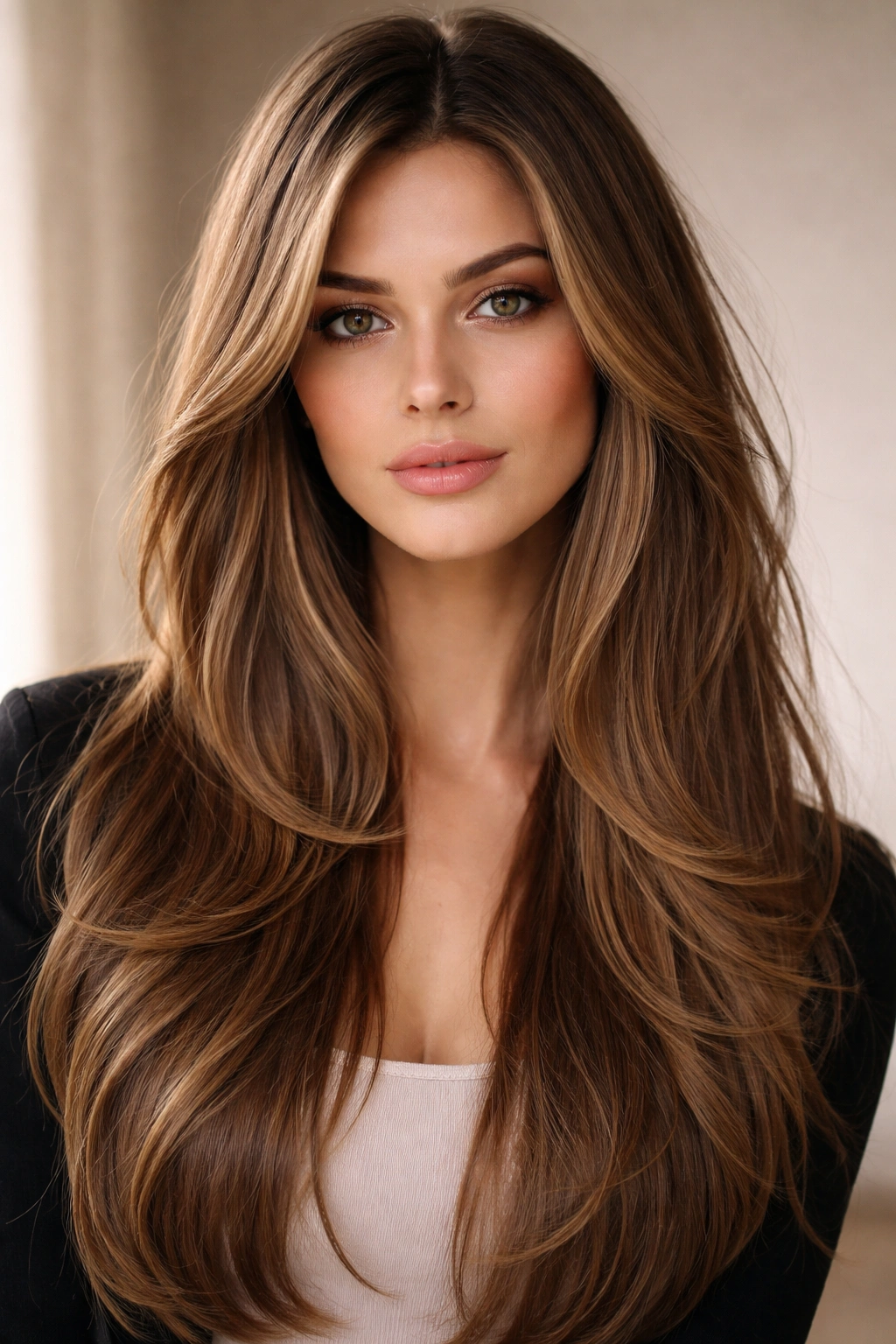
Rather than committing to a shorter cut, you can keep your hair long and add strategic face-framing layers that begin around cheekbone level. These layers surround your face, creating width right where you need it and breaking up the vertical line of your overall hair length. This approach gives you the best of both worlds—length plus the slimming benefits of shorter pieces.
Why It Works for Long Faces
Face-framing layers are like having natural highlights for your face—they draw the eye outward and create visual width. Because they start at cheekbone level, they address the widest part of your face and accentuate that area rather than letting the eye travel straight down your length. The contrast between the shorter face-framing pieces and the longer hair underneath adds dimension.
Styling Face-Framing Layers Successfully
- Blow-dry your face-framing layers away from your face initially, then use a curling iron to flip them back slightly for dimension
- These layers look best with some wave or curl—straight hair makes them appear stringy
- Layers work with hair that hits anywhere from mid-shoulder to the small of your back
- Touch-ups are minimal since these aren’t blunt or highly defined—they blend into your longer lengths naturally
- The contrast between lengths is what matters, so ask for variation of at least 2-3 inches between the shortest frames and your longest hair
Pro tip: Combine face-framing layers with some subtle color dimension—even just a few strategically placed highlights in your face-framing pieces creates optical width.
7. Thick Bangs with Textured Waves
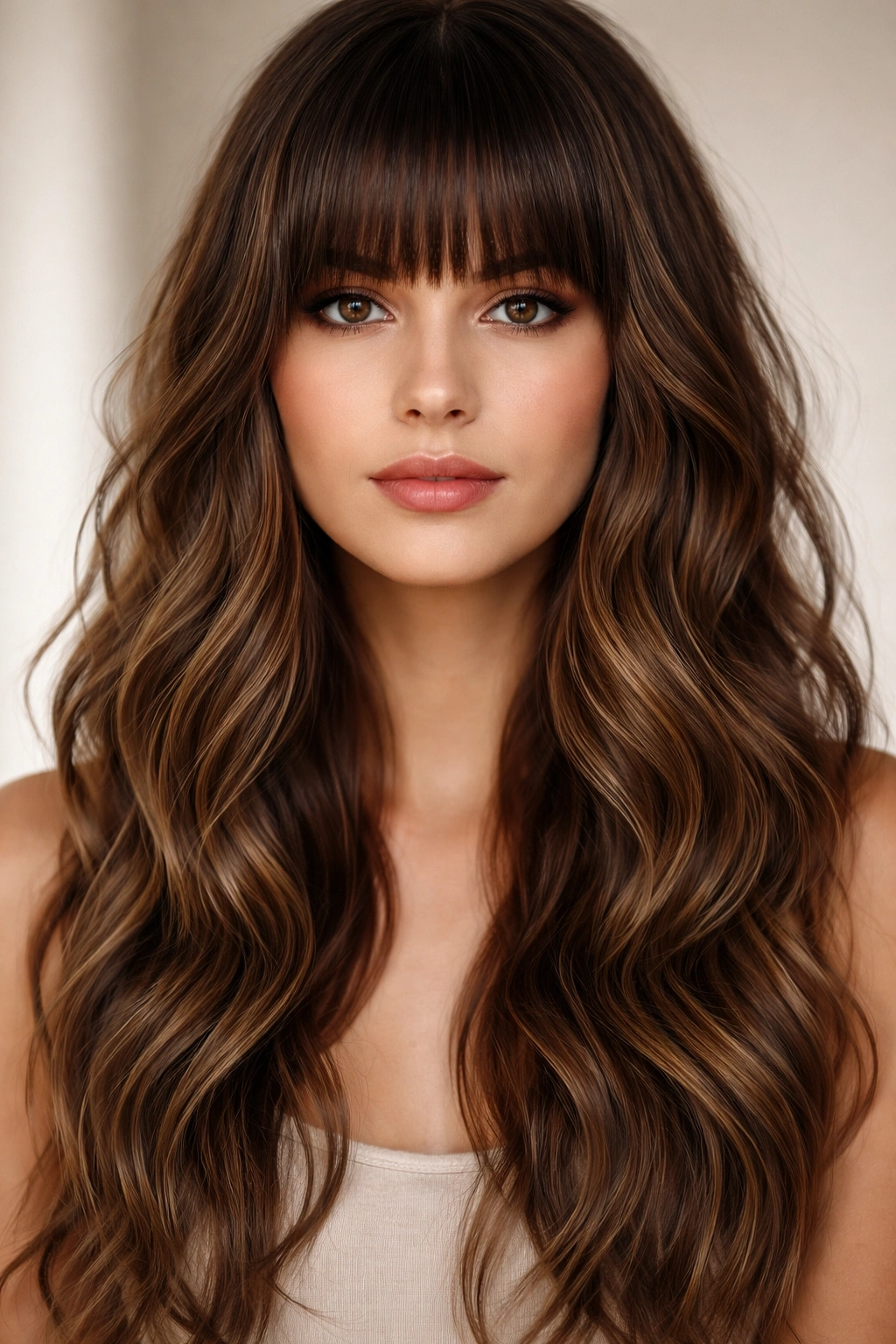
Bangs that are dense (not wispy or sparse) create a strong visual line, and when paired with textured, wavy hair, they create a balanced, flattering shape. The thickness of the bangs matters because thin bangs don’t create enough visual weight to counteract facial length. Pair this with waves or curls throughout your hair for movement that adds width.
Why It Works for Long Faces
Thick bangs are more powerful than thin ones at creating that horizontal line. When they’re combined with textured waves that add volume on the sides and create natural stopping points throughout your hair, you get multiple width-creating elements working together. The texture prevents your hair from looking flat and elongated.
Creating and Maintaining Textured Bangs and Waves
- Bangs should be blunt and hit around eyebrow level—thick enough that you can really see the line they create
- Use a round brush when blow-drying to create loose waves throughout your hair, or work with your hair’s natural texture
- Curling iron or wand waves work well, especially if you focus on creating larger, looser waves rather than tight curls
- Product matters—a texturizing cream, mousse, or sea salt spray helps your waves hold their shape and stay visible
- Bangs need weekly maintenance to stay blunt and prevent them from growing into your eyes
Pro tip: Ask your stylist to point-cut (or razor-cut) your bangs slightly rather than creating a perfectly blunt line—this adds subtle texture that makes them look less severe and more modern.
8. Shoulder-Length Textured Cut with Movement
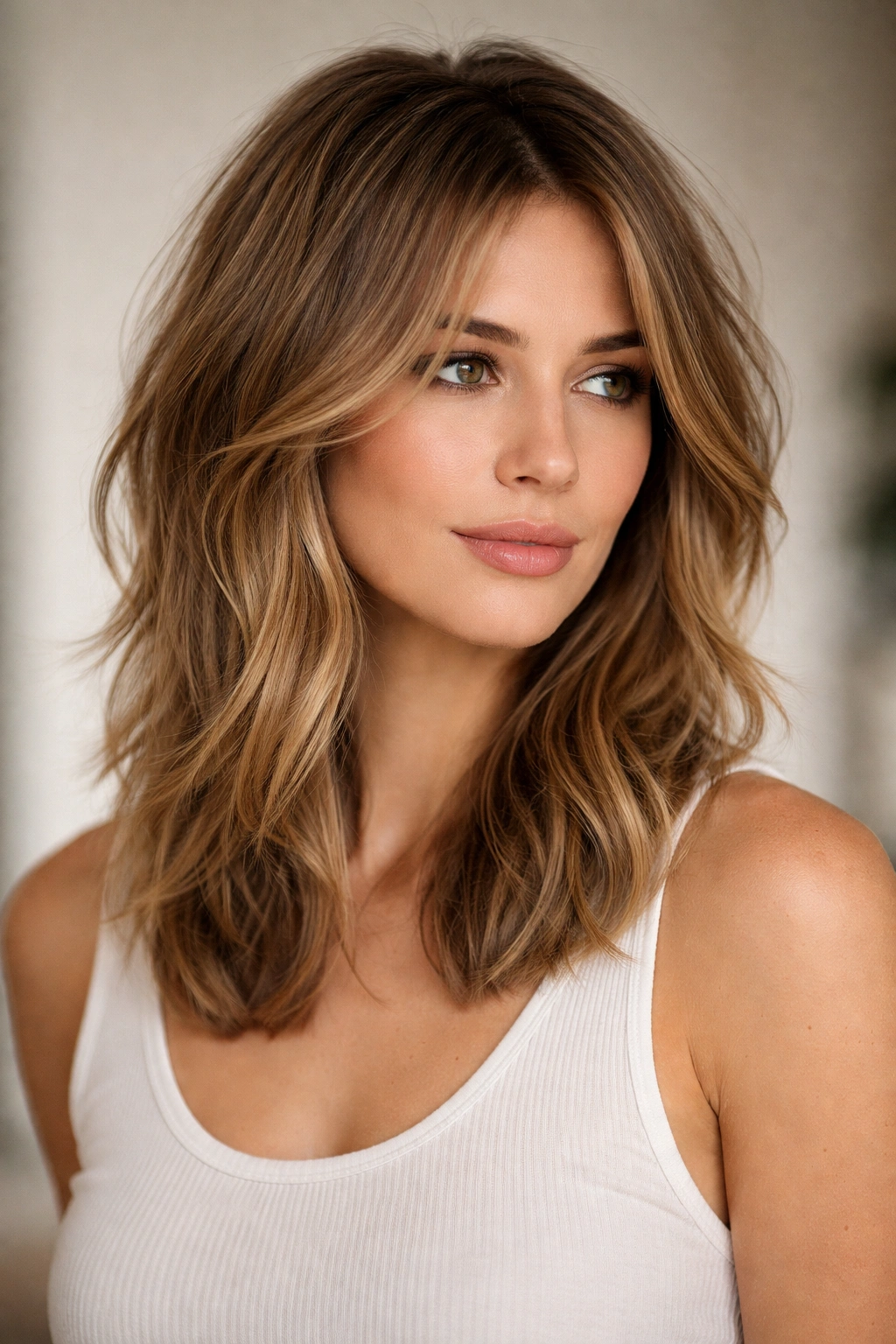
A cut that lands right at shoulder level and features choppy, textured layers throughout creates dimension without requiring you to go dramatically shorter. This length is ideal because it sits right where many people carry natural width (shoulders), so the cut amplifies that existing width rather than fighting against it.
Why It Works for Long Faces
Shoulder-length hair lands at a natural widest point of the body, so a cut at this length automatically creates visual balance. The textured, choppy layers add dimension and movement that prevents the cut from looking stringy or overly long. The varied lengths create multiple visual stopping points rather than one continuous line.
Achieving the Right Texture and Movement
- Choppy layers should be varied in length—not uniform—so some pieces are noticeably shorter than others
- The layers should be concentrated around the face and scattered throughout rather than just at the ends
- Blow-dry with a round brush for volume and movement, or let your hair air-dry if you have naturally wavy texture
- This cut works beautifully with some undone styling—you don’t need perfect waves every day
- Regular trims every 6-8 weeks keep the textured shape looking intentional rather than grown-out
Pro tip: Combine this textured cut with some subtle balayage or dimensional coloring—the color variation amplifies the dimension created by the layering.
9. Curtain Bangs with Voluminous Length
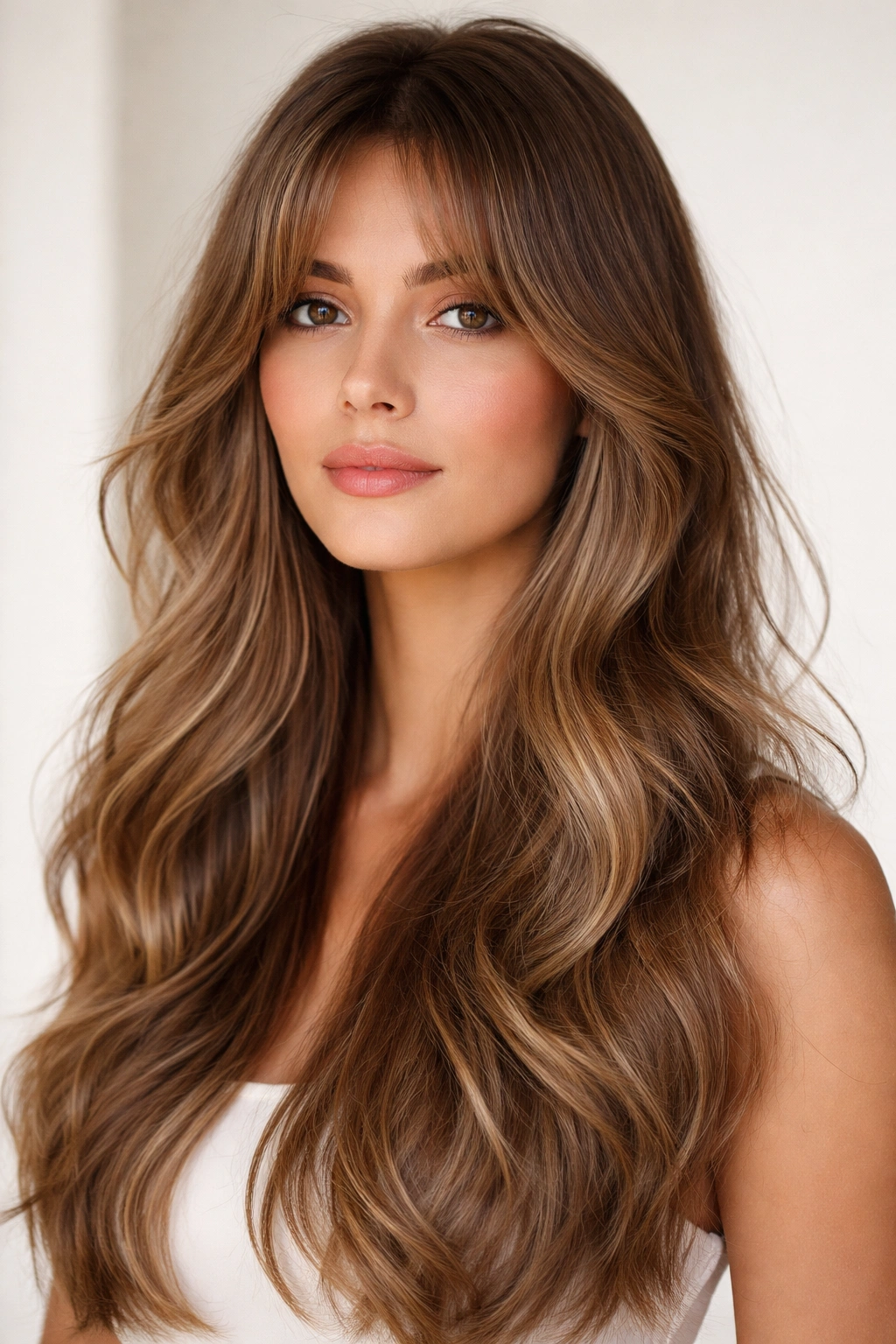
Curtain bangs—longer, side-swept pieces that frame both sides of your face—create a face-widening effect while keeping your forehead visible. Pair this with voluminous, textured longer hair and you get multiple dimensions working together. The bangs create a horizontal element while the voluminous length adds width on the sides.
Why It Works for Long Faces
Curtain bangs address the upper portion of your face, creating width at the forehead and brows without covering them completely. When paired with voluminous hair that has texture and movement, the overall effect is width-creating on multiple levels. The softness of curtain bangs versus blunt bangs makes them feel more wearable for everyday styling.
Styling Curtain Bangs and Volume
- Curtain bangs should be longer—grazing your cheekbones or just below—and separated down the middle, swooping gently outward
- Use a round brush on a blow dryer to create volume at the crown and bounce throughout your hair
- Curtain bangs look best with some wave or curl rather than perfectly straight hair
- Texturizing spray or mousse helps create and maintain the volume you’re aiming for
- Styling is flexible—you can sweep them to one side if you want a change, or pin them back for a different look
Pro tip: Add layers around your face that are slightly shorter than your curtain bangs—this creates a gradient that looks effortlessly chic and adds extra dimension.
10. Short Shag with Lots of Texture
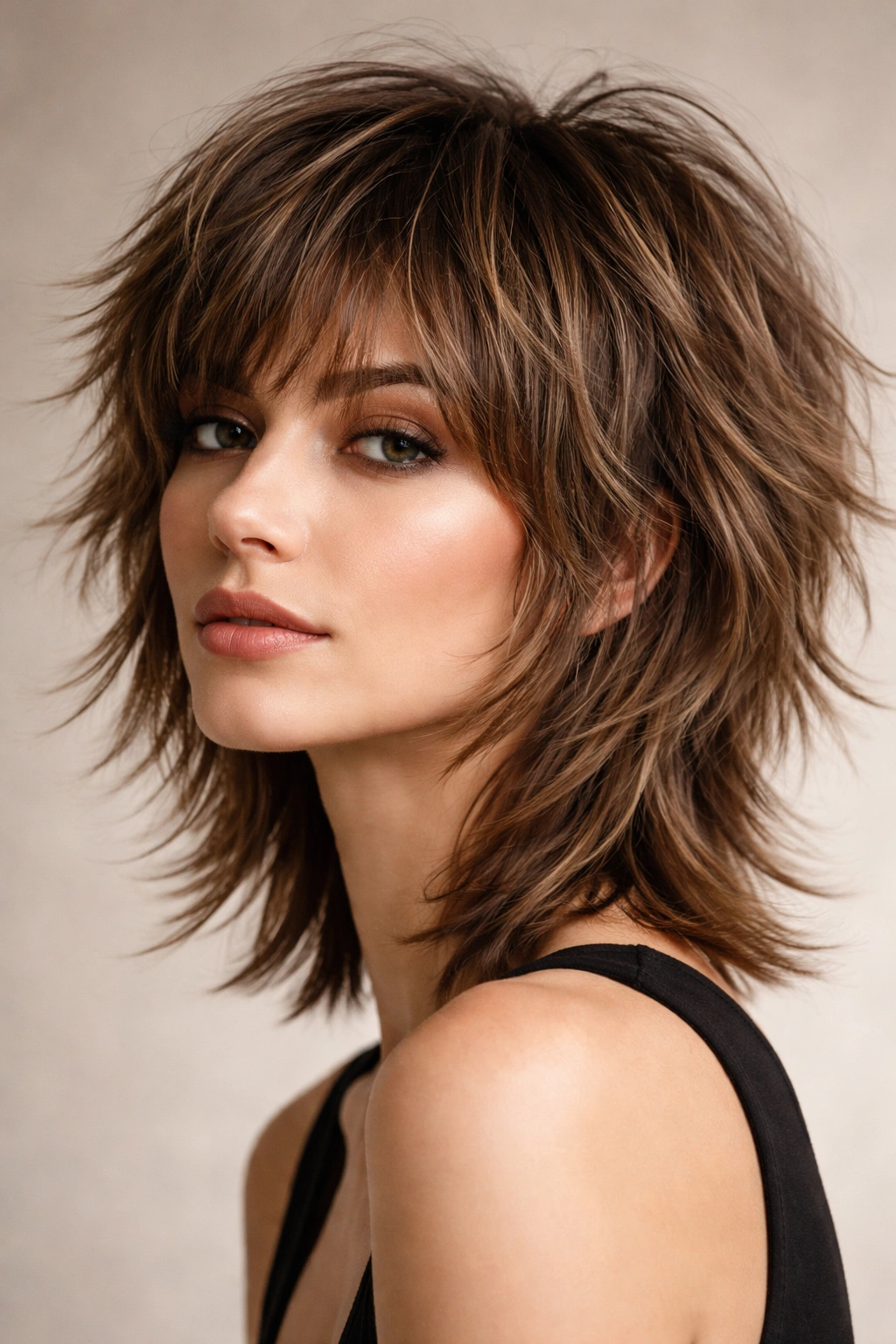
A shag cut—multiple, choppy layers throughout that create a spiky, textured silhouette—has returned to popularity and works beautifully for longer face shapes. The key is that the texture and movement break up vertical lines, while the shorter length (typically shoulder-length or shorter) prevents the cut from emphasizing facial length. The spiky, layered texture is inherently widening.
Why It Works for Long Faces
Shag cuts are designed to create texture and movement throughout the entire head, which naturally interrupts vertical lines. The multiple layers create numerous visual stopping points, preventing the eye from traveling a straight line down your length. The inherent volume and texture of a good shag add width where you need it.
Styling a Shag Cut Successfully
- Shags require some styling—blow-dry with your fingers or a round brush to encourage the texture and separation
- The cut works best with some natural wave or texture in your hair
- Texturizing products like sea salt spray or styling cream help define the layers and keep the shag looking intentional
- Regular trims every 6-8 weeks keep the texture sharp and prevent it from looking overgrown
- Styling time is moderate—not as quick as a simple cut, but not as involved as creating waves from scratch
Pro tip: A shag with some longer, face-framing pieces around your cheekbones adds even more dimension and width where it matters most.
11. Straight-Across Bangs with Choppy Layers
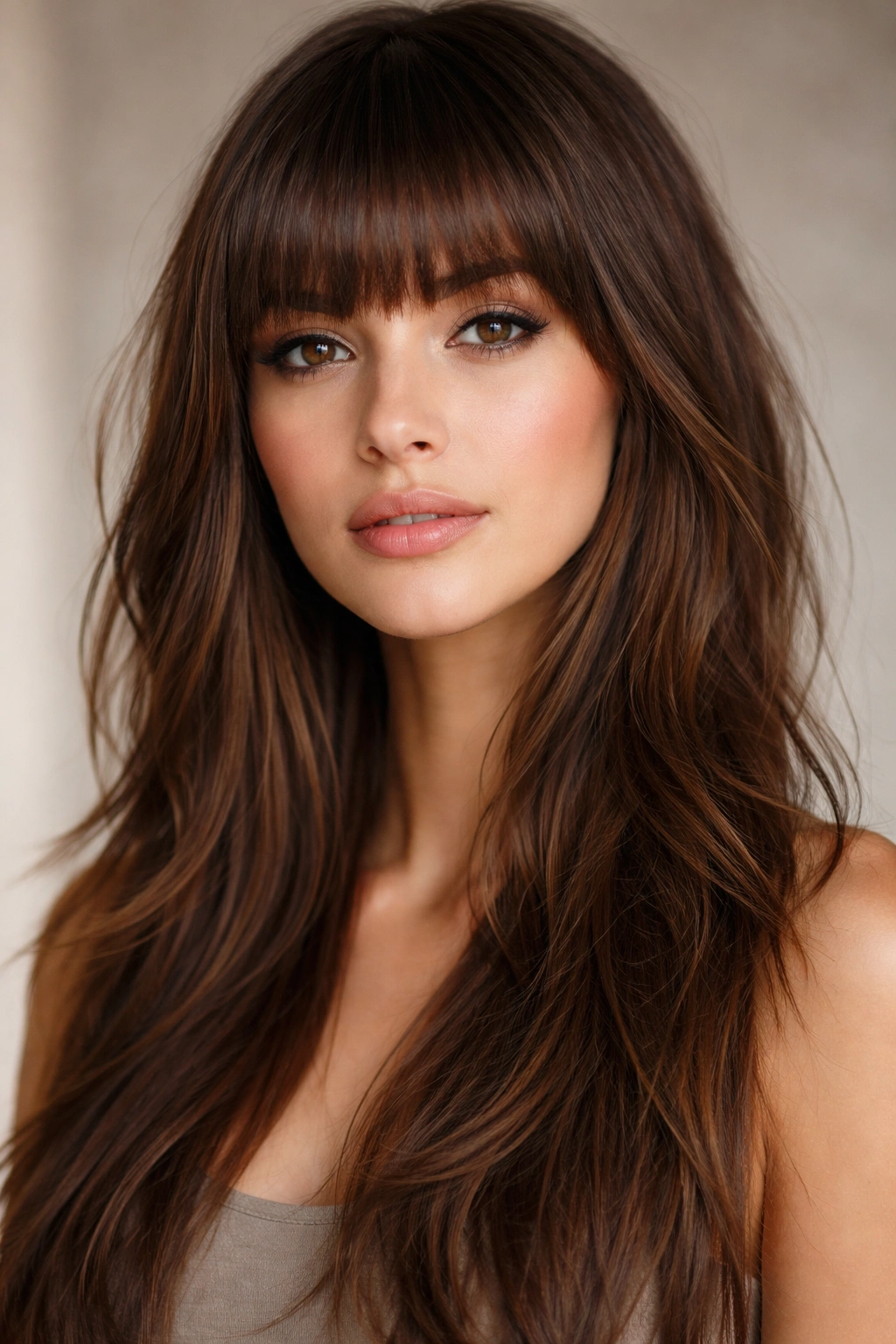
Straight-across (or blunt) bangs paired with choppy layers throughout your hair creates a strong graphic element up top while the choppy layers prevent the overall look from feeling too severe. The bangs create that essential horizontal line while the layers add softness and movement through the rest of your hair.
Why It Works for Long Faces
The straight-across bangs immediately shorten perceived facial length by creating a strong horizontal line. The choppy layers throughout your hair add dimension and texture that breaks up vertical space. Together, these elements create a balanced, styled appearance that doesn’t emphasize the vertical aspects of a longer face.
Getting This Look Right
- Bangs should be truly straight across—not arched or curved—and should hit around eyebrow level
- Choppy layers should vary in length for maximum visual interest and texture
- The contrast between the solid line of your bangs and the choppy texture of your layers creates a modern, intentional look
- Blow-dry your bangs straight down and your layers with a round brush for movement
- Requires regular bang trims every 2-3 weeks and layer trims every 6-8 weeks
Pro tip: Keep the back of your choppy-layered cut slightly longer than the front for a subtle motion that flatters your face shape.
12. Curved Bob with Face-Framing Pieces
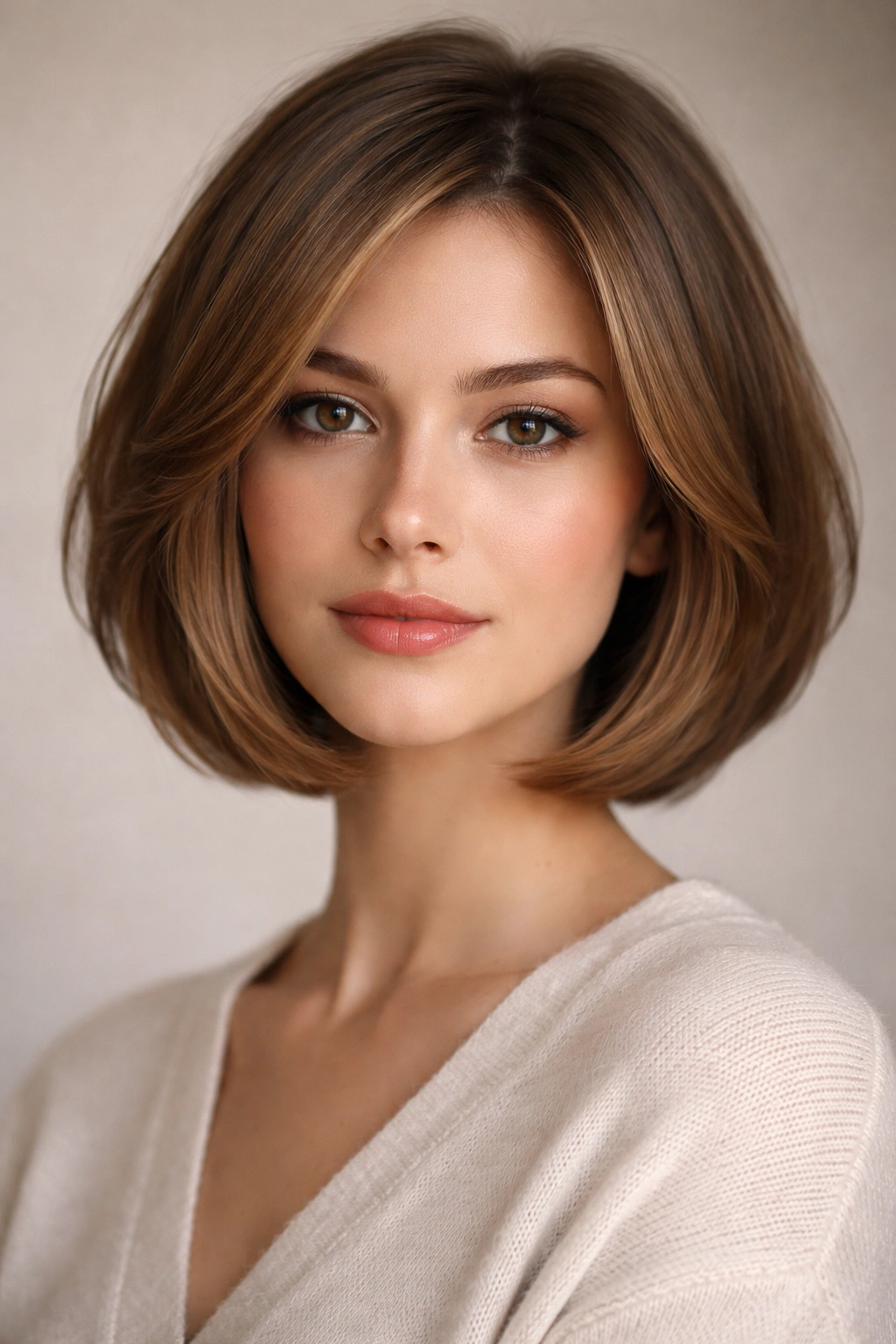
A bob that curves inward—getting slightly shorter as it moves from back to front—naturally creates a face-framing effect. The front pieces are shorter than the back, so they automatically surround your face and create width. This technique combines the structural benefits of a bob with the strategic face-framing of shorter pieces.
Why It Works for Long Faces
The curved silhouette creates width through the sides and at the face, which is precisely what a longer face shape needs. The front pieces being shorter than the back means you get an integrated face-frame rather than a blunt line. The curve of the cut is inherently flattering and less severe than a perfectly straight bob.
Styling a Curved Bob
- Blow-dry with a round brush, directing the front pieces slightly outward to enhance the face-framing effect
- The curve of the cut should be subtle enough to look modern, not so extreme that it looks dated
- Works best with either a side part or a center part depending on your face and preference
- The shorter front pieces work beautifully with some subtle wave or curl
- Requires trims every 6-8 weeks to maintain the subtle curve as your hair grows
Pro tip: Ask your stylist to add some internal layers to your curved bob—these create subtle texture and prevent the cut from looking too blunt or heavy.
13. Longer Pixie with Side-Swept Styling
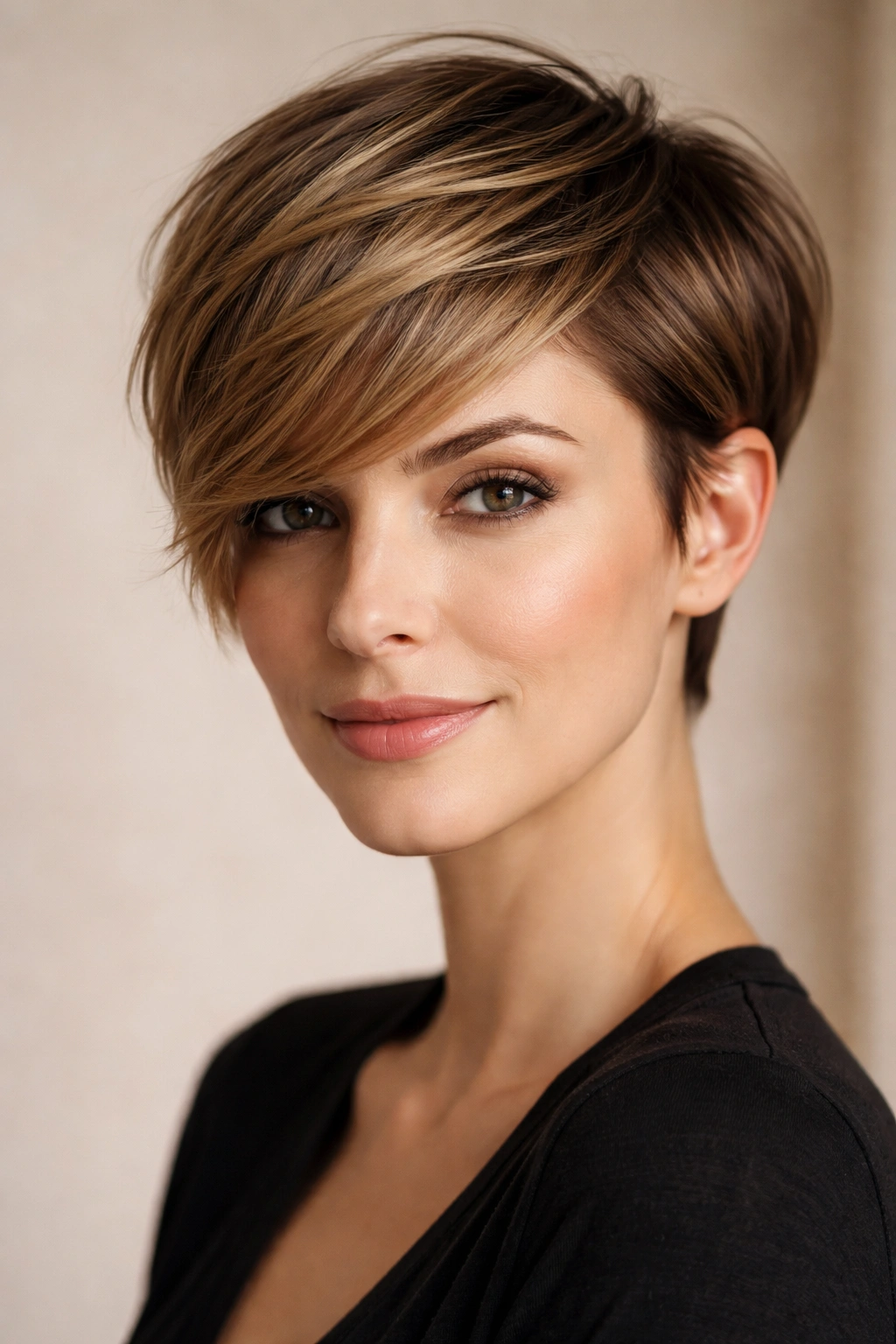
If you’re willing to go shorter, a longer pixie—longer on top with shorter sides—gives you the texture and movement of short hair while keeping some length to work with. Side-swept styling of the longer top portion creates a face-framing effect and adds a horizontal element to your look.
Why It Works for Long Faces
The shorter sides create definition and width around your face and ears, while the longer top provides texture and movement. Side-sweeping the longer pieces creates a diagonal line that’s flattering and less severe than straight-across styling. The overall effect is a styled, intentional look that doesn’t emphasize facial length.
Styling and Maintaining a Longer Pixie
- Blow-dry your longer top pieces to one side, using product to keep them in place
- Sides can be kept neat and close or slightly longer for a softer effect depending on your preference
- Requires regular trims every 4-6 weeks to maintain the shape and prevent the longer pieces from getting too long
- Works beautifully with some color dimension or highlights, which add width and interest
- Low-maintenance styling for everyday wear once you establish the right technique
Pro tip: Add some texture to your longer top pieces with choppy, uneven layers—this prevents the longer portion from looking like one heavy block of hair.
14. Waist-Length Hair with Lots of Internal Layers
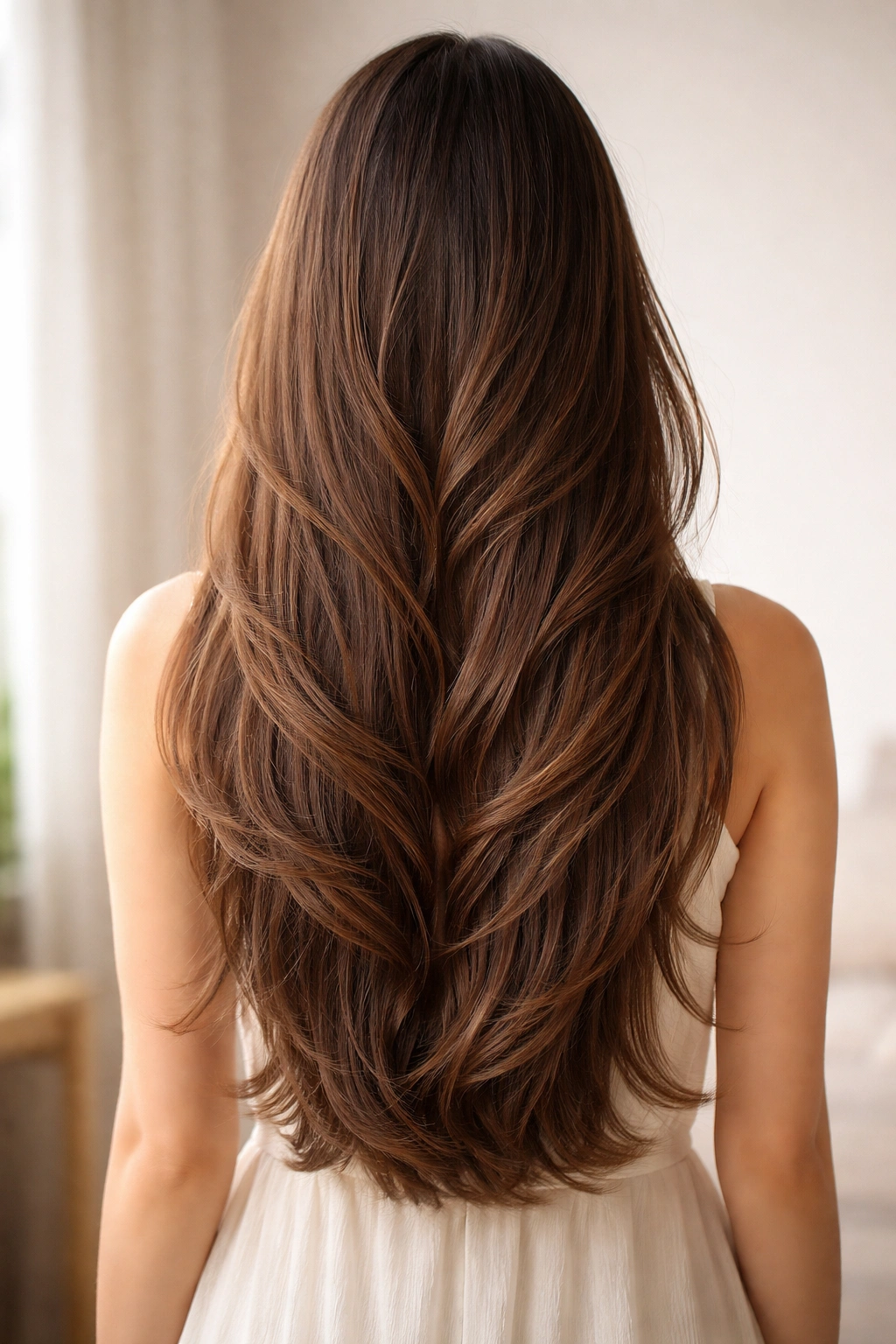
If you love having long hair, keep your length but add lots of internal layers throughout that aren’t immediately visible but create movement and texture. Internal layers—sometimes called “invisible layers”—reduce the visual weight of length without making it obvious that you’ve had a cut. You maintain the long hair you love while gaining the width-creating benefits of layering.
Why It Works for Long Faces
Internal layers break up vertical space without creating an obvious change to your silhouette. When you move or style your hair, these layers create texture and dimension that interrupt that vertical line. The length provides the sophisticated look of longer hair while the layers prevent it from appearing flat or stringy.
Creating and Styling Internal Layers
- Ask your stylist to add layers throughout your interior lengths—not just at the ends
- These layers are most visible when you blow-dry or style your hair, less visible when hair is air-dried and straight
- Use a round brush when blow-drying to encourage the movement created by the internal layers
- Texturizing products help bring out the texture and dimension of your internal layers
- You can go longer between trims (every 8-12 weeks) since the layers aren’t on the surface and don’t grow out as noticeably
Pro tip: Combine internal layers with some color dimension—even subtle highlights help showcase the texture created by your layers.
15. Asymmetrical Bob with One Side Longer
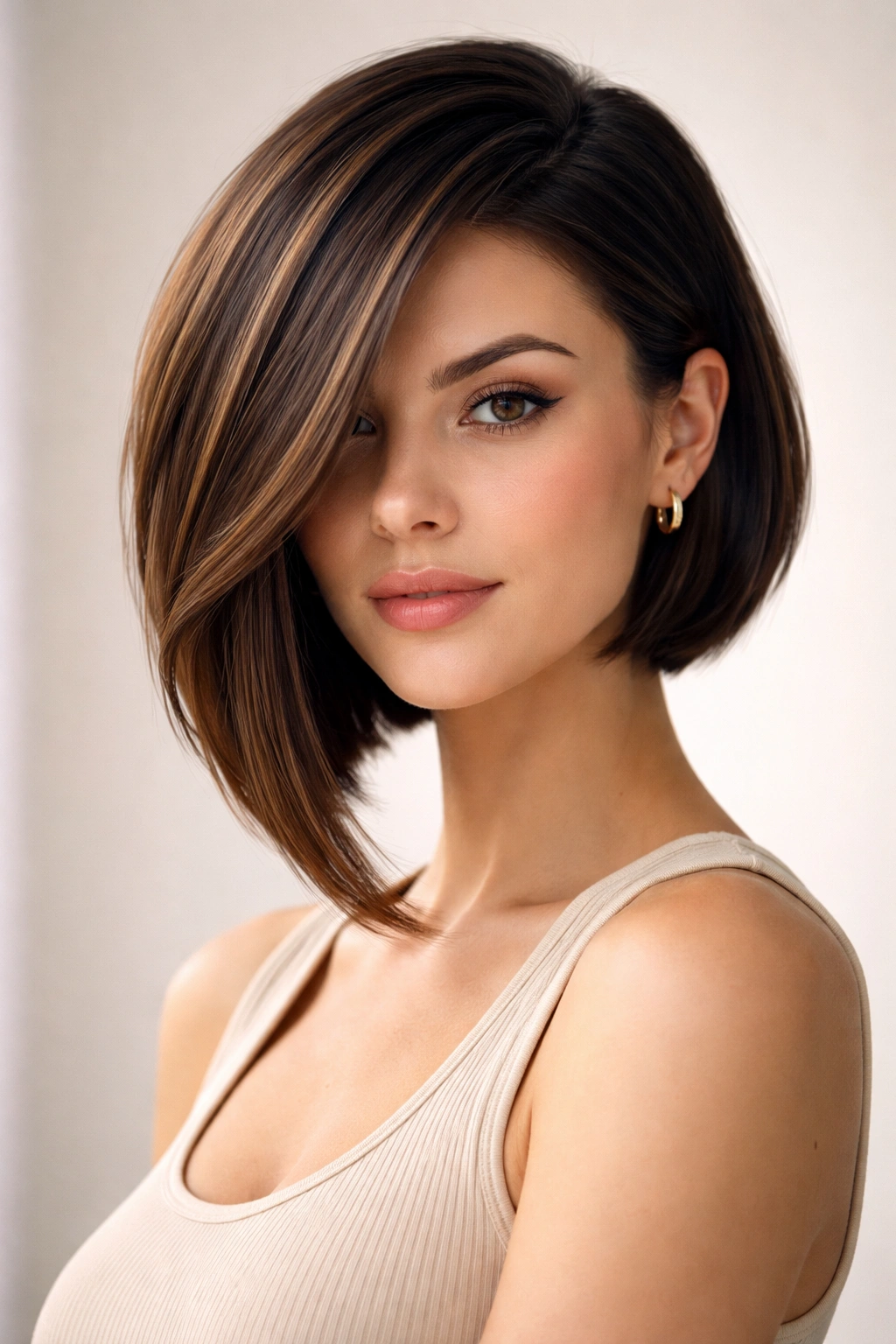
An asymmetrical bob—shorter on one side and longer on the other—creates visual interest and can include a face-framing piece on the longer side. This cut is bold and modern, adding geometry and movement to your look. The length variation (even if subtle) creates dimension that breaks up vertical lines.
Why It Works for Long Faces
Asymmetry is inherently widening because it draws the eye side to side rather than straight down. The longer side can frame your face beautifully while the shorter side creates width and definition. The geometric nature of an asymmetrical cut is visually interesting and prevents the look from becoming monotonous.
Wearing and Styling an Asymmetrical Bob
- The longer side can be swept across your face for a dramatic look or tucked behind your ear for sophistication
- Blow-dry both sides with a round brush to enhance the shape and movement
- The contrast between the two sides is what makes this cut work, so ask your stylist to make it noticeable (at least a 2-3 inch difference)
- Works beautifully with a side part
- Requires trims every 6-8 weeks to maintain the asymmetrical shape
Pro tip: Add some color dimension—subtle highlights on one side or a slightly different tone on your longer side—to enhance the visual interest of your asymmetrical cut.
16. Razored Layers with Lots of Point-Cut Texture
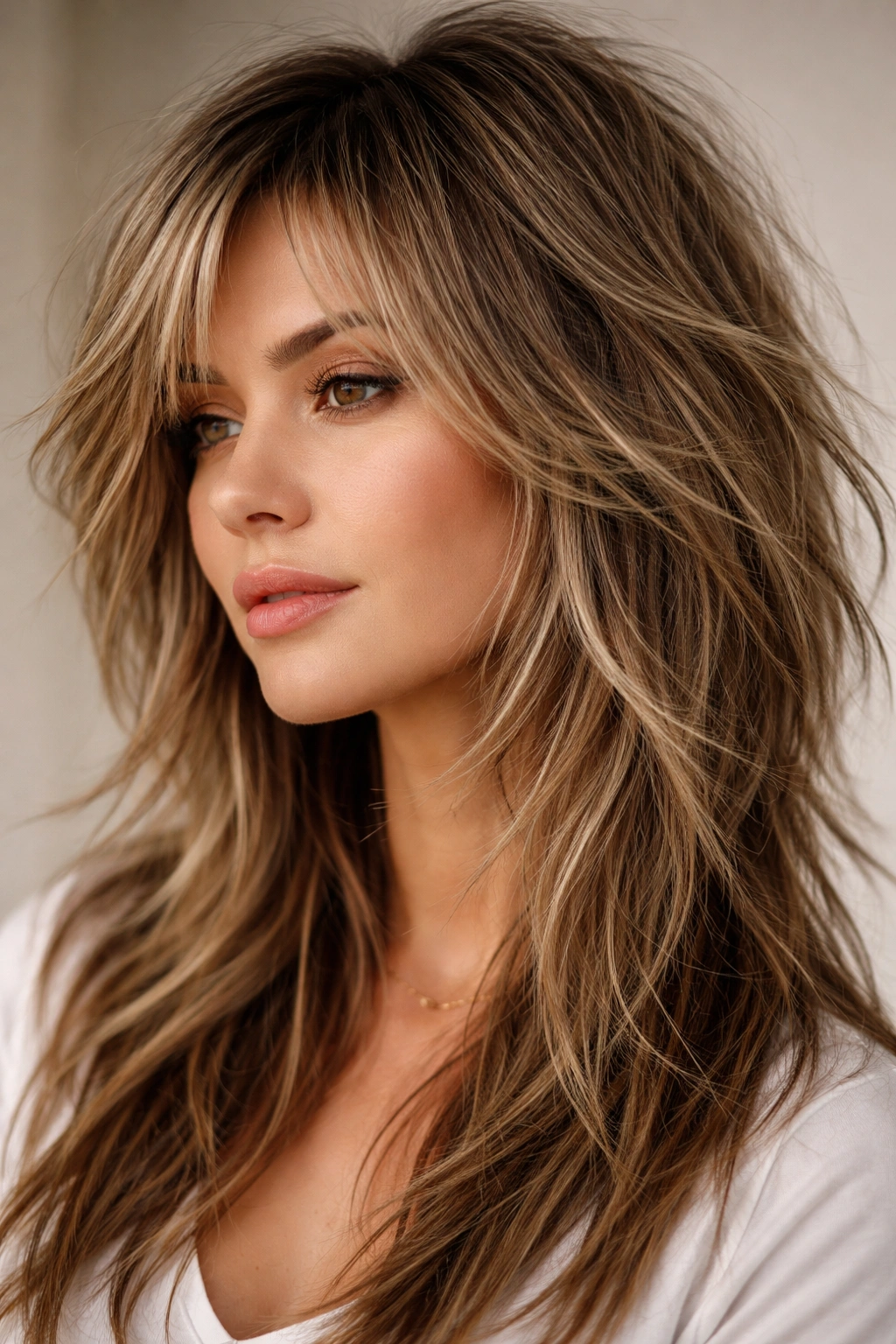
A razored cut—where your stylist uses a razor instead of shears to create choppy, textured ends—creates ultra-textured layers with lots of movement. Point-cutting (cutting into the hair rather than straight across) creates texture and prevents blunt lines. This technique creates the most dramatic texture and movement possible.
Why It Works for Long Faces
Razored and point-cut layers create maximum texture, which means maximum visual interruption of vertical lines. Every piece has a slightly different length and texture, so the eye travels in multiple directions rather than straight down. This extreme texture is incredibly width-creating and prevents any sense of a stringy or elongated appearance.
Maintaining Heavily Textured Layers
- This cut works best with some natural wave or texture in your hair—straight hair can look a bit wild
- Blow-dry with a round brush or diffuser to enhance the texture and movement
- Texturizing products are essential—sea salt spray, styling cream, or texturizing mousse helps control and define the choppy layers
- Requires trims every 4-6 weeks to keep the texture sharp and prevent the cut from looking overgrown
- Styling takes a bit more time but the end result is incredibly flattering and modern-looking
Pro tip: Ask your stylist to focus heavier layering and point-cutting around your face and crown—this creates the most flattering frame and volume.
17. Sleek Bob with an Undercut Detail
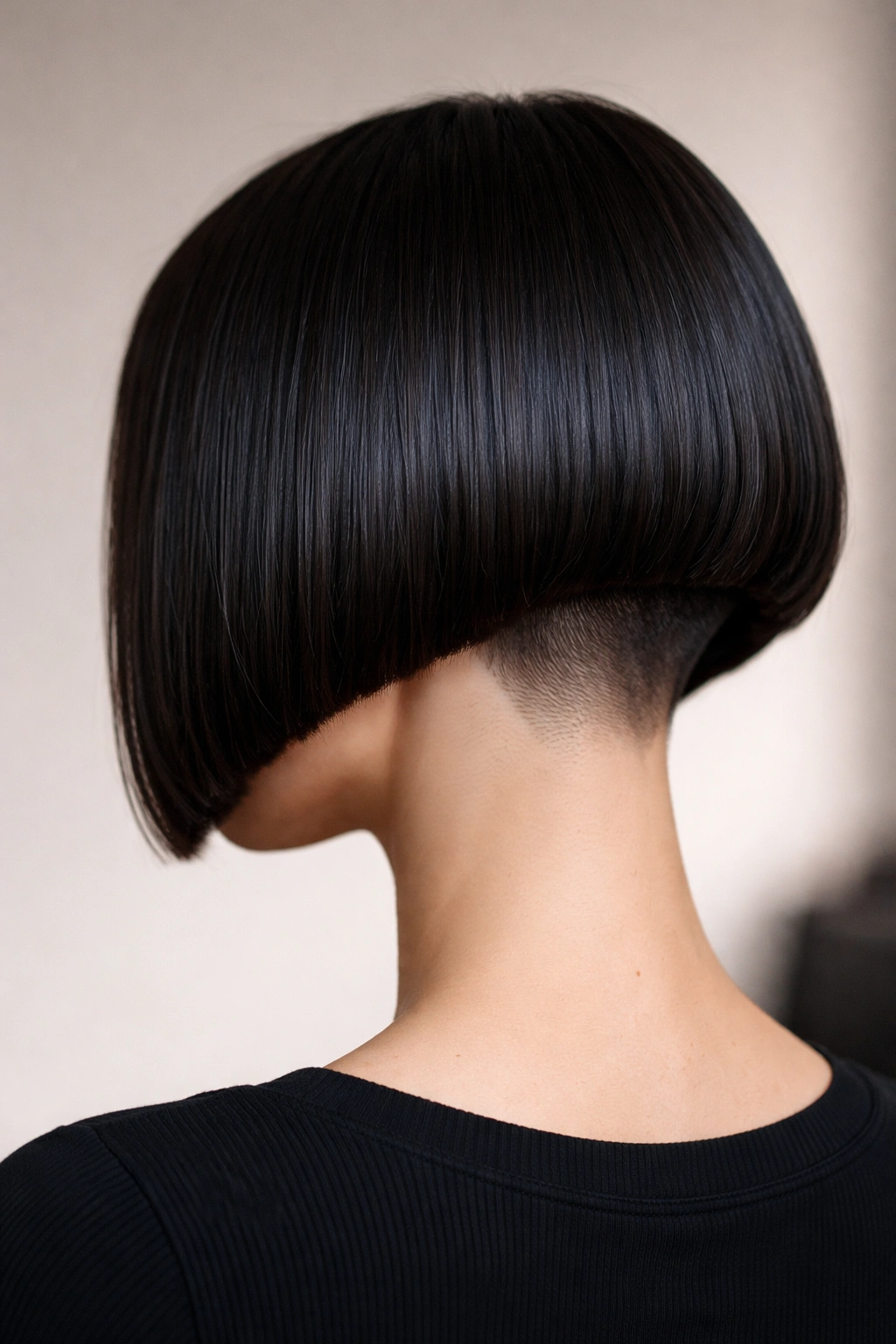
A sleek, blunt bob with an undercut (shaved or very short underneath) creates visual drama and modern edge. The sleek top creates a horizontal line while the undercut adds graphic interest and subtly increases the visual width of your cut. The contrast between the sleek top and clean undercut is a bold style statement.
Why It Works for Long Faces
A sleek bob provides that essential horizontal line at jaw level. The undercut adds definition and creates visual width around your face and neck. The modern, edgy nature of the cut means you’re not fighting against it with styling—the cut itself creates the flattering effect.
Styling and Maintaining an Undercut Bob
- The top should be sleek and smooth—blow-dry with a paddle brush for a polished finish
- The undercut needs regular trims every 3-4 weeks to keep it clean and defined
- This is a bold, fashion-forward cut that makes a statement
- Works beautifully with styling products like pomade or gel that enhance the sleek appearance
- The undercut can be hidden (by wearing your hair down) or shown off depending on your mood
Pro tip: Keep the undercut clean by visiting your stylist regularly—a grown-out undercut loses its visual impact and the sophistication of the look.
18. Soft Layers Throughout with a Deep Side Part
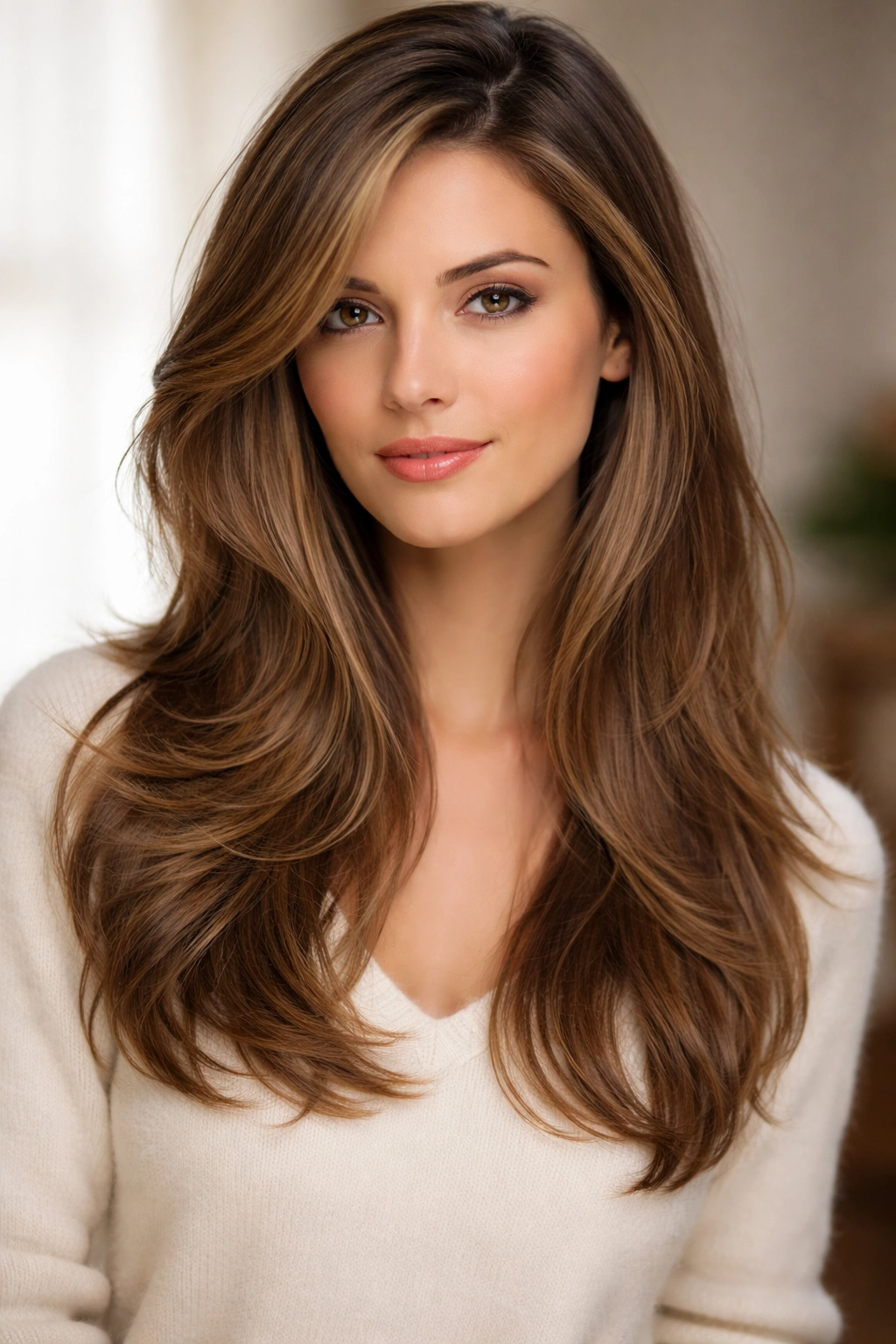
Soft, subtle layers throughout your hair—not choppy or dramatic, but present and visible—combined with a deep side part create a flattering, feminine look. The layers provide texture and movement while the deep side part creates a diagonal line that’s inherently flattering. This approach is less dramatic than heavy layering but still effective.
Why It Works for Long Faces
Soft layers create texture and dimension without the drama of choppy or heavily textured cuts. The texture breaks up vertical lines in a gentle, natural way. A deep side part creates a diagonal line across your face, which is inherently more flattering than a center part for longer faces. Together, these elements create width and balance.
Styling Soft Layers and a Side Part
- Blow-dry with a round brush to encourage movement and texture in your layers
- Create your deep side part while your hair is still slightly damp—this helps it hold throughout the day
- Soft layers look beautiful with some wave or curl, but work fine with straighter hair too
- Styling time is minimal—this is a low-maintenance, everyday-wearable look
- Trims every 8-10 weeks keep your layers visible and prevent them from blending back into one length
Pro tip: Use a round brush to direct your hair away from your face on both sides when blow-drying—this creates width and volume exactly where you need it.
19. Textured Shoulder-Length Cut with Bangs
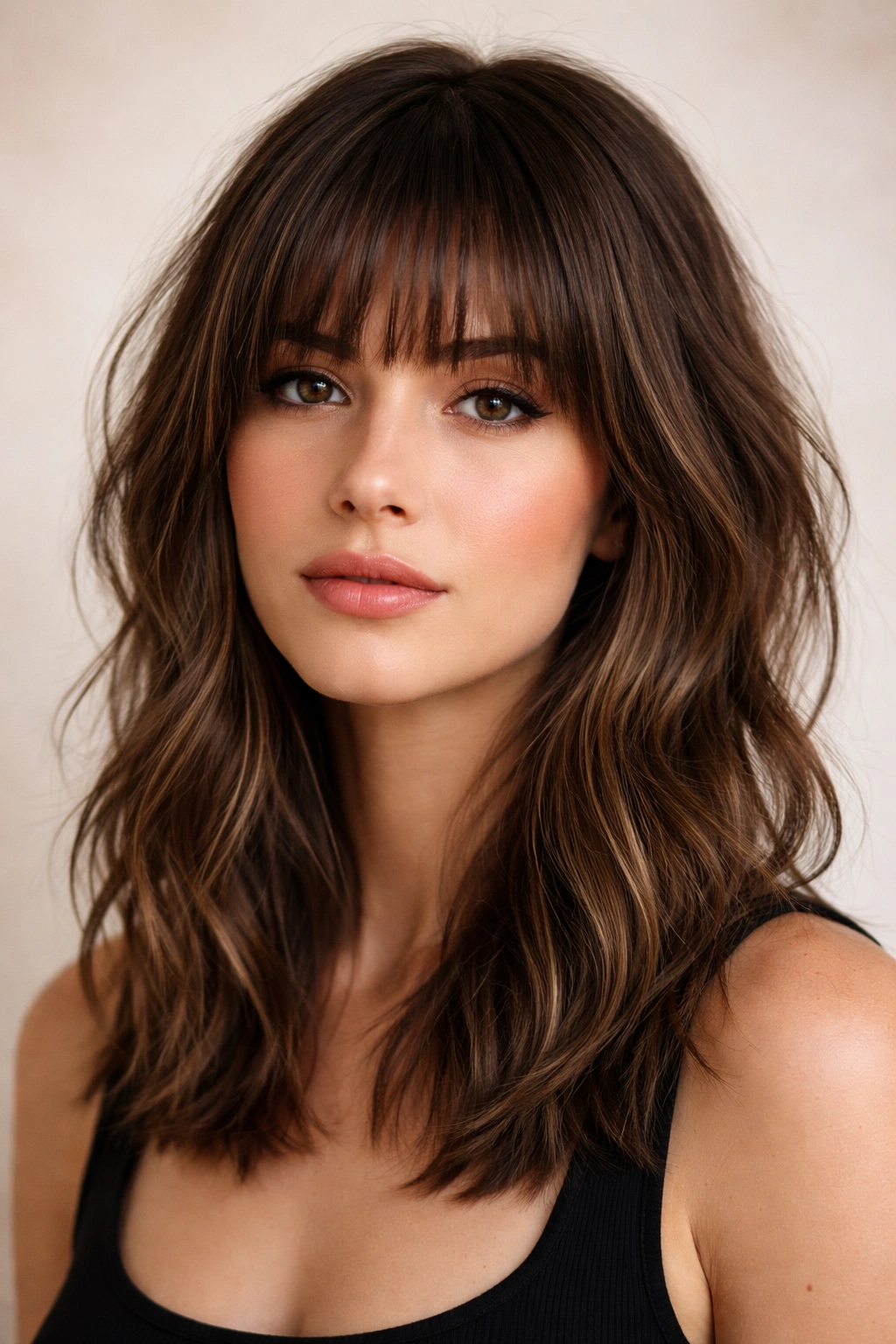
Combining shoulder-length textured hair with strategically cut bangs gives you both length and that face-shortening benefit of bangs. The shoulder length sits at a naturally wide part of your body, while the bangs address the upper portion of your face. Together, these elements create balance without requiring you to commit to very short hair.
Why It Works for Long Faces
Shoulder-length hair lands at a natural width point, while bangs immediately reduce perceived facial length. The textured layers throughout prevent the hair from looking flat or stringy. The combination addresses both the upper and middle/lower portions of your face, creating overall balance and proportion.
Maintaining This Textured Shoulder-Length Look
- Bangs should be blunt or slightly textured, hitting around eyebrow level
- Layers throughout your shoulder-length hair should vary in length for maximum texture and dimension
- Blow-dry with a round brush to create volume and movement
- Styling product helps enhance your texture—use whatever works with your hair type
- Requires bang trims every 2-3 weeks and full trims every 6-8 weeks
Pro tip: Ask your stylist to cut your bangs slightly shorter on the sides, grazing your cheekbones—this extends the face-framing effect beyond just your forehead.
20. Modern Shag with Integrated Fringe
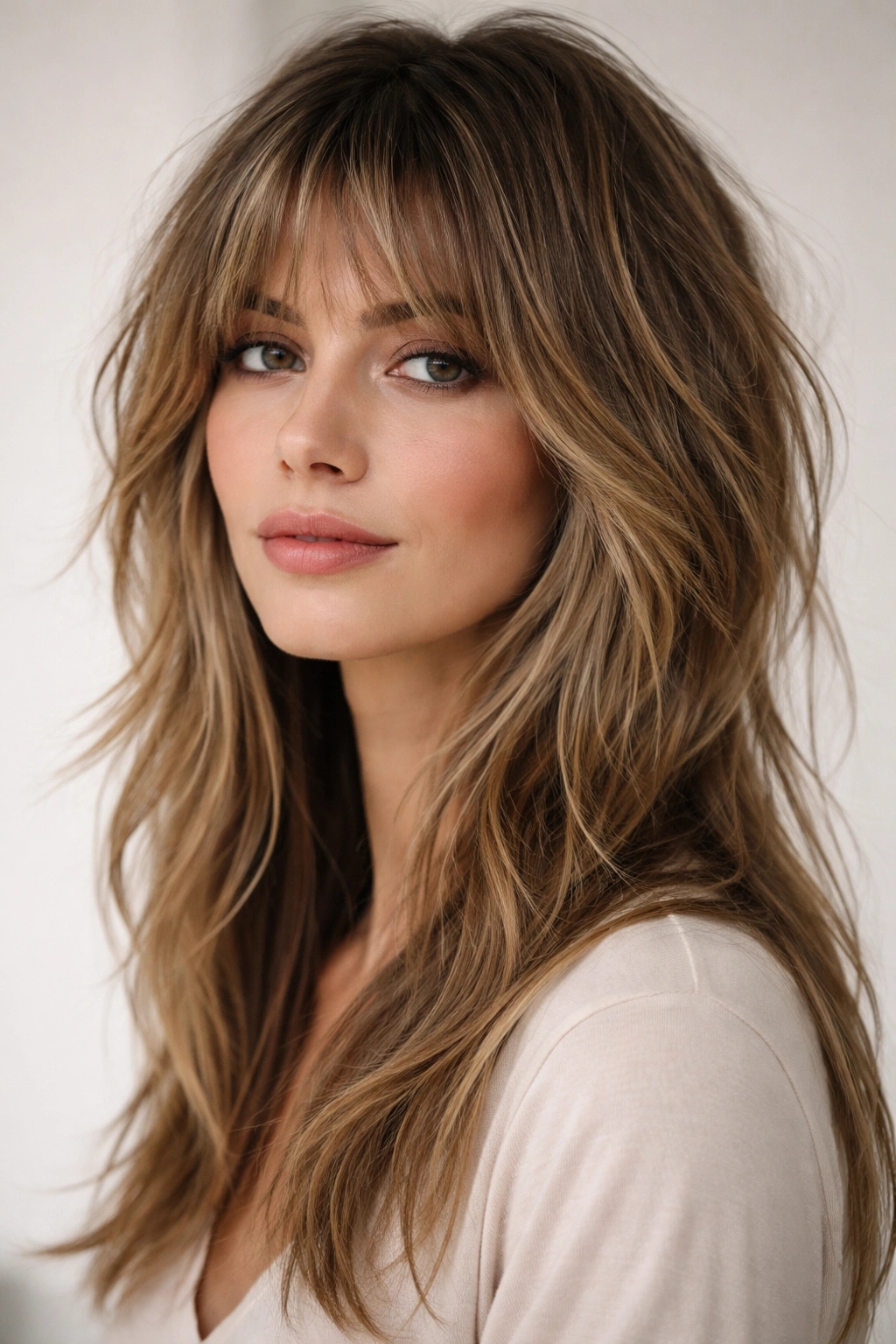
A modern shag is different from the ’70s version—it’s cleaner and more refined with intentional, choppy layers and integrated fringe (similar to bangs but part of the overall layered design). The fringe sits between bangs and face-framing layers, creating a face-shortening element while the shag texture prevents the look from feeling severe.
Why It Works for Long Faces
A modern shag with integrated fringe addresses the upper portion of your face (like bangs do) while the choppy layers throughout create texture and movement that interrupt vertical lines. The fringe is gentler than blunt bangs but more intentional than face-framing layers. The overall shag texture creates width and prevents any sense of elongation.
Styling a Modern Shag with Fringe
- Blow-dry with your fingers or a round brush to encourage separation and texture throughout
- Your fringe should fall naturally—not require heavy styling—and can be swept to one side or worn forward depending on your preference
- Texturizing products help bring out the intentional, choppy texture of your shag
- This cut requires regular trims every 6 weeks to keep the layers sharp and the fringe looking intentional
- Styling is moderate—more than a simple cut, less involved than creating texture from scratch
Pro tip: Ask your stylist to connect your fringe seamlessly into your overall layer pattern—this creates a cohesive, intentional look rather than fringe that feels separate from the rest of your cut.
Final Thoughts

The right haircut for a longer face shape is about understanding where your face needs visual width and what cutting techniques create that width most effectively. Whether you choose a blunt bob that creates an immediate horizontal line, soft layers that gently break up vertical space, or strategic face-framing pieces that draw attention outward, the goal is the same: creating balance and proportion through intentional styling.
The best cut is the one you’ll actually wear and maintain consistently. Some of these require weekly styling and regular trims, while others are more low-maintenance. Some are dramatic style statements, while others are subtle and everyday-wearable. Consider your lifestyle, how much styling time you’re willing to invest, and which of these cuts genuinely excites you—not just which one is theoretically flattering.
Before you book your appointment, save pictures of cuts that appeal to you and talk through the specifics with your stylist. Bring photos that show not just the finished look but also the styling and how the cut moves. Your stylist can tell you honestly which options will work with your hair texture and which require more daily styling than you might be willing to commit to. That honest conversation before the cut is what transforms a theoretically flattering style into a cut you actually love wearing.
