



The mullet is back, and it’s nothing like the version your parents had in the ’80s. What was once relegated to rock stars and questionable prom photos has become a genuinely chic, fashion-forward cut that’s being rocked by everyone from celebrities to everyday style rebels. The modern mullet isn’t about harsh contrasts and questionable volume—it’s about strategic proportioning, sophisticated styling, and the kind of intentional edge that says you know exactly what you’re doing with your hair.
The real genius of the contemporary mullet is its adaptability. Whether you’ve got fine, straight hair or thick waves, whether you prefer subtle minimalism or dramatic contrast, there’s a mullet interpretation that works for you. The cut plays beautifully with texture, color, and styling techniques, which is probably why we’re seeing such creative variations popping up on Instagram feeds and in salon portfolios. What matters now is the intention behind the cut—the architectural precision, the way it frames the face, and how it works with your natural hair texture rather than against it.
If you’ve been thinking about taking the plunge into mullet territory, you’re not alone. The cut has gained serious traction because it actually solves real styling problems while delivering visual impact. It’s short enough in front to feel fresh and modern, long enough in back to give you length and movement, and flexible enough to work with virtually any aesthetic. Let’s explore ten mullet variations that women are genuinely pulling off right now—not as a retro joke, but as a legitimate, thought-out style choice.
1. The Textured Shag Mullet
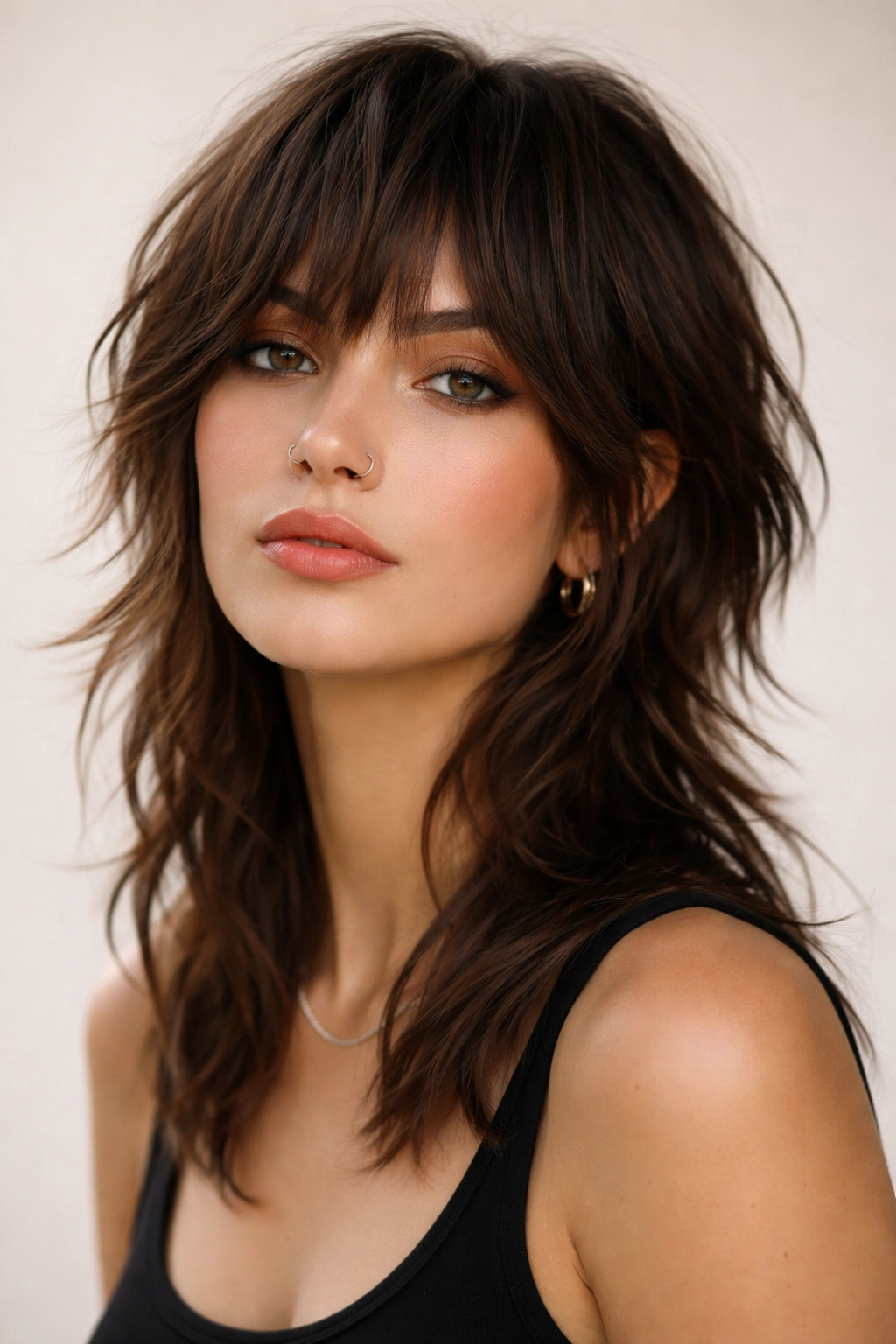
This is mullet for the undone, tousled aesthetic crowd. The front layers are choppy and piece-y, creating movement that hits around chin length, while the back grows out to shoulder length or slightly longer with plenty of texture throughout. The magic happens in how the layers blend rather than create stark divisions—think of it as a shag haircut that happens to have a mullet skeleton underneath.
Why It Works So Well
The textured shag mullet thrives on movement and lives best on wavy or naturally textured hair. The layers catch light differently depending on how you’re wearing it, so the same cut can look dramatically different day to day. This fluidity means the cut never feels static or dated—it feels alive.
Best Hair Types and Styling
- Works beautifully on wavy, curly, or textured hair that naturally creates dimension
- Straight hair works too, but benefits from styling products that enhance texture
- Pair with texturizing spray or sea salt spray for that effortless, piecey movement
- Blow-dry with a diffuser for curl-forward days, or style with a flat iron for a sleeker interpretation
- The undone, “I didn’t try hard” finish is actually the whole point here
Pro tip: Ask your stylist to point-cut the layers rather than slice them—this creates a softer, more blended transition that feels modern rather than choppy-for-choppy’s-sake.
2. The Sleek Blunt Mullet
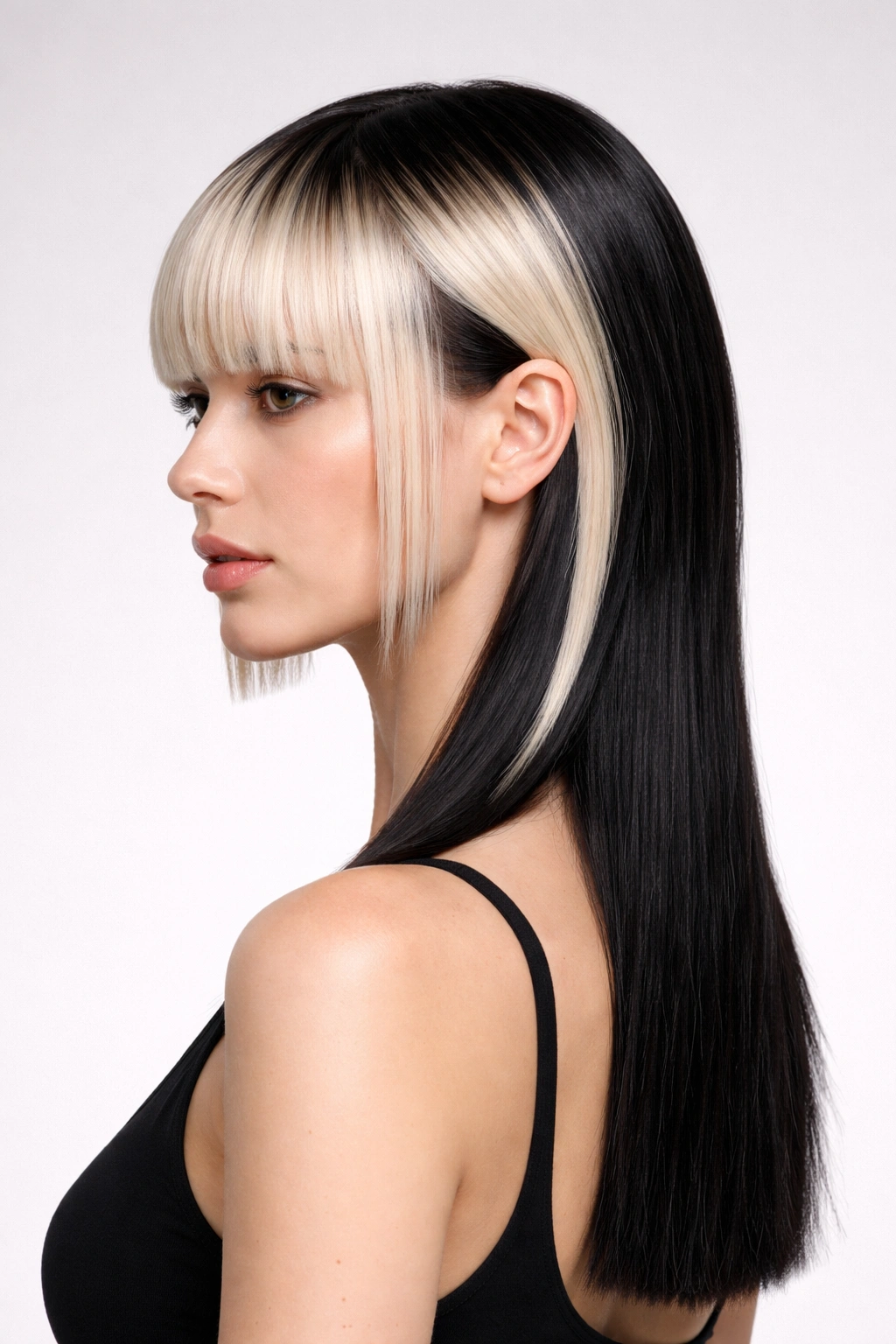
This is the mullet for the minimalist, the architectural thinker, the person who appreciates a clean line. The front is blunt and precise, hitting just below the chin with zero fuss, while the back is equally blunt but noticeably longer—sometimes to mid-back. There’s intentional contrast here, but it’s elegant rather than jarring.
The Precision Factor
What makes the sleek blunt mullet sophisticated rather than costume-like is the precision of the cut. Every line needs to be sharp and intentional. This isn’t a cut you can throw together casually—it demands a skilled stylist who understands proportion and can execute clean lines. The bluntness itself becomes the design element.
Styling and Maintenance
- Requires regular trims every 4-6 weeks to keep the blunt lines sharp
- Straightening or blow-drying smooth is essential to showcase the clean lines
- Looks striking with bold color—the bluntness amplifies color placement
- Pairs beautifully with graphic eye makeup or bold lip color; the cut does most of the visual work
- Can feel very editorial and fashion-forward, which means it’s perfect for people who want a statement
Worth knowing: The sleek blunt mullet photographs beautifully but requires styling commitment. This isn’t a wash-and-go cut.
3. The Disconnected Fade Mullet
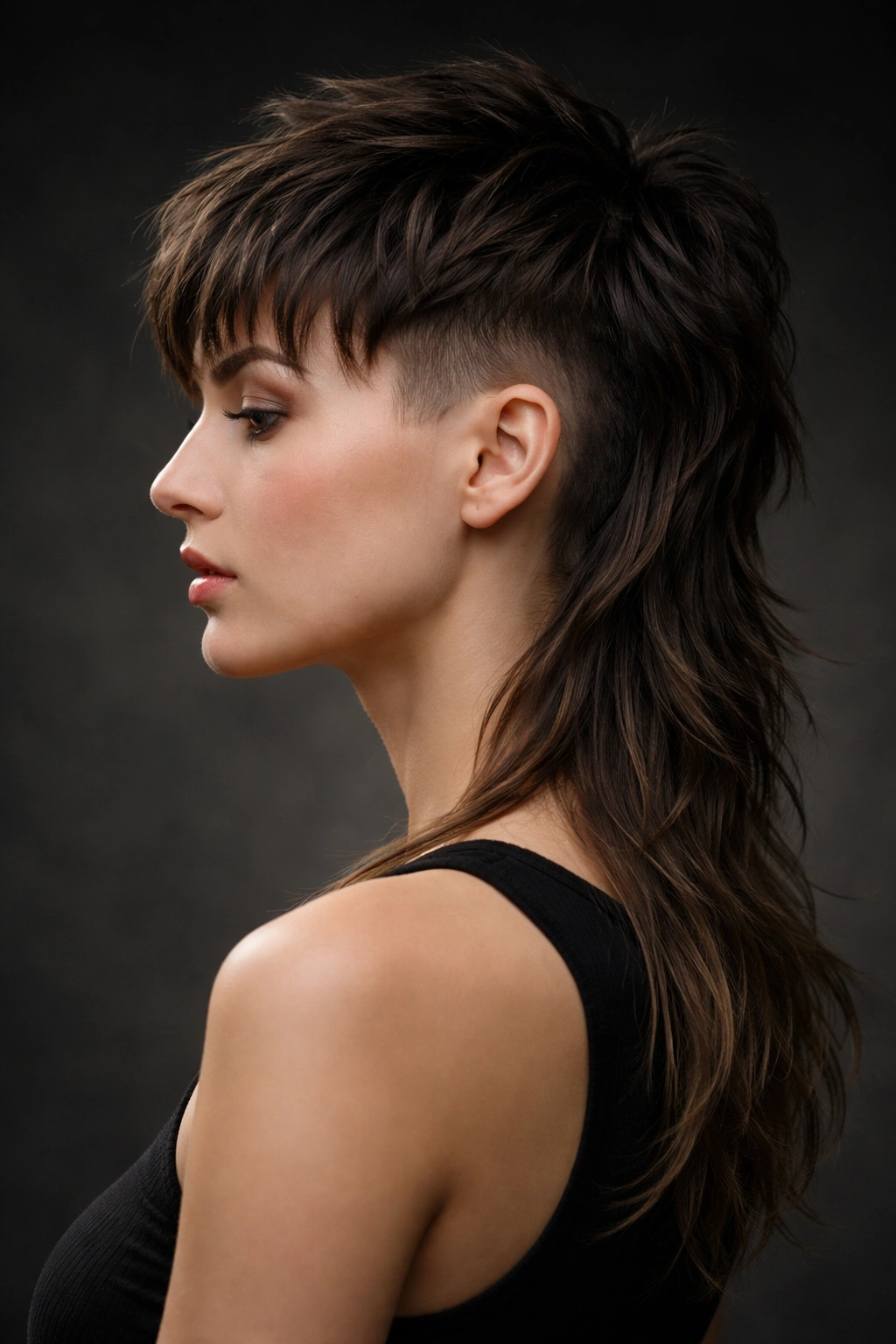
Here’s where the mullet gets genuinely modern and androgynous. The fade creates a sharp, tapered separation at the sides and back—think of it as a fade that gradually gets longer as you move toward the very back, creating an intentional “disconnect” between the textured, layered front and the longer back section. It’s edgy, it’s clean, and it reads contemporary rather than retro.
What Makes It Feel Current
The fade mullet borrows heavily from men’s barbering traditions, which is part of what makes it feel so fresh. There’s technical skill required here—the stylist needs to blend the fade seamlessly while maintaining the textured front and longer back. The asymmetry and precision make it feel intentional and fashion-conscious.
Who Wears This Well
- People with darker hair who want maximum contrast and visual impact
- Anyone who appreciates androgynous, gender-neutral styling
- Individuals with straight or slightly wavy hair; curly hair can soften the harsh lines too much
- Pairs well with bold personal style, tattoos, or an alternative aesthetic
- Requires touch-ups every 3-4 weeks to keep the fade crisp
Insider note: A skilled fade artist can make this cut feel completely custom—the way they taper and blend the sides makes all the difference between a great fade mullet and an awkward one.
4. The Soft Layered Mullet with Side Part
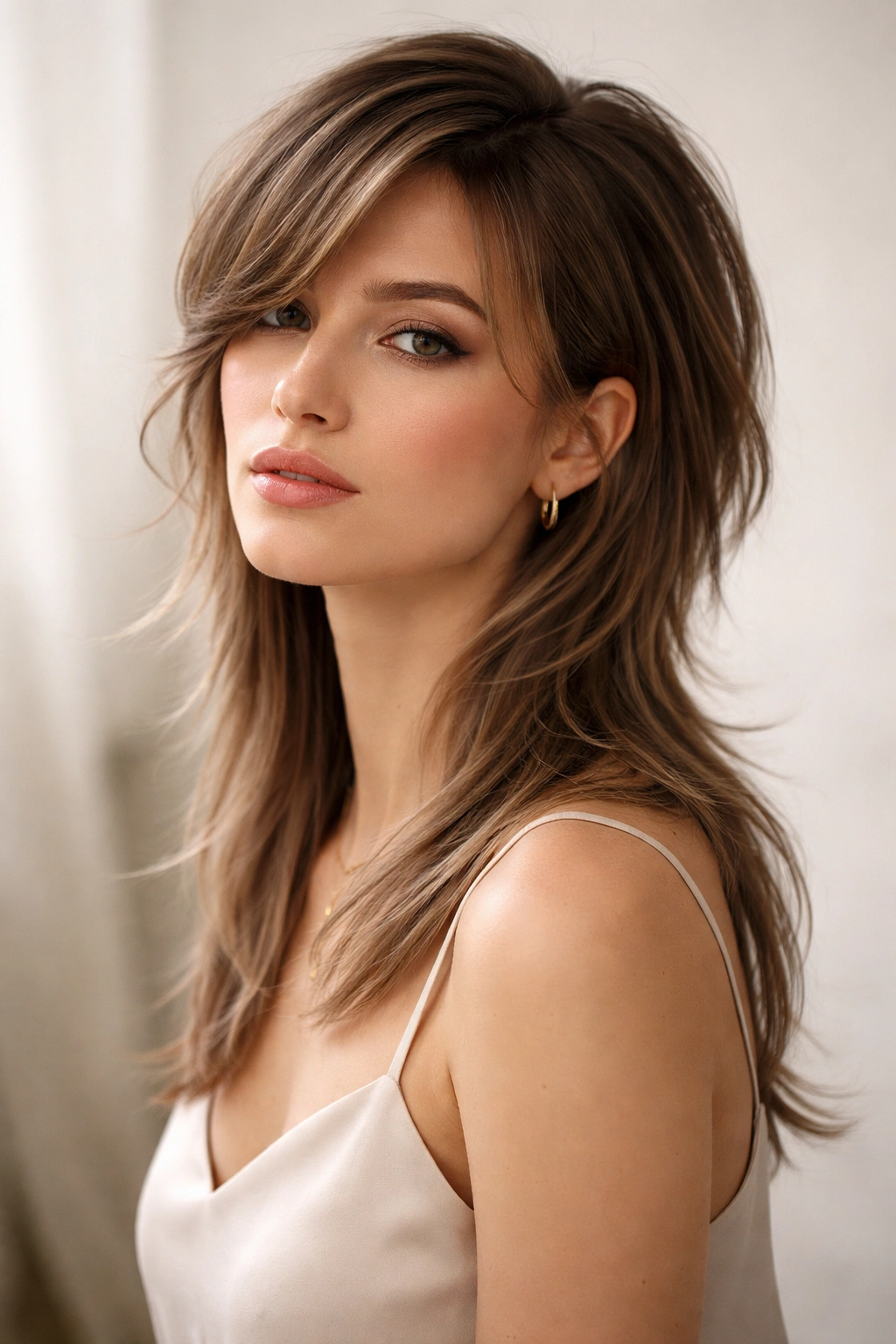
This is the mullet that asks, “What if I want something edgy but still romantic?” A deep side part creates movement and dimension, layers fall softly throughout the front and sides, and the back flows longer without being dramatically so. It’s the mullet for people who like androgyny but don’t want to sacrifice femininity entirely.
The Romantic Edge Combination
The side part changes everything—it creates visual flow and softens any potential harshness from the cut. Layers throughout the front and crown give you styling flexibility; you can wear it sleek and minimal or tousled and romantic depending on your mood and the occasion. The longer back still gives you that subtle mullet vibe without it feeling costumey.
Versatile Styling Options
- Wear the side part deeply swept for a ’70s-inspired, flowing feel
- Style straighter for a more modern, intentional look
- Works with wavy, straight, or slightly curly hair
- The layers mean you can style different sections differently—sleek on top, textured in back
- Perfect for people who want to test-drive the mullet aesthetic without full commitment
Pro tip: Ask your stylist to keep the layers intentional and shaped, not just choppy throughout. The cut’s longevity depends on good layer placement and blending.
5. The Colored Contrast Mullet
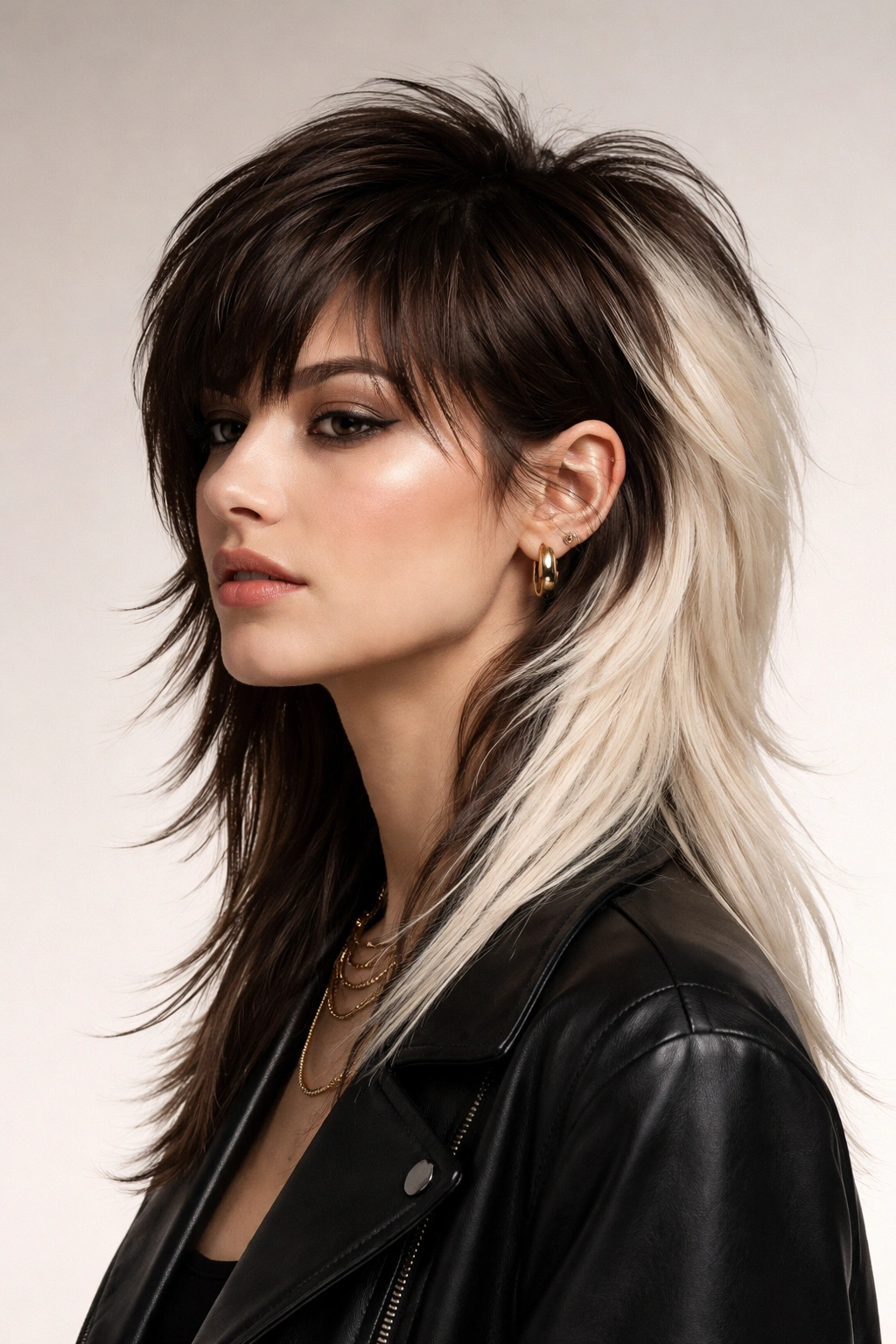
Here’s where color becomes part of the cut’s architecture. The front might be a rich brunette or cool blonde while the back is a completely different shade—platinum, rose gold, burgundy, or an unconventional color entirely. The color placement makes the mullet structure even more graphic and intentional than the cut alone.
Color as Design Element
This mullet works because the color literally draws the eye to the structure. It’s not just about the hair arrangement anymore—the color placement emphasizes the front-to-back transition and makes the style feel even more thought-out and editorial. It’s the mullet for people who love color and aren’t afraid of maintenance.
Execution and Upkeep
- Requires a skilled colorist who understands how to place color to enhance the cut’s architecture
- Works best with deliberate color blocking rather than gradual blending
- Think of it as a two-tone or multi-tone design, not a natural-looking balayage
- Maintenance is significant—roots, toning, and protecting color-treated hair require commitment
- Pairs well with bold makeup and intentional personal style
Worth knowing: The more dramatic the color contrast, the more intentional and editorial the whole look becomes. Subtle color shifts feel more modern and wearable; high-contrast color feels more fashion-forward and artistic.
6. The Curved, Face-Framing Mullet
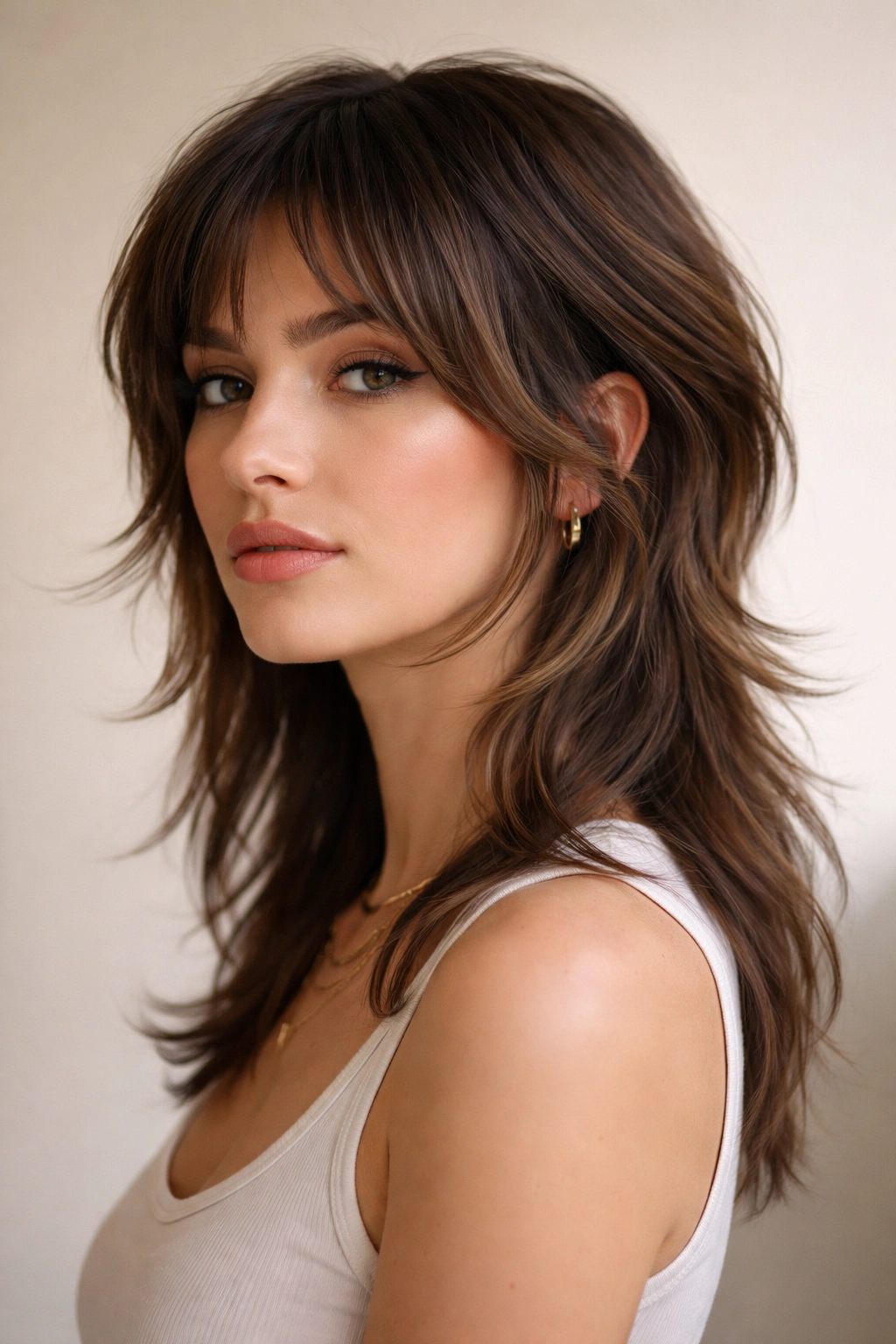
This is mullet architecture meets face-framing technique. Rather than blunt or heavily layered, the front curves and softens around the face with strategically placed face-framing layers. The back still has length but transitions more gracefully, and the overall effect is flattering rather than jarring. It’s the mullet for people who want the vibe but need it to actually work with their face shape.
Flattering Proportioning
Face-framing layers are having a major moment because they actually work—they create dimension, catch light, and make the face look more sculpted. In a mullet context, face-framing turns the cut into something more universally wearable. The shorter front still reads as modern and intentional, but the softness makes it feel less extreme.
Best for Different Face Shapes
- Heart-shaped faces benefit from the softness and movement around cheekbones
- Longer faces look balanced with horizontal layers at cheekbone height
- Round faces look more defined with layers that create vertical lines
- The front should hit at or slightly below the jawline for maximum flattering effect
- Works on virtually any hair type; the curves can be adapted based on natural texture
Pro tip: This version of the mullet plays beautifully with subtle highlights or balayage—the lighter pieces through the face-framing layers create even more dimension and light-catching movement.
7. The Modern Wolf Cut Mullet
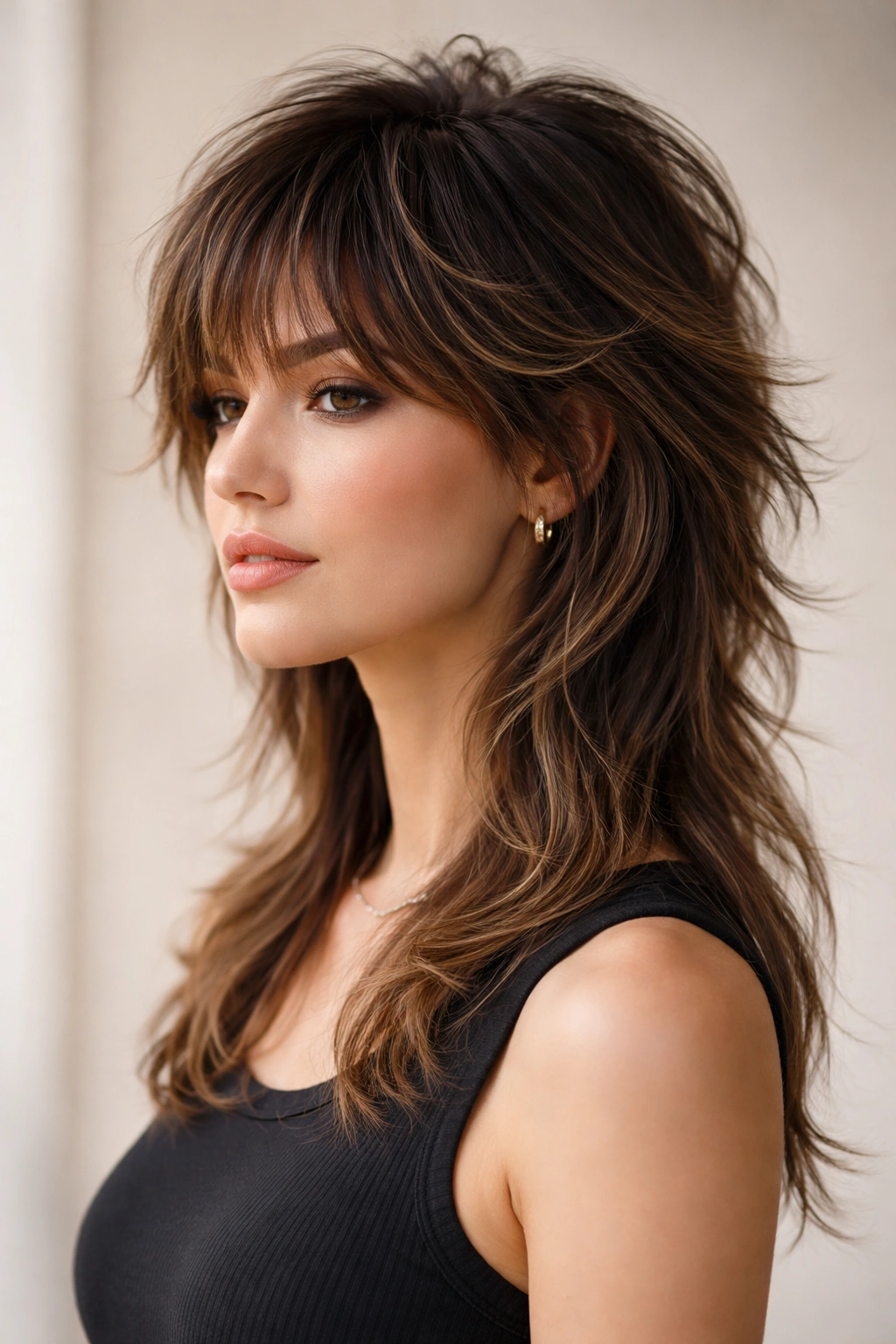
The wolf cut is halfway between a shag and a mullet—think of it as the softer, more fashion-forward cousin of the textured shag mullet we mentioned earlier. The front has lots of feathered movement with layers throughout, the crown has volume, and the back is noticeably longer but still maintains some shape rather than just growing straight out. It’s undone, romantic, and genuinely flattering on most people.
Why the Wolf Cut Feels So Right Now
The wolf cut mullet works because it doesn’t feel like you’re channeling a specific era—it feels contemporary and slightly androgynous while still being inherently flattering. The textured layers catch light beautifully, styling is forgiving because imperfection is actually the point, and it transitions between “polished” and “undone” depending on what you’re doing.
Styling Versatility
- Works on almost any hair type from straight to very curly
- Blow-dry smooth for a more polished look, or let it air-dry for texture
- Texture spray and sea salt spray are your friends here
- Style differently depending on occasion—sleek and intentional, or tousled and cool
- The longer back gives you ponytail or bun flexibility on busy days
Worth knowing: The wolf cut mullet works best when layers are cut with movement in mind—your stylist should be thinking about how the hair will move and flow, not just creating choppiness for its own sake.
8. The Asymmetrical Mullet
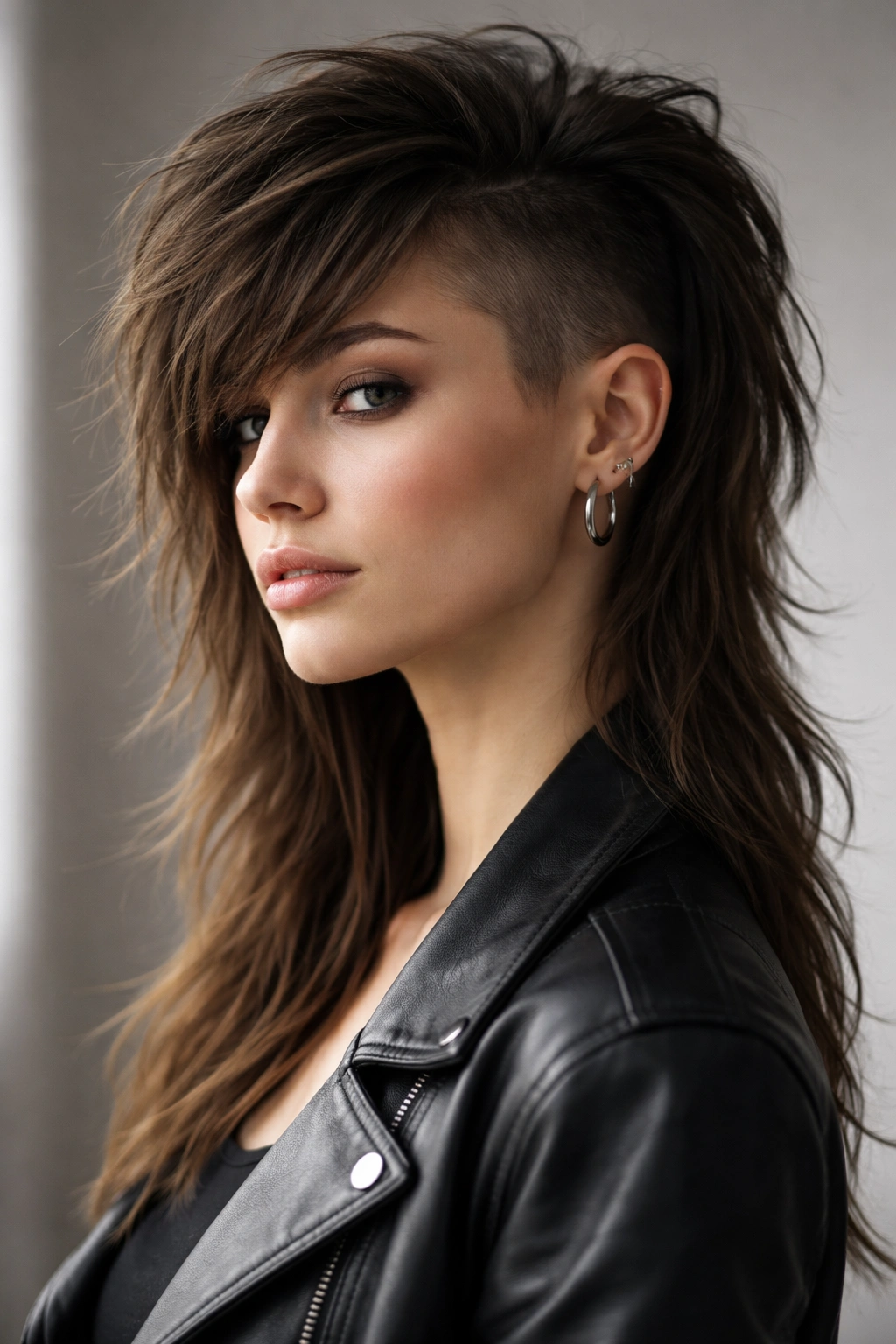
This is the artistic choice. One side is visibly shorter or has a fade, while the other side is longer with more texture and volume. The back flows longer on both sides, but the asymmetry up front creates visual tension and an edgy, fashion-forward vibe. It’s the mullet for people who want everyone in the room to notice they made a choice.
Artistic Statement Making
The asymmetrical mullet reads as intentional and bold. It’s not accidentally imbalanced—it’s architecturally designed to be that way. This cut works because the asymmetry is precise and purposeful, not haphazard. It pairs well with undercuts, shaved sections, or color placement that emphasizes the imbalance.
Who Wears It Best
- People with an alternative or artistic aesthetic
- Anyone who wants a cut that genuinely stands out from typical styles
- Works across all hair types, but benefits from skilled execution
- Pairs naturally with androgynous or gender-neutral fashion sensibility
- Can incorporate an undercut or shaved side for even more edge
Insider note: Asymmetrical cuts require touch-ups more frequently than balanced cuts because one side will need reshaping sooner. Plan for trims every 3-4 weeks.
9. The Braided and Textured Mullet

This version emphasizes movement, texture, and styling versatility. The front features multiple texture elements—possibly braids, twists, or very textured waves—while the longer back offers length for protective styling options like low buns or braids. It’s the mullet that celebrates hair texture and styling possibility rather than just the cut itself.
Celebrating Natural Texture
This mullet works beautifully on curly, textured, and kinky hair types. The front layers create dimension and reduce bulk without removing length, while the longer back maintains length for protective styling. It’s a cut that honors natural texture rather than fighting against it. Braids and twists become part of the style story, not just styling tricks.
Styling and Protective Options
- The longer back can be styled into braids, buns, or twisted styles
- Front can be worn loose and textured or styled into defined braids or twists
- Protective styling options increase with the longer back length
- Works beautifully with hair accessories and creative styling
- Celebrates the mullet’s functionality as well as its aesthetic
Pro tip: Work with a stylist who specializes in textured hair and understands how to layer and shape while maintaining the health and integrity of curly or coily hair.
10. The Barely-There Mullet
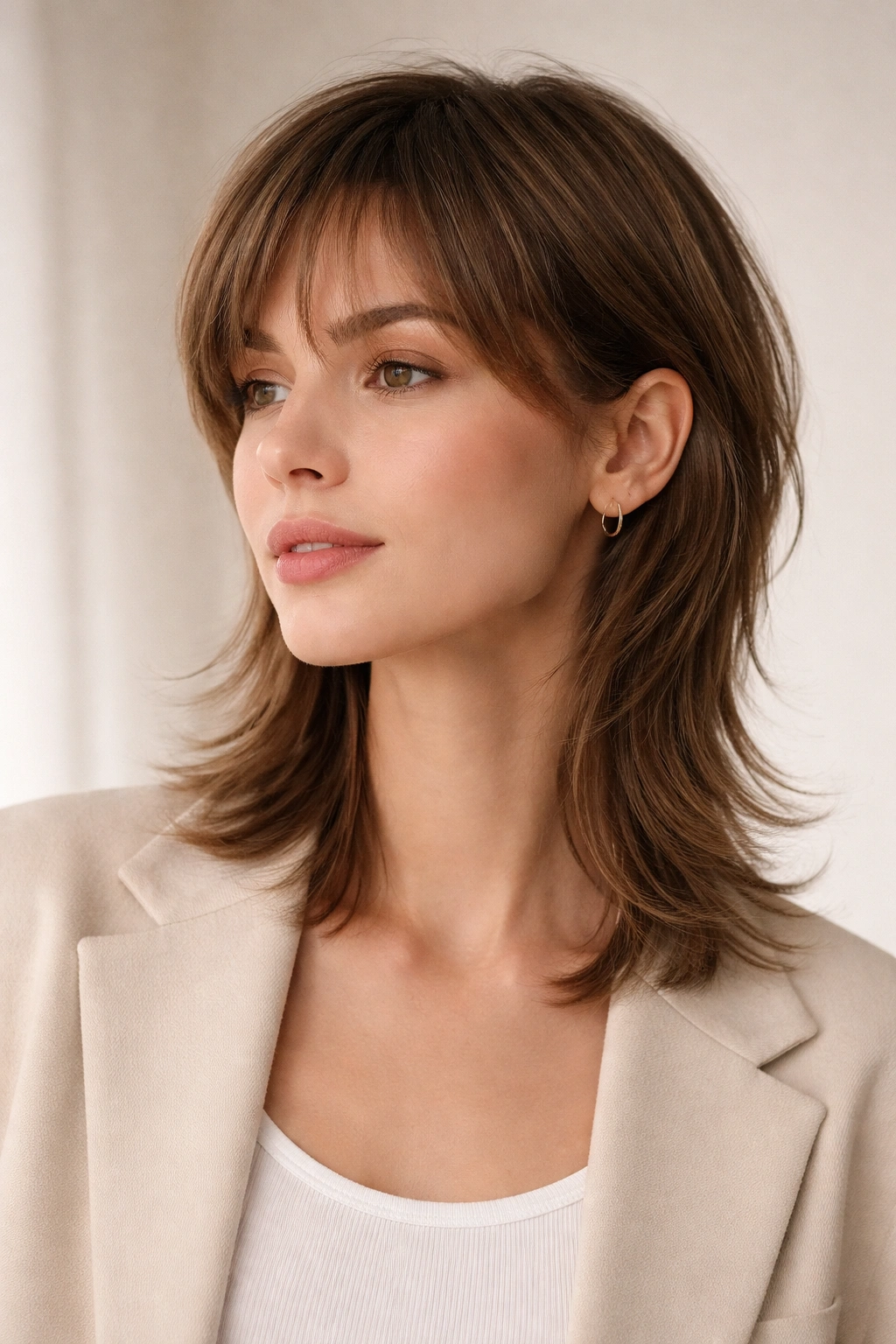
This is for the person who likes the idea of a mullet but wants it to feel subtle, almost like an accident. The front is a modern, layered cut at roughly chin length or just below. The back is only slightly longer—maybe 2-4 inches longer—creating just enough of a visual distinction that you’d notice it if you were looking, but subtle enough that someone casually observing might not immediately read it as a traditional mullet.
Subtle Sophistication
The barely-there mullet is the gateway mullet. It’s perfect for people testing the waters, for professional settings where a full-on mullet might raise eyebrows, and for anyone who loves the modern sensibility of a mullet silhouette but wants understated execution. The cut still reads as intentional and contemporary; it just doesn’t announce itself loudly.
Perfect for Conservative Settings
- Works in professional or corporate environments
- No one needs to immediately identify it as a mullet if you don’t want them to
- Still gives you that forward-thinking, intentional haircut vibe
- Easy to style into various looks depending on occasion
- Great foundation cut that you can gradually make more dramatic over time
Worth knowing: This version of the mullet lives or dies based on cut precision. Because the difference between front and back is subtle, the stylist needs to execute the cut with intention so it actually reads as a deliberate style choice rather than just hair that’s growing out unevenly.
Final Thoughts
The mullet moment isn’t going anywhere because the cut itself actually solves real styling and aesthetic problems. It offers the modernity and edge of shorter hair without requiring you to give up length entirely. It works with virtually every hair type, face shape, and personal aesthetic—you just need to find the version that aligns with your hair texture, lifestyle, and how much styling commitment you’re willing to embrace.
What makes these versions work is that they’re all intentional. They’re not throwbacks or ironic statements; they’re thoughtfully executed cuts that reflect contemporary styling sensibilities. The texture, the proportioning, the color placement, and the face-framing all matter. When you commit to a mullet, you’re committing to a cut that requires a skilled stylist and regular maintenance, but the payoff is a genuinely original, flattering, and fashion-forward look that gives you styling flexibility and visual edge.
If you’re thinking about taking the leap, book a consultation with a stylist who has mullet experience and can look at your hair type, face shape, and personal style to recommend the version that’ll actually work for you. Bring photos of the specific style that speaks to you. Discuss maintenance honestly—how often you’re willing to get trims, how much daily styling you’re prepared to do, and whether you want something subtle or bold. The right mullet is out there for you; it’s just about finding your version.
