



Short hair doesn’t have to mean sacrificing style, personality, or versatility. In fact, a well-chosen short haircut can be more flattering, more manageable, and more expressive than longer lengths—especially once you find the right cut for your face shape, hair texture, and lifestyle. The trick isn’t finding a short haircut; it’s finding your short haircut, and the good news is there’s a stunning variety to choose from.
The beauty of short hair is that it demands less styling time while delivering maximum impact. Whether you’re drawn to edgy and modern, classically polished, or playfully textured, short cuts can deliver exactly the vibe you want. Some are incredibly low-maintenance and perfect for busy schedules. Others offer surprising styling flexibility, letting you change your look from day to day. And many work across different hair types, face shapes, and personal styles—you just need to know which variations to ask for when you sit down in the chair.
This guide walks through 20 genuine short haircut options, each with the specifics you need to know: what it actually looks like, who it flatters most, how much maintenance it requires, and why it might be the perfect choice for you. These aren’t aspirational cuts that only look good on models; they’re real cuts worn by real people with different hair textures, face shapes, and styling preferences. The goal is to help you find a short cut that feels like you—one you’ll love walking out of the salon, and one you’ll still enjoy three months later when you need a trim.
1. The Pixie Cut
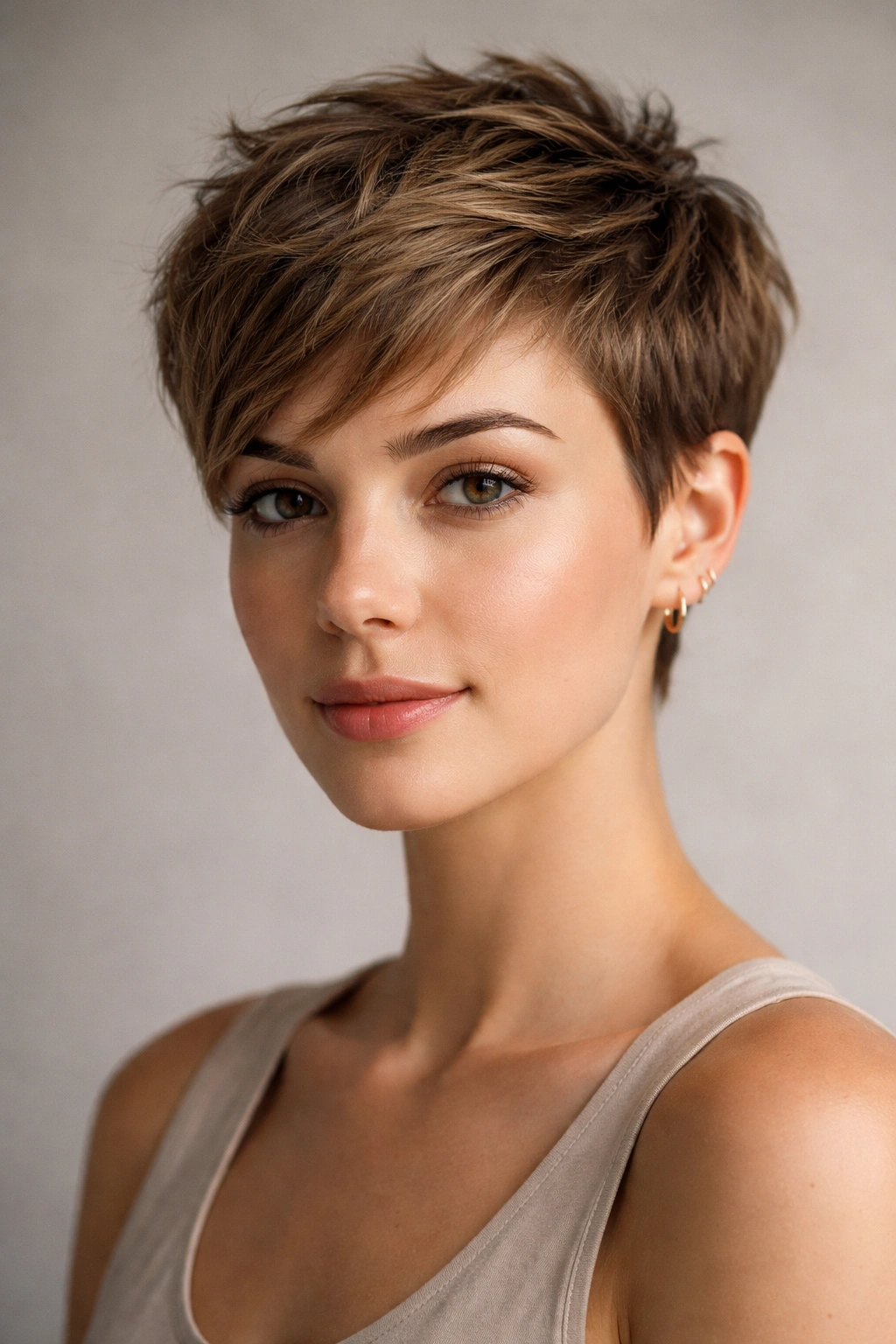
The pixie is the quintessential short cut: close to the head on the sides and back, slightly longer on top (usually 1 to 2 inches), with short textured layers throughout. It’s a cut that reads immediately as intentional and bold. The magic is in how much movement and personality layers bring to such a short length—instead of looking flat or severe, a well-executed pixie has genuine dimension and can frame your face beautifully.
Why It’s Liberating and Versatile
The pixie is often the gateway cut for people terrified of going short because it’s so forgiving. Your hair dries naturally into a textured, undone look without requiring a blow dryer or product. You can style it sleek and polished by smoothing it back and applying a light gel, or you can let it dry naturally for a tousled, artsy vibe. It suits nearly every face shape because the stylist can adjust where the length sits and how much volume sits on top to balance proportions. The cut also grows out gracefully—after 8-10 weeks, you get a shaggy, deliberately messy pixie that’s equally stylish if you like the aesthetic.
What You Should Know Before Committing
- Works beautifully on wavy, curly, and straight hair—texture actually helps a pixie look fuller
- Requires trims every 4-6 weeks to maintain shape; grows out noticeably
- Color shows quickly and dramatically, so if you want dimensional color, commit to root touch-ups every 4-6 weeks
- Needs 5-10 minutes with a blow dryer and pomade to look intentional; air drying works but looks different
- Suits angular faces perfectly; works on round faces if styled with more volume on top
- Ask your stylist for longer layers on top and tapered sides for maximum adaptability
2. The Modern Shag
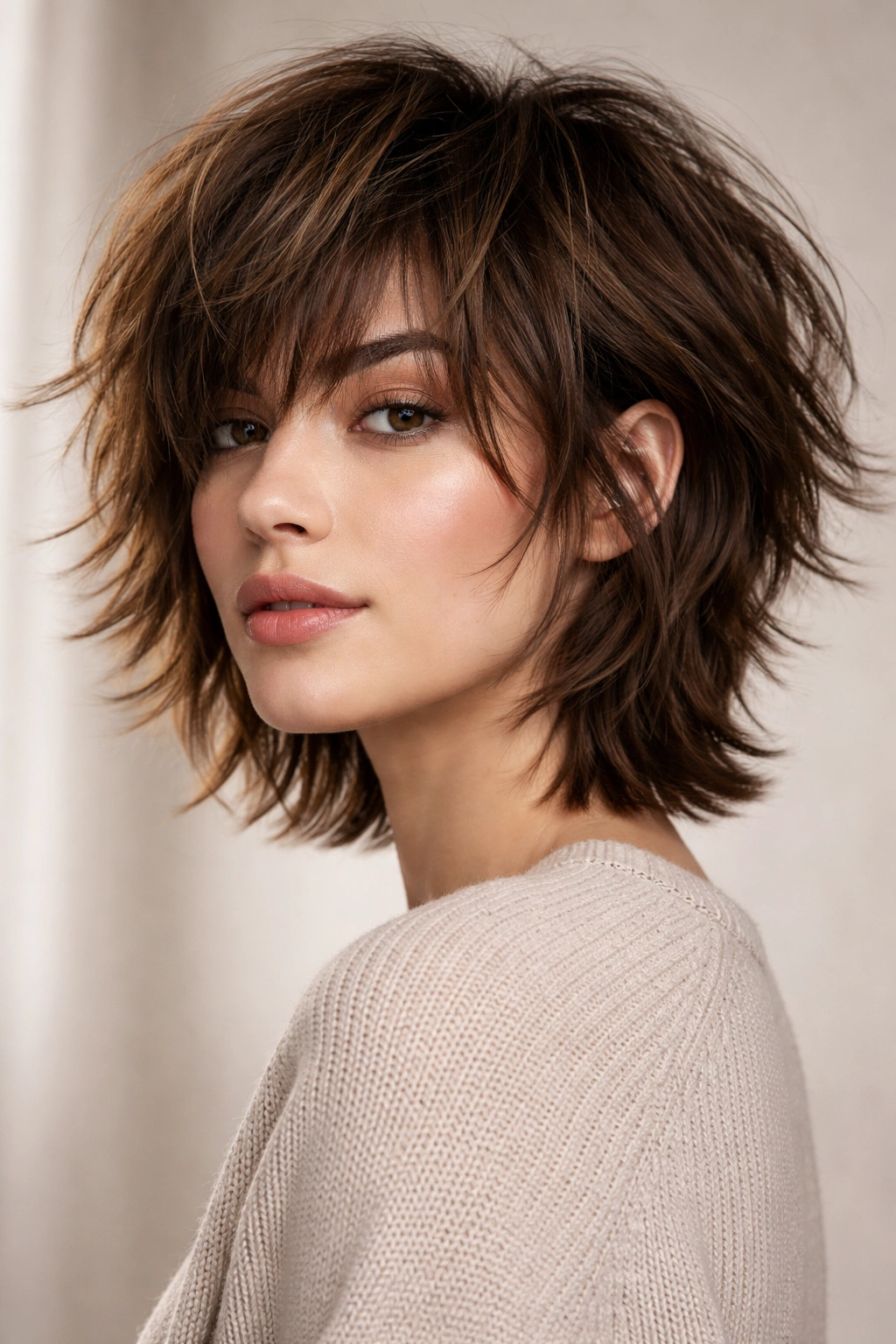
The shag is back, and it’s nothing like the 1970s feathered version. Today’s shag is textured and intentionally choppy, with layers throughout that create movement and personality. The sides sit around ear-length or slightly shorter, the back has graduated layers for shape, and the top has enough length to show off the texture. It’s effortlessly cool and works on nearly every hair type because the layers do the heavy lifting.
Why This Cut Feels Current and Effortless
Modern shags work because they embrace texture instead of fighting it. Curly hair gets movement and definition from the layers. Straight hair gets the choppy, deliberately messy look that reads as intentional rather than unkempt. The graduated layers mean the cut works at multiple lengths as it grows, so you’re not locked into a specific maintenance schedule. This cut also photographs beautifully and suits a wide range of styling choices—you can blow-dry it smooth, let it air dry for texture, or scrunch in product for extra movement.
What to Ask Your Stylist
- Request longer layers (starting around chin-length) if you want more styling flexibility
- Ask for choppy, blunt edges rather than seamless blending for that modern, textured vibe
- Make sure layers extend all the way through for movement, not just on the ends
- Bring reference photos of shags you love—the modern shag varies wildly in length and choppiness
- Expect to need trims every 6-8 weeks as the layers grow out and lose definition
- Works on fine hair if cut with intention; avoid too many layers on very thin hair
3. The Textured Crop
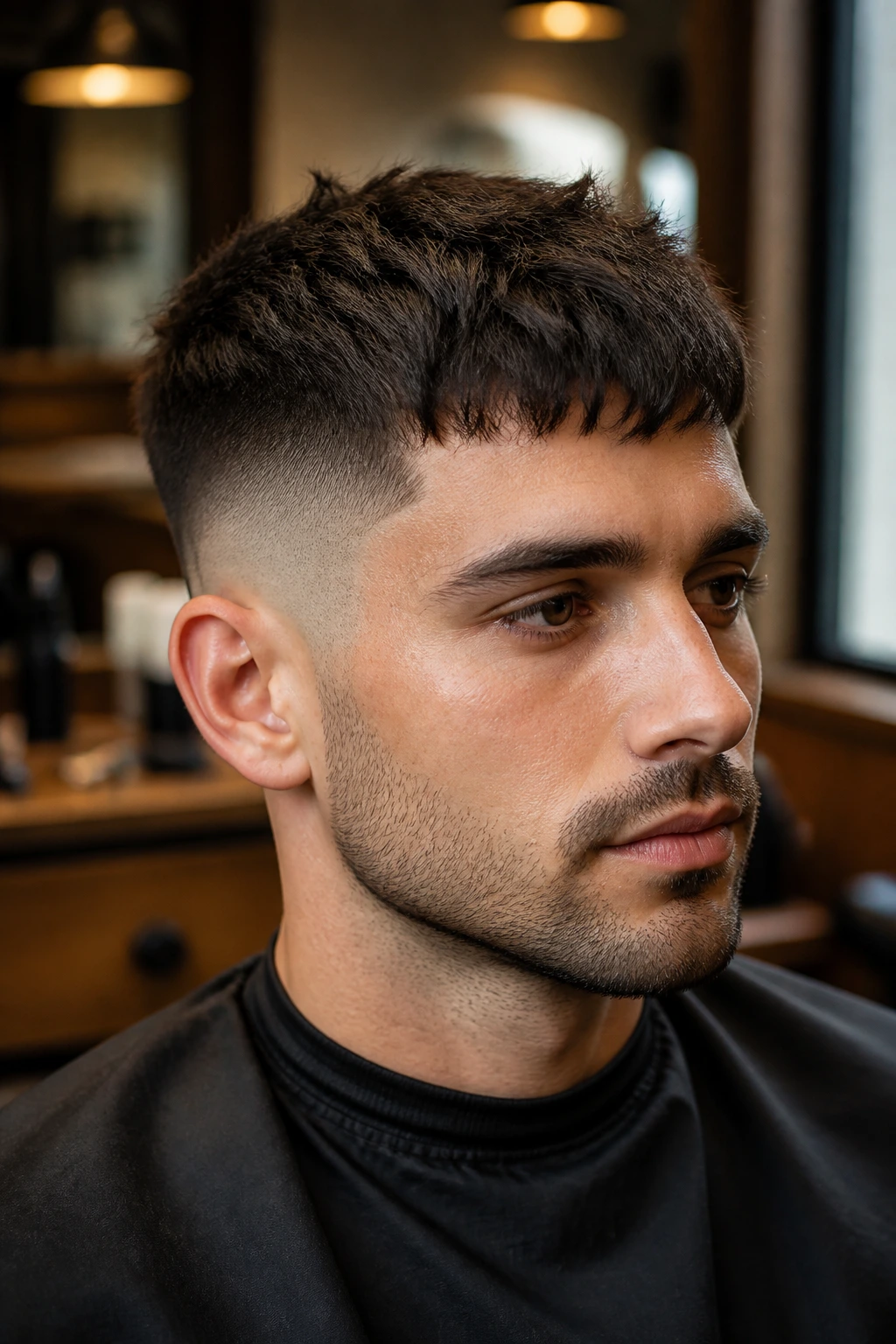
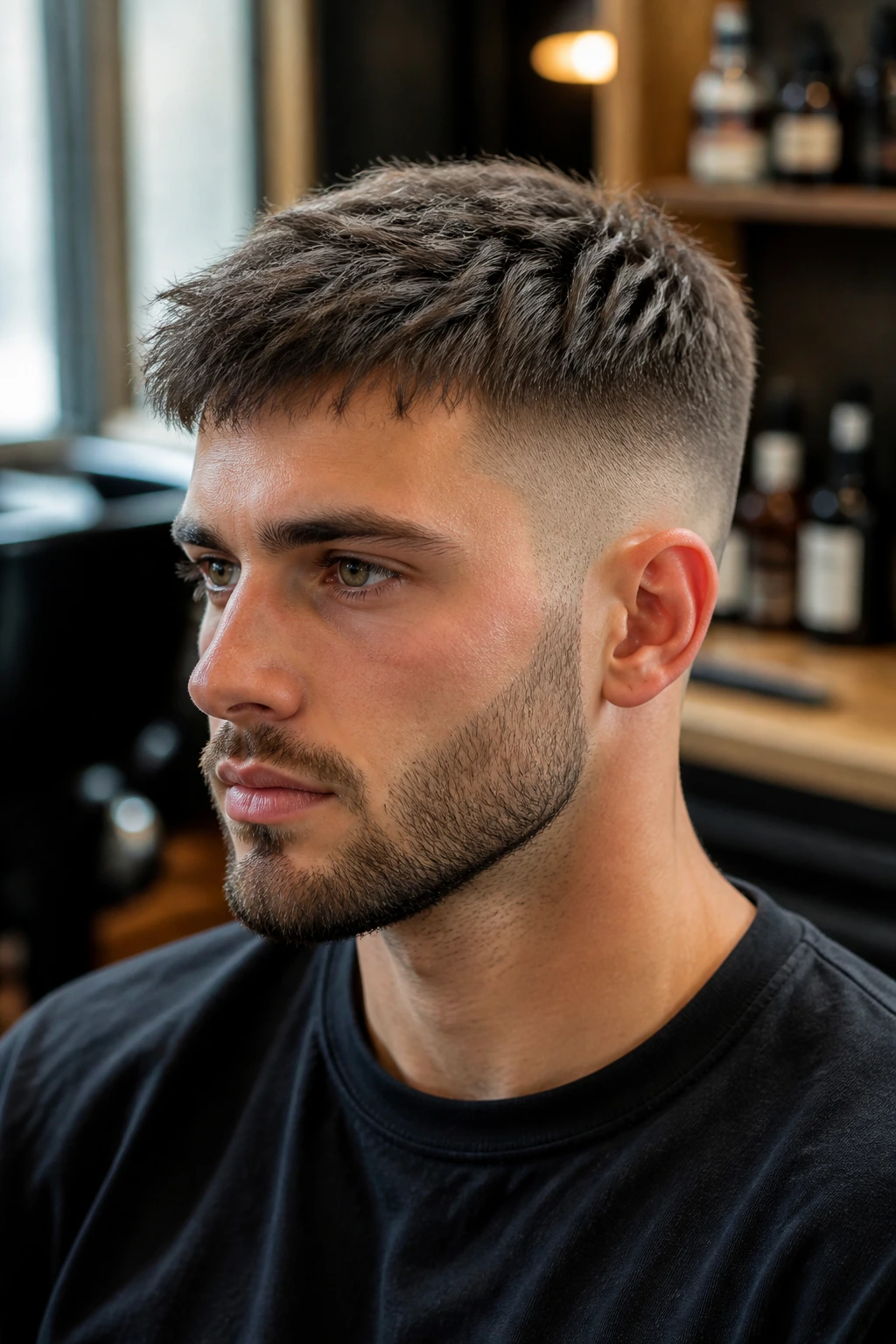
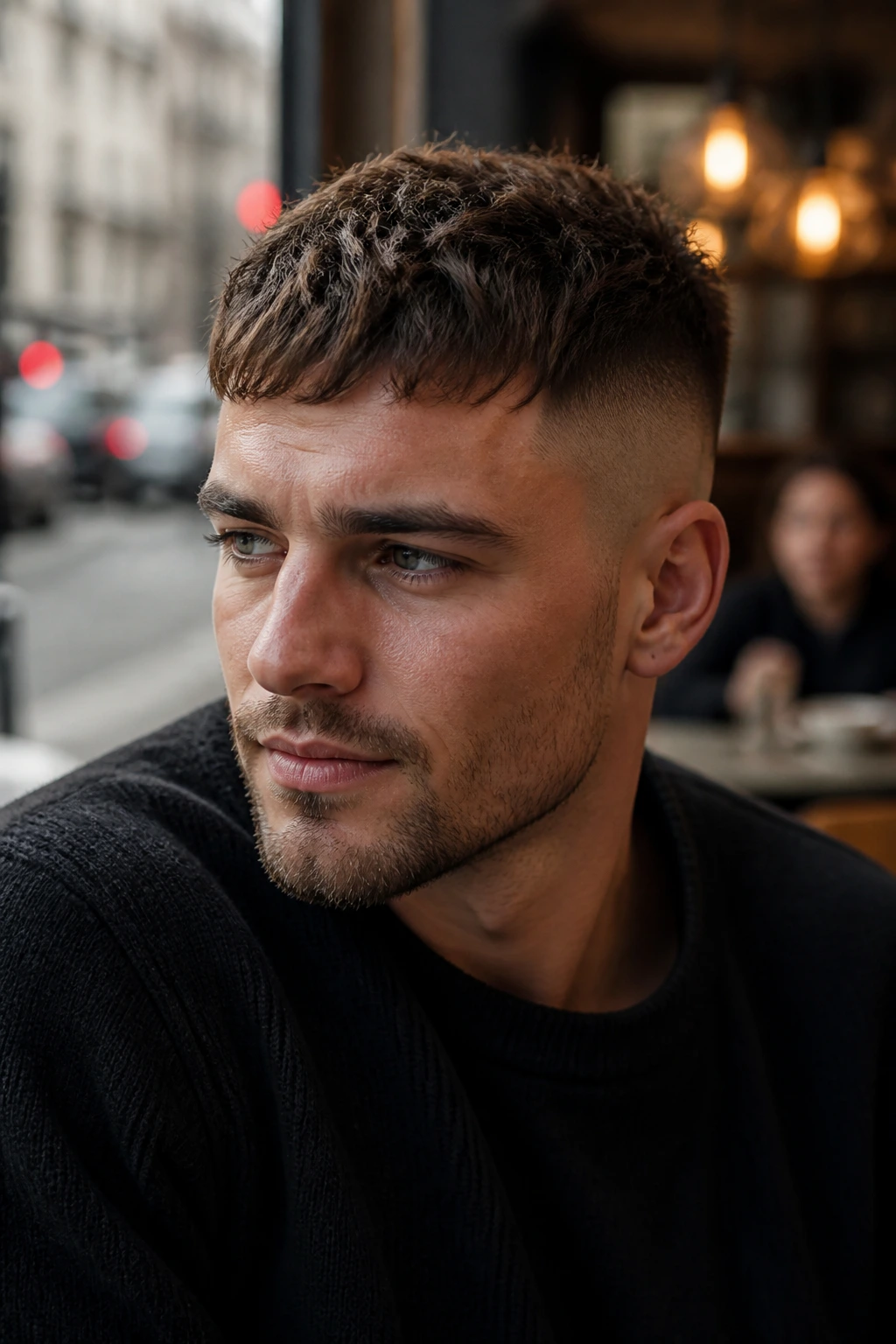
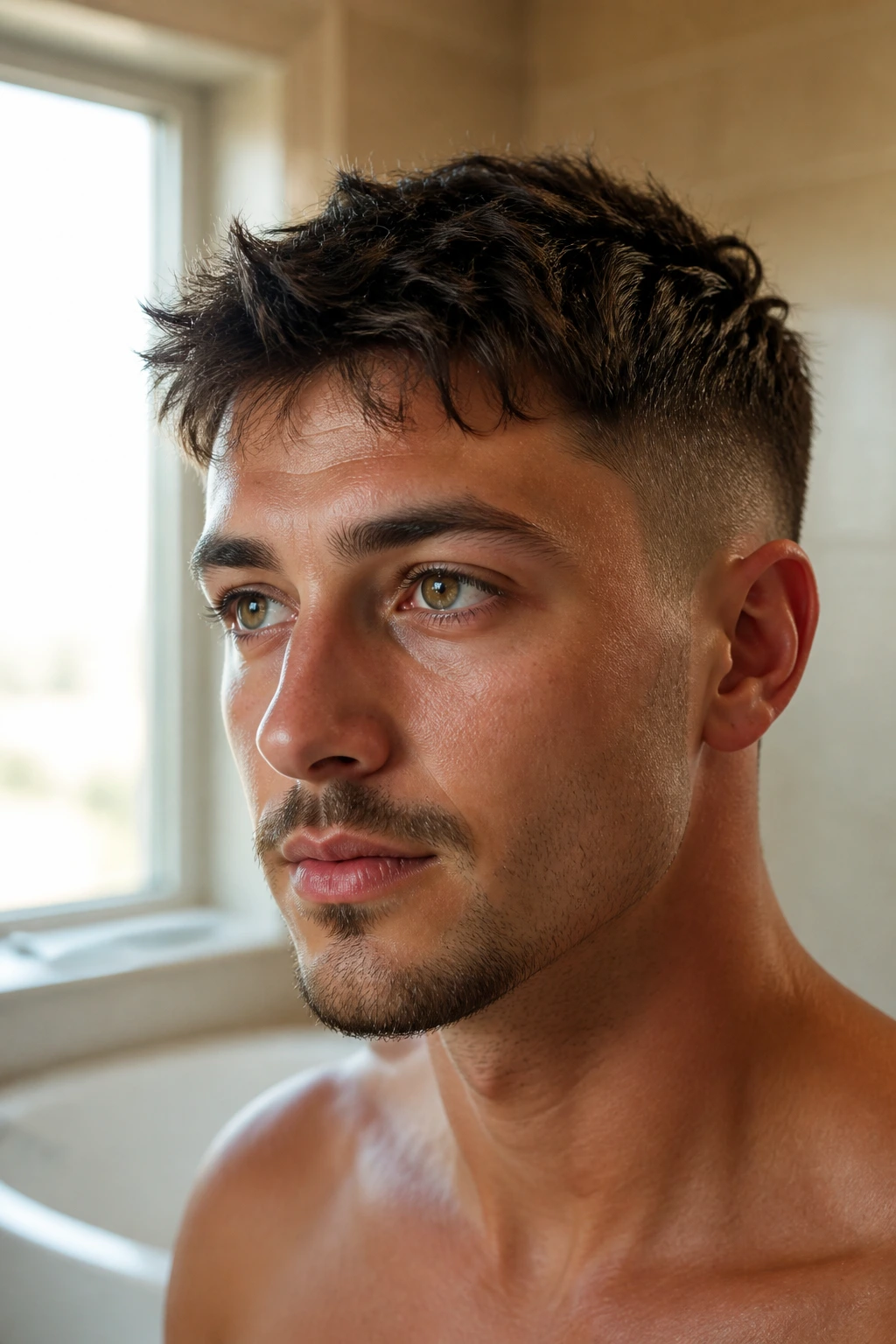
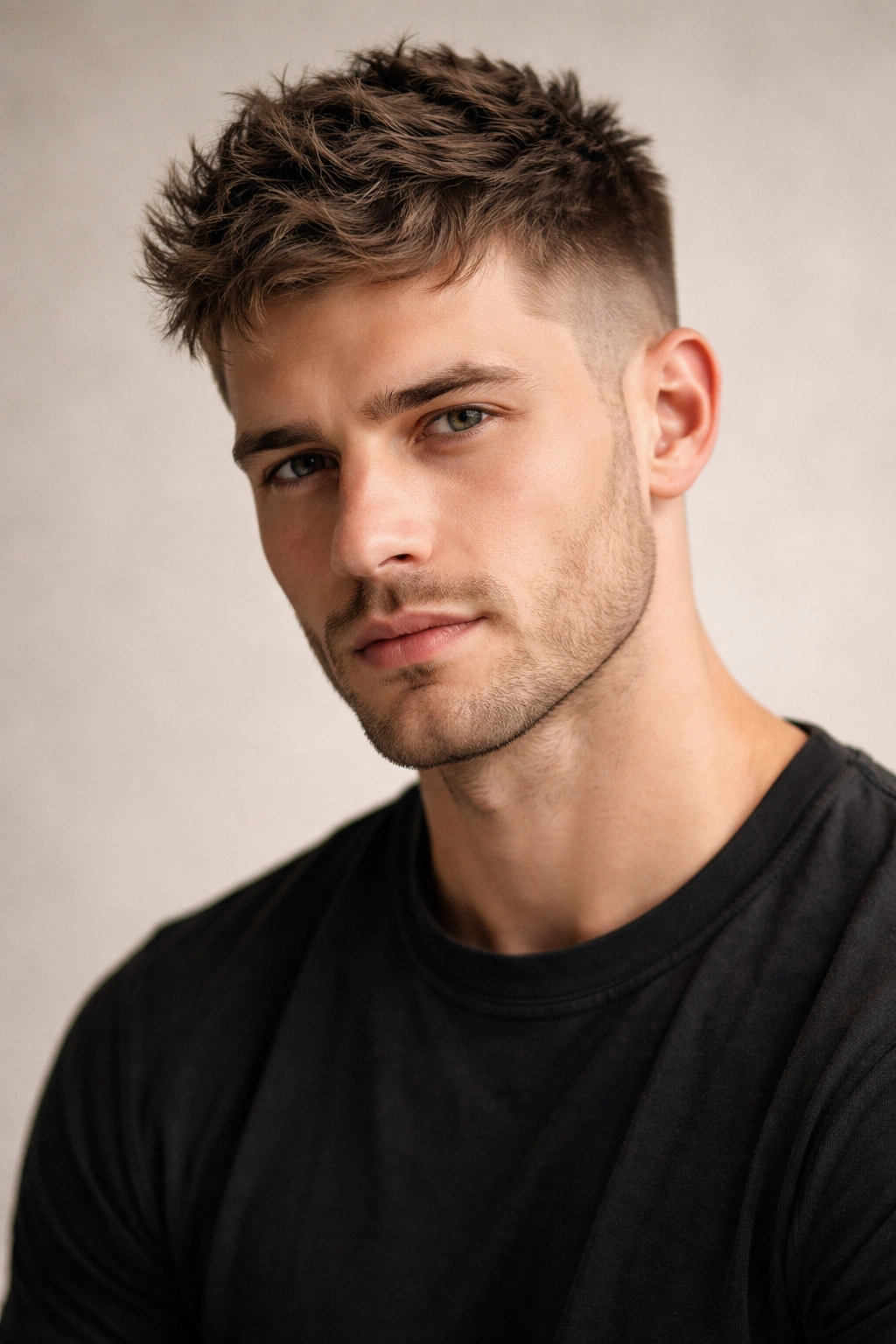
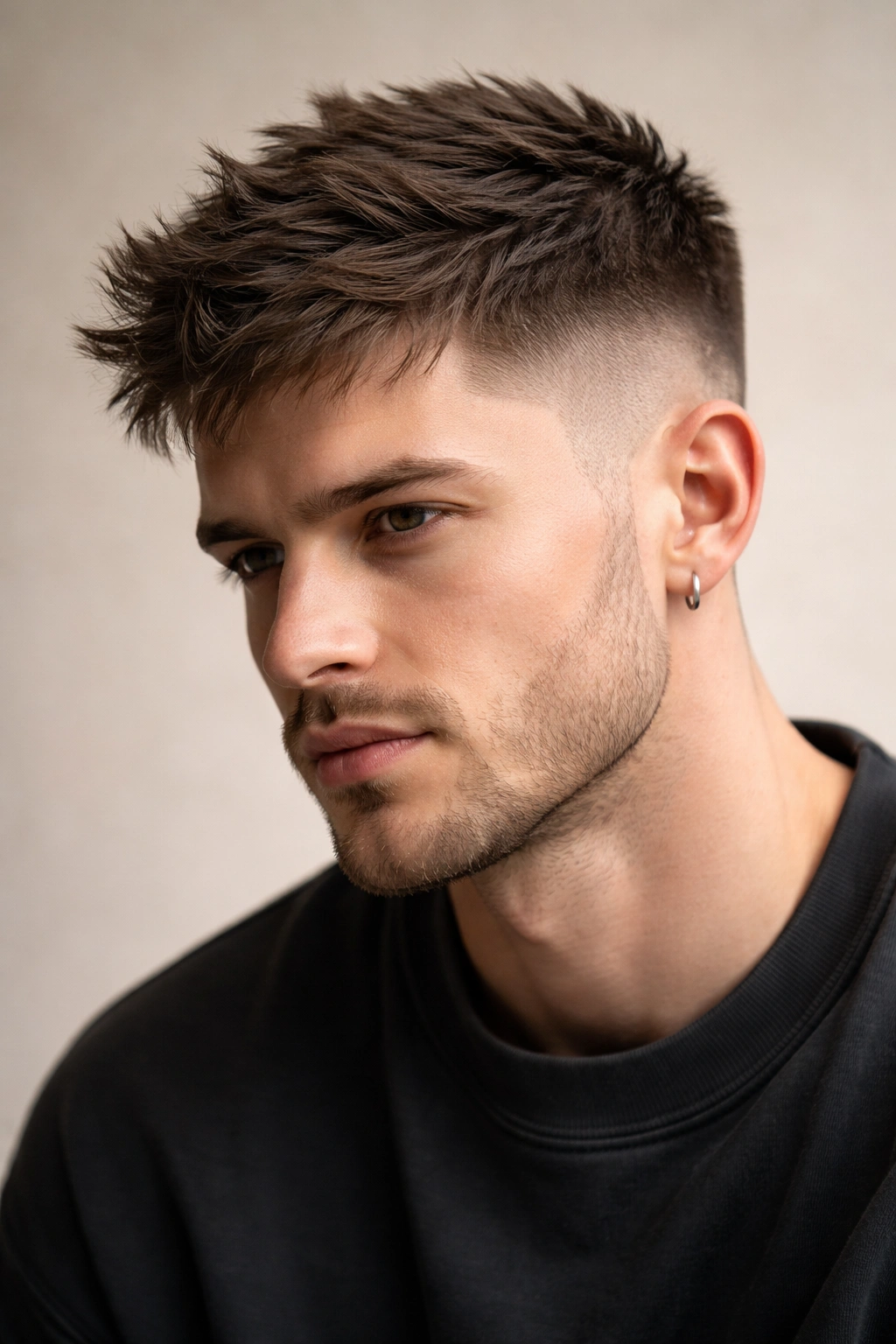
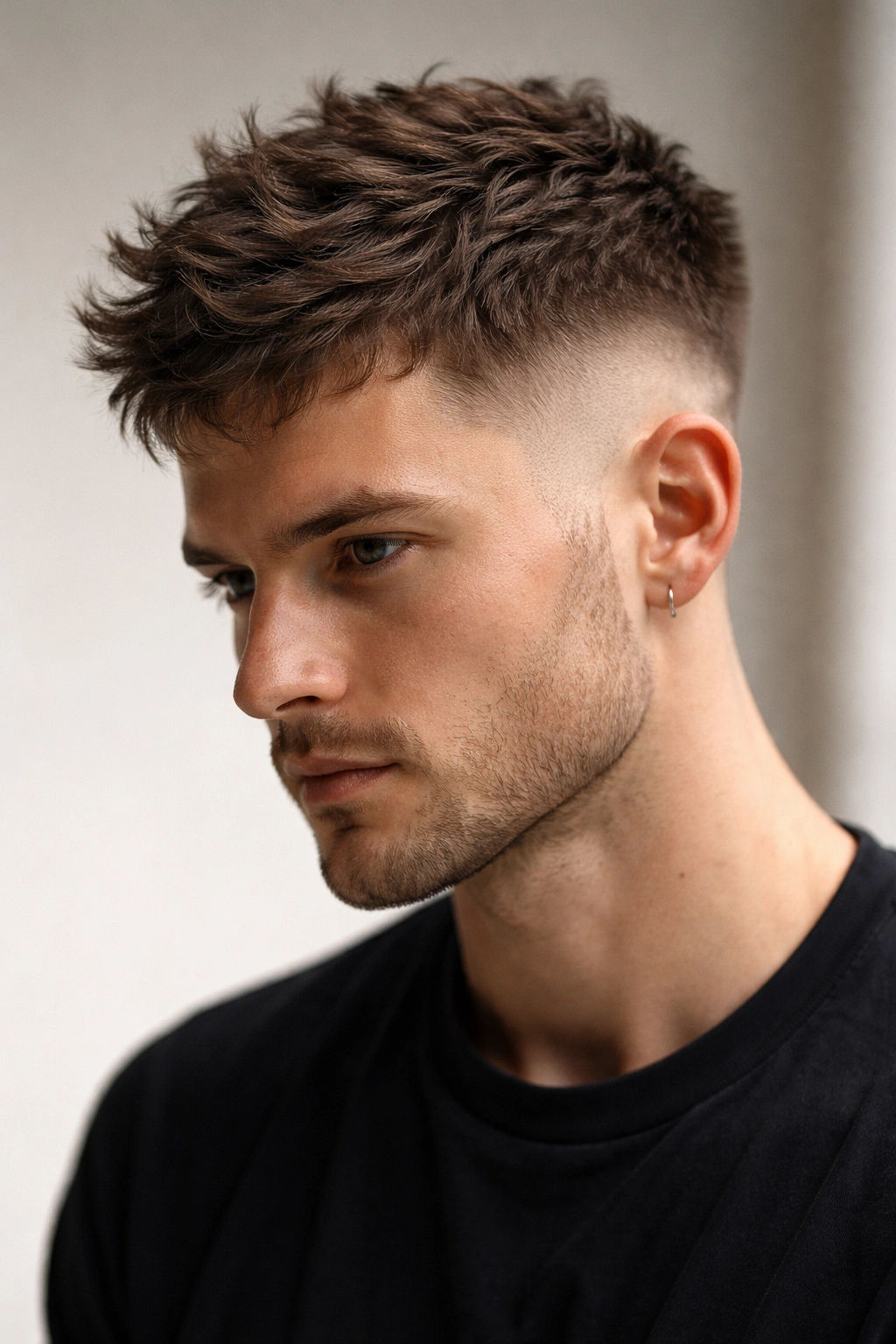
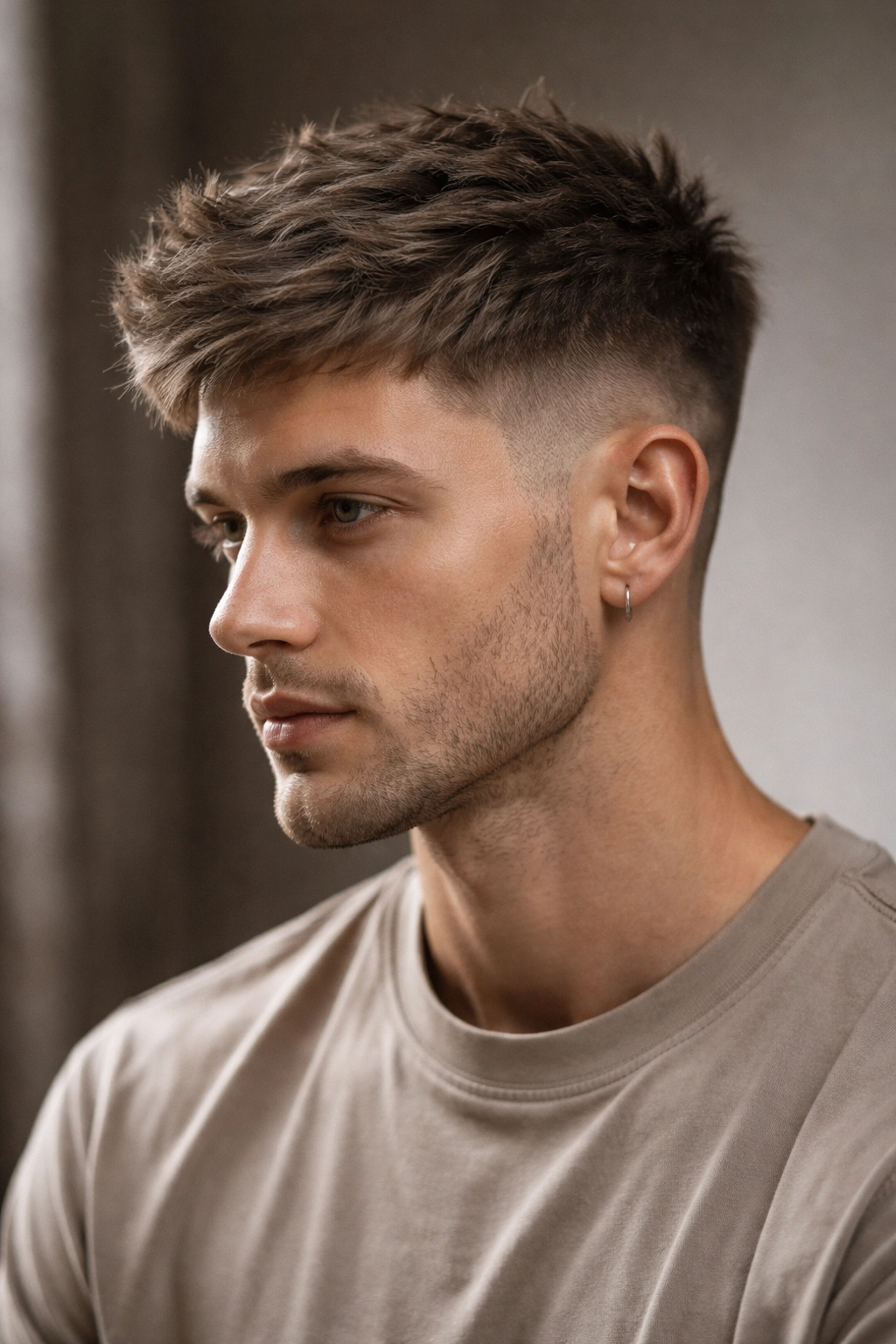
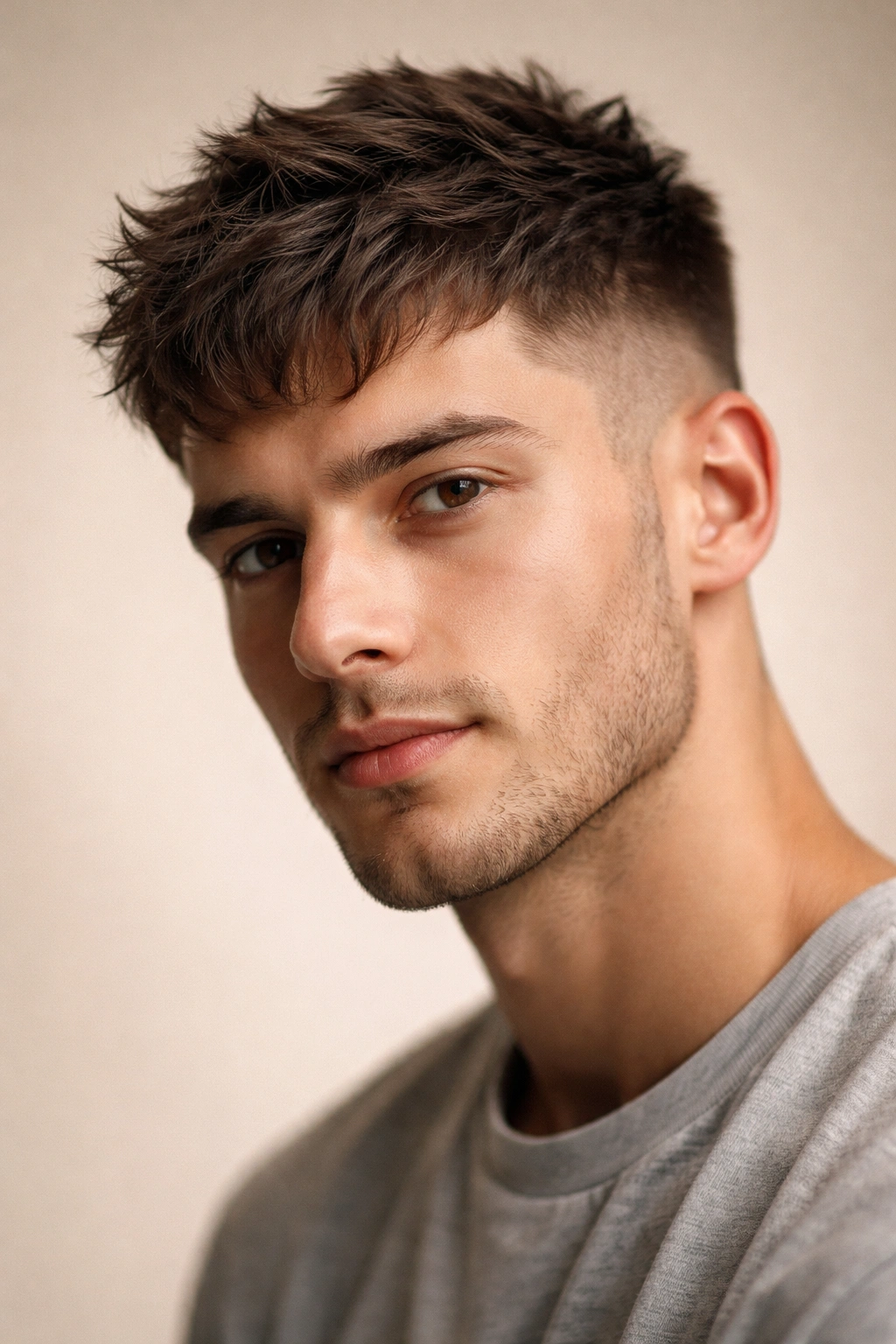
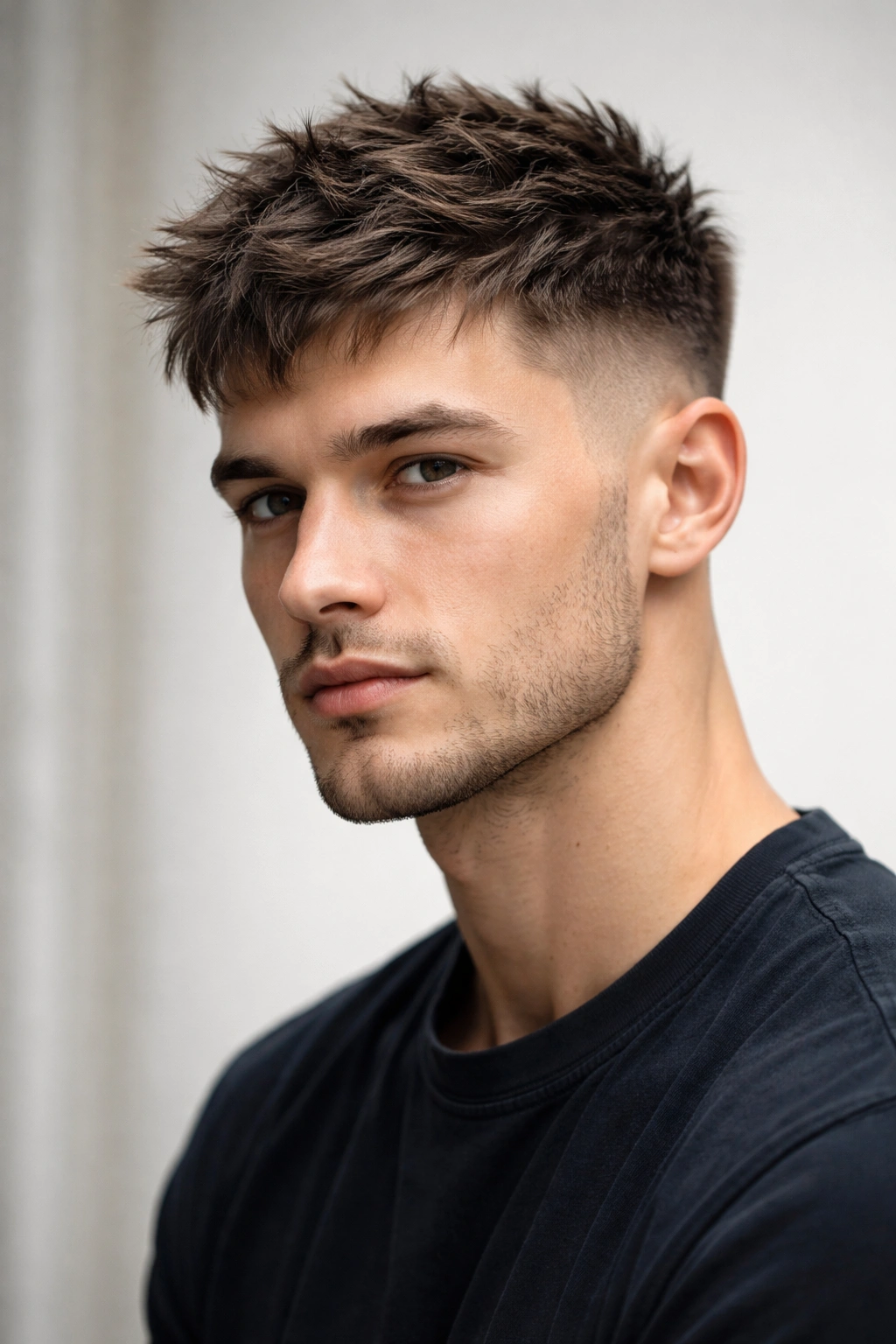
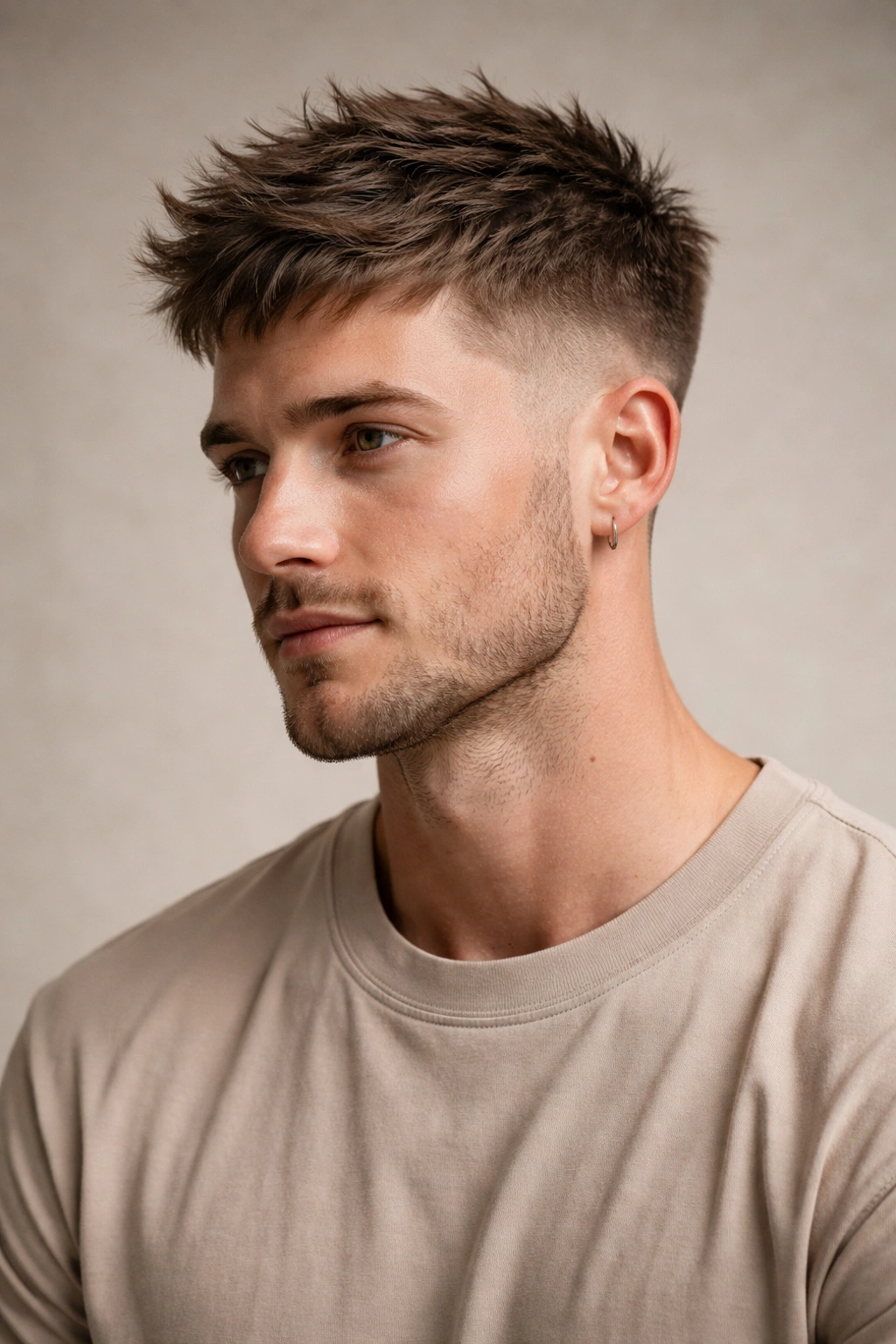
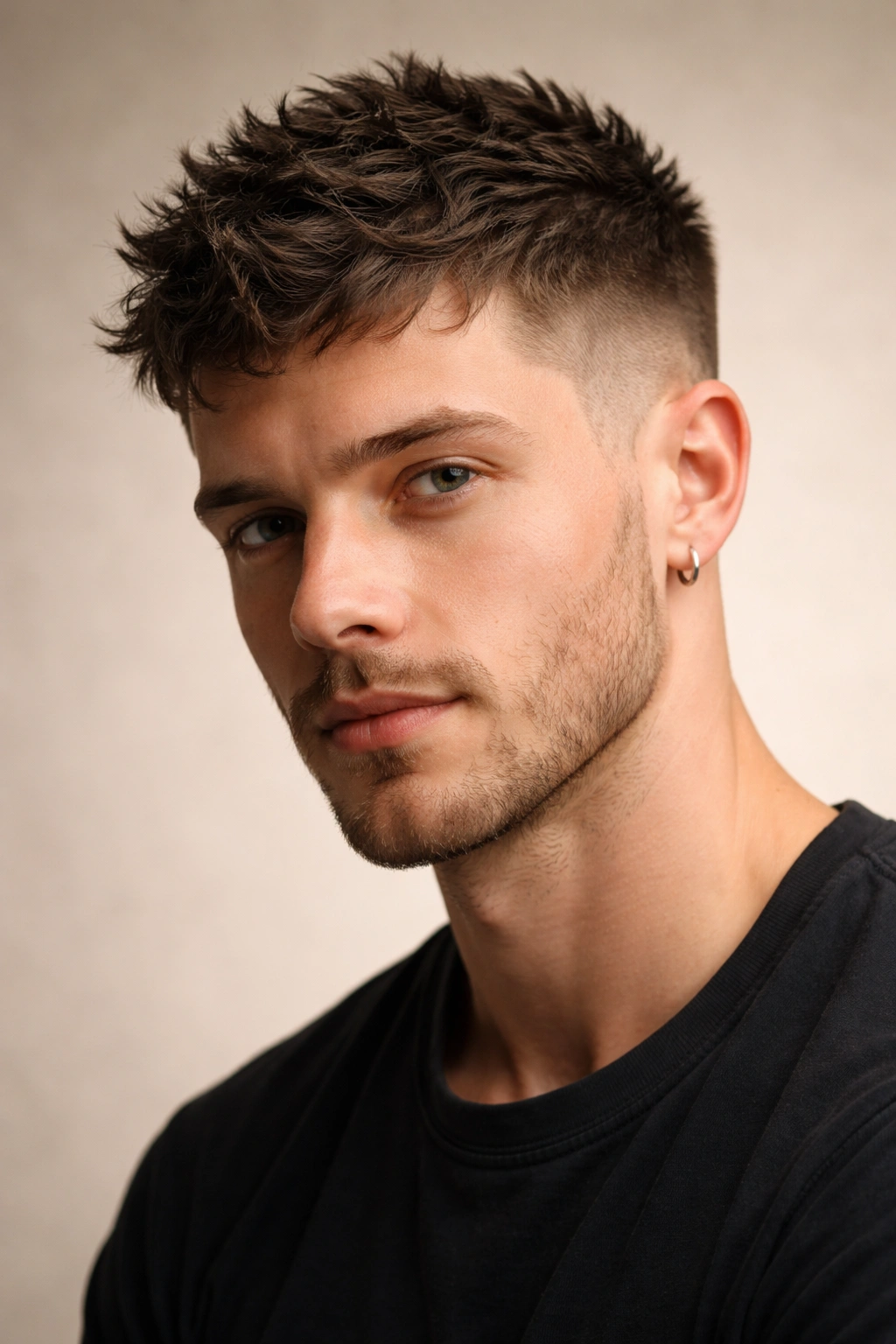
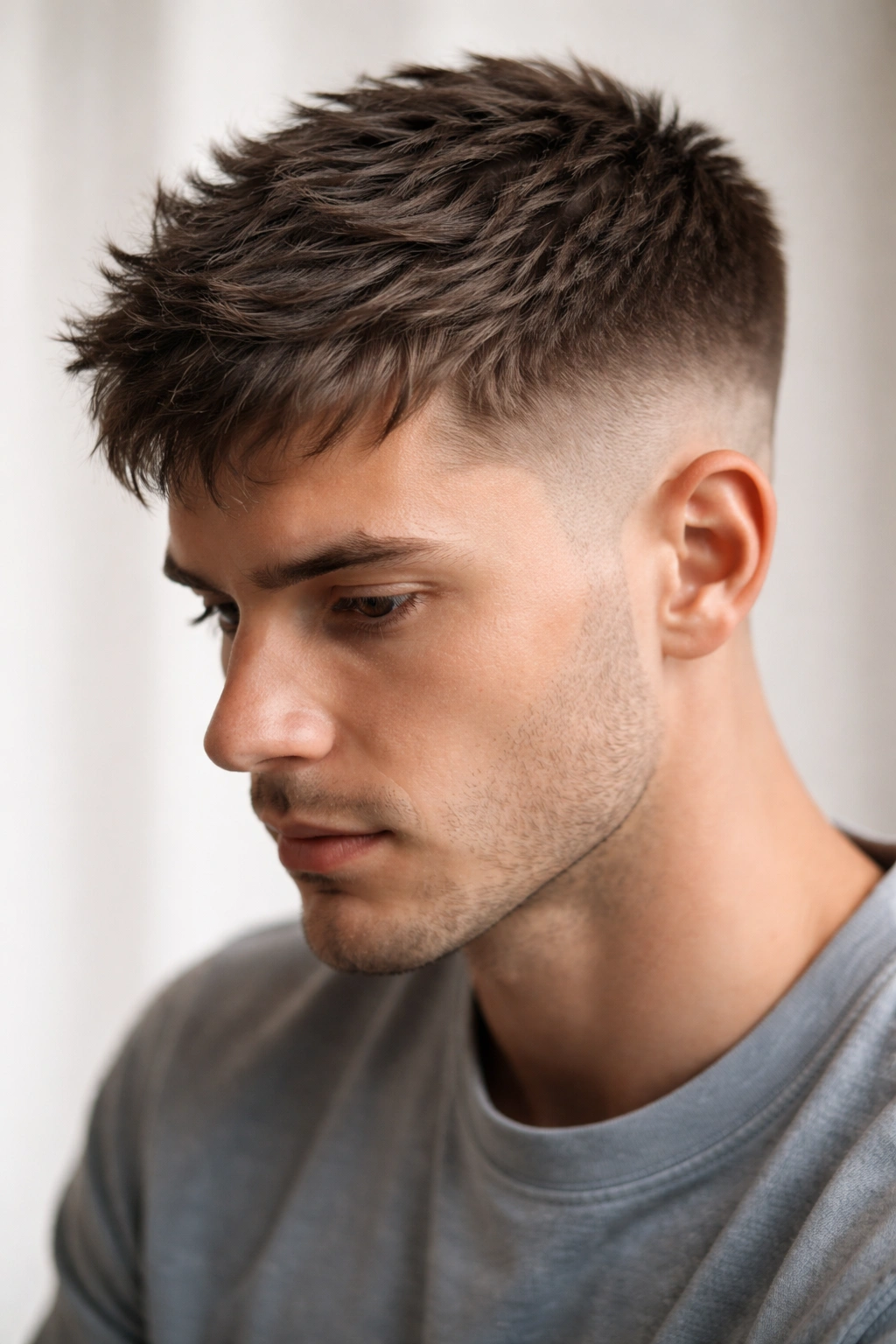
A crop is similar to a pixie but with a more masculine edge and less distinct styling options. The sides and back are cut very short (often faded or undercut), while the top is slightly longer—usually 1.5 to 2.5 inches—and left textured or tousled rather than sleek. It’s modern, confident, and surprisingly low-maintenance because the longer top section hides the regrowth line.
What Makes It Stand Out for Different Hair Types
Textured crops work particularly well on curly and coily hair because the natural texture of the hair itself creates visual interest and fullness on top. On straight hair, the crop relies on layers and a choppy cut to create that textured vibe rather than relying on natural texture. The beauty of a crop is that you can adjust the contrast between the sides and top—a dramatic fade is edgier; a more subtle taper is modern and work-appropriate. You can style it with pomade for polish or let it air dry for a lived-in feel.
Styling and Maintenance Reality
- Trims needed every 4-6 weeks to keep the short sides from growing into an in-between length
- Works equally well slicked back with product or left tousled and texture-focused
- Minimal daily styling needed—usually just fingers through product or a quick towel-dry
- Sideburn placement is crucial; ask your stylist to leave them strategic for your face shape
- Flatters angular and square faces beautifully; balances round faces with more height on top
- Looks great on all hair types but needs distinct styling approaches depending on curl or straightness
4. The Chic Bob
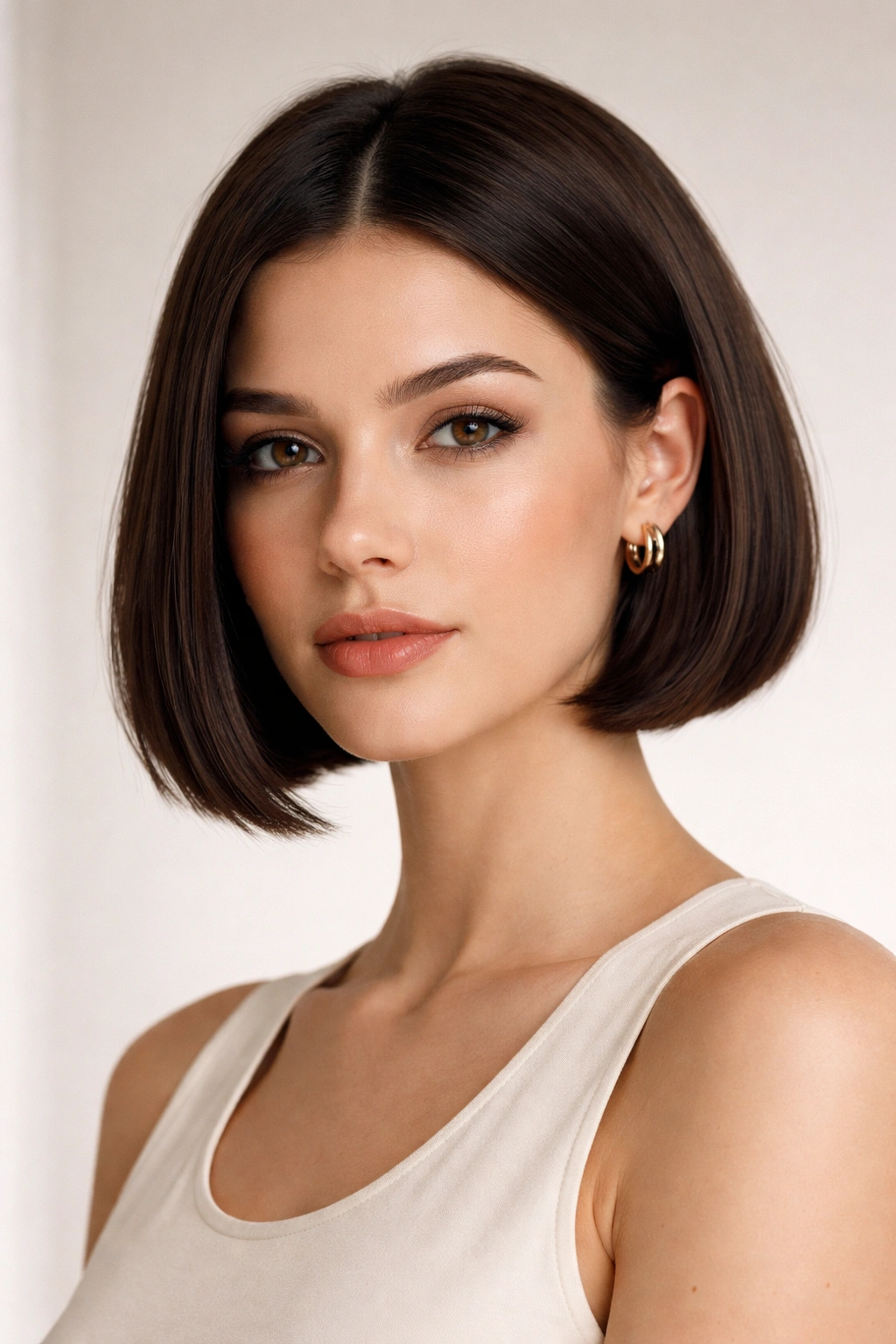
Don’t dismiss the bob as outdated. A modern short bob (usually hitting just below the ears or right at the jawline) is sleek, polished, and surprisingly versatile. A blunt, chin-length bob with clean lines is classic; a textured, choppy bob is modern. The key is that bobs sit at a specific length where they require intention and regular maintenance, but the payoff is a cut that looks instantly put-together.
Why Bobs Work Across Face Shapes and Hair Types
Bobs can be customized endlessly. A textured, choppy bob suits almost everyone and requires minimal styling. A sleek, blunt bob with a side part is incredibly chic on straight hair and angular faces. A curved bob that’s longer in front than back (often called an A-line bob) flatters round faces by adding length where needed. Bobs also grow out relatively gracefully—at the awkward in-between stage, you can wear them shorter and choppier, then grow them out again. The cut gives you options that longer hair doesn’t always provide.
The Maintenance and Styling Commitment
- Needs trims every 4-6 weeks to maintain shape and prevent that overgrown, shapeless stage
- Blunt bobs look best on straight or wavy hair; curly hair needs texture and choppy layers
- Styling varies: sleek bobs need blow drying and straightening; choppy bobs can air dry
- Works on fine hair (keeps it from looking wispy) and thick hair (texture helps it move)
- Side parts, center parts, and swept-back styling all work depending on your vibe
- Color looks fresh longer on bobs than some other short cuts because the length disguises root growth
5. The Undercut Pixie
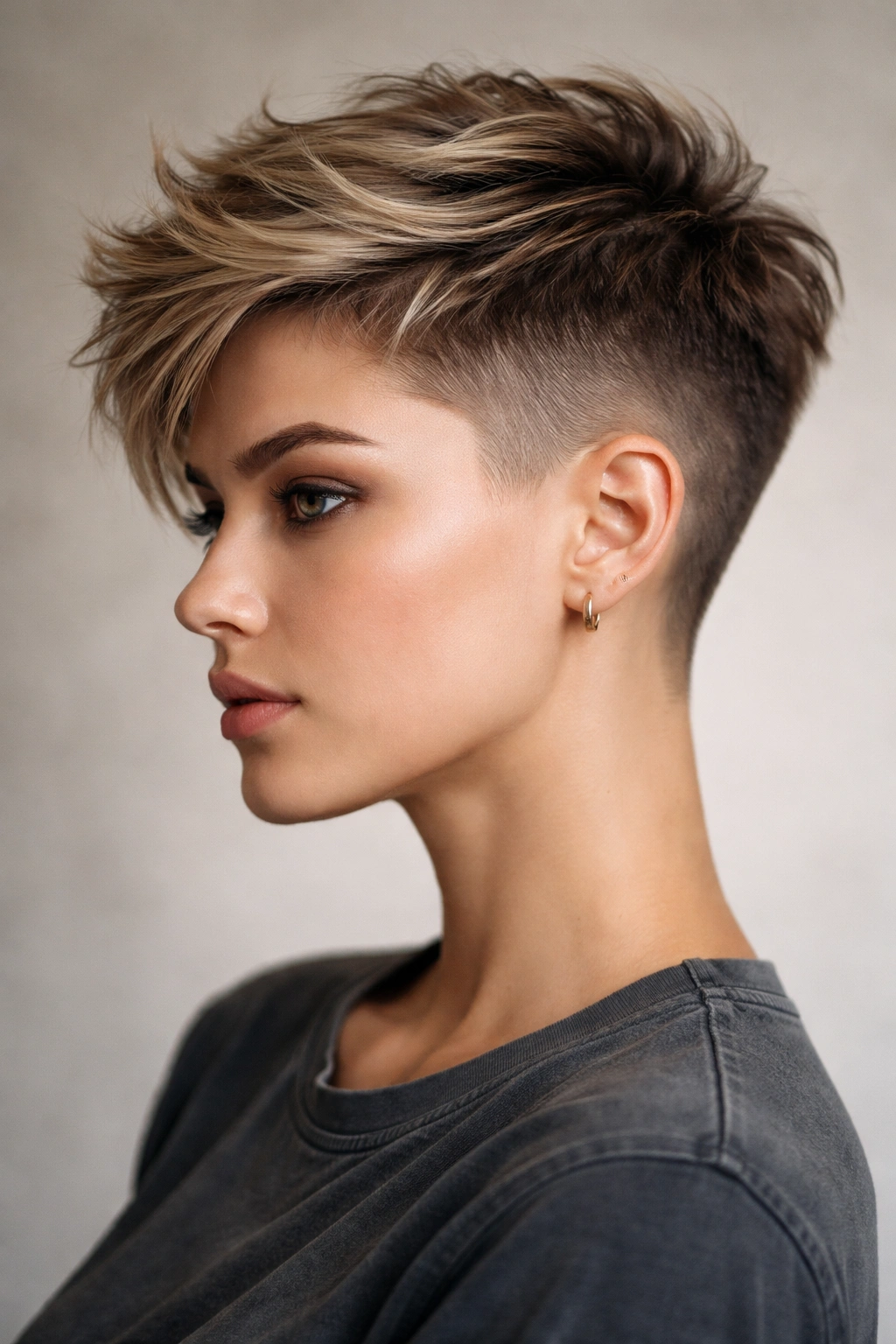
An undercut pixie takes the classic pixie and adds an edgy twist: the sides and back are faded or shaved very short (sometimes down to the skin), creating dramatic contrast with the longer top. The top is textured and voluminous, often 2 to 3 inches long, and the stark contrast is what makes this cut so visually striking. It’s bold, undeniably modern, and perfect if you want a cut that makes a statement.
Why This Cut Reads as Daring and Deliberate
The undercut pixie works because the extreme contrast between the short sides and longer top creates natural visual interest. You can style the top back to show off the fade, or let it fall forward for a softer look. The cut photographs beautifully and looks good from every angle. On curly hair, the texture on top makes the style look intentional and sculptural. On straight hair, you can sweep it back, style it tousled, or even blow-dry it for volume. The undercut also means the back grows in subtly, so you’re not locked into frequent trims if you’re willing to let it transition.
Styling Considerations and Face Shape Fit
- Requires trims every 3-4 weeks to maintain the fade or undercut
- Works best on people who are genuinely comfortable with edgy, statement-making hair
- Flatters angular and long faces beautifully; balance round faces with more volume on top
- Hair texture doesn’t matter much—works equally well on straight, wavy, curly, and coily hair
- Styling is flexible: polished and swept back, or tousled and undone
- Color combinations (lighter top, darker sides or vice versa) amplify the modern edge
6. The Tapered Crop with Longer Bangs
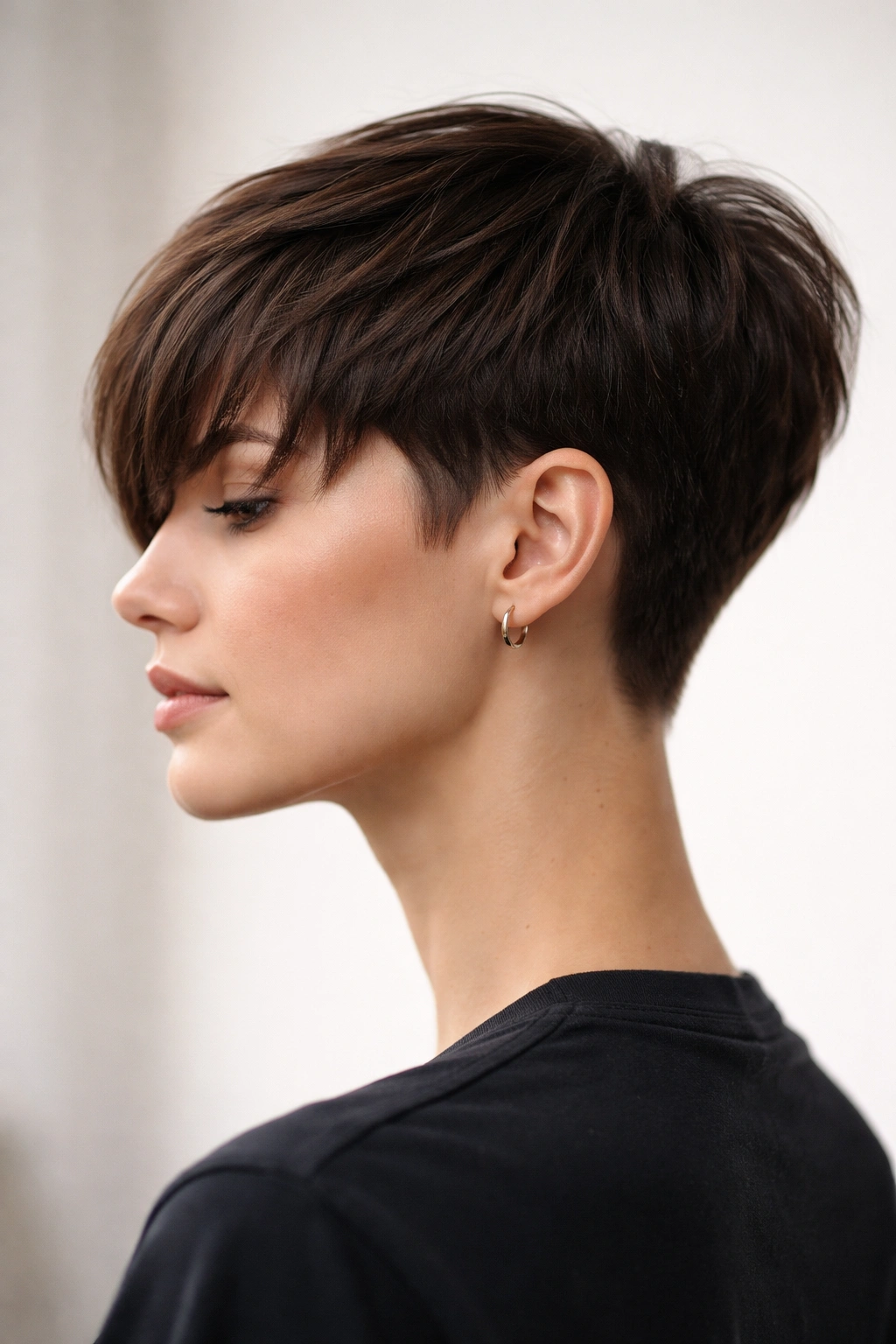
This cut is essentially a crop—short sides and back—but with a longer, more intentional fringe or bang section that sits around the eyebrows or slightly longer. It’s a variation that appeals to people who love the efficiency of a crop but want a bit more styling versatility and personality from the front. The longer bangs soften the overall look and create a focal point on the face.
What Makes Longer Bangs Work with a Crop
The longer bangs introduce an element of subtlety to an otherwise bold cut. You can style them sleek and blunt for a graphic, modern look, or tousle them with texture for a softer vibe. This variation is particularly flattering on faces that benefit from framing or softening—especially long, angular faces or prominent foreheads. The bangs also give you something to play with styling-wise; you can slick them back on lazy days or style them forward when you want more polish. It’s a cut that’s bold but not quite as stark as a traditional crop.
Practical Details About Maintaining This Style
- Bangs need trims every 3-4 weeks as they grow out quickly and will cover your eyes rapidly
- The rest of the cut needs maintenance every 4-6 weeks
- Styling flexibility is high: blow dry the bangs smooth, tousle them with pomade, or slick them back
- Works on all hair types; texture in the bangs is actually flattering and modern-looking
- Particularly suits angular, rectangular, and long face shapes
- Can be adapted for work or casual settings depending on how you style the front
7. The Textured Lob
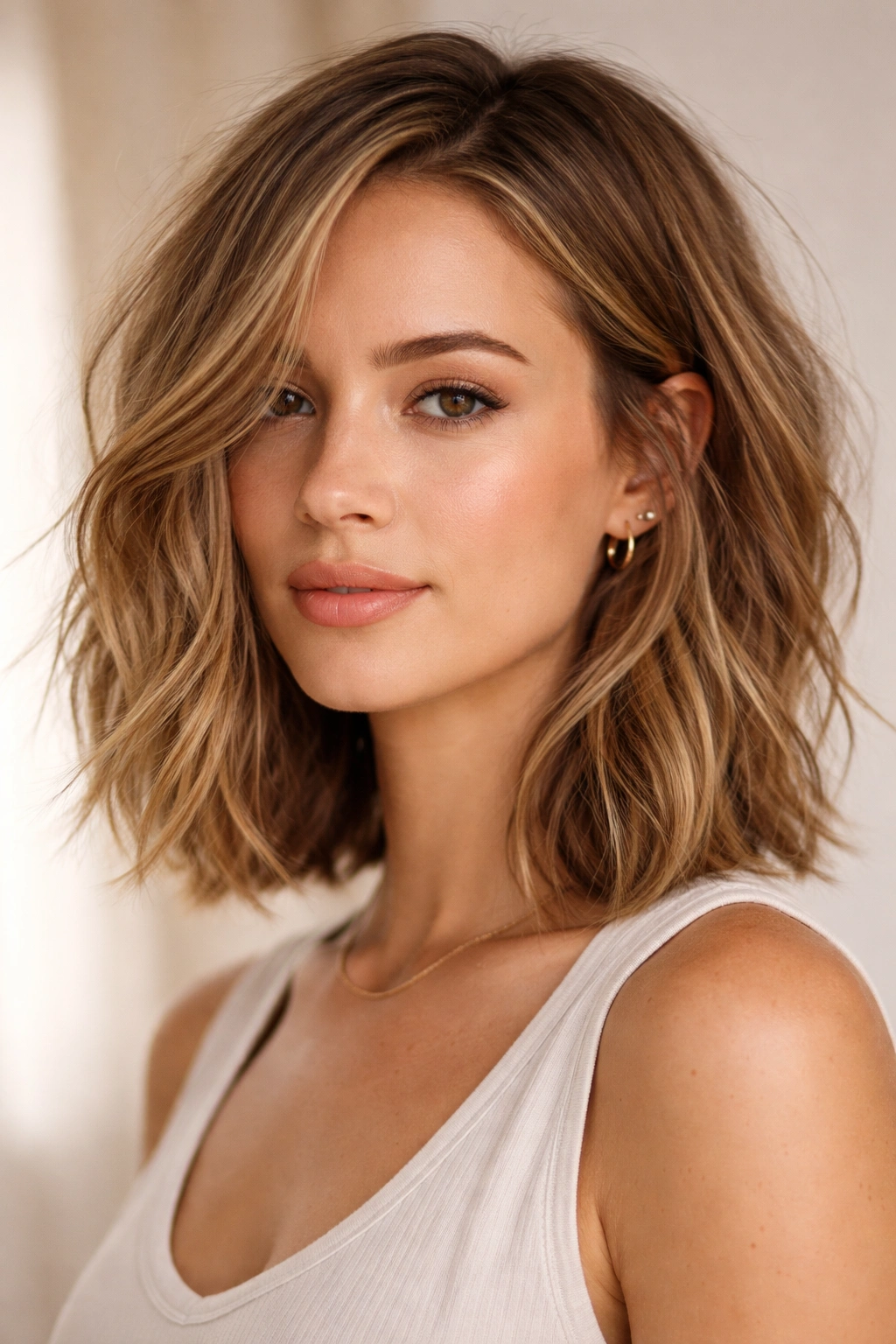
A lob (long bob) sits longer than a traditional short bob but shorter than shoulder-length—usually anywhere from jaw-length to collarbone-length. A textured lob uses layers and choppy edges to create movement and personality. It’s longer than many other options on this list, but it’s still genuinely short hair and absolutely belongs in a conversation about short cuts. The beauty is that it offers more styling versatility than very short cuts while still being undeniably short.
Why the Textured Lob Bridges Two Worlds
The textured lob is perfect for people who want short hair but aren’t quite ready for pixie-short. It’s noticeably shorter than shoulder-length but long enough to tuck behind your ears or style in multiple ways. Layers and choppy texture mean it works on curly and straight hair equally well. The cut is also incredibly forgiving as it grows out—at every stage of growth, from freshly cut to six months out, it looks intentional and stylish. You can air dry for texture or blow dry for smoothness. You can wear it messy and undone or polished and sleek.
Styling and Maintenance for the Textured Lob
- Trims every 6-8 weeks keep the texture fresh and prevent it from growing into a shaggy mess
- Works beautifully on all hair types; layers help fine hair look fuller and control thick hair
- Can be styled multiple ways: side part, center part, tucked behind ears, swept forward
- Air drying creates natural texture; blow drying with a round brush creates more polish
- Still qualifies as short hair for management purposes but offers more flexibility than ultra-short cuts
- Color looks fantastic on lobs; the length shows off dimension beautifully
8. The Tousled Shag with Layers
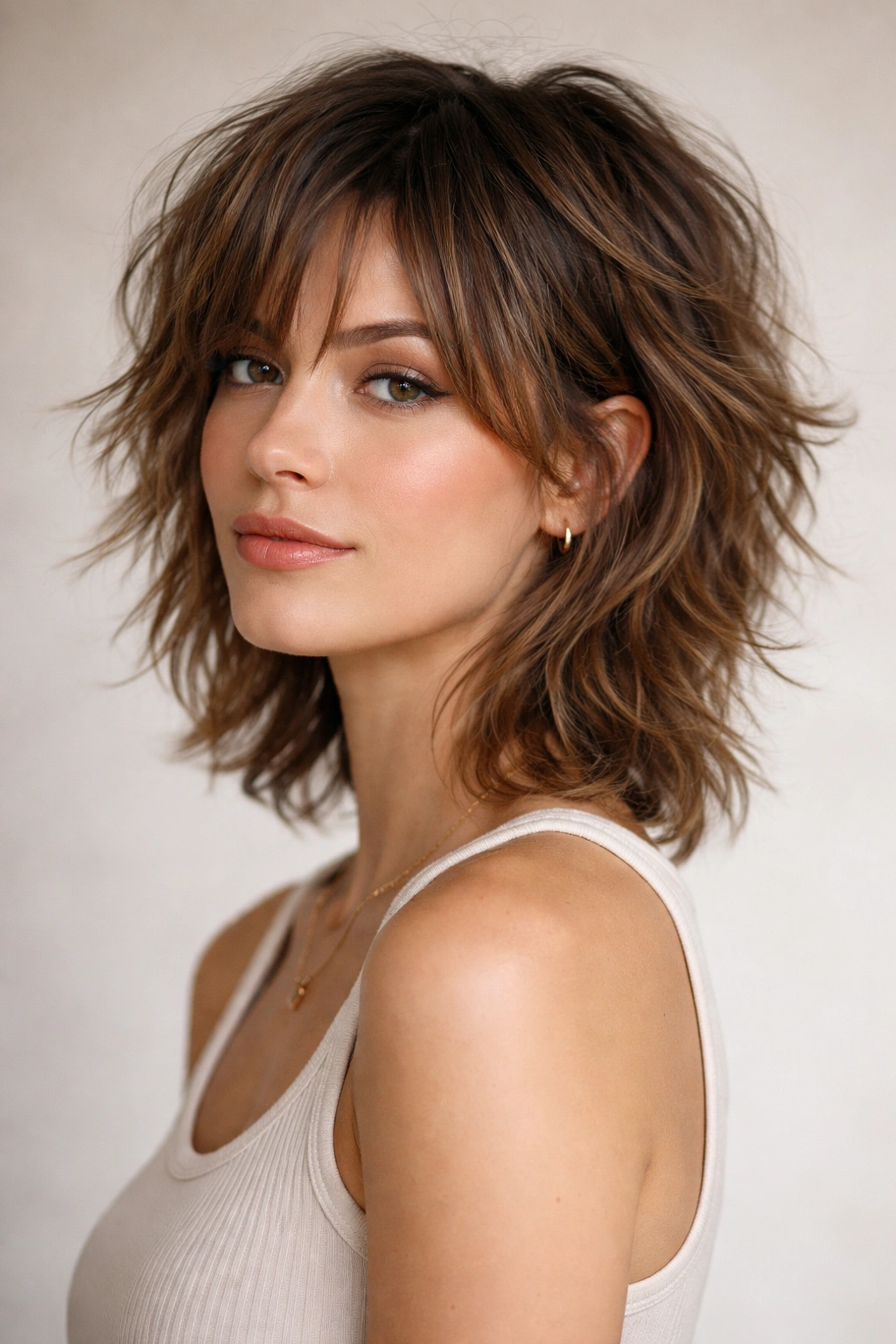
This is an evolution of the modern shag concept—a deliberately choppy, layered cut with intentional texture throughout. The front is slightly longer (usually cheekbone or jaw-length), the back has graduated layers, and the whole thing is designed to look naturally tousled rather than sleek. It’s cool, undeniably contemporary, and requires enough texture that the cut works best on wavy or curly hair (though it can work on straight hair too with the right styling commitment).
Why Layered Texture Is So Flattering
A tousled, layered shag works because it embraces movement instead of fighting it. Every layer catches light differently, creating visual interest and dimension. The cut also works with your hair’s natural texture rather than against it; if you have waves, the layers amplify them; if you have curls, the layers define them. For people with straight hair, the layers create the texture through the cut itself, and styling with product enhances the effect. The cut is also incredibly forgiving—you can wear it slicked back, let it air dry, scrunch in product for more texture, or even blow-dry it smooth on days you want a different vibe.
Who This Cut Suits Best and How to Maintain It
- Perfect for wavy or curly hair; works on straight hair with dedicated styling
- Needs trims every 6-8 weeks as layers grow out and lose definition
- Flatters almost every face shape because layers can be customized to your proportions
- Styling options are abundant: air dry, blow dry smooth, scrunch in product, slick back
- Length varies but usually sits somewhere between ear-length and collarbone
- Works equally well for casual and polished settings depending on how you style it
9. The Geometric Pixie
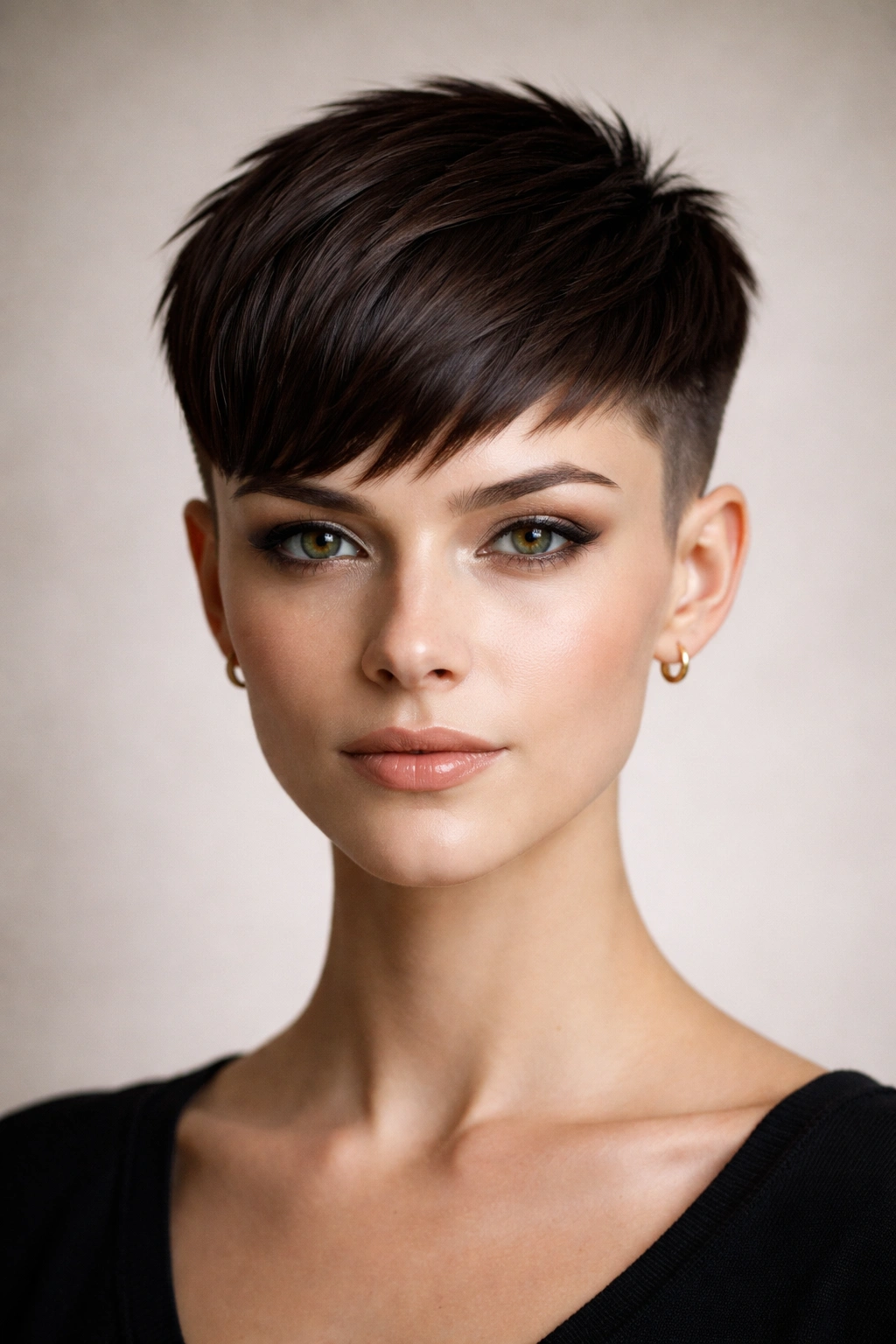
A geometric pixie takes the classic pixie and adds precision and architectural interest. Instead of softly textured layers, this cut uses clean lines, sharp angles, and intentional shapes. The sides might be undercut or faded, the top is cut into deliberate shapes rather than choppy texture, and the overall effect is more graphic and modern. It’s a cut for people who want a short pixie but prefer structure and intentionality over softness.
What Sets a Geometric Pixie Apart
The geometric pixie looks modern and editorial because it prioritizes shape over texture. This cut works beautifully on straight hair and shows off clean lines; on curly hair, it creates interesting dimension and shape. The precision of the cut means it needs regular maintenance to look fresh, but when it’s well-maintained, it reads as incredibly polished and intentional. You can style it smoothly by blow-drying and applying gel, or you can tousle it by working in pomade for a softer effect. The structured shape means it photographs beautifully and photographs well from every angle.
Commitment Level and Face Shape Fit
- Requires trims every 4-5 weeks to maintain sharp lines and prevent that fuzzy regrowth stage
- Works best on straight or wavy hair; curly hair disrupts the clean lines
- Suits angular face shapes beautifully; balances round faces with height on top
- Needs daily styling—blow-drying and product—to look intentional and polished
- Color looks sophisticated on this cut; monochromatic color or dimensional color both work
- Not ideal if you want a wash-and-go cut; this one requires morning styling commitment
10. The Choppy Pixie-Bob Hybrid
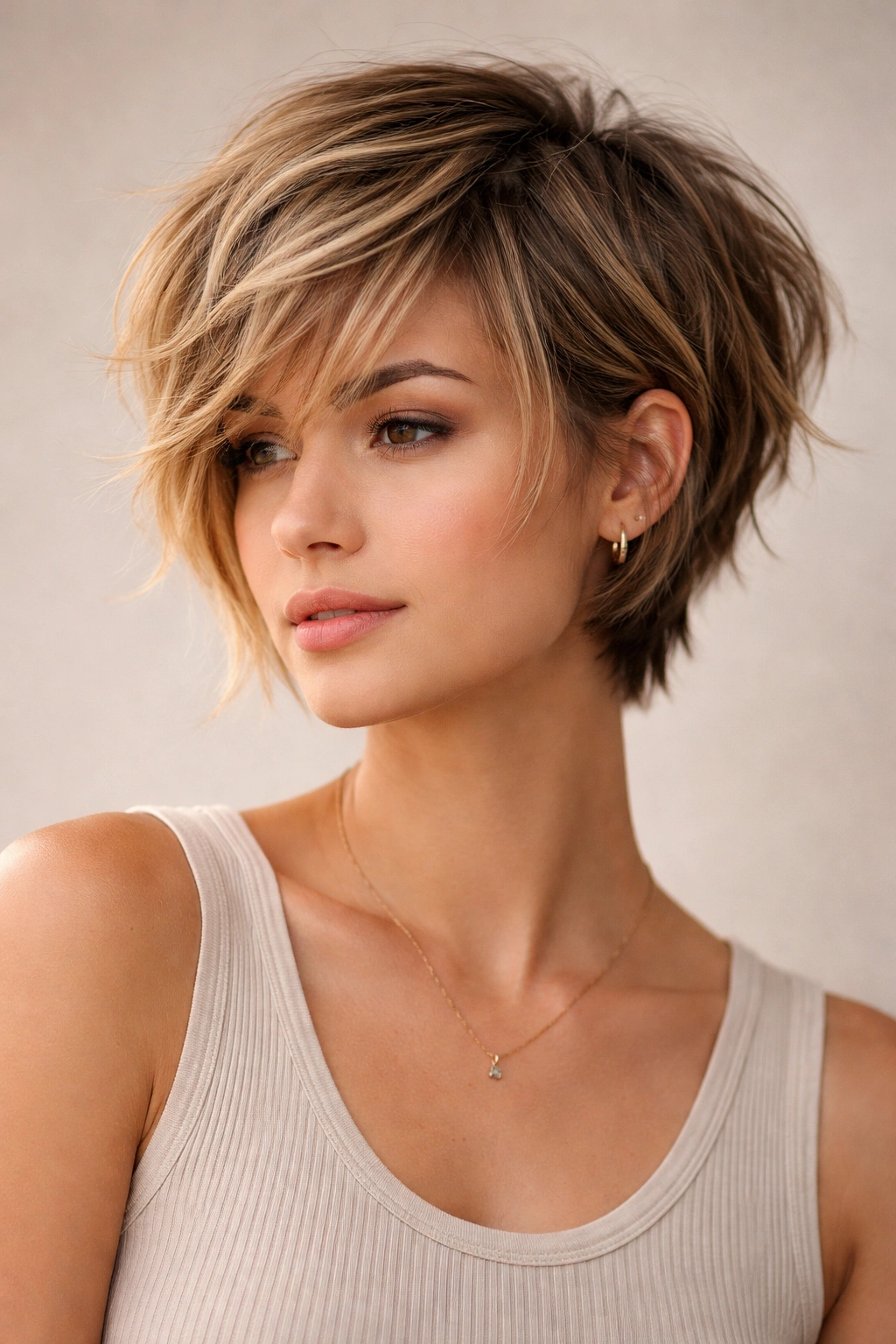
Sometimes the best cut is one that can’t quite be categorized. A choppy pixie-bob hybrid borrows from both styles: it’s shorter than a traditional bob (usually sitting around ear-length or slightly shorter), but it has enough length that it doesn’t read as a true pixie. The whole cut is choppy and heavily layered, creating movement and texture. It’s perfect for people who love the idea of both cuts but want something that sits in between.
Why Hybrids Offer the Best of Both Worlds
A pixie-bob hybrid gives you the low-maintenance aspects of a pixie with more styling flexibility and length options. You can wear it tousled and textured like a shag, or smooth it into something more polished. The choppy layers mean it works on multiple hair types—curly hair gets definition from the layers, straight hair gets movement from the cut. The length is short enough that it’s undeniably low-maintenance compared to longer styles, but long enough that it doesn’t require trims quite as frequently. This cut is also incredibly forgiving as it grows out; at every stage, it looks intentional and stylish.
Getting This Cut Right and Styling It
- Ask for choppy, blunt layers throughout rather than seamless blending
- Bring photos of both pixies and bobs to your stylist to explain what you’re after
- Works equally well on all hair types; texture is actually a benefit
- Trims every 5-7 weeks keep the choppy layers fresh
- Styling flexibility: air dry, blow dry smooth, tousle with product, slick back
- Flatters most face shapes because the length and layers can be customized
11. The Sleek, Blunt Micro Pixie
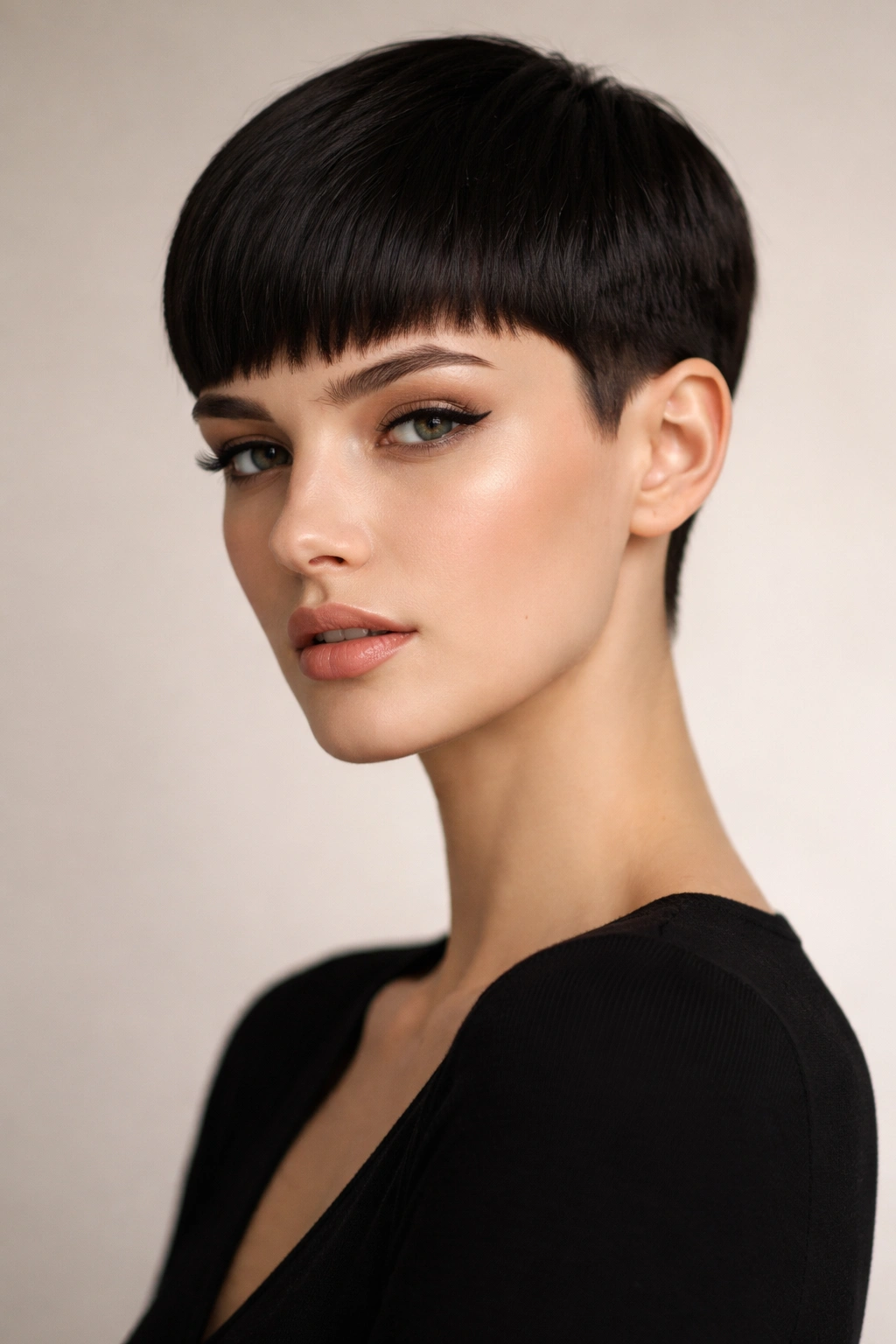
For people who want to go truly short, a blunt micro pixie is the ultimate minimalist cut. We’re talking very short—usually under an inch on the sides and maybe 1.5 inches on top. The cut is blunt and precise rather than textured, reading as intentionally architectural rather than soft. This is a cut for people who are genuinely comfortable with ultra-short hair and who appreciate clean lines and minimalist aesthetics.
What You Need to Know About Going This Short
A micro pixie is genuinely low-maintenance in terms of daily styling—your hair basically dries into place. However, it requires frequent trims (every 3-4 weeks) to look intentional rather than scruffy. The cut shows off your head shape, face shape, and features in a way longer hair doesn’t, so it’s worth thinking carefully about whether you feel confident at this length. The upside is that once you commit, you never have bad hair days again—it’s always either just-cut fresh or ready for a trim. On curly hair, a micro pixie creates an amazing sculptural effect. On straight hair, it’s sleek and minimalist.
Who This Cut Works For
- Requires genuine confidence in your head and face shape
- Needs trims every 3-4 weeks without fail to look polished
- No daily styling needed; air dries into place
- Shows off your features and head shape dramatically
- Works on all hair types; texture can add interest on curly hair
- Takes several months for hair to grow out if you change your mind
- Perfect for people who value simplicity and don’t want to fuss with styling
12. The Taper Fade Crop
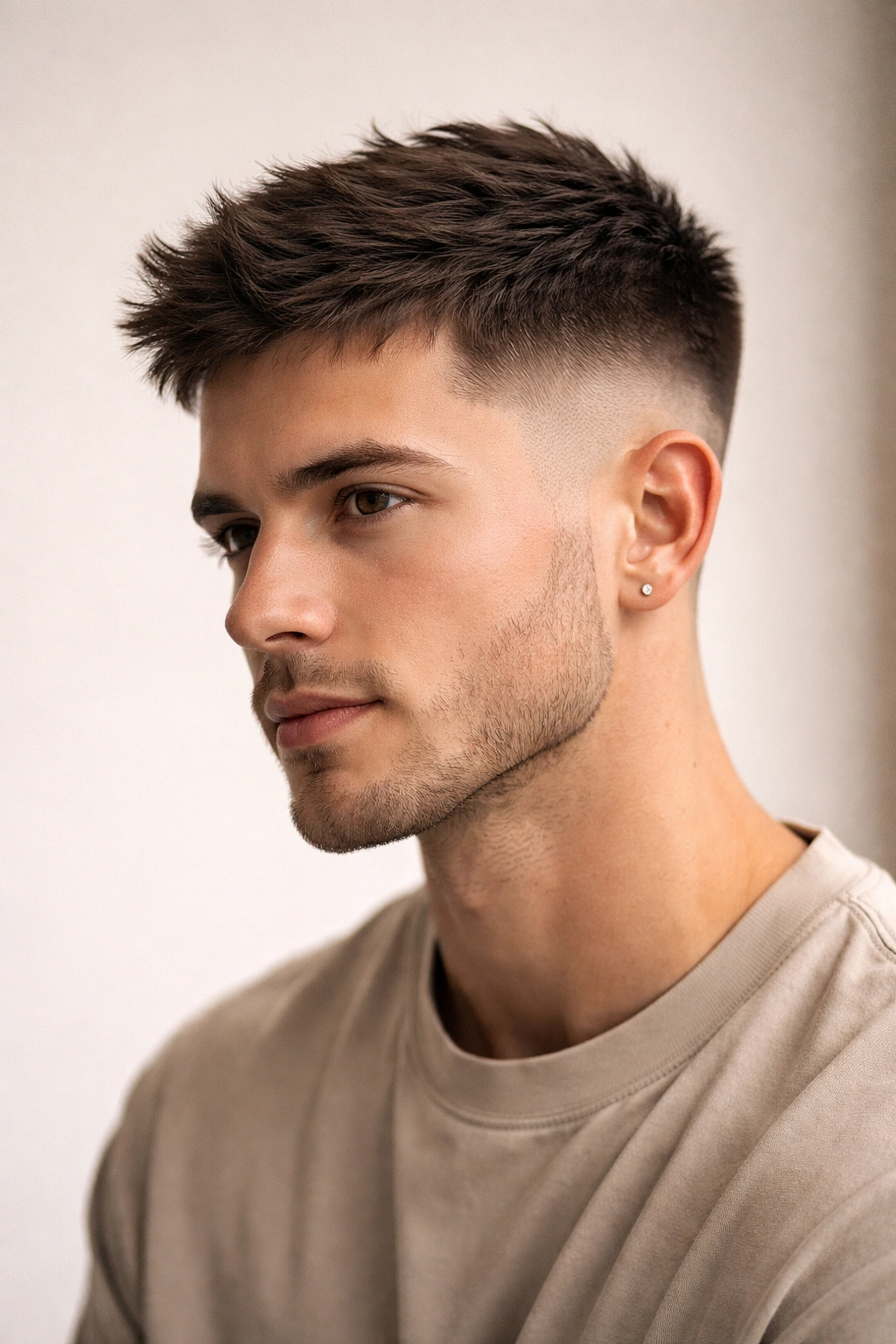
A taper fade crop is similar to a textured crop but with more careful attention paid to the fade on the sides and back. Rather than a blunt short length, the sides fade gradually from very short at the skin to slightly longer as they blend into the top. The top remains textured and intentional. The precision of a fade gives this cut a polished, intentional look that’s modern and sophisticated.
Why Precision in the Fade Makes a Difference
A well-executed taper fade looks professional, modern, and meticulously maintained. The gradual transition from short to longer looks intentional rather than accidental. This cut works beautifully on all hair types and is particularly flattering on people who want a modern, groomed look without appearing overly formal. The fade also creates a visual line that can be strategically placed to flatter your face shape and head shape. You can style the top sleek and polished, or tousle it with pomade for a softer effect.
Maintenance and Styling Reality
- Fade needs refresh trims every 2-3 weeks to maintain the gradient
- Top section needs trimming every 4-6 weeks
- Styling options: slicked back with pomade, tousled with texture, or left natural
- Works on all hair types; texture on top adds interest
- Suits people who want a polished, intentional look and are willing to get regular trims
- Flatters angular faces beautifully; balance round faces with more volume on top
- Professional and work-appropriate while still looking modern and intentional
13. The Textured Fringe with Faded Sides
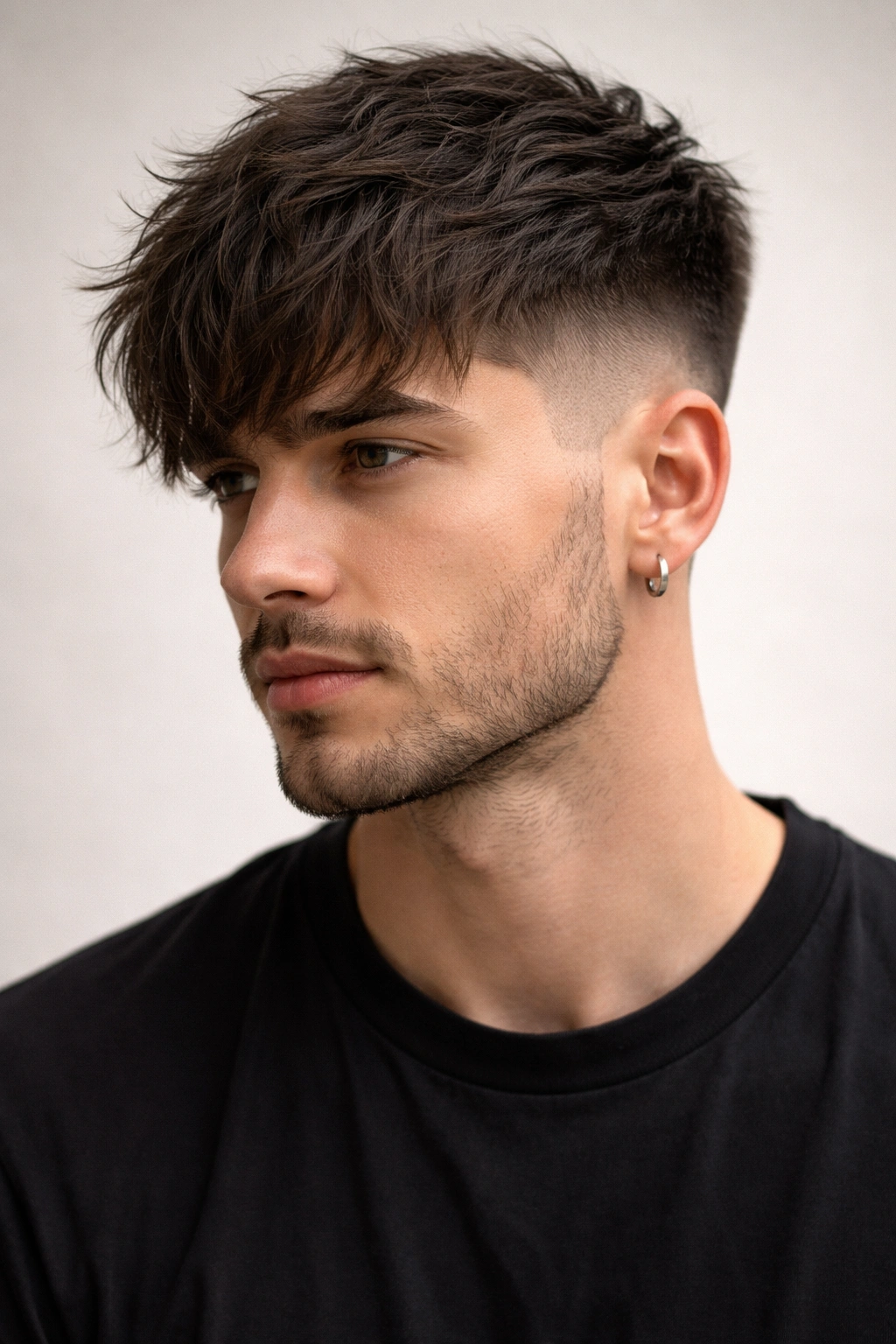
This is a crop variation where the emphasis is on a longer, deliberately textured fringe or bang section, paired with dramatically faded or shaved sides and back. The fringe sits around the forehead and can be styled forward, swept to the side, or even slicked back. It’s a cut that’s bold and visually interesting because of the contrast between the short sides and longer fringe. It appeals to people who want a statement cut but like having a focal point in front.
What Makes the Longer Fringe Work
The longer fringe creates a visual focal point on the face and offers styling flexibility that a traditional crop doesn’t. You can style the fringe sleek and blunt for a graphic look, tousle it with texture for a softer vibe, or slick it back when you want to change things up. The fringe also means that when you’re growing out the sides (intentionally or due to missing a trim), the front still looks intentional and deliberate. This cut works on all hair types but is particularly striking on straight or wavy hair where the fringe texture reads clearly.
Styling and Maintenance Specifics
- Fringe needs trims every 2-3 weeks as it grows into your eyes quickly
- Sides need fade refreshes every 3-4 weeks
- Works on all hair types; creates interesting texture on curly hair
- Requires daily styling to look polished; blow-dry and product work best
- Suits angular, long, and rectangular face shapes beautifully
- Not ideal for low-maintenance styling; this cut needs intentionality
- Creates an undeniably modern, editorial, fashion-forward aesthetic
14. The Grown-Out Pixie
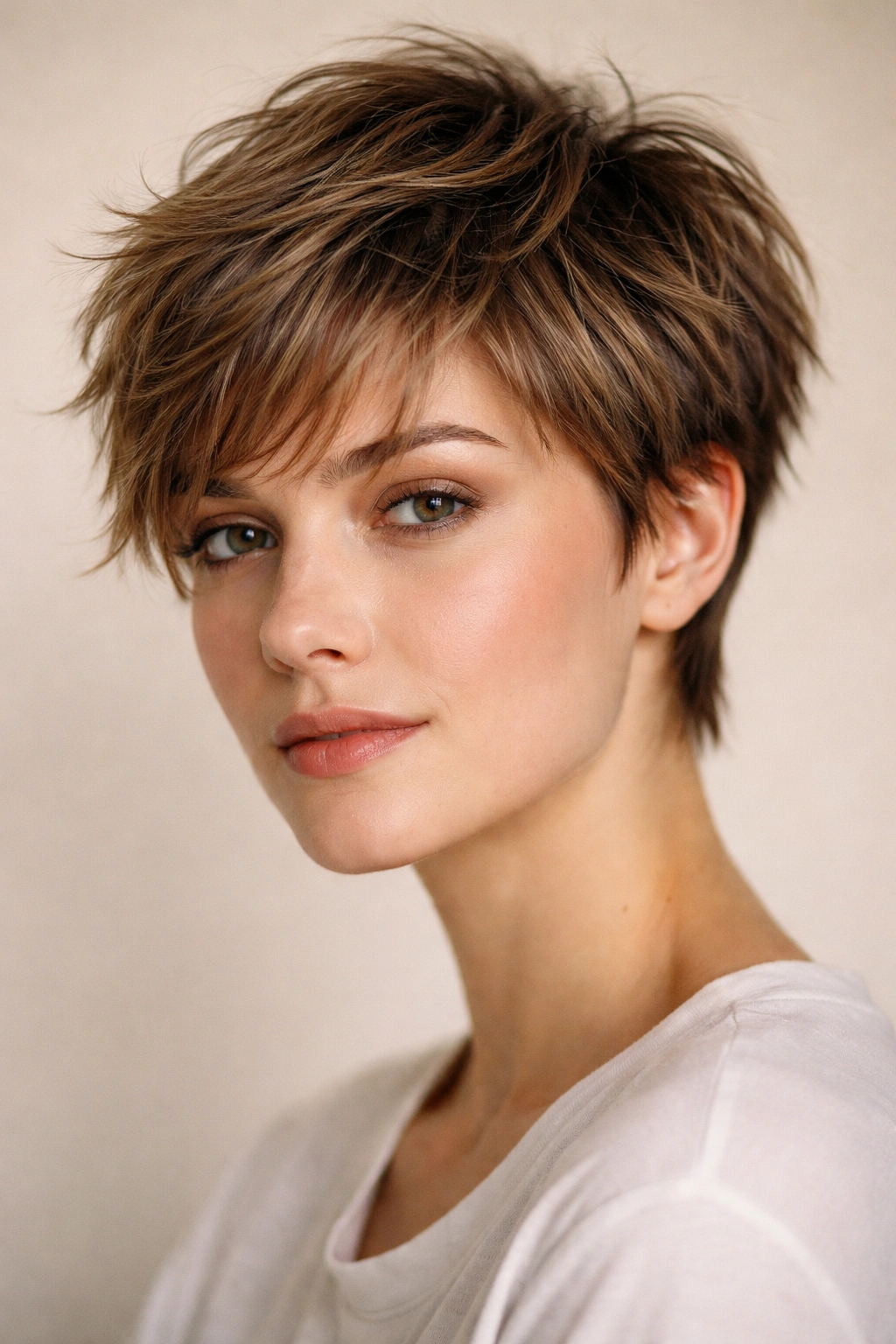
A grown-out pixie is essentially what a pixie looks like after 8-10 weeks of growth when you haven’t gotten a trim. It’s shaggy, textured, and deliberately messy in the best way. If you love the idea of a pixie but find the freshly-cut look too severe, growing one out intentionally creates an effortlessly cool, artsy vibe. It’s also a strategic option if you want a pixie but want to extend time between cuts.
Why the Grown-Out Stage Can Actually Be the Goal
Many people find that a pixie looks better to them once it’s grown out slightly. The shaggy texture is more forgiving, the styling is easier, and the overall vibe is less severe. If this is your preference, you can ask your stylist to cut a pixie with this in mind—using layers strategically so that at the grown-out stage, it still looks intentional rather than overgrown. The grown-out pixie reads as effortlessly cool and works on all hair types. Curly hair benefits from the length, which helps define the curls; straight hair gets texture from the layered cut.
How to Rock the Intentional Grown-Out Look
- Ask your stylist to cut layers strategically for growth
- Embrace the tousled, textured vibe rather than trying to make it look freshly cut
- Air drying works beautifully; this stage actually needs less styling than a fresh pixie
- Trims every 8-10 weeks instead of every 4-6 maintain the intentional shaggy look
- Works on all hair types; texture helps it look intentional rather than messy
- Suits people who love effortless, artsy, undone aesthetics
- Perfect if you want short hair but find super-short styling too demanding
15. The Side-Swept Pixie-Quiff Hybrid
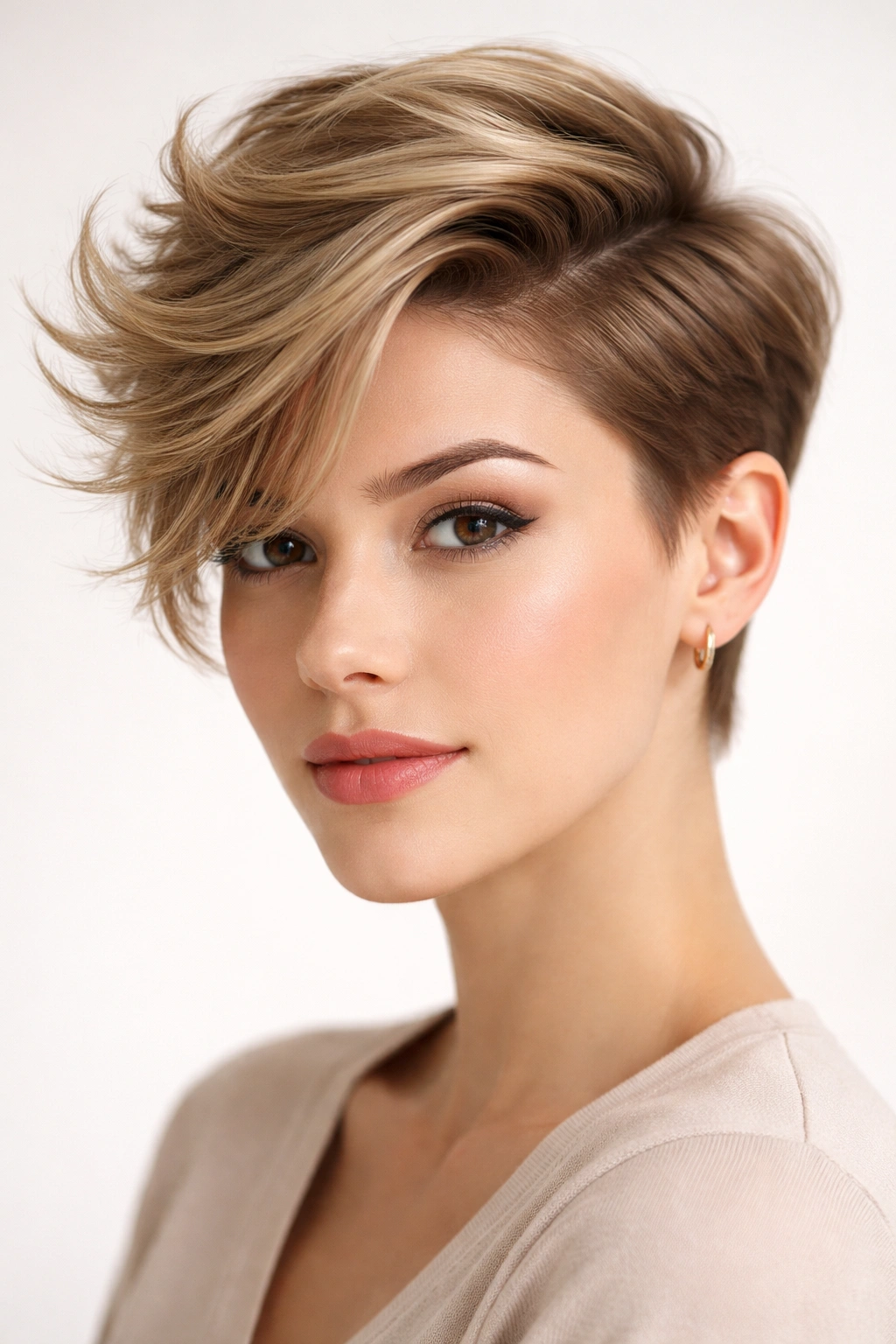
This cut is a pixie on the back and sides but with enough length on top to create a quiff—hair that’s swept to one side and styled upward and back. The overall effect is modern and has more visual interest than a traditional pixie because of the direction and volume on top. It’s a cut that works particularly well on straight or wavy hair where you can style the quiff deliberately.
Why Quiff Styling Adds Personality
The side-swept quiff adds movement and personality to a short cut. You can style it sleek and swept back, or tousle it with texture for a softer effect. The longer top section gives you something to work with styling-wise; you can slick it back on days you want polish or let it do its own thing on casual days. This cut is modern and visually interesting without being as dramatic as an undercut. It suits people who like the efficiency of short hair but want enough length to style intentionally.
Styling and Maintenance Details
- Requires regular trims (every 4-6 weeks) to maintain the shape
- Works best on straight or wavy hair; very curly hair is harder to quiff
- Needs blow-drying and product styling to look polished; air drying is less effective
- Top section can be 2-3 inches long, giving genuine styling flexibility
- Suits people who enjoy deliberate morning styling and hair products
- Flatters angular and long faces beautifully
- Reads as modern, confident, and fashion-forward
16. The Curly Pixie Cut
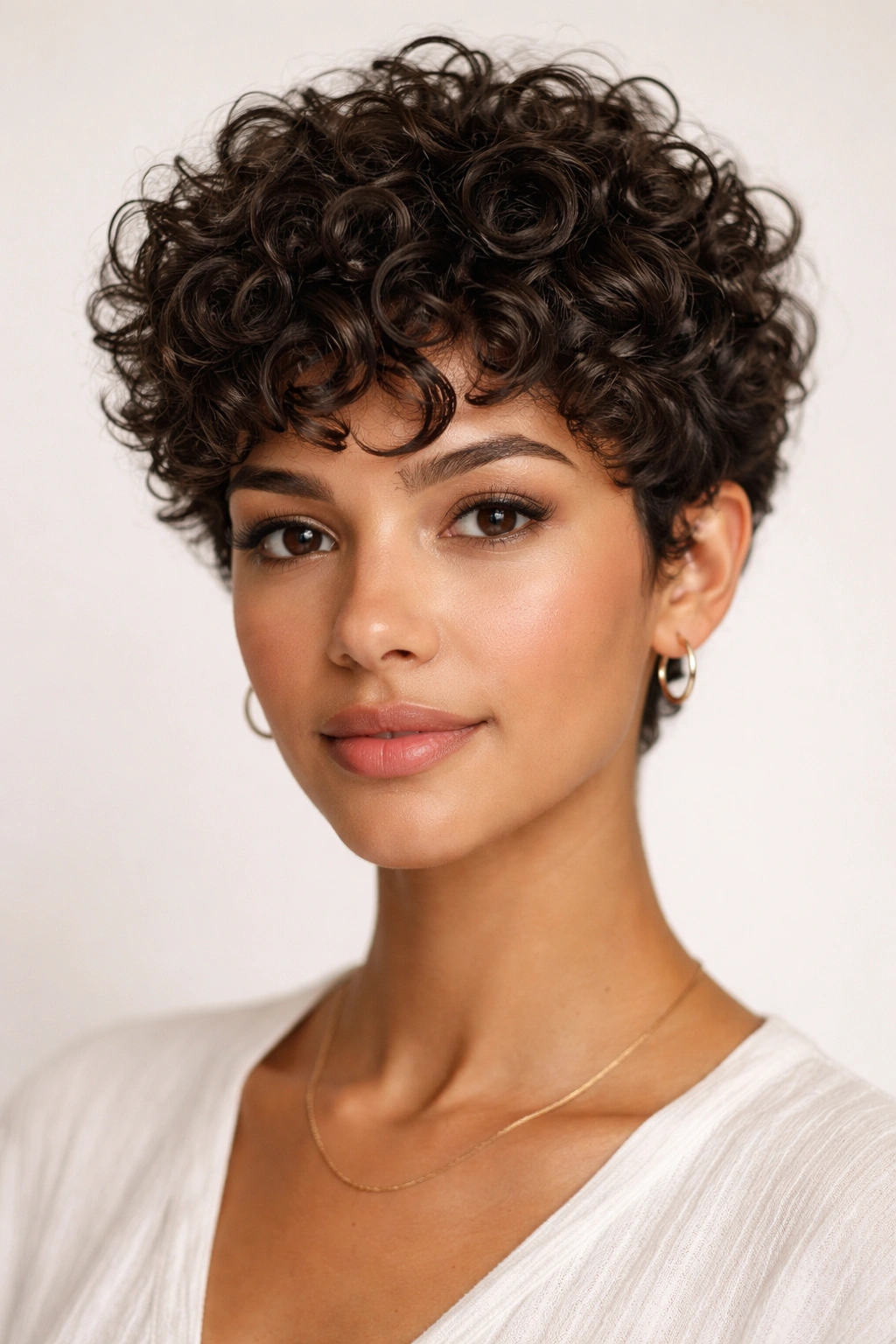
For people with naturally curly or coily hair, a pixie designed to work with the curl rather than against it is transformative. Layers are strategically placed to enhance curl definition and create shape. The cut is usually slightly longer than a straight-haired pixie (to account for curl shrinkage) and emphasizes texture over sleekness. When a pixie is cut correctly for curls, it’s incredibly flattering and low-maintenance because you’re working with your hair’s natural texture.
Why Curl-Specific Pixies Are Game-Changing
A pixie designed for curly hair works because the stylist understands curl patterns, shrinkage, and how layers affect curls. You’re not fighting your texture; you’re embracing it. The result is a cut that looks amazing when air-dried and requires minimal product. Curly pixies also photograph beautifully and suit a wide range of face shapes because the texture adds dimension and movement. The low-maintenance aspect is a huge draw—wash, let air dry, maybe scrunch in a curl cream, and you’re done.
What to Ask for When Getting a Curly Pixie
- Find a stylist who specializes in curly hair; they understand texture in a way others don’t
- Ask for layers that enhance your natural curl pattern rather than fight it
- Discuss curl shrinkage; the wet length will look different from dry length
- Request a cut that looks good air-dried since that’s how you’ll likely wear it
- Trims every 6-8 weeks keep the layers fresh and prevent clumping
- Avoid silicone-based products; use curl-friendly creams and gels
- Suits people who want low-maintenance, texture-focused styling
- Works on all curl types, from loose waves to tight coils
17. The Disconnected Fade
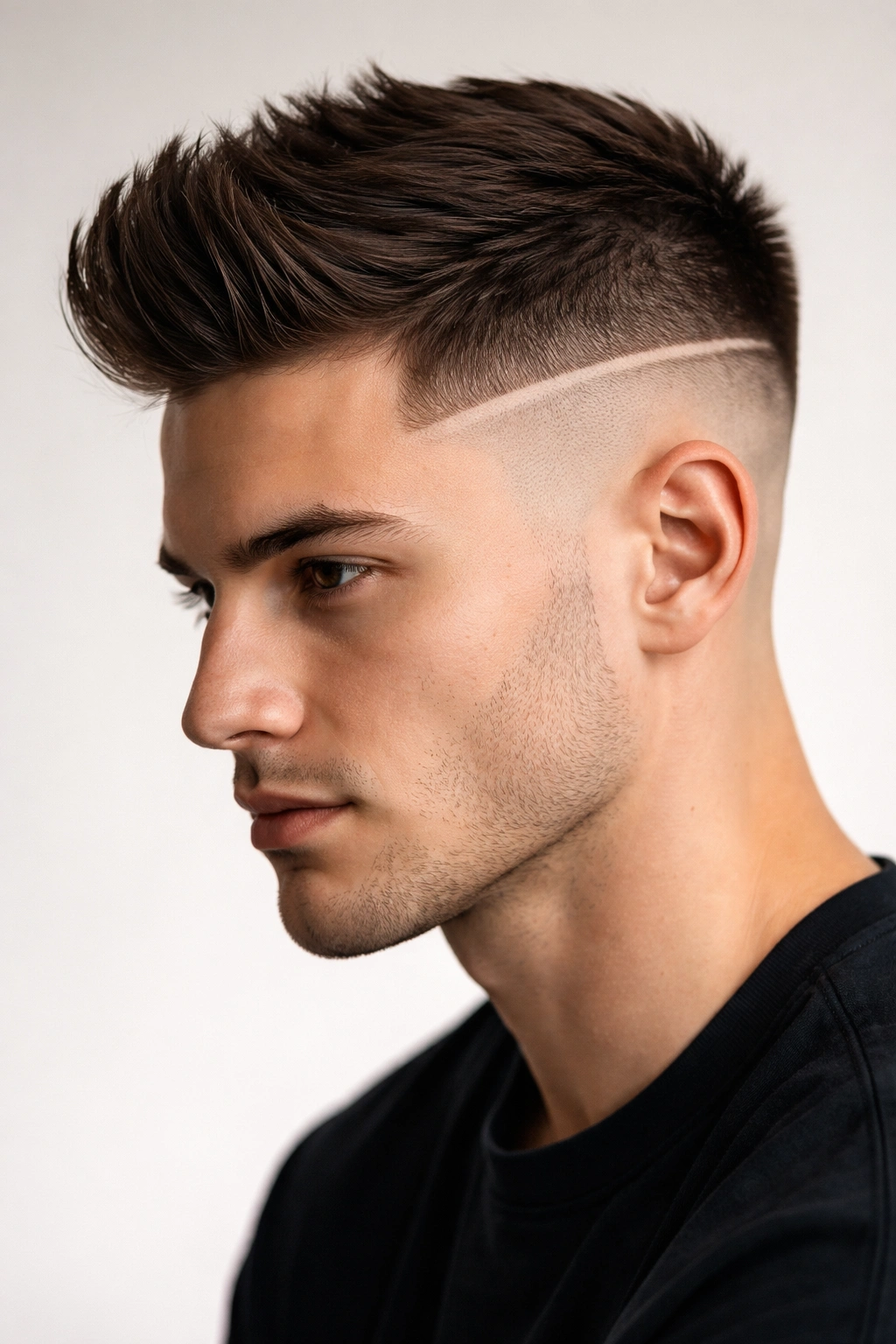
A disconnected fade (sometimes called a “hard part” fade) is a crop where the fade is dramatically disconnected from the longer hair on top, often with an intentional shaved line creating a distinct separation. The top is left significantly longer and styled separately from the faded sides. It’s bold, visually striking, and perfect for people who want a modern, edgy cut with clear definition.
What Makes a Disconnected Fade Stand Out Visually
The disconnect between the short faded sides and the longer top creates graphic visual interest. The often-shaved line emphasizes the separation and creates an editorial, fashion-forward aesthetic. You can style the top in multiple ways—swept back, textured, or even longer on one side. The disconnect also means regrowth is less noticeable because there’s already a distinct line. This cut reads as intentional and modern and shows off the stylist’s skill through the precision of the fade and the clean separation line.
Maintenance and Styling Considerations
- Requires very regular trims (every 2-3 weeks) to maintain the sharp disconnect
- The fade line may need touch-ups between full trims to stay precise
- Top section styling is flexible: sleek, textured, or voluminous depending on your preference
- Works on all hair types; texture adds interest on curly hair
- Suits people who are willing to commit to frequent maintenance
- Not a low-maintenance option but a high-impact, fashion-forward one
- Flatters angular and square face shapes beautifully
18. The Textured Crop with Shaved Design
For people who want a crop but also want an artistic element, adding a shaved design—a line, pattern, or simple graphic—on the side or back adds personality. The design is usually done with clippers and can be simple (a clean line) or more complex (geometric patterns or shapes). The rest of the crop remains textured as normal. It’s a cut that appeals to creative people who want their hair to be a form of personal expression.
Why Shaved Designs Add Unique Personality
A shaved design is a way to express individuality and personality through your haircut. It’s bold without being extreme, and it can be changed relatively easily if you want to try a different design next time. The design also emphasizes the shape and contours of your head, which can be flattering. On curly hair, the design pops because of the contrast between the shaved and textured sections. On straight hair, the design is clean and graphic. Either way, it’s undeniably personal.
What to Consider Before Getting a Shaved Design
- Ask your stylist what designs they recommend for your head shape
- Start simple (a clean line or small geometric shape) if you’re trying this for the first time
- Designs fade as hair grows, so you’ll have several weeks where it’s visible, then several weeks where it’s subtle
- Require trims every 3-4 weeks to refresh the design and crop
- Work on all hair types but read differently depending on texture
- Perfect for creative, confident people who like making a statement
- Adds a fashion-forward, individual element to an otherwise standard crop
19. The Blunt Fringe with Crop Sides
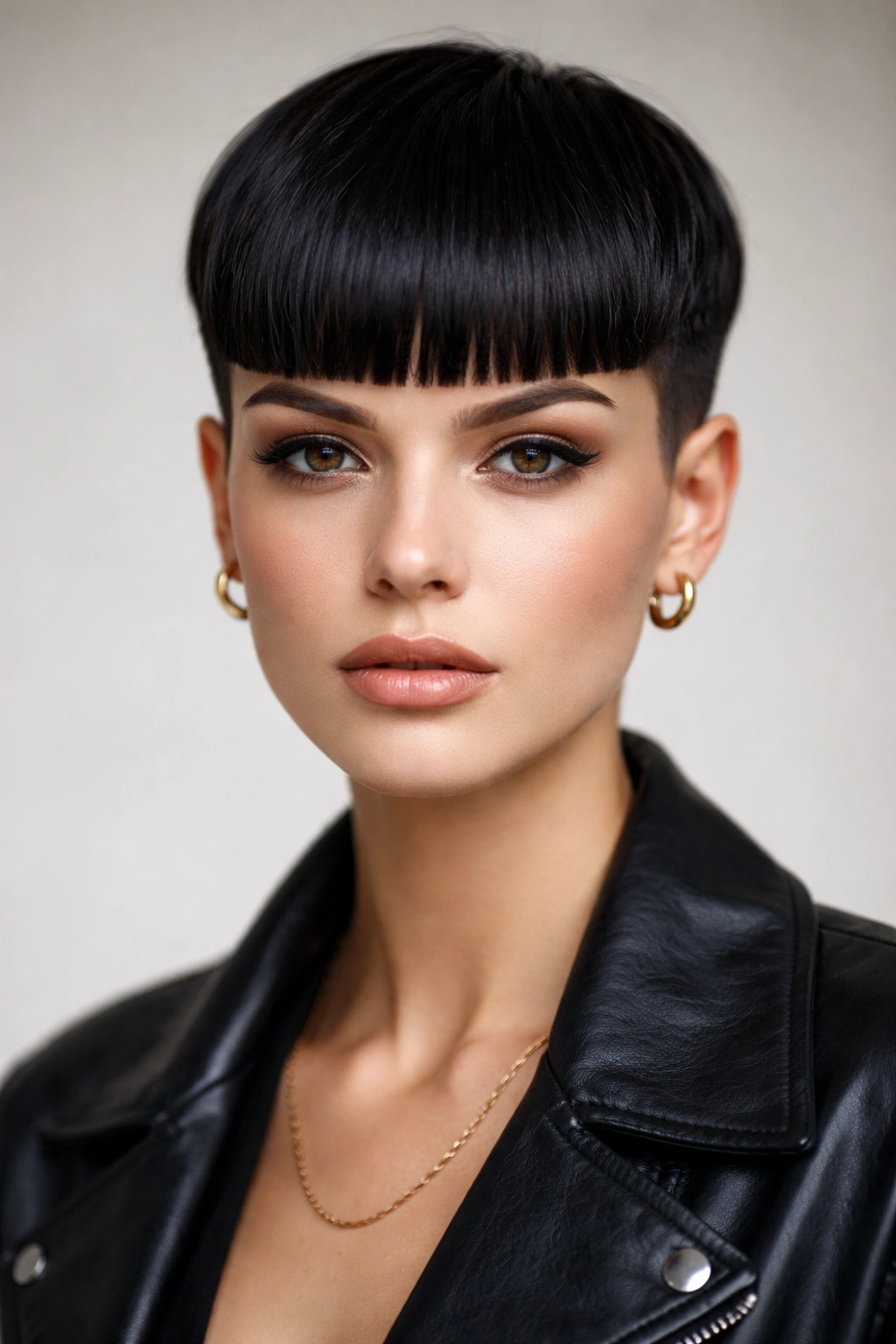
This is essentially a crop but with a blunt, thick fringe—not textured or layered, but a solid line of hair across the forehead. The fringe sits right at the eyebrows and is deliberately blunt and graphic. It’s a bold, modern cut that’s particularly striking because of the contrast between the precise fringe and the cropped sides. It’s a cut for people who want something with real visual presence.
Why a Blunt Fringe Creates Drama
A thick, blunt fringe creates an immediate focal point and dramatic visual interest. The precise, graphic nature of the fringe reads as intentional and fashion-forward. You can style the fringe by blow-drying it smooth and straight, or tousling it slightly with pomade for a softer effect. The fringe also frames the face and can be strategically cut to flatter your features. This cut photographs beautifully and reads as edgy and modern.
Styling and Maintenance Specifics
- Fringe needs trims every 2-3 weeks as it grows into your eyes
- Requires blow-drying the fringe to look intentional; air drying doesn’t read as polished
- Sides need trims every 4-6 weeks
- Works best on straight or wavy hair; curly hair makes it hard to maintain the blunt line
- Suits people who are willing to do daily styling and frequent trims
- Flatters people with longer, more angular face shapes
- Creates a high-fashion, editorial, intentional aesthetic
20. The Layered Pixie with Longer Crown
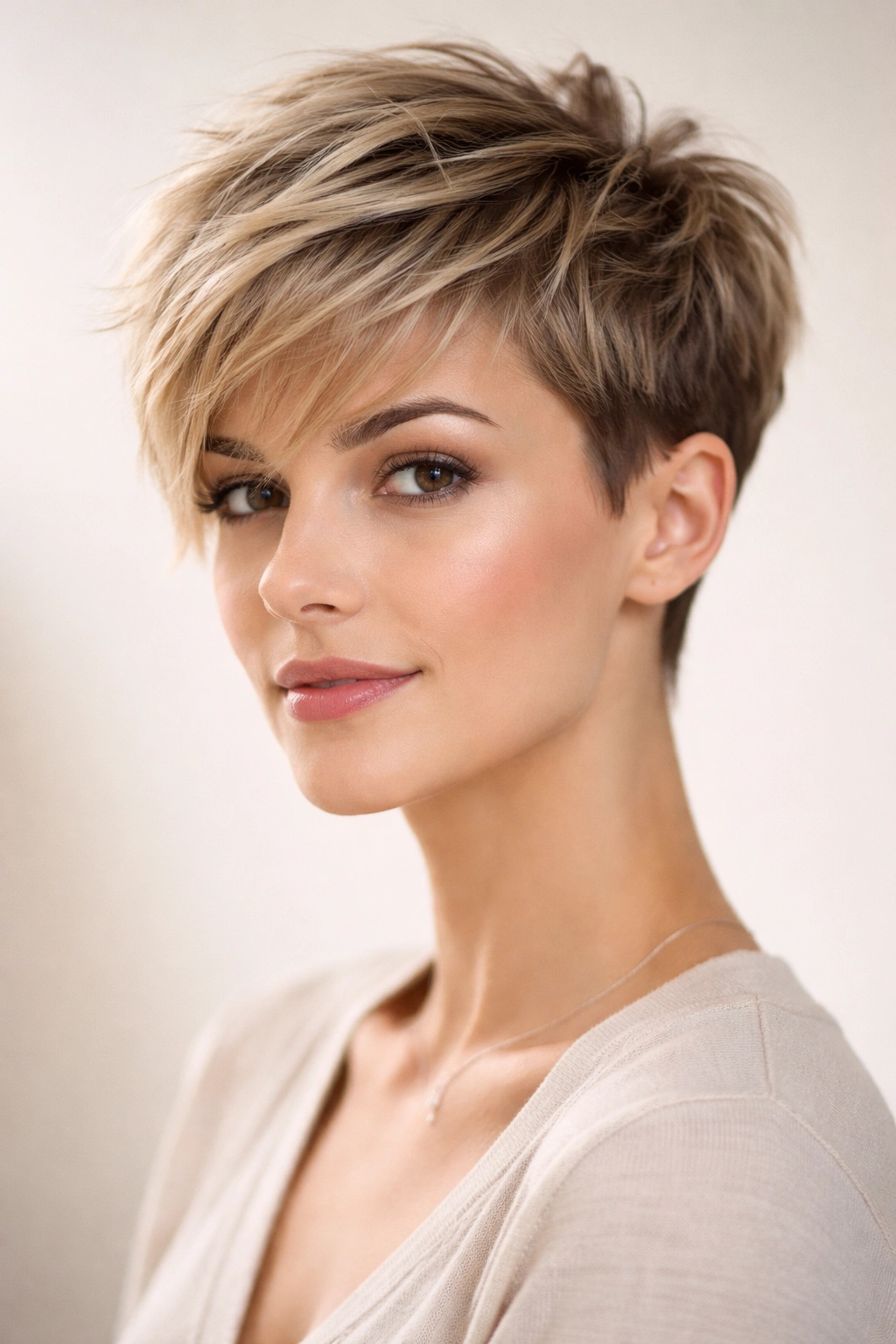
This is a pixie variation where the sides and back are kept quite short, but the hair on the crown is intentionally left longer and layered. The result is a cut that’s short overall but with enough strategic length on top to create volume and texture. It’s perfect for people who want a short cut but aren’t ready for an ultra-short pixie, or who want the low-maintenance aspect of short hair with a bit more styling flexibility.
Why Longer Crown Length Works with Short Sides
Keeping the crown longer while cutting the sides short gives you a cut that’s visually interesting from the front but low-maintenance overall. You can style the longer crown section with texture and movement, while the short sides keep the overall look fresh and modern. This cut also works beautifully as a transition when growing out a pixie—if you love your pixie but want to try something slightly longer, this variation bridges that gap. It’s forgiving because the longer crown disguises some of the regrowth.
Who This Cut Works For and How to Maintain It
- Suits people who want short hair with a bit more styling versatility
- Requires trims every 5-7 weeks to maintain the shape
- Works on all hair types; texture on top is flattering and modern
- Styling flexibility: air dry for texture, blow dry for volume, tousle with product
- Flatters most face shapes because layers and top length can be customized
- Perfect transition cut for people growing out a pixie
- Provides a sweet spot between super-short and shoulder-length
Final Thoughts
The right short haircut is the one that makes you feel like yourself—more confident, more authentic, more you. Whether you’re drawn to the bold simplicity of a micro pixie, the effortless texture of a modern shag, the polished chic of a bob, or the edgy cool of an undercut, there’s a short cut that speaks to your style and works with your hair.
The most important step is finding a stylist who understands what you’re after and who has experience with the specific cut you want. Bring photos. Ask questions. Don’t be afraid to say if something doesn’t feel right. Your stylist should know how the cut will grow out, what your daily styling commitment needs to be, and whether the cut will flatter your face shape and hair type. A great stylist is honestly the difference between a cut that transforms how you feel about your hair and one you regret.
Short hair also means you’re committing to regular maintenance—most short cuts need trims every 4 to 8 weeks to look their best. That might sound like a burden, but many people find that the regular trims actually save money and time overall, and the fresh, intentional appearance of a well-maintained short cut is genuinely worth the commitment. Plus, regular salon visits mean regular conversations with your stylist about what’s working and what isn’t, which makes it easier to refine and evolve your cut over time.
The beautiful thing about short hair is that it reads as intentional. You’re making a choice. You’re committing to a look and a maintenance schedule. And that confidence—that sense that you know what you want and you’re going for it—is what actually makes any cut look amazing. Pick a cut that excites you, find a stylist you trust, and own it.
