



Short haircuts have quietly become one of the most transformative styling decisions a woman can make. There’s something undeniably powerful about the confidence that comes with a well-executed cut—the way it can reshape your entire face, make mornings faster, and fundamentally change how you feel when you look in the mirror. But here’s the catch: not every short cut works for every face shape, hair texture, or lifestyle, which is why so many women bounce from stylist to stylist searching for their cut. The ones in this list? They’re the styles women come back for—again and again. These are the cuts that have earned their staying power through genuine results, not fleeting trends.
What makes a short haircut worth rebooking isn’t just how it looks on the first appointment. It’s how it grows out, how it feels to style on busy mornings, how it adapts to different hair textures and face shapes, and whether it can actually work with your real life. The best short cuts also have incredible versatility built into them—you can dress them up with product and heat styling, or wear them fresh and effortless on casual days. They photograph well in natural light and fluorescent lighting alike, which tells you they have genuine structure and proportion.
This list pulls from the cuts that keep women coming back to their stylists, the ones that generate the most questions and photo saves on social media, and the styles that have proven their staying power across different ages, hair types, and personal styles. Whether you’re considering your first big chop or you’re a short-hair veteran looking for your next transformation, you’ll find real options here—each with the specific details that make them work.
1. The Classic Pixie Cut
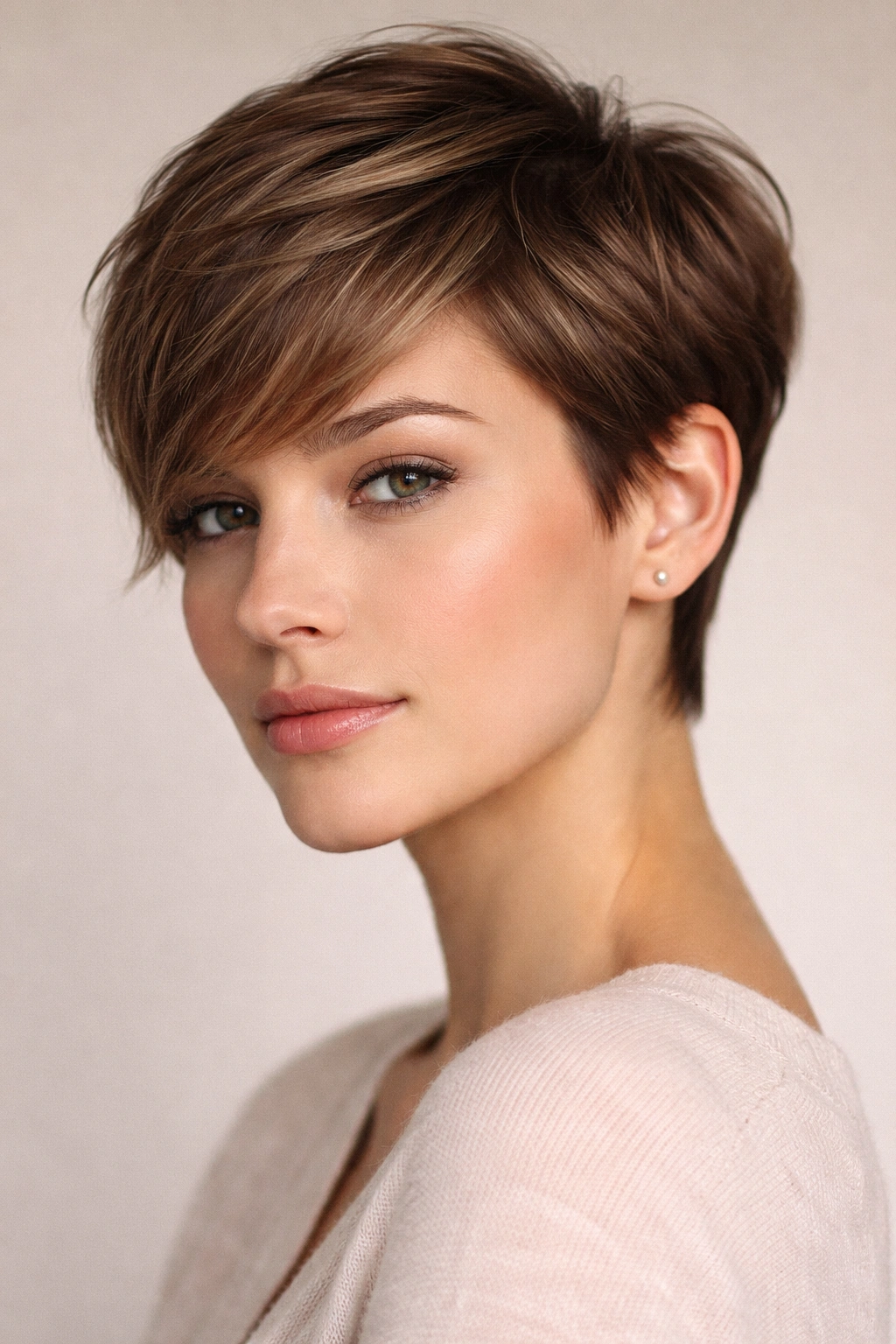
The pixie cut remains the gold standard of short haircuts because it works across an almost absurd range of face shapes and hair types when it’s cut correctly. The magic is in the proportions: typically cut very short on the sides and back (often with clippers) while leaving slightly more length on top and a longer front section that can graze the cheekbone or chin. This asymmetry is what prevents a pixie from looking too severe or masculine—the longer pieces in front create softness and frame your features beautifully.
Why It Stays Popular
The pixie cut demands confidence, and that confidence is exactly why people love it so much. When you commit to this cut, you’re making a statement about who you are, and that tends to feel incredible. The cut also happens to be brilliantly practical—it dries in minutes, requires minimal styling, and actually looks better when your hair has its own texture. With short hair, your natural wave or curl pattern becomes an asset rather than something to fight against.
What You Need to Know
- Best for: Most face shapes, especially when the length on top is adjusted to suit your proportions
- Hair texture: Works beautifully on straight, wavy, and curly hair—texture actually makes this cut more interesting
- Styling time: Under five minutes most days; many pixie cut wearers don’t use heat tools at all
- Growth timeline: Looks intentionally chic for about 4-6 weeks before needing a trim; grows into a tousled bob shape if you let it
Pro tip: The pixie cut photographs differently depending on how you style it—sleek and edgy with pomade, or soft and textured with your fingers. Figure out which version feels more like you.
2. The Textured Crop
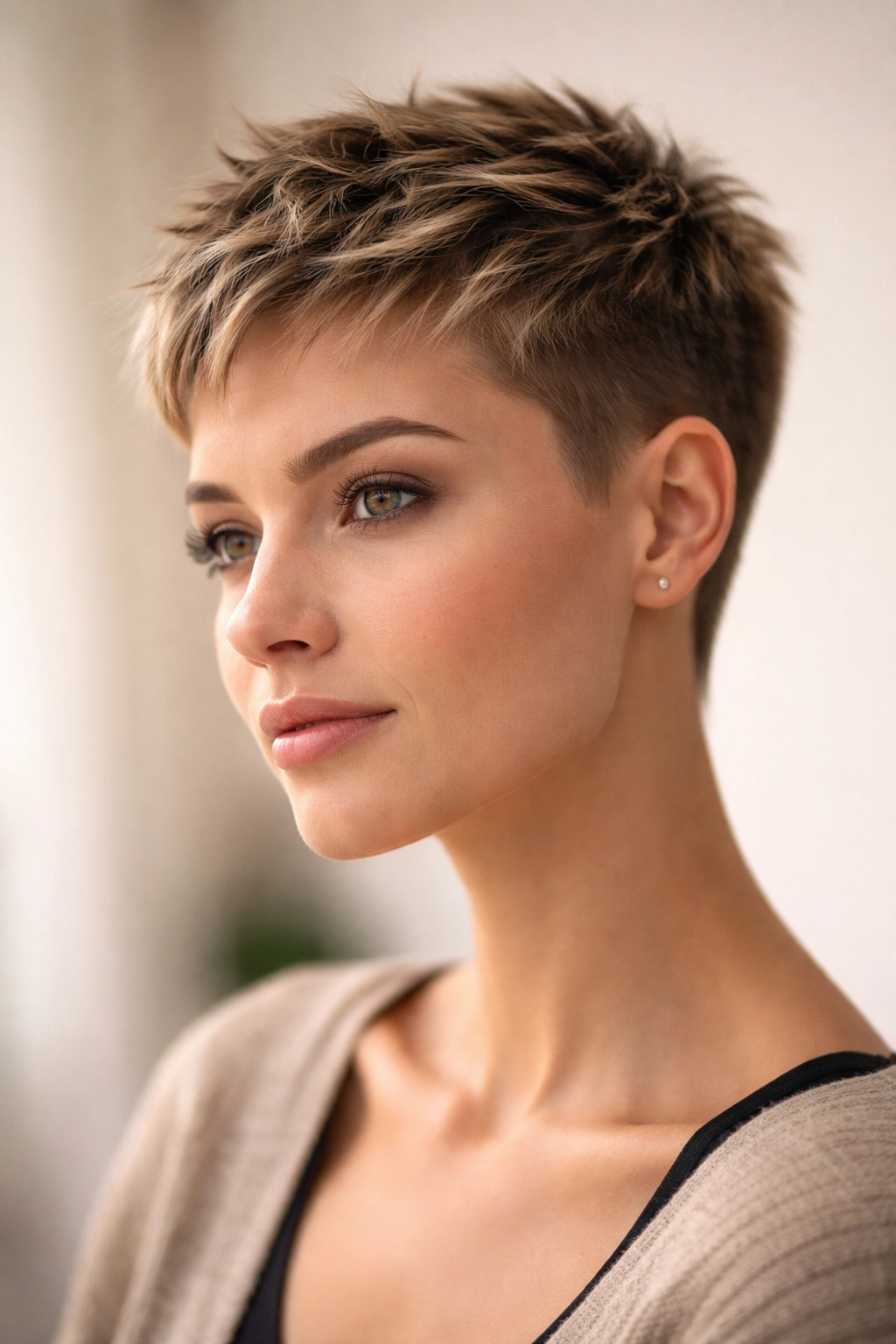
A textured crop is pixie’s slightly more laid-back cousin, designed specifically for people who want a very short cut but without the severity of clippered sides. This cut keeps more length throughout (usually 1-2 inches all over), uses longer hair on top that can stick up or fall forward, and relies on textured layers and choppy edges rather than clean, blended lines. The texture is what makes it feel modern and intentional rather than just “short.”
Why This Cut Works
Textured crops have exploded in popularity because they’re forgiving and fun. You can style them a dozen different ways depending on your mood and the occasion. With some product and styling time, a textured crop can look polished and editorial. Without any styling, it looks effortlessly cool. It’s the kind of cut that actually improves when your hair gets a little messy or grows out slightly—there’s built-in movement and personality.
Making It Yours
- Length: Usually 1.5 to 2 inches on top, shorter on the sides and back
- Styling options: Blowdry and texturize for polish, or apply salt spray and fingercomb for casual texture
- Best products: Lightweight cream pomades, texturizing sprays, or matte paste—anything that adds hold without weight
- Maintenance: Needs trimming every 4-5 weeks to keep the choppy texture crisp and intentional
- Hair type: Excellent on straight and wavy hair; works on curly hair with the right cut and product knowledge
Worth knowing: The thickness of your hair matters here—thicker hair naturally holds this cut’s texture, while fine hair might need product support to avoid looking flat.
3. The French Girl Bob
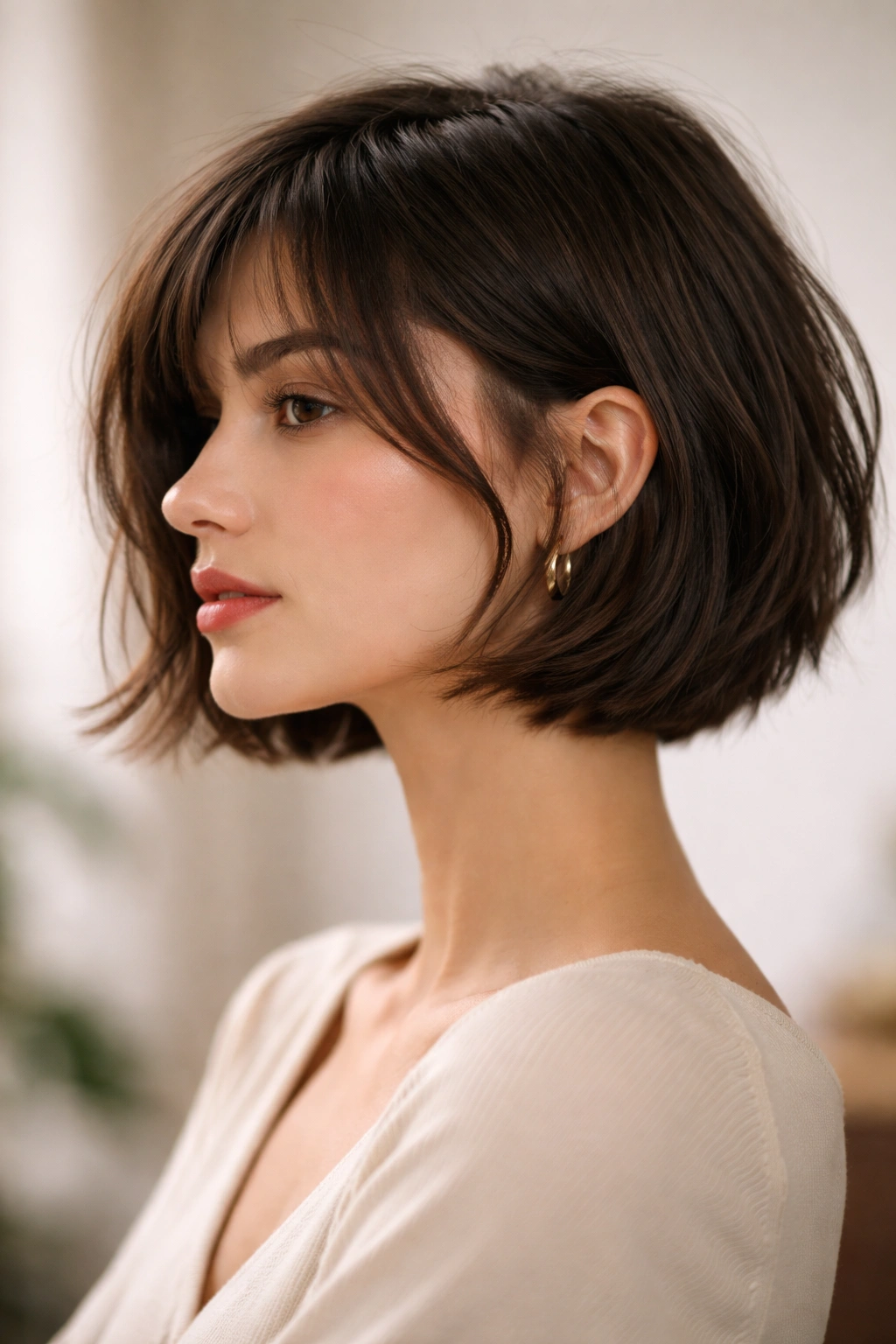
The French girl bob is technically still on the shorter side of bob territory—usually landing at the jawline or just below—but it’s cut and styled in such a specific way that it deserves its own category. This is the cut that looks like you didn’t try very hard but absolutely did. It has slightly longer layers in front that frame the face, a fuller back, and a deliberately undone, just-rolled-out-of-bed texture that somehow looks effortlessly chic.
The Parisian Philosophy
What makes this cut so distinctly French is the approach: it’s about looking naturally beautiful rather than perfectly polished. The cut works with your hair’s natural texture instead of fighting it, which is why curly and wavy hair often looks even better in this style than straight hair. The whole vibe is “I woke up like this,” which is exactly the opposite of how much effort actually goes into making it look that way (but that’s the French secret, isn’t it?).
Essential Details
- Length: Jawline to chin, slightly longer in front
- Layers: Strategic layers that create movement and prevent heaviness
- Styling: Benefits from a light texturizing spray and finger-combing rather than blow-drying into submission
- Face shapes: Works beautifully on oval, heart, and square faces; the longer front pieces balance round faces well
- The texture factor: Looks infinitely better with natural texture—straight hair often needs product or styling to achieve this vibe
Quick note: This cut demands a stylist who understands movement and face-framing rather than just precision lines. The beauty is in the relaxed, undone feeling.
4. The Sleek Lob
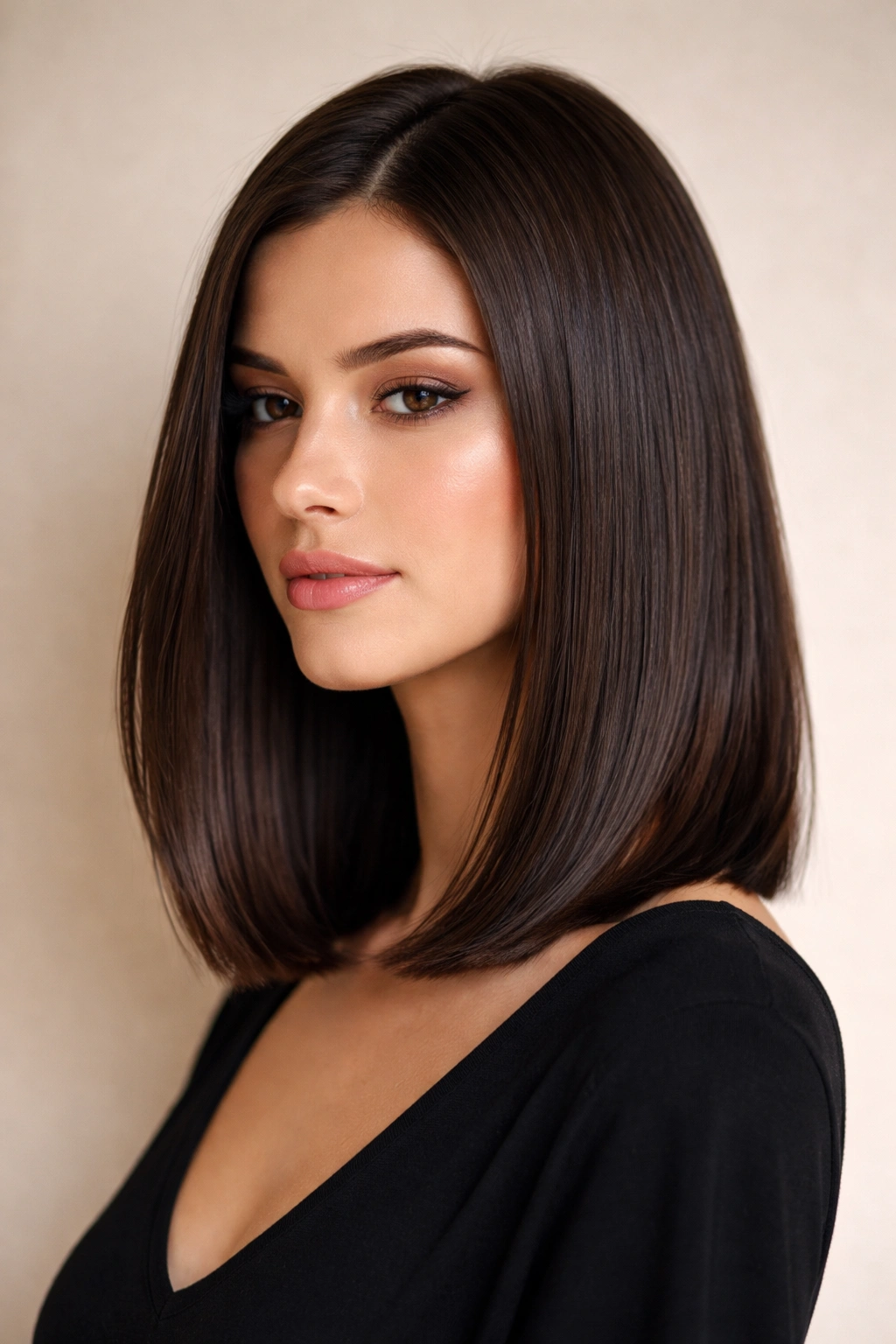
A lob—that’s a long bob—sits in a sweet spot between truly short hair and mid-length, typically hitting around shoulder length or just above. When it’s cut sleek and sharp with clean lines, it feels modern, sophisticated, and surprisingly low-maintenance compared to longer styles. The sleek lob works beautifully for people who aren’t quite ready to commit to very short hair but want that transformative feeling of a significant change.
Why It Bridges the Gap
The sleek lob is the gateway cut for many women considering shorter hair. It’s short enough to feel noticeably different and easier to manage, but long enough that you still have styling versatility and options for length. It photographs beautifully because the clean lines and sharp proportions are inherently flattering, and it works across more face shapes than you might expect because the longer length naturally balances most features.
The Lob Specifics
- Length: Typically collarbone to just below the chin
- Styling: Can be worn sleek and straight, wavy and romantic, or textured and modern
- Maintenance: Needs trimming every 6-8 weeks to keep edges sharp
- Face shape compatibility: Works well on most faces; the length balances round and square faces effectively
- Volume potential: Holds waves and curls beautifully because the hair is long enough to have weight and shape
Insider tip: A sleek lob looks exponentially better with a blowout or professional styling at first. Learning how to recreate that look at home—or budgeting for regular blowouts—makes a huge difference in how much you enjoy this cut.
5. The Wet-Look Bob
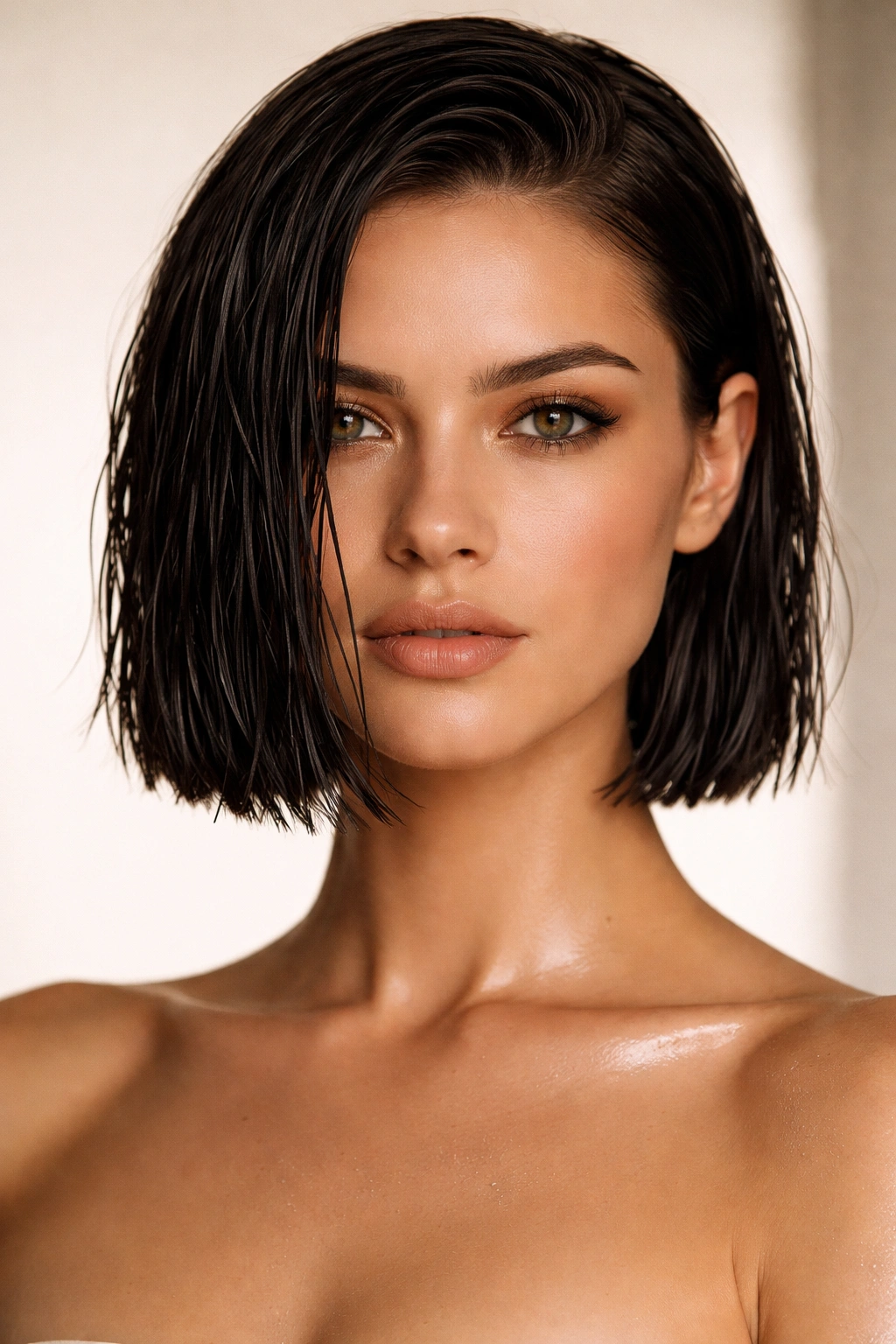
The wet-look bob is cut short and blunt—typically at the chin or just below—with all hair the same length to create a bold, graphic quality. What makes it different from a standard blunt bob is the styling: it’s designed to look damp, sleek, and deliberately shiny, achieved through sleek product and either air-drying or blow-drying straight down. This cut has a distinctly editorial, fashion-forward vibe that photographs incredibly well.
The Modern Edge
This cut appeals to people who like a strong visual statement and aren’t afraid of a little styling commitment. The blunt line is forgiving in some ways—it doesn’t require perfect layers or textured precision—but it does demand that your hair be in good condition because every strand is visible and there’s nowhere to hide split ends. The wet-look styling is crucial; without it, the cut can feel harsh rather than chic.
Technical Details
- Bluntness: Typically a truly blunt, one-length cut with minimal layers
- Styling essential: Requires shine serum, gel, or slicked-back product to achieve the intentional wet look
- Hair health: Split ends are very visible in this cut, so regular trims and hair health matter
- Face frames: Works beautifully on most faces when the length is adjusted appropriately; longer versions (chin length or slightly below) tend to suit more face shapes than very short blunt bobs
- Styling time: About 10-15 minutes with heat and product
Real talk: This cut is brilliant if you enjoy the styling process. If you’re looking for wash-and-go ease, this isn’t your cut.
6. The Choppy Shag
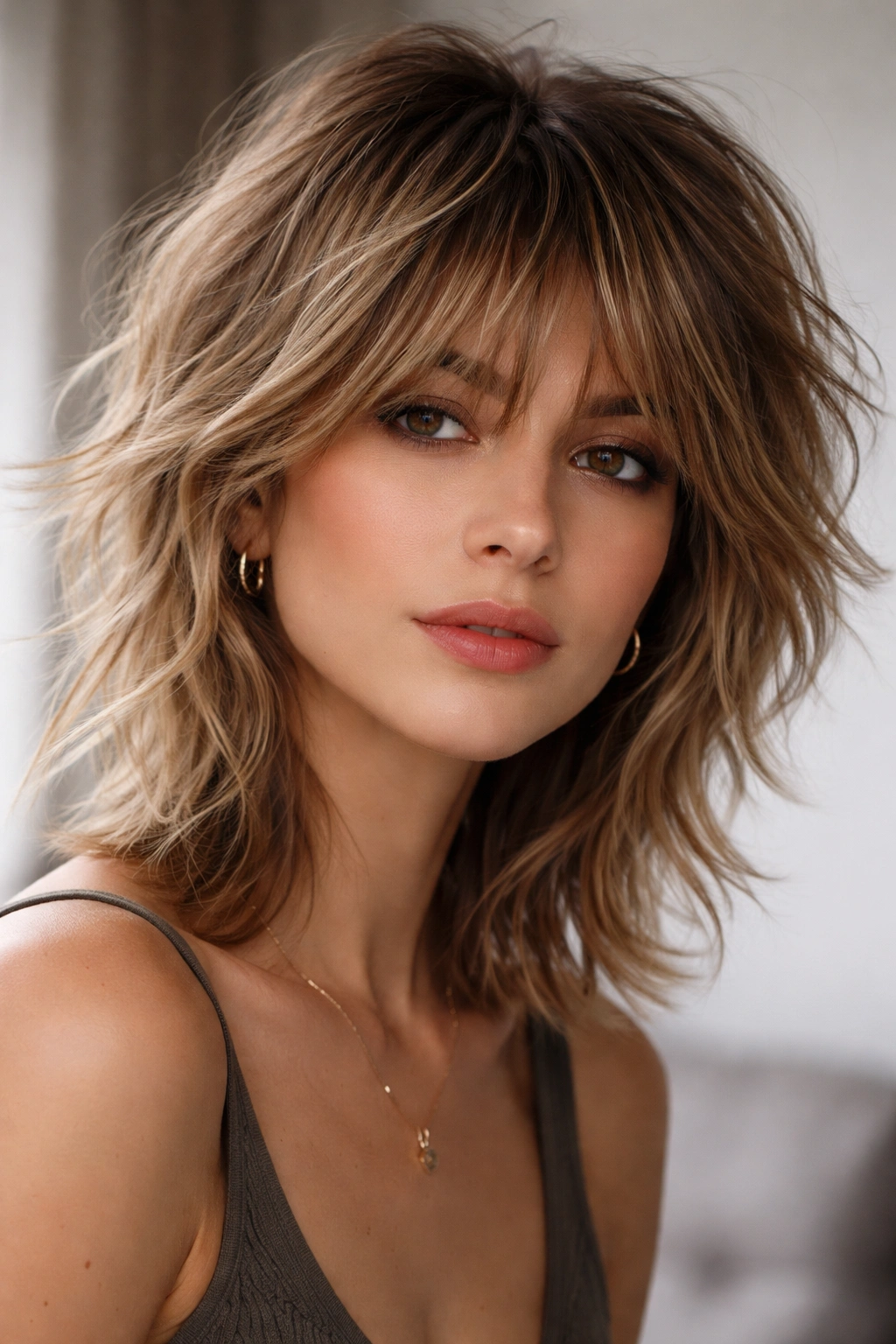
The shag cut has made a major comeback in recent years, and for good reason—it’s the definition of rock-and-roll cool while being genuinely easy to live with. A choppy shag features short, layered sections throughout that create volume, texture, and movement, typically with slightly longer pieces in front that can taper toward the face. It’s cut to look tousled and undone, which means it actually looks better when you don’t try too hard.
Why Shags Feel Modern
The shag cut plays beautifully with texture and movement in a way that feels current and editorial rather than retro. Modern shags have moved away from the 1970s heavy-bang version into something lighter and more customizable to your face shape. The layers create airiness, the choppy edges add movement, and the overall effect is sophisticated rather than costume-like. It’s perfect for people who love their natural texture and want a cut that celebrates it.
Shag Breakdown
- Length: Can range from very short all over to slightly longer in front; typically in the 2-4 inch range on top
- Texture requirement: Genuinely thrives on wavy or curly hair; straight hair needs styling or product to show off the cut’s full potential
- Styling: Looks effortless with just your fingers and maybe some texture spray; can be blow-dried for more shape if desired
- Maintenance: Needs trimming every 5-6 weeks to keep the choppy layers looking intentional
- Best for: People who want movement and dimension and aren’t bothered by a slightly tousled, undone vibe
Pro tip: Product choice matters hugely with a shag. A lightweight texturizing spray works better than heavy pomades, which can weigh down the airiness this cut creates.
7. The Blunt Pixie Variation
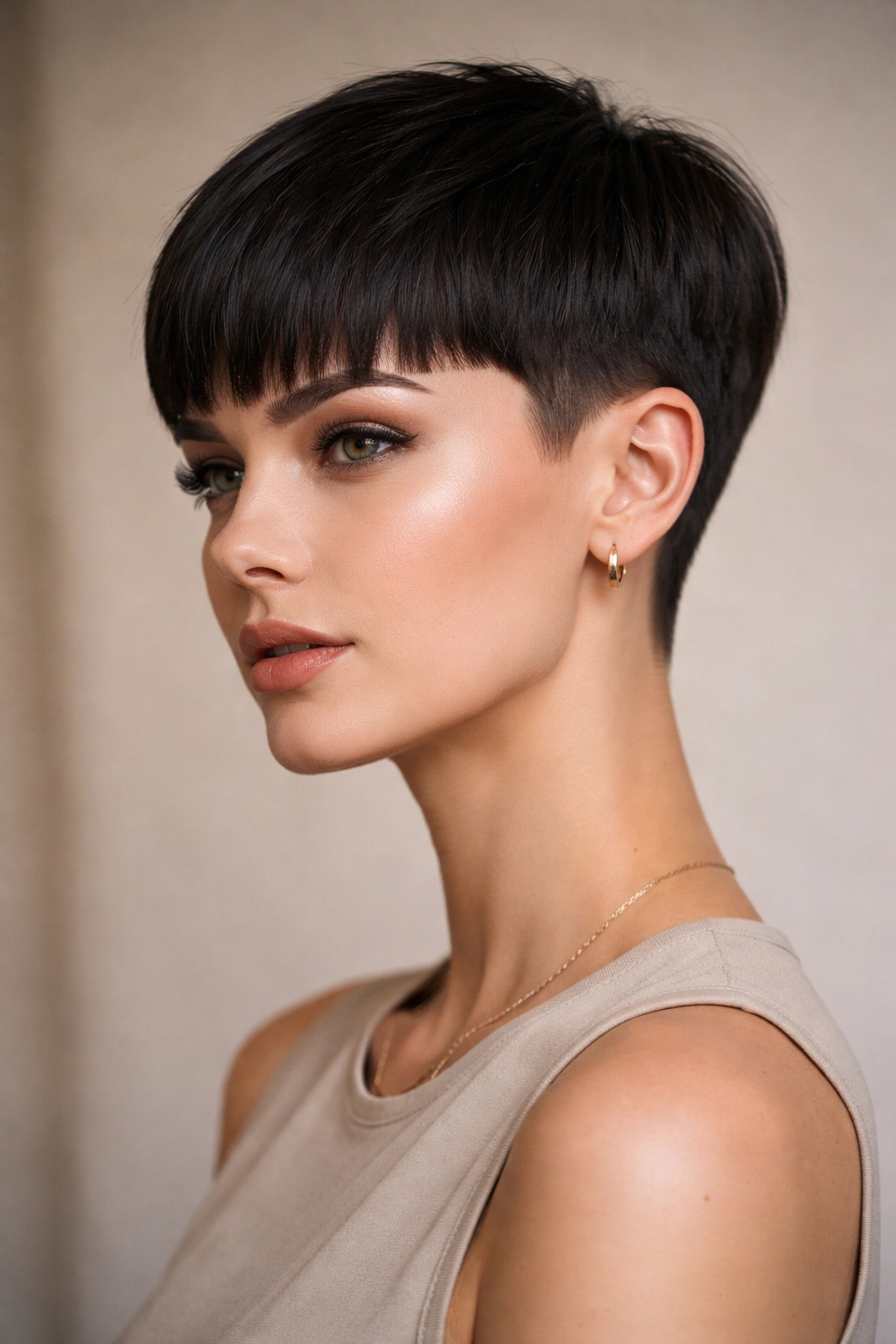
If a classic pixie feels too soft for your taste, the blunt pixie variation takes the same basic structure and makes it stronger and more graphic. This version is cut with sharper lines, minimal or no blending on the sides, and a very deliberate shape. The effect is bold, modern, and undeniably striking. It’s perfect for people who want everyone to know they made a styling statement.
The Bold Approach
The blunt pixie variation demands someone who’s comfortable with strong graphic lines and who feels confident with very short hair. The cut is beautiful but uncompromising—there’s no softness to hide behind, and that’s exactly the point. It works best on people with good bone structure (though honestly, the cut itself tends to reveal and highlight your features in a flattering way), and it suits people who love the minimalist, architectural aesthetic in fashion and design.
Making It Bold
- Line quality: Sharp, clean lines with minimal blending
- Styling: Can be worn sleek and polished, or textured with product
- Hair health: Like all very short cuts, any damage is visible, so maintaining hair condition is important
- Face frames: Works beautifully when the length on top is proportioned to your face; longer top lengths balance round faces, while very short all-over lengths work on people with strong features
- Attitude requirement: This cut looks best when the wearer owns it confidently
Important note: The cut is easier to grow out than people expect—after 2-3 weeks, it transitions into a tousled, textured look that’s genuinely cool while you’re growing it out.
8. The Asymmetrical Pixie
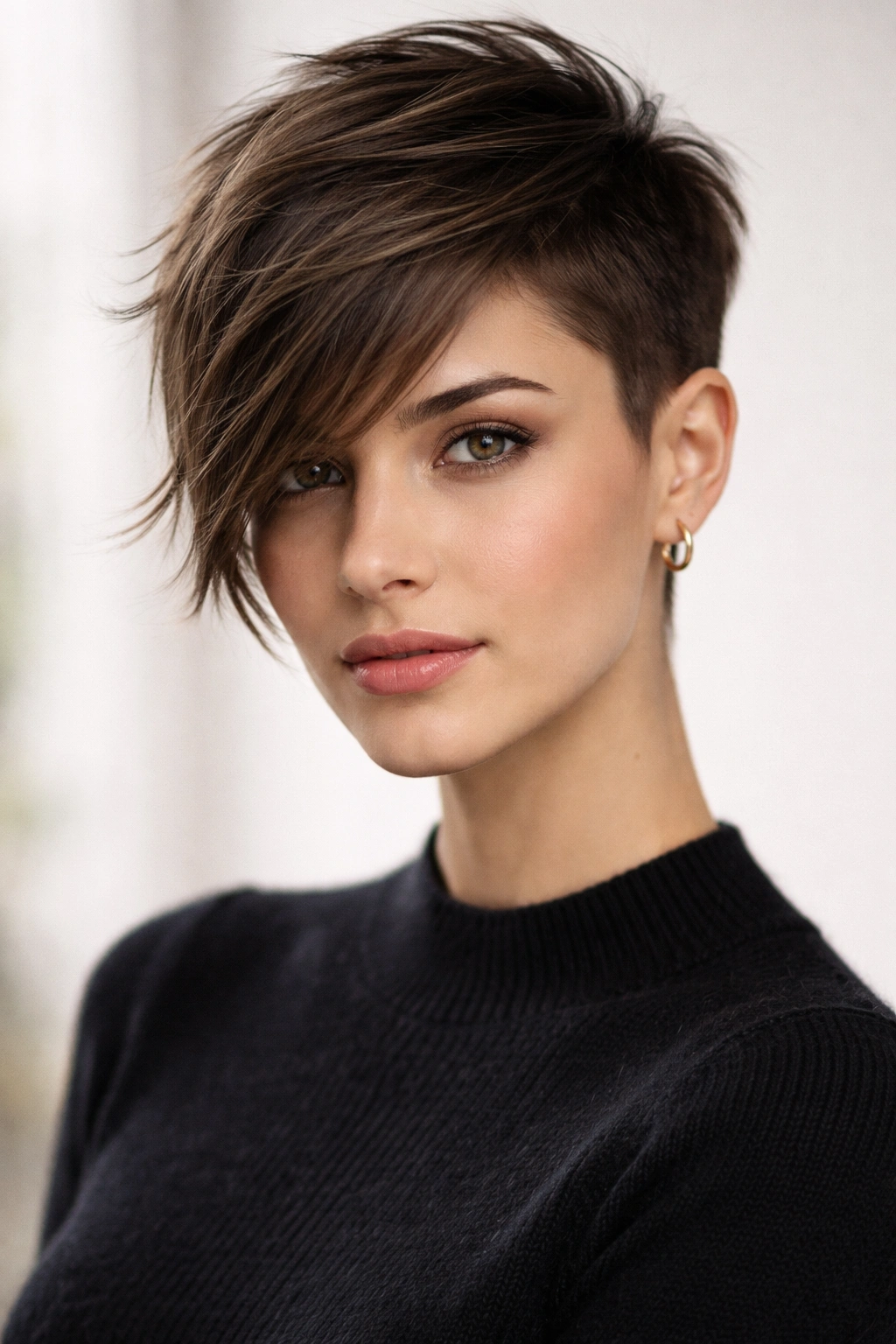
For people who love the pixie’s practicality but find standard symmetry too safe, an asymmetrical pixie offers the best of both worlds. One side is typically cut shorter (sometimes with clippers), while the other side is left longer and can be styled forward or swooped across. The result is edgy, modern, and weirdly flattering—the longer side creates softness while the shorter side adds attitude and visual interest.
The Beauty of Asymmetry
An asymmetrical pixie allows for so much more versatility in how you style and present yourself day to day. On days when you want to look polished and put-together, you can style the longer side forward for a sleeker silhouette. On days when you’re channeling something edgier, you can slick everything back or style it tousled. It’s essentially two different cuts in one, which appeals to people whose personal style isn’t one-dimensional.
Asymmetrical Details
- Side contrast: Usually one side is clipped very short (often 0.5-1 inch), while the other is 2-3 inches
- Length variation: Top length can be adjusted based on your face shape and personal preference
- Styling versatility: Can be worn sleek, textured, slicked back, or with the longer side swept across
- Maintenance: Needs trimming every 4-6 weeks; the clipped side shows growth more obviously than other areas
- Who loves it: People who like having styling options, fashion-forward individuals, and anyone who appreciates a good visual statement
Quick insight: The side you choose to keep longer makes a real difference in how the cut frames your face—work with your stylist to figure out which side creates better balance.
9. The Rounded Bob
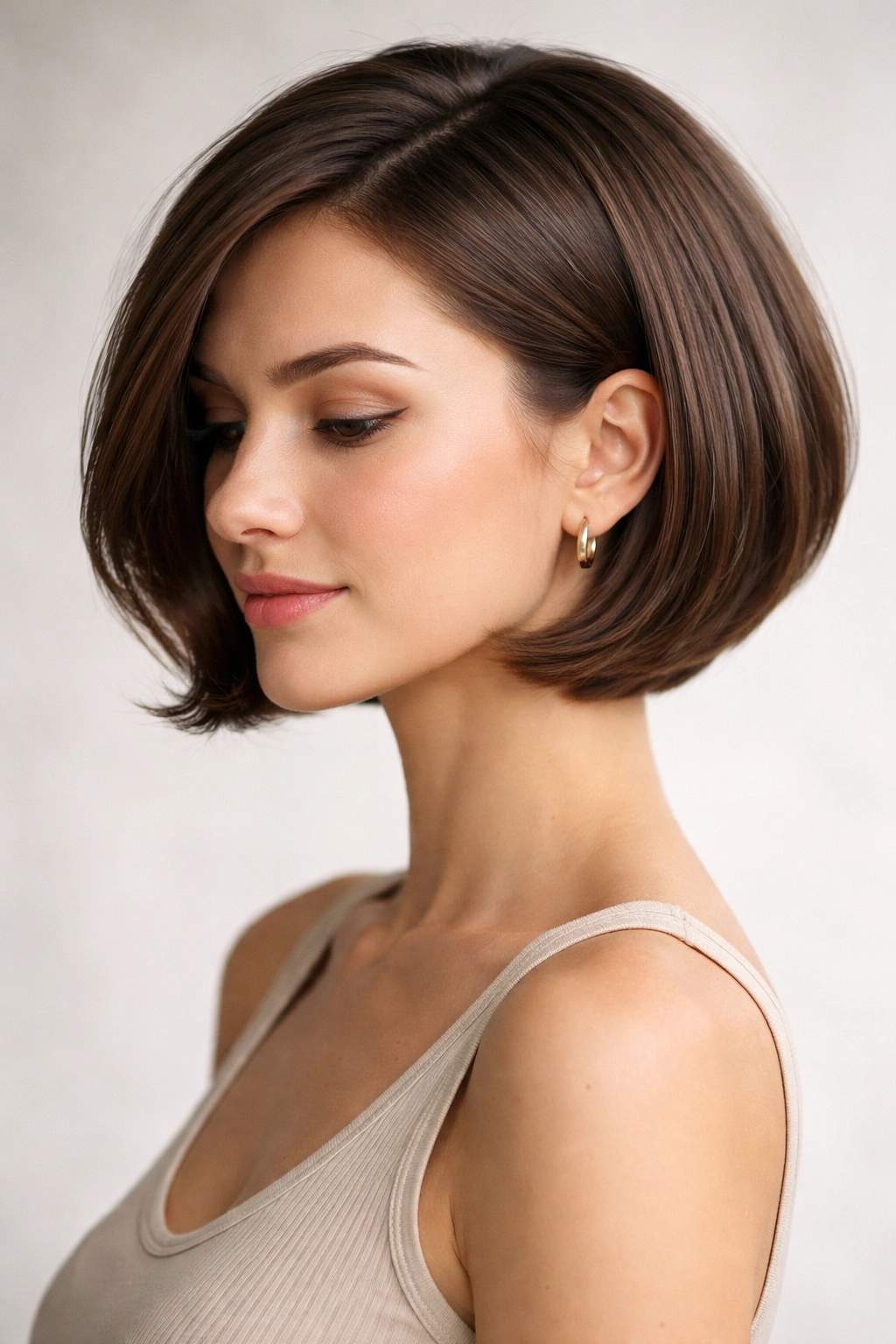
A rounded bob is a softer alternative to a blunt bob, with a curved silhouette that hugs the head and creates a softer, more feminine shape. This cut is typically chin-length or slightly shorter, and the roundness is achieved through layering and how the cut is shaped rather than through styling tricks. It’s incredibly flattering on round faces (because it has more volume on top), and it works beautifully on most other face shapes when the proportions are right.
The Appeal of Curves
The rounded bob appeals to people who want short hair but in a softer, more traditionally feminine shape. There’s nothing wrong with wanting that aesthetic—it’s beautiful, it’s wearable, and it’s genuinely flattering on most people. The roundness also photographs well and creates a balanced, proportional look that tends to feel modern and intentional rather than dated. Plus, it’s more forgiving than a blunt bob if your hair is fine or thin, because the layering creates the illusion of volume.
Rounded Bob Essentials
- Shape: Shorter in back, slightly longer in front, with curves rather than straight lines
- Length: Typically chin-length or just below
- Layering: Strategic layers create shape and movement without being choppy or textured
- Styling: Can be worn sleek and smooth, wavy and romantic, or with subtle texture
- Face shapes: Excellent for round, oblong, and heart-shaped faces; works on most faces when proportions are adjusted
- Maintenance: Needs trimming every 5-6 weeks to maintain the rounded shape
Styling note: This cut tends to look best with some dimension in the color—even subtle highlights or lowlights make the shape read better and photograph better.
10. The Tousled Pixie Shag
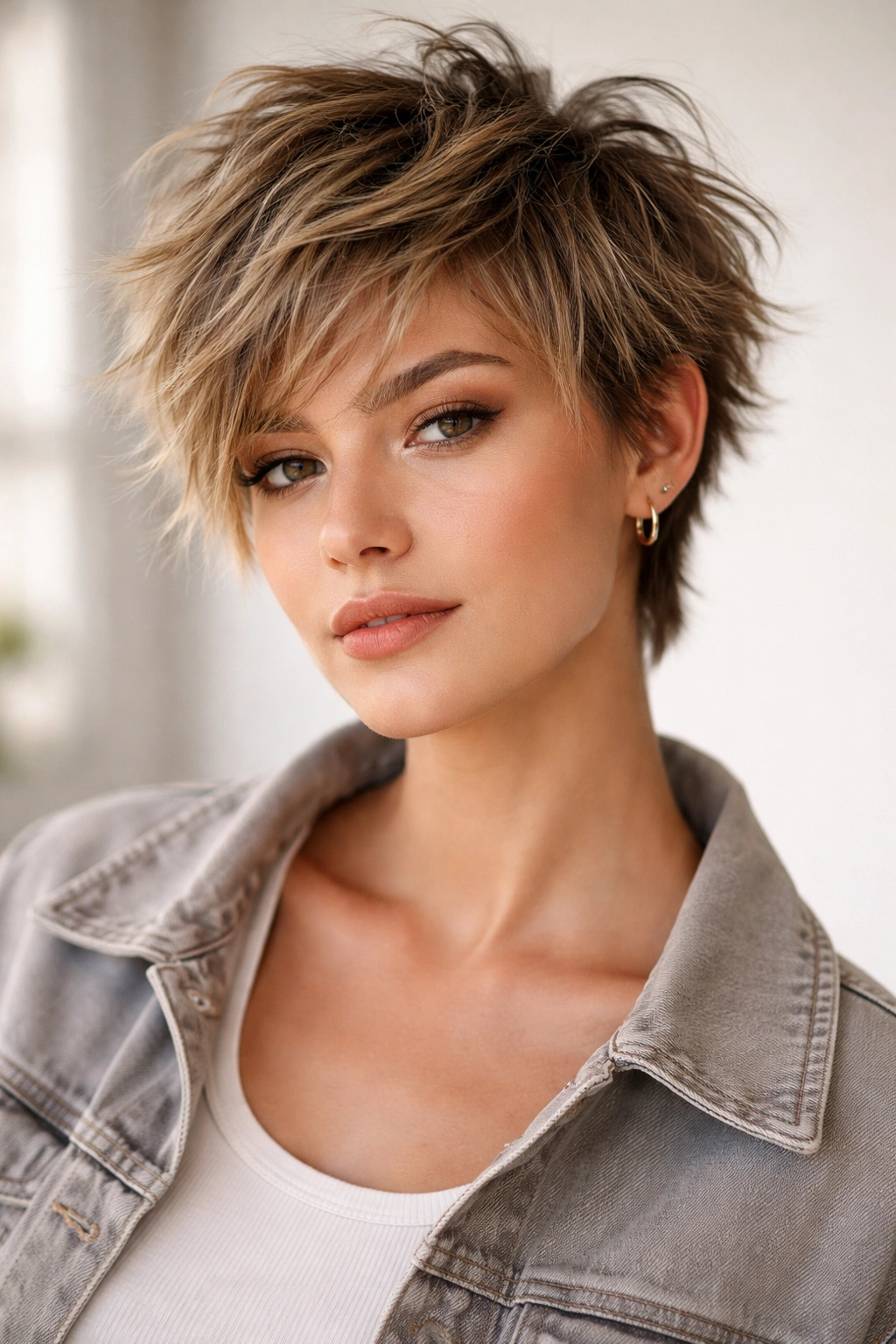
This cut is exactly what it sounds like: the ease and practicality of a pixie combined with the textured, layered movement of a shag. It’s typically cut short overall (in the 1.5-2.5 inch range) with choppy, uneven layers throughout that create maximum texture and an intentionally tousled silhouette. This is the cut for people who want very short hair but aren’t interested in the sleek, minimalist look—they want something with personality and movement.
Maximum Texture Appeal
The tousled pixie shag is having a moment because it hits that perfect sweet spot between practical and interesting. It requires almost no styling—literally just your fingers and maybe a texture spray—but it looks intentional, modern, and genuinely cool. The choppy layers give you something to work with texture-wise, and the overall effect is youthful without trying too hard. It’s perfect for people with naturally wavy or curly hair, and it works beautifully on straight hair with the right products.
Cut Specifics
- Overall length: 1.5 to 2.5 inches, depending on how short you want to go
- Layering strategy: Choppy, uneven layers throughout create maximum texture
- Texture requirement: Honestly gorgeous on wavy or curly hair; straight hair needs texture spray support
- Styling approach: Fingercomb with texture spray, maybe a tiny bit of pomade—heat styling is optional
- Maintenance: Needs trimming every 4-5 weeks to keep the choppy texture crisp
- Face shape: Works well on most faces; the texture and movement tend to be naturally flattering
Worth noting: Your natural wave or curl pattern becomes a huge asset with this cut. If you’ve been straightening your hair for years, you might actually love how your natural texture looks once you give it permission to be textured.
11. The Face-Framing Layers
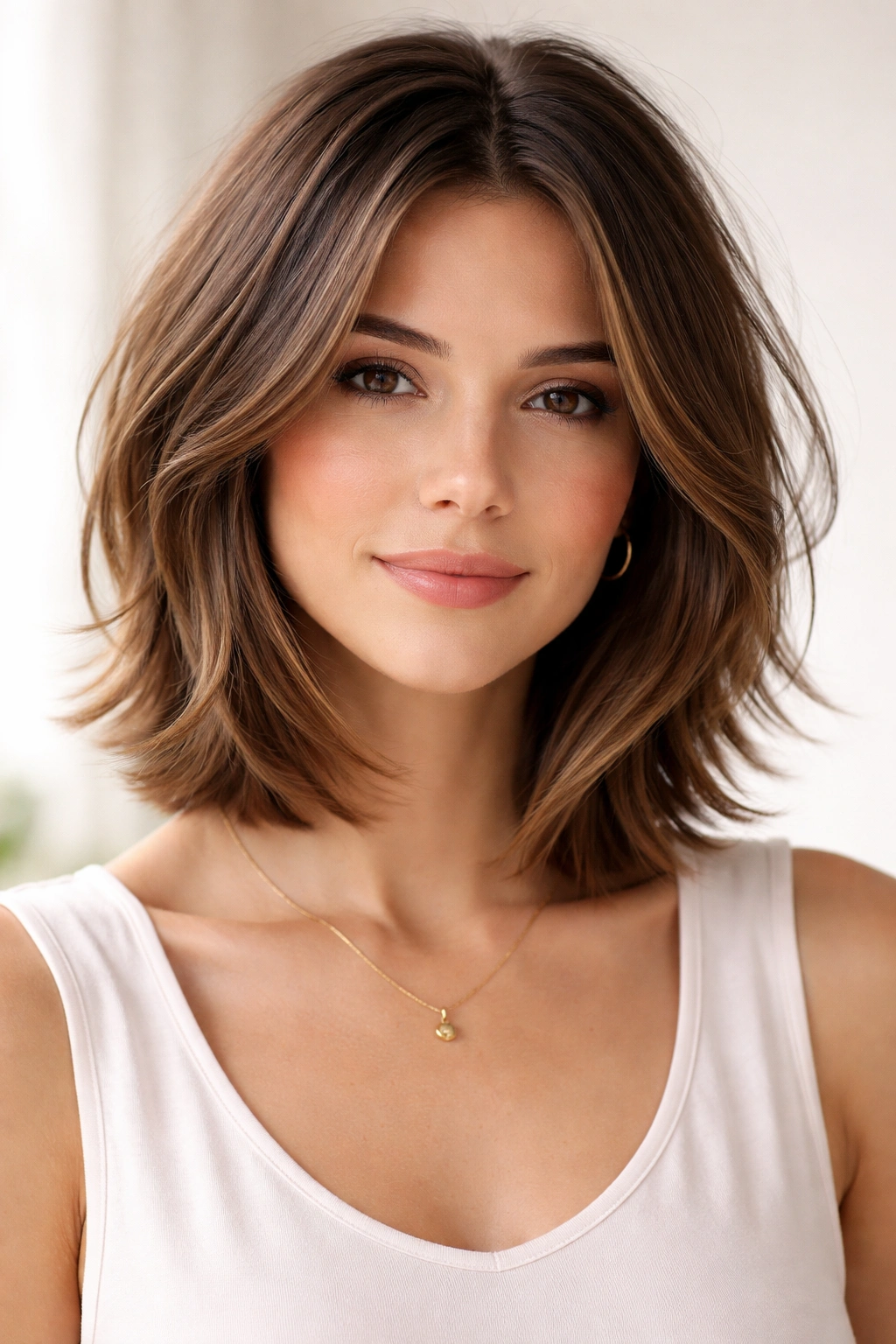
Sometimes the best short cut is one where the length is still relatively modest—perhaps chin-length or slightly longer—but the styling is all about creating face-framing layers that draw attention to your face. This approach works beautifully for people who aren’t quite ready for very short hair but want that transformative feeling. The layers are strategically placed to flatter your specific face shape and features.
Why Face-Framing Works
Face-framing layers are beautifully versatile because they work across a wider range of hair textures and face shapes than very short cuts. The longer length gives you more styling flexibility—you can wear it sleek or wavy, pulled back or down, depending on your mood and the occasion. The framing layers also tend to be very flattering because a skilled stylist can cut them specifically to balance your unique face proportions. This approach feels modern without being as commitment-heavy as a pixie.
Framing Layer Essentials
- Length: Typically chin-length to collar-length
- Layer placement: Longer pieces in front frame the face, with strategic layers throughout for movement
- Customization: Can be tailored specifically to your face shape—shorter framing on a round face, longer pieces on a long face, etc.
- Styling: Works beautifully worn multiple ways—sleek and straight, wavy and romantic, or textured and tousled
- Maintenance: Needs trimming every 5-7 weeks to keep the layers from becoming too blunt
- Versatility: One of the most versatile cuts because it works with straight, wavy, and curly hair
Pro styling tip: The layers look most intentional with some texture—either natural wave, blown-out waves, or textured styling. Super-sleek straight hair can make layers less visible.
12. The Vintage-Inspired Waves Bob
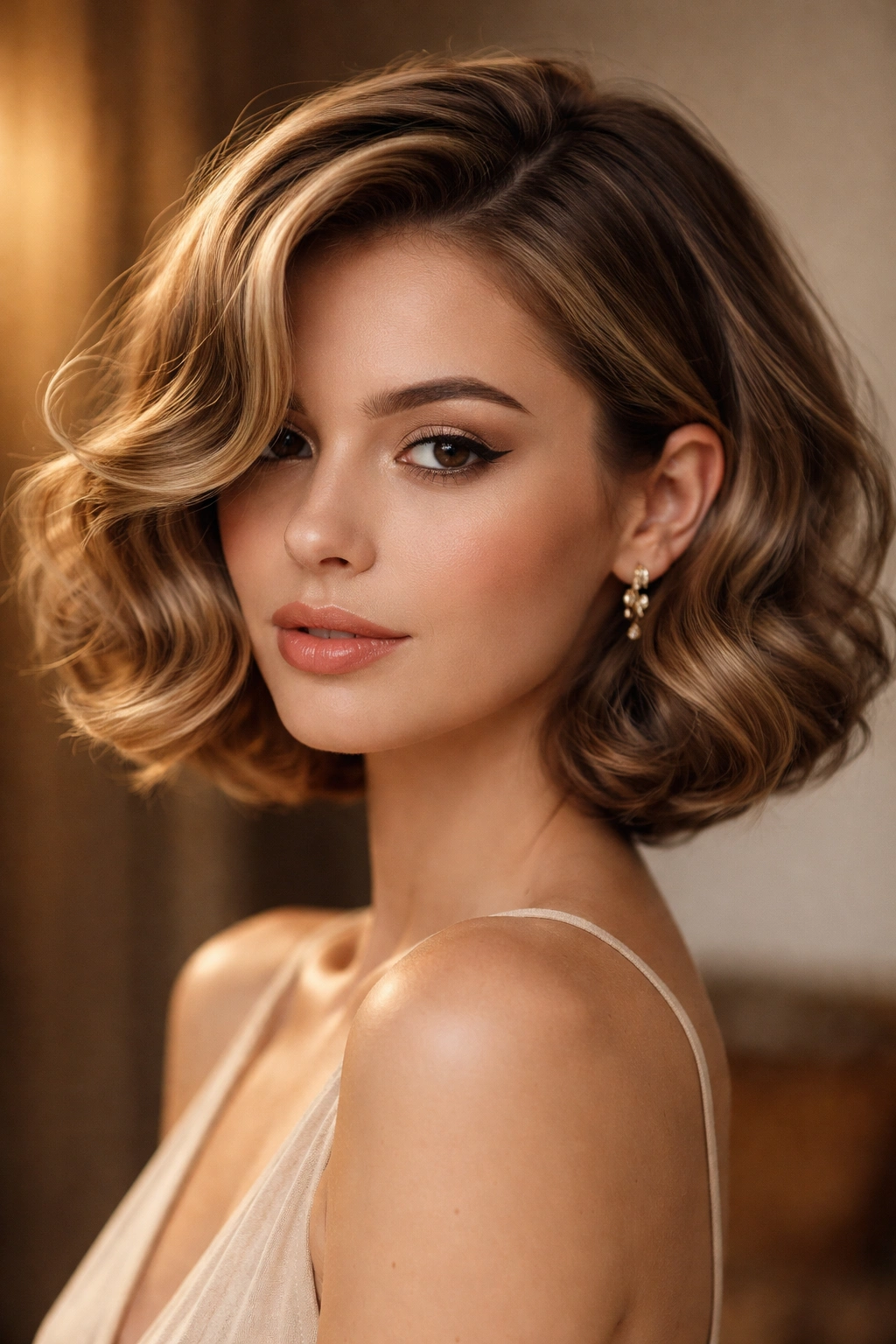
This is the cut you choose if you love the aesthetic of vintage Hollywood glamour but want something that works with your modern life. It’s typically a chin-length or slightly longer bob with soft, romantic waves built into the cut through strategic layering. The cut is designed to fall into waves naturally or with minimal styling—there’s actual structure built into the shape, not just surface styling.
The Romance of Vintage Waves
What makes this cut special is that the waves aren’t just a styling choice—they’re actually cut into the hair through the placement of the layers and the overall shape. This means it looks beautiful even on days when you don’t have time for a full styling routine. The cut also photographs beautifully and feels genuinely feminine and polished without looking fussy or high-maintenance. It’s the perfect choice for people who want to look put-together without actually spending hours on hair.
Vintage-Inspired Specifics
- Length: Chin-length to collar-length for the best wave effect
- Wave structure: Layers are cut at specific angles to encourage waves; longer top length holds waves better
- Styling: Looks great air-dried with texture spray; can be blow-dried for more pronounced waves
- Hair texture: Works beautifully on wavy hair; straight hair needs help from products or heat styling
- Occasion versatility: Perfect for dressier events and also works for casual, everyday wear
- Maintenance: Needs trimming every 5-6 weeks to maintain the wave-encouraging shape
Insider knowledge: This cut works best when paired with some color dimension—even subtle highlights help the waves and layers read more clearly.
13. The Modern Mullet
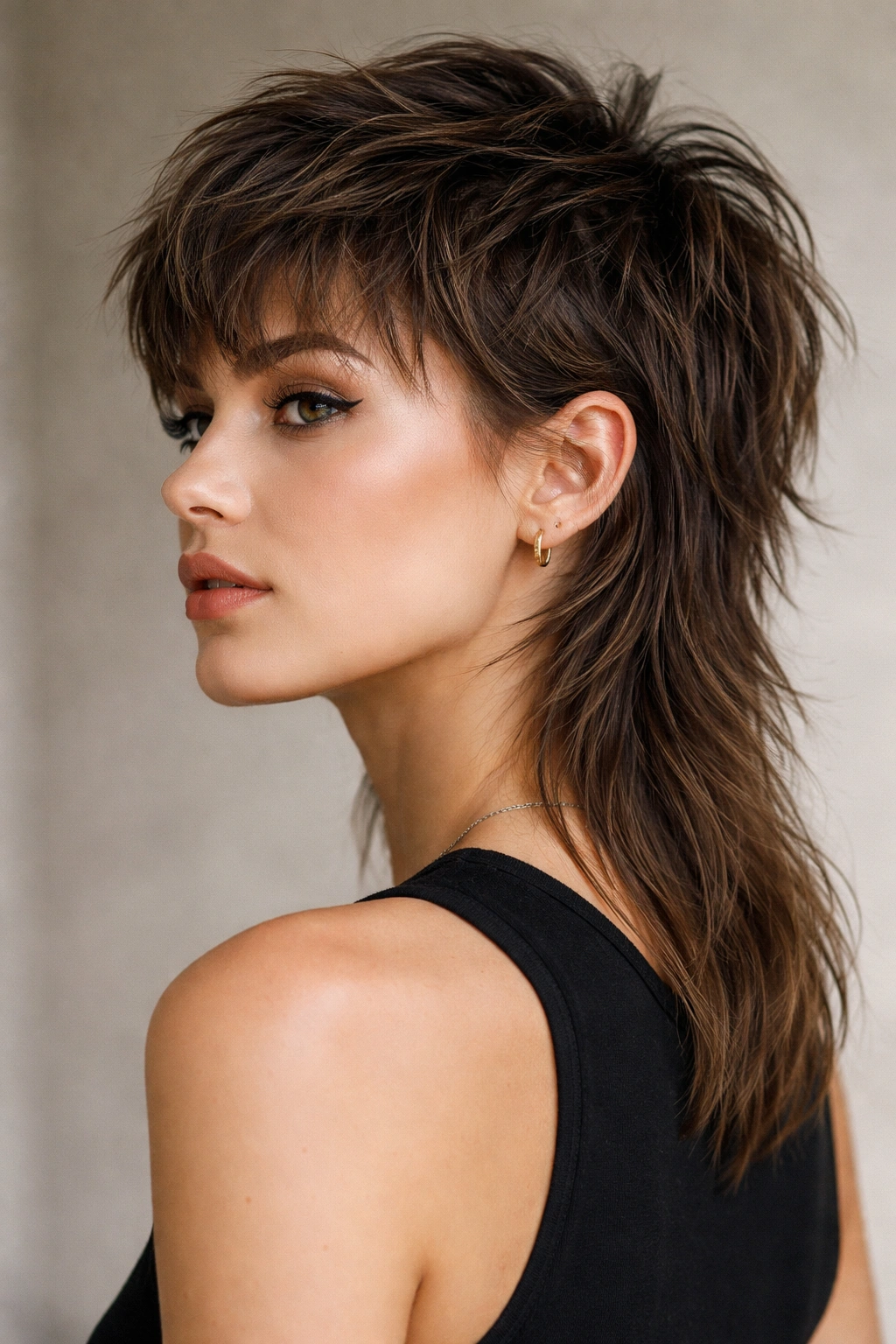
Before you dismiss this one, hear me out: the modern mullet has absolutely nothing in common with the ’80s version you’re probably imagining. Today’s mullet is cut with intention and style, typically featuring shorter hair on top and sides with slightly longer hair in the back—but “longer” is still short (usually hitting the lower neck or just below the shoulders). The effect is edgy, fashion-forward, and genuinely cool when it’s cut well.
The New Mullet Moment
The modern mullet appeals to people who want something bold and statement-making but also want some length to work with. The contrast between the shorter top and the longer back is what makes it interesting, and the cut works beautifully with texture and movement. It’s distinctly contemporary (today’s version is much more refined than historical mullets), and it photographs incredibly well because of the dimensional shape and the visual interest created by the contrast.
Modern Mullet Details
- Top length: Usually 1.5 to 2.5 inches, cut with texture and movement
- Back length: Longer than the sides and top, typically hitting mid-neck to just below shoulders
- Side length: Shorter than the back, creating clean proportion
- Styling: Works beautifully with texture and movement; can be styled sleek or tousled
- Hair type: Works across most hair types when cut correctly; texture actually makes it more interesting
- Attitude requirement: This is definitely a statement cut that works best for people who enjoy standing out
Real talk: This cut really does require a stylist who understands modern mullet proportions. The cut is all about the balance between the sections.
14. The Cropped Shag
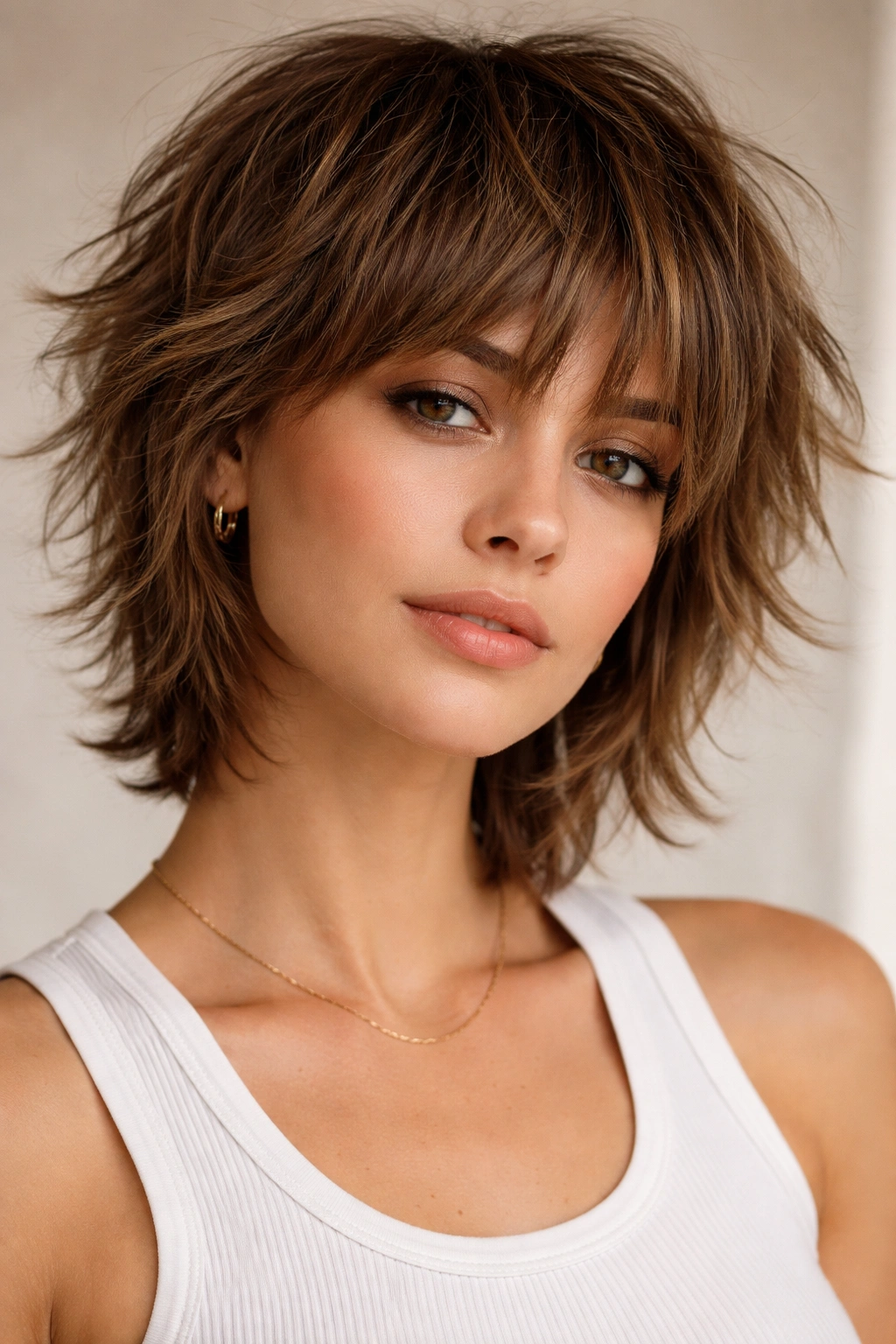
Similar to the tousled pixie shag but with slightly more length, a cropped shag features choppy, layered texture throughout, typically in the 2-3 inch range. It’s cut to look lived-in and effortlessly cool, with movement and dimension built into the cut itself. This version gives you a bit more length to work with styling-wise while maintaining the shag’s easy, undone vibe.
Effortless Cool Factor
The cropped shag is perfect for people who want very short hair but absolutely do not want to look severe or overly styled. The choppy layers, the movement, and the dimensional texture all combine to create an aesthetic that looks great even when you literally just wake up and go. It works across almost all hair textures when cut properly, and it photographs beautifully because of the dimensional shape and the way it catches light.
Cropped Shag Breakdown
- Length: 2 to 3 inches overall, with choppy layers throughout
- Texture emphasis: Built-in movement and dimension through layering
- Natural styling: Looks great with just fingers and texture spray
- Hair types: Works on straight, wavy, and curly hair (though texture obviously helps)
- Styling options: Can be worn tousled and undone, or styled with a bit more polish with product and heat
- Maintenance: Needs trimming every 4-5 weeks to keep layers defined
Styling fact: This cut actually looks better slightly lived-in than freshly styled. That slightly messy texture is the whole aesthetic.
15. The Sharp Gradient Crop
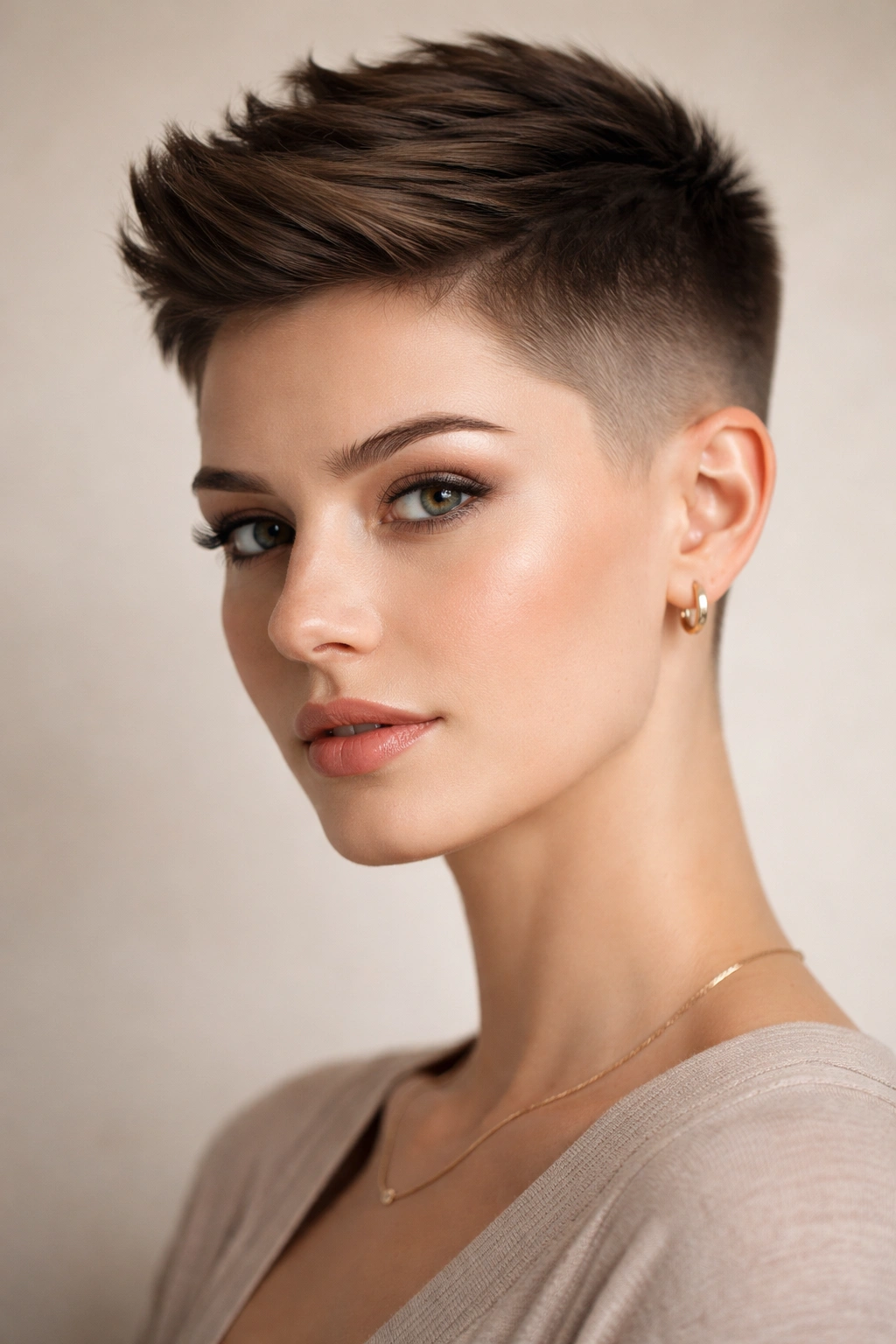
A sharp gradient crop features smooth blending across different lengths—usually very short on the sides (often faded), medium length in the back, and slightly longer on top, with seamless blending between all the sections. The gradient creates visual interest and dimension while maintaining a clean, refined aesthetic. It’s more traditionally masculine-presenting in terms of structure, but many women are embracing this clean, architectural look.
The Refined Edge
This cut appeals to people who love precision and clean lines, who enjoy a more traditionally masculine aesthetic, or who simply want a short cut that looks polished and intentional. The gradient blending is where the skill comes in—it requires a stylist who understands how to blend hair lengths seamlessly. The effect is geometric, modern, and genuinely striking. It photographs beautifully and works well for people with good bone structure because the cut doesn’t hide anything.
Gradient Crop Essentials
- Fade technique: Sides fade from very short to slightly longer in the back
- Top length: Slightly longer than the fade, providing styling options
- Blending: The key to this cut is seamless blending between all the different lengths
- Styling: Can be worn sleek and polished, or textured with product
- Face shapes: Works beautifully on most face shapes when proportions are adjusted
- Maintenance: Needs trimming every 3-4 weeks to maintain the clean fade and blending
- Skill requirement: This cut really does require a talented barber or stylist who specializes in precision cutting
Important note: Finding the right person to cut this style is crucial—the blending is everything, and that requires real skill and attention to detail.
16. The Wispy Crop
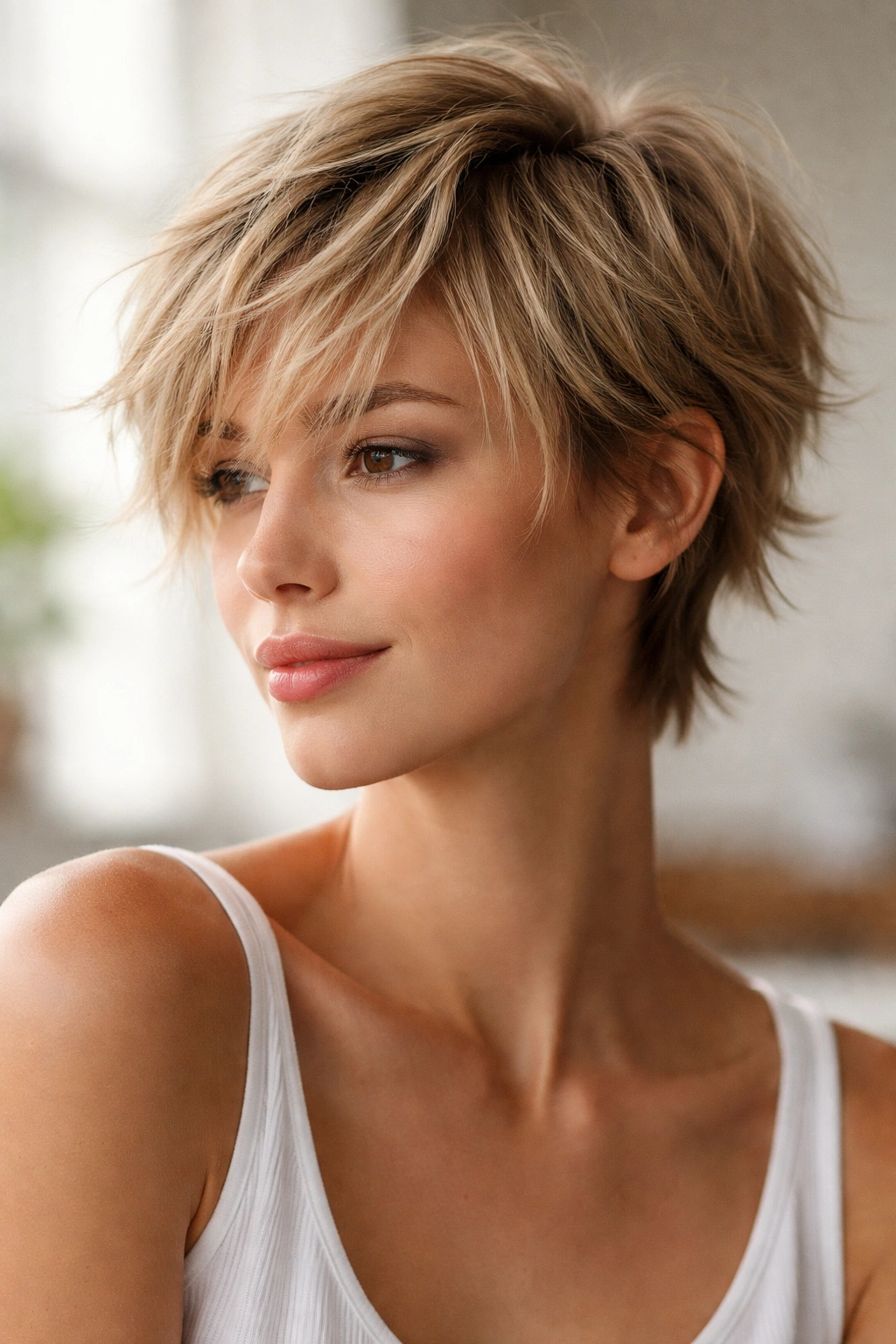
A wispy crop is similar to a standard textured crop but with an emphasis on wispy, feathered layers that create an ultra-light, airy feeling. The layers are cut at specific angles to create a piece-y texture where individual strands can separate and move independently. It’s a beautifully feminine take on the crop cut, and it works wonderfully for people who want short hair that still has softness and movement.
Feathered Beauty
What makes a wispy crop special is how light and airy it feels despite being very short. The feathered layers catch the light differently than a standard textured crop, and the effect is genuinely elegant. This cut works beautifully on most hair types, though it shines on wavy or curly hair where the natural texture plays into the feathered effect. It’s perfect for people who want short hair that still feels a little romantic or soft around the face.
Wispy Crop Specifics
- Layer technique: Feathered layers cut at specific angles for maximum movement
- Length: Usually 1.5 to 2.5 inches, slightly longer than a super-short crop
- Texture: Emphasis on individual strands creating wispy, piece-y effect
- Styling: Looks beautiful with minimal styling; texture spray enhances the wispy effect
- Hair type: Works across hair types; curly or wavy hair makes the wispy quality more pronounced
- Maintenance: Needs trimming every 4-5 weeks to maintain the feathered structure
- Face-framing: Longer pieces in front create softness around the face while sides stay short
Styling note: This cut looks best when you embrace the piece-y, slightly undone texture rather than trying to make it smooth and polished.
17. The Structured Crew
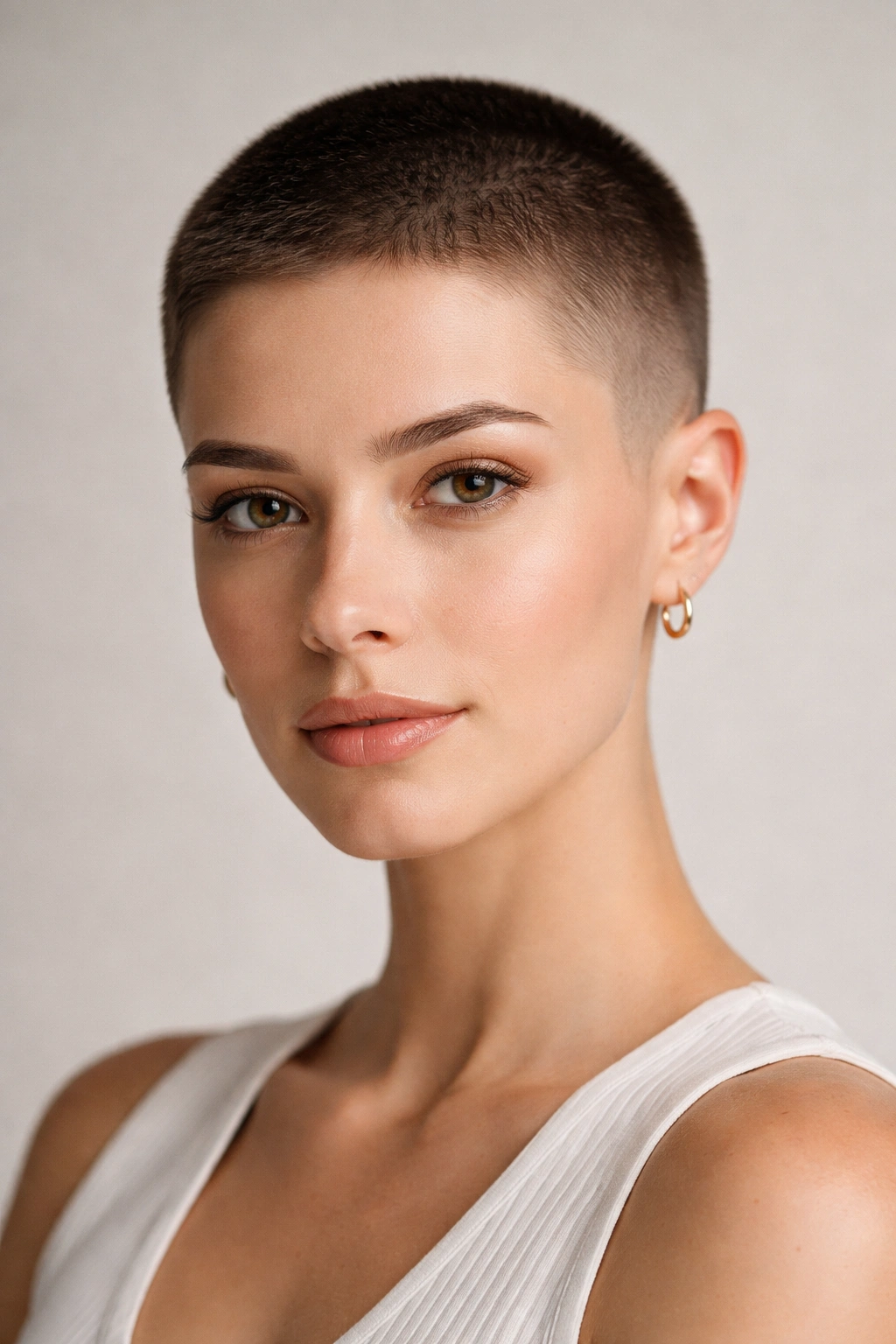
A structured crew cut is essentially what it sounds like—a clean, geometric cut with very short, even length throughout, usually achieved with clippers. What makes this version “structured” rather than just a standard crew is that the length is carefully chosen to create the best proportions for your specific face shape and features. It’s the grown-up, sophisticated version of a very short cut.
Minimalist Sophistication
The structured crew appeals to people who love minimalist aesthetics, who appreciate simplicity and precision, and who don’t feel the need to hide anything or create false proportions through styling tricks. This cut demands confidence and commitment—you can’t hide behind length—but that’s exactly what makes it beautiful. It works wonderfully on people with strong bone structure, interesting face shapes, and the confidence to wear something this pared-down and honest.
Crew Cut Essentials
- Length: Very short and even throughout, usually 0.5 to 1 inch
- Precision: The entire aesthetic depends on clean, precise cutting
- Face shape compatibility: Works best on people with strong features; a skilled stylist can make it work on rounder faces by adjusting slightly
- Styling: Minimal to none; the cut is the entire statement
- Hair health: Any hair damage is visible, so condition matters
- Maintenance: Needs trimming every 3-4 weeks to maintain the precise, even length
- Confidence level: This cut works best for people who are comfortable with minimal aesthetics and who enjoy the simplicity
Real talk: This is the lowest-maintenance cut in terms of styling time, but it requires the most maintenance in terms of regular trims.
18. The Tousled Side-Part Bob
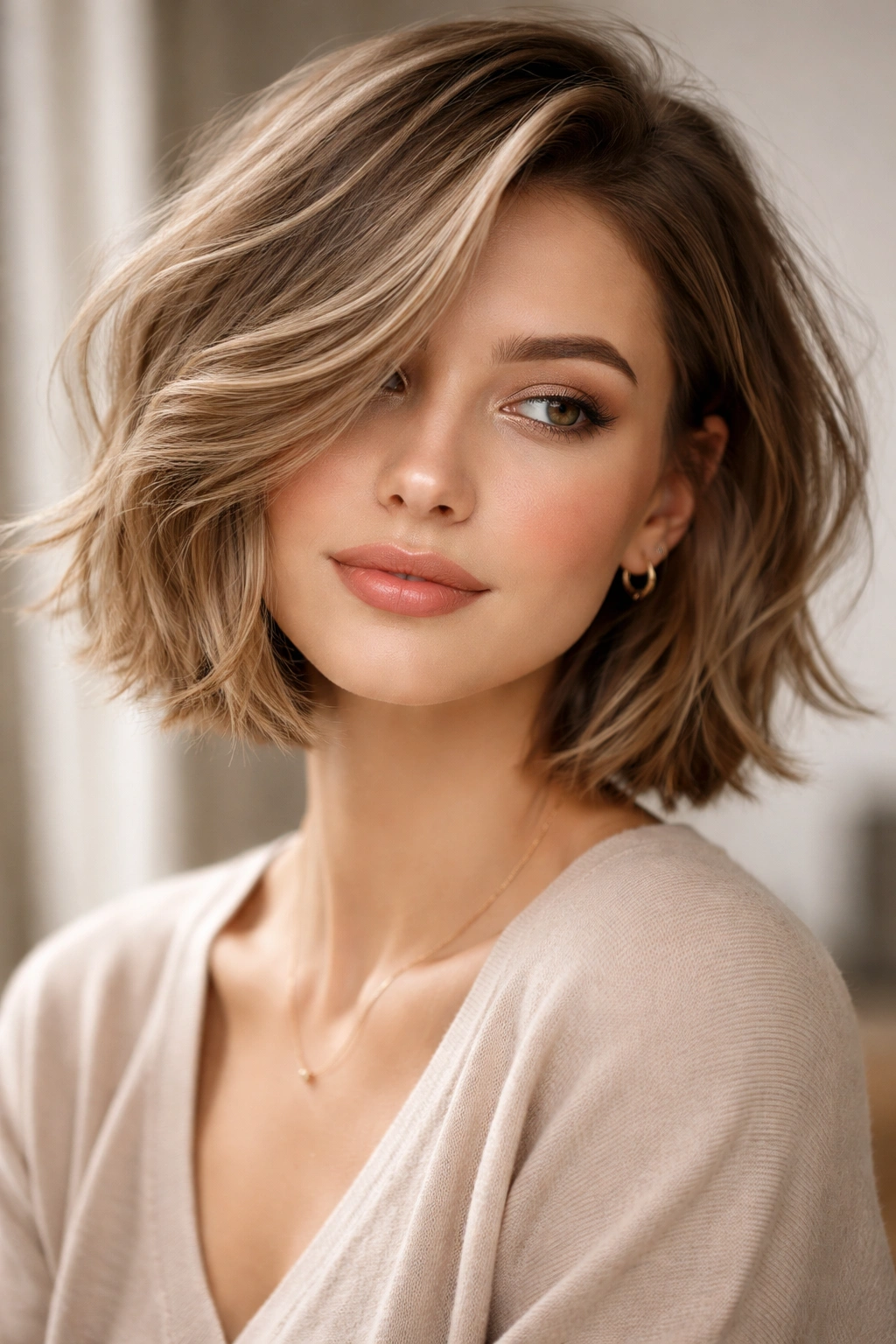
This cut combines the length of a bob (usually chin-length or slightly shorter) with the texture and movement of a tousled style, finished with an intentional side part that creates asymmetrical visual interest. The side part isn’t just a styling choice—it’s built into how the cut is shaped, so it falls naturally and looks intentional even on days when you’re not fussing with your hair. It’s the perfect balance between put-together and effortlessly cool.
The Power of the Part
A tousled side-part bob works beautifully for people who want the sophistication of a bob cut but the relaxed vibe of a tousled style. The side part creates dimension and visual interest, makes the cut look more intentional, and also works well for balancing different face shapes (a longer side can lengthen a round face, for example). This cut photographs exceptionally well and tends to feel current and modern without looking trendy in a way that dates quickly.
Side-Part Bob Details
- Length: Chin-length to collar-length for the best effect
- Texture: Built-in movement through layering; looks best with some natural texture or styled waves
- Part placement: Side part is cut into the shape, usually shorter on one side and longer on the other
- Asymmetry: The different lengths on either side of the part create visual interest and movement
- Styling: Looks great tousled with texture spray; can be blown out for more polish if desired
- Hair type: Works beautifully on wavy or curly hair; straight hair benefits from styling or product
- Maintenance: Needs trimming every 5-6 weeks to maintain the shape and part direction
Styling insight: The texture reads so much better with color dimension—even subtle highlights help the movement and layers look more intentional.
19. The Disconnected Undercut
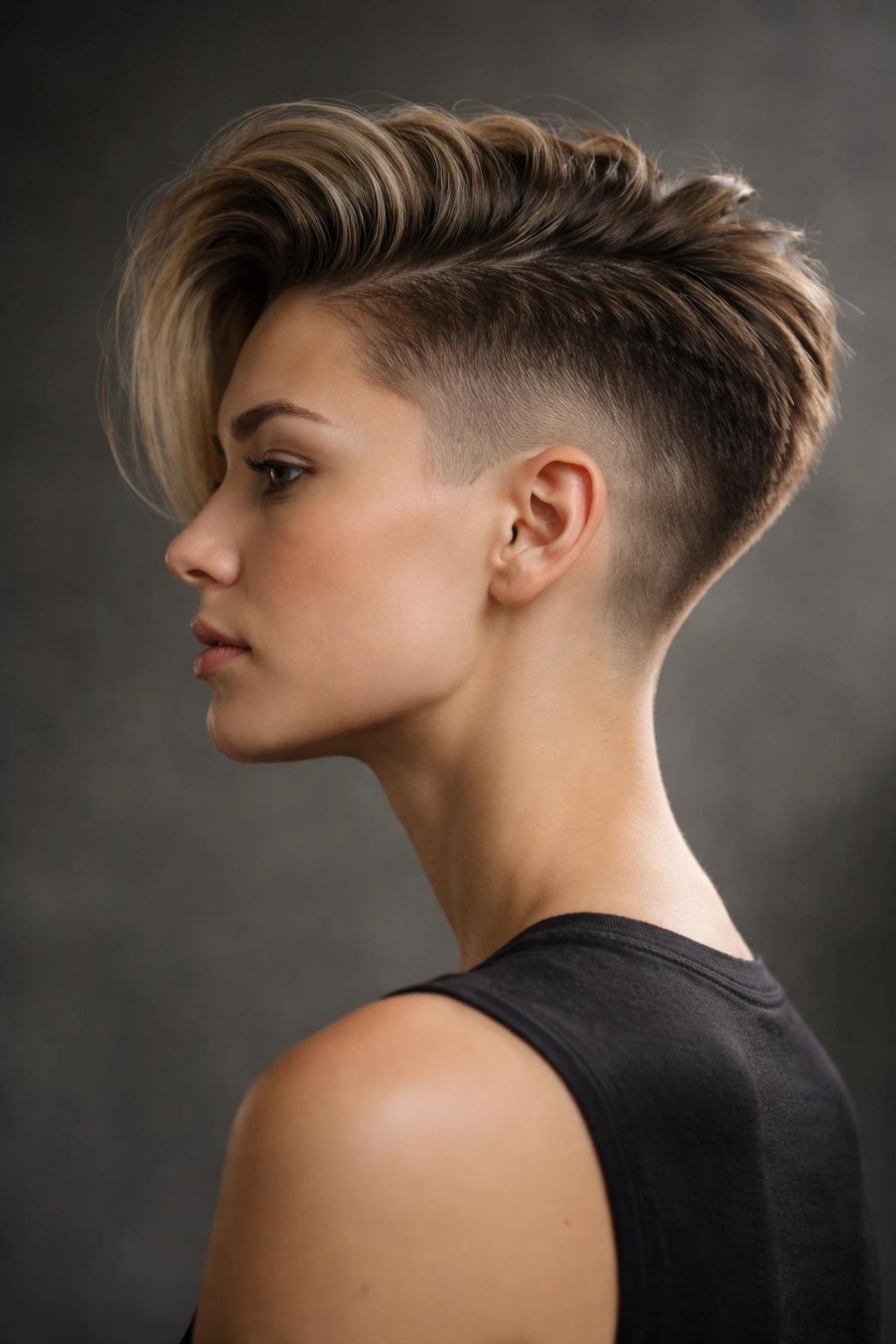
A disconnected undercut features very short, clippered sides and back with noticeably longer hair on top—”disconnected” means there’s no blending between the short and long sections, creating a deliberate contrast. The longer top can be styled in multiple ways (slicked back, swept to the side, textured and tousled), which is what gives this cut its versatility. It’s definitely a bold statement cut that works best for people who love the edgy, fashion-forward look.
Bold Contrast Appeal
What makes a disconnected undercut so striking is exactly that harsh contrast between the very short sides and the longer top. This cut has become popular across genders and styles, and for good reason—when it’s cut well and you’ve found your ideal way to style the top, it looks genuinely cool and intentional. The cut also gives you a ton of styling flexibility since the longer top can be restyled in different ways depending on your mood or the occasion.
Undercut Specifics
- Sides/back: Usually clippered to 0.5 to 1 inch
- Top length: Varies depending on how much styling flexibility you want, typically 2-4 inches
- Blending: The defining characteristic of this cut is the deliberate lack of blending—it’s sharp contrast, not gradual
- Styling options: Top section can be slicked back, swept to the side, or textured and tousled
- Styling requirement: Does require some product and styling attention to look polished
- Face shapes: Works best on people with strong features; proportions matter more with this dramatic cut
- Maintenance: Needs trimming every 3-4 weeks to keep the undercut clean
Important consideration: This cut requires finding a stylist who understands how to cut and maintain it properly, and you’ll need to develop a styling routine that works for you.
20. The Rounded Pixie
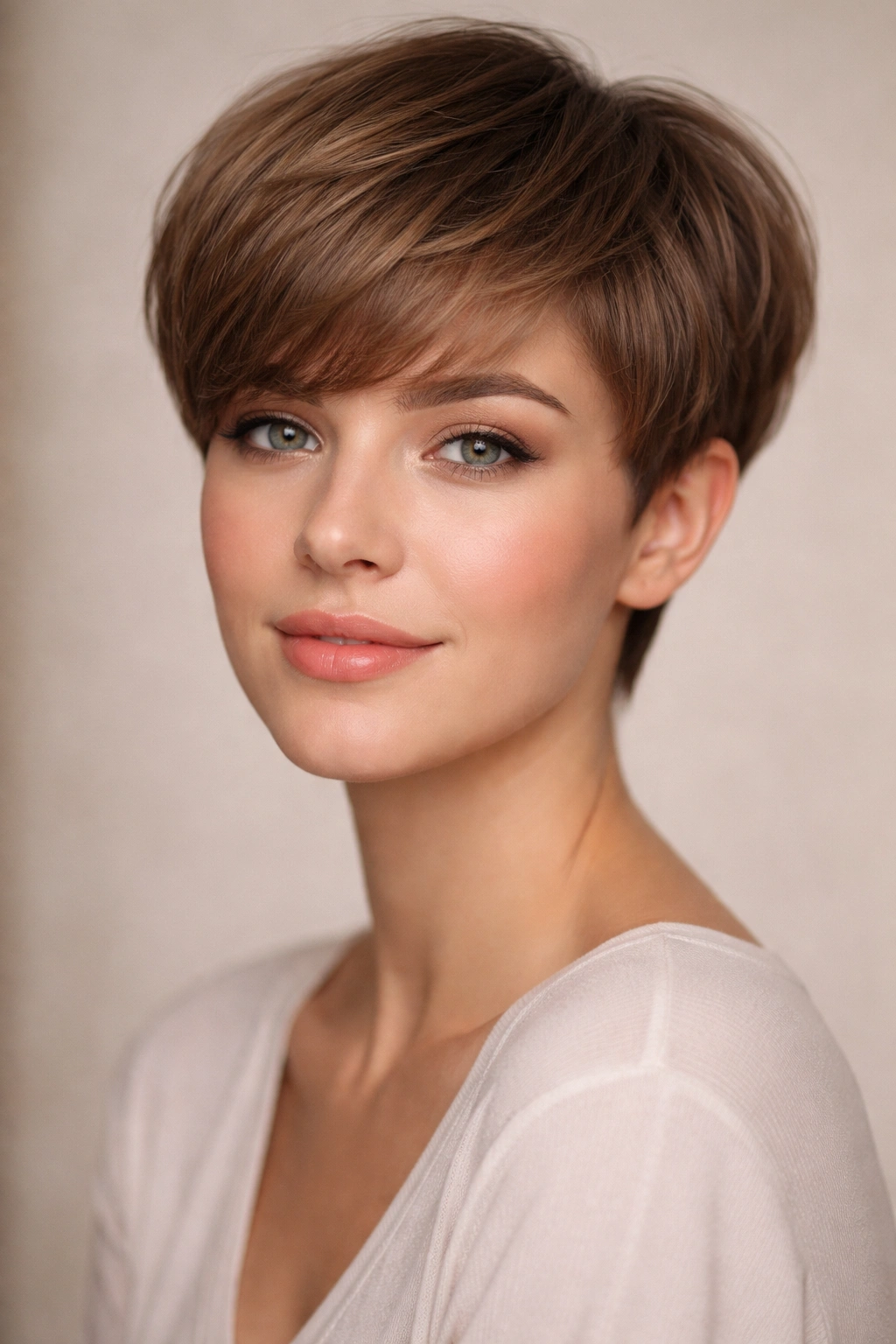
A rounded pixie takes the classic pixie structure but shapes it with curves rather than the typical tapered, angular lines. Instead of the usual pixie proportions, this version is fuller on top and around the sides, creating a softer, rounder overall silhouette. It’s a great bridge between a standard pixie and a rounded crop for people who want the ease of a pixie but slightly more softness.
Softness in Short Hair
The rounded pixie appeals to people who love the practicality of a very short cut but want something a little softer in appearance or feel. The rounded shape also tends to be more flattering on round and square face shapes compared to angular pixie cuts. It works beautifully across hair textures, photographs well because of the dimensional shape, and still requires almost no styling time—just your fingers and maybe some texture spray.
Rounded Pixie Breakdown
- Overall shape: Fuller and rounder than a traditional pixie, with curves rather than sharp angles
- Top length: Slightly longer or fuller on top compared to a standard pixie
- Sides: Can be slightly longer than a traditional pixie for softness, or still quite short depending on preference
- Texture: Works beautifully with natural texture; straight hair can benefit from texture spray
- Styling: Wash and go with minimal effort; looks good even when slightly grown out
- Face shapes: Excellent for round and square faces; can be adjusted for other face shapes
- Maintenance: Needs trimming every 4-6 weeks to maintain the rounded shape
Styling tip: This cut is more forgiving than angular pixies when it comes to slightly messy hair or minimal styling—the roundness hides imperfections beautifully.
21. The Edge-to-Edge Bob
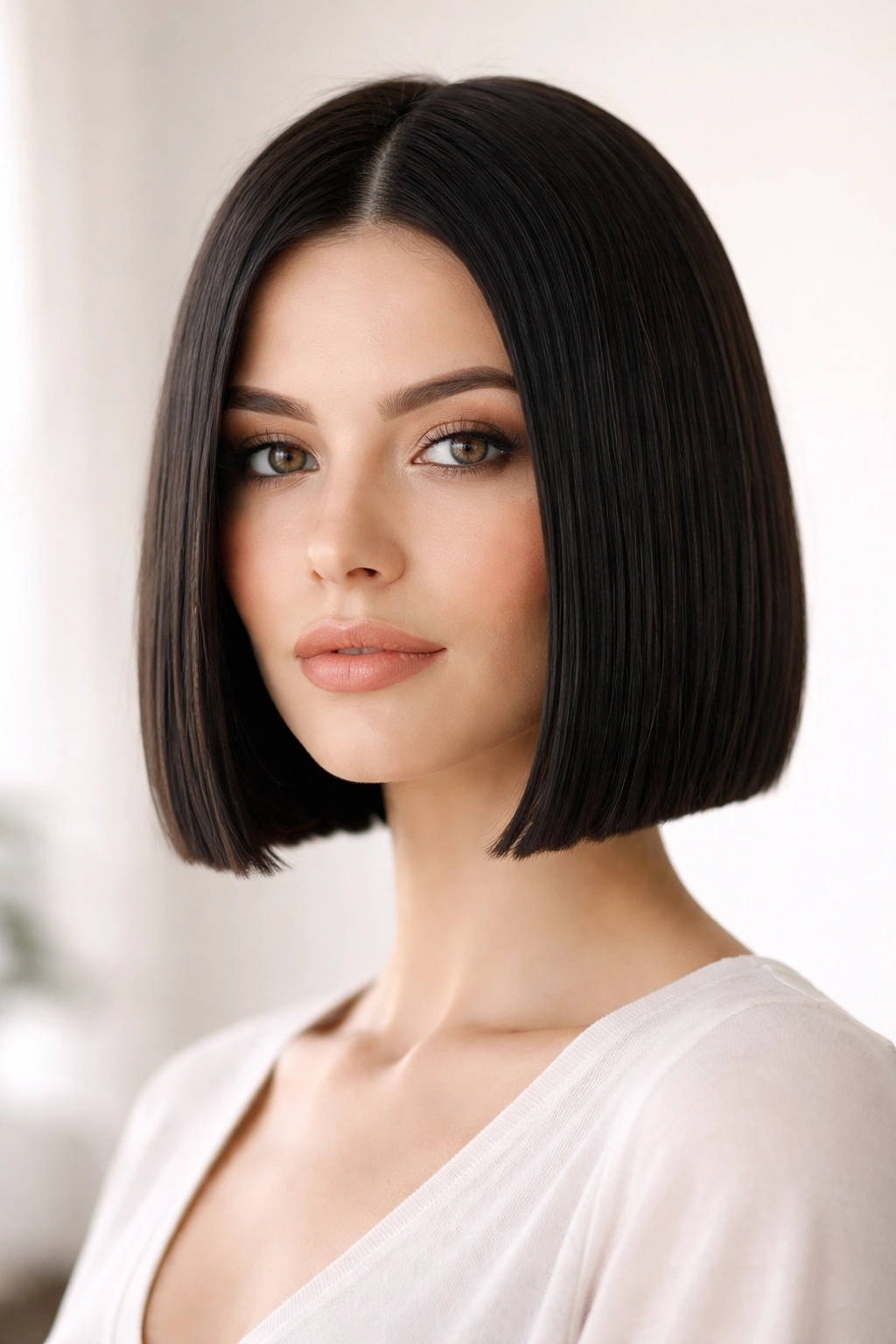
An edge-to-edge bob (also called a one-length bob) features all hair cut to exactly the same length, creating a clean, graphic line at the ends. This is typically cut at chin length or just below, and the bluntness of the line is the entire aesthetic—there are minimal to no layers. This cut is beautifully simple and works best for people who love clean lines and don’t mind straightening their hair to achieve that precise edge.
Graphic Simplicity
The edge-to-edge bob is the definition of simplified, sophisticated style. There’s nowhere to hide with this cut, which means hair health and a good blowout become crucial, but the result is undeniably chic. This cut photographs beautifully because the clean line is inherently flattering and proportional. It works across most face shapes as long as the length is adjusted appropriately, and it reads as modern and intentional while also being timeless.
Edge-to-Edge Essentials
- Precision: The entire cut depends on perfectly straight, even length throughout
- Line quality: Clean, blunt line at the ends is the defining feature
- Layers: Minimal to none; the simplicity is the point
- Hair condition: Healthy, well-maintained ends are essential to make the blunt line look good
- Styling: Benefits from professional blowouts; air-drying works if you have straight hair
- Face shapes: Works on most faces; slightly longer versions suit more face shapes than very short versions
- Maintenance: Needs trimming every 4-5 weeks to maintain the precise line
Honest note: This cut works best if you’re committed to either regular blowouts or daily heat styling. Without that, it’s hard to maintain the precise edge.
22. The Barely-There Bangs with Layers
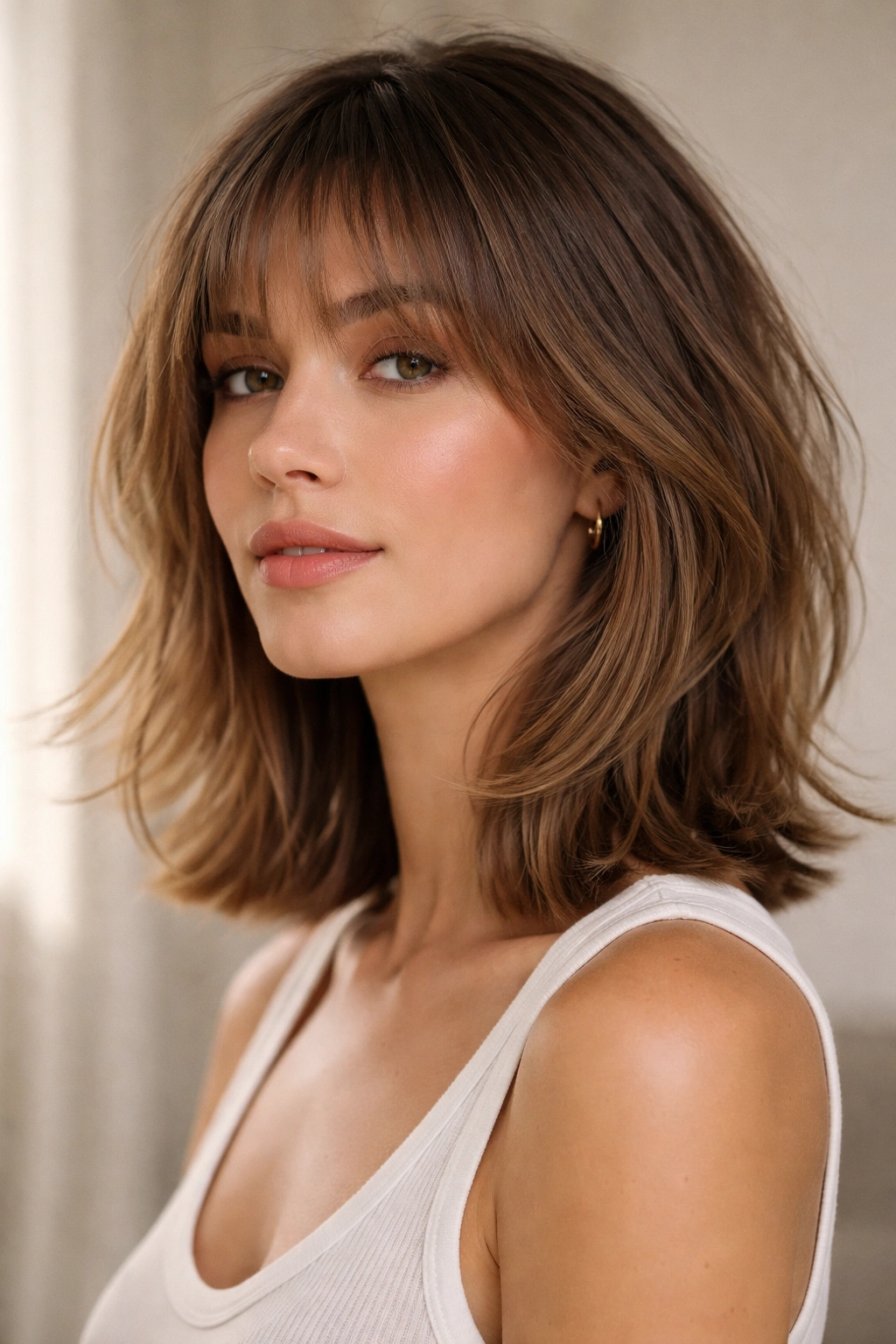
This style features a chin-length or slightly longer cut with strategic layers throughout and very subtle, barely-there bangs that are nearly the same length as the shorter layers throughout the rest of the cut. The bangs are part of the overall texture and movement rather than a bold statement. This approach works beautifully for people who want the flattering quality of bangs but without the commitment of traditional full bangs.
Subtle Framing Power
Barely-there bangs with layers offer all the flattering face-framing benefits of traditional bangs without the maintenance requirement or the risk of them looking dated. The subtle bangs integrate into the overall texture and movement of the cut, creating a cohesive look that photographs beautifully. This style works well for people whose hair is wavy or curly, where the subtle texture makes the bangs and layers look intentional. It also works for straight hair when styled with texture spray.
Subtle Bangs and Layers Breakdown
- Length: Chin-length to collar-length for the best layer effect
- Bangs: Very subtle, barely longer than the face-framing layers, creating minimal commitment
- Layers: Strategic throughout to create movement and texture
- Texture: Works beautifully on wavy or curly hair; straight hair benefits from texture spray
- Styling: Looks great with minimal styling; can be more polished with heat styling and product
- Face shapes: Works well on most shapes because the subtle bangs are flattering without being dramatic
- Growth timeline: The subtle bangs don’t require constant maintenance like full bangs would
Pro tip: This works beautifully with a center part or a side part—the subtle bangs don’t dictate how the hair is worn.
23. The Dirty Blonde Shag
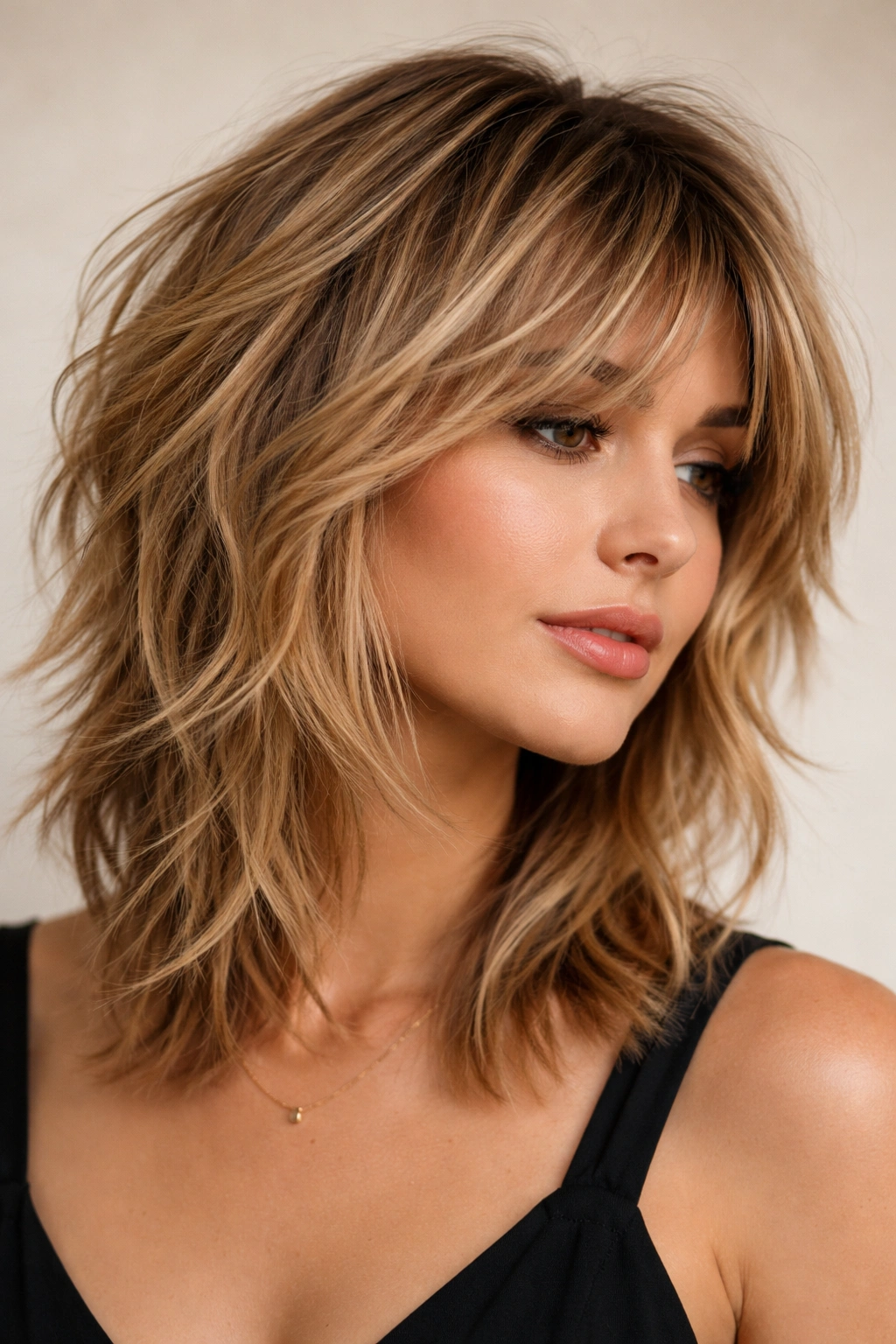
While technically this is about styling and color combined with a shag cut rather than a completely unique cut, the combination deserves its own entry because the color and cut work together so beautifully. This is a choppy, layered shag cut combined with a dimensional, slightly tousled blonde (hence “dirty blonde”—it’s not a pure light blonde, but a more dimensional, natural-looking version). The texture and color work together to create volume and movement.
Color and Cut Synergy
What makes this specific combination so powerful is that the dimensional color makes the choppy layers read more clearly and creates the illusion of more movement and texture than the cut alone would. Dirty blonde is also incredibly flattering on most skin tones and ages, which is part of why this combination has become so popular. The overall aesthetic is effortlessly cool and works beautifully for a wide age range—it doesn’t read as trying too hard or overly styled.
Dirty Blonde Shag Details
- Cut: Choppy, layered shag, typically 2-3 inches
- Color: Dimensional blonde with lowlights or natural-looking shadowing, not a flat single blonde
- Texture: The color dimension makes the texture read more dramatically
- Styling: Looks beautiful tousled with texture spray; dimensionality holds up well without constant styling
- Hair type: Works beautifully on wavy or curly hair; straight hair needs help from products or heat styling
- Maintenance: Color maintenance every 6-8 weeks; cut maintenance every 4-5 weeks
- Age range: Genuinely works beautifully on most ages from young adults through mature women
Styling insight: This color and cut combination is one of the most forgiving for growing out and lived-in texture—in fact, it looks better slightly lived-in.
24. The Slicked-Back Short Crop
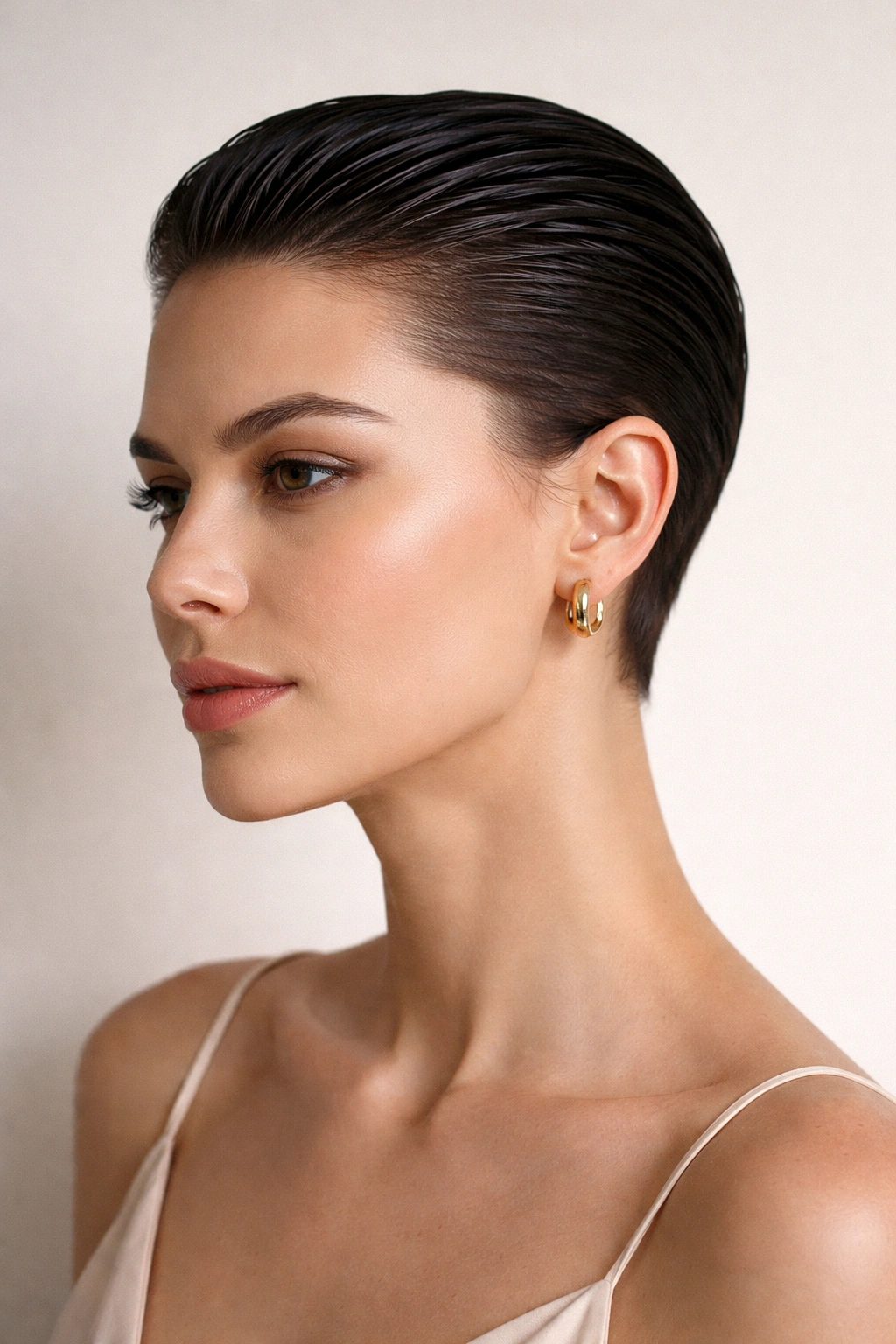
For this cut, all the hair is kept quite short (usually 1-1.5 inches) but is deliberately styled slicked back and away from the face rather than styled for maximum texture or fluff. Think polished, minimal, modern art gallery—that’s the vibe. This works for people who love a very clean, architectural aesthetic and who don’t mind using product and perhaps heat styling to achieve that look.
Minimal Modern Aesthetic
The slicked-back crop is the definition of modern minimalism: short, clean, and deliberately styled in a way that feels contemporary and intentional. This cut appeals to people who love art, fashion, and design; who appreciate simplicity; and who enjoy the styling process as part of the overall presentation. The cut photographs beautifully and photographs differently depending on how you style it, which gives it surprising versatility despite the very short length.
Slicked-Back Crop Specifics
- Length: Very short, usually 1 to 1.5 inches
- Styling approach: Deliberately slicked back and away from the face with product
- Product requirement: Needs a good pomade or gel to achieve and maintain the slicked-back look
- Face shapes: Works best on people with strong bone structure and confident presence
- Hair type: Works on most hair types, though naturally straight hair is easier to slick back
- Styling time: About 5 minutes with product and potentially a blow dryer
- Aesthetic: Very modern, minimalist, and intentionally styled
Real talk: This cut requires being willing to use product and style it each day. If you’re looking for completely wash-and-go, this isn’t it.
25. The Layered Crop with Bangs
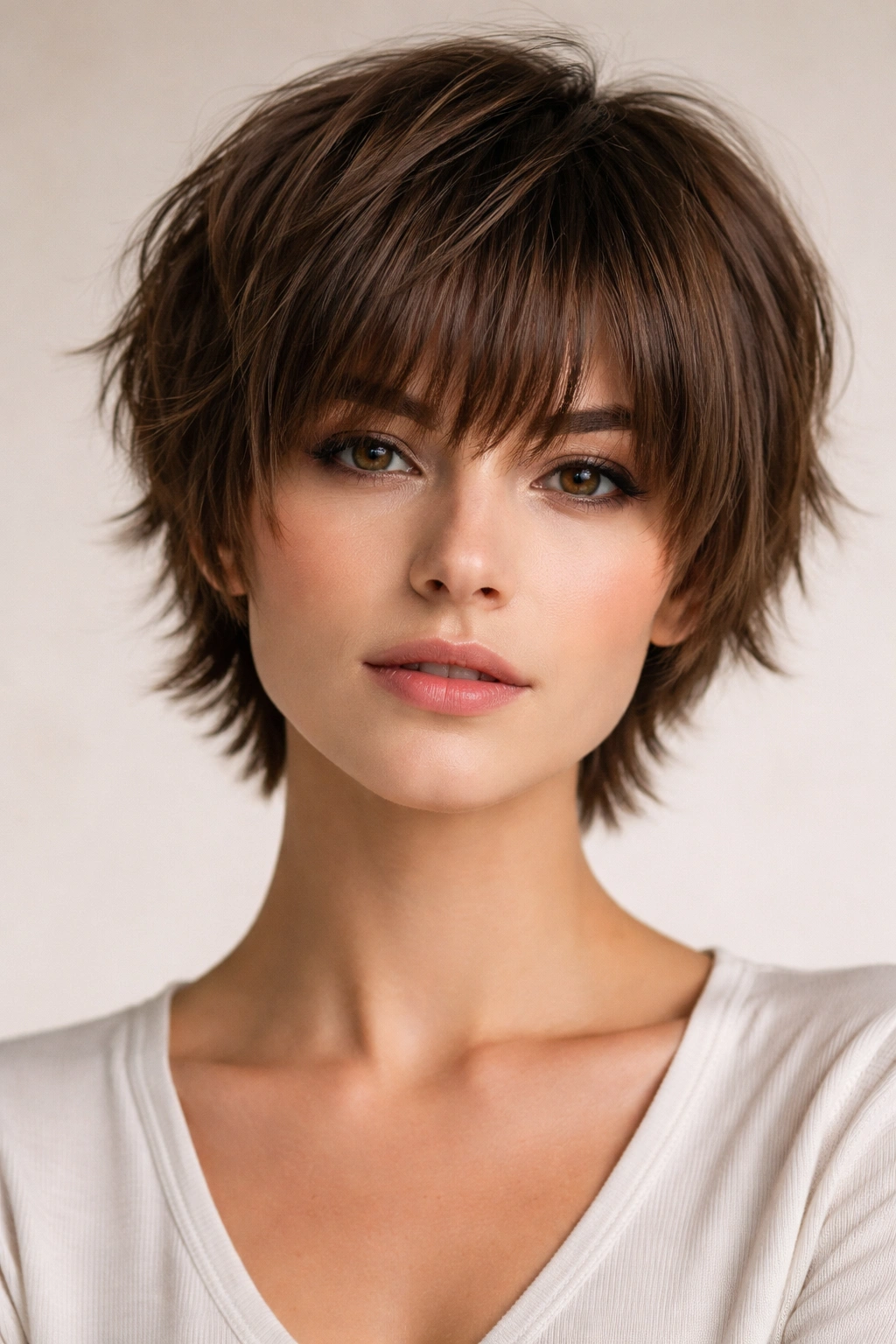
This cut combines a short, layered crop (usually 1.5-2 inches) with longer, full bangs that hit at the eyebrow or just below. The contrast between the very short, choppy layers on the crown and sides and the longer, framing bangs creates visual interest and a distinctly modern, editorial aesthetic. The bangs are the statement of this cut, so they need to be well-maintained.
Statement Through Bangs
This style appeals to people who want the practicality of short hair but also want the flattering, face-framing quality of bangs. The longer bangs soften the overall effect of a very short crop and create proportional balance. This cut photographs beautifully and works well across most face shapes because the bangs can be customized to suit your specific features. It’s distinctly contemporary and reads as fashion-forward without looking like a costume.
Crop with Bangs Breakdown
- Crown/sides: Short, layered crop, usually 1.5 to 2 inches
- Bangs: Longer, full bangs hitting at the eyebrow or just below
- Layer placement: Choppy layers throughout create texture and movement
- Contrast: The contrast between short and long sections is the defining feature
- Styling: Bangs need regular styling (blow drying or straightening); the crop can be more wash-and-go
- Maintenance: Bangs need trimming every 3-4 weeks; crop every 4-5 weeks
- Versatility: Bangs can be restyled depending on mood—pulled to the side, center parted, etc.
Styling note: How you style the bangs actually changes the entire vibe of the cut—straight and sleek versus textured and piece-y are two completely different aesthetics.
26. The Feathered Graduated Bob
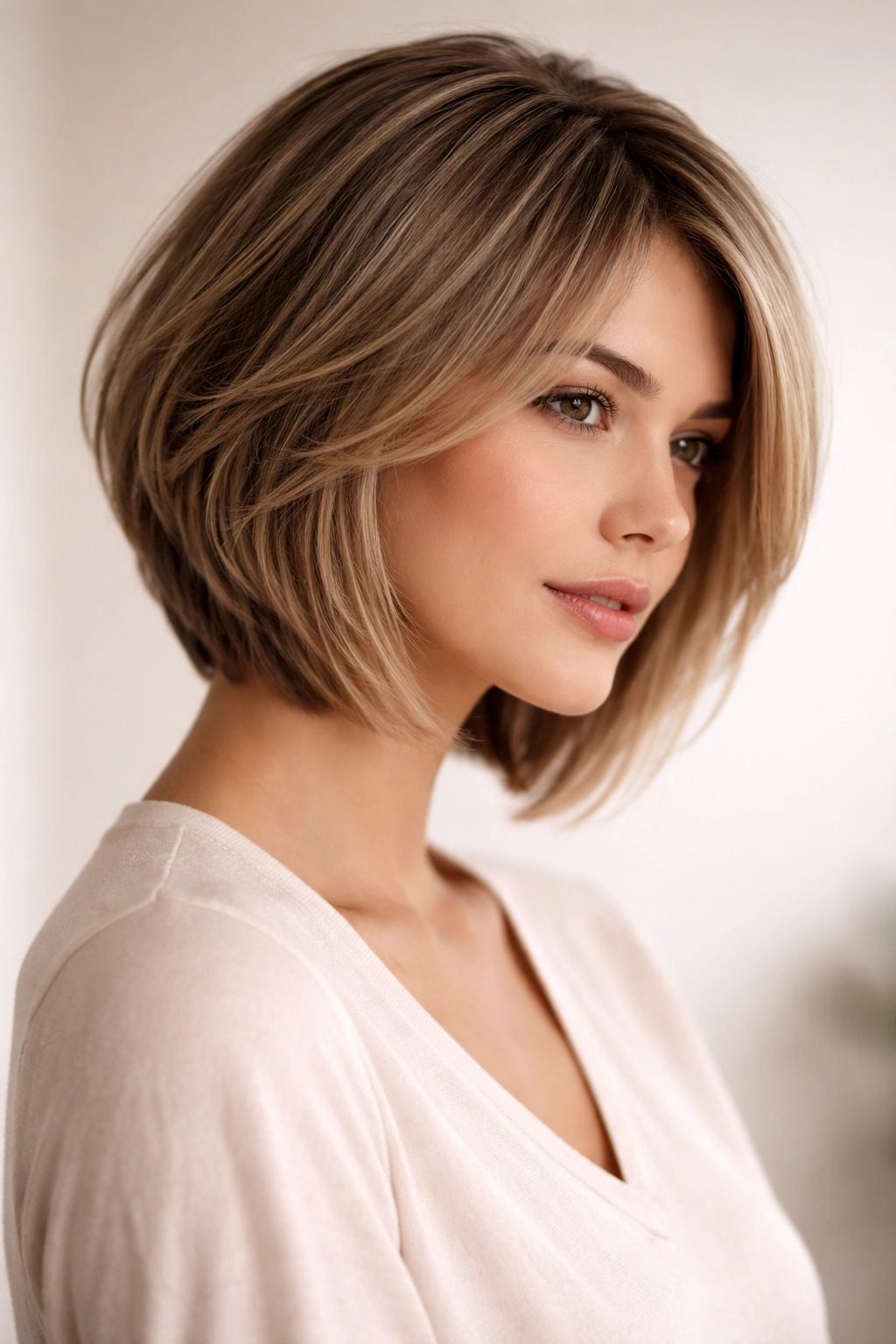
This cut features a graduated length (longer in front, shorter in back) with feathered layers throughout that create subtle movement and a soft, undone texture. The feathered effect is achieved through specific layering techniques rather than choppy texture, so it’s more refined and works beautifully for people who want softness and movement without a heavily textured aesthetic. It’s a sophisticated take on the graduated bob.
Refined Movement
The feathered graduated bob appeals to people who want to look polished and put-together without appearing overly styled or fussy. The feathered layers catch the light beautifully, the graduated length is flattering on most face shapes, and the overall aesthetic feels modern and refined. This cut works wonderfully across hair types and requires moderate styling attention—it looks beautiful when you blow-dry it out, but it also holds up well to air-drying if you have naturally wavy or textured hair.
Feathered Graduated Specifics
- Length: Longer in front (potentially chin-length or slightly longer), shorter in back (potentially ear-length or slightly below)
- Layering: Feathered layers throughout create movement without heaviness
- Texture: Soft, undone texture that works across hair types
- Styling: Looks beautiful blown out; air-dries well if you have wavy hair
- Face shapes: Excellent for round, square, and heart-shaped faces; the graduated length and feathering can be adjusted for other shapes
- Maintenance: Needs trimming every 5-6 weeks to maintain the graduated shape and feathering
- Age range: Works beautifully across ages from young adults through mature women
Styling insight: This cut is one of the most forgiving—it looks good in multiple styled states, from sleek and polished to slightly tousled and lived-in.
27. The Textured Crown with Clean Sides
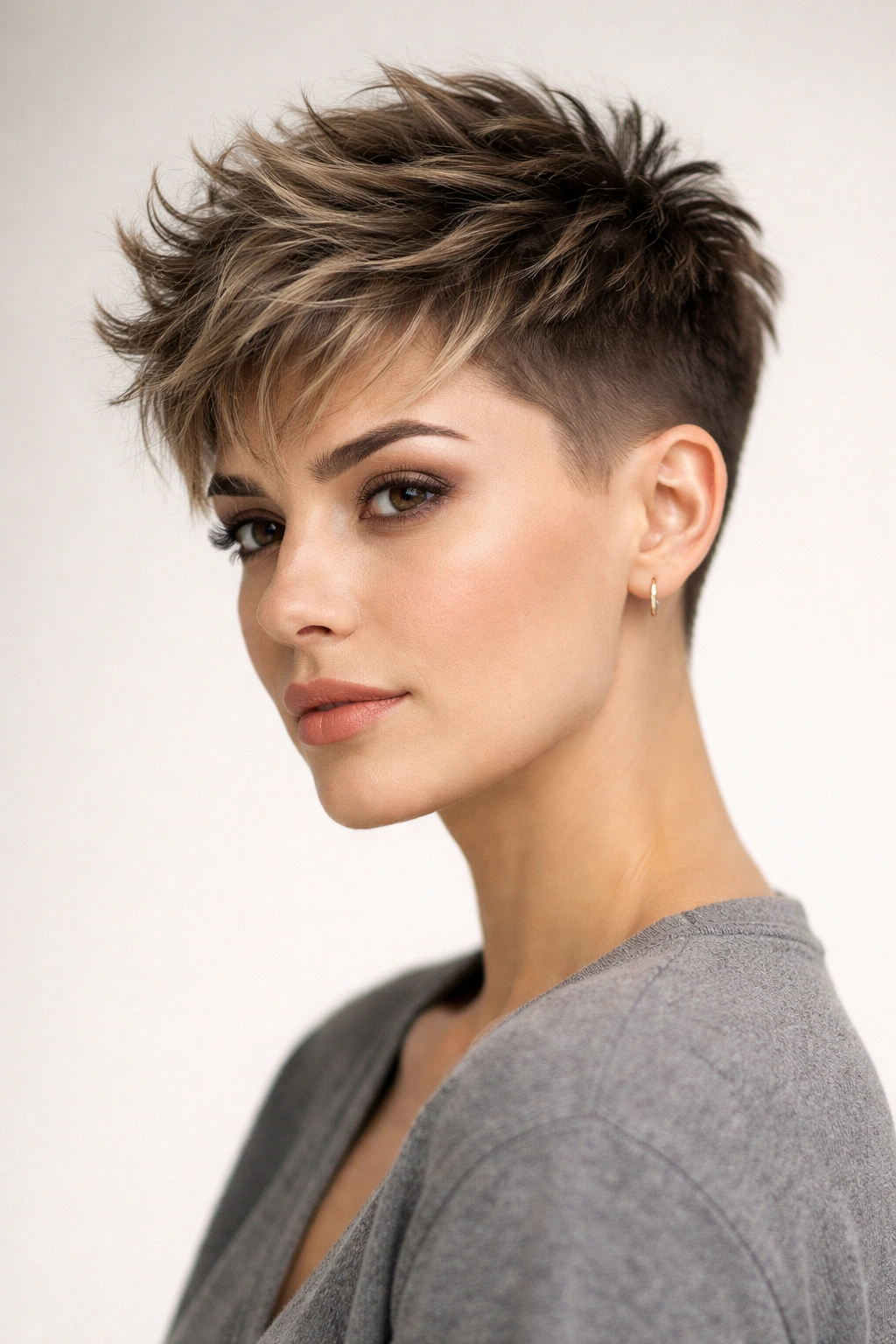
This cut features choppy, textured layers on top of the head (creating volume and dimension) with very clean, often faded or precisely clippered sides and back. It’s the marriage of a textured crop or shag on top with an almost undercut-style clean sides. The contrast between the textured crown and clean sides is the defining feature, and it works beautifully for people who want maximum visual interest and a distinctly contemporary look.
Textured and Precise
This cut appeals to people who love contrast, who want visual interest and personality, and who don’t mind having a cut that requires some styling attention. The textured top gives you something to work with styling-wise—you can texturize it with spray, blow-dry it for shape, or let it air-dry for a more undone look. The clean sides keep the overall silhouette sharp and modern. This cut photographs beautifully and works wonderfully across most face shapes when the proportions are right.
Textured Crown Breakdown
- Top: Choppy, textured layers creating volume and movement
- Sides and back: Clean, precise, often faded for a smooth blend
- Contrast: The juxtaposition of texture on top and clean sides is the aesthetic
- Styling versatility: Top can be styled multiple ways; sides stay neat
- Hair type: Works beautifully on straight, wavy, and curly hair
- Styling time: About 5-10 minutes with heat and product to show off the texture, or more wash-and-go with spray
- Maintenance: Crown needs trimming every 4-5 weeks to maintain texture; sides every 3-4 weeks for clean maintenance
- Attitude: This is definitely a statement cut that works for people who enjoy standing out
Pro tip: The side length and fade style should be customized to your face shape—longer sides can lengthen a round face, while shorter sides suit square faces well.
28. The Romantic Wavy Pixie
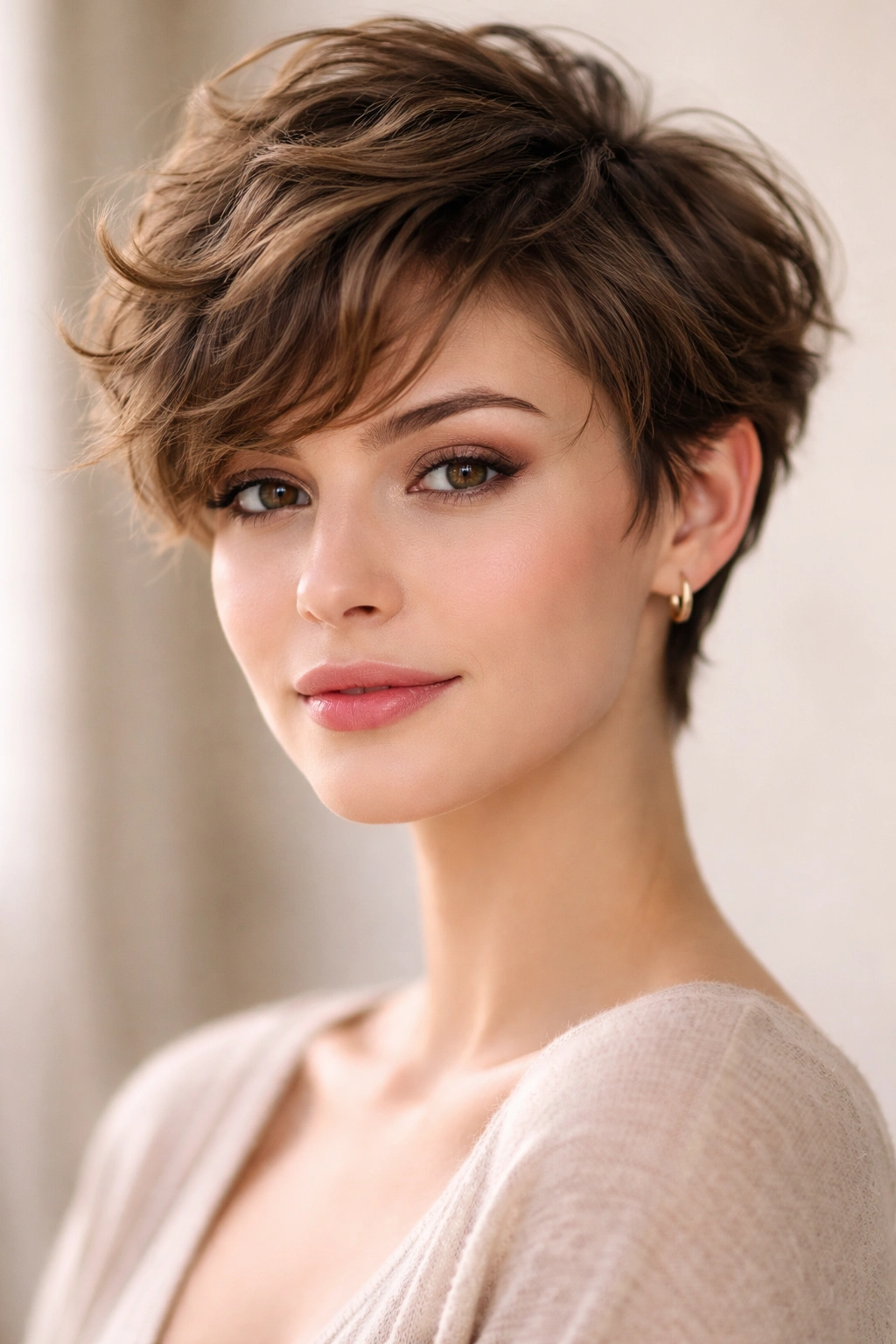
This cut takes the practical short length of a pixie but styles it for romance and softness rather than sleekness or severity. The hair is typically cut at pixie length (very short overall) but with slightly longer pieces in front and slightly more length on top, then styled with waves and soft texture. It’s perfect for people who want the ease of a pixie but who don’t love the edgy, minimalist aesthetic.
Softness Meets Practicality
The romantic wavy pixie works beautifully for people who want all the benefits of short hair (easy to manage, quick to dry, low styling time) but who want to look softer and more traditionally feminine while doing it. This style requires some styling attention—you’ll need to blow-dry with a round brush or curl with a wand to achieve the waves—but it’s significantly less time than managing longer hair, and the waves look beautiful as they grow out.
Romantic Pixie Specifics
- Cut: Pixie length overall (very short) with slightly longer pieces in front and on top
- Styling: Blow-dried and waved for softness and romance
- Waves: Can be loose waves or more defined curls depending on your preference
- Hair type: Works beautifully on straight, wavy, and curly hair
- Styling time: About 15-20 minutes to blow-dry and wave; looks good as waves drop and relax
- Face shapes: Works on most faces; the soft waves are generally flattering across face shapes
- Maintenance: Needs trimming every 4-6 weeks; the cut needs maintenance to keep the romantic effect
Real talk: This cut does require more styling attention than a wash-and-go pixie, but significantly less than longer hair that requires similar waving.
29. The Choppy Layered Lob
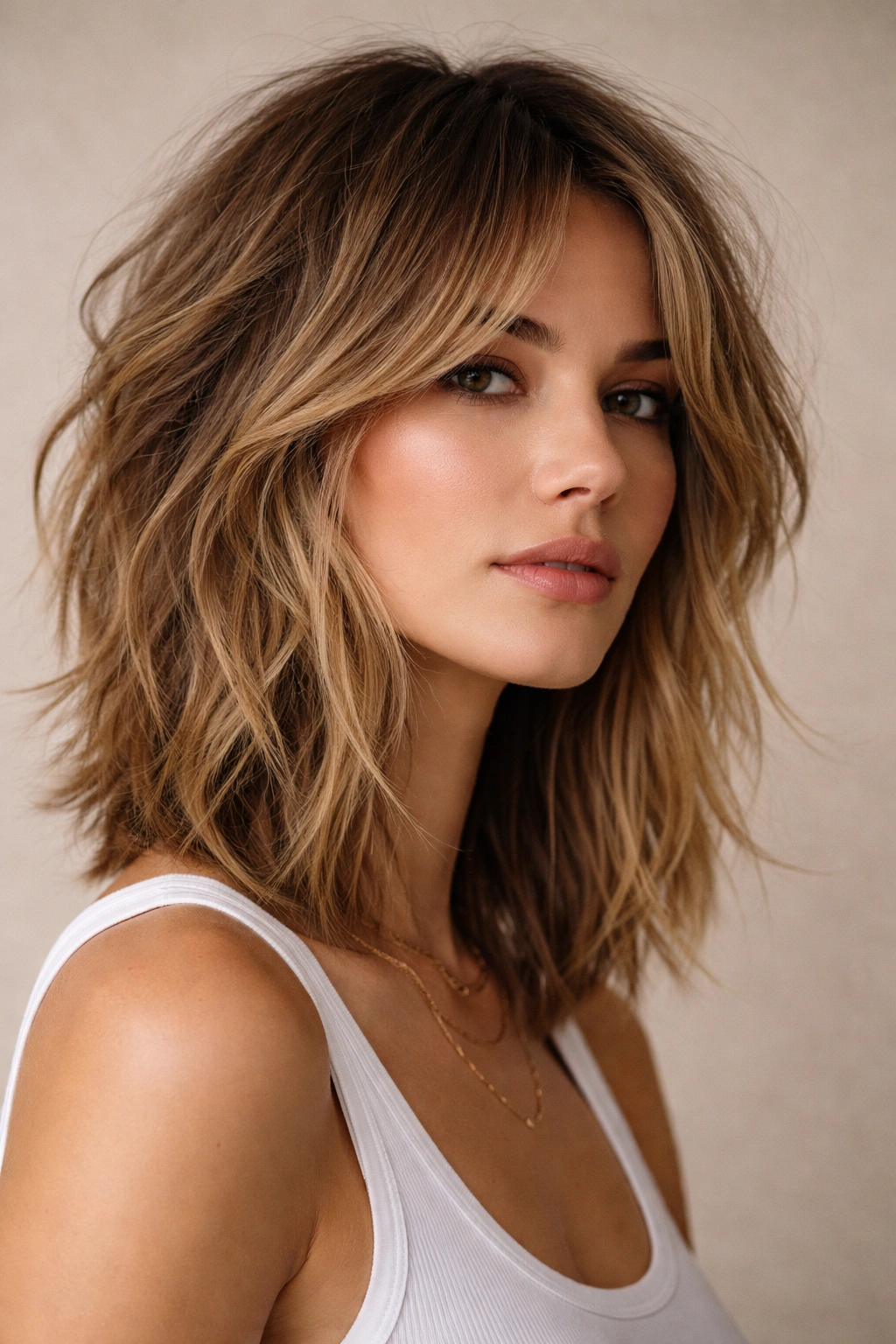
This is a longer short cut—hitting around mid-collarbone or shoulder-length—but with heavily choppy, irregular layers throughout that create maximum texture and movement. It’s not the sleek lob; it’s the lob for people who want texture, personality, and an undone aesthetic. The layers are cut at intentionally irregular lengths, and the effect is contemporary and editorial.
Texture and Length
The choppy layered lob gives you the length to play with styling while maintaining the ease of a short cut. You can wear it down and textured, pulled into a half-up style, in a ponytail, or styled sleek—there’s genuine versatility here. The choppy layers photograph beautifully, create wonderful movement, and work well across hair types when you understand how to style for your specific texture.
Choppy Lob Specifics
- Length: Mid-collarbone to shoulder, longer than a true short cut but shorter than mid-back
- Layers: Heavy, choppy, irregular layers throughout create maximum texture
- Texture: Built into the cut through the layering
- Styling: Looks beautiful tousled and undone; can be styled sleeker with heat and product
- Hair type: Works beautifully on wavy and curly hair; straight hair needs texture spray or heat styling
- Styling time: 5-15 minutes depending on whether you’re going undone or more polished
- Versatility: Can be worn down, styled up, or in ponytails/half-ups
- Maintenance: Needs trimming every 6-8 weeks to maintain the chopped texture
Styling insight: This cut looks better with color dimension—highlights or lowlights make the layers and texture read more clearly and photograph better.
30. The Sophisticated Undercut Pixie
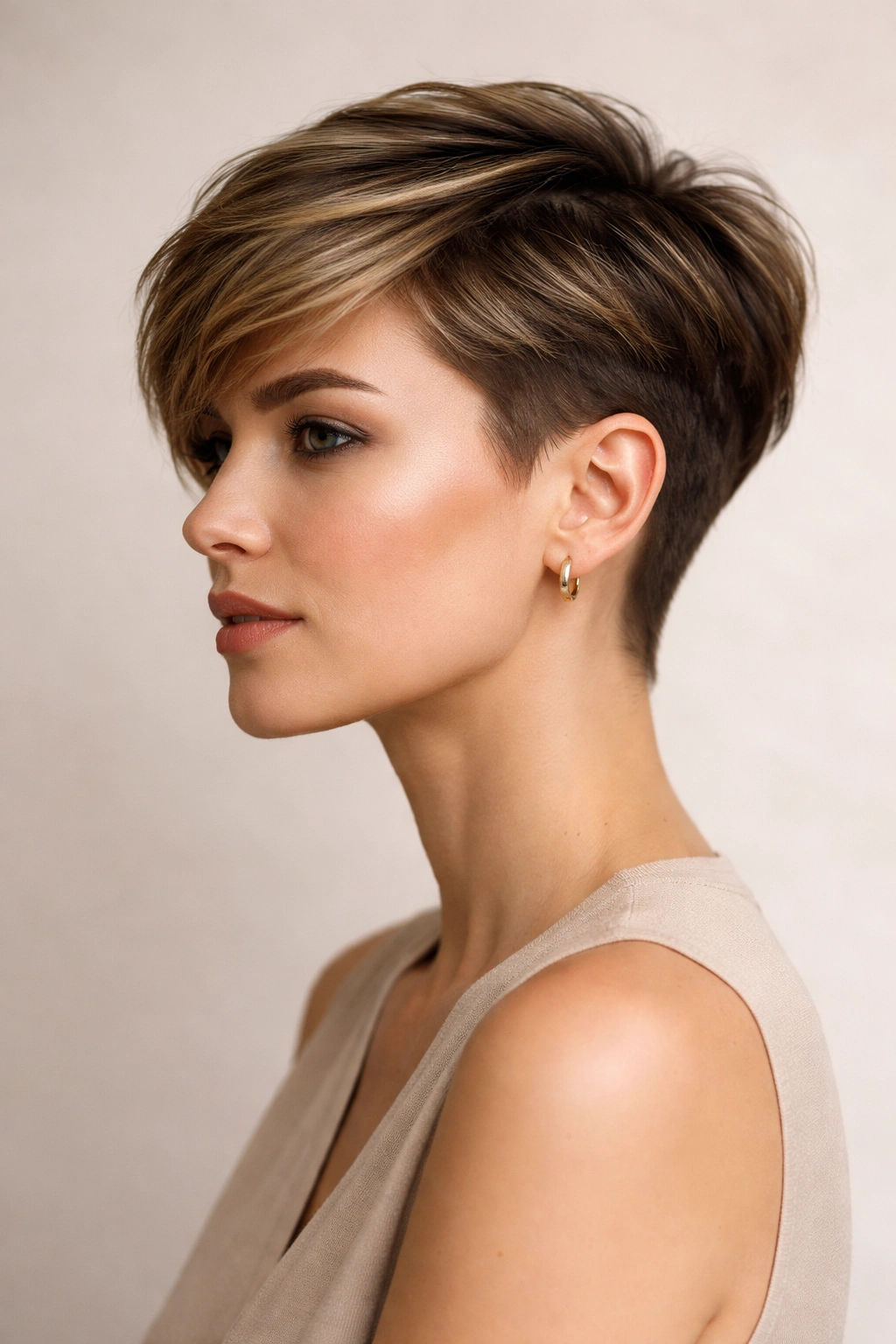
This final cut combines the very short, easy-to-maintain structure of a pixie with a subtle undercut—meaning the sides and lower back are cut extremely short (often with clippers), while the top is left with more length and textured layers. It’s a more refined, less dramatic version of a disconnected undercut, perfect for people who want some edge and statement-making quality but in a more wearable, everyday format.
Subtle Edge with Practicality
The sophisticated undercut pixie gives you that subtle undercut vibe without the dramatic contrast that might feel too bold for everyday wear. The top section has length and texture to work with, so you can style it multiple ways depending on your mood. The very short undercut sides keep things clean and modern while still maintaining the ease and practicality of short hair. This cut works beautifully for professional environments while still feeling current and stylish.
Sophisticated Undercut Breakdown
- Top: Pixie length with textured layers, slightly longer than traditional pixie
- Sides/back: Very short, often faded, creating subtle undercut effect
- Contrast: More subtle than a dramatic disconnected undercut, easier to grow out and transition
- Styling: Top can be styled multiple ways; sides stay neat and require minimal attention
- Professional: Works beautifully in professional settings while still feeling contemporary
- Hair type: Works across hair types; texture on top makes it more interesting
- Maintenance: Needs trimming every 4-5 weeks to maintain the pixie structure and keep the undercut clean
- Versatility: Can look polished and professional or edgy and cool depending on how you style the top
Final styling note: The length and layers on top are your canvas—use styling and product to create the exact vibe you’re going for on any given day.
Final Thoughts
Short haircuts have an almost magical power to transform not just how you look, but how you feel about yourself. What makes these thirty cuts worth rebooking isn’t just their initial appeal—it’s how they perform over time, how they grow out gracefully, how they work with your real life and your actual hair texture, and how they make you feel every single time you catch your reflection. Finding your perfect short cut is genuinely personal: it depends on your face shape, your hair texture, how much styling time you want to invest, and what kind of energy you want to project.
The truth that stylists know and that keeps people rebooking is this: a truly great short cut requires skilled hands to execute it, but once you find someone who understands your hair, your face, and your vision, it becomes something you want to maintain and return to. None of these cuts should feel like a compromise—they should feel like exactly who you are, just in a more refined, intentional form.
If you’ve been considering a major chop, use this list as a starting point for conversations with your stylist. Bring photos of cuts that call to you, talk about your daily lifestyle and styling preferences, and be honest about your hair texture and how much maintenance you’re willing to do. The perfect cut is out here waiting for you—and when you find it, you’ll understand exactly why women rebook.
