



There’s something uniquely powerful about embracing your natural curl or coil pattern with a short, intentional cut. For too long, shorter hairstyles felt like a compromise—something you settled for when longer protective styles weren’t an option. But the reality is that short haircuts designed specifically for coily and curly textures aren’t just practical; they’re a complete style statement that lets your natural texture shine without the weight that often compresses tighter curl patterns.
Short cuts work differently on curly and coily hair than they do on straight textures. When you remove length and bulk, coils expand and spring upward, creating volume and definition that feels almost impossible to achieve with longer styles. The magic happens because each individual strand has the room to express its natural pattern without being stretched or weighed down. You’re not just getting a haircut—you’re creating the conditions for your hair to show its truest form.
The challenge, though, is that getting a short cut that actually works requires understanding your specific curl or coil pattern, finding a stylist who truly knows how to cut curly hair, and committing to maintenance that’s different from what longer styles demand. The payoff is undeniable: wash-and-go mornings, reduced styling time, healthier hair with less manipulation, and a silhouette that showcases your facial features while celebrating your natural texture. This guide walks you through everything you need to know to find, cut, and maintain a short natural style that actually works for you.
Understanding Your Curl and Coil Pattern Before Cutting
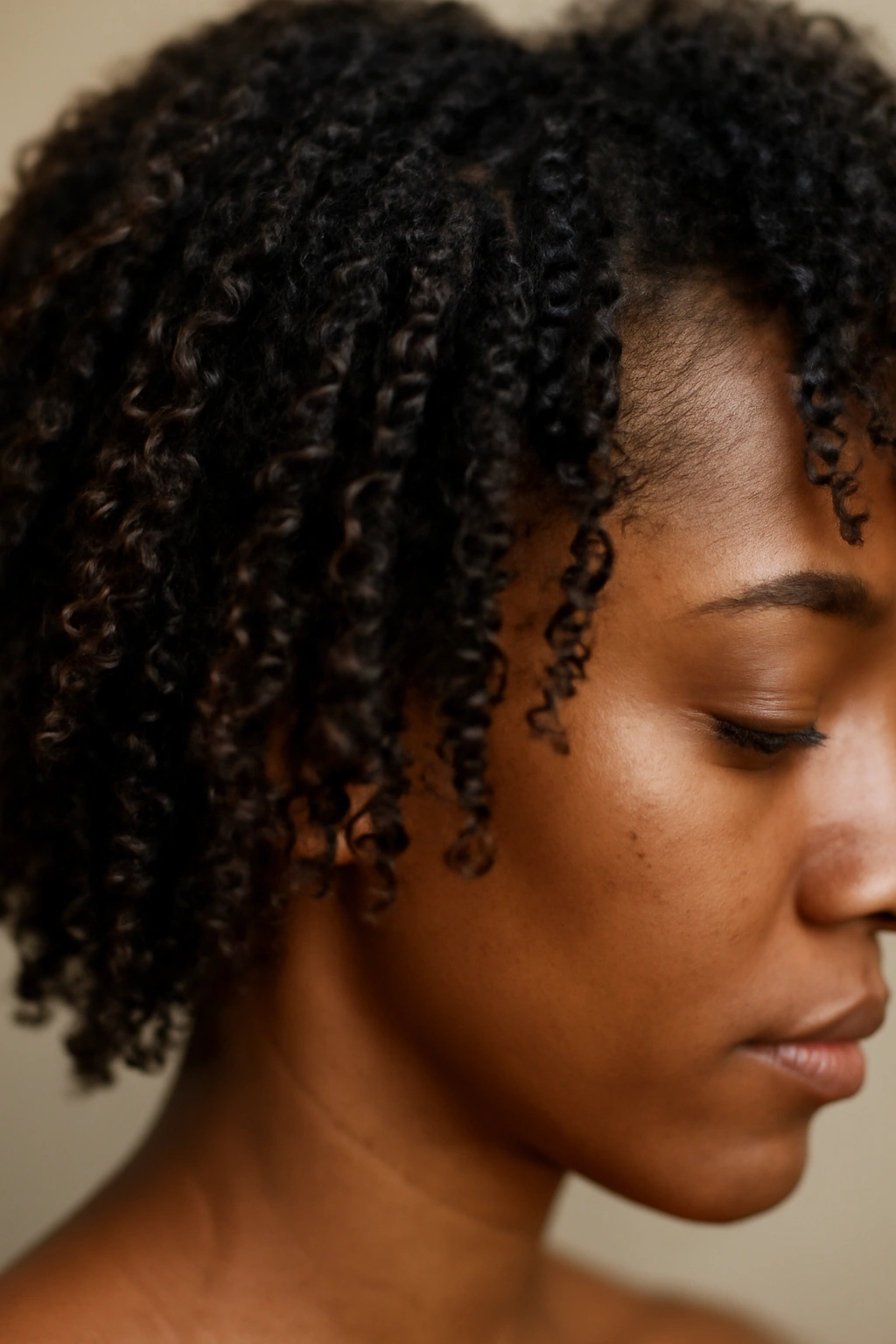
Not all curly and coily hair is the same, and this distinction matters enormously when deciding whether a short cut will work for your specific texture. Curl pattern typically falls on a spectrum from loose waves through tight coils, and the tighter your curl or coil pattern, the more your hair will expand and shrink as it moves between wet and dry states. Understanding where you fall on this spectrum helps you predict how a short cut will actually look on you once it dries.
Loose to medium curls (often called wavy to curly or Types 2-3) tend to fall and elongate somewhat once they dry, which means a short cut on these textures often looks intentional and shaped. Tighter coil patterns (Type 4, or what’s sometimes called coily or kinky-textured hair) tend to expand significantly, which means a short cut actually appears quite short and voluminous once fully dry. This is the exact opposite of what happens with straight hair, where cutting shorter simply means shorter length.
The density of your hair—whether you have fine, medium, or thick strands and how densely they’re packed on your scalp—also shapes what will work. Fine-textured curly hair might need more length to avoid looking wispy, while very dense coily hair can support an extremely close cut without looking sparse. There’s no “right” pattern or density for a short cut; rather, you’re working with what you have and choosing a cut style that complements your specific characteristics.
Porosity is another crucial detail. High-porosity hair (which absorbs water quickly and can feel dry) may benefit from a slightly longer short cut that provides more product coverage and hydration, while low-porosity hair (which repels water initially) might thrive with an extremely short, close cut that’s easier to manipulate and style. Spend time understanding your porosity by observing how your hair behaves when wet and how it responds to different products.
How Short Cuts Transform Coily and Curly Hair Structure
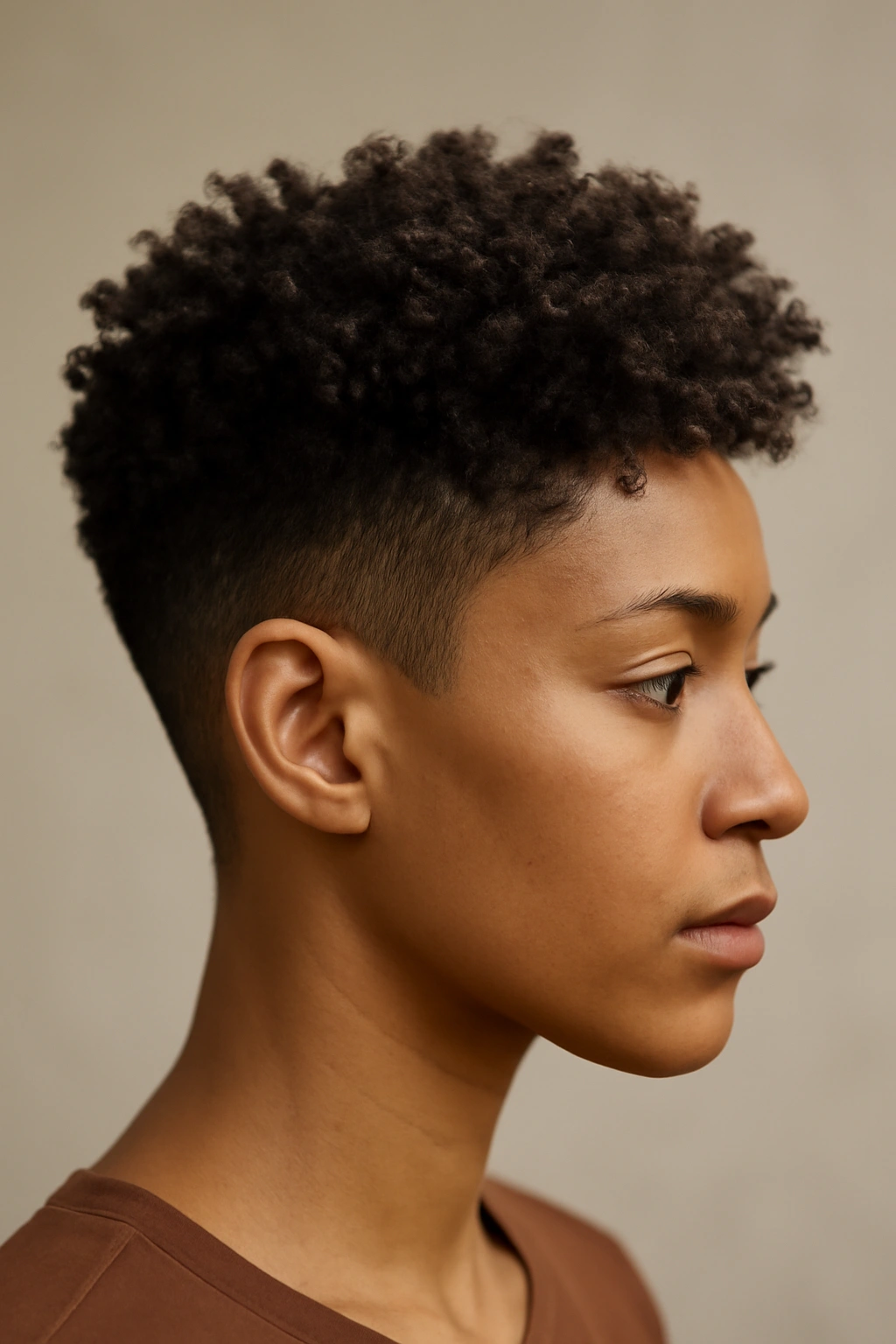
The physical mechanics of how a short cut affects curly and coily hair differ significantly from what happens with straight textures. When you cut into length, you’re removing the weight that was stretching your curl or coil downward. As soon as that weight is gone, the curl pattern contracts and springs back to its natural shape, often making hair appear much shorter than the cut length suggests.
This contraction is actually one of the greatest advantages of cutting short. Many people avoid shorter styles because they think short hair on curly textures looks “poofy” or uncontrolled, but that volume is actually your hair’s natural pattern expressing itself freely. What looks full and voluminous to you is often the first time your hair is fully dry without weight compressing it. Once you adjust to this new shape, you’ll likely find it incredibly expressive and beautiful.
A well-executed short cut also creates better curl or coil definition throughout the style. Longer curly hair often develops looseness and frizz at the ends because the weight of the hair stretches the curl pattern and the oldest, most compromised ends become visible. Removing those compromised ends through a short cut instantly improves definition and bounce across your entire head. The curls or coils that remain are younger, stronger, and more uniform in pattern.
Short cuts also change how your hair behaves when wet and dry. Because there’s less hair surface to manage, you’ll notice less frizz, faster drying times (or easier diffusing), and more consistent curl or coil pattern throughout. The porosity issues that sometimes affect longer hair—where the ends are drier than the roots—become less pronounced when you’re working with shorter length throughout.
The Textured Fade: Clean Lines With Curl Definition
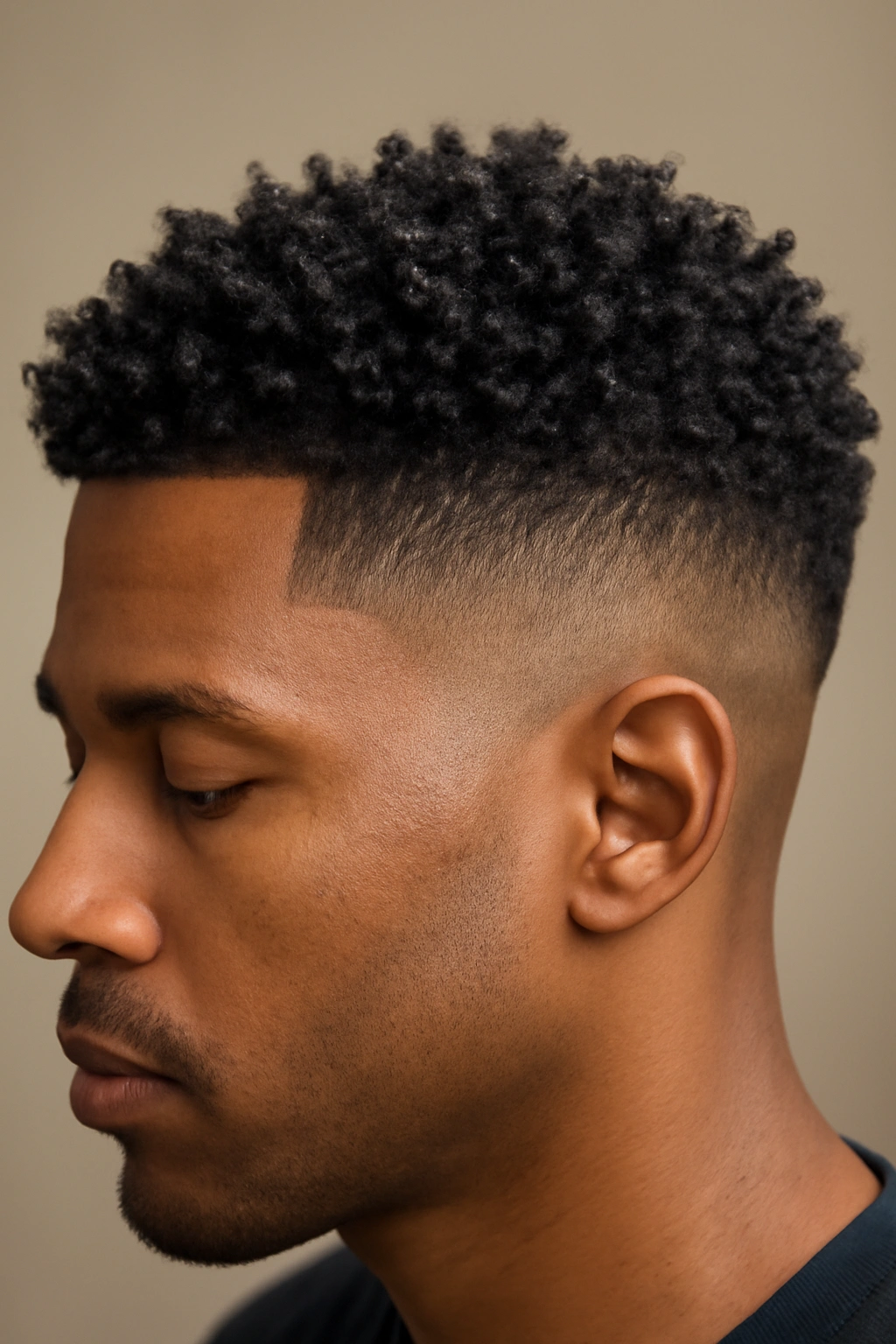
A textured fade is one of the most popular short cut styles for coily and curly hair, and for good reason. This cut style combines very short, closely tapered sides with longer curls or coils on top, creating a bold silhouette that emphasizes facial features while showcasing the curl or coil pattern where it’s most visible. The “fade” refers to the gradual shortening from the longer top to the very short sides, and “textured” means the transition respects your natural curl pattern rather than cutting straight across.
What makes a textured fade work so well is that it gives your stylist a chance to work with your curl pattern rather than against it. Instead of cutting to a blunt line, a skilled stylist cuts individual curls or coils to graduated lengths that blend smoothly from long to short. When the hair dries, those graduated cuts create a clean edge that still honors your natural texture. You’re not fighting your curls; you’re using them to create shape.
The sides of a textured fade are cut very short—often with clippers at a #1 to #3 setting, which means the hair is cut down to roughly one-eighth inch or shorter. This creates a stark contrast with the longer curls or coils on top, which typically remain 1 to 3 inches in length. The exact length you choose for the top depends on your personal style preference and your curl or coil pattern. Tighter coils often look striking at even 1 inch, while looser curls might need 2 to 3 inches to show off their pattern.
Maintaining a textured fade requires regular touch-ups every 3 to 4 weeks, as the closely-cut sides grow out quickly and start to look shaggy. Many people visit their barber or stylist monthly just to keep the fade clean and the contrast sharp. Between visits, a good edge control product along your hairline keeps the style looking intentional and polished.
The TWA and Tapered Short Cut for Versatile Styling
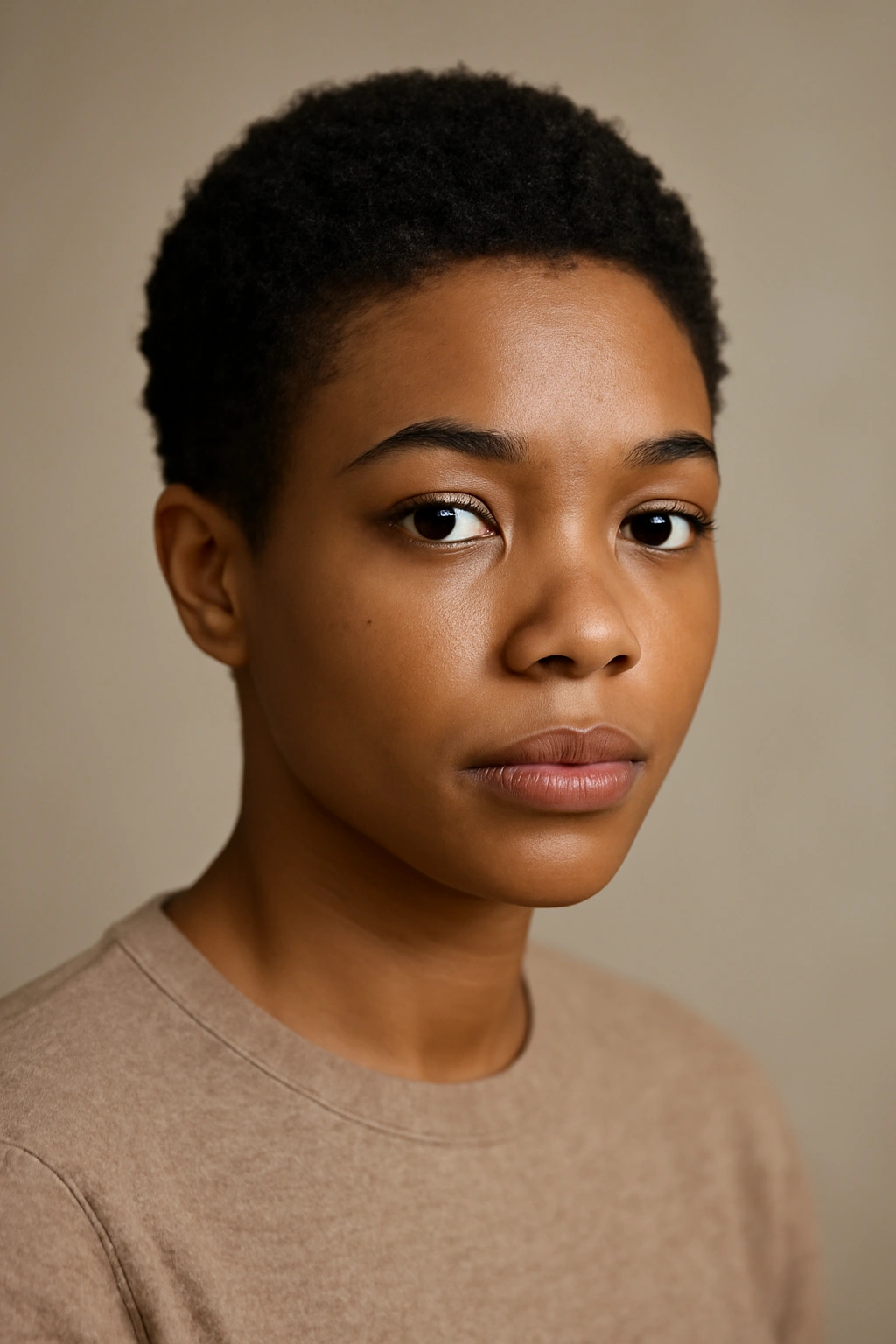
TWA stands for “Teeny Weeny Afro,” and it’s a celebration of coily and curly hair in its shortest, most natural form. A true TWA typically means all the hair on your head is cut to a similar short length—usually between half an inch and 2 inches all over—creating an even, rounded silhouette that highlights your head shape and facial features. This isn’t a fade or a taper; it’s uniform shortness that lets your natural coil or curl pattern do all the visual work.
What makes a TWA so liberating is the complete absence of styling requirement. You wash your hair, apply a leave-in conditioner or light styling product if you want, and let it air dry or gently fluff it with your fingers. The result is an authentic representation of your natural texture, unmanipulated and uncompressed. For many people, wearing their hair this way for the first time feels like a genuine reconnection with their natural hair texture.
A tapered short cut sits somewhere between a textured fade and a TWA. Instead of clipped-short sides, a tapered cut uses scissors or clippers to gradually reduce length from the crown down, creating a more subtle transition. The top might be 3 to 4 inches, while the sides taper down to 1 to 2 inches. This creates shape and dimension without the stark contrast of a fade, and it offers a bit more styling versatility since you have slightly more length throughout.
Tapered cuts are ideal if you want to do occasional styling—twist-outs, braid-outs, or wash-and-go variations—while still maintaining a short, low-maintenance aesthetic. The gradual taper is also forgiving for people still exploring their natural texture, because it grows out more evenly and doesn’t require trips to the barber quite as frequently as a sharp fade does.
The Textured Crop: Defined Curls and Coils on Top
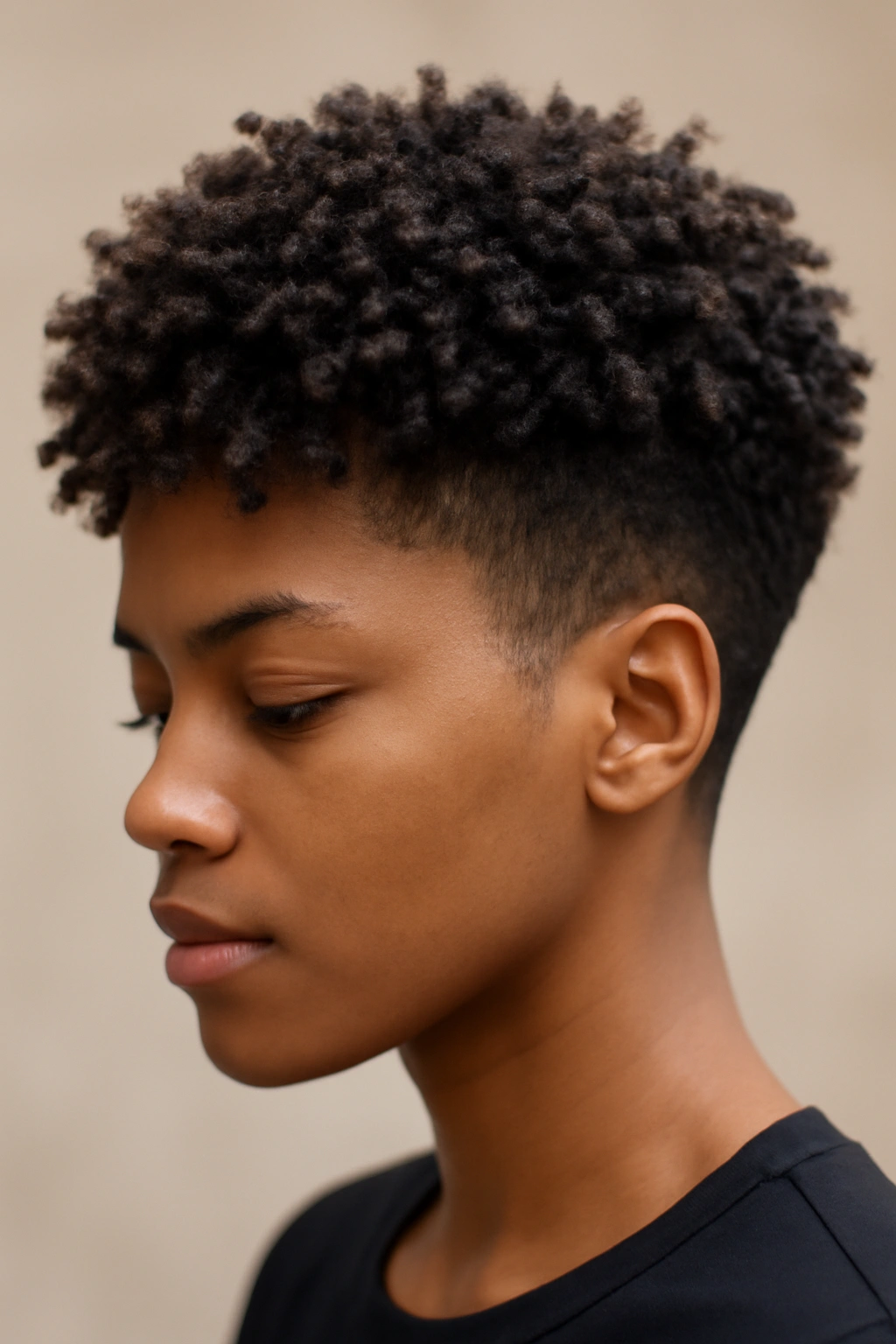
A textured crop is a short cut that works beautifully for people who want visible curl or coil definition without the maintenance of styling or manipulation. This style keeps the top longer and curly—typically 2 to 4 inches, depending on your curl pattern—while tapering or fading the sides shorter. The key difference between a crop and a fade is that a crop usually has a slightly longer taper on the sides (maybe half an inch to 1 inch) rather than the closely-clipped look of a fade.
The appeal of a textured crop is that it shows off individual curl or coil definition while still feeling very intentional and shaped. A stylist skilled in cutting curly hair will cut into your curls while they’re wet, following the natural curl pattern and removing weight to encourage definition and bounce. Once dry, each curl or coil sits separately, creating a textured, almost three-dimensional appearance.
This cut style works across all curl and coil patterns, from loose waves to very tight coils. Looser curls might look best with 3 to 4 inches on top, while tighter coils often look striking at just 2 inches. The key is ensuring your stylist cuts in a way that encourages curl definition rather than just removing bulk randomly.
A textured crop is particularly good if you enjoy occasional styling but don’t want to commit to a strict routine every wash day. You can wash and go on some days and do a twist-out or braid-out on others. The versatility, combined with the easy maintenance of short length, makes this style a practical favorite for many people transitioning to or exploring natural hair.
The Undercut and Mohawk Styles for Bold Expression
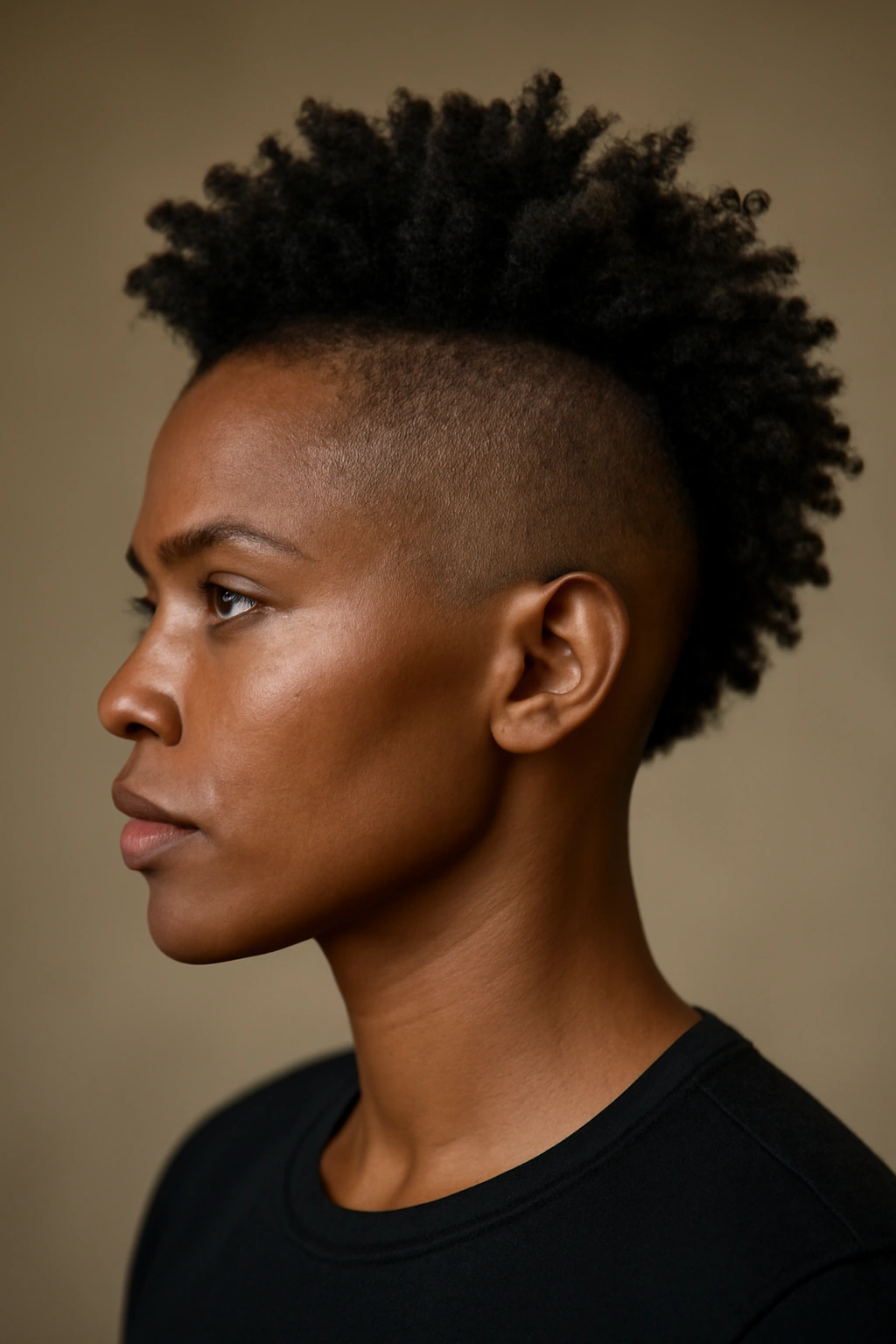
If you’re looking for a short style that makes a statement, an undercut or modern mohawk might be exactly what you need. An undercut combines very short or shaved sides with longer, fuller hair on top—similar to a fade, but often with even more dramatic contrast. The sides might be shaved completely or cut down to stubble, creating an almost sculptural effect. The top retains your natural curls or coils at full length, sometimes 4 inches or longer.
A mohawk takes this even further, with the sides cut extremely short while the center strip down the middle of your head remains long and full. True mohawks are striking and bold—they’re not for people who want to blend in—but they’re also an incredible canvas for celebrating your natural texture. The longer center portion shows off the fullest expression of your curl or coil pattern without any weight compression.
Both of these styles require a stylist who understands how to cut curly and coily hair and who has experience with more artistic, fashion-forward cuts. They also require more frequent maintenance than some other short styles, since the contrast between long and short becomes less pronounced as your hair grows out. However, if you’re someone who loves using your hair as a form of self-expression, these cuts are genuinely powerful.
An undercut also offers interesting styling opportunities. You can wear the top styled out in full curl definition, or you can slick it back with gel for an entirely different look. The shorter sides mean you can accessorize with jewelry, designs, or color in ways that longer hair might hide.
Finding a Stylist Who Actually Understands Curly Hair
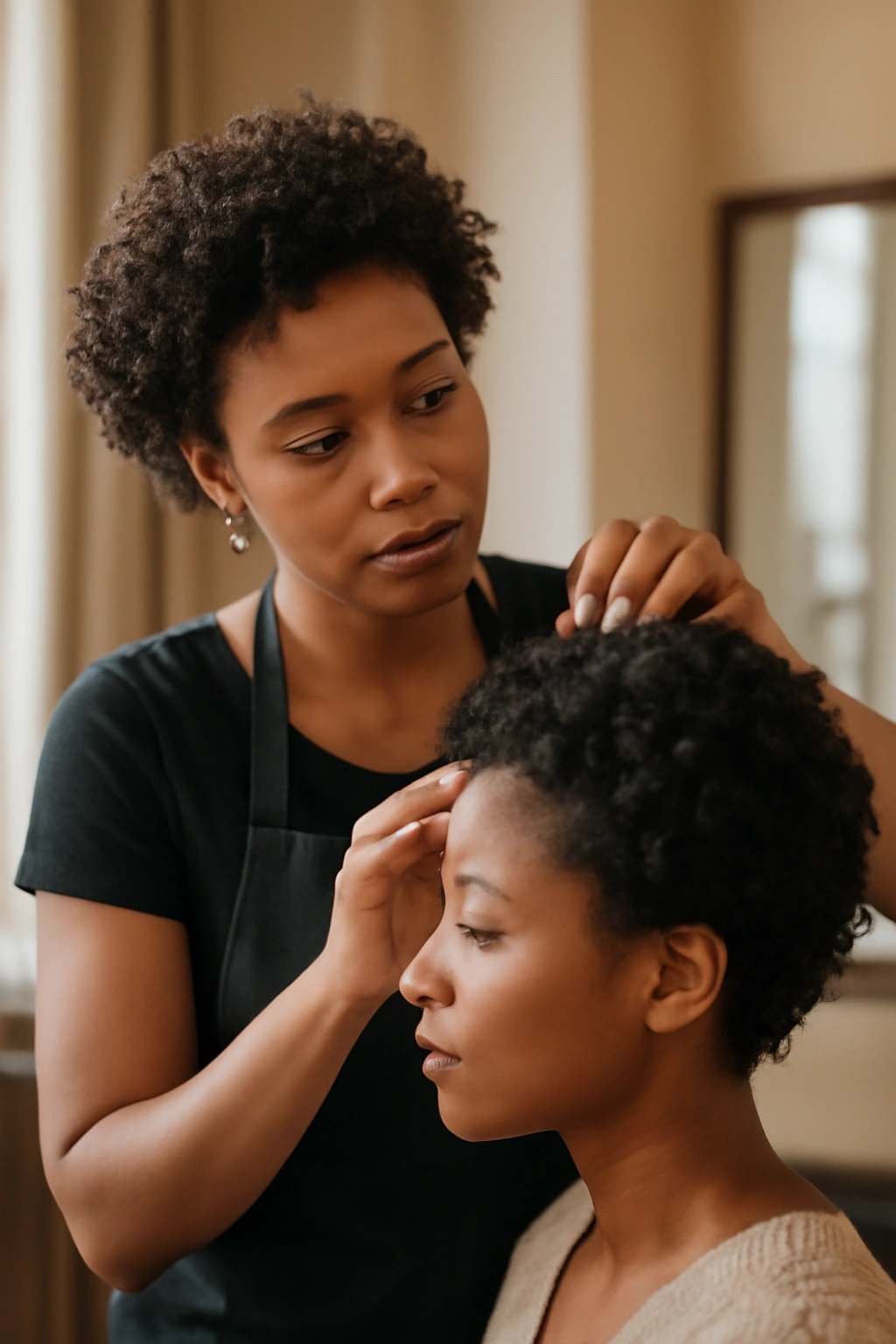
The single most important factor in getting a short cut that actually works is finding a stylist with genuine expertise in cutting curly and coily hair. This cannot be overstated. A stylist trained primarily in straight-hair cuts will likely approach your curly hair using straight-hair principles, which almost always results in a disappointing cut.
Look specifically for stylists who advertise natural hair expertise, who have a portfolio showing curly and coily textures, and ideally who wear or have worn natural hair themselves. Ask pointed questions: Do they cut curly hair dry or wet? (Wet is generally better, as it allows them to see your true curl pattern.) How do they approach texture? Do they cut with the curl pattern or against it? What’s their experience with your specific curl or coil pattern?
Reading reviews from people with similar hair types to yours is invaluable. A five-star review from someone with straight hair tells you almost nothing about whether this stylist can cut your curls. But a detailed review from someone with a similar coil pattern, describing their specific cut experience, is incredibly useful information.
Don’t hesitate to ask for a consultation before booking a full cut. Many stylists offer brief consultations where you can discuss your hair, show reference photos, and get a sense of their approach and communication style. This is your opportunity to ask questions and gauge whether they truly listen and understand your vision.
If finding a good curly-hair stylist proves difficult in your area, consider traveling for your first cut, especially if you’re doing something significant like a major transition or your first short cut. A really good first cut sets the tone for how you feel about your hair going forward. It’s worth the extra effort.
What to Bring and Discuss With Your Stylist

Preparation before your appointment dramatically increases the chances of getting a cut you actually love. Start by gathering reference photos—not just one, but several showing the exact style from different angles and with different styling approaches. Pin these to your phone or print them out. Look for photos featuring people with similar curl or coil patterns to yours, as this gives your stylist a much better sense of how the cut will actually look on your specific texture.
Come to your appointment with clean, product-free hair if possible, or at minimum with only lightweight leave-in products that won’t interfere with how your stylist evaluates your curl pattern. Bring a list of specific questions: How should you style it after cutting? What products will work best? How often should you return for trims? Will it work as a wash-and-go or does it require styling? How will it look as it grows out?
Be specific about what you want. Instead of saying “I want it short,” explain the exact look you’re going for: “I want a textured fade with about two inches on top and clipped sides,” or “I want a TWA that shows my natural coil pattern.” Use your reference photos to point out specific details you like. A good stylist will ask clarifying questions and set realistic expectations based on your curl pattern.
Discuss your daily styling reality honestly. If you’re not someone who wants to style your hair every day, choose a cut that works as a wash-and-go. If you enjoy occasional styling, you can choose something with more length and versatility. There’s no wrong answer; it’s just about alignment between your cut style and your actual lifestyle.
Transitioning to Short Hair: What to Expect
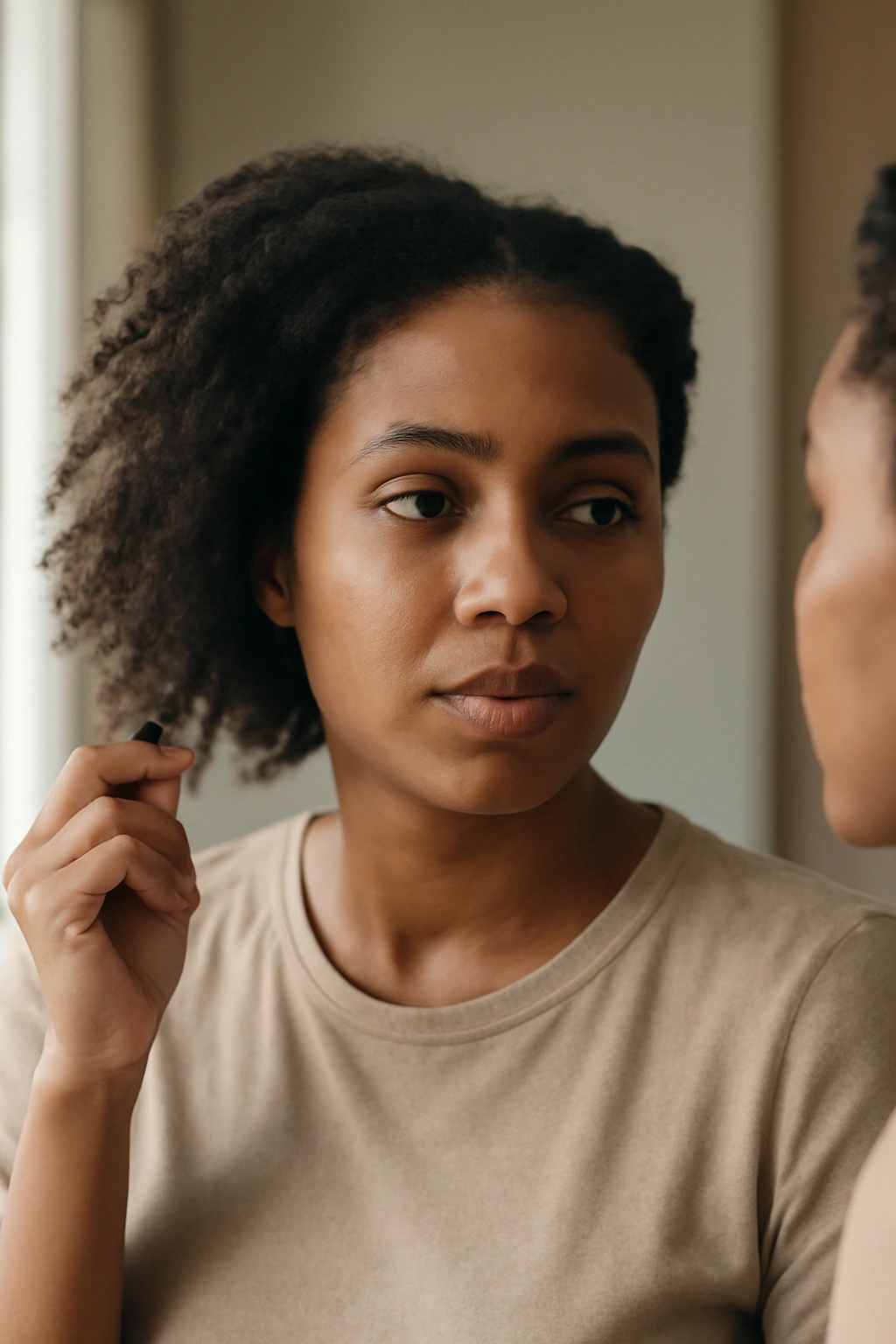
If you’re moving from longer hair to a short cut, the transition can feel shocking, even if you’re genuinely excited about the change. Prepare yourself mentally for the adjustment period. Many people feel vulnerable or uncertain when they first see themselves with very short hair, even when the cut itself is beautiful. This is completely normal and usually passes within a few days.
Plan your short cut for a time when you don’t have major events or situations where you need to feel completely confident in your appearance. Give yourself at least a few days—ideally a week—to adjust to seeing yourself in the mirror before you’re in public-facing situations. Your brain needs time to catch up with the new image you’re presenting.
The first few weeks after cutting are a learning period. You’ll discover how your short hair dries, what styling methods work, how often you need to wash, and how different products affect your curls or coils at this length. Keep notes about what works and what doesn’t. A product that was perfect for your longer hair might be too heavy for your short curls, while a lighter product you never used before might suddenly be ideal.
Your shortest haircut day is not when your hair will be at its shortest—your hair will appear noticeably shorter once it fully dries, especially if you have a very tight coil pattern. This is the curl contraction effect we discussed earlier. Understand this going in, so you’re not shocked when your hair shrinks up once you get home and it dries completely.
Consider starting with a slightly longer short cut than you ultimately want. If you’re thinking about a one-inch cut, start with an inch and a half. Give yourself time to adjust and see how you feel. You can always go shorter at your next appointment, but you can’t add length back that’s already been cut off.
Styling and Caring for Your Short Natural Cut
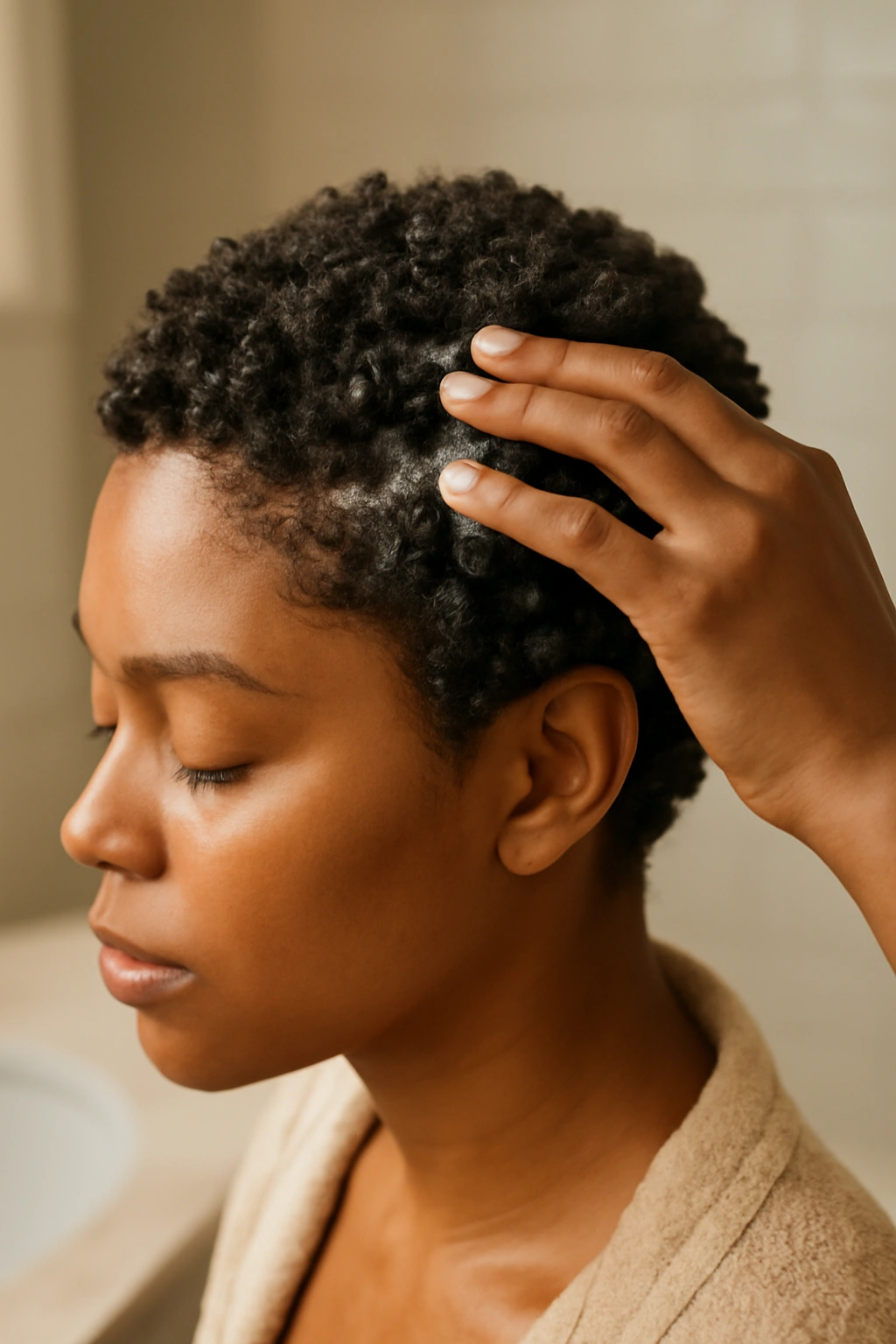
Short natural cuts often feel like they require less styling than longer styles, and in many cases that’s true—but “less styling” doesn’t mean “no styling.” A wash-and-go approach works beautifully for many people with short cuts, but that wash-and-go is still an intentional process, not just washing and leaving your hair wet.
Start with a sulfate-free shampoo or a cleansing conditioner (co-wash), then apply a leave-in conditioner while your hair is still wet. This is the crucial step that makes a wash-and-go actually work. The leave-in conditioner hydrates your curls or coils and helps them dry into a defined, moisturized shape. Without this step, your hair might dry feeling stiff or undefined.
After applying leave-in conditioner, you have choices. You can apply a curl-defining cream or gel to encourage definition and hold, or you can simply let your hair air dry naturally. If you’re using styling products, apply them to soaking-wet hair for even distribution. Then let your hair air dry completely or use a diffuser attachment on a blow dryer set to low heat. Never rough-dry your curls or coils; wet hair is fragile and rough handling causes frizz and breakage.
The key to maintaining moisture and definition in a short cut is frequent washing—most people find that weekly or twice-weekly washing keeps their short natural hair feeling soft and looking defined. More frequent washing might seem counterintuitive, but short hair doesn’t retain moisture the way longer hair does, and curls and coils benefit from regular hydration. Find your own rhythm; some people do best with twice-weekly washing, while others wash every other day.
Nighttime care matters too. Short hair doesn’t need the protective styling that longer hair does, but you should still protect it from friction and dryness. Sleep on a silk or satin pillowcase, or wear a silk or satin bonnet or wrap if you prefer. This prevents friction frizz and helps your curls or coils maintain their definition overnight.
Common Mistakes That Undermine Your Short Cut Results
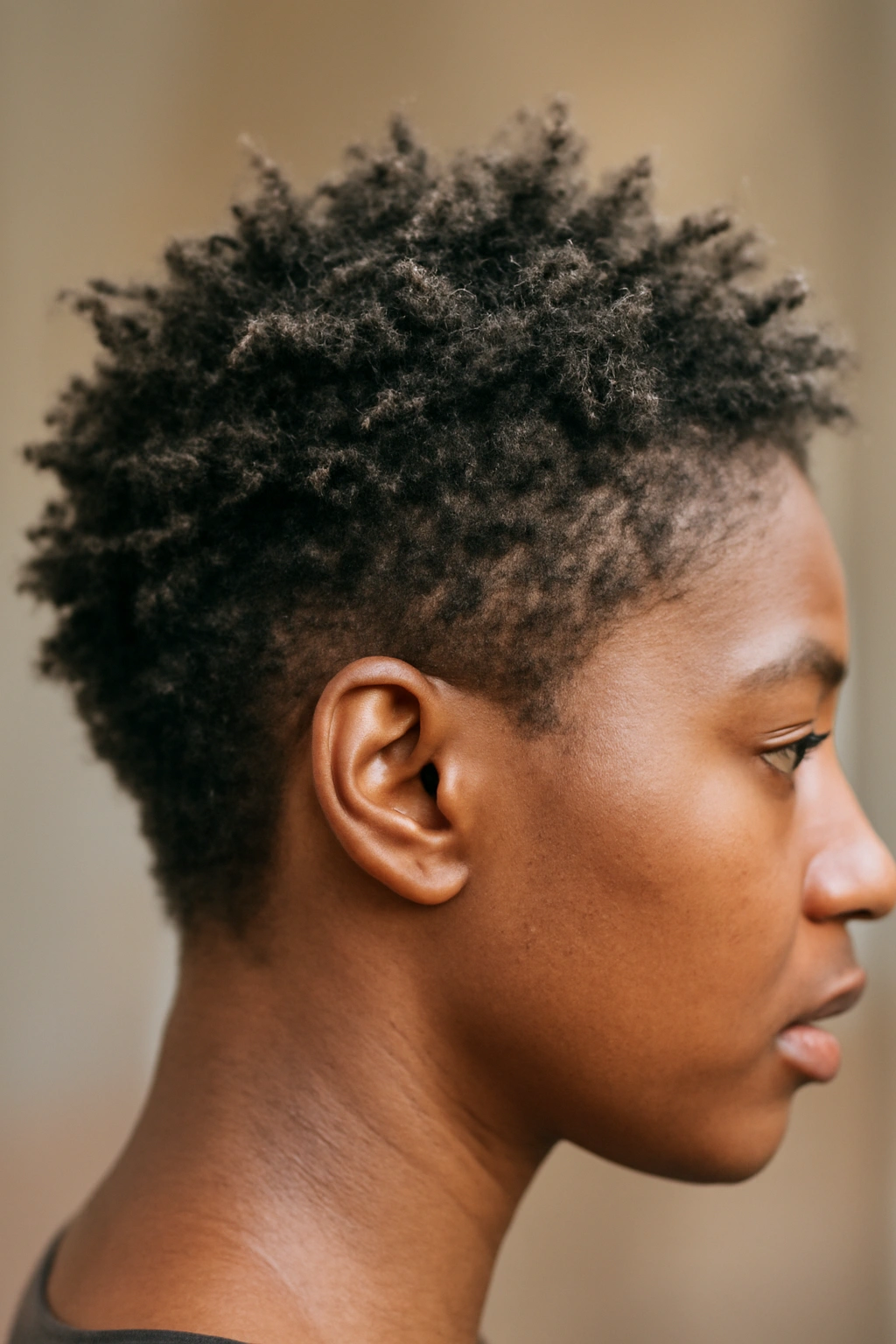
One of the most frequent mistakes people make with short natural cuts is choosing a style that doesn’t actually fit their daily reality. You might love the look of a styled twist-out or braid-out, but if you’re not someone who enjoys spending time styling your hair, don’t choose a cut that requires styling to look good. Choose a wash-and-go cut instead, and save styled options for special occasions.
Another common error is not moisturizing enough. Short hair dries out faster because there’s less hair to hold moisture and there’s more scalp exposure. The assumption that short hair needs less moisture is backward—short hair often needs more attention to hydration because it dries so quickly. Use a good leave-in conditioner, and consider using a heavier cream or oil-based product if your curls or coils feel dry.
Poor trims between professional cuts also undermine your style. Short hair grows quickly and becomes shaggy or shapeless without maintenance. Plan for professional trims every 4 to 6 weeks depending on your cut style and how fast your hair grows. In between, you can do very minor maintenance at home—just removing any obviously straggly pieces—but don’t attempt to trim your own short cut substantially.
Using products meant for longer hair is another mistake. Your favorite curl-defining cream might be too heavy for a short cut, making your curls look wet rather than defined. Conversely, products meant for very short hair might not provide enough moisture for your specific texture. Experiment and adjust as needed.
Many people also give up on their short cut too quickly. The adjustment period is real, and it can take two to three months for you to feel truly confident and for your hair to fully adjust to its new length and for you to discover what works for styling and care. Stick with it through that adjustment period before deciding the cut didn’t work.
Styling Variations: Breaking Up the Monotony
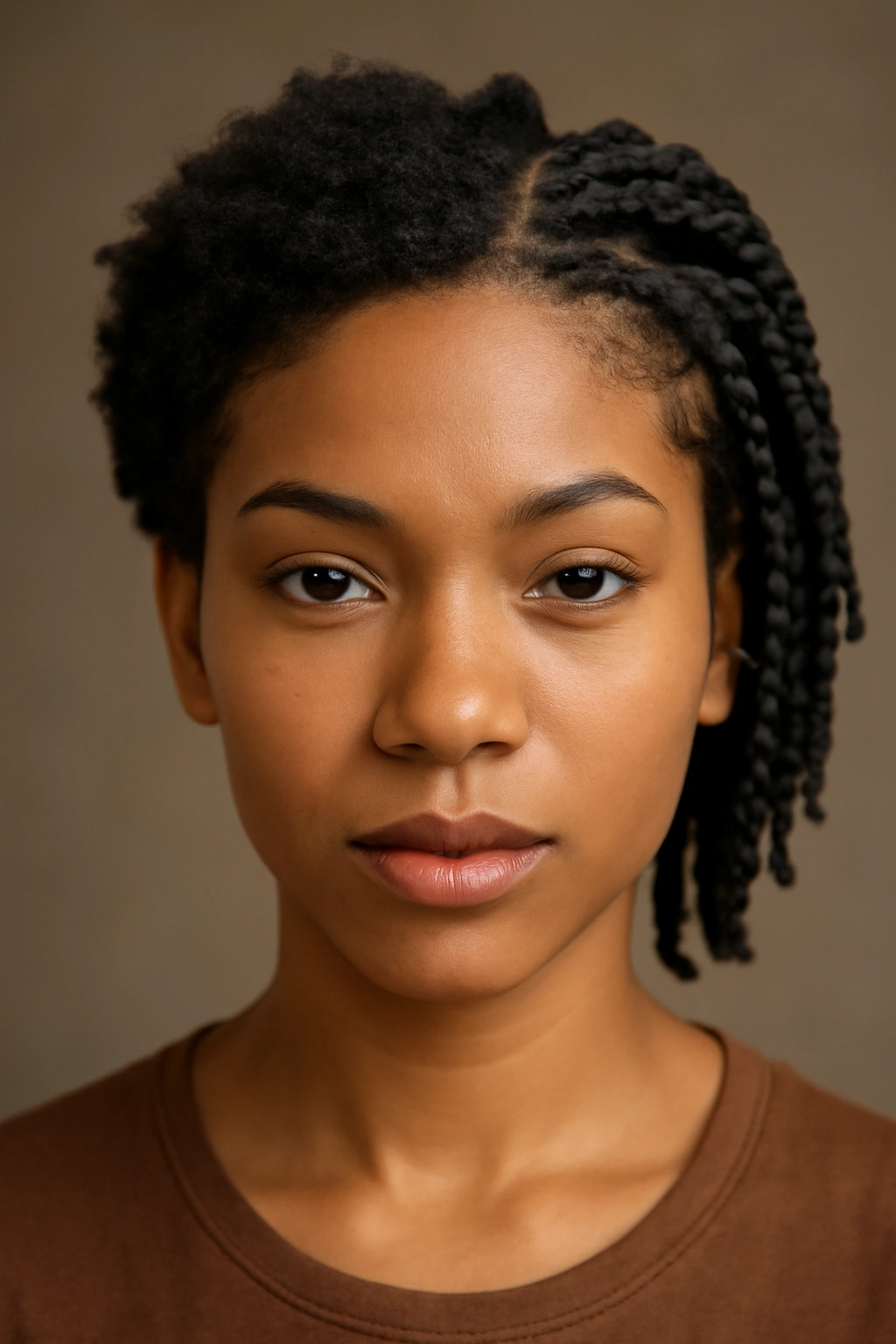
Even though short cuts are marketed as low-maintenance, they offer more styling variety than many people realize. One of the greatest joys of short natural hair is that you can experiment with different looks while maintaining your cut.
A basic wash-and-go is your daily option—quick, easy, and celebrates your natural curl or coil pattern. But you can also do a styled twist-out by dampening your short hair, applying a styling cream, and twisting small sections. Once dry, you untwist to reveal a slightly different texture and curl definition. The advantage of doing this with short hair is that the process takes maybe 15 minutes, not hours.
Braid-outs work similarly. Dampen your hair, braid it in small sections, let it dry (or dry it with a diffuser), then unbraid to reveal a braided texture. Again, with short hair, this is a quick, manageable process.
You can also play with styling products and techniques. A small amount of edge control product along your hairline creates a different, more polished look. A lightweight gel can emphasize definition and create more hold if you’re going out and want your curls or coils to stay perfectly in place all day. A heavier styling butter creates a softer, more textured look.
The beauty of short natural hair is that you have a stable, intentional foundation, but you have creative freedom with what you do on top of that foundation. You’re not limited to one look just because your hair is short.
When and Why You Might Need to Go Shorter
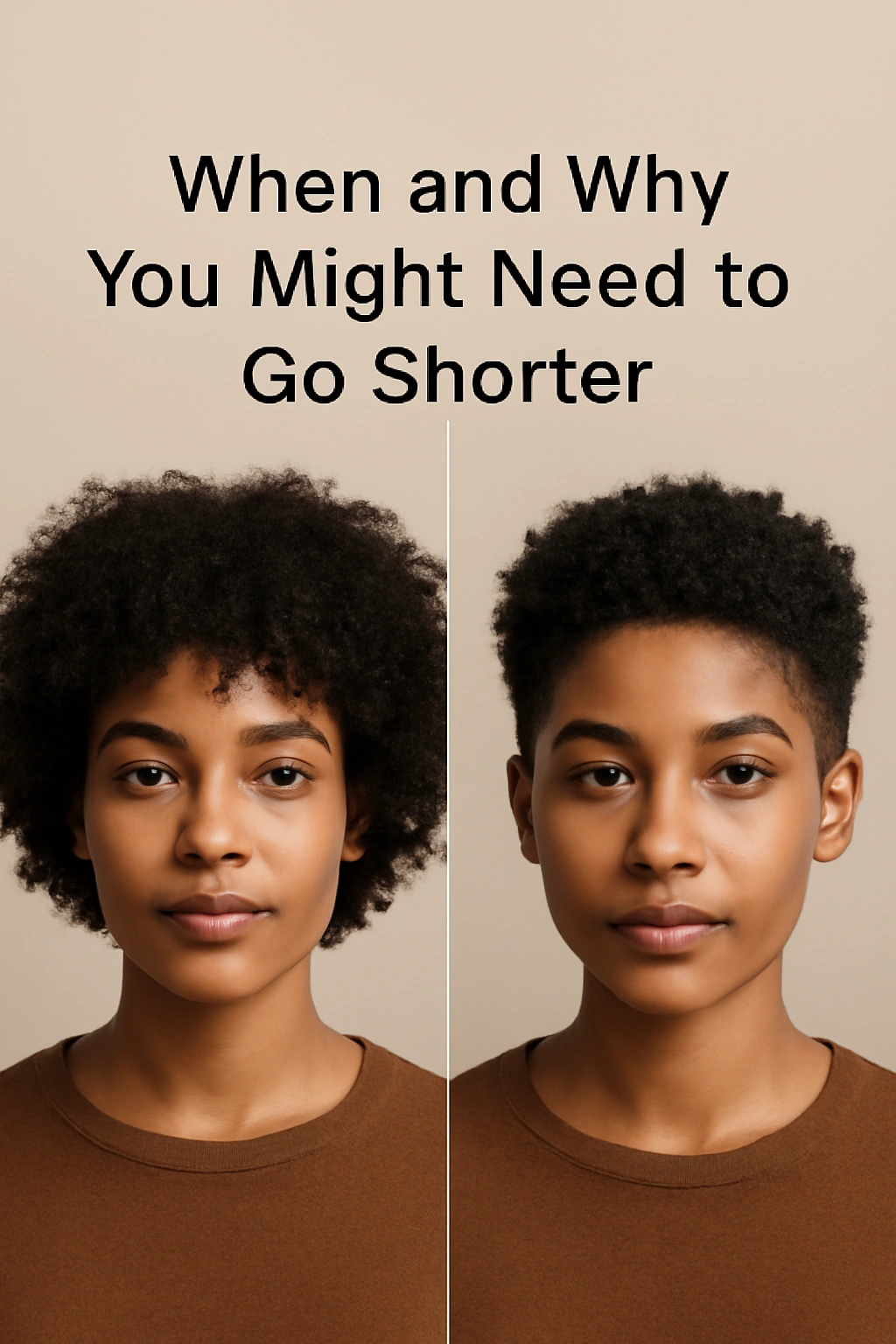
As your short cut grows out, you might discover that you actually prefer it even shorter than your initial cut length. This is incredibly common. Many people start with, say, an inch and a half on top, and after a month or two of wearing it, realize they love how it looks and feels. On your next trim, you might go down to an inch, or even shorter.
The opposite sometimes happens too—you might start with what you thought was your target length, then realize as it grows out that you actually want slightly more length for styling versatility. If you’re not satisfied after your first cut, give yourself at least 4 to 6 weeks to truly assess before deciding. Your first cut might not be your forever cut, and that’s okay.
Some people also discover that they prefer different lengths for different seasons or life phases. You might wear an extremely short cut during warmer months because it feels cooler and more freeing, then grow it out slightly during colder months. Or you might go shorter during high-stress periods when you want minimal hair maintenance, then grow it longer during times when you have more energy for styling.
The wonderful thing about having a really good short cut is that small adjustments in length have a huge impact on look and feel without requiring a complete style change. Communicate clearly with your stylist about what you’re noticing and feeling, and explore these variations together.
Products That Serve Short Natural Hair Well
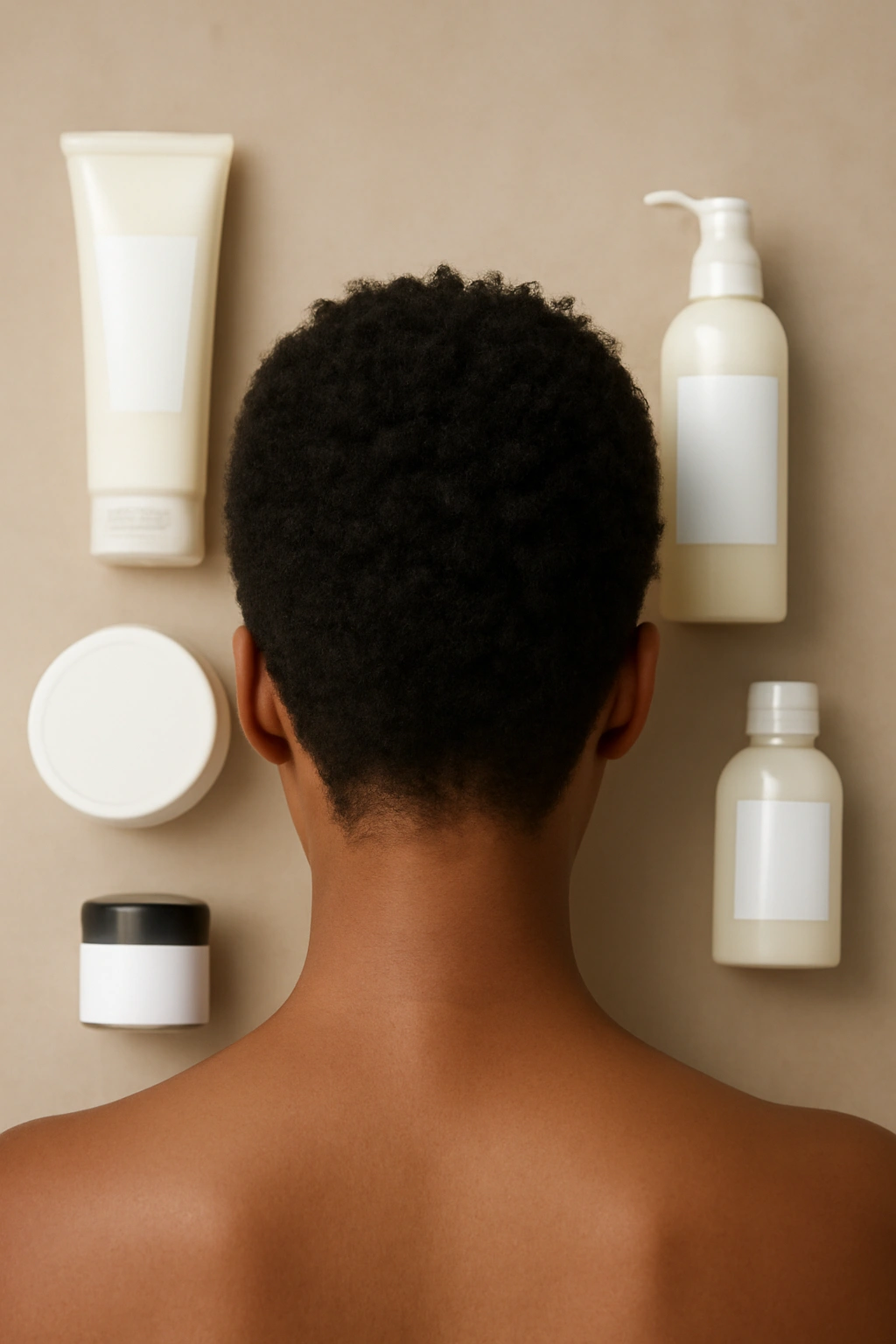
Not all products work equally well for short curly and coily hair. Heavy, thick products that are perfect for long hair often weigh down short curls, while products designed for very short hair might not provide enough moisture for your specific texture. Finding your product formula is part of the discovery process.
Leave-in conditioners are the hero product for short natural hair. Look for ones that are lightweight but hydrating—you want something that absorbs quickly and doesn’t leave your hair feeling sticky or overly wet. Apply this to soaking-wet hair after shampooing.
For styling, you have options depending on your preference. Curl-defining creams provide moisture and hold without heaviness, making them ideal for wash-and-go styling on short hair. Lightweight gels offer more hold and definition if you prefer a more polished look. Some people prefer oil-based products like lightweight oils or butters, while others find oils too heavy for their short curls or coils.
Edge control products become more important with short hair, especially if you have a fade or undercut where your hairline is more visible. A good edge control helps you maintain a polished, intentional look.
Deep conditioning treatments are essential, even for short hair. Aim for deep conditioning weekly or every other week, depending on your hair’s porosity and how much moisture you’re losing to the air. Short hair benefits from the same moisture-intensive care as longer hair; it just dries out faster and shows results more quickly.
The best way to find products that work is through deliberate experimentation. Try one product at a time for at least a few wash cycles before deciding it’s not working. Your hair needs a couple of washes to adjust to any new product, so snap judgments often lead to good products being rejected unfairly.
The Confidence and Versatility of Short Natural Hair
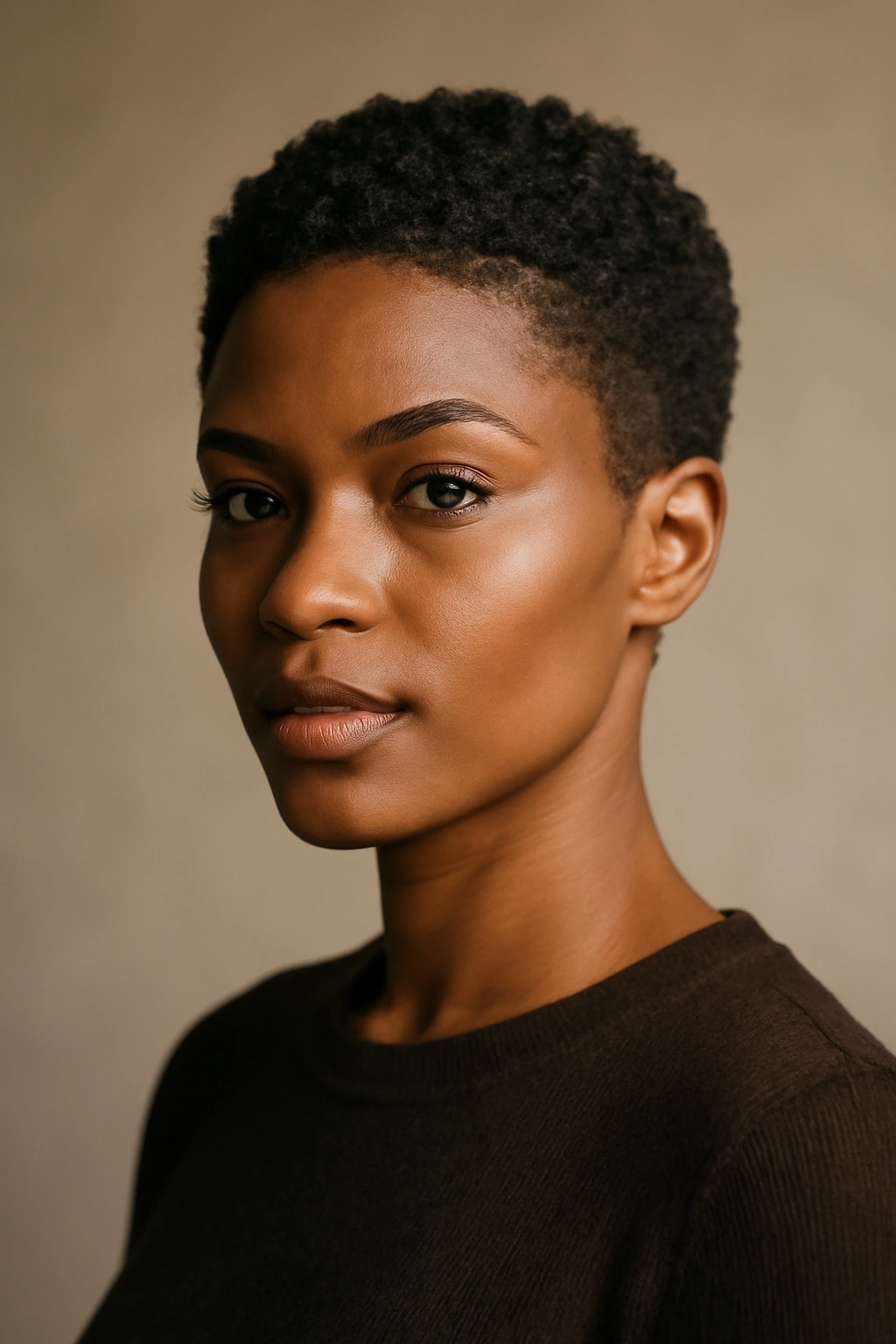
Beyond the practical aspects of styling and maintenance, there’s something genuinely transformative about wearing your hair short and natural. Many people describe it as finally feeling like themselves—like they’ve removed a layer of expectation or pressure and are showing up in the world as they actually are.
Short natural hair is inherently bold. It’s a visible celebration of your texture and your identity. You’re not trying to manage or minimize your curls or coils; you’re showcasing them. This visibility creates a kind of quiet confidence. You’re making an intentional statement every single day.
The versatility is worth highlighting too. While long natural hair offers styling possibilities, short natural hair is actually deceptively versatile. You can do wash-and-go looks, styled twists or braids, slicked-back looks with gel, or even accessorized looks with clips, scarves, or jewelry. You can change your whole aesthetic just by changing your styling approach or trying a different product.
Maintenance becomes genuinely manageable. You’re not spending hours styling or protective styling your hair. You can wash, condition, and style in under an hour most days, often under 30 minutes. This frees up mental energy and actual time for other parts of your life.
The health of your hair improves too. Short hair means less manipulation, faster drying, easier detangling, and the removal of the oldest, most compromised ends. Over time, you’ll likely notice your curls or coils feeling stronger and looking healthier.
Final Thoughts
A short natural cut designed for your specific curl or coil pattern is one of the best investments you can make in your hair and your relationship with your natural texture. The journey from deciding to go short, to finding the right stylist, to getting the cut, to discovering your styling rhythm—it’s a genuinely meaningful process of self-discovery and self-acceptance.
The key is understanding your specific texture, finding a stylist who truly knows how to cut curly and coily hair, and committing to the maintenance and care that keeps your cut looking intentional and your curls or coils feeling moisturized. There’s no one “right” short style for natural hair; what’s right is whatever makes you feel confident, beautiful, and comfortable in your own hair.
Whether you choose a textured fade, a TWA, a crop, or something entirely different, you’re celebrating your natural texture in a way that’s uniquely yours. You’re saying yes to your hair as it actually grows from your head, and that’s something genuinely powerful.
