



Short hair doesn’t have to mean complicated styling routines. If you’re one of those people who’d rather spend five minutes getting ready than blow-dry, straighten, and style for thirty minutes, you’re not alone — and you’re absolutely not limited to boring options. The beauty of modern short haircuts is that they’re designed with low-maintenance living in mind. Gone are the days when short hair meant you had to style it perfectly every single morning. Instead, you can find cuts that work with your natural texture, require minimal tools, and actually look better when you embrace their natural movement.
The trick is understanding which cuts genuinely need less work and which ones just look effortless while secretly demanding attention. Some short styles practically style themselves once they’re cut correctly. Others will grow out awkwardly without regular trimming or need strategic product and technique to look polished. Knowing the difference between the two is what separates a great low-maintenance cut from a frustrating mistake.
What makes a short haircut truly low-maintenance? It comes down to a few key factors: how the cut works with your natural hair texture, whether the style has built-in movement that doesn’t require blow-drying, how forgiving the cut is as it grows out, and whether it can look intentional and put-together with basically zero styling effort. The best cuts for people who hate styling have a deliberate texture or shape that looks intentional whether you’ve touched your hair or not.
Let’s walk through ten proven short haircuts that genuinely require minimal styling, so you can finally find something that fits your actual life instead of your imaginary morning routine.
1. The Textured Pixie Cut
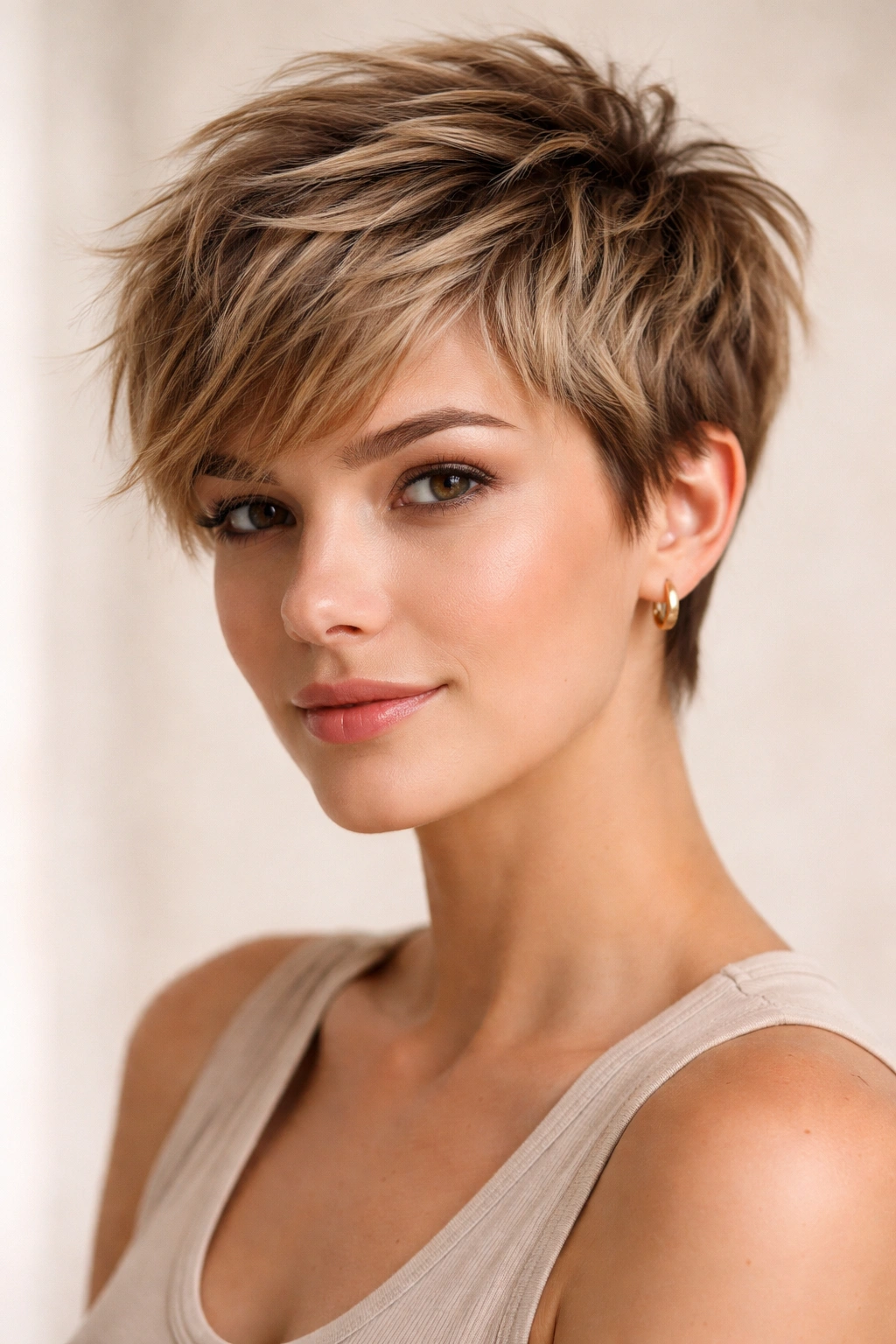
A textured pixie is basically the low-maintenance dream — it’s short enough that you can’t do much damage even if you try, and the choppy layers built into the cut create natural texture and movement. Instead of one uniform length, a textured pixie has layers throughout that catch light differently and create the illusion of fullness and intentional styling even when you’ve just run your fingers through it.
Why It Works for Texture-Loving Hair
The genius of a textured pixie is that it actually needs texture to look right. If you have naturally wavy or curly hair, this cut is specifically designed to work with those waves rather than against them. The shorter length means your waves have less weight pulling them down, so they spring up naturally. Even if your hair is naturally straight, a good stylist will cut in choppy layers that create texture, so the cut has built-in visual interest without requiring you to crimp or curl anything.
What to Know Before Getting One
- The cut typically requires trimming every 4-6 weeks to maintain shape and prevent it from looking shaggy
- Works best on oval, heart, or oblong face shapes; discuss placement with your stylist if you have a rounder face
- Wash and air-dry, or use a light texture spray or salt spray to enhance natural waves
- The longer you let the top grow out, the more styling flexibility you get — some people intentionally let it grow into a shaggy textured bob
2. The Classic Blunt Bob
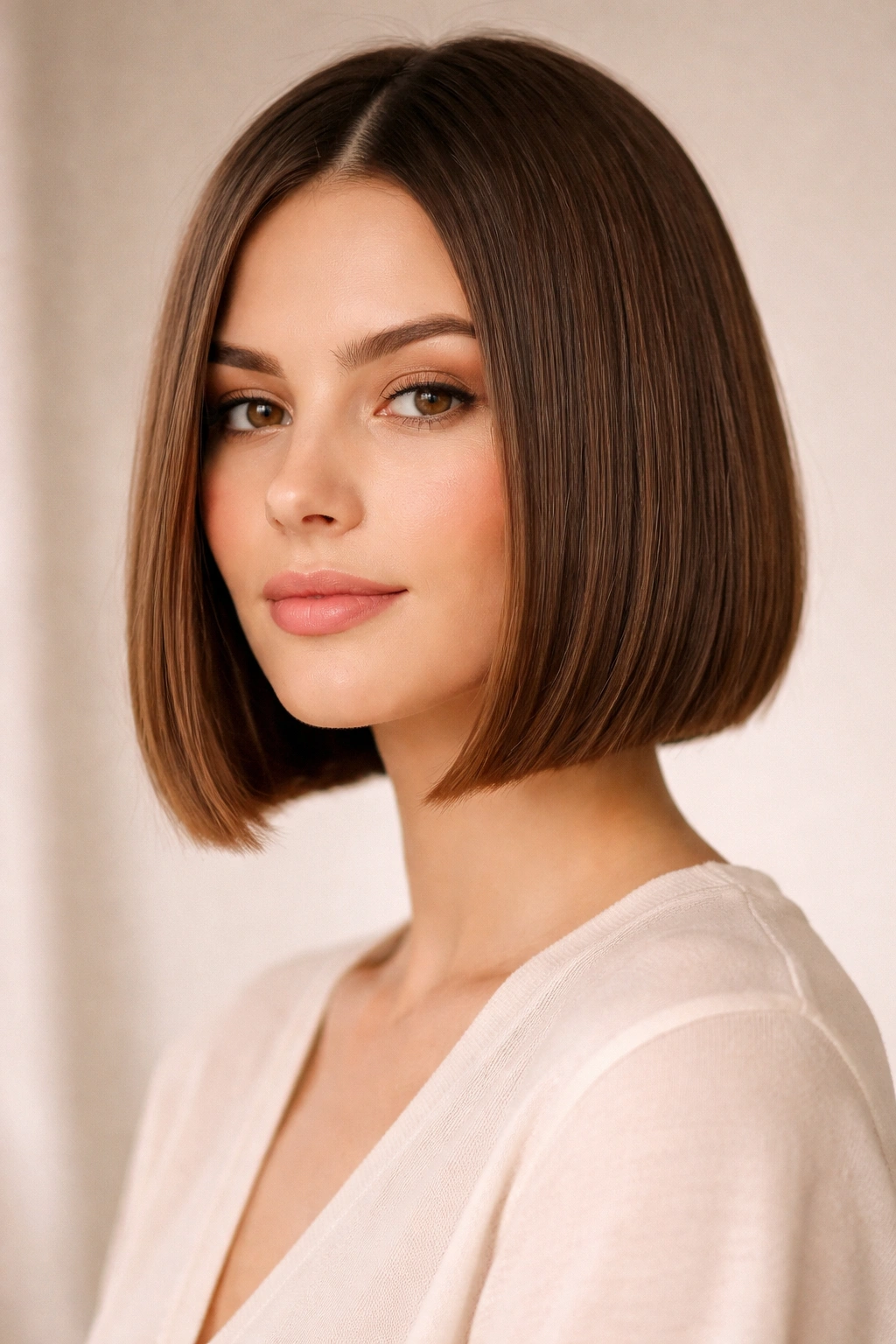
Don’t write off the bob just because it sounds traditional — a modern blunt bob is a genuinely low-maintenance cut that’s had a major design upgrade. A sharp, chin-length bob with blunt ends has a polished, intentional look that reads as intentional even when it’s just been washed and air-dried. The weight of the hair at the ends actually helps it fall into place naturally.
How Modern Styling Has Changed the Bob
The key difference between a bob that needs daily styling and one that doesn’t is the cut angle and how the layers are crafted. A blunt bob cut with a slight forward angle (shorter in the back, longer in the front) encourages the hair to fall into place. Many contemporary bobs also include subtle texture or movement rather than being totally flat and severe. This modern approach gives you the polished vibe without needing to blow-dry and flat-iron every time you wash.
Simple Care Requirements
- Wash, apply a light smoothing serum or leave-in conditioner, and let it air-dry in a warm room — the heat helps set the shape
- A once-weekly or biweekly straightening pass (just the tips if needed) keeps the blunt lines sharp, but skip it if you prefer a softer look
- Trims every 6-8 weeks keep the cut from looking grown-out and shaggy
- The cut looks intentional at multiple growth stages, so you have flexibility about trim timing
3. The Shaggy Pixie Mullet
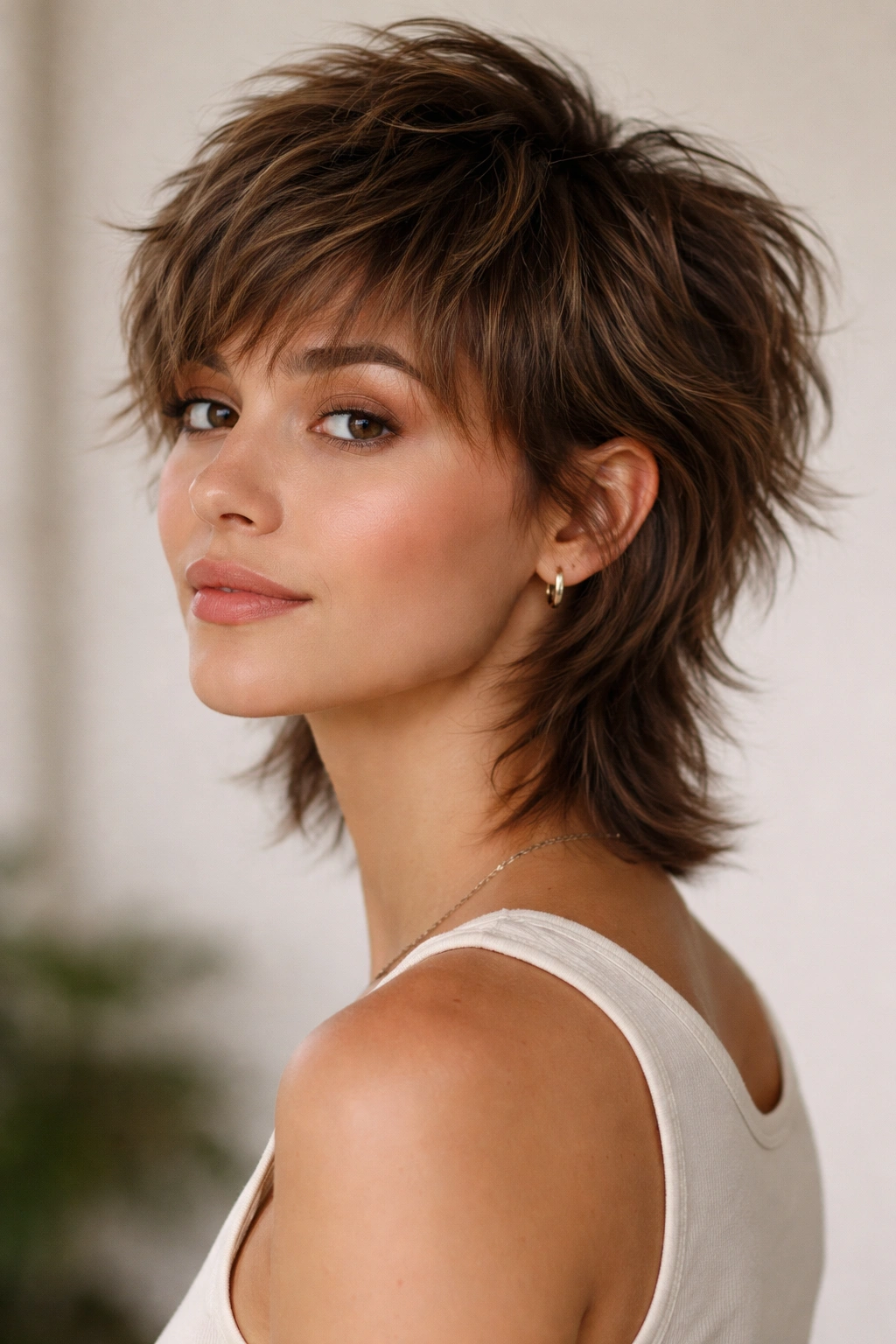
This is the unexpected hero of low-maintenance cuts. It’s essentially a pixie on top with slightly more length in the back — think rock-and-roll meets modern minimal. The combination of short and slightly longer layers creates movement and visual interest without requiring any actual styling technique. It’s the kind of cut that looks intentionally cool and lived-in, which is perfect if your natural hair state is usually lived-in.
Why the Shag Element Matters
Shag cuts work on a completely different principle than precision cuts. Instead of relying on blunt lines to look polished, they rely on choppy, uneven layers that create texture and movement. This means that your hair doesn’t have to be perfectly smooth or in a specific position to look intentional. Messy, textured, and imperfect is actually the goal — which is the opposite of stressful.
Styling Reality Check
- Air-dry whenever possible; the texture looks better slightly undone
- A light texture spray or dry shampoo enhances the texture and adds hold without looking product-heavy
- The cut intentionally looks better when it’s not perfectly styled, so your natural styling laziness is actually an asset
- Trims every 6-8 weeks maintain the shape, but the cut is very forgiving between trims
4. The Textured Crop
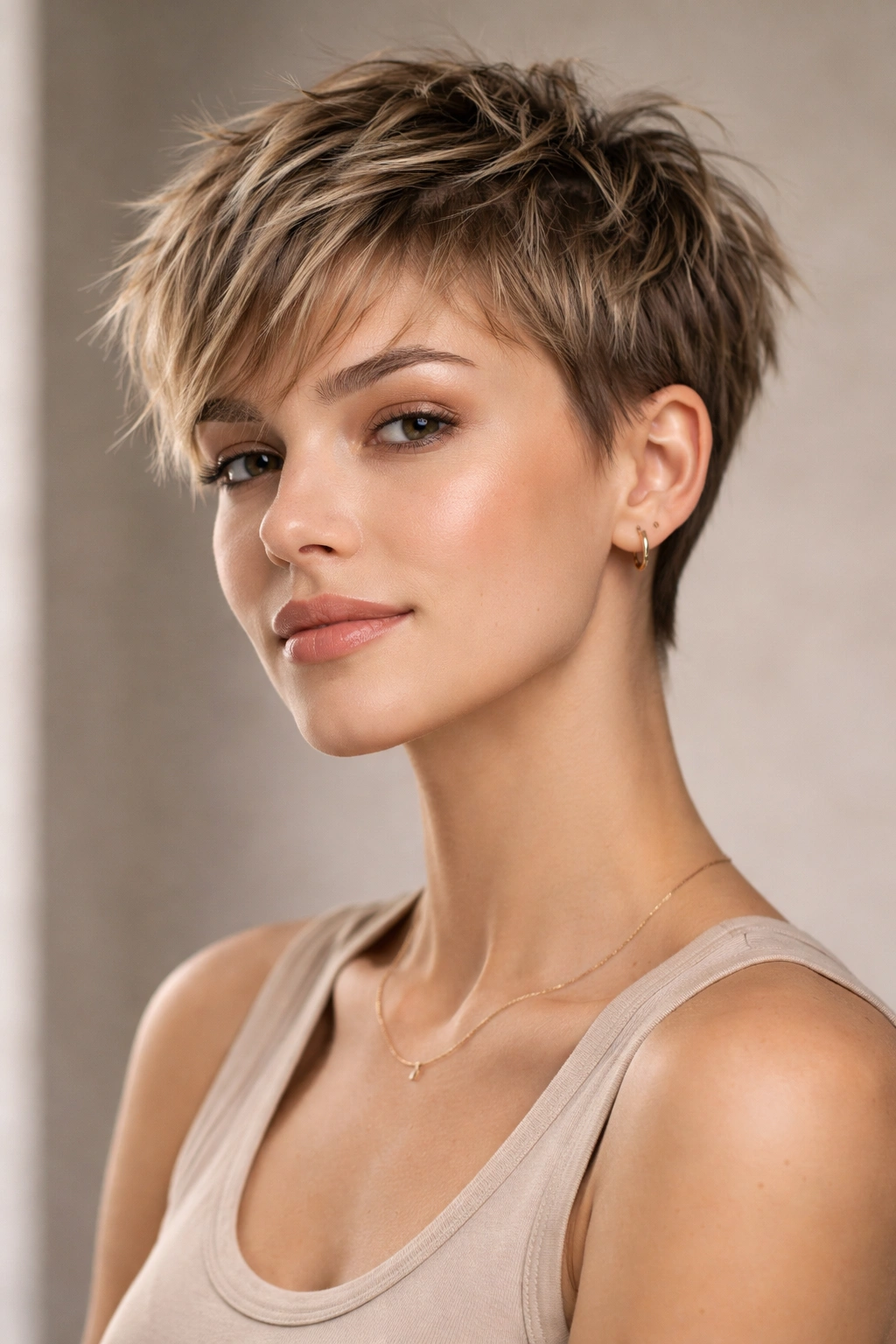
A textured crop is a cropped length (usually 2-4 inches on top) with choppy, uneven layers throughout. It’s masculine-leaning without being androgynous unless you want it to be, and it reads as effortlessly cool because the texture is the whole point. There’s nothing smooth or polished about it — the messier the better.
The Psychology of Texture as a Feature
This cut relies entirely on the idea that imperfection is the design. That means your hair doesn’t have to be perfectly blow-dried or symmetrical to look right. In fact, trying to make it too perfect usually makes it look worse. This is genuinely liberating for people who hate styling — your natural hair state is closer to the intended look than any amount of effort could achieve.
Daily Maintenance Is Minimal
- Wash and let it air-dry; it’ll be closer to the intended look than if you blow-dry it
- A light texture spray, clay, or matte paste can add hold and definition if you want it, but it’s totally optional
- Run your fingers through it and you’re done
- Trims every 4-6 weeks keep the shape defined and prevent it from looking overgrown
5. The Undercut Bob
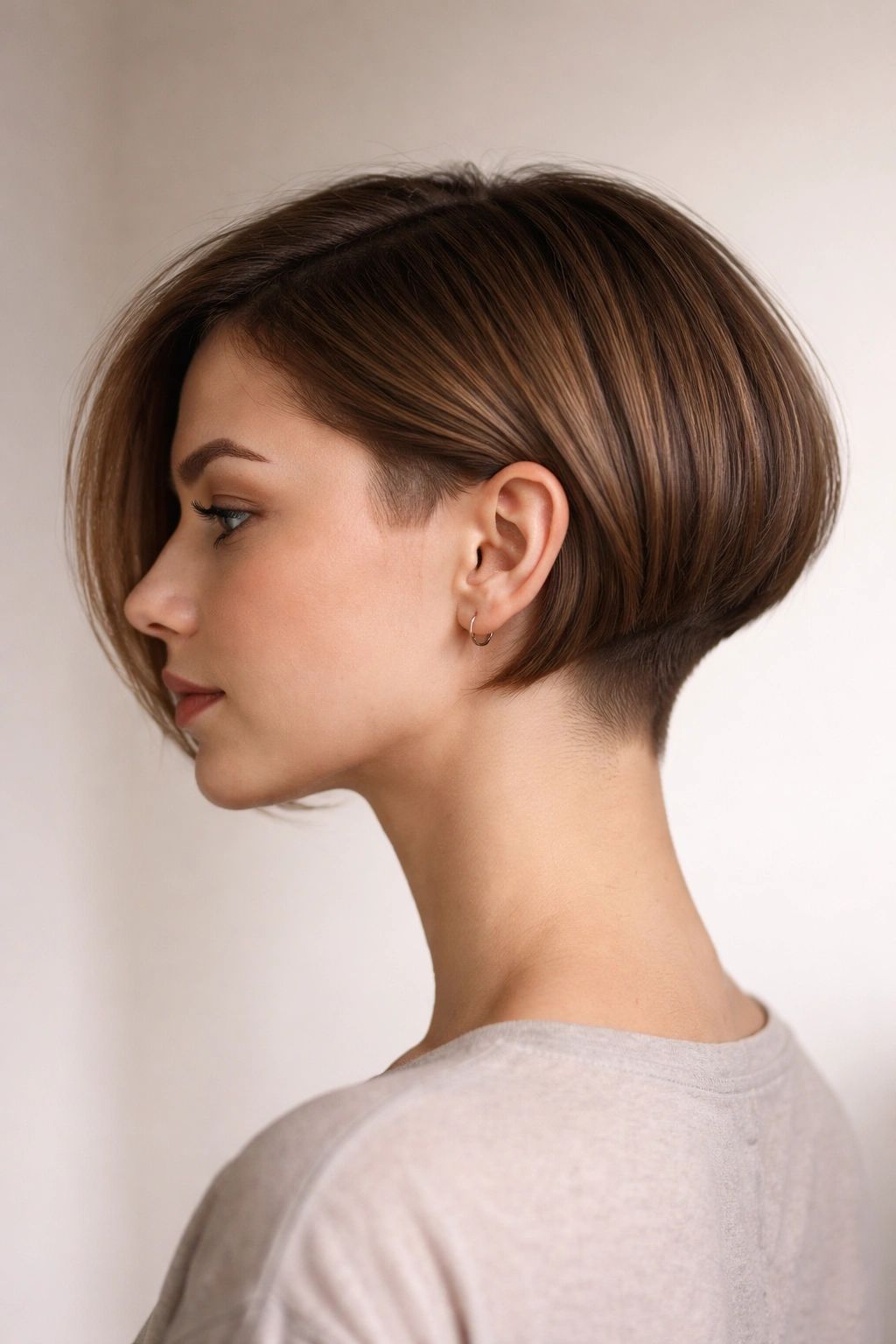
An undercut bob is a longer bob (usually chin-length or slightly longer) with the sides and back clipped very short, creating contrast and visual interest. It looks deliberately edgy and modern, and because the short sides are basically invisible (you don’t have to style them), you’re really only maintaining the slightly longer top section.
Why the Asymmetry Helps
The contrast built into an undercut creates visual interest that makes the cut look intentional even when it’s just been washed. The shorter sections are so short that they’re essentially set and don’t move, and the longer top section falls naturally due to the weight at the ends. This combination means you’re not fighting your hair to keep the cut looking good.
Practical Considerations
- The undercut sides grow out visibly and need touching up every 2-4 weeks to maintain the look, or you can let them grow out and transition into a full shorter style
- The longer top section needs less frequent trims — every 6-8 weeks is usually fine
- Styling the top section is optional; it looks intentional air-dried or styled
- This cut works best if you’re comfortable visiting a stylist regularly to maintain the undercut
6. The French Crop
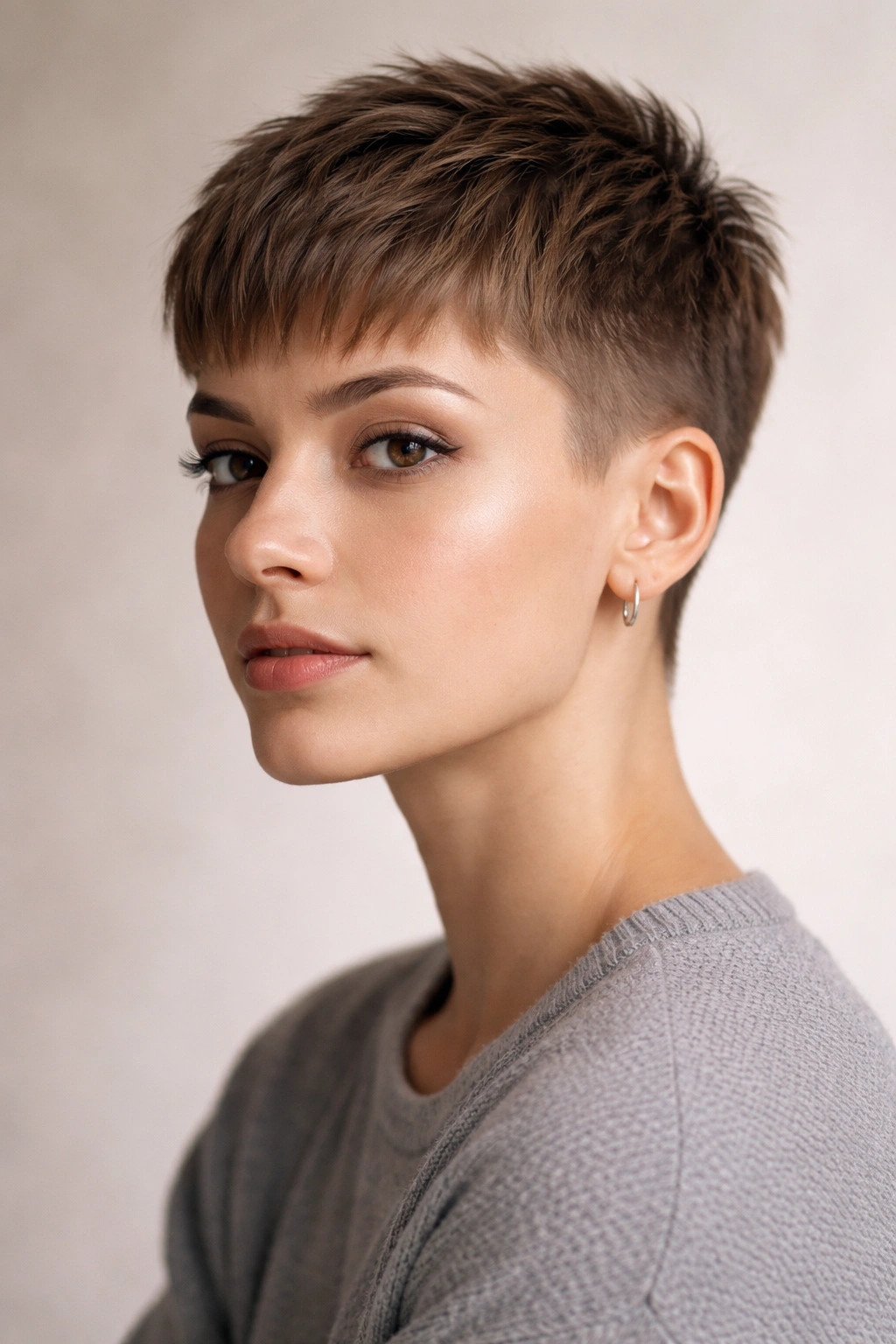
A French crop is a short, textured cut with slightly longer hair on top (usually 1-2 inches) and very short, tapered sides and back. It’s clean, structured, and low-maintenance because the short length means your natural hair growth and texture become features rather than problems. It has a sophisticated, almost architectural quality.
How Structure Creates Low-Maintenance Magic
A well-cut French crop works because the cut itself is so precisely shaped that minimal hair length is needed to achieve the look. You’re not relying on length to create style — you’re relying on the cut. This means that even as it grows out a bit, it still reads as intentional for several weeks.
Realistic Styling Expectations
- Wash, towel-dry, and either air-dry or quickly blow-dry with minimal product
- Many people find that a tiny amount of pomade, matte paste, or clay adds texture and hold without looking slick
- The cut is forgiving enough that you can have a disheveled version and a more polished version depending on your day
- Trims every 4-6 weeks maintain the sharp shape and prevent the sides from getting too long
7. The Choppy Layered Pixie
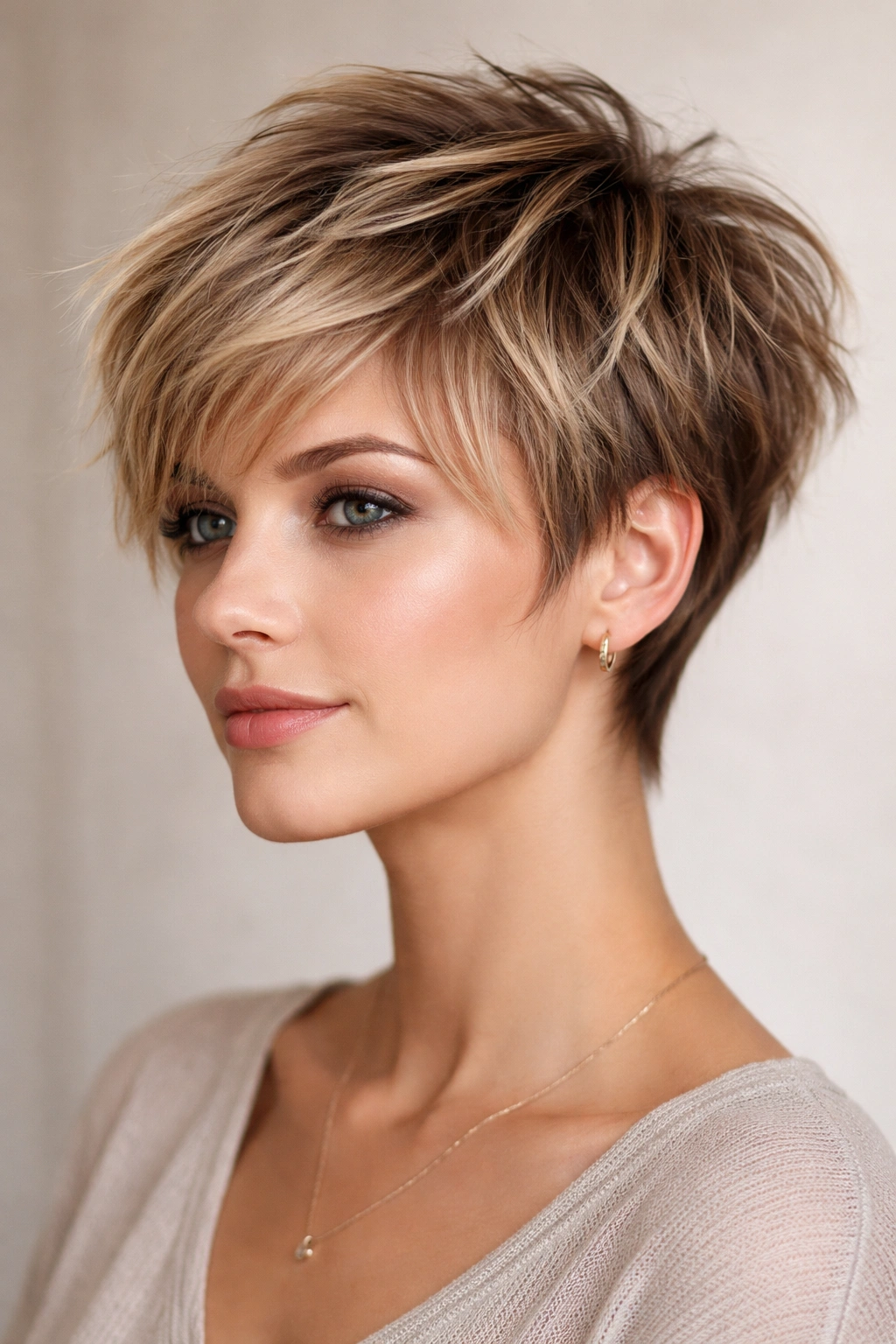
A choppy layered pixie takes the standard pixie and adds deliberate, uneven layers that create movement and texture. It’s shorter overall than a textured pixie but with more pronounced layering. This cut works especially well for people with fine or thin hair because the layers create the illusion of volume and movement.
Why Choppy Layers = Zero Styling
Choppy layering is the styling cheat code. Instead of a smooth, uniform surface that requires blow-drying and flatness, a choppy-layered cut has built-in movement and texture from multiple directions. Your hair literally can’t lie flat or look boring because it’s cut to move in different directions.
What Makes This Different from Other Pixies
- More dramatic layering than a standard textured pixie means even wilder, more intentional texture
- Works on all hair types but is especially forgiving on wavy and curly hair
- Can be styled sleek with product and blow-drying if you want, but looks great completely unstyled
- Requires trims every 4-6 weeks to keep the choppy layers from getting too long and losing definition
8. The Short Shag
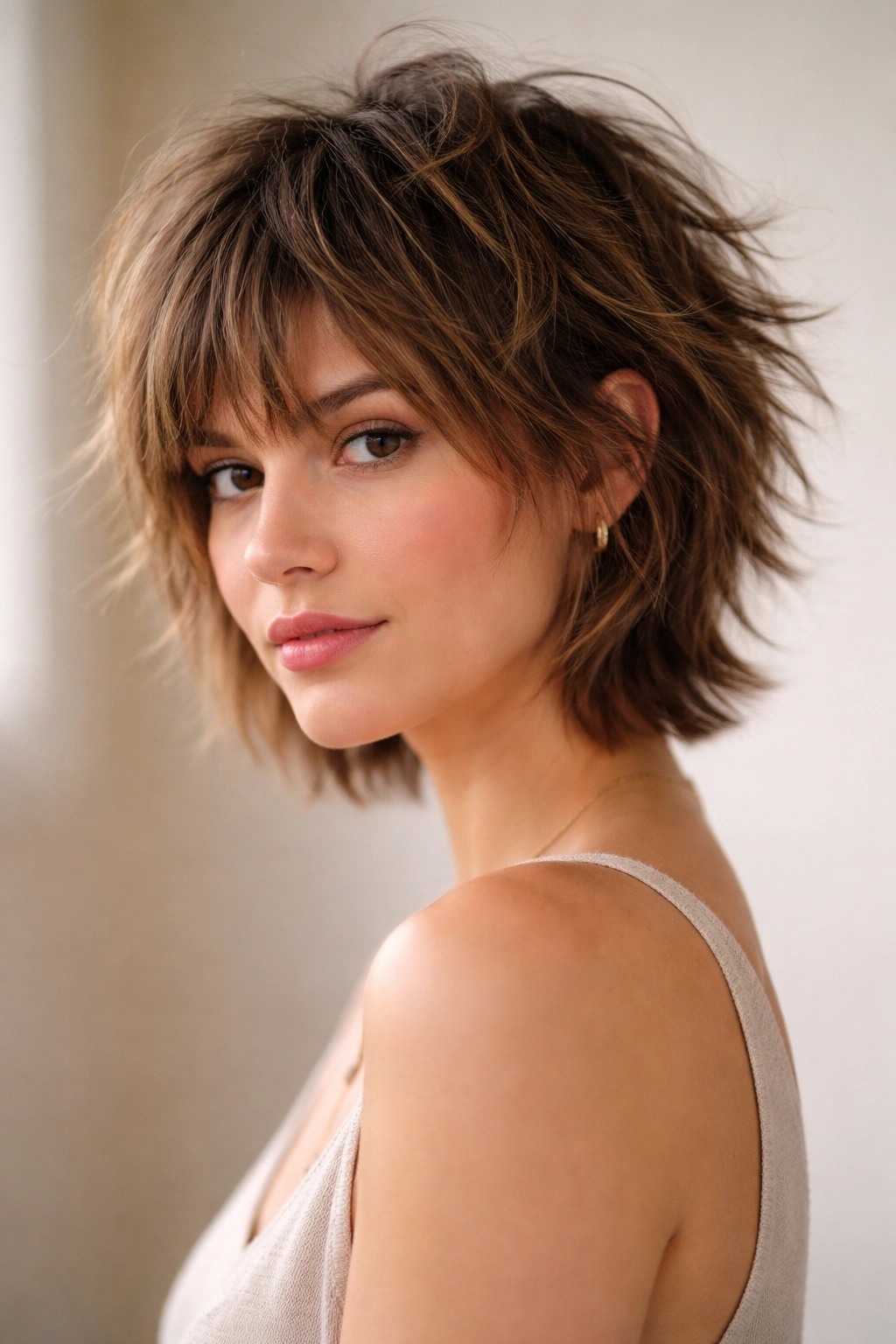
A short shag is basically the shaggy-pixie-mullet’s longer cousin — it’s usually 2-3 inches throughout with lots of choppy layers that create movement and texture. It’s longer than a pixie but much shorter than a traditional shag, and it has all the benefits of a shag (intentional texture, movement, that rock-and-roll vibe) without the length commitment.
The Shag Philosophy Applied to Shorter Hair
Shags are built on the principle that imperfection and texture are the point. Layers are deliberately uneven and choppy so that your hair can move in multiple directions. This means that achieving the “look” of the cut doesn’t require any special styling technique — your hair does it naturally.
Maintenance and Styling
- Wash and air-dry is genuinely the best way to style this; blow-drying can make it look too polished and less intentional
- A light dry texture spray or sea salt spray can enhance the layering and movement
- The cut intentionally looks better slightly messy than perfectly styled
- Trims every 6-8 weeks maintain the shape as the cut grows out; the layers need refreshing to stay defined
9. The Tapered Fade
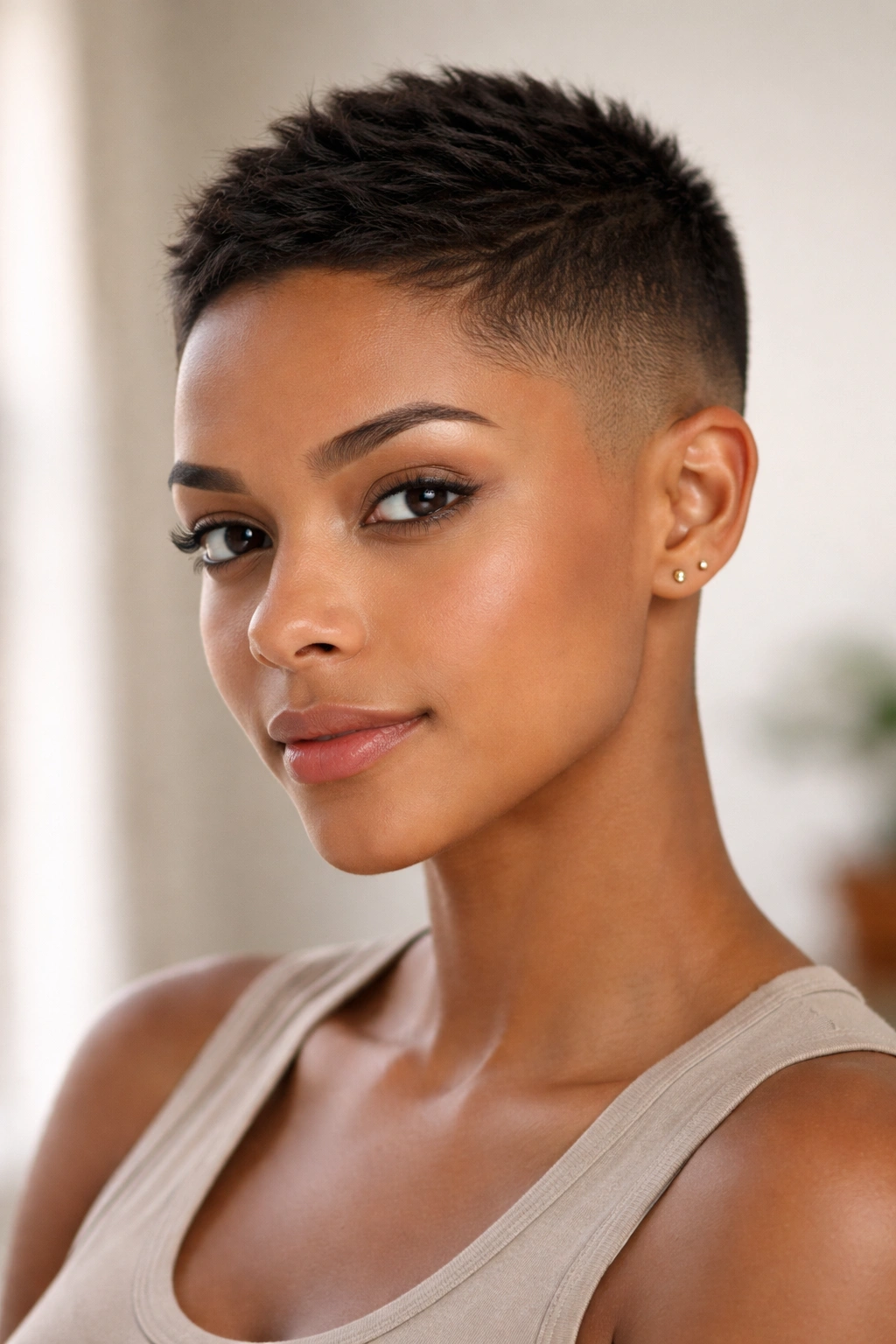
A tapered fade is an ultra-short, geometric cut with hair that gradually shortens from longer on top to very short on the sides and back. It’s clean, architectural, and requires minimal styling because there’s barely enough hair to style. For people who truly hate styling, this might be the ultimate cut — it’s grown out slightly and blown-dry, and you’re done.
The Minimalist Approach to Short Hair
A tapered fade strips styling down to its absolute minimum. The cut is so short that your only options are basically wash-and-go or a quick blow-dry with a light texture product. There’s no way to overthink it. This can be genuinely liberating for people who are tired of managing their hair.
What You Need to Know Before Committing
- The cut shows hair growth very visibly, so trims every 2-3 weeks are necessary to maintain the look — this is a real commitment to salon visits
- It’s a bold look that reads as either very athletic/military or very intentionally fashionable depending on styling; discuss the vibe you want with your stylist
- Some people find that as it grows out slightly, they can style it slightly longer for a couple of weeks in between cuts
- This cut requires a skilled barber or stylist to look sharp; it’s worth investing in someone good
10. The Blunt Textured Crop
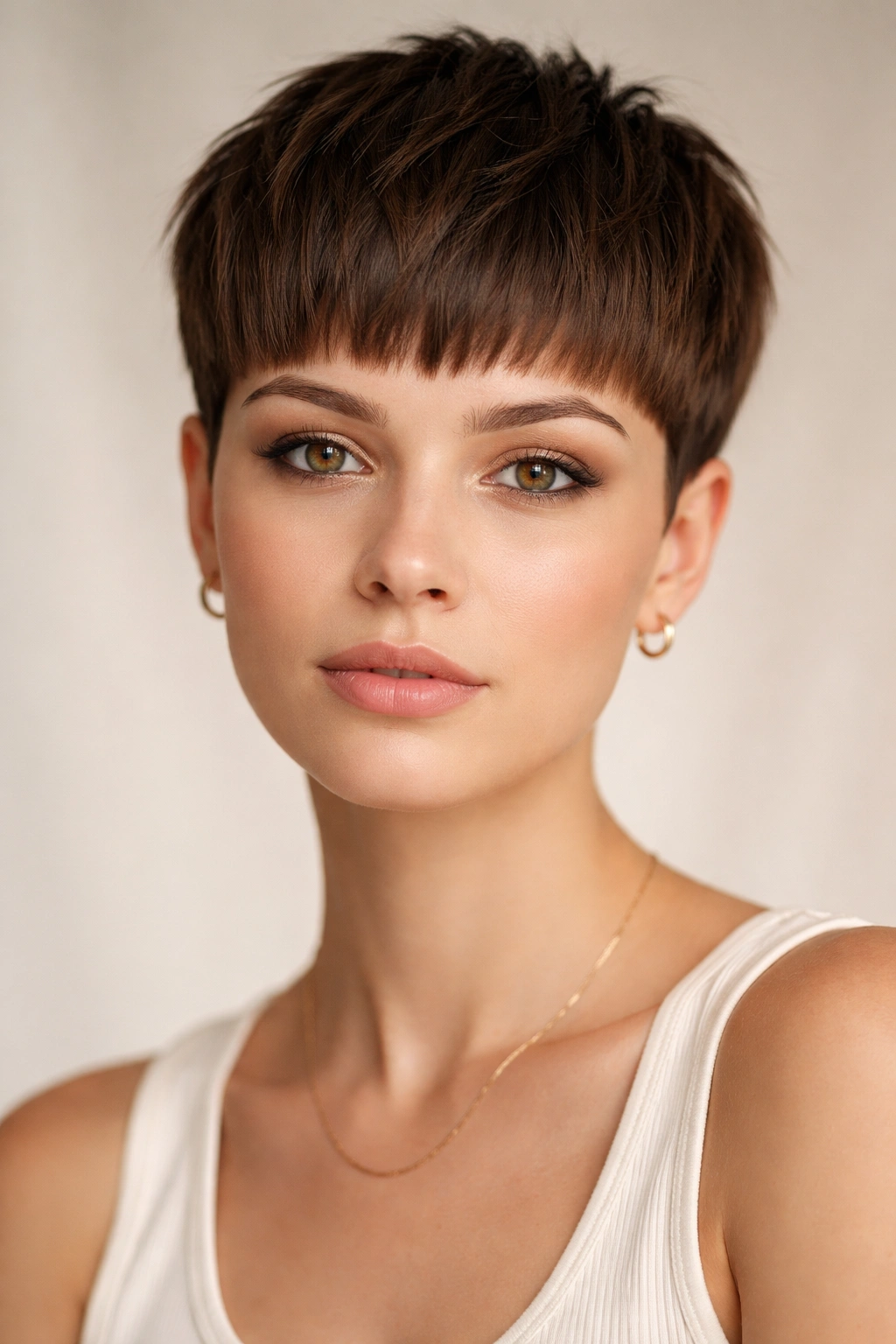
A blunt textured crop combines the clean lines of a precise crop with choppy texture and layers, creating a cut that’s both structured and intentionally imperfect. It’s short enough to require minimal styling but has enough texture and layering that it never looks boring or like you didn’t try.
Balancing Structure and Texture
This cut is brilliant because it gives you the best of both worlds — the clean, intentional vibe of a precisely cut crop plus the forgiving, textured, low-maintenance benefits of choppy layering. The blunt shape keeps it looking polished and put-together even when unstyled, while the internal texture prevents it from looking severe or flat.
Making It Work for You
- Air-dry completely for the most texture and intentional movement, or blow-dry quickly with minimal product for a slightly more polished look
- A matte texture product or clay can add definition and hold without looking slick or overdone
- The cut looks intentional at multiple styling levels, from completely unstyled to slightly refined with product
- Trims every 5-6 weeks keep the shape defined and prevent the texture from getting too shaggy
Final Thoughts
The most important thing to understand about low-maintenance short haircuts is that the cut itself has to do the work. You’re not finding a cut and then styling it into submission — you’re finding a cut that’s designed to look intentional and polished with minimal effort. The best cuts for people who hate styling are ones where your natural hair state (washed and air-dried, or washed and lightly touched with texture product) is actually closer to the intended look than an over-styled version would be.
The second crucial detail is finding a stylist who understands what “low-maintenance” actually means and cuts accordingly. A textured crop cut by someone who thinks smooth and polished is better will be a nightmare. But the same cut from a stylist who understands that texture is the point will be genuinely effortless. When you’re consulting, be specific about what you do and don’t want to do — tell your stylist exactly how much time you’re willing to spend and what your actual morning routine looks like, not what you wish it looked like.
Finally, remember that “low-maintenance” doesn’t mean “no maintenance.” Even the most low-maintenance cuts need regular trims to stay looking intentional as they grow out. A pixie might need a trim every 4-6 weeks, while a textured bob might stretch to 8 weeks. But within those trim cycles, you genuinely shouldn’t need to do anything beyond washing and maybe adding a light product. That’s the real promise of these cuts — not that you never have to think about your hair again, but that the thinking and styling happen at the salon, not at home.
