



The short haircut transition is real, and it’s messy. You know the struggle: you love your fresh cut for about three weeks, and then it enters that terrible limbo where it’s too long to look intentional but too short to tie back. Your hair sticks up at weird angles. You’re constantly adjusting it. You reach for headbands out of pure desperation. But here’s the secret most stylists don’t emphasize enough — not all short cuts grow out the same way. The difference between a haircut that gracefully transitions into a longer length and one that turns into an awkward, shapeless blob comes down to structure, layering strategy, and cut technique.
When a short haircut is designed with the growth phase in mind, something magical happens. The layers work with your natural hair texture instead of fighting it. The proportions stay flattering as the length increases. You’re not frantically scheduling maintenance trims every four weeks just to keep the shape from imploding. Instead, you can actually let your hair grow intentionally, moving toward your next desired length with a cut that actually looks good during the journey, not just the arrival.
The best short cuts for growing out share specific characteristics: they incorporate strategic layering that breaks up length gradually, they work with rather than against your natural texture, and they’re forgiving enough that a two-inch growth difference doesn’t totally destroy the silhouette. The right cut means you can go six to eight weeks between trims and still look intentional. You’ll save money, reduce heat styling damage, and actually enjoy the transition phase instead of white-knuckling through it. This is about cuts that grow out with you, not against you.
1. The Textured Pixie
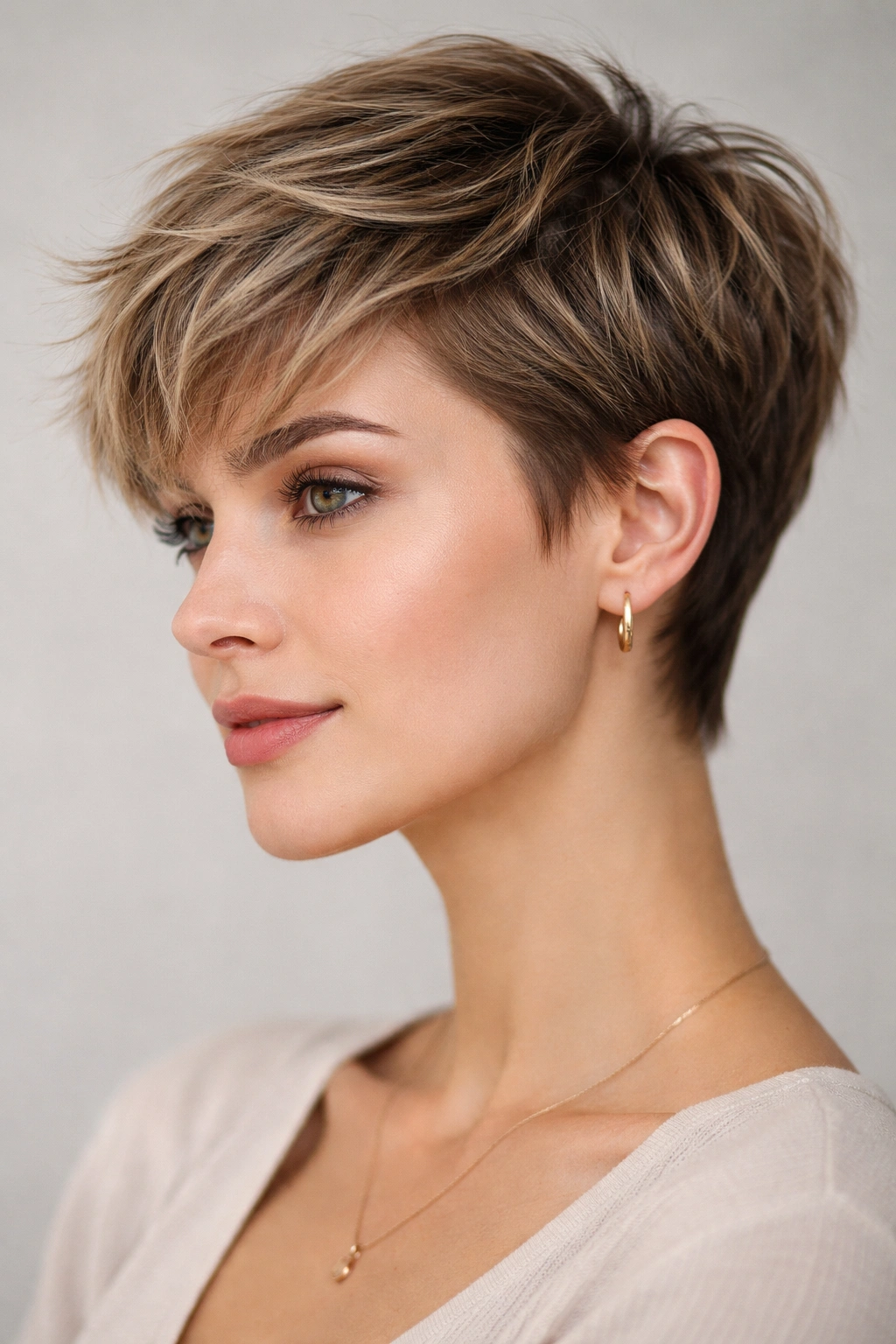
The textured pixie is a masterclass in strategic layering. Rather than being cut blunt and short everywhere, this cut incorporates varied lengths throughout — longer pieces on top that can grow out gracefully, combined with slightly tapered sides that provide structure as everything lengthens. The texture (either natural waves or created through the cut technique) means that even as it grows, it maintains character instead of flattening into a shapeless bob.
Why It Transitions Beautifully
As a textured pixie grows, those longer pieces on top naturally blend into a more substantial crop. The layers that were designed into the cut give your hair permission to move and shift during the growth phase. Instead of one solid length creating an awkward shelf, you’ve got a range of lengths that work together. The texture keeps everything from looking limp or overgrown — your hair maintains volume and movement even as it gets longer. Stylists specifically cut textured pixies with a longer growth curve in mind, making this one of the most intentional choices if you think you might want more length eventually.
Styling and Maintenance Tips
- Use a lightweight texturizing spray or sea salt spray to enhance the layers and keep the cut looking purposeful as it grows
- Style with your fingers rather than a comb to maintain that textured, piecey quality
- Request that your stylist cut this with the “grown-out” version in mind — mention that you’re planning to let it transition, and they can strategically place longer pieces accordingly
- Grow-out timeline: You can comfortably go 8-10 weeks between trims before this starts looking too shaggy, and by week 12-14 you’ll have a stylish shoulder-length shag happening
Pro tip: This cut works especially well if you have naturally wavy or curly hair, but can be stunning on straight hair too — it just requires more intentional styling during the growth phase.
2. The Modern Shag
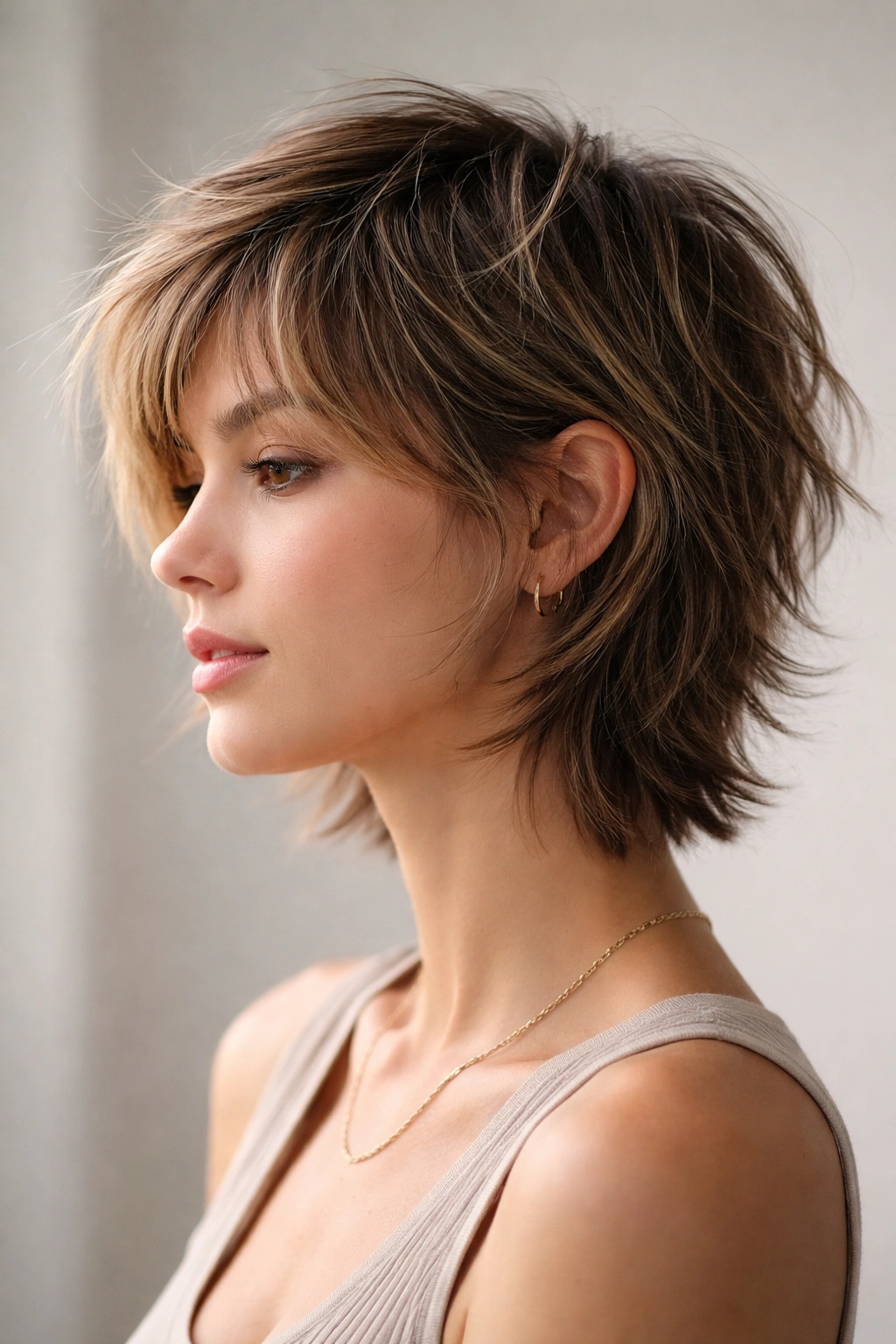
Don’t dismiss the shag as a relic of the 1970s. The modern iteration — clean-lined, strategically layered, and deliberately textured — grows out in completely different ways than a blunt pixie or basic crop. This cut starts with longer pieces throughout (usually hitting around ear length or just past) combined with substantially shorter layers on top. As it grows, it naturally transitions toward a longer, layered length without ever hitting that weird in-between phase.
The Science Behind Its Grace
The shag works brilliantly for growing out because it’s designed to have length variation from day one. You’re not fighting against a single-length cut; you’re working with a structure that already incorporates multiple lengths. As your hair grows an inch or two, the shorter layers catch up to the longer pieces gradually, creating a cohesive progression rather than a jarring jump. The layering also means you’re never dealing with too much bulk at any point in the growth cycle — the cut actually becomes more flattering as it lengthens because the layers blend together more fully.
Getting the Most From This Cut
- Work with a stylist who understands the modern shag specifically, not someone trying to recreate a 70s version
- This cut shows texture beautifully, so use texturizing products even if you have straight hair — it adds movement and helps the layers read clearly
- You’ll likely need a trim around week 6-8 to clean up the shorter layers and keep them from getting too stringy, but you can let the overall length grow substantially
- The shag transitions gorgeously into shoulder-length or longer layered cuts, making it perfect if you’re not sure exactly how long you want to go
Worth knowing: This cut requires more styling effort than a basic pixie, but the payoff is that it never looks like you’re in an awkward in-between phase — it looks intentional at every stage.
3. The Choppy Bob
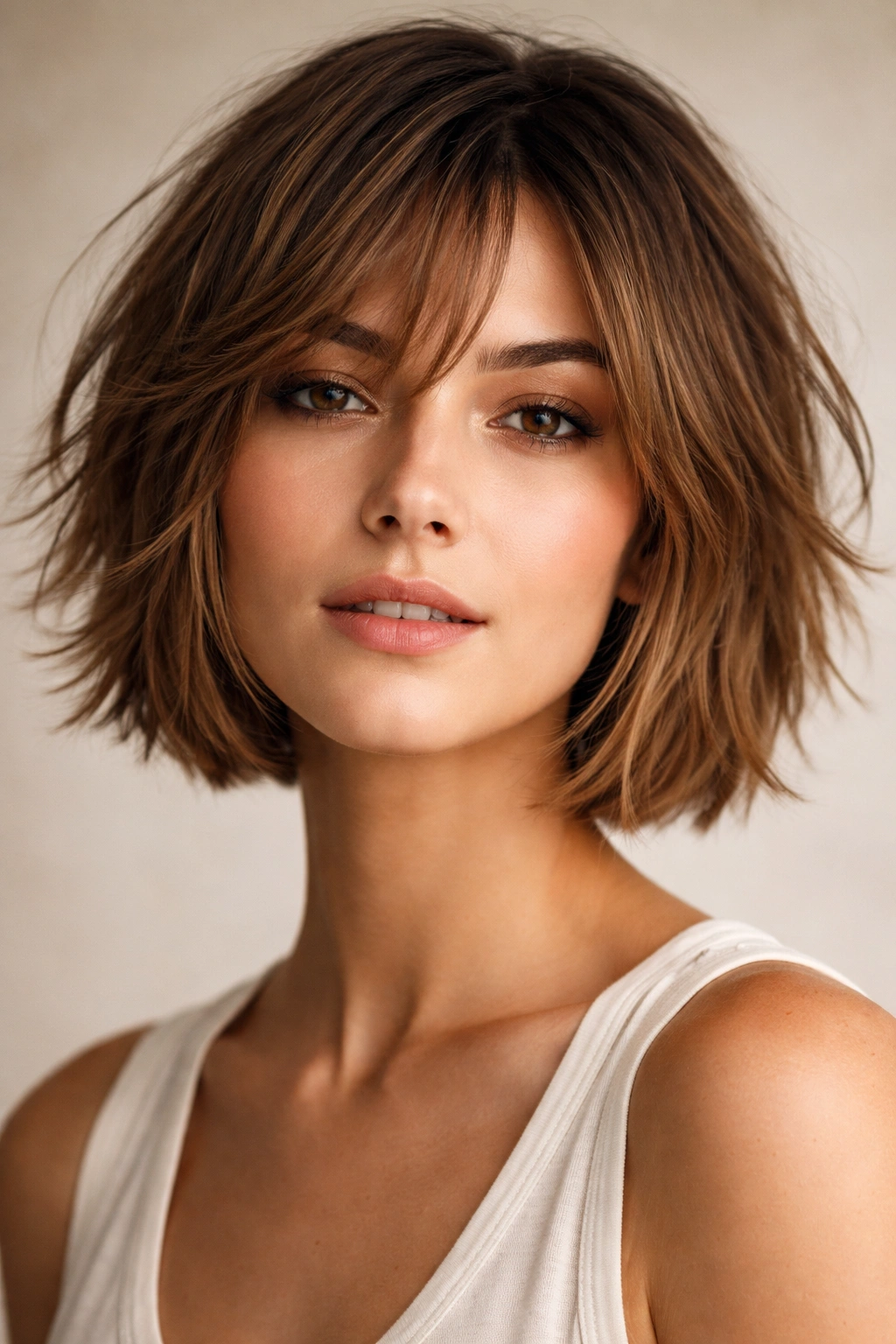
A choppy bob is the opposite of a blunt bob in terms of growth potential. Where a blunt bob becomes increasingly stubborn and shapeless as it grows, a choppy bob — defined by irregular, textured layers throughout — actually improves as it lengthens. The choppiness is the whole point; it gives you permission to have variable lengths, so the grow-out phase isn’t a problem, it’s the design.
Why This Cut Laughs in the Face of Awkward Phases
Choppy bobs are cut with movement in mind. The layers are specifically placed to create texture and shape, which means they continue to provide that visual interest as your hair grows. You can go from a chin-length choppy bob to a shoulder-length choppy bob to a mid-back choppy bob, and each phase looks intentional because choppiness is the aesthetic. The shorter layers on top blend into longer pieces gradually, so there’s no harsh transition where the cut suddenly stops working.
Maintenance Strategy
- Get trims every 8-10 weeks to maintain the layered shape, but these can be lighter trims that just refresh the shorter pieces rather than total reshapes
- Use a lightweight styling cream or mousse to enhance the texture and separate the choppy layers visually
- Blow-dry or air-dry with your head tilted to one side to give the choppy texture room to move and show off
- This cut works beautifully with some texture from waves or curls, natural or enhanced
Insider note: Bring photos of choppy bobs at different lengths to your consultation — this helps your stylist understand the exact direction you want to grow into, so they can plan the initial cut accordingly.
4. The Wolf Cut
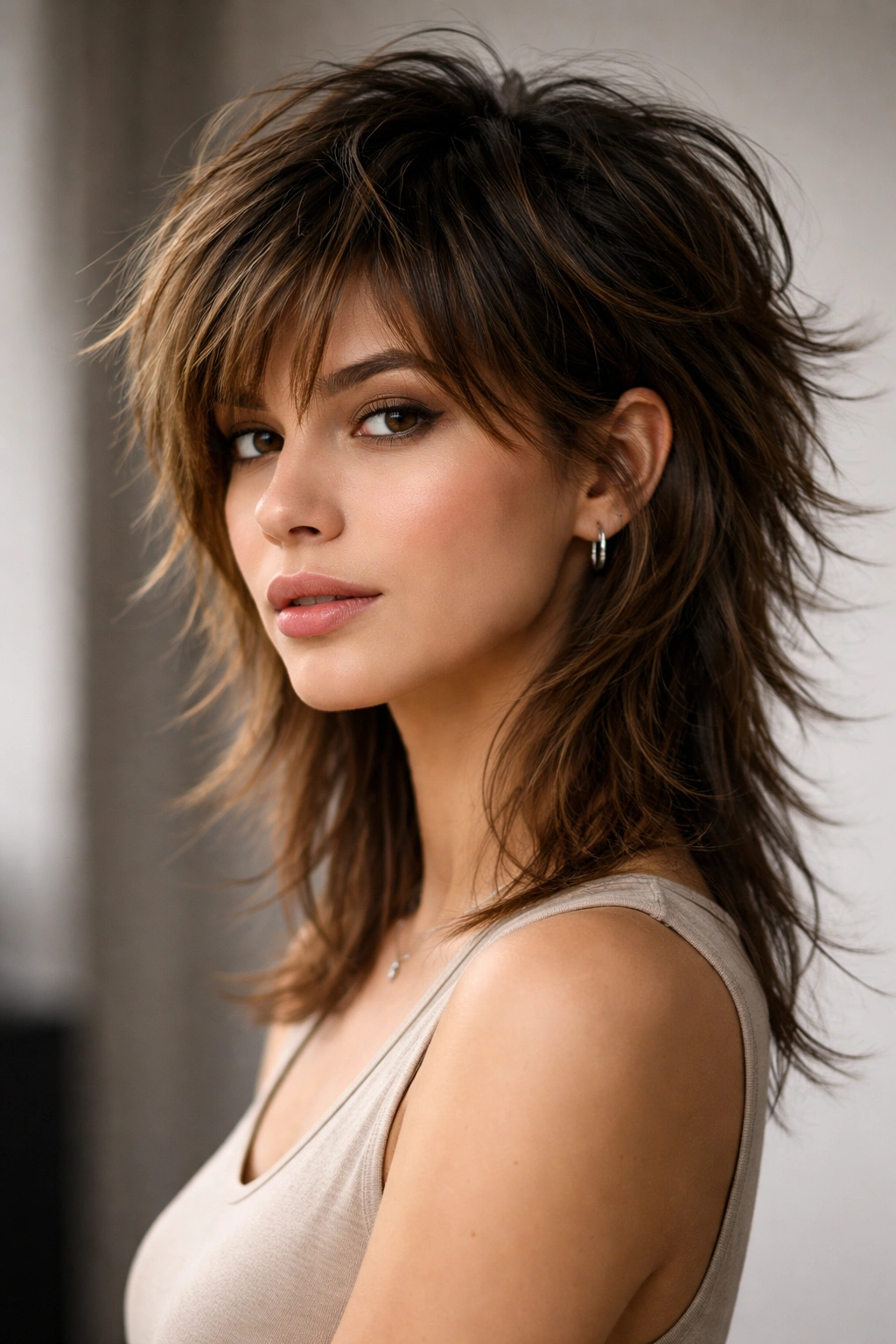
The wolf cut is essentially a shag’s stylish younger sibling — a deliberately choppy combination of short, voluminous layers on top with longer length underneath. It grew in popularity as people sought a cut that’s undeniably edgy and fashion-forward during the short phase but also transitions smoothly as it grows. The structural contrast built into the cut means there’s always visual interest, so the growing-out period doesn’t feel like a failure.
How It Gracefully Transforms
As a wolf cut grows, the distinction between the short layers and longer underneath becomes less severe, but the cut is structured to handle this transition beautifully. The longer pieces at the back and sides provide length that your hair can grow into, while the choppy texture throughout means length variation isn’t a problem — it’s the aesthetic. You’re never in a phase where the cut looks broken or unintentional; you’re always in a phase where it looks deliberately textured.
Styling During Growth
- Texturizing spray is your best friend here — apply to damp hair before styling to enhance the choppy layers
- Use a styling iron or curling tool to add movement, especially as the hair grows past ear length and you need more definition
- Request a “refresh” trim around week 8 where your stylist cleans up the existing layers rather than shortening everything overall
- The wolf cut looks incredible with some natural wave or added texture, so embrace the texture rather than fighting it
Pro tip: This cut is bold, so make sure you actually love the aesthetic of choppy, textured layers before committing — it requires intentional styling, not wash-and-go simplicity.
5. The Layered Crop

A layered crop is fundamentally different from a blunt, uniform short cut. Instead of one solid short length throughout, a layered crop incorporates graduated layers that transition from shorter on the sides or back to longer on top. This built-in length variation means that as your hair grows, you’re not fighting a single length — you’re working with a structure that already embraces length diversity.
The Architecture That Makes Growth Easy
Layered crops are designed by stylists who understand that short hair phases are temporary for many people. The layers are placed strategically so that as growth happens, everything blends proportionally rather than creating weird chunks or shelves. The longer pieces on top can extend toward shoulder length without ever hitting that phase where the cut looks broken. The tapered sides provide structure and keep the overall shape from getting too heavy even as the top grows significantly.
Growing It Out Successfully
- Trims every 6-8 weeks that focus on refreshing the shortest layers and taming the longer pieces, rather than cutting everything short again
- As the top grows past ear length, you have options: keep the sides tapered for contrast, or let everything grow into a longer layered cut
- Styling with texture — either natural or product-enhanced — makes the layers read clearly at every growth phase
- This cut works well for straighter hair types but also beautifully on textured hair
Worth knowing: The layered crop is more versatile than it looks — it can grow into everything from a shoulder-length bob to a longer layered cut depending on which pieces you prioritize keeping longer.
6. The Tousled Mullet
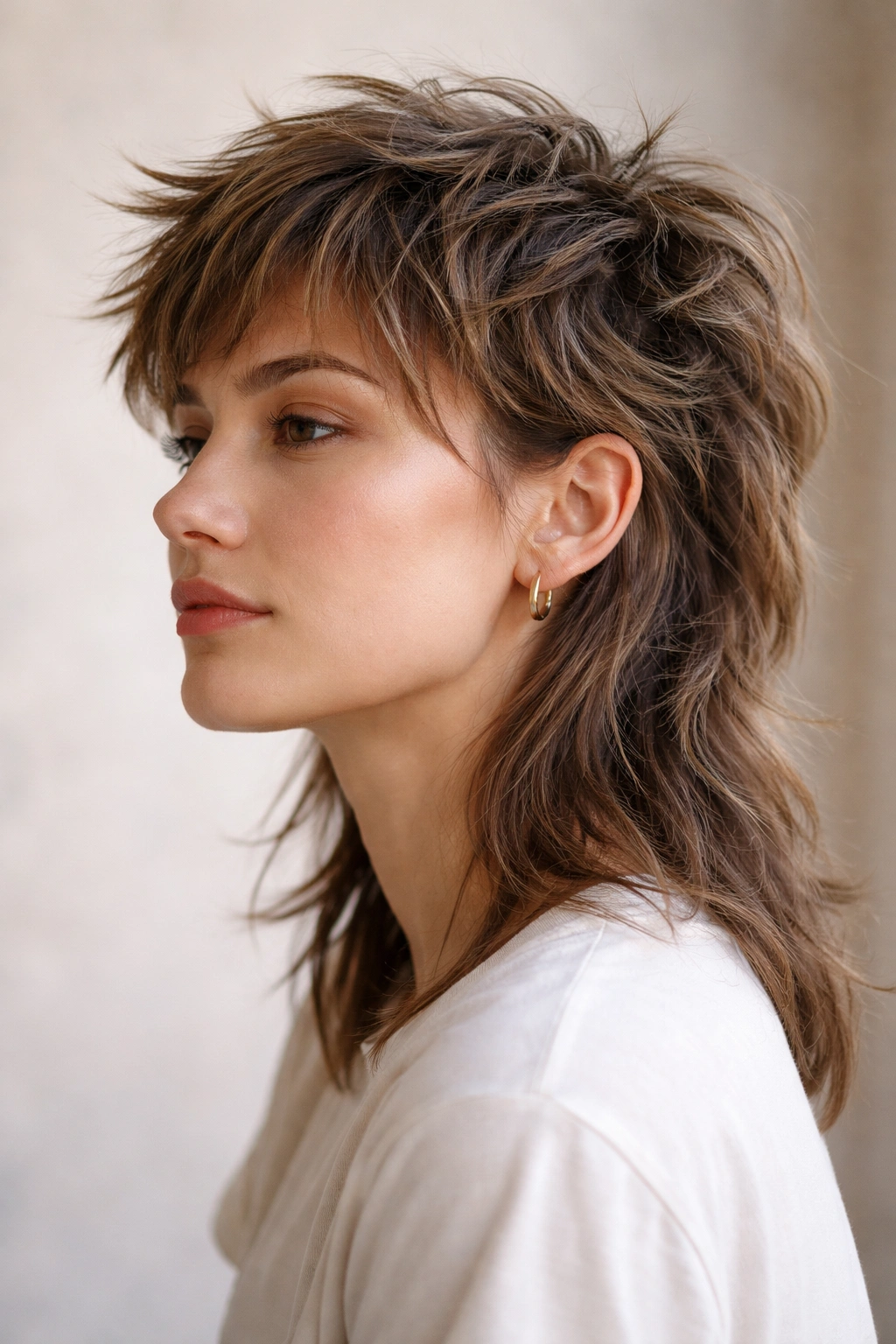
The modern mullet (short and textured on top, longer in back) has a secret advantage: it’s designed to have dramatic length variation, which means the grow-out phase isn’t awkward, it’s part of the design evolution. As the short top grows and the back lengthens further, you’re moving toward a shag or heavily layered cut — both styles that look intentional at every phase.
Why This Cut Never Looks Unfinished
The mullet’s fundamental structure — short + long — gives you permission to have different lengths in different places. As everything grows, the proportion just shifts rather than the cut falling apart. You can grow out the short top to meet the longer back, and you’re naturally transitioning toward a shag or longer layered cut. The textured styling that makes the short mullet work (tousled, piecey, intentionally undone) keeps the longer phases looking intentional rather than neglected.
Managing the Evolution
- Expect this cut to require styling — it’s never a wash-and-go situation, but that’s part of the aesthetic
- Use texturizing products, a round brush, or a styling iron to enhance the tousled quality as it grows
- Trims every 8 weeks can focus on maintaining the distinction between top and back, or you can gradually let that distinction fade into a longer shag
- The back can grow much longer than the top initially, giving you substantial length to work with as the proportions shift
Pro tip: Bring style inspo of where you want the cut to go as it grows — this helps your stylist understand whether to maintain the mullet structure or gradually blend it into a shag or layered cut.
7. The Blunt Bangs Crop

Bangs seem like they’d make growing out harder, but here’s the counterintuitive truth: blunt bangs actually help the crop phase look intentional as it transitions. When you have deliberate, styled bangs framing your face, the hair underneath can grow with less pressure to be perfect. The bangs give the cut its personality, so the back and sides can be in various states of length without the whole cut looking messy.
How Bangs Rescue the Awkward Phase
Bangs are a commitment that signal intentionality. They tell people “I styled my hair on purpose today.” As the crop underneath grows, the bangs keep the cut looking polished and purposeful. You can let the sides grow an inch or two longer than the back, and because you have styled bangs drawing attention to your face, the proportions don’t look wrong. The bangs essentially buy you time in the growth phase because they’re doing so much visual work.
Maintaining Bangs Through Growth
- Get bangs trimmed every 3-4 weeks to keep them looking sharp and intentional — this is non-negotiable if you want the crop to keep looking good
- As the hair underneath grows, consider whether you want blunt bangs to remain blunt or whether you’d prefer to transition them into longer, side-swept pieces
- Bangs work beautifully with texture and personality, so don’t be afraid to style them with product or a round brush for lift and shape
- Eventually, you can transition bangs into a longer layered fringe or let them grow into full-length side-swept pieces
Worth knowing: Blunt bangs require commitment and maintenance, so only choose this if you’re genuinely excited about having them — they’re a styling statement that demands attention.
8. The Tapered Undercut
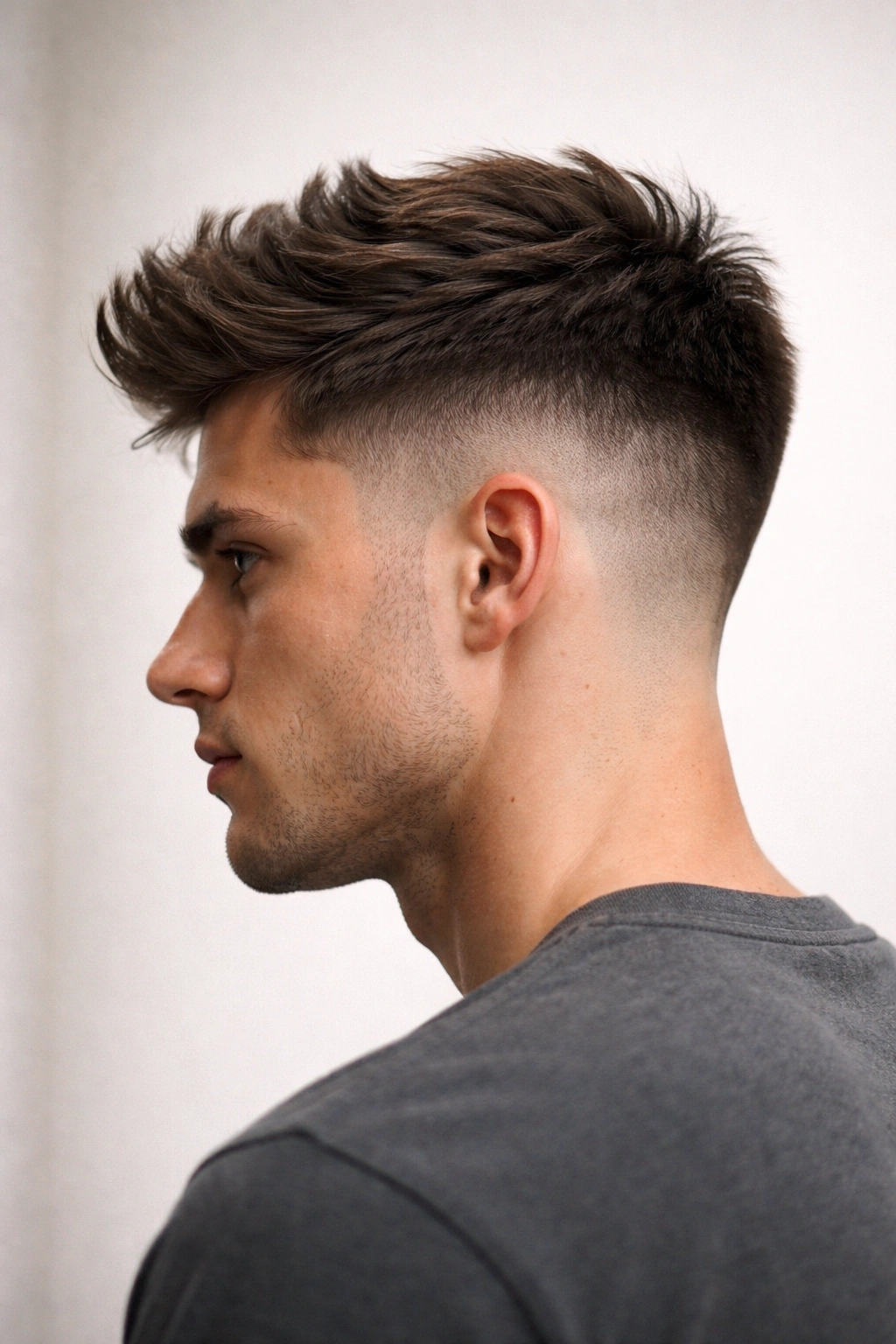
An undercut features closely tapered sides and back with longer length on top — essentially the opposite of a traditional mullet. This cut grows out beautifully because the structural contrast is built in. As the short sides grow, they gradually blend into the longer top, creating a natural transition toward a longer layered cut without any awkward phases.
The Beauty of Intentional Contrast
The undercut’s power is that it celebrates the transition between short and long. As growth happens, you’re not fighting an unintended in-between phase; you’re managing a deliberate progression. The tapered sides provide definition and structure throughout the growth cycle, so the cut maintains shape even as everything lengthens. By week 8-10 of growth, the undercut softens into something like a longer textured crop or tousled layered cut.
Styling and Growth Timeline
- Trims every 6-8 weeks can focus on maintaining the tapered sides while letting the top grow significantly
- The top can grow quite long while the tapered sides stay short, giving you substantial length variation to work with
- As the undercut grows out, you’re naturally transitioning toward a textured, layered look rather than hitting an awkward uniform length
- Use texture and movement to keep the longer top from looking heavy as it grows — styling products, waves, or layers all help
Pro tip: Decide early whether you want to eventually blend the undercut into one longer length (by growing everything out evenly) or transition it into a longer cut with tapered sides (like an undercut shag). This informs how your stylist approaches trims.
9. The Asymmetrical Cut

An asymmetrical cut — where one side is noticeably shorter than the other — sounds like it would be awkward to grow out, but it’s actually the opposite. The intentional imbalance means that as your hair grows at slightly different rates on each side (something that happens naturally), the cut doesn’t look broken. The asymmetry is the whole point, so growing out unevenly is welcome.
Why Asymmetry Handles Growth Gracefully
With an asymmetrical cut, you’re not trying to maintain perfect proportion, so you don’t have to stress about every fraction of an inch. As the shorter side grows to match the longer side, you’re moving toward a textured, layered cut naturally. The asymmetry gives you permission to have variable lengths, which removes pressure from the growth phase. Instead of your hair looking messy because it’s not even, the unevenness is expected and styled intentionally.
Wearing It Through Growth
- This cut requires styling intention — use texture, movement, and product to make the asymmetry read as fashion-forward rather than accidental
- Trims every 8-10 weeks can maintain the asymmetrical proportions or gradually soften them into a more balanced cut
- As it grows, the asymmetry naturally becomes less dramatic, transitioning toward a slightly textured, longer cut
- Work with a stylist who loves asymmetrical shapes and can help you style it confidently
Worth knowing: Asymmetrical cuts are bold and require you to commit to intentional styling — this isn’t a low-maintenance short cut, but it’s incredibly stylish and grows out beautifully.
10. The Feathered Crop
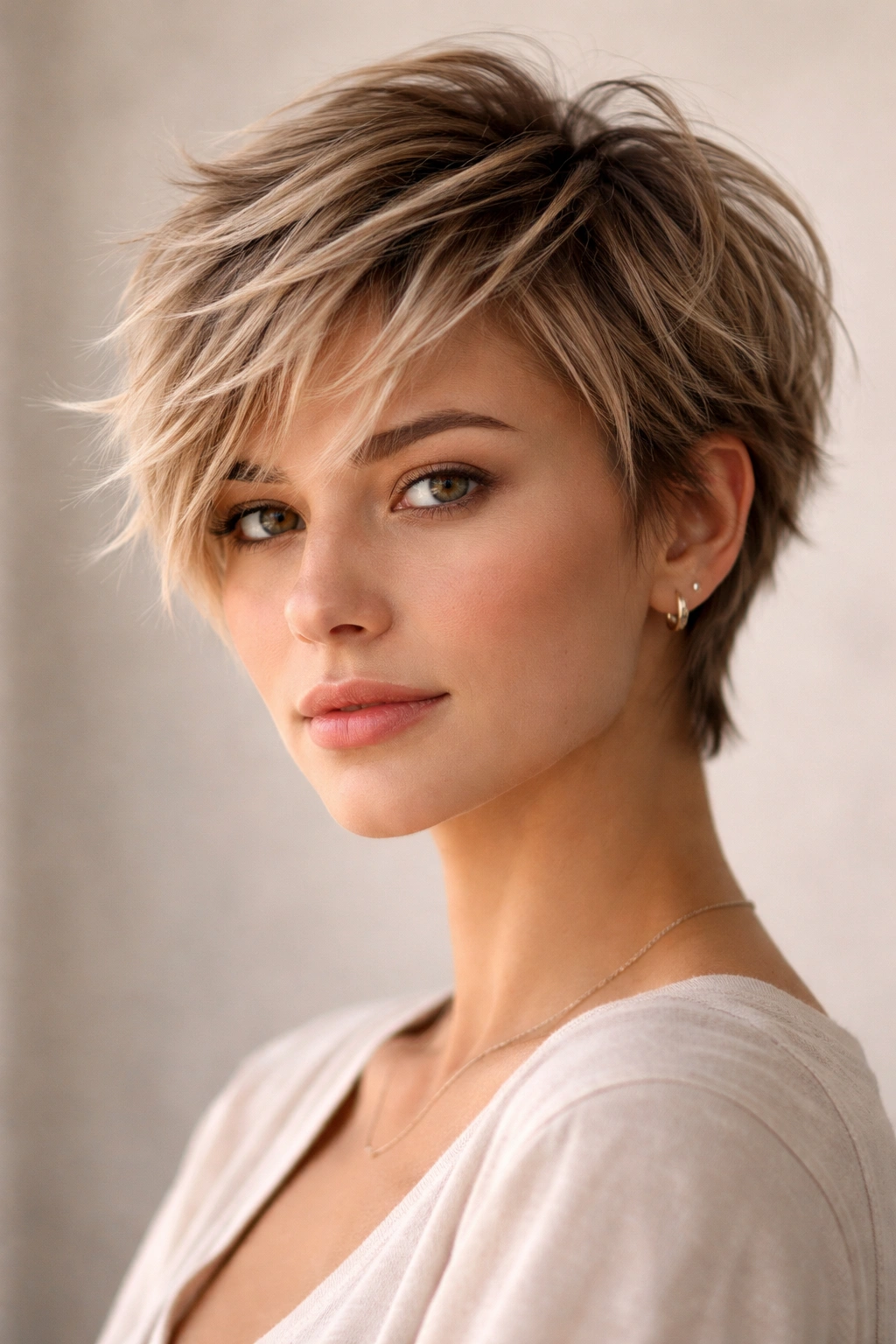
Feathering — cutting the hair in a way that creates soft, layered texture where each layer tapers at the ends — creates a crop that looks effortless and transitions gorgeously as it grows. The feathered layers are built into the cut itself, so as your hair lengthens, the layers blend together gradually rather than creating harsh demarcation lines or weird awkward phases.
How Feathering Creates Seamless Growth
Feathered cuts are the opposite of blunt cuts. Instead of one solid length creating a clear before-and-after as it grows, feathering gives you a range of lengths from the start. As everything grows a bit longer, the short feathered layers blend into slightly longer feathered layers, creating a smooth transition. The feathering also provides texture and movement, so the crop never looks flat or overgrown even as it gets longer.
Styling the Feathered Transition
- Feathered crops look especially beautiful on wavy, textured, or curly hair, but work on straight hair with the right styling
- Use a round brush while blow-drying to enhance the feathered layers and give them shape as the cut grows
- Products like lightweight creams or texture sprays help the feathered layers read clearly at every growth phase
- Trims every 8 weeks can maintain the feathering or gradually let it soften into a longer, less-structured cut
Pro tip: This cut is lower-maintenance than some of the more dramatic options, making it perfect if you want a stylish short cut that doesn’t demand intense daily styling but still looks intentional during growth.
The Key to a Graceful Grow-Out: Understanding Your Cut’s DNA
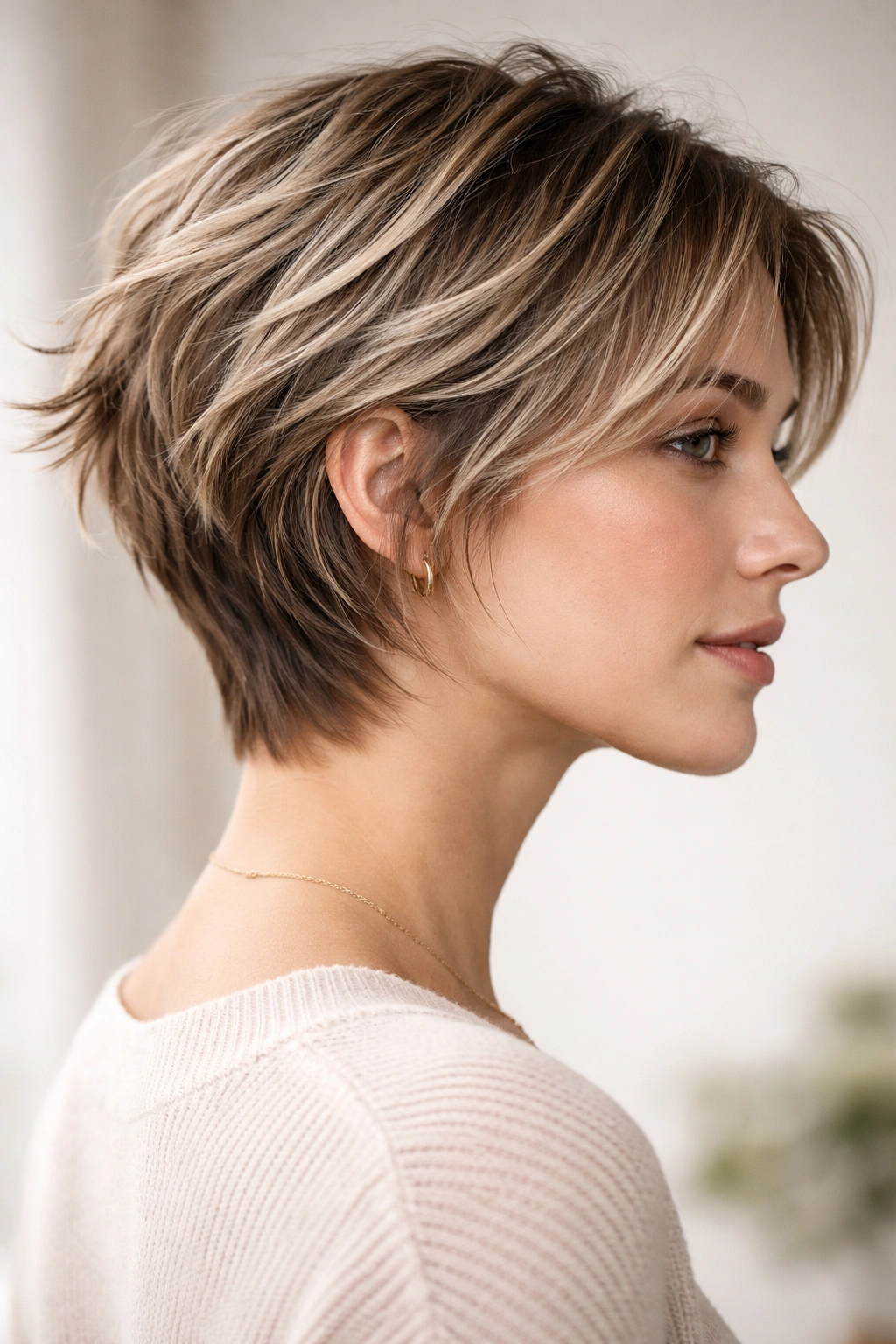
Not all short cuts are created equal when it comes to the transition to longer hair. The cuts that grow out gracefully share a common thread: they incorporate intentional layering, they embrace texture, and they’re designed with length variation in mind. When a stylist cuts with the growth phase factored in, everything changes. You’re not watching your beautiful cut slowly transform into an awkward blob — you’re watching it elegantly evolve into the next version of itself.
The strategic difference comes down to how the layers are placed and how much variation is built into the cut. A perfectly blunt, uniform short cut might look incredible for three weeks, but as it grows, every millimeter of new length creates proportion problems. A thoughtfully layered cut, by contrast, actually looks better as it grows because the layers that were designed into it blend together gradually, creating natural-looking longer lengths.
Maintenance: The Non-Negotiable Element
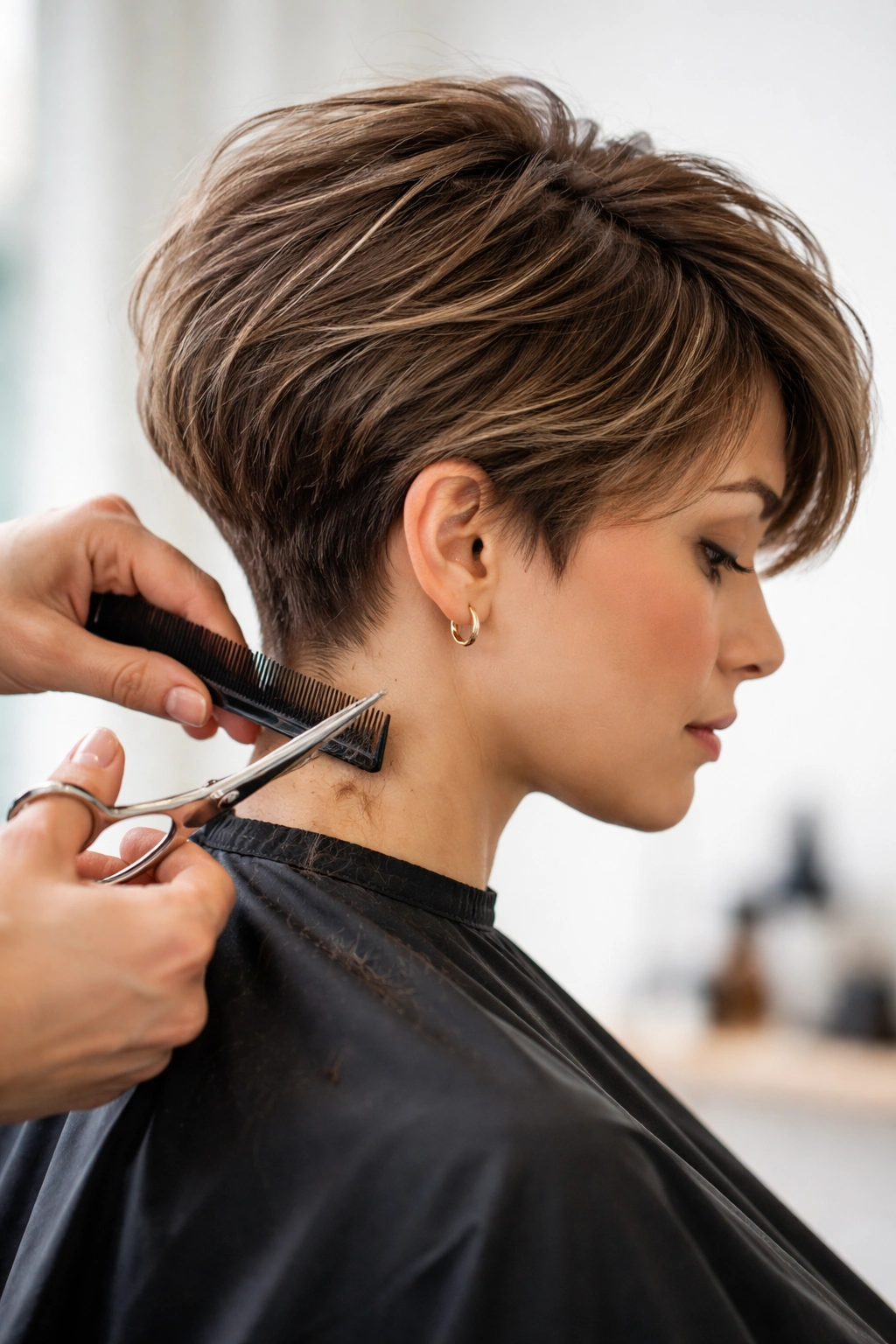
Growing out a short cut doesn’t mean abandoning trims. In fact, strategic trims every 6-8 weeks are exactly what keep the cut looking intentional rather than neglected. The difference is in what you’re trimming. Instead of cutting everything short again, your stylist can refresh the shortest layers, clean up any stringiness or split ends, and maintain the overall shape while letting the longer pieces continue growing.
The investment here is worth it. Five or six maintenance trims over the course of growing from a short cut to shoulder length might cost the same as one or two short cut reshapes, but the payoff is that you’re never in a truly awkward phase. Your hair always looks styled and intentional, you’re gradually building length, and by the time you reach your desired length, your hair is healthier because you’ve been getting regular trims instead of destroying it trying to let it grow wild.
Talk to your stylist about your growth plan from the very first appointment. Let them know whether you want to eventually reach shoulder length, mid-back length, or you’re still figuring it out. Show them photos of cuts and lengths you love. A stylist who understands your end goal can build layers and proportions into your initial cut that support that goal perfectly.
Styling Through the Phases
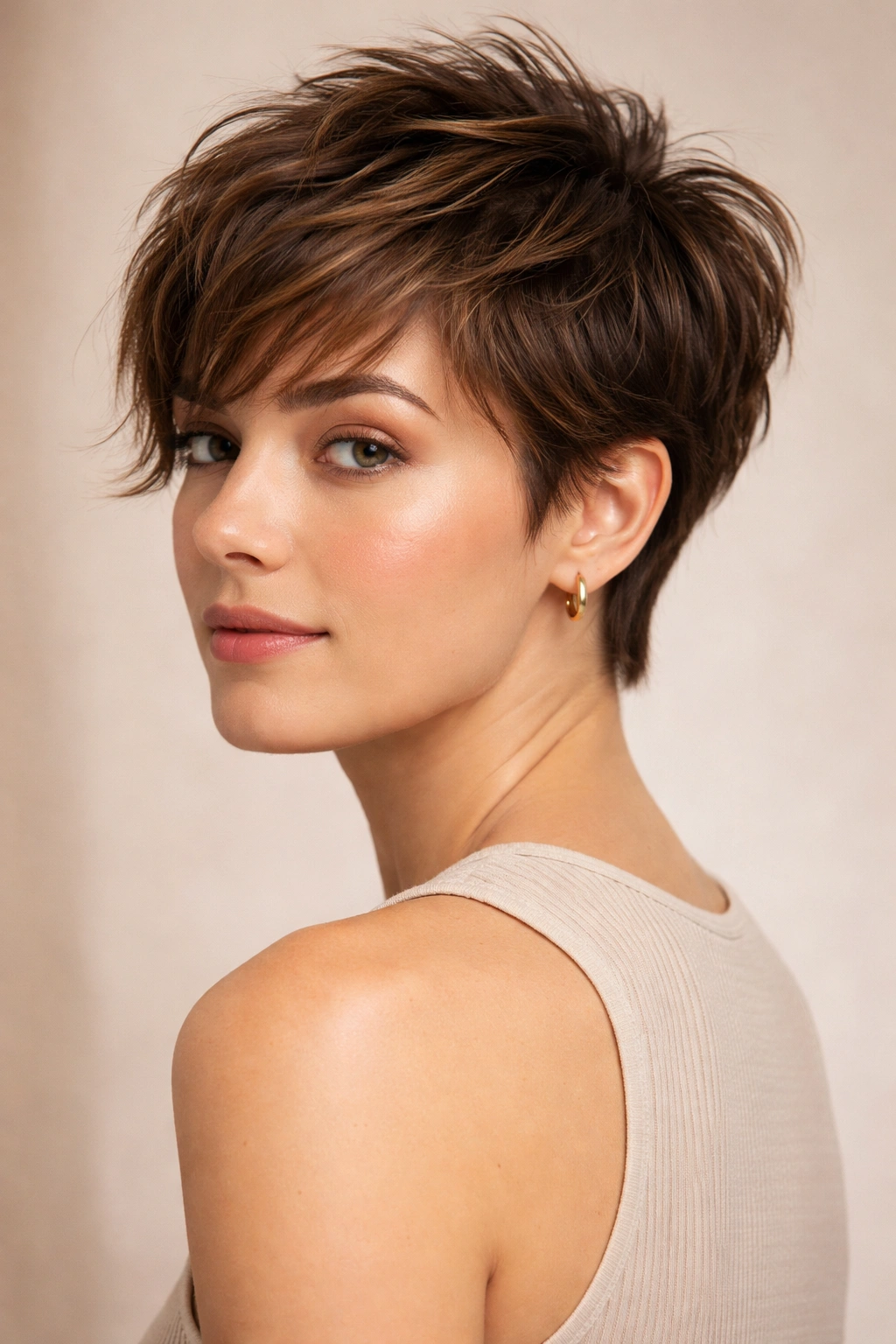
The short cuts that grow out beautifully all have one thing in common: they benefit from intentional styling. This doesn’t have to mean blow-drying and styling tools every single day, but it does mean using some texture, product, or intention. A texturizing spray, a light mousse, or even just scrunching in texture while your hair air-dries can be the difference between a cut looking purposeful and looking like you just didn’t get a haircut.
As your cut grows, the styling approach can shift. In the very short phase, you might rough-dry with your fingers for texture. By week 8, you might use a styling cream and a round brush for more definition. By week 12, you might add some waves with a styling iron to give the length more movement. The key is that you’re adapting your styling to support whatever phase your hair is in, rather than expecting one short cut to look the same forever.
Hair Health During Growth
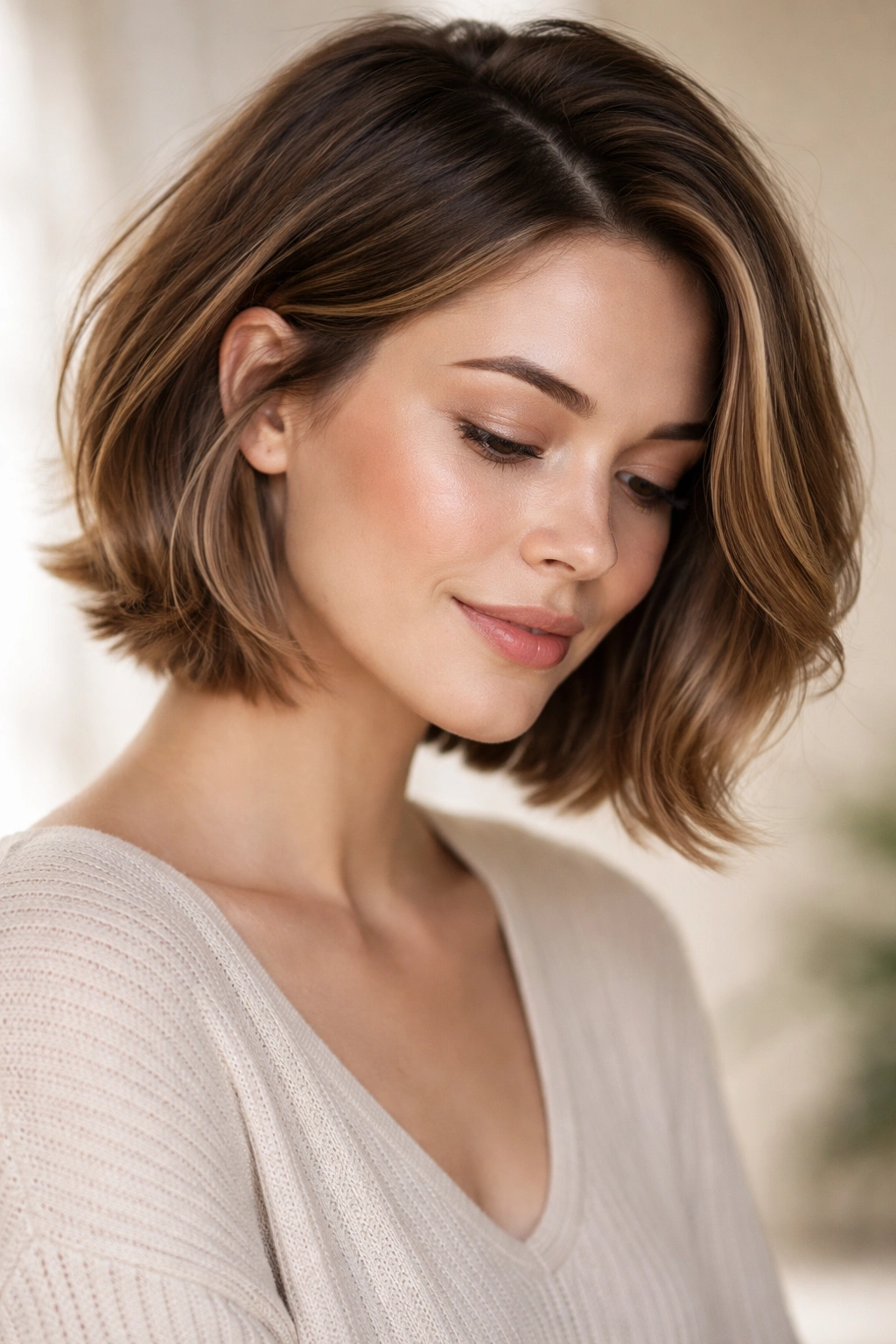
Here’s a truth that matters: growing out a short cut is actually an excellent time to improve your hair health. Instead of constantly cutting everything short, you’re working with longer hair that you’re gradually maintaining. This means you can focus on deep conditioning, reducing heat damage, and letting damaged ends be trimmed away gradually rather than holding onto them.
Use a leave-in conditioner or hair oil during the growing-out phase to keep lengths protected and soft. Your ends are older hair and they need hydration as they get longer. Minimize heat styling when possible, or use a heat protectant spray if you’re blow-drying or using styling tools. Consider protective styles occasionally to give your hair a break from daily handling and styling. These small changes add up to healthier hair by the time you reach your desired length.
Choosing Your Perfect Transition Cut
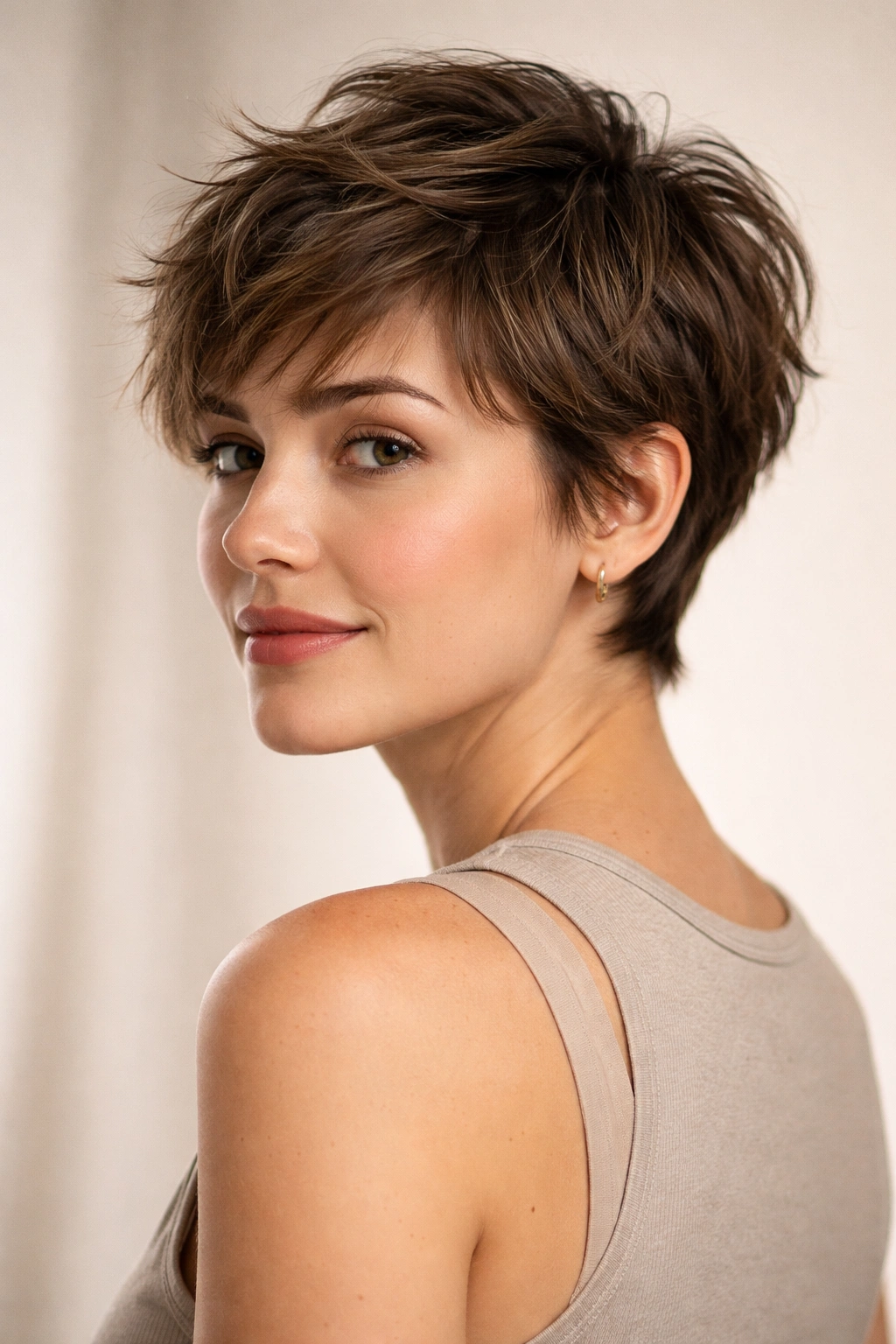
The best short cut for your specific grow-out is the one that matches your hair texture, your styling commitment, and your endgame length. If you have naturally straight hair and you want a very low-maintenance experience, a textured pixie or feathered crop might be your best bet — both incorporate texture strategically so they look intentional even with minimal styling.
If you have waves or curls, a shag, wolf cut, or choppy bob will work beautifully with your natural texture. If you’re a styling enthusiast who loves playing with your hair and has the time to dedicate to intentional styling, the asymmetrical cut or tapered undercut offer more fashion-forward options. If you love the idea of bangs and want them to carry the visual weight of your short cut, the blunt bangs crop lets the back and sides grow with less pressure to be perfectly proportioned.
Your stylist can help you evaluate which cut makes sense for your specific situation. Show them your hair texture, discuss your styling tolerance honestly, and explain where you hope to eventually end up. A great stylist will recommend a cut that not only looks amazing in its short form but also transitions beautifully toward your longer-term goal.
Final Thoughts

Growing out a short haircut doesn’t have to be an awkward, painful process. The difference between a cut that transitions gracefully and one that falls apart comes down to strategy: intentional layering, built-in texture, length variation, and a clear growth plan. The 10 cuts covered here all succeed because they’re designed with this transition in mind.
The secret is committing to regular, strategic maintenance trims — not to keep everything short, but to maintain shape and health while you grow. It’s also about styling with intention during the transition phases. A little texture, some product, and purposeful styling turns a growing-out phase from an awkward necessity into an intentional part of your hair’s journey.
Choose a cut that excites you in its short form but that you know will also look good at the lengths you’re hoping to reach. Work with a stylist who understands your vision and can plan the initial cut accordingly. Commit to maintenance every 6-8 weeks. And remember: the most stylish people aren’t those with perfect short cuts or perfect long lengths — they’re the ones who look intentional at every phase. That’s what these cuts deliver.
