



There’s a particular magic in anime hairstyles that transcends the screen. Those perfectly layered cuts, the gravity-defying volume, the strategic bangs that somehow frame a face just right — they tap into something deeply appealing about hair as self-expression. But here’s the reality: most anime hairstyles live in the realm of fantasy, supported by artistic license and the physics of animation. The good news? A surprising number of the most iconic anime hair trends have real-world equivalents that capture the spirit and edge of those styles without requiring actual superpowers to maintain or style.
The shift toward anime-inspired hairstyles in mainstream fashion has grown steadily over the years, and it’s not just about cosplay anymore. People are genuinely seeking out cuts inspired by beloved characters because these styles genuinely work with modern fashion and contemporary aesthetics. The key difference between a cartoon adaptation that fails and one that succeeds lies in understanding why the anime style works visually, then translating those principles into something that cooperates with real hair texture, gravity, and lifestyle demands.
What makes an anime hairstyle actually wearable comes down to a few core principles. The cut needs to work with your natural hair type rather than against it. The styling should be achievable with realistic time and effort — not requiring you to spend an hour every morning with seventeen hair products. And most importantly, the overall vibe needs to translate authentically into your real life without looking like a costume. When all these elements align, you end up with something genuinely striking that honors the inspiration while feeling genuinely you.
1. The Layered Shag with Long Bangs
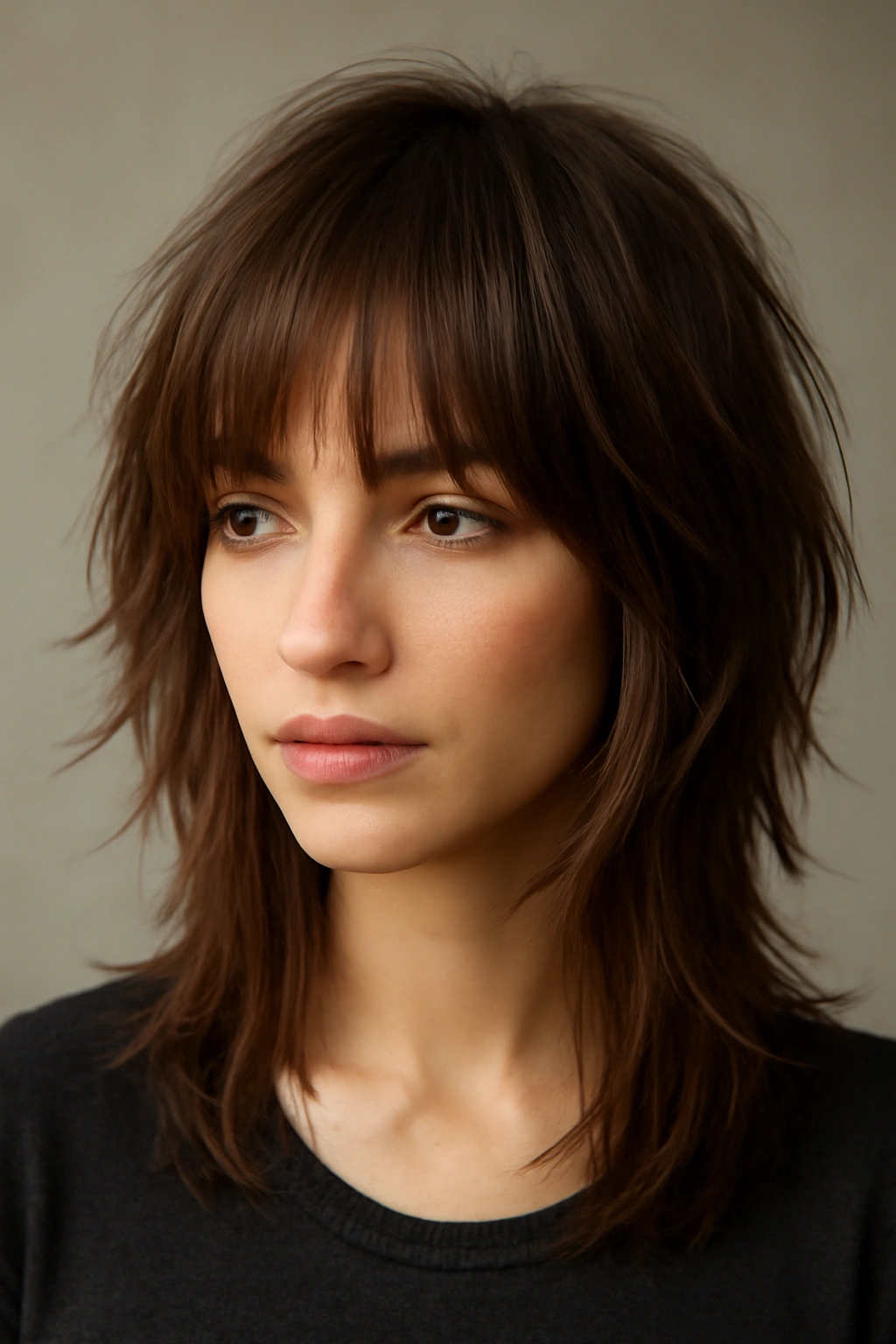
The shag cut has deep roots in hair history, but anime brought it back with a distinctly modern edge through characters with those famous long, textured layers that seem to defy physics. The real-world version strips away the cartoon exaggeration while keeping the essential appeal: movement, volume, and undeniable edge. This cut works because it’s fundamentally flattering, playing with light and shadow across the hair while creating natural texture that catches the eye.
Why This Cut Actually Works
A true layered shag creates the illusion of fuller hair through strategic length variation, which sounds technical but translates to: shorter layers on top for volume and longer pieces throughout that move when you do. The long bangs — whether curtain-style or blunt — serve as a frame that draws attention upward and creates visual interest without requiring you to do anything special. This is the kind of cut that looks intentional whether you’ve styled it or just rolled out of bed.
How to Make It Your Own
- Ask your stylist for choppy, face-framing layers that start around cheekbone length and extend longer throughout
- Request longer front pieces that extend past the chin (the anime signature)
- Keep the back shorter and textured for that shag movement
- The cut works best with some natural texture or wave — ask your stylist if you have straight hair how to work with your specific type
- Pro tip: This cut genuinely improves the more you let it sit between trims — avoid cutting too frequently, as the layers need length to really show their movement
The maintenance is refreshingly low-impact. You don’t need elaborate styling; the cut does most of the work for you. Run texture spray through damp hair, scrunch slightly, and let it air dry for an effortlessly cool look. If you want more definition, a light texturizing product or sea salt spray adds dimension without looking overdone.
2. The Blunt Pixie With Pronounced Bangs
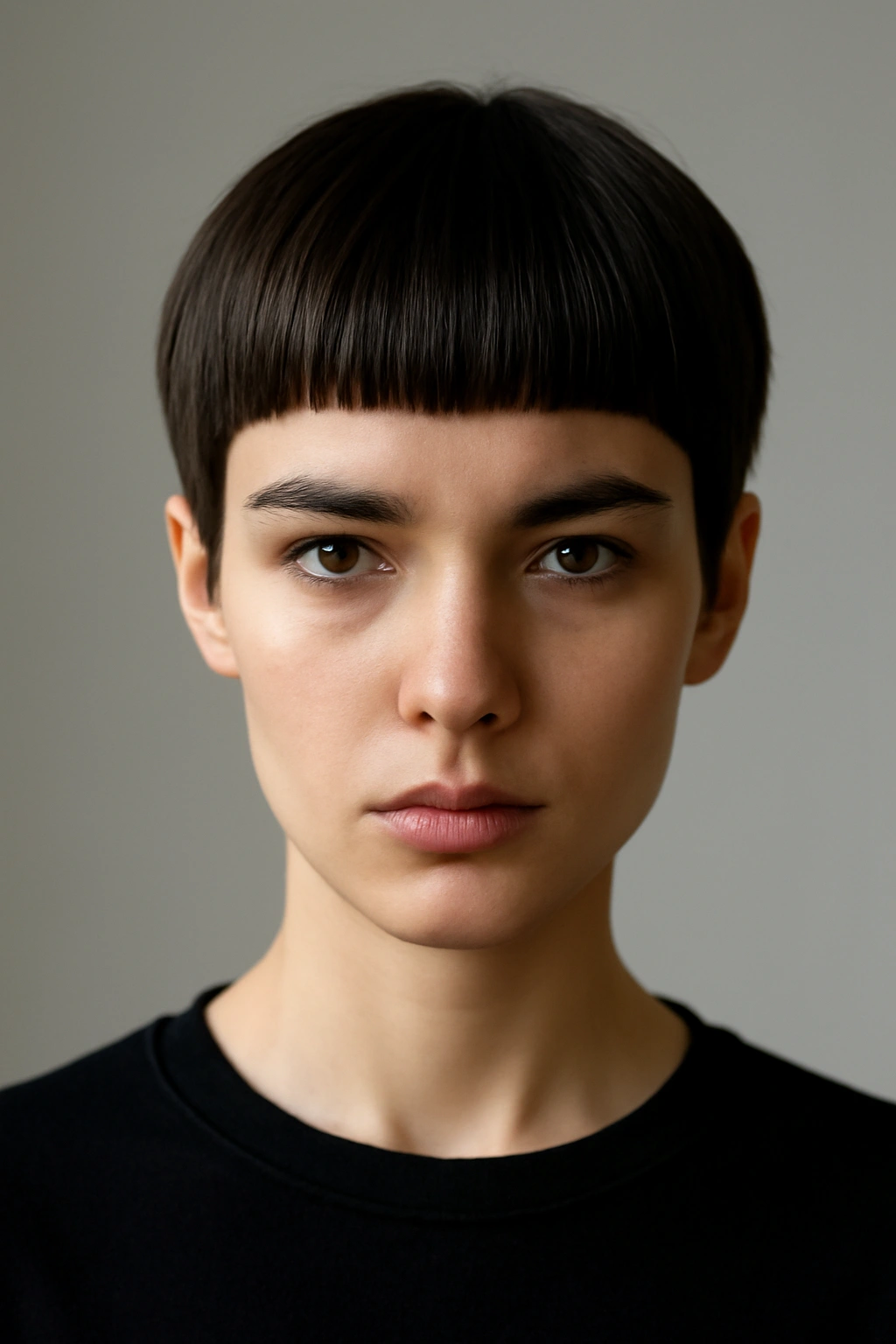
Pixie cuts in anime tend toward the bold — sharp lines, distinct angles, and bangs that make a statement. The real-world version keeps that confident attitude while adapting to what actually works with your hair growth patterns and face shape. When a pixie is cut correctly, it’s one of the most striking short styles you can wear, and the pronounced bangs are what transform it from “neat and tidy” to “impossibly cool.”
What Makes This Different From a Traditional Pixie
The anime-inspired pixie leans harder into the theatrical side of the cut. Where a standard pixie might have soft, blended layers, this version emphasizes clean lines, particularly through the bangs and along the sides. The bangs are a major part of the character — they might be blunt and straight across, or slightly longer on one side for asymmetry. This creates visual drama without requiring the hair to defy actual physics.
Building the Perfect Pixie For Your Face
- Work with a stylist experienced in short cuts, as the execution here matters tremendously
- Bring reference images of the character or style you love — visual communication is everything
- The bangs should hit somewhere between mid-forehead and eyebrow level for that bold statement
- Ask for slight texture in the crown area for volume and dimension, even though the overall cut is shorter
- Consider your face shape: rounder faces often benefit from longer bangs that create vertical lines, while angular faces can handle more horizontal emphasis
- Worth knowing: Your hair’s natural growth patterns and texture will influence how this cut actually sits — a great stylist works with your hair’s tendencies rather than against them
The styling for this cut is genuinely simple. Wash and go is absolutely viable, though most people find it looks most intentional with a tiny bit of texture cream or light pomade through the longer pieces. The key is never to make it look fussy — the appeal of this style is its confident simplicity.
3. The Wolf Cut (Short and Shaggy)
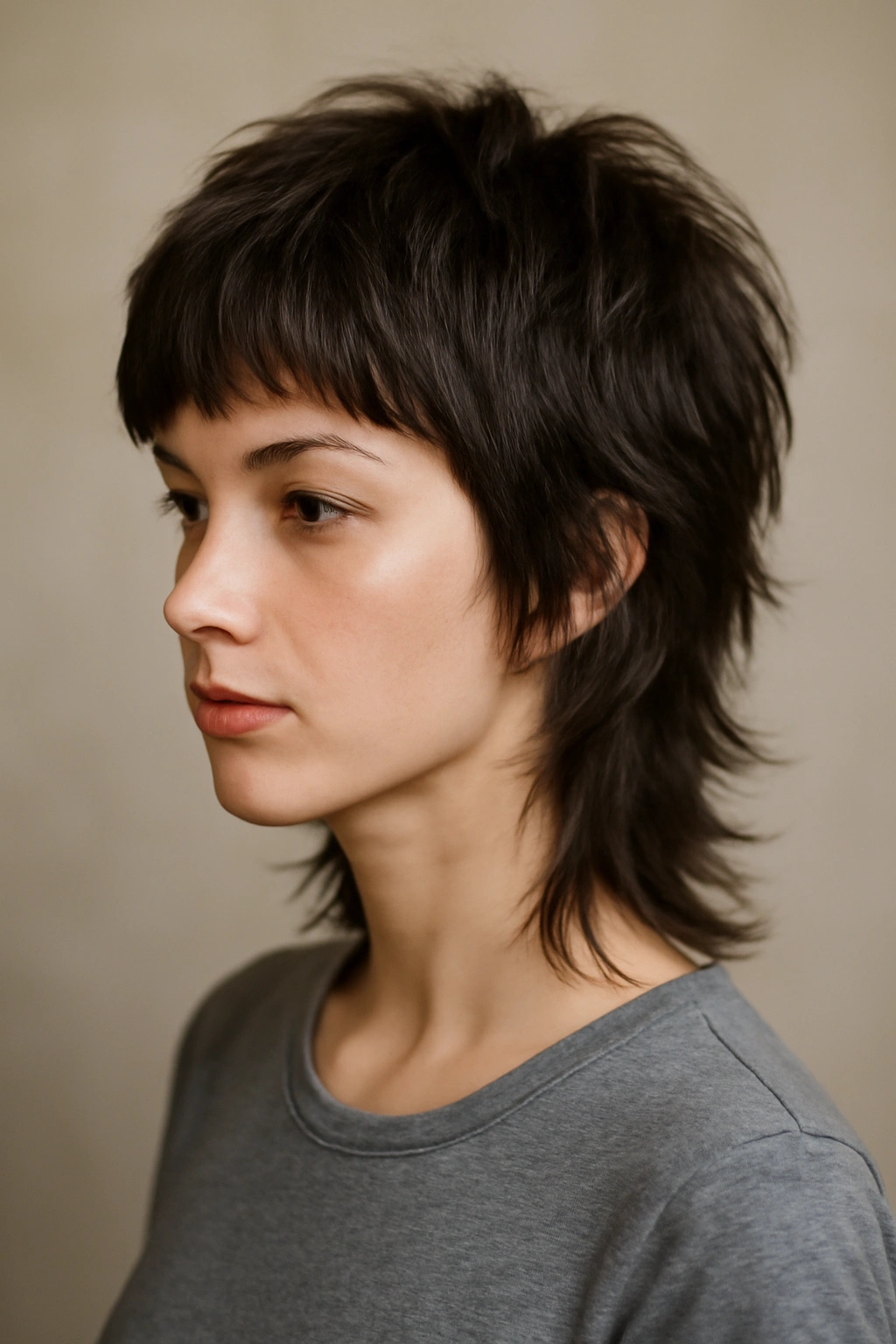
The wolf cut became a proper trend largely because it bridges the gap between anime fantasy and real-world wearability perfectly. It takes elements of a mullet (shorter in front, longer in back) and combines them with shag layering throughout, creating something that’s undeniably statement-making but still grounded in actual styling logic. Characters who wear wolf cuts tend toward the edgy, confident archetype, and the cut itself gives you that same energy.
Understanding the Wolf Cut Structure
This is where anime inspiration meets contemporary styling. The front and sides are notably shorter — often chin-length or slightly shorter — while the back is substantially longer and heavily layered. The transition isn’t blended the way a traditional mullet would be; instead, the layers throughout create a shaggy texture that makes the length difference feel intentional rather than jarring. It’s textural chaos organized into a coherent vision.
How to Get This Cut Right
- This absolutely requires a stylist who understands modern interpretation of the wolf cut — show reference images of the exact vibe you want
- The shorter front pieces should frame your face and sit somewhere between chin and shoulder depending on face shape
- The back should be noticeably longer, typically 2-3 inches past the shoulder minimum, and heavily layered for movement
- Texture is essential — this cut only works if there’s visible layer variation that creates that shaggy character
- Your stylist should leave slightly longer pieces around the face for a softer frame, even though the overall energy is edgy
- Quick reality check: This cut requires styling. It’s not wash-and-go the way a pixie is. If you’re not willing to spend 5-10 minutes with texture spray and a blow dryer on styling days, reconsider.
The wolf cut honestly looks best when styled with intention. Apply texture spray to damp hair, blow dry with your fingers for volume and movement, and finish with a light pomade or sea salt spray through the ends. The goal is that deliberately tousled, just-rolled-out-of-bed-but-make-it-fashion vibe.
4. The Sleek Bob With Geometric Bangs
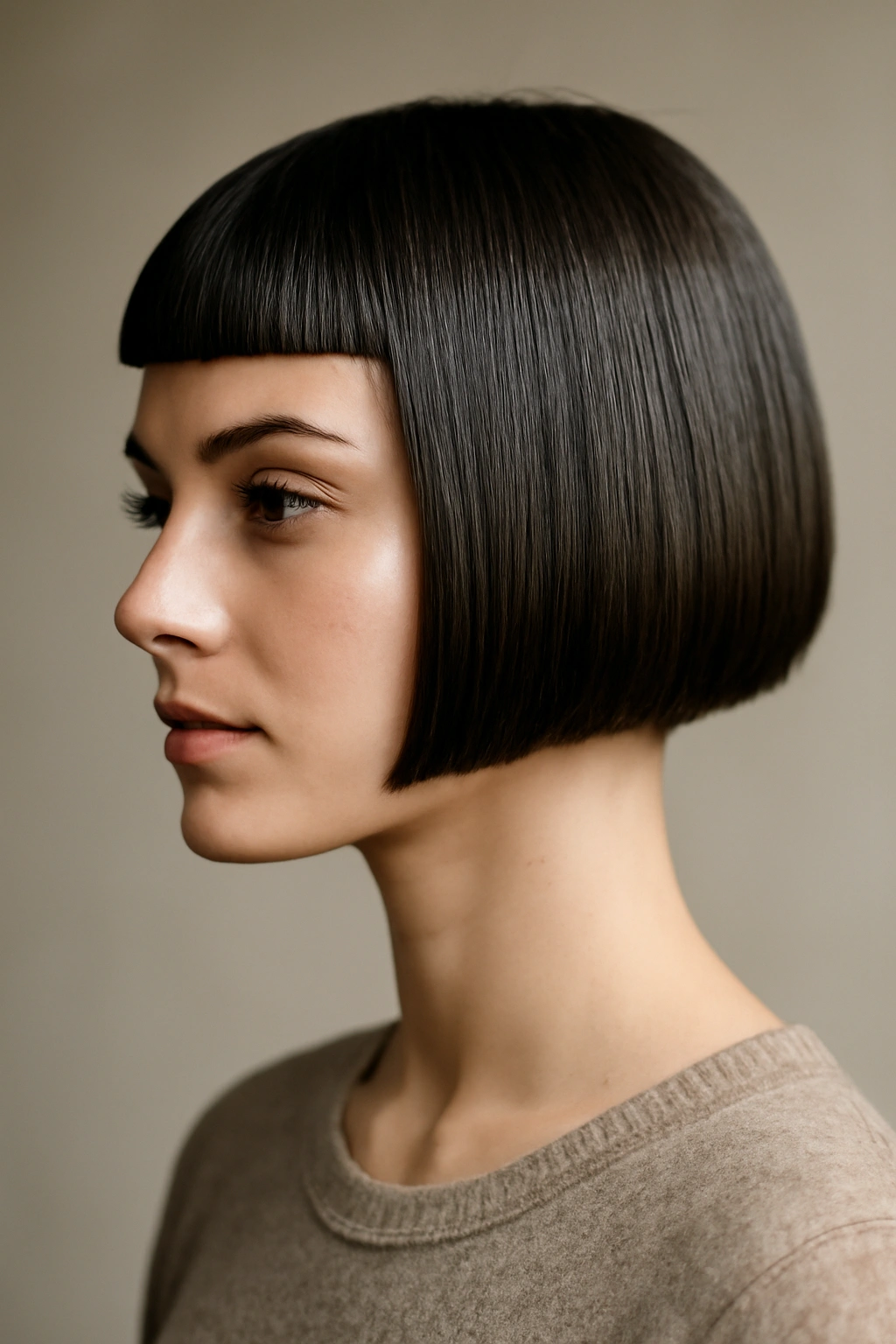
Anime characters often sport bobs that are almost architectural in their precision — perfectly straight lines, blunt edges, and bangs that are geometric rather than organic. In real life, the most wearable version softens this slightly while keeping the essential clean lines and structured bangs. This is the style for people who want something distinctly put-together but with a modern edge rather than a polished, corporate feel.
Why the Geometric Bang Matters
Geometric bangs — whether blunt straight across or with sharp diagonal lines — are what takes a regular bob into anime territory. They’re precise without being severe, and they frame the face in a way that creates immediate visual interest. The bangs anchor the entire look, which is why getting them right matters disproportionately compared to the rest of the cut.
Crafting Your Structured Bob
- Go for a length that hits around jaw-level or slightly shorter for that sleek, defined look
- The bangs are the star here — ask for either blunt straight-across or angled geometric lines depending on what appeals to you
- Keep the rest of the cut relatively smooth and blended, without heavy layering (this maintains that sleek quality)
- A slight inward curve at the ends is traditional for bobs and works well here, though the anime version sometimes keeps it more blunt
- This cut actually benefits from some density in the hair — if you have very fine or thin hair, the sleekness might be harder to achieve
- Important detail: Your stylist should cut the bangs to account for your natural cowlicks and hair growth patterns, or they’ll sit oddly
The styling here is straightforward but non-negotiable. A sleek bob works best with straight or nearly straight hair, so you might need to blow-dry and straighten depending on your natural texture. A smoothing serum or light hair oil through the lengths and ends prevents frizz and keeps everything looking intentional. Refresh the bangs every 3-4 weeks as they grow out — they’re precise enough that you’ll notice when they need trimming.
5. The Mullet With Soft Layers
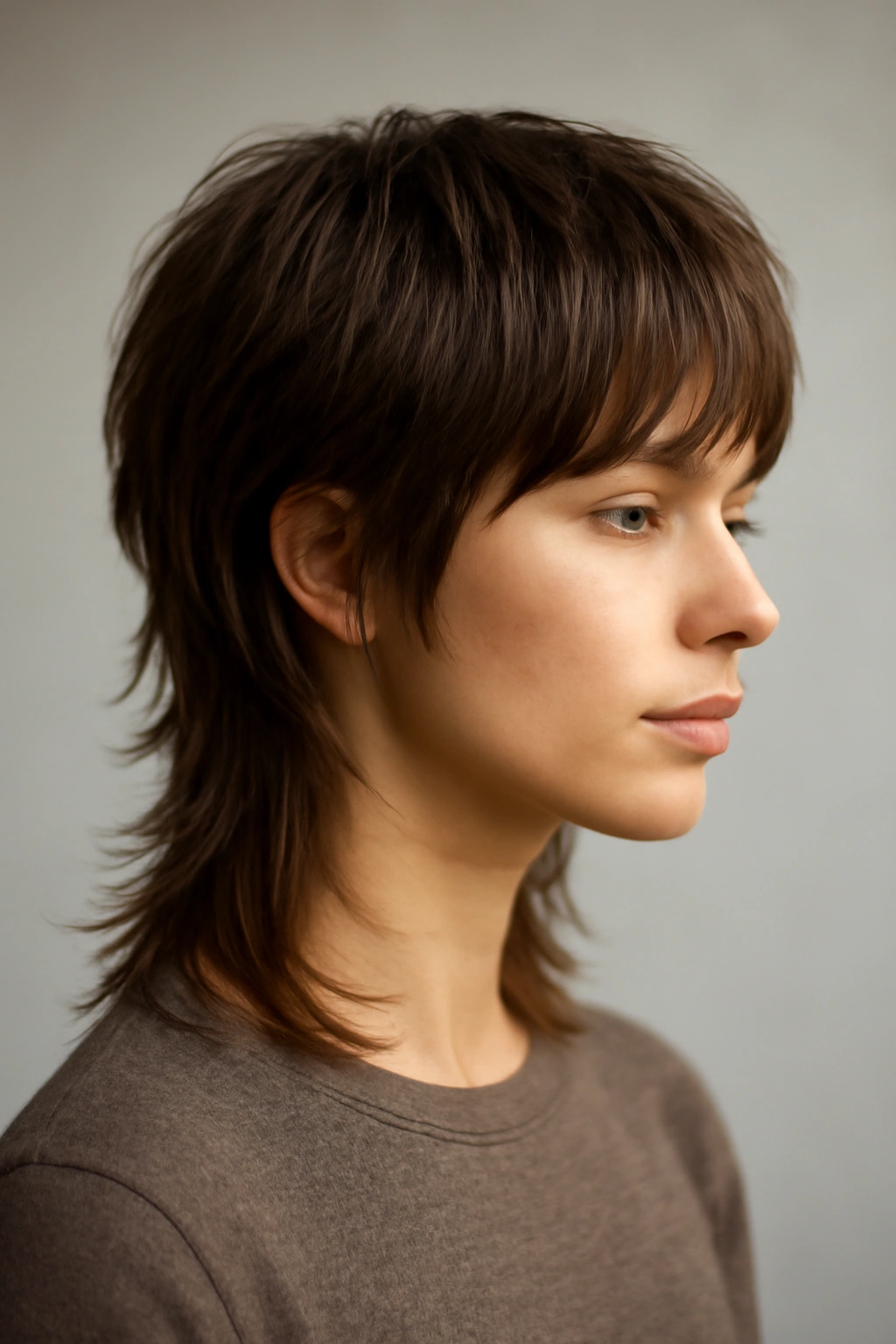
The mullet sounds retro when you say it out loud, but anime brought it into the modern aesthetic by softening the hard edges of the 80s version. Instead of a stark business-in-front-party-in-back contrast, the anime-inspired mullet layers throughout, creating texture that bridges the shorter front and longer back in a more cohesive way. It’s edgy and playful simultaneously, which is precisely why it’s become genuinely wearable for people seeking something unconventional.
Modern Mullet vs. Retro Mullet
The key difference isn’t subtle: the contemporary version embraces texture and blending rather than sharp contrast. Layers throughout the entire head create movement and prevent the style from looking cartoonishly exaggerated. The front might be shorter and textured, the back longer and still textured, but the transition feels intentional and stylish rather than like a joke.
Getting the Mullet Right For Real Life
- Your stylist should create layers throughout, not just blunt lines front and back
- The front and sides should be notably shorter — think texturized and choppy rather than neat and tidy
- The back should be substantially longer but still textured with layers for movement and modern sensibility
- Ask for slightly longer pieces around the face to soften the transition and create framing
- This cut requires some texture or natural wave to look its best — straight, fine hair might struggle with the silhouette
- Styling reality: This is another cut that benefits from some intentional styling. Texture spray, light pomade, and a bit of blow-drying effort make a genuine difference.
The mullet honestly feels most authentic when styled with a bit of deliberate messiness. You want it to look edgy and unconventional, not neat and groomed. A texture spray or sea salt spray and some finger-styling gets you there. Some people flip the back pieces up slightly for volume, others let them fall naturally — both work depending on the exact vibe you’re going for.
6. The Princess Cut (Short, Symmetrical, With Magical Volume)
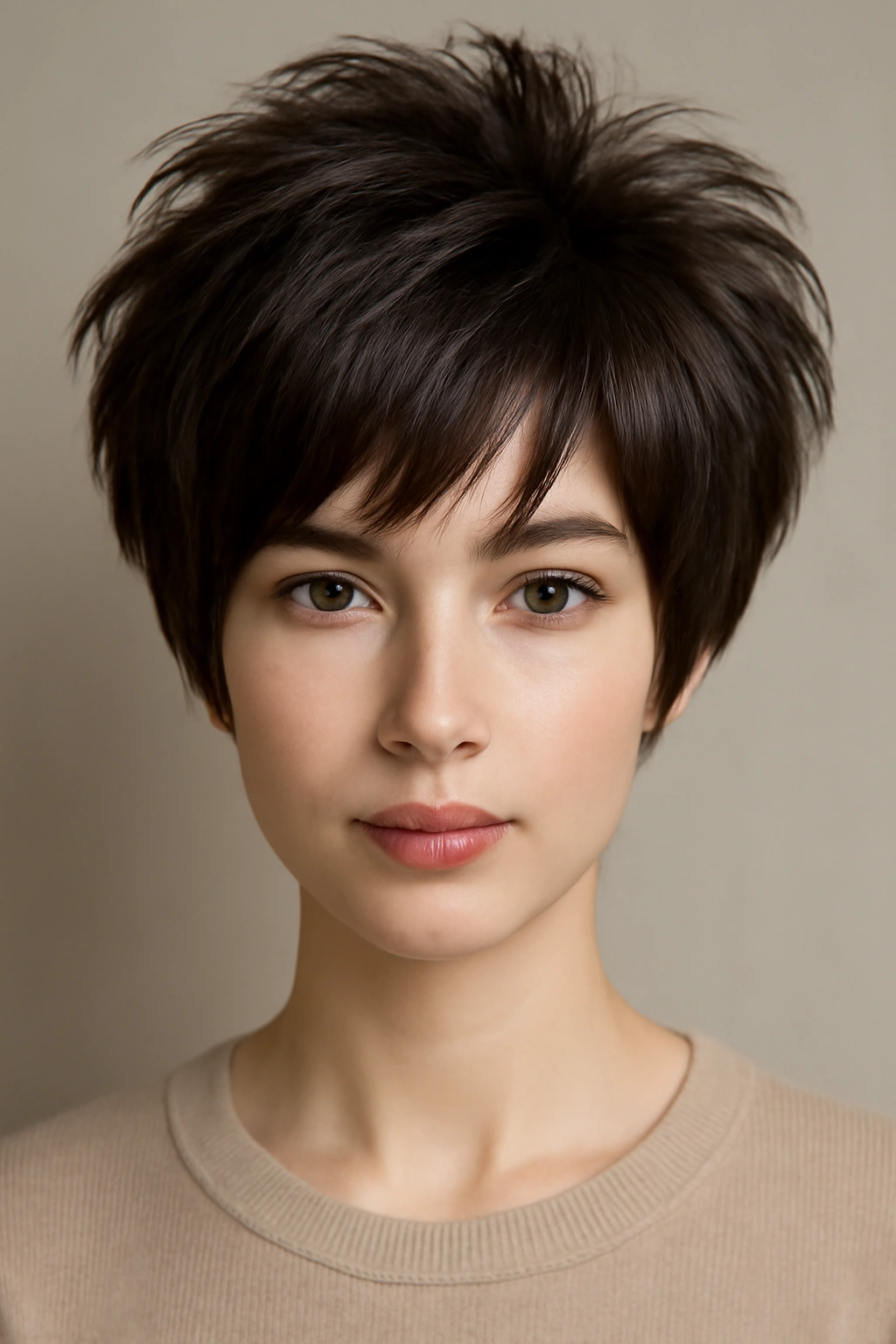
Anime princesses and magical girls often sport cuts that are almost impossibly voluminous — perfectly symmetrical, with a quality that seems impossible in real life but actually translates beautifully when you understand the principles at play. The princess cut in real-world styling is all about creating volume through layering and working with your hair’s natural texture rather than against it. The result is a cut that genuinely does look magical, just through the science of good styling rather than animation.
The Volume Principle
Volume in hair comes from three things: length variation (layers), density in the cut (texture and choppy pieces), and styling technique. The princess cut maximizes all three. Multiple layers of varying lengths create dimension, choppy texture throughout prevents the hair from lying flat, and proper blow-drying technique lifts everything for that ethereal quality. Together, they create the illusion that your hair is simply gravity-defying, when really it’s just intelligently cut.
Creating Your Princess Cut
- This works best with shoulder-length or slightly longer hair — shorter versions can look less voluminous
- Request choppy, face-framing layers starting from around cheekbone height
- Ask your stylist to create texture throughout the crown and back for maximum dimension and lift
- The layers should be visible and distinct, creating the illusion of movement even when hair is still
- Symmetry is key here — unless you want a specific asymmetrical element, the cut should balance on both sides
- Hair type matters: This cut genuinely works better with some natural texture or wave. Very straight, fine hair may require more intensive styling to achieve the volume.
Styling is where the magic happens. Blow-dry with your head flipped upside down to create root lift, then flip back and round-brush sections for curve and dimension. A volumizing mousse or light texture spray through damp hair before blow-drying makes a substantial difference. The result should be that you have effortlessly gorgeous volume that looks intentional without requiring you to maintain it for 8 hours.
7. The Undercut With Long Top Layers
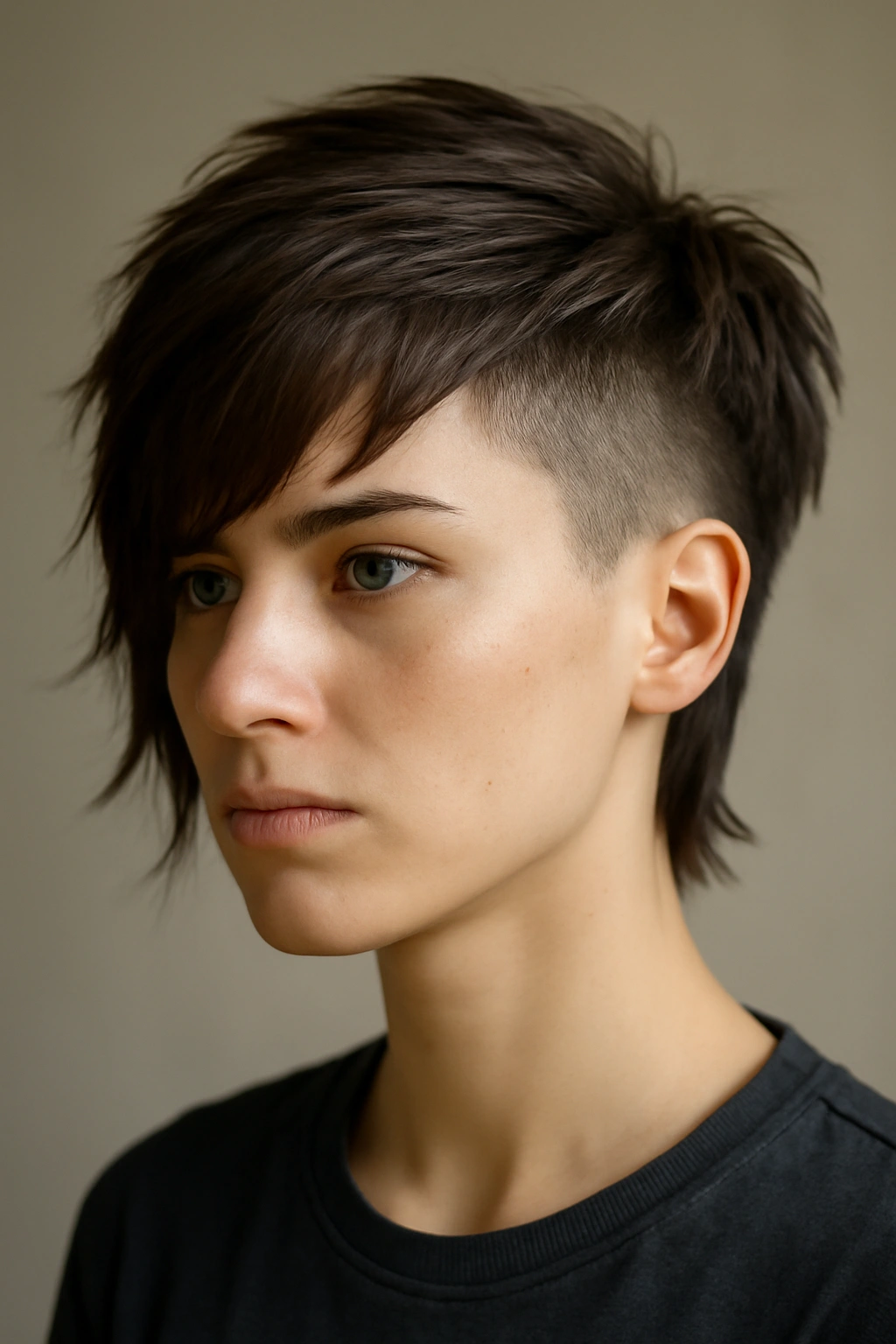
Undercuts in anime often serve as a visual shorthand for edgy, unconventional characters — one side shaved or very short while the other is long and layered. In real-world styling, the undercut has become genuinely wearable because the contrast can be as dramatic or subtle as you want. A mild undercut where one side is just shorter rather than shaved creates visual interest and edge without the commitment of a full head shave.
Why Undercuts Work in Real Life
An undercut creates visual impact through contrast while being remarkably practical. You can hide the shorter side completely by styling it under the longer layers, or show it off when you feel like making a statement. The longer layers on top provide styling versatility while the undercut keeps things lighter and more manageable than a full head of thick, long hair. It’s edgy, it’s practical, and it genuinely reads as intentionally cool rather than costume-like.
Building Your Undercut
- Decide how dramatic you want the contrast: a mild undercut with the sides just noticeably shorter, or a true shaved or very close-cut undercut
- The longer top layers should be choppy and textured, starting around ear-length or longer depending on your preference
- Your stylist should fade the undercut smoothly into the longer pieces so there’s dimension rather than a harsh line
- Ask about styling options that let you hide or show the undercut depending on your mood and outfit
- Styling consideration: Even a hidden undercut needs trimming every 4-6 weeks to maintain the contrast as hair grows. Budget for frequent trims.
An undercut’s styling depends on how much you want to show. For a subtle look, style the longer layers to cover the shorter sides. For maximum edge, slick the top layers back or style them away from the face to fully showcase the undercut. Texture spray and pomade are your friends here — they help you shift between styles depending on what you’re doing.
8. The Twin-Tails Short Cut (Pigtails For Grown-Ups)
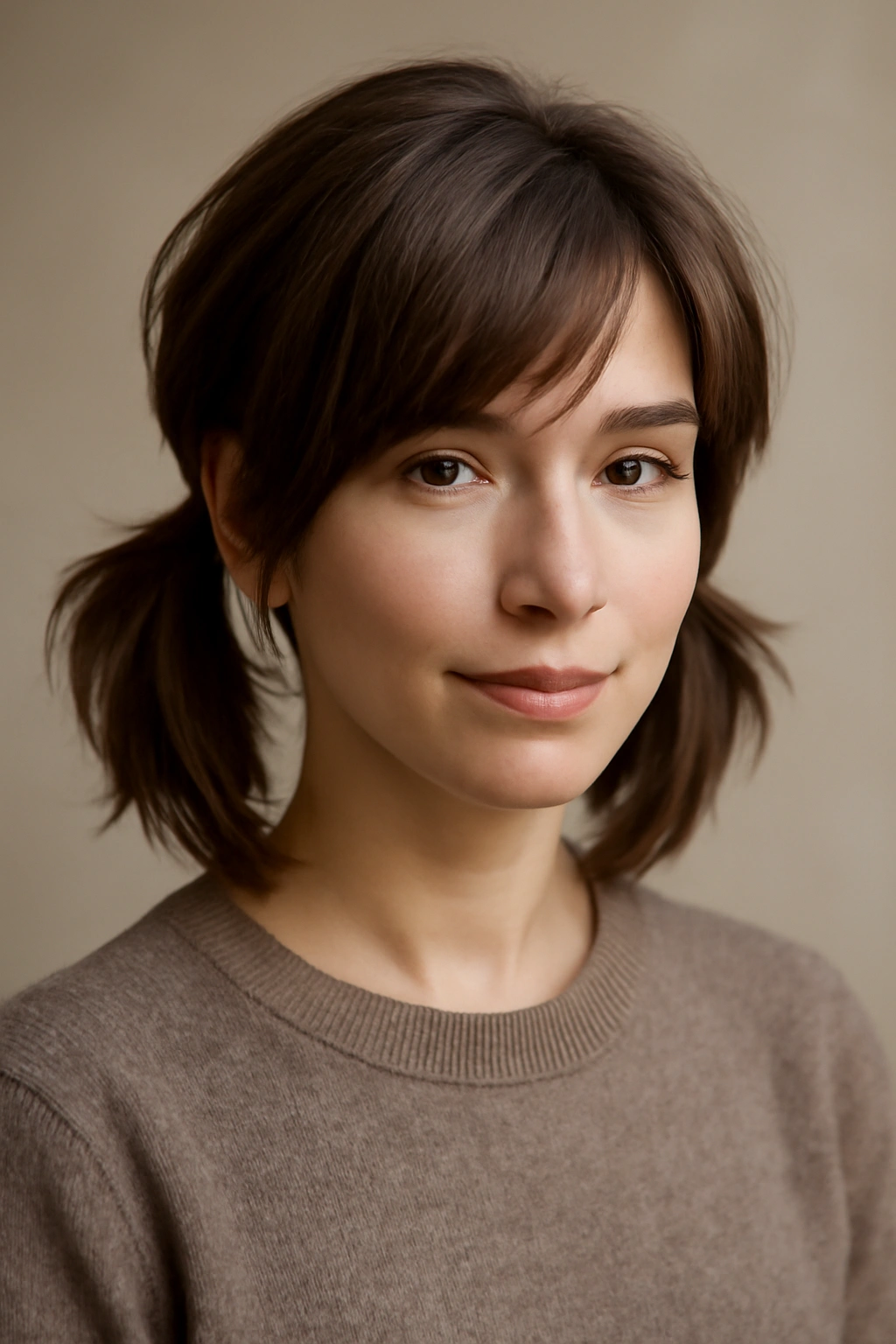
Twin-tails and pigtails are iconic anime hair, but wearing them as an adult requires rethinking the entire concept. Instead of literal pigtails, the real-world translation is a cut that works beautifully when styled into two sections — slightly shorter layers that coordinate with slightly longer pieces, creating the option of twin-tail styling without making you look like you’re attending a costume party. This is for people who love the playful, youthful energy of the style but want it to read as sophisticated.
Rethinking Pigtails as Sophistication
The key is that the cut allows for the styling without requiring it. You’re not committing to pigtails permanently; instead, you have a versatile cut that can be styled into that playful configuration when you choose, but also works beautifully worn down, styled to one side, or in any other configuration. It’s the flexibility that makes this genuinely wearable for real life.
Designing Your Playful Cut
- Ask for layers that create movement and dimension, with slightly choppy pieces around the face
- Keep the overall length somewhere between chin and shoulder for versatility
- The cut should have enough texture that when pulled into two sections, it has natural volume rather than looking thin or stringy
- Textured bangs or longer face-framing pieces that work both down and pulled back add to the versatility
- The layers should be visible enough to create that playful dimension even when the hair is down and unstyled
- Real talk: This works best with some natural texture or wave. Perfectly straight hair might struggle with the dimension this cut aims for.
The beauty of this cut is that you can style it however feels right for the occasion. Some days, pull it into two high sections with some pieces loose around the face for that playful vibe. Other days, wear it down with soft waves for something more polished. The cut enables both without looking weird in either configuration.
9. The Androgynous Crop With Textured Pieces
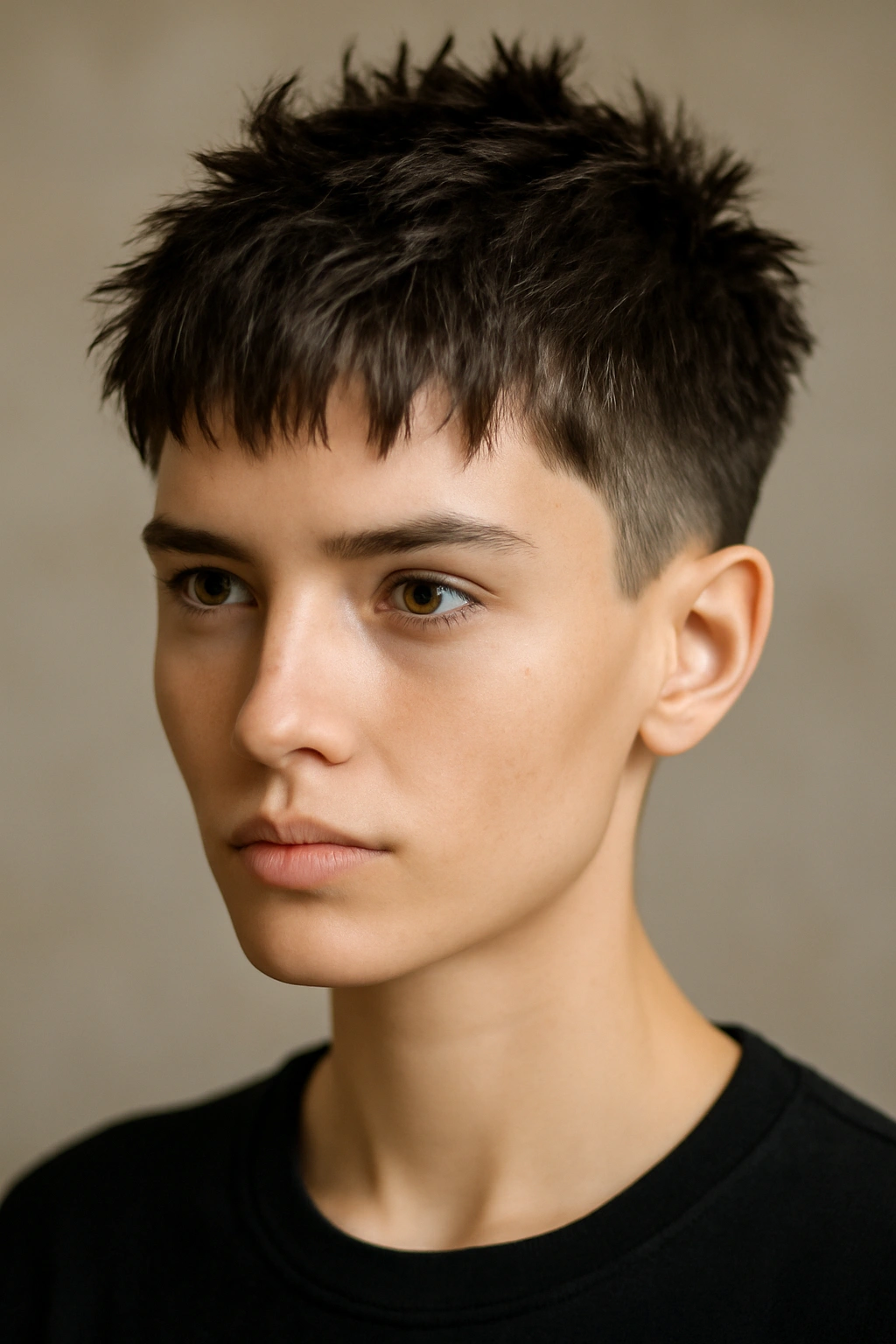
Anime characters often sport very short, androgynous crops that suggest confidence and edge — typically a very short back and sides with slightly longer pieces on top for texture and dimension. The real-world version keeps that assertive energy while being substantially more forgiving in terms of maintenance and styling. This is genuinely short hair that reads as intentionally cool rather than simply neat.
Understanding the Androgynous Aesthetic
This cut works because it’s simultaneously low-maintenance and statement-making. It doesn’t require much hair length to create visual interest — texture, the relationship between pieces, and how the cut moves with your head create all the character you need. The androgynous crop says “I know what I want and I’m confident about it,” which is probably why it shows up on so many compelling anime characters.
Getting Your Crop Right
- This is extremely short — plan for hair that’s roughly 1-3 inches on top and noticeably shorter on the sides and back
- Ask your stylist to create choppy texture throughout rather than a smooth, uniform cut
- Texture is what prevents this from looking like a sad, utilitarian short cut — it’s where the personality lives
- Slightly longer pieces on top can be styled for dimension without requiring length
- This cut honestly looks better on people with some natural texture or the ability to work with products for styling
- Timeline note: Expect to trim every 3-4 weeks. Short hair grows out quickly, and the shape will feel off if you let it go too long.
Styling an androgynous crop is refreshingly simple. Wash it, towel-dry, apply a light pomade or texture cream, and you’re done. The cut does the heavy lifting. Some people blow-dry for more volume, others let it air dry for a softer look — both work. The point is that you’re not spending an hour on styling; the cut is designed to look effortlessly cool with minimal effort.
10. The Feathered Layers With Wispy Bangs
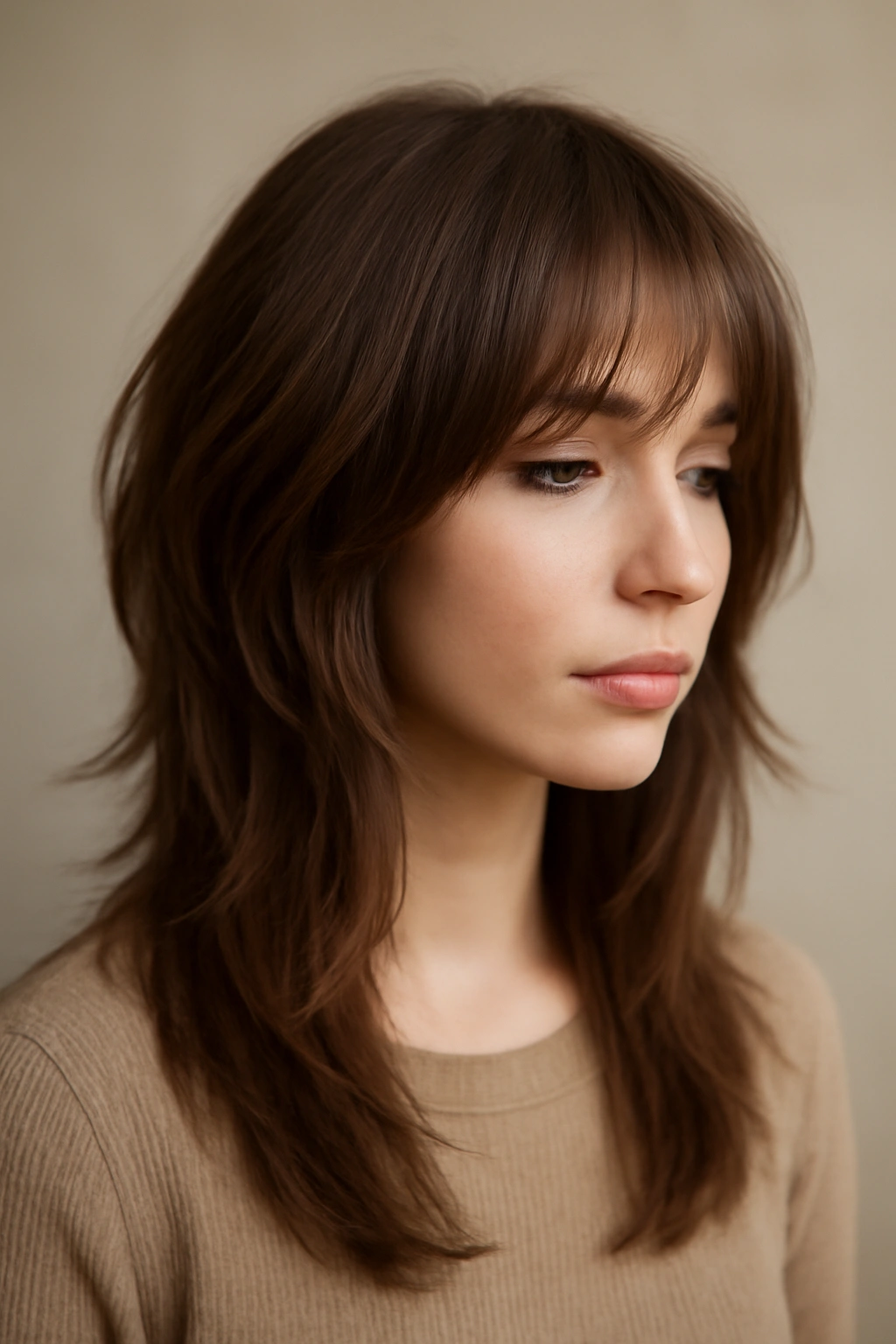
Feathered layers have a delicate, almost ethereal quality in anime, often appearing on gentle or mysterious characters. The real-world version captures that soft, romantic aesthetic while being genuinely wearable with modern styling. This cut is all about creating movement and lightness through strategic layering, resulting in hair that catches light and moves beautifully without requiring any special tricks or products.
The Feather Philosophy
Feathered layers aren’t about choppy texture the way some layered cuts are — they’re about soft, flowing length variation that creates movement without drama. Each layer is longer than the one above it, creating a cascade effect. The bangs are wispy and textured rather than blunt, adding to that soft, romantic quality. When you move, the layers move with you, creating this beautiful sense of fluidity.
Creating Feathered Movement
- Request soft, subtle layers that start around cheekbone length and flow longer through the rest of the hair
- The bangs should be wispy and textured — ask your stylist to create feathered texture rather than a blunt line
- Longer overall length (think mid-back or longer) really shows off feathering; shorter versions are possible but less dramatic
- The layers should be visible enough to create movement but blended enough that it doesn’t read as choppy or jagged
- This cut works beautifully with straight or wavy hair — the layers create dimension either way
- Styling advantage: This cut is genuinely low-maintenance. Blowdry on medium heat to encourage the layers, or air-dry for a softer look. Either works.
The feathered cut is at its best when styled gently. A light volumizing mousse through damp hair, blow-dried with your fingers for soft texture, or simply air-dried with a light finishing spray gives you that romantic, movement-filled look. The point isn’t precision or intensity — it’s softness and flow. When you get it right, you have the kind of hair that moves with intention in a way that feels both effortless and utterly intentional.
Final Thoughts
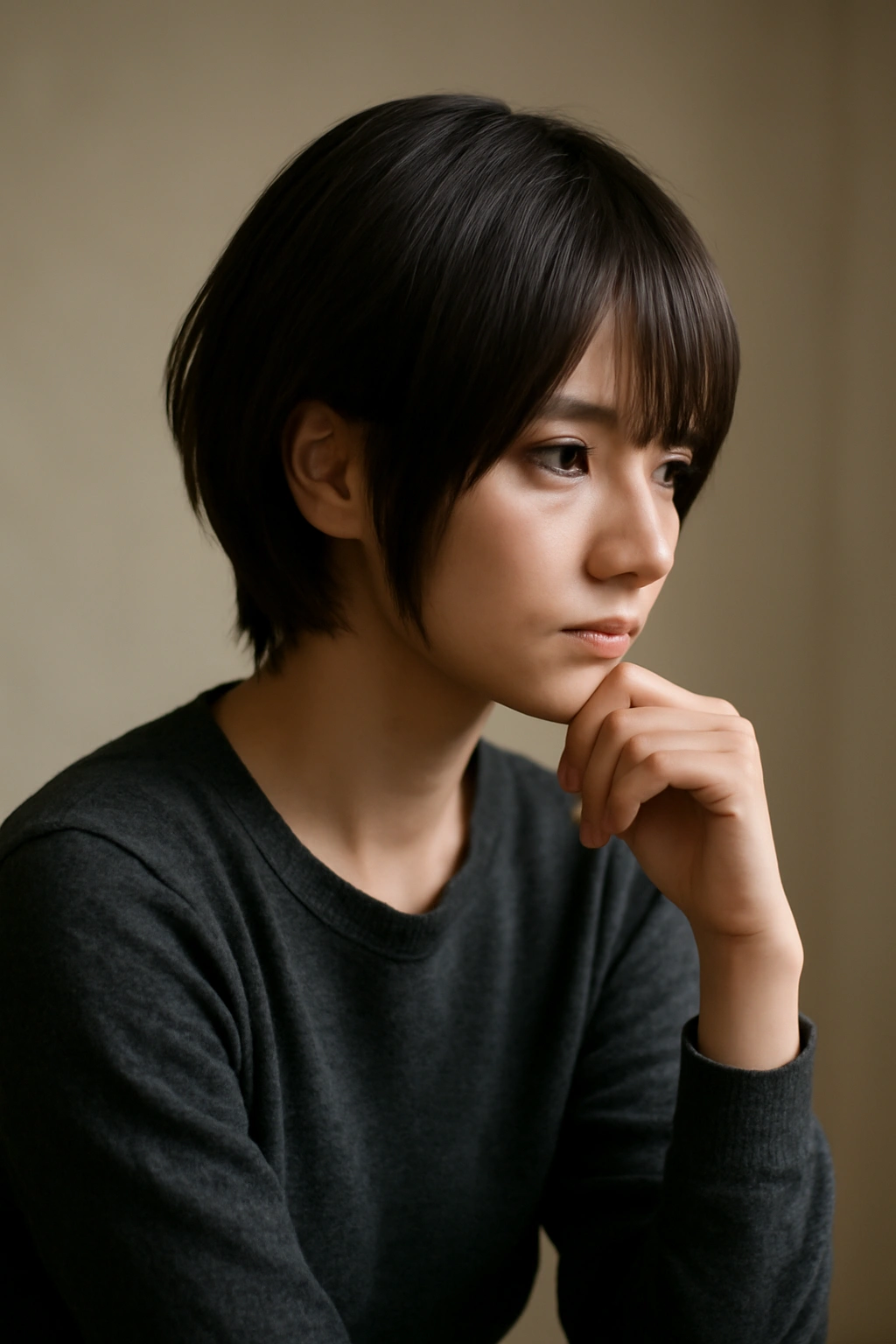
The real magic of anime-inspired hairstyles lives in understanding why they work visually, then translating those principles into something that cooperates with real hair, real life, and real scheduling constraints. None of these cuts require you to defy gravity or spend hours styling every single day. What they do require is finding a stylist who understands what makes the inspiration compelling and can adapt it to your specific hair type, face shape, and lifestyle.
When you’re ready to take on one of these styles, bring specific reference images to your consultation — visual communication genuinely matters more than description when it comes to hair. Talk honestly with your stylist about how much time you’re willing to spend styling and how often you can commit to trims. The best cut in the world falls apart if it’s not maintained, so budget for regular appointments.
The anime aesthetics that translate best into real life are the ones where the styling itself is part of the appeal rather than trying to replicate impossible cartoon physics. Choose a cut that makes you feel like the coolest, most authentic version of yourself, not a costume version of a character. When you get that right, you’ve created something genuinely beautiful that honors the inspiration while being wholly your own.
