



The mullet has made a serious comeback, and it’s nothing like the questionable choices of decades past. Today’s short mullet cuts are sleek, sophisticated, and surprisingly versatile—blending modern precision with playful attitude. Whether you’re looking to make a bold statement at the salon or just curious about what this revived trend really looks like, short mullets are experiencing a cultural moment that goes well beyond nostalgic irony.
What makes the short mullet different from other trendy cuts is its unique architecture: controlled length on top with shape and texture, paired with strategic shortness at the sides and a slightly longer back that actually works with your hair’s natural growth patterns rather than fighting against it. This balance between structure and movement, between business-ready and undeniably fashion-forward, is exactly why short mullets appeal to people who want standout hair without sacrificing practicality.
The beauty of a short mullet is that it works across hair types, face shapes, and personal styles. You can go textured and tousled, sharp and geometric, or somewhere beautifully in between. The key is choosing the right variation for your hair texture, styling commitment, and the statement you want to make. Let’s explore ten distinct approaches to the short mullet that each bring something different to the table.
1. The Textured Crop Mullet
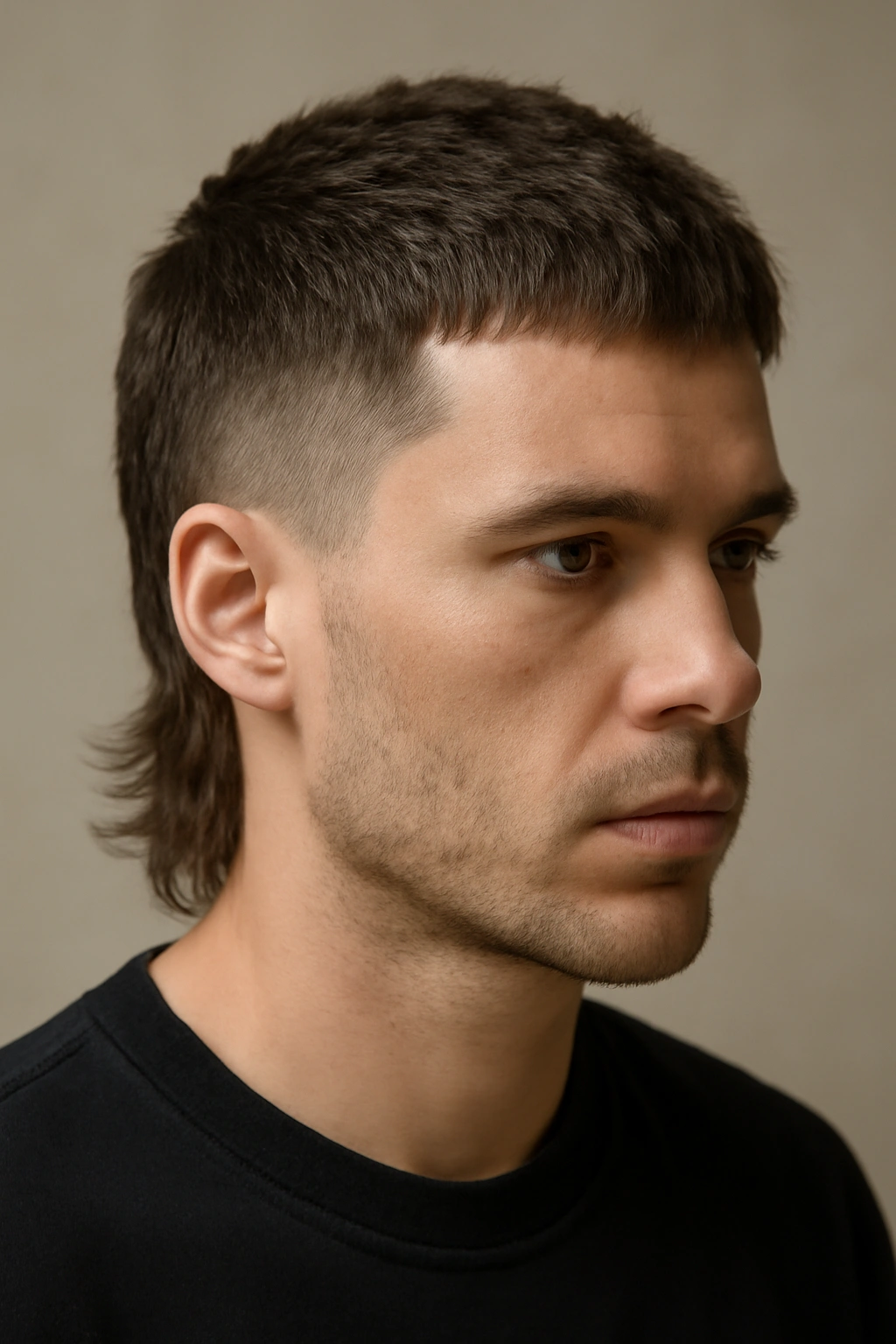
This version keeps the top incredibly short—think a textured crop that sits close to the scalp—while maintaining just enough length at the back to hint at the mullet silhouette. It’s the entry point for anyone nervous about commitment, offering the mullet’s DNA without requiring significant length at the nape.
Why It Works for Versatile Styling
The textured crop mullet bridges casual and polished beautifully. You can wear it tousled and undone on weekends, or add a light pomade for a sharper appearance during the workweek. The short crop on top catches and holds styling products differently depending on how you apply them, giving you surprising styling range from a very short cut. The back length—usually just two to three inches—creates a subtle graduated effect that reads as intentional rather than accidental growth.
How to Style and Maintain It
- Use a lightweight clay or matte paste applied to damp hair and worked through with your fingers for natural texture
- Keep the back slightly damp and tousled upward, or sleek it down close to the head for formal settings
- Regular trims every three to four weeks maintain the crop’s shape and prevent it from looking fuzzy
- Works best on straight to wavy hair, though can be adapted for curly textures with longer crop length
Pro tip: Ask your barber for a slightly graduated fade on the sides rather than a hard line—this adds movement and prevents the cut from feeling too geometric.
2. The Bleached Blonde Modern Mullet
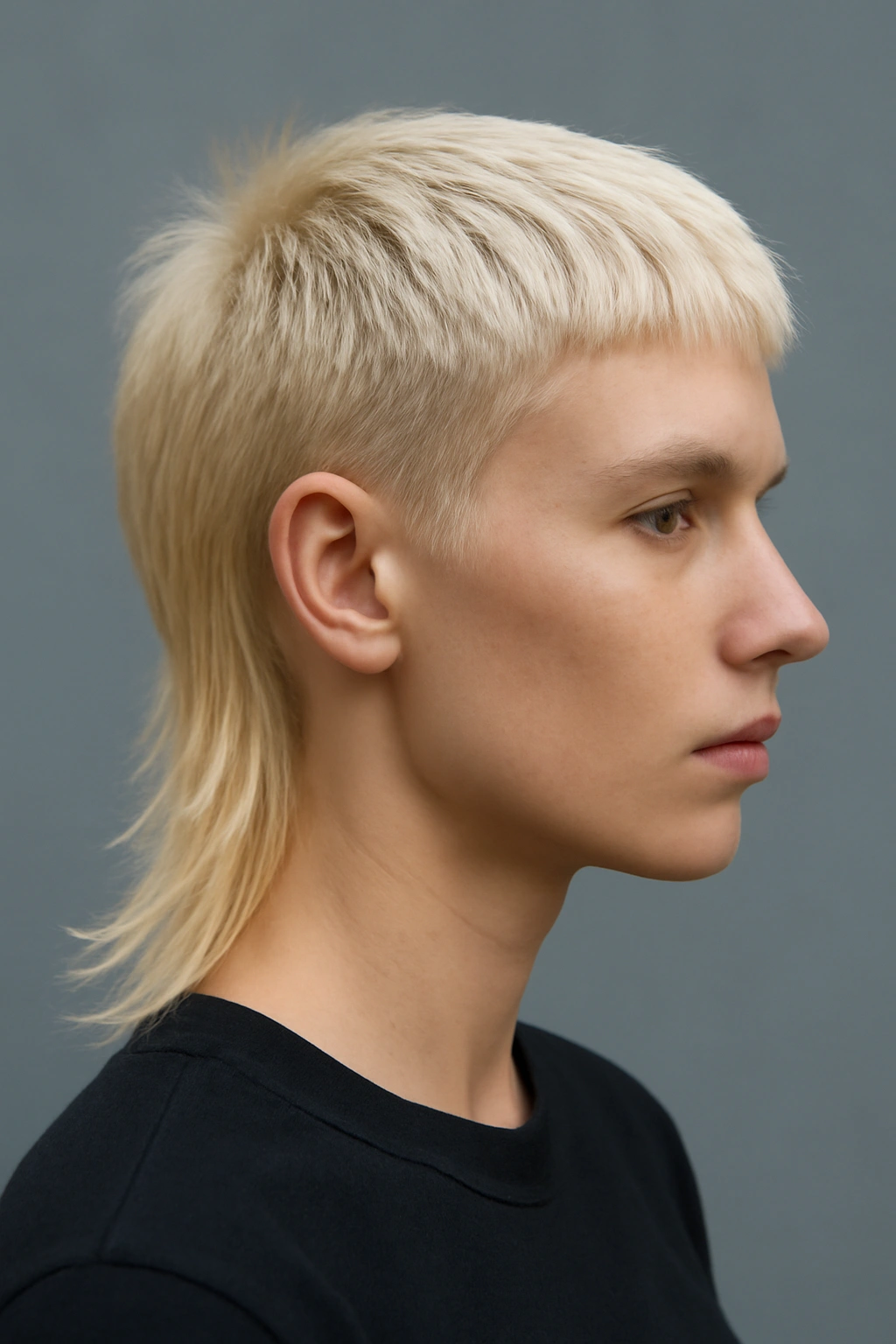
Pairing a short mullet with platinum or golden blonde creates immediate visual impact. The lighter color emphasizes the cut’s lines and creates dimension even in the cropped sections, making the contrast between front and back even more dramatic and intentional-looking.
The Color Impact on Cut Perception
Blonde—especially in lighter tones—naturally makes shorter hair look more textured and fuller. When you apply that to a mullet, the lightness helps the back section read as intentionally styled rather than just longer. The color also creates a contemporary, fashion-forward vibe that removes any retro-accidental aesthetic. You’re clearly making a choice, and the choice reads as current and deliberate.
Maintenance and Styling Approach
- Blonde requires purple-toning shampoo weekly to prevent brassiness or yellow undertones
- Condition heavily—bleached hair is more fragile and needs moisture to maintain texture
- Style with sea salt spray for beachy texture, or use a light wax for more defined separation
- Schedule color touch-ups every four to six weeks depending on your natural regrowth
A quick note: The lighter your starting hair color, the easier the process. If you have darker hair, expect multiple sessions spread over weeks to achieve platinum safely.
3. The Sharp Geometric Fade Mullet
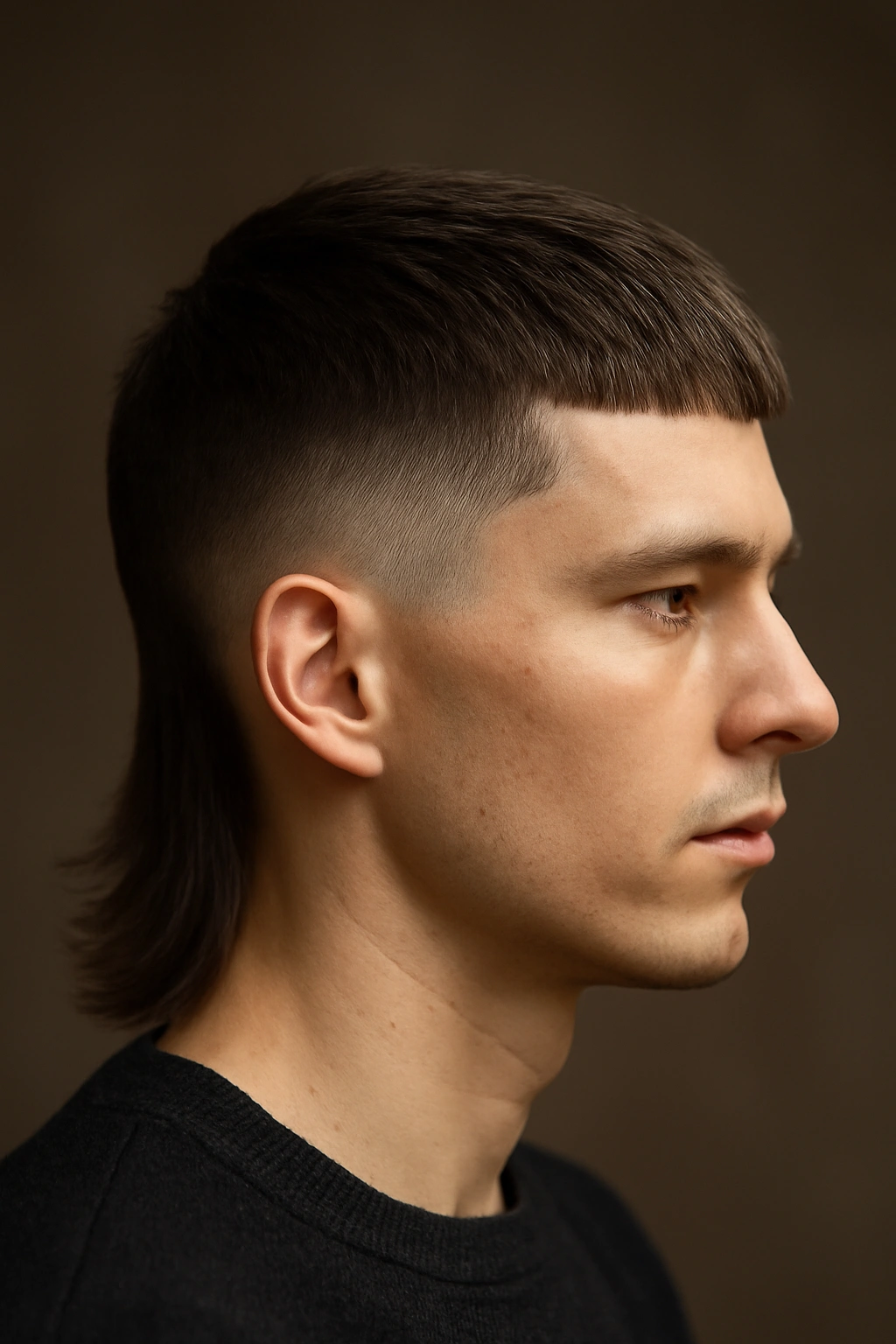
This cut features precise geometric proportions: clean lines on the sides with a hard fade (not a gradual blend), a structured top that’s cut with intention, and a back section with clean, sharp edges. Everything is geometric and controlled—no softness, no tousled texture, just precision.
What Makes the Geometry Work
The sharp geometric mullet appeals to people who love architectural, fashion-forward haircuts. Every line has a purpose. The fade line on the sides is razor-sharp, often sitting at a specific angle that frames the face intentionally. The top might be cut in a subtle mohawk pattern or with disconnected sections that create visual interest. The back isn’t just longer—it’s shaped, often with an undercut that shows where the length ends.
Cut Requirements and Styling
- Requires an exceptionally skilled barber who understands geometric proportions and angle work
- Works best on straight hair where lines read crisply without texture interference
- Style with a strong-hold pomade or gel to maintain defined lines throughout the day
- Maintenance appointments every two to three weeks keep the geometry sharp
4. The Tousled Rocker Mullet
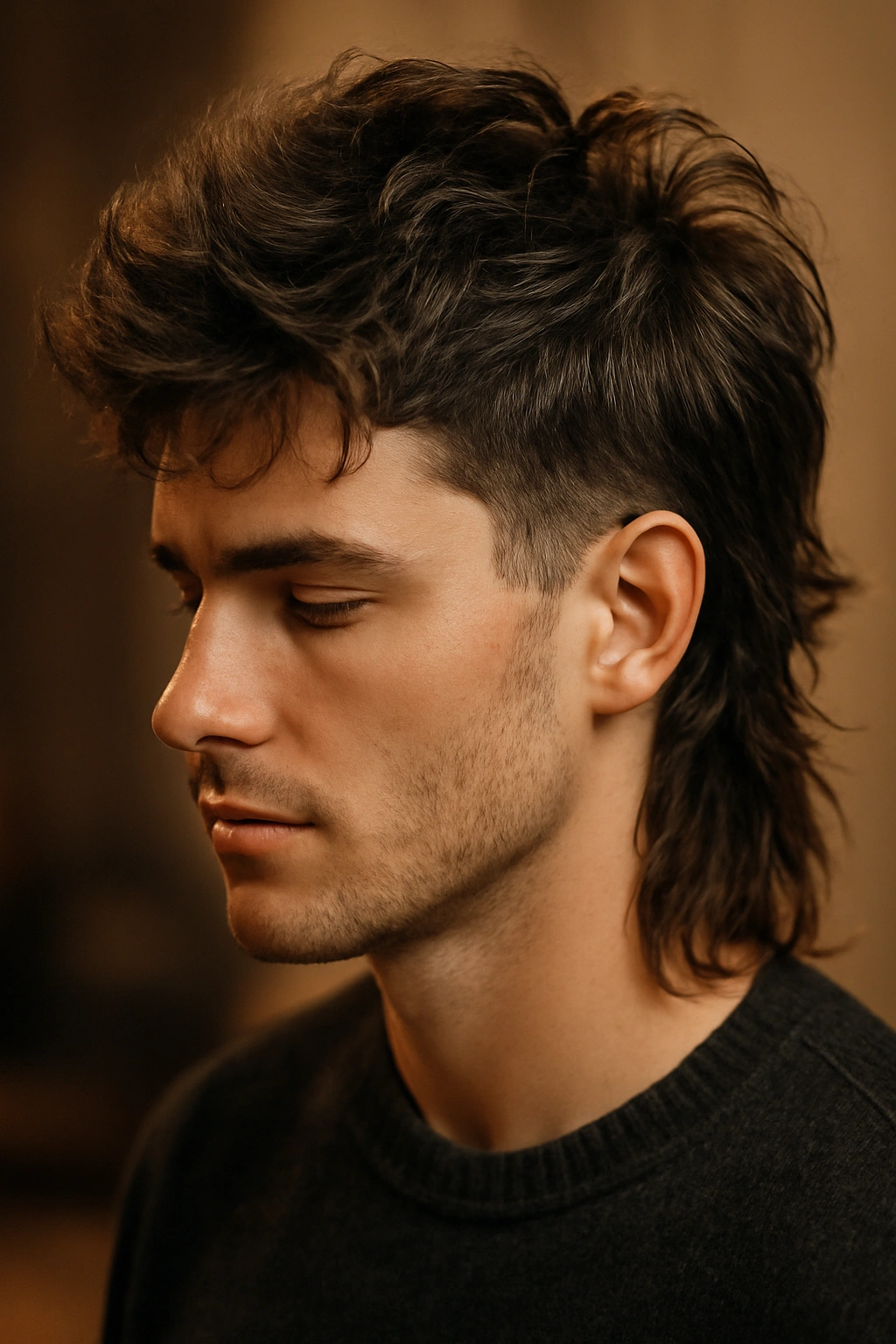
This is the mullet with personality and movement—deliberately undone, textured, and styled to look effortlessly cool. The top has length and volume, the sides are shorter with a soft fade, and the back flows with intentional messiness that reads as curated rather than unkempt.
The Appeal of Intentional Texture
The rocker mullet is built on the premise that perfection is boring. The goal is to look like you spent time styling your hair, but maybe not too much time—like you just rolled out of bed and somehow looked amazing. This cut works particularly well on wavy or naturally textured hair, where movement is built in. Even straight hair can achieve this look with the right product and styling technique.
How to Build and Maintain the Look
- Use a lightweight texturizing spray on damp hair before blow-drying for natural volume
- Rough-dry your hair rather than aiming for smoothness, encouraging texture and movement
- Add a sea salt spray or light paste for definition without stiffness
- Trim every four to five weeks to maintain shape while keeping texture intact
5. The Connected Spiky Mullet
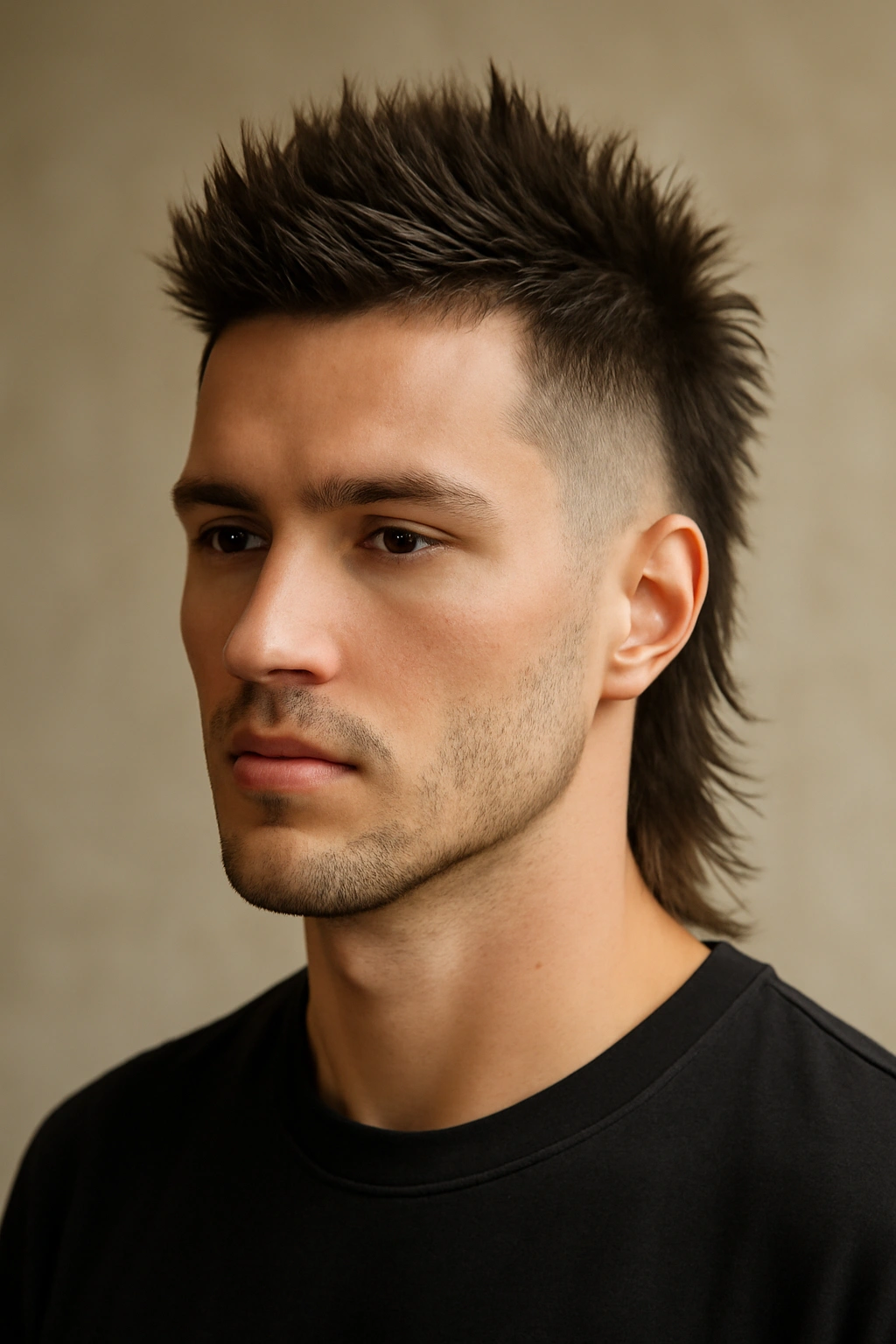
This modern take features a spiked, textured top that’s genuinely connected to the back section rather than sharply disconnected. The sides have a fade, but the top flows gradually into slightly longer length that supports spikes. It’s a single cohesive shape rather than two separate lengths fighting for attention.
The Modern Appeal of Connection
Younger generations are moving away from the disconnected look—they want cuts that feel more unified and less overtly retro. The connected spiky mullet accomplishes the mullet’s goal (short front, slightly longer back) while feeling contemporary and less obviously throwback. It’s a mullet that doesn’t announce itself as a mullet, which paradoxically makes it even bolder for those in the know.
Styling for Spiky Texture
- Use a matte clay or dry paste applied to damp hair for hold without shine
- Blow-dry sections upward to build height and encourage spike formation
- Separate spikes with your fingers rather than a comb for natural-looking definition
- The back section should be slightly damp when styled to encourage the spiky texture to extend naturally
6. The Curly and Coily Mullet
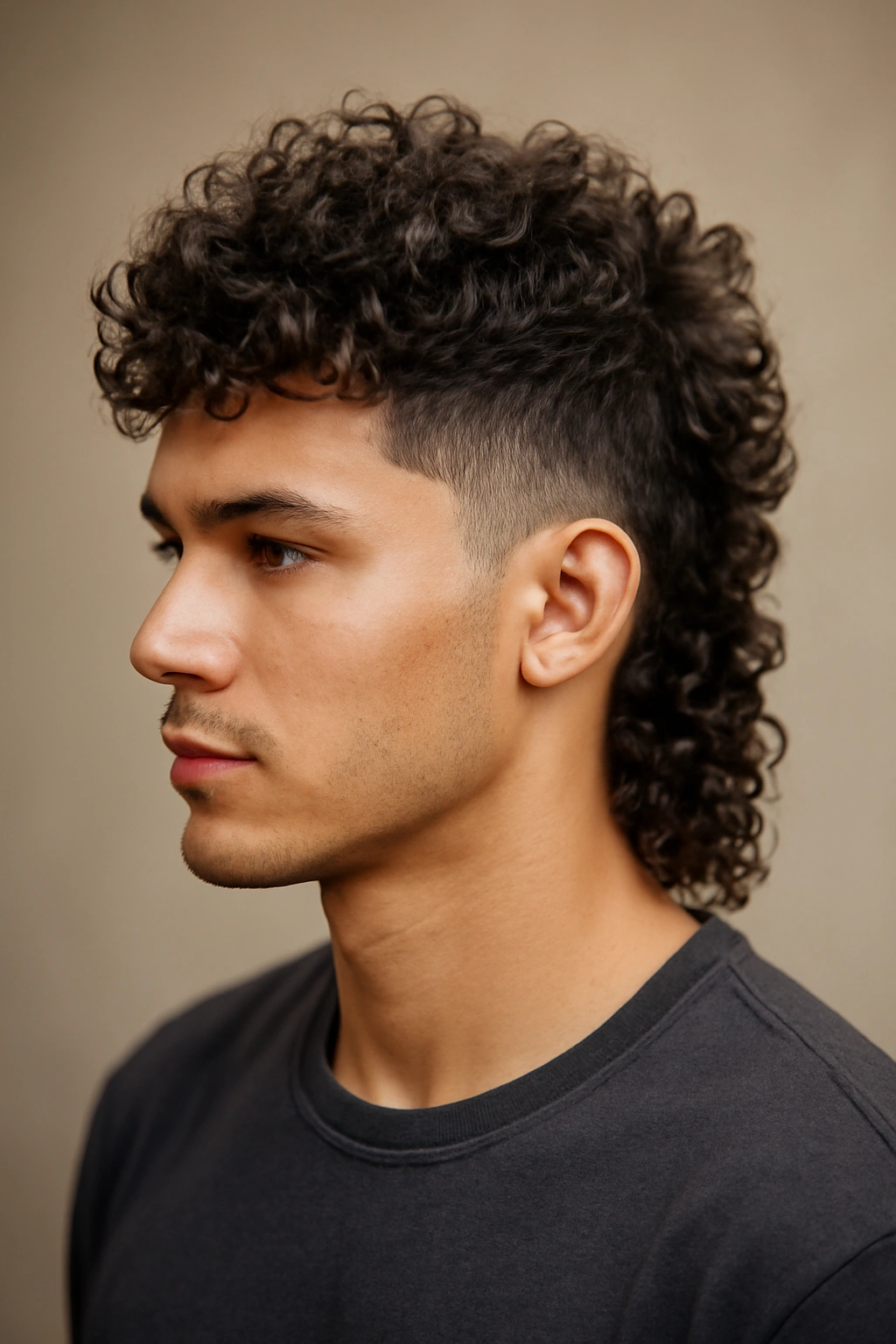
For naturally curly, coily, or textured hair, the mullet takes on a completely different aesthetic. Curls and coils on top create volume and presence, while slightly shorter coils on the sides prevent overwhelming bulk, and the back shows off curl definition beautifully.
How Texture Changes the Mullet’s Identity
Curly and coily hair mullets don’t read as retro—they read as contemporary and fashion-forward because curls aren’t typically associated with classic mullets. The texture itself becomes the statement. Top curls can be shaped for volume and movement, creating a cloud-like effect. The sides might be tapered tighter to balance the natural volume of curls. The back showcases curl pattern definition and bounce.
Curly-Specific Care and Styling
- Work with a stylist experienced in cutting curly and coily hair—regular blunt cuts won’t create the shape you need
- Use the Deva Cut or similar curl-pattern-specific technique to enhance natural texture rather than fight it
- Style with curl-defining creams or gels applied to soaking wet hair, then diffuse-dried or air-dried
- Deep condition weekly to maintain moisture and curl health
- Refresh curls between washes with water and a light product reapplication
7. The Slicked-Back Professional Mullet
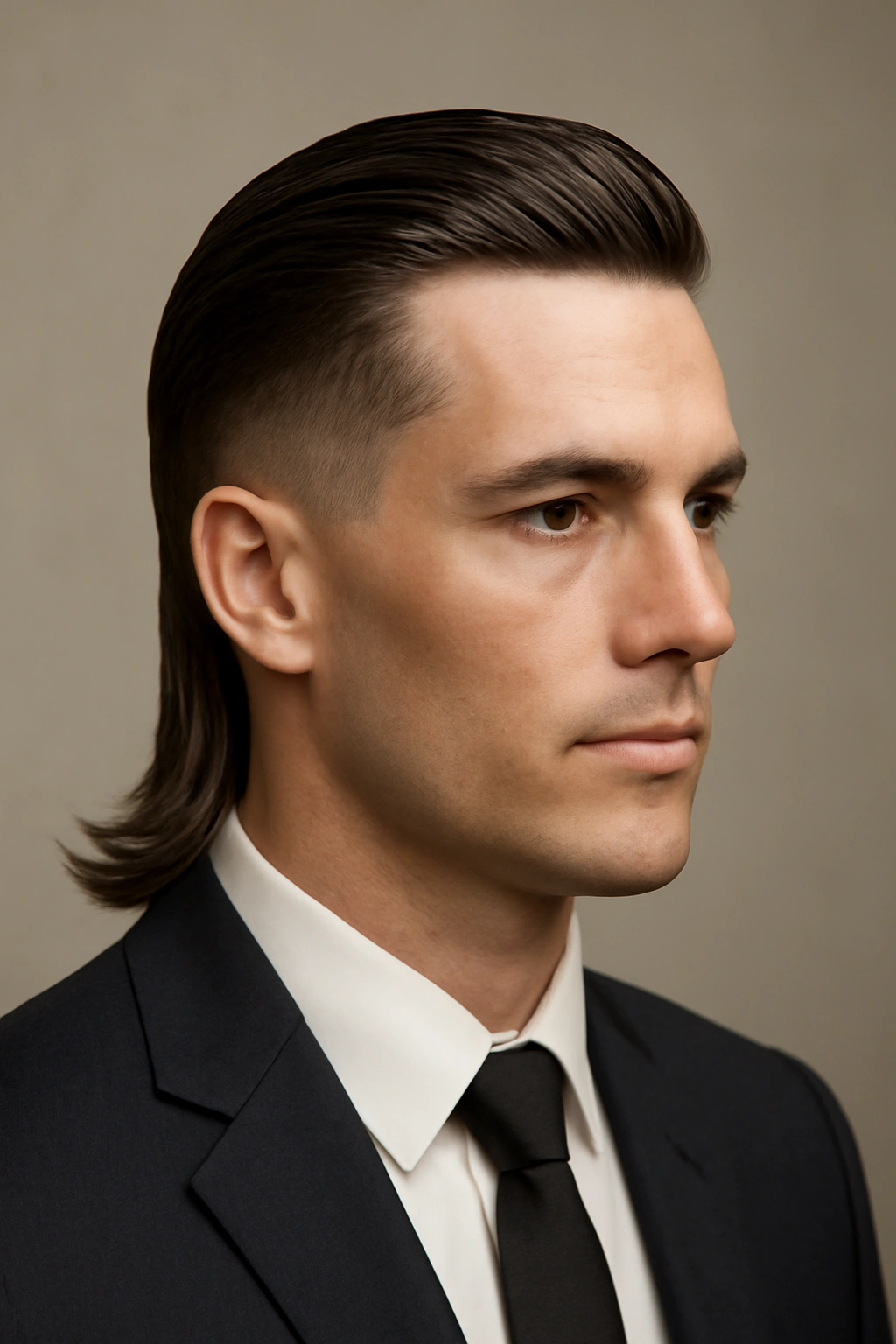
This version is styled sleek and controlled—the top is slicked back with a strong-hold pomade, the sides are tightly faded, and the back is neat and shaped. It’s sophisticated enough for professional settings while still clearly being a modern mullet. Think executive aesthetic with an edge.
Wearing a Mullet in Formal Settings
The slicked-back approach removes any casual or rebellious energy from the mullet, making it actually work in corporate environments or formal contexts. The sleek styling creates a polished appearance while the back provides visual interest for those who understand the cut. It’s confidence disguised as convention—you’re wearing a mullet, but not screaming about it.
Achieving the Slicked Look
- Use a high-hold pomade or gel for lasting control throughout the day
- Apply to damp hair and blow-dry while working the product through, directing everything backward
- For even more hold, apply to completely dry hair as a finishing layer
- Refresh midday with a light mist of water and reapplication of product
- Weekly shampoos prevent product buildup that can weigh hair down or create brittleness
8. The Undercut Mullet with Design Elements
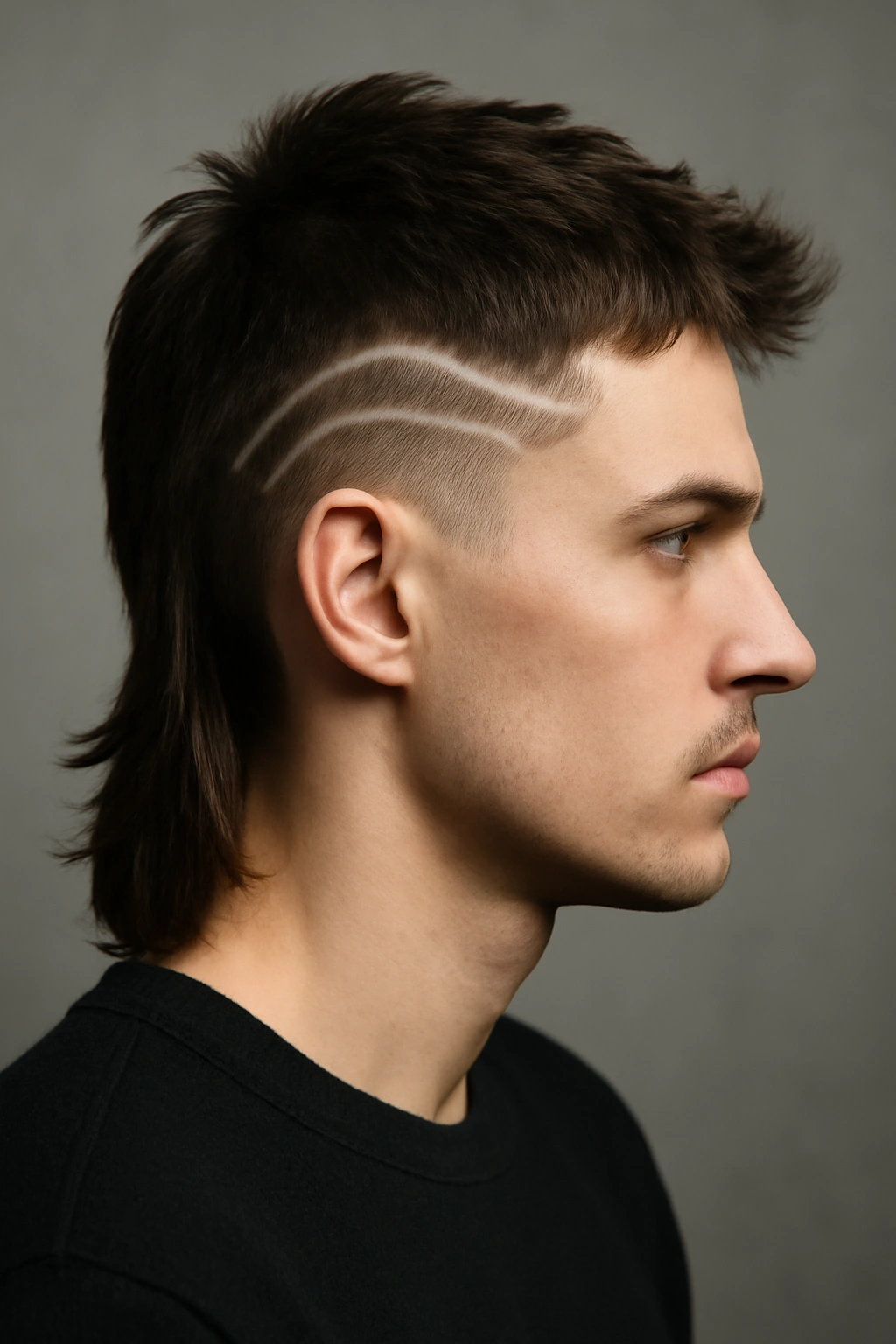
This audacious version includes shaved or closely faded designs on the sides—geometric patterns, lines, or even detailed artwork. The designs create a pop of personality and visual drama, making this unmistakably a fashion statement.
The Statement-Making Power of Design Work
Adding design elements transforms a mullet from trendy into genuinely artistic. These designs are typically shaved into the fade, creating contrast between the design and the remaining hair. Some designs are geometric and minimal; others are more elaborate. The designs draw attention to the cut’s structure and make the entire style feel more intentional and curated.
Design Styles and Maintenance
- Simple designs (lines, geometric shapes, abstract patterns) work best—they read clearly and age gracefully
- Work with an artist-barber who has portfolio experience with similar work
- Designs show growth quickly as hair regrows, requiring touch-up trims every two to three weeks
- Consider the permanence factor—if you change your mind, the design takes weeks to grow out
- The contrast between design and hair is most striking on contrasting hair colors
9. The Textured Quiff Mullet Hybrid
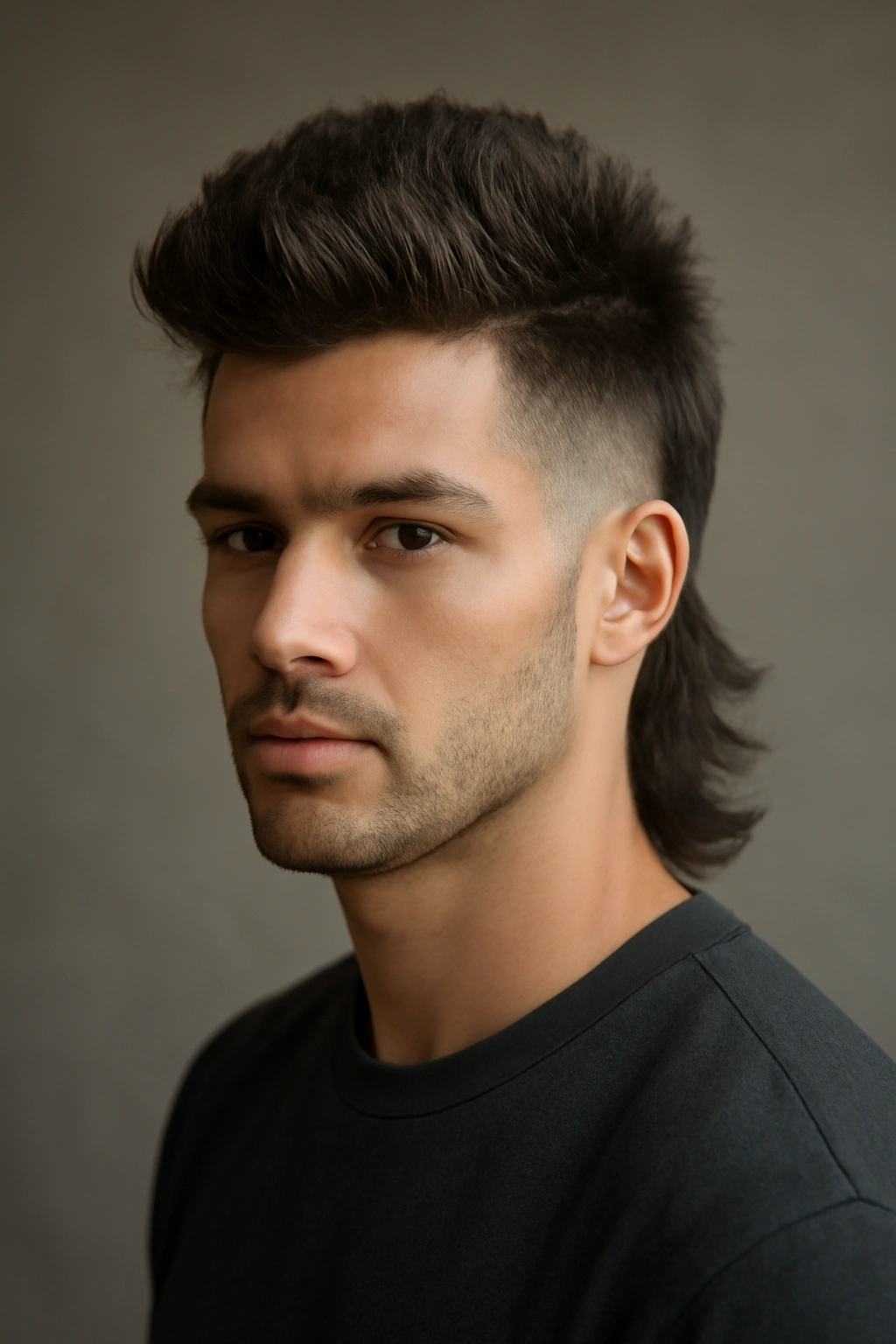
This blends quiff styling with mullet structure—significant height and volume on top (styled upward and backward), clean fades on the sides, and back length that’s controlled and shaped rather than wild. It’s sophisticated and fashion-forward without being outrageous.
Why the Hybrid Approach Works
A quiff mullet hybrid appeals to people who love both styles but want something that feels singular and intentional. The quiff top creates striking vertical interest and presence, while the mullet structure keeps it from being entirely traditional. The back provides the mullet’s personality while the top’s height prevents the overall look from reading as retro or purely nostalgic.
Building and Styling the Quiff Mullet
- The top should have significant length (two to three inches) to support quiff height
- Blow-dry upward while rough-drying to build volume naturally
- Finish with a medium-to-strong hold product applied to damp hair before final blow-drying
- Use a round brush to create lift and volume at the crown
- The back should be kept clean and slightly tapered to balance the top’s volume
- Restyle daily for best results—quiff height typically requires nightly resetting
10. The Soft Fade Tousled Mullet
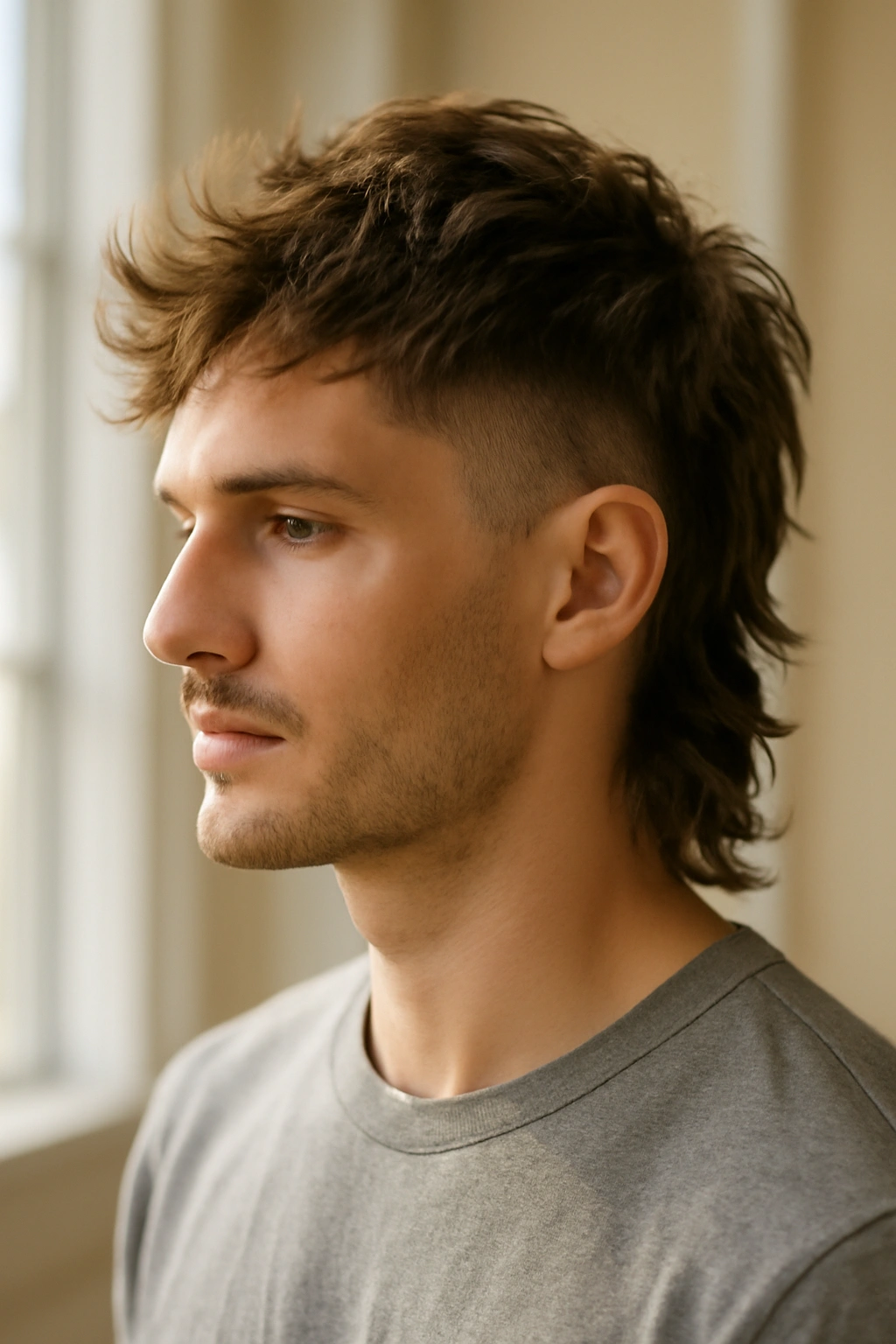
This final style combines a soft, gradual fade on the sides (not a hard disconnected line) with tousled, textured styling throughout. Everything is movement and softness—no sharp lines, no geometric precision, just flow and natural-looking texture.
The Approachable Aesthetic of Softness
Not every mullet needs to scream for attention. The soft fade tousled mullet is accessible and wearable while still being distinctly a mullet. The soft fade rather than hard line makes the cut feel less fashion-statement and more like a genuine haircut. This version works across more life circumstances—it’s still trendy but slightly more forgiving, slightly more “normal.”
Daily Styling and Maintenance
- Blow-dry with your fingers or a rough approach rather than a brush for natural texture
- Use a light texturizing product or sea salt spray for definition and movement
- The soft fade requires less frequent touch-ups than sharp fades—every four to five weeks is usually sufficient
- Works well on most hair types because the soft fade and tousled styling hide imperfections
- Restyle daily with product and damp hair for best results, or wear it naturally textured on casual days
Final Thoughts
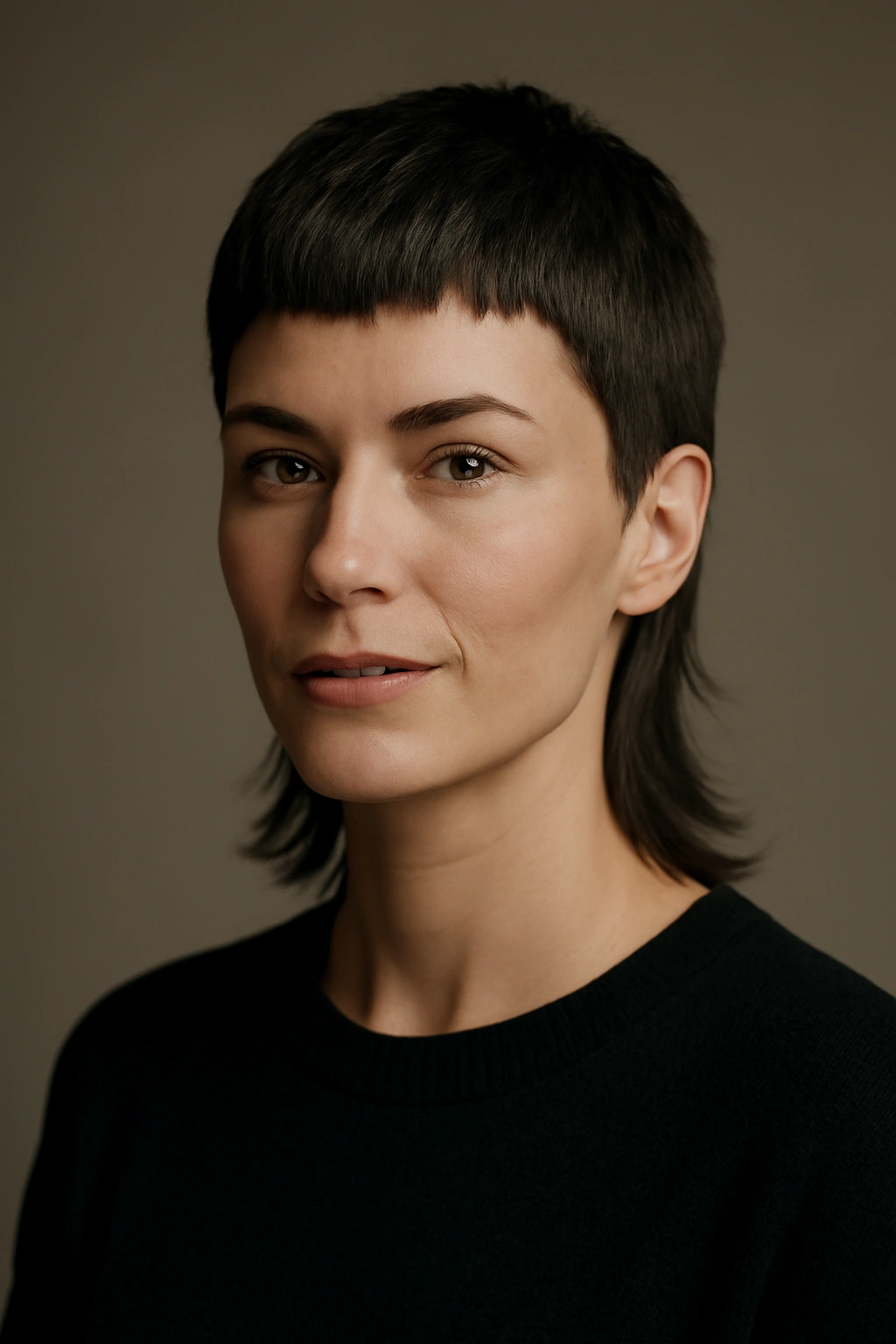
The short mullet has evolved into a genuinely diverse category with options for nearly every style preference and personal aesthetic. Whether you’re drawn to sharp geometric precision, textured effortless movement, professional sophistication, or bold artistic elements, there’s a mullet approach that aligns with who you are and how you want to present yourself.
The key to pulling off any short mullet is approaching it with intention. Choose the version that genuinely excites you, not the one that seems trendy. Work with a barber who understands the cut’s structure and can execute clean lines and proper proportions. Commit to regular maintenance—every three to four weeks minimum—because short mullets live or die by their shape.
Most importantly, wear it with confidence. The mullet’s entire power comes from its boldness, its refusal to be a safe, expected choice. If you’re going to do it, own it completely. Your hair tells the story of how much thought you’ve put into your appearance, and a well-executed short mullet tells a story of someone who’s willing to be interesting, deliberate, and unapologetically themselves.
