



There’s a sweet spot in hairstyling where your hair has just enough length to feel substantial without the commitment of long hair—and that’s exactly where the magic happens. Cuts that land right at or just above the shoulders strike that perfect balance between ease and impact, giving you movement without the daily wrestling match of styling. These lengths work for nearly every hair type, face shape, and lifestyle, which is exactly why they’ve become the go-to choice for people who want something modern and effortless-looking without sacrificing any personality.
The best shoulder-skimming cuts aren’t just about where they land—they’re about how they’re shaped, layered, and texturized. A blunt bob reads completely different from a shag that touches the same length. Subtle layers create movement and dimension that make the style feel current and intentional. The right cut in this range can make your face look more sculpted, give fine hair the illusion of density, or add definition to thick waves that might otherwise feel heavy at longer lengths.
What makes these cuts so appealing is their practicality paired with serious style credentials. You get enough length to play with styling options—air-dry texture, sleek and straight, tucked behind your ears, half-up styles, braids—while keeping maintenance realistic. Whether you’re looking for something timeless that you’ll love for years, a trendy take with an edge, or something that simply works with your natural texture, there’s a shoulder-length cut that’s made exactly for you.
1. The Shag with Modern Texture
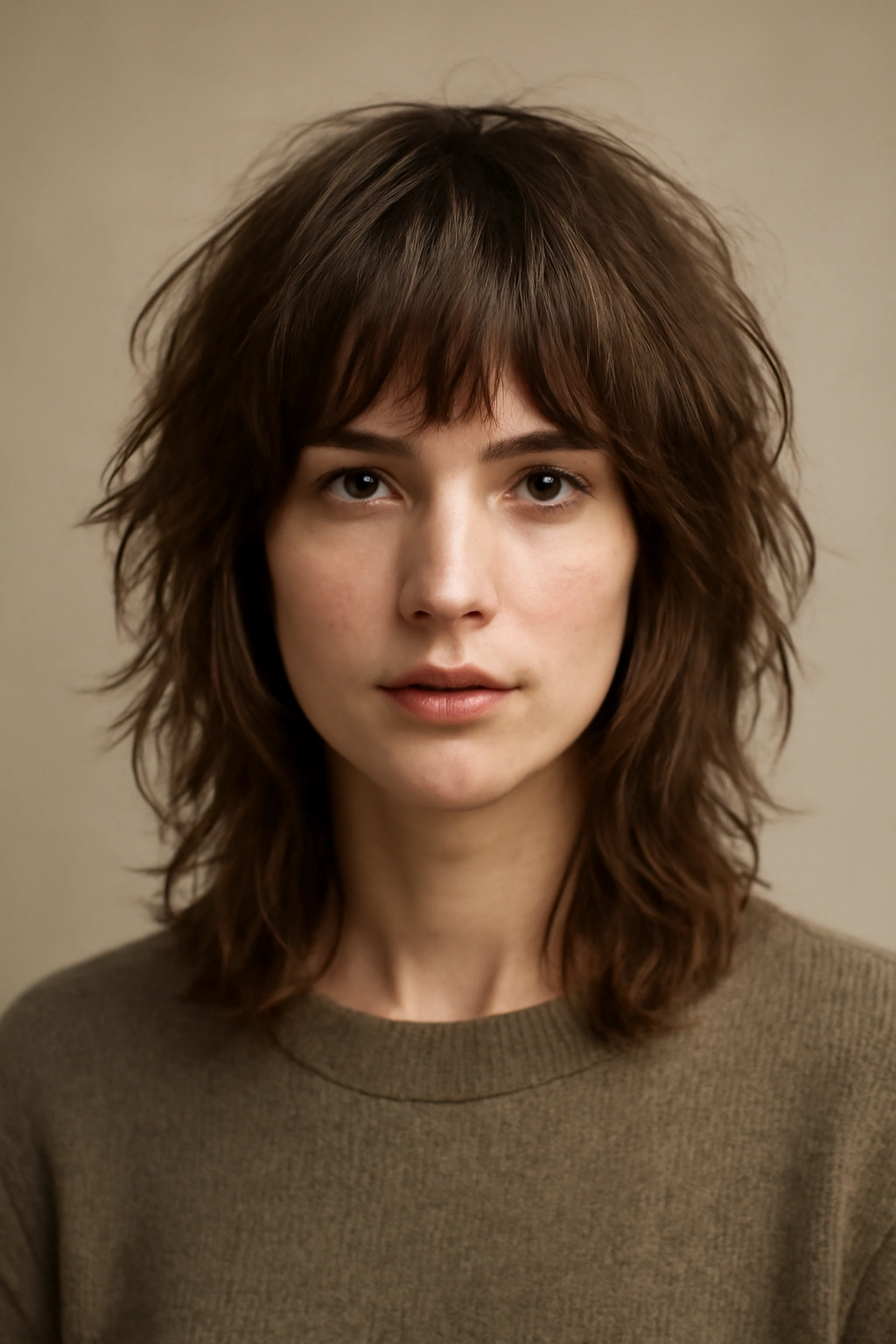
A shag cut lands perfectly in the shoulder-length zone and brings an instantly cool, lived-in vibe that actually looks better the more imperfectly you style it. This isn’t your grandmother’s shag—modern versions are way more refined, with shorter layers concentrated on top for volume and movement, while the underneath stays longer for structure. The cut works because it creates natural dimension and texture even on totally straight hair, and it absolutely sings on waves or curls.
Why This Cut Stands Out
The shag is intentionally undone, which paradoxically makes it look intentional in the best way. The overlapping layers catch light differently as you move, creating depth without needing to blow-dry or style aggressively. You’re getting volume where you want it (at the crown) without the heavy feeling that a full shoulder-length mane can sometimes create. It’s forgiving too—a day or two between washes actually makes it look better because the texture gets more defined.
How to Make It Work for You
- Shoulder-length shags work best when you have some natural texture to work with, though straight hair can absolutely pull it off with texturizing products and a tousled styling approach
- The key is asking your stylist for shorter, more deliberate layers on top that create movement, rather than chunky, blunt layers that can look dated
- Styling involves scrunching in texturizing spray or mousse while your hair is damp, then either air-drying or using a diffuser—zero straightening required
- The shag looks great tousled, tucked behind one ear, or with a headband or clip for easy second-day styling
Pro tip: A shag in this length is actually lower-maintenance than longer shags because the shorter overall length means the layers don’t drag your hair down and flatten it out.
2. The Lob with Blunt Ends
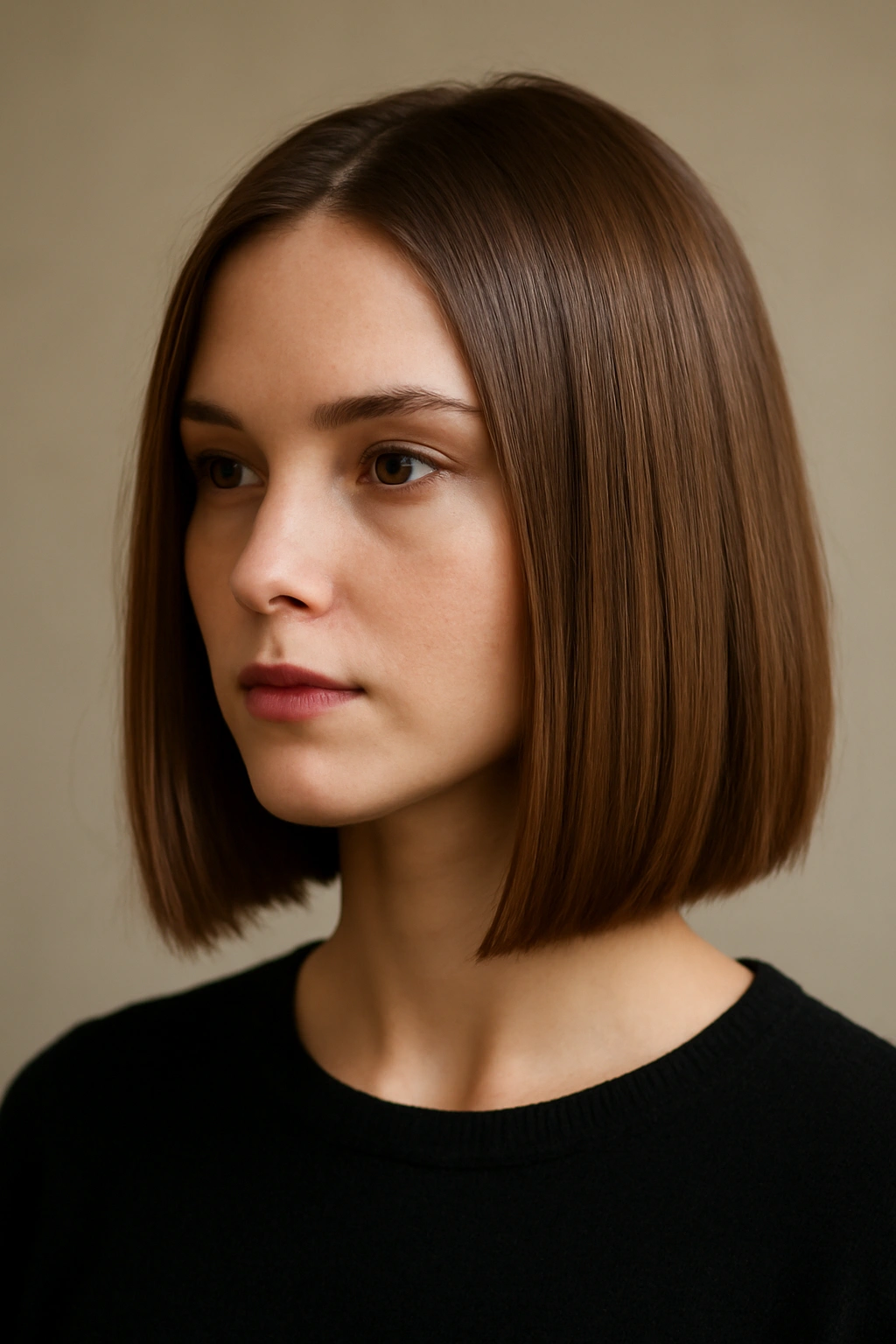
The lob—that perfect middle ground between a bob and long hair—hits right at shoulder length when done at this specific height, and the power move is keeping the ends blunt instead of choppy or heavily layered. Blunt ends look intentional, modern, and chic, while also creating the illusion of denser, thicker hair because the line is clean and concentrated. This cut rewards good hair days with serious shine-and-swing impact.
Why This Cut Stands Out
A blunt-ended lob is deceptively simple, which is actually why it’s so striking. There’s nowhere for messiness to hide, so the cut needs to be precise and your ends need regular trims to maintain that clean line. But when it’s done right, that severity reads as ultra-polished and elegant. The blunt ends also catch light in a way that layered ends don’t, so even shoulder-length hair feels like it has more visual weight and presence.
How to Make It Work for You
- This cut requires commitment to trims every 4-6 weeks to keep the blunt line crisp and clean—that’s the non-negotiable trade-off for this look
- Styling can be as simple as letting it air-dry straight, or you can curl the ends under with a blow dryer and round brush for a softer take on the shape
- The lob works on every hair type, but the blunt-end version looks particularly sophisticated on straighter hair or naturally wavy hair that you’re brushing smooth
- A light texturizing spray or dry shampoo adds grip and makes styling easier if your hair is very fine or slippery
Worth knowing: The blunt lob is one of the few cuts where regular salon visits actually make the cut look better over time, rather than worse as it grows out.
3. The Choppy Layered Bob
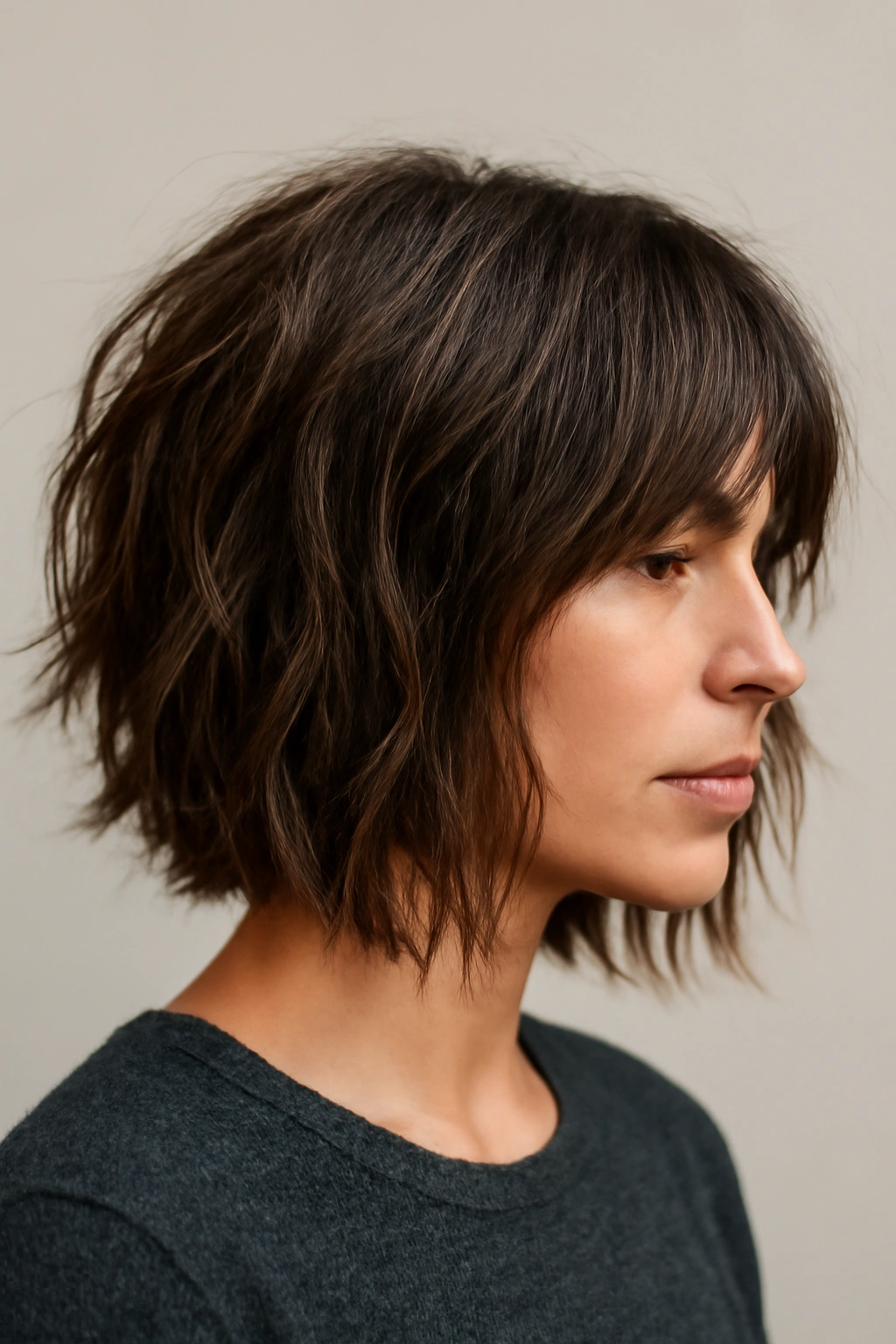
This is a cut with serious personality—short, choppy layers throughout that create movement and texture, landing right around shoulder length or just barely shorter. The layers are the whole point here; they’re deliberately cut to a slightly different length and often with some texture or breakage at the ends, creating an almost shredded look that reads as cool and modern rather than grown-out. It’s the cut for people who want their hair to look effortlessly undone.
Why This Cut Stands Out
The choppy layers catch light from multiple angles because each layer is slightly different and shorter, creating depth and dimension that feels alive and dynamic. This cut actually gets better the more tousled and imperfect your styling is—trying to make it sleek usually works against the whole aesthetic. On wavy or curly hair, the layers really sing because your natural texture works in harmony with the cut rather than fighting it.
How to Make It Work for You
- Ask your stylist for choppy layers with deliberate texture at the ends, often created with razor cutting rather than scissors, so the edges feel intentionally rough rather than blunt
- Styling is genuinely easy: scrunch in a texturizing product while damp, air-dry, and you’re done
- This cut works particularly well on thicker, wavier hair that naturally wants to have texture and movement
- If your hair is very straight and fine, you might need to add a bit more intentional texture with styling products or a curling iron, otherwise the choppiness can look a bit stringy
Insider note: This is the perfect cut if you hate the maintenance that blunt-ended bobs require but still want shoulder-length hair with shape.
4. The Sleek Straight Lob
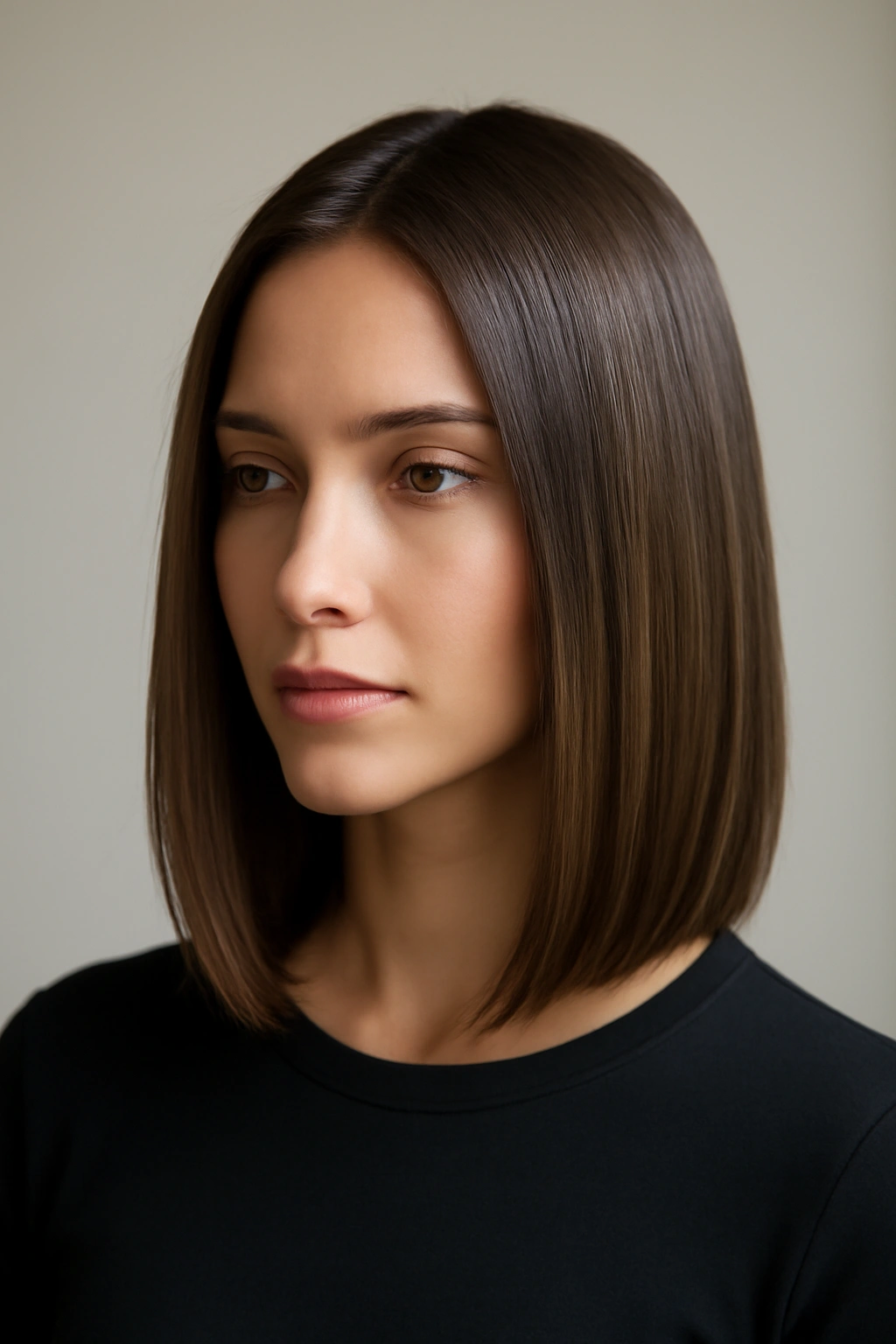
Everything about this cut is about clean lines and polished simplicity—longer layers that create just a hint of movement and shape, worn straight and smooth, with the ends landing right at shoulder length. It’s the grown-up take on the lob; where a blunt lob is statement-making, the sleek straight lob is effortlessly elegant. The layers are subtle enough that they’re mostly visible when your hair is wet or when you move, but the cut creates structure that keeps the whole thing from looking flat.
Why This Cut Stands Out
Subtle layers in a seemingly straight haircut actually make a huge difference in how the style hangs and moves. The cut feels super sleek and intentional, but it’s actually quite forgiving because the layers allow for different growth patterns and some texture without completely disrupting the look. This is the cut that looks polished with minimal effort—air-dry, or a quick blow-dry with a paddle brush, and you’re ready for anything.
How to Make It Work for You
- The key is asking for longer layers (not choppy or too many) that you can mostly see when your hair is wet but that create subtle movement and shape when dry
- Styling involves blow-drying straight, or letting it air-dry if your hair naturally falls into a sleek shape
- A smoothing serum or anti-frizz product is your friend with this cut, since the cleanliness of the line matters to how polished it looks
- The sleek lob works on every hair type but looks particularly sophisticated on finer hair that doesn’t do well with heavy choppy layers
Pro tip: If you have naturally wavy or curly hair and want the sleek lob look, you’re looking at regular blow-drying or straightening to maintain it—it’s an extra-styling commitment that the cut itself doesn’t require.
5. The Wolf Cut
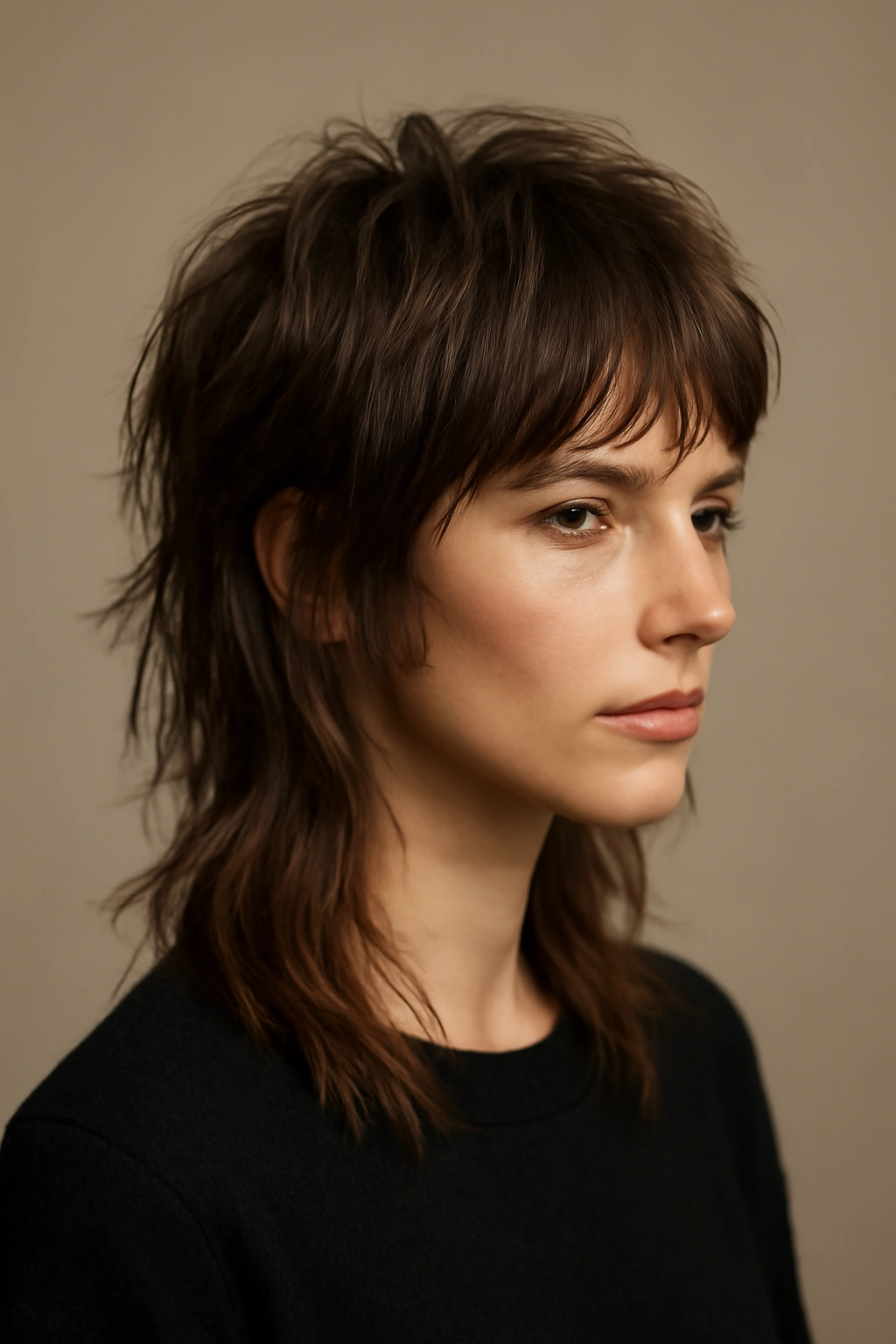
The wolf cut is where a shag and a modern layered bob have a baby—it combines the crown volume and movement of a shag with the more deliberate, sculpted shape of a layered bob. The top layers are noticeably shorter and way choppier, creating that piecey, textured look, while the underneath stays longer and fuller, still landing around shoulder length. It’s got edge, it’s got movement, and it works on almost every hair type.
Why This Cut Stands Out
The wolf cut is incredibly versatile in how you can style it. You can lean into the undone, shaggy texture, or you can blow-dry it smooth with some wave for a more refined look. The shorter layers on top create volume at the crown without needing to blow-dry your roots up with product; the cut does half the work for you. On curly or wavy hair, the wolf cut is genuinely transformative because those shorter layers break up potential heaviness and make curls look more defined.
How to Make It Work for You
- The wolf cut requires a stylist who understands what you’re going for—it’s not just a shag or a layered bob, it’s a specific combination of both
- Styling can range from totally tousled and textured (scrunch in product, air-dry) to smooth and wavy (blow-dry with a round brush, add some waves with a curling iron)
- This cut works beautifully on thick, wavy, or curly hair where you want to reduce bulk while keeping length
- If your hair is very fine or straight, ask your stylist to keep the layers a bit more refined and less choppy, so the cut doesn’t look wispy
Worth knowing: The wolf cut grew in popularity because it’s basically the opposite of the blunt bob—instead of clean, precise lines, it’s all about texture, movement, and that lived-in feeling.
6. The Butterfly Layers
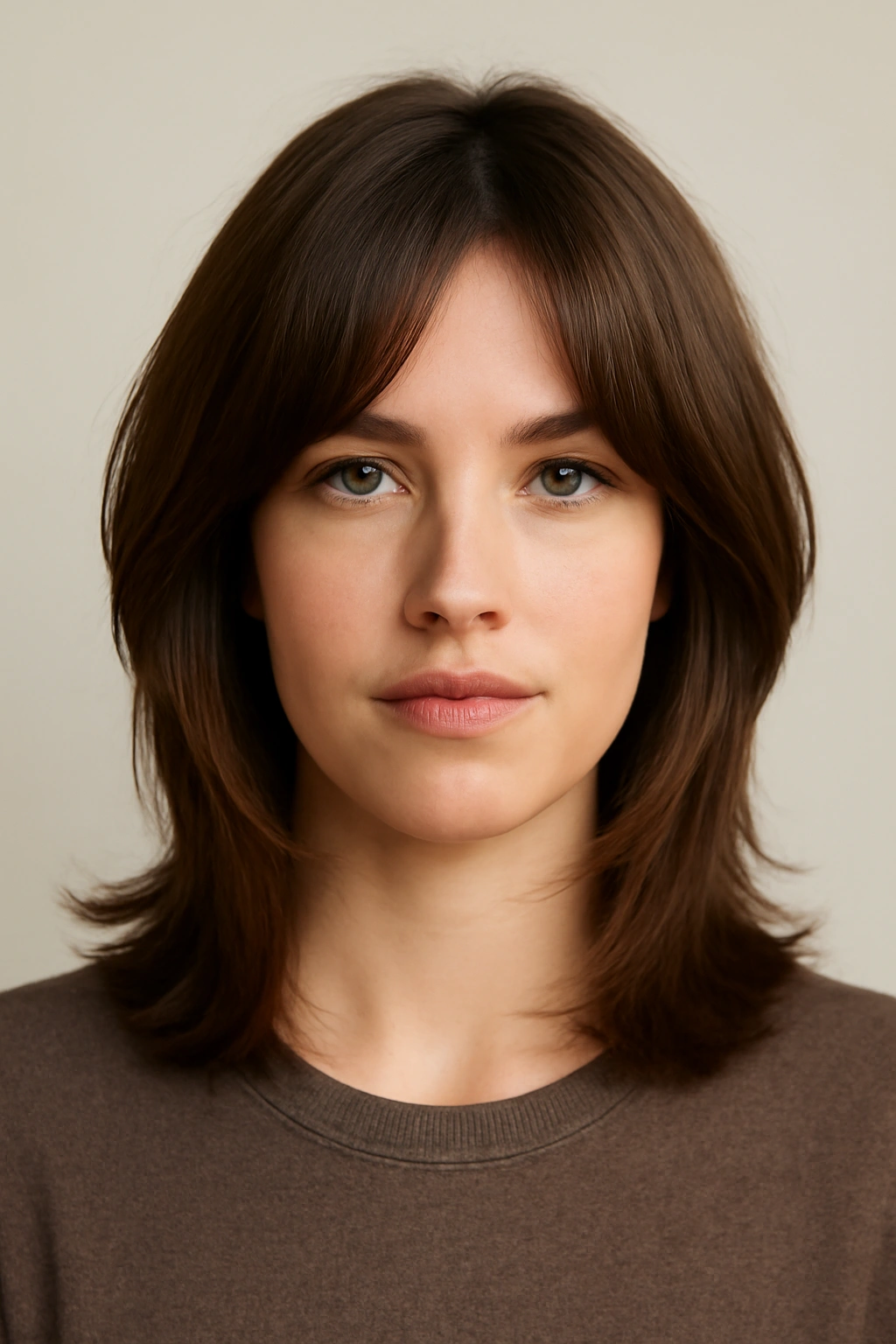
Butterfly layers create a feminine, romantic take on shoulder-length hair—shorter layers starting around mid-cheek that taper down into longer underneath layers, creating a shape that’s supposed to look like butterfly wings when viewed from above. The top layers frame your face beautifully while the longer underneath layers keep the weight and length you want. It’s delicate but also surprisingly sculptural and flattering to most face shapes.
Why This Cut Stands Out
The genius of butterfly layers is how they work with your face. The shorter pieces immediately frame your cheekbones and jawline, making faces look more sculpted and defined. The longer underneath keeps you feeling like you have substantial length while the shorter layers eliminate any heaviness around your face. The cut creates instant movement and dimension because you’ve got so many different lengths working together, and it genuinely looks good at every stage of growing out.
How to Make It Work for You
- Butterfly layers work best when your stylist cuts the shorter face-framing pieces at a length that actually works for your face shape—cheek-length is the standard but yours might be better slightly longer or shorter
- Styling can be simple (air-dry and scrunch) or more involved (blow-dry with a round brush and curve the ends under for a softer shape)
- This cut is flattering on nearly every hair type, though it looks especially beautiful on wavy or naturally textured hair where the layers can move independently
- If your hair is very fine, make sure the layers aren’t so numerous that they make your hair look thin or wispy—ask for fewer, more deliberate layers
Pro tip: Butterfly layers photograph beautifully because of all the movement and dimension, which is reason enough if you care about how your hair looks in photos.
7. The Textured Pixie-Bob Hybrid
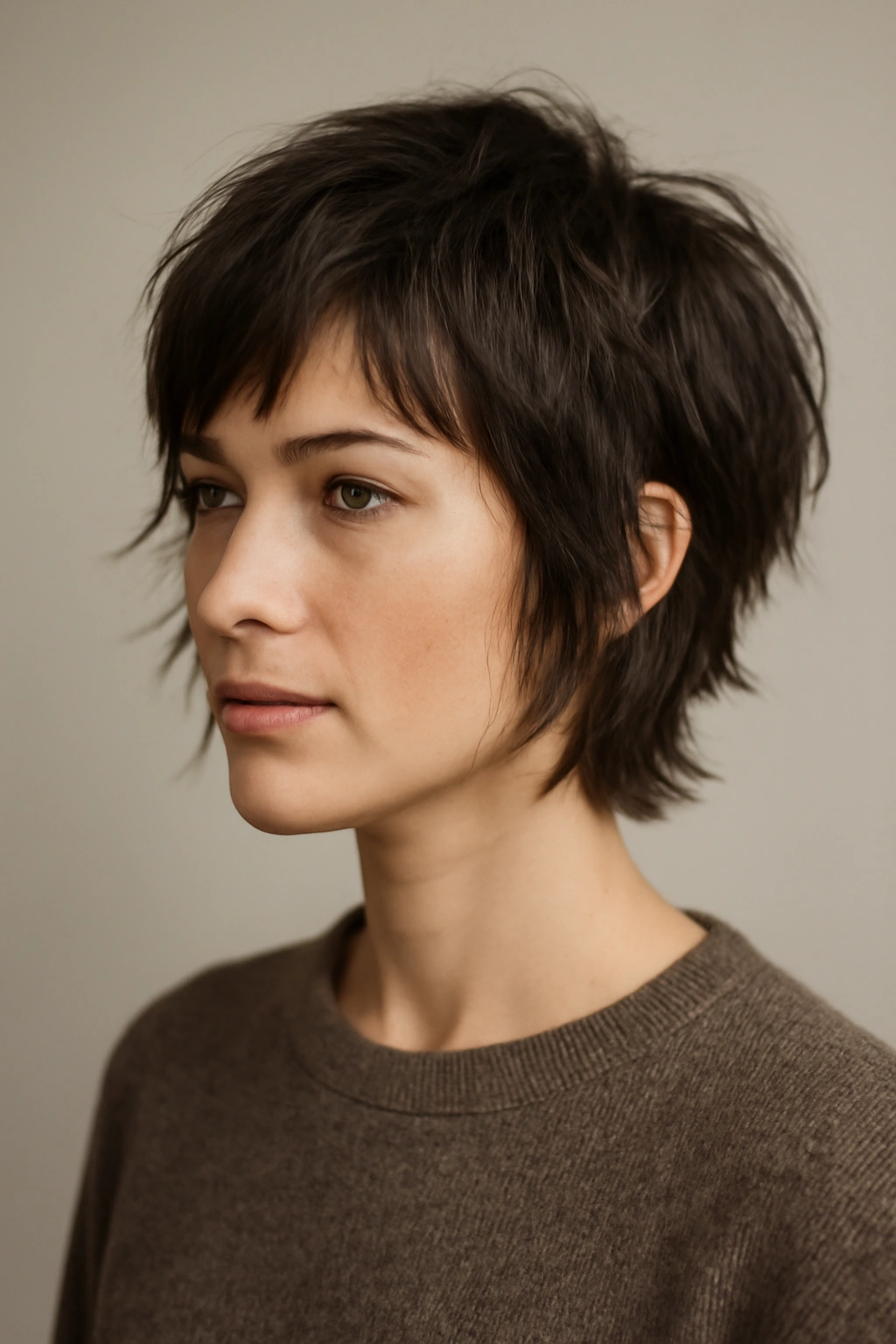
This cut takes the ease of a pixie—short, easy-to-manage—and extends it to shoulder length by keeping the back and sides shorter while leaving the front longer, creating a deliberate disconnect and modern edge. It’s choppy and textured throughout, with lots of layers that create movement and that deliberately undone aesthetic. It’s bold, it’s cool, and it’s genuinely low-maintenance despite looking high-effort.
Why This Cut Stands Out
The hybrid pixie-bob is all about asymmetry and texture; there’s a clear shape, but it’s not neat or polished in the traditional sense. The disconnect between the shorter back and longer front creates visual interest and a sense of movement even when you’re standing still. On curly or textured hair, this cut is transformative—the shorter sections eliminate bulk while the longer front pieces keep you feeling like you have length where it matters most.
How to Make It Work for You
- This is a cut that requires a stylist who’s comfortable with razor cutting and creating intentional texture, not someone who cuts everything with scissors
- Styling is genuinely simple: texturizing product, air-dry, and you’re done—or tousle with your fingers if you want more deliberate texture
- The cut works best on people who are comfortable being a bit bold with their styling choices; it’s not a subtle, blending-in kind of cut
- Thicker and curlier hair will look most obviously cool in this cut, though it works on straighter hair too if you commit to a tousled styling approach
Worth knowing: This cut requires trims every 4-6 weeks to keep the shape defined and the texture looking intentional rather than just grown-out, but the actual daily styling is almost effortless.
8. The Soft Layered Bob with Movement
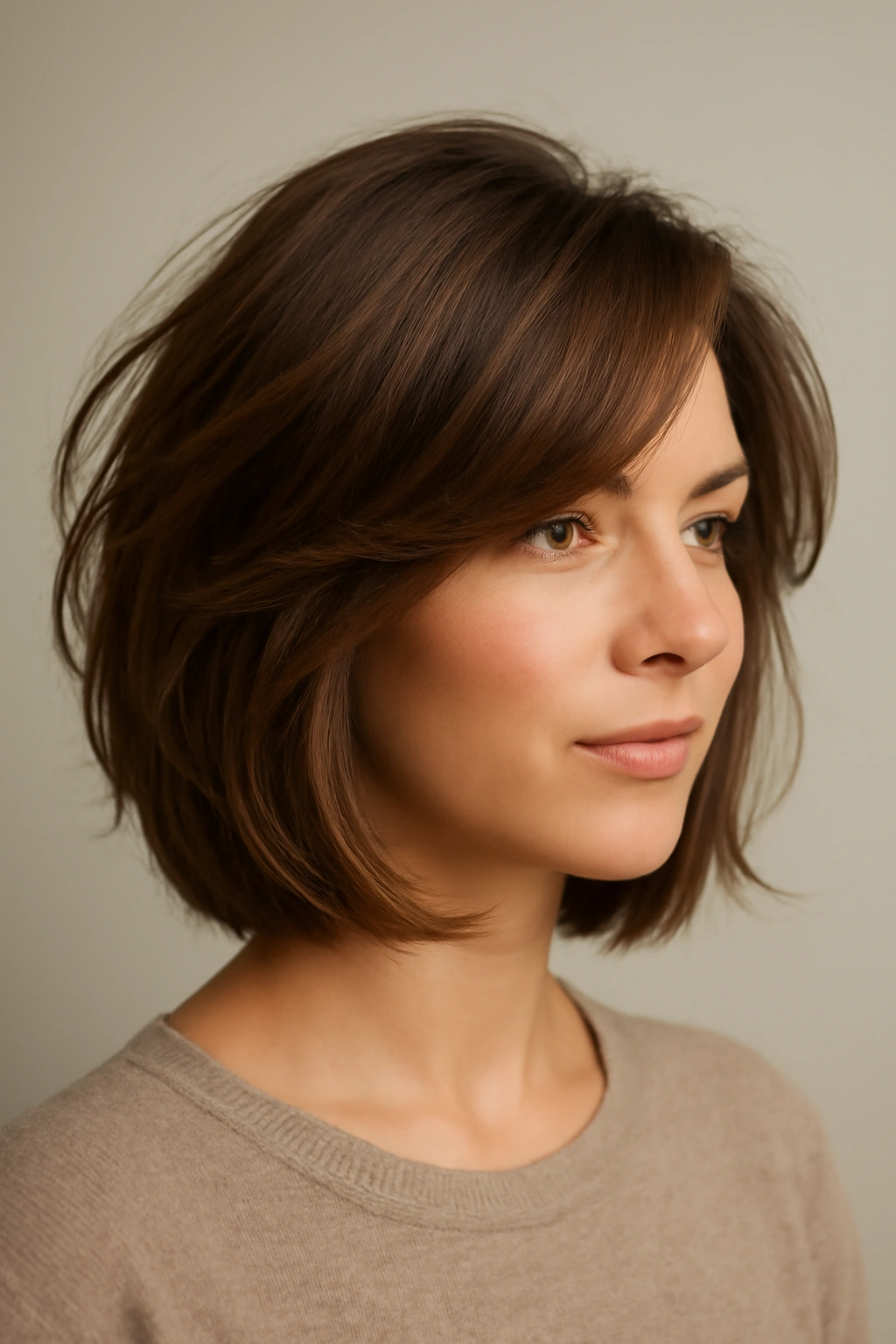
A soft layered bob is the sweet spot between the structured bob and the shag—it has shape and intention, but the layers are longer and less choppy, creating subtle movement and softness rather than obvious texture. The layers are distributed throughout to create dimension, but they’re not dramatic or edgy. It lands at shoulder length and is honestly the most universally flattering cut because it works on virtually every hair type and face shape.
Why This Cut Stands Out
The soft layered bob is the cut that makes everyone look better. The layers catch light and create dimension, so hair looks fuller and shinier. The movement makes the style feel living and dynamic rather than stiff. The softness of the layers means this cut is forgiving—it looks good at different stages of growing out, it works whether you style it or let it air-dry, and it photographs beautifully. It’s the cut that your stylist probably recommends first because it’s genuinely hard to mess up.
How to Make It Work for You
- Ask for longer, softer layers rather than short, choppy ones—the difference is that the layers blend into each other rather than creating obvious texture and separation
- Styling options are endless: air-dry, blow-dry straight, add waves, tuck behind your ears, do a half-up style—this cut works with almost any approach
- The soft layered bob works on every hair type, but it’s particularly flattering on fine hair because the layers create the illusion of density without making individual strands look wispy
- Regular trims (every 6-8 weeks) keep the layers looking intentional, but missing a trim doesn’t completely destroy the cut
Pro tip: This is the cut to choose if you’re torn between wanting shape and structure but also wanting an easy, low-maintenance lifestyle.
9. The Blunt Micro Bangs with Shoulder Length
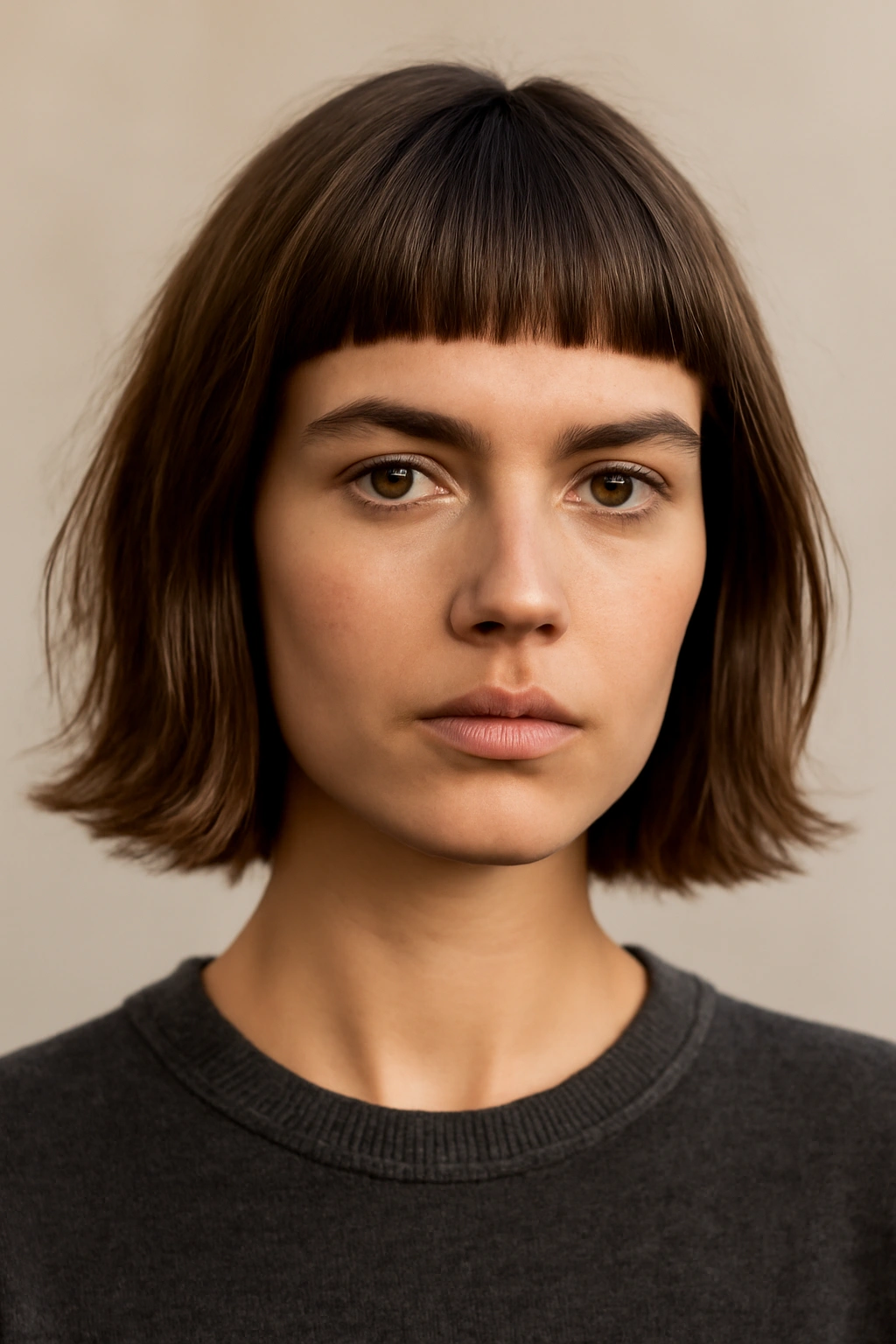
A daring cut that pairs a super short, blunt fringe—landing just above the eyebrows or even higher—with shoulder-length layers that have movement and shape. The micro bangs are the focal point; they immediately change your whole face and create a fashion-forward, almost 1960s-inspired vibe. The rest of your hair has layers and movement so it’s not too severe. It’s a statement cut for people who like to be noticed.
Why This Cut Stands Out
Micro bangs are a game-changer for people with longer faces or who want a bold style shift without actually cutting off length. The short fringe completely transforms your face, making it appear shorter and drawing attention to your eyes. Paired with shoulder-length layers that have movement, you get both the edginess of the micro bangs and the practicality of longer hair you can style multiple ways. This cut reads as intentional, fashion-forward, and confident.
How to Make It Work for You
- Micro bangs require commitment to maintenance—you’ll need trims every 2-3 weeks to keep them blunt and at the right length, so that’s something to consider carefully
- The rest of your hair can be styled in countless ways, but the micro bangs typically look best with some movement or waves (super straight hair can look severe with this cut)
- This cut works best on people with smaller, rounder faces or longer face shapes where the short bangs actually flatter your proportions
- If you have very thick hair, ask your stylist to thin out the bangs slightly so they’re not a heavy line across your forehead
Worth knowing: Micro bangs are growing-out friendly in a different way than layered cuts—they don’t magically look good mid-growth, so if you decide you hate them, there’s a awkward in-between phase. But if you love them, the cut is incredibly eye-catching.
10. The Wispy Layered Lob with Face-Framing
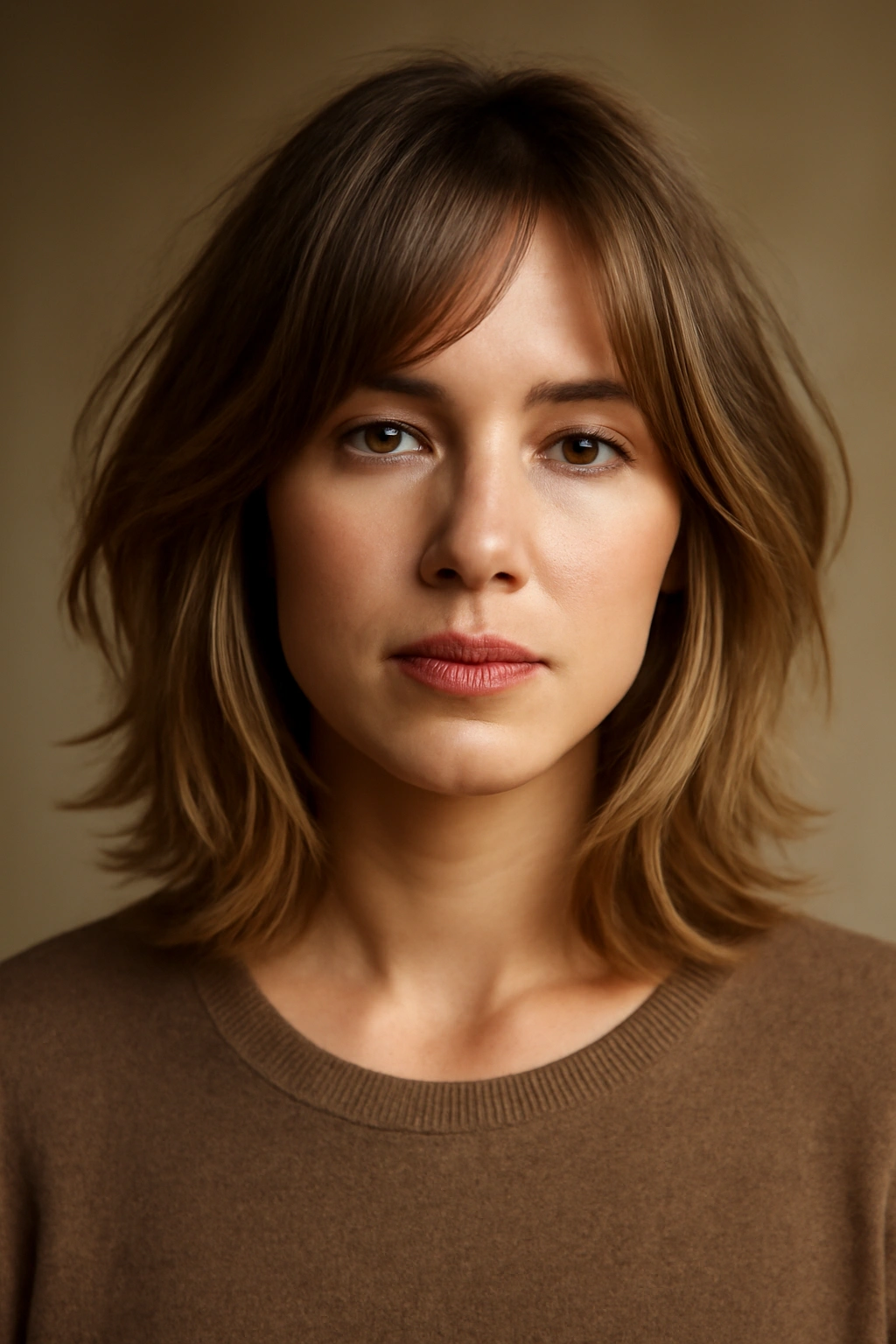
This cut combines the length and sophistication of a lob with deliberate wispy layers—shorter pieces around your face that feather back into longer underneath layers, creating softness and movement without the edge of a choppy cut. The face-framing layers are key; they soften your features while the longer lob length keeps you feeling like you have substantial hair. It’s romantic, it’s flattering, and it’s genuinely wearable.
Why This Cut Stands Out
Wispy layers create a soft, romantic aesthetic that’s flattering to almost every face shape and complexion. The shorter face-framing pieces catch light and create a sort of glow around your face, while the longer underneath keeps the overall look polished rather than too delicate or fairy-like. The cut creates movement without requiring intense styling; even air-dried, you get softness and dimension. It’s the cut that makes you feel feminine and put-together without looking like you tried too hard.
How to Make It Work for You
- Ask your stylist for wispy, feathered layers rather than blunt choppy ones—the difference is that wispy layers blend into each other and create softness rather than obvious separation
- Styling can be simple (air-dry) or more involved (blow-dry with some waves or curls to enhance the movement)
- This cut works beautifully on every hair type, but it’s particularly striking on wavy or curly hair where the natural texture enhances the wispy layers
- The cut looks good at every stage of growing out because the layers blend so naturally
Pro tip: If you want a cut that looks good with minimal styling but also photographs beautifully, this is it—the wispy layers catch light and create dimension that reads as effortless elegance.
11. The Disconnected Undercut with Shoulder Length
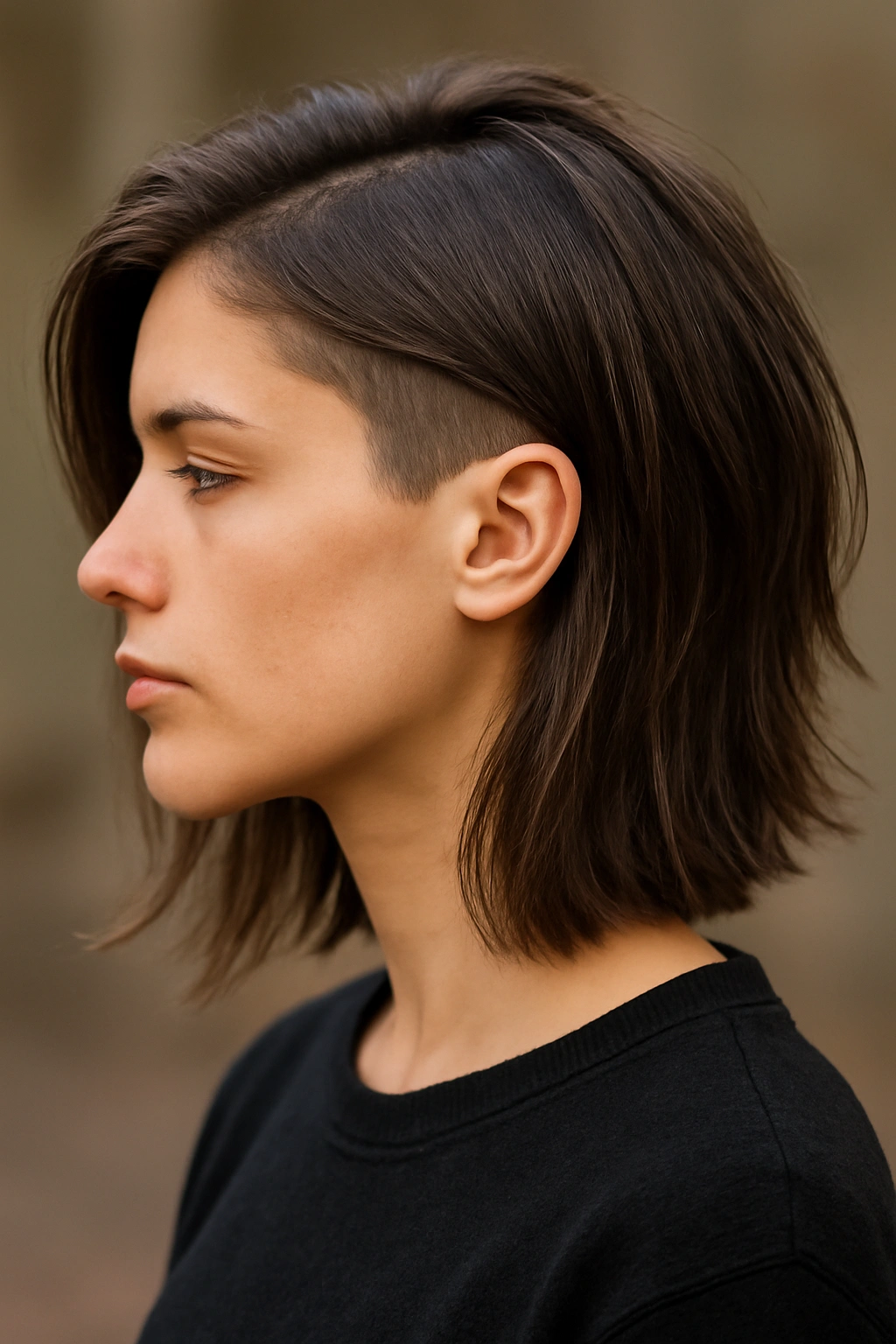
An edgy, modern cut that keeps the top longer and shaped, while the undercut section (the back and sides) is buzzed or cut very short, creating dramatic contrast and texture. The longer top layers land around shoulder length and can have some shape or choppiness, while the undercut sits underneath and isn’t visible unless your hair is pulled up or away from your face. It’s bold, it’s contemporary, and it’s surprisingly practical.
Why This Cut Stands Out
The disconnected undercut is all about contrast and modern edge. The shaved or very short undercut reduces bulk dramatically, so your shoulder-length hair on top doesn’t feel heavy, and you get tons of styling versatility—wear it down to hide the undercut, or pull it up to show it off as a statement. The cut reads as confident and fashion-forward, and on curly or textured hair, the undercut is genuinely transformative because it eliminates so much weight while keeping the length and movement where you want it.
How to Make It Work for You
- Decide how short you want the undercut—a close buzz (very edgy), a number 1 or 2 (textured and visible), or slightly longer and blended (less dramatic)
- Ask your stylist how the undercut transitions into your longer top—a harsh line looks intentional and edgy, while a more gradual fade looks sophisticated
- The longer top section can be styled countless ways: down and straight, down and textured, pulled up into a bun or ponytail to show the undercut, half-up styles, braids
- This cut looks particularly striking on people with darker hair where the contrast between the longer top and short undercut is most obvious
Worth knowing: The undercut requires maintenance every 3-4 weeks to keep it looking intentional, but the rest of your hair can go longer between cuts because the shape comes from the contrast, not from regular trims.
12. The Curly-Textured Shag with Defined Layers
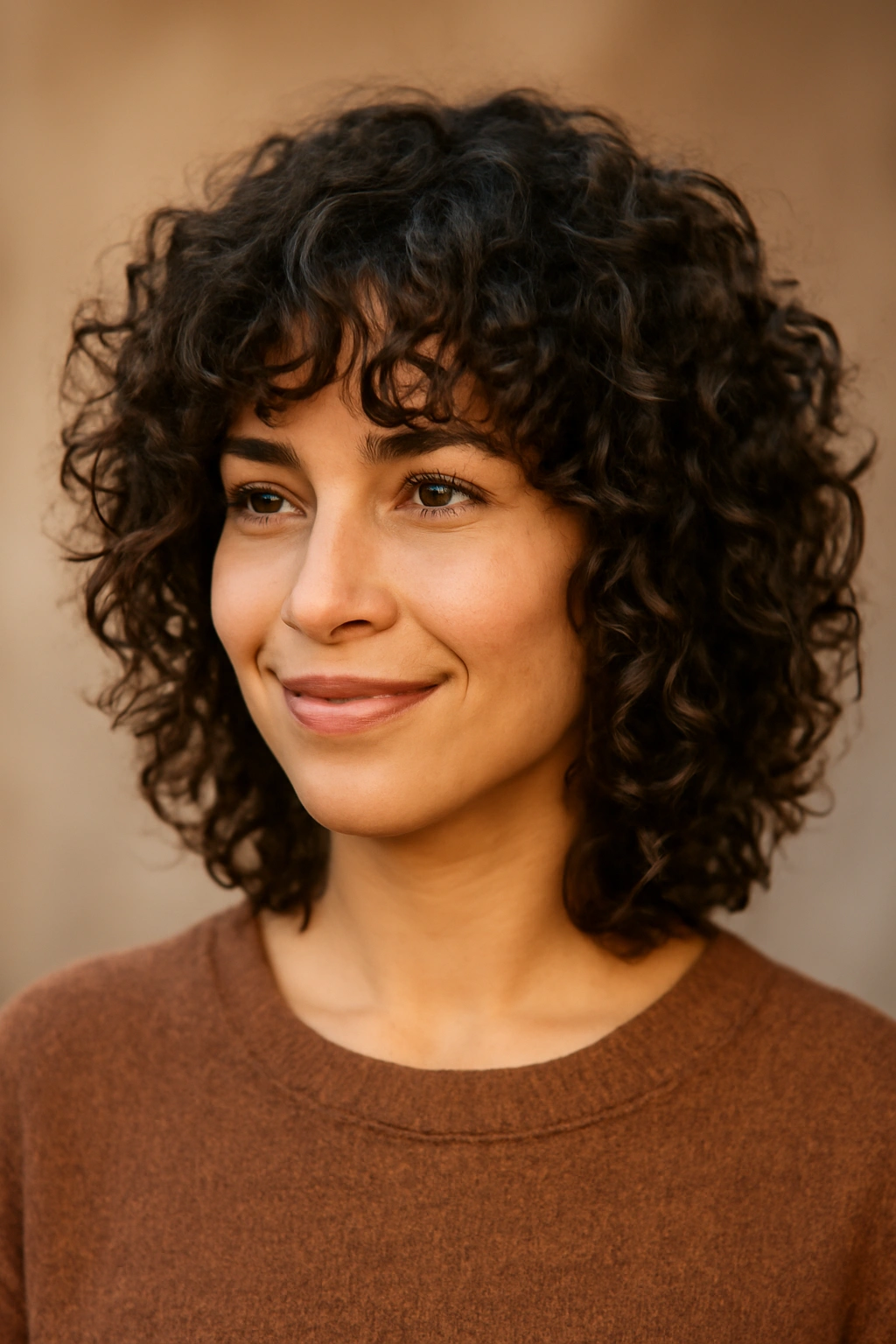
For curly and textured hair specifically—this is a shag cut that’s designed to work with your natural curl pattern rather than against it. The layers are deliberate and placed to enhance curl definition and reduce bulk, landing at shoulder length with shorter, shapelier layers on top. The cut celebrates your natural texture instead of trying to tame or straighten it. It’s liberating, it’s flattering, and it works specifically because it’s designed for how curly hair actually moves.
Why This Cut Stands Out
A good curly shag is life-changing for people with curly and textured hair. The cut is designed so that your curls have space to live and move independently; the layers eliminate bulk and weight that flatten curls from underneath. The shorter top layers encourage curl definition where it matters (around your face and crown), while the length is kept where it looks best on your curl pattern. This cut actually allows you to have a shorter, easier-to-manage hairstyle while keeping the length-feel you want.
How to Make It Work for You
- Find a stylist who specializes in curly hair and understands how curls move and what they look like both wet and dry—this cut is worth the effort to find the right person
- Ask for layers that are placed to enhance your specific curl pattern, not just generic layers that happen to work on straight hair
- Styling involves curl-specific products (creams, gels, and leave-in conditioners formulated for curls) and typically a plopping or diffusing method rather than blow-drying
- The cut looks best when your curls are shaped regularly (every 6-8 weeks) to keep the layers defined and intentional rather than just growing out
Pro tip: This is the cut where getting a second opinion on whether your stylist understands curly hair is actually worth it—the difference between a stylist who cuts curly hair well and one who doesn’t is genuinely night-and-day.
Final Thoughts
A cut that lands right at or just above shoulder length is genuinely the sweet spot for practicality and style impact. You’ve got enough length to play with different styling options while still keeping things manageable and low-commitment compared to longer hair. The real magic is in the shape and texture the cut creates—a blunt lob reads completely different from a shag at the same length, and finding the right version of “shoulder-length” for your hair type, face shape, and lifestyle is the whole game.
The cuts that work best are the ones that actually work with your natural hair, not against it. If you’ve got straight hair and you love sleek, polished looks, a blunt lob or soft-layered bob is your answer. If you’ve got waves or texture and you want easy styling, a shag or wolf cut celebrates what you’ve naturally got. And if you want to make a statement, there are bold options like micro bangs or an undercut that read as intentional and confident. The key is being honest with yourself about how much styling you’re actually willing to do and choosing a cut that either requires the maintenance you’re comfortable with or actively gets easier as your hair grows out.
Regular trims (every 6-8 weeks depending on your cut) are what keep any of these styles looking intentional rather than accidentally grown-out. But that regular salon time is also what keeps your hair healthy and prevents split ends from traveling up your strands. A shoulder-length cut is the perfect length to actually maintain beautifully—short enough that you’re not looking at a two-year commitment between cuts, but long enough that you’re not in the salon every month.
