



A great bob cut has this quiet power—it frames your face, demands confidence, and says something essential about who you are. But a edgy bob? That’s a statement. That’s texture deliberately interrupted, angles that catch light, asymmetry that shouldn’t work but absolutely does. An edgy bob isn’t just a hairstyle; it’s a declaration that you’re done playing it safe with your hair.
The beauty of an edgy bob is that it works across face shapes, hair types, and ages in ways that softer, more uniform bobs simply don’t. Sharp layers create movement and the illusion of volume, choppy textures hide flat spots and thinning, and the deliberate imperfection of the cut itself feels intentional, modern, and undeniably cool. Whether you have thick, coarse hair or fine, delicate strands, there’s an edgy bob that’ll make you feel like the most interesting version of yourself.
If you’ve been thinking about a cut that actually does something—that moves, that shapes your face differently depending on how you style it, that photographs exceptionally well—you’re in the right place. The twelve cuts ahead aren’t just variations on a theme; they’re distinct personalities, each with their own attitude, maintenance level, and styling range. Some work best with texture; others rely on pure geometric precision. Some suit natural texture; others need commitment to styling. The details matter, and they’re all here.
1. The Textured Choppy Shag
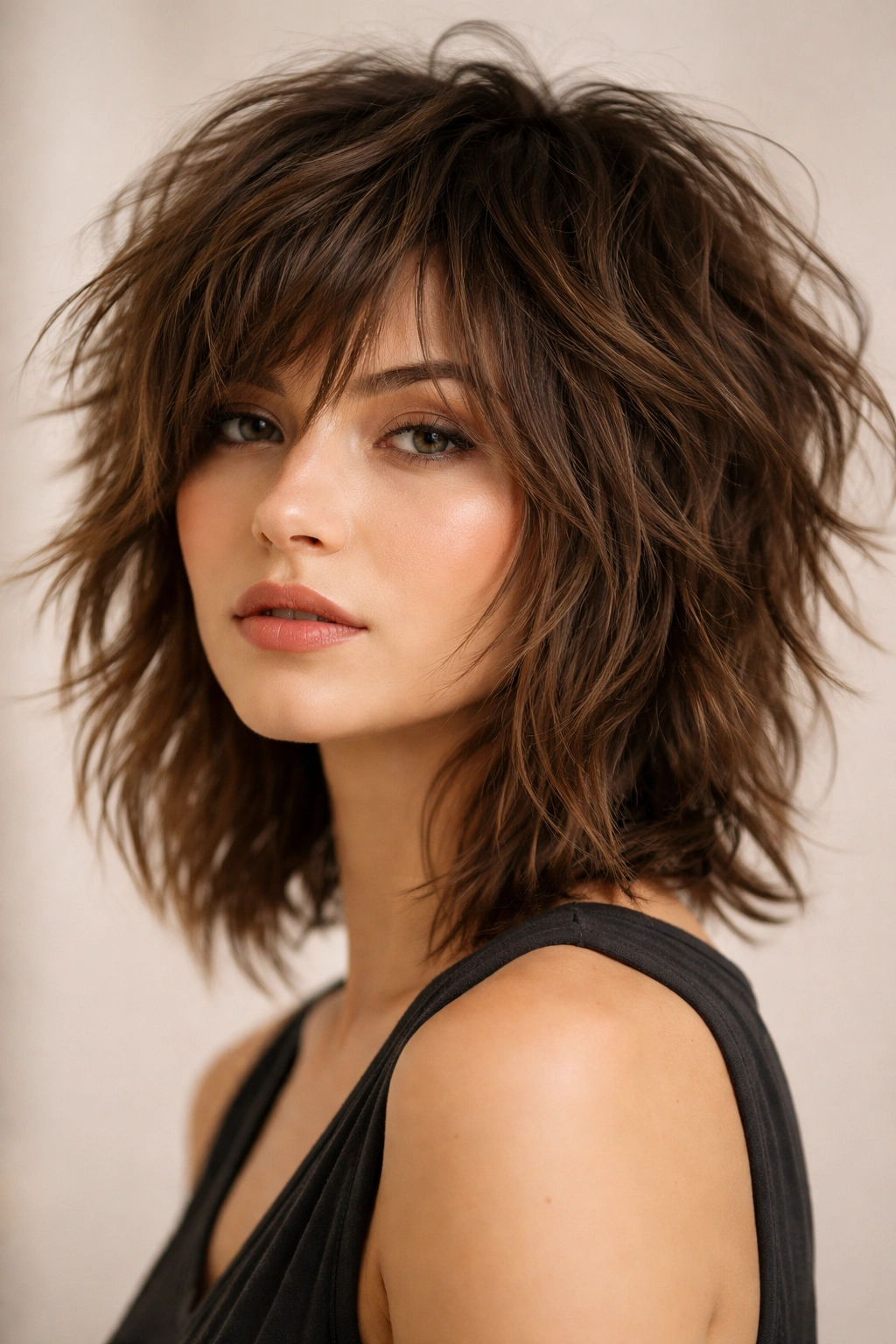
This is the cut that says you don’t just follow trends—you make them. The textured choppy shag is essentially controlled chaos: lots of choppy, disconnected layers throughout, especially concentrated at the crown and around the face, creating a deliberately shaggy, rock-and-roll edge. Unlike 1970s shags that were about length and movement, this modern version sits shorter overall and relies on deliberate choppiness rather than feathering.
Why It’s So Striking
The choppy shag creates dimension through texture rather than color or styling products alone. Each layer is cut at a slightly different length and angle, so when you run your fingers through it—which you’ll do constantly, because the texture invites touch—the layers separate and create volume that feels natural, not blow-dried into place. It’s especially effective if you have naturally wavy or curly hair, because the texture of your hair works with the cut rather than against it.
Best For
Anyone with medium to thick hair and a willingness to style, or anyone with naturally wavy/curly texture who wants to lean into movement rather than fight it. The cut suits oval, square, and heart-shaped faces particularly well because the choppy layers can be directed to balance proportions. If you have fine hair, this cut can work, but you’ll need to commit to texture spray and styling to create the intentional pieces.
Styling Reality
Expect to style this cut most days, at least to some degree. A texturizing spray, some finger combing, and maybe a quick blow-dry will transform it from bedhead-chic to intentionally tousled. The beauty is that the cut wants to look undone, so you’re working with the grain of the hair rather than against it. Many people sleep on it one way and style it another—the layers are forgiving like that.
Pro tip: This cut thrives on regular trims every 4-6 weeks to maintain the chop. Without maintenance, the layers blur together and lose that intentional edge.
2. The Sharp Geometric Bob
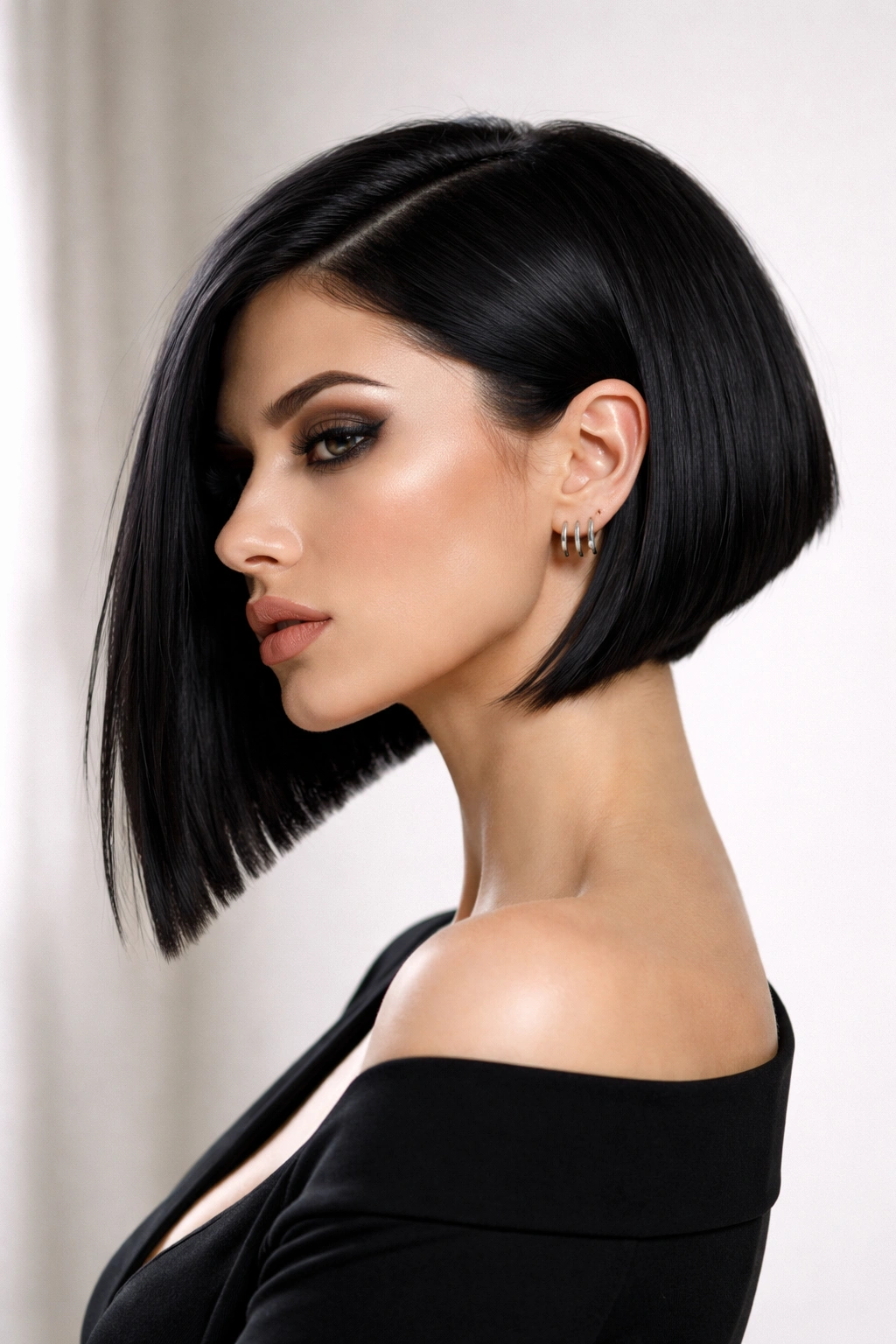
If the choppy shag is rock and roll, the sharp geometric bob is architectural precision. This is a blunt-ended, precisely angled cut where every line has purpose. Usually shorter in back and longer in front, creating a diagonal line, or cut perfectly blunt all around with geometric precision at the angles around the face. No softness, no apologies, just clean lines and intentional geometry.
Why It Looks So Bold
The sharp geometric bob works because contrast reads as confidence. A blunt edge against soft skin, a precise angle, a deliberate shortness—these elements command attention. There’s nowhere to hide with this cut, which is exactly why it’s so striking. It’s the bob equivalent of a strong lipstick or bold eyeliner: simple, but absolutely unforgettable.
Best For
People with straight to wavy hair (curly hair can struggle with blunt lines unless you’re willing to style it straight regularly), good bone structure, and a face shape that benefits from angles. This cut particularly suits square and oval face shapes. It works for people who are okay with their hair being seen—meaning it won’t do much on its own, and it’ll show every growth cycle clearly.
Maintenance and Styling
This cut requires the most maintenance of any bob. You’re looking at trims every 4 weeks minimum to keep the blunt edge sharp, and styling is essential. A straightener or blow dryer and round brush will be your daily tools. It’s not a wash-and-go cut, but if you enjoy the styling ritual, it’s absolutely worth it.
Worth knowing: The blunt geometric bob looks exceptional when freshly cut and takes about 2 weeks to feel good again as it grows out. Plan your cut schedule accordingly.
3. The Shattered Pixie-Bob Hybrid
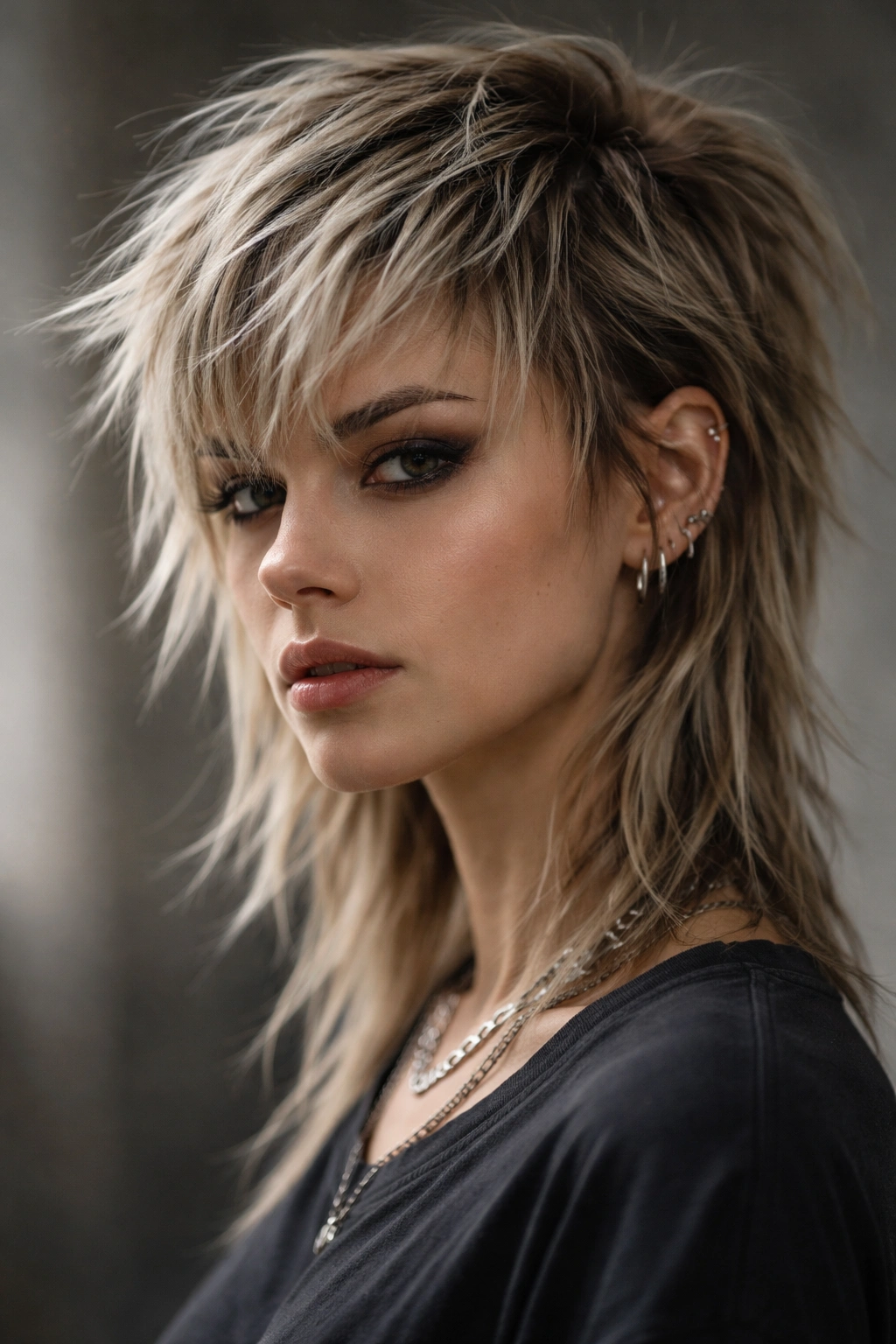
This cut splits the difference between a pixie and a bob, giving you the attitude of a pixie with enough length to actually style as a bob. Very short and textured on top, longer through the sides and back, with choppy, broken-up layers throughout that keep it from looking like a traditional longer pixie. It’s sometimes called a “wolf cut” when the layers are particularly pronounced.
Why It’s So Daring
The shattered pixie-bob demands that you own your face and your attitude. There’s no length to hide behind, but there’s also more styling flexibility than a traditional pixie. You can wear it slicked back for a futuristic edge, tousled for rock-and-roll vibes, or styled with texture spray for an artfully undone effect. It’s chameleon-like in a way that other short bobs aren’t.
Best For
People with confidence and relatively good bone structure, since so much face shows. It works beautifully on people with straight to slightly wavy hair and looks especially striking on people with strong features or interesting facial structure to showcase. If you have a round face, ask your stylist to keep slightly more length in back to create the illusion of face narrowing.
The Reality of Growing It Out
Here’s the honest part: this cut requires commitment. Either you maintain it with trims every 4 weeks and keep it choppy and textured, or you commit to growing it out (which takes 6+ months to reach shoulder length) through an awkward in-between phase. Many people love the cut but find the maintenance or growth process more than they bargained for.
Real talk: This cut looks best on people who are genuinely comfortable with how often they need to visit a stylist. If salon appointments stress you out or seem expensive, this might not be your cut.
4. The Disconnected Undercut Bob
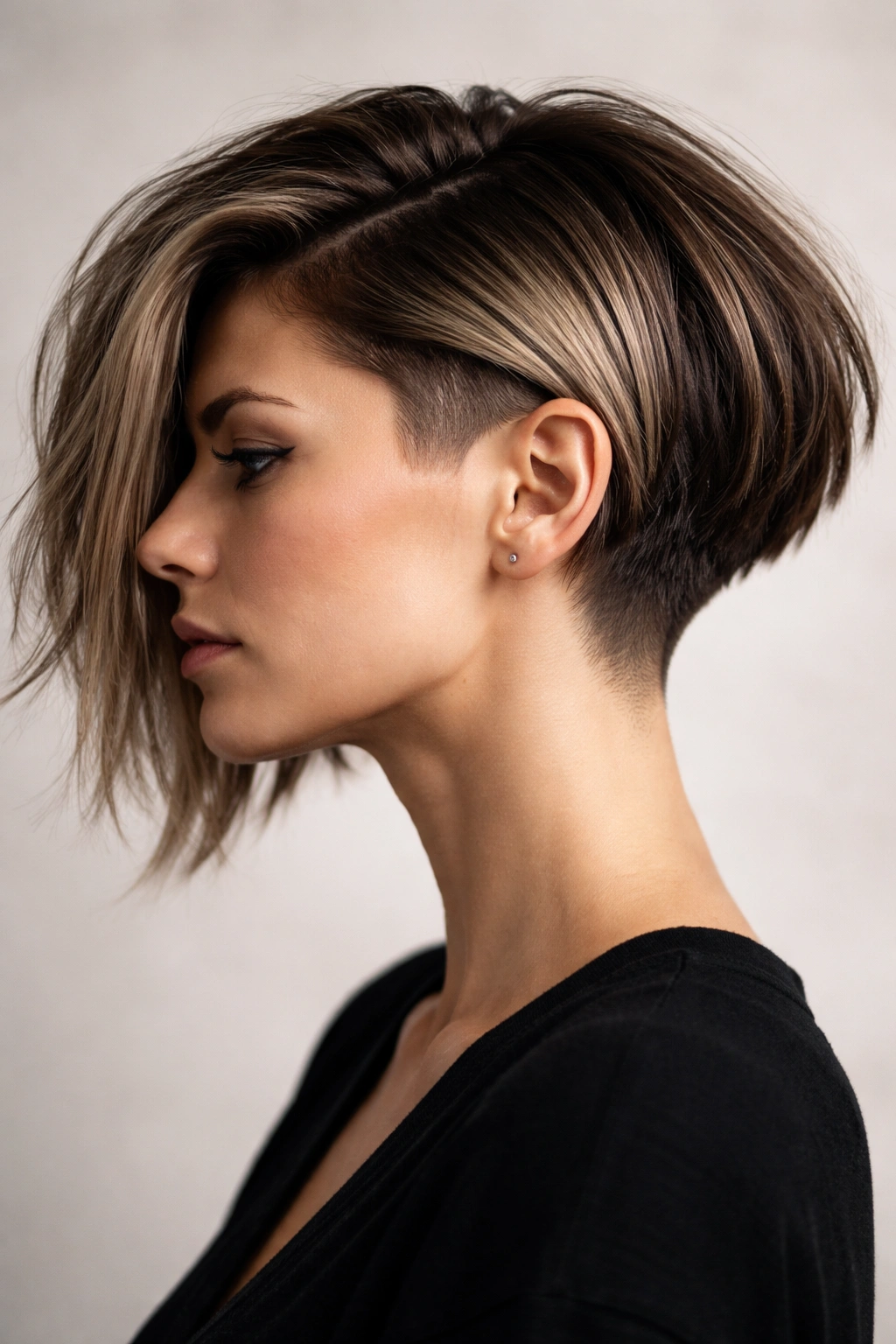
An undercut is exactly what it sounds like: the underneath layers are cut significantly shorter than the top, creating a stark contrast in length. With a bob, this means you might have a longer, fuller-looking top layer and much shorter texture underneath, sometimes so short it’s almost shaved. The top can be styled forward, back, or tousled depending on your mood.
Why It’s So Statement-Making
The disconnected undercut is inherently edgy because of that contrast. When you move, people see the shorter underneath layers. When you pin the longer top back, the geometric precision shows. It’s multidimensional—what people see of your hair changes depending on how you style it and how you move. That constant shifting keeps it interesting and modern.
Best For
Anyone with thick to medium-thick hair (this cut relies on density contrast) and a willingness to commit to styling. The undercut works on most face shapes but particularly suits people who like experimenting with how they present themselves—you can wear it sleek and controlled or wild and textured, and it’s a different look each time.
Styling Options and Flexibility
This is where the undercut bob truly shines. You can wear the top layer down and loose, showing mostly the longer, fuller top piece. You can pin it back to reveal the cropped underneath, creating a completely different silhouette. You can create a faux-hawk effect by roughing up just the crown. The styling range is genuinely impressive for a bob.
Insider note: Ask your stylist about fade techniques if you want the undercut transition to be smooth and blended rather than stark. A sharp line is edgy; a blended fade is slightly softer but still modern.
5. The Asymmetrical Choppy Bob
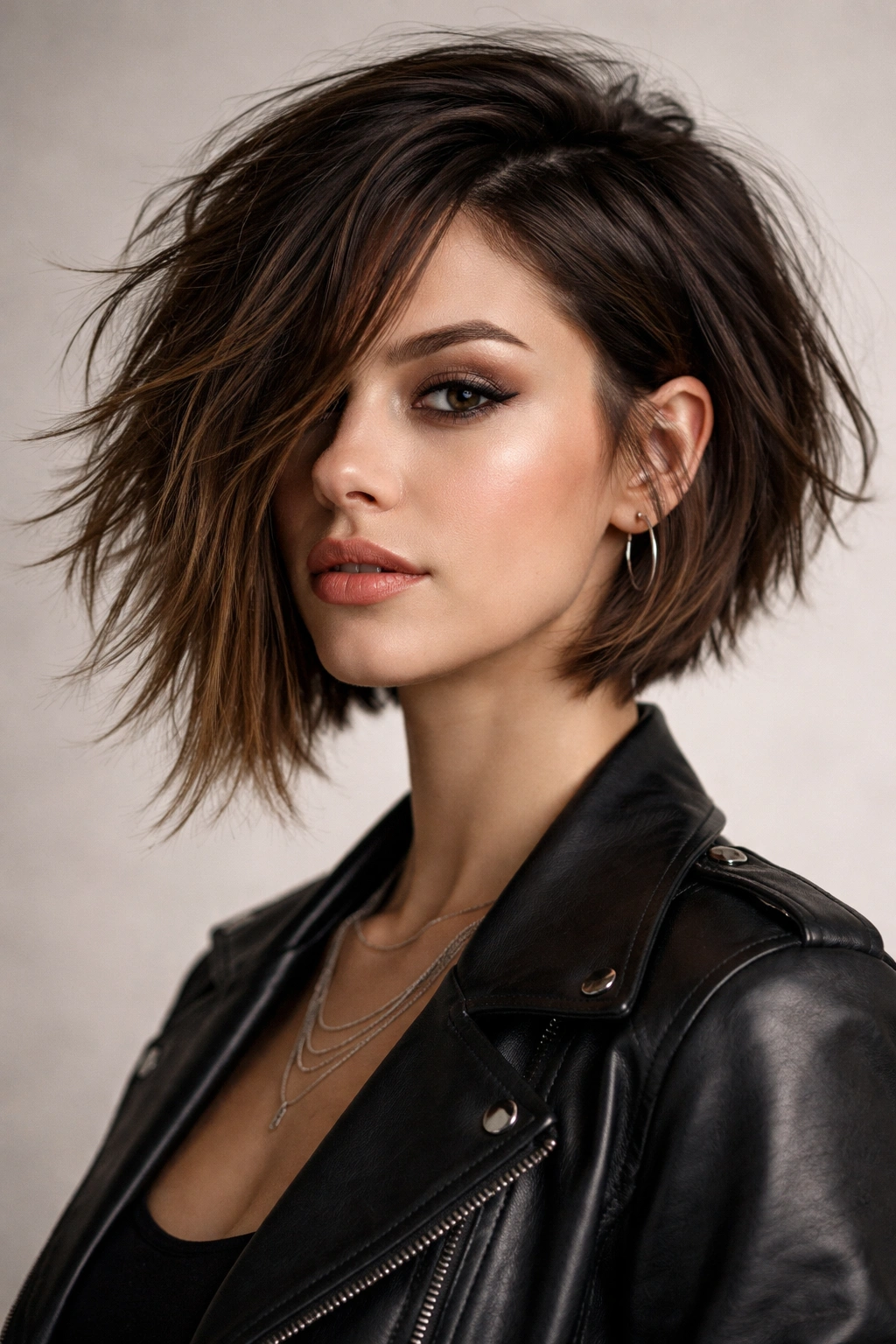
Asymmetry is inherently edgy—it breaks our expectation of bilateral balance. An asymmetrical choppy bob takes this principle and runs with it: one side significantly longer than the other, both sides heavily layered and textured, creating an off-kilter silhouette that photographs beautifully and reads as intentionally bold rather than accidentally uneven.
Why Asymmetry Reads as Confidence
There’s something about an intentionally asymmetrical cut that signals confidence and creativity. It’s not safe, it’s not balanced, it’s chosen—and that choice reads loud. The choppy layers throughout add movement and texture, so the asymmetry isn’t a stark geometric statement but something softer, more organic, and somehow more striking because of that contrast between structure and texture.
Best For
People with wavy to curly hair who want the texture to do some of the visual work, or people with straight hair who are willing to style and use texture products. Asymmetrical cuts work well on oblong and rectangular face shapes, where the length variation can help with proportion. They also suit people who like the idea of “two looks in one”—you can part it different ways and get noticeably different vibes.
Maintenance and Styling Flexibility
The beautiful thing about the asymmetrical choppy bob is that it’s forgiving. The choppiness means that regrowth is less noticeable than with blunt cuts. You’re looking at trims every 6-8 weeks rather than every 4. Styling can be as simple as running your fingers through it or as involved as blow-drying and texturizing, depending on your hair type and mood.
Pro tip: Asymmetrical cuts look best when you refresh them every 6-8 weeks, but the regrowth phase is far more forgiving than with geometric cuts because the choppy texture disguises the length difference.
6. The Blunt Fringe + Choppy Layers
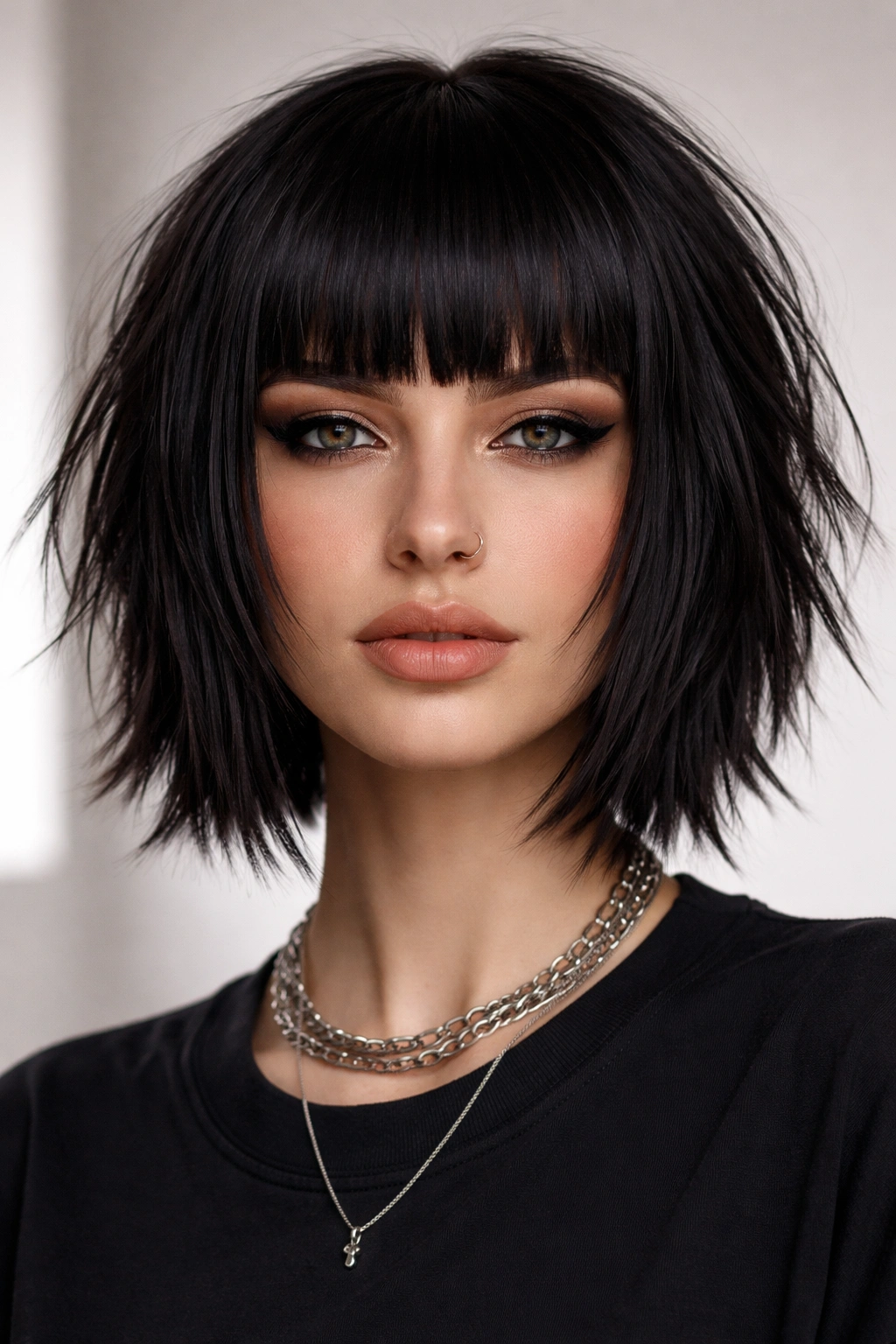
Combine a severe, blunt-cut fringe with choppy, textured layers through the rest of the bob, and you’ve got a look that’s equal parts 1920s flapper energy and modern edge. The fringe covers the forehead, the layers create movement and volume, and the contrast between the blunt fringe and choppy sides makes the whole thing feel intentionally fashion-forward.
Why This Combination Works So Well
The blunt fringe immediately signals boldness. It’s a choice, a style statement, something that requires regular maintenance and commitment. Pair that with choppy texture throughout the rest of the cut, and you’ve created visual interest at multiple levels: the graphic bluntness of the fringe, the texture and movement of the layers, the overall shape. It’s layered (literally and conceptually) in a way that keeps the eye engaged.
Best For
People who are okay with their forehead showing and who have a face shape that works with bangs—generally heart-shaped, oval, or square faces. You need either straight hair or a willingness to blow-dry the fringe straight (even if the rest of your hair is wavy). The choppy layers work with most hair types, but the fringe is particular.
Fringe Maintenance Reality
The blunt fringe is the maintenance linchpin of this cut. You’re looking at trims every 3-4 weeks minimum to keep that fringe sharp and at the right length. As soon as it gets shaggy or grows past the right length, the impact diminishes. Make sure this is something you’re genuinely willing to keep up with before committing to it.
Important consideration: Some people find bangs frustrating in terms of how they interact with glasses, sweat, or daily styling. Be honest with yourself about whether you want to work with a fringe daily before getting one.
7. The Feathered Textured Bob
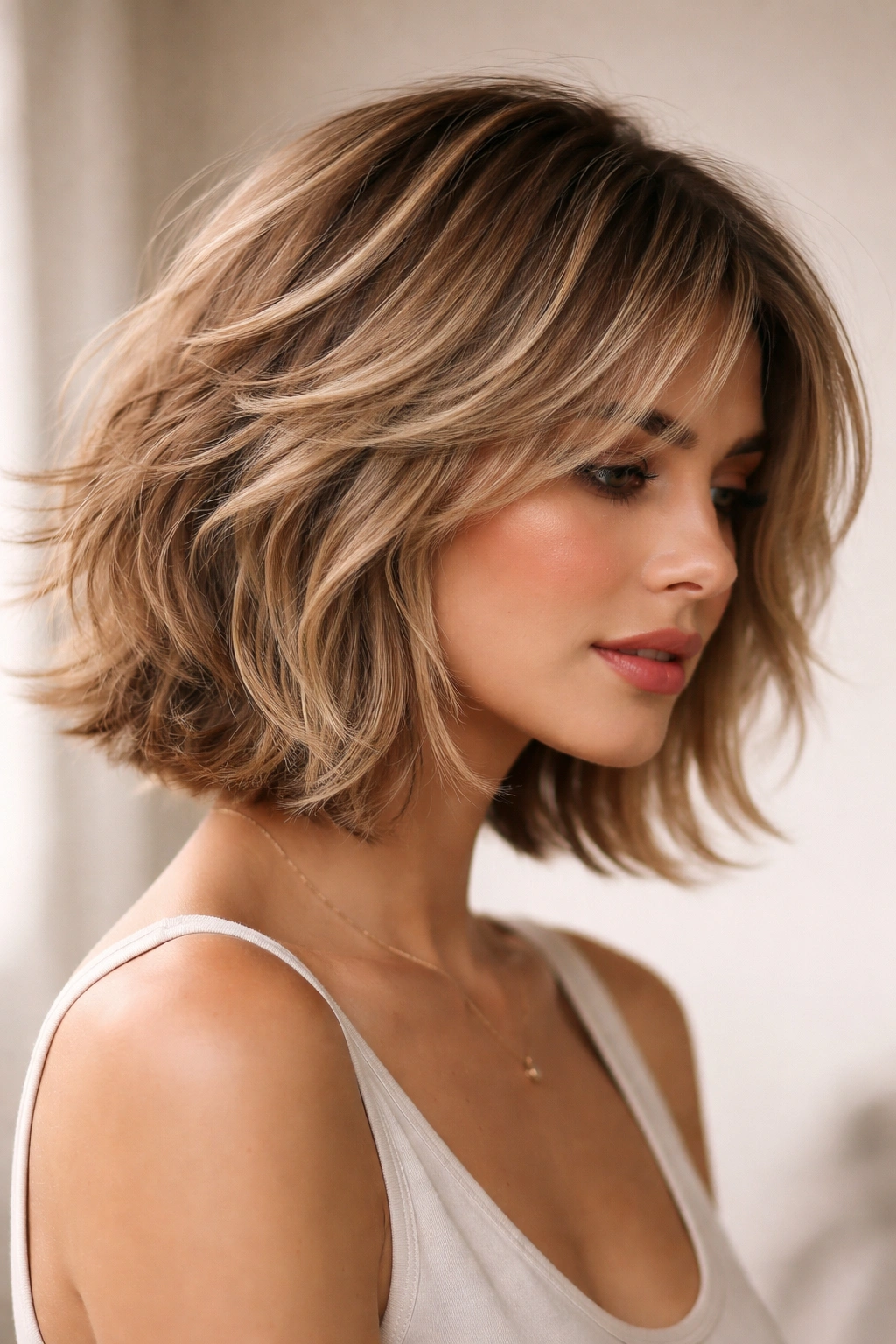
Don’t confuse this with the choppy shag—the feathered textured bob is about softness paired with edge. The layers are cut so they flip and feather outward, creating a delicate, almost romantic texture that still reads as modern and deliberate. It’s especially striking on people with naturally textured hair, where the feathering enhances natural wave or curl patterns.
Why It Feels Modern Yet Romantic
This cut manages to be edgy without being severe. The feathered layers create movement and the illusion of lighter, fuller hair without being blunt or stark. There’s a softness to it—almost a romantic quality—that still reads as intentional and modern because of the technical precision required to execute it properly. It’s sophisticated edge, essentially.
Best For
People with naturally wavy, curly, or textured hair who want to work with their hair texture rather than against it. It also works on straight hair if you’re willing to style it with texture products and possibly use a curling iron to create some bend. This cut particularly suits people with round or soft face shapes who want definition without severity.
Styling and Natural Texture
One of the beautiful things about the feathered textured bob is that it looks genuinely good when you just let your hair do its thing. If you have natural wave or curl, this cut is designed to enhance it. You might need some texture spray, some scrunching with your hands, and that’s often enough. It’s more forgiving than blunt cuts and less needy than some textured styles.
Real benefit: This cut often looks better the second day when your natural texture has settled, making it great for people who don’t want to style every single day.
8. The Razor-Sharp Disconnected Bob
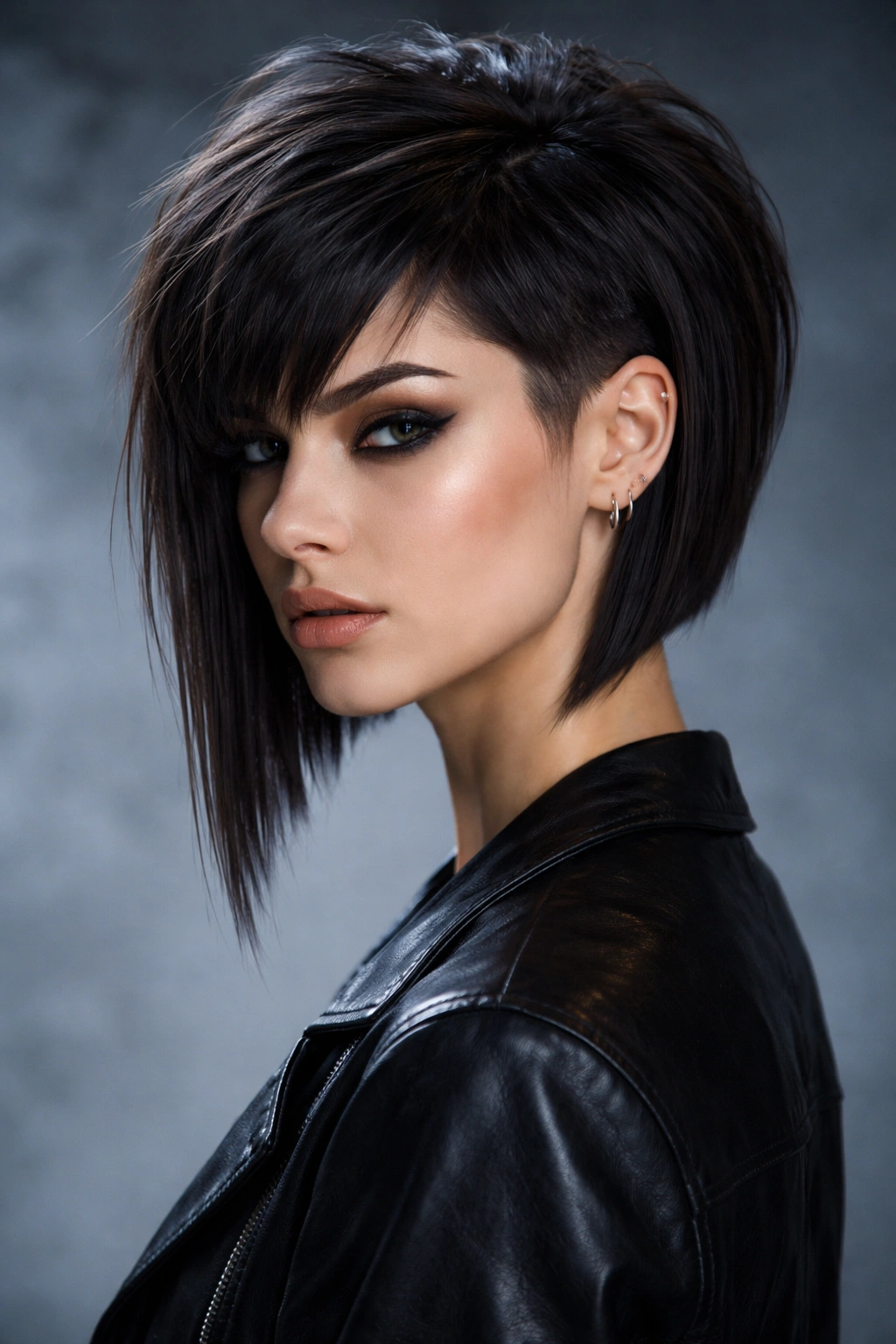
A disconnected bob where the disconnect is intentional and dramatic—short, textured layers on top that don’t blend into a longer, fuller bottom section. The top might be quite short and heavily layered; the bottom sits longer and denser. The two sections don’t blend; instead, there’s a visible line of demarcation where the shorter top meets the longer bottom.
Why The Contrast Is So Striking
The visual drama of a sharp disconnect reads as both modern and bold. You’re not trying to hide that there’s a change in length; you’re celebrating it. The shorter top creates volume at the crown; the longer bottom provides length and fullness. It’s a cut that works across face shapes and hair types because the proportion play is so deliberate and controlled.
Best For
Anyone with hair that can hold texture and shape. The cut works on straight, wavy, and curly hair, though the execution will look different depending on your texture. Square and oval faces particularly benefit from the volume at the crown. If you have a round face, the volume at the crown helps elongate proportions.
Styling Demands and Payoff
The razor-sharp disconnected bob requires regular trims to maintain that visual disconnect—when the layers grow in, the separation becomes less dramatic. You’re looking at appointments every 5-6 weeks. Styling-wise, you’ll need to create some texture at the crown to keep that volume looking intentional. A texturizing spray and some finger combing will often do the job.
Worth noting: This cut shows the precision and skill of your stylist more than almost any other cut. Find someone who understands geometry and has a steady hand with a razor.
9. The Textured Mullet Bob
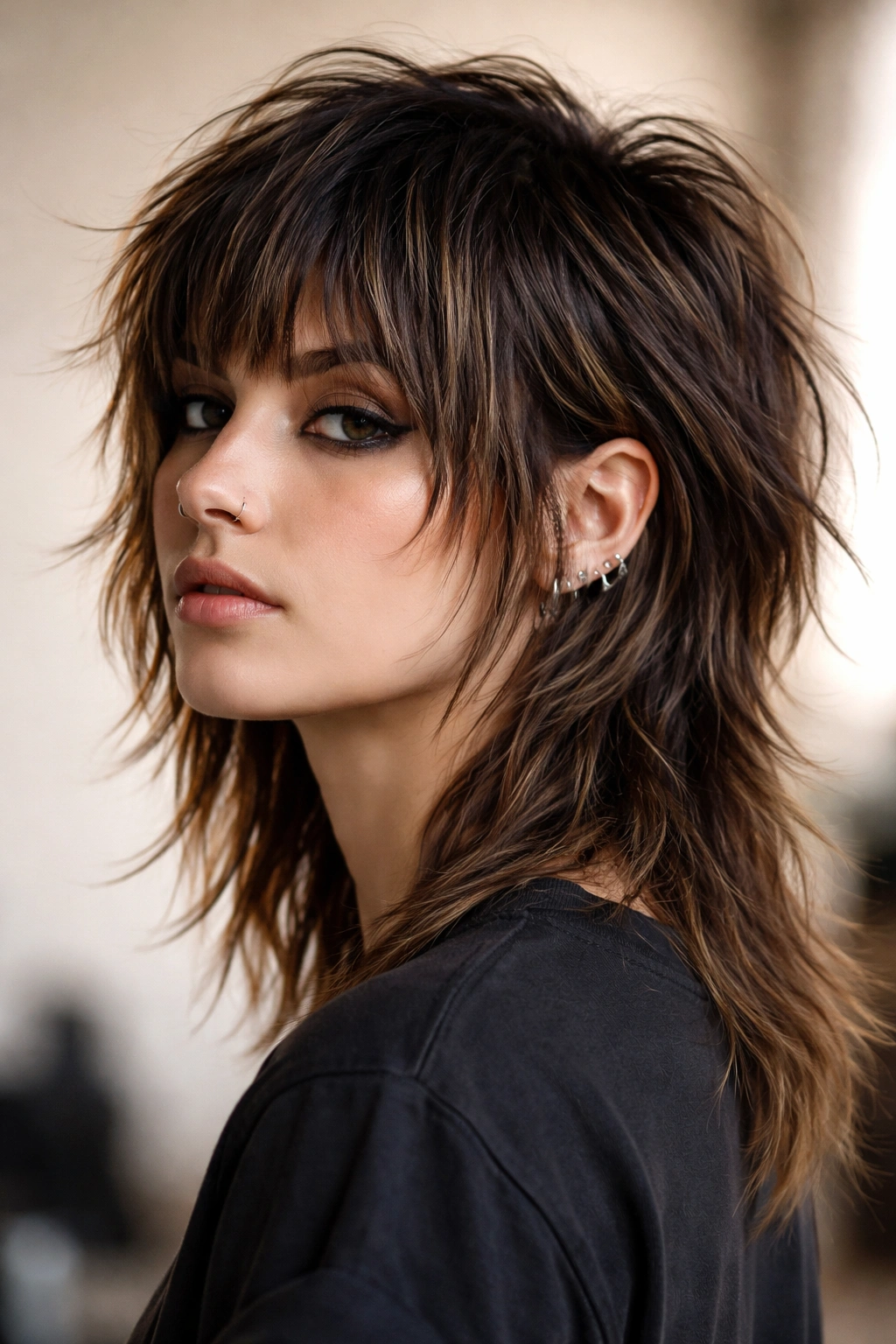
A mullet bob takes the playful attitude of a modern mullet—short and structured in front, longer and wilder in back—and applies it to a bob silhouette. Front layers are choppy and textured, shorter around the face; the back is noticeably longer and fuller, sometimes with intentionally shaggy layers. It’s retro-futuristic, unmistakably edgy, and genuinely fun.
Why It’s Bold And Wearable
The mullet bob straddles the line between practical and statement-making. The shorter front doesn’t obscure your face and moves easily; the longer back provides length and drama. The textured choppy layers throughout prevent it from reading as costume-y—it feels like an intentional modern style choice rather than a throwback. It’s bold without being unwearable for most people.
Best For
Anyone with personality and a sense of humor about their hair. The mullet bob works on most face shapes, but it particularly suits people who like asymmetrical, unexpected silhouettes. It works on various hair types but looks best on people with straight to wavy hair that can be styled with some intentional texture and movement.
Making It Feel Current Rather Than Retro
The key to wearing a textured mullet bob without it feeling costumey is commitment to styling and texture. You’re not going for an exact 1980s recreation; you’re going for a modern interpretation with choppy, intentional texture throughout. Texture spray, finger styling, and embracing the slightly undone quality will keep it feeling current.
Pro tip: This cut is fun. If you’re considering it because you think you “should” have an edgy cut but you’re not genuinely excited about it, keep looking. The mullet bob demands that you actually like your hair.
10. The Layered Textured Bob With Length Variation
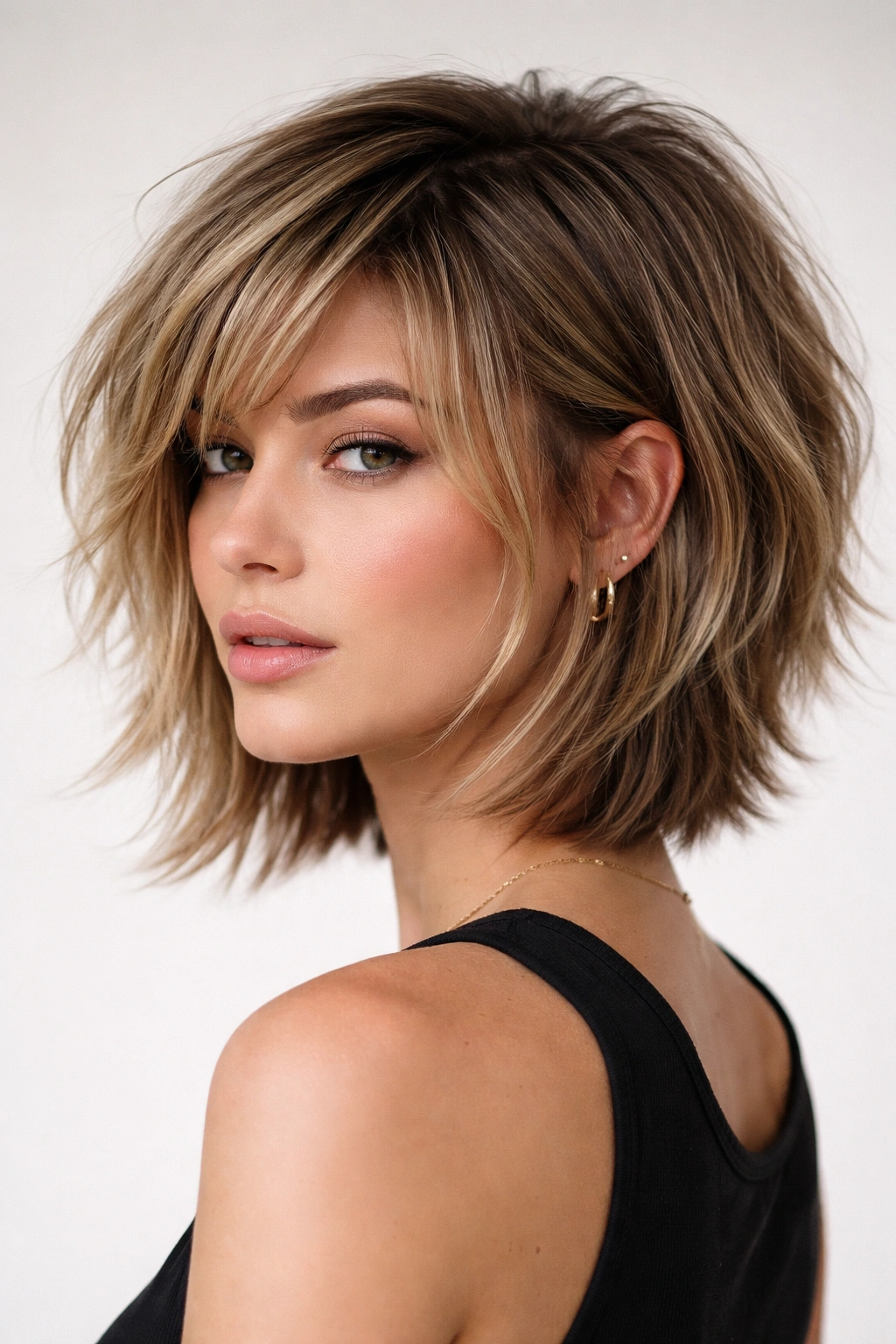
Not quite as dramatic as a disconnected cut, but more structured than a choppy shag: this bob has intentional layer placement that creates volume and movement without being fragmented. Shorter, textured layers frame the face; longer layers underneath provide length and fullness. The layers graduate in a way that creates shape and dimension.
Why The Precision Of Layering Matters
A well-executed layered bob is about proportion and balance. The shorter layers around the face create shape and frame your features; the longer layers underneath provide bulk and the illusion of fuller hair. The key is that the layers are intentional—each length serves a purpose. This is technical cutting at its finest, and the payoff is a cut that looks better than your hair deserves to look on a regular basis.
Best For
Almost anyone, honestly. This cut works on various face shapes because the layer placement can be customized. It works on most hair types, though it’s particularly effective on people with fine or thin hair, since the layering creates the illusion of density. People with naturally wavy or curly hair often find that this cut enhances their natural texture without requiring intense styling.
The Styling Range
This is where the layered textured bob truly shines. You can wear it smooth and polished with a blow dryer and round brush. You can enhance the texture with a texture spray and finger styling for a more tousled vibe. You can even do the slightly-damp air-dry look if you have the right hair type. The versatility is one of the greatest strengths of this cut.
Styling note: A good blow-dry makes a huge difference with this cut, but it’s not required. Most people can achieve a decent look with minimal effort, which is part of the appeal.
11. The Blunt Choppy Bob With Textured Ends
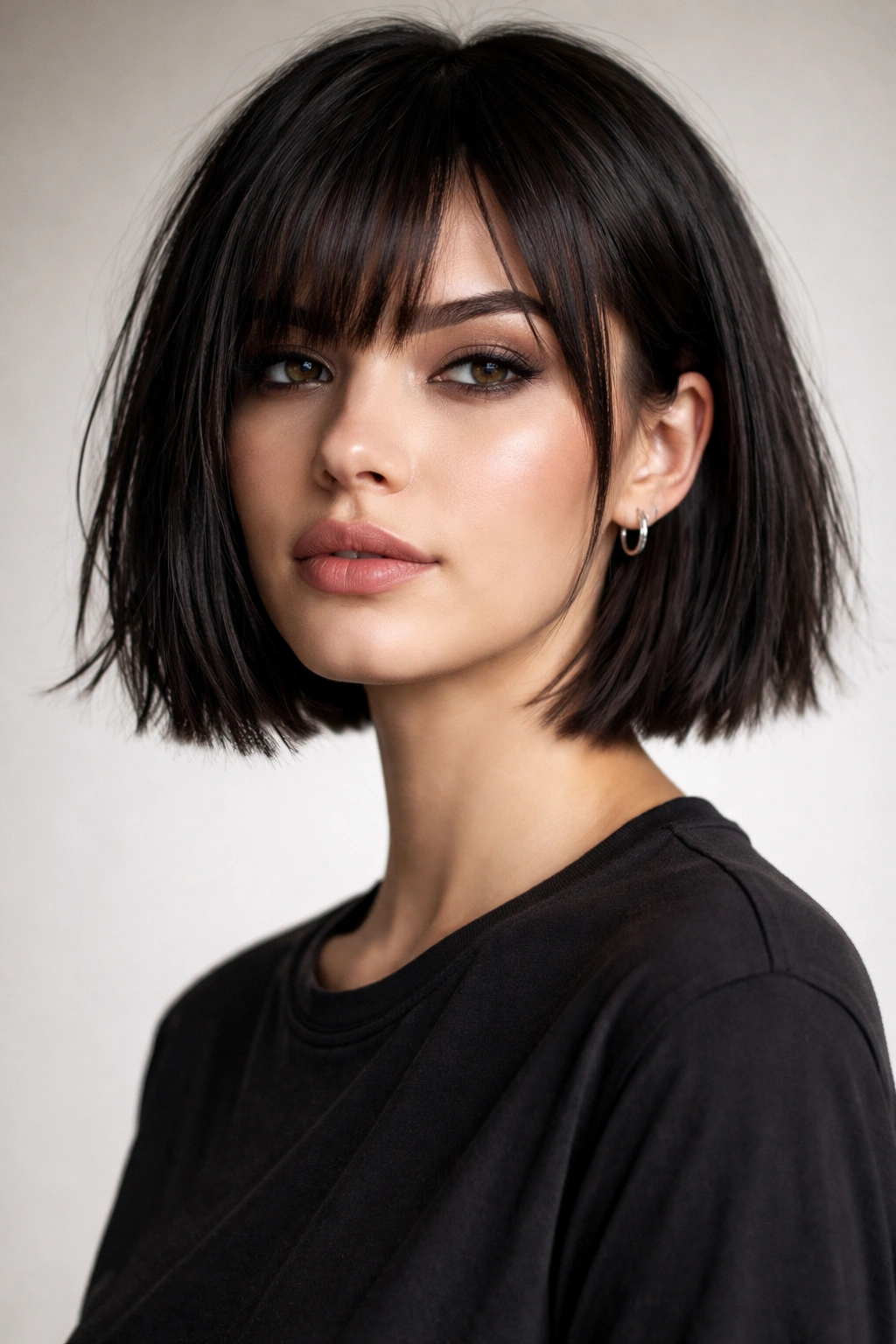
Blunt edges (which read as bold and intentional) meet choppy texture (which reads as modern and edge) in this hybrid cut. The overall shape is a fairly blunt bob, but the very ends of the hair are cut with choppy, textured lines rather than perfectly straight. It’s a soft compromise between the geometry of a blunt cut and the texture of a choppy cut.
Why This Hybrid Approach Works
The blunt outline creates structure and shape; the textured choppy ends prevent it from reading as severe or corporate. You get the bold statement of a blunt cut without the high-maintenance styling requirements or the slightly formal vibe that can come with a perfectly blunt edge. It’s blunt with personality.
Best For
People who want the impact of a blunt cut but need something that’s slightly more forgiving. This cut works on most face shapes and hair types. People with wavy or curly hair can embrace that texture in the choppy ends; people with straight hair can style it blunt and smooth or rough up the ends for texture.
Styling Flexibility
The choppy textured ends mean you have styling flexibility that a perfectly blunt cut doesn’t offer. You can blow dry it smooth for a more polished look, or you can scrunche up the ends with texture spray for something wilder. The cut works with multiple styling approaches, which is genuinely valuable.
Real advantage: This cut looks acceptable at every stage of growth. A blunt bob gets progressively less blunt as it grows; a blunt-choppy hybrid is forgiving enough that the regrowth phase isn’t as jarring.
12. The Stacked Layered Textured Bob
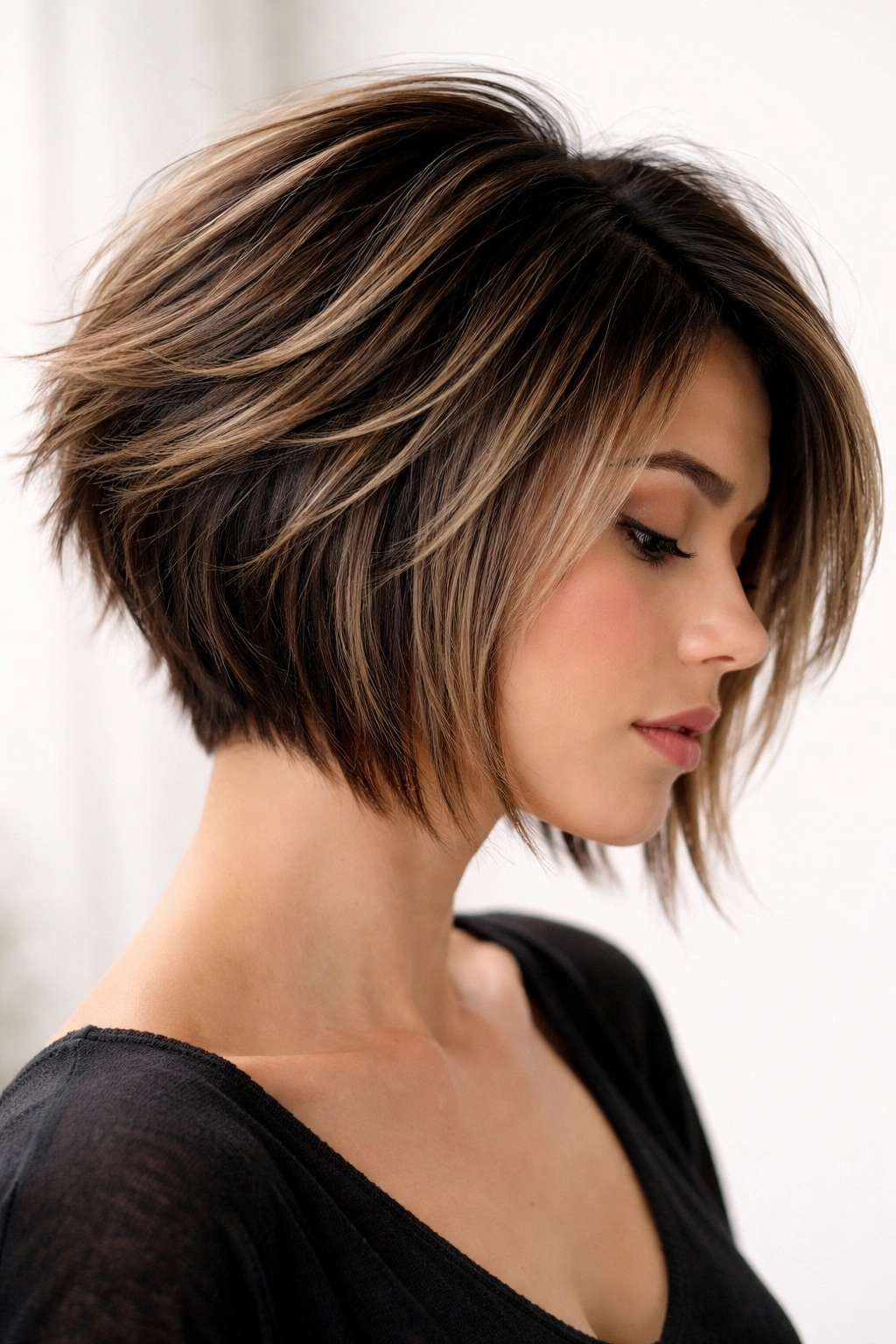
Stack layers at the crown for volume and texture—this is the cut for people who want maximum movement and dimension. The crown is heavily layered and textured, creating lift and volume; the layers graduate as they go down, with longer, fuller length underneath. Everything is choppy and textured throughout, but the stacking at the crown creates intentional, dramatic volume.
Why It Creates Such Striking Dimension
The stacked layering at the crown uses the natural growth pattern of hair to create volume without requiring intense styling or volumizing products. The texture throughout creates movement; the graduated layers create shape. When you move, the layers shift independently, creating this dynamic, alive quality to the hair. It’s technically complex to execute well, but the payoff is substantial.
Best For
People who want visible dimension and movement without spending 20 minutes styling every morning. It works particularly well on people with fine or thin hair (where the layering creates the illusion of density), and on people with wavy or curly hair who want to enhance their natural texture. The cut suits most face shapes, though it’s particularly flattering on round faces since the crown volume helps elongate proportions.
Maintenance and Performance
You’re looking at trims every 6-8 weeks to maintain the texture and prevent the layers from blurring together. Styling-wise, the cut often looks good with minimal effort. Some people can air-dry it; others prefer a quick blow-dry to enhance the volume at the crown. The texture means that slight imperfections in styling get absorbed rather than amplified.
Worth knowing: This cut requires a stylist who understands textured layering and has the skill to execute it properly. Spend time finding someone whose work you love, because a well-done stacked textured bob is genuinely transformative.
Final Thoughts
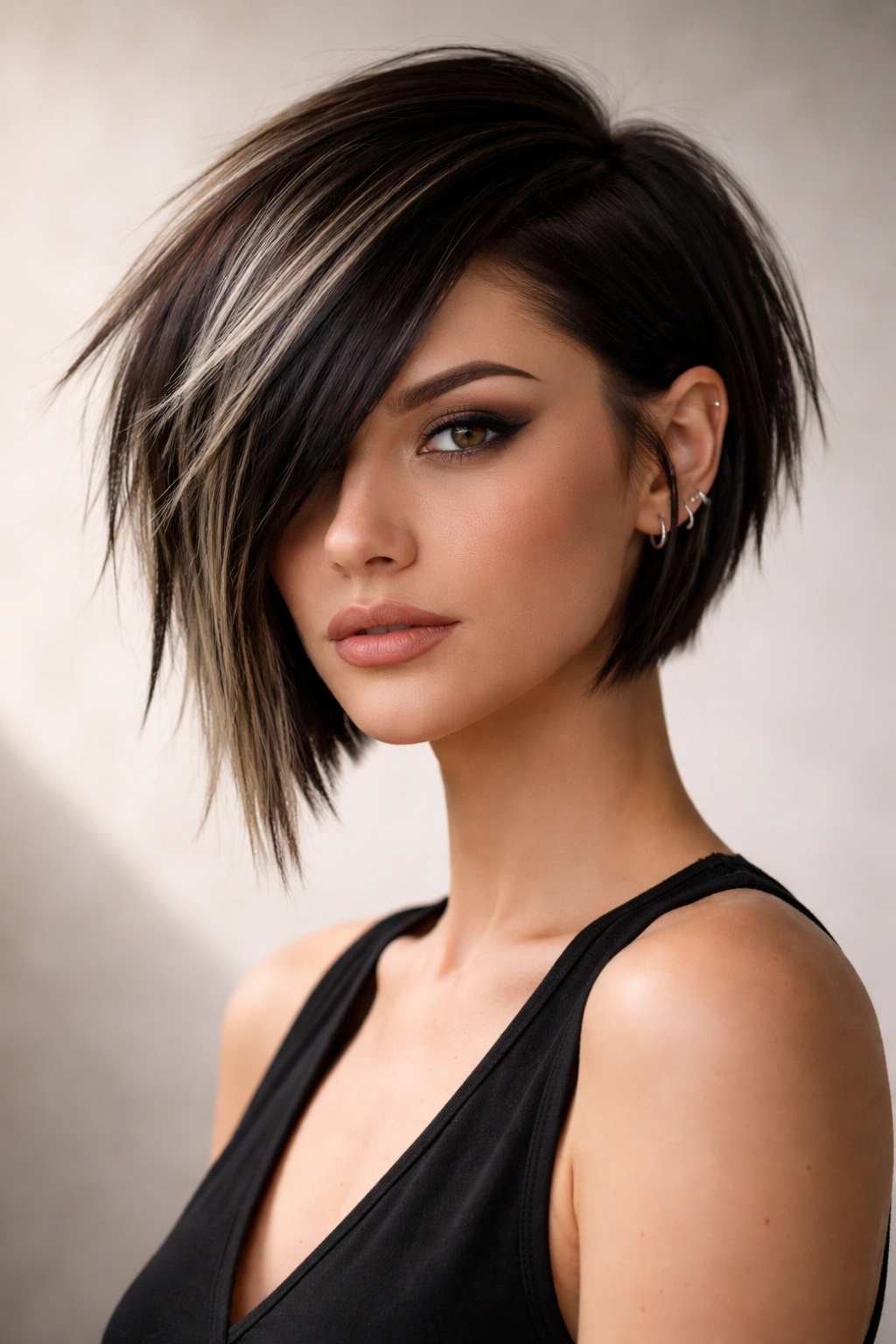
An edgy bob isn’t about following a trend—it’s about choosing a cut that reflects who you actually are, or who you want to become. Whether you’re drawn to the geometric precision of a sharp cut, the romantic movement of feathered texture, the bold statement of asymmetry, or the fun attitude of a mullet-inspired style, there’s an edgy bob that’ll make sense for you.
The most important thing is honesty: about your hair type, your face shape, your styling commitment, and your actual lifestyle. A sharp geometric bob demands trims every 4 weeks and daily styling. A textured choppy shag is more forgiving but still needs regular maintenance. A stacked textured crown needs someone who knows what they’re doing. None of these cuts are “low-maintenance,” but some are less demanding than others.
Find a stylist who specializes in texture and technical cutting, bring reference photos of the exact cut you want (not just “edgy bob”), and have a real conversation about what daily styling looks like, how often you’re willing to get trims, and what hair type you’re actually working with. The right cut, done well, by someone who understands your hair, is worth the investment. That’s when a bob transforms from just a hairstyle into something that actually feels like you.
