



Cowlicks are one of those hair problems that make you wonder why nobody warned you about them sooner. That stubborn section of hair that refuses to lie flat, curls in the wrong direction, or sticks up no matter what product you throw at it—it’s enough to make even the most patient person reach for a baseball cap. The frustrating part is that cowlicks aren’t something you can really fight against. They’re determined by how your hair grows at the follicle level, influenced by hair texture, the direction of hair growth, and sometimes just pure genetics.
The good news? The right haircut can make cowlicks virtually invisible or even turn them into an intentional part of your style. Short haircuts are particularly effective because they work with the natural growth pattern instead of against it. When hair is longer, gravity and weight can amplify cowlicks, making them more noticeable and harder to manage. But with the right short style, you can minimize the impact entirely or embrace the texture as a feature rather than a flaw.
If you’ve been struggling to find a cut that works with your hair’s natural tendencies, you’re not alone. Many people simply haven’t found a stylist who understands how to cut around cowlicks strategically. The key is choosing a style that either camouflages the wayward growth or plays into modern textured aesthetics where imperfection actually looks intentional and stylish. Let’s explore the short haircuts that genuinely work for cowlick-prone hair.
1. Textured Pixie Cut
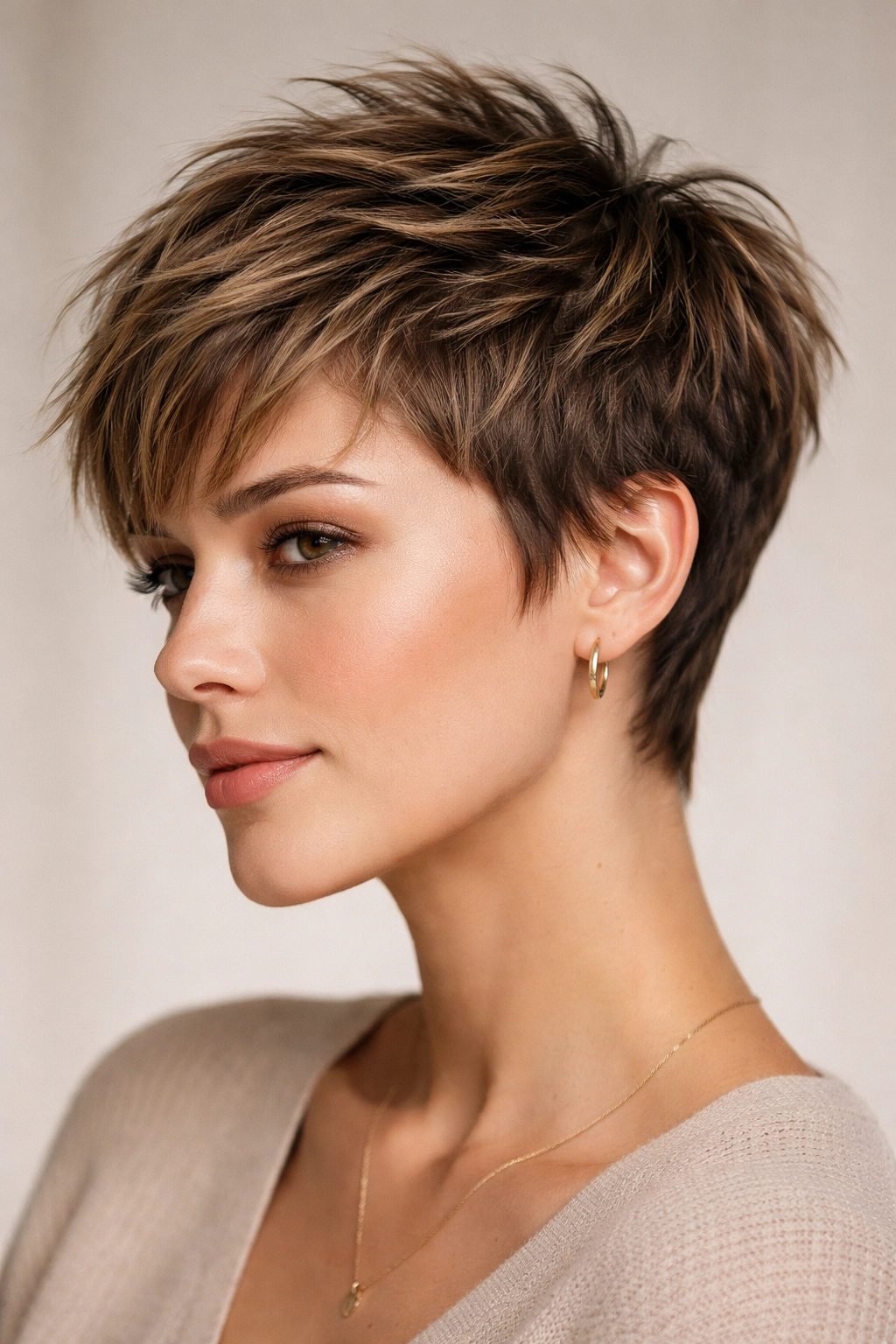
A textured pixie is one of the most forgiving short cuts for managing cowlicks because the entire style is built on embracing texture and movement. Instead of fighting the hair’s natural direction, this cut actually celebrates it. The stylist creates multiple shorter layers throughout the crown and sides, which breaks up the surface area where cowlicks become obvious.
Why It Works for Cowlicks
The beauty of a textured pixie is that cowlicks essentially disappear into the intentional texture of the cut. When your whole head is short, layered, and deliberately tousled, one stubborn growth pattern doesn’t stand out anymore—it just blends into the overall vibe. The layers allow you to style the hair in multiple directions, so you can strategically direct hair over or around your cowlick rather than trying to force it into submission.
Styling and Maintenance
- This cut typically requires a styling product like texturizing paste, matte pomade, or sea salt spray to enhance the textured look and keep hair separated
- Unlike smooth, sleek styles, disheveled and piecey is actually the goal, which plays directly into cowlick territory
- You’ll need trims every 4-6 weeks to maintain the shape, but the maintenance is straightforward
- Dry styling with your fingers or a blow dryer on low heat gives the best results
Pro tip: Embrace a bit of bedhead energy with this cut. The more deliberately “messy” you make it, the less your cowlick reads as a problem.
2. Blunt Bob with Movement
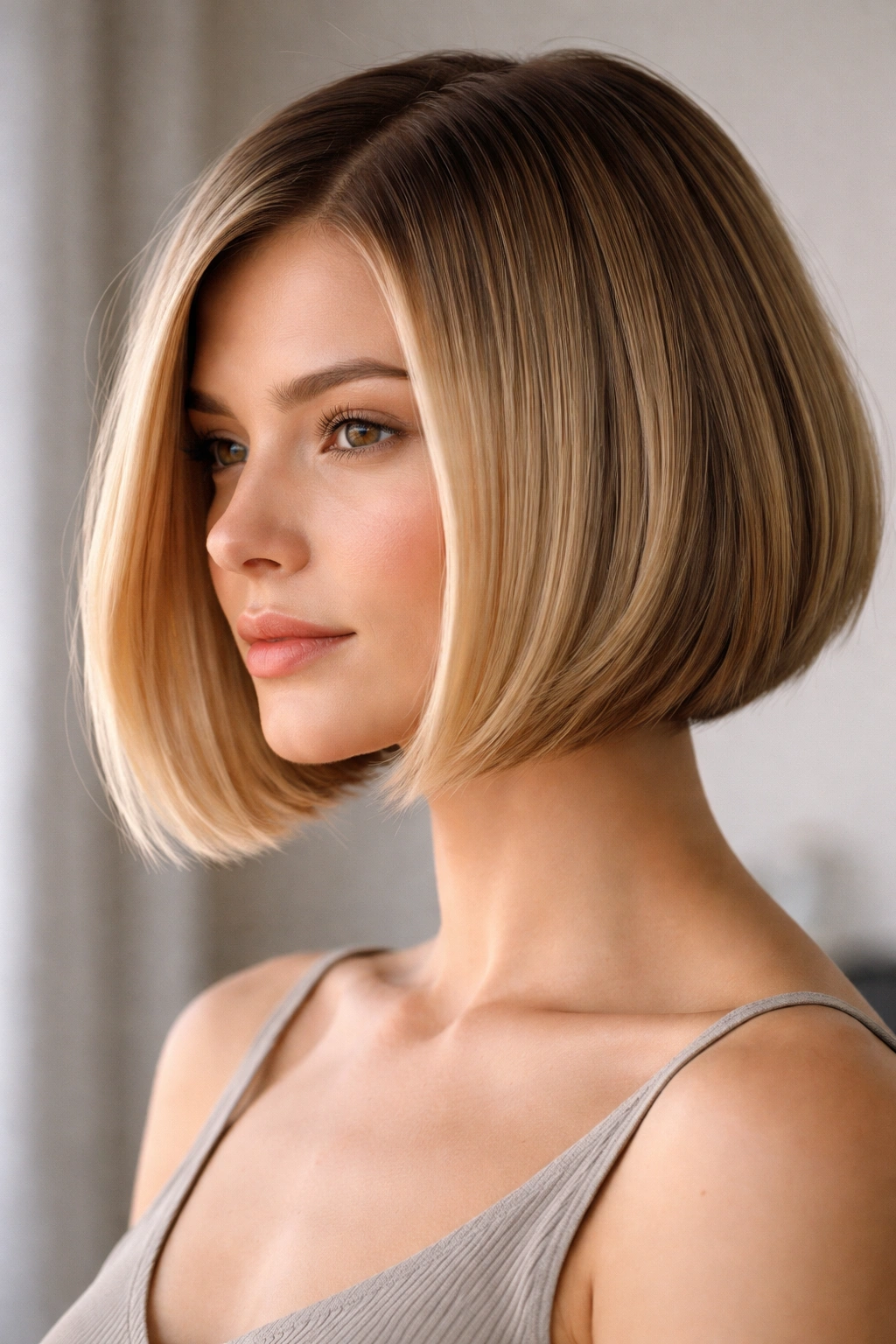
A short, blunt bob—usually chin-length or shorter—can work beautifully for cowlick management when the cut is designed with strategic layers underneath. The blunt front creates a clean, intentional aesthetic while hidden layers in the back or crown give hair room to move and fall naturally.
Why It Works for Cowlicks
The magic of this cut is that cowlicks in the crown or back are completely hidden under the blunt exterior. From the front, the bob looks polished and controlled. From the back or sides, the layering provides movement and releases tension on problem areas. This is especially effective if your cowlick is at the crown or nape—places where a blunt cut would normally trap the hair and make the issue obvious.
The Right Length and Angle
- A blunt bob that grazes the jawline or sits just above the shoulders works best for managing cowlicks without looking like you’re hiding something
- Asking for subtle point-cutting or texturizing on the underneath layers prevents the bulk that can actually emphasize cowlicks
- Many stylists will cut this with a slight angle, longer in front and slightly shorter in back, which can help direct hair away from problem areas
- The key is communication with your stylist about where your cowlick is and how the underneath cut needs to accommodate it
A slightly tousled, lived-in finish on a blunt bob also helps—sharp, slicked-back styles can make cowlicks more obvious, but softer, textured versions disguise them.
3. Crop with Faded Sides
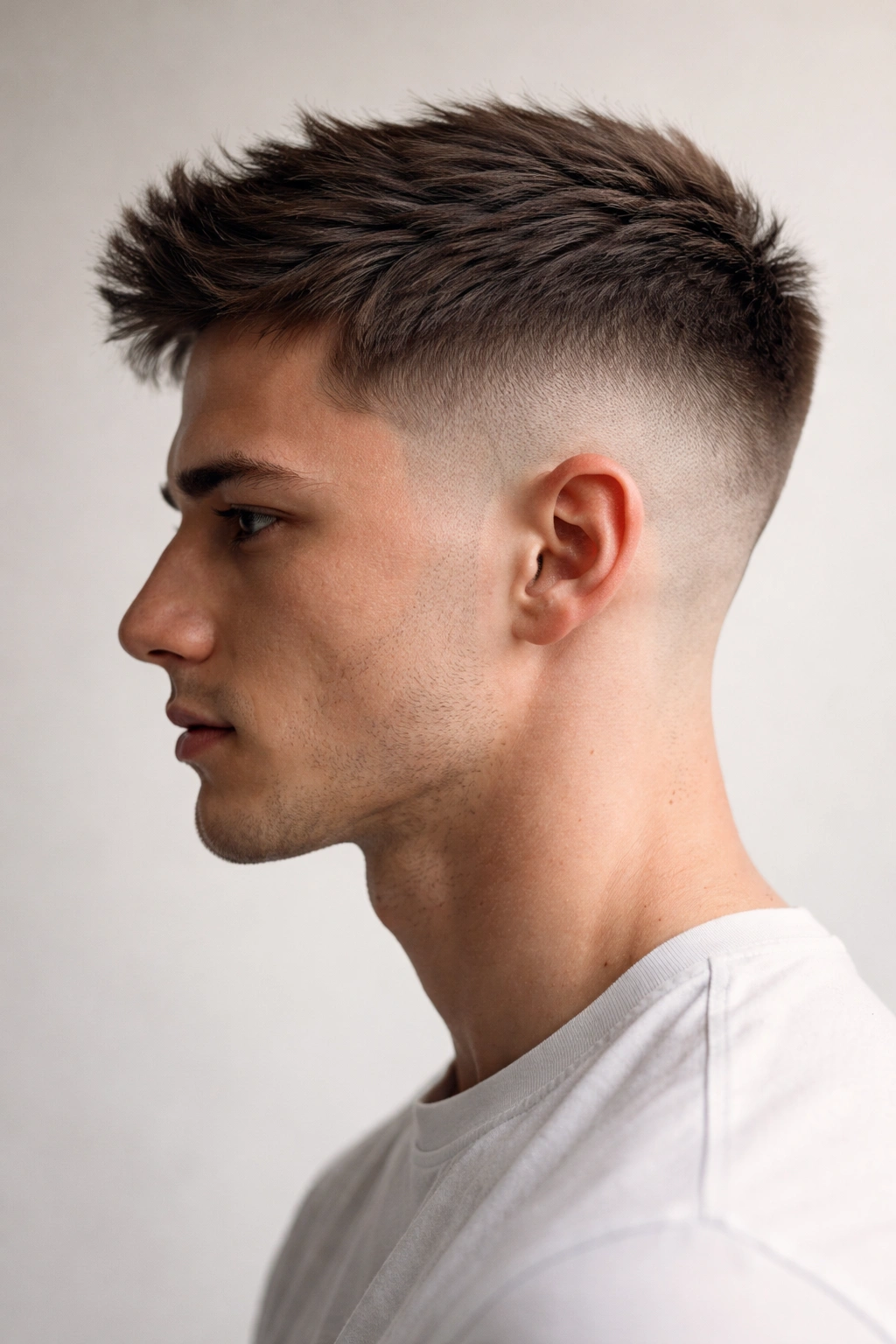
A close-cropped cut with faded or undercut sides is minimalist and incredibly practical for dealing with cowlicks. When sides are very short (1-2 inches or less), hair there simply can’t misbehave. The cowlick problem essentially disappears on the sides and back, leaving only the top to manage.
Why It Works for Cowlicks
The beauty of this cut is mathematical: less hair means fewer opportunities for cowlicks to create problems. If your cowlick is on the side or back, fading those areas down solves the problem entirely. If it’s on the crown or top, you still have enough length there to work with styling and product, but the visual weight of the style is distributed across short, tidy sides that never rebel.
Styling Approach
- A light pomade or clay product on damp hair, styled upward or to the side, keeps the top neat while accommodating natural growth patterns
- The longer top can be combed, swept, or worn textured depending on your preference and your specific cowlick pattern
- This cut reads professional and polished while being effortless to manage day-to-day
- If your cowlick is at the front hairline, you can work the top hair forward or backward depending on which direction minimizes the issue
Worth knowing: The longer you keep the fade (1.5 inches rather than 0.5 inches), the more room you have to work with styling the sides and back around cowlicks. Ask your stylist about a “skin fade” versus a “tape fade” depending on how dramatic you want the length difference.
4. Shaggy Layered Short Cut
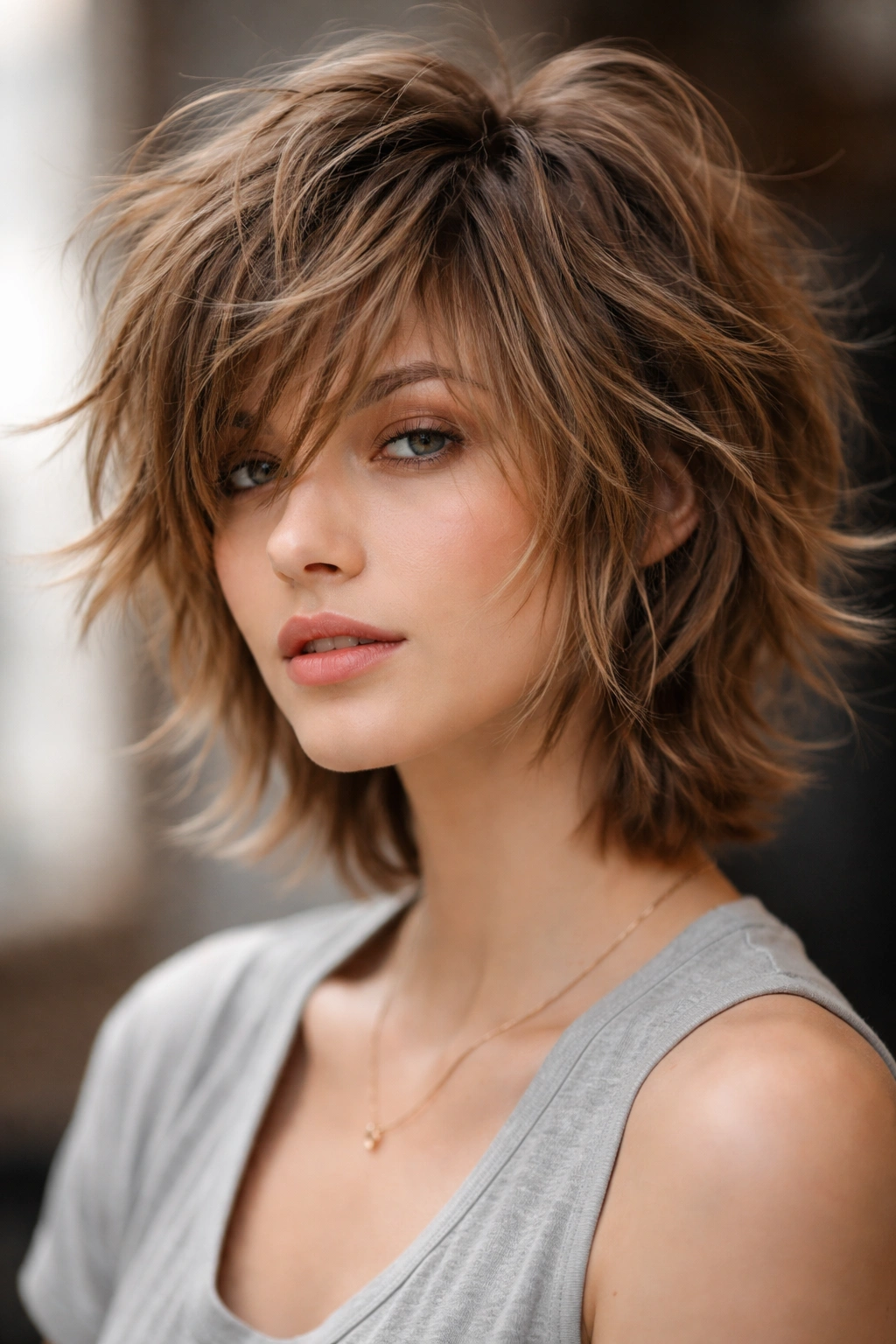
A shaggy cut with lots of choppy layers throughout might sound like it would emphasize cowlicks, but actually, the chaotic, lived-in nature of this style works with cowlicks rather than against them. Think tousled, piecey, deliberately undone—exactly the vibe that cowlicks naturally create anyway.
Why It Works for Cowlicks
This style is essentially cowlick-proof because imperfection is the entire point. Heavy layering breaks up the surface, so individual problem areas blend seamlessly into the overall textured aesthetic. A cowlick that sticks up awkwardly in a blunt cut? In a shaggy layered cut, that same movement reads as intentional texture and movement.
Creating the Right Shag
-
Ask your stylist for choppy, disconnected layers rather than blended ones—this creates visual separation that conceals cowlick direction
-
Layers should graduate in length, with shorter pieces at the crown and slightly longer pieces underneath
-
A center part or a side part can help you strategically position the hair to work around your specific cowlick
-
The overall effect should be tousled and undone, not neat or controlled
-
Styling products like texturizing spray, dry shampoo, or matte paste enhance the shaggy effect and make the texture intentional rather than accidental
-
Finger-styling or using a blow dryer to tousle the hair (rather than smoothing it) enhances the look
-
This cut works especially well for people with naturally wavy or textured hair, where cowlicks are even more noticeable in smooth styles
5. Asymmetrical Pixie
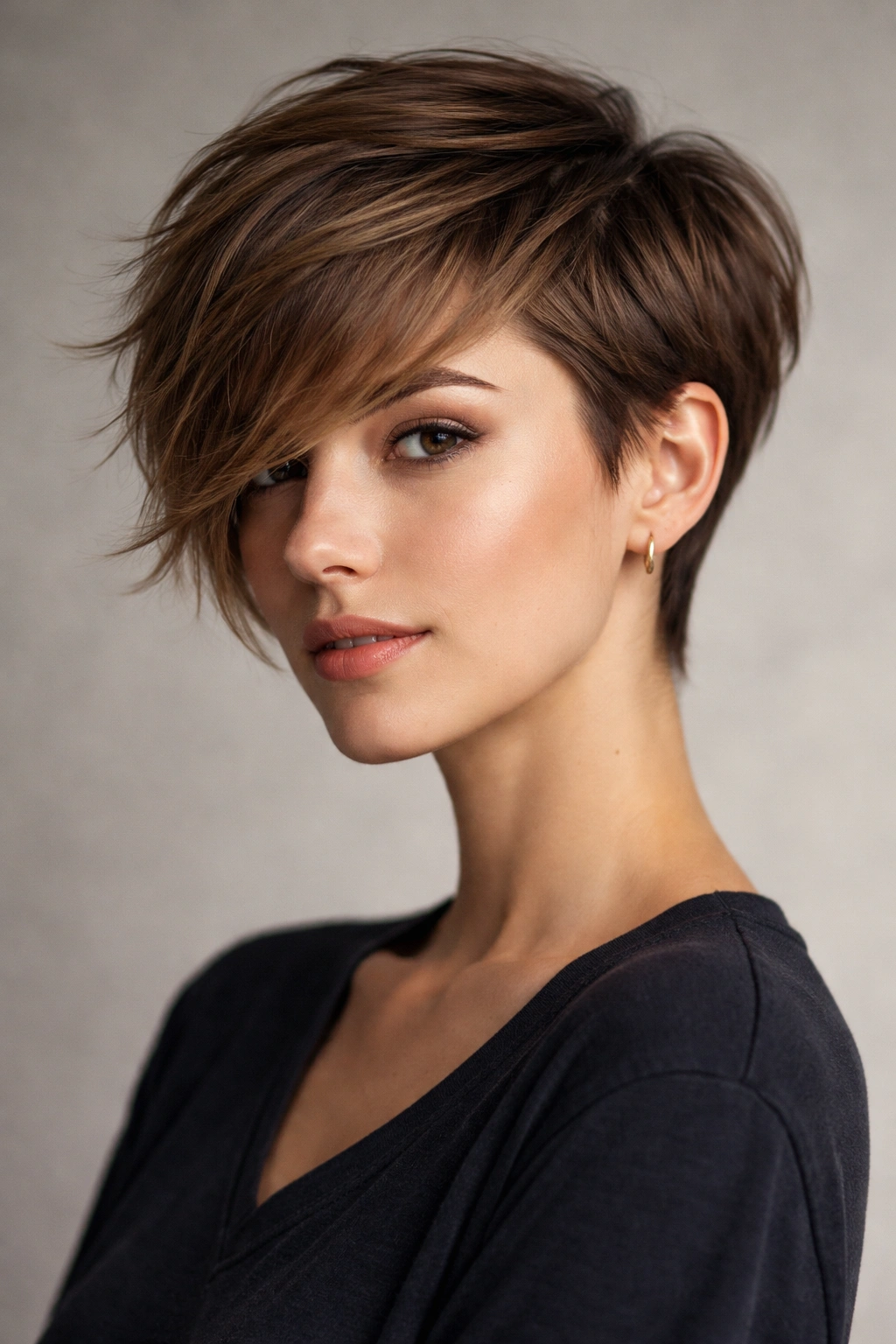
An asymmetrical pixie—longer on one side and shorter on the other—offers a creative solution to cowlicks because it gives you control over which side is more prominent. If your cowlick is always a problem on the left, you can style it toward the longer right side where the hair weight helps keep it in place.
Why It Works for Cowlicks
Asymmetrical cuts are actually camouflage experts. By making one side longer than the other, you create visual distraction and movement that pulls the eye away from problem areas. The longer side can literally cover or disguise a cowlick, while the shorter side can be kept long enough on top to style around the issue. It’s architectural rather than just fighting against your hair’s nature.
Styling the Asymmetrical Cut
- The longer side is typically 2-3 inches while the shorter side sits closer to the scalp, usually around 0.75 inches or less
- Styling the longer side across the head (even partially covering the other side) helps conceal cowlicks
- Products like pomade, paste, or wax give you control over which direction the longer side falls
- Many people find they naturally develop a “go-to” styling pattern that works best for their specific cowlick, then stick with it
This cut also has a definite modern, fashion-forward vibe, so if cowlicks are your problem, you’re essentially turning a frustration into a statement.
6. Textured Crew Cut

A crew cut is a classic short style—short and uniform on the sides and back, slightly longer on top (usually 1-2 inches). A textured version uses choppy layers and point-cutting instead of a blunt, uniform length. This adds movement and helps manage cowlicks while maintaining the structured, clean look of a traditional crew cut.
Why It Works for Cowlicks
The key to making a crew cut work with cowlicks is the texturizing. A perfectly uniform crew cut can make cowlicks stand out awkwardly because there’s nowhere for wayward hair to hide. But when the top is layered and textured, the cowlick becomes part of the overall texture. You’re not fighting for uniformity—you’re embracing movement and dimension.
Styling a Textured Crew
- Dry-styling with your fingers or a comb, usually in the direction of your natural hair growth, works best
- A light pomade or matte clay product gives you control without weighing the hair down
- The goal is to enhance the texture without making the cut look sloppy or unkempt
- This style works especially well if your cowlick is at the crown or front—areas that are already supposed to have dimension in a crew cut
Quick maintenance note: You’ll need trims every 3-4 weeks to keep the shape tight and the texture defined. Between trims, the cowlick becomes less noticeable as the hair grows slightly and softens the cut.
7. French Crop
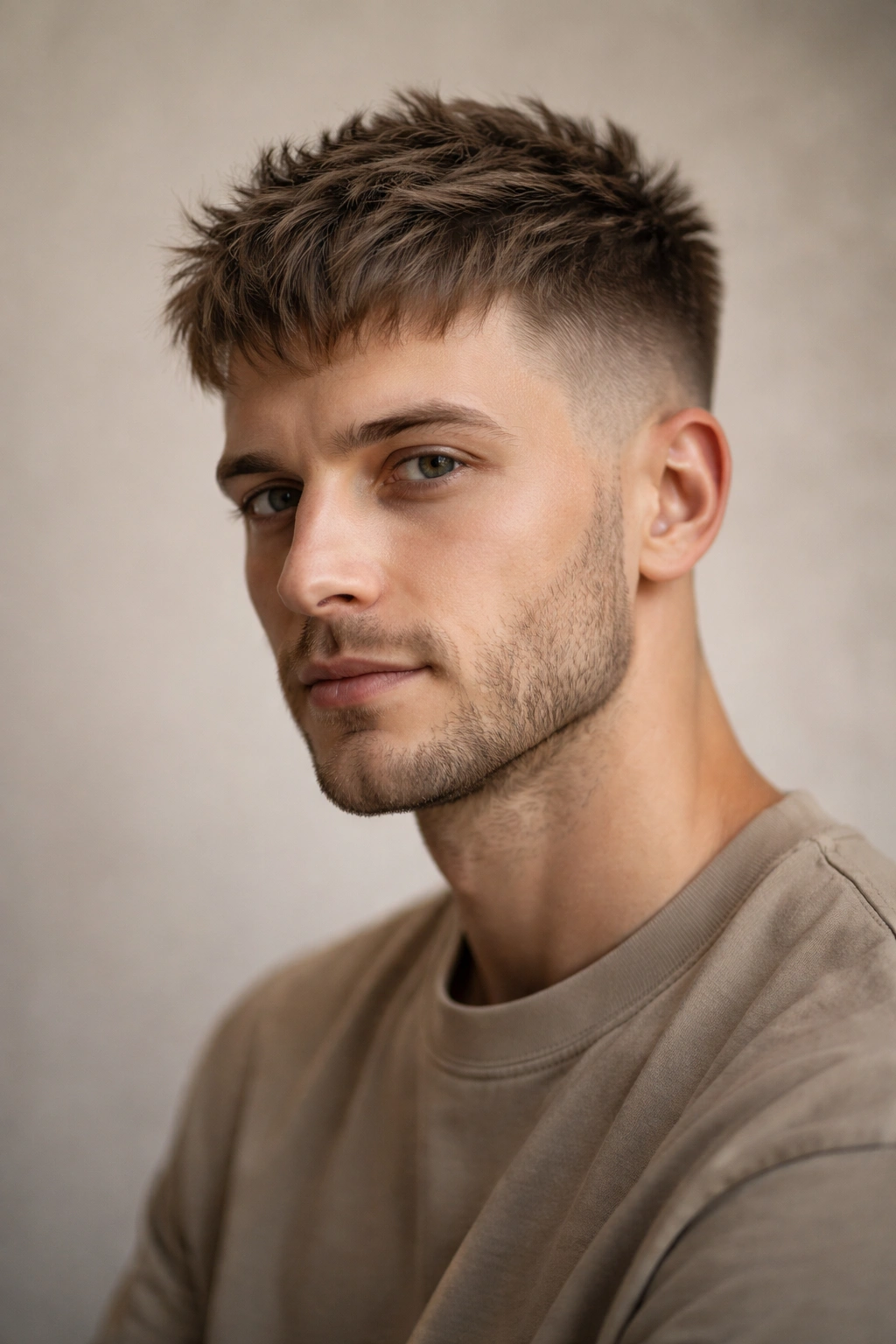
A French crop is a chic, European-influenced cut that sits between a crew cut and a Caesar cut. It’s short on the sides and back (faded or tapered), with a slightly longer, textured top that’s typically styled forward with a slight fringe. The key feature is that natural texture and movement are central to the style.
Why It Works for Cowlicks
This cut is built for texture and movement, making cowlicks essentially invisible. The forward-styled top accommodates hair that wants to go in different directions, and the overall aesthetic is deliberately undone rather than slicked or controlled. If your cowlick wants to stick up, in a French crop, that’s styling—not a problem.
Getting the Right French Crop
- Ask your stylist for a textured, choppy top rather than a blunt one—this is crucial for cowlick management
- The fade on the sides should be clean and precise, which makes the longer, textured top look even more intentional
- Ask for point-cutting or texturizing shears on the top rather than clippers, which creates movement and breaks up any stubborn hair patterns
- Styling forward and slightly to the side, with a textured paste or pomace, gives you control and looks intentional
This style has seen a surge in popularity over the years, which means most modern stylists understand how to cut one effectively and how to build in the texture that makes it cowlick-proof.
8. Bixie (Between Pixie and Bob)
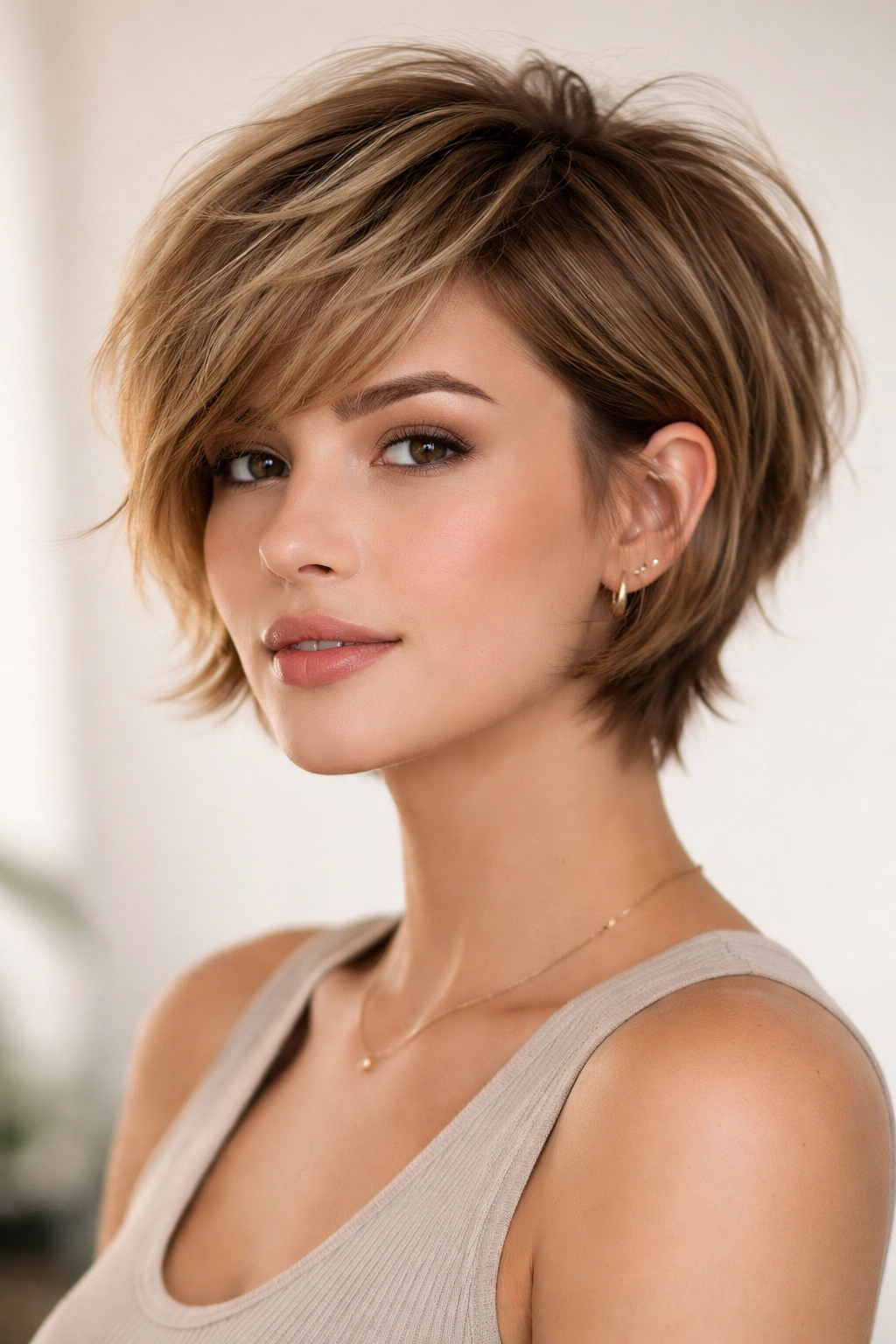
The bixie is a hybrid style—longer than a pixie but shorter than a traditional bob, usually 2-4 inches on top. It has the face-framing capability of a bob with the textured, layered manageability of a pixie. It’s wonderfully versatile for different face shapes and hair types, including cowlick-prone hair.
Why It Works for Cowlicks
A bixie has enough length to style in multiple directions, which gives you options for managing cowlicks. The shorter overall length means hair doesn’t have the weight to exaggerate cowlicks the way longer styles do. The multiple layers and texture mean problem areas blend into the overall design rather than standing out. You get styling flexibility with manageable length—the best of both worlds.
Styling Options for a Bixie
- Tousled and textured with fingers and product is the most cowlick-friendly approach
- You can also comb it smooth and sleek if you want a more polished look on days when your cowlick cooperates
- A side part often works better than a center part for managing cowlicks, as it helps direct hair over or around problem areas
- Texturizing spray, dry shampoo, or matte paste creates separation and disguises cowlick direction
Styling flexibility: Because a bixie isn’t as short as a pixie or as structured as a bob, you can actually change the vibe depending on your mood and how your cowlick is behaving on any given day.
9. Buzz Cut with Slight Length

A buzzed style—shaved down to 0.5 inches or so—might seem like an extreme solution, but it’s honestly one of the most practical for cowlicks. You can’t have a cowlick problem if there’s barely any hair to rebel. However, if you want slightly more length and styling options than a full buzz, a very short buzzed cut with just a bit more length on top (around 1 inch) gives you flexibility while still minimizing cowlick issues.
Why It Works for Cowlicks
Mathematically, this is foolproof: when hair is this short, gravity and growth patterns simply can’t create noticeable misbehavior. A cowlick might still exist at the follicle level, but it’s completely invisible when surrounded by such short hair. If your cowlick has been a lifelong struggle, this is the nuclear option that actually works.
Styling a Very Short Cut
- Even this short, you can use a tiny amount of pomade or paste to add shine or slight texture
- Some people enjoy the clean, minimalist aesthetic; others like to add a bit of visual interest with product
- This cut reads incredibly masculine and bold, but that’s part of the appeal
- Maintenance is truly minimal—just a trim every 2-3 weeks to keep it tight
The honest truth: This is the most practical, low-maintenance option for cowlick management, though it requires confidence in a very short look. Many people find that once they try it, they never go back.
10. Textured Undercut with Longer Fringe
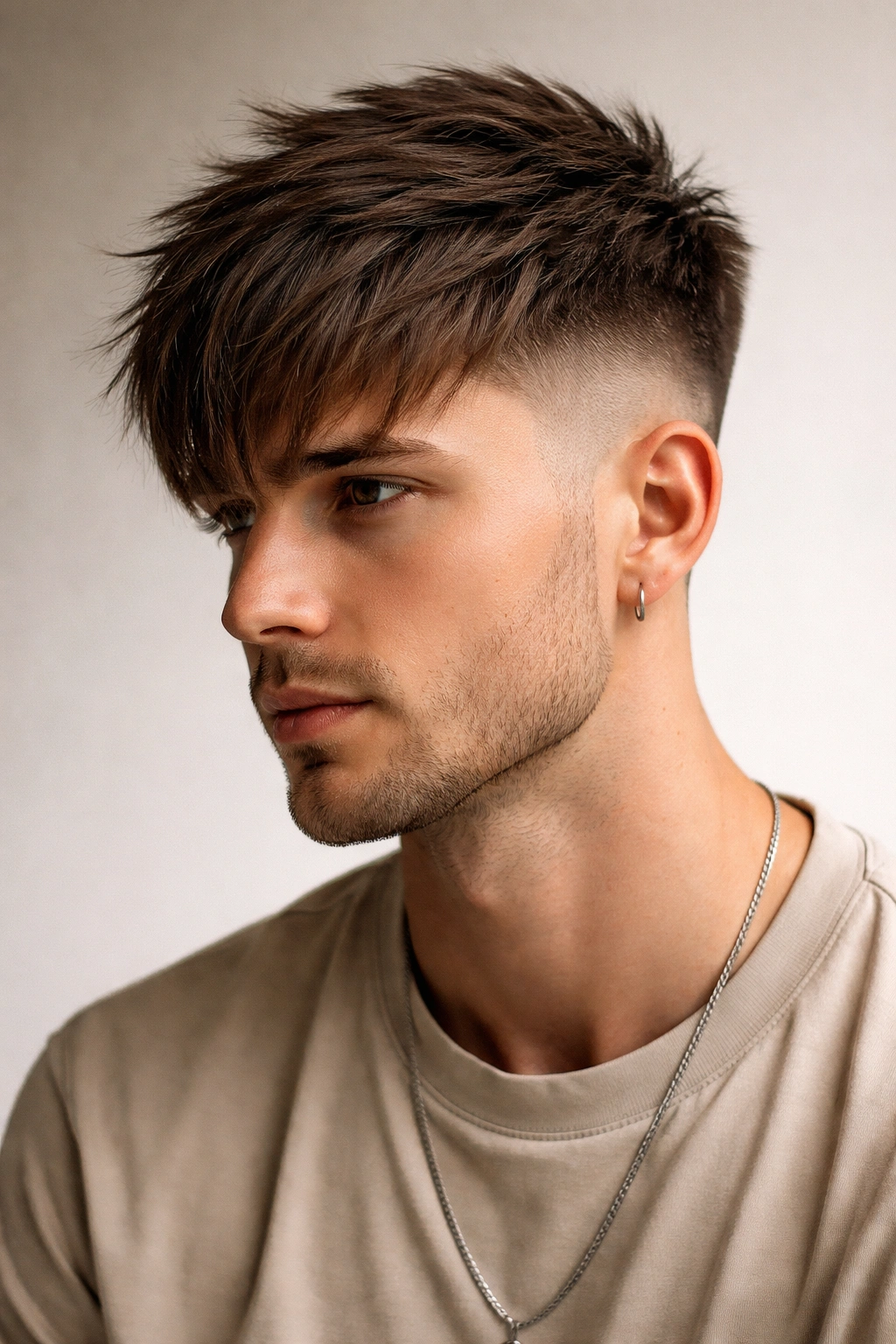
An undercut features very short sides (faded or tapered) with significantly longer hair on top. A textured version of this style uses layers and choppy cutting on the top section, so it’s not a smooth, slicked-back undercut but rather a tousled, textured one. The dramatic length difference means the long top can cover and accommodate cowlicks while the short sides stay neat and controlled.
Why It Works for Cowlicks
The longer top in an undercut actually gives you the most styling flexibility of any short style. You can sweep the textured top over to one side, push it back, or let it fall naturally—whatever works best for your cowlick on any given day. The textured layers mean it doesn’t have to be slicked or controlled; tousled and undone is the entire point. This style offers maximum cowlick accommodation in a modern, fashionable package.
Cutting and Styling the Textured Undercut
- The top should be cut with choppy layers, usually shorter at the crown and slightly longer at the front (fringe area), creating natural texture and movement
- Fade the sides down to skin or very close to it, which creates a sharp contrast and makes the textured top look even more intentional
- Styling with texturizing paste, pomade, or even just your fingers and a blow dryer works well
- The longer fringe can be swept to either side, which gives you tactical options for covering a cowlick if needed
11. Textured Crop with Disconnected Top
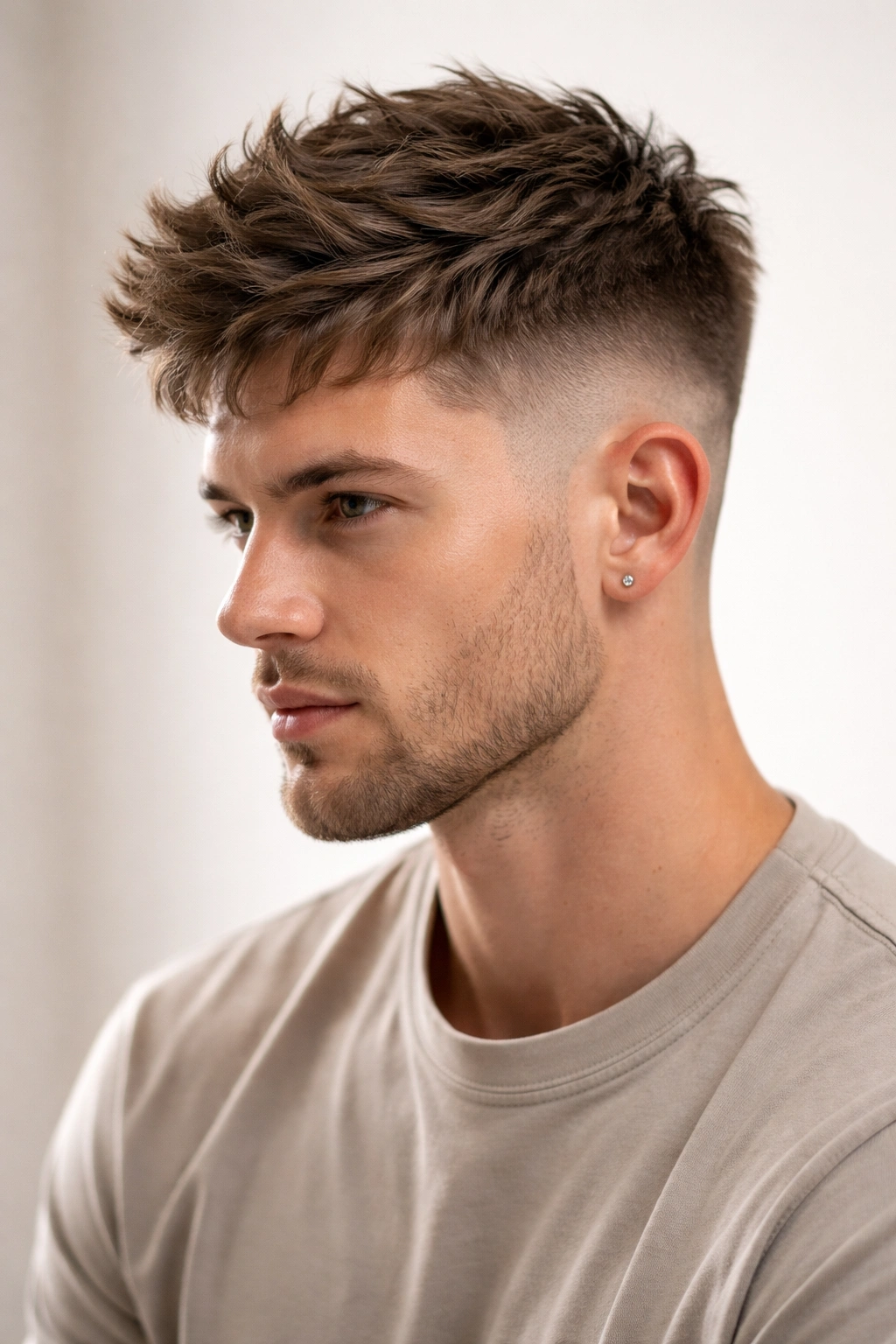
Similar to a crew cut, but with more dramatic length difference between the sides (faded very short) and the top (left longer, 2-3 inches). The “disconnected” element means the top isn’t blended into the sides but rather sits as its own shape. The top is cut with choppy, disconnected layers rather than a uniform length, creating deliberate texture.
Why It Works for Cowlicks
Disconnected cuts are fantastic for cowlicks because the layers on top create texture and movement that masks any stubborn growth patterns. The dramatic fade on the sides (where cowlicks might otherwise be visible) removes the problem entirely. The longer, textured top gives you styling room to work with, and the overall cut reads modern and intentional rather than sloppy.
Achieving This Style
- Ask your stylist for choppy, point-cut layers on the top that are deliberately disconnected, not blended
- Request a clean fade on the sides—the sharper the contrast, the more intentional the style looks
- Styling the top with texture products and your fingers (or a comb for slight control) keeps it looking undone but intentional
- The front hairline should have some texture too—avoid a perfectly blunt hairline, which can emphasize cowlicks at the front
Note: This is a cut that requires a stylist who understands modern texturized barbering. Make sure you communicate about the choppy, disconnected layers—this is what makes it cowlick-proof.
12. Slicked-Back Fade with Texture at Crown
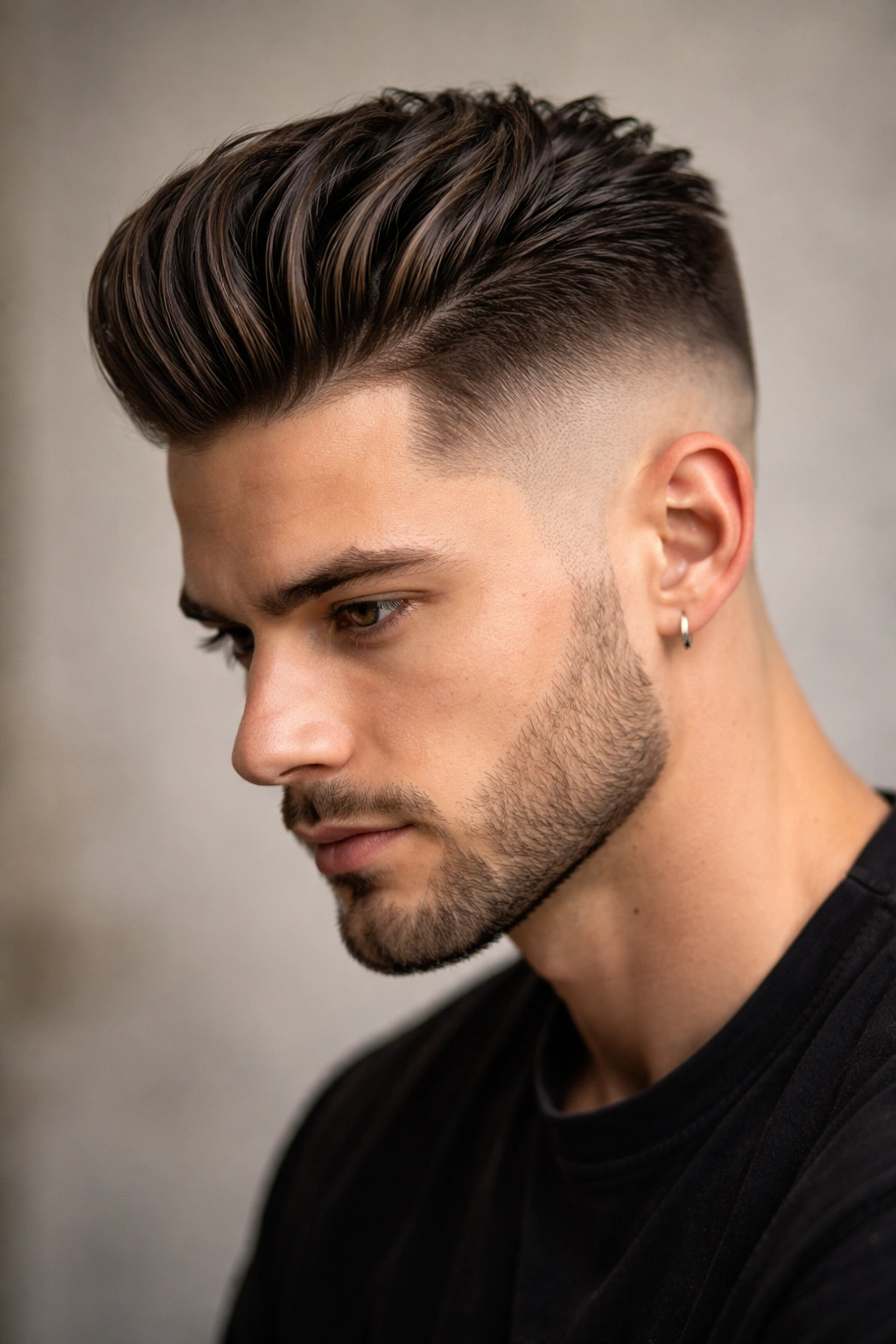
This style is a bit different from the others—it works with cowlicks at the crown by creating intentional texture in the exact spot where cowlicks usually misbehave. The sides and back are faded very short, while the crown is left longer (1-2 inches) and cut with choppy, textured layers. The front is slicked back with product, creating a contrast between the smooth sides and the textured crown.
Why It Works for Cowlicks
Instead of fighting a cowlick at the crown, this cut leverages it. The textured layers at the crown are designed to move and separate, which is exactly what a cowlick wants to do anyway. You’re turning a problem area into an intentional design feature. The textured crown blends with the slicked-back front to create a cohesive, modern look.
Styling This Hybrid Cut
- Use a medium-hold pomade or wax on the front and sides to create the slicked, controlled look
- Let the crown texture stay loose and choppy with just enough product to separate and define the layers
- This creates visual interest through contrast—smooth and controlled in front, textured and undone at the crown
- Styling is actually easier than it sounds because you’re not trying to force the crown into submission; you’re enhancing its natural texture
Pro tip: This style works best for people who have cowlicks specifically at the crown. If your cowlick is at the front hairline or nape, one of the other styles above will serve you better.
Final Thoughts
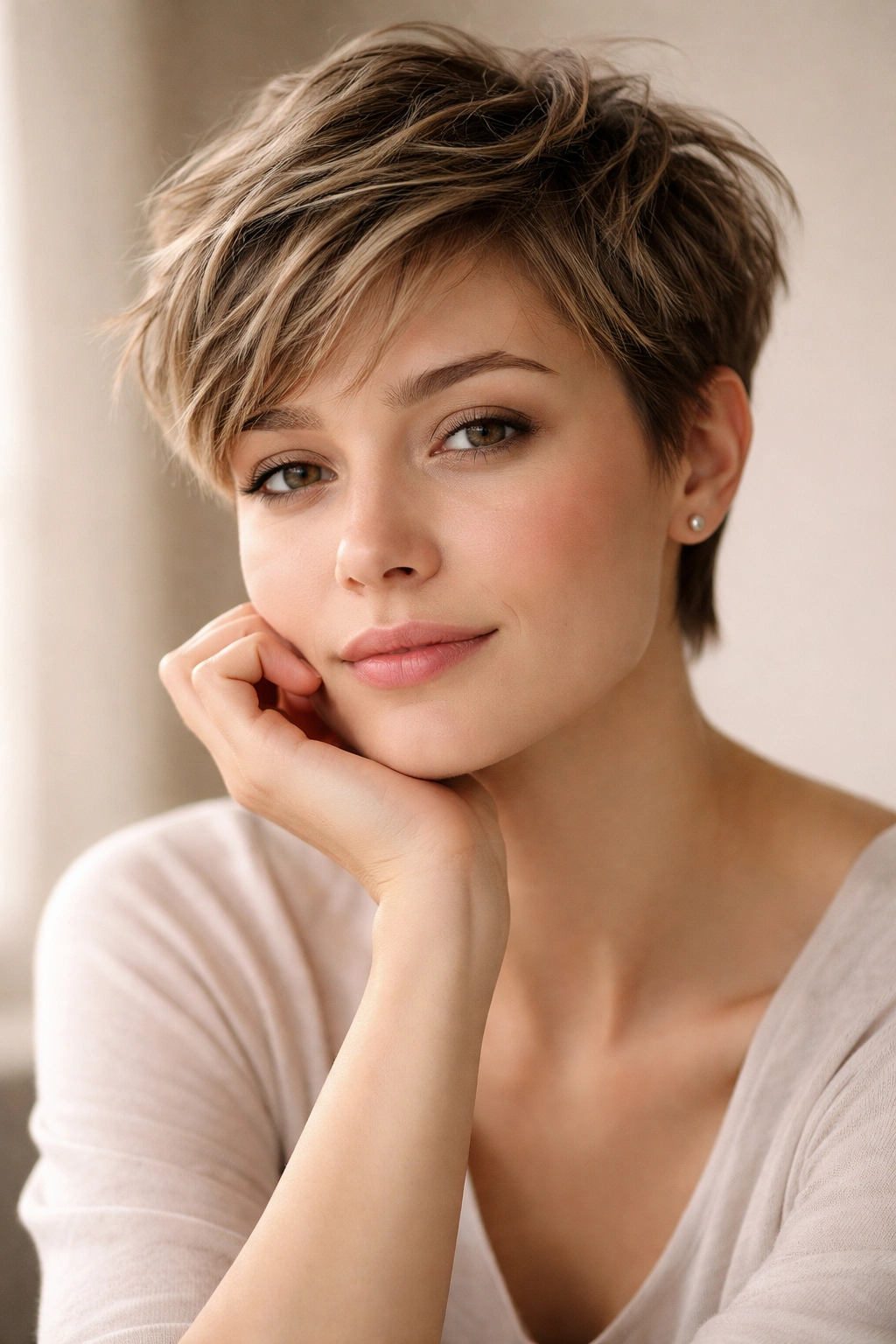
The right short haircut can completely transform how you feel about your hair, especially if cowlicks have been a source of frustration. The common thread through all these styles is that they either actively embrace texture and movement (making cowlicks invisible within the intentional design) or they minimize hair length to the point where cowlicks simply can’t create visible problems.
The key to success is finding a stylist who understands cowlicks and isn’t intimidated by them. Bring a photo of a style you like, show your stylist exactly where your cowlick is located, and have a conversation about how the cut will be designed to work with your hair rather than against it. Many cowlick-related frustrations stem from stylists who cut hair the same way for everyone, without accounting for growth patterns and natural texture.
Once you find the right cut, styling becomes easier than you expect. Most of these styles benefit from texture and intentional tousling rather than precision and control—which is exactly what cowlicks naturally provide. What used to feel like a problem becomes just another feature of your look, and you might actually find yourself enjoying the texture and movement that cowlicks bring to your hair.
