



Short relaxed hairstyles offer a practical, stunning way to showcase your natural texture while keeping maintenance manageable. Whether you’re transitioning to a shorter length or looking to refresh your current style, relaxed hair brings incredible versatility to short cuts. The beauty of short hairstyles on relaxed hair lies in how they frame the face, highlight bone structure, and allow you to experiment with different styling techniques—from sleek finishes to voluminous waves.
Black women have countless options when it comes to short relaxed styles, and each one brings its own flair and personality to your overall look. The key to finding the perfect short hairstyle is understanding what works with your face shape, hair texture, and lifestyle. Some styles prioritize low maintenance, while others give you room to switch up your look daily with different styling methods.
The confidence that comes with a well-chosen short hairstyle is real. You’re not just cutting your hair—you’re making a statement about who you are and how you want to show up in the world. Let’s explore some of the most flattering, manageable, and gorgeous short relaxed hairstyles that can completely transform your appearance.
1. Sleek Pixie Cut
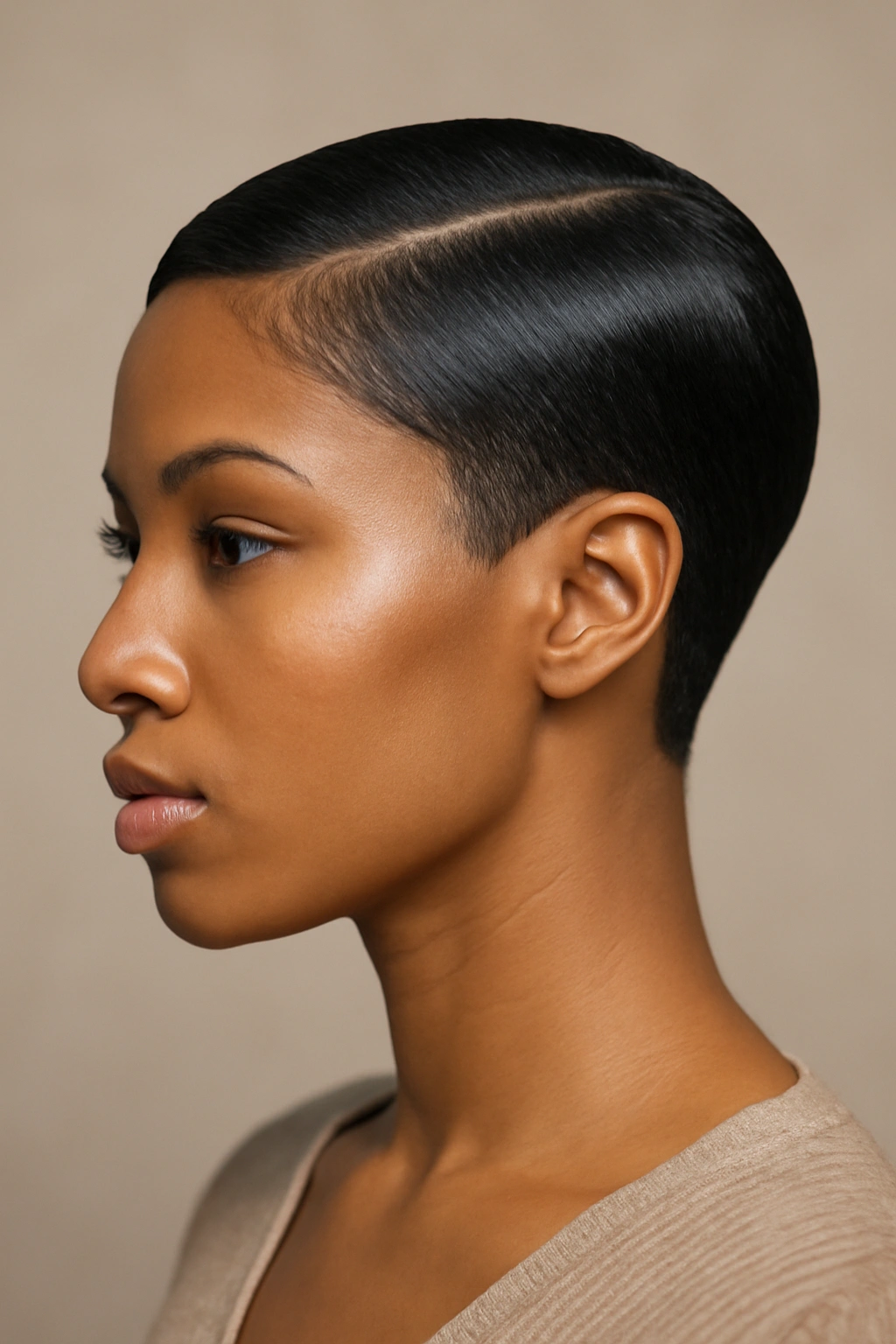
A sleek pixie cut is the ultimate low-maintenance option that exudes sophistication and edge. This style keeps hair extremely short all over—typically 1 to 2 inches on top—with tapered sides and a clean nape. The beauty of a pixie on relaxed hair is that you can smooth it back for a polished look or let it stand up slightly for texture and dimension.
Why This Cut Works So Well
A pixie cut on relaxed hair is remarkably versatile despite its short length. You can style it wet and smooth for a sleek finish that lasts all day, or apply a light texturizing cream to add subtle volume and movement. The low-maintenance aspect can’t be overstated—wash days become simpler, and styling takes minutes rather than hours. This style is particularly flattering on face shapes with good bone structure since there’s nothing to hide behind.
How to Maintain and Style It
- Weekly styling: Wash, apply leave-in conditioner, and blow dry with a round brush for smoothness or air dry for natural texture
- Daily touch-ups: Use edge control on the hairline and sides to maintain clean definition
- Protection: Sleep on a silk pillowcase or bonnet to preserve your style between washes
- Trims: Visit your stylist every 4 to 6 weeks to keep the shape crisp and prevent overgrowth
Pro tip: A pixie cut suits almost any skin tone, but the key is choosing the right proportions—shorter for rounder faces and slightly longer on top for angular features.
2. Textured Bob with Layers
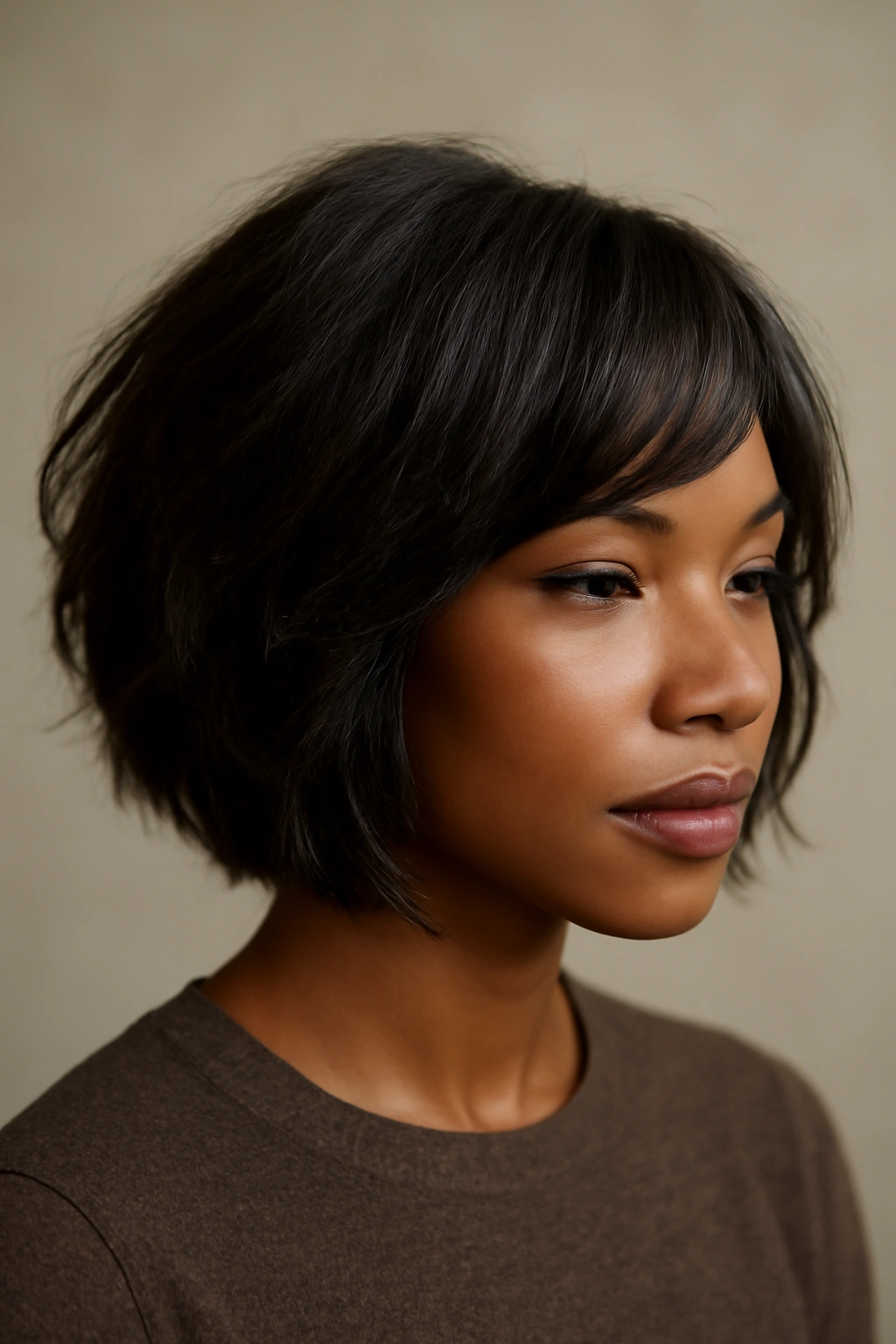
A layered bob creates movement and dimension while keeping length around chin level or slightly above. Layers throughout the cut add texture and prevent the style from looking flat, which is especially important for relaxed hair that can sometimes seem limp without strategic layering. This style walks the line between edgy and professional, making it ideal for anyone wanting a change without going extremely short.
Why Layers Matter in This Cut
Layers are transformative for relaxed hair because they allow each section to move independently rather than all the hair hanging uniformly. This movement catches light differently and creates the illusion of thicker, fuller hair. When your stylist cuts precise layers throughout, you get natural-looking texture that responds beautifully to styling products and techniques. The layers also make daily styling faster because you’re working with sections that already have movement built in.
Styling Techniques and Product Recommendations
- Smooth and sleek: Apply smoothing serum, blow dry with tension, and flat iron for a polished finish
- Textured waves: Use a curling iron on 1.5-inch sections, then break up the curls with your fingers for undone waves
- Volumized crown: Blow dry sections in different directions, focusing on lifting at the roots for height
- Quick styling: Air dry with mousse applied to damp roots for effortless texture
Product picks: Look for lightweight volumizing mousses, smoothing serums, and texturizing sprays designed for relaxed hair.
3. Tapered Fade with Volume on Top
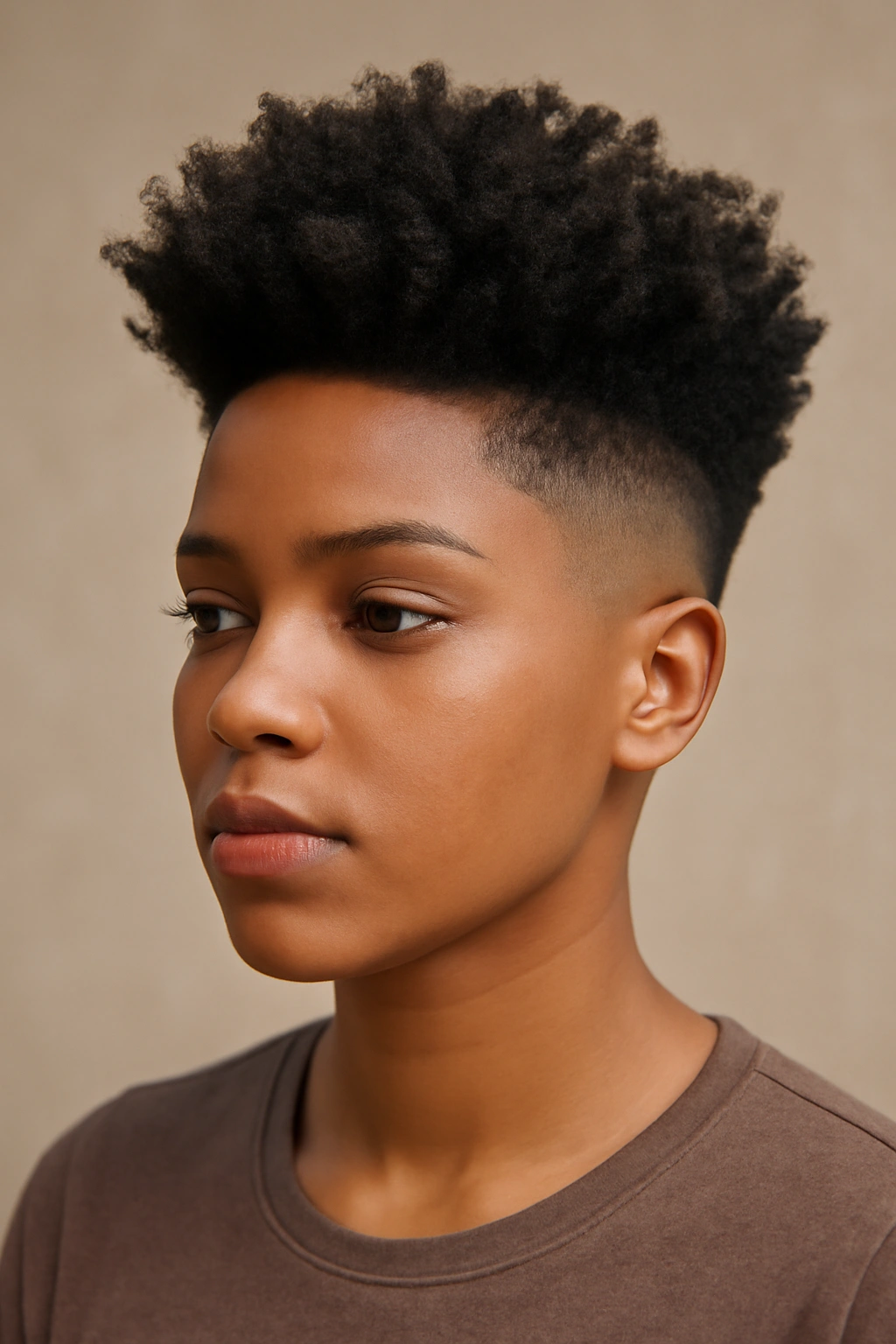
This style combines closely cut sides—tapered or faded down to the skin—with more length and volume on top, creating striking contrast and visual interest. The fade can be as dramatic or subtle as you prefer, transitioning from maybe 2 inches on top to a quarter-inch on the sides. It’s a bold, contemporary style that shows confidence and works beautifully with relaxed hair because the texture at the crown creates natural volume.
Creating Dimension with the Contrast
The power of this style lies in the dramatic difference between the short sides and longer top. This contrast naturally draws the eye upward toward the face and creates an instantly modern, intentional appearance. The shorter sides require minimal styling, while the longer top gives you flexibility for different looks throughout the week. You can slick it back for a polished vibe or add texture with styling products for something more casual.
Maintenance and Styling Options
- Fade upkeep: Visit your barber or stylist every 2 to 3 weeks to keep the fade clean and sharp
- Top styling products: Pomade for sleek looks, matte paste for textured styles, or mousse for volume
- Edge definition: Use a fine-tooth comb and edge control to create sharp lines on the sides
- Nighttime protection: Sleep with a bonnet or durag to maintain the fade and protect the longer hair on top
Worth knowing: This style requires regular trims to look its best, so factor in maintenance costs and frequency.
4. Blunt Bangs with Short Sides
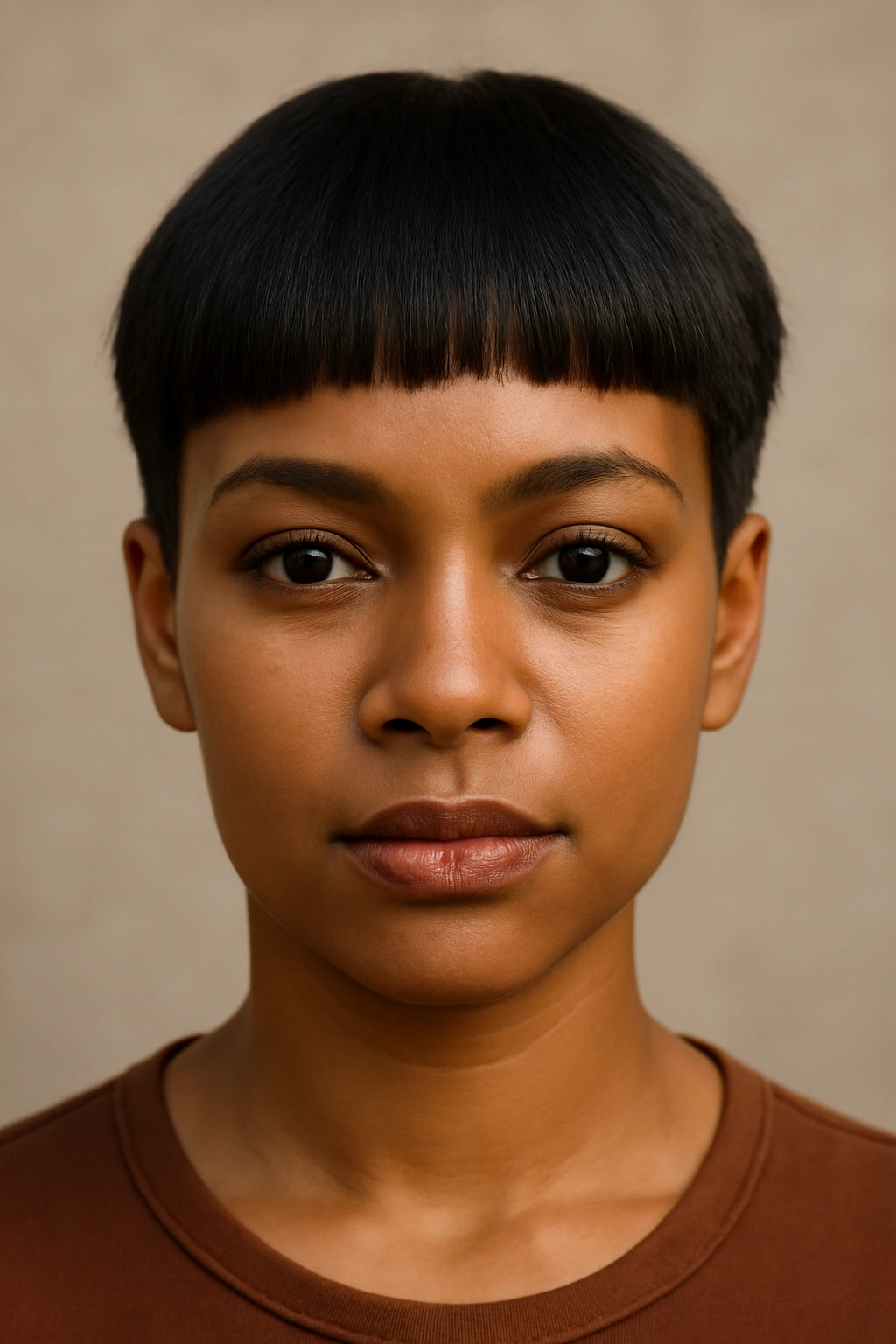
Blunt, face-framing bangs paired with shorter sides create a bold, fashion-forward look that’s simultaneously playful and polished. The bangs sit just above the eyebrows and maintain a clean, blunt line, while the sides taper to create balance. This style works particularly well for women who want to draw attention to their eyes and create an artistic, intentional aesthetic.
The Impact of Face-Framing Bangs
Bangs are a powerful tool for changing your overall appearance and can completely transform how a short style reads. Blunt bangs on relaxed hair create a striking, definitive line that frames the face and highlights your eyes. This style requires commitment because bangs need trimming every 2 to 3 weeks as they grow out—you can’t let them get fuzzy or overgrown without losing the impact. The shorter sides balance the prominence of the bangs and keep the overall look cohesive rather than top-heavy.
Daily Styling and Maintenance
- Blunt bangs care: Trim every 2 to 3 weeks, blow dry straight with a flat iron, and smooth with edge control
- Side styling: Keep sides clean with regular fades, approximately every 3 weeks
- Daily smoothing: Use a light smoothing cream on bangs in the morning to maintain the blunt line
- Protective styling: Be extra careful at night since bangs can easily lose their shape; consider a bonnet
Insider note: Blunt bangs photograph beautifully and create a dramatic before-and-after transformation that often surprises people who haven’t seen you in a while.
5. Soft Waves and Curls
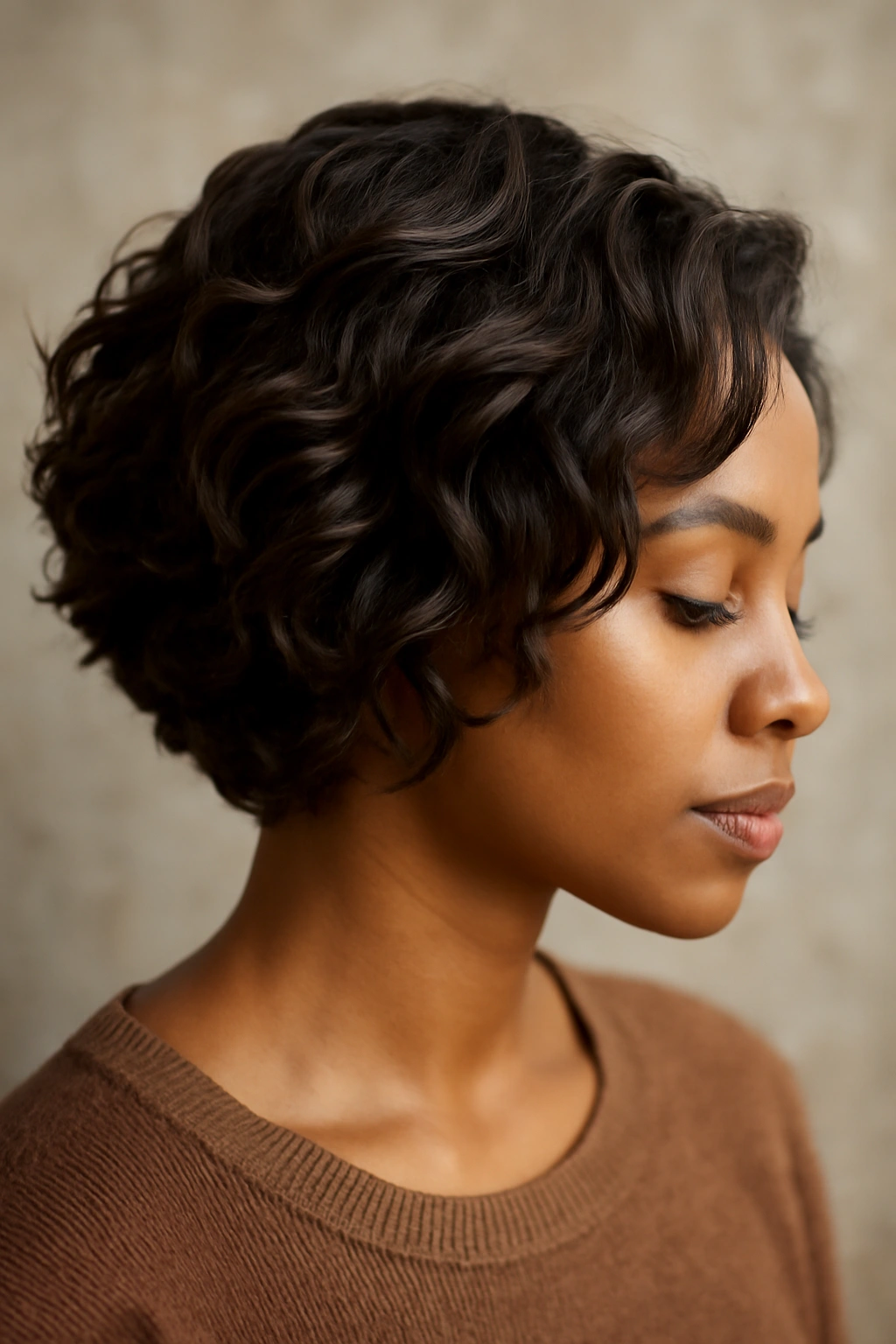
This style keeps hair at a short-to-medium length—roughly 2 to 4 inches all over—and focuses on creating beautiful, soft waves and curls throughout. Rather than a structured cut with specific lines, this approach emphasizes texture and movement. It’s perfect if you love the ease of short hair but want the femininity and versatility that come with waves and curls rather than a sleek finish.
How to Create and Maintain Waves
Soft waves require understanding your hair’s natural curl pattern and how relaxed hair responds to heat styling and curl-creating tools. You can use a curling iron, flexi-rods, or even braiding damp hair to create different wave patterns. The key is applying the right products—a curl-defining cream or mousse before styling, followed by light hairspray to hold the waves without making them stiff or crunchy. This style shines brightest when you layer different products to build texture without weighing hair down.
Product and Styling Techniques
- Curl foundation: Apply mousse or curl cream to damp hair before blow drying
- Tool selection: Use a 1.5-inch curling iron for loose waves or smaller sections for tighter curls
- Wave setting: Wrap curls around the curling iron and hold briefly, then release onto a clip while cooling
- Wave refresh: Lightly mist with water and reactivate curls with a curling iron between wash days
Real talk: This style works best if you’re willing to spend 15 to 20 minutes on styling a few times per week—it’s not as hands-off as a sleek pixie, but the payoff is worth it.
6. Undercut with Pattern Design
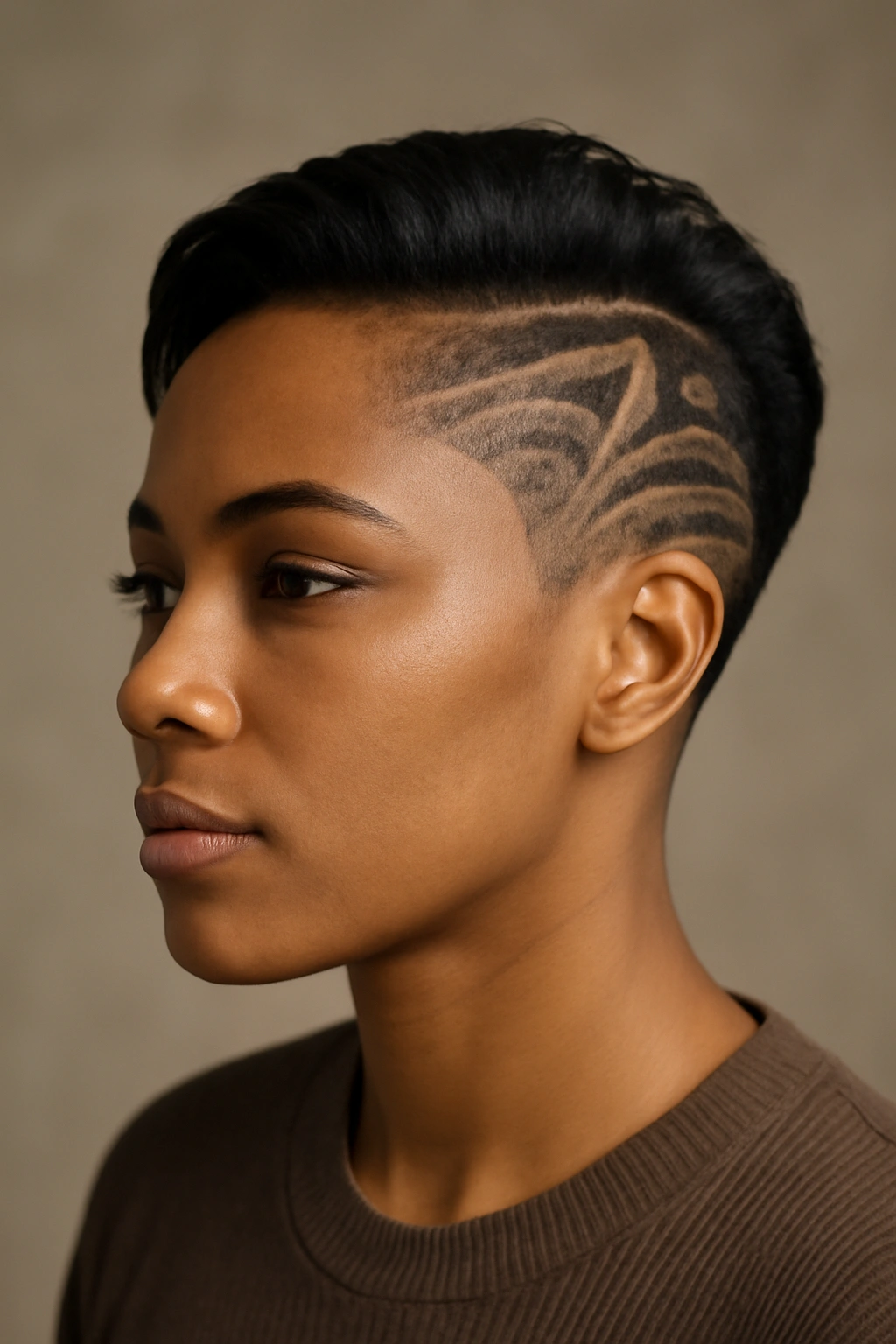
An undercut features very short sides and back with longer hair on top, often enhanced with a decorative pattern shaved into the undercut area. The patterns can be geometric designs, lines, or custom shapes that reflect your personality. This is absolutely a statement style that signals boldness, creativity, and confidence. Patterns elevate an undercut from simply practical to genuinely artistic.
The Art of Pattern Design
Pattern designs turn a functional undercut into a form of self-expression. Your barber or stylist can create virtually any design you envision—from simple lines to intricate geometric shapes to images or symbols that matter to you. The pattern sits on the undercut section, so it’s visible when you style the top hair back or in certain positions, creating an element of surprise. This style says you’re intentional about your appearance and willing to take risks.
Protecting and Maintaining Your Pattern
- Touch-ups: Patterns require maintenance every 2 to 3 weeks as hair grows back into the design area
- Styling considerations: The longer top hair can cover the pattern, so consider how you want to position your hair to show it off
- Nighttime care: Use a bonnet or durag to protect the pattern and the longer hair on top
- Pattern durability: Designs last longer if you keep the undercut area moisturized and protected
Pro tip: Choose a design that’s meaningful to you rather than a trendy pattern that might feel dated later—this is semi-permanent, after all.
7. Short Shag Haircut
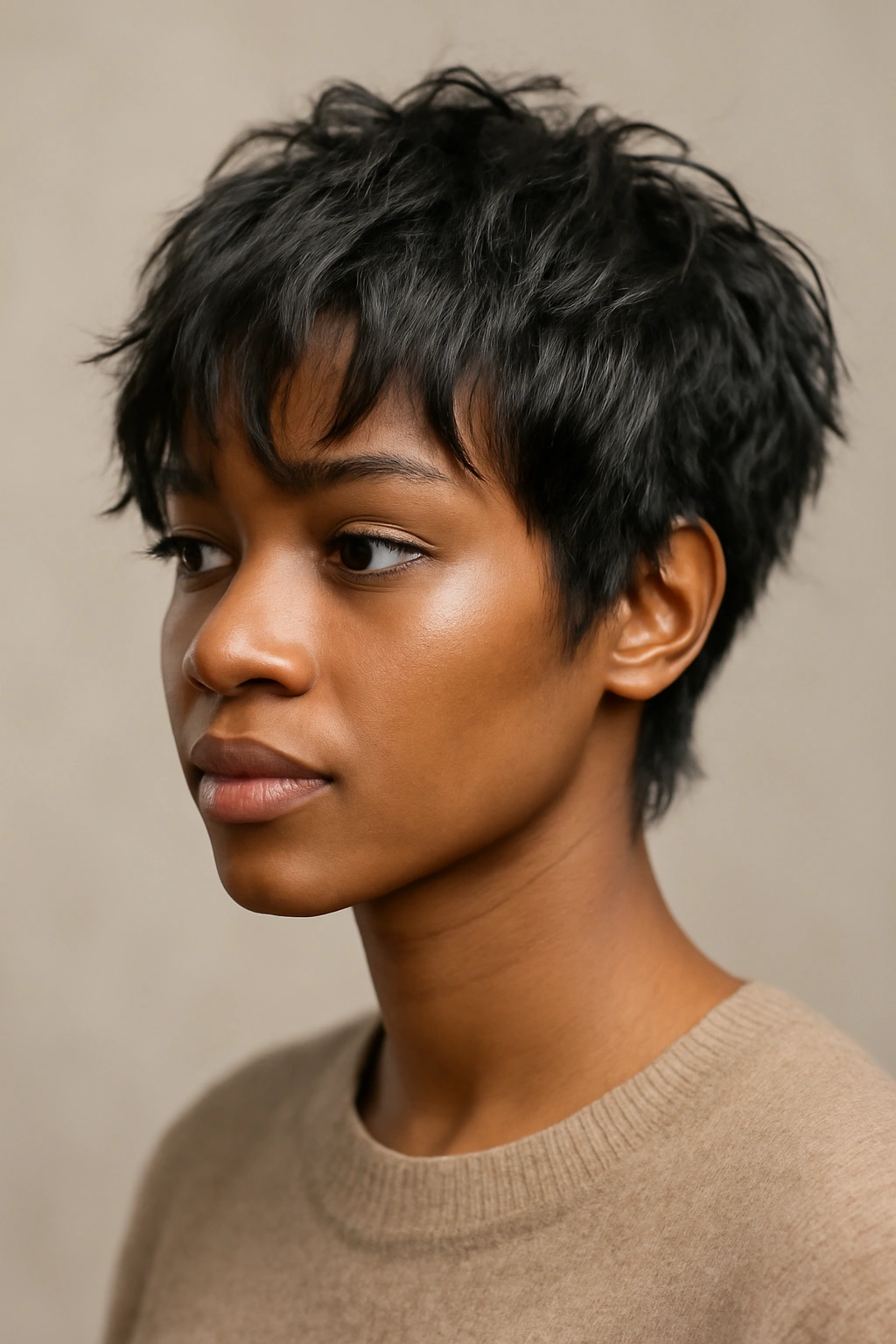
A shag brings textured, lived-in vibes to short hair through strategically placed layers that create movement and separation throughout. This style typically sits around 2 to 3 inches long all over, with longer pieces on top and shorter pieces underneath that create natural separation. Shags have come back around as a go-to style because they’re forgiving, flattering, and incredibly wearable.
Why Shags Work on Relaxed Hair
Shags thrive on texture and movement, which means relaxed hair needs intentional layering to make the style work properly. A good shag cut creates shape and dimension through the layers themselves, not through the natural curl pattern. This means the cut has to be precise—your stylist needs to understand how each layer will fall and move on relaxed hair specifically. When executed well, a shag looks effortlessly cool, tousled, and intentional all at once.
Styling and Texture Techniques
- Tousled finish: Apply texturizing spray to damp roots, blow dry with fingers for movement, and scrunch with your hands
- Waveiness: Use a curling iron to add waves, then separate sections with your fingers
- Smooth sophistication: Blow dry with a round brush and smooth the shag for a more polished version
- Bedhead cool: Lightly mist hair with texture spray and let it dry naturally for an undone aesthetic
Worth knowing: Shags photograph really well because the texture reads beautifully in photos—very Instagram-friendly.
8. Taper Fade with Defined Edges
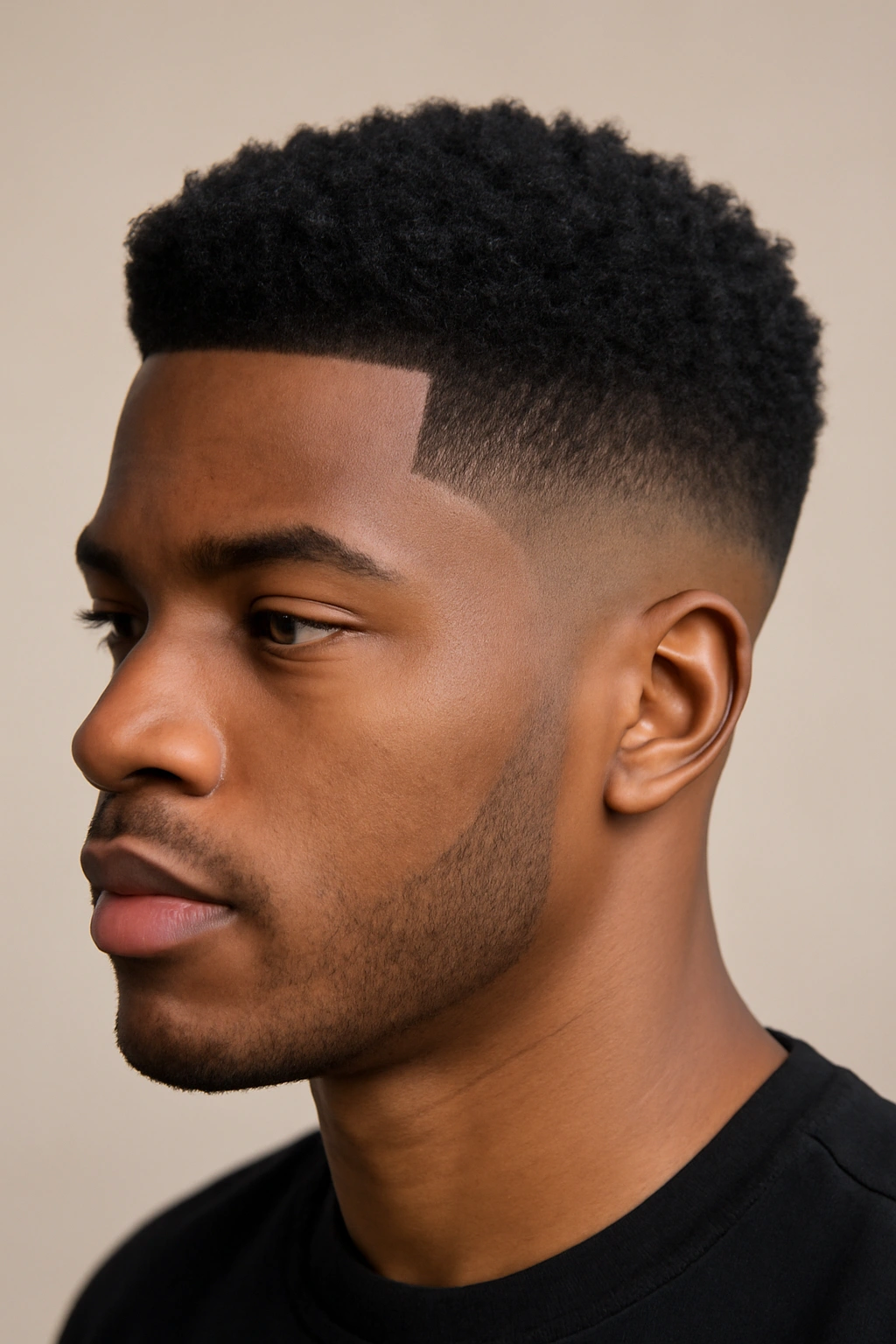
This classic style features a smooth transition from longer hair on top to very short sides and back, with extremely sharp, clean edges throughout. Unlike a fade that’s purely about length transition, this version emphasizes crisp edge definition—at the hairline, around the ears, and at the nape. It’s sophisticated, clean, and requires precision cutting to execute well.
The Importance of Sharp Edges
Clean edges transform a simple fade into a polished, intentional style that feels premium and sharp. Your barber or stylist uses clippers and straight-edge razors to create crisp lines that make the overall look feel more refined. These edges require regular maintenance to look their best, but the payoff is a style that looks expensive and intentional. Sharp edges are the difference between a fade that looks good and one that looks great.
Maintaining Crisp Definition
- Edge line-ups: Schedule appointments every 2 to 3 weeks for edge maintenance
- Daily grooming: Use edge control and a fine-tooth comb to keep edges sharp between appointments
- Professional technique: Work with a barber who specializes in clean fades and edge work—this is where precision matters most
- Nighttime protection: Sleep on a bonnet or durag to avoid messing up the edges overnight
Real talk: The time investment in maintenance is worth it because this style commands respect and looks like you take yourself seriously.
9. Asymmetrical Short Cut
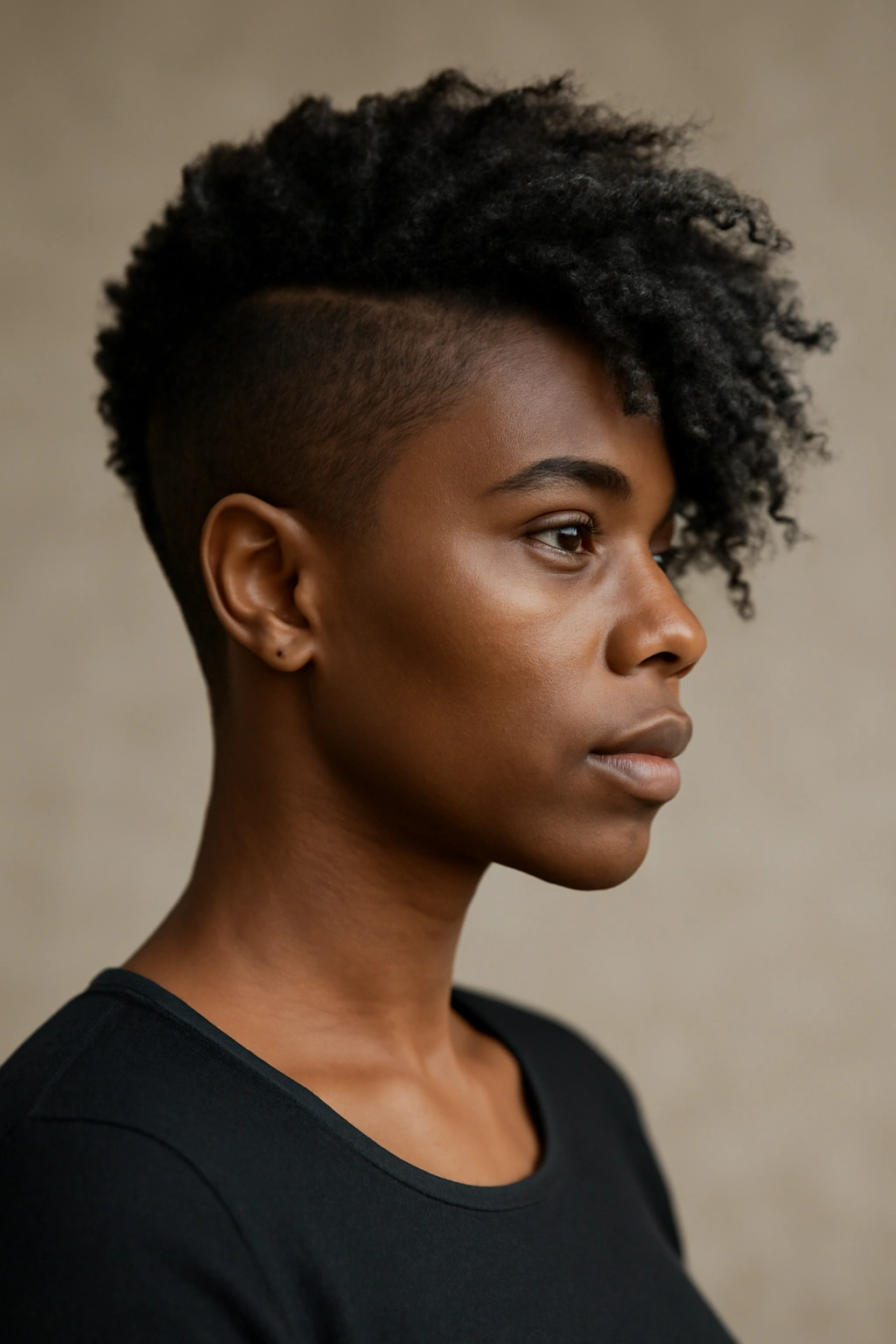
An asymmetrical cut features different lengths on each side of your head—maybe one side tapered shorter while the other has more length, or one side slicked back while the other has texture. This style is boldly artistic and works beautifully for women who want to stand out and express their individuality through their hair. It reads modern, intentional, and fashion-forward.
Creating Visual Balance with Asymmetry
Asymmetrical cuts are all about strategic imbalance that actually feels balanced once you understand the proportions. One side being shorter requires the other side to be longer enough to create visual interest without looking like a mistake. The key is working with a stylist who understands how to use asymmetry as a design tool, not just randomness. When done right, an asymmetrical cut feels modern and deliberately artistic.
Styling Your Asymmetrical Cut
- Side-by-side emphasis: Style the longer side with more texture or drama to balance the shorter side
- Both sleek: Smooth both sides for a modern, polished look
- Mix textures: Keep one side smooth and add waves to the other for visual contrast
- Part placement: Your part line becomes a design element—place it intentionally to highlight the asymmetry
Insider note: Asymmetrical cuts work best on people with good bone structure and confidence, because there’s nowhere to hide—the asymmetry draws attention.
10. Twisted Crown with Short Back
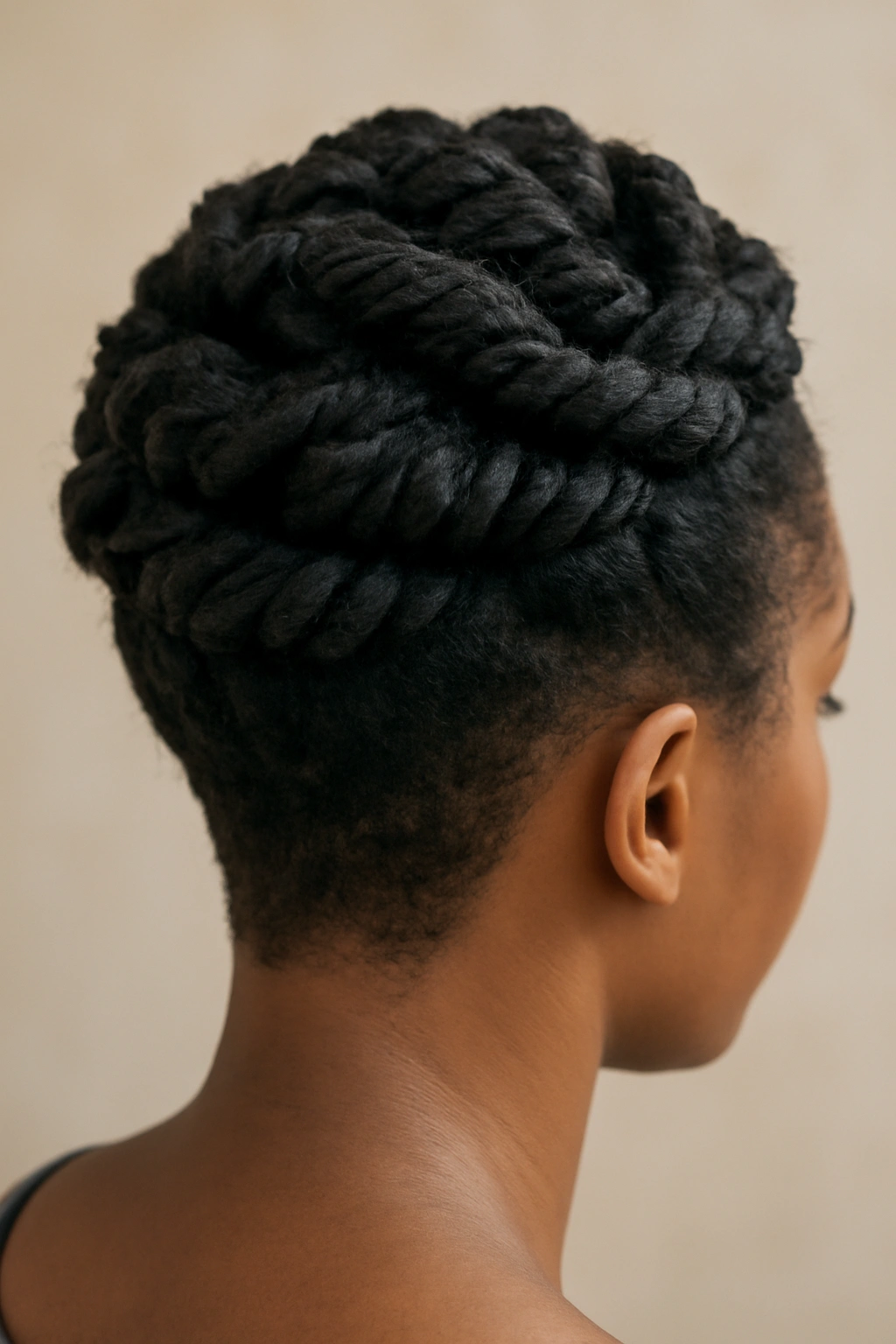
This style combines a short, tapered back with longer hair on top that you can style into twists, braids, or a twisted crown detail. The twists can be sleek and controlled or loose and textured depending on your mood and the occasion. This gives you the practicality of short hair with the styling versatility of having longer hair to work with on top.
The Versatility of Twisted Details
Twists are incredibly forgiving and can be styled multiple ways—up in a crown, down and loose, swept to one side, or secured with decorative pins. You can create twists by using a twisting cream or mousse on damp hair, then twisting sections as you blow dry. This style offers the best of both worlds: the ease of short, tapered sides with the creative styling potential of twisted details on top. You can change your look throughout the week without cutting your hair.
Creating and Maintaining Twists
- Twist creation: Use a twisting cream on damp hair, twist sections while blow drying, and set with light hairspray
- Loose versus tight: Loose twists look effortless and undone; tight twists look more formal and polished
- Variation options: Try double twists, single thick twists, or thin micro twists for different effects
- Overnight care: Wrap twists in a silk scarf to maintain definition and prevent frizz
Pro tip: Twisted styles photograph beautifully because twists create visual texture and movement in photos.
11. Side-Swept Short Style
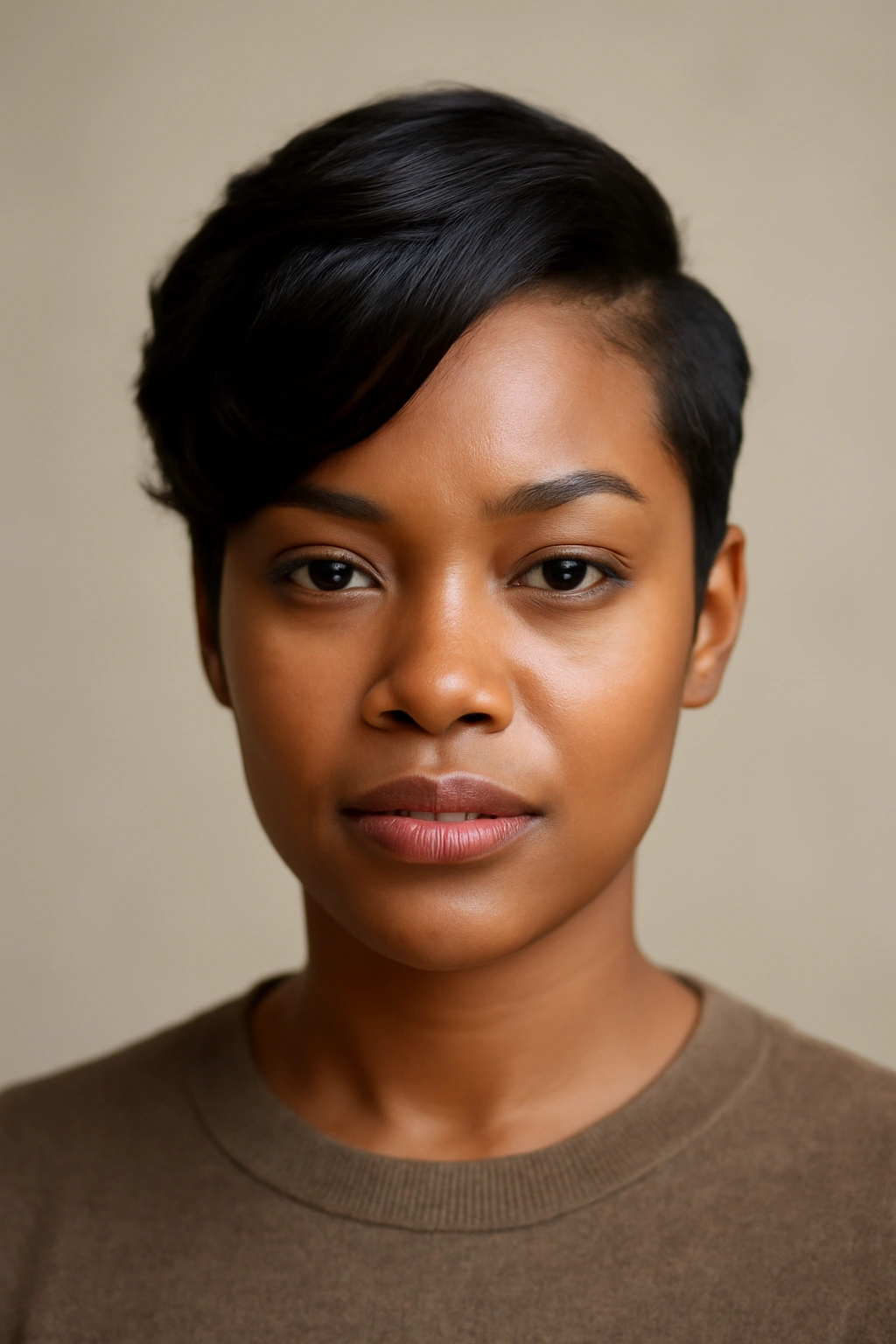
A side-swept short cut keeps hair relatively short all over—around 2 inches—but emphasizes length on top that’s styled to sweep dramatically across and down the side of the face. This style creates movement and framing while maintaining the ease of short hair overall. It’s feminine, modern, and incredibly flattering for most face shapes because the swept hair creates a slimming effect.
The Flattering Power of Side Sweeps
Side-swept styling draws the eye along the length of your face, creating a slimming, elongating visual effect. The hair that sweeps across also frames and flatters the face better than hair that hangs straight down or stays pushed back. This styling technique works beautifully on relaxed hair because you can create the sweep through blow drying or with a light texturizing product that gives you hold without crunch. It’s an easy way to add elegance to a short cut.
Achieving and Maintaining the Sweep
- Blow dry technique: Blow dry the top section to one side using a round brush for a smooth sweep
- Product application: Use a light volumizing mousse on roots and a smoothing serum on the lengths
- Daily styling: Lightly mist with water in the morning and blow dry the sweep back into place
- Texture variation: Add gentle waves to the swept section with a 1.5-inch curling iron for dimension
Worth knowing: This style requires your part to be placed at least an inch over from center to create the dramatic sweep effect.
12. Natural Texture Embrace
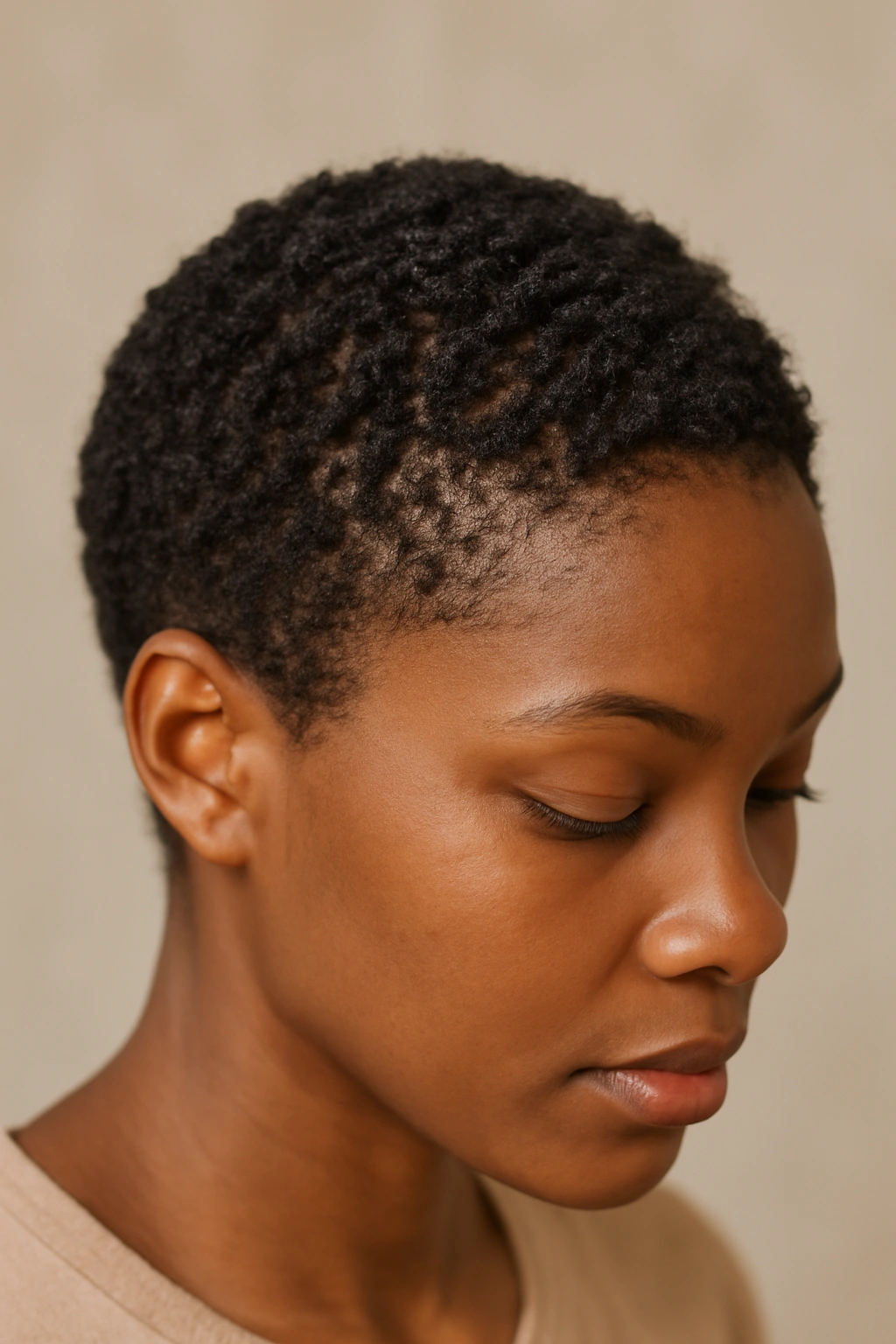
This style celebrates relaxed hair’s actual texture and movement by keeping it short and allowing waves and natural pattern to shine. Rather than fighting texture with serums and smoothing techniques, you’re working with what your hair does naturally. The cut is usually simple—maybe 2 to 3 inches all over with some subtle layering—and the focus is on enhancing whatever texture your relaxed hair already has.
Working With Your Hair’s Natural Tendencies
Every relaxed hair type has an inherent wave or curl pattern that becomes visible in short hair. A texture-embracing cut plays to these natural tendencies instead of against them. Some relaxed hair naturally waves, while other textures have more definitive curl. Understanding your hair’s personality and building a cut around it means less styling effort and more authentic, personalized results. You’re not trying to force your hair into a mold—you’re celebrating what it wants to do naturally.
Enhancing and Styling Natural Texture
- Identifying your texture: After a wash, observe how your hair naturally dries without any heat styling or product
- Moisture focus: Use leave-in conditioner and curl creams designed to enhance natural texture
- Air drying: Let hair air dry occasionally to see how it naturally falls and waves
- Low-heat styling: Embrace your texture by using less heat styling and more mousse or texture spray
- Texture products: Explore texturizing powders, sea salt sprays, and texture creams that enhance waves without artificiality
Real talk: This approach requires you to stop fighting your hair and start appreciating its actual characteristics—it’s more about mindset shift than technique.
Final Thoughts
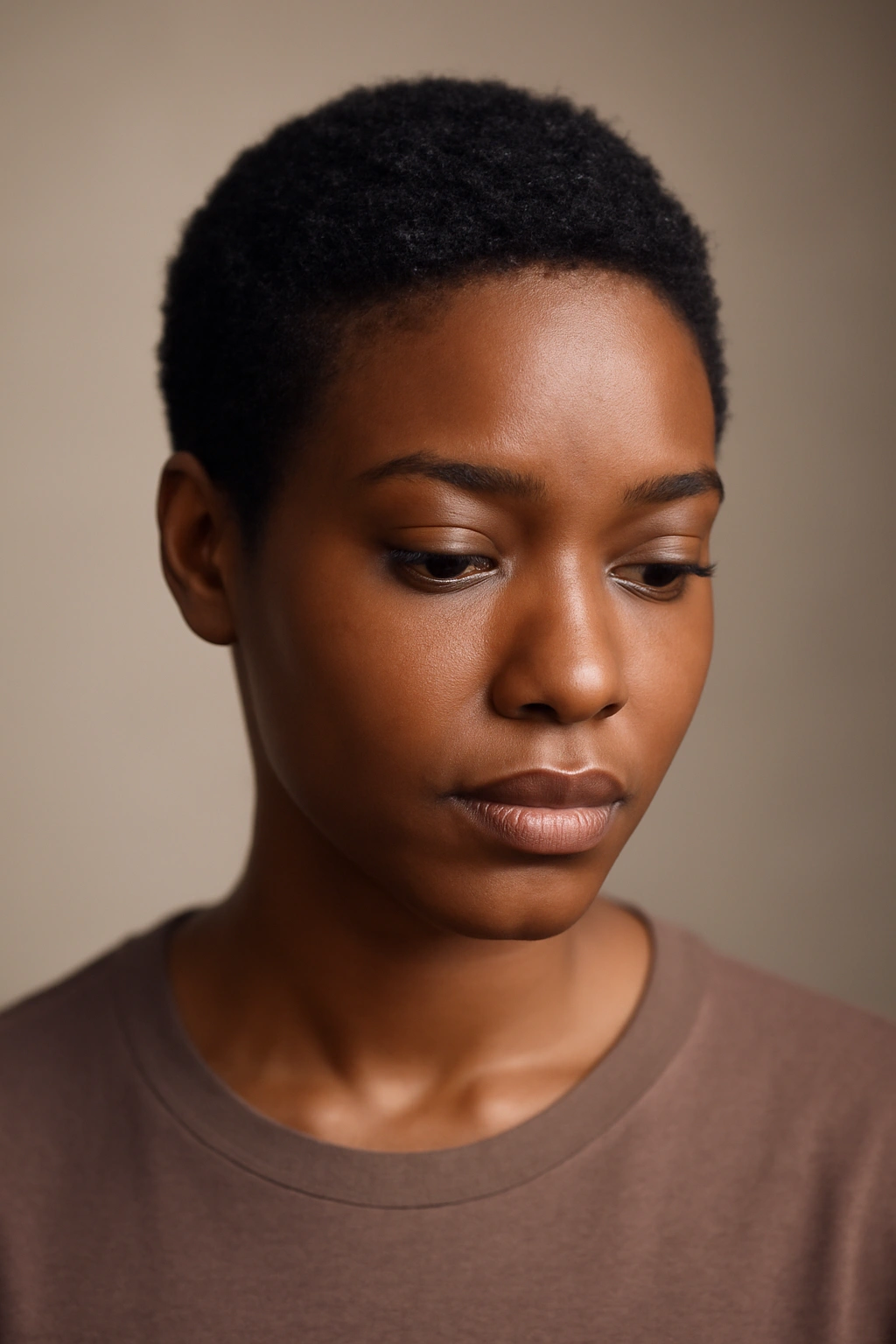
Finding your perfect short relaxed hairstyle is about understanding what works for your face shape, lifestyle, and personal style. Each of these twelve options offers something different—from ultra-sleek and low-maintenance to bold and artistic to textured and natural. The best style is one that makes you feel confident when you catch your reflection and doesn’t require more time investment than you’re willing to give.
Short hair on relaxed textures offers incredible versatility. You can switch from a polished, professional look to an edgy, artistic vibe simply by changing your styling technique or products. The key is working with a stylist who understands relaxed hair specifically and can execute the cut with precision.
Take time to look at reference photos of styles that appeal to you, discuss your maintenance preferences and daily styling habits with your stylist, and be honest about how much time you’re willing to invest in styling. Your perfect style is waiting—it just might be one of these twelve.
