



If you’ve been contemplating a hair refresh but the thought of a complicated styling routine keeps you tethered to your current style, you’re not alone. The reality is that life gets busy — genuinely busy — and the last thing you want is a haircut that demands an hour of styling every morning just to look intentional. The good news? Some of the most flattering, modern hairstyles are also the easiest to maintain. Short hair, when cut with intention and tailored to your hair texture and lifestyle, can be washed, air-dried, and ready to go. No heat tools. No elaborate product routines. Just genuinely effortless style.
Short haircuts have evolved dramatically over recent years. They’re no longer confined to one rigid silhouette; instead, they’ve branched into dozens of distinct variations that work with different hair types, face shapes, and personal aesthetics. Whether you have thick, wavy hair that naturally creates movement or fine, straight hair that needs texture created through cutting technique, there’s a low-maintenance short cut designed for you. The key is understanding not just what a cut looks like, but how it’ll interact with your specific hair and how much maintenance it genuinely requires day-to-day.
This guide walks through fifteen of the most practical, genuinely low-maintenance short cuts that actually work for busy lives. Each one is chosen specifically because it can be styled with minimal effort, looks good even when your routine is chaotic, and doesn’t demand frequent salon visits to stay sharp. You’ll find cuts that work with your hair’s natural texture rather than against it, styles that improve with a bit of bedhead, and shapes that transition gracefully as they grow out if you decide to switch things up later.
1. The Textured Pixie with Tapered Sides
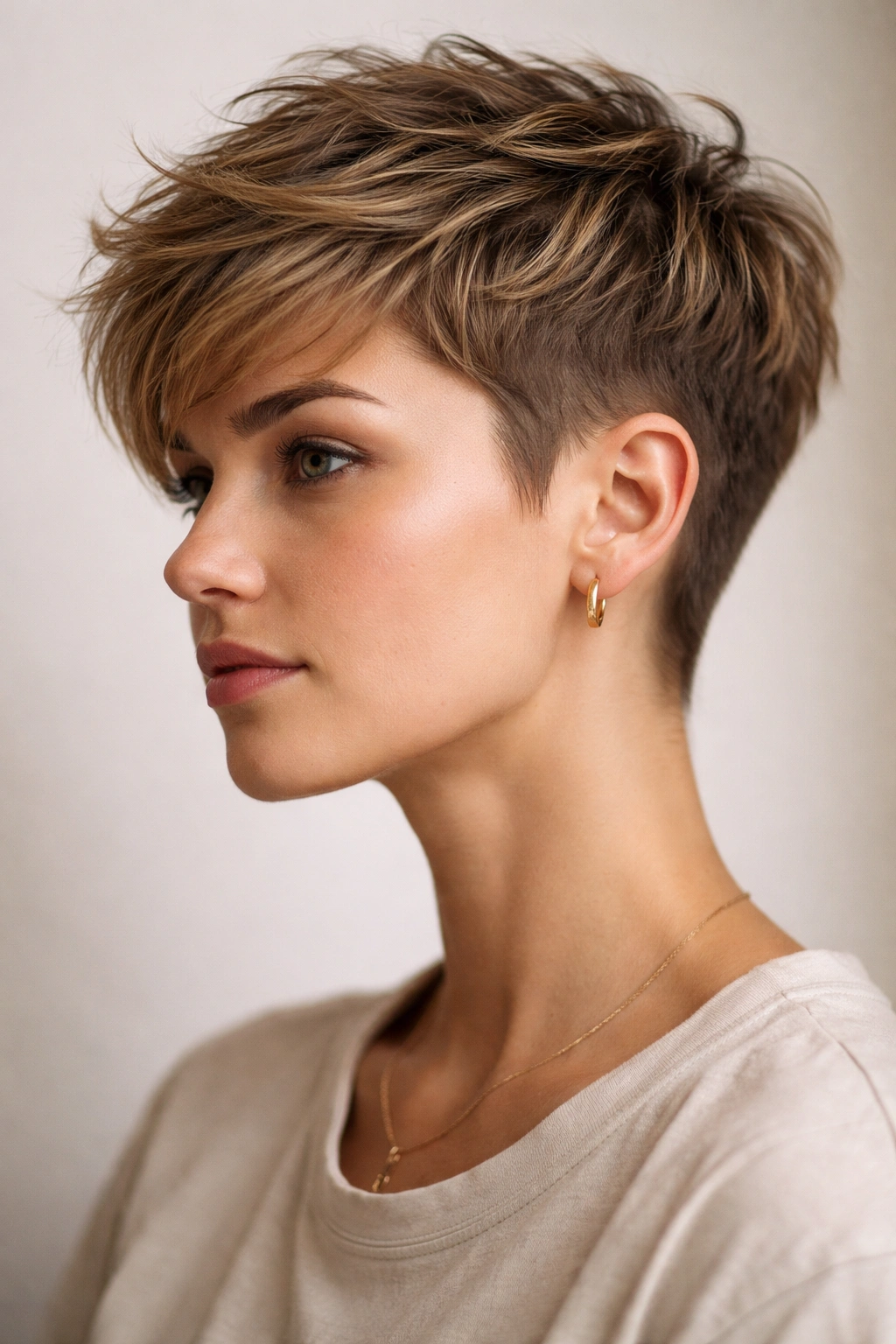
This modern take on the classic pixie keeps length on top for texture and movement while shaving the sides close for a clean, contemporary edge. The length variation creates visual interest without requiring precise styling — your natural hair texture actually works in your favor here. Most mornings, you’ll simply run your fingers through damp hair and let it dry naturally, or use a light texturizing product if you want a slightly more tousled look.
Why It’s a Go-To for Low-Maintenance Living
The textured pixie thrives on imperfection. Unlike a blunt bob that shows every missed day of styling, this cut actually looks better when it’s a bit undone. The tapered sides create a flattering frame for most face shapes without requiring touch-ups as frequently as you’d expect — since the back and sides fade gradually, a small amount of growth blends seamlessly into the existing shape. You’re looking at salon visits every 6-8 weeks rather than every 3-4, which is realistic for truly busy schedules.
Best For and How to Style
- Works beautifully with wavy or curly hair types, though straight hair can pull it off with the right texture spray
- Flatters most face shapes, particularly round and square faces
- Styling takes roughly 3 minutes: damp fingers, light product or mousse, and air dry or blow dry with a texturizing wand
- The cut encourages your natural hair movement rather than fighting it
- Pairs well with glasses, jewelry, and minimal makeup for an effortlessly cool aesthetic
Pro tip: Ask your stylist to cut the top section at slightly varied lengths rather than one uniform length — this creates the texture you need for that lived-in, intentional look.
2. The Blunt Crop with Rounded Edges
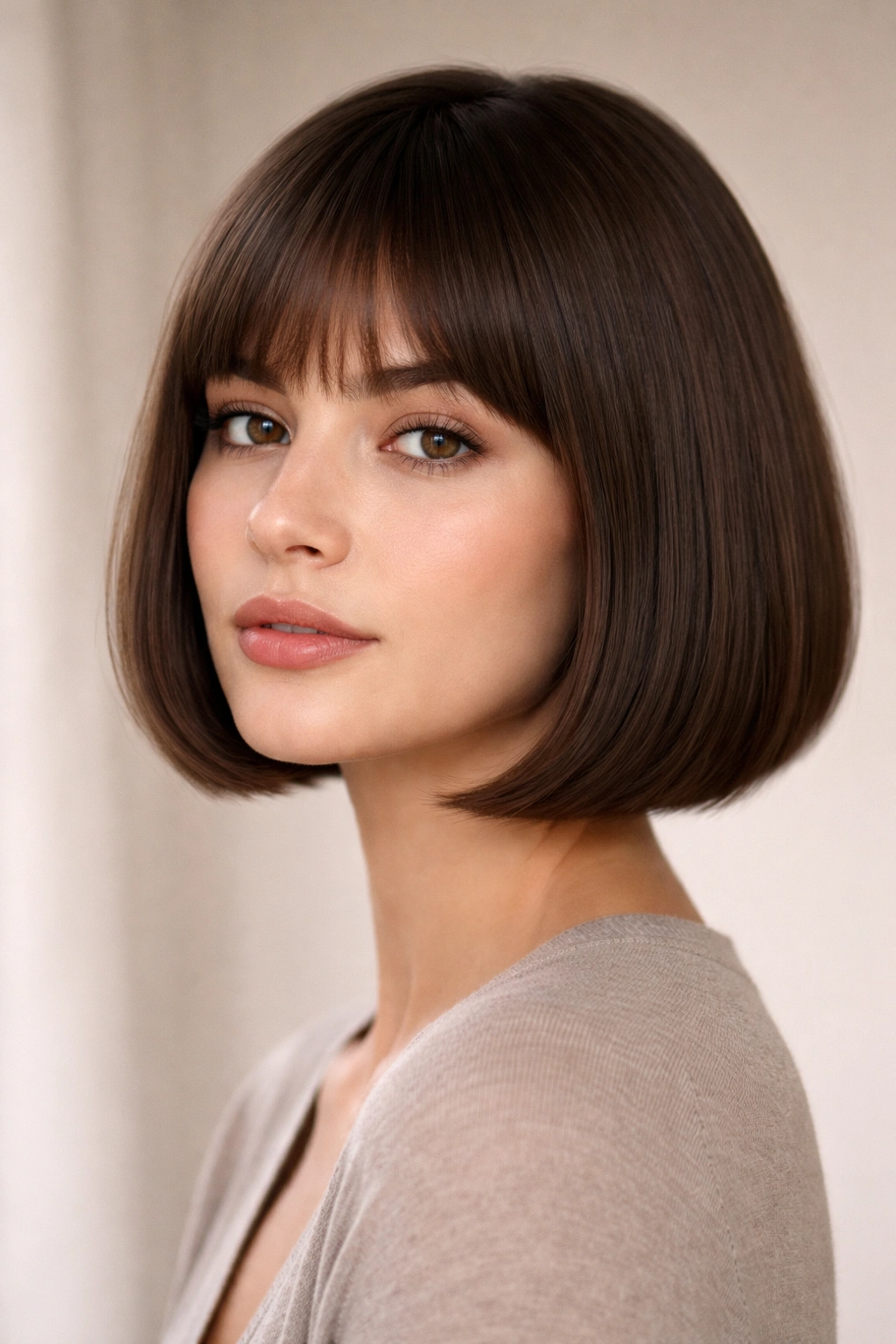
A blunt crop sits somewhere between a pixie and a traditional bob, offering more coverage than a true pixie while maintaining that sharp, modern silhouette. The rounded edges soften the overall effect, making it less severe than a geometrically blunt cut while still delivering that clean, architectural appeal. This is a cut that makes a statement without demanding high maintenance.
Why This Cut Simplifies Your Routine
The blunt crop’s genius is in its simplicity. There’s no complicated layering to dry in specific directions, no need to add texture through styling techniques, and no awkward in-between growth phase that looks sloppy. The rounded edges mean the cut blends slightly as hair grows, so you don’t get that jarring moment where it suddenly looks unkempt. Many people find they can go 8-10 weeks between cuts comfortably, and even after that time, the shape remains recognizable and intentional.
Styling Guidelines and Hair Type Compatibility
- Works exceptionally well with straight to wavy hair; curly hair can pull it off but requires a bit more product commitment
- Suits angular face shapes particularly well, though it can work for any face shape with the right depth adjustments
- Drying is straightforward: blow dry with a round brush for a polished look, or air dry with a texturizing product for something more relaxed
- The cut responds well to minimal styling — even on mornings when you’re running late, it maintains its shape
- Looks equally good slicked back with a bit of gel or left soft and undone
Worth knowing: This cut requires a skilled stylist who understands proportions and can execute a truly blunt line. The execution matters more than the concept.
3. The Tousled Shag
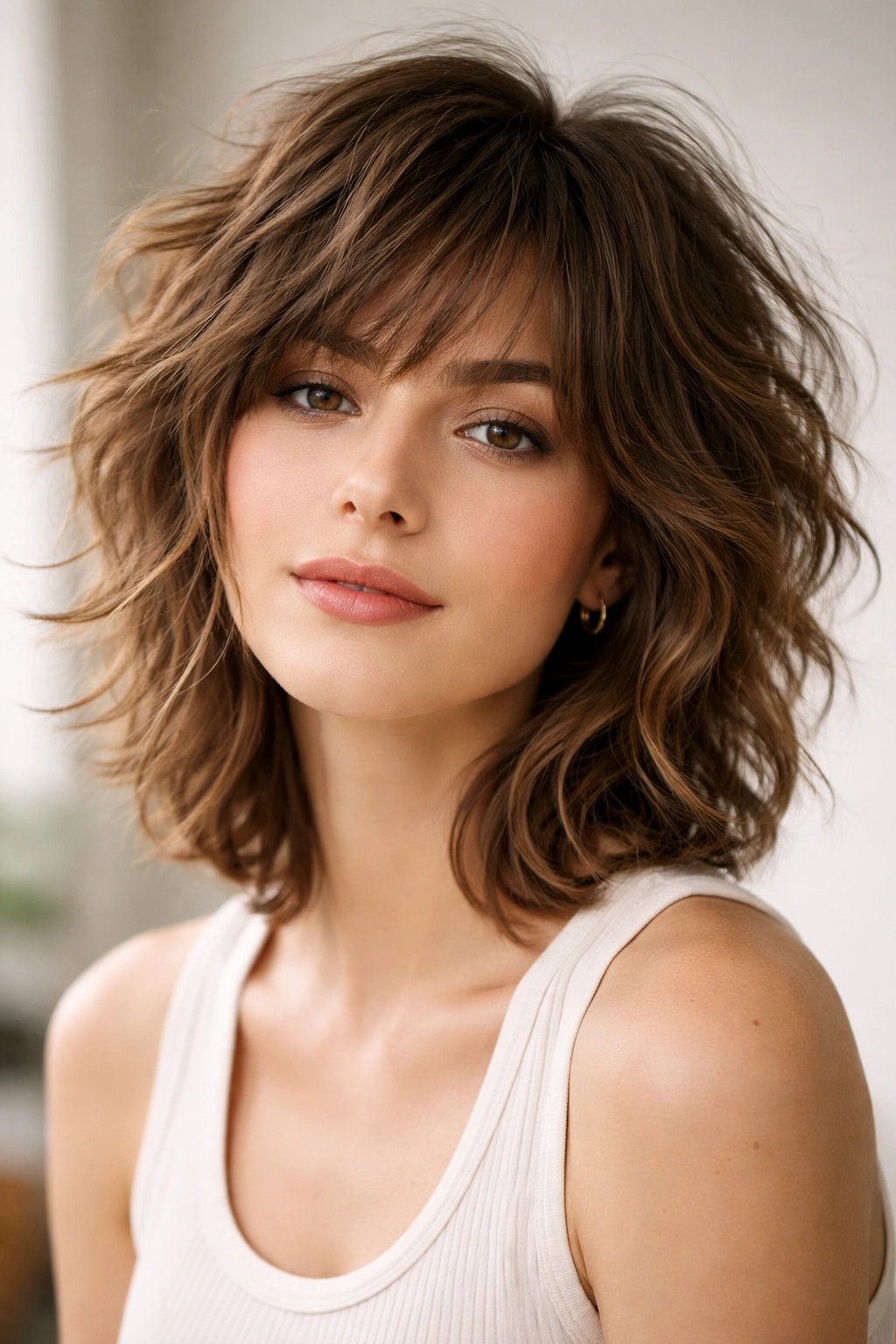
The modern shag has made a full comeback, and unlike the 1970s version, today’s shags are designed specifically for low maintenance. Short layers throughout create movement and texture that works with your natural hair rather than requiring blow-drying and styling to look intentional. The more texture your hair naturally has, the better this cut works for you.
What Makes a Shag Low-Maintenance
A well-cut shag essentially does the styling work for you. The layers create built-in movement and dimension, so even air-drying produces a stylish result. When you’re busy, you literally wash your hair, apply a light product if you want, and let it dry. The layers prevent the flat, limp appearance that often comes with short hair on straight or fine-textured heads. Plus, the slightly undone aesthetic means you don’t have to aim for perfection — slightly messy is actually the point.
Who Should Choose This Cut
- Ideal for wavy, curly, or textured hair that naturally falls into movement
- Flatters almost any face shape because the layers can be customized to complement your specific proportions
- Works beautifully with fine hair, as the layers create the illusion of volume and density
- Requires minimal to no blow-drying, especially if your hair naturally holds wave or curl
- Gives off an effortlessly cool, slightly rock-and-roll aesthetic without any effort
Pro tip: This cut responds beautifully to a lightweight texturizing spray or sea salt spray applied to damp hair — you get a more defined tousled look with literally one extra step.
4. The Rounded Bob with Stacked Layers
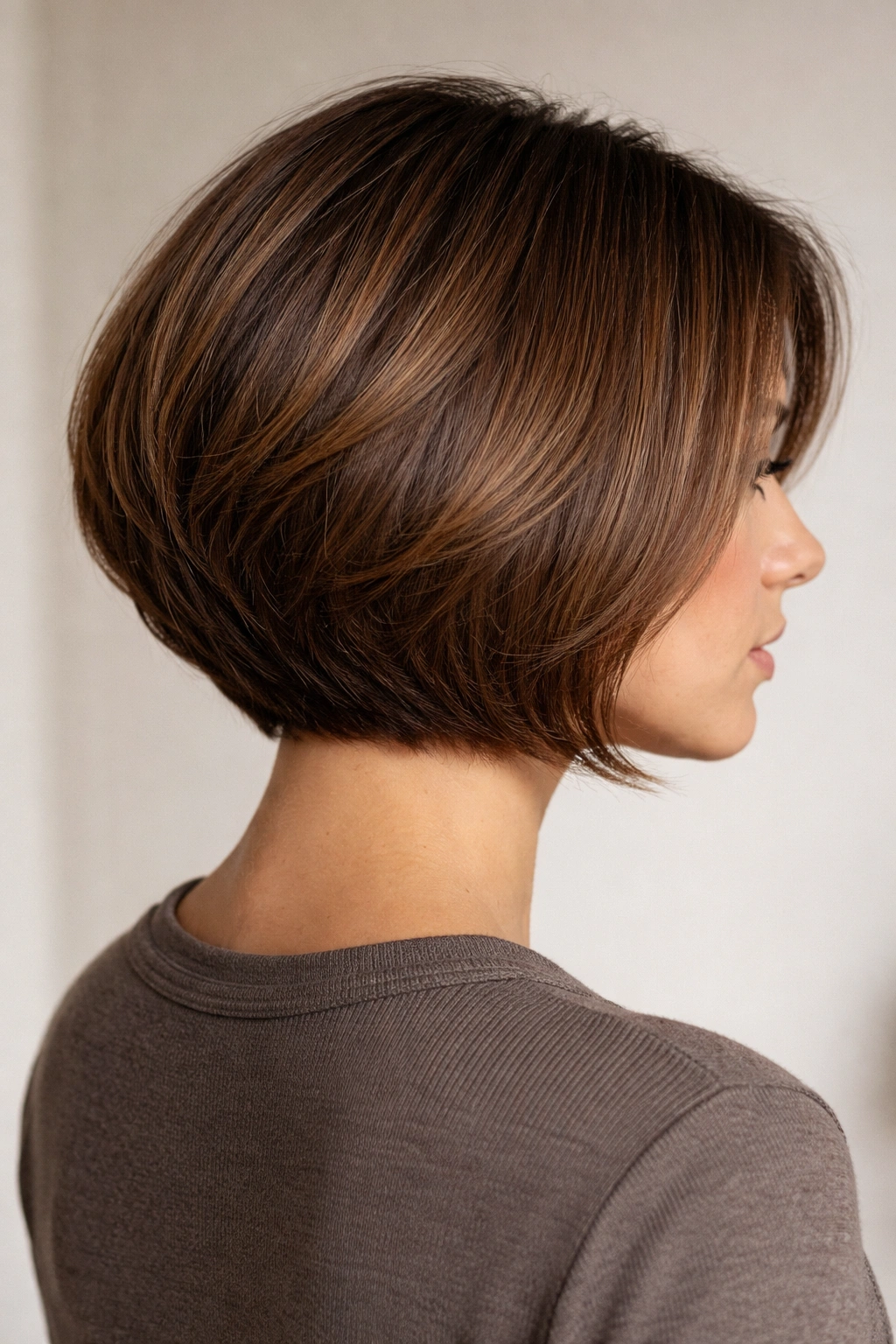
This cut delivers chin-length or slightly shorter coverage with layering concentrated toward the crown and back, creating fullness without the need for blow-drying precision. The rounded shape is flattering and modern, and the stacked layers prevent the flat-top appearance that some bobs develop. It’s a cut that actually improves when you’re not trying too hard with styling.
The Maintenance Reality
A stacked, layered bob sits in that sweet spot where it requires attention but not obsessive attention. You’ll want salon visits every 6 weeks or so to maintain the shape, but in between cuts, the style remains recognizable and intentional. The stacking naturally creates texture as hair grows out, so it doesn’t hit that awkward phase where everything just hangs flat. Many people find this cut works beautifully air-dried or with a quick blow-dry — it’s not demanding about either choice.
Styling Options and Hair Type Fit
- Works across most hair types; particularly stunning on straight and wavy hair
- Flatters round, oval, and square face shapes beautifully
- Can be styled sleek and polished with a blow dryer and round brush, or soft and textured with air-drying and product
- The layering creates natural movement even without styling effort
- Responds well to minimal styling: a light pomade, texturizing spray, or even just damp fingers running through it
Insider note: The key to low maintenance with this cut is getting the right amount of layering — too much and you need products and tools to manage it; too little and it feels heavy. Your stylist should find that balance based on your hair density and texture.
5. The Sharp Pixie with Textured Top
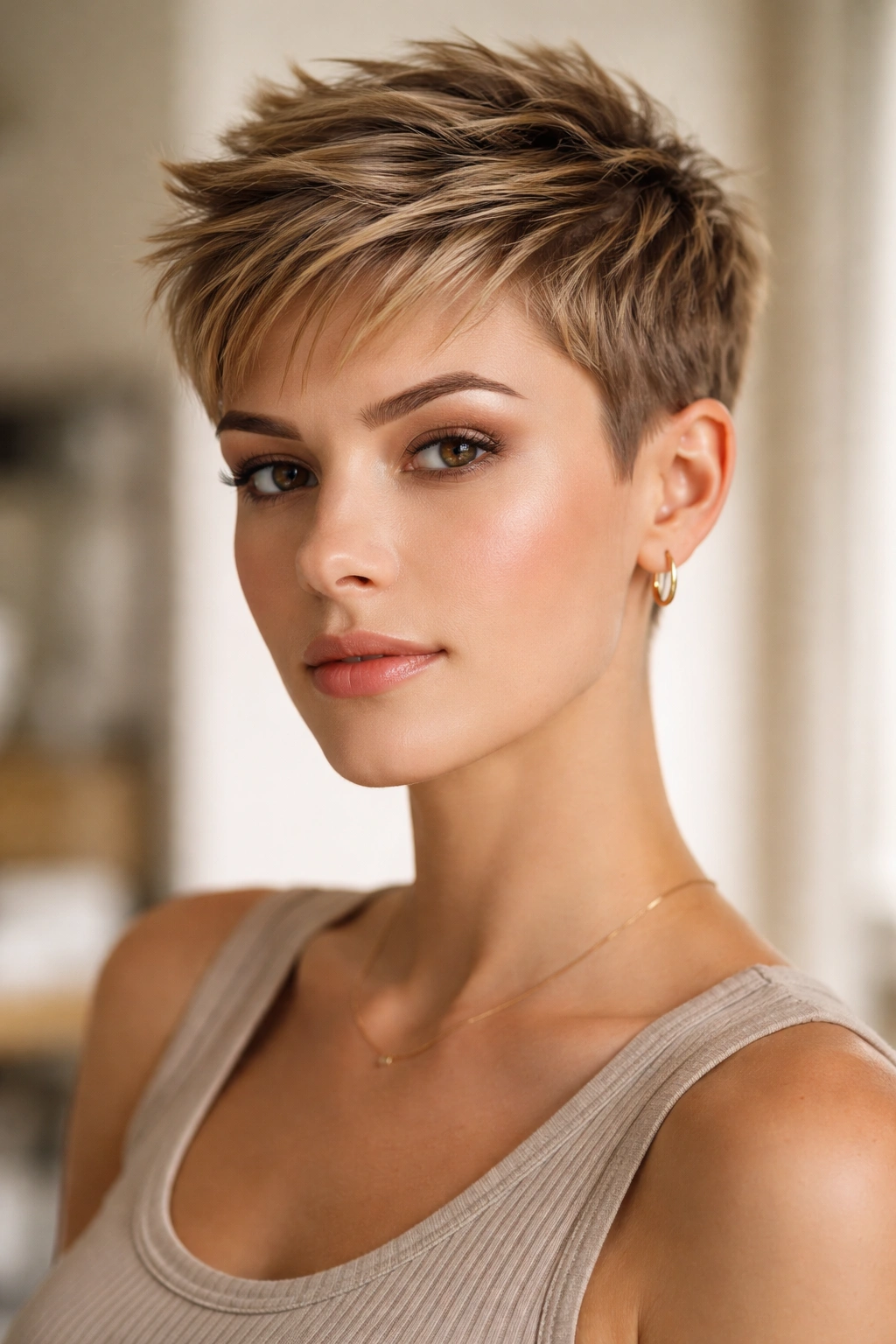
Similar in concept to the textured pixie but executed with slightly more precision and less fuzz, this version keeps a bit more length through the crown while maintaining tight, clean sides. It reads as more polished and professional than a fully undone textured pixie, but it still requires minimal styling. This is an excellent option if you love the low-maintenance pixie vibe but want something that photographs well in professional settings.
Low-Maintenance Advantages
The sharp pixie with texture operates on the principle that clean lines require less product and less fidgeting. When your sides are tight and your top is clearly defined, you don’t need to add much to make the cut look intentional. A quick finger-comb through damp hair often suffices, or you can add a very light texturizing product for more definition. The cut doesn’t require frequent trims — the tight sides can go 5-6 weeks before they need attention, and the textured top grows gracefully without looking scraggly.
Ideal Candidates and Styling Methods
- Best suited to straight, wavy, and slightly curly hair; very curly hair can wear this with product assistance
- Flatters most face shapes, though it creates particularly nice proportion on longer or angular faces
- Minimal styling requirement: damp hair, optional light product, air dry or quick blow dry
- Works across all settings — casual, professional, creative, athletic
- Creates a modern, slightly edgy aesthetic that reads as intentional and styled even when completely undone
Worth knowing: This cut does require a skilled barber or stylist who understands both precision cutting and texture creation. It’s worth seeking out someone experienced with short, textured cuts.
6. The Messy Crop
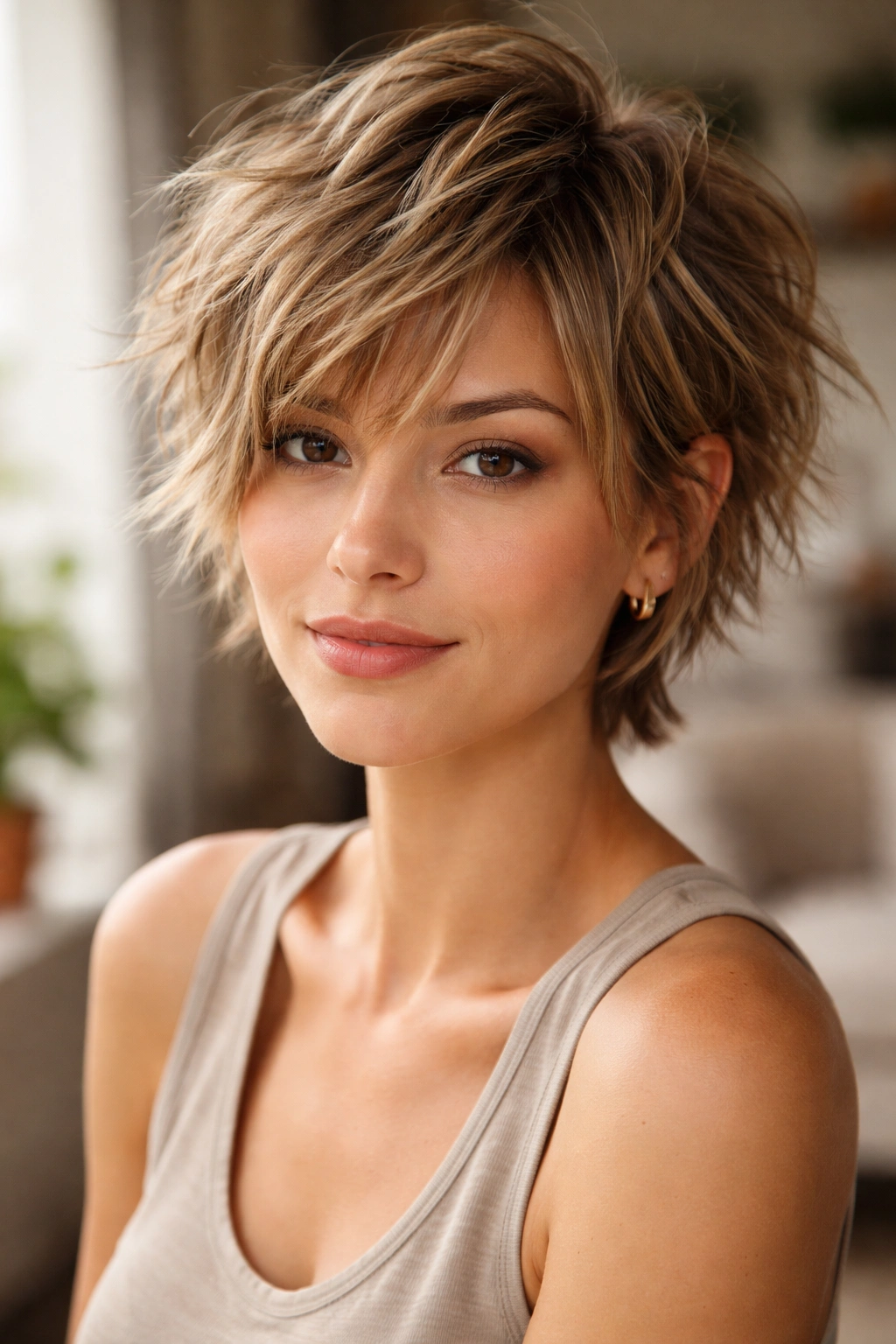
The messy crop is less about precise geometry and more about creating a lived-in, slightly chaotic silhouette that’s actually quite intentional. Choppy layers throughout and varied lengths create a textured, piecey look that thrives on the fact that nothing is perfect or uniform. It’s one of the easiest cuts to maintain because the styling technique is literally just “don’t style it.”
Why Messiness Actually Means Less Work
Here’s the counterintuitive truth: a cut designed to look messy requires far less daily maintenance than a cut designed to look polished. You don’t need to blow-dry it into submission or add products to create definition — the definition is built into the cut itself. You can wash your hair, let it air dry, and it looks intentionally undone. If you’ve had a particularly active day and your hair is a bit flat or damp, that actually adds to the vibe rather than detracting from it.
Who This Cut Works Best For
- Thrives on wavy, curly, and textured hair; straight hair can wear this with texturizing product and technique
- Suits most face shapes when executed thoughtfully, particularly oval and oblong faces
- Minimal to zero blow-drying required
- Looks better slightly unkempt than overly polished
- Perfect for creative industries, casual lifestyles, and anyone who rejects the idea of having to look “put together”
Pro tip: A light texturizing spray or sea salt spray applied to damp hair takes this cut from good to genuinely stylish in about 30 seconds, but it’s optional — the cut works without it.
7. The Sleek Crop
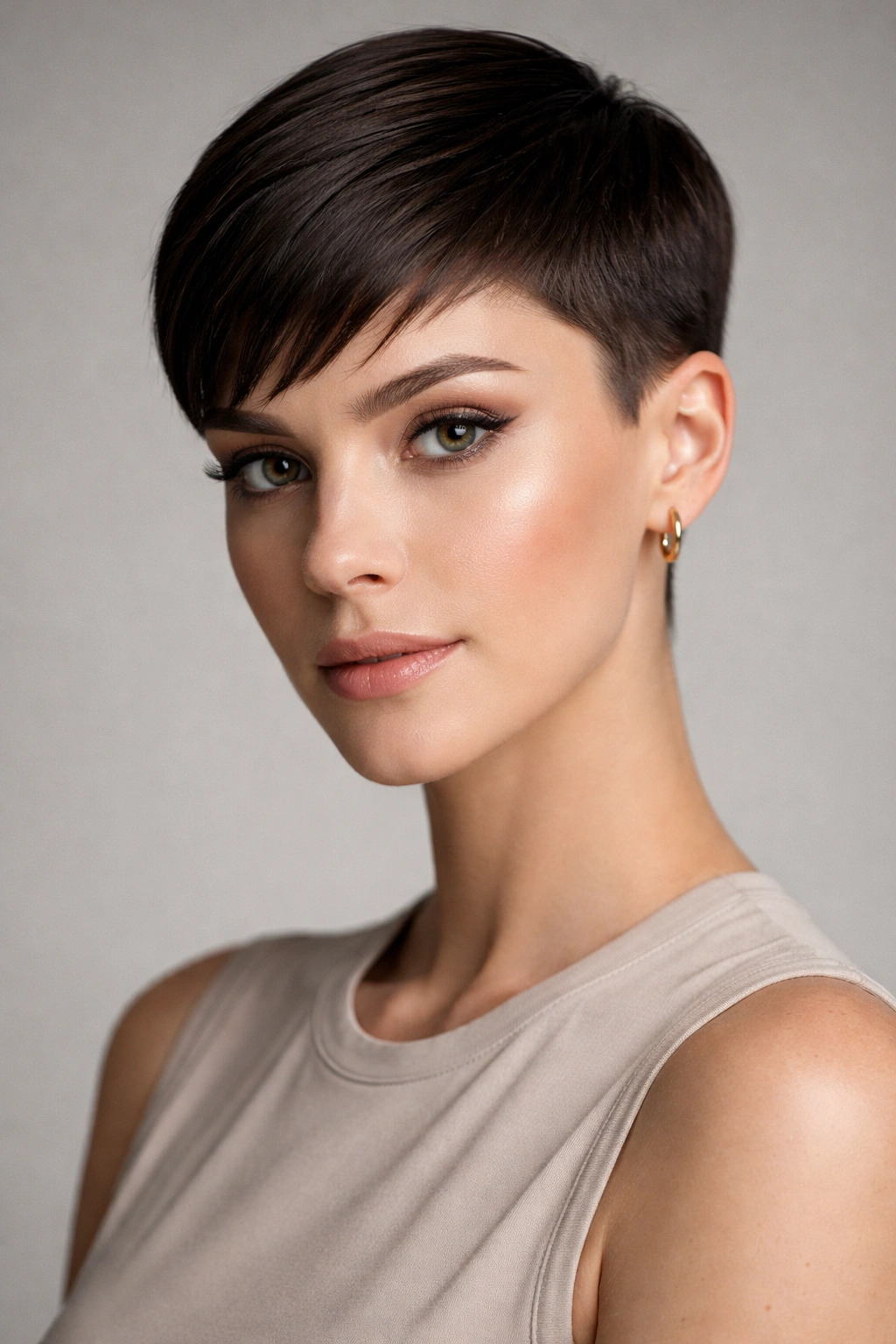
Where the messy crop embraces texture and chaos, the sleek crop is all about clean lines and polished simplicity. Short, close to the head, and precisely cut, this style delivers maximum sophistication with minimal fuss. It’s less about lifestyle and more about confidence — you need to be comfortable with a very short silhouette and accepting of the fact that your natural hair texture will be on full display.
The Maintenance Sweet Spot
A sleek crop actually requires less daily maintenance than you’d think, but it does require consistent salon visits — approximately every 4-5 weeks — because the cut is defined by its precision. There’s no built-in texture to hide regrowth or softness to mask imperfection. However, on the days between salon visits, you’re doing almost nothing at home. Wash, dry, done. No products required. No styling time. The cut itself is doing all the heavy lifting. For someone with a very scheduled life and regular access to a good salon, this is extraordinarily low-maintenance.
Best For and Styling Approach
- Works beautifully on straight, wavy, and slightly curly hair; requires more consideration with very curly hair
- Flatters most face shapes, particularly angular and oval shapes
- Blow-drying is typically unnecessary; the cut dries into shape naturally
- Conveys sophistication, androgyny, or editorial edge depending on execution
- Requires confidence and comfort with a very short silhouette
- A light hair oil or shine serum can enhance the polished aesthetic, but it’s optional
Worth knowing: This is a cut that’s only as good as your stylist. Seek out someone with experience in precision cutting, and plan on them being your regular go-to.
8. The Choppy Layers with Length
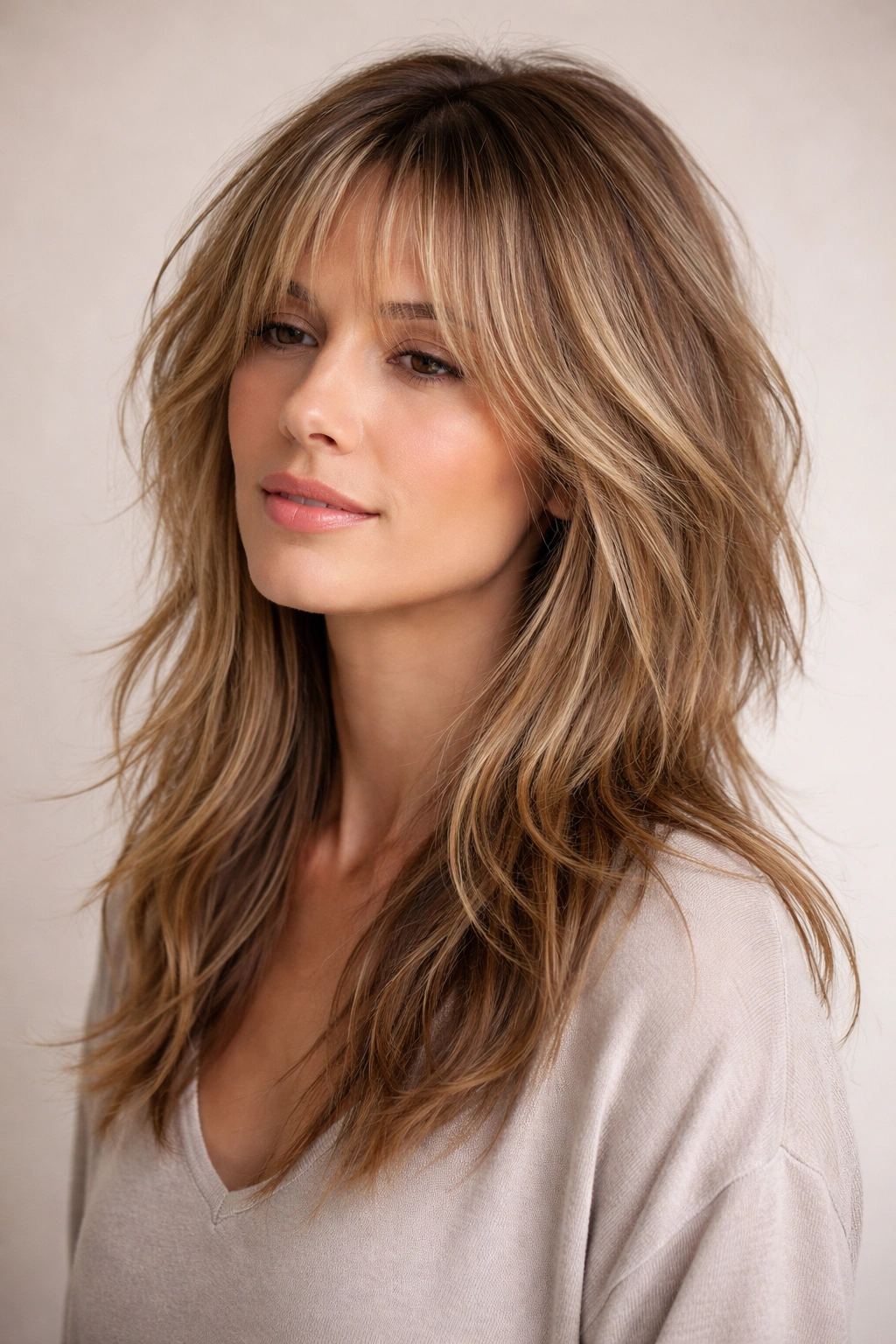
This cut keeps more length than many of the previous options — typically ear-length or slightly longer — while building in choppy, uneven layers that create movement and texture throughout. It’s short enough to be genuinely low-maintenance, but long enough to feel a bit more versatile if you want to style it differently on occasion. The choppy layers do the work of preventing flatness without requiring you to blow-dry and style aggressively.
Low-Maintenance Benefits
The magic of choppy layers is that they work with most hair textures and don’t demand a specific styling routine. Wavy hair? The layers enhance the natural movement. Straight hair? The choppiness creates the illusion of movement and texture even without styling. Fine hair? The layers prevent the density from creating a heavy appearance. Thick hair? The layers make it easier to manage. You’ll typically air-dry or give it a quick blow-dry, and the cut looks intentional regardless of which you choose.
Styling Options and Face Shape Fit
- Works across all hair types, from very fine to very thick and curly
- Flatters round and square face shapes particularly well; the layers and movement soften angles beautifully
- Air-drying is perfectly acceptable, though a quick blow-dry with a round brush creates a more polished result
- Responds nicely to light texturizing products or sea salt spray
- Can transition between casual and professional contexts depending on how you style it
- Grows gracefully without looking sloppy or unkempt
Pro tip: Ask your stylist to focus the choppiest layers around the face — this creates flattering movement around your features while keeping the back slightly longer for structure.
9. The Asymmetrical Pixie
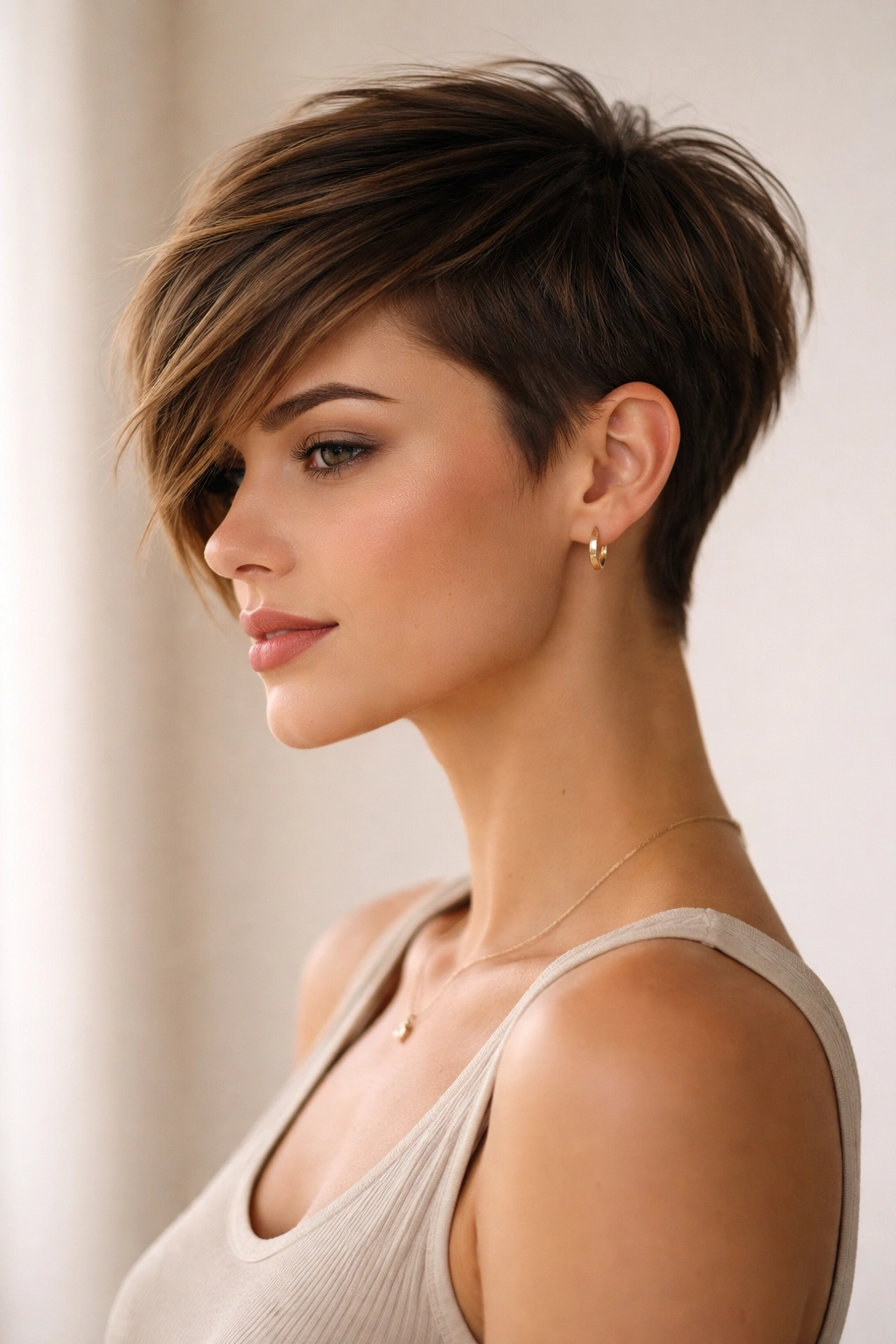
An asymmetrical cut keeps length longer on one side and shorter on the other (or longer in front, shorter in back), creating a modern, slightly rebellious aesthetic that’s actually incredibly practical. The asymmetry means you don’t need to aim for perfect symmetry when styling — in fact, the cut is designed to be slightly off-kilter. It’s sophisticated, interesting, and requires minimal maintenance.
Why Asymmetry Reduces Styling Requirements
Asymmetrical cuts are clever because they build imperfection into the design. You can’t mess them up because slightly messy is actually the point. The varying lengths mean that different areas of your hair dry at different rates and fall in different directions, but that’s exactly what the cut is designed to do. You don’t need to fight your hair’s natural movement or work to create specific shapes — the cut naturally creates that interest for you.
Best Candidates and Styling Methods
- Works beautifully on straight, wavy, and curly hair
- Suits oval, angular, and oblong face shapes; the asymmetry can be customized to balance round faces
- Minimal styling required: wash, air dry or quick blow dry, done
- Creates a bold, fashion-forward aesthetic that reads as intentional and thought-out
- Works in professional, creative, and casual settings depending on execution
- The cut actually improves when hair is slightly undone
Worth knowing: This is a bold cut that requires confidence. If you’re uncertain about your ability to rock something asymmetrical, start with a subtle version — slightly longer in front, slightly shorter in back — before going more dramatic.
10. The Blunt Fringe with Textured Layers
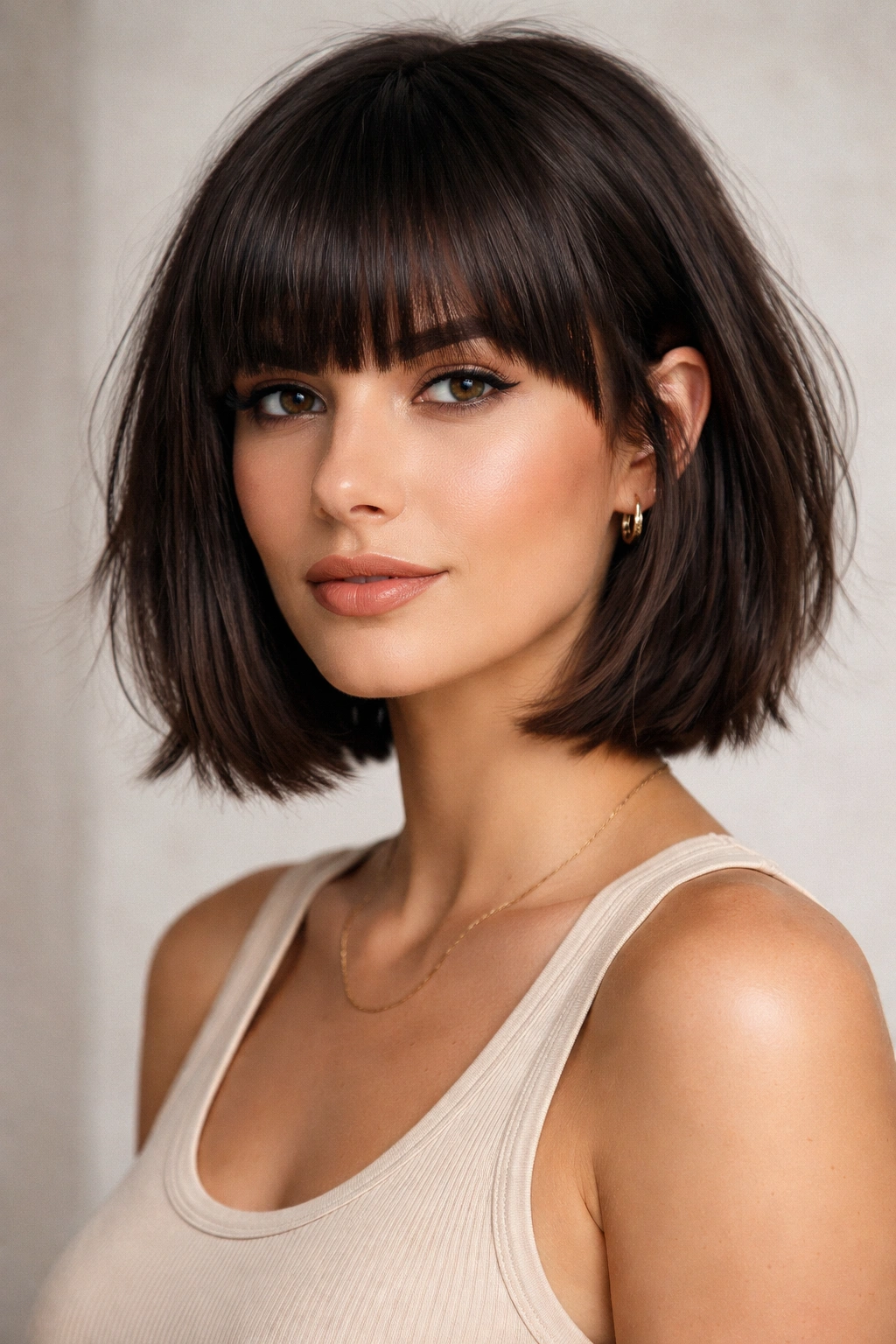
This cut combines a precise, blunt fringe with textured layers throughout the crown and back, creating a modern, editorial-feeling style. The fringe adds personality and visual interest, while the layers prevent the heaviness that sometimes comes with shorter haircuts. It’s a cut that reads as very intentional and styled, but it doesn’t actually require much styling work to maintain.
The Maintenance Reality
A blunt fringe does require a bit more upkeep than a fringeless cut — you’ll want it trimmed every 2-3 weeks to maintain that precise line. However, the textured layers throughout mean that the rest of the cut is very forgiving. You can air-dry and it’ll look good. You can blow-dry and it’ll look polished. The layers create movement and prevent that heavy, flat appearance. Between fringe trims, the overall shape of the cut remains intact and intentional.
Styling and Face Shape Compatibility
- Works beautifully on straight and wavy hair; curly hair can wear this with product and styling
- Flatters most face shapes, though it’s particularly stunning on longer faces, oval faces, and angular faces
- A blunt fringe draws attention to your eyes and forehead, so consider whether that’s the focal point you want
- Styling is straightforward: blow dry the fringe with a small round brush to create shape, then let the rest air dry or blow dry as desired
- Light texturizing product on the layers creates dimension and makes the cut more interesting
- Conveys creativity, fashion-consciousness, and editorial edge
Pro tip: Invest in a good blow dryer and a small round brush specifically for the fringe — spending 1-2 minutes creating nice shape in the fringe makes the entire cut look more polished.
11. The Tapered Undercut
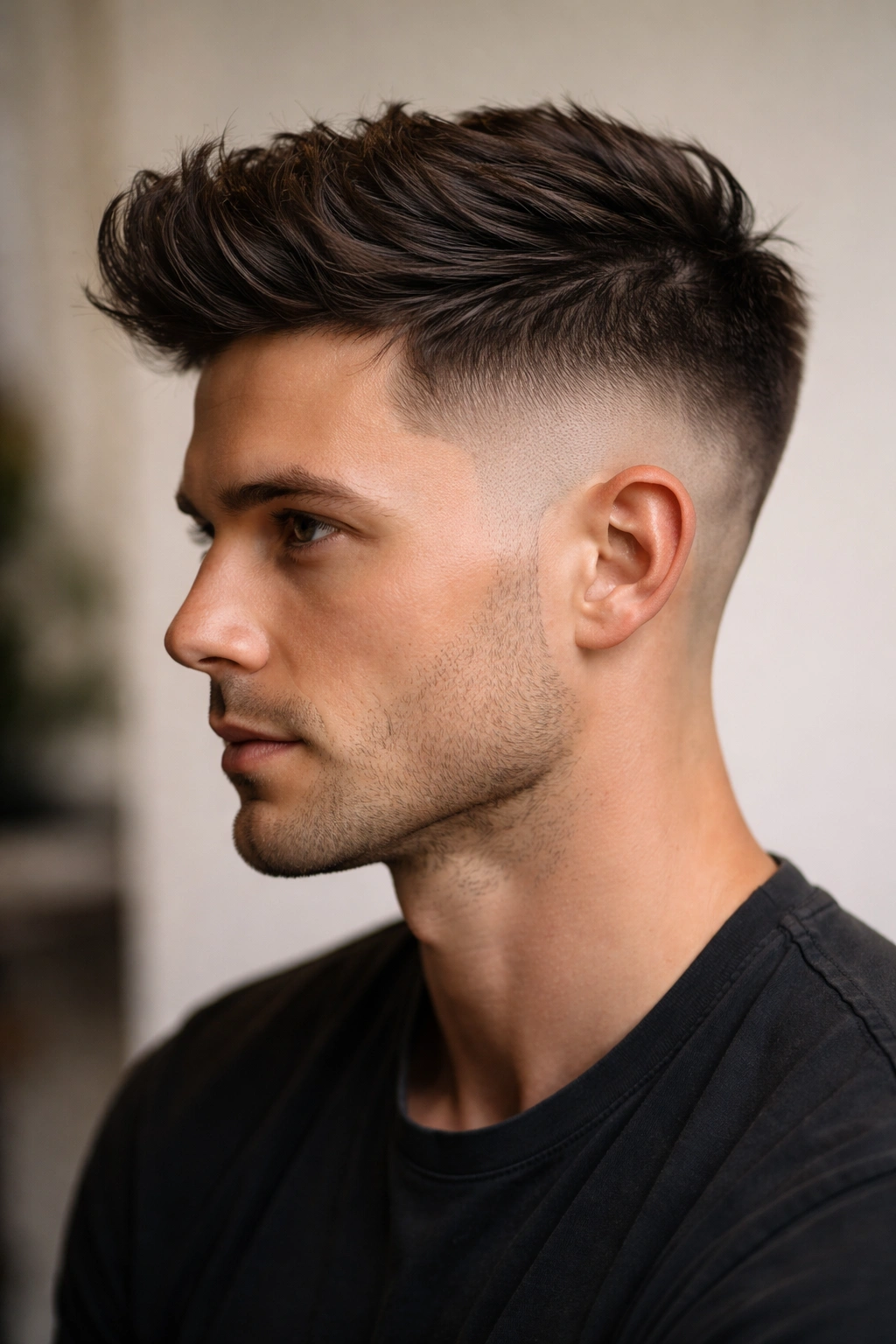
An undercut keeps the top at a medium-short length while cutting the sides and back extremely close — sometimes faded, sometimes razored directly. The contrast between long and short creates visual drama and makes the cut look very intentional. Despite the sharp contrast, it’s actually quite low-maintenance because the tight sides don’t require frequent trimming as much as you’d expect.
Low-Maintenance Advantages
The beauty of an undercut is that the tight sides are designed to fade as they grow, so regrowth isn’t as jarring as it would be with a blunt line. The contrast reads as intentional even as the fade grows out. The longer top can be air-dried, textured with product, slicked back, or even braided (if length permits) depending on your mood. You’re looking at 5-6 weeks between trims for the sides to start looking slightly grown-out, and even then, the cut remains recognizable and stylish.
Styling Options and Who It Suits
- Works beautifully on straight, wavy, and curly hair — the tight sides suit most hair types
- Flatters most face shapes, though it’s particularly striking on square, rectangular, and angular faces
- Tons of styling versatility: air dry the top for texture, blow dry for polish, slick back for edge, braid for creativity
- Conveys boldness, confidence, and fashion-consciousness
- Works across casual, professional, and creative settings depending on how you style the top
- Requires minimal product or styling effort, though the contrast allows for flexibility
Insider note: The tighter the undercut, the more dramatic and bold the statement. If you’re uncertain about committing to a very close fade, start with a “skin fade” that’s not quite as severe — you get the contrast without the maximum drama.
12. The Rounded Pixie with Soft Edges
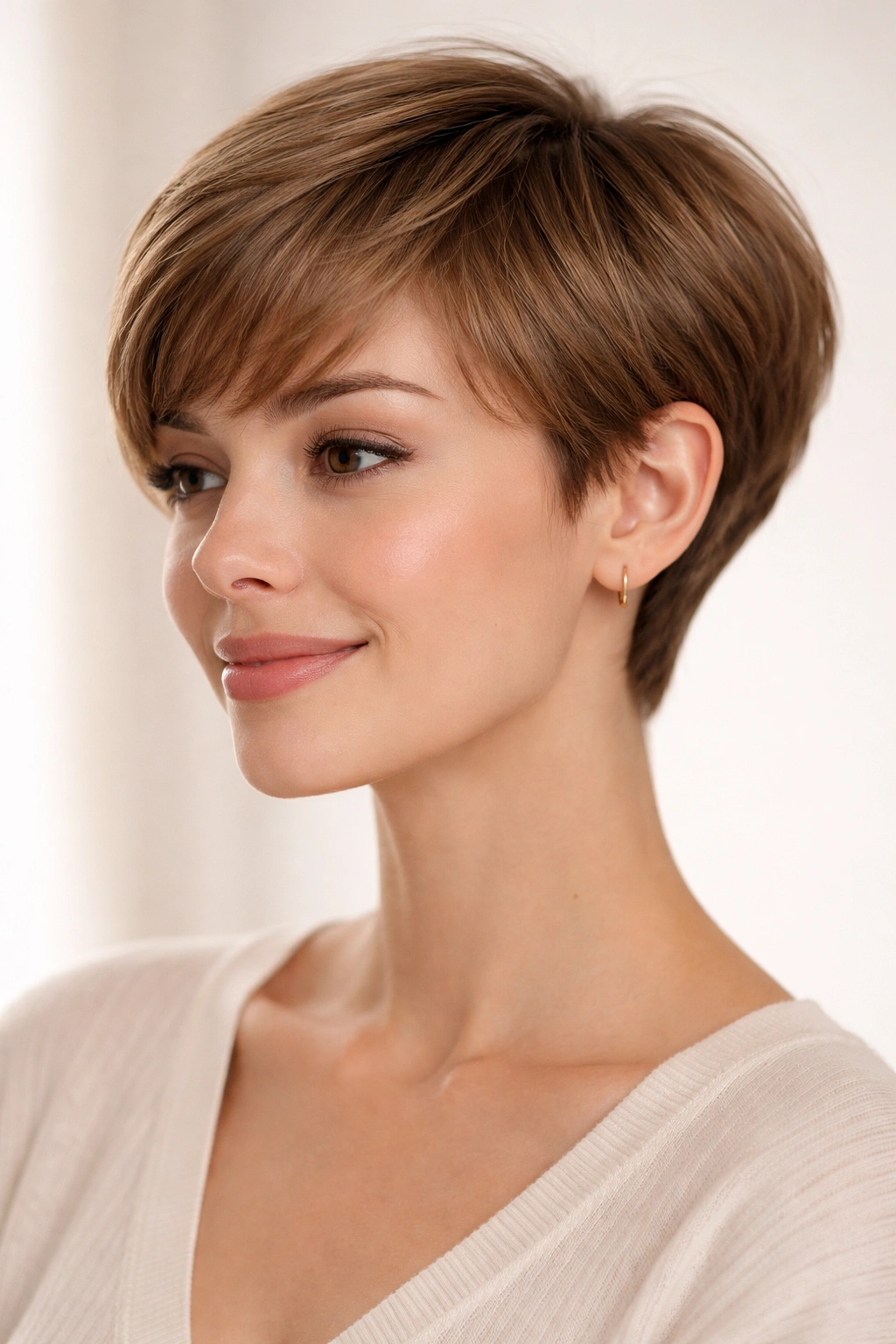
A variation on the classic pixie, this cut rounds all the edges rather than creating sharp definition. The result is softer, less severe, and more universally flattering than a very angular pixie cut. It still delivers on the low-maintenance promise — minimal styling, quick drying, effortless aesthetic — but with a gentler overall vibe.
Why Softness Doesn’t Require More Maintenance
It’s a common misconception that softer cuts require more styling to maintain. In reality, a rounded pixie with soft edges is just as low-maintenance as a sharply textured pixie. The difference is in the overall aesthetic and who it flatters. The soft edges create a more approachable, gentle look while still being easy to dry and style. A quick finger-comb through damp hair works. A light texturizing product works. Even complete air-drying without any product works. The cut itself does the heavy lifting.
Best Candidates and Styling Approach
- Works beautifully on straight, wavy, and curly hair — the soft edges suit most textures
- Particularly flattering on round, square, and heart-shaped faces where the softness balances angles
- Minimal styling: wash, optional light product, air dry or quick blow dry
- Conveys gentleness, approachability, and modern femininity without sacrificing edge
- Works in any professional or casual setting
- The cut improves with light texturizing product but doesn’t require it
Worth knowing: This cut works beautifully for people transitioning from longer hair into short hair — the soft edges feel less intimidating than a very sharp pixie while still delivering all the low-maintenance benefits.
13. The Wavy Bob with Textured Layers
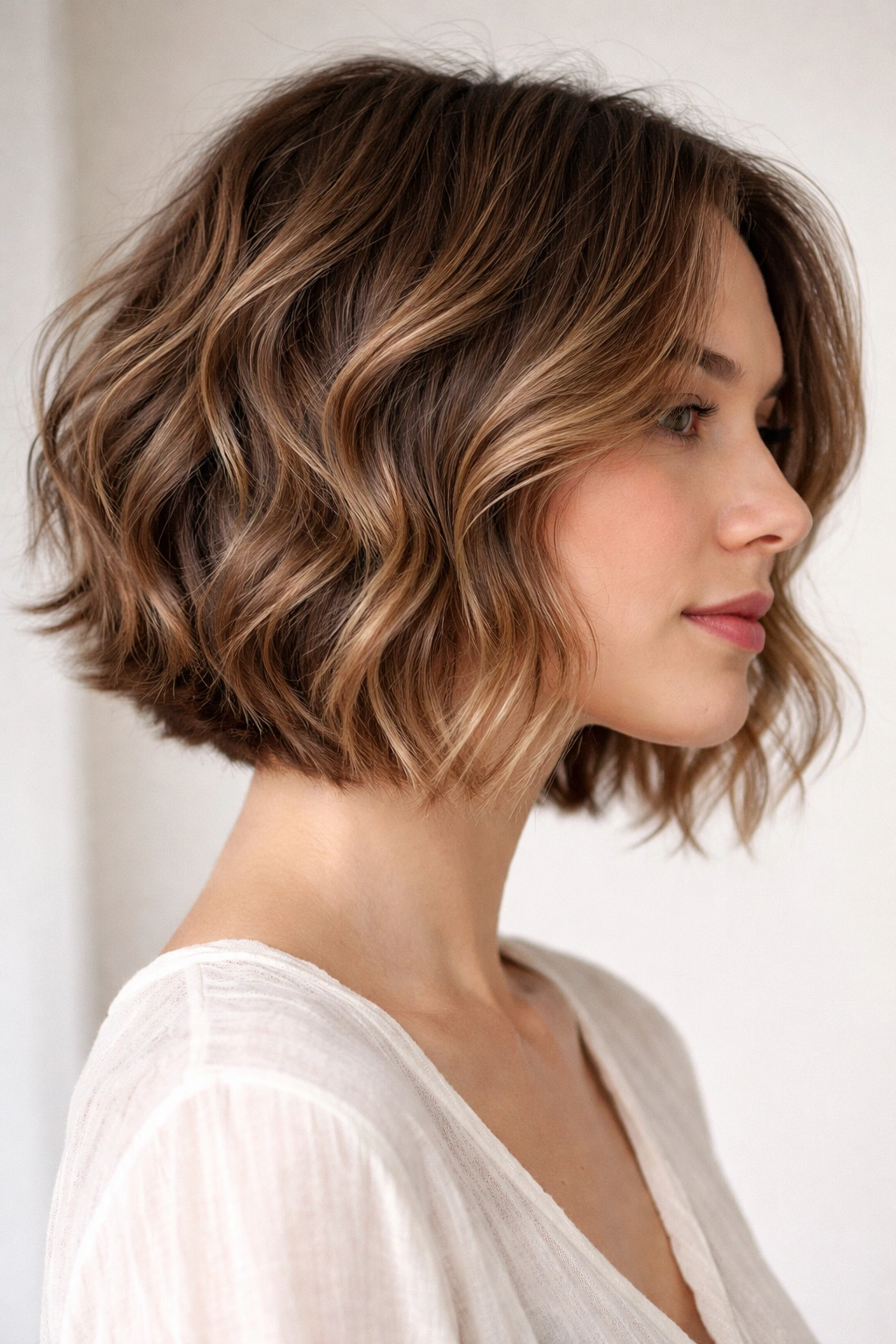
A bob that’s specifically cut to work with wavy hair — shorter in the back with graduation to slightly longer in the front, plus layers throughout to enhance and encourage natural wave patterns. This isn’t a cut that fights your hair; it’s a cut designed to work with what you’ve naturally got. If you have wavy hair and have been battling it, this cut will feel like a revelation.
The Wave-Enhancing Advantage
When a cut is designed specifically for your hair’s natural texture, maintenance drops dramatically. You’re not fighting your hair anymore; you’re celebrating it. A wavy bob with textured layers air-dries beautifully, requires minimal product, and actually looks better slightly undone than over-styled. Your natural waves are the styling — you’re not trying to create movement that doesn’t exist. This is one of the least labor-intensive cuts available if you have naturally wavy hair.
Styling Options and Compatibility
- Essential for wavy and curly hair types; straight hair would need styling assistance to achieve the look
- Flatters oval, oblong, and rectangular face shapes beautifully
- Air-drying with minimal product is the primary styling method — truly effortless
- A light curl-enhancing cream or sea salt spray takes it from good to gorgeous in seconds
- Can be scrunched while wet to enhance wave definition
- Grows gracefully, transitioning gradually as length increases
Pro tip: Embrace plopping (wrapping your wet hair in a towel to enhance waves) or microfiber diffusing — these low-effort techniques will maximize the wave definition without requiring blow-drying or hot tools.
14. The Feathered Crop
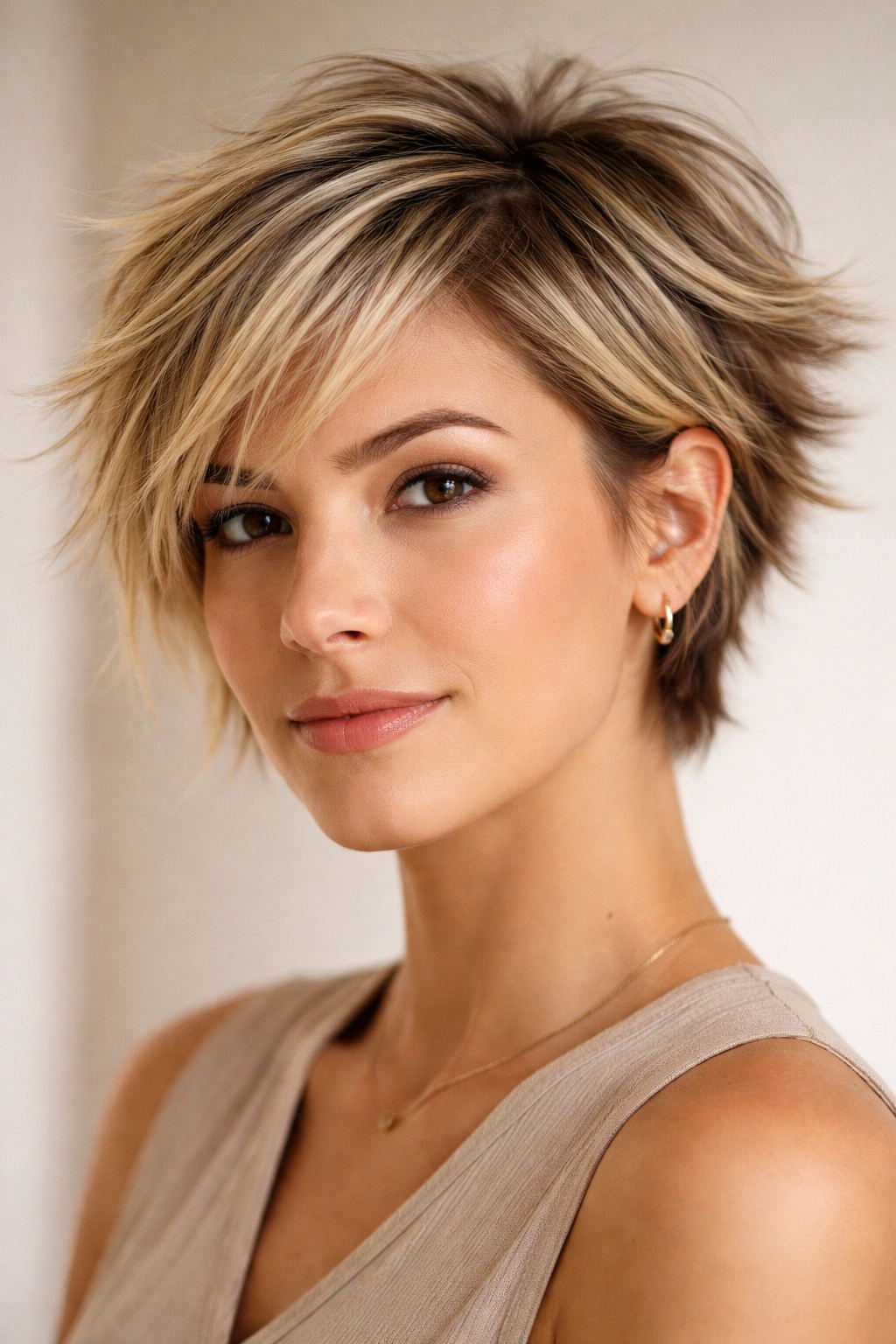
Feathering creates short, choppy layers that point away from the head, resulting in a light, airy texture that’s reminiscent of the 1980s but executed in a modern way. The layers are cut at angles rather than bluntly, which creates soft movement and prevents the flat appearance that sometimes comes with very short cuts. It’s sophisticated, interesting, and lower maintenance than you’d expect.
Why Feathering Creates Easy Styling
Feathered layers work with your hair’s natural fall pattern rather than against it. Because the layers point outward and create directional movement, your hair naturally falls into place even without styling effort. The technique works on almost all hair types because it’s about creating directional texture rather than relying on specific hair patterns. Air-drying is perfectly acceptable. A quick blow-dry enhances the effect beautifully. Either way, minimal effort produces a styled-looking result.
Best For and Styling Methods
- Works across most hair types, from fine to thick, straight to curly
- Flatters almost any face shape; the feathering can be customized to complement your proportions
- Styling is minimal: wash, air dry or blow dry, done
- Particularly striking on people with good facial bone structure — the airiness draws attention to your features
- Works in creative, casual, and surprisingly professional settings
- Requires a skilled stylist who understands feathering technique
Worth knowing: This is a very texture-dependent cut that requires precision. A stylist who understands feathering will create something beautiful; a stylist without that skill set will create something that looks choppy and messy rather than intentionally feathered.
15. The Disconnected Undercut with Longer Top
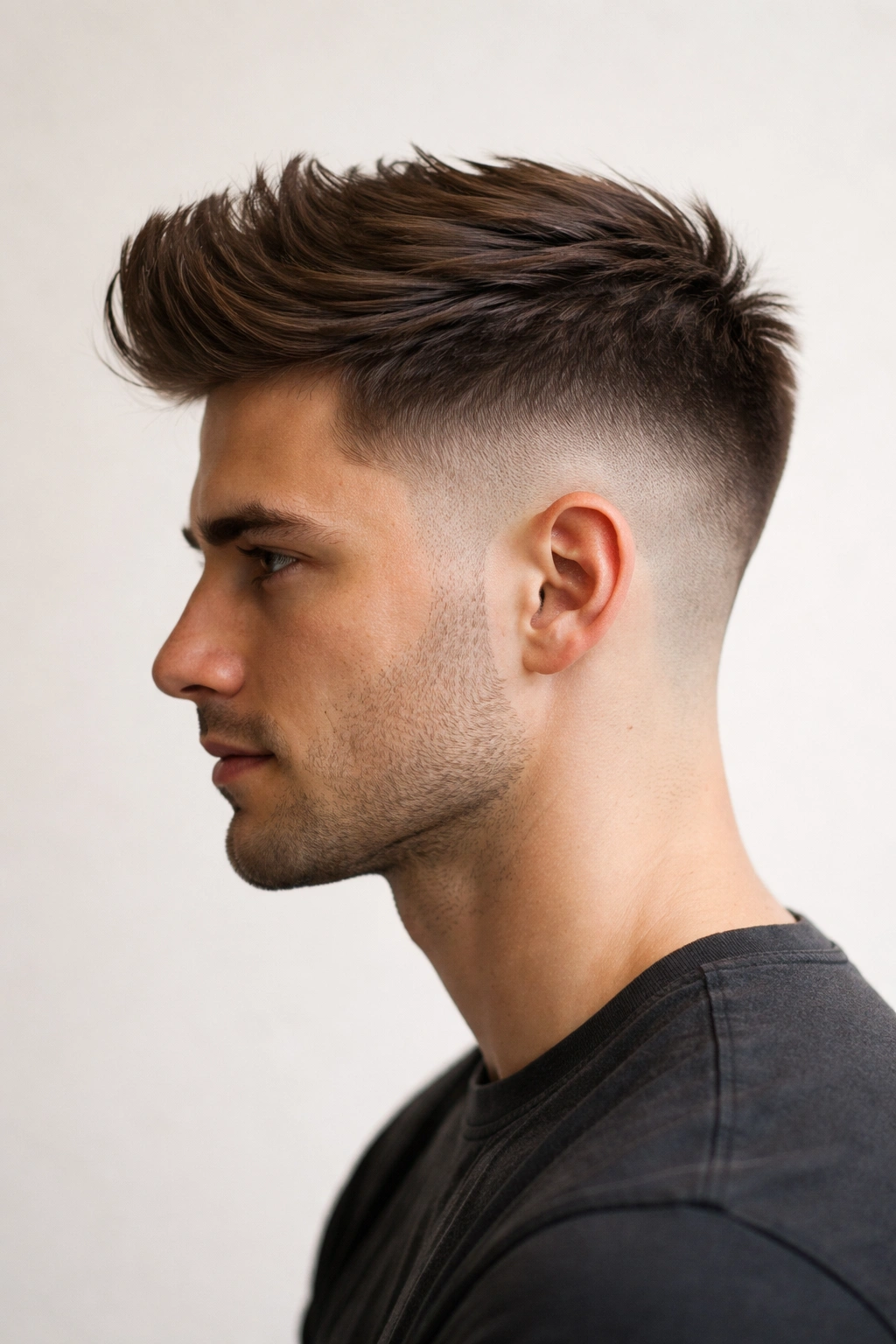
The final variation builds on the undercut concept but keeps significantly more length on top — often 2-3 inches or more — while maintaining a very tight fade on the sides and back. This creates maximum versatility: you can style the top multiple ways while maintaining the clean, intentional aesthetic of the undercut. It’s low-maintenance not because styling takes no time, but because the cut works beautifully across multiple styling approaches.
Flexibility Reduces Styling Stress
With a longer disconnected top, you’re not limited to a single styling outcome. You can air-dry for texture and movement. You can blow-dry straight for sleekness. You can use product to slick it back. You can tousle it for a more relaxed vibe. You can even braid or style it when you want something more creative. This flexibility means that on busy days when you have no time, you can just air-dry and go. On days when you want to look particularly polished, you have options. That adaptability is genuinely low-maintenance in a different way than the other cuts on this list.
Styling Versatility and Who It Suits
- Works beautifully on straight, wavy, and curly hair — the versatility accommodates different textures
- Flatters angular and square face shapes particularly well; the contrast complements strong features
- Can be styled dozens of different ways depending on your mood and schedule
- Works across casual, creative, and professional settings with simple styling adjustments
- Air-drying is acceptable; blow-drying increases polish and control
- The tight fade requires trimming every 4-6 weeks, but the longer top grows gracefully
Pro tip: If you’re going longer on top with an undercut, ask your stylist to add some texture through layering or choppy cutting — this prevents the top from feeling heavy and makes it easier to style in multiple ways.
Final Thoughts

The right short haircut isn’t just about what’s trendy or what looks good in photos — it’s about what actually fits into your real life, with your actual hair, on days when you’re genuinely busy and exhausted. All fifteen of these cuts deliver on the promise of low maintenance, but they do it in different ways. Some reduce maintenance through texture that works with your natural hair. Some through precise cutting that forgives regrowth. Some through asymmetry that makes imperfection intentional. Some through versatility that adapts to whatever kind of day you’re having.
When you choose a cut, think beyond aesthetics and consider compatibility. Does it match your hair’s natural texture, or will you be fighting it daily? Does the cut align with your actual styling willingness — are you someone who genuinely enjoys blow-drying and product use, or are you looking for something that requires almost none? How often can you realistically get to the salon for trims? A true low-maintenance cut is one that works with all these factors, not against them.
The greatest gift a good haircut can give a busy person is permission to not care so much. Permission to let your natural hair do what it wants. Permission to skip the hot tools on rushed mornings. Permission to look intentionally styled even when you’re completely undone. Find the cut that aligns with your hair and your life, and you’ll have discovered something genuinely transformative — not because of the style itself, but because of all the time and energy you’ll reclaim.
