



Protective braiding isn’t just a styling choice—it’s one of the smartest things you can do for natural hair health. When done right, braids shield your curls and coils from daily friction, moisture loss, and breakage while giving you weeks of polished, low-maintenance style. Whether you’re growing out your natural hair, dealing with a transitioning texture, or simply want a break from daily styling, the right protective braid can make all the difference.
The key is understanding that not all braids work the same way for every hair type or lifestyle. Some styles prioritize scalp access and breathability, others maximize retention and longevity, and some are specifically designed to blend with loose natural texture. The best protective braid for you depends on your hair density, length, the condition of your edges, and how much time you’re willing to invest in maintenance during the protective period.
What makes a braid truly protective isn’t just the style itself—it’s how it’s installed, maintained, and eventually removed. Tight braids damage edges and cause traction alopecia over time, while loose, well-moisturized braids encourage growth while keeping your strands bundled safely away from manipulation and environmental stress. We’ve curated twelve of the most effective protective braiding styles that work across different hair types, textures, and lifestyle demands—each one tested for genuine retention results.
1. Box Braids
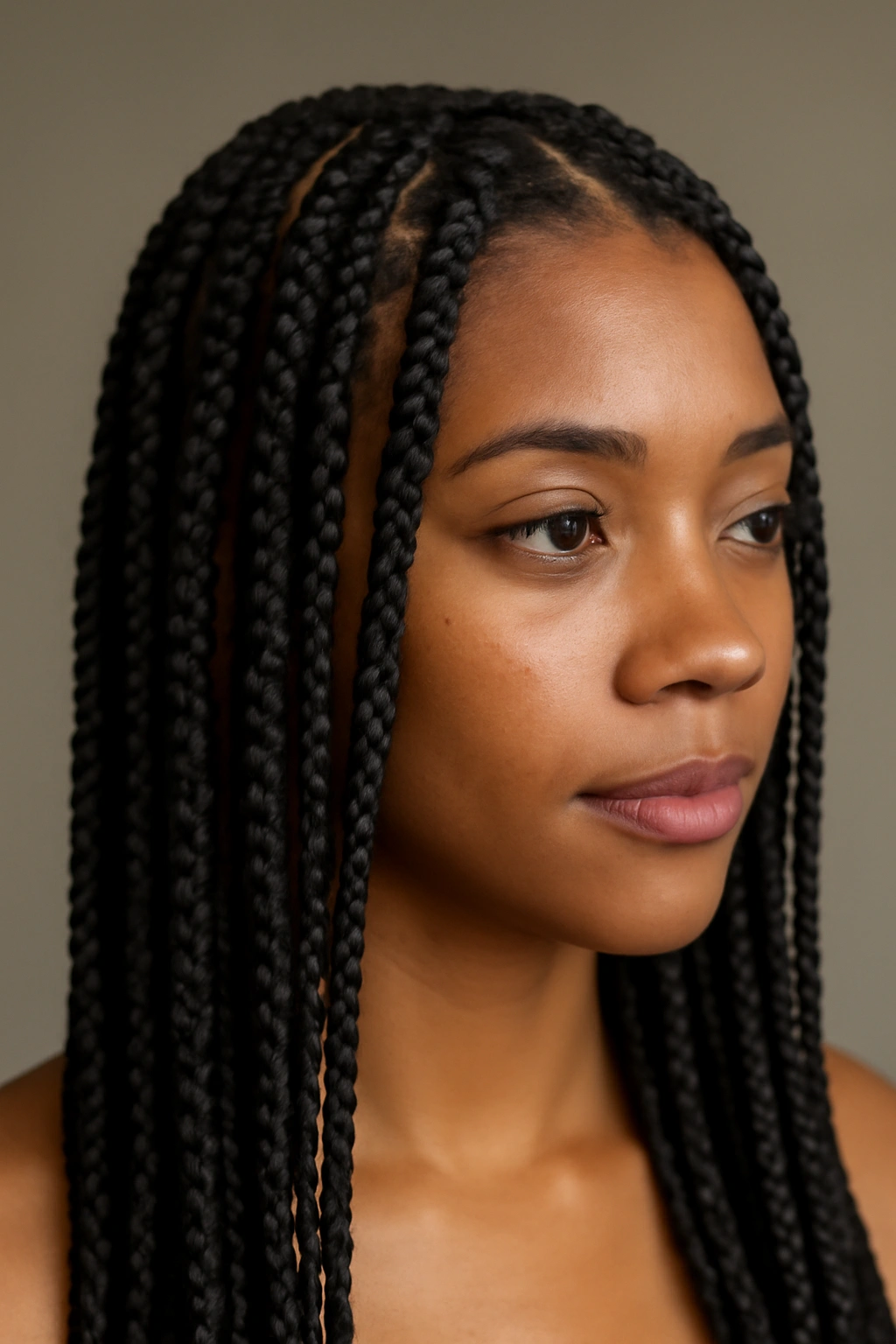
Box braids are the gold standard of protective styling, and there’s a reason they’ve remained relevant for decades. Each braid sits independently in its own square section, creating a style that distributes tension evenly across the scalp while keeping individual hair strands completely separate and protected from friction against other hair.
Why Box Braids Stand Out for Protection
Box braids excel because they allow your natural hair to rest untouched for 6 to 8 weeks while you style the braids themselves in countless ways. The enclosed structure means each strand is sealed within the braid, protected from moisture loss, UV damage, and daily wear. They work beautifully on all hair densities and textures—from fine, loosely coiled hair to thick, densely packed coils.
Key Maintenance Points
- Installation time: 4 to 6 hours depending on hair length and thickness; plan for a half-day appointment or take breaks if doing them yourself
- Moisture care: Spritz braids with a lightweight leave-in spray 2 to 3 times per week, focusing on the ends where hair is oldest and driest
- Longevity: Expect 6 to 8 weeks before regrowth becomes noticeable; removing them earlier prevents matting at the roots
- Scalp health: Keep your scalp clean by rinsing with cool water weekly; braid spritz designed for box braids helps reduce itching
- Styling versatility: Wear them down, in a high or low pony, in a bun, or half-up for completely different looks from one protective style
Pro tip: If your edges feel tender after the first few days, it often means the braids are slightly too tight at the hairline—loosen them gently or request a slightly looser tension next time.
2. Knotless Braids
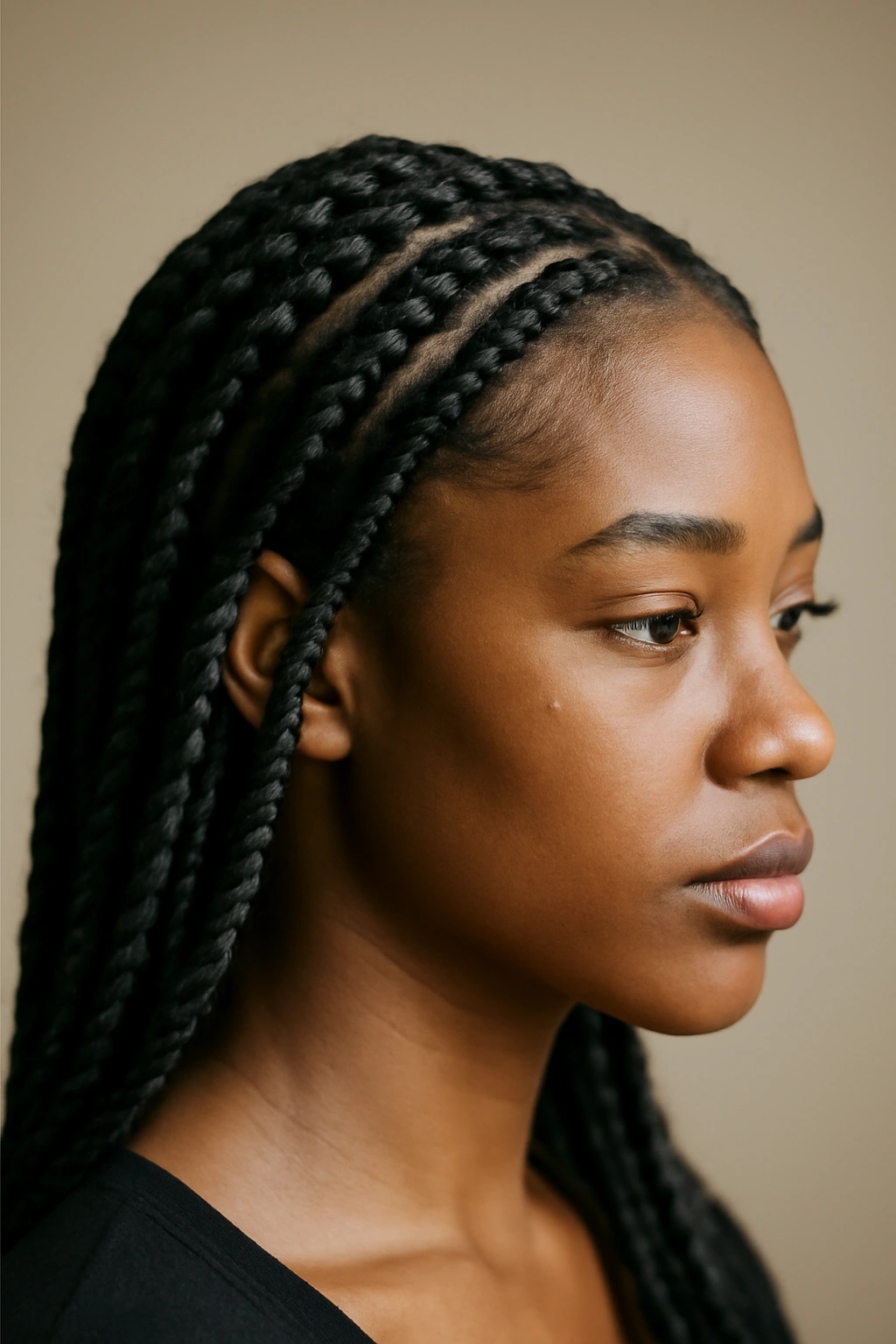
Knotless braids offer all the protection of traditional box braids without the tension at the roots, making them ideal if you have sensitive edges or are recovering from previous heat or tension damage. Instead of a knot anchoring each braid at the base, loose hair is wrapped around the sectioned strand, creating a smoother, lighter appearance that actually looks more like natural texture flowing into the braid.
Why They’re Gentler on Your Scalp
The elimination of that tight knot means you’re distributing tension more gradually along the entire braid rather than concentrating it at the root. This is genuinely protective if you’ve experienced hair thinning at your edges from previous styles, or if you simply prefer the comfort of braids that don’t feel snug against your scalp. The style takes slightly longer to install—usually 5 to 7 hours—because the wrapping technique requires precision.
Real-World Advantages
- Edge-friendly: Almost zero tension at the hairline and baby hairs, making them ideal for recovery mode
- Lightweight feel: Many people report knotless braids feel noticeably lighter against the head, especially in longer lengths
- Natural blend: The wrapped portion at the top creates a seamless transition between your natural hair and the braid extension
- Comfort during sleep: Less pressure on your scalp means fewer headaches and better sleep quality
- Slightly shorter lifespan: Expect 5 to 7 weeks rather than 8, as the wrapped sections are more prone to loosening
Worth knowing: Knotless braids are perfect if you’re between protective styles and want to give your edges a full recovery period before trying tighter styles again.
3. Faux Locs
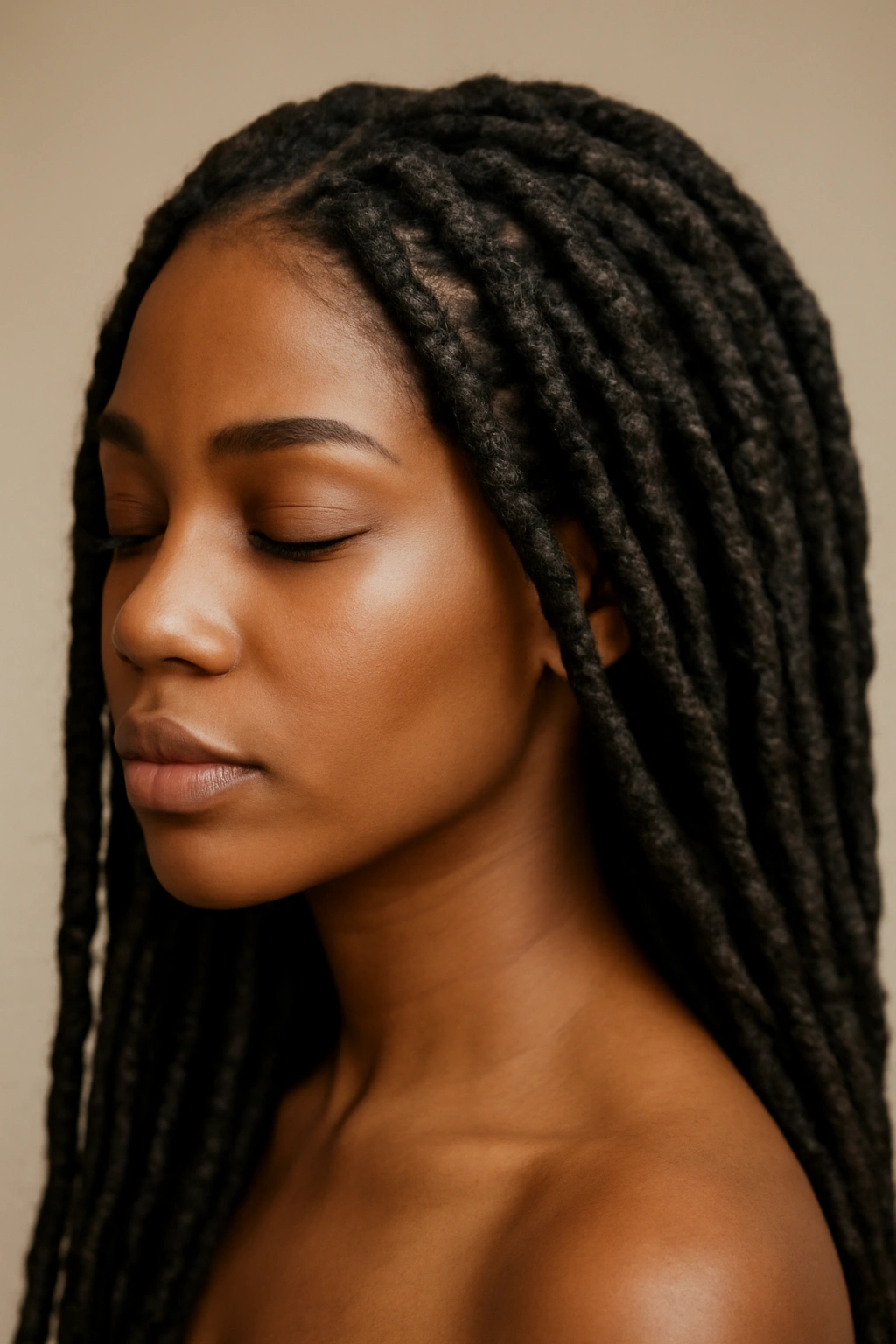
Faux locs deliver the dramatic aesthetic of locs without the commitment, while still providing solid protection for your natural hair underneath. The finished look mimics real locs with a textured, bohemian appearance that reads as fully intentional and polished, even though your natural hair remains completely accessible inside each loc.
How They Protect Your Hair
Your actual hair is loosely bundled inside yarn or synthetic extensions that form the loc texture. This enclosure protects your strands from friction, styling, and environmental exposure while allowing you to thoroughly shampoo your hair during the protective period—something that’s harder with other braid styles. Faux locs typically last 6 to 8 weeks if you maintain the root area where new growth emerges.
Installation and Maintenance Reality
- Time investment: 5 to 8 hours depending on density and loc size; thicker locs take less time than thinner, more numerous ones
- Root maintenance: Every 2 to 3 weeks, re-twisting the roots keeps your style looking intentional and prevents frizz
- Deep cleaning: You can actually shampoo thoroughly in faux locs, which is harder in traditional braids; wash weekly or biweekly depending on scalp condition
- Texture options: Thin locs create a more delicate, intricate look; thicker locs give a bolder statement and take significantly less time
- Comfort factor: Many people find faux locs surprisingly lightweight and comfortable for extended wear
Pro tip: If you want faux locs but plan to wear them longer than 8 weeks, commit to doing root maintenance every 2 to 3 weeks—this prevents matting and keeps the style fresh-looking.
4. Cornrows
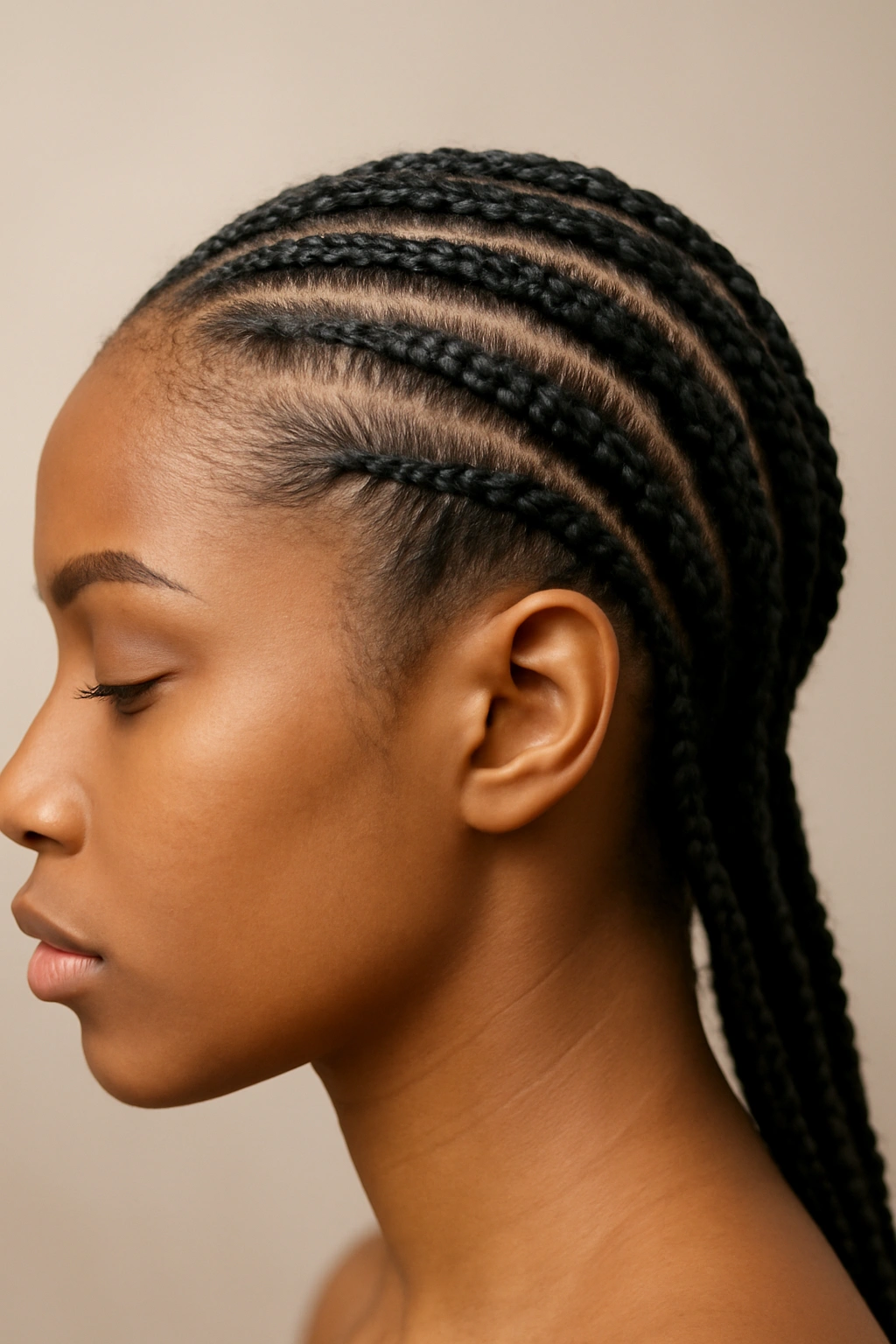
Cornrows represent one of the oldest and most efficient protective styles, with the braids running directly against the scalp in lines or patterns. When done with appropriate tension—not tight, but snug enough to hold shape—cornrows are incredibly versatile, comfortable, and genuinely protective for the long term.
The Protective Science Behind Close Braids
Because cornrows don’t use extensions, there’s less weight pulling on your hair, making them ideal if you’ve had tension damage or wear them frequently. The braids running against the scalp keep your hair secured and separated, preventing breakage from friction between strands. They’re one of the best styles for repeated wear without damage, assuming tension stays reasonable and you’re not braiding too frequently.
Styling and Wear Duration
- Longevity: 3 to 4 weeks before you’ll want to redo them, as the loose hair at the base eventually loosens
- Tension sweet spot: The braid should feel secure but not create a headache after an hour; tight enough to last, loose enough to avoid damage
- Scalp access: Cornrows allow easier scalp care and cleansing compared to enclosed protective styles
- Styling possibilities: Wear them down, wrap them into updos, or style the loose ends with curlers or small braids for texture
- Best for: All hair types, though they work especially well on finer or less densely packed textures that might feel too heavy in longer braids
Insider note: Cornrow placement matters—braids positioned with a slight angle to your hair growth pattern tend to last longer and stay neater than braids fighting your natural grain.
5. Twist Braids
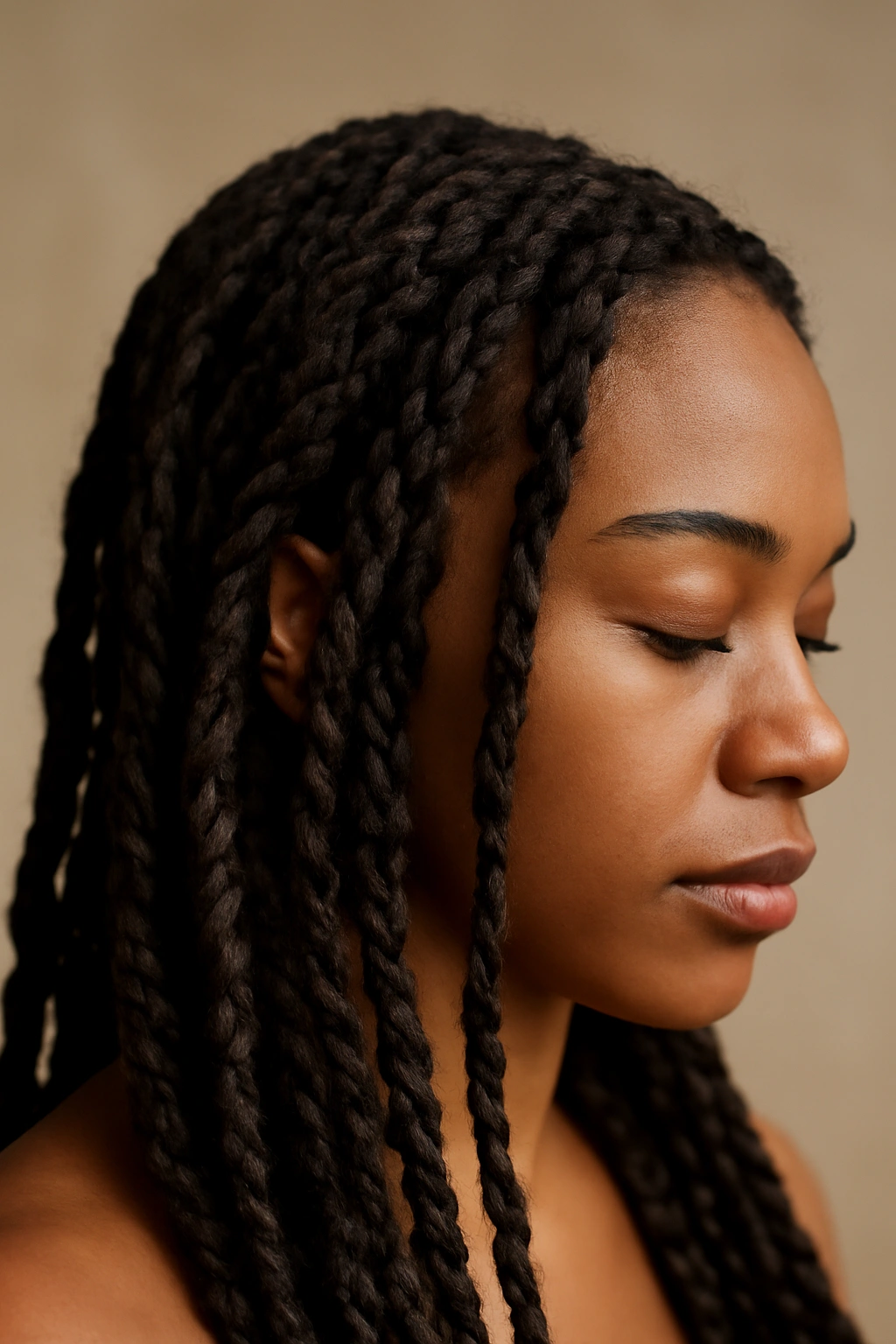
Twist braids combine the simplicity of two-strand twists with the durability of box braids, creating a style that looks softer and less uniform than traditional braids while still providing legitimate protection for 4 to 6 weeks. Each section is twisted rather than braided, giving a more organic, boho appearance that still keeps your hair securely enclosed.
Why Twists Offer Unique Protection
Twists distribute tension differently than braids because there’s no weaving motion—just two sections of hair twisted around each other. This gentler mechanics means less stress on individual strands while still keeping everything neatly bunched. The finished look reads as more textured and natural than box braids, which appeals to many people who want protection without a highly structured appearance.
Installation and Longevity Expectations
- Time to install: 3 to 5 hours, making them faster than most braided styles
- Protective duration: 4 to 6 weeks before they begin loosening significantly
- Moisture needs: Spray twists with moisture 2 to 3 times weekly; the twisted structure holds moisture better than some braid styles
- Scalp health: Access your scalp easily by opening twists gently; shampoo weekly with a clarifying or dry shampoo spray
- Styling flexibility: Twist together multiple sections for a fuller look, or separate and fluff them for a softer finish
Worth knowing: Twist braids are ideal if you love the look of braids but find tighter styles uncomfortable or if you’re transitioning and want texture that blends with your loose curls.
6. Fulani Braids
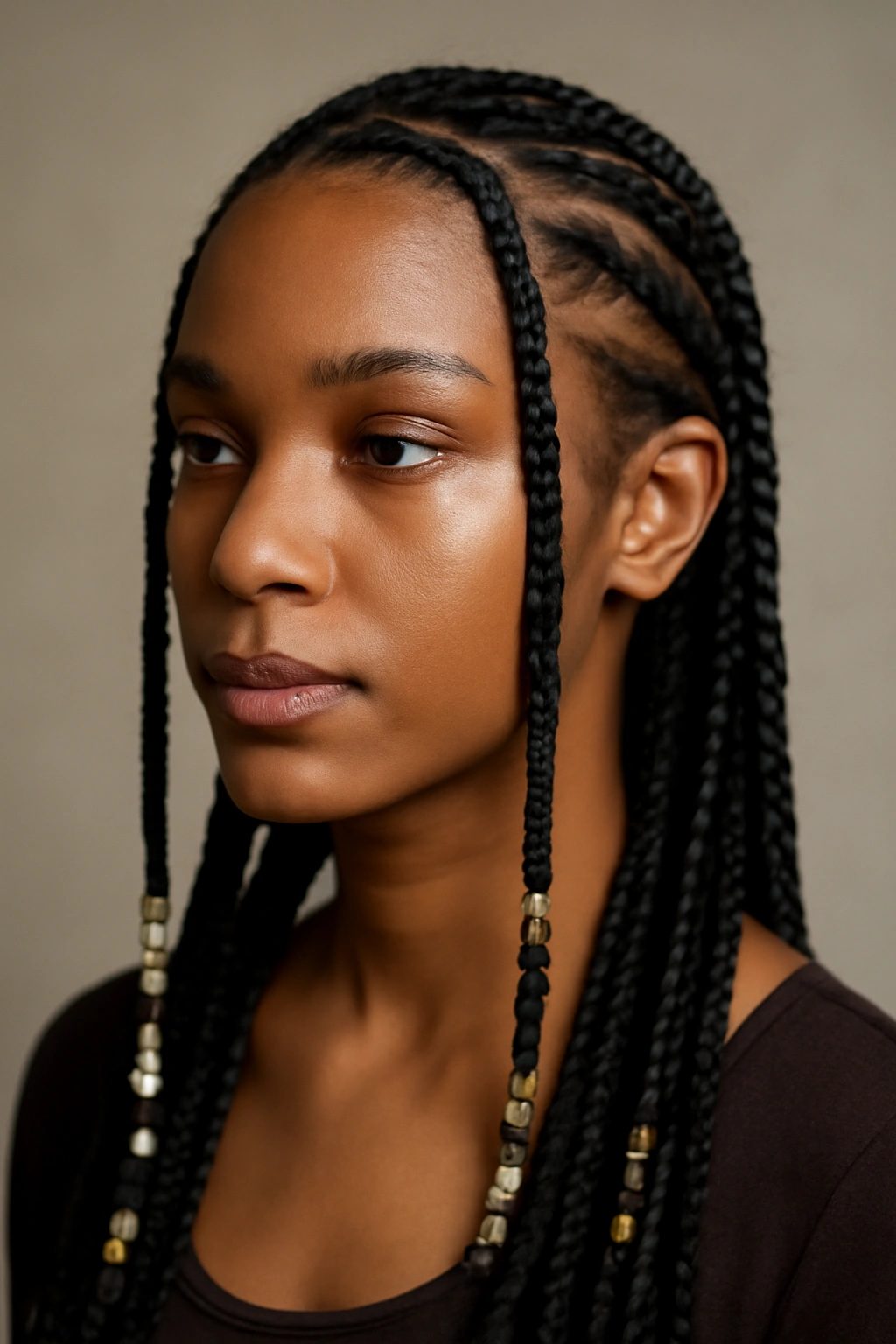
Fulani braids—also called tribal braids—combine cornrows with embellishments like beads, shells, or gold cuffs, creating a statement style that’s as protective as it is visually striking. The braids typically frame the face with one or more larger braids while the remaining hair is either cornrowed or left loose, making this style incredibly versatile.
The Protective Structure of Fulani Braids
The cornrowed sections provide solid protection for weeks, while any loose sections can be braided, twisted, or left in natural texture depending on your preference. This hybrid approach means you get protection where you need it while maintaining styling flexibility. The beaded elements aren’t just decorative—they actually help secure the ends and prevent unraveling.
Styling Details That Matter
- Braid placement: The signature front braids can be single, double, or multiple depending on your face shape and hair volume
- Beading options: From subtle small beads to chunky statement pieces; beads also help weight the braids and keep them lasting longer
- Protective duration: 4 to 6 weeks for the braided sections; any loose hair can be re-twisted or refreshed as needed
- Maintenance: Keep beaded sections dusted and clean; the beads actually help prevent fraying at the ends
- Best for: Making a statement while still protecting your hair; perfect for events or when you want braids that read as intentional styling rather than pure protection
Pro tip: If you’re adding your own beads to a professional braid style, use beads large enough that they won’t slip down toward your scalp and create uncomfortable pressure points.
7. Micro Braids
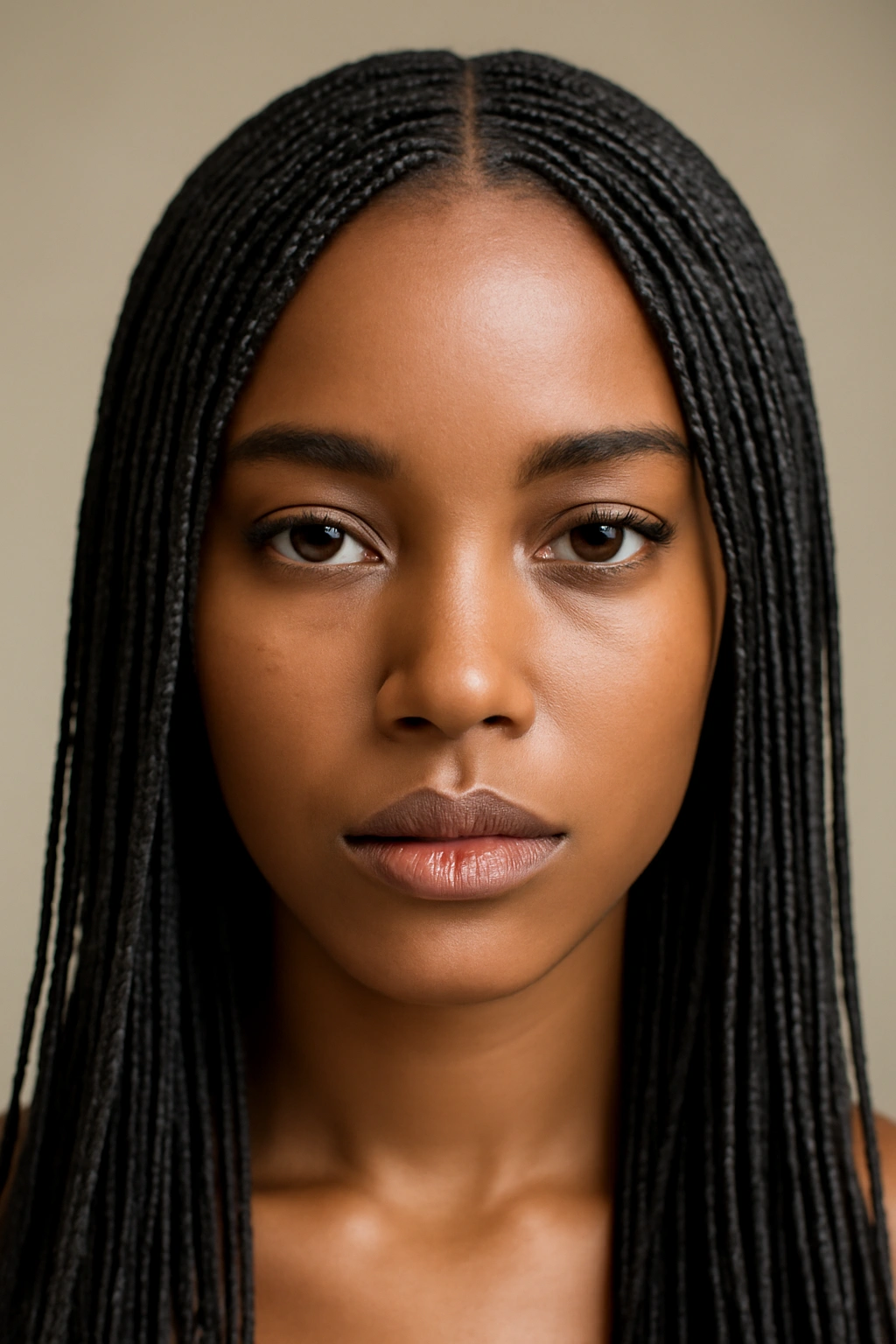
Micro braids are thin, delicate-looking braids that provide maximum versatility because they’re lightweight enough to wear in virtually any style—up, down, curled, left straight—without looking heavy or one-note. They take significantly longer to install than larger braids, but the payoff is a style that doesn’t “look like” protective braids in the traditional sense.
Protection Through Finesse
Because micro braids are so thin, they distribute weight across many more individual braids, reducing tension on any single section of your scalp. Your natural hair inside each braid is completely protected and separated, and the lightweight nature means you can wear them in countless ways without the style feeling bulky or uncomfortable. They work beautifully on all hair types and are especially popular on finer textures where larger braids might look disproportionate.
Realistic Expectations for Micro Braids
- Installation time: 8 to 12 hours, sometimes even longer; plan for multiple appointments or a full day commitment
- Durability: 6 to 8 weeks with good maintenance, similar to box braids despite the delicate appearance
- Styling versatility: Wear them down for a textured look, in updos, curled, half-up, in ponytails—the thin braids don’t limit options
- Moisture maintenance: Spray every 2 to 3 days; the lighter structure means they can dry out slightly faster
- Best for: People who want protection but don’t want the style to be their only option; perfect if you’re going to style the braids frequently
Worth knowing: The time investment is real, but many people find that the styling versatility makes micro braids worth it—you can literally change your entire look daily without redoing protective styles.
8. Ghana Braids
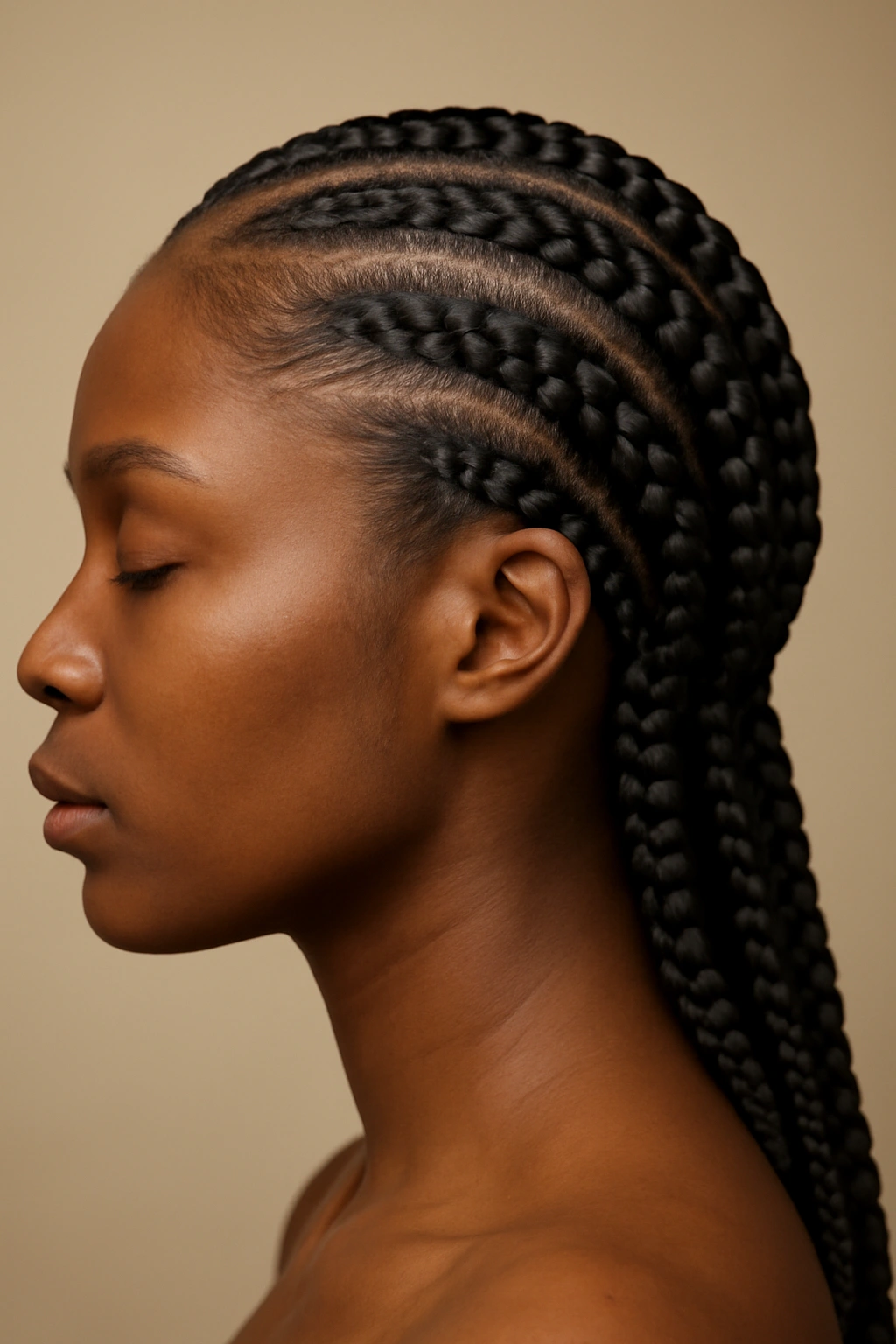
Ghana braids (also called feed-in braids) use a technique where small sections of extension hair are gradually incorporated into cornrows as you braid, creating a style that looks fuller and thicker than traditional cornrows while still maintaining the protection of braids close to the scalp. The finished braids have a beautiful dimensional appearance and typically last longer than regular cornrows.
Why Ghana Braids Excel at Retention
By incorporating extensions as you braid, you’re creating braids with more substance and weight distribution than loosely plaited hair alone. This structure holds together longer and resists loosening, typically lasting 5 to 7 weeks before needing to be redone. The feed-in technique is actually gentler on your edges than traditional braiding because the tension is distributed gradually from root to tip rather than concentrated at the base.
Technical Details and Care
- Installation technique: Extensions are threaded in gradually along the braid path, creating a seamless, fuller appearance
- Scalp accessibility: You can still wash your scalp relatively easily; the braids sit against the skin so water reaches roots
- Longevity: 5 to 7 weeks, which is typically longer than regular cornrows because of the extension support
- Styling options: Wear down, in an updo, or style the ends with curlers for texture variation
- Hair requirements: Work on any texture, though slightly thicker natural hair helps show off the dimension of these braids
- Cost consideration: Slightly pricier than cornrows due to the added extensions and braiding complexity
Pro tip: Ghana braids look especially stunning when you use two-toned extensions that complement your natural hair color—the dimensional effect is really striking.
9. Passion Twists
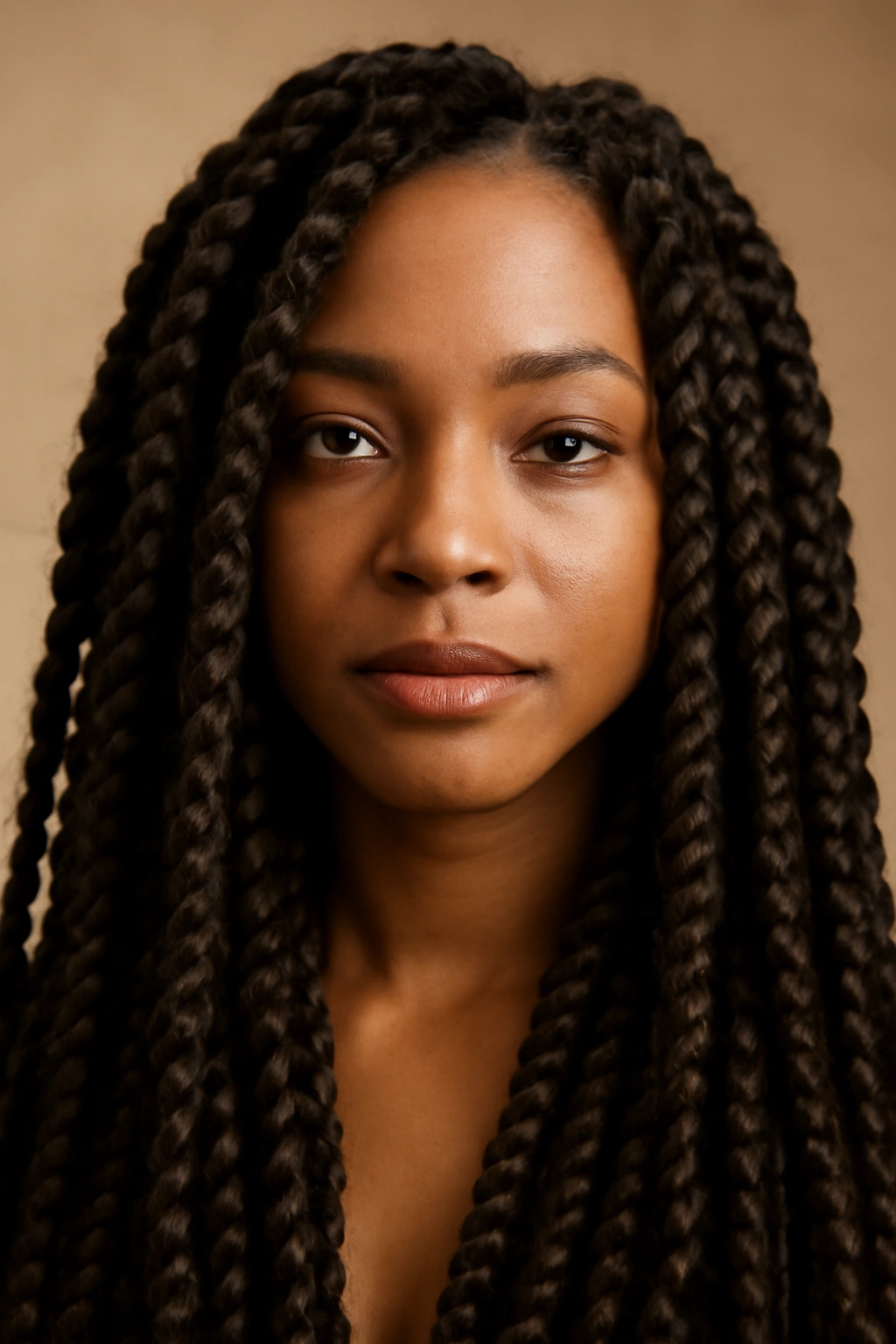
Passion twists combine the soft, textured appearance of twists with the longevity of braids, creating a style that’s become increasingly popular because it delivers genuine protection with a look that feels fresh and intentional rather than purely utilitarian. They’re chunky enough to look substantial but soft enough to style in countless ways.
The Protective Appeal of Passion Twists
Each section is twisted with extension hair, creating a textured, almost loc-like appearance while your actual hair stays completely protected inside. The twisting motion is gentler on your hair than braiding, and the bulkier final result holds together really well—typically lasting 6 to 8 weeks. Many people find passion twists more comfortable than braids because they can be loosened or adjusted more easily without completely unraveling.
Practical Information for Getting and Maintaining Passion Twists
- Installation time: 4 to 6 hours depending on twist thickness and length; faster than most braids
- Protective duration: 6 to 8 weeks with good scalp care and moisture maintenance
- Styling range: Wear them down, in ponytails, buns, or half-up styles; they look equally good messy or neat
- Moisture care: Spray with lightweight leave-in daily or every other day; twists can dry out faster than braids
- Scalp maintenance: Part the twists gently to access your scalp for cleansing; the structure allows relatively easy washing
- Maintenance responsibility: Every few weeks, you might need to re-twist loose sections at the roots to keep them looking neat
Insider note: Passion twists work beautifully in ombré or color-blocking with extensions—the visual interest from the twisting structure really shows off color variations.
10. Crochet Braids
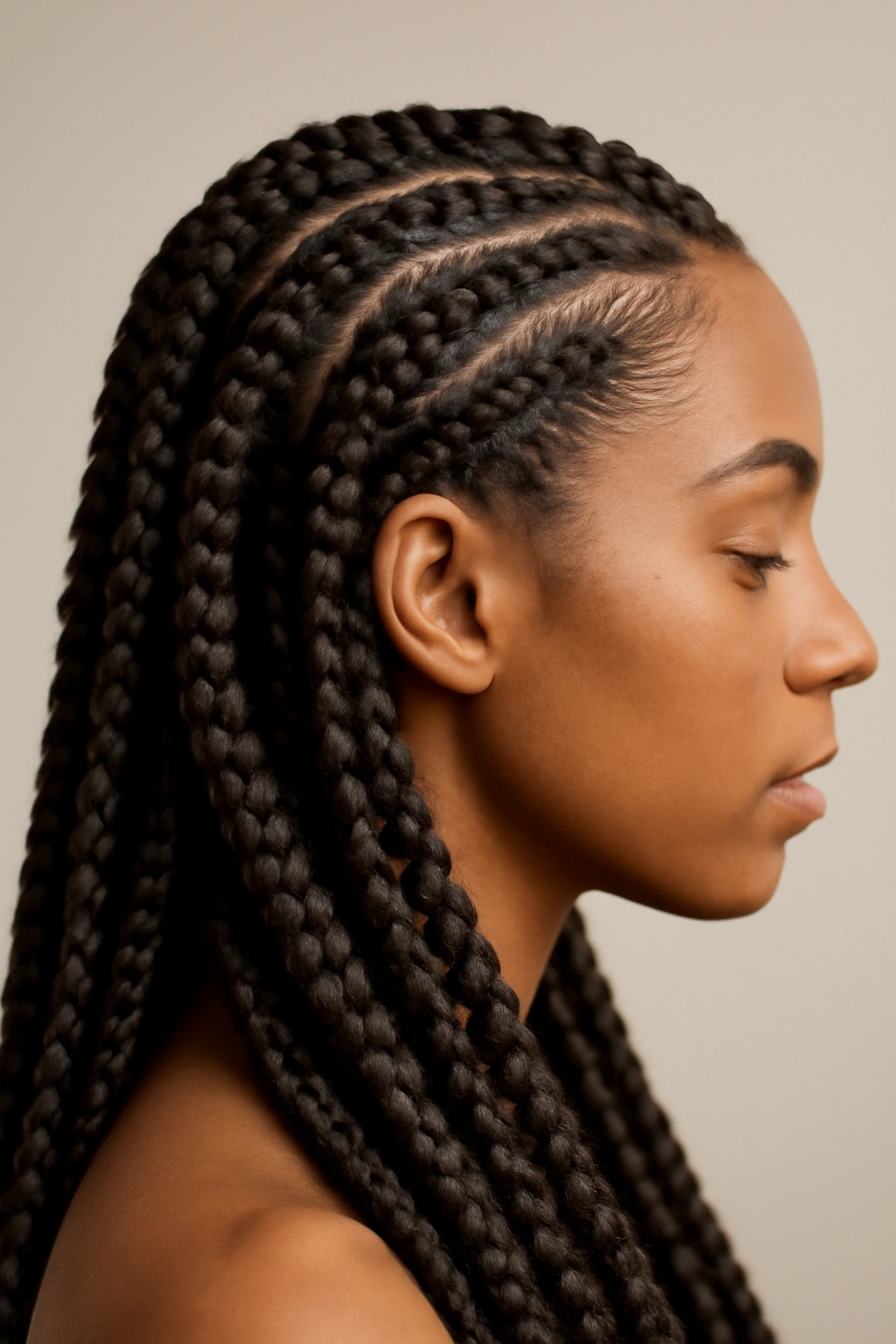
Crochet braids involve braiding cornrows into your hair, then hooking extension hair through those cornrows with a crochet hook, creating a style that’s incredibly fast to install compared to traditional braids while still providing legitimate protection for 4 to 8 weeks depending on maintenance.
Installation Speed and Protection Balance
What makes crochet braids special is that you’re doing the braiding portion (cornrows) and then using extensions purely for the aesthetic length and fullness—you’re not braiding through the entire length, which saves hours of installation time. Your natural hair is completely sealed within the cornrows, and the extensions sit in the braided sections, providing a protective shield while remaining lightweight and manageable.
What to Know About Crochet Braids
- Installation time: 2 to 4 hours total, making them one of the fastest protective options
- Cost efficiency: The speed of installation plus relatively affordable extension hair makes this budget-friendly
- Protective duration: 4 to 8 weeks depending on how frequently you style and re-crochet loose sections
- Installation flexibility: Works with almost any extension type—pre-made curly braids, straight hair, textured options
- Styling versatility: Your options are essentially unlimited because the crochet hair isn’t actually woven through your natural hair
- Scalp access: Excellent; you can wash your cornrows and scalp thoroughly since the extensions simply hook on
Worth knowing: The main reason crochet braids sometimes fail is slippage—loose extensions sliding down because the hook didn’t catch them securely. A skilled installer who uses strong extensions and tight hooks prevents this.
11. Goddess Braids
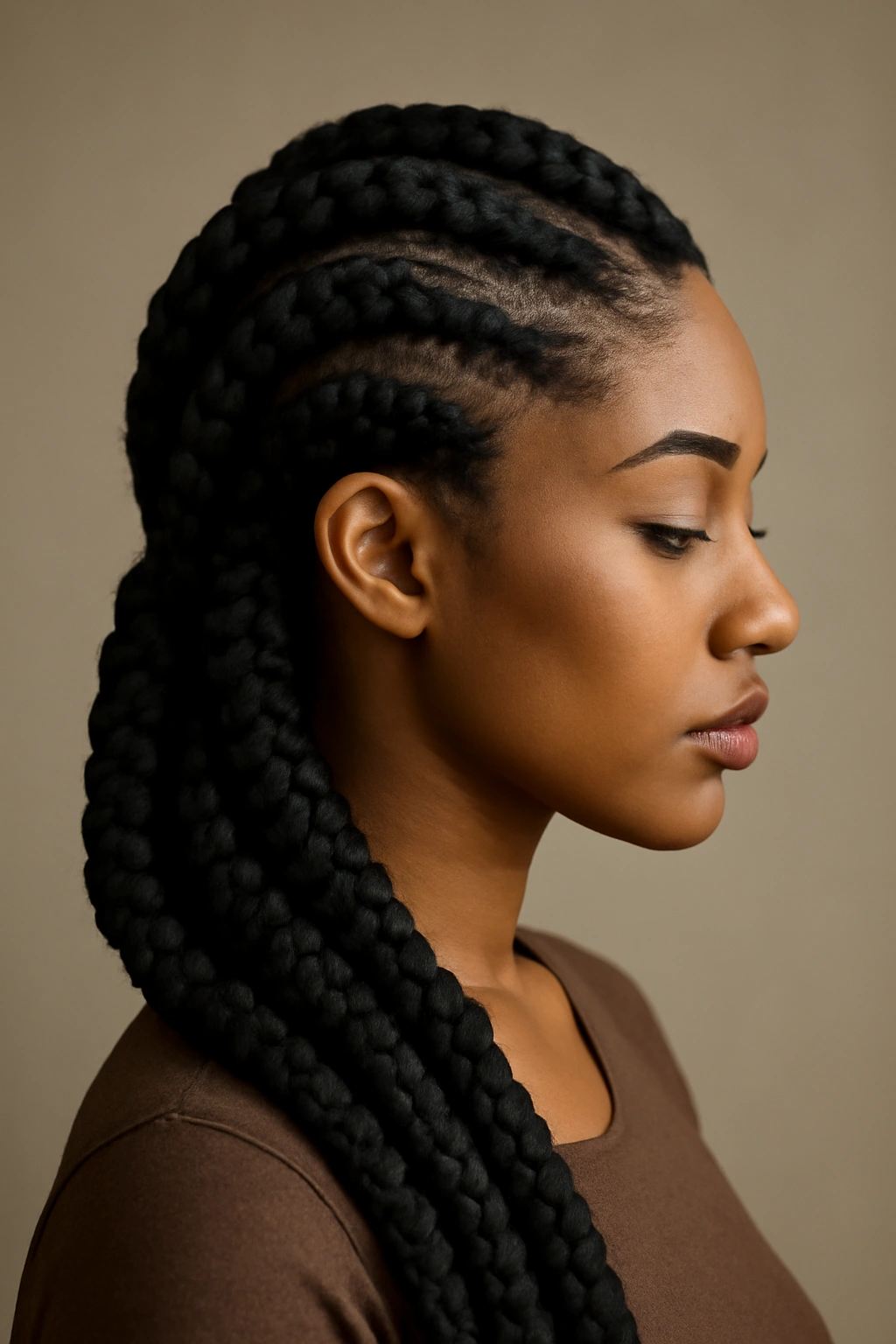
Goddess braids are oversized cornrows, typically thicker and chunkier than traditional cornrows, creating a bold, voluminous protective style that’s undeniably striking. The braids are often curved or sculptural in their placement, adding an artistic element to the protective nature of the style.
Why Goddess Braids Are Protective and Stunning Simultaneously
The larger braids mean faster installation—typically 3 to 4 hours—while still providing excellent protection for 4 to 6 weeks. The bigger the braid, the less individual strands have to worry about daily friction. Plus, goddess braids genuinely look intentional and styled rather than like you’re simply doing maintenance, which appeals to people who want both protection and a statement look.
Details About Goddess Braids
- Installation duration: 3 to 4 hours, making them one of the fastest protective braids
- Protective span: 4 to 6 weeks before they begin loosening; re-tightening the roots extends the life
- Scalp tension: Choose a tension that feels secure but comfortable; you should not have a headache after wearing these
- Styling versatility: Wear them down, wrap them into updos, or style half up for variety
- Aesthetic impact: The chunky, sculptural nature means these braids are visible and make a statement wherever you go
- Best for: People who want protection but don’t want the style to be subtle; goddess braids are undeniably there and beautiful
Pro tip: Goddess braids look especially stunning with a slight wave or curve to them rather than perfectly straight lines—the curves follow your head shape and create a more flattering overall silhouette.
12. Senegalese Twists
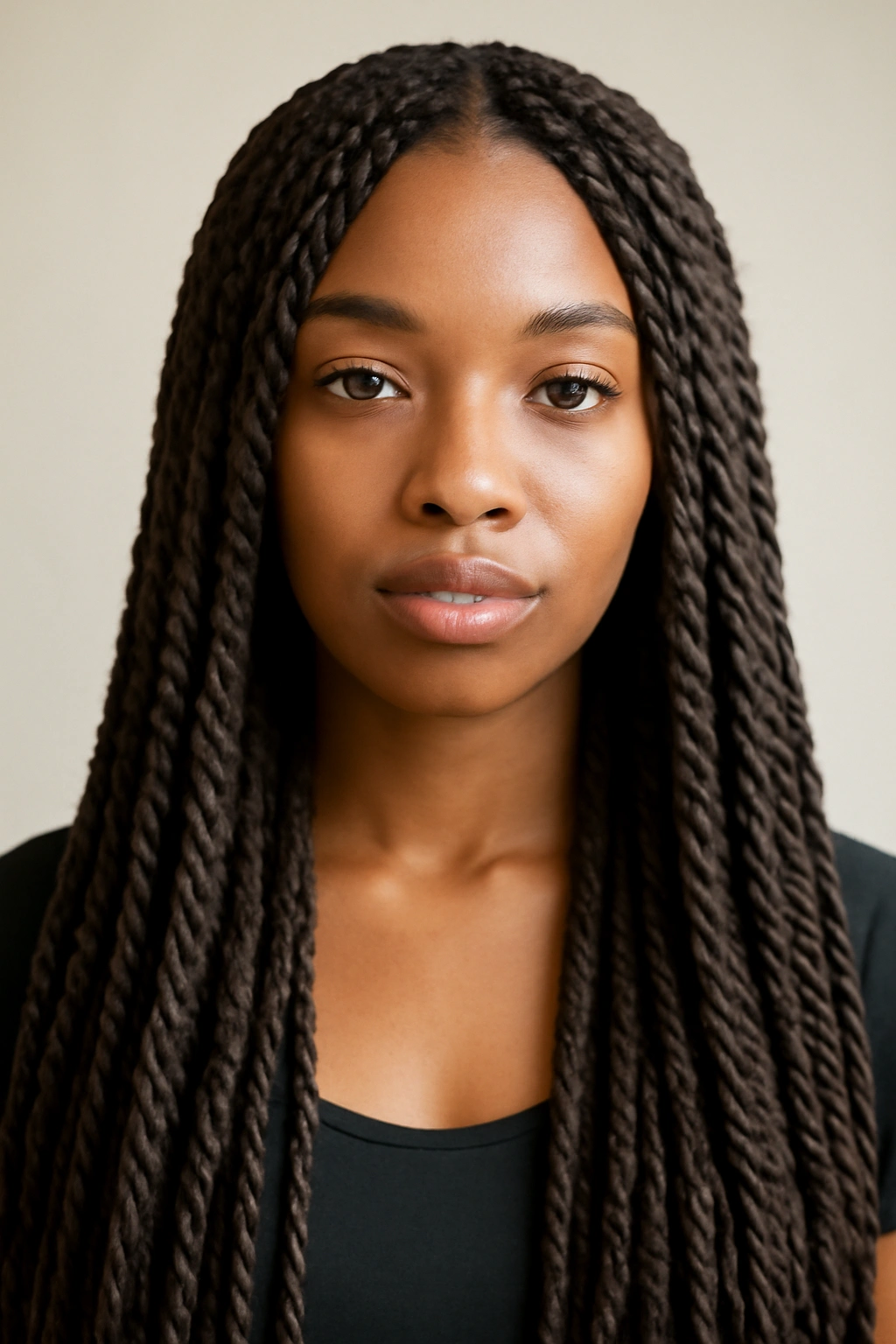
Senegalese twists are tightly twisted protective styles using extension hair, creating braids that look like two-strand twists but with the durability and hold of traditional braids. They’re installed by twisting your natural hair together with extension hair from the roots to the ends, resulting in a style that’s neat, trim, and genuinely long-lasting.
The Longevity and Protection Profile
Senegalese twists typically last 6 to 8 weeks, making them one of the longest-wearing protective styles available. The twisting structure actually holds together better than you’d expect—the tight twist creates natural friction that prevents unraveling. Your natural hair inside is completely protected and separated, and the overall style maintains its neat appearance throughout the entire wear period with minimal maintenance.
Important Considerations for Senegalese Twists
- Installation time: 5 to 7 hours depending on length and thickness; faster than box braids but longer than cornrows
- Protective lifespan: 6 to 8 weeks with proper maintenance, making them exceptional for retention
- Appearance: Sleek, neat, and intentional-looking throughout the entire wear period
- Scalp maintenance: Access your scalp by gently opening twists; you can shampoo regularly with care
- Comfort factor: Many people find twists more comfortable than braids, especially during sleep
- Extension options: Works beautifully with various extension types and colors; easy to blend with your natural hair color
- Styling range: Wear down, in updos, or half-up; the tight structure means they hold any shape
Insider note: If your twists start loosening after 6 weeks, you can carefully re-twist just the new growth section without redoing the entire style—this extends the life significantly.
Final Thoughts
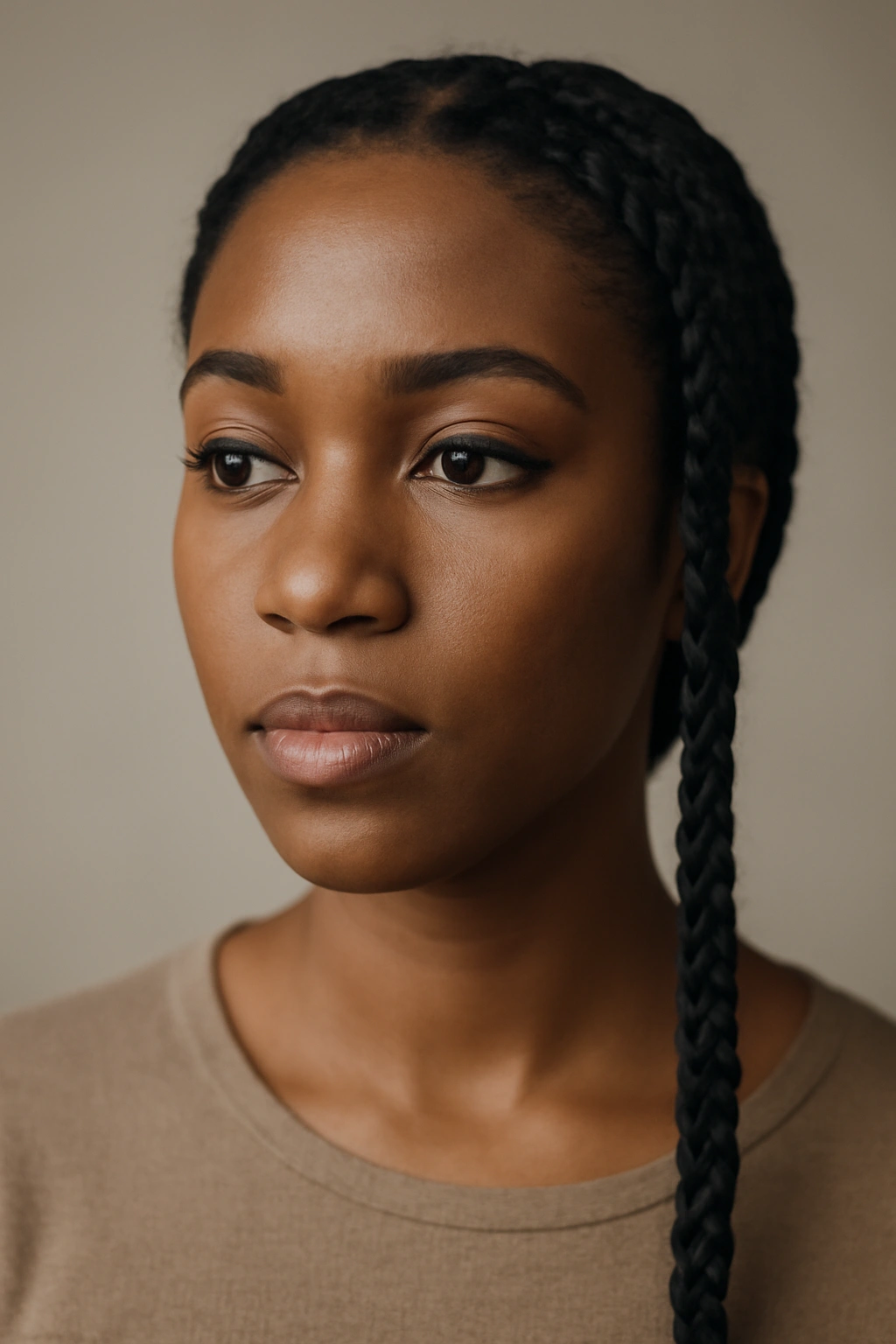
The best protective braid for your hair depends on your lifestyle, edge health, styling preferences, and how much time you’re willing to invest in installation and maintenance. Box braids remain the gold standard because they deliver genuine results, but knotless braids offer similar protection with gentler edges, while crochet styles provide speed and versatility when you’re short on time. The key to any protective style working is actually loose tension, consistent moisture, and proper removal—tightness and neglect turn even the most protective styles into breaking styles that cause damage.
Start by being honest about maintenance: can you spray your hair multiple times weekly? Are you going to commit to scalp care? Do you want a style that looks intentional and styled, or something more discreet? Your answers to those questions will point you toward the style that’ll actually work for your life, not just the one that looks best in Instagram photos. When you find a protective style that’s comfortable, sustainable, and actually gets you results, stick with it through multiple styling cycles—consistency is what creates real, visible hair growth and health.
