



Tired of spending an hour every morning wrestling with your hair, only to have it fall flat by noon? The secret isn’t necessarily expensive products or magical styling techniques — it’s choosing a haircut that works with your hair texture and lifestyle instead of against it. Low-maintenance haircuts are designed to look good with minimal effort, require less frequent salon visits, and often dry naturally into their intended shape. Whether you’ve got thick, curly, fine, or straight hair, there’s a simple style out there that’ll save you time, money, and frustration.
The best low-maintenance cuts have a few things in common: they’re either short enough that they dry quickly and hold their shape naturally, long enough that gravity does the styling work for you, or textured in a way that actually hides imperfection rather than showing every strand out of place. They don’t require blowouts to look presentable, they don’t need constant touch-ups at the roots (because there often aren’t obvious roots), and they genuinely look better as they grow out a bit instead of falling apart. Some of the easiest styles to maintain have been around for decades because they’ve earned their reputation through practicality, not just trendiness.
What you’re about to discover is that simplicity and style aren’t mutually exclusive. You don’t have to sacrifice looking put-together to save yourself time. The right cut can actually make you look more intentional and polished because it’s designed to work with your natural hair rather than demand constant intervention. Ready to find your next go-to style?
1. Pixie Cut
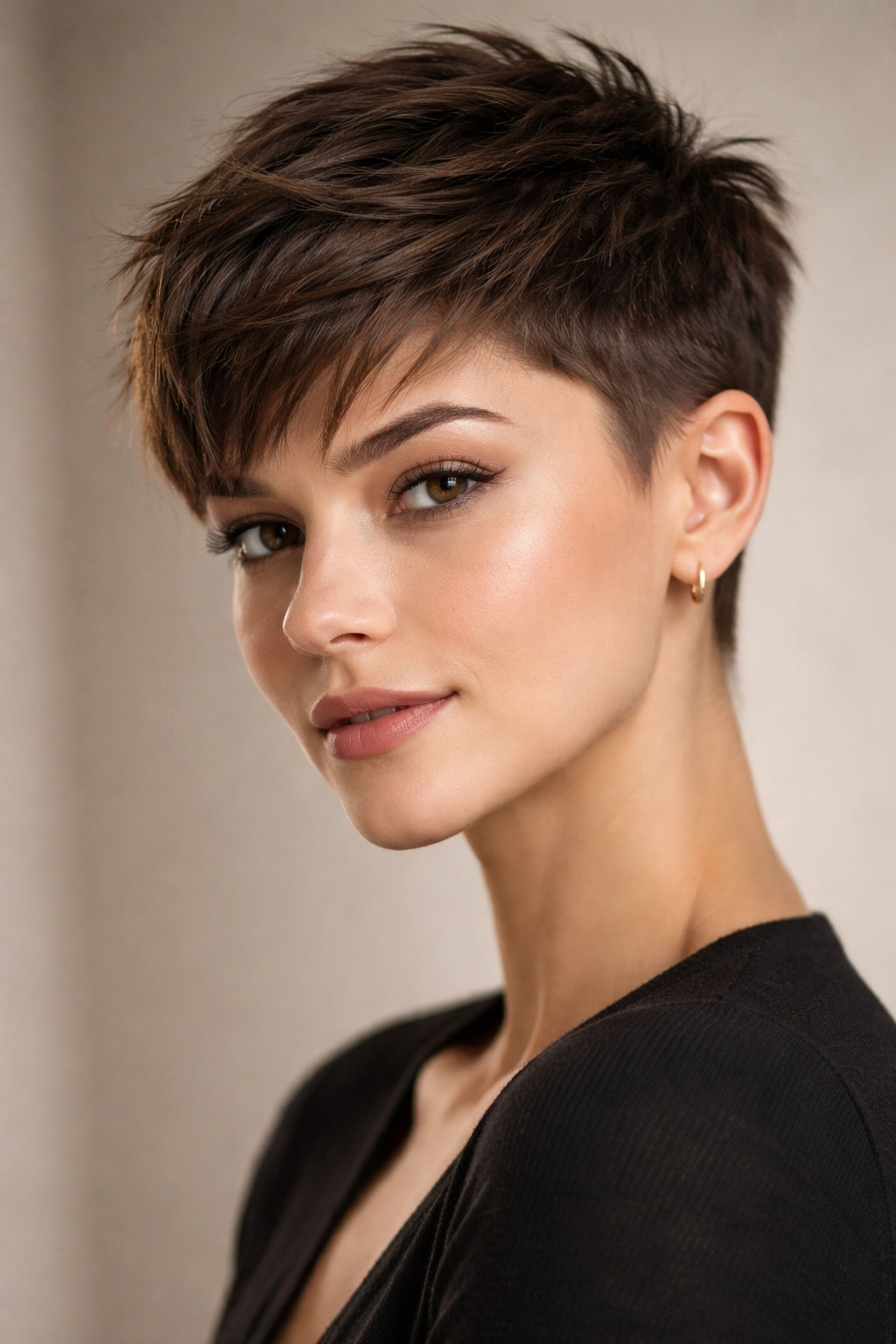
The pixie cut is the gold standard of low-maintenance styling, and for good reason. This ultra-short cut sits close to the scalp — typically around 1 to 2 inches on top with tapered sides and back. It’s one of the few styles where you can literally wake up, run your fingers through your hair, and call yourself done. Even on your laziest mornings, a pixie looks intentional because it is a statement cut.
Why It’s So Low-Maintenance
A pixie cut dramatically reduces styling time because there’s simply less hair to manage. You’ll air-dry in minutes, and because the cut is so short, any texture in your hair becomes an asset rather than a liability. Curly hair looks textured and deliberate instead of frizzy. Straight hair looks sleek and modern. The close-cropped nature means you won’t deal with awkward mid-growth phases — it actually looks better as it grows out slightly.
What to Expect
- Trims needed every 4 to 6 weeks to maintain the shape (this is shorter than many cuts, but quick visits)
- Minimal styling products required — just shampoo, conditioner, and maybe a texturizing spray
- Works wonderfully with all hair types, especially curly and textured hair
- Perfect if you want to show off your facial features and ear shape
- Requires commitment to regular trims to avoid looking shaggy
Pro tip: Ask your stylist to leave slightly longer pieces on top and around the face for versatility — you can slick it back, style it up for volume, or let it be messy and textured depending on your mood.
2. Buzz Cut

If you want virtually zero styling required, a buzz cut is the ultimate answer. This cut uses electric clippers at one uniform length (typically 1/4 inch to 1/2 inch all over) and requires minimal effort to achieve a neat, polished appearance every single time.
The Practicality Factor
A buzz cut is genuinely the easiest haircut to maintain because you can style it in the shower with just your fingers. It dries in seconds. It looks good whether it’s perfectly neat or a little messy. If you have any texture or pattern in your hair, it becomes a feature rather than a problem. There are no bad hair days with a buzz cut — there are only “neutral” days and “great hair” days.
Maintenance Reality
- Trims needed every 3 to 4 weeks to keep the uniform length
- Absolutely zero styling time required
- Works for all hair types and textures
- Showcases your scalp and head shape, so it’s not for everyone
- Can look more masculine or gender-neutral depending on preference and styling
Worth knowing: The fade buzz cut (longer on top, gradual taper to very short on the sides) gives you a bit more versatility than a uniform buzz while still staying incredibly low-maintenance.
3. Textured Crop
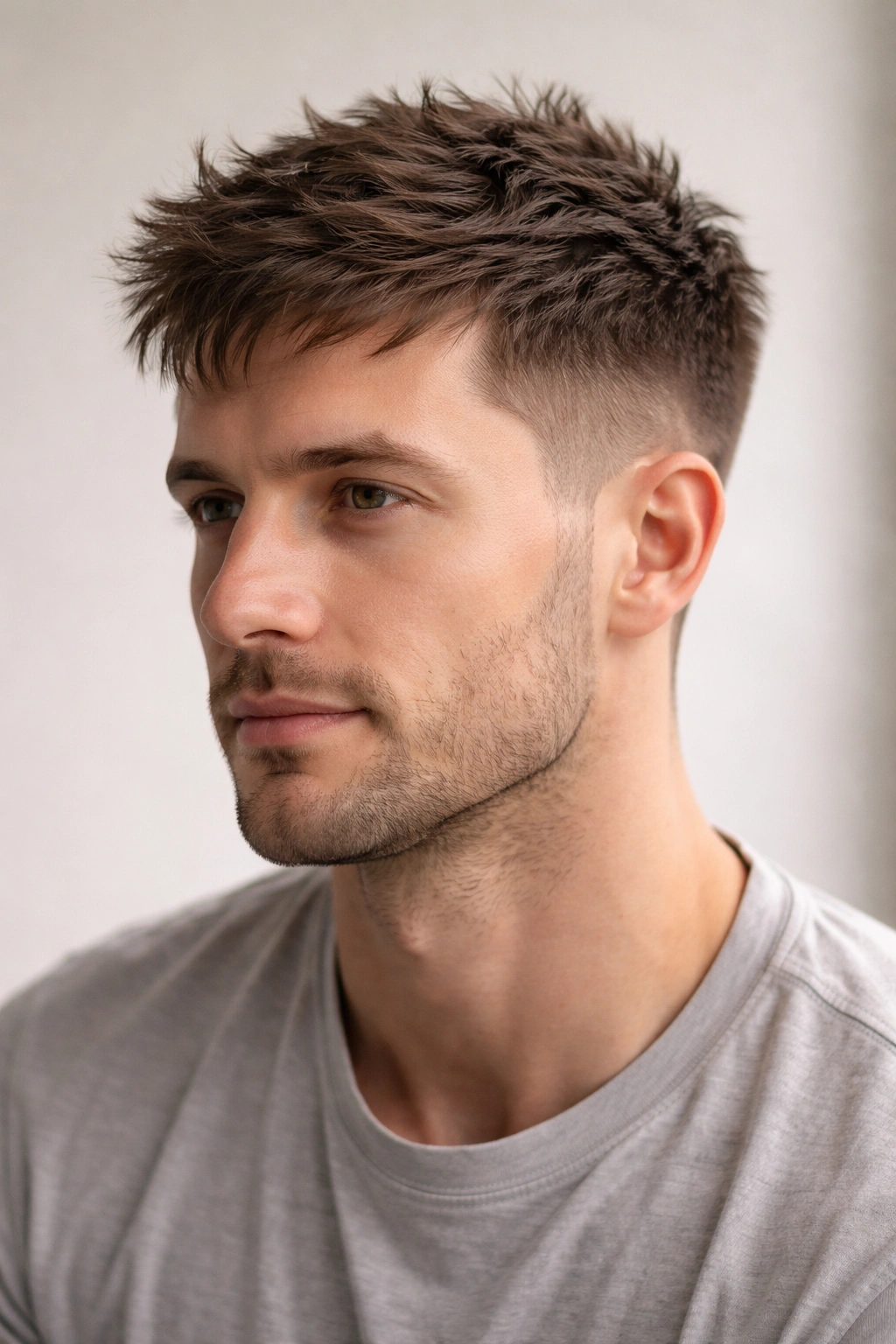
A textured crop sits between a pixie and a buzz cut in terms of length and effort required. This style has slightly more length on top (usually 2 to 3 inches) that’s layered and choppy for texture, with very short, clean sides. It’s effortlessly cool and works especially well for people with natural texture in their hair.
Why the Texture Matters
The choppy layers in a textured crop mean that you can literally just rough-dry your hair or let it air-dry, and it looks intentionally styled. The texture hides imperfections. If your part isn’t perfectly straight or your layers aren’t perfectly even, nobody notices because the whole point is that it looks broken up and natural. This is the magic of textured cuts — they forgive you.
Real-World Styling
- Trims every 5 to 7 weeks (texture-based cuts hold their shape longer than blunt cuts)
- Can be styled messy and textured, pushed back for a slicker look, or anything in between
- Works best with straight, wavy, or curly hair (fine, straight hair can sometimes look a bit limp)
- Pairs well with styling creams, pomades, or texturizing sprays for deliberate control
- Looks better as it grows out slightly — no awkward in-between phase
Pro tip: Use a matte-finish pomade or texturizing clay instead of a shiny gel — it keeps the messy-on-purpose aesthetic looking intentional rather than like you forgot to style.
4. Classic Bob
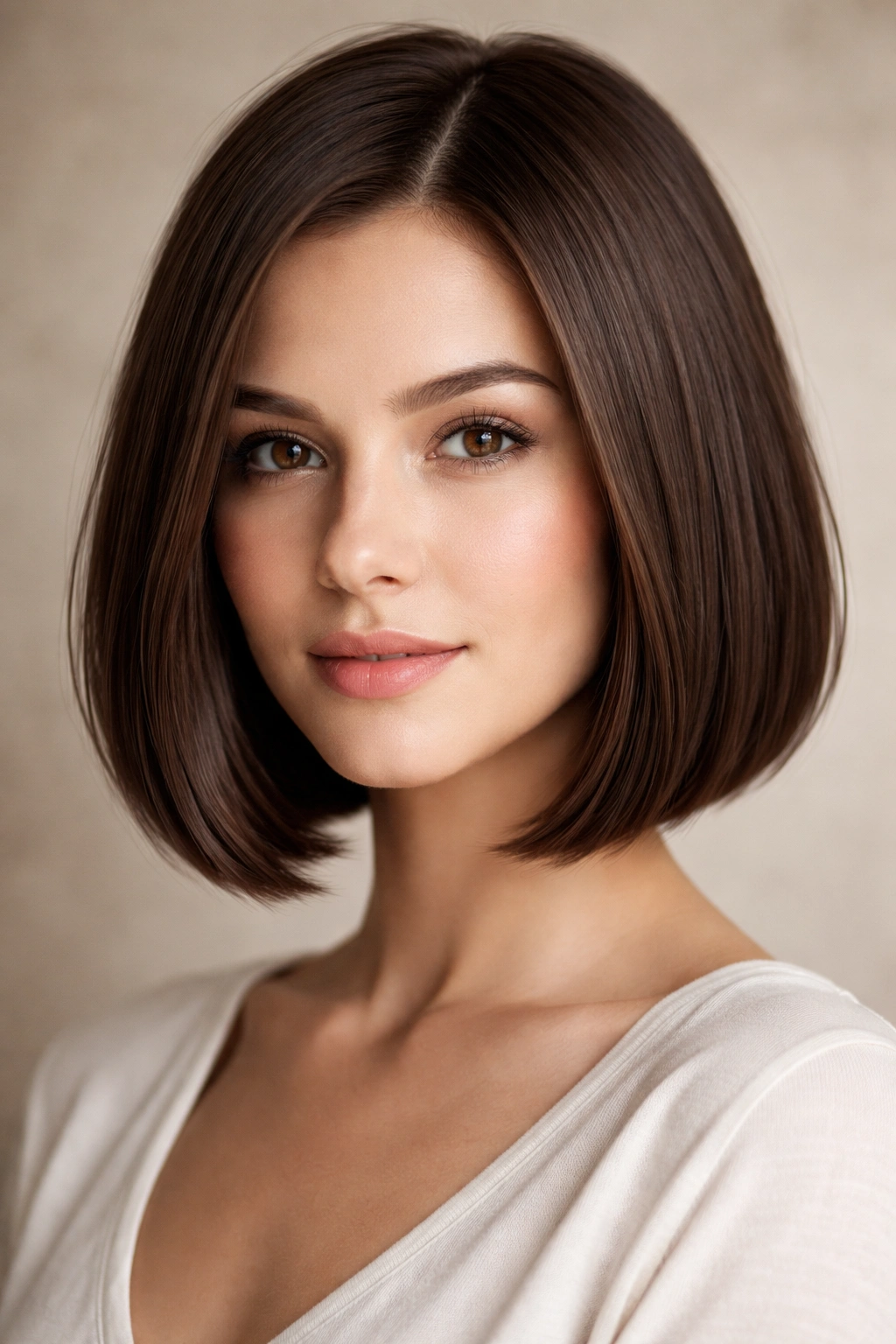
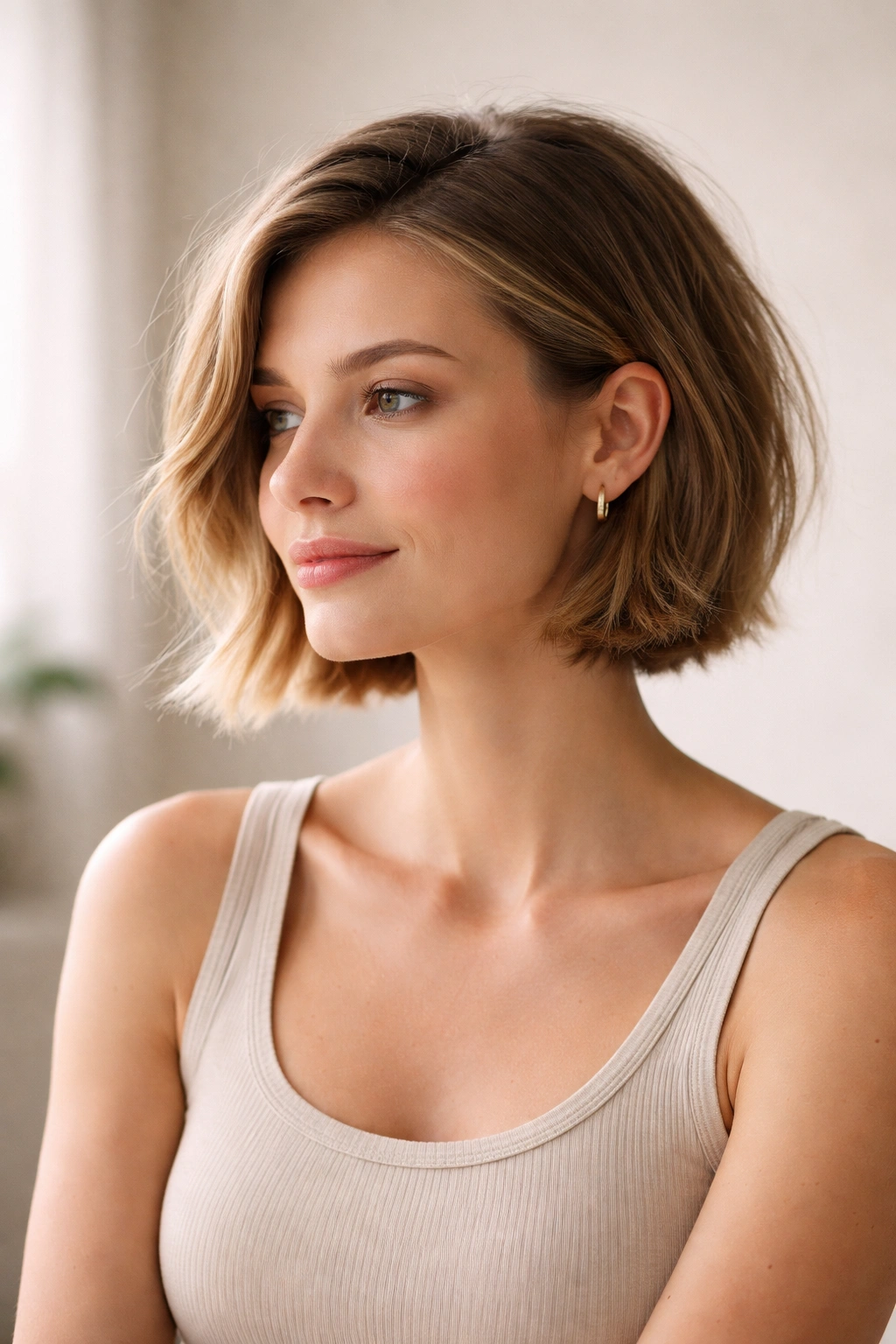
Don’t underestimate the classic bob — when cut properly, it’s one of the easiest medium-length styles to maintain. A true bob hits right around the chin or slightly below, with blunt ends and often a subtle A-line shape (slightly longer in front). The key to a low-maintenance bob is the cut itself; quality craftsmanship makes all the difference.
What Makes It Easy
A well-executed bob has a beautiful built-in shape that works whether you blow-dry it straight, let it air-dry with natural texture, or style it with waves. Because of the blunt lines, your bob will look polished even if it’s not perfectly sleek. Many bobs are self-styling — the weight and cut naturally fall into place.
Maintenance Expectations
- Trims every 6 to 8 weeks to maintain the line and shape
- Can be styled multiple ways — from sleek and straight to tousled waves
- Works best on straight to wavy hair (very curly hair can be trickier)
- Minimal products needed — just shampoo and conditioner for everyday wear
- The A-line version hides fine or thinning hair beautifully
Worth knowing: Ask your stylist for a subtle interior layer if you have thick hair — this removes weight without losing the blunt-line appearance, making it even easier to style and manage.
5. Short Shag
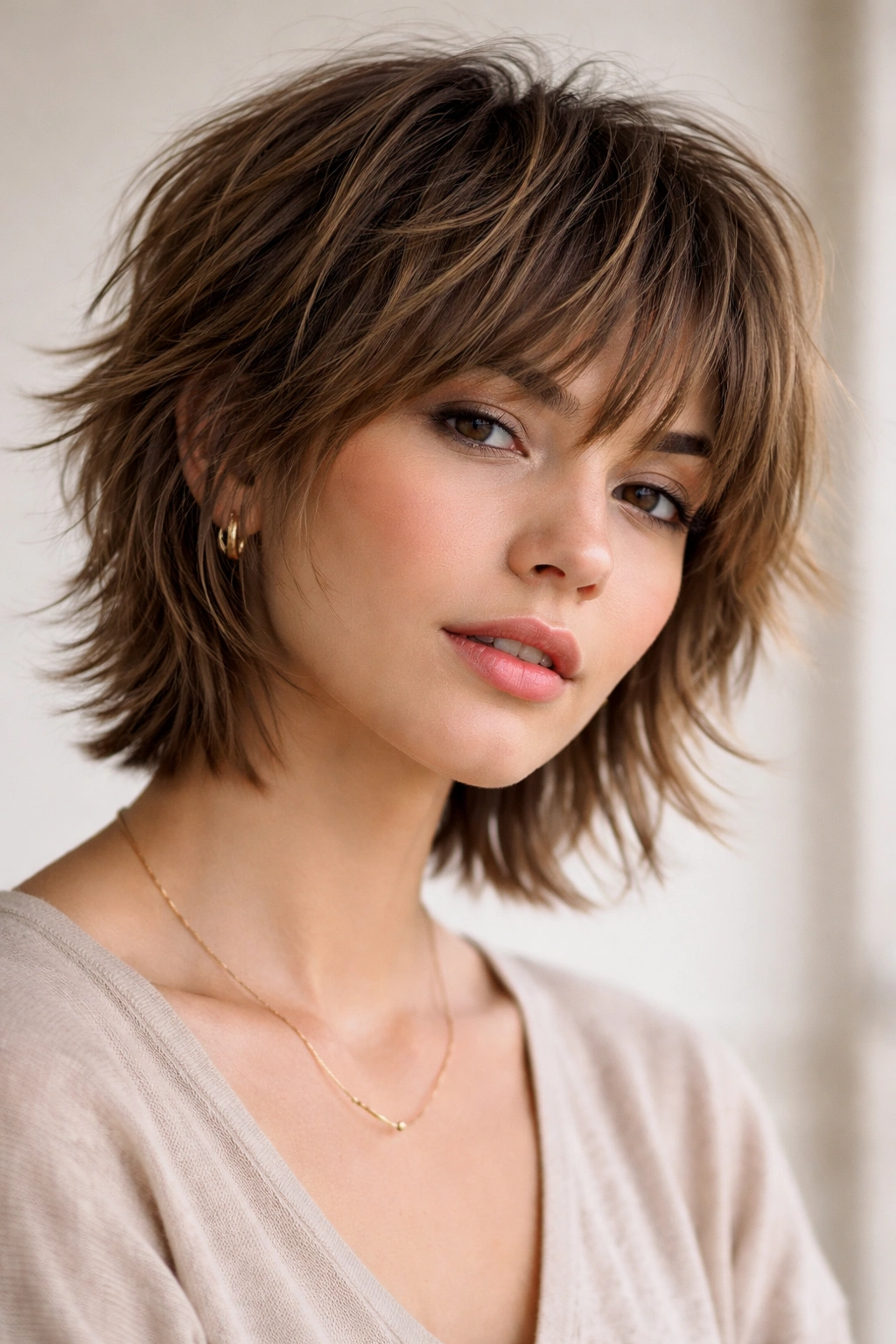
A shag is an intentionally choppy, layered cut with shorter length overall — think 2 to 4 inches throughout. Unlike a pixie, a shag has more texture variation and movement. It’s got that effortlessly cool, slightly undone vibe that’s been popular for a reason: it genuinely is effortless.
The Texture-Based Magic
Shags work beautifully with the concept of “the messier, the better.” Because every piece of hair is a different length and there’s no attempt at perfect blending, a slightly imperfect shag actually looks more intentional. Bed head? That’s the style. Didn’t blow-dry perfectly? That’s the point. This is what makes shags so maintenance-friendly for people who appreciate casual style.
Practical Details
- Trims every 6 to 8 weeks (layers stay textured longer than blunt cuts)
- Looks better tousled than sleek (works with natural texture)
- Especially great for thick, wavy, or curly hair
- Can be styled with texturizing spray, sea salt spray, or just styled with your fingers
- Surprisingly versatile — can go from casual to slightly dressy depending on how you style it
Pro tip: A shag with side-swept bangs adds dimension and visual interest while staying incredibly low-maintenance. The bangs themselves require almost no styling.
6. Long Layers
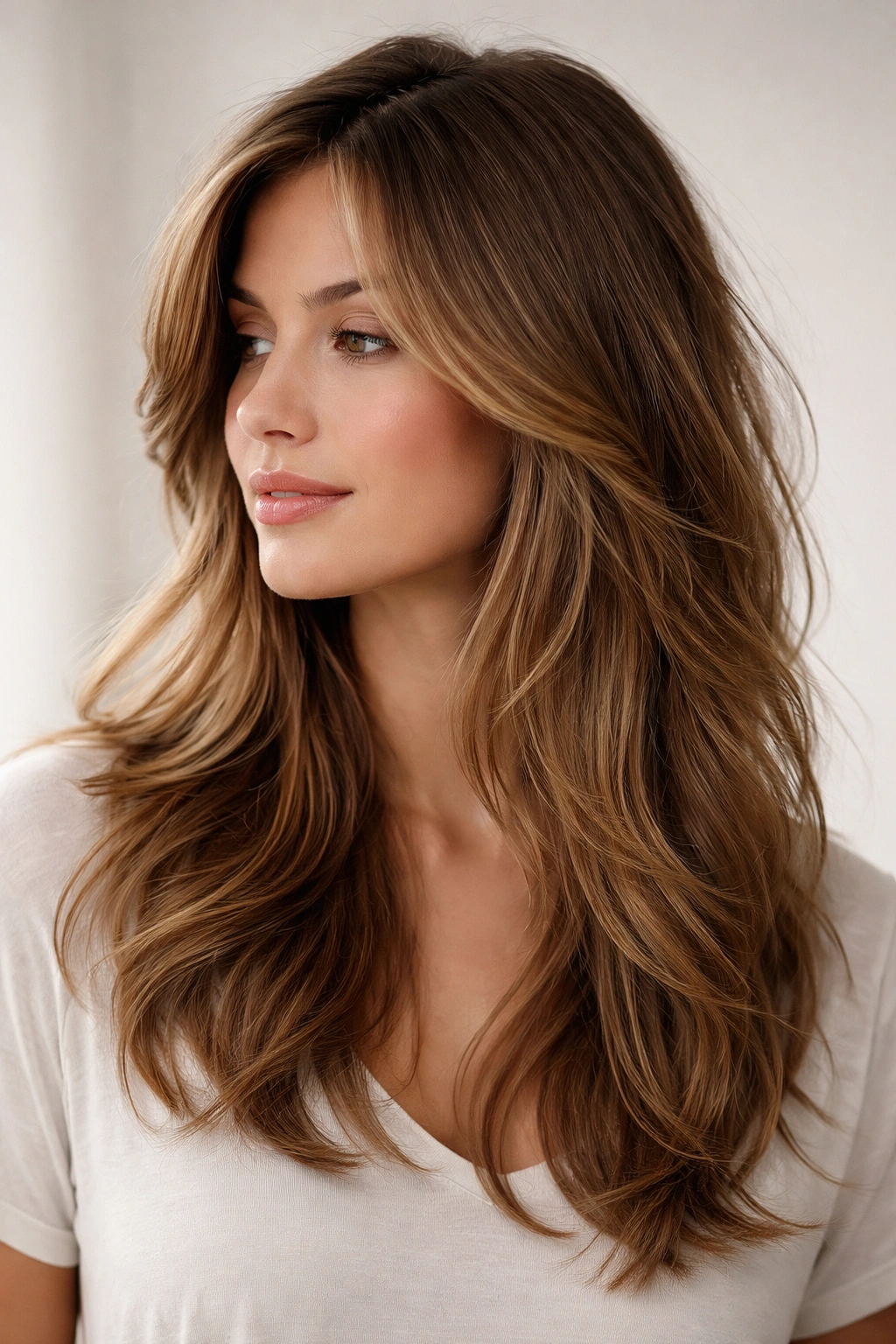
If you prefer longer hair but want something truly low-maintenance, long layers (typically starting around shoulder-length or longer, with layers throughout) are your answer. This is one of the most forgiving cuts because layers remove weight, add movement, and create the illusion of texture even if your hair is naturally fine.
Why Layers Make Everything Easier
Layers work with physics and gravity. The short pieces at the top create volume and movement while the longer pieces underneath add length. This combination means your hair looks fuller, moves more naturally, and dries faster than a blunt long cut would. You don’t have to blow-dry your whole head — often, just shaking it out and letting it air-dry works beautifully.
Styling Reality
- Trims every 8 to 10 weeks (layers hold their movement longer than blunt cuts)
- Can be worn completely natural, with waves, or styled sleek — equally low-effort either way
- Works brilliantly for all hair types, especially fine hair that needs the illusion of volume
- Minimal products required for everyday wear
- Hides imperfections beautifully because the eye travels along the movement, not the line
Worth knowing: Longer layers tend to look better as they grow out because you maintain the layered texture even between trims. A blunt long cut, by contrast, looks increasingly shaggy and unkempt.
7. Lob (Long Bob)
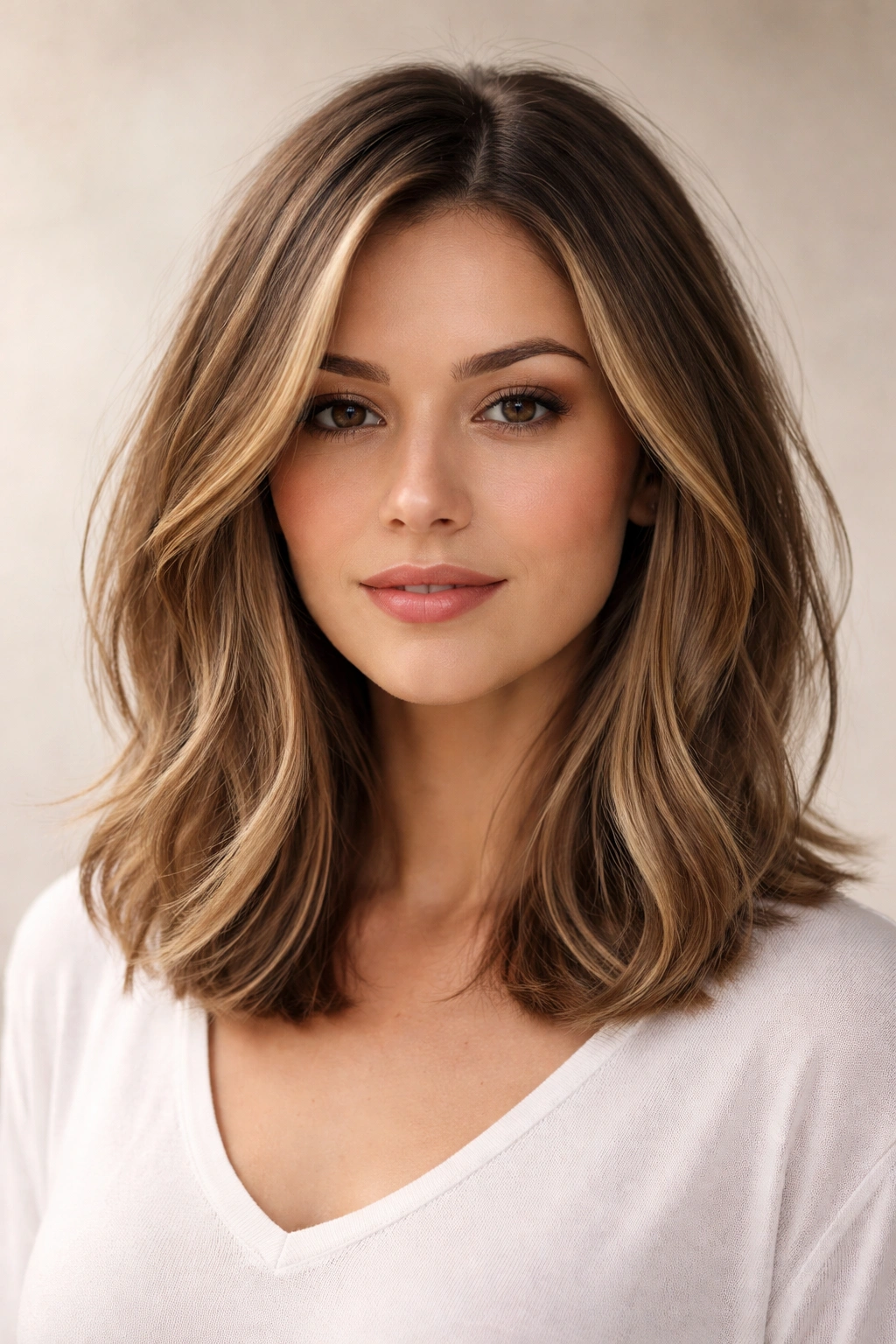
A lob is essentially a longer version of a bob — usually landing between the chin and the collarbone. It’s longer than a traditional bob but shorter than a full mane, giving you the best of both worlds: enough length to style multiple ways, but not so long that it becomes a tangled mess.
The Practical Middle Ground
The lob is popular because it’s genuinely practical. It’s long enough that you can style it with waves, pin it up, or wear it down depending on your mood. It’s short enough that it dries reasonably quickly and doesn’t require excessive maintenance. The middle-length territory is often the sweet spot for people who want something between ultra-short and ultra-long.
Maintenance and Styling
- Trims every 8 to 10 weeks to maintain the shape and prevent excess split ends
- Can be blow-dried straight, wavy, or left to air-dry with natural texture
- Works beautifully with face-framing layers or as a blunt cut
- Looks polished when styled and casual when worn down
- Fine hair can look fuller in a lob than in longer styles
Pro tip: A lob with subtle layers from the chin down gives you effortless texture that requires zero effort to maintain — it dries with natural movement instead of falling flat.
8. Shoulder-Length Straight Cut
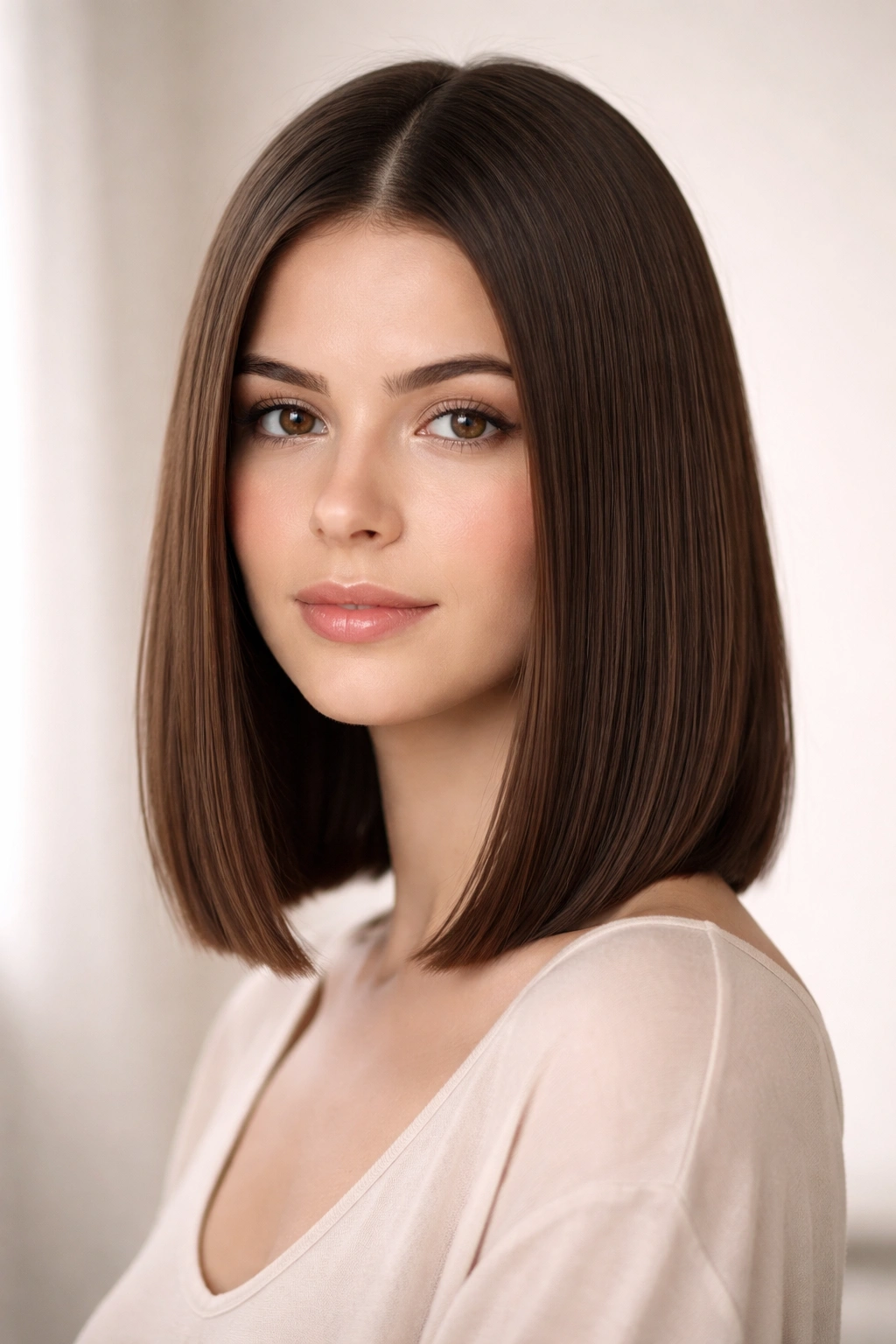
Sometimes the simplest approach is the best. A blunt, straight cut right at shoulder-length is deceptively low-maintenance when your hair is healthy and you’re committed to avoiding extreme damage. This cut trusts your hair’s natural texture and requires minimal intervention.
The Simplicity Advantage
A shoulder-length straight cut lets your hair’s natural state shine. If your hair is naturally straight, it’ll dry straight with minimal effort. If you have waves, they’ll show beautifully. The key is that you’re not trying to fight your hair’s natural inclination — you’re working with it. There’s no complicated layering to manage, no fade that needs perfect precision, just clean, simple lines.
Real-World Expectations
- Trims every 10 to 12 weeks (straight cuts can go longer between trims because split ends are less visible initially)
- Blow-dry time is minimal if your hair naturally cooperates
- Best on straight to wavy hair (very curly hair can look stringy at this length)
- Works with or without layers depending on your preference
- Incredibly versatile — works for casual, professional, and dressy settings equally well
Worth knowing: This cut works best if you commit to monthly conditioning treatments and minimal heat styling. Healthy hair is what makes a simple cut look effortless.
9. Undercut
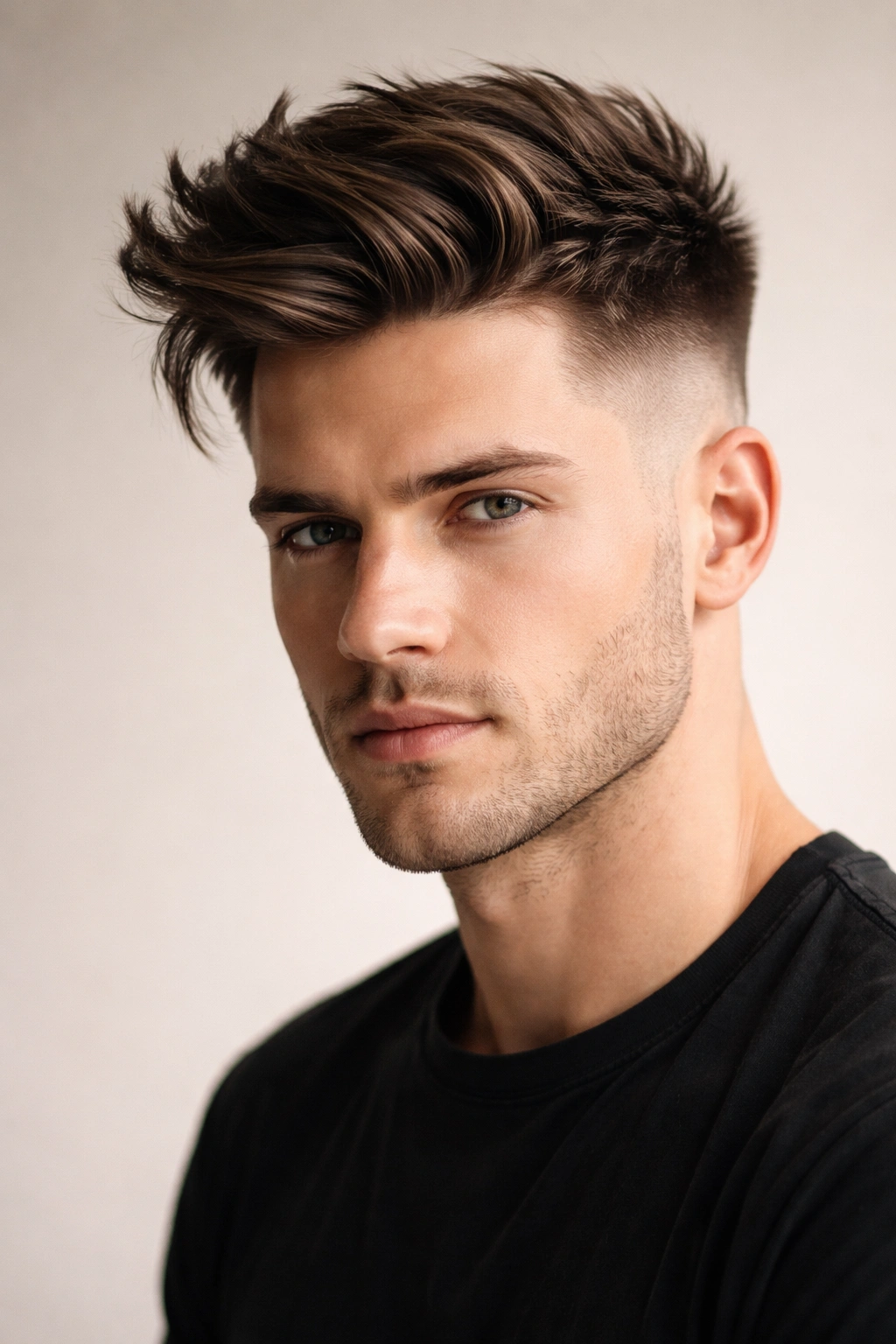
An undercut features short, tapered (or shaved) sides and back with noticeably longer hair on top — creating a dramatic contrast that’s both stylish and low-maintenance. The sides can be faded for subtlety or left blunt for more drama.
Why the Contrast Works
An undercut is low-maintenance because the longest part of the cut is only the top section. Your sides stay neat and trimmed while the top can be longer and textured. This means you can style the top section however you want (messy, sleek, voluminous) without worrying about what’s happening at the sides. It’s visually interesting without requiring complicated styling.
Practical Considerations
- Sides need trimming every 3 to 4 weeks to maintain the crisp line
- Top can go 6 to 8 weeks between cuts (follows the same logic as a textured crop)
- Very versatile styling — can look professional or edgy depending on how you style the top
- Works for all hair types
- Sides can be as subtle or dramatic as you prefer
Pro tip: Ask your stylist for a subtle, gradual fade rather than a sharp line if you want something that grows out more gracefully between trims. A sharp line needs very precise maintenance.
10. French Crop

The French crop is a short, textured cut with a flat top, short sides, and — most distinctively — blunt, straight-across bangs in the front. It’s got retro charm but feels modern and low-maintenance because of its texture and structure.
The Distinctive Ease
A French crop is one of those cuts that looks intentional and styled even when it’s completely unstyled. The flat top and blunt bangs create natural lines, and the overall shortness means you’re air-drying in minutes. The combination of precision (the bangs and flat top) with texture (the overall cut) creates a look that feels both crafted and effortless.
What to Know
- Trims every 5 to 7 weeks to maintain the bangs and overall shape
- The blunt bangs are the signature feature — they require slightly more precision to maintain than other low-maintenance cuts
- Works best on straight to wavy hair (curly hair can make the bangs unpredictable)
- Minimal styling required — mostly just texture
- Works especially well for people with rounder or fuller face shapes (the flat top creates structure)
Worth knowing: The blunt bangs in a French crop can grow out slightly without looking terrible — they’ll just get longer. They don’t require constant trimming like some bang styles do.
11. Crew Cut

A crew cut is similar to a buzz cut but with slightly more variation in length — usually very short on the sides and back, with a bit more length on top (around 1 to 2 inches). It’s military-inspired but works for any personal style.
Minimal Effort, Maximum Impact
A crew cut is nearly as maintenance-free as a buzz cut but with slightly more styling potential. You can slick the top back, let it stand up, or keep it messy — all with the same level of styling effort (basically none). It dries instantly, looks neat automatically, and genuinely requires zero styling products for daily wear.
Practical Details
- Trims every 4 to 6 weeks to maintain the precise length
- All the ease of a buzz cut with slightly more styling versatility
- Works for all hair types
- Showcases facial features and head shape
- Can be masculine, gender-neutral, or modern depending on styling
Pro tip: A crew cut with a subtle fade (slightly longer on the sides than a traditional crew) looks more contemporary while staying just as low-maintenance.
12. Choppy Layers Throughout
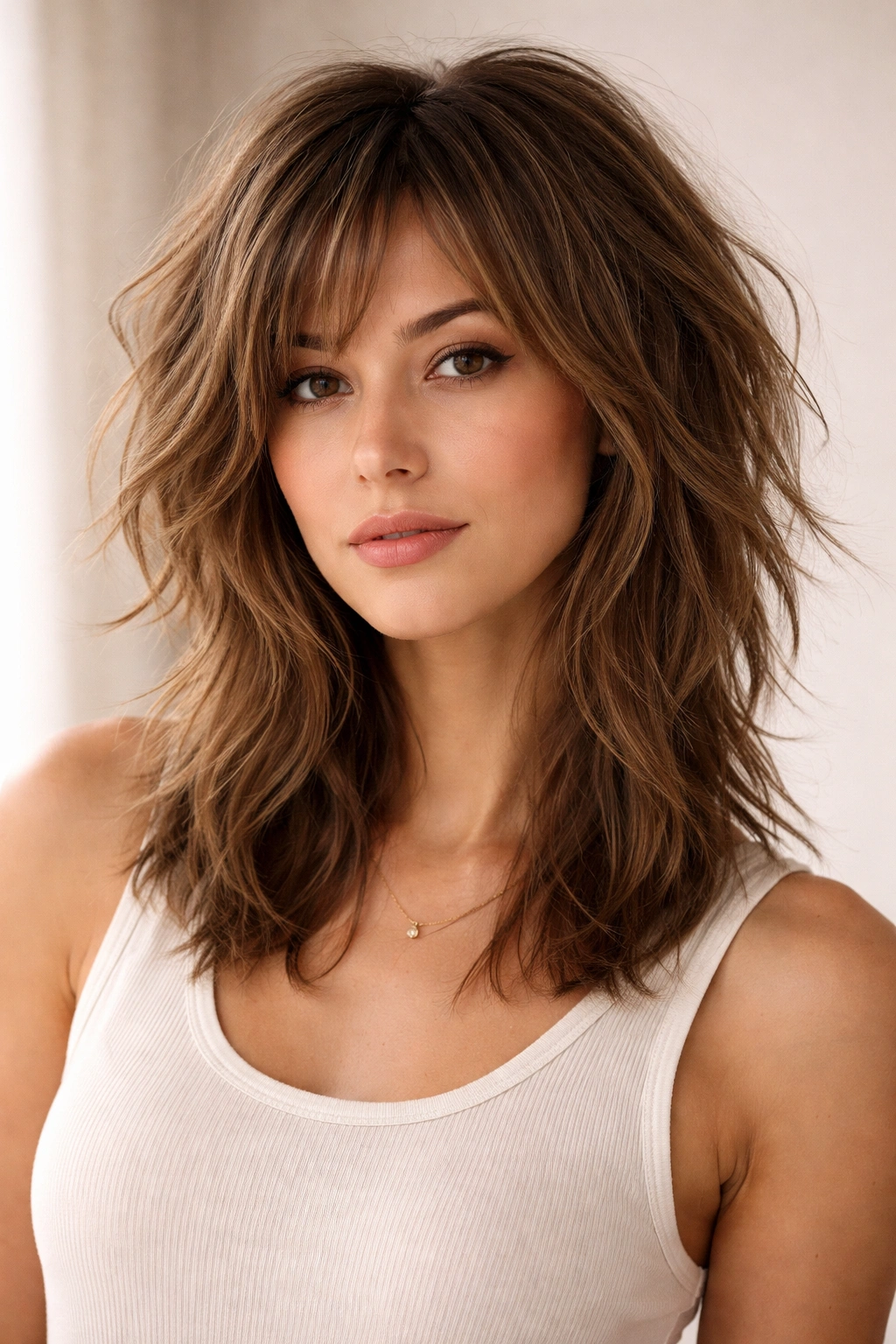
Choppy layers aren’t necessarily short — they can be any length, from shoulder-length to long — but they feature intentionally uneven, layered pieces throughout. This cut is almost the opposite of blunt precision; it’s all about texture and movement.
Why Choppy Wins
Choppy layers are the ultimate forgiving cut. An imperfect part? Hidden by the choppy texture. Uneven drying? That’s the style. Half-hearted styling? Looks intentional. Because every piece of hair is different lengths and blends into the next, the overall effect is textured and undone — which means your hair looks great whether it’s perfectly styled or completely unstyled.
Maintenance Reality
- Trims every 6 to 8 weeks (layers hold their shape longer than you’d expect)
- Works best on straight, wavy, or curly hair (gives fine straight hair more texture)
- Can be styled a million different ways with minimal effort
- Sea salt spray or texturizing spray enhances the style, but isn’t required
- Actually looks better as it grows out a bit (you maintain the choppy texture)
Worth knowing: Choppy layers work especially well for people with thick hair because they remove weight while maintaining volume and movement.
13. Side-Swept Bangs with Medium Length
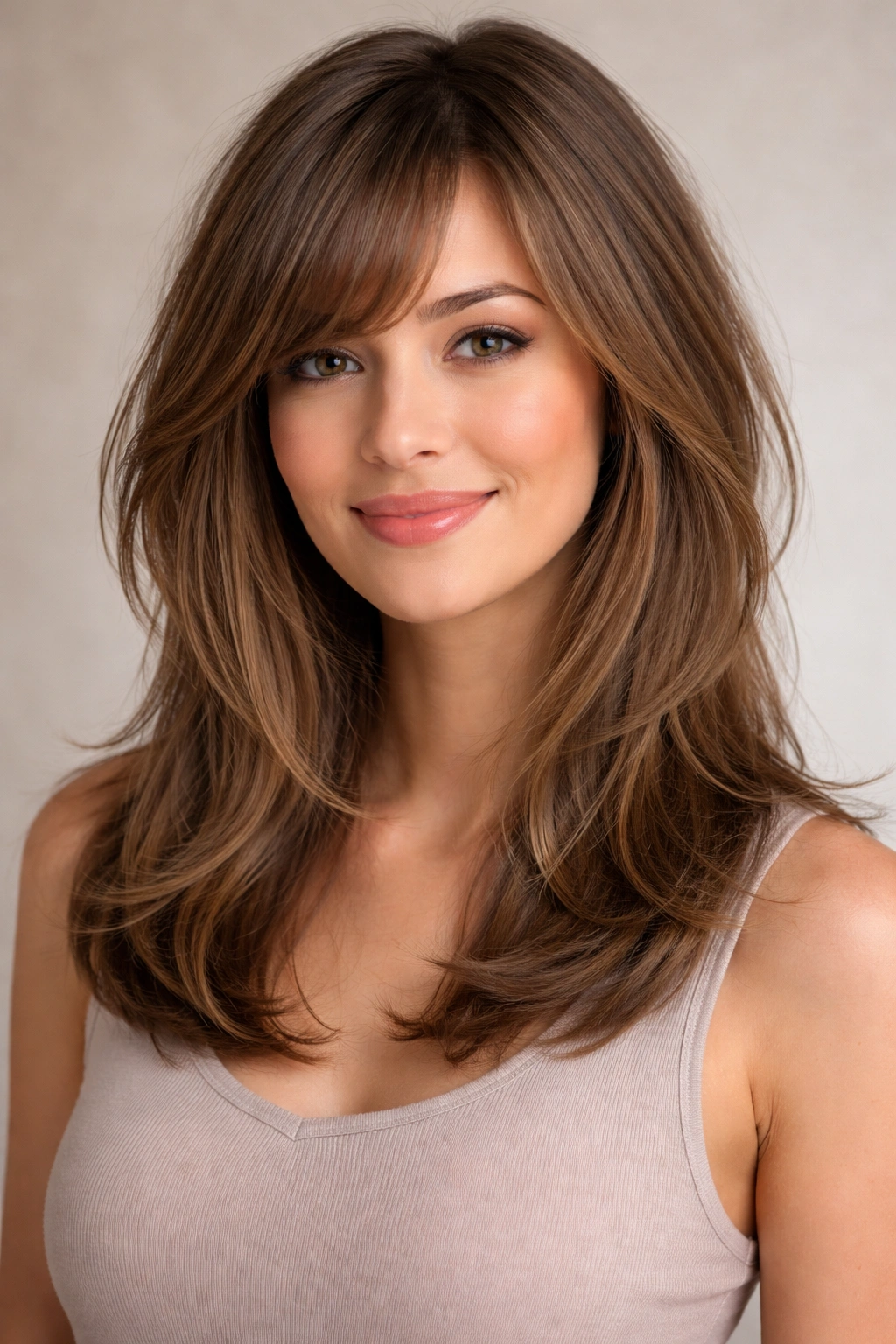
This is a longer cut (usually around shoulder-length or slightly longer) with side-swept bangs that blend into the rest of the hair. It’s effortlessly feminine without requiring high maintenance because the bangs naturally work with your hair’s texture.
The Effortless Sophistication
Side-swept bangs blend into the layered portions of your hair, so they don’t require the precise daily styling that blunt bangs do. As they grow, they gradually transition into longer, side-swept pieces. This is one of the few bang styles that actually works better as it grows out instead of looking increasingly unkempt.
What Works
- Trims every 8 to 10 weeks (bangs grow into longer pieces naturally)
- Medium length is long enough to pin up or style various ways
- Works with straight, wavy, or curly hair
- Minimal styling required — bangs naturally fall to the side and blend
- Looks polished and put-together even when completely unstyled
Pro tip: Ask your stylist to cut the bangs at an angle, longer on one side than the other. This means they’ll blend seamlessly into the rest of your hair as they grow instead of creating an awkward in-between phase.
14. Blunt Cut with Subtle Layers
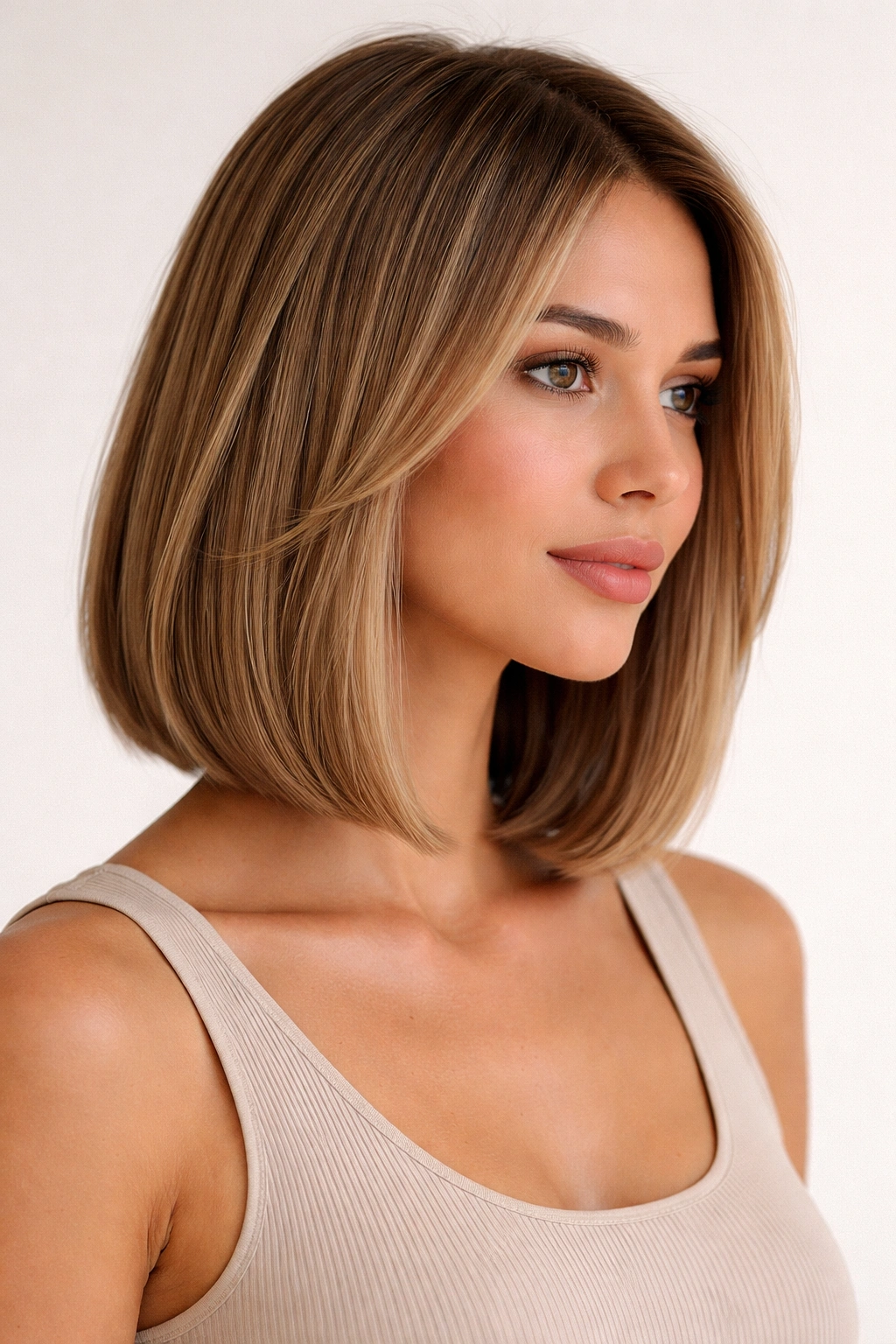
A blunt cut maintains the clean line of a precise bob or shoulder-length cut, but includes subtle internal layers that remove weight and add movement. This is the compromise between the structure of a blunt cut and the ease of a layered cut.
The Versatility Sweet Spot
Blunt cuts with subtle layers give you the polished appearance of a precise cut without the fussiness of a perfectly blunt line. The layers provide internal movement and texture, so your hair has natural bounce and flow. It dries faster than a completely blunt cut would, but maintains the clean, intentional appearance.
Practical Considerations
- Trims every 8 to 10 weeks to maintain the blunt line at the ends
- Works beautifully on all hair types
- Can be styled straight, wavy, or left to air-dry
- Minimal products required for everyday wear
- Looks professional and polished in any setting
Worth knowing: Subtle layers mean you won’t get that choppy, textured feeling — you’ll maintain a clean silhouette while gaining ease of styling and movement.
15. Tapered Fade
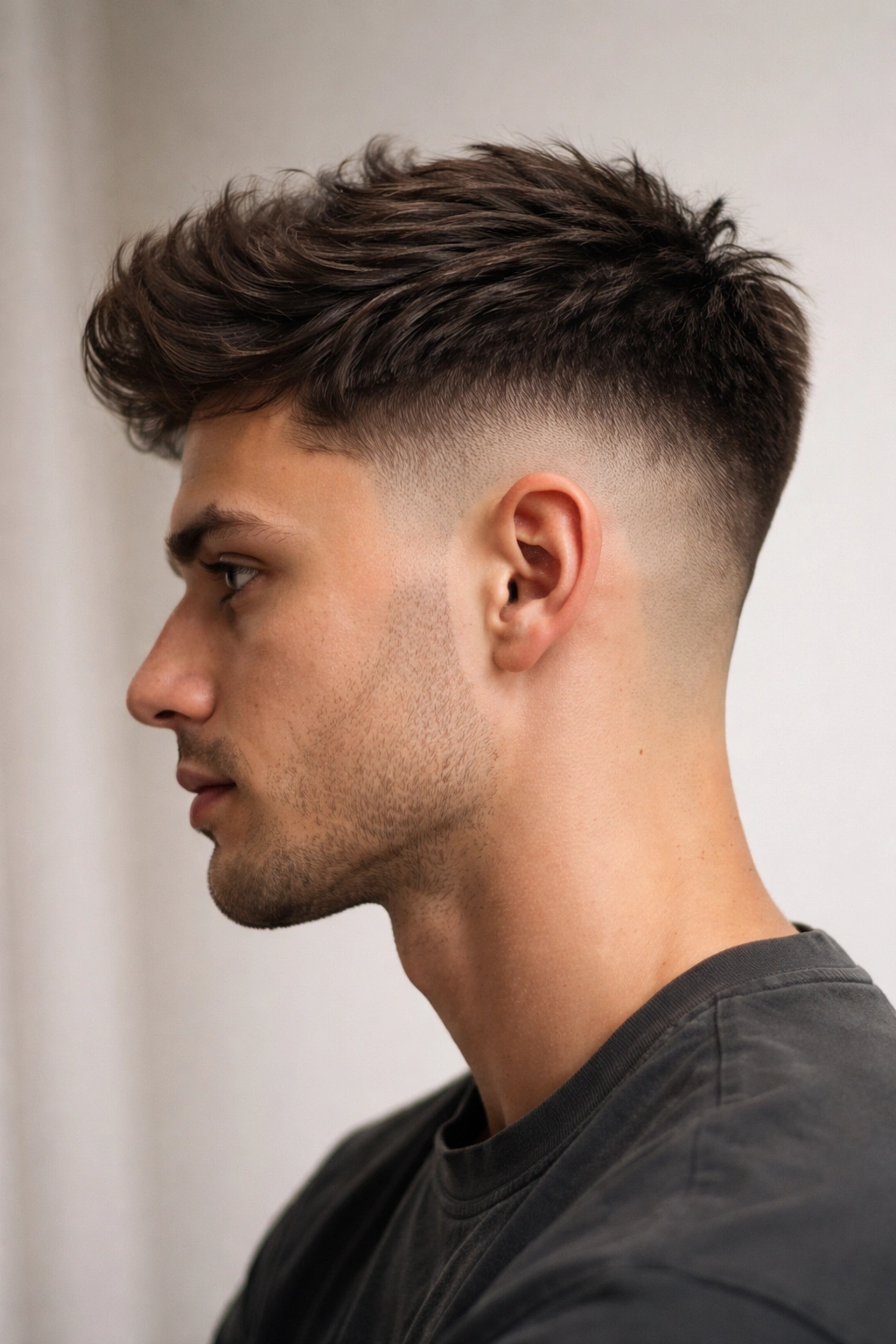
A tapered fade features longer hair on top that gradually (or sharply, depending on preference) becomes shorter toward the sides and back. It’s similar to an undercut but with a gradual transition rather than a dramatic line. This gives you styling versatility with minimal maintenance.
The Modern Practical Option
A tapered fade is popular because it looks intentional and modern while being genuinely easy to maintain. The top can be any length (short and textured, or longer and styled), while the fade handles the sides and back. You get visual interest from the contrast without the fussiness of precision maintenance.
Maintenance and Styling
- Sides need trimming every 3 to 4 weeks (or 5 to 6 weeks if you prefer the fade to grow out slightly and soften)
- Top follows standard trim schedule depending on length (every 4 to 8 weeks typically)
- Very versatile styling options — can be sleek, textured, voluminous, or anything in between
- Works for all hair types and textures
- Grows out gracefully because the fade gradually softens rather than looking obviously overgrown
Pro tip: A taper fade works especially well if you prefer a low-profile look on the sides but want more length and styling options on top. It gives you the visual interest of an undercut with a more blended, professional appearance.
Final Thoughts
Choosing a low-maintenance haircut isn’t about settling for less — it’s about working with your hair type, texture, and lifestyle instead of against it. The best cut for you is one you can actually maintain with the time and effort you’re willing to spend. Whether that’s a pixie cut that requires a trim every few weeks, long layers that air-dry beautifully, or an undercut that gives you styling versatility without fussiness, the right choice depends entirely on your priorities.
The common thread among all these styles is that they’re designed to look good without constant intervention. They work with your natural hair texture, they forgive minor imperfections, and they actually look better as they grow out slightly rather than falling apart. Once you find the right cut, you’ll realize that looking polished and put-together doesn’t require an hour of styling time every morning — it just requires a cut that was made for your specific hair and lifestyle.
Book a consultation with a stylist who specializes in low-maintenance cuts, bring reference photos, and have an honest conversation about how much time you’re actually willing to spend styling your hair daily. That honesty, combined with the right cut, is what transforms hair from a daily source of frustration into something that genuinely makes you feel confident and comfortable.
