



Short afro hairstyles are more than just a practical choice—they’re a powerful form of self-expression that celebrates natural texture and versatility. Whether you’re drawn to sleek, sculpted looks or voluminous, textured styles, short afros offer an incredible range of styling possibilities that work for different hair types, face shapes, and personal aesthetics. The beauty of working with short natural hair is that you can transform your look in minutes, switch between styles frequently, and spend less time on maintenance while still making a bold statement.
The key to rocking a short afro is understanding what works with your specific hair texture and lifestyle. Some styles prioritize volume and height, creating dramatic silhouettes that catch light and movement. Others lean into defined curl patterns, precise edges, or strategic shaping for a more polished aesthetic. Many short afro styles actually require less styling time than you might expect—once you understand the technique, you can recreate your favorite look consistently and with confidence.
What makes short afros particularly exciting is how they interact with your face shape, personal style, and daily activities. A style that looks absolutely stunning on someone else might need tweaking to work perfectly for you, and that’s completely normal. The good news is that with the right information about techniques, products, and styling approaches, you’ll find multiple options that make you feel confident and beautiful every single day.
1. The Classic Blowout
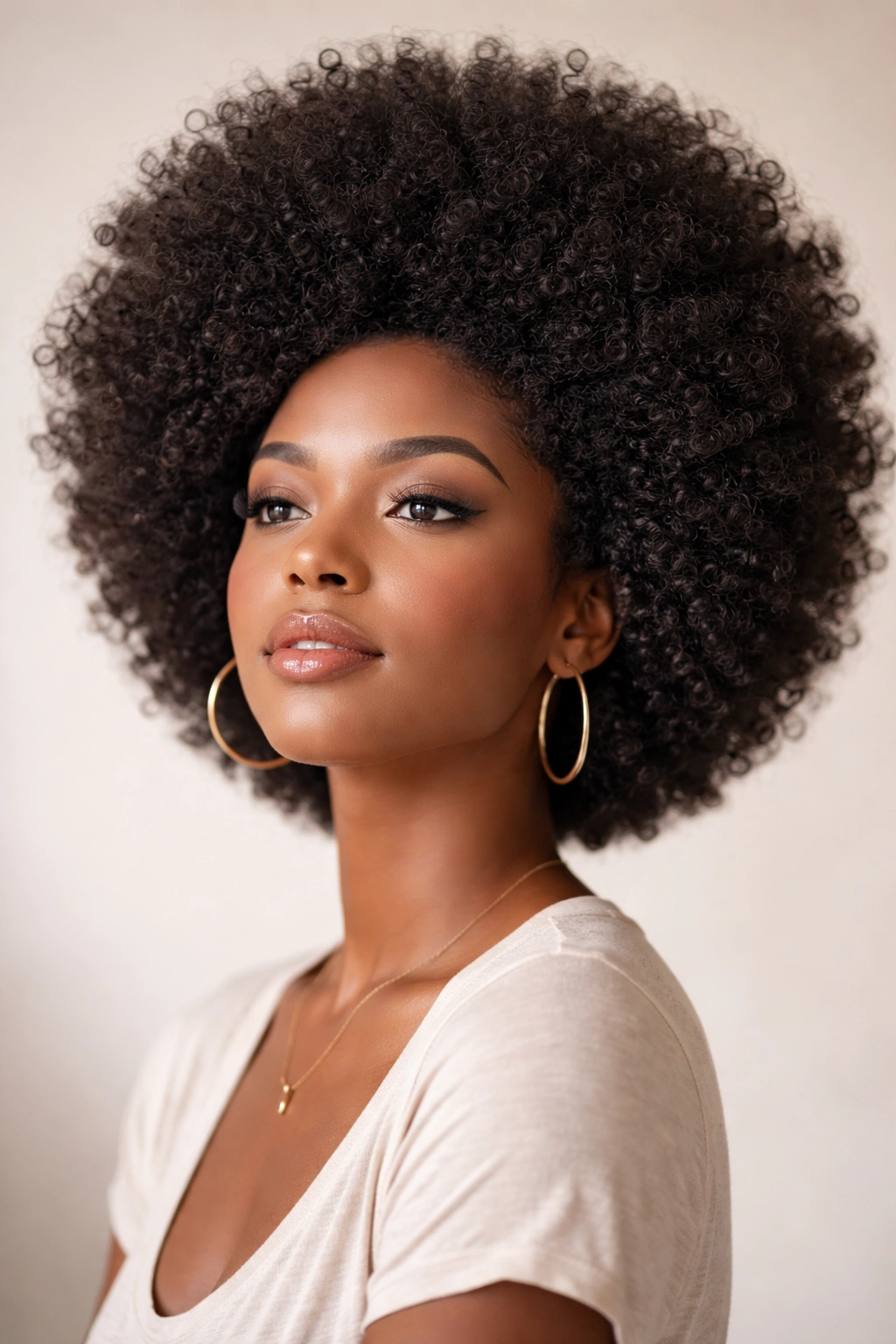
The classic blowout is the foundation of short afro styling—a voluminous, rounded silhouette that maximizes texture and creates an almost sculptural effect around your head. This style works beautifully for people with tighter curl patterns and denser hair, though it can be adapted for different textures with the right technique.
Why This Style Is Timeless
The blowout creates visible definition and separation between curl clusters, making individual curls and coils pop visually. The rounded shape flatters most face shapes and works equally well for professional settings, casual outings, or special events. Unlike styles that rely on gel or product buildup, a clean blowout shows off your hair’s natural beauty and texture without heaviness.
How to Achieve and Maintain It
- Wash your hair with a moisturizing shampoo and apply a hydrating conditioner or co-wash to keep curls from drying out
- While hair is soaking wet, apply a leave-in conditioner or styling cream to every section, combing through gently with a wide-tooth comb
- Use a blow dryer on low to medium heat with a concentrator nozzle, working in small sections and cupping curls upward as you dry
- Allow hair to air dry partially before blow-drying completely to reduce heat damage and frizz
- Finish by fluffing and shaping with your fingers or a wide-tooth comb to create the rounded silhouette
Pro tip: A bonnet blow dryer cuts drying time in half and distributes heat more evenly than a handheld dryer, making it easier to achieve consistent results every time.
2. The Defined Curl Pattern Wash-and-Go
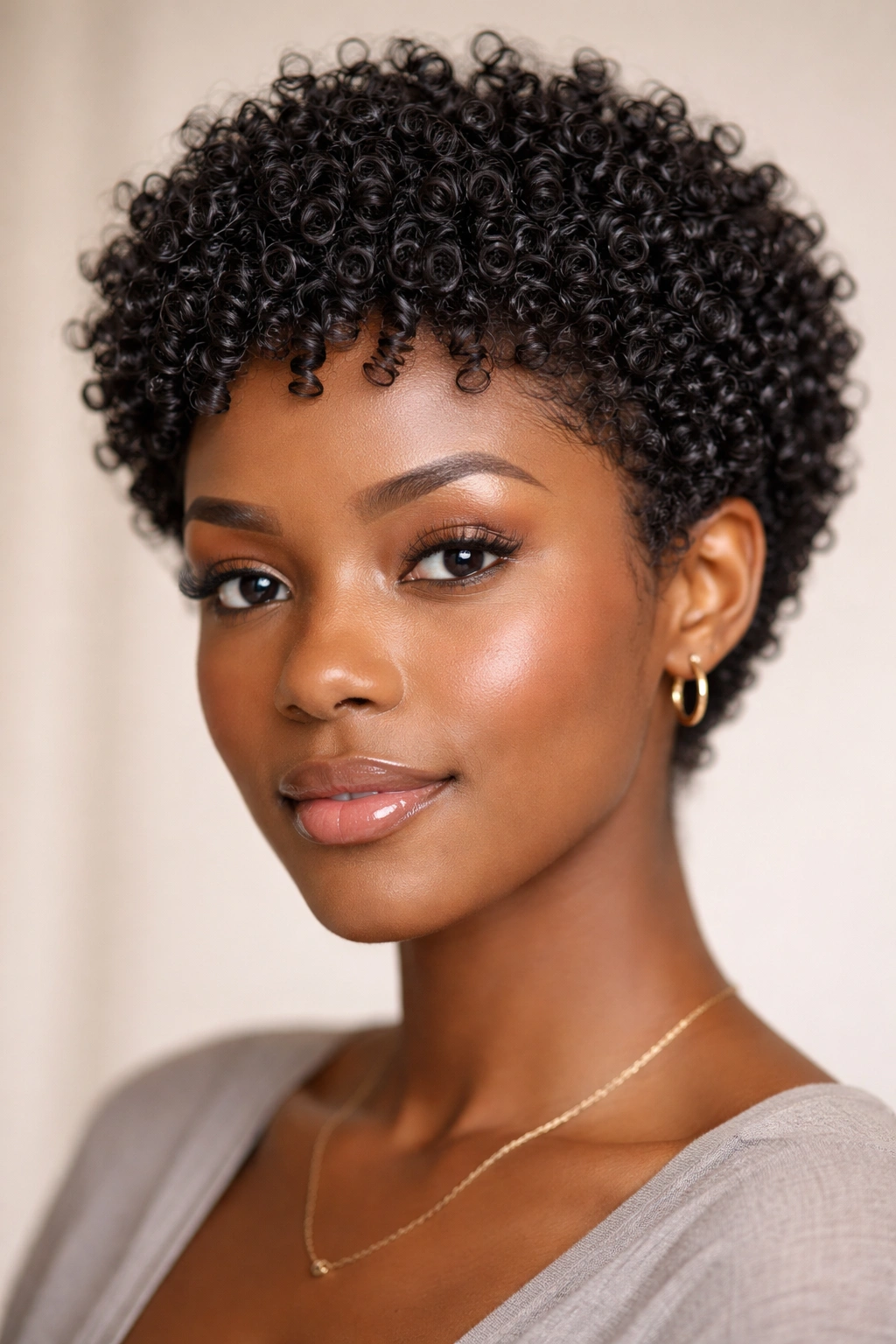
This style celebrates your natural curl pattern by using styling products that enhance definition and hold without crunchiness. It’s perfect for people who want a polished look with minimal daily styling effort and maximum hair health.
The Secret to Definition Without Crunch
The key is finding the right combination of products that work specifically for your curl pattern and porosity level. A styling gel or cream applied to soaking wet hair creates cast definition, where individual curls form a temporary shell that holds them in place as they dry. The difference between a crunchy, stiff result and soft, bouncy curls comes down to product amount and type—less is usually more.
Building Your Wash-and-Go Routine
- Shampoo or co-wash your hair thoroughly, then rinse with cool water to seal the cuticle and add shine
- Apply leave-in conditioner to soaking wet hair in small sections, making sure every strand is saturated
- Apply styling gel or cream to each section using praying hands or scrunching motions, working from roots to tips
- Plop hair gently in a microfiber towel or t-shirt for 10-20 minutes to remove excess water without disrupting curl pattern
- Air dry completely (or use a low-heat blow dryer or diffuser) until the gel cast is completely hard
- Once dry, gently scrunch curls with your hands to break the cast and reveal soft, defined curls underneath
Worth knowing: The hardness of your gel cast when completely dry isn’t a bad thing—it’s actually a sign the product is doing its job. Breaking the cast with your hands afterward is what gives you the soft, bouncy finish.
3. The Tapered Fade with Height on Top
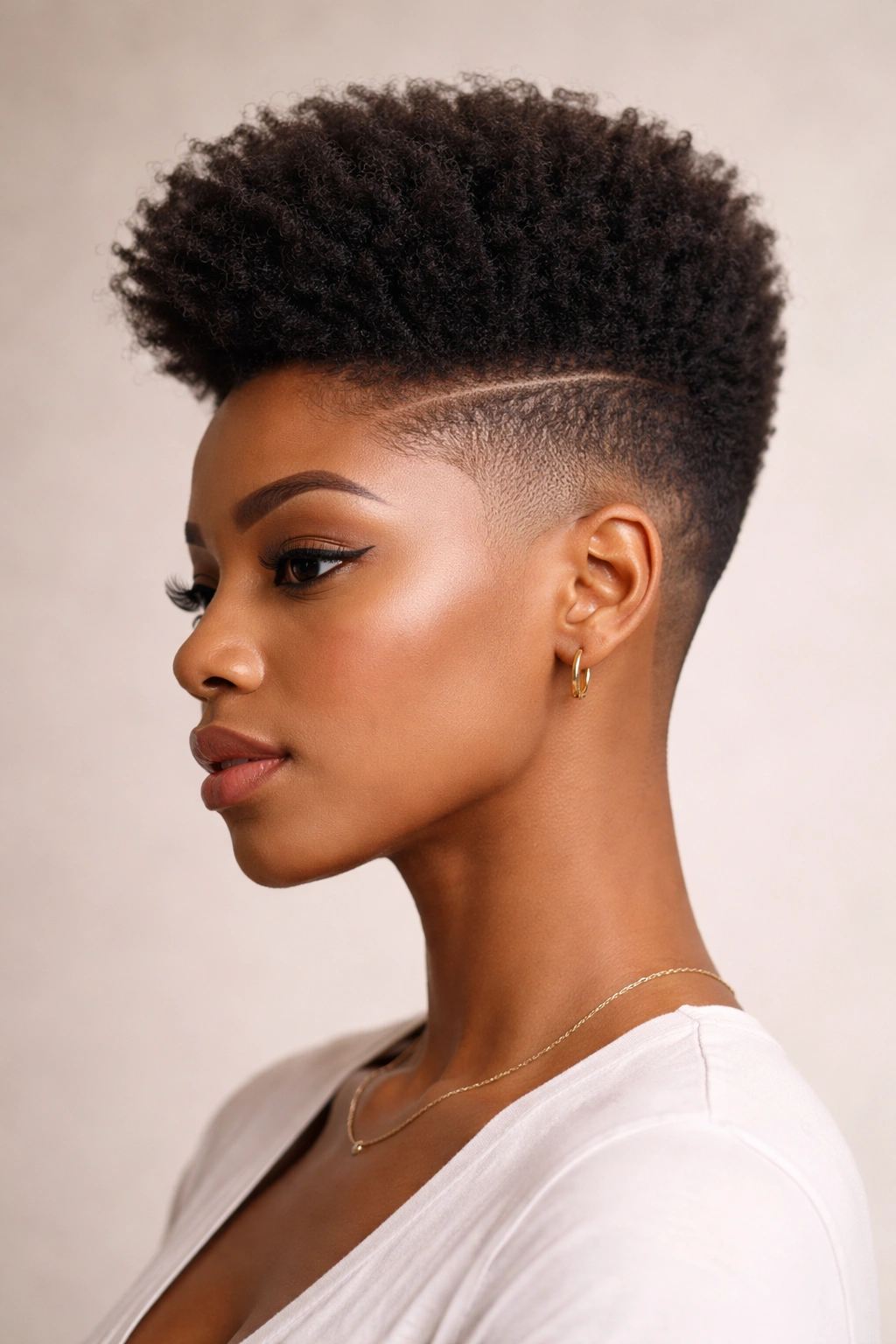
A tapered fade combines shorter sides with more length and volume on top, creating visual interest and a sleek, modern aesthetic. This style works exceptionally well for people with oval or round face shapes and suits both professional and casual settings.
Why This Cut Commands Attention
The contrast between tapered sides and fuller top draws attention upward and creates the illusion of more length even when your overall hair is quite short. The sides feel clean and intentional while the top maintains all the texture and styling versatility of a short afro. This is genuinely one of the most flattering cuts across different face shapes.
Styling the Tapered Fade
- Use a styling cream or pomade on damp hair, applying more product to the top and less to the faded sides
- For volume, blow dry the top section upward and away from your head while keeping sides relatively flat
- Use your fingers or a soft brush to shape and direct the top section into your desired silhouette
- For a sleeker look, apply a light shine serum or edge control to the faded sides for definition
- Maintain the fade with regular trims every 3-4 weeks to keep the taper sharp and intentional
Pro tip: Ask your barber or stylist to blend the fade gradually rather than creating a stark line—a soft blend looks more polished and grows out more gracefully.
4. The Textured Pixie Cut
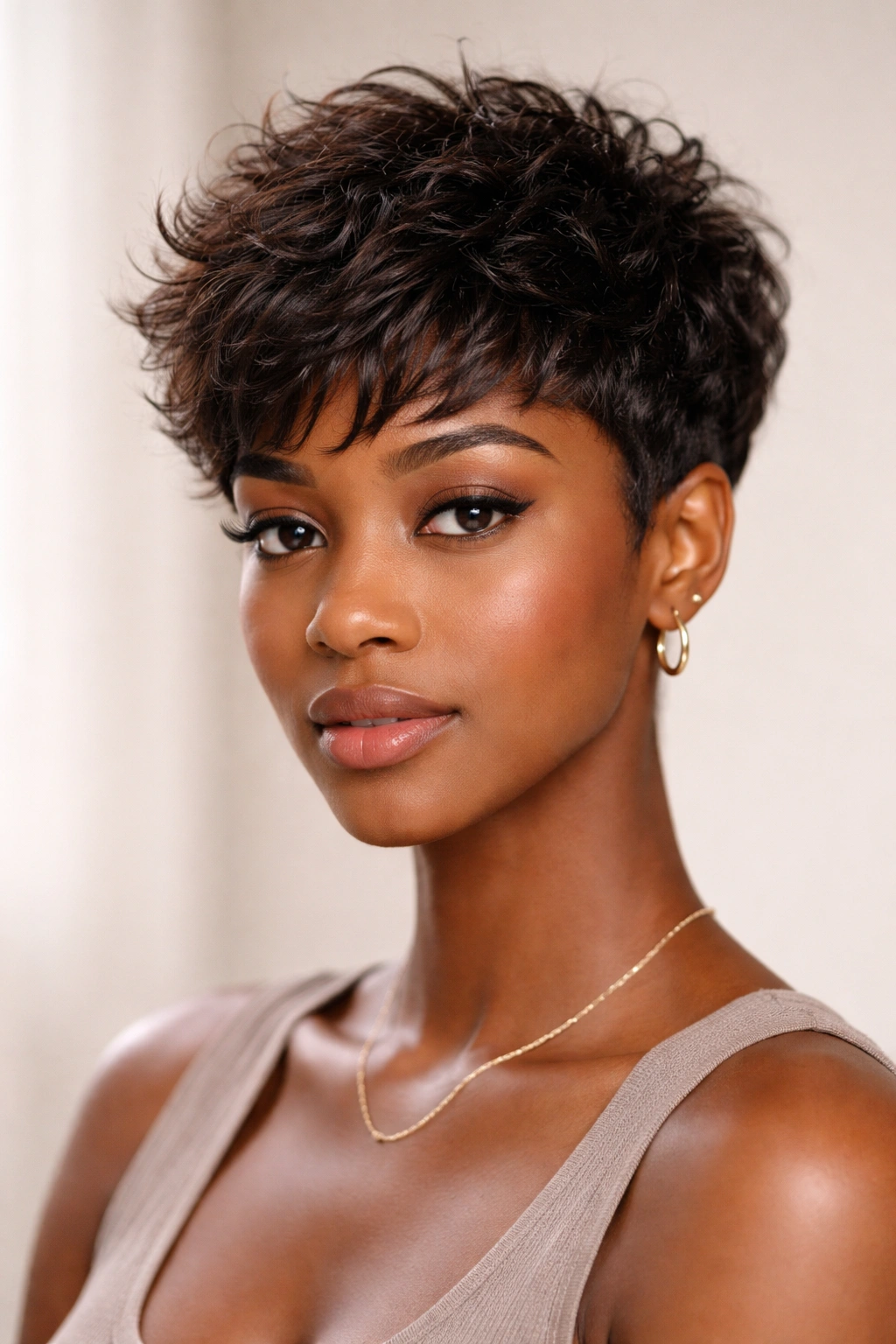
A textured pixie offers short hair that frames your face beautifully while maintaining enough length to show texture and movement. This style is bold, chic, and surprisingly versatile for styling.
How Texture Changes Everything
A textured pixie isn’t just short hair—it’s strategically layered and cut to enhance your natural curl pattern and create dimension. Layers allow shorter pieces to sit on top of longer ones, creating the illusion of fullness and movement even with minimal length. The result is a cut that looks intentional and beautifully shaped rather than simply short.
Styling a Textured Pixie
- Wash and condition with moisturizing products designed for your curl type
- Apply a lightweight styling cream to damp hair, scrunching upward to encourage curl formation
- Blow dry with a diffuser attachment on low to medium heat, cupping sections upward as you dry
- Use a pick or wide-tooth comb to fluff and shape the top and sides into your desired silhouette
- For a sleeker version, apply a smoothing serum or light gel and dry with a concentrator nozzle for more control
Insider note: Textured pixies actually look better slightly tousled than perfectly smooth—embrace the texture rather than fighting it for a more authentic, modern vibe.
5. The Shaped and Sculpted Afro
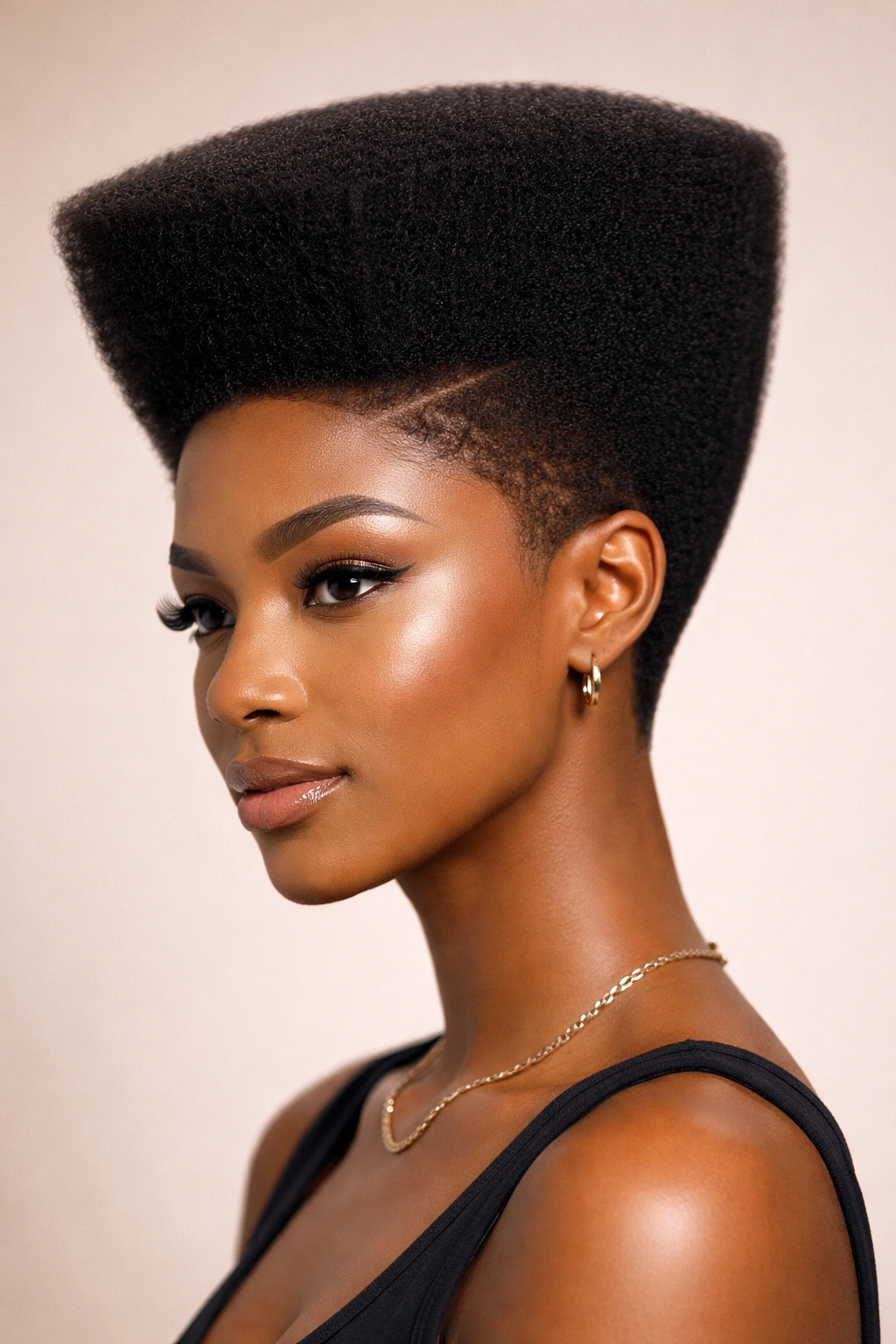
This style involves cutting or shaping your afro into a specific geometric silhouette—a perfect sphere, a slightly squared-off shape, or a high-crowned effect. It’s a bold, intentional look that demonstrates real styling skill.
The Artistry Behind Sculpted Afros
Shaping an afro requires understanding your hair’s natural density, where it shrinks when dry, and how to work with your specific curl pattern to achieve the desired silhouette. A skilled stylist can create clean lines and precise shapes that look mathematical and beautifully intentional. This is styling as actual art form.
How to Maintain a Sculpted Shape
- Avoid touching or picking at your hair when it’s freshly dried to preserve the shaped silhouette
- Use a light hold gel or edge control to keep the outline clean and defined
- Sleep on a silk or satin pillowcase or bonnet to prevent your shape from flattening overnight
- When you wash, apply products and dry carefully to reactivate and reshape the silhouette
- Visit your stylist every 4-6 weeks to maintain the crisp lines and precise shape
Worth knowing: Sculpted afros look best when freshly done and gradually lose definition between appointments—this is completely normal and part of the style’s evolution.
6. The Soft Coil-Out
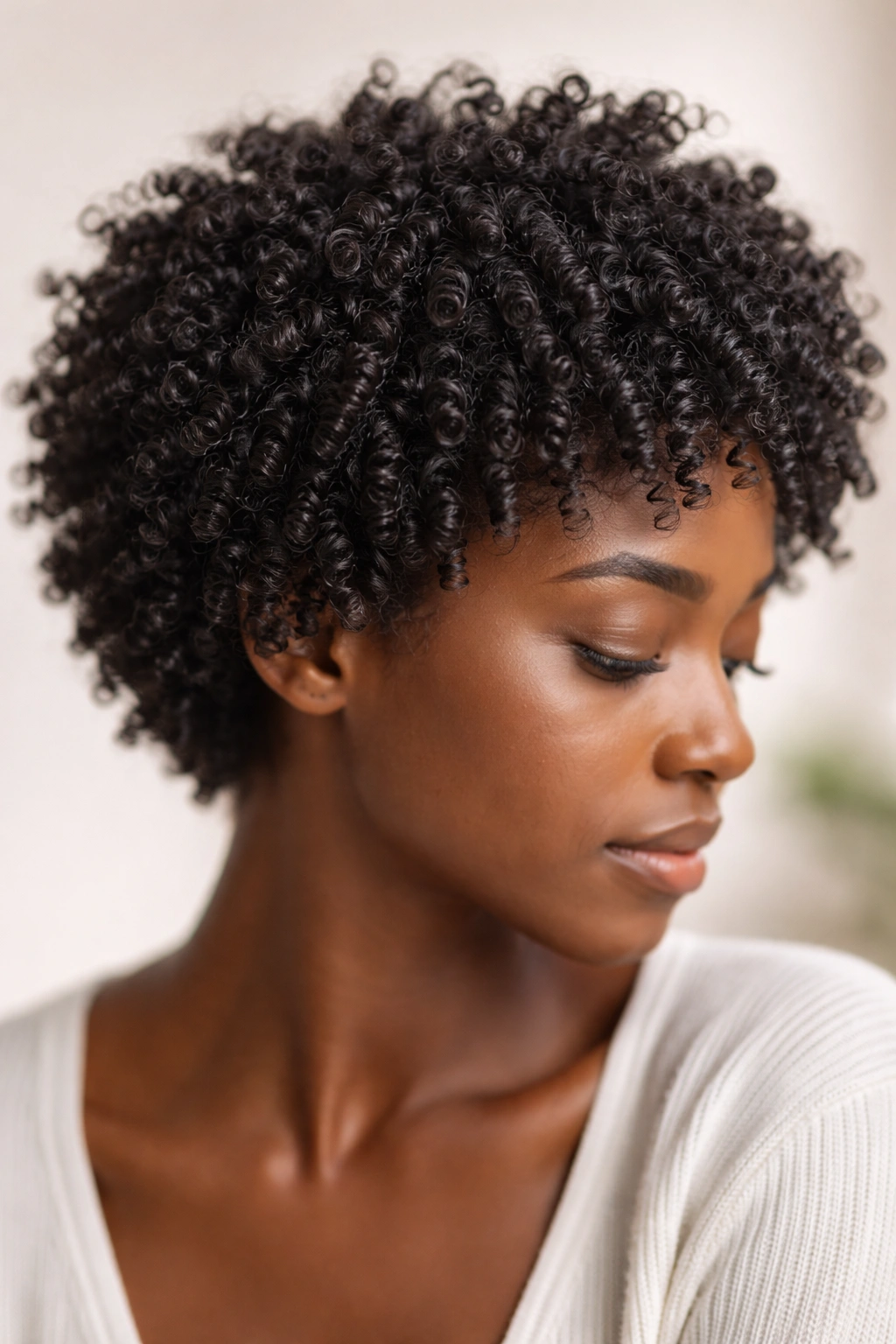
A soft coil-out emphasizes individual coil patterns by using specific styling techniques and products that keep each coil distinct and bouncy. It’s a romantic, textured look that celebrates natural hair in its most defined form.
Why Coils Pop When Done Right
Individual coils are more visible when hair is styled with moisture and definition rather than volume and separation. A coil-out technique uses twists, braids, or straw sets to create permanent wave patterns, then releases them to reveal consistent, bouncy coils throughout. The result is visually striking and demonstrates beautiful natural texture.
Creating a Coil-Out
- Wash your hair with moisturizing products and apply a hydrating leave-in conditioner
- While hair is soaking wet, divide into manageable sections
- Take each section and create two-strand twists, three-strand braids, or use straw sets to wrap sections around small rods or drinking straws
- Apply a styling gel or cream to each twist or braid for hold and definition
- Allow hair to air dry completely or use a low-heat dryer on the coolest setting
- Gently unravel twists or braids to reveal coils, separating each coil slightly with your fingers
- Lightly mist with water or a lightweight spray to refresh and define any coils that lost definition
Pro tip: Create twists that are slightly smaller than your natural curl pattern—when you unravel them, the coils will be tighter and more defined than if you created loose twists.
7. The Undercut Afro
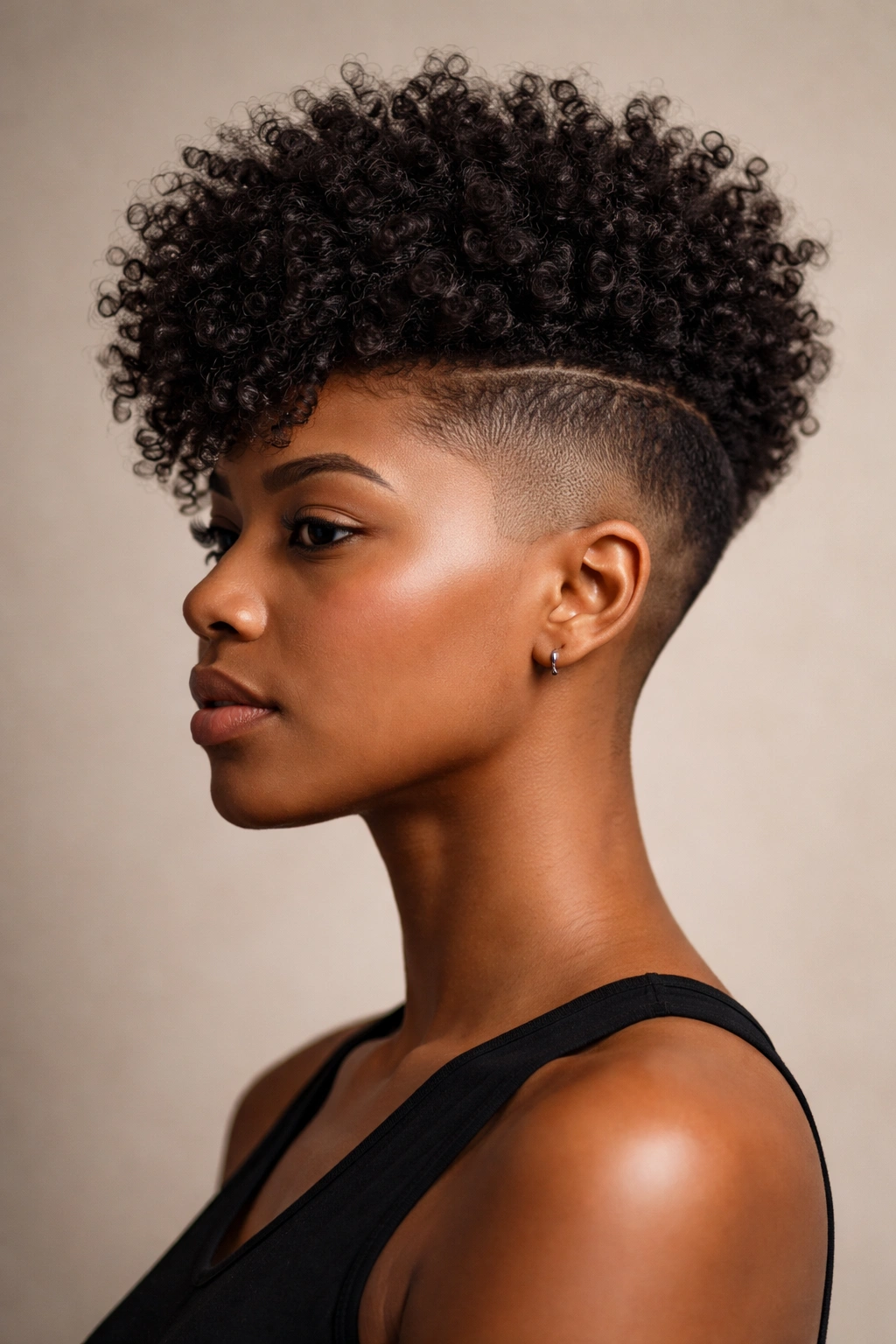
An undercut afro combines a shorter, tapered or faded underside with fuller length on top, creating dramatic visual contrast and showcasing scalp design or fade artwork. It’s daring, modern, and incredibly versatile.
The Bold Appeal of Contrast
The undercut works beautifully because it creates clean lines, feels intentional, and allows you to play with negative space. The shaved or faded sides can be completely smooth or feature geometric designs, lines, or patterns depending on your style preference. This cut makes a statement without requiring a ton of length on top.
Styling and Maintaining Your Undercut
- Keep the faded or shaved sides smooth by touching them up every 2-3 weeks as hair regrows
- Style the top section with the same techniques you’d use for any short afro—blowouts, gels, creams, or pomades
- Consider the design or fade artwork when choosing how to style the top so the overall look feels cohesive
- Use beard oil or a lightweight moisturizer on the faded sides to keep skin healthy and the fade looking sharp
- Sleep on a bonnet or satin pillowcase to protect both the top styling and the fade definition
Worth knowing: The sides will need regular maintenance, so budget for trims every 3 weeks if you want the fade to stay sharp and intentional-looking.
8. The Two-Strand Twist-Out
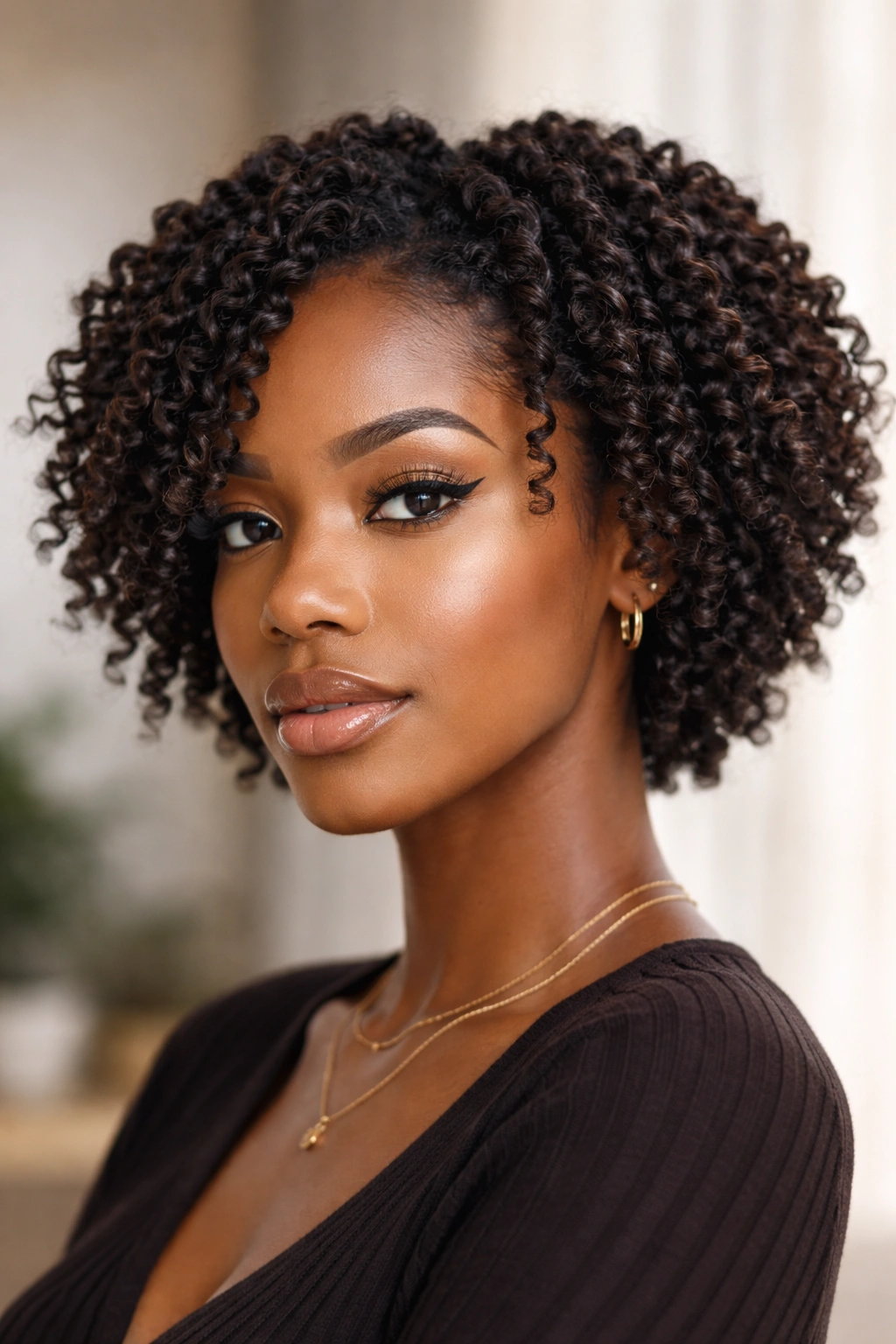
Two-strand twist-outs create a distinctive crimped or wavy texture by twisting damp hair, allowing it to dry, and then unraveling the twists to reveal wave patterns. It’s a protective style that also serves as a beautiful finished look.
How Twists Create Wave Texture
When you twist two sections of hair around each other and allow them to dry in that twisted form, the hair dries with a permanent memory of that shape. Unraveling the twists reveals a wavy, crimped texture that’s different from your natural curl pattern. The beauty is that you can control the texture’s size by adjusting your twist thickness.
The Complete Twist-Out Process
- Wash your hair and apply leave-in conditioner to soaking wet hair, sectioning it into manageable parts
- Take two strands and twist them around each other from roots to tips, adding styling cream or gel as you go for hold
- Create twists throughout your entire head, making sure each twist is secure and well-defined
- Allow hair to air dry completely or use a low-heat dryer—this is crucial for the texture to set properly
- Gently unravel each twist carefully, working from the bottom up to avoid disrupting the wave pattern
- Fluff and shape with your fingers to create the final silhouette
- Optional: apply a light oil or serum to add shine and reduce frizz
Pro tip: Sleep in your twists with a bonnet on to protect them overnight, then unravel in the morning for a fresh, defined twist-out that lasted through the night.
9. The Rounded Crown with Precise Edges
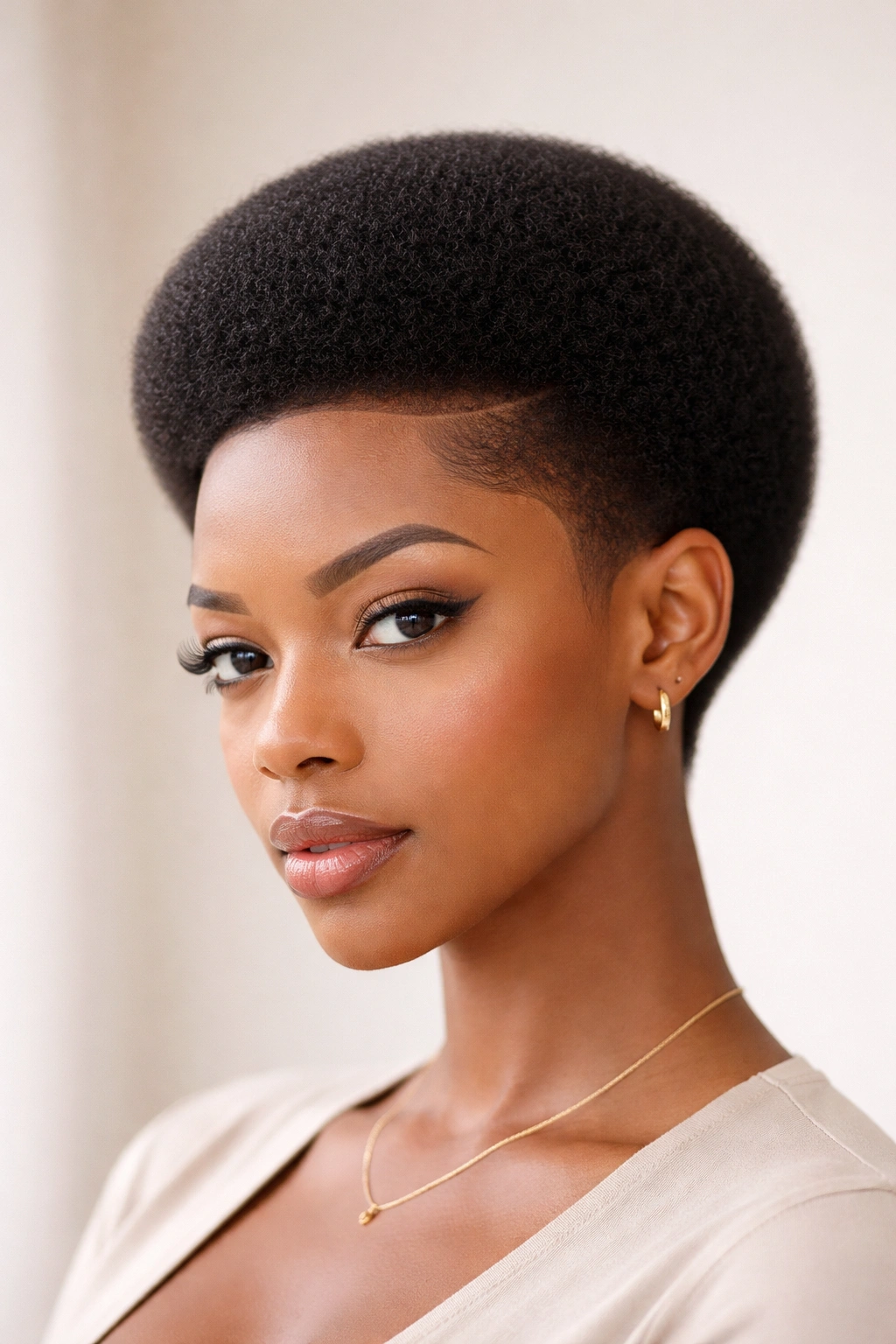
This style features a softly rounded top with clean, precise edges along the hairline and sides—a look that’s polished, intentional, and incredibly flattering. It works beautifully with sharp edge control and regular maintenance.
The Power of Clean Lines
The contrast between the soft, textured volume on top and the crisp, clean edges creates a finished, high-maintenance look even if you’re spending minimal time styling daily. Precise edges signal intention and care, which elevates the entire hairstyle. This is partly why the style feels so polished.
Achieving Clean Edges and Maintaining Them
- Use an edge control product with strong hold—cream, gel, or pomade depending on your preference and hair type
- Apply edge control to your hairline and edges with a small brush or your fingertip, smoothing each edge in the direction you want it to lie
- Allow edges to dry completely before touching them to prevent disruption
- Use a fine-tooth comb or edge brush to smooth edges in the morning and after washing
- Refresh edges daily with a light spray bottle and edge control to maintain that crisp, intentional look
- Visit your stylist every 4-6 weeks for a fresh shape and line-up of your edges
Worth knowing: Edge control works better on stretched or damp hair—applying it to dry hair often results in flaking or a visible product buildup that doesn’t look polished.
10. The Volume Crown with Tapered Sides
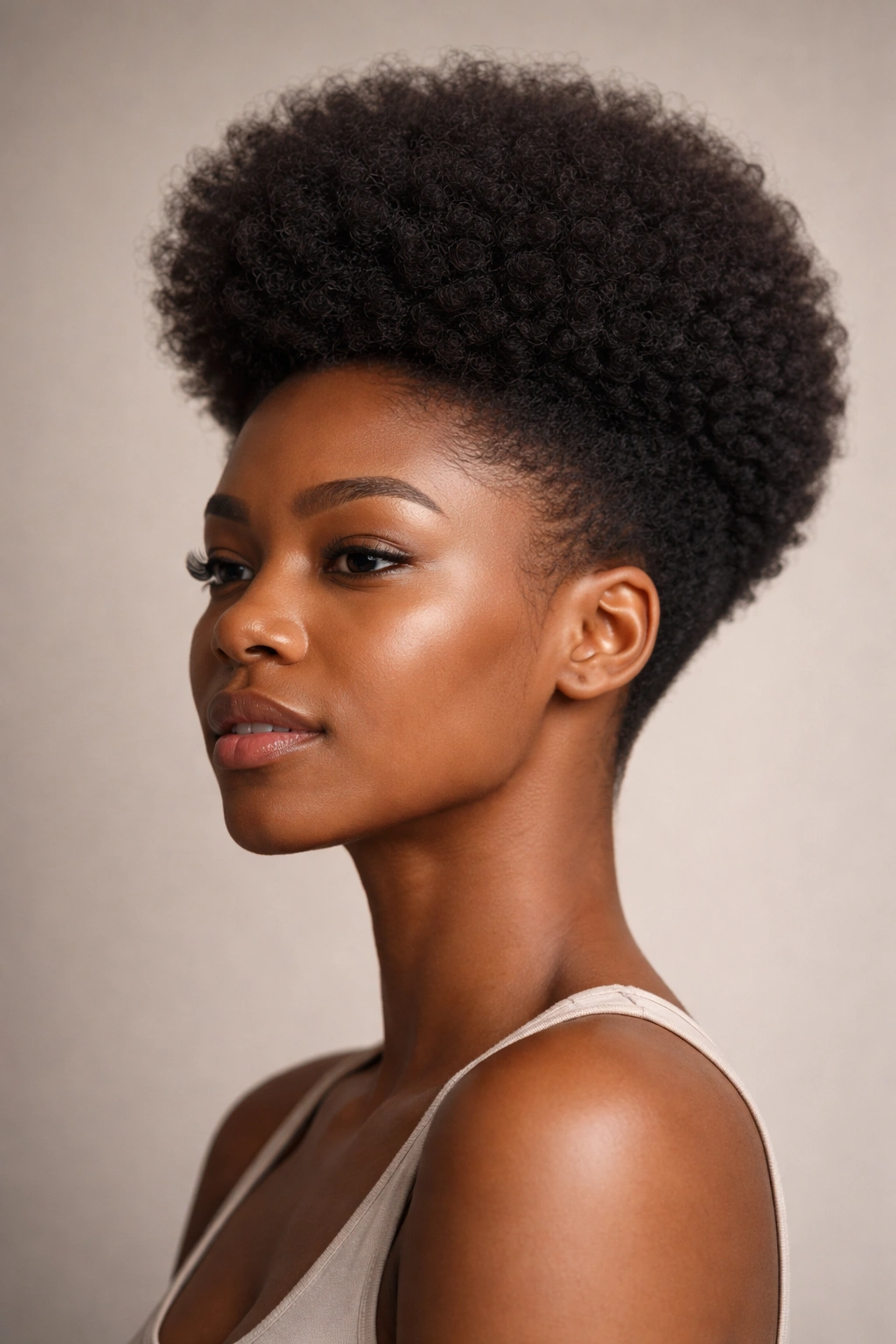
This style maximizes the height and volume of a rounded top while keeping the sides progressively shorter for a defined, flattering silhouette. It’s stunning on people who want maximum visual impact and love the shape of their head and face.
Why Height Changes How a Style Reads
Volume on top literally draws the eye upward and can balance wider face shapes, shorter foreheads, or heavier jaws. The visual effect is both romantic and powerful—you’re not trying to hide anything, just emphasizing height and texture. This is styling with intention and confidence.
Building and Styling Volume
- Start with a moisturizing wash and apply a volumizing leave-in conditioner or mousse product
- Apply styling cream to damp hair, focusing more product on the roots for maximum lift
- Blow dry the top section upward and away from your head using a diffuser or concentrator nozzle
- Use your fingers to fluff and separate sections as hair dries to maximize volume
- For even more height, blow dry in reverse—flip your head upside down while drying the top section
- Finish by shaping the crown and tapered sides with your fingers or a pick
Pro tip: Apply most of your styling product to the roots and mid-lengths rather than the ends—this creates volume without weighing hair down with excess product.
11. The Braided or Cornrowed Afro
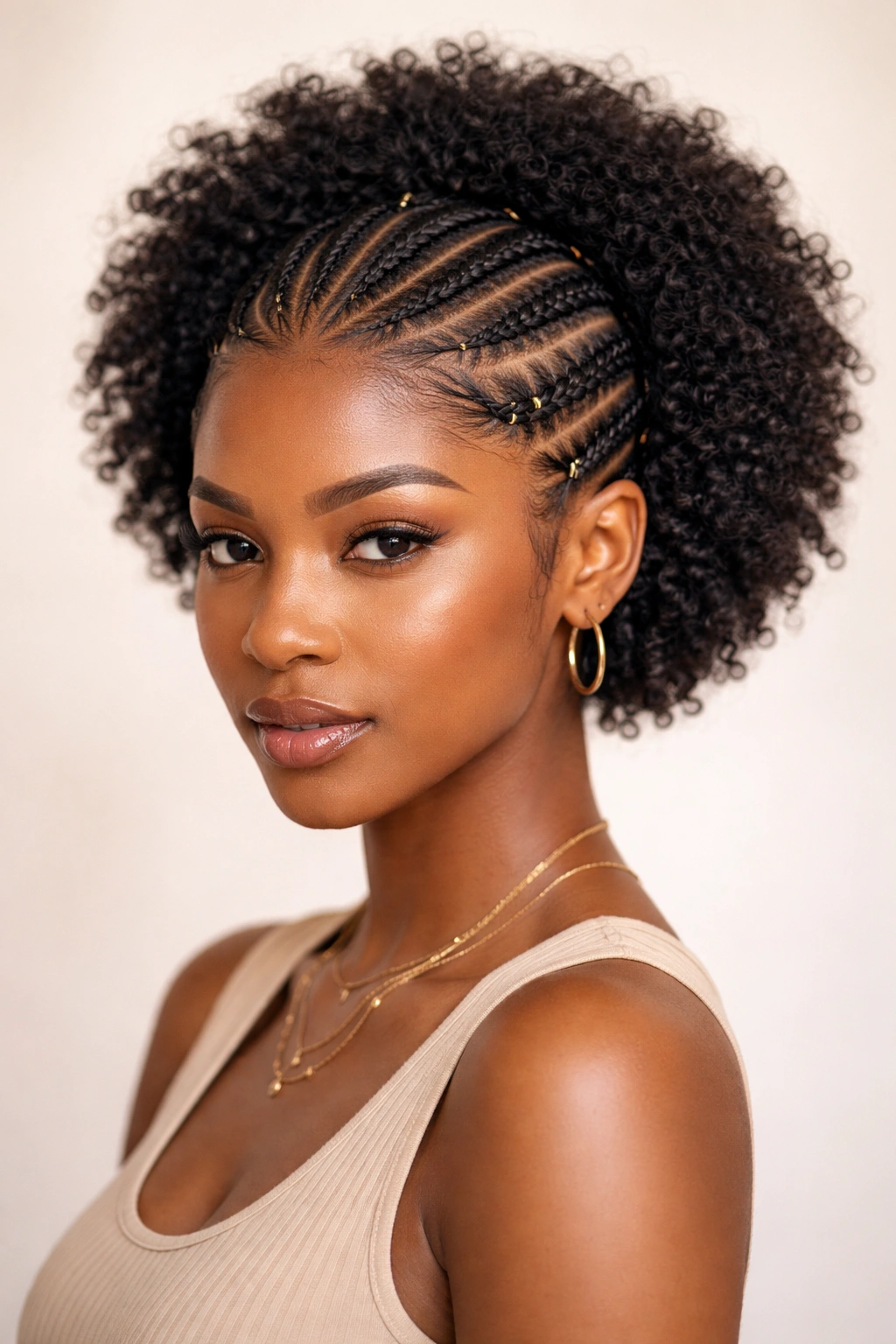
Braids or cornrows throughout your entire short afro create structure, pattern, and visual interest while also protecting your hair from daily manipulation. This style works particularly well for people with medium to longer short hair.
The Protective and Aesthetic Benefits
Styling your afro in braids or cornrows reduces daily handling and styling time while creating a beautiful pattern that shows off your scalp designs, jewelry, or decorative cuffs. Each braid can be thick and chunky or thin and delicate depending on your preference and the statement you want to make. The geometric patterns are genuinely striking.
Maintaining Braids in Short Afro Hair
- Keep braids in place by using a light hold gel around the base of each braid near the scalp
- Sleep on a bonnet or satin pillowcase to prevent the braids from loosening or frizzing overnight
- Refresh the hairline by smoothing with edge control in the morning or after washing
- Spritz braids with a water and leave-in conditioner mixture to keep them moisturized
- Wash your hair by wetting the braids gently and applying a diluted shampoo or conditioner, being careful not to disturb the braids
- Remove braids gently after 2-4 weeks to give your hair a break and prevent tension at the roots
Worth knowing: Thinner cornrows or braids require more time to install but create finer detail and patterns, while thicker braids go faster and create bolder geometric effects.
12. The Blown-Out Textured Bob
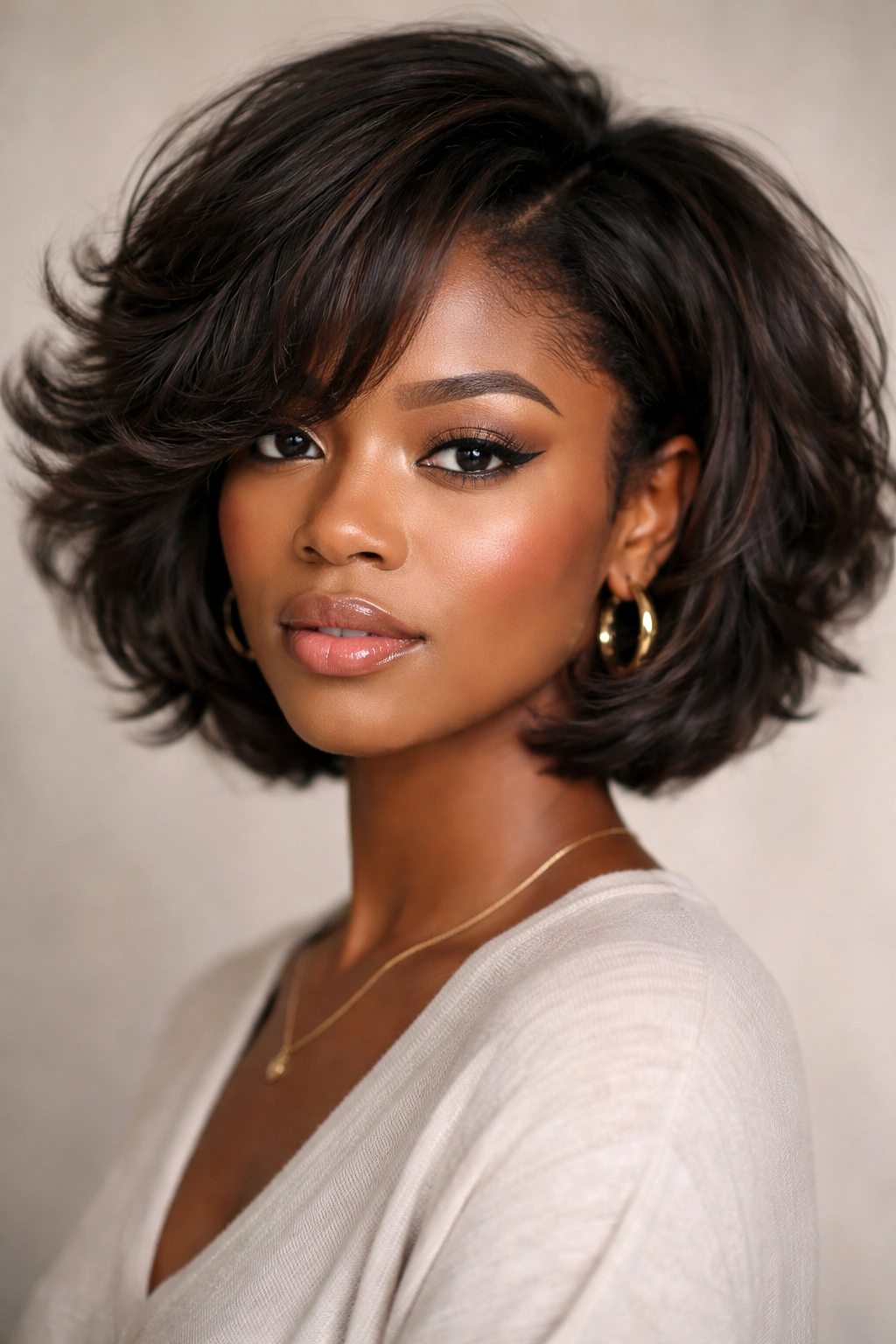
A textured bob in short afro hair creates length around the face while keeping the back shorter and more cropped. It’s a sharp, fashionable cut that works beautifully for people who want some variation in length.
How Bob Length Changes the Game
The longer hair around your face can frame and flatter, while the shorter back keeps the overall look manageable and modern. A textured bob uses layers and strategic cuts to enhance your curl pattern and create movement and dimension throughout. It’s a sophisticated approach to short styling.
Styling a Textured Bob
- Blow dry the entire head with a diffuser on low to medium heat, fluffing and shaping as you go
- For volume, focus the heat on the roots and mid-lengths rather than the ends
- Once dry, use a pick or fingers to shape the front sections around your face
- Apply a light serum or smoothing cream to the front sections for a polished look if desired
- The back section should dry into its natural shape with texture and dimension
Pro tip: Ask your stylist to cut the front and back at different angles—the front can curve slightly to frame your face while the back stays more cropped and angular for contrast.
13. The Natural Fro with Baby Hairs
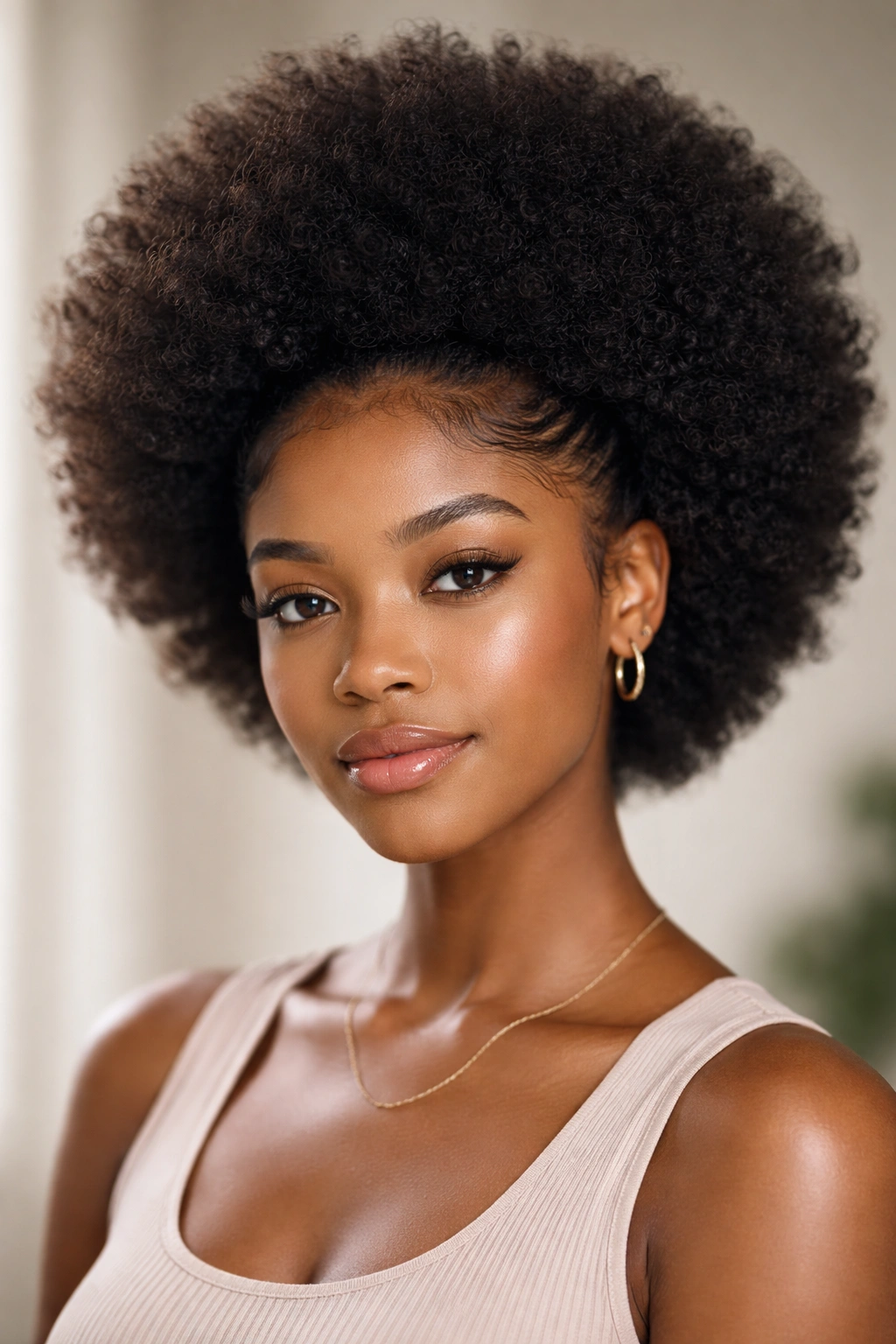
Styling your natural afro to emphasize the fuller silhouette while maintaining clean baby hairs around your hairline creates a polished, intentional look. This style celebrates your natural edges and texture simultaneously.
Why Baby Hair Details Matter
Clean, well-maintained baby hairs signal that you’ve put thought and care into your styling—it’s the difference between a casual afro and a styled one. Using edge control, oils, and small styling tools to shape and define baby hairs adds a layer of intentionality that elevates the entire look.
Maintaining Baby Hairs and Edges
- Use a small, soft brush and edge control to lay down baby hairs smoothly along your hairline
- Create small designs, waves, or swoops with edge control for additional visual interest
- Keep baby hairs moisturized with a light oil or moisturizing spray to prevent breakage
- Avoid pulling or tugging on baby hairs when washing or styling
- Refresh baby hair styling daily or as needed for a consistently polished appearance
- Use a silk or satin hairline protector at night to prevent friction and maintain smoothness
Worth knowing: Baby hairs naturally fall differently around your hairline—work with your hair’s natural direction rather than forcing all hairs to go the same direction for the most natural look.
14. The Structured Flat-Top Afro
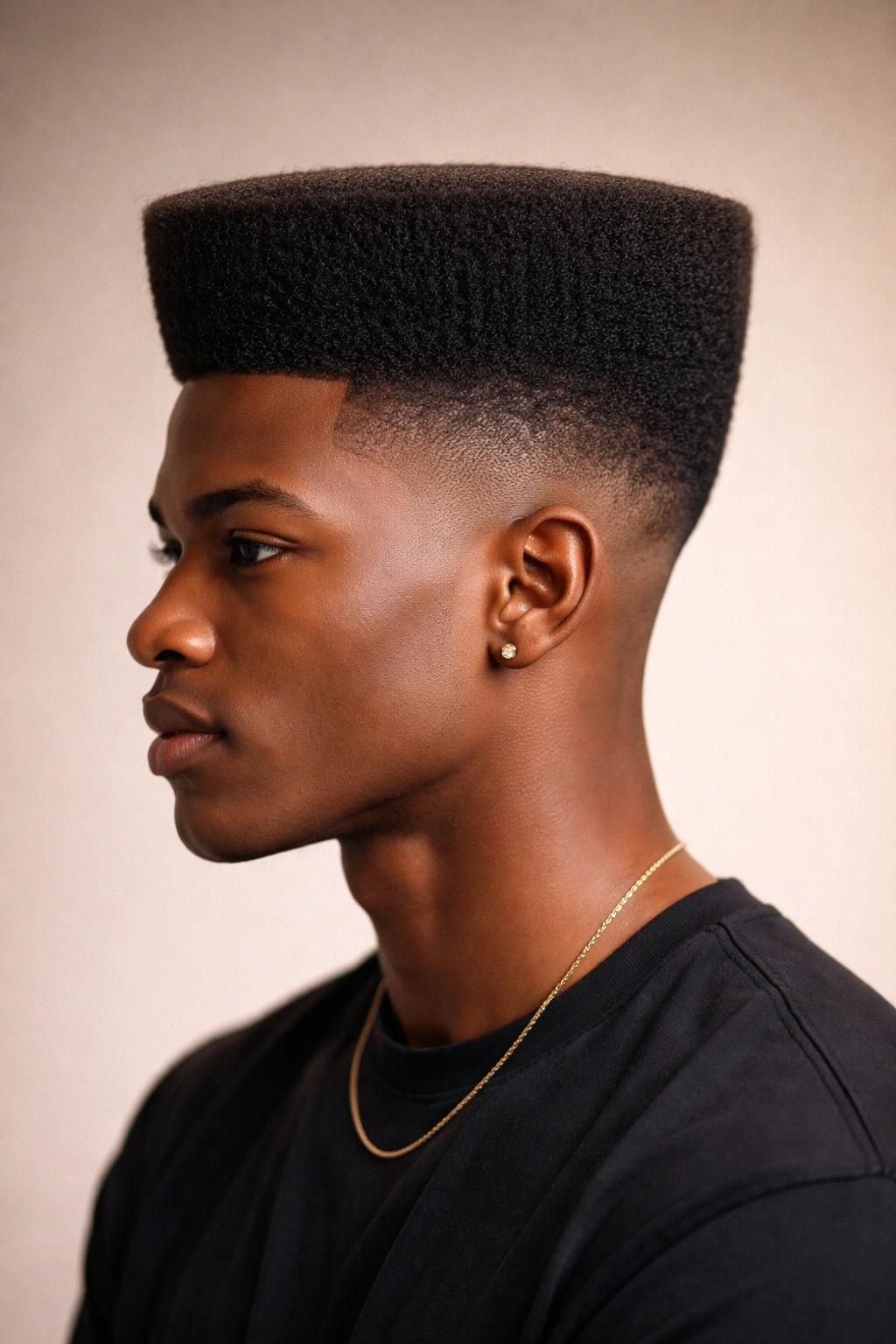
A flat-top afro features a completely flat, level surface across the top of your head with volume on the sides, creating a geometric, bold silhouette. This is a statement style that requires precision cutting and regular maintenance.
The Artistry of the Flat-Top
This cut demonstrates exceptional barber or stylist skill—creating a truly flat top requires understanding your hair’s growth patterns, density, and how it sits on your head when dry. The resulting silhouette is striking, modern, and unequivocally intentional. It works beautifully for people confident enough to wear a bold, distinctive cut.
Keeping Your Flat-Top Sharp
- Maintain the flat top with regular trims every 3-4 weeks as hair regrows
- Use a styling cream on damp hair and blow dry with a concentrator nozzle, directing hair downward on top
- Use a flat brush or paddle brush to smooth the top section and create that flat surface
- Keep a light pomade or edge control on hand for touch-ups between salon visits
- Sleep on a bonnet or silk pillowcase to preserve the flat silhouette overnight
Pro tip: Flat-tops look best when freshly trimmed—schedule appointments consistently so the cut maintains its precision and visual impact.
15. The Textured Crown with Natural Fade
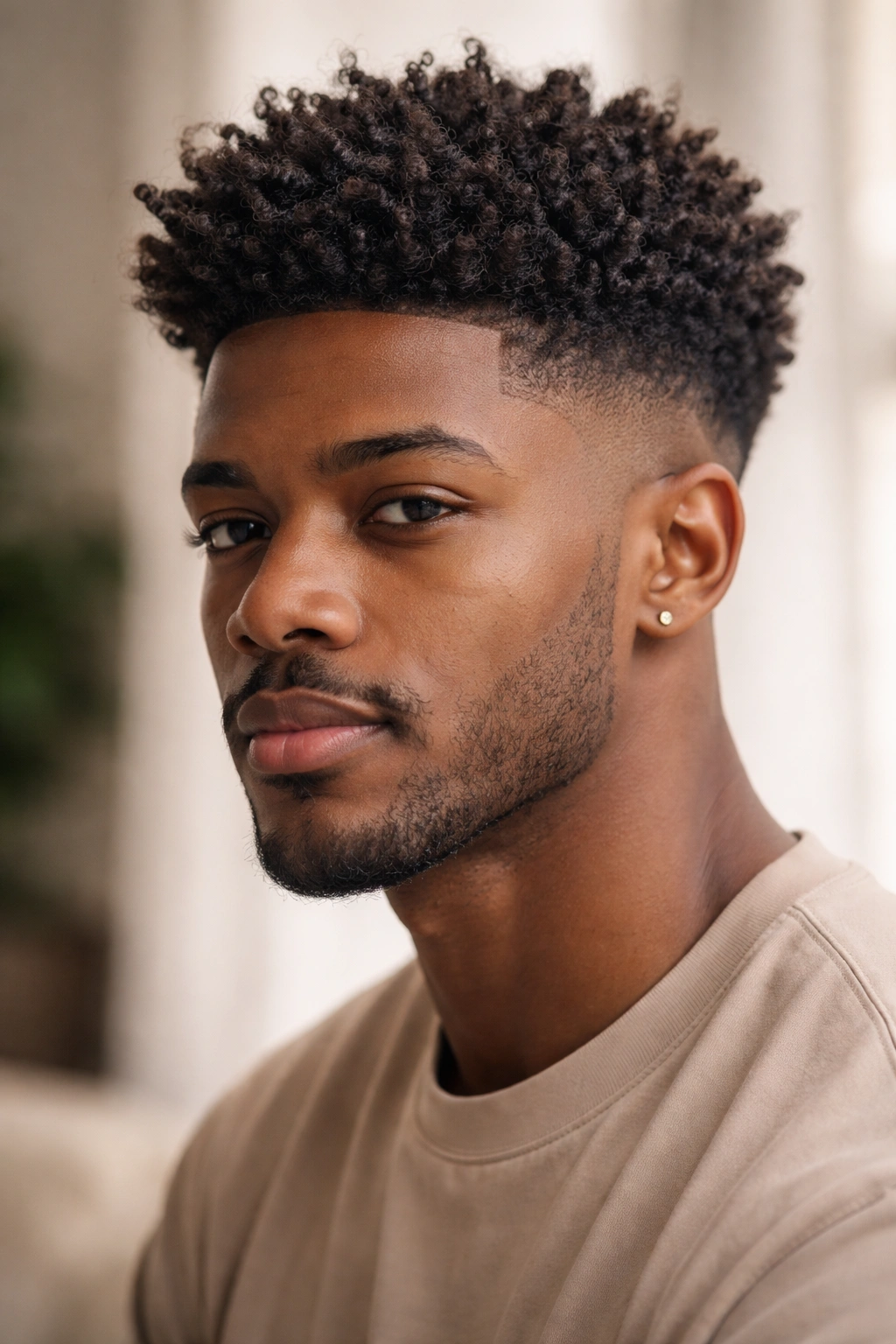
This style combines a fuller, textured top with a naturally tapered fade on the sides—no sharp lines, just a gradual transition from length to skin. It’s modern, wearable, and suits most face shapes beautifully.
Why Natural Fades Feel Fresh
A natural fade doesn’t require the military precision of a sharp fade, making it easier to maintain and more forgiving as it grows out. The transition happens gradually through your hair’s density rather than through clipping—it looks sophisticated and intentional without demanding constant upkeep. It’s the best of both worlds: stylish and practical.
Styling and Maintaining a Natural Fade
- Wash your hair with a moisturizing shampoo and apply hydrating conditioner
- Apply a volumizing or styling cream to damp hair, focusing more product on the crown area for lift
- Blow dry the crown area upward with a diffuser, letting the sides dry more naturally
- Use your fingers to shape and define the crown, creating the textured silhouette you want
- The sides will taper naturally due to your hair’s density—enhance this by combing hair downward as it dries
- Maintain the fade with trims every 6-8 weeks as hair grows and density transitions change
- Use a light oil or shine serum on the sides for a polished finish
Worth knowing: This style improves over time as your hair grows out—the natural fade actually looks better slightly grown in than immediately after a fresh cut.
Final Thoughts
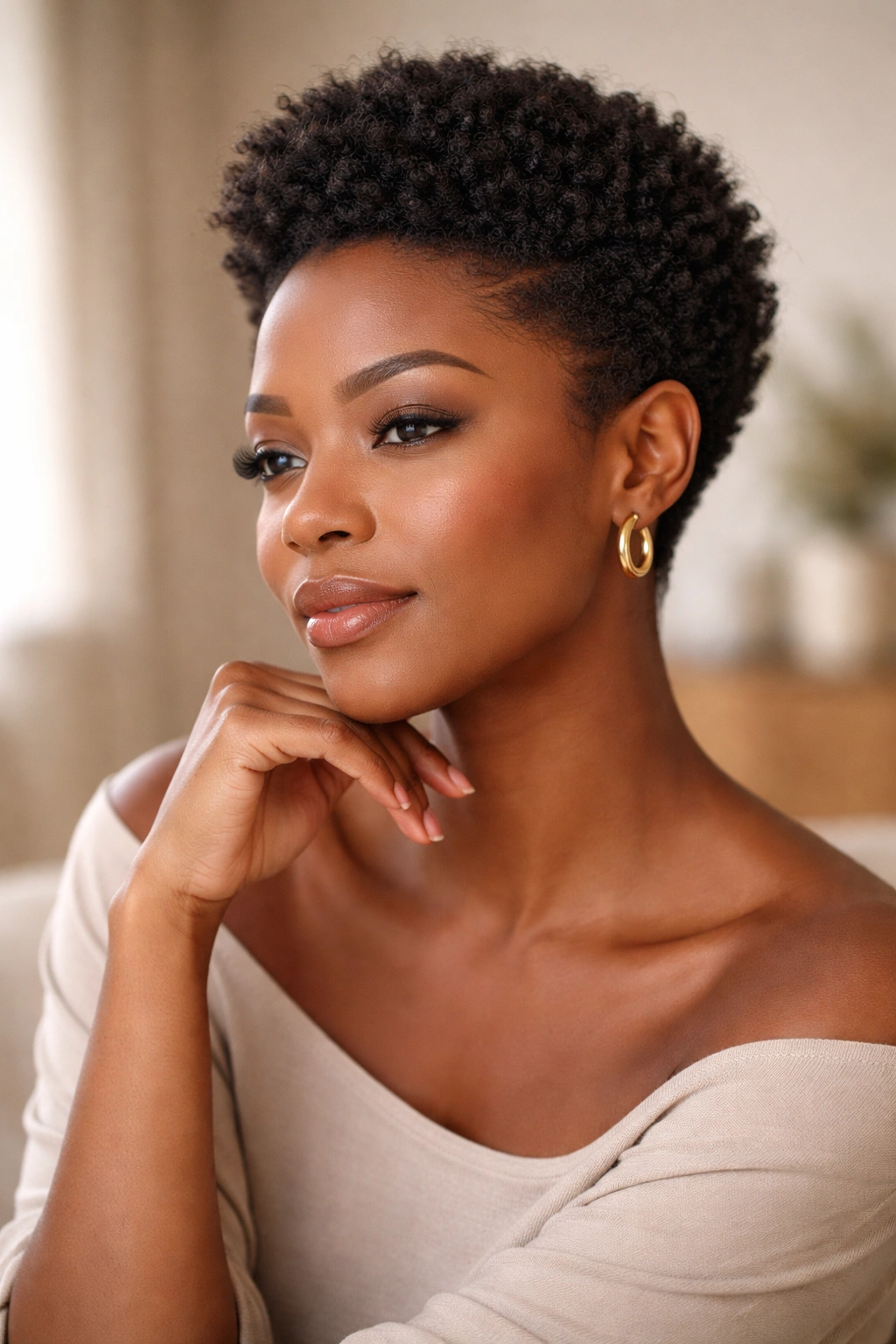
Short afro hairstyles offer incredible freedom and versatility, whether you’re drawn to sculptural, geometric cuts or soft, textured looks that celebrate your natural curl pattern. The right style for you combines your personal aesthetic with what actually works for your specific hair type, texture, and lifestyle. Some of these styles require frequent trims and regular maintenance, while others thrive with minimal attention—figure out which category matches your reality and your enthusiasm for styling.
The most important thing is choosing a style that makes you feel genuinely confident and beautiful. That confidence comes from understanding your hair, working with a stylist who truly gets your vision, and learning the specific techniques that make your chosen style look its absolute best. Your short afro can be bold, soft, sculpted, natural, or something completely unique to you—the possibilities are genuinely endless, and you deserve a style that feels like the real, authentic you.
