



Finding the right haircut can feel overwhelming when there are so many options out there, especially when you’re trying to figure out what will actually work with your face shape, hair type, and lifestyle. The thing is, certain styles have proven themselves over time because they’re universally flattering, easy to maintain, or simply look incredible on nearly everyone willing to commit to them. Whether you’re looking for a bold transformation or just a subtle refresh, understanding what makes each cut special—and which one might be perfect for you—makes all the difference.
The styles you’re about to discover aren’t just pretty pictures in a magazine. Each one solves specific problems: some are designed for fine or thin hair, others make thick hair easier to manage, and plenty work beautifully across multiple hair types. Some require regular trims to maintain their shape, while others actually look better as they grow out and get a bit shaggy. What they all have in common is that they’ve become go-to requests in salons because they deliver real results—not just for one specific face shape or hair texture, but for people who know how to wear them with confidence.
The goal here isn’t to push you toward something trendy that’ll feel dated in six months. Instead, you’ll find cuts that have staying power because they’re rooted in flattering geometry, work with how hair actually grows and moves, and adapt beautifully to personal styling choices. Whether you’re drawn to something timeless and classic or you’re ready for something with more edge and personality, there’s something in this lineup that’ll speak to you. Let’s dig into each style so you can figure out which one’s calling your name.
1. The Classic Lob
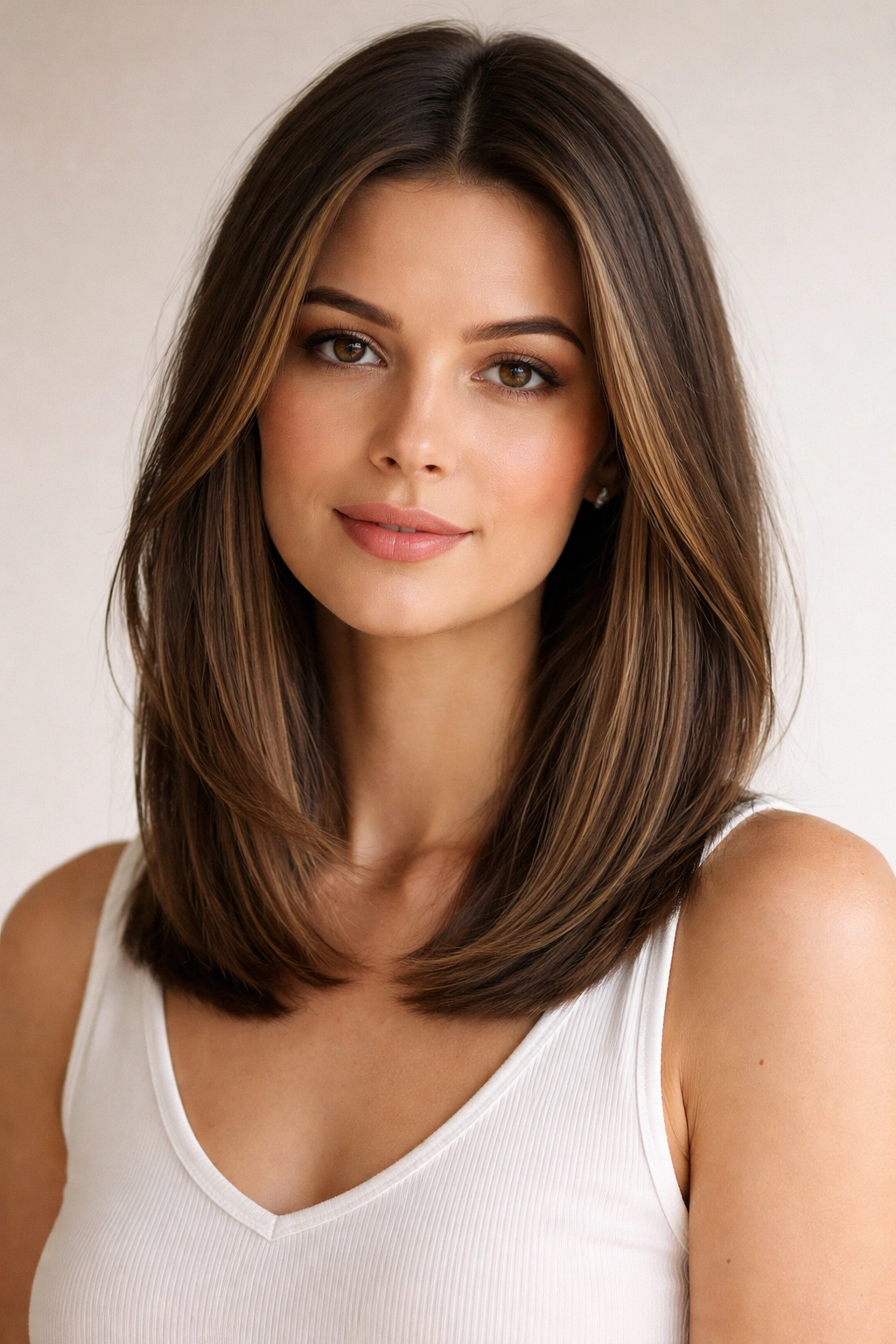
A lob sits somewhere between your shoulders and the middle of your back—long enough to pull into a ponytail but short enough to feel like an actual change from a full-length mane. This cut has become a staple because it’s genuinely versatile and works with nearly every hair type when it’s shaped correctly.
Why It Stays Popular
The lob flatters most face shapes because the length falls right at a place where it can be styled to soften or define features depending on how you cut the layers. It’s not too short (which can feel drastic if you’re used to longer hair), and it’s not so long that it becomes high-maintenance. You can wear it straight for a sleek look, wavy for effortless texture, or with soft curls for something more romantic.
What You Need to Know
- Works beautifully with face-framing layers for movement and dimension
- Requires trims every 6-8 weeks to keep the ends looking healthy and intentional
- Styling flexibility means you can change your look without going back to the salon
- Blunt-cut lobs give a more modern edge, while textured lobs feel softer and more romantic
- Thick hair especially benefits from this length because it avoids the bulk that comes with very long hair
Pro tip: Ask your stylist for lots of movement through the ends rather than a blunt, heavy line. This makes the cut look intentional rather than just “shorter.”
2. The Shag
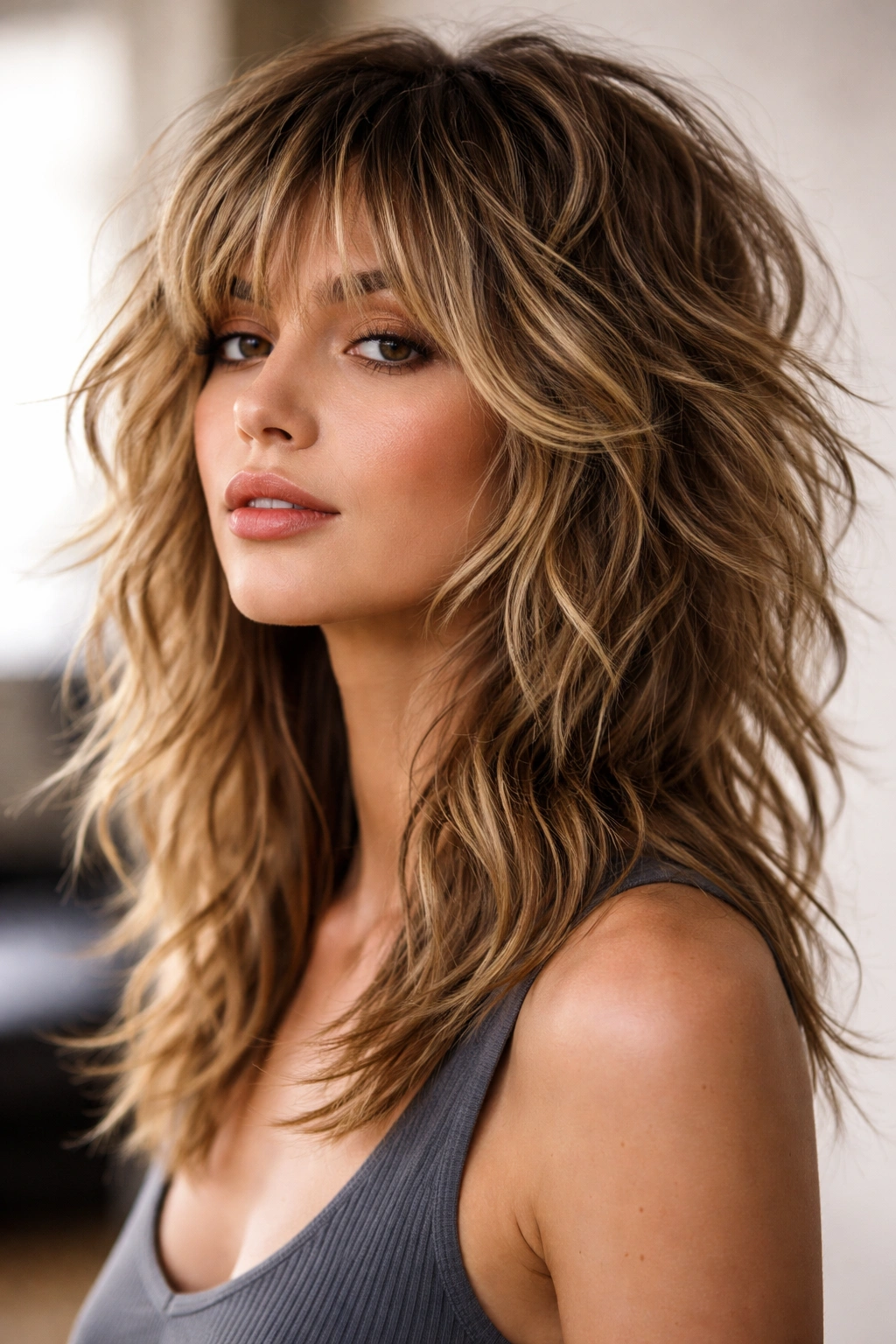
The shag is back because it’s effortless, cool, and genuinely fun to wear. This choppy, layered cut creates texture and movement without requiring any particular styling routine—in fact, it often looks best when you don’t try too hard with it.
How to Make It Work for You
A modern shag isn’t the 1970s version your mom might remember. Today’s shags are refined and intentional, with carefully placed layers that create movement without looking scraggly. The cut works best when there’s texture throughout—whether that comes from your hair’s natural wave pattern, a perm, or styling products that amp up dimension.
Key Details to Discuss
- Layers should be stacked to create volume, especially through the crown
- The longest pieces should still clear your shoulders so the cut reads as intentional
- Works best with wavy or curly hair textures, though fine, straight hair can rock it too with styling
- Requires more frequent trims (every 4-6 weeks) because the layers need to stay sharp
- Pairs beautifully with bangs or longer face-framing pieces
Worth knowing: This cut thrives on texture and movement, so it’s a great choice if you’re willing to use styling products. Without some product definition, layers can look messy rather than intentional.
3. The Blunt Bob
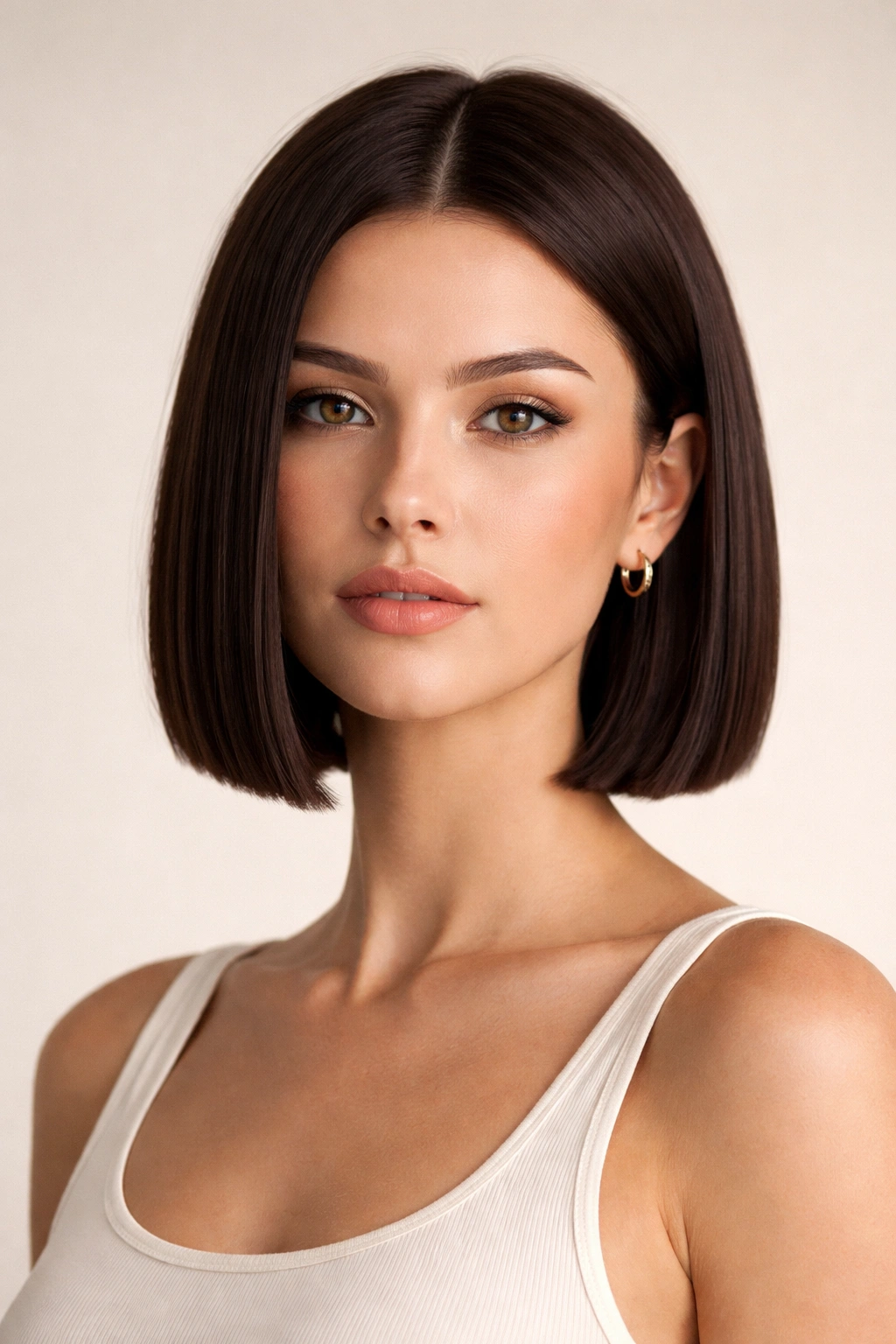
Straight, clean lines hitting right at your jawline—the blunt bob is bold, modern, and surprisingly wearable. It works because it’s simple, graphic, and creates an instant sense of polish the moment you step out of the salon.
The Geometry Behind the Look
The blunt bob works best when your stylist understands face shape. A truly blunt cut with no layers can actually emphasize an angular or square jawline, so many stylists will add subtle texture or slightly longer pieces in front to soften and balance features. The key is that clean line—that’s what makes it read as intentional and modern rather than just “unfinished.”
Making It Your Own
- Best suited for relatively straight hair or hair that holds a blow-dry style well
- Requires commitment to regular trims (every 3-4 weeks) to keep the blunt line sharp
- Styling products and a good blow-dry routine are essential for the best look
- Face-framing pieces or slightly longer front sections add dimension and flattery
- Pair with bangs for a bolder statement or keep the hairline clear for a sleeker vibe
Insider note: A truly blunt bob requires healthy hair. If your ends are damaged or porous, they’ll look frayed quickly even after a fresh cut.
4. The Textured Pixie
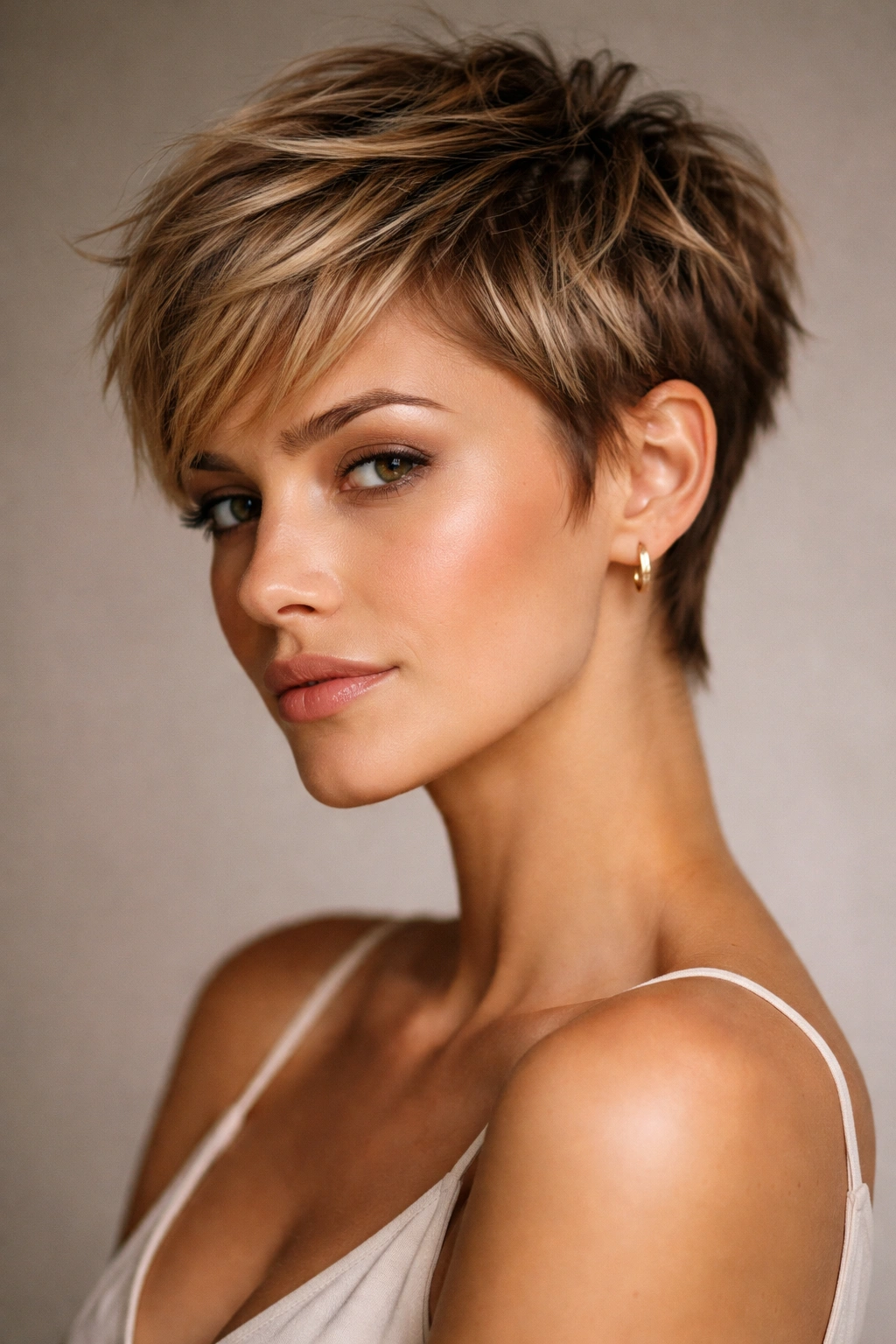
A pixie cut proves you don’t need length to make a statement. This short, tapered cut emphasizes cheekbones, eyes, and facial structure in a way longer hair simply can’t. It’s bold, low-maintenance, and incredibly chic when it suits you.
Who This Cut Suits Best
Pixies work beautifully on people with strong bone structure and fine features—they put your face front and center with nothing to hide behind. If you have a very round face or prefer softness over definition, a pixie might feel too stark, though longer bangs or tousled texture can help soften the effect. This cut also requires hair that has some texture or wave to it; very straight, fine hair can look thin and wispy.
Styling and Maintenance
- Requires cuts every 3-4 weeks to maintain the shape
- Works best with layered, choppy texture throughout
- Styling is minimal—a bit of product and your fingers are usually enough
- Face shape matters more with pixies than with longer cuts, so have a consultation before committing
- Looks stunning on people with cool skin tones and bold features
Real talk: This cut is a big shift if you’re used to longer hair. Try wearing your hair up in tight buns or braids for a week to see if you enjoy showing off your face and neck that much.
5. The Wolf Cut
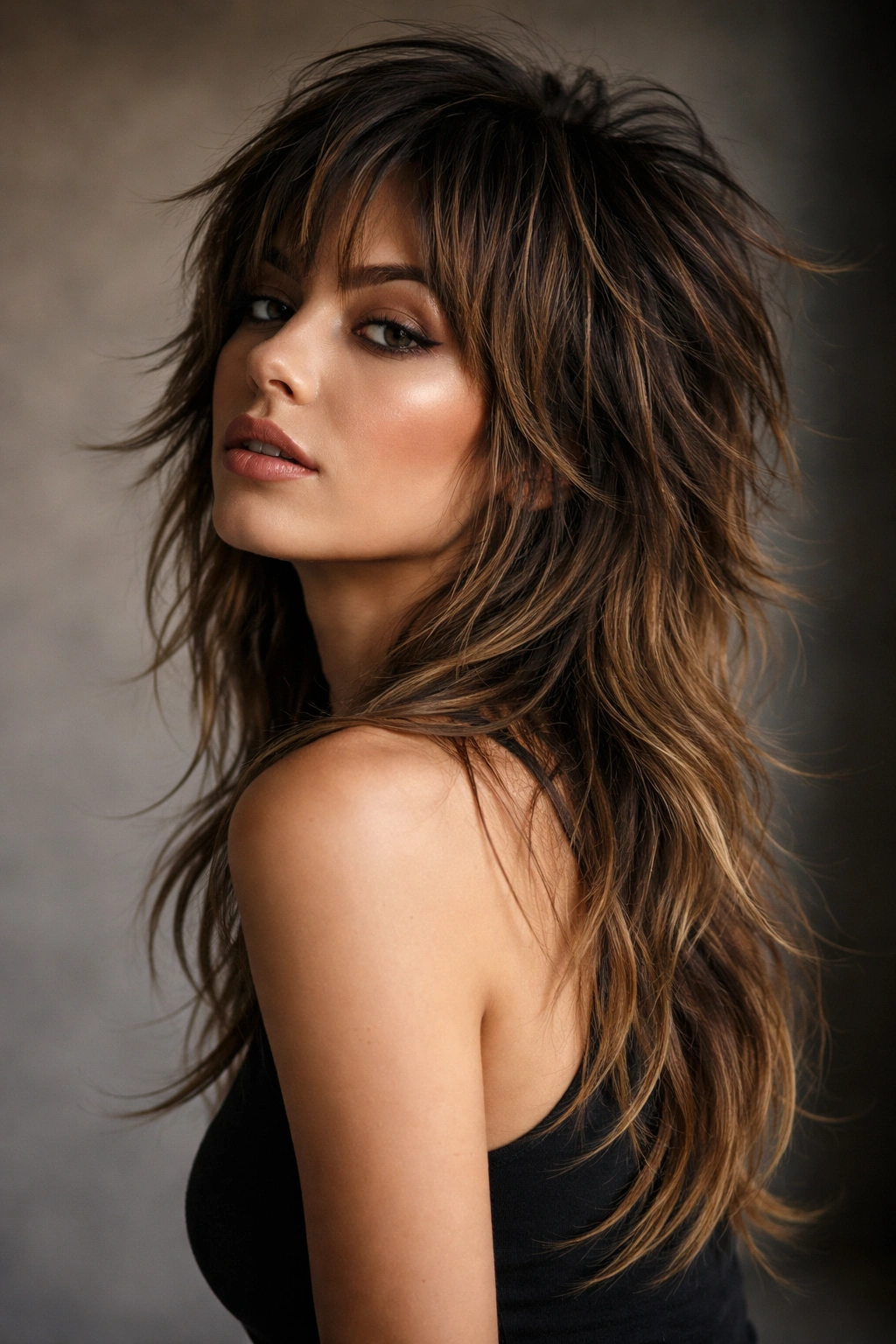
The wolf cut blends the choppy, shaggy energy of a wolf-inspired aesthetic with strategic layering that creates real movement and dimension. It’s basically a modern shag with more intentional, dramatic layers that really stand out when you move.
What Makes It Different
A wolf cut goes beyond the typical shag with tighter layers on top that create volume and movement, while longer pieces underneath add length and flow. The combination creates this cool, almost edgy-but-wearable vibe that’s become incredibly popular. It looks especially good on people who like the idea of a shag but want more definition and structure.
Important Considerations
- Works best with naturally wavy or curly hair that holds texture
- Requires styling products and a blow-dry to really shine (or embracing the undone, textured look intentionally)
- Needs regular trims (every 6-8 weeks) to keep layers looking intentional rather than grown-out
- Face shape isn’t a huge factor since the choppy layers work for most faces
- Pairs beautifully with longer, lighter bangs for extra movement
Pro tip: This cut really benefits from a stylist who understands how to cut for movement and texture. A blunt-edged wolf cut won’t have the same flow as one with choppy, point-cut layers.
6. The Micro Fringe
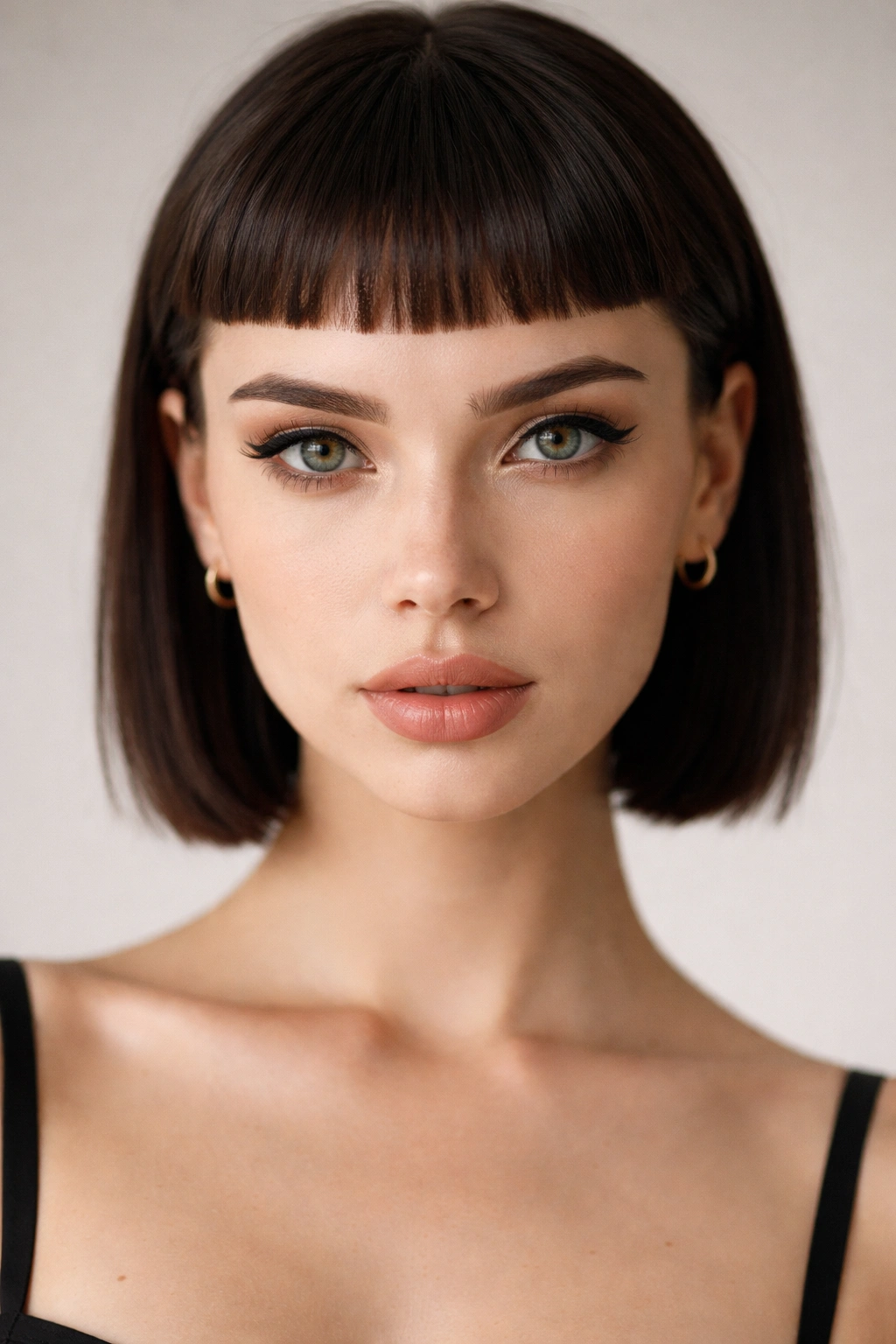
A micro fringe—those very short, super-blunt bangs that hit right at your eyebrows or even slightly higher—creates immediate impact and completely changes your face’s proportions. It’s bold, modern, and absolutely commits to a statement.
The Styling Reality
This isn’t a low-maintenance bang situation. Micro fringes need to be styled straight and blunt, which usually means a blow-dry routine. If you have naturally wavy or curly hair, styling this bang becomes a daily project. The growth phase also requires frequent trims (every 2-3 weeks) to keep the line as sharp and intentional as possible.
Face Shapes and Features
- Looks stunning on people with longer faces because it breaks up vertical length
- Works beautifully with high cheekbones and strong features
- Can overwhelm round or very short faces
- Pair with longer hair or a lob for balance
- Requires commitment—this isn’t something you can let grow out naturally and still look intentional
Worth knowing: Micro fringes look incredible in photos and feel very fashion-forward, but your daily styling reality needs to match your commitment level.
7. The Choppy Layers
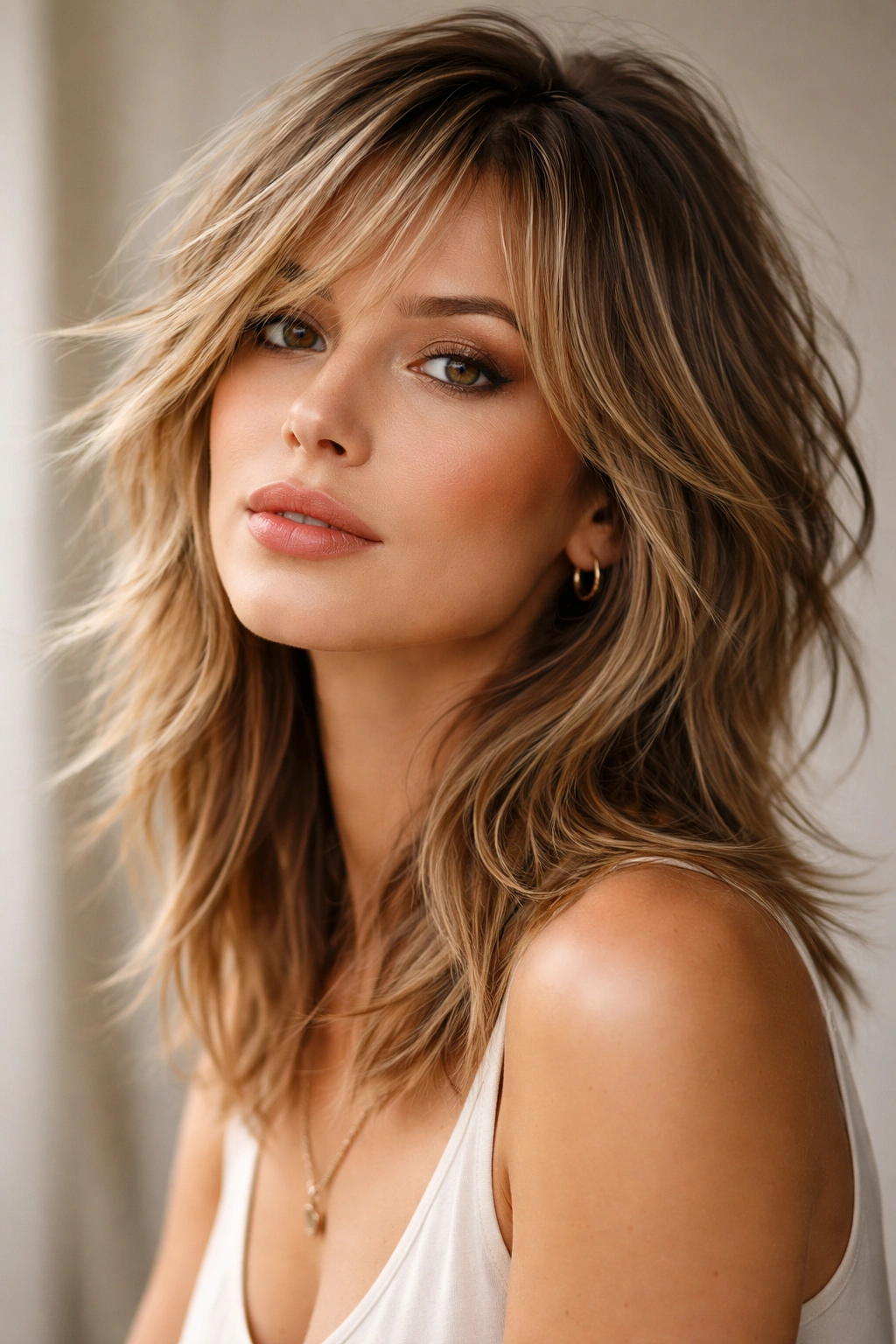
Choppy layers create movement, texture, and visual interest throughout your hair without being as extreme as a full shag. This approach works for virtually any hair type and length because the choppy pieces can be customized to flatter your specific features and hair texture.
How Choppy Layers Work
Instead of smooth, blended layers, choppy layers have texture and separation built into the cut itself. This creates visual movement even when your hair is straight, and it adds tremendous volume and bounce to wavy or curly hair. The key is that the pieces are intentionally shorter and separate—not feathered and blended.
Customization Options
- Can work on bobs, medium-length cuts, or long hair
- Adds volume to fine hair by creating texture rather than bulk
- Tames thick hair by removing weight strategically
- Requires 6-8 week trims to keep the choppy edges looking intentional
- Works beautifully with layers starting at the crown for maximum volume
Insider note: Choppy layers look better on hair with some texture or wave. If you have very straight, fine hair, ask your stylist about textured pieces rather than choppy layers to avoid a stringy appearance.
8. The Grown-Out Bob
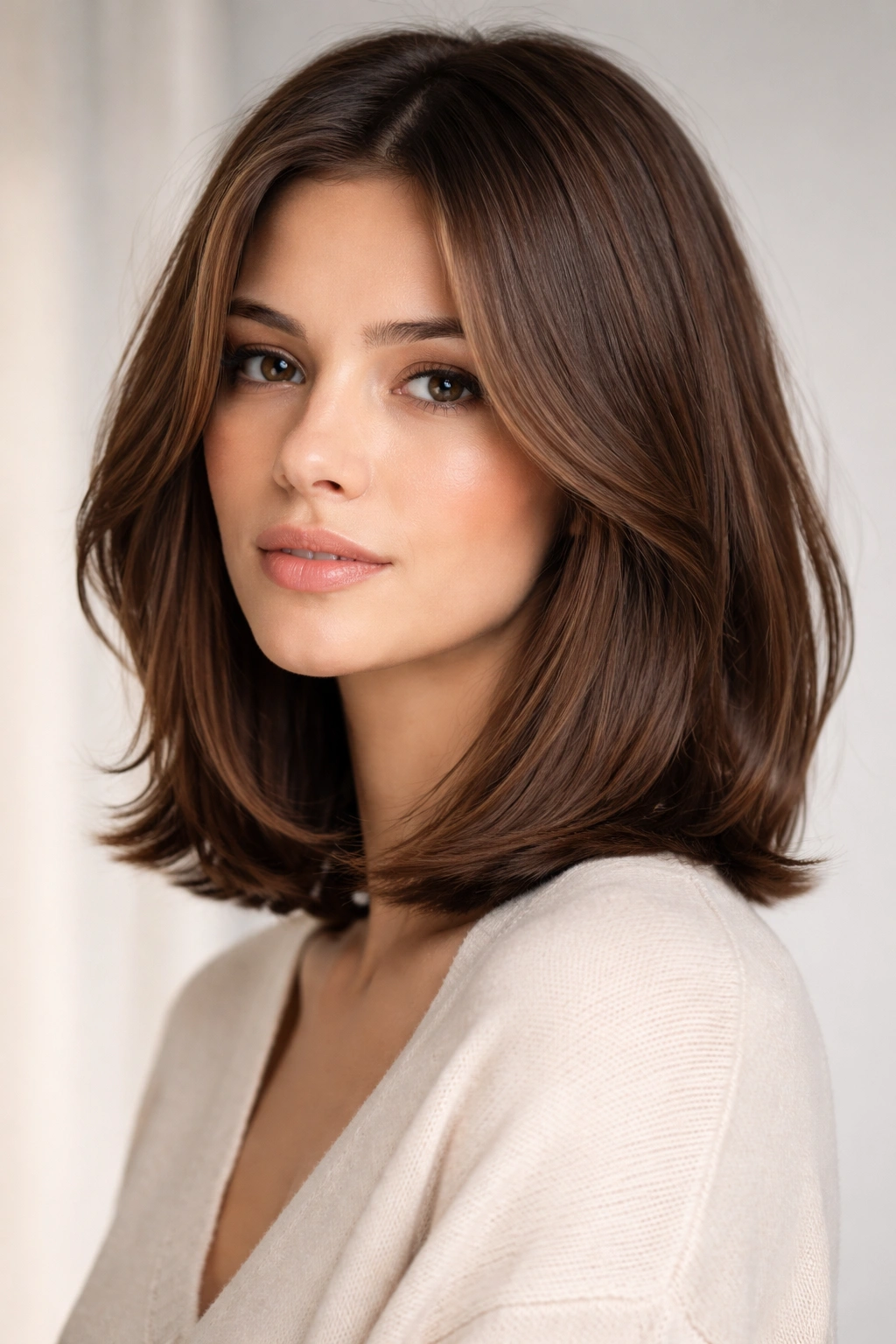
An intentionally longer bob that’s been allowed to grow out creates a relaxed, modern vibe with lots of styling flexibility. It’s not quite a lob, but it’s definitely longer than a traditional bob—somewhere in that sweet spot where you have serious styling options.
The Appeal and Practicality
This cut sits at a length where you can wear it straight and polished for professional settings, wavy and romantic for nights out, or in a high pony or bun for casual days. The longer length means less frequent trims are necessary to keep it looking intentional (every 8-12 weeks works), and you have real flexibility in how you style it day to day.
Making It Work
- Face-framing layers add movement and flattery without sacrificing length
- Works beautifully with textured, beachy styling
- Pair with subtle balayage or highlights to add dimension
- Best with wavy or curly hair that holds texture naturally
- Requires decent styling tools and products to get the most out of it
Pro tip: This length is incredibly versatile because you can style it dozens of different ways. If you like having options, this might be the sweet spot for you.
9. The Sleek Straight Hair with Side Part
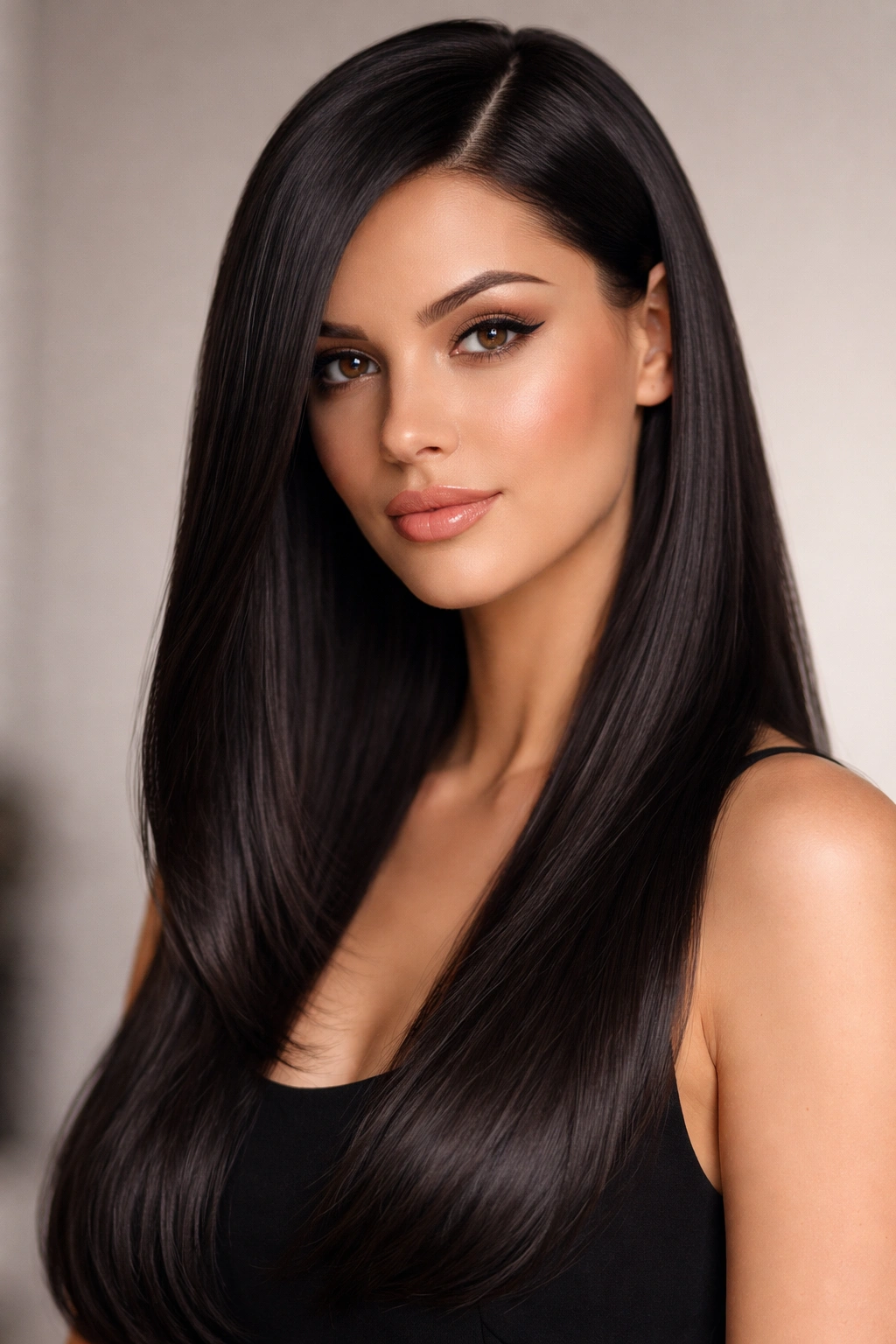
Sometimes the best haircut is the simplest one—sleek, straight, healthy hair with a deep side part creates instant polish and sophistication. This approach works when you have naturally straight hair or are willing to commit to regular blow-outs and smoothing treatments.
Why Simple Works
There’s something incredibly chic about hair that’s clearly healthy, shiny, and intentionally styled but not overly complicated. A deep side part creates face-framing without actual layers, elongates your face, and gives you multiple styling options (you can move the part around based on your mood or how your hair is cooperating that day).
The Commitment Level
- Requires healthy, undamaged hair that shows shine
- Blow-drying or smoothing treatments necessary for the sleek look
- Regular trims to remove any damaged ends
- Hydrating hair masks and shine-enhancing products essential
- Works best with straight or very mildly wavy hair
Real talk: This look is about hair health first and style second. You can’t fake this with a cut alone—you need actual hair care commitment.
10. The Layered Pixie-Bob Hybrid
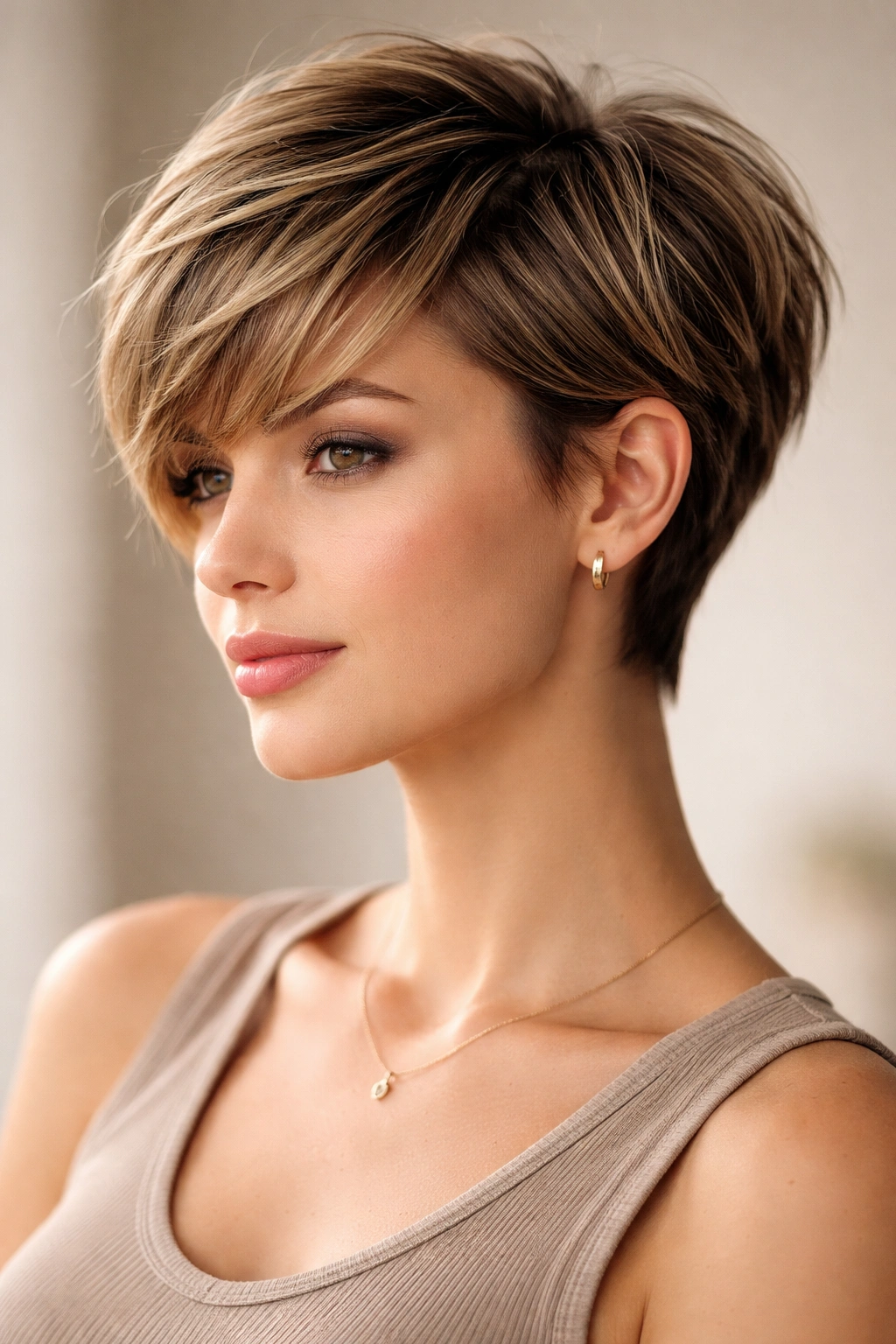
Not quite a pixie and not quite a bob, this hybrid cut offers the best of both worlds: short, tapered sides and back with longer pieces on top that can be styled with texture and movement. It’s bold but not as extreme as a full pixie, and it offers real styling flexibility.
The Versatility Factor
You can style the longer top pieces sleek and polished, textured and shaggy, or even pin them back for a more pixie-like appearance. The tapered sides and back create definition and shape, while the longer top gives you dimension and movement. This cut works for people who want something noticeably short but not quite ready for a full pixie commitment.
What to Discuss With Your Stylist
- Ask for choppy, textured layers on top rather than blended pieces
- Sides should taper rather than blend—this creates the edge and definition
- Top pieces should be long enough to style multiple ways
- Requires trims every 4-6 weeks to keep shape and definition
- Works best with wavy or textured hair
Insider note: This cut requires a stylist who understands both short and longer cuts. Ask to see examples of their work with this specific style before committing.
11. The Bixie (Bob + Pixie Hybrid)
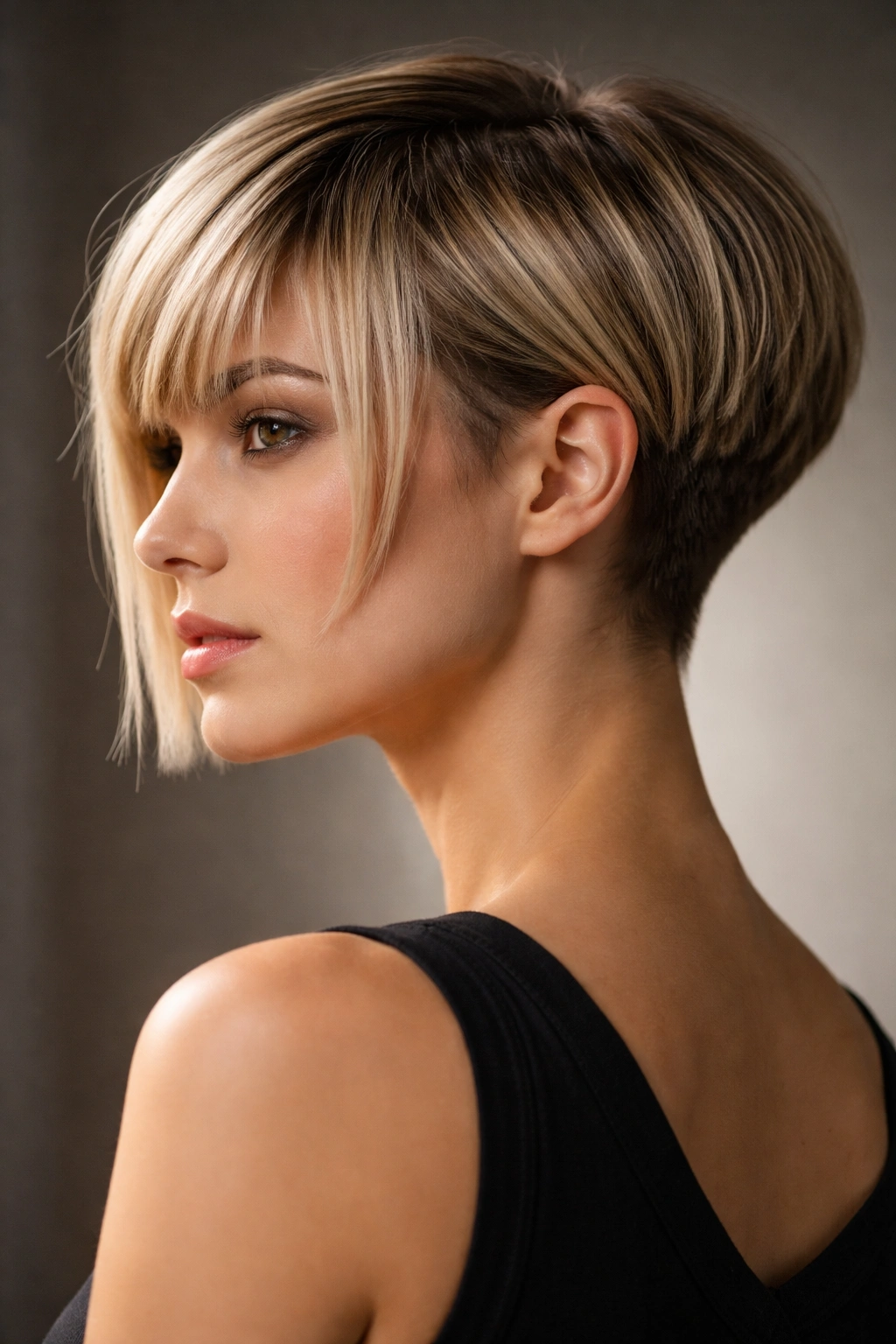
A bixie takes the playful blend of short and long to a different place than the pixie-bob—usually with a blunt, chin-length bob in front and much shorter, tapered layers in back. It’s dramatic, fun, and absolutely makes a statement.
The Modern Take on an Edgy Cut
The bixie appeals to people who want something bold and different without going full pixie. Front pieces typically hit around chin length with texture, while the back is clipped short and faded. The contrast creates incredible visual interest and shows off the nape and neck beautifully. It’s especially striking on people with strong bone structure and people who enjoy being noticed.
Important Practical Details
- Requires confidence and comfort with an unconventional cut
- Back needs frequent trims (every 3-4 weeks) to maintain the faded shape
- Front pieces grow out more slowly, so overall balance shifts over time
- Works best with wavy or textured hair rather than very fine, straight hair
- Needs a skilled stylist who understands fade work and shaping
Pro tip: This cut photographs beautifully and photographs differently depending on your angle. You might look totally different from the front versus the side, which is part of the appeal.
12. The Feathered Bob
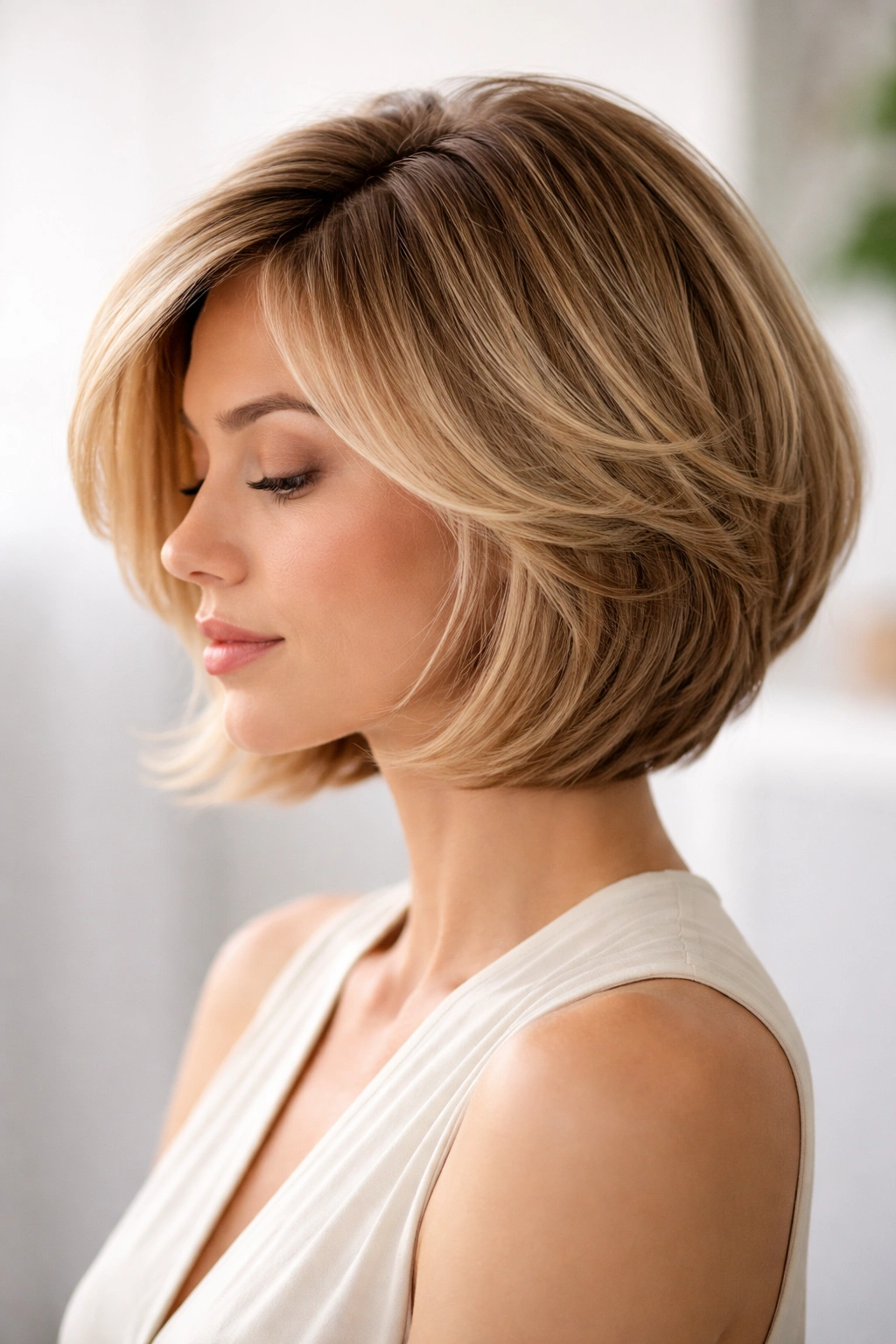
Feathered layers create soft movement throughout a bob without the choppiness of a modern textured cut. Each layer blends into the next, creating a graduated effect that adds volume and movement while keeping the overall shape clean and intentional.
The Technique and Effect
Feathering involves cutting each layer shorter on the underside, creating a curved, graduated shape that moves beautifully when you walk. This approach works especially well for bobs because it softens the line without completely abandoning structure. The result is hair that moves and has dimension but still reads as a defined, intentional cut.
Best Applications
- Adds volume to fine or thin hair by creating graduated texture
- Works beautifully on straight, wavy, or curly hair textures
- Creates a softer, more romantic vibe than a blunt or choppy bob
- Requires 6-8 week trims to keep feathering looking intentional
- Pairs well with bangs for a complete, polished look
Worth knowing: Feathering looks best when there’s some movement in your hair. If you have extremely straight hair with no natural texture, feathering can look wispy rather than intentional.
13. The Textured Bangs (Various Lengths)
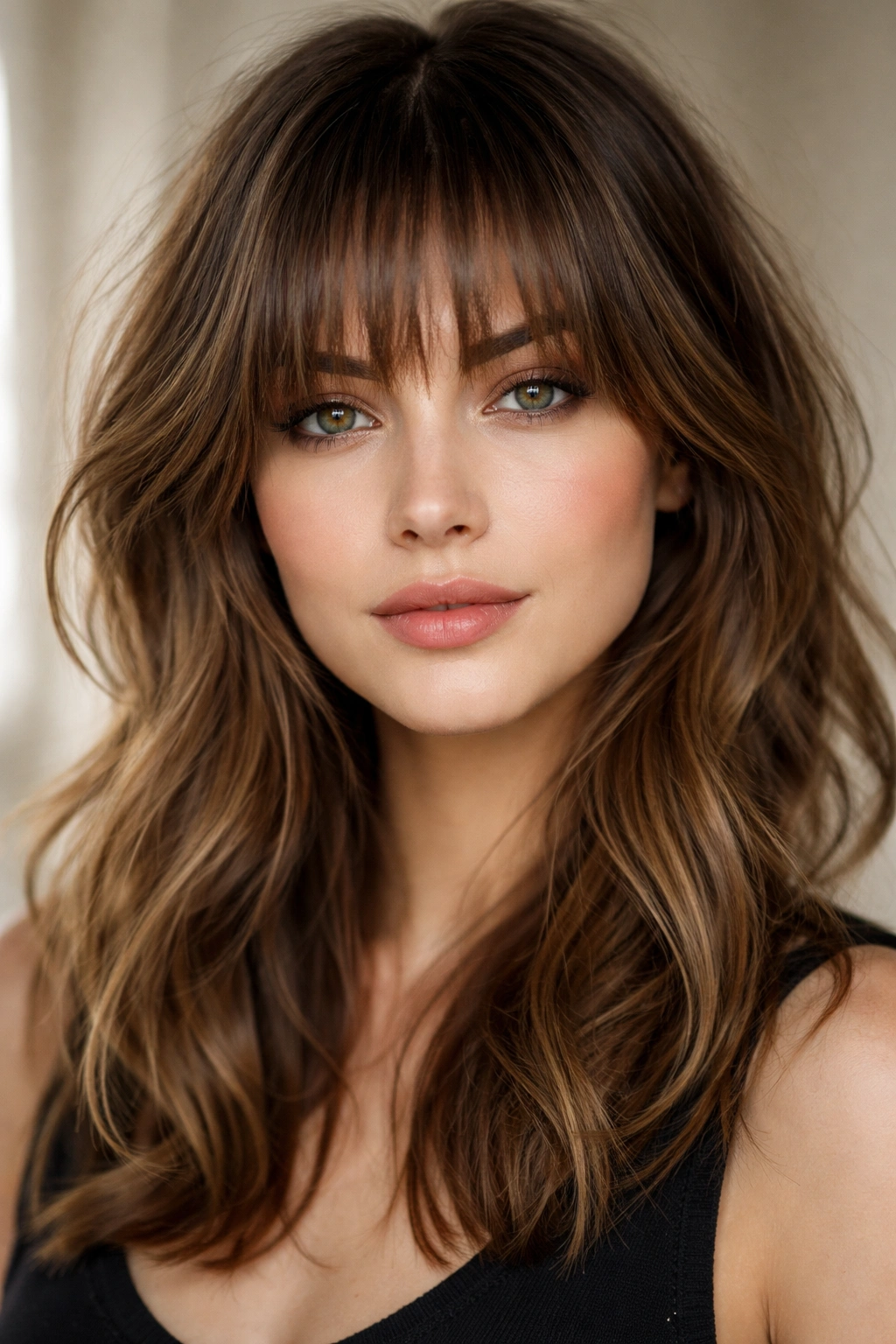
Bangs are back in multiple formats—choppy, wispy, blunt, or textured—and they completely transform a face when they’re cut correctly. The key is finding the right bang style that works with your face shape, hair type, and daily styling willingness.
Choosing Your Bang Style
Blunt bangs look modern and require regular styling and trims. Wispy bangs offer more movement and work with wavy hair. Choppy bangs add texture and work especially well with shaggy cuts. Long bangs that blend into your hair offer subtlety and flexibility. Each style changes your face in different ways, so this is a decision worth thinking through carefully.
Practical Considerations
- Bangs require trims every 2-4 weeks depending on how fast your hair grows and how blunt your cut is
- Humidity affects bangs more than any other part of your hair—be honest about your climate
- Bangs can overwhelm a short or round face, while they beautifully break up a long face
- Consider your daily styling reality—some bang styles require daily blow-drying
- Bangs can always be grown out, so even a dramatic choice isn’t permanent
Real talk: Bangs are a huge commitment and require regular maintenance. If you’re not willing to get them trimmed regularly, they’ll drive you crazy as they grow out.
14. The Shoulder-Length Shag
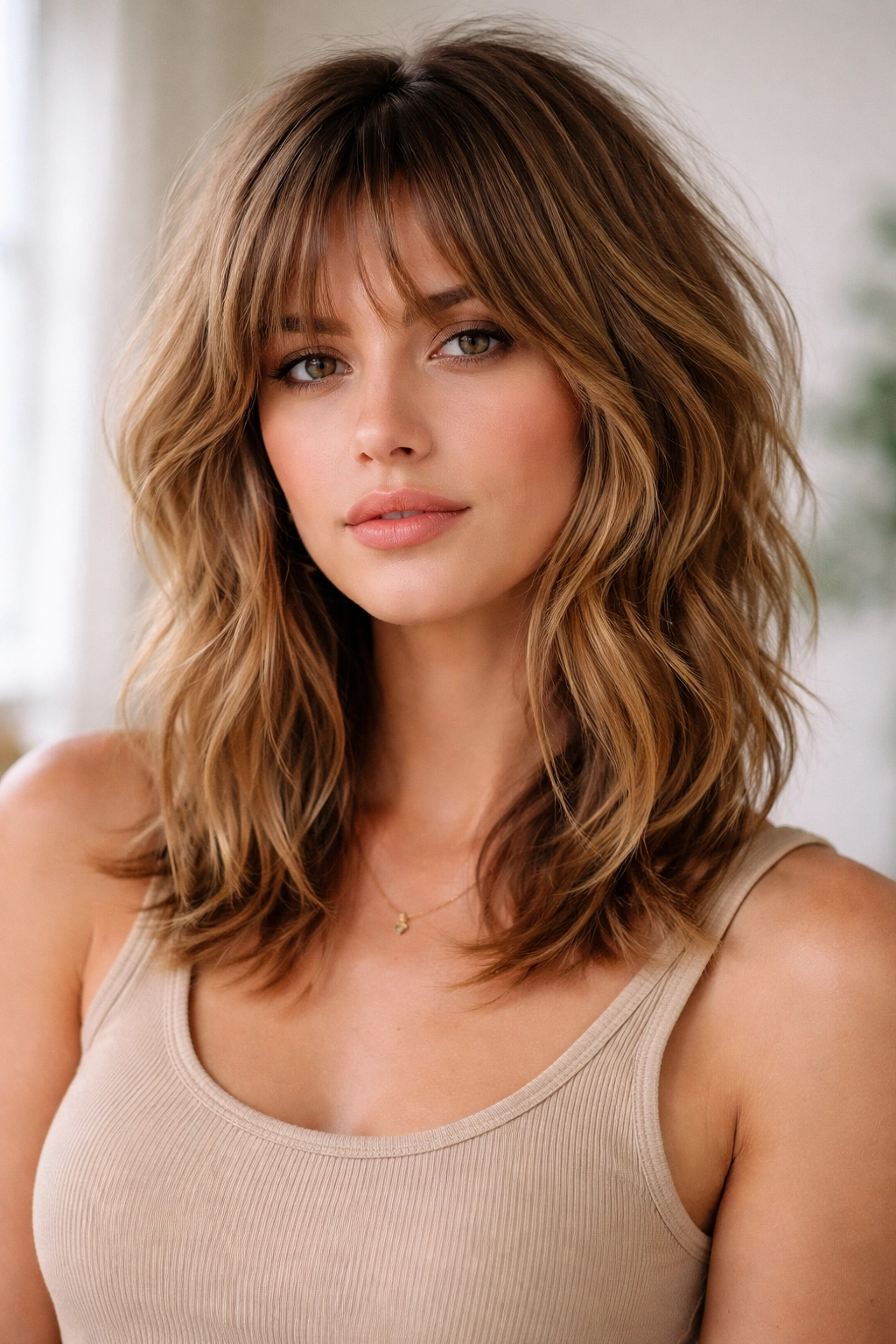
A shoulder-length shag hits right at your collarbone, creating a length that’s not too short and not too long—perfectly positioned for movement and texture. This length works beautifully with choppy layers because there’s enough hair for the texture to really show.
Why This Length Matters
Shoulder length gives you the option to pull your hair up occasionally (though it might not stay up perfectly), but mostly you’re styling it down. The length is also forgiving as it grows—you can go slightly longer without it feeling drastically different. Layers at this length create incredible movement and volume when they’re styled with texture and waves.
Making the Most of It
- Ask for lots of layers throughout, especially starting at the crown for volume
- Styling with a curling iron or using a salt spray creates the best texture
- Works beautifully with darker roots and lighter ends for dimension
- Requires trims every 6-8 weeks to keep layers looking intentional
- Pairs well with longer bangs or face-framing pieces
Pro tip: This length and texture combination is incredibly forgiving and flattering. If you’re nervous about trying something new, shoulder-length shag is a great middle ground.
15. The Precision Cut Bob
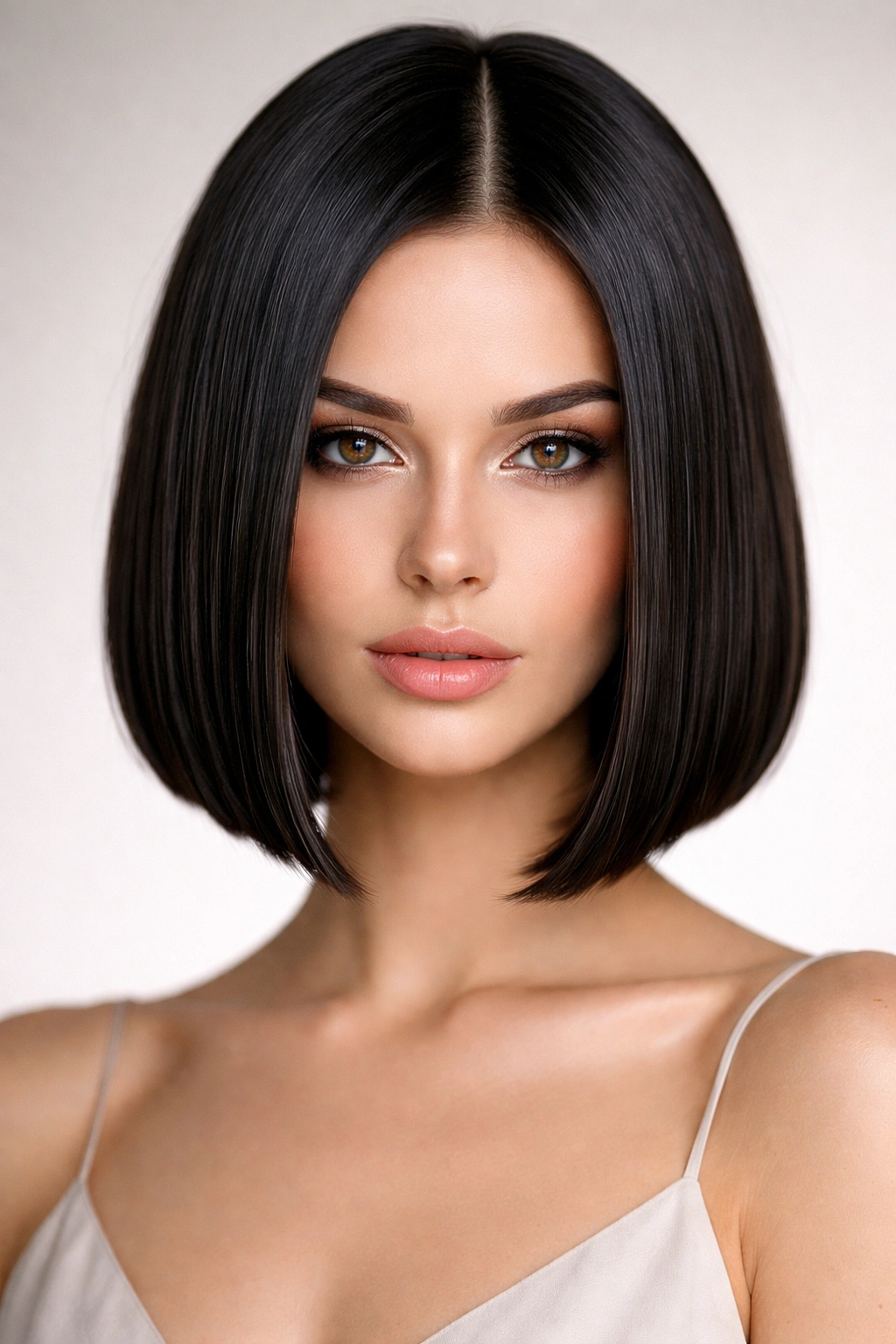
A precision bob is cut with mathematical accuracy so that every piece falls exactly where it should—no wiggle room, no frizz tolerance, pure intentional geometry. This cut requires a highly skilled stylist and serious styling commitment, but the payoff is a cut that looks absolutely polished and put-together.
What Makes It Precision
Every piece is cut to a specific length, angle, and shape so that the entire bob works as a unified geometric form. This isn’t a cut you can wash and wear—it requires blow-drying, styling products, and often a flat iron to achieve the full effect. But when it’s done right, it looks absolutely stunning and supremely modern.
The Reality Check
- Requires a highly skilled, experienced stylist
- Needs trims every 3-4 weeks to maintain precision
- Requires blow-drying and styling products daily for the best look
- Doesn’t photograph or look good with texture or wave—it’s meant to be sleek and smooth
- Best for people who enjoy a styling routine and have relatively straight hair naturally
Worth knowing: A precision cut is only as good as your maintenance and styling commitment. If you’re not willing to blow-dry and style regularly, this cut won’t deliver its full potential.
16. The Curly Textured Cut
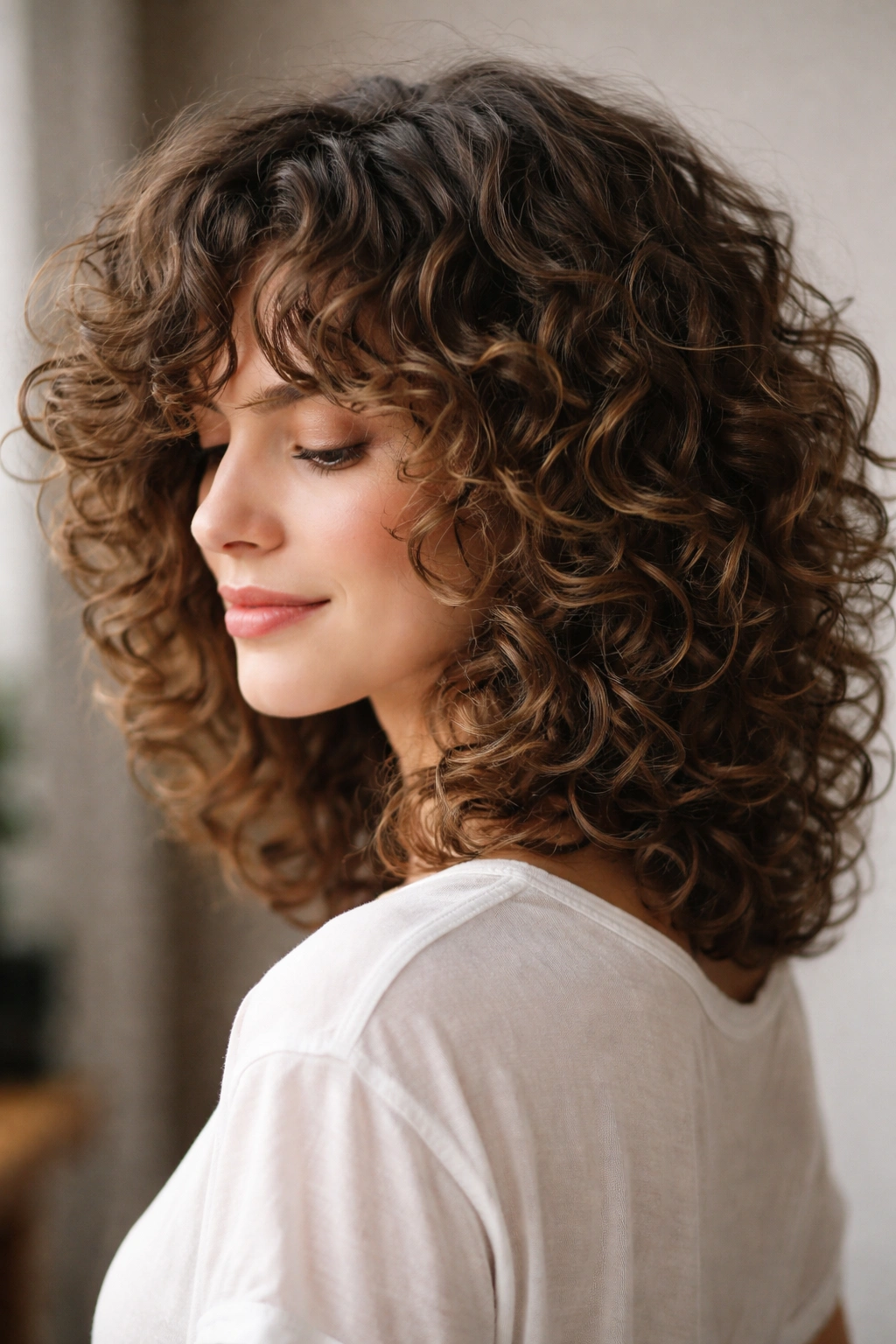
A curly textured cut is specifically shaped to work with your curl pattern rather than against it. Instead of trying to fight your natural texture, this cut embraces it and creates definition and shape within the curl pattern itself.
How This Cut Works Differently
Rather than cutting based on how your hair looks straight, a curly textured cut is done on dry, curly hair so the stylist can see exactly how your curls fall and where they need shape. Layers are placed strategically to reduce bulk and create movement without creating frizz. The result is hair that looks intentional and flattering when you wear it curly.
Key Considerations
- Must be cut on dry, curly hair to assess proper placement
- Layers should be choppy or point-cut rather than blended to avoid frizz
- Works beautifully with all curl patterns from loose waves to tight coils
- Requires curl-specific products and a styling routine that honors your texture
- Reduces bulk and frizz when done correctly, creating more defined curls
Insider note: Not all stylists know how to cut curly hair properly. Find someone with specific experience and expertise in working with your curl pattern.
17. The Long Layers
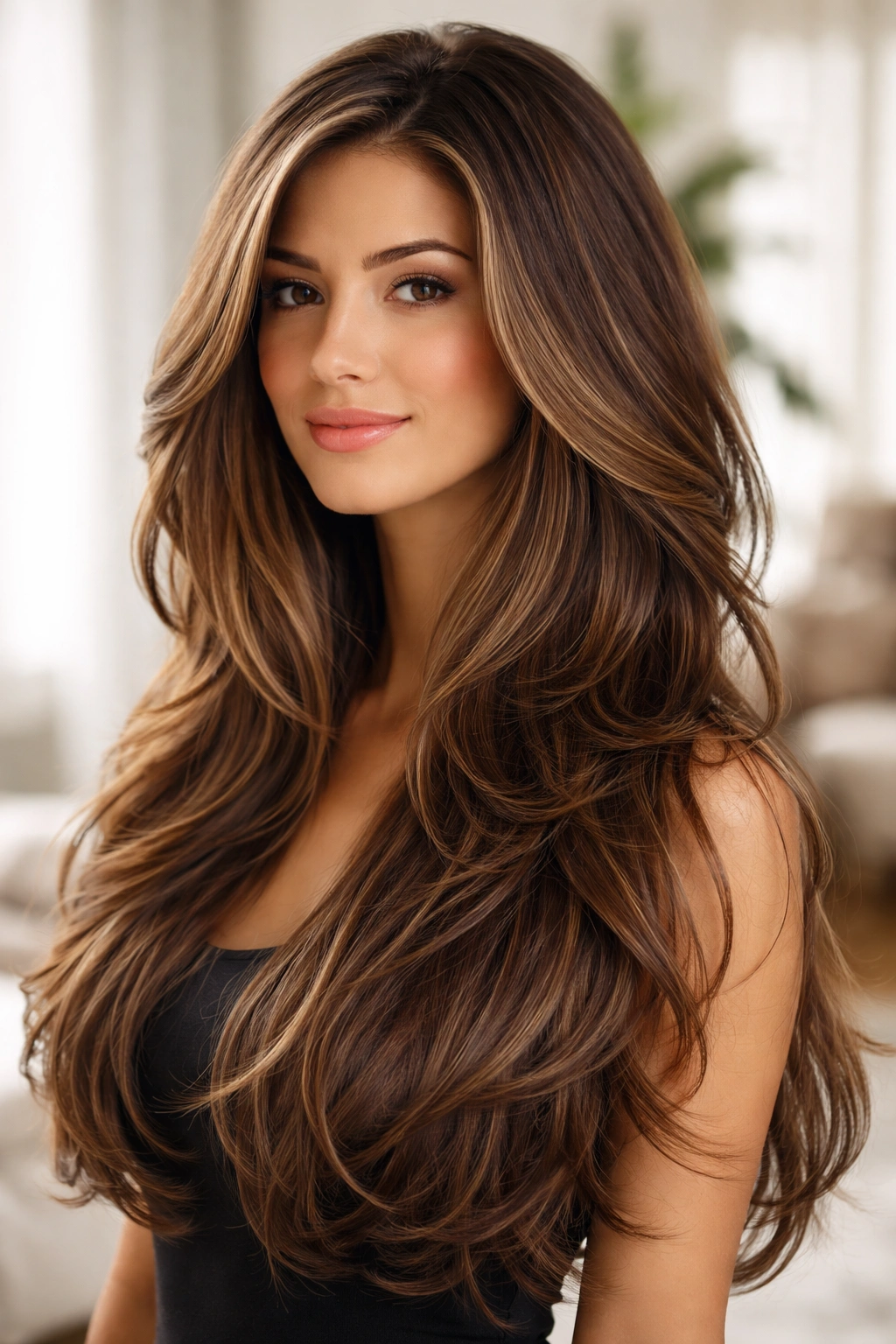
Long, flowing layers throughout long hair create movement and dimension without sacrificing length. Layers are placed strategically to reduce bulk, add texture, and create a flattering shape around the face while keeping the overall length intact.
The Benefit of Long Layers
You keep the length you want (or maybe didn’t realize you wanted), but gain tons of styling versatility and reduce the weight that can flatten longer hair. Layers at the crown add volume, face-framing pieces flatter your features, and layers throughout create movement when you style with waves or curls.
Styling and Maintenance
- Requires trims every 8-12 weeks to keep layers looking intentional
- Works beautifully with beachy waves, smooth straight styling, or curls
- Face-framing layers should start around cheekbone level for maximum flattery
- Lighter layers add dimension especially when combined with balayage or highlights
- Very flattering on most face shapes because the layers can be customized to your features
Pro tip: Ask your stylist for layers that are graduated (longer in back, shorter in front) rather than all one length throughout—this creates better movement and flattery.
18. The Blunt Bangs with Longer Hair
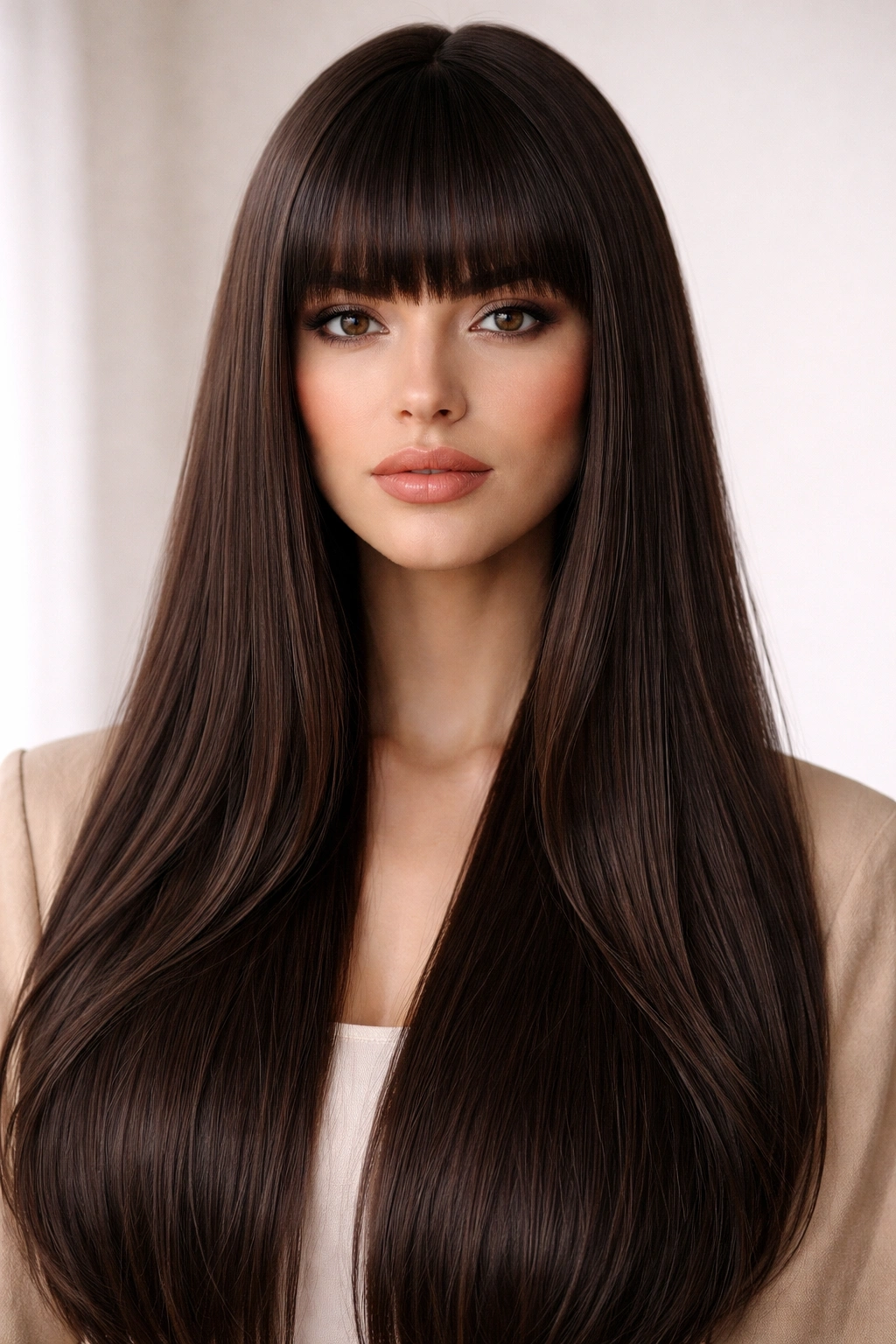
Blunt bangs with longer hair create a distinctly modern, fashion-forward look. The contrast between the super-short, blunt bang line and the longer hair creates visual interest and completely changes how your face reads.
The Visual Impact
Blunt bangs instantly draw focus to your eyes and cheekbones, while longer hair below balances the shortness of the bang. This combination works especially well on people with longer face shapes and high cheekbones. The graphic, geometric quality of blunt bangs feels very contemporary and intentional.
The Maintenance Reality
- Bangs require trims every 2-3 weeks to keep the line blunt and intentional
- Longer hair requires trims less frequently (every 8-12 weeks)
- Styling the bangs usually requires a blow-dry and possibly a flat iron
- Humidity and weather affect blunt bangs more than any other hair type
- Works best with straight or naturally straight-leaning hair
Real talk: This is a high-maintenance combination in terms of styling and regular bang trims. If that sounds frustrating, consider longer or wispy bangs instead.
19. The Disconnected Undercut
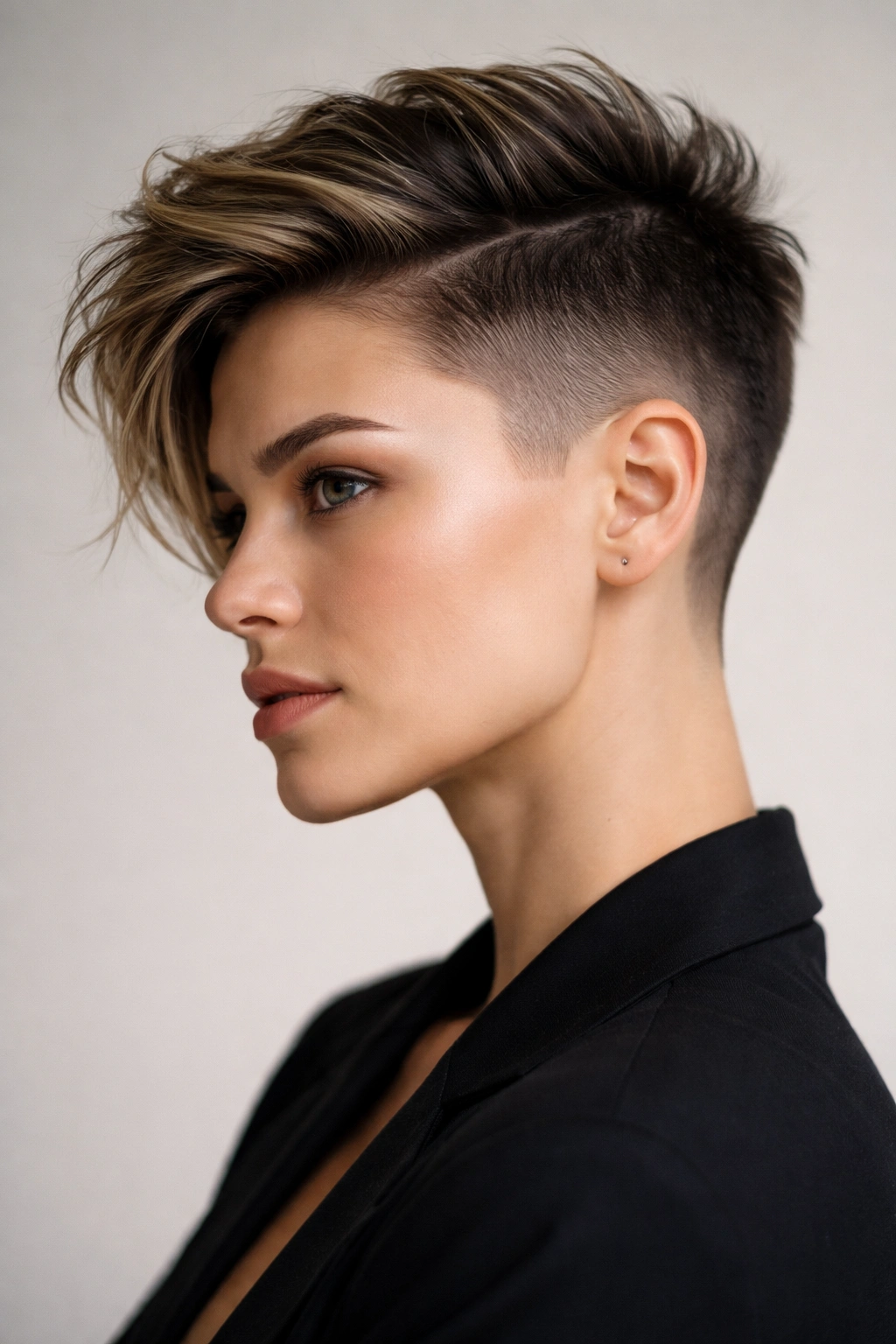
An undercut shaves or clips very short hair on the sides and back while leaving longer hair on top, creating a dramatic disconnection between the two sections. It’s bold, modern, and appeals to people who want something truly different.
The Modern Interpretation
Today’s undercuts are less extreme than the bold fades of a few years ago. Many people opt for shorter sides (not completely shaved) with longer, textured hair on top that can be styled multiple ways. You can wear it sleek and polished, tousled and textured, or even pulled back. The undercut works especially well with straight or wavy hair and shows off bone structure beautifully.
Important Details
- Sides and back require frequent trims (every 2-3 weeks) to maintain definition
- Top can be styled with texture, volume, or sleekness depending on your mood
- Works best on people comfortable with a bold, unconventional look
- Very flattering on people with good bone structure and strong features
- Pairs beautifully with longer, textured pieces on top
Pro tip: Start with a less extreme disconnection—maybe 1-2 inches of length difference between sides and top—and you can always make it more extreme later.
20. The Curtain Bangs
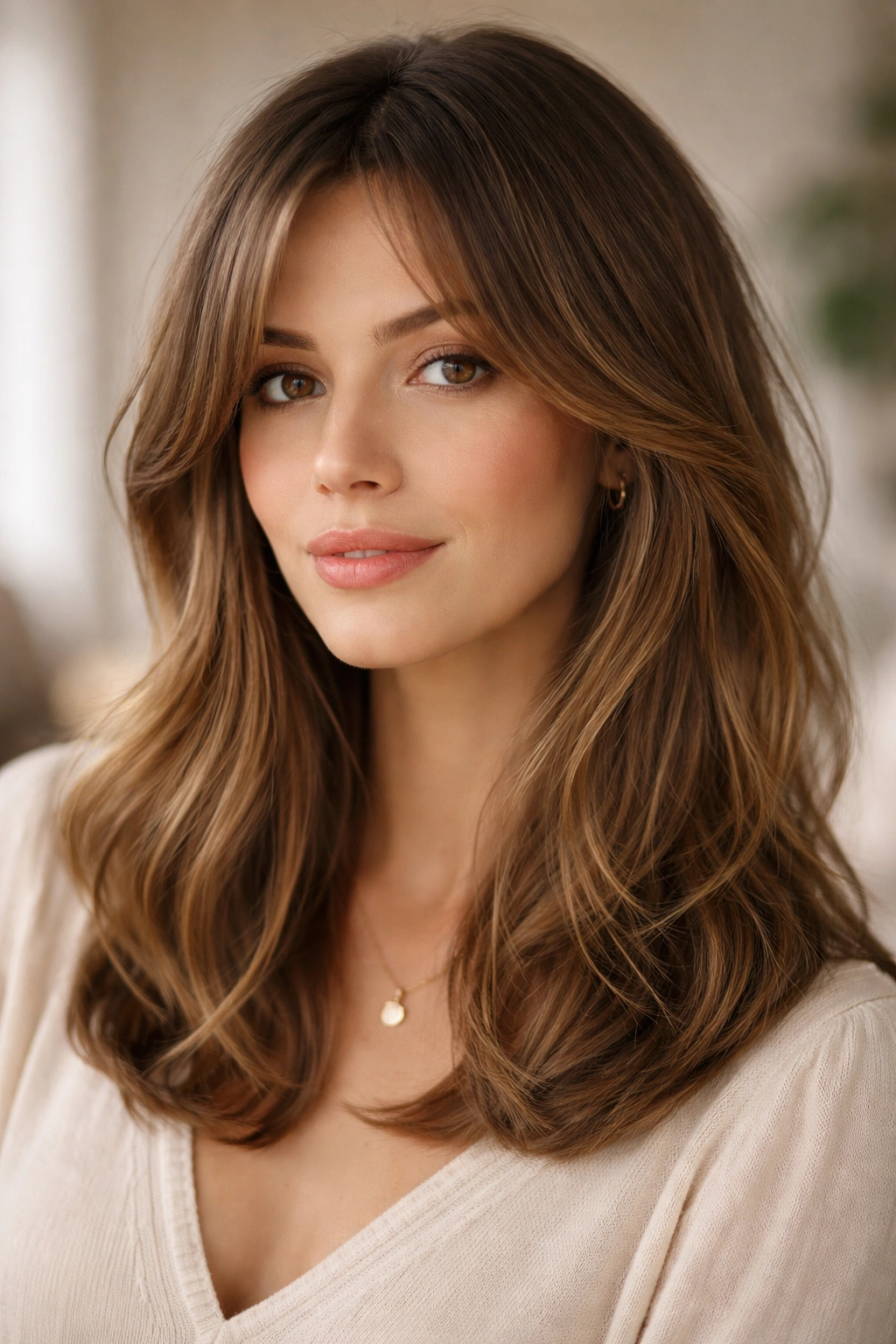
Curtain bangs frame your face from both sides, parting in the center and falling away from your face like curtains. They’re soft, romantic, and incredibly flattering because they work with most face shapes and hair types.
Why Curtain Bangs Work
They’re longer than most bangs (usually hitting around cheekbone level or slightly longer), so they’re less dramatic and easier to grow out. The center part and way they fall away from your face creates a flattering frame without fully covering your forehead. Curtain bangs work beautifully with straight, wavy, or curly hair because they have built-in movement.
Styling and Maintenance
- Require trims every 4-6 weeks to keep the shape intentional
- Can be styled sleek and straight or with waves for movement
- Much easier to grow out than shorter bangs since they blend in as they get longer
- Work especially well with shoulder-length hair and longer
- Pair beautifully with layers throughout for a cohesive, intentional look
Worth knowing: Curtain bangs feel vintage and retro but work beautifully in modern contexts, especially when paired with contemporary colors and overall cuts.
21. The Crop Cut
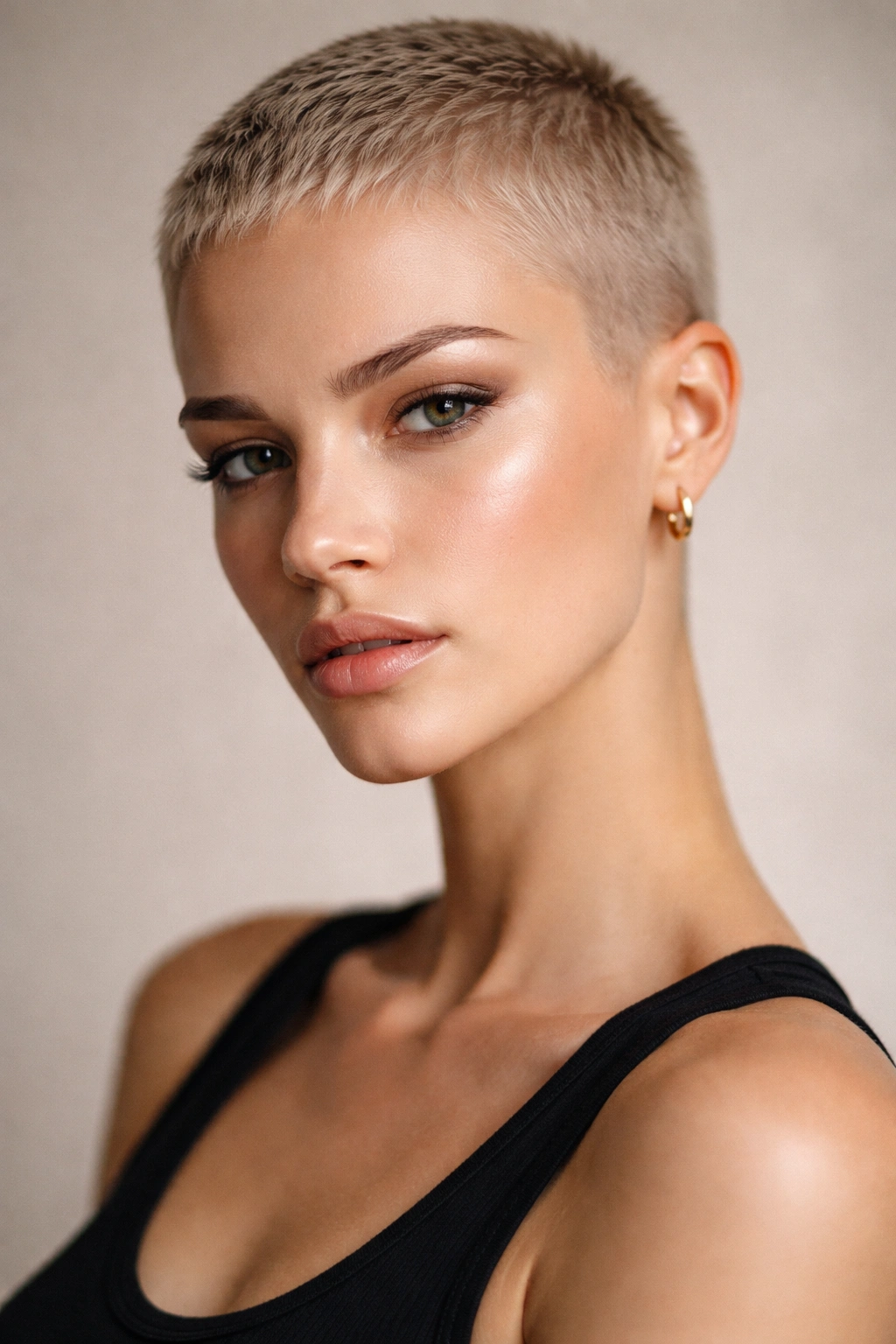
A crop cut is extremely short all over—think pixie length but often with less taper and more texture throughout. It’s bold, androgynous, and incredibly liberating if you commit to it. This cut celebrates bone structure and requires confidence in showing off your face completely.
Who This Cut Suits
Crop cuts work beautifully on people with strong bone structure, interesting face shapes, and the confidence to let their features be the main event. You absolutely cannot hide behind a crop cut—your face is front and center. That said, the cut is incredibly flattering and flatters an enormous range of people when it’s cut well and styled with confidence.
The Daily Reality
- Requires trims every 3-4 weeks to maintain shape and texture
- Styling is minimal but requires a styling product and your fingers
- Works best with textured, wavy, or curly hair (very fine, straight hair can look thin)
- Uncomfortable growth phase as it grows in—plan for regular maintenance
- The most liberating cut if you’re ready for it, but definitely a commitment
Real talk: This cut requires you to care for your skin, eyebrows, and facial features since nothing is hidden. But once you commit to it, many people find it’s the easiest cut they’ve ever worn.
22. The Waist-Length Hair with Minimal Layers
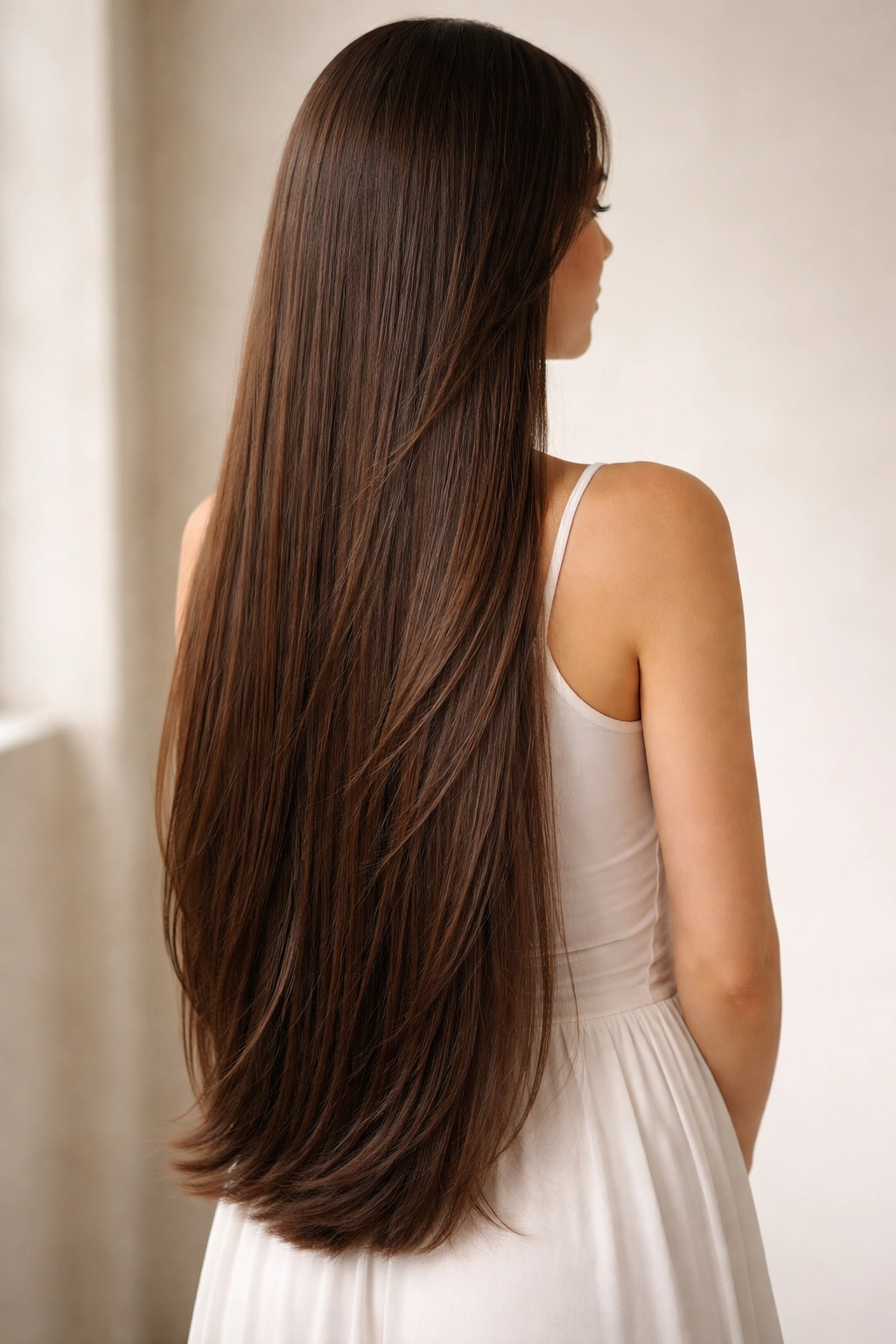
Sometimes the most flattering cut is the simplest: long, healthy, beautiful hair with minimal layering so you keep the length and thickness you want. This approach works when you have patience for growing hair out and good hair care practices to keep it healthy.
The Beauty of Simplicity
Long hair without excessive layers maintains thickness and creates a continuous line of length that’s incredibly flattering on most people. Strategic layers only at the very ends and maybe some subtle face-framing keeps the overall shape clean without sacrificing the thick, full feeling of longer hair. This approach is especially stunning with rich color or balayage.
The Commitment
- Requires very good hair health—damaged ends show constantly
- Needs trims every 8-12 weeks just to maintain health, even without changing the cut
- Styling flexibility is incredible—you can wear it straight, wavy, curly, up, or down
- Works beautifully with color and highlights since the length shows off dimension
- Very flattering on most face shapes, especially with some subtle face-framing
Pro tip: Long hair looks best when it’s visibly healthy and shiny. Invest in good conditioner and deep conditioning masks.
23. The Asymmetrical Cut
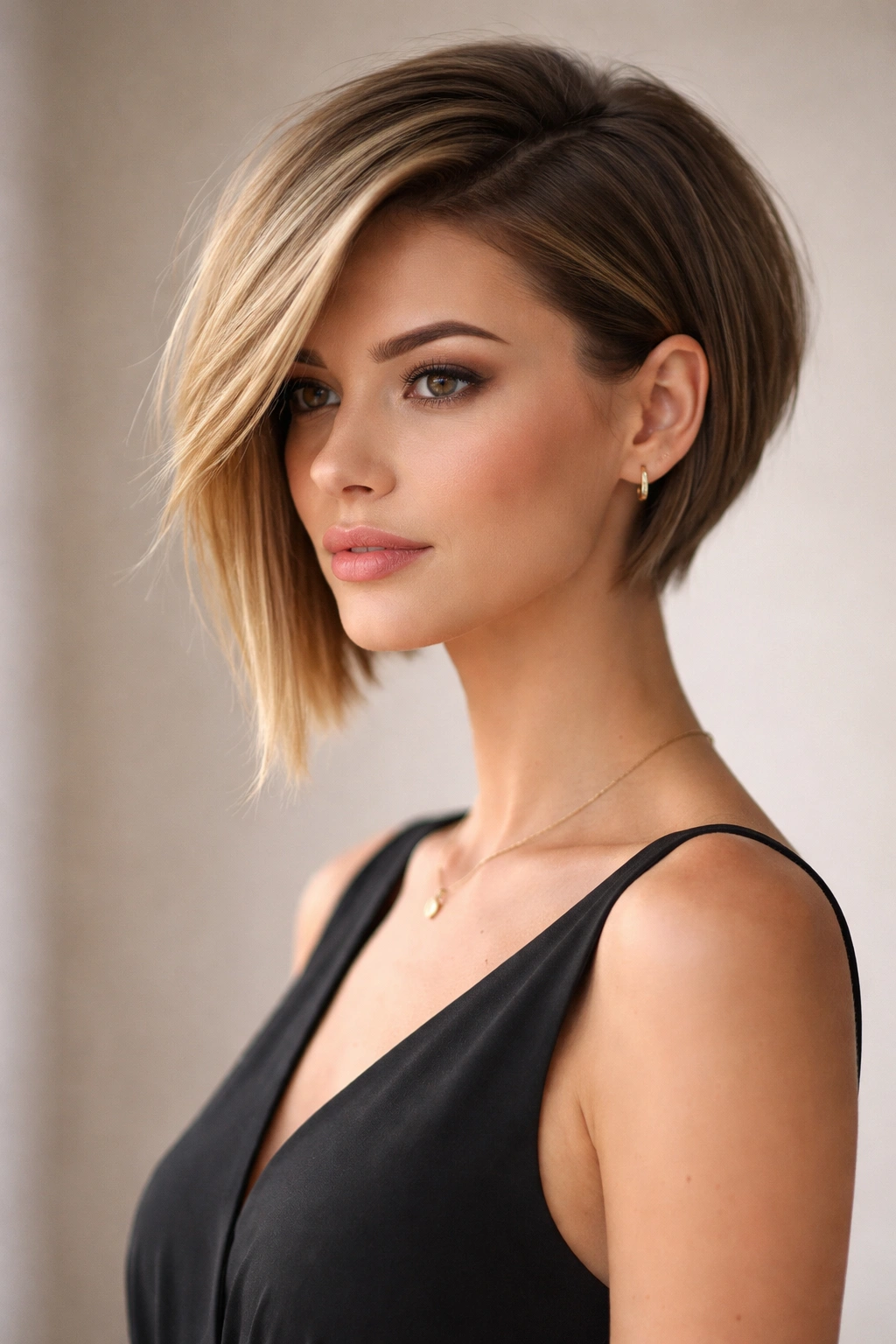
An asymmetrical cut features noticeably different lengths or layers on each side, creating an intentional imbalance that looks modern and artistic. One side might be significantly shorter or have more texture than the other, creating visual movement and interest.
The Modern Appeal
Asymmetrical cuts work because they’re unexpected and creative while still being wearable in professional settings. The asymmetry prevents the cut from feeling boring or predictable, and it can actually be very flattering if placed correctly. Some people opt for slightly different lengths on each side (almost unnoticeable but intentional), while others go for dramatic asymmetry.
Styling Considerations
- Can be styled to emphasize the asymmetry or toned down depending on the occasion
- Works best with textured or wavy hair where the asymmetry shows naturally
- Requires regular trims to maintain intentional asymmetry as hair grows
- Very flattering on interesting face shapes because it plays with proportions
- Requires a skilled stylist who understands how asymmetry affects balance and face shape
Insider note: Asymmetrical cuts photograph beautifully from some angles and look different from others, which is part of the appeal.
24. The Wispy Layers Throughout
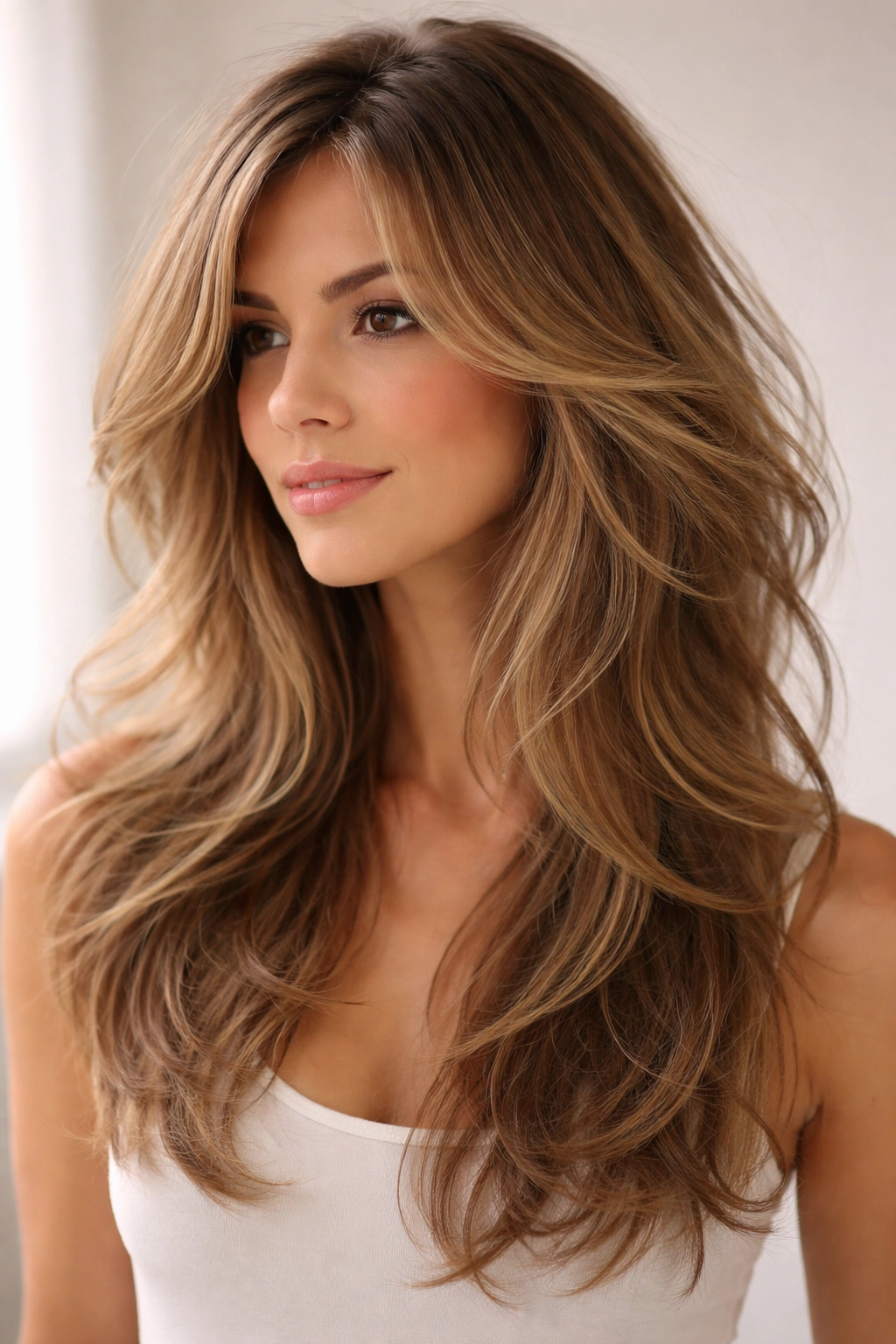
Wispy layers create softness and movement without the choppiness of more dramatic layering. Each layer is feathered and blended so the overall effect is soft, romantic, and gently textured rather than edgy or graphic.
The Gentle Approach to Texture
Wispy layers work beautifully on straight, wavy, and curly hair because the softness of the layers works with any texture rather than against it. This approach is especially flattering on round or delicate faces because wispy layers soften features rather than emphasizing bone structure. The layers create movement and dimension without being dramatic.
Best Practices
- Works beautifully on all hair types and textures
- Creates volume without bulk
- Very flattering on most face shapes
- Requires trims every 6-8 weeks to keep wispy texture intentional
- Styling can be minimal—even undone texture looks intentional with wispy layers
Worth knowing: Wispy layers can look thin if your hair is very fine or thin. Ask your stylist about graduated layers rather than feathered ones if you have delicate hair.
25. The Textured Medium Bob
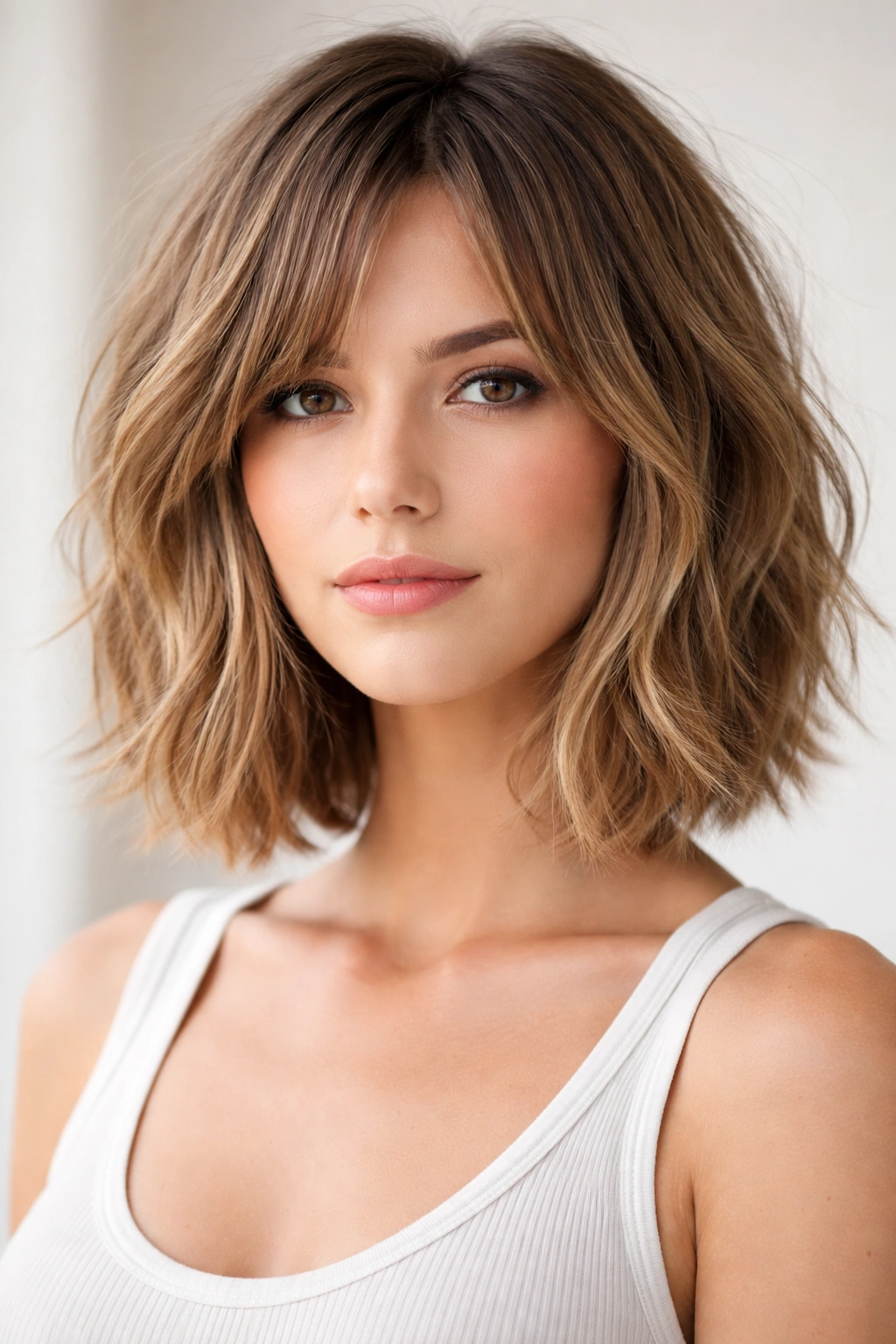
A textured medium bob sits somewhere between chin length and shoulder length, featuring choppy, textured layers throughout that create movement and volume. It’s a happy medium for people who want something shorter than a lob but with more texture and looseness than a precision bob.
Why This Length and Style Work Together
The medium length gives you versatility in styling while the texture makes the cut feel modern and interesting. You can wear it tousled and undone, sleek and polished, wavy with a curling iron, or even pinned back. The texture also makes the cut forgiving—it looks good even when you don’t blow-dry it or spend an hour styling.
Making It Your Own
- Ask for choppy, point-cut layers rather than blended ones
- Texture through the crown creates volume without bulk
- Works beautifully with all hair types, especially wavy and textured hair
- Requires trims every 6-8 weeks to keep choppy texture looking intentional
- Pairs well with balayage or dimensional color to emphasize the layers
- Can be styled with minimal effort or fully styled for maximum impact
Pro tip: This cut is incredibly forgiving because the texture hides styling mistakes and works with your hair’s natural movement rather than against it.
The Right Cut for You
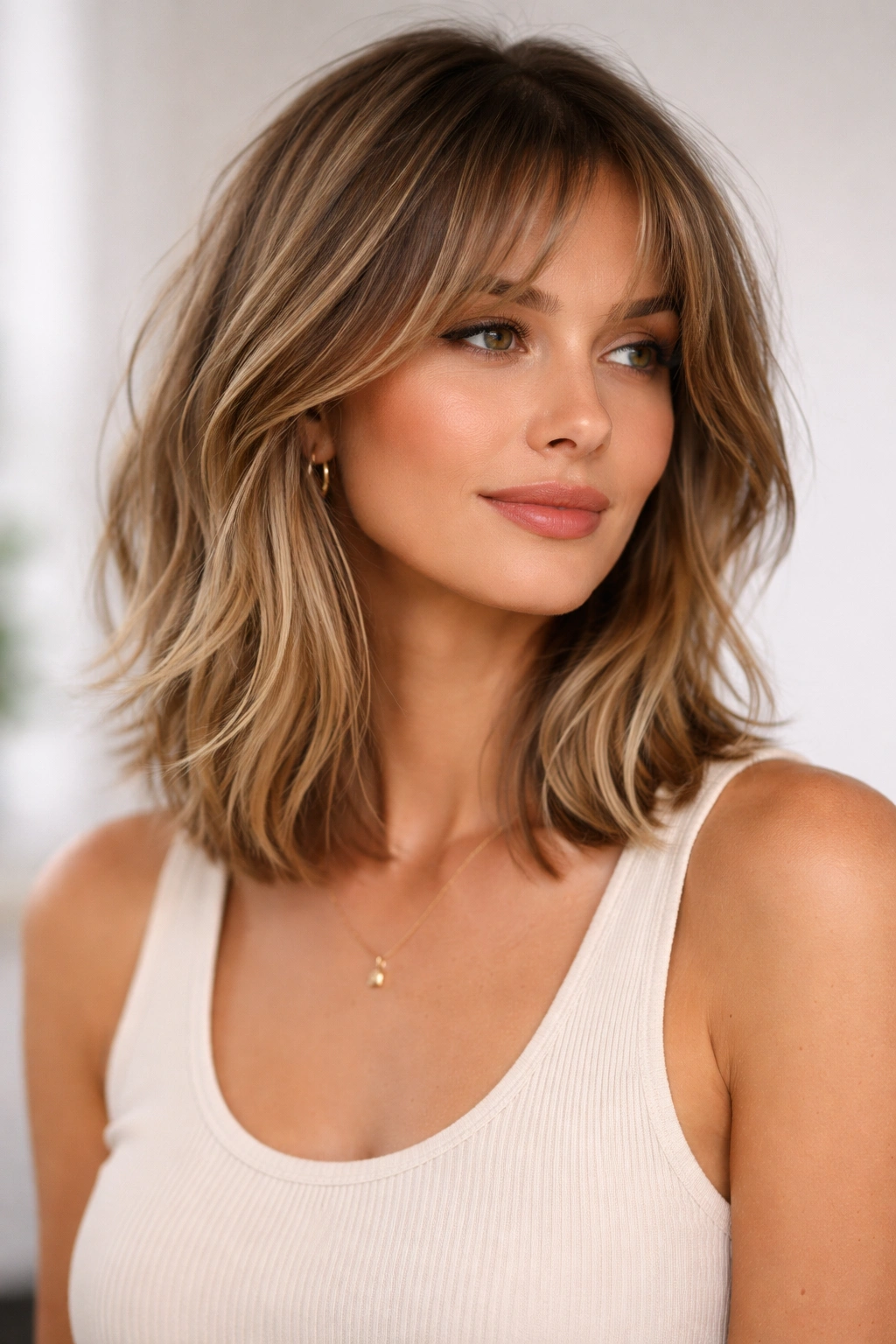
Finding the perfect haircut comes down to understanding what you actually want, being honest about your styling commitment level, and finding a skilled stylist who gets your vision. The truth is that almost every cut on this list can look incredible when it’s cut well and styled with intention—and almost any cut can look mediocre if it’s not maintained properly or styled in a way that works with your hair’s natural texture and fall.
Before you book your appointment, spend some time looking at reference photos of the specific cut you’re interested in. Look at multiple angles and multiple people wearing the same cut, because every cut looks different depending on face shape, hair texture, and styling. Have a real conversation with your stylist about your daily routine, how much time you’re willing to spend styling, and what you actually want your hair to do for you.
The best haircut is the one you love so much that you’re excited to maintain it and style it regularly. If a cut requires a blow-dry every single day and you hate blow-drying, it doesn’t matter how incredible it looks—it won’t work for your life. Similarly, if you love a super-polished aesthetic but don’t have time for daily styling, you’ll frustrate yourself. Honest self-assessment about your lifestyle and preferences matters way more than what looks good on someone else’s Instagram.
Final Thoughts
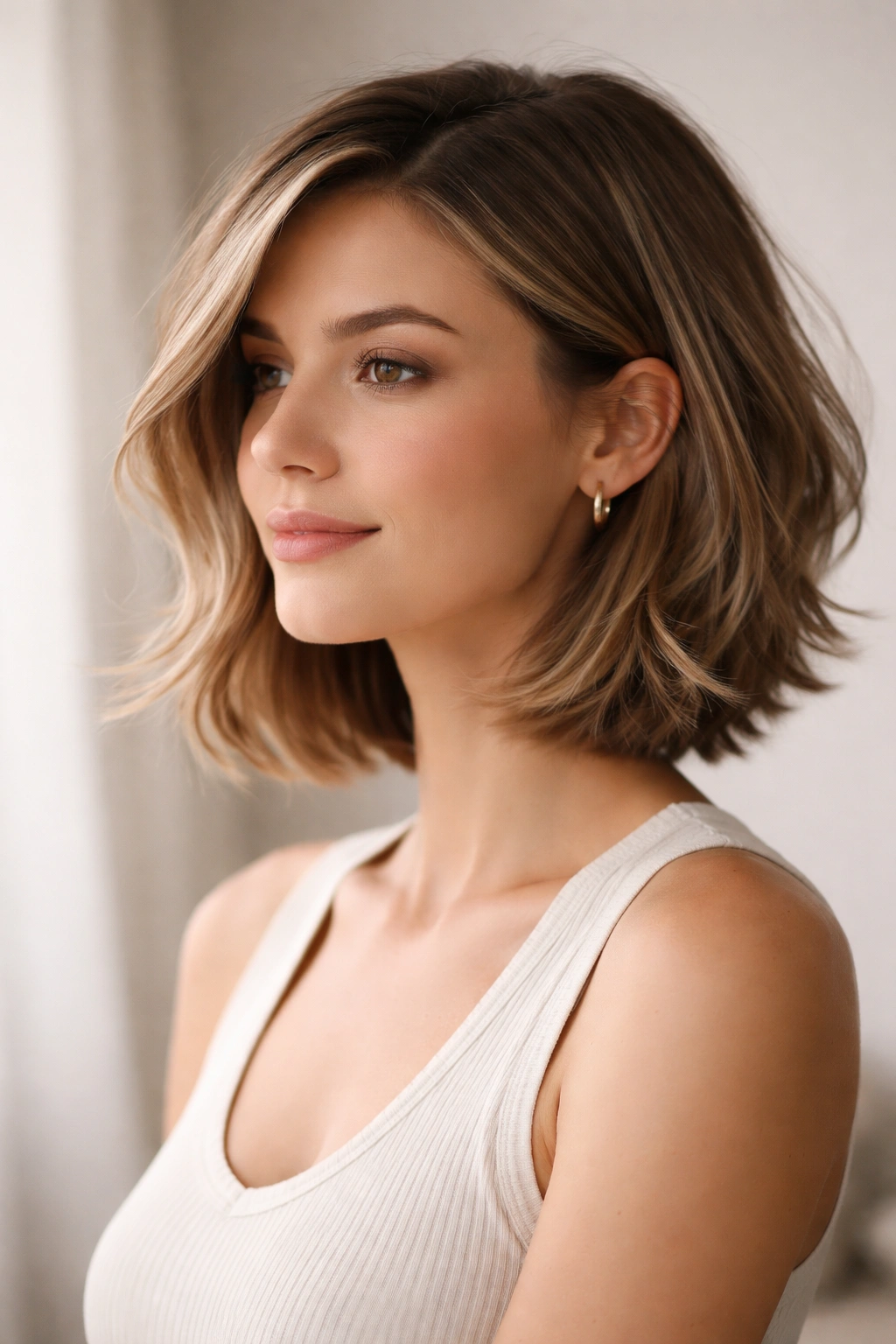
The cut that’s perfect for you might be something you’ve never considered before, or it might be a classic style you’ve been thinking about for years. Either way, the key is moving forward with confidence in your choice and finding a stylist who can execute your vision and offer honest advice about what will and won’t work with your specific hair and lifestyle.
Your hair is constantly growing and changing, which means you have the freedom to try something new, adjust it, or move in a completely different direction whenever you want. This haircut isn’t permanent—it’s just the beginning of whatever direction you want to take your look.
