



Short bobs have dominated hairstyle choices across all hair textures, but the key to rocking one confidently isn’t just about the cut — it’s about matching the style to your specific hair texture and how your hair naturally behaves. A sleek, geometric bob that looks polished on straight hair might look limp and shapeless on naturally wavy texture, while a textured, layered bob designed for curl could look frizzy and undefined on finer hair types. The magic happens when you choose a bob that works with your hair’s natural characteristics rather than against them.
What makes this even better is that you have genuine options. Whether you’re blessed with naturally curly hair, manage fine strands that need volume tricks, navigate thick and coarse texture, or work with waves that are their own unique challenge, there’s a short bob style engineered specifically for how your hair moves. Understanding which cuts complement which textures takes out the guesswork, saves money on cuts that won’t work for you, and gives you the confidence to ask your stylist for exactly what will look good.
The difference between a bob that transforms your appearance and one that frustrates you every morning often comes down to this single factor: texture compatibility. A cut that works beautifully for straight hair requires different layering, graduation, and styling techniques than one designed for curls. Fine hair needs specific strategies to avoid looking thin or limp. Thick, coarse hair needs precise cutting to avoid bulk without losing body and movement.
Let’s walk through 15 of the best short bob styles, organized by hair texture so you can find the options that will actually work with what you’ve got.
1. The Blunt Straight Bob for Fine Hair
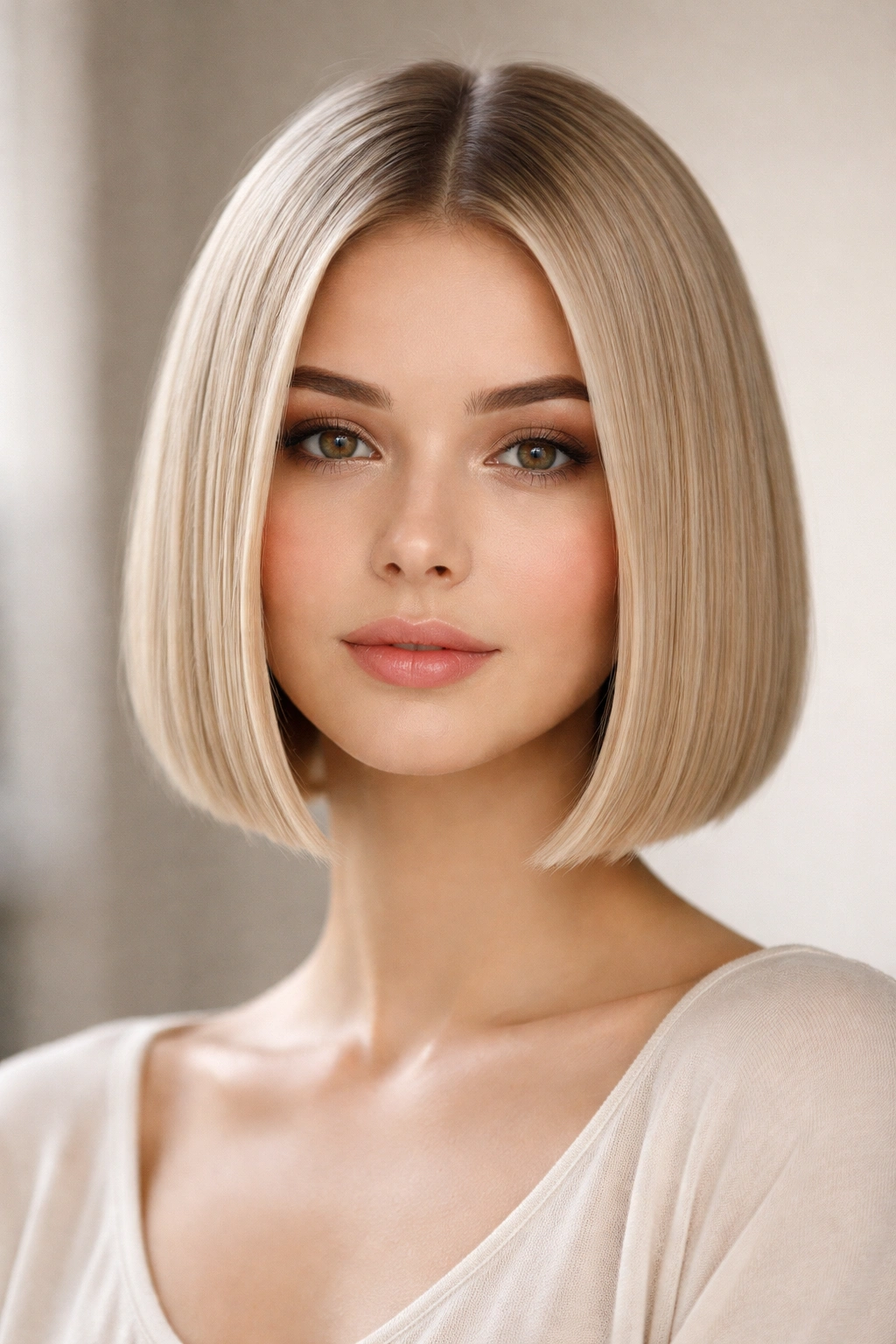
A blunt, chin-length bob with a sharp, one-length line works beautifully on fine hair when it’s cut with precision and styled thoughtfully. The appeal here is that a clean, geometric line creates the visual illusion of thickness — the defined edges make hair look denser than it actually is, and there’s no thinned-out feathering or choppy layers to emphasize the lack of volume.
Why This Works for Fine Hair
Fine hair benefits from weight and structure, and a blunt bob delivers exactly that. The one-length cut keeps all your hair at the same length, which means every strand contributes to the overall appearance of fullness. When hair is heavily layered on fine texture, each layer removes weight and creates gaps that make hair look thinner and more delicate. A blunt line avoids that problem entirely. The cut also sits close to the head, which prevents the flyaway, wispy appearance that fine hair sometimes gets when it’s too choppy.
How to Keep It Looking Fresh
- Blow dry with a round brush to create gentle volume at the roots — this is non-negotiable for fine hair
- Use lightweight styling products; heavy serums or thick creams will weigh down fine strands immediately
- Ask your stylist for regular trims every 4-5 weeks to maintain that blunt, defined line
- Teasing the roots gently before styling gives an instant fullness boost without damaging the hair
Pro tip: A light-catching color or subtle highlights can create the illusion of even more depth and dimension on fine hair, making it look thicker than it is.
2. The Textured, Choppy Short Bob for Wavy Hair
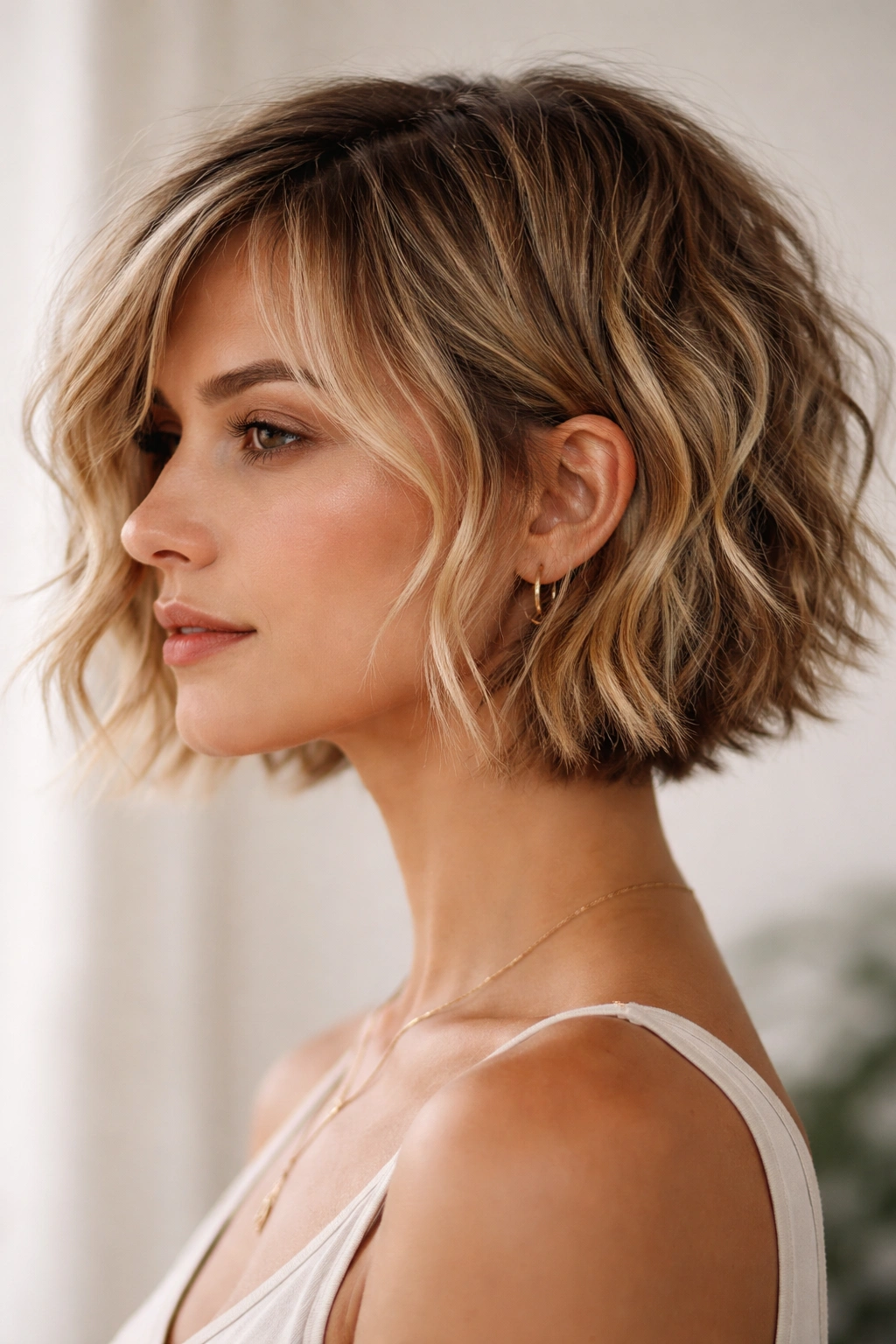
This is the bob that lives and breathes with natural wave texture. It’s cut shorter and choppier than a blunt bob, with lots of movement-friendly layers that break up the line and work with your waves instead of fighting them. The cut typically sits around ear-length or slightly shorter, with textured, piece-y ends that separate and define your natural wave pattern.
Why Wavy Hair Loves This Cut
Wavy hair falls into this beautiful middle ground between straight and curly — it has natural movement and dimension, but it can also look undefined or frizzy if the cut works against it. A textured bob celebrates those waves by adding layers that encourage your hair to move naturally rather than trying to contain it in a one-length shape. The choppy texture also camouflages any inconsistency in your wave pattern, which many wavy-haired people deal with (like slightly wavier layers versus straighter underneath). Because the cut is designed for movement, this bob actually looks better when you embrace your waves rather than fighting them flat.
Styling and Maintenance Tips
- A texturizing spray or sea salt spray enhances your natural waves without adding weight
- Finger-comb rather than brush when your hair is damp to encourage definition
- Scrunch product upward into damp hair to activate and define your wave pattern
- This cut benefits from regular trims every 6-7 weeks to keep the choppy texture intentional and fresh
Worth knowing: If you have wavy hair but prefer wearing it straight sometimes, this cut works for that too — just blow dry it smooth. The layers mean you won’t have that blunt edge that can look sharp on straight hair.
3. The Rounded Pixie-Bob Hybrid for Fine, Straight Hair
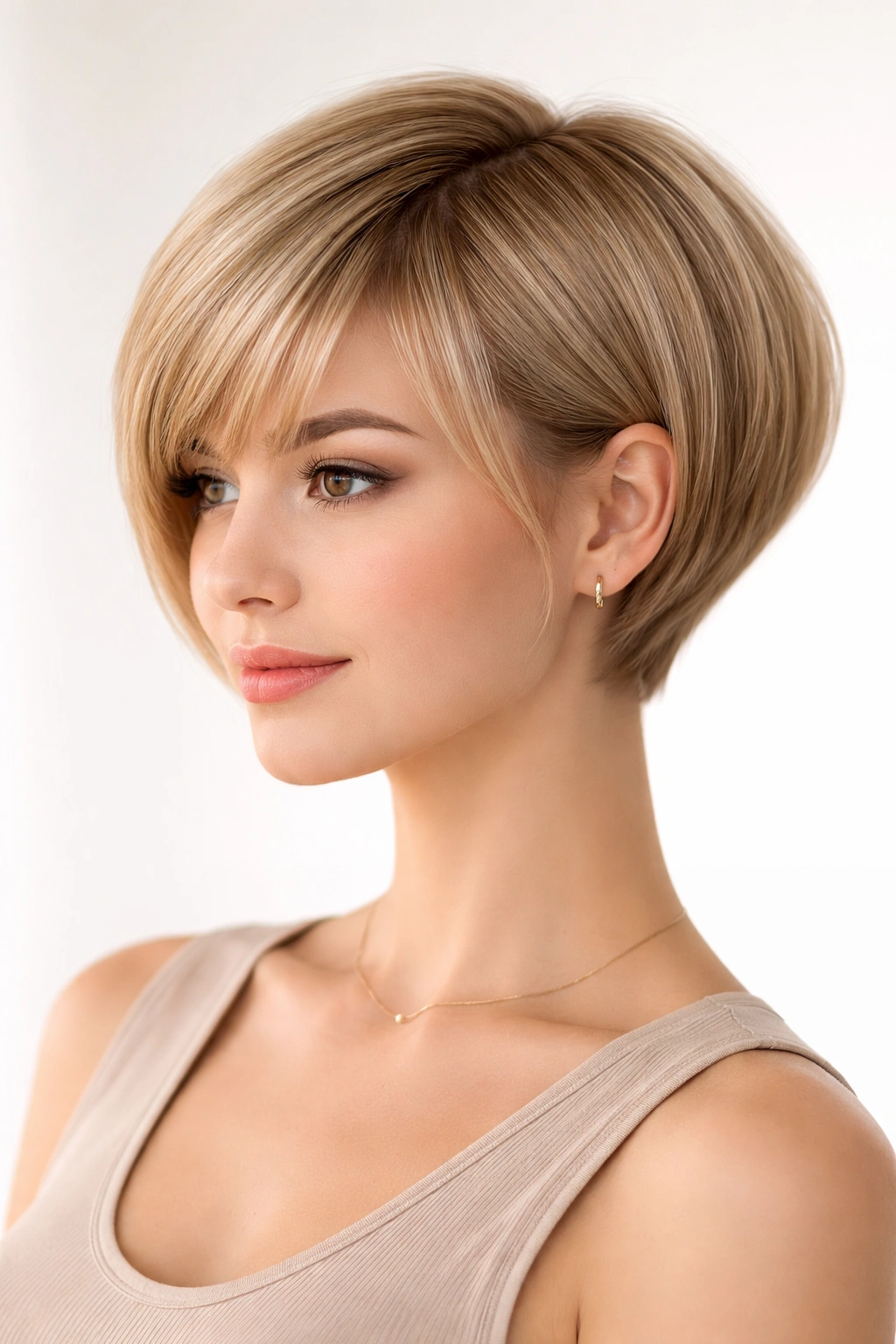
This is a shorter, rounder take on the bob — somewhere between a pixie and a short bob. It’s typically cut 2-3 inches above the ear, very close to the head, with a rounded crown that skims the skull and creates a polished, intentional shape. It works on straight hair specifically because the shape is what creates visual interest rather than texture or layer separation.
Why This Cut Suits Fine, Straight Hair
Fine, straight hair can look limp in longer lengths because there’s no natural texture to create movement, but a very short, close-cropped bob puts the focus on shape and line rather than length and texture. The rounded crown at the top creates height and fullness where you actually need it — at the scalp — which is the most flattering area for fine hair. This cut also means you’re not carrying as much weight at the ends, so the hair sits lighter and fuller throughout. The simplicity of the shape also means your hair’s naturally sleek texture becomes an advantage rather than a limitation.
Cut and Color Considerations
- Hair must be cut every 3-4 weeks to maintain the clean, close shape
- This cut is exceptionally flattering with a shiny, healthy base color or subtle highlights
- The close-cropped nature means texture and shine become major parts of your appearance — healthy-looking hair is essential
- This cut shows your face shape very clearly, so ask your stylist to adapt the proportions to complement your features
Insider note: This style actually works beautifully if you have a perfectly round face or a very angular face — the stylist just adapts where the fullness is created to balance your specific proportions.
4. The Curly, Cropped Bob for Coily and Curly Hair
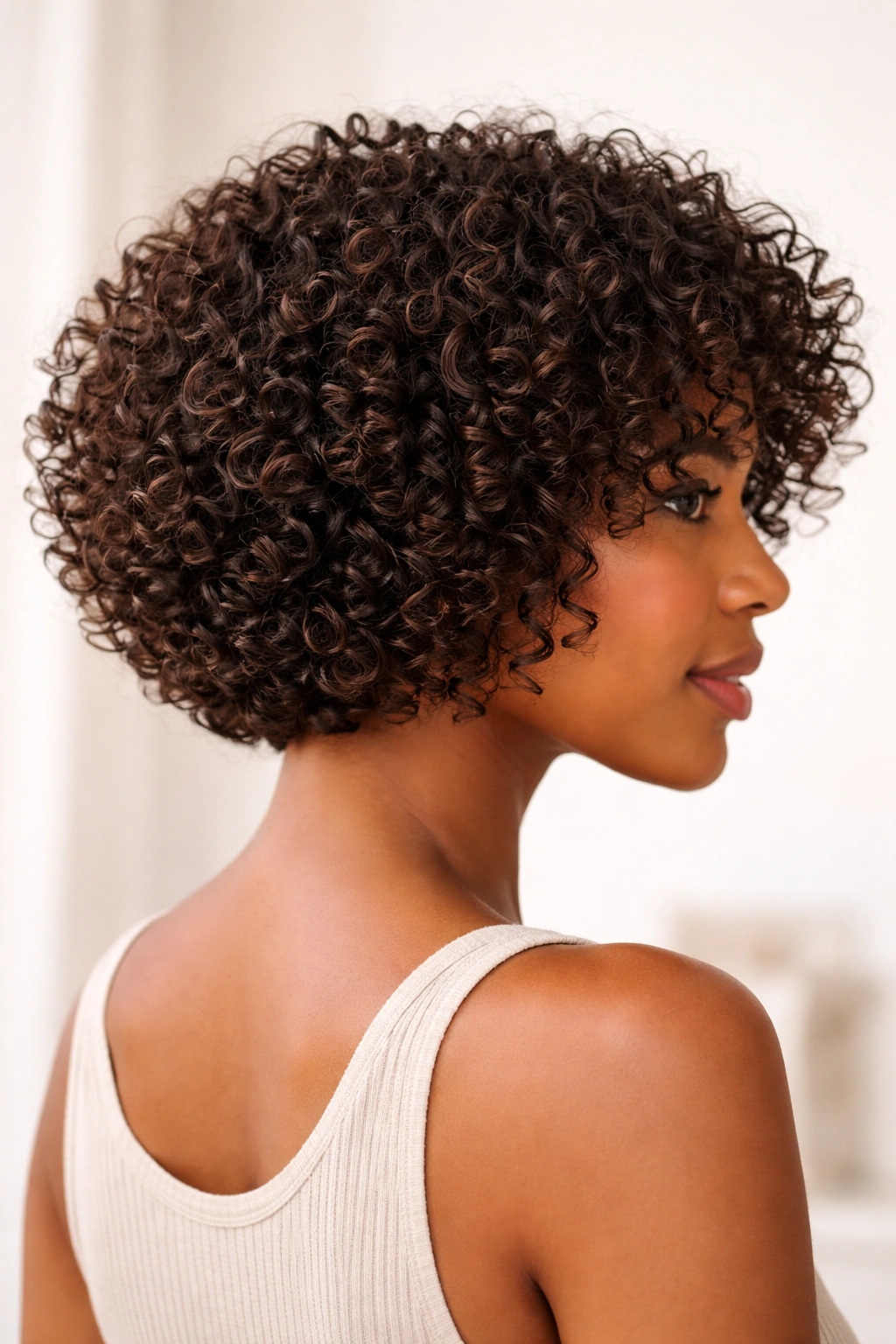
This is a deliberately short, cropped bob designed specifically for naturally curly or coily hair. It’s typically cut 1-4 inches shorter than chin-length (depending on how tight your curl pattern is), with layers woven through the interior to eliminate bulk while maintaining shape. The cut follows the natural curl pattern rather than fighting it, which means it actually works better the more texture you have.
Why Curly Hair Thrives in This Cut
Longer curly bobs can get heavy, weighted down, and lose their curl definition as the length pulls the curls down and stretches them out. A cropped bob with the right interior layering keeps curls springy, defined, and bouncy without the weight of length. The layers prevent the interior of your curls from matting or clumping together, which is a major complaint of curly-haired people. Because the cut is shorter overall, drying time is dramatically reduced, and you get better curl formation. The cut also naturally shows off the dimension and movement of your curls, making them look more intentional and beautiful.
Cutting Technique Matters Here
- This cut MUST be cut on dry hair by a stylist trained in cutting curly hair — cutting curly hair while wet gives totally different results than the finished look
- Layers should be cut into the curl pattern, not across it, to maintain definition
- Ask your stylist about the specific technique they use — “Deva Cut” is one well-known method, but there are others
- Regular trims every 5-6 weeks keep the shape intentional and prevent the formless, overgrown look
Worth knowing: The shorter this cut, the less you have to rely on styling and product to look good. Many curly-haired people find that a super-short, cropped bob is their lowest-maintenance option.
5. The Soft, Side-Parted Bob for Thin, Straight Hair
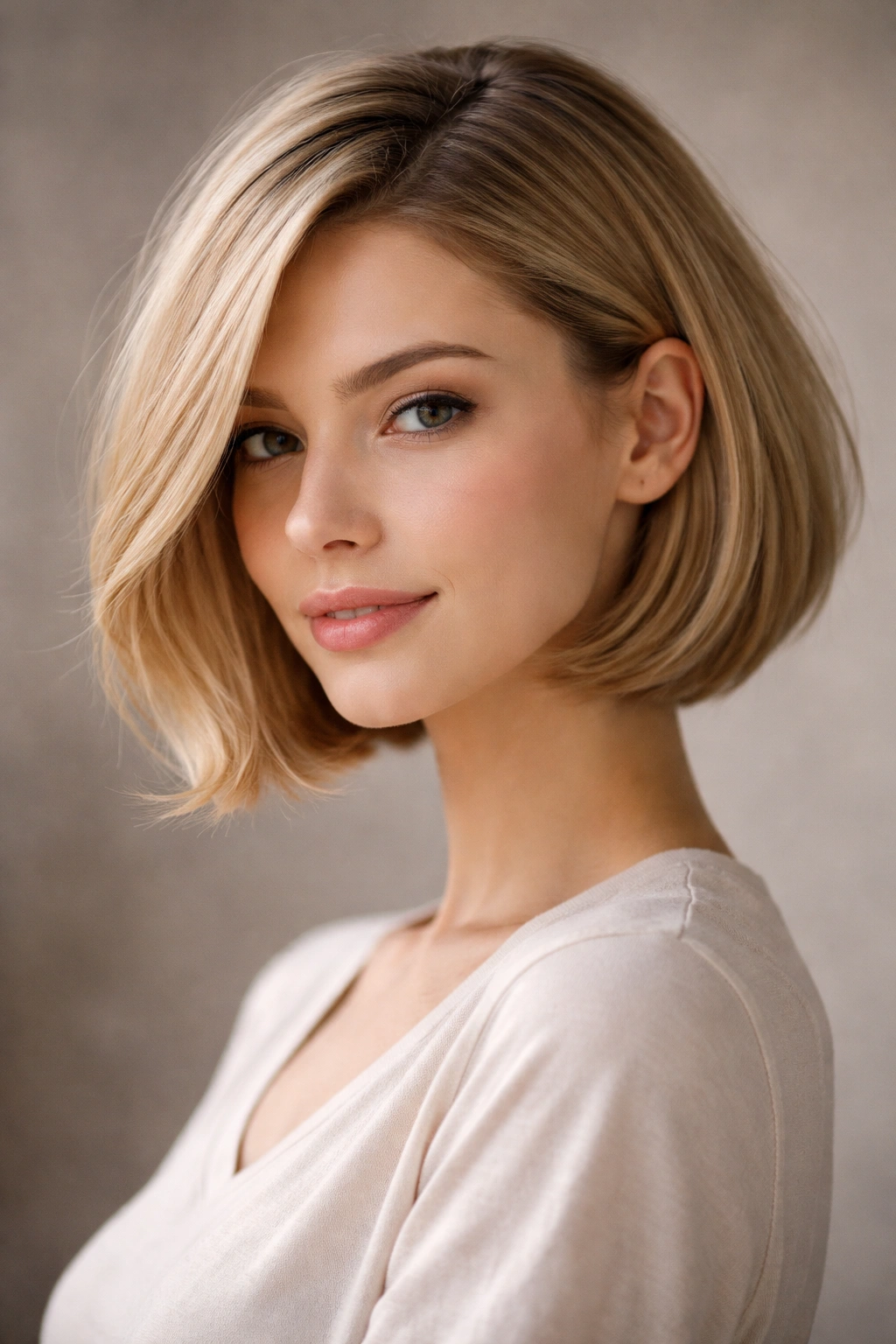
This is a chin-length bob with a deep side part, slightly rounded shape, and soft, subtle movement at the ends. It’s designed to look effortlessly relaxed rather than geometric and severe. The side part and slight curve create the visual illusion of more volume and dimension on hair that’s naturally thin or lacking texture.
Why This Works for Thin, Straight Hair
A side part immediately creates visual depth and height — it’s one of the easiest ways to make hair look fuller. By directing hair away from the face on one side and creating volume on the other, you create the illusion of more overall density. The soft, barely-curved ends prevent the harsh, thin look that a perfectly blunt line can create on thin hair. This bob also works because it’s slightly longer than some other options, which means more coverage and fewer obvious thin spots or scalp visibility.
Styling Secrets for Maximum Volume
- Blow dry against the natural part direction first to create volume, then smooth back into place — this tricks hair into sitting fuller
- A volumizing mousse applied to damp roots before blow drying makes a noticeable difference
- Use a smaller round brush to create more tension and lift while drying
- Tease gently at the roots along the parting line to boost height where it matters most
Pro tip: A textured spray or dry shampoo applied the day after you wash creates grip and makes hair hold volume much better than silky, freshly-washed strands.
6. The Undercut Bob for Thick Hair
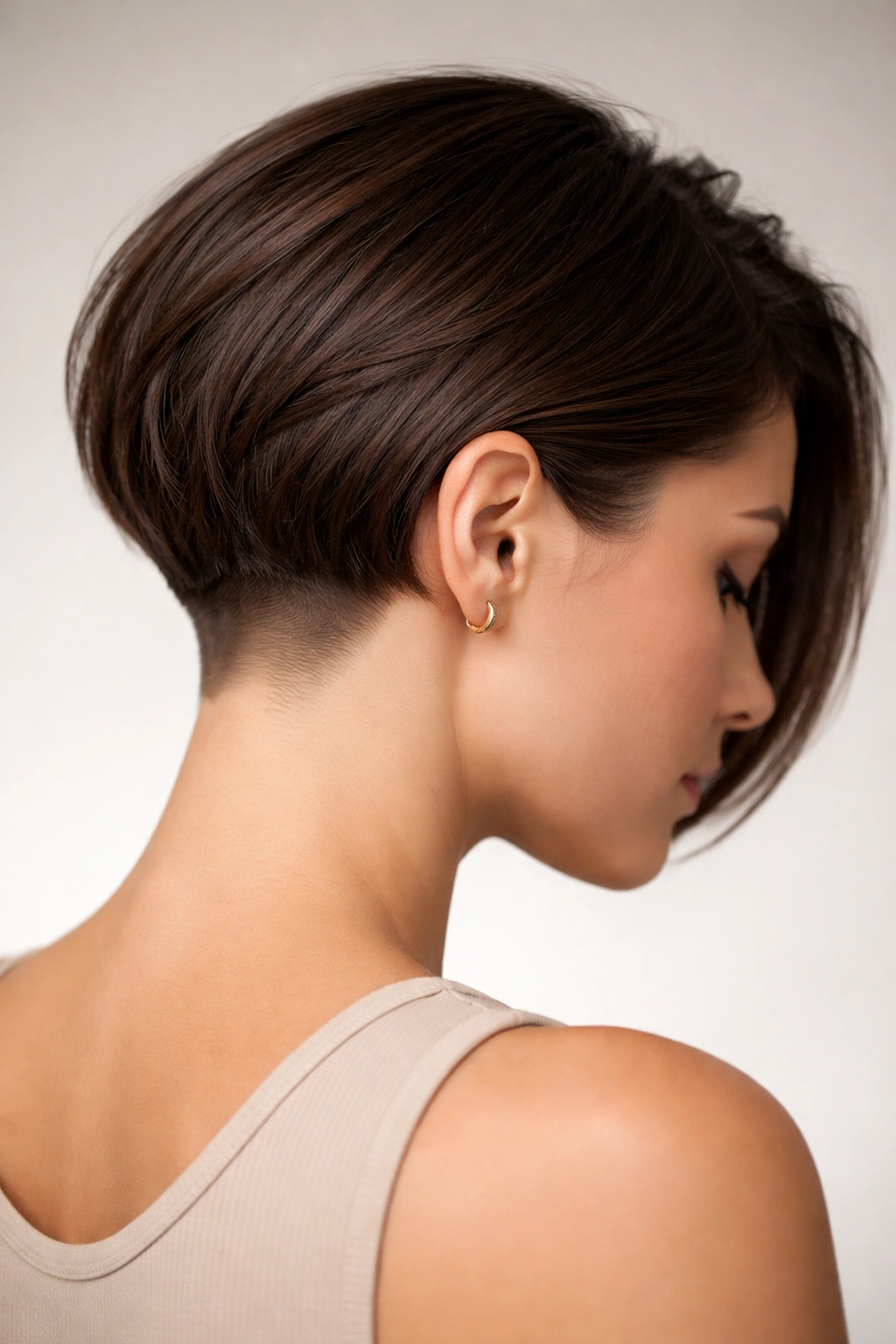
An undercut bob keeps length and shape on top while shaving or cutting very short underneath — typically a fade or undercut on the lower back and sides. The top section remains longer and fuller, creating a contrast that prevents the heavy, bulky appearance that thick hair sometimes gets in blunt bobs.
Why Thick Hair Needs This Approach
Thick hair can look extremely heavy in a solid, one-length bob. All that density can make you feel like you’re wearing a helmet, and the shape can overwhelm your face. An undercut removes bulk where you don’t need it while keeping length and fullness where it looks good. This cut allows you to have a genuinely short bob without that thick-hair situation of the ends being blunt and dense. The contrast also makes the cut look intentional and modern rather than just “short.”
Maintenance Realities
- The undercut section needs touch-ups every 3-4 weeks to keep the fade sharp and intentional
- This cut requires commitment to regular barber or salon visits — it can’t go long between trims without looking overgrown
- The undercut portion requires regular upkeep, which adds styling time if you want it looking sharp daily
- This is a genuinely stylish option if you like having an edgy, fashion-forward vibe
Worth knowing: Undercut bobs work well if you’re willing to embrace the short-hair maintenance reality. If you’re looking for a wash-and-go option, this isn’t it.
7. The Shaggy, Layered Bob for Wavy-to-Curly Hair
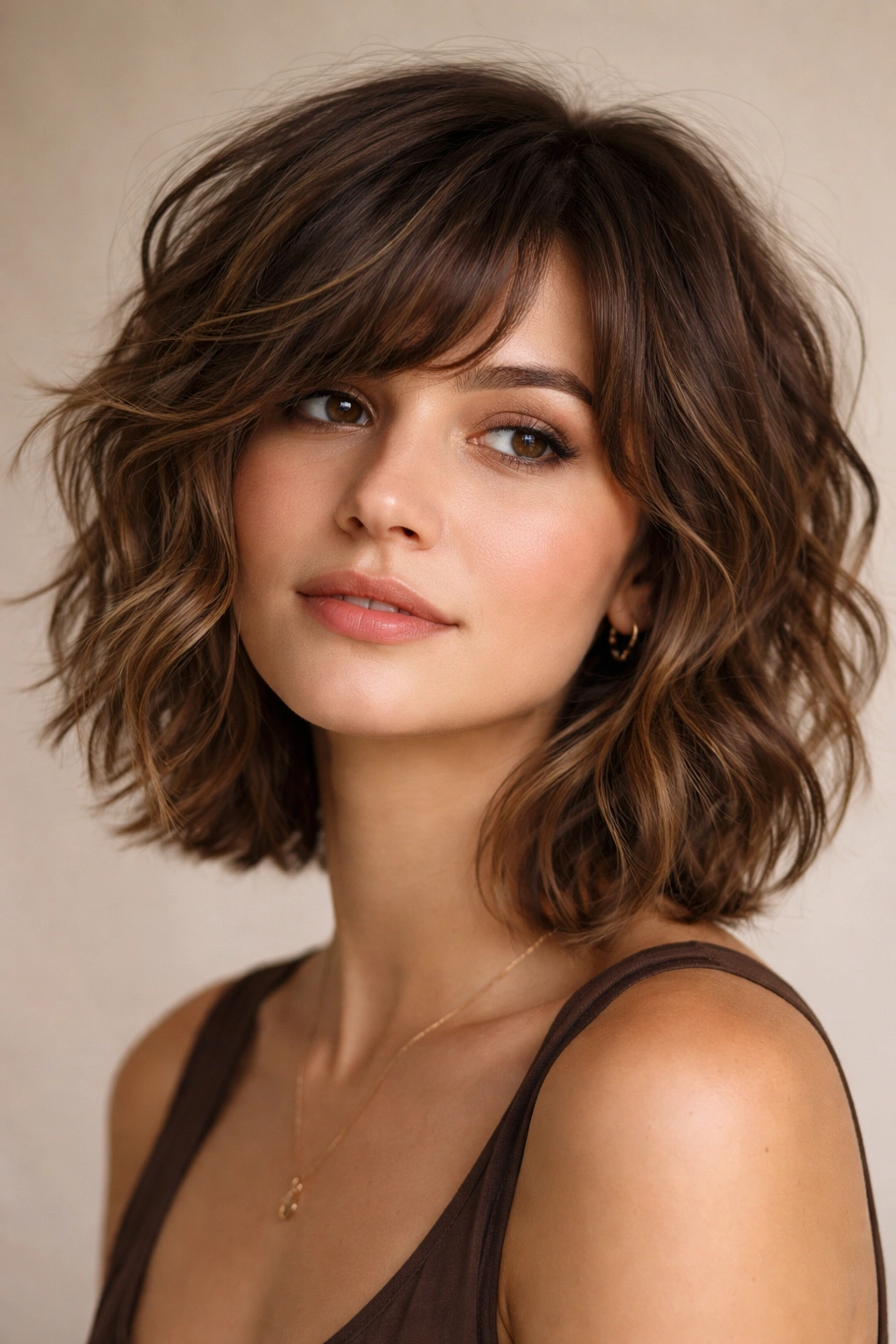
This is the ultimate texture-embracing bob — short-to-medium length with lots of choppy, separated layers throughout that celebrate movement and texture. It’s cut to be tousled and piece-y rather than sleek, and it works beautifully when you have natural wave, texture, or curl that you want to amplify rather than contain.
Why This Cut Suits Textured Hair
Shaggy bobs live or die based on your hair’s ability to hold texture and shape — and that’s exactly what wavy, textured, and curly hair does naturally. The layers break up density, prevent matting, and encourage movement. Because the cut is intentionally choppy and undone-looking, you’re not fighting for perfection; you’re working with what your hair naturally does. This cut also works brilliantly if your texture is inconsistent — some straighter pieces mixed with wavier sections — because the choppy layers disguise any unevenness.
Styling Approach
- This cut actually looks better when you enhance your natural texture rather than blow drying it straight
- Curl-defining cream or gel scrunched into damp hair activates texture beautifully
- A diffuser attachment on your blow dryer (if you choose to blow dry at all) enhances texture without disrupting it
- This cut benefits from less styling overall — the choppiness and layers do the work for you
Insider note: If you naturally air-dry your hair and like a tousled, undone vibe, this is arguably the lowest-maintenance short bob option. You can literally shower, apply product, and let it dry naturally.
8. The Blowout Bob for Fine, Curly Hair
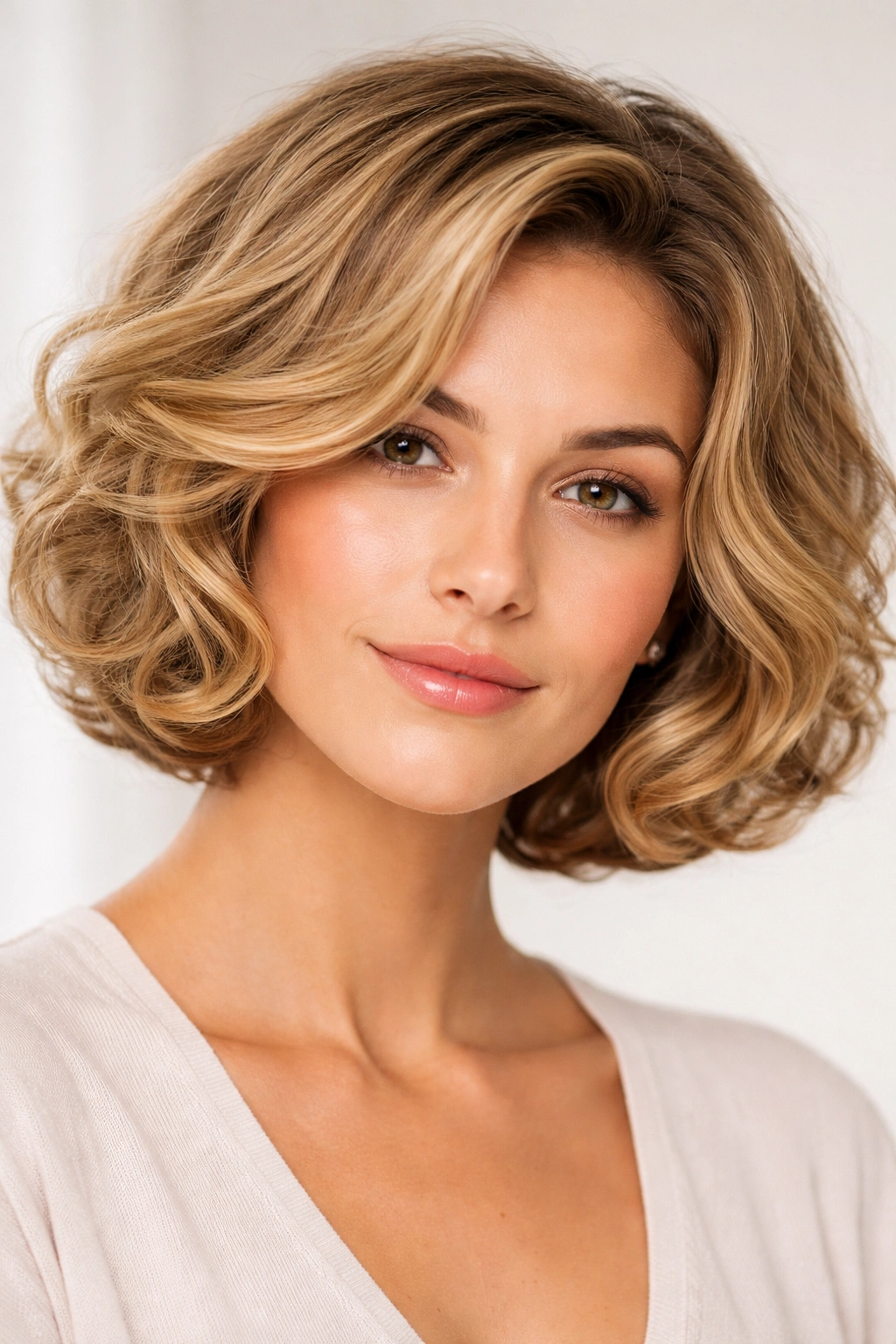
This might sound contradictory, but fine, curly hair can actually look beautiful in a short bob when the cut is designed for blow-drying and styling rather than embracing natural curl. The cut is typically quite short and rounded, cut on dry curly hair to understand the curl pattern, but then styled with a blow dryer, round brush, and curl-enhancing products to create a polished, defined look.
Why Fine Curls Benefit From This Approach
Fine, curly hair can look frizzy, undefined, and shapeless when worn naturally because fine strands don’t hold curl pattern as tightly, and the curl structure is less dense. A short cut with strategic blow-drying and styling actually creates better definition and makes the curls look more intentional. The key is that you’re working with the curl pattern (not against it) but using heat and styling to enhance definition. This cut also keeps you from carrying too much weight, which would stretch out fine curls.
The Styling Reality
- This requires consistent blow-drying with a round brush and heat-protecting products
- Curling cream or mousse applied to damp hair before blow drying helps define curls
- Once dry, you can enhance further with curl-defining serum or light wax
- This is not a wash-and-go option; it requires 15-20 minutes of styling most days
- Your blow-dryer and round brush become essential tools
Worth knowing: If you’re willing to style daily, this cut actually maximizes what fine, curly hair can look like. The polish and definition can be really beautiful.
9. The Geometric Graduated Bob for Straight Hair
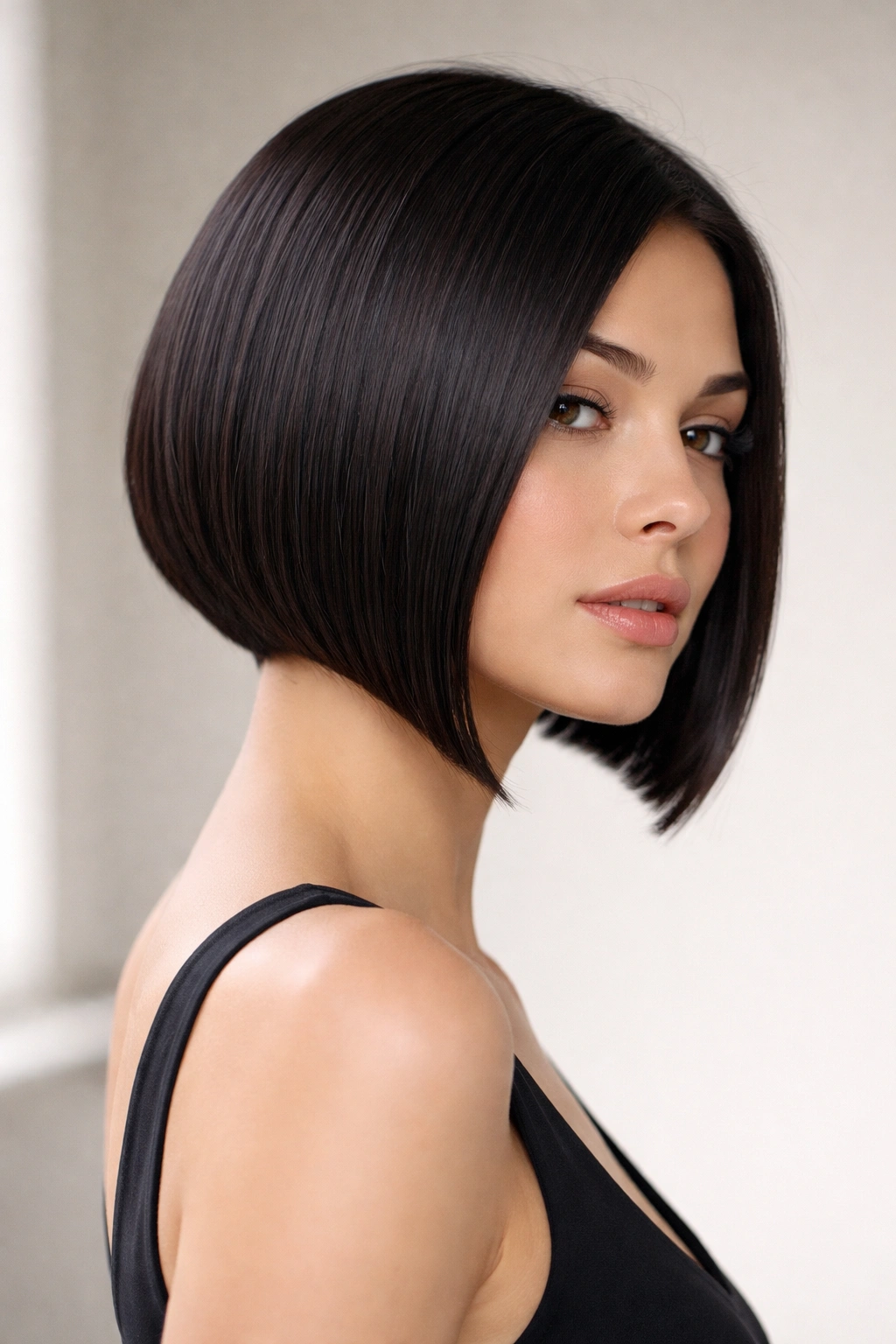
A graduated bob is longer in the front (typically chin-length or slightly longer) and shorter in the back, with a clean geometric line and no layering. The cut is very structured and sleek, creating a polished, intentional shape that flatters straight hair beautifully. It’s a classic cut that’s been around for decades because it genuinely works.
Why This Cut Is Timeless for Straight Hair
Straight hair shows off clean lines and geometric shapes better than textured hair. A graduated bob creates a flattering frame for your face (longer in front) while keeping the back neat and manageable. The transition from front to back is smooth and intentional, creating dimension without the choppiness of layers. This cut is also incredibly forgiving because the shape is what creates the look — not texture or movement. It works on various face shapes and hair densities because the stylist can adjust the graduation and proportions.
Styling and Maintenance
- Blow dry with a round brush to create gentle curves and smooth out any natural texture
- A light smoothing serum or shine spray keeps this cut looking polished
- Regular trims every 5-6 weeks maintain the clean lines
- This cut is very forgiving between trims — it doesn’t look obviously overgrown the way some styles do
Pro tip: The longer front pieces frame your face, so this cut is particularly flattering if you want to emphasize your eyes or cheekbones.
10. The Textured Pixie-Bob Fade for Thick, Wavy Hair
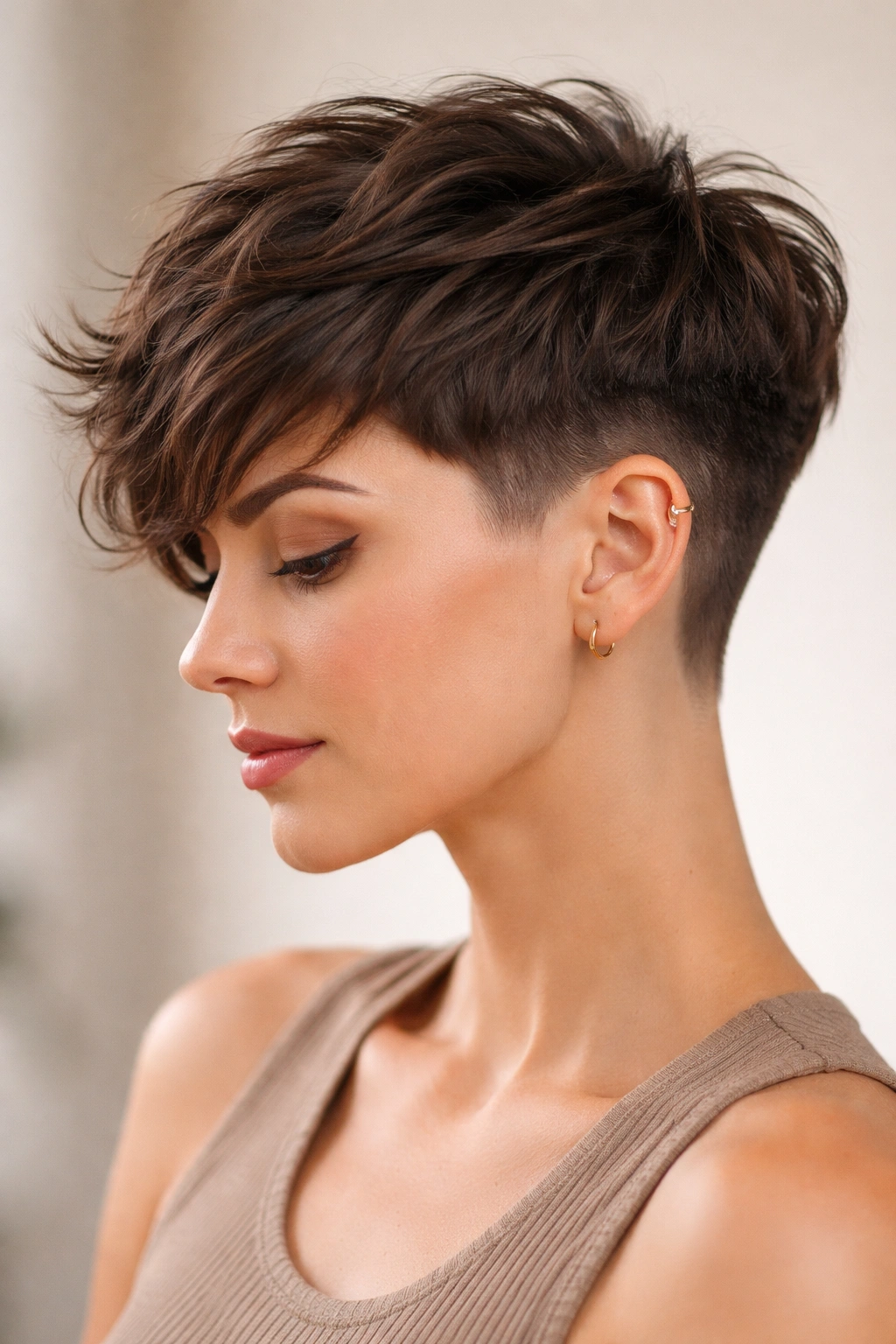
This is essentially a longer pixie cut that blends into the natural bob length, with a fade on the sides and back and slightly longer texture on top and around the face. It’s designed for thick, wavy hair that needs serious bulk removal without looking too severe or short.
Why Thick, Wavy Hair Suits This Style
Thick, wavy hair has a lot of volume, and a regular bob can feel too heavy and bulky. A pixie-bob fade removes bulk strategically while keeping some length and the flattering frame that comes with slightly longer front pieces. The fade on the sides and back means you’re not carrying all your hair’s thickness where you don’t need it. The textured top with waves creates personality and movement rather than a heavy, solid mass. For people with thick hair who find traditional bobs too voluminous, this is a great middle-ground option.
Cut and Styling
- The fade portion needs touch-ups every 4-5 weeks to stay sharp
- The textured top can be styled with texturizing spray or curl-defining cream to enhance natural waves
- You can blow dry for a polished look or air-dry for a more relaxed, textured vibe
- This cut benefits from being shorter overall — generally 2-4 inches on top fading to shorter on the sides
Worth knowing: This is a genuinely edgy, fashion-forward cut. It’s not for someone wanting a classic, conservative look, but if you like a modern, bold aesthetic, this delivers.
11. The Rounded, Voluminous Bob for Fine, Wavy Hair
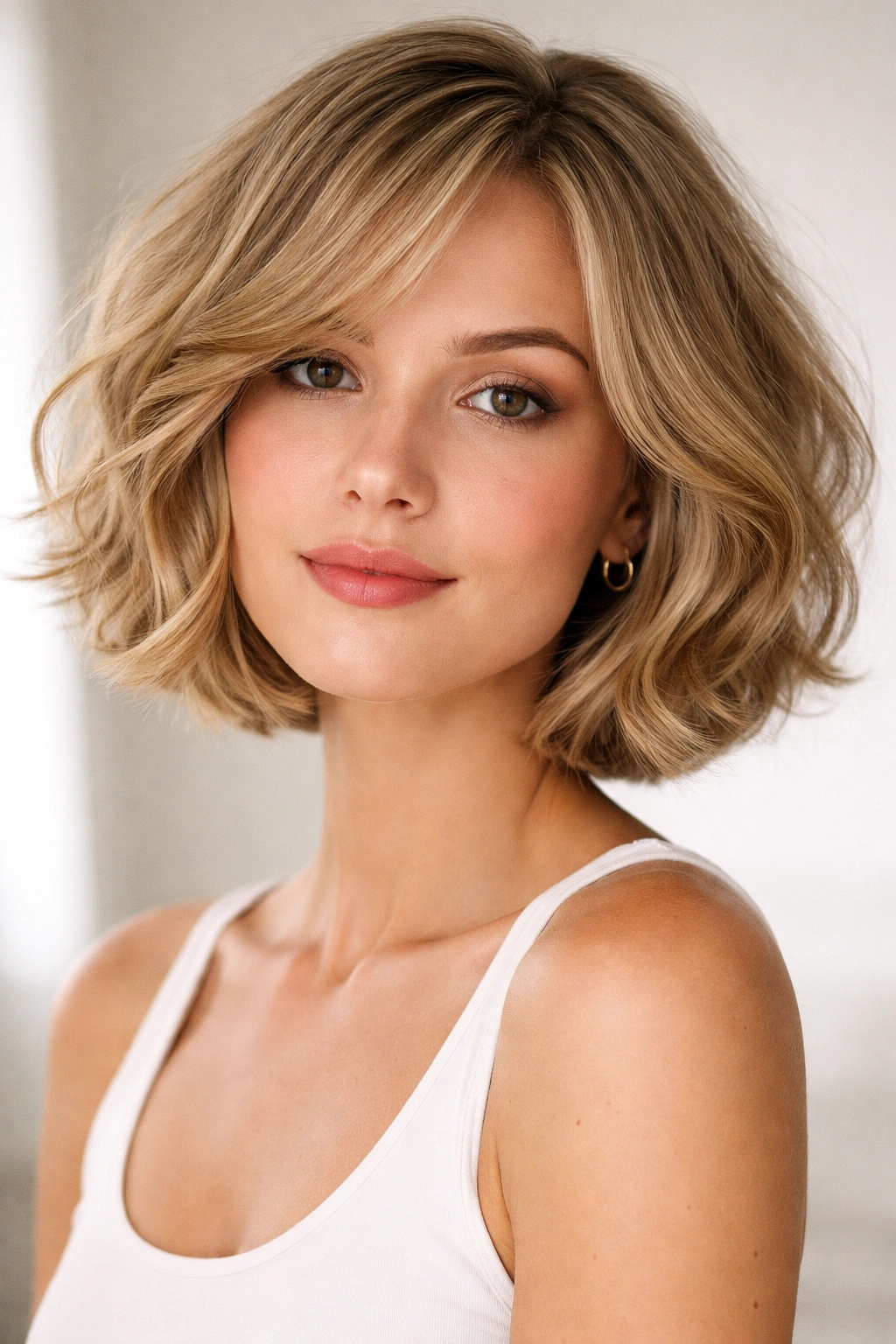
This bob is cut to be rounded and full, with subtle layers that encourage volume without being choppy. It’s typically chin-length or slightly longer, cut to frame the face, and designed to work with fine, wavy hair’s natural tendency toward both flatness and frizz.
Why This Cut Suits Fine Waves
Fine, wavy hair needs help looking full — gravity and the weight of water pull waves down and flatten them. A rounded bob with strategic layers encourages your waves to sit fuller and fluffier. The layers are minimal enough that they don’t create the thin, wispy appearance that heavy layering does on fine hair, but they’re enough to break up density and prevent matting. The slightly longer length also means better coverage and fewer obvious thin spots.
How to Style for Maximum Impact
- Apply volumizing mousse to soaking-wet roots and blow dry with a round brush, directing hair upward
- Use a curling iron or wand on damp-but-not-soaking sections to enhance and define waves
- A wave-enhancing or texturizing spray applied to damp hair before styling helps waves hold shape
- Avoid heavy serums or oils; use lightweight styling products designed for fine hair
Insider note: This cut actually improves with some intentional styling. While you can wear it casual and wavy, spending 10-15 minutes with heat tools can transform it into something polished and voluminous.
12. The Tight, Sculpted Bob for Coily Hair
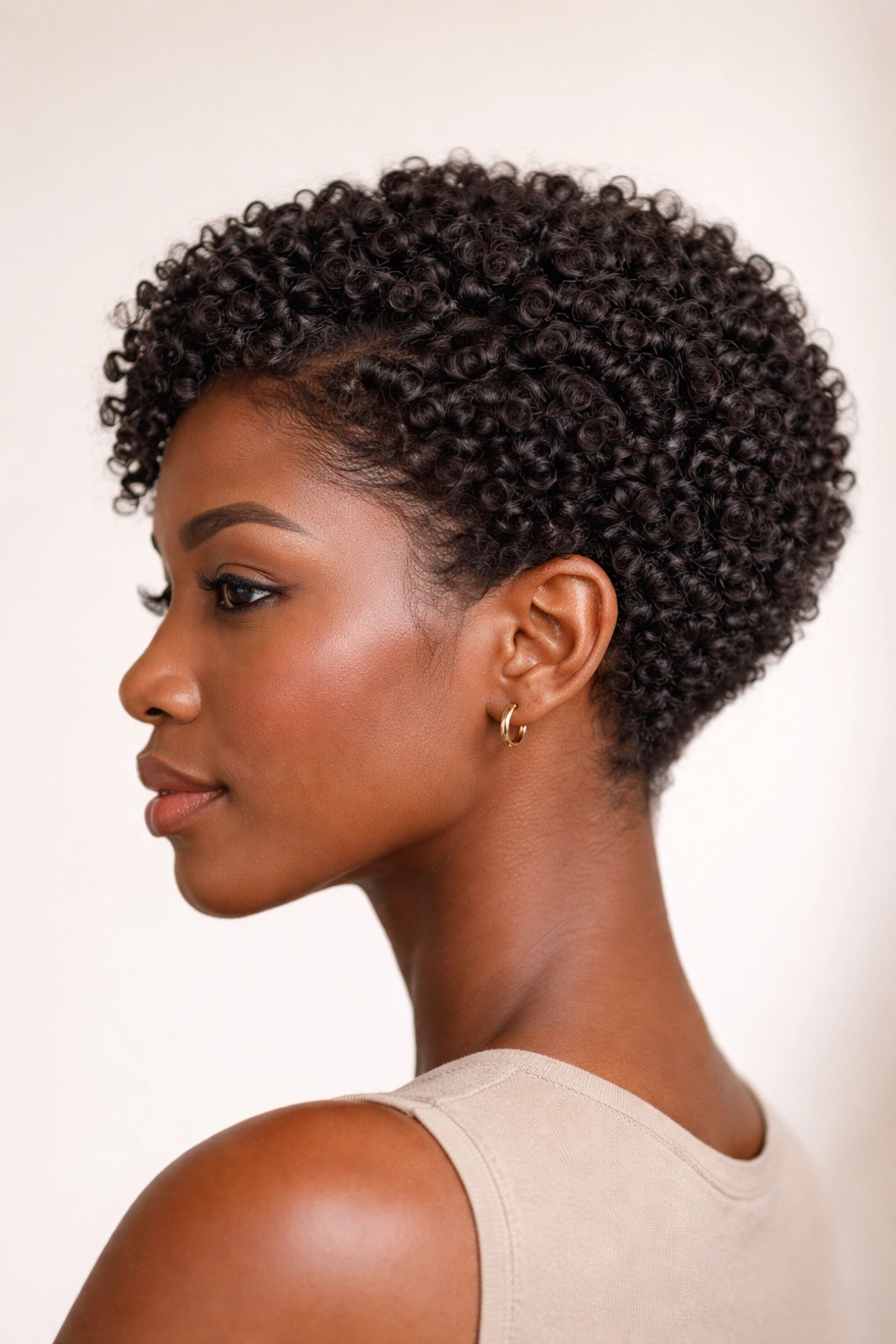
This is a very short bob specifically cut for tight, coily hair textures. It’s cut close to the head with a sculpted shape that follows the natural curl pattern, typically 2-3 inches throughout. The cut is designed so that your natural coils create the shape and texture, not through blow-drying or product.
Why Coily Hair Looks Best Short and Sculpted
Coily hair textures are incredibly beautiful but require a cut that works with the curl’s natural density and shape. A tight, sculpted bob keeps coils springy and defined, prevents bulk in the interior, and actually becomes easier to maintain the shorter you go. This cut shows off your coil pattern in all its beauty rather than trying to create a shape that fights your natural texture. The sculpted shape means there’s intentionality — it’s not just short; it’s shaped and considered.
Maintenance and Care
- This cut is designed for natural wear with your coils as they are
- Moisturizing creams and curl-defining gels are essential for keeping coils hydrated and defined
- Regular trims every 4-6 weeks keep the shape intentional and prevent formlessness
- Plopping or diffuser drying enhances curl definition beautifully
Pro tip: A really great stylist trained in cutting coily hair can create subtle shape variations that make a tight coily bob look incredibly polished and intentional.
13. The Sleek, Angled Bob for Thick, Straight Hair
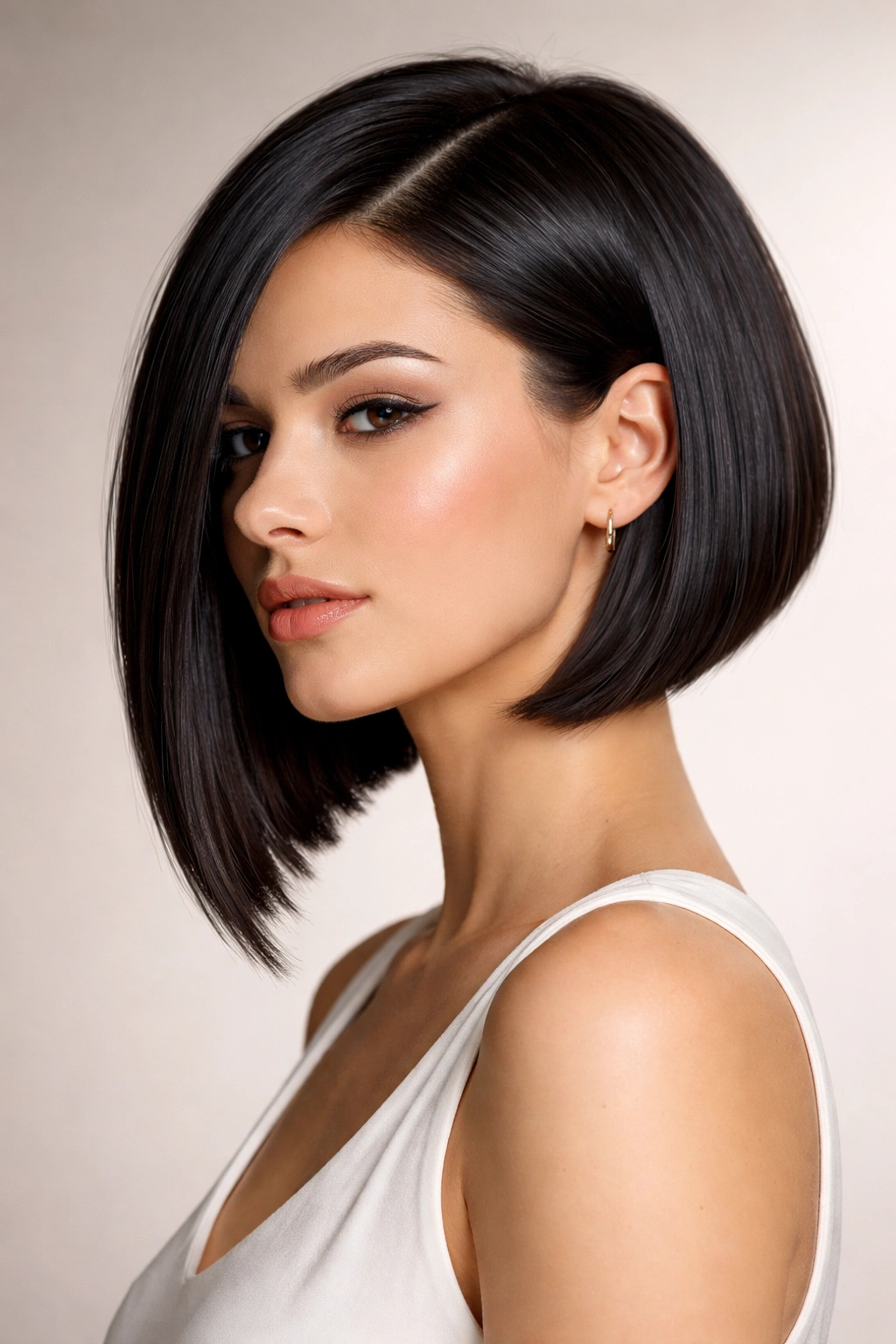
An angled bob keeps one side longer (typically chin-length or longer) and cuts progressively shorter toward the back, with a clean geometric line and no layers. This is a bold, modern cut that works beautifully on thick, straight hair because the angle and sleekness become architectural and intentional.
Why Thick, Straight Hair Rocks This Style
Thick hair in a one-length bob can look heavy and immovable. An angled cut removes bulk by graduating the length, creating a flattering shape that frames your face with longer pieces while keeping the back neater. Straight hair shows off the clean geometry of this cut, and the angle creates visual interest and movement without relying on texture. The cut is also very flattering because the longer side can be positioned to frame your face and emphasize your features.
Styling Approach
- Blow dry smooth and sleek with a paddle brush to show off the geometric line
- A light smoothing serum or shine spray maintains the polished appearance
- This cut looks intentional and sharp, so you want it looking as clean as possible
- Regular trims every 5-6 weeks keep the angle sharp and the line clean
Worth knowing: This cut is very face-framing, so it’s particularly flattering if you want to draw attention to your eyes, cheekbones, or jawline.
14. The Soft, Textured Bob for Fine, Curly Hair
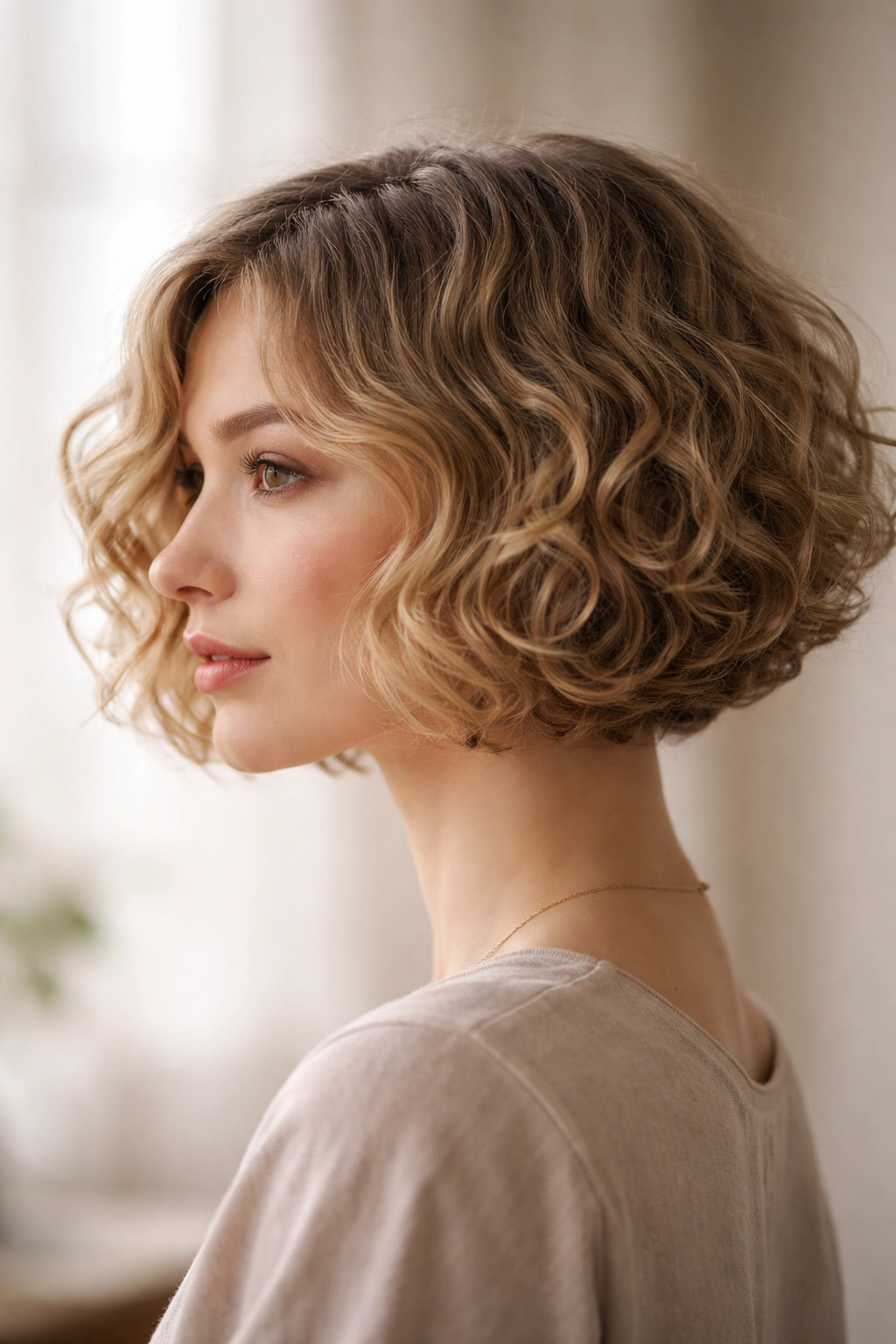
This is a chin-length or slightly shorter bob with subtle layers that encourage curl definition without bulk. It’s cut to work with fine, curly hair’s natural tendency toward both delicate strands and beautiful curl shape — honoring both characteristics simultaneously.
Why This Works for Fine Curls
Fine, curly hair is delicate (each strand is small and prone to breakage) but can also be beautifully springy and defined when cut right. This bob uses subtle layers to remove weight from the interior while keeping enough length for curl definition. The cut is designed to be worn with your natural curls, not blow-dried straight, so you’re working with your hair’s strengths. Because the layers are minimal, you’re not compromising the integrity of fine strands.
Styling Your Fine Curls
- Apply curl-defining cream to soaking-wet hair and use a diffuser or plopping method to dry
- Avoid heavy products that can weigh down fine curls; use lightweight gels and creams
- A microfiber towel or cotton t-shirt for drying prevents frizz and breakage
- Finger-combing or using a wide-tooth comb on soaking-wet hair prevents breakage
Pro tip: Regular deep-conditioning treatments are non-negotiable for fine, curly hair because curl definition requires healthy moisture levels.
15. The Tousled, Textured Pixie-Bob for Thick, Curly Hair
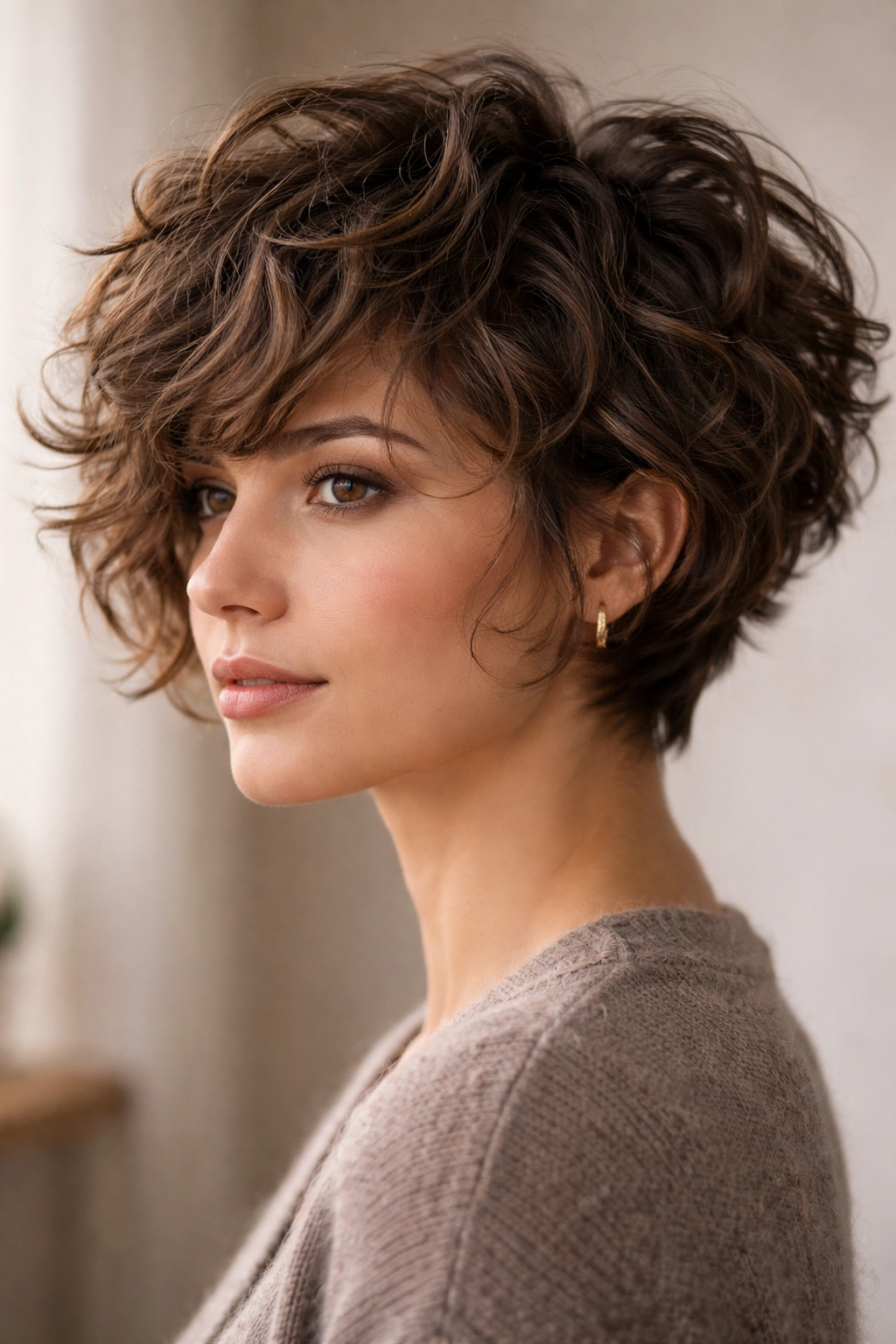
This is a longer pixie-style cut with intentional texture and movement, blending into slightly longer pieces around the face and sides. The back is shorter, the top has texture, and the sides and face-framing pieces are slightly longer, creating a piece-y, tousled, undone look.
Why Thick Curly Hair Loves This Cut
Thick, curly hair can benefit from significant bulk removal, and a pixie-bob provides that while still maintaining personality and style. The shorter back and sides remove density where you don’t need it, while slightly longer pieces around the face maintain a flattering frame. The intentional texture of the cut works beautifully with curly hair’s natural movement. This style celebrates your curls rather than trying to contain them, which is ideal for thick, curly texture.
Styling and Maintenance
- This cut is designed for natural curl wear with minimal styling
- A good curl cream or gel enhances definition without requiring blow-drying
- The shorter length means faster drying and less maintenance overall
- Regular trims every 5-6 weeks keep the texture intentional and prevent overgrowth
Worth knowing: If you have thick, curly hair and have been searching for a short style that actually lets you embrace your curls without looking unkempt, this is it.
Final Takeaways
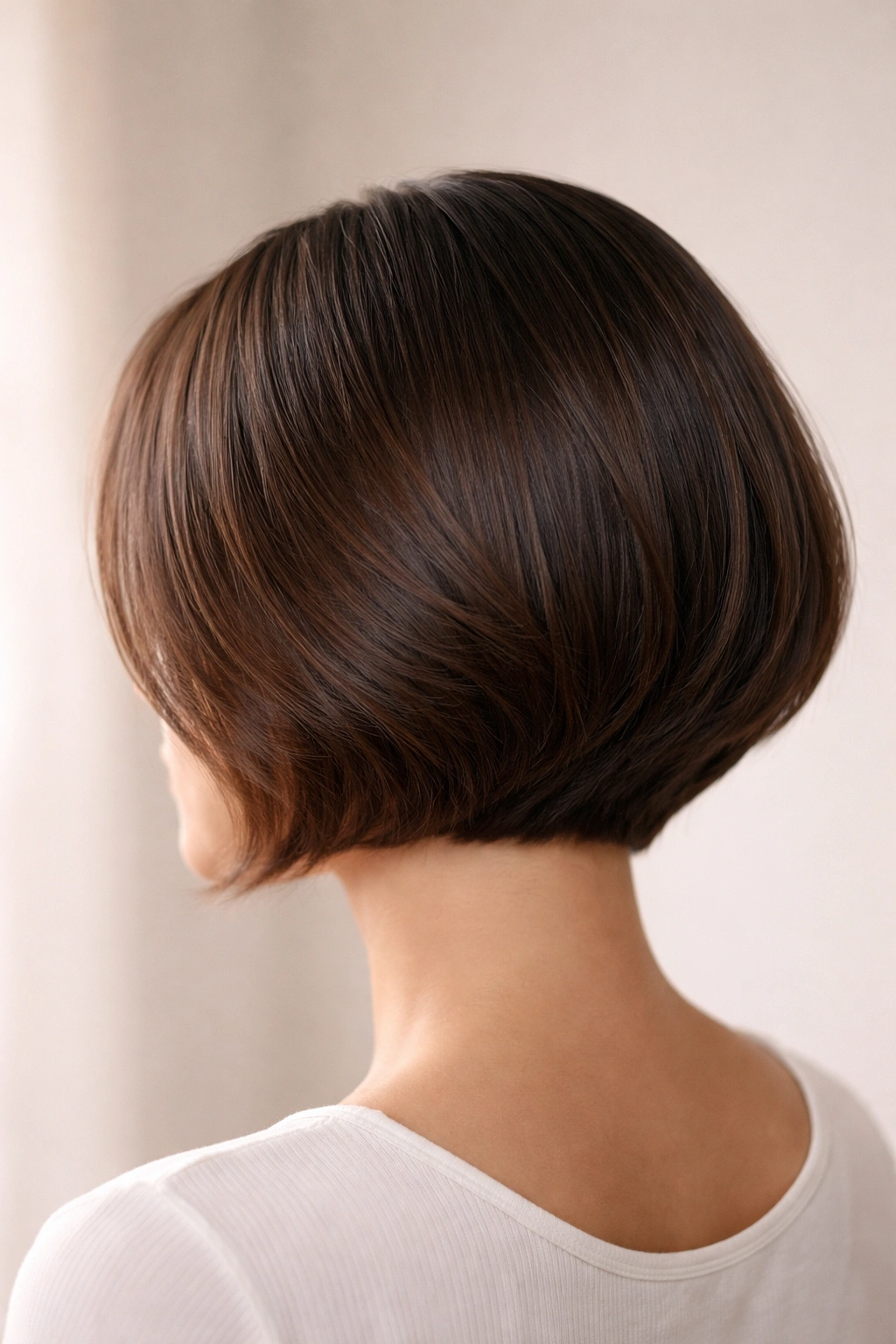
Finding the right short bob comes down to one fundamental principle: work with your hair’s natural texture and characteristics, not against them. The bob that transforms someone with fine, straight hair won’t work for thick, curly texture, and that’s not a limitation — it’s actually the key to success. When you choose a cut designed specifically for your hair texture, you get a style that looks good with minimal effort, requires less styling time, and actually improves how your hair naturally behaves.
The most important step is communicating with your stylist about your hair texture, how much time you’re willing to spend styling daily, and what your hair naturally does when you let it do its thing. Bring photos of bobs you love, but also mention your hair texture alongside those photos. A great stylist will adapt the core concept to work beautifully with your specific hair rather than trying to force someone else’s straight-hair cut onto curly texture or vice versa.
Short bobs are incredibly versatile, and the range of options available means there genuinely is a version that will work beautifully for every hair texture. The confidence you feel when your cut actually suits your hair type is noticeable — it shows in how you carry yourself, and it definitely shows in your hair.
