



The soft mullet has quietly become one of the most wearable, flattering haircuts of our time — and honestly, it deserves the attention. Unlike the bold, high-contrast mullets of the 1980s, today’s soft mullet blends shorter, textured layers on top with longer, feathered lengths at the back in a way that feels modern, intentional, and somehow effortless. The beauty of this cut is that it works across different hair textures, face shapes, and styling preferences because the “softness” comes from the gradual transition between lengths rather than a dramatic, unmistakable line.
Whether you have fine, straight hair or thick curls, a round face or an angular jawline, a soft mullet variation exists that’ll make you look like the best version of yourself. The key is finding the version that complements your specific features and lifestyle — and that’s exactly what this guide does. Each of these fifteen cuts takes the mullet concept in a slightly different direction, so you’ll find options whether you want something barely-there and subtle or more pronounced and statement-making.
The soft mullet has staying power precisely because it’s not a one-note trend. It’s adaptable, it photographs beautifully, and it gives you genuine styling versatility. You can wear it sleek, textured, tousled, or even slicked back depending on your mood and the occasion. Let’s walk through the cuts that work best across different hair types and face shapes, so you can find the one that feels authentically you.
1. The Classic Feathered Mullet
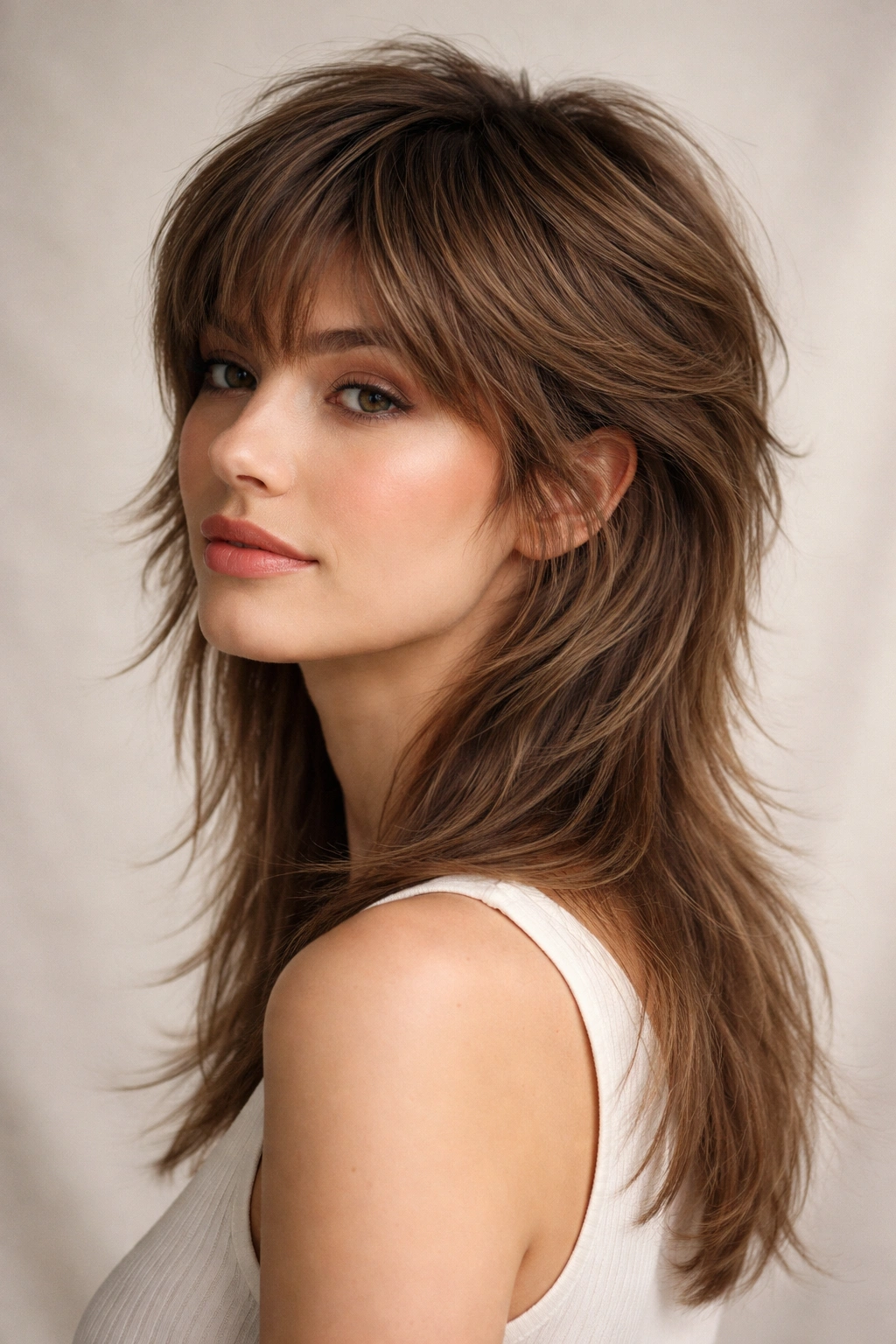
This is the soft mullet in its most recognizable form — shorter, textured layers throughout the crown and sides, with longer pieces gradually lengthening toward the back. The magic is in the feathering: instead of blunt edges, each layer tapers into the next, creating movement and softness even when your hair is completely still.
Why It Works Universally
The classic feathered mullet flatters most face shapes because the layered crown adds volume and dimension without heaviness. If you have a longer face, the horizontal movement of the feathered layers creates the illusion of width. If you have a rounder face, the longer back lengths elongate your silhouette. The cut doesn’t demand a specific hair texture to look good — it works on straight hair, wavy hair, and curls.
Styling and Maintenance
- Blow-dry with a round brush to amp up the feathering and create separation between layers
- Use a light texturizing spray or sea salt spray to enhance the feathered movement
- Style the longer back section with the same product for a cohesive, tousled finish
- Requires trims every 6-8 weeks to maintain the feathered layers and prevent a shaggy appearance
The classic feathered mullet is the safest entry point if you’re nervous about committing to a mullet. It reads as intentional and modern, not nostalgic or costumey.
2. The Textured Crop Mullet
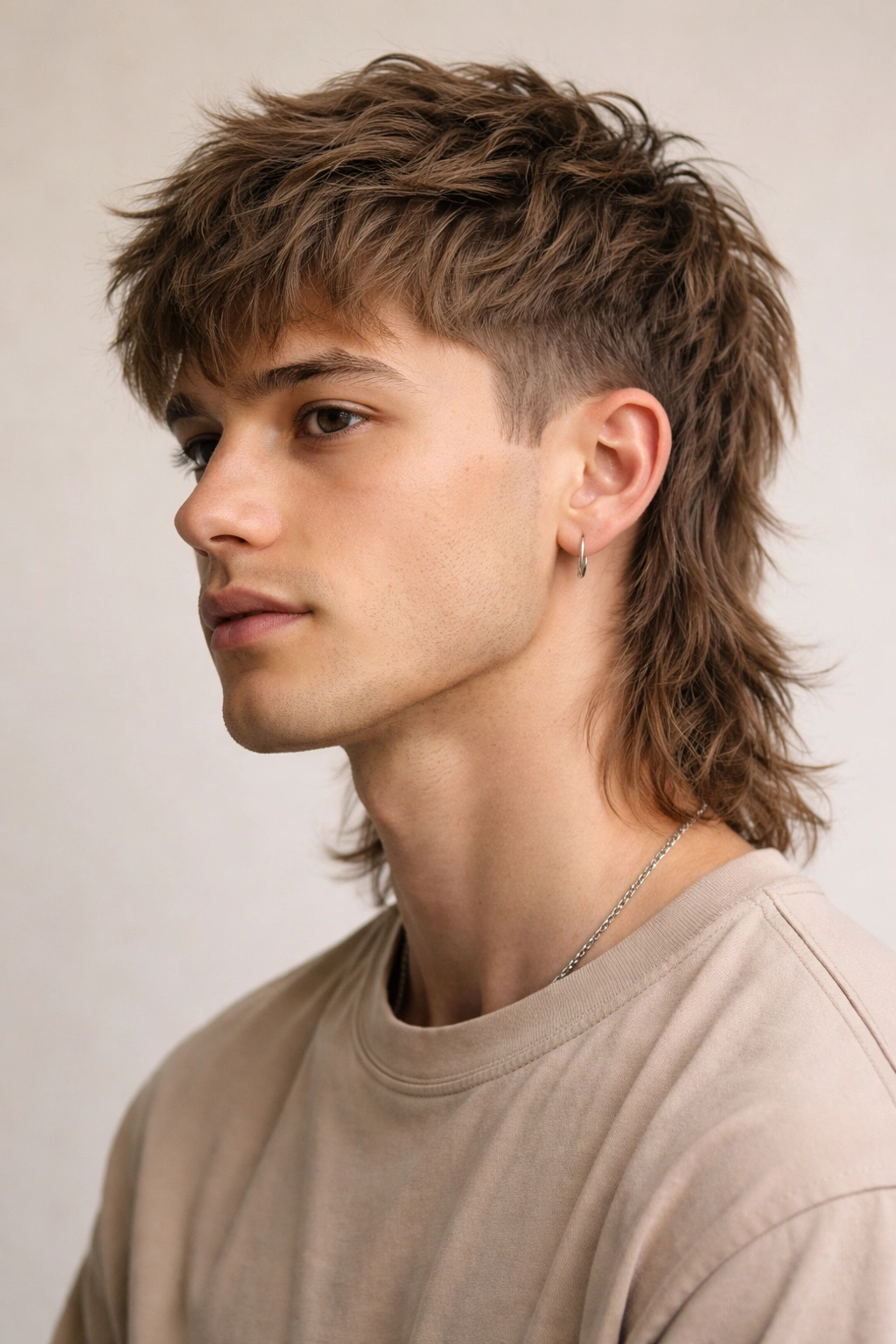
This version keeps the top and sides cut much shorter — think textured crop or pixie-adjacent — and lets the back grow into longer, softer lengths. The contrast is more noticeable than with the classic feathered mullet, but because the back pieces are feathered rather than blunt, it still feels approachable and soft.
Why This Version Stands Out
If you have a smaller face or delicate features, the textured crop mullet prevents you from looking overwhelmed by hair. The shorter crown draws attention upward to your eyes and bone structure. The longer back still gives you the mullet silhouette and the option to wear your hair down, but the front stays manageable and low-maintenance.
Best For and Styling Tips
- Works beautifully on people with fine or thin hair because the shorter top doesn’t weigh down delicate textures
- Looks especially sharp on those with angular or high cheekbones — the cropped front emphasizes facial architecture
- Style by keeping the top slightly messy and textured while directing the back lengths over your shoulder or into a small clip
- The shorter front means less frequent styling commitment in the morning
This cut requires commitment to regular trims on top (every 4 weeks) but rewards you with a crisp, intentional appearance that reads as fashion-forward rather than lazy-maintenance.
3. The Shag Mullet
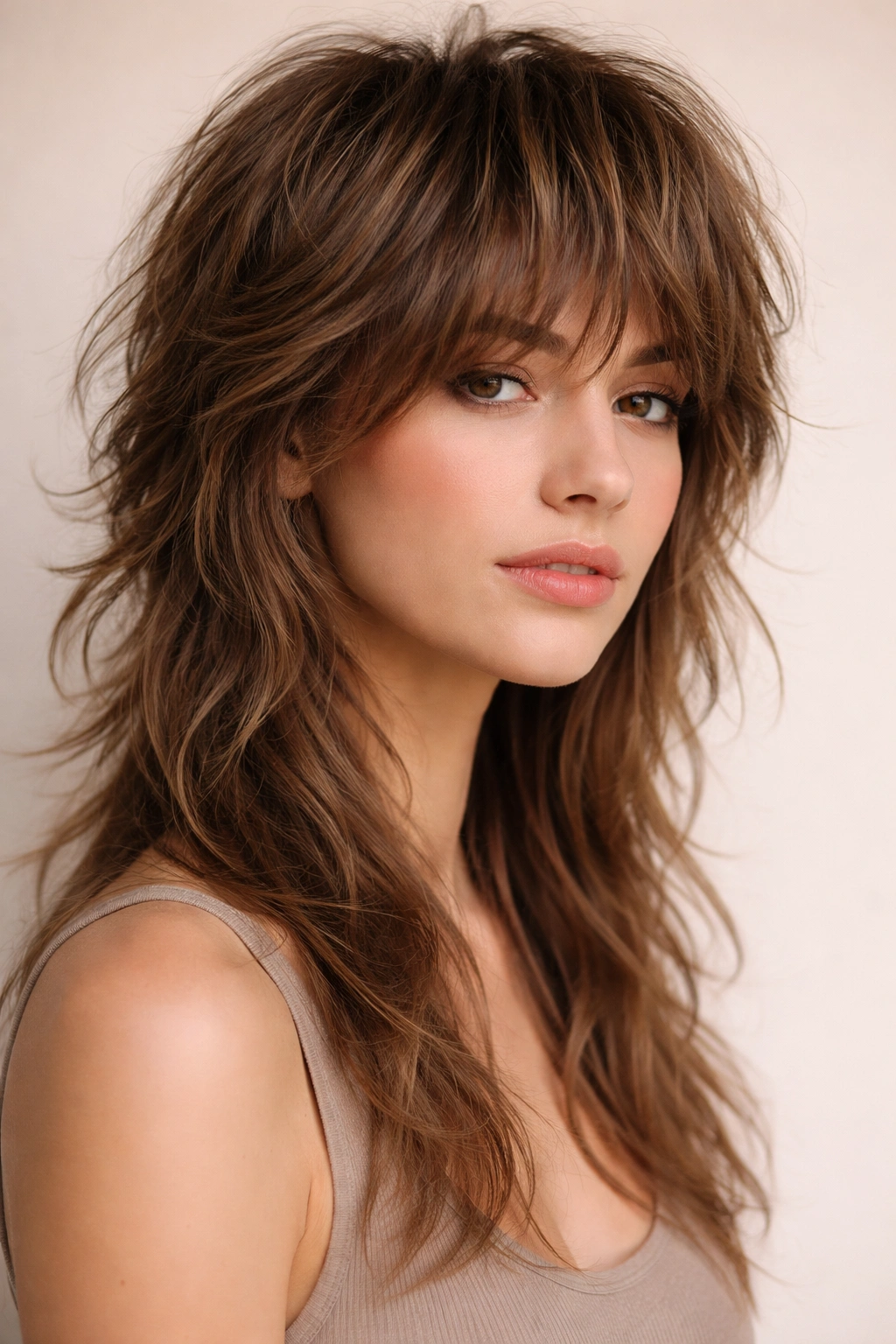
The shag mullet layers the entire head — top, middle, and back — creating an all-over shaggy, lived-in texture while still maintaining longer lengths in back. It’s the soft mullet for people who love movement and volume and don’t want a stark difference between their top and bottom sections.
What Makes It Different
Instead of cropped sides and a textured crown, the shag mullet uses shorter layers throughout to create internal movement and dimension. Every section has texture, which means your hair moves and shifts as you move. This cut has a more romantic, less structural feel than other mullet variations.
Perfect For and Styling Approach
- Ideal for medium to thick hair or anyone with natural wave or curl — the layers work with your texture rather than against it
- Flatters oval and heart-shaped faces because the all-over texture softens harsh angles
- Requires daily styling with a blow dryer and texturizing products to look intentional (if you want a more undone shag, that works too, but it does need some intention)
- Pairs beautifully with highlights or color work because the layers create natural places for dimension to live
The shag mullet is high-maintenance in terms of styling but low-maintenance in terms of trimming frequency because you can let layers grow slightly without losing the cut’s intention.
4. The Blunt-Back Soft Mullet
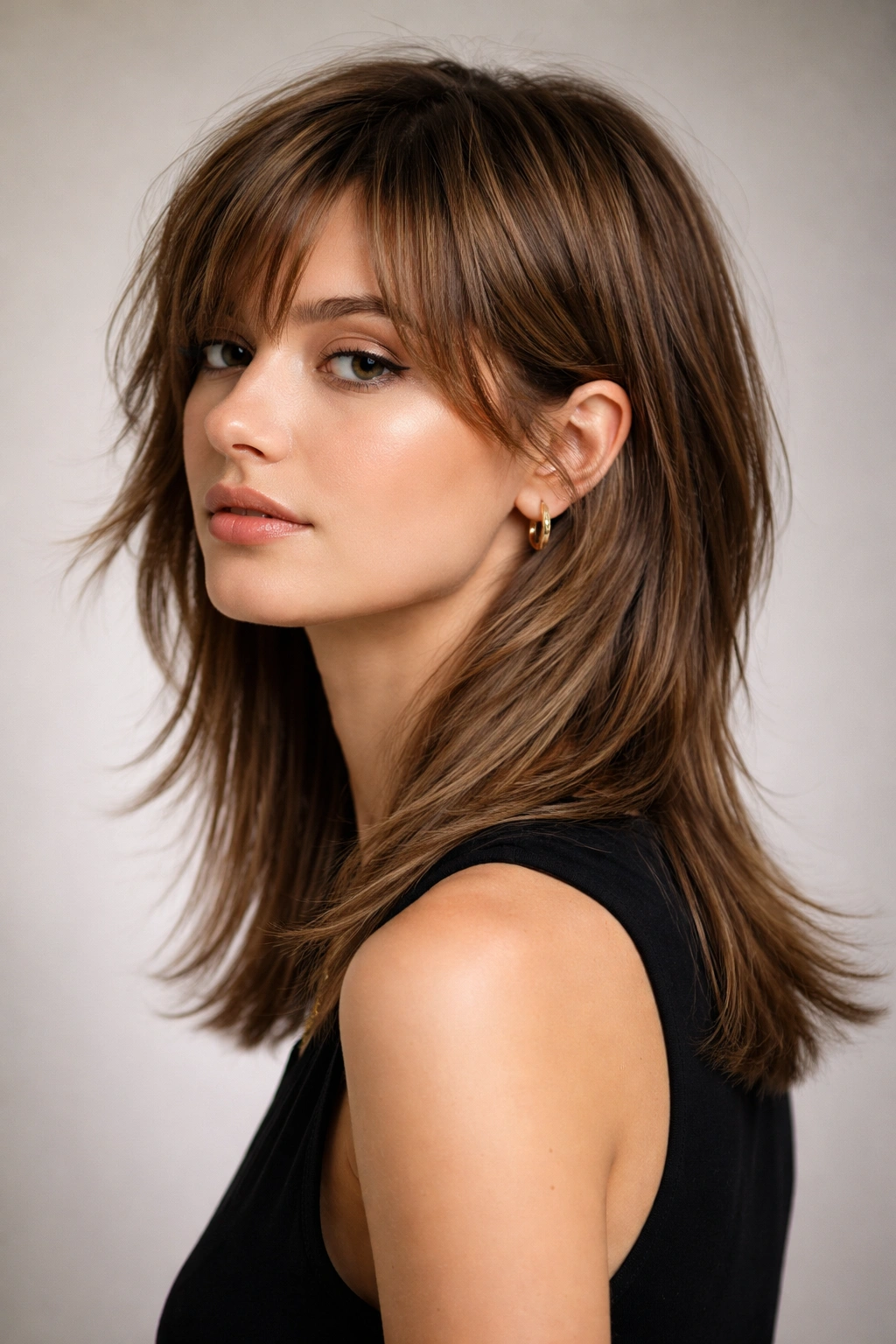
This cut combines a softly textured, slightly shaggy crown and sides with a blunt, straight hem at the back. The back lengths are longer and more substantial, but the bluntness is softened by the textured layers falling over it. You get the mullet profile with a more intentional, polished finish.
Why This Style Commands Attention
The blunt back creates a more dramatic silhouette while the textured front keeps it from feeling harsh. This is the mullet for someone who wants the statement without the full commitment to a completely feathered, tousled aesthetic. The clean line at the back photographs beautifully and reads as very intentional.
Styling and Face Shape Fit
- Best on people with longer neck lengths or who love showing off their nape and back
- Works across all face shapes but especially flatters those who want to draw attention to their jawline and neck
- Style by keeping the front layers textured and slightly tousled while the back hem stays smooth and defined
- The blunt back looks especially striking when paired with an undercut or shaved nape
This cut requires regular trims every 6-7 weeks to keep the back hem clean and defined, but the investment pays off in polish.
5. The Dimensional Highlights Mullet
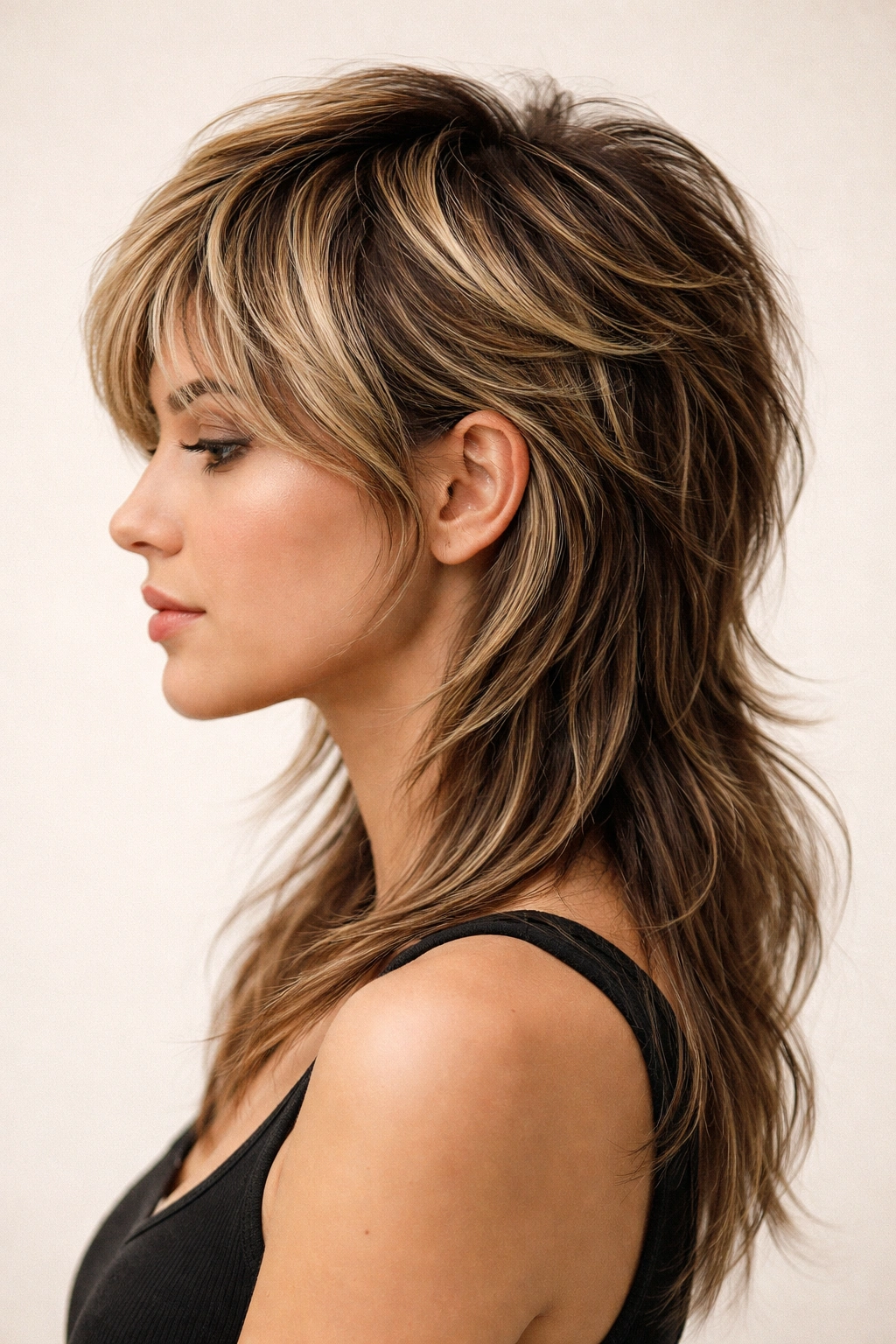
This mullet variation uses color and dimension to soften the cut itself. Lighter pieces woven throughout the shorter layers and darker tones in the longer back create depth and movement even when the hair is still. The haircut itself might be relatively simple, but the color work transforms it.
How Color Changes Everything
Strategic highlighting through the crown and around the face brightens and creates dimension that makes the cut feel fresher and more textured than it actually is. Balayage or dimensional color also helps bridge the visual gap between the shorter front and longer back, making the transition feel softer and more blended.
Styling and Maintenance Considerations
- Works on any natural hair color but requires professional color maintenance every 6-8 weeks
- Especially striking on medium to dark base colors with lighter dimensional pieces
- Reduces styling demands because the color dimension creates visual texture even with minimal styling
- The color investment makes this cut feel more premium and editorial
This approach is perfect if you want the mullet silhouette without committing to high daily styling demands. The color does the heavy lifting in terms of making the cut feel intentional and soft.
6. The Side-Swept Mullet
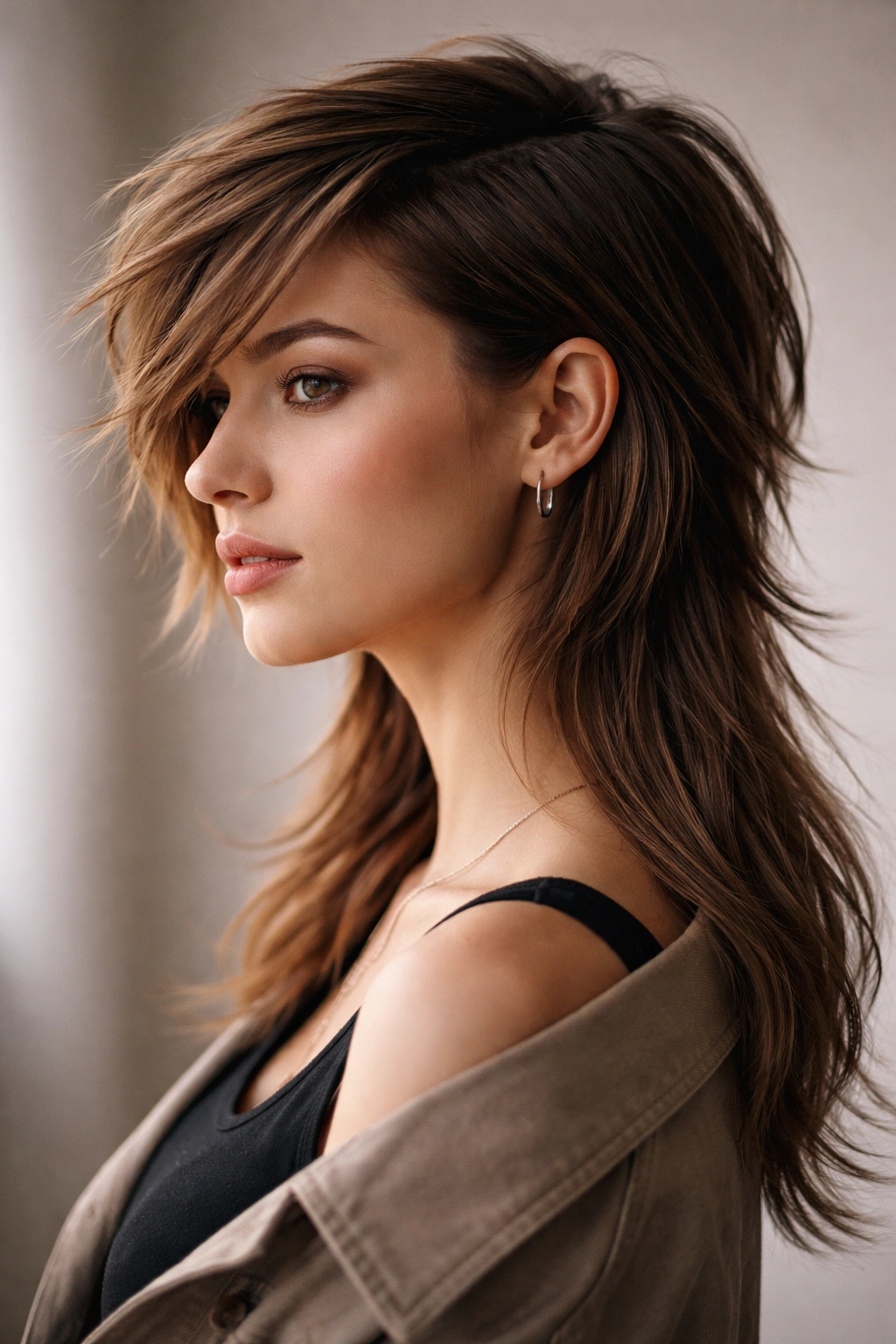
The side-swept mullet angles the shorter layers forward and to one side, creating an asymmetrical, slightly rocker-chic vibe while still maintaining longer, feathered lengths in back. One side is noticeably shorter than the other, which adds personality and edge while keeping the overall feel soft.
Why Asymmetry Works
The side-swept approach adds dimension and visual interest to your face because one side is more exposed than the other. If you have any features you want to emphasize — a great cheekbone, an eye shape you love, a strong jawline — you can angle the longer side accordingly. The asymmetry reads as fashion-forward and intentional rather than accidental.
Best Face Shapes and Styling
- Ideal for oval, diamond, and heart-shaped faces where asymmetry can add visual balance
- Works beautifully on people with textured or curly hair because the asymmetry adds another layer of visual interest
- Style by sweeping the longer side over one shoulder or tucking it behind an ear to emphasize your best side
- The asymmetry means less frequent restyling — you can wear it swept one way or let it fall naturally
This cut requires a skilled stylist who understands face shape and asymmetrical balance, but the result is a mullet that feels distinctly yours.
7. The Wavy Texture Mullet
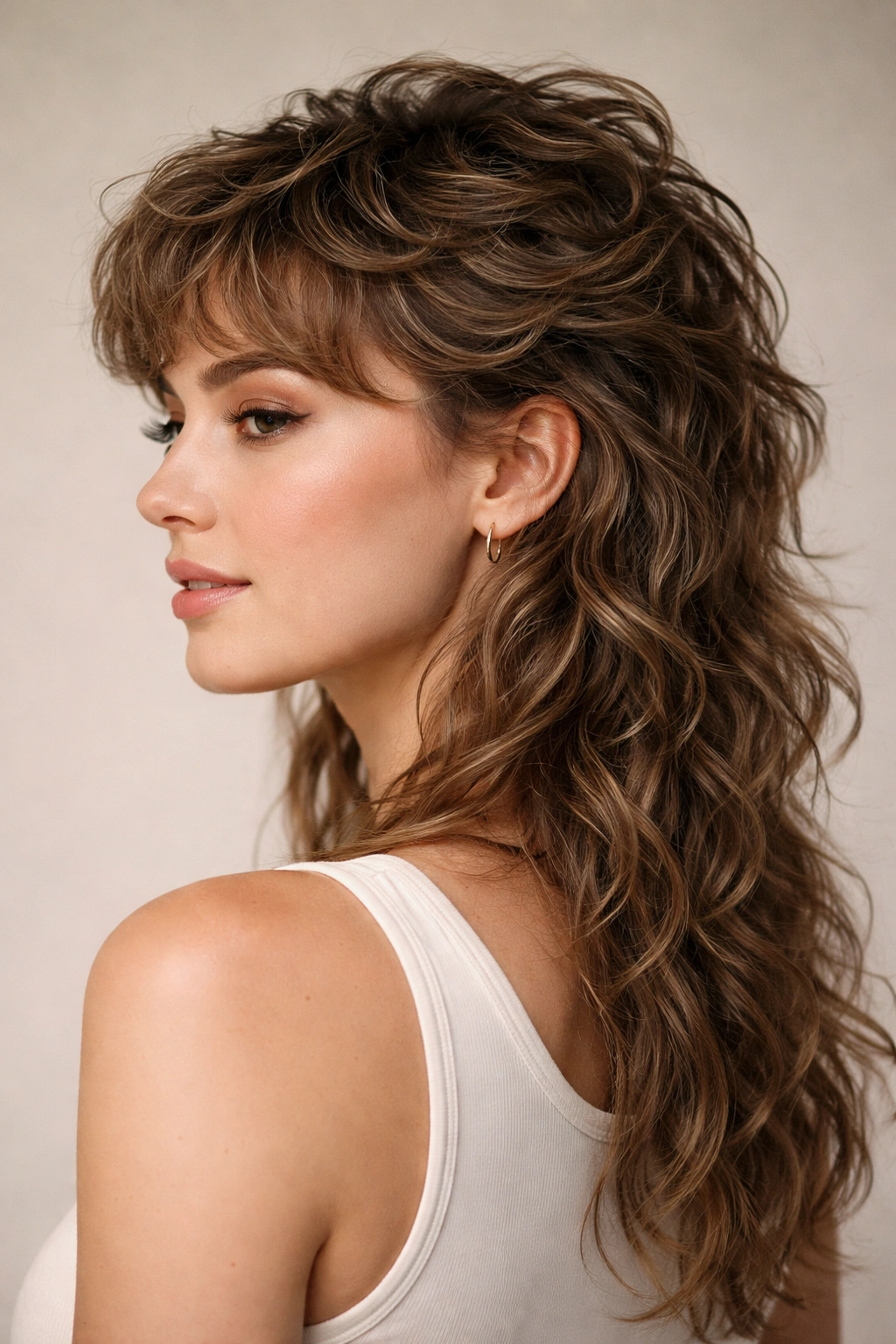
This mullet is cut specifically with waves or curls in mind. Rather than fighting texture, the cut enhances it by creating shorter, more defined waves on top and allowing the back to fall into soft, loose waves. The key is working with your natural texture rather than trying to straighten it out.
Optimizing for Curly and Wavy Hair
The wavy texture mullet uses shorter layers that start your natural curl pattern closer to the roots, creating more volume and definition. The longer back waves fall more loosely because of their length, creating a beautiful contrast between the textured, voluminous crown and the softer waves below.
Styling and Product Approach
- Use curl-defining products like creams or gels to enhance your natural wave pattern
- A diffuser on your blow dryer brings out curl definition without frizz
- Shorter trims every 6 weeks keep the top textured and prevent the cut from looking shapeless
- This cut often requires less daily styling than straight-hair mullets because your natural texture does the work
The wavy texture mullet celebrates what your hair naturally does instead of fighting it, making it low-maintenance in the long run even though it requires precision cutting initially.
8. The Undercut Mullet
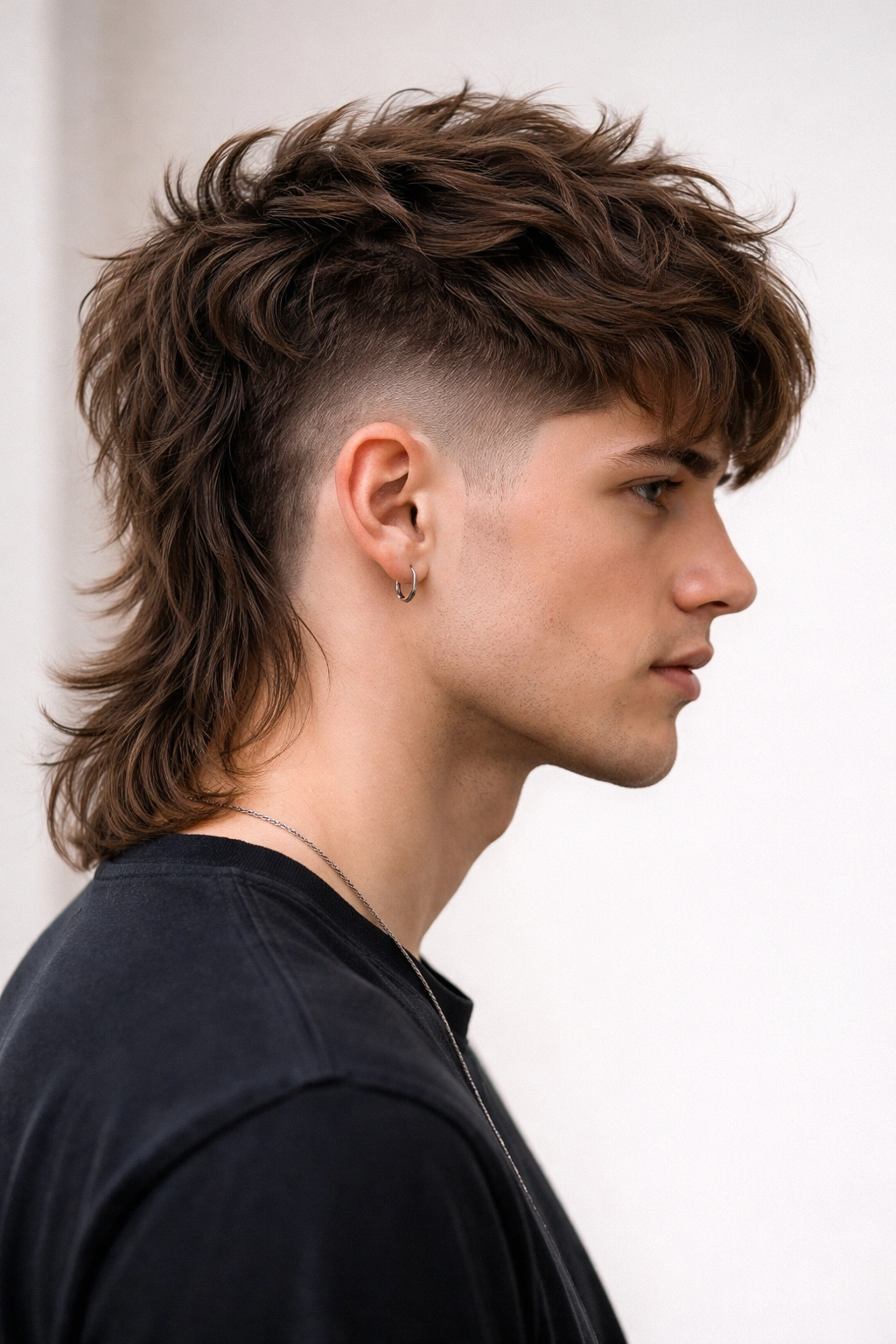
An undercut mullet shaves or cuts the sides and back of the head very short while keeping the top and crown longer and fuller. The contrast between the nearly-shaved sides and the substantial top length is softened by feathering and textured layers on top, creating a dramatic but wearable silhouette.
Why the Undercut Adds Edge
The undercut mullet reads as more bold and intentional than a softer mullet while still being wearable in professional settings if the top isn’t too dramatically styled. The close-cropped sides elongate your face and draw all attention to your features. It’s the mullet for someone who wants maximum impact.
Best For and Styling Reality
- Transforms the look of round or wide faces by creating vertical lines that elongate
- Requires commitment: the sides need trimming every 3-4 weeks to maintain the clean line
- Styling the top is essential — this isn’t a cut you can throw together, but you can achieve multiple looks depending on how you style the longer top
- Works across all hair types but looks especially sharp on straight to wavy hair
The undercut mullet is higher-maintenance than most other variations, both in terms of trimming frequency and styling demands, but it offers genuine visual transformation.
9. The Tousled Rock Star Mullet
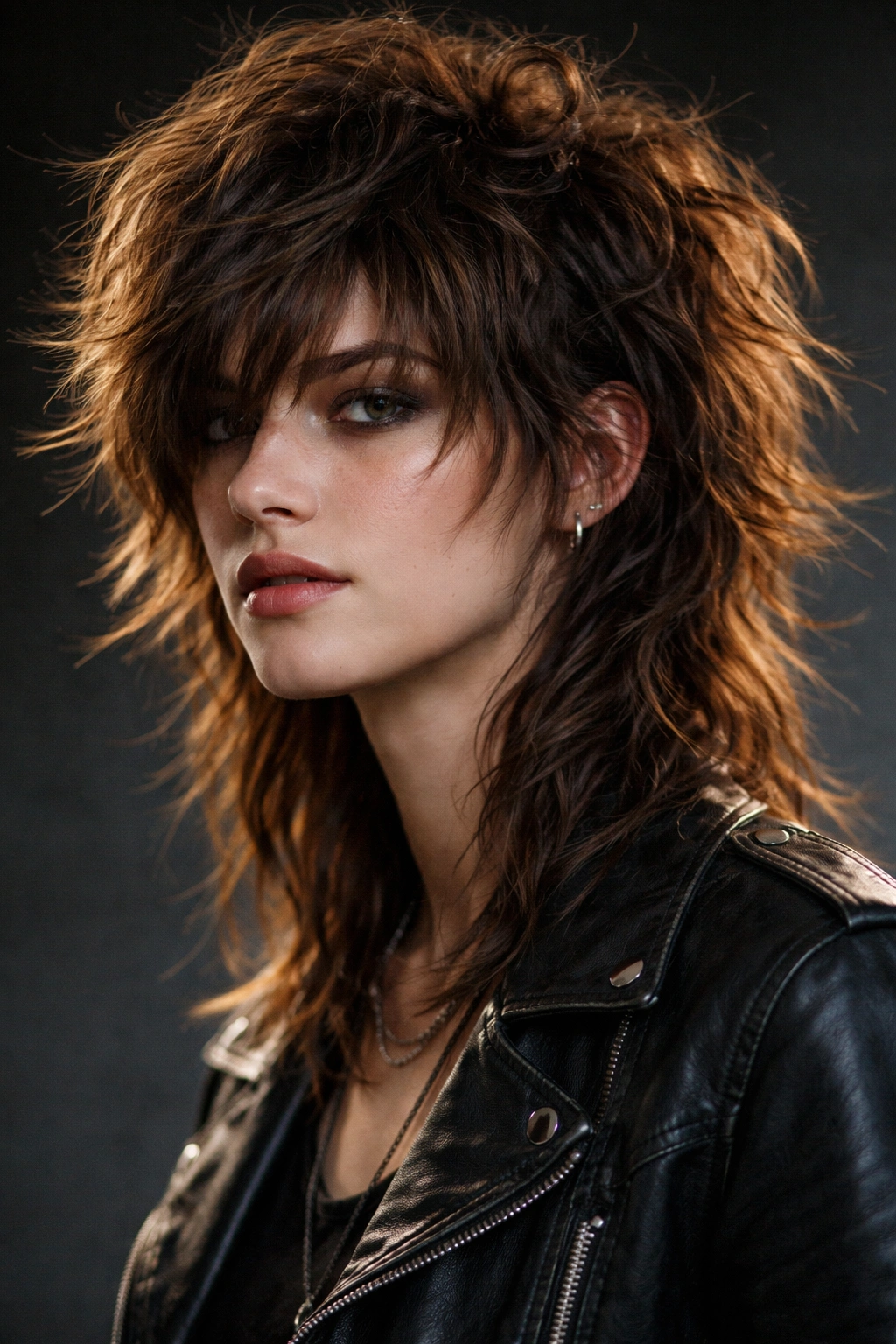
This mullet prioritizes texture and tousled movement throughout the entire cut. Instead of defined layers or structured sections, it’s a cascade of feathered pieces that fall slightly differently depending on how you style it. It’s the mullet for someone who loves a deliberately undone, rock-and-roll vibe.
Creating the Tousled Aesthetic
The rock star mullet relies on feathering and subtle layering throughout rather than stark contrast between sections. The key is creating enough texture that your hair naturally falls into a tousled state without requiring sculptural styling. It’s calculated chaos — it looks effortless but actually requires thoughtful cutting.
Styling and Who It Flatters
- Works beautifully on wavy, curly, or thick hair that naturally holds texture
- Requires daily styling with texturizing spray, mousse, or gel to look intentional rather than neglected
- Flatters most face shapes because the tousled texture and movement are forgiving
- Best worn slightly messy, which means if you have a more polished aesthetic, this might feel at odds with your style
The rock star mullet is the choice if you want your hair to feel like a core part of your identity and you’re willing to invest time in styling.
10. The Sleek and Straight Mullet
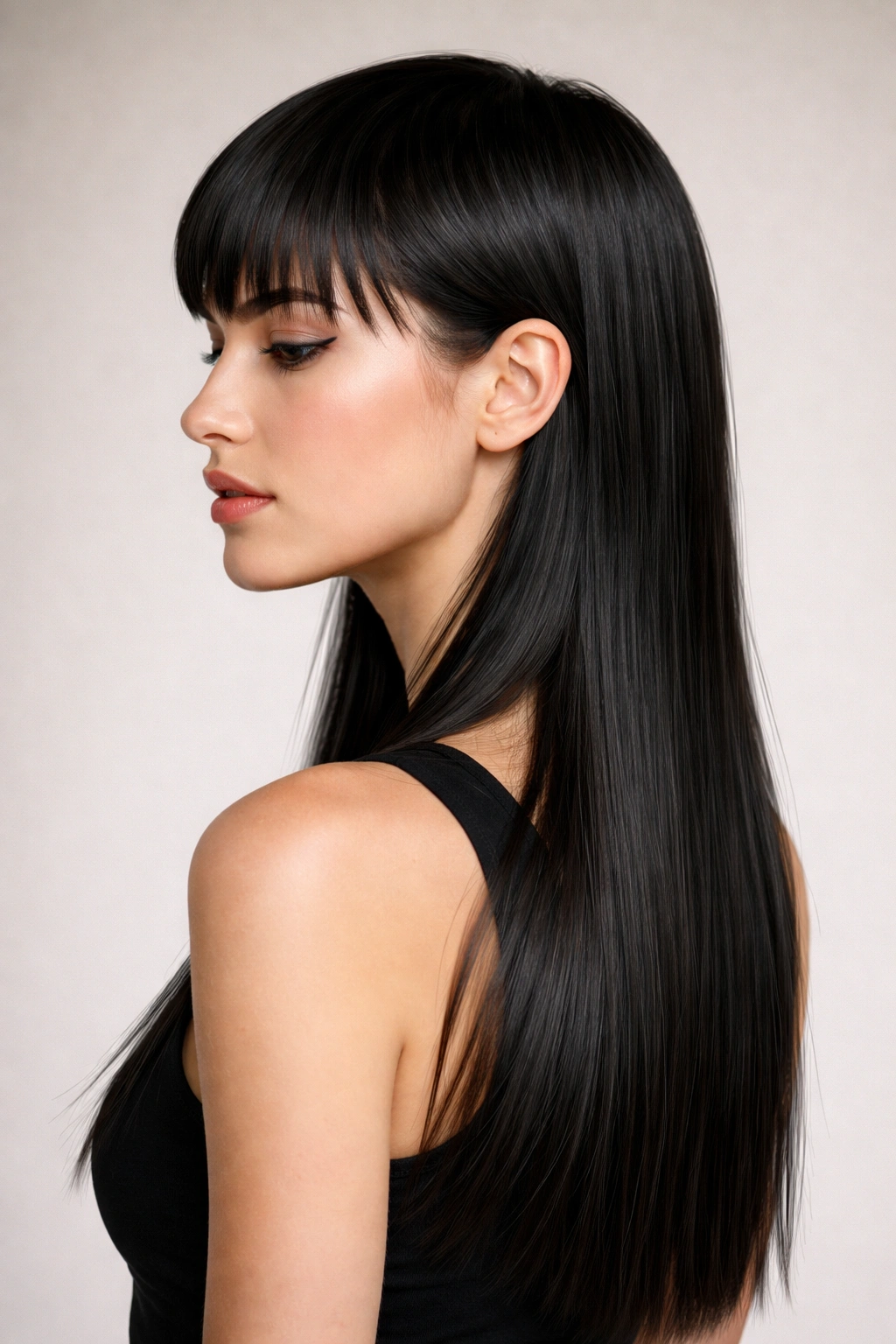
This variation keeps the entire cut sleek and smooth, with straight-edged, blunt layers rather than feathering. The top is tapered but sharp, the back is long and blunt, and there’s intentional contrast between the two sections. It reads as more polished and editorial than soft, feathered versions.
The Appeal of Precision and Cleanliness
The sleek mullet works for people who prefer a more tailored, intentional aesthetic. Rather than relying on tousled texture, this cut depends on clean lines and smooth surfaces. You can blow-dry it straight for a polished finish or add texture with styling products if you want variation.
Styling Flexibility and Maintenance
- Works beautifully on straight or wavy hair but requires consistent blow-drying on curly textures to maintain the sleek aesthetic
- Flatters angular faces and high cheekbones because the smooth surfaces emphasize bone structure
- Requires trims every 6-7 weeks to keep the blunt lines crisp and defined
- Can be styled multiple ways — sleek and smooth, textured and tousled, slicked back — depending on your mood
This version requires more styling consistency than a textured mullet, but it offers maximum versatility in terms of how you can transform it day to day.
11. The Choppy Textured Crown Mullet
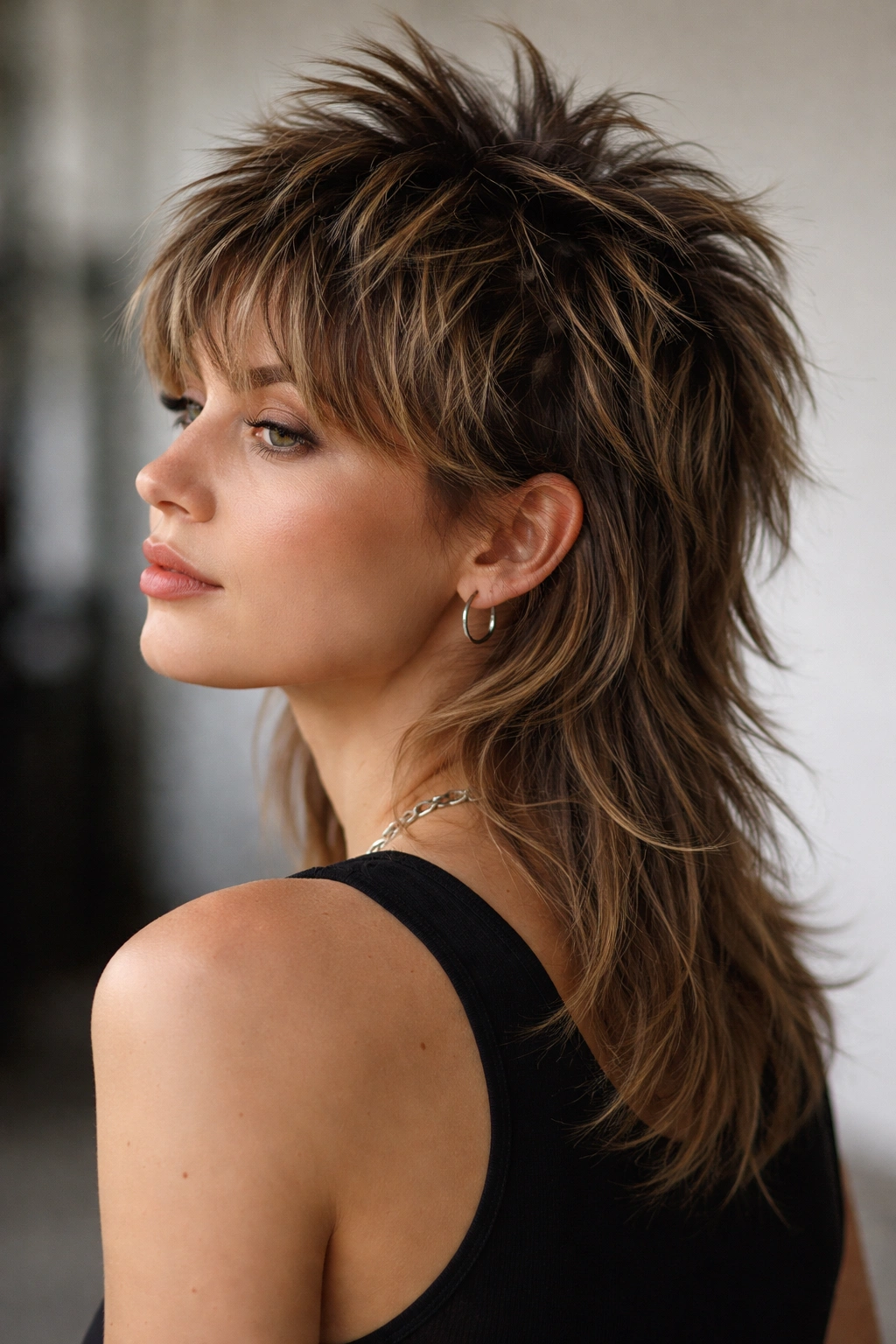
This mullet uses choppy, disconnected layers throughout the crown and sides, creating spiky, piece-y texture on top while maintaining softer, feathered lengths in back. The choppiness is what makes it feel modern and intentional rather than shaggy or messy.
Why Choppiness Works
Choppy layers create defined, individual pieces rather than blended, feathered sections. This approach adds dimension and movement while keeping the cut feeling structured and intentional. The choppiness on top contrasts beautifully with the softer back, creating visual interest and a dynamic silhouette.
Best For and Styling Approach
- Ideal for straight to wavy hair that holds texture well without being overly curly
- Flatters oval, square, and heart-shaped faces because the choppy texture adds dimension without softness
- Requires daily styling with texturizing products and a blow dryer to look intentional
- Works especially well with highlights or color because the choppy pieces create natural places for dimension to catch light
The choppy textured crown mullet is for someone who loves a fashion-forward, editorial aesthetic and doesn’t mind investing time in daily styling.
12. The Embraced-Length Mullet
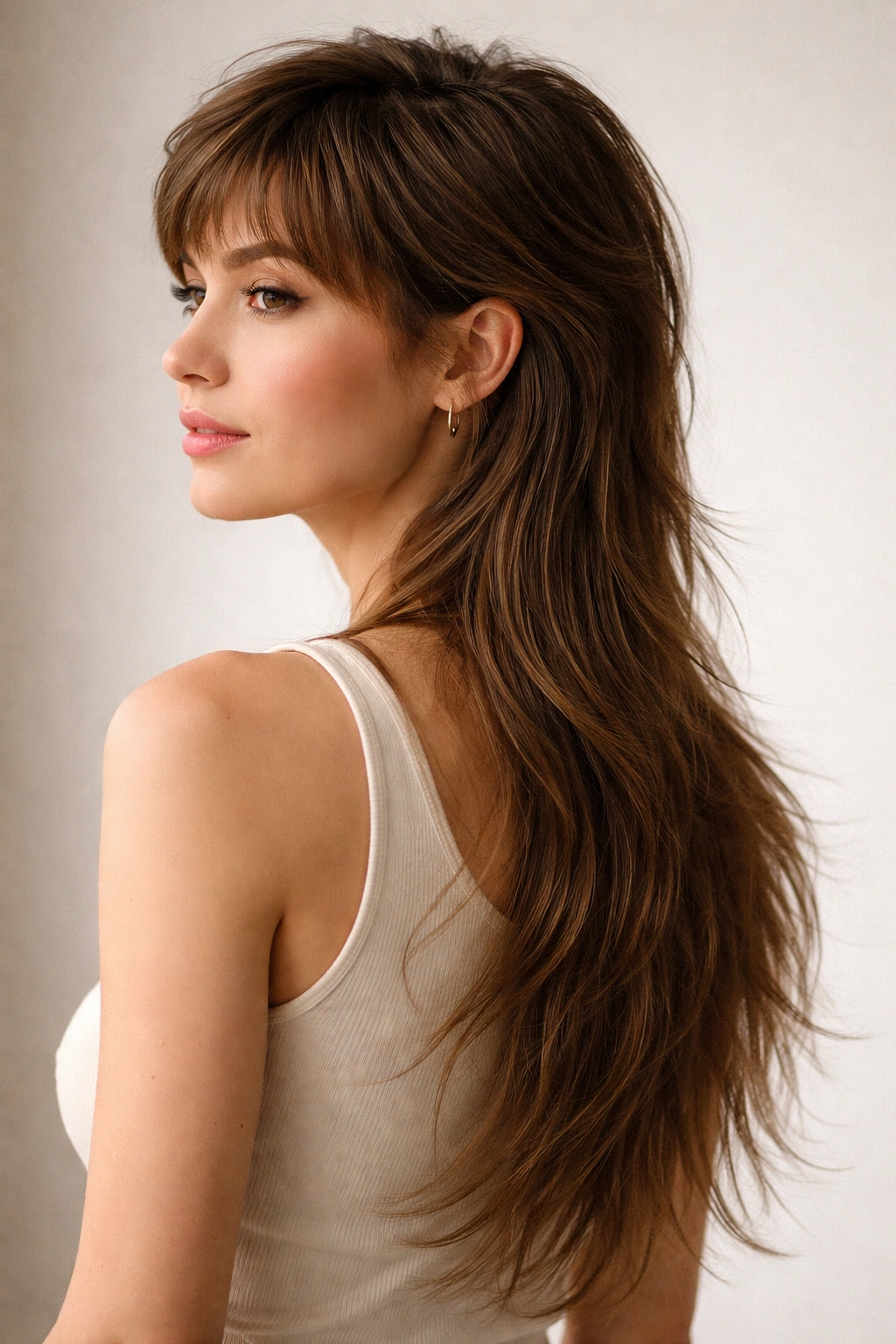
This version lets the back grow longer than most other mullet variations — potentially to your mid-back or even lower — while keeping the front and sides significantly shorter. The longer back lengths are still feathered and soft, but the sheer volume and length create a more dramatic statement.
The Appeal of Significant Length Difference
The embraced-length mullet is for someone who loves long hair but finds it heavy or impractical everywhere. The shorter front and sides keep your face and neck unencumbered while still giving you the satisfaction of substantial, longer lengths. It’s the ultimate in styling versatility — you can wear the back up or down, create multiple styles, and still have the structured shorter front.
Who This Works For and Maintenance Reality
- Best on people with thick, healthy hair because longer lengths show damage more visibly
- Requires serious commitment to trims every 8-10 weeks on the shorter sections and regular layering maintenance on the back to keep it from looking wispy
- Works across all face shapes but especially flatters those who want to draw attention upward with the shorter front
- The longer back requires regular conditioning and occasional damage control
This cut is higher-maintenance in terms of trimming frequency and hair health, but it offers genuine transformation between styling the back up versus wearing it down.
13. The Textured Modern Mullet
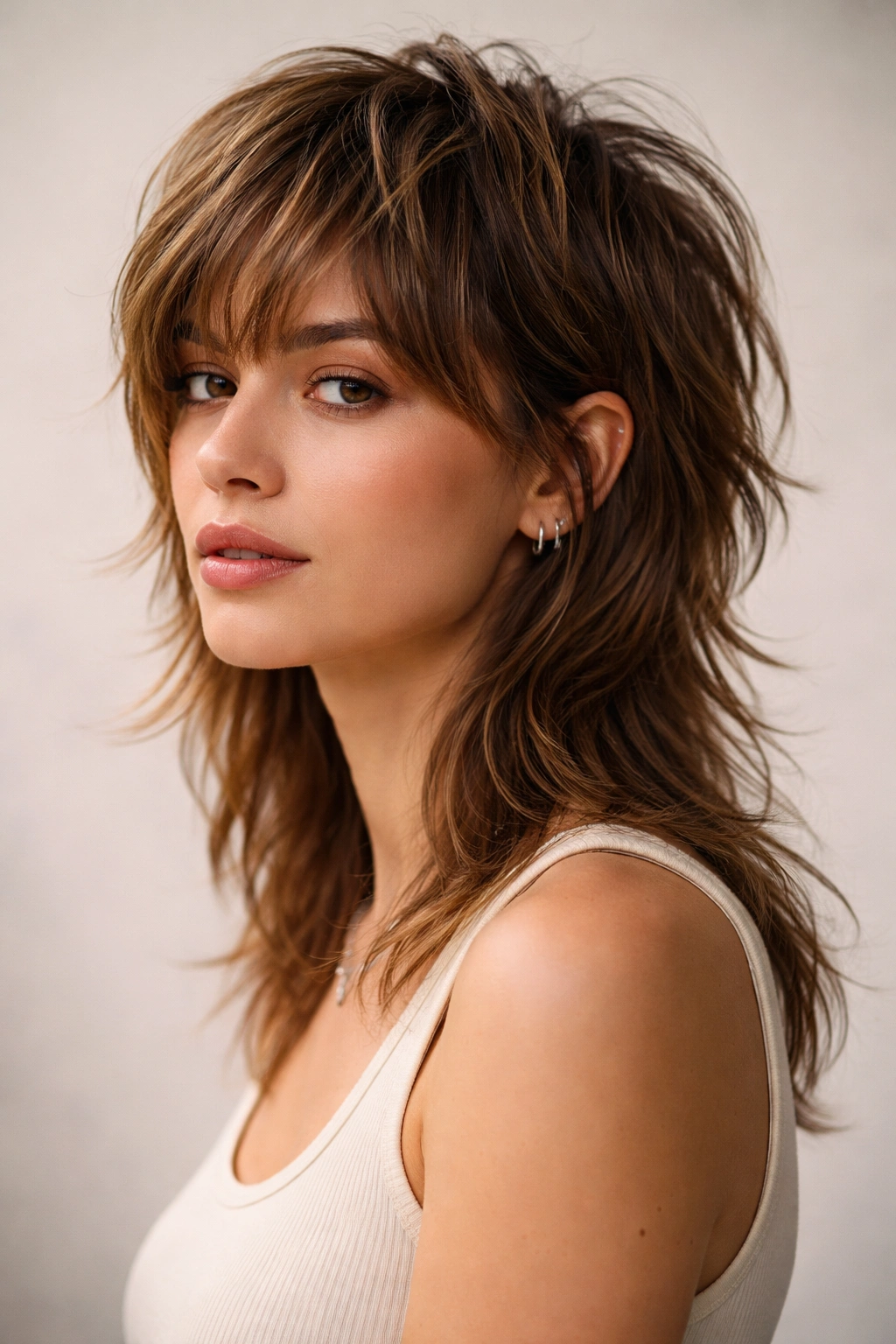
This variation uses modern, slightly disconnected layers throughout, creating texture without choppiness — a middle ground between smooth feathering and dramatic choppiness. The result feels contemporary and intentional while remaining wearable for diverse settings.
Balancing Texture and Professionalism
The textured modern mullet uses strategic layering to create movement and dimension that reads as intentional without veering into a rock-and-roll aesthetic. This approach works beautifully in creative fields and increasingly in traditional corporate settings because it’s clearly a deliberate style choice rather than a neglected haircut.
Styling and Versatility
- Works across all hair types and textures because the texture can be enhanced or toned down depending on how you style it
- Flatters most face shapes and works across all professions with appropriate styling
- Can be worn polished and smooth or tousled and textured depending on the occasion
- Requires trims every 6-8 weeks to maintain the intentional layering
The textured modern mullet is the safe choice if you want a mullet that works across your entire life — professional meetings, weekend social time, creative pursuits — without requiring a dramatic style shift.
14. The Longer-Top Mullet
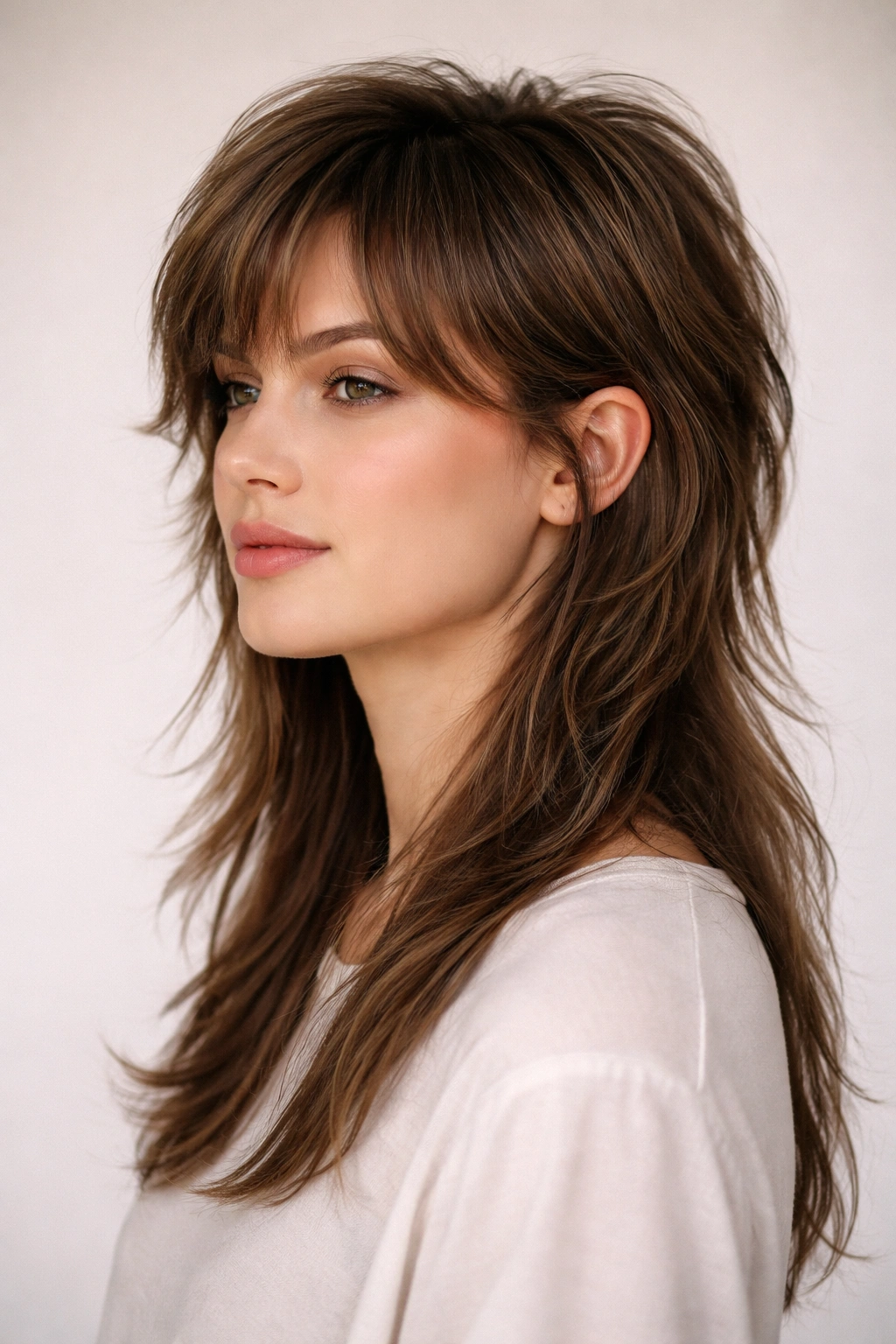
This variation reverses the traditional ratio slightly by keeping the top and crown noticeably longer and fuller while still maintaining longer lengths in back. The front and sides have some length rather than being dramatically cropped. It’s a softer, less contrasting version of the mullet silhouette.
When Longer-Top Makes Sense
The longer-top mullet works for people who love the mullet concept but prefer subtlety over drama. The silhouette is still clearly a mullet, but the less dramatic length difference means it photographs softer and feels more approachable. You get the back-length satisfaction with a less structured front.
Styling and Face Shape Considerations
- Works beautifully on oval and rectangular face shapes where the extra top length creates balance
- Requires less frequent trims (every 8-10 weeks) because the longer top forgives slight growth
- Can be styled multiple ways — smooth, textured, side-swept — without losing the mullet profile
- Less styling-dependent than more dramatically cropped versions
The longer-top mullet is ideal if you want people to discover you have a mullet rather than immediately noticing it. It’s the gateway mullet for the cautious.
15. The Sustainable-Growth Mullet
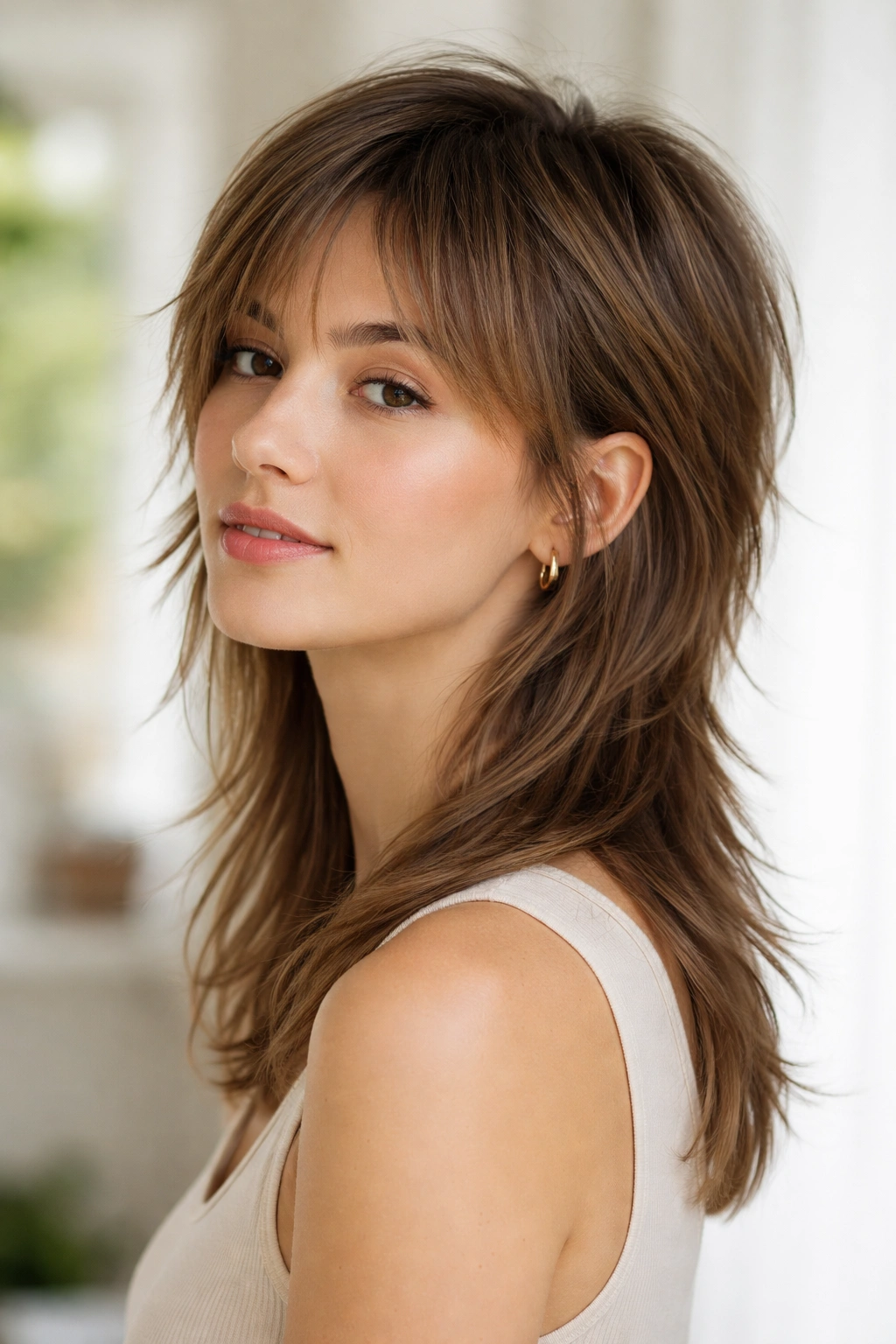
This mullet is designed to be grown out gracefully and maintained with minimal intervention. Rather than requiring dramatic trims to maintain sharp contrasts, this cut uses gradual transitions that look intentional at every stage of growth. It’s the mullet for someone who wants low-maintenance elegance.
How Growth Becomes Part of the Design
The sustainable-growth mullet uses subtle layering and feathering that works whether you trim it every 12 weeks or every 8 weeks. The cut doesn’t depend on precision timing to look good — it’s designed to be forgiving and to look better as it grows slightly. This approach reduces your salon dependency while maintaining a polished aesthetic.
Perfect For and Real-World Maintenance
- Best for people who want a mullet but can’t commit to frequent salon visits or styling time
- Works across all hair types and face shapes because the design prioritizes wearability over drama
- Requires trims every 10-12 weeks rather than every 6-8 weeks
- Styling is minimal — you can wear it as-is most days with occasional blow-drying or texturizing product
The sustainable-growth mullet is the mullet for the pragmatist. It’s genuinely low-maintenance while still looking intentional and contemporary, making it perfect for anyone who wants the aesthetic without the commitment.
Final Thoughts
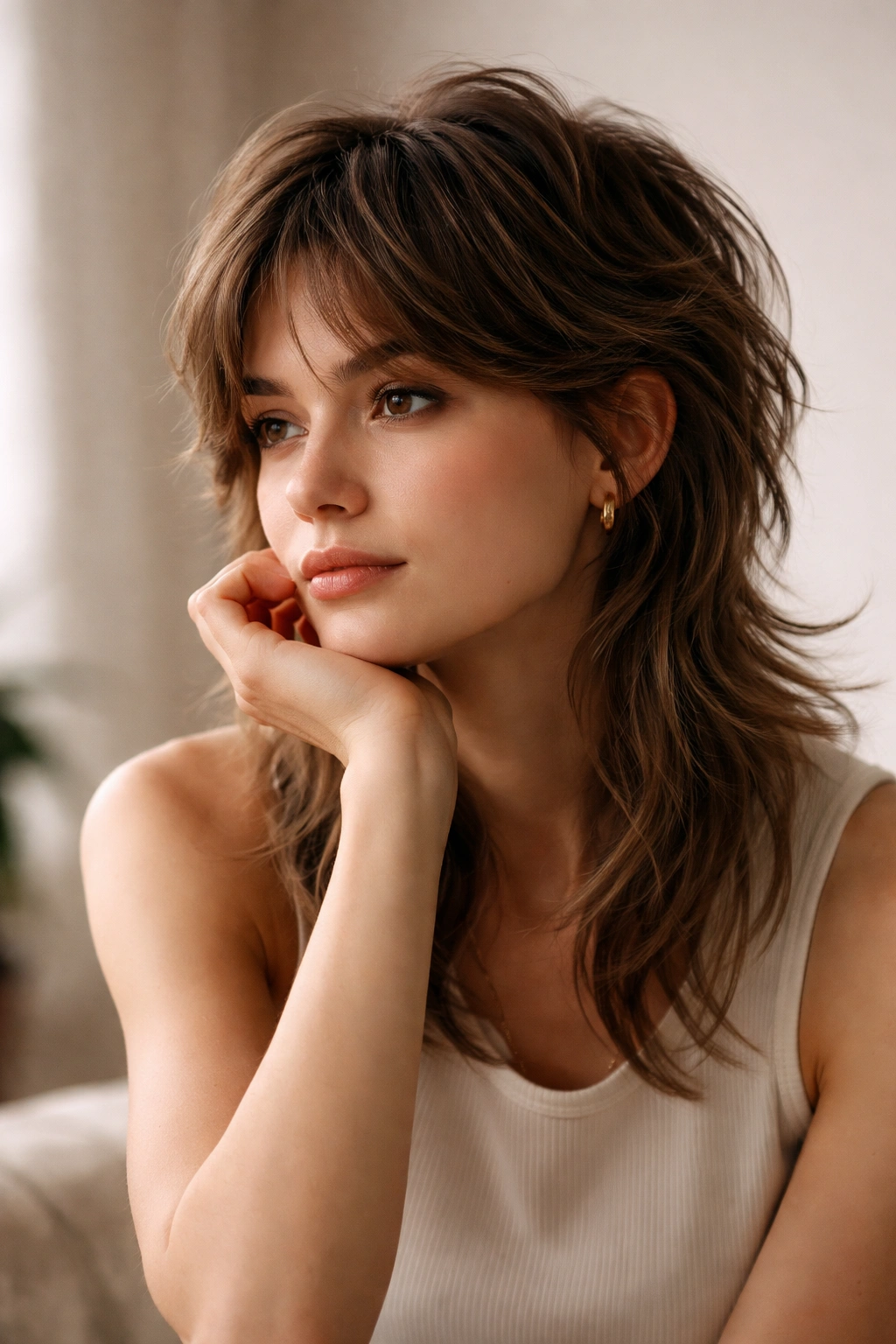
The soft mullet has earned its place as a genuinely wearable, flattering haircut precisely because it adapts to different needs, face shapes, hair textures, and lifestyles. Whether you’re drawn to the textured drama of a choppy crown mullet, the polished precision of a sleek mullet, or the low-maintenance ease of a sustainable-growth version, there’s a soft mullet variation that feels authentically you.
The key to making any mullet work is choosing the version that aligns with your hair texture, styling commitment, and aesthetic goals. A person with fine, straight hair and minimal daily styling time will thrive with a classic feathered or blunt-back mullet that photographs beautifully without demanding constant attention. Someone with thick, curly hair who loves texture might find that a wavy texture mullet or shag mullet celebrates what they already have rather than fighting it.
When you go in for your consultation, bring reference photos of multiple variations rather than just one. Talk specifically about how much time you’re willing to invest in styling — that conversation is more valuable than a general “I want a mullet” direction. And remember that the softness in a soft mullet comes from feathering, texture, and intentional layering rather than from blunt, disconnected lines. That’s what makes these cuts feel modern and wearable rather than costume-like. A great soft mullet should make you feel like yourself, just with better hair.
